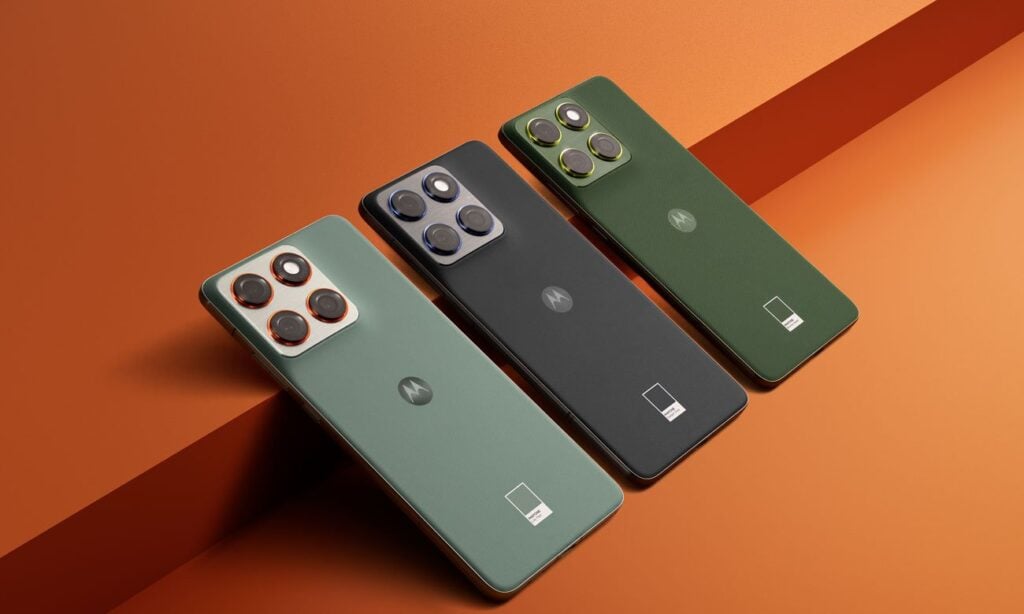
Motorola‘s new razor thin smartphone has just surfaced online. While the company is set to debut the Moto Edge 70 on 5th November 2025, a silent listing has basically announced the device in the European market. We finally have all of the details, so let’s check it out.
Moto Edge 70 Quietly Lands in Europe
The Edge 70 was just spotted on Motorola’s official website, with the listing revealing basically everything about this device. It sports a 6.67-inch pOLED display with a 1.5K resolution, a 120Hz refresh rate, and Corning Gorilla Glass 7i for protection. Under the hood, this model is equipped with the Qualcomm Snapdragon 7 Gen 4 with up to 12GB of LPDDR5X RAM. Motorola’s Edge 70 runs on the Android 16 OS out of the box.
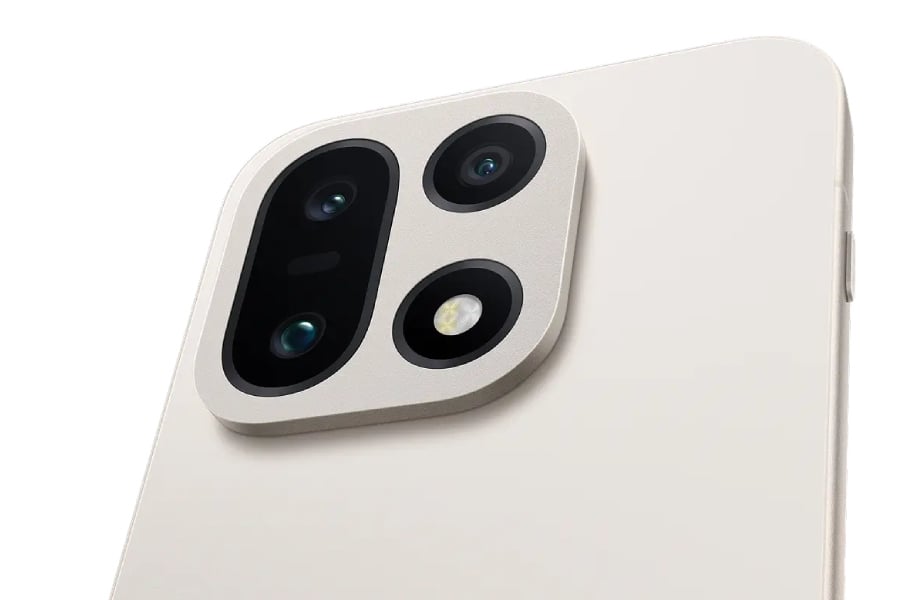
Moto Edge 70
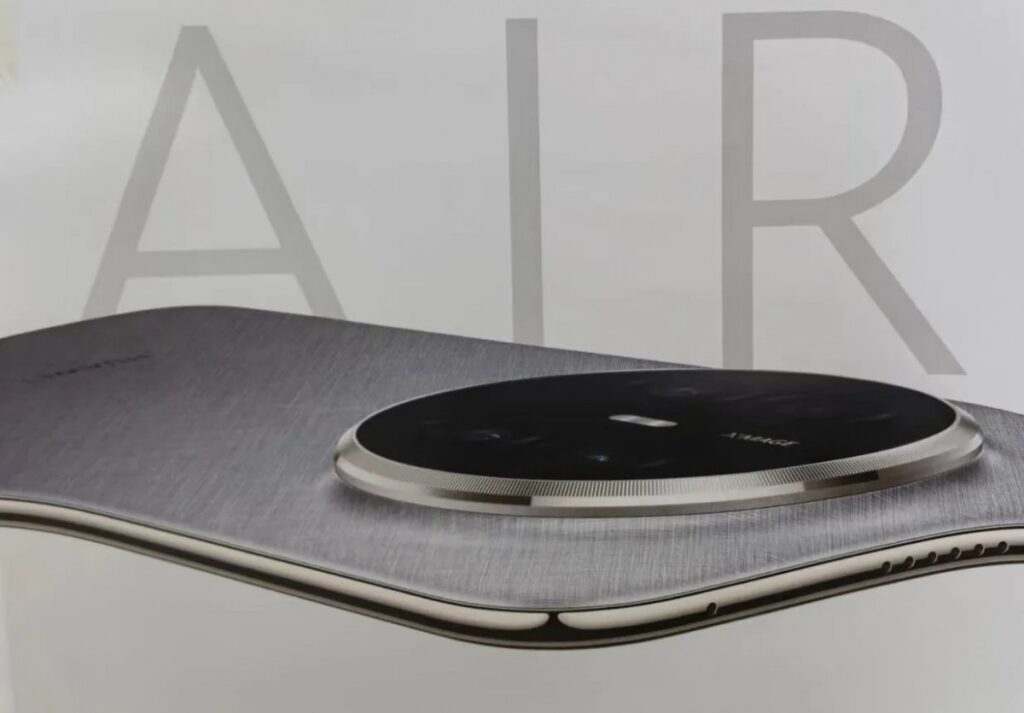
To recall, the Moto Edge 70 is also the global rebranded version of the Moto X70 Air, which is set to debut in China tomorrow. The highlight of this device is its super slim sub 6mm body, which weighs just 159 grams. Despite such a thin form factor, the Edge 70 is powered by a sizeable 4,800mAh battery pack, which supports 68W wired fast charging and 15W wireless charging.
For photography, the rear has a 50MP dual camera setup while the front houses a 50MP selfie shooter. Looking at the official listing, Motorola’s Edge 70 model arrives in a single 12GB + 512GB option, which costs 800 Euros. This smartphone is also being bundled with a free gift of either a Moto Tag smart tracker, Moto Buds Loop, and Moto Watch Fit. It is also available in multiple color options, namely Pantone Gadget Gray, Pantone Lilly Pad, and Pantone Bronze Green.
For more daily updates, please visit our News Section.
The OnePlus Ace 6, launched earlier this week alongside the OnePlus 15, is officially on sale in mainland China today.
The phone sits in the gaming-focused yet still mainstream category, featuring the Snapdragon 8 Elite chipset and a 165Hz refresh rate, all at a more affordable starting price of around $365.
Pricing and Availability
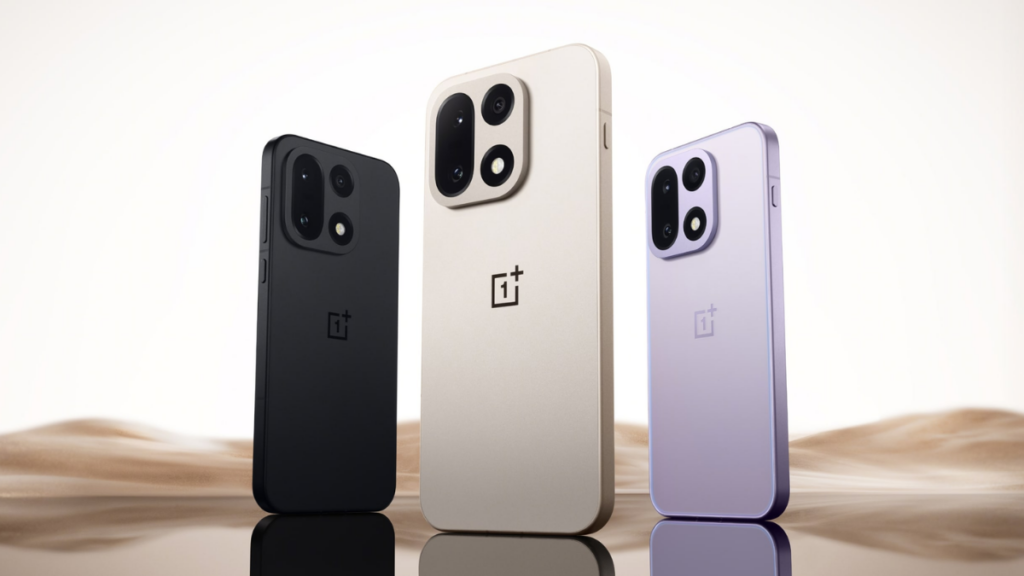
The OnePlus Ace 6 is available in Quick Silver, Racing Black, and Flash White. Here’s the pricing breakdown:
12 GB + 256 GB: 2,599 yuan (≈ $364)
16 GB + 256 GB: 2,899 yuan (≈ $406)
12 GB + 512 GB: 3,099 yuan (≈ $434)
16 GB + 512 GB: 3,399 yuan (≈ $476)
16 GB + 1 TB: 3,899 yuan (≈ $546)
OnePlus Ace 6 Specs
On paper, the Ace 6 is very much a spec-driven device. It’s powered by Qualcomm’s Snapdragon 8 Elite chip and supports a 165Hz display. The company is also highlighting its new “Fengchi Gaming Kernel,” which is designed to deliver stable 165fps gameplay in mainstream titles.
The phone features what OnePlus calls a triple-core gaming processor setup, combining touch, network, and performance chips, along with a flagship-level gyroscope, all aimed at delivering a superior gaming experience.
Powering the device is a 7,800mAh battery, paired with 120W SuperVOOC fast charging. OnePlus claims it offers 10 hours of full-frame gaming, 50% charge in 16 minutes, and a gaming bypass charging mode that powers the phone without putting extra stress on the battery.
Visually, the Ace 6 retains a flat display, featuring a 165Hz panel with eye-protection certification. The phone also boasts IP66/68/69/69K dust and water resistance.
Other hardware features include a 50-megapixel dual rear camera, stereo speakers, an ultrasonic fingerprint reader, NFC, an infrared remote, and ColorOS 16 out of the box.
For more daily updates, please visit our News Section.
Motorola began the Android 16 rollout in September, earlier than most of its competitors, and has been gradually expanding the update to more devices since then. The Moto G Stylus 5G (2025) is the latest from the brand to receive the stable Android 16 update, while the Edge 50 is getting the Android 16 beta update.
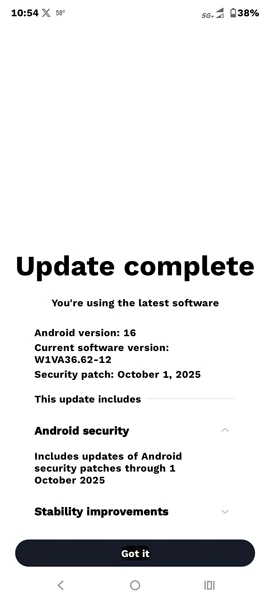
The stable Android 16 update for the Moto G Stylus 5G (2025) has been spotted rolling out to Total Wireless (sister brand of Verizon) carrier-locked devices with the firmware version W1VA36.62-12. The update has a download size of about 1.5GB.
While the 2025 Moto G Stylus is now receiving the Android 16 update, its siblings, Moto G (2025) and Moto G Power (2025), are already enjoying the latest Android OS in the US.
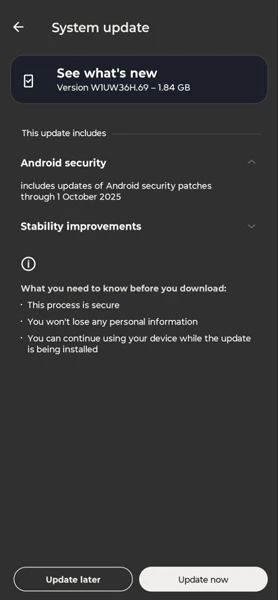
The Motorola Edge 50 is also getting the latest features and improvements via the Android 16 beta update. The update carries the firmware version W1UW36H.69 and has a download size of about 1.84GB. As reported by Ytechb, the Android 16 beta program for Edge 50 is currently live in Brazil, EMEA (Europe, the Middle East, and Africa), and India.
So, if you have the Edge 50 phone and belong to any of the mentioned regions, you can take part in Motorola’s MFN beta testing program to get early access to the latest features and changes ahead of the public release.
Since Android 16 is a major upgrade, the package size weighs in at a few gigabytes. So, you must ensure that your device has sufficient storage before downloading the update and that it has at least 30% battery before installation.
The Android 16 update gives Motorola devices a more expressive design, better protection against malicious apps, more transparent background activities, and better compatibility with LE Audio devices.
The major upgrade introduces custom modes in the Settings app, allowing users to create modes tailored to various situations. Also, the Do Not Disturb, Bedtime, and Driving modes have been moved to Settings > Modes.
Motorola users can now connect to a Wi-Fi network or a hotspot with a single tap, without entering a password. For this, both devices must use the same Google account. The update also includes security enhancements, improved app compatibility, smoother performance, and fixes for known issues.
The Android 16 update improves integration with low-energy audio hearing aids. During a call, users can choose to use your hearing aid’s built-in microphone or your phone’s microphone. They can also adjust the volume of ambient sound captured by the hearing aid’s microphones. This enhances call clarity, especially in noisy environments or when the hearing aid’s battery is running low.
Remember to bookmark this page or visit our Android 16 section regularly for the latest updates. You can also join our Telegram channel for instant updates about the latest happenings in tech.
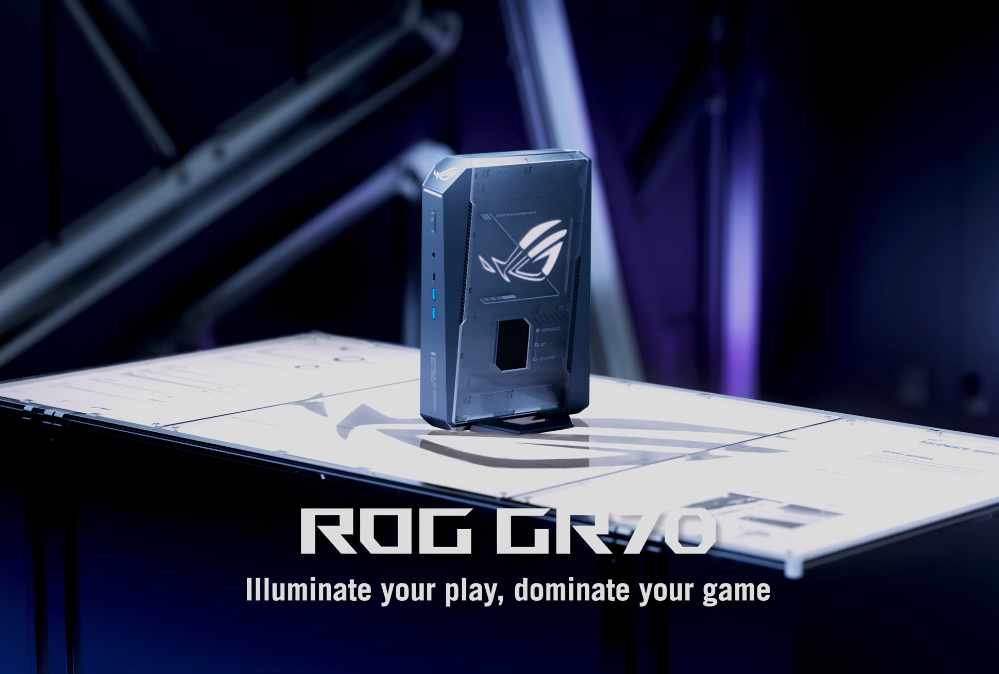
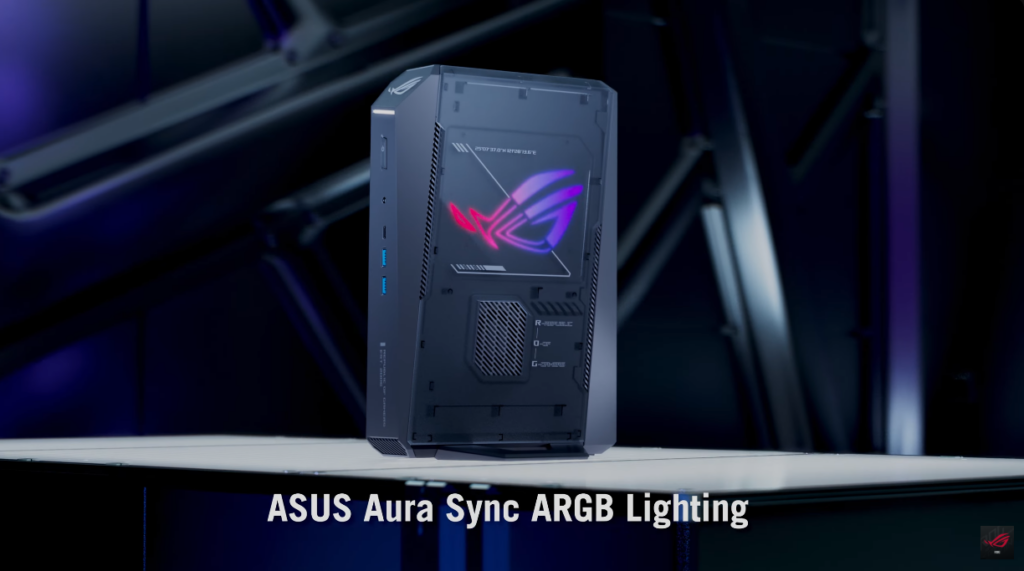
Asus has launched the ROG GR70, its first AMD-powered mini gaming PC. The compact system combines strong performance hardware with a small 3-litre form factor designed for high-end gaming and creative workloads.
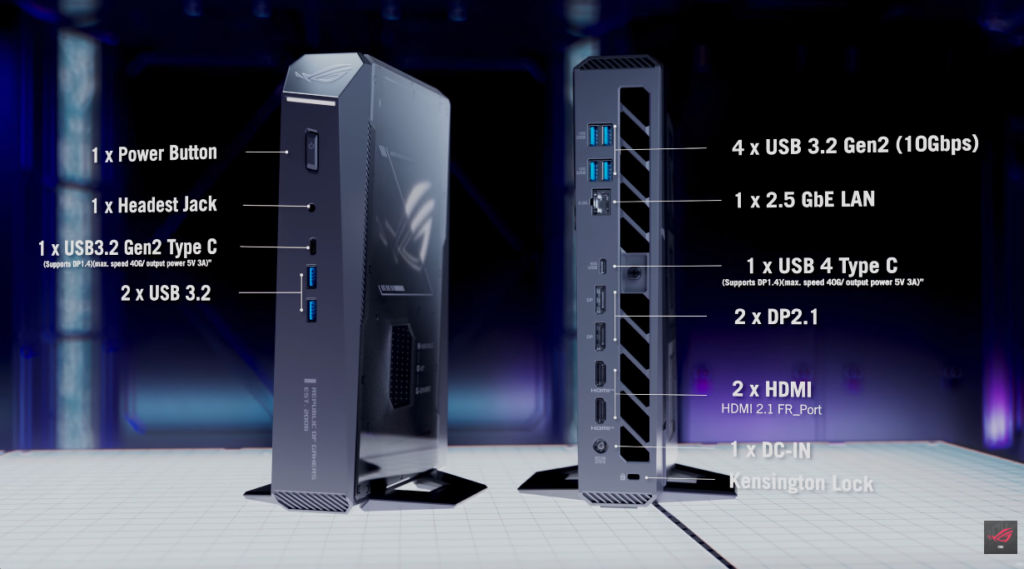
The ROG GR70 measures 280 x 180 x 60 mm and features a clean, compact build with front-facing ports for easy access. The connectivity options include two DisplayPort 2.1, two HDMI 2.1 FRL, one Thunderbolt 4 (DisplayPort 2.1), six USB 3.2 Gen 2 Type-A, one USB 3.2 Gen 2 Type-C, a 3.5 mm audio jack, an RJ45 LAN port, DC-in, and a Kensington lock.
Inside, it supports Wi-Fi 7 and comes with two SODIMM slots for DDR5 memory. Storage options include two M.2 2280 slots, one supporting PCIe 5.0 SSDs and the other limited to PCIe 4.0 speeds.
The mini-PC runs on the AMD Ryzen 9 9955HX3D processor paired with an Nvidia GeForce RTX 5070 laptop GPU. This setup delivers strong CPU and GPU performance suited for gaming, streaming, and multitasking. The Ryzen 9 9955HX3D’s 3D V-Cache technology enhances gaming performance by improving data access speeds.
Asus has started selling the ROG GR70 in China for CNY 14,999 (around $2,113). Details about international release and pricing have not been shared yet.
For more daily updates, please visit ourNews Section.
Qualcomm recently unveiled its flagship Snapdragon 8 Elite Gen 5 chipset, which powers several newly launched premium smartphones. Now, the company appears to be preparing for the arrival of the Snapdragon 8 Gen 5, the next-generation processor in its high-end lineup. Ahead of its official debut, reliable tipster Digital Chat Station has shared a detailed preview of the chip’s technical specifications and benchmark results.
Snapdragon 8 Gen 5 key specifications leaked
Snapdragon 8 Gen 5
According to the leak, the Snapdragon 8 Gen 5 is built on TSMC’s advanced N3P process and features Qualcomm’s custom Oryon CPU architecture. The configuration includes two ultra cores clocked at 3.8GHz and six performance cores running at 3.32GHz, offering a strong balance of speed and efficiency.
For graphics, it features the Adreno 840 GPU, based on the same IP as the Snapdragon 8 Elite’s GPU but with slightly scaled-down performance and a 1.2GHz frequency.
In early benchmark tests, the chipset reportedly achieved over 3.3 million points on AnTuTu and scored around 3,000 (single-core) and 10,000 (multi-core) on Geekbench 6. On the Aztec 1440p benchmark, it managed close to 100 frames per second, highlighting impressive graphical power for high-end gaming.
Snapdragon 8 Gen 5 = Ai generated mock render
Performance-wise, the CPU output is said to be comparable to the Snapdragon 8 Elite, while the GPU performance is slightly lower. However, the N3P fabrication process is expected to deliver improved thermal management and energy efficiency, suggesting that the Snapdragon 8 Gen 5 will offer smoother performance and better stability despite its smaller scale design.
Reports suggest that the OnePlus Ace 6 Turbo, Vivo S50 Pro Mini, and Honor GT 2, which are expected to debut in November-December period, will be the first phones to feature it.
For more daily updates, please visit our News Section.
Vivo is expected to unveil the Vivo S50 and S50 Pro Mini smartphones in November in China. Earlier leaks suggested that the S50 Pro Mini would come equipped with the Dimensity 9400 Plus chipset. However, a new leak from a reliable source indicates that the upcoming device will instead be powered by a Snapdragon 8-series chipset, revealing several additional details about the compact flagship as well.
Vivo S50 Pro Mini key details leaked
Vivo S50 Pro Mini leak by DCS
The Vivo S50 Pro Mini is said to feature a 6.3-inch flat display, confirming that it will continue the compact design language of the S30 Pro Mini. Reports indicate the screen will offer 1.5K resolution and a 120Hz refresh rate for smooth visuals.
According to the latest leak, the phone will be powered by the Snapdragon 8 Gen 5 chipset, replacing the previously rumoured Dimensity 9400 Plus. While Qualcomm has yet to launch this processor officially, early details reveal that it is based on a 3nm process, featuring a 3.8GHz prime core, 3.32GHz performance cores, and a next-generation Adreno GPU.
It is also reported that the OnePlus Ace 6 Turbo will be the first smartphone in China to debut with the Snapdragon 8 Gen 5, which suggests that the S50 Pro Mini could launch shortly after it.
Vivo S50 Pro Mini battery size tipped by DCS
The leak further claims that the S50 Pro Mini will feature a larger battery than the Vivo X300’s 6,040mAh unit. On the camera front, it is expected to offer a triple-camera setup that includes a periscope telephoto lens. Additionally, earlier leaks have mentioned a 50-megapixel front camera for selfies.
Vivo X300 FE rebranding
Rumours suggest that the Vivo X300 FE, which is expected to launch in global markets, could be a rebranded version of the China-exclusive Vivo S50 Pro Mini. Early reports indicate that the global variant may debut in the first quarter of 2026.
For more daily updates, please visit our News Section.
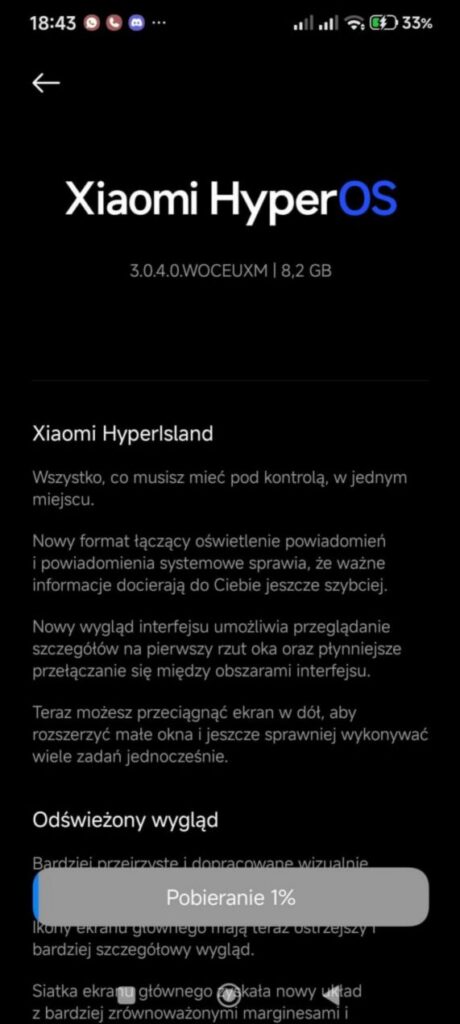
The global rollout of the HyperOS 3 update began last week, with the Xiaomi 15T series getting the first bite, and it’s now expanding to more models. The Xiaomi 15 is the latest to receive the Android 16-based update, which brings a redesigned user interface, exciting new features, AI upgrades, improved performance, and smoother animations.
The stable HyperOS 3 update for the global version of Xiaomi 15 is tagged with the firmware version 3.0.4.0.WOCEUXM and has a massive download size of 8.2GB. The download size should be significantly smaller for beta users. Regardless, you must ensure that the device has sufficient storage and battery before upgrading to HyperOS 3.
Here’s the complete HyperOS 3 changelog for global Xiaomi 15, as shared by Xiaomi Time:
Smoother and more stable overall performance
Optimization: Optimized compiler instructions for better responsiveness and power conservation
Optimization: Enhanced memory allocation and recycling for more free memory
Optimization: Optimized frequency scheduling enhances system efficiency and saves energy
Optimization: More power-efficient short-video playback for longer battery life
Optimization: New window-rendering mechanism reduces graphics-processing load
Optimization: Smoother animations in 100+ system scenarios for more flowing motion
Combines Notification spotlight and device notifications for faster updates
New interface that shows more information at a glance
Seamless transitions and interactive animations
Pull down to reveal small windows for multitasking ease
More compact, detailed design throughout the system
Sharper Home screen icons and well-balanced grid spacing
Simplified status bar for easier reading
Unified rounded corners and optimized control layout
New large-clock Lock screen to provide a sense of depth
All-in-one editor for editing Home and Lock screen wallpapers simultaneously
Deep cross-ecosystem compatibility with Apple devices
iPhone integration: Access to Xiaomi Cloud Gallery, one-tap hotspot connection, and location of devices
iPad integration: Mirroring of phone screens using the Home screen+ feature
Mac connectivity: One-tap hotspot and multi-app windowing
Cross-device unlocking: Unlock Xiaomi phone using iPhone, iPad, Mac, or Xiaomi EV face recognition
Enhanced protection with post-quantum encryption
Revised privacy and password UI
Private Access: Apps only see user-authorized dataReimagined battery & signal indicators and new icons
Dynamic Island, now called Hyper Island by Xiaomi
Subtle UI tweaks throughout menus and controls
iPhone-esque call forwarding, SMS sync, and MacBook screen sharing
AirDrop-esque proximity-based file sharing
More animations, blur effects, and more fluid graphics
AI Dynamic Wallpapers now global—convert photos into moving wallpapers instantly
As the rollout expands in stages, some Xiaomi 15 users may receive the update earlier than others. If you haven’t received the update notification yet, navigate to Settings > About Phone > System Update to manually check for the latest updates.
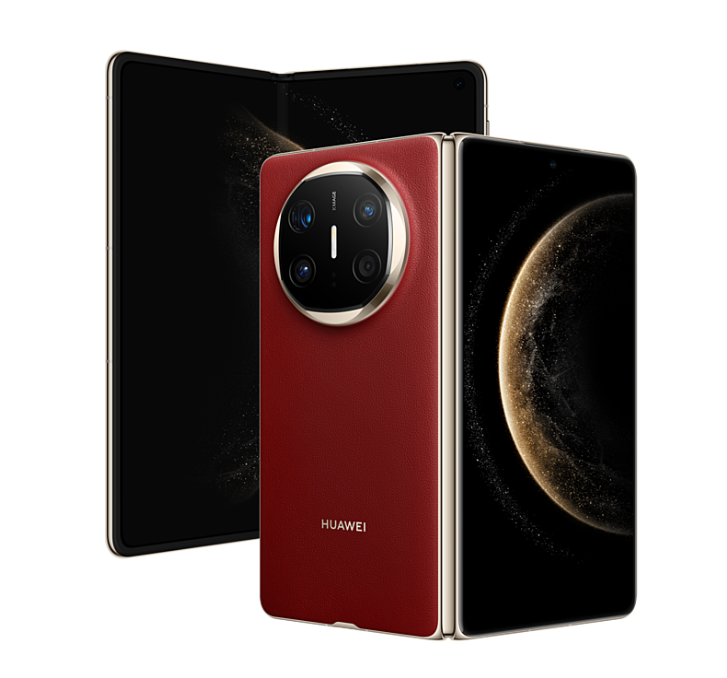
Huawei is expected to unveil the Mate 80 series of smartphones in November in China. Speculations are rife that the brand also plans to launch the Huawei Mate X7 foldable phone in the same month, probably alongside the Mate 80 lineup. Today, reliable tipster Digital Chat Station leaked the key specifications of the company’s upcoming foldable phone.
Huawei Mate X7 key details leaked
Huawei Mate X7 leak by DCS
According to the tipster, the Huawei Mate X7, which has the codename Delphi, is tentatively scheduled to launch in November. The engineering prototype of the device is said to be equipped with a 7.95-inch foldable display with around 2K resolution, which combines Colour-on-Encapsulation (COE) technology for vivid visuals, LTPO for adaptive refresh rates that improve power efficiency, and Ultra-Thin Glass (UTG) for enhanced durability and a smoother folding experience.
Under the hood, the Huawei Mate X7 is expected to feature the new Kirin 9030 chipset. Rumors suggest that the Mate 80 Pro models will also be equipped with the same SoC.
The tipster added that the Mate X7 will offer a larger battery, enhanced camera system, and an even lighter, thinner design. As per other reports, the device may house a battery of around 5,500mAh capacity. The new leak also states that the device will come in five shades, namely Obsidian Black, Phantom Purple, Cosmic Red, Cloud Blue, and Cloud White.
Huawei Mate X6
In July, the tipster claimed that Huawei is testing two different camera sensors for the Mate X7. There’s one with a 50-megapixel 1/1.56-inch sensor and another with a slightly larger 1/1.3-inch sensor. Both are said to support a physical variable aperture. It is also said to feature a 50-megapixel periscope telephoto camera with macro capabilities and a multispectral sensor to improve overall image quality.
For more daily updates, please visit our News Section.
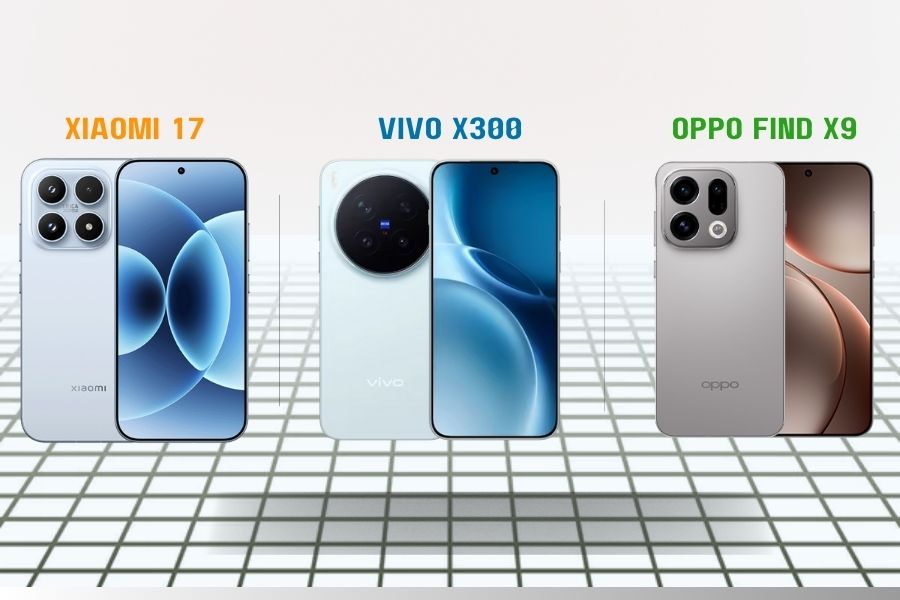
Apple’s iPhone 17 arrived with a surprising twist this year, not just a generational spec bump, but a clear intent to undercut the dominance of aggressively priced Chinese flagships. With a $799 starting price, Apple is clearly recalibrating, offering ProMotion, a 48MP Ultra Wide camera, and the new N1 networking chip in a base model. But does that make it better than the likes of the Xiaomi 17, Vivo X300, or Oppo Find X9?
The iPhone 17 features a 6.3-inch Super Retina XDR display with ProMotion support for the first time in a base model. It now supports up to 120Hz refresh rate and Always-On Display functionality. Peak outdoor brightness reaches 3000 nits, which is a significant step up from its predecessor.
Xiaomi uses a 1.5K OLED LTPO panel on the Xiaomi 17 that hits 3500 nits peak brightness. Vivo takes it further with the X300, offering 4500 nits peak brightness and 2160Hz PWM dimming for better eye comfort. The Find X9 also delivers a 3600-nit display with ultra-high-frequency dimming. Apple still leads in color calibration with True Tone, but Chinese brands now offer brighter panels with finer dimming and better display flexibility.
Please Note: When you buy something using the links in our articles, we may earn a small commission at no cost to you.
2. Performance
The A19 chip on the iPhone 17 is based on a 3nm architecture with a 6-core CPU and a 5-core GPU. Apple says the CPU is 1.5 times faster than the A15 in iPhone 13, with the GPU more than doubling the performance of the older generation. The new chip also includes a 16-core Neural Engine for AI tasks.
Xiaomi uses Qualcomm’s Snapdragon 8 Elite Gen 5 chipset, which includes an Adreno 840 GPU and supports advanced thermal management. On the other hand, Oppo and Vivo use MediaTek Dimensity 9500, which has scored over 4 million points on AnTuTu. Apple’s efficiency remains a strong point, but Chinese rivals now match or surpass the iPhone in raw performance, especially in multitasking and gaming workloads.
3. Camera
Apple upgraded the rear setup with a 48MP main and a 48MP ultra-wide camera. The front camera now uses an 18MP sensor with Center Stage, enabling AI-based field-of-view expansion and landscape selfies without rotating the phone. The iPhone 17 also supports 4K HDR recording on both front and rear cameras, and it introduces Dual Capture.
Xiaomi features a Leica-powered triple 50MP setup, including a Light Fusion 950 sensor and telephoto lens. Vivo uses a 200MP sensor paired with a Zeiss-certified periscope and telemacro lens. Oppo includes a 50MP triple-camera setup with Hasselblad tuning and a spectral sensor for accurate color capture. Apple closes the gap with better usability, but the hardware and flexibility of Chinese camera systems remain superior.
4. Battery and Charging
Apple claims up to 30 hours of video playback on the iPhone 17. The phone supports 40W USB-C fast charging and 25W MagSafe or Qi2 wireless charging. This marks the first time a base iPhone supports fast charging above 20W.
Chinese flagships dominate in this area. Xiaomi’s 7000mAh battery supports 100W wired and 50W wireless charging, along with reverse charging. Vivo includes a 6040mAh battery with 90W wired and 40W wireless speeds. Oppo uses a 7025mAh silicon-carbon battery with 80W wired and 50W wireless charging. Apple improves charging speed, but Android rivals continue to lead in capacity and endurance.
5. Connectivity and Extras
The iPhone 17 introduces Apple’s N1 wireless chip, which supports Wi-Fi 7, Bluetooth 6, Thread networking, and improved Personal Hotspot and AirDrop performance. It also retains Face ID and adds the new Ceramic Shield 2 coating for better scratch resistance.
Chinese phones come with more features on paper. Xiaomi, Vivo, and Oppo include in-display ultrasonic fingerprint sensors, infrared blasters, reverse wireless charging, and high-precision GPS with NavIC support. Vivo and Oppo both offer IP69 ratings, while Apple retains IP68. Apple maintains a smooth ecosystem and polished integration, but Android competitors push more hardware-level features.
6. Pricing and Value
Apple priced the iPhone 17 at $799 for the 256GB model, which is lower than the 256GB versions of the Xiaomi 17 and Vivo X300. This puts Apple in a more competitive position, especially in markets where iPhones traditionally cost more.
The Xiaomi 17 starts at 4499 yuan (around $630) for the 12GB + 256GB variant. Vivo’s X300 starts at 4399 yuan ($618) for the same configuration. The Find X9 is positioned higher at 999 Euros for the 12GB + 512GB model. Chinese phones offer better hardware value, but Apple’s improved base configuration and pricing strategy make the iPhone 17 an attractive option in more markets.
7. Verdict
The iPhone 17 is not better than its Chinese rivals in raw specifications. It still lags in charging, camera versatility, and display brightness. But it fixes previous limitations in display refresh rate, camera quality, and charging speed while maintaining Apple’s ecosystem advantage.
More importantly, it now does this at a more competitive price. Apple is no longer just playing the brand card. The iPhone 17 brings value with real improvements, even if it doesn’t beat Xiaomi, Vivo, or Oppo in feature-for-feature comparisons. It is not the most advanced phone in this group, but it is the most balanced iPhone base model Apple has ever made.
For more daily updates, please visit our News Section.
Meizu unveiled the Meizu 22, a compact flagship phone powered by the Snapdragon 8s Gen 4 chip, in September this year in China. At that time, it was introduced in black, white, and pink shades. In recent weeks, several flagship smartphones have arrived in the Chinese market, prompting Meizu to introduce a refreshed version of its compact flagship with a new colour option to stay competitive.
Meizu 22 now comes in a new “Moon White Sky Blue” shade
Meizu 22 launches new “Moon White Sky Blue” color
Meizu has officially announced the return of its most celebrated color, “Moon White Sky Blue”, with the Meizu 22. This new variant features a smooth ceramic-finish back cover inspired by the elegance of traditional Chinese celadon craftsmanship.
The design integrates a 0.8mm symmetrical “pure white” flat panel and a 6.3-inch frame that offers a refined and balanced in-hand experience.
According to Meizu, the new color variant symbolizes the brand’s commitment to combining modern design with oriental aesthetics. The new variant has a starting price of 2,999 Yuan (~$420) and will go on sale in China starting Oct. 30.
Alongside this, Meizu also introduced a special “Return Voyage: China Flagship Edition”, developed in collaboration with the China State Shipbuilding Corporation’s 714 Research Institute. This edition features design motifs inspired by naval vessels and aircraft, along with a customised UI and collectible accessories.
Meizu 22 specifications
The Meizu 22 is powered by the Snapdragon 8s Gen 4 processor and features a 6.3-inch 1.5K display with adaptive 1–120Hz refresh rate. It includes a triple 50-megapixel rear camera setup covering wide, telephoto, and ultra-wide lenses, as well as a 50-megapixel front camera.
The phone packs a 5,510mAh battery with 80W wired and 66W wireless charging support. Other highlights include ultrasonic fingerprint scanning, an X-axis linear motor, an IR blaster, and IP66/68-rated dust and water resistance.
For more daily updates, please visit our News Section.
It’s been a complete mess for Samsung—or at least it seems that way from the outside. First, the company was thought to be replacing the Galaxy S26 Plus with the S26 Edge.
Later, reports suggested that the S26 Plus was back in the lineup and that there wouldn’t be a Galaxy S26 Edge instead. In fact, the entire Edge series was said to have been dropped.
Even slimmer than Edge: More Slim
Now, a wild new rumor claims there’s more to this story. According to the Dutch site GalaxyClub, the S26 Edge has indeed been scrapped, but Samsung hasn’t given up on making a slim flagship. The company is reportedly developing another thin phone, internally codenamed “More Slim.”
The report states that Samsung has been working on this mystery device for a few months now, although its development began significantly later than previously thought to be the S26 Edge project.
Samsung Galaxy S25 Edge
The previous S25 Edge carried the internal codename “Slim,” so it does make “More Slim” sound like a deliberate continuation of that idea.
Now, we don’t know much about this More Slim device, except that the name itself hints it could be even slimmer than the now-scrapped S26 Edge.
We’re not entirely sure what Samsung’s logic is here. The S25 Edge was already an expensive phone for what it offered—you got a dual-camera setup with no telephoto lens and a small 3,900mAh battery.
Making the next iteration even thinner will likely drive up costs, as Samsung would need to custom-engineer components to fit more into even less space. And even then, how does the company plan to improve on common complaints about the S25 Edge, like battery in an even slimmer design?
Samsung must have a plan in mind, and we’ll likely learn more about it in the near future.
For more daily updates, please visit our News Section.
Flagship smartphone launches used to be simple. There was one premium model, one Pro version for those who wanted more, and maybe a standard version for everyone else. But that line has almost completely blurred in 2025.
The so-called “base” models from major Chinese brands have grown powerful enough to challenge their own Pro siblings. They now offer high-end cameras, premium materials, and top-tier chips, all at prices that make Pro models feel unnecessary.
The latest proof of this comes from Vivo, Xiaomi, and Oppo, whose new phones — the Vivo X300, Xiaomi 17, and Oppo Find X9 — were launched within weeks of each other.
Although these three phones sit below their Pro counterparts, they look and feel like top-tier devices in their own right. What’s even more interesting is how differently each company interprets the idea of a flagship phone for everyone.
On paper, the three phones share similar footprints. The Vivo X300 and Xiaomi 17 are almost identical in size, hovering around 6.3 inches, while Oppo’s Find X9 stretches slightly larger to 6.59 inches.
All three offer some level of IP68 water and dust protection, though Vivo and Oppo go further with IP69 ratings, which means resistance to high-pressure water jets. This feature is almost unnecessary for most people (here’s why), but it’s here nonetheless.
There’s not much to separate them in display technology either. Each uses an LTPO AMOLED panel with up to 120Hz refresh rate, HDR10+ support, and color standards that now seem mandatory for phones at this price.
Only if we nitpick, Xiaomi claims that it can reach 3,500 nits peak brightness, Vivo claims 4,500 nits, and Oppo claims 3,600 nits. While these are peak figures and you’re rarely hitting these numbers, it’s reassuring to know all three should remain perfectly usable outdoors.
All three panels support HDR10+, Dolby Vision, and high-frequency PWM dimming, with pixel densities hovering around 460ppi. In real use, they’ll likely look nearly identical, though the default color calibration depends on how the brand prefers it.
The clearest separation between these phones comes from what’s inside. Xiaomi uses Qualcomm’s Snapdragon 8 Elite Gen 5, while both Vivo and Oppo rely on MediaTek’s Dimensity 9500.
On paper, Qualcomm still leads in raw CPU and GPU performance. Xiaomi’s 8 Elite Gen 5 uses custom Oryon cores with clock speeds up to 4.6GHz and the new Adreno 840 GPU.
Vivo and Oppo’s Dimensity 9500 chips are not far behind; they are built on the same 3nm process and have their own “C1 Ultra” cores running at 4.21GHz. But MediaTek’s focus is on efficiency and sustained performance, and in practice, the difference may be small unless you push the phones with extended gaming or AI workloads.
What’s more notable is how similar these three feel in day-to-day use. All three phones use UFS 4.1 storage and LPDDR5X RAM to ensure flagship-level responsiveness.
3. Cameras
Vivo X300 Pro telephoto converter
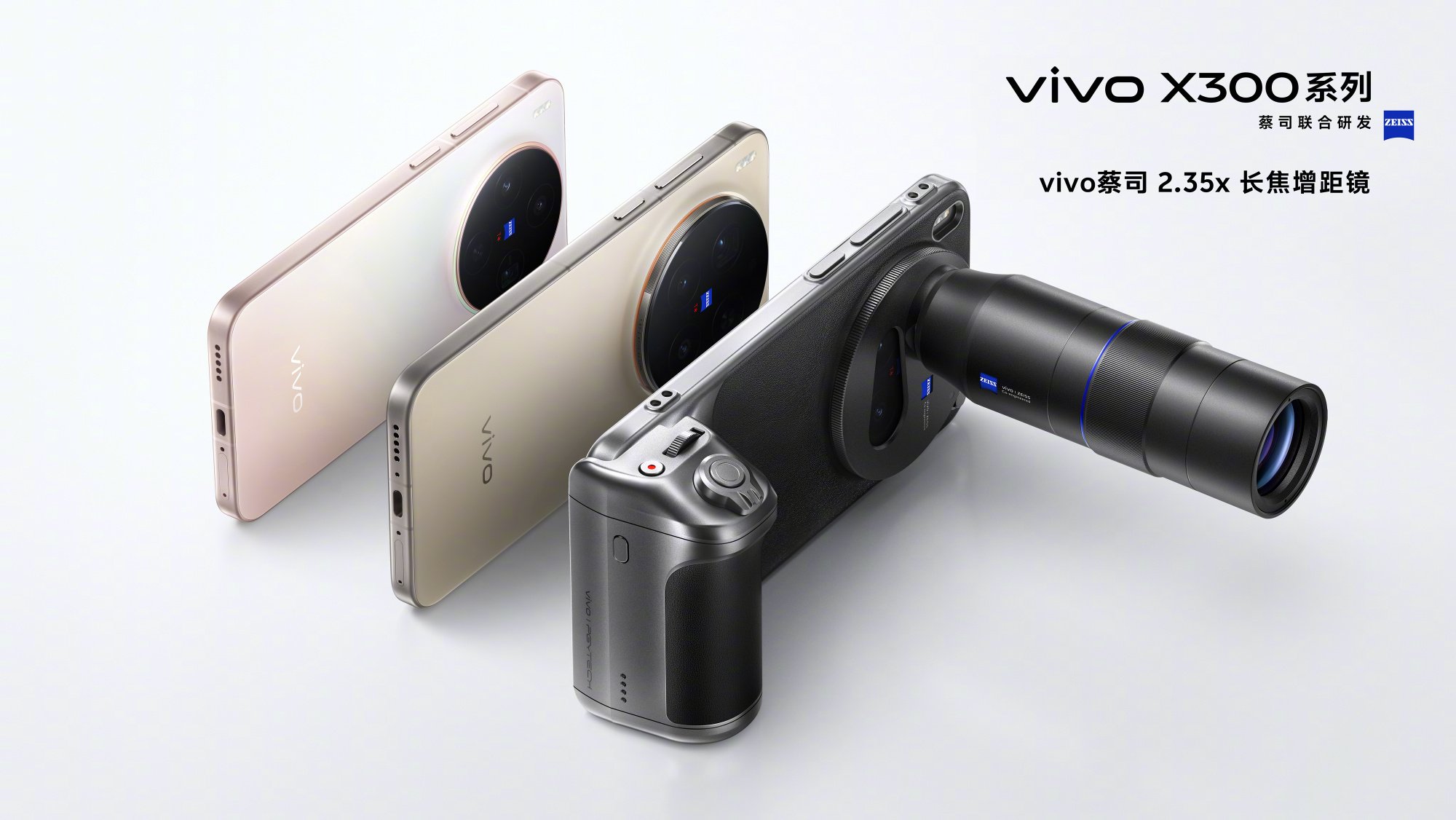
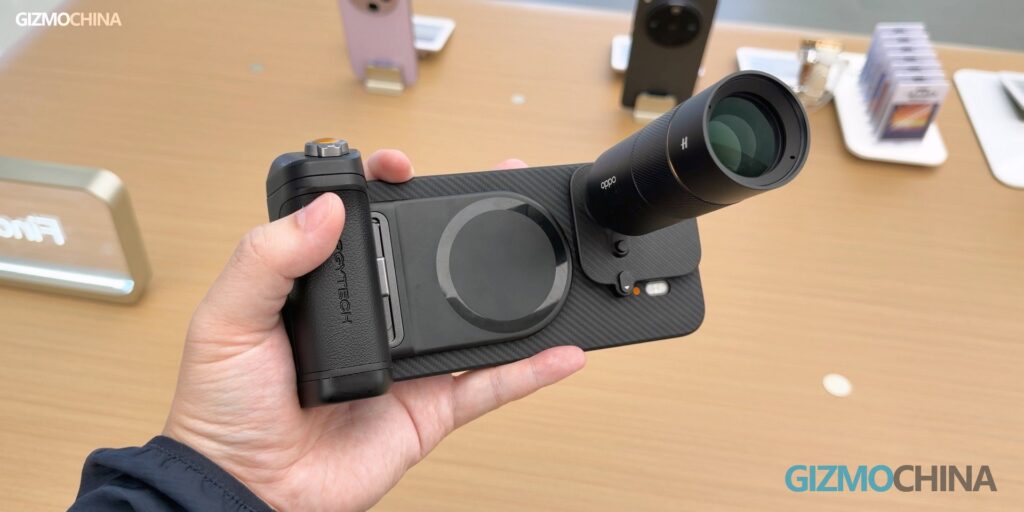
The biggest philosophical split lies in the camera systems. Vivo is the most camera-focused brand here, and it shows. The Vivo X300 leads with a 200-megapixel Samsung HPB main sensor, accompanied by two 50-megapixel cameras — one telephoto, one ultrawide.
Then it has Zeiss optics and the ability to import 3D LUTs. And it even supports a detachable telephoto extender lens sold separately, something previously reserved for its Ultra series.
Xiaomi 17 uses a triple 50-megapixel setup, each tuned in collaboration with Leica. The main lens is a 1/1.31-inch sensor with an f/1.7 aperture, and the telephoto offers 2.6x optical zoom. It also supports 8K video and Dolby Vision HDR, matching its Pro siblings in video flexibility.
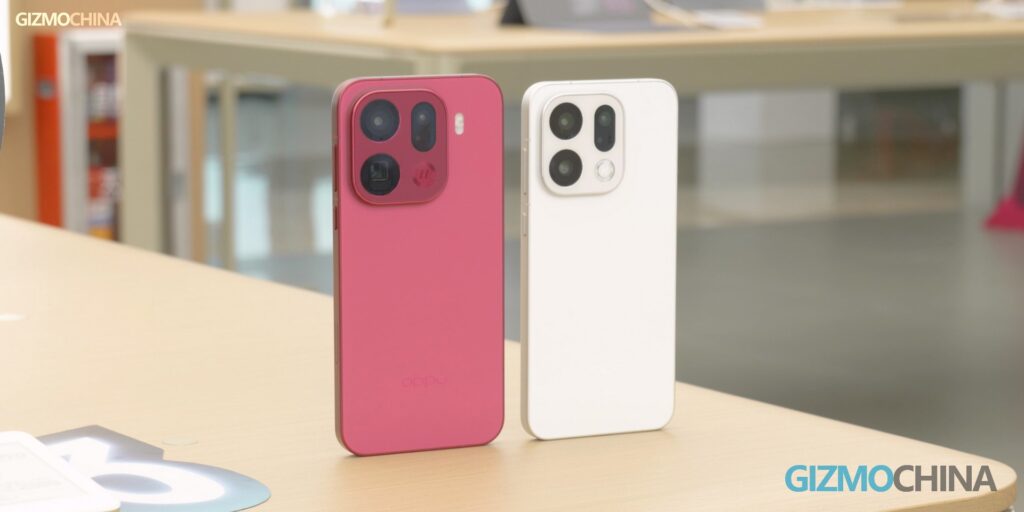
Oppo’s Find X9, meanwhile, keeps things simple. It sticks with three 50-megapixel sensors but relies on the established partnership with Hasselblad for color tuning.
The 3x periscope telephoto offers real optical range, and image quality should remain strong thanks to the large 1/1.4-inch main sensor. Like Vivo, Oppo has a telephoto extender for the Find X9 series, but it’s reserved for the Pro model.
4. Battery and charging
Battery life is where these phones start to feel generationally different. All three use silicon-carbon battery chemistry, allowing higher capacity without added bulk.
Oppo leads the group with a 7,025mAh battery, followed closely by Xiaomi’s 7,000mAh and Vivo’s smaller but efficient 6,040mAh pack. Despite the difference in capacity, Vivo claims its battery lasts as long as a typical 7,000mAh unit.
Charging speeds are fast across the board. Xiaomi supports 100W wired and 50W wireless charging, Oppo follows with 80W wired and 50W wireless, and Vivo offers 90W wired and 40W wireless. The phones can go from empty to full in under 40 minutes.
5. Software and experience
All three phones ship with Android 16, customized heavily by their respective skins: HyperOS 3 on Xiaomi, OriginOS 6 on Vivo, and ColorOS 16 on Oppo.
Each takes a different approach to personalization, and whether you like these skins or not largely comes down to preference. Each phone also includes an ultrasonic fingerprint sensor, dual stereo speakers, NFC, and infrared blasters. None offers a 3.5mm headphone jack, but all support high-resolution wireless audio.
6. Verdict
In truth, there’s no clear winner here. The Vivo X300, Xiaomi 17, and Oppo Find X9 are all high-end devices with different priorities wrapped in similar price brackets.
The Vivo X300 is for those who care about photography above all else. Its 200-megapixel sensor and Zeiss collaboration make it a quiet powerhouse for imaging, and its compact design will appeal to users tired of oversized flagships.
The Xiaomi 17 is an all-rounder. Its Leica-tuned cameras, Snapdragon chip, and large battery make it easy to recommend to anyone who values both power and polish.
The Oppo Find X9 sits somewhere between the two. It emphasizes endurance and balance. It’s not as flashy as the Xiaomi or as ambitious as the Vivo. Still, it might be the most reliable of the bunch, combining excellent battery life, consistent camera output, and understated design.
We don’t know what’s happening, but Dreame seems to be on a spree of launching new products almost every day. The company has been expanding aggressively into new categories, from Mini LED TVs and soundbars to large home appliances like refrigerators.
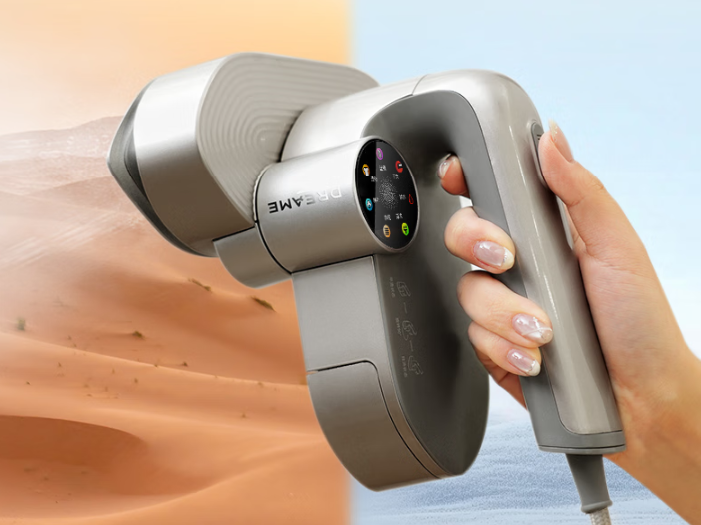
It has also confirmed plans to enter the smartphone market. Now, Dreame is stepping into the garment care segment with the introduction of the P7 Steam Iron in the Chinese market. It is priced at 635 yuan ($89) and is now available on JD.com.
Dreame P7 Steam Iron Specifications
The Dreame P7 features a 90-degree rotating “butterfly wing” ironing panel designed for better comfort and efficiency. The patented horizontal layout increases the ironing surface to 172mm, allowing it to cover more area in a single pass. The steam output zone is physically separated from the grip area to ensure safe handling and prevent accidental burns during use.
The P7 is powered by a 1200W dual-core pressure-boosting system capable of delivering steam at a rate of approximately 12±5g per minute and a pressure of up to 200kPa. The dense and consistent steam penetrates deep into fabric fibers to eliminate wrinkles quickly.
The device uses Dreame’s multi-layer vaporization system to generate ultra-fine nano steam that prevents moisture buildup on fabrics. It also includes a 0.1-second touch sensor that instantly stops steam when the handle is released and resumes operation when it’s held again.
It includes five ironing modes that support both dry and steam settings, optimized for different materials such as silk, cotton, wool, linen, and synthetic blends. These modes adjust power and steam levels dynamically to match fabric types. In addition to wrinkle removal, the P7 also supports sterilization, promising 99.99% bacteria elimination and complete mite removal through high-temperature steam.
The device includes a detachable 100ml water tank that supports multiple garments in one session. It also has a self-cleaning mode that flushes the internal heating system with high-frequency water flow to prevent scale buildup and maintain long-term performance.
For more daily updates, please visit our News Section.
The competitive world of flagship smartphones is heating up again, with Chinese brands bringing a new wave of premium devices. Two of the latest models to hit the market are the Oppo Find X9 Pro and OnePlus 15. While the former is a high end smartphone with cutting edge cameras, the latter focuses on performance. So both serve a different purpose despite being the latest gen flagships. So here’s a quick comparison from display and design to hardware performance and camera systems to help you decide which model fits your priorities.
Display & Design
These are both top of the line smartphones from Oppo and OnePlus, so you get a premium build quality that uses metal and glass, along with high end IP rating for water and dust resistance, and uniform bezels. So picking between the designs is based on personal preference. However, the display on the front immediately showcases the different focus of the two smartphones.
Oppo Find X9 Pro
The Find X9 Pro sports a 6.78-inch LTPO AMOLED display with a 2780×1264 resolution, 3840Hz PWM dimming, Dolby Vision, a 120Hz refresh rate, and up to 3600 nits of peak brightness. Meanwhile, the OnePlus 15 has a similar 6.78-inch LTPO AMOLED panel with a 1.5K resolution as well. However, it bumps up the max refresh rate to 165Hz, which appeals to mobile gaming enthusiasts.
Hardware & Performance
Under the hood, these phones take different paths once again. The Find X9 Pro is equipped with MediaTek’s latest and greatest Dimensity 9500. On the other hand, the OnePlus 15 gets Qualcomm’s flagship Snapdragon 8 Elite Gen 5 SoC. Both models offer up to 16GB of RAM and 1TB of internal storage. You can expect high end performance on both models, from everyday use to intense tasks like gaming.
OnePlus 15
However, the OnePlus 15 was clearly built to double as a great gaming phone as well. A gigantic 7,500mAh battery pack powers the Find X9 Pro, which supports 80W wired fast charging and 50W wireless fast charging. While OnePlus’ latest flagship has a slightly smaller 7,300mAh cell, it makes up for this with a faster 120W wired fast charging and 50W wireless fast charging support.
Camera
Photography is another area where each device offers distinct priorities. Oppo’s Find X9 Pro places a big focus on offering a flagship grade camera experience. It features Sony’s new 50MP LYT828 primary sensor (1/1.28″, OIS, f/1.5), 200MP Samsung HP5 periscope telephoto shooter (1/4″, OIS, f/2.1), and 50MP ultra wide angle lens on the rear. For selfies and video calls, there is a 50MP Samsung ISOCELL JN5 camera on the front. Just like before, the cameras are also tuned by Hasselblad.
Last year, the OnePlus 13 was a bit similar to the Find X8 Pro. But now, the OnePlus 15 has made some downgrades to its camera system. The 1.4-inch main camera is now a smaller 50MP Sony 1/1.56-inch primary sensor (OIS, f/1.8), which is coupled with a 50MP ultra wide angle lens, and a 50MP periscope telephoto shooter with a 3.5x optical zoom. Gone is the Hasselblad tuning, being replaced by Oppo’s LUMO Condensed Light Imaging. While it would be wrong to call the camera worse outright, photography is clearly not a major focus anymore.
Pricing and Final Thoughts
Taking all of this into account, it isn’t surprising that Oppo’s Find X9 Pro has a higher starting price tag of 5,299 Yuan, which is roughly around 746 US Dollars, for the 12GB + 256GB configuration. In comparison, the OnePlus 15 is a lot more affordable with a 3,999 yuan starting price (roughly 561 US Dollars) for the same storage option.
So in choosing between the OPPO Find X9 Pro and the OnePlus 15, your decision comes down to what you value most. If you’re after absolute photography capability and long battery life, the Find X9 Pro emerges as a strong pick. On the flip side, if you prioritise raw performance, relatively affordable pricing, ultra-fluid display and a chipset built for gaming or heavy tasks, the OnePlus 15 may be the smarter choice.
For more daily updates, please visit our News Section.
Nvidia is betting big on the future of intelligent connectivity, investing $1 billion in Nokia to accelerate work on AI-driven 5G and 6G networks. The move gives Nvidia a 2.9% stake in the Finnish telecom giant and signals a deeper partnership aimed at blending AI and radio access networks (RAN) — what both companies are calling AI-RAN.
Under the deal, Nvidia will buy almost 166.4 million new Nokia shares at $6.01 each, pending regulatory approval. The funding will help Nokia speed up its development of AI-based RAN software, expand its cloud and data center solutions, and enhance its optical and switching technologies — all key to building the next generation of AI-ready infrastructure.
The collaboration will see Nvidia’s CUDA and AI platforms integrated into Nokia’s telecom systems, effectively turning networks into smart, adaptive systems capable of handling AI workloads closer to the user.
T-Mobile US is already signed on as a partner, with field trials planned for 2026 to test performance, power efficiency, and real-world scalability.
Nokia CEO Justin Hotard described the partnership as a “fundamental redesign” of how networks operate — bringing computing intelligence to the edge of connectivity. Nvidia’s Jensen Huang added that telecommunications form the “digital nervous system” of modern economies and that AI-RAN could be a generational shift for national infrastructure.
The deal also pulls in Dell Technologies as part of the broader ecosystem, hinting at new opportunities in data center and edge computing integration.
If successful, this could mark one of the most significant shifts in telecom since the rollout of 4G — paving the way for 6G networks that think, learn, and adapt in real time.
Huawei’s Mate lineup has always been about pushing boundaries, and the upcoming Mate 70 Air looks like it’ll continue that trend — only slimmer and sleeker. Fresh leaks suggest that the Mate 70 Air will pack a quad-curved display and extra RAM, giving it an edge over the standard model ahead of its rumored November debut.
The standard Mate 70 already sets a solid foundation with a 6.7-inch flat OLED display, 120Hz refresh rate, and 1.5K resolution (2688 × 1216). It supports 1.07 billion colors, P3 wide color gamut, 1440Hz PWM dimming, and 300Hz touch sampling — all protected by second-gen Kunlun Glass, which Huawei claims is impressively durable in terms of both scratch and drop protection. Inside, there’s the Kirin 9020 chip, 12GB of RAM, and storage options up to 1TB.
According to tipster Fixed Focus Digital, the Mate 70 Air takes things a step further. It’s said to feature a quad-curved display — curved on all four edges — for a more immersive, near bezel-free experience. The screen could measure around 6.9 inches, with a slightly different aspect ratio from the Mate 70’s layout.
Storage options will likely include 12GB/256GB, 12GB/512GB, and possibly a 16GB variant. The device will ship with HarmonyOS 5.1, with an upgrade path to HarmonyOS 6.0 later. Despite its slim profile — reportedly just over 6mm thick — the Air is expected to hold its own in battery life, likely surpassing rivals like the iPhone Air and Samsung’s S25 Edge.
As for timing, FixedFocus claims Huawei is planning a “warm-up for autumn” release, pointing to the first week of November 2025.
The Mate 70 was announced toward the end of November last year, measuring 7.8mm thick and housing a 5,300mAh battery. With the Moto X70 Air (5.99mm) entering the slim phone race with a 4,800mAh cell, it’ll be interesting to see how much Huawei’s battery tech can manage. Pricing remains under wraps for now, but we should learn more as the launch draws closer.
Xiaomi has shared a new HyperOS Weekly Bug Report outlining the latest issues, fixes, and updates under review. The company continues to refine HyperOS with help from testers and users who report problems affecting daily performance.
Wi-Fi Issues Under Analysis
In Germany, some Xiaomi 15 users have reported that Wi-Fi is not working on version OS2.0.225.0.WOCEUXM (Beta). Xiaomi has confirmed that this issue is being analyzed. Another problem has been found on the POCO F7 running OS2.0.206.0.VOLEUXM, where Wi-Fi stays connected but does not work properly or disconnects automatically. A temporary solution is to reconnect to Wi-Fi or grant “Notification” permissions to the app, which may fix the issue for now.
Screen Recording and Charging Fixes
Some Xiaomi 15 users running OS2.0.225.0.WOCMIXM (Beta) and OS2.0.225.0.WOCEUXM (Beta) have noticed that the screen recording button pop-up window does not appear. Xiaomi said this will be fixed in an upcoming update. For Redmi Note 12 Pro 5G and Redmi Note 12 Pro+ 5G, users have reported slow charging, especially when the device is warm. This problem has been fixed in version OS2.0.7.0.UMOIDXM, and Xiaomi recommends updating to this version to apply the fix.
Upcoming Fixes in Future Updates
Xiaomi listed several known issues that will be fixed in future updates:
Camera freeze on Xiaomi 14 Ultra
Can’t hear other person’s voice on Redmi Note 14 5G
Random shutdowns on Xiaomi 15, Xiaomi Pad 7, and Xiaomi 14T Pro
Unstable network signal on Xiaomi 15T
Users facing any other issues can report them through the Feedback App or post in the ROM Subforum. For update schedules and discussions about specific device problems, Xiaomi suggests joining its Official Telegram Channel and device-specific groups for support.
In related news, Xiaomi has started rolling out the HyperOS 3 update, based on Android 16, to a new batch of devices in China. Devices now receiving the update include the Xiaomi MIX Flip 2, CIVI 5 Pro, Redmi K80, Redmi Turbo 4/4 Pro, multiple Xiaomi Pad 7 models, Redmi K Pad, Xiaomi TV S/Mini LED 2025 series, and the Xiaomi Watch S4 lineup. Xiaomi has also begun the global rollout of HyperOS 3, starting earlier this week with the Xiaomi 15T and 15T Pro. According to the official schedule, the update will reach more than a dozen additional devices by next month.
For more daily updates, please visit ourNews Section.
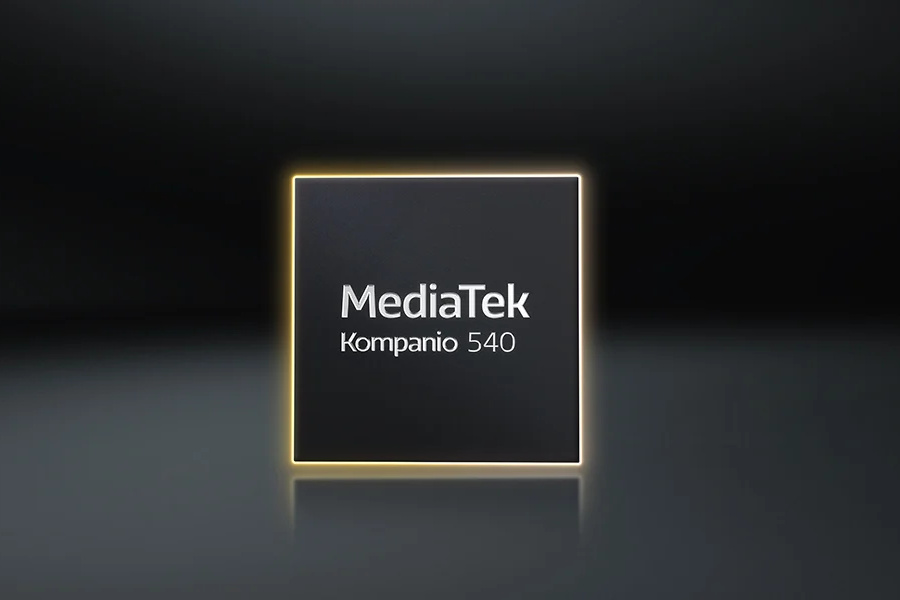
MediaTek is not just about powering Android smartphones with its Dimensity or Helio line. The company continues to expand its reach across connected devices, and its latest effort in doing so is the Kompanio 540, a new processor built specifically for Chromebooks.
Kompanio 540 Specifications
MediaTek says the Kompanio 540 is a chip built for superior performance and all-day battery life in student Chromebooks. The chipmaker claims it delivers up to 35% better power efficiency compared to the previous Kompanio 520.
While that is to be proven in real-world usage, the Kompanio 540 brings an architecture upgrade designed to improve overall performance.
It features an eight-core CPU based on a 2+6 configuration, which includes two high-performance Cortex-A78 cores clocked at 2.6GHz and six power-efficient Cortex-A55 cores running at 2.0GHz. In comparison, the Kompanio 520 includes two Cortex-A76 cores (2.0GHz) and six Cortex-A55 cores (2.0GHz).
The chip also comes with ARM’s Mali-G57 MC2 GPU that enables support for 4K displays at 60Hz or dual 2.5K monitors when connected to external screens. For a Chromebook, that’s a notable step forward in display flexibility and graphical capability, especially for users who rely on multitasking setups.
The Kompanio 540 supports Wi-Fi 7, Bluetooth 6.0, and Bluetooth Low Energy (LE) for connectivity. Storage and memory options are also flexible. The chip supports both LPDDR5-6400 and LPDDR4x-4266 RAM, as well as eMMC 5.1 and faster UFS 3.1 storage.
Last but not least, it’s also compatible with USB 3.2 Gen 2 and PCIe Gen 2 for peripheral expansion. The Kompanio 540 will make its debut in consumer devices starting January 2026.
For more daily updates, please visit our News Section.
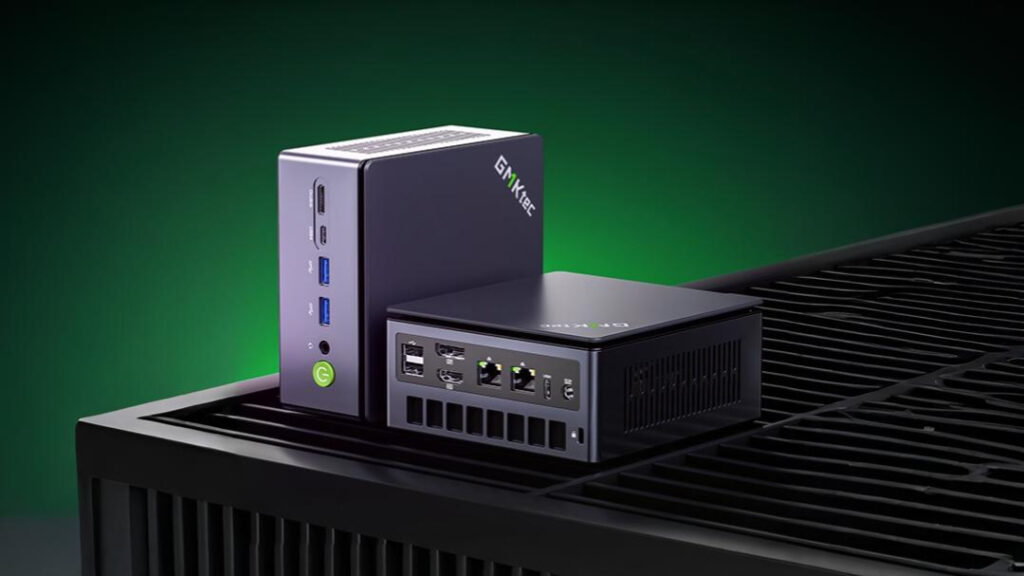
Gmktec has launched its latest ultra-compact desktop globally, the NucBox M7 Ultra. The Mini PC starts at $309.99 for the base configuration and goes up to $429.99 for the top-end model with 32GB RAM and a 1TB SSD. Early buyers who place their orders before November 9 will receive a free USB Hub expansion dock as part of the launch promotion.
Gmktec NucBox M7 Ultra Specifications
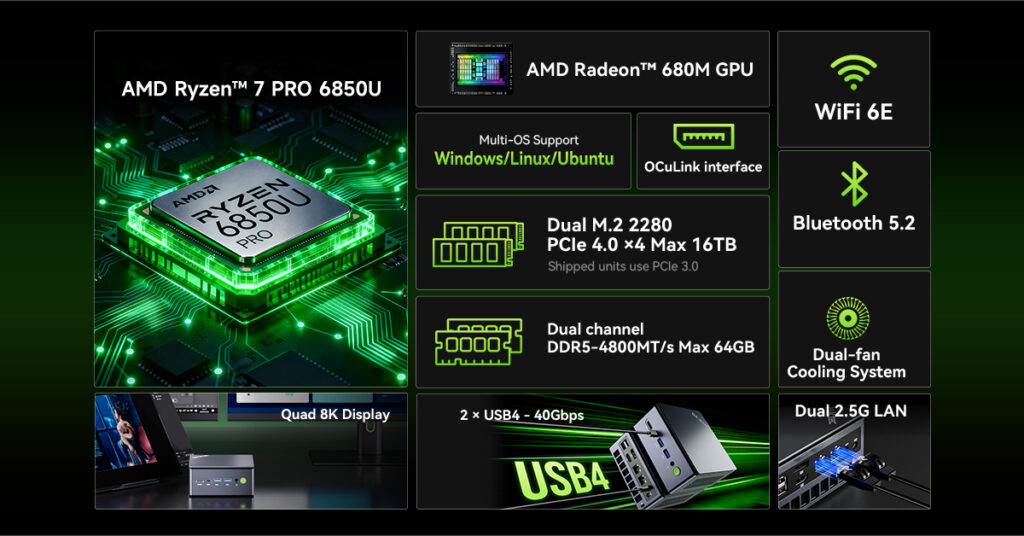
The NucBox M7 Ultra is powered by AMD’s Ryzen 7 Pro 6850U processor, which features 8 cores, 16 threads, and a maximum boost frequency of 4.7GHz. The chip is built on TSMC’s 6nm FinFET process and supports three power profiles, with the top mode reaching 54W TDP. The company claims a Cinebench R23 multi-core score of 13,521, placing it well above typical Mini PCs in terms of raw performance.
Gmktec has equipped the M7 Ultra with the integrated AMD Radeon 680M GPU. The GPU includes 12 compute units clocked at 2200MHz and supports up to 2GB of shared VRAM. According to the company, the graphics performance is close to that of the Nvidia GTX 1050 Ti.
The device supports dual-channel DDR5-4800 SO-DIMM RAM and allows memory expansion up to 64GB. Storage includes two M.2 2280 PCIe 4.0 x4 SSD slots, supporting up to 8TB each. The M7 Ultra also includes PCIe 3.0 SSD options in its pre-configured variants.
On the connectivity front, the Mini PC includes dual USB4 ports with 100W power delivery and DisplayPort 1.4 output, HDMI 2.1, and DisplayPort 2.0. These ports allow up to four displays to run simultaneously at 8K resolution. It also features an OCuLink port on the front, enabling full-speed external GPU support via PCIe Gen4 x4 bandwidth.
The M7 Ultra includes dual Intel 2.5G LAN ports, Wi-Fi 6E, and Bluetooth 5.2. It supports Windows 11 Pro out of the box and is also compatible with Linux and Ubuntu. The device uses a dual-fan cooling system and produces less than 38dB of noise under load.
The compact aluminum chassis measures 132 × 125 × 58 mm and weighs approximately 604g. The design also includes VESA mount compatibility for flexible placement in home or office setups.
In related Gmktec news, the company has also introduced the NucBox M5 Ultra Mini PC recently powered by the Ryzen 7 7730U, along with the M6 Ultra Mini PC featuring the Ryzen 5 7640HS and Radeon 760M graphics.
For more daily updates, please visit our News Section.
As we near the end of 2025, Nothing has one more smartphone for its fans. The mid range Nothing Phone a series has been quite popular in the market, so the brand decided to release another model from the Phone (3a) lineup. But the Nothing Phone (3a) Lite is its most affordable device yet, with a focus on delivering capable specs at the cost of some flashy new design element.
Nothing Phone (3a) Lite
Design & Display
This is the first Nothing smartphone ever to be released with no eye-catching flair. While it stays true to the brand’s DNA that involves a transparent glass rear panel and the industrial layout underneath, it doesn’t feature the Glyph interface like the rest of the Phone (3a) series. Gone are the LEDs, bringing a clean and minimalistic aesthetic.
The only two aspects that do light up is the red square to signify recording and a tiny Glyph light on the bottom right corner. You also get an IP54 rating for water and dust resistance, a metallic frame, and Panda Glass for protection. At first glance, you might think that the grooves underneath the panel are for a replaceable battery, but that’s not actually the case.
On the front, Nothing Phone (3a) Lite sports a tall 6.77-inch AMOLED display with an FHD+ resolution, a 120Hz adaptive refresh rate, 480Hz touch sampling rate, HDR10+, 2160Hz PWM Dimming, up to 3000 nits of peak brightness, and Panda glass for protection.
Hardware
Under the hood, the company looks to MediaTek again for its affordable Dimensity 7300 Pro SoC, which is a slightly faster version of the chip that powered the older Nothing Phone (2a) model. The processor is paired with 8GB of RAM and up to 256GB of internal storage. Users can even expand storage by up to 2TB via a microSD card slot.
A sizeable 5,000mAh battery pack powers this model, with support for 33W wired fast charging. For photography, the rear has a triple camera setup that consists of a 50MP Samsung primary sensor (1/1.57-inch, EIS, f/1.88), an 8MP ultra wide angle lens (EIS, f/2.2), and a 2MP macro shooter (EIS, f/2.4). Meanwhile, the front houses a 16MP shooter for selfies and video calls.
Other notable features include an in-display fingerprint scanner, an 8.3mm body that weighs 199 grams, Bluetooth 5.3, WiFi 6, a hybrid Dual SIM slot, and Android 15 OS based Nothing OS 3.5 custom skin out of the box. Since its also a part of Nothing’s latest smartphones, it features the Essential Key as well, which brings access to Essential Space. This allows users to press the dedicated button to save voice notes, go through their saved items, and much more.
Pricing and Availability
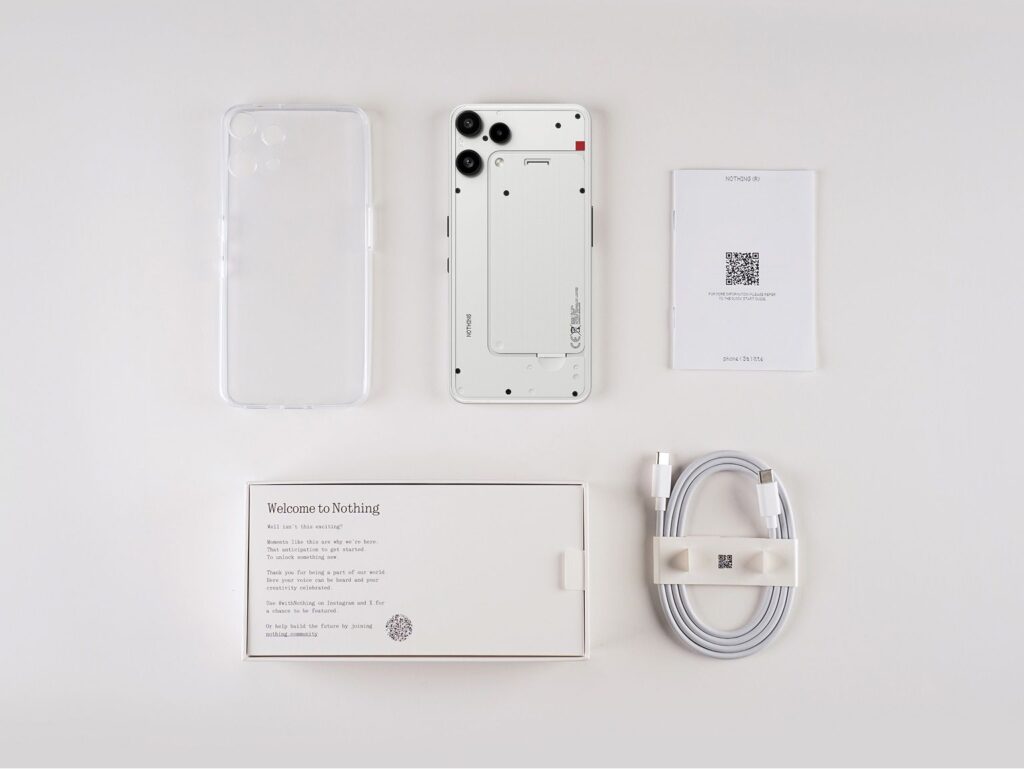
The Nothing Phone (3a) Lite was just announced in the global market, namely the UK and Europe. It has a starting price tag of 249 Euros for the 8GB + 128GB model, while the 8GB + 256GB option costs 279 Euros. While the available details for other regions are still unknown, Nothing will release this budget model in markets like India soon. This model will be available for purchase in two color options, namely White and Black. While you don’t get a charging brick with this model either, Nothing has included a transparent protective case in the box.
For more daily updates, please visit our News Section.
We use cookies on our website to give you the most relevant experience by remembering your preferences and repeat visits. By clicking “Accept”, you consent to the use of ALL the cookies.
This website uses cookies to improve your experience while you navigate through the website. Out of these, the cookies that are categorized as necessary are stored on your browser as they are essential for the working of basic functionalities of the website. We also use third-party cookies that help us analyze and understand how you use this website. These cookies will be stored in your browser only with your consent. You also have the option to opt-out of these cookies. But opting out of some of these cookies may affect your browsing experience.
Necessary cookies are absolutely essential for the website to function properly. This category only includes cookies that ensures basic functionalities and security features of the website. These cookies do not store any personal information.
Any cookies that may not be particularly necessary for the website to function and is used specifically to collect user personal data via analytics, ads, other embedded contents are termed as non-necessary cookies. It is mandatory to procure user consent prior to running these cookies on your website.