The OPPO K5 is an upcoming upper mid-range phone. OPPO has already confirmed some specifications of the device such as a 64MP primary rear camera and a Snapdragon 730G processor. Ahead of the release which is scheduled for October 10, the device has been seen on Geekbench.
The device appears on the benchmarking site as the OPPO PCNM00, the same model number as when it showed up on TENAA’s database.

The benchmark result shows the device runs Android 9 Pie and has 8GB of RAM. It also shows it is powered by the SM6150 which is Geekbench wrongly identifying the Snapdragon 730 (SM7150) as the Snapdragon 675 (SM6150).
The OPPO K5 will have a 6.4-inch FHD+ AMOLED display with a waterdrop notch and an in-display fingerprint scanner. It will have quad rear cameras arranged vertically in a similar fashion as that of the Redmi Note 8.
Originally, the TENAA listing revealed that the phone will be available in a single variant which has 8GB of RAM and 128GB of expandable storage. The listing has now been updated to include a 6GB RAM + 128GB version and an 8GB RAM + 256GB version.

Along with a 64MP primary rear camera, the OPPO K5 will also have an 8MP ultrawide camera, a 2MP depth sensor, and a 2MP macro camera. The selfie camera is a 32MP front-facing camera.
The phone will pack a 3920mAh (4000mAh) battery with support for OPPO’s new VOOC 4.0 Flash Charge which outputs 30W of power. With this, owners will be able to charge the phone from 0 to 67% in 30 minutes and 0 to 100% to 73 minutes.
The OPPO K5 will be available in green, blue, and white when it launches.
UP NEXT: Oppo A11x launched in China, Packs 8 GB RAM and 5,000 mAh battery
(Source)














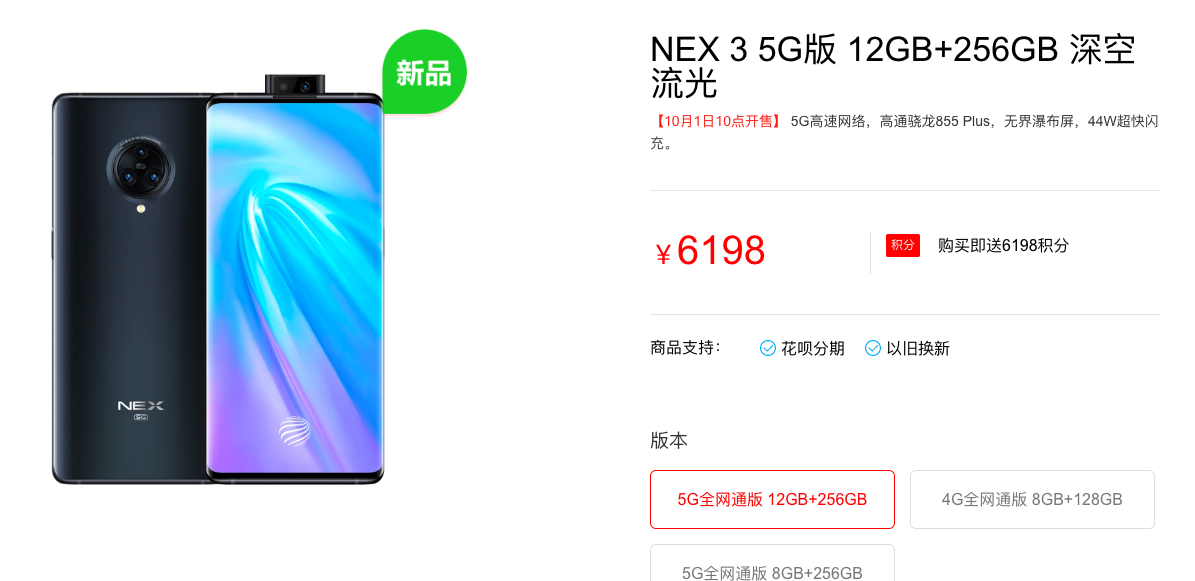


 All in all, we will have to wait patiently and see, how customers outside of China receive the Mate 30 smartphones. With that being stand, the two handsets have praiseworthy specifications. If you are interested in reading more about them, you can do so by clicking







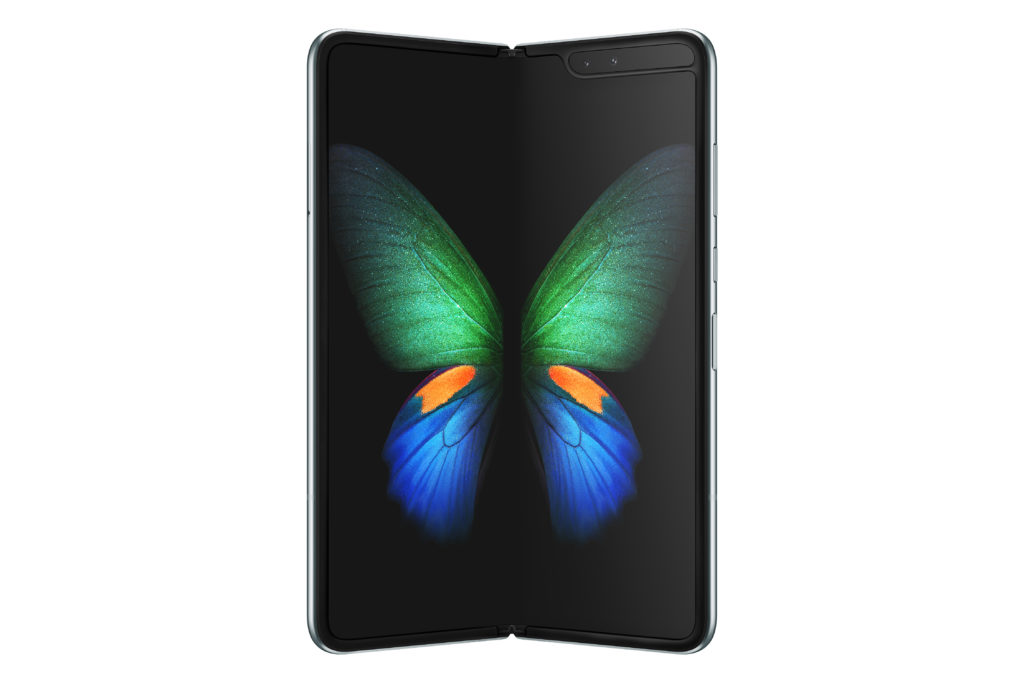
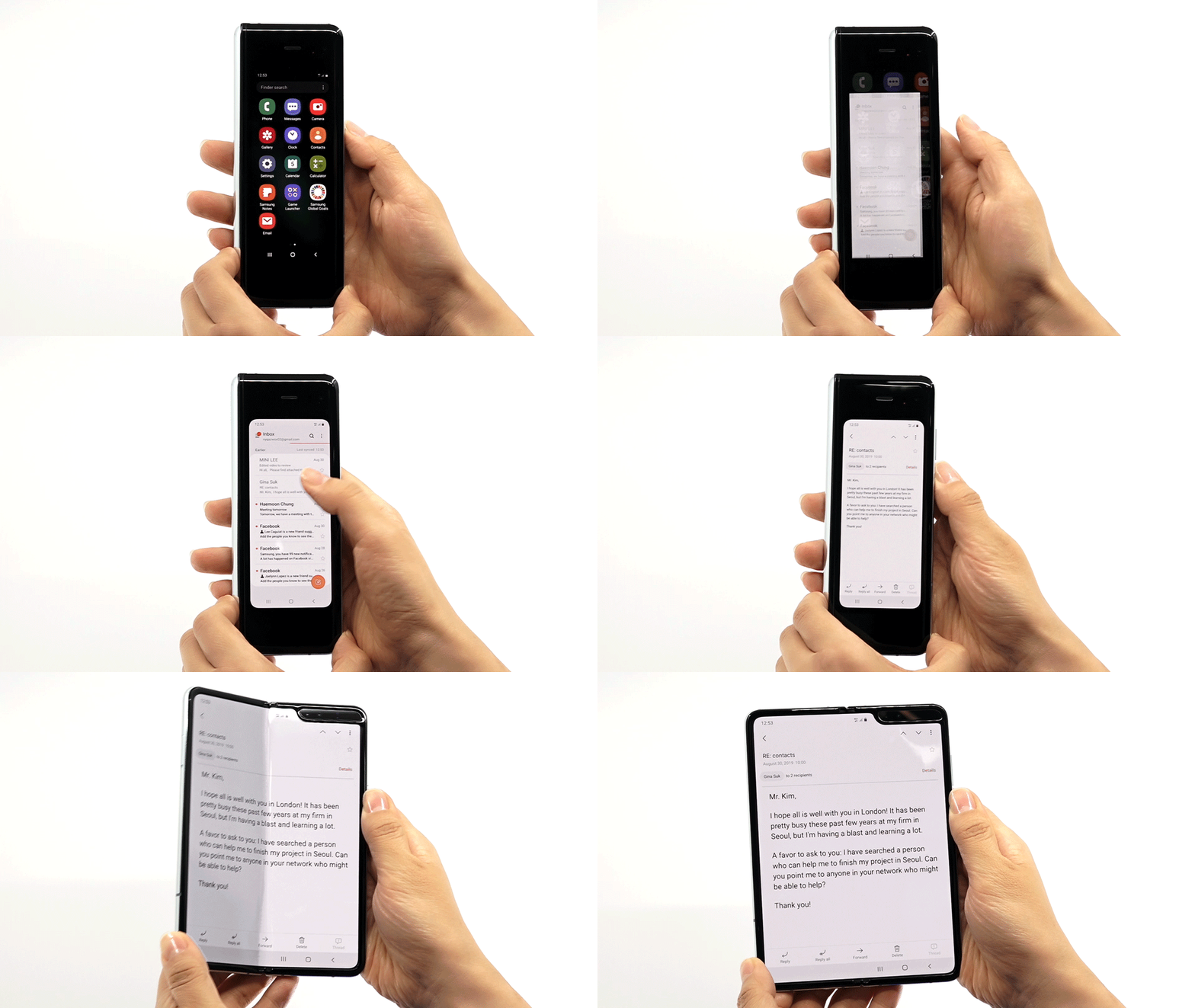
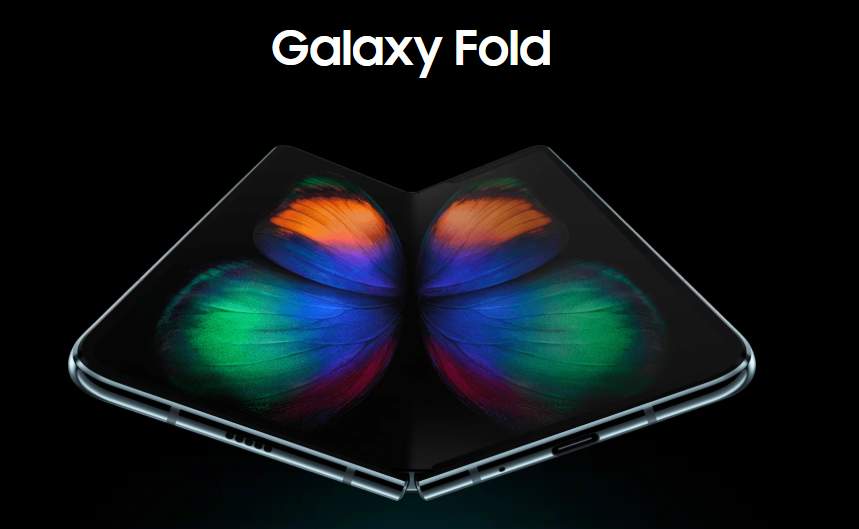 The reiterated Samsung Galaxy Fold with a slightly modified design was first put on sale in its home country, Korea on the 6th of September. Subsequently, it was also made available in Europe and the US on 9th September and 27th September, in respective order.




 In simpler words, users who are interested in trying out the latest operating system from Xiaomi can now do so before the stable version is released at a later point. In case you want to install this device, be prepared to encounter minor bugs which are yet to be resolved.