In March of this year, Realme announced the Realme 3 smartphone, and it seems a successor is already in development. A video has surfaced online and it shows the retail box of the Realme 4.
The 10-second video was uploaded on YouTube yesterday and in it, we see the phone will come in a black box with “Realme” and “4” written in a gold/yellow font.
There are no specs yet but there is an alleged render of the phone which we have doubts about since it looks like the Realme 2 with just the position of the cameras changed. The source of the image also has no prior tweets save for the photo.
The phone is shown to have dual rear cameras arranged vertically, a rear-mounted fingerprint scanner, and the same diamond-back design as the Realme C2.
An alleged render of the Realme 4
The Realme 3 has a 6.22-inch HD+ with a waterdrop notch. It is powered by the Helio P70 (P60 in some markets), has dual rear cameras and packs a 4230mAh battery. We expect its successor should have a more powerful processor, better cameras, and maybe a higher-resolution display.
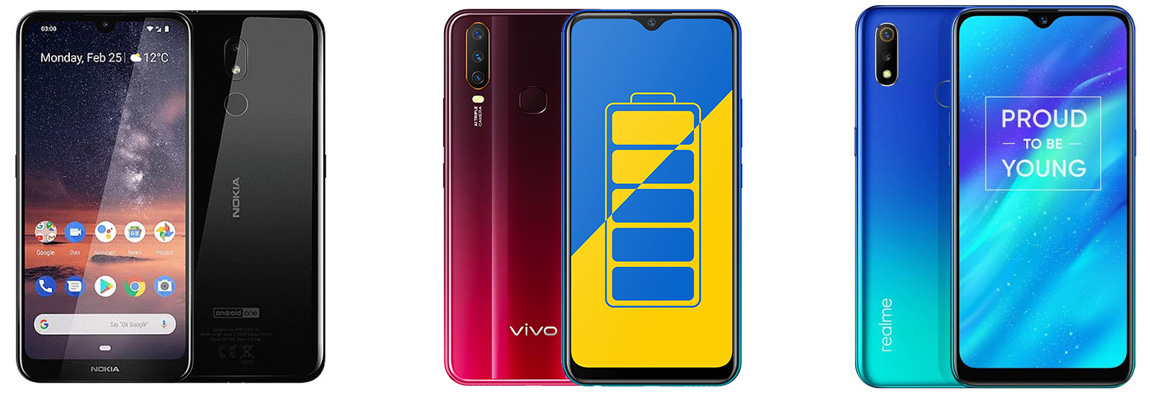
HMD Global is aiming a lot at the entry-level segment of the smartphones market in the last months. The Finnish giant which currently owns the Nokia brand recently launched several budget devices and the most powerful entry-level one is the Nokia 4.2. It mainly focuses on software as it is one of the most affordable devices enabled to the Android One program. In the same price range, there is also the new Vivo Y15 which is mainly focused on battery life, and Realme 3 by Oppo’s sub-brand which has performance and value for money as its strongest point. If you want to know which entry-level should you choose between this amazing trio, go ahead and read this specs comparison.
Triple 13 + 8 +2 MP f/2.2, f/2.2 and f/2.4
16 MP f/2.0 front camera
BATTERY
3000 mAh
4230 mAh, fast charging
5000 mAh
ADDITIONAL FEATURES
Dual SIM slot
Dual SIM slot
Dual SIM slot
Design
A compact and lightweight device. This is one of the main advantages of the Nokia 4.2 if we compare it with its rivals in this comparison, as well as most of the budget devices out there. It fits great in a pocket and it is easier to use with one hand than most of the actual phones. Still, some may prefer the Vivo Y15 due to its reflective back and its larger screen.
Display
In each case, you get entry-level panels with similar specifications and the IPS technology. But they are not disappointing displays. Nokia 4.2 has a very small panel, that is great if you need a compact phone and you like one-handed use. The smaller diagonal even allows a higher level of detail due to the higher pixel density. However, I would go for the Vivo Y15 simply because it has a bigger 6.35 panel. My recommendation is not to choose one of these handsets just by looking at the display quality, as there are only marginal differences.
Specs & Software
Three different chipsets for three different levels of performances. Realme 3 wins, there is no doubt. It is faster and smoother thanks to its MediaTek Helio P60, and it even comes in a variant with the even more powerful Helio P70. There is not so much difference between the Helio P22 found on the Vivo Y15 and the Snapdragon 439 found on the Nokia 4.2. But I personally prefer the Nokia 4.2 because it is part of the Android One program, so it provides a smoother and bloatware-free experience as well as faster and more constant updates. Note that Nokia 4.2 is only available with up to 3 GB of RAM and 32 GB of internal storage, while Vivo Y15 has up to 4 GB RAM and 64 GB of internal storage, so it actually provides better performances in multi-tasking and more space.
Camera
Vivo Y15 has the most complete and versatile camera department, despite it does not necessarily click more detailed photos. But overall, I would go for the Vivo Y15 due to the presence of an ultrawide sensor and an awesome 16 MP front camera for selfies. Realme 3 Pro comes right after as it comes with a better main sensor for the rear camera, but the rest of the setup does not convince me. Nokia 4.2 is the less impressive one.
Battery
Vivo Y15 is equipped with a mammoth 5000 mAh battery which delivers up to three days of battery life even with pretty intensive use. That is simply amazing and one of the best battery phones out there. The second place goes to the Realme 3 with its still awesome 4230 mAh battery.
Price
Nokia 4.2 debuted with a €150/€135 price tag, Vivo Y15 costs €180/$160 and Realme 3 starts from €115/$100. Overall, Realme 3 is my favorite one due to its better performance, big battery, and decent cameras.
If you own a Xiaomi phone, you are either running a beta version or a stable version of MIUI (excluding those running custom ROMs or are on Android One). Most of those who run the former are those who want to test new features and offer feedback before they make it to a stable release. Come next month, that will no longer be possible.
A blog post on the Mi Community website has revealed that Xiaomi’s team of engineers will stop releasing a global version of MIUI Beta for all devices beginning July 1, 2019.
Apparently, a lot of people are beginning to use MIUI Beta as more models get announced. However, that is not how Xiaomi wants its users to experience MIUI. Henceforth, the software team wants to focus on stability and frequency of releasing stable version updates.
A lot of users of MIUI have not taken the news well. Several comments on the blog post show disappointment at the decision. Multiple users even say beta versions are more “stable” than the so-called stable versions. However, there are some users that are optimistic about the decision since Xiaomi is promising more frequent stable updates.
One common point is that Xiaomi is releasing too many phones and doesn’t seem to have enough personnel working on global versions of its software hence the reason for the decision.
What do you think about Xiaomi’s decision to stop releasing global beta versions of MIUI? Let us know in the comment box.
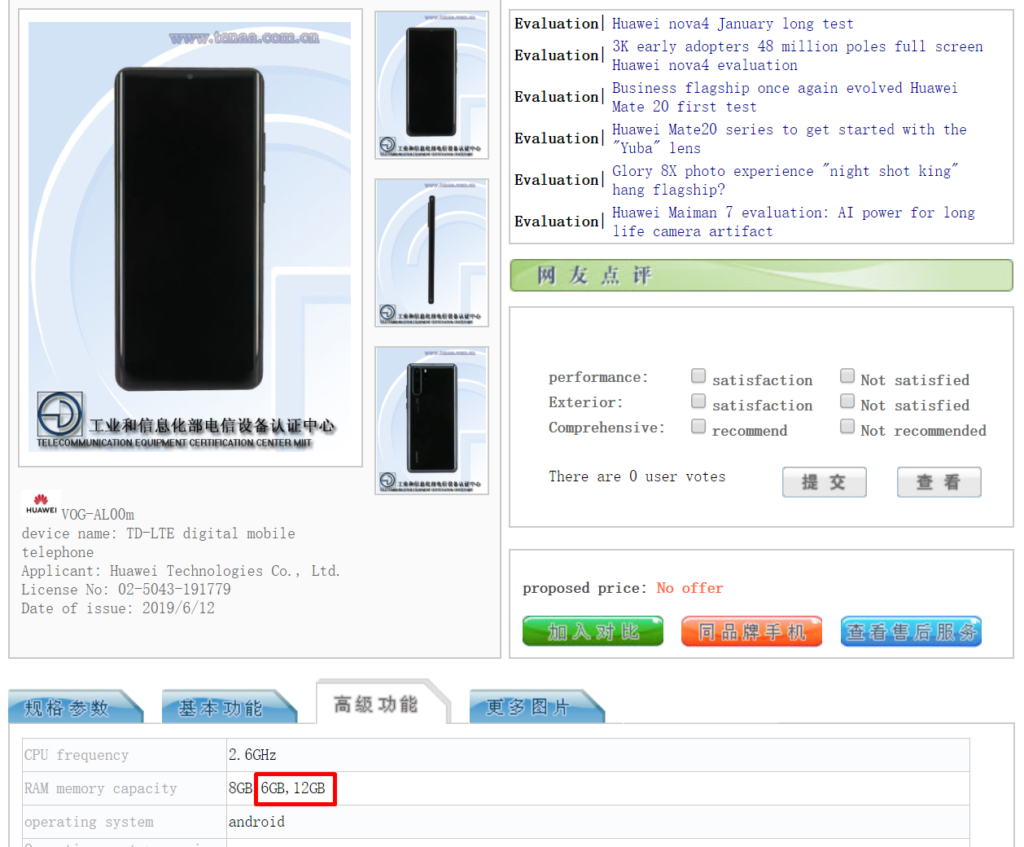
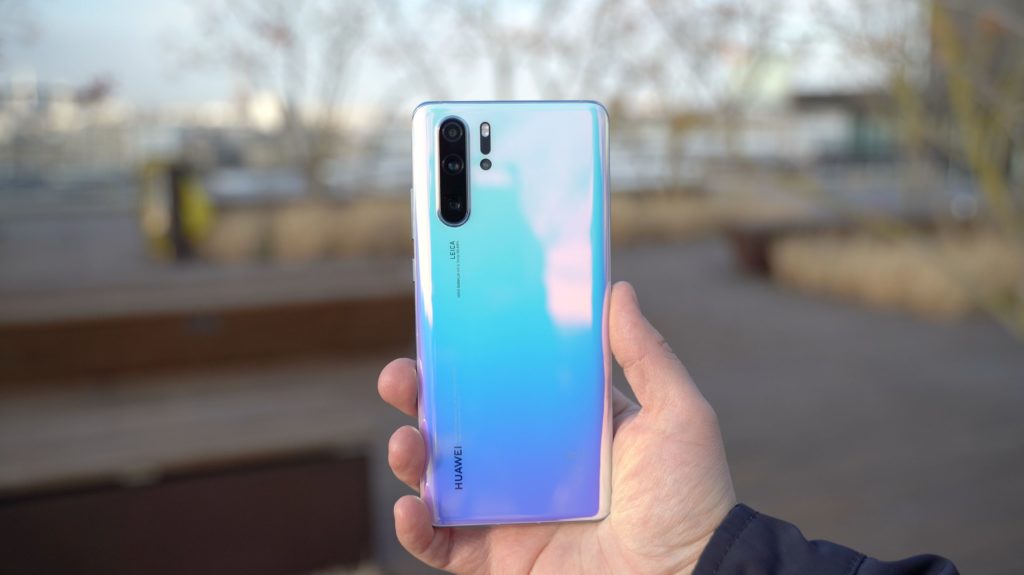
Past reports have revealed that VOG-AL00 and VOG-TL00 model numbers belong to the Huawei P30 Pro that was announced in April with Huawei P30 smartphone. A new model number of the Huawei P30 Pro has been certified by China’s TENAA telecom authority. The new listing of VOG-AL00m on TENAA has revealed that Huawei may soon release two new variants of P30 Pro in China.
In China, the Huawei P30 Pro is already available in three models such as 8 GB RAM + 128 GB storage for 5,488 Yuan (~$794), 8 GB RAM + 256 Gb storage for 5,998 Yuan (~$866), 8 GB RAM + 512 GB storage priced at 6,798 Yuan (~$982). The fresh listing of the VOG-AL00m reveals that the company may soon launch the P30 Pro in 6 GB and 12 GB RAM models.
Probably, the Huawei P30 Pro may come in 6 GB RAM + 128 GB / 256 GB storage and 12 GB RAM + 512 GB storage. Not only the P30 Pro, even the Huawei P30 with model number ELE-AL00m is expected to release in two new variants such as 6 GB RAM + 64 GB storage and 12 GB RAM + 256 GB storage.
Coming back to the TENAA listing of VOG-AL00m, its other specs resembles are same as the original P30 Pro. It houses a 6.47-inch AMOLED display with waterdrop notch. It supports 1080 x 2340 pixels. The handset houses a 4,200mAh battery which is mentioned with its 4,100mAh minimum capacity on TENAA.
The Kirin 980 chipset will be powering the handset along with Android 9 Pie OS. Its rear features 40-megapixel + 20-megapixel + 8-megapixel triple camera setup. It may also come with a ToF sensor which is mentioned on the TENAA listing. The handset features a front-facing camera of 32-megapixel. The handset comes with a microSD card and its AMOLED display is fitted with in-screen fingerprint scanner.
Huawei is yet to confirm on the existence of the new variants of Huawei P30 and P30 Pro smartphones. With fresh listings of new variants of the Huawei P30 series surfacing on TENAA, the company is likely to make them official soon.
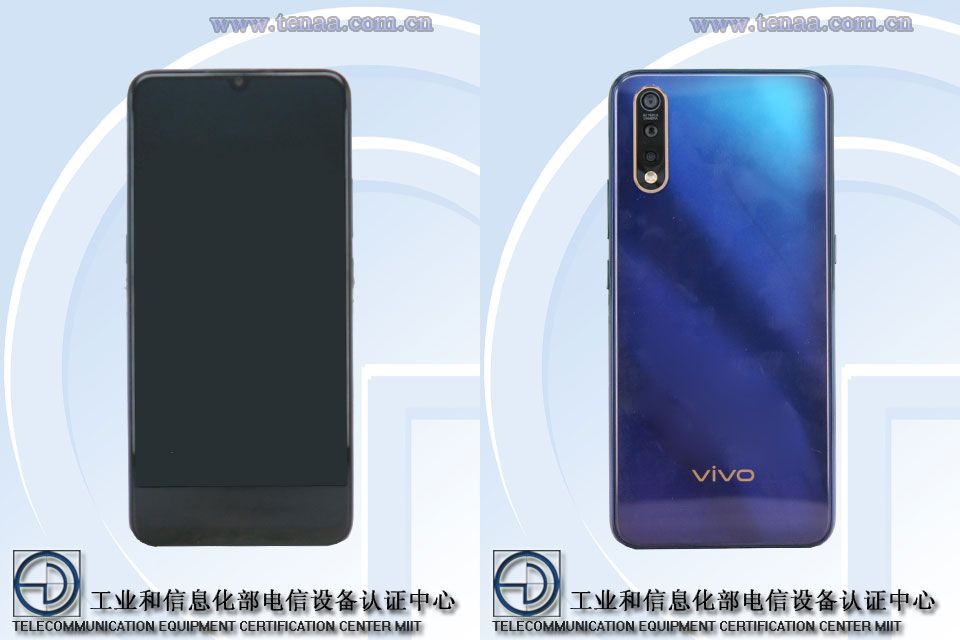
A new Vivo smartphone with model number Vivo V1913A/T was recently spotted with its images on TENAA. Now, the TENAA listing of the Vivo V1913A/T phone has been updated with full specifications. It appears to be an upcoming mid-range phone from the Chinese firm.
The V1913A/T smartphone measures 159.53 x 75.23 x 8.13mm and it weighs 179 grams. It is equipped with a 6.38-inch AMOLED display that carries support for full HD+ resolution of 1080 x 2340 pixels. There seems to be some issue with the uploaded images of the smartphone on TENAA since its front view is not clearly visible. However, it appears that it features a waterdrop-style notch screen.
The Vivo V1913A/T is packed with a 4,390mAh minimum capacity battery. Its typical capacity could be around 100mAh+ more. It is powered by an octa-core processor that works at 2.0 GHz. The Android 9 Pie is loaded on the device. It will be overlaid with FunTouch UI from Vivo.
The smartphone is likely to release in 4 GB and 6 GB RAM options. Both models may feature of 128 GB of native storage. It features a microSD card slot for additional storage.
The rear panel of the Vivo V1913A/T smartphone is fitted with a vertical triple camera setup. It includes a 16-megapixel, an 8-megapixel and a 2-megapixel triple camera setup. The secondary lens may have ultrawide shooting capabilities whereas the third sensor will be for adding depth effects. On the frontside of the Vivo V1913A/T is a 16-megapixel selfie camera.
There is no fingerprint scanner on the backside of the Vivo V1913A/T phone. Its AMOLED display is equipped with an in-screen fingerprint sensor. The large-sized battery of the phone carries support for rapid charging. The left edge of the smartphone has a volume rocker and a power key. There seems to be a dedicated button for accessing AI Jovi assistant.
As of this writing, there is no information available on the exact identity of the Vivo V1913A/T smartphone. Now that the phone has appeared with full specs on the database of Chinese telecom authority, it may go official either in this month or in July in China.
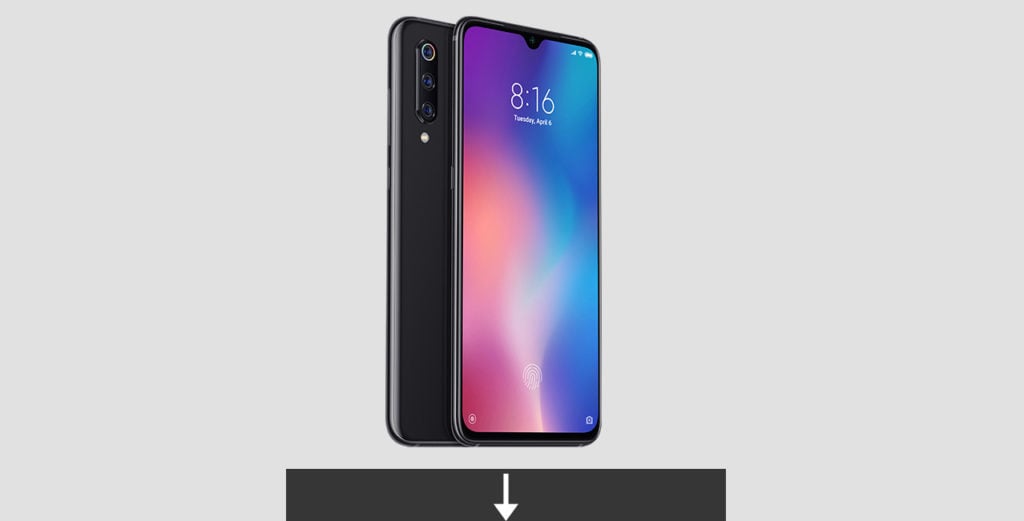
Xiaomi Mi 9 is the flagship device of the Chinese smartphone maker. The successor of Mi 8 carries high-end specifications and features. Due to immense popularity, third-party developers have developed various new MODs, themes and custom ROMs for the device. Xiaomi Mi 9 recently attained the root access via TWRP recovery. In this guide, we will let you know the procedure to unlock bootloader on Xiaomi Mi 9.
Xiaomi Mi 9 comes equipped with a 6.39-inch display having a resolution of 1080 x 2340 pixels. It is powered by Qualcomm Snapdragon 855 SoC coupled with 6GB RAM and 128 GB internal storage. In optics, Xiaomi added a triple rear camera module comprising of a 48-megapixel primary camera, a 12-megapixel sensor, and another 16-megapixel camera. There’s a 20-megapixel camera on the front for selfies. It runs on MIUI 10 based Android 9.0 Pie. The dual-SIM smartphone offers Wi-Fi 802.11 a/b/g/n/ac, GPS, Bluetooth v5.00, NFC, USB Type-C, 3G, and 4G support.
Unlocking the bootloader is a significant task on any Android smartphone before customizing the firmware and rooting it. Xiaomi Mi 9 also comes with a locked bootloader and users have to unlock it, before modifying the system with new MODs. Unlocking the bootloader is a part of the rooting process. Users need to unlock the bootloader, then install the TWRP using fastboot and then root the device using Magisk or SuperSu.
Note: GizmoChina.com is not responsible for any damage to smartphone and data while unlocking the bootloader. The process will void your warranty.
Unlocking the bootloader is the first and the foremost step in attaining the root access on any device. Today, we will unlock the bootloader of Mi 9. Follow the guide carefully:
Extract/Install the Google ADB and Fastboot Tools on the PC.
Install the Xiaomi USB drivers on the PC.
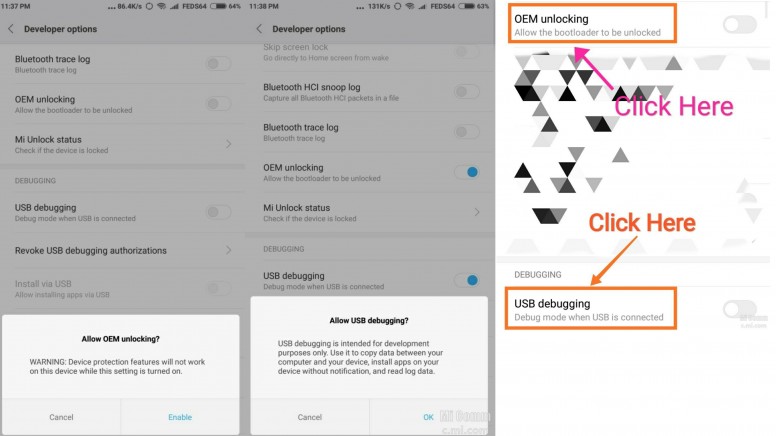
Enable Developer Option by tapping the Settings > About Phone > MIUI version 7 times.
Now enable the USB Debugging and the OEM Unlock option by heading to the Settings > Developer Options.
Now login to your Mi account by heading to the Settings > Mi account > Mi Cloud > Enable Sync and Find Device. (If other devices are in sync with the same account, we suggest to disable Sync on them temporarily.)
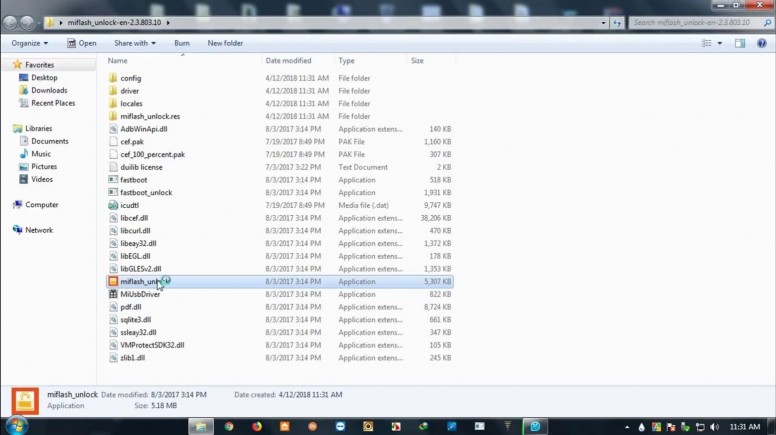
Download and Extract the Mi Flash Unlock tool on the PC.
Upon extracting, open MiFlashUnlock.exe file from the folder and click Agree on the disclaimer page.
Enter the login details of the same Mi account you logged-in on the Mi 9.
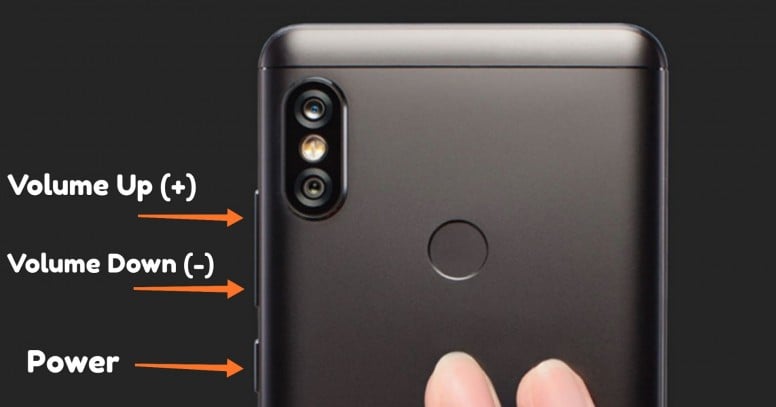
Now boot the device into the Fastboot/Bootloader mode by pressing and holding the volume keys + Power key for about 10 seconds.
After booting into fastboot mode, now connect it to your PC via the USB cable.
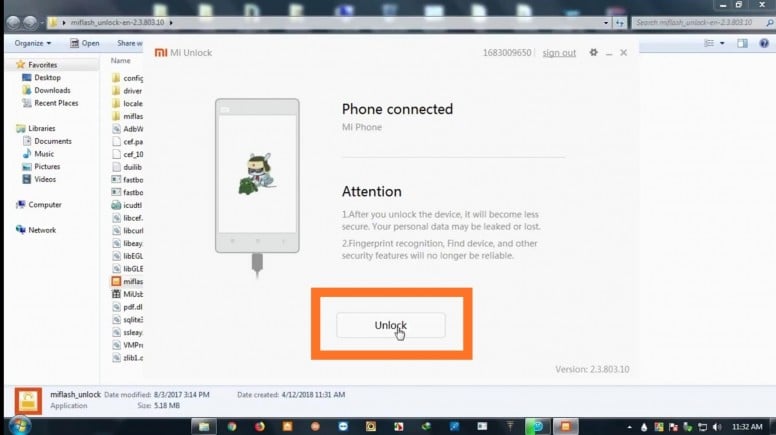
The Mi Flash Tool will show the Mi device as successfully connected.
Once connected, then click on the Unlock button.
The unlocking process will start, and once again press Unlock anyway button on the following popup.
Sometimes Xiaomi will make you wait for 48-72 hours to unlock a phone when it is at 90%. Otherwise, it will complete to 100%, and you will get ‘Unlocked Successfully’ notification. (If Xiaomi bars your device under the waiting window, then you have to repeat the process from step 10.)
Reboot your device after the process is completed.
If you get into any problem, let us know via comments below. We hope you have successfully unlocked the bootloader of Xiaomi Mi 9.
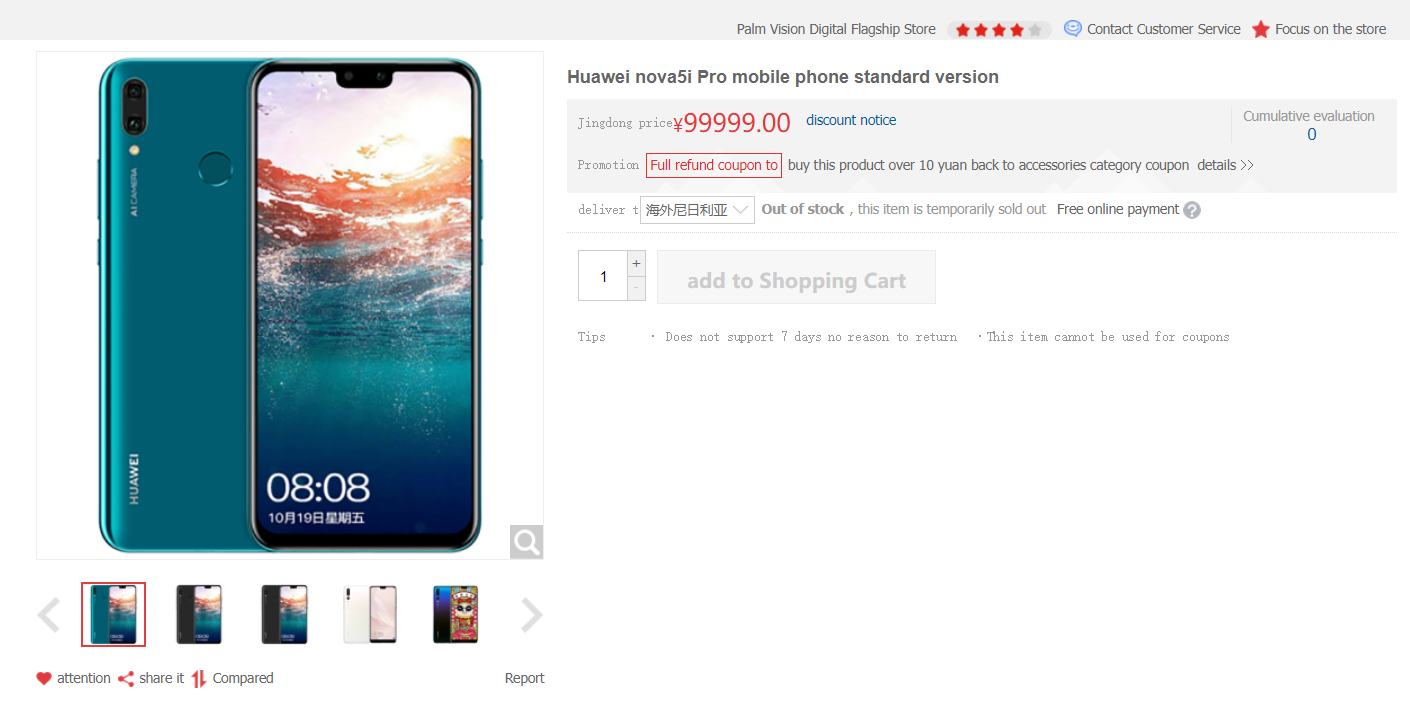
Huawei’s Nova 5 series may actually not have three models but four. Chinese mega online store, Jingdong, has listed a fourth one called the Nova 5i Pro which should also launch alongside the Nova 5i, the Nova 5, and the Nova 5 Pro.
We don’t know what the phone looks like as the images used for the listing are of the Huawei Y9 (2019) and the Huawei P20 Pro to serve as placeholders.
The Huawei Nova 5i will come with a punch hole display and quad rear cameras. The pro version may also come with a similar design and the same number of sensors but differ with respect to the camera specs or maybe the chipset inside.
The Nova 5i is said to have a Kirin 710 processor while the Nova 5 and the Nova 5 Pro will come with Kirin 810 and Kirin 980 processors respectively.
Huawei has scheduled June 21 as the day for the launch of the new phones.
Despite the U.S. ban and its huge effects, Huawei did not stop releasing smartphones and it will soon launch the P20 Lite 2019, a revival of the old-gen Lite version of the P20. The handset will belong to the midrange segment and it will have a lot of competitive rivals. Its most important rivals from the best Android smartphones manufacturers released this month are the new Galaxy M40 by Samsung announced a few days ago, and the Xiaomi Mi 9T, that is the global version of the Redmi K20. This comparison will let you discover which of these competitive mid-rangers has the highest value for money in 2019.
Huawei P20 Lite (2019) vs Samsung Galaxy M40 vs Xiaomi Mi 9T
Quad 16 + 8 + 2 + 2 MP f/1.8
16 MP f/2.2 front camera
Triple 32 + 8 + 5 MP f/1.7 and f/2.2 and f/2.2
16 MP f/2.0 front camera
Triple 48 + 13 + 8 MP f/1.8 and f/2.4 and f/2.4
20 MP f/2.2 front camera
BATTERY
4000 mAh, fast charging 18W
3500 mAh, fast charging 15W
4000 mAh, fast charging 18W
ADDITIONAL FEATURES
Hybrid Dual SIM slot
Hybrid Dual SIM slot
Dual SIM slot
Design
Not only flagships: now, even midrange devices come with innovative aesthetics. While Huawei P20 Lite 2019 and Samsung Galaxy M40 rock an awesome punch-hole display with a front camera embedded, the Xiaomi Mi 9T has a pop-up camera design. I would personally go for the Xiaomi Mi 9T because of its more stunning glass back, as well as its under-display fingerprint reader which allows the back cover to be cleaner. Further, the motorized slider allows having narrow bezels and no holes or notches in the display. However, note that the Xiaomi Mi 9T is thicker and also heavier than its two rivals.
Display
Even if we talk about displays, Xiaomi Mi 9T takes the first place in this comparison. While both Huawei P20 Lite 2019 and Samsung Galaxy M20 sport a classic LCD panel, Xiaomi Mi 9T has a wonderful AMOLED display with deeper blacks and vivid colors. It is even HDR compliant, a standard which furtherly improves its color reproduction, especially with multimedia content. And, unlike Samsung Galaxy M40 and Huawei P20 Lite 2019, it is protected by the strong Gorilla Glass 5.
Specs & Software
On the hardware side, it is again a victory for the Xiaomi Mi 9T. Under the hood, the handset sports an amazing Qualcomm Snapdragon 730 chipset. Not the best Qualcomm’s chipset as this device is just a mid-ranger, but it rocks the most incredible Qualcomm’s SoC in the midrange sector with the best midrange GPU. Right behind it, we got the Samsung Galaxy M40 with its Snapdragon 675 which is more or less at the same level as the Snapdragon 710 (worse GPU, better CPU). Huawei P20 Lite 2019 still comes with the old Kirin 710 chipset (comparable to the Snapdragon 660). All of them come with Android 9 Pie out of the box and a customized user interface.
Camera
You may call me a Xiaomi fan, but we tested Xiaomi Mi 9T’s camera and we found it amazing, can not deny it. On the paper, it is way better than the camera departments from both the Galaxy M40 and the Huawei P20 Lite 2019, despite the latter sports a quad camera setup. Xiaomi Mi 9T has a similar setup to the vanilla Mi 9 with a 48 MP Sony main sensor, an ultrawide 13 MP lens and a telephoto sensor with 2x optical zoom.
Battery
Thanks to their big 4000 mAh batteries, Huawei P20 Lite 2019 and Xiaomi Mi 9T will most likely provide a longer battery life than Galaxy M40. We believe that Xiaomi Mi 9T will last more than Huawei P20 Lite 2019 due to its AMOLED display and its efficient Snapdragon 730 chipset.
Price
The prices of these handsets strictly depend on the markets. Samsung Galaxy M40 starts from about €260/$292, Huawei P20 Lite 2019 costs €280/$315, while Xiaomi Mi 9T comes with a €300/$337 initial price. Overall, we suggest you spend a bit more to grab a unit of the Xiaomi Mi 9T as it is a way better handset than the others in this trio.
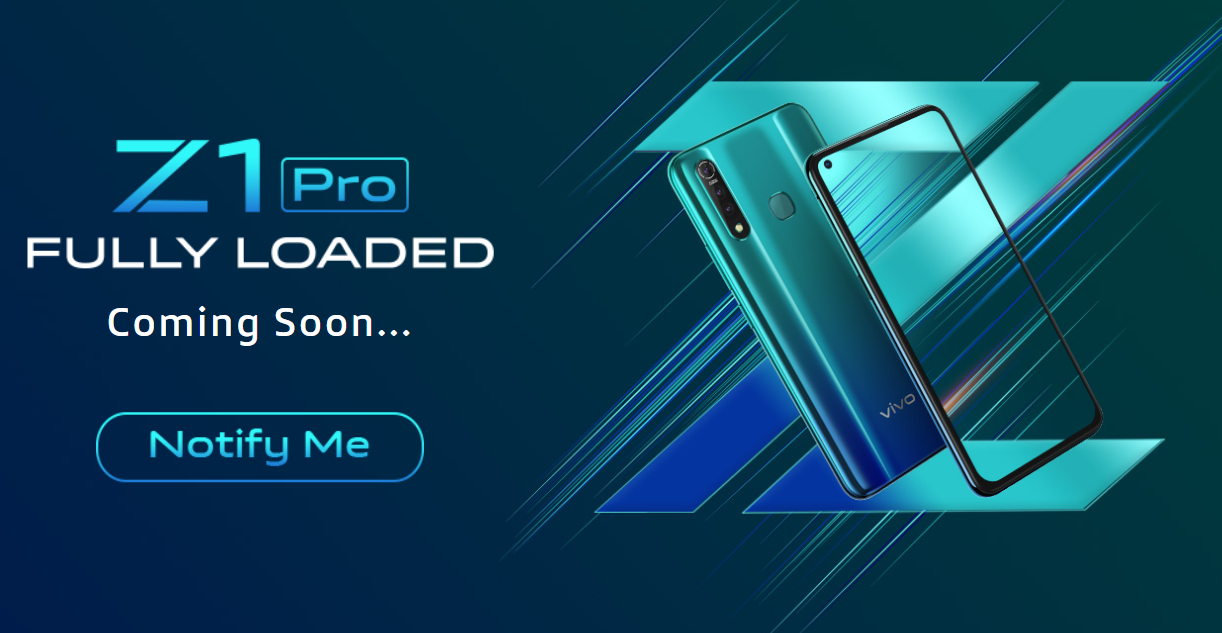
It was initially reported that the Vivo Z1 Pro launching soon in India is a rebranded Vivo Z5x. New details have surfaced revealing both phones are not the same.
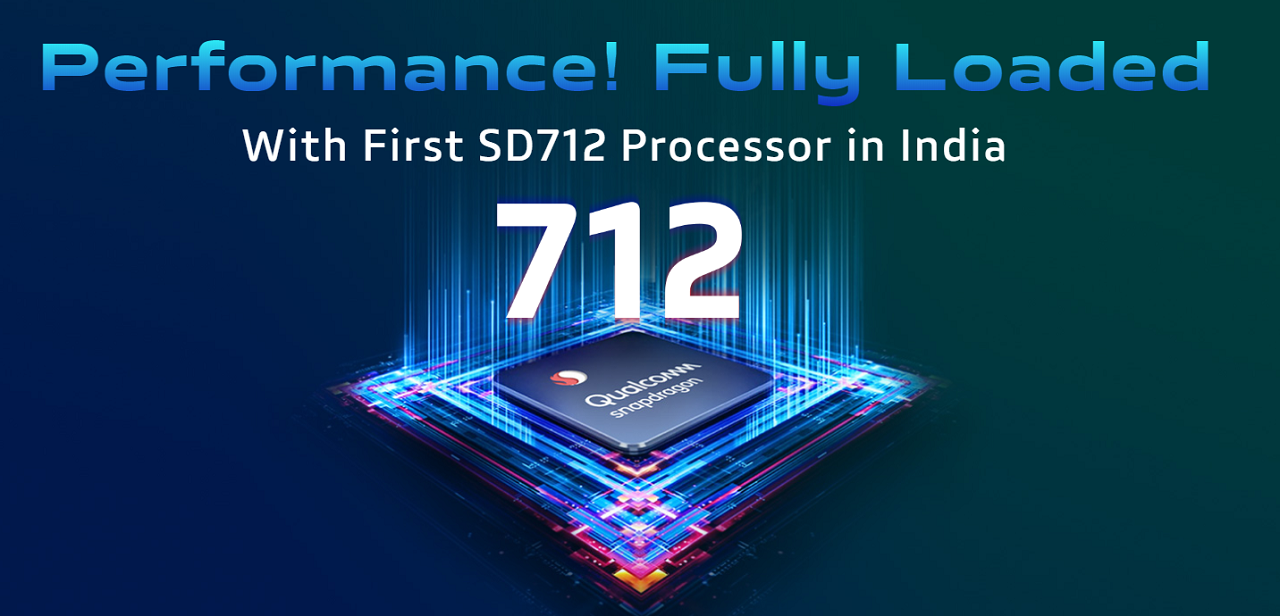
Vivo India’s online shop has a teaser page for the phone and it contains some of the phone’s key specs. For starters, the Vivo Z1 Pro will be powered by Qualcomm’s Snapdragon 712 processor. Vivo even goes on to brag that the Z1 Pro will be the first Snapdragon 712 phone in India.
The processor was announced this year alongside the XiaomiMi 9 SE which is still the only commercially-available phone powered by the processor. Technically, the Snapdragon 712 is a Snapdragon 710 with a higher clock speed. However, there are other new features too like support for Quick Charge 4+ and Qualcomm’s True Wireless Stereo Plus technology.
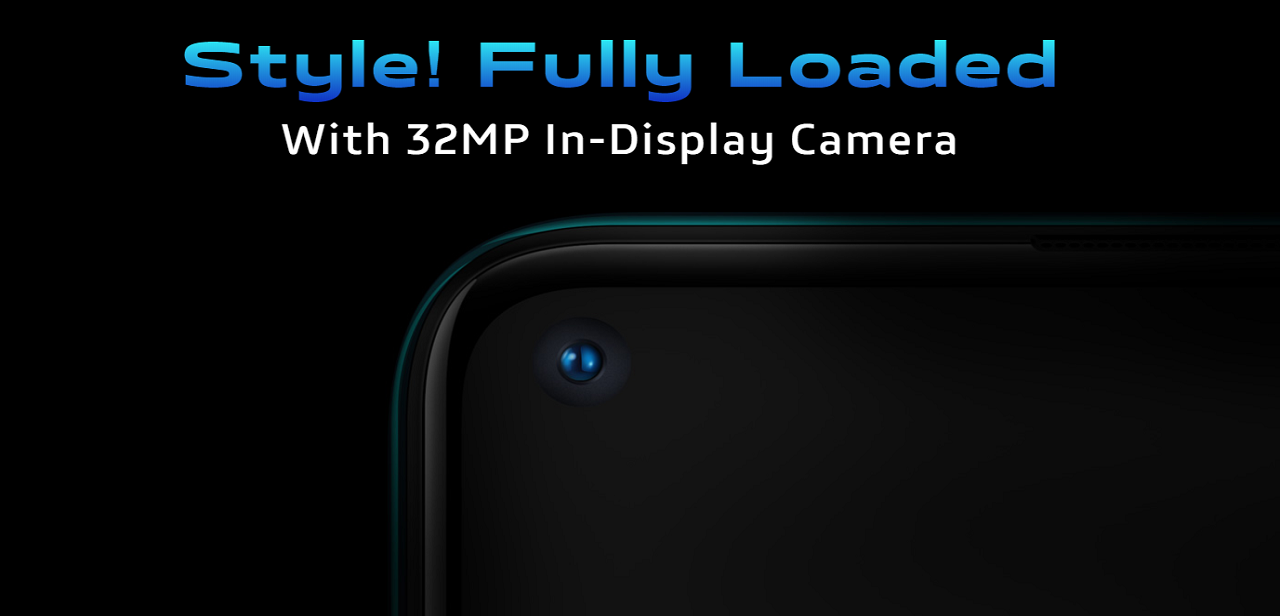
The Vivo Z1 Pro will also come with a punch hole display but rather than house a 16MP sensor like the Z5x, it will have a 32MP “In-Display Camera”.
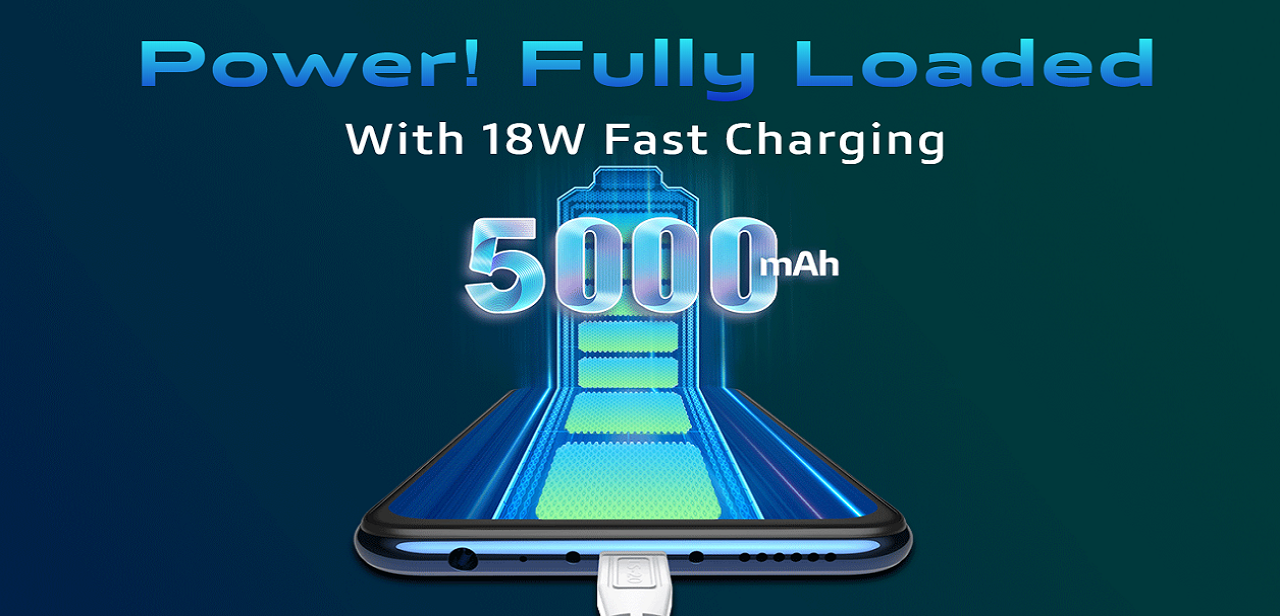
The phone will pack a 5000mAh battery and have support for 18W fast-charging technology.
In the promo images, we can see the phone has triple rear cameras, a rear-mounted fingerprint scanner, and an audio jack. It is also shown in the same Aurora color variant as the Z5x.
There is still no release date yet but seeing as Vivo already revealed some of its key specs, the launch should be around the corner.
By the way, you can read our review of the Z5x before the Z1 Pro is released.
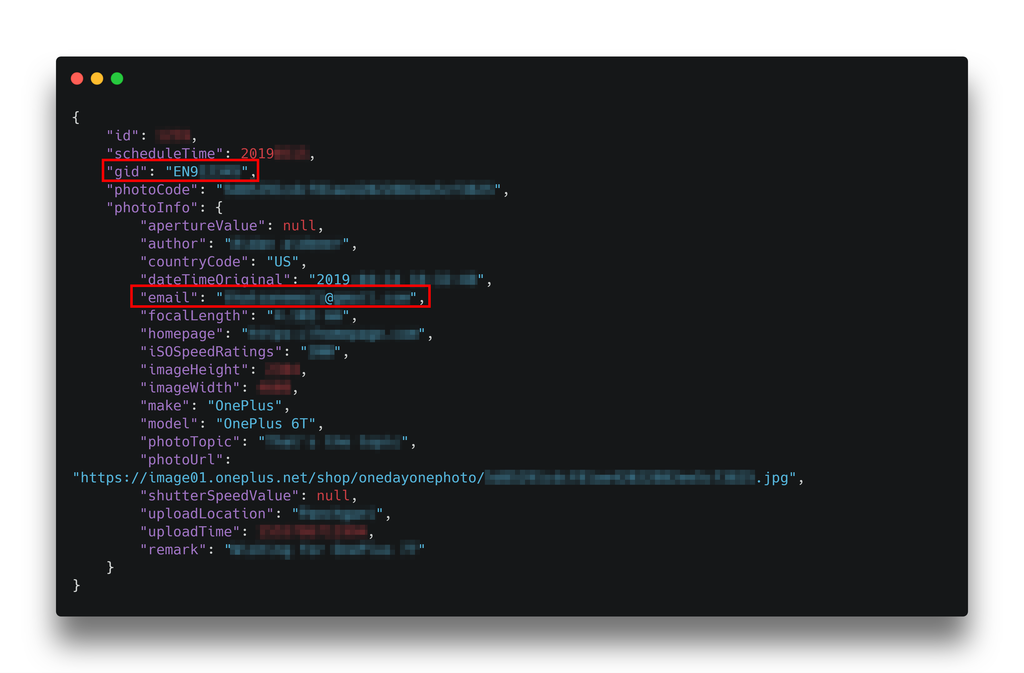
OnePlus is always known for affordable smartphones and fully optimized software. However, it appears the company has missed the security of the users’ data. According to a recent report by 9to5Google, the ‘Shot on OnePlus’ app allegedly revealed important user data, including emails associated with photo submissions.
The API used by the app to transfer data from device to server does not carry any authentication or encryption for security. The API transfers all the data back and forth between the user device and the server. The unencrypted key is required to access the individual’s email address. OnePlus was made aware of the flaw in May, and now it has rectified with a fix which was rolled out last month.
The users can easily access the Shot on OnePlus app on their OnePlus devices. It allows the user to change the wallpaper on their smartphones automatically. It even allows photography enthusiasts to submit the photos taken by OnePlus smartphones after registering with Email ID. If the photo gets selected, it is made public and is applied automatically to all OnePlus devices via the Shot on OnePlus Wallpaper.
The report cites that, “It is unclear for how long this leak was happening, but because OnePlus had no reason to make this data public after the application was out, we believe is was leaking data since its release — multiple years, at least.”
The Chinese smartphone manufacturer recently launched OnePlus 7 and OnePlus 7 Pro carrying Snapdragon 855 SoC and other high-end hardware.
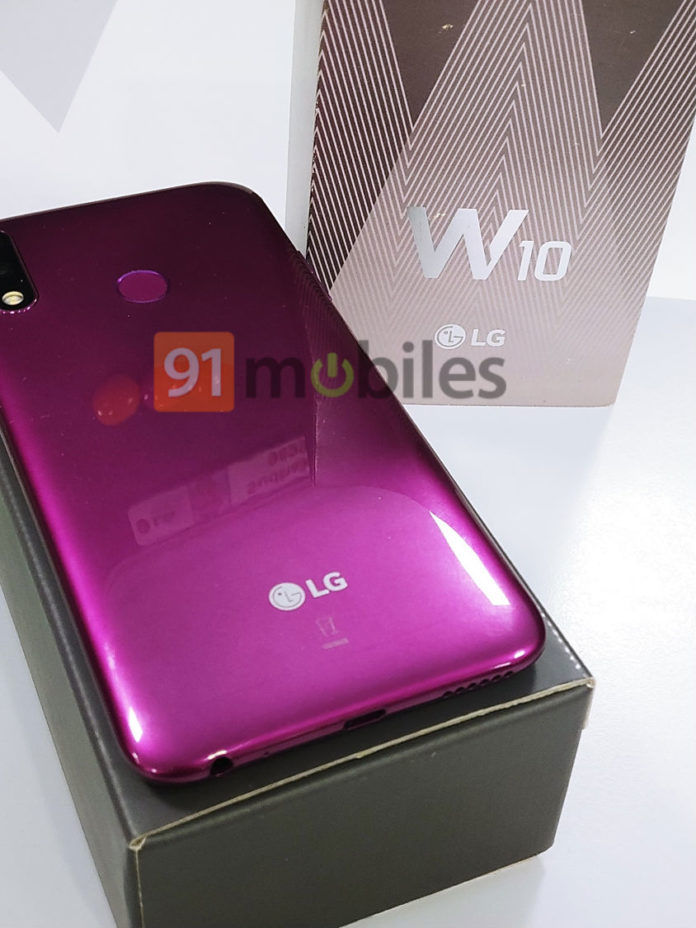
We don’t know how many phones LG plans to release when it announces its new W-series but at the moment, we are sure there are two phones. Live photos of a phone said to be the LG W10 have leaked and they are different from the one we covered a few days ago.
According to 91 mobiles who first reported the news, the W10 is the base model in the series. As you can see in the image below, it has a curved back unlike the other one we have seen which has a flat back. We also don’t think the back is made of glass but rather metal with a glossy finish.
The LG W10 is said to have dual rear cameras. We can only see the LED flash and know the cameras are arranged vertically. There is also a fingerprint scanner in the middle.
Unlike the other LG W-series phone we have seen, this comes in purple and doesn’t have a gradient finish. It also has a 3.5mm audio jack on one side of the USB port while a speaker grille is on the opposite side.
The LG W10 has been reported to be priced under INR 15,000 (~$214). We don’t know its specs so we can’t say if LG is charging too much.
There are speculations the other models will be named W20, W30 and so on which makes sense since the base model is called the W10.
[envira-gallery id=”259266″]
Alongside the photo of the W10, another set of photos showing the front of the triple camera model has surfaced on the web. The photos confirm the display has a waterdrop notch but also shows the chin isn’t anywhere near thin.
We are still expecting LG to announce a launch date.
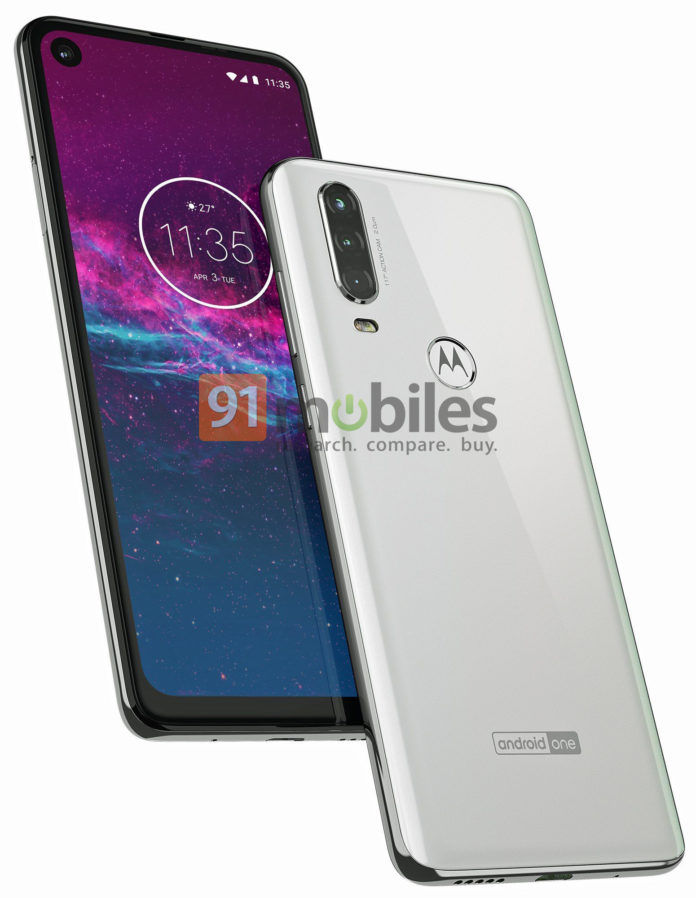
Motorola is working on launching One Action and One Pro under the new One series very soon. Motorola One Action has already leaked in multiple rumors revealing the design and hardware specifications. A new render has appeared via 91mobiles showing some of the important aspects of the device.
One Vision (Left) / One Action (Right)
According to the render, Motorola One Action is expected to carry a punch hole display as like the Motorola One Vision. There will be a triple camera module along with a dual LED flash. Moreover, the text beside the camera module reads “117° Action Cam 2.0µm.” It means the device would feature a wide angle lens with the ability to record videos at greater frames per second.
However, the details are not yet precise, but it is expected to carry a 12.6MP primary unit with a 5MP depth camera and another wide angle lens. It may also carry another 12.6MP front-facing camera for selfies. The rear fingerprint is present in the middle with a Motorola logo on it.
Previous leaks reveal that the Motorola One Action will carry a 6.3 inch LCD display with a punch hole for the front camera. The display will feature full HD+ resolution of 1080 x 2520 pixels having an aspect ratio of 21:9. The device will be featuring Exynos 9609 chipset aided with Mali G72 GPU. It will be equipped with 3/4GB RAM and 32/64/128 GB internal storage. There will be an NFC support with Android 9.0 Pie on the board. The device may debut in Blue and Gold colors.
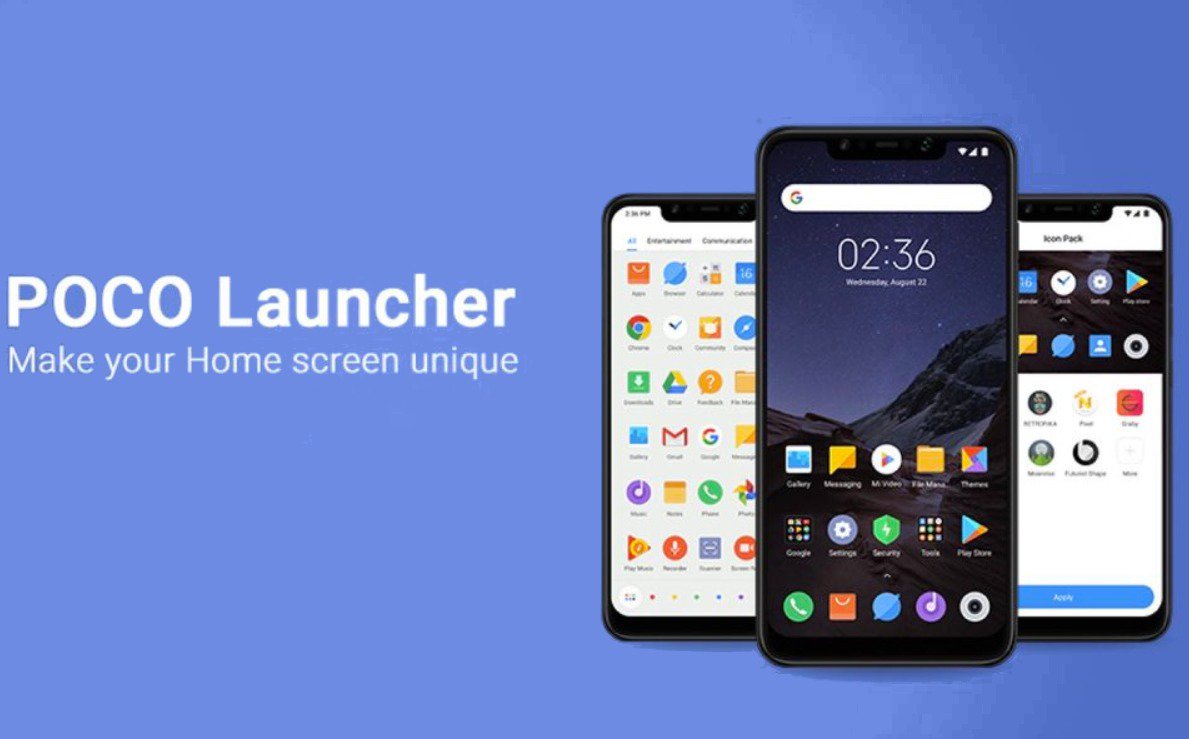
The beta version of Poco Launcher has received an important update today, so much so that the MIUI development team calls it 2.0. It adds some features and brings several updates. On top of all the adjustments, it brings in an even cleaner look with semi transparent backgrounds and a few ironed out graphics. Let’s take a closer look.
The changes are mostly about polishing the design and making the experience smoother with the app drawer. Now it can have a semi-transparent background, so you can see your wallpaper even under the white/black/gray layer. The transparency is customizable – that way you can have your precious main image and Dark Mode at the same time.
We need you!
Do you want to experience POCO Launcher 2.0? Come and join us to be a user of POCO beta. A totally new launcher journey is waiting for you.
Xiaomi has also demonstrated the launcher’s flexible app management options. Now you can create your own custom groups and add and remove apps from them easily, to ensure you don’t have to waste any time finding what you need. Things are much more streamlined than before, and things were already pretty decent before this.
Outside of that, performance has been significantly improved, so much so that POCO Launcher is now much more responsive and fluid. There are also numerous adjustments to the interface and settings screen, while some annoying bugs have been fixed. It isn’t clear when the stable version of launcher will be out, as the tweet only talked about the beta version.
You are unfortunately out of luck if you wish to get enrolled in the Beta Programme as it is already full. If more slots open in the future however, you can visit this page, sign up for the program and download Poco Launcher 2.0 from the Play Store.
The clock is ticking for Huawei and in less than two months, it will officially be blocked from installing Google’s software on future devices. Not unless Google and Huawei are able to convince the US government otherwise, of course. With the stakes that high, Huawei was repeatedly been reported to be preparing a Plan B operating system for its future phones.
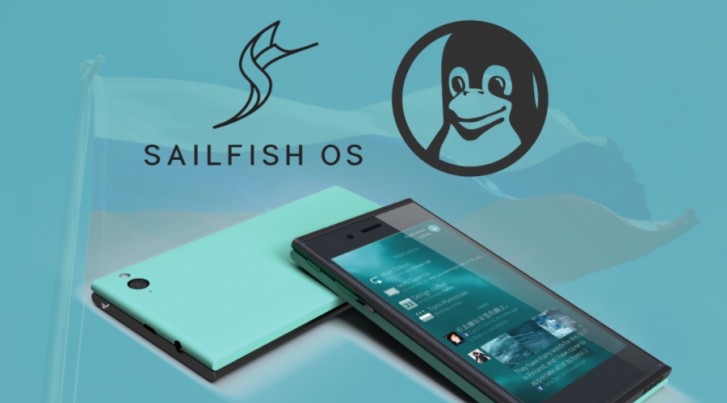
While the ARK OS that has been mentioned in the past may still be based on Android, a new report suggests that Huawei is also looking into using a Russian-made version of Jolla’s Sailfish OS. Aurora OS is a Russian-made mobile operating system based on the open-source Sailfish OS Linux distribution developed by Finnish company Jolla.
Sailfish isn’t the most popular mobile operating system out there; in fact, it doesn’t show up on the radar of Android versus iOS. However, its focus on privacy and security has won over many users. Based on Nokia’s and Intel’s aborted MeeGo OS, Sailfish uses an almost completely different software stack. To date, very few commercially available phones have shipped with Sailfish OS.
Touted as an upgraded One Mix 3, the One Netbook One Mix 3S Yoga Pocket laptop boasts an impressive array of features.
There are two models of the One Mix 3S Yoga which include one that comes with an original stylus pen and the other that come without it. Much to the delight of those looking for an inexpensive pocket laptop, the aforesaid models have gone up for pre-order bearing lowered price tags on GeekBuying.
Moreover, we will show how you can save a considerable amount of extra money at checkout. So, without further ado, let’s delve straight into the details.
One Netbook One Mix 3S Yoga Pocket Laptop
The highly portable One Mix 3S Yoga proves to be an ideal assistant in your pocket. Weighing in at just about 0.65kg, this pocket laptop is a great choice for business trips, given that it offers superior performance, coupled with reliable durability.
The One Netbook One Mix 3S Yoga Pocket laptop would normally set you back a pretty penny, but you can now pre-order it for a reduced price of just $899.99 from GeekBuying. This is a noteworthy reduction in the device’s original asking price of $1203.99.
An absolute steal at this price, the One Netbook One Mix 3S Yoga Pocket laptop packs a powerful Intel Core M3-8100Y, Dual Core,3.4GHz Max processor, along with Intel HD Graphics 615 GPU, under the hood. It ships with 16GB of RAM and offers 512GB SSD storage capacity.
The device comes with a fingerprint recognition sensor, which is embedded directly into the user interface. The laptop runs Microsoft Windows 10 OS and is backed by a large 8600mAh battery so that you can use it all day and night on just a single charge.
You can visit this link to check out the full specification of the One Netbook One Mix 3S Yoga Pocket Laptop and avail the discount before the promo ends.
One Netbook One Mix 3S Yoga Pocket Laptop (with Original Stylus Pen)
Designed to offer precise drawing experience, this model comes with a Stylus Pen which has 4,096 levels of pressure sensitivity. This surface pen can be used to effortlessly sketch, write and erase without any sort of lag between the pen tip and your line.
The aforesaid model usually carries a steep $1159.99 price tag, but GeekBuying users can get their hands on it for a reduced price of just $929.99. As if that weren’t enough, you can extend this noteworthy discount by applying coupon code 3ZFZYWCR.
The above-mentioned coupon helps you get an extra $100 off. In other words, you can bring the already lowered asking price of the One Netbook One Mix 3S Yoga Pocket Laptop further down to just $919.99 before placing your order.
You can head straight to this link to avail the discount and take advantage of the coupon before it expires.
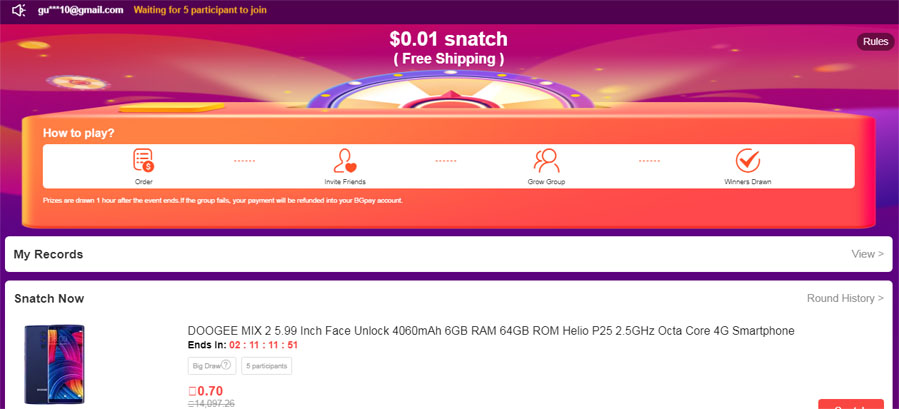
Staying true to its reputation for offering the best bang for your buck, Banggood has launched the ‘Once Cent Snatch.’ In order to play, all you need to do is to place your order, invite friends, and grow your group.
On the product details page, click purchase to enter the order payment page. Once the payment process is completed, simply follow the prompts to invite a friend to join your team. Your friends need to join the team by opening the app using the link you shared to complete the order payment.
In order to be eligible for the lucky draw before the countdown comes to an end, it is imperative for you to ensure enough of your friends have joined your team. The winning results will be unveiled with an hour after the event wraps up.
While Banggood ships the orders of the winning team, those who did not win or were unable to complete a team get a refund in their BGpay account. Note that points used are non-refundable if you have used point payment.
There are various other important things you need to bear in mind before participating in this $0.01 snatch. You need the app in order to create as well as join a team. You cannot open or join more than one group.
Given that the stock of products is limited, there is a possibility that you might not be able to purchase due to insufficient stock. In the case that happens, Banggood will refund your order under the BGpay account.
It is also worth noting that winners will be selected from all completed teams. Only one member will be chosen randomly from selected teams, while the rest of the team members will not receive anything.
For the sake of an instance, a snatch round kicks off at 9:00 and comes to an end at 10:00, and there are a hundred prizes for this round with 1000 completed teams, only 100 participants will be selected as winners. A hundred teams will be selected randomly with one member from each team selected to win.
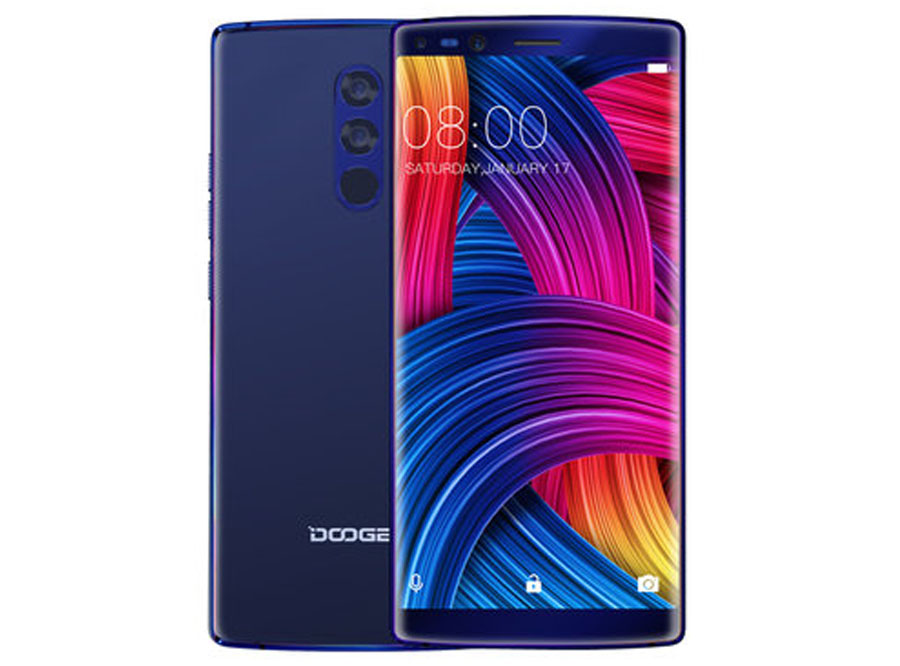
The Doogee Mix 2, Xiaomi Mi Note 3, Umidigi One Pro, the Xiaomi Redmi 6A smartphones, and the Zeblaze Thor 5, LEMFO LEM X smartwatches are currently up for snatch on the event page. You can click here to visit the promotion page and participate in the One Cent Snatch and win amazing products.
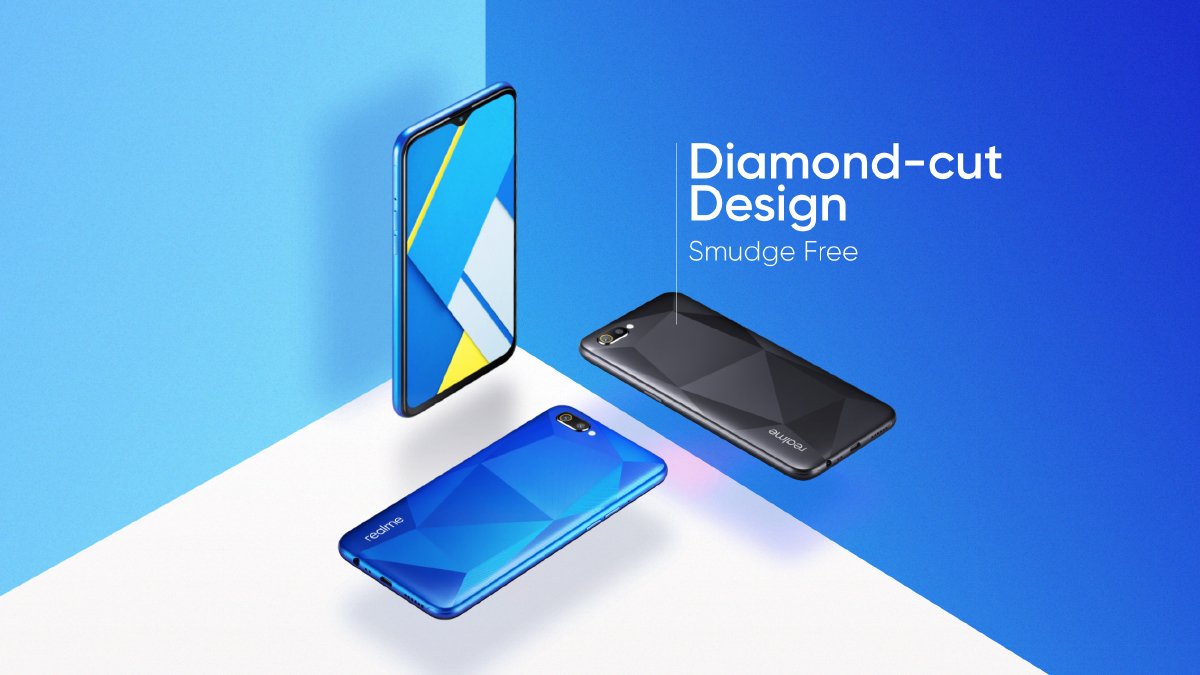
In April this year, Realme launched its second entry-level smartphone in the Indian market — Realme C2, which is the successor of the Realme C1 launched last year. The smartphone sports an impressive smudge-free diamond-cut design and some interesting specifications.
Till now, the smartphone was available for purchase in India through online stores. However, from today onwards, i.e. from 15th June, the Realme C2 will also be available for purchase through offline stores across the country.
It’s noteworthy that only two variants will go on sale through offline channel — 2 GB RAM with 32GB internal storage and 3GB RAM with 32GB internal storage. The 2GB RAM with 16GB internal storage model will be available from July. The phone’s pricing starts at Rs. 5,999 (approximately $86) and goes up to Rs. 7,999 (approximately $114).
Coming to the specifications, the smartphone features a 6.1-inch IPS LCD HD+ display with a dewdrop notch, 19.5:9 aspect ratio, and a screen-to-body ratio of nearly 90 percent. It is powered by the 12nm MediaTek Helio P22 octa-core processor.
The phone comes with a 13-megapixel + 2-megapixel dual rear cameras and AI enabled front-facing camera of 5-megapixel. The smartphone lacks a fingerprint scanner, but it comes equipped with an AI facial unlock feature. It runs ColorOS 6 based on Android 9 Pie OS and is powered by a 4,000mAh battery.
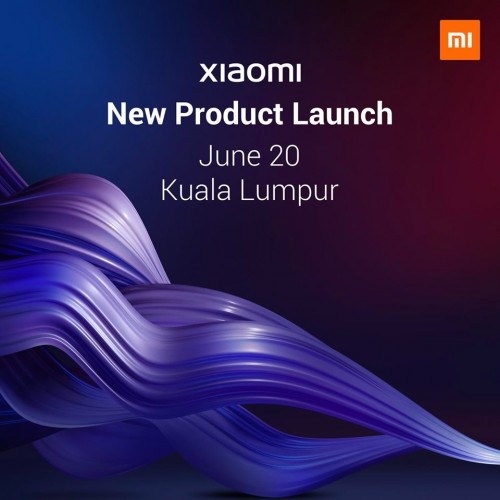
Xiaomi recently launched the Mi 9T smartphone in Europe and now the device is all set to debut in the Asian market. Xiaomi Malaysia has confirmed that the Mi 9T will be launched in the country on 20th June.
The company has scheduled a launch event in the Malaysian capital Kuala Lumpur, which will be open to fans as well. With this, Malaysia will become the fourth market after France, Italy, and Spain to get the Mi 9T phone.
Soon after the Malaysian launch, we expect the smartphone to be available in other Asian countries as well. However, in India, the smartphone is set to get launched next month with their original names — Redmi K20 and Redmi K20 Pro.
The company was expected to launch the Mi 9T Pro smartphone — a re-branded model of the Redmi K20 Pro. However, the launch didn’t happen as it was speculated. There’s a possibility that the company could unveil the Mi 9T Pro at the Malaysia launch event.
For the initiated, the Xiaomi Mi 9T is the re-branded version of the Redmi K20 smartphone launched last month in China. As for the pricing, the Mi 9T starts at €299 (original price is €329) for the 6GB RAM + 64GB version and €369 for the 6GB RAM + 128GB version.
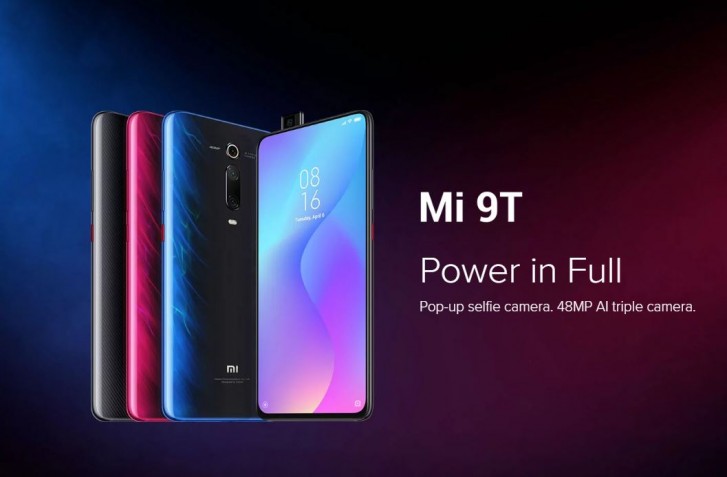
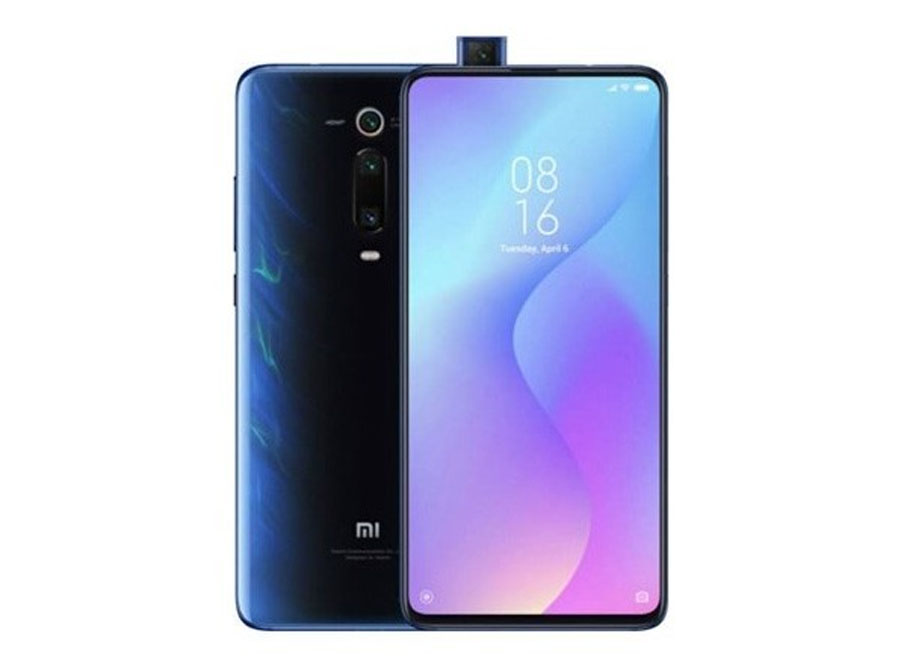
The Xoaomi Mi 9T is the company’s first smartphone to feature a pop-up selfie camera. It comes with a 6.39-inch Full HD+ AMOLED screen and an in-display fingerprint scanner. Under the hood, the device is powered by the Qualcomm Snapdragon 730 SoC.
The pop-up selfie camera is a 16MP sensor while the back panel houses a triple camera setup which includes a 48MP primary camera, an 8MP telephoto camera, and a 13MP ultra-wide angle camera. The camera app has a bunch of modes including night mode and 960fps slow-motion recording.
The smartphone runs Xiaomi’s own MIUI 10, which is based on Android Pie operating system, along with features such as Game Turbo. The device is powered by a 4,000mAh battery which comes with support for 18W fast charging technology.
Xiaomi officially took the wraps off the premium Mi 9T alongside the Mi Smart Band 4 and a couple of other products in Europe a few days back. The device is scheduled to go on sale on Monday next week. Xiaomi Mi 9T has been a regular in leaks and was strongly touted to be a rebadged Redmi K20. Is that true or false? What better way to find out if the two are the same devices than an official unboxing video by Xiaomi.
The official unboxing video posted on Xiaomi’s YouTube channel gives us a clear view of the features that come with the phone as well as what lies inside the box. Indeed, there is no doubt that the Redmi K20 and Mi 9T are similar in design.
The packaging box contains a free protective case as with all Xiaomi mid-range and flagship models. This is not the usual rubber case but is made of hardened plastic. The packaging box also contains the usual user manuals, an 18W charger and USB Type-C cable as well as a SIM tray ejector.
The video also highlights the features of the phone such as the on-screen fingerprint sensor and the 20MP pop-up selfie cam. There is also a 4,000 mAh battery which Xiaomi claims can last up to two days of usage. At the rear, there is a triple camera setup. We wait to see the camera samples captured using the rear shooters.
The Mi 9T will come in Black, Blue and Red colours with the Blue and Red having a gradient finish but the black has a carbon fibre finish. As stated, the device will go on sale next Monday, June 17. As for the prices, the 6+64GB version starts at €329 ($370) while the 6+128GB variant goes for €369 ($415). Check out the unboxing video from below.
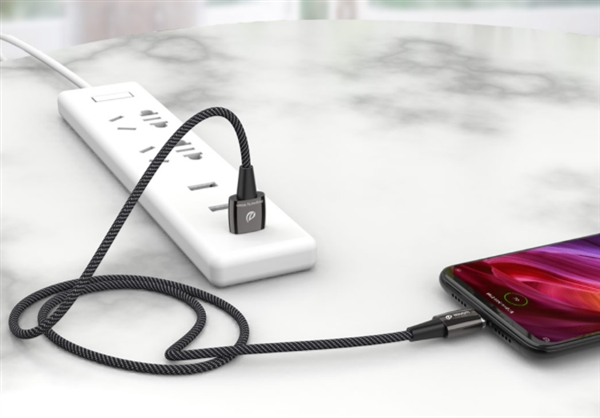
Since the advent of smartphones, most phones are usually launched with a micro USB charging port especially budget and mid-range models. But lately, we have seen a shift to the use of the USB Type-C interface on mid-range and flagship models as well as on tablets and even laptops. There often exist scenarios where an individual have multiple gadgets with both interfaces. It then becomes a challenge if one of the charging cables is left behind. That is where the WSKEN X1 Pro data cable just launched by Xiaomi comes in.
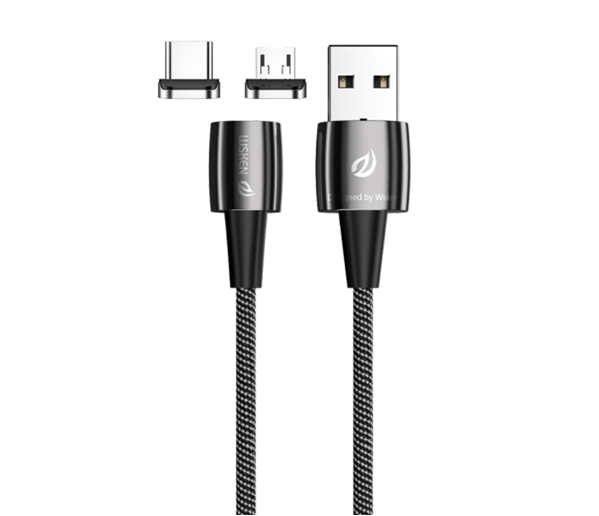
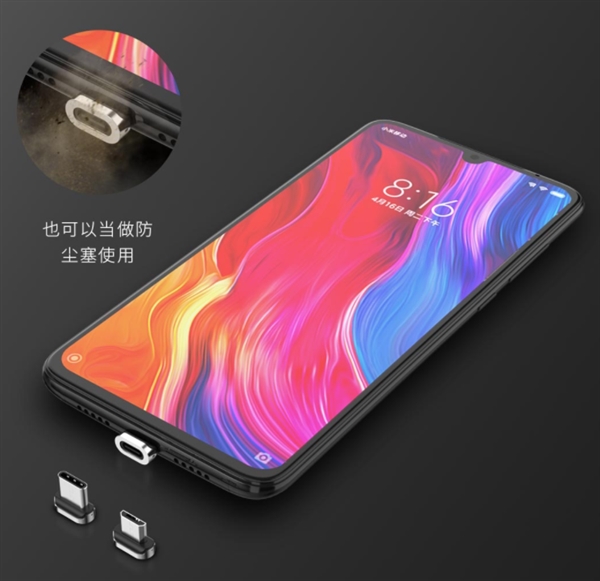
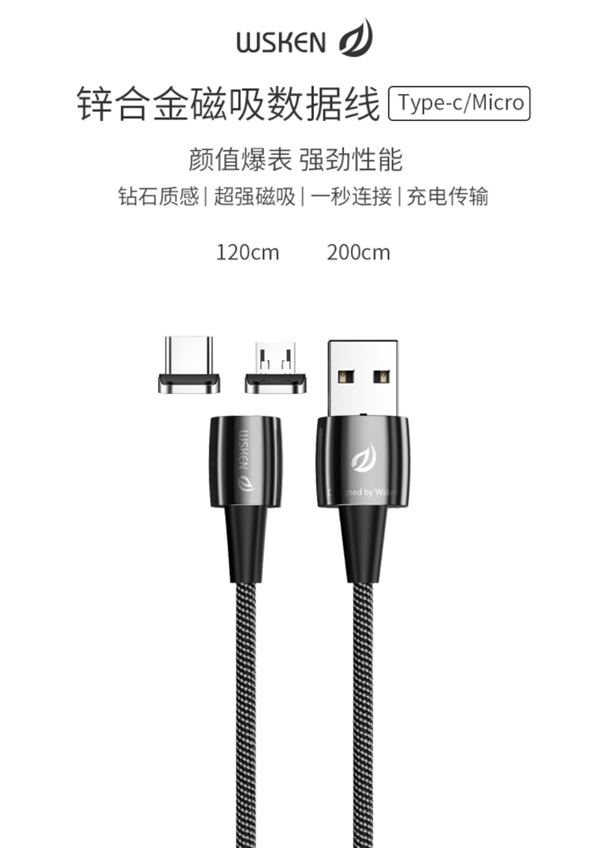
Although there is a USB 2.0 to Type C female-male connector, the WSKEN X1 Pro data cable brings simplicity to the entire package with a magnetic detachable connection. The cable has two heads, a Micro-USB and Type-C head. he heads can be left o the phone and when a connection is needed, it easily gets magnetized and starts charging the phone.
The design ensures the USB interface is not attached and detached from the phone too frequently, thus protecting the USB port from damage. It also makes one-handed operation easy especially when there is a need to charge the phone while on the wheels. Also, when the wire is detached from the USB head, the chip is automatically powered off to prevent short-circuiting.
The cable comes in two lengths – one is 1.2-meter long and costs 49 yuan (~$8) while the 2-meter cable is priced at 59 yuan (~$8). The cable has a braided design and is made of flame retardant material that is resistant to heat. The high quality, oxygen-free, high-purity copper core is selected for good electrical conductivity. The wire is made of high-quality nylon, with higher toughness and high-density weaving process.
In addition, the terminal head is made of zinc alloy shell, and the surface of the shell is treated with high-density metal paint to make the handle feel comfortable and delicate. There is an indicator light which is turned on when the cable is connected to a power source.
We use cookies on our website to give you the most relevant experience by remembering your preferences and repeat visits. By clicking “Accept”, you consent to the use of ALL the cookies.
This website uses cookies to improve your experience while you navigate through the website. Out of these, the cookies that are categorized as necessary are stored on your browser as they are essential for the working of basic functionalities of the website. We also use third-party cookies that help us analyze and understand how you use this website. These cookies will be stored in your browser only with your consent. You also have the option to opt-out of these cookies. But opting out of some of these cookies may affect your browsing experience.
Necessary cookies are absolutely essential for the website to function properly. This category only includes cookies that ensures basic functionalities and security features of the website. These cookies do not store any personal information.
Any cookies that may not be particularly necessary for the website to function and is used specifically to collect user personal data via analytics, ads, other embedded contents are termed as non-necessary cookies. It is mandatory to procure user consent prior to running these cookies on your website.