Advertisement

Hisense HLTE217T full specifications and images appear on TENAA

A new smartphone from Hisense that has a model number of HLTE217T has been approved by China’s TENAA authority. The TENAA certification of the smartphone has revealed its entire specifications and images. It appears to be a budget-friendly phone with waterdrop-style notch screen and dual rear cameras.

Hisense HLTE217T specifications

The Hisense HLTE217T appears to be equipped with a polycarbonate rear with a gradient finish. The TENAA listing mentions its color variants as Streamer Blue, Dream Red and Deep Cobalt Blue. The smartphone measures 156.88 x 76.5 x 8.57mm and it weighs 169 grams.

The mysterious smartphone from Hisense is fitted with a 6.217-inch IPS LCD panel with a waterdrop notch. It offers HD+ resolution of 720 x 1520 pixels. It has a minimum capacity battery of 3,900mAh battery. Its typical capacity could be around 4,000mAh.
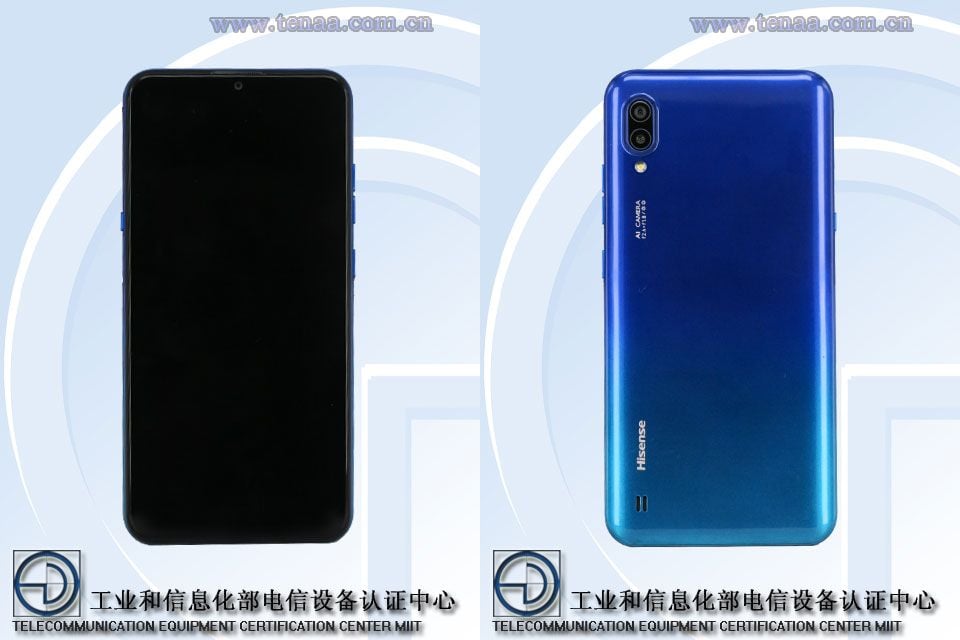
Hisense HLTE217T TENAA

The smartphone is fueled by an unknown octa-core processor that works at 2.0 GHz. It is loaded with Android 9 Pie OS. There seems to be three variants of the smartphone such as 3 GB RAM + 32 GB storage, 4 GB RAM + 64 GB storage and 6 GB RAM + 128 GB storage. There is a microSD card slot available for more storage.

The Hisense HLTE217T is fitted with an LED flash assisted dual camera setup on its rear. It has a primary sensor of 13-megapixel and a secondary lens of 2-megapixel. For shooting selfies, it is equipped with a front-facing camera of 8-megapixel.

Hisense Rock V

The smartphone seems to volume up and down buttons along with the power key on the right spine. There is another unidentified button on the left edge of the device. The exact identity of the smartphone is not known yet. Its appearance is similar to the Hisense Rock V (2019) smartphone that also features a waterdrop notch and dual rear cameras. Probably, the Hisense HLTE217T could be an entry-level version of Rock V (2019) phone. Now that it has bagged approval from TENAA, it is likely to go official soon in China.


UP NEXT: HiSense King Kong 5 Pro listed online in China, supports 8,000mAh battery with accessory

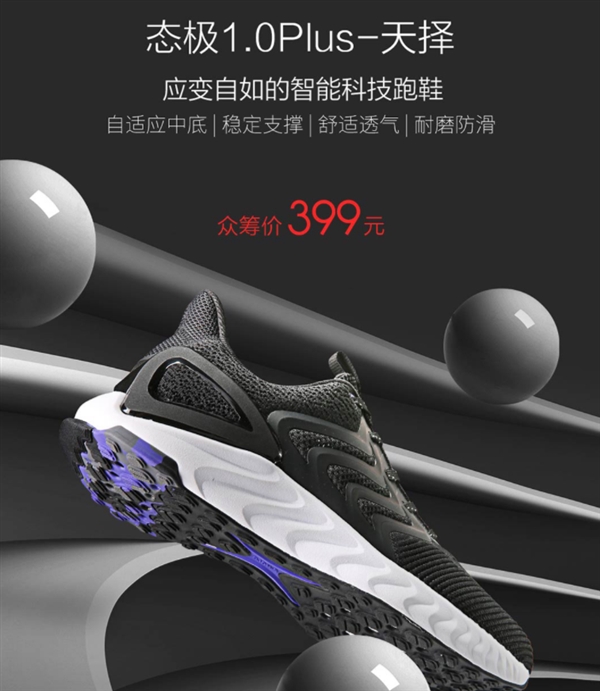
Xiaomi crowdfunds the Peak 1.0 Plus Sports Shoes priced at 399 yuan ($57)

Xiaomi has launched a sleek sports shoes under the Youpin crowdfunding platform. The Peak 1.0 Plus Sports Shoes come with an adaptive technology which Xiaomi claims can adapt to various sporting conditions. Xiaomi

The adaptive sports shoes are capable of providing just the right cushioning rebound and support to enhance sports performance. It uses a new subversive midsole technology made of polymer material. When you walk slowly, the molecules are separated from each other like bare feet on the sponge but when you run fast, the molecules interlock to give the right thrust.Peak 1.0 Plus Sports Shoes

EDITOR’S PICK: Redmi K20 Pro Review: Flagship Smartphone With Affordable Price

The upper woven mesh is made of elastic fibre which provides different levels of wrapping experience, making the material softer and more comfortable, while ensuring the smoothness of the distortion during running. In addition, it comes with three-dimensional ribs and a larger wrapping area. The soles of the shoes are strengthened to resist the torsion of the back of the feet. The sports shoes also come with a colourful lace which has a reflective fibre. The lace is fashionable and the reflective nature ensures the safety of the user if he’s out running at night.

The shoes are available in several sizes for male and female folks ranging from size 35 to 48. It also comes in colour mix such as  Beige, White, Black/White, Black. There are also Pink/purple, White flower yarn colours for female folks.

The product is expected to start shipping in China on June 26.

UP NEXT: Moto E6 Plus will be powered by Helio P22 according to Geekbench

(source)

Huami reveals plan to announce over 10 new smartwatches in the coming months

If you like Huami’s AMAZFIT line of smartwatches, then you should look forward to the coming months. The Chinese wearables manufacturer disclosed in an official press release that it has plans to release more than 10 AMAZFIT smartwatches in the coming months!

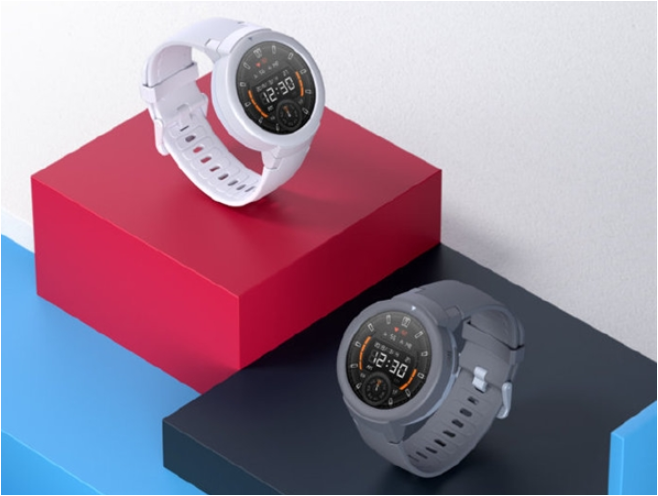
Amazfit Verge Lite
AMAZFIT Verge Lite

The press release was published yesterday, 4th of June but the info was first revealed by the CEO of the company, Huang Wang, at the Q1 2019 financial report on June 3.

Huami says these smartwatches will fall between the range of ¥299 (~$43) and ¥2000 (~$289). At the moment, we know a new AMAZFIT smartwatch will be released next week. This watch will come with an eSIM and a Snapdragon Wear 3100 and may be priced at ¥2000 (~$289).

About a week ago, Huami also announced the AMAZFIT Verge Lite and the AMAZFIT Bip Lite – which are both cheaper versions of the Verge and Lite respectively. These two new watches are likely part of the lineup it has planned for this year. However, we also expect there will be some brand new models which will include successors to the AMAZFIT Stratos, the AMAZFIT BIP and the AMAZFIT COR.

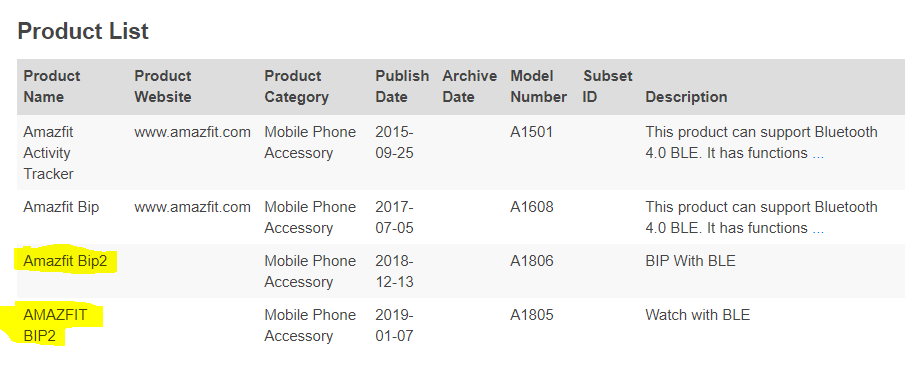
AMAZFIT BIP2

The AMAZFIT BIP 2 is definitely coming; seeing as Huami already received Bluetooth certifications for two smartwatches with that name back in December 2018 and in January 2019.

Huami is banking on the expansion of the wearables market which explains why it will be launching several new products this year. According to FROST & SULLIVAN, the global wearables market will increase from 10.3 million units to 27.1 million units.

For the first quarter of this year, the company announced its AMAZFIT brand grew by 62% year-on-year while it made up 41.3% of the total revenue. These figures are impressive and will likely increase as time goes on.


UP NEXT: Samsung’s One UI is now available to select wearables


McDonald’s scores big with its smallest restaurant named McHive but it’s for bees

Mcdonald’s has for long embraced technology with its chain of delivery robots that are already deployed in some cities. Not only is the company innovative, it recently demonstrated its drive to promote a sustainable planet with a new initiative launched in Sweden. The initiative will see the fast-food chain provide beehives on the rooftops of some of its restaurants in the country. The move is aimed at preserving the rapidly decreasing bee population. The franchise will also replace the grasses around its restaurants with various flowers and plants that would promote a stable ecosystem for the bee population.

The laudable initiative is a collaboration between McDonald’s Sweden and advertising agency NORD DDB. The ad agency created what could pass for the world’s smallest restaurant and it is named McHive.

The McHive is actually a redesigned beekeeping box hives that look like a modern-day McDonald’s restaurant. The beehive is fitted with the brand’s golden arches and features an exterior with tweaks such as a drive-thru, various advertisements, and more, all scaled down in size to fit the size of the beehives.

According to Christoffer Rönnblad, marketing director of McDonald’s Sweden “We have a lot of really devoted franchisees who contribute to our sustainability work, and it feels good that we can use our size to amplify such a great idea as beehives on the rooftops – this miniature McDonald’s is a tribute to franchisee Christina Richter’s initiative.”

You can check out the entire design from the YouTube video below.

UP NEXT: OnePlus 7 gets Fnatic Mode and DC Dimming in a new update

(source)

Moto E6 Plus will be powered by Helio P22 according to Geekbench

The Motorola Moto E6 is an upcoming entry-level smartphone from Motorola. Over a month ago, specs and renders of the device surfaced on the internet. Now, a Geekbench listing has revealed there will also be a Moto E6 Plus.

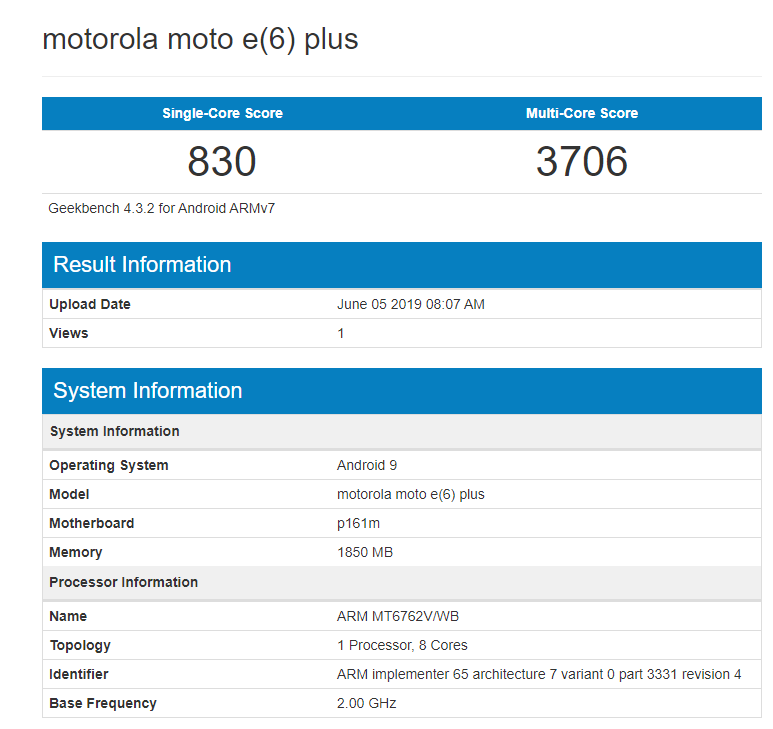
The phone was benchmarked today and the result shows it runs Android 9 Pie and has 2GB of RAM. It is also powered by the MT6762 a.k.a. Helio P22. This is a more power efficient processor than the Snapdragon 430 that will power the Moto E6. The chipset also has a higher clockspeed (2.2GHz) compared to the Snapdragon 430 (1.4GHz).

Moto E6 Plus

The Moto E Plus scored 830 points in the single-core test and 3706 points in the multi-core test.

Although the rest of the specs are unknown, we expect Motorola will include a big battery with the Moto E6 Plus since its predecessor has a 5000mAh battery capacity. Other expected features include a large HD+ display, a fingerprint scanner, and a single camera on the back.

Motorola has an event scheduled for June 20 in India. We presume the new generation of the Moto E series will be announced at the event.

(Source, Via)


UP NEXT: No Moto Z4 Force or Moto Z4 Play this year says Motorola

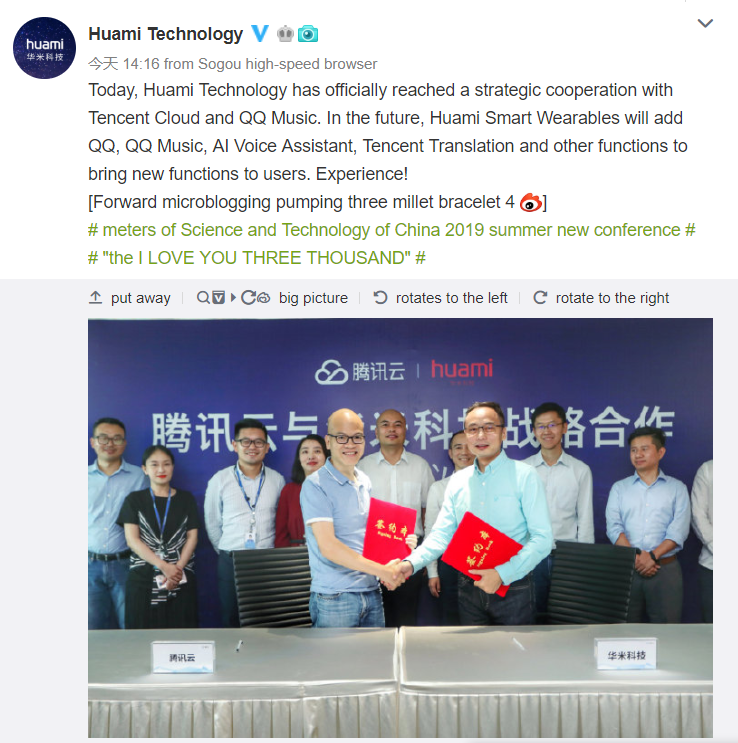
Huami signs partnership with Tencent; will bring new features to smartwatches

Huami smartwatches will soon get a ton of new features (at least for China users) thanks to a new partnership it signed with Tencent.

An official statement put out by the China-based company on its Weibo page says its smart wearables will gain support for QQ (Tencent’s instant messaging service), QQ Music (Tencent’s music streaming service), and Tencent’s translation services in the future. They will also get an AI voice assistant alongside some other unnamed functions.

Huami + Tencent partnership

It wasn’t revealed when these features will roll out to its already existing line of smart wearables sold under the Amazfit brand or even which models will get which feature.

The Chinese company has a launch event scheduled for June 11, the same day Xiaomi will announce the Mi Band 4 (which Huami also manufactures). It has been reported that the launch is for a new Amazfit smartwatch which has an eSIM and will be powered by the Snapdragon Wear 3100. We won’t be surprised if some of these new features arrive first on the new watch.

For international users who may feel they are missing out on these new features; we believe the company is also working on bringing similar features to the international variants. The Amazfit Verge already supports Amazon’s Alexa Assistant and may gain new features as time goes on.


UP NEXT: Do you know Huami also makes other types of “wearables”? Check out the Amazfit Quick-Drying T-Shirt

OnePlus 7 Pro tops Master Lu’s list of Best performing new smartphones released in May

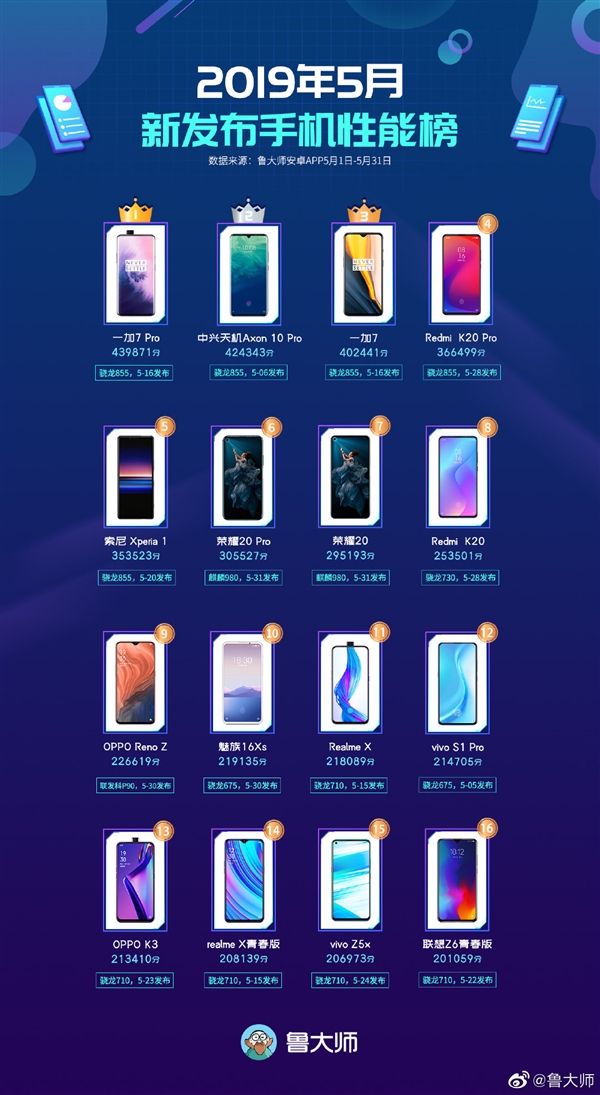
Master Lu has released a list of the best performing new smartphones released in May. The list shows that a total of 16 new models were released between May 1 to May 31 and this included seven flagship phones and nine mid-range models.Master Lu

The OnePlus 7 Pro posted the most outstanding performance with a Master Lu benchmark score of 439,871 points. The OP7 Pro is followed by the ZTE Axon 10 Pro while the OnePlus 7 came third, both having benchmark scores of over 400,000 points. This is followed by the Redmi K20 Pro,  and Sony Xperia 1 with benchmark scores of 366499 points and 353523 points respectively.

EDITOR’S PICK: New stable update brings DC dimming to the Mi 9 (in China)

The list also has the Honor 20 Pro and Honor 20 at the sixth and seventh spots. Both Kirin 980 models had benchmark scores of 305,527 points and 295,193 points respectively, perhaps due to different clock frequencies.

The rest of the listed models are Snapdragon-powered models. They include the Redmi K20, OPPO Reno Z, Meizu 16Xs, Realme X, Vivo S1 Pro, OPPO K3, Realme X Lite, Vivo Z5x, Lenovo Z6 Lite etc. Among them, the Redmi K20 with a Snapdragon 730 chipset has a benchmark score of more than 250,000, which is far more than those of the Snapdragon 710 models.


UP NEXT: Samsung Galaxy Jean 2 and Galaxy Wide 2 launched in South Korea

(source)

China Post and Huawei announce strategic partnership on the heels of FedEx saga

Huawei recently called out FedEx for attempting to reroute some of its packages to the US. While FedEx claimed it was done in error, the development prompted Huawei to issue a statement that it would re-evaluate its cooperation with the US courier company. The Chinese company has now gone into an alliance with China’s state-owned logistics giant China Post, a move that may not be unconnected with the FedEx issue.

China Post released a statement via a WeChat post that it’s forming a new “comprehensive strategic partnership” with Chinese telecoms giant Huawei. The Chinese courier firm stated that the two parties have signed a cooperation agreement which will see them deepening cooperation in finance, technology innovation, logistics, and talent cultivation. The post also revealed that Huawei’s co-chairman Eric Xu and China Post chairman Liu Aili were at the agreement signing ceremony held Wednesday. The partnership will see both companies set up a new technology application lab and a joint innovation center. huawei-logo-featured

This is in no way related to courier services but the timing is obviously a show of unity and this makes it special. Just a few days back, China’s postal regulator hinted that it will launch an investigation into US delivery company FedEx.


UP NEXT: Global smartphone shipments could decline in 2019 because of US-China trade war: Canalys

(source)

New stable update brings DC dimming to the Mi 9 (in China)

DC Dimming is one of the phrases being thrown around in the mobile industry this year. We talked about it here. The feature has been rolling out to a lot more phones that have OLED displays. OnePlus already included it in the updates it released for its new flagships and Huawei has confirmed that its P30 series will also get it. In China, the Mi 9 has now gotten DC Dimming via a new MIUI update.

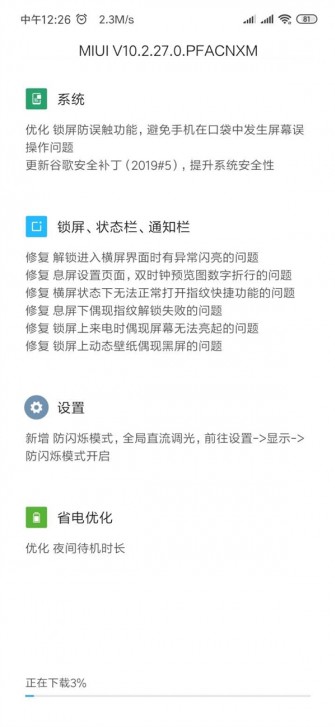
Rolling out as MIUI 10.2.27.0PFACNXM, the update brings DC Dimming to the Xiaomi flagship. After the update, users will be able to turn it on via a toggle under Display settings.

The update also optimizes the lock screen, updates the security patch to May 2019, improves stability, and brings a new power optimization feature.

DC Dimming was promised for the Mi 9 back in March and was available in beta to those running the developer version of MIUI. Now that it is out of beta and rolling out in China, we expect it to also make it to global users in the next stable update.

(Via)


UP NEXT: This store says the Mi 9T will sell for €359 in Poland

Apple, Huawei and Xiaomi ruled the Chinese tablet market in Q1 2019

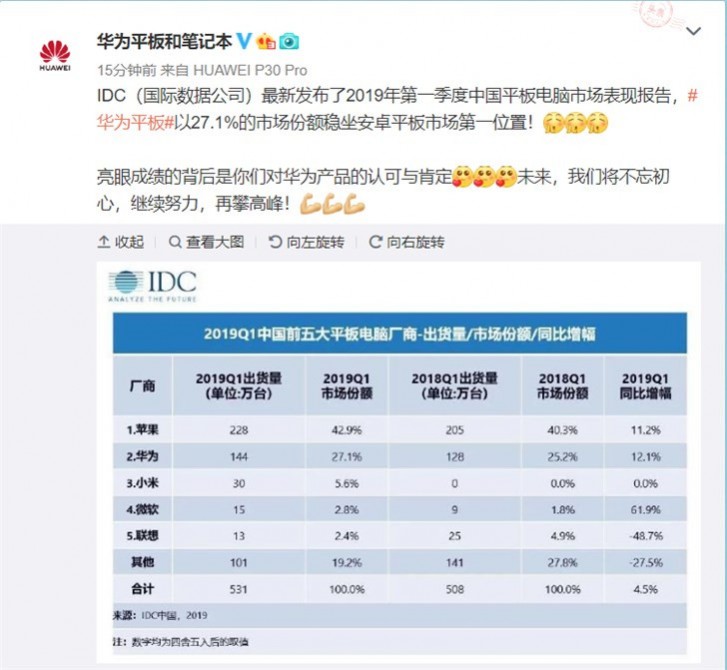
According to a recent IDC report, Apple and Huawei constituted most of the Chinese tablet market in Q1 2019. Xiaomi also bragged huge sales and consolidated third position despite the slump in the Chinese tablet market in recent years.

Surprisingly, Apple tops the chart with a 42.9% market share and Huawei fared 27.1% market share. Both the companies constituted 70% of the total market share in China. The Cupertino giant managed to rake 2.38 million shipments with an increase of 2.6% in comparison with the same quarter of the last year. However, Huawei witnessed 1.44 million units shipments with a year-on-year increase of 1.9%.
idc

Must See: Smartphone Market expected to further decline in 2019; 5G adoption to touch 26% by 2023: IDC

Another Chinese manufacturer – Xiaomi boarded third place with total shipments of 300000 units. It constitutes a 5.6% market share in China. The tablet trend is fading away with each passing year, premium manufacturers even stopped launching the new Android tablets.
On the other hand, wearables have become more intuitive as their small size and better AI integration is paving way for new possibilities. Majority of the Android smartphone manufacturers are now offering wearables loaded with a plethora of features. In the Chinese wearables market, Xiaomi attained the first position with 5.3 million units, Apple remained in second place with 4.6 million units and Huawei at third with 3.9 million shipments.

Up next: IDC: Huawei inching closer to Samsung with 50% YoY growth in Q1 2019 shipments

(via)

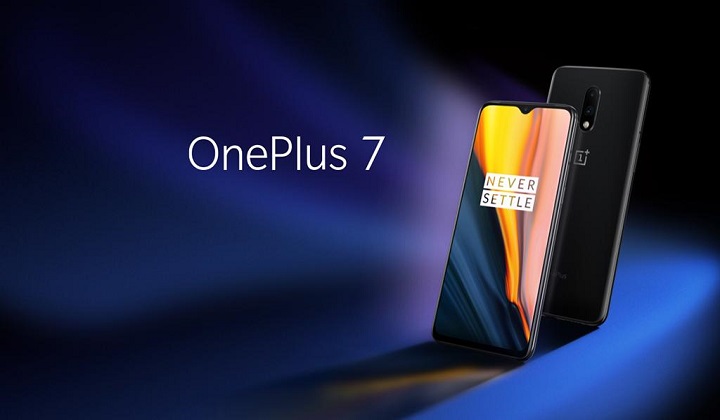
OnePlus 7 gets Fnatic Mode and DC Dimming in new update

The OnePlus 7 is already available for purchase in India, the UK, and China. If you already have the phone, then you should be receiving a new update right when you are done setting up the device.

OnePlus 7 featured

The update is rolling out as OxygenOS 9.5.4 and it brings some of the features that were announced at the launch as well as some optimizations. Below is the complete changelog:

System

  • Updated Android security patch to 2019.4 (April).
  • Added DC Dimming (Settings-Utilities-OnePlus Laboratory).
  • Improved smooth-scrolling experience.
  • Optimized algorithm for fingerprint unlock.
  • General bug fixes and improvements.

Gaming Mode

  • Added Fnatic mode (Settings-Utilities-Gaming mode).

Camera

  • Optimized photo quality.

If you don’t get a notification for the update, you can go to System updates under Settings (System) to check for the update.

The OnePlus 7 starts at £499/₹32,999. It has a 6.41-inch AMOLED display with a waterdrop notch at the top. It is powered by the Snapdragon 855 processor with 6GB/8GB of RAM and 128GB/256GB of storage.

The phone has a 48MP f/1.7 primary camera paired with a 5MP depth sensor on the back while the front houses a 16MP f/2.0 camera. There is an in-display fingerprint scanner, support for Face Unlock, and stereo speakers with Dolby Atmos. The OnePlus 7 packs a 3700mAh battery with support for 20W fast charging. It is available in Mirror Gray and Red.

(Via)

UP NEXT: These are the OnePlus 7 features coming to older OnePlus phones

Samsung starts R&D on 6G networks

The Korean giant seems to be in a hurry, as the company has started working on the 6G networks. The 5G networks are just poping-up in some corners of the world. Whereas, Samsung started looking at the new spheres with the sixth generation mobile network.

According to a report in the Korean Herald, Samsung expanded the telecommunications reasearch team. It is now working on 6G network at its new Advanced Communications Research Center under Samsung Research company in Seoul. A Samsung official said, “The current team on telecommunications technology standards has been expanded to start leading research on the 6G network.”

Samsung

Must Check: Samsung executive gets arrested over Biotech fraud case in South Korea

Along with the development of new telecommunication network, the Samsung Research team will also focus on the development of artificial intelligence and robotics. They will be responsible for making Samsung products smarter than before.

It is too early to talk about the 6G networks, as most of the world is still yet to get the 5G network. It will take another couple of years for 5G networks to become mainstream throughout the globe.

However, it is a good move that the manufacturers have started researching the 6G network. China Mobile and Tsinghua University are also working together on 6G networks. According to Huawei, 6G won’t be a reality until 2030.

Up Next: Donald Trump wants 6G network in the US, while companies still testing 5G

(Via | source)

All Xiaomi phones with OLED panels now support AOD, will also get Dual Clock function

Xiaomi has been working on improving the AOD feature of its phones following the launch of the Mi 9. A new feature it has been working on is Dual Clock Always on Display. This allows you to set two different clocks to be shown in AOD mode and comes in handy for those who are frequent travelers.

Dual Clock Always on Display

At the moment, the feature is still limited to the developer version of supported devices but it should become available to stable users via a future update.

The Weibo post which revealed the new feature also revealed more details about Always-on-Display in general. First, the color screen AOD feature will be available to all Xiaomi phones with OLED displays including the Mi 8.

The post also said since the 2016 Mi Note 2 also uses an OLED display, it will also get the feature. The AOD update will arrive on the Mi Note 2 after the Mi 8 and the Mi MIX 3 gets it.

Xiaomi’s CEO, Lei Jun also confirmed that all Xiaomi OLED phones will get the dual-clock feature.

(Sources: 1, 2)


UP NEXT: Get your first look at Xiaomi’s under-display selfie camera phone

Global smartphone shipments could decline in 2019 because of US-China trade war: Canalys

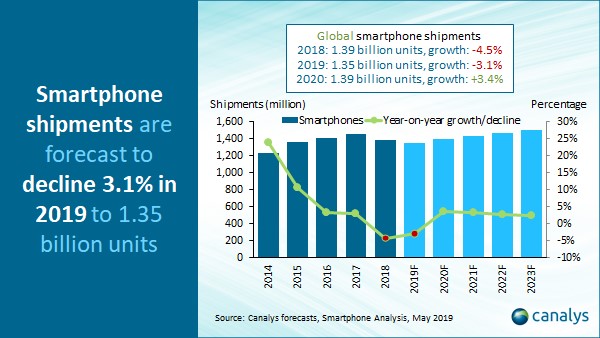
According to a report from market research firm Canalys, the global smartphone shipments will be slightly lower than the total smartphone shipments last year. The firm has slashed its forecast by around 5 percent amid the US-China trade war.

This comes after the United States decided to ban Huawei from doing business with US-based company and technology. The firm is now projecting smartphone shipments of 1.35 billion units in 2019, a year-over-year decline of 3.1 percent from 1.3931 billion units that were shipped in 2018.

Global Smartphone Shipments Decline

Earlier, the company had forecasted shipments of 1.417 billion units in 2019, or what would have been a projected 1.7 percent increase. That 2019 forecast has now been lowered by 4.7 percent.

While the order issued by U.S. authorities is still officially on hold for about 90 days, Canalys does expect it to go into effect and the order will strike a massive blow to Huawei’s ability to roll out new devices.

However, looking at the future, Canalys predicts positive smartphone growth in 2020 with an expected bounce back to 1.39 billion global shipments, equating to a 3.4 percent increase. It also adds that certain regions will recover faster than others, mainly due to varying lengths of the phones’ lifecycles.

Huawei had enjoyed massive growth in recent years when it comes to the consumer electronics business. While Apple iPhones shipments fell 23 percent in Q1 2019, Huawei’s shipments surged over 50 percent year-over-year. The company was even determined to overtake Samsung in 2020 to become the world’s top smartphone seller.

Read More: Huawei Maimang 8 with a 6.2-inch display, Kirin 710 SoC and triple cameras launched for 1,899 Yuan (~$275)

However, the Chinese giant is now scrambling to implement contingency plans. It seems that Samsung could benefit from Huawei’s troubles as the South Korean company has the ability to boost production and compete on price.

(Source)

A fix is coming for the OnePlus 7 Pro’s screen issues

Recently announced OnePlus 7 Pro is reeling from several display issues. Many users on the Reddit and OnePlus community forums are reporting “ghost touch” and a few other display issues. In response to these problems, OnePlus has confirmed that a fix is in the works and will be pushed “in the coming weeks.” The update is in works to fix OnePlus 7 Pro’s screen issues. The upcoming update will patch all the display related problems and will improve the overall experience. The company also released a statement regarding the matter:

We have received limited reports from users describing their encounter of the “phantom taps” experience. Our team has worked hard to identify these cases, and we will release a firmware update in the upcoming weeks.

Must-See: Giveaway: Win a OnePlus 7 Pro Marvel Avengers Protective Case (5 units)

The “ghost touch” issue is widespread on many OnePlus 7 Pro units. The “ghost touch” or “phantom touch” issues arise when the phone starts tapping the display on its own. It can result in the malfunctioning of a particular app or the whole system. Some users even reported problems with the screen ignoring touches around the corners. In the meantime, users can temporarily turn off the NFC or reboot the device to solve the “ghost touch” issue on the OnePlus 7 Pro. It is also recommended to uninstall CPU-Z app.

The exact timeline for the update is not provided by the OnePlus. However, the company said to be rolling out the update very soon.

OnePlus announced the OnePus 7 Pro last month with Snapdragon 855 and 6.67-inch fluid AMOLED display. Its display comes with the QHD+ resolution, 90Hz refresh rate and support for HDR 10+. A triple rear camera module makes it perfect in the optics. It includes a 4000 mAh battery which supports 30W Warp Charge fast charging technology.

Up next: OnePlus 7 Pro latest update brings improvements to the camera

(via)

Xiaomi MIJIA Table Lamp 1S in Pictures: Debuts with MIJIA app, Apple HomeKit and Siri support

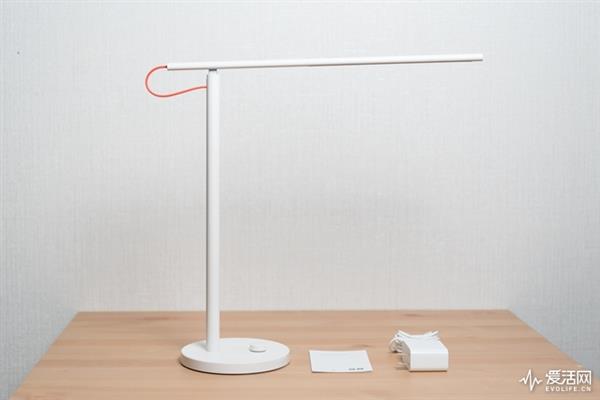
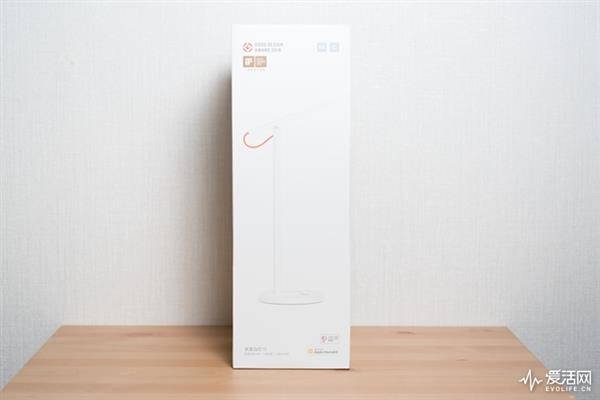
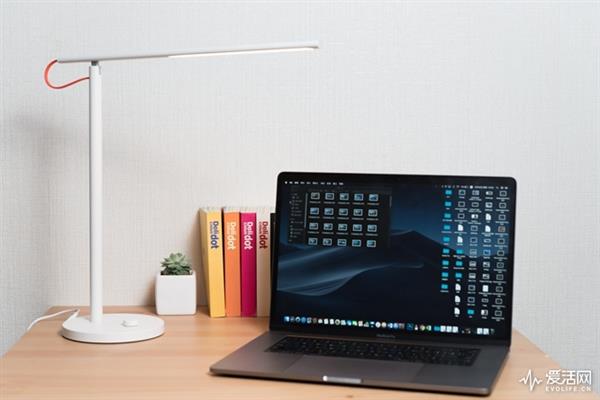
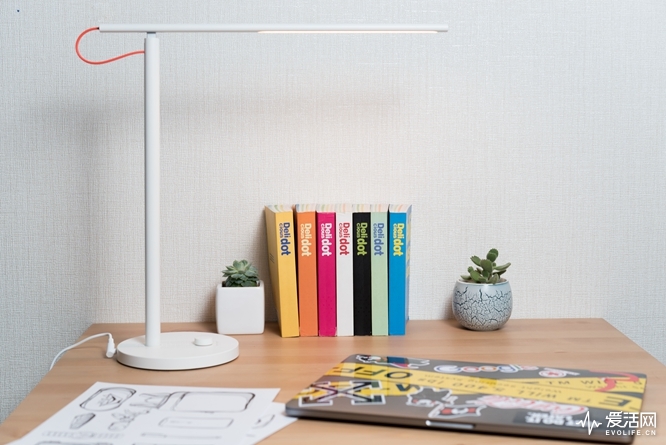
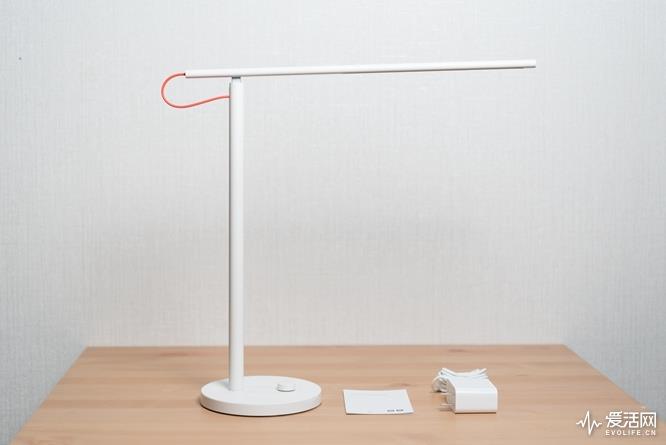
Xiaomi recently launched an upgraded version of the MIJIA Table Lamp in China. The new version is called MIJIA Table Lamp 1s and is already on sale across various channels for a slightly higher 179 yuan (~$26) price tag. The previous-gen MIJIA Table Lamp carries a retail price of 169 yuan (~$24). Xiaomi MIJIA Table Lamp 1S
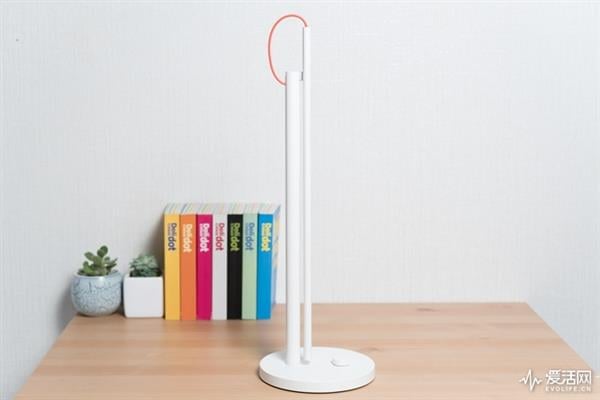
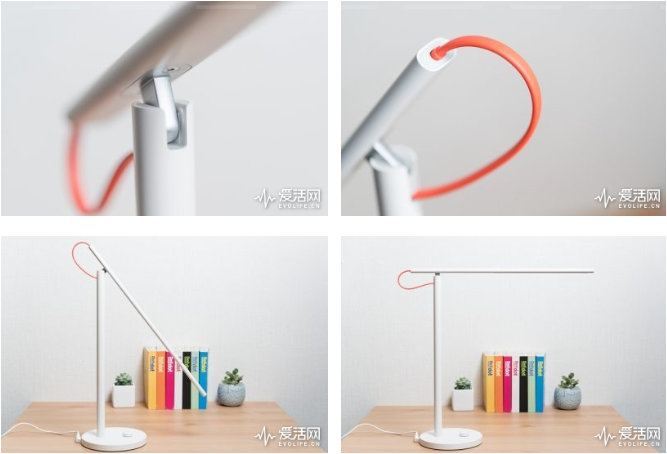
The MIJIA Table Lamp 1s comes with four different kinds of eye protection modes. As an upgraded version of the MIJIA Table Lamp, the MIJIA Lamp 1S inherits the simple and sophisticated appearance of the previous generation models. The lamp arm and body are all metal, with a matching pure white color which can be well integrated into various environments. When not in use, the MIJIA Lamp 1s arm can be opened and closed up to 135 degrees in order to reduce the occupied space. The connecting device between the lamp arm and the lamp body is an all-metal, one-spindle shaft. The shaft was subjected to 10,000 fatigue tests which it withstood without any hassle.Xiaomi MIJIA Table Lamp 1S

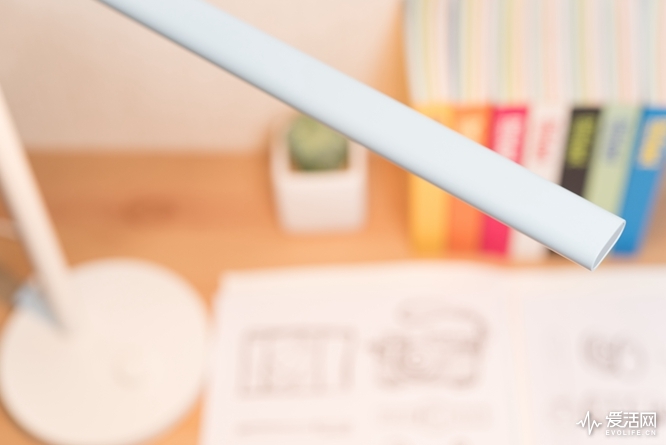
In addition, the lamp of the MIJIA Table lamp 1S is directly integrated with the lamp arm. The lamp arm has a heat sink and a thermally conductive glue, and a Fresnel optical lens made of glass is used to allow the light to be reflected by multiple refractions. This arrangement makes the light beam to be more even and natural.Xiaomi MIJIA Table Lamp 1S

EDITOR’S PICK: Xiaomi launches a Makeup Mirror that doubles as a power bank

The table lamp reaches 520 lumens in terms of luminous flux, which is twice that of the previous generation. The central illuminance value reaches 1131 lux, which is 50% higher than the previous generation, reaching the national A-class lighting standard, and the color rendering index is Ra90. The color reproduction ability is higher. The lamp uses a non-video flash constant current analog dimming mechanism, even at low brightness, it is equivalent to the high-brightness working mechanism during PWM dimming, without flickering, reducing the burden on the eyes.Xiaomi MIJIA Table Lamp 1S

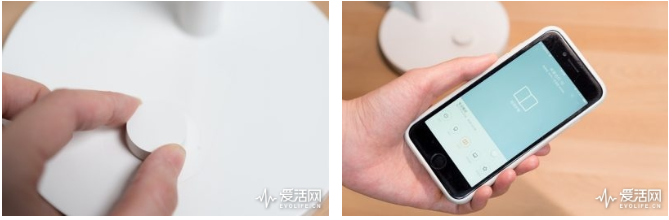
The use of the Lamp 1S is also very simple, just the turn of a button turns the machine on and off. Further rotation of the button adjusts the brightness. To change the color temperature, you press the button and rotate. I addition to the button control, the lamp can be controlled using the MIJIA app. There are 4 eye protection modes in the app: reading, computer, children and focus mode. The smart lamp also reminds users to switch to other modes when using the focus mode that keeps the brightness at its peak.

The lamp can also be paired with the Apple HomeKit system and support XiaoAI and Siri voice controls.Xiaomi MIJIA Table Lamp 1S Xiaomi MIJIA Table Lamp 1S

Xiaomi MIJIA Table Lamp 1S
Xiaomi MIJIA Table Lamp 1S different color temperature
Xiaomi MIJIA Table Lamp 1S different colour temperature

As stated earlier, the Xiaomi MIJIA Table Lamp 1S is presently on sale on Xiaomi Youpin for 179 yuan ($26) in China. However, we can’t say when it will be available for the global market.
UP NEXT: Xiaomi’s HIMO Electric Bicycle T1 now on sale for 3699 yuan ($534) after crowdfunding

(via)

QCY T3 TWS BT Earphones Review: Better Than the QCY T1?

I did a comparison between QCY T1 and Redmi AirDots two months ago, and QCY T1 performed well. Now, I get the latest earphones of QCY, called QCY T3 TWS BT Earphones. The QCY T3 looks completely different from the QCY T1. How about the performance of QCY T3? Let’s check out this review.

Design:

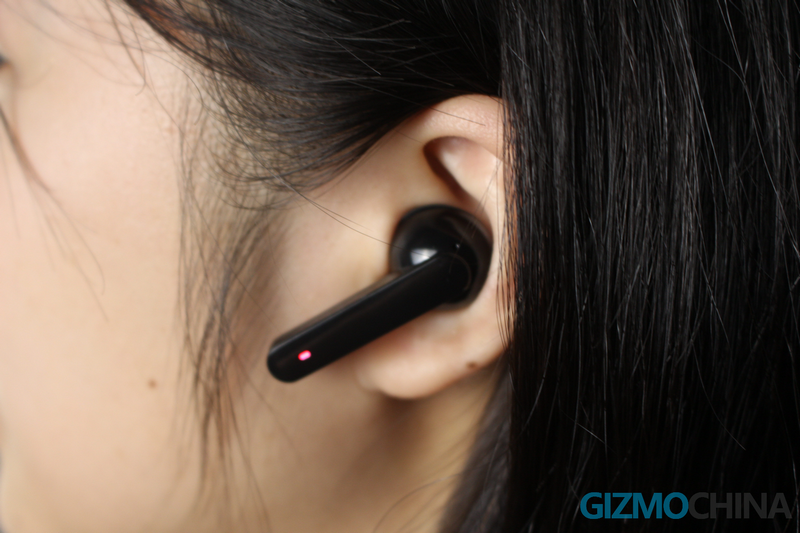
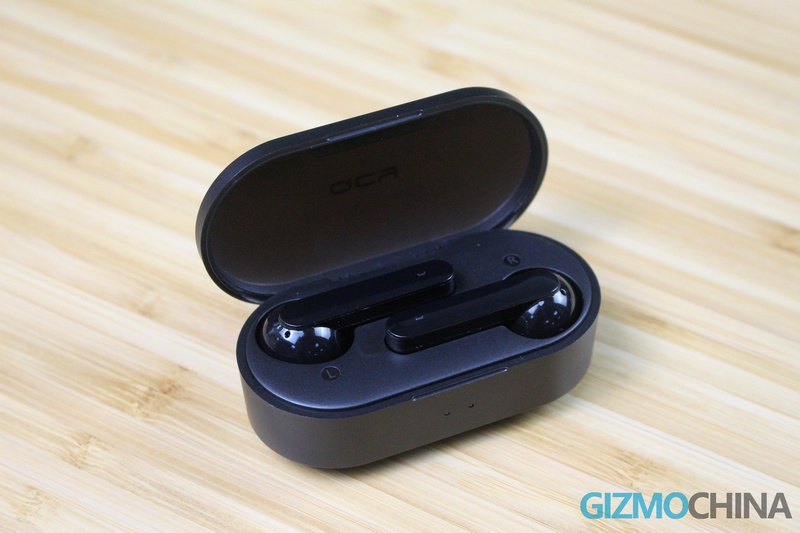
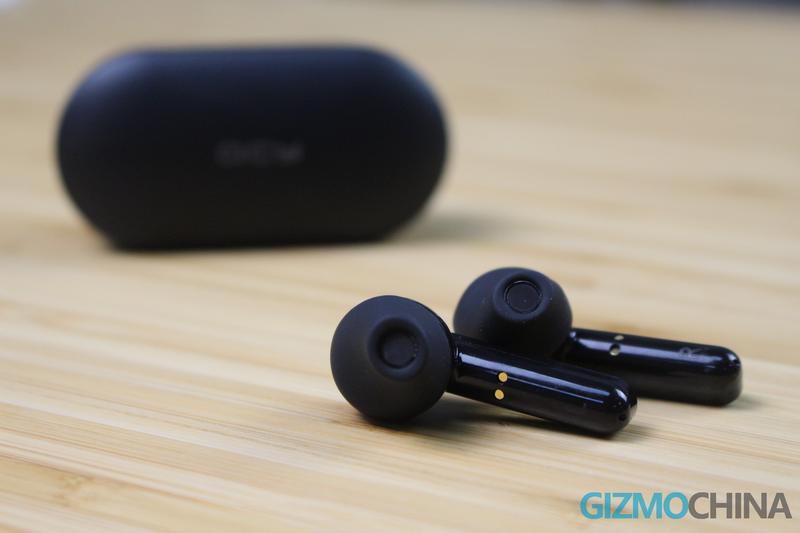
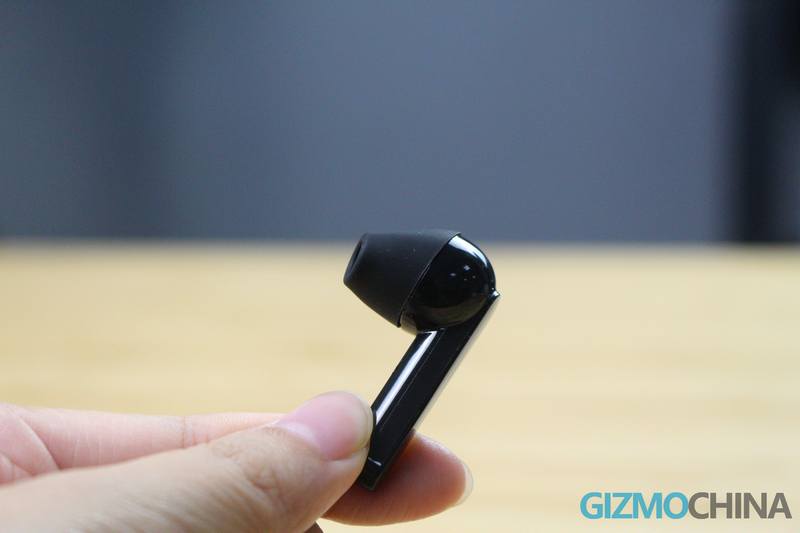
QCY T3TWS Earphones adopts half-in-ear earphones, which is totally different from QCY T1 adopting in-ear and round design. The design of QCY T3 is similar to Apple AirPods except the half-in-ear part. The QCY T3 is in high gloss black, which looks beautiful and elegant. Compared with QCY T1, I think the T3 is more comfortable. It is light and ergonomic, which would fit ears perfectly, and your ears will not feel pressure when you wear them. The earphones will not fall off when you use in daily life. Also, I wore them to do sports like running and cycling, they never fall off from my ears.


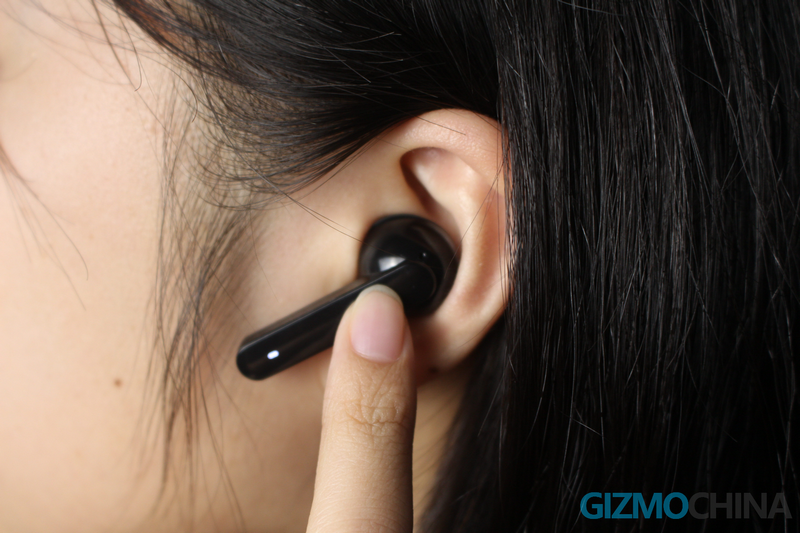
QCY T3 adopts touch-bar, which is easy to operate the earphones. You can use the touch-bar to do a lot of things, such as volume control, skip track forward/backward, power on/off, voice assistant and so on. When playing, you can slip up or slip down on touch bar to control volume. Touch the bar on right/left earbud for 2s to skip track forward/backward when playing. You can get more operation details on the user manual.

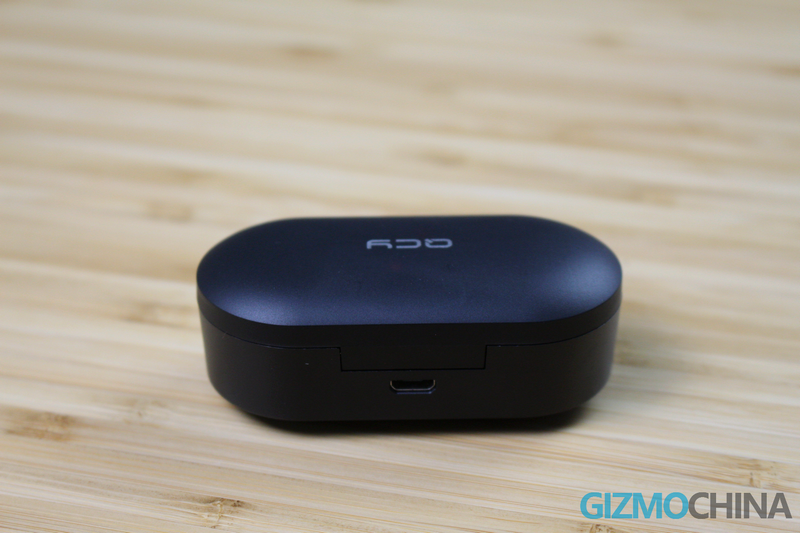
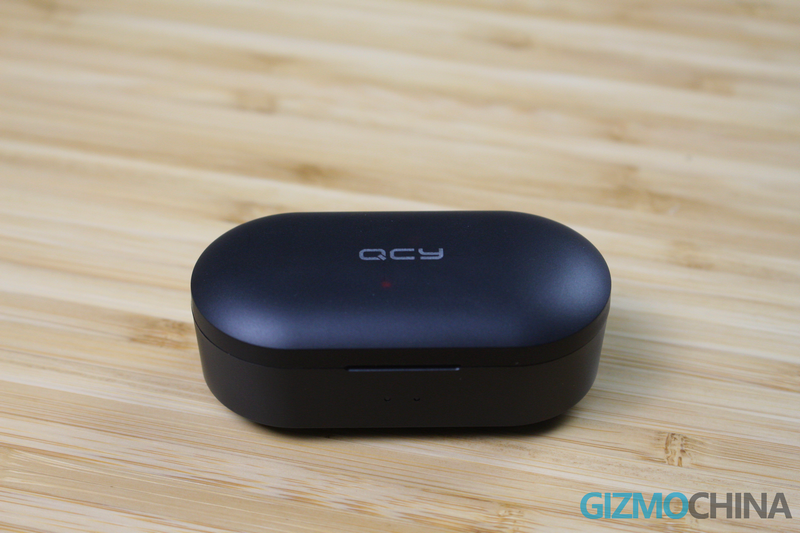
QCY T3 TWS Earphones come with a charging box, which is smaller than Xiaomi Redmi AirDots, and lighter than QCY T1. Like most of the charging boxes of TWS earphones, QCY T3 charging case packs a charging port and a LED indicator. Different from the earbuds, the charging case is in matt finish, which has good touch feeling.

Performance:

I was looking forward to the sound quality of QCY T3, however, after the test, I was a little disappointed with the Bass mode and detail processing of the earphones. The QCY T3 earphones perform well in ballads with the surround stereo mode. In the high pitch, the amount of distortion is scarcely heard. You better not listen to the dance music and electronic music in surround stereo mode, which is jarring. I am not keen on bass, but the bass mode of QCY T3 is poor, and the thumping sound is poor.

Overall, I deem that the sound quality of QCY T3 is general. If you’re keen on ballads, it is a good choice.

Battery:

The QCY T3 TWS Earphones are fueled by 60mAh each, and the charging case has a battery capacity of 600mAh. They can be used for 5 to 6 hours with single charge, which are enough for daily use. For me, I usually charge the case every three days.

Conclusion:

QCY T3 TWS Earphones are light and comfortable to wear, and they are easy to take out. What’s more, the operation of touch bar is easy to learn. If you are keen on ballads, QCY T3 is your choice. If you prefer bass, QCY T1 should be more suitable for you.

Huawei Maimang 8 with 6.2-inch display, Kirin 710 and triple cameras launched for 1,899 Yuan (~$275)

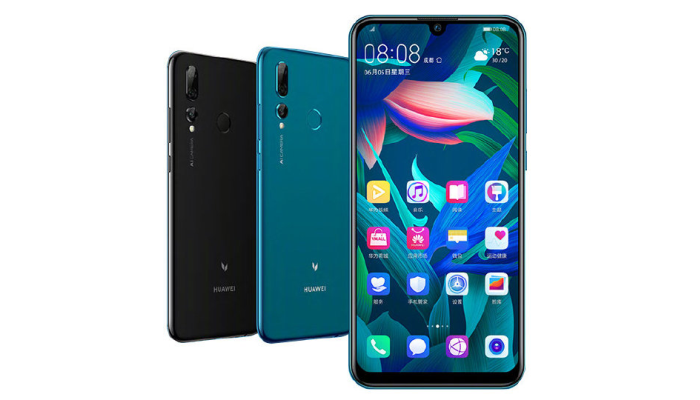
Through an unveil event in China, Huawei has taken off covers from the Maimang 8. It has arrived to replace the Maimang 7 smartphone from 2018. The major highlights of the Maimang 8 are its tall aspect ratio, Kirin 710 and rear-facing triple cameras. The handset has been introduced with a price tag of 1,899 Yuan (~$275).

Huawei Maimang 8 Specifications and Features

The Huawei Maimang 8 smartphone is equipped with a waterdrop notch enabled 6.21-inch display. The IPS LCD offers 19.5:9 aspect ratio and full HD+ resolution. The smartphone delivers a screen space of 89 percent. Since its is a TUV Rheinland certified display, it protects the eyes of the users from fatigue by obstructing the blue rays.

The Kirin 710 chipset fuels the Maimang 8 smartphone along with 6 GB of RAM. The EROFS super file system enabled internal storage of 128 GB is available on the device is. For additional storage, there is a dedicated microSD card slot on the smartphone. The Android 9 Pie OS that comes preloaded on the phone is customized with EMU 9 UI. It comes with GPU Turbo technology enhances the graphics capabilities of the device.

Huawei Maimang 8

An LED flash assisted vertical triple camera setup with 24-megapixel sensor is available on the rear side of the Maimang 8. It also comprises of a 16-megapixel superwide lens and a 2-megapixel depth sensor.  A front-facing camera of 8-megapixel is present inside the waterdrop notch of the smartphone. The photography features offered by the Maimang 8 are AI scene recognition, 480 fps slow-motion video recording, handheld night scene and so on.

The Huawei Maimang 8 has a 3,400mAh battery. Unfortunately, it is only equipped with support for 10W charging. The rear shell of the phone is fitted with a fingerprint reader.  It carries support for face unlock, dual SIM support, 4G VoLTE, Wi-Fi 802.11ac, Bluetooth, GPS, microUSB 2.0 and a 3.5mm audio jack.

Huawei Maimang 8 Price and Availability

The Maimang 8 has landed in China with a price tag of 1,899 Yuan (~$275). Its color variants are Magic Night Black and Blue Sapphire The official sales of the phone are slated to begin on June 12. Starting from today, buyers in China can pre-order the smartphone.

UP NEXT: Huawei Mate X achieves 1Gbps download speed in the recent 5G Test

Xiaomi’s Mi Table Lamp 1S launched in China for 179 Yuan ($26)

Xiaomi has launched a few different types of lamps in the company’s home market, China. Now, the company has launched yet another table lamp in the Chinese market, named Mi Table Lamp 1S.
As the name suggests, the Mi Lamp 1S launched today is an upgraded model of the Mi Table Lamp which was launched last year. The newer version of the lamp keeps the simple and sophisticated design on the previous generation product.

Xiaomi Mi Table Lamp 1S

The light from the Mi Lamp 1S reaches 520 lm in terms of luminous flux, which is twice the previous generation. The central illuminance value reaches 1131 lux, which is 50 percent higher than the previous generation.

The product, which comes with a metal body design, and has a pure white color. Unlike general table lamps, the lamp arm of the Mi Lamp 1S  can be folded to reduce the occupied space. The maximum angle of the lamp’s arm opening and closing is 135 degrees.

The company claims to have done a fatigue test for more than 10,000 times, hinting about the durability of the lamp. The bulb is directly attached to the lamp arm, which also has a heat sink and a thermal-conductive glue.

It is using a Fresnel optical lens made of glass, which allows the light to be reflected by multiple refractions and released. This ensures that the light is more even and natural, as per the company. It offers four types of modes for eye protection — Reading, Computer, Children, and Focus mode.

The usage of the lamp is also quite simple as the user just need to turn the button ON/OFF. The button can also be rotated to adjust the brightness. Apart from using the physical buttons, it can also be controlled through Mi App.

Read More: Xiaomi launches the Ink Case Smart Electronic Paper with a 10-inch display and a Wacom stylus

It can be connected through the Apple HomeKit system and it also comes with support for XiaoAI — the company’s own voice-controlled smart assistant. The Mi Table Lamp 1S is priced at 179 Yuan in China, which roughly converts to $26.

Xiaomi Mi 9T Geekbench listing reconfirms that its rebranded Redmi K20

Xiaomi has confirmed that it will be launching the Xiaomi Mi 9T smartphone on June 12 for global audience. Multiple reports have claimed that the Redmi K20 phone that was recently announced in China will be rebranded as Xiaomi Mi 9T outside of the home market. The Mi 9T has surfaced on Geekbench. Its appearance on the benchmarking platform serves as another proof that it will be rebranded Redmi K20.

Xiaomi MI 9T_Geekbench

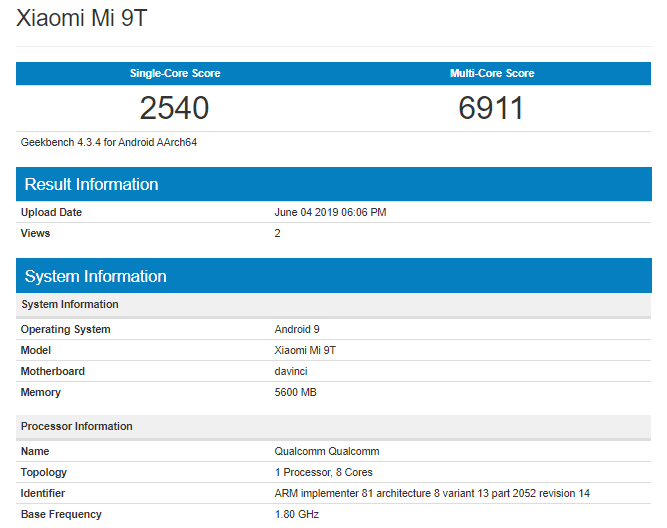
The Xiaomi Mi 9T Geekbench listing shows that it runs on Android 9 Pie OS and it is equipped with 6 GB of RAM. Instead of the name of the processor, “davinci” can be seen mentioned in the motherboard field. It has respectively scored 2,540 and 6,911 in single-core and multi-core tests of Geekbench.

Xiaomi Mi 9T Geekbench

Before the launch of Redmi K20 and Redmi K20 Pro smartphones, the rumor mill had revealed that they are respectively codenamed as Da Vinci and Raphael. So, the mentioning of “davinci” in Geekbench is yet another proof that it’s a re-badged edition of the Redmi K20. Hence, the Mi 9T may have identical specs as the Redmi K20.

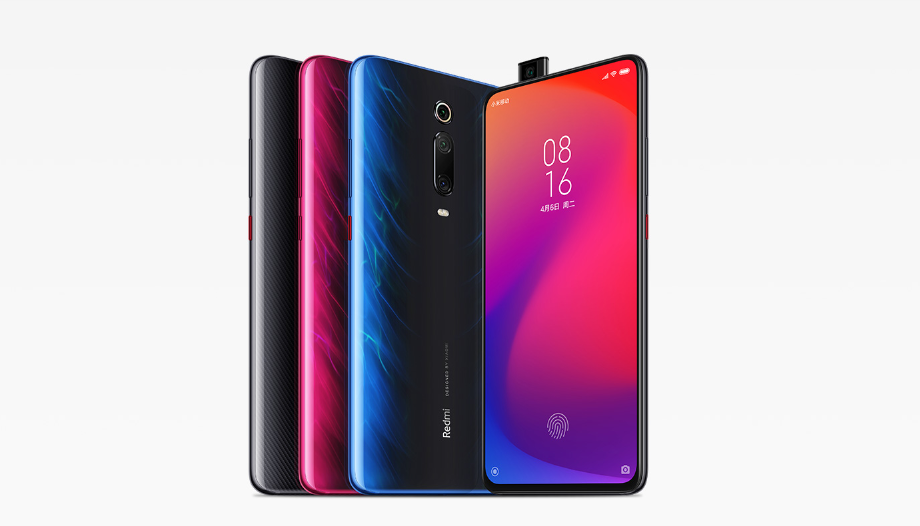
Redmi K20
Redmi K20 / Xiaomi Mi 9T

The Xiaomi Mi 9T features a 6.39-inch AMOLED display with notch-less design. The smartphone is fueled by Snapdragon 730 chipset and up to 8 GB of RAM. Its highest version may include 256 GB of native storage. It does not feature a microSD card slot. The MIUI 10 based Android 9 Pie OS will come loaded on the device.

A pop-up selfie camera of 20-megapixel could be available on the Xiaomi Mi 9T. Its rear shell features 48-megapixel + 8-megapixel + 13-megapixel triple camera setup. It is packed with a 4,000mAh battery that is coupled with 18W rapid charging. It is expected to arrive in 6 GB RAM + 64 GB storage, 6 GB RAM + 128 GB storage and 8 GB RAM + 256 GB storage models. They are rumored to release in the European markets with respective pricings of 359 euros (~$403), 379 euros (~$426) and 499 euros (~$561). Carbon Black, Glacier Blue and Flame Red are expected color variants of the Xiaomi Mi 9T.

(source|via)

UP NEXT: Buy Xiaomi Mi 9T Global Version for Just $349 from Giztop