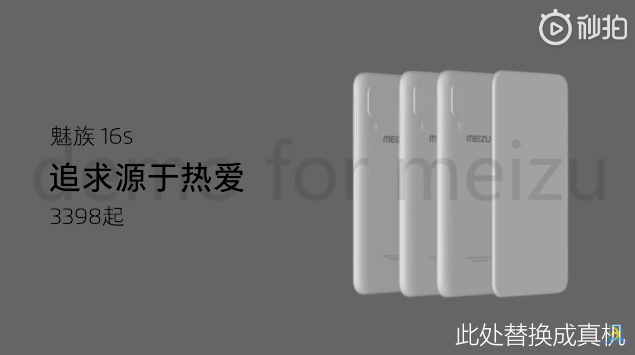
The Meizu 16s is will have its launch date revealed tomorrow. There are rumors that Meizu will only announce the Meizu 16s as the Meizu 16s Plus has been canceled. Ahead of the announcement tomorrow, an unfinished promo video for the phone has leaked online and it not only shows us what the phone looks like but also reveals the price.
The 36-second video shows an unfinished render of the phone. Early leaks have revealed the phone has dual cameras. The camera housing has a slight bump and there is an LED flash below the sensors. The primary camera is a 48MP sensor and it is paired with a 5MP depth sensor. Last week, camera samples comparing it against the iPhone X, Mi 9 and Galaxy S10+ were released online.
The video reveals the Meizu 16s will sell for ¥3398 which converts to about ~$506. We are not sure about the RAM and storage configuration for this but it might be the base model. We can see from the video that there will be three color variants. We believe the three variants are white, black, and blue.
The rumour mills have been agog with leaks about OnePlus’ upcoming flagship(s). Usually, we would have expected the OnePlus 7 to drop alone but recent leaks suggest a OnePlus 7 Pro with an interesting design may drop as well. The date for the launch is still undisclosed but that may soon become public knowledge.
I know you guys are stoked to hear about the new device – check back to see my post this Wednesday 😬
Oneplus’ CEO Pete Lau took to Twitter yesterday to acknowledge that he was aware of how much fans yearn for more information about the “new device”. He then hinted that we should check back to see his post on Wednesday. We can’t say for sure what the CEO has in the offing but we believe the launch date for the OnePlus 7 may finally be announced.
The launch date may not be announced but the CEO may likely also release one of the major details of the device in the form of a teaser on Wednesday. We cant be so sure of that but thank goodness, Wednesday is upon us already. We’ll keep you posted when Mr Lau tweets.
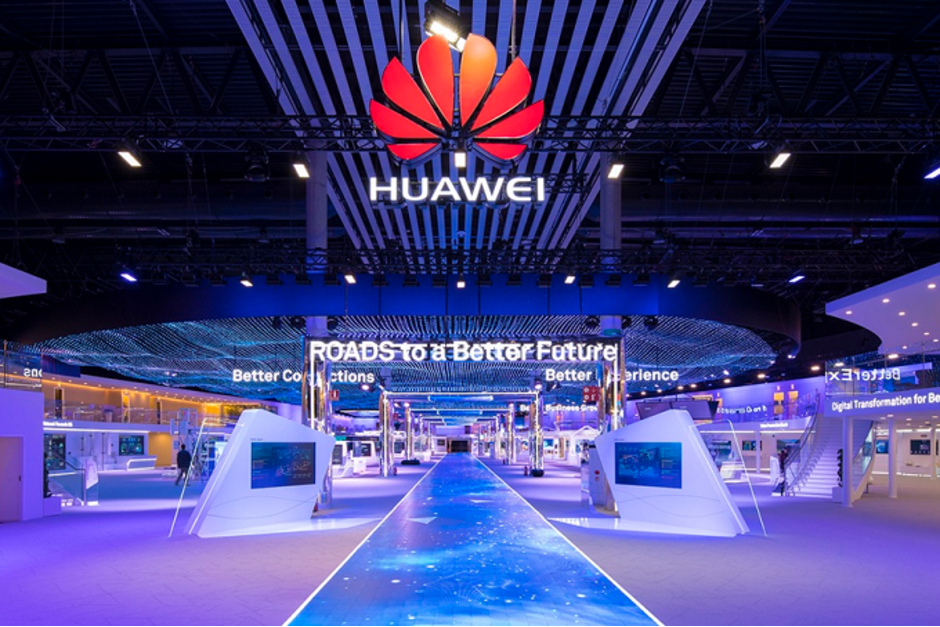
Germany has said it will allow Huawei to build 5G infrastructure in their country if the Chinese telecommunications giant meets security requirements.
The info was revealed by Jochen Homann, the head of Bundesnetzagentur- Germany’s Federal Network Agency, in an interview with the Financial Times. Mr. Homann said no equipment suppliers “should, or may, be specifically excluded.”. He added that they haven’t found proof of Huawei being a security risk.
He also revealed that banning Huawei will affect Deutsche Telekom and its rivals which all work with Huawei technologies already. If they were to prevent Huawei from joining the race, it will slow down the roll-out of the new network technology.
The US which has banned Huawei from setting up 5G infrastructure in the States is urging its allies to do the same. While some like Australia, Japan, and New Zealand have followed suit, others like the EU have ignored the request. The US says it will reduce intelligence sharing with Germany if they allow Huawei to build their 5G equipment.
The UK, on the other hand, has confirmed there are indeed security risks, such as “poor software engineering” and a lack of “cybersecurity hygiene” which puts the networks at risk by anyone who can take advantage of them and not just the Chinese state government. However, it hasn’t issued a ban on the communications equipment manufacturer.
Germany is proposing a unified global convention is established that prevents all equipment suppliers from installing backdoors and also requires them to sign a no-spy agreement. CEO of Huawei, Ren Zhengfei said they are in support of the no-spy agreement with Germany in an interview on CNBC.
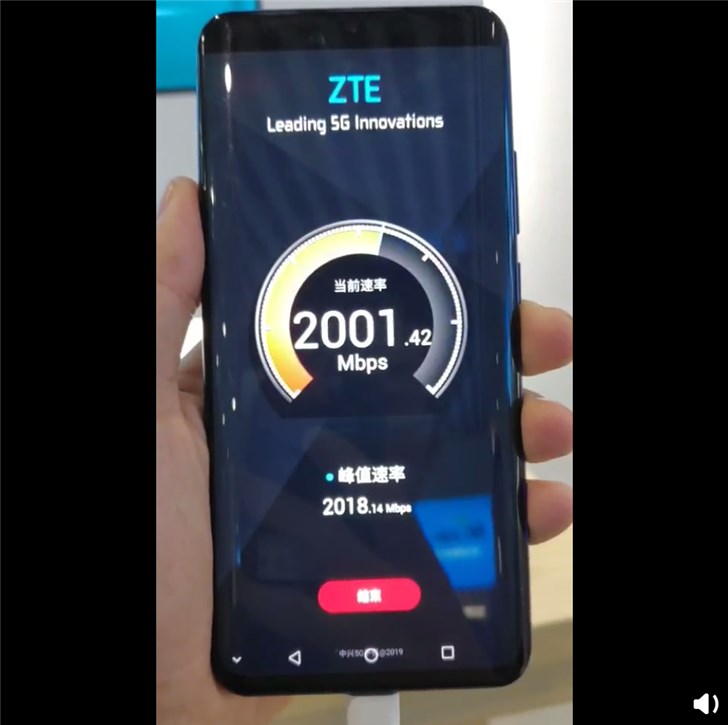
Chinese telecommunications equipment giant ZTE has released a video showing the company’s 5G test rate on Weibo. In the video, it can be seen that the 5G rate reached a massive 2Gbps, while the 5G peak rate reached 2018.14Mbps.
In January this year, ZTE teamed up with China Unicom to make the first call from a 5G mobile phone. The call which was carried out at the Shenzhen 5G scale test field utilised 5G solutions provided by ZTE, including end-to-end products such as wireless access network, core network, transmission bearer network, and intelligent terminal. The 5G smartphone used for the call was ZTE’s 5G smartphone prototype that supports both the sub-6GHz and mmWave 5G mainstream bands.
With such successful tests, we expect a gradual rollout of the 5G services to commence in earnest soon. ZTE is set to begin sales of its 5G smartphone – Axon 10 Pro on May 1 which shows the rollout of 5G services in China is imminent. The Axon 10 Pro was first unveiled at MWC 2019 packing a Snapdragon 855 chipset. The device is equipped with a 6.47-inch curved full-screen AMOLED display with an FHD+ resolution and 19.5:9 aspect ratio. The Axon 10 Pro equally packs several flagships and powerful hardware under its hood, including a triple camera setup.
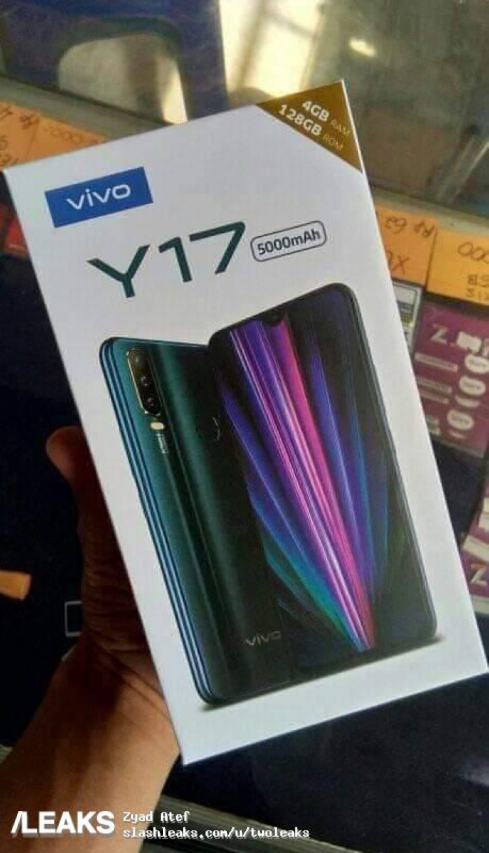
The Vivo Y17 is a mid-range phone with a massive battery expected to launch soon. Earlier today, some of its key specs leaked alongside a poster. It has now been followed by a complete leak of its specs as well as an image of its retail box.
The phone’s selling point might be its 5000mAh battery but it has more than that to offer. The Vivo Y17 has a 6.35-inch 1544 x 720 display with a waterdrop notch for a 20MP selfie camera.
The Vivo Y17 will be powered by an octa-core processor said to be the Helio P35. There is 4GB of RAM and 128GB of storage. There is no mention of a MicroSD card slot but there is OTG support.
It also has triple cameras on its back – a 13MP primary camera paired with an 8MP wide-angle camera and a 2MP depth sensor. The cameras are arranged vertically and share the same housing. There is also a fingerprint scanner on the back.
Vivo will launch the phone with Funtouch OS 9 which is based on Android 9 Pie. The Y17 has support for dual SIM and 4G LTE bands 1, 3, 5, 8, and 40. It measures 159.43 x 76.77 x 8.92 mm and weighs 190.5 grams.
The retail box is white and has a picture of the phone in front. The battery capacity, RAM, and storage are also indicated on the retail box.
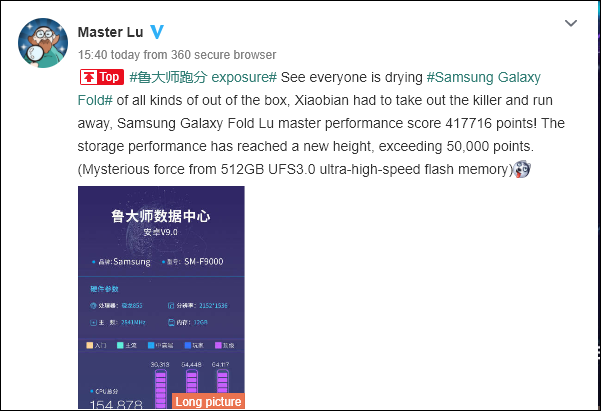
Samsung Galaxy Fold is yet to hit the market but the level of interests it commands despite the pricing is admirable. While the focus has been on the design all this while, little attention has been paid to the internals. Master Lu has now released the benchmark test result for the Galaxy Fold on its platform, giving us an insight into the device’s internals.
Te galaxy Fold was recently confirmed to release in China with its certification by the country’s telecom’s regulatory agency TENAA. Thus, it is no surprise the predominantly Chinese benchmark app has got a hold of the device. The test touches several aspects ranging from the performance to the UFS storage speed, CPU, GPU and RAM speed.
The Galaxy Fold model number is listed as SM-F9000. It is powered by a Snapdragon 855 chipset paired with a massive 12GB LPDDR4X memory. Thus, it is no surprise, the device has a total score of 417,716 points. The score is in consonance with those of other SD855 models. However, the UFS speed reached a record level, exceeding 50,000 points which is higher than the score of other flash memories. The Fold had a read speed of 976MB/s and a write speed of 310MB/s. Samsung is an expert in the manufacture of flash memory and so, the score isn’t much of a surprise. The device also utilises the new 512GB UFS 3.0 flash memory which makes it the first flagship product with UFS 3.0 flash memory.
Meitu may have bid farewell to smartphone manufacturing but the brand has just announced a new beauty product. The product is dubbed Meitu Spa and will officially go on sale from April 23 priced at 598 yuan (~$89).
Meitu Spa is smart beauty product with a clamshell design. It is manufactured from food-grade silicone, the same type used for baby pacifiers. The metal parts are resistant treatment with sensitive materials and meet FDA standards. The device comes with four different skin care modes namely; Sonic Cleansing, Deep Derivation, Nourishing Import, and Sensitive Massage. The product also utilises an innovative AI integration known as AI depth customization, coupled with 12-speed intensity adjustment. With this combo, Meitu claims the device can achieve a cleansing experience for thousands of persons.
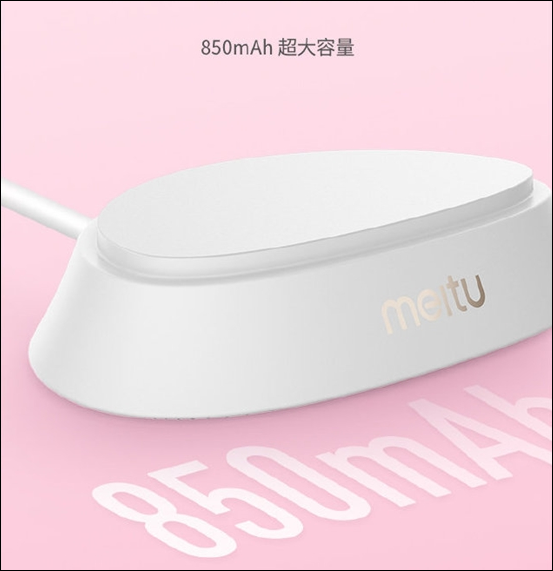
The device is a smart product and so can be connected with a smartphone where the support app is installed. The device supports up to a range of temperature massage which can be adjusted through the app. There are three temperature categories; 39°C, 42°C and 44°C. Further, the Meitu Spa runs on a built-in 850mAh battery which can be used for up to 344 times on a single charge. The battery charges through wireless induction technology and has charge protection features against high-current, high temperature, high voltage, short circuit, low voltage, and overcharging. The portable electronic spa also comes with IPX7 waterproof and dustproof build.
With the advent of Xiaomi onboard distribution of the brand’s products, we expect the Meitu Spa to find its way overseas in the near future.
A lot of folks do not trust the DxOMark Mobile ranking for mobile phone cameras because some manufacturers use it as a marketing tool for their devices resulting in these folks believing the results are influenced. DxOMark clarified the issue last year: saying its tests are free and fair and aren’t influenced by manufacturers.
The Huawei P30 Pro is the current king of smartphone cameras, taking the top spot from its older sibling, the Mate 20 Pro when it launched last month. The Huawei flagship will have to share its crown with a phone from its main rival, Samsung.
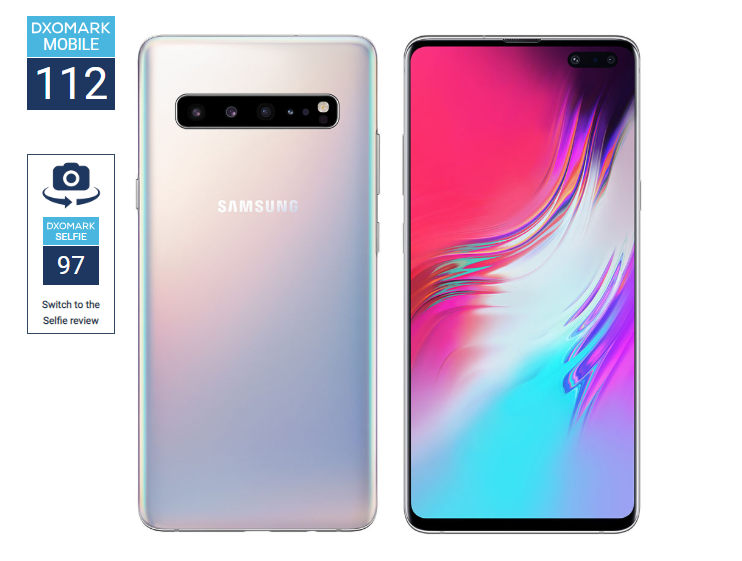
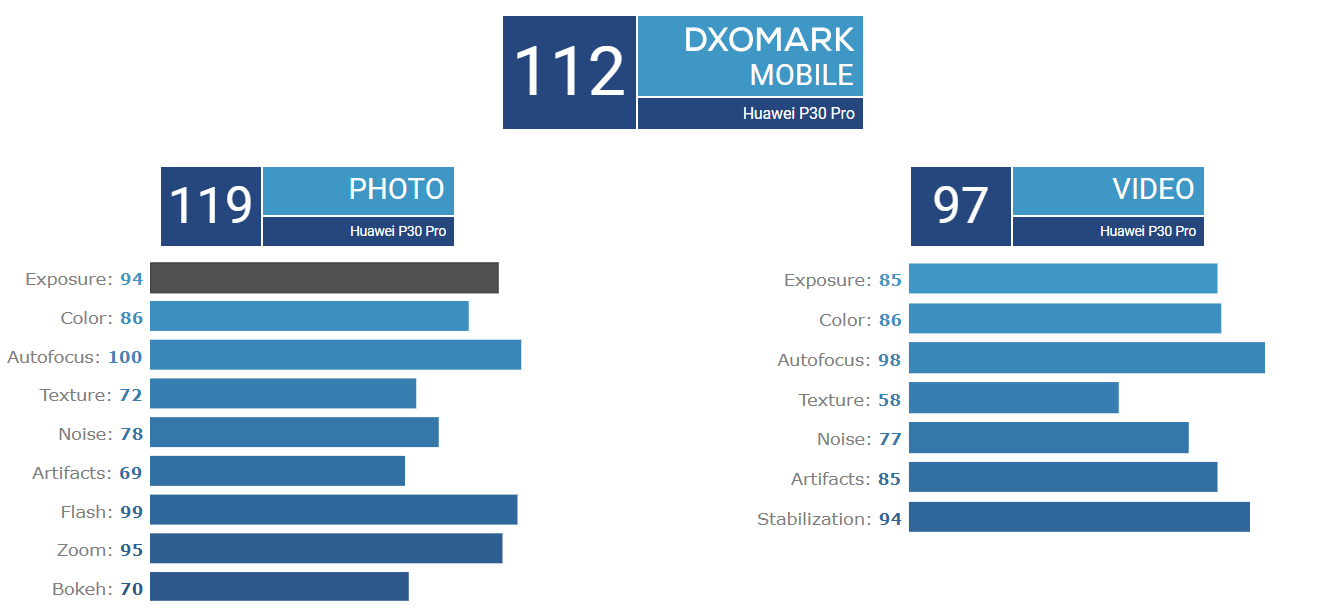
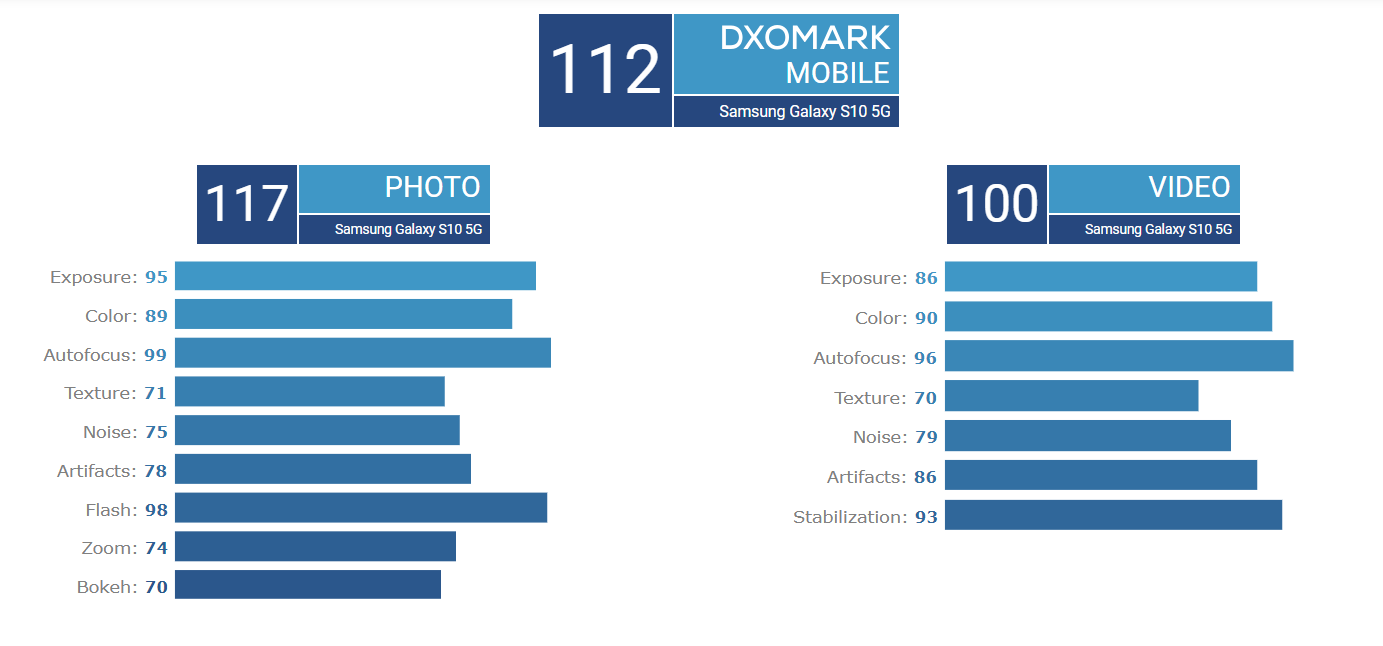
DxOMark has reviewed the Galaxy S10 5G and has given it the same overall score as the Huawei P30 Pro – 112. It also gave it a selfie score of 97, higher than that the P30 Pro’s 89, though that is understandable since the Galaxy S10 5G has dual front-facing cameras.
A breakdown of the total score shows the Samsung flagship is better at video recording than the Huawei P30 Pro but scores less when it comes to stills. DxOMark says the impressive 5x zoom of the Huawei gives it the edge in photos.
The Galaxy S10 5G uses the same cameras for video recording as the S10+ but it has a higher video score. The reason is because of the S10 5G recording in 4K by default which improves texture, noise and artifact scores. The ToF camera for bokeh videos is said to not have any effect on their rating as it is not a parameter they test. However, this is a feature to consider for whoever is purchasing either of both phones.
In the past few days, there were a lot of rumors about Huawei talking to Apple for supplying 5G chips. To fuel this rumor, Huawei executive went on to say that it was open to selling chips to the Cupertino giant. However, the company has finally taken an official stand. Earlier today, at Huawei’s Analyst Summit 2019, the company dismissed this rumor.
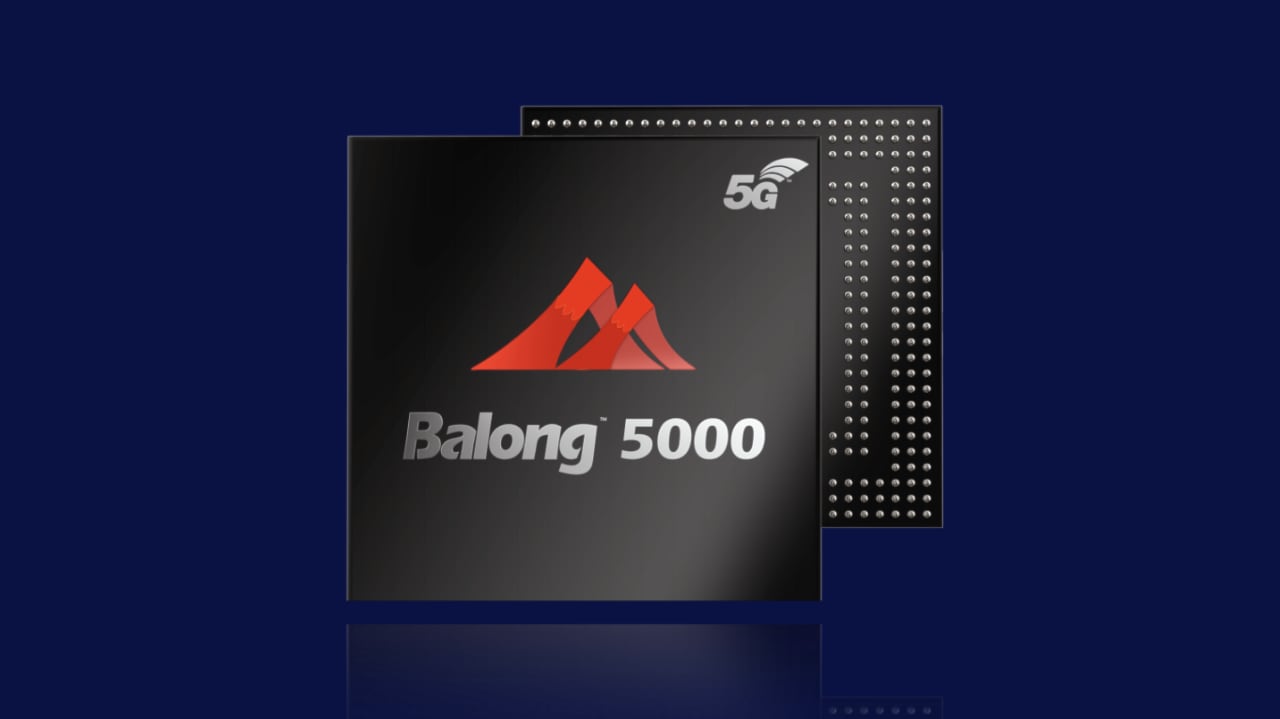
Huawei’s 5G chip is called Balong 5000
During a Q&A session at the event, Huawei was asked whether there was any credibility to the rumor about Huawei supplying 5G chips for next-gen iPhone. And this was Huawei’s official reply.
“We have no change in our chipset strategy, and no communication with Apple on 5G modems.”
So now we know for sure that Huawei hasn’t been in talks with the iPhone maker.
Well, it did make sense why some people would think Huawei was the ideal company to supply Apple with 5G chips. The Cupertino giant and Qualcomm haven’t been in the best of terms recently. In fact, their latest lawsuit kicked off earlier this week. Intel would have been the next logical supplier, but the company seems to be a bit behind in schedule in its 5G chip. That leaves Samsung and Huawei. We are not quite sure how well Samsung can handle its 5G chip mass production. So, Huawei was the next logical option.
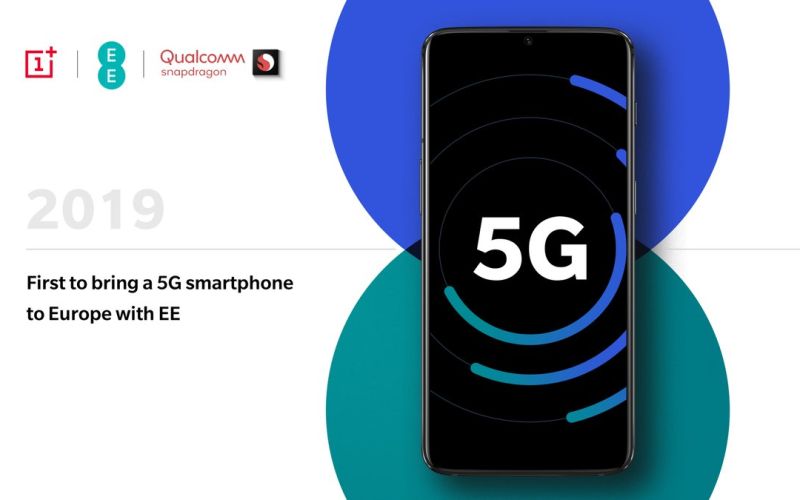
OnePlus’s 5G smartphone is based on Qualcomm’s modem
But with Huawei out of the picture, Intel or Samsung could come to Apple’s rescue. Unfortunately, Apple is yet to comment on this matter.
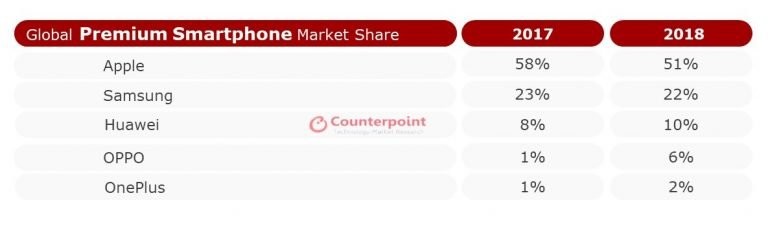
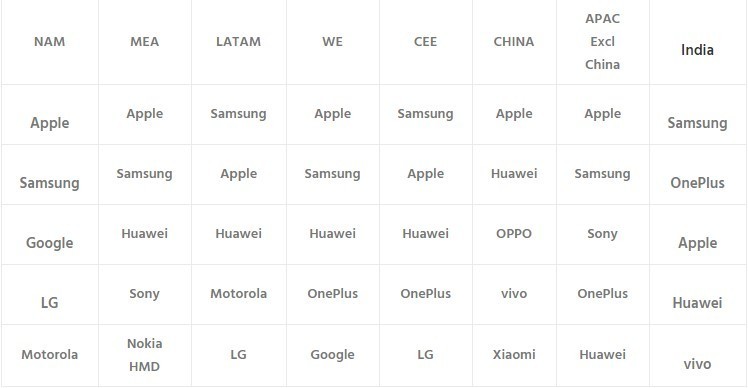
OnePlus‘ foray into the US market has started yielding fruits. A report by Counterpoint shows that the Chinese company made an entry into the top 5 highest selling phones globally in the premium phone category in 2018. This is the first time the company is achieving this feat and it is instructive to note that it is coming at the same time the company as making it into the top 5 rankings in the US in the same category. The company also made a dominant push in India in this category, ranking behind Samsung with a 36% market share.However, it is still nowhere near the top 5 in China where there are several competitors in that segment.
China and US boast of the two largest markets for premium phones and both countries account for 50% market share for premium phones. Other OEMs in this category include Apple with a 51% market share, Samsung with a 22% market share, Huawei with 10% and OPPO with a 6% share, in that order. OnePlus completes the ranking with a lump 2% market share. Strong sales of the OnePlus 6T accounted for the increase in market share, with China, India, and Western Europe driving 90% of its global shipments. The report also showed that the top 5 firms accounted for nearly 90% of the total premium models shipped globally even though there are up to 40 OEMs catering to this segment.
For clarity, the premium category is made up of phones selling for $400 and above. All through the year 2018, OPPO saw a massive 863% YoY increase in market share in this segment, with OnePlus coming in second with a 209% increase in market share. Xiaomi also saw a healthy 149% surge in market share in the premium segment, and overall the category accounted for 22% of all smartphone sales in 2018. It is worthy to note that Samsung and Apple’s market shares slumped slightly YoY while those of the remaining three OEMs, Huawei, OPPO and OnePlus experienced some gains YoY. We expect this trend to continue this year as interests in “affordable flagships” with powerful hardware and prices around $600 continue to rise. Huawei is hoping its premium phones will drive sales despite joining Samsung is selling its flagships above $1000. OnePlus is expected to consolidate on its gains by pumping in more phones. This year the company may likely launch more than the traditional two phones. With the OnePlus 7, and OP7 Pro already leaked, the Oneplus 7T still remains a possibility as well. Even though the prices may be jerked up slightly, we don’t see them hitting the $1000 mark.
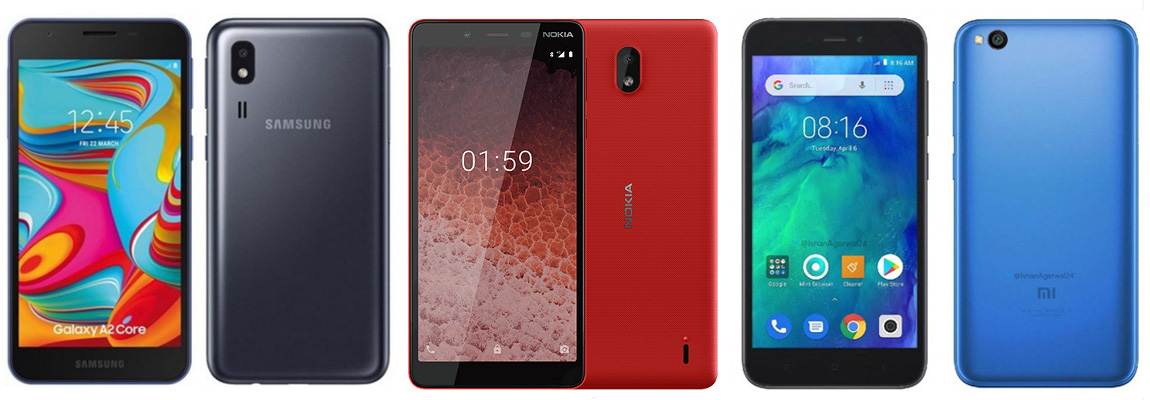
Samsung has just announced its third Android Go smartphone: the Galaxy A2 Core. It is one of the most affordable alternatives for people who search for a smooth phone under 100 bucks. But just like flagship and midrange devices, even a device in the most affordable segment of the market has a lot of rivals, especially since Google released Android Go, the Lite version of Android for entry-level devices with low-end or outdated chipsets and a low quantity of RAM. Among the most recent Android Go phones there are the best-selling Redmi Go by Xiaomi and the Nokia 1 Plus: are they better or less impressive than Samsung Galaxy A2 Core? This specs comparison will let you find out.
Samsung Galaxy A2 Core vs Nokia 1 Plus vs Xiaomi Redmi Go
Unimpressive design and cheap materials in each case. Samsung Galaxy A2 Core, Xiaomi Redmi Go and Nokia 1 Plus all come with a standard plastic body and pretty thick bezels around the display. The most modern and beautiful one is the Nokia 1 Plus as it comes with a taller 18:9 aspect ratio, while Samsung Galaxy A2 Core and Xiaomi Redmi Go sport 16:9 displays. On the other hand, Nokia 1 Plus has bigger dimensions, so compact phone lovers may prefer its two rivals. But my choice when it comes to the aesthetics would definitely be the Nokia 1 Plus.
Display
As they are entry-level handsets, you can not expect a good detail and a nice color reproduction on these displays. Xiaomi Redmi Go is a clear winner because it is the only one to sport an HD panel, with a resolution of 720 x 1280 pixels. The resolution of the Samsung Galaxy A2 Core and Nokia 1 Plus is below HD, so they are a bit disappointing under this point of view. But it is worth noting that Nokia 1 Plus has a bigger display, so it may be more comfortable for advanced tasks. But if you are only looking for the quality, then choose the Xiaomi Redmi Go without thinking twice.
Specs
Most of the time, when we compare the performances of Samsung midrange phones with Xiaomi phones, Xiaomi wins. But this time it is not so, as the Samsung Galaxy A2 Core is equipped with a better chipset than both the Xiaomi Redmi Go and Nokia 1 Plus. It sports the octa-core Exynos 7870, the same processor built at 14 nm that you can find on the Samsung Galaxy J7 (2018), just to give you an idea. You will not get the same performance as the J7 since there is just 1 GB of RAM, but we are talking about something definitely superior to the Snapdragon 425 and the cheap MediaTek chipset found on the Nokia 1 Plus. Nokia 1 Plus takes the second place: even though it has a better chipset than the Redmi Go, the latter comes with just 8 GB of internal storage, while Samsung Galaxy A2 Core and Nokia 1 Plus go up to 16 GB. Also note that Android Go on the Nokia 1 Plus is based on Android 9 Pie, while Redmi Go and Galaxy A2 Core are still based on Oreo.
Camera
We still did not test the cameras of these Android Go devices, but on the paper, Samsung Galaxy A2 Core seems more interesting. Despite coming with a lower resolution for the rear camera, it has a bright aperture and it may behave in a better way in low light conditions. Further, it can record 1080p video, while Nokia 1 Plus can not do it. Right after, we got the Xiaomi Redmi Go with its 8 MP rear camera.
Battery
Just looking at the specs on the paper, it is hard to understand which phone will last more on a single charge. The Samsung Galaxy A2 Core has a very efficient SoC as well as an efficient display panel with its below-HD resolution, but its battery is also smaller. On the other hand, the Nokia 1 Plus comes with Android Pie and the same resolution, but it has a bigger display and a less efficient SoC, while Xiaomi Redmi Go has a higher resolution but also a bigger battery. Only software optimization will prove who is better.
Price
Samsung Galaxy A2 Core starts from just €70, Xiaomi Redmi Go costs €80 and Nokia 1 Plus carries a €90 price tag. In my opinion, the winner of this comparison is the Samsung Galaxy A2 Core for its good chipset, its decent cameras and the internal storage going up to 16 GB.
Since all the major smartphone flagships for the first half of the year have already been revealed, we are left with OnePlus‘ new model, most likely to be called as the OnePlus 7. All these years, the company has tried to focus on one particular model in its six-month launch cycle. However, it looks like it could unveil two different OnePlus 7 variants this time, with the more powerful version being called as the OnePlus 7 Pro.
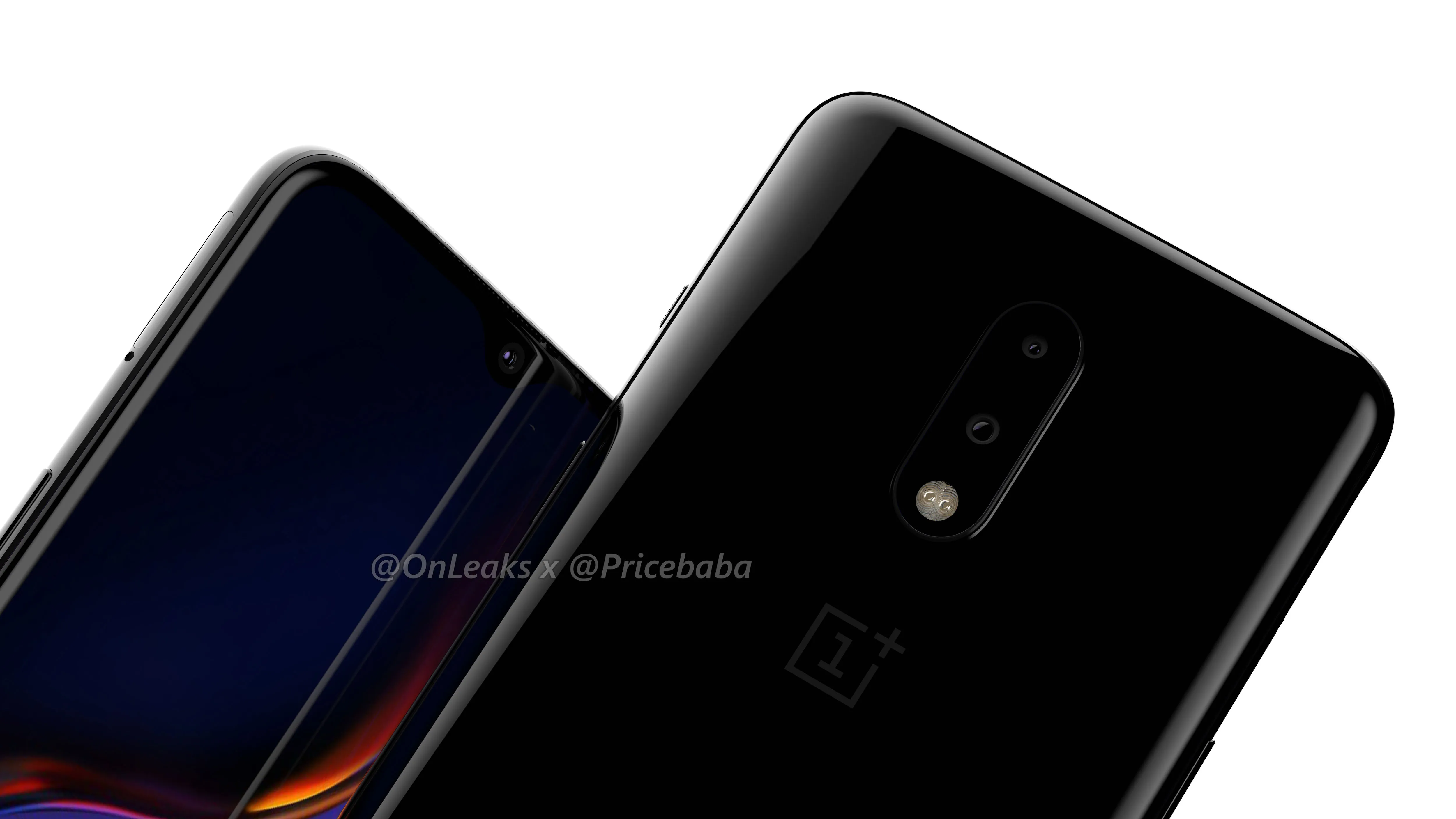
Last month, we saw the renders of the OnePlus 7 Pro version courtesy of Pricebaba and Onleaks. Today, the same duo has revealed renders of the standard version of the flagship, simply called as the OnePlus 7. Unlike the Pro variant, this particular model doesn’t have any significant changes. So, it will closely resemble its predecessor, the OnePlus 6T.
One difference that you might notice is the placement of the flash at the back. The OnePlus 7 is said to feature the flash right inside the camera housing, instead of a separate entity below the module. What’s more, the camera housing is likely going to protrude more than its predecessor, taking the total thickness of phone up to 9.5mm. As for the overall dimensions of the phone, these are the figures: 157.7 x 74.8 x 8.1mm.
There are apparently no other aesthetic changes on the upcoming model. So alert slider and power button remain on the right, while the volume rockers and SIM card slot stay on the left. USB Type-C port and a bunch of holes for speakers are placed at the bottom. Like the OnePlus 6T, the new model will feature an in-display fingerprint sensor as well.
In terms of specs, the report did mention that the display size will reduce to 6.2-inches, from the 6.41-inch panel on the older model.
As you can see, the OnePlus 7 model is without any of the fanfare or big features of its ‘Pro’ variant. There’s even a notch on the screen, unlike the pop-up camera on the more powerful version. So, it’s clear that the company will try to cover a wider price segment of the market this time around with a cheaper model. Maybe this is the company’s answer to the increasing competition in the premium segment from its fellow Chinese brands.
Talking about premium, OnePlus broke into the top 5 premium brands globally in 2018, with strong sales from the OnePlus 6T. The new model is expected to launch next month and we should hear more about it real soon.
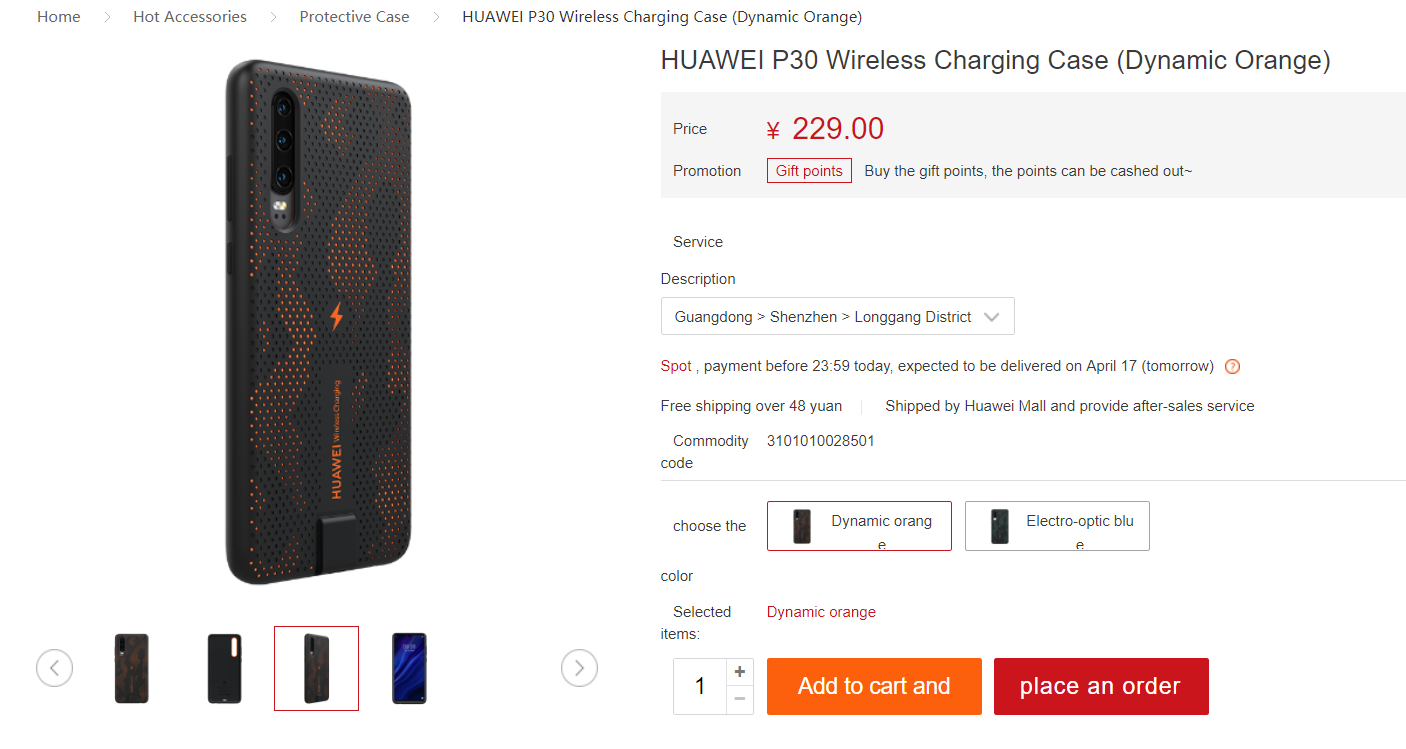
The Huawei P30 and the P30 Pro have a number of differences with one of them being support for wireless charging on the latter. However, Huawei decided to make a wireless charging case for the P30 so owners don’t miss out on the feature.
When we first covered it last month, the wireless charging case didn’t have a price tag. Today, Huawei’s VP mobile phone business, Bruce Lee, took to Weibo to reveal the case will be available in China too. The wireless charging case is now available for purchase on Vmall.com for ¥299 (~$45). It comes in Dynamic Orange and Electric Blue and ships right away.
The case has a USB-C connector that plugs into your phone and an input port that allows you to connect your wired charger in case you do not want to charge wirelessly. This comes in handy so you don’t have to remove the case if you want to use the fast wired charger.
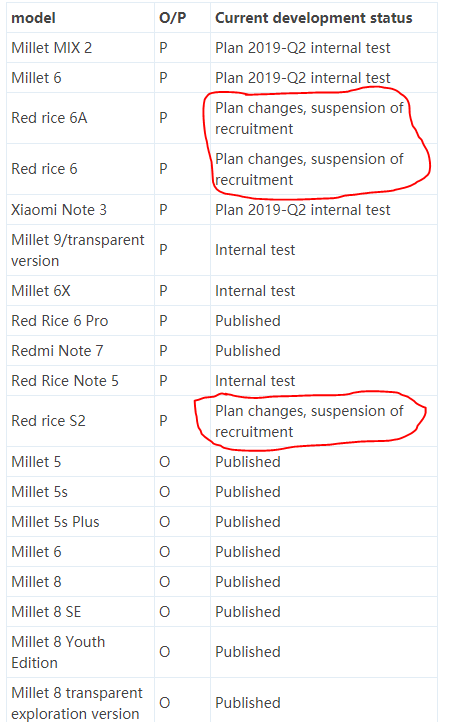
Xiaomi isn’t really great at updating the Android version of its phones as it mainly focuses on MIUI. In recent times it has tried to provide at least one Android version update for its lineup. However, recent developments show the Redmi 6, Redmi 6A, and Redmi S2 will not be moving past their original Android version even though Xiaomi initially planned otherwise.
All three phones launched last year with Android 8.1 Oreo with a planned upgrade to Android Pie. However, the list of Xiaomi devices getting various OS upgrades has now been updated to reflect that plans have been changed and the update to Android P has now been suspended for the three phones.
This is sad news for owners of these devices. However, they will continue to receive MIUI updates which might bring new security patches.
The Redmi S2 which is also known as the Redmi Y2 in India launched in May 2018 while the Redmi 6 and Redmi 6A were announced in June 2018. The S2 has a 5.99-inch display, a Snapdragon 625 processor, up to 4GB of RAM and 64GB of storage. It has 12MP+5MP dual rear cameras, a 16MP selfie camera, and a rear-mounted fingerprint scanner. It also has a 3080mAh battery.
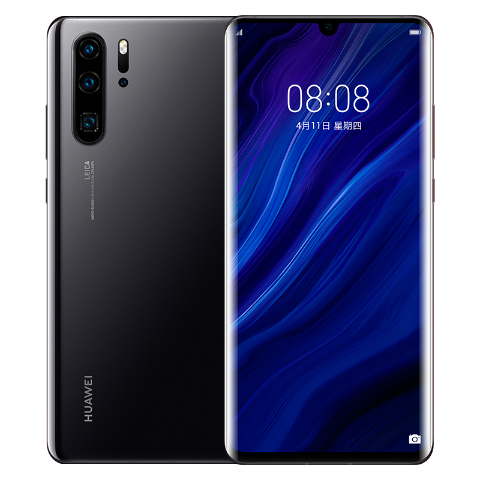
Huawei launched the P30 Pro in March this year. The device boasts superior features and top-end specs that we usually associate with a handset manufactured by the Chinese tech behemoth. In collaboration with China’s leading online stores, Huawei is now offering its huge fanbase a chance to buy the recently-unveiled device at unbeatable prices. Moreover, we’ll show how you can save money at checkout.
Huawei P30 Pro on Giztop
There are three variants of the P30 Pro including 8GB RAM+128GB ROM, 8GB RAM+256GB ROM, and 8GB RAM+512GB ROM available on Giztop. The 8GB RAM+128GB ROM model comes in amber sunrise, Aurora, black, breathing crystal and pearl white color versions carrying a $999 price tag.
The 8GB RAM+256GB ROM variant is available in amber sunrise, Aurora, black, breathing crystal and pearl white color versions. This slightly larger model will set you back $1,149. The 8GB RAM+512GB variant is also up for grabs in four color options including amber sunrise, Aurora, black, breathing crystal and pearl white. This model can be yours if you are willing to shell out $1,299.
You can visit this link to order your favorite model of the Huawei P30 Pro from Giztop.
You’d normally end up shelling out $1,219.99 for the 8GB RAM+128GB ROM model. If you are living on a tight budget, you can use coupon code GVP30128en and get an extra $150 off. In other words, you can reduce the retail price of the model to just $1069.99 simply by applying the aforesaid coupon.
You can follow this link to use the coupon before the promo comes to an end.
The Chinese and English version of the Huawei P30 Pro smartphone that features 8GB of RAM and 256GB of internal storage capacity usually sells for $1,449.99. Cost-conscious buyers can apply coupon code GVP30129en and get $230 off. The aforesaid coupon reduces the original asking price of the variant to just $1219.99. You can click here to visit the promotion page and use the coupon, which is slated to expire soon.
The 8GB RAM+128GB model of the P30 Pro usually carries a steep $1286.99, but GeekBuying users can buy it for a lowered price of just $1059.99 by following this link. This is an 18 percent discount. The promo ends in just four days. Those who fancy having more storage space on their phones can go for the 8GB RAM+256GB ROM model, which is currently available for just $1199.99 on GeekBuying. This is a 16% reduction in the model’s original selling price of $1426.
You can visit this link to avail the discount, which is available for the phone’s black color version. Note that the promo will end in just four days.
Staying true to its reputation for offering the best bang for your buck, Banggood is giving its users a chance to buy the 8GB RAM+128GB ROM variant for $1,306.16. You can follow this link to activate the ‘In Stock Alert’ button to get notified as soon as the model goes up for sale.The larger model that ships with 8GB of RAM and offers a hearty 256GB of onboard storage capacity can now be yours for $1,434.16 on Banggood. You can follow this link to activate the ‘In Stock Alert’ button and receive a notification when this model is available.
The Honor 20 Lite smartphone belongs to the Honor 20 series that will be announced on May 21. There is a possibility that the Chinese firm may only debut Honor 20 and Honor 20 Pro in the coming month whereas the Honor 20 Lite may have an early launch since its entire specs and images have been already revealed. A fresh leak has confirmed the pricing of the Honor 20 Lite for Germany. Also, the Honor 20 flagship phone has bagged 3C certification in China which indicates that the phone may launch in the home market soon.
Honor 20 Lite Specifications
The Honor 20 Lite is expected to arrive in Germany with a price tag of 279 euros (~$315). The smartphone may arrive with cheaper price tag in markets outside of Europe. The same phone will be debuting as Honor 20i in China tomorrow.
The Honor 20 Lite is equipped with 6.21-inch IPS LCD display with waterdrop notch. The phone carries support for full HD+ resolution. It will be arriving with an f/2.0 aperture 32-megapixel front-facing camera. The Kirin 710 SoC will be powering the smartphone along with 4 GB of RAM and 128 GB of storage. Its rear will be equipped with 24-megapixel + 8-megapixel + 2-megapixel triple camera setup. The other features of the phone include EMUI 9 based Android 9 Pie OS, rear-facing fingerprint reader, microSD card slot and 3,400mAh battery. In China, the Honor 20i will be available in variants such as 6 GB RAM + 64 GB storage, 4 GB RAM + 128 GB storage and 6 GB RAM + 256 GB storage. A special Honor 20i Aape Edition will be also hitting the Chinese markets.
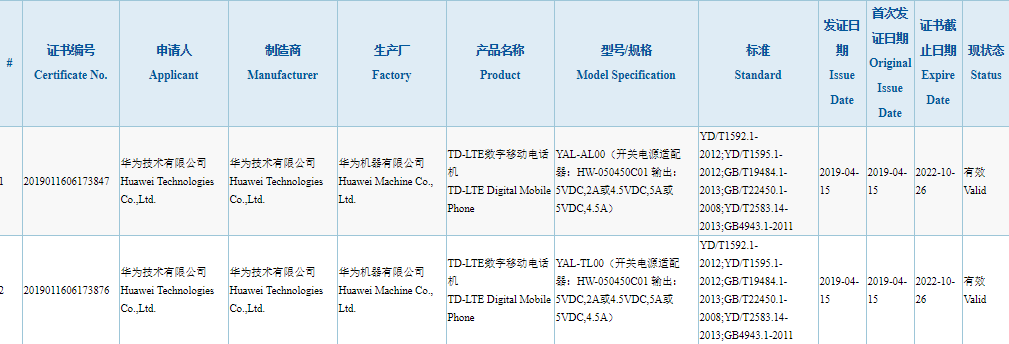
The Honor 20 smartphone that has a model number of YAL-AL00 / TL00 has been approved by the 3C authority in China. Through the certification it has been revealed that the Honor 20’s retail box will include HW-050450C01 charger that is equipped with support for 22.5W rapid charging.
Rumors have revealed that that the Honor 20i will be featuring a 6.41-inch OLED display with in-screen fingerprint reader and a triple camera setup with a 48-megapixel primary sensor, a 20-megapixel secondary lens and an 8-megapixel sensor. It is expected to arrive with a 32-megapixel selfie camera. The phone could be fueled by Kirin 980 SoC and 3,650mAh battery.
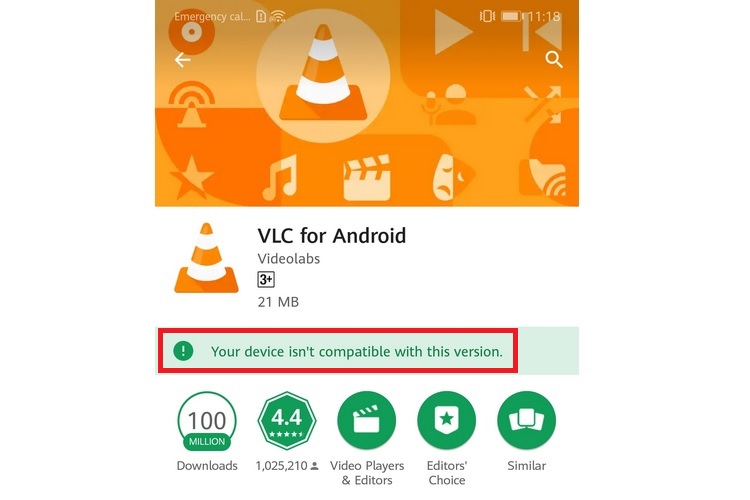
If you remember, VideoLAN blacklisted Huawei devices from downloading VLC player from the Play Store due to aggressive background task management methods. It resulted in various bugs and caused instability, finally resulting in random crashes generating negative reviews on the Play Store.
After Huawei’s decision to kill the aggressive optimizing app, VLC unbanned Huawei devices on the Play Store. Including various optimizations, Huawei devices are still lingering by some minor issues while using the VLC media player app. We hope with the ban lift these minor issues will also fade away on Huawei devices.
VLC initially blocked Huawei P10,P8, P20, P20 Pro, and few other devices. The users of new P30 series – P30 and P30 Pro can download the VLC from the Play Store without any problem. From this, it appears the ban from the Huawei devices has been lifted.
Now it is officially verified, according to a tweet from VideoLAN the block has been lifted since the Huawei fixed their firmware a long time ago. Huawei made background app shutdown feature optional in an update.
With the popularity of short video apps surging, a lot of issues have also started surfacing online. In the latest move to curb the issue of addiction among users, China’s watchdog will now require all major short video platforms in China to roll out “anti-addiction” parental controls by the end of May.
According to the reports, the Cyberspace Administration of China (CAC) has been testing the system on popular short video apps such as Bytedance’s Douyin, Huoshan Short Video, and Tencent-backed Kuaishou. It allows parents to turn on a “youth mode” feature that restricts minors to 40 minutes of usage per day and disables activities such as gift-giving or account top-up.
The development comes as China-based regulators are becoming increasingly vigilant about the amount of screen time minors are exposed to, a topic that is bearing increasing scrutiny across the globe.
A report from Chinese state media says that the children who stay behind in rural areas while their parents work in big cities were especially obsessed with online entertainment. Apps in China can also collect personal information from minors.
In India, Madras High Court banned the TikTok app and on Monday, the Supreme Court refused to put a stay order on the ban. Now, the government of India has asked Google and Apple to take down the popular short-video mobile application TikTok from their app stores. Short video apps have come under fire not only in India but also in the US, UK, Hong Kong, and Indonesia for content that is often dangerous or inappropriate for children.
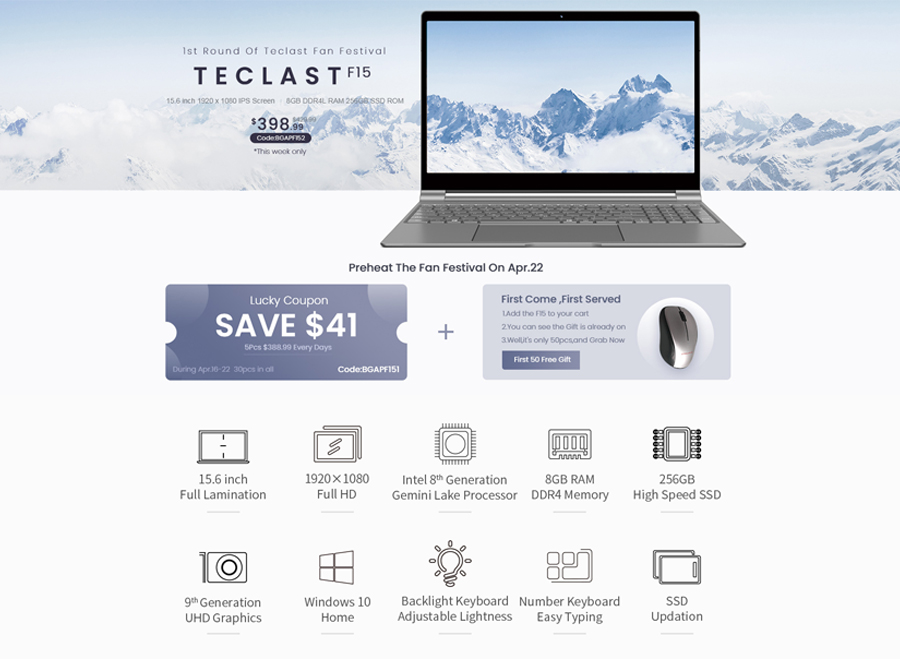
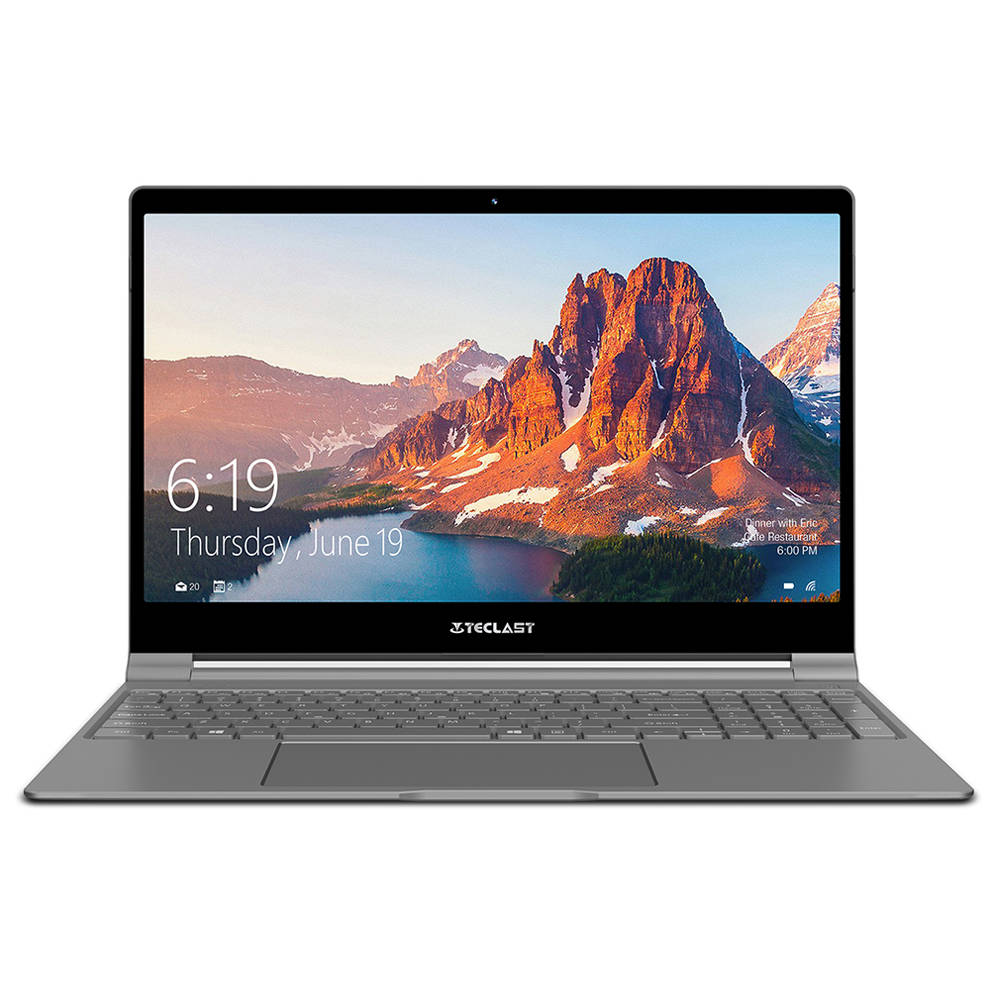
The Teclast F15 was made available to the public in February this year. As expected, the feature-laden laptop garnered considerable popularity among those looking for a thinner, powerful laptop.
Taking the device’s undying demand into consideration and to make it available to cost-conscious buyers, Teclast has teamed up with China’s leading online stores Banggood, Gearbest, and GeekBuying.
Banggood
As part of its latest promotion, Banggood is doling out a noteworthy 17 percent discount on the Teclast F15 laptop that usually retails for $659.99. Thanks to the aforesaid discount, you can now buy the Teclast F15 for a reduced price of just $550.96.
Aside from that, you can use coupon code BGAPF152 and get an additional discount. The coupon helps you bring the already lowered asking price of the Teclast F15 further down to just $398.99.
Alternatively, you can take advantage of the $41 off coupon BGAPF151 until April 22nd. Note that the coupon will be valid only for the first thirty pieces. First, fifty lucky buyers will also stand a chance of receiving a Teclast laptop mouse as a free gift.
You can follow this link to visit the promotion page and grab the discount, which will be valid for the silver color version of the laptop.
Touted as one of China’s best online stores for electronic items, Gearbest is offering the Teclast F15 notebook at a reduced price of only $397.99. This is a noteworthy 30 percent reduction in the device’s original selling price of $565.07.
As part of the promo, Gearbest users who spend $20 will qualify for an add-on item worth $0.99.
You can visit to avail the discount, which is available for the platinum color version of the laptop. With 300 pieces remaining, this promo will be valid only for six days.
The 8GB RAM, 256GB SSD model of the Teclast F15 laptop usually carries a $518.99 price tag on online as well as offline stores, but GeekBuying users can now buy it for only $399.99.
This 23 percent discount will be valid for the grey-tinted variant for six days. If you’re interested in grabbing the discount before the ends, all you need to do is to follow this link without wasting time.
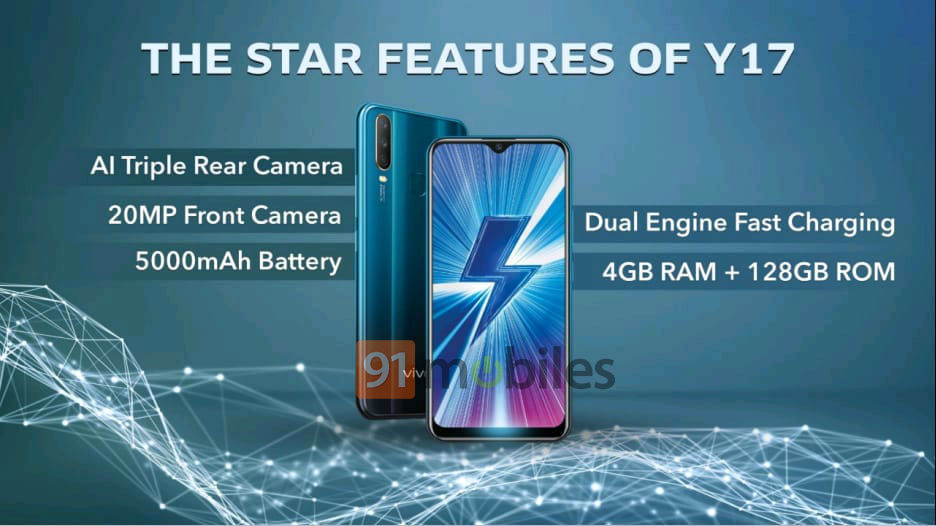
A leaked poster of the upcoming Vivo Y17 smartphone had appeared yesterday to reveal that the phone will be equipped with Ai powered triple rear cameras, fast charging and waterdrop-style notched display. Another poster of the phone that has emerged today to confirm some other features of the phone. Also, another leak has revealed that apart from India, the Vivo Y17 will be also releasing in Indonesia by the end of this month.
The new poster states the five major features of the Vivo Y17. Apart from three rear-mounted cameras and dual-engine fast charging support, the Y17 will be equipped with a front-facing camera of 20-megapixel and its SoC will be supported by 4 GB of RAM.
The handset will arrive with an inbuilt storage of 128 GB. Even though the company is touting fast charging as one of the main features of the Vivo Y17, there is no confirmation on whether it is equipped with a USB-C or a microUSB port. The Y17 sports a gradient colored rear panel. However, it cannot be determined from the leaked posters whether it features a glossy polycarbonate body or a glass rear.
The triple cameras on the rear is assisted by an LED flash. The rear shell also features a fingerprint reader. The smartphone offers a high screen-to-body ratio as its display is surrounded by super-slim bezels and a slightly thick chin. The smartphone is expected to go official by the end of this month in India with a price tag of Rs. 16,990 (~$248).
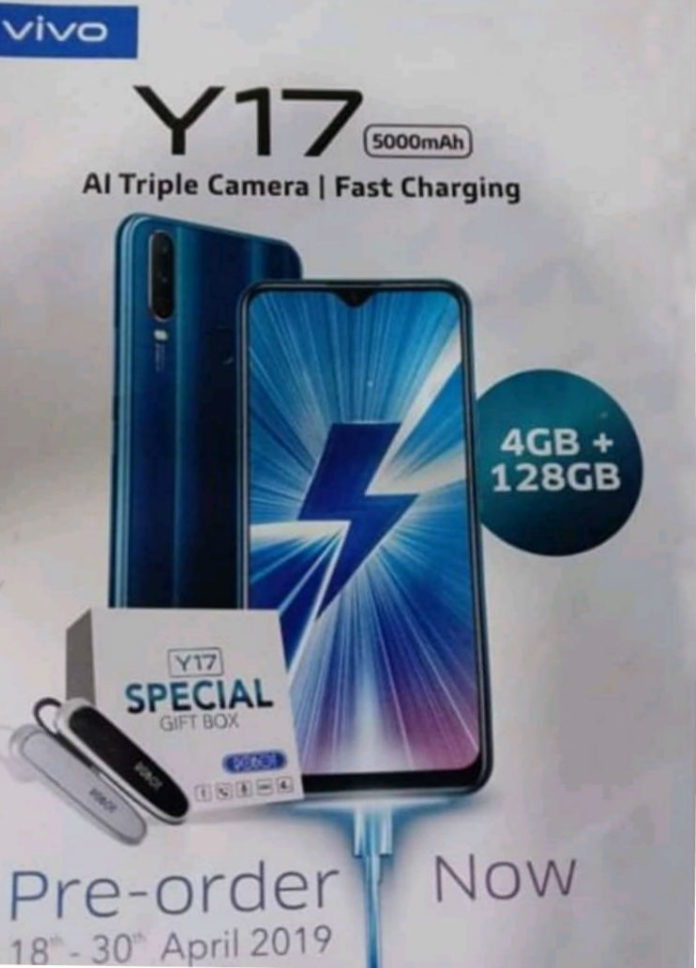
The poster that is shown above reveals that the Vivo Y17 will be also releasing in Indonesia. The Chinese firm will carry out pre-orders for the smartphone between April 18 and April 30. The company will be providing a free Bluetooth headset for customers who pre-order it.
The Vivo Y17 seems to be the V1901A/T smartphone that was approved by TENAA in the recent past. In China, the smartphone may arrive with slightly different specs. The TENAA certification has revealed that the smartphone will be arriving with a 6.35-inch display, a 2.3GHz octa-core processor, 64 GB / 128 GB of native storage, Android 9 Pie OS, 13-megapixel + 8-megapixel + 2-megapixel triple cameras, 16-megapixel front camera and 5,000mAh battery. The Geekbench appearance of the phone had revealed that it will be powered by Helio P35 chipset.
We use cookies on our website to give you the most relevant experience by remembering your preferences and repeat visits. By clicking “Accept”, you consent to the use of ALL the cookies.
This website uses cookies to improve your experience while you navigate through the website. Out of these, the cookies that are categorized as necessary are stored on your browser as they are essential for the working of basic functionalities of the website. We also use third-party cookies that help us analyze and understand how you use this website. These cookies will be stored in your browser only with your consent. You also have the option to opt-out of these cookies. But opting out of some of these cookies may affect your browsing experience.
Necessary cookies are absolutely essential for the website to function properly. This category only includes cookies that ensures basic functionalities and security features of the website. These cookies do not store any personal information.
Any cookies that may not be particularly necessary for the website to function and is used specifically to collect user personal data via analytics, ads, other embedded contents are termed as non-necessary cookies. It is mandatory to procure user consent prior to running these cookies on your website.








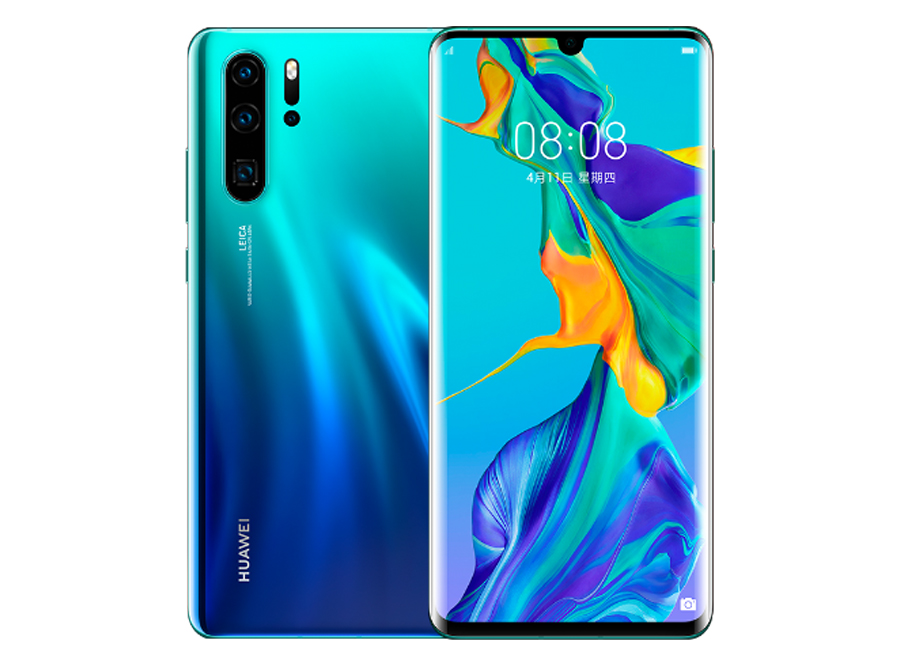 In collaboration with China’s leading online stores, Huawei is now offering its huge fanbase a chance to buy the recently-unveiled device at unbeatable prices. Moreover, we’ll show how you can save money at checkout.
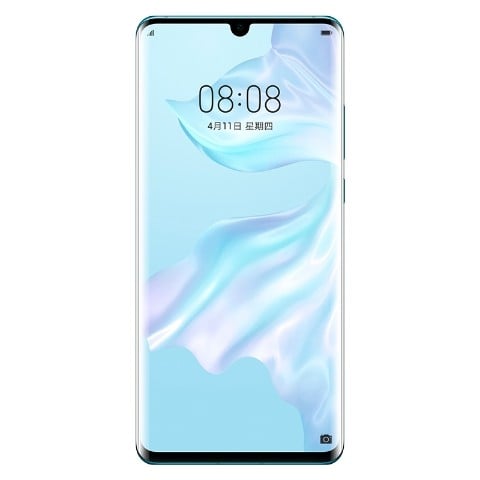 The 8GB RAM+512GB variant is also up for grabs in four color options including amber sunrise, Aurora, black, breathing crystal and pearl white. This model can be yours if you are willing to shell out $1,299.
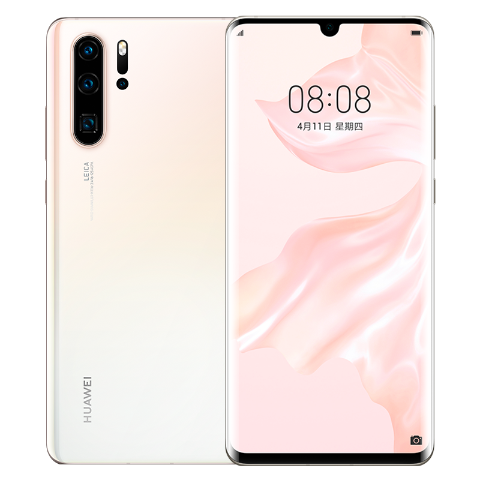 The aforesaid coupon reduces the original asking price of the variant to just $1219.99. You can
  Those who fancy having more storage space on their phones can go for the 8GB RAM+256GB ROM model, which is currently available for just $1199.99 on GeekBuying. This is a 16% reduction in the model’s original selling price of $1426.
 The larger model that ships with 8GB of RAM and offers a hearty 256GB of onboard storage capacity can now be yours for $1,434.16 on Banggood. You can follow
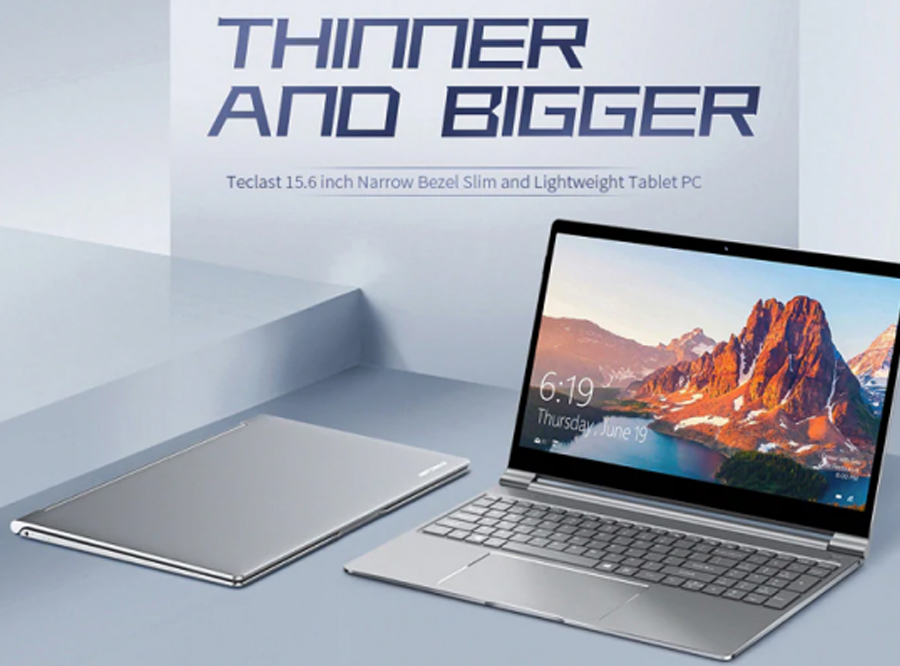 Taking the device’s undying demand into consideration and to make it available to cost-conscious buyers, Teclast has teamed up with China’s leading online stores Banggood, Gearbest, and GeekBuying.