Advertisement

Xiaomi 18 Pro Max camera system fully detailed in new leak

The Xiaomi 18 series has pretty much been confirmed to debut as the first smartphones powered by the Snapdragon 8 Elite Gen 6 Pro. The lineup will likely initially feature three devices: the Xiaomi 18, Xiaomi 18 Pro, and Xiaomi 18 Pro Max.

The standard and Pro models are expected to be the compact offering, while the Pro Max edition will serve as the big-screen flagship.

Now, prolific tipster Digital Chat Station has shared fresh exclusive details specifically about the camera hardware of this “large-screen flagship.

Xiaomi 18 Pro 200MP Camera Leak

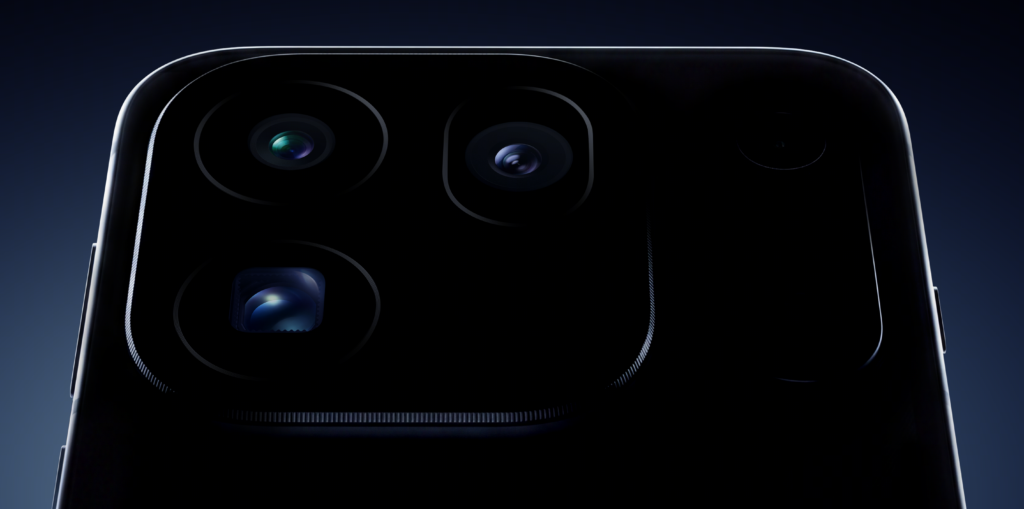
According to the leak, the Xiaomi 18 Pro Max will pack a 200MP main camera with a large 1/1.28-inch sensor. What makes it special is the inclusion of next-generation LOFIC technology, which is said to improve dynamic range, especially in challenging lighting conditions.

Even more interesting is the telephoto setup. The engineering sample reportedly features a 200MP 1/1.56-inch telephoto sensor with a 3x± focal length and an F2.4± aperture. It also supports close-up, telephoto, and macro photography. Crucially, both the sensor and the lens assembly have been completely redesigned from the ground up.

What we know so far

According to previous reports, the Xiaomi 18 Pro Max will feature a 6.9-inch flat display, the Snapdragon 8 Elite Gen 6 Pro chipset, and a battery capacity of around 8,500mAh with 100W wired fast charging support. It is also likely to offer 50W wireless charging.

On the software side, as a next-generation model, it is expected to ship with HyperOS 4 based on Android 17.

Design-wise, the Xiaomi 18 Pro Max is expected to continue the rear-display concept seen in the previous generation, with this secondary screen evolving into an AI-powered smart window that enables more dynamic and context-aware interactions.

The Xiaomi 18 series is expected to launch in September 2026.

For more daily updates, please visit our News Section.

Stay ahead in tech! Join our Telegram community and sign up for our daily newsletter of top stories! 💡

Amazfit Balance 3 launched with 3000 nits AMOLED display, dual-band GPS & health tracking

Amazfit has announced the Balance 3, a new smartwatch priced at $369.99. It is currently available for pre-order in the US, with shipments expected to begin in mid-June. The device is positioned as an upper mid-range option for users looking for detailed fitness metrics and extended battery life without the need for daily charging.

Amazfit Balance 3

Amazfit Balance 3 Specifications

The Balance 3 is a fairly large watch, featuring a 51.4mm case that measures 14.6mm thick. The initial release features a stainless steel (62g) body, though Amazfit says a lighter titanium version (55g) will be available later. The watch has a 1.5-inch AMOLED screen protected by scratch-resistant sapphire crystal glass.

According to the spec sheet, the display can reach a peak brightness of 3,000 nits, which helps with visibility in bright outdoor conditions. It also carries a 10ATM water resistance rating, making it suitable for swimming and recreational diving.

On the software side, the watch focuses heavily on balancing workouts and recovery. Amazfit calls its tracking system HybridCharge Energy Intelligence. In practice, this means the watch monitors your training load, daily stress, and sleep patterns to provide recommendations on your physical capacity and when you should rest.

It supports over 180 sports modes, including specific tools for HYROX racing like built-in training plans and pace simulations. For outdoor routing, it uses dual-band GPS and supports offline maps, turn-by-turn navigation, and automatic rerouting if you happen to go off course.

Standard health tracking features are present, including 24/7 monitoring for heart rate, blood oxygen (SpO2), skin temperature, and stress. The watch can also alert users to abnormal heart rates or low blood oxygen levels. For daily convenience, it includes a built-in speaker and microphone for Bluetooth calls, NFC for digital cards, and a built-in flashlight with red and white light options for nighttime visibility.

Amazfit Balance 3

Coming to the battery life, it contains a 658mAh battery that the company says can last up to 21 days under typical usage conditions. If you prefer to enable the always-on display, that estimate drops to about seven days between charges.

In related news, Asus has recently introduced the VivoWatch 6 Plus with advanced health monitoring features and a 1.43-inch AMOLED display, while Rogbid unveiled the GeoX2 smartwatch, offering dual-band GPS, military-grade durability, and up to 15 days of battery life.

For more daily updates, please visit our News Section.

Stay ahead in tech! Join our Telegram community and sign up for our daily newsletter of top stories! 💡

(Amazfit)

Xiaomi launches a sleek new Mijia backpack that fits a 16-inch laptop

Xiaomi has released a new commuter bag called the Mijia Minimalist Business Backpack. It is currently listed on the company’s Youpin platform for an initial crowdfunding price of 149 yuan ($22), and it will eventually move to a standard retail price of 199 yuan ($29).

Xiaomi Mijia Minimalist Business Backpack

Mijia Minimalist Business Backpack Specifications

The backpack is built around a dual-compartment layout to separate work equipment from personal items. It has a structured design, using an internal manganese steel plate to help the bag keep its shape and stand upright even when it isn’t fully packed.

For carrying electronics, the bag includes a dedicated laptop compartment that fits devices up to 16 inches, along with a separate padded sleeve for tablets up to 11.2 inches. Xiaomi used a suspended bottom design for the laptop section, meaning the device doesn’t rest directly against the bottom of the bag.

In total, the backpack offers 14 liters of capacity and features 13 different pockets. The main section is roomy enough for a change of clothes for a short trip, while the smaller pockets are designed for specific everyday items. There is a velvet-lined pocket to prevent glasses from getting scratched, a waterproof side pocket for a wet umbrella or water bottle, and a few quick-access zippered slots for IDs, badges, and pens.

The exterior is made from high-density polyester with a Level 4 water-resistance rating, which is enough to handle light rain and splashes. It weighs 0.86 kg and measures 290 x 120 x 400 mm.

To make it comfortable to carry, Xiaomi included S-shaped shoulder straps and a padded honeycomb mesh back panel for airflow. It also has a luggage pass-through strap on the back, allowing you to slide it over the handle of a rolling suitcase.

The Mijia Minimalist Business Backpack is available in three muted colorways: Charcoal Black, Light Gray, and Beige.

In related news, Xiaomi has recently introduced a new 10,000mAh pocket-sized power bank with 22.5W fast charging support.

For more daily updates, please visit our News Section.

Stay ahead in tech! Join our Telegram community and sign up for our daily newsletter of top stories! 💡

(Xiaomi Youpin)

Xiaomi launches new pocket-sized 10,000mAh power bank with 22.5W fast charging

Xiaomi has released a new power bank in China, the Xiaomi Power Bank 10000 Pocket Edition 2026. The device is currently available on Youpin platform for an introductory price of 129 yuan (about $19), with a standard retail price set at 149 yuan ($22).

Xiaomi Power Bank 10000 Pocket Edition 2026

Xiaomi Power Bank 10000 Pocket Edition 2026 Specs

The power bank uses a 2C+1A port configuration. This setup includes a built-in USB-C cable, a secondary USB-C port, and a standard USB-A port. The integrated cable is a practical feature for users who prefer not to carry separate cords, and it supports bidirectional charging up to 22.5W. The standalone USB-C and USB-A ports also output up to 22.5W individually.

The device supports several common fast-charging protocols, including PD 3.0, QC 3.0, PPS, AFC, and SCP, making it compatible with most current smartphones, tablets, and smaller electronics. When two or three devices are plugged in simultaneously, the power bank adjusts the power distribution, capping the total output at a combined 15W.

Xiaomi included a battery management system that lets users connect the power bank to a computer using the USB-C data port. Once connected, users can view specific battery health metrics. The available data includes the exact cycle count, temperature readings, charging history, and general battery condition.

The device is built to comply with China’s new GB 47372-2026 mobile power bank safety standard. According to Xiaomi, the battery cells have passed standardized safety tests, which include needle penetration, 12kN compression, and exposure to 135°C heat for an hour.

Xiaomi Power Bank 10000 Pocket Edition 2026

It also features 16 layers of electrical protection, covering overvoltage, short circuits, and temperature management. The 10,000mAh capacity translates to a 37Wh rating, which falls within international aviation limits, allowing it to be brought on commercial flights in carry-on luggage.

The chassis is constructed from rounded PC+ABS plastic and is sold in Gray Blue and Light Coffee color options.

In related news, Xiaomi has also launched the 20000mAh 22.5W Power Bank (2026) featuring a built-in USB-C cable.

For more daily updates, please visit our News Section.

Stay ahead in tech! Join our Telegram community and sign up for our daily newsletter of top stories! 💡

(Xiaomi Youpin)

May AnTuTu Android-Pad Performance Ranking: Snapdragon 8 Elite Gen 5 sweeps top six spots, Dimensity 9500 lands at No. 7

Android tablets are getting seriously powerful, and AnTuTu’s latest rankings for May 2026 show just how far things have come.

Leading the chart is the Vivo Pad 6 Pro, which posted an average score of 4,132,697 points. Powered by Qualcomm’s Snapdragon 8 Elite Gen 5, it currently sits at the top of the Android tablet performance ladder.

The iQOO Pad 6 Pro isn’t far behind at 4,081,031 points. Given how much hardware the two tablets share, the small gap between them isn’t particularly surprising.

Lenovo’s Legion Y700 5th Gen takes third place with 4,073,338 points. The compact gaming tablet has built a strong reputation among enthusiasts, and these numbers suggest Lenovo has another winner on its hands.

A quick look at the rest of the top ten reveals a clear trend: Snapdragon 8 Elite Gen 5 is everywhere. The Oppo Pad 5 Pro, OnePlus Pad 3 Pro, and Honor MagicPad 3 Pro 13.3 all make appearances near the top of the list, underlining Qualcomm’s grip on the flagship tablet market right now.

One of the more interesting entries is the Redmi K Pad 2. It’s the only device in the top ten running MediaTek’s Dimensity 9500, yet it still manages an average score of 3,716,562 points, which is enough to keep it firmly in the mix.

Further down the rankings are devices like the H3C MegaBook with Intel’s Core Ultra 5 228V, along with older Snapdragon-powered tablets such as the Oppo Pad 4 Pro and OnePlus Pad 2 Pro.

Benchmark charts never tell the whole story, but they do offer a snapshot of where the market stands. At least for now, Snapdragon 8 Elite Gen 5 devices are setting the pace, with the Vivo Pad 6 Pro holding a narrow lead over an increasingly crowded field.

Don’t miss a thing! Join our Telegram community for instant updates and grab our free daily newsletter for the best tech stories!

For more daily updates, please visit our News Section.

(AnTuTu | Image)

Xiaomi 20000mAh 22.5W Power Bank (2026) launches with built-in USB-C cable

Xiaomi has introduced a new 20,000mAh power bank in China, adding another option to its growing lineup of portable charging accessories. The device is now available through Xiaomi’s Youpin platform. It’s priced at 149 yuan, which is roughly equivalent to €19 at the current exchange rate.

The new model keeps things fairly simple in terms of design. It comes in light gray and dark gray finishes, has rounded edges, and weighs around 343g.

Alongside the integrated USB-C cable, Xiaomi includes another USB-C port and a USB-A port. All three support up to 22.5W fast charging output. That’s not groundbreaking by 2026 standards, but it’s more than enough for smaller accessories such as earbuds and smartwatches.

The power bank also supports 22.5W bidirectional charging, so it can recharge itself at the same speed it delivers power. Xiaomi says the power bank can bring a Xiaomi 17 to around 25% charge in 30 minutes, while an iPhone 17 can reach about 46% in the same amount of time.

Xiaomi uses two 10,000mAh battery cells for a combined 20,000mAh capacity. Total energy is rated at 74Wh, which keeps it comfortably below the 100Wh limit that most airlines impose on carry-on batteries.

Like most modern power banks, it includes a range of safety protections covering overcharging, overheating, short circuits, and other common risks. Multiple devices can also be charged simultaneously.

The built-in cable is one of the headline features here. Over the last few years, more brands have moved in this direction, and it’s easy to see why. Users can charge most devices without having to carry a separate cable.

For commuters, travelers, or anyone who regularly finds themselves hunting for a charger before the end of the day, it looks like a practical addition to the company’s accessory lineup.

There’s no indication yet of a global launch, but Xiaomi often brings these kinds of accessories to other markets eventually, so wider availability wouldn’t be surprising.

Don’t miss a thing! Join our Telegram community for instant updates and grab our free daily newsletter for the best tech stories!

For more daily updates, please visit our News Section.

(Source: Xiaomi Youpin)

Red Magic 11S Pro tops AnTuTu chart for May with the highest recorded score ever

The AnTuTu Top 10 Android flagship rankings for May 2026 are here. We expected the list to stay mostly the same this month as storage prices keep rising and fewer new phones hit the market. But that didn’t happen. Brands kept pushing on performance, and the rankings changed quite a bit.

The Red Magic 11S Pro+ claimed the top spot with a benchmark score of 4,171,821, the highest AnTuTu score recorded for any Android flagship this month. Hot on its heels is the iQOO 15 Ultra in second place with 4,144,802 points, followed closely by the Vivo X300 Ultra Satellite Communication Edition in third with 4,103,004.

AnTuTu flagship phone ranking May 2026

The remaining spots from fourth to tenth go to the iQOO 15, Red Magic 11 Pro+, Realme GT8 Pro, Oppo Find X9 Ultra Satellite Communication Edition, Honor WIN, iQOO 15T, and Honor Magic 8 Pro.

Vivo’s big month

The biggest winner of May is arguably Vivo. Between its main Vivo brand and its sub-brand iQOO, the company placed four models on the list. Red Magic and Honor each secured two spots, while Oppo and Realme claimed one each.

Likewise, the most telling story from this month’s rankings is the chipset breakdown. Nine out of the ten phones run on the Qualcomm Snapdragon 8 Elite Gen5, with only one, the realme GT8 Pro, powered by MediaTek’s Dimensity 9500. 

Both chips are the very top of the mobile processor market, but Qualcomm’s raw performance lead is clearly reflected in these scores. This likely explains why most premium Android brands continue to default to Qualcomm for their flagship devices, and that trend shows no signs of reversing anytime soon.

One notable absence this month is Xiaomi. The brand, which has appeared on and off in past rankings, failed to place a single device in the top ten for May.

Don’t miss a thing! Join our Telegram community for instant updates and grab our free daily newsletter for the best tech stories!

For more daily updates, please visit our News Section.

Honor Robot Phone is born for mobile video recording, company reveals new details

Honor has shared fresh details about its upcoming Robot Phone, a device first showcased at MWC 2026. While the smartphone remains unreleased, the company has now explained its vision for the product, revealing how the unusual camera-focused design is intended to make advanced video creation more accessible to everyday users.

A smartphone designed around video creation

Honor Robot Phone
Honor Robot Phone

According to Honor’s imaging team, the Robot Phone was conceived primarily as a video-first device. Instead of working within the constraints of a conventional smartphone camera module, the company developed a motorised three-axis gimbal camera system that sits on top of the device. This approach is expected to create more room for future hardware upgrades and new shooting techniques.

The camera unit houses a 200-megapixel sensor that can rotate forwards or backwards depending on the shooting scenario. Honor has also partnered with ARRI, a company widely known in the professional filmmaking industry, to bring advanced imaging technologies to the device. Features include AI subject tracking, intelligent shooting assistance, automated camera movements and AI-powered video editing tools.

One of the biggest questions surrounding the Robot Phone has been durability, given its moving camera mechanism. Honor says the first-generation model already delivers drop resistance comparable to its flagship smartphones, although the company admits there is still room to improve water resistance. The brand has stated that durability enhancements will continue across future generations rather than being treated as a one-off experiment.

The company also revealed that development proved more challenging than expected. Engineers reportedly spent around a year refining the concept, creating a custom compact motor, balancing the gimbal system and solving issues related to stability and rotational forces. Several design revisions were required before arriving at the current prototype.

For users with little photography or videography experience, the Robot Phone is expected to offer preset shooting templates and automated tracking capabilities that can capture smoother, more cinematic footage without requiring manual adjustments. Honor CEO James Li has already confirmed that the Robot Phone is scheduled to launch in the third quarter of 2026.

For more daily updates, please visit our News Section.

Stay ahead in tech! Join our Telegram community and sign up for our daily newsletter of top stories! 💡

(source)

September 2026 showdown: Xiaomi 18, Vivo X500, Oppo Find X10 to rival the Apple iPhone 18 Pro series

The second half of 2026 could see one of the busiest flagship smartphone launch seasons in recent memory. According to information shared by reliable tipster Digital Chat Station, several major Chinese smartphone brands are accelerating their launch plans, potentially setting up a crowded September packed with high-profile flagship announcements.

September could become the biggest flagship battleground of 2026

DCS claims that the Xiaomi 18 series is now largely confirmed for a September debut in China. This is not surprising as the company unveiled the Xiaomi 17 series in September 2025.

More interestingly, the Vivo X500 series and Oppo Find X10 series are also reportedly pushing to launch during the same month. If these plans materialize, September could become a key battleground for premium smartphones from multiple brands.

Apple is also expected to unveil the iPhone 18 Pro lineup and its first foldable device, tentatively referred to as the iPhone Ultra, during the traditional autumn launch season. Launching earlier could give Xiaomi, Vivo and Oppo an opportunity to capture attention before Apple’s announcements dominate headlines.

Xiaomi 18 series, Vivo X500 series, and Oppo Find X10 series: What to expect?

While official specifications remain under wraps, previous leaks suggest that the Xiaomi 18 series could include the Xiaomi 18, Xiaomi 18 Pro and Xiaomi 18 Pro Max. The lineup is expected to be among the first to feature Qualcomm’s next-generation Snapdragon 8 Elite Gen 6 chipset.

Meanwhile, the Vivo X500 family is expected to comprise the Vivo X500, X500 Pro (or Pro Mini) and X500 Pro Max, with a strong focus on camera upgrades and larger batteries. Oppo’s Find X10 series is also likely to include multiple models, such as the X10, X10 Pro, and X100 Pro Max. Both Vivo and Oppo flagship phones are expected to feature next-generation MediaTek Dimensity 9600 chip.

Which upcoming flagship series are you most excited about: Xiaomi 18, Vivo X500, Oppo Find X10 or Apple’s next-generation iPhone lineup?

For more daily updates, please visit our News Section.

Stay ahead in tech! Join our Telegram community and sign up for our daily newsletter of top stories! 💡

Here’s how much Nvidia’s RTX Spark-powered laptops could cost

Nvidia‘s upcoming RTX Spark laptops may end up costing a lot more than many expected, putting them directly in competition with Apple’s MacBook Pro lineup.

Fresh pricing estimates from a Morgan Stanley report suggest systems powered by the flagship N1x chip could start at around $2,899. Meanwhile, laptops based on the standard N1 platform are expected to begin at roughly $1,799. If those figures prove accurate, RTX Spark won’t be targeting the mainstream market. Instead, Nvidia appears to be aiming squarely at creators, developers, and power users willing to pay a premium.

The hardware itself is certainly ambitious. RTX Spark combines Nvidia’s ARM-based Grace CPU with a Blackwell RTX GPU, offering up to 20 CPU cores, 6,144 CUDA cores, and as much as 128GB of unified memory. Nvidia is also claiming up to 1 petaflop of AI performance, a figure that highlights just how heavily AI workloads are baked into the platform.

Gaming doesn’t seem to be an afterthought either. During Computex, Nvidia showcased Forza Horizon 6 running at over 100 FPS at 1440p, while partners repeatedly emphasized the platform’s ability to deliver high performance without the bulk usually associated with gaming laptops.

Several manufacturers are already on board. Microsoft’s Surface Laptop Ultra, Dell’s refreshed XPS 16 Creator Edition, Asus’ ProArt P16 and P14, HP’s OmniBook X 14 and OmniBook Ultra 16, Lenovo’s Yoga Pro 9n, and MSI’s Prestige N16 Flip AI+ were all shown as part of the initial wave.

What’s perhaps more interesting is the scale Nvidia is aiming for. The company says the ecosystem could grow to around 30 laptop models and 10 desktop systems by the fall, with more devices expected from Acer and Gigabyte.

Of course, impressive specifications only tell part of the story. Windows on Arm still has questions to answer when it comes to software compatibility and real-world efficiency. Battery life will matter too, especially if Nvidia wants these machines to be viewed as genuine MacBook Pro alternatives rather than just powerful Windows laptops.

Still, RTX Spark is shaping up to be one of Nvidia’s most ambitious PC initiatives in years. The pricing may raise some eyebrows, but the company clearly isn’t trying to compete on affordability.

Don’t miss a thing! Join our Telegram community for instant updates and grab our free daily newsletter for the best tech stories!

For more daily updates, please visit our News Section.

(Via)

Xiaomi 18 tipped to feature a 6.4-inch 2K display, 7,000mAh-class battery

In September, Xiaomi is expected to unveil the Xiaomi 18 series as the world’s first smartphones powered by the next-generation Snapdragon 8 Elite Gen 6 flagship chipset. Today, reliable tipster Digital Chat Station shared a Weibo post revealing key details about the Xiaomi 18 lineup.

Xiaomi 18 series key details tipped

According to a new post by DCS, Xiaomi’s next-generation Xiaomi 18 series is expected to feature a compact flagship model with a display measuring around 6.4 inches. The tipster claims the screen will be close to what many users consider a mid-sized display and will feature a 19.5:9 aspect ratio, large-radius corners, ultra-narrow and symmetrical bezels, and a flat-panel design. The display is also tipped to offer an effective 2K resolution for sharper visuals.

DCS further revealed that the Xiaomi 18 Pro series will debut an exclusive new display technology. In addition to the upgraded screen, the upcoming lineup is said to bring notable improvements in imaging, battery technology, and overall hardware. The tipster specifically mentioned dual 200-megapixel cameras and the use of silicon-carbon battery technology as key upgrades.

When asked about battery capacity in the comments section, DCS responded that the battery would begin with the number “7,” suggesting a capacity in the 7,000mAh range. While an exact figure was not disclosed, the tipster implied that the battery life should be more than sufficient for most users. This battery is likely to power both the standard Xiaomi 18 and the Pro model, which is also expected to feature a similarly sized display.

Reports have revealed that the Xiaomi 18 Pro Max will be the largest model among the three, as it is said to house a 6.9-inch 2K OLED screen. Under the hood, it may feature the Snapdragon 8 Elite Gen 6 Pro chip and an 8,500mAh battery.

Other reports have revealed that the Xiaomi 18 Pro and Xiaomi 18 Pro Max may continue to feature a rear-facing display, similar to the previous generation. However, the rear display is said to become more versatile than before.

Additionally, a recent update from tipster Smart Pikachu claims that Xiaomi is exploring AI-powered desktop experiences for secondary displays, not only on the Xiaomi 18 Pro models but also on the cover screen of Xiaomi’s next foldable phone, tentatively referred to as the Xiaomi 18 Fold.

For more daily updates, please visit our News Section.

Stay ahead in tech! Join our Telegram community and sign up for our daily newsletter of top stories! 💡
Galaxy Z Fold 8 Ultra specs tipped: packs larger battery, weighs the same, gets even slimmer

Samsung‘s next foldable may finally address one of the most common complaints about the Galaxy Z Fold series.

According to Ice Universe, the upcoming Galaxy Z Fold 8 Ultra is expected to feature a 5,000mAh battery paired with 45W wired charging. If accurate, that would be a noticeable step up from the Galaxy Z Fold 7, which shipped with a 4,400mAh battery and 25W charging.

Samsung has kept the Fold series at 4,400mAh for several generations, even as competitors like the Oppo Find N6 and the Honor Magic V5 have reached the 6,000mAh mark. A jump to 5,000mAh would not suddenly make the rumored Galaxy Z Fold 8 Ultra a battery monster, but it would certainly narrow the gap.

What’s particularly interesting is that the larger battery reportedly comes without any penalty in size or weight. Ice Universe claims the Fold 8 Ultra will remain around 215g while measuring roughly 4.1mm unfolded and 8.9mm folded.

Current rumors point to two different Fold models. The Galaxy Z Fold 8 Ultra is expected to retain the familiar tall-and-narrow form factor Samsung has used for years. Meanwhile, the wider Fold variant, which earlier leaks referred to as the Galaxy Z Fold 8 Wide, is rumored to adopt a shorter and noticeably wider design. Recent reports suggest Samsung may ultimately market that device simply as the Galaxy Z Fold 8.

The wider model is also rumored to receive battery and charging upgrades of its own. Some reports point to a 4,800mAh battery combined with the same 45W charging support.

The battery upgrade may end up being one of the biggest changes in the Fold 8 lineup. Bigger batteries benefit users every single day, long after the excitement surrounding new designs and specifications wears off.

Don’t miss a thing! Join our Telegram community for instant updates and grab our free daily newsletter for the best tech stories!

For more daily updates, please visit our News Section.

(Ice Universe)

Honor X7e goes official with a huge 7,500mAh battery, 120Hz display, and Android 16

Honor has quietly expanded its entry-level smartphone lineup with the new Honor X7e. The handset targets users looking for a large battery, modern software and practical everyday features without stepping into the premium price segment. It has already been announced in select overseas markets and is expected to reach additional regions soon.

Honor X7e specifications and features

The Honor X7e features a 6.61-inch TFT LCD display that offers HD+ resolution of 1604 x 720 pixels. The screen supports a 120Hz refresh rate and includes eye comfort features such as dynamic dimming. Powering the device is the MediaTek Helio G81 Ultra chipset paired with 6GB of RAM and 256GB of internal storage. Honor also offers RAM expansion technology, allowing the device to access additional virtual memory when required.

For photography, the smartphone is equipped with a 50-megapixel primary rear camera accompanied by an auxiliary sensor. On the front, it houses a 5-megapixel camera for selfies and video calls.

Honor X7e

One of the biggest highlights is the battery. Depending on the market, the Honor X7e packs either a 7,000mAh or 7,500mAh battery and supports 45W wired fast charging. Additional features include MagicOS 10.0 based on Android 16, a side-mounted fingerprint scanner, face unlock, IP64-rated dust and splash resistance, Bluetooth 5.1, a USB Type-C port, a 3.5mm headphone jack and an IP64 rating for dust and splash protection. This device lacks support for 5G connectivity.

Honor X7e price and availability

In Malaysia, the 6GB RAM and 256GB storage variant of the Honor X7e is priced at MYR 899 (~$225). It can be bought in shades like Sunrise Orange and Midnight Black.

For more daily updates, please visit our News Section.

Stay ahead in tech! Join our Telegram community and sign up for our daily newsletter of top stories! 💡
Vivo X300 Pro outscores pricier X300 Ultra in DxOMark’s camera ranking

DxOMark has finally published its review of the Vivo X300 Ultra, and the result is a little surprising at first glance.

Despite being Vivo’s most expensive camera flagship and arguably one of the most ambitious camera phones released in recent years, the X300 Ultra did not take the top spot among Vivo devices. Instead, it finished with 170 points, just behind the Vivo X300 Pro’s 171-point score. Huawei’s Pura 80 Ultra currently remains ahead of both at 175 points.

On paper, that one-point difference is almost meaningless. Nobody is going to look at two photos and correctly identify a one-point gap in a DxOMark ranking. Still, the result is interesting because the Ultra costs significantly more and carries substantially more camera hardware.

The explanation seems to come down largely to video.

DxOMark awarded the X300 Ultra a noticeably lower video score than the X300 Pro. According to the review, low-light video performance was one of the weaker areas, with more visible noise and less consistent handling of difficult scenes. The Pro apparently did a better job balancing exposure, dynamic range, and noise reduction under challenging conditions.

The X300 Ultra was built around pushing hardware, especially when it comes to zoom photography. Unsurprisingly, some of its strongest results came in telephoto, ultra-wide, portrait, and zoom testing. DxOMark itself gave the device extremely high marks in several of those categories.

In fact, this is where the rankings become a little more complicated.

Someone who spends most of their time shooting portraits, wildlife, distant subjects, or travel photos may very well prefer the X300 Ultra over the X300 Pro despite the lower overall score. A single ranking number doesn’t always capture those differences particularly well.

DxOMark also pointed to occasional image artifacts and moments where processing could look somewhat unnatural. That’s not a criticism unique to Vivo. Many smartphone brands are now leaning heavily on computational photography and AI processing, and sometimes the software gets a little too enthusiastic.

The result highlights something that smartphone enthusiasts have debated for years: the “best camera phone” often depends on what you actually photograph.

The X300 Pro appears to be the more balanced device according to DxOMark’s testing methodology. The X300 Ultra, meanwhile, feels more specialized. It excels in areas that many photography enthusiasts care deeply about, even if that comes with a few trade-offs elsewhere.

(DxOMark)

Asus reveals a laptop that flips, writes and shoots photos, all in one package

Asus has expanded its business laptop portfolio at Computex 2026 with the new ExpertBook B5 Flip G2 (B5406FMA). The device combines a 360-degree convertible design, AI-ready Intel hardware, dual cameras and an integrated stylus, making it suitable for professionals, educators and students looking for a flexible Windows machine.

Asus ExpertBook B5 Flip G2 specifications and features

Asus ExpertBook B5 Flip G2

The ExpertBook B5 Flip G2 features a 14-inch NanoEdge touchscreen display with a 16:10 aspect ratio, 400 nits of brightness and an 84 percent screen-to-body ratio. Thanks to its 360-degree hinge, the laptop can switch between laptop, tablet, tent and display modes. ASUS has also included a built-in MPP 2.0 stylus that can be stored inside the chassis. A quick 15-second charge is said to deliver up to 60 minutes of stylus usage.

Powering the laptop is up to an Intel Core 7 Series 3 processor paired with Intel graphics and an NPU capable of delivering up to 18 TOPS for AI-assisted tasks. The device can be configured with up to 32GB LPDDR5X RAM and up to 1TB PCIe 4.0 SSD storage. A 63Wh battery with rapid charging support is included to keep the system running through a workday.

Asus ExpertBook B5 Flip G2

One of the more unusual additions is the dual-camera setup. The laptop includes a 1080p FHD+IR front camera for video calls and an optional 5-megapixel world-facing camera that can capture documents and images while using the device in tablet or tent mode. Both cameras feature physical privacy shutters.

Connectivity options include dual Thunderbolt 4 USB-C ports, HDMI 2.1, two USB 3.2 Gen 1 Type-A ports, Wi-Fi 7 and an audio combo jack. ASUS has also equipped the laptop with security features such as a TPM 2.0 chip, NIST SP 800-193-compliant BIOS, optional fingerprint scanner and Windows 11 secured-core technologies. The aluminium chassis weighs around 1.34kg and measures 14.9mm thick, while meeting MIL-STD-810H durability standards.

Asus ExpertBook B5 Flip G2 price and availability

Asus has not yet announced pricing for the ExpertBook B5 Flip G2. However, the company has confirmed that the laptop is expected to arrive in select markets during the third quarter of 2026.

For more daily updates, please visit our News Section.

Stay ahead in tech! Join our Telegram community and sign up for our daily newsletter of top stories! 💡
Vivo X500 Pro Max display details leaked, 8,000mAh+ battery tipped again

Recent reports have revealed that the next-generation Vivo X500 series will comprise three models: the standard, Pro, and Pro Max. It goes without saying that the Pro Max variant will be the largest of the three and is expected to pack top-tier specifications. In a new Weibo post, reliable tipster Digital Chat Station has shared key details about the X500 Pro Max’s display.

Vivo X500 Pro Max display details leaked

According to DCS, the engineering prototype of the upcoming Vivo X500 Pro Max is currently being tested with a BOE-made 2K display. The panel is said to measure around 6.85 inches and feature a 2.5D flat design with ultra-narrow bezels enabled by LIPO packaging technology. Other reported display specifications include a 144Hz refresh rate and high-frequency PWM dimming across the full brightness range.

In the comments section of the post, a user asked whether the Vivo X500 Pro Max would still have the smallest battery among its rivals. Responding to the query, DCS claimed that the battery has not yet entered the molding stage but reiterated an earlier statement that the device is currently planned with a battery capacity beginning with the number “8,” suggesting an 8,000mAh-class battery.

According to previous reports, the Vivo X500 Pro Max could be powered by the 2nm MediaTek Dimensity 9600 Pro chipset. Leaks have also revealed that its rear camera setup could include a 50-megapixel primary camera equipped with LOFIC technology, which can prevent pixel overexposure in bright environments by storing overflow electrons in a capacitor. It is likely to be joined by a 50-megapixel ultra-wide camera and a 200-megapixel periscope telephoto camera.

For more daily updates, please visit our News Section.

Stay ahead in tech! Join our Telegram community and sign up for our daily newsletter of top stories! 💡
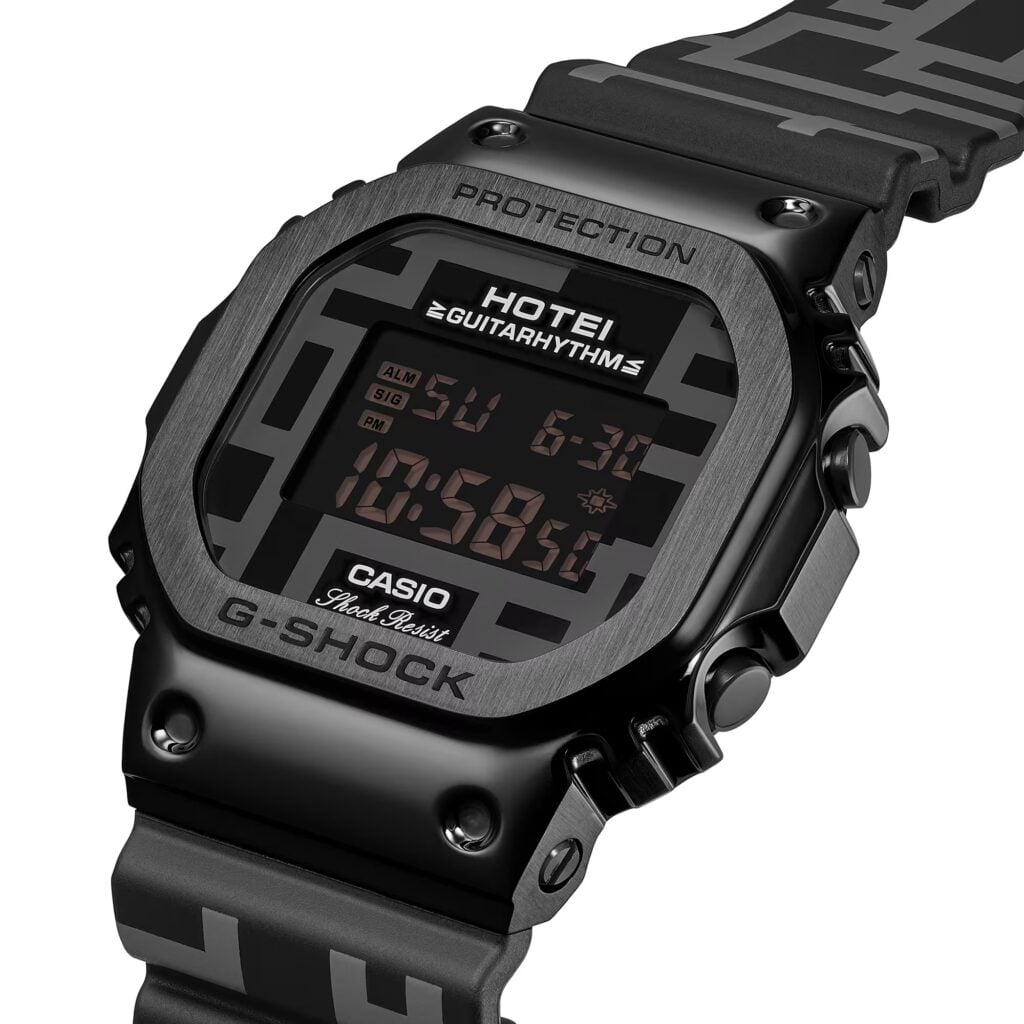
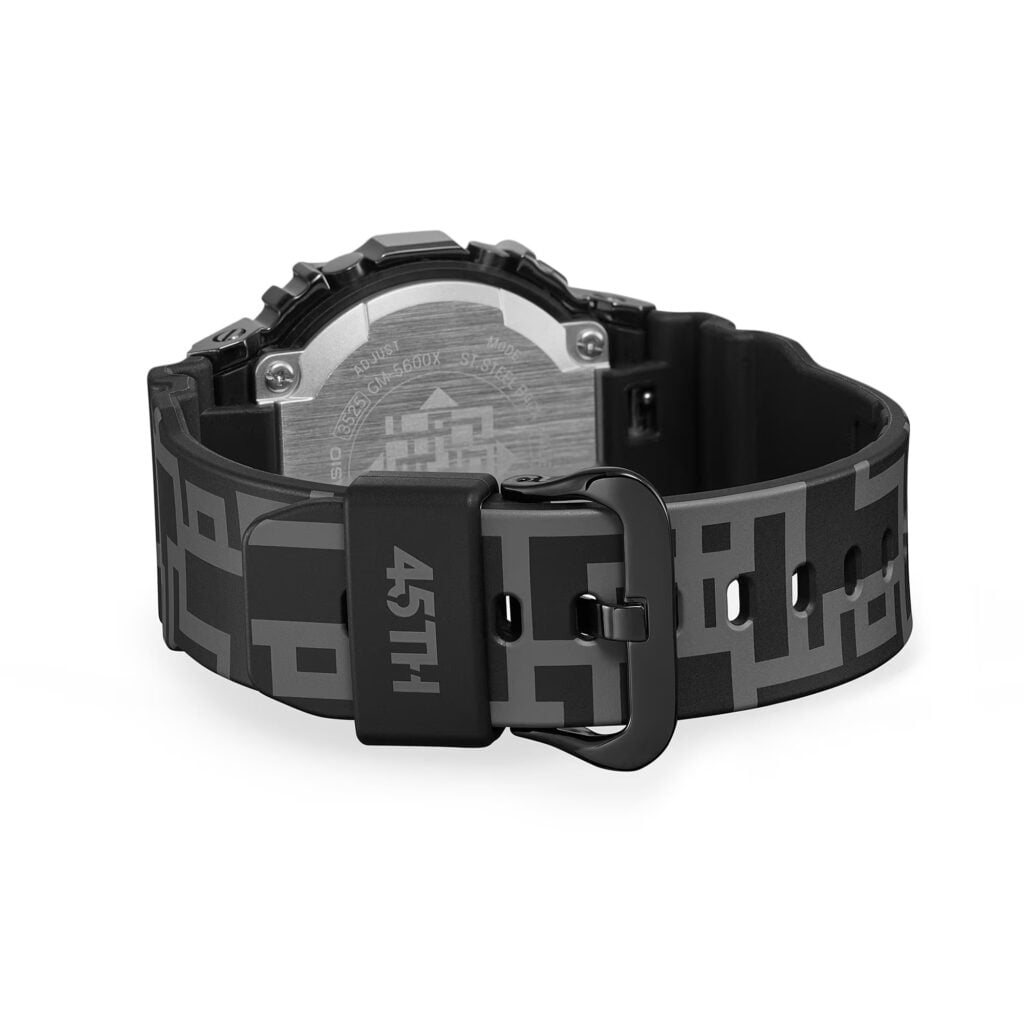
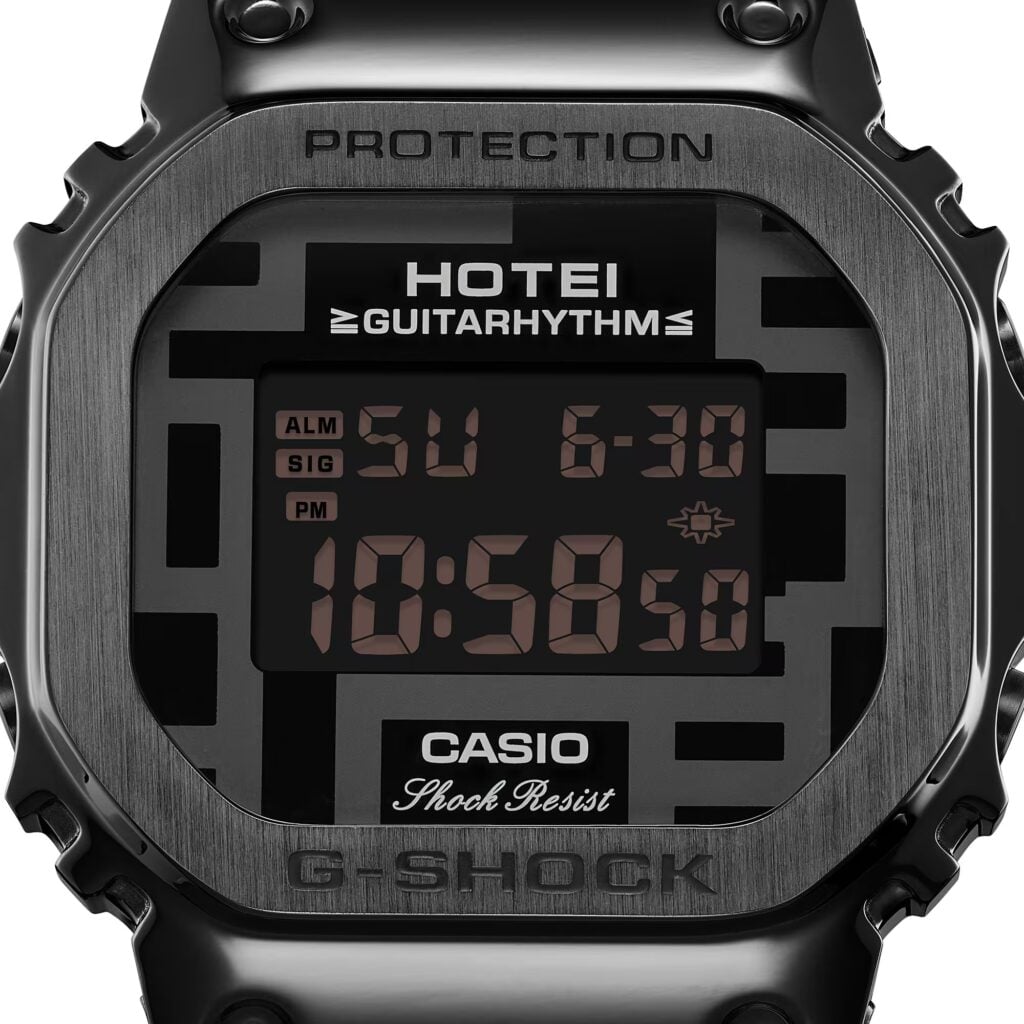
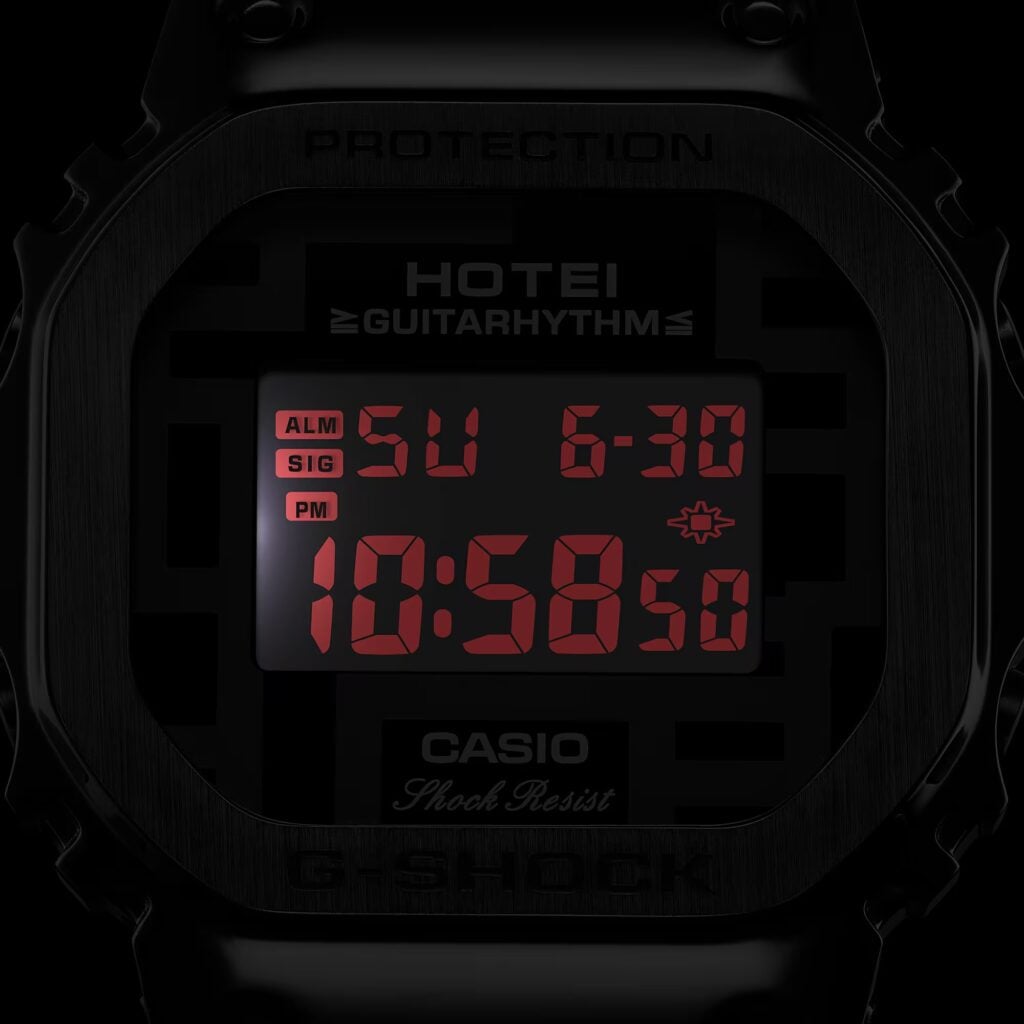
Casio launches two new all-black G-Steel watches with a slimmer design

Casio is expanding its G-Steel lineup with the GST-B1000BD series, a new pair of watches that scale down the traditionally bulky G-Shock form factor while keeping the standard metal build and Bluetooth connectivity. The two new models, the GST-B1000BD-1A (black) and GST-B1000BD-2A (blue), are slated for release in June 2026 with a price of ¥75,900 ($474) in Japan.

Casio GST-B1000BD-1A

Casio GST-B1000BD Specifications

The watches measure 46.9 by 44.2 millimeters and are 11.6 millimeters thick. To get the thickness down, Casio used a smaller internal module and a different glass bonding method. The core of the watch is made from a bio-based carbon-reinforced resin, which is then protected by a stainless steel bezel.

Visually, both the 1A and 2A models are entirely black. Casio applied a black ion plating to almost every metal part, including the bezel, the stainless steel bracelet, the side buttons, the screw-lock crown, the clasp, and the exterior screws. The bezel itself is simpler than usual; it doesn’t have the large G-Shock branding engraved into it. Instead, it just uses a mix of brushed and polished metal finishes for texture.

On the battery and connectivity side, the GST-B1000BD series runs on Casio’s Tough Solar charging system. The watch will run for about five months on a single charge under normal conditions, or up to 18 months if it is left in the dark with its power-saving mode turned on.

It also includes Bluetooth for smartphone pairing. By linking the watch to the Casio Watches app, it will automatically sync the correct time. The app also allows you to adjust watch settings, log your time and location, and trigger a phone finder feature.

Otherwise, the hardware includes the usual G-Shock specifications: 200-meter water resistance, a mineral glass crystal, and a white LED light for reading the analog dial in the dark. The dial itself features three main hands and two sub-dials for the day and a 24-hour clock, alongside basic 30-minute stopwatch, countdown timer, and daily alarm functions.

In related news, check out the most stylish budget Casio watches you can buy in 2026.

For more daily updates, please visit our News Section.

Stay ahead in tech! Join our Telegram community and sign up for our daily newsletter of top stories! 💡
(Casio 1,2)

Samsung’s Galaxy Z Fold 8 (Wide) specs tipped: Lighter than Fold 7, packs larger battery

Fresh leaks have offered a closer look at Samsung‘s upcoming Galaxy Z Fold 8 lineup, including the wider model. The inner panel of the Galaxy Z Fold 8 (Wide) is said to measure around 7.8 inches and use a 4:3 aspect ratio, while the outer display comes in at 5.4 inches. That wider layout could end up being one of the device’s most meaningful upgrades.

Foldables have long offered large screens, but many still feel slightly awkward for tablet-style tasks. A more balanced aspect ratio should make split-screen multitasking, reading, and video playback feel more natural.

Samsung also appears to be making progress on weight. According to leaked specifications, the Z Fold 8 (Wide) could weigh just 201g, down from 215g on the Galaxy Z Fold 7. That’s a notable drop for a foldable, especially since the device is also rumored to pack a larger 4,800mAh battery with support for 45W wired charging.

Camera hardware may be a little more restrained. Current reports point to a dual-camera setup led by a 50MP main sensor, paired with an ultra-wide camera. Ice Universe also claims the device will support a native 24MP shooting mode.

The move away from the Fold 7’s 200MP main sensor suggests Samsung could be maintaining a clearer separation between the wider Fold model and the rumored Galaxy Z Fold 8 Ultra.

Another area getting attention is the display crease. Samsung has reportedly made significant improvements here, with the crease reportedly matching or even outperforming what is currently seen on Oppo’s latest foldables. While that’s something that will need to be verified once the phone is official, it would address one of the most common complaints about foldable devices.

Under the hood, expectations include Qualcomm’s Snapdragon 8 Elite Gen 5 chip, up to 16GB of RAM, and storage configurations reaching 1TB.

Samsung is widely expected to unveil the Galaxy Z Fold 8 series at its Galaxy Unpacked event in London on July 22. As always, leaked specifications should be treated with some caution until the company makes everything official. Still, the direction seems fairly clear. Rather than chasing headline-grabbing changes, Samsung appears to be focusing on a handful of practical upgrades that could make the Fold easier to live with every day.

(Sources: 1, 2)

Motorola Edge 2026 debuts with 6.3″ 120Hz AMOLED display, Dimensity 7450 & 50MP cameras

Motorola has officially announced the 2026 iteration of its Edge smartphone for the North American market. The device brings a mix of premium hardware features and enhanced durability, making it a strong contender in the competitive midrange smartphone segment.

Motorola Edge 2026

Motorola Edge 2026 Specifications

The phone features a 6.3-inch 1.5K OLED display with a 120Hz refresh rate, HDR10+ support, and up to 5,200 nits peak brightness. The screen is protected by Corning Gorilla Glass 7i.

Internally, the Edge (2026) is powered by the MediaTek Dimensity 7450, a 4nm octa-core processor paired with a Mali-G615 MC2 GPU. It comes equipped with 8GB of LPDDR5X RAM and 128GB of internal storage.

The phone ships with Android 16 out of the box. Motorola is promising three guaranteed Android OS upgrades, ensuring software support for the next few years. The software experience leans into current AI trends, allowing users to choose between Moto AI, Google Gemini, or Perplexity as their primary virtual assistant. It also supports Google‘s Circle to Search and Motorola’s Smart Connect for seamless peripheral and file sharing with PCs and tablets.

Motorola Edge 2026

Speaking of cameras, the main shooter utilizes a 50MP Sony LYTIA 710 sensor with OIS and supports 4K video recording. It is flanked by a 50MP ultrawide lens that doubles as a macro camera and a 10MP telephoto lens with 3x optical zoom and OIS. For selfies, it features a 50MP snapper on the front. The camera system is supported by AI software, including a background Photo Enhancement Engine and an Action Shot feature for stabilizing moving subjects.

The phone is powered by a 5,000mAh battery. It supports 60W wired fast charging and 15W wireless charging. According to Motorola, the 60W wired option can provide enough charge for a day of use in about seven minutes.

For durability, it carries both IP68 and IP69 ratings, meaning it is protected against dust, standard water submersion, and high-pressure water jets. It also has MIL-STD-810H certification for drop and shock resistance. Additionally, the device features an in-display fingerprint scanner, stereo speakers with Dolby Atmos support, Wi-Fi 6, and Bluetooth 5.4.

Motorola Edge 2026

Pricing and Availability

The Motorola Edge (2026) will be available starting June 11. In the US, the universally unlocked model will retail for $599.99 at Best Buy and Motorola.com. The device comes in Pantone Martini Olive, offering a unique earthy golden-green hue with a twill-inspired finish.

Verizon will carry the device on launch day, with AT&T, Cricket Wireless, Spectrum Wireless, and Xfinity Mobile rolling it out later. In Canada, the smartphone will launch on the same day via Motorola.ca, with carrier availability following shortly after.

For more daily updates, please visit our News Section.

Stay ahead in tech! Join our Telegram community and sign up for our daily newsletter of top stories! 💡
Asus VivoWatch 6 Plus launches with advanced health tracking, 1.43-inch AMOLED display, sapphire and titanium build

Asus is bringing healthcare back into the spotlight at Computex 2026, and the new VivoWatch 6 Plus is one of the more notable examples. While the company unveiled plenty of AI-focused hardware this week, the smartwatch stands out because it’s clearly aimed at something bigger than fitness tracking.

At first glance, the VivoWatch 6 Plus looks like a significant step up from the VivoWatch 6 from 2024. The display has grown to 1.43 inches from 1.39 inches on the predecessor, and Asus has added sapphire crystal protection and a titanium alloy case. Together, those changes give the watch a more premium feel than earlier models.

The health side is where most of the changes are. ECG and blood pressure monitoring are still here, but Asus has added sleep breathing movement analysis and gait tracking as well. Neither feature is entirely new to the broader wearables market, but together they suggest Asus is trying to build a more complete picture of a user’s long-term health rather than simply recording daily metrics.

What’s interesting is how the watch fits into the company’s larger plans. Asus spent a good portion of its Computex presentation talking about AI-powered healthcare, and the VivoWatch 6 Plus appears to be part of that ecosystem. Data collected by the watch can feed into the company’s AI Agent healthcare platform, which was demonstrated alongside the new Handheld Ultrasound DuoScan.

In other words, Asus isn’t pitching this as just another smartwatch. The idea seems to be creating a connected health platform where wearables, diagnostic tools, and AI software all work together. That’s an ambitious goal, though it’s still early days.

The VivoWatch 6 included sensors for ECG, PPG, and body composition tracking. There was also the lighter VivoWatch 6 Aero, aimed at users who preferred something smaller and less watch-like. The new Plus model feels like Asus combining both approaches—more premium hardware on one side, deeper health analytics on the other.

Pricing hasn’t been announced yet, so it’s hard to say where Asus intends to position the device against competitors. Even so, the VivoWatch 6 Plus feels like one of those products worth keeping an eye on.

Don’t miss a thing! Join our Telegram community for instant updates and grab our free daily newsletter for the best tech stories!
For more daily updates, please visit our News Section.

(Asus)