Advertisement

China-based Meitu to stop manufacturing smartphones from mid-2019

Meitu, a China-based smartphone manufacturer, which started its operations in the year 2008, recently released its full year earnings report for 2018. The company reported that it generated revenue of 2.792 billion yuan, registering decline of 37.8 percent year-on-year.

Meitu logo

The decline in the company’s total revenue is primarily due to the decline in the smartphone business. The company’s smart hardware revenue for the year 2018 was 1.843 billion yuan, registering decline of 50.7 percent year-on-year.

Along with reporting its financials, the company revealed that it will be completely shutting down its smartphones business in the mid-2019. Now, the development, production, and sales will be handled by Xiaomi — another China-based smartphone manufacturer. In return, Meitu will be getting a cut of the smartphone share.

In November last year, Meitu had announced a strategic partnership with Xiaomi Group under which it exclusively licenses its brand, imaging technology and second-level domain name of its mobile phones to Xiaomi. The imaging technologies include MTface face technology, MTsegment image segmentation, MTbeauty beauty, MTmakeup beauty technology, MTrestore image restoration, MTenhance image enhancement, MTpose limb detection, etc.


Read More: Meitu V7 and V7 Tonino Lamborghini are official with triple front cameras; Specifications, features and pricing


While the company had started its business in the year 2008, it officially entered the hardware market in Beijing and released the Mito mobile phone. Since then, the company has roped in several celebrities to endorse its products but due to the fierce competition in the smartphone market, it has become difficult for Meitu to survive.

Less than 2% smartphones get recycled in China, claims a report

china recycle

According to a report from China Electronic Equipment Technology Development and Utilization Association and environmental protection organisation, the smartphone recycling rate is less than 2% in China. People are not recycling their electronic products, claims the ‘China Waste Electronics Products Circular Economy Report’.

In contrast with gold mining, the report cites that electronics product mining is more economical. On average, every ton of used smartphones carries 270 grams of gold rather than 10 grams in primary gold mining.  The cost of extracting gold from electronic boards is 20%-65% lower, and the quality of the gold content is higher than the native gold mining.

Smartphone recycling is a profitable sector and impacts positively on the environment. The report predicts that China can garner 130 billion Yuan if they improve the recycling rate to 85% by 2030. It will save 30 billion kWh of energy compared to mining raw ore, and carbon emissions will also reduce by ten thousand tons. This much carbon emission is equivalent to 26,000 Boeing 747-400 round trips from Beijing to New York.

Improved recycling rate will lead to a self-sustainable smartphone market and will accelerate the circular economy model. It is only possible if producers, brands, governments and other parties start investing and adopt an ecological model.

Recycling should be an essential aspect among smartphone manufacturers, and governments should also amend some laws to facilitate recycling.

Samsung Galaxy S10 5G to hit market on April 5

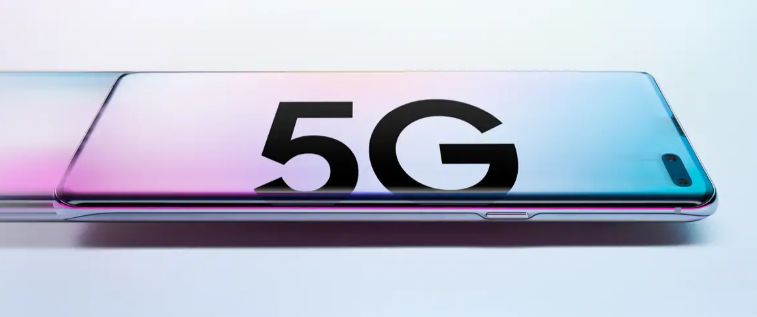
Samsung launched its Galaxy S10 series last month at an Unpacked event in San Francisco. Among newly launched devices, there was the Galaxy S10 5G, slated for launch in spring exclusively on Verizon, AT&T, Sprint and T-Mobile. Progressively, Samsung on Thursday shared it will launch Galaxy S10 5G in South Korea in the first week of April, without any pre-order programme. According to Yonhap news agency, the 5G device will be on sale from April 5 via three major network carriers in the country.

Samsung Galaxy S10 5G will cost around 1.5 million won (~$1332), according to industry sources. Earlier this week, the Galaxy S10’s 5G model passed signal verification test at National Radio Research Agency in South Korea.

The handset will be sold globally via various network carriers – it will be exclusive to Verizon in the US and O2 in the UK. Verizon is launching its 5G network from April 11, O2 will begin from Edinburg, London, and Cardiff later this year. Although, Samsung’s schedule to launch Galaxy S10 5G in the US & UK is still unknown.

Additionally, Samsung Galaxy S10 5G has a 6.7-inch Dynamic AMOLED display with 1440 x 3040 pixels resolution. It will feature Snapdragon 855 chipset in the US and Exynos 9829 worldwide. Other features include a 4200 mAh battery, 8GB RAM, 256 GB Internal, Android 9.0 Pie and in-display fingerprint sensor. A quad camera setup on the rear consists of a 12 MP telephoto lens, 12 MP Dual Pixel AF, 12 MP ultra-wide camera, and a 3D depth sensor. A 10 MP f/1.9 camera will be present on the front side.

Razer Phone 2’s Android Pie based Kernel source code officialy released

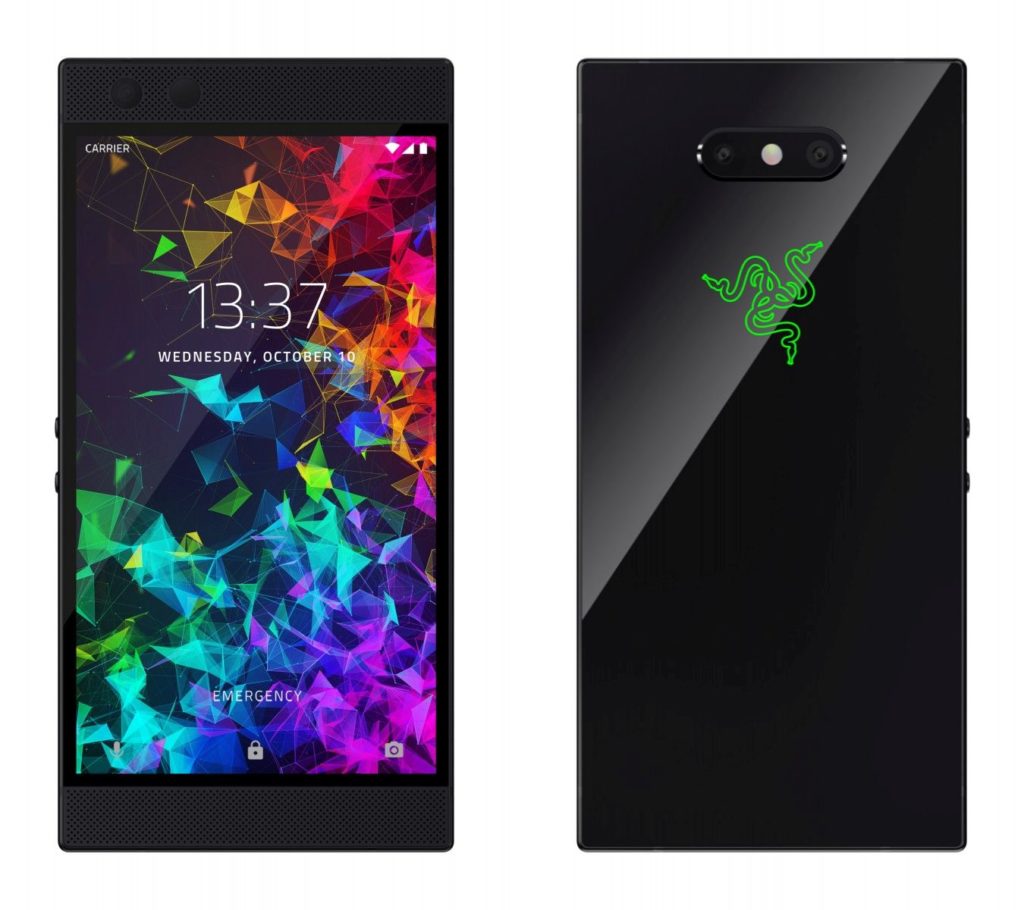
Razer Phone 2 received Android 9.0 Pie update less than a month ago, and its updated Kernel source code is now available. The source code would come in handy for the custom ROM and third-party recovery development. Interested users can get the source code and factory images from the Razer’s official website.

It’s mandatory for smartphone manufacturers to release the modifications they do on the Linux Kernel (Android). The AT&T’s and other carrier specific kernels are also available for download.

Razer Phone 2 received plenty of new improvements such as gesture navigation, 4K video recording at 60 FPS, and Digital Wellbeing via Android Pie update.

It’s a boon for the developers as factory images and kernel source will assist them in creating third-party MODs and ROMs.

As a reminder, Razer Phone 2 is an impressive gaming smartphone featuring Qualcomm Snapdragon 845 chipset, Adreno 630 GPU, Vapor Chamber cooling system, 8GB RAM, 4000 mAh Battery, and QC 4.0 support. There’s a 12MP+12MP dual rear camera capable of 4k video recording. For selfies, it comes with an 8MP F/2.0 sensor on the front side.

source | via

Get Great Discounts On Top Variants Of The T10 PRO TV Box On GeekBuying [Coupons]

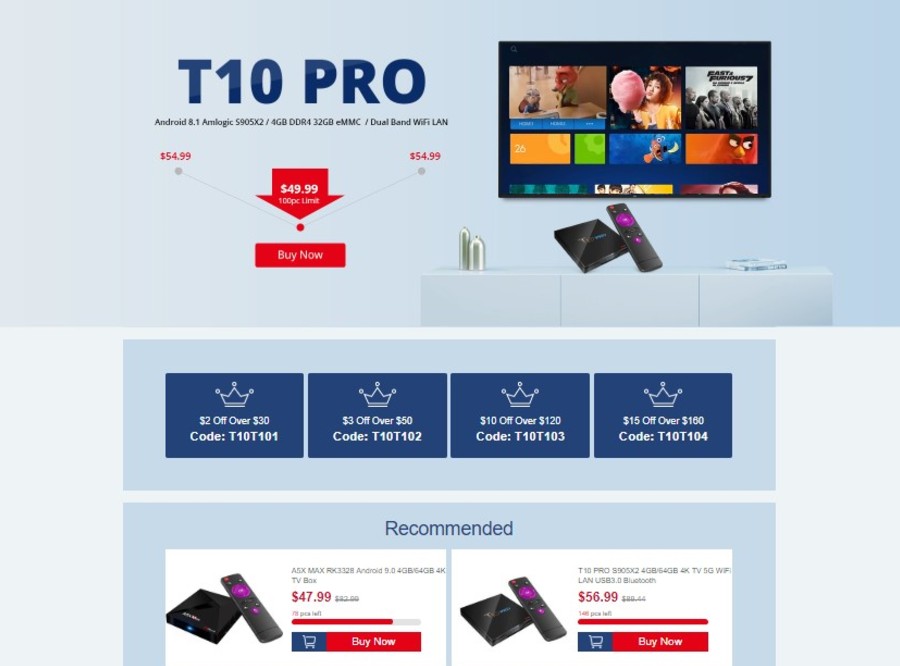
Looking for a cost-effective TV box that doesn’t compromise on quality? It might interest you to know that GeekBuying has launched a brand new promotion, wherein the Chinese online store is offering the Amlogic S905X2 SoC equipped T10 PRO and a slew of other well-received TV boxes at lowered prices.

GeekBuying T10 PRO S905X2 4K TV Box Sale
Moreover, GeekBuying users who spend more than $30 can use coupon code T10T101 to get $2 off, while those shelling out over $50 on the promotion page will be eligible to get $3 off by applying coupon code T10T102.

Likewise, if your cart total exceeds $120, you can use coupon code T10T103 and save $10 at checkout. If you end up spending more than $160, you can apply coupon code T10T104 and get a $15 off before placing your order.

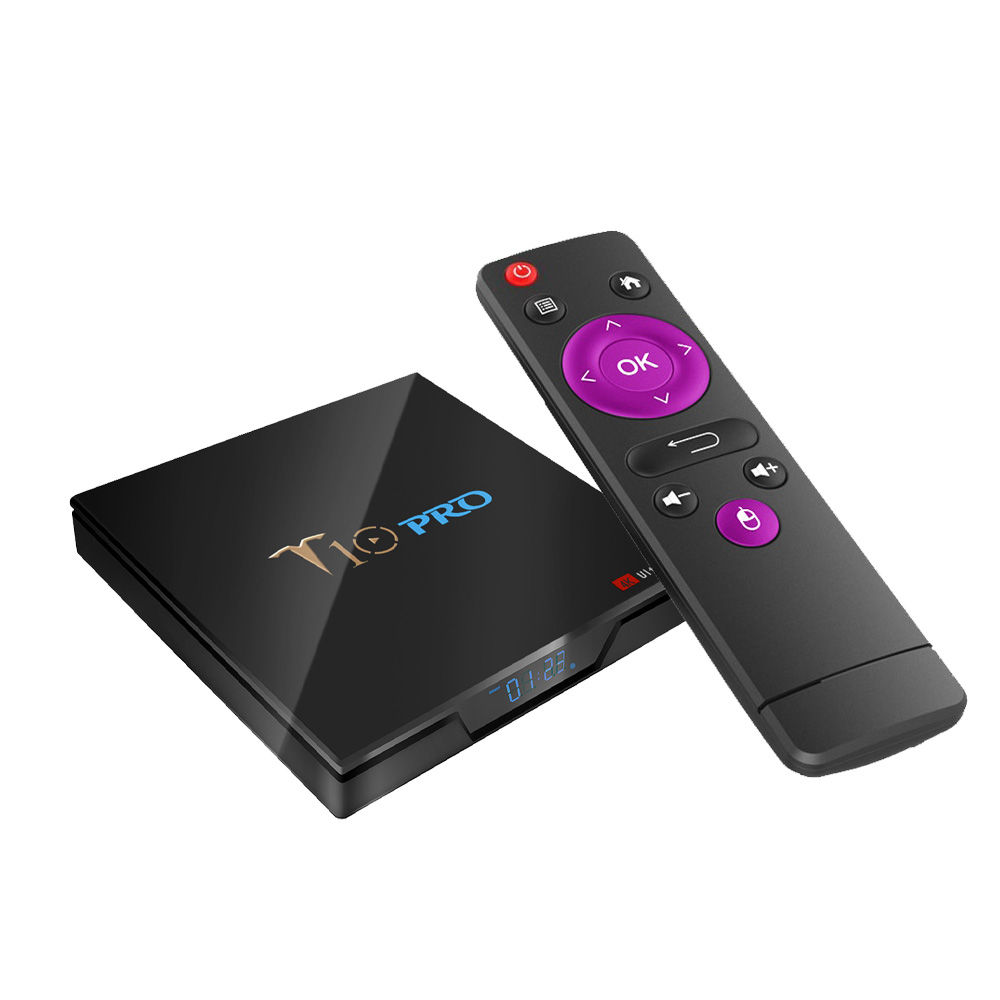
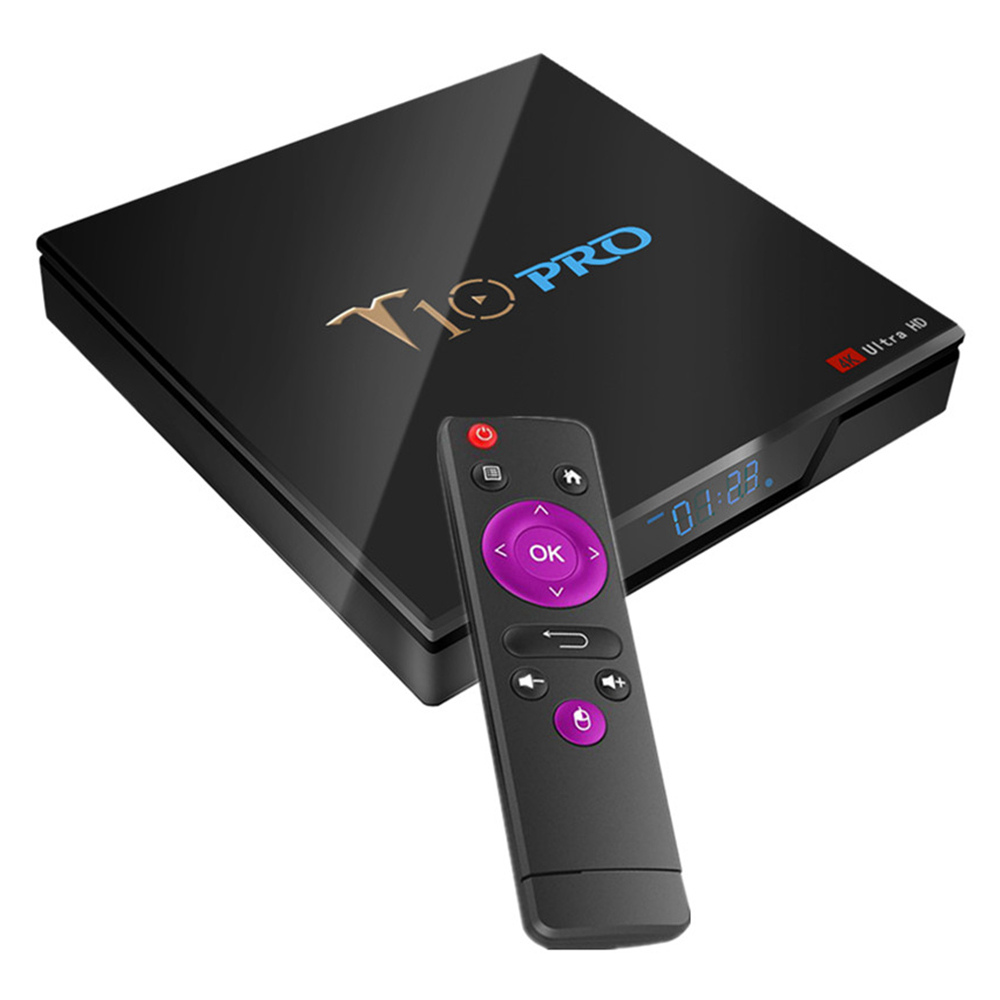
The T10 PRO is a feature-rich TV box that would normally set you back $87.92, but as part of its recently kicked off ‘T10 PRO S905X2 4K TV Box Sale’ promo, GeekBuying is giving its users a chance to buy for only $49.99.

This 43 percent reduction is valid for the 4GB RAM, 32GB ROM variant of the T10 PRO TV box. Aside from taking advantage of this discount, you can use coupon code GKBMEGA03 and bring the already reduced asking price of the variant down to only $46.99 before placing your order. You can visit this link to grab the discount.

Get 43% Off On T10 PRO TV Box


Alternatively, you can go for the slightly larger variant that ships with 4GB of RAM and offers 64GB of onboard storage capacity. This model usually sells for $89.44 but is currently up for grabs bearing a reduced price of only $56.99 on GeekBuying.
You can extend this 36 percent discount by applying coupon code T10T102. The coupons help you save $3 more by bringing the retail price of the model down to only $53.99. You can visit this link and avail the discount.

An absolute steal at this price, the T10 PRO TV box offers the following features:

  • Amlogic S905X2 processor
  • 4GB RAM + eMMC 32GB/64GB
  • 2.4G/5G Dual Band WiFi
  • True 4K Media Player
  • Android 9.0 Pie OS

You can head straight to the promotion page to check out the full specifications and take advantage of the discounts before the promo comes to an end by following this link. The promo for the 4GB RAM, 32GB ROM variant will be valid for three days, while the promo for the 4GB RAM, 64GB ROM model will end in 28 days.

Get 36% Off On T10 PRO TV Box


Check Out T10 PRO S905X2 4K TV
Box Sale On GeekBuying

Huawei P30 series smartphones to come with support for 3D modeling

Huawei is going to launch its next-generation P-series smartphone — Huawei P30 series at a launch event in Paris, France on 26th March. Ahead of the phone’s launch, a lot of details about the phone’s specifications and features have already been leaked.

Huawei P30 3D Modeling

Now, the company has released a new teaser video for the P30 series smartphones, which reveals that the phone will also be focusing on 3D modeling, making it the first smartphone in the company’s P-series of smartphones to come with 3D modeling feature support.

The Huawei P30 series’ rear-facing camera will support 3D modeling, where the rear-mounted TOF lens is used. The phone will come equipped with a TOF lens, however, that han’t been confirmed yet. There’s also a possibility that the 3D modeling function could be a highlight of the P30 Pro .

Unlike the Huawei Mate 20 Pro, it appears that the 3D modeling function of Huawei P30 series is through TOF lens instead of structured light, so the actual performance may be different. It could come with support for more subjects and characters than the Mate 20 Pro.

Recently leaked pricing information reveals that for the Huawei P30, you will have to shell out €749 for the base model with 128GB of storage and 6GB of RAM. It seems that will be the only configuration sold in Europe for the P30. For the P30 Pro, there will be an 8GB RAM + 128GB version and it will sell for €999.


Read More: Huawei Mate X foldable 5G smartphone confirmed to launch in India later this year


There will also be a variant with 8GB of RAM and 256GB of storage priced at €1099. Europe will also get a 512GB model but there is no confirmation of the price yet. It is also leaked that the phone will ship with a wireless charger worth €59.99 and a Sonos One Speaker worth €229 in some countries.

Redmi Note 7 Pro’s Stocking situation looks promising: 330 Units Per Minute

Xiaomi has mastered the art of churning out value for money smartphones. However, the company often has issues keeping a steady supply of these VFM phones. Even this year, getting hold of your favorite Xiaomi smartphone isn’t too easy. In fact, recently, Xiaomi decided to cancel the sale of Mi 9SE and Mi 9 transparent edition because it failed to ready enough stock.

xiaomi Redmi Note 7 warehouse stock

Of course, this has led to bad publicity for the company. Fans are often questioning what the company is doing to solve this supply issue. In this regard, Lei Jun, Xiaomi’s CEO came forward and said that he’s willing to handle a screwdriver personally if that’s what’s required to ensure a steady supply of Xiaomi smartphone stock. Now, Lu Weibing has shared more details about what goes behind the scenes.

The recently appointed General Manager of the Redmi brand shared a few photos of the warehouse stocking the new Redmi Note 7 Pro. He also revealed that warehouses across China are packing and delivering nearly 330 units per minute. That will add up to quite a lot of units. Hopefully, the next sale at 8 PM today should last for at least a few minutes.

xiaomi Redmi Note 7 warehouse stock 2

To recap, the Redmi Note 7 Pro comes with the Sony IMX586 48MP camera at the back with Xiaomi’s night mode as well. There’s a 6.3-inch FHD+ display with 6GB RAM, 4000mAh battery, and Snapdragon 675 inside. Overall, it’s a solid smartphone in the mid-range segment. But it remains to be seen if fans are able to get hold of a unit in the next few days.

xiaomi Redmi Note 7 warehouse stock 3

(Source)

Oppo’s patent listing for Reno smartphone suggests that the phone will have five variants

Oppo recently announced that it will be launching its new smartphone lineup that goes by the name ‘Reno.’ The series will be launched next month but ahead of that, a lot of details related to the device have already surfaced online. Now, the different variants of the Oppo Reno have been leaked.

Oppo Mobile Telecommunications submitted the trademark applications to the EUIPO (European Union Intellectual Property Office) and to the IPO (Intellectual Property Office UK). The trademarks are classified as Class 9, which includes five smartphone names — Reno Pro, Reno Plus, Reno Zoom, Reno Lite, and Reno Youth.

The Oppo Reno Pro will be powered by the Snapdragon 855 processor. It’s not yet known if the same chipset will be powering all the models of this upcoming series. There’s also a possibility that the device could come with support for 5G connectivity.

On the other hand, the Reno Plus may come with extra large screen, extra memory or an extra large battery. It has already been announced that the Reno smartphone will come equipped with a 4,800mAh battery. It seems that the Oppo’s fast charging technology — SuperVOOC 3.0 Flash Charge, will also be available.

The Reno Zoom will certainly be talking about the phone’s zoom function for the camera configuration. The company had earlier announced its 10x optical zoom technology and there’s a possibility that the device could come with the same technology, including a 48 MP main camera sensor and secondary wide-angle camera and an 8 MP zoom sensor.

The Youth Edition of the Reno series will be a stripped down variant of the standard model. However, it’s not yet known what will be different in this one. But one thing is for sure — the phone will be much cheaper than the other variants in this lineup. The Reno Lite is another wateredown model of the standard model with less powerful hardware. This will also be an affordable model, targeting budget or mid-range segment users.

In terms of software, all the smartphone will run Android 9 Pie OS out-of-the-box with the company’s own ColorOS 6 that was recently announced. It seems that Breeno — an AI-based voice assistant from Oppo will be made available on these Reno series smartphones.


Read More: Huawei sits in second place in the number of patent applications in EU in 2018, OPPO makes it to top 50


Oppo has already scheduled a launch event on 10th April in China to launch the Oppo Reno-series smartphones. However, it’s not yet known if the company will be launching all five smartphone models on the same day.

(Source)

Buy Multiple Variants Of Xiaomi Black Shark 2 Gaming Smartphone On Giztop

Much to the chagrin of those who fancy playing their favorite games on a big-screen mobile device, gaming mobile phones aren’t easy on the pocketbook. In fact, a top-end gaming phone will sure burn a hole in your pocket.

Despite spending a lot of money, several mobile phones are unlikely to suit your fancy. Thankfully, Xiaomi recently launched the long-awaited Black Shark gaming phone successor that doesn’t disappoint in terms of performance. More importantly, the gaming phone won’t empty your pocket.

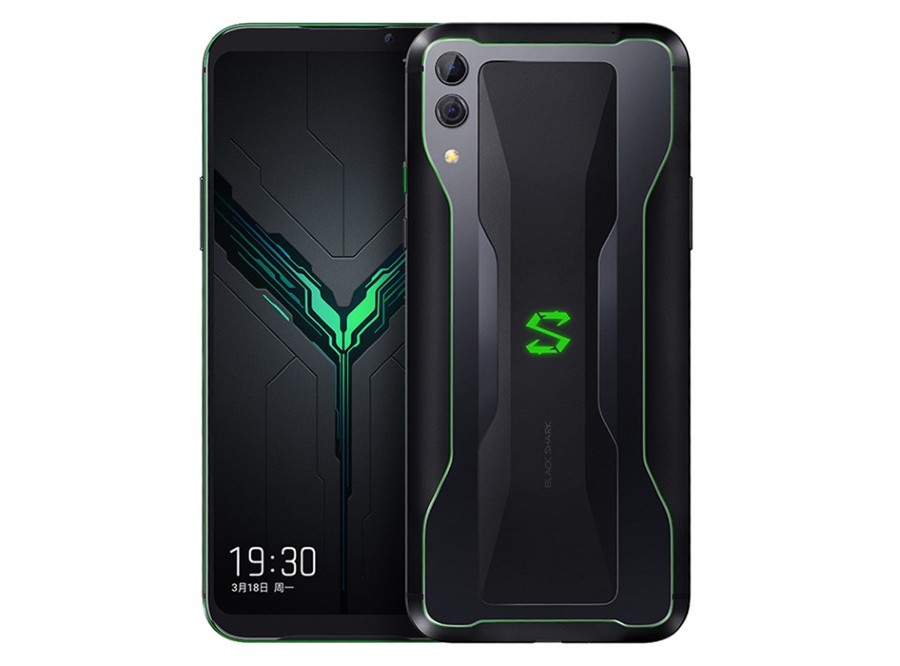
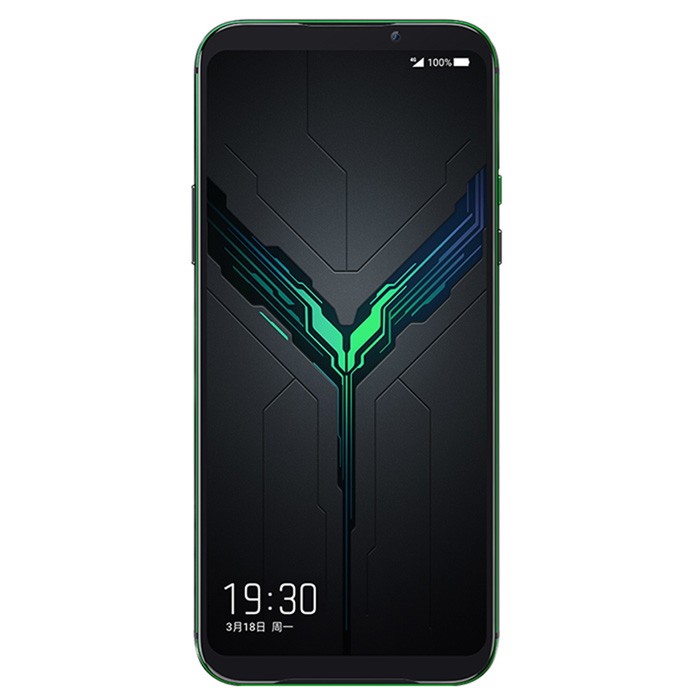
Bearing the Black Shark 2 moniker, the recently announced gaming phone from Xiaomi has now gone up for sale on Giztop. More importantly, the phone is available in multiple variants, allowing you to choose the physical hardware (RAM, ROM) inside the phone and two color options including black and silver.

If you are an avid gamer who likes to download and play several games, you can go for the 12GB RAM, 256GB ROM model that retails for $799. This variant is available in black and silver color options.

Alternatively, you can consider buying the 6GB RAM, 128GB ROM model that carries a $549 price tag and comes in the black color version. There’s an 8GB RAM, 128GB ROM model up for grabs if you are willing to shell out $599.

Aside from that, you can buy another variant that ships with 8GB of RAM and offers 256GB of internal storage capacity. The aforesaid model is available in two color versions including black and silver and it sells for $649.

The Black Shark 2 boasts an impressive array of features that are listed below:

  • 6.39-inch AMOLED screen with 2340X1080 pixels resolution and an aspect ratio of 19.5:9
  • Qualcomm Snapdragon 855 Octa Core 2.84GHz processor
  • Adreno 640 GPU
  • 6GB/8GB/12GB LPDDR4x RAM and 128GB/256GB ROM
  • 48.0MP+12MP rear-mounted cameras
  • 20.0MP selfie camera with AI Smart Beauty
  • UI OS base on Android 9.0 OS
  • 4000mAh battery that supports 27W fast charging
  • Support in-display fingerprint scanner
  • Liquid Cooling 3.0, Independent Image Processing Chip, Game Turbo

You can head straight to this link to check out the full specifications and get your hands on your favorite variant of the Black Shark 2 gaming mobile phone on Giztop.

Buy Xiaomi Black Shark 2 Gaming
Smartphone

Xiaomi’s next Android One phones (possibly Mi A3 and Mi A3 Lite) will have in-display fingerprint scanners

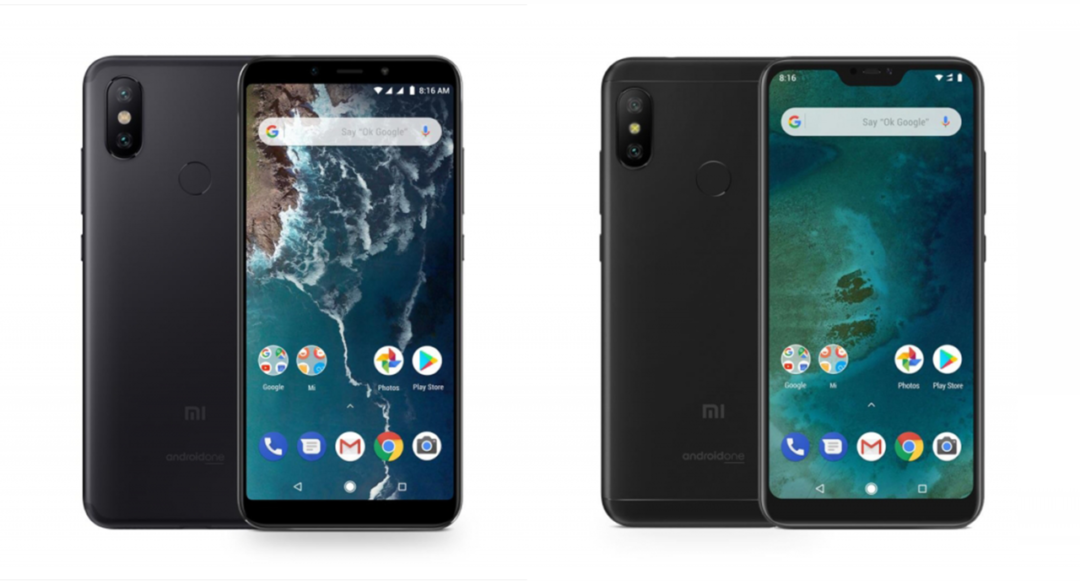
In a few months, Xiaomi should follow up its Mi A2 and Mi A2 Lite Android One phones with successors. The phones are expected to arrive as the Mi A3 and Mi A3 Lite, and a new report has revealed they will be coming with an in-display fingerprint scanner.

Xiaomi-Mi-A2-and-Mi-A2-Lite
Mi A2 and Mi A2 Lite

The folks at XDA-Developers who are known for digging up details about upcoming phones from firmware files and similar sources said they found evidence of three new devices that Xiaomi is currently hardware testing. The devices are codenamed “pyxis”, “bamboo_sprout”, and “cosmos_sprout”. The last two are confirmed to be Android One phones as all Android One devices have “_sprout” in their codenames.

It is said that the three phones are being tested with “fod” which is short for fingerprint-on-display a.k.a in-display fingerprint scanners. The three phones may also have 32MP front-facing cameras with 4-in-1 pixel binning as the hardware test reveals the phones have an image output resolution of 32MP (6560 x 4928) for the front-facing camera.

The rest of the specs are still unknown but it is suggested that “pyxis” might be the MIUI version of either “bamboo_sprout” or “cosmos_sprout”. The phones will most likely be powered by different processors. The Mi A2 has a Snapdragon 660 processor and there are lots of chipsets to choose for its successor. There is the Snapdragon 670, the Snapdragon 675, the Snapdragon 710, and the Snapdragon 712 which debuted on the Mi 9 SE.

The Mi A3 Lite also has a fair number of processors to choose from such as the Snapdragon 632, Snapdragon 636, or even the Snapdragon 660. All three phones will be available in different RAM and storage configurations and should have at least dual rear cameras. They should also run Android Pie out of the box.

READ MORE: Xiaomi’s foldable smartphone may cost half the Samsung Galaxy Fold; Launch expected in Q2 2019

Buy Xiaomi Redmi Note 7 And Xiaomi Redmi Note 7 Pro At Unbeatable Prices On GeekBuying [Coupons]

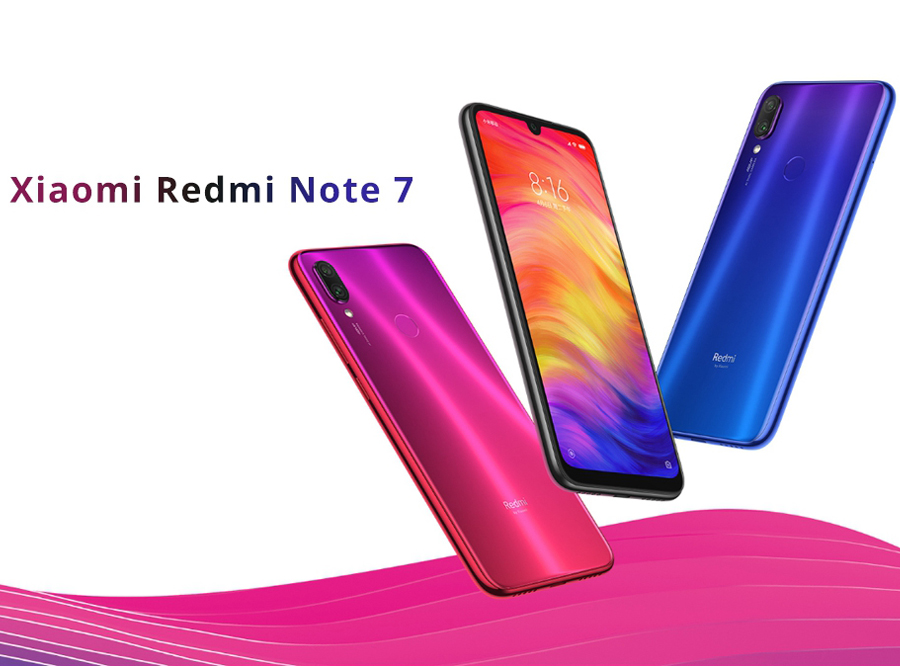
Redmi by Xiaomi launched the Redmi Note 7 in January and its bigger sibling dubbed the Redmi Note 7 Pro earlier this year.

Thanks to their mammoth displays and an impressive array of features, the two devices are garnering huge popularity among those who fancy watching their favorite videos or playing games on a big-screen mobile device.

With the demand for the devices going through the roof, Redmi is now offering its loyal fans a chance to get their tech greedy hands on the Redmi Note 7 and the Redmi Note 7 Pro without emptying their pockets. Moreover, we’ll show how GeekBuying users can grab extra discounts in just a bit so keep reading.

Xiaomi Redmi Note 7

Equipped with Qualcomm’s powerful Snapdragon 660 AIE, Octa Core, 2.2GHz, 64bit processor along with an Adreno 512 GPU, the Redmi Note 7 delivers seamless and smooth operation without any sort of lag.

The dual-SIM smartphone houses a 48.0MP+5.0MP dual camera set up at the back and a 13MP camera in front for selfies and video chatting. The Redmi Note 7 sports an extra large 6.3-inch FHD+ display with a screen resolution of 2340 x 1080 pixels for an immersive video watching experience.


The Redmi Note 7 usually sells for $258.99, but you can now buy it for just $199.99 on GeekBuying. Furthermore, you can extend this 23 percent discount by using coupon code DHTISHRZ at the time of checking out.

The aforesaid coupon helps you save $36 more by reducing the retail price of the Redmi-branded mobile phone to just $189.99.

You can follow this link in order to grab the discount which is currently valid for the black-tinted Redmi Note 7 that ships with 3GB of RAM and 32GB of internal storage capacity. The promo is slated to end in just one day.


Get 23% Off On Xiaomi Redmi Note 7
Smartphone


Xiaomi Redmi Note 7 Pro Smartphone

The Redmi Note 7 Pro sports a 6.3-inch FHD+ display with a screen resolution of 2340 x 1080 pixels and a pixel density of 409PPI (pixels per inch). The phone packs a Qualcomm Snapdragon 675 AIE Octa-core 2.0GHz, 64bit processor along with an Adreno 612 GPU, under the hood.

On the photography front, the Redmi Note 7 Pro features a 48MP+5MP dual-camera module and there’s a 13MP camera placed on the front for selfie addicts. Moreover, the phone runs MIUI 10 based on Android 9.0 Pie OS and backed by a built-in 4000mAh battery.


While the phone’s aforesaid features justify the steep $453.99 price tag it normally carries, you can now purchase it for just $385.99 on GeekBuying. In addition to taking advantage of the aforesaid 15 percent discount, you can use coupon code EIVVVNYG to get an extra $56 off.

In other words, you can bring the already reduced retail price of the Redmi Note 7 Pro down to just $329.99 during the checkout process.

This discount will be valid for the gold color version which comes with 6GB RAM, and 128GB ROM for a limited period of time. You can visit this link to avail the discount before the promo comes to an end.

Get 15% Off Xiaomi Redmi Note 7 Pro Smartphone


Check Out Hot Sellers Mega Sale On GeekBuying

Entry level Vivo 1901 and Vivo 1902 spotted on Geekbench

Following the launch of the Vivo X27 and Vivo X27 Pro, Vivo‘s next smartphones might be entry-level ones with cheaper price tags. Two phones listed as the Vivo 1901 and Vivo 1902 were spotted on Geekbench and they might be new members of Vivo’s V-series and or Y-series.

[envira-gallery id=”242231″]

The Vivo 1901 runs Android 9 pie and has 2GB of RAM. It is powered by MediaTek’s MT6762V/CA. The device scored 764 points in the single-core test and 2321 points in the multi-core test. We believe this is the Helio A22 and not the Helio P22 as the scores are lower than those of other phones with the Helio P22 processor like the Redmi 6 or the Nokia 3.1 Plus. However, the scores match those of the Helio A22-powered Redmi 6A.

The Vivo 1902, on the other hand, is powered by the MT6765V/CB which is also known as the Helio P35 processor. It scored 815 points in the single-core test and 2472 points in the multi-core test. Like the Vivo 1901 above, it also runs Android 9 Pie and has 2GB of RAM.

READ MORE: Vivo exec reportedly hints the iQOO gaming smartphone will hit India in June

Buy Xiaomi Mi Play 4G Phablet Global Version For Just $169.99 On Gearbest

Launched in December last year, Xiaomi’s Mi Play is an irresistible phablet. Much to the delight of those who have restlessly been waiting to get their hands on the well-received phablet without spending a lot of money, the Mi Play has now gone up for sale carrying a reduced price on Gearbest.

Xiaomi Mi Play 4G Phablet Global Version

As part of its latest flash sale, Gearbest is giving loyal users an unmissable chance to buy the global version of the Xiaomi Mi Play phablet for an unbelievably lowered price of just $169.99. This is a significant 15 percent drop in the device’s original asking price of $199.93.

An absolute steal at this price, the Mi Play boasts an impressive array of features. As a phablet, the Mi Play sports a big 5.84-inch display with a screen resolution of 2280 x 1080 pixels. It is powered by an Helio P35 Octa Core 2.3GHz processor and packs IMG GE8320 680MHz GPU, under the hood.

The Mi Play ships with 4GB of RAM and offers 64GB of internal storage capacity for you to save your favorite music, videos, and other multimedia content. On the photography front, it houses a 12MP+12MP dual camera set up at the back and an 8MP front shooter for selfies.

The dual-SIM phablet runs MIUI 9 based on Android 9.0 Pie OS and draws its juices from a robust 2900mAh battery. Aside from a fingerprint sensor, the Mi Pay features a slew of other useful sensors such as a proximity sensor, accelerometer, e-compass and lots more.

On the downside, the aforesaid discount will only be valid for the remaining 98 pieces of the phablet’s blueberry blue color version. There were 97 pieces of its black and 99 pieces of the phablet’s gold color versions remaining at the time of writing.

You can visit this link to grab the discount which will be available for all three color versions. On the downside, the promo is slated to end in just three days.

Get 15% Off On Xiaomi Mi Play 4G Phablet Global Version


Check Out Gearbest 5th Anniversary Sale

Oculus unveils the Rift S VR headset with higher-res OLED displays

At the ongoing Game Developers Conference (GDC 2019), one of the products announced is from VR glass manufacturer Oculus. The company has unveiled a new-generation Rift headset called the Oculus Rift S. The new headset presents with several new features and improvements that gives users a more comfortable and safer VR gaming experience.Oculus Rift S

According to Oculus, it collaborated with Lenovo to refine the Rift S’ hardware using with feedback from the Lenovo Legion gaming community. Thus, the Rift S is co-designed by Lenovo and it comes with better weight distribution. The headset also comes with a single cable which makes it easier to manage and avoid cable clutter.

Read Also: Oculus Quest 6DOF All-in-One VR headset announced, launches 2019 for $399

The new Oculus Rift S comes with OLED displays with higher resolution 2560×1440 pixels screens. While the displays have been updated in these two areas, the refresh rate drops from 90Hz to 80Hz, which won’t make a significant difference to the overall playing experience. The Rift S comes with Oculus Insight just like the Oculus Quest which was launched a couple of months back. Oculus Insight has the capability to actively track the space around the user so he or she doesn’t bump into anything. The gadget also comes with Passthrough+, which is a new feature on the Oculus Rift S that acts as a passthrough to see the outside world. The feature helps keep the user in the game and maximizes the available space. The Oculus Touch controllers have also been updated.

As for the pricing and availability, the Oculus Rift S will be available officially this spring and costs $399.

(source)

OPPO’s 5G smartphone has now received CE certification

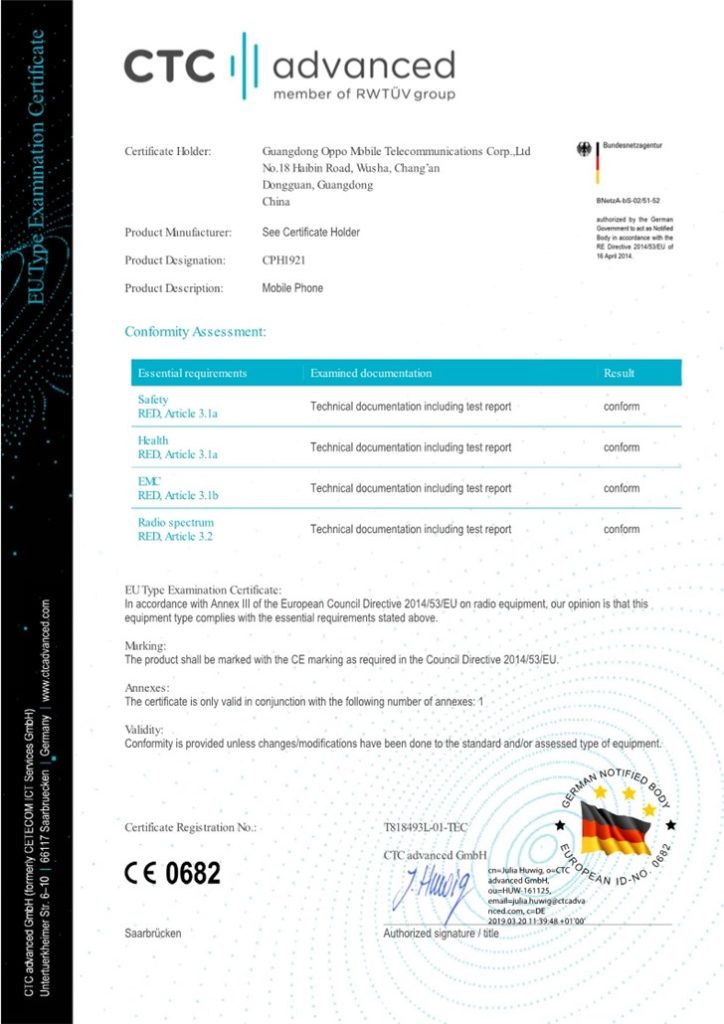
OPPO did reveal that it aspires to become the first Chinese OEM to release a 5G phone. Although Xiaomi has launched the Mi Mix 3 5G, the phone is yet to go on sale. So OPPO may well become the first to sell its 5G phone in China. There is no date for the launch yet but OPPO has just announced that its first 5G smartphone has passed the 5G CE test of the international testing service agency, Sporton International Inc. Sporton is a Taiwan-based company principally engaged in the provision of testing and certification services for wireless communications and mobile communications products. The device also obtained the 5G CE certificate issued by German agency CTC advanced.oppo logo

OPPO’s first CTC-certified 5G mobile phone has the advantages of multi-frequency, multi-mode and multi-combination. The phone equally supports more combinations such as 5G n78 frequency band, wider frequency band, and can completely cover 2G, 3G, 4G networks, and is suitable for a wider range of countries and regions. The acquisition of the CE certification means that the OPPO 5G mobile phone has fully met the standards set by the European Union (EU) including wireless, security, electromagnetic compatibility, health, etc. That means the phone has met the necessary conditions for entering the European market. Thus, OPPO can conveniently commercialize the product when it is launched in Europe.

Read Also: OPPO Reno 5G edition seemingly spotted with key specs on Bluetooth certification site

According to OPPO’s vice president and overseas business unit head, Wu Qian, the company is fully prepared for the early realization of 5G mobile phone commercialization. OPPO had begun its 5G research and development as far back as three years ago, in close cooperation with Qualcomm. The company’s CEO Tony Chen had disclosed that the BBK subsidiary isn’t likely going to be the first to adopt the 5G network standard but will be among the first two phone makers to manufacture 5G products. The upcoming OPPO Reno scheduled to launch in April this year is speculated to likely have a 5G version.

(source)

Redmi Y3 gets Wi-Fi certification, will come with Android Pie

Last year, Xiaomi announced a new series for the Redmi line. The Redmi S2 which was announced in May was the first of the series. The phone later launched in India as the Redmi Y2. A new report has revealed that the phone will be getting a new successor which will launch as the Redmi Y3.

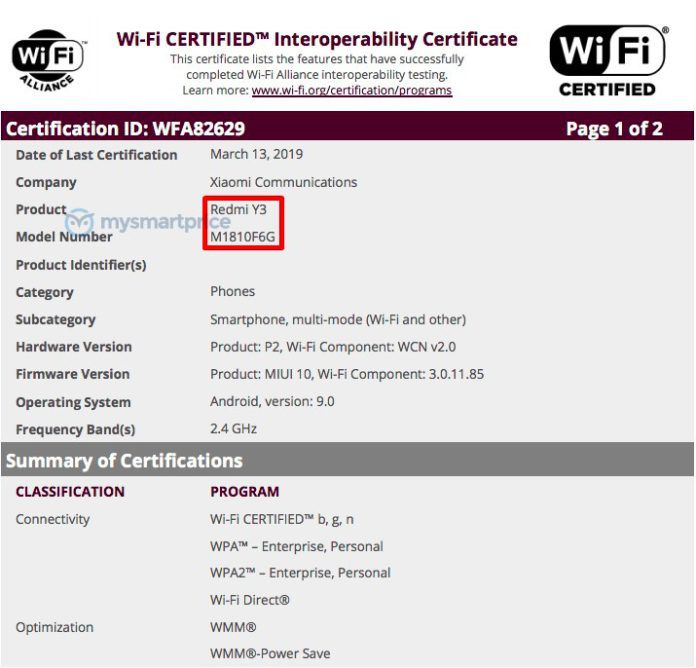
Redmi Y3 Wi-Fi certification

The Redmi Y3 was seen on the website of the WI-Fi Alliance after receiving its Wi-Fi certification last week. The certification reveals the phone’s model number as M1810F6G. It will run Android 9 Pie out of the box and support 2.4GHz Wi-Fi.

The rest of the specs of the phone are still unknown. The Redmi Y2 is powered by a Snapdragon 625 processor but we don’t think upgrading to the Snapdragon 632 for the Redmi Y3 will be a smart move so it doesn’t hurt the sales of the Redmi 7 unless there is no plan to launch the Redmi 7 in India.

READ MORE: Xiaomi Redmi 7 vs Competition: See how the Phone fares in the Budget Segment

Redmi Go vs Nokia 1 Plus vs Asus Zenfone Live L1: Specs Comparison

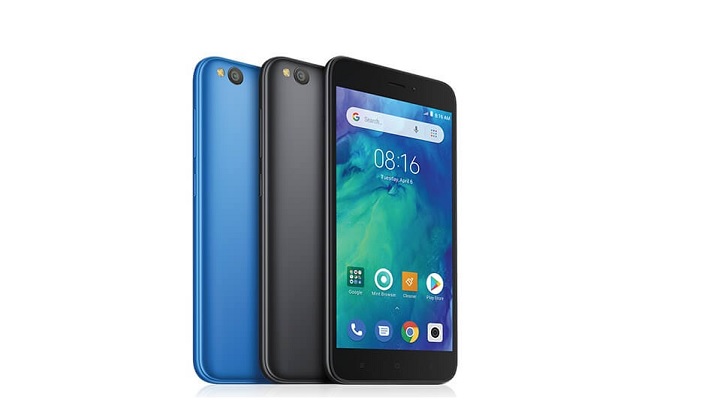
Android Go smartphones are the best way to get a decent device for a few bucks. Thanks to this Lite version of Google’s operating system, even device with outdated or extremely low-end hardware can run smooth enough to handle all the base tasks in a sufficient way. That is why it was very expectable that the new Redmi Go would have made a lot of success once in the market. But is it really the best Android Go alternative you can get in its price range or there are better ones? We will try to let you find out by comparing it with two recent Android Go devices which deserve attention: the Nokia 1 Plus by HMD Global and the Asus Zenfone Live L1.

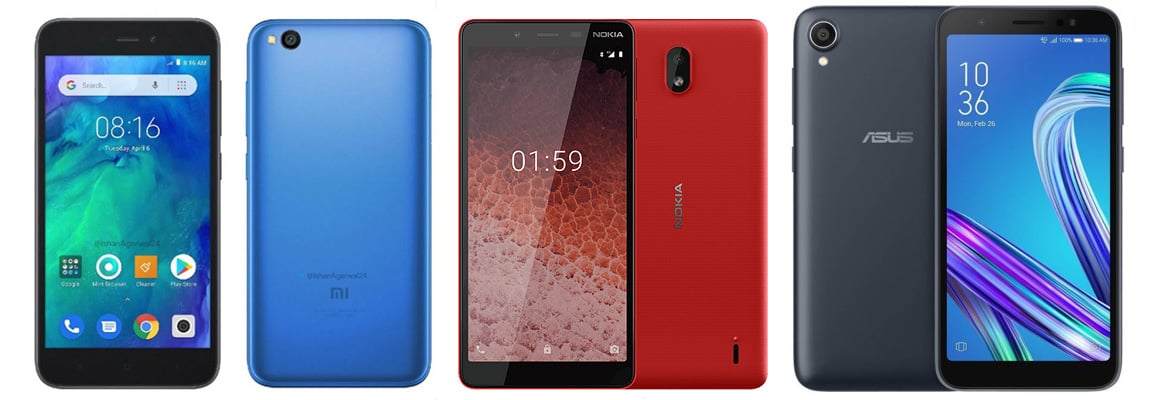
Redmi Go vs Nokia 1 Plus vs Asus Zenfone Live L1

Xiaomi Redmi Go Nokia 1 Plus Asus Zenfone Live L1
DIMENSIONS AND WEIGHT 140.4 x 70.1 x 8.4 mm, 137 grams 145 x 70.4 x 8.6 mm 147.3 x 71.8 x 8.2 mm, 140 grams
DISPLAY 5 inches, 720 x 1280 pixels, 294 ppi, 16:9 ratio, LCD 5.45 inches, 480 x 960p, 197 ppi, 18:9 ratio, IPS LCD 5.5 inches, 720 x 1440 pixels, 293 ppi, 18:9 ratio, IPS LCD
PROCESSOR Qualcomm Snapdragon 425, quad-core 1.4 GHz MediaTek MT6739WW, quad-core 1.5 GHz Qualcomm Snapdragon 425, quad-core 1.4 GHz
MEMORY 1 GB RAM, 8 GB – micro SD dedicated slot 1 GB RAM, 8 GB –  1 GB RAM, 16 GB – micro SD slot 1 GB RAM, 16 GB – 2 GB RAM, 32 GB – micro SD dedicated slot
SOFTWARE Android 8.1 Oreo, Android Go Android 9 Pie, Android Go  Android 8 Oreo, Android Go
CONNECTIVITY Wi-Fi 802.11 b/g/n, Bluetooth 4.1, GPS Wi-Fi 802.11 a/b/g/n, Bluetooth 4.2, GPS Wi-Fi 802.11 b/g/n, Bluetooth 4.0, GPS
CAMERA 8 MP f/2.0
5 MP f/2.2 front camera
8 MP
5 MP front camera
13 MP f/2.0
5 MP f/2.4 front camera
BATTERY 3000 mAh 2500 mAh 3000 mAh
ADDITIONAL FEATURES Dual SIM slot Hybrid Dual SIM slot Dual SIM slot

Design

Cheap materials are very common on affordable smartphones sold for less than €100, and these devices are not an exception. All of them come with a plastic body, with Xiaomi Redmi Go showing very thick bezels around the display due to the 16:9 aspect ratio. In terms of aesthetics, Nokia 1 Plus and Asus Zenfone Live L1 are definitely better and I would personally go for the former because it is slightly more compact than its Taiwanese rival. You can get more color choices with the latter, so make sure to check them out before deciding.


Display

If you are looking for the most detailed and satisfying display, then you should exclude the Nokia 1 Plus immediately due to its below-HD resolution. Fortunately, both Xiaomi Redmi Go and Asus Zenfone come with an HD display, but Redmi Go has an outdated 16:9 panel, while Asus Zenfone Live L1 comes with a taller 18:9 display which boasts narrower bezels. Further, the display is wider. That is why Asus Zenfone Live L1 wins the display comparison.


Specs

Asus Zenfone Live L1 is the most powerful phone here due to its higher-end memory configurations. It comes with up to 2 GB of RAM while Xiaomi Redmi Go and Nokia 1 Plus stop at just 1 GB. The internal storage goes up to 32 GB (furtherly expandable with a micro SD), while you get max 16 GB for the Nokia 1 Plus and just 8 GB for Xiaomi Redmi Go. Note that Nokia 1 Plus is the only one based on Android Pie, so it should come with better software optimization.  However, its lower-end chipset and its low amount of RAM do not push it at the same level as the Zenfone Live L1. Nokia 1 Plus has better Wi-Fi connectivity as well as a more advanced Bluetooth version.


Camera

Again, the victory goes to the Asus Zenfone Live L1. It has a rear camera with a way higher resolution and it is able to record videos in 1080p at 30 fps. Further, it has a front-facing LED flash, unlike its rivals. At the second place, we put the Xiaomi Redmi Go with its 8 MP rear snapper, nothing special but it clicks decent shots when light conditions are good. Nokia 1 Plus is a bit disappointing, especially on the video side as it can only record in 720p with its 8 MP rear camera.


Battery

Thanks to the smaller display, a very efficient SoC and a pretty nice 3000 mAh battery, Xiaomi Redmi Go provides a long battery life and it wins the battery comparison, despite it is not based on Android Pie. The second place goes to the Asus Zenfone Live L1 but not in every scenario.


Price

People mainly choose these handsets because of their incredibly affordable price. You can grab a unit of the Xiaomi Redmi Go for just €80/$90, Nokia 1 Plus costs about €90/$102 and Asus Zenfone Live L1’s price is about €100/$114 for the base variant with 2 GB RAM and 16 GB of storage. I personally think that despite its rivals are more recent, Asus Zenfone Live L1 is the best device in this comparison due to its better camera department and higher-end hardware,  as well as its long-lasting battery.


Redmi Go vs Nokia 1 Plus vs Asus Zenfone Live L1: PROs and CONS

Xiaomi Redmi Go

PROs

  • Compact design
  • Affordable price
  • Good battery
  • Micro SD dedicated slot

CONS

  • Bezels and small display


Nokia 1 Plus

PROs

  • Better connectivity
  • Better design
  • Affordable
  • Android Pie

CONS

  • Smaller battery
  • Low display resolution


Asus Zenfone Live L1

PROs

  • Big battery
  • Bigger display
  • Micro SD dedicated slot
  • Front-facing LED flash
  • Better hardware

CONS

  • Low-end hardware

New Apple AirPods boasts new features; doesn’t come in black and no USB type-C

After months of waiting, Apple finally unveiled the second generation AirPods. The new wireless earbuds bring new features but the design remains unchanged.

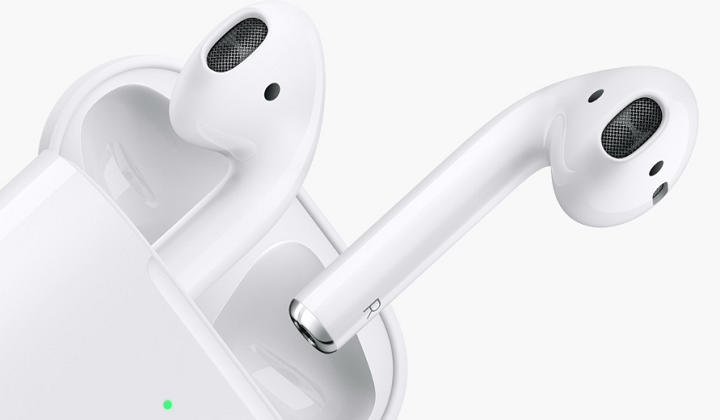
2nd-gen AirPods

The new AirPods now have Bluetooth 5.0 which is better when it comes to connectivity and power consumption. It also features a new chipset – the H1 chip, which replaces the W1 chip in the first gen model.

The new H1 headphone chip is faster and provides a more stable wireless connection according to Apple. It also makes switching between devices 2x faster and provides up to 30% lower latency when playing games. The chipset also powers the tech which lets you activate Siri with just your voice, just say “Hey Siri” followed by your command.

The second-gen AirPods comes with a regular charging case and retails for $159 but Apple also released a Qi wireless charging case that sells for $79 and is backward-compatible with the first-gen AirPods. You can also choose to buy the new AirPods with a wireless charging case for $199. Both cases charge via a lightning connector.

READ MORE: Apple iPad Mini 5 and iPad Air with A12 Bionic processor official

Battery life is also better on the new AirPods. You get up to 5 hours of listening time on a single charge and a 15-minute charge can provide up to 3 hours of talking. With the charging case, you get more than 24 hours of battery life. The new AirPods retains all the tricks of its predecessor. It will automatically pause playback when you pull them out of your ears and also knows when you are talking so as to filter out external noise.

Unfortunately, Apple is sticking to just white for the new AirPods too.

Xiaomi uploads the Redmi Go and Redmi Note 7 Kernel Source codes on GitHub

Xiaomi recently made it impossible or users of MIUI China ROM to flash their phones with the Global ROM. This doesn’t stop users for flashing their MIUI ROMs in order to install third-party ROM that delivers pure Android, for those in the global market. In order to make it easy to flash the ROM Xiaomi often releases the kernel source codes of its new models soon after they become official. The Chinese tech giant has been consistent in that regard and now, the kernel sources of the Redmi Go and Redmi Note 7 has been released. The kernel sources for the Redmi Note 7 (India) codenamed Lavender and the Redmi Go device codenamed Tiare has been uploaded to GitHub.Redmi Note 7

The Redmi Note 7 was launched in India recently alongside the Redmi Note 7 Pro. The Redmi Go was announced only a couple of days back in India. The models all offer decent hardware at affordable prices. The Redmi Note 7 (India) is only different from the China version in the camera aspect. It has a 12MP sensor as its main camera instead of the 48MP sensor on the China version. Redmi Go featured

Read Also: The Xiaomi Mi 9 Global Version Has Gone Up For Sale Carrying $499 Price Tag On Giztop

The released kernel source codes for these models will afford developers the opportunity to work on stuff like porting TWRP custom recovery for these devices. With a custom recovery, users will be able to flash different ROMs on their devices. Since developers are already building a custom TWRP recovery for the Redmi Note 7, this should help with a stable version of the custom recovery. The Redmi Note 7 Pro Kernel source is yet to be released but we expect that to be done soon.

(source)

Meizu 16s live photo shows off slim bezels

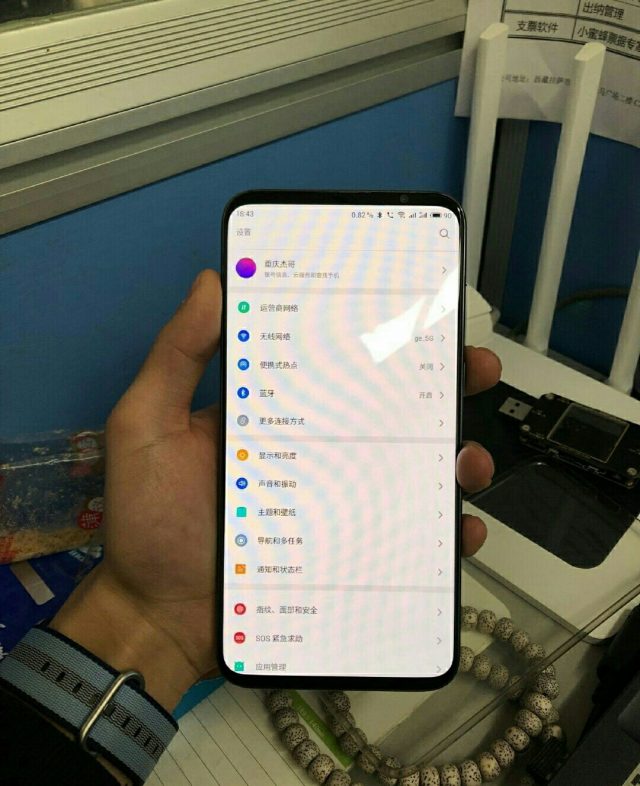
The Meizu 16s is an upcoming flagship phone from Meizu scheduled for release soon. With respect to its design, the phone won’t be too different from its predecessor. It won’t have a notch nor will it adopt the new punch hole display style. Meizu says the bezels are even slimmer and this live image that just leaked confirms that.

Meizu 16s live image

The display of the Meizu 16s in the image above is flat and has curved corners. The phone is wide and one-handed use might not be comfortable without you risking the phone slipping out of your palm. The position of the front camera hasn’t changed and we believe there is a fingerprint scanner under the AMOLED screen. The lower bezel is indeed thinner by a few millimeters, 16 millimeters to be exact according to Meizu.

READ MORE: Meizu Turns 16 Today: Let’s look at their Major Milestones