Advertisement

G-Shock MR-G Kurogane-Iro Watch Arrives in Europe with Titanium Build, Bluetooth & Solar Charging

Casio has confirmed that the G-Shock MRG-B2000RG-3A will be released in select European countries in July 2025. The watch will be available in the Netherlands, Spain, and Germany at a retail price of €3,300. Customers can sign up for email notifications ahead of the launch. The watch was also recently launched in Japan alongside the MRG-B2000BG-3AJR model.

Casio MRG-B2000RG-3A Watch

This model is part of Casio’s premium MR-G series. It features a titanium case and bezel finished in kurogane-iro, a dark blue-green color that appears on heated iron and is traditionally used in Japanese armor. The case and bezel are treated with deep-layer hardening and a green DLC (diamond-like carbon) coating. The bezel is made from recrystallized titanium with a distinct crystal pattern, while the dial design includes a tortoiseshell texture and fan-like pattern around the edge.

The indexes are shaped to resemble Japanese swords and are finished using Yamagata Casio’s nano-level grinding technology. The watch comes with a Dura-Soft fluororubber strap that has a Bishamon Kikko geometric pattern. The strap is built for flexibility and durability.

Key features include shock resistance, magnetic resistance, and water resistance up to 20 bar. The MRG-B2000RG-3A supports Bluetooth and radio-controlled timekeeping through multiband 6. It offers solar power with a battery life of 5 months in regular use or up to 26 months with the power-saving mode.

Additional features include a screw-lock crown, sapphire crystal with anti-reflective coating, Super Illuminator LED light, and automatic hand correction. It supports dual time, world time in 27 zones, 1-second stopwatch, 24-hour countdown timer, daily alarm, and a full auto calendar until 2099. The watch weighs 138 grams and measures 54.7 by 49.8 by 16.9 mm. It fits wrist sizes from 145 to 215 mm.

For more daily updates, please visit our News Section.

Tech enthusiast? Get the latest news first! Follow our Telegram channel and subscribe to our free newsletter for your daily tech fix!

(Source)

iQOO Z10 Lite 5G hands-on review: A new challenger in the budget 5G segment

The iQOO Z10 Lite 5G is here, and it feels like a well-balanced smartphone made for users who want everyday reliability wrapped in a stylish design. I received the Titanium Blue edition for review, and its cool, metallic finish instantly stands out. From the premium build to the promise of longevity and stable performance, this phone is clearly aiming for the practical, long-term user—not just spec chasers. Here’s what stood out in my early impressions.

5Final Thoughts

iQOO Z10 Lite 5G
iQOO Z10 Lite 5G

From the early impressions, the iQOO Z10 Lite 5G is a solid all-rounder. It combines a stylish and sturdy design with good battery life, a decent display, a clean software experience, and a camera that performs well in most everyday conditions. Its practical features like IP64 protection, a large battery, and future-ready software updates make it ideal for users seeking reliability and value. The inclusion of several AI-driven features like AI Erase, AI Photo Enhance, and AI Document Mode at this price point is a big plus, especially for users looking for built-in productivity and editing tools.

The only real gripe so far is the 15W charging speed, which feels modest by current standards. A 33W charger would have made the package more competitive. That said, once fully charged, the 6,000mAh battery easily lasts more than a day, making it ideal for heavy users. If you’re looking for a dependable 5G phone with a large battery and a clean UI experience, the Z10 Lite 5G is shaping up to be a strong contender.

iQOO Z10 Lite price and availability 

The iQOO Z10 Lite 5G starts at Rs. 9,999 for the 4GB + 128GB variant. The 6GB + 128GB model is priced at Rs. 10,999, while the top-end 8GB + 256GB version costs Rs. 12,999. The smartphone will be available for purchase starting June 25 at 12 noon, via Amazon.in and the iQOO India e-store.

Next

Huawei Mate XT 2 tipped to launch in September with satellite connectivity support

Several reports have claimed that Huawei is working on a new Mate XT series tri-foldable smartphone. A recent report claimed that the Huawei Mate XT 2 will be announced in the second half of this year. A new leak, courtesy of tipster Smart Pikachu, has revealed a more specific launch timeframe.

Huawei Mate XT 2 launch timeframe (rumored)

Huawei Mate XT 2 incoming in September

According to the tipster, the Huawei Mate XT 2 will be announced in September in China. He added that it is undergoing internal testing with satellite connectivity support, most likely for features like emergency messaging or basic internet access in remote areas, similar to what has been seen on recent Huawei flagship phones and some Apple devices.

He has also claimed that the Mate XT 2 will come with upgrades in departments such as chipset, imaging, and communications. A recent leak claimed that the device will come equipped with UFG (ultra-flexible glass) technology for better screen durability.

To recall, the Huawei Mate XT, which debuted last year in September, features a massive 10.2-inch display while maintaining an incredibly thin 3.6mm profile. The device features a triple-camera setup (50-megapixel + 13-megapixel + periscope lens), 16GB RAM, and up to 1TB storage. It has reportedly sold over 400,000 units, underscoring growing consumer interest in ultra-premium foldable.

Huawei Mate XT
Huawei Mate XT

In related news, Samsung is also gearing up to enter the tri-fold segment. The upcoming Samsung tri-fold phone, reportedly codenamed Q7M, has appeared in the GSMA IMEI database under model numbers SM-F9680 (China) and SM-F968N (Korea). It is expected to launch in October 2025, marking direct competition with Huawei’s lineup.

For more daily updates, please visit our News Section.

Stay ahead in tech! Join our Telegram community and sign up for our daily newsletter of top stories.

Xiaomi confirms June 26 event for YU7 SUV, Mix Flip 2, Redmi K80 Ultra, K Pad, and more

Xiaomi has been teasing the arrival of multiple devices, such as the Redmi K80 Ultra, Redmi K Pad, Xiaomi Pad 7S Pro, and Xiaomi Mix Flip 2 in China. However, the launch date was not confirmed until today. The brand has now officially announced that these devices will go official on June 26 in China.

Xiaomi to launch YU7 SUV, MIX Flip 2, and more on June 26

Xiaomi’s “Human x Car x Home” ecosystem event will introduce its first SUV – the Xiaomi YU7, alongside the MIX Flip 2, Xiaomi Pad 7S Pro, and a new AI-powered wearable device.

The YU7 is a mid-to-large-sized electric SUV with a 4999mm length, 3000mm wheelbase, and up to nine colour options. The base variant features a single rear motor, 96.3kWh LFP battery, 835km range (CLTC), and accelerates from 0–100km/h in 5.88 seconds. The Pro and Max models upgrade to dual-motor AWD setups with 365kW and 508kW outputs respectively. The Max variant reaches 0–100km/h in just 3.23 seconds, powered by a 101.7kWh NMC battery.

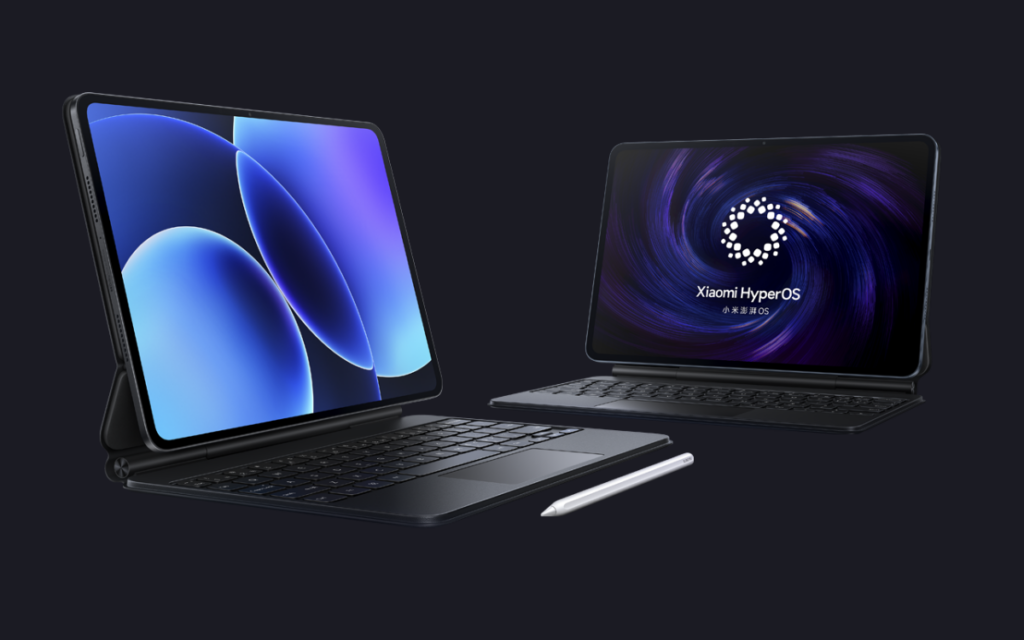
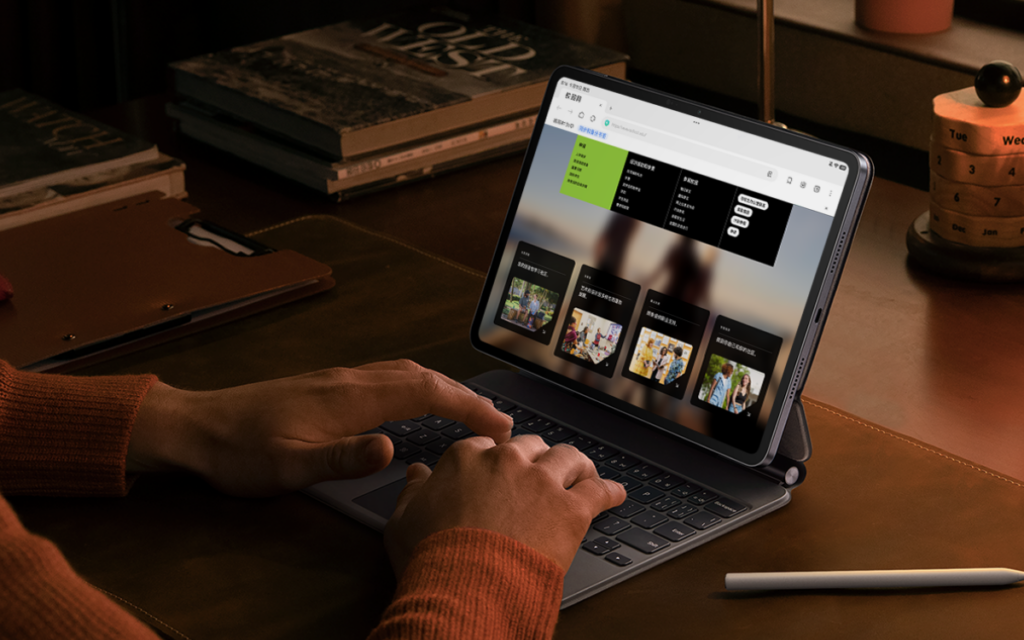
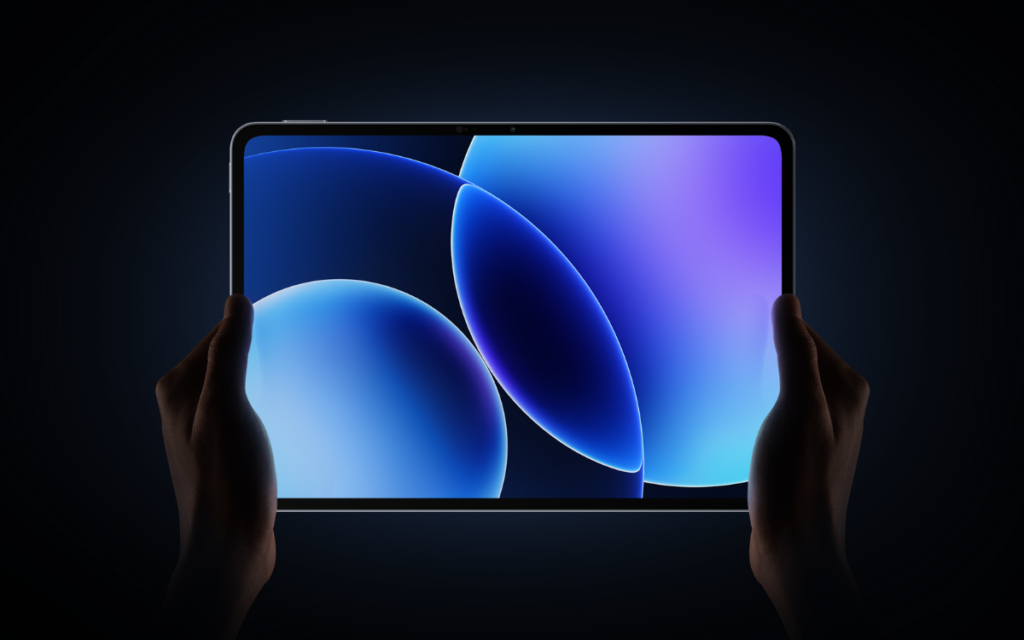
The Xiaomi Pad 7S Pro will be equipped with the company’s in-house Xring O1 chipset. It will also feature a 12.5-inch LCD 3.2K 144Hz screen and a 10,160mAh battery with 120W charging. The Mix Flip 2, which is the company’s only foldable phone this year, will feature the Snapdragon 8 Elite chipset.

The Redmi K80 Ultra will arrive with the Dimensity 9400 Plus chip onboard, whereas the Redmi K Pad, featuring the same chip, will be the company’s first compact-sized gaming tablet.

According to tipster Digital Chat Station, the June 26 Xiaomi event will also see the arrival of several other products, such as Xiaomi AI Glasses, Open Earphones Pro, Band 10 fitness tracker, Watch S4 (41mm), and a mysterious “one more thing”.

For more daily updates, please visit our News Section.

Stay ahead in tech! Join our Telegram community and sign up for our daily newsletter of top stories.

Redmi A4 5G Gets New 6GB RAM Model in India at ₹9,999

Redmi has added a new 6GB + 128GB variant to its A4 5G lineup in India. Priced at ₹9,999, the new model is now available on Amazon India. It joins the existing 4GB + 64GB and 4GB + 128GB options launched last November.

Redmi A4 5G

Redmi A4 5G features

The phone’s specifications remain unchanged. It features a 6.88-inch HD+ display with a 120Hz refresh rate and up to 600 nits peak brightness. It runs on the Snapdragon 4 Gen 2 processor and comes with Xiaomi’s HyperOS based on Android 14.

Redmi A4 5G

The Redmi A4 5G is powered by a 5160mAh battery and supports 18W fast charging. It has a 50MP main rear camera and a 5MP front camera. Xiaomi has confirmed two years of software updates and four years of security patches.

It also includes dual SIM support, a side-mounted fingerprint sensor, 4GB of virtual RAM, Bluetooth 5.3, a USB Type-C port, and a 3.5mm headphone jack. Storage is UFS 2.2, and the RAM is LPDDR4X.

The phone supports Jio True 5G and has a halo glass back design. Dimensions are 171.88mm in height, 77.80mm in width, and 8.22mm in thickness. It weighs 212.35 grams.

In other news, Redmi has launched the Redmi Pad 2 in India, following its debut in Southeast Asia. This budget Android tablet features an 11-inch 2.5K LCD display with a 90Hz refresh rate, Dolby Atmos quad speakers, and runs on the MediaTek Helio G100 Ultra chip.

Please Note: When you buy something using the links in our articles, we may earn a small commission at no cost to you.

For more daily updates, please visit our News Section.

Stay ahead in tech! Join our Telegram community and sign up for our daily newsletter of top stories.

Honor’s 8200mAh battery phone could be in works

In April, Honor surprised the tech world by launching the Honor Power smartphone with a massive 8,000mAh battery. Now, according to a new Weibo post by tipster Digital Chat Station, the brand is working on a phone that will pack an even larger battery. This new battery has already received approval from China’s 3C certification authority.

Could Honor’s 8200mAh battery phone end up as a Power series phone?

Honor 8200mAh battery 3C certified

The 3C database shows two listings for an 8,100mAh (rated capacity) battery. Both batteries carry the model number HB5668A0EIW but are manufactured by different entities—Sunwoda Electronics and Honor itself. This is a Li-ion polymer battery with a 30.54Wh rated energy, 3.77V nominal voltage, and a 4.53V maximum charging voltage.

Honor’s 8200mAh phone will be a mid-range offering

In a recent Weibo post, reliable tipster Digital Chat Station claimed that Honor’s upcoming Magic V5 packs the largest battery seen on a foldable phone. For those who don’t know, it is expected to feature a 6,100mAh battery packed inside an ultra-thin 8.8mm body.

In the same post, he has claimed that Honor is working on a mid-range phone with an 8,200mAh battery. However, there is no information available about the launch date or the final moniker of the device. It remains to be seen whether it ends up as a successor or an improved version of the Honor Power.

Honor-Power-launch-specs-price
Honor Power

To recall, the Honor Power is equipped with a 6.78-inch OLED 1.5K 120Hz display, a Snapdragon 7 Gen 3 chipset, an 8,000mAh battery with 66W fast charging, and MagicOS 9-based Android 15. For photography, it features a 16-megapixel front camera and a 50-megapixel + 5-megapixel dual-camera system.

For more daily updates, please visit our News Section.

Stay ahead in tech! Join our Telegram community and sign up for our daily newsletter of top stories.

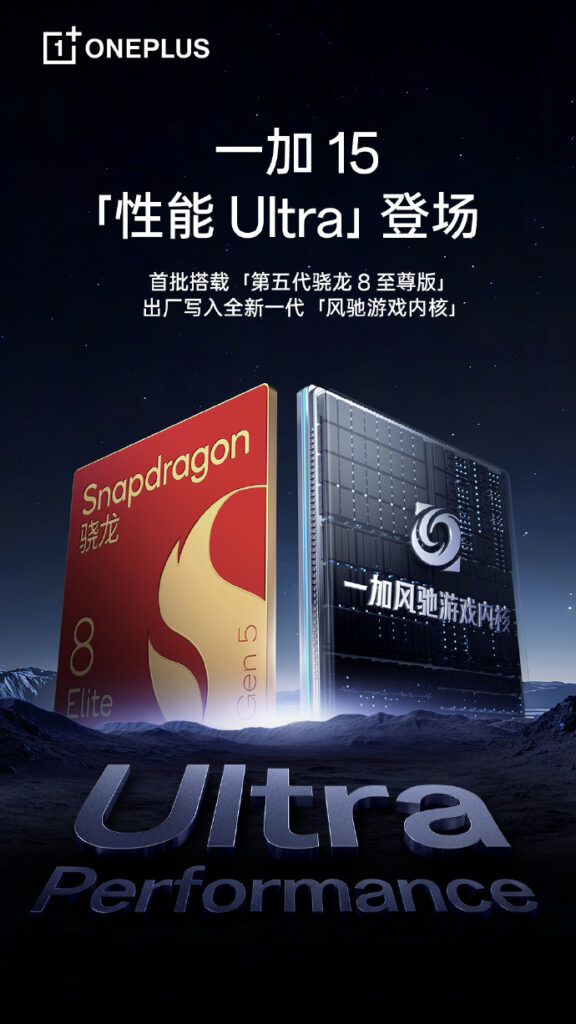
Early OnePlus 15 leak shows reduced display size, Snapdragon refresh

A new leak from Digital Chat Station sheds early light on what to expect from the upcoming OnePlus 15, and unsurprisingly, it looks like the changes won’t be seismic. The tip points to refinements in display and design, but not much else for now.

According to the leak, the OnePlus 15 will feature a 1.5 K resolution 6.78-inch LTPO 2.5D flat display, custom-made by BOE. This is a step down from the OnePlus 13’s 6.82-inch QHD+ LTPO 4.1 display, but the new panel reportedly offers better power efficiency, more consistent color tuning, and improved brightness.

It’s also said to feature what’s described as a “LIPO four narrow edge design.” That is, the device will have ultra-narrow, symmetrical bezels on all four sides, made possible by LIPO technology. 

The leak also mentions a focus on reduced power consumption, better color consistency, and improved brightness uniformity. It’s the kind of tuning that’s expected in yearly refresh cycles. 

OnePlus 15 might come in a black variant

Aesthetically, the engineering unit of the OnePlus 15 is described as “SuperBlack,” with high light absorption capacity, which DCS says makes it like a “black hole.” That might be a reach, but the claim could be that the OnePlus 15 will be available in a matte black finish that minimizes reflections and smudges.

OnePlus 13

Internally, the OnePlus 15 will likely use Qualcomm’s next flagship chip, the SM8850, expected to be branded Snapdragon 8 Elite 2. And the leak also says the phone has “custom buttons” on the side, though it’s not clear what they’ll do yet.

The leak doesn’t reveal dimensions, camera hardware, and build quality yet, but it’s unlikely we’ll see major changes there. The OnePlus 13 already ships with a 6000mAh battery, a Snapdragon 8 Elite chip, and a triple 50MP camera setup. So expectations for the 15 might be more about polish than upgrades.

For more daily updates, please visit our News Section.

Stay ahead in tech! Join our Telegram community and sign up for our daily newsletter of top stories.

(Source)

Project Indigo: Adobe’s New iPhone Camera App for DSLR‑Style Mobile Photography

Adobe has launched a new experimental camera app for iPhone called Project Indigo. Built by Adobe’s research team, the app is free to use and gives mobile photographers more control over their shots. It’s designed to improve image quality and deliver a more natural look, similar to what you’d get from a DSLR. This article breaks down what Project Indigo is all about, including its main features, how the photos turn out, editing options, and special tools.

Adobe Project Indigo

What is Adobe Project Indigo?

Project Indigo is available for iPhones (12 Pro and newer, or 14 and newer for non-Pro models). It gives users full manual control over the camera and uses computational photography to produce high-quality images. It’s meant for users who want better results than default phone cameras offer, without needing separate editing apps or extra equipment.

Key Features

Indigo includes manual settings for focus, shutter speed, ISO, exposure compensation, and white balance (with control over both temperature and tint). It also lets users control how many frames are captured per shot.

When you press the shutter, Indigo captures up to 32 images in rapid succession. It then aligns and merges them to reduce noise, recover detail in shadows, and preserve highlight information. This approach produces photos with better dynamic range and lower noise, especially in low light.

Indigo supports JPEG and DNG (raw) formats. JPEGs are processed with Indigo’s natural look. DNGs retain the same look as a profile but preserve the original sensor data, offering more flexibility during editing. Both file types benefit from Indigo’s multi-frame image processing.

HDR and Night Mode

Indigo handles high dynamic range well. It stores both SDR and HDR versions in each JPEG using a gain map, allowing compatible screens and software to display either one. Night mode uses longer exposures and more frames to deliver cleaner low-light shots. The app detects if the phone is stable and adjusts capture settings to improve quality without needing a tripod.

Long Exposure and Super-Resolution

Long Exposure Sample (Image source: Adobe)

With the Long Exposure setting, Indigo captures multiple frames and adds them together to create effects like motion blur or light trails. This works best with the phone on a tripod and outputs both JPEG and DNG files.

Indigo also improves zoomed-in shots using multi-frame super-resolution. If you zoom past the camera’s optical limit, the app takes several slightly shifted frames and merges them to increase detail. This reduces the usual loss in sharpness that comes with digital zoom.

Natural Look and Less Processing

Indigo avoids the heavily processed style of most phone cameras. It uses minimal tone mapping, moderate contrast and color adjustments, and less aggressive sharpening and smoothing. This keeps images looking more natural, especially when viewed on larger screens. Details like textures and lighting are preserved instead of being flattened.

Editing and Lightroom Integration

Indigo is fully integrated with Adobe Lightroom. After taking a photo, users can send it directly to Lightroom Mobile. If both JPEG and DNG were saved, Indigo opens the DNG by default. Lightroom recognizes Indigo’s embedded profiles and HDR data, giving users full control over editing without losing image quality.

Tech Preview and What’s Ahead

Project Indigo also includes experimental tools under a Tech Preview section. One such feature is reflection removal, which allows users to take photos through glass and remove glare with one tap. Adobe is also working on adding portrait mode, panorama, video, and advanced features like exposure and focus bracketing.

Project Indigo is available now on the App Store. It’s free to download, requires no Adobe sign-in, and is designed to improve mobile photography for both casual users and hobbyists who want more control and better output from their phone cameras.

(Source)

Samsung’s One UI 8 Beta roadmap leaks: S24, Z Fold6, Flip6 may get Android 16 this month

Samsung’s next major Android skin, One UI 8 based on Android 16, is reportedly on its way to a wide range of Galaxy devices. According to a new leak, the beta program could begin rolling out later this month, starting with the S24 series and 6th-generation foldables.

Samsung One UI 8 update

While Samsung hasn’t confirmed the rollout yet, it would follow the company’s usual pattern of debuting the beta on its newest devices first. Posts from tipster @tarunvats33 support this timeline and suggest the S24 trio will be the first to get access, followed closely by the latest foldables.

Even Galaxy S22 series and 4th-gen foldables to receive One UI 8 beta by early July

By late June or early July, Samsung is expected to extend beta access to the Galaxy S23 series, along with the Z Fold5 and Z Flip5. The 2022 flagships—S22 series, Z Fold4, and Z Flip4—are also in line for the update, though they may receive it a bit later in early July. As these models near the end of their software support timeline, this will likely be their final or penultimate major Android version.

Samsung-Galaxy-S22-Ultra-Front
Galaxy S22 Ultra

One UI 8 is expected to bring smoother animations, more polished transitions, blurred pop-ups, and other subtle UI refinements to these flagships, and the brand is likely to showcase the update officially during the Galaxy Z Fold7 and Flip7 launch event in July.

Meanwhile, Geekbench listings for devices like the Galaxy S22+ and Z Fold5 confirm that Android 16 testing is already underway.

Samsung has yet to make anything official, but based on past trends, beta access will likely roll out via the Samsung Members app in select regions. If you own one of the supported models, keep an eye out—you might be among the first to test Android 16 on your Galaxy device.

Don’t miss a thing! Join our Telegram community for instant updates and grab our free daily newsletter for the best tech stories!

For more daily updates, please visit our News Section.

(Source: @Tonysamsunglove)

Xiaomi shows off Redmi gaming controller in action, drops hints on features and compatibility

A new gaming controller under Xiaomi’s Redmi brand might launch soon. Bao Xiao Li, product manager for Xiaomi’s camera division, released the first video of the controller in action. The brief demo shows the controller paired with an upcoming Redmi K Pad tablet running Black Myth: Wukong via cloud gaming.

The video confirms a few things. First, the controller has its own dedicated settings interface, likely an app, where users can tweak mapping modes, joystick sensitivity, trigger response, vibration levels, lighting effects, and button assignments. There’s also support for firmware updates and a factory reset, along with a section for testing individual buttons.

Modular design, but likely wireless only

Design-wise, the gaming controller operates in both combined and split modes. The left and right sections of the controller appear to be detachable and can display their battery status independently. 

There is no visible USB port on the unit shown in the video. Its absence suggests that Bluetooth is likely the sole method of connection, ruling out wired gameplay support for now.

The controller had previously been teased during the “Lu Weibing Live Chatting about Xiaomi New Products” event on June 18. At the time, Xiaomi confirmed a few additional features. 

The Redmi gaming controller comes in a white-and-gray color scheme, uses a split design with retractable upper and lower bayonets, and is compatible with both smartphones and tablets. Once assembled into a unified form, it can also connect to Xbox consoles, though details about that compatibility weren’t expanded on.

Xiaomi hasn’t provided a release date or price yet, even for the Redmi K Pad. It’s safe to assume that the controller will be launched alongside the tablet.

For more daily updates, please visit our News Section.

Stay ahead in tech! Join our Telegram community and sign up for our daily newsletter of top stories.

(Source)

Widespread green line issue hits Galaxy Note 20 Ultra, Samsung remains silent

Samsung’s Galaxy Note 20 Ultra—the swan song of the iconic Note series—is back in the spotlight, but not for the reasons fans would hope. A growing number of users are reporting a green (or sometimes pink) line running vertically across the display, a frustrating issue that seems to have resurfaced recently.

The problem isn’t new. Similar vertical line issues have plagued several of Samsung’s AMOLED-equipped flagships over the years, including the Galaxy S20, S21, S22, S23, and even the recently launched S24 series. In fact, Samsung offered a free replacement to some Note 20 Ultra users affected by this issue back in 2023.

But what’s causing this strange display issue? So far, no smartphone brand has clearly addressed the root cause. However, it often seems to appear after a software update. While the Galaxy Note 20 Ultra has already received its final OS upgrade (Android 13), it’s still on a quarterly security update cycle—and it did get one just last month. In fact, a Galaxy S21 FE user recently shared a video of the green line appearing while installing the update, lending weight to claims that the issue may be software-triggered, or at least exacerbated by it.

Many affected users also confirmed their phones had no significant physical damage—no drops, no water exposure—just a screen that suddenly developed a green or pink line out of nowhere.

Despite the growing complaints, Samsung has yet to officially acknowledge the root cause. NotebookCheck speculates that the issue may stem from aging AMOLED sub-pixels or problems with the display driver IC, both of which could be pushed over the edge by a software update.

While Samsung has offered free one-time screen replacements for certain affected devices in the past, the Note 20 Ultra’s age and its position outside of the company’s four-year support policy likely leave it ineligible. To make matters worse, the repair program often comes with strict conditions—such as no physical damage—meaning many users could be left footing the bill for what seems to be a manufacturer-driven fault.

Don’t miss a thing! Join our Telegram community for instant updates and grab our free daily newsletter for the best tech stories!

For more daily updates, please visit our News Section.

Sources:

@Shaheed18143372

@Tech_1t

@Saarang_007

@Avishek54114044

OnePlus Nord CE4 Lite 5G gets Rs 2000 Bank Discount

OnePlus Nord CE4 Lite 5G with 128GB storage and 8GB RAM is now retailing at a discount price of Rs 15,997. The price is inclusive of a Rs 2000 ICICI Bank Credit Card discount. The actual price of the smartphone on Amazon India is Rs 17,997 in three color options of Rs Ultra Orange, Mega Blue, and Black.

The 256GB storage and 16GB RAM variant is presently retailing for the price of Rs 20,997. With the ongoing discount, the interested folks can grab it for the discounted price of Rs 18,997. Similarly, all the color options are available for the bigger variant. Apart from the ICICI Bank Card, there are certain discounts on the HDFC Bank Credit Card and others, too.

OnePlus Nord CE4 Lite 5G smartphone bundles some exciting features and hardware improvements in comparison with its predecessor. It bundles a large 5500mAh battery with support for reverse charging and 8W fast wired charging. It bundles a 6.67-inch AMOLED display that offers a 120Hz refresh rate and 2100 nits peak brightness. The smartphone bundles a dual camera configuration with a primary 50MP Sony LYT-600 camera.

The smartphone is bundled with a Snapdragon 695 5G SoC. Further, the smartphone is running the latest Android Operating System with a promise of years of updates. It measures 162.9 x 75.6 x 8.1 mm in size and weighs 191 grams. In connectivity, the smartphone bundles a Wi-Fi 802.11 a/b/g/n/ac, dual-band, Bluetooth 5.1, GPS, NFC, and USB Type-C 2.0.

It is a great deal to grab at the present price, and the bank discount is making it more affordable.

Please Note: When you buy something using the links in our articles, we may earn a small commission at no cost to you.

REDMI K Pad teardown: 12,050mm² heat sink, foam padding for drop protection, dual batteries, and more

Thanks to a detailed teardown by WekiHome, we’re getting a close look at what Xiaomi’s compact tablet brings to the table. Slim, lightweight, and loaded with high-end hardware, the REDMI K Pad looks like a serious contender in the mini tablet space.

Disassembled ahead of release, the K Pad was shown to pack plenty of premium features in a tidy footprint. It features an 8.8-inch IPS LCD with a sharp 3,008 x 1,880 resolution, 165Hz refresh rate, Dolby Vision support, and a peak brightness of 610 nits in high-brightness mode. The tablet weighs just 336 grams and is only 6.46mm thick, housed in a sandblasted metal unibody for a sleek, sturdy feel.

Under the hood is MediaTek’s Dimensity 9400+ chipset, paired with LPDDR5X RAM and fast UFS 4.1 storage. For cooling, Xiaomi has equipped the tablet with a large 12,050mm² aluminum-alloy vapor chamber—a lighter alternative to copper—alongside a metal midframe to help spread and dissipate heat. The tablet also shines in gaming tests against Legion Y700 (4th Gen), RedMagic Gaming Tablet 3 Pro.

Inside the K Pad, foam padding helps protect key components from damage in case of drops, while the centrally located motherboard aids in balanced heat distribution. On the audio front, the K Pad includes dual Dolby Atmos speakers, and power is handled by a two-cell 7,500mAh battery (3,505mAh + 3,995mAh), supporting 55W fast charging. Xiaomi includes a 67W charger in the box, and a full charge reportedly takes about 61 minutes. The tablet also supports bypass charging, which is great for extended gaming sessions.

Additional hardware includes a USB-C port with USB 3.2 Gen 1 (5Gbps) and DisplayPort support, though there’s no fingerprint scanner. For imaging, you get a 13MP rear camera (OmniVision OV13B) and an 8MP front-facing sensor (OV08F).

Overall, WekiHome’s teardown highlights a tablet designed with performance and portability in mind.

Don’t miss a thing! Join our Telegram community for instant updates and grab our free daily newsletter for the best tech stories!

For more daily updates, please visit our News Section.

Galaxy Z Flip7 hits Geekbench with Exynos 2500

Samsung’s upcoming Galaxy Z Flip7 has been spotted on Geekbench ahead of its expected debut in July, and the listing sheds light on its performance. For the first time, Samsung has opted for a dual-platform strategy for its Z series, and people are already concerned about the performance.

Samsung Galaxy Z Flip 7
Samsung Galaxy Z Flip 7 Leaked Render

The Z Flip7’s Geekbench listing, spotted by tipster @tarunvats33, reveals key specs of the Exynos 2500 chip. The phone scores 2,356 points in single-core and 8,076 points in multi-core CPU tests. Qualcomm’s Snapdragon 8 Gen 3 from 2023, in comparison, scored 2247 and 6857 in the respective tests on the Z Flip6.

The Exynos 2500 includes a 10-core setup: one Cortex-X925 prime core clocked at 3.3GHz, two Cortex-A725 cores at 2.75GHz, five more A725 cores at 2.36GHz, and two Cortex-A520 efficiency cores at 1.8GHz. It’s paired with 12GB of RAM and a new Xclipse 950 GPU.

The Exynos 2500 doesn’t match the top-end Snapdragon 8 Elite, which powers the large-screen Galaxy Z Fold7 and scores around 3,200 and 10,000 in the Galaxy S25.

The Z Flip7 is expected to offer a 4-inch cover screen, One UI 8 based on Android 16, and even support for satellite connectivity. Still, as with any chipset, real-world use will ultimately determine how the Exynos 2500 handles heat and battery life in the compact, foldable form factor.

Samsung’s switch to Exynos for the Galaxy Z Flip7 is a bold move that could shake up expectations. Whether it can deliver the same efficiency and thermal stability as the Snapdragon 8 Elite in real-world use cases remains to be seen, but we won’t have to wait long to find out.

Don’t miss a thing! Join our Telegram community for instant updates and grab our free daily newsletter for the best tech stories!

For more daily updates, please visit our News Section.

(Source)

Xiaomi Mix Flip 2 battery specs and colors leaked, launching next week

Xiaomi is once again stepping into the foldable ring with its second-generation clamshell, the Mix Flip 2. Ahead of its official debut next week, the device has already been listed for reservation on Xiaomi Mall, signaling that the launch is just around the corner. Tipster “The panda is very good” recently dropped the latest leak, revealing a beefed-up 5100mAh battery, Snapdragon 8 Elite chipset, and a familiar but vibrant color palette: Cyan, Purple, Gold, and Black.

Xiaomi MIX Flip 2 DCS leak

The Mix Flip 2 isn’t just an incremental upgrade; it’s shaping up to be a statement. Xiaomi Group Partner and President Lu Weibing confirmed the launch in a Weibo post recently, highlighting key improvements that address some of the core weaknesses in compact foldables: battery life, crease visibility, and thermal management. According to Weibing, Xiaomi began developing this generation three years ago, with a clear goal: create a flip phone that doesn’t feel like a compromise.

Xiaomi MIX Flip 2

While Xiaomi hasn’t officially published the full spec sheet yet, multiple leaks paint a detailed picture. The Mix Flip 2 is expected to sport a 6.85-inch LTPO AMOLED inner screen and a 4.01-inch outer display, both tuned for high brightness and responsiveness. The device will reportedly ship with dual 50MP Leica-branded rear cameras, continuing the brand’s photography partnership. And yes, it runs on HyperOS 2.0, layered on top of Android 15.

According to the tipster, charging speeds remain fast, with 67W wired charging returning from the previous model, while wireless charging sees a boost to 50W. The phone is also expected to be IPX8-rated, making it one of the more water-resistant foldables in its class.

The first-generation Mix Flip launched last year with a Snapdragon 8 Gen 3 chip, a 4780mAh battery, and the same 67W wired charging. It started at 5999 yuan (~$835). That model drew attention for its 1.5K outer screen with 1600 nits brightness, elements that are likely refined further in the new version.

If the rumors hold, the Mix Flip 2 could make its debut alongside the Redmi K80 Ultra and Pad 7S Pro. But in typical Xiaomi fashion, the company seems laser-focused on redefining what a flip phone can be, not just pretty, but practical.

For more daily updates, please visit our News Section.

Stay ahead in tech! Join our Telegram community and sign up for our daily newsletter of top stories! 💡

OnePlus Nord 5 teased to handle BGMI at 144fps for 5 hours straight

OnePlus is hyping up its Nord 5 as a gaming beast, promising to deliver 144fps gameplay for hours. With its launch just days away, a new teaser spills key specs that could make this mid-range flagship a gamer’s dream.

OnePlus is touting the Nord 5, set to debut on July 2, 2025, as the “Fastest Nord Ever”. The brand claims the Nord 5 can maintain 144fps gameplay for up to five hours with maxed-out graphics settings, 75dB audio, and 280 nits brightness. “The OnePlus Nord 5 is built to crush gaming,” states a community post. Features like Adaptive Frame Booster and Pro Gamer Mode in OxygenOS 15.1 enhance this performance, optimizing frame stability and power efficiency.

The Nord 5 sports a 6.74-inch flat 1.5K AMOLED display with a 144Hz refresh rate, slim bezels, and a centered punch-hole. It’s powered by the Snapdragon 8s Gen 3, a slight step behind the newer 8s Gen 4 used in rivals like the Nothing Phone (3), but still delivers robust performance with a Cortex-X3 core at 3.2GHz.

Paired with LPDDR5X RAM and UFS 4.0 storage, and a 6,150mAh battery, it promises to handle those long sessions, though it may lack wireless charging. The “Plus Key” and AI enhancements, like AI Detail Boost for photos, add smart functionality to its 50MP triple-camera setup.

The OnePlus Nord 5’s promise of 144fps gaming for hours, backed by a vibrant display and beefy battery, positions it as a mid-range marvel for gamers. While the Snapdragon 8s Gen 3 isn’t the latest, its gaming chops are undeniable. Will it steal the show at the July 2 launch? We’re pumped to find out.

Don’t miss a thing! Join our Telegram community for instant updates and grab our free daily newsletter for the best tech stories!

For more daily updates, please visit our News Section.
REDMI K Pad shines in gaming tests against RedMagic Gaming Tablet 3 Pro, Legion Y700 (2025)

The upcoming REDMI K Pad is already turning heads in China’s competitive tablet market, even before its official launch in June 2025. In early performance tests, the device goes toe-to-toe with two well-known gaming tablets—the Lenovo Legion Y700 (4th Gen) aka Legion Y700 (2025) and the RedMagic Gaming Tablet 3 Pro—and manages to hold its own, especially when it comes to efficiency and thermal control.

Redmi K Pad

According to gameplay test results shared by Novice Evaluation on Weibo, all three tablets are equipped with top-tier chipsets: the REDMI K Pad runs on the MediaTek Dimensity 9400+, while the other two use Qualcomm’s Snapdragon 8 Elite. When tested on Honor of Kings, all three devices performed nearly identically—RedMagic scored a perfect 120 FPS, while both the Legion Y700 and REDMI K Pad hit 119.9 FPS. However, there were significant differences in power consumption and temperature.

The Legion Y700 drew the most power at 9.8W, followed by the RedMagic at 6.2W. The REDMI K Pad, however, was the most efficient, consuming just 5.7W. It also ran the coolest, with surface temperatures around 42.8°C, compared to 45.3°C on the RedMagic and 45°C on the Legion.

A similar pattern appeared in Genshin Impact tests. All three tablets again managed 119.9 FPS, but the Legion used 8.5W of power, RedMagic 7.5W, and the REDMI K Pad just 6.9W. Thermal readings stayed in line too: 42.9°C for the Legion, 45.2°C for the RedMagic, and 43°C for the REDMI.

The Dimensity 9400+ chip in the REDMI K Pad is largely responsible for its impressive power efficiency. While the Legion Y700 offers an 8.8-inch LCD (900 nits HBM) and the RedMagic tablet features a 9-inch OLED (1600 nits HBM) display, both draw more power and heat than the K Pad, which sports an 8.8-inch 3K+ 165Hz LCD and a 7,500mAh battery. With its launch just around the corner, it’s shaping up to be a serious rival in a growing niche.

Tech enthusiast? Get the latest news first! Follow our Telegram channel and subscribe to our free newsletter for your daily tech fix!

For more daily updates, please visit our News Section.

(Source)

Galaxy S27 Ultra will ditch built-in S Pen, says tipster

Samsung could be planning a big shake-up for one of its most iconic smartphone features. According to a new leak, the Galaxy S27 Ultra, expected to launch in early 2027, may no longer include a built-in S Pen. This move could disappoint long-time fans of the Note legacy.

Samsung Galaxy S24 Ultra S Pen

The claim comes from Chinese leaker Setsuna Digital. The post suggests Samsung is weighing the removal of the integrated stylus slot in favor of other design priorities—possibly larger batteries or improved cooling. If true, the Galaxy S27 Ultra could either drop the stylus entirely or follow the Galaxy S21 Ultra’s route, which supported the S Pen but required an external case for storage.

This isn’t the first sign of Samsung pulling back on its stylus strategy. Reports from tipster @PandaFlashPro also point to internal constraints that might push the company to reallocate space inside the device. In fact, the Galaxy S25 Ultra shipped with a downgraded S Pen that lacks features like Bluetooth Air Actions, while the upcoming Galaxy Z Fold7 is also rumored to drop some S Pen functions to help achieve a slimmer design.

It’s becoming increasingly clear that Samsung is refocusing its S Pen efforts on tablets, rather than smartphones. With the Galaxy S26 Ultra still expected to feature the built-in stylus, the S27 Ultra could mark a turning point if the rumor proves accurate.

While some may welcome the trade-off if it means better battery life or improved performance, others may see it as the end of an era for the once Note-inspired Ultra series. As always, plans could still change before launch—but if Samsung does move forward without the S Pen, it’ll be one of the most notable design shifts in the Galaxy Ultra line’s history.

Don’t miss a thing! Join our Telegram community for instant updates and grab our free daily newsletter for the best tech stories!

For more daily updates, please visit our News Section.

(Source: Setsuna Digital on Weibo)

Huawei Pura 80 Pro vs OnePlus 13s: Big Features or Bigger Value?

Huawei Pura 80 Pro and OnePlus 13s represent two distinct flagship philosophies, one built for ultimate versatility with satellite connectivity and advanced zoom, and the other focused on cutting-edge performance and value. This comparison matters because both phones cater to premium buyers but differ significantly in priorities like camera innovation, design durability, and pricing. Choosing the right one depends on whether you seek feature-loaded versatility or raw power at a better price.

1. Design and display

Huawei Pura 80 Pro
Huawei Pura 80 Pro

Build and Feel:
Huawei wraps the Pura 80 Pro in glass and polished aluminum, then pairs that with the company’s famously tough Kunlun Glass 2 and an IP68/IP69 seal that survives both immersion and high-pressure jets. The result is a chassis that feels reassuringly solid, delivering a premium, almost camera-centric heft that signals longevity. 

OnePlus opts for a lighter aluminum alloy frame protected by Crystal Shield Glass and an IP65 rating, making the 13s noticeably slimmer in the pocket and easier to wield one-handed during long commutes. 

The trade-off is straightforward: Huawei provides superior environmental protection and an unmistakably luxurious density, while OnePlus’s reduction in girth and weight promotes everyday comfort. Consumers who equate mass with durability will favor the Pura 80 Pro, whereas minimalists looking for effortless carry will lean toward the 13s.

Display Quality:
Huawei’s 6.8-inch LTPO OLED stretches viewing real estate and hits a blinding 3000-nit peak, so maps and notifications stay visible even under harsh midday sun. Its 1-billion-color depth and gentle 1 440 Hz PWM dimming further enhance eye comfort during extended browsing. 

OnePlus counters with a 6.32-inch LTPO AMOLED that deploys Dolby Vision, a faster 2 160 Hz dimming cycle, and exceptional color calibration that makes HDR movies pop with cinematic nuance. Although its peak brightness tops out below Huawei’s, real-world contrast is superb, and the slightly higher pixel density keeps fine text razor-sharp. 

Outdoor adventurers and mobile photographers gain more from Huawei’s brighter, broader canvas, while streaming enthusiasts may prefer OnePlus’s Dolby-tuned accuracy.

Verdict:
Between tougher build materials, higher ingress protection, and the brightest panel in its class, Huawei edges ahead as the choice for durability-minded users who spend ample time outdoors. OnePlus nevertheless secures crucial wins in portability and HDR fidelity, offering a friendlier grip and arguably richer video playback. 

2. Specifications 

OnePlus 13s
OnePlus 13s

Performance:
OnePlus arms the 13s with Qualcomm’s 3 nm Snapdragon 8 Elite, whose Oryon V2 big cores crest 4.32 GHz and whose Adreno 830 GPU delivers console-level effects with minimal thermal throttling. Backed by UFS 4.0 storage, heavy apps open instantly and multitasking feels desktop-like. 

Huawei’s octa-core platform, likely the Kirin 9010, keeps everyday scrolling fluid but trails in raw graphics throughput and AI workloads, so high-frame-rate shooters and on-device editing finish faster on the OnePlus. For users prioritizing maximum horsepower, the 13s offers a sharper edge.

Battery and Charging:
Endurance compares closely: OnePlus packs a 5850 mAh cell, about three percent larger, and leverages its more efficient silicon for notably longer screen-on time. Huawei replies with faster energy replenishment: 100 W wired tops the pack in roughly 30 minutes, while 80 W wireless cuts the cable without a huge sacrifice. 

OnePlus sticks to 80 W wired but adds broad PPS/PD support for universal chargers; however, its 33 W PPS cap and 5 W reverse wired leave it lagging in cable-free convenience. 

Verdict:
OnePlus dominates raw performance and extends battery life a little further, making it the go-to for gamers and content producers. Huawei counters with the swiftest wired and wireless charging combination on the market, ensuring even intensive days never outpace a quick coffee-break refill.

Choose OnePlus for speed and longevity; choose Huawei for charging freedom and reduced downtime.

3. Camera

Huawei Pura 80 Pro
Huawei Pura 80 Pro

Main and Secondary Lenses:
Huawei equips a one-inch-type 50 MP sensor with variable aperture for shallow-depth portraits and brighter night scenes, plus a 48 MP periscope delivering crisp 4× optical zoom and a 40 MP ultrawide with autofocus for macro versatility. Real-world shots show cleaner shadow detail and less noise after dark, while the longer reach simplifies wildlife and stage photography. 

OnePlus has dual 50 MP sensors, the primary capturing excellent color consistency and the telephoto doubling as a flattering portrait lens at 2×. Its multi-directional PDAF yields fast locks, yet crop-zoom cannot fully match Huawei’s optical magnification. 

Serious photographers who need reach and low-light prowess gain more from the Pura 80 Pro.

Selfie Camera:
The 13 MP ultrawide on Huawei fits an entire group without an extender, and autofocus keeps faces sharp at arm’s length. OnePlus answers with a 32 MP unit that doubles the resolution and records 4 K video, preserving hair texture and skin tone for solo vloggers. 

While Huawei captures more people, OnePlus delivers crisper detail per face, so social media creators will value the 13s’s pixel advantage.

Verdict:
Huawei claims the rear camera crown through bigger sensors, superior zoom, and macro agility. OnePlus gains with a selfie system that outperforms in sharpness and vlogging flexibility. 

Overall, imaging enthusiasts who depend on rear optics should look to Huawei, while content creators focusing on front-facing footage will feel well served by OnePlus.

4. Pricing

With an approximate launch price of $1000, Huawei positions the Pura 80 Pro among ultra-premium flagships, banking on its satellite messaging, variable-aperture optics, and rapid wireless charging to justify the tag. The OnePlus 13s arrive at roughly $700, undercutting by about 30 percent while still bundling a cutting-edge chipset, HDR-rich display, and ample battery capacity. 

Please Note: When you buy something using the links in our articles, we may earn a small commission at no cost to you.

For cost-conscious buyers, OnePlus delivers markedly better value per dollar; Huawei’s higher outlay makes sense only for users who will fully exploit its advanced camera and durability extras.

5. Conclusion

OnePlus 13s
OnePlus 13s

Huawei’s BDS two-way satellite messaging (China), DisplayPort 1.2 monitor output and 80 W wireless charging collectively cater to adventurers and power users who may find themselves off-grid yet still needing high-bandwidth connectivity or swift energy top-ups. OnePlus highlights software niceties such as Circle to Search and broader Bluetooth 6.0 codec support, plus Wi-Fi 7 for ultra-stable home networking, all wrapped in a chassis that feels feather-light despite flagship internals.

Verdict:
Buy the Huawei Pura 80 Pro if rugged water resistance, elite optical zoom, lightning-fast wireless charging, and emergency satellite texts rank high on the checklist. Go for the OnePlus 13s when flagship-class speed, lighter ergonomics, a superior selfie experience, and a more approachable price matter more. 

Read More:

AOC unveils U27U3XD 27″ gaming monitor with 4K 144Hz and FHD 288Hz modes

AOC has introduced a new 27-inch monitor, the U27U3XD, designed to serve both professional and gaming needs. The monitor is now listed on the company’s official website. It supports dual-mode output for flexibility across different use cases, though pricing and availability details are yet to be announced.

AOC U27U3XD Monitor

AOC U27U3XD Monitor Specifications

The AOC U27U3XD is equipped with a 27-inch IPS panel that delivers a native 4K resolution at 144Hz. It also supports a Full HD mode with a higher 288Hz refresh rate. The monitor is compatible with Adaptive-Sync to reduce screen tearing and features a 0.5ms MPRT and 4ms GtG response time, making it suitable for fast-paced gaming.

The monitor delivers strong color performance, covering 100% sRGB, 94% Adobe RGB, and 98% DCI-P3. It is factory calibrated with ΔE<2 accuracy and supports VESA DisplayHDR 400. It also features a 2000:1 static contrast ratio and 450 nits peak brightness for enhanced clarity and contrast across varying lighting conditions.

The U27U3XD features a hardware-level low blue light solution to reduce eye strain during extended use. It also comes with gaming enhancements like Shadow Boost, MBR Sync, Clear Vision, along with Picture-in-Picture and Picture-by-Picture modes. Additionally, it comes with a built-in KVM switch that lets you control multiple connected devices using a single keyboard and mouse.

In terms of connectivity, the monitor includes two HDMI 2.1 ports, one DisplayPort 1.4 with DSC, a USB 3.2 Gen 1 Type-C port supporting 90W power delivery and DP Alt Mode, one USB Type-B upstream port, four USB 3.2 Gen 1 Type-A ports, and a 3.5mm headphone jack.

The stand supports full ergonomic adjustments, including up to 150mm height adjustment, -6.5 to 23 degrees tilt, 30 degrees swivel in both directions, and bi-directional pivot. The monitor has a 1.4mm ultra-narrow bezel and a 5.9mm inner black border. It also holds a Red Dot Design Award for its visual design.

In related news, Lenovo has launched a 34-inch curved ultrawide monitor with a 120Hz refresh rate and USB-C docking support, while Asus has introduced the PG32UCDMR gaming monitor featuring a 4K QD-OLED panel, 240Hz refresh rate, and DisplayPort 2.1a connectivity.

For more daily updates, please visit our News Section.
Stay ahead in tech! Join our Telegram community and sign up for our daily newsletter of top stories! 💡

(Via)