
Add GIZMOCHINA as Preferred Source on Google
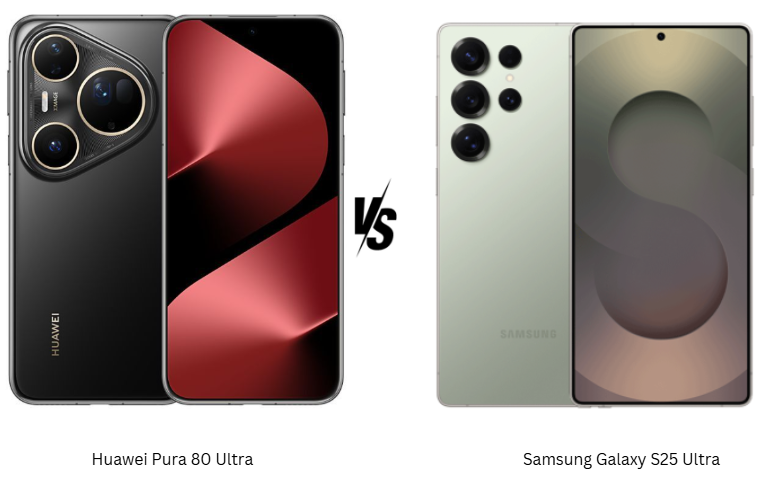
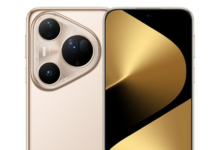
Huawei Pura 80 Ultra and Samsung Galaxy S25 Ultra represent two very different visions of what a flagship smartphone should be. Huawei focuses on extreme hardware, massive batteries, and camera versatility, while Samsung emphasizes polished software, ecosystem features, and raw performance power. This comparison is important because both target premium users but deliver upgrades in contrasting areas, making the choice dependent on whether photography innovation or long-term ecosystem value matters more.
1. Design and display
Build and Feel:
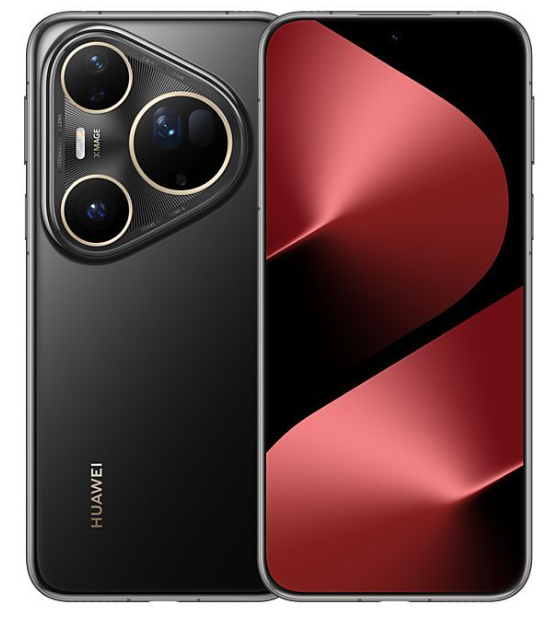
The Pura 80 Ultra uses a glass and aluminum build with impressive IP68/IP69 certification, giving it stronger protection against water jets than most flagships. The S25 Ultra takes a premium approach with a titanium frame and Gorilla Armor 2 glass, which is more durable against scratches and drops. Samsung also integrates the S Pen, a unique productivity tool absent in Huawei’s design.
Verdict: The Galaxy S25 Ultra feels more luxurious and practical due to its titanium durability and stylus support.
Display Quality:
Huawei’s 6.8-inch LTPO OLED reaches up to 3000 nits brightness, one of the brightest on any phone, with HDR Vivid and high PWM dimming for eye comfort. Samsung counters with a slightly larger 6.9-inch LTPO AMOLED 2X panel, peaking at 2600 nits with HDR10+, but its Gorilla Armor 2 coating drastically reduces reflections. While Huawei has higher raw brightness, Samsung’s anti-reflective display ensures superior visibility in sunlight.
Verdict: The Galaxy S25 Ultra edges ahead with better outdoor readability.
Verdict:
Overall, Huawei wins on durability against elements, while Samsung dominates in luxury materials, display clarity, and extra features like the S Pen. For most users, the Galaxy S25 Ultra offers a more refined daily experience.
| Preview | Product | |
|---|---|---|

|
Samsung Galaxy S25 Ultra 5G Smartphone with Galaxy AI (Titanium Silverblue, 12GB RAM, 256GB… | Check Price on Amazon |
Please Note: When you buy something using the links in our articles, we may earn a small commission at no cost to you.
2. Specifications
Performance:
The Pura 80 Ultra runs on Huawei’s Kirin 9020 (7 nm), which lags behind modern 3 nm designs in raw benchmarks and gaming efficiency. In contrast, the Galaxy S25 Ultra’s Snapdragon 8 Elite delivers industry-leading performance with Oryon CPU cores and Adreno 830 GPU, making it far more powerful for multitasking, gaming, and future-proofing.
Verdict: The Galaxy S25 Ultra is the clear winner for performance.
Battery and Charging:
Huawei pushes boundaries with up to 5700 mAh capacity (China variant) and blistering 100W wired plus 80W wireless charging, nearly doubling Samsung’s charging speeds. The S25 Ultra has a 5000 mAh battery, with 45W wired and 15W wireless, but compensates with better long-term battery health and Qi2 compatibility. For heavy users, Huawei charges faster and lasts longer.
Verdict: Huawei dominates in battery life and charging convenience.
Verdict:
Performance goes to Samsung, but Huawei secures a strong lead in endurance and charging technology. The better choice depends on whether raw power or charging freedom matters more.
3. Camera

Main and Secondary Lenses:
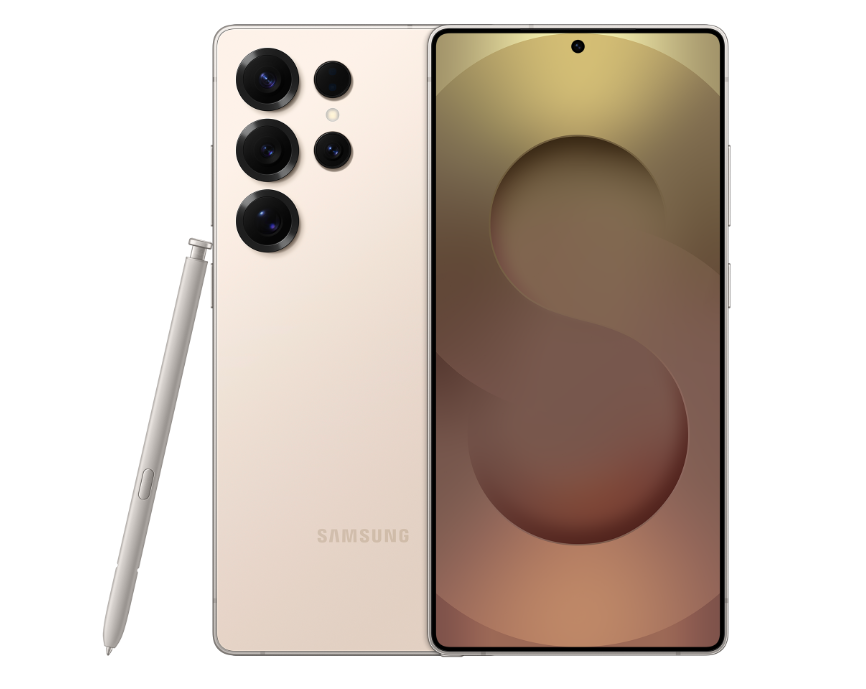
Huawei equips a versatile quad setup with a massive 1.0-inch main sensor, dual periscope lenses (3.7x and 9.4x), and a 40MP ultrawide. This design prioritizes flexibility, though both telephoto sensors share one base sensor without continuous zoom. Samsung offers a 200MP main camera, reliable 3x and 5x telephoto zooms, and a 50MP ultrawide. While Samsung emphasizes detail and consistency, Huawei offers more optical zoom range, giving creators more framing freedom.
Verdict: Huawei wins for zoom versatility, Samsung for balanced performance.
Selfie Camera:
Huawei’s 13MP ultrawide selfie shooter supports 4K video with HDR Vivid and wide framing, making it better for group shots. Samsung’s 12MP sensor focuses on color accuracy, HDR10+, and dual-pixel autofocus for sharpness. Although Samsung delivers slightly sharper selfies, Huawei’s ultrawide flexibility is more practical.
Verdict: Huawei edges ahead for its wider and more creative selfie perspective.
Verdict:
Overall, Huawei’s camera system is more versatile, especially for telephoto shooting and creative selfies, while Samsung provides higher consistency and detail capture. Photography enthusiasts may prefer Huawei, while casual users might lean towards Samsung’s reliability.
4. Pricing

The Huawei Pura 80 Ultra is priced around $1500, making it one of the most expensive mainstream flagships. In comparison, the Galaxy S25 Ultra starts at $1300, offering a lower entry price with more storage options at baseline. Considering Samsung also includes longer software support and wider global availability, it provides stronger overall value.
Verdict: Samsung Galaxy S25 Ultra is the better deal for most buyers.
Disclaimer:
Prices are approximate and may vary based on country, region, and applicable taxes.
5. Conclusion
Huawei Pura 80 Ultra stands out with its dual periscope zooms, ultra-fast 100W wired and 80W wireless charging, and unique IP69 protection. It pushes hardware boundaries, especially for power users who prioritize cameras and charging speed.
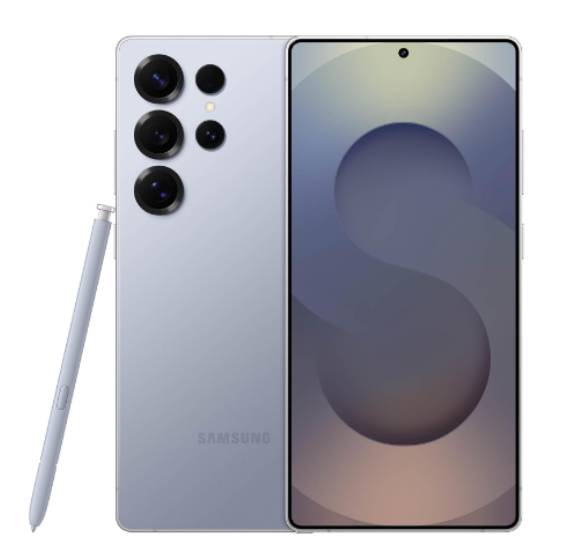
Samsung Galaxy S25 Ultra, however, distinguishes itself with its integrated S Pen, long-term Android support, advanced Snapdragon 8 Elite chip, Gorilla Armor 2 protection, and features like Samsung DeX and UWB.
Final Verdict:
Huawei is ideal for those who value cutting-edge camera versatility, extreme charging power, and durability in harsh environments. Samsung is better suited for users seeking refined design, ecosystem features, long-term updates, and a balance of performance and reliability.
Ultimately, the Galaxy S25 Ultra is the more practical upgrade for most, while the Pura 80 Ultra appeals to enthusiasts who want maximum innovation in hardware.
Read More:

Comments