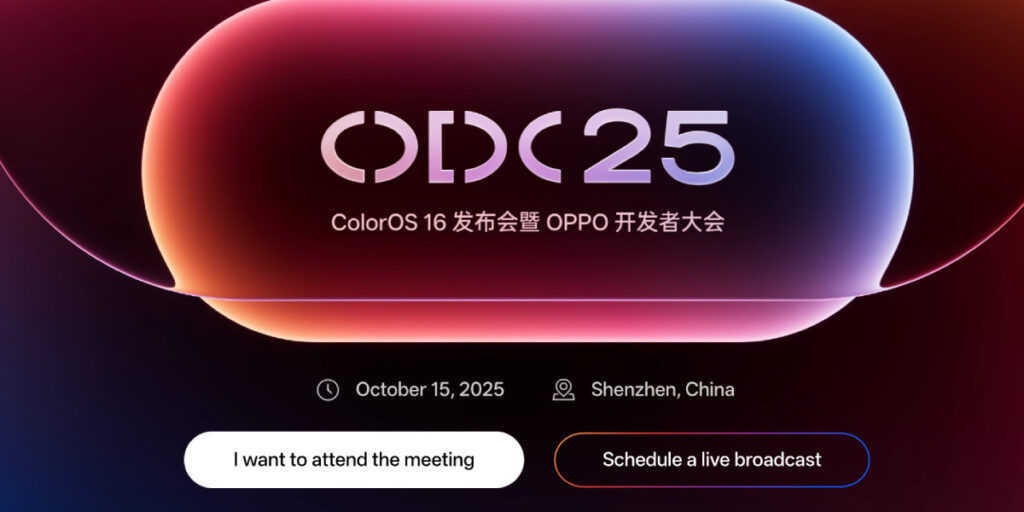
Oppo has officially confirmed that it will unveil ColorOS 16 at a launch event in Shenzhen on October 15, 2025. The announcement, posted on Oppo’s official website, also reveals that the company’s annual Developer Conference (ODC) will take place alongside the launch.
At the event, Oppo will showcase its latest AI strategy and offer attendees a deep dive into ColorOS 16. According to the company, the conference will feature ten sub-forums, six exhibition areas, and even an “inspirational street,” giving developers and enthusiasts multiple ways to explore Oppo’s vision for software and design.
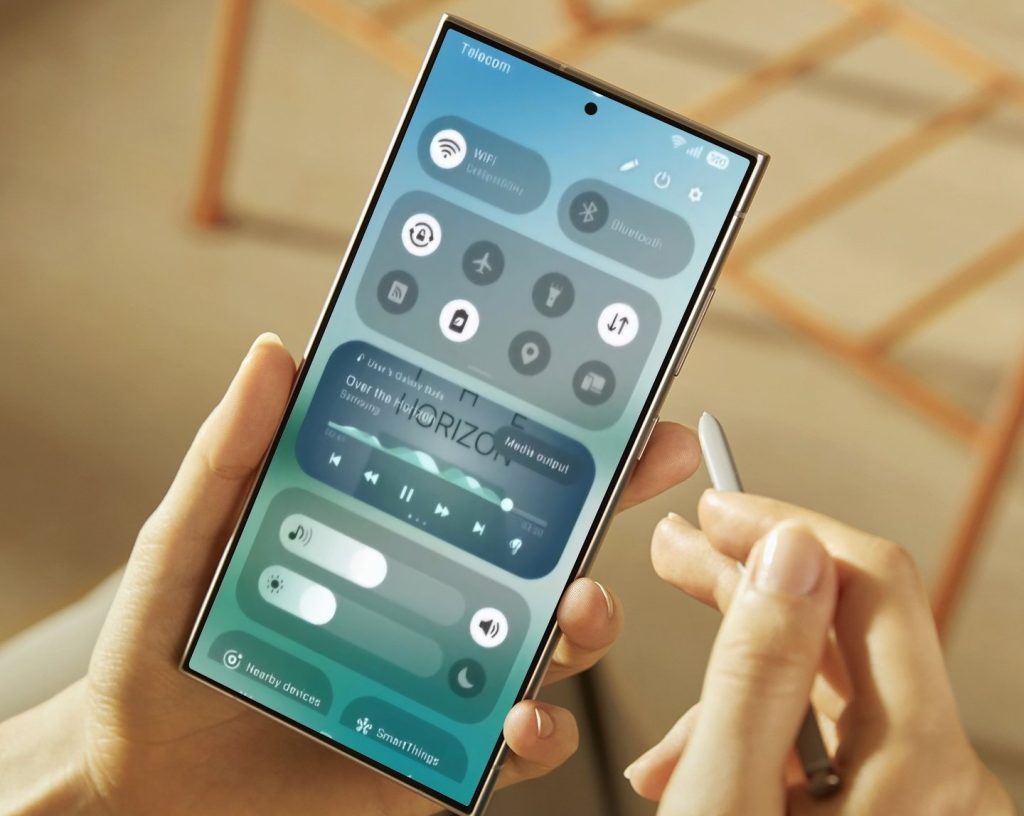
Oppo’s ColorOS 16 Draws Inspiration from iOS 26
The company’s official site also offered a first look at the upcoming OS design direction. And as we expected, ColorOS 16 is clearly taking cues from the liquid glass design of iOS 26. It will be interesting to see Oppo’s interpretation here since liquid glass is facing criticism from Apple users, including concerns about readability.
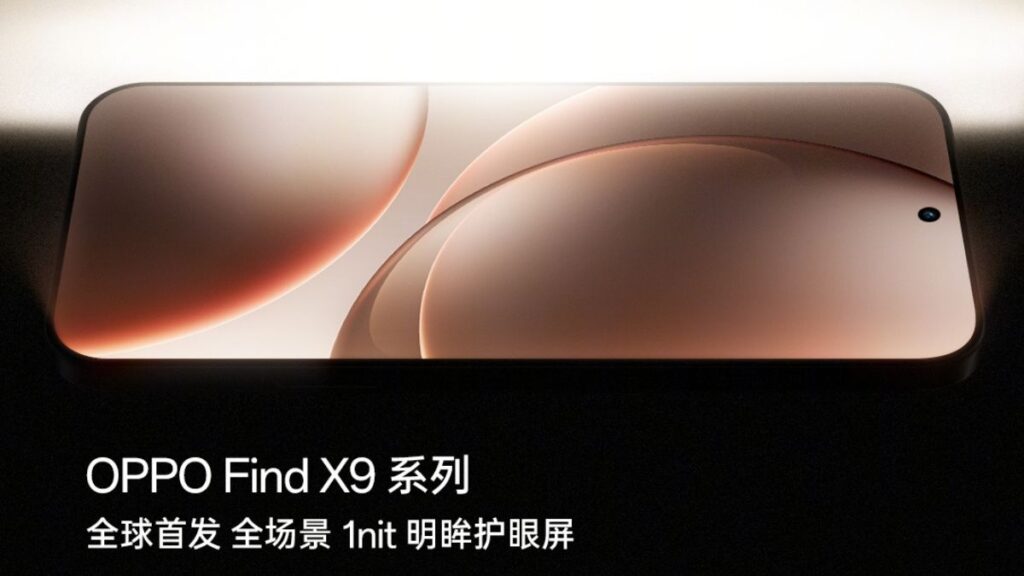
As expected, the first devices to ship with ColorOS 16 will be the Find X9 and Find X9 Pro. The Find X9s are also among the first phones to feature the Dimensity 9500 chipset. Another first for the phones is the world’s first 1 nit display for next-gen eye protection.
Oppo has employed a self-developed P3 display chip to improve the visual experience. The display is also flicker-free, features a 3840Hz PWM dimming, 6900K default eye protection color temperature, and TUV Rheinland and SGS certification.
The phones are expected to launch just a day after, on October 16 in China, whereas they might launch globally on October 28.
For more daily updates, please visit our News Section.
Xiaomi is preparing for a big hardware launch later this month, with leaks pointing to the Xiaomi 15T and 15T Pro as the main highlights. The event, expected on September 24, might also feature a tablet, smartwatch, and new earbuds, suggesting a full ecosystem refresh.
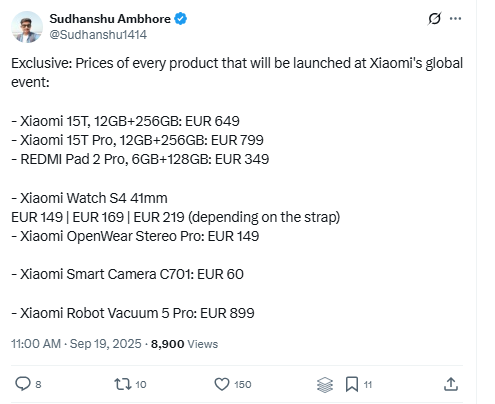
According to details shared by tipster @Sudhanshu1414, the standard Xiaomi 15T could be priced at €649, while the 15T Pro might come in at €799. Both are said to ship with 12GB RAM and 256GB storage as standard.
One notable detail is that the phones may launch with Android 15, even though Google rolled out Android 16 back in June. Xiaomi has already started recruiting beta testers for the update, but it isn’t expected to be available by the time the devices hit shelves.
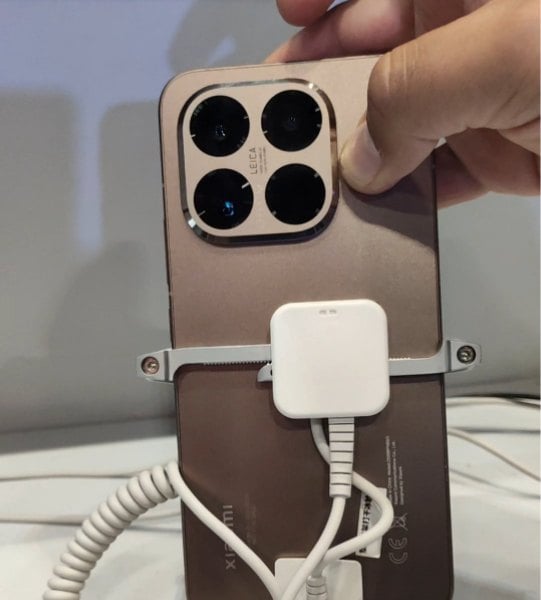
That may leave some early buyers feeling like they’re already a version behind. In terms of performance, the phones will be powered by MediaTek Dimensity chips: Dimensity 8400-Ultra on the 15T and Dimensity 9400+ on the 15T Pro. Check out the Geekbench listings here for more context about the performance. The 15T series is expected just days before the Xiaomi 17 series, which remains exclusive to China for now. A leaked spy photo of the Xiaomi 15T have also surfaced, giving an early look at the design and some specifications.
The latest leak also mention a Redmi Pad 2 Pro priced at €349 for the 6GB/128GB version. The Xiaomi Watch S4 41mm may cost between €149 and €219, depending on the strap. Rounding out the lineup, the OpenWear Stereo Pro earbuds could be priced at €149.
Xiaomi’s September 24 event looks packed, but whether the 15T series can stand out so close to the 17 lineup remains to be seen.
After popping up in a leak earlier this month that teased its camera layout, the Realme GT 8 Pro has now surfaced again in Weibo with what looks like a full look at its design.
Instead of the rectangular camera module we were expecting, the GT 8 Pro is seen with a circular housing on the back. The setup includes three lenses along with what’s likely a flash positioned next to the telephoto sensor. The lens arrangement matches the earlier leak, lending some credibility to the design.
The image itself is blurry, making it tough to catch every detail, but there’s also a video clip floating around that the screenshot was pulled from. In motion, the camera module looks noticeably raised from the back panel.
The device is expected to pack a 50MP main camera, a 50MP ultrawide, and a 200MP periscope telephoto lens on the rear. Interestingly, the GT 8 Pro might also feature co-branding with Ricoh, bringing the company’s “Negative Film” color style to a smartphone for the first time.
What else is inside
Under the hood, Realme is expected to equip the GT 8 Pro with a Snapdragon 8 Elite Gen 5 chipset. It could feature a BOE-supplied 6.78-inch flat AMOLED display with slim bezels on all sides, 2K resolution, and an ultrasonic in-screen fingerprint sensor.
Keeping it powered is reportedly a massive 8,000mAh battery, which would be among the largest in flagship territory. Other rumored features include an x-axis linear motor, dual speakers, and Realme UI 6 based on Android 16. The device is tipped to debut in China this October.
For more daily updates, please visit our News Section.
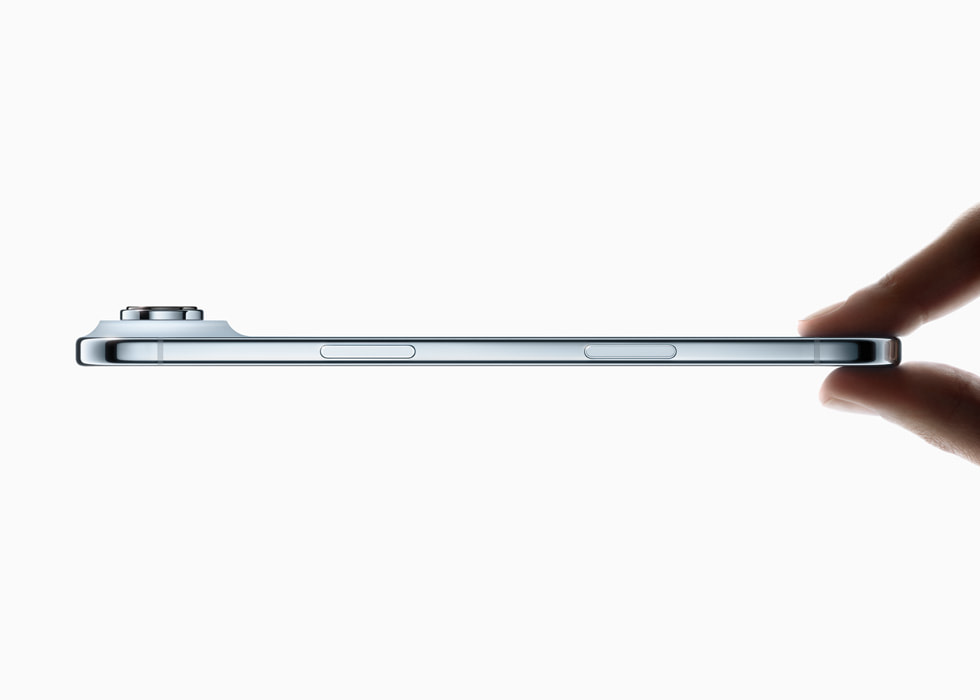
The iPhone Air is Apple’s thinnest phone yet, coming in at just 5.6mm with a titanium frame. It feels feather-light and is clearly built for people who value sleekness over heft. But that sleekness comes with its own set of trade-offs.
There’s less room for a large battery, only a single speaker, and fewer cameras than you’d find on Apple’s flagship models. It also leans heavily on accessories to fill in the gaps.
The right add-ons can make the iPhone Air feel more complete, and in some cases, more practical. So here are the best accessories worth considering for the iPhone Air.
What Apple offers
Apple isn’t leaving iPhone Air owners totally on their own. Alongside the phone, the company has introduced a few accessories designed specifically for its slim frame.
MagSafe Battery for iPhone Air
There’s a MagSafe Battery made just for the iPhone Air. Apple claims it delivers up to 65% more charge. However, note that the battery pack’s magnetic alignment is only perfect with the iPhone Air. Because of the phone’s design (camera bump, etc.), it doesn’t sit flush or work as well with other iPhones.
Moreover, the MagSafe battery is capped at 12 W, whereas the iPhone Air supports up to 20W of wireless charging. So if you want faster wireless top-ups, you can consider third-party MagSafe batteries.
Please Note: When you buy something using the links in our articles, we may earn a small commission at no cost to you.
Ttranslucent case/strap
The iPhone Air also has an official translucent case with MagSafe, polycarbonate frames, and a bumper, available in four different finishes. Last but not least, Apple offers a crossbody strap with magnets built into the straps so they align nicely.
So, Apple is giving us the basics: protection (cases/bumpers), battery backup (MagSafe battery), and a new carrying style. What they don’t give is everything — you’ll still want more, depending on how you use your phone.
Apart from the MagSafe Battery and a case, here are the accessories I think every iPhone Air owner should seriously consider.
A high-quality screen protector
It seems obvious, but with such a slim, beautifully polished glass front and ceramic shield, you’ll want something that protects without interfering with feel. So consider a tempered glass protector with good edge coverage. Make sure it doesn’t disrupt touch sensitivity, screen clarity, or the quality of the front camera. Plus point if the protector has anti-glare or privacy filters.
The cost of one protector is tiny compared to repairing or replacing a cracked screen, especially with repair costs being high.
Please Note: When you buy something using the links in our articles, we may earn a small commission at no cost to you.
Reliable wired charging gear
Even with a good MagSafe battery, there are times you’ll want to plug in and charge quickly. Since Apple doesn’t include a charger in the box, getting a reliable USB-C charger is a must.
Look for one that outputs at least 20W and ideally has multiple ports so you can charge two devices at once. For example, Belkin’s BoostCharge Pro 45W adapter offers two ports, including USB-C, and retails for around $40.
Earbuds for Audio
Because of its size and thin frame, the iPhone Air only packs a single speaker, which means the sound quality isn’t the best here. So earbuds are almost a necessity here.
Apple would, of course, like you to pick up a pair of its new AirPods Pro 3, but there are plenty of cheaper alternatives from other brands if you don’t want to spend that much.
Why these accessories matter more with the iPhone Air
Since the phone is so slim and light, with that premium titanium frame, the smallest design details start to matter. A chipped edge ruins the look. A weaker battery feels like a compromise. If the magnets don’t hold up, your battery pack or strap won’t sit right. In a device like this, accessories can make or break the experience.
AOC has officially launched the AG326UZD, a new 31.5-inch high-end gaming monitor in the Chinese market. The monitor targets gamers and creative professionals, featuring a 4K QD-OLED panel and factory-calibrated color accuracy. The AG326UZD is priced at 6499 yuan ($914) and is available for purchase on JD.com.
AOC AG326UZD Monitor Specifications
The AG326UZD features a QD-OLED panel with a native resolution of 3840×2160 and a 240Hz refresh rate. It supports a 0.03ms GtG response time, allowing fast motion clarity for competitive gaming. The screen delivers up to 1,000 nits of peak brightness and holds the VESA DisplayHDR True Black 400 certification, which ensures deep contrast and rich highlights.
AOC ships the monitor with Delta E < 1 factory calibration, along with 12-axis color tuning. It covers 99 percent of the DCI-P3 and 100 percent of the sRGB color gamuts. The panel also supports native 10-bit color depth, providing smooth tonal gradation for video editing, photo work, and high-fidelity visuals.
The monitor includes two HDMI 2.1 ports, one DisplayPort 2.1 connector with 80 Gbps UHBR20 bandwidth, and a USB-C port that supports DisplayPort Alt Mode, 4K 240Hz video, and 65W power delivery. It also features two USB 3.2 Gen 1 Type-A ports, a USB-B upstream port, an audio out jack, and dual 8W built-in speakers.
AOC has integrated gaming features such as adaptive-sync support, a ClearMR 13000 motion clarity rating, a dynamic crosshair, sniper zoom, and Dark Boost for improved visibility. It also features KVM switch that allows a single keyboard and mouse to control two connected devices. Additionally, the monitor includes ambient Light FX lighting, a built-in headphone hanger, and a cable management clip.
The stand supports height adjustment up to 150mm, tilt from -5° to 23°, swivel ±18°, and pivot ±90°. The monitor weighs about 10.23 kg with the stand and supports VESA 100x100mm mounting.
AOC has added TÜV-certified flicker-free and low-blue-light hardware-level protection. The monitor also includes an OLED Care package with pixel refresh and retention removal functions to prolong panel lifespan.
In related news, Asus has recently launched a new 27-inch 2K gaming monitor with a 260Hz refresh rate and 0.3ms response time, while Dell has introduced the S2725DC 2K display with 144Hz, USB-C 65W charging, and eye comfort features for under $250.
For more daily updates, please visit ourNews Section.
Apple’s latest lineup has introduced a new model — the iPhone Air — and it’s making headlines for an unusual reason. Unlike most modern phones that push bigger and bigger batteries, the Air ships with just a 3,149 mAh cell. On paper, that looks underwhelming next to the 6,000 mAh packs that are common today. But in practice, it’s proving surprisingly capable.
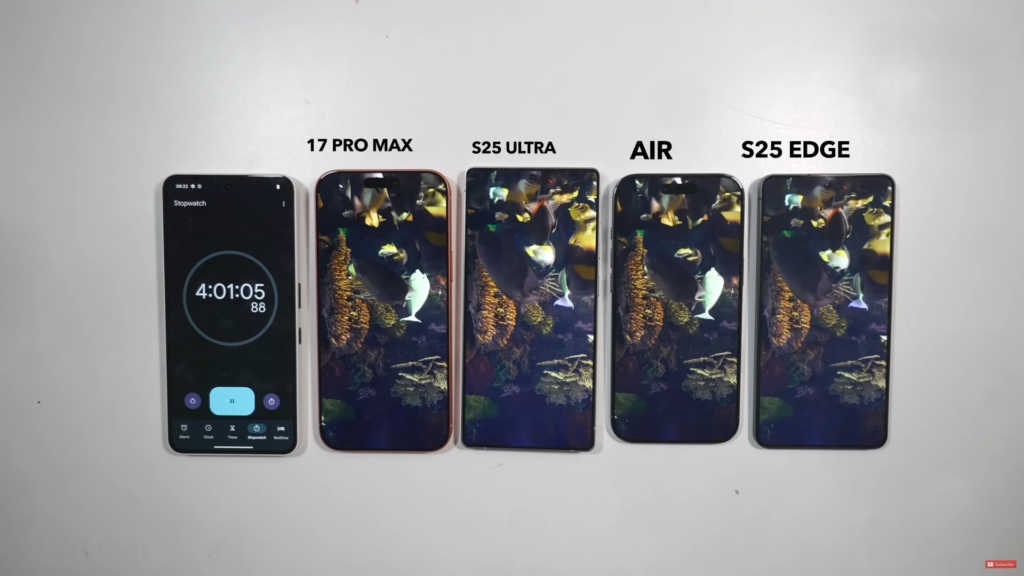
Early battery tests suggest Apple’s efficiency game is paying off. YouTuber XEETECHCARE put the iPhone Air through a full drain test and clocked nearly 9 hours of screen time (8 hours 57 minutes). That was just enough to edge past Samsung’s Galaxy S25 Edge, which lasted 8 hours 45 minutes with a larger 3,900 mAh battery.
Tom’s Guide reported similar findings. In their web browsing loop, the Air managed 12 hours and 2 minutes versus the S25 Edge’s 11 hours and 48 minutes. Video streaming painted an even clearer picture: after five hours, the iPhone Air still had 81% battery left, while Samsung’s phone dropped to 67%. That kind of gap shows Apple isn’t just relying on hardware, but on tight software optimization too.
In fact, Apple was previously rumored to be working on an AI-powered resource management system for better efficiency and extended battery life, which now seems to be a part of the new iPhones. The iPhone 17 Pro Max lasted 11 hours and 53 minutes in XEETECHCARE’s test, while the Galaxy S25 Ultra only managed 9 hours and 18 minutes. The iPhone 17 Pro (3,988 mAh) even outperformed last year’s 16 Pro Max (4,685 mAh) in another test, suggesting Apple has done something really smart in resource management this year — whether that’s AI or other optimizations. And with leaks pointing to Samsung not upgrading the battery capacity of its 2026 Ultra flagship, it’ll be interesting to see how that model stacks up against the iPhone 17 Pro Max.
For now, the iPhone Air proves you don’t need the biggest battery to get strong endurance. For a phone doubted for its tiny battery, outperforming a rival with a significantly larger pack is no small feat. And for those worried about durability, check out what it took for YouTuber JerryRigEverything to bend the phone.
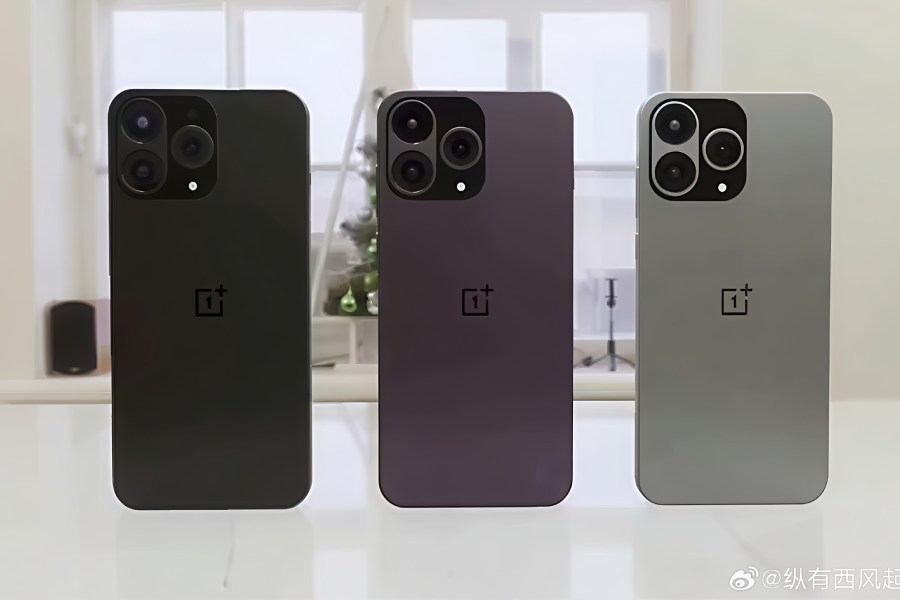
The OnePlus 15 is getting closer to its international debut, thanks to a new certification spotted in Malaysia. The phone, listed on the SIRIM database under model number CPH2747, has cleared an important step for approval in Southeast Asia and likely other regions soon after.
OnePlus’s release pattern gives us a rough idea of what to expect. The OnePlus 13 (review) went official in China in October 2024 and arrived globally in January 2025. If the same schedule holds, the OnePlus 15 could launch in China later this year, followed by a global rollout in early 2026.
This SIRIM listing also ties the device to an earlier TÜV SÜD certification in Germany. That filing hinted at 120W fast charging support, which would mean the phone can fully recharge in under half an hour. It’s in line with OnePlus’s habit of keeping charging speeds well ahead of rivals.
Performance should be a highlight too. A Chinese model with the code PLK110 recently appeared on Geekbench, running Qualcomm’s Snapdragon 8 Elite Gen 5 chip with 16GB of RAM and Android 16. It scored 3,709 in single-core and 11,000 in multi-core tests.
On the design front, leaks point to notable changes. Reports mention a new camera module, slimmer bezels, a slightly smaller body, and a tougher middle frame coating that’s said to be more durable than titanium. Camera hardware and software upgrades are also expected, making the redesign more meaningful than incremental.
With certifications piling up, the OnePlus 15 is clearly moving through the final stages before launch. While details on pricing and regional availability remain under wraps, the pieces are falling into place for an early 2026 release outside of China. More clarity should come as we get closer to the official reveal.
The iPhone Air is one of Apple’s boldest designs on a smartphone. A razor-thin, ultra-light smartphone that packs some of the latest hardware. But for years, cases have been a default purchase for iPhone users. But with the iPhone Air, slapping on a bulky protection might actually defeat its purpose. So here’s why this is one Apple device that’s better off without a case.
Apple iPhone Air
Premium Materials Already Offer Protection
The iPhone Air isn’t just a fragile glass wrapped in hope. Apple has used its latest Ceramic Shield 2 protection on the front and back glass panels, which offers improved scratch resistance and glare reduction. This is further reinforced by the titanium frame for added durability. Even before the iPhone Air debuted, many had questioned its durability owing to the infamous bendgate issue that caused iPhone 6 series models to bend when placed in the back pockets.
This reinforced design offers impressive resistance to bending or breaking, which was recently showcased in a JerryRigEverything video on YouTube. Now I’m not saying this phone is impervious to shattering or damage, but its no less durable than any modern phone despite its super slim design. Considering how the ultra thin design is the big highlight, a thick case just defeats the purpose.
A Case Dulls the Experience
There’s something about using the iPhone Air bare, which nearly no other phone can replicate. While there have been some recent slim phone launches, the Galaxy S25 Edge is the only true competitor that blends high end specs with cutting edge hardware. So putting the iPhone Air in a case removes the magic Apple worked on delivering. This is the only model in the iPhone 17 lineup to use titanium alloy, unlike last year’s iPhone 16 Pros. Meaning you miss out on the impressively thin, light, and premium feel of this model if you slap on a case.
Scratches vs Form: What’s the Trade Off?
Sure, a case can protect against scratches or dents, but it’s worth asking: what do you lose in the process? The iPhone Air was clearly designed with hand feel in mind. The iPhone Air has already proven its toughness and pairing it with AppleCare can help add some more peace of mind. So scratches over the years is a small price to pay to enjoy the device as Apple intended.
Why Going Case-Free Makes Sense
When you combine all of these factors, it becomes clear why a case doesn’t make sense here. With a price tag of 999 US Dollars, it is clear that Apple intends this model for enthusiasts with deep pockets. So if you can afford the Air despite its various other flaws, you’re likely going for this model for its unique build. Apart from being just another iPhone, it is also a statement about what smartphones can look and feel like in the future when technology allows for such a design with barely any compromises.
For more daily updates, please visit our News Section.
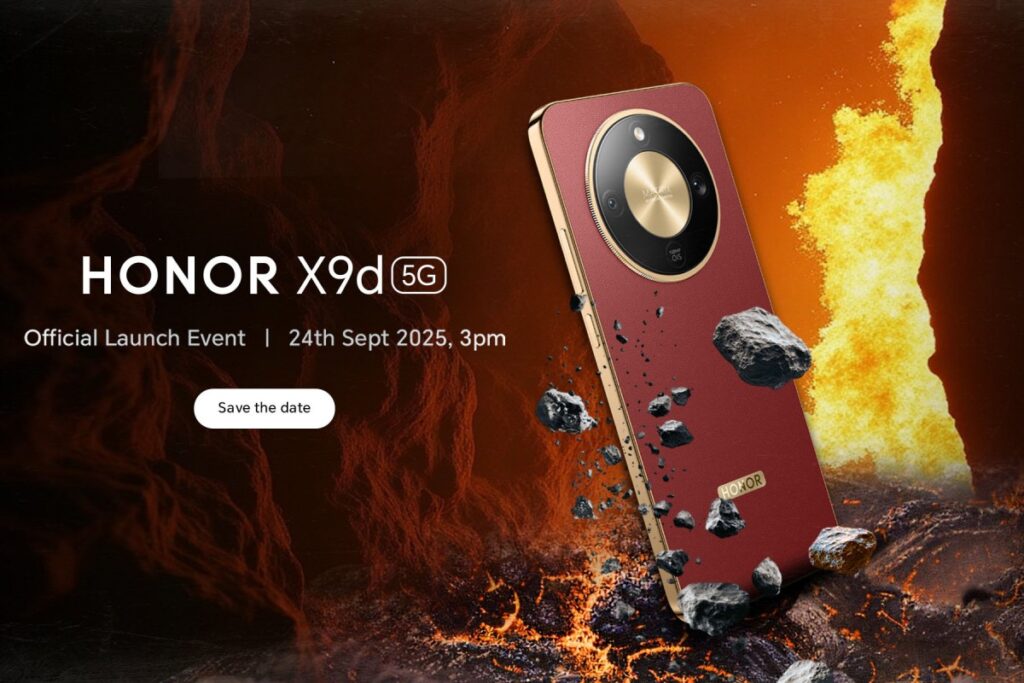
Honor has officially locked in the launch date for its next mid-range phone, the Honor X9d, and it’s happening in Malaysia later this month. The event is set for September 24, 2025, at 3 PM local time (7 AM UTC), and early teasers are already giving us a pretty good idea of what to expect.
From the looks of it, the X9d takes heavy inspiration from the Honor X70 that launched in China back in July, but with a few notable tweaks, one of which is a 108MP main camera. The company is putting ruggedness front and center. Just like the Honor X70, this phone comes with an IP69K rating, meaning it can survive not just dust and water, but even high-pressure sprays. Honor also highlights a reinforced frame designed to handle drops better than your average glass-slab phone.
Power won’t be an issue either. Inside sits a massive 8,300mAh silicon-carbon battery, one of the largest we’ve seen in a mainstream smartphone. That should mean multi-day endurance, especially appealing for users who are often away from a charger.
On the design side, Honor is sticking with familiar looks but adding a splash of variety. The reddish brown finish from the X70 is returning, joined by a new Sunlight Gold option. Camera upgrades are also on the table: instead of the X70’s 50MP main shooter, the X9d is tipped to ship with a 108MP primary sensor with OIS, a big leap for anyone who cares about detail and low-light photos.
Full specs are being kept under wraps until launch day, but the rugged build, massive battery, and upgraded cameras position the X9d as a strong contender in the durability-focused mid-range segment.
Xiaomi is issuing a recall for over 100,000 units of its standard SU7, which is one of the brand’s first electric vehicles. Owing to an issue with the smart driving feature, this model is being recalled. This is the best selling electric sedan from the brand, so the issue affects 116,887 EVs.
Xiaomi Will Update 116,000+ SU7s to Fix Assisted Driving Warning Problem
The Chinese tech giant is recalling the Standard Edition of the SU7, which were apparently manufactured between 6th February 2024 and 30th August 2025. China’s SAMR (State Administration for Market Regulation) has revealed that some units suffer from a problem that makes them incapable of properly recognizing, warning, or handling extreme navigation scenarios when the ADAS (advanced driver assistance system) is active.
Xiaomi SU7 standard
To put things simply, this issue can basically cause accidents or collisions if the driver fails to take control on time. Xiaomi has stated that it will fix the issue with a free software update delivered via an OTA roll out. The safety concerns were related to the Level 2 assisted-driving feature of the electric sedan. The company further adds that the Xiaomi SU7 and YU7 SUV models will be getting an upgrade to the latest Xiaomi HyperOS 1.10.0.
For those unaware, Xiaomi has already sold around 340,000 units of the Xiaomi SU7 in its home market of China since it launched in March 2024 in three variants. Back in January 2025, Xiaomi also had to recall 30,000 units of its electric sedans owing to a faulty autonomous parking system, which caused unexpected behaviour leading to collisions as well during the parking process. So this does bring the brand’s electric
For more daily updates, please visit our News Section.
Xiaomi’s next flagship lineup, the Xiaomi 17 series, is expected to debut in China on September 30. Alongside Qualcomm’s latest Snapdragon 8 Elite Gen 5 processor, new leaks suggest the company is putting extra focus on battery life this time around.
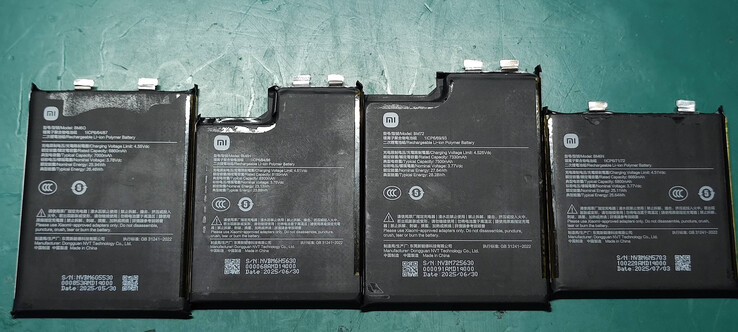
According to details shared on Weibo by leaker Panda Is Very Bald, citing Bilibili videos from Neural Tin Tin, the Xiaomi 17 range could see some of the largest batteries yet on the brand’s premium devices.
The standard Xiaomi 17 is said to feature a 7,000mAh cell, up from 5,400mAh on the Chinese Xiaomi 15 (our review). That alone would mark a big jump in endurance, especially paired with the efficiency improvements expected from the new Snapdragon chip.
From left to right: Xiaomi 17-7000, 17 Pro-6300, 17 Pro Max-7500, U-6800
The Xiaomi 17 Pro may come with a 6,300mAh battery, slightly smaller than the base model but still a step up from the 6,100mAh found in the 15 Pro.
At the top end, the rumored Xiaomi 17 Pro Max is tipped to carry a massive 7,500mAh battery, making it one of the largest in a mainstream flagship. All three models are said to support 100W fast charging, compared to the 90W standard on the previous generation.
The tipster also shared a photo containing four separate batteries, one of which (the one on the right) is believed to belong to the Xiaomi 17 Ultra. It’s reportedly a 6,800mAh unit, outpacing the 6,000mAh cell in last year’s 15 Ultra.
The higher capacities, combined with faster charging, may give the 17 series a significant improvement in battery life—provided the new Snapdragon doesn’t offset gains with higher power draw.
Honor‘s upcoming flagship smartphones and tablets have just surfaced in a fresh leak, revealing their launch date. The Magic 8 series and MagicPad 3 Pro are expected to debut next month, so here’s everything we know so far.
Honor Magic 8 Series & MagicPad 3 Pro Leaked for Mid-October Launch
The latest rumor arrives from tipster Fixed Focus Digital, who shared the details on Weibo. Honor is reportedly planning on releasing the Magic 8 series and the MagicPad 3 Pro in the brand’s home market on 15th October 2025. That’s not all, there are other products also launching alongside these high end smartphones and tablets, including a new pair of truly wireless earbuds (EarBuds 4?) and the Honor Watch 5 Pro. To recall, the Honor Magic 8, Magic 8 Pro, and Magic 8 Mini will debut with Qualcomm’s Snapdragon 8 Elite Gen 5 SoC.
Honor Magic 7 Pro
Apart from the powerful chip and cutting edge specs, the company is focusing on bringing more advanced AI powered features in the Magic 8 series. These will likely include deeper AI integration for more useful tools and help improve the zoomed pictures from the 200MP periscore telephoto shooter on the rear. Based on earlier reports, the Magic 8 Pro could also be the only Snapdragon 8 Elite Gen 5 powered chipset that features 3D Face ID technology.
The large 200MP zoom lens is expected paired with a large 50MP 1/1.3-inch main camera and 50MP ultra wide angle shooter. This model may be powered by a massive 7,000mAh battery pack, which may support 80W wired fast charging. On the other hand, the MagicPad 3 Pro was recently teased, and it will likely feature the Snapdragon 8 Elite.
For more daily updates, please visit our News Section.
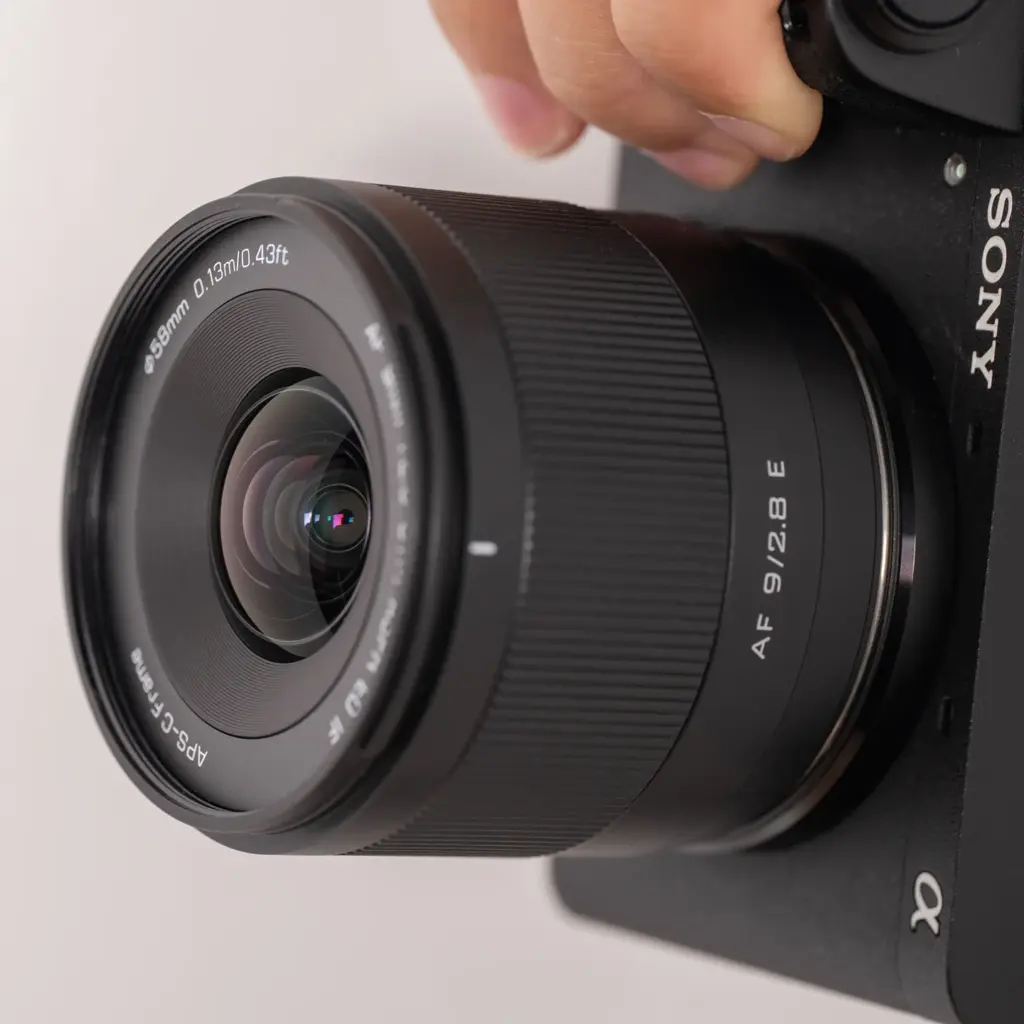
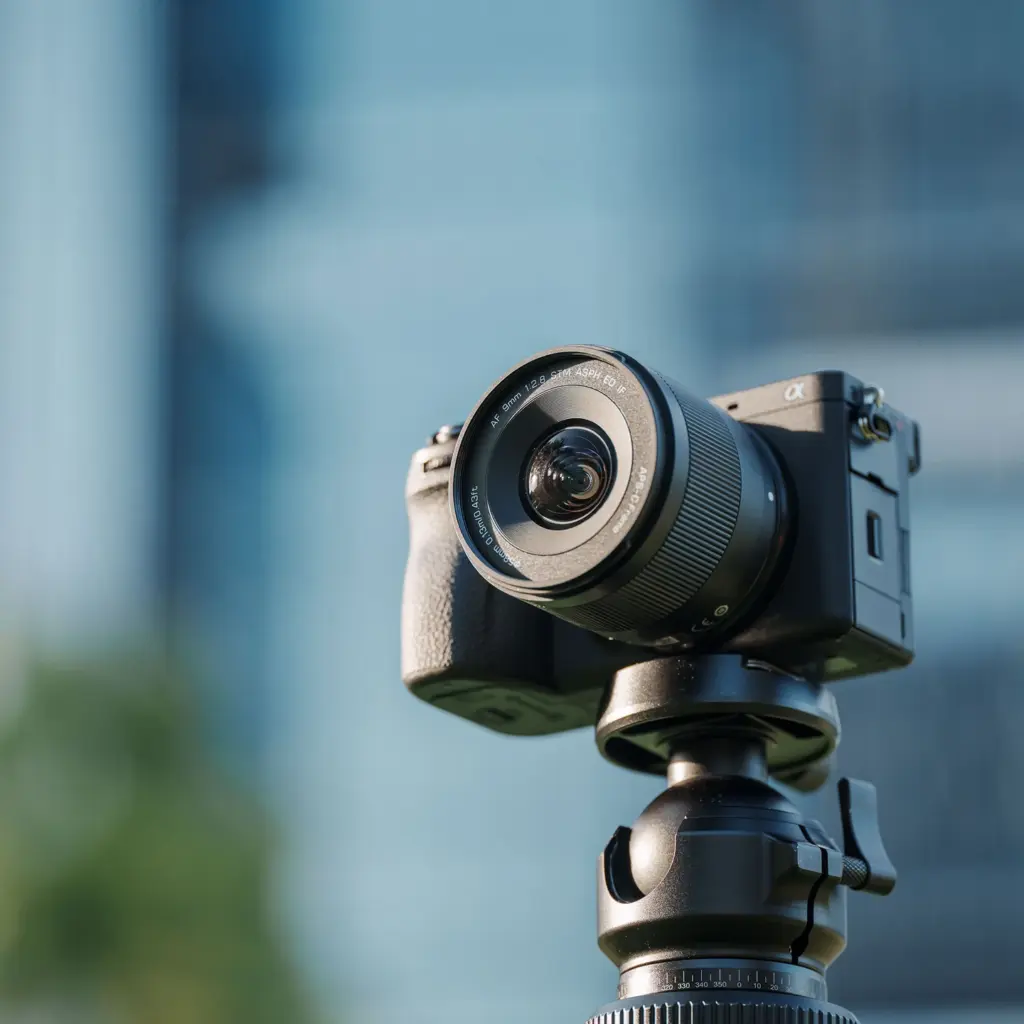
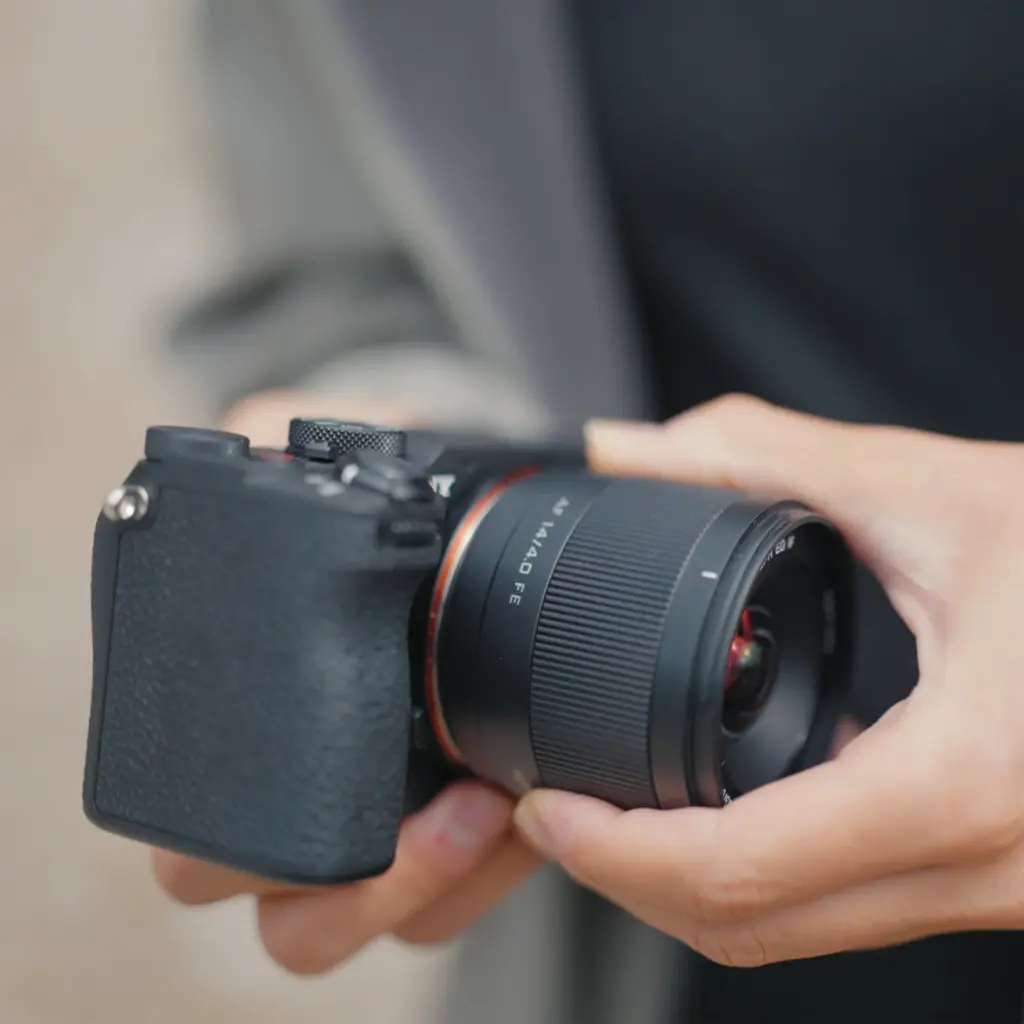
Viltrox has unveiled two lightweight ultra-wide autofocus primes in its Air series: the AF 9 mm F2.8 Air for APS-C cameras and the AF 14 mm F4 Air for full-frame systems, aimed at creators who want wide views without bulky gear.
Specifications
The AF 9mm F2.8 Air is compatible with Sony E, Nikon Z, and Fujifilm XF mounts. It features a 113.8° field of view, which is equivalent to 13.5mm on full-frame. The lens has a fast F2.8 aperture that supports low-light shooting and subject separation.
The optical design includes 13 elements in 11 groups, with 3 ED elements, 3 high-refractive index elements, and 2 aspherical elements. The lens weighs just 175 grams and supports a minimum focusing distance of 0.13 meters.
The AF 14mm F4.0 Air supports Sony FE and Nikon Z mounts and is aimed at full-frame users. It delivers a 112.6° field of view and features a 12-element, 9-group optical layout.
Viltrox used 4 ED elements, 2 high-refractive index elements, and 2 aspherical elements in the design. The lens weighs 170 grams for FE mount and 185 grams for Z mount. It also supports close focusing at 0.13 meters and delivers 0.23x magnification.
Both lenses use STM autofocus motors for fast and quiet focusing. They support face and eye detection for photo and video shooting. Viltrox has included a standard 58mm filter thread, weather sealing, and a USB-C port for firmware updates. The front elements feature a coating that resists water and dust.
Pricing and Availability
Viltrox has priced both the AF 9mm F2.8 Air and AF 14mm F4.0 Air at $199 / €229 / £190. The lenses are now available globally through authorized dealers and the official Viltrox online store.
In related news, Viltrox recently introduced the AF 56mm F1.2 Pro lens for Sony E and Fujifilm X-mount APS-C cameras, along with the AF 15mm F1.7 Air, a lightweight wide-angle prime for APS-C systems.
For more daily updates, please visit ourNews Section.
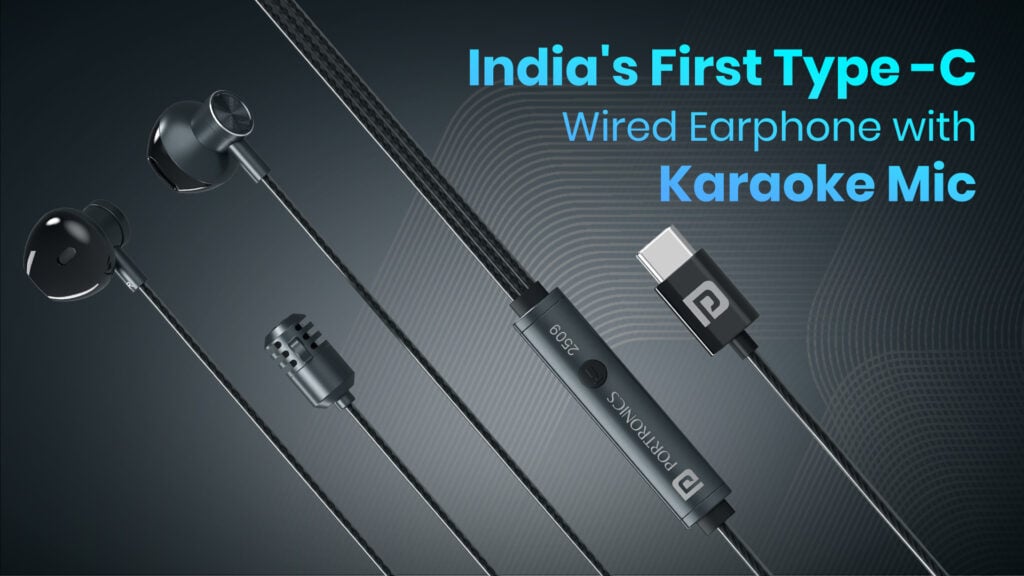
Portronics has announced the launch of the Conch One, a new pair of wired earphones that feature a Type-C connector and built-in karaoke functionality. The company claims this is India’s first wired karaoke earphone with a Type-C port.
The Portronics Conch One is priced at ₹1,149 and is available through Portronics’ official website, Amazon, Flipkart, and major offline retailers. It comes with a 6-month warranty.
Portronics Conch One Specifications
The Conch One comes with a 14.2mm premium dynamic driver. The earphones deliver deep bass and support four customizable EQ modes, including Bass, HD, Cinema Surround, and Game. These modes allow users to adjust the sound profile depending on the type of content.
The earphones connect via a Type-C audio jack, which ensures compatibility with modern smartphones, tablets, and laptops that do not have a 3.5mm headphone jack. They also feature in-line controls for easy access to playback and mic settings.
The Conch One is designed for more than just music playback. Portronics has positioned it as a multi-purpose audio accessory that supports karaoke singing, video recording, online classes, and vlogging.
The earphones come with a built-in karaoke mic that supports eight vocal sound modes, including Professional, Singer, Theatre, Acoustic, Melody, and Vocal Clear. You can switch between regular listening and karaoke by long-pressing the multifunction (M) button, while a short press in karaoke mode cycles through the vocal effects.
In terms of design, the Conch One has a lightweight ergonomic build for extended use. Portronics uses a tangle-free cable that improves durability and makes the earphones easier to handle.
Please Note: When you buy something using the links in our articles, we may earn a small commission at no cost to you.
In related news, Portronics has recently launched two new gadgets in India: the Nebula X, a 150W wireless party speaker with a karaoke mic and RGB lights, and the ToadPlay Mini, a wireless mouse with sport-themed designs.
For more daily updates, please visit ourNews Section.
Oppo is gearing up to unveil its next generation of flagship smartphones soon. These premium devices are expected to arrive with cutting edge hardware, the latest software, various new updates, and what appears to be the world’s first in the display’s brightness segment as well.
Oppo Find X9 Series Teased with Industry-First 1 nit Display
The Chinese tech giant shared a bunch of teasers ahead of the official announcement. Looking at the image posters, the upcoming Find X9 and Find X9 Pro will feature the world’s first 1 nit display for next gen eye protection. Oppo also employed a self developed P3 display chip to improve the visual experience. Furthermore, the flicker free display features a 3840Hz PWM dimming, 6900K default eye protection color temperature, and more.
Oppo Find X9 Series Display Teased
Based on a recent leak, the base Oppo Find X9 is expected to debut with a 6.59-inch LIPO OLED display with a 1.5K resolution and a high refresh rate. The display also supports a 12-bit 60 billion color precision with zero-latency processing. Oppo is even offering TUV Rheinland and SGS certification for eye protection, which is likely for low blue light and display flicker.
The next flagship smartphones from the brand will debut with MediaTek’s Dimensity 9500 SoC, which will likely be paired with up to 16GB of RAM and 1TB of internal storage. The Find X9 is rumored to arrive with a 32MP camera on the front, while the rear features a 50MP quad camera setup. A huge 7,025mAh battery pack powers the base variant, which may bring 80W wired fast charging and 80W wireless fast charging.
For more daily updates, please visit our News Section.
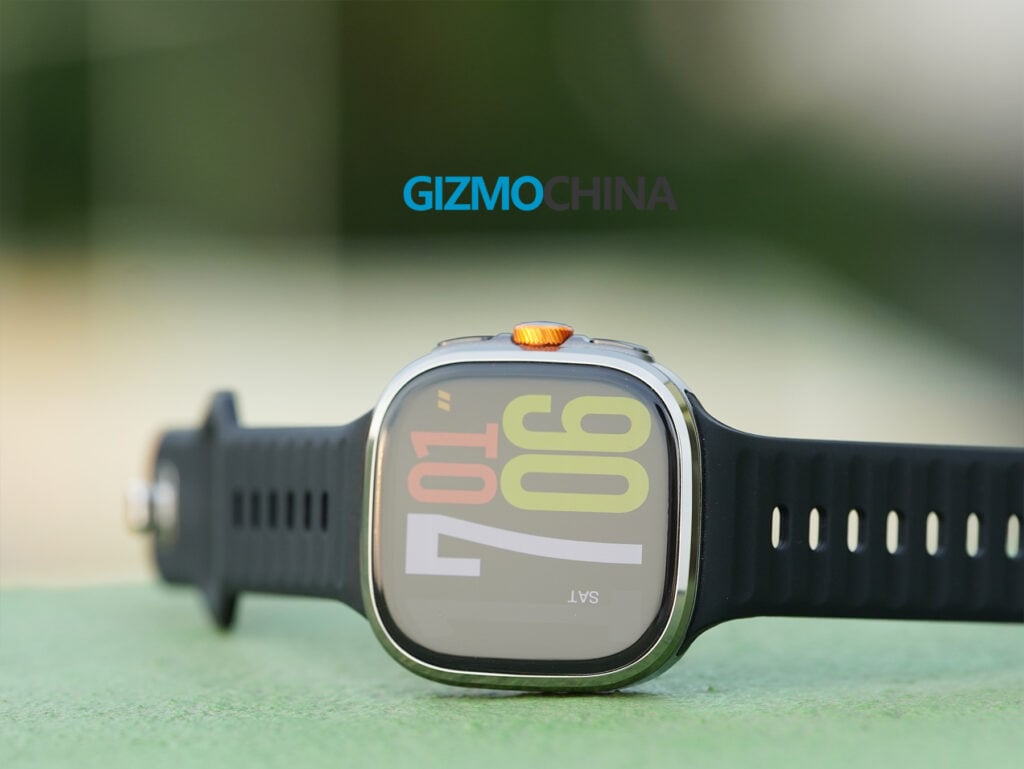
I recently got my hands on the Rogbid Model S, a fully-featured Android smartwatch that promises to deliver a smartphone-grade experience in a compact, wrist-worn form factor. After spending considerable time with this device, I can say it’s both impressive and frustrating in equal measure. Let me walk you through my comprehensive experience with what might be one of the most ambitious budget smartwatches available today.
First Impressions and Unboxing
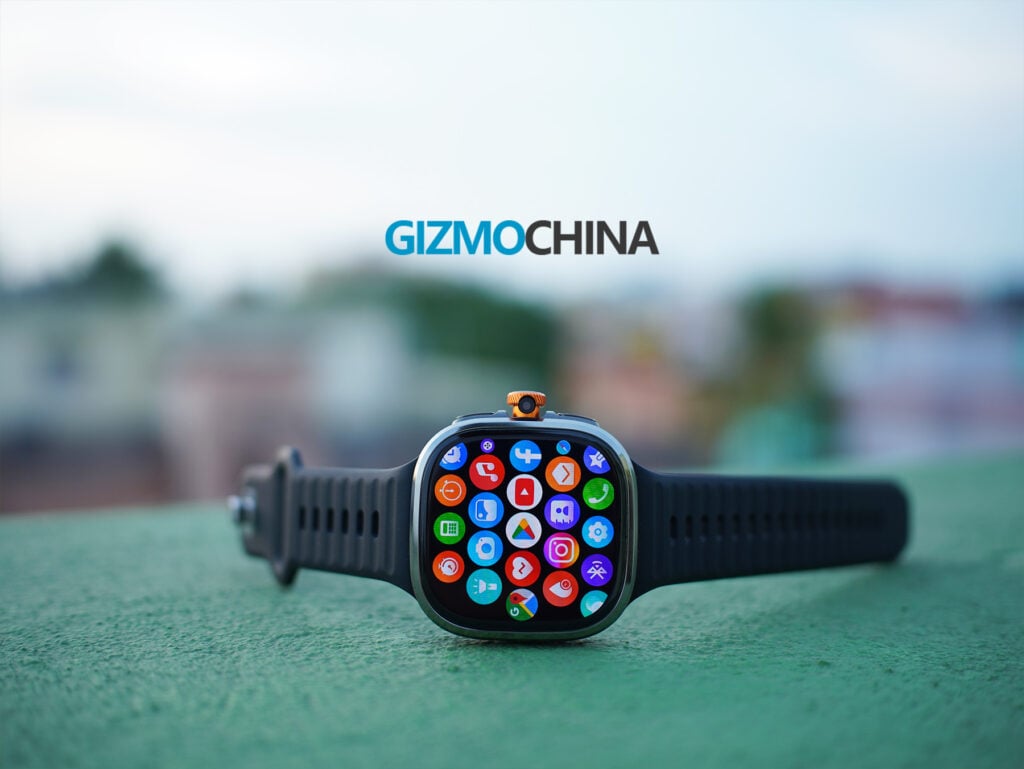
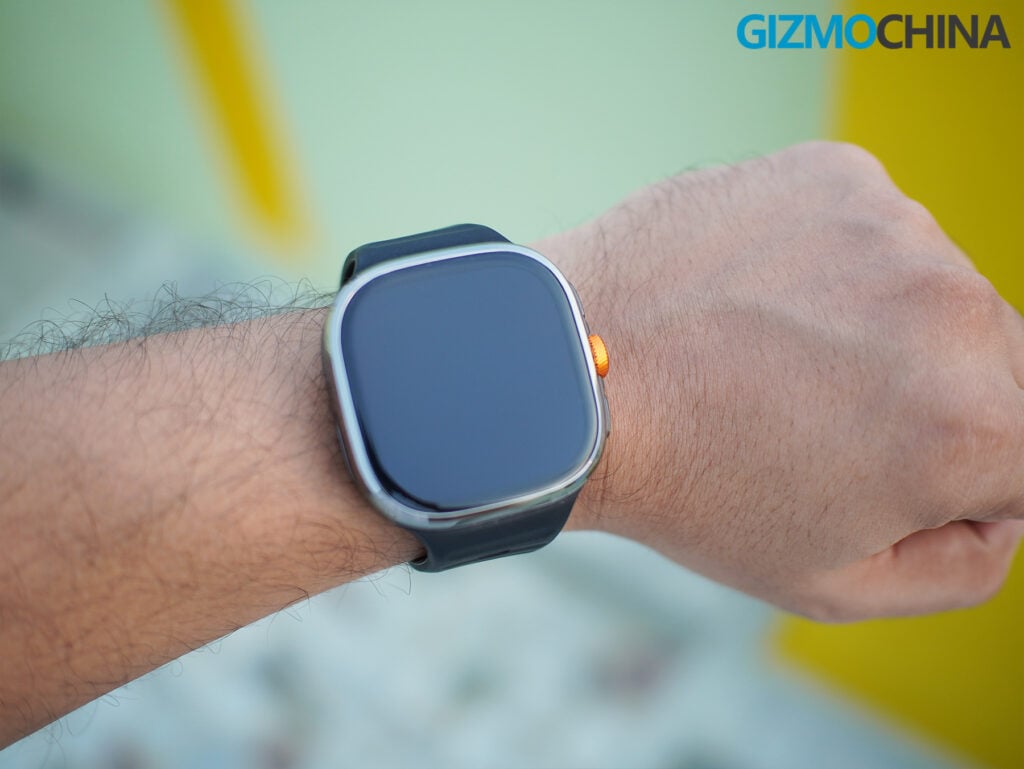
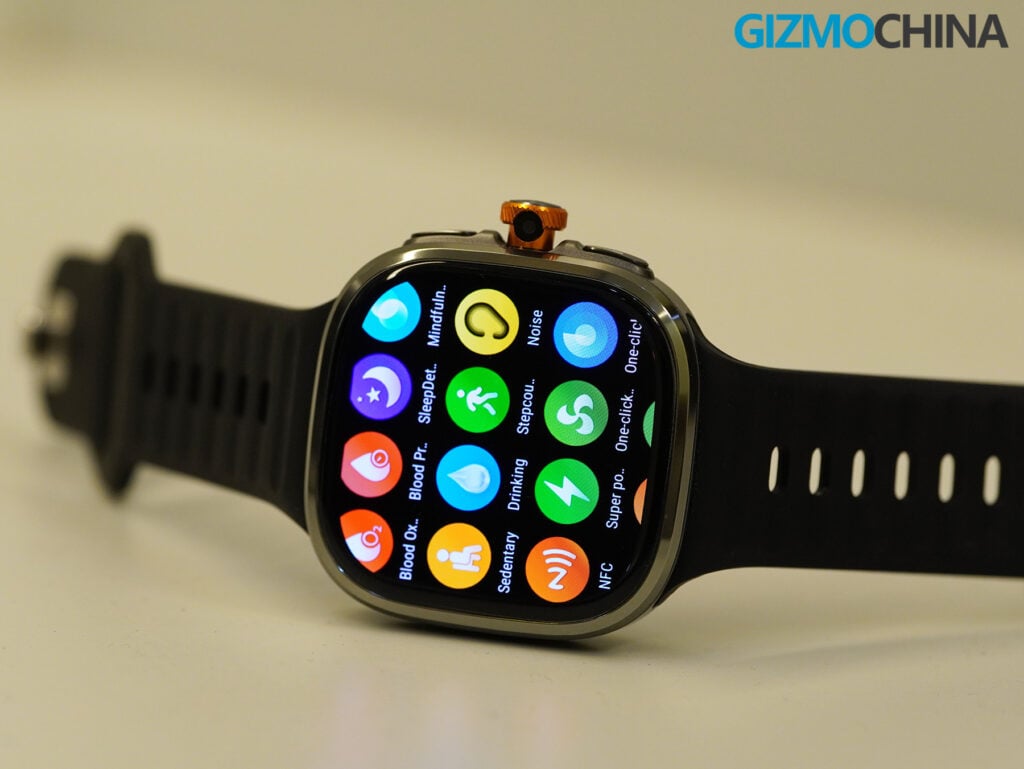
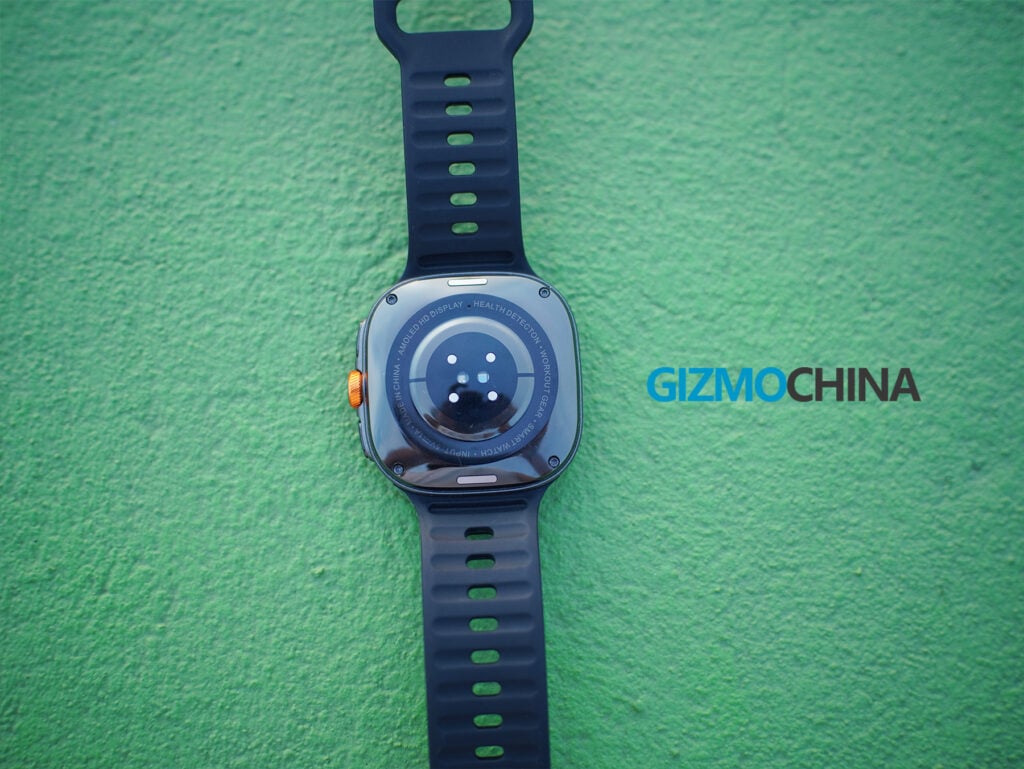
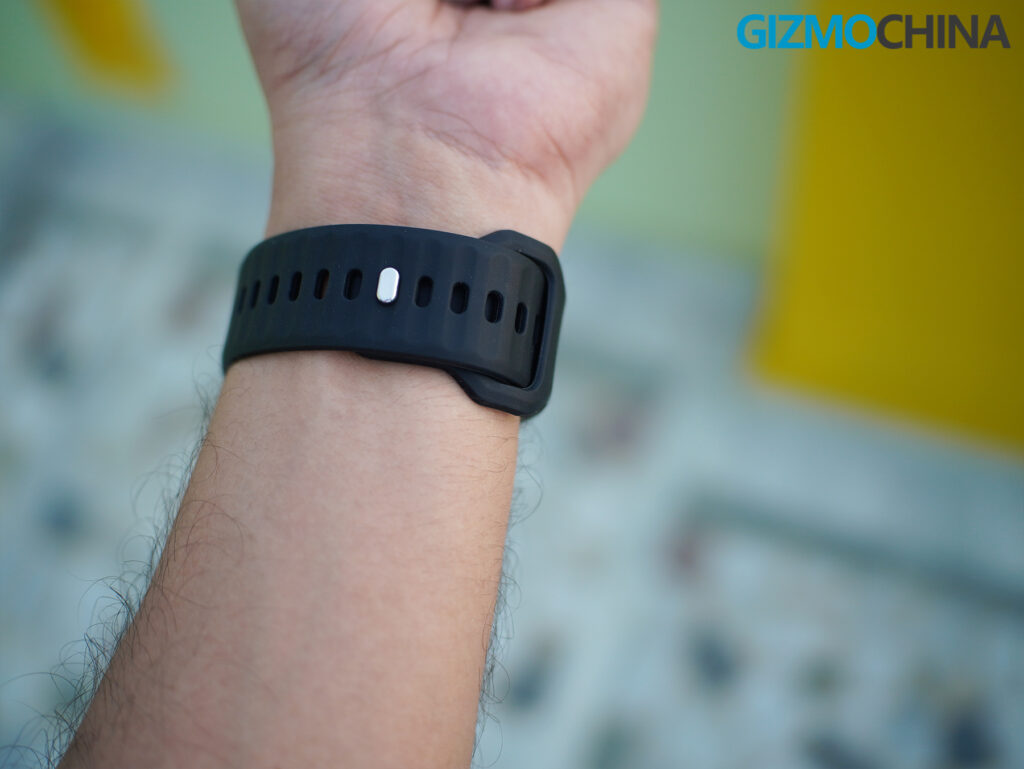
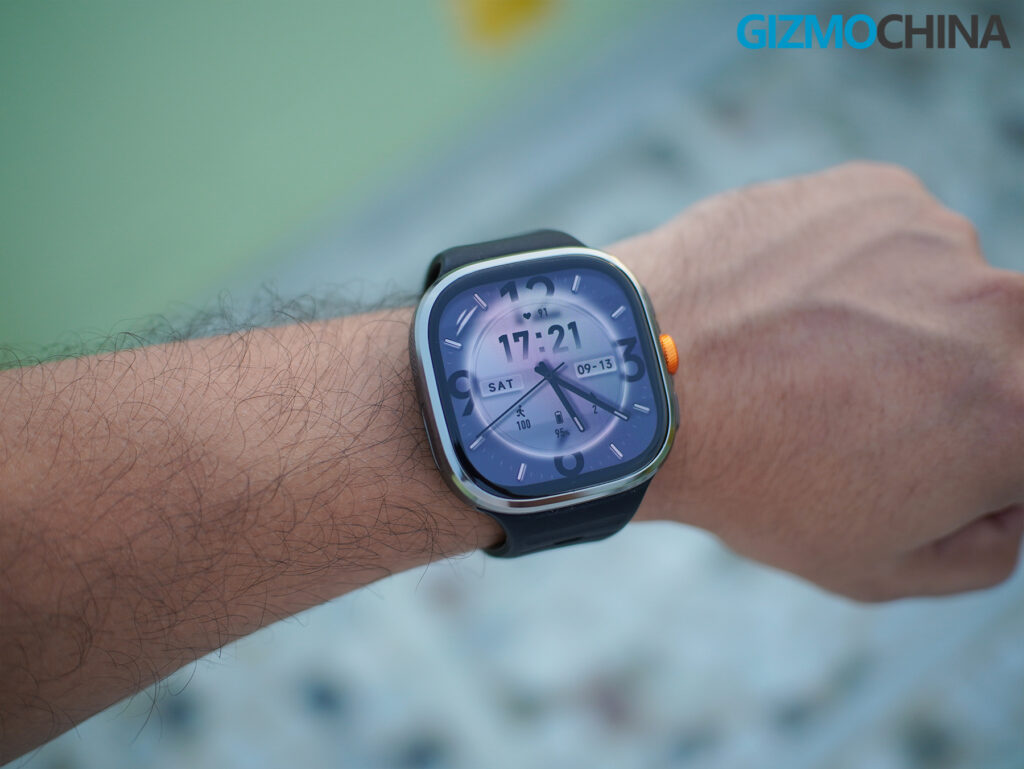
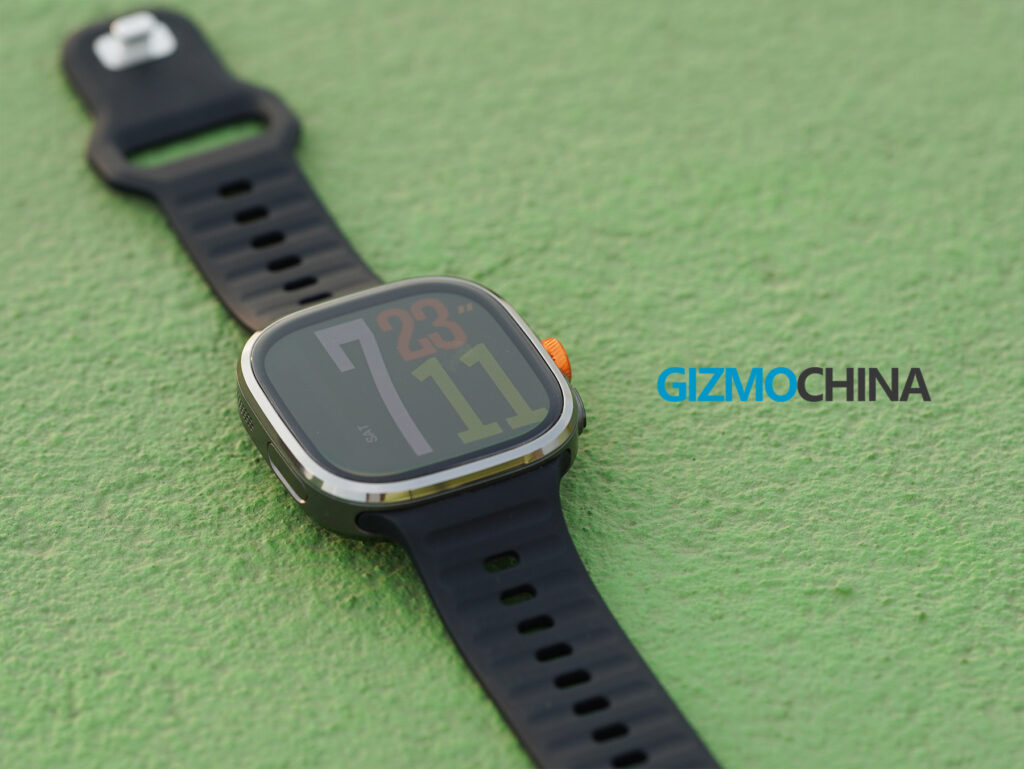
Right off the bat, I’ll be honest. The packaging wasn’t anything to write home about. It’s your typical budget device presentation, but everything you need is there: the watch itself, a magnetic charging cable, and a basic manual. What struck me immediately was the sheer size of this thing. At 48mm x 47mm with a 14.3mm thickness, the Model S is undeniably chunky. It’s clearly inspired by the Apple Watch Ultra design language, but significantly bulkier to accommodate all the internals.
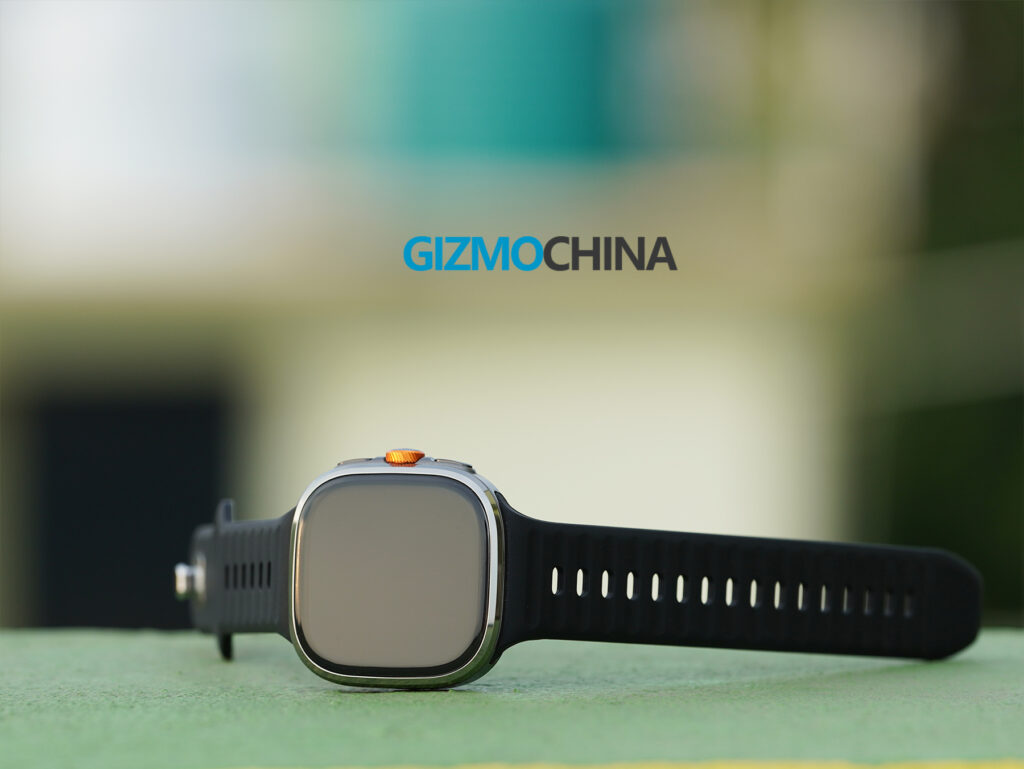
The build quality is decent for the price point, featuring a glossy metal frame that feels solid in hand. I received the black variant, and while the overall construction is satisfactory, there’s one glaring weakness. The crown feels cheap and doesn’t match the quality of the rest of the watch. The color choice and build quality of this crucial component really let down the overall aesthetic.
Display and Design
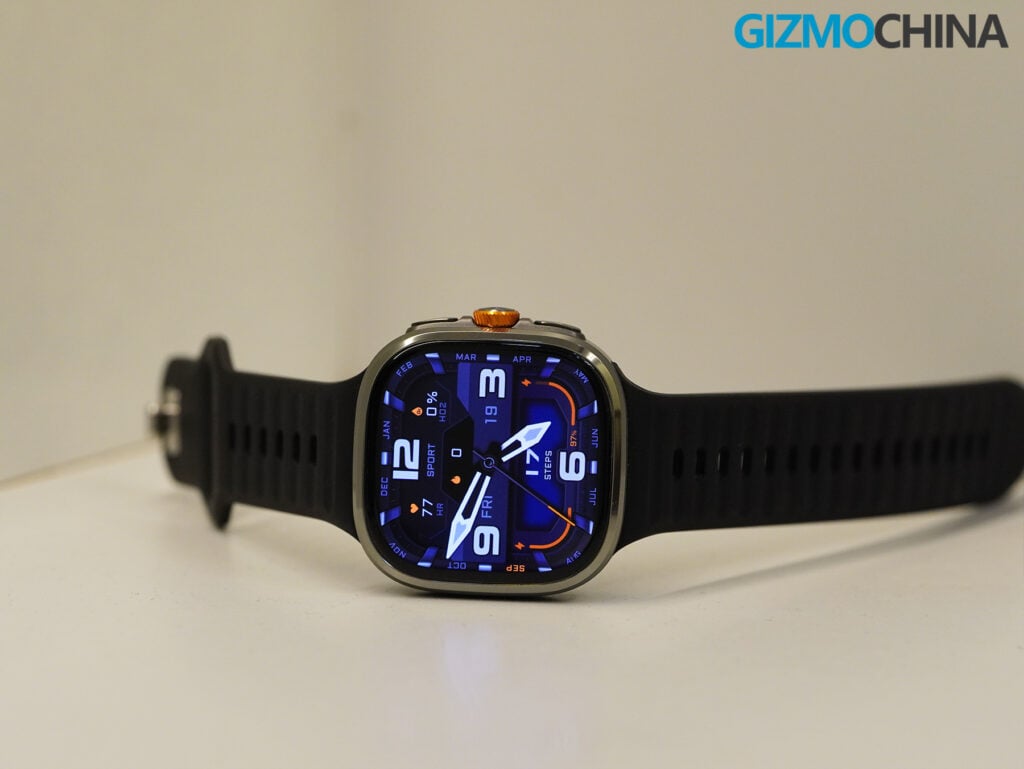
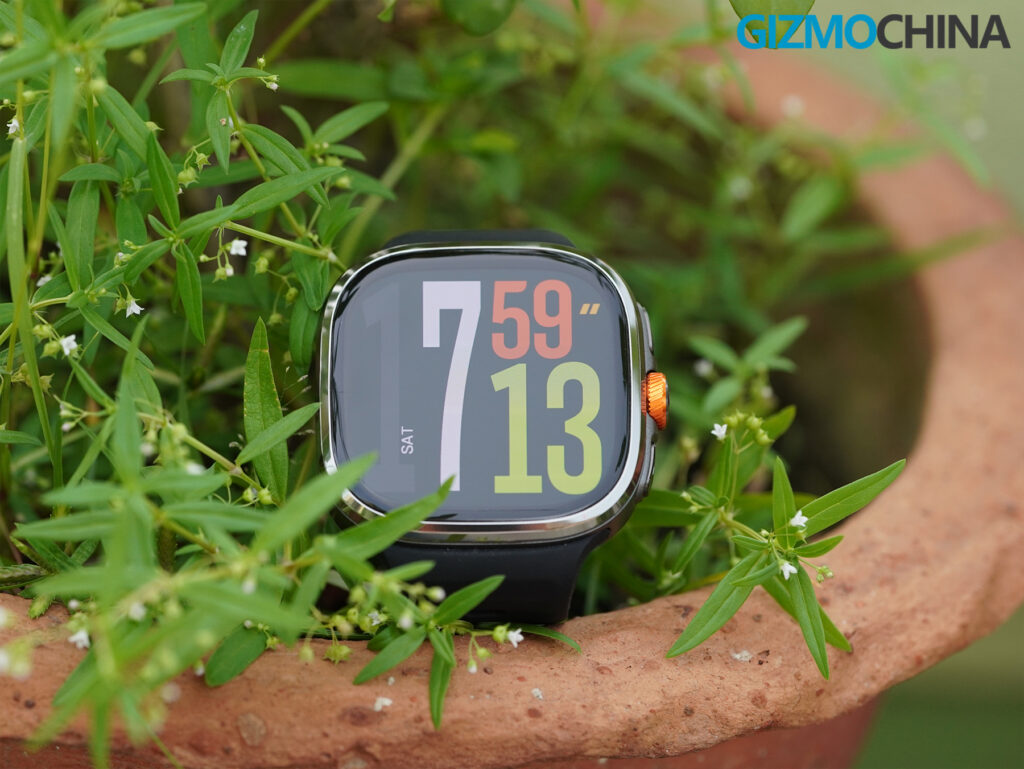
The star of the show is undoubtedly the 2.4-inch AMOLED display with its claimed 720×720 pixel resolution. The screen is genuinely impressive, with vibrant colors, sharp text, and excellent visibility even in bright sunlight.
However, here’s where things get murky. While Rogbid advertises a 720×720 resolution, when I ran diagnostic tools on the device, CPU-Z showed the actual resolution as 480×480 pixels, and it also reported a pixel density of just 124 PPI instead of the claimed 300. This is a significant discrepancy that potential buyers should be aware of. Despite the lower actual resolution and pixel density, the display still looks good for a smartwatch of this price range, but the false advertising is concerning.
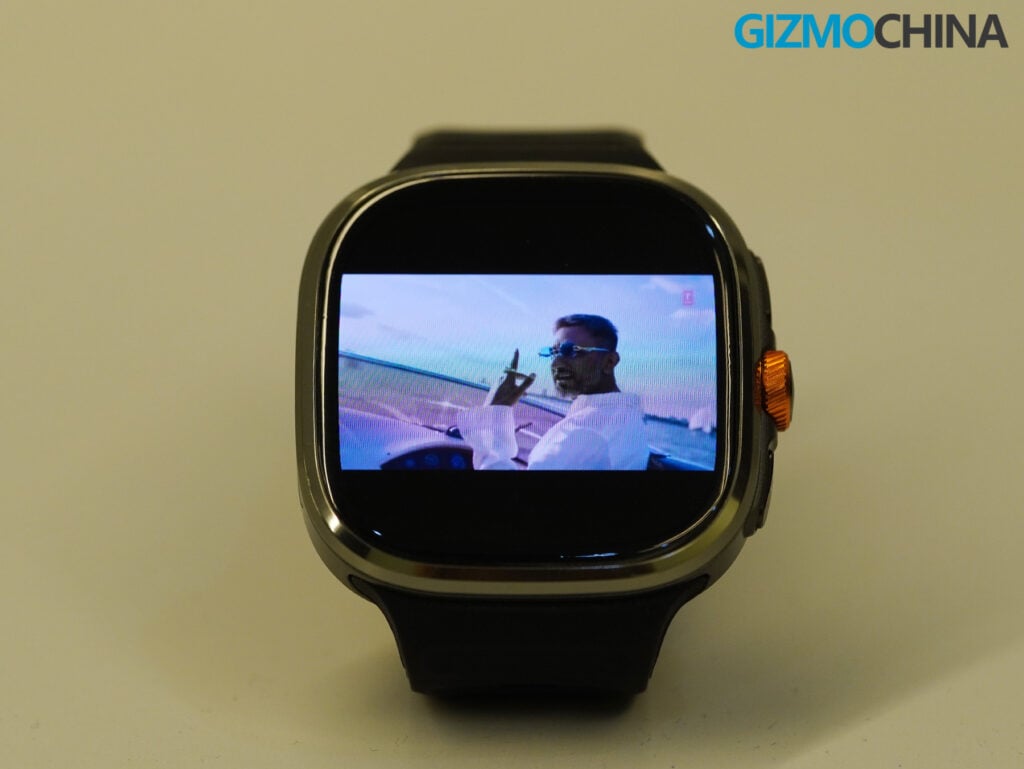
The touch response is excellent, and the interface feels fluid when navigating through menus. Multiple watch faces are available, and they genuinely look attractive on this large canvas. The size makes it comfortable for extended viewing sessions, which is crucial since this watch positions itself as a multimedia consumption device.
Unique Rotating Camera
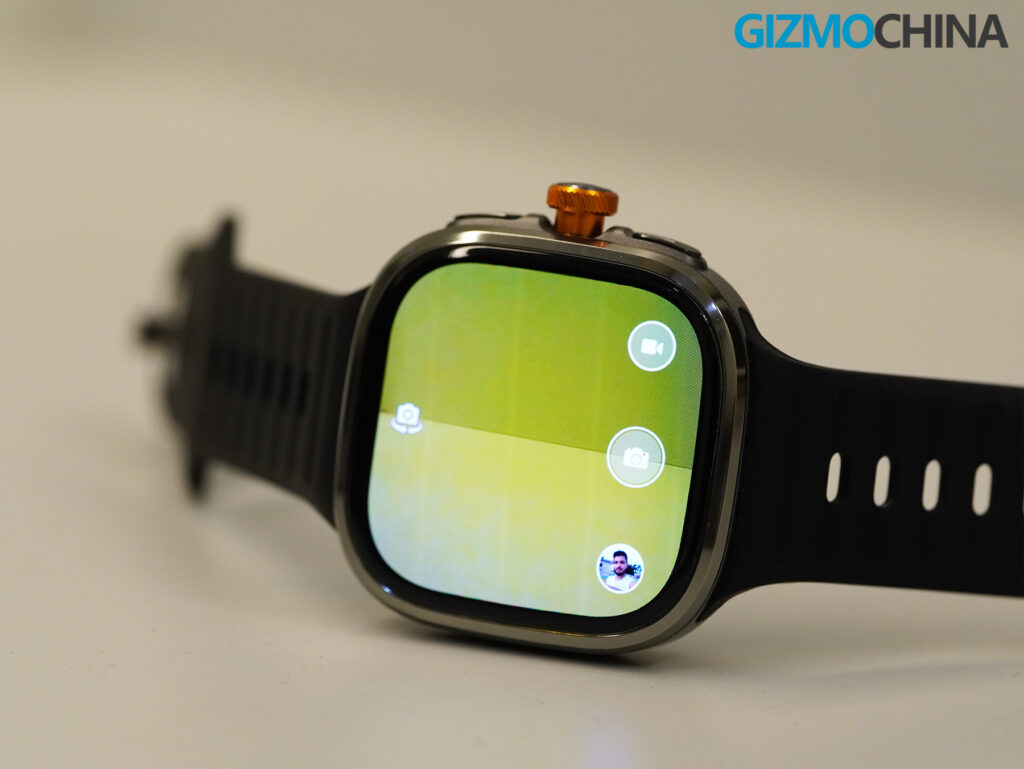
One of the Model S’s most distinctive features is its 190-degree adjustable rotating crown camera. This is genuinely clever engineering. When not in use, the camera stays hidden and flush with the watch body. Pull out the crown slightly, and you can manually adjust the lens orientation for selfies, video calls, or capturing your surroundings.
I tested the camera, and while it’s functional, expectations need to be managed. The image quality is comparable to a basic front camera on a budget smartphone from a decade ago. It’s more of a novelty feature, but for video calls through WhatsApp or similar apps, it does the job adequately.
The mechanical aspect works smoothly, though I worry about long-term durability given that it’s a moving part in a relatively affordable device. Still, it’s a unique selling point that sets the Model S apart from virtually every other smartwatch on the market.
Performance and Software Experience
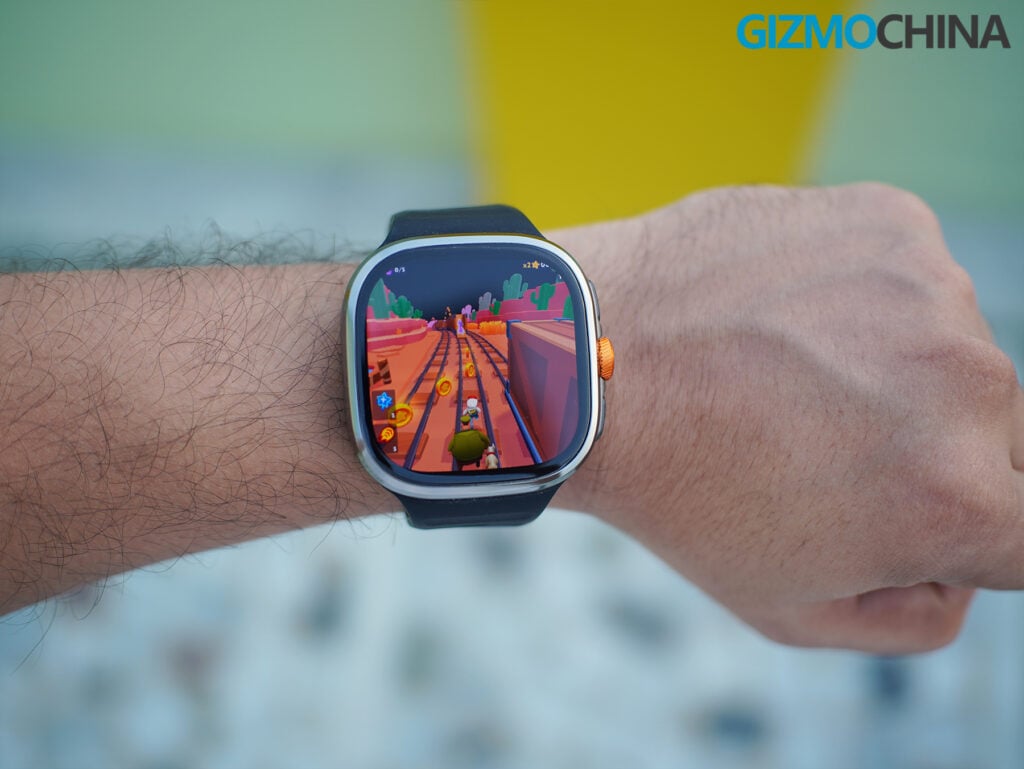
This is where the Model S both shines and stumbles. Running Android 8.1 (despite claims of Android 10 in the settings, which is another false advertisement), the watch provides genuine smartphone functionality. I was able to log into my Google account immediately and access the full Play Store. The experience of downloading and running apps like Subway Surfers, Instagram, YouTube, ChatGPT, and DeepSeek on my wrist was genuinely exciting.
Gaming performance is adequate for casual titles. Subway Surfers ran reasonably well, though some jitters are expected since these games aren’t optimized for smartwatch form factors. YouTube and Instagram work surprisingly well on the large display, making content consumption more feasible than I initially expected.
However, the Unisoc SL8541e chipset shows its limitations during intensive use. I experienced noticeable lag during multitasking, and the watch occasionally restarted when pushed too hard. With what appears to be 3GB of RAM and 32GB of storage in most variants (though I received the 8GB RAM model with 128GB of internal storage as per CPU-Z), performance is acceptable for basic smartphone tasks, but don’t expect super smoothness.
The battery life with the claimed 1500mAh capacity (my variant shows 2100mAh) provides a full day of mixed usage, including calls, app usage, and fitness tracking. The ultra power saving mode helps extend battery life when needed by limiting background processes.
Health and Fitness Tracking
Let’s address the elephant in the room. The health sensors are about what you’d expect from a budget Android smartwatch. The heart rate monitor and blood oxygen sensor appear to work, showing data on the screen, but in reality, they don’t measure accurately. To be honest, they barely work at all. I wouldn’t rely on these readings for medical purposes or serious fitness tracking. They’re fine for the illusion of general awareness, but they fall far short of the reliability you’d get from dedicated fitness wearables.
Surprisingly, the step counter works quite well and tracks daily activity reliably. The watch includes multiple sports modes for different activities, and with built-in GPS, it can track outdoor workouts independently. The fitness features are comprehensive on paper, but the execution feels more like checkbox features rather than carefully calibrated health tools.
Connectivity and Standalone Features
The 4G LTE support with global band compatibility is where the Model S truly differentiates itself. With a nano SIM card, this watch becomes a genuine standalone device. You can make calls, send messages, and use data services without a smartphone connection. The call quality through the built-in speaker is adequate for short conversations, though a Bluetooth headset improves the experience significantly.
The watch doubles as a Bluetooth companion for your smartphone, though the experience lacks the polish you’d get from an Apple Watch or Galaxy Watch. Notification syncing works on Android once you grant several permissions, while iPhone users will find the functionality more restricted because of iOS limitations.
Wi-Fi, Bluetooth, and even NFC are all present, making this one of the most connectivity-rich smartwatches at this price point. The inclusion of dual-band GPS with multiple satellite system support provides reliable location tracking for navigation and fitness activities.
Real-World Usage and Daily Experience
After using the Model S for several weeks, it’s clear this watch targets a very specific user type. If you want maximum functionality and don’t mind managing a complex device, it delivers impressive value. The ability to use ChatGPT, stream videos, play games, and handle calls directly from your wrist is genuinely impressive.
However, daily wear comfort is compromised by the size. Sleep tracking becomes uncomfortable due to the bulk, and the watch definitely makes a statement on smaller wrists. The move-to-wake feature works well and adds convenience during daily use.
The software experience feels more like managing a tiny Android phone than using a traditional smartwatch. You’ll need to actively manage battery life, close background apps, and deal with occasional performance hiccups. The ultra saving mode and one-tap cleanup features help, but this isn’t a set-and-forget device.
The Verdict
The Rogbid Model S succeeds as a proof-of-concept that stretches the limits of what a smartwatch can be. Having full Android, standalone 4G calling, a rotating camera, and broad connectivity at this price is genuinely impressive.
That said, I’m genuinely disappointed by the false advertising around its display resolution and Android version. If there hadn’t been any discrepancies in the specs, I could have recommended it as a budget smartwatch, even though it’s really meant for niche users or anyone chasing novelty.
The misleading claims undermine an otherwise intriguing product and highlight a wider transparency problem in the budget smartwatch market. Buyers need to know they’re getting Android 8.1, not 10, and that real hardware figures may differ from the marketing.
For tech enthusiasts who want to experiment with a smartphone-on-the-wrist and don’t mind trade-offs in polish or battery life, it can be a fun, capable gadget. It also fits specific scenarios where you need communication without carrying a phone.
For most people, though, more traditional watches from Apple, Samsung, or Garmin deliver far better reliability, fitness tracking, and integration. The Model S demands patience, curiosity, and a willingness to live with its quirks.
Despite its rough edges, the Model S is an ambitious attempt to pack smartphone features into a watch form factor. If you can look past the marketing exaggerations and accept its limitations, it still offers a unique and surprisingly capable wrist-worn computing experience at this price.
For more daily updates, please visit ourNews Section.
Vivo’s upcoming X300 series is set to be one of the company’s biggest launches of 2025, and now it seems a Fan Edition model is also in the works. A new device listed as the Vivo X300 FE, with model number V2537, has surfaced in the IMEI database.
The listing, first spotted by PassionateGeekz, suggests that Vivo is preparing to expand its X300 lineup beyond the standard and Pro models. What isn’t clear yet is whether the X300 FE will arrive alongside the main lineup this October or follow at a later stage.
A quick recap of the predecessor
Since no official details are available, the X200 FE provides the best clue about what to expect. Last year’s model shipped with a 6.31-inch LTPO AMOLED display, supporting a 120Hz refresh rate, HDR10+, and brightness levels reaching up to 5,000 nits. It’s powered by the MediaTek Dimensity 9300+ chipset, paired with up to 16GB of RAM and 512GB of storage.
The X200 FE also packs a versatile triple-camera system headlined by a 50MP wide sensor, a 50MP periscope telephoto with 3x optical zoom, and an 8MP ultrawide shooter.
On the front, it offers a 50MP selfie camera with 4K video support. Other notable features included stereo speakers, an under-display fingerprint sensor, NFC, and IP68/IP69 water and dust resistance. As for the battery, the X300 FE features a 6,500mAh cell that supports 90W fast charging.
If Vivo follows a similar formula, the X300 FE could serve as a more affordable alternative while retaining premium touches. For now, the IMEI database entry is the first sign that the device exists.
For more daily updates, please visit our News Section.
Samsung seems to be moving quickly toward its next major software update. According to a new report from SamMobile, the site managed to dig into leaked One UI 8.5 firmware and discovered that Samsung is already preparing the next big version of its custom Android skin, One UI 9.0.
The firmware only mentions One UI 9 and reveals nothing else. But it’s safe to say that the update will be based on Android 17. As for timing, SamMobile suggests the official rollout could still be a year away.
However, Samsung has been moving faster with software updates lately, so there’s a chance One UI 9.0 might arrive earlier than last year’s One UI 8.0, which launched on September 15.
One UI 9 will first show up in foldable devices
What seems more certain is where One UI 9.0 will show up first. Samsung’s next foldable flagships—the Galaxy Z Fold 8 and Galaxy Z Flip 8—are expected to ship with it pre-installed.
Even more interesting, Samsung is reportedly planning to launch its first tri-fold smartphone globally next year, and it too could debut with One UI 9.0. That would give Samsung a fresh software story to pair with its most experimental hardware yet.
For now, there’s no clear picture of what new tools or UI changes will define One UI 9.0. AI features are always a possibility, given the significant attention they’ve received across the industry, but nothing in the firmware currently indicates that. Still, firmware leaks have a way of dropping breadcrumbs, so more details may emerge before Samsung makes anything official.
For more daily updates, please visit our News Section.
Poco is reportedly working on the Poco F8 series of smartphones for the global market. The lineup is expected to include multiple models, such as the Poco F8, F8 Pro, and F8 Ultra. Like the F7 series, the Pro and Ultra models may debut early in 2026, whereas the standard F8 may break cover in Q2 2026. Ahead of the expected launch timeframe, the alleged Poco F8 Pro has surfaced in GSMA’s IMEI database.
Poco F8 Pro IMEI database listing
POCO F7 Pro
According to XiaomiTime, a Poco phone bearing the model number 2510DPC44G has appeared in the IMEI database. At present, there is no India variant, which indicates that the device may not launch in the country.
Recently, a Xiaomi phone with the model number 2510DRK44C bagged 3C certification in China. The device, which was spotted with a 100W charger, is expected to debut as the Redmi K90 by the end of October this year.
The Poco F7 Pro was a rebranded version of the China-exclusive Redmi K80. Therefore, while the K90 may remain confined to the Chinese market, it could debut globally as the Poco F8 Pro.
Redmi K90 Pro / Poco F8 Pro specifications (rumored)
As per reports, the Redmi K90 is expected to launch with the forthcoming Snapdragon 8 Gen 5 chipset. It may feature a 6.59-inch flat RGB OLED LTPS display with 2K resolution and a 120Hz refresh rate. Security is likely handled by an ultrasonic in-screen fingerprint sensor. Powering the device could be a 7,100mAh battery with 100W fast charging. Other highlights include dual stereo speakers, a premium metal mid-frame, and an x-axis linear motor. The Poco F8 Pro, being a rebranded version, may pack the same specs.
The Poco F8 Ultra is yet to appear in the IMEI database. This device is expected to be a rebadged version of the Snapdragon 8 Elite Gen 5-powered Redmi K90 Pro.
For more daily updates, please visit our News Section.
Xiaomi is expected to unveil the Xiaomi 17, 17 Pro, and 17 Pro Max on Sept. 30 in China. The lineup is also expected to include other models, such as the Xiaomi 17 Ultra and Xiaomi 17S Pro, as successors to the previous generation’s Xiaomi 15 Ultra and Xiaomi 15S Pro. Recently, a new Xiaomi device bearing the model number 2512BPNDAC surfaced in the database of China’s radio certification platform. This device is believed to be the Xiaomi 17 Ultra, which is expected to launch in 2026.
Xiaomi 17 Ultra radio certified in China
Xiaomi 17 Ultra radio certified
As seen above, the Xiaomi 2512BPNDAC has received radio certification in China. The listing reveals one key detail: the device will support Ultra-Wideband (UWB) connectivity.
The global and Indian variants of this device, with respective model numbers such as 2512BPNDAG and 2512BPNDAI, were spotted in the GSMA IMEI database in July. There have been reports that Xiaomi may not launch premium smartphones in India. Therefore, there is no clarity on whether any of the Xiaomi 17 series will make it to the Indian market.
The “2512” numbers in the model number indicate that it may debut in China. However, since the Xiaomi 15 Ultra was announced in February 2025, the 17 Ultra is expected to hit the Chinese market in February 2026.
Xiaomi 17 Ultra specifications (rumored)
As far as specs are concerned, the Xiaomi 17 Ultra’s camera setup is expected to include a customized 50-megapixel 1-inch primary camera, a 50-megapixel Sony LYT-600 ultra-wide lens, and a 200-megapixel periscope telephoto camera with 3x to 5x continuous optical zoom.
Like the Xiaomi 17 and 17 Pro series, the Ultra edition could be equipped with the Snapdragon 8 Elite Gen 5 chipset. At the same time, the brand is also said to be working on the next-generation Xring O2 chip. So, it remains to be seen whether the Xiaomi 17 Ultra features the Snapdragon 8 Elite Gen 5 or the Xring O2.
For more daily updates, please visit our News Section.
We use cookies on our website to give you the most relevant experience by remembering your preferences and repeat visits. By clicking “Accept”, you consent to the use of ALL the cookies.
This website uses cookies to improve your experience while you navigate through the website. Out of these, the cookies that are categorized as necessary are stored on your browser as they are essential for the working of basic functionalities of the website. We also use third-party cookies that help us analyze and understand how you use this website. These cookies will be stored in your browser only with your consent. You also have the option to opt-out of these cookies. But opting out of some of these cookies may affect your browsing experience.
Necessary cookies are absolutely essential for the website to function properly. This category only includes cookies that ensures basic functionalities and security features of the website. These cookies do not store any personal information.
Any cookies that may not be particularly necessary for the website to function and is used specifically to collect user personal data via analytics, ads, other embedded contents are termed as non-necessary cookies. It is mandatory to procure user consent prior to running these cookies on your website.