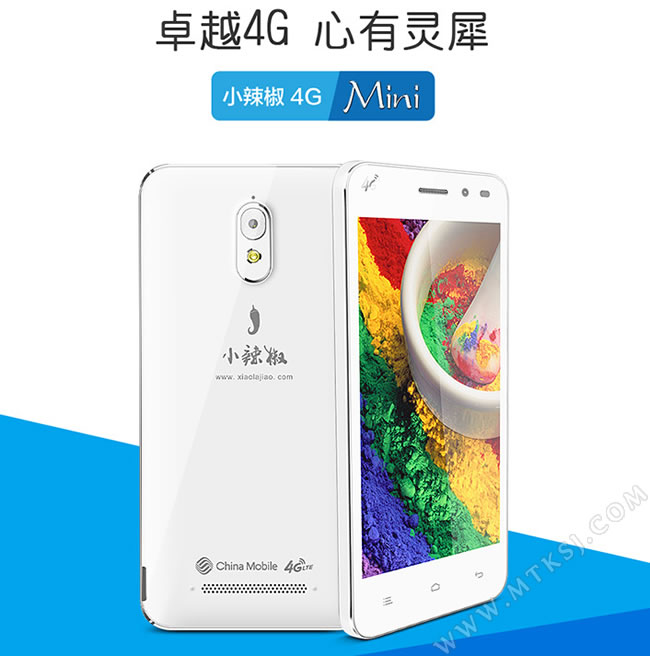
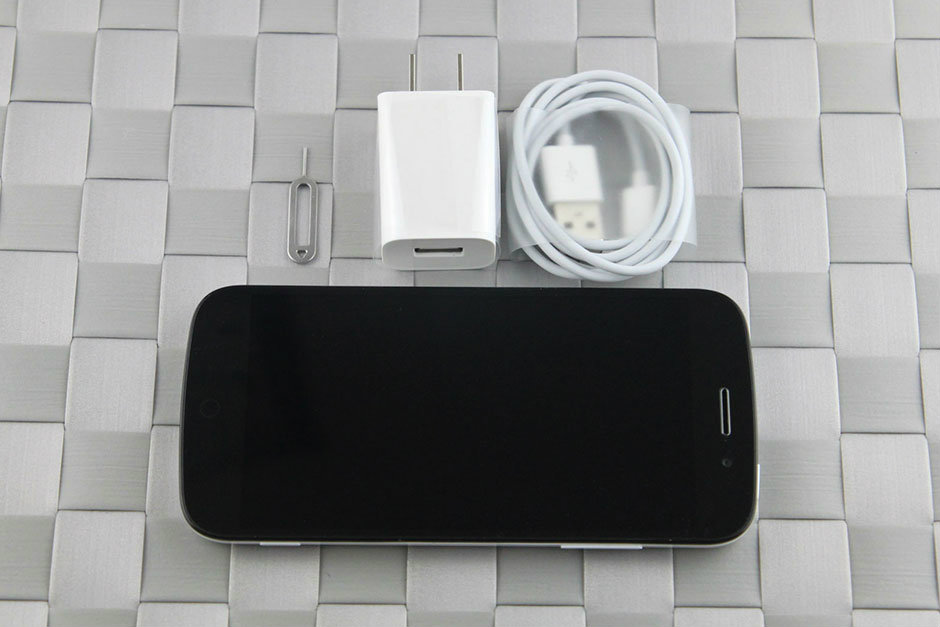
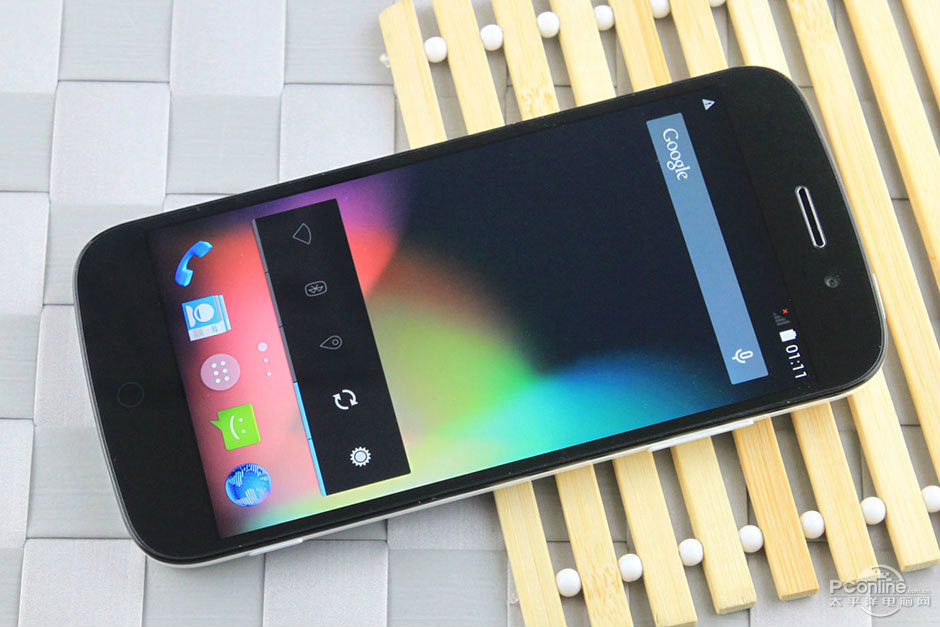
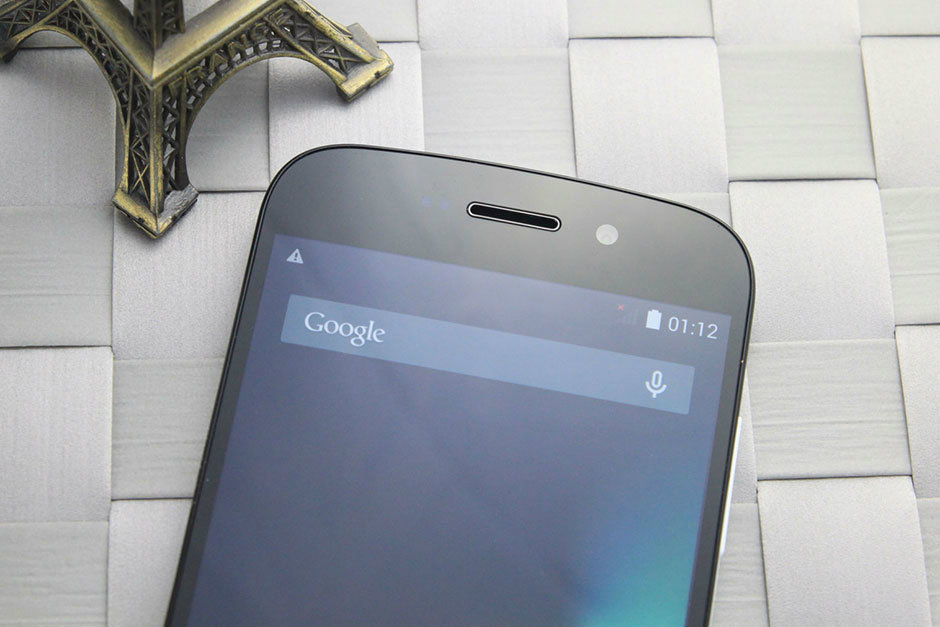
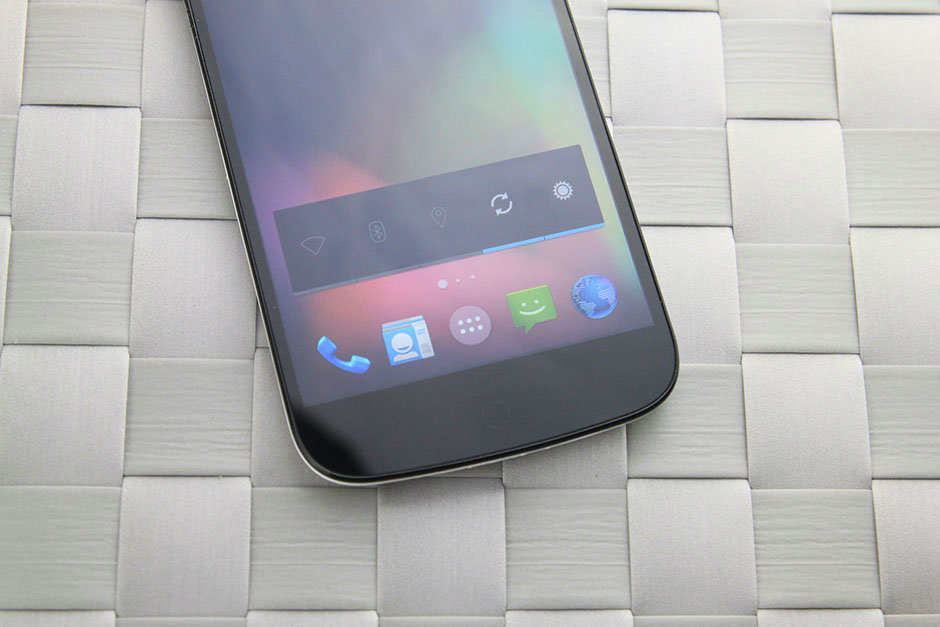
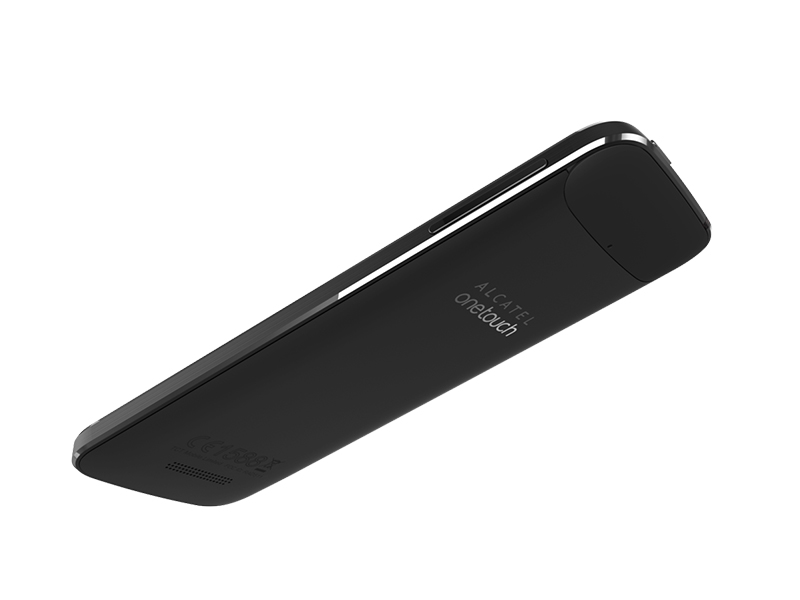
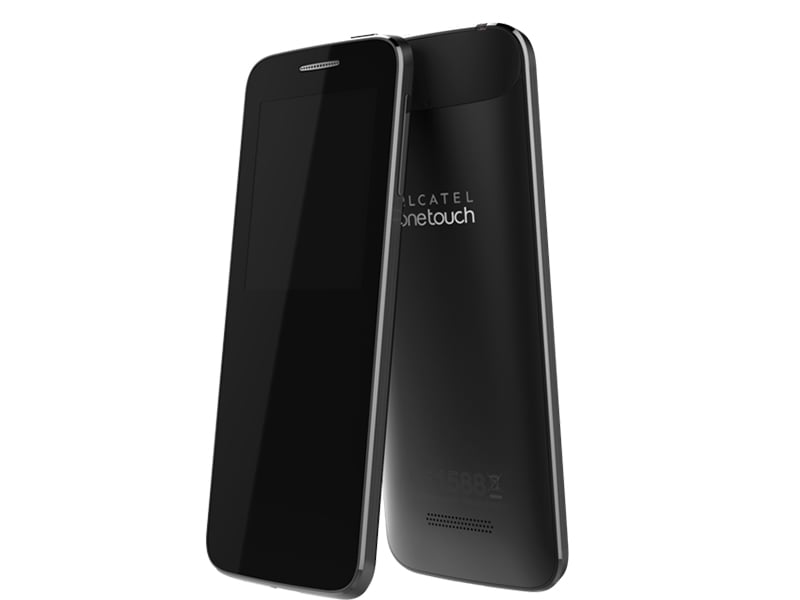
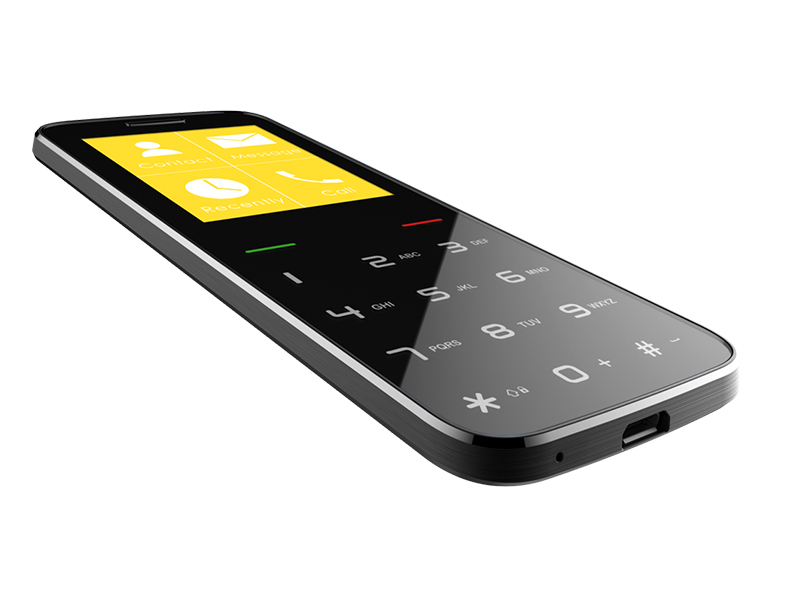
Today has been a big day for Xiaolajiao Mobile. Besides launching the Xiaolajiao 5 Pro 4G cellphone, the Xiaolaojiao 4G mini has also entered the market. This phone is the company’s third 4G cellphone.
The Xiaolajiao 4G mini uses the 1.3Ghz MT6582 quad-core processor and supports China Mobile 4G (TD-LTE), TD-SCDMA, and GSM networks. It has 1G RAM and 8G ROM. It also sports a 4mp/8mp dual-camera and is powered by a 1800mAh battery. Its OS is the Kitkat and has an OTG feature.
This phone also comes with a “Lajiao button,” a small toy that looks like an earphone. When connected to the phone’s earphone port, it can prevent dust from coming and can let the user do things like turning on the camera with just one or two clicks. It is available in white, black, yellow, and many other colors.
The Xiaolajiao 4G mini is available by Wechat for 999 RMB.
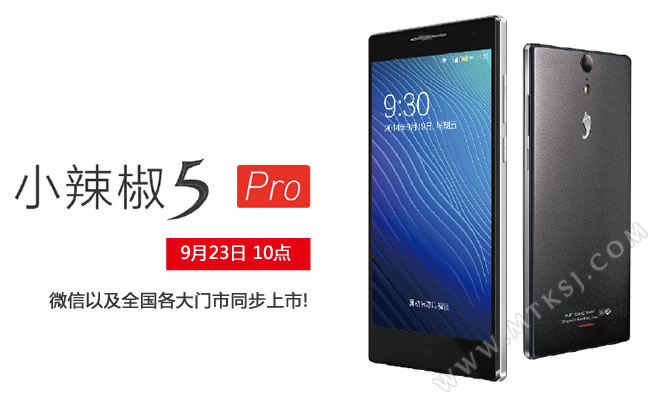
This afternoon, Xiaolajiao Mobile introduced an upgraded version of its Xiaolajiao 5 phone called the Xiaolajiao 5 Pro. This version has stronger hardware and supports China Mobile 4G. It will go on sale on the 23rd.
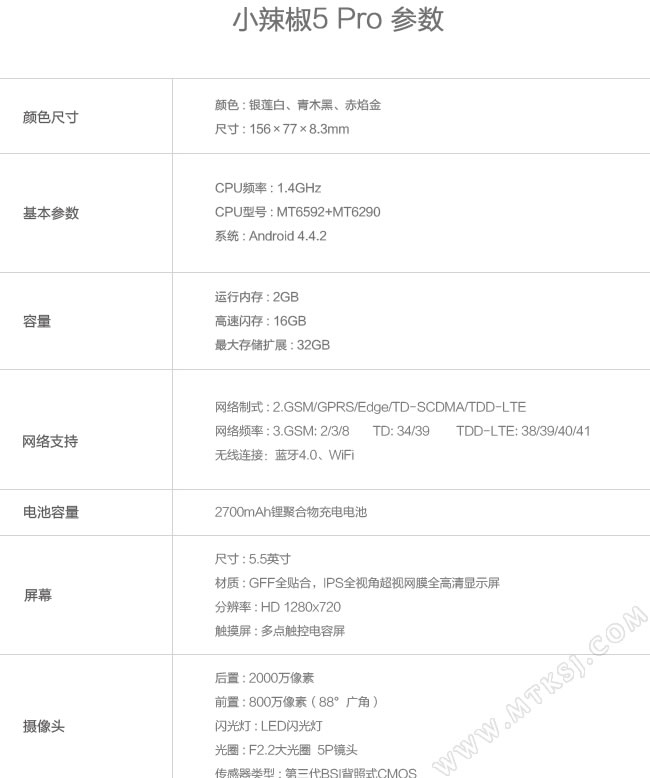
The China Mobile Pro version certainly has higher specifications than the Xiaolajiao 5 China Unicom version. The core improvement in the Pro version is that the RAM and ROM have increased from 1G and 8G, respectively, to 2G and 16G.
Upgrades were also made on the camera specs. Its front camera has 8mp and an 88 degree wide angle as well as upgrades to its beauty enhancement feature. Its main camera has 20mp but Xiaolajiao has not released an official model number. It just shows that it is a BSI camera with f/2.2 aperture and 5p lens.
The rest of the phone’s specs have not changed. It still uses the 1.4GHz MT6592M octa-core chipset which supports TD-LTE China Mobile 4G networks, TD-SCDMA, and GSM. It also has a 2700mAh battery and its OS is the Android 4.42-based Lewa OS. It also sports a 5.5-inch 1280 x 720 display screen. Its measurements are 156 x 77 x 8.3mm.
The Xiaolajiao Pro 5 goes on sale on September 23 at 10 AM. Its retail price should be 1999 RMB (325.50 USD).
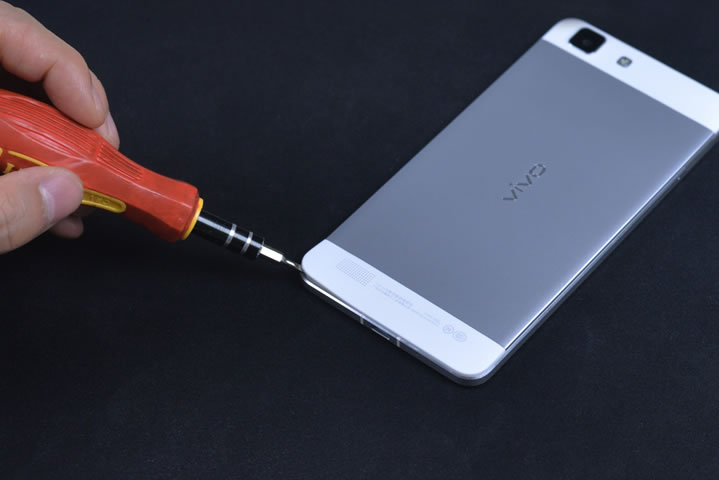
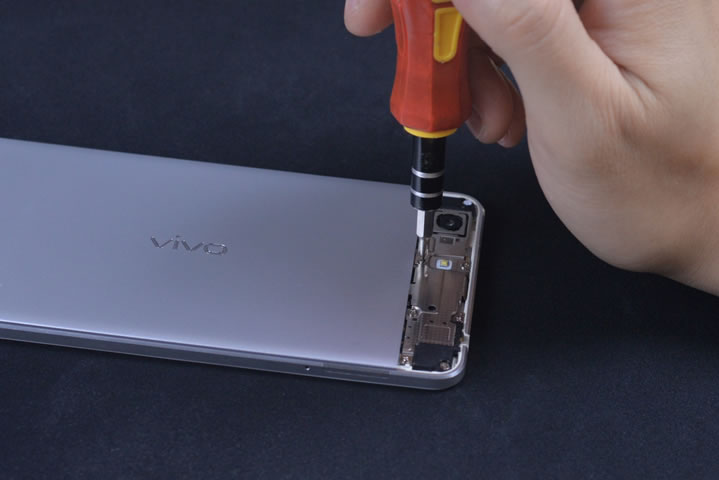
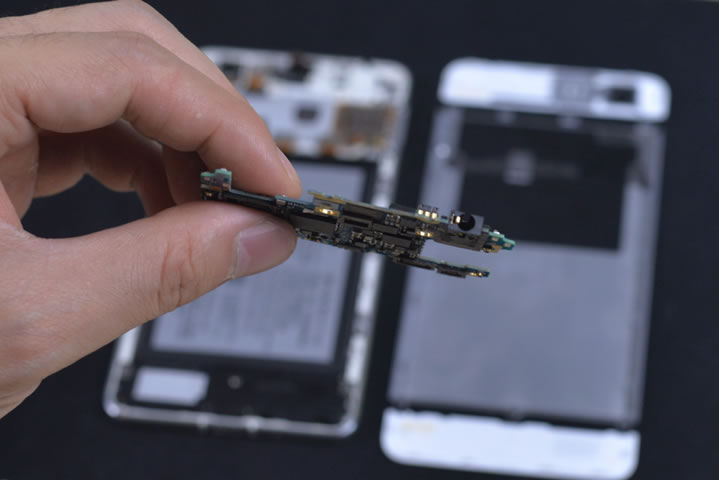
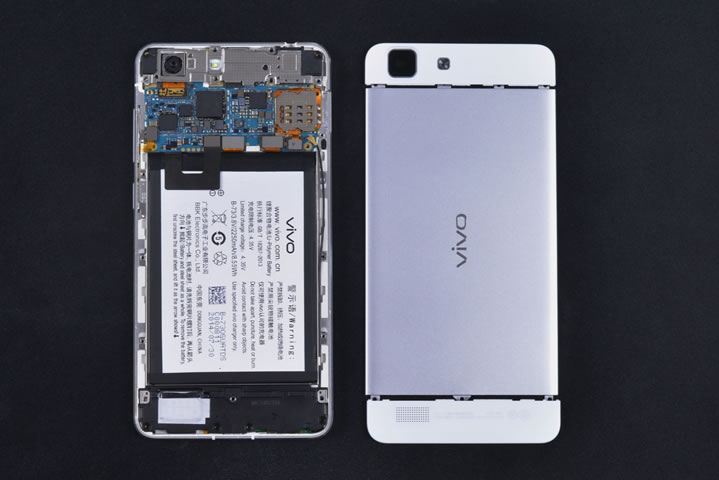
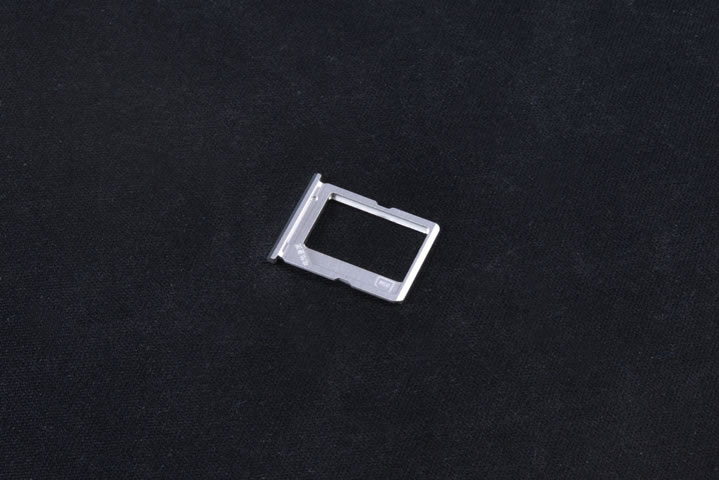
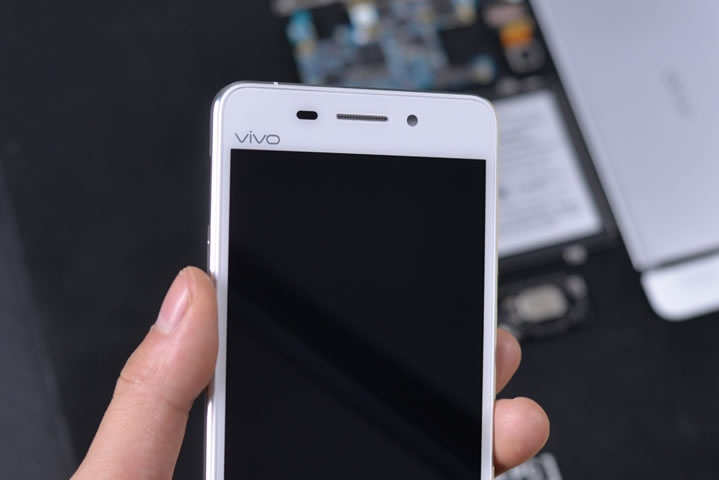
In recent years, music and videos have been the primary focus of Vivo in making their products. They have already become known for the excellent sound quality of their products. One of their latest devices is the newest member of the X series called the Vivo X5L. This phone boasts HiFi audio as its selling point. Karaoke enthusiasts should especially be thrilled with this as it aspires to be the King of Karaoke.
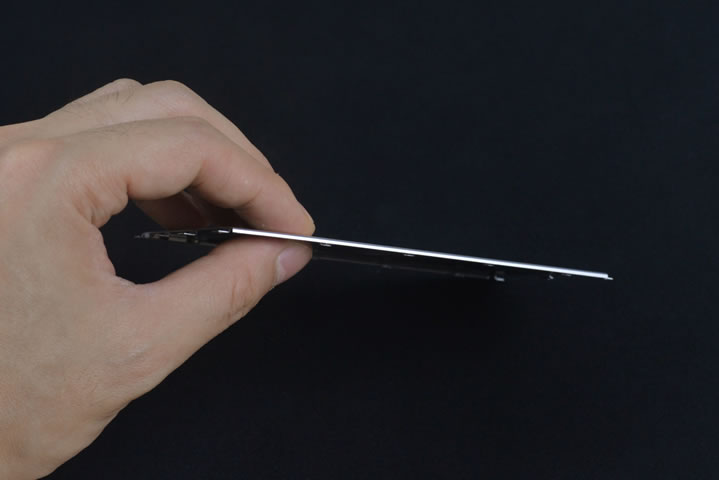
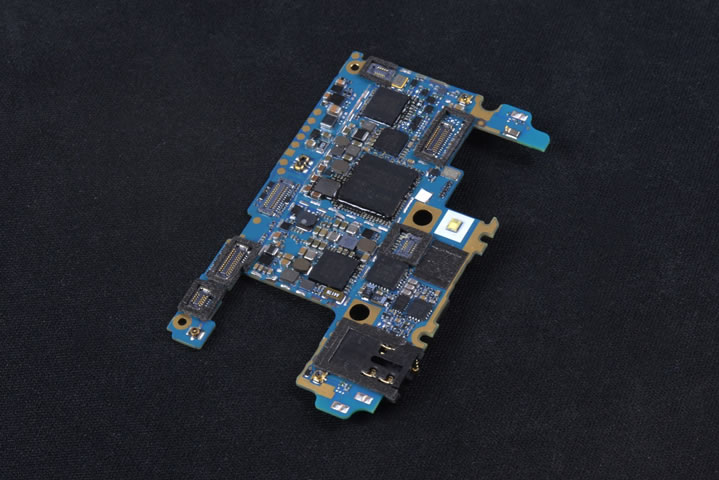
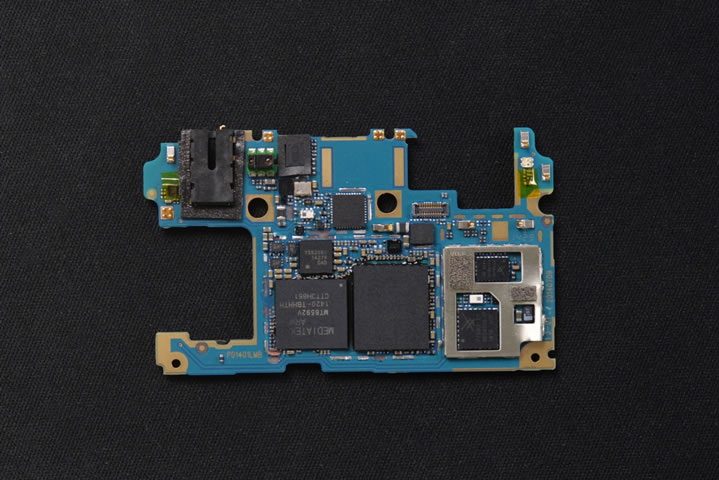
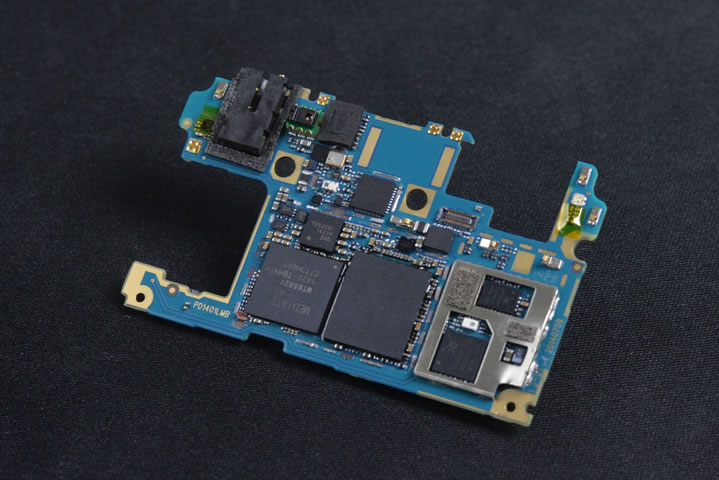
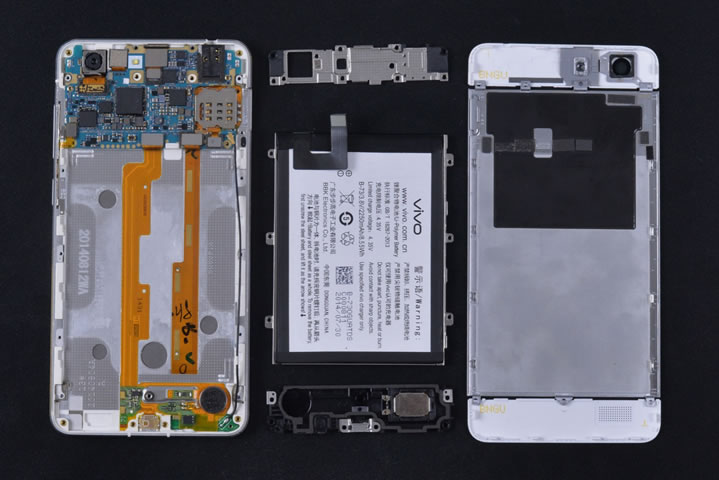
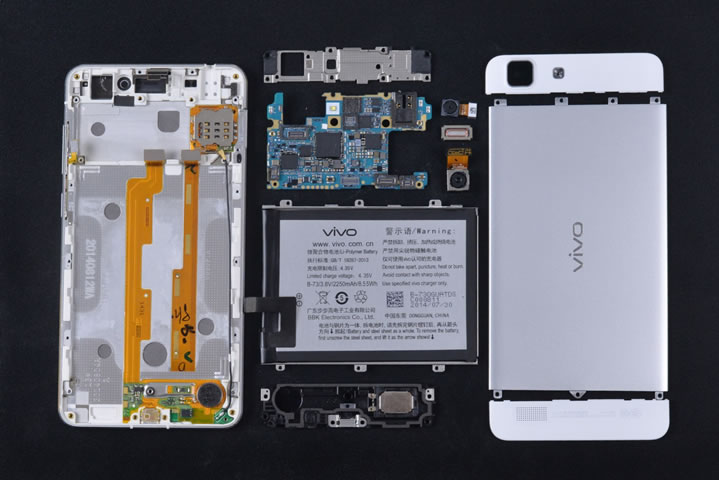
The Vivo X5L uses a professional Yamaha chip that is integrated with a HiFi chip. This phone has more assorted chips than then regular smartphone despite having a small motherboard and thin body.
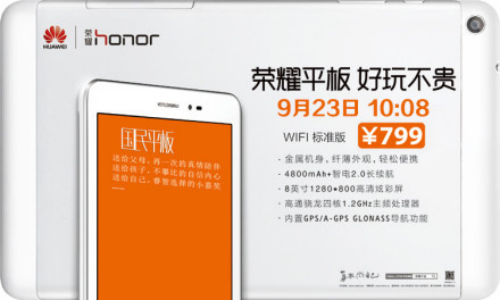
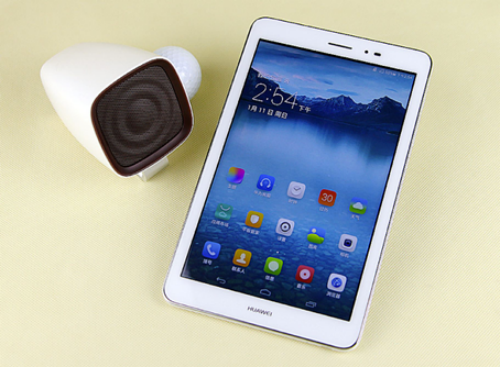
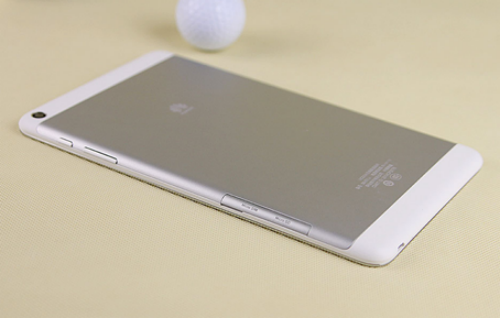
It has been reported that the 799 RMB Honor Tablet Wi-Fi version will see a global release next week on the 23rd at 10:08 AM.
The Honor Tablet was first launched on August 24. Costing almost a thousand RMB and having powerful entertainment specs, it immediately became success in the thousand RMB tablet market. There is a 3G version which was first released on September 2, Wi-FI enhanced version (999 RMB/162.74 USD), and a Wi-Fi standard version which, as said earlier, will enter the market on September 23.
Huawei first announced the news yesterday on the Honor series official Weibo account saying that the Honor Tablet will be “fun and affordable.” It also said that it has an 8-inch 16:10 screen, thin body, and 4800mAh battery.
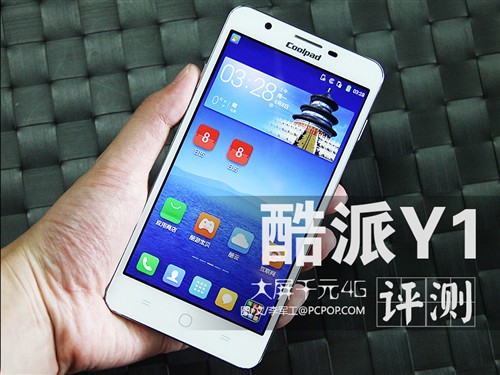
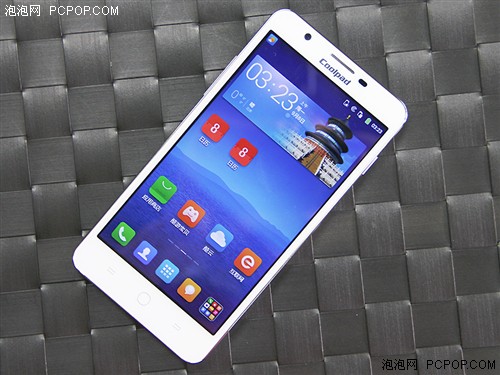
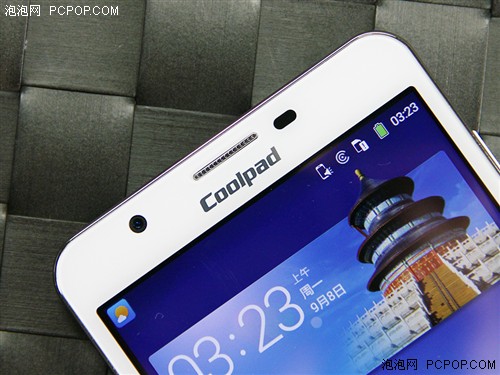
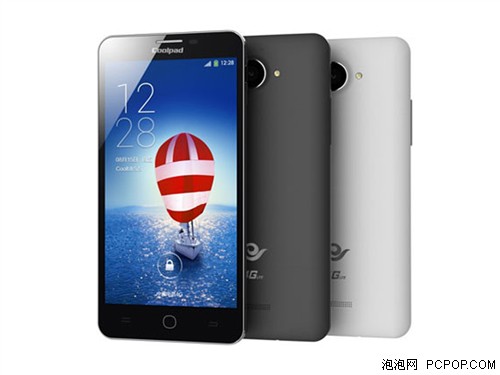
The Coolpad Y1 sports a 5.5-inch screen with a resolution of 960 x 540 which is not much but should do. It also uses the Snapdragon 410 processor which is also not bad. Users should have no problem using this phone for many everyday tasks.
The Coolpad Y1 is designed like most of Coolpad’s phones. The phone’s 5mp front camera is very useful for taking selfies. It also has a built-in beauty enhancement feature. As a result, taking selfies should be absolutely no problem. This should not be surprising as Coolpad has been recently releasing smartphones that work well with taking selfie shots.
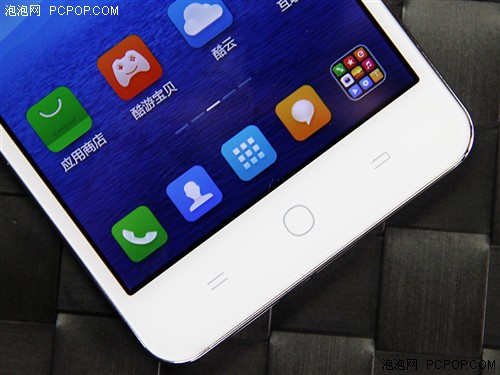
The buttons at the bottom of the phone are designed just like Coolpad’s other phones. The HOME and BACK buttons are laid from left to right. There are no lights behind the buttons, making it hard for people to use the phone at night. When you press the buttons, the phone vibrates. This helps users avoid situations where they accidentally press the buttons.
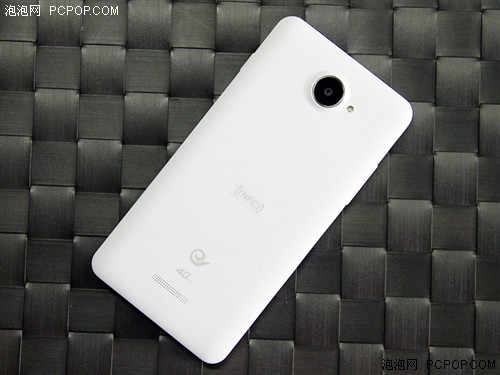
The Y1 is completely white front and back. The back of the phone does not have a lot of extra features. It is very clean and simple. The phone’s 13mp back camera is located at the top part of the phone, and beside it is an LED light which automatically flashes when taking photos in dark places.
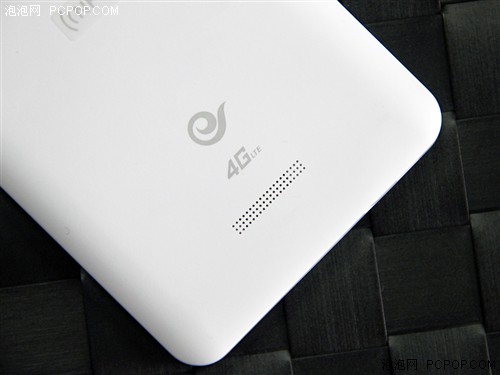
The Coolpad Y1 is NFC-supported. There is also a speaker at the bottom part of the back. Above is a China Telecom 4G logo.
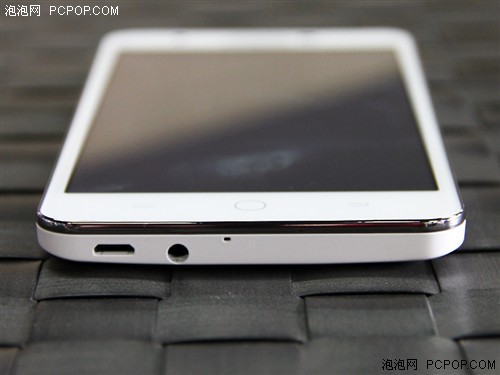
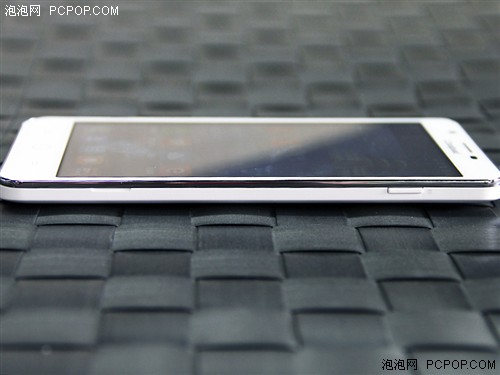
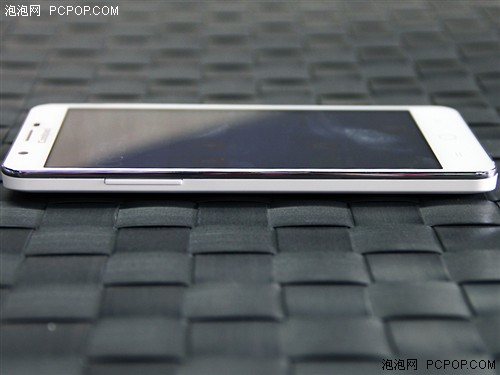
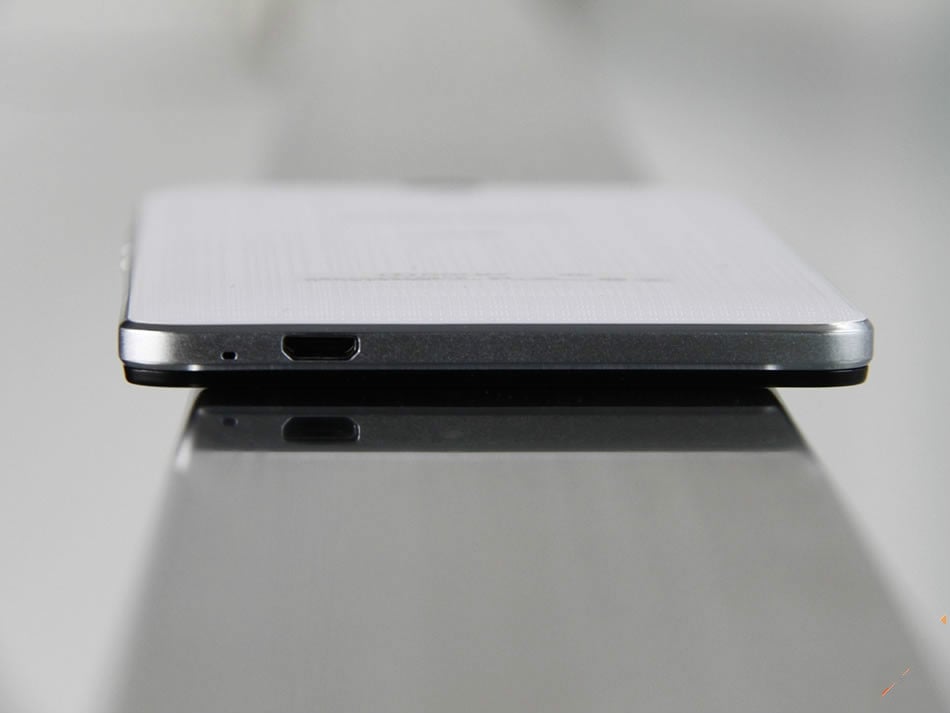
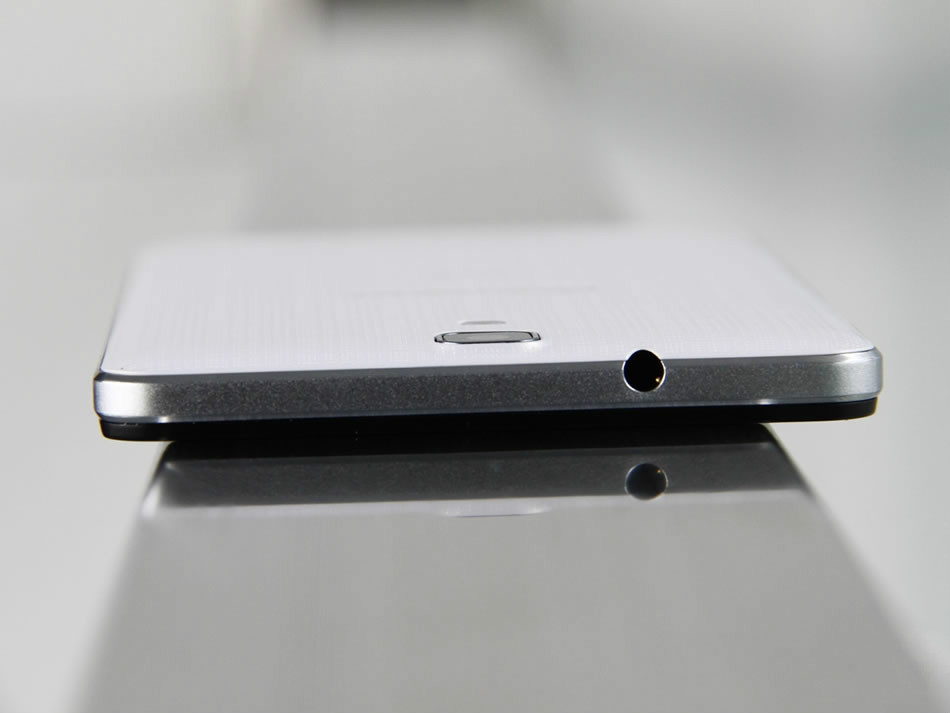
Located at the bottom of the phone are a data port and a 3.5mm earphone jack. The phone’s body is very neat and clean. There are also the metal frames. Overall, this phone looks more fashionable than other devices in the thousand-plus price range.
This phone supports the China Telecom 4G network but does not support single-SIM. It also supports memory cards (up to 32GB at most).
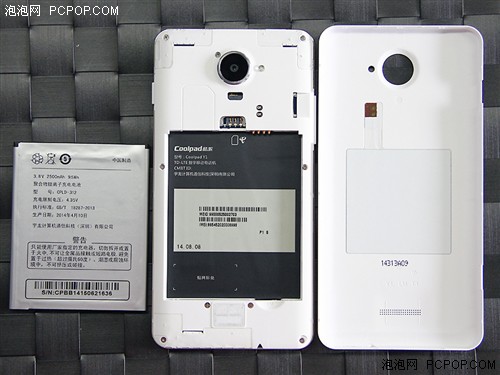
The Coolpad Y1 also has a 2500mAh detachable battery that can last for about a day and a half whether you are making calls, playing games, or watching videos on your phone. Because this phone sports a 5.5-inch screen, it has a bigger body making it hard for the owner to use the phone with one hand. Nevertheless, the screen has great quality.
The Cool UI 5.5 OS is easy to use
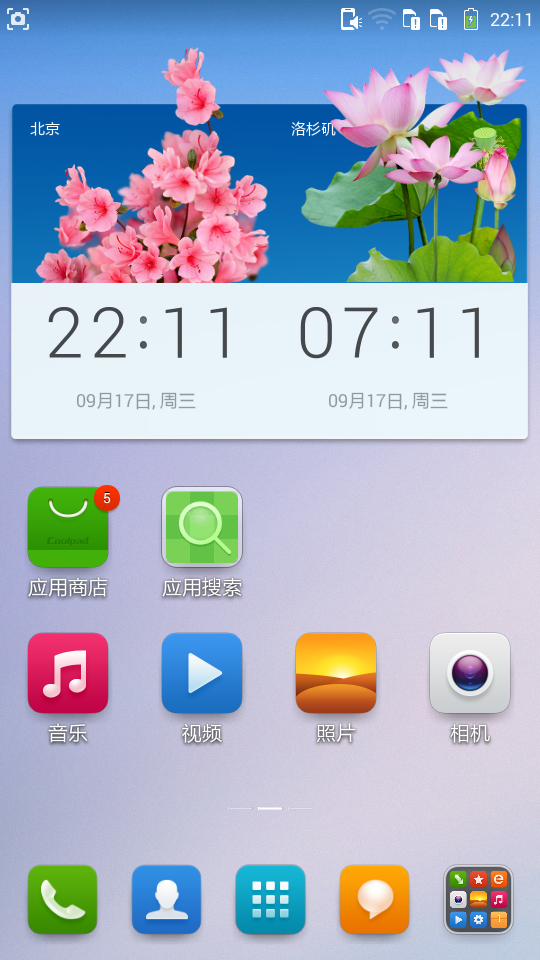
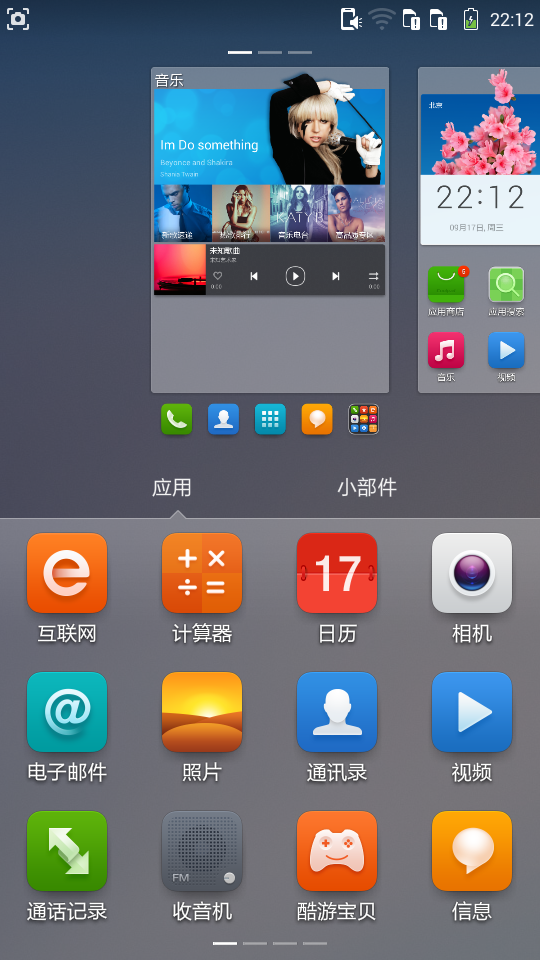
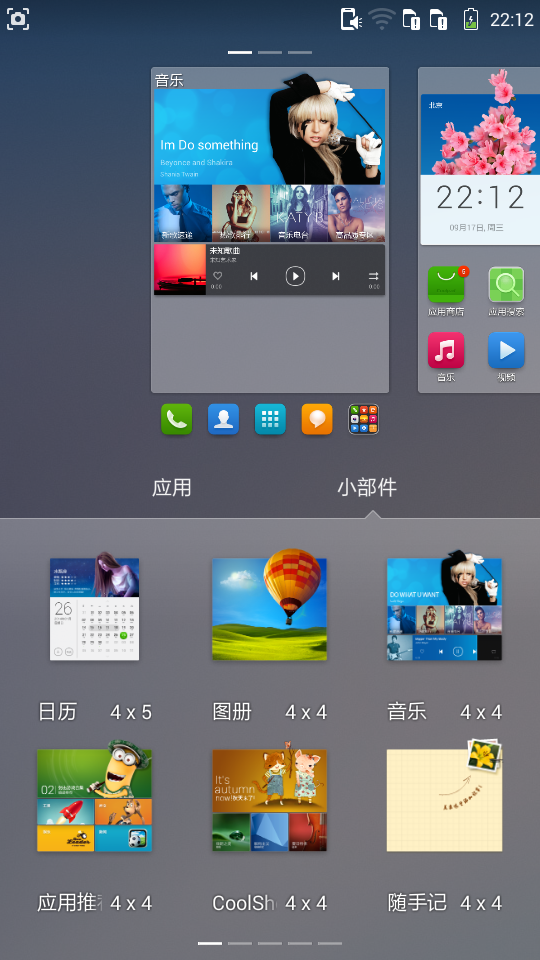
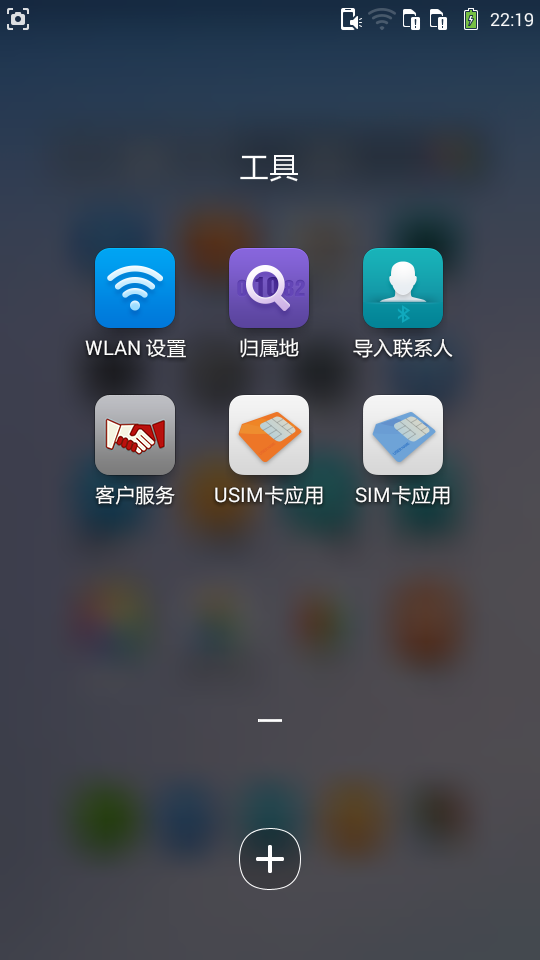
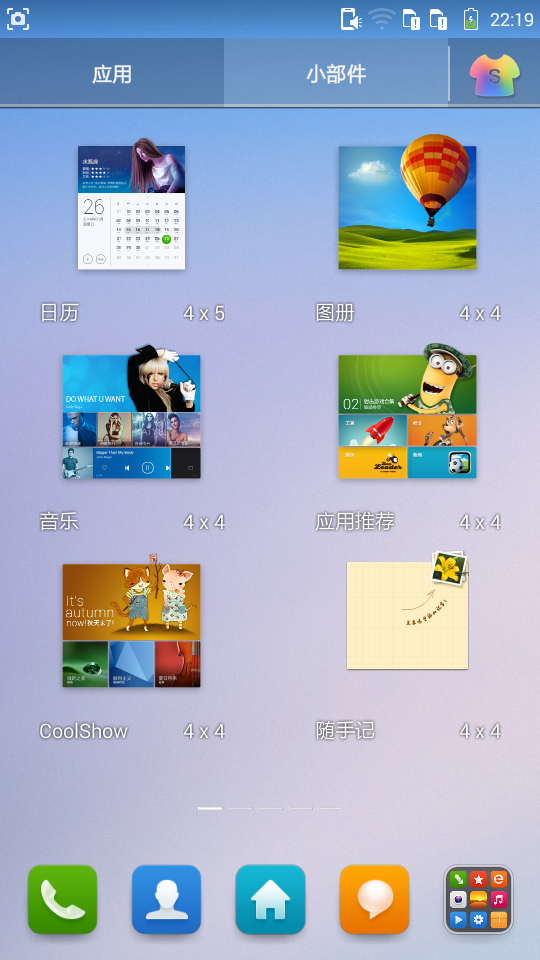
The Coolpad Y1’s operating system is the Cool UI 5.5 which is based on the Android 4.4.4. It has a neater and simpler interface with many functions that should be good for everyday use. It is a more individualized and practical OS.
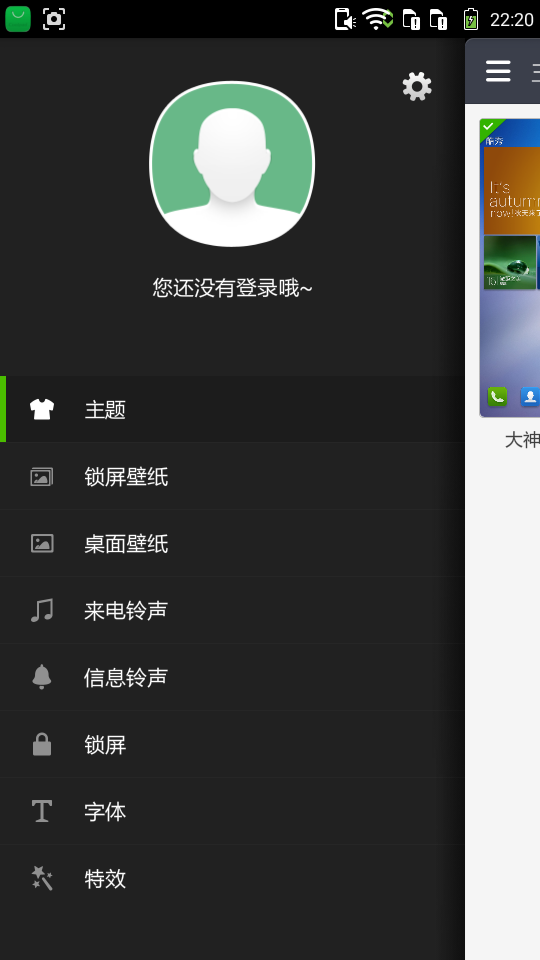
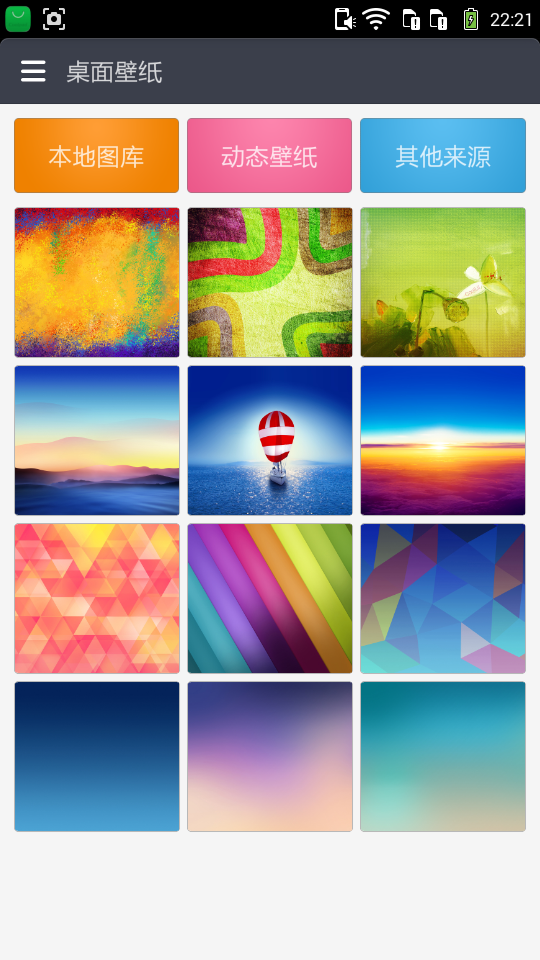
The screenshots of the Y1’s OS (above) show that the interface is more organized. It supports features such as file folders as well as App managers.
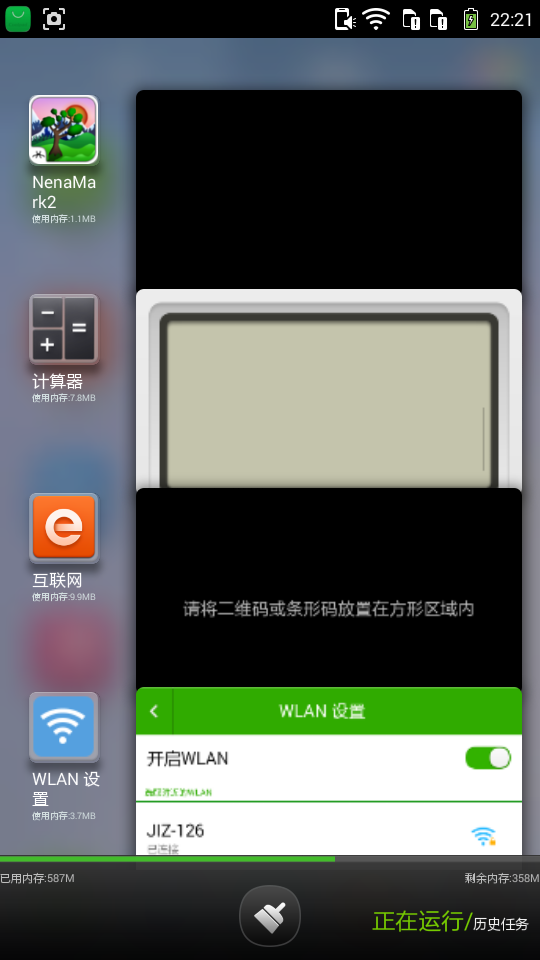
The Y1’s multi-tasking backdrop uses a “card-style” design. This makes it easier to manage the tabs on the backdrop. Click the “small broom” icon at the button to close all the apps that are open.
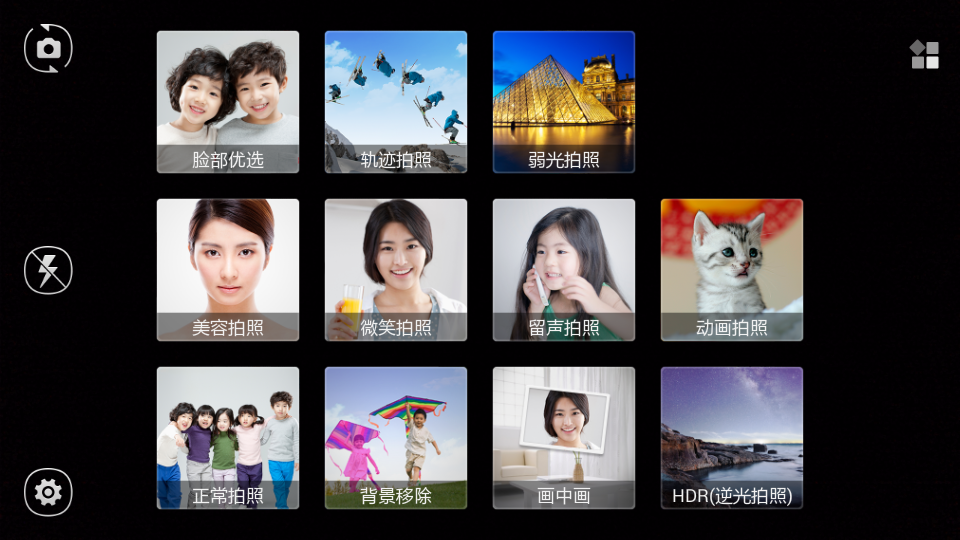
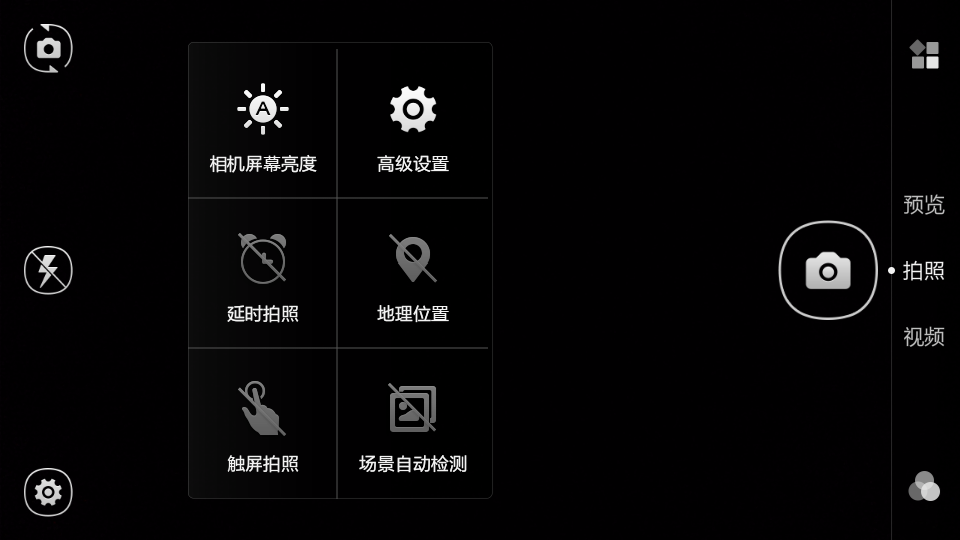
The Coolpad Y1 sports a 13mp main camera which is very common among Android smartphones today. This phone also supports programs such as HDR, beauty enhancement, etc. Name it and it is all there. The following photos were taken using the Coolpad Y1’s camera.
Not bad, right?
The usefulness of the Snapdragon 410 chipset
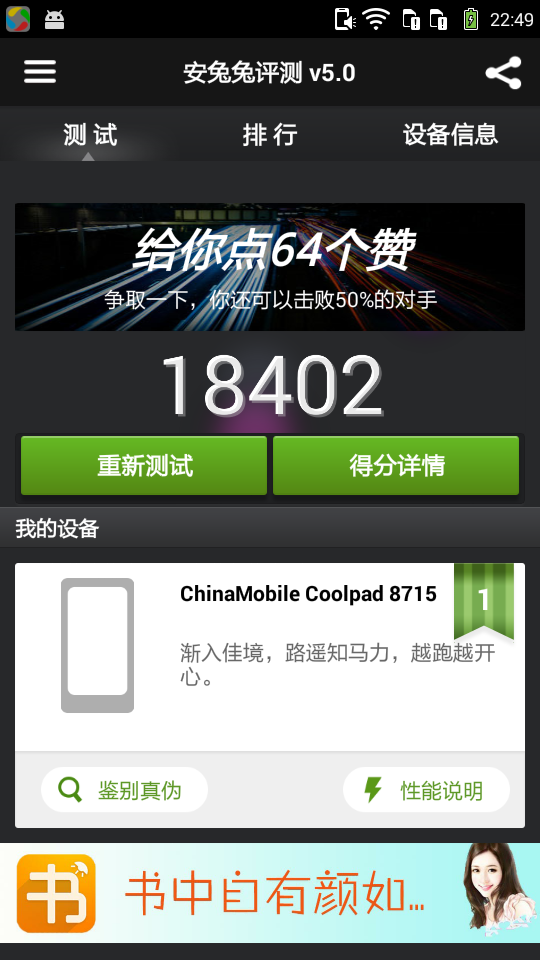
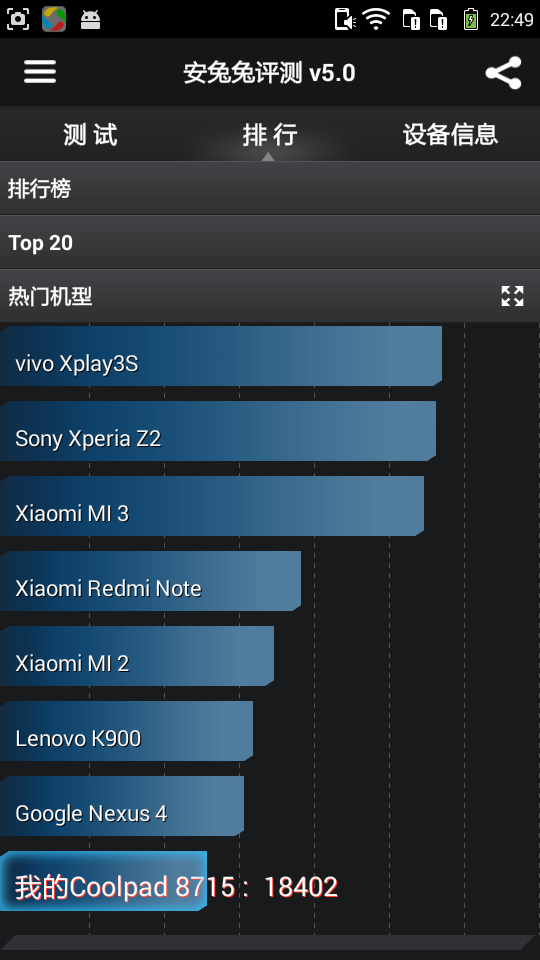
This section is about any performance issues the Y1 faces. Its processor is the 1.2Ghz Snapdragon 410 quad-core chipset. It also has 1GB RAM which is standard among smartphones in the thousands range. So, how does it fare when it comes to performance? Below are its results from the Antutu benchmark test.
The Antutu test encompasses memory performance, CPU performance, 2D/3D graphic performance, etc., making an evaluation of the phone’s overall hardware. The Coolpad Y1’s score in the Antutu test is 18402 which is acceptable.
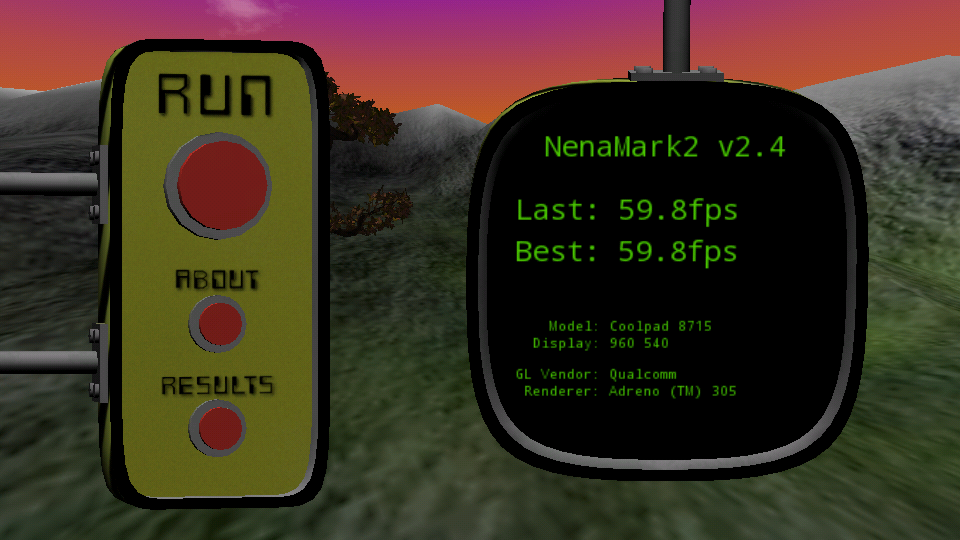
The NenaMark is a tool that tests GPU processor performance in Android smartphone. It evaluates graphic performance through video demos. The NenaMark 2 is suitable for Android devices that use the PowerVr SGX 540 GPU and above. In the end, the Y1’s score in Nenamark test was 59.8fps which is also fine. It should be enough for users to play most cellphone games on the Y1.
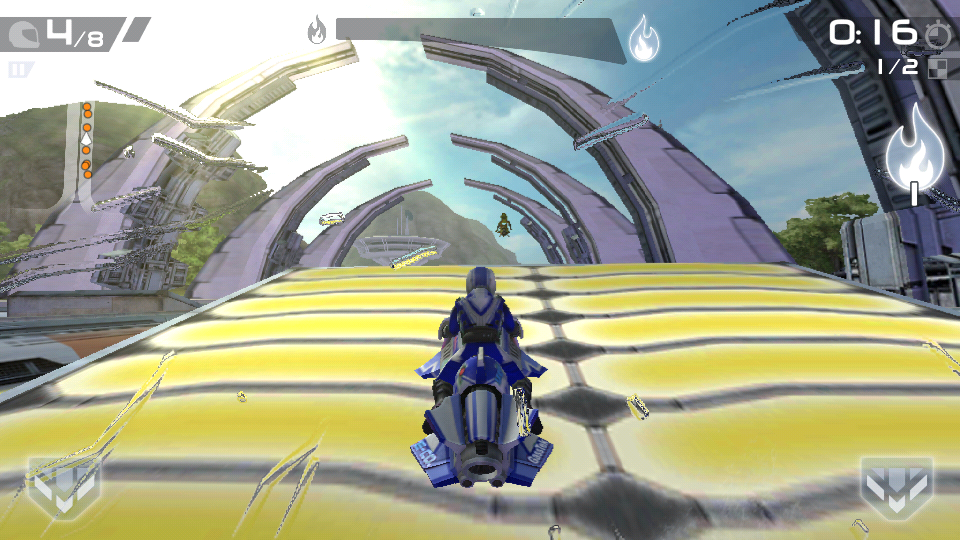
Speaking of gaming, the Snapdragon 410 provides a good gaming performance. There is not freezing or such.
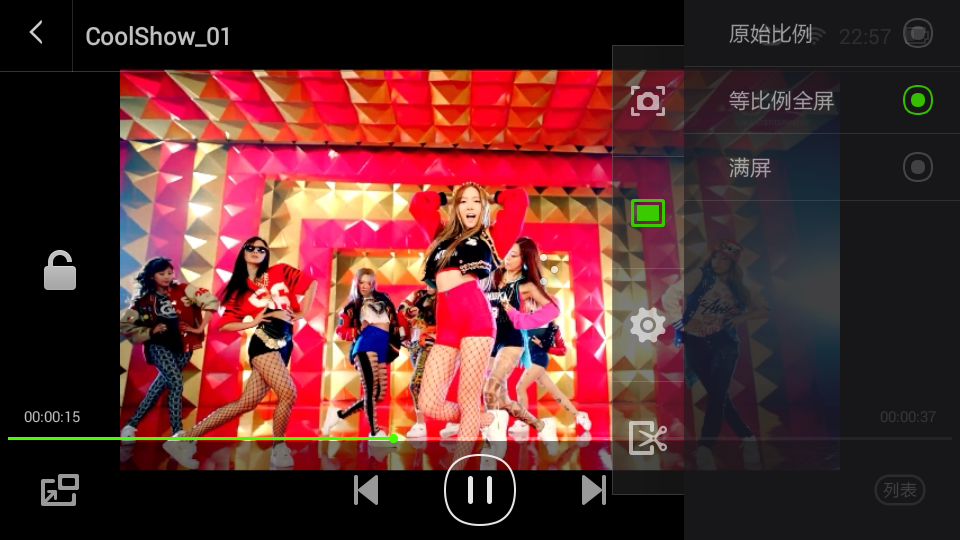
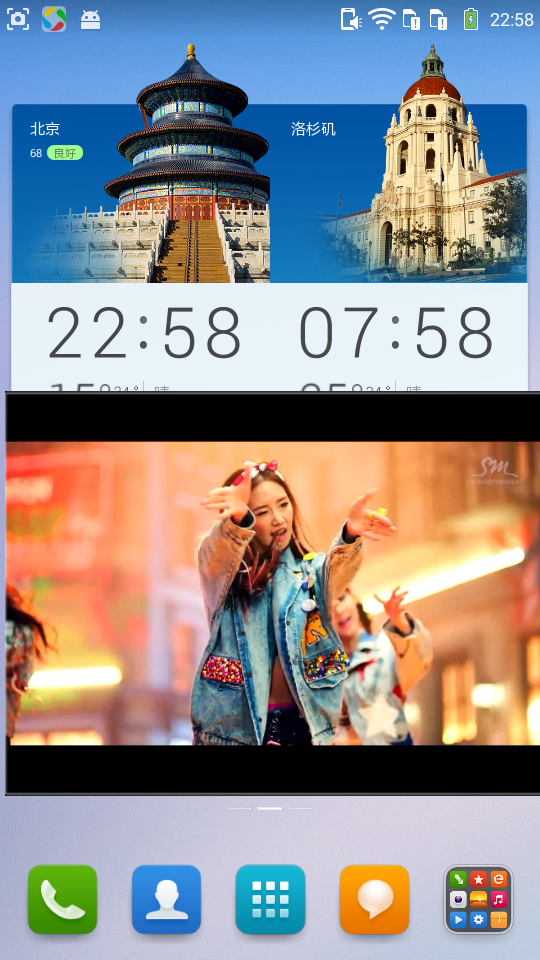
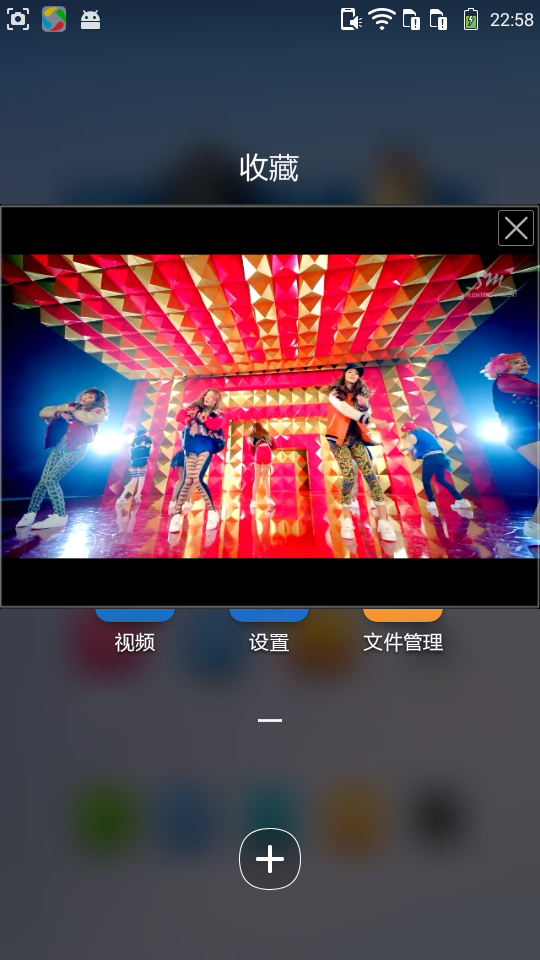
As for videos, the phone’s built-in video player supports the most common video formats. What is even more convenient is that you can create a separate window for the video you are playing. That way, even when you are surfing the net or texting someone, you can still watch your videos.
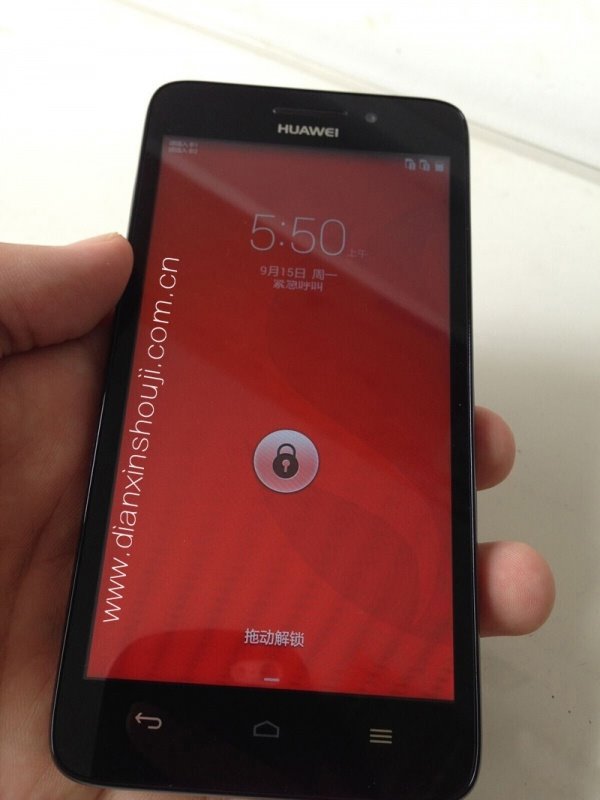
On Monday, it was announced that Huawei will launch the first cellphone in its Honor series to use China Telecom 4G, the Changwan 4. Today, someone leaked of the Changwan 4 in an online forum photos as well as screenshots that have information on the phone’s specs. The original thread has been deleted but the photos can still be found online.
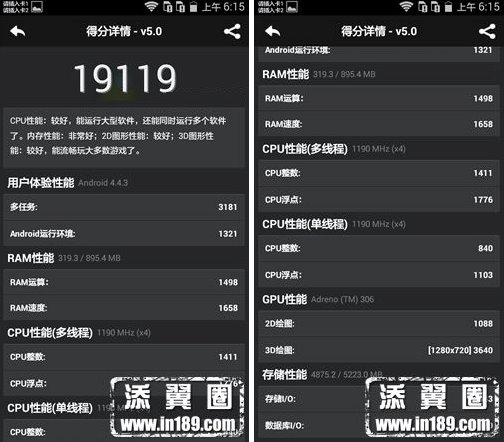
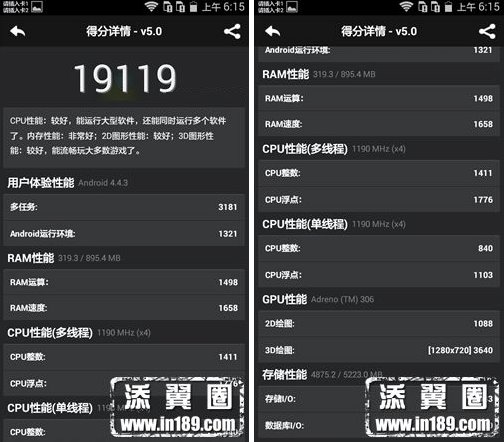
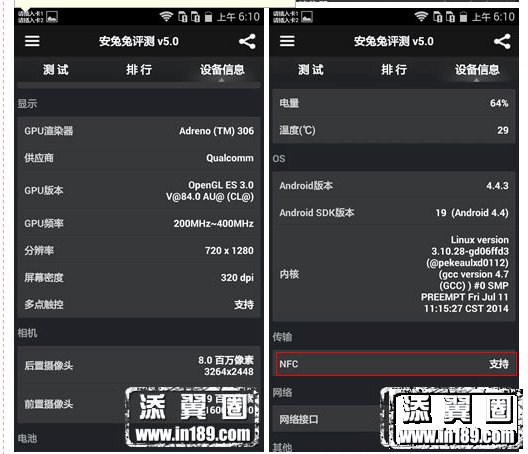
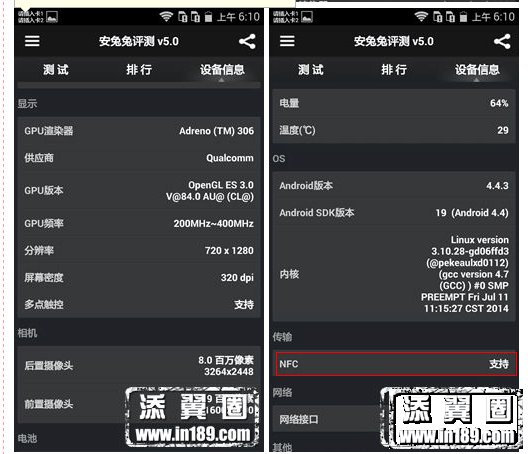
The photos show that the Changwan 4 will use Qualcomm’s 1.2Ghz processor, the Snapdragon 410 (MSM8916), which is a 64-bit processor using A53 cores. It is particularly capable of saving a lot of power. The OS is the new 32-bit EMUI which is based on the Android 4.4.3.
One photo shows the Antutu benchmark results of the Changwan 4. It scored 19119. It also sports a 8mp rear camera (with LED light) and 2mp front camera. As for memory, it has 1GB RAM and 8GB ROM (supports 32GB TF expansion card). It also sports a 5-inch 1280 x 720 IPS HD screen and its measurements are 142.95 x 72 x 8.5mm. It is powered by a 2000mAh battery. As for the internet, it supports FDD/TDD/CDMA/GSM networks. Besides being a 4G phone, it also supports dual-SIM, Wi Fi (802.11b/802.11g/802.11n), Blue Tooth 4.0, GPS, and NFC.
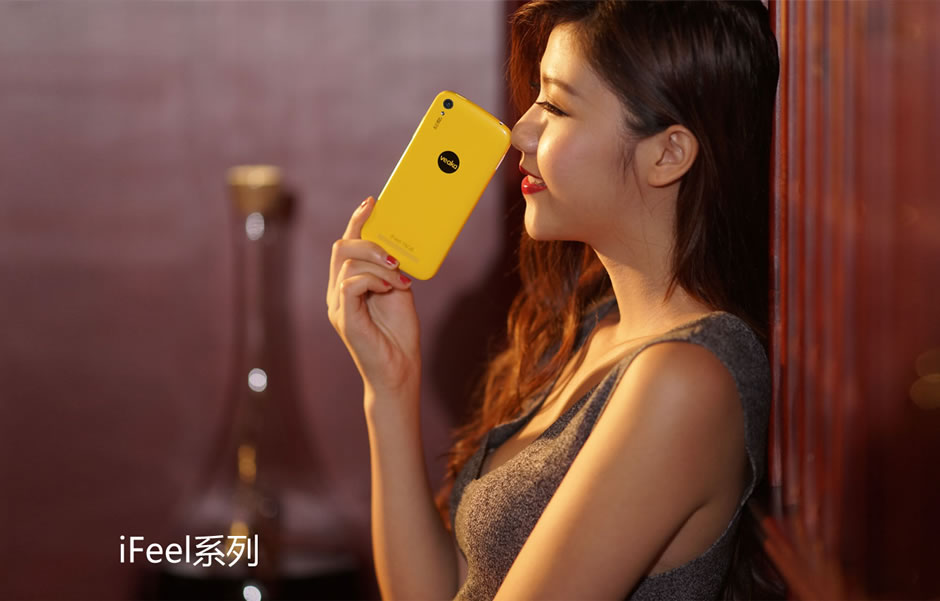
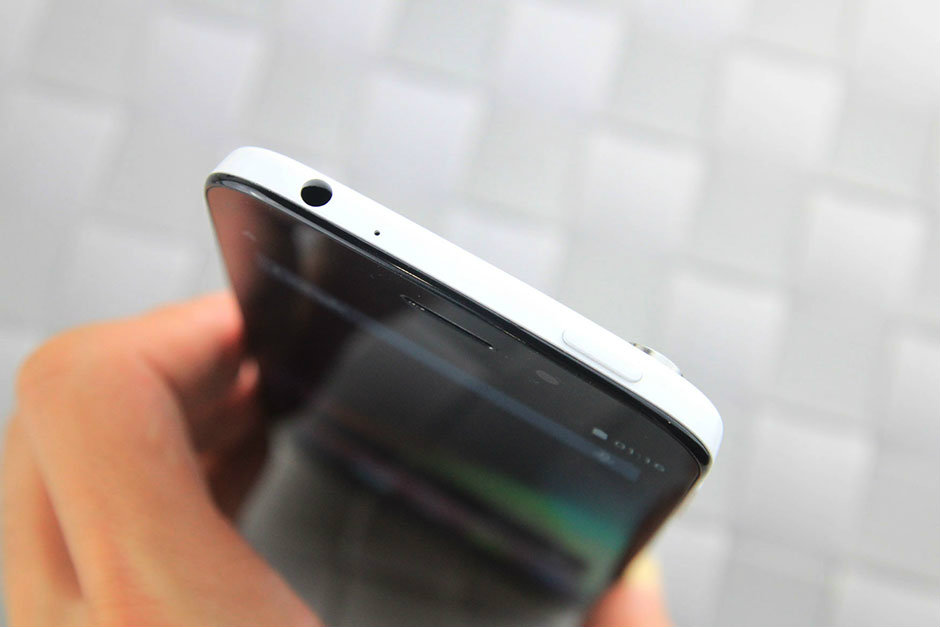
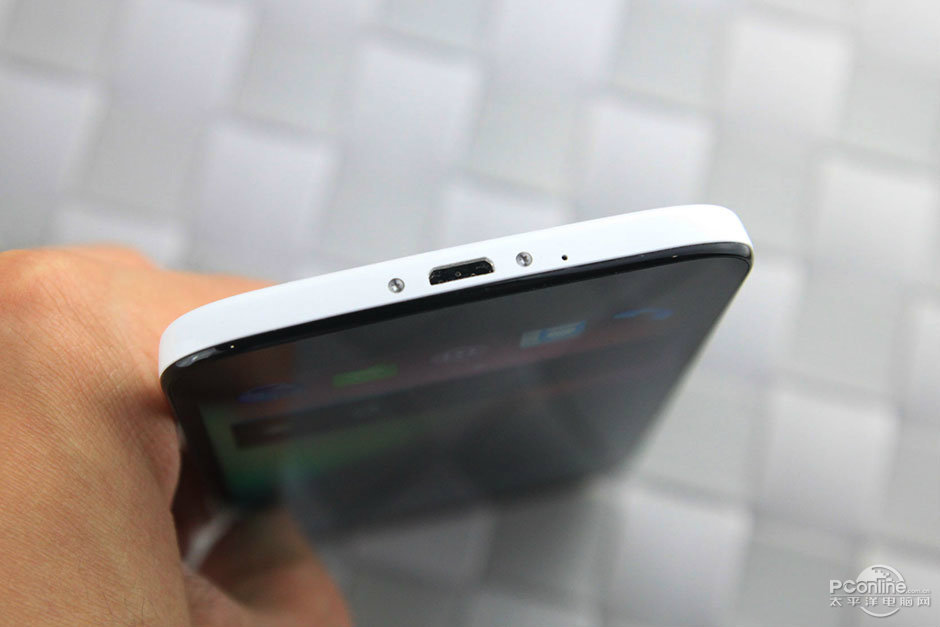
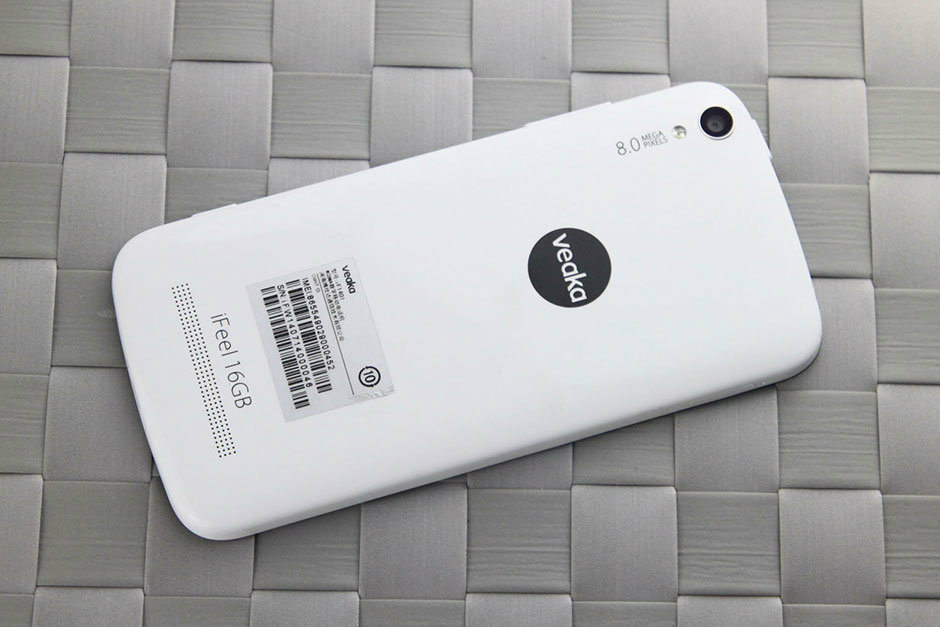
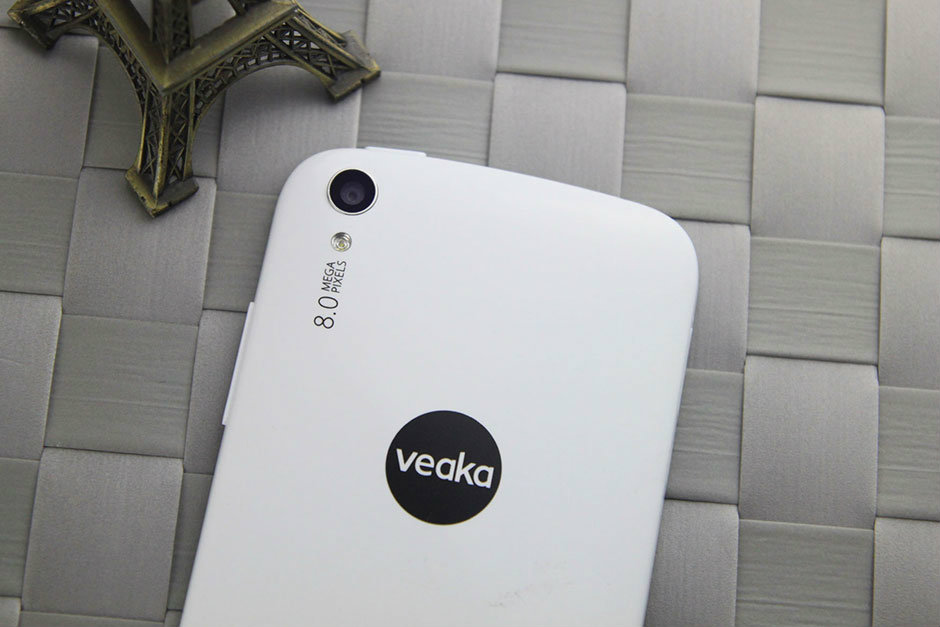
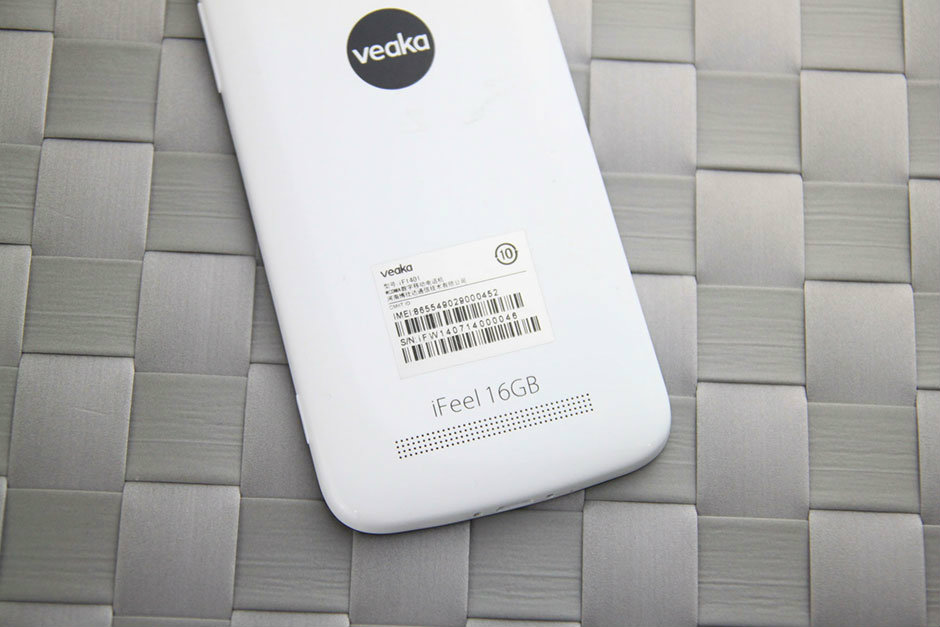
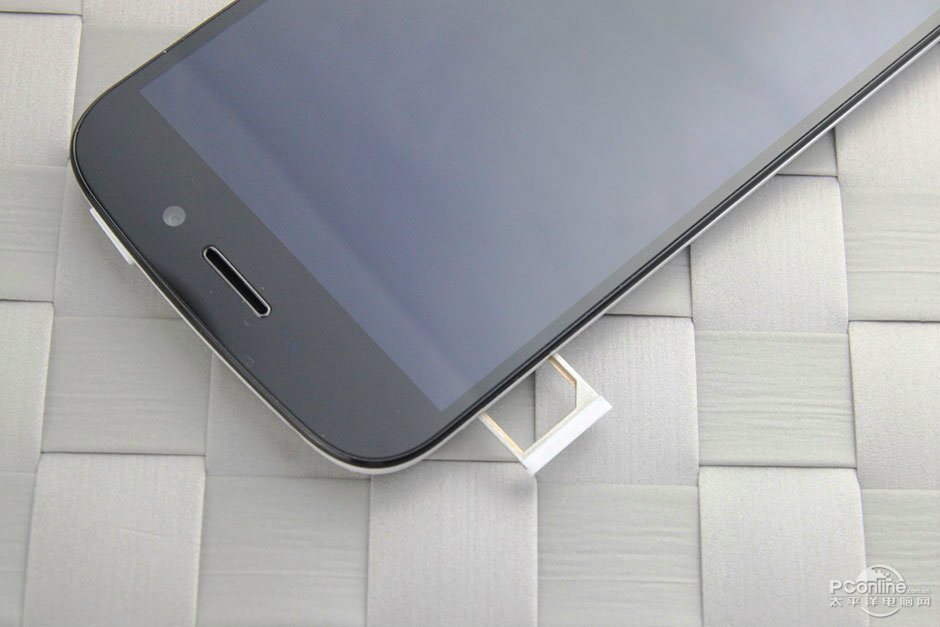
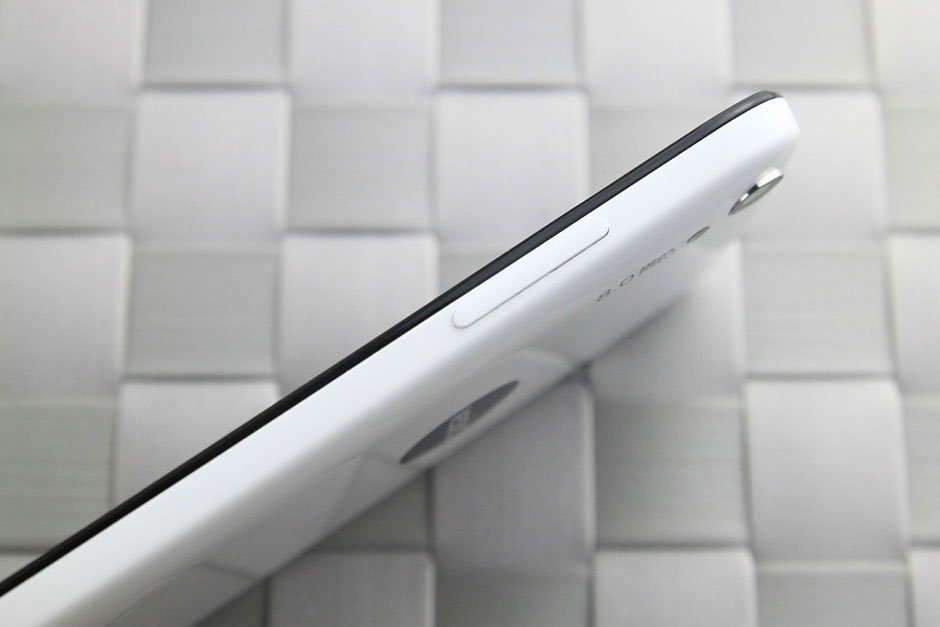
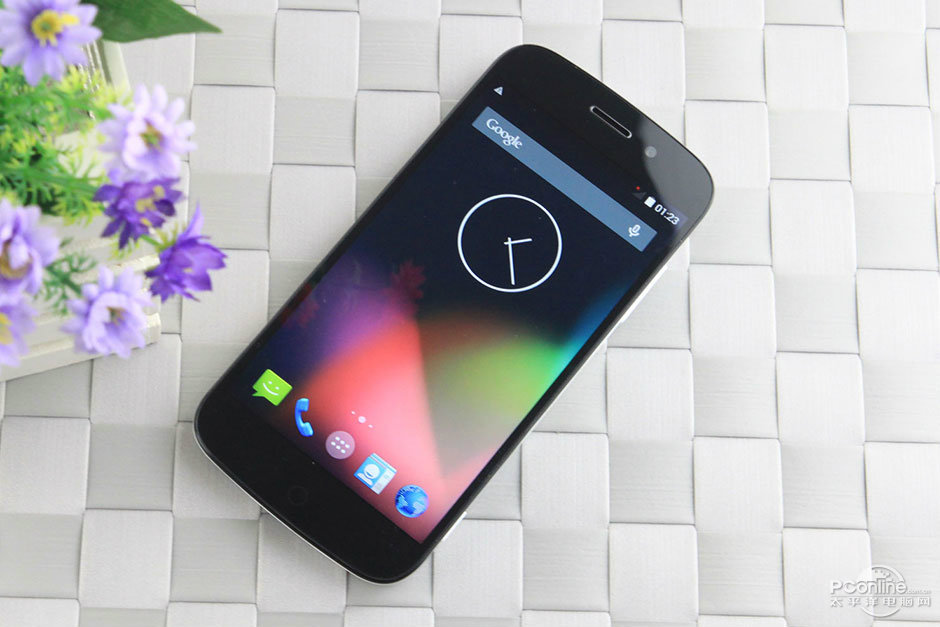
iFeel is Veak’s new cellphone after the only U and it boasts great camera specs and a trendy design. The Veak iFeel sports a 8mp Sony IMX179 CMOS camera and is capable of many functions.
This device is available in many colors like red, yellow, blue, green, and white. Its thickness is less than 8mm. As for its specs, it uses the 1.7GHz MT6592 octa-core chipset, has 2GB DDR3 RAM, and sports a 5-inch 1080p Sharp display screen. It also has a 2300mAh battery, supports dual-SIM, and its OS is the Android 4.42. There are 16GB, 32GB, and 64GB versions. It costs at least 1999 RMB (325.44 USD).
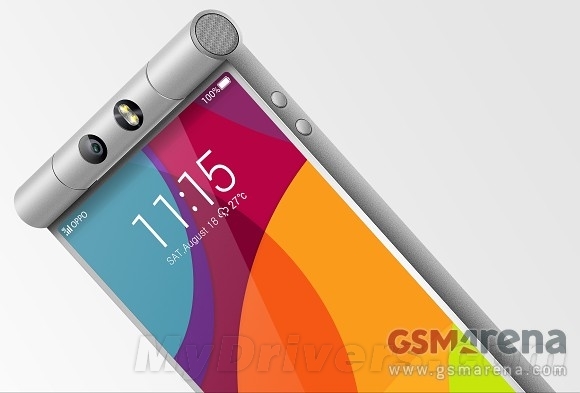
This Monday, a new snapshot of the OPPO’s new phone called the N3 appeared online. As the name shows, it is part of the OPPO’s N-series which is focused on photography.
From the photo, it looks like the N3 will have a revolving camera like the N1 but unlike the latter, the N3’s screen will follow the very rare “scroll” design. There will be speakers on both sides of the phone and it will also have dual-LED lights.
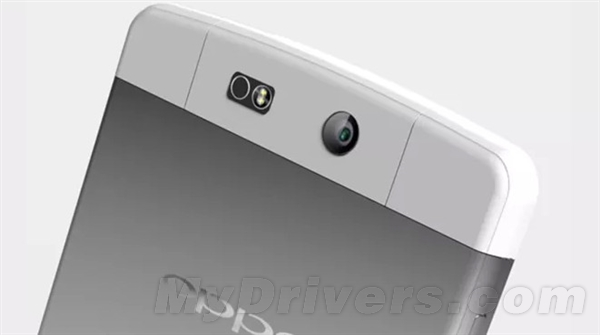
Now, another concept photo of the OPPO N3 has appeared and it looks very reliable. It does not look very different from the N1 but it has two LED lights put together like the iPhone 6.
This afternoon, Xiaomi co-founder, Li Wanqiang, announced in his Weibo account that the company is getting ready to release a new 1499 RMB Hongmi flagship phone. There is no mistake. At the wake of the Meizu MX4’s success, Xiaomi is on the move.
As of now, nothing is known about its specifications, but it should use the MT6595 processor like the MX4.
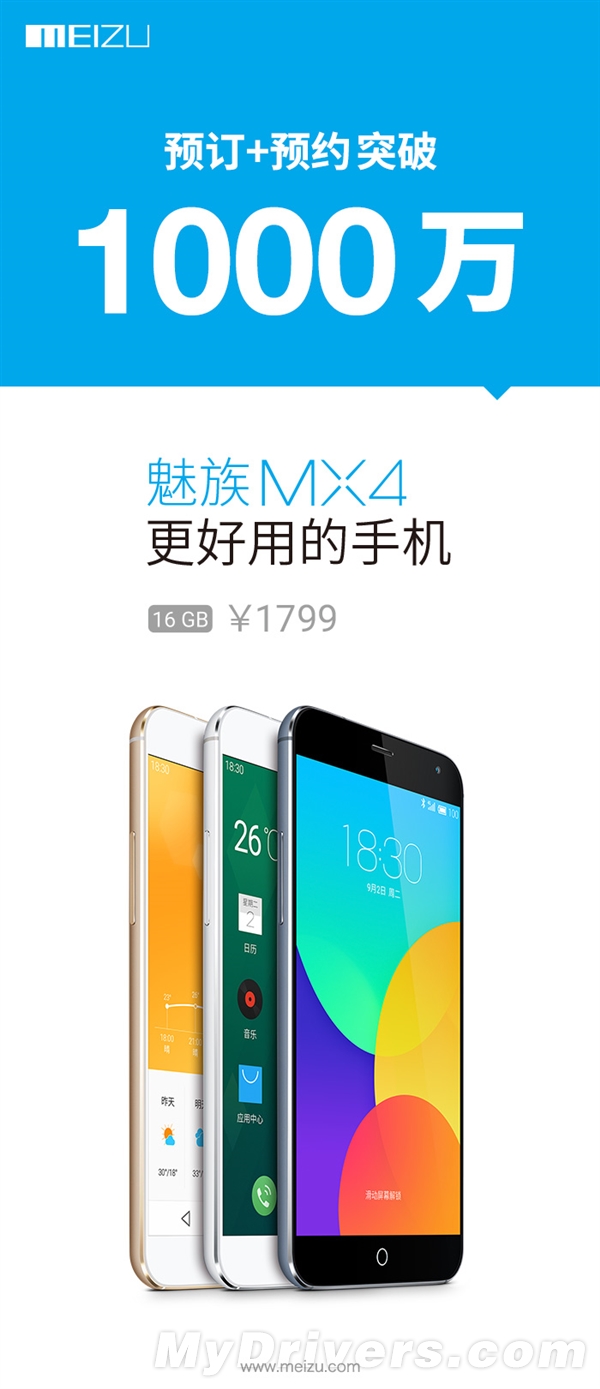
As they continue to compete with Xiaomi, Meizu has proudly announced on the main page of their website that more than 10 million pre-orders for the Meizu MX4 have been made.
The Meizu MX4 has taken the entire industry by storm. Just 72 hours after its launch, about 4 million pre-orders were made. This grew to 7.7 million after 10 days. Now, just one week later, it has broken a record once again.
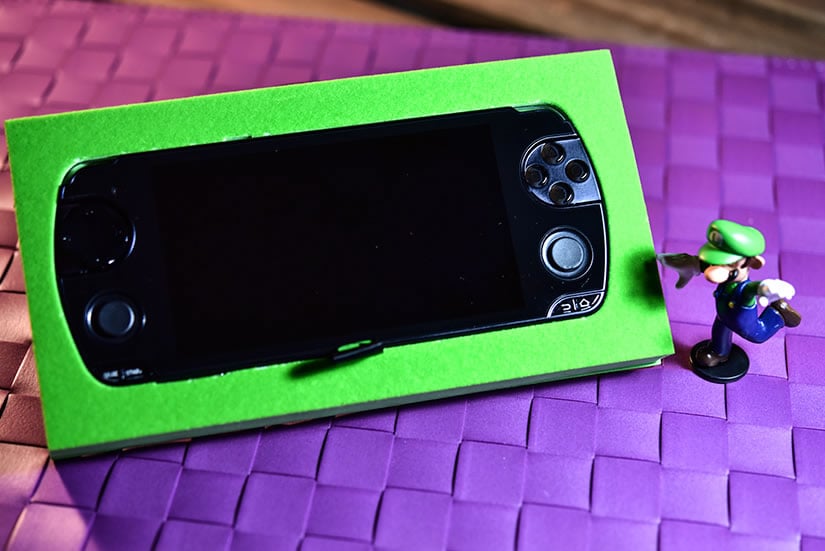
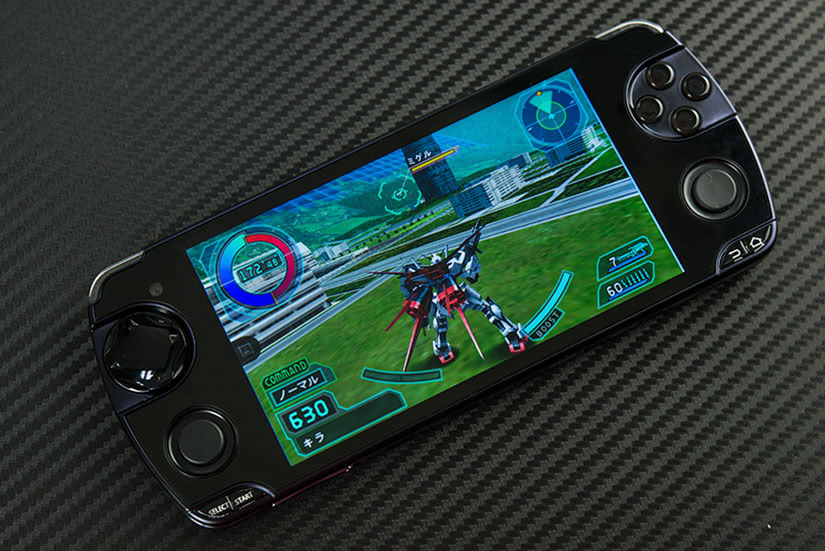
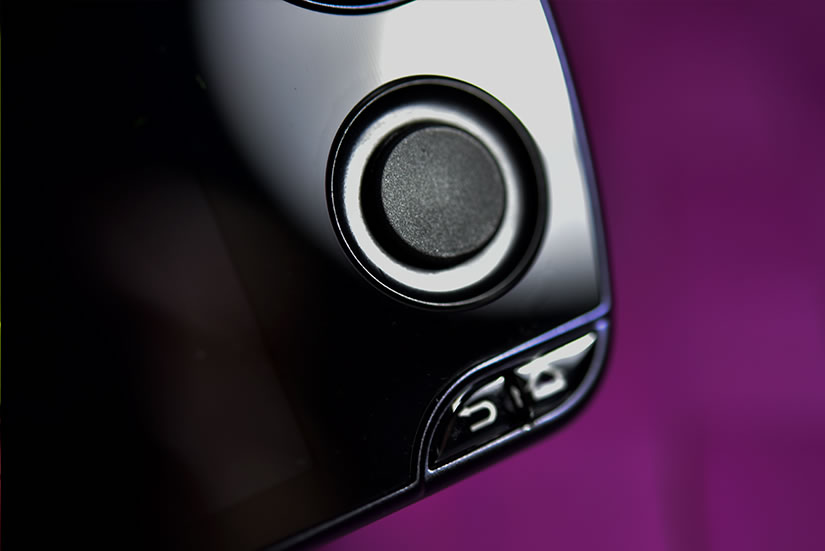
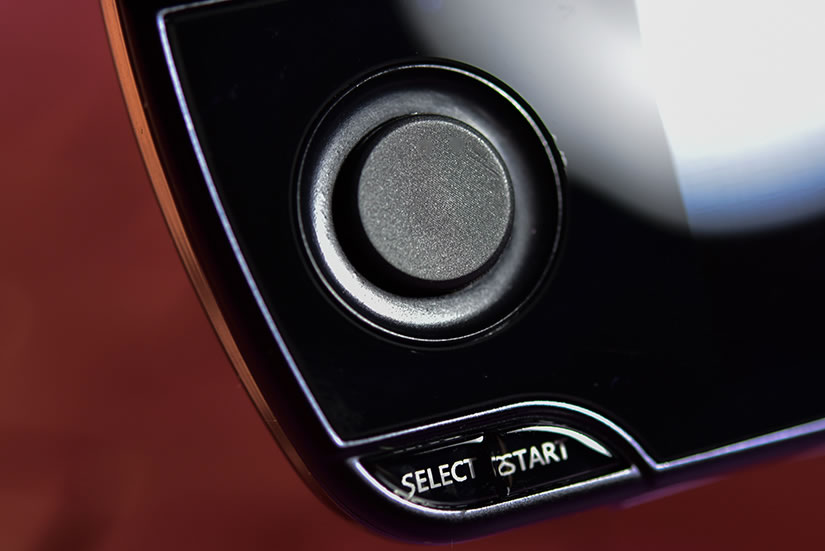
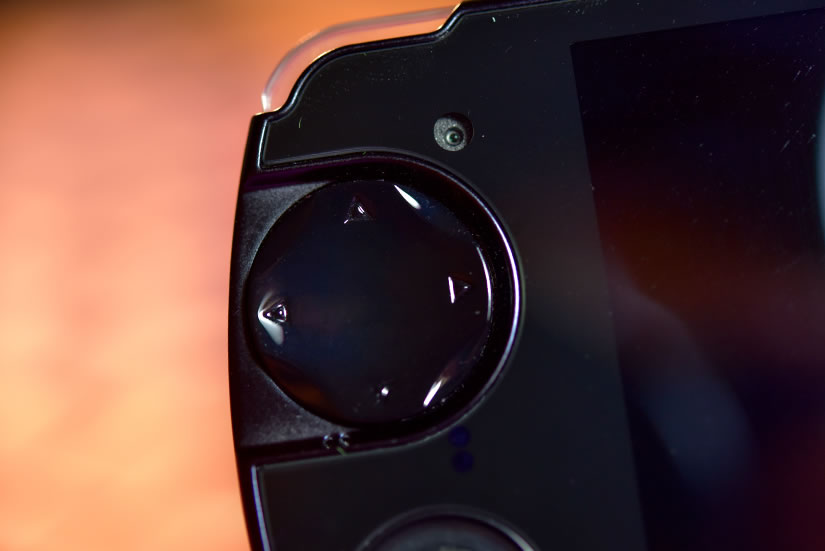
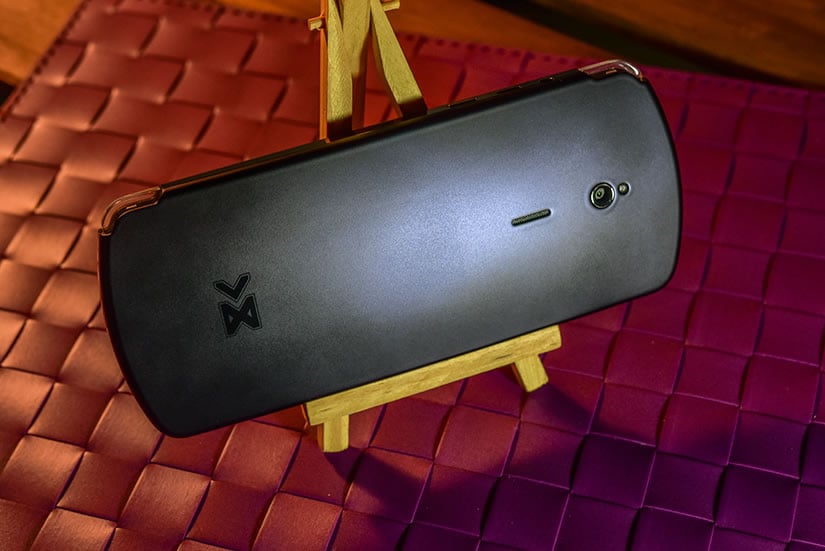
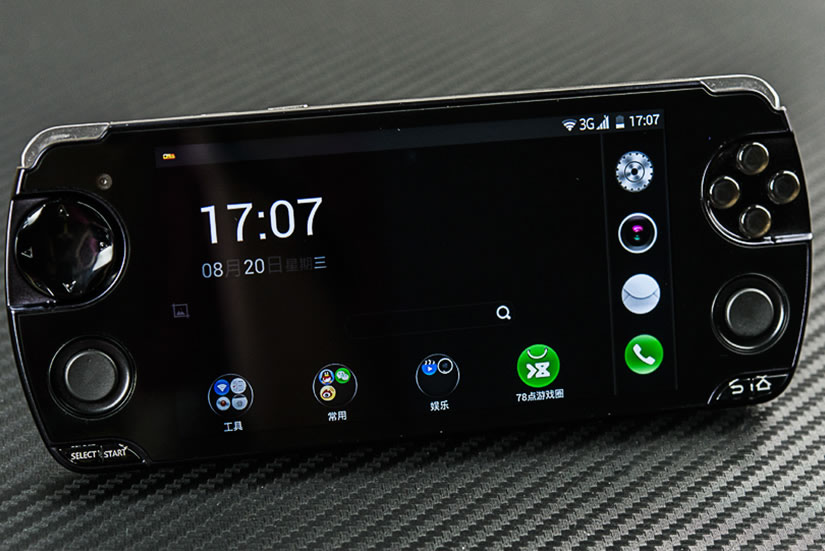
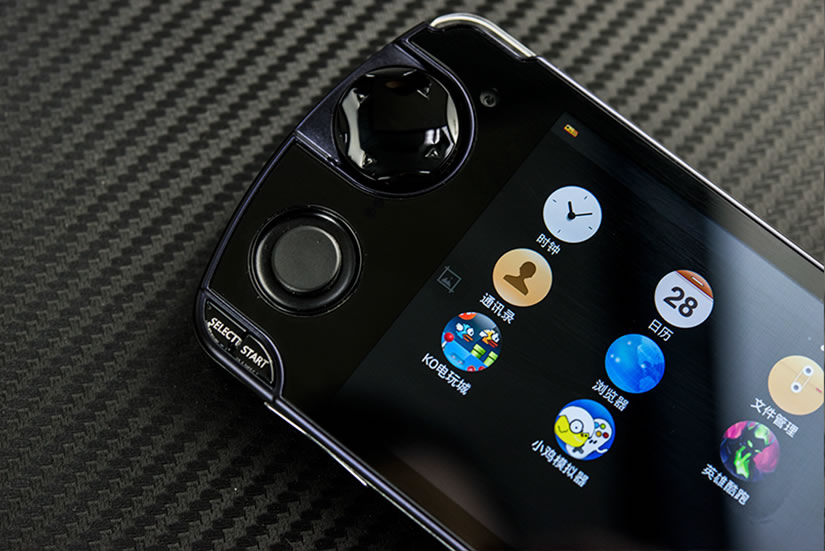
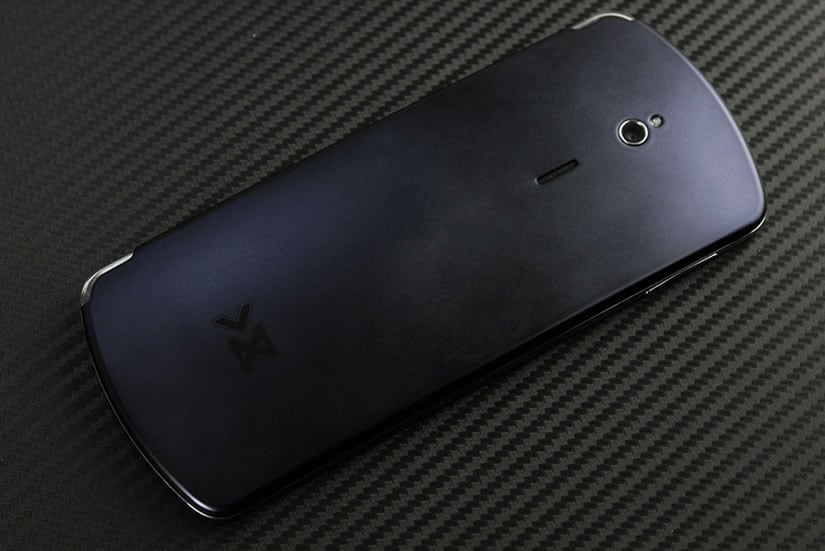
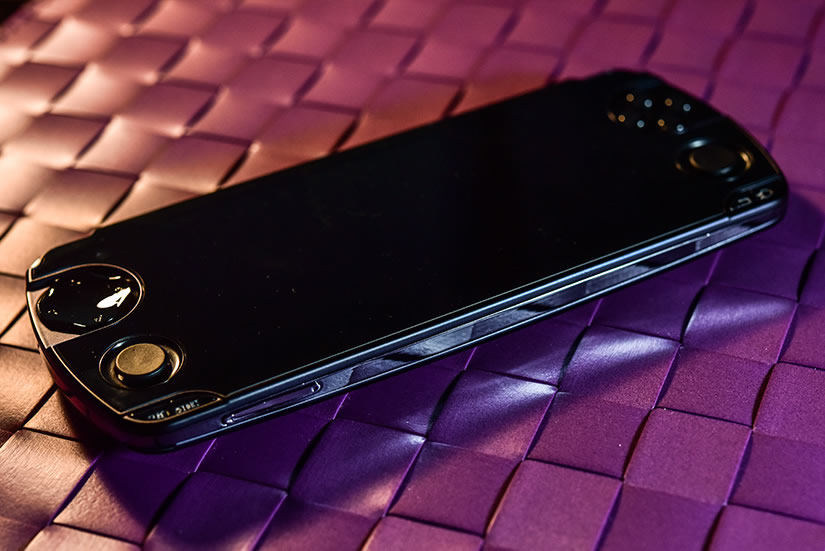
Gaming cellphone brand, 78 Points, has formally put its first device on the market. It is called the P01. This device combines cellphones and handheld gaming consoles into one device. It can even play PSP-level games.
The 78 Points P01 uses the MTK6592 octa-core processor which has a main frequency of 1.7GHz. It also has 2GB RAM and 16GB ROM. It also sports a 5-inch 720p display screen and 8mp camera. It is powered by a 3000mAh battery. It costs about 1999 RMB (325.51 USD).
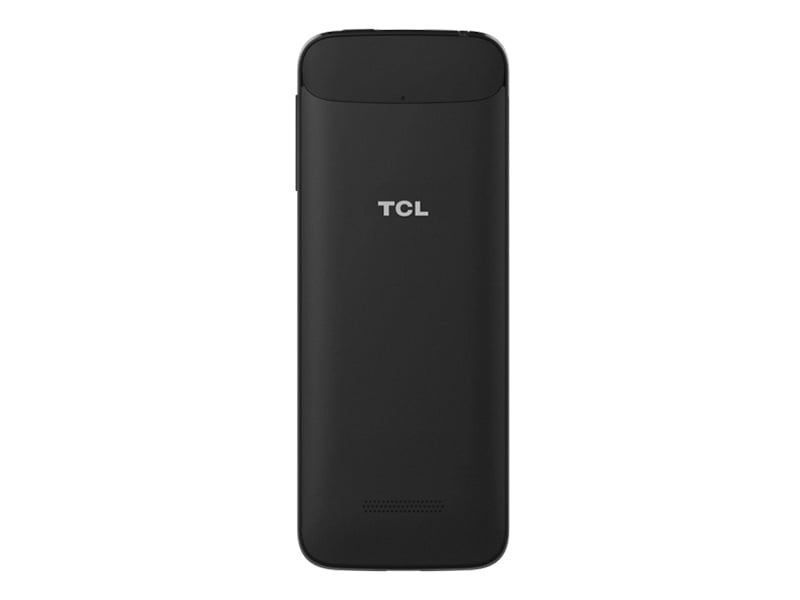
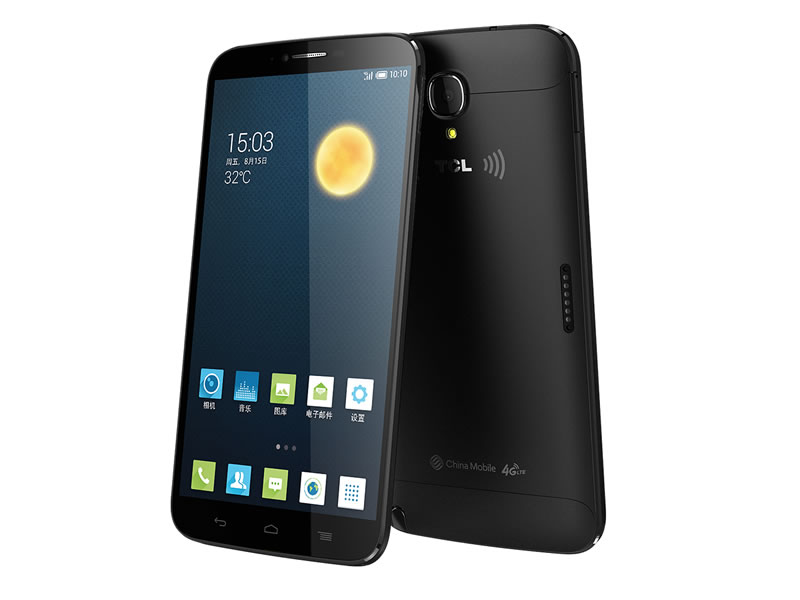
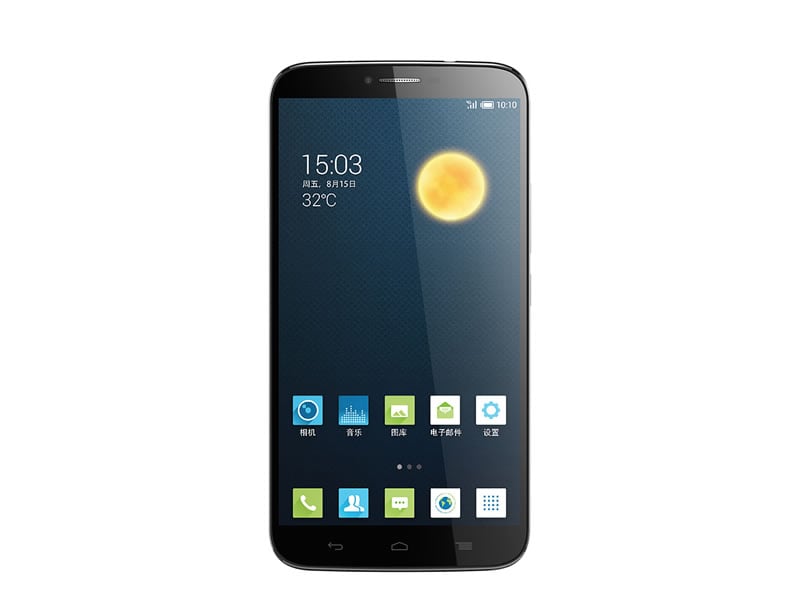
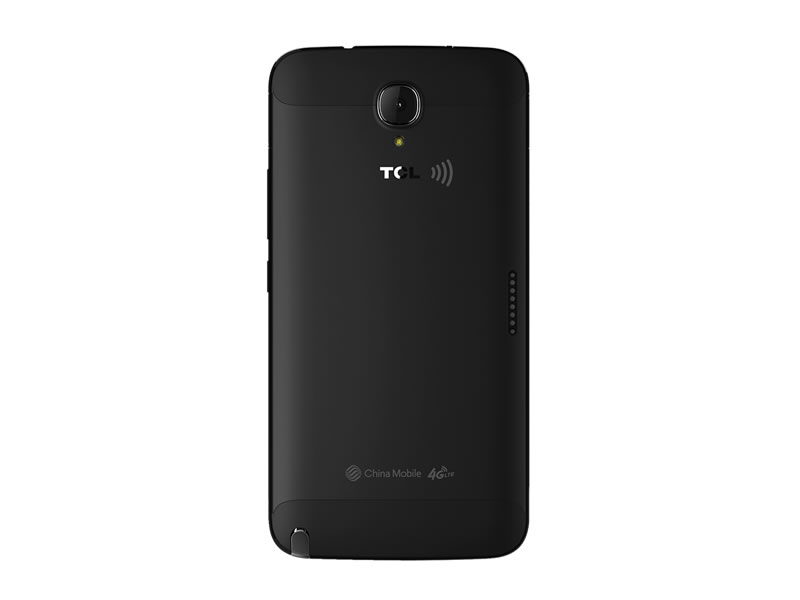
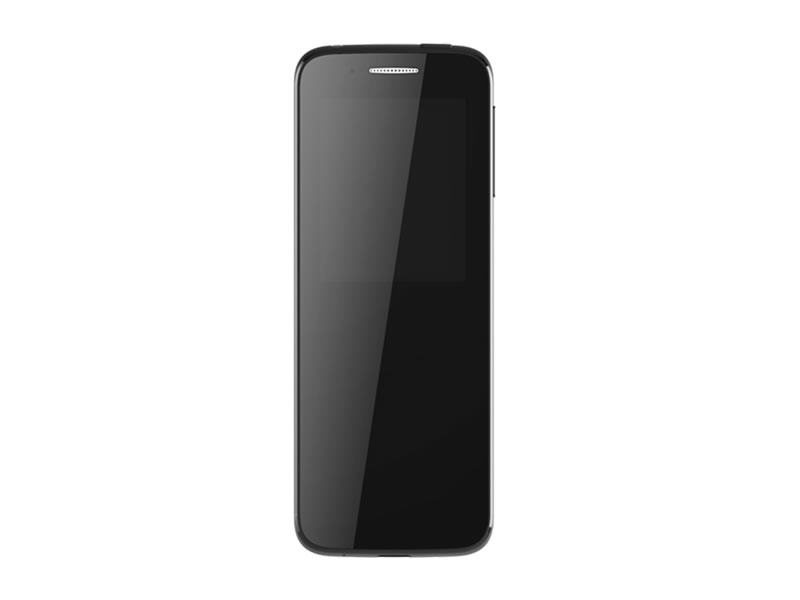
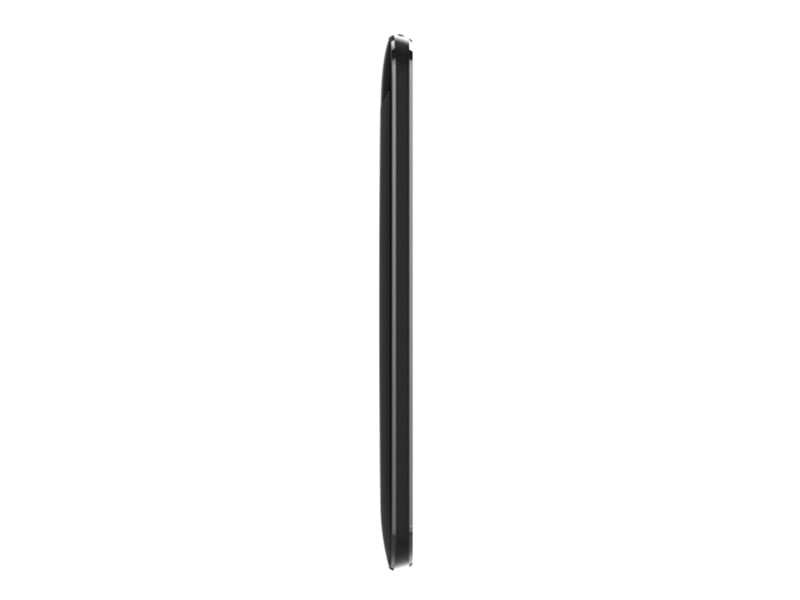
TCL amazed audiences at the IFA Conference with the Hero 2. This new device retains many of the things that made the Hero N3 great—high screen-to-body ratio, big screen, etc. It is one TCL’s heavy-hitters during the second half of the year.
The Hero 2 supports LTE networks. Its processor is the 2GHz MT6592T octa-core chipset. It also uses the MT6290 LTE Modem. In addition, it has 2GB RAM and sports a 6-inch display screen and 13mp camera.
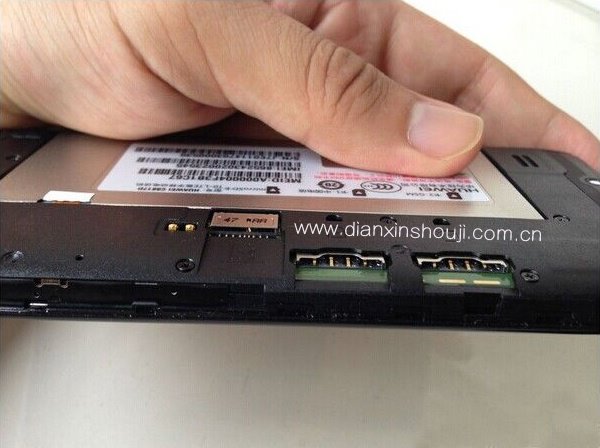
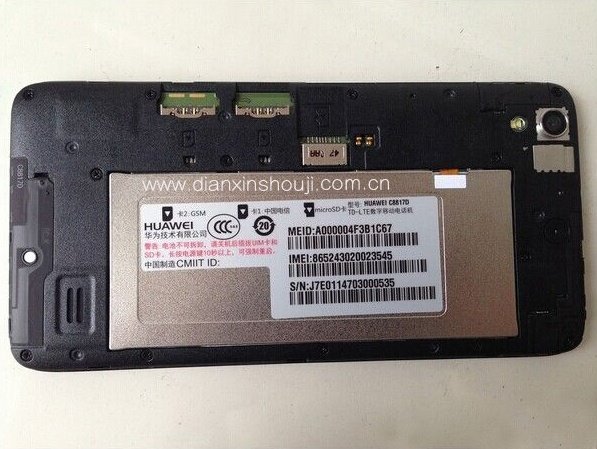
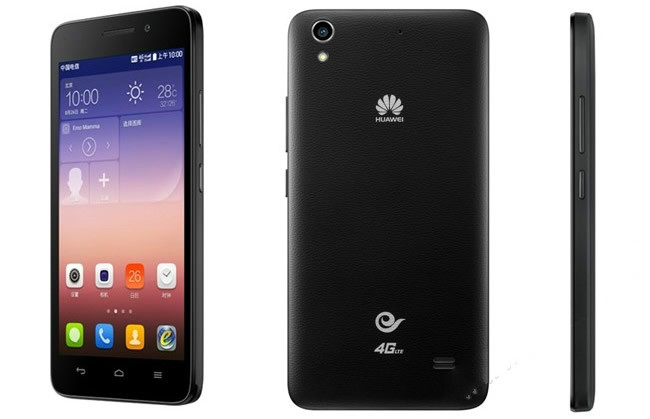
It has been confirmed that Huawei will launch the first China Telecom 4G-supported cellphone of its Honor Series, the Honor Changwan 4, on September 22.
Sources say that the Changwan 4 will go on sale at Huawei’s online store a day after its launch and that users do not have to pre-order. No price has been announced as of now, but it is estimated to be somewhere in the thousands.
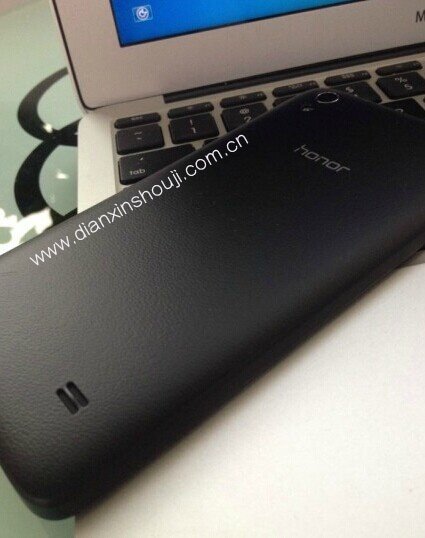
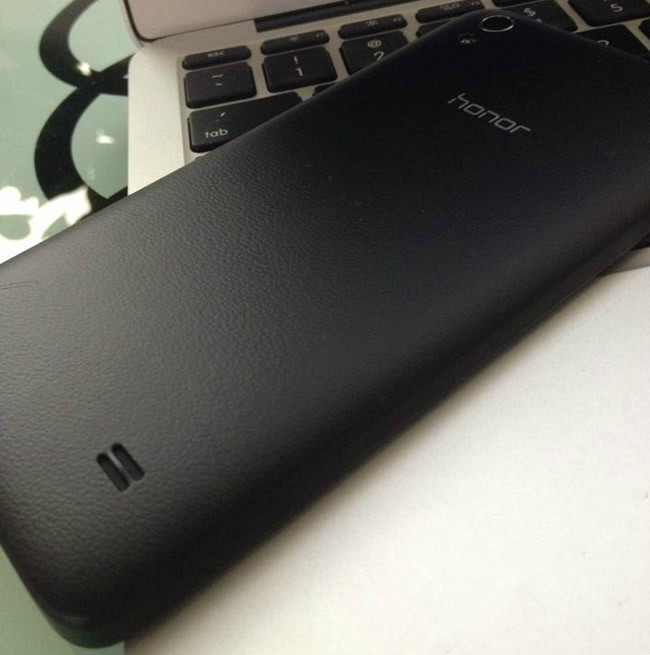
A few days ago, someone from Huawei released a photo purportedly to be that of the Changwan 4. It has a round-edged body and what looks like a leather-grain rear case. The photo looks like the snapshot of the Changwan 4 that was leaked much earlier. Also, the back appears to have almost the same exact design as the Huawei C8817E.
This phone might also be the Honor series’ first 64-bit device. It might sport a 5-inch 720p screen and 2mp/8mp dual-camera. It may also have a 2000mAh battery, 1GB RAM, and 8GB ROM, while its processor may be the Snapdragon 400 and its OS could be the Android 4.42-based EMUI.
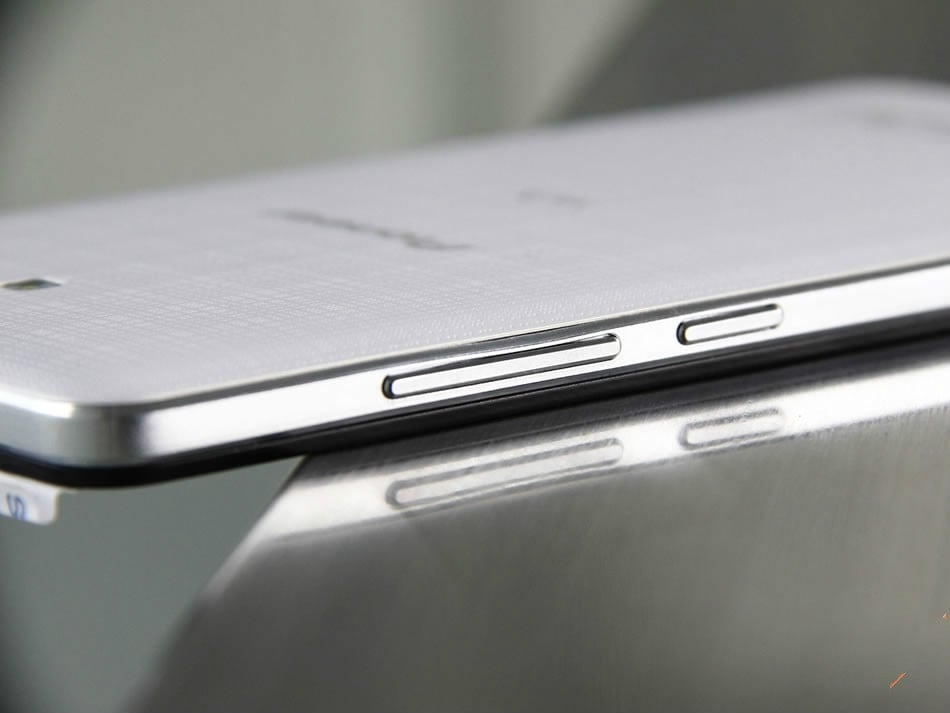
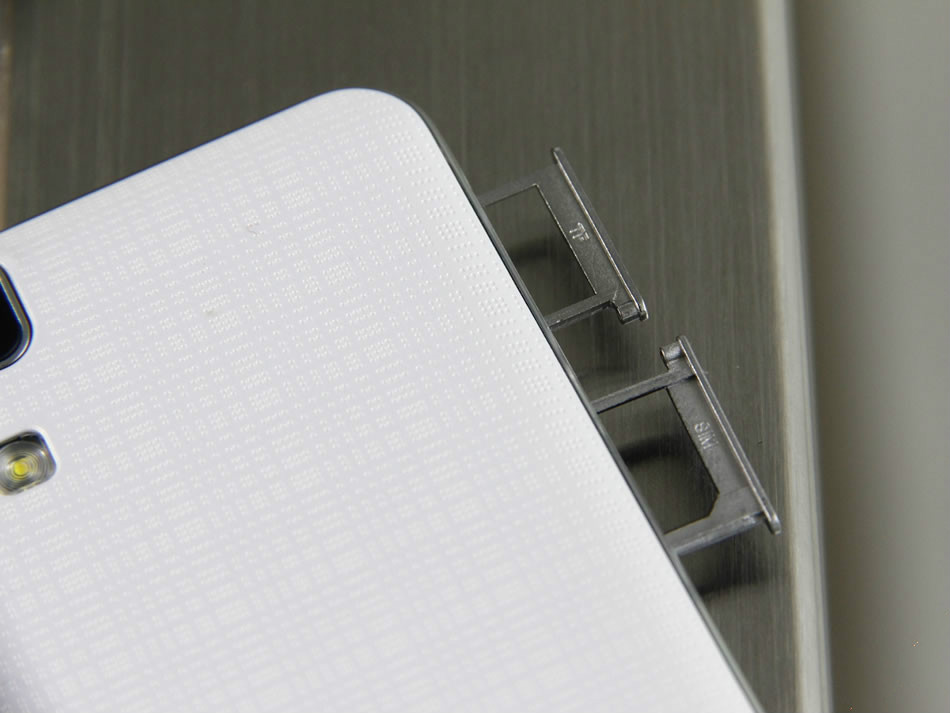
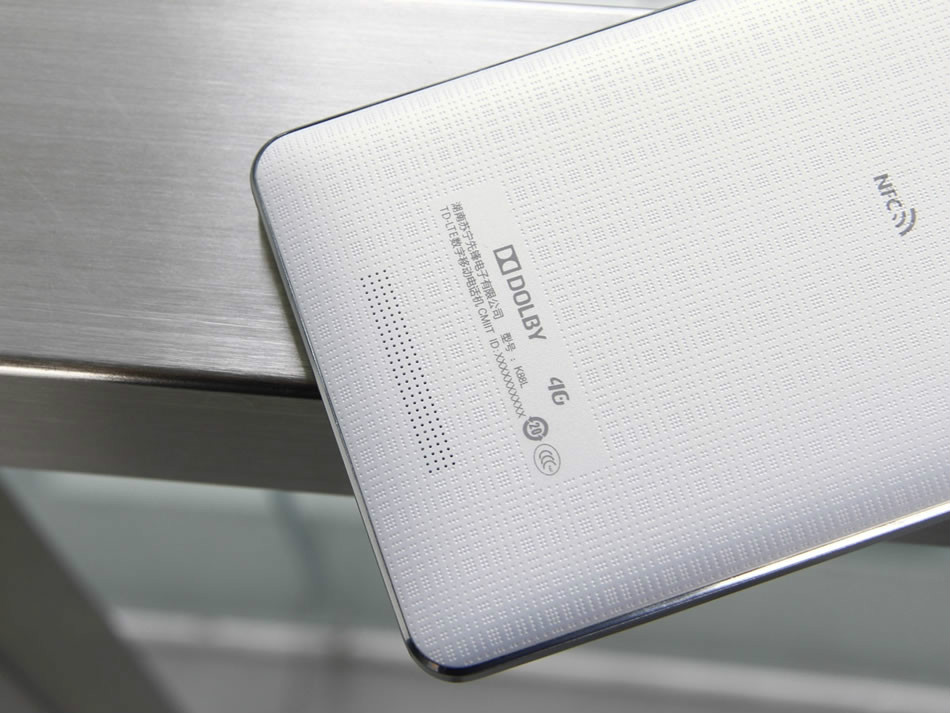
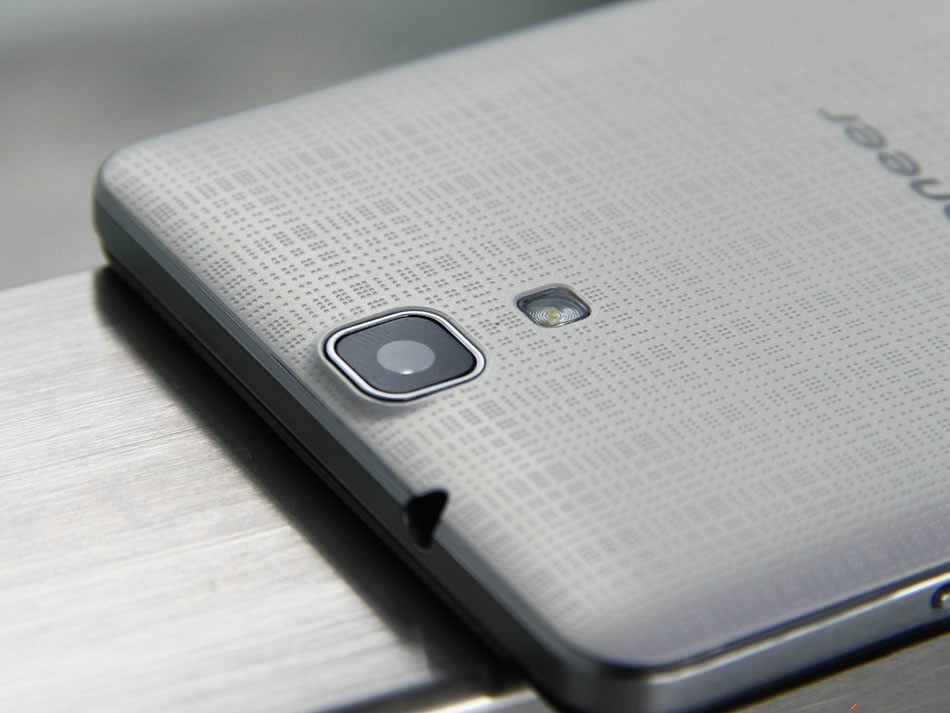
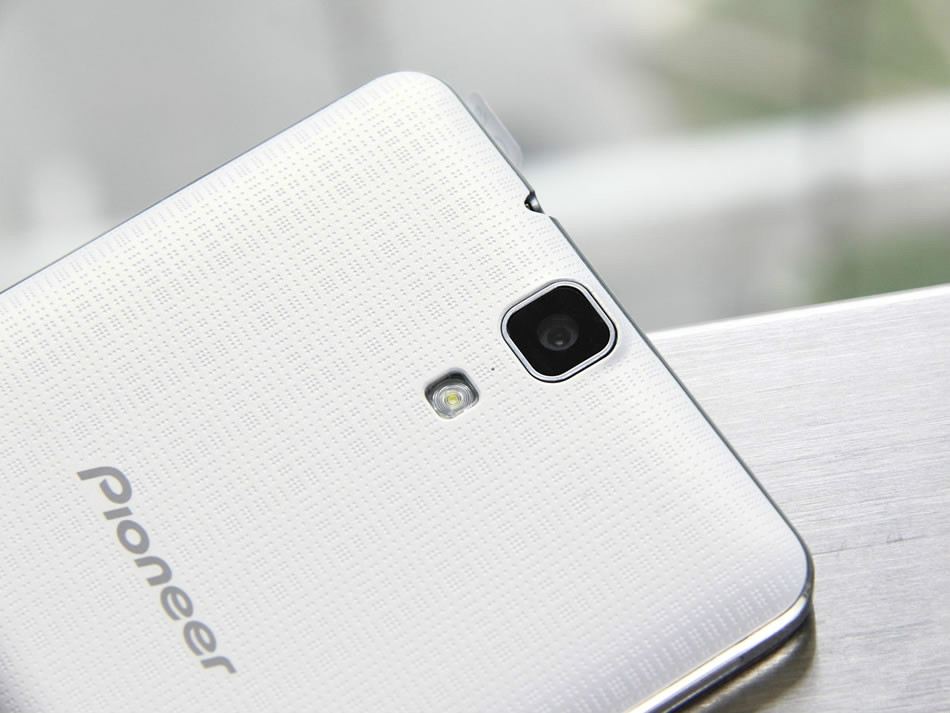
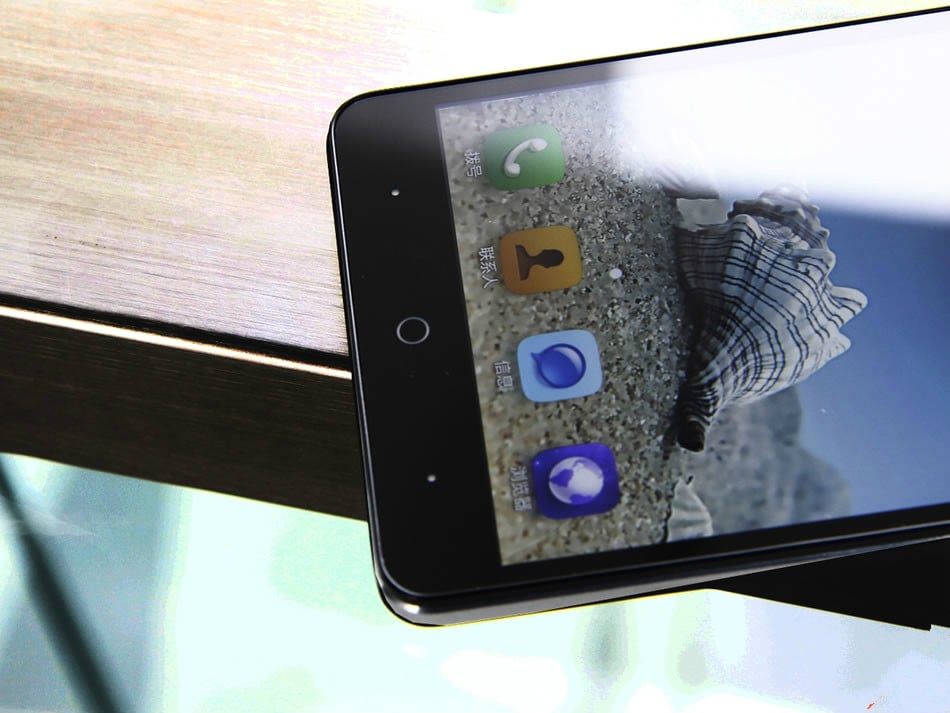
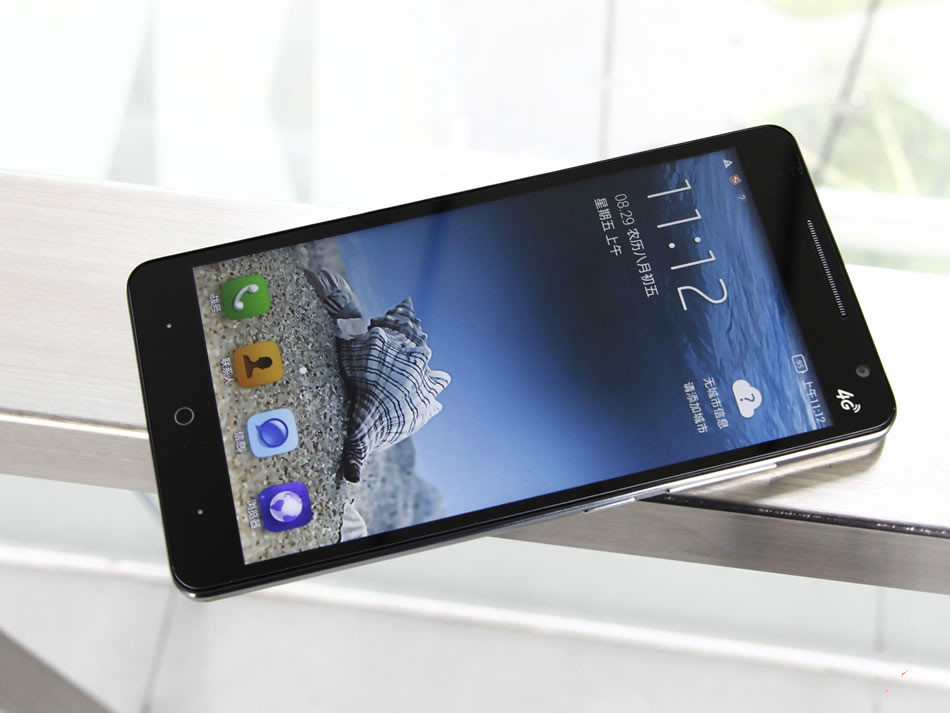
On September 15, Pioneer launched its most powerful cellphone yet, the K88L 4G phone. It supports China Mobile/China Unicom 4G, 3G, and 2G networks as well as 5 modes and 13 frequencies. Its processor is the 1.7GHz MT6592 octa-core chipset.
The K88L is also NFC-supported. Besides supporting P2P transmission between NF phones, it can be used with NFC tags for many purposes such as making payments. It also sports a 5.5-inch 720p OGS screen and a 13mp Sony IMX214 camera, and also has 1GB RAM and 8GB ROM. It runs on the Lewa OS.
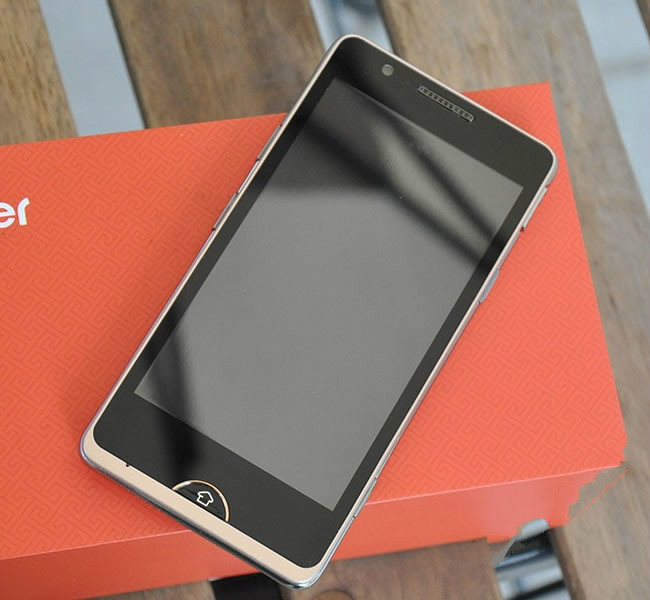
A year after the release of the Mirror series, Haier announced plans to release a smartphone aimed at the elderly called the “A8.”
Besides having many kinds of features and a design that should attract older consumers, the A8 is also not as expensive as the A6. A few days from now, the A8 will go on sale at JD.
The A8 has a big screen panel and is painted with gold. At the bottom of the touch screen is the phone’s semi-circle “HOME” button.
The Haier A8’s operating system is the Android 4.4. The main apps are marked with large tabs on the main page. Shake the phone and an explanation of the menu pops up. It also has a smart voice assistant that can report the time among other things.
The A8’s processor is the MTK6582 quad-core chipset. It also has a 4.5-inch FWVGA display screen and 5mp camera. It is also powered by a 2200mAh battery and supports the TD-SCDMA China Mobile 3G network.
Its market price is 699 RMB (113.75 USD) but it can be pre-ordered at JD for just 499 RMB (81.20 USD).
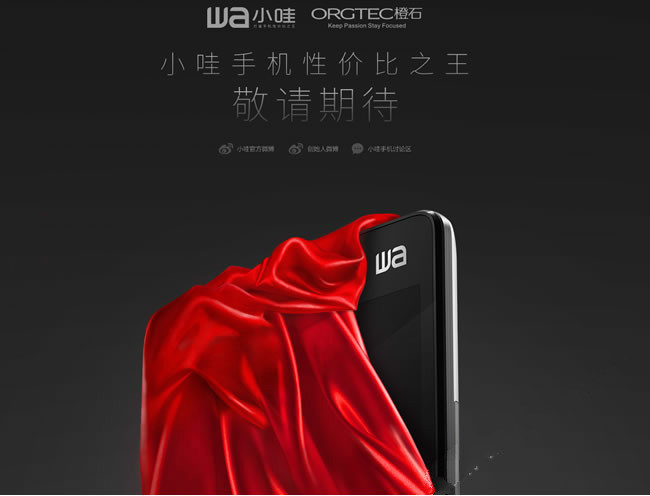
Recently, Xiaowa Mobile has been preparing the release of its first device, the Xiaowa Phone. A lot of information has already been revealed about it.
After a part of its design was leaked, the first information on the Xiaowa Phone’s hardware was released. To everyone’s surprise, it will use MTK’s 64-bit octa-core LTE SOC, the MT6752.
Those familiar with MTK’s producs know that MT6752 is a processor aimed at the mid-end market. It is a more powerful replacement of the MT6592 in the 1000 RMB cellphone market. It is composed of 8 A53 CPUs, has a high frequency of 2GHz, uses the ARM Mali-T760 GPU, supports 1080p video and 1080p display screens, and its ISP supports 16mp cameras. It also integrates a multi-mode LTE modem and supports 5 modes.
Sources say that this phone may enter the market during the fourth quarter season, most likely, after October.
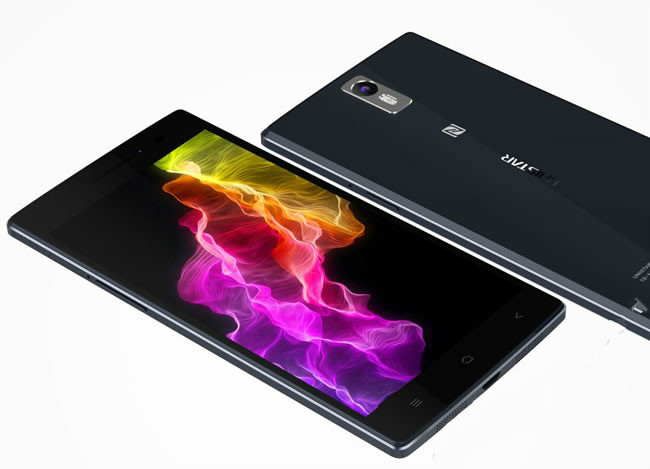
Today, it was revealed that Unistar will be the second company to release a 4G smartphone that uses MTK’s MT6732 64-bit quad-core processor (1.3 GHz).
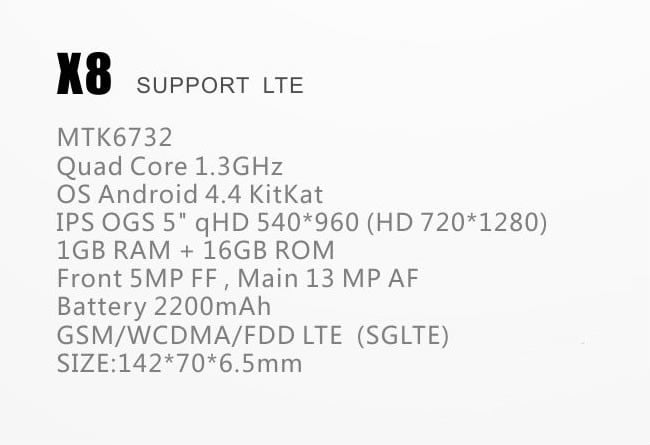
This phone is called the Unistar X8. Since MTK’s official product roadmap shows that the MT6732 has a main frequency of 1.5GHz, Unistar must be using a low-end version (MT6732M). The X8 supports FDD-LTE, WCDMA, and GSM networks, and also uses the SGLTE audio solution. Furthermore, it sports a 5-inch qHD OGS display screen and has 1GB RAM and16GB ROM. It is powered by a 220mAh battery and its OS is the Android 4.42. As for camera specs, its front camera has 5mp, while its main camera has up to 13mp.
The Unistar X8 is a very thin cellphone with only a height of 6.5mm. It is also only 70mm wide.
Based on Unistar’s recent releases, the Unistar X8 might see an overseas release first.
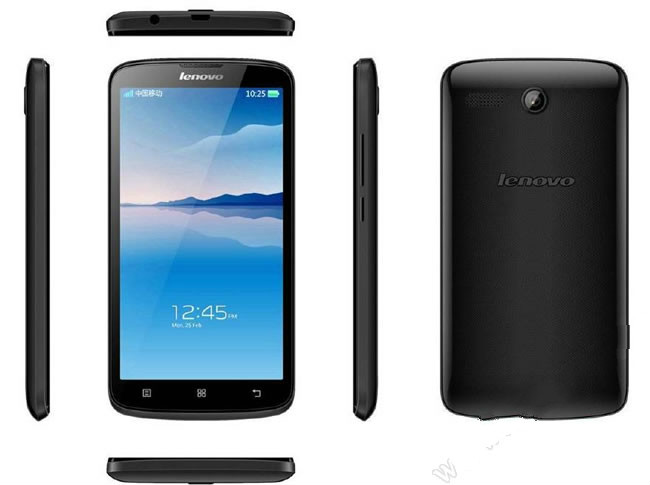
Even as we enter the 4G Era, many companies are still releasing 3G devices. One of them is the Lenovo A399.
This 3G phone is compatible with WCDMA/GSM networks and also supports dual-SIM. Its processor is the 1.3Ghz MTK6582 quad-core chipset. It only has 512M RAM and 4G ROM. It also sports a 5-inch FWVGA display screen and a 2mp camera. Its OS is the Android 4.42. It is worth checking out the Lenovo A399 for its round appearance. The sides and back all have a big radius. Also, like a lot of Lenovo’s phones, the speaker and main camera are located at the left side.
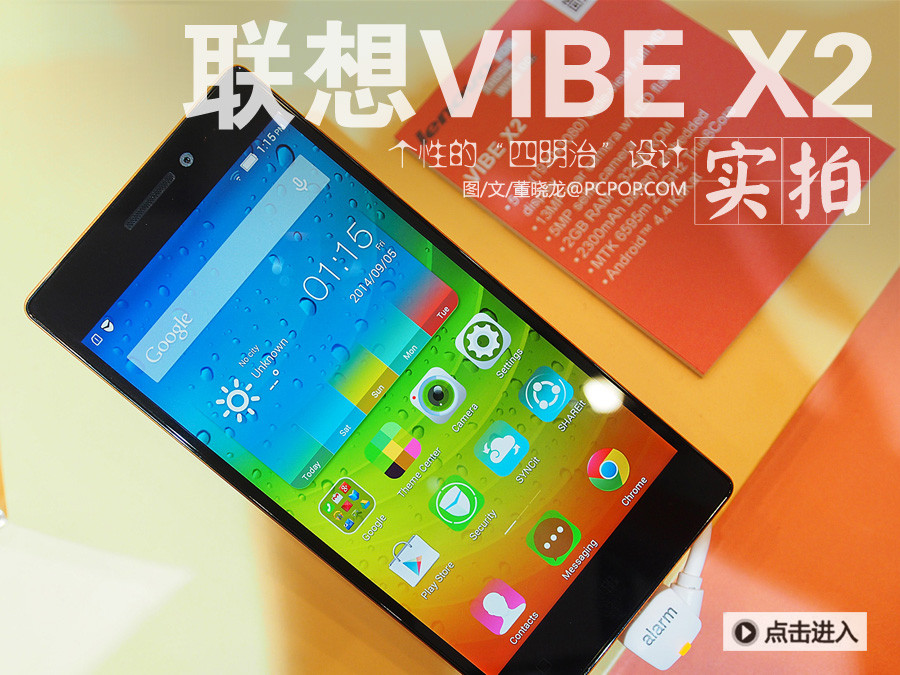
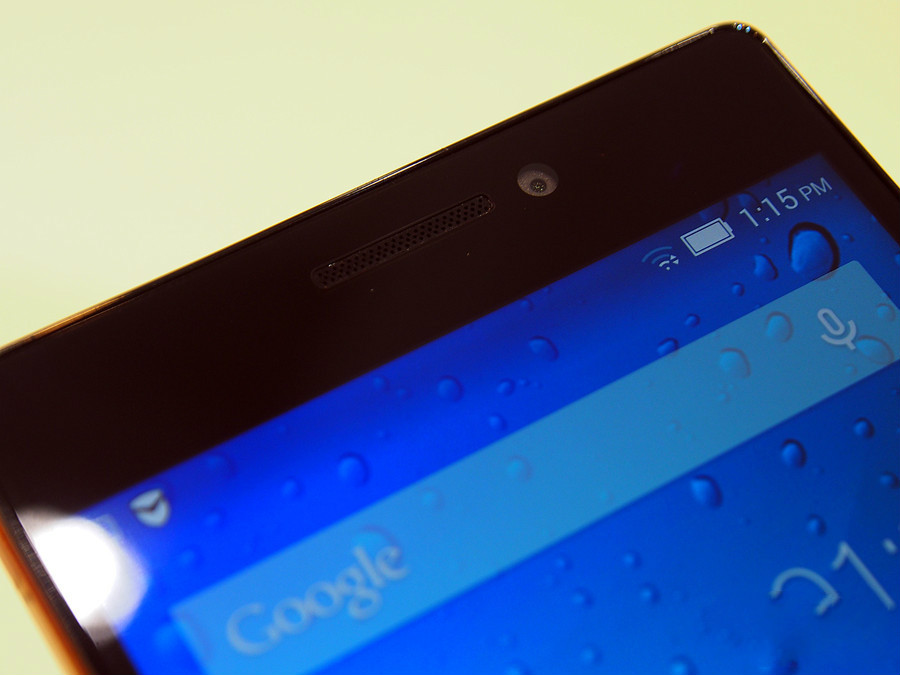
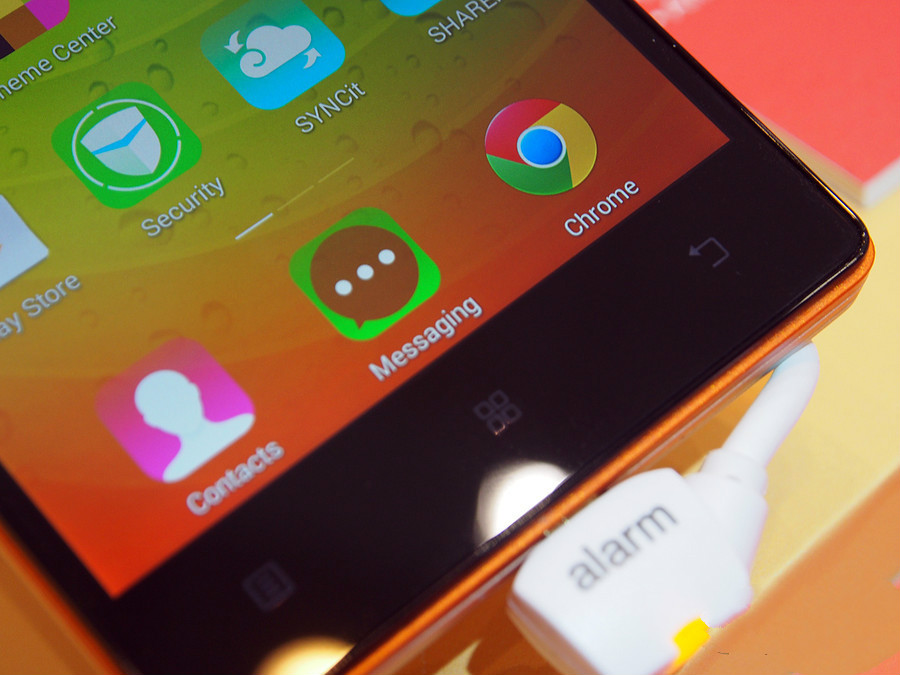
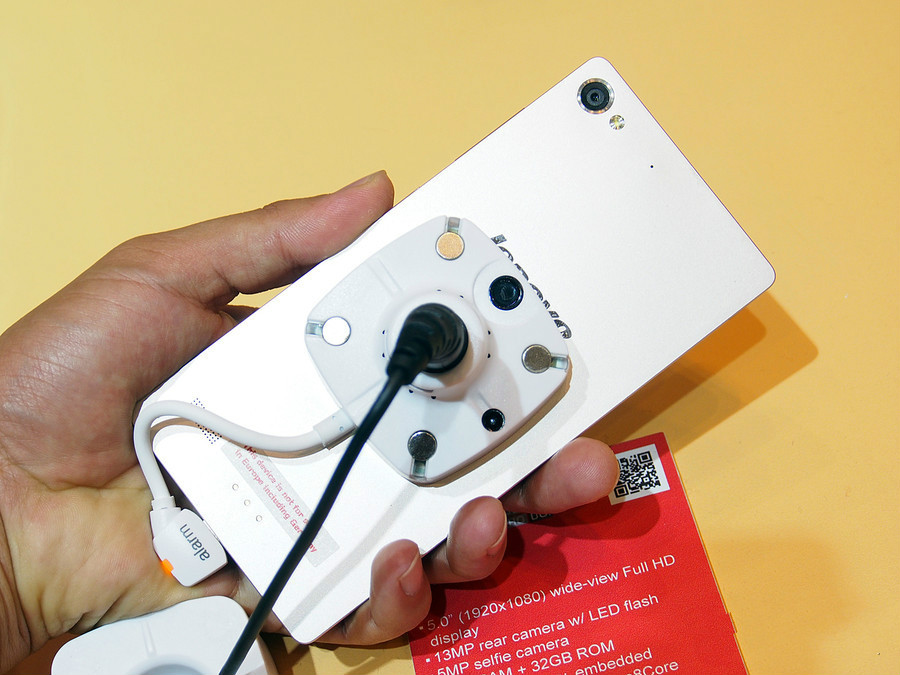
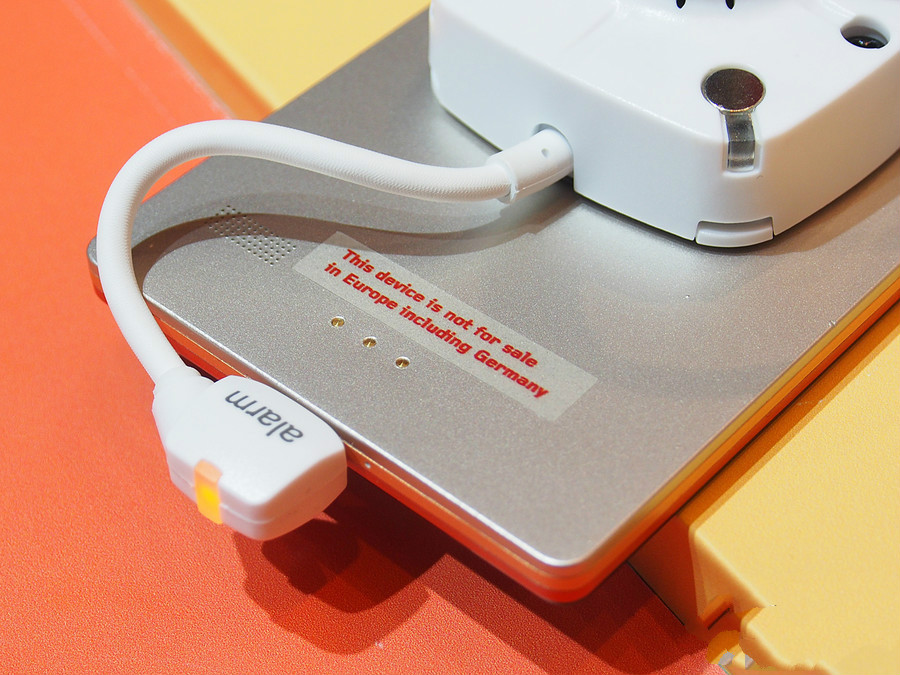
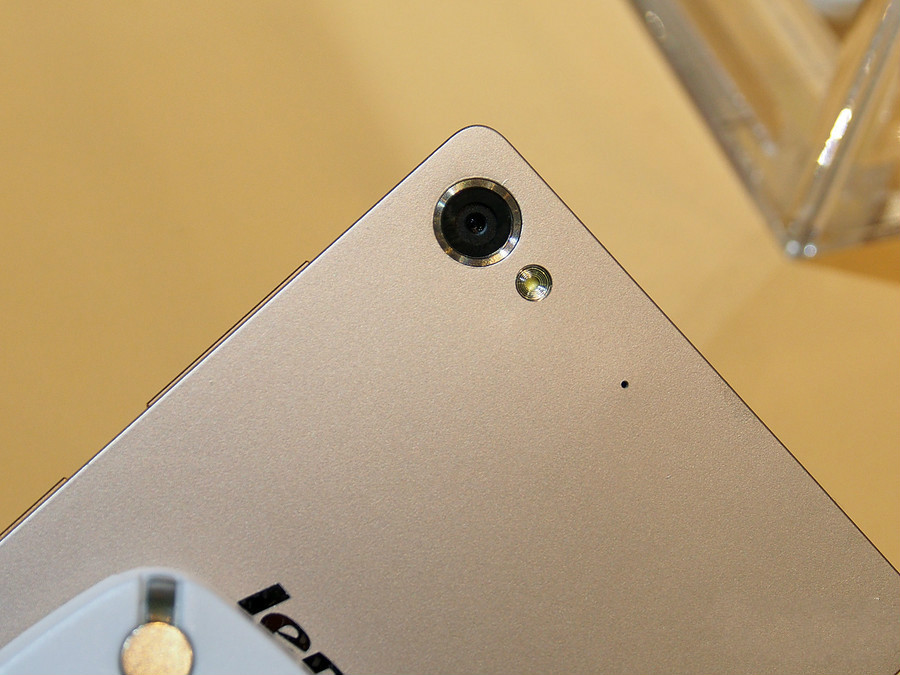
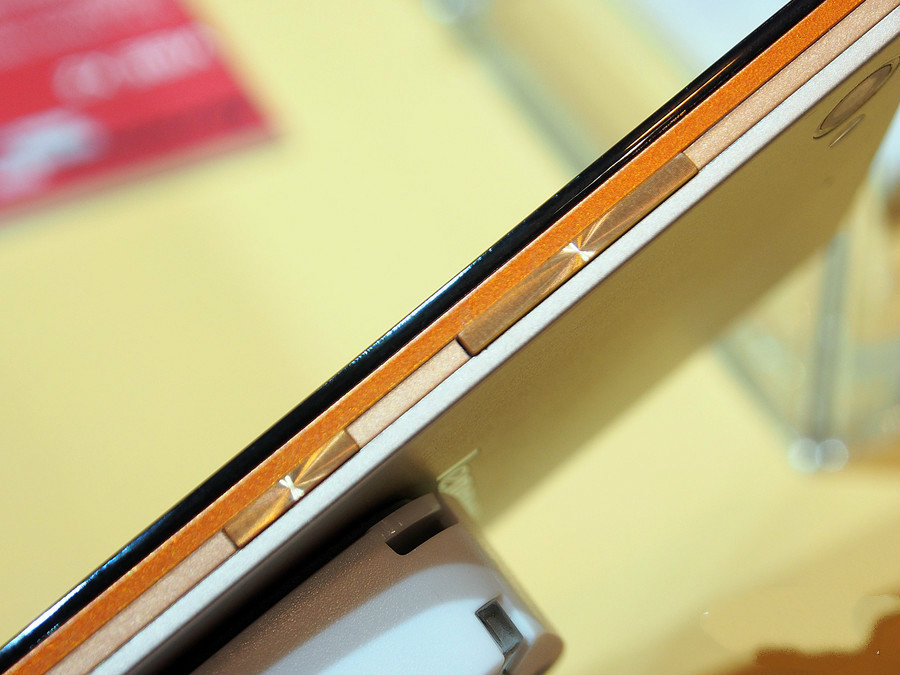
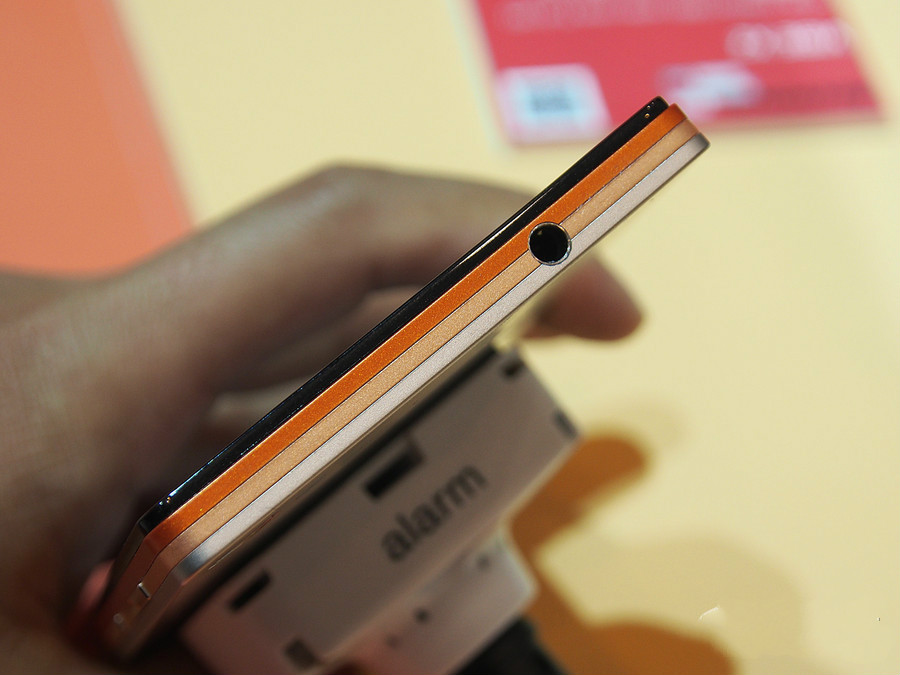
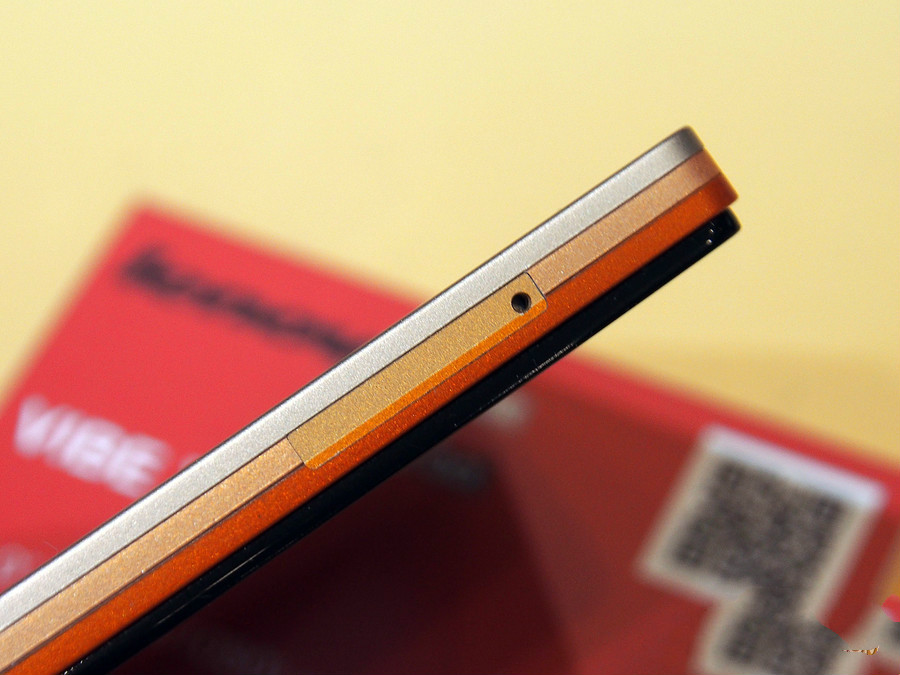
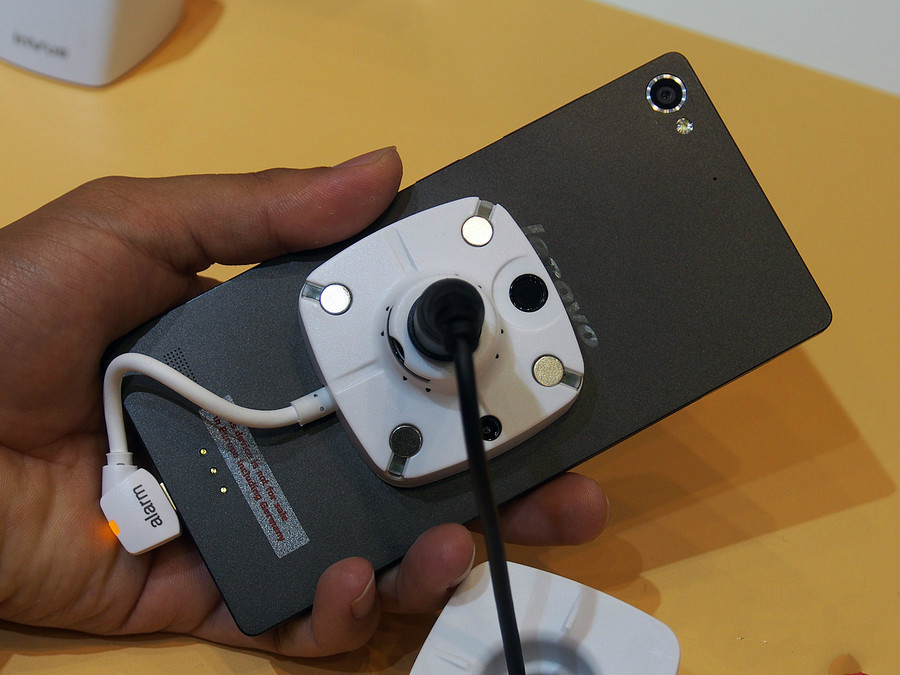
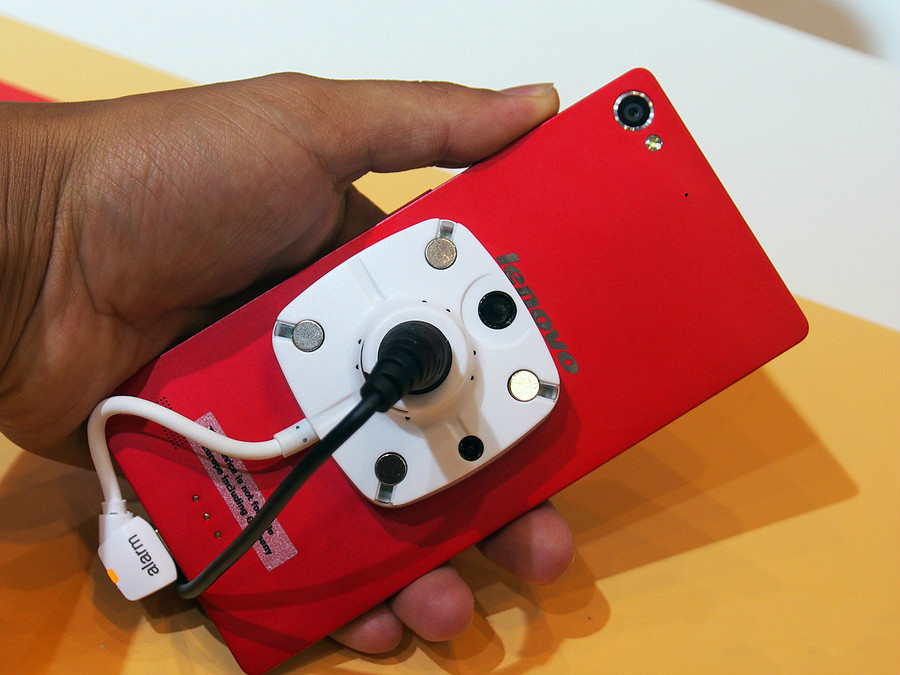
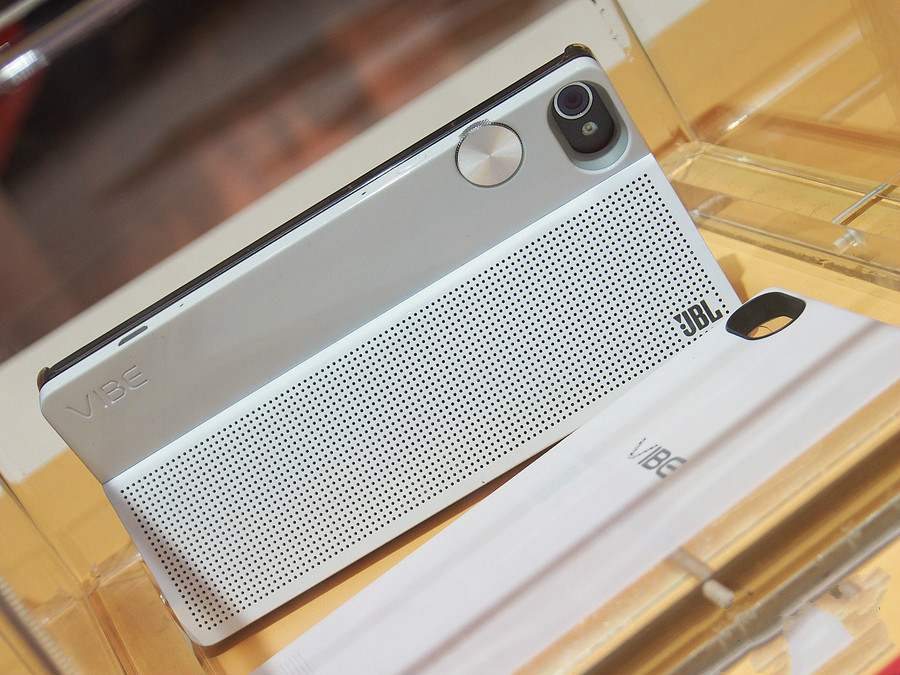
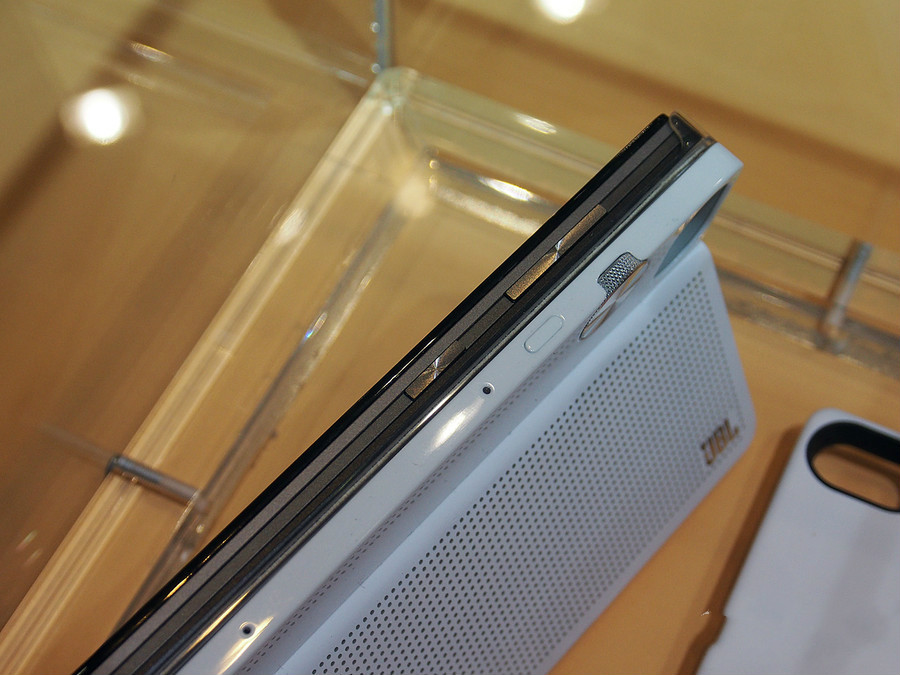
From the side, you can see that the Vibe X2’s sides are made up of four bars of different colors. It is a very individualized style and something that look you would see on a cake. It even looks like a sandwich. No cellphone has had this kind of design before. It looks like Lenovo are targeting young consumers with this device by making more trendy and revolutionary designs. The rear cover is also available in four colors: orange, white, black, and gold. As for the specs, the Vibe X2 uses the MTK MT6595 octa-core chipset (2.0 GHz), sports a 5-inch 1080p display scream and a 5mp/13mp dual-camera, as well as 2GB RAM and 32GB ROM. It also uses the Android 4.4 OS with the Vibe UI 2.0 interface. You can also connect a mobile battery and Bluetooth sound box through the back of the phohne. The Lenovo Vibe X2 costs 399 USD (about 2500 RMB).
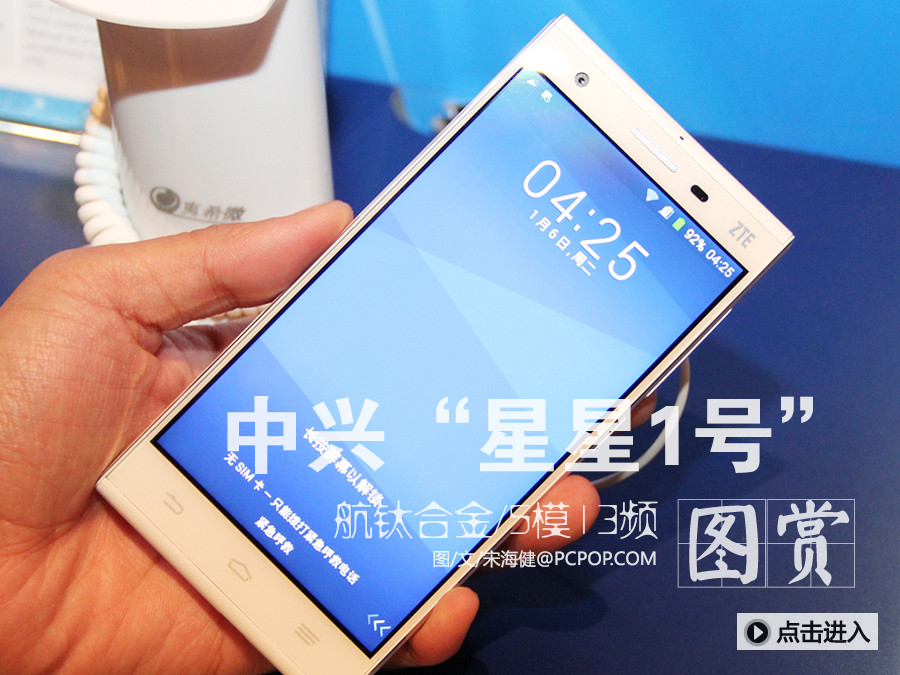
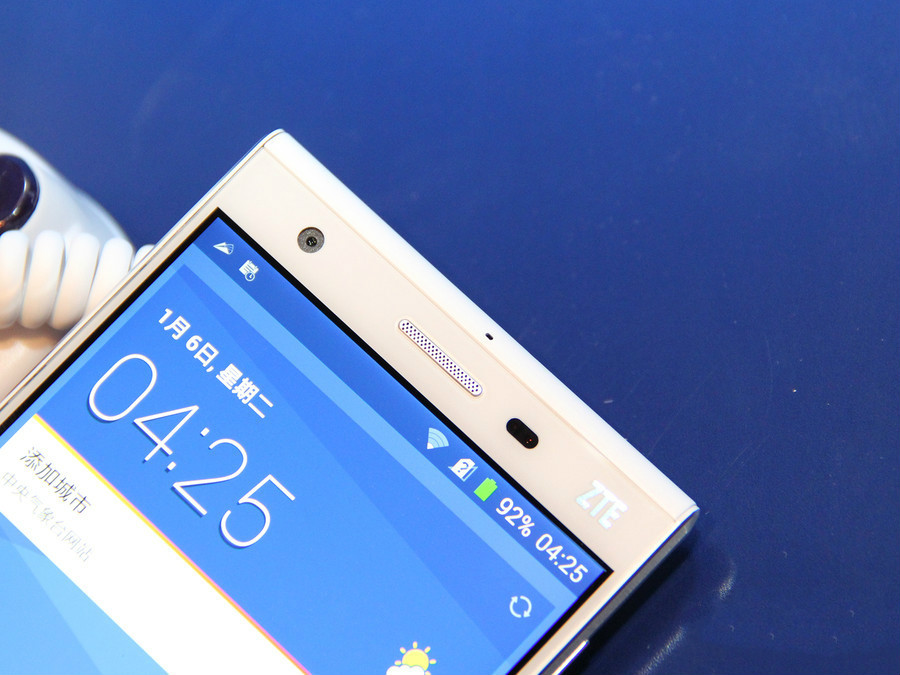
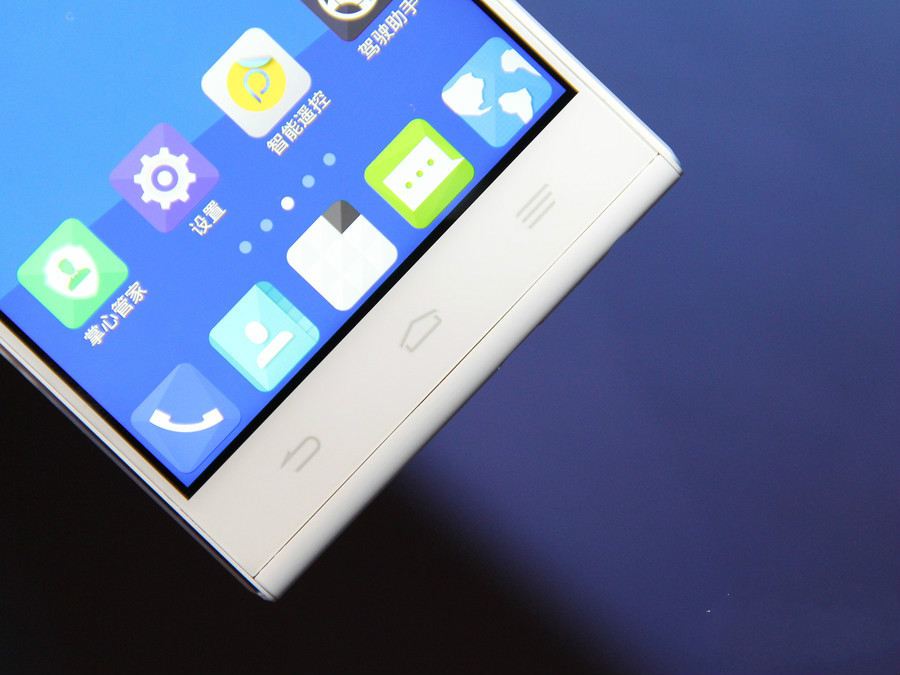
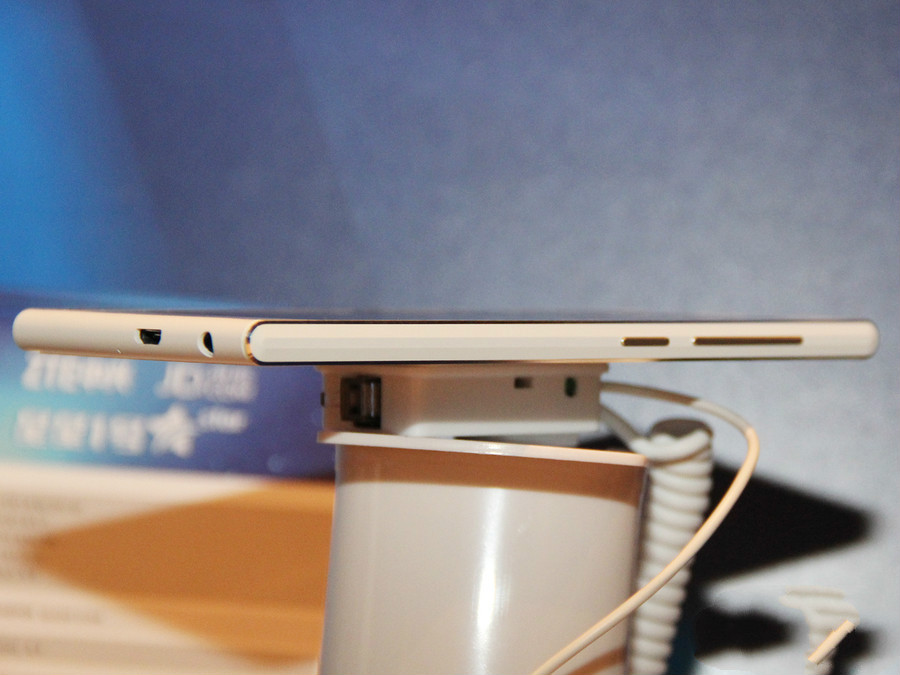
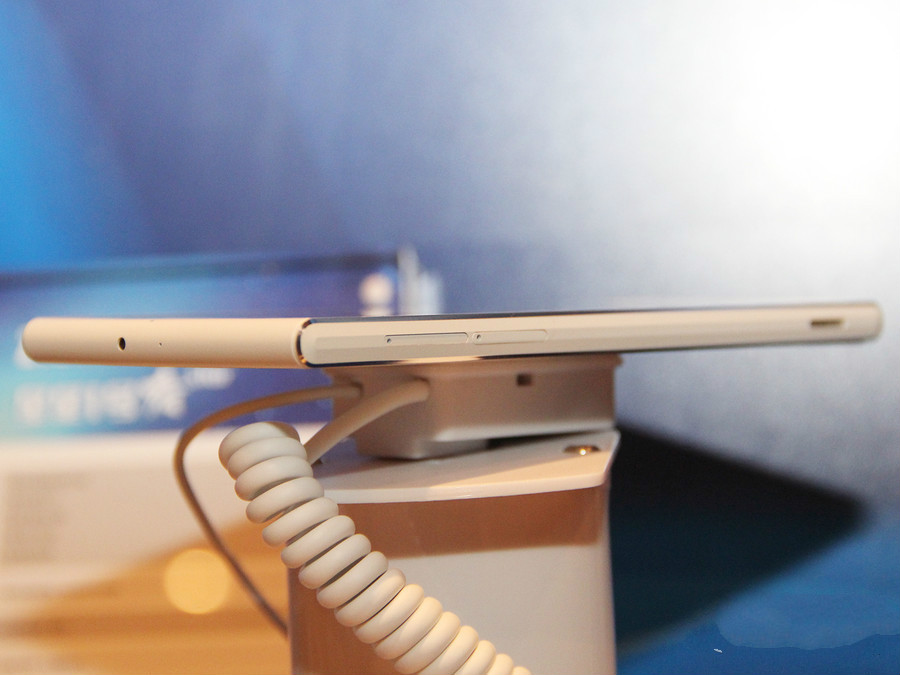
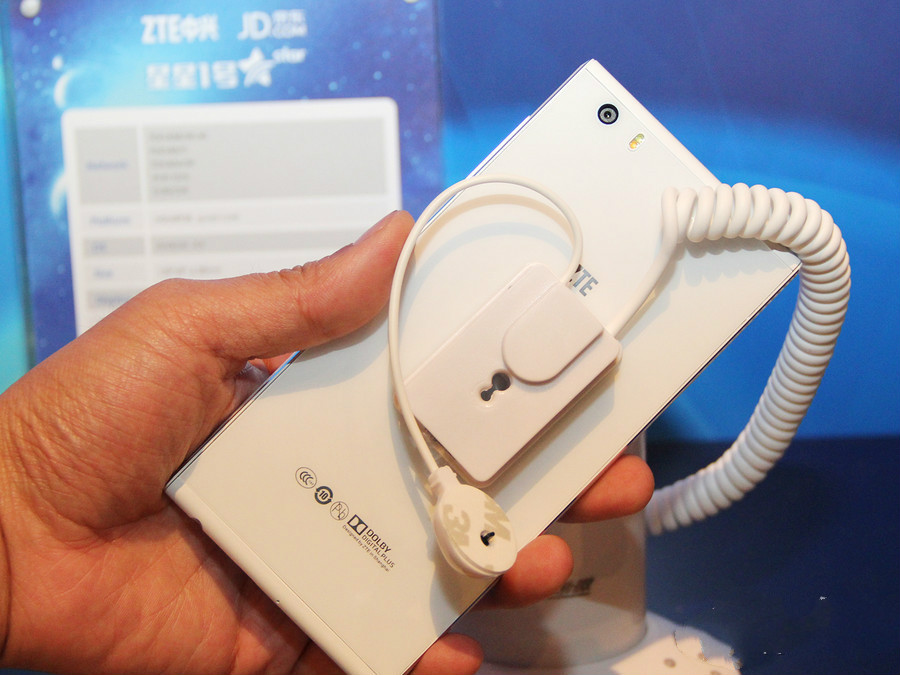
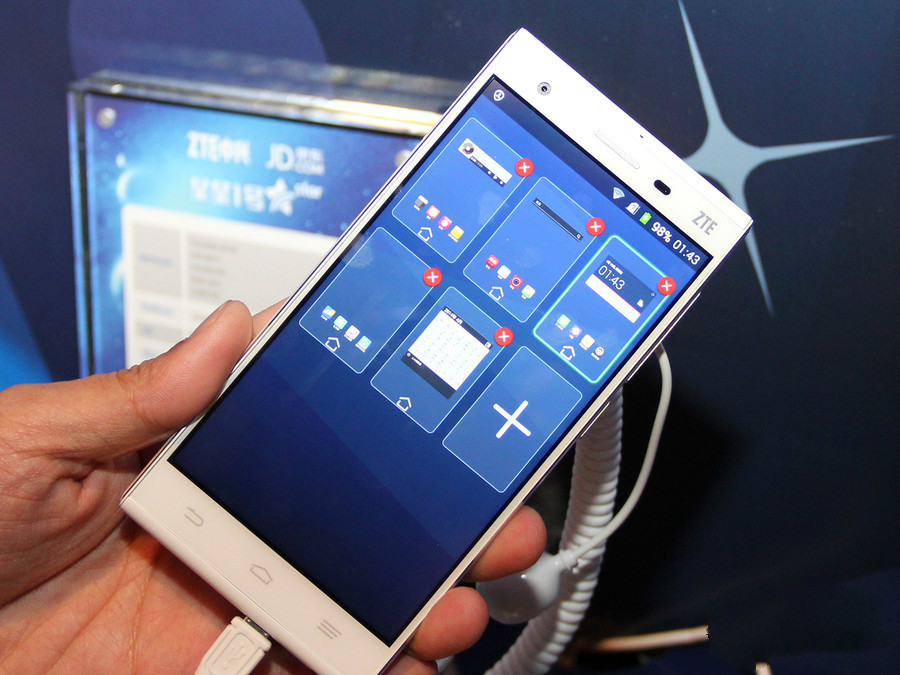
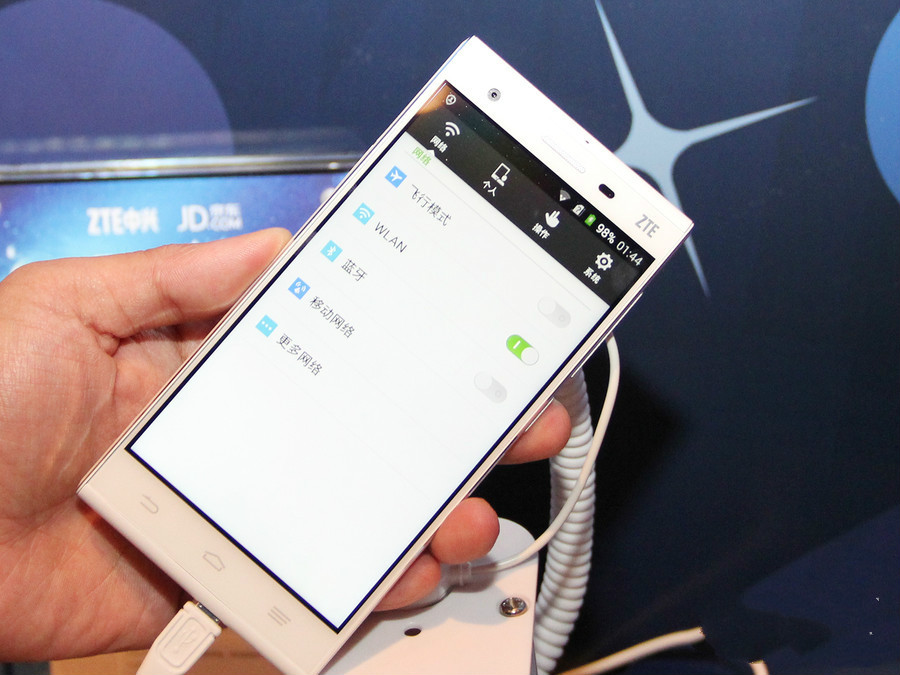
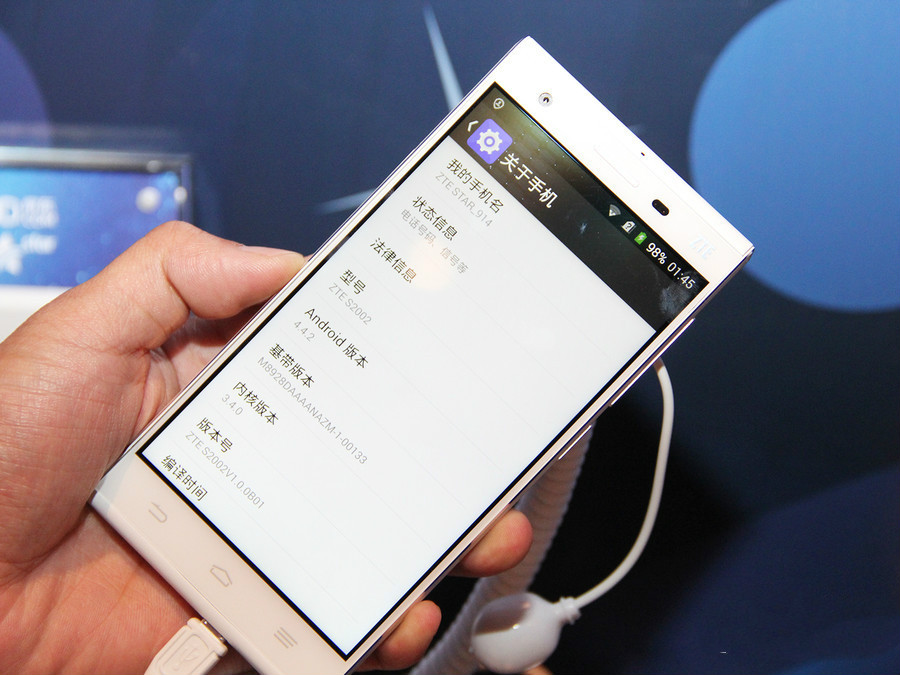
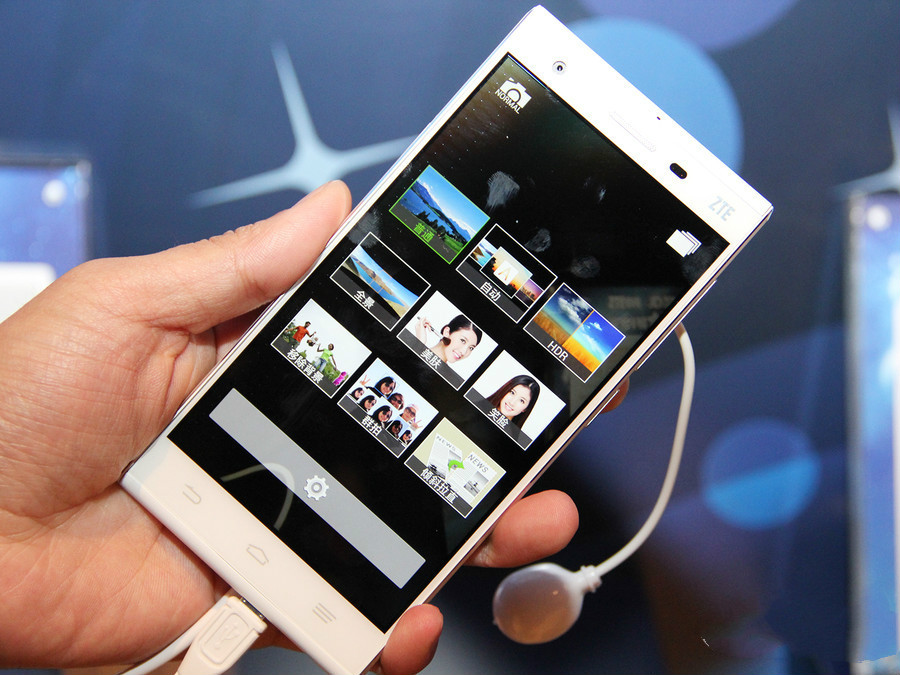
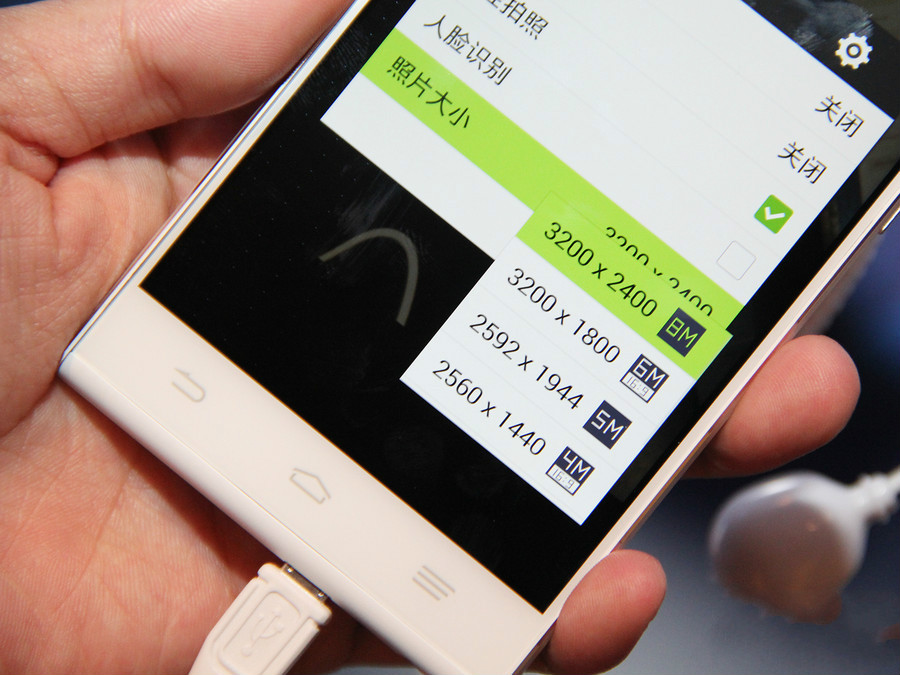
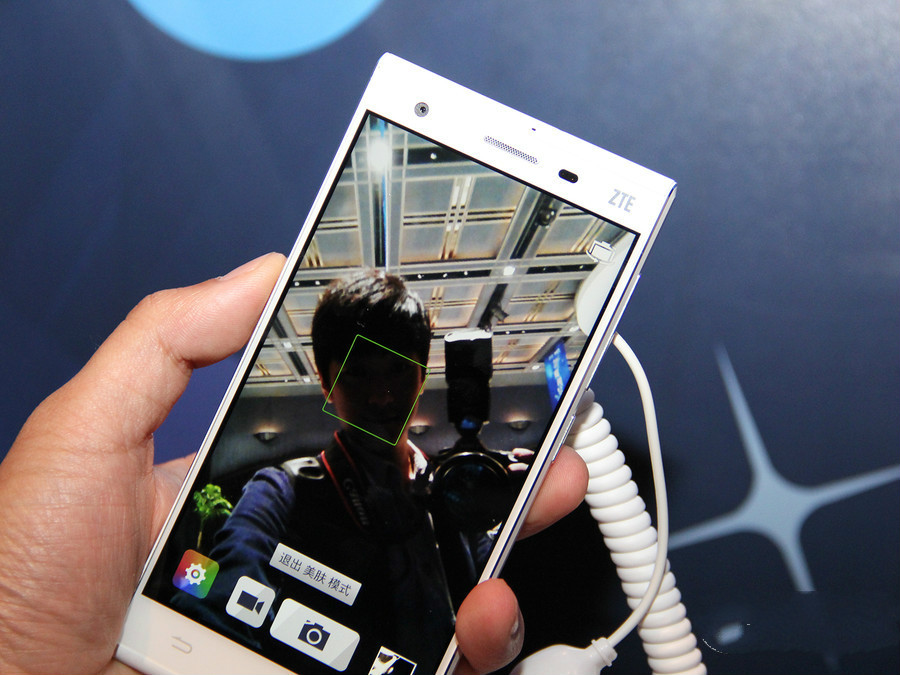
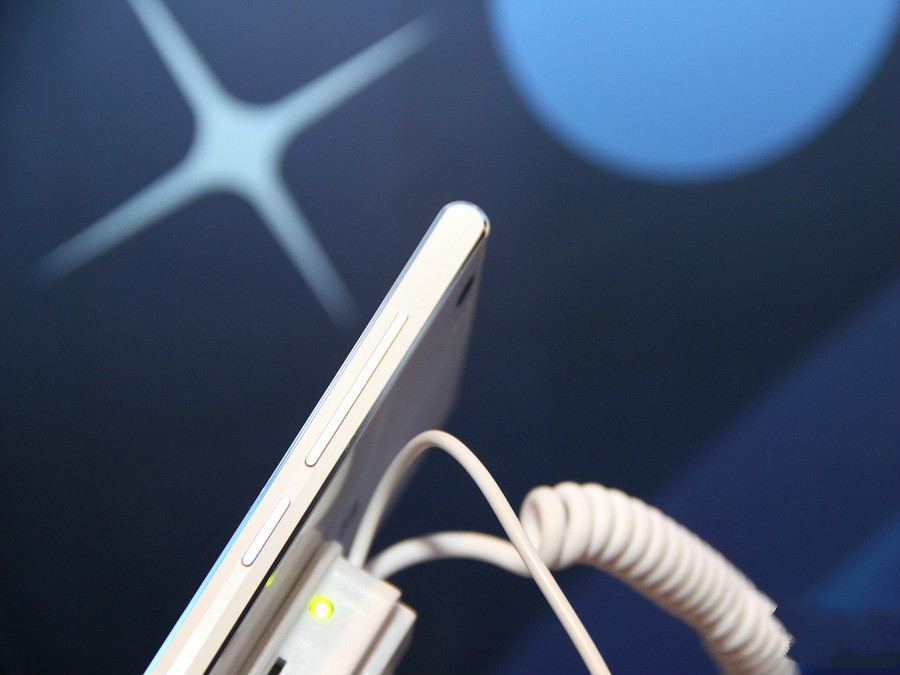
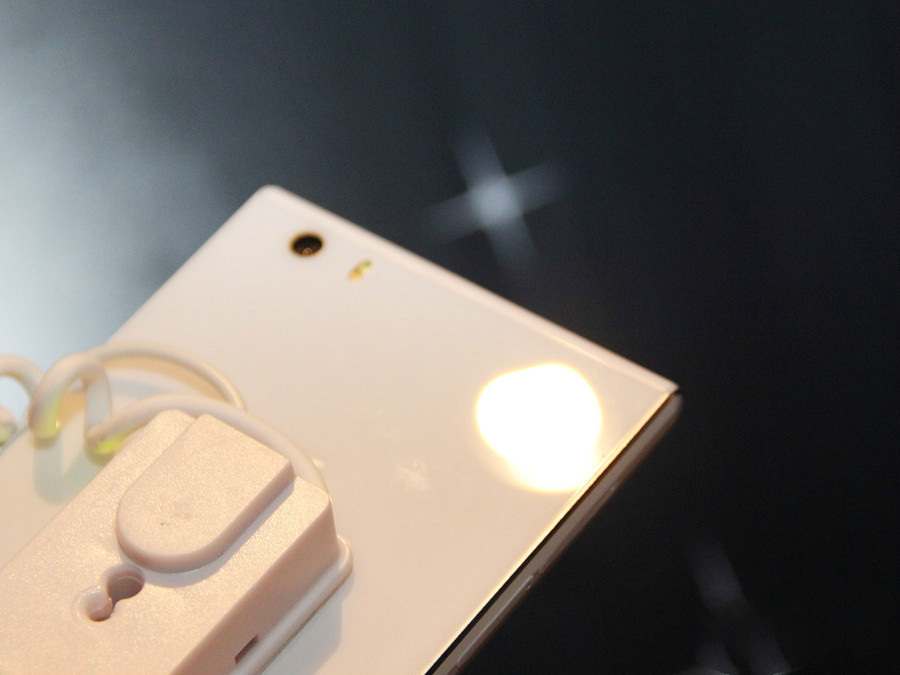
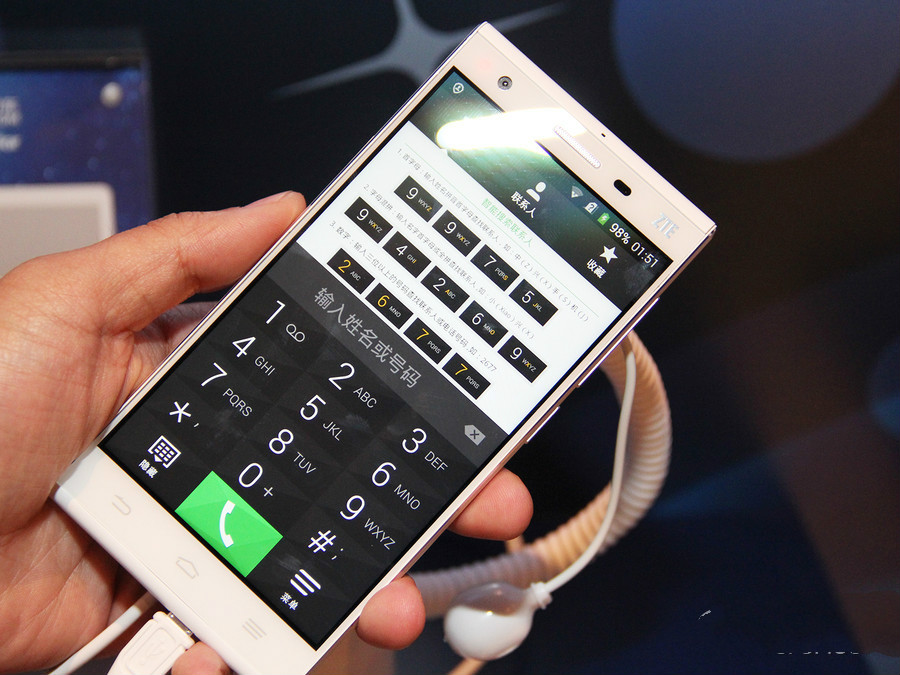
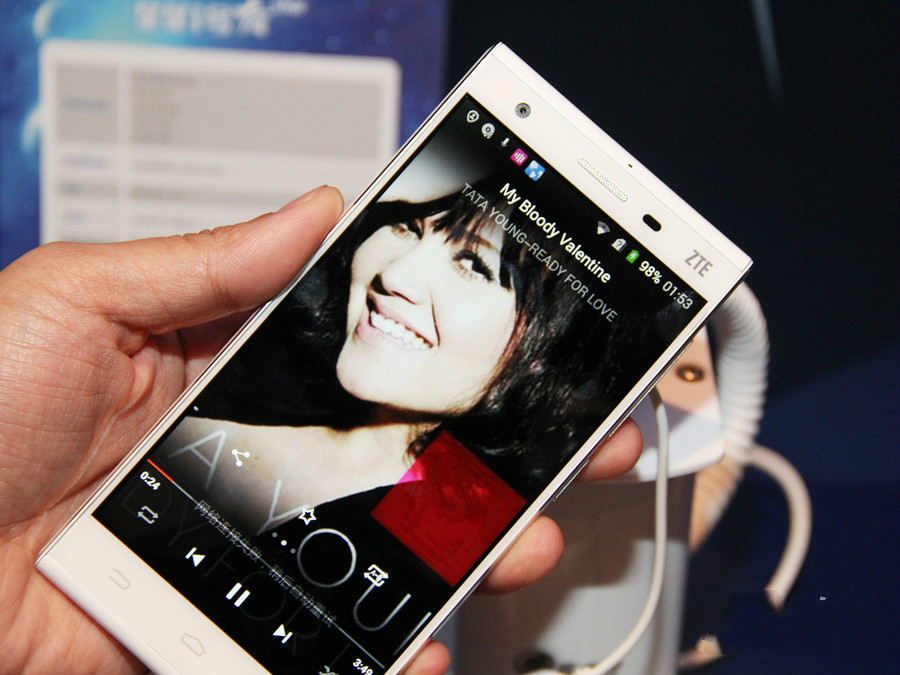
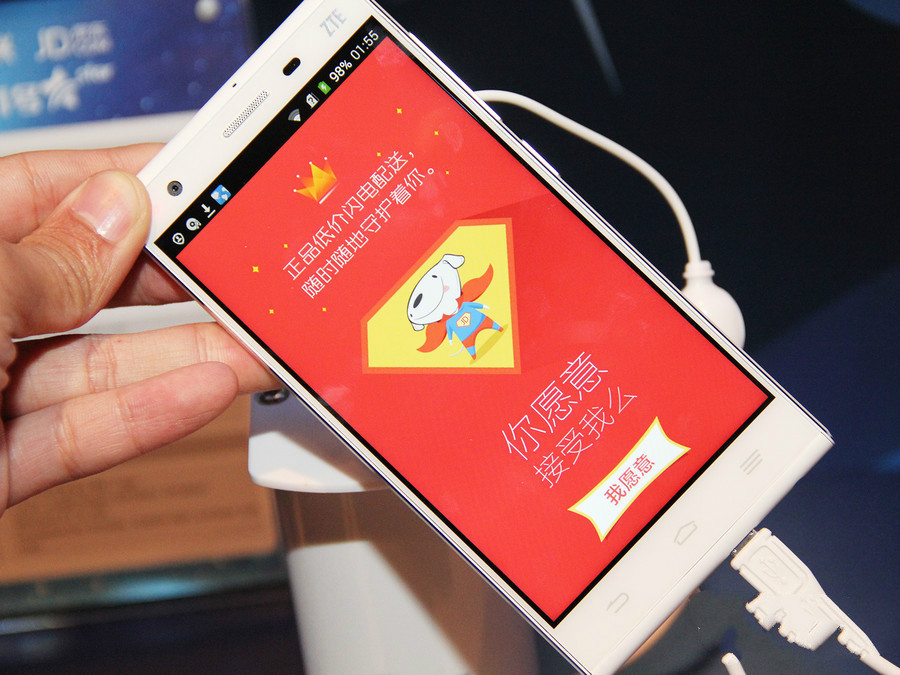
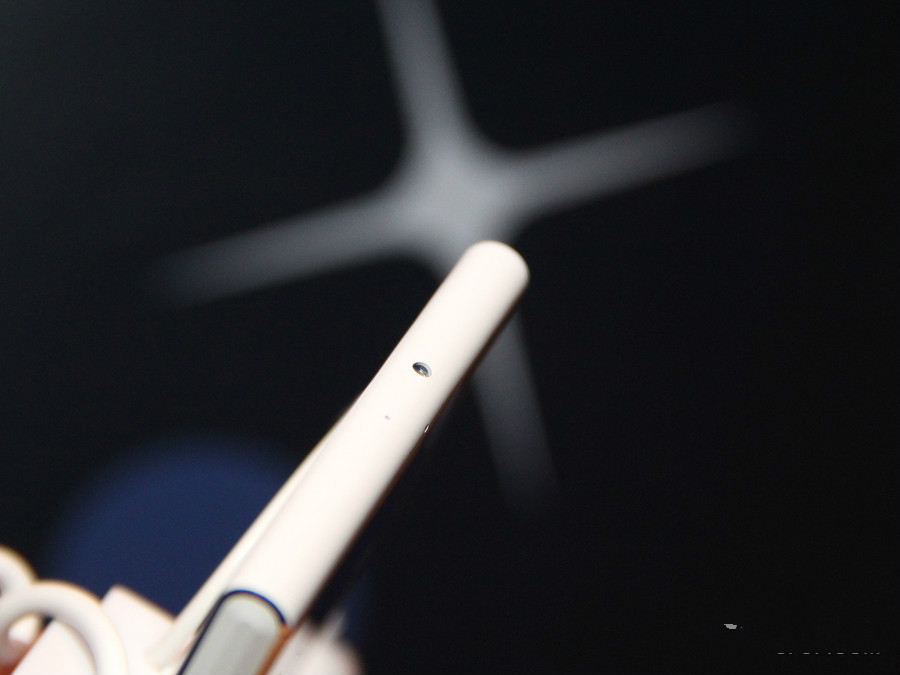
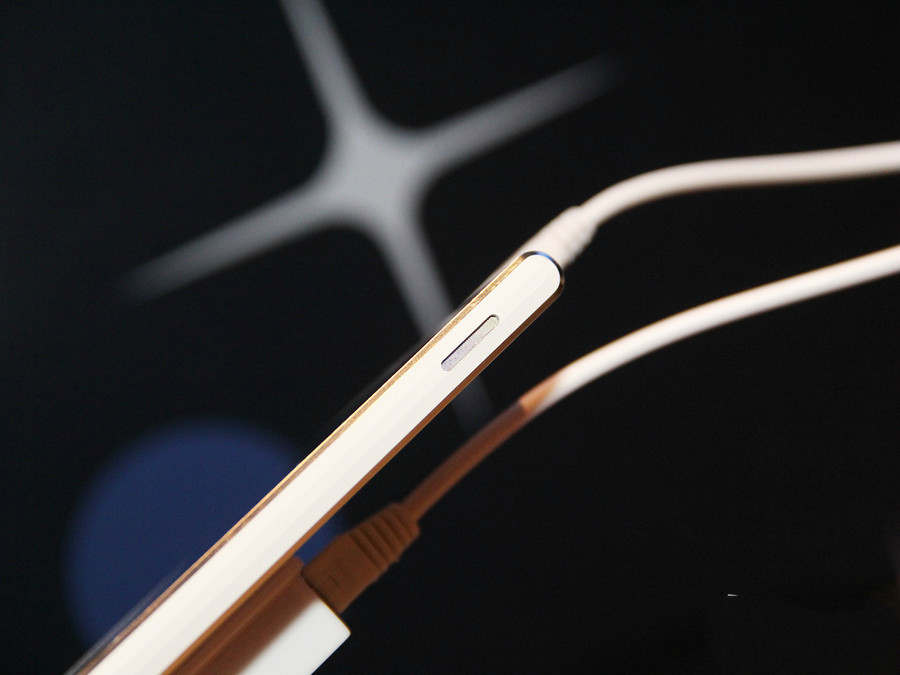
Not only after releasing the Grand SII and Red Bull V5, ZTE, in partnership with JD, released a new heavy-hitter called the “Xingxing 1.” Here are snapshots of the new 4G smartphone.
The Xingxing 1 uses the Qualcomm MSM8928 quad-core processor which has 1.6GHz. It also has 2GB RAM and 16GB ROM. It also sports a 5-inch 1080p HD IPS display screen as well as a 5mp/8mp dual-camera that supports 1080p video recording. Its measurements are 139 x 69 x 6.58mm. Its OS is the Android 4.4-customized Mi-Favor. It is powered by a built-in 2300mAh battery that cannot be taken off.
Besides being a 4G-supported smartphone, it uses networks made of 5 frequencies and 13 modes (TDD-LTE/FDD-LTE/TD-SCDMA/WCDMA/GSM), which can increase internet speed, It also supports 2.4G and 5G Wi-Fi, Bluetooth 4.0, and OTG.
The Xingxing 1 is available in white and black. There is also a black diamond version as well. The regular version costs 1399 RMB (227.68 USD) while the 32GB version costs 1599 RMB (260.23 USD).
We use cookies on our website to give you the most relevant experience by remembering your preferences and repeat visits. By clicking “Accept”, you consent to the use of ALL the cookies.
This website uses cookies to improve your experience while you navigate through the website. Out of these, the cookies that are categorized as necessary are stored on your browser as they are essential for the working of basic functionalities of the website. We also use third-party cookies that help us analyze and understand how you use this website. These cookies will be stored in your browser only with your consent. You also have the option to opt-out of these cookies. But opting out of some of these cookies may affect your browsing experience.
Necessary cookies are absolutely essential for the website to function properly. This category only includes cookies that ensures basic functionalities and security features of the website. These cookies do not store any personal information.
Any cookies that may not be particularly necessary for the website to function and is used specifically to collect user personal data via analytics, ads, other embedded contents are termed as non-necessary cookies. It is mandatory to procure user consent prior to running these cookies on your website.