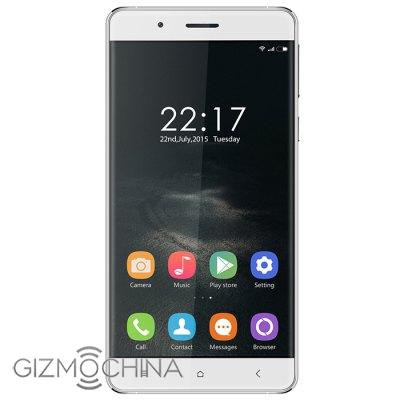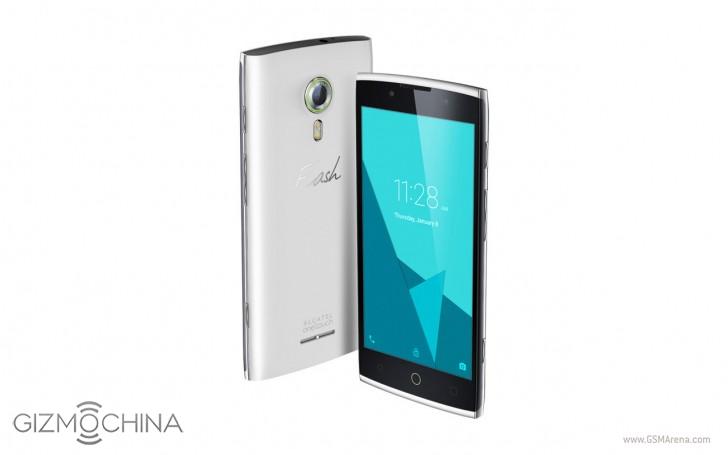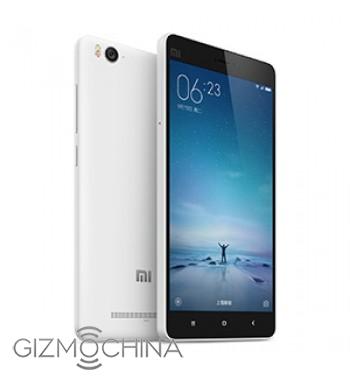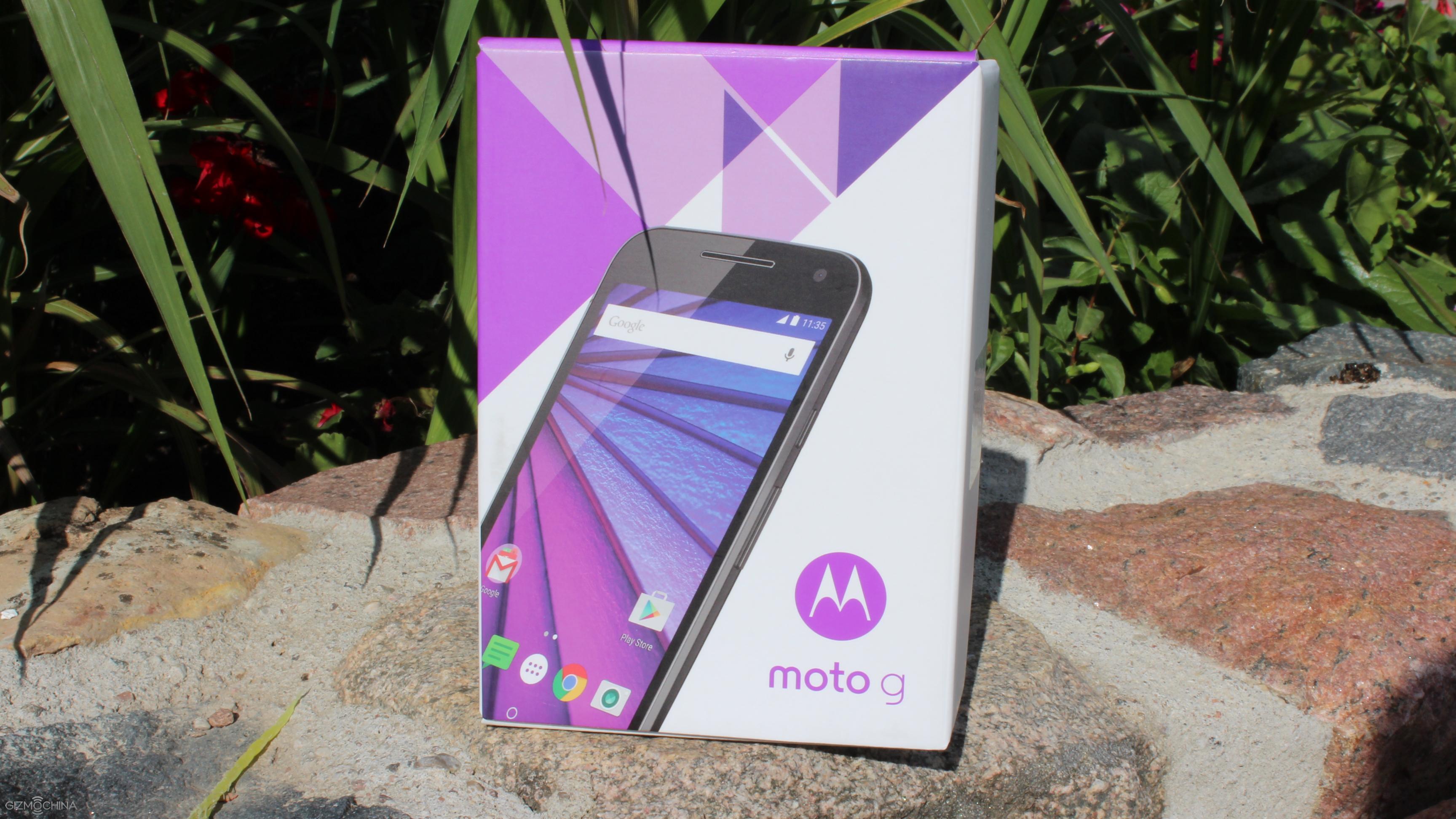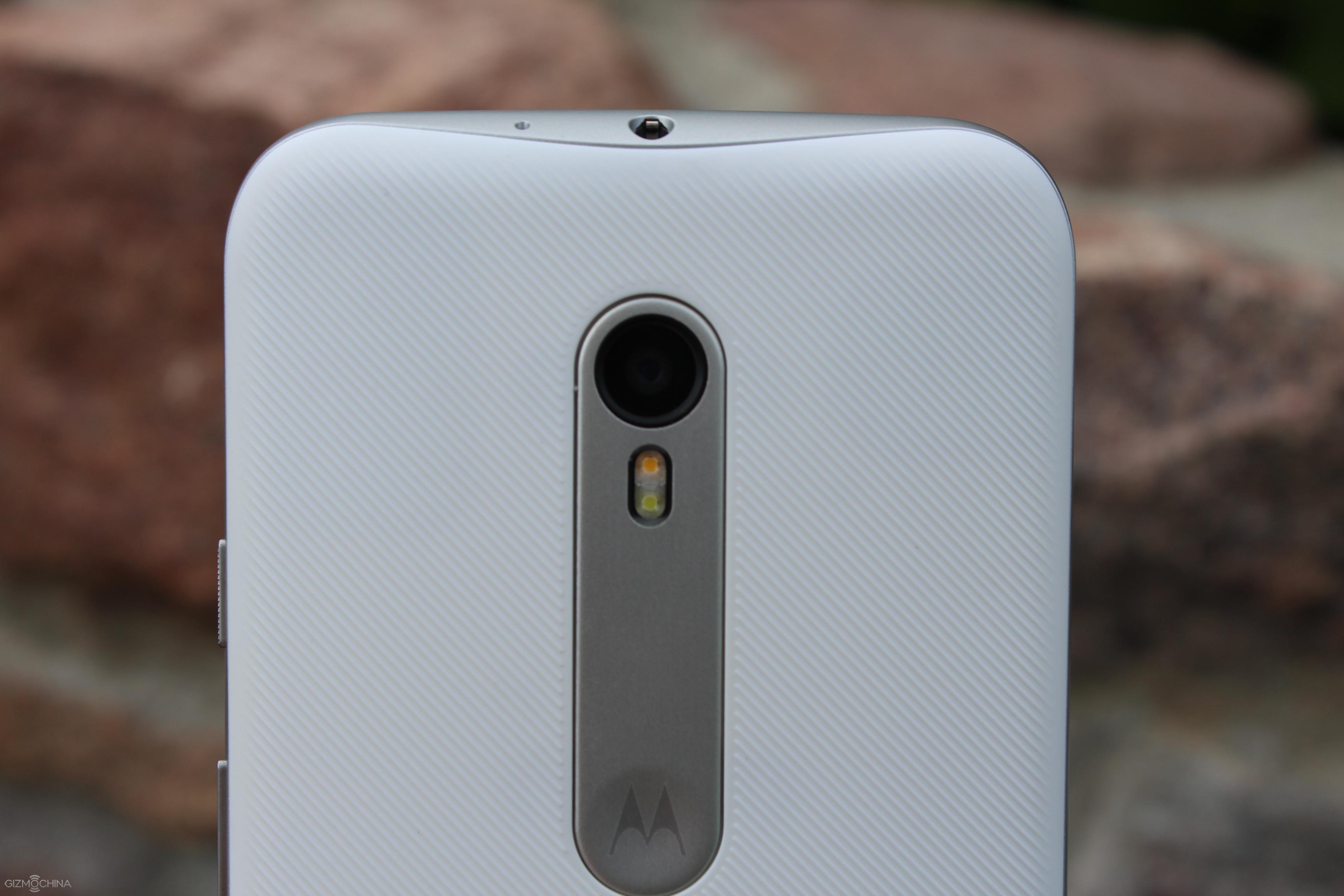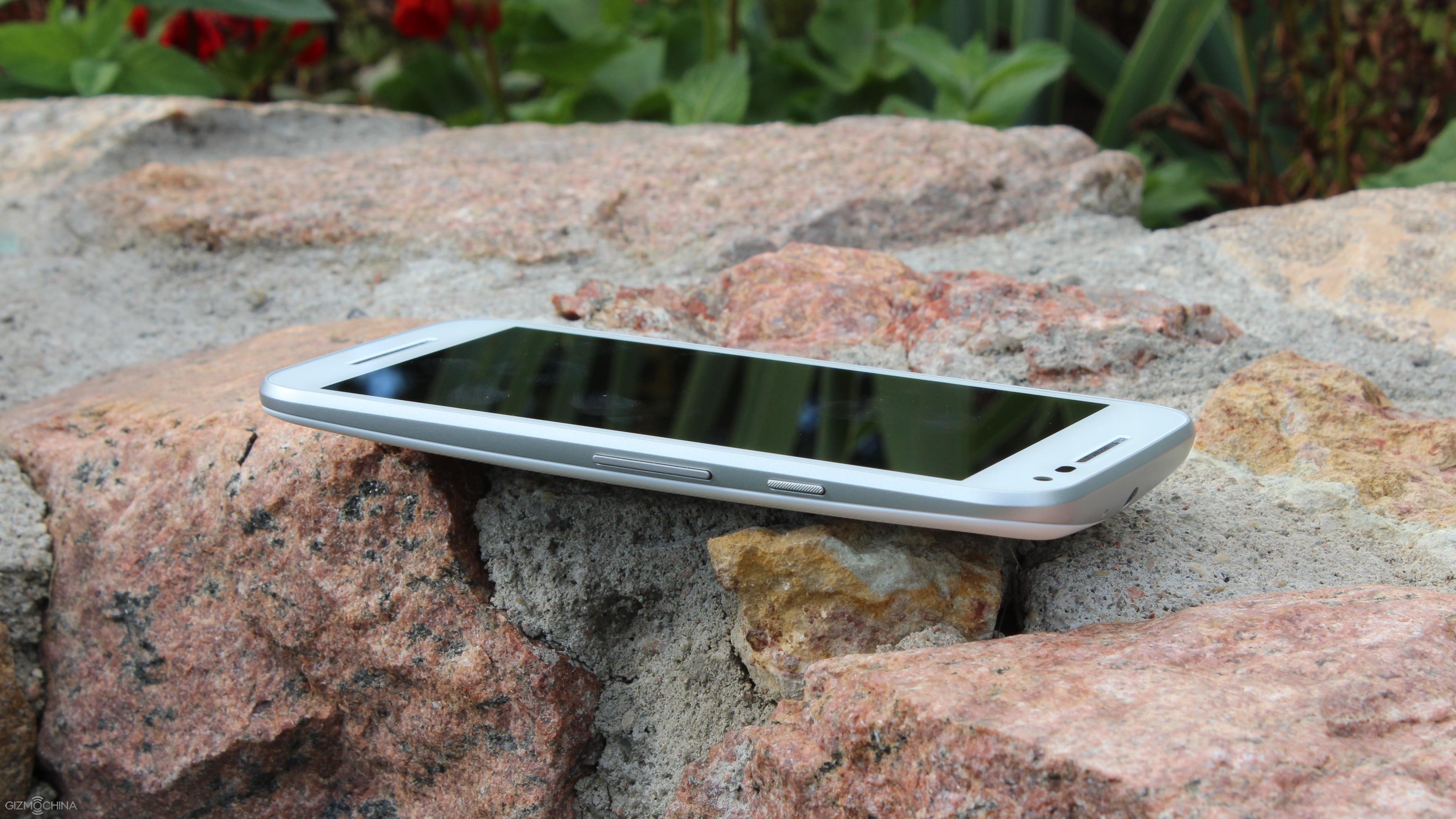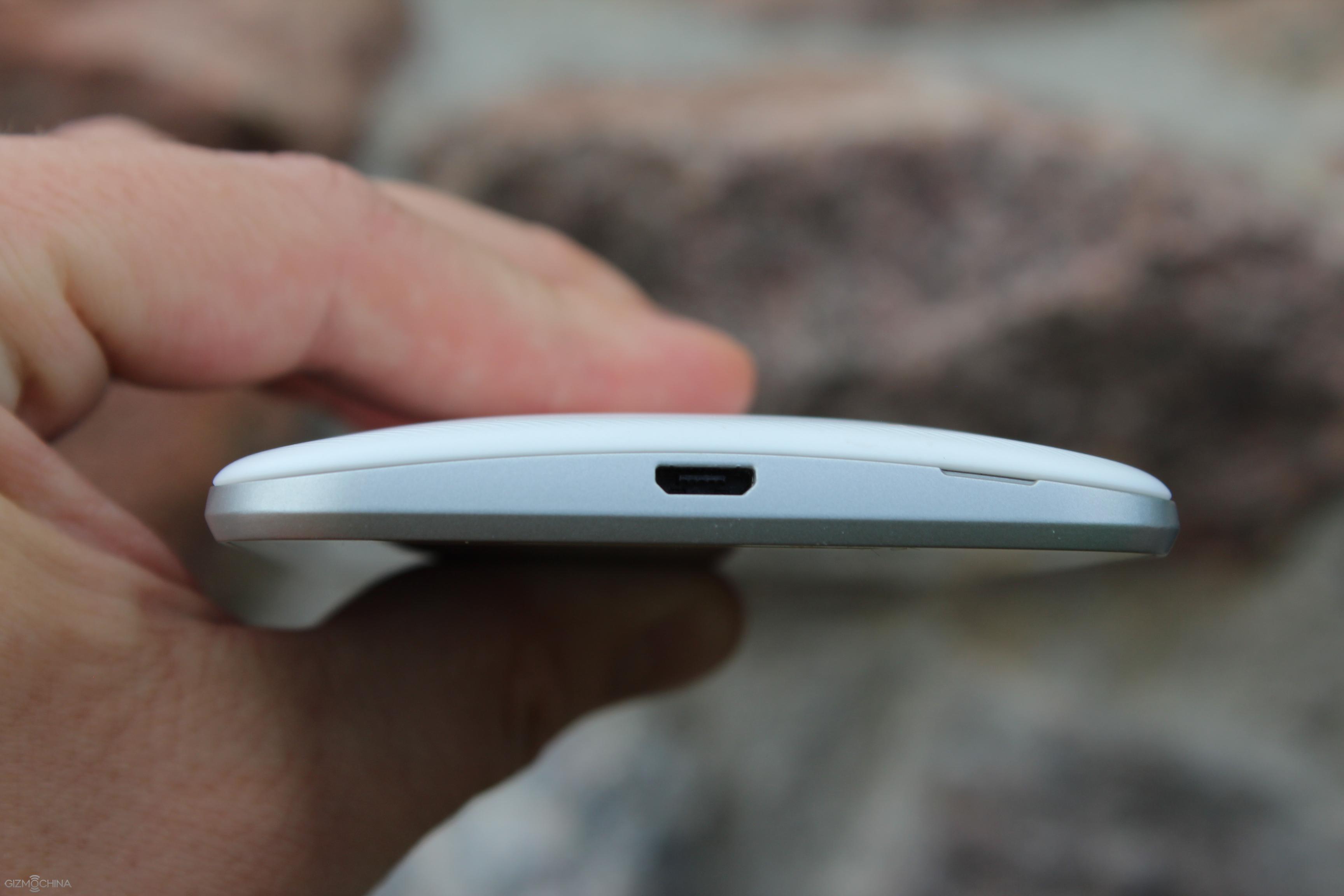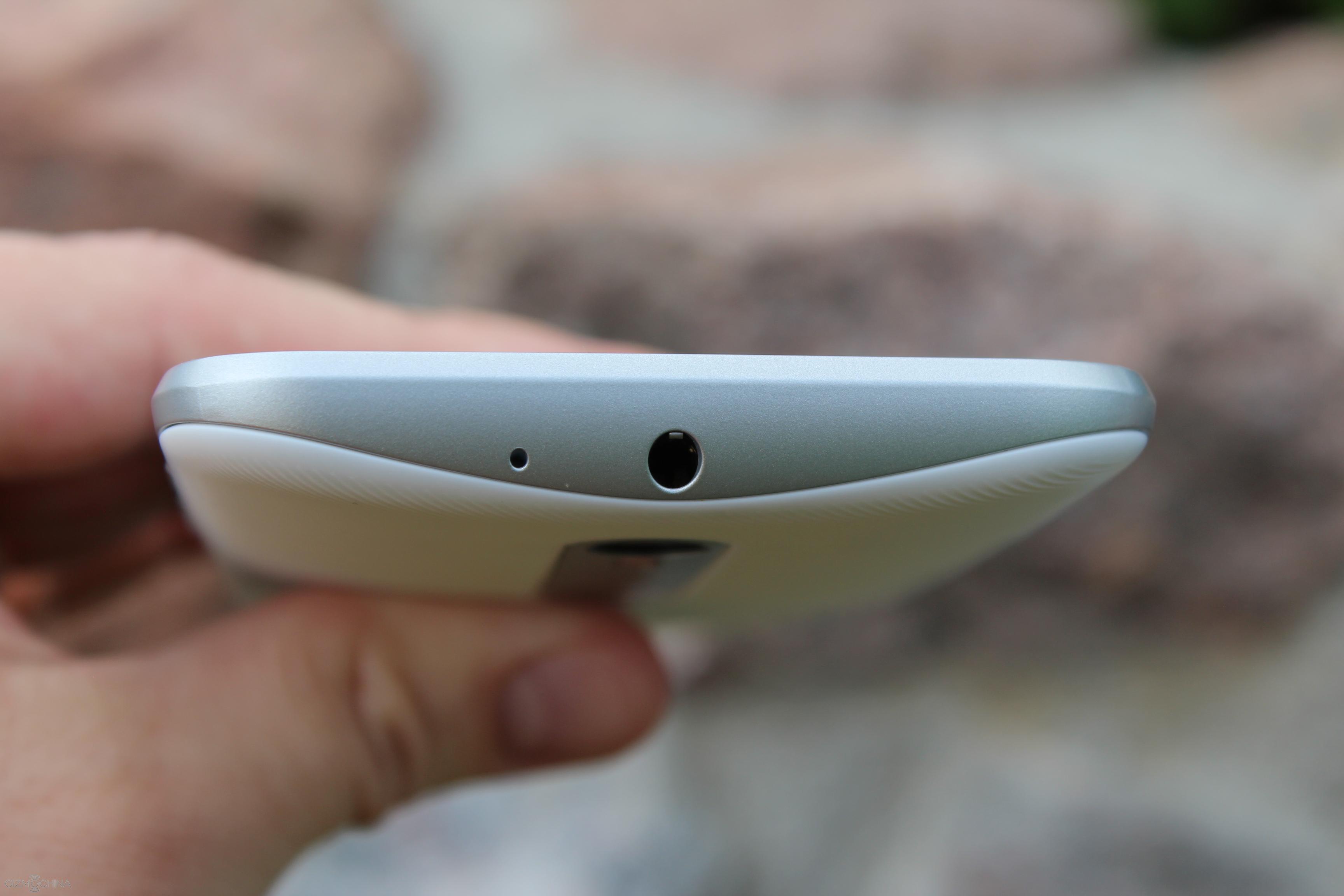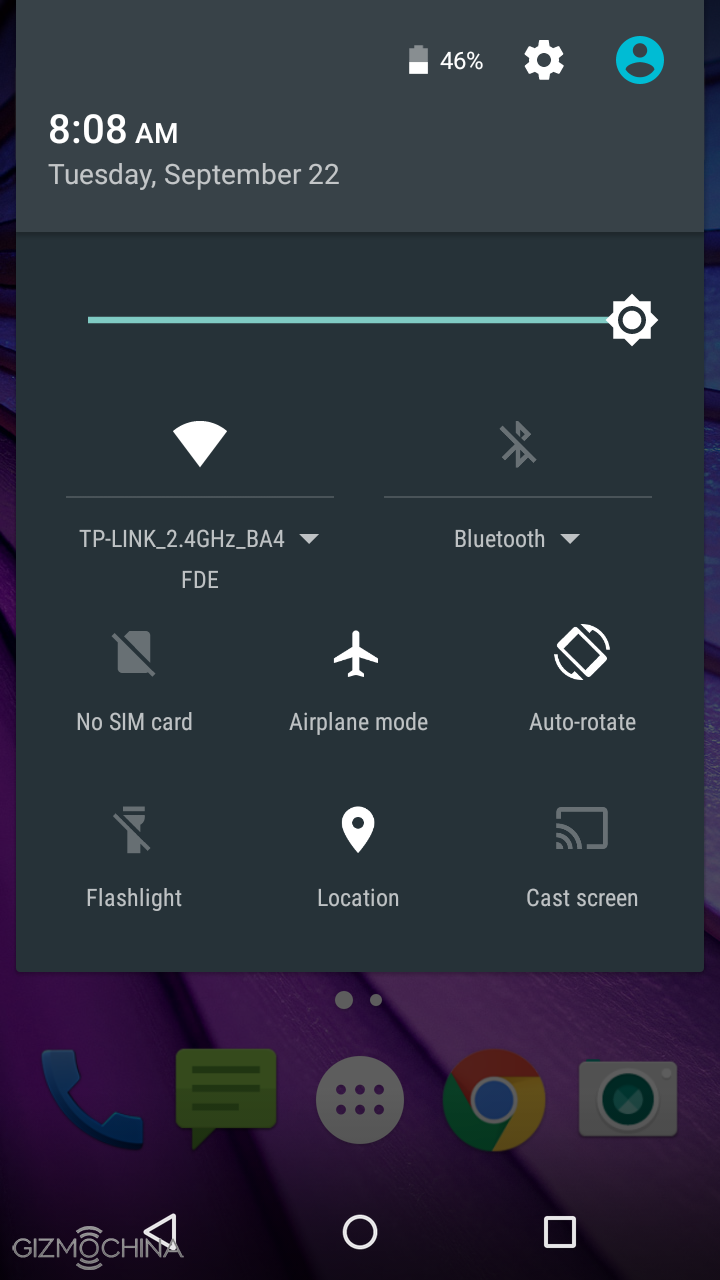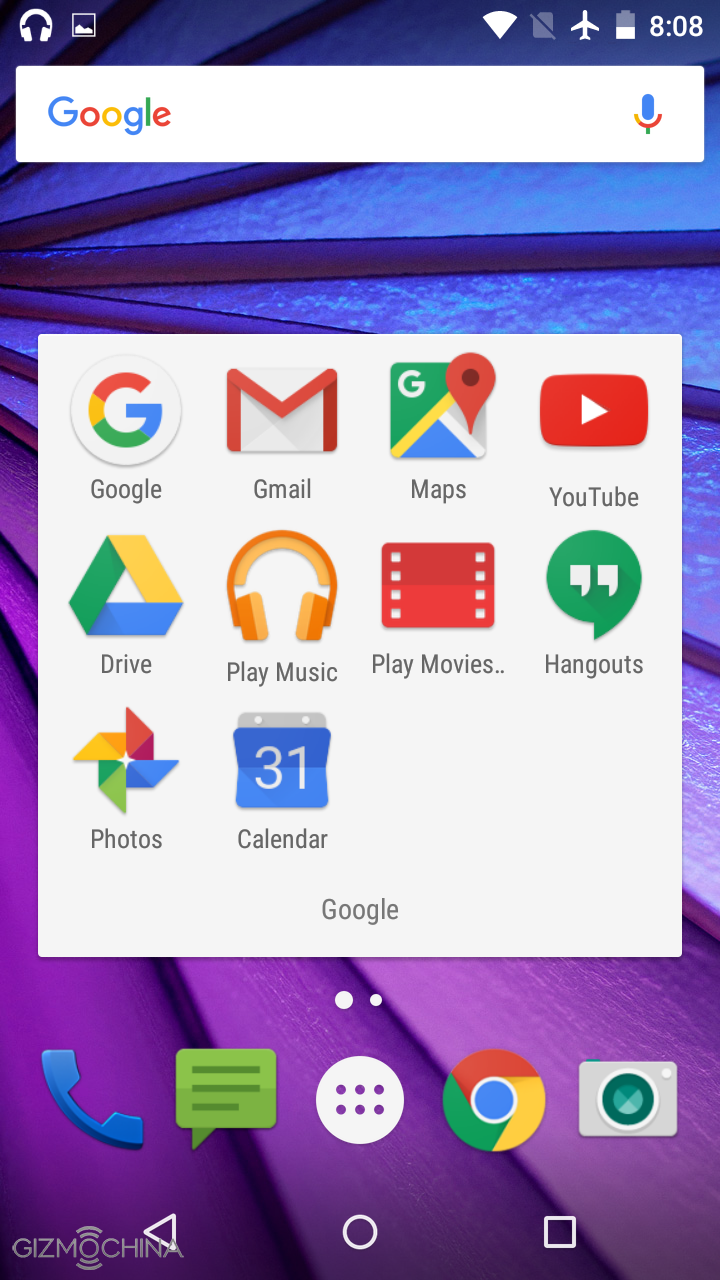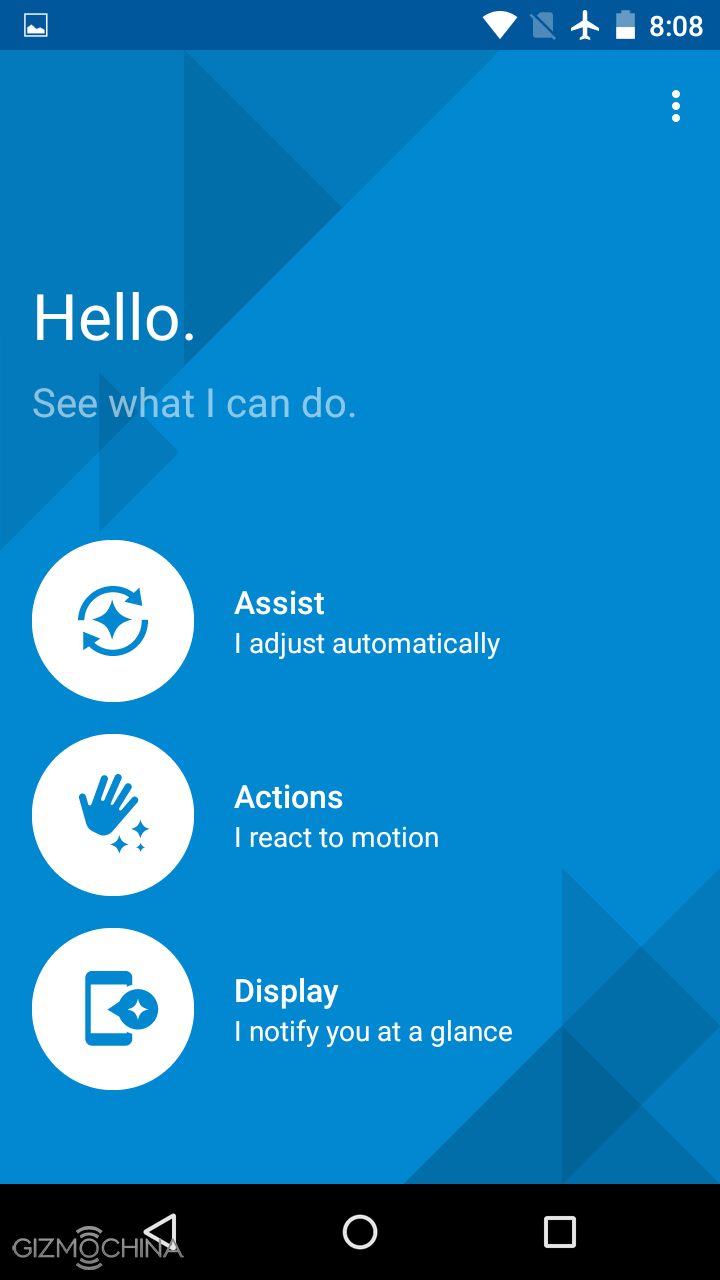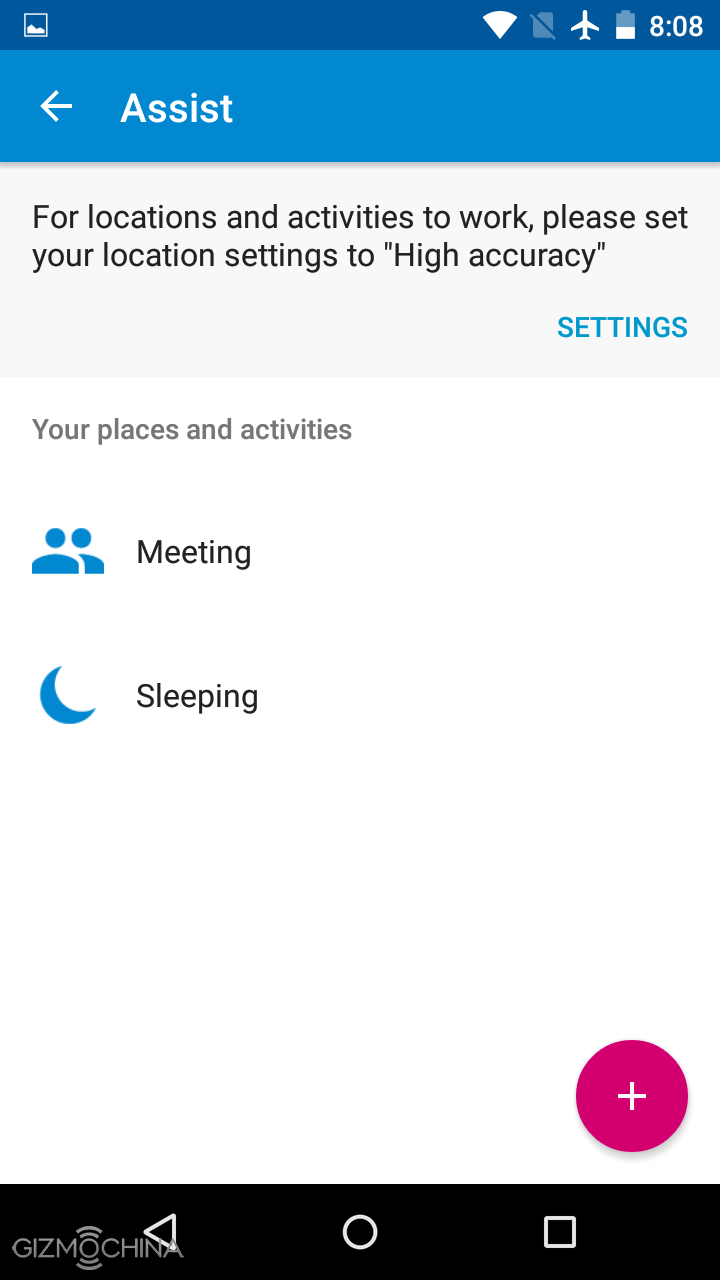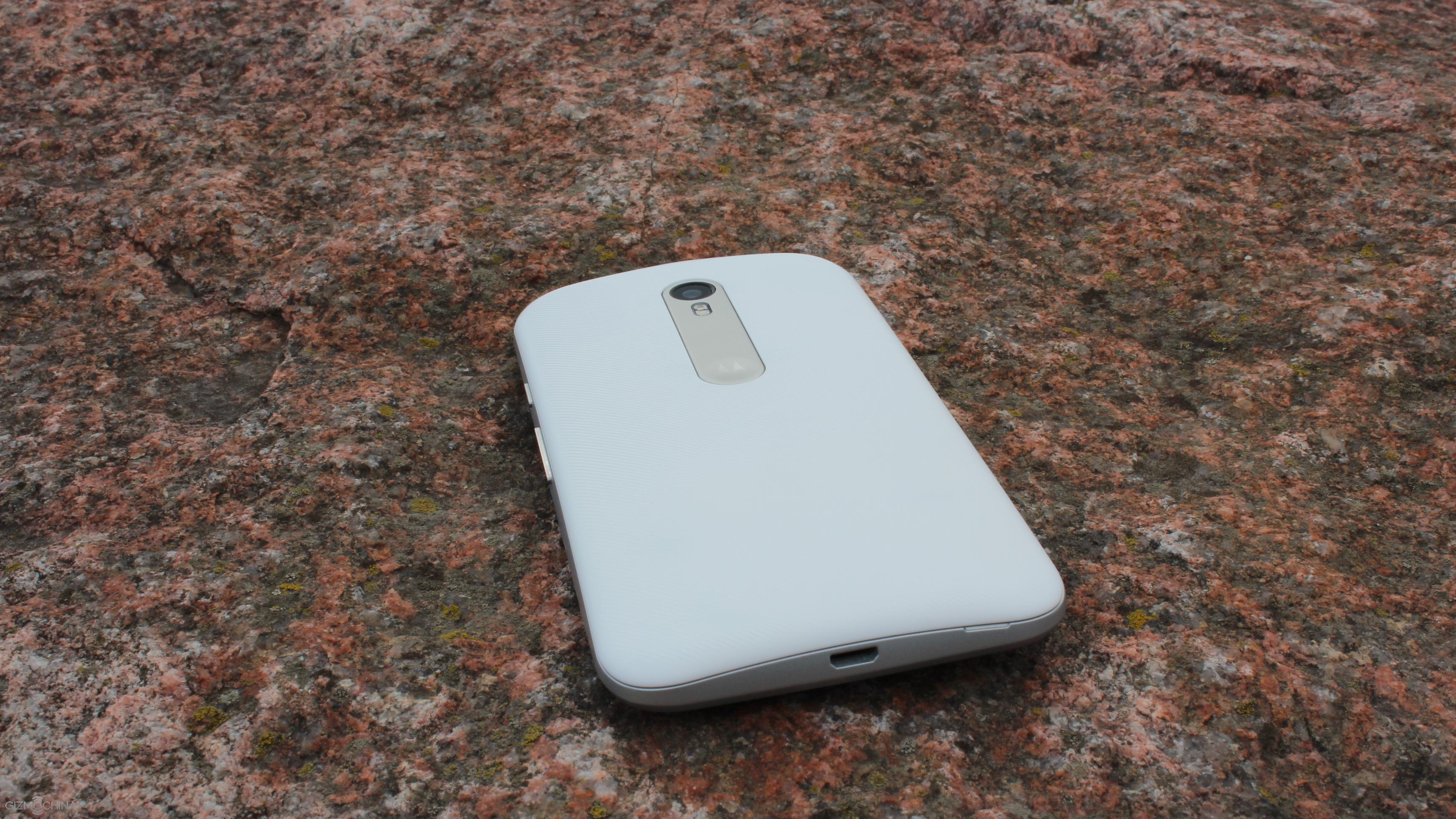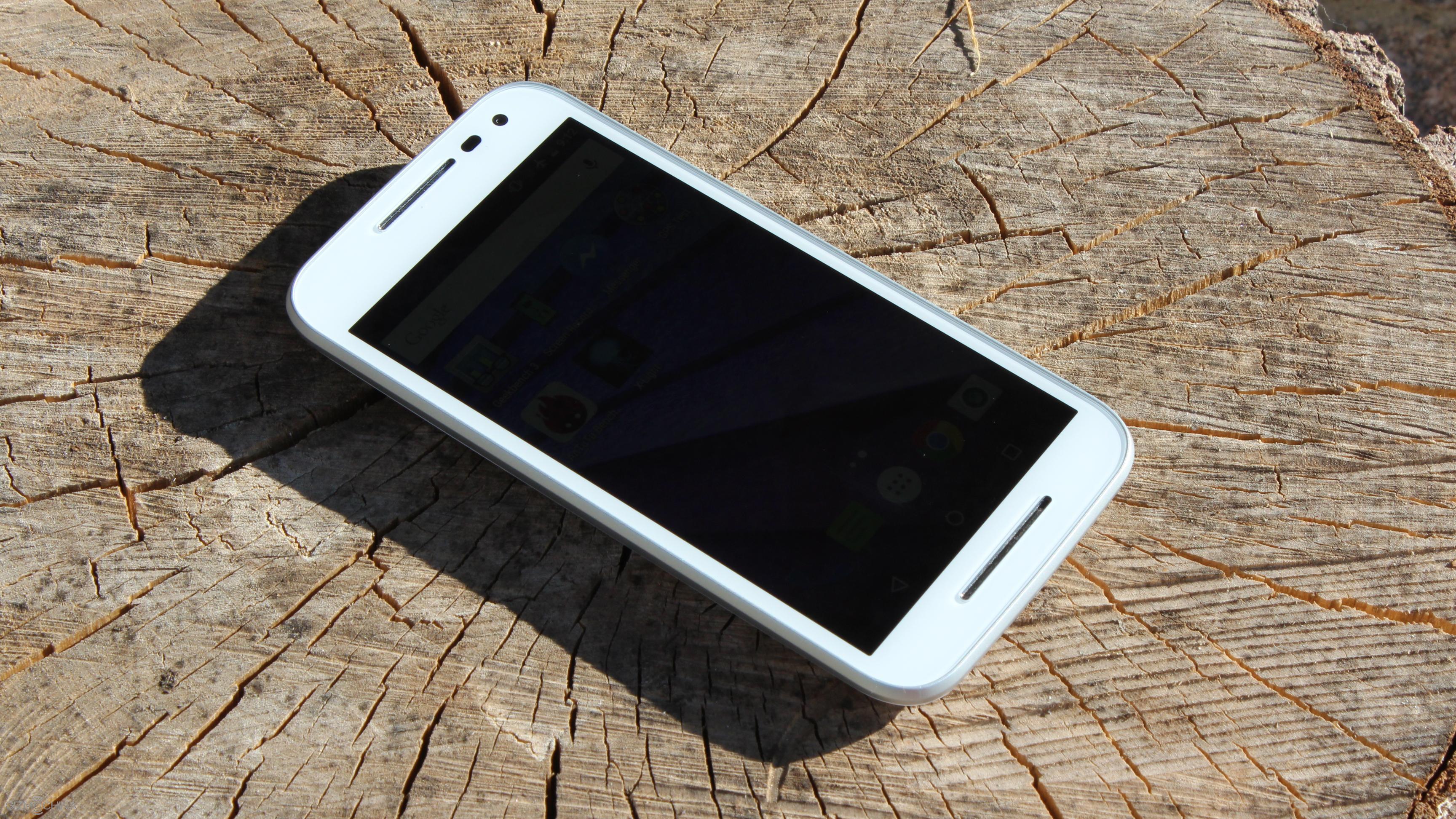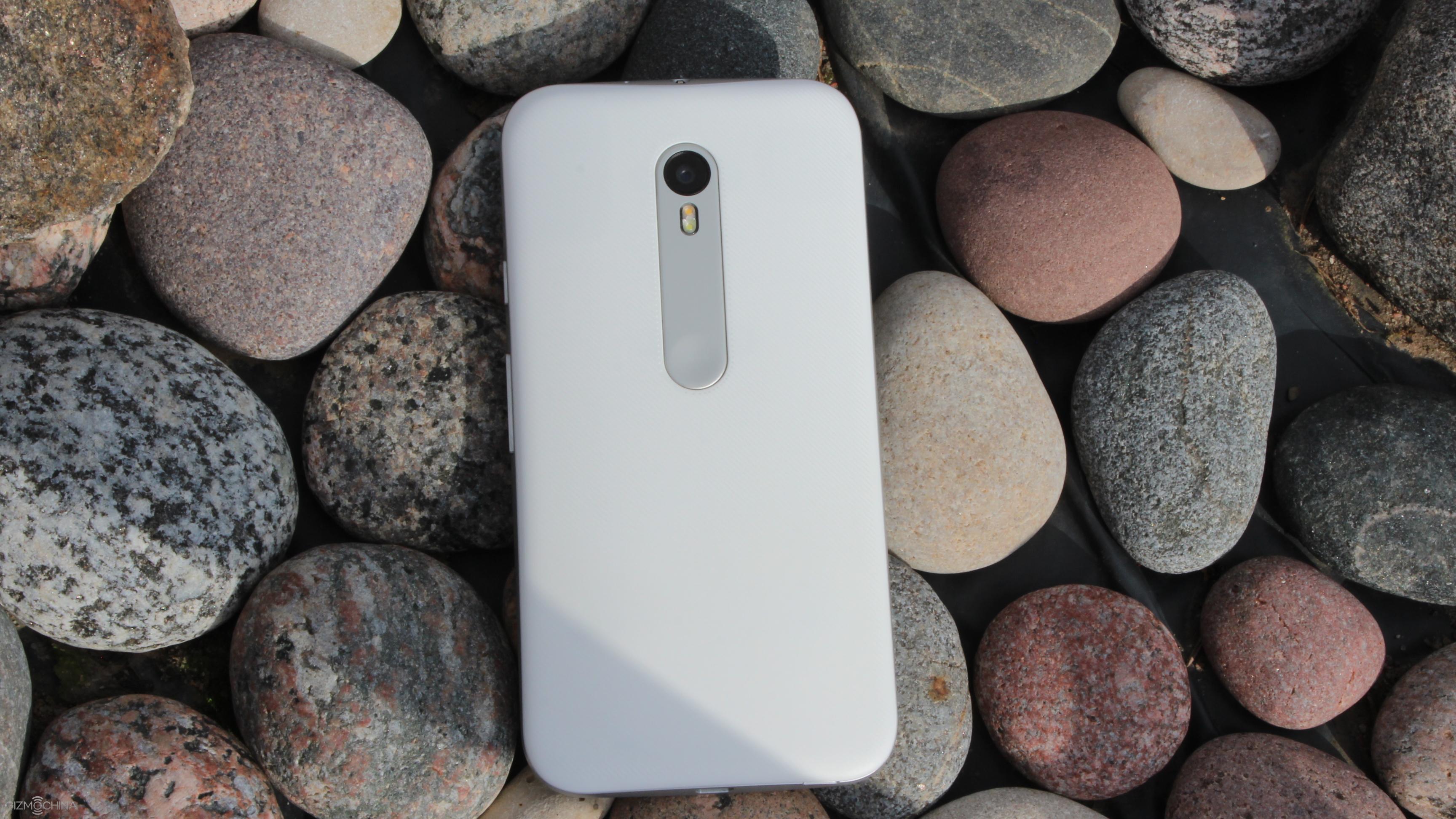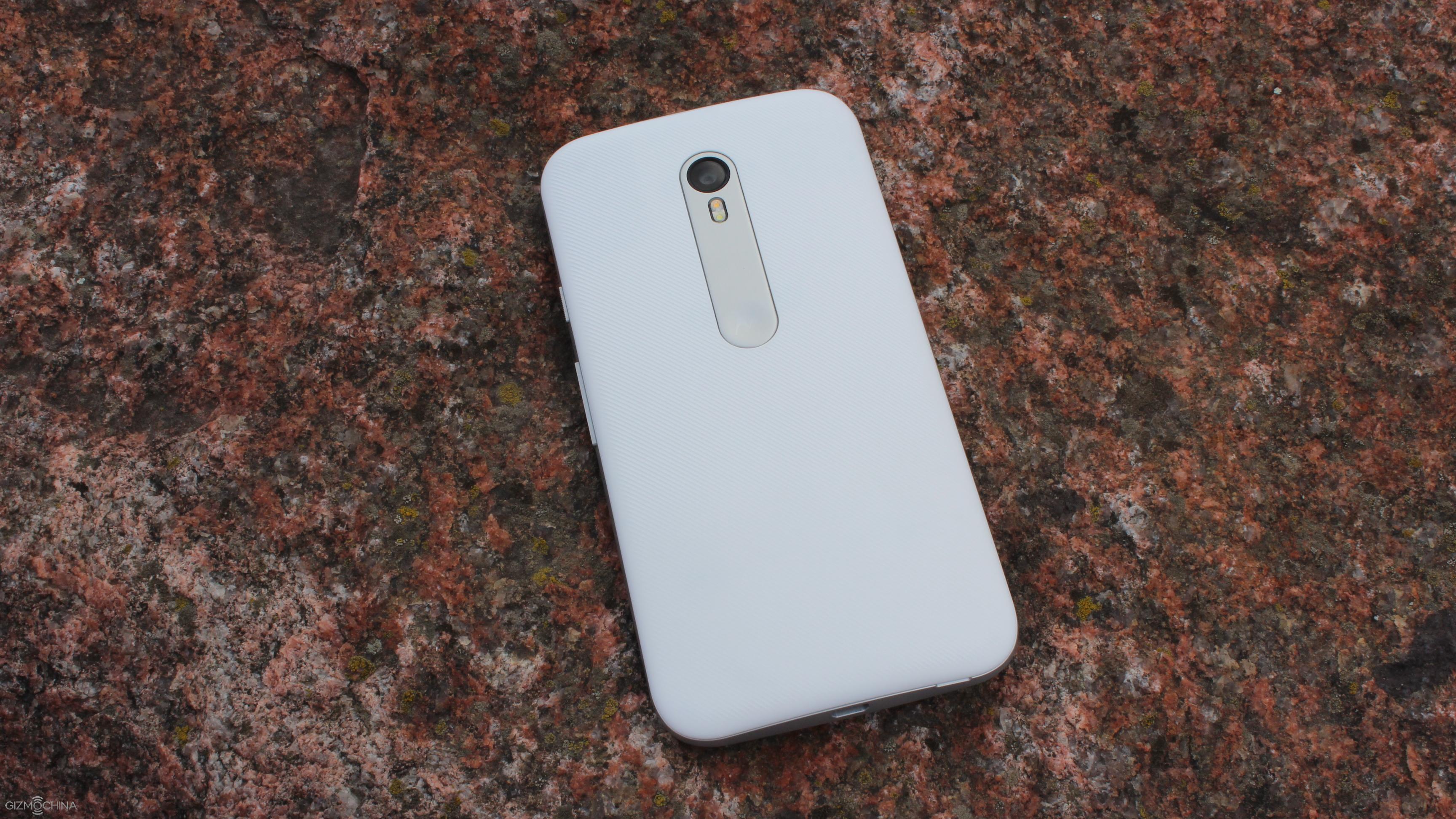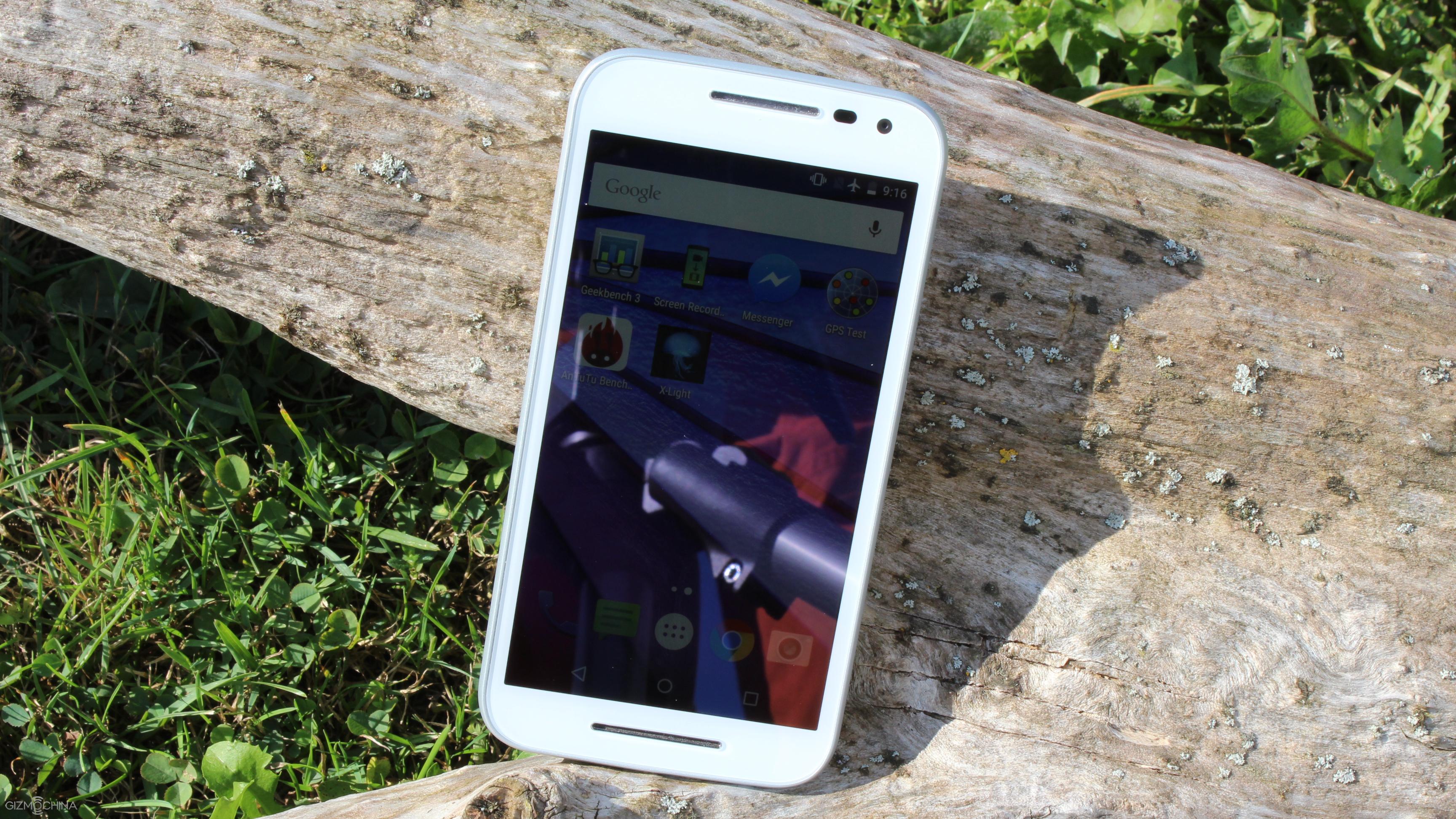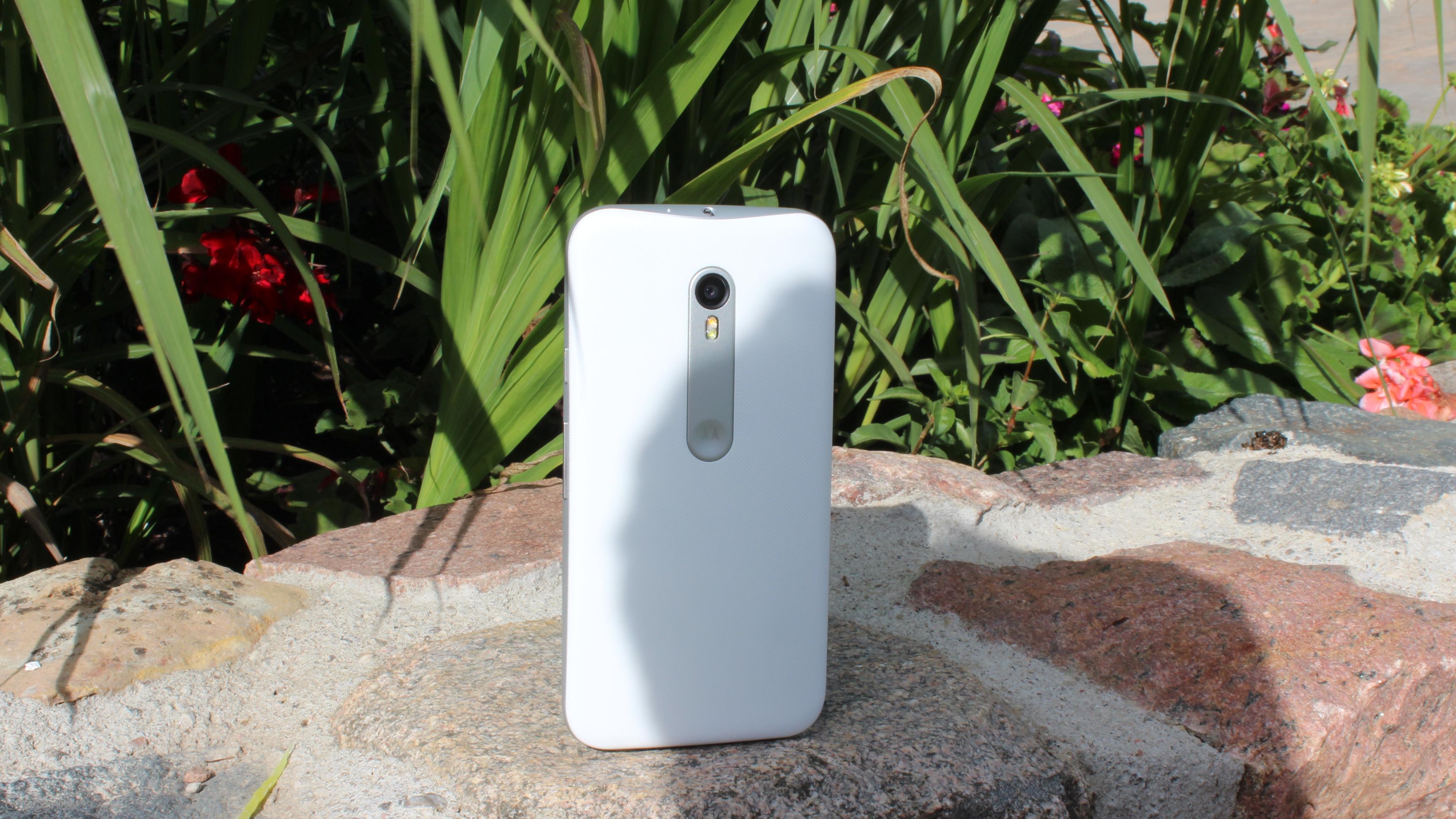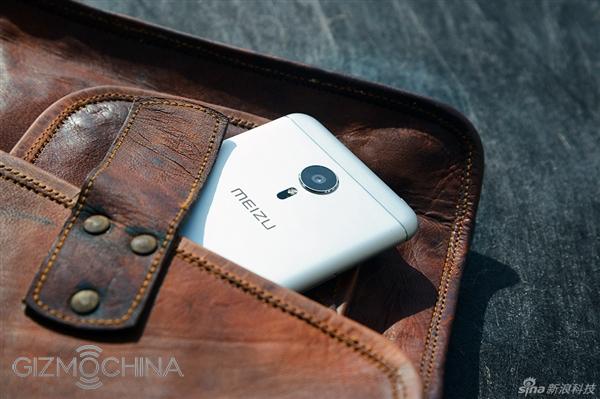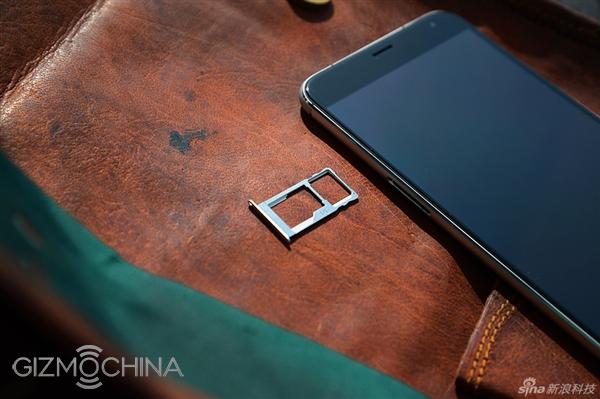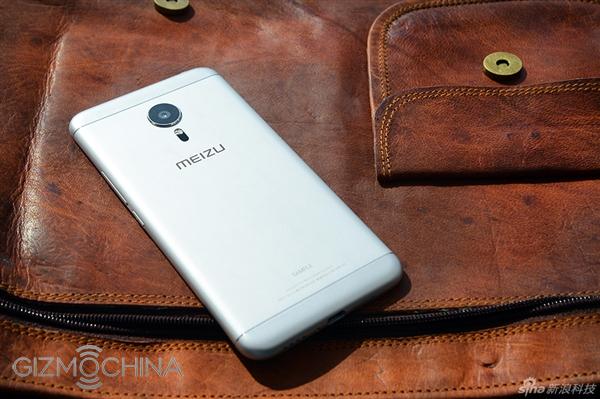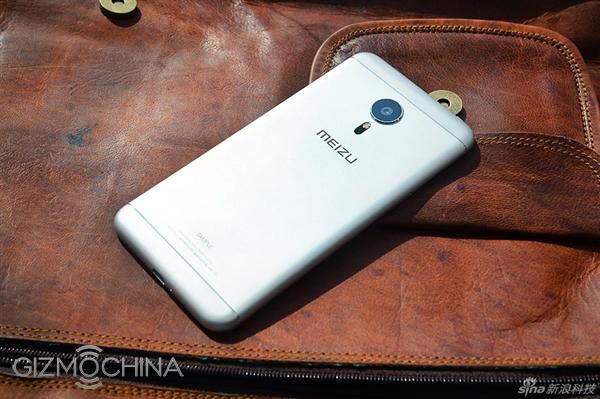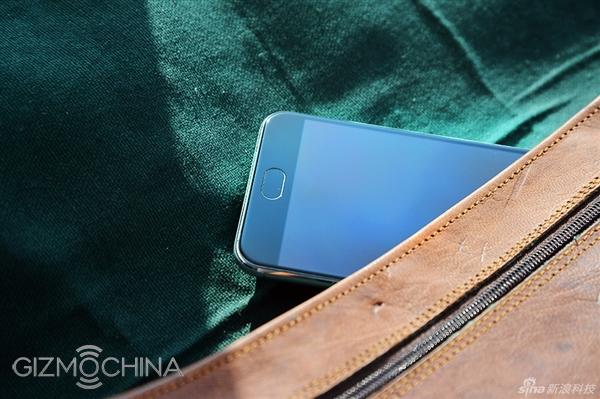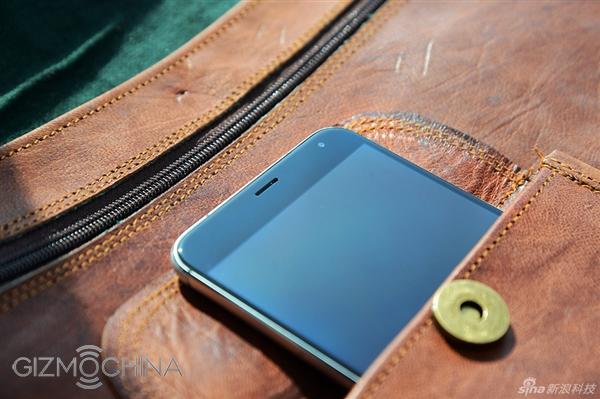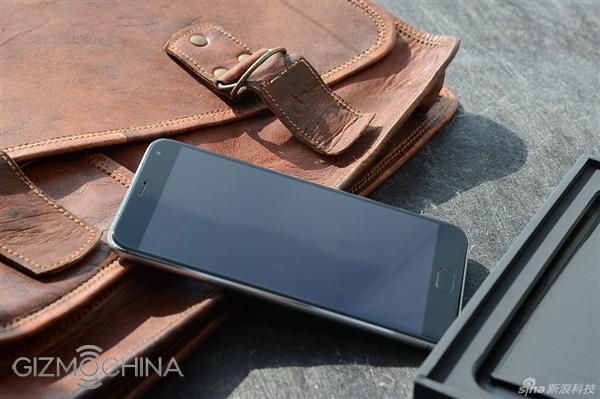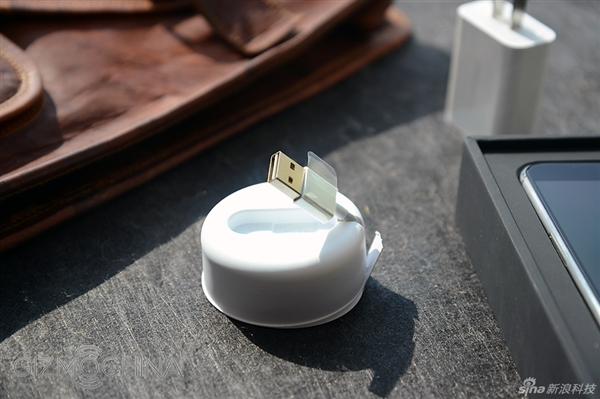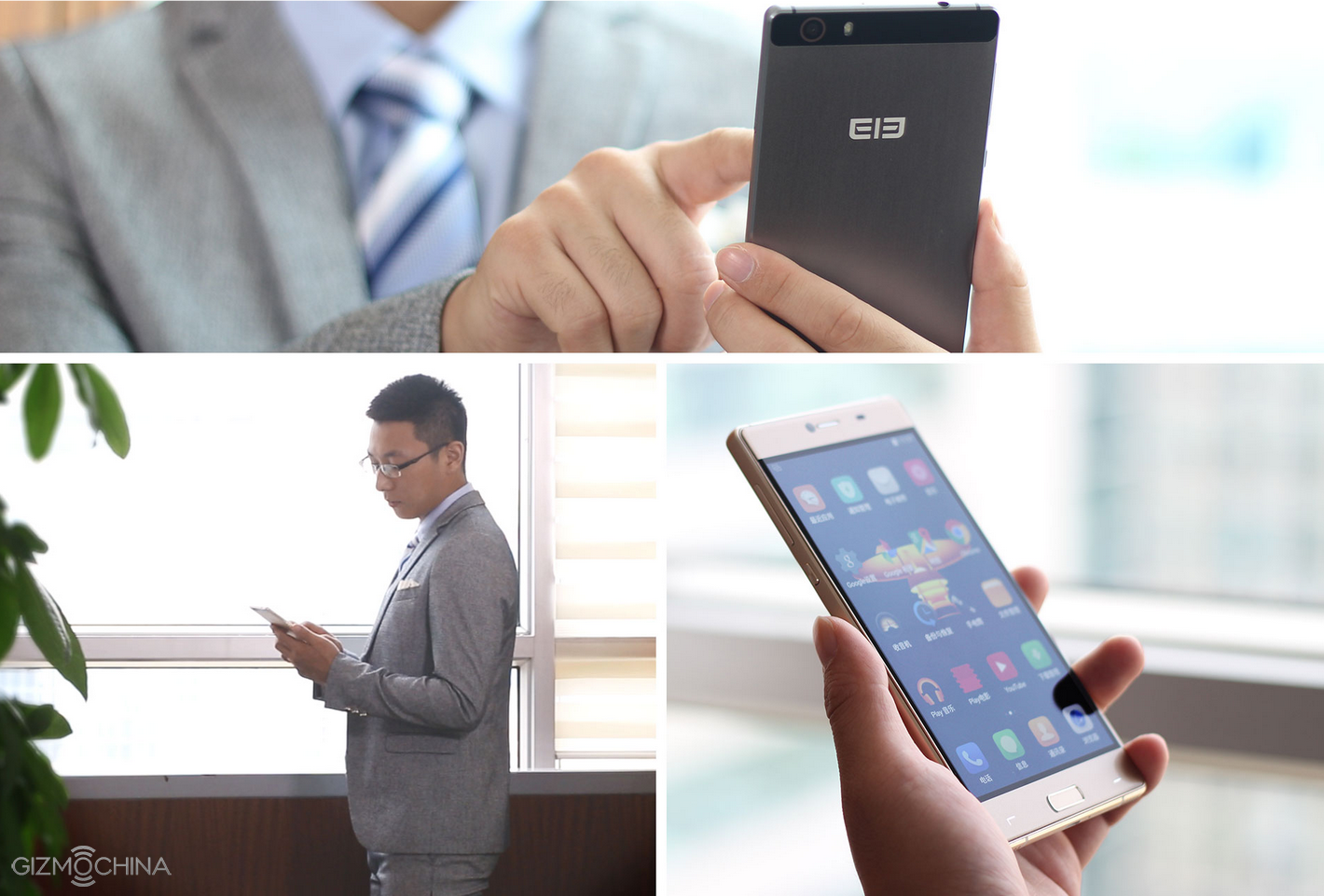
Mark your calendars as the China Unicom version of the Golden Warrior A8 goes on sale on August 18. This phone supports FDD-LTE internet. The China Unicom’s specs are basically the same as the China Mobile version. It sports a 5-inch 720p display screen, uses the 1.7GHz MT6592 octa-core chipset (its baseband processor is the MT6290), and has 2GB RAM and 16GB internal memory space (expandable).
The Golden Warrior A8’s operating system is the Android 4.4. It also sports a 13mp rear-facing camera as well as a 5mp front-facing camera. It is powered by a 2500 mAh battery. The China Unicom 4G version costs 898 RMB unlike the China Mobile 4G version which costs 798 RMB (129.60 USD).
A few days ago, sign-ups for participation in the MIUI 6’s beta tests started. Unfortunately, only the China Unicom and China Telecom versions of the Mi 3 and Mi 4 will be used. Many users flooded MIUI’s forums and Weibo account complaining that they “abandoning” their old users by not including Mi 2/2S as well as the Mi 3 China Mobile Edition. Some even went as far as accusing Xiaomi of not letting the Mi 2/2S and Mi 3 China Mobile Edition support the MIUI 6.
In response to these claims, MIUI published a statement in their forums saying that they will not test the Mi 2/2S first due to having a limited number of developers and they will gradually do beta tests using other phones as well. In other words, the OS of the Mi 2/2S could definitely be upgraded to MIUI 6. It is just a matter of time.
Furthermore, MIUI said that they will announce plans to test other phones on August 16.
In my opinion, OPPO Find 7 is still flagship smartphone killer so far, it’s first phone with 5.5-inch 2K screen, and a amazing camera which can get 50-megapixel pictures. This phone also come with new fast-charging technology, bring better experience on battery although it’s a short block on smartphone’s field. Oppomart is one of OPPO online resellers, and they provide a FREE Easy Cover for each OPPO Find 7 buyer.
Early this year, MediaTek signed an agreement with Via Telecom and was given rights to the CDMA2000 allowing them to make processors that support 2G, 3G, and 4G networks. So, when will the first MTK chip that supports all these networks come out?
Analyst, Bo Jiutang, recently revealed that MTK’s first 2G/3G/4G chipset called the MTK6735 (EVDO-supported) will come out later this year. Based on the name, this does not sound like a high-rangking processor. The Snapdragon 400 and 410 will just be imaginary rivals for it. It should support four Cortex-A53 cores and its GPU might be the Mali-T760.
There are two small speakers at the bottom of the tablet. At first, I thought that it really only had one speaker and that the second speaker was just to make the tablet look prettier, but when I turned it on, both speakers let out a loud sound.
This tablet supports China Unicom 3G and China Mobile 2G.
Here’s its benchmark score. Can anyone guess what processor its using?
As the table below shows, its processor is the MT6592.
The tablet’s compass is good while it’s gyroscope sucks! Actually, since there are not a lot of games that use gyroscopes, I could really care less.
Let’s talk about the K100’s screen. This tablet sports a 10.1-inch screen with 1200p resolution and dpi240 which is just so-so.
A photo of the venue for the launch of Meizu’s newest phone was posted in Meizu’s forum today. The photo shows that the launch may take place in the IBOBI Center in Shenzhen, not in Beijing like last year. There is no official confirmation on whether or not it will take place in Shenzhen. Readers can clearly see a “4” written on the wall by the door and that they are still setting the place up. We can expect some updates about the MX4 soon.
This morning, a snapshot of what appears to be the venue for the launch of the Meizu MX4 was leaked online. It looks like the launch will be held at the IBOBI Center in Shenzhou, not at the Beijing National Aquatics Center in Beijijng. The launch is slated to take place on September 3 although there has not been any confirmation on the venue. This photo is not really that credible considering the fact that it is still too early for them to announce the venue.
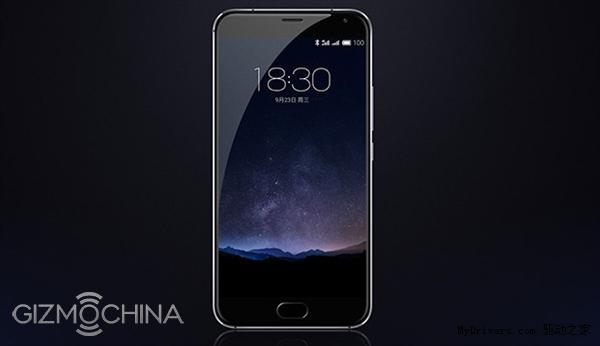
Furthermore, some information has been revealed on the MX4’s screen panel. Although, right now, we cannot confirm its veracity, it certainly has more credibility. Based on the photo, it looks like the Meizu MX4 will continue to use the MX3’s design but with a narrower frame (about 1.1mm).
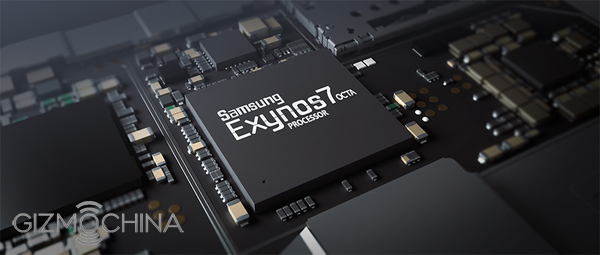
Finally, the MX4 will continue to use a round-shaped Home button but this time, it can scan and recognize fingerprints. There will not be any big changes on the front side but Meizu will use a completely new design for the back. It is rumored that it will sport a 5.4-inch 2K screen and an 8mp/20.7mp camera, and will run on the Samsung Exynos octa-core chipset. It is also said to have 3GB RAM and the Flyme 4.0 as its OS.
When I wake up in the morning I found My Onda V711 tablet is splitting!!!!!! And the battery inside is becoming bigger and bigger! I’m not sure if it will explode any time, so I called Onda’s customer services number, and no one is answering!
The mini version of the iOcean X8 was first revealed to the world early this year. In addition to the X8 mini which is being sold in stores in China, there is another version that is being pushed by iOcean, the X8 mini Pro. This version is a more enhanced version of the Mini with greater specs and will be first sold by electronic commerce companies abroad for 269.99 USD.
The X8 Mini Pro’s design looks similar to the Mini. It has the X8’s metal frame and uses a double-glass case. Its measurements are 142 x 70.1 x 7.6mm. A black version will be released followed by a white one. The Mini Pro’s processor and memory specs are stronger than the Mini’s. It uses the MTK6592 octa-core chipset and has 2GB RAM and 32GB ROM. It still sports an LTPS display screen with 720p resolution and a 2mp/8mp camera. It is powered by a 2200mAh battery and its OS is the Android 4.42. It also has a gyroscope as well as other sensors.
On May 5, Lenovo launched its new flagship phone, the K920, otherwise known as the VIBE Z2 Pro, and now, a Weibo user revealed that the K920 would cost 4799 RMB. It is also expected to come with a free Bluetooth headset.
Regarding its specs, the K920 sports a 6-inch display screen with 2560 x 1440 resolution, 491 ppi, and 630-nit clarity. Its processor is the Snapdragon 801 quad-core chipset (2.5 GHz). The phone also has 3GB RAM and 32GB ROM, and sports a 5mp/16mp camera. It is fuelled by a 4000mAh battery and supports TD-LTE and LTE FDD dual-4G and dual-SIM card.
On August 8, high management from Intel as well as Chinese tablet companies and Chinese tech news journalists got together at the Beijing Film Directors Center for a demonstration of Intel’s Z3000 processor.
Upper management from Yuandao Tablets were also invited to participate in the event where their tablets that used Intel and Windows 8 shined. These included the W8, W9, and W11C.
1. The Yuandao W11C blows audience away
The Yuandao W11C uses the 64-bit Intel Bay Trail-T processor (1.83GHz) and Intel HD GPU, and PC video card. It also sports a 10.1-inch FHD display screen (1920 x 1200). It has 2GB DDRL RAM and 63GB eMMC internal memory space. It also supports 2.4GHz/5Ghz dual-frequency WiFI and has a specialized GPS chip. It is powered by a 8400mAh battery.
2. An 8-inch office, the Yuandao W8 is coming soon
The Yuandao W8 is basically an Intel/Win8/3G tablet. Its processor is the Intel Bay Trail-T Z3735F. It sports an 8-inch IPS screen (1280 x 800) and supports 3G and other features. A 1GB RAM and a 2GB Ram version will be available. Both have 128GB eMMC internal memory space.
3. The Yuandao W9 debuts
The W9 is also an Intel/Win8/3G tablet. It sports a 8.9-inch IPS screen with FHD resolution (1920 x 1200). Its processor is the 64-bit Intel Z3735F. It also sports a GPS chip and has 2GB DDR3L RAM. It also has 128GB internal memory space and sports a 2mp/5mp camera. It supports 3G internet.
The first shipping of the China Mobile edition of the Hongmi Note 4G (100,000 phones), which was first launched on August 6 along with the China Unicom edition, will finally be shipped to stores on August 12 costing 999 RMB. The China Unicom edition will arrive on the 26th.
The Hongmi Note 4G sports a 5.5-inch 720p IPS display screen, uses Qualcomm’s Snapdragon MSM8928 processor (1.6 GHz), and has 2 GB RAM and 8 GB internal memory space (supports Micro SD card up to 128 GB). It also sports a 5 mp/13 mp camera and runs on a 3100 mAh battery. Its operating system is the Android 4.2.2-based MIUI V5.
In addition, the Hongmi Note’s size has not changed but its 10g lighter. The China Mobile version supports TD-LTE, TD-SCDMA, and GSM internet (single SIM). It also supports Bluetooth 4.0 and 802.11 ac Wi-Fi.
It’s been a while since ZOPO made the headlines in China unlike in Malaysia and Hong Kong where they launched new brands.
The product most Chinese associate ZOPO with is the Xiaohei series. Recently, the company announced on their official Weibo account that the newest Xiaohei phone is coming and that it will probably be called the ZOPO Xiaohei X. According to the company, the Xiaohei X may be sold as a flagship device. Unfortunately, they did not reveal any details about its price.
Now that 4G phones have become mainstream, it makes sense for the next Xiaohei to be LTE-supported. Furthermore, considering that MTK has already released 4G processors and the act that ZOPO’s cellphones have used processors from MTK, MTK will probably provide the processor for ZOPO’s next phone like the MT6592 or higher.
Abstract: In the past, the Chinese money printing industry was closed off to the world. Factories even used numbers instead of names. For example, the Beijing Money Printing Factory was originally called, “Factory 541.” Now, things have changed as the industry has started to open up. The “Beijing Money Printing Factory” sign hangs outside the factory’s gate. Most countries have not given such access to their money printing factories to the public.
From carving templates to printing the bills, it is at least a 10-step process. The first step is to select paper. Workers inspect the quality of the currency paper which is a specialized kind of paper. Besides being flexible and crumple-proof, the bill has a watermark picture to prevent counterfeiting. Because the watermarks face a certain direction, the bills have to stacked in the same direction as the water mark and have a hole punched on the side. The workers cannot make a single mistake or the watermarks in the bills will be inverted and the bill will be rejected.
After the currency papers are selected, they are brought to the gravure printing machines which can turn the papers into bills. Anyone who has the slightest knowledge about printing knows that they have to do some test printing first to get the best results. However, when printing cash bills, they cannot use currency paper for testing so they will just use regular paper. Because they are very strict about printing the right among of bills, one bill is already a lot.
Next, the bills are cropped. One sheet has 24 RMB bills which are cut and separated. Last is the most important step which is quality inspection. This happens at a big hall where bills are stacked on tables and women workers inspect them and organize them. Every table has a bright lamp to help the workers check the bills with the best precision possible. For example, they have to see if the numbers or text were printed wrong and if the color is right.
Everyday, each worker inspects tens of thousands of newly-printed bills. If any of them are caught slacking off, the managers will not forget about them. The way the workers move from one task to another with such skill is amazing. The most impressive part about managing the factory are the ones in charge with counting the bills. They have to make sure they have right amount of bills from the time the paper is selected to when the bills are transported to the treasury.
Afterwards, the bills are placed in a box which is then transported to the treasury of the Chinese People’s Bank where they are issued. Only after undergoing a series of processes such as issuing can they be considered “money.”
For the workers in the cash printing factories, the bills that they print and place on the trucks are just another regular product. Even though they are surrounded by money, the strict adherence to quota makes it impossible for anyone to mess with it.
Anything that happens in the factory can be recorded in the computer so none of the workers can just mess around. The first thing workers learn when they enter the factory is that they cannot go to other sections and cannot tell their friends where they work. They are not allowed to discuss the business with anyone.
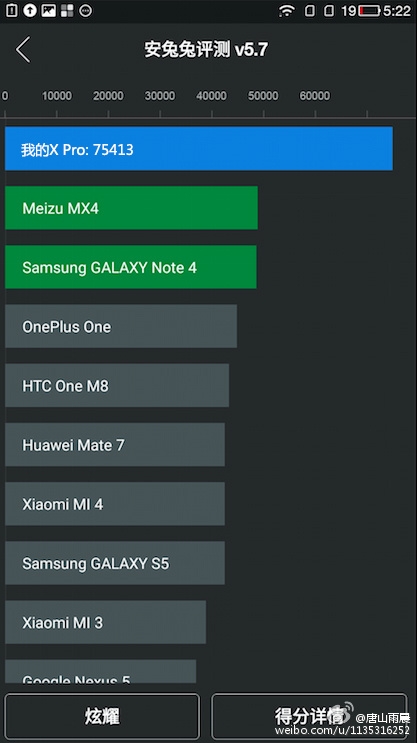
The Meizu MX 4 is one of the most anticipated Chinese smart phones this year and for the first time, we get to see how it looks like. Early today, a Weibo user sent out photos and a description of the MX 4’s display screen was released and was compared with the MX 3’s. The source seems very reliable. The MX 4 is reported to be bigger than the MX 3. The round home button is still there but the back has a fingerprint recognition feature.
According to the Weibo user, the MX 4’s display screen is bigger than the MX 3’s and has good texture. It is probably 5.2 inches. The back of the phone has a sensor for fingerprint recognition. Furthermore, the MX 4’s frame is narrower than the MX 3 with a bigger screen ratio.
As for hardware, many predict that the MX 4 will sport a 5.2-inch display screen with 2560 x 1536 resolution and 15:9 screen ratio. It is also predicted to use the MT6595 octa-core chipset or the Samsung Exynos 5433, have 3GB RAM, 16GB ROM, and a 8mp/20.7mp camera with 4K video recording. It is also purported to support TD-LTE/FDD-LTE 4G and to have the Flyme 4.0 as its operating system.
Reports say that later this year, Meizu will release more than four products, one of which is the MX 4 high-end edition which has fingerprint recognition. It is estimated to cost more than 2499 RMB (405.87 USD) and will be launched in September.
Kingsing S2 is really a nice clone of LG G3, it’s a mini version LG G3 phone: bright and clear display, great hand-feeling, narrow bezel and more. We got the sample phone a few days ago from Kingsing, and here is our hands on video. After some days using, there’s some special features here to tell you all about it.

Despite the release of the Xiaomi Mi 4, the Mi 3 is still enjoying immense popularity. Xiaomi has just announced that they will release a “dynamic green” version of the Mi 3 which will cost 1499. There will be no pre-ordering and users can directly buy this new version. Other colors include sky grey, white, silvery grey, rosy red, and bright yellow.

This version of the Mi 3 will be the China Mobile (16GB) edition which uses the Nvidia Tegra 4 processor. It sports a 5-inch 1080p screen and a 2mp/13mp camera. It has 2GB RAM and a 3050mAh battery.
On August 16, Xiaomi will formally launch the long-awaited MIUI 6 OS and as of today, users may not enlist to participate in its beta tests.
Xiaomi announced in MIUI’s official Weibo account that users can sign up to participate in beta tests for the MIUI 6 in WeChats from today until the 15th.
Please note that when you register, you have to provide information such as your profile name in the MIUI forum or your Xiaomi account number, your real name, your IMEI number, and a basic introduction of yourself. Xiaomi will select users to participate in the beta tests. Do not miss any important news about the MIUI 6 at this time.
The first batch of phones that Xiaomi will use for beta testing on August 16 includes the China Unicom and China Telecom versions of the Mi 3 and Mi 4. Other phones will be announced later.
Furthermore, users should remember that they will not get the MIUI 6 when it is launched on the 16th as it will only go through beta testing. Open beta testing should start at around September.
Finally, after a series of teasers, IUNI has announced the release date for the IUNI U3. Today, IUNI CEO Frank announced on his Weibo account that IUNI will launch the U3 on August 26.
The only information that has been revealed so far about the U3 is that it sports a 5.5-inch display screen with 2K resolution, runs on an octa-core processor (most likely the MT6595), supports dual-4G network as well as dual-SIM and other networks.

IUNI’s latest teaser for U3 challenged the Mi 4. Can they really do it? We will just have to wait and see.
Lei Jun once said, “When many of our counterparts compare themselves to us, then, that means that Xiaomi has already become the gold standard.” In June, the Mi 4 was released keeping Xiaomi as the gold standard. The writer cannot just come to conclusions but the Mi 4’s specs and power consumption are disappointing but also a pleasant surprise. I will not talk about what is disappointing about it for now and just focus on why it is a pleasant surprise.
Just as the title mentions, the pleasant surprise is that the Mi 4 is Quick Charge-supported. Does this function work for the Mi 4 as well as Lei Jun said? Let’s take a look.
Why does the Mi 4 need Quick Charge?
It makes sense to say that today’s smart phones are growing more powerful at an astronomical rate. Take their processing chips, for example. In just a few years, we have gone from using single-core processors to eight-core processors. Unfortunately, there has not been any real improvement in battery charging.
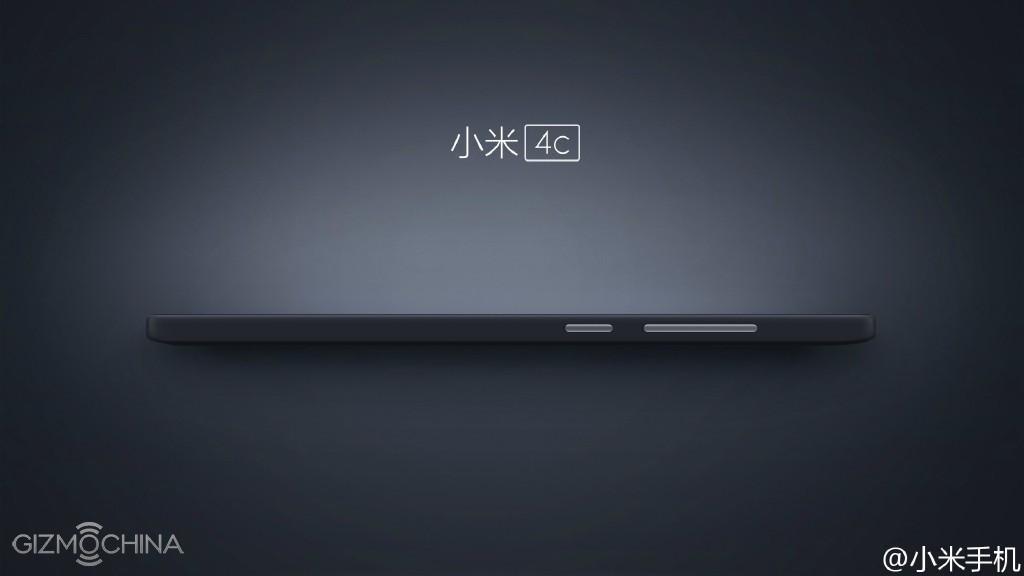
Although there has been improvement in cell phone batteries, it has only been limited to battery safety and charge cycles. The level of power supply has none grown a lot. The only way to improve battery performance is to increase the battery supply or use Quick Charge.

Until now, Xiaomi has only used the former but although the Mi 3’s battery supply grew from the 2000mAh in the Mi 2 to 3050mAh, it only grew to 3080mAh for the Mi 4. Only 30mAH! This has not been the most effective method given the limited space provided by the phone. Therefore, adding Quick Charge is necessary.
Can the Mi 4 handle Qualcomm Quick Charge?
The Mi 4’s charger is called the Xiaomi Smart Charger and comes in three standards, 5V, 2A/9V, 1.2A/12V, and 1A. This charger can also be used with other devices as well.
We start charging the phone a 0%. For the first 40 minutes the screen glows and WIFI is turned own. Later, we closed the screen and WIFI but still keep the phone on.
After 13 minutes, we can see that the Mi 4 is already 15% charged. After 25 minutes, setting 10 minutes as the standard, we started calculating the rate at which the battery is charged.
Based on the results, when the screen and WIFI are closed, we can see that the MI 4 can be charged up to 49% in one hour and be fully charged in two hours. When the phone is completely turned off, it can charge up to 60% in one hour and be fully charged in two and a half hours. As the graph shows, the results we got in charging the Mi 4 are close to the official results by Xiaomi.
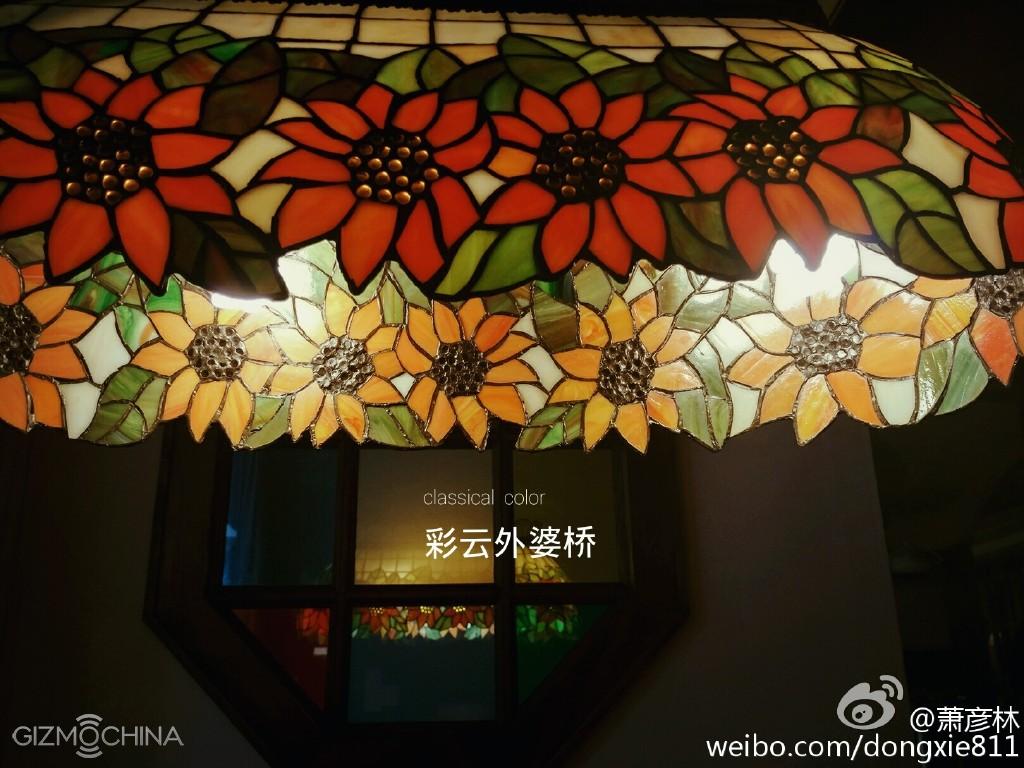
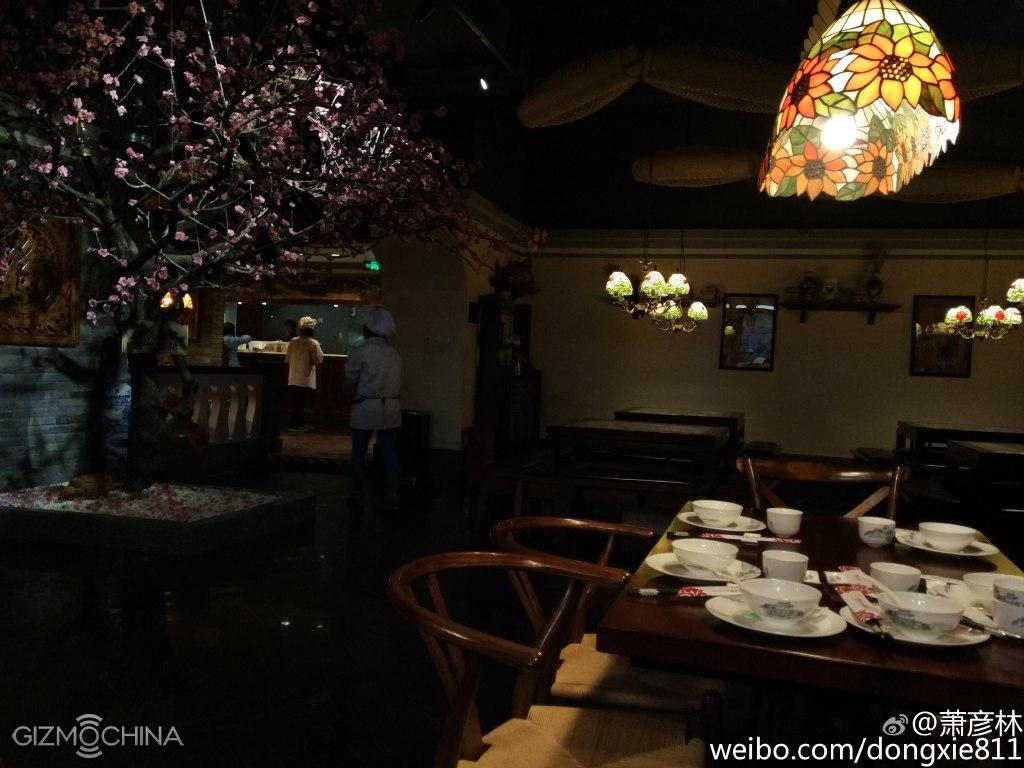
Conclusion
As you can see from this test, the Mi 4’s Quick Charge mode goes well with the Qualcomm Snapdragon 801 and the phone’s power management system, but it might sacrifice battery life. Nevertheless, it will definitely be an asset in future cell phones.
We use cookies on our website to give you the most relevant experience by remembering your preferences and repeat visits. By clicking “Accept”, you consent to the use of ALL the cookies.
This website uses cookies to improve your experience while you navigate through the website. Out of these, the cookies that are categorized as necessary are stored on your browser as they are essential for the working of basic functionalities of the website. We also use third-party cookies that help us analyze and understand how you use this website. These cookies will be stored in your browser only with your consent. You also have the option to opt-out of these cookies. But opting out of some of these cookies may affect your browsing experience.
Necessary cookies are absolutely essential for the website to function properly. This category only includes cookies that ensures basic functionalities and security features of the website. These cookies do not store any personal information.
Any cookies that may not be particularly necessary for the website to function and is used specifically to collect user personal data via analytics, ads, other embedded contents are termed as non-necessary cookies. It is mandatory to procure user consent prior to running these cookies on your website.