Advertisement

Ugreen launches 30W magnetic phone cooler with -25°C cooling, RGB lights & display

Ugreen has introduced a new magnetic phone cooler, the LP1012, currently available in China through JD.com for 199 yuan (roughly $29). It is a straightforward accessory designed for people who play demanding mobile games, record long videos, or livestream directly from their phones, tasks that typically cause smartphones to heat up, dim their screens, or throttle performance.

Ugreen LP1012 magnetic phone cooler

Ugreen LP1012 Magnetic Cooler Specifications

Inside the cooler is a 36 by 36mm thermoelectric (TEC) cooling plate. Ugreen claims this setup can bring surface temperatures down to -25°C under controlled lab conditions. While real-world results will naturally vary depending on your environment and the phone’s workload, the underlying hardware relies on a standard six-layer design. This includes the TEC chip, an aluminum heat-conducting plate, cooling fins, and thermal silicone pads to pull heat away from the back of the device.

Ugreen LP1012 magnetic phone cooler

To dissipate that heat, the LP1012 uses a seven-blade fan with three speed settings. The lowest setting runs at 2,500 RPM and produces about 20dB of noise, which shouldn’t be too distracting if you are using the phone’s built-in speakers. The standard mode runs at 4,000 RPM, while the highest setting pushes the fan to 6,500 RPM. Ugreen also designed the vents to push hot air out the sides rather than the top and bottom, so it doesn’t blow directly onto your hands while holding the phone horizontally.

The device comes with a small digital display at the center of the fan that shows the current temperature and cooling mode. There is also an RGB light ring with 12 LEDs and five patterns, though you can turn the lighting off completely if you prefer a plainer look.

Ugreen LP1012 magnetic phone cooler

The cooler weighs 96 grams and attaches magnetically. It snaps directly onto the back of iPhone 12 and newer models using Apple’s MagSafe standard. For Android phones or tablets, Ugreen includes an adhesive magnetic ring and a physical phone clamp in the box. The base of the cooler is covered in soft silicone to prevent it from scratching your device.

It does not have a built-in battery, so you will need to keep it plugged in while using it. It draws power through a USB-C port and requires a charger capable of outputting at least 30W to operate at its highest setting. The casing includes a standard 1/4-inch thread, which is a useful detail if you want to mount the phone and cooler assembly directly onto a tripod for stationary video recording.

In related news, Ugreen has recently launched a 45W 10,000mAh smart power bank with a built-in cable and color display, alongside a 12.5mm-thin 45W GaN charger.

For more daily updates, please visit our News Section.

Stay ahead in tech! Join our Telegram community and sign up for our daily newsletter of top stories!
(JD)

Samsung demonstrates 40,000-nit ultra-high-brightness RGB OLEDoS microdisplay

Samsung Display is really pushing the limits of extended reality (XR) tech with some impressive new micro-OLED breakthroughs. They’re promising much brighter and more immersive experiences in small, wearable devices like AR glasses and MR headsets.

At AWE USA 2026, Samsung showed off a 1.3-inch RGB OLEDoS (OLED on Silicon) microdisplay panel that hits a crazy 40,000 nits of brightness. To really show what it can do, they set up a darkroom exhibit called “The Big Dipper,” using seven displays to recreate the famous constellation. Only two of those screens used the new ultra-bright panel, but the difference was striking, offering much better brightness and more vivid colors than the standard ones.

This RGB OLEDoS technology skips the usual color filters by using direct-emission pixels. That makes it more efficient with light and could lead to better battery life and longer panel lifespan. For XR devices, this kind of high brightness is super important because the display has to fight against real-world ambient light (think sunny days or bright rooms) while staying clear and not draining the battery too fast.

Samsung also demoed other prototypes, including AR glasses with a smaller 0.62-inch 30,000-nit version of the panel and an MR headset using the same tech. They had additional showcases with stretchable displays and naked-eye 3D light field displays, showing they’re going all-in on next-gen visual tech.

These developments come at a time when the XR market is picking up real momentum. More consumer electronics brands are looking for lighter, more comfortable, and visually impressive headsets and smart glasses. High-brightness microdisplays like these could be the key to making mixed reality feel seamless, blending digital stuff with the real world in a natural way.

Overall, Samsung Display’s demos at AWE USA 2026 feel like a big step toward practical, high-performance XR hardware that people might actually want to use every day. As competition in spatial computing heats up, innovations like this could help bring advanced AR and MR devices into the mainstream sooner than we think.

Don’t miss a thing! Join our Telegram community for instant updates and grab our free daily newsletter for the best tech stories!

For more daily updates, please visit our News Section.

(Via)

OnePlus N6 claimed to offer three-day battery life thanks to 8,000mAh cell

OnePlus is stepping up its game in India’s super-competitive budget smartphone segment with the upcoming OnePlus N6, the very first phone in its all-new N Series. The company is putting a massive spotlight on what could be its biggest strength: an enormous battery that promises multi-day usage for people who just want their phone to keep going without constant charging.

In a recent announcement on X, OnePlus confirmed that the N6 comes with a hefty 8,000mAh battery, the same high-capacity cell used in the recently launched Nord CE 6. According to them, this should easily deliver up to three full days of typical use on a single charge. Even better, they’re promising seven years of battery health, so it should stay strong without degrading too quickly over time.

This heavy focus on endurance makes a lot of sense for the N Series. It’s positioned as an affordable lineup, expected to sit between ₹18,000 and ₹25,000, mainly targeting Gen Z buyers who want solid OnePlus experience without spending mid-range or flagship money. It sits below the Nord Series (which usually goes from ₹25,000 to ₹50,000).

Design-wise, the N6 looks pretty clean and modern, closely following the Nord CE 6 with some small tweaks. You’re getting a flat back panel, a square camera module in the top-left corner, and centered branding. On the front, there’s a flat display with a centered punch-hole and somewhat thicker bezels, totally understandable at this price. Buttons are on the right side, and the bottom has the usual USB-C port, speaker, and SIM tray.

With the launch set for June 30, we should get more details soon on the chipset, display, cameras, and other specs. Since it shares the battery with the Nord CE 6, it’ll probably offer similar real-world stamina while keeping other features tuned for this more budget-friendly spot.

If the phone delivers decent performance and everyday features alongside this endurance, the N6 could be a real contender against phones from Redmi and Samsung in the sub-₹25,000 range.

Don’t miss a thing! Join our Telegram community for instant updates and grab our free daily newsletter for the best tech stories!

For more daily updates, please visit our News Section.

(Source)

Xreal Aura unveiled with Android XR, Snapdragon Reality Elite, but its most important detail is still missing

Xreal has finally taken the wraps off Aura, its first Android XR-powered smart glasses. After months of teasers under the Project Aura name, the company has revealed key hardware and software details at AWE 2026. However, one major piece of information is still missing, which could influence how the product is received when it launches later this year.

Xreal Aura specifications and features

Xreal Aura glasses
Xreal Aura glasses

Aura is built around Google’s Android XR platform with Gemini integration and is powered by Qualcomm’s newly announced Snapdragon Reality Elite chipset. The glasses also feature Xreal’s X1S coprocessor, which is responsible for handling spatial computing tasks and rendering content on the optical see-through display system.

The glasses offer a 70-degree field of view and use Sony Micro-OLED panels with a resolution of 1920 x 1200 pixels per eye and a refresh rate of up to 120Hz. Electrochromic dimming is included, allowing users to darken the lenses when focusing on digital content. Hand tracking serves as a primary interaction method, supported by front-facing cameras that enable six degrees of freedom tracking and gesture controls.

Unlike fully standalone AR glasses, Aura relies on an external compute puck that houses the Snapdragon Reality Elite processor and a 4,455mAh battery. The puck will be offered in configurations with up to 16GB RAM and 512GB storage. Xreal is also preparing a broad ecosystem of games, productivity tools and immersive experiences, including titles such as Fallout: Factions, Demeo and Cubism.

Xreal Aura: Availability and what remains unknown

Xreal Aura glasses
Xreal Aura glasses

Xreal has opened reservations for Aura in the United States, the United Kingdom and Japan. Interested buyers can place a $99 reservation to receive credits toward the final purchase, while a limited Founder Priority Pass is available for $299.

While Xreal has confirmed that the base model will cost less than $1,500, the company has not announced the final retail price or a specific launch date. Aura is expected to reach markets including the US, Canada, Japan, South Korea and the UK later this year, with additional European availability planned afterwards.

For more daily updates, please visit our News Section.

Stay ahead in tech! Join our Telegram community and sign up for our daily newsletter of top stories!
OnePlus Pad 3 Pro launches as the brand’s most powerful tablet, but there’s a catch

OnePlus has silently unveiled the OnePlus Pad 3 Pro in China. The new tablet arrives as the successor to the OnePlus Pad 2 Pro, which debuted in the country in May 2025. While the hardware shares similarities with the globally available OnePlus Pad 4, the latest model is aimed specifically at the Chinese market. Read on to learn what the tablet brings to the table.

OnePlus Pad 3 Pro specifications and features

The OnePlus Pad 3 Pro features a 13.2-inch LCD panel with a 7:5 aspect ratio, 3392 x 2400 pixel resolution, and refresh rate support ranging from 30Hz to 144Hz. The display reaches up to 1,000 nits of peak brightness and covers 98 percent of the DCI-P3 color gamut. Under the hood, the tablet is powered by Snapdragon 8 Elite Gen 5 chipset, which is currently the most potent chip from Qualcomm.

The device is available with up to 16GB of LPDDR5X RAM and up to 512GB of UFS 4.1 storage. It runs ColorOS 16 and includes productivity-focused features such as PC-level WPS Office, file management tools, cross-device screen sharing, keyboard and mouse sharing, and several AI-powered tools for note-taking, translation, and content creation.

OnePlus Pad 3 Pro

For photography and video calls, the tablet includes a 13-megapixel rear camera and an 8-megapixel front-facing camera. Keeping the lights on is a 13,380mAh battery with support for 67W fast charging. It comes with other features, such as Wi-Fi 7, Bluetooth 5.4, USB 3.2 Gen 1, eight speakers, dual microphones, face unlock support, and stylus support. Lastly, it has a slim 5.94mm chassis that weighs approximately 672 grams.

OnePlus Pad 3 Pro price and availability

The OnePlus Pad 3 Pro is offered in Dark Brown and Light Green color options. Pricing starts at 4,399 Yuan (around $650) for the 12GB + 256GB variant, while the 12GB + 512GB model costs 4,899 Yuan (around $725). The top-end 16GB + 512GB edition is priced at 5,399 yuan (around $800).

The OnePlus Pad 3 Pro is the brand’s most powerful tablet yet, featuring Qualcomm’s latest flagship chipset and premium hardware. The catch is that it appears to be limited to China, while the globally branded OnePlus Pad 4 has only been launched in India so far, leaving other markets without either model.

For more daily updates, please visit our News Section.

Stay ahead in tech! Join our Telegram community and sign up for our daily newsletter of top stories!
Ugreen launches 45W 10,000mAh smart power bank with built-in cable and color display

Ugreen has introduced a new 10,000mAh power bank in China, model PB541, which includes a few distinct hardware additions for its price point. Currently listed on JD.com for 199 yuan (about $29), the device features 45W fast charging, an integrated USB-C cable, and a color display that provides real-time data on charging sessions.

Ugreen 10000mah 45W PB541 Power Bank

Ugreen PB541 Power Bank Specifications

The power bank is built around two 5,000mAh ATL lithium-ion polymer cells connected in series, resulting in a total capacity of 39.1Wh. For connectivity, it uses a 2C+1A port configuration. The built-in red USB-C cable functions as a carrying strap and provides up to 45W of output, while supporting up to 36W of input to recharge the battery itself.

If you prefer to use separate cables, the device includes a secondary USB-C port with the same 45W output and 36W input limits, along with a USB-A port capped at 22.5W for older devices. It can charge up to three devices simultaneously and supports standard protocols like PD, PPS, QC, AFC, and FCP.

Ugreen 10000mah 45W PB541 Power Bank

The color screen is positioned on the side of the enclosure. It displays standard metrics such as battery percentage, real-time charging power, estimated charging times, temperature, and battery health. The device also includes Bluetooth connectivity, which allows users to pair it with the Ugreen Smart Life app to upload custom images to the screen.

Internally, the power bank uses Ugreen’s Battery Management System to monitor the lithium cobalt oxide cells. If the system detects temperature or charging abnormalities, it pushes diagnostic alerts directly to the display. The battery is rated for 800 charge cycles, which the company says is an improvement over its older models.

The device measures 111 by 71 by 17.8 mm, weighs 226.4 grams, and uses a standard PC and ABS plastic enclosure. Although it shares most of its core hardware and charging specifications with Ugreen’s earlier 45W power bank (PB610) featuring an angled display, this newer model adopts a different design by relocating the screen and introducing a slimmer overall profile.

For more daily updates, please visit our News Section.

Stay ahead in tech! Join our Telegram community and sign up for our daily newsletter of top stories!
(JD)

Vivo X Fold 6 RAM, storage variants, color options revealed before launch

Vivo is all set to unveil the Vivo X Fold 6 on June 26 in China. Since yesterday, the foldable phone has been available for pre-orders through multiple Chinese retail platforms. The listing on JD.com has now been updated with details such as configurations and color options.

Vivo X Fold 6 configurations and color options revealed

The Vivo X Fold 6 will be available in four color options: Blue Hole, Salt Lake, Polar Night, and Black Gold Edition. It will come in four configurations, including 12GB+256GB, 12GB+512GB, 16GB+512GB, and 16GB+1TB. The Black Gold Edition will be offered exclusively in the 16GB+1TB variant.

As far as specifications are concerned, the Vivo X Fold 6 will be powered by the Dimensity 9500 Super Edition chipset. The brand has also confirmed that its rear camera setup will include a 200-megapixel main camera and a Sony LYT-602 periscope telephoto camera.

The rear camera setup is also said to include a 50-megapixel ultra-wide camera. For image processing, the device will feature the V3+ imaging chip. This will be Vivo’s first foldable phone to support a telephoto extender attachment. It will also support the G2 teleconverter with up to a 200mm focal length.

On the inside, the Vivo X Fold 6 will feature an 8.02-inch foldable screen equipped with Samsung M14 emissive material. Both the inner and outer displays are expected to offer up to 5,000 nits of peak brightness.

Reports have revealed that the Vivo X Fold 6 will pack a massive 6,900mAh battery. The device is also expected to support wireless charging, similar to the previous generation. Equipped with AI-optimized OriginOS 6 Fold, it is expected to deliver an intuitive multitasking experience, allowing users to access up to five apps on the same screen. For security, it will feature a side-facing fingerprint sensor.

For more daily updates, please visit our News Section.

Stay ahead in tech! Join our Telegram community and sign up for our daily newsletter of top stories!
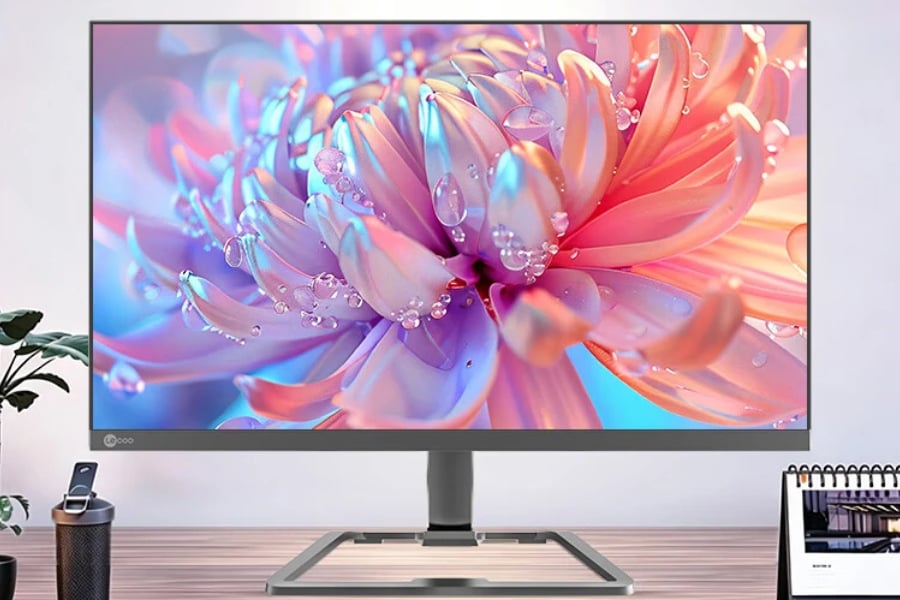
While rivals play it safe, the OnePlus 15R gets a 16GB RAM upgrade

OnePlus has quietly introduced a new variant of the OnePlus 15R in India, giving buyers another option in the performance-focused smartphone lineup. While the handset remains unchanged in terms of design and hardware, the latest configuration increases the available memory, catering to users who need more headroom for gaming, multitasking and AI-powered workloads.

New variant pricing and availability

OnePlus 15R

The new OnePlus 15R (review) variant pairs 16GB RAM with 512GB storage and is priced at Rs 61,999 (~$655). It joins the existing 12GB+256GB and 12GB+512GB models, which are currently available at Rs 54,999 (~$580) and Rs 59,999 (~$635), respectively. The smartphone can be purchased through the company’s online store as well as Amazon India.

The handset continues to be offered in Charcoal Black, Mint Breeze and Electric Violet colour options. The launch of a higher-memory version comes at a time when several brands are limiting RAM configurations due to rising memory costs across the industry. Despite that trend, OnePlus has opted to expand the 15R lineup with a more capable option.

Apart from the RAM upgrade, the OnePlus 15R retains the same specifications as the existing variants. It features a 6.83-inch AMOLED display with a 1272 x 2800 resolution, a 165Hz refresh rate and Gorilla Glass 7i protection. The phone is powered by Qualcomm’s Snapdragon 8 Gen 5 chipset and is paired with up to 512GB of UFS 4.1 storage.

For photography, the device includes a 50-megapixel primary camera with optical image stabilisation, an 8-megapixel ultra-wide sensor and a 32-megapixel front camera. It packs a 7,400mAh battery with support for 80W wired fast charging and runs OxygenOS 16 based on Android 16. The smartphone also carries IP66, IP68, IP69 and IP69K ratings for dust and water resistance.

For more daily updates, please visit our News Section.

Stay ahead in tech! Join our Telegram community and sign up for our daily newsletter of top stories!
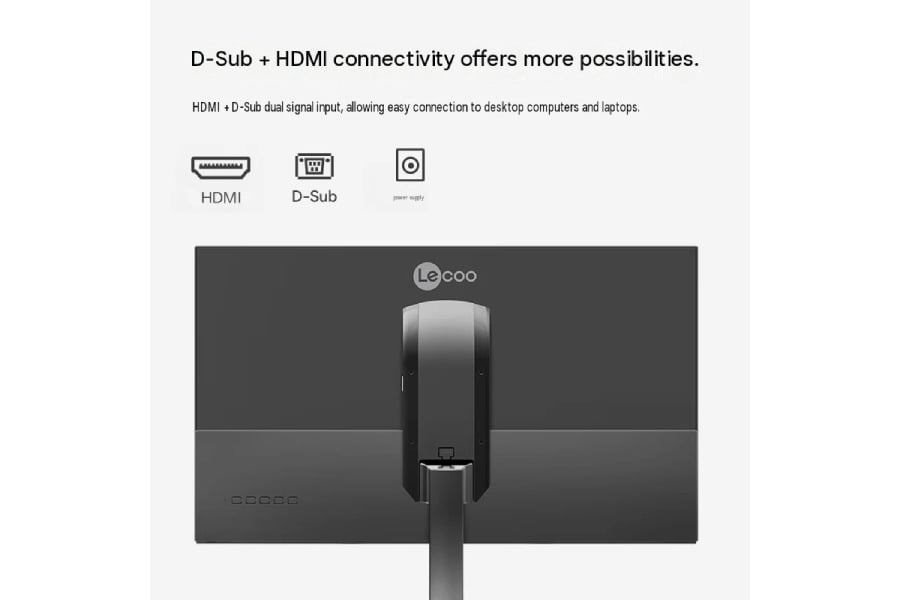
BenQ opens its first monitor-exclusive experience centre

BenQ has opened India’s first exclusive monitor experience centre at Mumbai’s Lamington Road, creating a dedicated retail space focused entirely on monitors. Developed in partnership with Nexus Infosys, the new store aims to address a long-standing gap in the country’s electronics retail sector, where monitors are often given limited shelf space despite serving a wide variety of users.

BenQ’s monitor-focused retail concept arrives in Mumbai

The experience centre brings together BenQ’s complete monitor portfolio under one roof, allowing visitors to compare products designed for different user groups before making a purchase. Instead of organising displays by specifications alone, the company has segmented its lineup based on user requirements and workflows.

The store showcases monitors across eight dedicated categories:

  • Designers
  • Content Creators
  • Esports Players
  • Pro Gamers
  • Gamers
  • Programmers
  • Mac Users
  • Home & Office Professionals

Products on display include colour-accurate monitors for creative work, coding-focused displays with a 3:2 aspect ratio, ZOWIE esports monitors, MOBIUZ gaming models, and 5K displays designed for the Apple ecosystem. BenQ’s eye-care monitors for office users are also featured, alongside models equipped with USB-C connectivity, advanced colour technologies, and specialised software features.

According to BenQ India, the new outlet reflects the growing importance of monitors as dedicated productivity and entertainment devices. The company believes hands-on demonstrations are increasingly important as monitor technologies become more specialized.

Interaction with BenQ India Managing Director, Rajeev Singh

Today, I got an opportunity to interact with Rajeev Singh, Managing Director of BenQ India and South Asia, during the opening of BenQ’s first dedicated monitor experience store at Lamington Road in Mumbai. Having spent years visiting Lamington Road during my college days while building PCs, it was interesting to hear Rajeev’s perspective on how the market has evolved.

He explained that while the area has always been a destination for enthusiasts looking for specific hardware, customers rarely had the opportunity to experience premium monitors before making a purchase.

During our conversation, Rajeev highlighted how monitors have transformed from simple display devices into productivity and creativity tools with specialized features for programmers, designers, gamers and content creators. According to him, the growing demand for premium and professional-grade monitors is one of the key reasons BenQ decided to invest in a dedicated offline experience center. The goal is to allow customers to see, compare and understand different monitor technologies before spending anywhere between Rs 40,000 and Rs 1.5 lakh on a display.

One of the most interesting insights from our discussion was BenQ’s focus on the Apple ecosystem. Rajeev believes the market for Mac-compatible monitors remains largely underestimated despite the rapid growth of MacBooks and Mac Mini systems in India. He noted that while Apple’s own display solutions remain expensive for most users, there is growing demand for affordable alternatives that integrate seamlessly with macOS. It was an insightful conversation that offered a glimpse into how BenQ views the future of the premium monitor segment in India and the role physical experience centres can play in that journey.

For more daily updates, please visit our News Section.

Stay ahead in tech! Join our Telegram community and sign up for our daily newsletter of top stories!
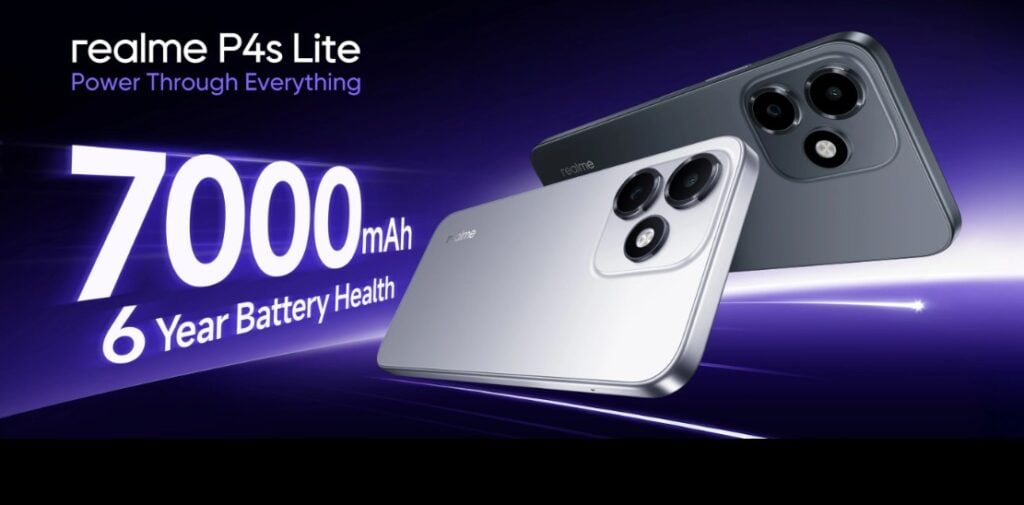
OnePlus Nord Buds 4 specs revealed ahead of June 25 launch

OnePlus is giving its popular Nord audio lineup a fresh update with the new Nord Buds 4. They’re packing in some useful features, like strong noise cancellation and long battery life, while still keeping things affordable.

The company has now officially shared the key specs ahead of the June 25 launch in India. The big highlight is the up to 52dB active noise cancellation (ANC), which should do a solid job blocking out noise whether you’re commuting, working, or just trying to focus. Inside, the earbuds pack 12mm titanium-plated dynamic drivers that promise punchy bass and clear audio for music, movies, and calls.

Each earbud is super lightweight at just 4.3g and has an ergonomic design meant for comfortable long sessions. They also support 3D spatial audio and game spatial sound effects, which should make listening feel more immersive. You’ll be able to pick them up in two cool colors: Astral Teal (a nice cyan shade) and the classic Stellar Black.

Battery life looks like one of the strongest points. With the charging case, you’re looking at up to 54 hours of total playback. And if you’re in a rush, 10 minutes of fast charging gives you around 11 hours of use, which is super handy for busy days.

Pricing hasn’t been revealed yet, but these are clearly aimed at the competitive mid-range TWS segment. They build on the Nord series’ reputation for offering good value, and they should pair nicely with OnePlus phones through the HeyMelody app for smoother controls and possible software tweaks.

Overall, with solid ANC, good drivers, lightweight comfort, and marathon battery life, the Nord Buds 4 seem ready to take on rivals from Redmi and CMF. As the June 25 launch gets closer, it’ll be interesting to see how they actually perform in real life and whether they deliver that sweet spot of performance, comfort, and price that budget-conscious users are looking for.

Don’t miss a thing! Join our Telegram community for instant updates and grab our free daily newsletter for the best tech stories!

For more daily updates, please visit our News Section.

(Source | Via)

The biggest change to Google’s smart speakers in years starts with Gemini

Google has unveiled the Google Home Speaker, marking the beginning of a new generation of smart home devices built around Gemini. The speaker introduces a more conversational approach to voice interactions and is designed to make everyday tasks, entertainment, and smart home controls feel more natural than traditional voice assistants.

Google Home Speaker features and Gemini capabilities

Google Home Speaker
Google Home Speaker

The Google Home Speaker is the first audio product created specifically for Gemini for Home, Google’s AI-powered voice assistant. Instead of relying on fixed command phrases, the system can understand more natural requests, follow context during conversations, and handle multiple instructions within a single sentence. Users can also make corrections while speaking without needing to restart a command.

Google has included 10 new voice options designed to deliver more natural responses. Gemini can answer more detailed questions by combining information from different sources and reasoning through multiple steps. The speaker also supports continued conversations, allowing users to ask follow-up questions without repeatedly using the wake phrase. For users seeking additional AI features, Google Home Premium unlocks Gemini Live conversations, camera history search for compatible Nest cameras, and Home Brief summaries that recap activity around the house.

Google Home Speaker
Google Home Speaker

Beyond AI features, the speaker delivers 360-degree audio designed to provide balanced sound throughout a room. Advanced microphone processing helps improve voice recognition in different environments. It can also be paired with a Google TV Streamer, with support for up to two speakers to create a more immersive home entertainment setup with spatial surround sound.

Google Home Speaker price and availability

The Google Home Speaker is available for pre-order and will go on sale from June 25. It carries a price tag of $99.99.  The device comes in Hazel and Porcelain colour options globally, while Jade and Berry are exclusive to the US market. Google says subscribers to AI Pro and AI Ultra plans will receive Google Home Premium access at no additional cost.

For more daily updates, please visit our News Section.

Stay ahead in tech! Join our Telegram community and sign up for our daily newsletter of top stories!
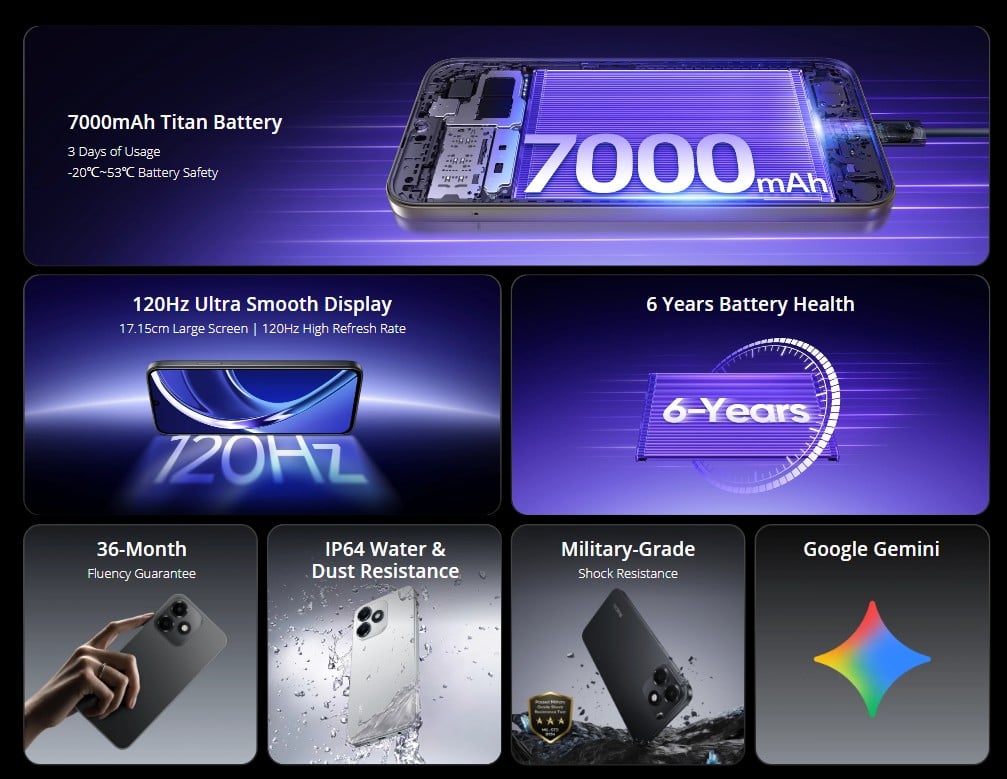
Lenovo AI Mini PC launches with 12-core CPU, Tianxi Claw, compact design

Lenovo has announced the Lenovo AI Mini PC in China, targeting users who want a dedicated device for local AI workloads and personal AI services. The compact system arrives with Lenovo’s Tianxi Claw platform pre-installed and is designed to work out of the box, bringing AI-assisted computing to homes and small offices without requiring complex setup.

Lenovo AI Mini PC specifications and features

At the heart of the Lenovo AI Mini PC is the Cixin P1 processor, also identified as the CD8180. Built on a 6nm process, the chip combines a 12-core Armv9.2 CPU, a 10-core Immortalis G720 GPU, and an NPU capable of delivering 30 TOPS of AI performance. The complete platform reaches up to 45 TOPS of computing power, making it suitable for local AI processing and intelligent automation tasks.

The system ships with 8GB LPDDR5 memory and a 256GB SSD. Lenovo has also integrated Tianxi Claw, allowing users to deploy AI functions with a single setup process. The platform supports downloadable Skills and can connect with popular communication services such as QQ, WeChat, and Feishu. It can host multiple Claw instances and supports shared access among several users, making it suitable for family or team environments.

Connectivity options include two USB 3.2 Type-A ports, two full-function USB Type-C ports, two USB 2.0 ports, a DisplayPort 1.4 output, an HDMI 1.4 port, and a 2.5GbE network interface. The mini PC also supports a developer mode and is compatible with Ubuntu, providing additional flexibility for developers and advanced users.

Lenovo says the device is backed by Tianxi AI 4.0, which introduces autonomous task execution capabilities, an upgraded personal knowledge base, enhanced security protections, and access to a growing Skills marketplace.

Lenovo AI Mini PC price and availability

The Lenovo AI Mini PC is now available in China with an introductory price of CNY 2,999 (~$445). The device is being positioned as an AI-native personal edge computing solution for consumers looking to run AI-powered services locally. What feature of the Lenovo AI Mini PC do you find most interesting? Share your thoughts in the comments.

For more daily updates, please visit our News Section.

Stay ahead in tech! Join our Telegram community and sign up for our daily newsletter of top stories!
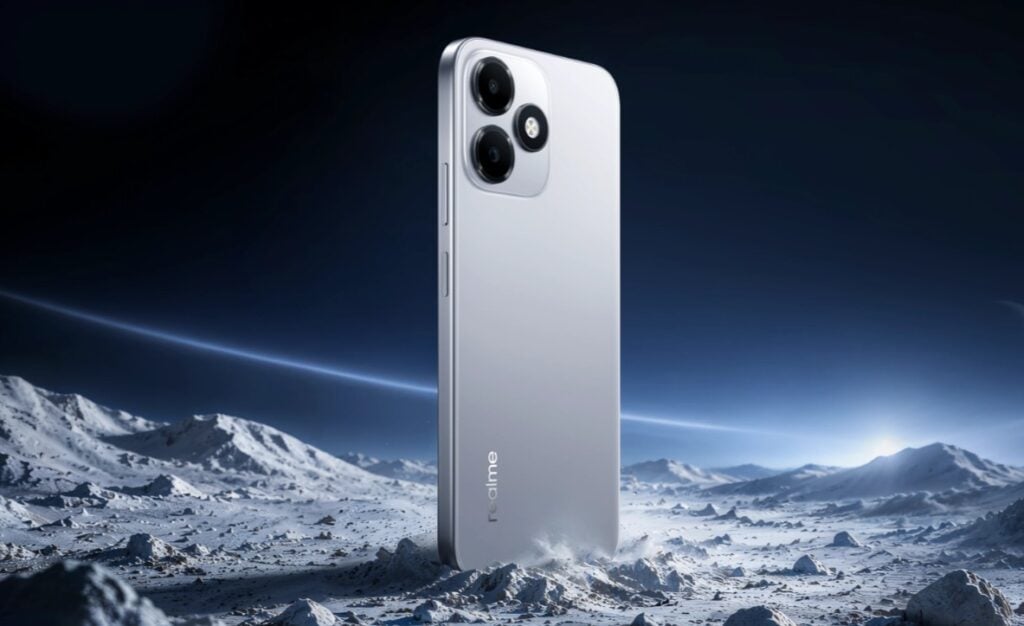
Huawei Nova 16 vs Oppo Reno 15: Camera, Performance, Battery and Value Compared

Huawei Nova 16 and Oppo Reno 15 represent two very different approaches to the premium mid-range smartphone market. One focuses on massive battery life and hardware value, while the other emphasizes refined design, versatile cameras, and a polished software experience. With both devices offering high-refresh-rate displays, advanced zoom cameras, and fast charging, choosing between them comes down to which features matter most in daily use. This comparison breaks down the key differences to help buyers find a better fit. 

Major Features:

CategoryHuawei Nova 16Oppo Reno 15Winner
Build QualityGlass front, plastic frame, aluminum backGlass front, aluminum frame, glass backOppo – More premium materials
DurabilityIP65 water and dust resistanceIP68/IP69 water and dust resistanceOppo – Better protection
Display Technology6.68-inch OLED, HDR Vivid, 120Hz6.59-inch AMOLED, HDR10+, 120HzTie – Both offer premium panels
Display Comfort2160Hz PWM dimmingStandard AMOLED dimmingHuawei – Better eye comfort
Display ProtectionAluminosilicate glassGorilla Glass 7iOppo – Stronger protection
ChipsetKirin 9010SSnapdragon 7 Gen 4Oppo – Better app and gaming support
RAM12GB standard8GB/12GB optionsHuawei – More RAM by default
Storage Options256GB/512GB256GB/512GBTie – Similar storage choices
SoftwareHarmonyOS 6.1Android 16, ColorOS 16Oppo – Wider app ecosystem
Main Camera50MP wide50MP wide with OISTie – Comparable primary cameras
Telephoto Camera50MP periscope, 3.7x zoom50MP telephoto, 3.5x zoomHuawei – Periscope advantage
Ultrawide CameraNo8MP ultrawideOppo – More versatile setup
Selfie Camera50MP ultrawide50MP ultrawide with AFOppo – Autofocus improves selfies
Rear Camera VersatilityDual-camera setupTriple-camera setupOppo – Covers more shooting scenarios
Video Recording4K video4K 60fps supportOppo – Higher frame rate option
Battery Capacity7000mAh6500mAhHuawei – Longer endurance
Charging Speed100W wired80W wiredHuawei – Faster charging
Wireless FeaturesWi-Fi 7, Bluetooth 6.0Wi-Fi 5, Bluetooth 5.4Huawei – More advanced connectivity
Fingerprint ScannerSide-mountedUnder-display opticalOppo – More premium implementation
Value for MoneyAround $450 / ₹42,000Around $500 / ₹46,000Huawei – More hardware for less money
Disclaimer: Specs are based on available data. Actual performance may vary. Verify details from official sources before buying.

1. Design and Display

Build and Feel

The Huawei Nova 16 and Oppo Reno 15 both target the premium mid-range segment, but they approach design differently. Huawei combines a glass front with an aluminum back and plastic frame, while Oppo uses a more premium glass-and-aluminum construction throughout. The Reno 15 also gains an advantage with IP68/IP69 certification, offering stronger protection against water and dust than the Nova 16’s IP65 rating.

Huawei focuses on practicality with a side-mounted fingerprint scanner and a clean design, while Oppo delivers a more flagship-like feel thanks to its under-display fingerprint sensor and tougher Gorilla Glass 7i protection. For users who value durability and a refined finish, Oppo feels slightly more polished.

Display Quality

Huawei equips the Nova 16 with a 6.68-inch OLED panel featuring HDR Vivid support, 120Hz refresh rate, and high-frequency 2160Hz PWM dimming that can reduce eye strain. Oppo counters with a 6.59-inch AMOLED display supporting HDR10+, 120Hz refresh rate, and strong brightness levels.

Both displays are sharp and vibrant, but Huawei’s PWM implementation may appeal more to sensitive users, while Oppo’s HDR10+ support offers broader content compatibility.

Verdict

Winner: Oppo Reno 15 – Better materials, stronger durability, and a more premium overall experience give it a narrow edge, though Huawei offers excellent display comfort.

2. Specifications Including Battery

Performance

The Huawei Nova 16 runs on the Kirin 9010S paired with 12GB RAM across all variants. Everyday performance is expected to be smooth, with strong multitasking capabilities and efficient app handling. The Oppo Reno 15 uses Qualcomm’s Snapdragon 7 Gen 4 chipset, built on a modern 4nm process and paired with the reliable Adreno 722 GPU.

For gaming, long-term app compatibility, and broader software support, the Snapdragon platform has a clear advantage. ColorOS 16 on Android 16 also provides access to the full Android ecosystem, which remains important for many buyers.

Battery and Charging

Battery capacity is where Huawei makes a major statement. The Nova 16 packs a massive 7000mAh battery supported by 100W charging, making it one of the most endurance-focused phones in its class. Oppo’s 6500mAh battery is still impressive and is complemented by fast 80W charging that reaches a full charge in about 50 minutes.

Huawei is better suited for users who prioritize maximum battery life, while Oppo balances endurance with efficiency.

Verdict

Winner: Huawei Nova 16 – The larger battery, faster charging, and generous 12GB RAM configuration make it the stronger hardware package overall.

3. Camera

Main and Secondary Lenses

Huawei adopts a focused photography setup with a 50MP main camera and a 50MP periscope telephoto lens offering 3.7x optical zoom and OIS. The larger main sensor should help with low-light performance, and the dedicated periscope camera is likely to deliver strong long-range shots.

Oppo responds with a versatile triple-camera system consisting of a 50MP main camera, a 50MP telephoto lens with 3.5x optical zoom, and an additional 8MP ultrawide camera. While its primary sensor may not match Huawei’s size advantage, the extra ultrawide lens significantly increases shooting flexibility.

The Oppo setup feels more complete for everyday photography because it covers more scenarios without sacrificing telephoto quality.

Selfie Camera

Both phones feature 50MP ultrawide selfie cameras capable of 4K recording. Oppo adds autofocus, which can improve sharpness and consistency for selfies and video calls.

Verdict

Winner: Oppo Reno 15 – The ultrawide rear camera and autofocus selfie camera create a more versatile photography experience, despite Huawei’s stronger periscope hardware.

4. Pricing

The Huawei Nova 16 is priced around $450 (₹42,000), while the Oppo Reno 15 is priced around $500 (₹46,000). The difference is relatively small, but it places the Oppo in a slightly more premium bracket.

Huawei delivers excellent value through its huge 7000mAh battery, 100W charging, 12GB RAM as standard, Wi-Fi 7 support, and periscope zoom camera. Buyers focused on battery endurance and hardware specifications receive a lot for the money.

Oppo justifies its higher price through a more premium build, stronger water resistance, Snapdragon platform, Android ecosystem access, and a more versatile camera system. These improvements contribute to a more balanced overall smartphone experience.

For pure specification seekers, Huawei offers better value. For users looking for refinement and broader software compatibility, Oppo’s pricing remains reasonable.

Verdict

Winner: Huawei Nova 16 – It delivers more hardware for less money, making it the stronger value proposition.

Disclaimer:
Prices are approximate and may vary based on country, region, launch timing, and applicable taxes. Always check whether the listed price is for a China unit or a global/international variant when purchasing.

5. Conclusion

The Huawei Nova 16 stands out with its massive 7000mAh battery, 100W charging, Wi-Fi 7 connectivity, and 50MP periscope camera. These features make it particularly attractive for heavy users who prioritize battery life and long shooting sessions. It feels like a device designed to maximize endurance without compromising flagship-style features.

The Oppo Reno 15 distinguishes itself through its premium construction, IP68/IP69 protection, Snapdragon 7 Gen 4 processor, Android 16 software experience, and versatile triple-camera setup. The combination creates a more rounded smartphone that fits a wider range of users.

Both devices are highly competitive, but they appeal to slightly different priorities. Huawei focuses on specification-driven value, while Oppo emphasizes balance and refinement.

Verdict

Choose the Huawei Nova 16 if battery life, charging speed, and overall value are the highest priorities. Choose the Oppo Reno 15 if camera versatility, software ecosystem, durability, and premium design matter more. 

Overall, the Oppo Reno 15 is the better all-around smartphone, while the Huawei Nova 16 offers the stronger value-for-money package.

Disclaimer: This comparison is based on the specifications provided and is intended for general informational purposes. Actual performance, camera results, battery life, and overall experience may vary depending on real-world usage, software updates, and individual preferences.

Read More:

Android 17 rollout begins for Pixel phones: Here’s what’s new

Google has released Android 17, introducing a collection of new features aimed at making smartphones and large-screen devices more productive, secure and efficient. The update is rolling out first to supported Pixel devices, while other eligible Android smartphones, tablets and foldables are expected to receive it later this year. Alongside user-facing additions, Android 17 also includes several under-the-hood improvements designed to enhance overall system performance.

Android 17: Smarter ways to work and play

A major highlight of Android 17 is its improved multitasking experience. The new Bubbles feature allows users to open apps in compact floating windows that remain accessible while using other applications. This makes it easier to check messages, notes, maps or other information without repeatedly switching between apps. On larger devices such as tablets and foldables, Android 17 adds a dedicated bubble bar that keeps active floating windows organised for quick access.

The update also introduces Screen Reactions, which combines screen recording with selfie camera capture. Users can record their reactions while demonstrating apps, commenting on videos or creating tutorials directly from their device. Foldable smartphones receive additional gaming enhancements through a new gaming mode that splits the display between gameplay and on-screen controls, creating a more immersive experience. Google says memory handling has also been improved to reduce stuttering and maintain smoother gameplay during demanding titles.

Android 17 brings several new privacy controls. Users can now provide apps with temporary access to their precise location and choose specific contacts to share rather than granting access to an entire contact list. The Find Hub service gains an upgraded “Mark as lost” option that can secure a misplaced device using biometric authentication, helping protect sensitive data even if someone knows the device passcode.

The update also strengthens protection against scams and malicious software through enhancements to Live Threat Detection and Advanced Protection. Additional safeguards have been added to PIN authentication by limiting repeated attempts and increasing waiting periods after multiple failures. Google has further introduced app memory limits to prevent excessive RAM usage, which can help improve battery life and overall responsiveness.

For more daily updates, please visit our News Section.

Stay ahead in tech! Join our Telegram community and sign up for our daily newsletter of top stories!
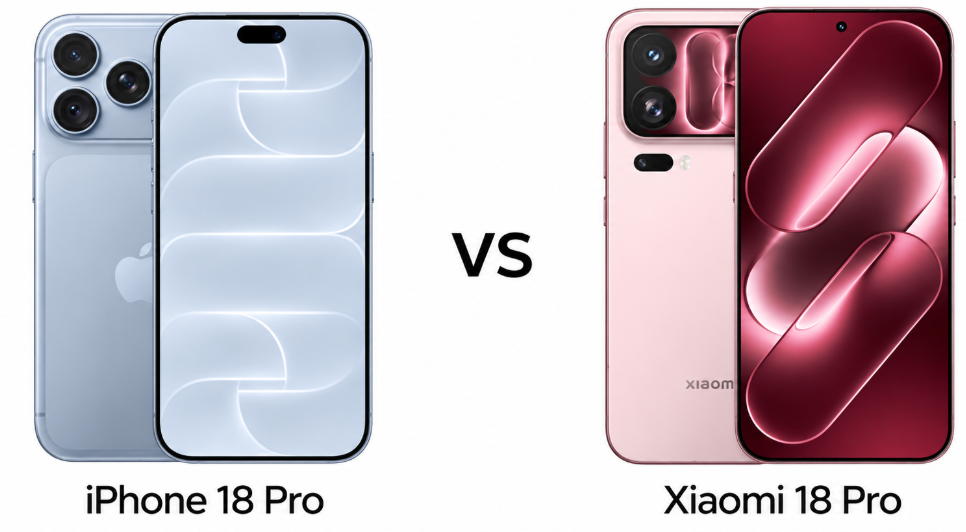
Ugreen launches a 12.5mm-thin 45W GaN charger that’s smaller than you’d expect

Gallium nitride (GaN) technology has steadily reduced the size of our everyday power bricks over the last few years, but Ugreen’s latest release pushes the form factor even further into the realm of pocketability. The company has just launched the Nexode Air 45W Ice Chip charger in China. Priced at 109 yuan ($16), its primary selling point is an ultra-thin profile that measures a mere 12.5mm thick.

Ugreen Nexode Air 45W

Ugreen Nexode Air 45W Specifications

The exact dimensions are 62.2 x 42.74 x 12.5 mm, and it weighs about 54 grams. Ugreen says this design makes it roughly 58% smaller by volume than its previous 45W chargers. It has a flat, rectangular shape with foldable prongs, allowing it to slide into a pants pocket or the front pouch of a laptop sleeve without creating a noticeable bulge. The device comes in a silver-gray finish, with a single USB-C port located on the bottom edge.

That single port outputs up to 45W, which is enough to fast-charge modern phones, tablets, and smaller electronics like handheld gaming PCs. According to Ugreen, the charger can get an iPhone 17 Pro from zero to 67% battery in about half an hour. It supports standard fast-charging protocols and operates on a 100-240V input range, meaning it can be used internationally with a basic plug adapter.

Packing 45W into a chassis this small usually raises concerns about heat, which is where the Ice Chip name comes from. Ugreen says it is managing thermals using a high-density internal layout and a heat-conductive structure.

It also uses a system the company calls Thermal Guard, which actively monitors the charger’s temperature multiple times per second to keep the surface from getting too hot. The internal components are packed to achieve a power density of 1.496W/cm³, with an energy conversion efficiency of 90%.

For device safety, the charger includes standard protections against overcurrent, overvoltage, and short circuits, all housed in a flame-retardant shell. It also features a voltage regulation system that adjusts power delivery as your device charges.

Ugreen Nexode Air 45W

Once a connected phone or tablet reaches 80% capacity, the adapter switches to a slower trickle-charge mode to help preserve the device’s battery health and keep temperatures down.

In related news, Belkin has recently introduced a new 45W GaN charger featuring a built-in retractable USB-C cable, while Anker has unveiled a 160W smart charger that supports Huawei’s 66W SuperCharge and Xiaomi’s 120W fast-charging standards.

For more daily updates, please visit our News Section.

Stay ahead in tech! Join our Telegram community and sign up for our daily newsletter of top stories!
(JD)

Microsoft CEO warns advanced AI may concentrate wealth and expertise in a handful of companies

In a recent essay posted on X, Microsoft’s CEO Satya Nadella raised some serious concerns about the long-term impact of advanced AI on businesses. His main worry? Powerful AI models are getting so good at absorbing specialized corporate knowledge that the very companies creating this expertise could end up at a big disadvantage.

Nadella cautions that without careful steps, a small handful of dominant AI companies could end up capturing most of the economic value. He puts it bluntly: no one wants “a world where every company across every sector is ceding value to a few models that eat everything they see.” He also stresses there’s “no societal permission for an AI future that hollows out entire industries.”

He draws a parallel to the early days of globalization, when outsourcing boosted overall GDP numbers but also eroded industrial bases, jobs, and local expertise in many places, effects we’re still dealing with today. Nadella doesn’t want AI to repeat that same mistake, where value gets pulled away from traditional companies and funneled toward just a few tech giants.

Instead, he’s pushing for a more open and decentralized AI world. Companies need to keep control of their own “learning systems” and build internal AI capabilities. He talks about combining “human capital” (judgment, relationships, and creativity) with “token capital” (proprietary AI trained on their own data). That way, businesses can protect their competitive edge and keep driving real innovation.

This isn’t just Nadella’s view. Other leaders like Snowflake CEO Sridhar Ramaswamy and Box CEO Aaron Levy have made similar points, warning that big companies could become little more than data suppliers for powerful external AI models, losing their ability to stand out.

Nadella’s message is clear: we need to develop it in a way that spreads value more fairly instead of concentrating it in just a few hands. That balance will be key to making sure AI strengthens companies and society rather than weakening the expertise that makes them successful in the first place.

Don’t miss a thing! Join our Telegram community for instant updates and grab our free daily newsletter for the best tech stories!

For more daily updates, please visit our News Section.

(Source | Image)

Motorola Edge 70 Pro+ vs Nothing Phone (4a) Pro: One Clearly Offers Better Value

Motorola’s Edge 70 Pro+ and Nothing’s Phone (4a) Pro target buyers who want premium features without entering flagship price territory. Both devices offer high-refresh-rate AMOLED displays, telephoto cameras, and large batteries, but they take different approaches. Motorola focuses on performance, battery endurance, and durability, while the Nothing device emphasizes design, software experience, and its distinctive Glyph-inspired lighting system. Choosing between them depends on whether raw hardware or a more unique user experience matters more.

Major Features:

CategoryMotorola Edge 70 Pro+Nothing Phone (4a) ProWinner
Design & BuildEco-leather back, IP68/IP69, MIL-STD-810HAluminum unibody, IP65Motorola – Better durability
Premium FeelPractical and comfortable finishPremium aluminum constructionNothing – More premium materials
Display TechnologyAMOLED, 144Hz, 5200 nits peakAMOLED, 144Hz, 5000 nits peakMotorola – Brighter panel
Display Size6.78-inch6.83-inchNothing – Larger screen
Outdoor VisibilityExcellent sunlight readabilityVery good brightnessMotorola – Higher peak brightness
ProcessorDimensity 8500 ExtremeSnapdragon 7 Gen 4Motorola – Faster chipset
GPUMali-G720 MC8Adreno 722Motorola – Better graphics power
Storage TypeUFS 4.1UFS 3.1Motorola – Faster storage
RAM & Storage12GB + 256GBUp to 12GB + 256GBTie – Similar capacity
Gaming PerformanceStrong sustained performanceGood for casual gamingMotorola – Better gaming experience
Main Camera50MP OIS50MP OISTie – Comparable hardware
Telephoto Camera50MP, 3.5x zoom50MP, 3.5x zoomTie – Similar zoom capability
Ultrawide Camera50MP ultrawide8MP ultrawideMotorola – Much better ultrawide
Rear Camera SystemThree 50MP camerasTwo 50MP + 8MP ultrawideMotorola – More versatile setup
Video RecordingUp to 4K 120fpsUp to 4K 30fpsMotorola – Superior video options
Selfie Camera50MP AF, 4K video32MP, 1080p videoMotorola – Better selfies and video
Battery Capacity6500mAh5080mAh/5400mAhMotorola – Larger battery
Wired Charging90W50WMotorola – Faster charging
Wireless Charging15W wireless, reverse wirelessNot availableMotorola – Extra charging features
ConnectivityWi-Fi 7, Bluetooth 5.4Wi-Fi 6, Bluetooth 5.4Motorola – Newer wireless standard
AudioDolby Atmos, Hi-Res AudioStereo speakersMotorola – Richer audio features
Software Support3 Android upgrades3 Android upgradesTie – Equal support policy
Unique FeaturesMilitary-grade durability, wireless chargingGlyph LEDs, aluminum bodyNothing – More distinctive design
Price/ValuePriced around $570 / ₹48,000Priced around $500 / ₹40,000Nothing – Better affordability
Disclaimer: Specs are based on available data. Actual performance may vary. Verify details from official sources before buying.

1. Design and Display

Build and Feel

The Motorola Edge 70 Pro+ uses an eco-leather back paired with a plastic frame, creating a comfortable in-hand feel that resists fingerprints and offers a more practical everyday experience. It also brings stronger durability credentials with IP68/IP69 protection and MIL-STD-810H certification, making it a better choice for users who prioritize toughness and reliability.

The Nothing Phone (4a) Pro takes a more premium visual approach with an aluminum unibody construction and its signature mini-LED lighting system on the rear. The design stands out immediately and feels more distinctive than most smartphones in this segment. For buyers who value aesthetics and uniqueness, the Nothing device has a stronger visual appeal.

Display Quality

Both phones feature 144Hz AMOLED panels with HDR10+ support and excellent color reproduction. The Nothing offers a slightly larger display and thinner bezels, creating a more immersive viewing experience. However, the Motorola counters with higher brightness capabilities, making outdoor visibility more impressive under direct sunlight.

Verdict

The Nothing Phone (4a) Pro feels more premium and distinctive, but the Motorola Edge 70 Pro+ wins overall thanks to its superior durability and brighter display performance.

2. Specifications Including Battery

Performance

The Motorola Edge 70 Pro+ is powered by the MediaTek Dimensity 8500 Extreme chipset paired with fast UFS 4.1 storage. It delivers stronger processing power, faster app launches, and better sustained performance during gaming and multitasking. The hardware feels closer to upper-tier flagship devices than a traditional mid-range smartphone.

The Nothing Phone (4a) Pro uses the Snapdragon 7 Gen 4 chipset with UFS 3.1 storage. Daily performance remains smooth and responsive, and Nothing OS 4.1 provides a clean software experience. However, demanding workloads and heavy gaming sessions reveal the performance gap between the two devices.

Battery and Charging

Battery life is a major strength of the Motorola thanks to its massive 6500mAh battery. Combined with 90W wired charging and wireless charging support, it offers excellent convenience and endurance. The Nothing device provides respectable battery life with its 5080mAh global and 5400mAh Indian variants, but its 50W charging is noticeably slower and lacks wireless charging.

Verdict

The Motorola Edge 70 Pro+ clearly leads in performance, battery capacity, charging speed, and overall hardware capability, making it the stronger long-term performer.

3. Camera

Main and Secondary Lenses

Both phones feature a 50MP main camera and a 50MP periscope telephoto lens with 3.5x optical zoom, creating a surprisingly close contest. Motorola gains an advantage with its 50MP ultrawide camera, which captures more detail and flexibility than Nothing’s 8MP ultrawide sensor. This difference becomes noticeable in landscape photography and group shots.

Video recording is another area where Motorola pulls ahead. Support for 4K recording up to 120fps provides more creative flexibility, while Nothing is limited to 4K at 30fps. The Nothing device still produces attractive images with strong contrast and HDR processing, particularly in daylight conditions.

Selfie Camera

Motorola includes a 50MP autofocus selfie camera capable of 4K recording. The Nothing offers a 32MP front camera limited to 1080p video. The Motorola setup delivers sharper results and more versatility for content creators and video callers.

Verdict

The Motorola Edge 70 Pro+ offers a more complete camera package, particularly due to its superior ultrawide camera, stronger video capabilities, and higher-quality selfie setup.

4. Pricing

The Motorola Edge 70 Pro+ is priced around $570 (₹48,000), while the Nothing Phone (4a) Pro is priced around $500 (₹40,000). The price gap is noticeable but not excessive, considering the hardware differences between the two devices.

For the additional cost, the Motorola delivers a more powerful chipset, larger battery, faster charging, wireless charging support, stronger durability ratings, brighter display output, and a more capable camera system. These upgrades affect daily usage and are not merely specification-sheet advantages.

The Nothing Phone (4a) Pro remains attractive for buyers seeking a distinctive design and a clean software experience while saving money. It provides a balanced package that covers most essentials without feeling compromised. However, when comparing pure hardware value, the Motorola stretches the budget further.

Verdict

The Nothing Phone (4a) Pro offers solid value at its price, but the Motorola Edge 70 Pro+ justifies its higher cost with meaningful upgrades across nearly every major category.

Disclaimer:
Prices are approximate and may vary based on country, region, launch timing, and applicable taxes. Always check whether the listed price is for a China unit or a global/international variant when purchasing.

5. Conclusion

The Motorola Edge 70 Pro+ stands out through its large 6500mAh battery, 90W charging, wireless charging support, advanced durability certifications, brighter display, and stronger overall camera system. It is designed for users who prioritize performance, endurance, and versatility.

The Nothing Phone (4a) Pro differentiates itself with its aluminum unibody construction, unique mini-LED rear lighting system, clean Nothing OS interface, and lower entry price. It delivers a more distinctive personality than many competitors and appeals to buyers looking for something visually different.

Verdict

Both devices are strong contenders in the upper mid-range segment, but the Motorola Edge 70 Pro+ emerges as the better all-around smartphone. Its superior performance, battery life, charging capabilities, durability, and camera versatility provide tangible advantages in everyday use. 

Nothing Phone (4a) Pro remains a compelling alternative for users who prioritize design and software experience, but for most buyers, the Motorola offers the more complete package and the stronger overall value proposition.

Disclaimer: This comparison is based on the specifications provided and is intended for general informational purposes. Actual performance, camera results, battery life, and overall experience may vary depending on real-world usage, software updates, and individual preferences.

Read More:

Motorola Edge 70 Pro+ vs OnePlus 15R: Which Phone Gives More for Your Money?

Motorola Edge 70 Pro+ and OnePlus 15R target buyers looking for flagship-level features without stepping into ultra-premium pricing. One focuses on delivering a versatile camera experience and feature-rich package, while the other emphasizes cutting-edge performance and battery life. With both devices offering premium displays, powerful hardware, and large batteries, this comparison highlights which smartphone delivers the better overall value for different types of users. 

Major Features:

CategoryMotorola Edge 70 Pro+OnePlus 15RWinner
Design & BuildEco-leather back, Gorilla Glass 7i, IP68/IP69, MIL-STD-810HGlass back, aluminum frame, Gorilla Glass 7i, IP68/IP69KOnePlus – More premium materials
Display6.78-inch AMOLED, 144Hz, 5200 nits peak, HDR10+6.83-inch AMOLED, 165Hz, 3600 nits peak, Dolby Vision, HDR10+, HDR VividOnePlus – Better display features
ProcessorMediaTek Dimensity 8500 ExtremeSnapdragon 8 Gen 5OnePlus – Significantly faster chipset
GPUMali-G720 MC8Adreno 829OnePlus – Stronger graphics performance
RAM & Storage12GB RAM, 256GB UFS 4.112GB RAM, 256GB/512GB UFS 4.1OnePlus – More storage options
Main Camera50MP wide, OIS50MP wide, OISTie – Similar primary camera hardware
Telephoto Camera50MP periscope, 3.5x optical zoomNo telephoto cameraMotorola – Dedicated zoom lens
Ultrawide Camera50MP ultrawide8MP ultrawideMotorola – Much higher resolution
Selfie Camera50MP AF32MP AFMotorola – Higher-resolution front camera
Rear Camera SystemTriple 50MP setupDual-camera setupMotorola – More versatile photography
Video RecordingUp to 4K 120fps, HDR10+Up to 4K 120fpsMotorola – HDR10+ video support
Battery6500mAh7400mAhOnePlus – Larger battery capacity
Wired Charging90W80WMotorola – Faster charging
Wireless Charging15W wireless, reverse wirelessNot supportedMotorola – More charging features
AudioStereo speakers, Dolby Atmos, Hi-Res AudioStereo speakersMotorola – Richer audio experience
ConnectivityWi-Fi 7, Bluetooth 5.4Wi-Fi 7, Bluetooth 6.0, IR BlasterOnePlus – More advanced connectivity
Fingerprint SensorOptical in-displayUltrasonic in-displayOnePlus – Faster and more reliable
Software SupportAndroid 16, 3 major upgradesAndroid 16, OxygenOS 16OnePlus – Better software experience
Price/ValuePriced around $570 / ₹48,000Priced around $650 / ₹55,000Motorola – Better value for money
OverallExcellent cameras, wireless charging, strong valueSuperior performance, battery, and displayMotorola – Better all-round package for most buyers
Disclaimer: Specs are based on available data. Actual performance may vary. Verify details from official sources before buying.

1. Design and Display

Build and Feel

The Motorola Edge 70 Pro+ focuses on comfort and practicality with its eco-leather back, Gorilla Glass 7i protection, and IP68/IP69 certification. The textured rear panel provides extra grip and helps reduce fingerprints, making the phone feel more user-friendly during daily use. Motorola also includes MIL-STD-810H compliance, adding an extra layer of durability for users who spend time outdoors.

The OnePlus 15R takes a more premium approach with its aluminum frame and glass construction. It also carries IP68/IP69K protection and offers eSIM support in selected variants. The overall design feels more flagship-oriented, with materials that deliver a more refined appearance.

Display Quality

Motorola offers a 6.78-inch AMOLED display with a 144Hz refresh rate, HDR10+, and an impressive 5200-nit peak brightness. Colors appear vibrant and punchy, making media consumption highly enjoyable.

The OnePlus 15R counters with a larger 6.83-inch AMOLED panel featuring a 165Hz refresh rate, Dolby Vision, HDR10+, HDR Vivid support, and Ultra HDR compatibility. While both displays are excellent, OnePlus delivers a slightly richer visual experience for gaming and HDR content.

Verdict

The Motorola Edge 70 Pro+ feels more practical and comfortable, while the OnePlus 15R looks and feels more premium. For display quality alone, the OnePlus 15R takes a narrow lead thanks to its higher refresh rate and broader HDR support.

2. Specifications Including Battery

Performance

Performance is where the gap between these two phones becomes noticeable. The Motorola Edge 70 Pro+ uses the MediaTek Dimensity 8500 Extreme chipset paired with 12GB RAM and UFS 4.1 storage. Everyday performance is smooth, multitasking is effortless, and gaming remains highly capable.

The OnePlus 15R is powered by the Snapdragon 8 Gen 5, one of the most powerful Android processors available. Combined with UFS 4.1 storage and up to 512GB capacity, it delivers flagship-level speed. Heavy gaming, video editing, and AI-powered tasks benefit significantly from the extra processing power. Users looking for long-term performance headroom may find the OnePlus more appealing.

Battery and Charging

Motorola equips the Edge 70 Pro+ with a 6500mAh battery, 90W wired charging, 15W wireless charging, and reverse charging capabilities. The charging versatility is a major advantage.

The OnePlus 15R features a larger 7400mAh battery with 80W wired charging. Battery endurance should be among the best in its segment, although the lack of wireless charging reduces convenience.

Verdict

The OnePlus 15R wins on raw performance and battery capacity. However, Motorola offers a more complete charging package, making the choice dependent on whether power or convenience matters more.

3. Camera

Main and Secondary Lenses

Motorola clearly targets camera enthusiasts with its triple 50MP camera setup. The combination of a 50MP main sensor, 50MP ultrawide camera, and a 50MP periscope telephoto lens with 3.5x optical zoom creates a highly versatile photography system. The inclusion of Pantone-validated colors and skin tones further enhances image consistency.

The OnePlus 15R uses a simpler dual-camera arrangement consisting of a 50MP main sensor and an 8MP ultrawide camera. The primary camera should deliver strong results, but the lack of a dedicated telephoto lens limits zoom flexibility. The smaller ultrawide sensor also falls behind Motorola’s more capable secondary cameras.

Selfie Camera

Motorola includes a 50MP autofocus selfie camera capable of 4K recording. Detail levels and focusing accuracy should be excellent for both photos and video calls.

The OnePlus 15R features a 32MP autofocus selfie camera with OIS-assisted video recording. While still capable, it does not match Motorola’s resolution advantage.

Verdict

Motorola offers the stronger overall camera package. The dedicated telephoto lens, higher-resolution ultrawide camera, and superior selfie hardware give it a clear advantage for photography-focused buyers.

4. Pricing

The Motorola Edge 70 Pro+ is priced around $570 (approximately ₹48,000), while the OnePlus 15R is priced around $650 (approximately ₹55,000). This creates a noticeable price difference that places the OnePlus in a more premium segment.

At its price, Motorola delivers a flagship-grade display, versatile triple-camera system, wireless charging support, premium durability features, and a large battery. The overall package feels aggressively positioned and offers several features that are often reserved for more expensive devices.

The OnePlus 15R justifies its higher price primarily through its Snapdragon 8 Gen 5 processor, larger battery, premium build materials, and advanced display technologies. Users focused on gaming and performance-heavy workloads may find the additional cost worthwhile.

Verdict

For overall value, the Motorola Edge 70 Pro+ offers more hardware for the money. The OnePlus 15R justifies its premium only if top-tier performance is the highest priority.

Disclaimer:
Prices are approximate and may vary based on country, region, launch timing, and applicable taxes. Always check whether the listed price is for a China unit or a global/international variant when purchasing.

5. Conclusion

The Motorola Edge 70 Pro+ stands out with its 50MP triple-camera system, periscope zoom lens, wireless charging, reverse wireless charging, Pantone color validation, and highly competitive pricing. It delivers a balanced flagship experience without major compromises.

The OnePlus 15R differentiates itself through the Snapdragon 8 Gen 5 chipset, massive 7400mAh battery, 165Hz AMOLED display, Dolby Vision support, ultrasonic fingerprint scanner, and premium aluminum-frame construction. These features make it especially attractive for power users and gamers.

Verdict

The Motorola Edge 70 Pro+ is the better all-round smartphone. It provides a more complete feature set, significantly stronger camera hardware, wireless charging support, and better overall value. The OnePlus 15R remains the better option for buyers seeking maximum performance and battery endurance, but for most users, Motorola delivers the more balanced and rewarding package.

Disclaimer: This comparison is based on the specifications provided and is intended for general informational purposes. Actual performance, camera results, battery life, and overall experience may vary depending on real-world usage, software updates, and individual preferences.

Read More:

Developer finds workaround to train AI locally on MacBooks, bypassing Apple’s software restrictions

A pretty exciting breakthrough has surfaced for Apple Silicon. A developer has figured out how to bypass restrictions on the M4’s Neural Engine (ANE) to enable on-device AI model training, something Apple has kept locked down so far.

Apple-MacBook-Air-M4-Design-and-Display
Apple MacBook Air M4

Normally, the Neural Engine in M4 chips is mainly used for running (inference) pre-trained models efficiently. But security researcher and developer @0x0SojalSec announced on X that they successfully reverse-engineered the limitations. They’ve managed to unlock up to 15.8 TFLOPS of compute power for full training workloads, including backpropagation on transformer models.

Instead of relying on Apple’s usual Core ML or Metal frameworks, the team built a custom Model Intermediate Language (MIL) to talk directly to the Neural Engine. They keep everything in RAM to avoid slow storage writes, which makes the process surprisingly fast and stable. They even found a workaround using the exec() command to restart the process when training gets stuck, allowing it to checkpoint and keep going.

The developer has shared the project on GitHub, showing that it’s possible to train neural networks directly on the ANE hardware with minimal extra dependencies. Early tests show impressive results, like completing transformer training steps in just milliseconds on M4 chips.

Apple hasn’t officially enabled or supported training on the Neural Engine (they market it as delivering up to 38 TOPS for inference only). This reverse-engineering effort shows there’s a lot more potential hidden in these chips than most people realized.

This is big news for the AI community because it could turn regular Macs and iPads into much more capable local training machines for smaller models, reducing the need to rely on cloud services. It also sparks interesting discussions about Apple’s tightly controlled hardware-software approach.

It’ll be fascinating to see what else the community discovers as more people experiment with this. For now, it’s a promising step toward more powerful on-device AI experimentation in the Apple ecosystem.

Don’t miss a thing! Join our Telegram community for instant updates and grab our free daily newsletter for the best tech stories!
For more daily updates, please visit our News Section.

(Source: @0x0SojalSec on X)

Asus Dawn 7S Ryzen Edition launched with Ryzen AI 5 330, 16GB DDR5 RAM

Asus is beefing up its affordable business and everyday laptop range with this new model. The Dawn 7S Ryzen Edition is designed for students, professionals, and anyone who wants good performance and practical features without paying a premium price.

Inside, it runs on AMD’s Ryzen AI 5 330 processor (Zen 5 architecture), a 4-core/8-thread chip with a 15-28W TDP. It includes a capable NPU (around 50 TOPS), making it ready for on-device AI tasks.

You get 16GB DDR5 RAM (expandable), a fast 1TB PCIe 4.0 SSD, and the platform supports up to 96GB of memory. The display is a nice 16:10 anti-glare IPS panel with 2.5K resolution and a smooth 144Hz refresh rate, which is great for both productivity and casual scrolling.

At 1.87kg, it’s fairly portable. It also comes with Asus’s ExpertCool thermal system for better sustained performance, a 70Wh battery with 65W USB-C PD charging, and a full set of ports: Thunderbolt, USB-C, HDMI 2.1, multiple USB-A ports, Ethernet (RJ45), and a 3.5mm headphone jack.

Other nice touches include a spill-resistant keyboard with good key travel, a fingerprint reader, AI noise cancellation for calls, low blue light certification, and MIL-STD 810H military-grade durability. It also supports modern Wi-Fi 7 and Bluetooth 5.4.

What makes this Ryzen Edition stand out in the sub-7,000 yuan range is the combination of strong storage, a high-refresh high-res screen, and excellent connectivity (especially the Ethernet port, which many slim laptops drop these days). It feels like a very practical daily driver for hybrid work, studying, or general use.

Overall, Asus has put together a well-rounded laptop that offers strong real-world usability at a competitive price. It should appeal to anyone looking for reliability and features without overspending.

Pricing and availability:

The Dawn 7S Ryzen Edition is currently priced at 6,999 yuan on JD.com, which is equivalent to €892 at the current exchange rate.

Don’t miss a thing! Join our Telegram community for instant updates and grab our free daily newsletter for the best tech stories!

For more daily updates, please visit our News Section.