TPV India has launched two new portable Bluetooth speakers under the Philips brand in India, the TAS1400 and TAS2400. Both speakers are designed for everyday use and come with splash resistance, long battery life, and multiple connectivity options.
Philips TAS1400 features
The Philips TAS1400 has 52mm dynamic drivers that cover a full 20Hz to 20kHz frequency range. It delivers up to 12W of sound output and offers up to 10 hours of continuous playtime. It supports Bluetooth 5.3, includes a passive radiator for better bass, and comes with RGB light modes. The speaker also has a hanging strap, supports voice assistant features, and allows playback through Bluetooth, USB, and TF card. It is IPX4-rated for splash and sweat resistance and charges via USB-C. The speaker comes with a 1-year warranty.
Philips TAS2400 features
The Philips TAS2400 uses larger 57mm dynamic drivers and delivers up to 32W of loud stereo output. It also supports Bluetooth 5.3 and offers up to 10 hours of playback. Like the TAS1400, it includes a passive radiator for deep bass, RGB light modes, voice assistant support, and multiple playback options, including Bluetooth, USB, and TF card. It features a hanging strap and a durable ABS fabric and silicone build. The speaker is IPX4-rated and charges through USB-C. It also includes a 1-year warranty.
Pricing & availability
The Philips TAS1400 is priced at ₹2,599 and comes in Deep Black, Copen Blue, and Willow Bough. The TAS2400 is priced at ₹3,499 and is available in Willow Bough and Deep Black. For a limited time, the TAS1400 is selling for ₹1,299 and the TAS2400 for ₹2,299 on Amazon.in and Flipkart.com.
iQOO has a couple of new phones scheduled for release in the Chinese market during the second half of this year. Next month, the brand is expected to unveil the iQOO Z10 with the Snapdragon 7 Gen 4 chip onboard. This is likely to be followed by the iQOO Z10 Turbo Pro+ featuring the Dimensity 9400+ chip. The brand is expected to unveil the iQOO 15 (or iQOO 14) equipped with the Snapdragon 8 Elite chip in October. Speculations are rife that the next-generation iQOO Neo-series flagships will be unveiled in November or December in China. Months before the expected launch, reliable tipster Digital Chat Station has released a Weibo post to reveal key details about the upcoming Neo series phones.
iQOO Neo 11, Neo 11 Pro specifications (rumored)
As per the leak, the brand will launch two Neo-branded phones powered by the Snapdragon 8 Elite and Dimensity 9500 chipsets. These devices are likely to be called the iQOO Neo 11 and Neo 11 Pro, respectively.
Both devices are said to have a 6.8x-inch flat OLED panel supplied by a domestic display manufacturer. The screen will support a 2K resolution and will feature an ultrasonic in-screen fingerprint scanner. The leak further mentions that the series will have a metal middle frame and will support 100W charging.
This is not the first time that the rumour mill has leaked details about the Neo 11 series. DCS, as well as tipster Smart Pikachu, have previously claimed that the series will pack a 7,000mAh+ battery. These devices are also expected to run on the latest Android 16 with a layer of OriginOS 6 on top.
For more daily updates, please visit our News Section.
Motorola could soon be making a comeback in the Wear OS smartwatch space, and it’s doing it with a familiar name. A new set of leaked renders suggests the company is reviving its iconic Moto 360 lineup, this time with a more refined, stainless steel design.
The leaked images show what’s reportedly the Moto 360 (2025), and it looks like a sleek return to form. The watch features a circular dial, a rotating crown, and an additional button on the right, all housed in a stainless steel case with matching metal bracelets. It’s a noticeable departure from the sportier rubber straps we’ve seen on many recent smartwatches, including older Moto 360 models.
If you don’t remember the original, Motorola’s first Moto 360 launched in 2014 and was among the first smartwatches to run Android Wear (what we now know as Wear OS).
It was followed by a second-gen model in 2015, but things got murky after that. Motorola licensed the Moto 360 name to a third party, which released the third-generation version in 2019. Since then, the lineup has gone quiet.
Still powered by Wear OS?
Now, in 2025, it seems the Moto 360 is ready for a revival. According to the leak, the new watch will come in five color options, though the renders show us a single variant for the time being.
What remains a mystery, however, is the software. Every Moto 360 to date has run on Wear OS. The 2025 version is expected to follow suit and might debut with Wear OS 6, the latest version of Google’s wearable platform. But until Motorola officially confirms it, we can’t be sure about that.
That said, the Moto 360 (2025) looks like a premium push from Motorola. We’ll have to wait and see if it can stand out in a crowd that now includes the Pixel Watch, Samsung’s Galaxy Watch lineup, and a growing list of others trying to get Wear OS right.
Smartphones age fast. Every year, we get a wave of new handhelds with updated hardware, more AI-focused features, and refined designs that make them the best phones their companies have ever made. It’s the usual cycle of innovation and iteration.
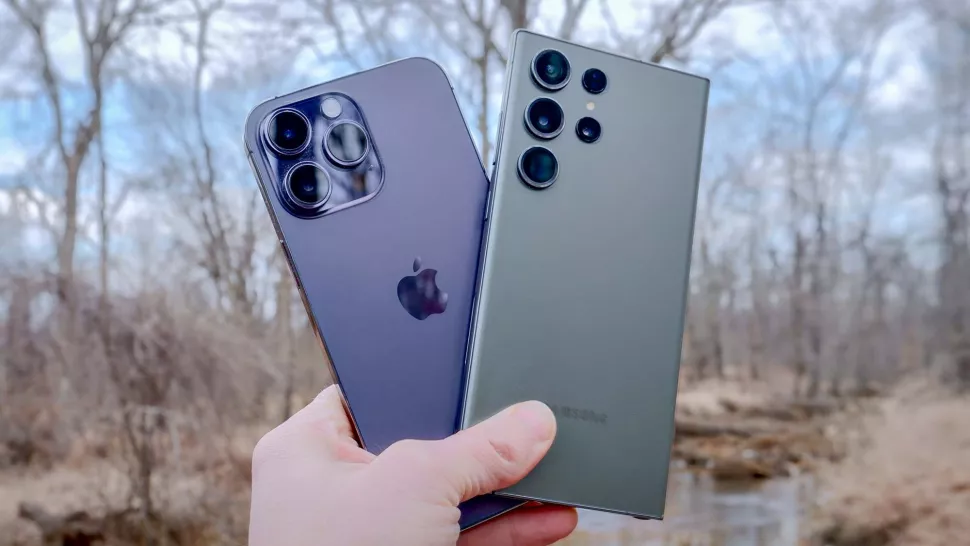
Sure, the latest iPhone 16 Pro Max or Galaxy S25 Ultra might come with some shiny new tricks. However, the latest and greatest also come at a cost.
Image credit: Future, tomsguide
Amid the hype, it’s easy to overlook the fact that last year’s flagship or even one from two years ago can deliver a strikingly similar experience. Because the generational leaps aren’t always as dramatic as they sound on stage, and they’re often a much better deal than the new flagship.
So if you’re someone who doesn’t need to flex the latest iPhone 16 Pro Max or Galaxy S25 Ultra in your hand, you can actually save hundreds of dollars and still get 90% of the flagship experience by going just one generation back.
Here’s why older flagships are still excellent value for your money.
When companies design flagship phones, they throw in the best materials, sharpest screens, and most advanced tech available at the time. These are the phones that get the polished builds, the best OLED panels, the most powerful cameras, and top-tier processors. And all that hardware takes time to age.
Take the Galaxy S23 Ultra, for example. It has a QHD+ AMOLED display, a Snapdragon 8 Gen 2 processor, a quad-camera setup with 10x optical zoom, and a solid build with Gorilla Glass Victus+ protection. The hardware still has enough muscle to hold its own in 2025 — and likely for a few more years.
Sure, the S25 Ultra might get you a brighter display and a newer chip. But does that matter if you’re mostly scrolling Instagram, watching YouTube, and taking the occasional photo of your cat?
2. Older flagships get long software support now
One reason people used to avoid older phones is the fear of being stuck on outdated software. That’s changing.
Apple is the gold standard here. An iPhone 13 from 2021 will still get iOS updates through at least 2027. That’s six years of support. Even Android manufacturers have stepped up. Samsung now offers seven years of major updates on its flagship lines. Google does the same for Pixels. Even brands like OnePlus and Xiaomi have promised longer timelines.
That means if you buy a Galaxy S24 or Pixel 8 Pro today, you’re likely to get new Android versions and security patches for another couple of years, at least.
3. Prices keep dropping
This one is simple. Older flagship phones get cheaper with time. And we’re not talking $100 off. We’re talking half the price or more within a year or two.
The Galaxy S23 Ultra was available in India for Rs 69,999 during the Amazon Great Indian Festival Sale, down from its original price of Rs 124,999. And that is not a refurbished or lightly used model, but instead a sealed pack unit.
If you are willing to go for a refurbished or second-hand device, chances are you can get the phone for even less. And because these phones were built to last, they hold up well physically and performance-wise.
For the same amount you’d spend on a new midrange phone like the Galaxy A55 or Pixel 8a, you can get a used flagship that’s faster, more capable, and better built.
4. Midrange phones still lag behind in subtle but real ways
No surprises, midrange phones have gotten better over the years. But they still cut corners in ways that matter, especially when you compare them to former flagships.
You might get a decent main camera on something like the Pixel 9a, but you’ll miss out on the dedicated zoom lenses or faster image processing found on a Pixel 8 Pro. Midrange phones also often skip on things like wireless charging, higher refresh rates, or proper water resistance.
And then there’s the performance gap. Midrange chips are good enough for casual use, but they can stumble during gaming, heavy multitasking, or running AI features that flagship phones handle without flinching.
In other words, a flagship from 2022 will probably still feel snappier in 2025 than a brand-new budget device.
5. They look and feel better, too
Design matters, not just because it’s pretty, but because it affects how you use your phone every day.
Older flagship phones tend to have slimmer bezels, better haptics, more responsive screens, and more solid materials. They’re built to impress, and they usually hold their aesthetic appeal longer than budget phones.
An iPhone 13 Pro still looks modern. So does a Galaxy S22 Ultra. And unless you’re someone who cares about the latest curved glass trend or dynamic island cutouts, you’re not missing much visually.
6. They’re perfect for secondary or backup use
There’s also the convenience factor. Buying a two-year-old flagship is a great move if you need a second phone for travel, work, or just as a backup. Instead of going for a $300 new phone with questionable performance, you can get a more powerful device that was top-of-the-line not too long ago.
And if you break it? You’re not losing $1,300 worth of phone. That peace of mind matters.
7. You’re buying a known quantity
By the time a flagship phone is two years old, its flaws are well known. Every bug has probably been patched. Every weakness has been reviewed. You know how the battery ages, what the camera struggles with, and whether the screen tends to burn in.
Compare that to buying a brand-new phone with zero long-term user feedback. You’re the guinea pig. Older flagships have already been through the wringer, and if they’re still recommended, that says something.
8. Just a few things to watch for
This isn’t to say older flagships are perfect. There could be a few trade-offs.
If you’re buying a second-hand or refurbished model, the phone’s battery life may have degraded. You’ll also need to check whether the model is locked to a carrier or lacks support for 5G bands in your region.
But these are manageable. Battery replacements are quite easy, and for most people, 5G still doesn’t make a huge difference in daily use.
9. Save your money, skip the hype
Unless you really need the latest camera upgrade or want to be part of the first wave of AI-native phones, you’re probably better off buying a slightly older flagship. You get most of the same benefits, fewer bugs, and a lot more value for your money.
Samsung Galaxy Watch 8 has been announced by the Korean Giant with several new increments and enhancements. Both the Galaxy Watch 8 and Galaxy Watch 8 Classic are now available for pre-orders at a jaw-dropping price of $99 and $199, respectively, if you trade in another smartwatch.
If you’re using an older Samsung smartwatch, you can get a surprising return value when you upgrade to a newer model. You will get $200 trade-in for the Galaxy Watch 6 Classic for the Galaxy Watch 8, and $250 for the Galaxy Watch 8 Classic. Surprisingly, you can get $200 for the several-year-old years old Galaxy Watch 4 Classic.
For a better idea, you can easily know the value of your old watch trade-in here.
The Pre-Orders are closing on July 25, and we suggest you hurry and pre-order the Galaxy Watch 8 Classic and Galaxy Watch 8 if you’re looking for a change. You can even see what’s new in both the Galaxy Watch 8 and Galaxy Watch 8 Classic.
The new lineup, which includes the Galaxy Watch 8, Galaxy Watch 8 Classic, and an updated Galaxy Watch Ultra, was unveiled at the Samsung Galaxy Unpacked event on July 9, 2025. The new series includes a refreshed “squircle” design, a brighter display, and the introduction of new AI-powered features such as Google’s Gemini assistant and an integrated running coach. The Galaxy Watch 8 series is powered by the Exynos W1000 processor and runs on Wear OS 6 with Samsung’s One UI interface. The announcement also marked the return of the physical rotating bezel on the Galaxy Watch 8 Classic model.
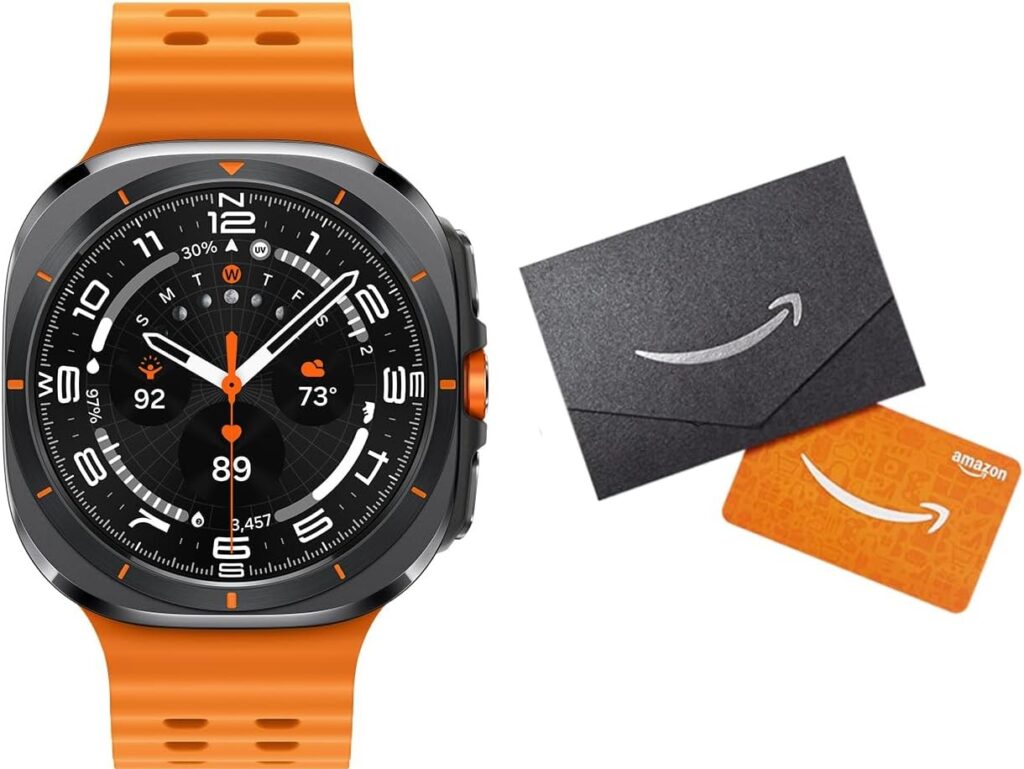
Samsung’s Galaxy Watch Ultra 2025, unveiled on July 9, is getting a tempting pre-order offer — and it might just make the price a little easier to swallow. Amazon is throwing in a $100 gift card with every pre-order, but with last year’s model selling for much less, is the new Ultra really worth it?
The 2025 Galaxy Watch Ultra comes in at $649, bringing a few notable upgrades over the 2024 version. Storage has doubled to 64GB, and there’s a fresh Titanium Blue color option. It runs on Wear OS 6 with One UI 8, and packs a 47mm titanium frame, a 3,000-nit AMOLED display, and Samsung’s Exynos W1000 chip, promising snappy performance and up to 48 hours of battery life.
Amazon’s pre-order deal effectively drops the price to $549 when you factor in the $100 gift card, which comes with no expiration date. However, last year’s Watch Ultra is now discounted to $389 on Amazon, making it a better value for those on a tighter budget — especially if you’re not chasing every new AI feature or minor upgrade. The only major difference is the lack of extra storage and the new color on the 2024 model.
If you’re eyeing something a little less rugged, the Galaxy Watch 8 Classic 46mm LTE is another solid option. Priced at $549 (or $449 after the gift card), it matches the 64GB storage and offers similar AI-powered health features — including Energy Score and sleep tracking — but in a more traditional design. Both the Watch Ultra 2025 and the Watch 8 Classic start shipping on August 4.
While the Watch Ultra 2024’s $389 price is tempting, its trade-in value tops out at $250 toward the 2025 model, which may not make upgrading all that rewarding. The $100 gift card, usable on anything Amazon sells, could tip the scales for some buyers.
If you’re eyeing Samsung’s latest smartwatch, now’s a good time to lock in a deal — pre-orders run through August 3.
Imagine charging a device miles away without a single wire. That’s exactly what the US military’s Defense Advanced Research Projects Agency (DARPA) has just pulled off, setting a new benchmark in wireless power transmission that could have big implications for future energy delivery.
Xiaomi’s Mi Air Charge Technology (introduced back in 2021)
On June 15, 2025, DARPA’s Persistent Optical Wireless Energy Relay (POWER) program made headlines by transmitting 800 watts of power over 8.6 kilometers using an infrared laser — a world record. The feat surpassed previous benchmarks like 230 watts over 1.7 kilometers and a classified demonstration over 3.7 kilometers.
The laser beam targeted a ground-based receiver built by Teravec Technologies in just three months. Using a parabolic mirror to focus the beam onto specialized photovoltaic cells, the setup managed a 20% energy conversion rate — impressive given the atmospheric interference, reports IEEE Spectrum. To put it into perspective, over one megajoule of energy was delivered during the 30-second test — enough to run a microwave or a small fridge, with some used to pop popcorn in a nod to Real Genius.
What set this demo apart wasn’t just the distance. The system used adaptive optics and precise beam steering to correct for air turbulence and maintain focus. Unlike PowerLight’s 400-watt laser transmission over 1 kilometer (which ran for 12 hours) or Emrod’s high-efficiency microwave system covering shorter ranges, DARPA prioritized pushing the limits of distance this time around.
Phase 1 of the POWER program, carried out at White Sands Missile Range, was all about proving it could be done — not maximizing efficiency. But the next phase aims to raise the stakes significantly. By 2027, DARPA reportedly plans to transmit 10 kilowatts over 200 kilometers, potentially using airborne relays to beam power to drones, remote outposts, or even data centers.
With this latest breakthrough, DARPA isn’t just chasing records — it’s laying the groundwork for a future where power can be sent anywhere it’s needed.
Samsung’s Galaxy Z Fold7 may not hit store shelves until July 25, but it’s already getting its first software update — and that’s a promising sign for early adopters. So, what’s in the update, and why roll it out now?
Samsung Galaxy Z Fold 7
The first firmware, version F966NKSS2AYG5, started rolling out in South Korea this week. Unlike the usual post-launch updates, this one lands before the phone’s retail release and focuses mainly on July 2025’s security patch. It reportedly addresses 40 known vulnerabilities, including one critical Android issue, 21 high-severity ones, and 17 Samsung-specific fixes related to Knox, Samsung Account, and Bluetooth. The update is expected to expand soon to other markets, including the US, Canada, and Europe.
What’s more telling is what this update doesn’t include. According to SamMobile’s hands-on, One UI 8 (based on Android 16) already feels polished, with smooth animations and AI-assisted multitasking — suggesting Samsung isn’t rushing to fix major bugs before launch.
The Z Fold7 is a part of Samsung’s seven-year OS and security update policy, meaning support through Android 23 by 2032. Monthly security patches will be guaranteed for at least the first four years, which should ease concerns over the $1,999 price tag.
Samsung’s pre-order offers are already live, including double storage (512GB for the price of 256GB), up to $1,000 off with trade-ins in the US, and bonus accessory credits in Europe and the UK.
With its first update arriving even before launch day, the Galaxy Z Fold7 seems off to a strong start. Is Samsung’s latest foldable worth the $1,999 price? We’ll find out soon enough.
If you’ve been a part of the Grand Theft Auto VI hypetrain, then you’d know the disappointment that came when it was revealed that the game will be locked at 30fps on consoles. However, it seems like Sony is not backing down from the challenge and is bringing some reinforcements to Rockstar to help make the experience smoother on its flagship PlayStation 5 Pro.
Sony-Rockstar collab to make GTA 6 run at 60fps on the PS5 Pro
According to tipster Detective Seeds on X, a PlayStation engineer has revealed that Sony is working with Rockstar for a marketing deal. This is related to GTA 6 running on Sony’s PS5 Pro at 60fps. The source claims that the game will have multiple graphical settings (likely presets), but there’s no special performance mode. Rather, the game will run at 60fps on every single setting.
Grand Theft Auto 6
To achieve this, Sony has engineers working with Rockstar while also prepping an update for its console, which may go live in May 2026, the same month when GTA 6 debuts. It seems like GTA 6 will only run on the PS5 Pro and not the base PS5, despite the two not having a groundbreaking difference in performance. Additionally, the collaboration will also include special PlayStation bundles and other games that will drop on the platform in the future.
To recall, the popular second trailer of Grand Theft Auto 6 was captured on the base PS5, with the game running at 30fps. Previous Rockstar titles have also been released at 30fps, but the PS5 Pro could run GTA V on 1440p at 60fps. Keep in mind that this is still just speculation at the moment, so take this news with a grain of salt for now.
For more daily updates, please visit our News Section.
In 2025, making your car smarter, cleaner, and more convenient doesn’t take much. Just a few thoughtfully chosen gadgets can drastically improve your driving experience. Whether you’re a daily commuter or a weekend road tripper, these four affordable accessories will make every journey smoother and safer.
Even the cleanest drivers can’t escape dirt, dust, and crumbs building up over time. A portable vacuum cleaner designed for cars can make interior cleanup effortless. The best ones are compact, cordless (or plug into your 12V socket), and come with multiple nozzles to clean hard-to-reach places. Some even offer both wet and dry modes. So make the cleaning process simpler and more convenient with just one purchase.
Please Note: When you buy something using the links in our articles, we may earn a small commission at no cost to you.
2. Dash Cam: Roadside Witness
Dash Cam with an LCD Screen
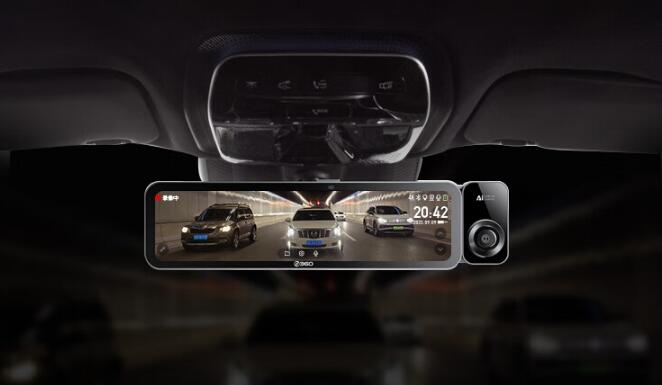
Accidents, break-ins, or even insurance fraud, a dash cam has become one of the best lines of defense for your car. In 2025, you can find a wide range of models that offer high resolution recording, night vision support, loop recording, and even par surveillance. You can even buy models with WiFi and GPS support, as well as cloud/local storage, and even LCD screens. Advancements in technology have made dash cams capable of driver assistance systems that can offer alerts based on your car’s movements.
Please Note: When you buy something using the links in our articles, we may earn a small commission at no cost to you.
3. Portable Tire Inflator: Always Prepared
Portable Tire Inflator
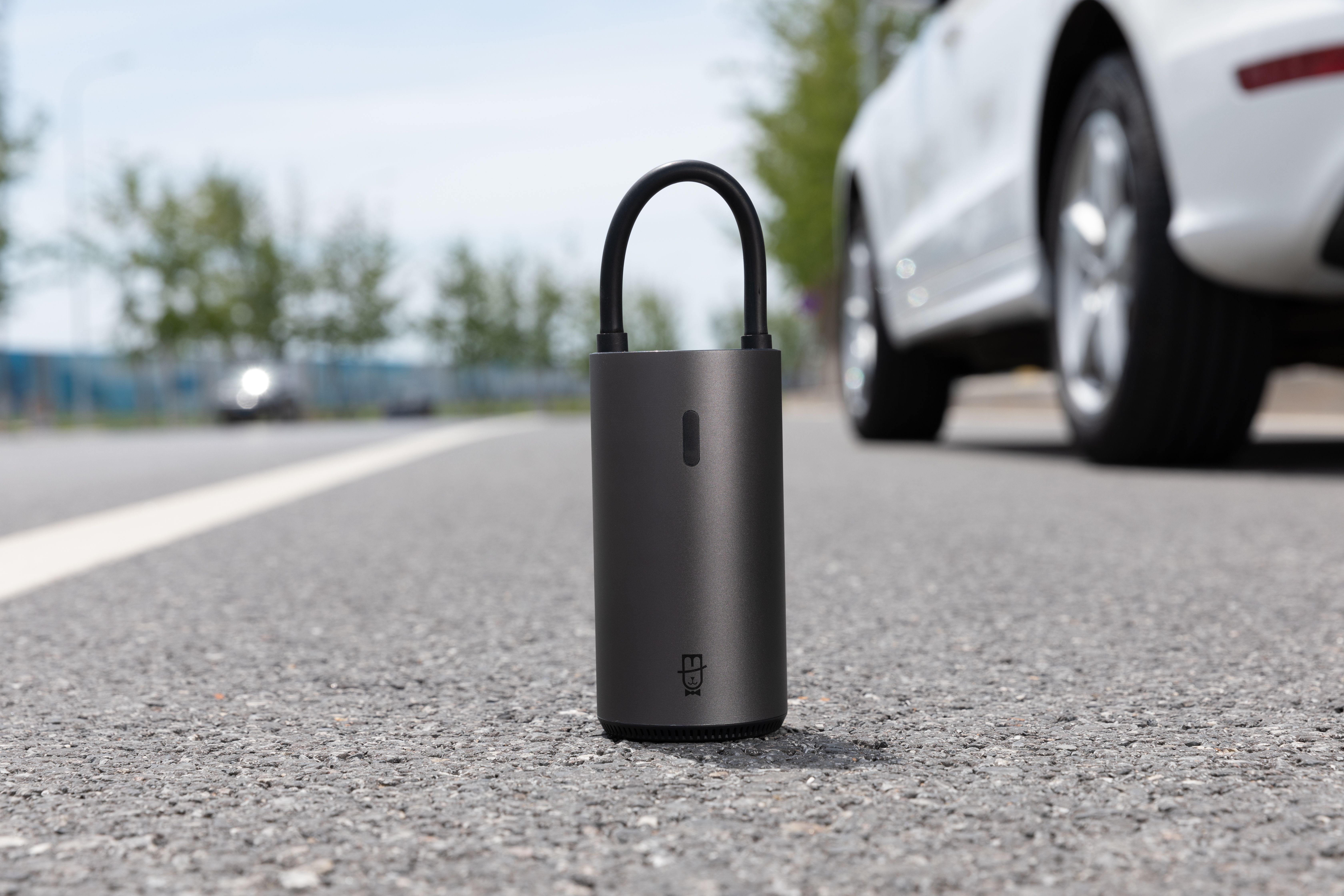
A flat or underinflated tire can ruin your day and endanger your ride. Enter the compact electronic tire inflator. Changing a tire or even having a spare isn’t always accessible. However, portable tire inflators are a great solution. Some models are USB-C rechargeable or get power directly from your car outlet, while also topping up the car’s tire in mere minutes. With digital pressure readouts and auto-stop functionality, they can be very reliable.
Please Note: When you buy something using the links in our articles, we may earn a small commission at no cost to you.
4. Magnetic Phone Mount with Wireless Charging: 2-in-1
Magnetic Phone Mount with Wireless Charging
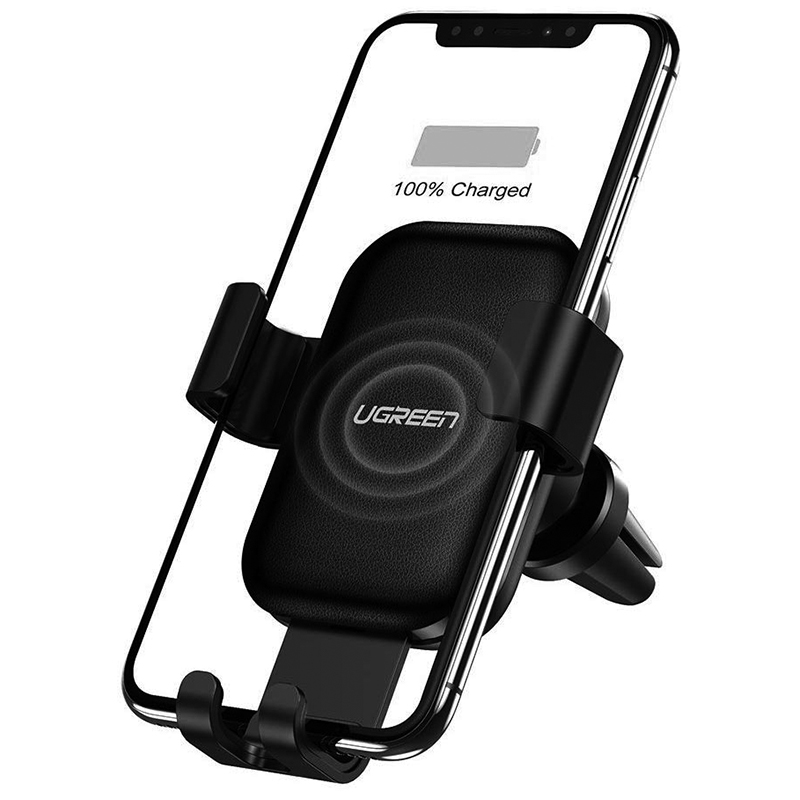
Magnetic phone mounts are already a staple, but add wireless charging and it’s a whole new level of convenience. These mounts attach to your dashboard and are quite versatile. Strong magnets (including MagSafe compatible options for an iPhone user) help secure your phone. Meanwhile, integrated wireless charging lets your phone stay visible for navigation and topped up for the road without the hassle of those frustrating cables.
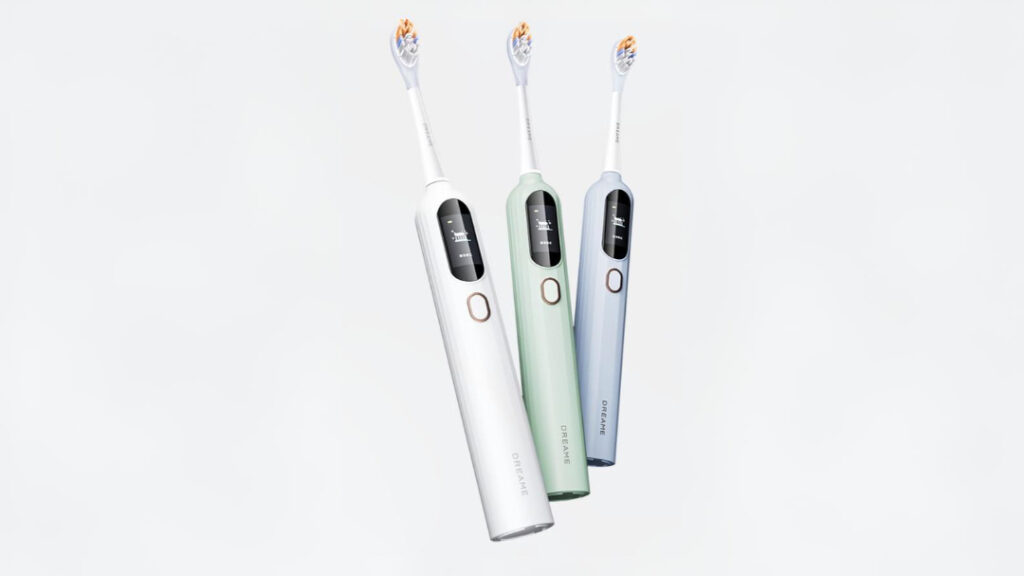
Dreame has officially launched its first electric toothbrush, the F02, marking its entry into the personal care segment. The F02 is priced at 299 yuan ($42) and features a combination of sonic and sweeping vibration cleaning modes.
Dreame F02 Electric Toothbrush Specifications
The Dreame F02 is designed to deliver a comprehensive oral cleaning experience. It supports two cleaning technologies: high-frequency sonic vibration to remove surface stains and sweeping vibration to target plaque buildup along the gumline. Dreame has used a 45-degree “golden tilt” for the brush head, which aligns with the Bass brushing technique recommended by dental professionals for effective gum care.
The toothbrush features a smart UI color display that shows battery level, brushing status, and selected mode. It supports three brushing modes: Gentle with sonic vibration, Whitening with high-intensity sweep, and Cleaning with standard sweep. Brushing is guided by a two-minute timer with 30-second interval reminders to ensure even coverage across all areas of the mouth.
Dreame has equipped the F02 with a food-grade, rubber-coated shock-absorbing brush head to reduce vibration feedback during use. The brush head uses DuPont bristles and features a no-copper planting process to eliminate metal components, which helps prevent rust and bacterial growth.
The F02 is rated IPX7 waterproof, allowing it to withstand immersion in water up to one meter for up to 30 minutes. Dreame recommends keeping the charging port dry to avoid corrosion.
The toothbrush is powered by a 2000mAh battery that supports up to 90 days of use under standard conditions, based on twice-daily brushing for two minutes each time. Charging the device takes approximately 5.5 hours using the included USB cable.
The Dreame F02 is available in Sea Salt Blue, Moonrock White, and Mint Green. The company provides a one-year warranty for the handle, while brush heads and other accessories are excluded once unsealed.
A fresh set of official looking renders of Google‘s next flagship has just surfaced in a new leak. This gives us a proper view of the upcoming Pixel 10 in all its glory in bright new colors and a familiar look. So let’s have a look.
Pixel 10 Gets Colorful in Render Leak
The new render leak was shared in an AndroidHeadlines report. Google’s next gen flagship can be seen in multiple color options, which includes Obsidian, Indigo, Frost, and Limoncello. While the Obsidian (Black) was also in the Pixel 9, the other three options are brand new, including Indigo (Royal Blue), Frost (Sky Blue), and Limoncello (Green-Yellow). These new colors are more distinct, despite the overall look of the device not seeing any major change over the previous generation.
Google Pixel 10 Official Renders Leak
Everything remains nearly the same except the visor camera module. Unlike its predecessor, the Pixel 10 has a longer camera module that houses the new telephoto shooter. This camera was previously exclusive to the more expensive Pro models of the older Pixel series. Based on what we know so far, the base Pixel 10 will sport a 6.3-inch OLED display on the front with an FHD+ resolution, a 120Hz refresh rate, 3000 nits of peak brightness, and Corning’s Gorilla Glass Victus 2 for protection.
Under the hood, Google will pack the entire Pixel 10 lineup with the new 3nm based Tensor G5 SoC. A larger 4,970mAh battery pack powers this device, which could support 29W wired fast charging and 15W Qi2 wireless charging. For optics, the rear may get the Pixel 9a’s 1/2.0-inch 48MP main camera, 13MP ultra wide angle lens, and a 10.8MP telephoto shooter. Save for the new telephoto shooter, the other two sensors are getting a big downgrade.
For more daily updates, please visit our News Section.
Asus has launched a new entry-level gaming monitor under its TUF Gaming lineup. The model, VG249QM5A, features a 23.8-inch Full HD display and is priced at 949 yuan ($132) on JD.com. It targets gamers looking for high refresh rates and AI-enhanced display features at an accessible price.
Asus TUF Gaming VG249QM5A Specifications
The VG249QM5A uses a FAST IPS panel with a 1920 x 1080 resolution. It supports a 240Hz refresh rate and a 0.3ms minimum response time, making it suitable for fast-paced games such as competitive FPS titles.
The monitor is compatible with both AMD FreeSync Premium and Nvidia G-Sync, ensuring tear-free visuals and smoother gameplay. Asus has also added ELMB Sync technology, which combines blur reduction and variable refresh rate for sharper motion handling.
Asus has added Gaming AI features to enhance the user experience. The “Dynamic Crosshair” feature changes the crosshair color for better contrast and aiming precision. The “AI Visual” feature analyzes screen content and optimizes visuals based on preset or custom profiles. These functions can be managed using the DisplayWidget Center software, which also allows firmware updates and profile management.
The display covers 99% of the sRGB color gamut, offering accurate and vivid colors for both gaming and multimedia use. Asus includes eight GameVisual display modes, such as FPS, MOBA, RTS/RPG, and Cinema, that can be activated using hotkeys or the on-screen menu.
In terms of connectivity, the VG249QM5A includes one DisplayPort 1.4 and two HDMI 2.0 ports. This setup supports PCs, gaming consoles, and other HDMI-enabled devices. The monitor also features Asus Eye Care technology, which includes TÜV Rheinland-certified flicker-free backlighting and low blue light filtering to reduce eye strain during extended sessions.
Asus ships the monitor in eco-friendly packaging made from 100% recycled cardboard.
In related news, LG recently introduced the UltraGear 27GX700A as the first monitor to feature a fourth-generation Tandem OLED panel. Meanwhile, BenQ has launched the Zowie XL2586X+ in India, equipped with a 600Hz Fast TN panel and advanced features aimed at professional esports players.
For more daily updates, please visit ourNews Section.
A new Motorola teaser has just dropped in India, hinting at an upcoming smartphone. The company shared a fresh teaser that reveals the rear design layout of this model and confirms that it will be launching soon. So what was revealed, and which smartphone is it? Read on to find out.
Which Motorola Phone is Next?
Motorola shared the teaser on its official X handle (formerly Twitter). This tweet also carries a short video that showcases the basic rear layout of the new smartphone. We can see four round cutouts, which likely include the triple camera setup and an LED flash. Apart from this, the only other detail revealed was with the caption, which states “Get ready to power through everything, effortlessly Work, play, create” along with the coming soon hashtag.
There’s a chance it is an entirely new model, or possibly one of the phones that weren’t released in India. Two examples that come to mind are the Moto G100 Pro, which debuted in China, or the Moto G Power (2025) that launched in the US. The G100 Pro brings a massive 6,720mAh battery and is equipped with the Dimensity 7300 SoC. This phone also made its global debut as the Moto G86 Power, so it could be the next model to launch in India.
Moto G100 Pro
But this is still just speculation, so take this with a pinch of salt for now. We can expect Motorola to share more teasers in the coming weeks, so stay tuned for more. In related news, the brand announced the Moto G96 in the Indian market.
For more daily updates, please visit our News Section.
The Snapdragon 8s Gen 4 is a flagship chipset, featuring an all-big CPU core design, a high-performance graphics unit, and a strong set of connectivity features. It was announced in April 2025, and a month later, MediaTek unveiled its rival, the Dimensity 9400e, with several advancements.
Both chipsets deliver flagship-level performance and efficiency without the usual flagship price tag. But how do they stack up against each other? We’ve tested them on multiple benchmarks and analyzed key differences to get a better picture.
Let’s begin with the spec sheet:
Snapdragon 8s Gen 4
Dimensity 9400e
Announced
April 2025
May 2025
Manufacturing
4nm (TSMC)
4nm (TSMC)
CPU
1 x 3.21 GHz — Cortex-X3 3 x 3 GHz — Cortex-A720 2 x 2.8 GHz — Cortex-A720 2 x 2.02 GHz — Cortex-A720
1 x 3.4 GHz — Cortex-X4 3 x 2.85 GHz — Cortex-X4 4 x 2 GHz — Cortex-A720
GPU
Adreno 825 GPU Ray tracing support Snapdragon Elite Gaming features
Mali-G720 Immortalis MP12 Ray tracing support MediaTek HyperEngine gaming features
NPU
Qualcomm Hexagon NPU
MediaTek NPU 790
Storage/Memory
UFS 4.0 LPDDR5x, up to 4.8GHz
UFS 4.0 LPDDR5x, up tp 4.2GHz
Camera
Spectra triple 18-bit AI ISP Up to 320MP single camera Semantic segmentation support Up to 4K video recording
18-bit RAW ISP Up to 320MP single camera Semantic segmentation support Up to 8K video recording
Snapdragon 8s Gen 4 vs Dimensity 9400e: Benchmark scores
Note: The following benchmark tests were conducted on the POCO F7 (Snapdragon 8s Gen 4) and Realme GT 7 (Dimensity 9400e).
AnTuTu comparison
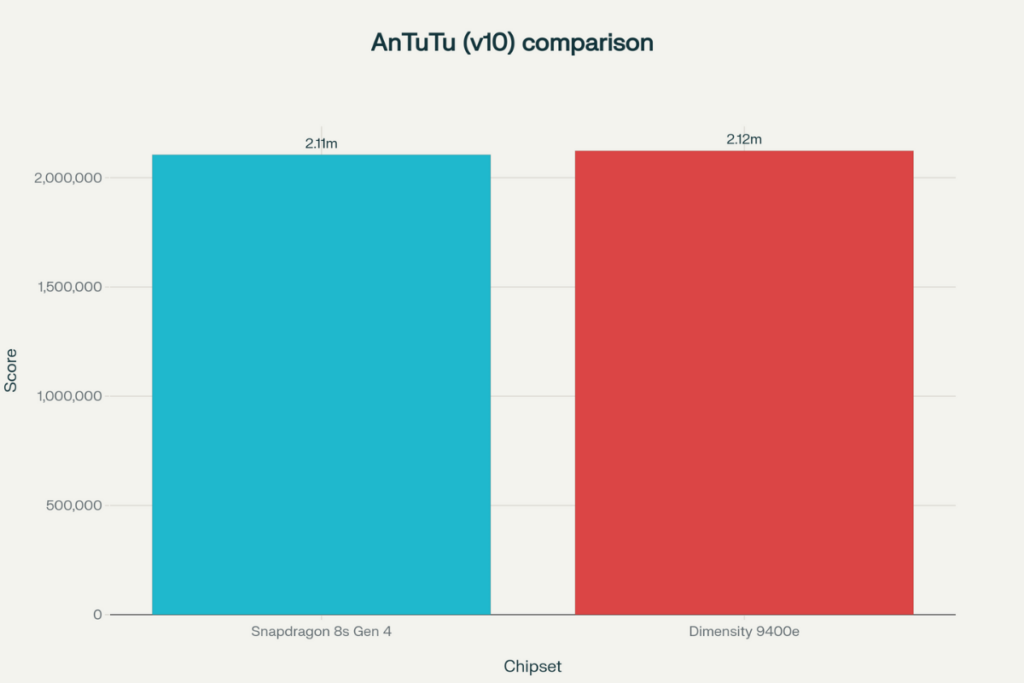
The Dimensity 9400e narrowly outperforms the Snapdragon 8s Gen 4 in overall AnTuTu score — 2,123,428 vs 2,105,193 — but the gap is just 0.8%. However, looking closer reveals important strengths.
CPU performance is where the Dimensity 9400e pulls ahead the most, scoring around 9.5% higher than the Snapdragon chip. This means faster app launches, smoother multitasking, and better sustained performance during intensive workloads.
On the flip side, the Snapdragon 8s Gen 4 leads in GPU, delivering about 3.4% higher graphics performance, which could translate to slightly better frame rates in GPU-heavy games.
Snapdragon 8s Gen 4
Dimensity 9400e
AnTuTu score
2,105,193
2,123,428
CPU
459,324
502,983
GPU
884,677
855,871
Memory
432,525
402,991
UX
328,667
361,583
Geekbench comparison
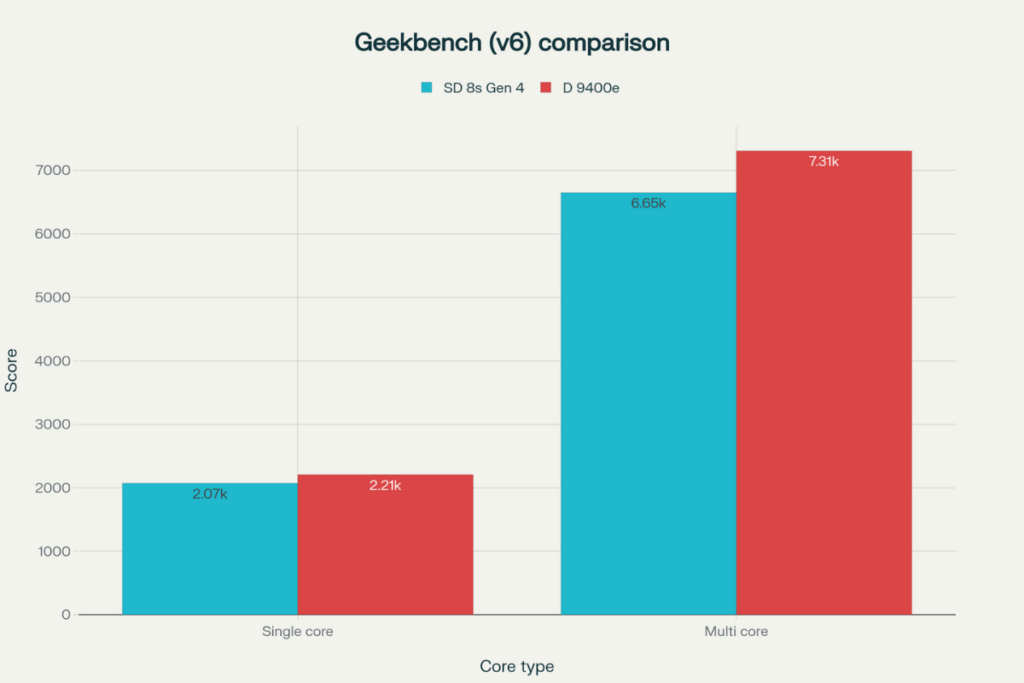
On Geekbench, the Dimensity 9400e outperforms the Snapdragon 8s Gen 4 in both single-core and multi-core tests — scoring 2,208 vs 2,074 in single-core and 7,310 vs 6,651 in multi-core.
That’s roughly a 6.4% gain in single-core and a 9.9% advantage in multi-core performance for the Dimensity chip. These indicate faster performance and better multitasking on Dimensity 9400e devices.
Snapdragon 8s Gen 4
Dimensity 9400e
Single core
2,074
2,208
Multi core
6,651
7,310
Snapdragon 8s Gen 4 vs Dimensity 9400e: Key differences you should know
CPU, GPU & NPU
Both chipsets are built on TSMC’s 4nm process and use the ARMv9.2 architecture, but their CPU configurations differ. The Snapdragon 8s Gen 4 has one Cortex-X4 core and seven Cortex-A720 cores, while the Dimensity 9400e uses four Cortex-X4 cores and four Cortex-A720 cores.
Since Cortex-X4 is more powerful and efficient than Cortex-A720 and that Dimensity 9400e has more of it, it’s able to outperform the Snapdragon chip’s CPU on multiple benchmarks. However, it’s the other way around for the GPU, as the Snapdragon 8s Gen 4’s Adreno 825 offers a more reliable and consistent gaming performance than the Immortalis-G720 GPU on the Dimensity 9400e.
The chips also feature NPUs for on-device AI capabilities. The Snapdragon chip has a hexagon NPU that’s 44% faster and has 2x larger shared memory than its predecessor. MediaTek’s NPU 790 brings support for generative AI and popular large language models (LLMs).
Camera and Imaging
The Snapdragon 8s Gen 4 features a Qualcomm Spectra 18-bit triple ISP, supporting up to 320MP resolution and 4K video recording. Additionally, it supports real-time semantic segmentation for photos and videos with up to 250 layers for precise optimizations.
The Dimensity 9400e matches 320MP camera support but goes further with 8K video recording. Both chipsets come with a range of camera features for enhanced output.
Connectivity
The Snapdragon 8s Gen 4 chipset is equipped with an X75 5G modem that allows 4.2Gbps of maximum download speed. Over a Wi-Fi 7 connection, it can download stuff at a peak speed of 5.8Gbps. The Dimensity 9400e goes further by offering higher download speeds — 7Gbps on 5G and 7.3Gbps over Wi-Fi 7.
Snapdragon 8s Gen 4 vs Dimensity 9400e: which is a better choice?
Both the Snapdragon 8s Gen 4 and Dimensity 9400e are impressive flagship-tier chipsets, offering excellent performance, AI capabilities, and connectivity features. However, they take different approaches to get there.
The Dimensity 9400e consistently delivers stronger CPU performance across both AnTuTu and Geekbench, thanks to its more aggressive all-big-core setup with four Cortex-X4 cores. That makes it a better pick for power users who rely on raw CPU speed and multitasking. Plus, it also offers higher download speeds over Wi-Fi and 5G connections.
In contrast, Snapdragon 8s Gen 4 shines in GPU performance, which gives it an edge in gaming scenarios. It also features Qualcomm’s excellent camera and AI stack, making it a well-rounded option for creators and gamers alike.
If faster CPU and next-gen 5G speeds are the top priorities, the Dimensity 9400e takes the lead. But if gaming, GPU stability, and Qualcomm’s software optimizations are at the top of your list, the Snapdragon 8s Gen 4 remains a strong contender.
Samsung seems to be gearing up to expand its entry-level tablet lineup with the Galaxy Tab A11 LTE. The device has just surfaced in certification databases, suggesting an official launch could be right around the corner. While the specs haven’t been fully revealed yet, the “A” series has traditionally offered accessible Android tablets designed for students, casual users, and multimedia consumption on a budget.
New Galaxy Tab A11 Budget Tablet in the Works
The South Korean tech giant’s upcoming Galaxy Tab A11 was just spotted on FCC and IMEI, carrying the SM-X135G model number for the LTE version. On the FCC database, the Galaxy Tab A11 surfaced with support for dual band WiFi and was being tested with HQ-3565S and HQ-6739SDS Li-ion batteries and EP-T1510 adapter.
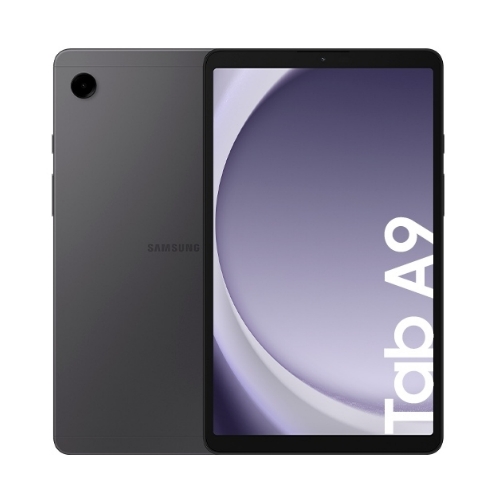
Samsung Galaxy Tab A9
This confirms the Galaxy Tab A11’s 4,980mAh battery capacity, which will likely have a typical rating of around 5,100mAh. Meanwhile, the adapter brings support for 15W wired fast charging. To recall, Samsung announced its predecessor, the Galaxy Tab A9, with identical specs. So we might not be getting any substantial upgrade with the Tab A11.
Unfortunately, the IMEI certification does not reveal any details regarding the specs and features of this budget tablet. But taking a look at the Galaxy Tab A9, we can make a few speculations. Samsung released the Galaxy Tab A9 with an 8.7-inch LCD panel with a 60Hz refresh rate and HD+ resolution. It is equipped with the Helio G99 SoC, runs on Android 15, Bluetooth 5.3, and more. Meaning, there could be minor improvements in the next gen model.
For more daily updates, please visit our News Section.
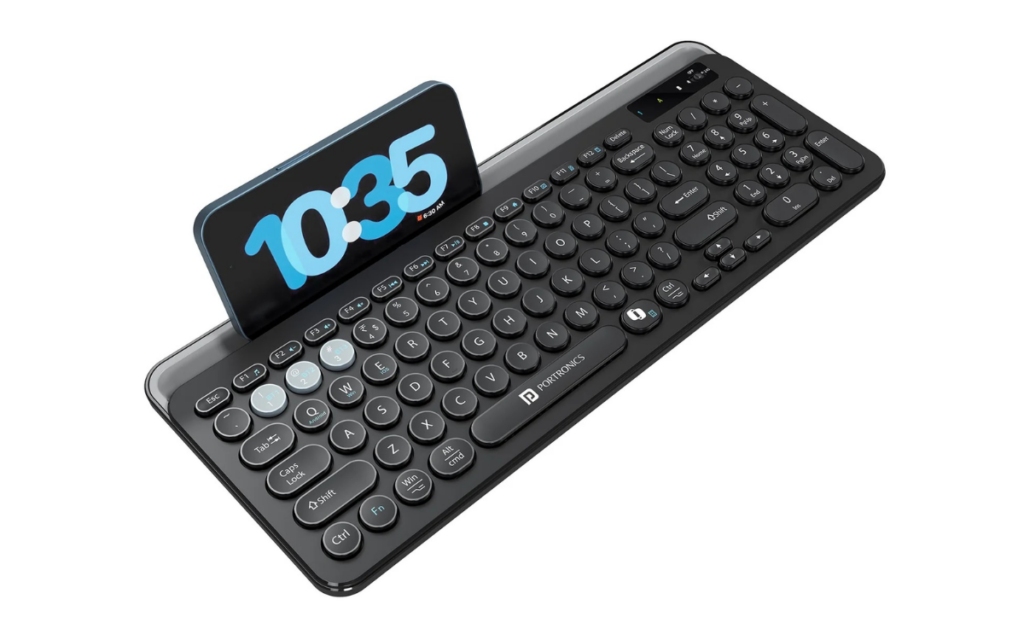
Portronics has launched its latest wireless keyboard, the Bubble 3.0, in India. The keyboard is priced at an introductory Rs. 999 ($12) and is available through the official Portronics website, Amazon.in, Flipkart, and authorized retail stores. It comes with a 12-month warranty.
Portronics Bubble 3.0 Specifications
The Portronics Bubble 3.0 is designed for users who regularly switch between multiple devices. It supports simultaneous connectivity with up to four devices, three via Bluetooth 5.3 and one through a 2.4GHz USB receiver. You can easily switch between them using dedicated keys, whether you’re working on a laptop, tablet, smartphone, or even a smart TV.
Portronics has equipped the keyboard with a full-size layout that includes a number pad and multimedia function keys. The keys feature a low-profile design with an X-structure mechanism, which the company claims helps deliver quieter and more stable keystrokes. The rounded, concave keycaps aim to reduce finger fatigue during extended typing sessions.
The Bubble 3.0 also includes a dual-height adjustable stand that allows users to set the keyboard at a comfortable typing angle. Portronics has integrated a built-in stand on the keyboard, which securely holds phones or tablets. The stand is padded with silicone to prevent scratches.
The keyboard supports Microsoft Copilot, allowing users to access AI-powered features and voice commands directly. It runs on a rechargeable battery that charges through a USB Type-C port. It also comes with a battery indicator that notifies users when the charge is low. Once fully charged, the keyboard can operate for several days under typical usage conditions.
The Bubble 3.0 is compatible with Windows, macOS, iOS, Android, and smart TVs. It does not require additional drivers and works out of the box across platforms.
Please Note: When you buy something using the links in our articles, we may earn a small commission at no cost to you.
In related news, Portronics recently launched the Beem 540 projector in India with Android 13, 4K support, and a built-in telescopic stand. The company has also introduced the NOVA Bluetooth speaker, priced at ₹2,599, featuring TWS support and RGB lighting.
For more daily updates, please visit ourNews Section.
Red Magic is known for its powerful devices built for gaming enthusiasts, which include tablets and smartphones. But for its next generation of flagship gaming phones, the brand is reportedly planning a new top model, which could be called Red Magic 11 Ultra. So here’s what we know.
Is the Red Magic 11 Ultra Nubia’s New Gaming Beast?
But now, the tipster claimed that the Red Magic 11 series will include a new Red Magic 11 Ultra variant alongside the 11 Pro series. It is unclear what new specs the Ultra version would offer over the Pro variants, but it will likely include Qualcomm’s next gen flagship chip, the Snapdragon 8 Elite 2. Red Magic could also pack a bigger battery or a slightly better display.
While details are still scarce, an IMEI database listed a NX809J model number. However, this could be referring to the Red Magic 11 Pro, Red Magic 11S Pro, or Red Magic 11 Ultra. Considering the scarcity of the details, we suggest that you take this report with a pinch of salt for now and stick around for any new leaks or rumors regarding this new gaming phone. In related news, the company announced the new Red Magic Astra gaming tablet earlier this month.
For more daily updates, please visit our News Section.
Huawei launched the FreeBuds 6 in March. We apologize for the delay in this review. We have recently reviewed many earbuds, and the reason we recommend the Freebuds 6 is not only due to the wearing experience of these semi-open earbuds. After using them, we found that it is indeed different from traditional semi-open earbuds.
Traditional semi-open earbuds often have some shortcomings in sound quality and noise cancellation. However, the Huawei FreeBuds 6 attempts to break these limitations. This time, the all-around upgraded audio and noise-cancellation capability may bring you a different experience…
Packaging and Design
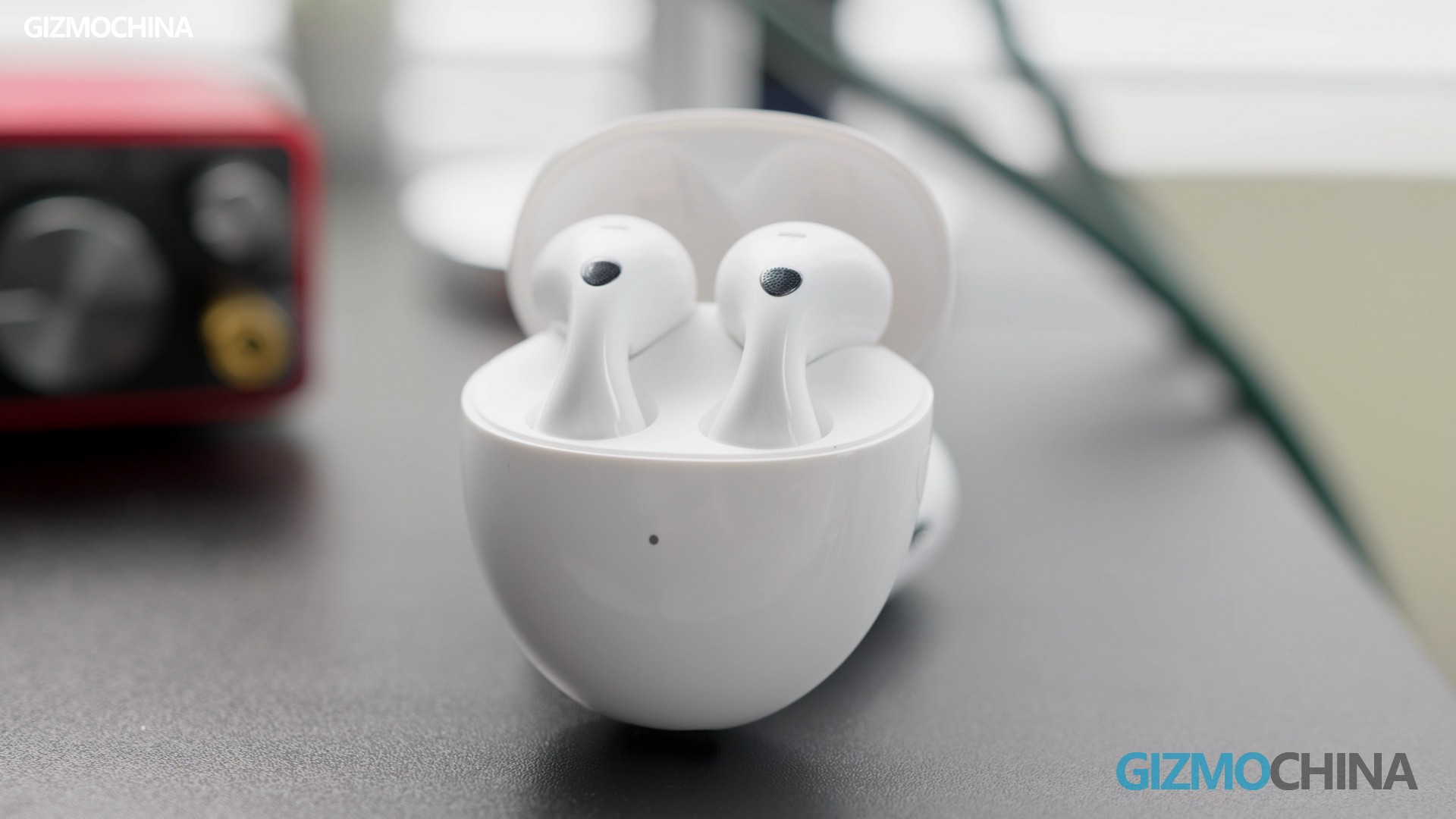
The charging case is in a round and smooth pebble shape, which is vertically slender; it is small and easy to carry. The case has a matte texture on the outside, providing a comfortable feel and effectively reducing fingerprints and dirt. The device features an LED indicator light on the front to display the charging status and a USB-C interface at the bottom.
The unique appearance design makes FreeBuds 6 stand out among many earbuds and shows a fashionable and elegant temperament. Design makes FreeBuds 6 stand out among many earbuds, showcasing.
The earbuds continue the waterdrop shape from the previous generation. However, the size of the ear rod has been reduced by 12%, and the weight of each earbud has been reduced by 9%, to only 4.95 grams.
It fits more closely to the ear canal curve. The earbuds are available in black, white, and purple. If you do not like the white one in my hand, you can also choose purple; it presents a unique gradient effect in the light, which is very fashionable. The earbud handle is short and wide at the bottom, and the outside is the touch control area, which is convenient to operate.
Sound Quality and Effects
What is particularly special this time is that Huawei FreeBuds 6 combines an 11mm dual-magnetic low-frequency unit with an ultra-high-frequency micro-plane high-frequency unit. This dual-unit design is relatively rare in semi-open earbuds. What kind of changes will this bring? Let’s first take a look at its frequency response curve.
The high-frequency is clear and gorgeous, the low-frequency has an atmospheric feeling but is not flat enough, and the mid-frequency has a timbre. However, the frequency response curve is provided for reference only. More importantly, it is the actual listening experience. Of course, we also want to know what the actual performance will be like if we compare it with AirPods 4.
In terms of mid-high frequency, thanks to the ultra-high-frequency micro-plane unit, the resolution is outstanding. When playing classical music, the high-frequency parts of instruments such as violins and pianos are clear and bright, and can clearly show the timbre characteristics and performance details of the instruments. Especially in vocal performance, FreeBuds 6 have an excellent performance. The singer’s vocal timbre has a high degree of reproduction, and the emotional expression is rich.
However, the shortcomings of the low-frequency part are also obvious. Although the 11mm dual-magnetic low-frequency unit can provide a certain degree of sub-bass depth, compared with some earbuds that focus on heavy bass, the quantity is slightly insufficient. However, through Huawei’s self-developed acoustic algorithm, the low-frequency has been optimized. Listening to pop music can also provide a good sense of rhythm. – What do you think?
In addition, FreeBuds 6 uses “sound field reconstruction technology” to make the sound field more open. In the app, we can choose three different spatial effects. When you are listening to music, you can feel a richer sense of space. At the same time, the earbuds support 2.3 Mbps lossless transmission. Combined with Huawei’s unique tuning technology, it can bring you a high-quality music experience.
Noise Cancellation
Huawei FreeBuds 6 adopts hybrid active noise cancellation technology, with a maximum noise cancellation depth of up to 45 dB. The earbuds come with multiple microphones, which, in combination with Huawei’s self-developed frequency division noise cancellation algorithm, can not only effectively isolate low-frequency noise, but also have a good filtering effect on high-frequency noise such as keyboard tapping and human voices. In an office environment, it can effectively isolate keyboard sounds and conversation sounds, providing users with a relatively quiet working environment.
When noise cancellation is turned on, the ear pressure control of FreeBuds 6 is relatively good. However, when the maximum noise cancellation level is turned on, I still feel a certain ear pressure.
Functions
The Huawei FreeBuds 6 rely on the HarmonyOS system and feature a range of powerful smart functions. The earbuds support the Near Link quick find feature. Even if the earbuds are lost in a multi-floor building, such as a large shopping mall, they can be found more accurately.
In addition, the earbuds also support 95dB call noise cancellation, which can ensure clear voice quality in noisy environments. If you are a Huawei phone user, congratulations! When used with a Huawei phone, you can enjoy exclusive sound effect optimization for free, further improving the sound quality experience.
Experience and Battery Life
To me, the battery life of the earbuds indeed needs improvement. When I listen to music with noise cancellation on, the earbuds last about 4 and a half hours and only 24 hours with the charging case. Since I have often used noise cancellation for a long time, such battery life is not enough for me. I need to recharge it again, which I find inconvenient. However, there is “fast charging.”
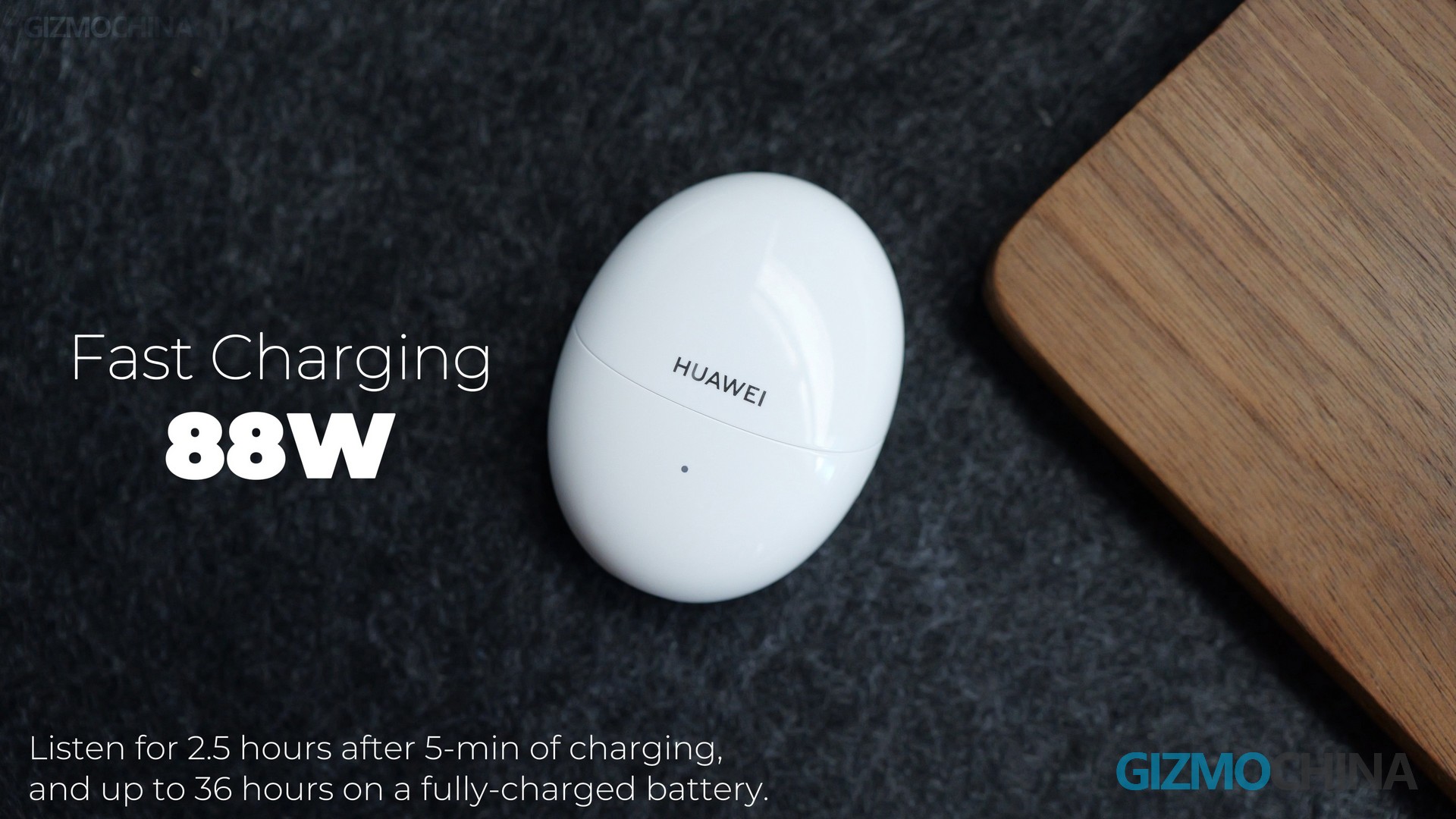
It supports 88W super-fast charging, and a 5-minute charge can provide 1.5 hours of use for the earbuds. Emergency recharging is quite convenient.
Conclusion
If you are a Huawei phone user or an Android user, and you value the smart features of the earbuds, such as Near Link find and AI real-time translation, as well as having high requirements for mid-high frequency and vocal performance in sound quality, then Huawei FreeBuds 6 would be a really good choice, especially at its current price(Aprox. $159.00).
Honor made headlines earlier this year by launching the Honor Power, the first mainstream smartphone with an 8,000mAh battery. Building on that momentum, the brand unveiled the Honor X70 with an even larger 8,300mAh battery earlier this month. Now, a new leak suggests Honor could be working on a phone with a massive 10,000mAh battery.
Could it be a Honor Power series phone?
Honor’s 10000mAh battery phone could be in works
According to reliable tipster Digital Chat Station, Honor is likely to begin testing a mid-range smartphone with a 10,000mAh battery in the first half of 2026. He also mentioned that the handset could have a body thickness of under 8.5mm, despite the large battery. However, no other specifications have been revealed yet.
It’s worth noting that testing does not confirm a launch next year. If the development progresses smoothly, the phone might debut as part of the Honor Power series, whose first-generation model featured an 8,000mAh battery. Hopefully, future reports will shed more light on the device’s specifications and design.
Other brands join the big-battery race
Honor isn’t the only brand focusing on large battery capacities. Oppo just launched the K13 Turbo and K13 Turbo Pro, both equipped with a 7,000mAh battery and 80W fast charging. Similarly, Realme is expected to launch the Realme 15 Pro later this week in India, featuring the same battery and charging specs.
Meanwhile, the upcoming Redmi Note 15 Pro+ and iQOO Z10 are rumoured to feature 7,000mAh and 8,000mAh batteries, respectively. Even the upcoming Xiaomi 16 series, expected to debut in China in September, may include a 7,000mAh battery. It’s clear that 7,000mAh+ batteries are becoming increasingly common in both mid-range and flagship phones, marking a shift in priorities toward battery life.
For more daily updates, please visit our News Section.
We use cookies on our website to give you the most relevant experience by remembering your preferences and repeat visits. By clicking “Accept”, you consent to the use of ALL the cookies.
This website uses cookies to improve your experience while you navigate through the website. Out of these, the cookies that are categorized as necessary are stored on your browser as they are essential for the working of basic functionalities of the website. We also use third-party cookies that help us analyze and understand how you use this website. These cookies will be stored in your browser only with your consent. You also have the option to opt-out of these cookies. But opting out of some of these cookies may affect your browsing experience.
Necessary cookies are absolutely essential for the website to function properly. This category only includes cookies that ensures basic functionalities and security features of the website. These cookies do not store any personal information.
Any cookies that may not be particularly necessary for the website to function and is used specifically to collect user personal data via analytics, ads, other embedded contents are termed as non-necessary cookies. It is mandatory to procure user consent prior to running these cookies on your website.