MediaTek has launched its new Dimensity 8450 chipset at the India Dimensity Summit. The event saw participation from OPPO, Vivo, Motorola, Redmi, Realme, Infinix, Samsung, and Lava. It also marked one year of MediaTek Connect with a gaming tournament and a full showcase of MediaTek’s 5G chip lineup.
The Dimensity 8450 is built on a 4nm process and uses eight Arm Cortex-A725 cores with an all-big-core CPU setup. It includes 1 core with 1MB L2 cache, 3 cores with 512KB L2, and 4 cores with 256KB L2. It also has 6MB of L3 cache and 5MB of system-level cache. The GPU is a Mali-G720 MC7.
For AI, the chipset integrates MediaTek’s NPU 880 with an Agentic AI Engine. It supports generative AI and large language models and can handle advanced AI workloads on-device. It supports 4K60 HDR (HLG) video with a Dual EIS engine for stabilization. Live Broadcast Booster improves face clarity during livestreams while using 7% less power.
For imaging, the Imagiq 1080 ISP supports up to 320MP sensors. It includes in-sensor zoom with QPD remozaic, zero-lag HDR, and 100% PDAF support. The chipset supports WQHD+ displays at 144Hz and dual-screen setups.
Gaming performance is improved with HyperEngine MAGT 3.0, which boosts touch response and improves 5G to Wi-Fi switching. The chip supports 3CC carrier aggregation with download speeds up to 5.17 Gbps. Other features include Wi-Fi 6E (2T2R), Bluetooth 5.4, LPDDR5X RAM up to 8533 Mbps, and UFS 4.0 storage with MCQ.
Realme has launched the Buds Wireless 5 Lite neckband in India. It features a Peak Pocket Design that bends easily and holds up to daily use. The neckband is IP55 rated for water and sweat resistance and is tested to handle 5,000 bends and 25,000 folds. The earbuds have an in-ear fit and come with magnetic tips for better comfort and storage.
It uses a 12.4mm dynamic bass driver with a PU/PEEK diaphragm, PET titanium coating, and N38 magnets to deliver clear sound and strong bass. The battery lasts up to 35 hours on a full charge and supports fast charging. Even after 600 full charge cycles, the battery performance remains consistent.
The neckband runs on Bluetooth 5.4 and supports SBC and AAC codecs. It can connect to two devices at once and comes with Environmental Noise Cancellation using a smart DNN algorithm. A dedicated mic helps with clearer calls. It also includes a Game Mode with 45ms low latency. The Buds Wireless 5 Lite does not support the realme Link App.
Pricing & availability
The neckband is available in Cyber Orange, Haze Blue, and Void Black. The price is Rs. 1,199, but with a launch discount of Rs. 150, it will be sold for Rs. 1,049. Sales begin on June 27 at 12 PM on Amazon.in, Flipkart, and realme.com.
Samsung’s Fan Edition series has had its ups and downs, but the upcoming Galaxy S25 FE might be the model Samsung fans have been waiting for. Early leaks have pointed to capable specifications, but the latest report has showcased a refined design as well. So here’s why you might want to look out for this one.
Samsung Galaxy S25 FE: Polished & Slimmer Design
The latest leak just offered us the first proper look at the upcoming budget flagship phone from Samsung. It even shared some details regarding its physical dimensions, which paint a positive picture. The Galaxy S25 FE retains the Galaxy S series iconic design with a flat front and rear panel, with the back housing the three vertically stacked cameras. But the Galaxy S25 FE is refining the design over its predecessor, thanks to a slimmer 7.4mm body over the Galaxy S24 FE’s 8mm chassis.
Samsung Galaxy S25 Edge
While this isn’t a significant change, the 7.4mm easily makes it a slim phone in the market. This might showcase Samsung’s plan on making its devices slimmer and more attractive following the Galaxy S25 Edge’s release. The report adds that the S25 FE is also shaving a little off the top, measuring 161.4mm versus 162mm. The screen between the Galaxy S25 FE and S24 FE likely remains the same, so this could imply slimmer bezels on the front.
Flagship Dimensity or Exynos Chipset
Some of the earlier rumors hinted that Samsung might equip the next gen Fan Edition model with MediaTek’s flagship Dimensity 9400 SoC, owing to the issues surrounding Exynos 2400e. This is the same processor that powers the likes of the Oppo Find X8 Pro, Vivo X200 Pro, and others.
However, a more recent GeekBench sighting listed the device with the Exynos 2400 that powered the Galaxy S24 lineup. It is marginally faster than the Exynos 2400e, so we can’t expect a massive upgrade in performance. But raw horsepower isn’t the only important thing for a great user experience.
What else is new?
Samsung is expected to launch the Galaxy S25 FE with the Android 16 OS based One UI 8 custom skin out of the box. The company is bringing various refinements and changes to its OS, which many are looking forward to. While camera details are still at large, the selfie shooter might be getting an upgrade from 10MP to 12MP (not exactly groundbreaking, yes). This is all the key information we have at the moment but more details should surface in the coming weeks. So stick around for more.
For more daily updates, please visit our News Section.
Samsung is making steady progress on its all-solid-state battery (ASSB) technology, with a new breakthrough in dry electrode manufacturing that could bring safer, longer-lasting, and more energy-dense batteries to market by 2027.
According to a report out of South Korea, Samsung SDI has begun verifying dry electrode production at its “DryEV” pilot facility in Cheonan. This comes after the technology passed internal lab testing. Unlike conventional electrodes, which require a solvent-based wet process followed by energy-intensive drying, Samsung’s dry electrodes use a PTFE binder that turns fibrous when pressed. This structure holds conductive materials together and forms a dense, durable electrode film—without solvents.
This new approach significantly reduces energy consumption and equipment needs, while also allowing for greater flexibility in making thinner or thicker electrode sheets, depending on the application. Engineers are now working to improve the uniformity of the electrode powder and fine-tune the film’s strength to meet production-grade standards.
Samsung plans to integrate this dry electrode technology into its all-solid-state batteries, which are expected to deliver around 900Wh/L energy density—roughly 40% more than today’s commercial prismatic cells. If all goes according to plan, Samsung’s all-solid-state battery technology could appear in electric vehicles and even next-generation Galaxy devices. While Samsung isn’t alone, its dry electrode process could give it a cost and efficiency edge.
Samsung still hasn’t adopted traditional silicon-anode batteries in its Galaxy lineup, and because of that, the ultra-slim 5.8mm Galaxy S25 Edge ends up falling short on screen time. With the company once again chasing slimmer designs, it’d be great to see them finally catch up to Chinese rivals—not just in battery capacity, but with safer, more advanced tech.
That said, there’s no clear timeline yet for when Samsung’s all-solid-state batteries might show up in phones or other devices. For now, we’ll just have to wait and see how the development unfolds.
Xiaomi has introduced a new 10000mAh power bank with 45W fast charging, now available for crowdfunding through the Xiaomi Mall App.
The power bank comes in four colors: green, pink, blue, and white. It features a built-in USB-C charging cable and a strap for easy portability. An LCD display shows the remaining battery percentage, current charging or discharging status, and estimated time to full charge or battery drain.
The device uses a 2C+1A port configuration, offering two USB-C ports and one USB-A port. The USB-C output supports up to 45W, while the input supports up to 30W. The USB-A port delivers up to 22.5W output. The power bank supports both fast charging and reverse charging, and can power three devices at the same time.
It has a total battery capacity of 10000mAh and a rated capacity of 5900mAh. The LCD estimates charging and usage time based on real-time power output and device usage. It also supports a wide range of devices and comes with 9 layers of safety protection. It is compatible with both Android and iOS.
The initial crowdfunding price is set at 179 yuan (~$25). After the crowdfunding period is over, the Power Bank 10000 will retail for CNY 199 (~$28). Shipping will begin once the campaign is complete, and retail availability will follow through Xiaomi’s online and offline stores.
For more daily updates, please visit our News Section.
Samsung is working on the One UI 8 update, based on Android 16, and it’s beyond just its newest devices. Recent test builds have surfaced for older models like the Galaxy Z Fold 5 and Galaxy S22+, hinting at a broader rollout in the coming months.
Geekbench listings (via SamMobile) show the US variants of the two phones—model numbers SM-F946U (Z Fold 5) and SM-G906U (S22+)—running One UI 8. These early test builds produced modest benchmark scores: around 1,892 single-core and 5,143 multi-core for the Fold 5, and 1,524 and 3,678 for the S22+. That’s typical for pre-release software and suggests Samsung is still fine-tuning the update.
So far, only US models have been spotted, but global variants should follow not long after One UI 8’s official debut. That launch is expected to happen after Samsung’s July 9 Unpacked event, where the Galaxy Z Fold7 and Z Flip7 will be revealed with One UI 8 out of the box. A wider rollout is likely to begin in August or September.
For the Galaxy Z Fold 5, which launched in 2023, this will be its third major Android upgrade. The update is expected to bring small but welcome changes, such as improved AI integration through Google Gemini and smoother system animations. Tipster @Tech_Reve noted on X that the changelog is fairly minimal so far.
Meanwhile, the Galaxy S22 series from 2022 is nearing the end of its software support timeline. One UI 8 will be its final major update, and while it doesn’t seem to include any groundbreaking features, Samsung will continue to deliver security patches. Some users on Samsung’s forums have expressed disappointment at the lack of big changes, though features like battery optimization and improved multitasking could still benefit everyday use.
It’s good to see Samsung testing Android 16-based One UI 8 on devices as old as the S22+ before its debut with the upcoming foldables, especially after the delay with One UI 7 rollout.
It’s encouraging to see Samsung testing Android 16-based One UI 8 on older devices like the S22+ ahead of its debut—especially after the delays that affected the One UI 7 rollout.
Vivo is reportedly preparing to bring its next foldable, the X Fold 5, to India shortly after its China debut on June 25th. According to industry sources cited by 91mobiles, the device is expected to launch in India sometime between July 10th and 15th.
Vivo X Fold 5
Unlike last year, when only the Pro variant made it to India, there is no mention yet of a Pro model for the X Fold 5. That could suggest Vivo is betting on the base variant to carry the load this time. Based on the information available, the X Fold 5 isn’t lacking in hardware ambition.
Vivo X Fold 5 Specifications (Rumored)
The device will reportedly pack a 6,000mAh battery with support for 80W wired and 40W wireless charging. Vivo claims to be using a fourth-gen silicon-carbon anode design, with up to 12 percent silicon content. That is paired with its second-gen semi-solid-state battery tech, which supposedly keeps the phone functional even in extreme cold, as low as -30°C.
Design-wise, the X Fold 5 is said to be roughly 2mm thinner and 20 grams lighter than the X Fold 3 Pro. When folded, it should come in under 8.2mm thick, which could make it one of the slimmest foldables on the market.
Vivo X Fold 5 launch date
The foldable will also have triple ingress protection, including IPX8 for water submersion, IPX9+ for high-pressure resistance while folded underwater, and IP5X for dust resistance on the folding mechanism.
Other confirmed features include an 8T LTPO display on both the inner and cover screens with a local peak brightness of 4,500 nits and a high-frequency PWM dimming rate. The camera setup includes a triple-lens system co-developed with Zeiss, including a periscope lens offering 3x optical zoom.
The Vivo X Fold 5 is expected to arrive in three color options: green, titanium, and white.
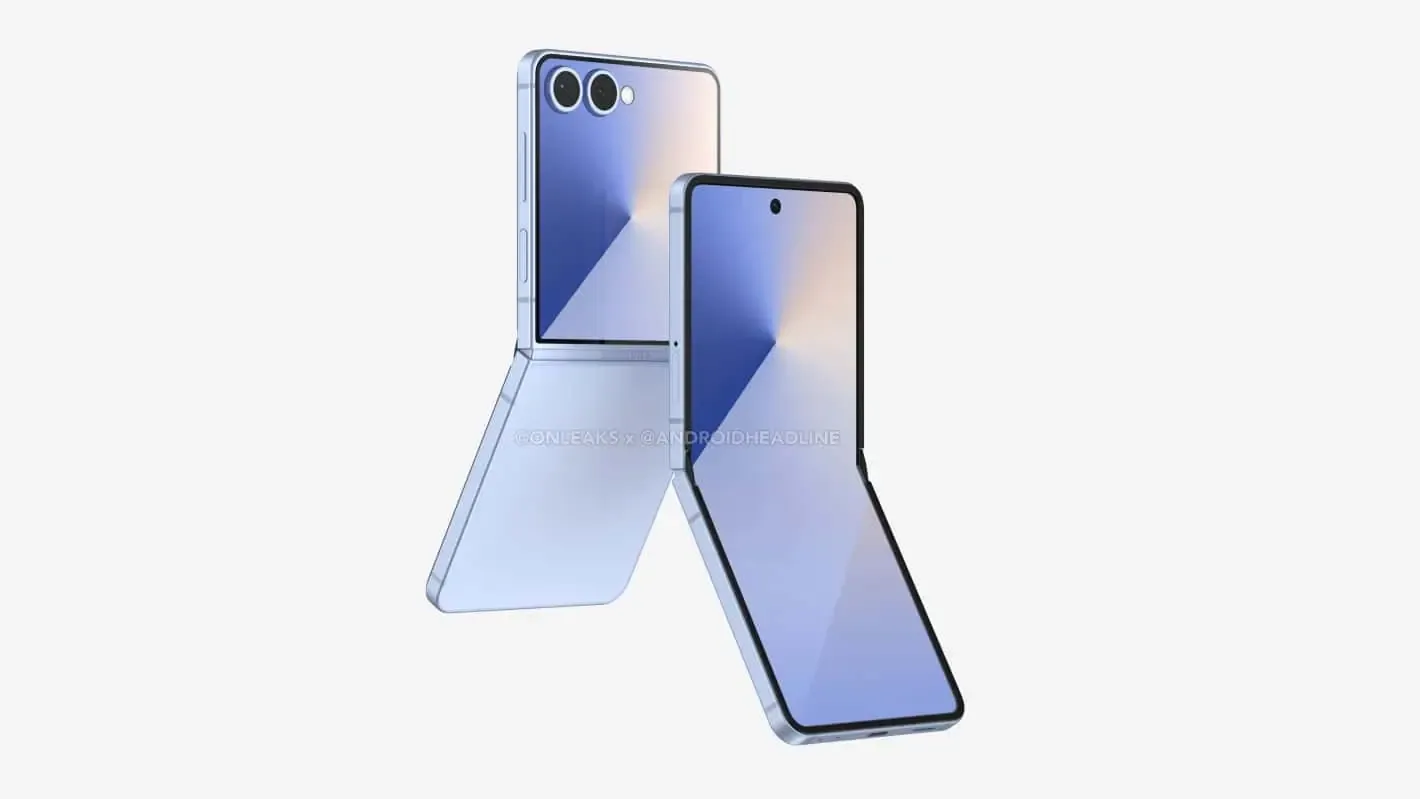
Samsung’s next foldable launch is getting closer, and a new leak highlights what’s new in one of the clamshell foldables, the Z Flip7. With the Unpacked event on the horizon, this leak hints at a more practical and polished flip phone experience.
The leak, first reported by AndroidHeadlines, shows off a redesigned outer display on the Z Flip7. Unlike the Z Flip6’s 3.4-inch screen, which was somewhat limited by its placement near the camera module, the Flip7 features a much larger 4-inch square cover screen that extends nearly edge-to-edge. It wraps around the dual cameras with clean cutouts, maximizing usable space for quick interactions. No doubt, it will offer a better user experience while replying to messages or managing notifications.
More evidence of the redesign came from leaked One UI 8 firmware, which hinted at a larger outer display. The idea is clear: make the Z Flip7’s cover screen more useful, so users can do more with the phone folded shut. This not only improves convenience but also reduces reliance on the inner display. This upgrade also refreshes the design, which looked outdated compared to other clamshell phones like the Moto Razr 60 Ultra or the Honor Magic V Flip.
As for the rest of the phone, design changes appear minimal, with Samsung opting to refine rather than reinvent. While the Z Fold7 continues Samsung’s push for slimmer designs and is expected to be one of the thinnest foldables yet, the Z Flip7 is said to retain the same 6.9mm thickness as its predecessor when unfolded.
The Z Flip7 will be powered by either the Snapdragon 8 Elite or Exynos 2500, depending on the region. It’s also said to pack a 4,300mAh battery, up from the previous model’s 4,000mAh unit.
OnePlus started rolling out OxygenOS 15.0.0.830 for the OnePlus Open in India. The updated version is CPH2551_15.0.0.830(EX01). Only a small number of users will get it today, with a wider rollout coming in a few days.
What’s new in the OnePlus Open OxygenOS 15.0.0.830 update
The biggest addition is remote control support for Windows PCs. You can now control your PC and access PC files directly from your OnePlus Open. OnePlus also improved the cellular network algorithm to make network connections smoother. The update adds a Speaker cleaner feature that cleans your speakers and keeps them working properly. You can find this setting in “Phone Manager – Tools – More – Accessibility & convenience – Speaker cleaner”.
A new drag-and-drop feature lets you use gestures on images and text in third-party apps. You can turn this on or off in “Settings – Accessibility & convenience – Drag & drop”. You can now do fuzzy searches with spaces in Settings. You can also search for app names in Settings to quickly see app details or manage apps. The floating bar in floating windows now responds better. Quick Settings and notification drawer animations are smoother when you exit them. You can now open apps from quick functions even when your screen is locked.
When you have stacked notifications, the newest one will show how many notifications you haven’t seen and where they came from. Search results in Settings now appear in a better order. The update includes the June 2025 Android security patch to improve system security.
If users encounter any bugs in this update, they can submit bug reports through the OnePlus Community App in the “Bug Report” section of their profile. Users can also dial *#800# to access the feedback tool and report issues.
The stable version of Android 16 just went live for Google Pixels, and it should soon start rolling out to devices from other brands. Vivo is also preparing for the stable rollout. It’s usually quicker with software rollouts and often among the first brands to release the stable version of the latest Android OS.
While the Chinese brand hasn’t announced a release date yet, we expect the rollout might kick off as early as next month, as Vivo usually doesn’t take too long once Google releases the newest OS. With the Android 16-based Funtouch OS 16 release drawing near, you might be wondering if your Vivo or iQOO device will get the update. Take a look at the list of eligible devices below and see if yours has made the cut.
These Vivo/iQOO won’t get Android 16 (Funtouch OS 16) update
Vivo hasn’t announced which devices will be upgraded to Android 16 yet. Therefore, we had to use the current software update policy and a little bit of guesswork to prepare the following list.
Vivo devices
Vivo X series
Vivo X80
Vivo X80 Pro
Vivo X80 Lite
Older X-series models
Vivo V series
Vivo V30 Lite 5G
Vivo V29
Vivo V29e
Vivo V29 Pro
Vivo V29 Lite
Older V-series models
Vivo T series
Vivo T2
Vivo T2 Pro
Vivo T2x
Older T-series models
Vivo Y series
Vivo Y200
Vivo Y100 5G
Vivo Y100i
Vivo Y100t
Older Y-series models
iQOO devices
iQOO flagship devices
iQOO 10
iQOO 10 Pro
Older iQOO flagships
iQOO Z series
iQOO Z8
iQOO Z8x
iQOO Z7
iQOO Z7 Pro
iQOO Z7x
iQOO Z7s
iQOO Z7i
Older Z-series models
iQOO Neo series
iQOO Neo 8
iQOO Neo 8 Pro
Older Neo-series models
If your Vivo device is on the list, it will most likely be upgraded to Android 16 when the update starts to roll out. Those missing from the list should wait until the official list is out, as Vivo hasn’t revealed the update policy for many devices, particularly mid-range phones.
Vivo’s software update policy
Vivo offers a decent update policy for its devices — neither too good nor too bad. It promises four years of Android updates to expensive models like the Vivo X200, while the older flagship models are limited to just three. The high-end iQOO smartphones, such as the iQOO 12 and iQOO 13, also get the same treatment.
Moving to the mid-range segment, the recent V-series models, such as the Vivo V40 and V50, promise three Android updates. Older models typically receive only two major upgrades. The cheaper Vivo Y-series and T-series models get up to OS updates.
The recent iQOO Neo models, such as the Neo 10, come with a promise of three Android updates, while the Z-series models only get two.
That’s what the current software update policy from Vivo looks like. It’s better than before, but not the best. At the top are Samsung and Google with up to seven Android updates. Obviously, that’s reserved for high-end phones, but even the recent mid-range Samsung phones receive as many as six OS updates.
Vivo does offer good update support to its premium and newer models, but there’s still a big room for improvement — especially when it comes to transparency and consistency for lower-tier models.
Nothing is expanding its hardware lineup with the Headphone (1), the company’s first pair of over-the-ear headphones that will debut alongside the Phone (3) on July 1.
Thanks to a fresh round of leaks, we’re now getting our clearest look yet at the Headphone (1). And in typical Nothing fashion, the design is anything but conventional.
The standout feature here is a two-part earcup design. Up top, there’s an oval-shaped module encased in transparent plastic. And it rests on a metallic-looking plate with squared-off corners.
The design is a sharp contrast to the smooth, understated curves of rivals like Sony’s WH-1000XM6 or Apple’s AirPods Max. Instead, Nothing’s debut headset feels more like a precision-engineered gadget you’d expect to see in a design museum.
Nothing Headphone (1) in real life
And if you’re interested, here’s how the headphone looks in real life. It’s hard to say if this design will work for or against Nothing, but it’s clear the brand is leaning hard into its identity.
We can spot two buttons on the side and another one on the outer earcup. And a real-life image of the headphone also shows it connected with a 3.5mm cable, so it will have analog support.
Perhaps the most important detail from the leaks is that the Headphone (1) will have its audio tuned by KEF. It’s a British audio company that specializes in all things audio, including speakers, subwoofers, and headphones.
Technical details around the headphones are still scarce, but we do know the expected pricing. An earlier leak claims the Headphone (1) will be sold for $299 in the US and €299 in Europe.
Sales are expected to begin on September 30, two months after the official unveiling. And as you might’ve seen, it will be available in Black and White color options.
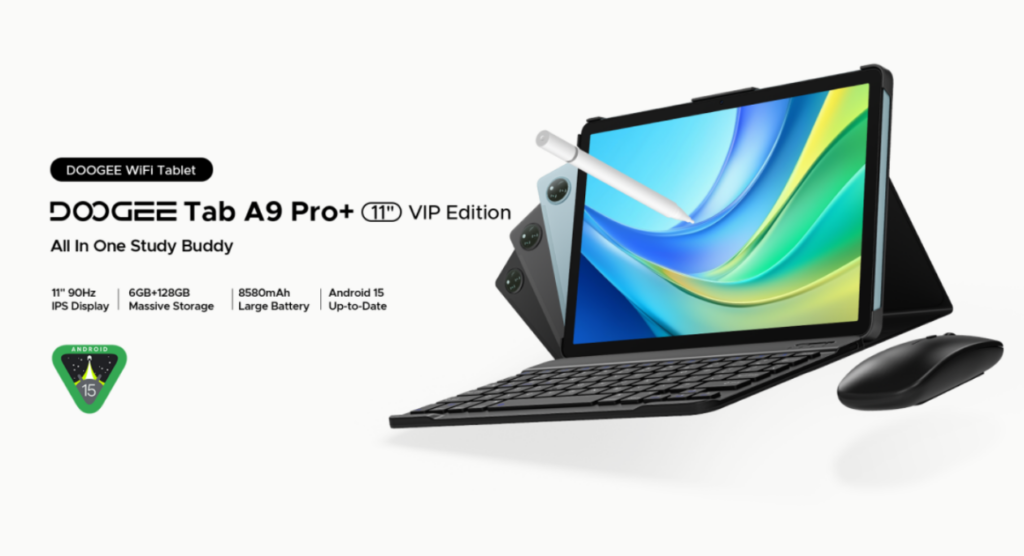
DOOGEE, a global smart device brand with over 16 years of innovation, has officially launched its latest tablet, the DOOGEE Tab A9 Pro+ (WiFi Version). Known for making durable and affordable gadgets, DOOGEE is aiming to redefine value in the tablet market by blending performance, portability, and premium design in its new offering. The Tab A9 Pro+ is tailored especially for students, educators, and mobile professionals who need a reliable, stylish device without spending a fortune.
Sleek Design with Metal Build
The Tab A9 Pro+ stands out with its metal unibody construction, giving it a refined, elegant look while remaining lightweight and easy to carry. It offers a premium feel and is built to handle daily use with ease. With smooth curved edges and a minimalist layout, the device combines style with practicality, making it suitable for both classroom and office environments.
Vivid 11-inch Display with Eye Protection
The tablet features an 11-inch IPS HD ultra-clear display, ideal for reading, browsing, streaming, and productivity. The screen delivers vibrant colors and sharp details, making it perfect for multimedia consumption. To ensure user comfort, especially during extended usage, the Tab A9 Pro+ includes eye-care features that automatically adjust brightness and color tone, helping reduce eye strain during long study sessions or virtual meetings.
Long-Lasting 8580mAh Battery
DOOGEE equips the A9 Pro+ with a large 8580mAh battery, capable of lasting an entire day on a single charge. Whether it’s attending online classes, back-to-back meetings, or watching content while traveling, users can expect all-day battery life without needing constant recharging.
Camera and Security for Modern Users
For those relying on video conferencing, the tablet sports high-resolution front and rear cameras. These cameras are optimized for clear video calls, making the tablet a reliable tool for remote learning and virtual work. The device also includes face unlock functionality, offering fast and secure access without the need to type passwords or PINs.
Powerful Performance on Android 15
While the exact chipset is yet to be officially announced, the Tab A9 Pro+ promises smooth multitasking and strong performance for most everyday apps. It comes with 6GB RAM and 128GB of internal storage, expandable via microSD card for those who need more space for documents, media, or apps. The tablet runs the latest Android 15, offering an updated user interface and improved app compatibility.
Two Editions with Useful Accessories
DOOGEE offers the tablet in two editions. The Standard Edition includes just the tablet, while the VIP Edition bundles essential accessories such as a stylus, leather protective cover, tempered film, Bluetooth keyboard, and mouse. This VIP bundle essentially transforms the tablet into a portable work or study station, ideal for note-taking or office tasks.
Designed for Students and Professionals
With its combination of affordability and versatility, the Tab A9 Pro+ is ideal for students looking for an e-learning device and professionals who need a portable productivity tool. The strong display, dependable battery, and accessory support make it a practical choice for both work and play.
Discounts and Availability
DOOGEE Tab A9 Pro+ is now available through major platforms with attractive launch offers. On Amazon, buyers can use the £60 coupon code HA9IJ2AJ, bringing the final price down to just £79.99 (VAT included).
For international shoppers, the tablet is also available via the official DOOGEE store. By applying the 35% off code KOLA9, customers can grab the Tab A9 Pro+ for a final price of $116.99, which includes a 30-day quality assurance and a generous 2-year warranty. These offers make the tablet a value-packed deal for students and professionals alike.
OnePlus appears to be gearing up for a new venture—this time, with a focus squarely on gamers. According to a fresh leak, the company is developing a new smartphone series designed specifically for mobile gaming. It will include flagship chips, gaming triggers, and other features geared toward an immersive experience.
OnePlus Ace 5 Pro
The news comes from tipster @heyitsyogesh on X. While details are still limited, the series is expected to pack top-tier hardware—likely Qualcomm’s or MediaTek’s latest and best. It’s said to be paired with larger batteries, which, to be fair, is expected from a gaming-centric smartphone lineup from China in 2025 and beyond.
While the existing Ace series is already great at handling big titles — the Ace 3V came on top in AnTuTu’s October rankings last year — the built-in shoulder triggers, like those seen on the Infinix GT 30 Pro and Nubia RedMagic series, will differentiate this new gaming-centric series from the existing performance-centric OnePlus devices.
There’s also speculation about custom cooling systems and high-refresh-rate AMOLED displays, though exact specs remain under wraps for now.
The upcoming series is still in the research and development phase, and according to the tipster, it’s expected to launch only in China initially. That approach lines up with OnePlus’s past strategy of testing experimental devices at home—similar to its Ace series—before considering a global rollout.
Pricing and model names haven’t leaked yet, but the phones will likely sit above the Nord series and compete with gaming-oriented flagships like the RedMagic 10 Pro and Asus ROG Phone 9 Pro. OnePlus is also working on OxygenOS 16, expected next year, which could introduce software tweaks and a new design language tailored to gaming use.
While it’s unclear if this gamer-focused lineup will ever make it out of China, OnePlus has shown before that strong demand can influence global plans.
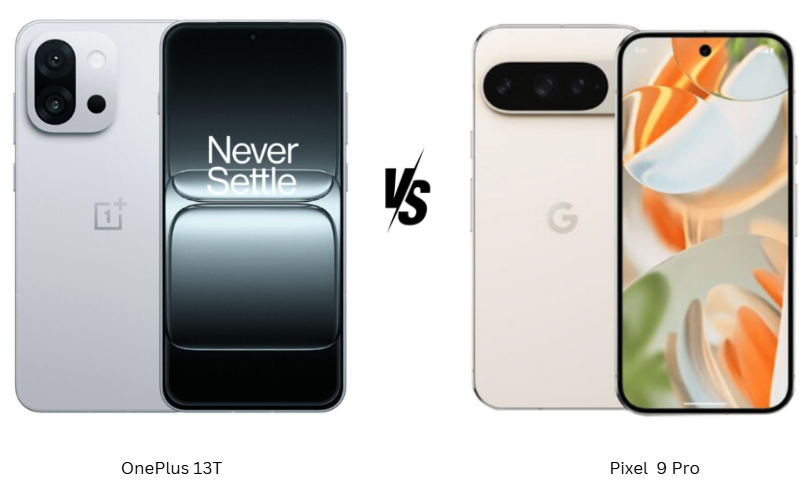
OnePlus 13T and Google Pixel 9 Pro both aim to redefine value in the premium segment, offering flagship-level performance, cutting-edge cameras, and high-refresh displays. What makes this comparison important is how differently each phone prioritizes user experience. OnePlus focuses on raw power and battery innovation, while Google leans into AI, camera versatility, and long-term software support. For buyers torn between performance and software longevity, this matchup highlights two distinct visions of what a modern premium phone should deliver.
Build and Feel: OnePlus’s flat Crystal Shield front, matte alloy frame, and IP65 sealing give a lightweight, grippy feel that echoes its performance‑first ethos. Pixel’s Gorilla Glass Victus 2 on both sides, polished aluminum rails, and stricter IP68 rating exude a premium, more durable impression. The firmer ingress protection and richer materials on Pixel signal a step‑up in everyday resilience, so durability‑minded buyers gravitate toward Google’s handset.
Display Quality: The 13 T’s 6.32‑inch LTPO AMOLED reaches 1600‑nit HBM brightness and 2160 Hz PWM dimming, delivering flicker‑free comfort and vibrant Dolby Vision video. Pixel’s slightly larger 6.3‑inch LTPO OLED pushes a searing 3000‑nit peak and higher 495 ppi resolution, rendering HDR10+ content with cleaner highlights and crisper text. In direct sun and for mobile HDR movies, Pixel’s luminance edge and finer pixel grid make visuals more legible and immersive.
Verdict: While OnePlus offers eye‑comfort PWM and a marginally higher screen‑to‑body ratio, Pixel’s sturdier build, stricter waterproofing, and brighter, sharper panel collectively craft the more polished physical experience. Users prioritizing durability and outdoor readability will see Google’s upgrades as the decisive advantage.
Please Note: When you buy something using the links in our articles, we may earn a small commission at no cost to you.
2. Specifications
Pixel 9 Pro
Performance: Snapdragon 8 Elite’s Oryon V2 cores in the 13 T clock up to 4.32 GHz, pairing with UFS 4.0 storage for flagship‑class throughput and gamer‑friendly thermals. Pixel’s Tensor G4 emphasizes AI and imaging tasks, trading peak raw speed for on‑device Gemini Nano intelligence and seven years of OS upgrades. Power users chasing sustained frame rates benefit more from OnePlus, whereas long‑term software support favors Pixel.
Battery and Charging: OnePlus debuts a 6260 mAh silicon‑carbon cell that outlasts rivals by roughly a workday and fills from 0‑100 % in about 45 minutes at 80 W. Pixel’s 4700 mAh pack charges slower at 27 W wired but counters with 21 W wireless, reverse wireless, and thermal‑saving bypass charging. Frequent travelers gain stamina from OnePlus, while convenience seekers value Pixel’s wireless versatility.
Verdict: Raw horsepower and marathon endurance lean toward the 13 T, yet Pixel’s AI‑centric chip, wireless top‑ups, and guaranteed updates future‑proof daily use. Preference hinges on whether sheer performance or ecosystem longevity matters more.
3. Camera
Pixel 9 Pro
Main and Secondary Lenses: OnePlus fields dual 50 MP sensors; its main shooter offers solid dynamic range, while the 2× tele boosts portrait clarity but lacks ultrawide versatility. Pixel counters with a 50 MP primary, 48 MP 5× periscope, and 48 MP ultrawide, all aided by Laser AF and Google’s computational tricks such as Best Take. The extra focal lengths and refined processing let Pixel pull ahead in reach and color accuracy, making it the more adaptable imaging tool.
Selfie Camera: Pixel’s 42 MP PDAF front lens captures sharper, wider shots and 4 K video, ideal for vloggers. OnePlus’s 16 MP module delivers reliable social‑media selfies but falls short in low‑light detail. Pixel’s upgrade to a flagship‑grade selfie sensor benefits content creators.
Verdict: Google’s triple‑lens hardware plus AI Zoom Enhance and 8 K capture yield a notably broader photographic envelope. OnePlus shoots well, yet Pixel’s optics and algorithms collectively provide a superior, more flexible camera experience.
4. Pricing
Both devices land near the US $600 mark at launch, offering flagship silicon and high‑end displays for mid‑tier money. Because Pixel bundles wireless charging, UWB, and seven‑year software support without a premium, value‑focused shoppers may perceive it as the stronger long‑term deal, while performance enthusiasts still benefit from OnePlus’s faster chip and battery at the same sticker price.
5. Conclusion
OnePlus 13T
OnePlus highlights a 2160 Hz PWM panel, infrared blaster, and pioneering silicon‑carbon battery tech that promises a longer lifespan and higher cycle count. Pixel brings ultrasonic fingerprint security, UWB for spatial device finding, on‑device Gemini Nano AI, Satellite SOS, and extended OS promises.
Verdict: Buyers prioritizing gaming speed, all‑day endurance, and IR remote control will appreciate the OnePlus 13 T’s hardware‑led upgrades. Those who seek a robust camera suite, brighter screen, wireless conveniences, and guaranteed long‑term software support should lean toward the Google Pixel 9 Pro.
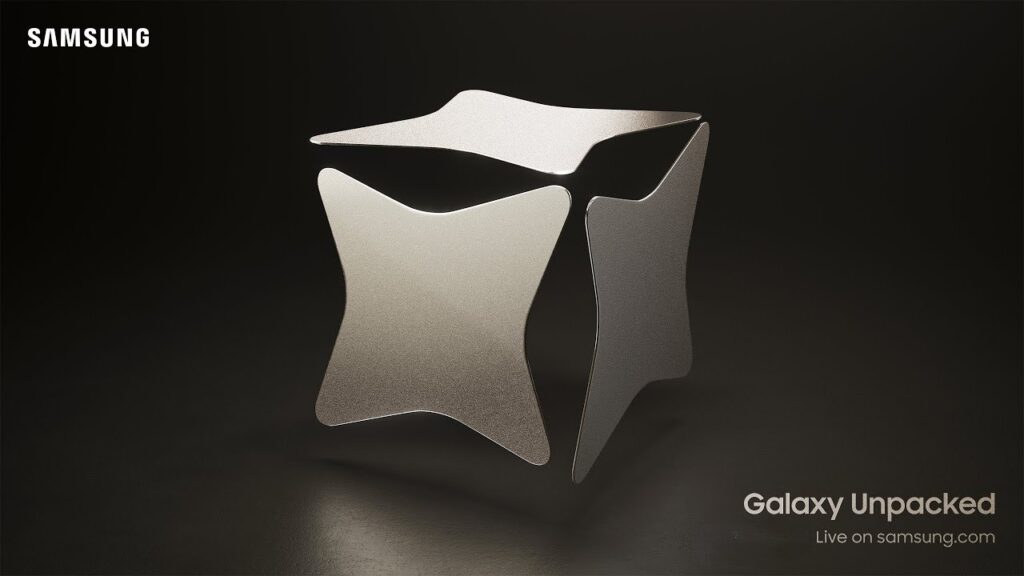
Samsung’s next big Unpacked event is shaping up to be a major showcase for its foldable lineup — and now, we may know exactly when it’s happening. According to a new leak, Samsung’s 7th generation foldables will be unveiled in the second week of July, with New York likely serving as the venue.
Tipster @evleaks shared the potential date and time — 10 AM EDT on July 9 — and it lines up with Samsung’s usual summer Unpacked schedule. Last year’s foldables were revealed on July 10 in Paris, so a similar early-July launch would make sense.
Fueling the speculation further, Samsung recently announced a series of Galaxy Health running events kicking off July 13 in New York, possibly tied to the debut of the Galaxy Watch 8 and Galaxy Watch Ultra 2, which are expected to be part of the Unpacked announcements.
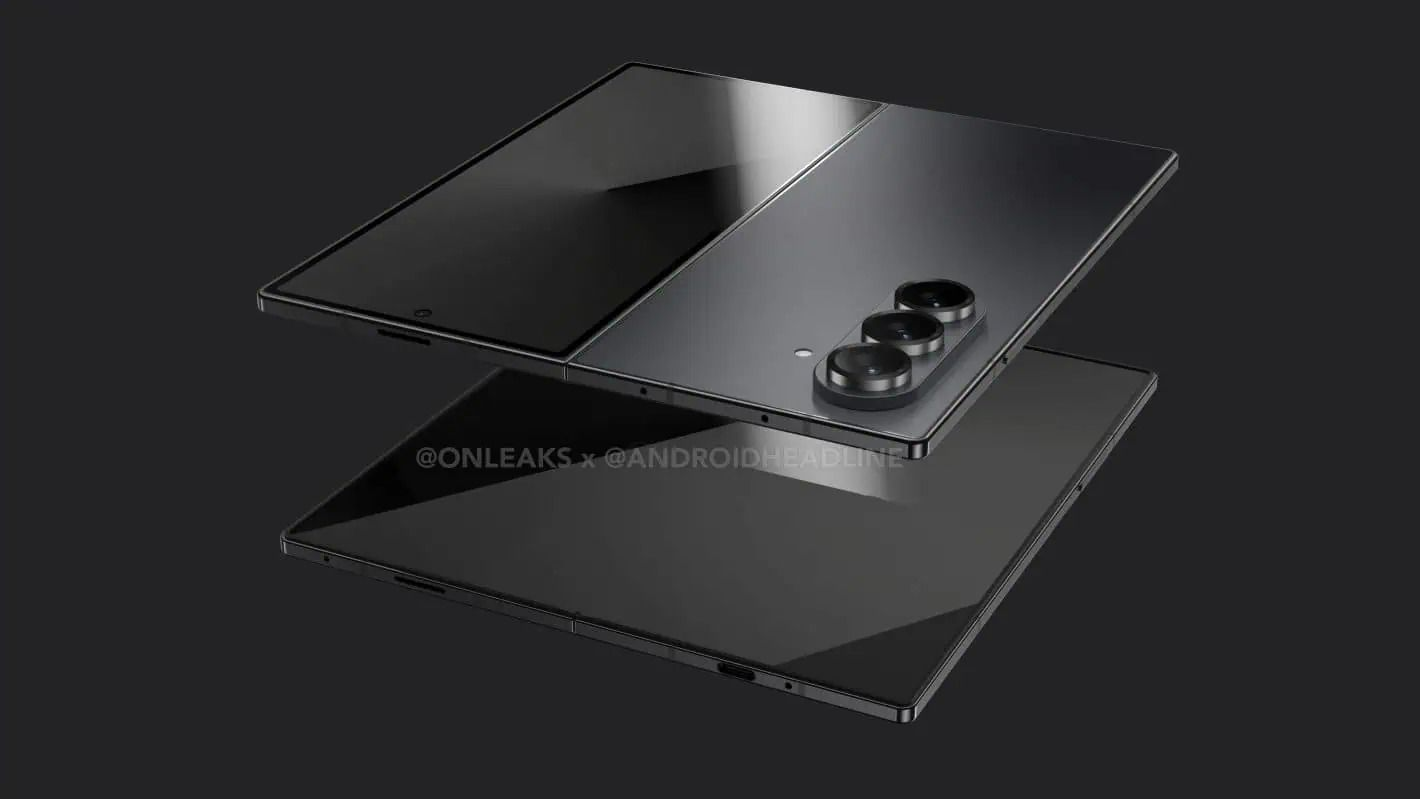
Samsung Galaxy Z Fold 7 CAD renders by OnLeaks and AndroidHeadlinesSamsung Galaxy Z Flip 7 Leaked Render
As for the foldables themselves, the Galaxy Z Fold 7 is rumored to feature a slimmer profile — rumored to be as thin as 4.1mm when unfolded — along with a 200MP main camera and Qualcomm’s new Snapdragon 8 Elite chip. The Galaxy Z Flip 7, on the other hand, could pack the Exynos 2500 in certain regions.
A new addition to the lineup could be the Galaxy Z Flip 7 FE — a budget-friendly foldable reportedly priced around $750, with scaled-down specs such as an Exynos 2400e or Exynos 2400 chip and 12MP dual cameras.
All three devices are expected to ship with One UI 8 based on Android 16, bringing along a new batch of Galaxy AI features and improved generative tools.
The company could confirm the Unpacked date before the end of June — just like last year. So stick around.
Vivo has officially launched the Y400 Pro 5G in India, adding a feature-packed mid-range option to its Y-series portfolio. The device blends strong performance, an ultra-bright AMOLED display, and 90W fast charging, making it a promising choice for users seeking value with a premium touch. Here’s a look at the specifications, features, and price of the Y400 Pro.
Vivo Y400 Pro 5G specifications and features
Vivo Y400 Pro 5G
The Vivo Y400 Pro 5G features a 6.77-inch AMOLED display with a resolution of 2392 x 1080 pixels, a 120Hz refresh rate, P3 colour gamut, and up to 4500 nits local peak brightness. For security, it features an in-screen fingerprint sensor and includes dual speakers for enhanced audio.
Under the hood, the Y400 Pro 5G is powered by the MediaTek Dimensity 7300 chipset, 8GB of LPDDR4X RAM, up to 8GB of virtual RAM, and up to 256GB of UFS 3.1 storage. The device is equipped with a 5,500mAh battery, backed by 90W fast charging.
For photography, the Y400 Pro 5G comes with a dual rear camera setup featuring a 50-megapixel main sensor and a 2-megapixel secondary sensor. On the front, there’s a 32-megapixel selfie camera with an f/2.45 aperture. It runs Android 15 out of the box with Funtouch OS 15 and is confirmed to receive two years of OS upgrades and three years of security updates.
Vivo Y400 Pro – Freestyle WhiteVivo Y400 Pro – Festival GoldVivo Y400 Pro – Nebula Purple
The Y400 Pro 5G comes with connectivity features such as dual nano SIMs, 5G connectivity, Wi-Fi 6, Bluetooth 5.4, and an infrared blaster. It is an IP65-rated phone with a slim form factor measuring 7.74mm and weighs 182 grams.
Please Note: When you buy something using the links in our articles, we may earn a small commission at no cost to you.
Vivo Y400 Pro price in India, availability
The Vivo Y400 Pro 5G is priced at Rs 24,999 for the 8GB + 128GB variant and Rs 26,999 for the 8GB + 256GB version. The smartphone will be available across Vivo’s e-store, Flipkart, Amazon, and offline retailers from June 27, 2025, at 12pm (local time). It can be purchased in shades like Freestyle White, Fest Gold, and Nebula Purple.
For more daily updates, please visit our News Section.
Last month, Tecno unveiled the Tecno Pova Curve 5G in India. Now, the brand has globally introduced Pova 7 series, featuring five distinct smartphones designed to appeal to tech enthusiasts and gamers. The lineup includes the Pova 7 Ultra 5G, Pova 7 Pro 5G, Pova 7 5G, Pova 7, and Pova Curve 5G.
The Pova 7 series introduces Tecno’s new “Interstellar Spaceship” design, Mini‑LED Status Light, and HiOS 15 Special software. Users can expect deep AI integration—including Ask Ella, AI Writing, Circle to Search, and AI Studio tools—as well as bold colour options and matching accessories.
Tecno Pova 7 Ultra 5G and Pova 7 Pro 5G
Tecno Pova 7 Ultra 5G
At the top of the range, the Pova 7 Ultra model is powered by a MediaTek Dimensity 8350 Ultimate chip and comes with a 6,000mAh battery. It supports 70W wired charging, 30W wireless, and even 10W reverse charging. Gaming performance is boosted by a 12-layer Hyper Cooling System and a vapor chamber, while 4D vibration and dual speakers with Dolby Atmos deliver immersive sound. Additional features include FreeLink for peer-to-peer calls and Tecno’s AI suite, cantered around the AI Anywhere Portal.
Tecno Pova 7 Ultra 5G
The Pro version shares the family design language and charging features of the Ultra, including 30W wireless fast charging. It also offers the full set of AI tools found in the Ultra model, making it a compelling choice for users who want a premium experience without going all the way up to the Ultra tier.
Tecno Pova 7 5G and Pova 7 5G
Tecno Pova 7
This base 5G model rounds out the core trio of performance-driven devices. It carries forward the series-wide support for 30W wireless fast charge, AI Anywhere functions, and bold, minimalist styling. With a focus on speed and efficiency, it offers excellent value for on-the-go users. The entry-level Pova 7 (4G) sticks to the sleek triangular design motif, incorporates 30W wireless charging, and embeds the Pova AI tools set.
Tecno Pova Curve 5G
The official press release also mentions the Pova Curve 5G (review), which has already launched in India. Readers can visit this link to know more about it. The entire Pova lineup will be available in the Middle East, Southeast Asia, South Asia (including India), and Latin America.
While Tecno has revealed several key features of the lineup, the detailed specifications of each model have not been fully disclosed yet. Once the complete spec sheets are released, we will share a comprehensive breakdown.
For more daily updates, please visit our News Section.
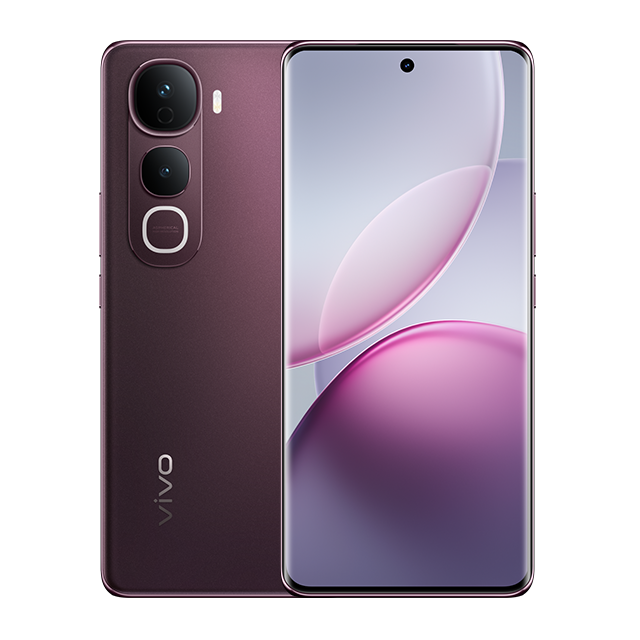
The Vivo X200 FE will be released in multiple markets in the next few weeks. However, it appears that Taiwan will be the first country to receive it, as it is scheduled to launch there on June 23. An updated microsite available on Vivo Malaysia’s website has revealed several details about the X200 FE, where it is set to launch on June 30.
Vivo X200 FE key details officially confirmed
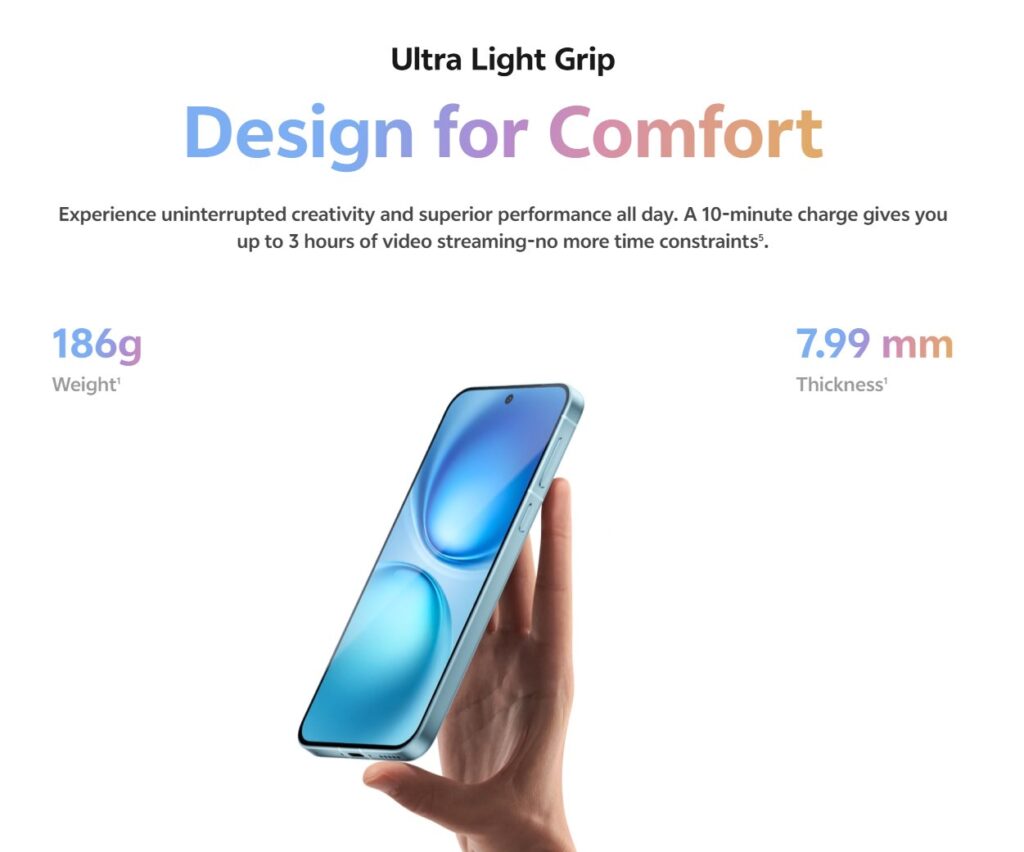
Vivo X200 FE thickness, weight
The Vivo X200 FE measures 7.99mm in thickness and weighs 186 grams. It will be available in four shades: Black Luxe, Blue Breeze, Pink Vibe, and Yellow Glow.
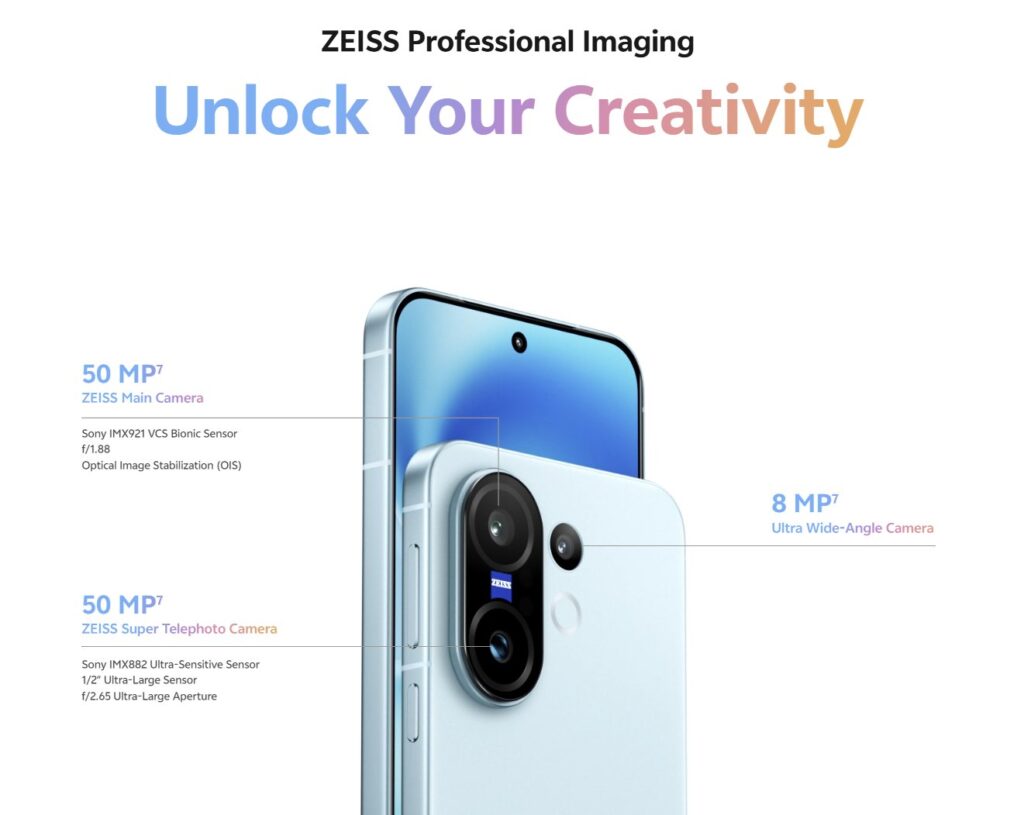
Vivo X200 FE camera specs
As seen in the image above, the Vivo X200 FE will feature a Sony IMX921 50-megapixel main camera with OIS support, an 8-megapixel ultra-wide lens, and a 50-megapixel Sony IMX882 telephoto camera. According to a report by XpertPick, the telephoto camera will support 3x optical zoom. For selfies, it will be equipped with a 50-megapixel camera with autofocus support, a first for the company’s X-series of smartphones.
Vivo X200 FE 90W battery
Vivo X200 FE 90W charging
The X200 FE will offer Zeiss Style Bokeh and Multifocal Portrait features, allowing users to shoot at five different focal lengths: 23mm, 35mm, 50mm, 85mm, and 100mm for Landscape Portrait, Narrative Portrait, Classic Portrait, Portrait, and Close-Up Portrait, respectively. The device will include AI-powered photography features, such as AI Image Studio, AI Image Expander, and Stage Mode, which captures clear stage moments and records loud, clear vocals.
Vivo X200 FE color options
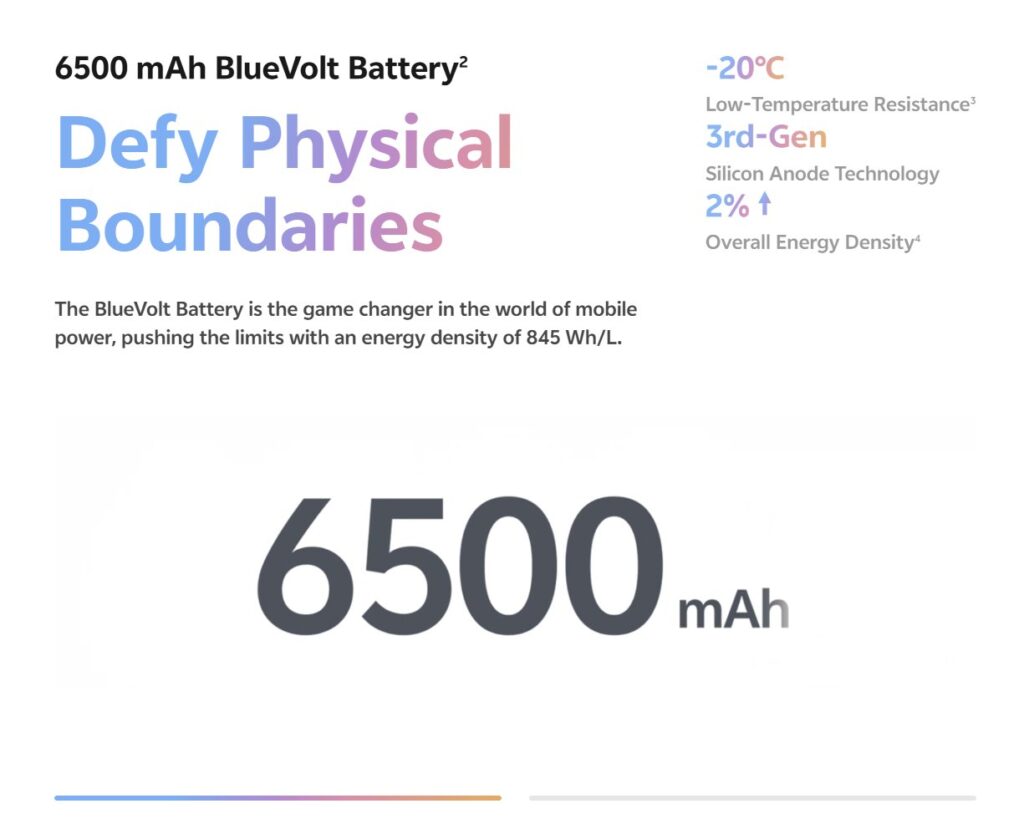
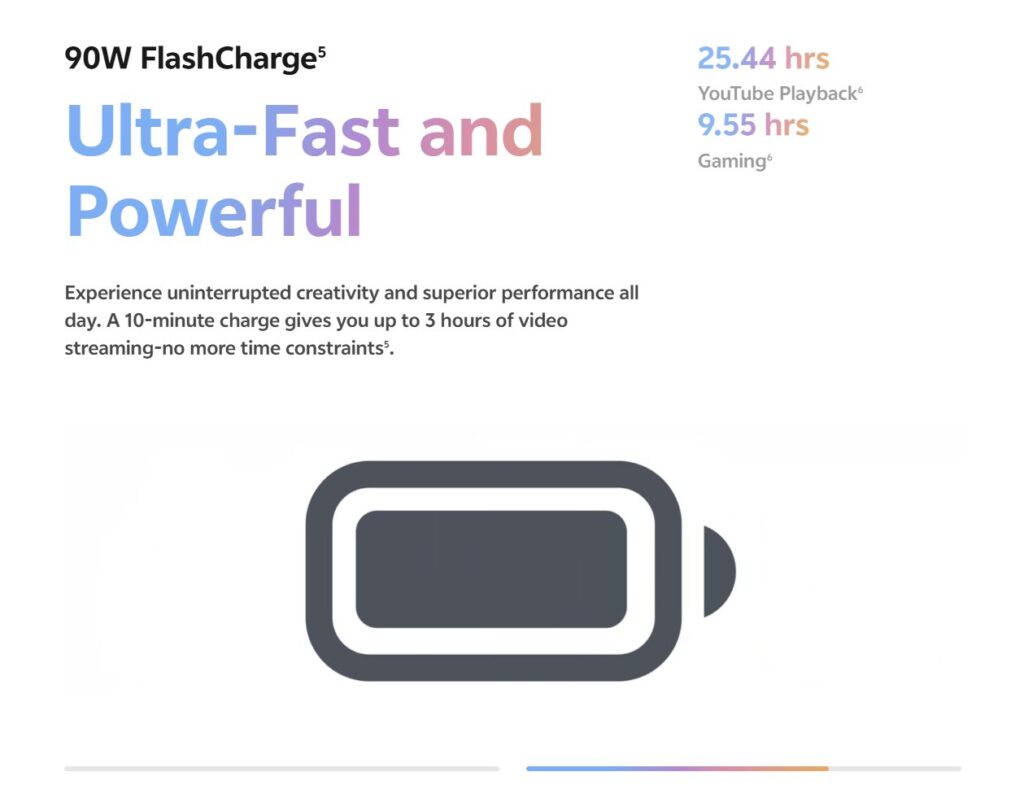
The device will run on Android 15 with a layer of FunTouch OS 15 on top. It will bring an AI Office suite that includes features like AI Screen Translation, AI Captions, Smart Call Assistant, and Circle to Search. It will house a 6,500mAh battery that supports 90W fast charging. The company claims that a 10-minute charge will allow users to watch three hours of streaming video.
For more daily updates, please visit our News Section.
Vivo has confirmed that the T4 Lite 5G will launch in India on June 24. It will be Vivo’s most affordable 5G smartphone so far, expected to be priced under ₹10,000.
The phone will come with a 6000mAh battery, the biggest battery in its segment. It also features a display with up to 1000 nits peak brightness, making it easier to view in bright light. This is the first phone in this price range to offer that level of brightness.
The T4 Lite 5G is powered by the MediaTek Dimensity 6300 processor. It supports dual SIM 5G and has expandable storage up to 2TB through a microSD card. While vivo hasn’t shared full memory specs yet, the phone is expected to be similar to the iQOO Z10 Lite, which has up to 8GB of RAM, 8GB of virtual RAM, and up to 256GB of storage. The Z10 Lite also includes an IP64 rating for dust and water resistance, so the T4 Lite 5G may offer the same.
Vivo is also expected to include a 50MP rear camera, although this hasn’t been officially confirmed. After launch, the T4 Lite 5G will be available on Flipkart, vivo’s official website, and offline stores. More details, including exact pricing and full specs, will be shared by the company in the coming days.
Oppo has officially confirmed through social media that the Reno 14 5G series will be introduced in the Indian market soon. According to leaks, the series is expected to debut in the first week of July and will likely include two models: the Reno 14 5G and Reno 14 Pro 5G. The series also includes the Reno 14F, but it is unlikely to make it to the Indian market.
Oppo Reno 14 series teasers begin in India
Oppo Reno 14 series India teaser
The Oppo Reno 14 series landing pages are now live on Amazon and Flipkart in India. Although the exact launch date hasn’t been disclosed, the phones are tagged as “coming soon.”
The Reno 14 5G series, which was launched in China in May, is expected to carry over the same design and hardware to the Indian market. Teaser images suggest the phones will come in green shade with a triple rear camera setup and flat-edge frame. The standard model is expected to feature a 6.59-inch Full HD+ display, while the Pro version may include a larger 6.83-inch screen with up to 1,200 nits peak brightness. Both support a 120Hz refresh rate and come with Crystal Shield Glass protection.
Under the hood, the Reno 14 may feature the MediaTek Dimensity 8350 chip, whereas the Pro could use the Dimensity 8450 SoC. They are likely to ship with Android 15-based ColorOS 15. The camera setup may include a 50-megapixel main sensor with OIS, a 50-megapixel ultra-wide camera, a 50-megapixel telephoto camera with a 3.5x optical zoom, and a 50-megapixel selfie camera.
The Reno 14 is expected to pack a 6,000mAh battery, while the Pro model may get a 6,200mAh unit. Both phones are expected to support 80W wired charging, with the Pro possibly supporting 50W wireless charging as well. The series is expected to be priced between Rs 35,000 and Rs 50,000 in India.
We use cookies on our website to give you the most relevant experience by remembering your preferences and repeat visits. By clicking “Accept”, you consent to the use of ALL the cookies.
This website uses cookies to improve your experience while you navigate through the website. Out of these, the cookies that are categorized as necessary are stored on your browser as they are essential for the working of basic functionalities of the website. We also use third-party cookies that help us analyze and understand how you use this website. These cookies will be stored in your browser only with your consent. You also have the option to opt-out of these cookies. But opting out of some of these cookies may affect your browsing experience.
Necessary cookies are absolutely essential for the website to function properly. This category only includes cookies that ensures basic functionalities and security features of the website. These cookies do not store any personal information.
Any cookies that may not be particularly necessary for the website to function and is used specifically to collect user personal data via analytics, ads, other embedded contents are termed as non-necessary cookies. It is mandatory to procure user consent prior to running these cookies on your website.