Oppo is gearing up to launch its next gen flagship foldable smartphone soon. The Find N5 is set to debut next week, but there is also a special variant of this model that is in the works. The brand is expected to launch the Find N5 Satellite Communication Edition as well, which was just spotted on a popular benchmark platform. This revealed some of its key specs, so here are all the details.
Oppo Find N5 Satellite Communication Edition Spotted on GeekBench
The Chinese tech giant’s Find N5 recently surfaced on the TENAA database earlier this week. In recent teasers, Oppo also confirmed the premium display specs of the Find N5. But now, the Find N5 Satellite Communication Edition has just surfaced on the GeekBench database. The upcoming foldable phone carries the PKH120 model number and is listed with the 7-core Snapdragon 8 Elite SoC.
This chipset is paired with 16GB of RAM. On the benchmark, the Find N5 Satellite Communication Edition achieved 3000 points in the single core test and 8333 points in the multi core test. The GeekBench listing also confirmed that the Find N5 Satellite Communication Edition runs on the Android 15 OS out of the box. That is all the information that was revealed on the benchmarking platform. Although, earlier reports have revealed practically everything we need to know about the Find N5’s other specs and features.
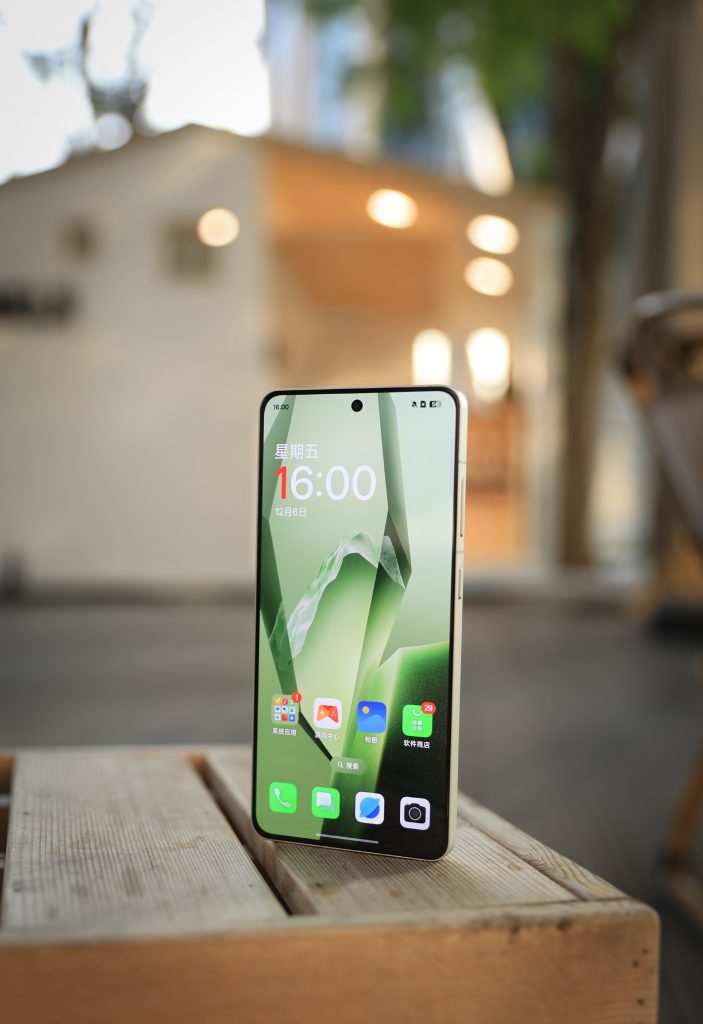
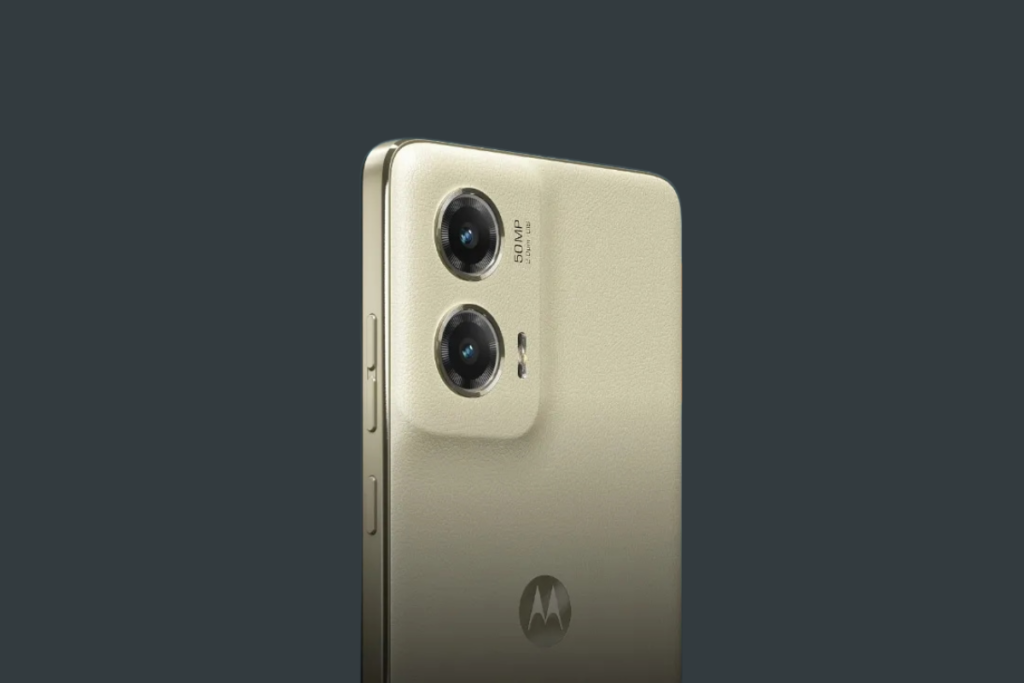
Oppo FInd N5 – Jade White
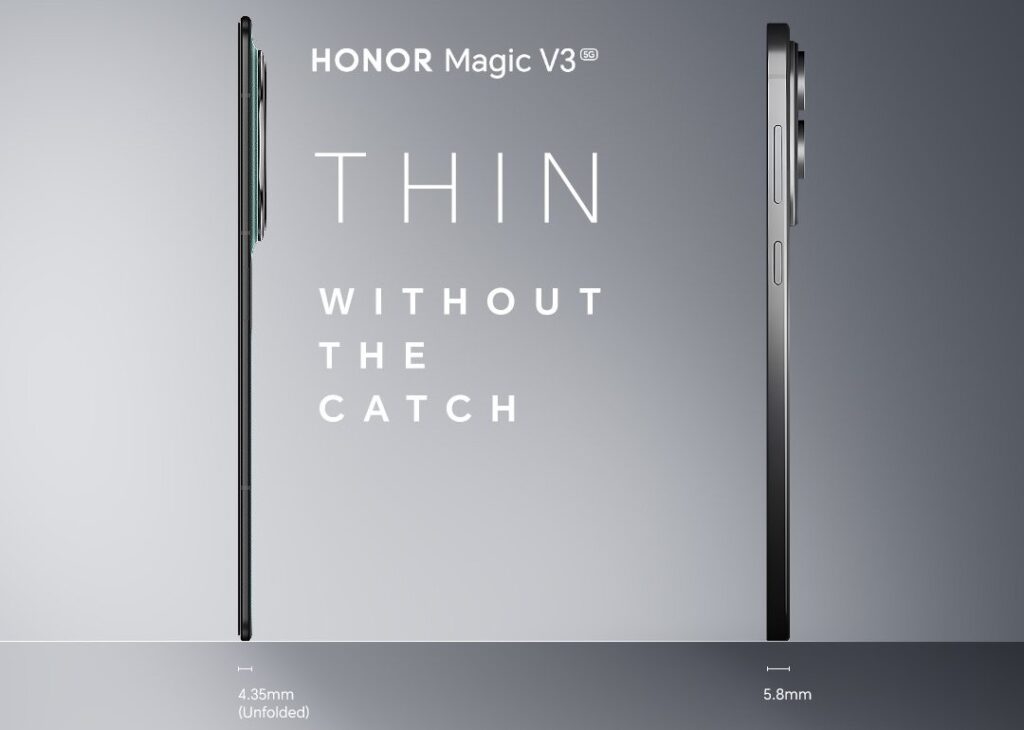
The cover screen is expected to be a 6.62-inch AMOLED panel, while the inner screen is a taller 8.12-inch LTPO OLED foldable display. Oppo’s Find N5 might be the world’s thinnest notebook folding phone, measuring 4.2mm when unfolded and barely being thicker than a USB-C port.
For more daily updates, please visit our News Section.
Huawei and Dongfeng Motor Corporation are teaming up again, this time for a special edition of the Voyah Dreamer MPV. Set to launch on February 19th, the new model has been teased by the automaker, revealing a few key details.
Visually, the Special Edition appears largely similar to the existing Voyah Dreamer. The most noticeable difference is a new glossy gray paint job.
A key selling point of the new model will likely be its extended range. The Huawei Voyah Dreamer Special Edition boasts a claimed 1411 km ultra-long range.
Earlier this month, Voyah announced a new Dreamer MPV equipped with Huawei’s Qiankun smart driving solutions. This is likely the same vehicle being teased.
Perhaps the most compelling aspect for potential buyers is the rumored price point. A report from Chinese outlet ITHome suggests the Huawei Voyah Dreamer Special Edition could be priced below 400,000 yuan. This is lower than the existing Voyah Dreamer models, which are priced as follows:
Voyah Dreamer Kunpeng PHEV: 429,000 yuan
Voyah Dreamer Kunpeng EV: 449,900 yuan
This lower price point could make the Special Edition a more attractive option for those previously deterred by the cost of the standard models.
Whether the new variant brings significant updates beyond the color and range improvements or simply repackages existing Huawei solutions at a lower price, remains to be seen.
Full details are expected to be revealed at the official launch on February 19th. Until then, we’ll have to wait and see what Huawei and Dongfeng have in store.
For more daily updates, please visit our News Section.
I’ve been following Obsbot’s lineup of AI-powered webcams for a while now, and after testing their previous models, I was excited to see what they had in store with the new Tiny SE and Meet SE.
These webcams are positioned as budget-friendly alternatives to their higher-end counterparts, yet they bring a surprising number of features for their price. After spending some time with both, I have a solid understanding of how they perform, who they’re for, and whether they’re worth your money.
Design and Build Quality
Right out of the box, both the Tiny SE and Meet SE maintain the same high standard of build quality that I’ve come to expect from Obsbot. They feel sturdy, well-constructed, and premium despite their affordable price tags.
The Tiny SE, as the name suggests, is compact but packs a lot into its small frame. It retains the dual-axis gimbal from the higher-end Tiny series, allowing for physical panning and tilting, something that most webcams at this price point don’t offer. The built-in clip lets it sit securely on top of a monitor, and the 1/4-inch thread means it can be mounted on a tripod for more versatile angles.
The Meet SE, on the other hand, takes a more minimalist approach. It’s smaller, lighter, and incredibly portable. I’d describe it as a ready-to-use webcam, perfect for those who need a solid solution for video calls or casual streaming without much hassle. Unlike the Tiny SE, the Meet SE doesn’t physically move.
Instead, it relies on digital zoom and AI-powered auto-framing to keep you centered in the frame. The magnetic mount is a nice touch, snapping easily onto a laptop or monitor without obstructing the screen. It also comes in three colors: Aurora Green, Space Gray, and Cloud White, which adds a bit of personality to the device.
Video and Performance
For budget webcams, both the Tiny SE and Meet SE punch above their weight when it comes to video quality. They max out at 1080p at 100 FPS or 720p at 150 FPS, which is impressive at this price point. In practice, the Tiny SE’s AI-driven pan-tilt-zoom (PTZ) capabilities make it the better choice for those who need a camera that physically moves with them.
Whether I was shifting from side to side during an online meeting or getting up to demonstrate something, the camera smoothly followed me without any noticeable lag. It’s perfect for content creators who move around a lot, such as teachers, fitness instructors, or cooking streamers.
The Meet SE, though lacking a gimbal, still does a great job at keeping me framed with its AI auto-framing feature. It’s ideal for those who prefer a more static webcam setup but still want some smart tracking. The digital zoom maintains decent clarity, but since it’s only a 1080p sensor, zooming in too much can result in some loss of detail. If you need something more dynamic, the Tiny SE is the better pick.
AI Tracking and Gesture Controls
AI tracking has always been one of Obsbot’s strong suits, and both of these webcams showcase it well. The Tiny SE offers multiple tracking modes, including upper body tracking, lower body tracking, headless tracking, and even hand tracking.
I found the hand-tracking mode particularly useful for demonstrations, raising my hand in front of the camera prompted it to follow my movements, making it great for online presentations. There’s also a Zone Tracking feature, where you can set a designated area for the camera to track within. This was handy when I wanted the camera to stay focused on a specific part of my workspace instead of following me everywhere.
The Meet SE doesn’t have physical tracking but still supports AI Auto Framing. It automatically adjusts the frame when I move, ensuring that I stay centered without needing to adjust the camera manually. Both webcams also include gesture controls, allowing me to enable auto-framing or zoom-in with a simple hand movement. It’s a neat feature that eliminates the need to reach for software settings mid-stream.
Low-Light Performance
The biggest challenge with budget webcams is how they handle low-light environments, and this is where the Tiny SE and Meet SE shine. Both use a 1/2.8-inch stacked CMOS sensor with a large f/1.8 aperture, meaning they capture more light than your typical cheap webcam. In dimly lit conditions, they performed better than their predecessors, producing a clear image with minimal noise.
Even with bright light behind me, like when sitting in front of a window, HDR mode effectively balanced the exposure, preventing my face from being lost in shadow. It’s a subtle yet important feature, especially for remote workers who can’t always control their lighting conditions.
I am attaching the camera samples of both cams below.
Tiny SE Samples:
Wide ViewMedium ViewNarrow View
Meet SE Samples:
Wide ViewMedium ViewNarrow View
Low Light Samples:
Tiny SEMeet SE
Software and Customization
Obsbot Center is the software behind both webcams, giving you plenty of customization options. With the Tiny SE, you get more advanced controls thanks to its gimbal, allowing you to set predefined angles, enable zone tracking, and adjust PTZ (pan, tilt, and zoom) functions as mentioned earlier. The Meet SE keeps things simpler but still lets you tweak settings like exposure, white balance, and resolution to suit your needs.
The software offers two versions: a Lite version for casual users who prefer minimal adjustments and a Pro version (both free) that unlocks all features for more advanced customization.
Both cameras work seamlessly with streaming tools like OBS Studio and integrate fully with Elgato’s Stream Deck, so you can adjust settings on the fly. Firmware updates are also managed through the software, ensuring you always have the latest features and performance improvements.
Audio and Microphone Quality
Both webcams come with built-in noise-reduction microphones, which are decent for everyday calls and streaming. They’re not going to replace a dedicated microphone setup, but they do a good job at filtering out background noise.
For professional recordings, I’d still recommend using a separate microphone, but for casual Zoom calls or quick recordings, the built-in mics are perfectly usable.
Privacy Features
If you’re mindful of privacy, you’ll appreciate the built-in features on both models. The Tiny SE allows you to physically tilt the lens downward to block the view or switch to sleep mode, displaying a black screen. The Meet SE, on the other hand, comes with a magnetic privacy cover that snaps into place, ensuring the camera is completely blocked when not in use. Both models also have LED indicators, so you’ll always know when the camera is active.
Which One Should You Buy?
Deciding between the Tiny SE and Meet SE depends on your specific needs. If you require a webcam that can track movement dynamically, the Tiny SE is the better choice. Its AI-powered gimbal ensures that you stay in the frame even when moving around, making it ideal for teachers, presenters, and content creators who need flexibility. At $99, it’s an excellent value for a PTZ webcam with advanced tracking.
If portability and affordability are your main priorities, the Meet SE is a great option. It provides solid video quality, AI auto-framing, and strong low-light performance, all for just $69. While it lacks physical movement, it still delivers a feature-rich experience for remote workers, students, and casual streamers.
Both webcams offer impressive performance for their price, making them solid choices for anyone looking to upgrade their video setup without spending a fortune. Whether you’re streaming, teaching, or working remotely, Obsbot’s latest budget-friendly options provide a significant step up from traditional built-in laptop webcams. If you want a webcam that actively follows your movements, the Tiny SE is worth the extra cost. But if you’re looking for a reliable, compact webcam that gets the job done, the Meet SE is a fantastic choice.
If you’re in the market for stylish new earbuds, check out our recent hands-on review of the Acefast Acefit Pro—an open-ear design that blends style with functionality.
For more daily updates, please visit our News Section.
The Xiaomi 15 Ultra global launch is right around the corner. But just ahead of its official announcement, the brand’s upcoming flagship just had some high quality design renders leaked, offering us a closer look at its complete design in a unique Leica camera inspired design. So let’s have a look.
Xiaomi 15 Ultra Renders Reveals Leica Camera Design
The Chinese tech giant is set to debut the Xiaomi 15 Ultra on 2nd March 2025, which is likely during the MWC 2025 event. However, a fresh leak from AndroidHeadlines shared official looking design renders. These are high quality images that offer a look at the dual tone color variant of the upcoming photography flagship. Looking at this variant, we can clearly see that it features a design inspired by classic Leica cameras.
Xiaomi 15 Ultra Dual Tone Variant Looks like a Leica Camera
This is also in line with our previous report, which shared a real life image. But the latest leak appears a lot more official. The renders give us a proper view of the camera module that confirms a quad camera setup. Based on what we know so far, the rear will pack a 50-megapixel Sony LYT-900 primary camera along with a 50-megapixel Samsung JN5 ultra wide angle lens, a 50-megapixel Sony IMX858 telephoto shooter with 3x optical zoom, and a 200-megapixel Samsung HP9 periscope telephoto camera with 4.3x zoom.
You can also click here to check out sample images highlighting the phone’s night photography capabilities. Under the hood, the device is expected to feature the Snapdraogn 8 Elite SoC and a massive 6,000mAh battery pack, which could offer 90W wired fast charging and 80W wireless fast charging support.
For more daily updates, please visit our News Section.
There’s no doubt that HyperOS 2.0 packs plenty of customization options to fine-tune the system to your liking. But one of its more practical additions is a new battery-saving feature that’s rolling out to compatible Xiaomi phones—and it might be worth a look.
The feature in question is called the “battery firmware update,” and it could help extend the life of your Xiaomi, Redmi, or Poco smartphone.
What is the Xiaomi Battery Firmware Update?
As reported by XiaomiTime, the battery firmware update is a tool within HyperOS 2.0 that enhances power management. It works in the background to improve battery longevity, optimize charging algorithms, and regulate power consumption.
Similar to a standard system update, this firmware upgrade ensures the battery stays healthy by addressing efficiency issues and improving battery-level reporting. This means users get more accurate insights into which apps drain the most power, allowing them to manage usage more effectively.
How to Access
If you’re using a Xiaomi device running HyperOS 2.0, here’s how you can check for battery firmware updates:
Open the Settings app.
Navigate to the Battery section.
Tap on Additional Features > Firmware Updates.
Check for the latest battery firmware update and install it if available.
Before installing the update, make sure your Security app is up-to-date, and your phone has enough charge to prevent interruptions during the process.
Why This Feature Matters
Battery health has always been a concern for smartphone users, and Xiaomi’s approach with HyperOS 2.0 adds another layer of optimization. By keeping the battery firmware updated, users can maintain better battery efficiency and prolong their device’s lifespan.
While this feature is not widely known yet, it’s a useful addition that could make a noticeable difference in long-term battery performance. If you haven’t checked for a battery firmware update yet, it might be worth taking a look.
For more daily updates, please visit our News Section.
Xiaomi is apparently working on the next generation of notebooks from its Redmi sub brand. A fresh teaser has revealed that a new Redmi Book Pro model is set to launch soon, which is likely the 2025 variant of the brand’s higher end laptop lineup. The leak also reveals one of its key specs. So let’s have a look.
Redmi Book Pro (2025) leaked with Intel Core Ultra 5
Redmi Book Pro 2025 with Intel Core Ultra 5
The Chinese tech giant’s upcoming Redmi Book Pro 2025 model can be seen with the Intel Core Ultra 5 processor. This was shared Weibo by the product marketing director of Xiaomi, Ma Zhiyu. Looking at the leaked images, we can see that the Redmi Book Pro arrives with Xiaomi Xiaomi PC Manager pre-installed. We also get a look at the stickers that confirmed Intel Arc integrated graphics.
As of right now, it is unclear whether the Intel Core Ultra 5 is a first gen or Series 2 chipset. But it is likely the newer chipset. We also get an idea regarding the performance as well since the upcoming Redmi Book Pro (2025) can be seen running Black Myth: Wukong. While the exact graphics settings are unknown, the notebook managed to get an average of 67 fps, with the highest frames hitting 75 fps, and the biggest drop only being 59 fps.
Last week, a report from tipster Digital Chat Station (DCS) claimed that OnePlus is gearing up to launch its “OnePlus 13 Mini” smartphone in April 2025. The tipster has now revealed some more details about this upcoming compact flagship.
In a recent report, DCS stated that the OnePlus 13 Mini will feature a 6,000mAh battery, despite its smaller size. The report also claims that OnePlus, as well as Oppo, are working on bigger batteries for their upcoming devices, which could range from 6,500mAh to 7,000mAh. These devices will likely debut in the latter half of the year.
As per previous leaks, the OnePlus 13 Mini is said to feature a 6.3-inch OLED OLED LTPO display with 1.5K resolution, surrounded by narrow bezels. The phone will house a triple camera setup, including a 50-megapixel Sony IMX906 main camera, an 8-megapixel ultra-wide lens, and a 50-megapixel periscope telephoto camera with a 3x optical zoom.
Under the hood, it will feature a Snapdragon 8 Elite chipset. Wireless charging, an optical in-screen fingerprint sensor, and a glass back are all expected to be a part of the package as well. More details on the devices are expected to emerge as we move closer to the alleged April launch window.
In other news, Oppo, the sister-brand of OnePlus is preparing to launch the Find N5 foldable smartphone on February 20. So far, we know that the device features a 9.2mm slim profile when folded, a Snapdragon 8 Elite chipset, a 5,700mAh battery, and up to 16GB RAM with 1TB storage. It supports 80W wired and 50W wireless charging and runs ColorOS 15-based Android 15 with DeepSeek-R1 integration. The camera setup includes three 50MP sensors with OIS and 3x optical zoom. It also offers IPX9 water resistance. Both the Chinses launch and the global launch of the device will be held simultaneously.
For more daily updates, please visit our News Section.
Here’s a good news for Galaxy S25 users in the USA: Samsung has started rolling out the first software update for the series, and it includes a number of bug fixes and performance improvements. This update follows its release in South Korea earlier this week and is currently available for carrier-locked models of the Galaxy S25, Galaxy S25+, and Galaxy S25 Ultra.
What’s in the update?
The update, with firmware version S93xUSQU1AYB3, is around 500MB. It reportedly focuses on making your phone run smoother and safer. While Samsung hasn’t shared the full list of fixes, many users are hoping it addresses the banding issue we recently reported.
Samsung Galaxy S26 Ultra mockup (modified image of S25 Ultra)
The update package also includes the February 2025 security patch, which fixes a bunch of vulnerabilities from the previous software version. In short, your phone will be more secure and (hopefully) bug-free after this update.
If you’ve got a carrier-locked Galaxy S25, Galaxy S25+, or Galaxy S25 Ultra, you can grab the update by heading to Settings » Software update » Download and install. You can also download the firmware file from Samsung’s database and flash it using the Odin tool.
Samsung will likely roll out this update to factory-unlocked Galaxy S25 models in the USA soon. And if you’re outside the US, don’t worry—the update should hit other regions, including Africa, Asia, Australia, Europe, and Latin America, in the coming weeks.
Regular updates like this are actually very important to your device’s security. They not only fix annoying bugs but also patch up known security loopholes.
And for those planning to upgrade, the Galaxy S25 series mainly offers higher raw performance (thanks to the Snapdragon 8 Elite chip), which is paired with new AI features and incremental updates like an improved heat dissipation system. It remains to be seen how many of the new AI features get rolled out to the Galaxy S24 series with One UI 7.0 update.
For more daily updates, please visit our News Section.
Apple’s upcoming iPhone 17 series has been in the conversation for a while. The latest news is about the display, which claims that the entire iPhone 17 lineup, including the new iPhone 17 Air, will feature Samsung’s latest M14 OLED panels.
Interestingly, this cutting-edge display panel isn’t a part of Samsung’s latest and best for 2025, the Galaxy S25 series.
What’s special about the M14 OLED?
The M14 OLED is Samsung’s most advanced display technology, which reportedly reaches 20-30% higher brightness than the previous M13 panel, a part of the Galaxy S24 series. The Galaxy S25 Ultra packs an improved version of it, dubbed as M13+, which is still inferior to what all the upcoming iPhone 17 models are going to get.
As for Apple, this is a significant shift. The M14 was previously reserved for the Pro models in the iPhone 16 series. By bringing the M14 to the entire iPhone 17 lineup, Apple is narrowing the gap between its standard and Pro models, offering a more premium experience across the board. Nonetheless, it remains to be seen if the previous rumor of a 120Hz refresh rate on the non-pro models finally comes true.
The Galaxy S25 series does feature AI ProScaler technology to enhance the display experience, but it can’t fully compensate for the hardware gap left by not adopting the M14. On the flip side, this move likely helps Samsung’s mobile division save costs, while Samsung Display benefits from selling the more expensive M14 panels to Apple.
For Apple fans, the rumored adoption of the M14 OLED across the entire iPhone 17 lineup is great news. It means brighter, more vibrant displays for all models, not just the Pro variants.
Xiaomi will hold a global launch event on March 2 to unveil the Xiaomi 15v series, including the Xiaomi 15 and 15 Ultra. Meanwhile, for the Chinese market, the brand is expected to host a dedicated launch event later this month to introduce the Xiaomi 15 Ultra and SU7 Ultra car. To recall, the Xiaomi 14 Ultra had a 5,000mAh battery globally, while its Chinese version featured a larger 5,300mAh battery. A new leak now suggests that the Chinese edition of the Xiaomi 15 Ultra will also have a larger battery than its global counterpart.
Xiaomi 15 Ultra’s Chinese edition battery size, charging capabilities
Xiaomi 15 Ultra’s Chinese version’s battery size and charging details emerge
According to tipster Panda is Bald, the Xiaomi 15 Ultra will feature a 6,000mAh battery with 90W wired and 80W wireless charging support. The device is expected to measure around 9.4mm thick and weigh 229 grams.
A recent leak revealed that the global version of the Xiaomi 15 Ultra will have a 5,410mAh battery with the same charging capabilities. This suggests that the larger 6,000mAh battery could be about the Chinese edition of the Xiaomi 15 Ultra.
To recall, the Xiaomi 14 Ultra’s Chinese and global versions had identical specifications, except for the battery size. Similarly, the Xiaomi 15 Ultra’s Chinese and global editions may primarily differ in battery capacity, while the rest of the specifications are expected to remain the same.
Xiaomi 15 Ultra specifications (rumored)
According to reports, the Xiaomi 15 Ultra will arrive with a 6.73-inch micro-quad-curved AMOLED panel that offers a 2K resolution, a 120Hz refresh rate, an ultrasonic in-screen fingerprint scanner, and Xiaomi Shield Glass 2.0. Under the hood, the 15 Ultra will have a Snapdragon 8 Elite chipset, up to 16 GB of LPDDR5x RAM, and up to 1 TB of UFS 4.0 storage.
For selfies, the 15 Ultra will have a 32-megapixel front camera. Its rear camera setup will include a 50-megapixel (LYT-900, OIS) + 50-megapixel (Samsung JN5, ultra-wide) + 50-megapixel (Sony IMX858, 3e telephoto, OIS) + 200-megapixel (Samsung HP9, 4.3x periscope telephoto, OIS) quad-camera setup. The phone will run on Android 15 with a layer of HyperOS 2.0 on top.
Vivo will unveil the Vivo V50 in India tomorrow. However, even before its launch, the brand has started teasing the arrival of this year’s first T-series phone in the country. The microsite for the upcoming Vivo T4x 5G available on Flpkart states that it is “coming soon,” which suggests that it may launch before the end of this month. Here’s a look at what to expect from the smartphone.
Vivo T4x 5G teasers begin
Vivo T4x 5G teaser
The first teaser of the Vivo T4x 5G reveals that it features the largest battery in its price segment. A footnote in the teaser suggests that the T4x may pack a massive 6,500mAh battery and could be priced under Rs 15,000. Furthermore, the teaser hints at a Feb. 20 launch for the device.
According to a recent leak, the Vivo T4x will feature the Dimensity 7300. To recall, the Vivo T3x from last year features the Snapdragon 6 Gen 1. The T4x is also expected to feature Dynamic Light, a notification LED like the Vivo Y58. It will arrive in two shades, such as Pronto Purple and Marine Blue. Unfortunately, other details of the T4x are under wraps.
Vivo T3x 5G specifications
Vivo T3x 5G
The Vivo T3x 5G features a 6.72-inch IPS LCD panel with a punch-hole design. The screen offers an FHD+ resolution, a 120Hz refresh rate, and a peak brightness of 1000 nits. It came preloaded with Funtouch OS 14-based Android 14.
The T3x has an 8-megapixel camera on the front and a 50-megapixel + 2-megapixel dual-camera setup on the back. It houses a 6,000mAh battery with 44W fast charging. The device offers other features, such as a side-facing fingerprint scanner and dual stereo speakers.
For more daily updates, please visit our News Section.
Meta’s AI research team is getting closer to decoding human thoughts. The company, in collaboration with the Basque Center on Cognition, Brain, and Language, has developed an AI model capable of reconstructing sentences from brain activity with up to 80% accuracy.
The research relies on a non-invasive brain recording method and, according to the company, could pave the way for technology that helps people who have lost the ability to speak.
How It Works
Unlike existing brain-computer interfaces that often require invasive implants, Meta’s approach uses magnetoencephalography (MEG) and electroencephalography (EEG).
These techniques measure brain activity without surgery. The AI model was trained on brain recordings from 35 volunteers as they typed sentences. When tested on new sentences, Meta claims it can accurately predict up to 80% of the characters typed using MEG data—at least twice as effective as EEG-based decoding.
This method still has limitations. MEG requires a magnetically shielded room, and participants must remain still for accurate readings. The technology has also only been tested on healthy individuals, so its effectiveness for those with brain injuries remains uncertain.
AI Is Also Mapping How We Form Words
Beyond decoding thoughts into text, Meta’s AI is also helping researchers understand how the brain turns ideas into language. The AI model analyzes MEG recordings, tracking brain activity at a millisecond level. It reveals how the brain transforms abstract thoughts into words, syllables, and even individual finger movements when typing.
A key finding is that the brain uses a ‘dynamic neural code’—a mechanism that chains together different stages of language formation while keeping past information accessible. This could explain how people seamlessly structure sentences while speaking or typing.
Meta’s research reaffirms that AI could one day enable non-invasive brain-computer interfaces for people who can’t communicate verbally. But for now, the technology isn’t ready for real-world use. Decoding accuracy needs improvement, and MEG’s hardware limitations make it impractical outside lab settings.
Meta is investing in partnerships to advance this research. The company has announced a $2.2 million donation to the Rothschild Foundation Hospital to support ongoing studies. It’s also working with institutions like NeuroSpin, Inria, and CNRS in Europe.
For more daily updates, please visit our News Section.
Recently, Realme unveiled the Realme GT 7 Pro Racing Edition. The performance-focused device is similar to the Realme GT 7 Pro but features a different display, downgraded cameras, and an optical in-screen fingerprint sensor instead of an ultrasonic one. However, it introduces new improvements, such as UFS 4.1 storage support and bypass charging.
Realme GT 7 Pro to receive UFS 4.1, bypass charging features
Realme GT 7 Pro to receive UFS 4.1 and bypass charging features via updates
Soon after the launch of the GT 7 Pro Racing Edition, Chase Xu, who is Vice President of Realme, President of Global Marketing, and President of China, confirmed that the GT 7 Pro (Chinese edition) will also receive UFS 4.1 and bypass charging through updates. Bypass charging is expected to roll out in March, followed by UFS 4.1 support in April.
He also emphasized that the Realme GT series remains committed to delivering top-tier performance and gaming experiences, assuring users that their feedback is always valued. However, it remains to be seen whether these features will also come to the GT 7 Pro’s global version.
What is UFS 4.1?
For those who don’t know, UFS 4.1 is a minor upgrade over UFS 4.0, offering key improvements in performance, security, and efficiency. It enhances read speeds through better data defragmentation and improves write speeds with flexible buffer management. Security is strengthened with RPMB authentication, while error handling and memory precision are also refined.
Phones with UFS 4.0 may receive some UFS 4.1 features via software updates, though hardware limitations may prevent full adoption. Even partial upgrades can lead to faster app loading, quicker file transfers, smoother multitasking, and improved gaming performance.
What is bypass charging?
Bypass charging in smartphones allows the device to draw power directly from the charger, bypassing the battery entirely. This means that instead of the battery powering the phone’s components, the charger does, reducing strain on the battery and minimizing heat generation.
For more daily updates, please visit our News Section.
Apple fans have long anticipated the launch of a foldable iPhone, and a recent leak from Digital Chat Station on Weibo suggests that Apple is actively testing a prototype. According to the source, the device could feature a compact outer screen and a moderately sized inner display, potentially making it one of the smallest foldable phones in its category.
Foldable iPhone’s screen sizes tipped
Digital Chat Station revealed that the prototype being tested sports a 5.49-inch outer display and a 7.74-inch inner screen. If accurate, this would make Apple’s foldable iPhone notably smaller than competitors like the Samsung Galaxy Z Fold 6 and Google Pixel 9 Pro Fold, which feature a larger cover and inner displays. The 7.74-inch inner screen would also position it as one of the most compact foldables in the “big fold” category, closer in size to the Oppo Find N2, which debuted in 2022 with a 5.54-inch cover screen and a 7.1-inch internal screen. However, it’s worth noting that these dimensions might not be final, as Apple is likely experimenting with multiple prototypes.
The leak aligns with earlier rumors suggesting Apple is working on a “book-style” foldable rather than a clamshell design. This approach would offer more utility, allowing users to switch between a smartphone and a tablet-like experience.
Apple’s focus on software optimization could also give it an edge, ensuring seamless app transitions across varying display sizes. However, challenges like eliminating visible creases and ensuring durability remain hurdles. While a 2026 launch has been speculated, Apple’s meticulous approach means the final product could take longer to materialize.
For more daily updates, please visit our News Section.
The Xiaomi 15 Ultra is all set to launch globally on March 2. There’s a possibility that the global and Chinese variants will be slightly different specifications. A recent leak, courtesy of publication AndroidHeadlines, has revealed almost everything about 15 Ultra’s global edition. Here’s a look at what’s in store for the buyers of Xiaomi’s next flagship.
Xiaomi 15 Ultra specifications (rumored)
As per the publication, the Xiaomi 15 Ultra will feature a 6.73-inch LTPO AMOLED display with a 3200 x 1440 resolution, a 1-120Hz refresh rate, and Xiaomi Shield Glass 2.0. It will run on the Snapdragon 8 Elite chipset with LPDDR5x RAM and UFS 4.0 storage. Shown here are some leaked renders of the device, which align with a recently leaked image of the device.
The Xiaomi 15 Ultra will house a 5410mAh battery that supports 90W wired charging. The phone will also offer 80W wireless and 10W reverse wireless charging. It will come preloaded with HyperOS 2.0-based Android 15.
The camera setup includes a 32-megapixel front sensor and a rear quad-camera system featuring an OIS-assisted 50-megapixel Sony LYT-900 primary sensor. It will be complemented by a 50-megapixel Samsung JN5 ultra-wide snapper, a 50-megapixel Sony IMX858 telephoto with 3x optical zoom and OIS support, and a 200-megapixel Samsung HP9 periscope telephoto camera with 4.3x zoom and OIS support.
The 15 Ultra will be equipped with other features, including an ultrasonic in-display fingerprint scanner, stereo speakers, an IR blaster, dual SIM slots, a Type-C USB 3.2 Gen 2 port, and IP68-rated chassis. It will measure 161.3 x 75.3 x 9.48mm and weigh 229 grams.
Xiaomi 15 Ultra price (rumored)
The Xiaomi 15 Ultra will be sold in two variants, 16GB+512GB and 16GB+1TB, in the global market. According to another report, the device is likely to have a starting price of 1,499 euros.
For more daily updates, please visit our News Section.
Finding the right app on the Google Play Store can be a bit of a gamble. While user ratings and download numbers offer some guidance, they don’t always paint a complete picture.
A popular app with stellar reviews might be outdated and incompatible with your device. Conversely, a lesser-known app could be a hidden gem. To address this, Google is rolling out a new app quality warnings feature.
These warnings which are now appearing for some users provide additional context about an app’s performance and usage, helping users make more informed decisions. The warnings aren’t meant to flag apps as dangerous or unusable, but rather to offer a more nuanced perspective beyond simple star ratings.
Google Play Store rolls App Quality Warning
Currently, there seem to be three types of warnings. One warning notifies about apps that are frequently uninstalled compared to others on the Play Store. This could suggest that users find the app doesn’t meet their needs or that there are better alternatives available.
Another warning indicates that users engage with the app less frequently than with comparable apps. The third warning informs users that the app has a smaller user base compared to others in its category.
It’s important to understand that these warnings are not a scarlet letter. An app with a “low engagement” warning, for example, might still be a perfectly good app for its intended purpose.
These new quality warnings are a welcome addition to the Play Store. They offer a more complete picture of an app’s performance and popularity to help users make better choices.
The feature has been spotted in version 44.7.24 of the Google Play Store, and it’s expected to become available to all users soon. While the initial set of warnings is helpful, Google may introduce more warning types in the future to further enhance the app discovery process.
For years, the laptop market has been dominated by x86 architecture, primarily from Intel and AMD. However, a new contender has emerged, promising to redefine the mobile computing experience: Qualcomm‘s Snapdragon-powered laptops.
These devices leverage ARM-based processors, the same technology that powers our smartphones, offering a unique blend of advantages that make them a compelling choice for many users. Let’s delve into the technical reasons why you should consider buying a Snapdragon laptop.
At the heart of Snapdragon laptops lies ARM architecture, renowned for its power efficiency. Unlike x86 processors designed for raw performance, ARM chips prioritize power consumption. This translates into significantly longer battery life, often exceeding 15 hours on a single charge.
This exceptional endurance makes Snapdragon laptops ideal for professionals, students, and anyone who needs to stay productive on the go without constantly searching for an outlet. This efficiency stems from the reduced instruction set computing (RISC) architecture of ARM, which simplifies instructions and requires less power to execute them compared to the complex instruction set computing (CISC) architecture of x86 processors.
2. Thin, Light, and Fanless Designs
The power efficiency of Snapdragon processors enables manufacturers to design ultra-thin, lightweight, and fanless laptops. With lower heat generation, these devices do not require bulky cooling systems, making them highly portable and comfortable for extended use.
In many cases, the absence of fans results in silent operation, fostering a more focused and distraction-free work environment. This advantage stems from the lower thermal design power (TDP) and energy-efficient ARM architecture, which consumes less power and generates less heat compared to traditional x86 processors.
3. Optimized for Mobile Productivity
Snapdragon laptops are designed for mobile productivity, running Windows 11 on ARM, a version of Windows optimized for ARM architecture. This ensures better performance and efficiency while maintaining compatibility with many popular applications.
While some older x86 applications require emulation, Microsoft’s Prism emulator has significantly improved performance in recent Snapdragon generations, making most legacy apps run smoothly. Additionally, the tight integration of Qualcomm’s hardware and Windows software enhances responsiveness and efficiency, particularly for mobile and AI-driven applications.
4. Competitive Performance for Everyday Tasks
While Snapdragon processors may not match the raw horsepower of high-end x86 chips in demanding tasks like video editing or gaming, they offer more than enough performance for everyday computing needs.
Browsing the web, streaming videos, working on documents, and engaging in video conferencing are all handled smoothly and efficiently. The integrated graphics processing unit (GPU) within Snapdragon processors also delivers respectable performance for casual gaming and multimedia consumption.
5. On-Device AI Processing
Modern Snapdragon processors integrate dedicated hardware for AI processing, known as a Neural Processing Unit (NPU). This allows for accelerated machine learning tasks directly on the device, leading to faster performance and improved efficiency for AI-powered applications.
This can enhance features like voice recognition, image processing, and predictive text, providing a more intelligent and personalized user experience. This on-device AI processing also enhances privacy as data doesn’t necessarily need to be sent to the cloud for processing.
6. Always-Connected Experience
Many Snapdragon laptops offer models with optional 5G connectivity, providing a seamless always-connected experience. This reduces reliance on Wi-Fi hotspots and ensures consistent internet access wherever cellular networks are available.
This built-in cellular connectivity is made possible by Qualcomm’s integrated modems, which enable a more streamlined and power-efficient connection. Additionally, this always-on connectivity supports features like instant-on, similar to smartphones, allowing the laptop to wake up instantly without the typical boot-up delays of traditional x86-based laptops.
7. Evolving Ecosystem and Software Support
The ARM ecosystem is rapidly expanding, with more and more developers optimizing their applications for ARM-based devices. Microsoft is actively supporting Windows on ARM, and major software vendors are increasingly releasing native ARM versions of their software. This growing ecosystem ensures that Snapdragon laptops will continue to become more versatile and capable in the future.
8. Cost-Effective Options
Snapdragon laptops often come at a more competitive price point compared to similarly configured x86 laptops. This makes them an attractive option for budget-conscious consumers who are looking for a portable and efficient device for everyday use.
9. Who Should Buy a Snapdragon Laptop?
Snapdragon laptops are ideal for users who value portability, long battery life, and seamless connectivity. Frequent travelers and remote workers benefit from their lightweight design and built-in 5G, while those focused on everyday tasks like browsing, streaming, and office work enjoy smooth performance.
Please Note: When you buy something using the links in our articles, we may earn a small commission at no cost to you.
However, those requiring intensive computing power for activities such as high-end gaming or specialized software may need to assess whether current Snapdragon models meet their performance needs. Also, a lot of popular software and games are not optimized for the platform yet so you might miss out on them as well. Therefore, professionals relying on resource-intensive applications or gamers seeking high-performance graphics might find traditional x86-based laptops more suitable for their requirements.
For more daily updates, please visit our News Section.
Xiaomi is gearing up for a big month with the launch of its 2025 flagship, the Xiaomi 15 Ultra, and its high-performance sedan, the SU7 Ultra. The company has been teasing both products heavily. In the latest news, Xiaomi Mobile has posted a video of the SU7 Ultra setting a lap record at the Shanghai International Circuit—shot entirely on the Xiaomi 15 Ultra.
The SU7 Ultra breaks another record
The SU7 Ultra set a record as the fastest four-door car at the Nürburgring Nordschleife in October. Now it challenges Shanghai International Circuit with a lap time of 2:9.994. Pre-orders for the sedan opened in October, with a starting price of CNY 814,900 (approximately $111,000). Deliveries will begin once the car officially debuts alongside the Xiaomi 15 Ultra later this month.
Xiaomi has ambitious plans for its car business, aiming to sell 300,000 vehicles this year, including 10,000 SU7 Ultras. This would double its sales from 2024, marking a significant step forward for the tech giant’s automotive ambitions.
The Xiaomi 15 Ultra is a photography-focused powerhouse
The Xiaomi 15 Ultra on the other hand, is shaping up to be a beast. Expected to be powered by the Snapdragon 8 Elite chipset, the phone will feature a quad-camera setup, including a 50 MP main shooter with a 1-inch sensor, a 50 MP ultrawide, a 50 MP short-range telephoto, and a 200 MP long-range periscope telephoto.
Xisomi 15 Ultra
The 200 MP periscope lens, with 4.3x optical zoom, and the Sony LYT-900 primary sensor promise significant improvements in low-light and zoom photography. Xiaomi CEO Lei Jun has already shared sample images highlighting the phone’s night photography capabilities, further building anticipation.
The phone is rumored to pack a massive 6,000 mAh battery with 90W wired and 50W wireless charging. However, the global version, set to launch at MWC Barcelona on March 2, might feature a slightly smaller 5,410 mAh battery.
The combination of cutting-edge features and ambitious sales targets shows that Xiaomi is serious about making a mark in these competitive industries.
AOC has unveiled the U27G4, a 27-inch gaming monitor that builds on last year’s U27G40E, bringing a major upgrade with its dual-mode display. The monitor lets users seamlessly switch between 4K resolution at 160Hz and Full HD at 320Hz, making it a compelling choice for both immersive AAA gaming and high-refresh-rate competitive play.
AOC U27G4 Specifications
The U27G4 sports a Fast IPS panel that delivers a sharp 3840×2160 resolution at 160Hz or a smoother 1920×1080 at 320Hz. It boasts a peak brightness of 450 nits, a 1000:1 contrast ratio, and an ultra-responsive 1ms gray-to-gray (GTG) response time. The display supports 10-bit color depth (8-bit + FRC) and covers 100% of the sRGB and 95% of the DCI-P3 color gamut, ensuring vibrant and accurate visuals. AOC has also integrated Adaptive-Sync technology, including support for AMD FreeSync, to eliminate screen tearing and stuttering, enhancing overall gameplay fluidity.
On the connectivity front, the monitor features two HDMI 2.1 ports, a DisplayPort 1.4 input, and a 3.5mm headphone jack. AOC has packed in a range of gaming enhancements, including its proprietary G-Menu software, Game Color tuning, Shadow Control, Dynamic Crosshair, and Overdrive. For FPS players, it features low input lag and Motion Blur Reduction Sync (MBR Sync) for crisper action sequences. It also comes with Picture-in-Picture (PIP) and Picture-by-Picture (PBP) modes that let users multitask by displaying two signal sources simultaneously.
In terms of design, the U27G4 maintains a sleek, gaming-inspired aesthetic with ultra-thin bezels measuring just 1mm, complemented by a narrow 6.2mm black border. The black-red color scheme reinforces its esports appeal. The ergonomic stand supports up to 130mm height adjustment, bi-directional pivot, -5 to 23 degrees tilt, and a 30-degree swivel, ensuring a customizable and comfortable setup. The monitor is also VESA 100x100mm compatible for wall mounting.
AOC has earned VESA DisplayHDR 400 certification for this model, promising deeper blacks and brighter whites, though it doesn’t quite reach the contrast levels of higher-tier HDR displays. The monitor also integrates flicker-free technology and a hardware-based low-blue light panel to reduce eye strain during extended gaming sessions.
The Samsung Galaxy S25 Ultra has secured the top position in DXOMARK’s display rankings, surpassing its predecessors and competitors. With a score of 160, it leads both global and ultra-premium categories. Google’s Pixel 9 Pro XL and Pro tied for second (158), followed by Honor’s Magic 6 Pro and Samsung’s S25+ and S25 (157 each). The S24 Ultra trailed at 155. We have shared the key points of the DxOMark report below.
Outdoor Readability
As per the report, the S25 Ultra offers excellent outdoor readability, featuring a peak brightness of 2,600 nits and an effective anti-reflective coating. DXOMARK’s tests confirm its superior readability in bright sunlight. While it may appear slightly bright in dim environments, its outdoor performance is exceptional.
Color Accuracy
Samsung Galaxy S25 Ultra
Improvements in color fidelity are notable. Compared to the S24 Ultra, the S25 Ultra shows better color accuracy in faithful mode and reduced color shifts at various viewing angles. Despite optimized blue-light management, higher emissions during night mode prevent it from receiving DXOMARK’s Eye Comfort label.
Video Performance
The device shows significant progress in video performance, especially in low-light conditions where the S24 Ultra had challenges. The S25 Ultra now features a 24-nit HDR peak luminance in low light, enhancing viewing comfort and maintaining well-adjusted local contrasts indoors and in dim settings. Frame handling is efficient, with no frame drops recorded during playback tests.
Touch Interaction
Touch interactions are generally smooth for web browsing and gallery navigation. However, the display occasionally registers unintended touches and lags slightly behind other ultra-premium rivals in touch responsiveness.
While on the topic of displays, Samsung confirmed at its Galaxy S25 event that it’s developing a tri-fold phone, which is expected to launch in Q3 2025 alongside the Galaxy Z Fold 7 and Flip 7. Analyst Ross Young reports it will have a 6.49-inch cover display and a 10-inch unfolded screen, matching the Z Fold 7’s cover size.
For more daily updates, please visit our News Section.
We use cookies on our website to give you the most relevant experience by remembering your preferences and repeat visits. By clicking “Accept”, you consent to the use of ALL the cookies.
This website uses cookies to improve your experience while you navigate through the website. Out of these, the cookies that are categorized as necessary are stored on your browser as they are essential for the working of basic functionalities of the website. We also use third-party cookies that help us analyze and understand how you use this website. These cookies will be stored in your browser only with your consent. You also have the option to opt-out of these cookies. But opting out of some of these cookies may affect your browsing experience.
Necessary cookies are absolutely essential for the website to function properly. This category only includes cookies that ensures basic functionalities and security features of the website. These cookies do not store any personal information.
Any cookies that may not be particularly necessary for the website to function and is used specifically to collect user personal data via analytics, ads, other embedded contents are termed as non-necessary cookies. It is mandatory to procure user consent prior to running these cookies on your website.