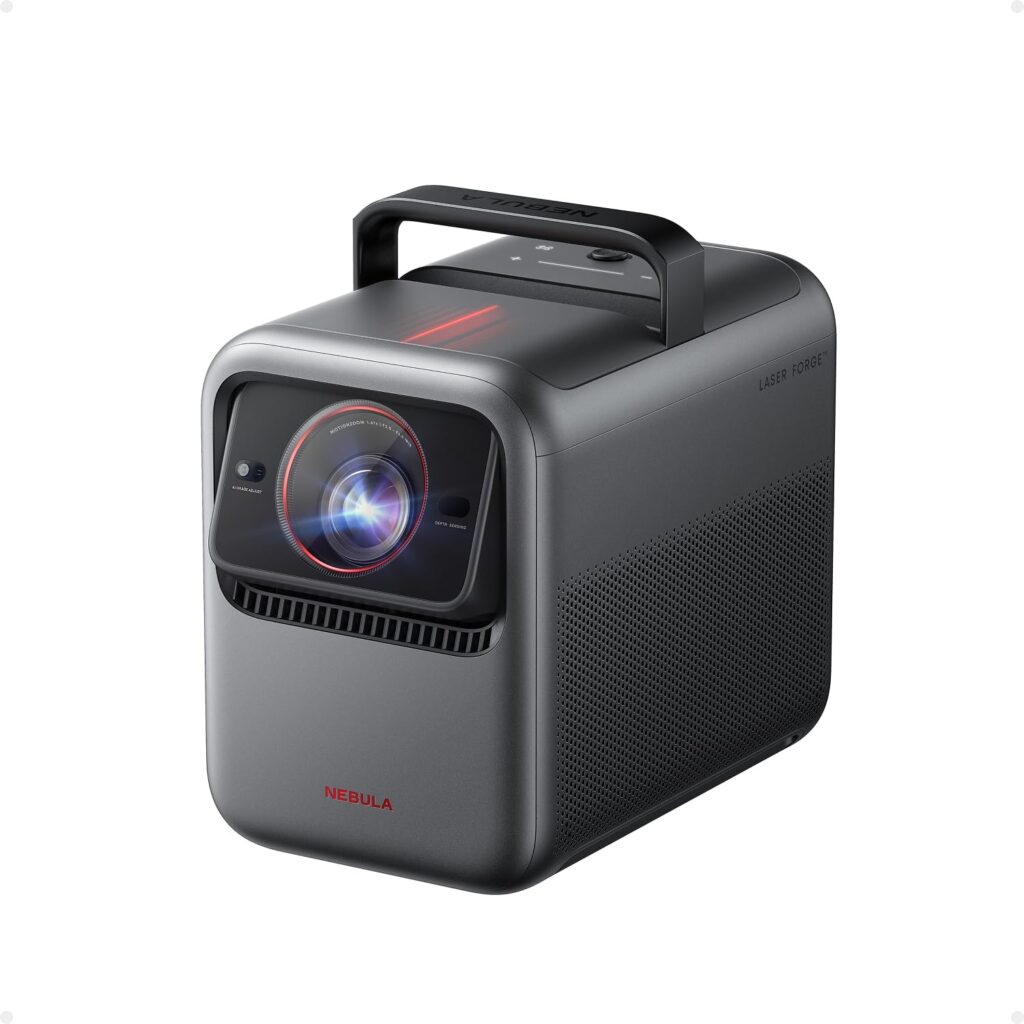
Anker has officially launched the Nebula X1 projector in Europe after its recent launch in the US. It is now available for purchase through multiple retailers, including Amazon Germany, at a retail price of €2,999. Until May 30, customers can use a launch coupon to receive a €500 discount. The product will be released in the United States on May 21.
Anker Nebula X1 Projector
Anker Nebula X1 features
The Nebula X1 features a triple laser optics system with 3,500 ANSI lumens brightness and supports 110% of the Rec. 2020 color space. It’s certified by ISF and TÜV, and includes Dolby Vision for better HDR visuals. The projector delivers 4K resolution (3840 x 2160) through a 14-element all-glass lens for sharper output.
It has a native contrast ratio of 5,000:1, which increases to 56,000:1 using NebulaMaster tech. A 6-blade iris enhances black levels and shadow detail. The projector includes a motorized zoom lens with a throw ratio of 0.9–1.5, which allows flexible placement while maintaining consistent image quality.
The device has a 25° motorized micro gimbal for vertical projection on walls up to 3 meters high. It runs quietly thanks to an advanced liquid cooling system that keeps noise levels below 26 dB.
Image calibration is automatic. Built-in sensors scan the room to adjust clarity, alignment, and size with one click. A Spatial Recall feature saves settings for different rooms.
The Nebula X1 measures 28.2 x 18.6 x 24.55 cm and weighs 6.2 kg. It comes in a black and grey finish with a portable form. Connectivity options include Bluetooth, Wi-Fi, and DC ON. Batteries are not included, and there is no official word on long-term software updates.
For more daily updates, please visit our News Section.
Smart air conditioners in 2025 aren’t just about cooling anymore. They’re about convenience, connectivity, and cutting-edge energy savings. Brands like Samsung, LG, and Panasonic are stepping up with AI powered climate control, voice assistant integration, and smarter scheduling features to keep your home comfortable with less hassle. Whether you’re upgrading or buying your first smart AC, here’s a roundup of the top 2025 models worth considering this summer.
Samsung Bespoke AI WindFree Smart ACs
The first on the list is the 2025 lineup of Samsung Bespoke AI WindFree ACs. The series are designed specifically for Indian consumers and arrives with AI technology with innovative cooling solutions. It is equipped with cutting edge performance while also offering an AI Energy mode for up to 30 percent improvement in power efficiency. Thanks to the AI Digital Inverter, the new Bespoke AI WindFree promises cooling even in extreme outdoor temperatures of up to 58°C.
Samsung BESPOKE AI WindFree Smart AC
So it is ideal for the harsh Indian summers. It also arrives with SmartThings integration, offering a convenient way of remote control for the Bespoke ACs. There is also support for voice controls with Boxby, Google Assistant, and Alexa. The Samsung Bespoke AI WindFree air conditioners start from 32,990 INR in the Indian market.
Please Note: When you buy something using the links in our articles, we may earn a small commission at no cost to you.
LG DualCool AI Air Smart ACs
We have another South Korean tech giant on this list. LG Electronics has just announced the new DualCool AI Air, which is a part of the brand’s 2025 smart AC lineup. It is powered by LG’s AI Core technology and the self developed AI Dual inverter. Pairing the two allows the DualCool AI to automatically detect ambient temperature to adjust cooling, airflow direction, and airspeed.
LG DualCool AI Air
The dedicated AI is used to offer AI for spatial analysis as well as tracking user movements and locations. LG allows for remote control via the ThinQ app. With the Plasmaster Ionizer++, the smart AC promises to eliminate bacteria up to 99.9 percent. LG released the DualCool AI Air in India for 32,990 INR
Please Note: When you buy something using the links in our articles, we may earn a small commission at no cost to you.
Panasonic 2025 Smart AC Lineup
The 2025 series of Panasonic’s Smart AC series starts from 33,990 INR and is a range of Wi-Fi enabled inverter smart ACs that feature True AI technology. Panasonic promises cooling even in 55°C thanks to its 7-in-1 convertible AC lineup. With True AI, Panasonic Smart AC can read the room and sense external weather conditions like heat and humidity to automatically adjust cooling by controlling temperature, cooling mode, and fan speeds.
Panasonic 2025 Smart AC Lineup
The entire lineup can be controlled via the MirAIe application that allows for in depth and convenient control of the Panasonic smart ACs. Panasonic’s new lineup can also be operated by Amazon Alexa and Google Home Smart Devices. There is even support for voice controls through Google Assistant and Alexa.
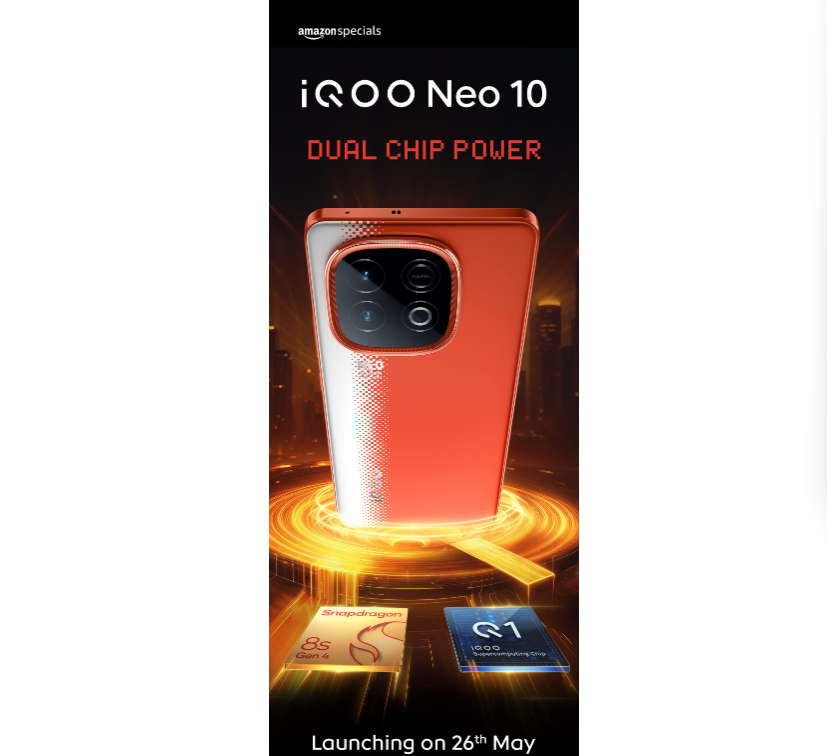
iQOO launched the Neo 10R in India on March 11, and the Neo 10 is now confirmed to launch on May 26 in two color options: Inferno Red and Titanium Chrome. The Amazon listing also reveals the key specifications of the phone.
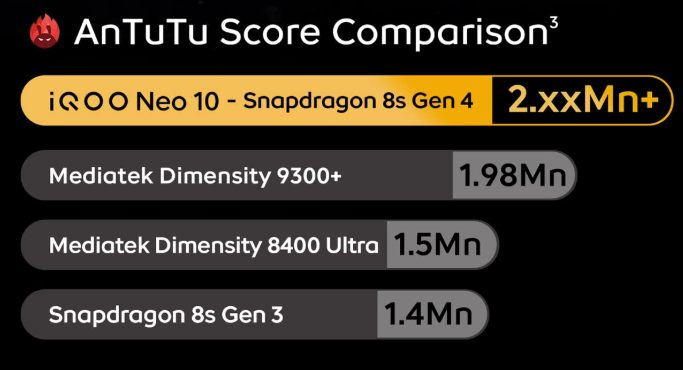
First of all, this isn’t the same as the Chinese iQOO Neo10, which launched back in November. Instead of the Snapdragon 8 Gen 3 used in the Chinese version, the Indian variant is powered by the Snapdragon 8s Gen 4. For context, this is the same chip that powers the iQOO Z10 Turbo Pro, which is also exclusive to China. In fact, the Neo 10 (India) is speculated to be a tweaked version of the Z series device. According to iQOO, the upcoming device scores over 2 million on AnTuTu, which is impressive.
The phone comes with a “Dual Chip Power” tagline, and the secondary chip is the Supercomputing Chip Q1—the same one that enables 144fps gaming on the iQOO Neo 9 Pro. To recall, the recently released iQOO Neo 10R lacks this secondary chip and the MEMC feature.
This dual-chip setup is paired with LPDDR5X Ultra RAM and UFS 4.1 storage. iQOO claims 36% higher data transfer speeds and 49% faster app installation—though they didn’t clarify which phone these figures are compared against. However, they did clearly state that this will be the “segment’s first 144fps gaming smartphone.”
All of this is powered by a 7000mAh battery, another plus point carried over from the Z10 Turbo Pro. It supports 120W wired fast charging and bypass charging for long gaming sessions. For those unfamiliar, this feature lets your phone draw power directly from the adapter, helping reduce heat generation and preserve battery health.
While pricing is still under wraps, the “segment’s first 144fps gaming smartphone” tagline suggests it will be priced lower than the Neo 9 Pro, which launched at ₹35,999.
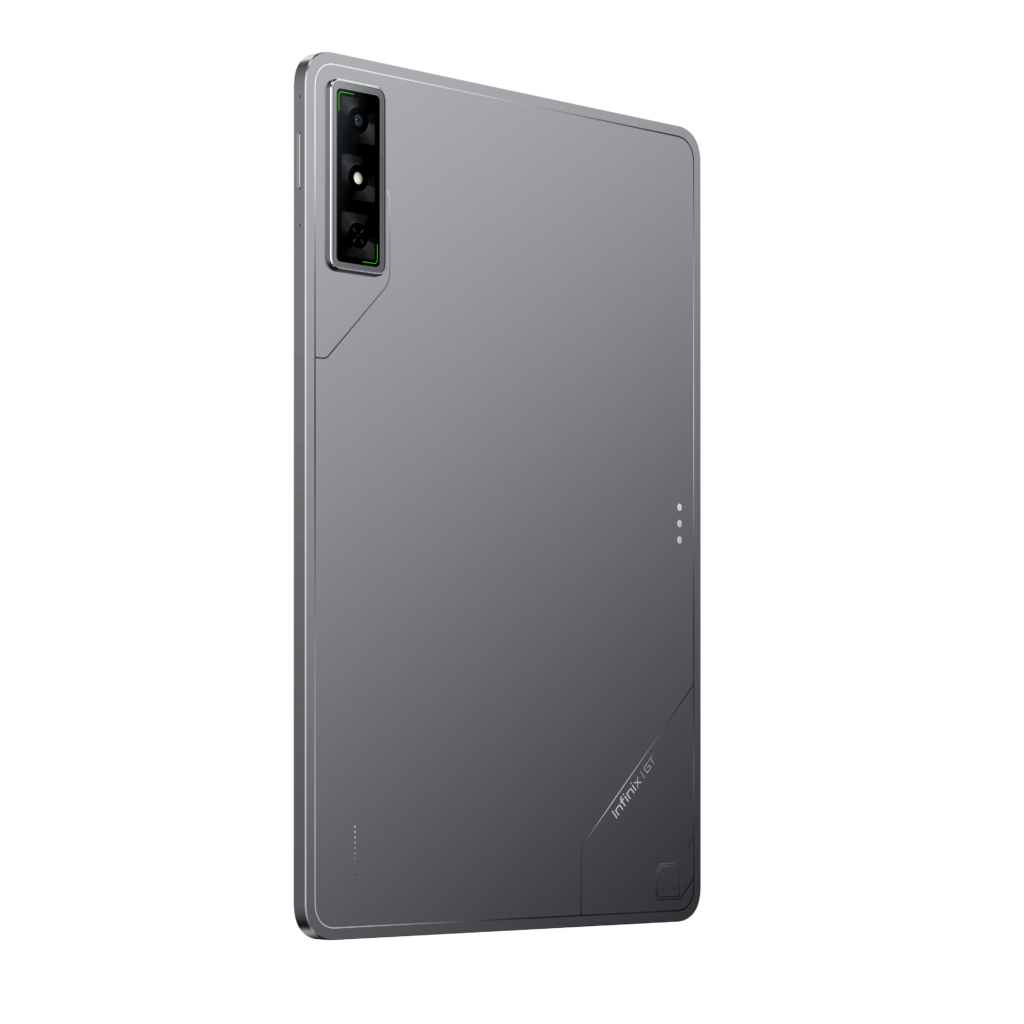
Infinix is preparing to launch new additions to its GT Verse gaming ecosystem. The brand is all set to unveil a Snapdragon-powered tablet named XPad GT, along with the gaming-focused GT 30 Pro smartphone. Here are some details about the XPad GT and other GT Verse products.
Infinix XPad GT gaming tablet: Built for gamers and multitaskers
Infinix XPad GT gaming tablet
The Infinix XPad GT will feature a 144Hz high refresh rate display, a Snapdragon 888 chipset, and a large 10,000mAh battery with 33W fast charging. These specs promise smooth gameplay, immersive visuals, and extended use. The tablet also integrates a 3D surround sound eight-speaker system for an enhanced audiovisual experience. A recent rumor claimed that the device will be equipped with 8GB of RAM and 256GB of built-in storage.
Additionally, Infinix is bringing its AI assistant, Folax, to the tablet with support for larger screen tasks such as AI notetaking, scheduling, and voice commands during media or gaming sessions.
Infinix GT 30 Pro: The core of GT Verse
Accompanying the XPad GT is the new GT 30 Pro smartphone, which is dubbed as the core of the GT Verse. This device is engineered for consistent gaming performance, improved thermal control, and seamless accessory connectivity. To recall, a recently seen Geekbench listing revealed that it could be equipped with the Dimensity 8350 chipset and 12GB of RAM.
Other GT-branded gear includes the GT Buds with 30dB ANC, ZCLIP clip-on earbuds, the GT Power bank with 55W charging, and a cooling fan. Together, these form a full-stack solution aimed at mobile gamers who want more than just performance — they want an ecosystem.
The Infinix GT 30 Pro will launch alongside the above-mentioned products this month globally.
For more daily updates, please visit our News Section.
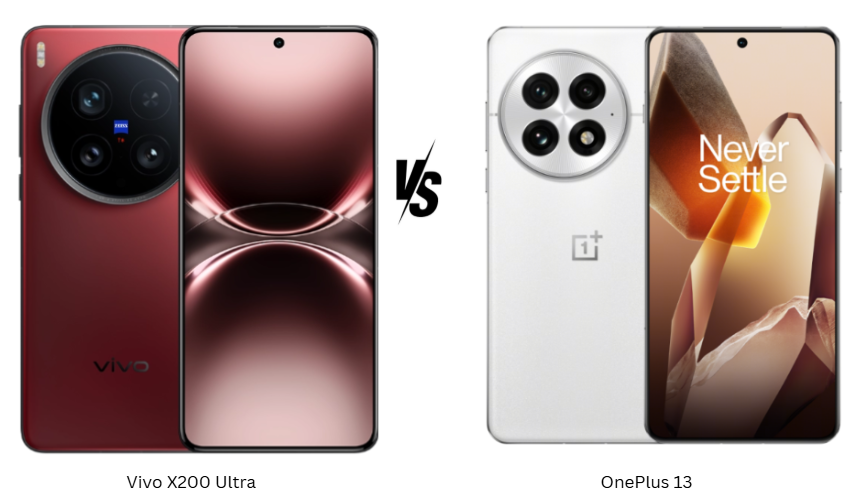
Vivo X200 Ultra and OnePlus 13 are two of the most advanced Android flagships of 2025, both packed with cutting-edge hardware and premium features. With nearly identical pricing and top-tier specs, the real difference lies in how each brand prioritizes performance, camera, and user experience. This comparison is important for buyers choosing between two phones that offer similar value but cater to different user needs.
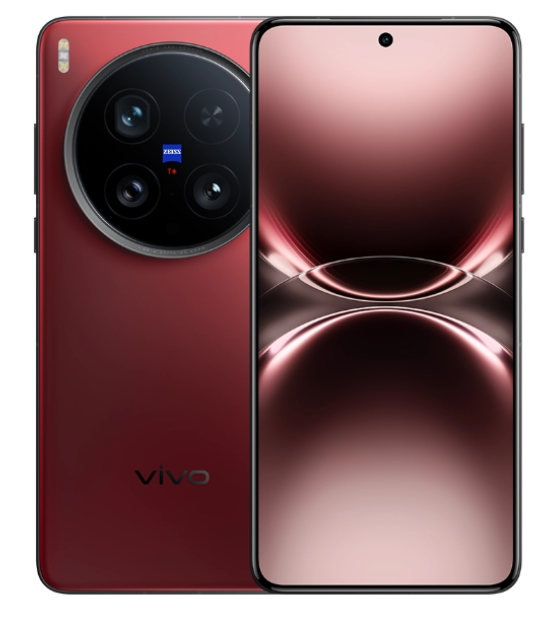
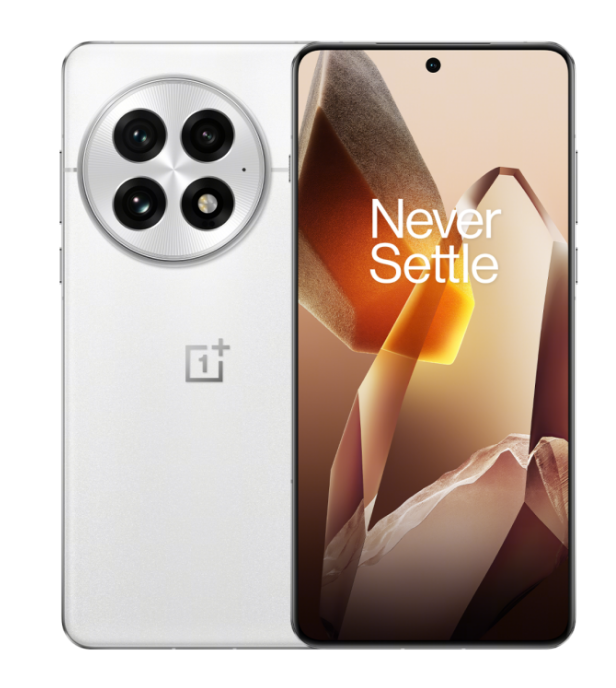
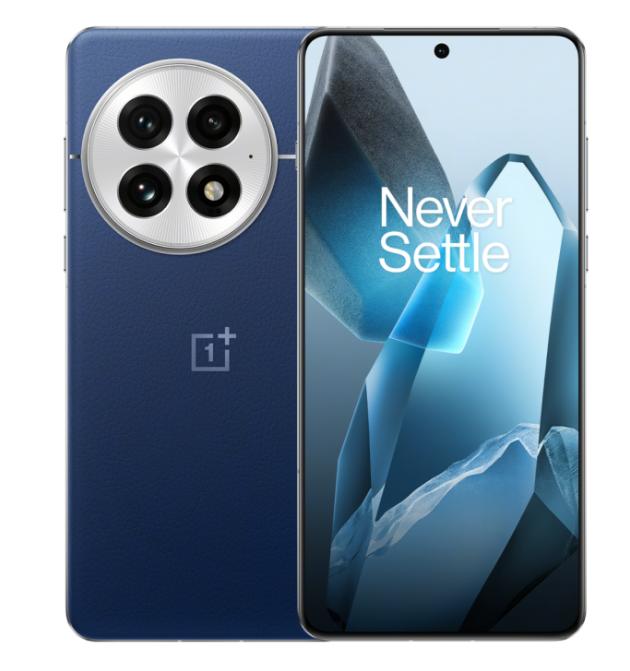
Build and Feel: Vivo X200 Ultra offers a sleek aluminum frame with a premium glass back, bolstered by IP68/IP69 resistance. Its clean, curved design feels luxurious and solid. The OnePlus 13 counters with either a glass or silicone polymer eco-leather back, also framed in aluminum and boasting the same IP68/IP69 rating. OnePlus also integrates Ceramic Guard glass, which adds a unique, rugged touch. The eco-leather variant gives it an edge in comfort and durability. In terms of overall ergonomics and finish, the OnePlus 13 feels slightly more modern due to its build material choices and lighter design, making it more user-friendly over long durations.
Display Quality: Both phones feature a 6.82-inch LTPO AMOLED panel with 1440p resolution and 4500 nits peak brightness. Vivo supports Dolby Vision, HDR Vivid, and also uses Armor Glass for protection. OnePlus adds LTPO 4.1, Ultra HDR image support, and a Ceramic Guard layer. The OnePlus panel offers slightly better color tuning with more HDR formats and always-on capability. While both deliver vibrant visuals, OnePlus edges ahead with finer optimization for HDR and adaptive refresh, enhancing battery efficiency and viewing quality.
Verdict: OnePlus 13 offers more thoughtful design elements like eco-leather and Ceramic Guard, and the display is tuned for better HDR experiences. It edges out Vivo in both durability and display versatility.
2. Specifications
OnePlus 13
Performance: Both devices run on the Snapdragon 8 Elite chipset with identical CPU/GPU configurations. Vivo pairs this with up to 16GB RAM, while OnePlus offers up to 24GB RAM, giving it an advantage in memory-intensive tasks. Storage speeds are also very fast on both, but Vivo uses UFS 4.1, whereas OnePlus sticks to UFS 4.0. Although UFS 4.1 is technically faster, the real-world difference is negligible. OxygenOS on OnePlus, however, is known for better sustained performance in gaming and multitasking compared to OriginOS. Thus, OnePlus provides a more fluid, responsive experience under pressure.
Battery and Charging: Both phones use a 6000 mAh battery, a standout capacity in the flagship space. Vivo offers 90W wired and 40W wireless charging, whereas OnePlus jumps ahead with 100W wired and 50W wireless. OnePlus charges 50% in just 13 minutes, which is noticeably faster. It also supports 10W reverse wireless and 5W reverse wired charging, making it more flexible for accessories and wearables. While both are impressive, OnePlus is clearly more efficient with quicker charging and more reverse options.
Verdict: OnePlus 13 delivers better RAM scalability, faster wired and wireless charging, and more flexible power-sharing features. It stands out as the more practical and performance-ready option.
3. Camera
Vivo X200 Ultra
Main and Secondary Lenses: Vivo equips the X200 Ultra with a gimbal-stabilized 50MP primary, a high-res 200MP periscope with macro and Zeiss optics, and a large 50MP ultrawide lens. It supports a broader range of video features including 8K at 30fps, 4K at 120fps, HDR10+, and 10-bit Log profiles, making it more suited for advanced creators. OnePlus also offers a solid triple 50MP setup with Hasselblad color tuning and similar video resolutions, but sensor sizes are smaller, and it lacks macro or variable zoom options like Vivo’s optional 200mm add-on lens. Vivo offers more pro-grade imaging hardware and creative flexibility.
Selfie Camera: Vivo’s 50MP front camera with autofocus and 4K at 60fps recording is more advanced than the OnePlus’ 32MP sensor without autofocus. Video on both is smooth and detailed, but Vivo provides sharper images and better depth perception, ideal for vlogging and social media content creation. OnePlus performs well but leans slightly toward standard selfie needs.
Verdict: Vivo X200 Ultra provides more versatile rear cameras and a sharper, autofocus-enabled selfie system. It is clearly the superior option for photography enthusiasts and content creators.
4. Pricing
OnePlus 13
Vivo X200 Ultra is priced around $1000, while the OnePlus 13 retails for approximately $950. The $50 difference is minimal in the flagship segment and unlikely to be a deciding factor for most buyers.
Verdict: With such a small price gap, the comparison tilts based on user preference. For photography-centric users, the Vivo X200 Ultra provides more advanced imaging hardware. For those prioritizing faster performance, cleaner software, and quicker charging, the OnePlus 13 delivers more practical advantages without costing more.
Disclaimer: Prices are approximate and may vary based on country, region, and applicable taxes.
5. Conclusion
OnePlus 13
Vivo X200 Ultra stands out with Zeiss-branded optics, gimbal OIS, 10-bit video capture, and support for a detachable zoom lens, features not found on most phones. Its satellite SOS support also adds a safety dimension. OnePlus, in contrast, emphasizes practical enhancements, like ultra-fast charging, up to 24GB RAM, and polished software with OxygenOS and features like “Circle to Search” and ultra HDR playback.
Verdict: Vivo is packed with creative tools and pro-grade optics, making it ideal for photographers and enthusiasts. OnePlus 13, however, delivers a more balanced experience across performance, charging, and UI. For general flagship users, OnePlus 13 is the smarter buy. For niche users prioritizing advanced camera features, Vivo X200 Ultra is the standout.
Aokzoe has launched its next-generation handheld gaming console, the A1X, in China. The A1X blends powerful internals, a high-refresh display, and extensive customization features aimed at gamers who demand top-tier performance from a portable device. The console starts at 5,699 yuan (~$795) and offers AMD’s latest Ryzen 7 8840U or Ryzen AI 9 HX 370 chipsets.
Aokzoe A1X Specifications
The A1X features an 8-inch 1920×1200 LTPS display with a 120Hz refresh rate, Variable Refresh Rate (VRR) support, and 500 nits brightness. It comes in a native landscape orientation, optimized for wide-format gaming and content consumption. The display also covers 100% sRGB, making it suitable for both gaming and media.
Powering the A1X is a choice between the AMD Ryzen 7 8840U and the Ryzen AI 9 HX 370 built on the new Zen 5 architecture, offering up to 12 cores and 24 threads, with integrated Radeon 890M graphics capable of real-time ray tracing. Memory options include 32GB or 64GB LPDDR5X RAM at 7500MHz, paired with up to 2TB PCIe 4.0 SSD storage.
It sports a 72.7Wh battery with support for bypass charging and includes a 100W GaN fast charger. The cooling system combines a 71-blade fan, three 6mm copper heat pipes, and a vapor chamber layered with PTM7950 phase-change thermal material, ensuring thermal stability under heavy loads.
The console equips dual USB 4.0 ports, one USB-A 3.2 Gen2, a high-speed Oculink port, a microSD 4.0 slot, and a 3.5mm audio jack. For controls, it features capacitive joysticks, Hall Effect triggers, a redesigned D-pad, and upgraded ABXY buttons for precision input.
Software-wise, the A1X runs OneXConsole, enabling AI-powered performance tuning, TDP management (4–30W), and RGB lighting customization. The built-in kickstand offers stepless angle adjustment for desktop-style play.
Pricing & Availability
The Aokzoe A1X is now listed for pre-order on JD.com with the following configurations:
Sales are expected to begin in the coming weeks. The global version debuted last month, positioning itself as a rival to the ROG Ally and Steam Deck in international markets.
For more daily updates, please visit ourNews Section.
Casio is apparently working on a brand new high end watch. A new leak has revealed the MRG-B2000RG-3A model, which is likely a new addition to the existing MR-G lineup. This has offered us a look at the premium build quality and a hefty price tag. So here’s everything we know so far.
Casio MRG-B2000RG-3A Watch: What does it offer?
The popular watch maker’s upcoming MRG-B2000RG-3A model was spotted on a Great G-Shock World blog post. This new Casio MR-G watch could launch for a rumored price tag of around 400,000 Yen, which is roughly about 2,800 US Dollars. Looking at the leaked image, the MRG-B2000RG-3A watch features a design inspired by “kurogane-iro”, which basically means iron color. So we can see a dark green color scheme.
Casio MRG-B2000RG-3A Watch
Along with this color scheme, it has a dark primary background and gold accents. But one of the notable aspects is the inclusion of the recrystallized titanium. This is in line with a few other MR-G models from Casio, although the model brings a more unique aesthetic. The entire design seems similar to the B2000 series watches. So there’s a chance that the Casio MRG-B2000RG-3A also brings support for Bluetooth smartphone sync, Solar charging, and other features from the B2000 lineup.
The leaked image reveals that the watch has a fluoro rubber band. So the overall weight should be light, especially considering how it also blends the titanium build material. Unfortunately, this model only appears to be arriving in the Japanese market. Meaning, it might be limited to certain Asian regions since the global release is still unclear at the moment.
For more daily updates, please visit our News Section.
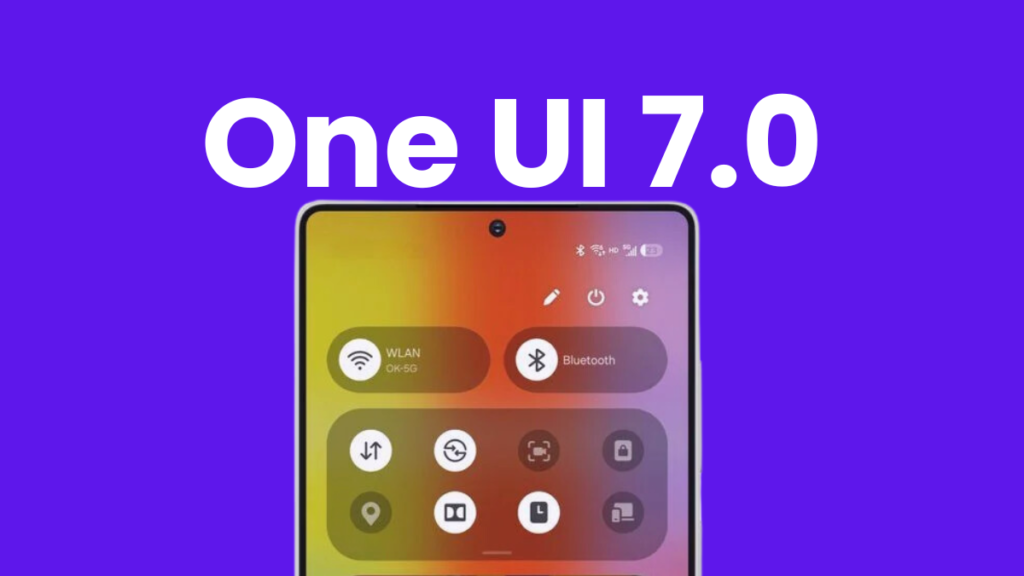
One UI 7 is one of the most exciting software upgrades in Samsung’s history — and also one of the most frustrating. While it brings a ton of new features, enhancements, and improvements, its rollout has been marred by a major delay.
Samsung finally began rolling out the stable One UI 7 update in the US in the second week of April 2025. As expected, premium models such as Galaxy S24 series, Galaxy Z Fold 6, and Galaxy Z Flip 6 got the early taste, but Samsung quickly expanded the rollout to more devices. The update is now available for many Galaxy phones and tablets, which you can take a look at below.
Samsung devices that are getting the One UI 7 update
Galaxy phones
Galaxy S24
Galaxy S24+
Galaxy S24 Ultra
Galaxy S24 FE
Galaxy S23
Galaxy S23+
Galaxy S23 Ultra
Galaxy S23 FE
Galaxy S22
Galaxy S22+
Galaxy S22 Ultra
Galaxy S21
Galaxy S21+
Galaxy S21 Ultra
Galaxy Z Fold 6
Galaxy Z Flip 6
Galaxy Z Fold 5
Galaxy Z Flip 5
Galaxy Z Fold 4
Galaxy Z Flip 4
Galaxy Z Fold 3
Galaxy Z Flip 3
Galaxy tablets
Galaxy Tab S10+
Galaxy Tab S10 Ultra
Galaxy Tab S9
Galaxy Tab S9+
Galaxy Tab S9 Ultra
Galaxy Tab S9 FE
Galaxy Tab S9 FE+
Galaxy Tab S8
Galaxy Tab S8+
Galaxy Tab S8 Ultra
Keep in mind that the update doesn’t reach all carriers and unlocked models at the same time. It may take a few days — or even a few weeks — to arrive on your device. To manually check for the update, go to Settings > Software update and hit the Download and install option.
If you have a Galaxy device that’s not on the above list, you may have to wait a little longer to receive the update. Ensure that your Galaxy device is eligible for the One UI 7 upgrade, if you haven’t already (check the complete list here).
Major updates can sometimes cause issues like data loss or system bugs. Follow these five simple tips to make sure you’re upgrading safely:
1. Back up your data
This is the first and most important thing to do before hitting the install button, especially when it’s a major update. Backing up important data keeps you worry-free even in case of firmware failure. Although such incidents happen rarely, a possibility is always there.
You can use Samsung Cloud to backup without any storage limit. The only catch is that the backup is stored on Samsung’s servers for 30 days. Make sure to restore your data within that period.
2. Free up storage space
One UI 7 is a large update, with a download size of around 5GB or more. If your device doesn’t have enough space, the update might fail. Additionally, it can slow down your phone. It’s recommended that you keep at least 10GB free storage on your Samsung device.
Go to Settings > Device care > Storage to delete unnecessary files, unused apps, and large media files. You can reclaim more storage by removing some large files that are already backed up.
3. Install pending updates
Make sure all apps and system software are updated before installing One UI 7. Updated apps are more likely to be compatible with the new software.
You can update Samsung apps via the Galaxy Store and others through the Google Play Store. Also, go to Settings > Software update > Download and install to check for any pending system updates.
4. Charge your device to at least 30%
Major updates like One UI 7 consume more battery and take longer to install. Make sure your phone is charged to at least 30% to avoid interruptions. If the phone shuts down mid-installation, you could end up with corrupted files or unstable software.
5. Read community feedback
Even stable builds can have bugs. Before installing, it might be a good idea to visit the Samsung Community forums or related subreddits to see how others are experiencing the update on your specific model.
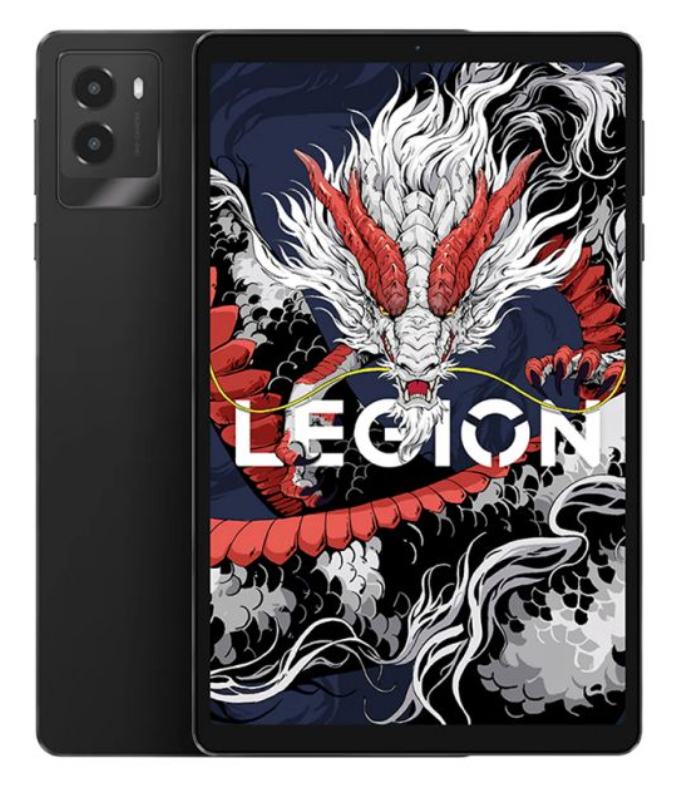
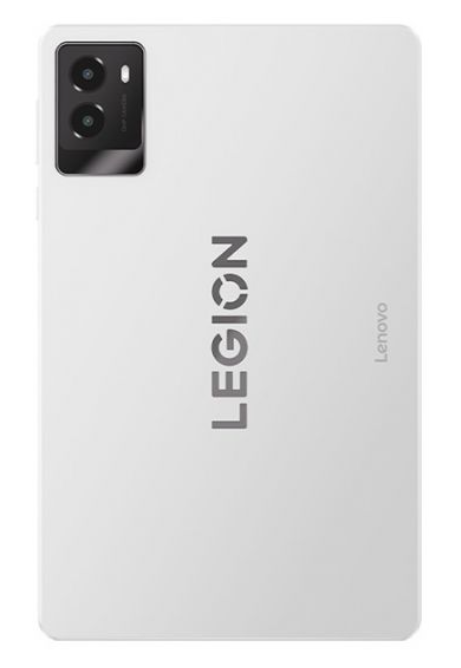
Lenovo Legion Y700 2024 is a compact yet powerful tablet designed for gamers and multimedia lovers. With its 8.8-inch display and flagship-level chipset, this device balances entertainment, performance, and portability. Running on Android 14 with Lenovo’s custom ZUI 16 interface, it delivers a smooth and modern user experience tailored for multitasking and gaming.
Huge Price Drop: Grab the Lenovo Legion Y700 2024 for Just $399
Now is the perfect time to grab the Lenovo Legion Y700 2024 at Geekwills, as the price has dropped significantly with the upcoming 2025 model on the horizon. Originally priced much higher, this powerful gaming tablet is now available at just $399, making it one of the best deals in its class.
Vivid Display for Immersive Viewing
The Legion Y700 2024 features an 8.8-inch IPS LCD screen with a high resolution of 2560 × 1600 pixels. With a fast 165Hz refresh rate and 100% DCI-P3 color gamut support, the visuals are not only smooth but also colorful and sharp. It supports Dolby Vision, DC dimming, and has a brightness of up to 500 nits, making it suitable for both indoor and outdoor use. TÜV Rheinland certification ensures low blue light levels for eye comfort during long gaming or streaming sessions.
Flagship-Level Performance
Powered by the Qualcomm Snapdragon 8 Gen 3 octa-core processor, this tablet offers strong performance suitable for high-end gaming and productivity. You can choose between 12GB or 16GB of fast LPDDR5X RAM, and storage options include 256GB or 512GB of UFS 4.0, allowing for rapid app loading and smooth multitasking. The system is responsive, even under heavy load, thanks to efficient software and hardware integration.
Camera and Audio Enhancements
The Legion Y700 2024 includes a 13MP rear camera for quick shots and document scanning, while the 8MP front camera is ideal for video calls and face unlock. Dual X-axis linear motors and ultra-linear dual speakers with Dolby Atmos provide a rich audio and haptic experience, which is especially noticeable during gaming sessions.
Long Battery Life and Fast Charging
The device is powered by a 6550mAh battery that supports 45W fast charging. Lenovo claims up to 14.6 hours of video playback and around 9 hours of gaming, making it a solid performer for all-day use. It supports Quick Charge 3.0 and includes dual USB-C ports for more convenient charging and connectivity.
Reliable Connectivity and Useful Features
The tablet supports Wi-Fi 6, Bluetooth 5.3, and optional 5G for fast wireless connections. It also features a 3.5mm headphone jack, fingerprint scanner, and face unlock for added security. The dual USB-C ports support USB 3.2 Gen2 and DisplayPort output, making it more versatile for content creators and mobile workers.
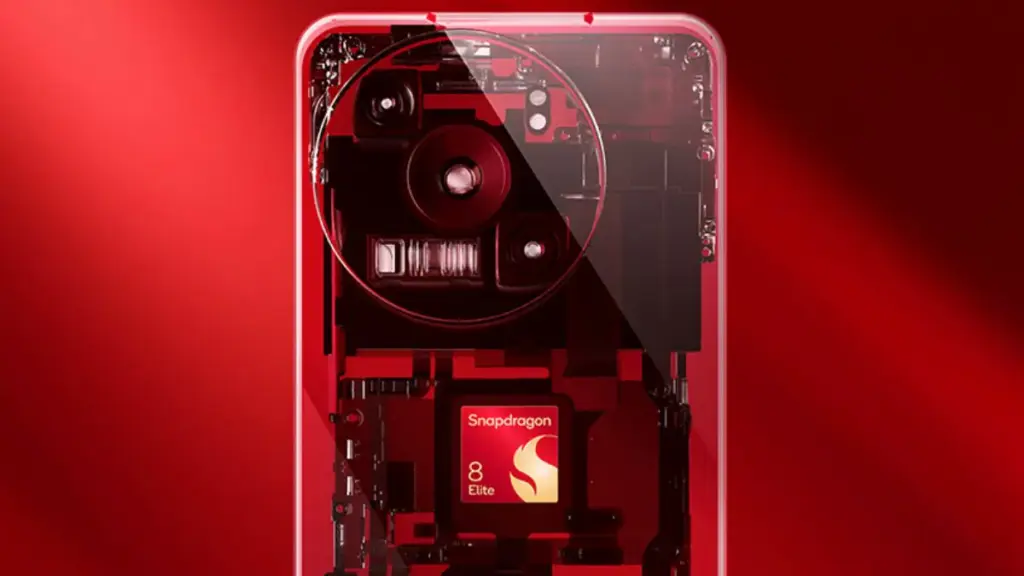
Qualcomm’s Snapdragon 8 Elite 2, slated for a late September 2025 reveal, promises a leap over its predecessor with a 100 TOPS NPU, Oryon Gen 2 CPU cores, and a beefy Adreno 840 GPU, per a leak from Digital Chat Station. Set to power flagships like the Galaxy S26 Ultra or the Xiaomi 16, it’s gearing up for a big 2026.
The Snapdragon 8 Elite 2 is shaping up to be Qualcomm’s most potent mobile chipset yet, and a big upgrade over the already impressive Snapdragon 8 Elite, and is rumored to debut at the Snapdragon Summit in September 2025.
Leaker Digital Chat Station, known for reliable scoops, shared on Weibo that it’ll use TSMC’s cutting-edge N3P 3nm process and Oryon Gen 2 CPU cores—two prime and six performance cores—ditching efficiency cores like its predecessor.
As per a previous report, the prime cores will run at a clock speed of 4.4GHz, a slight upgrade over the 4.32GHz clock of the predecessor. Built on the Armv9 architecture with SME 1 and SVE2 support, it seems that the 8 Elite 2 will also be ready for advanced AI features.
The chipset’s Hexagon NPU hits a staggering 100 TOPS, which could be beneficial for features like AI-powered photo and video editing. Its Adreno 840 GPU, paired with a 33% larger 16MB L2 cache, boosts gaming and graphics by 30%, with display brightness tweaks also in tow. AnTuTu scores reportedly surpass 3.8 million, which is a hefty jump from the 8 Elite’s 2.7 – 3 million.
The 8 Elite 2’s efficiency and power could redefine Android flagships. Will it outshine Apple’s A19, or is the 100 TOPS NPU just hype? Expect more leaks as we inch closer to the official unveiling.
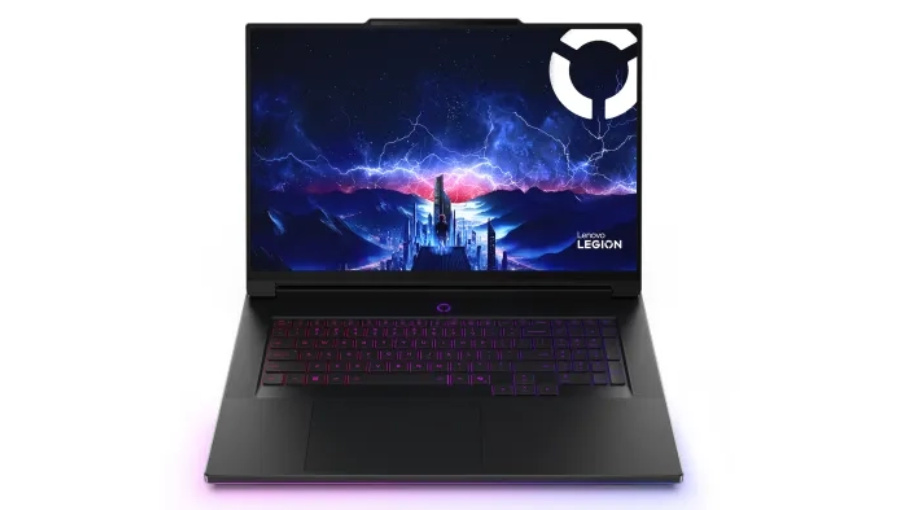
Lenovo’s Legion 9i is getting a refresh with what are likely the beefiest specs money can buy today. The 10th-generation model brings a Core Ultra 9 295HX CPU and up to 192GB of DDR5 memory. Add to that, you get an option to choose a 3D display model with eye-tracking and a lenticular lens support. Here’s everything you need to know about it.
Lenovo Legion 9i Specifications
The Legion 9i comes with an 18-inch screen that supports both 2D and 3D content. In 2D mode, the panel reaches up to 4K resolution (3840 x 2400) and supports refresh rates as high as 240Hz. There’s also a 1920 x 1080 2D mode that boosts the refresh rate up to 440Hz.
Switch over to 3D, and the resolution drops to 1920 x 1200, but with the benefit of naked-eye 3D thanks to integrated eye-tracking and a lens array system. No glasses are required.
Lenovo says it supports up to 30 3D games through its in-house software, and the visual hardware is being pitched directly to digital artists, visual designers, and gamers working in stereoscopic environments.
Internally, the Legion 9i maxes out with an Intel Core Ultra 9 275HX CPU and NVIDIA’s latest RTX 5090 GPU. The laptop supports up to 192GB of RAM and as much as 8TB of SSD storage, which is split across four memory slots and four SSD bays. The base model ships with a standard 4K non-3D screen, but Lenovo is clearly pushing flexibility with its upgradable design.
You get plenty of connectivity options. There are two Thunderbolt 5 ports, four USB 3.2 Gen 2 ports (three Type-A, one Type-C), HDMI 2.1, full-size SD card reader, Ethernet, Wi-Fi 7, and Bluetooth 5.4. The 2D model includes a 5MP f/2 webcam, while the 3D version uses a faster f/1.6 lens. Both cameras come with a privacy switch.
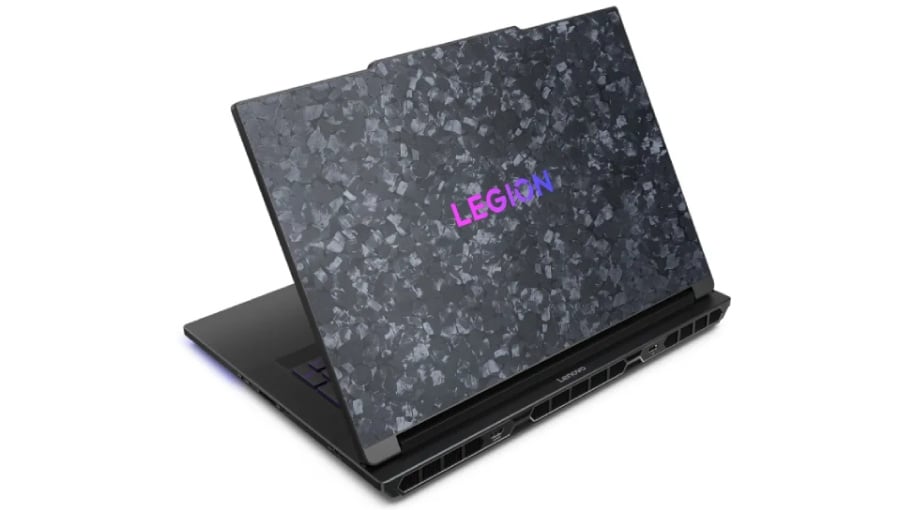
Physically, the Legion 9i features a carbon fiber lid made from eight individual layers, which Lenovo claims makes it lighter and stronger than aluminum. The pattern of the carbon fiber varies slightly from unit to unit, which the company says gives each laptop a unique finish.
It’s gonna be expensive
With such beefier specs, It’s not surprising that it’s expensive hardware to get hands-on. Lenovo hasn’t announced the pricing yet. But considering the Gen 9 model costs over $4,500, we wouldn’t be surprised if the 3D screen version costs over $5,000.
For more daily updates, please visit ourNews Section.
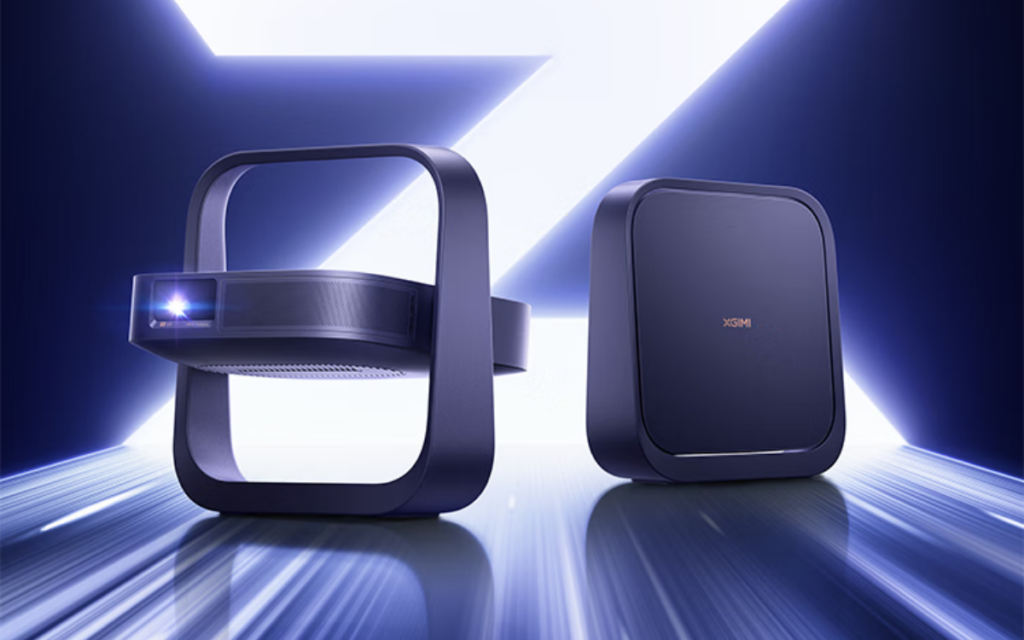
Xgimi has officially launched the Z6X Pro Tri-Color Laser Edition in China, a compact yet high-spec home projector that blends portability with top-tier features. It is now available for pre-order on JD.com at 2,699 yuan ($374). Sales are set to begin on May 15 at 8:00 PM (CST).
Xgimi Z6X Pro Specifications
The Z6X Pro features a tri-color laser light source that delivers 910 CVIA lumens (950 ISO), offering vibrant, true-to-life brightness. It comes with full HD 1080p resolution and supports a 1600:1 static contrast ratio for deeper blacks and more dynamic on-screen visuals. The projector also sports 110% BT.2020 ultra-wide color gamut support and HDR Vivid for enhanced color accuracy and depth.
It equips a HiSilicon true octa-core processor, similar to what powers Huawei’s smart displays, paired with 4GB of RAM and 64GB of internal storage. This setup enables fast boot times, fluid UI navigation, and stable playback across demanding applications. The projector uses a Mali-G52 GPU and supports MEMC motion compensation, AI-enhanced image tuning, and scene-adaptive dynamic contrast to keep visuals smooth and sharp.
For audio, the Z6X Pro comes with 7W Harman Kardon stereo speakers tuned with HoonSound engine technology. The sound system supports Dolby Audio and is designed to deliver spacious, high-fidelity output that eliminates the need for external speakers in most environments.
It sports a folding book-style chassis that weighs only 1.28kg and measures 75mm thick, making it easy to move or reposition. The integrated 150° gimbal mount allows flexible manual tilt for projecting onto ceilings, walls, or angled surfaces. It also features automatic keystone correction and full-frame autofocus for quick setup.
The projector includes HDMI (with ARC), USB, and DC ports, along with dual-band Wi-Fi and Bluetooth 5.1. It runs GMUI 6.0 and supports voice commands, screen casting via AirPlay and DLNA, and built-in content streaming. Power consumption is rated at 65W, with fan noise kept below 28dB at a 1-meter distance.
This new model closely resembles the globally launched Elfin Flip but comes in a slightly bulkier frame with larger dimensions and significantly higher ISO lumens. It could potentially debut worldwide later this year as an upgraded version of the Elfin Flip.
For more daily updates, please visit ourNews Section.
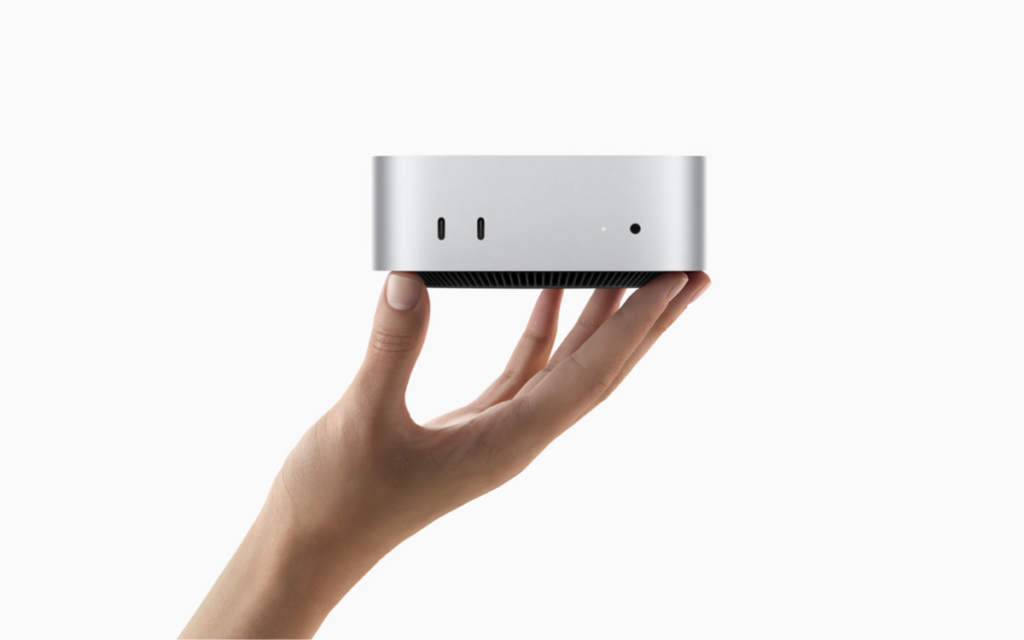
Over the years, I’ve grown to appreciate Mini PCs and what they offer. Over the last couple of years, these tiny computers have managed to not just become great for daily use, but have also filled in the workstation desktop role without taking up too much space. So, with the Apple M4 Mac Mini getting a $100 discount, it is one of the best deals for those looking for a powerful mini PC.
Apple M4 Mac Mini Gets a Big $100 Discount on Amazon
The Cupertino based giant’s M4 Mac Mini is on sale on Amazon with a $100 discount, which brings the price down for the base model to just $495. For under $500, the M4 processor on the Mac Mini is great for not just everyday use, but even hefty productivity tasks like video editing. Keep in mind, the entry variant offers 16GB of RAM and 256GB of internal storage.
Apple M4 Mac Mini
On the other hand, the 16GB + 512GB variant now costs $743, while the 24GB + 512GB variant is also down to just $906. If you’re looking for more horsepower, some variants with the M4 Max chipset are also on sale right now. Mac Minis have been a great choice as a compact all rounder PC that excels in limited spaces. But these weren’t really known for their computational prowess.
However, the M4 Mac Mini brings a healthy upgrade in both performance and starting memory. This makes it a powerful PC in an ultra compact form factor, which can easily handle everyday and intense workloads. So this is easily one of the best deals for a mini PC.
For more daily updates, please visit our News Section.
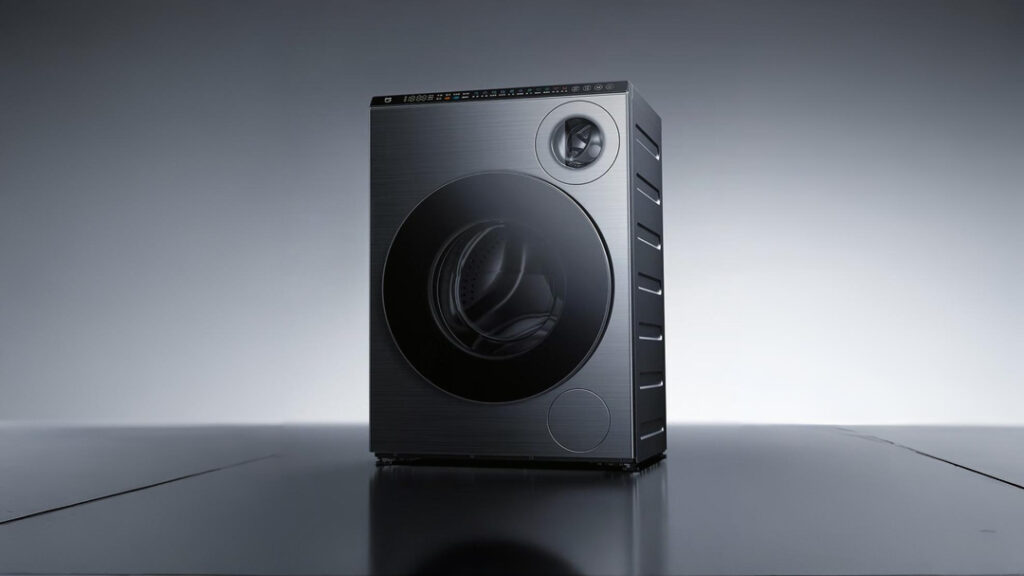
Xiaomi has launched the Mijia Dual-Zone Washer Pro, a premium smart washer-dryer that features a stacked dual-drum design in a compact 10kg form factor. It includes a 10kg main drum for regular laundry and a dedicated smaller drum for delicate items such as undergarments or sportswear. The appliance goes on sale starting May 13, priced at 5,499 yuan ($760), with a subsidized starting price of 4,399 yuan ($608).
Xiaomi Mijia Dual-Zone Washer Pro Specifications
The machine equips a Blue Oxygen Care Wash system that uses active oxygen to penetrate fabric fibers, helping remove yellowing and stains while reducing color transfer in mixed loads. It also supports steam sterilization that eliminates 99.99% of bacteria, viruses like H1N1 and HPV-16, and allergens, backed by medical-grade hygiene certifications for both drums.
It sports a triple-route automatic detergent dispensing system that intelligently measures detergent, softener, and innerwear cleanser, adjusting doses based on fabric and load. A single refill lasts up to one month. The washer also features Xiaomi’s HyperOS, enabling AI-powered load detection, environmental sensing, and weather-adaptive washing programs.
The unit comes with dual water inlets and drainage systems, preventing contamination between the two tubs. It’s powered by a DD (direct-drive) inverter motor with an advanced dual suspension system and an eccentricity detection algorithm that minimizes vibration and noise.
It features a 12-minute quick wash, high-pressure pet hair removal, and a Smart Fresh Air mode that kicks in automatically if clothes sit idle post-cycle. The washer also equips a vibrant full-touch display with unified controls for both drums and supports XiaoAI voice commands, OTA updates, and AloT smart home connectivity.
In related news, Xiaomi has launched the Mijia Water Purifier S1 (1000G), featuring a smart touch faucet, 2.78L/min high flow rate, and HyperOS integration. The company also introduced a new smart skipping rope equipped with a display and weighted balls, priced at just $13.
For more daily updates, please visit ourNews Section.
Motorola has almost wrapped up the Android 15 rollout to its devices. There may still be a few devices left for the upgrade, which should be completed in the coming days or weeks. The next stop is Android 16, which is almost cooked for a stable release — yes, it’s coming sooner than Android releases in recent years.
Google might release stable Android 16 anytime soon. According to the official timeline, it will go live by June 2025. If you care about new features and software improvements, you must be wondering if your current Motorola phone is eligible for the next big upgrade or if a smartphone upgrade is needed to enjoy the latest features and enhancements. So, here’s the list of Motorola devices that will get the Android 16 update.
Motorola Android 16 eligible devices list
Motorola hasn’t shared which devices will be upgraded to Android 16. So, we had to rely on the existing software update policy and a bit of guesswork in preparing the list.
Motorola Razr 2025 / Razr 60
Motorola Razr+ 2025
Motorola Razr Ultra 2025 / Razr 60 Ultra
Motorola Razr 2024 / Razr 50
Motorola Razr+ 2024 / Razr 50 Ultra
Motorola Razr 2023 / Razr 40
Motorola Razr+ 2023 / Razr 40 Ultra
Motorola Edge 60
Motorola Edge 60 Pro
Motorola Edge 60 Fusion
Motorola Edge 60 Stylus
Motorola Edge 50
Motorola Edge 50 Pro
Motorola Edge 50 Ultra
Motorola Edge 50 Fusion
Motorola Edge 50 Neo
Motorola Edge 40 Pro
Motorola Edge (2024)
Motorola ThinkPhone
Motorola ThinkPhone 25
Moto G Stylus 5G (2025)
Moto G Power 5G (2025)
Moto G (2025)
Moto G85
Moto G75
Moto G55
Moto G35
Moto Pad 60 Pro
If your Motorola device is listed there, you are almost guaranteed to receive an Android 16 upgrade. Other users should wait for an official list because Motorola hasn’t announced the OS update eligibility for many models that only leaves users in the dark.
Motorola has a terrible update policy
Software updates are still one of the biggest concerns with Motorola phones. Take Razr 2025 models, their newest premium offerings, for example, which only promise Android updates for three years. Things only get worse as you move to mid-range and cheaper models, with most of them maxing out at just two.
Worst of all, Motorola hasn’t even announced future update eligibility for many models, leaving them clueless about whether their phones will receive the next upgrade. The brand also doesn’t publish a list of eligible devices for the next upgrade or a planned rollout timeline. This was also true for Android 15.
Motorola, however, showed some confidence last year by announcing five years of Android updates to a mid-range phone like the Edge 50 Neo and later expanding it to a few devices (see the full list here), but now it seems like those were the only lucky devices. Newer models, including the Razr 2025 and Edge 60 models, only promise up to three Android updates.
Other major Android brands like Samsung and Google are taking this game through the roof by offering as many as seven Android updates. Obviously, this applies to flagship models, but the mid-range Galaxy devices aren’t less surprising. Take the $200 Galaxy A16 5G, for example, which promises a whopping six Android updates — something we couldn’t have imagined on cheaper devices a few years ago.
Motorola really needs to work on improving its update policy. Their phones are excellent, otherwise.
Realme has officially confirmed the global launch of its GT 7 series on May 27 at an event in Paris. The GT 7 Pro has already launched in India with Qualcomm’s new Snapdragon 8 Elite SoC. The May 27 event will likely introduce the vanilla GT 7 and the GT 7T. As per teasers, the series will introduce an industry-first graphene IceSense cooling design. The company says the theme, “Power that Never Stops,” reflects its focus on sustained performance and battery life.
The brand has also claimed that the GT 7 device will offer up to a 6-hour stable 120FPS gaming experience. For India, the GT 7 and GT 7T will launch soon via realme.com, Amazon.in, and offline retail partners.
In earlier reports, Realme had been teasing the GT 7 and GT 7T across several markets. Both models were spotted on Geekbench—initially believed to be powered by the Dimensity 9300 Plus and Dimensity 8400 chipsets, respectively. However, based on the latest internal testing leaks, the GT 7 is now expected to feature the newer Dimensity 9400e, which is said to offer the same CPU and GPU as the 9300+ but with improved thermal and power efficiency. The GT 7T is likely to retain the Dimensity 8400 chip.
There were earlier rumors suggesting these devices could be rebranded versions of the realme Neo 7 and Neo 7 SE from China. However, new official teasers showing the GT 7’s rear design and camera layout rule out any direct rebranding, confirming that the GT 7 is a new global-first product. The phone is expected to launch in at least blue and black color variants.
There is also speculation that the GT 7 with Dimensity 9400e may launch in China later as the Neo 7 Pro.
For more daily updates, please visit our News Section.
Bose has just announced its latest collaboration for a new limited edition earbuds. The company is bringing a special edition Bose × LISA Ultra Open Earbuds, working with the popular K-pop star. These earbuds will officially go on sale this weekend, so here’s what we know.
Bose × LISA Ultra Open Earbuds: What does it offer?
The known audio brand has worked with artists before and this continues this tradition with Lisa this time around. The Bose × LISA Ultra Open Earbuds and Bose × LISA Ultra Open Earbuds: Crystal Edition have just been announced with her signature chrome star on the charging case. This design is featured in a glossy black color. Bose will sell this limited edition earbuds for 399 US Dollars.
Bose × LISA Ultra Open Earbuds
The company is hosting the immersive Bose × LISA Pop-up Boutique in Los Angeles on Saturday (between 10th and 11th May), with first sales kicking off on May 12 after the pop up event. Buyers can purchase it from the brand’s official website. Buyers can either purchase this model or enter a sweepstakes where 25 winners can win a flight to Los Angeles to meet LISA in person and receive one set of Bose x LISA Ultra Open Earbuds: Crystal Edition.
Apart from the unique aesthetic, the Bose × LISA Ultra Open Earbuds offer the same specs and features as the regular Bose Ultra Open Earbuds. So you’re still getting a cuff shaped design that goes around the ear. The open ear design allows users to still aware of their surroundings and promises up to 7 hours of battery life. One of its notable features includes multipoint connection that lets it connect to two Bluetooth sources at the same time.
For more daily updates, please visit our News Section.
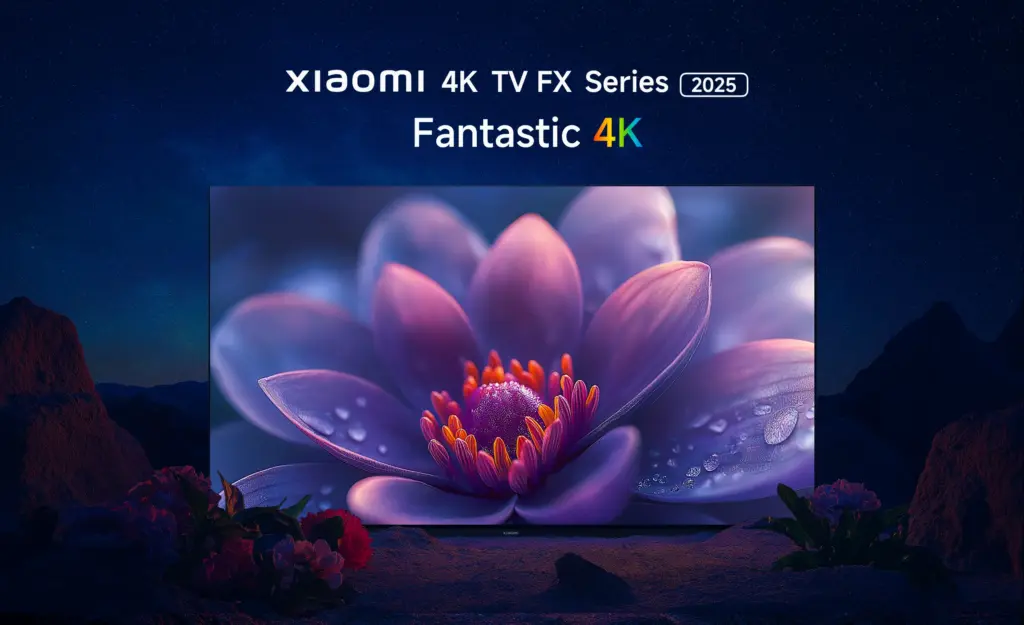
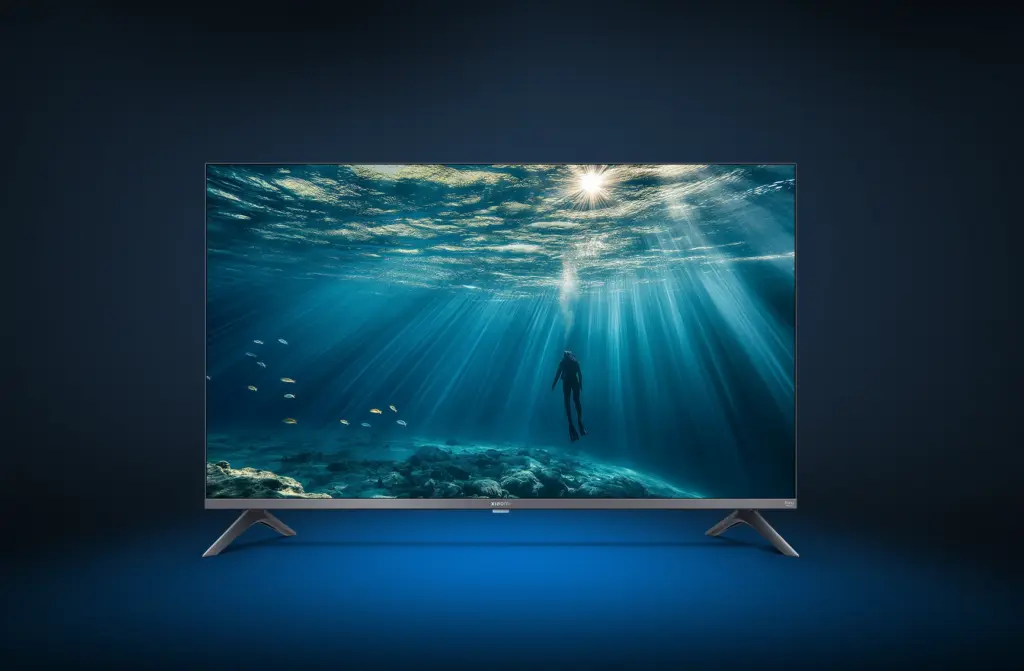
Xiaomi has launched its QLED TV FX Pro Series 2025 in India with 43-inch and 55-inch models. Both TVs run Fire TV OS and come with a voice-enabled remote that includes a dedicated Alexa button and quick access to Prime Video, Netflix, and Amazon Music. They will be available from May 14 on Amazon.in, Mi.com, and offline partners.
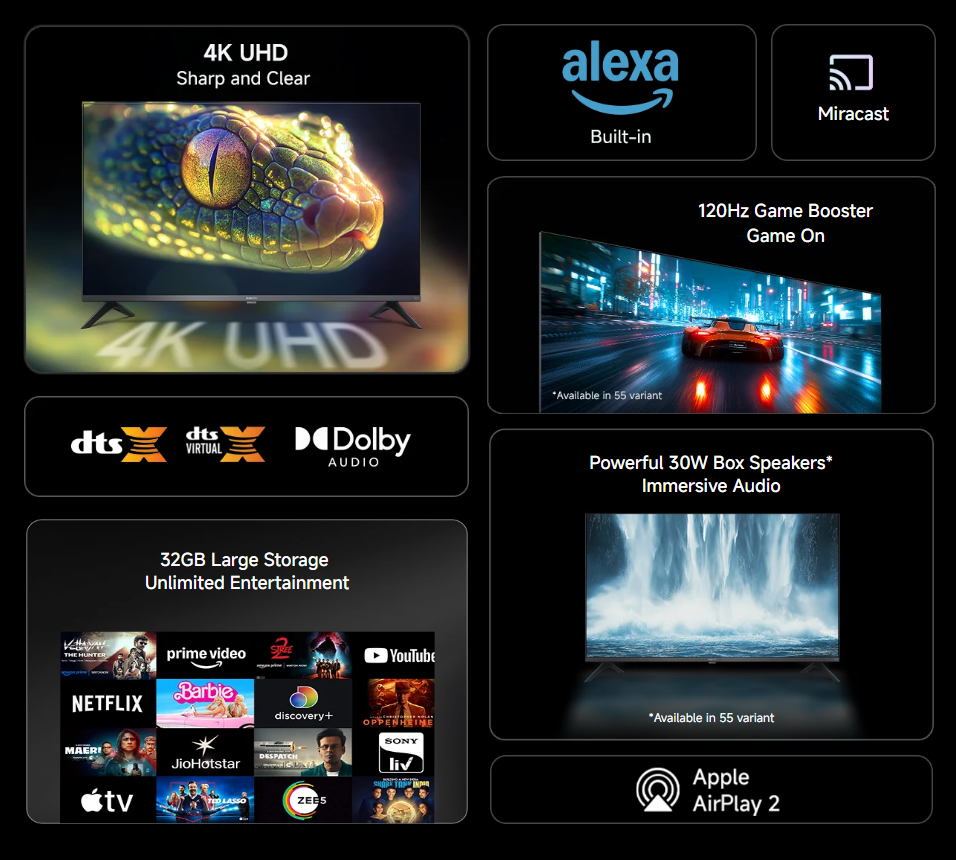
The TVs feature a 4K (3840 x 2160) QLED display with quantum dot technology, 1.07 billion color depth, and DCI-P3 wide color gamut. They support HDR10+ for better contrast and brightness. Filmmaker Mode is included to turn off picture processing like noise reduction and motion smoothing. Viewing angle is 178 degrees.
The 43-inch model comes with 30W speakers, while the 55-inch has 34W speakers. Both support Dolby Audio, DTS-HD, and DTS Virtual:X. For performance, they run on a quad-core Cortex A55 processor with Mali-G52 MC1 GPU, 2GB RAM, and 32GB storage. The Game Booster feature pushes refresh rates up to 120Hz for smoother gameplay, although the default display refresh rate is 60Hz. MEMC support is also included.
Connectivity options include dual-band Wi-Fi (2.4GHz / 5GHz), Bluetooth 5.0, AirPlay, Miracast, 3 HDMI ports (2.0 & 2.1, one with ARC), 2 USB ports, 3.5mm audio jack, Ethernet, and antenna inputs.
Pricing & availability
The 43-inch QLED TV FX Pro is priced at ₹27,999 ($329), while the 55-inch model costs ₹39,999 ($469). As part of the launch offer, Xiaomi is giving a ₹2,000 discount for purchases made using HDFC Bank cards. Sale starts on May 14 on Amazon.in, Mi.com, and offline stores.
For more daily updates, please visit ourNews Section.
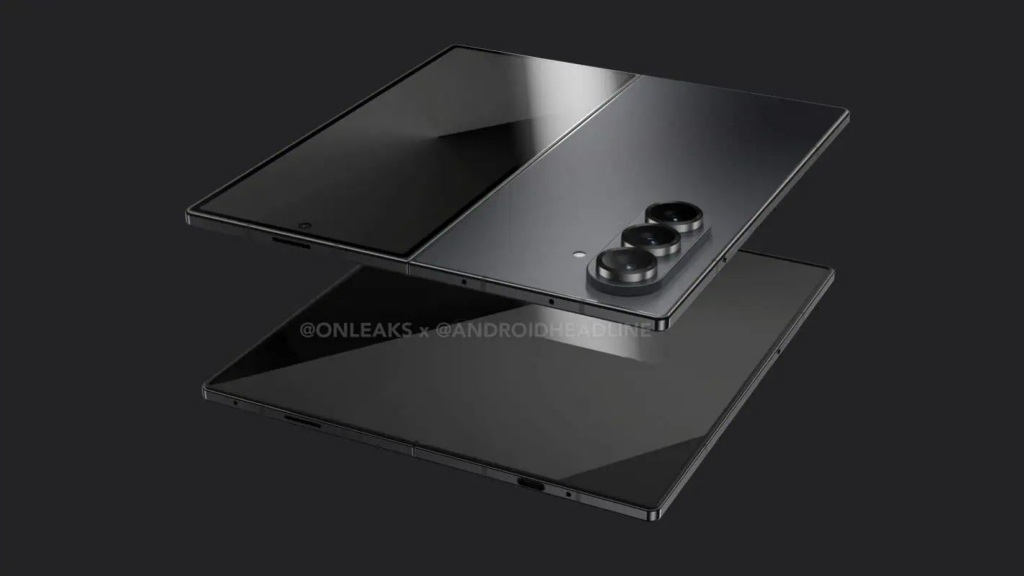
Samsung is all set to release its next generation of premium foldable smartphones soon. The lineup consists of the Galaxy Z Fold 7 and Galaxy Z Flip 7. Rumors and reports have already revealed plenty of details regarding both models. While Samsung is the market leader in foldable phones, Chinese OEMs have pushed the boundaries in terms of innovation. But a fresh leak has hinted at Samsung swinging back with the thinnest ever foldable phone.
Samsung Galaxy Z Fold 7: Is it getting the biggest generational upgrade?
The news arrives from a known tipster Ice Universe, who shared a tweet that revealed details regarding the Galaxy Z Fold 7. He claimed that the South Korean tech giant plans to launch the slimmest foldable phone in the market, taking on the Oppo Find N5. The Galaxy Z Fold 7 will reportedly measure just 3.9mm in thickness when unfolded and 8.9mm when folded.
Samsung Galaxy Z Fold 7 leaked CAD renders
Ice Universe further adds that the Z Fold 7 will pack a 4,400mAh battery pack and the Galaxy Z Flip 7 has a 4,300mAh cell. This is in line with one of our recent reports based on a UL Demko certification. Apart from this, the tipster stated that the base version of the Galaxy S26 will also “continue to be thin.” Another report claimed that the production for the Galaxy Z Fold 7 and Galaxy Z Flip 7 have started earlier than expected ahead of the July launch.
Samsung’s Galaxy Z Fold 7 model did surface in another leak last month, which also confirmed that it could be the slimmest foldable ever. In other words, it will beat even the Oppo Find N5. But that report claimed that the Z Fold 7 would only measure 8.2mm in thickness. This is all the information we have at the moment, so stick around for more.
For more daily updates, please visit our News Section.
Samsung has officially confirmed the global launch of the Galaxy S25 Edge for May 13, 2025. The company also announced that the phone will feature a 200MP main camera with the ISOCELL HP2 sensor, and promises that it offers more than just a slim profile. The S25 Edge was first showcased at the Galaxy Unpacked event earlier this year.
As per previous reports, the Galaxy S25 Edge will be Samsung’s thinnest and lightest phone in recent years, measuring just 5.84mm thick and weighing around 162 grams. The device will feature a titanium alloy frame and a ceramic back, paired with ultra-thin 1.32mm bezels and a central punch-hole selfie camera. It will run on One UI 7, built on Android 15, and include Samsung’s Galaxy AI tools like Audio Eraser and Auto Trim.
Samsung Galaxy S25 Edge – Titanium Silver
It will come in Titanium Jet Black, Titanium Silver, and Titanium Icy Blue, and pricing in Europe starts at €1,249 for the 256GB variant. US buyers can already pre-reserve the device with a $50 Samsung credit. The launch event, titled “Beyond Slim,” will be livestreamed worldwide at 9:00 a.m. KST.
The phone’s display is expected to reach up to 2,600 nits brightness and support Gorilla Glass Victus 2 protection. Under the hood, it uses the Snapdragon 8 Elite for Galaxy processor, fabricated on a 3nm process and capable of reaching 4.47GHz speeds. It’s also expected to include a wide vapor chamber for thermal management.
Storage options will reportedly top out at 512GB, with no 1TB model planned. Wireless charging may be excluded, and battery capacity is smaller than other S25 models, potentially affecting endurance. The Edge will support seven years of software updates and include standard connectivity options such as Wi-Fi 7, Bluetooth 5.4, USB-C 3.2, and IP-rated durability. Sales are expected to begin May 30 in the US, with limited production of 40,000 units.
We use cookies on our website to give you the most relevant experience by remembering your preferences and repeat visits. By clicking “Accept”, you consent to the use of ALL the cookies.
This website uses cookies to improve your experience while you navigate through the website. Out of these, the cookies that are categorized as necessary are stored on your browser as they are essential for the working of basic functionalities of the website. We also use third-party cookies that help us analyze and understand how you use this website. These cookies will be stored in your browser only with your consent. You also have the option to opt-out of these cookies. But opting out of some of these cookies may affect your browsing experience.
Necessary cookies are absolutely essential for the website to function properly. This category only includes cookies that ensures basic functionalities and security features of the website. These cookies do not store any personal information.
Any cookies that may not be particularly necessary for the website to function and is used specifically to collect user personal data via analytics, ads, other embedded contents are termed as non-necessary cookies. It is mandatory to procure user consent prior to running these cookies on your website.