Advertisement

Xiaomi launches Redmi G Pro 32U 2026 monitor with 4K 160Hz, Mini LED & HyperOS 3

Xiaomi has officially launched the Redmi G Pro 32U 2026, a 32-inch Mini LED monitor designed for gamers and content creators. The monitor is now available for pre-order in China at a price of 3,199 yuan ($468).

Xiaomi Redmi G Pro 32U 2026 monitor

Redmi G Pro 32U 2026 Specifications

The Redmi G Pro 32U 2026 features a 31.5-inch QD-Mini LED display. It supports two refresh rate modes, allowing it to handle 4K resolution at 160Hz and 1080p resolution at 320Hz. It achieves a 1ms GTG response time and includes support for AMD FreeSync Premium Pro, variable refresh rate (VRR), and auto low latency mode (ALLM).

Xiaomi uses 1,152 local dimming zones with a QD-Mini LED backlight system to improve brightness and contrast control. The display reaches a peak brightness of 1,600 nits and maintains a minimum brightness of 0.001 nits, providing deeper blacks and greater detail in shadows. These features make it suitable for HDR content, and the monitor is certified for DisplayHDR 1000 and supports Dolby Vision, including Dolby Vision gaming.

Xiaomi Redmi G Pro 32U 2026 monitor

The QD-Mini LED technology enables the monitor to achieve wide color gamut coverage. It supports 98% DCI-P3, 100% Adobe RGB, and 100% sRGB color spaces. The panel comes factory-calibrated, ensuring a color accuracy rating of ΔE < 1.

The monitor also includes gaming features like dark scene enhancement, crosshair overlays, and zoom assist, along with TÜV Rheinland-certified low blue light technology to reduce eye strain while preserving color accuracy.

For connectivity, the monitor comes with dual HDMI 2.1 ports (4K at 160Hz), DisplayPort 1.4, USB-C with 90W charging, two USB 3.0 ports, and a 3.5mm audio jack. It includes dual 5W speakers with DTS:X audio and supports Dolby Atmos for external sound systems.

Xiaomi Redmi G Pro 32U 2026 monitor

The monitor runs on HyperOS 3, offering smart capabilities such as switching between monitor and TV modes, accessing streaming services, utilizing XiaoAI voice commands, and integration with Xiaomi’s smart home ecosystem. It is powered by a quad-core Cortex-A73 processor and comes with 3GB RAM and 32GB internal storage.

Xiaomi Redmi G Pro 32U 2026 monitor

The design includes an aluminum alloy frame, slim bezels, and RGB ambient lighting for a customizable look. The stand delivers flexibility with options for height adjustment, tilt, swivel, and pivot, as well as VESA mount support.

In related news, Xiaomi has recently introduced a new split air conditioner with 15-second cooling and 30-second heating, alongside a smart floor-standing air conditioner with HyperOS and powerful airflow.

For more daily updates, please visit our News Section.

Stay ahead in tech! Join our Telegram community and sign up for our daily newsletter of top stories! 💡

Samsung Galaxy Watch Users Report Battery Drain Issue After Recent Updates

A growing number of Samsung Galaxy Watch users are reporting unusual battery drain across several models. The issue appears to have started after recent software updates. Many users say their smartwatch battery is draining much faster than usual, even though their daily usage habits have not changed.

source: https://www.reddit.com/r/GalaxyWatch/comments/1sj9tl9/anyone_else_having_this_issue/

Affected Devices

The problem has been reported on multiple devices, including the Samsung Galaxy Watch6, Samsung Galaxy Watch7, Samsung Galaxy Watch8, and the Samsung Galaxy Watch Ultra. Some users claim their battery life has dropped from around four days to just two days after the update.

Suspected Cause

The issue is widely believed to be linked to Google Play Services. This system service handles important tasks such as app syncing, location tracking, and background processes. Reports suggest it may be running abnormally in the background, causing frequent CPU wake-ups and increased power consumption.

User Reports and Behavior

Users on forums like Reddit have described the battery drain as sudden and severe. In some cases, Google Play Services alone is said to consume more than 10% of the battery. Restarting the watch may temporarily reduce this usage, but the problem often returns. Some users have also noticed missing or inaccurate battery usage stats.

Temporary Fixes and Current Status

Basic troubleshooting steps like restarting the watch, clearing the cache, or performing a full reset have been tried by many users. However, these fixes only provide temporary relief and are not reliable.

As of now, there has been no official response from Samsung or Google. The exact cause remains unclear, and users may need to wait for a future software update to fully resolve the issue.

Read More:

(via)

OPPO A6s Pro Launched With 7000mAh Battery, 80W Charging – Full Specs

OPPO has officially launched the OPPO A6s Pro in China, expanding its A-series lineup with a strong focus on battery life, durability, and smooth display performance. The smartphone is already available for pre-order and will go on sale starting April 17. With a large battery, modern design, and solid mid-range specs, it targets users who want long-lasting performance without compromising on features.

Launch & Availability

The OPPO A6s Pro has debuted in China and is currently open for pre-orders via the brand’s official website. The first sale is scheduled for April 17. Reports suggest the device may launch in India soon under a different name, likely as the OPPO F33 Pro.

Pricing Details

The smartphone is available in multiple configurations:

  • 8GB + 128GB – CNY 2,199 (~₹30,000)
  • 8GB + 256GB – CNY 2,399 (~₹33,000)
  • 12GB + 256GB – CNY 2,699 (~₹37,000)
  • 12GB + 512GB – CNY 2,999 (~₹41,000)

Special flash sale pricing is expected to start around 1999 yuan, with subsidized offers dropping it further.

Display

OPPO has equipped the A6s Pro with a 6.57-inch Full HD+ AMOLED display that delivers a smooth and vibrant viewing experience. The 120Hz refresh rate ensures fluid scrolling and gaming, while the peak brightness of 1400 nits helps in outdoor visibility. It also supports 100% DCI-P3 color gamut and 10-bit color depth, making visuals richer and more accurate. The 2160Hz PWM dimming reduces eye strain during extended use.

Performance

The device is powered by the MediaTek Dimensity 6360 Max chipset built on a 6nm process. It features a combination of performance and efficiency cores, making it suitable for daily tasks, multitasking, and moderate gaming. A large 4300mm² vapor chamber cooling system helps maintain stable performance during heavy usage.

Memory & Storage

The OPPO A6s Pro comes with up to 12GB of LPDDR4X RAM and up to 512GB of UFS 2.2 storage. This setup ensures smooth app performance and enough space for media, apps, and files.

Camera

The smartphone features a dual rear camera setup with a 50MP primary sensor and a 2MP secondary sensor for depth or monochrome shots. It supports up to 10x digital zoom and can record videos at 1080p 60fps. On the front, there is a 16MP selfie camera designed for clear photos and video calls.

Battery & Charging

One of the biggest highlights is the massive 7000mAh battery, which is designed to easily last more than a full day of heavy usage. It supports 80W Super Flash charging, allowing users to quickly recharge despite the large battery size.

Build & Durability

The phone focuses heavily on durability. It features OPPO Crystal Shield glass and meets military-grade MIL-STD-810H certification. It also offers top-tier water and dust resistance with IP66, IP68, and IP69 ratings. This means it can handle extreme conditions, including high-pressure water jets and exposure to heat.

Design & Colors

OPPO has added stylish finishes to the A6s Pro with unique visual effects. Color options include:

  • White 
  • Blue 
  • Silver 

The design includes light-reflective patterns inspired by nature and light effects, giving the phone a premium look.

Features & Audio

The smartphone includes an in-display fingerprint sensor for security. It also features stereo speakers with Hi-Res audio support, enhancing the multimedia experience. An IR sensor is included for added utility.

Connectivity

The device supports a wide range of connectivity options, including 5G, dual 4G VoLTE, Wi-Fi (dual-band), Bluetooth 5.4, GPS, GLONASS, Beidou, NFC, and USB Type-C.

Software

The OPPO A6s Pro runs on Android 16 with ColorOS 16 on top, offering a smooth and feature-rich user experience with customization options.

Full Specifications:

Display

  • 6.57-inch AMOLED, FHD+ (2372 × 1080)
  • 120Hz refresh rate
  • 240Hz touch sampling rate
  • 1400 nits peak brightness
  • 100% DCI-P3, 10-bit colors

Processor

  • MediaTek Dimensity 6360 Max (6nm)
  • Octa-core (2× Cortex-A76 + 6× Cortex-A55)
  • Mali-G57 MC2 GPU

RAM & Storage

  • 8GB / 12GB LPDDR4X RAM
  • 128GB / 256GB / 512GB UFS 2.2

Camera

  • Rear: 50MP (f/1.8) + 2MP
  • Front: 16MP (f/2.4)
  • Video: 1080p @ 60fps

Battery

  • 7000mAh
  • 80W fast charging

Build & Protection

  • Crystal Shield glass
  • MIL-STD-810H certified
  • IP66 + IP68 + IP69 / IP69K

Software

  • Android 16
  • ColorOS 16

Connectivity

  • 5G, 4G LTE
  • Wi-Fi (dual-band)
  • Bluetooth 5.4
  • NFC, USB Type-C
  • GPS, GLONASS, Galileo, Beidou, QZSS

Sensors

  • In-display fingerprint
  • Proximity, ambient light
  • Gyroscope, accelerometer
  • Compass, color temperature sensor

Dimensions & Weight

  • Thickness: 8.29mm
  • Weight: 194g 

Note on 4G / 5G  Variants:

It’s worth noting that you may see different specs and chipset details for the OPPO A6s Pro across various sources. This is because the phone is launched in multiple variants for different markets. Some regions may get a 4G version powered by the MediaTek Helio G100 MAX, while the China variant is positioned as a 5G model using a Dimensity 6300/6360 series chipset. So, the exact processor and some other specs may vary depending on the region and final model launched.

Disclaimer: Some details may vary by region and model. Please check official listings for final specifications before buying.

Read More:

(via)

One UI 8.5 beta is now Samsung’s biggest beta program, and also the longest one

Samsung One UI 8.5 beta program

Samsung has stretched the One UI 8.5 beta program long enough to make it the longest One UI beta program in the company’s history. While that can be frustrating, it has allowed the brand to release the One UI 8.5 beta to a larger number of Galaxy devices, thus becoming the company’s biggest beta program to date.

The beta program went live in early December 2025, starting with the Galaxy S25 series, and it didn’t expand to other devices for the next three months. That long gap led to rumors that the beta program might remain exclusive to the Galaxy S25 series. But Samsung had other plans.

In mid-March 2026, the One UI 8.5 beta expanded to Galaxy Z Fold 7 and Galaxy Z Flip 7 for the first time. The beta rollout has since expanded to over a dozen Galaxy devices. What surprised us the most is the inclusion of Galaxy A-series phones, which typically don’t receive minor One UI releases. The list also includes three generations of FE phones, for the first time.

As of writing this post, the One UI 8.5 beta program is available for a total of 21 Galaxy devices. Here’s the complete list:

  • Galaxy S25 series, S24 series, S23 series
  • Galaxy S25 FE, S24 FE, S23 FE
  • Galaxy Z Fold 7, Fold 6, Fold 5
  • Galaxy Z Flip 6, Flip 6, Flip 5
  • Galaxy Tab S11, Tab S11 Ultra
  • Galaxy A55, A36, A35

That’s 21 devices in total, more than the total number of Galaxy devices that participated in previous One UI beta programs. The One UI 8.0 beta had about 18 eligible devices, while the One UI 7 beta had only 12. The One UI 6.1 and One UI 6.1.1 beta programs had fewer than 15 eligible devices each.

While it’s good to see Samsung doing the hard work to bring the One UI 8.5 beta to a larger user base, there’s still room for improvement. Samsung could’ve done a better job of expanding the beta, particularly in the first few months. And for the Galaxy S25 series, Samsung appears to be prolonging the beta program, given that recent beta builds have had no critical bugs. It has already received nine One UI 8.5 betas, which is already the biggest any Galaxy device has received so far. Still, looking at new features and upgrades in One UI 8.5, the wait is worth it.

Be sure to visit the Samsung section on this website regularly for the latest One UI updates. Alternatively, you can join our Telegram channel to get instant notifications about the latest software updates and breaking tech news.

Redmi A7 Pro 5G debuts in India as first Pro model in A series

Xiaomi has added a new model to its entry-level lineup in India, and this one brings a small change to the naming as well. The Redmi A7 Pro 5G is now official, marking the first time a “Pro” tag shows up in the A-series. At a glance, the focus is pretty clear. This phone is all about size and battery, rather than pushing performance.

You get a 6.9-inch HD+ LCD display with a 120Hz refresh rate. Resolution is still on the lower side, but for everyday use, scrolling, videos, it should feel good enough. Xiaomi has also added triple TUV Certifications for Low Blue Light, Flicker-Free viewing, and Circadian-friendly tuning to ensure a comfortable visual experience.

Under the hood, it runs on the Unisoc T8300, paired with 4GB RAM and up to 8GB of virtual RAM. Storage goes up to 128GB and can be expanded via microSD, so there’s some flexibility there.

The phone packs a 6,300mAh battery, which should easily last a full day, and likely longer for lighter users. Charging is capped at 15W, so topping it up will take some time.

Cameras are fairly basic. A 32MP main sensor on the back, plus an 8MP front camera. Enough for casual use, but clearly not the highlight here.

On the software side, it runs HyperOS 3 based on Android 16, and Xiaomi is promising up to four years of OS updates and six years of security patches. That’s actually quite solid for this segment. Other bits include a side fingerprint sensor, headphone jack, USB-C, and IP52 rating for basic dust and splash protection.

Pricing and availability:

Pricing starts at ₹11,499 for the 4GB + 64GB model, going up to ₹12,499 for 128GB. Sales begin April 15 across Xiaomi’s website, Amazon, and offline stores.

While this is a straightforward budget phone, the camera island design makes it look much more expensive than it is, which could be a big selling point for many.

Don’t miss a thing! Join our Telegram community for instant updates and grab our free daily newsletter for the best tech stories!

For more daily updates, please visit our News Section.

(Xiaomi)

50% of the Galaxy S27 series rumored to be powered by the Exynos 2700

Samsung looks like it’s leaning more seriously into its own chips for 2027. New reports suggest the company plans to increase the use of Exynos processors in the Galaxy S27 series, mainly to reduce how much it depends on Qualcomm. The reason is pretty straightforward, Snapdragon chips are getting expensive. For the Galaxy S25 lineup, Samsung went all-in on Qualcomm’s flagship chip, which ended up costing the company around 3 trillion won.

If Samsung continues down this path, things don’t really get easier. The Snapdragon 8 Elite Gen 6 Pro, expected to power the Galaxy S27 Ultra, is said to move to TSMC’s more expensive 2nm process. That would likely push costs even higher. At that point, Samsung either absorbs the hit, passes it on to buyers, or leans more on its own chips to keep manufacturing costs in check.

So the shift toward Exynos isn’t exactly surprising. That said, real-life performance tests paint a mixed picture of the Exynos 2600. It performs well in some areas, but still trails Snapdragon in power efficiency, thermals, and battery life.

As for the Galaxy S27 series, Samsung is said to be aiming for roughly a 50% split between Snapdragon and Exynos. That’s a noticeable jump, and it suggests the company is more confident this time around.

Of course, this isn’t without some risk. Exynos hasn’t always had the best reputation, especially when compared to Snapdragon in real-world use. That said, recent versions have improved, and Samsung clearly has a strong incentive to keep pushing in that direction.

In a way, this feels like a long-term correction. Relying too heavily on Qualcomm turned out to be expensive, and now Samsung is trying to rebalance things.

How well this works will depend on the power efficiency and stability of the Exynos 2700. If it can hold up in everyday performance, not just benchmarks, Samsung might finally get closer to that balance it’s been aiming for.

Don’t miss a thing! Join our Telegram community for instant updates and grab our free daily newsletter for the best tech stories!

For more daily updates, please visit our News Section.

(Source)

REDMI R70, REDMI R70m listed on official website with specs, color options

Xiaomi has quietly added two new phones to its Chinese website, the REDMI R70 5G and R70m 5G, and they look very much aimed at the lower end of the 5G market.

Both models are currently marked as “coming soon,” so they’re not up for sale yet. Still, the listings give a fairly clear idea of what Xiaomi is going for here, large displays, big batteries, and pricing that stays within reach.

The two phones share most of their core specs. Up front, there’s a 6.9-inch LCD panel with a 120Hz refresh rate and a 720p+ resolution. Not the sharpest, but it should be enough for everyday use like scrolling, messaging, and streaming.

They’re powered by the Unisoc T8300, built on a 6nm process, paired with LPDDR4x RAM and UFS 2.2 storage. Nothing high-end, but in line with what you’d expect at this price point.

Xiaomi is offering a decent range of configurations. The R70 starts at 4GB + 128GB (1599 yuan) and goes up to 8GB + 256GB, while the R70m skips the base variant and stretches all the way to 12GB + 256GB.

The main difference between the two is the battery. The standard R70 comes with a 6000mAh unit, while the R70m bumps that up slightly to 6300mAh. Charging is capped at 15W.

Camera setup is pretty basic. There’s an 8MP front camera and a single 13MP rear sensor, so clearly not a focus here.

Design-wise, they follow a familiar look and come in a few color options like Feather White, Starry Black, and a couple of blue and purple shades. The phones are on the larger side, but still relatively slim for what they pack. Both models run Hyper OS 3, which is Xiaomi’s software skin based on Android 16.

Overall, these feel like straightforward budget 5G phones. Not trying to do anything fancy, just covering the basics with a bit of extra emphasis on battery life.

Don’t miss a thing! Join our Telegram community for instant updates and grab our free daily newsletter for the best tech stories!

For more daily updates, please visit our News Section.

(Sources: 1, 2)

Red Magic Gaming Tablet 5 Pro full specs leak reveals 185Hz display, Snapdragon 8 Elite Gen 5, 24GB RAM, and more

Last year in June, Red Magic unveiled the Snapdragon 8 Elite-powered Red Magic Gaming Tablet 3 Pro in China, which later launched globally as the Red Magic Astra Gaming Tablet. Now, the brand is said to be preparing its successor, tentatively called the Red Magic Gaming Tablet 5 Pro. Senior executive Jiang Chao recently hinted at an April or May 2026 launch timeline, and ahead of this, tipster Digital Chat Station has shared key details about the device.

Red Magic Gaming Tablet 5 Pro specifications (rumoured)

Red Magic Gaming Tablet 5 Pro
Red Magic Gaming Tablet 5 Pro teaser

According to the leak, the Red Magic Gaming Tablet 5 Pro could feature a compact 9-inch OLED display with a resolution of 2400 x 1504 pixels. The panel is expected to support a refresh rate of up to 185Hz, indicating a strong focus on smooth gaming visuals. Powering the device could be the Snapdragon 8 Elite Gen 5 chipset, paired with an advanced liquid cooling circulation system designed to manage heat during extended gaming sessions.

The tablet is also said to include a battery capacity of around 8300mAh, which should offer a balance between performance and endurance. In terms of memory and storage, multiple configurations are expected, including options going up to 24GB RAM and 1TB storage. The device may also integrate an on-device AI model, adding new capabilities beyond gaming.

DCS leaks Red Magic Gaming Tablet 5 Pro’s specs

The leak has no information about the device’s cameras. It remains to be seen whether it inherits the 9-megapixel rear camera and a 13-megapixel front camera from the previous generation.

Red Magic Gaming Tablet 5 Pro configs, color options

The Red Magic Gaming Tablet 5 Pro is expected to arrive in several variants, including 12GB+256GB, 16GB+512GB, 16GB+1TB and 24GB+1TB. It may also feature distinctive design options such as transparent finishes with RGB lighting elements, aligning with the brand’s gaming-focused identity. Globally, this device may get rebranded as Red Magic Astra 2.

Red Magic 11S Pro+ in the works

Alongside the tablet, the company is also said to be working on the Red Magic 11S Pro+. This upcoming device is expected to continue the gaming-centric approach with liquid cooling, and could arrive as an incremental upgrade over the current Red Magic 11 Pro series. It remains to be seen whether both devices will debut together.

For more daily updates, please visit our News Section.

Stay ahead in tech! Join our Telegram community and sign up for our daily newsletter of top stories! 💡

[Update] Redmi K90 Max officially confirmed to feature 8,550mAh battery, Dimensity 9500, D2 graphics chip

Update: A new poster rolled out by Redmi confirms that the Redmi K90 Max packs a massive 8,550mAh battery. The device is also confirmed to support 100W wired charging. 22.5W reverse wired charging, 100W PPS, and bypass charging.


Original story continues…

Redmi has started revealing key details about the upcoming Redmi K90 Max ahead of its official launch on April 21. While the brand is positioning it as a performance-focused device, recent teasers and leaks highlight its strong focus on gaming capabilities.

Dimensity 9500 confirmed with dual-chip gaming setup

Redmi K90 Max chip
Redmi K90 Max chip

The Redmi K90 Max is now officially confirmed to feature the MediaTek Dimensity 9500 chipset, paired with a dedicated D2 graphics chip. This dual chip setup is designed to handle frame interpolation, resolution scaling and overall image enhancement during gameplay. Redmi claims the device can deliver up to 165fps across games, even in titles that do not natively support such high frame rates.

The device has also appeared on Geekbench recently, where a prototype with 16GB RAM delivered strong single-core and multi-core scores. The listing further confirms the flagship chipset and suggests that multiple RAM variants could be offered at launch.

On the front, the Redmi K90 Max is expected to feature a 6.83-inch OLED display with a 165Hz refresh rate, designed for competitive gaming. The panel is said to support high brightness levels and enhanced touch response, improving overall responsiveness during gameplay.

Another key highlight is the cooling system. This is expected to be Xiaomi’s first smartphone with an integrated fan, featuring a vertical airflow design that can reduce internal temperatures significantly within a short duration. Despite the presence of active cooling, the device is still said to retain strong dust and water resistance ratings.

The Redmi K90 Max is also likely to include a large battery with fast charging support, along with LPDDR5X RAM and UFS 4.1 storage, making it a well-rounded performance device.

For more daily updates, please visit our News Section.

Stay ahead in tech! Join our Telegram community and sign up for our daily newsletter of top stories! 💡

Huawei Pura 90 Pro Max gets 20x telephoto video and AI pose suggestions

Huawei is preparing to launch its next flagship lineup, the Pura 90 series, on April 20. The Pro Max is the top-of-the-line model—there’s no Ultra this time—and Huawei today revealed some camera details about it.

The Pura 90 Pro Max features a 200-megapixel telephoto lens, a first for a Huawei flagship. The company says the camera can “capture everything, near and far.”

Huawei is also extending this capability to video. The phone supports up to 20x telephoto video recording using that same lens. While devices like the Galaxy S26 Ultra already offer similar zoom levels, Huawei’s emphasis here suggests strong optimization.

Moreover, the company also announced an AI posture recommendation feature for the Pura 90 series. If you tend to rely on the same poses in photos, the system can suggest alternatives. It’s another example of how smartphone makers are trying to make photography feel more guided rather than purely manual.

Huawei Pura 90 Pro Max Specifications

According to previous reports, the Pura 90 Pro Max features a 50-megapixel main camera with a 1-inch sensor and a variable aperture.

The company is also continuing with its second-generation Red Maple Image technology, which reproduces more natural colors. This is particularly relevant in scenes with complex lighting—such as sunsets or firelight—where maintaining accurate tones is often difficult.

On the hardware side, the device is expected to run on the Kirin 9030 Pro chip. It may also ship with the new HarmonyOS 6.1.

Huawei-Pura-90-Pro-Max-Design

As for looks, the Pura 90 Pro Max will come in Obsidian Black, Dawn Gold, Purple Sunset, Orange Ocean, and Emerald Lake. All variants except Obsidian Black and Dawn Gold will feature a gradient finish. Storage options are expected to include 12GB/256GB, 12GB/512GB, 16GB/512GB, and 16GB/1TB configurations.

We should learn more about the new phones in the lead-up to launch.

Don’t miss a thing! Join our Telegram community for instant updates and grab our free daily newsletter for the best tech stories!

For more daily updates, please visit our News Section.

Vivo X500 series with vlogging camera may launch in September, S60 lineup may support telephoto extender

At a recent media interaction following the Vivo X300 Ultra launch, Vivo executives Huang Tao and Han Boxiao outlined the company’s next steps in imaging innovation. While the flagship introduced a new camera approach, the conversation also revealed plans that could extend these features to more devices and even new product categories.

Vlogging camera teased ahead of Q3 launch

DJI Osmo Pocket 3
DJI Osmo Pocket 3

Alongside plans for camera expansion, Vivo also hinted at a new device focused on self-recording, which appears to be the rumored vlogging camera. The company acknowledged that while rear cameras offer strong video capabilities, users who shoot vlogs or live content often depend on action cameras or external accessories.

To address this, Vivo is preparing a new solution expected to arrive with the next-generation X series in Q3. Early indications suggest a compact, pocket-style device with built-in stabilisation, designed to offer a more convenient setup for creators who prefer filming themselves.

The next X-series is tentatively dubbed the Vivo X500 series and is now expected to launch in Q3. To recall, the X300 series was announced in October last year, but with the X500 lineup now shifting earlier, it appears that both the new flagship range and the company’s first vlogging camera could debut around September in China. The vlogging camera may rival the DJI Osmo Pocket 4, which is launching this week globally.

Telephoto extender could reach S60 series

In China, Vivo is offering external telephoto extender accessories like the G2 and G2 Ultra for the Vivo X300 Ultra. These attachments are designed to improve long-distance photography, especially in challenging situations such as concerts or stadium seating. Han Boxiao explained that, rather than making photography more complex, these accessories aim to address practical limitations by helping users capture distant subjects more effectively.

Vivo is also working towards a more standardised mounting system for these accessories. The company is considering bringing similar support to its youth-focused S series. This could align with the upcoming S60 series in China. However, Huang Tao noted that such a move depends on whether these devices can maintain consistent image quality with the extender, suggesting that performance remains a key condition. As far as launch is concerned, the S60 lineup is expected to launch in May or June this year in China.

For more daily updates, please visit our News Section.

Stay ahead in tech! Join our Telegram community and sign up for our daily newsletter of top stories! 💡

(via)

Motorola Razr 70 Ultra full specs leaked with one major yet important change

The Motorola Razr 70 Ultra has surfaced in a fresh leak, giving a clearer picture of what to expect. While it hints at some improvements, the overall package appears quite familiar. The latest details come from Android Headlines, offering a closer look at the device ahead of launch.

Motorola Razr 70 Ultra specifications leaked

Motorola Razr 70 Ultra press renders leak
Motorola Razr 70 Ultra

As per the report, the Motorola Razr 70 Ultra will house a 7-inch inner foldable display with a resolution of 2992 x 1224, along with a 4-inch cover screen at 1080 x 1272. The overall dimensions and weight remain almost unchanged compared to its predecessor, indicating no major design shift this time.

Under the hood, the smartphone is tipped to run on last year’s Snapdragon 8 Elite chipset, paired with 16GB RAM and 512GB storage. This is the same configuration seen on the earlier model, which may raise questions for users expecting a generational jump. The phone is also likely to ship with Android 16 out of the box, keeping it in line with current software trends.

In terms of cameras, Motorola is expected to continue with a triple 50-megapixel setup, including a primary, ultra-wide, and front-facing sensor. The brand’s color tuning, influenced by its Pantone collaboration, is likely to remain a key highlight for photography.

The main change appears to be the battery. The Razr 70 Ultra is said to feature a 5,000mAh battery, which is around 6 percent larger than the previous generation. Charging support is expected to stay at 68W. While this improvement may enhance day-to-day usage, it stands out as the only notable upgrade in an otherwise unchanged spec sheet. A recent leak revealed that it will arrive in two shades, such as Pantone Cocoa Wood and Orient Blue Alcantara.

Overall, the leak suggests that the Razr 70 Ultra focuses more on refinement rather than reinvention, with the battery being the primary area of improvement.

For more daily updates, please visit our News Section.

Stay ahead in tech! Join our Telegram community and sign up for our daily newsletter of top stories! 💡

(source)

Huawei Pura X Max price leak, over 30% expensive than predecessor

Huawei is preparing to launch its next foldable, the Pura X Max and Collector’s Edition, on April 20. The device sits at the top of the company’s wide-folding lineup, and if a new leak is anything to go by, it may also come with a noticeably higher price tag than its predecessor.

According to a Chinese tipster, the Huawei Pura X Max is expected to start above 10,000 yuan (around $1,465). That would put it well above last year’s Pura X, which launched at 7,499 yuan (roughly $1,097).

Another reliable tipster appears to back that up, hinting at a price in the same 10,000 yuan range.

Huawei Pura X Max Specifications (Expected)

For the price, the tipster says the Pura X Max will bring a battery exceeding 6,000mAh. It’s also expected to debut with HarmonyOS 6.1, making it one of the first devices to ship with Huawei’s updated operating system.

As for performance, the standard Huawei Pura X Max will reportedly use the Kirin 9030 chip, while a higher-end Collector’s Edition could feature a Kirin 9030 Pro. Huawei hasn’t confirmed either chipset so far.

HUawei Pura X Max

The hardware changes extend beyond internals. The Pura X Max is also expected to feature a larger 7.6-inch internal display, maintaining the wide-folding format Huawei introduced with the earlier Pura X.

The device may also include a periscope telephoto lens with Huawei’s XMAGE imaging system, along with a newer version of its Maple Leaf primary color technology.

Huawei will offer the Pura X Max in multiple color options, including Midnight Black, Zero White, Interstellar Blue, Olive Gold, and Vibrant Orange.

The company has some momentum going into this release. The earlier Pura X reportedly crossed 1.5 million units in shipments, a solid number for a foldable device.

For more daily updates, please visit our News Section.

Stay ahead in tech! Join our Telegram community and sign up for our daily newsletter of top stories! 💡

(Source 1 | 2)

Casio launches a new Edifice watch in the US with stylish motorsports design

Casio has officially launched the Edifice Sospensione ECB2300D-2A watch in the United States. This watch, which first became available in Europe last year, is now available in the US for $280. It combines motorsport-inspired design with advanced functionality, creating a timepiece tailored for racing enthusiasts.

Casio Edifice Sospensione ECB2300D-2A

Casio Edifice ECB2300D-2A Specifications

The ECB2300D-2A features a metallic silver case and bracelet with a rich blue dial and accents. It is inspired by Formula racing cars, with arm-shaped lugs mimicking double wishbone suspension and protrusions resembling push rods. The stopwatch counter mixes blue with black and white accents, giving it a layered look that closely resembles a Formula race car.

Casio built the watch case with carbon fiber-reinforced resin and stainless steel. This material combination creates a durable yet lightweight frame, similar to the structure of high-performance racing machines.

The ECB2300D-2A connects to smartphones via Bluetooth, enabling automatic time correction and adjustments for world time in 300 cities. It also allows users to manage features like stopwatch data transfer and time zone settings through the Casio Watches app.

The watch uses Tough Solar technology to generate power from light sources, offering up to seven months of operation on a full charge without light exposure, and up to 18 months in darkness with power-saving mode.

The ECB2300D-2A features 100-meter water resistance, a countdown timer, and a Super Illuminator double LED light for visibility in darkness. Its slim 10.9mm case is 2mm smaller than the previous ECB-2000 model, offering a more comfortable fit.

In related news, Casio has recently introduced two G-Shock models inspired by Japan’s iconic red lanterns, while the translucent Casio GA-V01SKE with a Y2K-inspired design has also debuted in the US.

For more daily updates, please visit our News Section.

Stay ahead in tech! Join our Telegram community and sign up for our daily newsletter of top stories! 💡

(Casio)

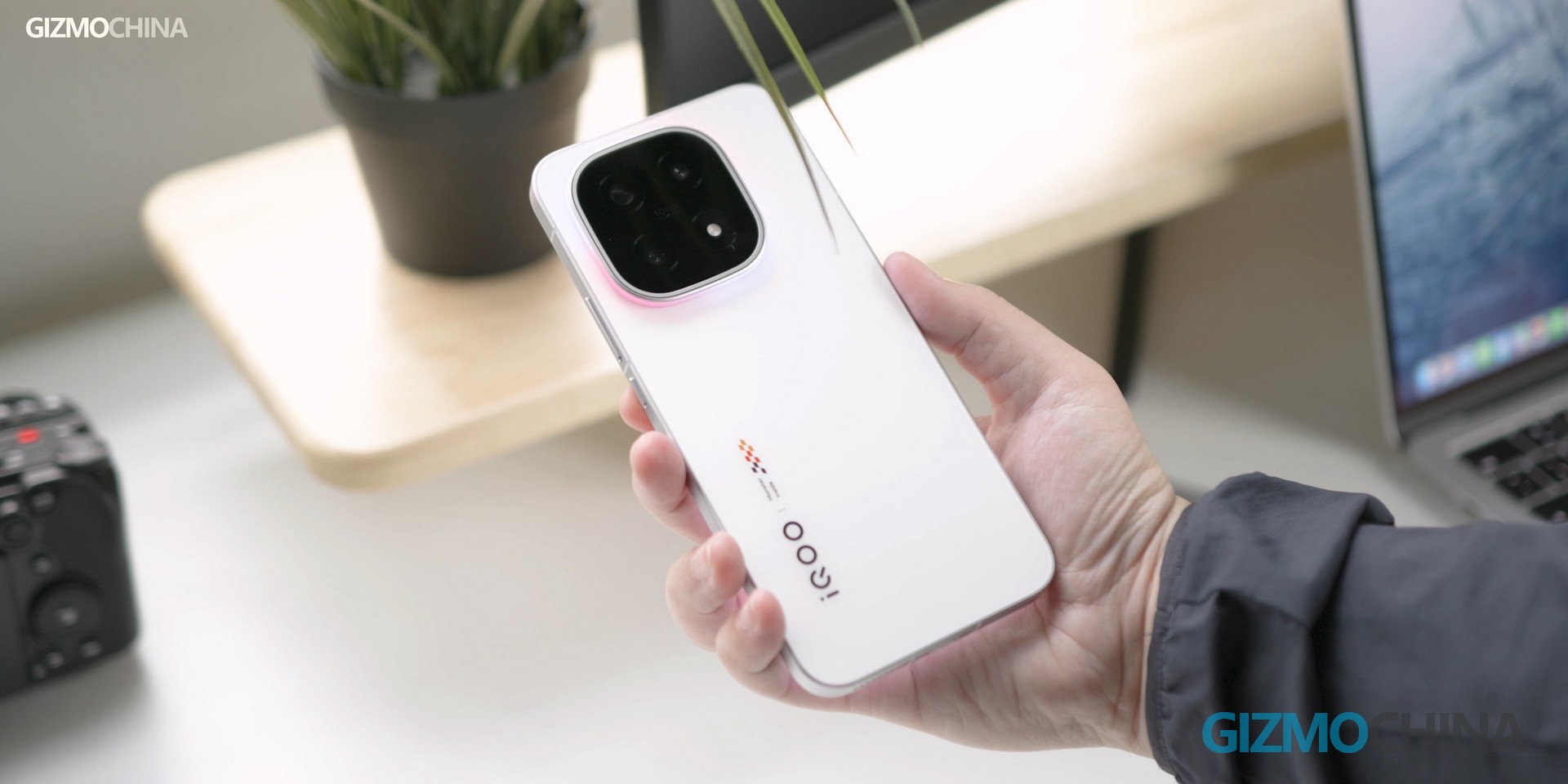
Motorola Edge 70 Pro Color Options Leaked: Fabric, Marble, and Wood Finishes Revealed

Motorola is preparing to expand its Edge 70 lineup with the upcoming Edge 70 Pro, and early details are now emerging through official teasers and leaks. A teaser page on Flipkart confirms that the premium mid-range smartphone will launch soon, though an exact date has not been announced.

A new leak from Ytechb has revealed high-resolution images of the Edge 70 Pro in multiple finishes and color options. These include Pantone Titan in dark blue, Pantone Zinfandel in dark red, and a dark brown variant. Motorola’s own teaser visuals also show blue, green, and light grey versions with a marble finish, suggesting that availability may vary by region. The blue variant features a non-slip fabric texture, while the brown model adopts a wood-inspired back panel.

The design includes a curved display that wraps on both sides, paired with a slim, flat frame. On the rear, a square camera module houses three lenses. The camera setup includes an ultra-wide lens with a 12 mm full-frame equivalent focal length and a telephoto lens offering 3.5x optical zoom with optical image stabilization. At least one sensor in the system uses Sony’s Lytia technology, pointing to a focus on improved imaging.

Certification listings indicate a 6,500 mAh battery with support for 90 W fast charging via USB-C. Other specifications have not been confirmed yet, but the launch is expected before the end of April.

Earlier coverage aligns with these details. Motorola had already teased the device with the tagline “Seize the Night,” highlighting low-light photography as a key feature. Leaks also pointed to finishes like satin-luxe green, marble white, and fabric-textured blue, along with a curved display and triple camera setup.

Additional reports suggest features such as wireless charging, Wi-Fi 6E, and NFC. The Edge 70 Pro is expected to join a broader lineup that includes the Edge 70 and Edge 70 Fusion, positioning it as a more feature-packed option in the series.

For more daily updates, please visit our News Section.

Stay ahead in tech! Join our Telegram community and sign up for our daily newsletter of top stories!
(Source)

Casio launches two G-Shock models inspired by Japan’s red lanterns

Casio has unveiled two new G-Shock models that draw inspiration from Japan’s iconic red lanterns. The DW-6900AKA-4JR and DW-5600AKA-4JR celebrate the aka-chochin culture, which represents the casual and lively ambiance of Japan’s traditional taverns. Both models are priced at ¥22,000 (approximately $138) and are now available in the Japanese market.

Casio DW-6900AKA-4JR and DW-5600AKA-4JR

Design Details

Casio has designed these watches to reflect the vibrant red of traditional Japanese lanterns. The DW-6900AKA-4JR has a larger case with bold shock-resistant branding across the bezel and band, while the smaller DW-5600AKA-4JR also features the same eye-catching design.

The buttons and band loop incorporate details that evoke the handle and lighting elements of lanterns. Casio has engraved a lantern motif on the case back of both watches. The packaging features red lantern-themed artwork, enhancing the special edition appeal.

Casio has used biomass resin for the bezels and bands to make the watches more sustainable. This material is created from renewable organic resources and helps to reduce environmental impact while maintaining the G-Shock’s well-known durability.

Both models include the standard G-Shock features. They have a shock-resistant structure, 200-meter water resistance, and a long battery life of approximately five years. The watches incorporate practical tools such as stopwatches, timers, multi-function alarms, and full-auto calendars. Casio also included a distinctive LED backlight that replicates the warm glow of red lanterns, further tying the design to its cultural inspiration.

The DW-6900AKA-4JR measures 53.2 x 50 x 18.7 mm and weighs 67g, while the DW-5600AKA-4JR is smaller at 48.9 x 42.8 x 13.4 mm and weighs just 53g. Both models fit wrist sizes between 145 mm and 205 mm and feature mineral glass to protect the dials.

In related news, Casio has recently launched the GA-V01SKE translucent G-Shock in the US, embracing a bold Y2K-inspired aesthetic.

For more daily updates, please visit our News Section.

Stay ahead in tech! Join our Telegram community and sign up for our daily newsletter of top stories! 💡

(Casio 1,2)

Vivo X300 Ultra tipped to launch in India on May 7

Vivo’s next Ultra phone looks set to arrive in India sooner than expected. According to a report from Smartprix, citing Yogesh Brar, the Vivo X300 Ultra could launch on May 7, with sales likely beginning around May 14. Last year’s X200 Ultra never made it outside its home market officially, so if this holds, it would be a relatively quick turnaround.

There’s a 6.82-inch LTPO AMOLED display with 2K resolution and a 144Hz refresh rate, which should be more than enough for everyday use and gaming. Nothing unusual there, but still a strong spec. It’s expected to run on the Snapdragon 8 Elite Gen 5, so performance shouldn’t be a concern. That part is also fairly straightforward.

The camera setup is where things stand out a bit more. The X300 Ultra includes two 200MP sensors as part of a triple rear camera system. That’s not something we see often, even in top-of-the-line flagships, so it’ll be interesting to see how Vivo actually uses them. There’s a 50MP front camera for selfies.

The Chinese version packs a 6,600mAh battery and supports 100W wired and 40W wireless charging. On paper, that should be enough for a full day of use, with a full recharge taking around 30–40 minutes. On the software side, it runs OriginOS 6 based on Android 16.

Pricing hasn’t been mentioned so far, but given the positioning, it’s likely to sit firmly in the premium range. For context, in its home market, the phone starts at 6,999 yuan for the 12GB + 256GB model and goes up to 11,999 yuan for the 16GB + 1TB Satellite Edition bundled with the photography kit.

Don’t miss a thing! Join our Telegram community for instant updates and grab our free daily newsletter for the best tech stories!

For more daily updates, please visit our News Section.

(Source)

Xiaomi TV S Mini LED Series 2026 is launching in India on April 15

Xiaomi has announced the launch of its new TV S Mini LED Series 2026 in India, scheduled for April 15, 2026. The company plans to expand its premium television lineup with this new series, which will feature Mini LED technology for enhanced visuals. The TVs will be available in three sizes: 55-inch, 65-inch, and 75-inch.

Xiaomi TV S Mini LED Series

The TV S Mini LED Series aims to deliver improved picture quality with local dimming technology. Xiaomi uses thousands of smaller LEDs to create many dimming zones, which allows the TV to manage light more precisely. This setup produces brighter highlights, deeper blacks, and higher contrast, resulting in sharper images and lifelike visuals. It ensures minimal light bleed and better depth across all scenes, whether viewers are watching movies, sports, or other content.

Xiaomi TV S Mini LED Series

Xiaomi is equipping the lineup with Quantum MagiQ technology. This feature enhances color accuracy, improves contrast, and delivers clearer images, aiming to elevate the overall viewing experience.

The new TVs will also focus on seamless connectivity within Xiaomi’s ecosystem. Xiaomi ensures that the TV S Mini LED Series will integrate easily with its smartphones, tablets, and smart home devices. The TVs are positioned as a central hub for connected home technology, offering users a more unified and intuitive experience.

Xiaomi TV S Mini LED Series

Xiaomi has not confirmed pricing details for the Indian market yet. However, this launch aligns with the company’s move toward premium offerings in the TV space.

In addition to the hardware launch, Xiaomi recently announced an update to its TV software. The Xiaomi TV Desktop 4.0, unveiled in China, includes improvements like vertical navigation, live match reminders, and better playback history. While this update is rolling out to Chinese users, there is no confirmation about its global availability yet.

In related news, Hisense has recently introduced the Vidda S Mini TV, featuring Mini LED technology, a 180Hz refresh rate, and support for Dolby Audio.

For more daily updates, please visit our News Section.

Stay ahead in tech! Join our Telegram community and sign up for our daily newsletter of top stories! 💡

Honor unveils WIN gaming laptop with redesigned airflow and cooling setup

The Honor WIN gaming laptop is scheduled to launch on April 23rd in China. However, the company has already revealed most of the interesting parts during a recent PC technology communication conference.

The main focus is cooling. Honor is using what it calls the Dongfeng tail jet cooling engine, which is built around a new airflow system. Instead of relying on a standard internal fan layout, the company has designed what it describes as the industry’s first centrifugal axial flow mixed air system.

This setup uses the thickness at the rear of the laptop to fit four self-developed axial fans in parallel, all connected through an internal airflow duct.

According to Honor’s test data, the system pushes internal airflow beyond 6.3 CFM, with total system airflow exceeding 21 CFM. The company also worked on shrinking the fan components, reducing motor size to around 10 mm while pushing speeds past 20,000 RPM. 

Compared to a typical three-fan setup, Honor claims this design increases internal airflow by 57% and overall airflow by 10%, while also lowering keyboard temperature slightly.

The cooling system is designed to support a total performance output of 270W. Honor says this allows the laptop to better sustain high loads, especially when paired with hardware like the NVIDIA GeForce RTX 5070 Ti. 

Compared to more traditional cooling approaches, the company claims a small gain in overall airflow and a 20W improvement in power handling under similar conditions.

Beyond this

Alongside the laptop, Honor also showed a 360W power adapter based on gallium nitride technology. It is designed to deliver full power while also supporting compatibility across different PC brands through interchangeable connectors. The company also introduced a set of accessories, including a backpack, gaming headset, and mouse, under the same WIN branding.

Honor-WIN-gaming-laptop

Beyond hardware, Honor used the event to talk about software and ecosystem plans. It announced what it calls the AI PC 3.0 era and introduced a new assistant, the YOYO Claw. The company describes it as part of a new category of AI-driven PCs, although details on how this will work in real use are still limited.

For more daily updates, please visit our News Section.

Stay ahead in tech! Join our Telegram community and sign up for our daily newsletter of top stories! 💡

DJI Osmo Pocket 4 Pro spotted in hands-on photo alongside Osmo Pocket 4

DJI is set to launch the Osmo Pocket 4 on April 16, but just ahead of that, a leak has put some focus on the Pro model. A new image shared online is said to show the Osmo Pocket 4 Pro next to the standard version, and the difference between the two is fairly noticeable.

The photo comes from tipster Igor Bogdanov. It does give a rough idea of what DJI might be working on. The regular model keeps the familiar single-camera setup, while the Pro version appears to add a second lens.

That second camera is really the main point of interest here. The module on the Pro looks larger and slightly heavier at the top, which probably has to do with the extra lens and gimbal hardware.

There have been earlier mentions of the standard model supporting 2x in-sensor zoom and up to 4x digital zoom. If that’s accurate, then the Pro version could be adding a telephoto lens, possibly around 3x optical zoom. That would give it a bit more flexibility, especially for creators who want tighter framing without relying too much on digital zoom.

The image itself doesn’t reveal much beyond the dual-lens design. It’s slightly blurry, and there aren’t any readable markings near the lenses, so most of this is still based on interpretation rather than confirmation.

As for timing, the Pro model may arrive later. Current leaks point to a late spring window, which would mean DJI is planning to separate the launches instead of announcing both together.

For now, it’s still early, and things could change. But even from this one image, it looks like DJI might be moving the Pocket series a bit closer toward a more flexible, camera-focused setup rather than keeping it strictly simple. More details should come through once the standard model is officially out.

Don’t miss a thing! Join our Telegram community for instant updates and grab our free daily newsletter for the best tech stories!

For more daily updates, please visit our News Section.

(Source: Igor Bogdanov on X)