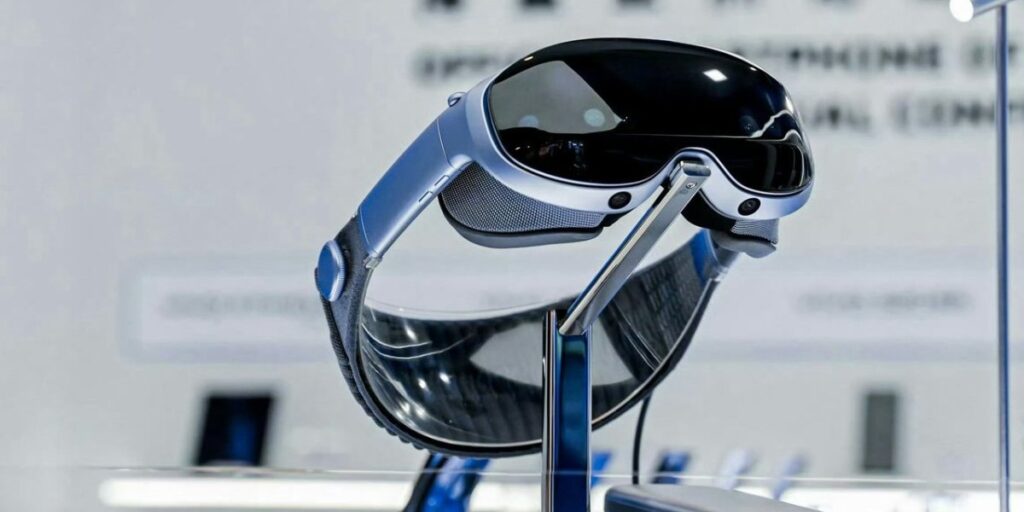
After months of speculation, Vivo has finally unveiled its mixed reality (MR) headset at the Boao Forum for Asia. It’s called the Vision. If the name rings a bell, just wait until you see the device itself.
At first glance, the Vivo Vision looks strikingly similar to Apple’s headset. It features the same ski goggle-style design with a sleek, black glass front covering its front.
We can also see a bunch of cameras inside the front glass and within the body of the headset. These will likely be used for motion tracking and hand gesture recognition — a standard fare for this type of device.
But the similarities with Vision Pro don’t end there. Like it, Vivo’s MR headset also comes with a separate battery pack that needs to be carried while in use. Even the magnetic connector that links the battery to the headset appears to have the same knob-like design as Apple’s.
It’s just a glimpse
For now, this is just a first look. Vivo hasn’t shared full specifications or software details about the headset, but the company says the prototype will be officially unveiled in mid-2025.
Vivo is positioning the Vision headset as part of a larger push toward real-time spatial computing. A move it says will play a key role in future consumer robotics applications.
Alongside the headset, Vivo also announced the establishment of a new robotics lab in China. The lab will focus on developing AI-driven imaging and large model learning, which the company hopes will contribute to building the “brain” and “eyes” of future robots.
While Vivo remains tight-lipped about its headset, the company did confirm the launch of the Vivo X200 Ultra in April. The company might share more details about Vivo Vision around that time, so we’ll have to wait and see what’s next.
For more daily updates, please visit our News Section.
Qualcomm launched the Snapdragon 8s Gen 3 last year as a more affordable alternative to its flagship Snapdragon 8 Gen 3. Now, the company is gearing up for its successor, and thanks to a major leak, we might already have all the key details.
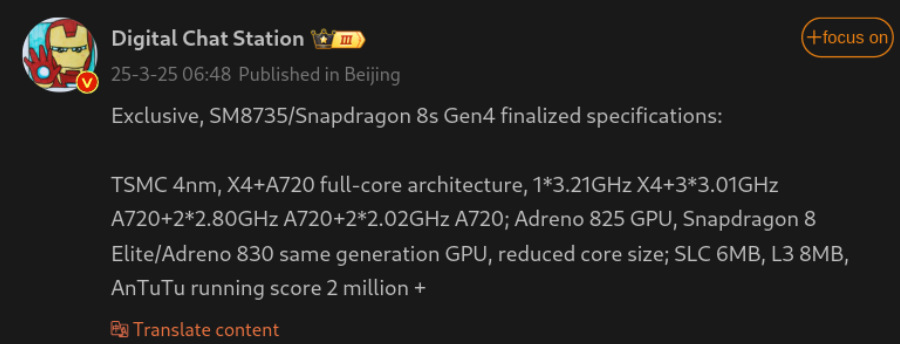
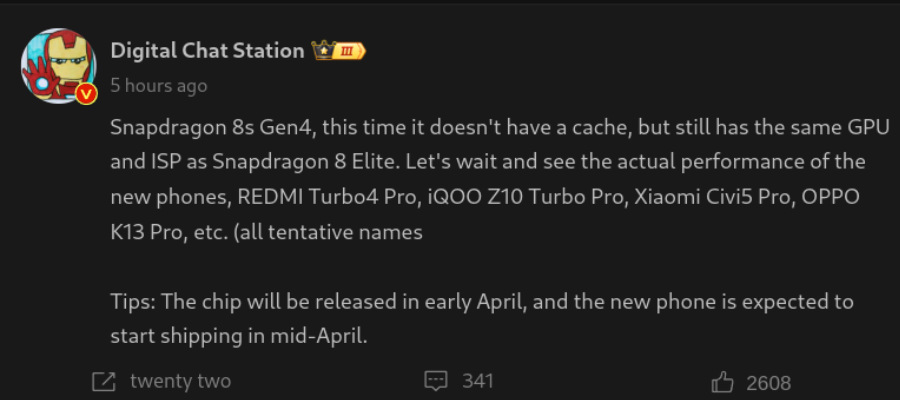
The leak comes from the reliable Digital Chat Station who revealed an interesting detail about the upcoming chip. According to their latest post, Qualcomm might not call it the Snapdragon 8s Elite as we are expecting it to. Instead, it could be named Snapdragon 8s Gen 4.
The reason? Unlike the Snapdragon 8 Elite, which features Qualcomm’s custom Oryon cores, the 8s Gen 4 will stick to standard ARM cores.
What’s inside the Snapdragon 8s Gen 4?
According to the leak, Qualcomm is keeping the TSMC 4nm process from last year’s model but tweaking the core layout. The CPU stack will feature:
1x Cortex-X4 prime core at 3.21GHz
3x Cortex-A720 cores at 3.01GHz
2x Cortex-A720 cores at 2.80GHz
2x efficiency-focused A720 cores at 2.02GHz
For graphics, the chipset is said to include the Adreno 825 GPU, which sits in the same generation as the Adreno 830 found in the Snapdragon 8 Gen 3. However, the leak suggests it will have a reduced core size, which could mean slightly lower graphical performance compared to its flagship counterpart.
On the memory side, the Snapdragon 8s Gen 4 will have 6MB of system-level cache (SLC) and 8MB of L3 cache. Combined with the new core setup, these changes have reportedly pushed the AnTuTu benchmark score past 2 million.
Phones with the Snapdragon 8s Gen 4 are already in the works
In another post, the tipster confirmed that the Snapdragon 8s Elite will share the same ISP as the Snapdragon 8 Elite. And several phones are already being developed with the chip. According to the leak, at least four devices are in the pipeline. The list includes Redmi Turbo 4 Pro, iQOO Z10 Turbo Pro, Xiaomi Civi 5 Pro, and Oppo K13 Pro.
Qualcomm is rumored to unveil the Snapdragon 8s Gen 4 in April while the first batch of phones powered by the chip could launch by mid-April.
For more daily updates, please visit our News Section.
The Realme P3 Ultra was announced in the Indian market last week. Now, the brand’s latest mid range smartphone has finally gone on sale in the region. The first sale has finally kicked off, so here are its specs, features, pricing, and more.
Realme P3 Ultra Pricing and Availability
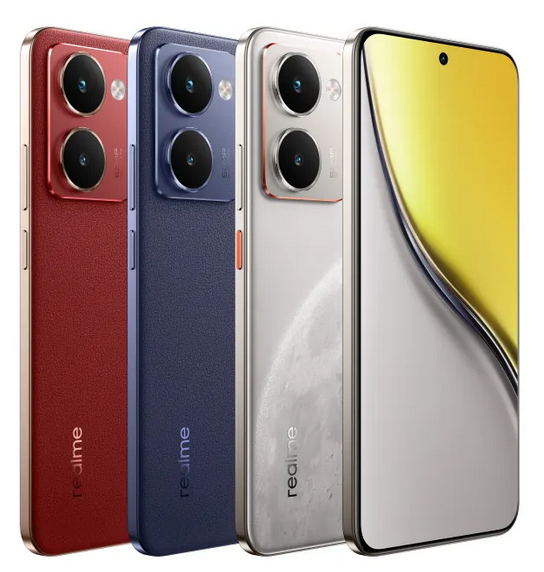
The Chinese smartphone maker has announced the Realme P3 Ultra in multiple storage and color options. It is available in Glowing Lunar White, Neptune Blue and Orion Red. The Blue and Red versions feature a vegan leather panel on the back. You can purchase this model in 8GB + 128GHB, 8GB + 256GB, and 12GB + 256GB variants. It has a starting price tag of 26,999 INR for the base model, while the higher-end options cost 27,999 INR and 29,999 INR respectively.
Realme P3 Ultra
The Realme P3 Ultra can be purchased from the brand’s official online store, Flipkart, and retail stores. You can avail a 3,000 INR instant bank discount for this device, along with a 1,000 INR exchange bonus and 6 month no cost EMI options. Talking about the smartphone itself, the Realme P3 Ultra sports a tall 6.83-inch AMOLED display with a 1,5K resolution, a 120Hz refresh rate, 1400 nits of peak brightness, and Gorilla Glass 7i for protection.
For photography, there is a 50MP (Main) + 8MP (Ultra Wide) dual camera setup on the rear, with the front featuring a 16MP selfie shooter. Under the hood, this model is equipped with the Diemsntiy 8350 SoC. A large 6,000mAh battery pack powers the P3 Ultra, which supports 80W wired fast charging. Other table features include, Bluetooth 5.4, an IP68 + IP69 rating, an in display fingerprint scanner, and stereo speakers.
For more daily updates, please visit our News Section.
Oppo is gearing up for a major launch event in China where it will debut a bunch of new highly anticipated gadgets. This will include the Find X8 Ultra, Find X8s, Find X8s+, Pad 4 Pro, and Watch X2 Mini. Although it seems that the company is also working on some peripherals as well like the Oppo 27W Ice Wing Magnetic Cooling Back Clip that just got teased.
Oppo 27W Ice Wing Magnetic Back Clip arriving in China soon
The Chinese tech giant is set to unveil all of these products on 10th April 2025 at 7 PM local time in China. While we have already covered most of the major products like the Oppo Pad 4 Pro, the Oppo 27W Ice Wing Magnetic Cooling Back Clip was only now teased. As the name suggests, this is a 27W back clip that houses a fan and clip design that allows it to attach to the back of your smartphone.
However, this clip isn’t needed if you’re using a smartphone that has magnetic wireless charging support. This includes devices like the Oppo Find X8 series or the OnePlus 13. As of right now, this magnetic cooling back clip is currently available for pre-orders from the Oppo Mall and JD.com. Unfortunately, this is all the information we have at the moment and finer details like pricing are still unknown.
Oppo is gearing up to launch a bunch of new products in its home market of China later this month. But ahead of the official announcement, a fresh teaser has confirmed some key display specs of the Oppo Pad 4 Pro. This is a flagship tablet model from the company, so here’s what we know.
Oppo Pad 4 Pro Teased
The Chinese tech giant just shared an image teaser poster that showcased various display specs of the upcoming Oppo Pad 4 Pro. It will sport a tall 13.2-inch display that offers 3.4K resolution and 900 nits of peak brightness. Oppo is also promising low blue light emission and no flickers from this panel. To recall, the Oppo Pad 4 Pro is expected to debut alongside the Find X8 Ultra, Find X8s, Find X8s+, and Watch X2 Mini in China on 10th April 2025.
We also have details regarding this new premium tablet’s color and storage configurations as well. Oppo’s flagship tablet will arrive in three color options, namely Morning Light, Galaxy Silver, and Space Gray. The Pad 4 Pro even arrives in four storage variants, which include 8GB + 256GB, 12GB + 256GB, 12GB + 512GB, and 16GB + 512GB. Looking at the images, we also get a look at the front with the display being surrounded by slim bezels.
Earlier this month, the Oppo Pad 4 Pro had surfaced on the GeekBench platform as well. This revealed that it will run on the Android 15 OS out of the box and feature Qualcomm’s latest and greatest Snapdragon 8 Elite with 16GB of RAM. Based on our previous reports, the Oppo Pad 4 Pro will have an LCD panel, a massive 12,000mAh battery pack, and 80W wired fast charging support.
For more daily updates, please visit our News Section.
Lava India has introduced a new entry-level smartphone series, Shark, as part of its strategy to expand its portfolio in the sub-Rs 9,000 segment. Designed for first-time smartphone users, the Lava Shark aims to deliver a solid balance of design, performance, and durability.
Lava Shark specifications and features
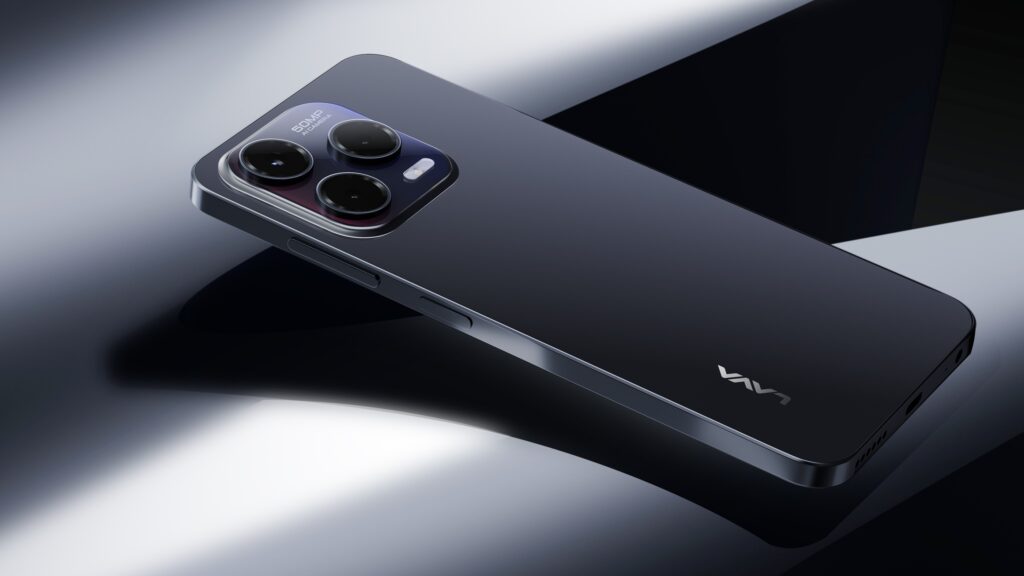
Lava Shark – Stealth Black
The Lava Shark features a 6.67-inch LCD HD+ punch-hole display with a 120Hz refresh rate, ensuring a smooth scrolling and viewing experience. For security, it features a side-facing fingerprint sensor with a response time of 028 seconds. The device is built to withstand daily use with an IP54 rating for dust and water resistance.
Powered by the Unisoc T606 octa-core processor, the Lava Shark comes with 4 GB of RAM and an additional 4GB of virtual RAM for enhanced multitasking. It includes 64GB of internal storage, expandable up to 256GB via microSD.
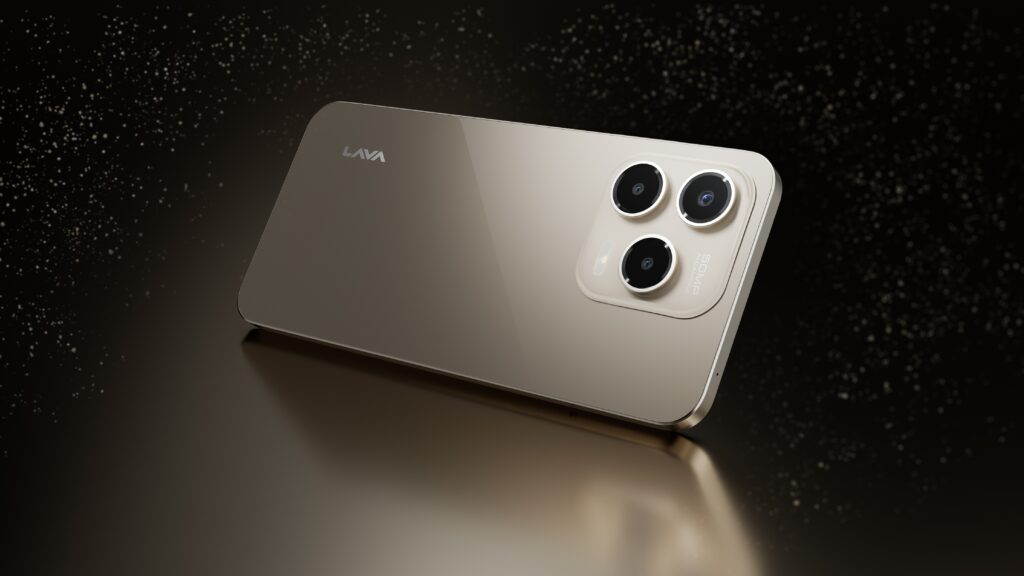
Lava Shark – Titanium Gold
The smartphone runs on Android 14, ensuring an optimized and responsive software experience. The device houses a 5,000mAh battery with 18W fast charging support, offering up to 45 hours of talk time, 376 hours of standby, and 550 minutes of YouTube playback.
For photography, the Lava Shark is equipped with a 50-megapixel AI rear camera and an 8-megapixel front camera with screen flash. Connectivity options include Dual 4G VoLTE, Bluetooth 5.0, and Wi-Fi 802.11 b/g/n/ac.
Lava Shark price in India, availability
The Lava Shark is priced at Rs 6,999 and will be available in Titanium Gold and Stealth Black colour options. It can be purchased from offline retail outlets across India this month. Additionally, the brand offers a 1-year warranty and free ‘Service at Home’ for added convenience.
For more daily updates, please visit our News Section.
Samsung is expanding its mid-range smartphone lineup with two new models – the Galaxy M56 and Galaxy F56. Support pages for both devices have gone live on the company’s official websites in India and Bangladesh.
Samsung Galaxy M55
The devices, carrying model numbers SM-M566B/DS (Galaxy M56) and SM-E566B/DS (Galaxy F56), were spotted on Samsung’s support pages, hinting at an impending launch. As per the model numbers, both models will support dual-SIM. As of now, the F56 is confirmed for India, and the M56 is certainly appearing on both Indian and Bangladeshi markets.
Galaxy F56 and M56 will likely share some specifications with the already-launched Galaxy A56
Based on Samsung’s track records, these new phones are expected to share specifications with the recently launched Galaxy A56. This likely means they will feature:
The Exynos 1580 processor
8GB or 12GB RAM options
128GB or 256GB storage variants
A triple camera setup on the rear
Either a 5,000mAh or 6,000mAh battery
However, Samsung may compromise on certain features like build quality and IP ratings for these M and F series models, in order to achieve a lower price tag without sacrificing on its margin. The company has followed this strategy with many of the previous M and F series devices.
With support pages already live, an official announcement is expected within the next quarter. For context, the Galaxy M55 and F55 launched back on March 28 and May 17, 2024, respectively. The initial launch is expected to focus on India and possibly other markets in the Indian subcontinent.
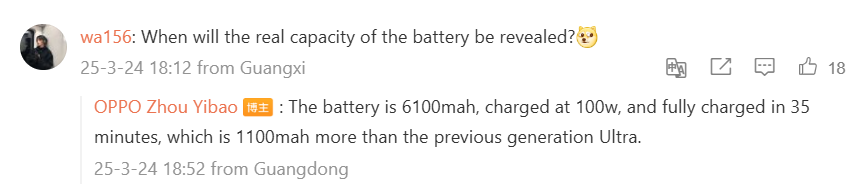
Oppo is all set to unveil the Find X8 Ultra on April 10 in China. Ahead of the launch, the smartphone appeared on Geekbench under the model number PKJ110. For those who don’t know, it has a satellite communication-supported variant that carries the model number PKU110. In addition, Oppo Find-series Product Manager Zhao Yibao has confirmed the battery capacity of the Find X8 Ultra, adding to the growing list of revealed specifications.
Oppo Find X8 Ultra’s battery size revealed
Yibao revealed that the Oppo Find X8 Ultra will feature a substantial 6,100mAh battery, which is a significant increase over its predecessor. It supports 100W wired charging, enabling a full charge in just 35 minutes. Additionally, the device will have support for 50W wireless charging.
Oppo Find X8 Ultra Geekbench listing
The Geekbench listing (via. XpertPick) for the Find X8 Ultra confirms it will be powered by the Snapdragon 8 Elite chipset. The processor consists of two high-performance cores clocked at 4.32GHz and six efficiency cores running at 3.53GHz. Paired with the Adreno 830 GPU (mentioned in source code of the listing), the device achieves a single-core score of 3023 and a multi-core score of 9414, indicating flagship-level performance.
Reports have revealed that the Find X8 Ultra will sport a 6.82-inch 2K AMOLED display with a 120Hz refresh rate. The device will incorporate an under-display ultrasonic fingerprint sensor and maintain a thickness of under 9mm despite its large battery. The brand has revealed that it will be available in variants, such as 12GB+512GB, 16GB+512GB, and 16GB+1TB, which has support for satellite connectivity.
In terms of imaging, the Find X8 Ultra will house a 32-megapixel front camera and a quad-camera setup on the rear. This includes a 50-megapixel Sony LYT-900 primary sensor with OIS, a 50-megapixel IMX882 ultra-wide camera, a 50-megapixel IMX906 periscope telephoto lens with 3x optical zoom, and another 50-megapixel IMX882 periscope telephoto lens with 6x optical zoom. The X8 Ultra will also feature a new pressable push-type hardware button instead of the Alert Slider.
For more daily updates, please visit our News Section.
Hisense has introduced the 116-inch UX RGB-MiniLED TV (116UX) in China, following its global unveiling at CES 2025. The TV features an RGB MiniLED panel with a peak brightness of 10,000 nits and is powered by Hisense’s Hi-View AI Engine X chipset. This chipset uses AI-driven RGB Local Dimming to adjust contrast, color, and brightness in real time.
The Hisense 116UX RGB-MiniLED TV
The display supports Dolby Vision, Dolby Vision IQ, and IMAX Enhanced formats, offering refined HDR performance for cinematic viewing. It is equipped with a 6.2.2-channel CineStage X audio system that supports Dolby Atmos and DTS Virtual:X, along with AI Sound Optimization that adjusts audio output based on content type—from dialogue-heavy shows to action scenes.
The TV has an anti-glare, low-reflection screen for well-lit environments and a 178° viewing angle that maintains consistent color. It measures less than 40mm thick and runs on Google TV (in markets outside of China), offering access to over 800 live channels and 700,000+ on-demand titles. Connectivity features include HDMI eARC, Wi-Fi 6E, and support for Alexa, Google Assistant, and Apple HomeKit. A North American version of the TV is expected later in 2025, though pricing for that model has yet to be announced.
Currently priced at CNY 99,999 (approximately $13,794), the 116UX is targeted at a niche premium market.
For more daily updates, please visit our News Section.
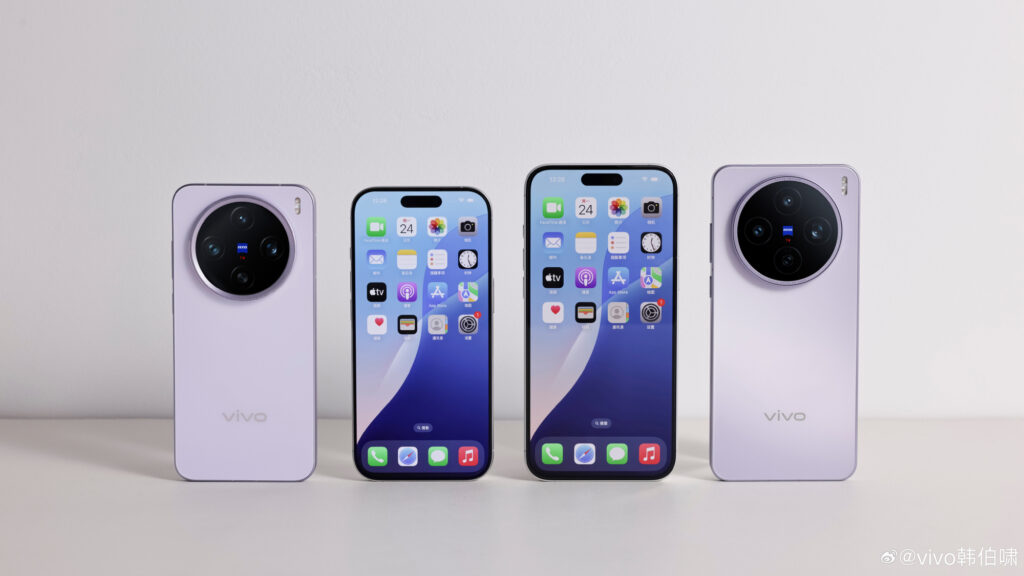
Vivo’s product manager, Han Boxiao, has shared a new teaser for the upcoming Vivo X200S, revealing a fresh purple colour variant. Alongside, the X200 Pro Mini will also introduce this new colour option. These smartphones are set to launch in the second half of April in China, accompanied by the Vivo X200 Ultra and other new devices.
Vivo X200S design revealed
Vivo X200 Pro Mini (left) and Vivo X200S (right)
Han Boxiao’s latest teaser image showcases two handsets in purple shade. There is the Vivo X200 Pro Mini on the left and the upcoming Vivo X200S on the right. The latter features a flat 6.67-inch LTPS display with symmetrical bezels and curved edges for a premium feel. Notably, it will integrate an ultrasonic in-screen fingerprint sensor and support wireless charging, both of which are key upgrades over last year’s Vivo X200, which features a micro-quad-screen equipped with an optical-type fingerprint sensor.
The Vivo X200 Pro Mini’s upcoming purple edition will have no upgrades in terms of specifications and design. Vivo is expected to hold a launch event in the second half of April in China to unveil the Vivo X200S along with the X200 Pro Mini’s new color variant, X200 Ultra, Vivo Pad 4 Pro tablet, and Watch 5.
Vivo X200S specifications (rumored)
According to leaks, the Vivo X200S will sport a 6.67-inch OLED LTPS panel with 1.5K resolution and 120Hz refresh rate. The device will likely come with IP68/69 water and dust resistance and run on Android 15 with OriginOS 5. For imaging, the X200S is said to feature a 50-megapixel Sony IMX921 primary sensor with OIS, a 50-megapixel Samsung JN1 ultra-wide lens, and a 50-megapixel LYT-600 periscope telephoto camera with 3x optical zoom
Powering the device will be MediaTek’s upcoming Dimensity 9400 Plus chipset, paired with up to 16GB of RAM and 1TB of storage. The phone is expected to pack a 6,000mAh single-cell battery with support for 90W wired and 50W wireless charging. It is expected to arrive in purple, black, and silver shades.
For more daily updates, please visit our News Section.
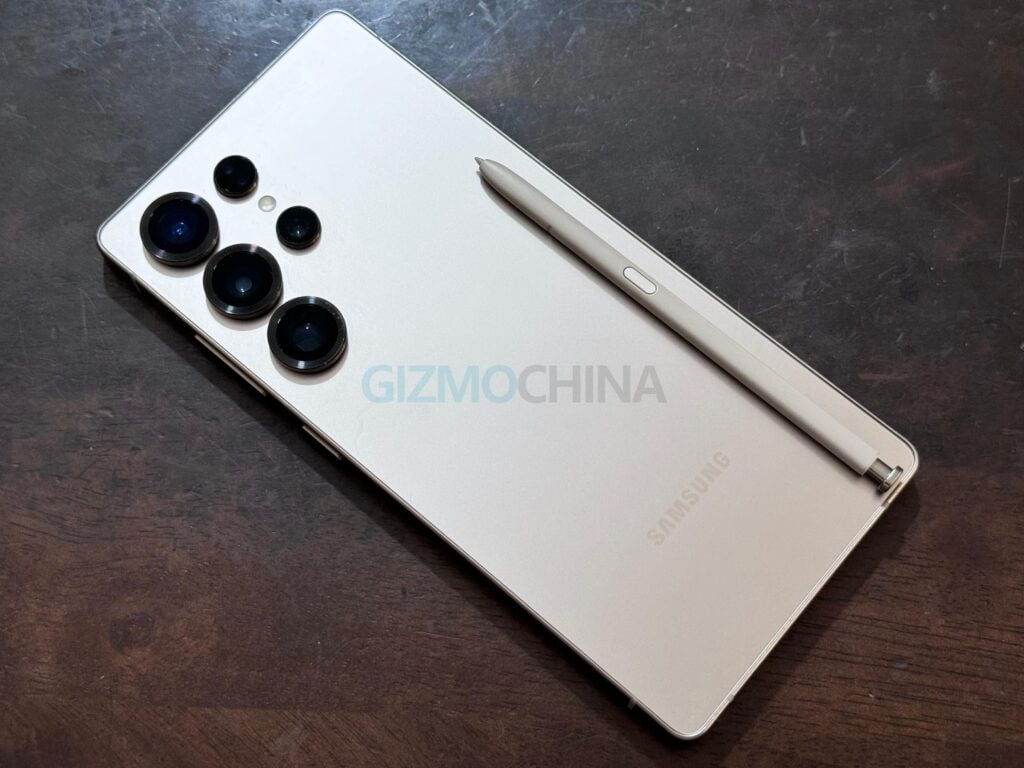
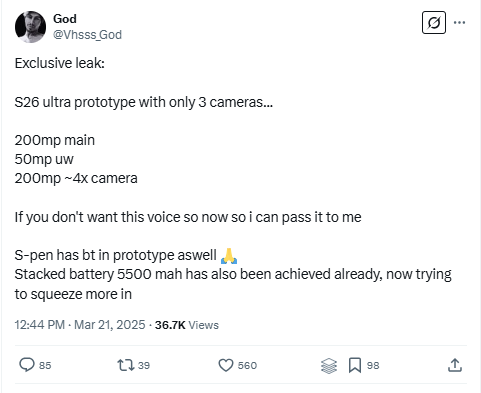
The Galaxy S26 Ultra will launch early next year, but it has already made headlines several times. According to the latest rumor, the phone will lose one telephoto camera but pack a larger battery. The Galaxy S25 Ultra is basically the same phone as its predecessor with rounded corners, a new chip, and ultrawide. But, according to this latest rumor, the S26 Ultra will stand out from the last few generations of S Ultra flagships in a couple of aspects.
Samsung Galaxy S25 Ultra – S Pen
A single 200MP telephoto
As per X tipster @Vhsss_God, the current prototype of the S26 Ultra includes a 200MP 4x telephoto, paired with a 200MP main camera and a 50MP ultrawide. Seems familiar? Well, before switching to the dual-telephoto setup, Samsung included a 48MP 4x telephoto in the Galaxy S20 Ultra.
Now the resolution of the telephoto is higher, which means the phone will be able to crop into the telephoto further compared to the S20 Ultra without losing much detail. Also, AI will likely play a crucial role in improving details, all of which combined, will surely make it stand out from the S20 Ultra. It will be interesting to see how the Galaxy S26 Ultra stacks up against this year’s model which has a 50MP 5X telephoto and AI for upscaling.
Notably, there is no information available about the 200MP telephoto or other sensors apart from the resolution. Given Samsung uses the same 1/1.3″ 200MP sensor on the telephoto, the longer focal length may also increase the camera bump.
The tipster also claims that the current prototype packs a 5,500mAh stacked battery, an improvement over the 5,000mAh capacity of the S25 Ultra. This year’s model already offers noticeably longer battery life than the S24 Ultra despite having the same capacity, so the S26 Ultra is expected to offer an even bigger jump in battery life.
The S-Pen for the current prototype also reportedly supports Bluetooth, which hints at a possible return of the feature with the S26 Ultra. All in all, this leak suggests that the upcoming Ultra flagship will finally stand out from the last few generations.
A new leak from tipster Digital Chat Station has hinted at an upcoming compact smartphone with a 6.3-inch display and a massive battery. While the tipster did not explicitly name the device, speculation suggests that this could be the OnePlus 13T. The leak also mentions its launch timeframe.
OnePlus 13T battery size and launch details
OnePlus 13T battery size tipped
According to the leak, the OnePlus 13T could pack a 6,200mAh battery, making it one of the largest battery capacities seen in a compact phone. In comparison, the standard OnePlus 13, which features a larger 6.82-inch display, is expected to come with a 6,000mAh battery.
Additionally, the 13T is said to support 80W wired charging, slightly lower than the 100W charging seen on its bigger sibling. It is also expected to support 50W wireless charging. The new leak states that it will break cover in April in China.
The OnePlus 13T is likely to be powered by the Snapdragon 8 Elite chipset, bringing flagship-level performance in a smaller form factor. Its 6.3-inch LTPO OLED display is said to support a 1.5K resolution, a 120Hz refresh rate, and an optical in-display fingerprint sensor. The phone is also expected to sport a premium design with a metal frame and a glass back.
Leaks indicate that the OnePlus 13T may come with a dual-camera setup, consisting of a 50-megapixel primary sensor with OIS and a 50-megapixel telephoto lens offering 2x optical zoom. However, some reports suggest the possibility of a triple-camera system with an additional 8-megapixel ultra-wide lens.
While OnePlus has not officially confirmed any details, the OnePlus 13T is expected to launch in April, possibly after the Oppo Find X8 series debut on April 10. Its global availability remains uncertain at this stage. In China, the 13T is expected to arrive as the most affordable Snapdragon 8 Elite phone.
For more daily updates, please visit our News Section.
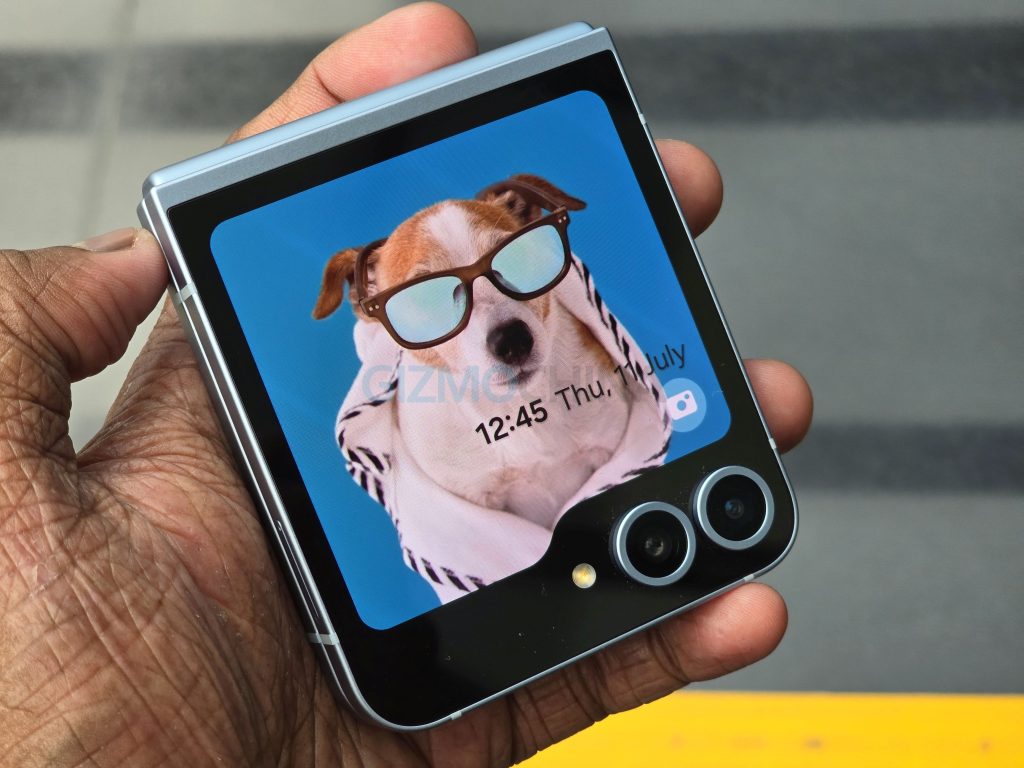
Samsung has launched an attractive promotion in the UK, offering significant savings on its latest flip-style foldable. The Galaxy Z Flip 6 is now available with a £150 discount across both 256GB and 512GB storage variants—no trade-in required. Additionally, customers can save 20% on Samsung wearables like the Galaxy Buds 3, Watch 7, and Galaxy Ring when purchased as part of a bundle deal before March 31.
A perfect time to grab the Galaxy Z Flip 6
The 256GB model now costs £899 (down from £1,049), while the 512GB version is priced at £999 (originally £1,149). First-time buyers using the Samsung Shop App can stack an extra 5% discount by applying the code APP5 at checkout. The Z Flip 6 comes in seven color options, though some may currently be out of stock.
The device combines features a 6.7-inch Dynamic LTPO AMOLED 2X display that reaches an impressive 2,600 nits peak brightness. On the inside, it packs the Qualcomm Snapdragon 8 Gen 3 chipset, which delivers flagship-level performance even though it’s just a compact foldable.
The surface of the phone includes an Armor Aluminum middle frame and Gorilla Glass Victus 2 on the cover screen, complemented by an IP48 rating for dust and water resistance. Even though the camera hardware remains largely similar to the predecessors, imaging performance has been improved thanks to improvements in computational photography.
The 4,000mAh battery supports 25W wired and 15W wireless charging. This phone also comes with AI-powered features like Live Translate. It’s also among the first devices slated to receive Samsung’s upcoming One UI 7 update based on Android 15. The limited-time wearable discount makes this an ideal opportunity to bundle the Z Flip 6 with accessories like the Galaxy Buds 3 or Watch 7 at a reduced price.
Xiaomi has listed its 2026 TV A and A Pro series on its global website, indicating a likely global release soon. The standard A 2026 is available in 43″, 50″, 55″, and 65″ sizes, while the A Pro 2026 adds a 75″ model. Both series are aimed at the affordable 4K TV segment.
Xiaomi TV A Pro 2026
The TV A 2026 features a 4K 60Hz panel, MEMC for motion smoothing, and support for HDR10 and HLG. New additions include Filmmaker Mode and a Game Boost feature (not available on the 43-inch model) that simulates a 120Hz refresh rate. The A Pro 2026 offers a QLED display with 94% DCI-P3 color coverage and adds HDR10+ support for improved color performance in both video and gaming. Both models run on Google TV, support Apple AirPlay for screen sharing, and include HDMI eARC/ALLM, USB 2.0, and dual-band Wi-Fi. The A Pro also includes an optical audio port.
Xiaomi TV A 2026
Gaming features have been given some attention. Game Boost uses MEMC to increase motion clarity up to a simulated 120Hz on TVs 50 inches and larger, although the native refresh rate remains 60Hz. Xiaomi has not provided input lag numbers but highlights lower latency for console gaming.
Audio hardware is unchanged from the previous version: dual 10W speakers with Dolby Audio, DTS-X, and DTS Virtual:X. There is no support for Dolby Atmos. Connectivity includes Bluetooth 5.0, Chromecast, Miracast, and voice control through Google Assistant.
Pricing has not been confirmed. However, the 2025 series offers a rough guide: the 43-inch A 2025 launched at €319, while the A Pro 2025 started at €339 for the same size. Both lineups will likely debut first in Europe and Asia, with broader regional availability to follow.
For more daily updates, please visit our News Section.
If you’re on the hunt for the ultimate portable gaming machine in 2025, tablets are no longer just large-screen companions for streaming and browsing — they’ve become powerful gaming devices in their own right.
With high refresh rate displays, flagship processors, efficient cooling systems, and accessories that push productivity and creativity, this year’s tablets are raising the bar. Here’s our take on the best seven gaming tablets in 2025.
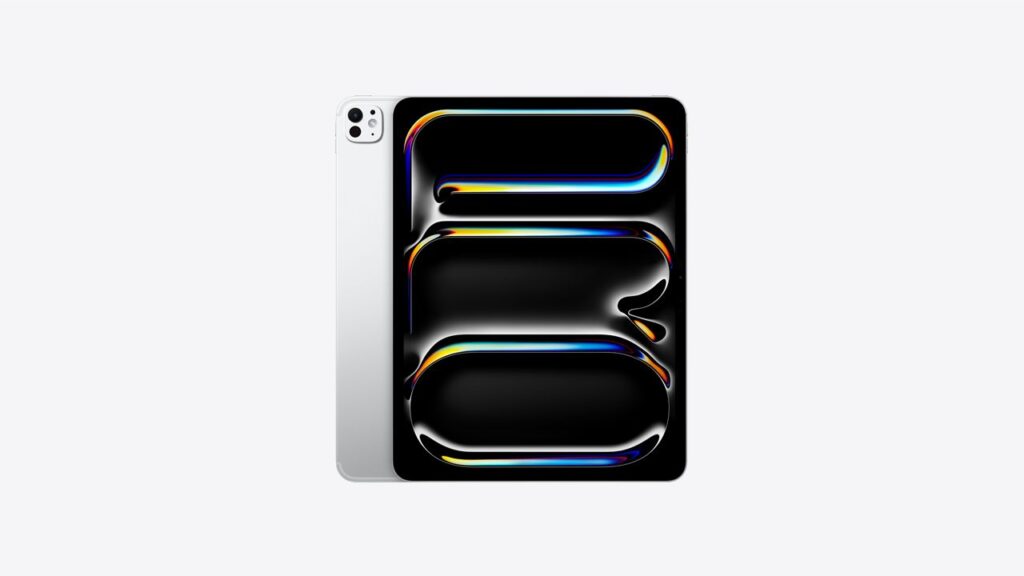
Apple iPad Pro 13” (2024)
Apple’s iPad Pro 13-inch (2024) sits at the top for those looking for raw power combined with a seamless software ecosystem. Powered by the cutting-edge M4 chip built on second-gen 3nm technology, this iPad boasts up to 1.5x faster CPU performance and a 10-core GPU designed for intensive tasks like 3D rendering and AAA gaming titles on iPadOS.
The 13-inch Ultra Retina XDR display with tandem OLED technology reaches up to 1600 nits brightness for HDR content, offering an immersive experience whether you’re playing Genshin Impact or PUBG Mobile. And with ProMotion support for 120Hz refresh rates, the fluidity is simply unmatched. Accessory support, like the new Apple Pencil Pro and Magic Keyboard, adds versatility beyond gaming. Pricing starts at $1,299 for the Wi-Fi 256GB model.
Please Note: When you buy something using the links in our articles, we may earn a small commission at no cost to you.
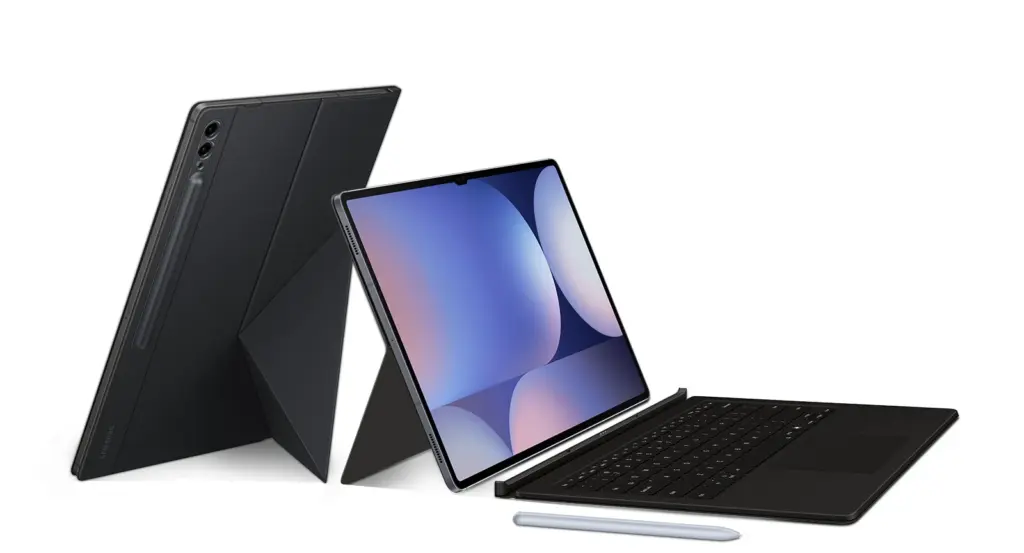
Samsung Galaxy Tab S10 Ultra
Samsung’s Galaxy Tab S10 Ultra is a massive 14.6-inch powerhouse designed for both gaming and productivity. Its Dynamic AMOLED 2X display supports HDR10+ and 120Hz refresh rates, delivering vibrant visuals with minimal glare. The tablet’s MediaTek Dimensity 9300+ chipset is a gaming beast, offering huge leaps in CPU, GPU, and NPU performance compared to its predecessor.
Samsung hasn’t just focused on hardware; its AI-powered features like Dialogue Boost, Note Assist, and Circle to Search make multitasking and in-game assistance effortless. With an 11,200mAh battery and fast charging support, it’s built to last. The tablet starts at $1,099.99 for the Wi-Fi 256GB variant.
Please Note: When you buy something using the links in our articles, we may earn a small commission at no cost to you.
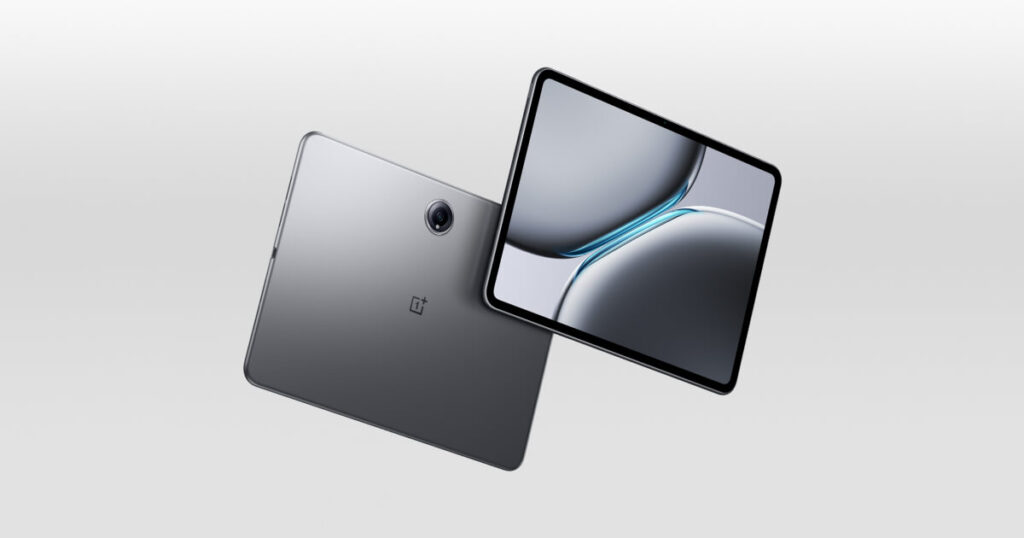
OnePlus Pad 2
OnePlus entered the premium gaming tablet space with the Pad 2, and it’s one of the most exciting devices of 2025. The tablet features a 12.1-inch 3K 144Hz display with Dolby Vision, delivering vivid colors and ultra-smooth gameplay. It’s powered by the Snapdragon 8 Gen 3 SoC, paired with up to 16GB RAM and 512GB storage.
The OnePlus Pad 2 also offers six speakers. Its ultra-fast 67W SuperVOOC charging ensures you won’t be left waiting. Starting at $549.99 for the base model with 8GB of RAM and 128GB of storage, it’s a solid option for budget-conscious gamers, though the price does feel slightly on the higher side.
Please Note: When you buy something using the links in our articles, we may earn a small commission at no cost to you.
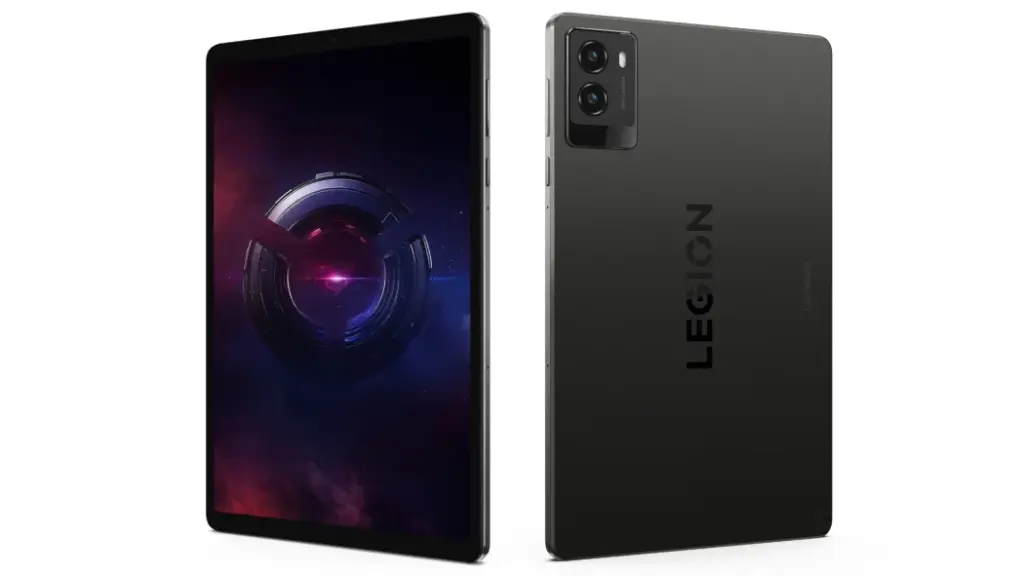
Lenovo Legion Tab (2025)
Lenovo’s Legion Tab Gen 3 targets hardcore gamers with an 8.8-inch 2.5K LCD screen offering a 165Hz refresh rate and exceptional touch sampling speeds (144Hz in-game, 288Hz otherwise). Under the hood, the Snapdragon 8 Gen 3 processor combined with a larger vapor chamber cooling system makes this tablet a portable gaming machine.
The Legion Tab also includes Game Assistant and Game Modes for real-time optimization. With 12GB RAM, up to 512GB storage, and 45W fast charging, Lenovo’s offering feels tailored for intense gaming sessions. The price starts at $549.99.
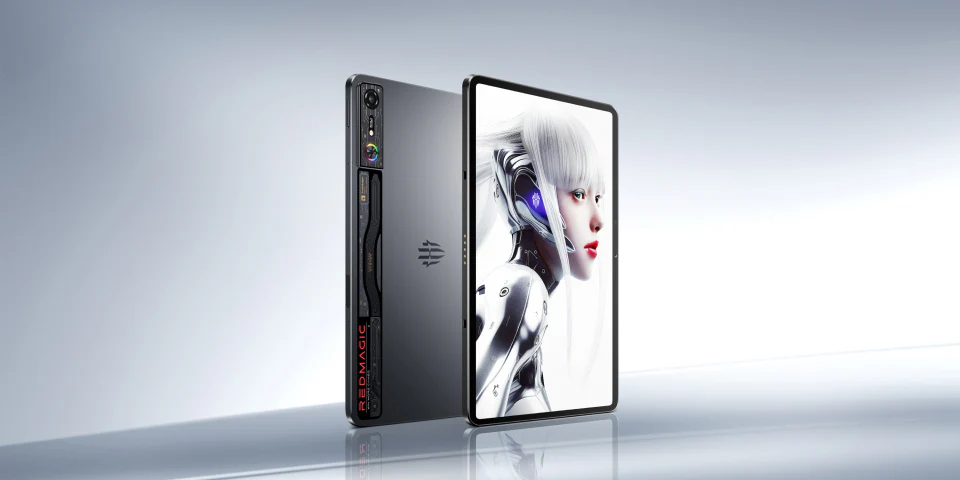
For gamers who prioritize cooling and performance, the Red Magic Nova Gaming Tablet is in a league of its own. It’s the first tablet to feature a 20,000 RPM internal cooling fan and a nine-layer thermal management system. The device boasts a 10.9-inch 2.8K LCD display with a 144Hz refresh rate and SGS eye protection certification.
Powered by the Snapdragon 8 Gen 3 Leading Edition and equipped with up to 16GB of RAM and 512GB of storage, it’s built for serious gaming. With DTS-X Ultra Sound support and custom RGB lighting, the Red Magic Nova leans into the gaming aesthetic. Pricing starts at €499 for the 12GB + 256GB model.
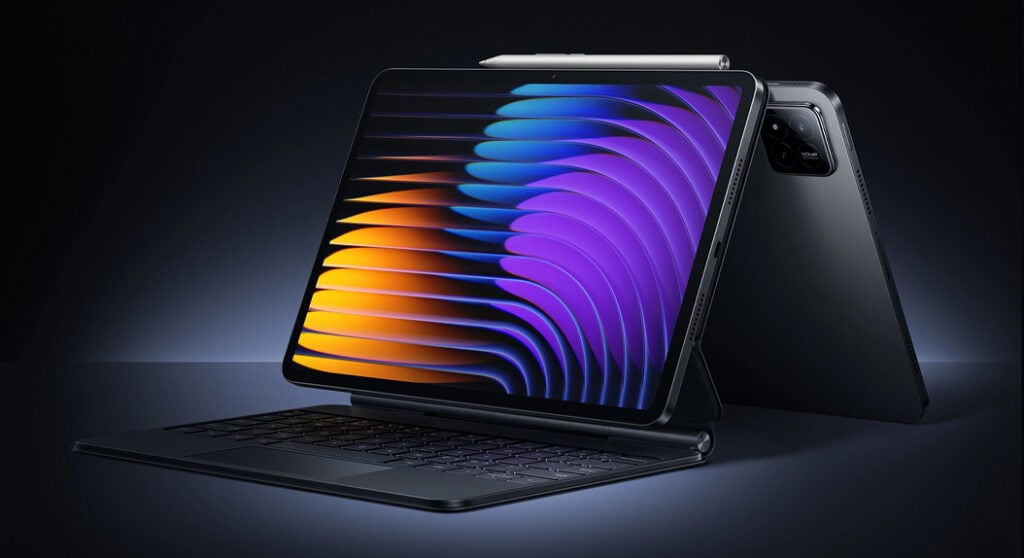
Xiaomi has come a long way with its tablet lineup, and the Pad 7 Pro is proof of that. It features an 11.2-inch 3K LCD display with a 144Hz adaptive refresh rate and HDR10 support. The Snapdragon 8s Gen 3 chipset handles demanding titles smoothly, while the 50MP rear camera and 32MP front camera make it a complete multimedia package.
Xiaomi HyperOS 2 adds PC-level multitasking features, making this a versatile choice for gamers who also need a work device. The Pad 7 Pro’s starting price is €499.90.
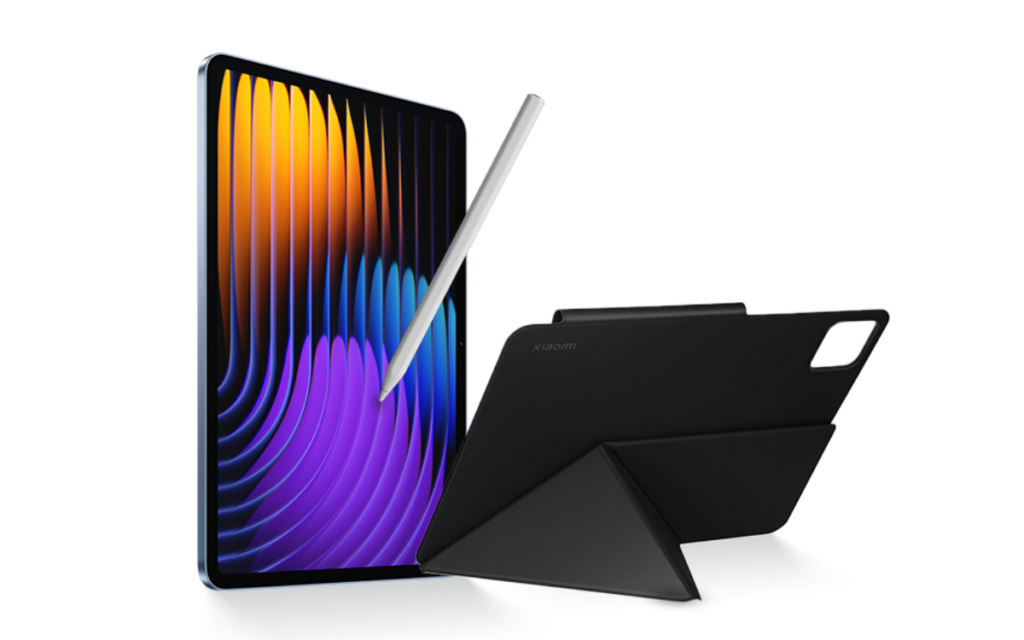
Xiaomi Pad 7
For those who want a solid gaming tablet without spending too much, the Xiaomi Pad 7 delivers. Sporting the same 11.2-inch 3K 144Hz display as its Pro sibling, it’s powered by the Snapdragon 7+ Gen 3 chipset. It’s more than capable of handling most modern games with ease.
The device includes a sturdy metal unibody design, a responsive 240Hz touch sampling rate, and Dolby Atmos-tuned quad speakers for an immersive gaming and multimedia experience. Prices start at Rs. 27,999 ($327), making it one of the most affordable premium gaming tablets of 2025.
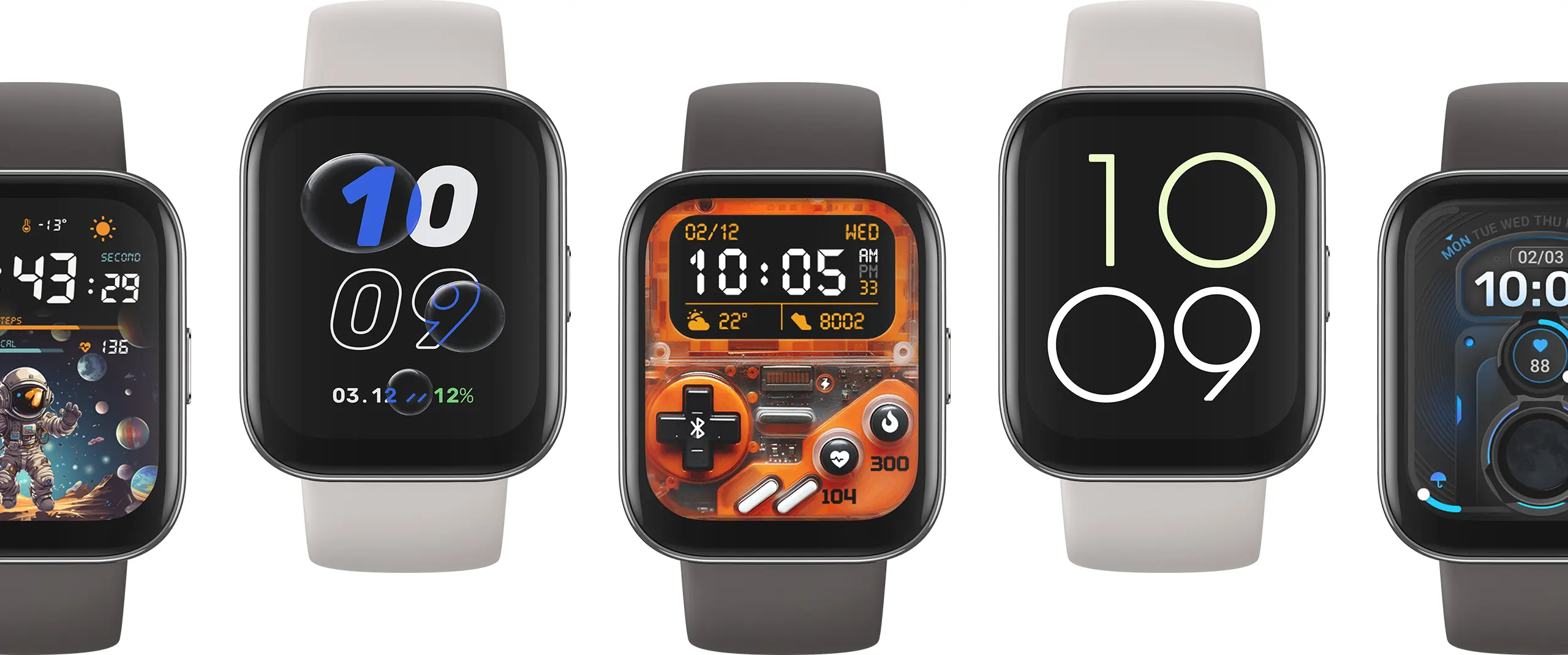
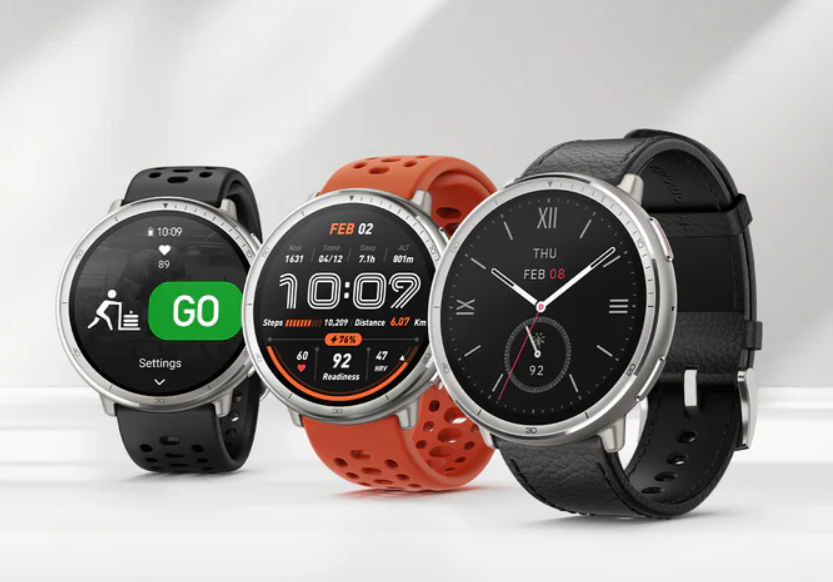
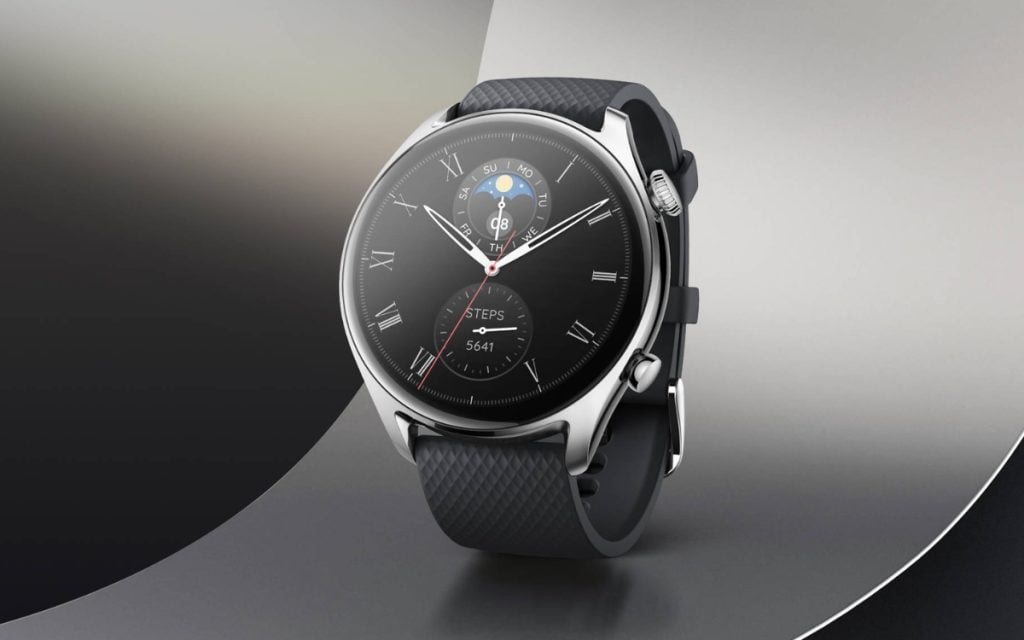
Amazfit has built a reputation for offering feature-packed smartwatches at reasonable prices. Whether you’re looking for a budget-friendly option, a fitness-focused device, or a rugged outdoor smartwatch, there’s likely an Amazfit model that fits your needs.
The challenge, though, could be figuring out which one is worth buying. While Amazfit offers plenty of options, not all provide the same performance or overall value. If you’re considering an Amazfit smartwatch, here are four of the best models available right now.
The Amazfit Bip 5 Unity is designed for those seeking a reliable companion for daily activities. It features a stainless steel frame, a 1.91-inch LCD touchscreen, and a full suite of health tracking features, including 24/7 heart rate monitoring, SpO₂ tracking, and stress monitoring.
For fitness enthusiasts, the smartwatch includes over 120 sports modes and automatic recognition for seven activities. It also supports four satellite positioning systems that make navigation for outdoor workouts more easier and accurate.
The Bip 5 Unity is claimed to deliver 10 days of battery life under typical usage conditions. The watch also supports Bluetooth phone calls, allowing users to answer calls directly from their wrist.
Additionally, the watch comes with Amazon Alexa built-in, so you can provide voice-assisted commands to set reminders or check the weather.
Specifications:
Design: Stainless steel frame, IP68 rating
Dimensions: Not specified
Weight: Not specified
Display: 1.91-inch LCD touchscreen, 320 x 280 pixels
Protection: Not specified
Battery: 300mAh, up to 10 days (typical usage), up to 5 days (heavy usage)
Charging: Magnetic charging
Microphone & Speaker: Yes (supports Bluetooth phone calling, Amazon Alexa)
Sensors: BioTracker PPG sensor
Health Tracking: 24/7 heart rate monitoring, SpO2 tracking, stress monitoring
Sports Modes: 120+ sports modes, smart recognition for 7 activities
At $99.99, the Amazfit Active 2 punches well above its weight. It has a 1.32-inch AMOLED display with a peak brightness of 2,000 nits, meaning you won’t struggle to see it outdoors.
The regular variant of the Active 2 has a stainless steel case that gives it a premium feel. But if you’re willing to spend a bit more ($129), you can also get a more durable version with a sapphire glass face and leather strap.
What really makes it stand out, though, is fitness tracking. The Active 2 is stuffed with 164 workout modes and supports offline map downloads for skiing and running.
It also has support for the Zepp Flow AI assistant and Zepp Coach that provides personalized training workout plans for both beginners and seasoned athletes.
As for the battery life, Amazfit claims it can deliver around five days with continuous health monitoring enabled.
Specifications:
Design: Stainless steel case (Standard) / Sapphire glass face with leather strap (Premium)
The Amazfit GTS 4 and GTR 4 are essentially the same watch with two design options:
GTS 4: It has a square 1.75-inch AMOLED display (390 x 450 pixels), is lighter (27g), and lasts up to 8 days on a charge (4 days with heavy use). It looks a lot like an Apple Watch.
GTR 4: It has a round 1.43-inch AMOLED display (466 x 466 pixels), is slightly bulkier (34g), and offers better battery life—up to 14 days under normal use (7 days with heavy use).
Both watches come with 150+ sports modes, advanced GPS tracking, and full health monitoring, including heart rate and sleep tracking. They also support Bluetooth calling and Amazon Alexa.
If you prefer a modern smartwatch aesthetic, go for the GTS 4. If you want something that looks more like a traditional watch, the GTR 4 is the better pick.
Please Note: When you buy something using the links in our articles, we may earn a small commission at no cost to you.
4. Amazfit T-Rex Ultra
If you need a smartwatch that can handle extreme conditions, the Amazfit T-Rex Ultra is the one to get. It’s military-grade tough, has 100-meter water resistance, and is built for diving, skiing, and endurance activities.
Unlike other Amazfit models, it features dual-band GPS with offline maps—a must-have for hiking and backcountry adventures. It also supports waypoint navigation, so you can retrace your steps easily.
The 1.39-inch AMOLED display is bright enough for outdoor use, and battery life is impressive, lasting up to 20 days in standard mode. The watch is a bit on the bulky side, but if durability is your top priority, the T-Rex Ultra is a no second thought wearable.
Samsung has officially launched its highly anticipated Qi2 3-in-1 wireless charger in South Korea, priced at approximately $81 (119,000 KRW). The accessory was quietly unveiled alongside the Galaxy S25 series in January, and it marks Samsung’s first foray into Qi2 magnetic charging. While the Galaxy S25 supports Qi2, it requires a compatible case with built-in magnets to utilize the feature, as the phone itself lacks internal magnets.
It can charge three devices at once
The charger is designed to simultaneously power up three devices. This charger supports the Galaxy S25 (with a Qi2 case), Galaxy Watch, Galaxy Buds, and even the upcoming Galaxy Ring. The Qi2 technology ensures precise alignment through Magnetic Power Profile. Nonetheless, the charging speed is limited to 15W.
Earlier speculation suggested Samsung might have canceled the charger after the company removed its product page last month. However, its official release in South Korea confirms the accessory is very much alive and will likely expand to global markets soon. While the current price is set at $81 in Korea, international pricing may vary—Samsung previously listed the charger at $129.99 in the US, which hints at a premium price tag for global markets including the US.
The charger’s arrival is timely, as future Samsung flagships are expected to adopt Qi2 support more broadly. For now, users will need a magnet-equipped case to take full advantage of this 3-in-1 wireless charger. As Qi2 becomes more widespread, this Qi2-compatible charger could become an appealing product for those invested in the brand’s ecosystem.
Qi2 compatible case for S25 Ultra
That said, it will be interesting to see if Samsung becomes one of the first Android OEMs to include magnets in its smartphones. For those wondering, the HMD Skyline is the first Android phone to support full Qi2 with built-in magnets.
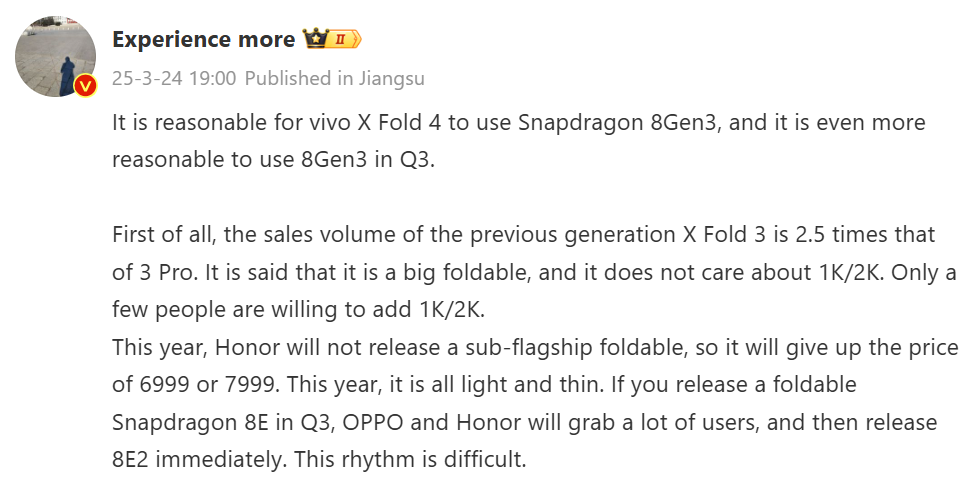
Last year, Vivo unveiled the Vivo X Fold 3 and X Fold 3 Pro with Snapdragon 8 Gen 2 and Snapdragon 8 Gen 3 chipsets, respectively. While the Pro model was a premium offering, the standard edition delivered flagship performance at an affordable price. Initial reports surrounding the Vivo X Fold 4 series claimed that the brand will launch only one foldable phone instead of two like last year. A recent leak by tipster Digital Chat Station revealed that instead of featuring the Snapdragon 8 Elite, the X Fold 4 will arrive with the older Snapdragon 8 Gen 3. Another tipster, Experience More, has explained why it is a sensible decision to opt for an older chipset. Additionally, he also revealed the launch timeframe of the X Fold 4.
Vivo X Fold 4 with Snapdragon 8 Gen 3 will be cheaper than Find N5, Magic V4
Vivo X Fold 4 launch timeframe
To recall, the Vivo X Fold 3 was priced between 6,999 yuan and 8,999 Yuan (~$1,240), whereas the X Fold 3 Pro carried a starting price of 9,999 Yuan (~$1,380). According to the tipster, the X Fold 3 outsold the X Fold 3 Pro by a significant margin, indicating a preference for value over premium specs in the foldable segment.
Honor also unveiled two book-style foldable phones last year. The Magic Vs3, with the Snapdragon 8 Gen 2 onboard, was priced between 6,999 Yuan (~$960) and 8,999 Yuan (~$1,240). On the other hand, the Magic V3, equipped with the Snapdragon 8 Gen 3, was priced between 8,999 Yuan (~$1,240) and 10,999 Yuan (~$1,515). However, this year, it appears that the brand may not reveal a successor to the Magic Vs3, as it is expected to launch the Magic V4 with the Snapdragon 8 Elite chip onboard.
According to the tipster, with Honor potentially skipping a mid-range foldable this year, Vivo has an opportunity to capture the 6,999–8,999 Yuan (~$960 – ~$1,100) price bracket. However, delaying the release or opting for the Snapdragon 8 Elite would risk losing market share to competitors like Oppo and Honor, especially with the imminent arrival of the Snapdragon 8 Elite 2, expected in October this year.
Therefore, the tipster believes it is logical for the Vivo X Fold 4 to debut with the Snapdragon 8 Gen 3 chip in Q3 of this year. He added that a less crowded market this year would benefit all manufacturers, allowing each model to achieve higher sales volumes.
For more daily updates, please visit our News Section.
A Vivo smartphone with model number V2456A was recently spotted on China’s 3C and MIIT certification platforms. Additionally, it appeared on Geekbench, confirming the presence of the Snapdragon 7s Gen 3 chipset. While these listings suggested an upcoming launch, the device’s final name remained unknown. However, the V2456A has now surfaced in China Telecom’s product library, confirming that it will debut as the Vivo Y300 Pro+. The listing has also disclosed key specifications, color options, pricing details, and the expected release timeline before its March 31 launch date.
Vivo Y300 Pro+ pricing, colour variants, and availability details (rumored)
Vivo Y300 Pro+ Vivo Y300 Pro+
According to the listing, the Vivo Y300 Pro+ will launch in China on March 31, with sales commencing on April 3. It will be available in three colour options: Simple Black, starry silver, and Micro Pink.
The smartphone is expected to be available in three configurations, with a starting price of 1,799 CNY (~ $275) for the base model. The 12GB RAM + 256GB storage variant may cost around 2,199 CNY ~$300), while the top-end 12GB RAM + 512GB storage version is listed at 2,499 CNY (~ $345). However, these prices are yet to be officially confirmed and may change at launch.
Vivo Y300 Pro+ specifications (rumored)
The Y300 Pro+ is said to feature a 6.77-inch quad-curved AMOLED display with a 1.5K resolution (2392 x 1080 pixels) and a 120Hz refresh rate. For photography, it is expected to sport a 32-megapixel front camera, while the rear setup consists of a 50-megapixel primary sensor and a 2-megapixel secondary sensor.
Under the hood, the smartphone is powered by the Snapdragon 7s Gen 3 chipset. It is expected to be available in multiple configurations, including 8GB RAM + 128GB storage, 12GB RAM + 256GB storage, and 12GB RAM + 512GB storage. The device also includes a 7,300mAh battery with 90W fast chargingsupport.
On the software front, the Y300 Pro+ will run on Android 15 with OriginOS 5 on top. The smartphone will feature an in-display fingerprint scanner for security. It measures 163.4 x 76.4 x 7.89mm and weighs 199 grams.
iQOO Z10 could be a rebranded Vivo Y300 Pro+
Meanwhile, iQOO has confirmed that it will launch the iQOO Z10 in India on April 11. The Z10 is set to feature a 7,300mAh battery, similar to the Y300 Pro+. This suggests that the Z10 could be a rebranded version of the Y300 Pro+ for the Indian market
For more daily updates, please visit our News Section.
TCL has introduced its T8C QLED HDR Smart TV in key European markets, including France, Spain, and Germany, following its earlier launch in the UK. The TV comes in sizes ranging from 55 to 98 inches and offers a mix of mid-range pricing and higher-end features. In Germany, the 55” model starts at €549, while in the UK, it is priced at £649.
TCL T8C TV features
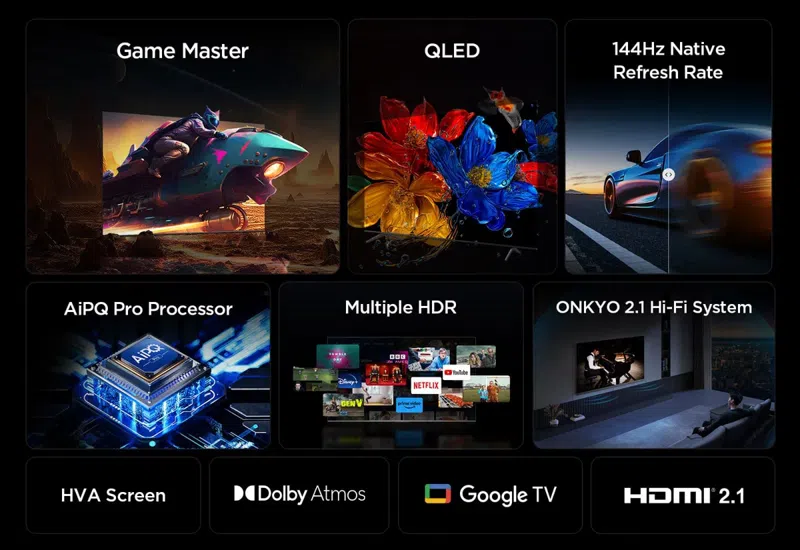
The T8C features a 4K HVA panel with a contrast ratio of either 5,000:1 or 6,000:1 depending on the screen size, and a peak brightness of 350 nits. It supports 93% of the DCI-P3 color gamut and includes HDR10+ and Dolby Vision for improved picture quality. For gaming, the TV provides a 120Hz native refresh rate, which can go up to 144Hz with Motion Clarity Pro. It also supports AMD FreeSync Premium, a 288Hz Game Accelerator, and ultra-wide 21:9 and 32:9 aspect ratios. Input lag is reduced to 10ms in Game Mode.
Running on Google TV, the T8C offers voice control, Chromecast and Miracast support, and access to popular streaming platforms such as Netflix, Disney+, and Prime Video. Audio is delivered through Onkyo-tuned 2.1-channel speakers (25W total output), with support for Dolby Atmos and DTS Virtual X. For connectivity, the TV includes four HDMI 2.1 ports, Bluetooth 5.2, dual-band Wi-Fi, and a LAN port.
Internally, the TV is powered by a MediaTek MT9653 processor with a quad-core A73 CPU and Mali-G52 GPU, combined with 3GB of RAM and 32GB of storage. It can decode AV1, H.265, and VP9 video formats and supports 4K playback at 60Hz.
Pricing & availability
Prices vary by size: the 65” model is priced at €699/£749, the 75” at €1,049/£1,099, and the 85” at €1,399/£1,299. The 98” version, available only in Europe, is listed at €1,999.
For more daily updates, please visit our News Section.
We use cookies on our website to give you the most relevant experience by remembering your preferences and repeat visits. By clicking “Accept”, you consent to the use of ALL the cookies.
This website uses cookies to improve your experience while you navigate through the website. Out of these, the cookies that are categorized as necessary are stored on your browser as they are essential for the working of basic functionalities of the website. We also use third-party cookies that help us analyze and understand how you use this website. These cookies will be stored in your browser only with your consent. You also have the option to opt-out of these cookies. But opting out of some of these cookies may affect your browsing experience.
Necessary cookies are absolutely essential for the website to function properly. This category only includes cookies that ensures basic functionalities and security features of the website. These cookies do not store any personal information.
Any cookies that may not be particularly necessary for the website to function and is used specifically to collect user personal data via analytics, ads, other embedded contents are termed as non-necessary cookies. It is mandatory to procure user consent prior to running these cookies on your website.














![OnePlus Pad 2 (12.1 Inch)LCD Display,8GB RAM, 128GB Storage,Snapdragon 8 Gen 3,144Hz Refresh Rate,Dolby Vision & Atmos,Open Canvas,AI features,6 speakers,Wi-Fi with Cellular Data Sharing [Nimbus Gray]](https://www.gizmochina.com/wp-content/plugins/aawp/public/image.php?url=YUhSMGNITTZMeTl0TG0xbFpHbGhMV0Z0WVhwdmJpNWpiMjB2YVcxaFoyVnpMMGt2TkRFMGEydHdjV1JIY2t3dVgxTk1NVFl3WHk1cWNHYz18MTc5MDc5MzI0Ng=)