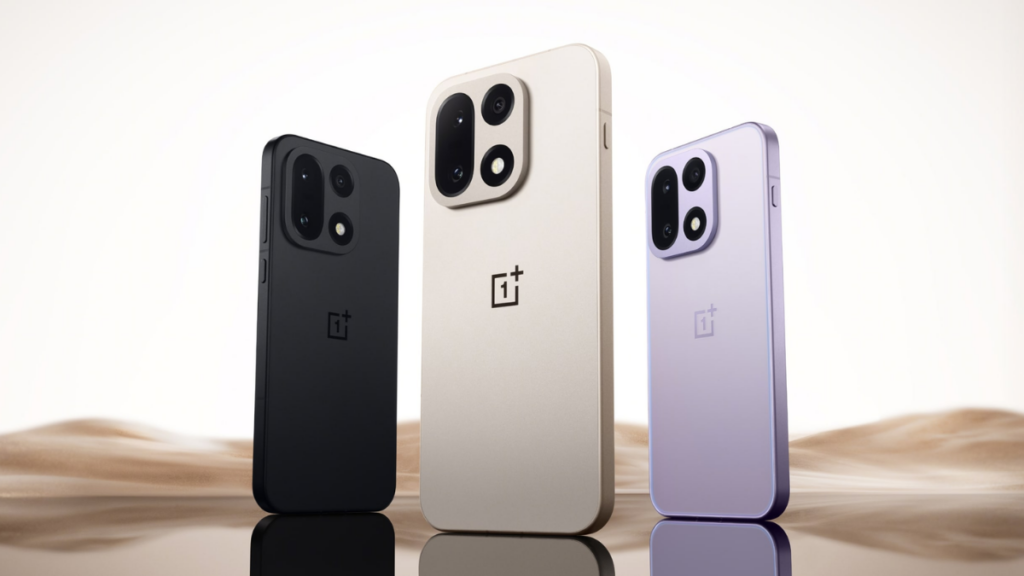
HMD Global, the company behind the recent wave of revived Nokia phones, is bringing back the Asha name with a fresh lineup aimed at users who want something cheaper and simpler. Leaker smashx_60 has just shared the first details and images of the HMD Asha 505, which is expected to launch alongside the Asha 305.
The Asha 505 clearly takes design cues from the past, especially the rear camera module, which looks a lot like the one on the old Nokia Lumia 830. It’s a rectangular setup that longtime Nokia fans will instantly recognize. Interestingly, it skips the modern “Skyline” front design HMD has used on other recent phones.
Specs-wise, this is very much an entry-level device. You’re getting a 5-inch 720p display with a 60Hz refresh rate in an old-school design (not full-screen). Around the back there’s an 8MP camera, just like the Nokia 3 from 2017, a 5MP front camera, 4GB of RAM, 64GB of storage, and a 3,000mAh battery. It’s expected to run Android 14 Go Edition and will likely be powered by a Unisoc octa-core chip. Unlike the RTOS-based HMD Touch 4G, it can still run your social media apps, so it’s not the best option if you’re looking for a digital detox.
But HMD still has a point. The original Asha phones were all about bringing basic touchscreen experiences to emerging markets. The new versions feel like they’re aimed at specific needs: think kids’ phones, or phones that are simply affordable.
HMD has done a good job lately tapping into Nokia’s heritage with feature phones. Bringing back Asha could help them reach parents, teachers, or anyone looking for a no-frills, affordable handset with just the essential smartphone features that feature phones lack.
Pricing and exact launch dates haven’t been announced yet, but the leaks point to an announcement coming soon.
Overall, these new Asha phones probably won’t set the world on fire with performance, but they could fill a nice niche for people who want something simple, affordable, and a little nostalgic.
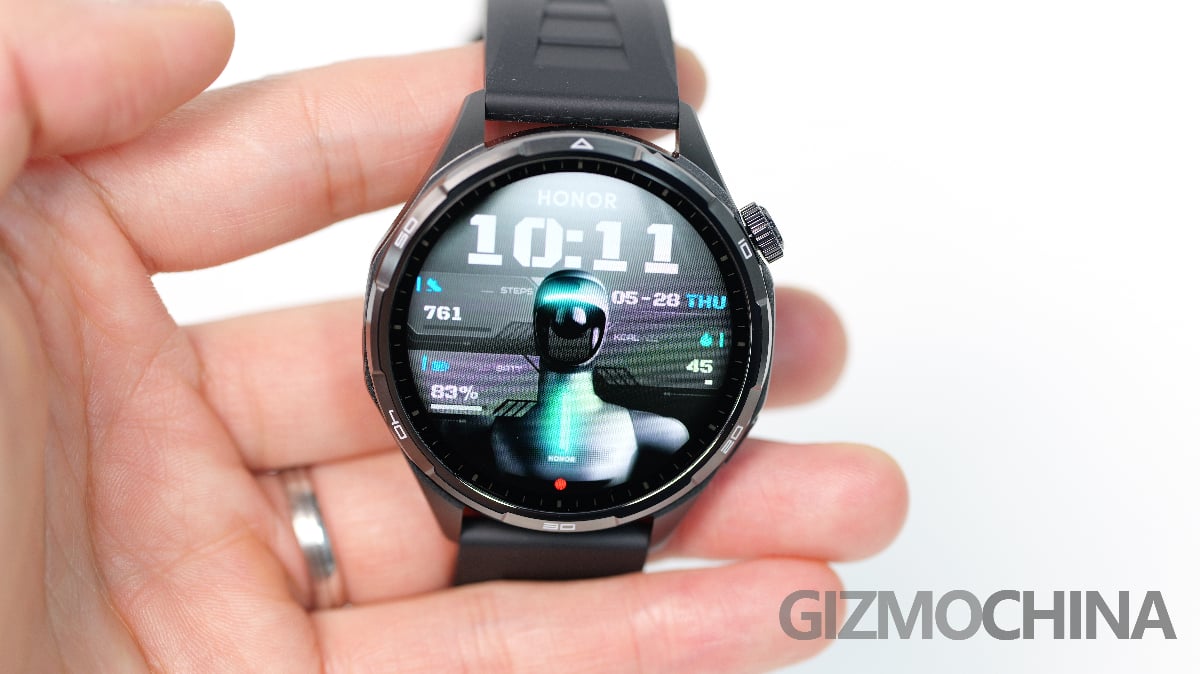
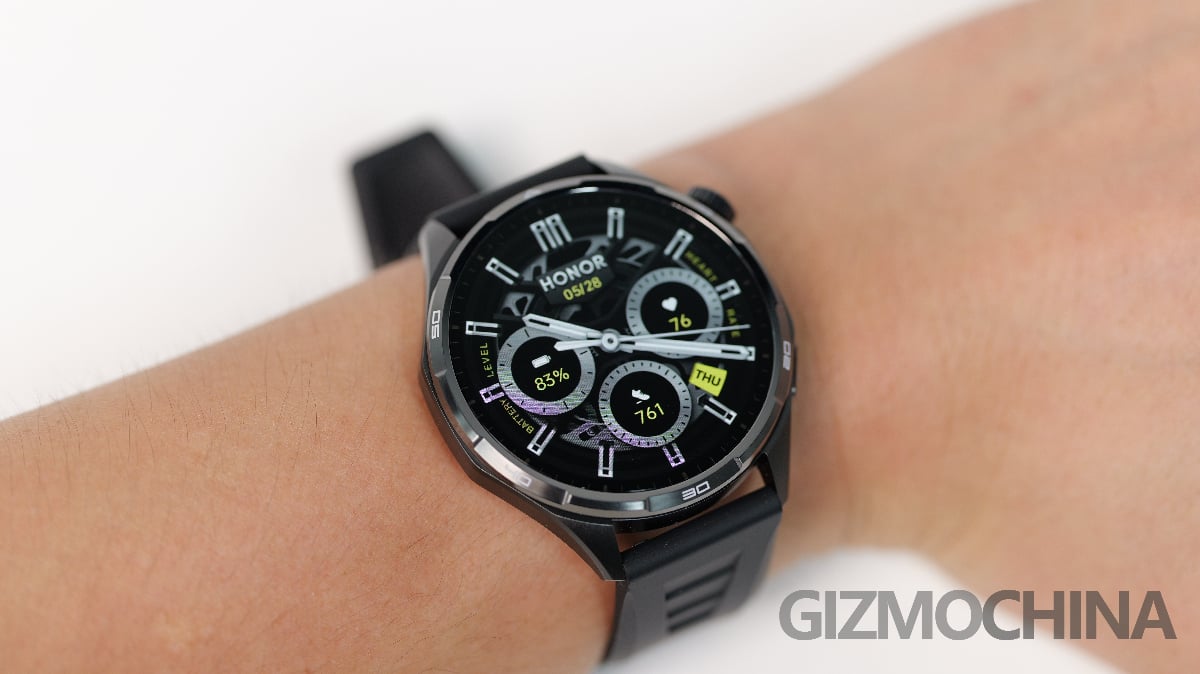
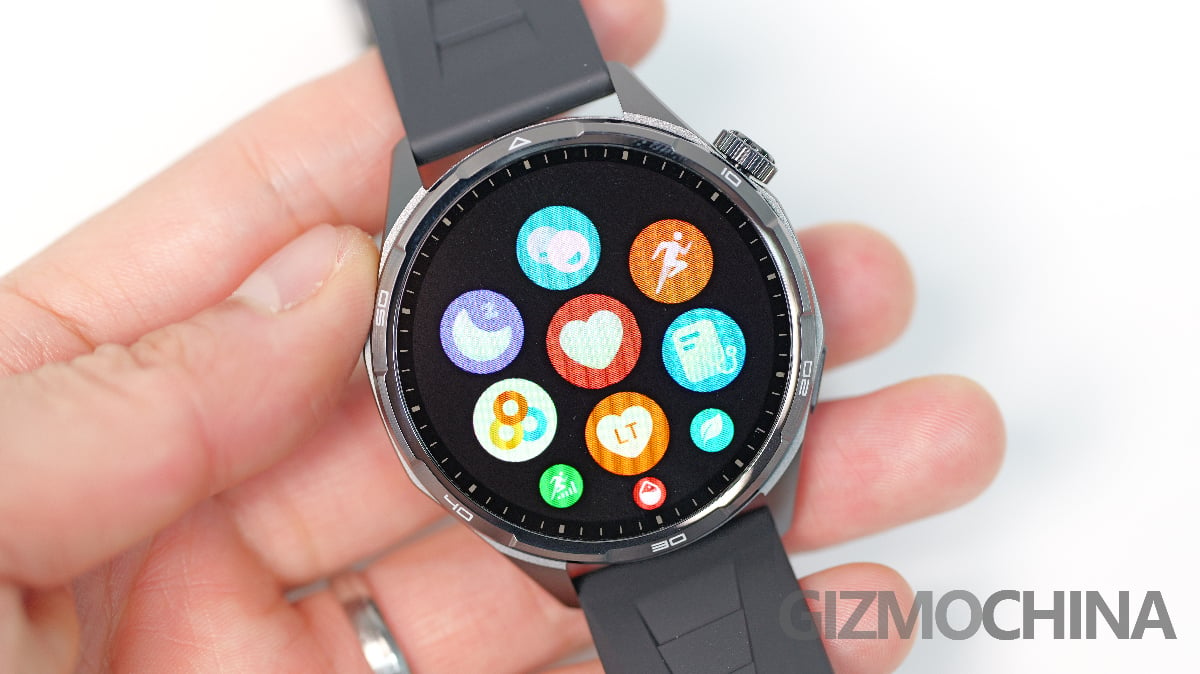
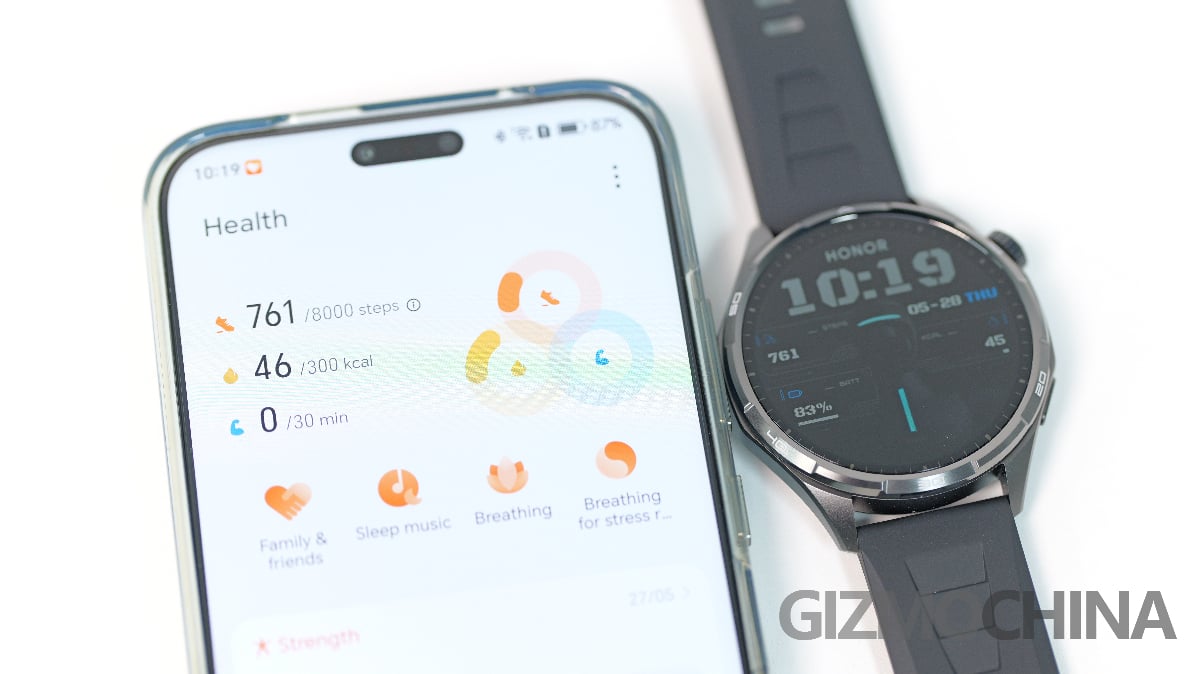
The HONOR Watch 6 goes with a classic round watch face, roughly 46mm across. The bezel is metal with a dark gunmetal or black finish, and it’s got those dive-watch style numbers around the watch.
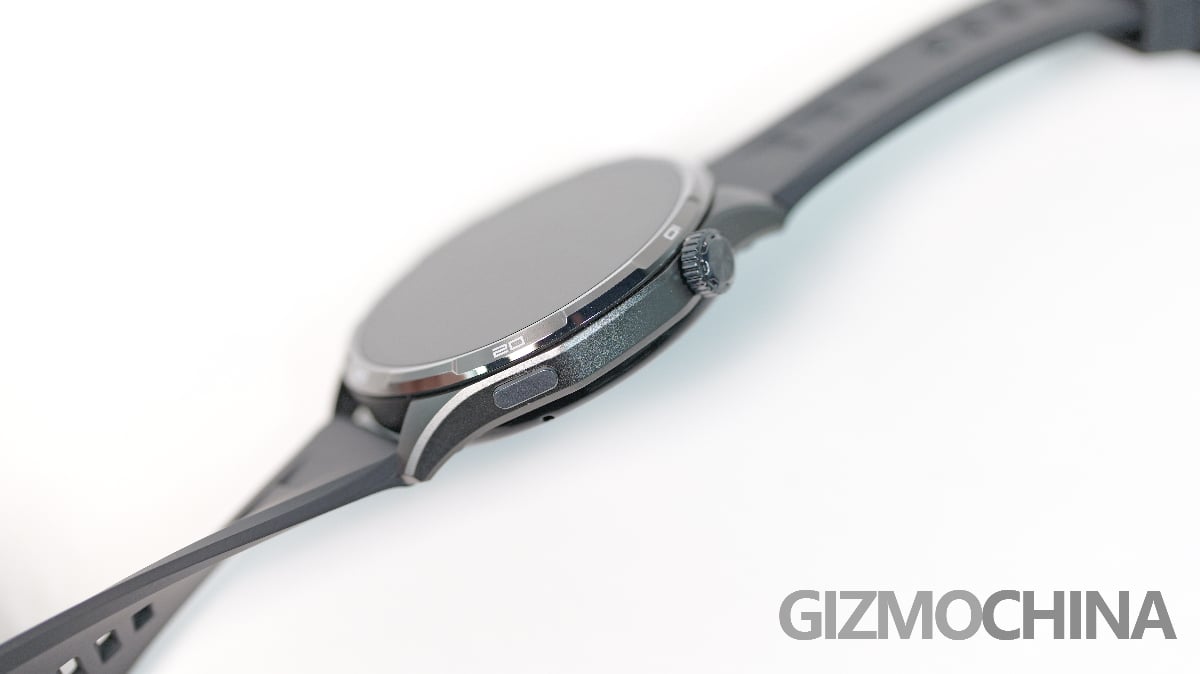
The screen is a 1.46-inch AMOLED panel at 464×464 resolution, so you get those deep blacks and punchy colors you’d expect from this type of display. On the right side there’s a single crown with some texture for grip—you can twist it and press it to navigate around the interface.
Size-wise, it’s pretty much what you’d expect from a modern smartwatch. Not super thin, not chunky either. The overall look is more sporty than dressy, which makes sense given the fitness tracking angle. The design plays it safe—round case, metal bezel, rubber strap. Since this is a review unit, I don’t know if there will be more straps to go with it.
Materials and Build Quality
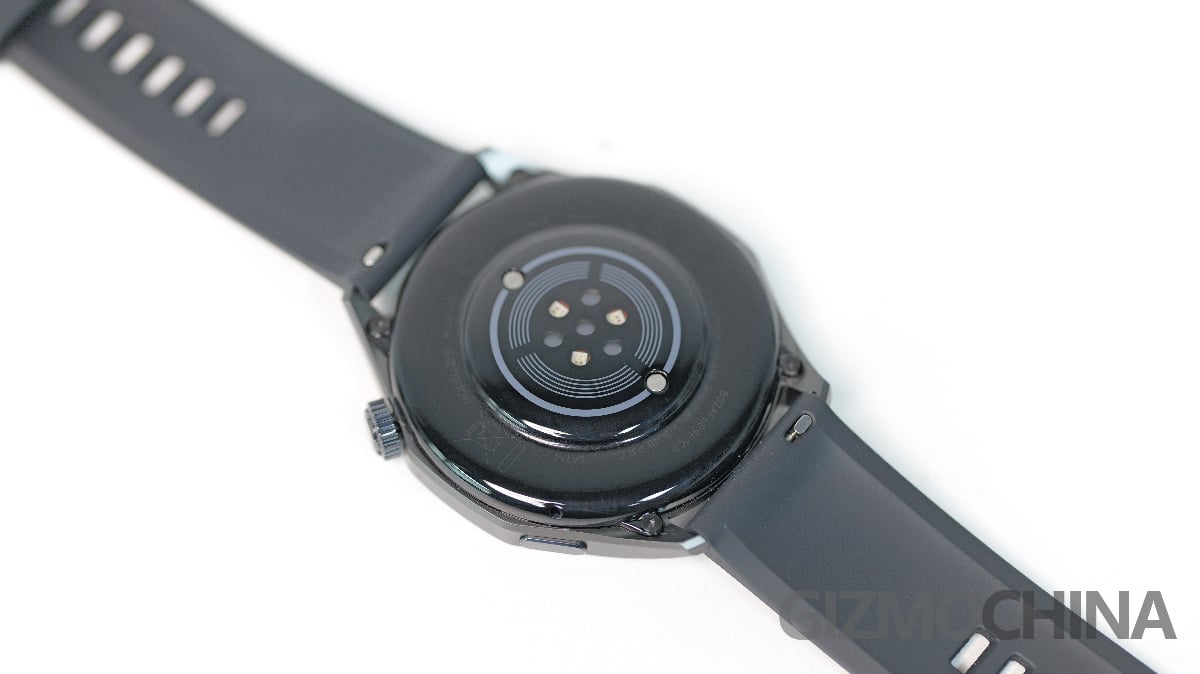
I don’t know the material of the case, might be stainless steel or something similar based on the finish and machining quality. That circular sensor module at the back are arranged in the typical pattern for optical heart rate tracking.
Water resistance is rated at 5ATM plus IP69, which means you’re good for swimming down to 50 meters and it can handle high-pressure water jets and dust. That’s solid for anyone who swims or gets caught in rough weather. The IP69 part is actually worth noting since it covers high-pressure, high-temperature water jets—not just casual splashes. So if you’re the type who rinses off gear after a workout, this watch can take that kind of abuse.
Anyone comparing this against other options can see how it stacks up in our list of top smartwatches for 2026.
Hardware and Specs
Bluetooth 5.4 handles the wireless side, which is the current standard and should give decent battery efficiency and stable connections. NFC is in there too, so contactless payments work wherever that’s supported. In practice, that means Google Pay or similar services if you’re in a region where HONOR has those partnerships set up.
There’s a built-in speaker and mic, meaning you can take calls and use voice assistants when paired with your phone. GPS is onboard with multi-satellite support, so you don’t need your phone for tracking runs or rides. The multi-system part usually means it taps into GPS, GLONASS, Galileo, or BeiDou—helpful when you’re in cities with tall buildings or under tree cover where single-system GPS can get flaky.
Text and icons look sharp enough on the screen, and the AMOLED panel means true blacks that blend into the bezel when the screen shows dark content. Brightness levels outdoors are very good also.
Sports and Activity Tracking
The built-in GPS covers the basics—running, cycling, walking—with route tracking that doesn’t need your phone. Having multiple satellite systems helps with accuracy when the signal gets tricky, like downtown or in the woods, it’s genuinely useful if you do outdoor workouts.
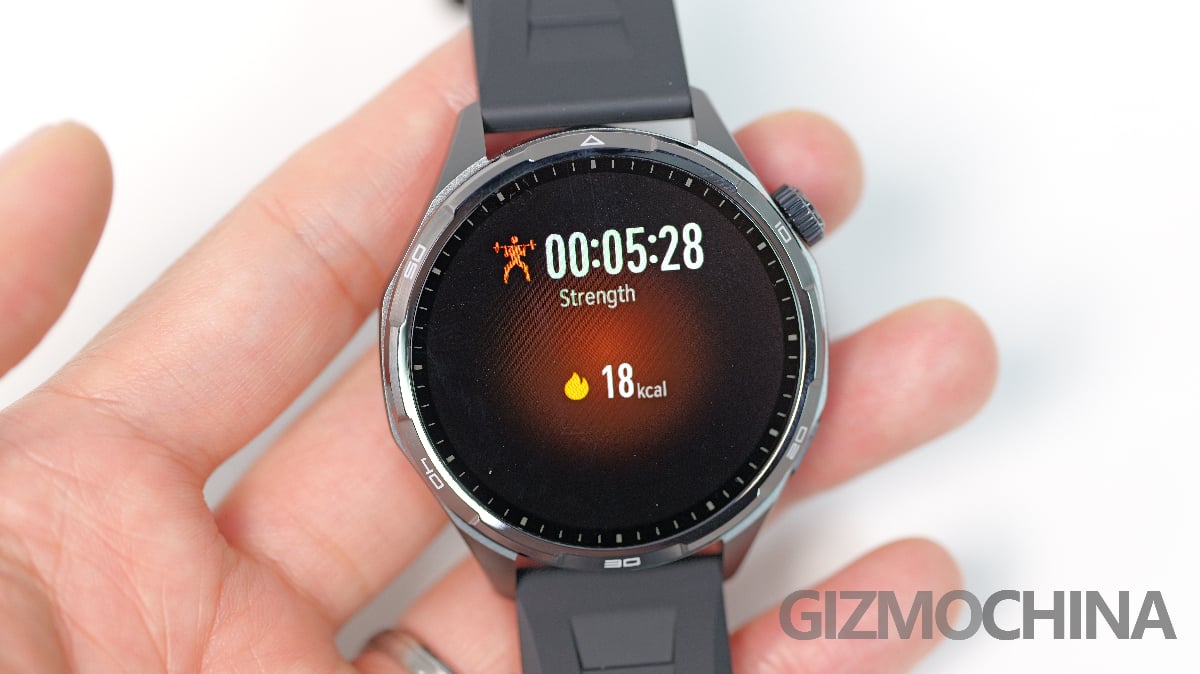
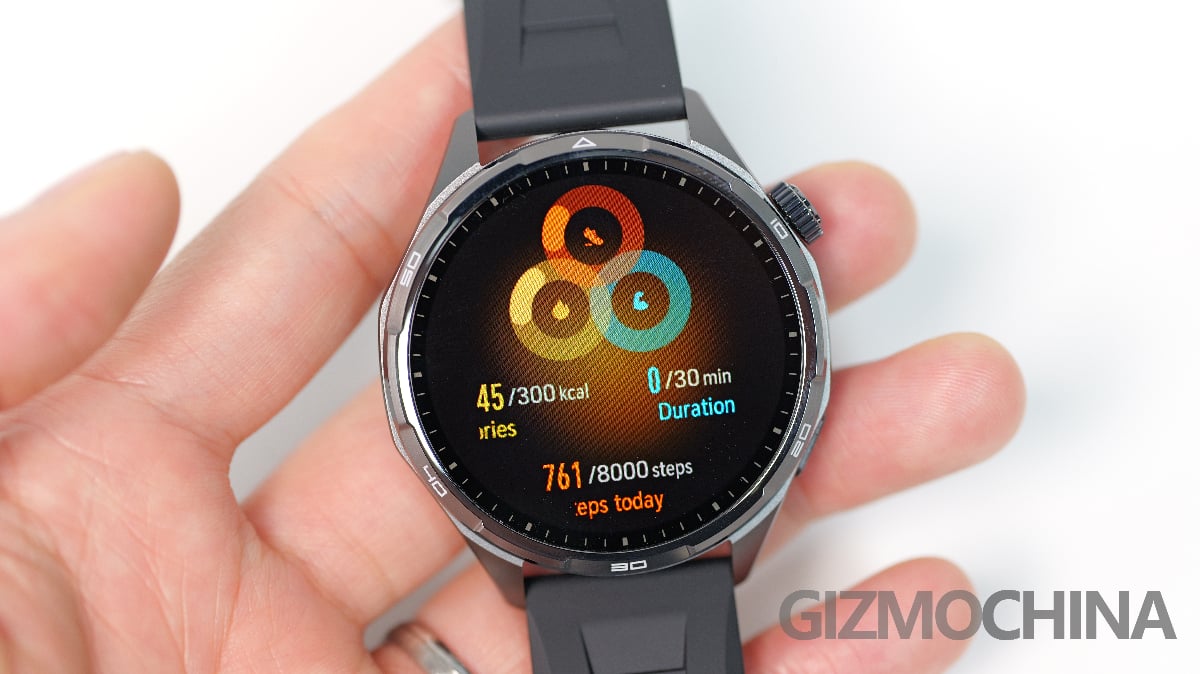
There’s AI-powered workout assistance baked in, and the watch face already shows step count as part of the daily tracking. The AI part likely means automatic workout detection—so if you start running, the watch figures it out rather than making you manually start a session. How well that works in practice varies by activity type and individual movement patterns. The 5ATM rating means swimming is fair game too, though the images don’t show any pool-specific metrics on the display.
Health Monitoring
The back of the watch runs optical heart rate monitoring through PPG sensors. It tracks continuously or on-demand depending on your settings. SpO2 tracking uses the same hardware, shining red and infrared light to measure blood oxygen levels.
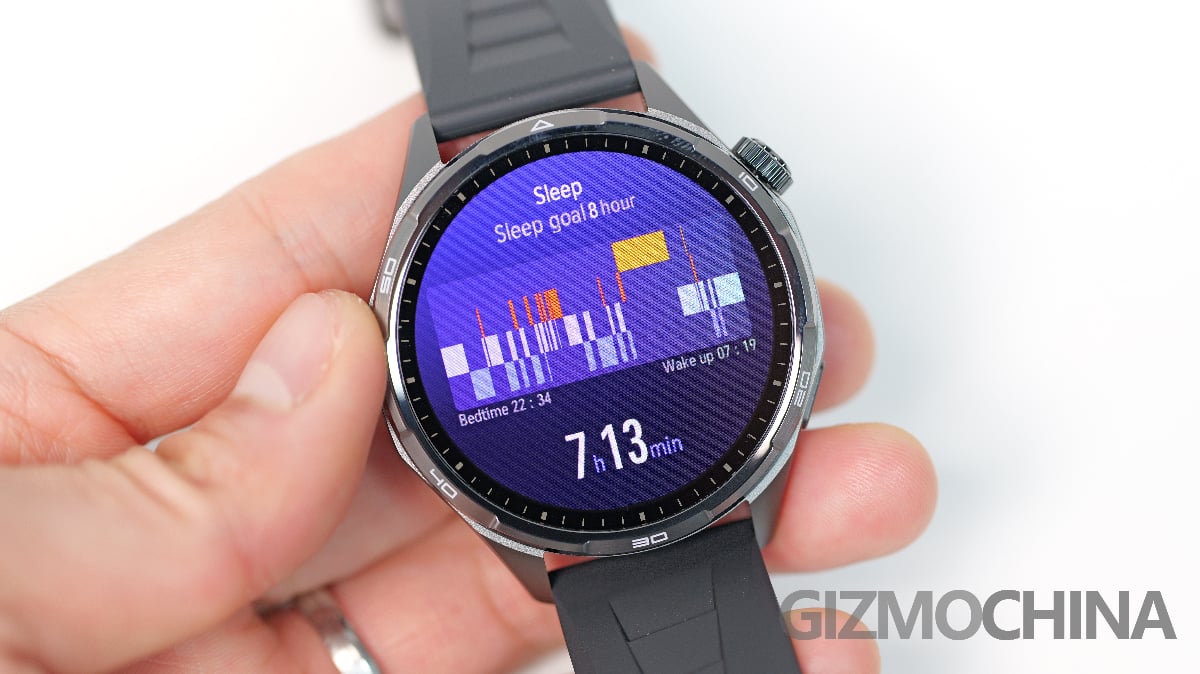
Stress monitoring works off heart rate variability, basically looking at how your heart rate bounces around to estimate your stress levels. Sleep tracking combines movement data from the accelerometer with HRV readings to guess at sleep stages—light, deep, REM, awake. Just keep in mind that all this optical stuff depends on how well the watch sits on your wrist and how tight you wear it. Too loose and the sensors lose contact; too tight and it’s uncomfortable for sleep. Finding that sweet spot takes some trial and error.
The health data gets fed into HONOR Health app or integration with third-party platforms. How useful all this data actually is depends on what you do with it. Having 30 days of heart rate graphs is neat, but if you’re not acting on the insights, it becomes background noise.
Battery and Charging
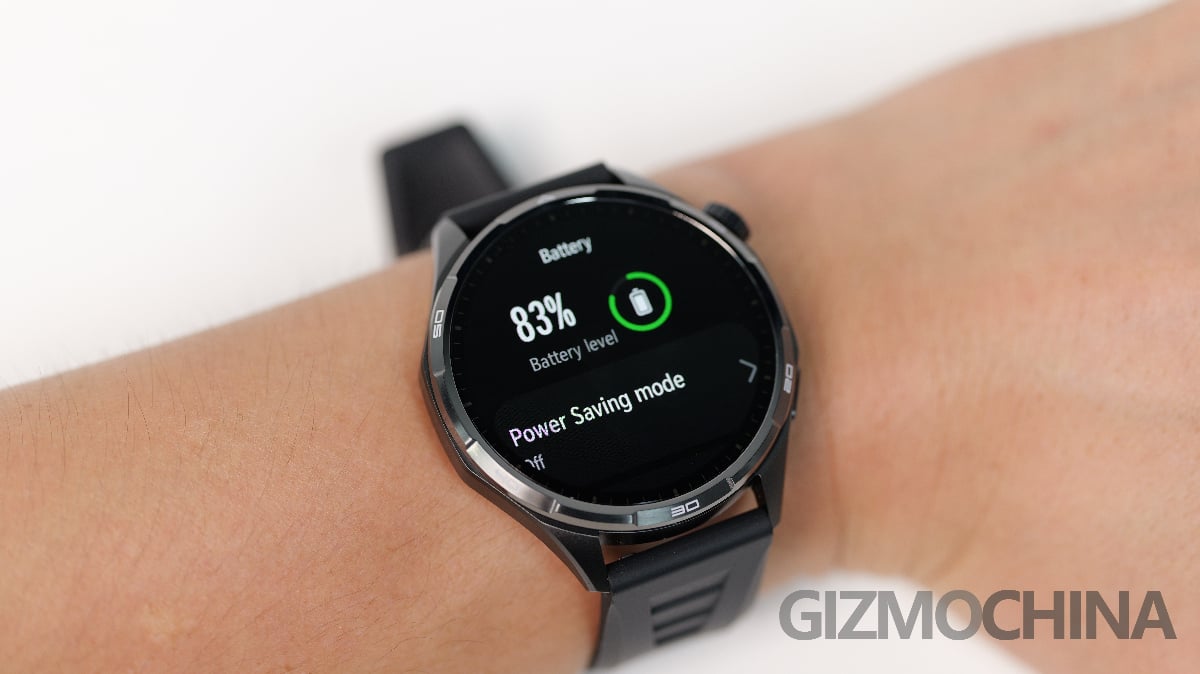
HONOR claims up to 35 days of battery life. This has to be the best battery life among all the smart watch category. I honestly don’t know how they achieve that, but give that HONOR has invested a lot of time into the battery tech, it is believable in my opinion. In real-world use with notifications, regular tracking, and maybe a couple GPS workouts per week, expect way less than that max number.
Charging is through the magnetic pin dock. It’s not as convenient as wireless Qi, but it’s reliable and usually charges faster. When charging, I think it is fairly fast.
Wrap-Up
The HONOR Watch 6 sits in that mid-to-premium zone with specs that match what else is out there right now. The AMOLED screen is nice, multi-satellite GPS is genuinely useful for outdoor types, and the health sensor array covers the usual bases without getting into medical-grade territory. That 35-day battery claim is impressive, we will see if it lives to the words.
The water resistance is legit for swimming, and the added NFC, speaker, and mic push it beyond just a fitness tracker into smartwatch territory. How well the smart features actually work day-to-day will depend on the software and what services are available where you live. It’s a competent package that doesn’t try to reinvent anything—just executes the standard smartwatch formula with decent hardware, and a round face that looks more like a traditional watch than a tech gadget.
iQOO 16, iQOO Neo 12, and iQOO Z12 Turbo are expected to feature significantly larger batteries, as per a new leak by reliable tipster Digital Chat Station. To recall, he recently shared the key specifications of the upcoming iQOO 16, including its battery size. Now, in a new leak, the same source has revealed the battery capacities of two other iQOO flagship offerings, suggesting that the brand is preparing a major leap in battery capacity across its flagship and performance-focused lineup.
iQOO 16, Neo 12, and Z12 Turbo battery details tipped
According to the tipster, the iQOO 16, which is expected to be powered by the forthcoming 2nm Snapdragon 8 Elite Gen 6 Pro chipset, is currently being tested with an 8,500mAh battery. The engineering prototype is also said to support 100W fast charging along with wireless charging.
The leak further claims that iQOO’s next-generation 3nm performance lineup, believed to include the iQOO Neo 12 and iQOO Z12 Turbo, is testing even larger batteries. One prototype reportedly packs a 9,000mAh battery, while another is equipped with a high-silicon single-cell 10,000mAh battery.
As per previous reports, the iQOO Neo 12 will feature a 6.83-inch flat OLED panel with a 2K resolution and a 185Hz refresh rate. Under the hood, it is expected to have the Snapdragon 8 Elite Gen 5 chip and a dedicated graphics chip for enhanced gaming. The device is also expected to support 100W charging. Other rumored features include an ultrasonic in-display fingerprint sensor and top-tier water resistance.
At present, there is no concrete information about the iQOO Z12 Turbo’s specifications. Considering that its predecessor featured the Snapdragon 8 Gen 5, it is likely that the Z12 Turbo may come equipped with the upcoming Snapdragon 8 Gen 6, which is believed to be a 3nm chip.
For more daily updates, please visit our News Section.
The Snapdragon 8 Elite Gen 5 is a no-brainer pick if you want the absolute best capabilities on your next upgrade. The processor delivers top-tier performance and power efficiency, smooth gameplay at extreme graphics settings, and excellent agentic AI capabilities. However, choosing the right smartphone can be challenging.
There are over a dozen Snapdragon 8 Elite Gen 5 phones out there (check the full list here), and going through each of them will likely cost you a few hours. So we did the hard work and narrowed the list down to five. Check them out below to find your next best upgrade.
5 Best Snapdragon 8 Elite Gen 5 phones to buy in July 2026
The Galaxy S26 Ultra is perhaps a suitable option for most people. It’s got a high-quality, bright AMOLED screen, a 5000mAh battery lasting over a day, and robust connectivity features. The device is powered by the Snapdragon 8 Elite Gen 5 for Galaxy, which runs at a higher speed than the regular version.
The quad-camera setup on the back takes excellent photos and videos, which includes a massive 200MP main camera, two telephoto sensors (one with 3x optical zoom, another with 5x optical zoom), and a 50MP ultrawide camera. There’s a 12MP front-facing camera. The S26 Ultra comes with the best software support for seven years you can get on an Android device.
The Oppo Find X9 Ultra is a heavily spec-ed phone, featuring the powerful Snapdragon 8 Elite Gen 5 at its core. The AMOLED screen produces great colors and has excellent outdoor visibility. You may not have to charge it very often, as it packs a massive 7050mAh battery that can last up to two days on normal usage.
The Find X9 Ultra has one of the best cameras on any phone. The rear camera setup includes two massive 200MP sensors and two 50MP sensors, which take excellent photos and videos in any lighting conditions. The 50MP selfie camera also performs well.
The Xiaomi 17 Ultra is also a top-tier smartphone, pushing the limits of its Ultra phones even higher. This one has a Snapdragon 8 Elite Gen 5 at its core and packs a 6000mAh battery that lasts more than a day on normal usage, with support for fast charging.
The Xiaomi phone features a high-end rear camera setup that takes photos and videos with great detail, accurate colors, and sharpness. It can record up to 8K videos, and the 50MP selfie camera supports up to 4K recording. With robust connectivity and high-quality sound, the Xiaomi 17 Ultra becomes an excellent high-end option for most people.
OnePlus 15 is one of the most affordable phones with a Snapdragon 8 Elite Gen 5 chip. It features a 6.78-inch LTPO AMOLED screen with a high refresh rate and Ultra HDR image support.
The smartphone is equipped with a high-end triple-camera setup, with all sensors featuring 50MP resolution. One of them is a wide sensor, one is a 3.5x periscope telephoto sensor, and one is an ultrawide unit. Plus, it has a 32MP selfie snapper.
The OnePlus 15 comfortably lasts more than a day and can stretch to an additional day with light usage. Plus, the charging speeds are fast enough to refill the battery in minutes.
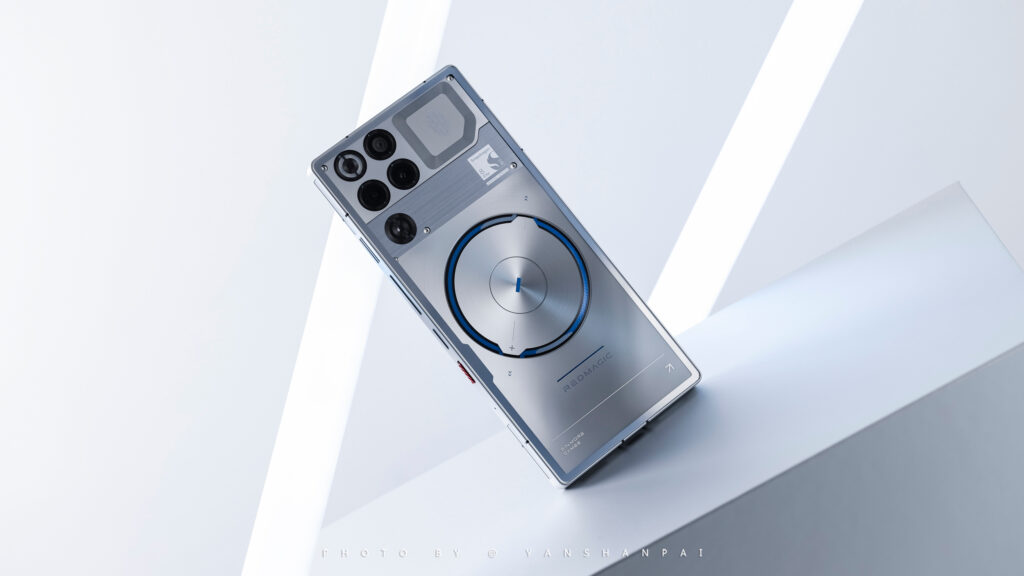
If gaming is your priority, the RedMagic 11S Pro delivers big. It comes with a modified Snapdragon 8 Elite Gen 5 Leading Version with higher clock speeds to unlock maximum performance. It also has a dedicated RedCore R4 Gaming chip that offloads secondary tasks such as audio processing and haptic vibration mapping, so the main Snapdragon processor can focus entirely on delivering maximum frame rates.
With maximum performance comes a great deal of heat, and to handle it, the phone has a built-in 24,000 RPM turbo fan, a liquid metal thermal interface, and a massive 13,116 sq. mm vapor chamber. It’s equipped with dual pressure-sensitive touchpads on the frame as capacitive bumpers.
The RedMagic 11S Pro has a high-resolution AMOLED screen with high refresh and touch sampling rates. The 16MP selfie camera is fitted under the screen to deliver the best gaming experience. You wouldn’t expect a flagship camera on a gaming phone, but the RedMagic 11S Pro still delivers good results where there’s enough light.
Xiaomi has expanded its children’s wearable lineup with the launch of the Redmi Kids Watch Pro in China. The device carries an official price of 1,199 yuan (~ $175), though early buyers can grab it for 1,045 yuan during the first sales batch. It is available for purchase on JD.com.
The Redmi Kids Phone Watch Pro has an octagonal screen with a camera mounted on the top bezel. What’s interesting here is that the watch has a flip-up housing with a camera even on the back. Both are 5MP sensors, and kids can use the cameras for both selfie and outward-facing shots.
The health tracking feature covers heart rate and blood oxygen alongside 18 sport modes and 5 fitness assessments. A water-proximity alert notifies parents automatically if the child gets close to a lake, pool, or river.
Redmi Kids Watch Pro offers offline tracking
One of the thoughtful additions is the watch’s ability to keep tracking a child’s whereabouts even when it’s completely powered down. Thanks to a dual-core setup and Xiaomi’s Find My network of connected devices, the watch can keep sharing location data for roughly five days after shutting off by relying on nearby Xiaomi hardware to relay the signal.
Moreover, Xiaomi’s third-generation AI floor-positioning system can pinpoint not just the building a child is in but the exact floor. It updates the location every second so parents get a near-live view through the companion app. The watch also recognizes subway stations, can log a child’s commute and save the route for parents to check later.
Socially, the watch lets kids befriend others by tapping devices together — including watches from rival brands — and supports child-safe versions of WeChat and QQ for calls and messaging. Parents get access to a full dashboard of wear time, app usage, activity, and behavior, plus the ability to set screen-time limits and auto-disable the watch during school hours.
Honor grabbed attention at MWC 2026 after showcasing its futuristic Robot Phone and confirming that it would go on sale in the second half of the year. More recently, reliable tipster Digital Chat Station claimed that the device is scheduled to launch in August. The tipster has now shared the phone’s technical specifications, giving us the clearest look yet at what Honor could be preparing.
Honor Robot Phone key specifications tipped
According to DCS, the Honor Robot Phone could feature a 6.3-inch to 6.4-inch flat display with a 1.5K resolution and ultra-slim bezels on all four sides. The handset is also tipped to be powered by the Snapdragon 8 Elite Gen 5 chipset, indicating that Honor is targeting the premium flagship segment with its new device. He speculates that the device could pack a battery of around 6,000mAh capacity.
The leak further suggests that the Robot Phone will feature a 200-megapixel primary camera with an f/1.6 aperture, a 23mm focal length and 4D gimbal stabilization. It is also expected to include a 50-megapixel ultra-wide camera and a 200-megapixel periscope telephoto camera. The imaging system is said to feature Honor’s ARRI imaging technology, which could deliver significant photography improvements.
Interestingly, the tipster claims that the Robot Phone’s camera experience can be seen as an early preview of what Honor is preparing for the Magic 9 series. If accurate, the upcoming device could introduce some of the company’s most advanced camera technologies before they make their way to the flagship Magic lineup.
While the specifications point towards a premium smartphone, pricing is also expected to reflect that positioning. Digital Chat Station believes the Robot Phone will not be inexpensive, although no official pricing details have surfaced yet. Since Honor has not confirmed these specifications, they should be treated as leaks until the company makes an official announcement.
For more daily updates, please visit our News Section.
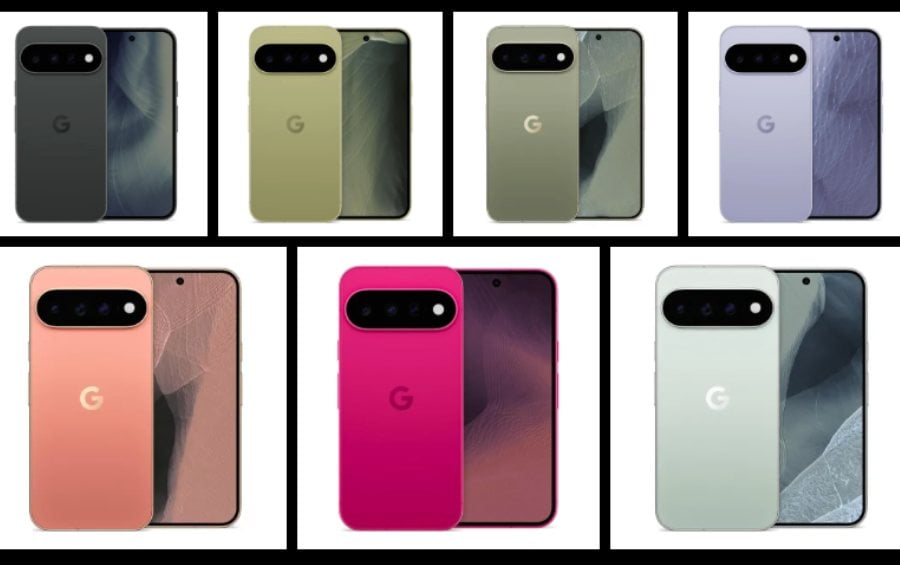
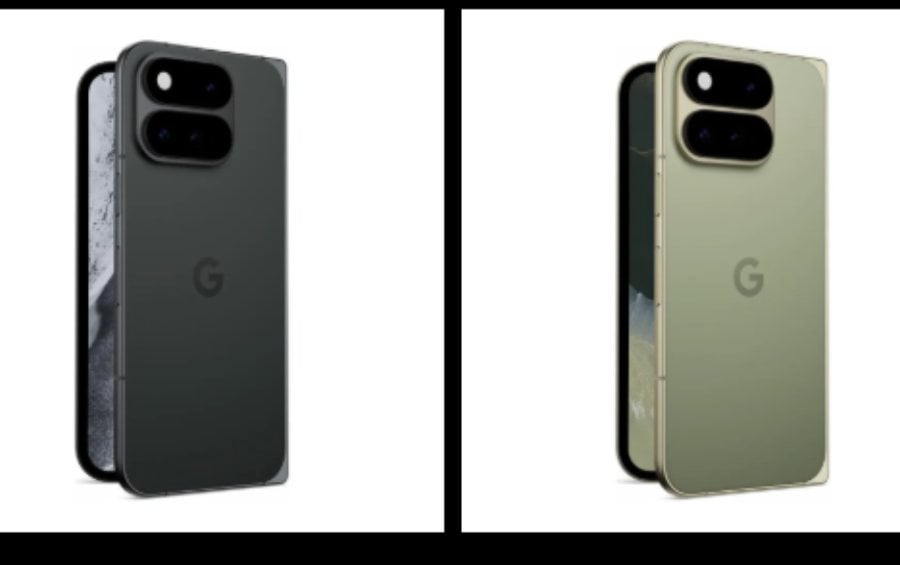
Google Pixel 11 series is a little over a month away from its reveal, but a premature Amazon listing has revealed the three phones — Pixel 11, Pixel 11 Pro, and Pixel 11 Pro Fold — in most of their color options.
First spotted by 9to5Google, the listing shows the base Pixel 11 in three different shades. The listing titles used playful names like “Hibiscus” and “Pistachio,” though the actual product descriptions referred to them as “Fuchsia” and “Moss.” A third color, listed simply as “Midnight,” rounds out the trio.
As for the Pixel 11 Pro, it is listed in Dune and Sterling finishes. The Pixel 11 Pro Fold, meanwhile, comes in Pine and Midnight options.
The listings are tied to the “Google Store” seller account on Amazon, which adds some weight to their credibility, though it’s worth noting Amazon’s marketplace is also full of third-party sellers, so a degree of caution is warranted.
Google Pixel 11 Series Specifications
A few small specs slipped through in the descriptions too: the base Pixel 11 is listed with a 6.3-inch display at 1080 x 2424 resolution, 12GB of RAM, a 4,985 mAh battery, and a starting price of $899 for the 256GB model.
Not everything in the listings checks out, though. The pages reference Android 16 as the software on board, despite the fact that these phones are expected to ship with Android 17. There are also mentions of a Google Pixel Tag as a compatible accessory for Pixel 11 phones, but no such thing exists as of now.
Given the inconsistencies, it’s best to treat these color reveals as likely, but not fully confirmed. Google has already scheduled its Pixel 11 launch event for August, so official confirmation isn’t far off.
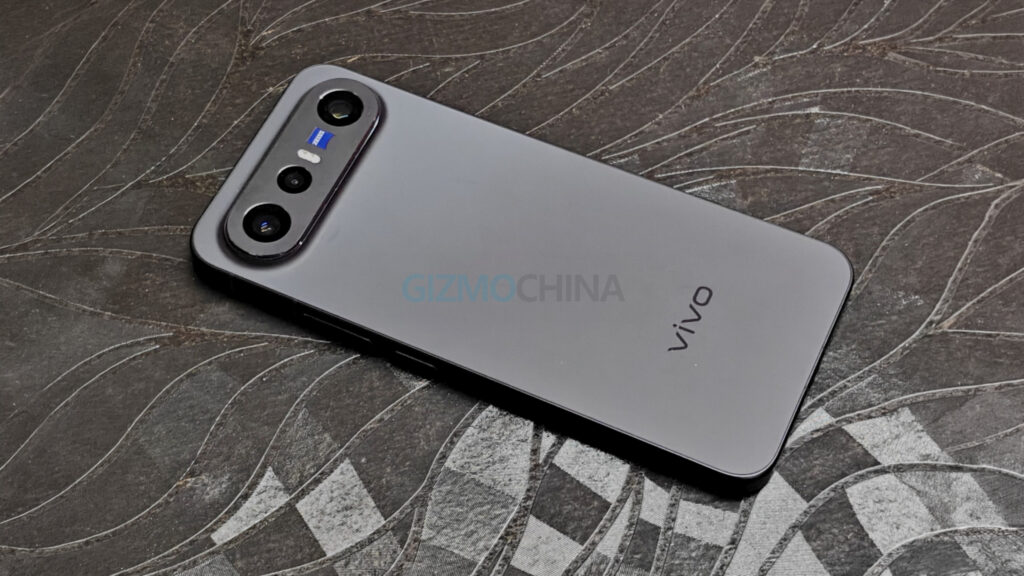
Vivo’s X-series has built a solid reputation for packing premium design and great imaging performance into a more compact package. Now, fresh leaks about the upcoming X300e suggest they’re tweaking the formula with some nice configuration options and interesting colors.
Popular Weibo leaker Digital Chat Station has dropped more details on the Vivo X300e. According to the latest leak, it’ll come in two main versions: a base model with 12GB RAM + 256GB storage, and a step-up variant with 12GB RAM + 512GB storage. Pretty straightforward and should cover what most people need. The phone is expected to launch in China sometime between late July and August 2026, with global markets likely following shortly after.
On the design side, there are three color choices: Moonlight White, Midnight Black, and Sunlight Orange. They sound clean and modern.
From earlier leaks, the hardware looks promising. It’s rumored to have a 6.59-inch display (nice and compact by today’s standards), powered by Qualcomm’s Snapdragon 8 Gen 5 chipset. The camera setup includes a triple rear system with a 50MP main camera, an 8MP ultrawide camera, and a 50MP periscope telephoto camera, plus a 50MP selfie camera up front. Other highlights include an ultrasonic fingerprint scanner, a premium metal frame, and a massive 7,015mAh battery packed into a slim 7.9mm body. It’s also said to support 90W fast charging.
The X300e seems positioned as a more accessible or compact option in the X300 lineup, focusing on great battery life, everyday usability, and strong photography (probably tuned with Vivo’s Zeiss partnership). That combo of a huge battery, efficient chip, and fast charging could make it a winner for people who hate hunting for outlets.
What we’re hearing so far makes the Vivo X300e sound like a well-rounded phone that balances performance, endurance, and style in the competitive flagship space.
As the launch gets closer, we should see official pricing and final details drop. If you’re into Vivo’s phones, this one might be worth keeping an eye on.
OnePlus‘ future in Europe and the US may be coming to an end if a new report is to be believed.
According to German publication WinFuture, OnePlus and its parent company, Oppo, are preparing to announce major “changes in strategy this week.” The report claims the move will see OnePlus exit the European and US smartphone markets, while Oppo will expand its presence to fill the gap, particularly across Europe.
The rumor follows a turbulent year for OnePlus. In January, speculation that the company was shutting down spread quickly online before OnePlus publicly denied the claims. Since then, multiple reports have suggested the brand could still scale back its global ambitions, including a recent rumor that future global OnePlus phones may ship with Oppo’s ColorOS instead of the company’s own OxygenOS branding.
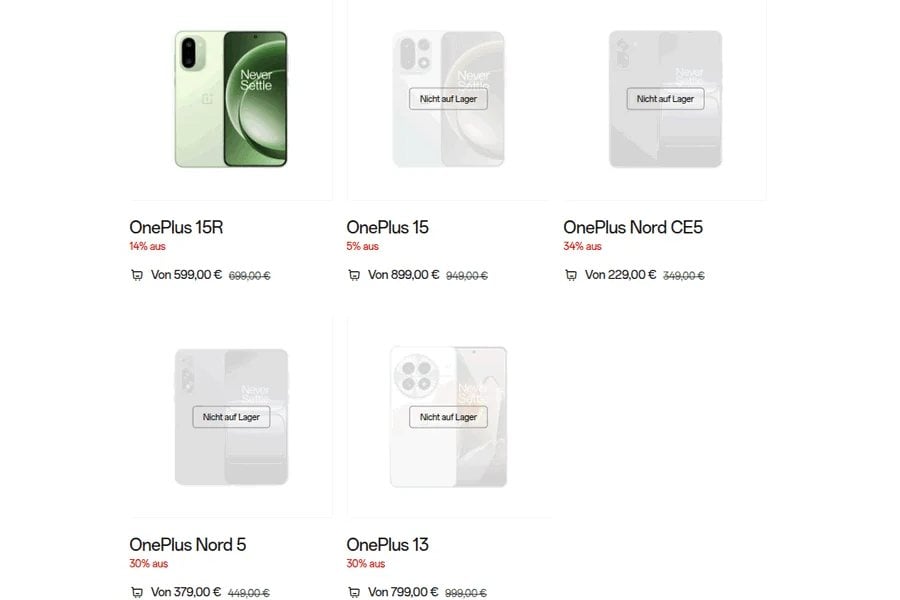
OnePlus is already preparing for exit in Europe
There are already signs that OnePlus has been pulling back in parts of Europe. In Germany, for example, the company’s online store now lists only the OnePlus 15R as the available model. Even its latest flagship, the OnePlus 15, and the Nord lineup are no longer available. According to WinFuture, customers in Italy, Spain, France, Austria, Belgium, the Netherlands, the Czech Republic, Denmark, Sweden, and Norway are seeing similar changes.
If the report proves accurate, it would mark one of the biggest shakeups for BBK Electronics’ smartphone brands outside China. OnePlus built its reputation by offering flagship-level hardware at lower prices before expanding into premium smartphones, tablets, wearables, and audio products. A withdrawal from two of its largest Western markets would be a dramatic change in direction.
Neither OnePlus nor Oppo has officially confirmed the reported plans. If an announcement is indeed scheduled for this week, we may not have to wait long to find out whether the rumors are true.
For more daily updates, please visit our News Section.
Casio has released two new Color Camo watches in the US. Priced at $210, the new GAV01CMG-4A (pink) and GAV01CMG-6A (purple) models join the green variant that the company introduced last month.
The release focuses heavily on current Y2K fashion trends, applying bright, multi-angle printed camouflage patterns to the familiar, oversized G-Shock silhouette.
Design Details
From a design perspective, the new GAV01 models utilize a multi-angle printing (MAP) technique across the resin bezel and band. The camouflage pattern itself incorporates a subtle branding detail, with Casio’s G logo hidden within the organic shapes of the camo.
The watches maintain a large footprint, measuring 49.1 x 58.2 x 19.6 mm and weighing 74 grams. Underneath the patterned resin exterior, the watches feature the standard durability metrics associated with the brand. Both models are shock-resistant and offer 200-meter water resistance.
The display is protected by spherical mineral glass and utilizes a hybrid analog-digital layout. To make the digital readouts easier to see, Casio has included a hand shift feature that temporarily moves the analog hands out of the way of the digital display.
Internally, both watches run on a CR2025 battery, which Casio estimates will last approximately 10 years. For low-light visibility, the watches are equipped with a double LED Super Illuminator that lights up both the analog face and the digital display with a white LED.
The GAV01CMG-4A and GAV01CMG-6A are available for purchase now in the US.
In related news, Casio has recently launched two new Bold Camo G-Shock watches in the US, featuring camouflage dials with gold accents.
For more daily updates, please visit our News Section.
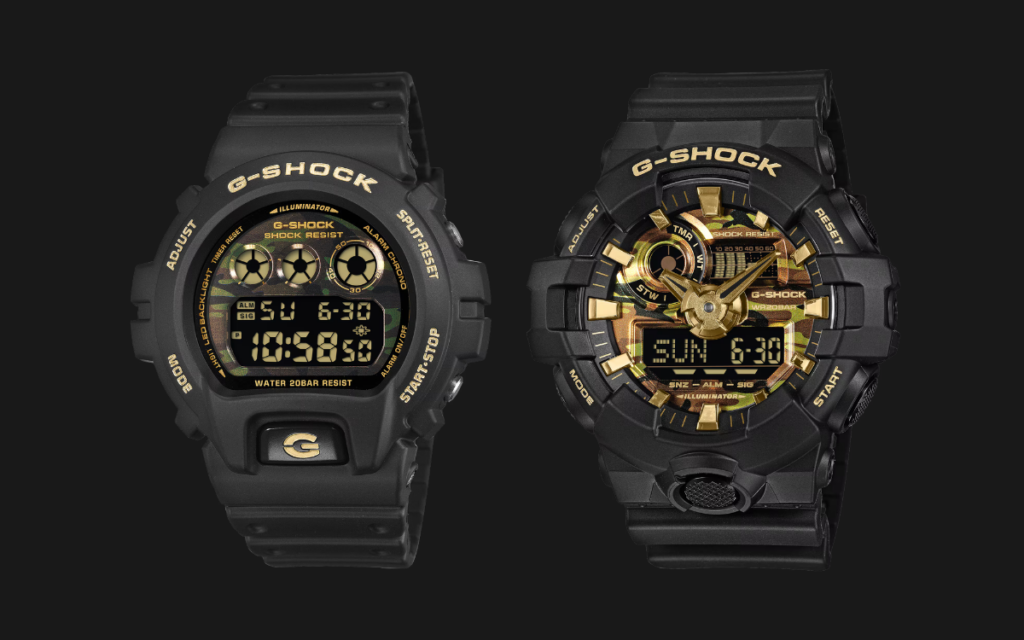
Casio is rounding out its Bold Camo G-Shock lineup in the US this week with two new models. After bringing the first four watches of the Japan-originated collection stateside last month, the company has just released the final two pieces: the GA-700CF-1A and the DW-6900CF-1.
Design Details
Both models feature standard matte black resin bands and bezels, which are paired with camouflage-patterned dials. The visual update comes from the gold-colored vapor deposition applied to the watch faces. It is a specific streetwear-oriented look, offering a bit more contrast than standard tactical G-Shocks without changing the underlying hardware.
The GA-700CF-1A is the larger of the two, priced at $145. It is an analog-digital hybrid built around the chunky GA-700 case, measuring 57.5 x 53.4 x 18.5 mm and weighing 75 grams. On this model, the gold accents are applied to the physical hands and the raised hour markers.
It includes a practical hand-shift feature that moves the analog hands out of the way so you can clearly read the digital displays underneath. Other standard features include world time across 31 zones, a 1/100-second stopwatch, a 60-minute countdown timer, and five daily alarms.
If you prefer a purely digital display, the $120 DW-6900CF-1 applies the same black, camo, and gold colorway to the classic 6900 case. It is slightly smaller at 53.2 x 50 x 18.7 mm and weighs 67 grams.
The gold detailing here frames the digital readouts on the dial. It comes with standard digital G-Shock features, including a 24-hour countdown timer, a multi-function alarm, and a flash alert system that triggers the LED backlight to blink in sync with your alarms and hourly timers.
As expected from the G-Shock line, both watches share the exact same baseline durability specs. They feature mineral glass, shock-resistant resin construction, and 200 meters of water resistance. Both run on a standard CR2016 battery, which Casio says should last about five years before needing a replacement.
Both the GA-700CF-1A and DW-6900CF-1 are available to purchase now.
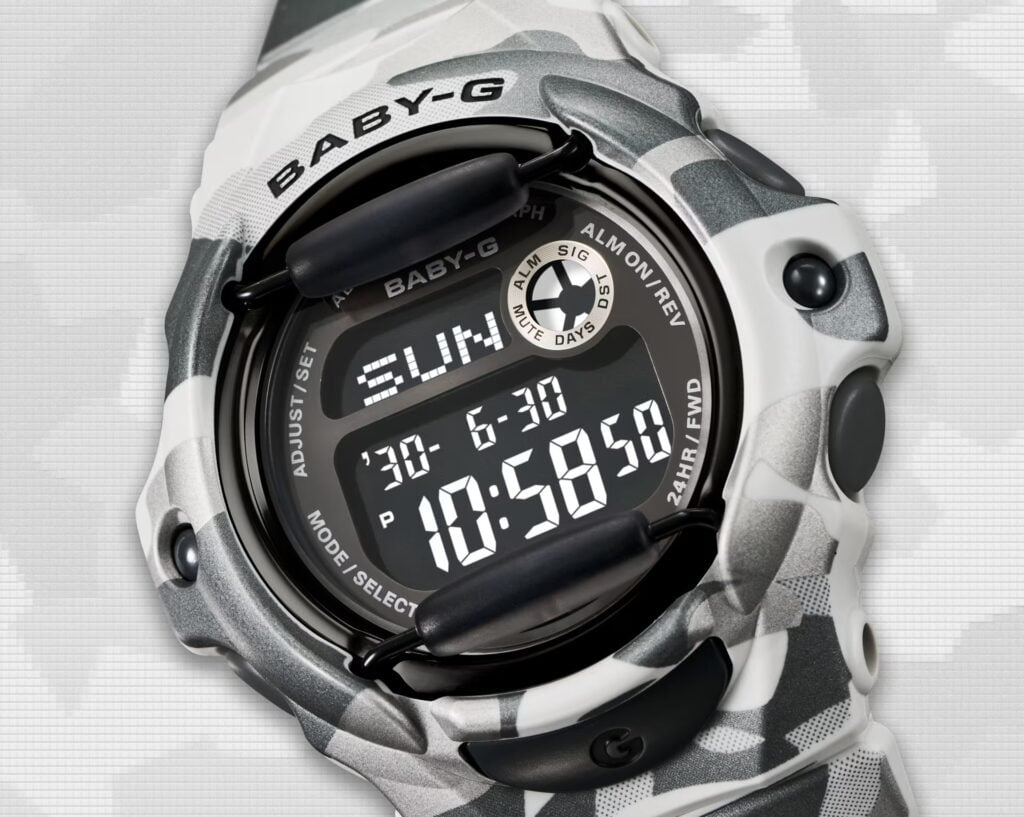
Casio has expanded its Baby-G watch lineup in the United States with the release of the BG169CMB-8. Priced at $155, the new model is a gray camouflage digital watch that joins the pink and blue-green variants the company released last month.
Design Details
The watch is built on the existing BG-169 chassis, which is characterized by a compact, round resin case and external metal face protectors. The primary update for the BG169CMB-8 is the exterior styling. Both the bezel and the resin band feature an all-over gray camouflage print. Casio has also integrated its standard G-mark logo directly into the camouflage pattern.
While the previously released pink and blue-green models utilize translucent dials, the gray BG169CMB-8 has a distinct hardware finish. It includes an ion-plated bezel ring for a metallic texture and uses a negative LCD for the digital display. This gives the gray model a uniform, monochromatic appearance compared to the other colors in the series.
In terms of physical dimensions, the watch case measures 45.9 x 42.6 x 16.4 mm, and the entire unit weighs 43 grams. It is designed to fit wrist sizes ranging from 135 to 200 mm.
The watch maintains the standard durability ratings of the Baby-G series, offering shock resistance and 200-meter (20 bar) water resistance, making it suitable for swimming. The screen is protected by mineral glass, and the device is powered by a standard CR1616 battery, which Casio says will last for approximately three years.
The BG169CMB-8 includes standard digital watch functionalities. It supports world time across 29 time zones (30 cities) with daylight saving toggles. It also features a stopwatch, a countdown timer, an hourly time signal, and five separate alarms. For low-light visibility, it uses a white LED backlight with an afterglow function.
Additionally, the watch includes two legacy digital features. The Telememo function provides on-device storage for up to 25 contacts, allowing users to save an eight-character name and a 12-digit phone number per entry. There is also a Day Counter feature that calculates and displays the remaining days until a specific target date, with memory for up to five separate dates ranging up to the year 2049.
The Casio Baby-G BG169CMB-8 is available for purchase now in the US.
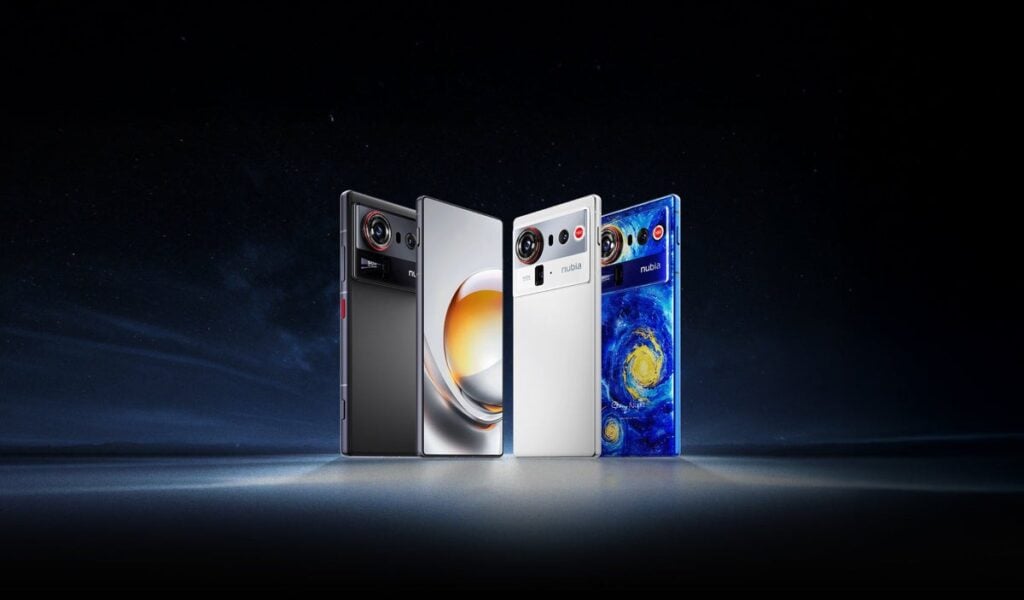
Fresh leaks suggest Nubia is working on some big upgrades for both the upcoming Nubia Z90 Ultra and the RedMagic 12 gaming lineup.
According to well-known Weibo tipster Digital Chat Station, Nubia is developing the Z90 Ultra as the successor to last year’s Z80 Ultra (which launched in October 2025), along with the next RedMagic 12 series. While exact launch dates aren’t confirmed yet, both phones are expected sometime later this year.
For the Z90 Ultra, expectations include a new 1.5K display and a custom 35mm main rear camera. Nubia has built a strong reputation for photography-focused flagships, and the Z80 Ultra already had some impressive camera tricks (like under-display tech). A bigger battery is also rumored, possibly jumping into the 10,000mAh range, which would be a huge step up from the 7,200mAh in the previous model.
On the gaming side, the RedMagic 12 series could also get a serious battery boost to help with those long high-FPS sessions (the RedMagic 11S Pro had a 7,500mAh cell). There are also mentions of an improved dual liquid + air cooling system to keep performance stable during intense gameplay.
Both lineups are expected to feature Qualcomm’s upcoming Snapdragon 8 Elite Gen 6 (built on TSMC’s advanced 2nm process), which should bring solid gains in power and efficiency.
This fits Nubia’s usual strategy nicely: the Z series focuses on imaging, while RedMagic is all about pure gaming performance with active cooling. If the leaks turn out to be accurate, the bigger batteries and better thermals could help Nubia compete more strongly in the global markets.
Of course, these are still early leaks, so things could change before official announcements. But once Qualcomm reveals the new Snapdragon chip, we’ll see a wave of flagship launches, and Nubia might be one of the first to jump on board.
Most of the AI features we have on our smartphones today are good until we remember them. A translation tool buried three menus deep. A photo editor that only works if you open the right app first. A chatbot that answers questions but can’t actually do anything for you. It’s AI as a favor you have to ask for, one small task at a time.
A Chinese AI company, StepFun, founded by former Microsoft employees in 2023, thinks this is the wrong way to build a phone. Its answer is the StepX Neo — the world’s first mass-market agentic smartphone, with a built-in AI agent that handles multi-step, end-to-end tasks on its own. No repeated prompts or separate app openings required.
What makes the StepX Neo different from regular AI phones
At the core of the StepX Neo is the company’s own agent called Step Amoo, baked directly into the phone’s custom agent operating system, Step AOS. Amoo is the bot that you talk to like a normal chatbot and it works fully offline for all core tasks, and requires no constant network connectivity.
The agentic nature of the OS means it can take a single natural language request from a user and string together tasks across apps, web tools, and your device’s built-in tools to deliver full, finished results. It learns your preferences over time too, so it will automatically prioritize pet-friendly flights if that’s what you’ve booked before, or pick your go-to restaurant for reservations whenever you need it.
If you’re traveling abroad, the Neo can also translate live in-person conversations, text messages, phone calls, and even text on street signs, restaurant menus, or museum posters in 32 supported languages (including regional dialects).
It can also pull up local transit schedules, find nearby events, or access your saved trip itinerary even if you’re in a remote area with no cell signal. For frequent travelers, the agent can automatically fill out customs forms, flag visa requirements for your destination, and send you reminders for check-in times based on your flight details.
Step AOS and the Agent native route
The Step AOS is StepFun’s own agentic operating system built with what the company calls an atomic capability engine. The engine splits the phone’s functions into four groups — communication, apps, files, and system tools — using the MCP standard, so the agent can freely combine them to get a task done; this layer was rebuilt from pieces of Android, Linux, and RTOS rather than bolted onto Android as an app, says StepFun.
Step AOS also has a voice-and-vision input layer called NUI, which learns your habits as you use the phone, which StepFun frames as a shift from “humans operating a device” to “simply stating what you want done.”
To make that agent trustworthy, the company further built three supporting systems:
Memory: A two-domain memory setup that separates what belongs to the user from what belongs to the agent and moves through a capture-understand-retain pipeline.
Decision-making: A tiered decision layer that routes easy requests to small, fast models and harder ones to heavier models as needed.
Security: A security framework built on trusted execution, full audit trails, permissions granted only when needed and revoked right after, and one-tap undo for mistakes.
Powering all of this on-device is Step Edge, a foundation model StepFun built specifically to run within a phone’s compute limits, which the company says leads comparable edge models across 29 benchmarks, though it hasn’t said which benchmarks those are.
Step Edge is part of a broader “1+N” model lineup StepFun has been developing since it entered the foundation-model race in April 2023, and the Neo is the point where that model work, the edge AI, and the hardware finally converge into one shipping product.
None of it matters without something to plug into, though, which is why StepFun lined up integrations with Ctrip, Alipay, Didi, Meituan, WPS, and CapCut spanning travel, payments, ride-hailing, local services, office work, and content creation. This will be the real test of whether an “agent-native” phone can actually book a ride or edit a video end-to-end, rather than just promising it can. We can’t wait to see the live demo.
There’s no word yet on when or how much the StepX will retail for.
For more daily updates, please visit our News Section.
Xiaomi has released a new water flosser under its Mijia brand that adds a screen and smartphone connectivity to a standard bathroom tool. The Mijia Smart Water Flosser Pro is currently listed on the company’s Youpin platform in China for 399 yuan, which converts to roughly $58. It is available in Gold, Twilight Gray, and Light Purple colors.
Xiaomi Mijia Smart Water Flosser Pro Specifications
The device uses a rotating nozzle that outputs two streams of water simultaneously. It combines a standard, direct water jet in the center with a wider, umbrella-shaped spray on the outside.
Xiaomi claims this dual-stream approach covers a larger area than a standard nozzle and removes up to 99.99% of plaque. The tip of the nozzle also has a small silicone guide to help users physically align the water stream with the gaps between their teeth.
Along with the standard nozzle, the flosser includes two other attachments. One is a microbubble nozzle that mixes air into the water to make it gentler on sensitive gums, and the other is an orthodontic nozzle with bristles to help clean around braces and retainers.
On the tech side, the handle features a small color display. It shows basic information like the current cleaning mode, battery life, and a timer while in use. The device has four default settings programmed in: Gentle, Standard, Strong, and Custom.
Connecting the flosser to the Mijia smartphone app opens up more settings. You can choose from 10 different water pressure levels, three pulse speeds, and three flow patterns, including continuous, intermittent, and wave. The app also tracks how often the device is used, logs the duration of each session, and can send notifications to remind users to floss.
The physical design includes a modular water tank system. The main handle holds 80mL of water, keeping the device relatively compact for travel. For home use, a larger 220mL tank attaches to the bottom to hold more water. To save space in a bag, the nozzle can be removed and stored inside the main body.
The flosser charges via a standard USB-C port, and the full charge takes about four hours. Xiaomi estimates the battery can last up to 105 days on a single charge.
Additionally, the device includes an IPX8 waterproof rating, a travel lock to prevent accidental activation, a two-minute automatic shutoff timer, and a pressure stabilization system designed to keep the water flow consistent even when the battery is running low.
In related news, Xiaomi has recently introduced the Mijia Handheld Fan in a new green color option, alongside a new 5L smart kettle featuring app connectivity, 1°C temperature adjustment, and water circulation technology.
For more daily updates, please visit our News Section.
There are a lot of reasons to want a portable projector instead of just streaming on your laptop or phone: you want a movie-night image that’s actually big, you’re traveling and don’t want to lug a TV, or you just want to point something at a blank wall and have it turn into a screen in under a minute.
We go back through this category every few months, and this stretch of July is an especially interesting time to buy. XGIMI has new hardware landing in the next few days, JMGO has recently expanded its lineup with a new 4K portable projector, and several models that were heavily discounted earlier this month have returned to their regular prices. If you’re shopping now, it’s worth focusing on long-term value rather than temporary sales.
But before buying, you should know a few basics about the projector. They have a few types: LED models are the cheapest and most common, laser models are brighter and more color-accurate but cost more, and a growing number now blend the two. Battery life, auto-keystone, and whether Google TV or Netflix is built in without a dongle matter just as much as brightness once you’re actually using one of these day-to-day. With that in mind, here’s what’s actually worth your attention this month.
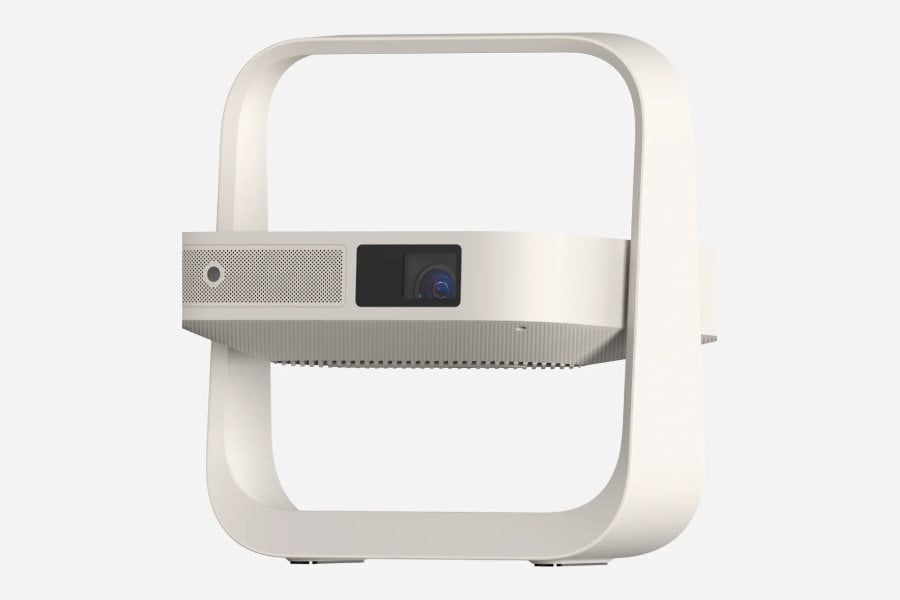
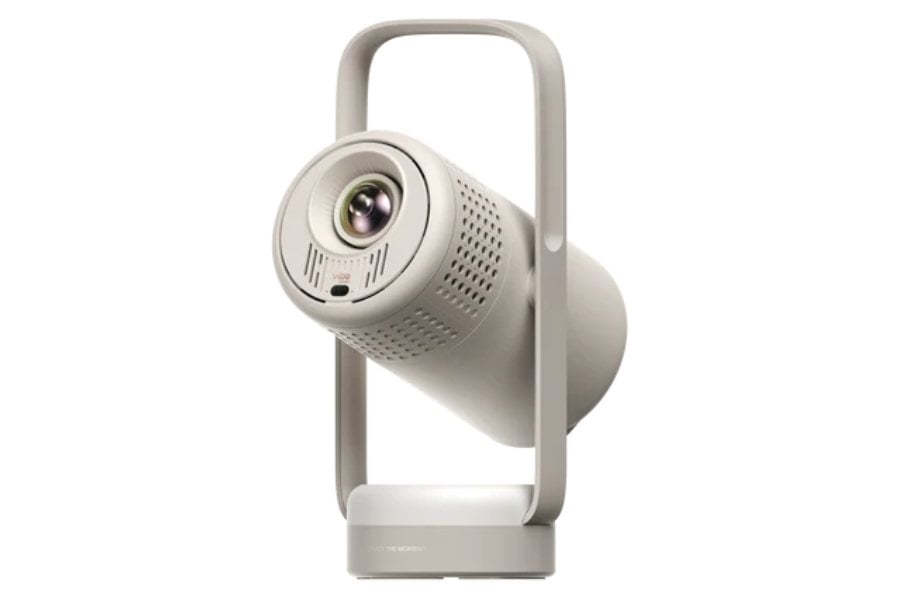
XGIMI is announcing the Elfin Flip 4K on July 15th, and it’s the most ambitious projector from the brand yet.
It’s XGIMI’s first small laser projector with native 4K support. It runs on a new RGB tri-color laser engine that XGIMI says offers color accuracy with ΔE of under 1. For those unaware, the value is closer to reference-monitor territory than portable projectors usually bother with. Color coverage is rated at 110% of BT.2020.
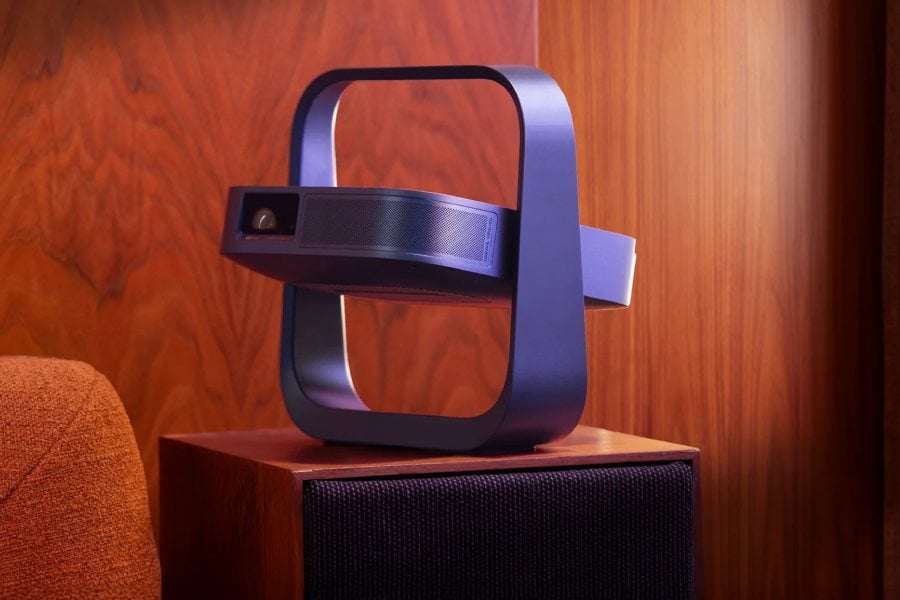
The body carries over the same 150-degree adjustable stand-and-handle design the Elfin Flip line has used since its debut. If that name rings a bell, we’ve previously covered the original Elfin Flip’s debut back at IFA 2024, when it launched at $399 with 400 ISO lumens and nothing close to a laser engine. Two years later, the same shell is carrying a 4K chip, which says a lot about how fast this category is moving.
It also runs Google TV out of the box, so there’s no separate streaming stick to carry, and it supports ALLM and VRR for your gaming needs.
The projector is currently on pre-order till July 14th, and if you do, you can claim 10% off for paying in full, plus a free portable screen or a set of 3D glasses depending on the model.
2. XGIMI Elfin Flip Laser
The Elfin Flip Laser launches the same day as its 4K sibling but sticks to 1080p — and it’s trading resolution for a claimed 1,600 ISO lumens. Everything else is the same: same stand, same Google TV software, same ALLM and VRR support if you want to plug in a Switch or a Steam Deck for something less serious than a movie.
If the brightness number holds up, this is the one we’d point most people toward, since 1080p at this size rarely looks meaningfully worse than 4K unless you’re sitting close enough to count pixels.
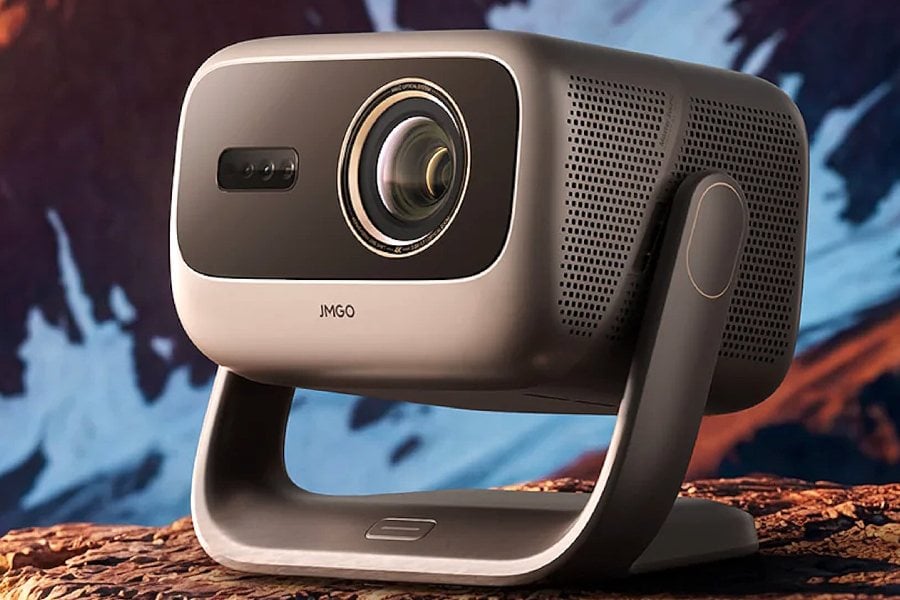
3. JMGO N3 Ultimate
JMGO isn’t a household name in the way XGIMI or Nebula is, but the Chinese projector maker has quietly built a reputation for high-end laser projectors over the past few years.
While the company first gained traction in Asia, its recent global expansion has put models like the N1S Ultra and the new N3 Ultimate in front of a much wider audience.
The N3 Ultimate is the company’s new flagship projector with a 4K DLP projection system and JMGO’s latest MALC 5.0 RGB triple-laser light engine. It delivers up to 5,800 ISO lumens, covers 110% of the BT.2020 color space, and supports both Dolby Vision and HDR10+ standards.
Instead of relying entirely on digital keystone correction, JMGO offers motorized optical zoom, motorized lens shift, and a two-axis AI-powered gimbal that makes setup easier without sacrificing image quality. It runs Google TV out of the box, supports VRR for gaming, and can accept signals up to 1080p at 240Hz.
4. XGIMI Vibe One
The XGIMI Vibe One, which usually retails for $250, is currently available for $219, making it a great deal for the price.
It’s a simple, battery-powered 1080p projector with Google TV built in, and at that price it’s hard to find anything else in the category with a proper smart TV platform baked in rather than a streaming stick taped to the side. At $219, it’s hard to find anything else in the category with Google TV actually built in
5. Anker Soundcore Nebula Mars 3 Air
The new XGIMI models are appealing, but the Nebula Mars 3 Air from Anker is a safe choice if the latest hardware is not what you crave. It is one of the easiest portable projectors to recommend thanks to its balance of image quality, battery life, and genuinely useful smart features.
The Mars 3 Air uses a native 1080p DLP projection system with 400 ANSI lumens and has a built-in battery that provides up to 2.5 hours of video playback. It ships with Google TV with officially licensed Netflix support, so you can start streaming without plugging in a Fire TV Stick or Chromecast. It also includes dual 8W Dolby Audio speakers that are good enough for casual movie nights without needing external speakers.
Anker also took care of convenience with Intelligent Environment Adaptation, which automatically handles autofocus, keystone correction, screen fit, and obstacle avoidance in just a few seconds after you move the projector. It isn’t as bright as the latest laser projectors from XGIMI or JMGO, but for buyers who value portability and an all-in-one streaming experience over headline brightness figures, it’s still one of the strongest options in its class.
6. How I’d decide
If you’ve got two weeks of patience, wait for the Elfin Flip 4K or Laser. You’re paying full price, but you get the newest light engine on the market and the longest runway before it feels behind. That’s the right call if you’re keeping this thing for years or actually want 4K in something you can throw in a bag.
If you want something proven and cheap right now, the Vibe One or Anker are genuinely good value. They’re the smarter pick if 1080p and moderate brightness cover what you actually watch, which, for most people doing casual movie nights rather than building out a dedicated home theater, it does.
Whichever way you go, don’t get hypnotized by a big lumens number on a box. A laser-lit 1080p image will often look sharper in a dark room than a cheaper 4K unit running a weak lamp at full blast. Check whether the brightness rating was measured with the fan on full performance mode, since some of those numbers aren’t sustainable for a two-hour movie without the projector sounding like a hair dryer, and if you’re planning to use any of this outdoors, budget for a power bank or a screen on top of the sticker price.
For more daily updates, please visit our News Section.
Gamers who want a lightweight, easy-to-carry handheld might soon have a new option to get excited about. Lenovo’s Legion brand has officially teased the Legion C700, a cloud gaming handheld developed in partnership with Tencent. The idea is simple: give you instant access to a huge library of games through the cloud, without the heavy hardware burden.
The announcement dropped on Weibo with a sleek promo image showing the Legion logo alongside Tencent START branding. The tagline “打破门槛,即刻开战” (which roughly means “break down the barriers and jump straight into battle”) perfectly captures what they’re going for: frictionless, instant-play cloud gaming. They also dropped a teaser saying “See you in August,” so we should get full specs, pricing, and more details next month.
From the renders, the C700 has an asymmetric layout similar to Xbox controllers and Lenovo’s own Legion Go. It features a clean white design with a D-pad and left stick on the bottom left, ABXY buttons and right stick on the top right, plus rear buttons and visible vents for cooling. The screen mockup shows a grid of game thumbnails from Tencent START, making it clear this device is built purely for cloud streaming rather than local high-end gaming.
This isn’t Lenovo and Tencent’s first attempt. Back in 2021, they worked on the Legion Play (an Android handheld with Tencent’s launcher), but that project got shelved. The C700 feels like a more serious push this time, taking advantage of better cloud infrastructure and growing interest in subscription-style portable gaming.
The big appeal of a device like this is obvious: it should be lighter and more affordable than handhelds like the Legion Go, while still letting you play demanding AAA titles streamed from powerful remote servers. Integration with Tencent START could give it access to a wide range of PC and mobile games.
Of course, there are still plenty of unanswered questions, things like screen size and refresh rate, battery life, analog triggers, exact performance, and whether it’ll be available outside China. We’ll have to wait until August to see how it actually stacks up, but the early signs are promising.
The Asus A14 Air (2026) has been launched in China, bringing an ultra-light laptop that focuses on portability without giving up modern hardware. Alongside its lightweight design, Asus has equipped the notebook with AMD’s Ryzen 9 processor, a high-refresh-rate OLED display, and AI-focused features aimed at students, professionals, and everyday users.
Asus A14 Air (2026) specifications and features
Asus A14 Air (2026)
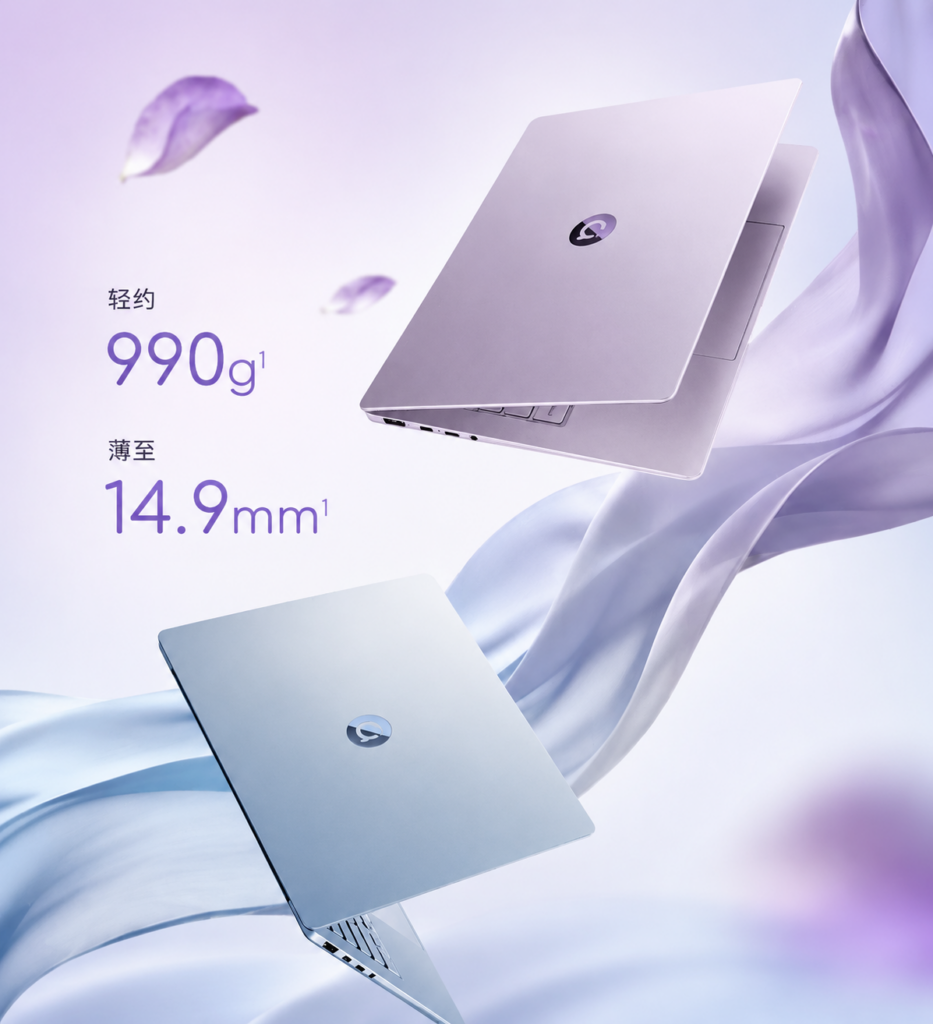
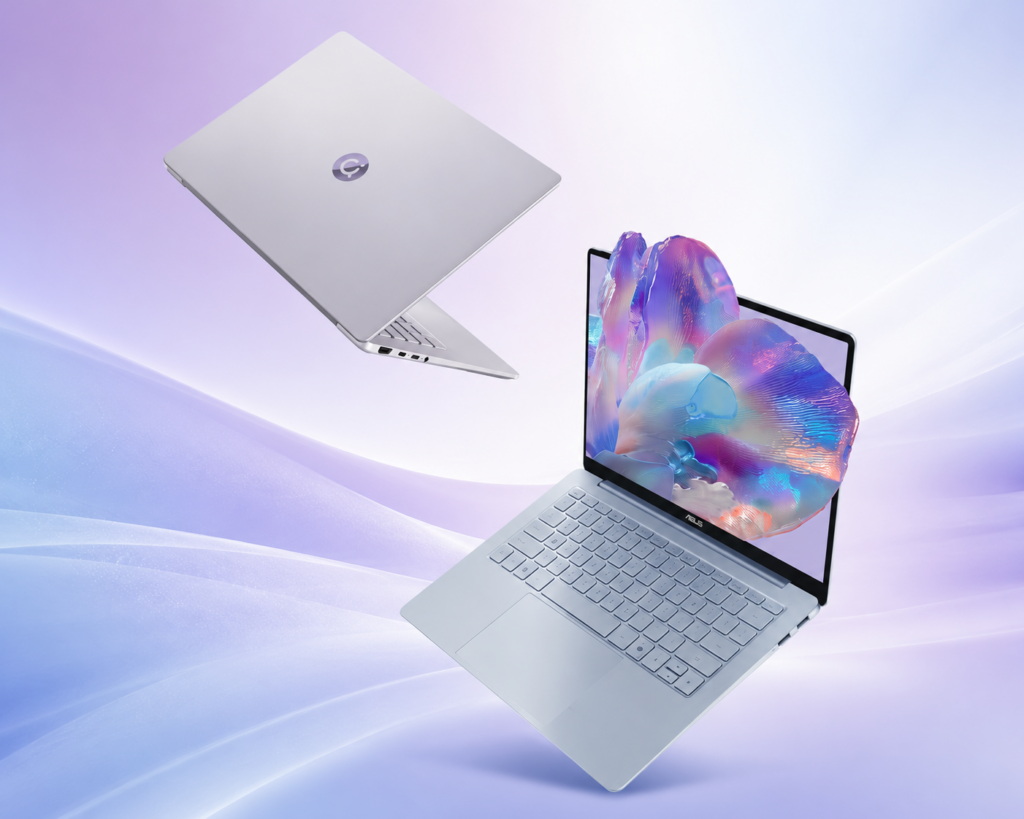
Weighing just 990g and measuring 14.9mm thick, the Asus Air A14 (2026) features a metal chassis and comes in Hyacinth Blue and Iris Purple color options. The 14-inch OLED display offers a 2.8K resolution of 2880 x 1800 pixels, a 120Hz refresh rate, a 16:10 aspect ratio, 100% DCI-P3 color gamut coverage, 600 nits peak brightness, a 1,000,000:1 contrast ratio, and factory calibration with Delta E below 1.
Asus A14 Air (2026)
The laptop is powered by the AMD Ryzen 9 8945H processor with eight cores, 16 threads, boost speeds up to 5.2GHz, Radeon 780M integrated graphics, and Ryzen AI delivering up to 39 TOPS of AI performance. Asus says the cooling system can sustain up to 45W performance with dual fans and dual heat pipes. Users can also switch between Silent, Standard, and Performance cooling profiles depending on their workload.
The laptop is available with 16GB or 32GB LPDDR5X memory paired with a 1TB PCIe 4.0 SSD. It also includes an extra M.2 2242 slot for storage expansion.
Asus A14 Air (2026)
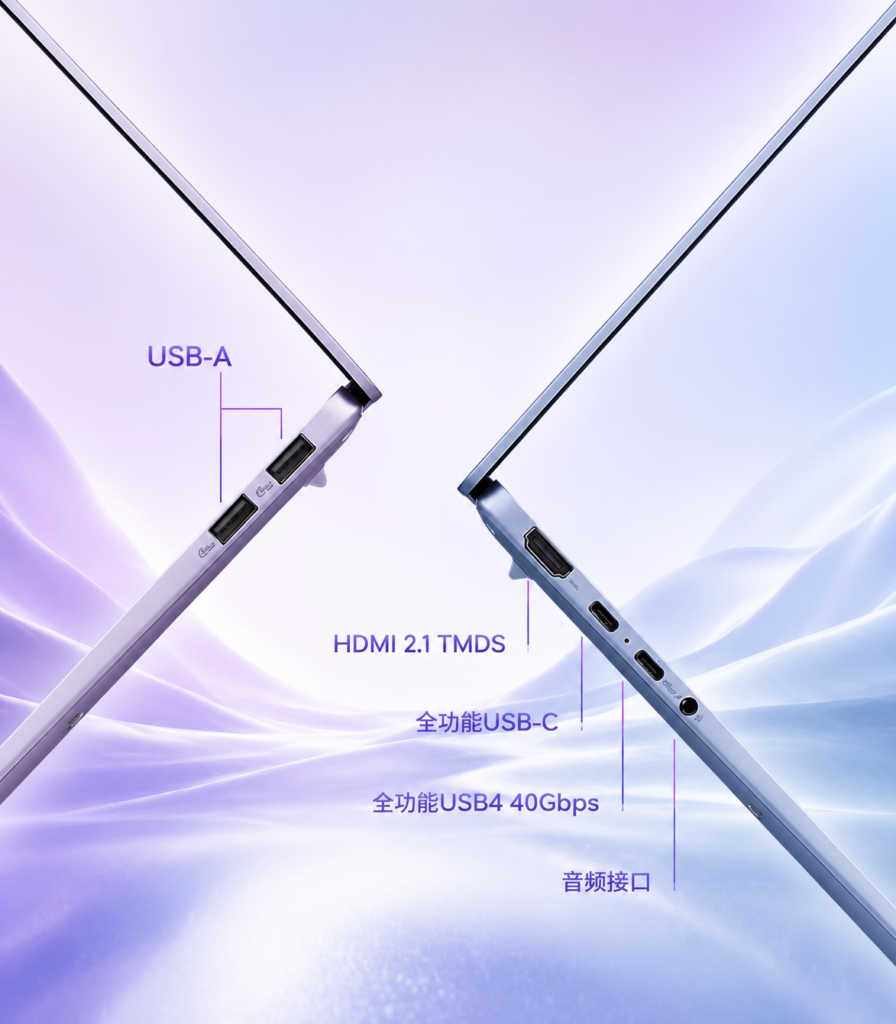
The A14 Air (2026) includes a 70Wh battery, Windows 11 with Office pre-installed, IR facial recognition for Windows Hello, a 180-degree hinge, and MIL-STD-810H durability certification. Connectivity options include Wi-Fi 6, Bluetooth, two USB-A ports, one USB4 port with 40Gbps bandwidth, one full-function USB-C port, HDMI, and a 3.5mm headphone jack.
Asus A14 Air (2026) price and availability
Asus is offering the A14 Air (2026) in four configurations based on memory and color, including 16GB + 1TB and 32GB + 1TB variants in both Hyacinth Blue and Iris Purple. It starts at 6,799 Yuan (~$1,000). At present, there is no information about the global availability of this device.
For more daily updates, please visit our News Section.
Samsung has highlighted how its Bespoke AI Washer-Dryer lineup can help tackle one of the biggest household challenges during the monsoon season. With AI-powered washing, efficient drying, and smart connectivity, the company says its washer-dryer range is designed to keep clothes fresh and ready to wear despite humid weather.
Samsung Bespoke AI Washer Dryer: All the smart features for monsoon
Samsung Bespoke AI Washer-Dryer
One of the standout features is SmartThings integration, which allows users to monitor and control the appliance remotely through their smartphones. The washer-dryer also supports AI Energy Mode, which Samsung says can reduce energy consumption by up to 70 percent. For users with busy schedules, the SuperSpeed cycle completes a wash in just 39 minutes. The appliance also includes a deodorizing function that helps remove musty smells from clothes that remain damp because of prolonged humid weather.
Samsung says the Bespoke AI Washer Dryer uses AI-based sensing to detect fabric type and the level of soiling before automatically adjusting water usage, temperature, and wash settings. This helps deliver effective cleaning while ensuring clothes are dried properly, reducing the chances of moisture-related odors during the rainy season.
The lineup is available in different configurations to suit varying requirements. The premium model offers a 25kg washing capacity along with a 15kg dryer, making it suitable for handling bulky items such as curtains and bedding. The mid-range option features a 12kg washer paired with a 7kg dryer and is designed for everyday family use. Samsung also offers a compact washer-dryer that combines both functions in a single unit, making it suitable for homes where space is limited while retaining AI-powered washing capabilities.
By combining intelligent wash optimization, efficient drying, remote controls, and energy-saving technologies, Samsung positions the Bespoke AI Washer Dryer as a practical home appliance for the monsoon season. The company believes the lineup can help users spend less time worrying about damp clothes while keeping laundry fresh throughout the rainy months. What do you think about Samsung’s AI-powered approach to monsoon laundry? Share your thoughts in the comments.
For more daily updates, please visit our News Section.
Samsung is gearing up to launch its next major software upgrade, One UI 9.0, built on top of Android 17. The beta program is already out for select Galaxy devices, offering us an early look at the new features and upgrades Samsung has packed into this release.
If you’re a Galaxy user eager to know when is the update coming to your device and what it has to offer, you’ve come to the right place. This detailed post covers everything you need to know about the One UI 9.0 release, including the list of eligible devices, expected launch timelines, and the biggest new features heading to your phone.
Note: I’ll be updating this article periodically so that it always remains relevant and up to date. You can bookmark the page to visit later.
One UI 9.0 update: List of supported devices
Samsung has yet to confirm which Galaxy devices will be upgraded to One UI 9.0. So, this list is based on the current update policy and must therefore be accurate.
If your Samsung device is missing from the list, it won’t receive the One UI 9.0 update. It’s best to upgrade to a newer model before the rollout begins later this year.
Samsung will unveil One UI 9.0 at the upcoming Galaxy Unpacked event scheduled for July 22, 2026. The new version will debut with the Galaxy Z Fold 8 and Galaxy Z Flip 8, which are to be launched at the same event.
The stable rollout for older Galaxy devices will likely begin in September, with recent models like the Galaxy S26, Galaxy Z Fold 7, and Galaxy Z Flip 7 likely to be included in the first phase.
The One UI 9.0 beta program, which was released in early May 2026, is currently limited to the Galaxy S26 series. However, it’s expected to reach more Galaxy devices ahead of the stable rollout.
One UI 9.0 update: New features and upgrades
Samsung has already implemented major design changes in One UI 8.5, and therefore One UI 9.0 may look very similar. That said, the new version still offers many visual tweaks and new features worth looking forward to.
One UI 9.0 features thicker sliders for display brightness and volume that now fill out their full pill shapes for better touch accuracy. The media player widgets on the lock screen and quick panel can be resized and now show energetic waveform animations that match the album art. Some media controls now appear as circular buttons rather than being grouped inside a rounded rectangular container.
While the interface would look majorly unchanged, you can expect more liquid glass UI effects across One UI 9.0.
The new software will also introduce some new Galaxy AI features and refinements to existing features. It will have Creative Studio built directly into the stock app, allowing users to build personalized profile cards without opening a separate app.
The Home Up module in Good Lock has been updated to support multi-finger gestures for assigning custom actions, such as adjusting volume or triggering pop-up windows. One UI 9 also integrates a new “Ask AI” feature inside Samsung Browser to get direct answers from webpages.
I’m sure Samsung has more exciting features and upgrades in the pipeline, which should be announced at the upcoming Galaxy Unpacked event later this month.
In addition to One UI 9 features, the next major upgrade will also bundle many Android 17 features. This includes the bubble support for all apps, meaning users can open any app in a floating bubble, which was previously restricted to messaging apps.
Google has also added a system-level contacts picker, allowing users to give apps access to specific contacts rather than the entire phonebook. Android 17 also improves app adaptability across different screen sizes by preventing developers from locking apps to a specific orientation.
Remember to visit our Samsung section regularly for fresh details. Or, you can join our Telegram channel to receive instant notifications when we post new stories.
We use cookies on our website to give you the most relevant experience by remembering your preferences and repeat visits. By clicking “Accept”, you consent to the use of ALL the cookies.
This website uses cookies to improve your experience while you navigate through the website. Out of these, the cookies that are categorized as necessary are stored on your browser as they are essential for the working of basic functionalities of the website. We also use third-party cookies that help us analyze and understand how you use this website. These cookies will be stored in your browser only with your consent. You also have the option to opt-out of these cookies. But opting out of some of these cookies may affect your browsing experience.
Necessary cookies are absolutely essential for the website to function properly. This category only includes cookies that ensures basic functionalities and security features of the website. These cookies do not store any personal information.
Any cookies that may not be particularly necessary for the website to function and is used specifically to collect user personal data via analytics, ads, other embedded contents are termed as non-necessary cookies. It is mandatory to procure user consent prior to running these cookies on your website.