Realme just announced the new P3 Ultra smartphone in the Indian market. Alongside this mid range device, the brand also unveiled the latest Realme Buds Air 7. It is a pair of new truly wireless earbuds that features premium specs and features for a budget price tag. So here are all the details.
Realme Buds Air 7 Specs and Features
The Chinese brand’s latest budget TWS features impressive hardware like 12.4mm Dynamic Bass drivers that uses titanium coated diaphragm. Thanks to the SHTW copper wire coil, Realme promises to offer strong bass with clear mids. The Buds Air 7 supports Hi Res audio and LHDC 5.0 sound transmission for high quality audio. But that’s not all, the earbuds also feature Dynamic Audio and a 360 degree Spatial Audio Effect, which are adjustable via the Realme Link app.
Realme Buds Air 7
Another premium feature is ANC (Active Noise Cancellation) with the Buds Air 7 providing up to 52 decibels of noise reduction. The 6 mic system enables this system along with ENC for clearer call quality. It connects through Bluetooth 5.4, supports Dual Device Connection 2.0, Google Fast Pair, and 45ms super low latency that is perfect for gaming. Realme claims that the Buds Air 7 can last for up to 7.5 hours with ANC enabled and up to 30 hours with the charging case.
With ANC disabled, the Realme Buds Air 7 can offer 13 hours of uninterrupted audio playback with an additional 52 hours when paired with the charging case. Just 10 minutes of charging can offer up to 10 hours of playback as well. Other notable features include smart touch controls and an IP55 rating for water and dust resistance.
Pricing and Availability
The Realme Buds Air 7 was announced in India for 3,299 INR. But as a part of the introductory launch offer, the TWS earbuds are available for a 500 INR bank discount which lowers its price down to just 2,799 INR. You can purchase this model in three color options, namely Moss Green, Lavender Purple, and Ivory Gold. First sales is set to kick off on 24th March 2025 from the brand’s official website, Flipkart, and retail stores.
For more daily updates, please visit our News Section.
The Realme P3 was just announced in India earlier this week and the brand has now unveiled the higher end Realme P3 Ultra in the region. So here’s everything you need to know about this device like its specs, features, pricing, and special launch offers.
Realme P3 Ultra Specs
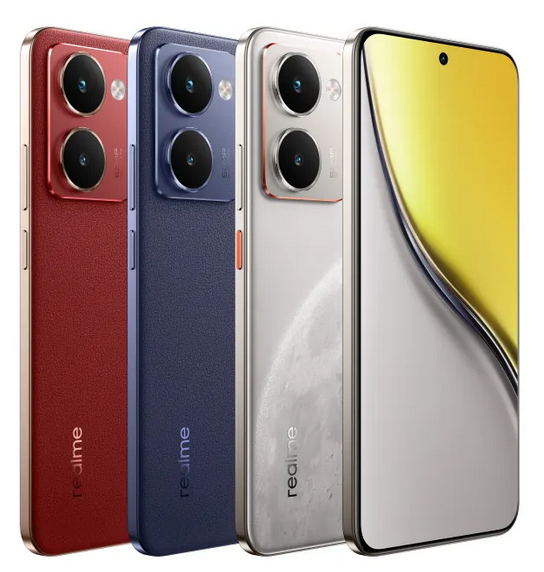
Realme announced the P3 Ultra with a tall 6.83-inch curved OLED display that has a 1.5K resolution, a 120Hz refresh rate, and 3840Hz PWM dimming. Under the hood, this model is equipped with MediaTek Dimensity 8350 SoC, which is paired with up to 12GB of RAM and 256GB of internal storage. One of the highlight features of this model is the massive 6,000mAh battery pack, which supports 80W wired fast charging.
Realme P3 Ultra
For photography, the rear packs a 50MP Sony IMX896 main camera with OIS support and an 8MP ultra wide angle lens. The front houses a 16MP shooter for selfies and video calls. Other notable features include stereo speakers, an in-display fingerprint scanner, dual SIM support, Bluetooth 5.4, ultra slim 7.38mm (for the White variant) body that weighs 183 grams, Android 15 OS based Realme UI 6, and IP66 + IP68 + IP69 rating for superior water and dust resistance.
Pricing and Launch Offers
The Realme P3 Ultra just made its Indian debut in three color options, namely Glowing Lunar White, Neptune Blue, and Orion Red. Notably, the Blue and Red variant offer a vegan leather rear panel for a more premium design. The P3 Ultra has a starting price tag of 26,999 INR for the 8GB + 128GB model, while the 8GB + 256GB option costs 27,999 INR.
The top end 12GB + 256GB configuration costs 29,999 INR. Pre-orders for this model are live on the brand’s official website, Flipkart, and offline stores as of today. Realme is offering a 3,000 INR bank discount along with a 1,000 INR exchange bonus as well.
For more daily updates, please visit our News Section.
Pebble smartwatches had been expected to make a comeback with the previously announced PebbleOS. Now, the PebbleOS has unveiled two new smartwatch with their iconic e-paper displays, which are dubbed the Core 2 Duo and Core Time 2. So let’s check them out.
Core 2 Duo
The founder of Pebble smartwatch, Eric Migicovsky, just unveiled these smartwatches from the Core lineup. The first of these is the Core 2 Duo, which retains the original Pebble design and uses the open source PebbleOS. It sports a 1.26-inch black and white e-paper display and features over 10,000 Pebble apps and various watch faces as well. It has a polycarbonate build quality that also offers IPX8 water resistance.
The Core 2 Duo model houses a microphone and can even track your steps and sleep cycle. One of the highlighting aspects of Pebble’s e-paper smartwatches were its long endurance, and the Core 2 Duo improves upon this with an impressive 30 day battery life. This is up from the Pebble 2’s 7 day battery life. It runs on the Nordic nRF52840 BLE chipset and features more reliable buttons as well. Core 2 Duo even packs a speaker along with a barometer and compass.
PebbleOS Core Time 2 and Core 2 Duo
Core Time 2
The Core Time 2 appears to be the more fancy offering between the newly announced duo. Eric went as far as to call it his “dream watch”. It sports a taller 1.5-inch e-paper display with 46-bit colors, a higher 200×228 resolution, and touchscreen support. This model also supports numerous watch faces and over 10,000 Pebble apps. For a more premium build, the smartwatch uses a metallic frame and buttons along with an IPX8 rating for water resistance.
The Core Time 2 arrives in two color options, namely black and white. Apart from the super long 30 day battery life, this model is even offering heart rate, step, and sleep tracking. There is also a microphone, a speaker, and a linear resonance actuator. The device has a standard 22mm strap. Both models run on the PebbleOS platform, so you get basic fitness tracking,
Pricing and Availability
Both smartwatches are currently available for pre-orders on store.rePebble.com. However, it has a limited display inventory, so production is limited as well. Migicovsky suggested buyers go for pre-orders since the sign ups have already exceeded the number of units in inventory. Pre-orders are also fully refundable until shipping. The Core 2 Duo has a 149 US Dollar price tag, which is set to ship in July 2025. Meanwhile, the Core Time 2 ships in December 2025 for 225 US Dollars.
For more daily updates, please visit our News Section.
Itel is gearing up to launch a new budget-friendly 5G smartphone with AI-driven features and a sleek design in India. While the brand has yet to reveal the device’s name, some key details have already surfaced.
Upcoming Itel 5G phone aims to make AI accessible
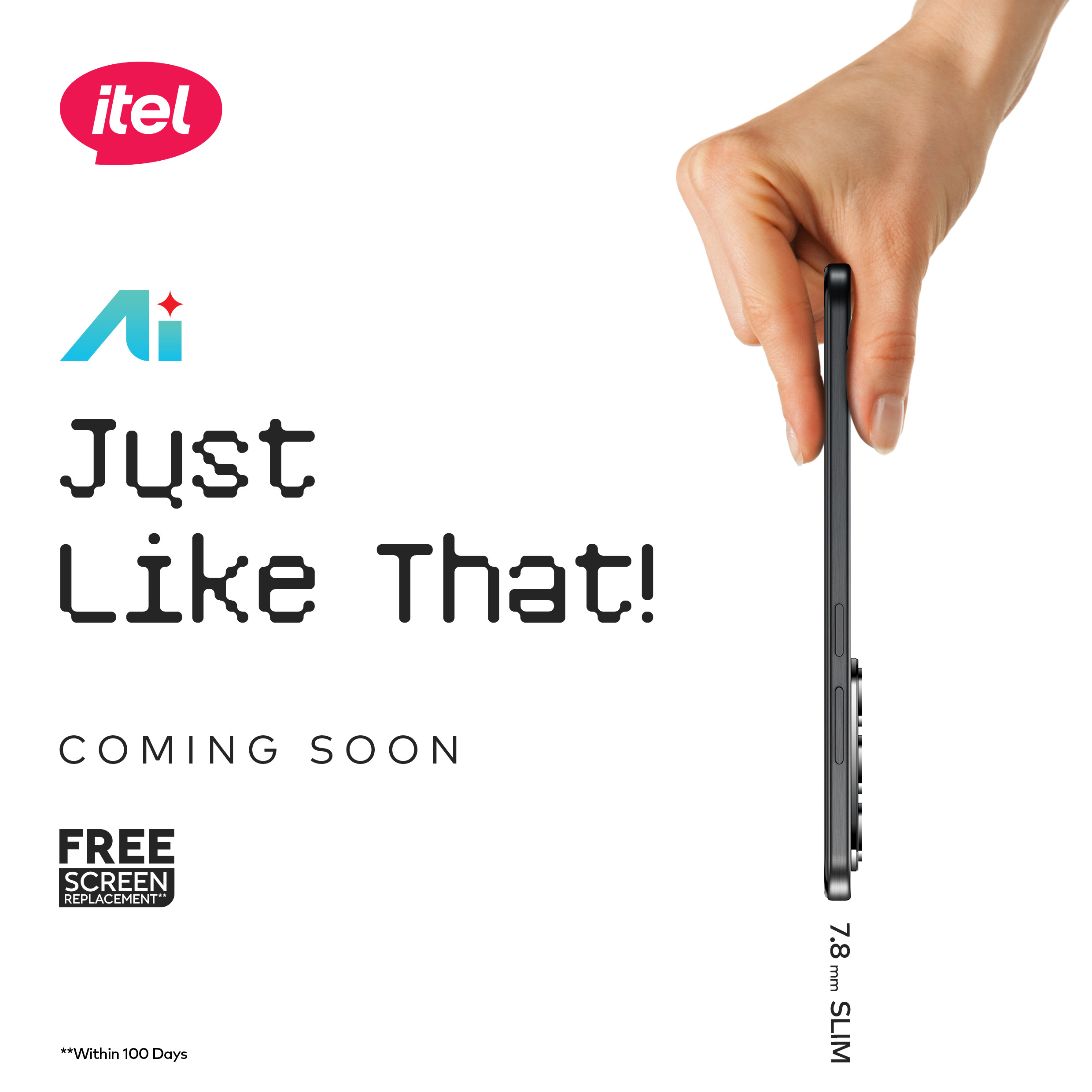
As seen in the leaked images, the upcoming Itel smartphone will sport a 7.8mm ultra-slim design. Another leaked image showcases a punch-hole display with a 120Hz refresh rate, promising smooth visuals.
One of the key highlights of this device is the MediaTek Dimensity 6300 chipset. However, other hardware specifications remain unknown at this point.
On the AI front, the mysterious Itel phone is expected to come with real-time translation, text generation, and content discovery features. These AI capabilities could set it apart from other budget-friendly smartphones, as no phones in this price range currently offer similar AI-driven functionalities.
Expected launch and pricing
The smartphone is expected to launch in April, potentially bringing AI-powered features to budget-conscious users. Given that it is powered by the Dimensity 6300 chip, the phone could be priced between Rs 10,000 and Rs 12,000 in India. The brand also promises a free screen replacement within the first 120 days of purchase for the buyers of the upcoming phone.
In related news, itel unveiled the Gen Z-focused itel Zeno 10 (hands-on) in January this year with a price tag of Rs 5,699. The device features a 6.56-inch HD+ LCD screen, a Unisoc T603 chipset, 3 GB / 4 GB of RAM, 64 GB of storage, a 5,000mAh battery with 10W charging support, an itel OS-based Android 14, a 5-megapixel front camera, an 8-megapixel rear camera, and a side-facing fingerprint sensor.
For more daily updates, please visit our News Section.
While multiple brands have actively launched book-style foldables over the past few years, it seems they are taking a different approach this year. Oppo recently introduced the Oppo Find N5 in China and Southeast Asia. While the OnePlus Open 2 was expected to debut as a rebranded version in markets like India and the US, OnePlus unexpectedly announced that it would not be launching a foldable phone this year, confirming that the Open 2 is not happening. At the same time, doubts persist about Xiaomi’s plans—while the brand is expected to launch the Mix Flip 2, it may not release the Mix Fold 5 this year. Now, a new leak raises questions about the existence of the rumored Vivo X Fold 4 and Huawei Mate X7.
Vivo X Fold 4 Pro – Will it skipped this year?
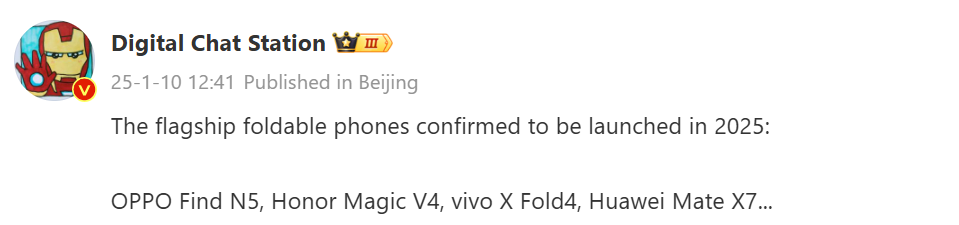
The Weibo post shown above from tipster Digital Chat Station, originally shared in January, listing the foldable phones expected from Chinese brands this year. These included the Oppo Find N5, Honor Magic V4, Vivo X Fold 4, and Huawei Mate X7. Notably, the post did not mention the Xiaomi Mix Fold 5.
Now, in a fresh leak, the tipster states that the only remaining Snapdragon 8 Elite-powered foldable phone is the Honor Magic V4. This casts doubt on the existence of the Vivo X Fold 4 (or X Fold 4 Pro, if that was its intended name).
To recall, Vivo’s X Fold series has always featured the latest Snapdragon chipset. Last year, the brand launched two foldables—the Vivo X Fold 3 and X Fold 3 Pro —powered by the Snapdragon 8 Gen 2 and Snapdragon 8 Gen 3, respectively. Earlier reports suggested that this year, Vivo would release only one foldable, the X Fold 4 Pro, equipped with the Snapdragon 8 Elite and a 6,000mAh battery.
Now, the new leak hints that Vivo might either launch the Vivo X Fold 4 Pro with a different Snapdragon chip or possibly a MediaTek SoC like the upcoming Dimensity 9400 Plus. Alternatively, the brand may completely skip launching a book-style foldable this year. However, before drawing any conclusions, it would be best to wait for further reports to clarify whether the X Fold 4 Pro will be released.
As for the Huawei Mate X7, it is still expected to launch in the second half of this year, featuring the company’s in-house Kirin chipset. For those who are waiting for the Magic V4, Honor is expected to unveil it in June this year in China.
For more daily updates, please visit our News Section.
Renowned Chinese actor Li Xian was recently seen using the upcoming Oppo Find X8s on a film set, sparking discussions about the upcoming device. Following this, Zhou Yibao, Oppo’s Find series product head, shared a video revealing the phone’s front design. He also shared some details about the slim profile and weight of the compact flagship phone. Here’s a look at the details shared by the Oppo executive.
Oppo Find X8s design revealed
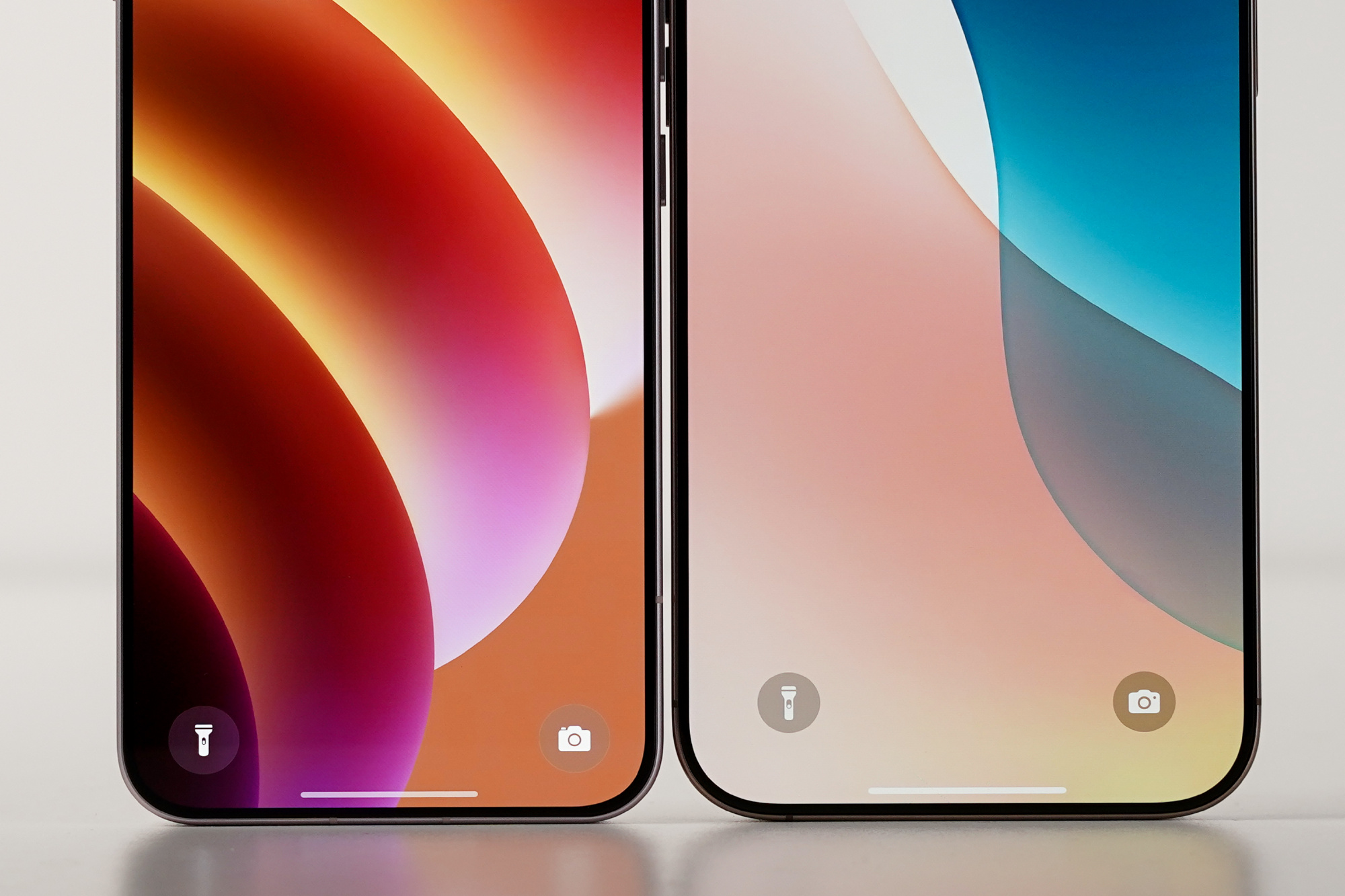
Oppo Find X8s (left) and Apple iPhone 16 Pro (right)
The Oppo Find X8s is being positioned as a premium compact flagship with a lightweight design. Yibao revealed that the device weighs under 180g, making it nearly 20g lighter than the iPhone 16 Pro. It also has a thickness of less than 7.8mm, offering a sleeker profile compared to the 8.25mm iPhone 16 Pro.
For those who don’t know, it is expected to feature a 6.31-inch OLED panel. The rear-view image of the phone suggests that it will continue to sport a round camera module like the existing Find X8 series of smartphones. However, the module does appear smaller and thinner thanks to the compact form factor of the device.
Chinese actor Li Xian holding the Oppo Find X8s
Earlier this week, Yibao revealed that the Find X8s features the world’s narrowest four-sided equal bezels, reportedly slimmer than those on the iPhone 16 Pro. The display benefits from Oppo’s in-house chip-level screen encapsulation technology, reducing the black border to just 1.xx mm.
Despite its compact frame, Oppo has managed to integrate a high-capacity battery. While he did not reveal the exact capacity, reports have revealed that it will feature a massive 5,700mAh battery with 80W wired and 50W wireless charging support. At the core of the Oppo Find X8s is the upcoming Dimensity 9400+, an overclocked version of the Dimensity 9400. It is said to be equipped with a Cortex-X925 prime core that operates at 3.7GHz.
The Find X8s is expected to debut in April alongside a slew of other devices, such as the Find X8s+, Find X8 Ultra, Oppo Pad 4 Pro tablet, and Enco Free 4 TWS earbuds.
For more daily updates, please visit our News Section.
The midrange Android tablet market in India just got a lot more interesting. Lenovo has introduced the Idea Tab Pro, while Xiaomi has launched the Xiaomi Pad 7 recently — both positioned to cater to users looking for capable all-rounders without spending flagship-level money. But with both offering powerful hardware, high-refresh-rate displays, and productivity-focused accessories, how do they stack up against each other?
Display and Design
Lenovo’s Idea Tab Pro features a large 12.7-inch LTPS LCD screen with a 3K resolution (2944 x 1840 pixels), a smooth 144Hz refresh rate, and up to 400 nits of brightness. It’s a big, bold display designed for everything from Netflix marathons to light creative work. The tablet weighs 615 grams and has a thickness of 6.9mm, making it reasonably portable despite the larger screen.
Xiaomi’s Pad 7, on the other hand, opts for an 11.2-inch 3.2K display (3200 x 2136 pixels) with variable refresh rates up to 144Hz. The standout feature here is the Nano Texture option, which cuts down glare and reflections by up to 99%. It’s noticeably lighter at 499 grams and thinner at 6.18mm, with a sleek unibody metal design that feels premium and travel-friendly.
Please Note: When you buy something using the links in our articles, we may earn a small commission at no cost to you.
Performance
Under the hood, Lenovo’s Idea Tab Pro is powered by MediaTek’s Dimensity 8300 chipset, paired with up to 12GB of RAM and 256GB of storage (expandable via microSD). The 4nm chipset promises smooth multitasking, gaming, and content creation, and it’s a big leap from the older Dimensity 7050.
Xiaomi goes with Qualcomm’s Snapdragon 7+ Gen 3 processor, which has quickly earned a reputation for delivering near-flagship performance. Paired with 8GB or 12GB of LPDDR5X RAM and faster UFS 4.0 storage on the higher variant, the Pad 7 is clearly optimized for both speed and efficiency.
Software and AI Features
Lenovo’s tablet runs on Android 14 with ZUI 16 and will receive two years of OS updates along with four years of security patches. It also brings Google Gemini integration, allowing features like circle-to-search and an AI assistant. Lenovo’s Smart Connect suite further improves device-to-device integration, allowing file sharing, app streaming to PCs, and a Smart Clipboard for seamless cross-device copy-pasting.
Xiaomi Pad 7 ships with Android 15-based HyperOS 2.0. This comes with its own set of AI-powered features, such as AI Writing and AI Live Subtitles. Xiaomi also bundles its Xiaomi Creation tools for digital artists and creators.
Audio and Accessories
Both tablets come with quad-speaker setups tuned with Dolby Atmos support. Lenovo uses JBL speakers for immersive audio, while Xiaomi’s setup also includes four microphones for clearer video calls and voice commands.
Accessories are where these devices lean toward becoming productivity machines. Lenovo’s Idea Tab Pro supports the Lenovo Tab Pen Plus and an optional 2-in-1 keyboard with 0.2mm key concavity for comfortable typing. Xiaomi answers with its Focus Keyboard featuring stepless angle adjustments, a mechanical-style touchpad, and adaptive backlighting. The Focus Pen supports 8192 levels of pressure sensitivity, making it ideal for sketching and note-taking.
Battery and Charging
Lenovo packs a hefty 10,200mAh battery that promises up to 11 hours of video playback and supports 45W fast charging. Xiaomi’s battery is slightly smaller at 8,850mAh but also supports 45W charging, so you won’t be waiting around for either tablet to power up.
Pricing and Availability
Pricing lines up closely. Both brands have priced their 8GB+128GB variants at Rs. 27,999 and the 12GB+256GB models at Rs. 30,999. Xiaomi’s Nano Texture Display edition comes at a slight premium of Rs. 32,999.
Which One Should You Buy?
The Lenovo Idea Tab Pro is the better choice for those who want a larger screen, more battery life, and seamless integration with other devices in Lenovo’s ecosystem. But if portability, refined design, and raw performance matter more — and if you’re eager to try HyperOS’s AI features — the Xiaomi Pad 7 has the edge.
Ultimately, both tablets bring a lot to the table, but your choice will depend on whether you value a larger display and longevity (Lenovo) or premium build and AI-driven features (Xiaomi). Either way, India’s midrange tablet market has never looked more exciting.
For more daily updates, please visit our News Section.
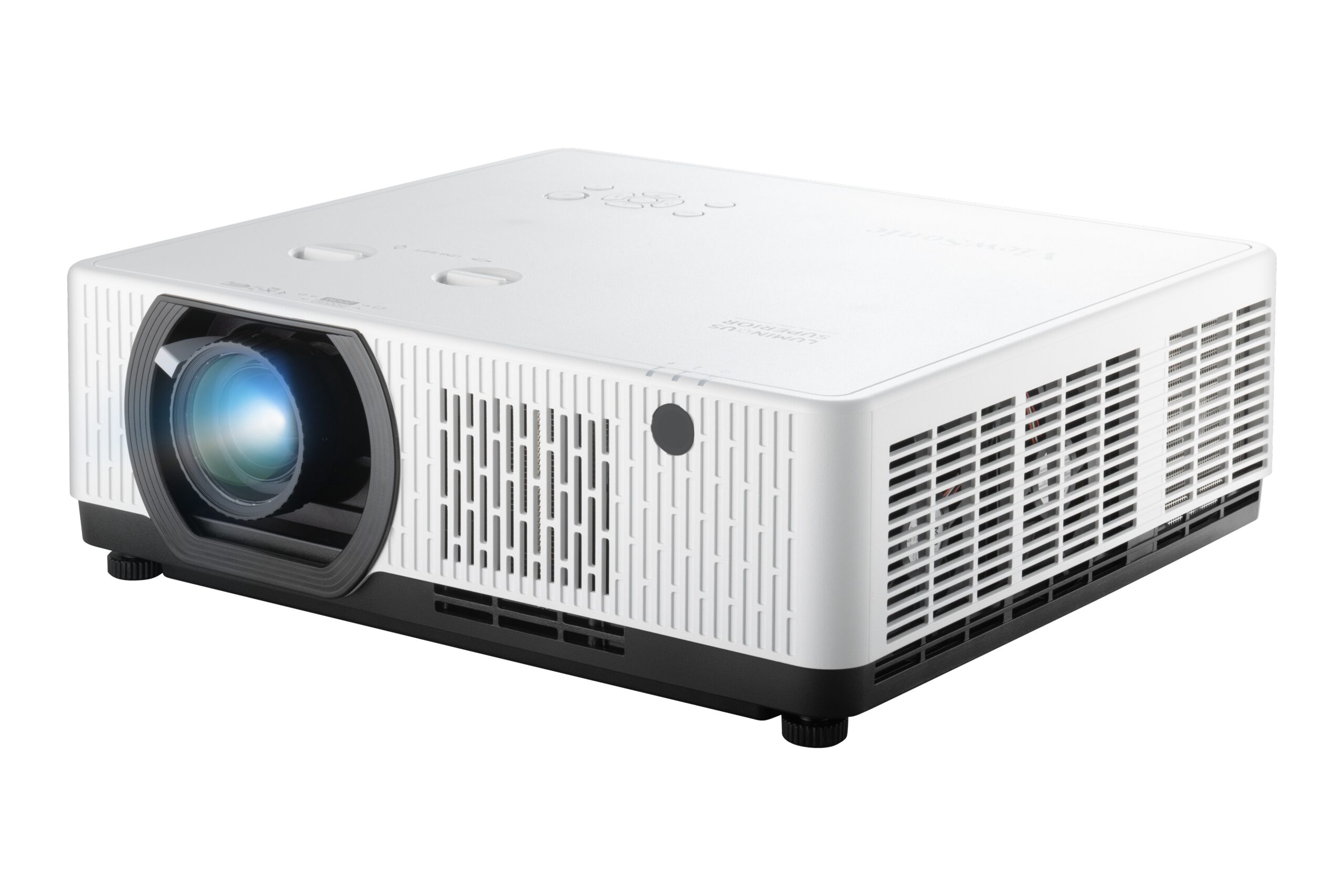
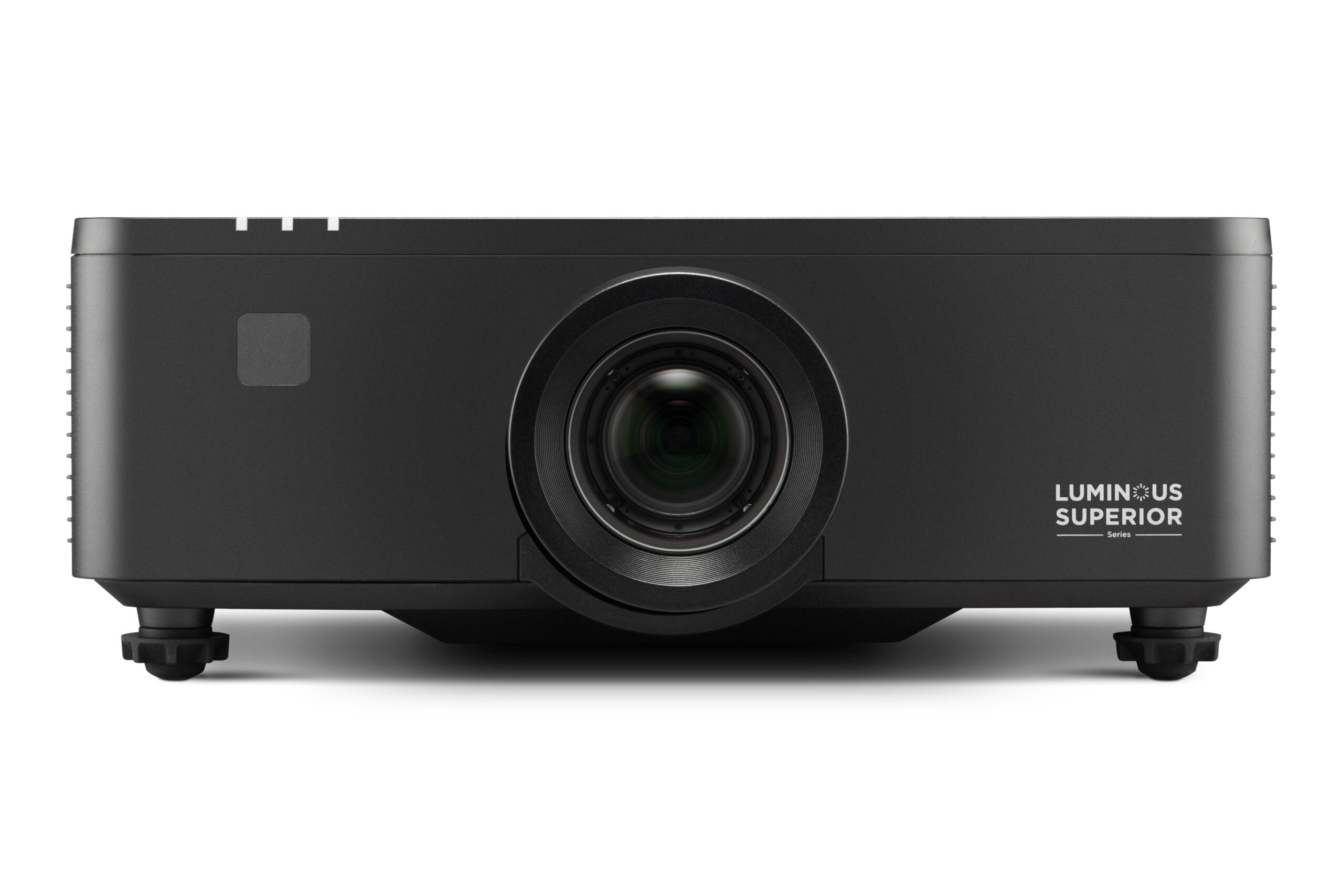
ViewSonic has launched new high-brightness laser projectors in India under its Luminous Superior series. The latest models cater to the increasing demand for advanced display solutions in commercial, educational, and public spaces, ensuring superior performance in well-lit environments.
High-performance laser projectors for diverse applications
The newly launched lineup includes the LSC801WU and LSC601WU (3LCD Laser Projectors) and the LS950-4K and LS901-4K (DLP Laser Projectors), offering brightness levels between 5,500 and 8,000 ANSI lumens. These projectors are engineered for superior performance in well-lit environments, making them ideal for auditoriums, lecture halls, corporate boardrooms, and large public venues. With lamp-free laser technology ensuring up to 30,000 hours of operation, they provide energy-efficient and cost-effective solutions.
The LS950-4K and LS901-4K models integrate 3rd-generation laser technology with enhanced image quality, installation flexibility, and centralized management capabilities. The LS950-4K, boasting 7,100 ANSI lumens and 4K HDR support, is well-suited for large venues, delivering sharp visuals even in bright conditions. Meanwhile, the LS901-4K, with 5,500 ANSI lumens, supports a 21:9 aspect ratio for seamless compatibility with Microsoft Teams Rooms, enhancing collaborative experiences.
For business and educational settings, the LSC801WU and LSC601WU projectors offer WUXGA resolution and high brightness for crisp image clarity. The LSC801WU, with 8,000 ANSI lumens, ensures vibrant visuals in all lighting conditions, while the LSC601WU delivers 6,000 ANSI lumens, making it suitable for lecture halls and creative spaces. Both models include 1.6x optical zoom, lens shift control, and keystone correction for hassle-free installation. Additionally, they feature LAN-based management for streamlined operation.
For more daily updates, please visit our News Section.
In January, Redmi unveiled the 2025 Redmi Book 14 and Redmi Book 16 alongside the Redmi Turbo 4 handset in China. Now the brand has silently unveiled the Redmi Book 14 (2025) Refreshed Edition as an affordable variant for the home market. Here’s everything known about the new notebook.
Redmi Book 14 (2025) Refreshed Edition specifications and features
Redmi Book 14 (2025) Refreshed Edition
The Redmi Book 14 (2025) Refreshed Edition replaces the Intel Core 5-210H processor found in the standard version with an Intel Core i5-13420H. This processor has eight cores, including four performance and four efficiency cores, along with twelve threads. It achieves a maximum turbo frequency of 4.6GHz and features 12MB of Intel Smart Cache. The integrated Intel UHD Graphics with 48 execution units and a frequency of 1.4GHz provides basic graphical performance.
One of the most significant changes is in the display. While the standard Redmi Book 14 (2025) comes with a high-resolution 2.5K 120Hz screen, the Refreshed Edition downgrades to a 14-inch 1920 × 1200 (WUXGA) display with a 60Hz refresh rate. It still supports a 100% sRGB colour gamut and has an anti-glare panel, but users who prioritize a smoother refresh rate and sharper resolution may find this a compromise.
The laptop runs on Windows 11 and comes with 16GB of LPDDR5 RAM and 512GB PCIe SSD storage. It packs a 56Wh battery and supports 100W USB-C fast charging, which can charge the device up to 50% in around 35 minutes.
In terms of connectivity, it features an HDMI 2.1 port, two USB-A 3.2 Gen 1 ports, a USB-C port that supports charging and data transfer, and a 3.5mm headphone jack. It supports dual-band Wi-Fi 6 and Bluetooth 5.2 for seamless wireless connectivity. The metal body keeps it lightweight at 1.37kg and includes a backlit keyboard along with dual speakers tuned with DTS.
Redmi Book 14 (2025) Refreshed Edition price
The Redmi Book 14 (2025) Refreshed Edition is priced at 3,499 yuan. With a 20% government subsidy, the final price could drop to around 2,719 yuan. The new notebook is scheduled to go on sale on March 24.
For more daily updates, please visit our News Section.
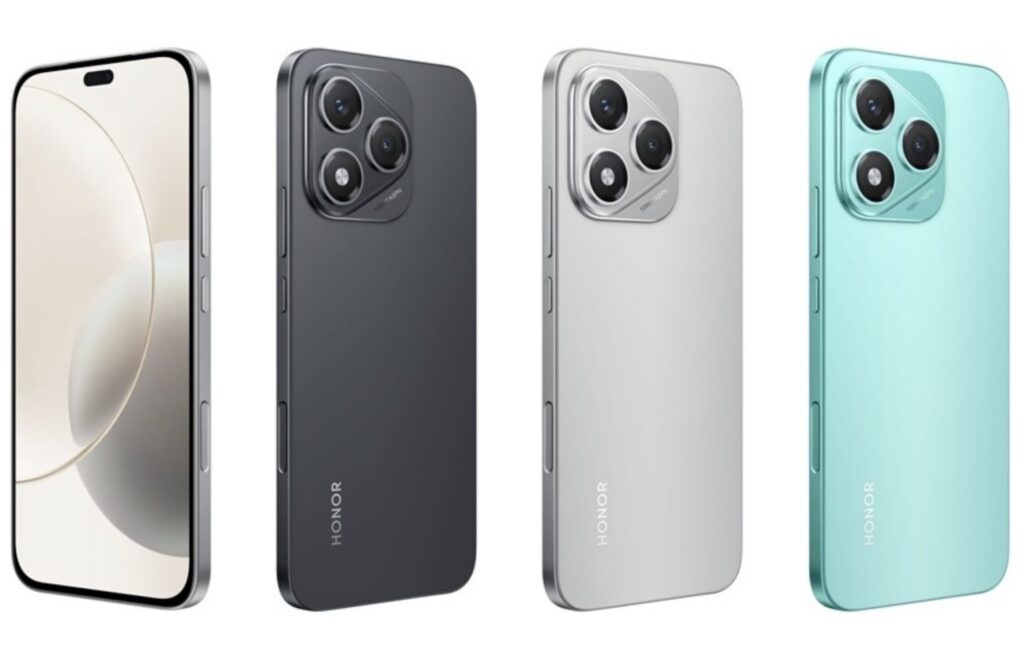
An upcoming Honor smartphone, the Honor 400 Lite, has surfaced online through a listing by Hungarian retailer Connextion. The early listing reveals official-looking images of the device in three color options, providing a closer look at its design and some key details. While Honor has yet to announce the smartphone officially, its appearance in retail listings suggests an imminent launch.
Honor 400 Lite design, key specifications
Honor 400 Lite
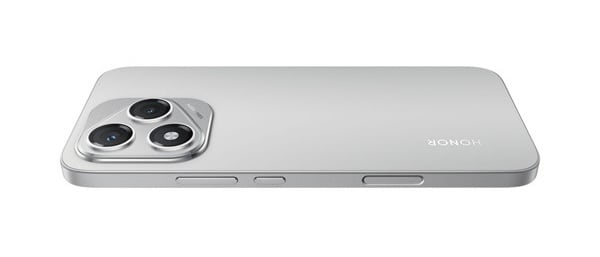
The Honor 400 Lite can be seen sporting a pill-shaped cutout on its screen. On the back, it has a dual-camera setup and an LED flash positioned at the upper-left corner. The right edge of the phone features a volume rocker, a power key, and an iPhone-like camera button.
As per the listing, the Honor 400 Lite will feature a 6.7-inch display, support 5G connectivity, and come in an 8GB+256GB configuration. Like its predecessor, the device is expected to feature an OLED panel. Recently, the Honor 400 Lite was spotted in Google Play Console’s database, revealing the MediaTek Dimensity 7025 chipset and Android 15.
Honor 400 Lite
On the back, the device will sport a 108-megapixel primary camera. At present, there is no information available about its front camera, battery, and charging capabilities.
Honor 400 Lite price and availability (rumored)
The Hungarian retailer has listed the Honor 400 Lite in Black, Silver, and Turquoise colour options. The listing reveals that its 8GB+256GB edition is priced at 138,280 HUF (~$380). While the exact launch date remains unknown, recent developments suggest that the device will debut soon.
While the company is preparing Honor 400 Lite for the global market, it is also working on the Honor 400 series of smartphones for China. As per a recent leak, the Honor 400 will feature a 6.55-inch OLED 1.5K resolution display and Snapdragon 7 Gen 4 chipset, whereas the Honor 400 Pro may feature a larger 6.69-inch OLED 1.5K resolution screen and Snapdragon 8 Gen 3 chipset.
For more daily updates, please visit our News Section.
Samsung sale days are here once again with some exemplary discounts on the newly launched flagship smartphones and other devices. The Korean giant is offering trade-in discounts of up to $900 on the purchase of Galaxy S25 Ultra and other smartphones. Surprisingly, you can secure a $1000 discount on the latest foldable. Similar discounts are applicable on the Galaxy Watch Ultra and Galaxy Watch 7 models. Furthermore, the discounts are quite attractive for the Galaxy Book 5 Pro.
If you’re looking to upgrade your smartphone, then it is the right time as the interested buyers can grab discounts up to $900. Precisely, the if you opt for the Galaxy S25 Ultra then you can get $900 in trade-in. Similarly, the foldable Galaxy Z Fold 6 can get you a $1000 trade-in discount, and the Galaxy Watch Ultra buyers can grab maximum $325 off on a trade-in. These trade-in discounts are extended for another month on the eve of Samsung’s March Sale extravaganza.
These discounts will be part of instant-trade-in credit program, and the same will be visible on the checkout sheet once you proceed for the same. You can head over to the respective deal links as listed below to grab the discounts, and then opt for “Samsung trade-in” section:
Apart from the trade-in offers , there are some enhanced offers on the latest smartphones and watches. There are some discounted offers aon Samsung accessories. There’s a special $230 off on the Galaxy Watch Ultra and making it available for $419.99.
Amazon’s Spring Sale is finally here, and the users could enjoy unlimited discounts on consumer electronics.
Please Note: When you buy something using the links in our articles, we may earn a small commission at no cost to you.
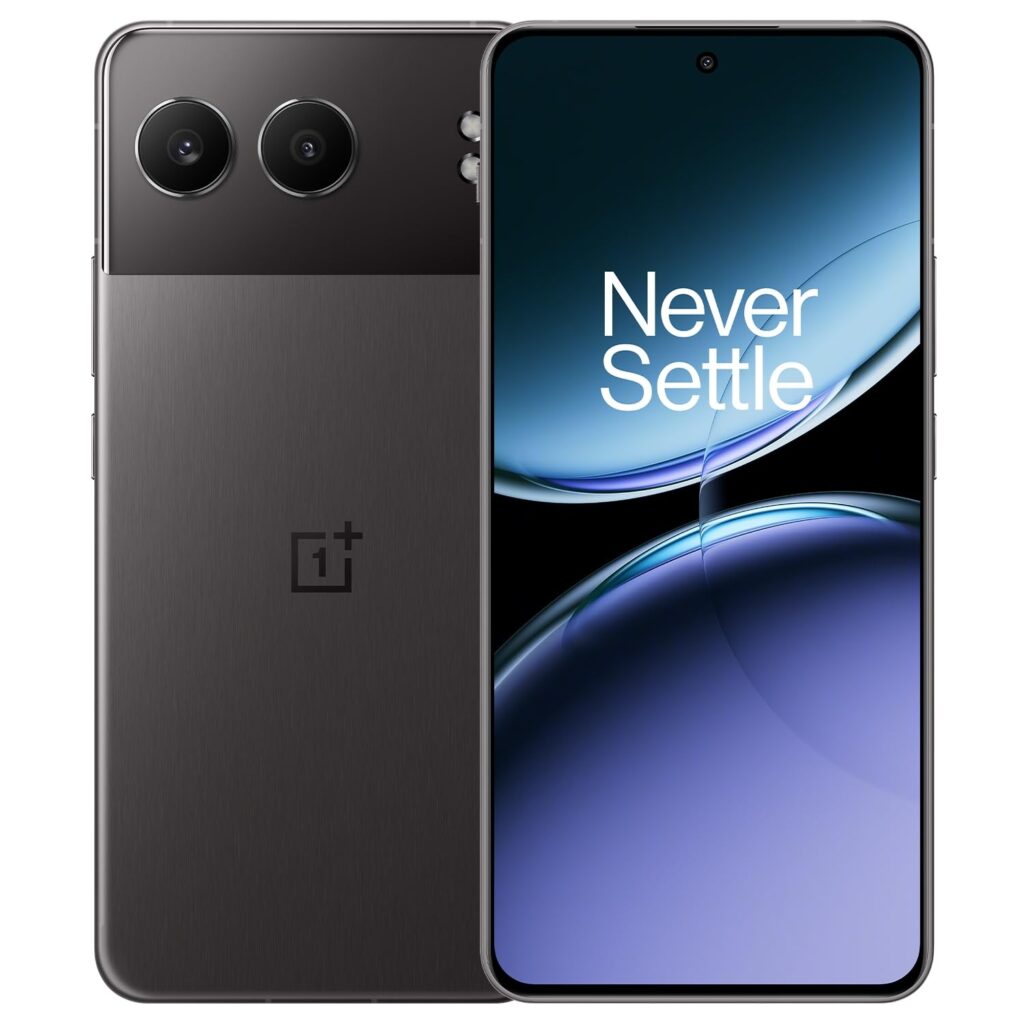
The OnePlus mid-range smartphone Nord 4 5G is available at its lowest price since its launch. The main highlight of the OnePlus Nord 4 5G is the Snapdragon 7+ Gen 3 SoC and the promise of four years of Android OS upgrade. On Amazon India, the smartphone is retailing for just ₹23,998.
Oneplus Nord 4 5G Deal Details
At the time of launch, the OnePlus Nord 4 5G was priced at ₹32,999 for 8GB RAM and 256GB storage variant. Now, the company has lowered the list price to ₹28,998. Moreover, you will get ₹4000 additional discounts while paying through select credit and debit cards. This means the effective price of the OnePlus Nord 4 5G will be ₹23,998 (₹8000 OFF).
Please Note: When you buy something using the links in our articles, we may earn a small commission at no cost to you.
OnePlus Nord 4 5G features and specifications
It features a 6.74-inch AMOLED display with a resolution of 2772 × 1240 pixels, a 120Hz refresh rate, a peak brightness of 2150 nits, and HDR10+ support. OnePlus Nord 4 5G is powered by the Qualcomm Snapdragon 7 Plus Gen 3 chipset and Adreno 732 GPU. It comes in three configurations 8GB RAM +128GB storage, 8GB + 256GB, and 12 RAM + 256GB storage.
OnePlus Nord 4 5G has a dual camera setup at the back it sports a 50MP Sony LYTIA primary sensor with OIS, an 8MP ultra-wide lens, and a 16MP front camera for selfies and video chats. In connectivity options, the smartphone has 5G network support, it is packed with Wi-Fi 6, Bluetooth 5.4, NFC, USB Type-C port, and multiple positioning systems.
It has a huge 5500 mAh battery with 100W SUPERVOOC fast charging support. OnePlus Nord 4 5G runs on OxygenOS 14.1 based on Android 14 out of the box. For more offers and discounts visit our deals section.
The smartphone industry is gearing up for some exciting launches of flagship smartphones from top brands. These devices are set to push the boundaries of performance, mobile photography, and innovation. So if you’re looking to upgrade your phone, these are the upcoming flagship phones that you should be excited about.
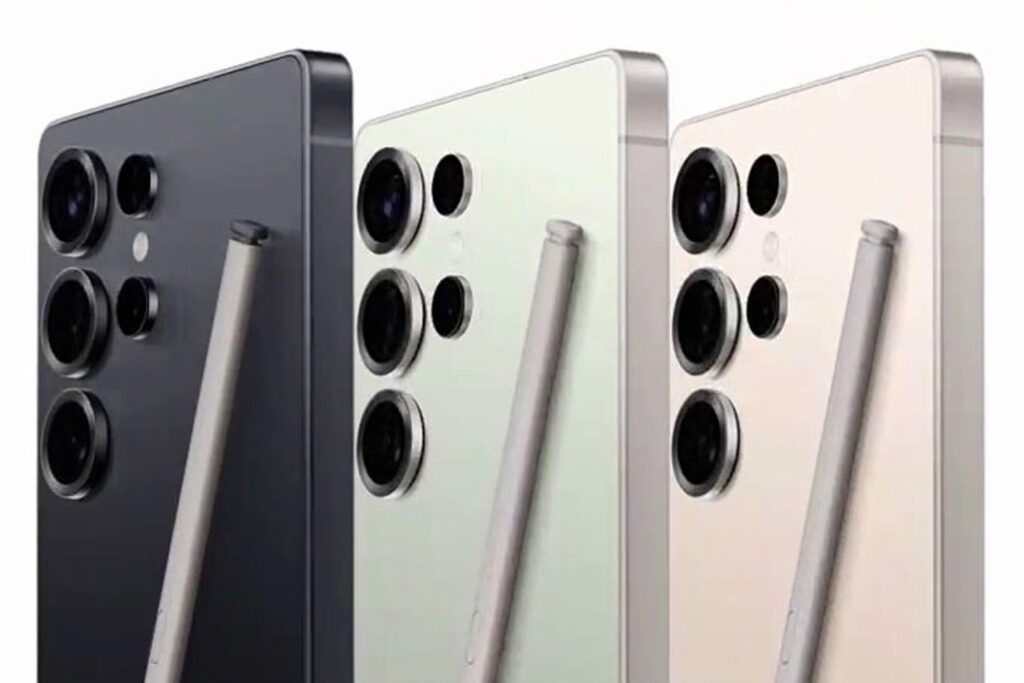
Samsung is working on a highly anticipated flagship model that is shaping up to be an ultra slim premium smartphone. The device in question is the Galaxy S25 Edge. The Edge doesn’t suggest the old curved screens, rather, a razer thin form factor. One of its highlighting aspects is its 5 to 6mm thin chassis and lightweight body.
But despite this compact design, it still packs the Snapdragon 8 Elite for Galaxy under the hood. While it skips a telephoto shooter on the back, there is a 200MP + 8MP dual camera setup. A relatively small 3,900mAh battery pack is expected to power this device, which may support 25W wired fast charging.
2. Vivo X200 Pro Mini
Vivo X200 Pro Mini
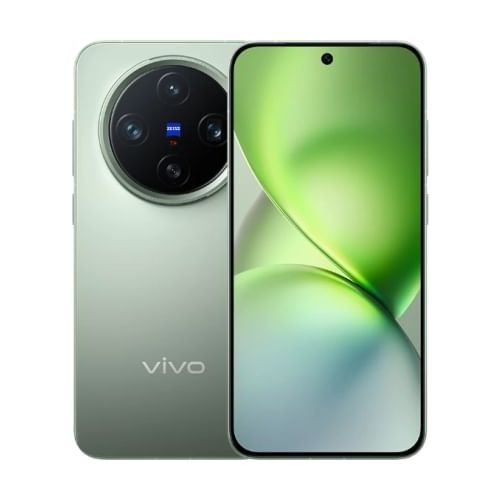
Small flagship phones are far and few in between with the iPhone 16 and Galaxy S25 being one of the rear examples. But Chinese brands are also bringing some relatively compact devices with an upcoming model being the Vivo X200 Pro Mini. It is a flagship grade device with cutting edge Zeiss cameras, a 6.31-inch display, and a massive 5,700mAh battery despite its small build.
Only the base X200 and X200 Pro made it to the global market, but recently rumors have hinted at the Vivo X200 Pro Mini heading to the Indian market along with the X200 Ultra. The Xiaomi 15 was also recently unveiled with a similar display size, so the X200 Pro Mini will likely be another Chinese contender to the Galaxy S25 and the iPhone 16.
3. Nothing Phone (3)
Nothing Phone (3a) Pro
It has been a while since we’ve seen a flagship smartphone from Carl Pei’s Nothing. The brand just announced the new Phone (3a) and Phone (3a) Pro as mid range models with great specs. But there have also been reports regarding a premium device also being in the works.
This model is expected to be dubbed the Nothing Phone (3). Rumros have hinted at a tall 6.7-inch LTPO OLED panel and the Snapdragon 8s Gen 3 (or higher) processor. A sizeable 5,000mAh battery pack could power this transparent device, which will likely offer 65W wired fast charging. The Phone (3) will likely retain the Glyph LED interface along with a transparent back and aluminum frame for its iconic design. Similar to the Phone (3a) series, we can expect the inclusion of a triple camera setup with a periscope telephoto shooter.
4. OnePlus 13 Mini/13T
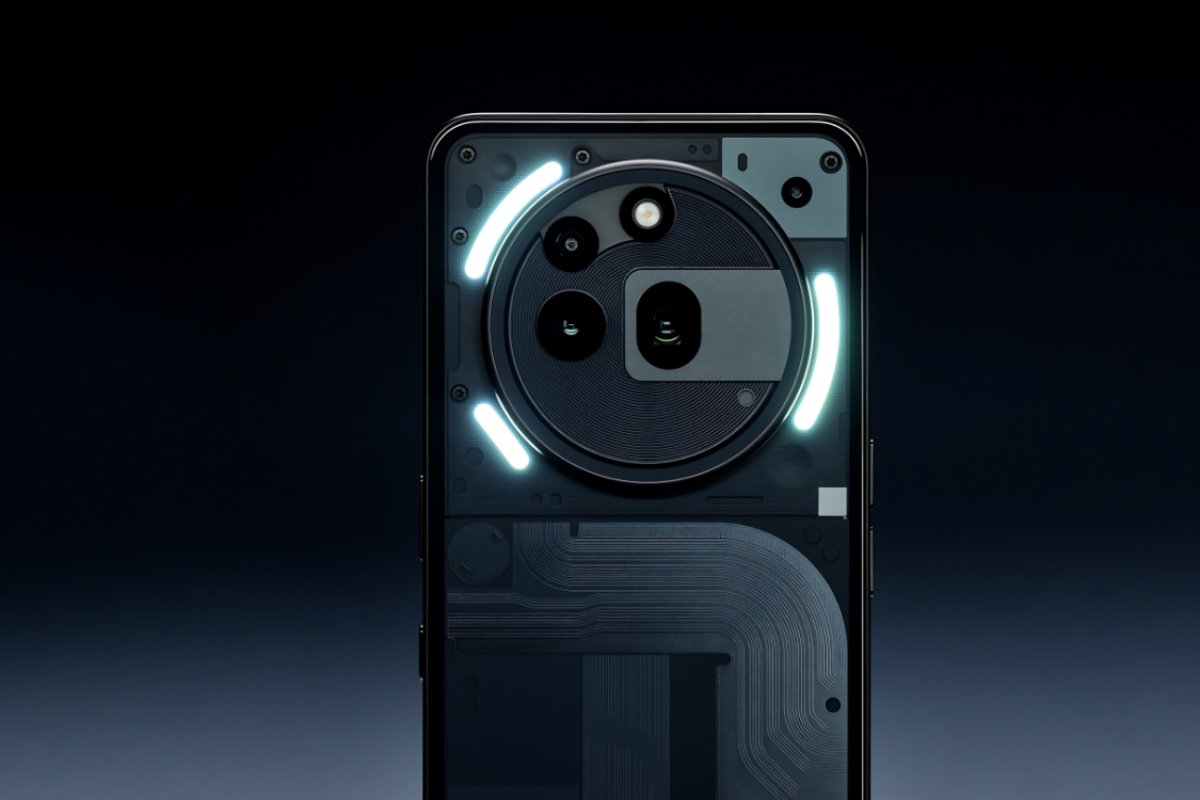
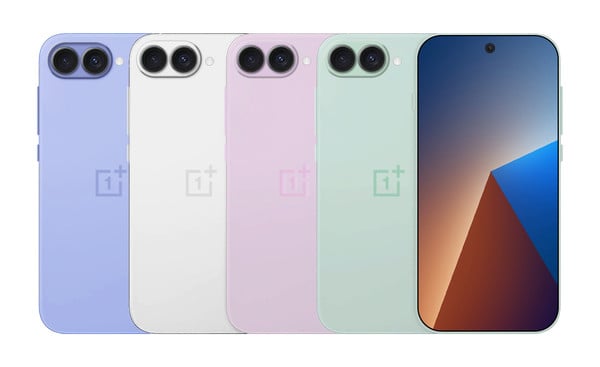
OnePlus 13T mock render
Sticking with the trend of Chinese smartphone brands making compact flagship phones, we have the OnePlus 13T or OnePlus 13 Mini. This model is rumored to sport a 6.3-inch display on the front, while the rear may feature a dual camera setup similar to the Galaxy S25 Edge. However, it has two major advantages in terms of hardware.
The OnePlus 13T might be the cheapest Snapdragon 8 Elite powered smartphone and it might house a massive 6,000mAh battery pack despite its small build. This device could offer wired fast charging and wireless fast charging support along with an optical in-display fingerprint scanner.
5. Oppo Find X8S/Find X8 Mini
Oppo Find X8s (left) and Apple iPhone 16 Pro Max (right)
Matching OnePlus, Xiaomi, and Vivo, Chinese OEM Oppo is also rumored to be working on a new “Mini” phone. The exact name of this model is still unclear but reports have claimed that it could be either the Find X8s or the Find X8 Mini. Just like the OnePlus 13T, the smartphone is expected to have a 6.3-inch LTPO OLED display on the front.
On the rear, there is a triple camera setup with a periscope telephoto shooter. Similar to the X200 Pro Mini, it may pack a big 5,700mAh battery pack with 80W wired fast charging and 50W wireless fast charging. Other notable features include an IP68/69 rated body, 50MP triple cameras, and the Dimensity 9400+ SoC.
For more daily updates, please visit our News Section.
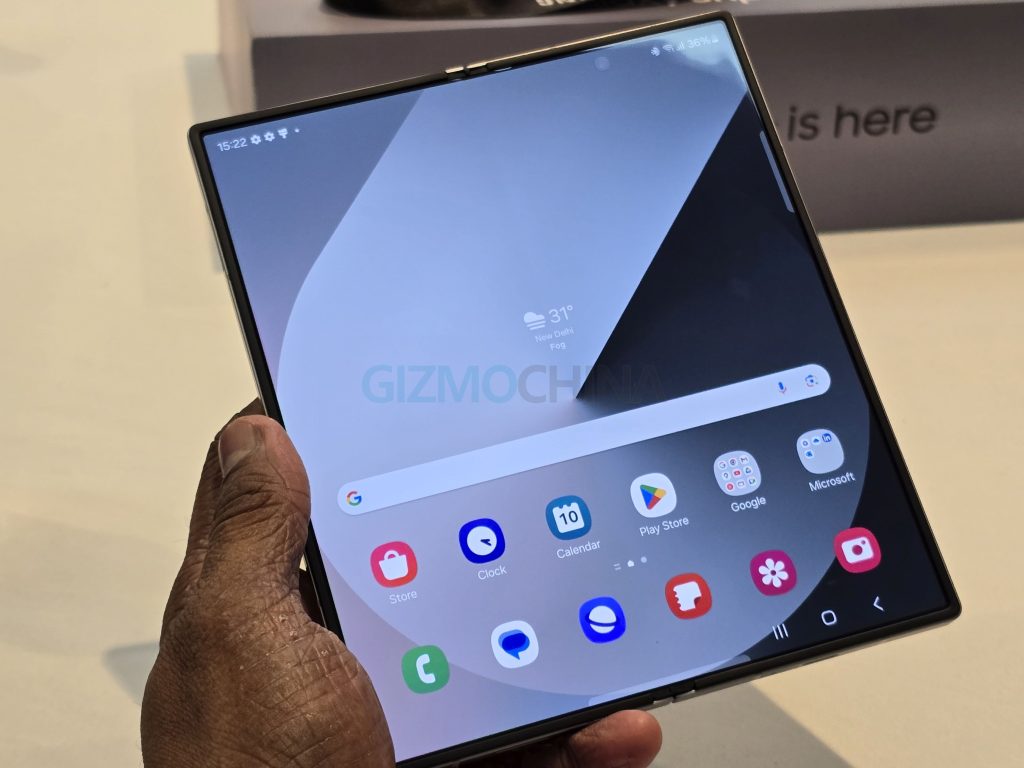
Samsung is pulling out all the stops to encourage owners of older Galaxy Z Fold models to upgrade to the latest Galaxy Z Fold 6. One of them is offering enhanced trade-in values that make the transition more appealing. The South Korean giant is providing significant discounts for previous-generation foldables, which includes the Z Fold 3 as well.
Samsung Galaxy Z Fold 6
Up to $1000 trade-in credit for the users of the Z Fold 5 and Fold 4
The Galaxy Z Fold 4 and Galaxy Z Fold 5 are eligible for a $1,000 trade−in credit, while the Galaxy Z Fold3, released in 2021, isn’t far behind with a $900 trade-in offer. Even owners of the original Galaxy Fold from 2019 can trade in their device for a $300 discount, and Galaxy Z Fold 2 users can receive a $600 price cut toward the Galaxy Z Fold 6.
Source: Samsung
For the users of those older foldables, the Galaxy Z Fold 6 is a powerhouse, which features the Snapdragon 8 Gen 3 chipset, 12GB of RAM, and 256GB of storage. It boasts a 5.6mm (unfolded) slim design, and an IP48 rating for dust and water resistance (up from Z Fold 5’s IPX8).
The Galaxy Z Fold 6 is already being tested for One UI 7, with a stable release expected soon. The stable rollout is confirmed to begin on April 7, and Z Fold 6 is expected to be one of the first devices to get the update.
Aside from the trade-in credits, Samsung is also reportedly keeping at least two of One UI 7’s AI features exclusive exclusive to the newer models, which, again, seems to be intended to motivate users in upgrading to the newer models.
Xgimi is gearing up to unveil its next-generation portable projector lineup — the Play 6 series — on March 20 in the Chinese market. The company is positioning the Play 6 as more than just a compact projector, describing it as a blend of portable projection, immersive audio, dynamic lighting, and creative flexibility.
Refined design, smarter features
Visually, the Play 6 doesn’t stray too far from its predecessor, the Play 5 — known globally as the MoGo 3 Pro (our full review). However, there are subtle refinements. The new model appears more curved around the edges, making it feel sleeker and possibly more comfortable to carry. Xgimi’s teaser highlights its surprisingly compact form factor, roughly the size of a milk tea cup, while integrating a built-in battery and a 360-degree hidden gimbal for flexible placement and easy adjustments.
The projector will also feature SGS-certified low blue light protection, something that could appeal to users concerned about eye strain during prolonged viewing. Another standout feature is the Harman Kardon-tuned audio system, which aims to deliver room-filling sound in a device that fits in the palm of your hand. Just like its predecessor, the Play 6 is expected to support smart color adjustments and reactive ambient lighting that syncs with sound, turning movie nights or parties into more interactive experiences.
While Xgimi hasn’t shared the full spec sheet yet, expectations are high. The Play 5 (MoGo 3 Pro) came with 1080p resolution, 450 ISO lumens brightness, and 90% DCI-P3 color coverage, alongside a 130-degree adjustable stand and automatic image alignment with ISA 2.0. Dual 5W Harman Kardon speakers and Type-C power input rounded out the package.
If Xgimi manages to build on that formula, the Play 6 could be one of the most versatile and travel-friendly projectors of 2024.
For more daily updates, please visit our News Section.
Samsung has officially announced the launch date for One UI 7: April 7, 2025, the day in which several compatible models will receive the update. Users of slightly older devices like the 5th generation foldables might have to wait for the update for a couple more days.
Samsung Galaxy Z Flip 6
While the update brings a host of new features and improvements, owners of the Galaxy Z Flip 5 and Galaxy Z Fold 5 will reportedly miss out on two key functionalities: Audio Eraser and the natural language-based search feature of the Settings app.
Natural language-based search for Settings
Ever been in a situation where you needed to change a particular setting but didn’t exactly know where it exists inside settings? Well, it’s no more a problem. With the new intelligent search feature integrated into the Settings app, you can just describe what you want, and your phone leads to that specific toggle. One example the company showcased is “My eyes are feeling tired,” which automatically brings you the toggle to enable the “Eye Comfort Shield” or lets you adjust the brightness.
And even if know where to find out the option you’re looking for, something you have to click and scroll multiple times before you get to the target page. It just makes the features more accessible and easy to use.
Unfortunately, this intuitive feature isn’t going to be a part of the One UI 7 update for the Galaxy Z Flip 5 and Fold 5.
Audio Eraser
In a world where a significant portion of the human population creates content, this feature to remove unwanted sound or noise with just a few clicks could be a lifesaver. Unfortunately, this feature remains exclusive to the more recent flagships and won’t be a part of the above-mentioned foldables.
For those considering the Galaxy S25 series or an upcoming flagship, this feature will let you reduce or remove up to six types of background noise from your videos. That said, it seems like Samsung wants you to upgrade to the newer models and One UI 7 is there to motivate you to do so.
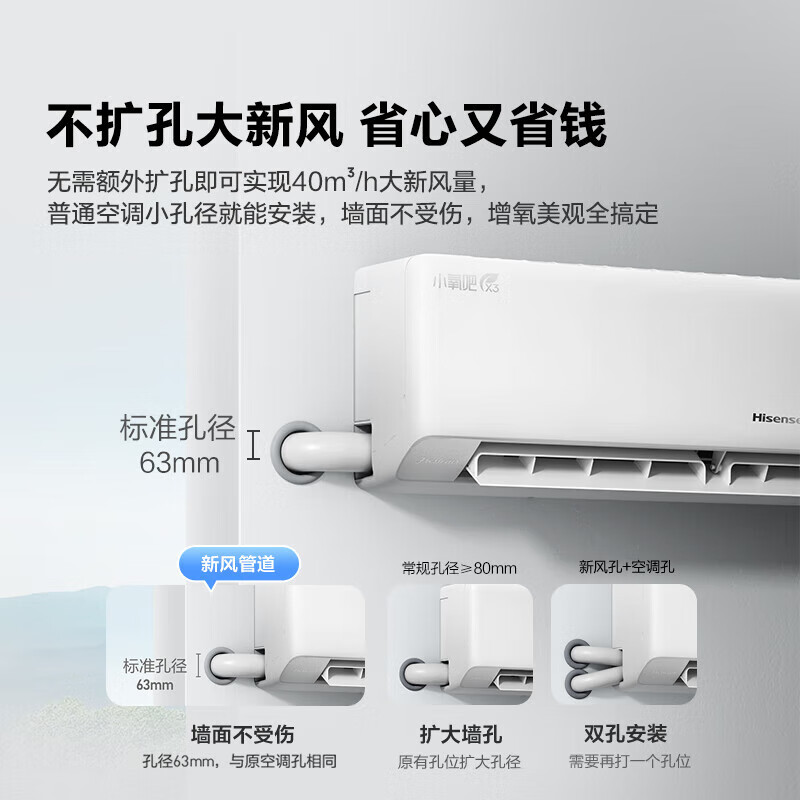
Hisense has launched the X3 Fresh Air Conditioner, now available for pre-sale on JD.com at 2,499 yuan ($345). It features a front-mixed fresh air system and smart power-saving functions, aimed at providing a healthier and more comfortable indoor environment. Let’s check out its key specs.
Hisense X3 Specifications
The Hisense X3 Pro comes with a fresh air system that boosts oxygen levels to reduce stuffiness and improve sleep quality. It also removes formaldehyde with a 99% efficiency and features a four-layer purification system with a 99.99% antibacterial rate, filtering dust, odors, bacteria, and viruses for cleaner indoor air.
The air conditioner offers ultra-quiet operation at just 16 decibels, along with rapid cooling in 20 seconds and heating in 40 seconds. Its large, non-direct airflow design ensures strong yet gentle air circulation. The AC also features AI energy-saving technology, delivering up to 36% power savings, and boasts a high APF value of 5.28, surpassing Chinese energy efficiency standards.
The air conditioner features a micro-positive pressure fresh air system with dual-mixing technology, bringing in fresh outdoor air while expelling stale indoor air. It can complete around 21 full air circulation cycles per hour, suitable for rooms of 16 to 24 square meters in the 1.5 HP version. The fresh air intake uses a standard 63mm hole, avoiding extra drilling.
The Hisense X3 is equipped with a high-efficiency inverter system powered by tenth-generation Hi-smart full DC drive technology, improving compressor efficiency by 3% and extending component life by 11%. It supports remote control through the Hisense app, along with voice control and filter-clogging reminders for added convenience.
The AC is built with durable materials, featuring low-resistance heat exchange fins and efficient threaded copper pipes. It includes advanced anti-rust protection with seven layers, can operate continuously in temperatures up to 59°C, and has a self-cleaning function for hygiene. The indoor unit measures 947mm wide, 785mm high, and 200mm deep, combining solid engineering with user-friendly design.
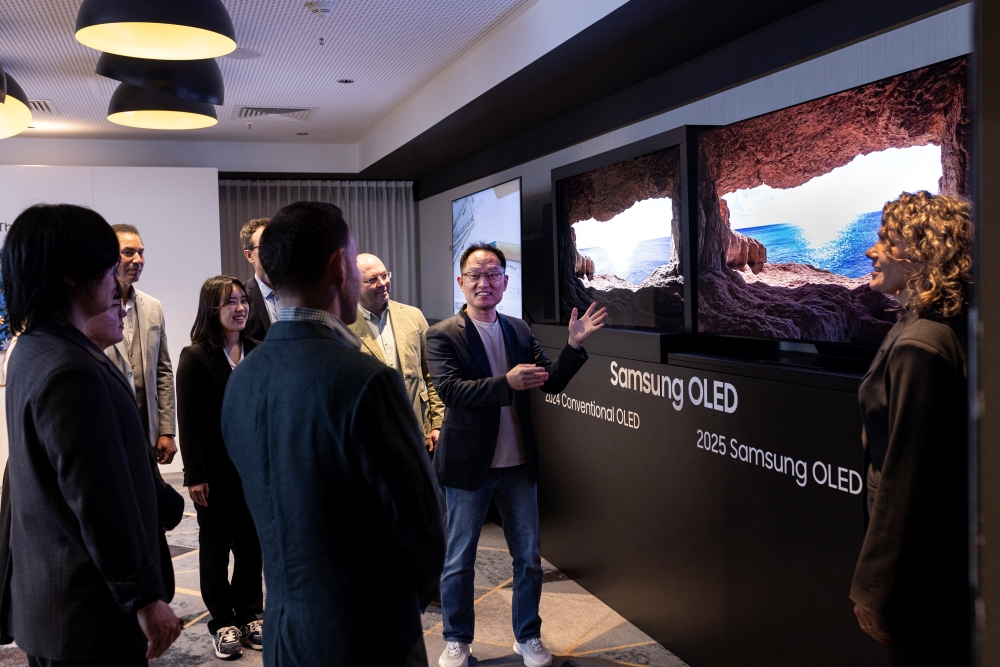
Samsung just unveiled its latest AI-powered TV and audio innovations at the 2025 European Tech Seminar in Frankfurt, Germany. The event highlights cutting-edge technologies designed to enhance user experiences, though the showcased products are not yet available in the market.
From advanced AI features to immersive audio solutions, Samsung is demonstrating how its innovations can make technology feel more personal and intuitive than ever before.
Hyungwoo Kim from Samsung’s Sound Device Lab showcases Eclipsa Audio
Eclipsa Audio, Circle to Search for TVs, AI Upscaling, and more
One of the standout introductions is Eclipsa Audio, the world’s first IAMF 3D sound technology developed in collaboration with Google. This innovation optimizes spatial sound to deliver a deeply immersive surround sound experience, which redefines home entertainment.
On the TV front, Samsung is emphasizing Vision AI, an advanced platform that personalizes and simplifies how users interact with their TVs. It ensures optimal settings for every viewer.
Samsung is also integrating Circle to Search into its 2025 TVs, to let users instantly access information about what they see, regardless of the device they are looking at. In addition to that, Live Translate will offer real-time audio translations, making content more accessible. The Quick Remote feature transforms smartphones into control hubs, while a seamless multi-device experience enables effortless content sharing and control across Samsung devices.
Key ecosystem features include Storage Share (which facilitates easy file transfers between Galaxy smartphones and TVs), and Multi Control, which allows users to operate multiple Samsung devices with a single keyboard and mouse. These innovations aim to create a more connected and streamlined user experience.
Samsung’s new flagship OLED TVs introduce Glare Free 2.0, minimizing reflections for a crystal-clear viewing experience. AI Upscaling is also utilized to enhance details, while OLED HDR enhances brightness and contrast. As a cherry on top, the 8K-exclusive AI Motion Enhancer is expanding to 4K TVs.
By combining AI-powered features with immersive audio and visual technologies, Samsung is definitely aiming to set a new standard for home entertainment, and the 2025 European Tech Seminar offers an early glimpse of what’s to come.
Xiaomi‘s Redmi is officially stepping into the kids’ wearable space with its first-ever smartwatch for children — and it’s surprisingly feature-packed. The Redmi Kids Smartwatch is now up for reservation on JD.com and will hit shelves on March 24. It’s priced at 499 yuan ($69).
Redmi Kids Smartwatch Specifications
The Redmi Kids Smartwatch features a large 1.68-inch display with a sharp 360 x 390 resolution and a pixel density of 315 PPI. This makes texts, notifications, and educational content bright and clear, ensuring a comfortable viewing experience for kids. It comes equipped with a 5MP front camera that supports both high-quality photos and smooth video calls, allowing parents to check in with their children anytime and even get a real-time view of their surroundings.
To ensure uninterrupted communication, the smartwatch supports full-network 4G connectivity across all major Chinese carriers. It offers nine-layer location tracking that combines GPS, Beidou, Wi-Fi, A-GPS, and AI positioning to keep children safe and give parents peace of mind. The device can store 90 days of location history and features safety zone settings with instant alerts.
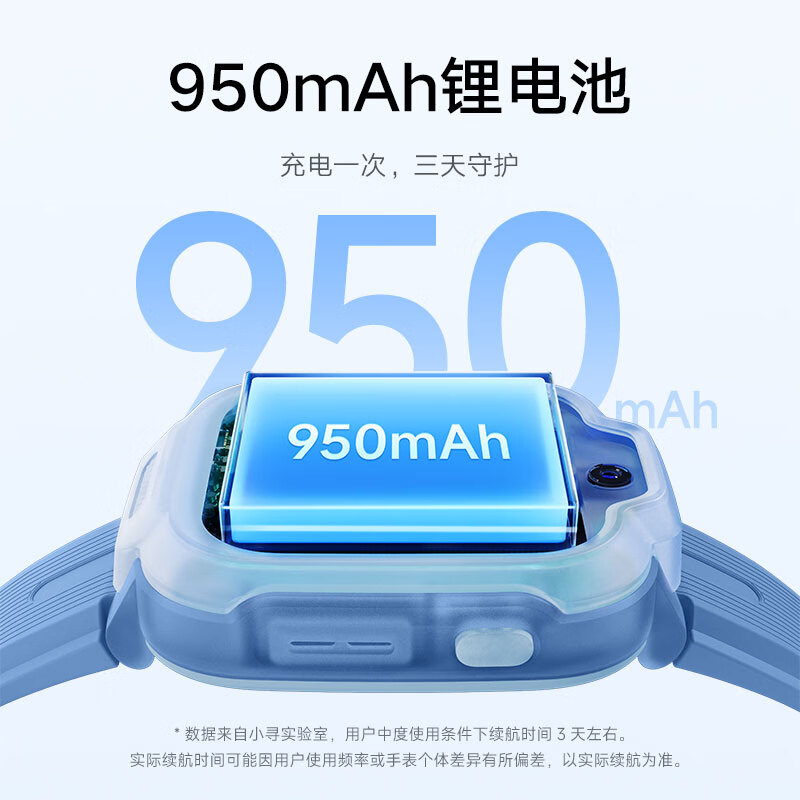
It equips a high-energy-density 950mAh lithium battery that supports up to three days of usage on a single charge, providing long-lasting protection. The smartwatch is also designed with 20-meter water resistance, using professional-grade waterproof components and special sealing techniques. This means children can wear it while washing hands or playing in the rain without worry, though it’s not recommended for showers or swimming.
The watch supports children’s WeChat, allowing safe and simple social interaction, and also provides payment management features where parents can limit or disable usage. It also includes classroom modes and anti-addiction settings to help children focus on their studies.
With more than 170 reliability tests passed, the smartwatch ensures long-term durability and safety. It comes with a 4GB large storage capacity and supports various educational apps ranging from stories and music to subjects like math, English, and logical thinking. Additionally, it features customizable watch faces, a K12 exercise system with multiple sports modes, and a robust privacy protection system with AES256 encryption for data security.
Interestingly, the smartwatch market is going through a bad year, with global shipments falling 7% in 2024 as Apple struggled and China took the lead. However, kids’ smartwatches are becoming hot now, driving growth in an otherwise slow market.
For more daily updates, please visit our News Section.
Google has begun rolling out the latest experimental models of its Gemini, which includes 2.0 Flash (experimental), 2.0 Pro (experimental), and Personalisation (experimental). It’s available across Android, iOS, and, of course, the web. In addition, the search giant has also made its Deep Research feature available for free to all users on these platforms.
Here’s what’s new:
The new models bring enhanced functionality and efficiency. Gemini 2.0 Flash (experimental) promises better speed and efficiency compared to its predecessor, though Google has not yet detailed the specific improvements in 2.0 Pro (experimental).
The Personalisation (experimental) model even leverages users’ Google Search history to provide more tailored and accurate responses. It definitely has the potential to offer a significantly improved user experience as it will have the much more context about your interests.
Deep Research, a feature previously exclusive to Gemini Advanced users, also becomes available for everyone as part of this development. This tool uses AI to explore complex topics and deliver comprehensive, easy-to-read reports. Essentially, it’s an incredible tool to learn the basics of something without having to spend hours searching the web for information relevant to you. This feature is now accessible to all users via the drop-down menu at the top of the Gemini interface.
Early access to these updates has been reported on devices like the Galaxy S23 in India and the Galaxy S25, with the latter benefiting from the Google One AI Premium plan offered by Google and Samsung. Users can now experiment with the new models and explore the capabilities of Deep Research without any additional cost.
By offering these features for free, Google is empowering users to leverage cutting-edge AI for personal and professional use. Stay tuned for more updates as Google continues to refine and expand its Gemini AI ecosystem.
We use cookies on our website to give you the most relevant experience by remembering your preferences and repeat visits. By clicking “Accept”, you consent to the use of ALL the cookies.
This website uses cookies to improve your experience while you navigate through the website. Out of these, the cookies that are categorized as necessary are stored on your browser as they are essential for the working of basic functionalities of the website. We also use third-party cookies that help us analyze and understand how you use this website. These cookies will be stored in your browser only with your consent. You also have the option to opt-out of these cookies. But opting out of some of these cookies may affect your browsing experience.
Necessary cookies are absolutely essential for the website to function properly. This category only includes cookies that ensures basic functionalities and security features of the website. These cookies do not store any personal information.
Any cookies that may not be particularly necessary for the website to function and is used specifically to collect user personal data via analytics, ads, other embedded contents are termed as non-necessary cookies. It is mandatory to procure user consent prior to running these cookies on your website.