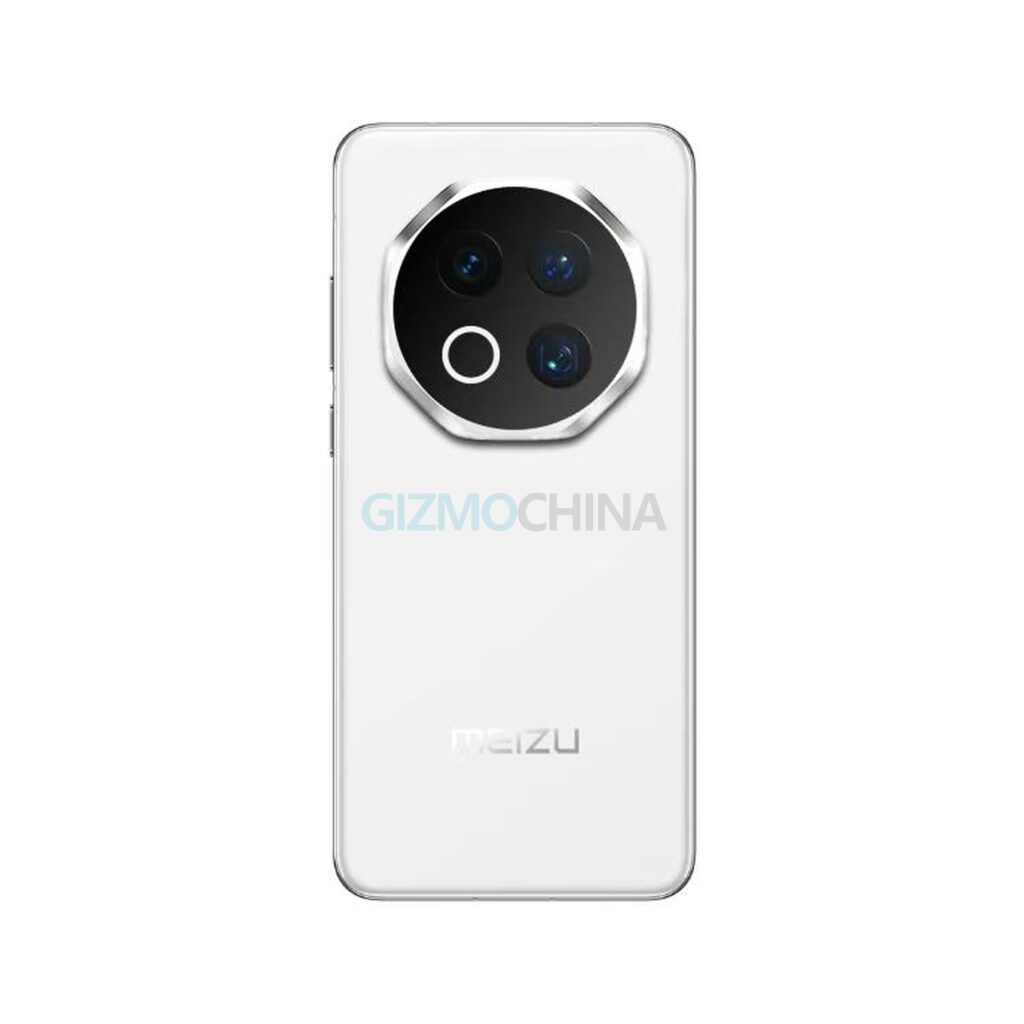
Update: Here’s an exclusive render we’ve obtained of the upcoming Meizu 22, which matches its real-life image from Meizu’s MWC event. It appears that Meizu is planning to launch the Meizu 22 series in April of this year.
Meizu 22 render
Original story continues…
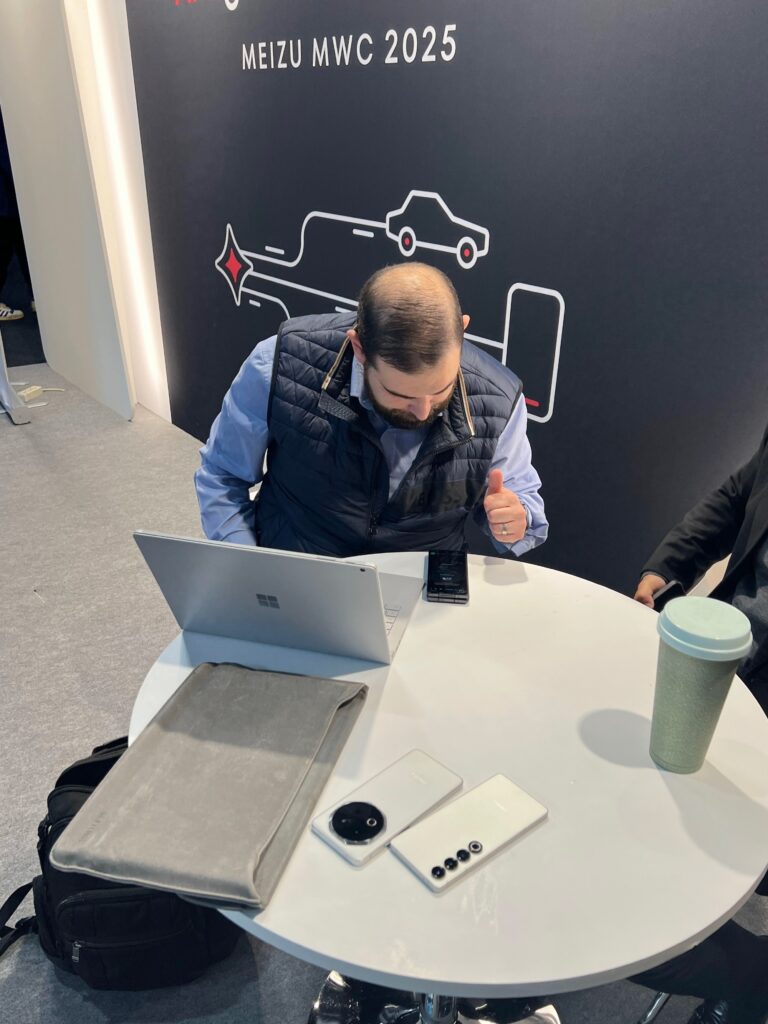
At MWC 2025, Meizu showcased a range of smartphones, including the Note 22, mblu 22, and mblu 22 Pro. However, a mysterious device also appeared on display, sparking speculation among enthusiasts. The device is believed to be part of the next-generation Meizu 22 series, which is expected to launch later this year.
Meizu 22 may sport a new design
Meizu 22 alleged image
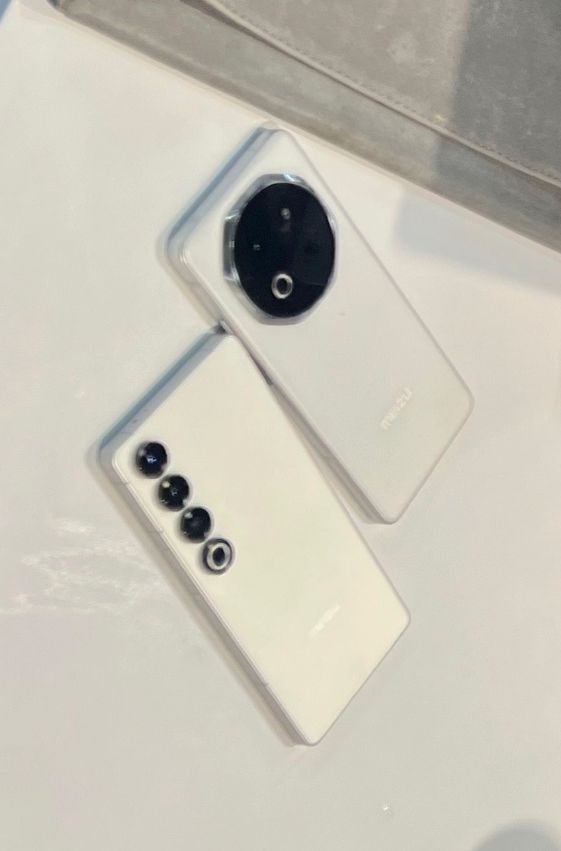
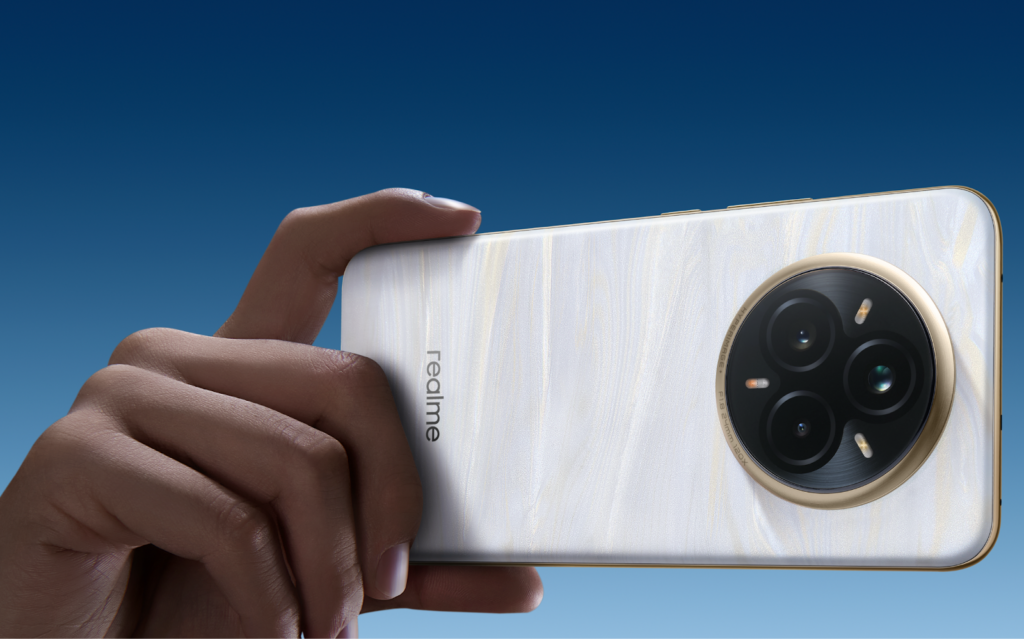
In the above image, a mystery device flaunting a new design can be seen placed beside the Meizu 21. The handset sports a white rear panel with an octagonal camera module featuring a round camera island inside. It is equipped with three cameras and an LED ring flash. This marks a significant shift from the Meizu 21’s vertically aligned triple-camera setup.
Meizu unveiled the Meizu 21 with the Snapdragon 8 Gen 3 chip in November 2023. It was followed up with the Meizu 21 Pro, powered by the same chip, in February 2024. It is likely that the Meizu 22 lineup may include two models, such as the Meizu 22 and 22 Pro.
A closer look at the alleged Meizu 22
While the Meizu 22 was expected to launch in November 2024, the company did not unveil it. A report that surfaced in December revealed that the Meizu 22 series will launch this year with the Snapdragon 8 Elite chip onboard.
There’s a possibility that the Meizu 22 could be a compact phone with a small display, whereas the Pro edition may sport a larger display. Additionally, the front panel is set to maintain the brand’s classic white bezels. Now that the brand has reportedly teased the Meizu 22, it is likely that the 22 lineup may go official in the second quarter of this year in China.
The standard version could be priced around 4,000 Yuan (~$550), whereas the Pro model may cost around 5,000 Yuan (~$690). The phones are expected to introduce satellite communication and AI-driven enhancements, further improving user experience.
For more daily updates, please visit our News Section.
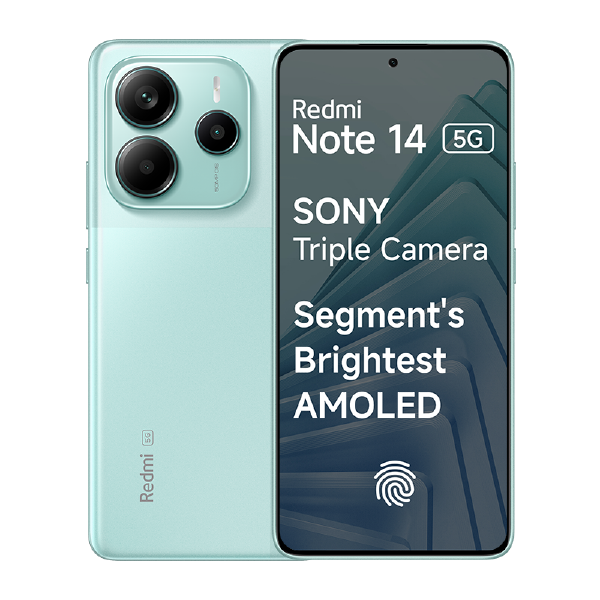
Redmi is offering a discount for a popular Note series model as a part of the Xiaomi Holi offer. The Redmi Note 14 5G is getting a limited time discount in the Indian market. To recall, the mid range smartphone launched back in December 2024, so here are its updated pricing details.
Redmi Note 14 5G Holi Discount
The Chinese tech giant has just revealed the new Xiaomi Holi offer for the Redmi Note 14. For those unaware, this model starts from 18,999 INR for the 6GB + 128GB variant, while the 8GB + 128GB and 8GB + 256GB options cost 19,999 INR and 21,999 INR respectively. For the Holi offer, the Redmi Note 14 is getting a 1,000 INR price drop. Alongside this update, the brand is also offering an instant bank discount of 1,000 INR on select bank cards.
Redmi Note 14 5G
So you’re effectively getting a 2,000 INR discount which brings the price down to 16,999 INR, 17,999 INR, and 19,999 INR. The Redmi Note 14 5G arrives in four color options, namely Phantom Purple, Titan Black, Mystique White, and Ivy Green. It is unclear if this price drop is permanent. The device sports a tall 6.67-inch AMOLED display with an FHD+ resolution, a 120Hz refresh rate, HDR10+, TUV Rheinland certification, and 2100 nits of peak brightness.
Under the hood, the model is equipped with the MediaTek Dimensity 7025 Ultra SoC. A large 5,110mAh battery pack powers this device, which supports 45W wired fast charging. For photography, the rear has a 50MP triple camera setup, while the front houses a 20MP selfie shooter. Other notable features include an in-display fingerprint scanner, an IP64 rating for splash and dust resistance, and stereo speakers with Dolby Atmos support.
For more daily updates, please visit our News Section.
In January, Realme unveiled the Realme 14 Pro and 14 Pro+ smartphones in India. The Pro+ variant was announced in three options: 8GB+128GB, 8GB+256GB, and 12GB+256GB. The brand has now introduced the fourth configuration of the device with 512 GB of storage. Here’s a look at the price and offers for those interested in purchasing the new variant.
Realme 14 Pro+ 512GB variant’s price
Realme 14 Pro Plus
The Realme 14 Pro+ 5G’s new variant with a 12GB+512GB configuration is priced at Rs 37,999 (~$435). After applying the Rs 3,000 bank offer, the new variant can be bought for Rs 34,999. Its first sale will begin at 12pm (local time) on March 6 via Flipkart, Realme India’s website, and offline stores.
The existing 14 Pro+ variants, such as 8GB+128GB, 8GB+256GB, and 12GB+256GB are priced at Rs 29,999 (~$345), Rs 31,999 (~$370), and Rs 34,999 (~$400), respectively. While the device comes in three shades, such as Pearl White, Suede Grey, and Bikaner Purple, the new 12GB+512GB variant can be bought in white and grey options only.
Realme 14 Pro+ specifications
The Realme 14 Pro+ has a massive 6.83-inch quad-curved AMOLED panel that supports a 1.5K resolution, a 120Hz refresh rate, and an in-screen fingerprint sensor. The device runs on Realme UI 6-based Android 14 and features the Snapdragon 7s Gen 3 chip onboard.
The 14 Pro+ has a 32-megapixel front-facing camera. Its rear camera setup includes a 50-megapixel Sony IMX896 primary camera with OIS support, an 8-megapixel ultra-wide lens, and a 50-megapixel Sony IMX882 periscope telephoto camera with 3x optical zoom. The device comes with other features, such as LPDDR4x RAM, UFS 3.1 storage, a 6,000mAh battery with 80W fast charging, and an IP68/69-rated chassis.
For more daily updates, please visit our News Section.
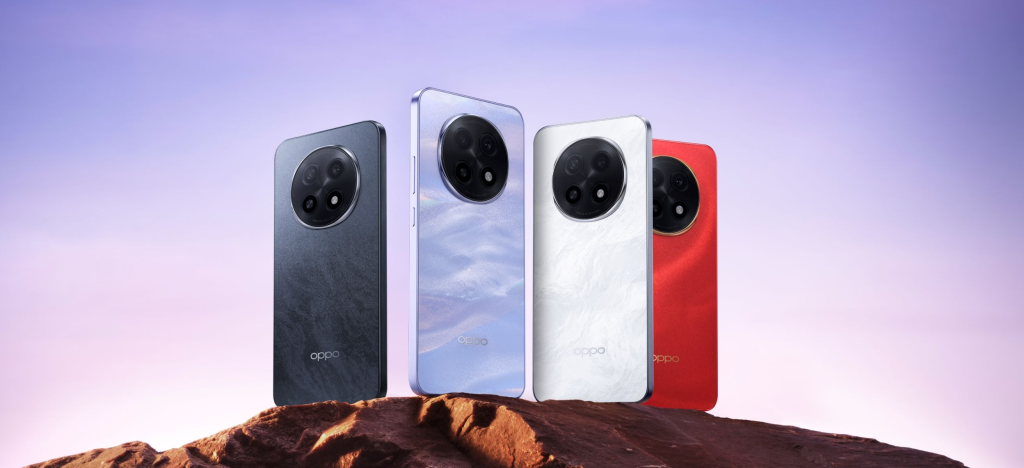
In December 2024, an Oppo smartphone with model number CPH2705 was approved by India’s BIS certification platform. Earlier this week, it was revealed through the Bluetooth SIG certification that the CPH2705 will be called the Oppo F29 Pro 5G when it hits the market. A new leak, courtesy of tipster Sudhanshu Ambhore, has revealed the key specifications of the F29 Pro.
Oppo F29 Pro 5G key specifications tipped
Oppo A5 Pro
According to the tipster, the Oppo F29 Pro 5G will be equipped with a 6.7-inch quad-curved AMOLED screen that offers an FHD+ resolution and a 120Hz refresh rate. Under the hood, the device will feature the Dimensity 7300 chipset, paired with LPDDR4x RAM and UFS 3.1 storage.
The F29 Pro will house a massive 6,000mAh battery with 80W fast charging support. For security, it will feature an in-screen fingerprint scanner. Finally, the leak mentions that the device will run on ColorOS 15-based Android 15. It will arrive with a 16-megapixel selfie camera and a 50-megapixel + 2-megapixel dual-camera setup.
Last year, Oppo launched two F-series phones, namely the Oppo F27 and F27 Pro+, skipping the Pro version. The F27 Pro+ was a rebranded version of the China-exclusive Oppo A3 Pro. The leaked specs of the F29 Pro suggest that it could be a rebadged version of the Oppo A5 Pro, which went official in December 2024 in China.
As of this writing, there is no clarity on whether the brand will add more devices to the F29 series after the F29 Pro. Hopefully, upcoming reports will shed more light on this in the coming days. As for the Oppo F29 Pro 5G, it is expected to launch later this month or in April in India.
For more daily updates, please visit our News Section.
In April 2024, Vivo unveiled the Vivo Y200i in China. The phone came equipped with a 6.72-inch IPS LCD 120Hz FHD+ display, a Snapdragon 4 Gen 2 chip, a 50-megapixel dual-camera setup, and a 6,000mAh battery with 44W fast charging. Today, the brand confirmed that it will unveil its successor edition, the Vivo Y300i, on March 14 in China.
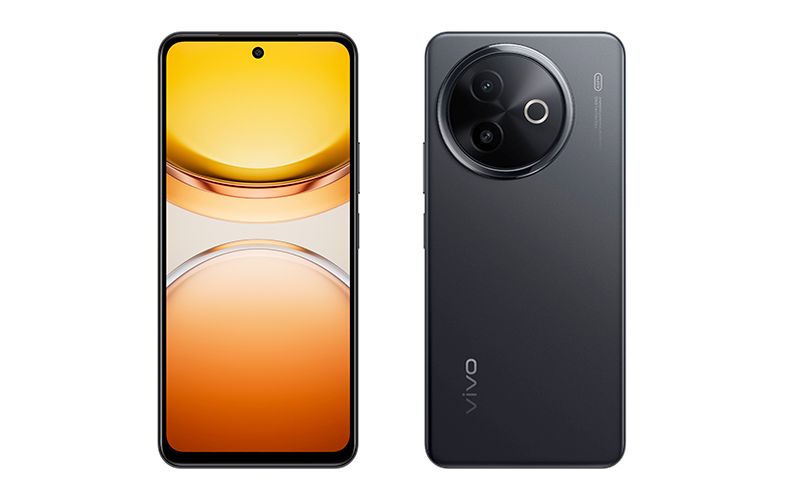
Vivo Y300i design teased
Vivo Y300i launch date
The official poster released by the brand gives a glimpse of its rear design, but it hasn’t shared any technical details about the Vivo Y300i. Recently, the smartphone was found listed in China Telecom’s product library, revealing its specifications and expected pricing.
Vivo Y300i specifications (rumored)
Vivo Y300i
The China Telecom listing revealed that the Vivo Y300i will house a 6.68-inch LCD panel with support for HD+ resolution. Under the hood, it will feature the same Snapdragon 4 Gen 2, which powers its predecessor.
The Y300i is expected to ship with up to 12 GB of RAM and 256 GB of internal storage. It will run on OriginOS-based Android 15 and may pack a 6,500mAh battery with 44W fast charging.
For photography, the Y300i may feature a 5-megapixel front camera and a 50-megapixel dual-camera setup on the back. It is expected to come with other features, such as a side-facing fingerprint scanner, NFC support, and an IR blaster.
The Y300i will be available in three shades: Ink Jade Black, Rime Blue, and Titanium. It may hit the Chinese market in three configurations, such as 8GB+256GB for 1,499 Yuan (~$205), 12GB+256GB for 1,699 Yuan (~$235), and 12GB+512GB for 1,799 Yuan (~$245).
For more daily updates, please visit our News Section.
Samsung has finally announced the rollout timeline of the stable version of One UI 7.0. The Android 15-based skin will begin reaching users in early April 2025.
One UI 7 will first reach the Galaxy S24 series, and then will be rolled out to older flagships and mid-range devices. Samsung has been preparing the beta builds for several flagship and midrange models recently, which include the Galaxy S23 series, Galaxy Z Flip 6, Galaxy Z Fold 6, and the Galaxy A55.
The Galaxy S24 series was the first to receive the One UI 7.0 beta update in December 2024, with three additional beta updates released since then. Samsung plans to release a few more beta updates before releasing the stable version. One UI 7 is reportedly built from scratch, which is said to be one of the reasons behind this delay in stable rollout.
Another reason behind the delay could be the AI features (at least for the flagships), most of which require cloud-based processing. This creates a need for a more robust infrastructure to support the functionalities for the vast number of devices. Nonetheless, there’s not much information on which AI features will be added to the older S and Z series flagships.
What’s new in One UI 7.0?
Apart from the AI features, One UI 7.0 brings a massive design overhaul, which includes a new Quick Panel UI, updated animations and transitions, fresh iconography, and the Now Bar, which displays ongoing activities. The updated animations are apparently much lighter than those in One UI 6.1 and can offer a much better visual experience, especially when you’re in a hurry.
The update also introduces a redesigned camera app with easier-to-access controls for more convenient one-hand use. Additionally, users can look forward to a new battery icon and charging animations.
Samsung might finally be ready to bring Exynos back to its flagship phones—if all goes according to plan.
After skipping the Exynos 2500 entirely for the Galaxy S25 series due to poor yield rates, a new report suggests the company is making an aggressive push to ensure the Exynos 2600 makes the cut for the Galaxy S26 lineup.
Samsung has a dedicated task force for Exynos 2600
According to FNNews, Samsung has formed a dedicated task force to optimize Exynos performance and production. The new chip is expected to be built on Samsung’s 2nm “SF2” process, and insiders claim it has already shown significantly improved yield rates compared to its ill-fated predecessor.
Samsung is reportedly targeting chip’s mass production by May, though the final decision on whether it will power the Galaxy S26 series won’t be made until the end of the year.
Samsung’s semiconductor division is splitting responsibilities for the chip—its System LSI Business Unit is handling design, while the Foundry Business Unit is taking care of production.
An insider told FNNews that Samsung’s foundry yields are “showing signs of stabilizing to a certain extent,” but there’s a sense of urgency within the company. According to the report, some within the Foundry Business Unit see this as a make-or-break moment for Exynos.
The failure of the Exynos 2500 left Samsung entirely reliant on Qualcomm’s Snapdragon 8 Elite for the Galaxy S25 series, and the company likely doesn’t want to repeat that scenario.
For years, Samsung has insisted on keeping Exynos alive, even when its chips have struggled to match Qualcomm’s offerings. Now, with a more refined process and a dedicated team, the Exynos 2600 could be Samsung’s best chance yet at delivering a truly competitive flagship chip. But with the clock ticking, the pressure is on to prove that Exynos is ready for primetime again.
Mobile World Congress (MWC) Barcelona features the best of consumer tech from all around the world. Interestingly, some of the coolest products that you see at the event are concepts, which showcase the possibilities and the direction that smartphone and consumer brands will move towards in the coming years.
Brands like Lenovo and even Tecno have showcased their concepts before, but we have a few more additions this year, and its not about foldable screens (its mainstream now after all) anymore.
So here were the coolest products that I saw at MWC 2025.
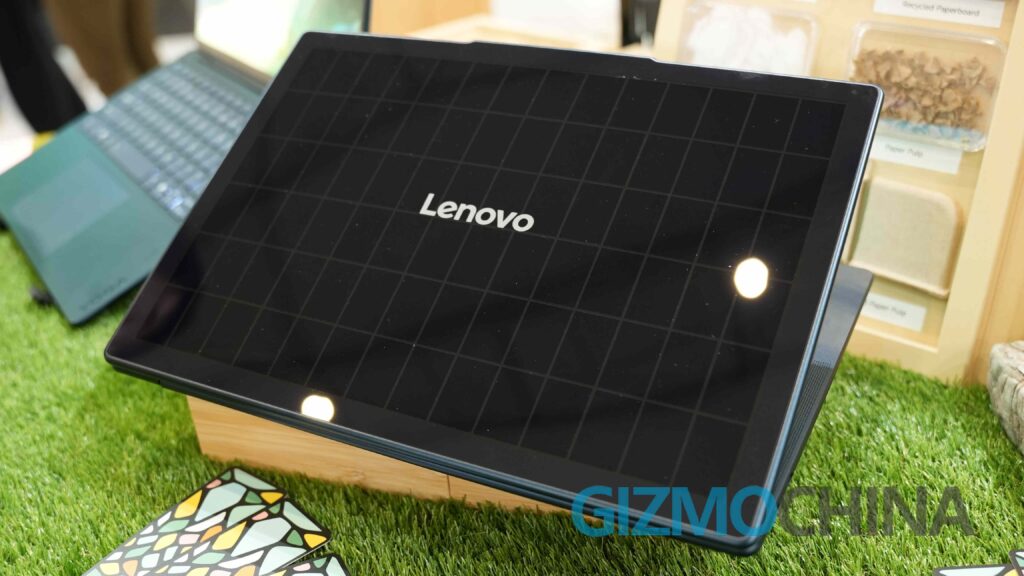
Lenovo Solar Charging Laptop
Every year Lenovo showcases something cool at MWC, and this year was no different, with the company featuring a rollable laptop, a foldable laptop, and a solar laptop at its booth.
To be honest, we have seen rollables, foldables before, even in the laptop category, and while they are cool, what really caught my attention was the solar charging laptop.
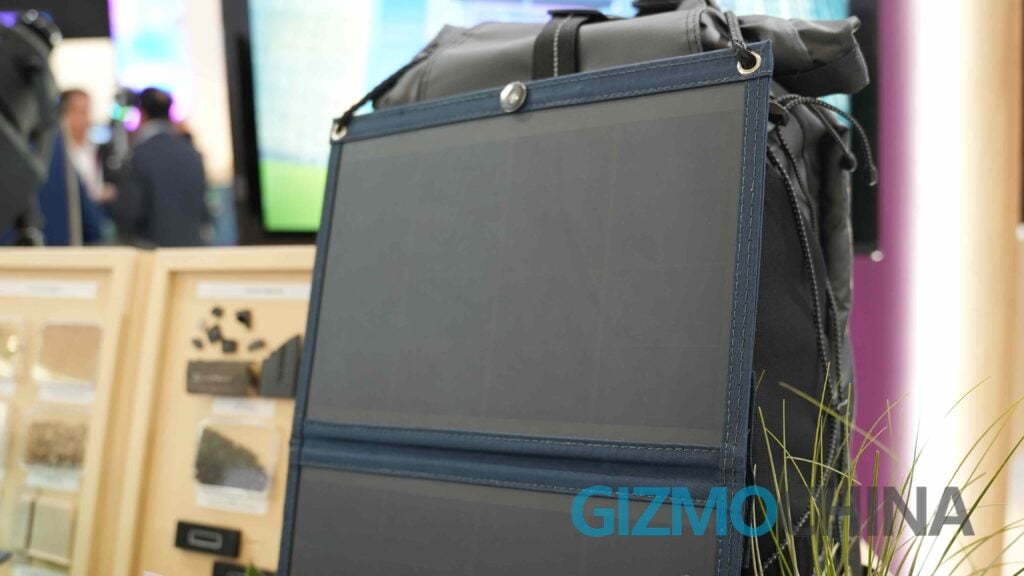
Lenovo’s solar-powered laptop features solar panels on the outside, which helps charge the device under sunlight. It works outdoors as well as indoors, given enough reflective sunlight. Lenovo claims you can get up to 1 hour of video in just 20 minutes of charging.
The fact that this is possibly coming to stores next year makes it a really cool product that I’m looking forward to.
Note that black is not the only color option that could be available, as Lenovo seems to be testing different colors too.
This concept model features pins that lock and connect the add-on lens to the smartphone camera, treating the accessory as a part of its traditional camera setup. Imagine the possibilities such a design would bring to phones, enhancing the already versatile camera setup of new-age devices.
Unfortunately, we don’t know if this will ever make it to the market, but wouldn’t it be cool to change the lens on your smartphone depending upon your requirement?
Pet smartphone
While this device might seem extravagant to some, pet enthusiasts would disagree. For many pet owners, their furry companions are as cherished as children, making a collar phone that enables direct connection not just reasonable but essential for peace of mind.
The pet phone provides two-way interaction, much like any other smartphone, along with AI health monitoring and GPS positioning. What’s really cool is that pets can potentially initiate a call using predetermined gestures.
How well does it work in real life? I couldn’t test it, but the idea was definitely promising
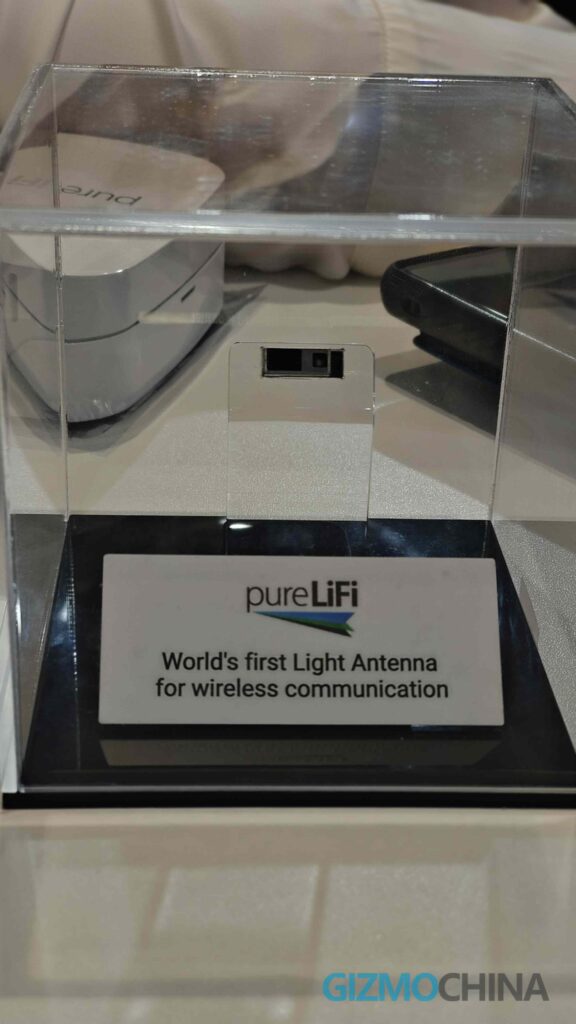
LiFi getting closer to Commerical Launch
LiFi allows low latency, extremely high-speed transfer of data to devices in direct line of sight. This relatively new technology will soon be in commercial devices, including smartphones.
For those who don’t know, LiFi is like Wi-Fi but faster, more secure (due to its limitations), and provides better latency too.
LiFi is not going to replace your Wi-Fi setup, but it will complement it. Imagine LiFi as a solution that’s as good as wired solutions but without the clutter. So LiFi could power and connect your devices indoors, even ones requiring higher bandwidth and lower latency, in a true wireless manner. To give you some perspective, imagine an LED light bulb in your room, providing up to 224 Gbps of data speed. That’s way faster than traditional Wi-Fi.
At MWC 2025, I checked out LiFi and their prototype smartphone with the LiFi module and saw the technology in action.
The commercialization will take a few more years, but pureLiFi is already talking to carriers and consumer tech brands to integrate their receiver into smartphones.
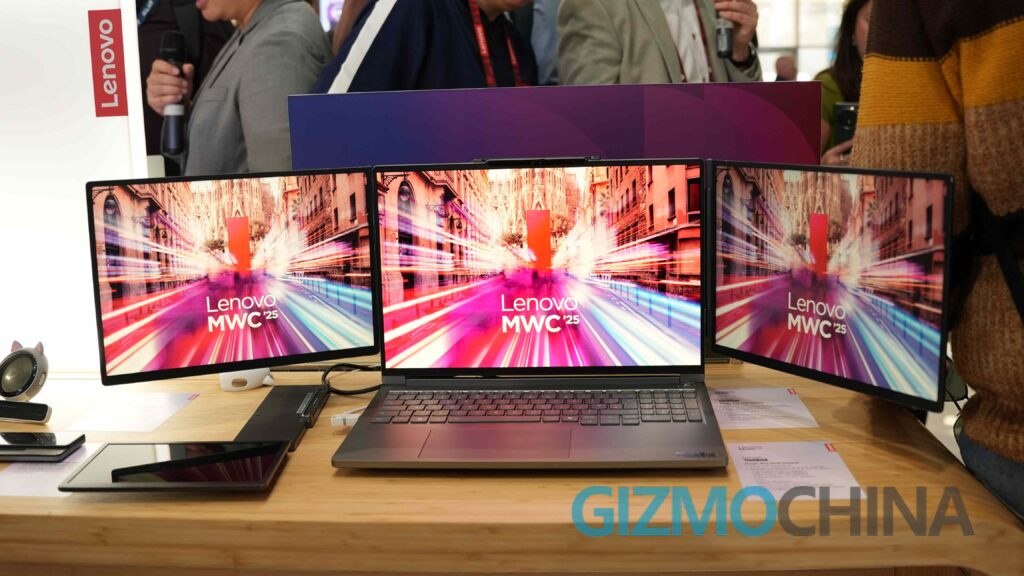
Lenovo Magic BayAccessories
The Lenovo Magic Bay is one of the most practical concepts that I saw at the event this year and would probably love to have on my Macbook too.
The idea is pretty simple. You have magnetic pogo pin connectors on the back of your laptop, which allows you to add a bunch of accessories like displays, AI assistant companion hardware, and so on.
Lenovo showcased two concept accessories that utilized this pogo connector, one small add-on display that pops up right on top of the existing screen, and another concept with two 13.3-inch dual displays, adding 3 screens in total to the Thinkbook model.
Tecno Spark Slim
Are slim smartphones cool again?
10 years ago, there was a phase when slim smartphones became extremely popular. These phones flaunted their sleek looks at the cost of a small battery, but eventually brands realized that people prefer a phone that lasts a day than one that goes dead in a few hours.
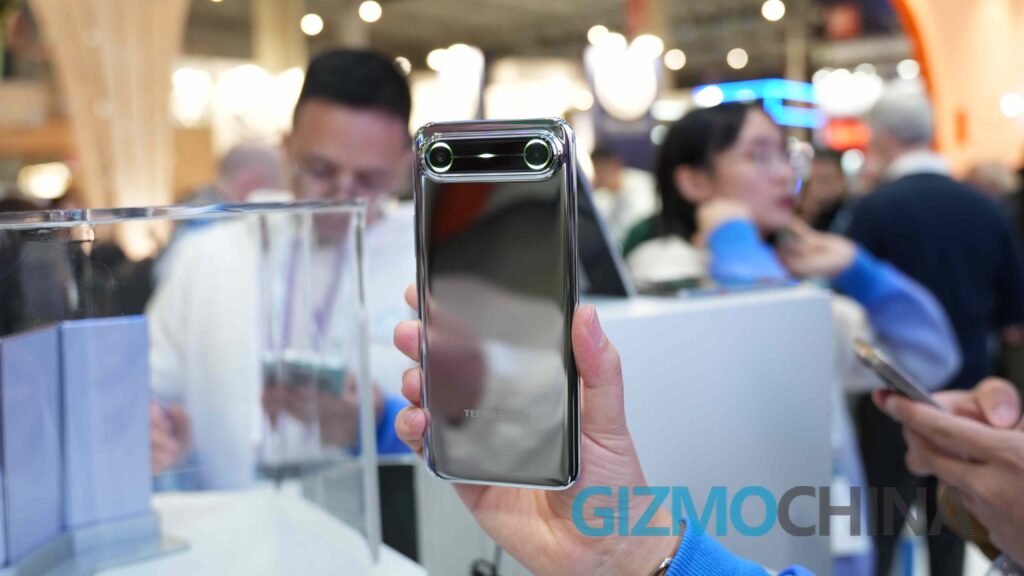
This year, Tecno decided to spin off its own version of the slim phone concept at MWC 2025, bringing an impressive 5200mAh battery in a super slim 5.75mm design. The smartphone concept looked pretty chic and curvy, and I’m sure there will be a section of the population who would love to grab hold onto a device like this for their daily use.
Doogee V Max Play
Is it a smartphone or is it a projector? Or is it both?
Well, in the case of the Doogee V Max Play, its both!
The phone features a gigantic 22000mAh battery and is thick as a brick. But you get a projector on the go, ensuring your gaming or movie sessions are never limited by the small screen.
The quality isn’t the best, but if you project it over a small area, it’s definitely usable.
Meizu StarV Air 2
Meizu is back, now under the umbrella of DreamSmart. But this time around, I was more excited about their glasses than smartphones.
The glasses, which I could try out for some time at their booth, offered live translation, navigation, and even a teleprompter, which worked in real time.
The glasses look like any other regular specs, which means the person in front of you would be pretty amazed when you can understand different languages or even present a flawless presentation without missing a single word.
After various rumors and reports, Tesla is finally arriving in the Indian market. The company is bringing its popular electric vehicles to the region soon, with a fresh report revealing the major cities where these cars would make their Indian debut. So let’s check it out.
Tesla’s first showroom might be in BKC, Mumbai
The American EV maker is reportedly planning on opening its first showrooms in both Mumbai and Delhi, two metropolitan cities in India (Via MySmartPrice). Tesla has even secured a 4,000 square foot space on the ground floor of the Bandra Kurla Complex (BKC) in Mumbai. This showroom will host Tesla’s official Indian debut. After the Mumbai reveal, the brand also has plans to open another flagship showroom in Delhi’s Aerocity.
Tesla Model 3
Unfortunately, the exact region of the Delhi showroom is still unclear. This news also arrives after Elon Musk (Tesla CEO) met with Indian Prime Minister Narendra Modi. Tesla apparently has plans to make its EVs more affordable in India. While its cheapest Tesla Model 3 starts from 40,000 US Dollars, rumors hinted at the brand working on a 25,000 US Dollar model for the Indian market. This roughly translates to about 22,00,000 INR (or 22 lakh INR).
With Tesla entering the Indian EV segment, the entire industry can expect a big impact with the brand bringing cutting edge technology like the autopilot feature. Although, it remains to be seen how the company implements most of these features. Tesla is expected to be planning local manufacturing and could be in talks with the Indian government. But the initial models would likely be imported from China.
For more daily updates, please visit our News Section.
Apple just unveiled the 7th Gen iPad Air with the M3 chipset earlier today (4th March 2025). But this model wasn’t alone as the brand also released a new base iPad that arrives with a more affordable price tag. So here are all the details.
Apple iPad Specs
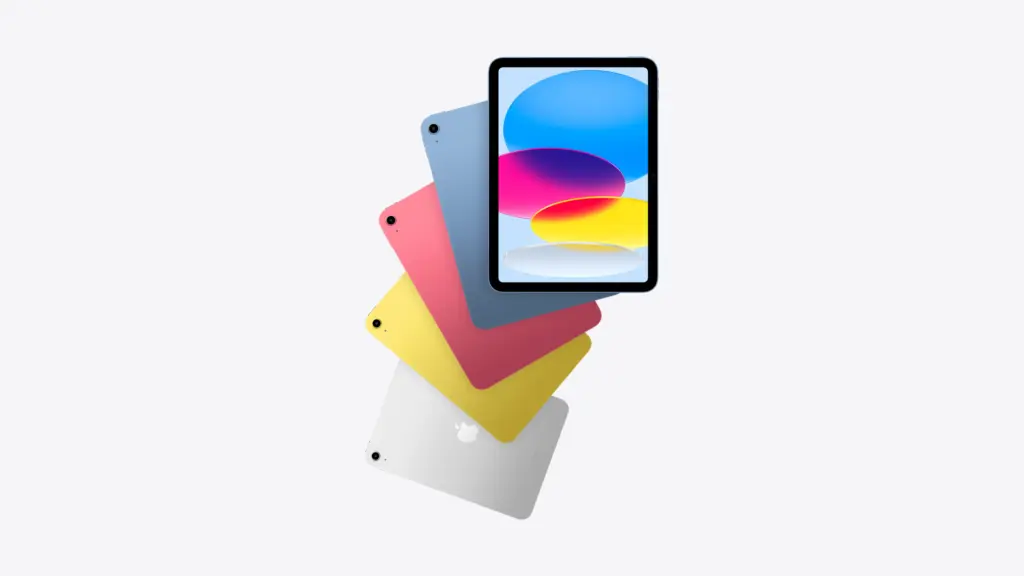
The latest generation of Apple iPad sports a 10.9-inch Liquid Retina display that offers 500 nits of peak brightness. Under the hood, the base model skips the M series chips for an older Apple A16 processor, which is a 5 core CPU with 4 GPU cores and 16 Neural Engine cores. It is offered in three storage variants and runs on the iPadOS 18 out of the box.
Apple iPad
Similar to the iPad Air, the vanilla Apple iPad has a 12MP on the rear and a 12MP on the front. It measures just around 480 grams in weight and 7mm in terms of thickness. This houses a 28.6Whr battery pack, which promises up to 10 hours of battery life for surfing the web on WiFi. Other notable features include stereo speakers, dual microphones, Bluetooth 5.2, and Touch ID.
Pricing and Availability
Apple announced the new iPad in four color options, namely Pink, Silver, Yellow, and Blue. It is also available in a WiFi only and cellular compatible option and three storage configurations as well. So here are its pricing.
iPad (WiFi Only)
128GB – Rs 34,900
256GB – Rs 44,900
512GB – Rs 64,900
iPad (WiFi + Cellular)
128GB – Rs 49,900
256GB – Rs 59,900
512GB – Rs 79,900
Buyers can also buy the Smart Folio and Magic Keyboard Folio for the iPad for Rs 8,500 and Rs 24,900 respectively. Th tablet has been announced across the globe and will be available through the brand’s official store and Apple authorized retailers.
For more daily updates, please visit our News Section.
Realme has officially unveiled its Interchangeable-Lens Concept smartphone at MWC 2025. The device, first teased a few days ago, was showcased alongside the company’s latest AI imaging technologies.
Interchangeable-lens concept: a step towards modular optics?
Unlike Apple and Samsung, Chinese smartphone makers have been trying to pack the best possible (often largest) optical equipment in their Ultra phones. But as you may have noticed, it has also increased the protrusion of the camera module by quite a bit. While the protrusion is said to be one of the biggest reasons why Samsung has yet to upgrade to larger sensors, it couldn’t prevent Realme and Xiaomi from experimenting.
Realme’s interchangeable-lens concept phone includes an additional custom Sony 1″ sensor with no integrated lens on top. The company showcased the prototype with two different lenses – a 73mm portrait lens and a 234mm telephoto lens. For context of the zoom range, the Galaxy S23 Ultra’s 10x telephoto lens has an equivalent focal length of 230mm. But what makes this prototype stand out is the high-quality lenses.
On top of that, this interchangeable-lens mechanism lets you capture zoomed shots from a 1″ sensor, which is rate for smartphones if not nonexistent. Not to mention, it lets you capture portraits on a smartphone with DSLR-like natural blur.
Nonetheless, Xiaomi experimented with this concept with the 12S Ultra concept phone back in 2022. The company has showcased an even crazier and more practical concept where the lens mount also includes the sensor, snaps like a MagSafe accessory, draws power from the phone, and sends the recorded data to that without you requiring to connect a single wire. You can learn more about Xiaomi’s latest development here.
We hope to see these two concepts turning into consumer products as they not only include some characteristic of a dedicated camera but also combine that with the AI-powered image processing, which even dedicated cameras lack.
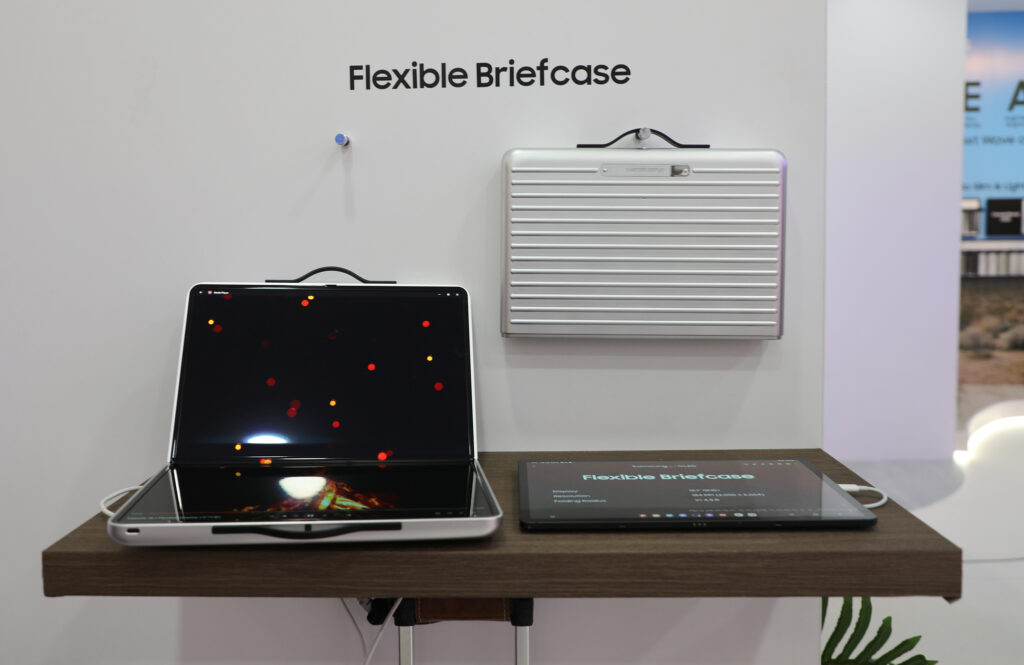
At MWC 2025, Samsung Display showcased its latest innovation: the “Flexible Briefcase”, a foldable laptop concept that doubles as a sleek briefcase. This unique device features an 18.1-inch QD-OLED display with a QHD+ resolution (2,000 x 2,664 pixels), which has a pixel density of 184 PPI.
While the Flexible Briefcase is still in the concept stage, it represents Samsung’s continued exploration for devices that utilize its foldable display tech.
The Flexible Briefcase stands out with its unconventional design, which integrates a briefcase-like housing complete with two handles that meet in the middle when the device is closed. The briefcase also houses integrated power and volume buttons, blending functionality with style.
Impressive display specifications for a laptop
When unfolded, the Flexible Briefcase boasts an 18.1-inch QD-OLED display. The prototype has a 4.5R folding radius, which reportedly ensures reliable operation of the foldable display. The display’s QHD+ resolution OLED with 184 PPI pixel density ensures sharp and vibrant visuals, though it’s slightly lower than the 212 PPI panel of the Galaxy Book4 Ultra.
Despite this slightly lower pixel density, the large screen size and the foldable mechanism make it stand out. This prototype indeed has the potential to become an appealing choice for creators, given it releases as a consumer product.
We have seen some other crazy concept laptops from other brands like Lenovo. One of them includes a solar panel, which can offer you 1 hour of video playback from 20 minutes of charging in direct sunlight. You can read more about this device here.
That said, these are just prototypes, and there’s no guarantee these concepts will hit the sleeves anytime soon. In fact, Samsung has been working on this foldable laptop concept for quite a while. The company patented a design back in 2022, where the laptop folds twice, and offered a glimpse of a concept (called Flex Note) that’s more similar to the Flexible Briefcase. The current prototype looks promising, and we hope it sees the light of the day as a consumer product.
Apple has just released the brand new iPad Air (7th Generation) models in the Indian market. The brand announced the 6th Gen iPad Air with the M2 chips last year, while the latest iPad Air 2025 pack the M3 chipset. So here are all the key details like its specs, pricing, and more.
Apple iPad Air (2025): Specs
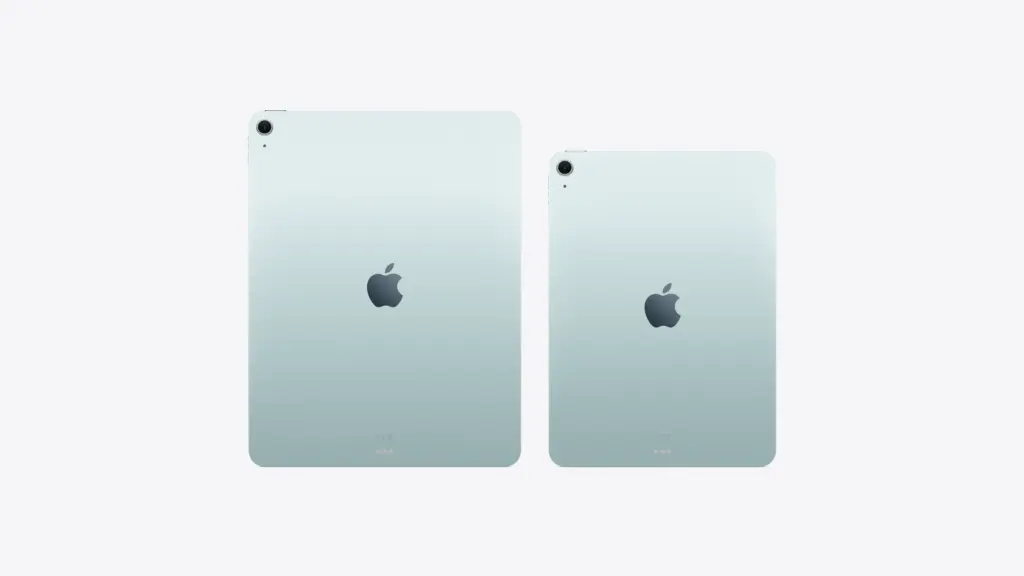
The Cupertino based giant introduced the latest iPad Air in two display size variants. You can buy the new tablets in an 11-inch (2360 x 1640 pixels) or 13-inch (2732×204 pixels) Retina True Tone display. Under the hood, it is equipped with the 8-core Apple M3 chip, which includes a 9-core GPU and 16 core Neural Engine. This processor is paired with 8GB of RAM and up to 1TB of internal storage.
Apple iPad Air with M3 Chip
For photography, users get a 12MP camera with 4K 60fps recording support, while the front houses a 12MP sensor for selfies and video calls. The new iPad Air runs on the iPadOS 18 out of the box. Other notable features include Touch ID on the top, USB 4, 5G or WiFi 6E variants, Thunderbolt 3 support, and Bluetooth 5.3.
Pricing and Availability Details
The new iPad Air is available for order on the brand’s official website. In India, you can also buy it from the Apple Store locations and its authorized resellers, with the first sales kicking off on March 12. So here are its pricing details.
iPad Air 11-inch (WiFi Only)
128GB – Rs 59,900
256GB – Rs 69,900
512GB – Rs 89,900
1TB – Rs 1,09,900
iPad Air 11-inch (WiFi + Cellular)
128GB – Rs 74,900
256GB – Rs 84,900
512GB – Rs 1,04,900
1TB – Rs 1,24,900
iPad Air 13-inch (WiFi Only)
128GB – Rs 79,900
256GB – Rs 89,900
512GB – Rs 1,09,900
1TB – Rs 1,29,900
iPad Air 13-inch (WiFi + Cellular)
128GB – Rs 94,900
256GB – Rs 1,04,900
512GB – Rs 1,24,900
1TB – Rs 1,44,900
Users can even buy the Smart Folio for both the 11 and 13 inch models for Rs 8,500 and Rs 10,900 respectively.
For more daily updates, please visit our News Section.
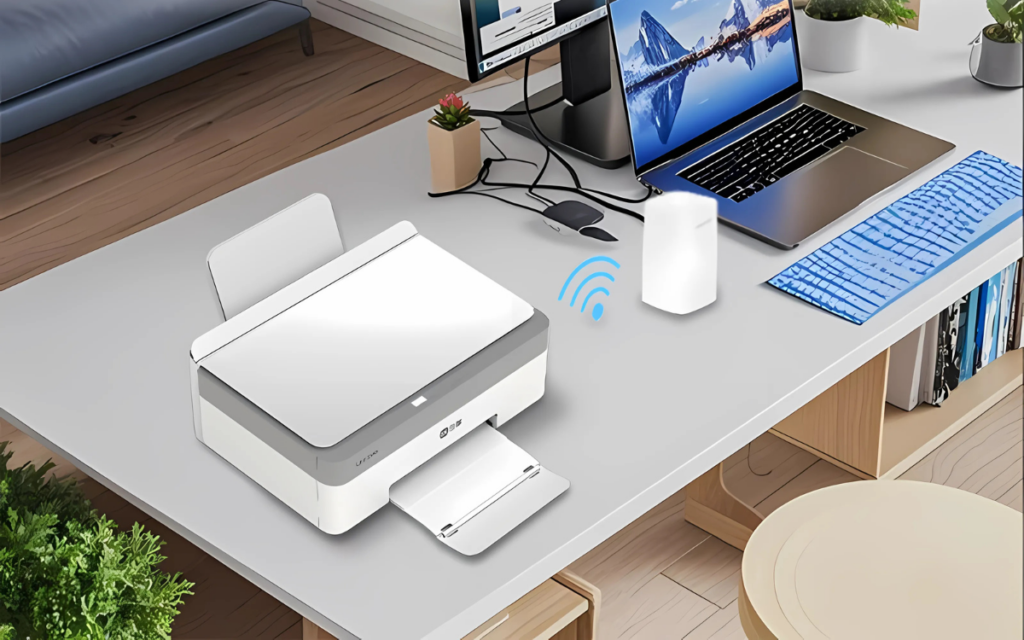
Lenovo has introduced the Xiaoxin Whale color inkjet multifunction printer in China, now available for purchase at a first-sale price of 899 yuan (~$125) on JD.com. Let’s check out its key specs.
Lenovo Xiaoxin Whale Printer Specifications
The Xiaoxin printer offers a three-in-one functionality that includes printing, copying, and scanning. It features full-color printing capabilities, making it an ideal choice for families needing a versatile and cost-effective printing solution.
It comes with seamless connectivity options, including dual-band Wi-Fi (2.4GHz and 5GHz) for stable and fast wireless connections. The printer supports multiple devices and users simultaneously, ensuring effortless printing from smartphones, tablets, and computers.
It also offers a hassle-free connection with Lenovo’s multi-device ecosystem, allowing users to link their Lenovo accounts across different devices without the need for repeated pairing.
It equips a user-friendly interface with one-touch printing through WeChat, making it convenient for parents and students. Even when away from home, users can remotely print school assignments and other documents with ease. The printer also supports direct USB connections, offering a wired alternative for those who prefer traditional connectivity.
It sports an efficient printing system with ultra-low-cost operation. The printer delivers a high page yield, capable of printing up to 7,000 pages per ink refill for both black-and-white and color prints. The cost per page is impressively low, with black-and-white prints costing less than 1 cent per page and color prints costing less than 3 cents per page. The ink system uses Lenovo’s self-developed micro-molecule dye ink, which prevents clogging and ensures vibrant, long-lasting prints.
It features multi-size photo printing, supporting formats from 6-inch photos to A4-sized prints. Whether printing family photos or standard documents, the printer ensures high-quality results. Additionally, the device operates smoothly with both Windows and macOS systems, providing broad compatibility.
The company also introduced the Yoga 7 laptops recently with 2.8K OLED displays and Ryzen AI processors, along with the Yoga Solar PC concept, which offers an hour of video playback from just 20 minutes of sunlight.
For more daily updates, please visit ourNews Section.
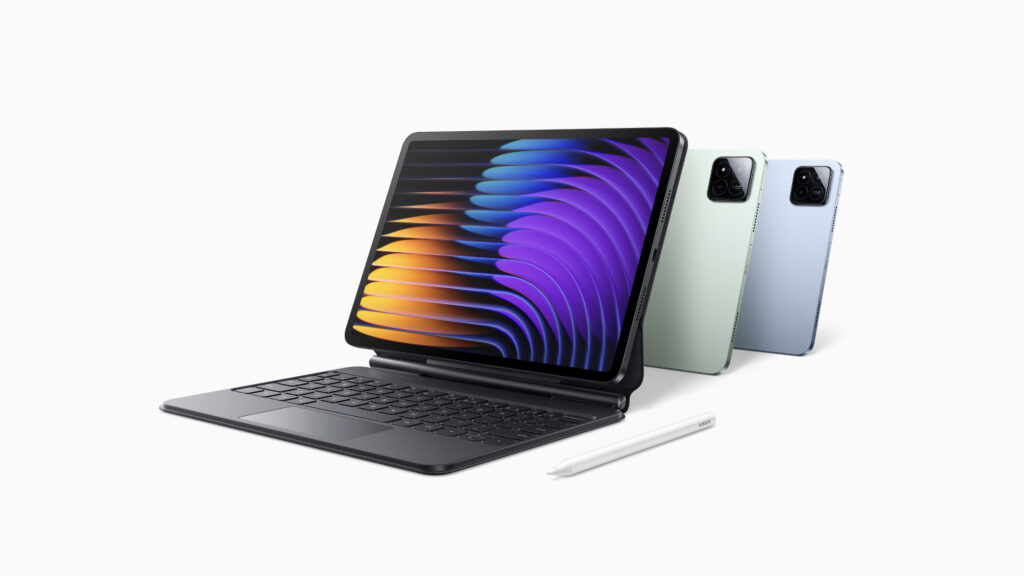
At the ongoing Mobile World Congress 2025 event in Barcelona, Xiaomi unveiled its Pad 7 series tablets alongside the Xiaomi 15 series smartphones. The lineup includes two tablet models: the Xiaomi Pad 7 and the Pad 7 Pro. These devices were launched in China back in October 2024.
Xiaomi Pad 7 series features
Both tablets feature an 11.2-inch 3.2K display with a 144Hz refresh rate, 345 ppi resolution, and support for 68 billion colors. The screen is TÜV Rheinland-certified for reduced eye strain and includes adaptive HDR. Weighing 500g and measuring 6.18mm thick, the devices are paired with quad Dolby Atmos speakers.
Performance & AI Tools The tablets run Xiaomi HyperOS 2, which integrates AI-driven tools such as AI Writing, AI Speech Recognition, and AI Art via Mi Canvas. An AI Calculator handles complex equations. HyperConnect enables cross-device functionality, allowing users to run two smartphone apps on the tablet, share files via NFC, or use smartphone and tablet cameras simultaneously for multi-angle content. A workstation mode provides a desktop-like interface with resizable apps and floating windows.
Pro vs. Standard Models The Pad 7 Pro uses Qualcomm’s Snapdragon 8s Gen 3 processor, a 32MP front camera with always-on capabilities, and a 50MP rear camera. It supports Wi-Fi 7 and includes an 8850mAh battery with 67W fast charging (0-100% in 79 minutes). A side-mounted fingerprint sensor is included.
The standard Pad 7 has a Snapdragon 7+ Gen 3 chip, a 13MP rear camera, and an 8MP front camera. It supports Wi-Fi 6E and charges via 45W power (0-100% in 103 minutes). Both models use aluminum unibody designs.
Accessories & Pricing
Accessories include the Focus Keyboard with backlit keys, the Focus Pen (8192 pressure levels, low latency), and protective covers. The Pad 7 starts at €399 with three storage options; the Pro begins at €499. Color choices for both include Blue, Gray, and Green.
Elista has just announced two new SSDs in the Indian market. The brand has released two SSDs that promise to offer high speeds and durable storage. These were designed for modern users who would need it for gaming or even professional use. So here’s everything you need to know.
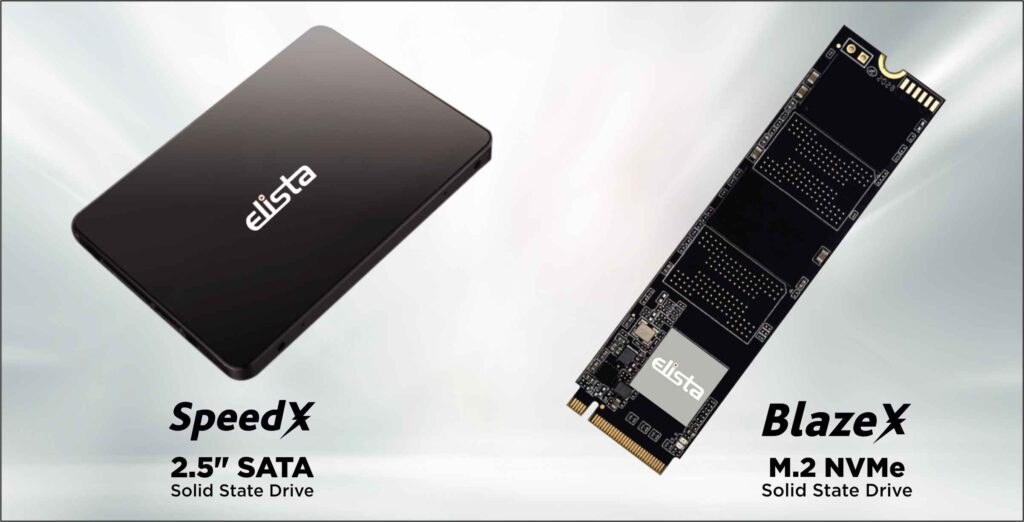
Elista ELS SATA 2.5” and ELS PCIe M.2 NVMe SSDs
The company unveiled the Elista ELS SATA 2.5” and ELS PCIe M.2 NVMe SSDs. Elista is known for various consumer electronics like smart TVs, air conditioners, washing machines, and others. Now, it is targeting the PC segment with the new SSDs. The ELS SATA 2.5″ SSD is built using 3D NAND technology for reliable and power efficient performance. Meanwhile, the ELS PCIe M.2 NVMe SSD is a faster SSD that uses a PCIe Gen 3.0×4 interface and an advanced SMI controller. It also arrives with a low power consumption design and promises to be great for video editing, gaming, and high end computing.
Elista ELS SATA 2.5” and ELS PCIe M.2 NVMe SSDs
According to Saket Gaurav, Elista Chairman and Managing Director “Whether for work, gaming, or content creation, faster and more reliable storage is essential. At Elista, we are committed to delivering cutting-edge technology that enhances user experiences. Our new SSD range is designed to offer superior performance, energy efficiency, and reliability—empowering consumers with world-class storage solutions at accessible prices. With this launch, we aim to bridge the gap between affordability and high-end performance, reinforcing our position as a brand that caters to the evolving digital lifestyle of tech-savvy consumers of India.”
Elisa is set to release the ELS SATA SSD and ELS PCIe NVMe SSD in India from its official authorized retail partners. Both models come with 5 year warranty, promising long term reliability. This launch also marks Elista’s expansion in the technology segment.
For more daily updates, please visit our News Section.
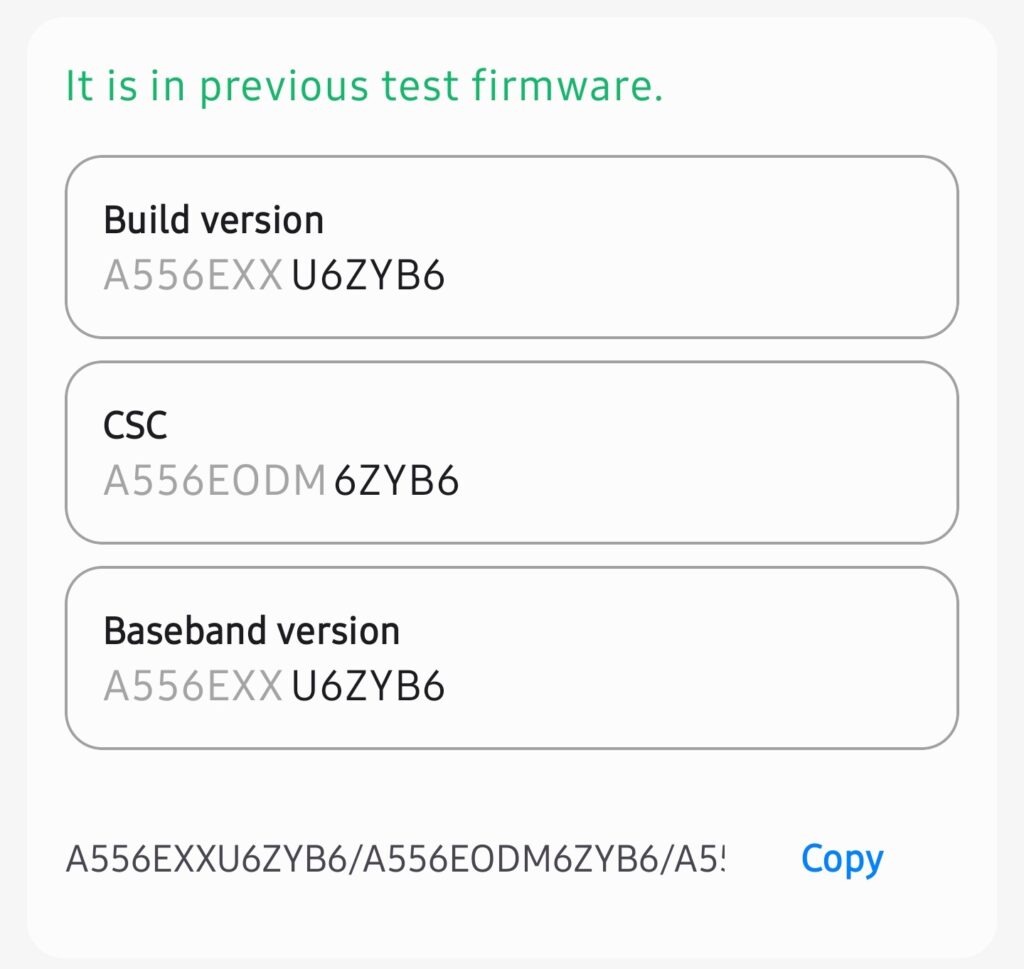
Samsung is reportedly expanding its One UI 7 Beta Program to include the Galaxy A55, following its initial rollout for the Galaxy S24 series. A recent leak by tipster Tarun Vats on X reveals that the beta version of Android 15-based One UI 7.0 for the Galaxy A55 has been spotted on Samsung’s server. It suggests that the model soon get access to One UI 7 beta, which is great news for its users.
Samsung Galaxy A55
Beta firmware spotted on the company’s test server
The leaked firmware, with the build number A556EXXU6ZYB6, is for the international version of the Galaxy A55, which suggests that the beta program could be available in multiple countries. Additionally, Samsung has created a dedicated page on its forum for the One UI Beta Program for the Galaxy A55, further fueling speculation about the beta’s release.
While the forum page does not explicitly mention One UI 7.0, it is highly likely that One UI 7 beta (for Galaxy A56) is based on Android 15. The Galaxy A55 launched with Android 14-based One UI 6.1.
Samsung’s rollout of Android 15-based One UI 7.0 has already been delayed by nearly two months compared to previous years. The company claims that the delay is due to major improvements being incorporated into the new software. However, this delay could have a ripple effect, potentially causing Samsung to skip One UI 7.1 and One UI 7.1.1 to ensure the timely release of Android 16-based One UI 8.0.
And for those who are using the phone as a daily driver and are not willing to install a beta software, a stable rollout for this model isn’t coming any time soon. According to a previous report, the One UI 7 beta build for the S23 lineup has also been spotted on test servers, and it won’t receive the stable update before April. So Galaxy A55 users should expect the stable rollout sometime in April, if not in May.
And for those looking for a smartphone upgrade and interested in the Galaxy A series, check out the newly launched Galaxy A56. It’s based on Android 15, and you get One UI 7 out of the box.
Among the various changes Apple brought to the new “budget” iPhone 16e model, there have also been upgrades in terms of its overall repairability as well. These updates to the design arrive from a teardown video shared by iFixit. So here are all the details.
Apple iPhone 16e improves on repairability
The Cupertino based giant’s products were known for their difficulties in repair. Apple had been notorious for cracking down on third party and self repairs in the past. It has made strides in this regard with its recent models, especially in the iPhones. Now, the iPhone 16e is continuing to improve with hardware design elements like an “electrically released adhesive”. This was first seen on the iPhone 16 and iPhone 16 Plus.
Apple iPhone 16e
In other words, the technology helps make battery replacement easier than before. iFixit demonstrated this by using its VoltClip at 12V, freeing the battery in just 5 seconds. This is also a lot better than the stretch release adhesives that can break off when prying the battery off. In the teardown video, iFixit also noted that they didn’t face any issues with parts pairing, meaning that Apple has loosened software restrictions as well. This is clear progress in the Right to Repair.
To recall, the iPhone 16e also debuted the brand’s C1 model which was also revealed in this teardown video. Apart from this, iFixit gave the device a repairability score of 7 out of 10. They stated that the repairability matches the other iPhone 16 series models as well. Although, iFixit said it’s hard to justify it as an upgrade owing to its price hike and suggests buying refurbished.
For more daily updates, please visit our News Section.
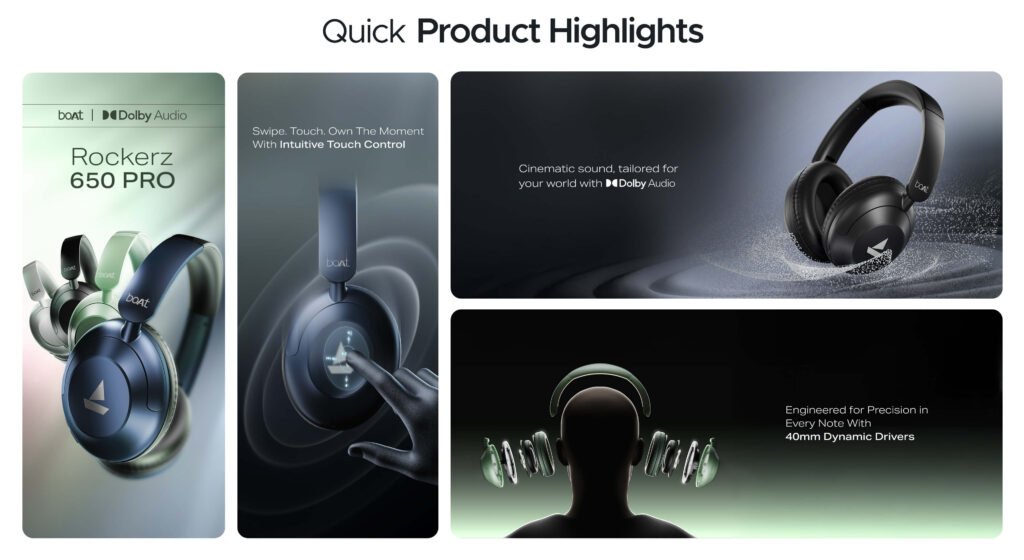
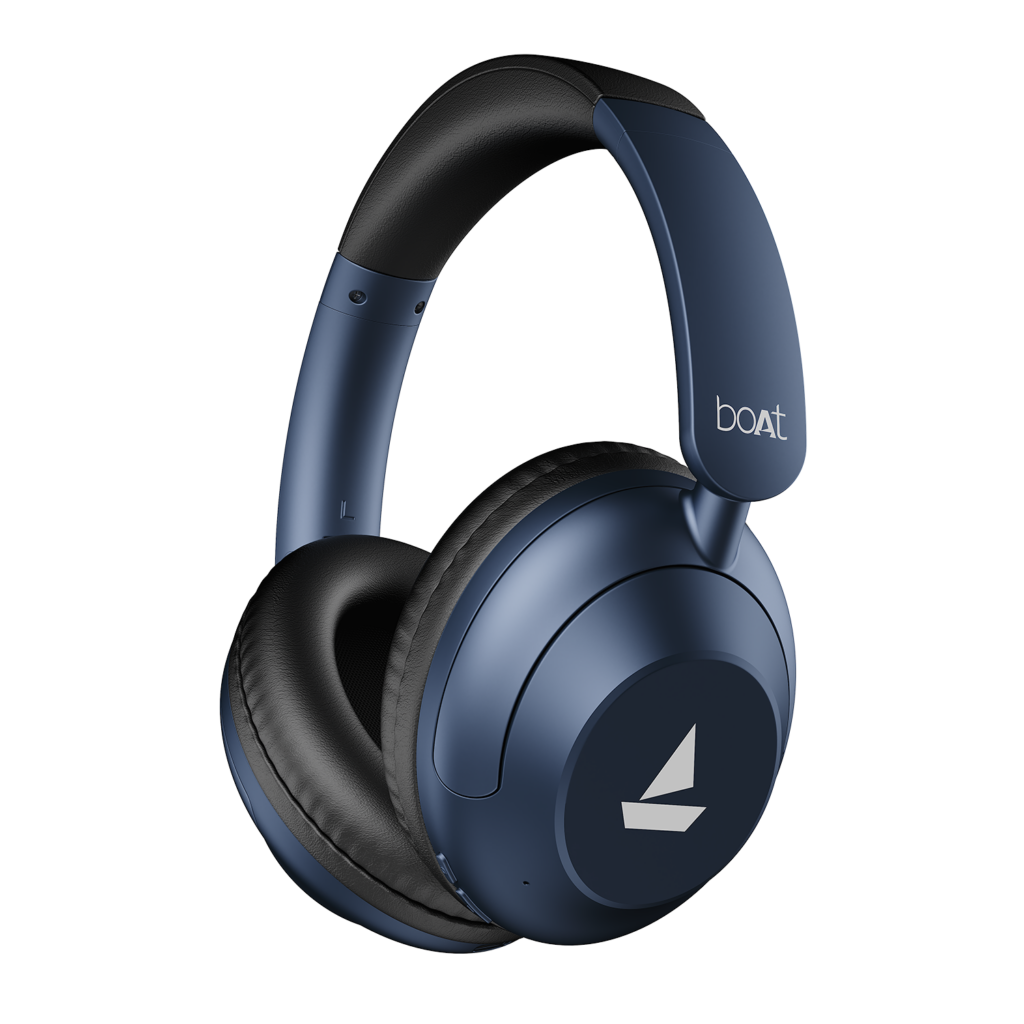
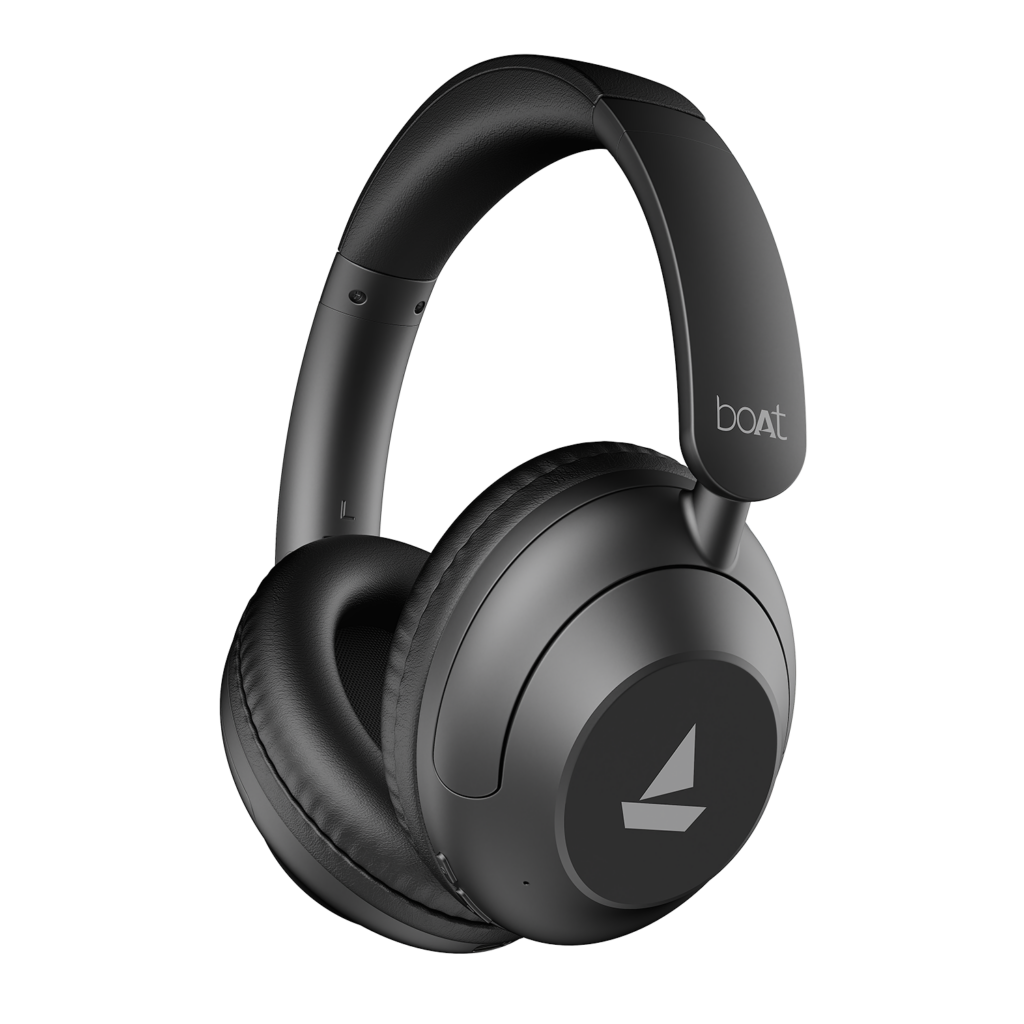
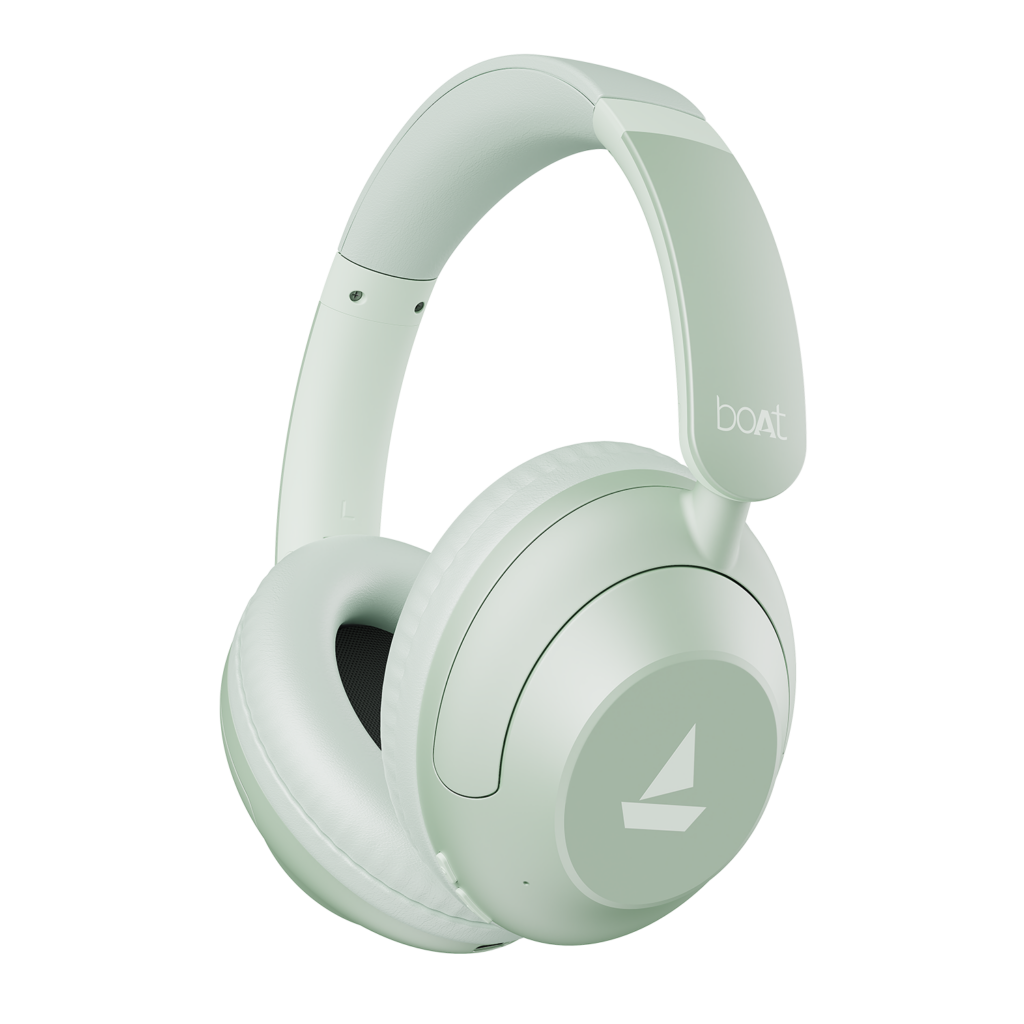
Boat has introduced its latest over-the-ear wireless headphones, the Rockerz 650 Pro, bringing a combination of long battery life, immersive audio, and modern features at an affordable price point. Let’s check out its key specs.
Boat Rockerz 650 Pro Specifications
The Rockerz 650 Pro equips dual 40mm dynamic drivers, ensuring rich bass and crisp highs for an immersive listening experience. It supports Dolby Audio, which enhances spatial sound, making movies, music, and games more engaging.
It sports intuitive touch and swipe controls, allowing users to effortlessly toggle between tracks, adjust volume, and manage calls without reaching for their devices. The multipoint connectivity feature further enhances convenience, enabling seamless switching between two devices simultaneously.
The Rockerz 650 Pro comes with a massive 80-hour battery life, ensuring uninterrupted usage for days on a single charge. It also supports Asap Charge technology, which provides 10 hours of playback with just a 10-minute charge via its Type-C fast-charging port.
For gamers and binge-watchers, the Beast Mode reduces latency to 60ms, delivering lag-free audio-visual synchronization for an enhanced gaming experience. It features Bluetooth v5.3 for a stable wireless connection, while the AUX port provides a wired option for uninterrupted listening.
For those who rely on headphones for calls, Boat has equipped the Rockerz 650 Pro with AI-powered ENx technology, ensuring crystal-clear voice pickup even in noisy environments. Whether you’re in an office, at a café, or on a busy street, the dual-mic setup effectively filters out background noise, offering a hassle-free communication experience.
Users can customize their listening experience with the Boat Hearables app, which provides Adaptive EQ settings and additional customization options.
The Rockerz 650 Pro sports a foldable design for easy portability and IPX5 water resistance, making it suitable for workouts, travel, or outdoor use without worrying about sweat or splashes.
Pricing and Availability
The Boat Rockerz 650 Pro is available in three color options: Iris Black, Sage Green, and Starry Night. It is priced at Rs. 2,799 ($32) and can be purchased from Boat’s official website, Flipkart, Amazon, and select retail stores.
In related news, Boat has recently launched the Ultima Prime and Ember smartwatches with AMOLED displays along with the Boat TAG, featuring Google Find My Device.
For more daily updates, please visit ourNews Section.
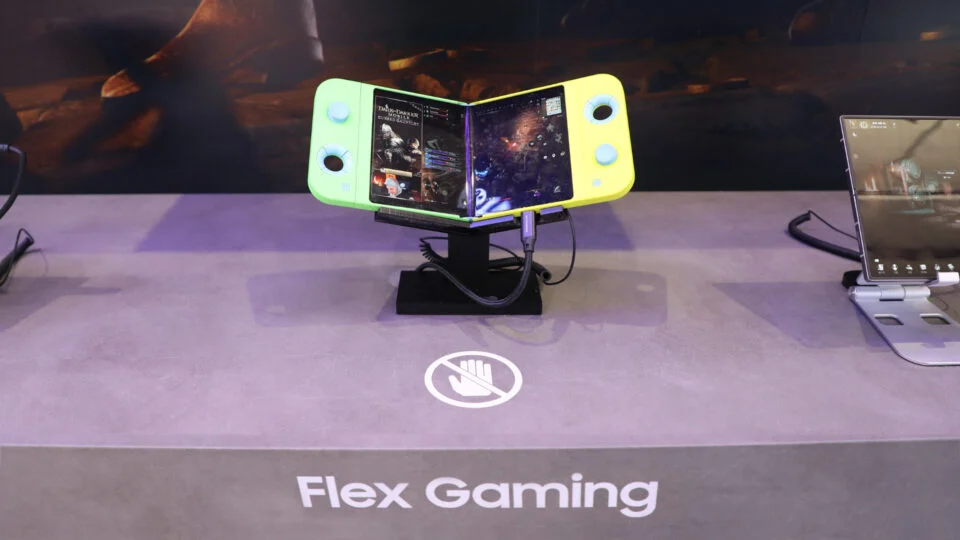
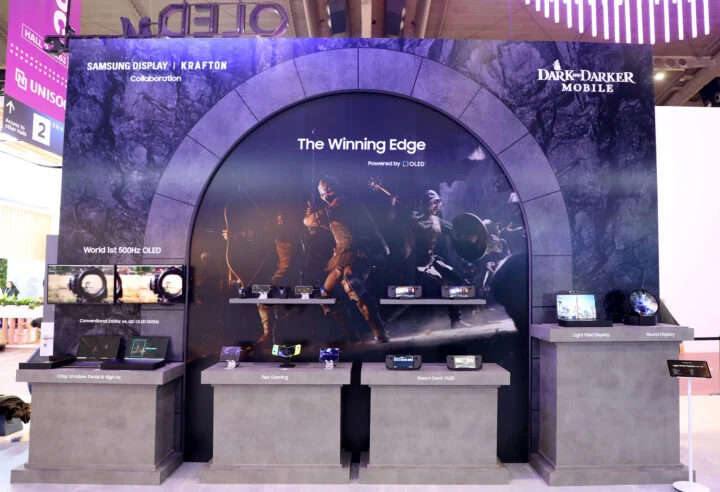
At MWC 2025, Samsung unveiled its latest innovation: the Flex Gaming concept. This is a handheld gaming console with a 7.2-inch foldable OLED display, and it aims to revolutionize the gaming industry as a compact handheld that’s easy to travel with.
A new era for handheld gaming could be on the horizon
Currently, handheld gaming consoles like the Steam Deck and Nintendo Switch come with a bulky design, which makes them quite difficult to carry. Samsung’s Flex Gaming concept addresses this issue by incorporating a hinge and a foldable display, which allows it to fold like a Galaxy Z Flip smartphone.
The Flex Gaming console features joysticks and D-pads on both sides of the display, with a unique cavity design to accommodate the joysticks when folded. It also includes a home button, a button marked with an ‘N’, and a USB Type-C port at the bottom. The lime-like green-yellow color (of the current prototype) adds a vibrant, futuristic touch to the device.
Image: Samsung
While Samsung has not revealed detailed specifications such as resolution, refresh rate, or brightness, the foldable display is expected to be similar to the ones used in Samsung’s foldable smartphones. This, if true, will allow gamers to enjoy an immersive visual experience.
This year’s Flex Gaming concept is a significant upgrade from the model showcased at CES 2023, which featured a flip-open display rather than a foldable one. The new design is more practical and aligns with the growing demand for compact, portable gaming devices.
It’s interesting to see Samsung investing some time and effort in exploring areas slightly out of its business while solving real-world problems.
We use cookies on our website to give you the most relevant experience by remembering your preferences and repeat visits. By clicking “Accept”, you consent to the use of ALL the cookies.
This website uses cookies to improve your experience while you navigate through the website. Out of these, the cookies that are categorized as necessary are stored on your browser as they are essential for the working of basic functionalities of the website. We also use third-party cookies that help us analyze and understand how you use this website. These cookies will be stored in your browser only with your consent. You also have the option to opt-out of these cookies. But opting out of some of these cookies may affect your browsing experience.
Necessary cookies are absolutely essential for the website to function properly. This category only includes cookies that ensures basic functionalities and security features of the website. These cookies do not store any personal information.
Any cookies that may not be particularly necessary for the website to function and is used specifically to collect user personal data via analytics, ads, other embedded contents are termed as non-necessary cookies. It is mandatory to procure user consent prior to running these cookies on your website.