Poco is preparing to launch the next generation of its popular X-series smartphones, the Poco X7 and X7 Pro. Until now, details about their design remained unclear despite numerous leaks and rumors.
However, 91Mobiles has leaked renders of both models, revealing a major design departure from their predecessors, the Poco X6 and X6 Pro.
Poco X7 and X7 Pro renders leaks
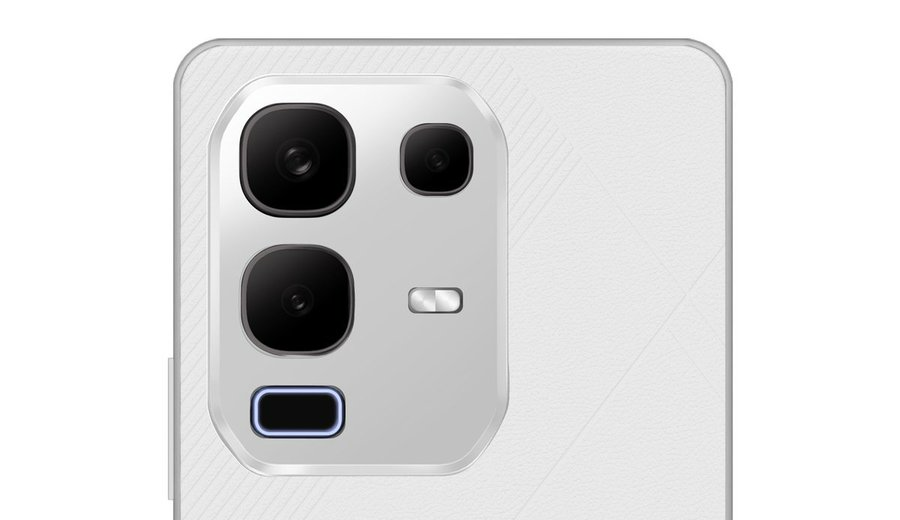
The standard Poco X7 borrows some inspiration from its cousin, the Redmi Note 14 Pro. The back features a familiar squircle camera module housing three lenses, mirroring the Redmi design.
Its color options include Green, Silver, and Poco’s signature two-tone Black/Yellow option. The display curves slightly on both sides which is another feature that’s shared with the Redmi Note 14 Pro.
The Poco X7 Pro takes a more distinct design route. Gone is the large rectangular camera module of the X6 Pro. Instead, the X7 Pro opts for a sleek, dual-tone back with a more subtle, vertically-aligned camera module.
The leaked renders show the X7 Pro in Black, Green, and a Black/Yellow combination similar to the standard X7. Both phones are expected to feature a flat display and frame, a departure from the curved aesthetic of the X7.
While details about the internal hardware remain a mystery, rumors suggest the X7 series might share some similarities with the Redmi Note 14 series. This could mean similar processors and internal components. One confirmed detail, though, is that both phones will likely come pre-installed with HyperOS 2.0.
There’s also a hint of a potential third member in the X7 family – the X7 Neo. A recent Geekbench listing revealed the phone will sport a MediaTek Dimensity 7025 processor. Whether this phone will launch alongside the X7 and X7 Pro or arrive later remains to be seen.
The X7 series continues Poco’s familiar strategy of borrowing design and specs from a Redmi series, and this lineup is no different. Poco has yet to announce a launch date for the new phones, but we’ll share updates as soon as the brand makes it official.
Ulefone has unveiled its latest tablet the Ulefone Tab W10. This device combines sleek design, powerful performance, and versatile features, making it a top choice for both casual users and professionals. Here’s a detailed look at what makes this tablet stand out.
Design and Build
The Ulefone Tab W10 is a marvel of engineering with its lightweight and portable build. Weighing just 430g, it is easy to carry around, whether for work or leisure. Its sleek 7.85mm thickness ensures it fits comfortably in your hand or bag. The tablet’s premium aircraft-grade aluminum body not only adds to its stylish look but also offers durability to withstand daily wear and tear. This combination of aesthetics and functionality ensures that the Tab W10 makes a lasting impression.
Display
At the heart of the Ulefone Tab W10 is a vibrant 10.1-inch screen. Designed for a variety of tasks, it excels in web browsing, video streaming, and document editing. The display provides crisp and clear visuals, offering an immersive experience whether you’re catching up on the latest series or working on important presentations.
Performance
Powering the Ulefone Tab W10 is the robust Unisoc T606 octa-core processor. This ensures smooth and efficient performance, even when multitasking or running demanding applications. With up to 8GB of RAM, the tablet can handle multiple tasks with ease, while the generous 128GB of internal storage provides ample space for your apps, files, and media. If you need more space, the microSD slot allows expansion of up to 1TB, ensuring you never run out of storage.
Operating System
The tablet runs on the latest Android 14 operating system, offering a seamless and personalized user experience. With its enhanced features and intuitive interface, Android 14 ensures that the Ulefone Tab W10 stays ahead of the curve, providing users with a modern and reliable platform.
Battery
A 6600mAh battery powers the Ulefone Tab W10, ensuring long-lasting usage without frequent recharges. Whether you’re binge-watching your favorite show or attending back-to-back virtual meetings, this tablet is built to keep up with your busy schedule.
Visual and Audio Experience
The Ulefone Tab W10 is equipped with Widevine L1 certification, enabling high-definition playback on popular streaming platforms like Netflix, YouTube, Hulu, Amazon Prime Video, and Disney+. This ensures a superior visual and audio experience, making the tablet perfect for entertainment enthusiasts.
Accessories for Enhanced Usage
To complement the tablet, Ulefone offers a range of accessories:
TPU Back Cases: These durable cases provide reliable protection, ensuring your tablet stays safe from accidental drops and scratches.
Tempered Glass Screen Protectors: Safeguard the display against scratches and impacts while maintaining screen clarity.
Smart Book Cover: This multifunctional accessory doubles as a stand, offering multiple viewing angles for your convenience. Its auto-sleep and wake-up features help conserve battery and enhance privacy.
Armor Mount Max: Ideal for road trips and travel, this secure and flexible tablet holder lets you use the device hands-free wherever you go.
Availability
The Ulefone Tab W10 is available now on Ulefone’s official online store. With its competitive pricing and impressive feature set, this tablet is an excellent investment for those seeking a versatile and reliable device.
The Game Awards 2024 brought thrilling new announcements in the gaming world. Top games of this year won awards, while exciting new titles were unveiled on the global stage. From long-awaited sequels to fresh entries in iconic franchises, the event was a treat for gamers everywhere. So here are five announcements that stole the spotlight.
Back in 2022, Elden Ring won the Game of the Year award at the TGA and in the 2024 event, we got an official teaser for its sequel. After its explosive release, FromSoftware’s masterpiece got a successful DLC as well. But now, we finally have confirmation of the next grand adventure, Elden Ring: Nightreign. It is set to be a massive expansion that promises to elevate the dark fantasy universe even further. The gameplay trailer teased new gameplay mechanics, deeper emphasis on storytelling, and an improved co-op experience.
2. The Witcher 4
The Witcher 4
CD Projekt Red’s announcement was undoubtedly one of the most hype moments of TGA 2024. After years, we are finally getting a new instalment for the Witcher franchise. The Witcher 4 is a new saga that puts Ciri as the protagonist, a bold move away from series favourite, Geralt. The trailer for the game showcases an impressive action packed sequence and a tone that meets its setting. Although the release date remains under wraps, anticipation for The Witcher 4 is already through the roof.
3. Borderlands 4
Borderlands 4
Gearbox Software’s software upcoming Borderlands entry is apparently the “most ambitious Borderlands game yet”. Borderlands 4 is set to release sometime next year with a new quirky adventure and the iconic style. New mechanics, next gen fidelity, and the beloved co-op experience return in 2025, so fans of the looter shooter genre should definitely look out for this one.
4. Outer Worlds 2
The Outer Worlds 2
2025 has a stacked lineup of highly anticipated announcements, with Obsidian Entertainment’s new title being one of them. The Outer Worlds 2 got an official trailer, bringing a sequel to the acclaimed indie exploration game. We can expect the latest instalment to feature new and improved graphics along with a deeper narrative and refined (and fresh) gameplay experience.
5. Onimusha: Way of the Sword
Onimusha: Way of the Sword
Capcom had a surprising announcement during TGA 2024, but it was one that I am the most excited about. Having played the third entry over a decade ago, I can’t wait to see what Onimusha: Way of the Sword has to offer. The franchise never got the love it deserved and this reboot will likely bring in new fans. After two whole decades, the iconic samurai action adventure game returns with next gen graphics. Onimusha: Way of the Sword will be releasing in 2026.
FiiO BTR17 is a versatile, high-performing Bluetooth DAC and headphone amplifier designed for audiophiles demanding premium sound quality and functionality. With advanced technology and multiple modes of operation, this device is perfect for anyone looking to enhance their music experience, whether at home or on the go.
1.3-inch IPS Display
The BTR17 features a 1.3-inch IPS display with a sharp 240×240 pixel resolution. This screen provides clear and detailed information about the device’s settings, making it easy to monitor and control your audio experience.
High-Quality ES9069Q Dual DAC Chipset
At the heart of the FiiO BTR17 are two ES9069Q DAC chips. These high-end components employ fourth-generation 32-bit HyperStream architecture, which reduces crosstalk and delivers purer, high-resolution audio. This ensures a rich and immersive sound experience, making your music come alive with incredible detail and depth.
Multiple Use Modes
The BTR17 is a multifunctional device that can operate in three different modes:
PC Mode: Connect to your computer and use the BTR17 as a USB DAC and headphone amplifier, fully powered by the computer.
BT Mode: Use the device as a Bluetooth decoder and headphone amplifier. It supports wireless playback via its internal battery, which can be charged using USB.
Phone Mode: Connect to your phone as a USB DAC audio dongle. In this mode, the BTR17 runs on its internal battery to provide optimal performance.
Switching between these modes is easy thanks to a dedicated three-position toggle switch, ensuring seamless transitions for different use cases.
Advanced Bluetooth Technology
Equipped with the latest QCC5181 Bluetooth 5.4 chip, the BTR17 supports advanced audio codecs such as LDAC, aptX Adaptive, aptX HD, and more. This guarantees high-resolution audio streaming with low latency, making it ideal for wireless listening without sacrificing sound quality.
Exceptional Power Output
The BTR17 delivers an impressive 650mW per channel in high-power desktop mode, ensuring it can drive a wide range of headphones with ease. This mode uses an independent power supply to maintain stable performance and avoid current overload from connected devices.
Versatile Connectivity Options
For headphone connectivity, the BTR17 includes both a 3.5mm single-ended and a 4.4mm balanced output. The 4.4mm jack is more robust and durable than its predecessor, ensuring reliable connections with high-end headphones. This versatility allows you to use the BTR17 with various headphones without compatibility concerns.
Key Specs:
Display: 1.3-inch IPS, 240×240 resolution
DAC: Dual ES9069Q chips
Bluetooth Chip: QCC5181, Bluetooth 5.4
Battery Life: Up to 8 hours
Charging Time: 2 hours
Outputs: 3.5mm single-ended, 4.4mm balanced
Output Power: 650mW per channel (desktop mode)
Package Includes: BTR17, Dual Type-C data cable
With its high-quality components, powerful output, and versatile features, the FiiO BTR17 is an excellent choice for audiophiles and casual listeners alike. Whether you’re streaming music wirelessly, using it as a sound card, or connecting it to your phone, the BTR17 ensures exceptional sound quality every time.
For a very long time, Motorola has had a terrible software update policy for its phones. It had been offering a maximum of three Android updates, which was only limited to high-end phones. The mid-range and budget phones were only getting up to two upgrades, while most entry-level phones weren’t promised a single upgrade.
Motorola faced a lot of heat from its users for offering a lesser number of Android upgrades when its peers are offering as many as seven upgrades. Any sensible brand would listen to its users, and so did Motorola by making a big change to the software update policy. The brand started offering five upgrades to its newer phones.
Here’s the list of Motorola phones that are promised to get five Android updates:
The Edge 50 Neo is the company’s first phone to enjoy the latest software update policy. It also expands to the two phones launched thereafter: Moto G75 and ThinkPhone 25. It was surprising to see Moto G75, a mid-range phone, on the list. Hopefully, we’ll see more upcoming mid-range phones getting the same treat.
Motorola hasn’t made any changes to the update policy for existing devices, though. That means even the pricier Edge 50 models (Edge 50 Pro, Edge 50 Ultra) and premium Razr models launched this year won’t get more than three major upgrades. This seems unfair. Motorola should offer extended software support, on the premium models at least, just like Google did recently with many Pixels.
Software rollout is another major concern with Motorola phones
While Motorola has resolved one part of the equation with its new software update policy (at least for newer models), it still needs to do a lot of work to strengthen its software rollout. It has been a sluggish brand to release newer Android updates. Take Android 14, for example, which was released in October 2023 but took almost three months to reach the first Motorola phones.
However, that’s not the case with Android 15. In fact, Motorola has done a better job than some other more popular brands, including Samsung. It began the beta program in mid-October, while the One UI 7 beta (based on Android 15) was released only last week. The very next day of the One UI 7 beta release, Motorola started distributing the stable build to some models, including the Edge 50 Fusion and Edge 50 Ultra.
So, Motorola has not only increased the number of software upgrades but also greatly improved its software rollout speed. Hopefully, the brand will keep improving these areas, which will give potential buyers more confidence.
Which Motorola phone do you have? Are you satisfied with the software update policy? Share your thoughts in the comments below.
HUAWEI has unveiled the FreeBuds Pro 4 for the global market, a few weeks after its launch in China. The launch took place in Dubai, alongside the Huawei Mate X6 foldable smartphone.
Huawei FreeBuds Pro 4 features
At the heart of the FreeBuds Pro 4 lies the powerful Kirin A2 chip, enabling high-speed 2.3 Mbps transmission and support for up to 48kHz/24-bit lossless audio.
The earbuds feature a dual-driver system, combining an 11mm dynamic driver with a micro-planar tweeter. This setup provides a balanced audio profile with deep bass, clear midrange, and extended treble.
To improve audio quality further, the FreeBuds Pro 4 includes advanced noise cancellation technology. Active Noise Cancellation (ANC) reduces ambient noise, while a voice-transparent mode lets users switch easily between music and conversations. The earbuds also use digital frequency division and dynamic EQ to adapt sound quality to the environment.
The earbuds are equipped with four microphones and a reverse bone conduction pickup microphone to enhance call quality. Additional features include immersive spatial audio and a nod-to-answer feature that allows users to answer or reject incoming calls hands-free.
The FreeBuds Pro 4 offers up to 6.5 hours of playback without ANC or 4.5 hours with ANC on a single charge. With the charging case, the battery life extends to 33 hours without ANC or 23 hours with ANC. The earbuds are rated IP54 for dust and water resistance, making them suitable for various conditions.
Pricing & availability
Available in Black, White, and Green, the HUAWEI FreeBuds Pro 4 is priced at 199 Euros and will be available for purchase starting January 9, 2025, through Huawei’s online store and selected retailers.
Xiaomi has a wide range of wearable products under its belt which includes smartwatches and smart bands. The Xiaomi Smart Band lineup is positioned as a more affordable wearable option. However, that doesn’t mean they are worse than their worse than smartwatches. So here’s why the Xiaomi Smart Band 9 is better than most cheap smartwatches.
The Xiaomi Smart Band 9 model is one of the latest wearable gadgets that was announced by the Chinese tech giant in the global market. It offers various features that users would find useful and need in their smart wearable devices. The Smart Band 9 model was announced for €39.99, which is around $45. At this price, you can find many cheaper smartwatch alternatives, but these aren’t necessarily a better option. On the other hand, the Xiaomi Smart Band 9 Pro is priced between €69.99 and €79.99 in Europe.
2. More options with the display
Xiaomi Smart Band 9 Pro
Taking the Smart Band 9 series as an example once again, the base model sports a 1.62-inch oval AMOLED display (192 x 490 resolution, 1200 nits of peak brightness, 200+ watch faces). However, you also get a more traditional design with the higher end Smart Band 9 Pro. The more expensive option has a 1.74-inch rectangular panel, which has a design similar to the Apple Watch.
For those who just prefer getting the key information, the smaller screen might be more convenient. Many don’t like the idea of having another big screen on their wrists, so the Smart Band 9 is a great option for them as they can limit their screen time outside of their smartphone. However, those that need more control and easier access to more functions, the Band 9 Pro has got you covered.
3. Not Skipping the Smart Features
Smart bands are usually seen as a younger sibling to the smartwatch, but Xiaomi doesn’t skip on any of the modern features of the Xiaomi Smart Band 9 series. It arrives with support for over 150 sports tracking features like running, walking, cycling, and much more. But that’s not all, the Xiaomi Smart Band 9 also offers a heart rate sensor and SpO2 blood oxygen monitoring.
The Smart Band 9 Pro model also integrates GPS for more accurate tracking, along with built-in NFC. On a single full charge, this model can last for up to 21 days, while the base variant has a 9 day battery life. The Smart Band 9 lineup also comes with Bluetooth 5.4 support, which allows access to other basic features like music control, message replies, and weather updates.
Though we are approaching the end of the year, new smartphones continue to launch. Four brands have scheduled events for the next few days
Two of these conferences headed by Vivo and Honor will take place in China. On the other hand, the remaining two by Poco and Realme will be held in India.
Honor will take the wraps off a performance-oriented phone. Meanwhile, other companies will unveil budget models.
The Vivo Y300 5G is set to launch in China on December 16 (Monday). The device will be positioned below the recently released Vivo Y300 Pro 5G.
The phone is tipped to house a MediaTek Dimensity 6300 chip paired with up to 12GB RAM and 256GB storage. It is said to sport a 6.77-inch 1.5K 120Hz flat OLED display, a 50MP primary camera, and an 8MP selfie camera.
The handset will boot Android 15 and will be backed by a 6,500mAh battery with support for 44W charging.
2. Honor GT
The Honor GT is scheduled to launch in China on December 16 (Monday). It will be the first model in the new series.
The performance-focused smartphone will be powered by Qualcomm Snapdragon 8 Gen 3 SoC. It will be equipped with a 1.5K flat OLED display.
The device will carry support for 100W wired charging. It is expected to take on Redmi K80, iQOO Neo 10, and the upcoming OnePlus Ace 5.
3. Poco M7 Pro 5G and Poco C75 5G
The Poco M7 Pro 5G and the Poco C75 5G will make their official debut in India on December 17 (Tuesday). The former is a newer phone, while the latter is a 5G variant of an existing model.
The Poco C75 5G will be a rebranded Redmi A4 5G. It will arrive with a Qualcomm Snapdragon 4s Gen 2 chip, a side-mounted fingerprint sensor, 2 years of OS updates, and a MicroSD card slot. It will be priced below ₹8,000.
Whereas the Poco M7 Pro 5G will be a tweaked version of Redmi Note 14 5G. It is teased to come with an OIS-assisted 50MP Sony LYT-600 main camera and several AI features. The device is expected to offer an FHD+ 120Hz OLED display and a MediaTek Dimensity 7025 Ultra chipset.
4. Realme 14x 5G
Realme 14x will be announced in India on December 18 (Wednesday). It will be the first smartphone under ₹15,000 to have an IP69 rating for dust and water resistance.
The product is expected to sport a 6.67-inch FHD+ 120Hz display (LCD) and a 50MP primary camera. It will draw energy from a 6,000mAh battery and support 45W wired charging.
The handset will be available in Jewel Red, Golden Glow, and Crystal Black color options.
Vivo S20 and Vivo S19 are mid-range smartphones packed with impressive features, catering to users seeking performance, style, and value. While both models share similarities like the Snapdragon 7 Gen 3 chipset, dual rear cameras, and AMOLED displays, the S20 introduces key upgrades in battery, software, and display brightness. Conversely, the S19 offers a slightly larger screen and enhanced selfie flash. This comparison highlights their differences and standout features, helping you decide which device best suits your needs.
The Vivo S20 and S19 share similar design elements with slim profiles and IP64 ratings for dust and water resistance. However, the S20 refines the display technology, featuring a 6.67-inch AMOLED panel with a peak brightness of 5000 nits, ensuring superior visibility under sunlight compared to the S19’s 4500 nits. The S20 also boasts a slightly improved screen-to-body ratio at 90.2%, enhancing immersion, although the S19 offers a marginally larger 6.78-inch display.
Both devices support 120Hz refresh rates and vibrant 1B colors, making them excellent for media consumption. The S20’s enhanced brightness and compact form make it more suitable for outdoor users, while the S19’s larger screen might appeal to those prioritizing size over compactness. Overall, the Vivo S20 edges ahead with its more refined display brightness and proportions.
2. Specifications
Vivo S19
The Vivo S20 is powered by Android 15 with OriginOS 5, while the S19 runs Android 14 with OriginOS 4, giving the S20 a future-ready edge in software. Both models are equipped with the Snapdragon 7 Gen 3 chipset, an octa-core CPU, and Adreno 720 GPU, ensuring seamless performance for multitasking and gaming.
Battery performance sees an upgrade in the S20, featuring a 6500 mAh Si/C battery with 90W fast charging, compared to the S19’s 6000 mAh battery with 80W charging. The larger capacity and faster charging of the S20 make it a better choice for users seeking longer battery life and quicker top-ups. The absence of expandable storage persists in both, but the S20 retains its edge with consistently robust performance and battery reliability.
3. Camera
Vivo S20
Both devices sport dual rear cameras: a 50MP primary sensor and an 8MP ultrawide. While the S19’s 50MP sensor is slightly larger (1/1.56″ vs. 1/1.55″), the difference in image quality is minimal. The S20 introduces better stabilization with 4K video recording and gyro-EIS, which complements its OIS feature for smoother footage.
On the front, both feature a 50MP selfie camera with autofocus, but the S19 includes a dual-LED flash, improving low-light selfies. The S20 provides brighter outdoor photos with its HDR mode, offering a more balanced exposure. Overall, the S20 stands out for videography, while the S19 slightly excels in low-light photography.
4. Pricing
The Vivo S20 is priced at approximately €300, undercutting the Vivo S19, which costs around €320. Despite the lower price, the S20 offers significant upgrades, including better battery capacity, display brightness, and software.
For budget-conscious users, the S20 presents a more value-for-money option. However, those seeking slightly better low-light camera performance and a larger screen might find the S19 a reasonable pick despite its higher cost.
The Vivo S20 introduces several unique features, including an unprecedented peak display brightness of 5000 nits and the latest Android 15 out of the box. Its enhanced 90W charging technology and larger battery further position it as an excellent device for heavy users. The Vivo S19, on the other hand, offers a slightly larger screen and a dual-LED selfie flash, which remains absent in the S20.
The S20’s standout combination of superior performance, advanced software, and lower price makes it a better choice for most users. However, the S19’s features might appeal to niche users who prioritize display size and selfie lighting.
While the Galaxy S25 series is yet to be officially announced, rumors are already circulating about the Galaxy S26 series. According to recent reports from a tipster on X (formerly Twitter), Samsung is planning to “significantly” equip the Galaxy S26 lineup with its in-house Exynos chips. It signals a potential return to the company’s long-standing strategy of using its own processors in flagship devices in most of the regions.
Exynos Chips and the Galaxy S26 Series
The move to bring Exynos chips back to Samsung’s flagship smartphones follows challenges that Samsung faced with the Exynos 2500, which was originally intended to power the Galaxy S25 series. However, due to production issues, particularly around yield rates for the 3nm architecture, it wasn’t economical for Samsung to mass produce the chip for the S25 series. As a result, the S25 lineup is expected to primarily feature Qualcomm’s Snapdragon 8 Elite chipset, with Exynos 2500 reserved for the Galaxy Z Flip 7 and Z Flip FE models instead.
According to a recent report out of South Korea, Samsung has achieved some progress towards mass production with its 3nm process (for the Exynos 2500) and is also believed to achieve the same in time with the 2nm process for the Exynos 2600.
The history and strategy behind Exynos chips
Samsung’s decision to revisit Exynos chips with the S26 series makes sense from a business standpoint. In fact, the company has traditionally powered the majority of its devices with its own chips. However, the performance gap between Exynos and Snapdragon chips in previous years led to a mixed reception from consumers.
For its Galaxy S23 series, Samsung made the decision to exclusively use Qualcomm’s Snapdragon 8 Gen 2 after facing criticism over the dual-platform strategy. This move was well-received, with the Snapdragon variant of the Galaxy S23 outperforming the Exynos-powered version. However, Samsung returned to its dual-chip strategy with the Galaxy S24 series, using both Exynos and Snapdragon depending on the region.
The Exynos 2400, which powers the S24 series, has shown significant improvements and now competes more closely with Qualcomm’s Snapdragon counterparts in terms of performance. This development bodes well for the Exynos 2600, which is expected to reduce the performance gap even further. In addition to all of that, there’s still a significant portion of people who just prefer Exynos on their Galaxy regardless of the performance or power efficiency. Considering all of that, it won’t be surprising if Samsung “significantly” equips its future flagships with its in-house chips again.
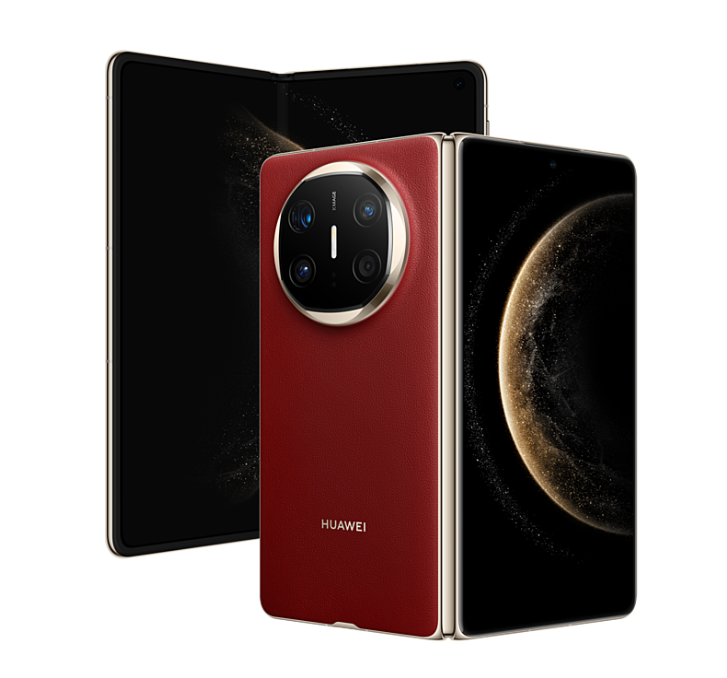
Huawei has just announced its flagship Mate X6 foldable smartphone in the global market. This model brings a premium and sleek design along with cutting edge hardware. You get a great camera system, ultra slim, and lightweight body. So here’s everything you need to know.
Huawei Mate X6 Unveiled Globally
The Chinese tech giant first unveiled the Mate X6 in China back in November. Now, Huawei is finally bringing its next gen flagship foldable smartphone globally. This model features a tall 7.93-inch LTPO OLED display with a 120Hz refresh rate, 2K+ resolution, 1440Hz PWM dimming, and up to 1800 nits of peak brightness. Meanwhile, the cover display is a 6.45-inch LTPO OLED panel with a 3D quad curved screen, 1440Hz PWM dimming, FHD+ resolution, and up to 2500 nits of peak brightness.
Huawei Mate X6
Huawei built the Mate X6 with a marble like glass panel or vegan leather for the rear panel. This foldable phone also measures ultra thin 9.9mm when folded and measures 239 grams in weight. Under the hood, the Huawei Mate X6 is equipped with the Kirin 9020 SoC, which is paired with 12GB of RAM and 512GB of internal storage. A large 5,110mAh battery pack, which offers 66W wired fast charging and 50W wireless fast charging.
On the rear, there is a quad camera setup with a 50MP (Main) + 40MP (Ultrawide) + 48MP (Telephoto) + 1.5MP (Spectral Channels Ultra Chroma Camera). The front has an 8MP selfie camera. The Huawei Mate X6 is available in multiple color options, namely Nebula Red, Black, and Nebula Gray. As of right now, this model can be ordered in the UAE through Huawei’s online website for 7,199 AED (roughly 1,960 US Dollars). Those who pre-order the foldable phone get free Huawei Care+ and Huawei Watch GT 4, which are worth 2698 Yuan.
Motorola is gearing up to launch its latest foldable device, the Motorola Razr 50D, in Japan on December 19th. Announced by Japanese mobile operator NTT DOCOMO, this device is a clamshell-style foldable similar to the Motorola Razr 50 launched earlier in India.
Motorola Razr 50D specifications:
The Motorola Razr 50D comes packed with features designed to impress. It boasts a 6.9-inch FHD+ pOLED inner display with Corning Gorilla Glass Victus. The phone also features a 3.6-inch outer screen, similar to the Moto Rze 50. The 4000mAh battery ensures solid performance throughout the day, though it’s slightly smaller than the 4,200mAh battery found in the Razr 50.
Photography enthusiasts will appreciate the 50MP main camera paired with a 13MP secondary lens for versatile photography, as well as a 32MP front camera for high-quality selfies. The phone comes with 8GB of RAM and 256GB of storage, providing ample space for apps and media. It also supports wireless charging, IPX8 water resistance, Hi-Res audio, stereo speakers, and Dolby Atmos for an enhanced multimedia experience.
In terms of design, the Razr 50D measures 171 x 74 x 7.3 mm and weighs 187 grams, making it a sleek and portable foldable phone, perfect for those who value both functionality and style.
Launch details:
NTT DOCOMO’s microsite for the phone has gone live showcasing the Motorola Razr 50D in a beige color that, paired with the design looks beautiful. The foldable is priced at 114,950 Japanese Yen (around Rs 64,000), and pre-orders will begin on December 13th, with the official release on December 19th.
Interested customers can also benefit from the ‘Anytime Kaedoki Program,’ a flexible payment option allowing users to pay in monthly installments of 2587 Japanese Yen (about Rs 1,500) for 23 months. If the device is returned in good condition, the price will be reduced to 59,501 Yen (approximately Rs 33,000). However, if the customer chooses to keep the phone, the remaining balance of 55,440 Yen (around Rs 31,000) will be extended through further installments.
In addition to the foldable phone itself, Motorola will also release two new protective cases: one with a vegan leather finish and neck strap, and another hard case made from Tritan material, providing customers with additional options to personalize and protect their device.
If you’ve kept up with Nothing‘s videos on their official YouTube channel, you’d know that Carl Pei isn’t exactly enthusiastic about making a foldable phone. But a fresh concept render has offered us a glimpse of what a Nothing Fold (1) might look like.
Nothing Fold (1) Concept
Nothing Foldable Envisioned with New Glyph Lighting & Hinge Display
Sarang Sheth, an industrial designer, created the latest concept renders. Some of his other work usually revolves around tech products such as Apple products like MacBooks with some changes in designs. But now, Sheth has created a foldable phone from Nothing, showcasing the unique spin the London based brand could bring to the foldable phone segment.
Right off the bat, we can see that the Nothing foldable phone is retaining its Glyph LED lighting on the back. However, this design now extends to the hinge as well. While companies put a lot of effort into improving the hinge mechanisms, these don’t add to the appeal of the design of a foldable phone. “Nothing Fold (1)” in this concept can be seen with a Glyph Light bar. In another render, there is even a slim display added to this hinge. The former seems more realistic and practical, while the latter is quite similar to the edge display from old Samsung flagships.
Nothing Fold (1) Concept with Hinge Display
Sarang took things a step further and even mentioned the cutting edge specifications of the Nothing Phone (1). This foldable phone includes the MediaTek Dimensity 9400 SoC, which is paired with 16GB of RAM. The front has 32MP selfie shooter, while a large 5,500mAh battery pack powers this device. The fast charging rate is unclear, but the Fold (1) was conceptualized with support for 15W Qi2 wireless charging. The designer created this foldable phone with a £799 price tag, which is roughly around $1,018. This makes it quite affordable as well as the least realistic part of this concept.
Poco is seemingly gearing up to launch the Poco F7 series globally, with fresh certification documents revealing key details about the upcoming device. A recent filing with the US Federal Communications Commission (FCC) has surfaced, confirming the existence of a Poco-branded device with the model number “24117RK2CG.” This device is widely believed to be the global variant of the Poco F7 Pro.
Poco F6 Pro
Key features revealed in FCC certification
The FCC certification document reveals several key aspects of the Poco F7 Pro, offering a glimpse into its specifications. One of the standout features is the device’s large 5,830 mAh battery (up from 5000 mAh), which should provide ample power for all-day use. Although, the charging speed is downgraded from 120W of the Poco F6 Pro to 90W.
The F7 Pro will run on Xiaomi’s HyperOS 2.0, which is based on Android 15, signaling a modern and feature-packed software experience. Connectivity options include Bluetooth 5.4 and dual-band WiFi (2.4 GHz and 5 GHz), as well as 4G LTE and 5G NR support across multiple frequency bands.
Another interesting tidbit from the FCC documents is the design of the Poco F7 Pro. The phone is widely speculated to be a rebrand of the Xiaomi Redmi K80, which was launched in China at the end of November. If true, the global version of the Poco F7 Pro will likely share similar hardware, including the Snapdragon 8 Gen 3 chipset, a 6.67-inch 2K 120 Hz AMOLED display, and a 50 MP Sony LYT-800 main camera sensor. The phone is also expected to be water and dust-resistant, with an IP68/IP69 certification, ensuring durability in various environments.
Overall, the Poco F7 Pro is shaping up to be a highly competitive performance-centric device that brings a significant upgrade in performance over its predecessor. You can also check out our hands-on video of the Redmi K80 to get a better idea of what to expect from Poco’s upcoming device.
The Vivo Y300 is scheduled to launch in China on Dec. 16. This phone is different from the Snapdragon 4 Gen 2-powered Y300, which recently debuted in India. Ahead of its China release, WHYLAB’s recent Weibo post has revealed almost everything about the Y300. Additionally, the source also shared real-life images of the phone.
Vivo Y300 5G specifications (rumored)
Vivo Y300 5G
As per the leak, the Vivo Y300 will be powered by the MediaTek Dimensity 6300 chip. The phone will be available in four storage combinations: 8GB RAM + 128GB storage, 8GB RAM + 256GB storage, 12GB RAM + 256GB storage, and 12GB RAM + 512GB storage, all featuring LPDDR4X memory.
The Vivo Y300 will feature a 6.77-inch flat OLED screen equipped with a short-focus in-screen fingerprint sensor. The screen will offer a 1.5K resolution of 2392 x 1080 pixels, a 120Hz refresh rate, a manual maximum brightness of 800 nits, a global excitation brightness of 1300 nits, and a local excitation brightness of 1800 nits. The display also includes 3840Hz high-frequency PWM dimming (with a default of 2160Hz), 8-bit color depth, and is protected by Diamond Shield glass, which supports touch with oily hands.
Vivo Y300 5G
For selfies, the Vivo Y300 will feature an OmniVision OV08D10 8-megapixel front camera. On the back, it has a dual rear camera setup, consisting of a Samsung S5KJNS 50-megapixel main camera and a GalaxyCore 2-megapixel GC02M1 depth sensor. A 6,500mAh battery powers the smartphone, providing an energy density of 776Wh/L and enabling 44W fast charging.
Vivo Y300 5G
One of the major features of the Vivo Y300 is that it is equipped with a triple speaker system, including AAC 1326D speakers placed on the back, AAC 1116B lower speakers, and Goertek 0809 upper speakers, with a peak power of 4.5W. It is also the first to offer 3D panoramic audio. On the connectivity front, the Y300 will arrive with support for Wi-Fi 5 and Bluetooth 5.4. It will offer other features, such as OriginOS 5-based Android 15 and an IP64 dust- and water-resistant chassis.
The Vivo Y300 will be available in three colors: Qingsong, Ruixue White, and Xingdiaon Black. The Qingsong variant is 7.79mm thick, while the other two colors are 7.85mm thick. The phone weighs 199.9 grams. It is speculated to be priced at around 1,000 Yuan (~$139) in China.
When it comes to smartphones, Motorola may not be the first name that springs to mind for design innovation. However, the company has quietly built a portfolio of stylish devices that stand out in their own ways.
Whether it’s a foldable form factor, a premium finish, or a minimalist design, Motorola has something to offer for those who care about aesthetics. Here’s a look at some of the best-looking Motorola phones available today.
The Motorola Razr 50 Ultra leads the charge for anyone seeking a modern yet nostalgic design. Inspired by the iconic Razr flip phone, this foldable device combines flagship-level specs with a premium, fashion-forward appearance.
Initially available in three Pantone-curated colors, Motorola recently added a new variant—the Mocha Mousse edition in Pantone’s Color of the Year 2025. This version features a soft inlay inspired by coffee grounds, wrapped in a vegan leather finish with an aluminum frame and a stainless steel hinge.
Its outer display is a 4-inch pOLED panel, the largest among current foldable, and offers a vibrant canvas for quick interactions and notifications. The phone’s hinge is nearly seamless when unfolded, giving it a polished look compared to competitors.
Inside, you’ll find a larger 6.9-inch foldable LTPO AMOLED display with 3000 nits of brightness and a smooth 165Hz refresh rate.
2. Motorola Edge 50
If foldables aren’t your thing, the Motorola Edge 50 might win you over with its understated elegance. Its slim profile, curved edges, and vegan leather finish make it one of the most visually pleasing devices in Motorola’s lineup.
The leather back is not just about aesthetics; it also provides better grip and durability compared to standard glass finishes. And it’s also the world’s slimmest phone to secure MIL-STD 810H certification. The device measures 7.79mm in thickness and weighs 181 grams.
The Edge 50’s 6.7-inch pOLED display with curved sides contributes to its sleek look. The display blends into the aluminum frame seamlessly, giving it a unibody feel that’s often missing in mid-range devices. You can choose from earthy tones like Koala Gray, Jungle Green, or a more vibrant option like Peach Fuzz.
3. Motorola Edge (2024)
The Motorola Edge (2024) is another mid-range offering from Motorola with a sophisticated design. It comes in a sole black vegan leather back, paired with an aluminum frame for a premium finish. While its design isn’t as daring as the Razr, it’s a phone that will easily blend into any professional setting.
What stands out is the Edge 2024’s display. It features a 6.6-inch OLED panel with HDR10+ and a 144Hz refresh rate. The nearly bezel-less design and curved edges give it a futuristic aesthetic without overcomplicating the overall look. For those who value subtlety, this phone strikes the perfect balance between modern design and functionality.
4. Motorola Moto G Stylus (2024)
Stylus support is rare even among premium smartphones, but theMoto G Stylus (2024) stands out by including a built-in stylus at an affordable price. By the looks, the phone is not flashy or overly ambitious, but its clean design, textured finish, and soft pastel color options give it a certain charm. It’s ideal for users who prefer simplicity without sacrificing functionality.
The inclusion of a stylus, neatly tucked into the phone’s body, adds to its utility and makes it stand out in the mid-range market. While its specs may not turn heads, the thoughtful design ensures it’s a phone you won’t mind showing off.
5. Motorola Edge 50 Fusion
For those who want their phone to be the centerpiece of every conversation, the Motorola Edge 50 Fusionis hard to ignore. It is available in subtle Forest Blue and Marshmallow Blue options, or a block Hot Pink shade.
Beyond its vibrant color, the Edge 30 Fusion offers a thin and lightweight build, with a curved body that feels premium in hand. The 6.7-inch pOLED display is bright and colorful, complementing the bold exterior. This edition is an excellent choice for anyone who’s tired of standard black or white phones and wants something truly different.
6. Why Motorola’s Design Stands Out
Motorola’s design philosophy strikes a balance between innovation and practicality. Unlike brands that often prioritize form over function, Motorola tends to focus on designs that are both visually appealing and user-friendly. This is evident in features like vegan leather backs for improved grip, foldable screens for enhanced portability, and unique colorways that cater to a variety of preferences.
Additionally, Motorola doesn’t shy away from experimenting. The Razr series, for instance, reimagines a classic flip phone for the modern era, while the Edge lineup brings flagship-level aesthetics to a wider audience. Even its budget-friendly Moto G series shows that affordable phones don’t have to compromise on design.
7. What to Consider When Choosing a Motorola Phone
While looks are important, they shouldn’t be your only consideration when picking a Motorola phone. Think about the following:
Build Materials: Phones like the Edge 50 with a vegan leather back are more resistant to fingerprints and scratches, but may not feel as premium as glass or metal.
Durability: Devices like the Razr 50 Ultra have moving parts, which may require extra care compared to non-foldable models.
Software Updates: Motorola’s track record with updates isn’t as robust as brands like Google or Samsung, so keep this in mind if you plan to use your phone for several years.
Performance: While aesthetics matter, you’ll also want a device that meets your performance needs, whether it’s gaming, photography, or productivity.
8. Final Thoughts
Motorola may not always grab the spotlight, but its focus on creating visually appealing and practical devices deserves recognition. From the nostalgia-inducing Razr 50 Ultra to the vibrant Edge 50 Fusion, there’s an option for everyone. So, whether you’re drawn to foldable, bold colors, or minimalist designs, there’s likely a Motorola phone that matches your taste.
Reliable leaker Digital Chat Station has disclosed information about an alleged upcoming Xiaomi phone featuring the Snapdragon 8s Elite chipset. Although the leaker has not disclosed the device’s name, speculation suggests it could be the Xiaomi Civi 5 Pro. The Civi 4 Pro was announced in March 2024 in China, and it is possible that the Civi 5 Pro may be unveiled around the same time in its home market.
Xiaomi Civi 5 Pro key details revealed
As per the leak, the alleged Xiaomi Civi 5 Pro will sport a 1.5K resolution display with a quad-curved design and a centered dual-hole punch cutout reminiscent of Apple’s Dynamic Island, housing two front-facing cameras. A previous leak revealed that the device will come equipped with an ultrasonic in-screen fingerprint sensor.
Similar to the Redmi K80, the Civi 5 Pro will feature a circular camera module on its back panel. Its camera setup will include a telephoto lens and continue to feature Leica-engineered cameras, like its predecessor, the Civi 4 Pro. The back panel of the device will be made from fiberglass material.
Qualcomm’s upcoming Snapdragon 8s Elite chipset (SM8735), an iteration of the Snapdragon 8s Gen 3, will power the Civi 5 Pro. Furthermore, the Civi 5 Pro will boast a slim design and a battery capacity of approximately 5,000mAh. To recall, the Civi 4 Pro features the Snapdragon 8s Gen 3 chip and a 4,700mAh battery.
Speaking of Snapdragon 8s Elite, a couple of other affordable flagship phones are also expected to feature the said chipset. The Redmi Turbo 4 Pro and the iQOO 10 Turbo are also said to be equipped with the Snapdragon 8s Elite. Currently, it’s unclear whether markets outside of China will see the Z10 Turbo release. However, the Redmi Turbo 4 Pro may get rebranded as the Poco F7 in the global market. Similar to the rebranding of the Civi 4 Pro as the Xiaomi 14 Civi in India, the rebranding of the Civi 5 Pro as the Xiaomi 15 Civi in India is likely to occur.
On Dec, 12, ViewSonic showcased its latest monitor lineup at the ColorPro Awards 2024 Exhibition in India. The new monitors feature advanced technology for creative professionals, modern workspaces, and gamers.
AI-powered monitor for enhanced productivity
ViewSonic showcases 2025 monitor lineup in India
The new AI monitor prioritizes user comfort and privacy with features like an Ambient Light Sensor for optimal brightness, Posture Check, Break Reminder, Focused Attention Mode for ergonomic support, and Privacy Alert and Auto-Dimmer to prevent visual hacking. It also promotes sustainability with Power-Saving Mode and eco-friendly packaging.
Monitors for creative professionals
VP2788-5K: Designed for Mac users, this 5K monitor seamlessly integrates with the Apple ecosystem, offering stunning visuals and Thunderbolt™ 4 connectivity.
VP2776T-4K & VP3276T-4K: These Thunderbolt™ 4 monitors provide fast data transfer speeds, dual 4K display support, and a range of connectivity options for professionals.
VP3285-4K-OLED: This monitor delivers exceptional visual clarity with OLED technology, true blacks, and over 1.07 billion colors. It also features an Intelligent Sensor suite for an intuitive user experience.
High-performance gaming monitors
XG325D-4K-OLED: This 32-inch 4K UHD OLED gaming monitor offers a dual mode feature, allowing users to switch between 4K at 240Hz or FHD at 480Hz, and boasts a 0.03ms response time.
XG2737: This 27-inch FHD IPS monitor features a 520Hz refresh rate and a 1ms response time, ideal for fast-paced competitive gaming.
ColorPro awards celebrate creativity
The event also showcased winning artworks from the ColorPro Awards, celebrating the creative community and inspiring visual expression. India actively participated with over 2,500 submissions, and “Riders of the Volcano” secured third place in the photography category.
ViewSonic’s latest monitor lineup is expected to launch in India in the first half of 2025, promising to elevate the viewing experience for professionals and gamers alike.
For the first time, Samsung may be shifting its chipset strategy for its foldable phones, moving away from Qualcomm’s Snapdragon processors. According to a recent report from South Korea, Samsung has confirmed that the Galaxy Z Flip 7 will be powered by its in-house Exynos 2500 chipset, marking a significant change for the lineup.
The Exynos 2500 SoC and Its Implications for the Z Flip 7
Samsung has used Qualcomm Snapdragon chipsets in all its foldable smartphones so far. The Exynos 2500, based on the 3nm architecture, was initially expected to power the Galaxy S25 series but faced production challenges. Samsung Foundry’s low yield rates for the 3nm process delayed its mass production for the flagship S25 series.
However, according to recent reports, Samsung has managed to improve the yield rate. This stabilization will allow Samsung to debut the Exynos 2500 in its foldable lineup, beginning with the Galaxy Z Flip 7.
In addition to the standard Z Flip 7, the report hints at a potential Z Flip FE variant, which may feature the slightly lower Exynos 2400e chipset. This confirms previous rumors about Samsung offering multiple variants of its foldable devices next year, catering to different segments of the market. That said, it remains to be seen how the Exynos chips will stack up in real-world usage.
What about the Galaxy Z Fold 7?
Notably, the report does not mention any updates regarding the Galaxy Z Fold 7, Samsung’s larger foldable device. The Z Fold series has also consistently relied on Qualcomm’s Snapdragon chipsets, and it remains unclear whether the Galaxy Z Fold 7 will continue this trend or see a shift to Exynos processors as well. The next-generation book-style foldable is still expected to equip a Qualcomm flagship chipset, possibly the Snapdragon 8 Elite.
In today’s tech-savvy world, smartphones dominate the market, but feature phones are making a strong comeback, especially for seniors who prioritize simplicity, reliability, and essential functionality. These phones strike the perfect balance between modern features and ease of use, catering to those who don’t need the complexities of a smartphone. Here’s a detailed look at the top feature phones of 2024 that are tailored for seniors:
The phone equips large tactile buttons and hearing aid compatibility (M4/T4), making it an excellent choice for seniors or users seeking enhanced accessibility. It sports 4G connectivity, enabling internet browsing, app usage, and VoLTE HD calls.
It comes with a 1450 mAh removable battery that provides up to 18 days of standby time and 7 hours of talk time. Additionally, the phone features a 5 MP rear camera with video recording functionality and a dedicated emergency button for added safety. Available in red, black, and blue, the Nokia 2780 Flip sports a stylish yet practical design.
HMD 105 4G
The HMD 105 4G (check out our full review) is an affordable and durable option for seniors who value practicality. It equips a 2.4-inch display, a tactile keypad, and an intuitive interface that is easy to navigate. This phone is designed to last, with a rigid inner frame and a 1450 mAh removable battery that offers 15 days of standby time.
The HMD 105 4G also comes with fun features like the classic Snake game, an FM radio, and an MP3 player. It supports up to 2,000 contacts, includes HD voice quality over 4G networks, and features dual LED flashlights for added functionality.
Nokia 2760 Flip
Another excellent option from Nokia, the 2760 Flip, combines a sturdy design with essential features. The large 2.8-inch display and tactile keypad make navigation simple, while the hearing aid compatibility and real-time text (RTT) functionality enhance accessibility.
Powered by KaiOS, this phone supports apps, internet browsing, and 4G connectivity. It includes a 5 MP camera with LED flash, providing basic photography and video capabilities. With up to 18 days of standby time and a durable build, the Nokia 2760 Flip is perfect for seniors looking for reliability.
Nokia 235 4G (2024)
The Nokia 235 4G blends timeless design with modern touches. It sports a 2.8-inch LCD display and large tactile buttons, making it easy to use. The phone boasts a 2 MP rear camera, an FM radio, and Bluetooth connectivity for pairing with wireless speakers or earbuds.
Durability is a key feature of the Nokia 235 4G, with a robust build that can withstand everyday knocks. It includes a 1450 mAh removable battery, providing days of usage on a single charge. With the Cloud Apps portal, seniors can access news, weather updates, and even YouTube, making it a versatile feature phone.
JioBharat J1
Reliance Jio’s JioBharat J1 features a 2.8-inch screen, allowing users to enjoy movies, trending videos, and sports highlights with ease. It comes with a powerful 2500 mAh battery, ensuring extended viewing and usage time for uninterrupted entertainment.
The phone equips HD voice clarity for seamless calls and provides access to 455+ live TV channels, along with unlimited music streaming through JioSaavn. It sports the innovative JioPay app, enabling UPI payments, making it the first feature phone to offer this advanced functionality.
Additionally, the JioBharat J1 comes with support for 23 languages, catering to diverse users, and includes a camera for capturing memorable moments. Priced at ₹1799, this phone features exceptional value, especially for seniors seeking both convenience and entertainment.
JioPhone Prima 2
The JioPhone Prima 2 features an upgraded design with a 2.4-inch curved display and a leather-like back, offering a premium look and feel. It comes with a Qualcomm SoC and runs on KaiOS, enabling smooth access to apps like YouTube, Facebook, and Google Voice Assistant.
The phone equips preloaded entertainment apps such as JioTV, JioCinema, and JioSaavn, providing endless options for movies, music, and shows. It sports a 2000 mAh battery, ensuring long-lasting performance for daily use.
JioPay comes with the ability to facilitate UPI payments and QR code scanning, adding convenience for transactions. The Prima 2 features both rear and front cameras, enabling native video calling without requiring additional apps. Available in Luxe Blue and priced at ₹2799, it sports modern connectivity in a user-friendly design, making it an ideal choice for seniors.
Conclusion
Feature phones continue to be a valuable option for seniors who prioritize simplicity, durability, and functionality. The models listed above offer a range of features to meet different needs, from health-focused services to enhanced accessibility. Whether you’re looking for a flip phone like the Nokia 2780 or a bar phone like the JioPhone Prima 2, there’s a feature phone in 2024 designed to make life easier and more connected for seniors.
We use cookies on our website to give you the most relevant experience by remembering your preferences and repeat visits. By clicking “Accept”, you consent to the use of ALL the cookies.
This website uses cookies to improve your experience while you navigate through the website. Out of these, the cookies that are categorized as necessary are stored on your browser as they are essential for the working of basic functionalities of the website. We also use third-party cookies that help us analyze and understand how you use this website. These cookies will be stored in your browser only with your consent. You also have the option to opt-out of these cookies. But opting out of some of these cookies may affect your browsing experience.
Necessary cookies are absolutely essential for the website to function properly. This category only includes cookies that ensures basic functionalities and security features of the website. These cookies do not store any personal information.
Any cookies that may not be particularly necessary for the website to function and is used specifically to collect user personal data via analytics, ads, other embedded contents are termed as non-necessary cookies. It is mandatory to procure user consent prior to running these cookies on your website.