Advertisement

Comparing Xiaomi 15 and Xiaomi 12: Which is Better?

Xiaomi 15 and Xiaomi 12 represent two generations of Xiaomi’s flagship smartphones, showcasing significant advancements in design, performance, and camera technology. While the Xiaomi 12 offers great value with reliable features, the Xiaomi 15 raises the bar with a premium build, cutting-edge Snapdragon 8 Elite chip, and Leica-enhanced cameras. 

This comparison highlights key differences in design, specifications, and pricing to help you decide which device better suits your needs. Whether you prioritize affordability or top-tier innovation, this article breaks down each model’s strengths and upgrades.

1. Design and Display

Xiaomi 15
Xiaomi 15

The Xiaomi 15 features a sleek, modern design with an aluminum alloy frame and IP68 dust and water resistance, making it more durable and premium than the Xiaomi 12. Its LTPO OLED display offers richer colors, a smoother 120Hz adaptive refresh rate, and an impressive peak brightness of 3200 nits, outshining the Xiaomi 12’s AMOLED display, which peaks at 1100 nits. The Xiaomi 15’s slightly larger screen (6.36 inches) also benefits from slimmer bezels, providing a better screen-to-body ratio than the Xiaomi 12’s 6.28-inch display.


Xiaomi 15 clearly elevates the design and display experience, especially for users prioritizing brightness, durability, and a premium feel. The IP68 rating is a significant practical upgrade over the Xiaomi 12’s more basic protection.

2. Specifications

Xiaomi 12
Xiaomi 12

The Xiaomi 15 introduces Qualcomm’s latest Snapdragon 8 Elite chip, a leap ahead of the Xiaomi 12’s Snapdragon 8 Gen 1. With improved processing speeds, energy efficiency, and advanced cooling, the Xiaomi 15 is a powerhouse for gaming and multitasking. It pairs this with up to 16GB of RAM and 1TB of storage compared to Xiaomi 12’s max configuration of 12GB RAM and 256GB storage. The battery is upgraded from 4500mAh to 5400mAh, with 90W wired and 50W wireless charging, surpassing the Xiaomi 12’s 67W and 50W.

The Xiaomi 15 is a substantial upgrade for performance enthusiasts, offering improved efficiency, longevity, and storage flexibility. The stronger battery and faster charging are ideal for heavy users.

3. Camera

Xiaomi 15
Xiaomi 15

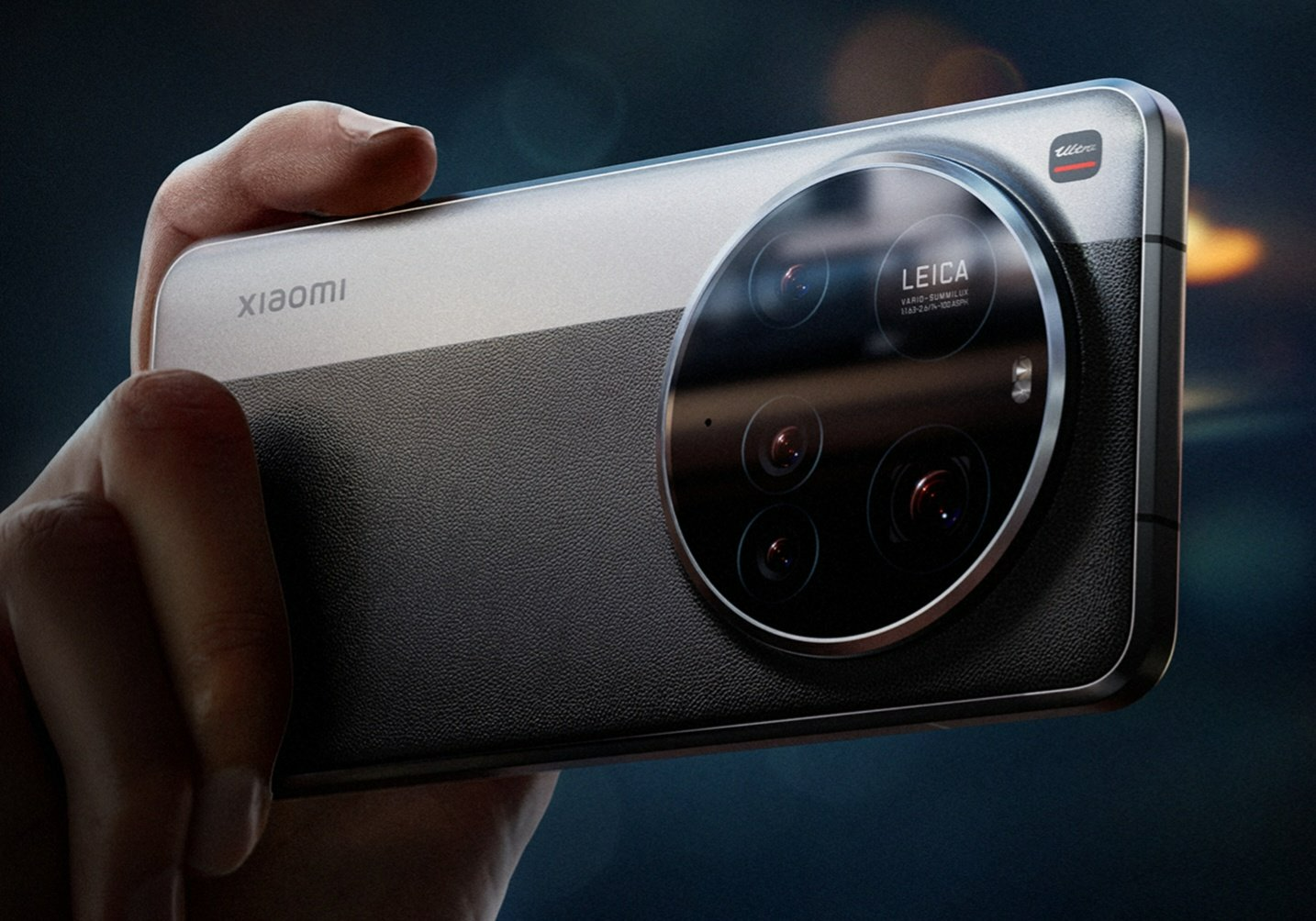
The Xiaomi 15 offers a triple 50MP camera system with Leica lenses, significantly upgrading the Xiaomi 12’s setup. It includes a 3x optical zoom and enhanced ultrawide features compared to the Xiaomi 12’s basic ultrawide and telephoto macro lenses. Video recording is also elevated with 8K HDR and Dolby Vision support. The 32MP selfie camera gains 4K recording capability in the Xiaomi 15.

Photography lovers will appreciate the Xiaomi 15’s superior versatility and advanced Leica optics. This is a substantial improvement for users looking for professional-grade images and videos.

4. Pricing

The Xiaomi 15 is priced at approximately €590, positioning it as a flagship compared to the Xiaomi 12’s budget-friendly €305. While the Xiaomi 15’s price may seem steep, it reflects significant advancements in display, performance, and camera features.

The Xiaomi 15 justifies its higher price with premium enhancements, but budget-conscious users may still find the Xiaomi 12 an excellent value for its solid performance.

5. Conclusion

Xiaomi 15

Unique features of the Xiaomi 15 include IP68 certification, Leica camera lenses, and advanced HyperOS 2 integration, offering a futuristic interface compared to Xiaomi 12’s MIUI 13. Additionally, the LTPO display and the latest Snapdragon chip set the Xiaomi 15 apart for power users.

These upgrades make the Xiaomi 15 a standout device, especially for users who value cutting-edge technology and durability in a premium package.

Comparing Xiaomi 15 and Vivo X200: Which is Better?

In this comparison, we pit the Xiaomi 15 against the Vivo X200, two flagship smartphones offering cutting-edge technology and premium features. From sleek designs and vibrant displays to powerhouse specifications and versatile cameras, both devices cater to different user preferences. While Xiaomi emphasizes advanced multimedia capabilities and fast wireless charging, Vivo focuses on durability, brightness, and zoom prowess. Let’s dive into the details to determine which flagship suits your needs better.

1. Design and Display

Xiaomi 15 and Vivo X200
Xiaomi 15

The Xiaomi 15 boasts a sleek aluminum alloy frame and shatterproof glass, with IP68 water resistance. Its 6.36-inch LTPO OLED display impresses with Dolby Vision, HDR10+, and a stunning peak brightness of 3200 nits. Meanwhile, the Vivo X200 features a slightly larger 6.67-inch AMOLED display with HDR10+ and a record-setting peak brightness of 4500 nits. Both phones exhibit premium build quality, though the Vivo edges ahead with its IP69 rating, offering better durability.

For media consumption, the Vivo X200’s larger screen and higher brightness make it slightly more immersive. However, the Xiaomi 15’s LTPO technology ensures smoother dynamic refresh rates, enhancing battery efficiency. 

While both displays deliver vibrant visuals, the Vivo’s brightness and rugged design may better suit outdoor and adventurous users.

2. Specifications

Xiaomi 15 and Vivo X200
vivo x200

Under the hood, the Xiaomi 15 is powered by the cutting-edge Snapdragon 8 Elite (3 nm), featuring higher clock speeds and Adreno 830 GPU, whereas the Vivo X200 relies on the MediaTek Dimensity 9400 (3 nm) with Immortalis-G925 GPU. Both provide top-tier performance, but Xiaomi’s chipset offers a slight edge in gaming and processing tasks.

Battery-wise, the Vivo X200 packs a slightly larger 5800 mAh battery, compared to Xiaomi’s 5400 mAh. Both support 90W wired charging, but Xiaomi includes faster 50W wireless charging, giving it an edge in convenience. 

Overall, Xiaomi excels in performance, while Vivo offers better endurance. If you’re after cutting-edge wireless features, Xiaomi is the better pick.

3. Camera

Xiaomi 15 and Vivo X200
Xiaomi 15

The Xiaomi 15 features a versatile triple-camera system with Leica lenses, including a 50 MP main, telephoto, and ultrawide sensors. Its video capabilities shine with 8K HDR and Dolby Vision. The Vivo X200 also sports a triple-camera setup with Zeiss optics, including a periscope telephoto lens for superior zoom. However, it lacks 8K video recording, limiting its appeal to videographers.

While both cameras excel in photography, Xiaomi’s broader video options and Leica integration make it ideal for creators. Vivo appeals more to casual users prioritizing zoom and everyday usability. 

If high-end video production matters, Xiaomi is a clear winner.

4. Pricing

The Xiaomi 15 is priced around €590, slightly undercutting the Vivo X200’s ~€600. Both offer excellent value in their segments, but Xiaomi’s slightly lower cost and superior features, like 8K recording and wireless charging, provide better bang for the buck. That said, Vivo’s additional ruggedness might justify its higher price for those seeking durability.

5. Conclusion

Xiaomi 15 and Vivo X200
vivo x200

Unique to Xiaomi is its 8K video recording, 50W wireless charging, and Leica lens partnership, making it perfect for creatives and tech enthusiasts. Vivo counters with IP69 water resistance, unparalleled 4500-nit display brightness, and a periscope telephoto lens, making it appealing to outdoor enthusiasts and photographers.

If you prioritize ruggedness and outdoor usability, Vivo shines. Xiaomi leads the way for cutting-edge technology and a polished multimedia experience.

Ulefone Black Friday Sale: Unbeatable Deals on Rugged Smartphones and Tablets

Ulefone has launched its highly anticipated Black Friday sale, running from November 22nd to December 3rd, offering discounts of up to 65% on its renowned rugged devices. Hosted on the brand’s official store on AliExpress, the sale includes cutting-edge 5G rugged smartphones with thermal imaging, night vision, and more. Let’s look at the incredible offers and product details. 

Armor 20 Pro Series

Armor Mini 20T Pro

Price:$329.99

The Armor Mini 20T Pro stands out as the world’s smallest rugged 5G smartphone, boasting a compact 4.7-inch screen. Despite its size, this phone is packed with advanced features, making it an indispensable tool for professionals and adventurers.

Thermal Imaging Technology: Equipped with FLIR Lepton 3.5 Thermal Imaging, the device offers a superior resolution of 120 x 160, making it ideal for detecting heat variations. This feature is particularly useful for engineers, inspectors, and outdoor enthusiasts.

Performance: The phone runs on the MediaTek Dimensity 6300 5G SoC, providing seamless multitasking, fast 5G connectivity, and efficient performance for demanding applications.

Battery Life: With a 6200mAh battery, the device ensures prolonged usage, whether you’re in the field or traveling. It supports 33W fast wired charging and 15W wireless charging, ensuring you’re always powered up.

Durability: The IP68/IP69K and MIL-STD-810H certifications mean the device is water, dust, and shock-resistant, making it perfect for extreme environments.

Camera System and Utilities: A 50MP main camera delivers high-quality images, while additional features like a versatile LED light and an emergency warning light enhance its utility.


Armor Mini 20 Pro

Price:$249.99 (50% off the original price)

If night vision is your priority, the Armor Mini 20 Pro is the perfect choice. It shares many of the features of the Mini 20T Pro, such as durability, performance, and battery life, but is tailored for nighttime use.

Night Vision Capabilities: Instead of thermal imaging, this model excels in low-light environments with its specialized night vision technology. This makes it ideal for security professionals, wildlife observers, or anyone working in dark conditions.


Flagship 5G Models: Rugged, Reliable, and Feature-Rich

Armor 27T Pro

Price:$323.99 (46% off the original price)

The Armor 27T Pro is designed for users seeking extended battery life and powerful imaging tools.

Battery: Its 10600mAh battery offers exceptional longevity, ensuring uninterrupted usage for days. This makes it ideal for remote areas or outdoor adventures.

Imaging Features: The device includes FLIR Thermal Imaging Technology, providing precise temperature readings for industrial inspections and safety applications. Additionally, a 64MP infrared night vision camera ensures clarity in low-light conditions.

Durability: Certified with IP68/IP69K and MIL-STD-810H, the Armor 27T Pro can withstand the toughest conditions.


Armor 25T Pro

Price:$294.99 (41% off the original price)

The Armor 25T Pro balances sleek design with robust functionality, making it versatile for various uses.

Thermal and Night Vision: It combines advanced thermal imaging with night vision capabilities, offering a comprehensive tool for outdoor exploration, industrial work, or emergency scenarios.

Durable Design: Built to last, the device is certified for extreme durability, ensuring reliable performance in challenging environments.


Additional Savings with Coupons

To maximize savings, shoppers can combine Ulefone’s promotional prices with AliExpress coupons, reducing the final cost even further. This makes these rugged devices not only powerful but also highly affordable.

Why Choose Ulefone?

Ulefone is synonymous with innovation in rugged technology. From compact, feature-rich designs to industry-leading thermal imaging and night vision, their devices cater to a wide range of professional and personal needs. With certifications like IP68/IP69K and MIL-STD-810H, Ulefone guarantees unmatched durability.

This Black Friday sale is Ulefone’s biggest promotion of the year, making it the perfect time to invest in a rugged smartphone or tablet. Whether you’re an adventurer, a professional in extreme conditions, or simply looking for a reliable device, these deals are too good to pass up. Visit Ulefone’s official store on AliExpress before the sale ends on December 3rd, and grab your rugged companion at unbeatable prices.

Oppo Pad 3 launched with Dimensity 8350, 11.6″ 2.8K 144Hz display & 9510mAh battery

Oppo has officially introduced the Oppo Pad 3 tablet alongside Reno 13 series smartphones, featuring a high-refresh display and powerful internals, starting at a price of 2099 yuan ($290). Let’s check out the specifications and pricing.

Oppo Pad 3

1. Oppo Pad 3 Specifications

Oppo-Pad-3

The Oppo Pad 3 features an 11.61-inch 2.8K LCD display with a resolution of 2800 x 2000 pixels. It comes with a 144Hz variable refresh rate, 700 nits of peak brightness, a 7:5 aspect ratio, and a 480Hz touch sampling rate. Additionally, it comes with stylus input support along with nano-textured paper-like writing technology, providing a realistic pen-and-paper experience ideal for professionals and creatives.

Under the hood, the tablet is powered by the MediaTek Dimensity 8350 processor built on TSMC’s advanced 4nm process and Mali-G615 MC6 GPU. It supports up to 12GB LPDDR5X RAM and 512GB UFS 3.1 storage for seamless multitasking and efficient operation.

The tablet runs on Android-15 based ColorOS 15, marking the first implementation of this operating system on an Oppo tablet. ColorOS 15 is designed to optimize tablet usability, offering a range of multitasking features and a user-friendly interface that enhances the overall device functionality.

The tablet is equipped with an 8MP rear camera with LED flash and an 8MP front-facing camera. These cameras support basic photography and video calls, ensuring that users can capture moments and communicate effectively.

Oppo Pad 3 equips a massive 9510mAh battery and supports 67W SuperVOOC fast charging. This powerful battery setup ensures extended usage times, allowing users to work, play, and stay connected for longer periods without frequent recharges.

The tablet features USB Type-C audio and six Hi-Res certified speakers for an immersive audio experience. It comes with a sleek metal design, measuring just 6.29mm thick and weighing 533 grams. It equips Wi-Fi 6, Bluetooth 5.4, NFC, and 5G sharing for versatile connectivity and seamless data transfer.

Oppo Smart Keyboard

The tablet supports the Smart Keyboard, a specially designed accessory available separately. It connects via Pogo Pins and features 1.5mm key travel, an AI key for Breeno Assistant, NFC one-touch connectivity, and a 120° adjustable angle, all in a lightweight 430g PU material build.

2. Pricing & Availability

The Oppo Pad 3 is available in Star Track Bright Silver, Sunset Purple, and Night Blue. Pricing details are as follows:

  • 8GB + 128GB: 2099 yuan ($290)
  • 8GB + 256GB: 2399 yuan ($331)
  • 8GB + 256GB Matte: 2599 yuan ($358)
  • 12GB + 256GB: 2699 yuan ($372)
  • 12GB + 256GB Matte: 2899 yuan ($400)
  • 12GB + 512GB: 3099 yuan ($428)

The Oppo Smart Keyboard is priced at 499 yuan ($69). Both the tablet and the keyboard are available for pre-order in China, with sales starting on November 29th.

Oppo Reno 13 & 13 Pro launched with Dimensity 8350, 6.83″ 1.5K display, 50MP cameras & 5800mAh battery

Oppo has officially launched the Reno 13 series in China, introducing two models: the Reno 13 and Reno 13 Pro. With a sleek design, powerful features, and cutting-edge technology, the series aims to deliver a premium smartphone experience at competitive pricing. Let’s check out the specs and pricing.

Oppo Reno 13 Series

1. Oppo Reno 13 Series Specifications

Left: Oppo Reno 13 / Right: Oppo Reno 13 Pro

The Oppo Reno 13 features a 6.59-inch 1.5K flat AMOLED display, offering a resolution of 2760 x 1256 pixels, a 120Hz refresh rate, and a 240Hz touch sampling rate. It reaches up to 1200 nits peak brightness and supports 3840Hz PWM dimming for reduced eye strain. The Reno 13 Pro steps up with a larger 6.83-inch 1.5K (2800 x 1272 pixels) curved AMOLED display, delivering an immersive viewing experience with the same high refresh and touch sampling rates.

Both smartphones are equipped with the MediaTek Dimensity 8350 chipset (4nm, up to 3.35GHz) and Mali-G615 MC6 GPU, delivering smooth gaming and multitasking performance. They also include a custom X1 network acceleration chip for enhanced connectivity, X-axis linear motors, and a gaming-focused cloud computing private network for ultra-low latency and high-speed gameplay.

The Reno 13 series, running Android 15 with ColorOS 15, offers enhanced customization and a seamless user interface. It supports live photo sharing with iPhones and popular apps like Weibo and Douyin, allowing users to edit and share live photos with watermarked frames for improved social media interactions.

The Oppo Reno 13 series impresses with advanced camera features. The Reno 13 has a dual-camera setup, including a 50MP Sony IMX882 main sensor with OIS for sharp low-light shots and an 8MP ultra-wide lens. It includes a 50MP front camera that supports 4K 60fps video recording, ideal for selfies and video calls.

The Reno 13 Pro upgrades to a triple-camera system with a 50MP Sony IMX890 primary sensor, an 8MP ultra-wide lens, and a 50MP 3.5X periscope telephoto lens supporting up to 100X digital zoom. It also features the same 50MP front camera and adds advanced features like 4K 60fps video, portrait modes, and AI enhancements for a professional-grade photography experience.

Coming to the battery life, the Reno 13 packs a 5600mAh battery, while the Reno 13 Pro includes a slightly larger 5800mAh battery. Both models support 80W SuperVOOC fast charging, ensuring quick top-ups. The Pro version adds 50W AIRVOOC wireless fast charging.

The Reno 13 series features a premium metallic middle frame, an optical in-display fingerprint sensor, and dual stereo speakers. In terms of connectivity, they include 5G, Wi-Fi 6, Bluetooth 5.4, and USB Type-C. The devices are rated IP66, IP68, and IP69 for superior dust and water resistance, with an innovative underwater camera feature.

Oppo Reno 13 measures 157.90 x 74.73 x 7.24mm and weighs 181 grams, making it sleek and lightweight for everyday use. The Pro version is slightly larger at 162.73 x 76.55 x 7.55mm and weighs 197 grams, balancing premium design with a comfortable hand feel.

2. Pricing & Availability

Reno 13 Pro

The Oppo Reno 13 series is available in multiple configurations and colors. The Reno 13 is available in Butterfly Purple, Galaxy Blue, and Midnight Black, while the Pro version swaps Galaxy Blue for Starlight Pink.

For the Reno 13, pricing starts at 2,699 yuan ($372) for the 12GB + 256GB model and goes up to 3,799 yuan ($524) for the top-end 16GB + 1TB variant. Intermediate options include the 12GB + 512GB and 16GB + 256GB models, both priced at 2,999 yuan ($413), as well as the 16GB + 512GB version at 3,299 yuan ($455).

The Reno 13 Pro starts at 3,399 yuan ($469) for the 12GB + 256GB version, with the 12GB + 512GB and 16GB + 512GB models priced at 3,699 yuan ($510) and 3,999 yuan ($551), respectively. The flagship configuration with 16GB + 1TB storage is available for 4,499 yuan ($620).

The series is now on sale in China through Oppo’s official channels and authorized retailers. Global availability details are expected to follow soon.

If you’re in the US and searching for the best smartphone under $500, this article might help you find the perfect option.

Xiaomi reportedly developing a 7000mAh midrange phone with Snapdragon 8s Elite

In a recent leak from the reliable tipster Digital Chat Station, Xiaomi is gearing up to launch a mid-range smartphone with a monstrous 7000mAh battery. This upcoming device is expected to be powered by the Qualcomm Snapdragon 8s Elite/8s Gen 4 (SM8735).

Xiaomi battery

The Snapdragon 8s Elite (tentative naming), the successor to the Snapdragon 8s Gen 3, will be designed to offer a compelling balance of power and energy consumption. While it may not reach the peak performance of flagship chipsets, it’s expected to deliver significant improvements over its predecessor. The chipset will also be a lot cheaper than its flagship counterpart.

Xiaomi 7000mah battery leak

To complement the massive 7000mAh battery, Xiaomi is reportedly equipping this device with 90W wired fast charging. While this might not be the fastest charging solution on the market, it should be sufficient to rapidly replenish the large battery. Unfortunately, wireless charging may be absent from this model.

This isn’t the first time it has surfaced; earlier this year, Digital Chat Station revealed that Xiaomi is testing various battery and charging configurations, including options with up to 7,500mAh capacity and 100W charging.

The exact model number and branding of the device are still unknown, but speculation points toward Xiaomi’s Redmi lineup. It could potentially be the Redmi Turbo 4 Pro or Redmi K90, as the model number “SM8735” was spotted in the HyperOS software earlier this year. However, it’s important to note that these are just rumors at this stage.

Meanwhile, Redmi is launching the K80 series in China on November 27 with up to 6500mAh battery and 120W fast charging. The lineup features two models: the K80 and K80 Pro. Both phones sport a premium 2K AMOLED display with 1800 nits peak brightness, TÜV Rheinland eye protection, and advanced visual health features.

The K80 Pro is powered by Qualcomm’s Snapdragon 8 Elite processor with Oryon cores and includes a 50MP triple-camera setup with optical zoom, while the K80 features the Snapdragon 8 Gen 3 and a 50MP main camera. Additional highlights include IP68/IP69 durability and a premium design with Dragon Crystal Glass and ultrasonic fingerprint sensors.

Best Smartphones under $500 in the US (November 2024)

We offered a list of the best smartphones under $500 in the US for the month of October 2024. Now, here’s an updated list for the month of November 2024. It is hard to decide on which smartphone to buy since there are plenty of options. So hopefully this list of the top 5 phones could help make the choice easier for you.

1. Samsung Galaxy S24 FE

Samsung Galaxy S24 FE

There are plenty of returning smartphones on the list since these devices are still a great deal. However, a budget Samsung flagship is finally under the $500 price tag during the Black Friday sale in the US. At the moment, the Galaxy S24 FE has a $649 starting price, but there is a $175 discount available to buyers during this sale. So you can get your hands on this phone for $474.99 US Dollars.

For this price, buyers get a tall Dynamic AMOLED 2X display with an FHD+ resolution, a 120Hz refresh rate, and Corning Gorilla Glass Victus+ for protection. This model has a premium aluminum frame and glass back. The rear also features a 50MP (Main) + 8MP (Telephoto) + 12MP (Ultrawide) camera, while the front houses a 10MP selfie shooter. Under the hood, it is equipped with the Exynos 2400e SoC, and the device is powered by a 4,700mAh battery pack that supports 25W wired fast charging and 15W wireless fast charging.

Please Note: When you buy something using the links in our articles, we may earn a small commission at no cost to you.

2. OnePlus 12R

OnePlus 12R
OnePlus 12R

The OnePlus 12R is easily one of the best budget flagship smartphones in the US market. Despite the capable hardware it offers, you can get your hands on this phone for just under $400 right now. To recall, it had a $499 launch price in the region. It features Qualcomm’s flagship Snapdragon 8 Gen 2, 6.78-inch 1.5K AMOLED screen with 120Hz refresh rate, 50MP triple cameras on the rear, and a massive 5,500mAh battery pack with 100W wired fast charging support. The smartphone has a premium glass back and aluminum frame as well.

Please Note: When you buy something using the links in our articles, we may earn a small commission at no cost to you.

3. Google Pixel 8

Google Pixel 8

Last month, we listed the Google Pixel 8a as one of the best smartphones under the $500 price range. But now, the Unlocked Google Pixel 8 has gone on sale on Amazon for just $448. This easily makes it a top contender for those looking to buy a Pixel phone on a budget. It also has a 6.2-inch OLED display, making it a compact phone as well. On the back, you get a 50MP dual image sensor and you can expect it to have one of the best cameras on this list. A 4,575mAh battery powers this model with support for 27W wired fast charging and 18W wireless fast charging.

4. Motorola Edge+ 2023

Motorola Edge Plus (2023)
Motorola Edge+ (2023)

The Motorola Edge+ (2023) is a returning model from last month. It is still a great deal, especially since it is selling for just $449 during the Black Friday sale on Amazon. Similar to the OnePlus 12R, it is a budget flagship phone with impressive specs for its price. Under the hood, this model also packs the Snapdragon 8 Gen 2 that brings top notch performance. Users get a curved OLED screen with a higher 165Hz refresh rate, 50MP (Main) + 12MP (Telephoto) + 50MP (Ultrawide) triple rear cameras. A large 5,100mAh cell powers this device with support for 68W wired and 15W wireless fast charging. So overall, this is a great package on a strict budget.

Please Note: When you buy something using the links in our articles, we may earn a small commission at no cost to you.

5. Apple iPhone SE (3rd Gen)

iPhone SE 2022
Apple iPhone SE (3rd Gen)

The only Apple device on this list and also a returning name is the iPhone SE (3rd Gen), which was released back in 2022. It is a bit dated compared to the other phones on this list, but it’s a recommendation for customers looking for a cheap entry into the Apple ecosystem. It is also a great option for those that need a very small phone since it has a tiny 4.7-inch display. This model is on sale as well and can easily be purchased for under $300. It doesn’t have any of the latest features from the new iPhones, but it gets the job done.

Boat launches Airdopes Loop clip-on earbuds with 50-hour battery, IPX4, Bluetooth 5.3 & more

The clip-on earbuds market is thriving, and Boat has joined the trend with its latest offering, the Airdopes Loop. The earbuds are priced at Rs. 1,999 ($24) and are now available on Boat’s official website, Amazon.in, and Flipkart.com. Let’s check out the key specs of these earbuds.

Boat Airdopes Loop

Boat Airdopes Loop Specifications

The Airdopes Loop features 12mm drivers that deliver powerful and immersive audio enhanced by Boat’s Signature Sound technology. It comes with two EQ modes designed to cater to different listening needs. The Signature Mode provides a rich, dynamic audio experience with powerful bass and sharp clarity. On the other hand, Private Mode minimizes sound leakage by up to 93%, ensuring better privacy while still delivering crisp and clear sound quality.

For gamers, the earbuds feature Beast Mode, offering 40ms low latency to ensure lag-free synchronization during gameplay. Additionally, the earbuds come with quad microphones powered by ENx Technology, which filters out background noise to deliver crystal-clear call quality.

Boat Airdopes Loop

The Airdopes Loop equips a robust 480mAh battery in the case and 50mAh batteries in each earbud, delivering up to 50 hours of playback time. It features ASAP Charge Technology, enabling 10 minutes of charging to provide up to 200 minutes of playtime, making it ideal for on-the-go users.

The earbuds feature Bluetooth v5.3 connectivity for seamless pairing and low energy consumption. Additionally, they come with IWP Technology, enabling instant pairing when the case is opened.

The earbuds are rated IPX4, offering protection against sweat and splashes, making them suitable for workouts or outdoor activities. They also feature voice assistant support for added convenience.

In terms of design, the Airdopes Loop features a clip-on design that ensures a secure fit, making it ideal for extended usage. The open-ear structure is equipped with Air Conduction Technology, which enhances comfort while delivering high-quality audio. This design also helps maintain ambient sound awareness, ensuring users can stay connected to their surroundings.

Please Note: When you buy something using the links in our articles, we may earn a small commission at no cost to you.

In related news, Baseus recently launched the MC1 clip-on earbuds, featuring a triple magnetic diaphragm, 360° sound, and a 40-hour battery life. Earlier this month, Edifier also introduced the Huazai Zero Clip open-ear earbuds, offering a 35-hour battery life, Bluetooth 5.4 connectivity, and an IP56 rating.

(Via)
Redmi K80 Pro features same flagship main sensor as Xiaomi 15

Xiaomi is gearing up for a major product launch event in China on November 27th. The Redmi K80 series, particularly the K80 Pro, has been a central focus of pre-launch teasers. 

The device is powered by the flagship Snapdragon 8 Elite chip, features a D1 independent graphics chip, and boasts a premium AMOLED display from TCL. Today, the company revealed more details about the K80 Pro’s camera capabilities

Redmi K80 Pro cameras

The Redmi K80 Pro features a triple-camera setup on its rear panel, headlined by a 50MP Sony Light Hunter 800 sensor with optical image stabilization (OIS)—the same sensor used in the recently launched Xiaomi 15 series. 

It also includes another 50MP sensor, this time for the telephoto lens, which supports OIS and offers 2.5x optical zoom for detailed zoomed shots. Completing the setup is a 32MP ultrawide sensor with a 120-degree field of view.

Beyond the hardware upgrades, Xiaomi is touting its latest imaging software, the Xiaomi AISP 2.0, on the K80 Pro. Claimed to be the brand’s most powerful imaging algorithm yet, AISP 2.0 integrates four major models and promises to deliver photos rich in detail. 

To showcase the camera’s capabilities, Xiaomi also shared two close-up telephoto shots. The images are attached below—take a look and judge for yourself.

While the front-facing camera remains a mystery, rumors suggest it will feature a 20MP OV20B sensor. 

Other expected specs of the phone include a 6000mAh battery with support for 120W wired and 50W wireless, an in-display ultrasonic fingerprint scanner, a metal middle frame for durability, Dragon Crystal Glass on both the front and back, and IP68/IP69 certification for dust and water resistance.

The vanilla Redmi K80 may offer a slightly larger 6,500mAh battery with 90W charging, a 50MP triple rear camera setup paired with 8MP ultrawide and 2MP macro lenses, and a Snapdragon 8 Gen 3 chip. Most other specifications are likely to match the Pro model.

Best Alternatives to the Apple Watch: Galaxy Watch 7, Pixel Watch 3, & Garmin Fenix 8

The Apple Watch is undoubtedly one of the most popular wearables in the world, but it’s not the only choice in the market. There are plenty of premium and affordable options that are compelling alternatives to the Apple Watch. There are smartwatches from Samsung, Google, and Garmin. So let’s check it out.

Note: This list pits the latest Apple Watches like the Series 10 and Ultra models against these other wearables.

1. Samsung Galaxy Watch 7/Ultra

Samsung Galaxy Watch Ultra

Among the premium smartwatch category, the Galaxy Watch 7 is a great competitor on the Android front. If you’re already in the Samsung ecosystem, the Galaxy Watch 7 is a great pick. For a 300 US Dollar price tag, it is also more affordable than the Apple Watch Series 10, which starts from 399 US Dollars. To rival the Apple Watch Ultra 2, the South Korean tech giant also has the 650-dollar Galaxy Watch Ultra, which is again cheaper than the Apple Watch Ultra 2, which costs 799 US Dollars.

Samsung offers various improvements with its latest flagship smartwatch with improved health trackers and AI integration. These wearables can track over 100 workouts and advanced AI algorithms help in sleep analysis. There is also support for heart rate warning, ECG, body composition measurement, menstrual cycle tracking, and fall detection.

Please Note: When you buy something using the links in our articles, we may earn a small commission at no cost to you.

2. Google Pixel Watch 3

Google Pixel Watch 3

Google built one of the best smartwatches for Android with its Pixel Watch 3. Just like the Apple Watch Series 10, it has a starting price tag of 399 US Dollars. The brand has made various enhancements to its latest smartwatch model, with its attractive design being one of them. You get an excellent sleep tracking feature, along with other useful features like fall detection, and reliable heart rate tracking even during intense workouts.

The Google Pixel Watch 3 has a vital feature that can detect loss of pulse and automatically call emergency services, which can potentially save lives. It is also capable of detecting atrial fibrillation and delivering irregular heart-rate rhythm alerts. Thanks to a cEDA sensor, the smartwatch can map any signs of stress and read your temperature. It packs the Snapdragon Wear 5100 SoC, similar to the Pixel Watch 2.

Please Note: When you buy something using the links in our articles, we may earn a small commission at no cost to you.

3. Garmin Fenix 8

Garmin-Fenix-8-and-Fenix-8-Solar-Edition-launch
Garmin Fenix 8

Garmin is a known brand for wearables and its Fenix 8 is a flagship durable smartwatch, which continues the legacy of catering to athletes and wilderness enthusiasts. It works well with iPhones as well, and carries a hefty price tag of 999 US dollars. The front sports an AMOLED display with scratch-resistant sapphire glass, which is surrounded by an extremely durable titanium frame option. There is also a built-in LED flashlight to help in low light environments.

The standard Garmin Fenix 8 can last for up to 16 days in smartwatch mode. This makes it one of the best smartwatch for outdoor adventures as well. It is also a great option for fitness-focused users who want targeted strength training, which offers tailored workout plans based on specific sports. There is also support for running, cycling, or swimming. The Fenix 8 can also be used in scuba diving, capable of handling up to 40 meters of submersion.

Buy Garmin Fenix 8

Baseus launches MC1 clip-on earbuds with triple magnetic diaphragm, 360° sound, 40-hour battery & more

Baseus has launched its latest MC1 clip-on open-ear earphones in the Chinese market. The earphones are priced at 269 yuan ($37) and are available on JD.com. Let’s check out the key specs.

Baseus MC1 Earbuds

Baseus MC1 Earbuds Specifications

The Baseus MC1 earbuds feature an open-fit design, ensuring a pressure-free wearing experience for long durations. It comes with innovative cloud-like airbag cushions, providing a snug and stable fit that adapts to various ear shapes. It equips skin-friendly silicone material, enhancing comfort during extended use.

The earbuds sport a tri-magnetic circuit high-sensitivity driver, which includes a nano-polymer three-layer composite diaphragm, achieving a vibration amplitude of 0.8mm. This design delivers a rich sound experience with clear highs, detailed mids, and powerful bass, all while ensuring low distortion.

The Baseus earphones sport an AI Dynamic Bass Enhancement algorithm, performing up to 48,000 checks per second to intelligently optimize bass for robust and detailed notes. It comes with a Power Magnetic Driver combining PU and LCP materials for clear highs, detailed mids, and deep lows.

It equips open-fit stereo sound enhancement technology and the BISA spatial sound effect algorithm, delivering an immersive 360-degree panoramic sound experience that replicates live music.

These earphones also come with a reverse sound field noise reduction system that uses reverse sound waves to reduce sound leakage, creating a private listening space even in noisy environments. The DNN Deep Sense Noise Reduction Algorithm, backed by a 30-million-sample model, effectively cancels noise in challenging environments such as subways and windy outdoor conditions, ensuring clearer call quality.

The Baseus earphones feature Bluetooth 5.4 for stable connectivity up to 10 meters and offer up to 40 hours of battery life with the charging case. They support the Baseus app for customizing EQ modes and low-latency settings and come with a Type-C charging interface for quick and easy charging.

The physical buttons on the earphones are designed to prevent accidental touches and enable easy operation during physical activities. Users can play or pause with a single tap, skip tracks with double or triple taps, and adjust volume with a long press on either ear.

For durability and aesthetics, the earphones have a high-gloss, metallic coating that is wear and oxidation-resistant, enhancing their visual appeal. They are IPX7 rated, making them resistant to water splashes, which makes them suitable for sports and rainy conditions.

The earphones weigh approximately 54.8g (including the charging case), and their dimensions are 65.1mm x 29mm x 26.1mm. The earbuds come in Starlight White and Interstellar Black colors.

In related news, Edifier has introduced the Huazai Zero Clip open-ear earbuds, featuring a 35-hour battery life, Bluetooth 5.4 connectivity, and an IP56 rating. Meanwhile, Xiaomi is gearing up to launch its Buds 6 Pro. Curious about what to expect from the Redmi Buds 6 Pro? Check it out!

Oppo/OnePlus Mini Smartphones: Everything We Know So Far

Oppo group is rumored to launch compact flagship smartphones. These devices are expected to be released in 2025.

Xiaomi is the only Chinese brand selling compact premium smartphones for a while. Recently, Vivo entered this segment with the launch of X200 Pro Mini.

If rumors are true, we will see similar devices from Oppo and OnePlus in the coming months. Let’s go through everything that we know about these products so far.

OnePlus 13
OnePlus 13

1. Two devices under different brands

According to leaks, there will be two small-screen premium phones from the Oppo group. One of these handsets will be released under the Oppo brand and the other one will bear the OnePlus branding.

Rumors indicate that the Oppo device will be part of the Find X8 lineup. It is sad to go official alongside the Find X8 Ultra in the spring of 2025. The product could be called Find X8 Mini.

On the other hand, the OnePlus handset is tipped to be launched under the Ace series. It is expected to break cover in Q2 2025. We don’t know its final name for now.

2. Will not cannibalize one another

Despite coming from the same company, the two handsets will have some differentiating factors. The most notable one will be their chipsets.

As per leaks, the OnePlus mini smartphone will house a Qualcomm SnCapdragon 8 Elite SoC. Whereas the Oppo model is anticipated to be powered by a MediaTek Dimensity 9400 silicon.

They are expected to have different designs. Also, they will likely be available in different finishes and colors.

3. Expected Specs

The OnePlus small-screen flagship smartphone is tipped to sport a 6.31-inch OLED display. This screen is said to offer a 1.5K resolution. We can expect the panel to support 120Hz refresh rate.

There’s a high chance for the Oppo handset to use the same display. However, we cannot deny the possibility of a different screen either.

As for other features, both devices will most likely arrive with downgraded specs compared to their regular-sized counterparts. So they may have different cameras, smaller batteries, and inferior cooling systems to name a few.

The downgrades in features will be due to space constraints and not cost-cutting.

4. Availability and Competition

So far, it is said that both these smartphones will be released in China. There’s no rumor on their global availability yet.

In their home market, they will compete with four products from different brands. The competitors in question are Vivo X200 Pro Mini, Xiaomi 15, Apple iPhone 16, and the upcoming Samsung Galaxy S25.

If any or both of these Oppo group mini smartphones make it to the global market, they will face the same competition as in China, except for the Vivo X200 Pro Mini which is exclusive to China.

As of now, the only Chinese compact flagship smartphone that is confirmed to be available globally is the Xiaomi 15, just like its predecessors.


Realme 14 Pro 5G leaked ahead of India launch: Color, Storage, & RAM revealed

The Realme 14 Pro 5G has just been leaked ahead of any official announcement in India. This model is the direct successor to the Realme 13 Pro, which launched in India earlier this year. So here’s everything we know about the upcoming Realme 14 Pro.

Realme 14 Pro 5G: What does it offer?

Just earlier this month, we covered the Realme 14 Pro Lite and Realme 14x in recent leaks. And now, the Realme 14 Pro 5G has also been spotted in a new 91Mobiles report. While the Chinese company is gearing up for the flagship Realme GT 7 Pro launch in India, it seems a new mid-range series could also be right around the corner. According to the latest report, the Realme 14 Pro carries the RMX5056 model number and it will launch in three storage configurations along with two color options in the Indian market.

Realme 13 Pro Plus 5G

Industry sources close to the matter claim that the Realme 14 Pro will launch in India with 8GB + 128GB, 8GB + 256GB, and 12GB + 256GB storage options. There are two color hues, which include Pearl White and Suede Gray. Based on what we know so far, the Realme 14 series is set to include the Realme 14x, Realme 14 Pro Lite, Realme 14 Pro, and Realme 14 Pro+.

As of right now, the launch date for the mid range lineup is still unclear. However, the source adds that the Realme 14 Pro, Realme 14 Pro+, and Realme 14 Pro Lite may debut in India in January 2025. On the other hand, the remaining models will arrive soon after. The Realme 14 Pro series is expected to be priced around the 30,000 INR market, which is slightly more expensive than its predecessor. This is all the information we have at the moment, so stick around for more updates.

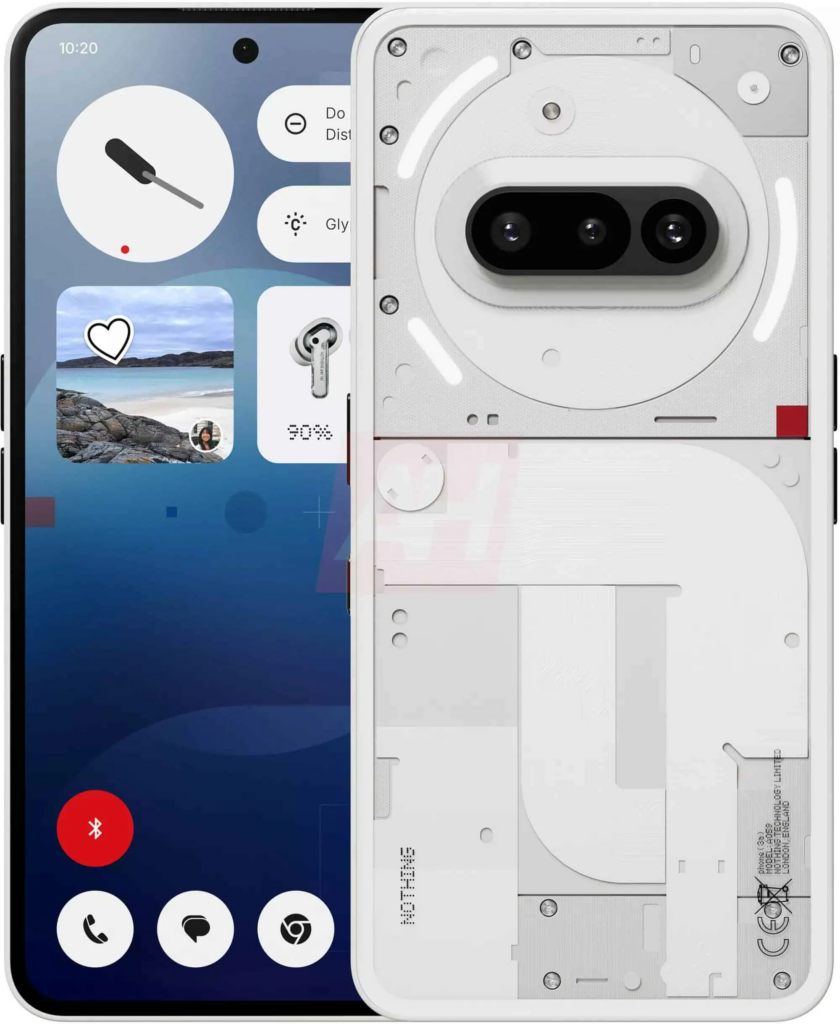
Nothing Phone (3) surfaced on GeekBench with Snapdragon 7s Gen 3

Nothing skipped the launch of its flagship smartphones this year, with the last high-end model, Phone (2), being announced in 2023. Now, the successor to this device has just surfaced on a benchmarking platform. This has revealed the chipset that powers the upcoming Nothing Phone (3), so let’s check it out.

Nothin Phone (3): Back to Mid-Range?

Nothing Phone (3) Leaked with Action Button

The new smartphone was spotted on the GeekBench platform (Via 91Mobiles), carrying the A059 model number. This model is believed to be the Nothing Phone (3), which is equipped with the Qualcomm Snapdragon 7s Gen 3 SoC and 8GB of RAM. With this processor, the company received 1,149 points on the single core test and 2,813 points on the multi core test. The listing confirms that it runs on the Android 15 OS out of the box that will likely be based on the NothingOS 3.0 custom skin.

This may seem odd since the Nothing Phone (2) was a high-end device with Qualcomm’s flagship Snapdragon 8+ Gen 1 SoC. So it might seem like Nothing is going back to a mid-range phone on the Phone (3), similar to the Phone (1). However, this might just be the base model of the Phone (3) series. A couple of months ago, two mysterious Nothing Phones were spotted on the IMEI database, namely A059 and A059P. The latter is likely the more powerful Pro variant.

Nothing Phone (3)

Based on what we know so far, the Nothing Phone (3) had its launch possibly pushed back to 2025. It might also include an Action Button. The vanilla Nothing Phone (3) could sport a 6.5-inch display, while the Nothing Phone (3) Pro could be equipped with a taller 6.7-inch display. While the upcoming third iteration was initially rumored to feature the Snapdragon 8 Gen 3, it might move to a mid-range status again. Meanwhile, the Pro model could be called the Nothing Phone (3)+ and may feature the Dimensity 9400 SoC.

Next-gen Galaxy Foldables to launch with Exynos chips for the first time

Samsung is reportedly preparing to expand its foldable lineup in 2024 with the introduction of the Galaxy Z Flip FE, a budget-friendly version of its popular clamshell foldable. In addition, fresh leaks hint at the chipset configurations for both the Galaxy Z Flip FE and its flagship counterpart, the Z Flip7.

Galaxy Z Flip7 is expected to debut the Exynos 2500 chipset

According to X tipster Jukanlosreve, the Galaxy Z Flip7 is expected to feature Samsung’s upcoming Exynos 2500, marking a significant shift from the Snapdragon chips used in previous foldable models like the Z Flip6.

For those unfamiliar, Samsung is facing some manufacturing issues with its 3nm chips. The adoption of the 3nm Exynos 2500 in the upcoming Z Flip 7 instead of the S25 series scheduled to launch in January (which was supposed to equip the chips) suggests that Samsung hopes for an improvement in its yield rate before it needs to mass produce the chips to cut down the manufacturing costs.

Samsung has powered its foldable phones with Qualcomm chips so far and it will be interesting to see how much of an improvement in performance and power efficiency Samsung manages to offer with the Exynos 2500-powered Z Fold 7. Notably, the tipster didn’t mention the Z Fold 7, so that’s still expected to power the Snapdragon 8 Elite chip.

Budget-friendly Galaxy Z Flip FE to use S24FE’s Exynos 2400e

The Galaxy Z Flip FE is expected to launch as an affordable alternative to the premium Z Flip series. The device could feature the Exynos 2400e, a slightly downclocked version of the Exynos 2400 chipset used in the Galaxy S24 FE.

The use of the Exynos 2400e ensures a balance between performance and cost-effectiveness. This chipset has already demonstrated its capabilities in handling everyday tasks effectively, making it a promising option for a budget foldable device.

(Source)

vivo S20 /S20 Pro specs, color options confirmed: 6500mAh battery, curved & flat-screen options, Dimensity 9300+

The vivo S20 series is set to debut on November 28 at 7:00 PM, featuring two models: the vivo S20 Pro and the standard vivo S20. The series targets users looking for a premium yet versatile experience. Following a plethora of leaks, now vivo has stepped up, officially revealing key features of both models.

vivo S20 Pro:

The vivo S20 Pro boasts a ‘full-depth micro-quad-curved screen’ that combines the sleek appearance of a flat display with the ergonomics of a curved design. It caters to photography enthusiasts with a 50MP ‘telephoto portrait lens’, alongside an OIS-enabled 50MP main lens.

Under the hood, the S20 Pro is powered by the Dimensity 9300+ chipset, (the same as the upcoming realme Neo7) promising flagship-grade performance. Vivo is also incorporating its ‘Blue Crystal technology’, which could enhance the phone’s thermal efficiency, though further details are awaited.

The Pro model will be available in striking color options like Phoenix Feather Gold, Purple Air Coming from the East, and Pine Smoke Ink.

vivo S20: blend of ultra-thin design and notable specs

The standard vivo S20 opts for a 7.19mm ultra-thin straight screen, delivering a clean, minimalist look. It packs a 6500mAh battery, leveraging semi-solid-state technology to offer high capacity without compromising on size.

One of the standout features of the S20 series is “Dopamine Live Dynamic Photos”, an innovative way to bring photos to life by adding motion synced to the rhythm of the live content. The vivo S20 also introduces a film-camera-inspired photography mode, further emphasizing its focus on imaging capabilities.

Color options for the standard model include Phoenix Feather Gold, Jade Dew White, and Pine Smoke Ink.

Both models in the vivo S20 series feature BOE Q10 Eye-Pleasing Eye Protection screens, ensuring a comfortable viewing experience. While the S20 Pro uses the Dimensity 9300+ chip, the standard model is expected to come with the Snapdragon 7 Gen3 chipset.

The 6500mAh semi-solid-state battery offers extended usage while maintaining lightweight designs—the standard model weighs approximately 180g.

With its advanced features, vibrant color options, and focus on imaging, the vivo S20 series is poised to attract the attention of those seeking a decently capable smartphone that is also visually appealing.

(Source)

Honor 300 series confirmed to launch in first week of December

Honor has been teasing its upcoming 300 series phones for a while, and now we finally have an official launch date for China, December 2nd. 

The announcement comes just after several rival launches. For instance, Oppo will launch the Reno 13 series on November 25 (today), Redmi has an event for its K80 line on November 27, and Vivo will unveil the S20 series on November 28 in China.

Honor’s lineup includes three models — the vanilla 300, 300 Pro, and 300 Ultra. While all three share a similar rear design, the 300 Pro and Ultra have more in common with each other.

What you can expect

The latter features a curved screen with a pill-shaped cutout on top for two selfie cameras. Honor 300, on the other hand, has a flat panel with a single hole-punch cutout. 

The Pro and Ultra also share a triple camera setup on the back while the vanilla model has a dual-camera system, likely led by a 50MP main sensor.

Honor 300 Pro

As for the performance, rumors suggest a Snapdragon 7 series processor for the Honor 300, powered by a 5300mAh battery with 100W charging support. And despite its sizable battery, the phone measures just 6.97mm in thickness. It will come in four configurations: 8/256GB, 12/256GB, 12/512GB, and 16/512GB.

The Pro and Ultra models may not match the slim profile of the vanilla 300, but they are expected to offer wireless charging as an added convenience. The wired charging remains the same at 100W, and so is the 5300mAh battery. Both models will likely be powered by the powerful Snapdragon 8 Gen 3 chip.

Apart from this, we know that the standard model will be available in Luyan Purple, Chaka Green, Yulong Snow, and Cangshan Gray shades. Meanwhile, the Pro and Ultra models are expected to come in at least White and Black options.

(Source)

realme Neo7 packs 7000mAh battery, scores 2.4 million in AnTuTu

Realme recently announced the Neo series will now operate independently within its lineup, establishing itself as a mid-range e-sports flagship. Xu Qi, Realme’s vice president, confirmed this move as part of a strategy to distinguish the Neo lineup from the premium GT series.

Realme Neo7 outperforms GT Neo6 in AnTuTu

The latest news is about the realme Neo7, which is shaping up to be a mid-range gaming powerhouse. According to a new leak by tipster Digital Chat Station, the upcoming device has achieved an impressive AnTuTu score of 2.4 million points. This is a significant leap compared to its predecessor, the realme GT Neo6, which scored around 1.5 million. Alongside its Dimensity 9300+ chipset, the phone will pack a massive 7,000mAh battery, further cementing its focus on performance.

For those confused about the lineup, there indeed wasn’t a realme Neo6, but a GT branded model, the GT Neo6. The AnTuTu listing indeed mentions the phone as realme Neo6. Nonetheless, the use of last year’s flagship Dimensity 9300+ paired with the massive 7000mAh battery suggests a focus on performance.

For further context, the company launched the GT Neo6 in May this year with Snapdragon 8s Gen 3, UFS 4.0 storage, and a much smaller 5500mAh battery. However, the GT Neo6 offers a blazing fast 120W fast charging, which is also expected to be seen with the upcoming Neo7, especially considering the larger capacity.

In other aspects, the previous GT Neo6 packs a 6.78-inch display which is curved on two sides. While with the 5500mAh battery, the phone measures 8.7mm thick and weighs 191g, realme is likely to utilize the new high-density silicon anode battery tech with the Neo7, making it thinner and lighter than expected. For context on this aspect, the GT7 Pro weighs only 4g higher than its predecessor, the GT5 Pro, which packs an 1100mAh lower capacity. So the Neo7 is expected to offer a reasonably good in-hand experience. That said, more specs are likely to emerge going forward.

iQOO reveals stunning imaging performance of the Neo 10 and Neo 10 Pro

iQOO has revealed the first image samples from its upcoming Neo10 series, showcasing its flagship-level camera capabilities. This follows earlier announcements about the Neo10’s powerful specifications, including the use of the Sony IMX921 sensor, advanced OIS systems, and Vivo’s proprietary image processing algorithms. With these features, the Neo10 series is shaping up to be a compelling choice for photography enthusiasts and gamers alike. Now the company has officially revealed image samples of both devices giving us a peek into the camera capabilities.

iQOO Neo10 image samples

The Neo10 series is confirmed to feature the same Sony IMX921 sensor found in Vivo X200. Both the standard and Pro variants will include advanced portrait algorithms, and night scene enhancements, making the lineup versatile for various photography needs.

The Neo10 samples highlight its capabilities in portrait and night photography. These images demonstrate impressive clarity, color accuracy, and dynamic range.

iQOO Neo 10 Pro images:

The iQOO Neo10 series isn’t just about imaging—it’s designed to excel in performance and display technology. Here’s a breakdown of what to expect:

Performance

  • Powered by the Snapdragon 8 Gen3 chipset, the Neo10 standard model promises flagship-level performance. The Neo 10 Pro takes it a step further with this year’s flagship Dimensity 9400 chip.
  • The in-house Q2 gaming chip enhances gaming experiences with super-resolution and frame-rate interpolation features.
  • A massive 6,100mAh battery ensures all-day usage, supported by 120W private protocol flash charging and 100W PPS fast charging.

Display

  • The series features an “eye protection super crown screen,” using the latest F1 flagship light-emitting device.
  • The 8T LTPO display supports a high refresh rate of 144Hz, delivering smooth visuals for gaming and everyday use.

Design

  • A sleek profile starting at 7.99mm thickness and weighing 199g ensures the Neo10 is easy to handle.
  • A floating window lens design and ultra-thin bezels (1.4mm) add to the premium aesthetic.
  • The ultrasonic fingerprint scanner offers convenience and security, with one-swipe entry across all models.
  • Software

The Neo10 series will run OriginOS 5 in China, which offers a refined and smoother user experience than the previous version.

(Source 1, 2)

Moto G 5G (2025) Renders Leaks: Triple Cameras, Bigger Battery, and More

Motorola is gearing up to launch the next generation of its budget-friendly 5G smartphone, the Moto G 5G (2025). Thanks to a recent report from 91mobiles, citing Steve Hemmerstoffer (OnLeaks), we have a clear picture of what to expect from the upcoming device.

Moto G 5G (2025)

Design and Display:

The Moto G 5G (2025) will maintain a familiar design language, featuring a flat display and a slightly thick bottom bezel. The side-mounted fingerprint sensor and 3.5mm headphone jack are retained. However, the rear camera module has undergone a significant upgrade. The square-shaped module now houses three sensors, indicating a potential improvement in camera capabilities.

The device is expected to sport a 6.6-inch display, similar to its predecessor.

Performance and Battery:

While specific details about the processor and RAM are yet to be confirmed, the Moto G 5G (2025) is anticipated to offer a performance boost over its 2024 counterpart. The device is likely to pack a larger battery and faster charging support.

Camera:

The triple-camera setup is the most significant upgrade in the 2025 model. While the exact details of the sensors remain unknown, it’s speculated that the additional lens could be an ultra-wide camera.

Its predecessor, the Moto G (2024) model features a 6.6-inch HD+ LCD display with a 120Hz refresh rate, a side-mounted fingerprint scanner, and a water-repellent vegan leather back.

Specifications:

  • Performance: Snapdragon 4 Gen 1 chipset, 4GB RAM (+4GB virtual RAM), 128GB UFS 2.2 storage.
  • Battery: 5,000mAh with 18W fast charging.
  • Cameras: 50MP main, 2MP macro, and 8MP front camera.

Availability:

The Moto G 5G (2025) is expected to launch alongside the Moto G Power 5G (2025). However, it’s uncertain whether the device will be available in the Indian market.

In other news, Motorola also preparing to launch the Moto G05 and Moto G15, entry-level smartphones debuting with Android 15 out-of-the-box. Both models will feature a 50MP primary camera, a punch-hole front camera, a side-mounted fingerprint scanner, and a leather-like back design.

(Source)