Advertisement

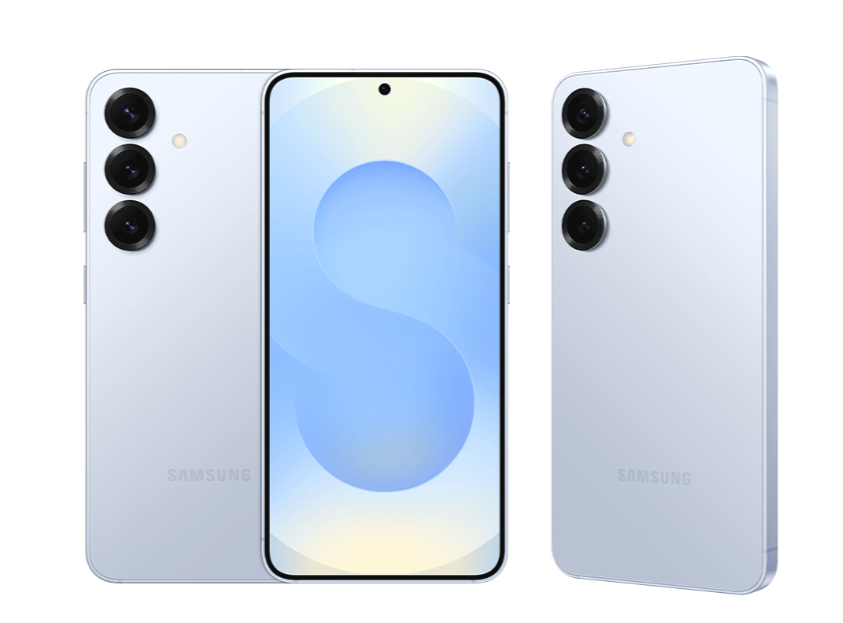
Samsung prepares Galaxy S25 Slim with 200MP camera and ultra-thin design

Following the release of the Galaxy Z Fold Special Edition in its home country, Samsung is now reportedly working on the Galaxy S25 Slim, a new flagship device that combines cutting-edge hardware with a focus on a sleeker, slimmer profile.

Samsung Galaxy Z Fold 6 Special Edition

This addition marks Samsung’s return to the “thin and light” approach it experimented with nearly a decade ago, with devices like the Galaxy Alpha. The Galaxy Alpha was just 6.7 mm thick, a stark contrast to the Galaxy S5’s 8.1 mm body. By bringing back a thin model within its flagship lineup, Samsung aims to cater to a segment of users who prioritize a lighter, more compact device without sacrificing flagship-level features.

Galaxy S25 Slim: what to expect?

The Galaxy S25 Slim may come equipped with a powerful camera system. The well-known tipster Ice Universe recently suggested on Weibo that the Galaxy S25 Slim will feature a 200-megapixel main camera. This camera is reportedly similar to the Ultra-level sensor Samsung already uses in its Ultra flagships, making the upcoming ‘Slim’ model a significant upgrade over standard configurations typically offered with thin smartphone models.

Significant in context, Samsung is already using a 200MP sensor in the Galaxy Z Fold Special Edition, recently launched in South Korea.

With model number SM-S937, the Galaxy S25 Slim has already been spotted in various regulatory filings, including the IMEI database. This appearance in regulatory databases is often an indication that a device is in the final stages of testing and approval before hitting the markets.

In terms of size and build, the S25 Slim is expected to fit seamlessly within the S25 lineup, joining the Galaxy S25 (SM-S931), Galaxy S25+ (SM-S936), and Galaxy S25 Ultra (SM-S938). As of now, the precise dimensions and thickness of the Galaxy S25 Slim remain speculative, though it’s expected to significantly differ from the standard S25 models.

Apple is reportedly taking a similar approach

Samsung is not the only major brand exploring ultra-thin designs in their flagship lineup. Apple, one of Samsung’s main competitors, is reportedly developing a “Slim” or “Air” version of the upcoming iPhone 17 series. This device is expected to replace the current iPhone Plus model, offering Apple’s user base a lightweight alternative in the 2025 flagship lineup.

(Source)

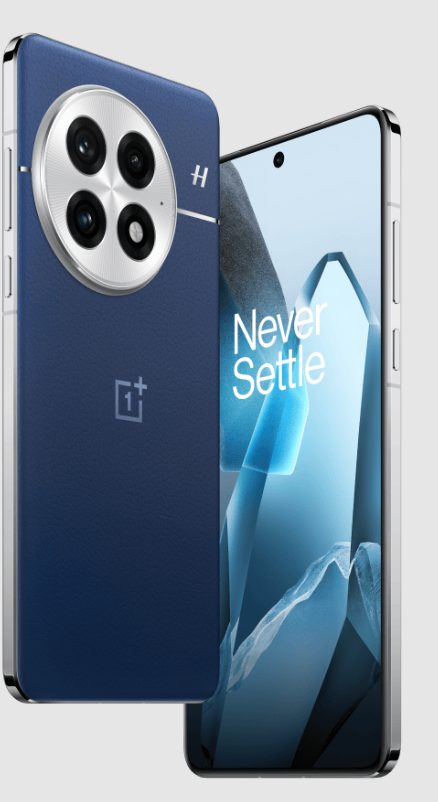
OnePlus 12 Android 15 x OxygenOS 15 Stable Update Released Globally

OnePlus has announced an early global rollout of OxygenOS 15, a week ahead of schedule. The update is now being deployed across India, North America, Europe, and Global regions to the OnePlus 12 smartphone, with a phased rollout planned for the remainder of the week.

OnePlus 12 OxygenOS 15 update

The build versions for different regions are as follows:

  • India: CPH2573_15.0.0.206(EX01)
  • North America: CPH2583_15.0.0.205(EX01)
  • Europe/Global: CPH2581_15.0.0.204(EX01)

OxygenOS 15 changelog

Animations

  • A state-of-the-art system graphics engine now powers superior rendering and animation performance, driven by advanced parallel processing that ensures smooth, uninterrupted visuals, even when multitasking or running resource-intensive applications.
  • Parallel processing extends to elements like widgets, components, and folders, providing seamless transitions and smooth animations, even during frequent interruptions.

Visual effects

  • The Home screen features a refreshed design with newly crafted icons, achieving a balanced look with enhanced proportions and vibrant colors for sharper, fuller visuals.
  • Numerous system function icons have been updated to improve visual uniformity, creating a cohesive aesthetic throughout the system.
  • The rounded corner design has also been refined to ensure uniformity, with smooth, continuous curvature applied across all elements.

Themes

  • The new flux themes offer a broad selection of high-quality options, enabling customization with system wallpapers and personal photos for a uniquely personalized experience.
  • Extensive customization features are available for the Always-On Display, Lock screen, and Home screen. Both flux and classic modes are supported for Always-On Display. The Lock screen supports clock color blending, glass textures, blurred wallpapers, AI depth effects, AI auto-fills, and more. Glass patterns, blurred wallpapers, and additional elements are available for the Home screen.
  • Flux themes provide fluid and seamless transition animations across Always-On Display, Lock screen, and Home screen for enhanced visual consistency.

Fluid Cloud

  • The updated Fluid Cloud enhances app compatibility, now supporting a wider range of overseas applications like Spotify, Swiggy, and Zomato. This enables real-time synchronization of information in various scenarios such as food ordering and music listening.
  • The design focuses on efficient information visualization, positioned centrally for a balanced and streamlined display.
  • Interaction with alerts allows capsules to expand into detailed cards with a tap, providing efficient access to multiple live activities by swiping in the status bar.
  • The new animation system brings a fluid, elastic design with dynamic blurring effects in real-time, making card visuals smoother and more refined.

Photo Editing

  • The new globally reversible photo editing capability saves previous edit settings for seamless subsequent edits, ensuring uninterrupted creative flow.

Floating Window and Split View

  • New Floating Window gestures: swipe down on a notification banner to open a floating window, swipe down again to enlarge it, swipe up to close it, and swipe sideways to hide it.
  • Resizable Split View windows allow dragging the divider or tapping to expand the display area as needed.

Notifications & Quick Settings

  • The new Split mode allows separate access to the notification drawer (top-left swipe) and Quick Settings (top-right swipe), with swipe left or right to switch.
  • Quick Settings has been revamped for a more visually appealing layout, with smoother and refined animations.

Battery & charging

  • The new “Charging limit” feature halts charging at 80%, helping to extend battery life and minimize degradation.
  • The new battery protection reminder activates the Charging limit feature if the device remains charging for too long, enhancing battery protection.
Sounds & vibration

  • Holo Audio is enhanced for online calls and meetings, delivering a richer and more immersive sound quality.

More

  • Exclusive OxygenOS Always-On Displays and Lock screen clock styles are added for a unique visual experience.
  • The new Home screen clock widget offers customizable resizing for added flexibility.
  • The classic easter egg is added in the Calculator and will pop up when you input “1+=”, embodying OnePlus’s enduring “Never Settle” philosophy.
  • New wallpapers are added to infuse your device with the signature OnePlus style. 
  • Exclusive app icon designed for OxygenOS are added, offering a fresh visual experience.
  • A new Two-Tone theme color allows Quick Settings and the Settings app icon to be displayed in “Black,” highlighting OxygenOS’s iconic design.
  • Enhanced Notes widgets offer improved aesthetics and functionality.
  • The multitasking experience is optimized, automatically directing you to the last used app in the recent tasks view for smoother app switching.
  • Drawer mode has also been refined to preserve your Home screen app layout upon first use.

Safety

  • A unified hub for personal safety features brings together emergency calls, disaster alerts, security checks, and quick access to first aid information.

Privacy

  • Private Safe now features categorized views for images, videos, and documents, simplifying data organization.
  • A new Home screen shortcut for hidden apps provides quick access by tapping the folder and verifying your privacy password.

Wi-Fi

  • The multi-network experience is optimized for seamless, efficient, and accurate transitions between networks.

Please note:

To provide the signature fast and smooth OnePlus experience, AI-related features are still being tested and will be gradually integrated in future versions by the end of this month.

OnePlus has provided detailed rollback instructions for users who wish to revert to a previous OxygenOS version. The process involves downloading a specific rollback package and following the outlined steps. Note that the rollback process will erase all data on the device, so it’s crucial to back up important data beforehand. You can learn more about it by visiting the OnePlus Community forum.

The Global Sources Hong Kong Shows – Consumer Electronics and Electronic Components Recap

Exhibition Tour at Global Sources Hong Kong Show 2024 October

Recently, Gizmochina team visited the Hong Kong Global Sources exhibition again. So two times a year, in the spring and autumn, we visit this event, try to show you what are the new things out there. As some of the holidays are coming in the next few months, you may want to pick up some gifts for your loved ones, and some of the buyers and merchandisers from your country are here, then bring those things to you. For now, you can get a little sneak peek of those awesome products, check out the video here to see all of them!

As you can see, there was quite a lot of effort put into this exhibition by Global Sources, not only just about getting buyers and suppliers together, but also making them feel at home, you see the Prayer room for Muslims. Every time, we talk to some buyers, they all believe in buying from China, and a platform like this serves that purpose perfectly. And if you are an individual, you can also pay a visit, and see those products yourself, it would be fun!

Samsung W25 Flip Debuts in China with Gold Armor Frame & Snapdragon 8 Gen 3 for Galaxy

The Samsung W25 Flip was just announced alongside the Samsung W25 foldable phone. As the name suggests, the brand’s latest foldable phone is a clamshell flip model that features a premium design, top notch specs, and much more. So let’s check it out.

Samsung W25 Flip: Galaxy Z Fold 6 Goes Gold?

Just like the Samsung W25, the W25 Flip was announced in ceramic black along with a “Heart to the World” logo with a delicate matte touch, and a gold armored aluminum frame. Similar to how the W25 is based on the Galaxy Z Fold Special Edition, the W25 Flip is based on the Galaxy Z Flip 6. It sports a tall 6.7-inch FHD+ Dynamic AMOLED 2X Infinity Flex primary display with a 120Hz adaptive refresh rate. Meanwhile, the cover panel is a 3.4-inch HD Super AMOLED secondary screen with a 60Hz refresh rate and Corning Gorilla Glass Victus 2.

Samsung-W25-Flip
Samsung W25 Flip

Under the hood, the Samsung W25 Flip is also equipped with the Snapdragon 8 Gen 3 for Galaxy chipset, which is paired with 12GB of RAM and 512GB of internal storage. A 4,000mAh battery pack powers this model that supports 25W wired fast charging and 15W wireless charging. For optics, the rear has a 50MP main camera and a 50MP ultra wide angle lens, while the front has a 10MP selfie shooter. Other notable features include an IP48 rating for water and dust resistance, stereo speakers with Dolby Atmos, Android 14 OS based One UI 6.1.1 custom skin out of the box, dual SIM support, and NFC.

Pricing

The Samsung W25 Flip was finally announced in China for a 9,999 Yuan price tag (roughly 1,393 US Dollars). This model is available for pre-order starting from today, with first sales starting in China from 15th November 2024.

Samsung W25 Foldable Phone Launched in China with Gold Armor Aluminum Frame

Samsung recently introduced its latest W series of foldable smartphones in China. But now, it has finally launched these foldable phones, confirming their specs, pricing, and availability. These models are the brand’s exclusive China only foldable models, so here’s everything you need to know about the Samsung W25.

Samsung W25: What makes it special?

To recall, the South Korean tech giant’s new W25 model is quite similar to the Galaxy Z Fold 6 but with some upgrades. Although, it gets a unique flair with a ceramic black, “Heart to the World” logo, a delicate matte touch, and a gold armor aluminum frame. That’s not all, this model is even 1.5mm thinner than the Galaxy Z Fold 6, measuring just 10.6mm when folded.

Samsung W25
Samsung W25

It sports a tall 8-inch QXGA+ (2184 x 1968 pixels) resolution, 20:18 Dynamic AMOLED 2X Display, 120Hz adaptive refresh rate, HDR10+, and up to 2600 nits peak brightness. The cover screen is a 6.5-inch 21:9 HD+ Dynamic AMOLED 2X Cover Display, 120Hz adaptive refresh rate, up to 2600 nits peak brightness, and Corning Gorilla Glass Victus 2 protection. Under the hood, it is equipped with the Snapdragon 8 Gen 3 for Galaxy, which is paired with 16GB of RAM and up to 1TB of internal storage.
The rear has a 200MP main camera, instead of the 50MP primary sensor on the Z Fold 6. This is paired with a 12MP ultra wide angle lens and a 10MP telephoto shooter. For selfies and video calls, there is a 10MP shooter on the external screen and a 4MP under display camera on the main display. A 4,400mAh battery pack powers the Samsung S25, which supports 25W wired fast charging and 15W wireless charging. Other notable features include a side mounted fingerprint scanner, IP48 water and dust resistance, stereo speakers with Dolby Atmos, and Android 14 OS based One UI 6.1.1 custom skin out of the box.

Samsung-W25

Pricing and Availability

The Samsung W25 was announced in China with a 15,999 yuan starting price tag (roughly 2,229 US Dollars) for its 16GB + 512GB storage configuration. Meanwhile, the 16GB + 1TB variant costs 17,999 Yuan or about 2,508 US Dollars. It is currently available for pre-orders starting today, with first sales set to kick off in China on November 15.

Huawei hiring TSMC employees with triple salary

Chinese tech giant Huawei has reportedly ramped up its recruitment efforts, targeting high-profile employees from Taiwan’s TSMC, the world’s leading semiconductor manufacturer. 

According to industry sources, Huawei is offering salaries exceeding three times what TSMC employees currently earn. As a major player in telecommunications and hardware, Huawei has long aimed to strengthen its in-house semiconductor expertise. 

With the global chip shortage easing, the company appears to be positioning itself for a strategic push in this crucial sector. TSMC, known for its advanced technology and manufacturing expertise, has become a primary target in this talent battle. Huawei says its recruitment drive is a standard business practice.

TSMC talent a major gain for Huawei

TSMC’s success relies heavily on its proprietary processes and technical know-how, and the possibility of financially motivated employees revealing these secrets to a competitor raises serious concerns for TSMC and Taiwan’s tech industry at large.

This aggressive hiring strategy coincides with Huawei’s mixed financial reports. The company recently posted record-breaking revenue but saw a decline in profits, suggesting substantial investments in research and development. This has fueled speculation about a significant upcoming product launch.

If Huawei succeeds in attracting TSMC’s talent, it could gain not only skilled professionals but also potentially valuable technical knowledge. Gaining insight into TSMC’s processes could accelerate Huawei’s journey to becoming a top-tier semiconductor manufacturer, further intensifying competition in the already fierce global chip market.

Taiwanese authorities, including the Justice Investigation Bureau, are reportedly tightening their oversight of recruitment practices targeting local semiconductor talent. Companies suspected of misleading job roles or offering inflated salaries to encourage knowledge transfer may face legal action.

Red Magic 10 Pro uses liquid metal for cooling: officially claimed to reduce core temperatures by up to 21 degrees

The highly anticipated Red Magic 10 Pro series is set for launch on November 13, bringing cutting-edge advancements in cooling and display technology to the gaming smartphone market. Marking a significant industry first, the device features composite liquid metal and PC-level cooling technology aimed at maximizing performance by efficiently managing heat.

James Jiang, general manager of Red Magic gaming products, explained that the phone’s “ICE X Magic Cooling System” leverages liquid metal, reducing core temperatures by up to 21 degrees.

Red Magic 10 Pro “ICE X Magic Cooling System”

This cooling system uses an innovative “sandwich structure” of low-temperature alloys layered around an indium base. As the temperature rises, these alloys partially melt and bind to the indium, enhancing thermal conductivity while maintaining stability and user safety.

Specifications and performance

With the upcoming flagship, Red Magic is also introducing a new generation of true full-screen displays. Boasting a 6.85-inch display with a 95.3% screen-to-body ratio, the phone is crafted with minimal borders—a 1.25mm black edge and a 0.7mm frame thickness.

Red Magic 10 Pro Series
Red Magic 10 Pro Series Wukong Display

Designed to deliver high-end visual performance, the screen offers 1.5K resolution, a 144Hz refresh rate, and a peak brightness of 2000 nits. The device also includes a Triple AI under-screen camera algorithm for a seamless front-camera experience.

Under the hood, the Red Magic 10 Pro is powered by the Snapdragon 8 Elite processor, enhanced by a self-developed Red Magic gaming chip, promising more stable frame rates. A notable addition to this model is its high-density battery technology, marketed as a “perpetual motion machine” for extended battery life, which will benefit gamers who spend hours on intensive tasks.

In addition to impressive hardware, the Red Magic 10 Pro recently appeared on Geekbench, with single-core and multi-core scores of 3167 and 10081, respectively. These benchmarks indicate substantial performance improvement over the Snapdragon 8 gen 3-powered Red Magic 9 Pro.

With its robust internals and innovative cooling, the Red Magic 10 Pro series is positioned to set new standards in the gaming smartphone category.

(Source)

Galaxy S25 Slim makes appearance on the certification authority

Following rumors of a potential “Slim” iPhone 17 in 2025, Samsung appears to be exploring similar territory with a rumored “Galaxy S25 Slim” model.

A report surfaced from South Korea earlier this week, hinting that Samsung’s slimmer smartphone could arrive in the second quarter of 2025 (April-June), following the launch of the standard Galaxy S25 lineup.

Now, a listing discovered by Smartprix in the GSMA IMEI database adds weight to these rumors. The listing shows a smartphone with the market name “Galaxy” and model number SM-S937U. 

A slim phone from Samsung seems plausible

Although the listing doesn’t explicitly name the device as the Galaxy S25 Slim, the report suggests it belongs to that line. The report also notes that Samsung typically adds devices under internal testing to the database six to seven months before launch. The “U” suffix on the model number further indicates a planned US rollout.

Additionally, the model number format matches the naming conventions used for the standard, Plus, and Ultra variants of the Galaxy S series.

Details regarding the Galaxy S25 Slim are still limited, but the Slim label suggests it will be notably thinner than current Galaxy flagships, which might require trade-offs in other areas.

Apple’s rumored “Slim” iPhone 17, according to reports, could debut later in the third quarter and carry a price tag exceeding even the current iPhone Pro Max. This thinner iPhone is also expected to offer a 6.6-inch display with a single rear camera.

Samsung’s approach with the Galaxy S25 Slim remains to be seen. To achieve a slimmer profile, the company may need to make adjustments to components such as the processor, display, battery, and camera. 

While the rise of AI features in the Galaxy S24 and iPhone 16 might not have been enough for some users to upgrade, 2025 could see the battle for market share shift towards the allure of a truly slim smartphone.

(Source)

Realme GT7 Pro repair parts pricing announced: Motherboard replacement starts at ~$340

Realme has recently launched its 2024 flagship device, the Realme GT7 Pro, featuring the latest Snapdragon 8 Elite processor and a 6,500mAh “Titan battery,” with a starting price of 3,599 yuan (approximately $500).

realme-GT7-Pro-1

Now, Realme has revealed the pricing for repair parts on its official website, providing owners with a clear breakdown of potential replacement costs.

Realme GT7 Pro repair parts pricing

The following are the prices for the Realme GT7 Pro’s repair components, as listed on Realme’s website:

  • Motherboard (12GB+256GB): 2,449 yuan (~$340)
  • Motherboard (12GB+512GB): 2,559 yuan (~$356)
  • Motherboard (16GB+1TB): 2,789 yuan (~$388)
  • Motherboard (16GB+256GB): 2,499 yuan (~$348)
  • Motherboard (16GB+512GB): 2,649 yuan (~$369)
  • Battery: 249 yuan (~$34)
  • Battery Cover Assembly: 270 yuan (~$37)
  • Sub-board (USB port): 50 yuan (~$7)
  • Rear Camera (Telephoto): 399 yuan (~$55)
  • Rear Camera (Wide Angle): 95 yuan (~$13)
  • Rear Camera (Main): 329 yuan (~$45)
  • Motor: 50 yuan (~$7)
  • Screen: 990 yuan (~$137)
  • Front Camera (Main): 149 yuan (~$20)
  • Adapter: 159 yuan (~$22)
  • Receiver: 50 yuan (~$7)
  • Data Cable: 39 yuan (~$5)
  • Speaker: 50 yuan (~$7)

Realme has provided a comprehensive fee description for these prices, indicating that they are unified national maintenance guidance prices. Repairs are free for devices under warranty, provided they meet warranty conditions. Realme also offers fixed-price repair promotions at various times, allowing customers to enjoy reduced costs for non-warranty repairs. For example, Realme may offer discounted rates for battery replacements. In such cases, defective parts are returned to Realme upon repair.

Realme GT7 Pro specifications:

The Realme GT7 Pro stands out as the first device to include an Eco² Sky Screen, achieving a global peak brightness of 2,000 nits, and pioneering a non-polarized natural light eye protection technology. The phone’s display, which is a customized Samsung panel, is aimed at providing vibrant visuals with minimized eye strain.

Realme GT 7 Pro

Performance-wise, the device is powered by the Snapdragon 8 Elite, delivering enhanced processing speeds, advanced graphics capabilities, and optimized power efficiency. Additionally, Realme has collaborated with battery maker CATL to develop the “Titan Battery,” a robust 6,500mAh battery that supports 120W light-speed charging, promising extended battery life and fast charging for users who are frequently on the go.

In terms of camera capabilities, the Realme GT7 Pro features a powerful 50-megapixel ultra-light periscope telephoto camera with a 1/1.95” sensor and 3x magnification, offering AI-assisted super-resolution for enhanced detail in telephoto shots. It offers a 6x lossless zoom capability and a maximum 120x zoom for reasonably good detail, even at long distances. Alongside this, the device features a 50-megapixel main camera (1/1.56” sensor) and an 8-megapixel ultra-wide camera, which together support the capture of “ultra-clear live pictures” and Dolby Vision HDR videos.

While currently exclusive to China, international buyers can still purchase the device through platforms like Giztop.

(Via)

Xiaomi 15 Full Review: Yes, Still The King of 6.3-inch Phones. But No Surprises

When Xiaomi 13 was released, I was very excited, because that’s my ideal phone. when Xiaomi 14 was released, I was very happy, because my dream phone became perfect. Now that the Xiaomi 15 has been released, I realize I’m not as happy as I was before. Because my Xiaomi 14 is already great, why should I upgrade to Xiaomi 15? Is it that great? Is it worth buying? When I finished testing it, I had the answer in my mind.

Don’t forget that the Xiaomi 15 series is currently available at GeekWills. For those who want to get an early taste of this phone, you can get it by clicking the link below.

Design

The appearance is pretty much like what I covered in the hands-on video. Simply put, there isn’t much that has changed, but when you get your hands on it, it feels like it’s become more sophisticated. Don’t get it? Ok, you can go to an iPhone store, and then get your hands on the iPhone 16, that one is like the Xiaomi 14, and the Xiaomi 15 is more like the iPhone 16 Pro, both in terms of the premium feel and the size.

The frosted back cover and frame do make the phone feel more expensive, but it also means it’s more slippery, and I almost dropped it a couple of times, to be honest. I’d also like to complain about the ultrasonic fingerprint recognition area. Yes, it is better positioned and the speed is faster. It also doesn’t blind you at night like a flashbang.

The only cost is that you won’t be able to put whatever film you want on it. One advantage of a straight screen is that you can apply tempered film very easily and conveniently, but ultrasonic fingerprint recognition takes that away. Because ultrasonic waves can’t penetrate tempered film, so you need to buy special film, or you can only use TPU film, which makes it very difficult for me to accept as a tempered film lover.

And… There doesn’t seem to be anything else I can gripe about. It has all the features it should have, except for that headphone jack that’s been gone for a decade. Because it’s a globally sold model, it also has more network band support than other phones. If you don’t care about the film issue, then the Xiaomi 15 should be the perfect one as a 6.3-inch phone.

Display

The Xiaomi 15’s screen, compared to last year, has three main upgrades: brighter, narrower, and more power-efficient. The Xiaomi 14’s 3,000nit brightness is only achievable in 1% of the screen, but the Xiaomi 15 can reach that brightness in 25% of the area, and it is available while reading eBooks.

Narrower, meaning the bezels are narrower, the Xiaomi 15 has one of the narrowest bezels of any phone. The new M9 luminescent material, combined with a dual microcavity structure, has reduced the screen’s power consumption by 10%. And you have to keep in mind that this is a 6.3-inch straight screen, the phone is less than 72mm wide. This is the main reason why I like the Xiaomi number series so much.

Performance & Battery

I’ve put the benchmark scores for the Xiaomi 13 to 15 here. It is clear that the Xiaomi 15 with Snapdragon 8 Elite is the generation with the most improvements. Because of the new second-generation Oryon architecture, the CPU scores dust the previous generation by a mile. With every processor upgrade comes an improved gaming experience.

Again taking Genshin Impact as an example, the game doesn’t seem to be able to create trouble for current phones anymore, even last year’s Xiaomi 14 can run it smoothly. The advantage of a more advanced processor though, is that it’s able to achieve the same results with lower temperatures and less power. Even the frame rate jitter is a little bit less than the 14, which means it’s smoother.

Combined with the 5400mAh battery, the 15 consumes 2% less power than the 14 in just 20 minutes of gaming. Both gamers and non-gamers should be very happy with this chip and battery life, that’s for sure. This is probably where the biggest difference between the Xiaomi 14 and 15 comes in.

Charging

Since we’re talking about the battery, let’s also cover the charging part as well. The 90W wired charging and 50W wireless charging are basically the same as the Xiaomi 14, and a full charge takes about 40 minutes.

The Xiaomi 15 has a new mode in the battery settings: cold endurance mode, which limits performance to extend battery life, a very useful feature for those who live in extremely cold environments.

Camera

Just looking at the specs, the Xiaomi 15’s camera is almost exactly the same as the Xiaomi 14’s. Only the sensor of the telephoto camera has been upgraded a little bit. Very disappointing, right?

Actually, we all misunderstood Xiaomi, because it has actually improved quite a lot. I’ll be putting up a lot of samples here, and slowly you’ll be able to see how far ahead the Xiaomi 15 is compared to the 14. The photos taken by the 15 are clearly sharper and less noisy, and it’s ahead of the Xiaomi 14 on all fronts, whether it’s the main camera, the telephoto camera, or the ultra-wide camera.

But Why? Two reasons. One is because the Snapdragon 8 Elite’s ISP has gotten stronger again. The second is that Xiaomi’s algorithms have evolved again, and AI enhancements have become easier to trigger. So the Xiaomi 15 proves one thing: you can’t judge a phone’s camera by its hardware alone, algorithms can sometimes change the game.

In addition to the AI upgrades, the Xiaomi 15 also fixes a lot of issues that were on the Xiaomi 14. For example, the red color being oversaturated leads to color distortion, which is often seen on the Xiaomi 14. It was hard for you to see details on red objects. Then this year’s Xiaomi 15 solved that problem. The stability of the white balance has also been improved, so the food looks more tasty in the photos.

Thanks to the new ISP, the keying algorithm in portrait mode has also been greatly enhanced. It’s impressive to see that hair doesn’t get mushy even in very harsh environments.

Dynamic range has been improved and exposure has been bumped up a notch, which should make more people like this style.

However, this also leads to a drop in contrast, and personally I still prefer the photos from the Xiaomi 14. Of course, you can choose Leica Authentic mode to improve the contrast of your photos. Both phones have almost identical photo styles in this mode, showing that Xiaomi feels this is the best answer to Leica color on a phone.

Video recording

When it comes to video recording, the Xiaomi 15 has improvements and regressions. The improvement is that the HDR effect has been boosted once again, you can see the blue sky in the video taken by the Xiaomi 15, but it is just a white sky on the Xiaomi 14. Even with the front-facing camera, the Xiaomi 15 can record 4K 30FPS HDR videos, but the Xiaomi 14 can’t.

Lens flare is also being controlled better than the 14. You can see a petal-like ring of flare around the sun on the Xiaomi 14. Here’s a new con: it’s clear that the Xiaomi 15 has a serious purple-fringing issue. Maybe the photos taken can still be fixed by the algorithm, but the video completely exposes this shortcoming.

Overall, the Xiaomi 15’s camera system has been upgraded more than expected. If it is 7 out of 10 for the Xiaomi 14 camera system, then the Xiaomi 15 should get 8. That’s a very high score for a 6.3-inch phone.

HyperOS 2

I know you guys are concerned about how the HyperOS 2 really is. Since I haven’t had hands-on experience for a long time, I can only tell you how I feel about it in the past few days.

Compared to OS 1, the biggest feeling is that it’s much smoother. There are fewer dropped frames, a lot of blurring effects have been added, and the animations have become more dynamic. I’m going to put a few comparisons with HyperOS 1 here, so you should be able to see that, there are still a lot of optimizations in OS 2.

For comparison samples, please watch the video https://www.youtube.com/watch?v=iY1JJfWb6bI

HyperOS 2 also has a lot of new features, such as the AI in it, which allows you to customize your dynamic wallpaper, and be able to access Apple’s ecosystem with a single app. Some of the features are not very stable at the moment, and some of them still need to wait for an OTA update to work. So give us, and Xiaomi some time, more HyperOS 2 features will be presented in the Xiaomi 15 Pro Review.

Now back to the question, is it great? Yes, it’s great! Even if the Samsung S25 hasn’t been launched yet, I am confident in saying that this is the best small-sized phone out there. Is it worth buying? Unless you don’t like small-sized phones, you will never regret getting them. If you are a Xiaomi 14 user, then check your wallet before you decide. The Xiaomi 15 is great, but the Xiaomi 14 isn’t bad either, so for those of you has the 14, maybe waiting for the Xiaomi 16 should be the more sensible option.
Alleged Redmi K80 appears in real, reveals new round camera island with 50MP main sensor

Recently, Xiaomi launched its flagship models, the Xiaomi 15 and Xiaomi 15 Pro, equipped with the Snapdragon 8 Elite chip in China. Following Xiaomi’s release schedule, the next flagship model will be from the Redmi sub-brand, specifically the Redmi K80 series. Reports suggest that the Redmi K80 and K80 Pro will debut by the end of this month in China. Rumors surrounding the device, along with an image shared by a Xiaomi executive, revealed that the K80 series will sport a round camera module. A new image of the alleged K80 series phone has surfaced on Chinese social media platforms, aligning with the rumors about the new design.

Alleged Redmi K80’s real-life image leaked

Alleged Redmi K80 real-life image
Alleged Redmi K80’s real-life image

The above image reveals that the design of the Redmi K80 series has undergone a major overhaul. The upper-left corner of the back panel houses the new circular camera island. The design is similar to Xiaomi’s Civi selfie-focused smartphones.
Upon closer inspection, the camera module reveals three lenses and inscriptions indicating a 50-megapixel primary camera. The shiny appeal of the rest of the back suggests the possibility of a glass back. The right edge of the device has a volume rocker and a power key.

According to reports, the Redmi K80 series will include at least three models, such as the Redmi K80e, the Redmi K80, and the Redmi K80 Pro. These models are likely to be powered by the Dimensity 8400 (upcoming), the Snapdragon 8 Gen 3, and the Snapdragon 8 Elite chipsets, respectively.

A recent leak revealed that the Redmi K80 Pro’s rear camera setup will feature a 50-megapixel OmniVision Light Fusion 900 primary camera, a 32-megapixel Samsung S5KKD1 ultra-wide lens, and a 50-megapixel telephoto camera with 2.6x optical zoom. The K80 Pro will also feature a 20-megapixel OmniVision OV20B front camera. The device is expected to feature around 6,000mAh battery with 120W fast charging support. There is no concrete information about the camera specifications of the standard K80. Its charging capabilities could be similar to the Pro variant.

The Redmi K80 may feature a 1.5K resolution OLED screen integrated with an optical-type fingerprint scanner. Conversely, the K80 Pro might come with a 2K OLED panel that incorporates an ultrasonic in-screen fingerprint sensor.

(via)

Vivo Y19s launched with 90Hz display, 5,500mAh battery, RGB notification light

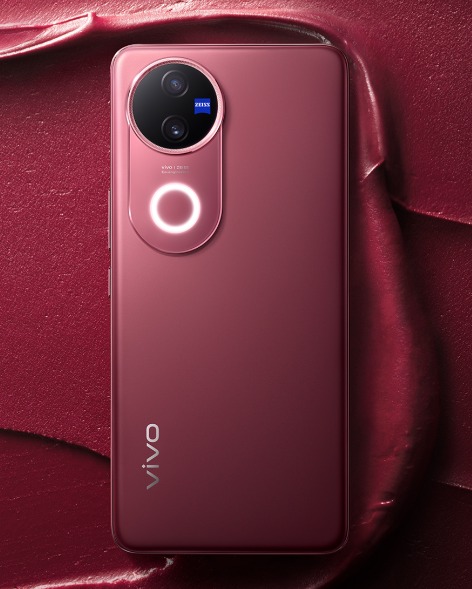
Vivo has launched a new Y-series phone dubbed the Vivo Y19s in Thailand. It’s a 4G phone equipped with a Unisoc processor. Some of its highlights include a 90Hz screen with a punch-hole design, a big battery, and a new RGB notification light. Continue reading ahead to learn about the specifications, features, and price of the Y19s.

Vivo Y19s specifications and features

Vivo Y19s
Vivo Y19s

Starting from the front, the Vivo Y19s has a 6.68-inch LCD panel that offers 1680 x 720 pixels HD+ resolution and a 90Hz refresh rate. For better visibility outdoors, the screen comes with support for up to 1,000nits of brightness. For selfies, it has a 5-megapixel front camera.

On the back, the Vivo Y19s has a vertical camera module that houses a dual-LED flash, a 50-megapixel primary camera, and a 0.08-megapixel secondary camera. A ring-shaped notification light, glowing in different colors, follows the cameras.

Under the hood, the Vivo Y19s has the Unisoc T612 chipset, up to 6 GB of LPDDR4x RAM, and a 5,500mAh battery with 15W rapid charging. The phone offers up to 6 GB of virtual RAM and a microSD card slot for more storage.

The Y19s comes preloaded with FunTouch OS 14-based Android 14. Other features available on the device include a side-facing fingerprint scanner, a 3.5mm audio jack, dual speakers, a USB-C port, dual SIM, Wi-Fi 5, Bluetooth 5.2, and GPS. Lastly, the phone measures 165.75 x 76.10 x 8.10mm and weighs 198 grams.

Vivo Y19s price in Thailand

The 4GB+128GB variant of the Vivo Y19s costs 4,399 THB (~$130). Its 6GB+128GB edition is priced at 4,999 THB (~$145). Buyers can choose from colors like Glossy Black, Pearl Sliver, and Glacier Blue.

Anker 322 MagSafe 5000 mAh Power Bank on Sale For Rs 999

If you’re looking for a MagSafe Wireless Power Bank at an affordable price, you should not miss this sale on the Anker 322 MagSafe 5000 mAh power bank. For the first time, the 5000mAh capacity Anker 322 MagSafe Power Bank is on sale for Rs 999 in India. It has never retailed below this price; however, it is available in the North American markets for around $44.

Anker 322 MagSafe Wireless Power Bank features a 5000 mAh battery capacity and is compatible with iPhone 12 and later. The users can also wirelessly charge Android phones. It supports 7.5W wireless charging and 12W max output with USB-C powered wired charging. It ships with a USB-C to USB-C wire.

There’s also a convertible stand that enhances Powerbank usage and can aid in flawless and uninterrupted phone usage. Anker 322 Magnetic Wireless Power Bank is available in white and black color options, but the former is slightly dearer at the price of Rs 1099, and the latter is available for Rs 999.

Anker 322 Magnetic Wireless Power Bank offers effortless, cable-free charging for MagSafe iPhones with a strong magnetic hold that prevents slipping. Its foldable stand keeps your device at a convenient viewing angle, while a side port supports pass-through charging, allowing both the power bank and your iPhone to charge simultaneously. With built-in NTC sensors for continuous temperature monitoring and a pocket-friendly design, it’s a safe and portable solution for on-the-go power.

Please Note: When you buy something using the links in our articles, we may earn a small commission at no cost to you.

iQOO 13’s December launch confirmed for India, color options revealed

A couple of days ago, iQOO announced iQOO 13 in China. The brand is planning a global launch of the device, possibly in India first. A recent post on X by iQOO India confirms the launch timeframe for the Indian market. Additionally, the landing page on Amazon and the official website have confirmed the color options.

iQOO 13 launch timeframe for India

iQOO 13 confirmed to launch in India in December

As seen in the screenshot above, the iQOO 13 will launch in India in December. Reports from last month suggested dates such as Dec. 3, Dec. 5, and Dec. 13. However, the brand has not yet confirmed the exact launch date.

Currently, the iQOO 13 landing page on Amazon lists some of its specifications, including a Snapdragon 8 Elite chip, a Q2 supercomputing chip for 144fps game frame interpolation and 2K super resolution, and a 2K LTPO AMOLED screen with a refresh rate of 144Hz. The iQOO 13 is available in four colors in China, such as white, green, black, and grey. In India, it appears that the handset will be available in white, dubbed the Legend Edition and grey. 

In terms of specifications, the iQOO 13 heading to India will be identical to its Chinese version. The device has a 6.82-inch BOE Q10 flat screen with 4,500nits of peak brightness, LPDDR5x Ultra RAM, and UFS 4.0 storage.

It is expected to run on FunTouch OS 15-based Android 15 and feature an ultrasonic in-screen fingerprint scanner. On the front, iQOO has a 32-megapixel selfie camera. Its rear camera setup has a 50-megapixel main camera, a 50-megapixel ultra-wide lens, and a 50-megapixel telephoto camera with 2x optical zoom.

Nu Republic Cyberstud X4 hands-on: Style and sound, with a dash of gaming

As someone who loves music, appreciates good design, and occasionally indulges in mobile gaming for testing and review purposes, I’m always on the lookout for earbuds that tick all the boxes. When I came across the Nu Republic Cyberstud X4, I was immediately drawn to its unique design and impressive features. This reminded me of the Cyberstud Spin, another unique TWS earbud from the same brand with a fidget spinner design, which I tried a few months back. After using the X4 extensively for the past three weeks, I’m ready to share my thoughts.

1. Design and Comfort

Nu Republic Cyberstud X4 Firefly

Let’s be honest, most earbuds look the same these days. But the Cyberstud X4 Firefly? That’s a different story. If you’re tired of the usual pebble-shaped cases, you’ll be instantly drawn to the unique hexagonal design of the Cyberstud X4. It’s made of sturdy ABS plastic and features a cool transparent lid that opens like a door when you press the V-shaped button on the front.

And that’s where the real fun begins. As soon as you open the case, an RGB light strip illuminates, along with LEDs on the earbuds themselves. It’s a subtle touch of flair that adds to the overall cool factor. The lights even pulse for a bit after you close the lid, which is a nice touch.

Now, this design does come with a minor caveat. You need to be a bit more mindful when closing the case, ensuring it’s properly shut before tossing it in your pocket. Otherwise, the “doors” might be prone to damage. But honestly, that’s a small price to pay for such a distinctive and eye-catching design. Nu Republic deserves kudos for thinking outside the box and delivering something truly unique.

Beyond the aesthetics, the earbuds themselves are comfortable and secure. They fit snugly in my ears, and I’ve worn them for hours on end without any discomfort. This is partly due to the variety of ear tip sizes provided, allowing for a customizable fit. I’ve found them to be very secure, even during my daily commute or while running errands. The touch controls are also well-placed and responsive, making it easy to adjust volume, skip tracks, or answer calls without fumbling.

2. Setup

Nu Republic Cyberstud X4 Firefly

Once you remove the earbuds from the case, you need to go to Bluetooth settings on your phone and scan and pair the earbuds, which takes less than a minute. Readers should note that there is no app support for this device. The following are the various touch controls supported by the Cyberstud X4 Firefly:

• Single tap (left earbud): Decrease volume

• Single tap (right earbud): Increase volume

• Single tap for call: Answer / Hang up

• Long press (either bud during an incoming call): Reject

• Double tap (both buds): Play / Pause

• Triple tap (left earbud): Previous song

• Triple tap (right earbud): Next song

• Four taps (left earbud): Voice assistant

• Four taps (right earbud): Music mode

• Long press (either bud): Transparent mode / ANC on / ANC off

3. Audio Performance

Nu Republic Cyberstud X4 Firefly

For music listening, the Cyberstud X4 delivers a balanced sound profile that I really enjoy. The highs are clear, the bass is punchy, and there’s a decent amount of depth to the sound. I’ve listened to a variety of genres, from pop and hip-hop to classical and podcasts, and the earbuds handle them all well. There’s also a dedicated music mode that enhances the listening experience, adding a bit more richness to the sound.

The Cyberstud X4 uses Bluetooth 5.3, which provides a stable and reliable connection. I haven’t experienced any connectivity issues during my testing. The earbuds also feature dual device pairing, allowing me to connect to two devices simultaneously. One feature that’s missing on the device is smart wear detection, which would automatically pause music when I take the earbuds out.

4. Noise Cancellation and Call Quality

Nu Republic Cyberstud X4 Firefly

The noise cancellation on the Cyberstud X4 is quite effective at reducing background noise in moderately noisy environments like cafes or on public transport. While it might not completely block out the world, it definitely helps to create a more immersive listening experience.

Call quality is also good. The earbuds feature environmental noise cancellation (ENC), which helps to minimize background noise during calls. People I’ve spoken to have said that my voice comes through clearly.

5. Battery Life and Charging

Nu Republic Cyberstud X4 Firefly

One of the key features of the Cyberstud X4 is its impressive battery life. I’ve been able to use the earbuds for several days without needing to recharge the case, which is incredibly convenient. As per the brand, X4 along with its case can last for up to 72 hours. Other notable features include fast charging, and IPX5 water resistance, making them suitable for workouts and light rain.

6. Cyberstud X4 Firefly: Price in India

Nu Republic Cyberstud X4 Firefly

The Cyberstud X4 Firefly is available for Rs 1,799 and is available for purchase through company’s official website. It is available through other platforms like Amazon and Flipkart.

Final Thoughts

After using the Nu Republic Cyberstud X4 for a couple of weeks, I’m impressed with its unique gaming-focused design. These earbuds offer a compelling combination of style, comfort, and performance. The distinctive design, combined with long battery life, decent audio performance, and noise cancellation, makes them stand out from the crowd. However, there are a couple of minor points to consider. The unique design, while eye-catching, requires a bit of extra care when closing the case to avoid any accidental damage. Additionally, while the touch controls are generally responsive, accessing some features, like the voice assistant or music mode, can be a bit tricky. They require four taps on the earbuds, which can be challenging to execute consistently, especially when simpler actions like play/pause (double-tap) and next/previous track (triple-tap) are already assigned.

Nevertheless, they offer a well-rounded package of features at a competitive price point. If you’re looking for earbuds that can keep up with your busy lifestyle and make a statement, the Cyberstud X4 is worth considering.

Xiaomi Mi 22.5W Adapter and USB Type-C Cable Bundle on Sale for Rs 599

Xiaomi is offering a lucrative deal on the Xiaomi Mi 22.5W Adapter and USB Type-C cable for the interested buyers. The bundle is on sale for the price of Rs 599 on Amazon India. It usually retails for more than Rs 700 in India, but the discount on the product is bringing it down to Rs 599. ICICI Amazon Card holders can further get Rs 30 cashback on the purchase of the bundle.

It is a universal adapter and can be used on any device that supports a USB Type-C port. Moreover, if you have another USB Type-C to USB Type-C cable, you can use the adapter without any hassle. The company is advertising its compatibility across all Xiaomi, Redmi, POCO smartphones and other USB-C devices.

The discount is applicable on Amazon India without any coupon or bank discount. If you’re looking to grab a power adapter at a reasonable rate, you should grab it without worrying about anything.

Xiaomi 22.5W Adapter Features

The adapter is Qualcomm Quick Charge 3 supported, offering improved speeds than normal chargers. The 1100 cm Type-C cable is long enough to offer you flexibility and accessibility. It can be used on any smartphone as advised above; however, you should check the official compatibility information on Amazon.

Please Note: When you buy something using the links in our articles, we may earn a small commission at no cost to you.

Honor Magic 7 Lite appears on Google Play Console revealing design and key specs

Honor‘s Magic 7 series, launched earlier this year in China, might be getting a new budget-friendly member – the Magic 7 Lite. Evidence for this Lite variant surfaced after the device was spotted on the Google Play Supported Devices and Play Console databases.

We were expecting the Magic 7 Lite sooner or later as a successor to the Magic 6 Lite. But it seems it won’t be a completely new model as we had hoped.

Honor Magic 7 Lite could be a rebranded phone.

The device was listed in the Play Console database with model number HNBRP-Q1, the same as that of the Honor X9c which recently launched in Malaysia.

The Play Console listing does explicitly identify the device as the Magic 7 Lite, but expect the name, there won’t be much difference in terms of specs. We know that since the Play Console sheds some light on the Magic 7 Lite’s internals as well.

The listing reveals the phone will be powered by the Qualcomm Snapdragon 6 Gen 1 SoC, paired with the Adreno 619 GPU and a generous 12GB of RAM. Storage capacity and camera details, however, remain a mystery for now.

The phone also shares the same resolution (1224×2700) as the X9c, adding weight to the possibility that this is a rebranded model. If they are indeed the same, we can expect the Magic 7 Lite to feature a large 6600mAh battery, a 6.78-inch curved OLED display, and a sturdy build rated for 2.2-meter drop resistance.

With the launch of the X9c fresh in mind, it’s tempting to connect the dots and assume the Magic 7 Lite is simply a regional rebrand. However, there’s a chance Honor has some modifications planned for this Lite variant. We’ll have to wait for an official announcement to understand the full picture.

(Via)

Galaxy Ring 2 tipped to launch sooner than expected; Apple may launch a rival as well

Plans for the next iteration of Samsung’s Galaxy Ring wearable may be accelerating, according to a recent leak. While the first Galaxy Ring launched in July of this year, a tipster now suggests Samsung might bring the Galaxy Ring 2 to market sooner than expected. 

The rumor, originating from a Korean online platform Naver, claims the Galaxy Ring 2 will arrive “a bit earlier” than originally planned. Unfortunately, the source remains silent on the exact timeframe. 

Galaxy Ring 2 may launch in January

Launching alongside the Galaxy S25 Ultra in January seems unlikely, while July wouldn’t be significantly earlier than the original Ring’s launch window. 

This leaves an open window between these events, but a standalone event for the ring seems out of character for Samsung. With limited details, it’s unclear if Samsung plans a surprise January launch or will stick closer to the original summer window.

If the early launch rumor proves true, though, a January release alongside the Galaxy S25 series could still be possible.

Beyond the launch timeframe, the rumor hints at key improvements for the Galaxy Ring 2. The tipster suggests a slimmer design and an improved battery compared to the original model. The leak also mentions “new features,” but specifics remain under wraps.  

Is Apple Ring incoming?

In addition to the Galaxy Ring 2, the tipster reveals Apple’s plans for wearables. Reportedly, Apple is working on a ring-style wearable and exploring both a band-style and smart glass wearable.

The idea of an Apple smart ring isn’t new; Apple has even filed patents for it, as it has for smart glasses. However, we are unsure about the alleged “band-type” wearable—could it be something like Whoop bands?

It’s crucial to remember that this information stems from a single, unverified source. While the details could materialize, it’s equally possible they won’t.  

Viewsonic LX700-4K RGB laser projector launched in India with 4K resolution, 240Hz refresh rate

Earlier this year, ViewSonic launched its premium projector LX700-4K in the Chinese market. The projector has now arrived in the Indian market. Let’s check out its key specs.

ViewSonic LX700-4K

ViewSonic LX700-4K Specifications

The LX700-4K RGB projector features RGB laser technology and is one of the first ceiling-mounted projectors in India. It comes with a “Designed for Xbox” designation, indicating it is optimized for gaming with Xbox consoles.

The projector supports a projection size of up to 300 inches and sports a 4K UHD resolution (3840×2160 pixels). It equips 3,500 ANSI Lumens, ensuring bright and vibrant visuals, and covers 100% of the BT.2020 color range.

The projector comes equipped with compatibility for high dynamic range formats HDR and HLG, featuring a 0.65-inch DMD chip that provides excellent detail and contrast levels. It sports flexible installation options, including a 1.6x zoom, vertical lens shift, and keystone correction, facilitating perfect image alignment.

For gamers, the LX700-4K stands out with its support for 1440p resolution at 120Hz refresh rate, which is optimal for consoles like Xbox X/S and PS5. It also includes features like auto-adjust mode for gaming, ensuring the best settings are applied for optimal gameplay experience.

ViewSonic LX700-4K

The projector is equipped with various connectivity options including two HDMI, two USB-A ports, and additional audio and video outputs, enhancing its versatility in setup and use. For audio, the projector supports HDMI eARC, allowing for high-quality audio transmission to an external system via a single HDMI cable.

Additionally, the LX700-4K supports multiple streaming devices such as Google Chromecast, Apple TV, Roku, and Fire TV, making it a comprehensive solution for varied media consumption needs. It also includes the WPD-700 Wireless Screen Casting Kit, enabling users to cast content from smartphones to the projector screen without DRM issues.

The projector also features third-generation laser phosphor technology, ensuring a long lifespan of up to 30,000 hours without the need for lamp replacement. It comes with TUV-certified eye protection and an IP6X dustproof rating, making it a reliable and maintenance-friendly option.

Pricing & Availability

The LX700-4K RGB Laser Projector is priced at Rs 4,95,000. Although the exact availability dates have not been announced by ViewSonic, it will soon be available for purchase at major retail outlets across India.

We also recently reviewed the Xgimi MoGo 3 Pro, a super compact Google TV projector. You can find the review here.

Xiaomi fan uses Xiaomi 15 Diamond Edition to propose, receives blessings from CEO Lei Jun

In a heartwarming turn of events, a Xiaomi fan recently used the limited-edition Xiaomi 15 Diamond Edition to propose to his partner, and the story didn’t stop there. The fan’s proposal not only captured hearts online but also caught the attention of Xiaomi’s CEO, Lei Jun himself.

Xiaomi 15 Diamond Edition

How the Xiaomi 15 Diamond Edition Became Part of a Love Story

The fan shared their joyous news on social media, stating, “Lei Jun, the Diamond Edition Xiaomi 15 was put to good use; my boyfriend got one just to propose to me. We Xiaomi fans have grown up and found happiness.” Impressed by the innovative proposal, Lei Jun personally commented to congratulate the couple, adding a touch of warmth with a flower emoji.

The newly engaged fan was overjoyed, responding, “Oh my God, it’s really Lei Jun! So happy, thank you for the blessings, Lei Jun; I’ll always support you.” This unexpected interaction between a tech giant’s CEO and a fan has sparked widespread admiration and discussion online.

Xiaomi introduced the Xiaomi 15 series at the end of last month, which includes the luxurious Xiaomi 15 Diamond Edition. It is distinguished by its unique materials and design elements. It features a back panel made of crocodile-grain leather and also features an actual diamond with 57 facets embedded on the side, adding a touch of opulence.

The camera island also boasts a sparkly texture to enhance its premium look. It comes exclusively in 16GB/512GB configuration and is priced at 5,999 yuan ($836). This edition is available in three colors: Elephant Grey, Orange, and Glacier White. This model is a limited edition, and it’s currently unclear if it will be available outside of China.

The Xiaomi 15 Diamond Edition’s success highlights the growing trend of smartphones becoming more than just functional devices. They’re evolving into lifestyle accessories, capable of capturing special moments and expressing emotions. In this case, a simple smartphone has become a symbol of love and commitment, leaving a lasting impression on the couple and the tech community alike.