After showing off the design of the Android XR at the Galaxy Unpacked event, Samsung finally let someone actually try it out—and that someone was none other than Marques Brownlee (aka MKBHD). His hands-on video gives us our first proper look at the headset’s features, and honestly, it’s pretty exciting.
It runs all apps on Play Store, and can arrange them like Vision Pro
Let’s take a look at what this thing can do. First things first, it runs on Android XR OS, with Google Gemini baked right in. It supports apps on the Google Play store.
The the spatial computing experience is where the headset really shines. You can arrange app windows side by side, resize them, drag them around your virtual desktop, or just ask Gemini to do that for you.
While smartphone users also get to interact with Gemini, the live video viewing feature and the conversations feel much more natural with this form factor, as it can already see what you’re seeing instead of you separately having to hold your phone at the subject.
Build and functions:
The headset equips several cameras—eight on the front, paired with two inside for eye-tracking. It offers all the usual controls like a power button, volume rocker, and a touchpad on the side. The outer surface is a mix of metal, glass, plastic, and fabric. You can even pop on a face plate to block out light if you want, or leave that in the box if you prefer a sense of connection with the real world. Oh, there’s also a dial on the back to adjust the fit.
Just like the Vision Pro, power comes from an external battery pack, connected via USB-C. As Marques noted, the advantage of the connector being SUB-C is that you can also connect the device to a different power source with a higher capacity. It not only lets you quickly switch to a different battery, but also allows you to get a higher battery life in every session.
When you put it on, the headset automatically detects your eyes and adjusts the lenses for the sharpest view. Controlling it is all about hand gestures—like pinching your thumb and index finger to open the app launcher, which has all your favorite Google apps ready to go. You can also use Bluetooth keyboards and mice, and there’s talk of Samsung releasing its own controllers, which could be cool for gaming.
What about the pricing and launch?
Now, the big question: when can you get one, and how much will it cost? Samsung is aiming to launch it within 2025. According to Sammobile, it could launch alongside the Galaxy Z Flip 7 and Z Fold 7 in mid-2025. As for the price, rumors say it could be around $2,000, which would make it a bit more affordable than Apple’s Vision Pro.
For more daily updates, please visit our News Section.
Samsung officially unveiled its flagship Galaxy S25 Ultra smartphone during its global product launch event on January 23. Among the many highlights of the device was the S Pen, a long-standing staple of the Ultra series. This time, however, Samsung has made some notable changes to its design and functionality, sparking mixed reactions from fans.
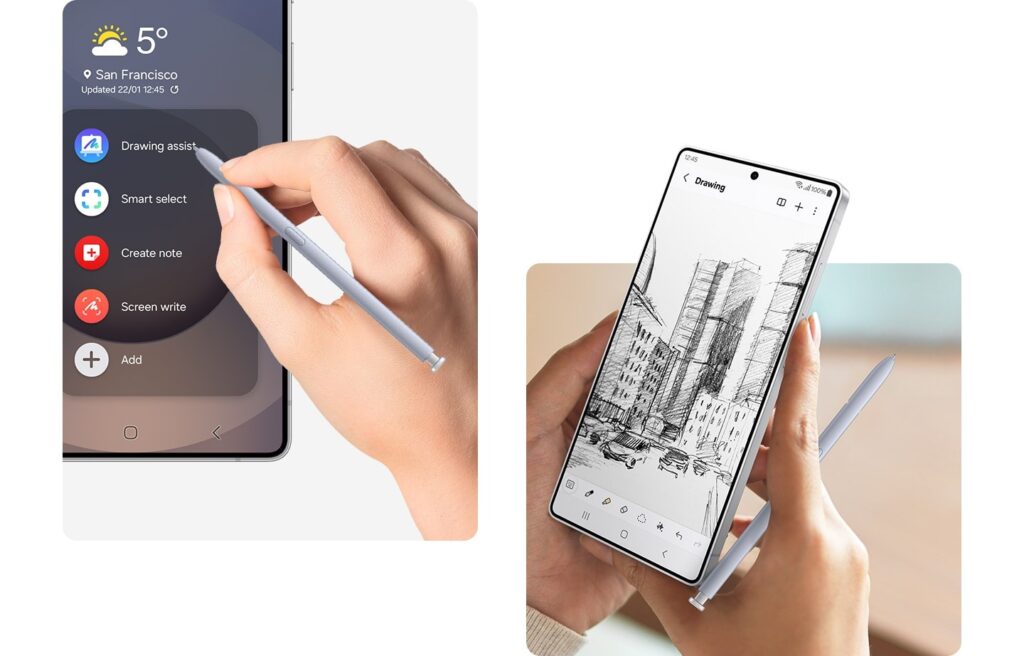
S Pen for Galaxy S25 Ultra Comes with Air Command Support
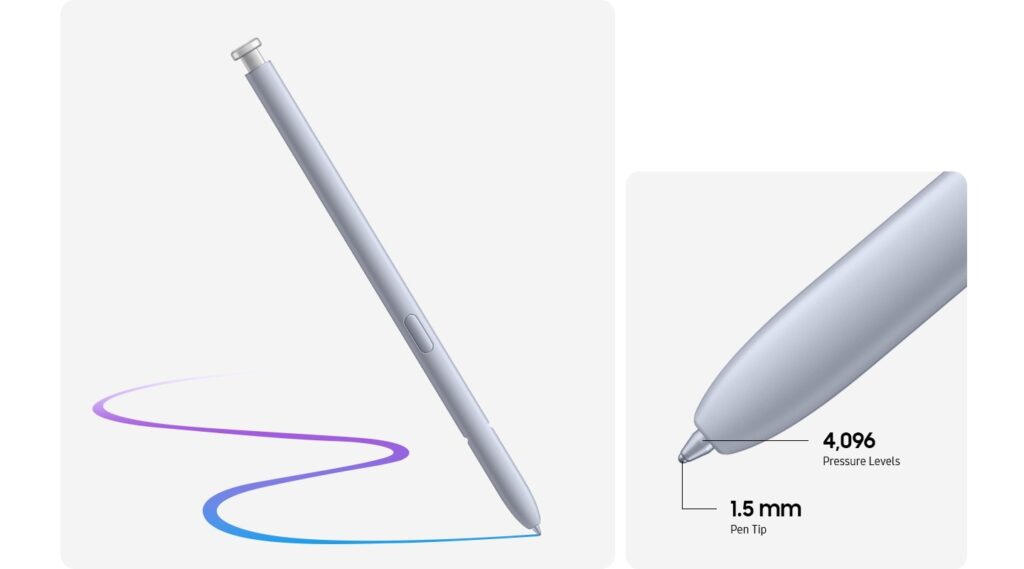
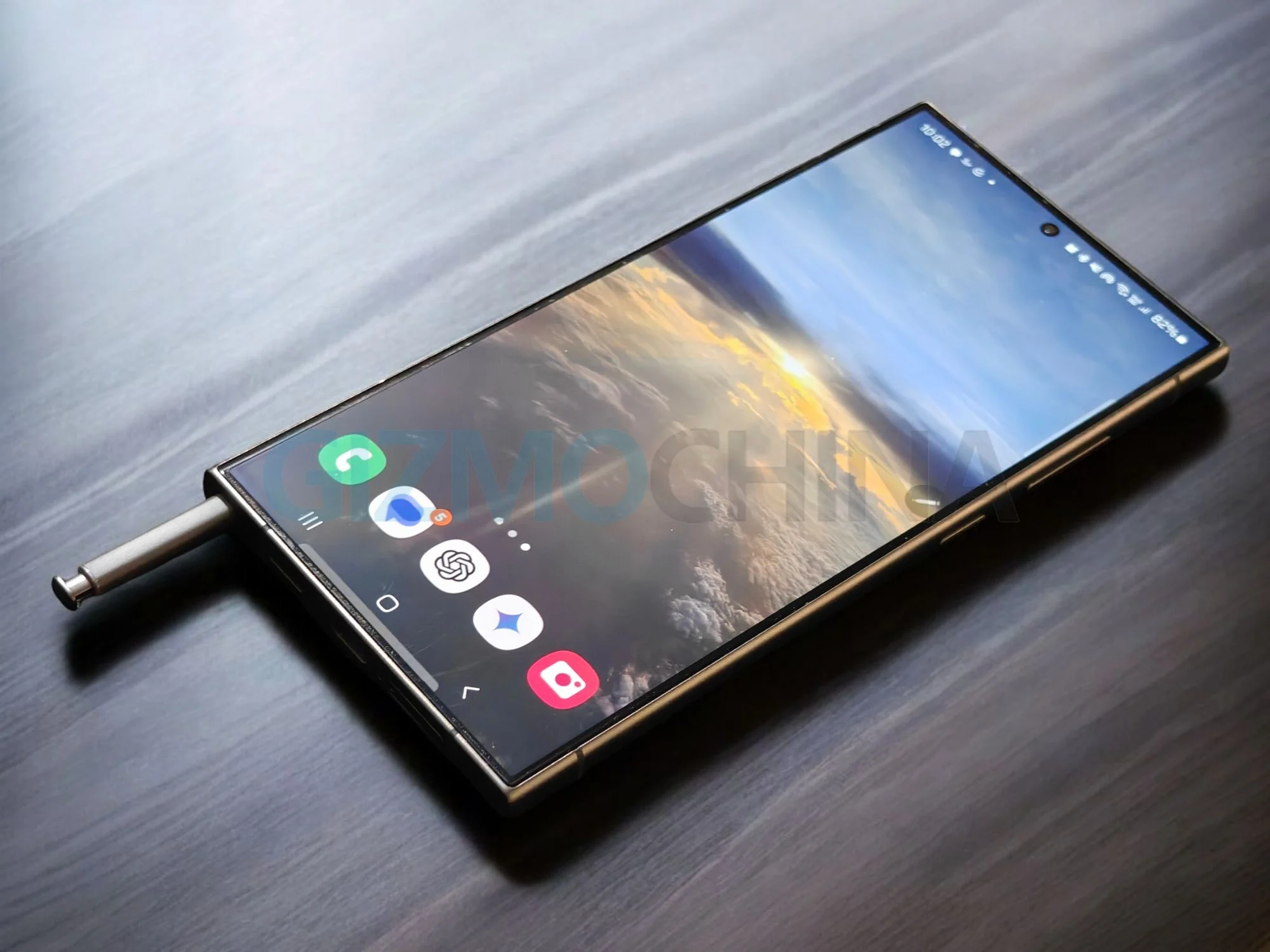
Samsung has listed the new S Pen for the Galaxy S25 Ultra on its official website for $49.99. Available in Black, Light Grey, and Light Silver, the stylus features a 1.5mm tip and 4096 levels of pressure sensitivity, offering precision for writing and drawing. It also retains Air Command functionality.
However, Samsung’s decision to move the S Pen to a “passive specification” has raised eyebrows. Unlike its predecessors, the S25 Ultra’s S Pen does not support Bluetooth connectivity, effectively removing features like Air Actions (it is different from Air Command), remote camera control, and other hover-based operations.
This marks a significant shift from the previous models, which included advanced capabilities that many Note series loyalists relied upon. The absence of Bluetooth also means that the S Pen no longer needs charging, aligning with Samsung’s cost-saving and design simplification measures.
Adding to the confusion, a Samsung blog post initially suggested compatibility with Bluetooth-enabled S Pens, such as the S Pen Pro. This sparked excitement among fans hoping for a workaround to access Bluetooth functionalities.
However, Samsung later clarified to Android Authority that this was a mistake, confirming that the Galaxy S25 Ultra does not support any Bluetooth-equipped S Pens. This retraction has left many users feeling disappointed, particularly those accustomed to the advanced stylus features from earlier models.
The removal of Bluetooth connectivity has not been well-received by fans. Social media platforms and forums are filled with frustrated reactions from users who relied heavily on features like remote camera control and air gestures. Many are questioning the rationale behind Samsung’s decision, given the popularity of these functionalities among loyal Note and Ultra users.
Samsung justifies the move by pointing to low usage statistics for these features and the added complexity and cost they introduced. However, this change could signal a broader shift in Samsung’s strategy, potentially phasing out the S Pen entirely in future models. Longtime fans of the stylus worry that this downgrade may foreshadow the gradual decline of one of the Galaxy Ultra line’s defining features.
For those who primarily use the S Pen for note-taking or basic tasks, the changes may not be deal-breaking. But for power users who depend on Bluetooth-enabled features, the Galaxy S25 Ultra’s S Pen represents a significant step backward. Whether Samsung’s decision pays off remains to be seen, but for now, it’s clear that the move has left a sizeable portion of the fan base dissatisfied.
For more daily updates, please visit our News Section.
At first glance, the Snapdragon 7+ Gen 3 might seem like a generation behind the Snapdragon 8 Gen 1, but in reality, the story is completely different. The former boasts stronger CPU and GPU performance, whereas the latter gets advantage in terms of a higher peak download speed and higher resolution video recording.
Here, we’ll compare the Snapdragon 7+ Gen 3 and Snapdragon 8 Gen 1, diving into their benchmark details to see how the two chips stack up against each other.
Let’s begin with the spec sheet:
Snapdragon 7+ Gen 3
Snapdragon 8 Gen 1
Announced
March 2024
December 2021
Process node
4nm
4nm
Manufacturer
TSMC
Samsung
Cores
8
8
CPU architecture
1 x Cortex-X4 @ 2.8 GHz 4 x Cortex-A720 @ 2.6 GHz 3 x Cortex-A520 @ 1.9 GHz
1 x Cortex-X2 @ 3 GHz 3 x Cortex-A710 @ 2.5 GHz 4 x Cortex-A510 @ 1.8 GHz
GPU
Adreno 732 Snapdragon Elite Gaming
Adreno 730 Snapdragon Elite Gaming
NPU
Hexagon NPU
Hexagon NPU
Camera
Spectra 18-bit triple ISPs Up to 200MP single camera Up to 4K/60FPS recording
Spectra 18-bit triple ISPs Up to 200MP single camera Up to 8K/30FPS video recording
Snapdragon X65 5G modem Downlink: 10 Gbps Qualcomm FastConnect 6900 Wi-Fi 6E (peak speed: 3.6 Gbps) Bluetooth 5.3
Snapdragon 7+ Gen 3 vs 8 Gen 1: Benchmark comparison
[Note: We’ve tested Realme GT 6T (powered by Snapdragon 7+ Gen 3) and Realme GT 2 Pro (powered by Snapdragon 8 Gen 1) for benchmark results.]
AnTuTu comparison
AnTuTu is a popular benchmarking tool for measuring different aspects of a device, such as CPU, GPU, memory, and UX performance. The total AnTuTu score represents the overall strength of a device.
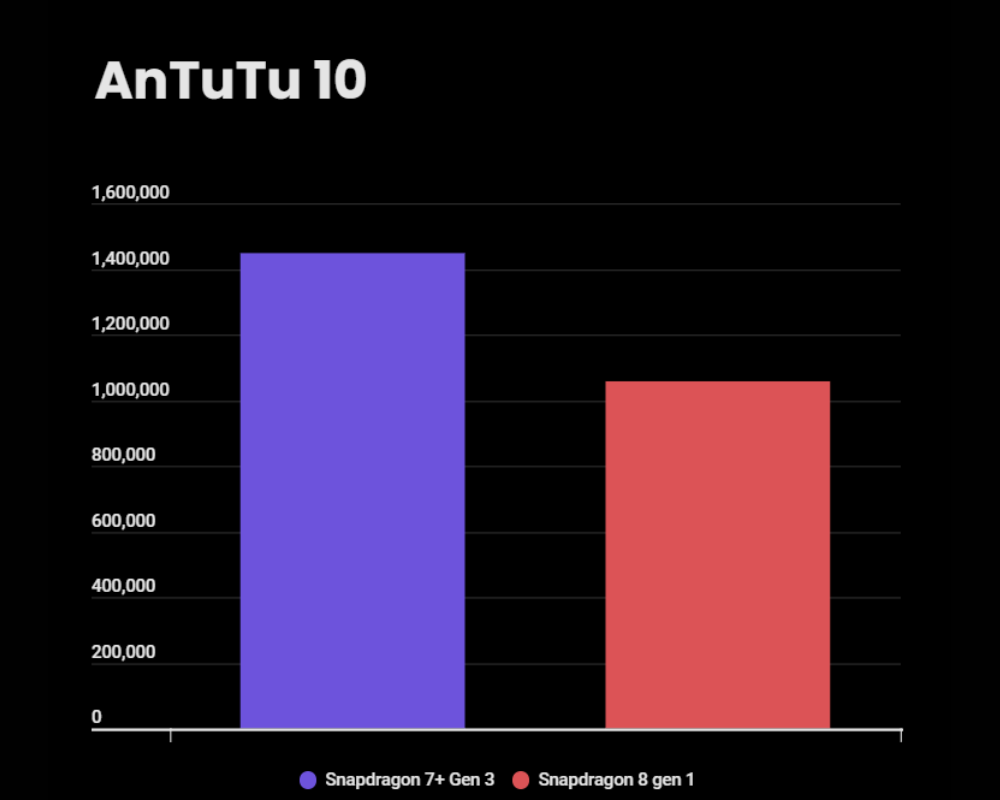
Here’s how the Snapdragon 7+ Gen 3 and 8 Gen 1 have performed:
The Snapdragon 8 Gen 1 is nowhere close to 7+ Gen 3 on AnTuTu. It has scored just over a million AuTuTu points, whereas the Snapdragon 7+ Gen 3 has an AnTuTu score close to 1.5 million.
Here’s the breakdown of AnTuTu score:
SD 7+ Gen 3
SD 8 Gen 1
AnTuTu score
1,448,293
1,057,645
CPU
376,122
291,119
GPU
488,799
370,425
Memory
334,990
169,641
UX
248,382
226,460
Geekbench comparison
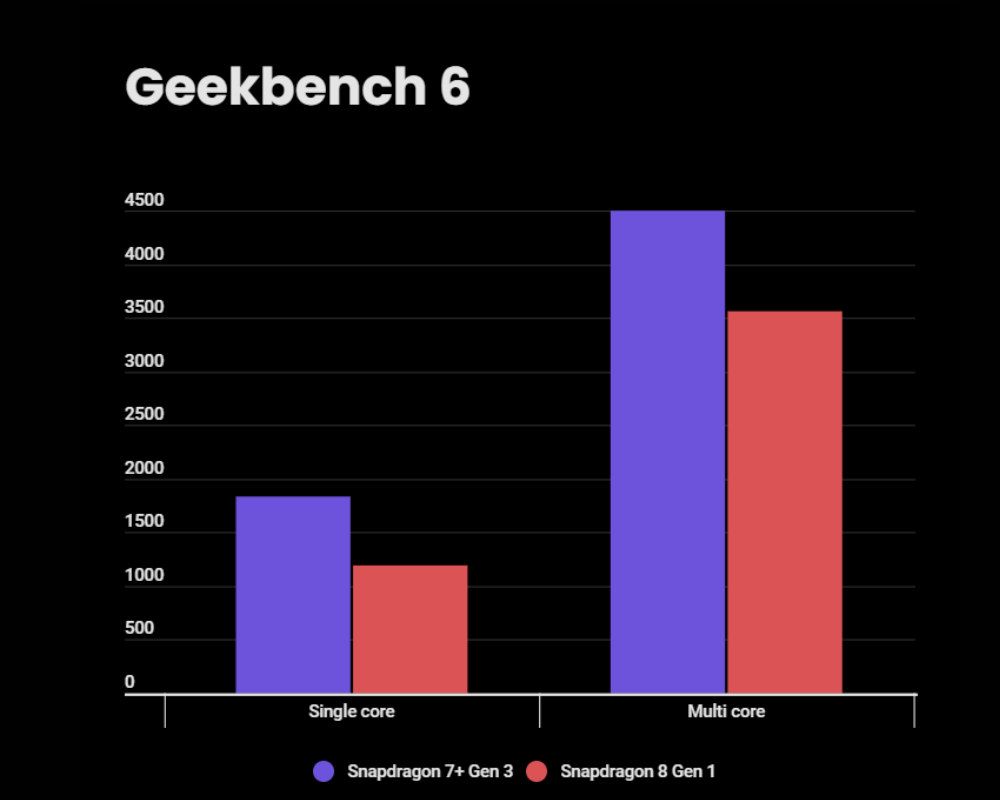
Geekbench is a popular benchmarking tool for measuring the CPU capabilities of devices. The single-core score tells the CPU performance when a single core is at work, and the multi core score shows the performance when all cores are at work.
The Snapdragon 7+ Gen 3 crushes the Snapdragon 8 Gen 1 on Geekbench as well, thanks to powerful and efficient CPU cores.
SD 7+ Gen 3
SD 8 Gen 1
Single core
1,834
1,192
Multi core
4,498
3,561
Snapdragon 7+ Gen 3 vs 8 Gen 1: Key differences
Both chips are fabricated on a 4nm process node, but there’s a key difference in manufacturing. The Snapdragon 7+ Gen 3 is built by TSMC, while the Snapdragon 8 Gen 1 is produced by Samsung, leading to significant variations in performance.
Many 8 Gen 1 phones have heating issues, which leads to poor sustained performance. This problem is largely attributed to Samsung’s 4nm process node. The 7+ Gen 3 doesn’t struggle with heating issues and performance drops, thanks to TSMC’s highly-efficient and advanced manufacturing technology.
The two chips also have different CPU configurations. The 7+ Gen 3 brings one Cortex-X4 prime core clocked at 2.8GHz, four Cortex-A720 performance cores at 2.6GHz, and three Cortex-A520 efficiency cores at 1.9GHz. The 8 Gen 1 has one Cortex-X2 core at 3GHz, three Cortex-A710 cores at 2.5GHz, and four Cortex-A510 cores at 1.8GHz.
Another factor that contributes to better performance on 7+ Gen 3 is faster UFS 4.0 storage and LPDDR5X RAM at 4200MHz, while the 8 Gen 1 supports UFS 3.1 and LPDDR5 RAM at 3200MHz.
While the Snapdragon 7+ Gen 3 has a lower peak CPU frequency, it has highly-efficient and powerful cores than 8 Gen 1, which also reflects on benchmarks. The graphics performance is also better on the 7+ Gen 3, thanks to Adreno 732 (vs. Adreno 730 on 8 Gen 1).
Both chips have similar imaging capabilities, except for video recording. The 8 Gen 1 lets you record up to 8K/30fps, while the 7+ Gen 3 limits at 4K/60fps.
There isn’t a clear winner on the connectivity front, though. The 7+ Gen 3 has a Snapdragon X63 5G modem with up to 5Gbps peak download speed, whereas the X65 5G modem on the 8 Gen 1 offers 10Gbps peak download speed. The coin flips when you switch to Wi-Fi connection, as 7+ Gen 3 with Wi-Fi 7 offers up to 5.8Gbps speed, while the 8 Gen 1 with Wi-Fi 6E peaks at 3.6 Gbps.
Snapdragon 7+ Gen 3 vs 8 Gen 1: Conclusion
The Snapdragon 7+ Gen 3 has faster and more efficient CPU cores than those in Snapdragon 8 Gen 1. It also has a faster GPU. So, whether you do everyday stuff like surfing the internet or scrolling through social media feeds, or playing your favorite games, the Snapdragon 7+ Gen 3 will smoothly handle your processing needs.
The Snapdragon 7+ Gen 3 also supports faster RAM and storage, which adds to better performance. Other aspects such as camera capabilities and connectivity features are excellent on both chips.
It’s pretty clear that the Snapdragon 7+ Gen 3 is much better than the Snapdragon 8 Gen 1.
OnePlus has rolled out the latest ColorOS 15.0.0.403 update for the OnePlus Pad Pro, bringing a host of new features, optimizations, and fixes aimed at enhancing the user experience. This update introduces functionality improvements, visual refinements, and critical bug fixes, alongside better system security.
Key Features and Updates
The update introduces a “Floating Window Reply” toggle, allowing users to enable or disable replying to messages in a floating window via Settings > Notifications & Control Center > Banner Notifications, enhancing multitasking customization.
The update also adds charging information and a flashlight toggle to the Fluid Cloud interface, allowing users to easily monitor charging status and access the flashlight for a more intuitive and seamless experience.
The system’s floating window functionality has also been upgraded. Users can now drag floating windows to their maximum size, which will automatically transition the app to full-screen mode when released.
Application Updates
The update brings new features to the Calendar app, including cards for birthdays, anniversaries, and countdowns. This enhancement makes the app more versatile for tracking important dates. Furthermore, the tablet migration tool now supports transferring iOS Live Photos, streamlining the process of moving data from iOS devices.
A fix has also been applied to the Notes app, resolving an issue that caused crashes in certain scenarios, ensuring a more stable experience for users.
System Optimizations and Security
The ColorOS 15.0.0.403 update also focuses on system-wide optimizations. The visual effects of the Fluid Cloud interface have been refined, ensuring frequently used icons appear more prominently on the right side of the status bar. Additionally, the icon layout within the Control Center has been adjusted for improved accessibility.
Performance has been enhanced in specific scenarios, improving overall system stability and extending battery life. To ensure user security, the update includes the December 2024 Android security patch, addressing potential vulnerabilities.
Bug Fixes
The update resolves a range of issues, including the occasional flickering of black blocks during screen rotation on the home screen.
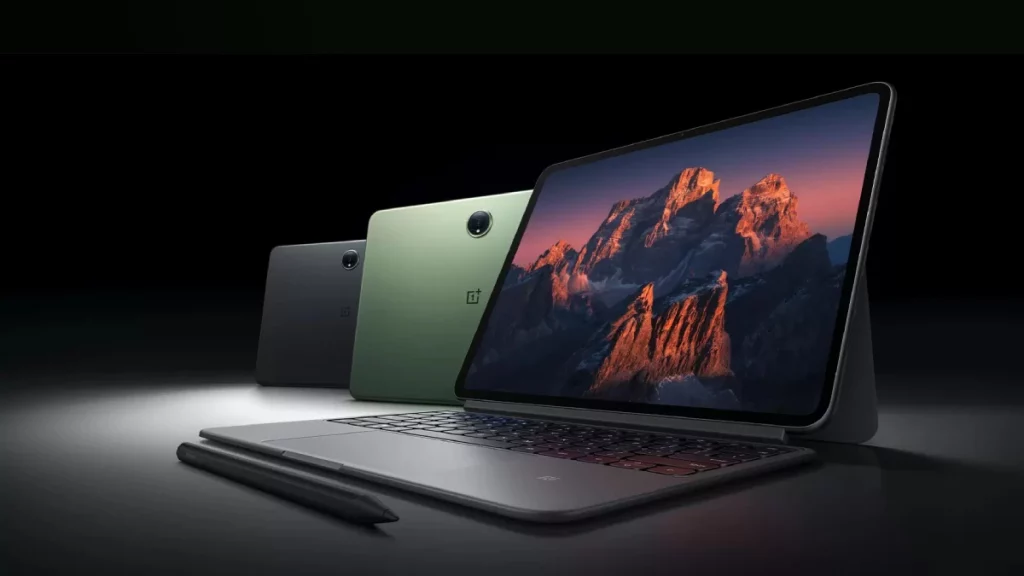
The OnePlus Pad Pro, launched in China last June, features a 12.1″ 3K 144Hz IPS display with a 7:5 aspect ratio, 900 nits brightness, and Dolby Vision HDR support. It is powered by a Snapdragon 8 Gen 3 SoC, with up to 16GB RAM and 512GB storage, and runs ColorOS for Pad based on Android 14. The tablet has a slim 6.49mm metal design, weighs 584g, and includes a 9500mAh battery with 67W fast charging. The tablet also includes quad speakers, a 13MP rear camera, an 8MP front camera, Wi-Fi 6, Bluetooth 5.3, NFC, and accessories like the Smart Stylus Pro and Smart Touch Keyboard.
For more daily updates, please visit our News Section.
AOC launched the CQ32G4E gaming monitor late last year in the global market. Now the monitor has hit the shelves in China. It is priced at 1,449 yuan ($200) and is now available on JD.com. Let’s check out its key specs.
AOC CQ32G4E Monitor Specifications
The CQ32G4E features a large 31.5-inch screen with a 1500R curvature, delivering a broader and more comfortable viewing angle, ideal for gaming, video editing, and entertainment. The monitor comes equipped with a QHD resolution of 2560×1440, offering crisp and detailed visuals, complemented by a 3500:1 contrast ratio for sharper and clearer imagery.
For smooth gaming performance, the CQ32G4E sports a 180Hz refresh rate and 1ms GTG response time, ensuring minimal motion blur and lag-free gameplay. Additionally, it supports Adaptive-Sync technology (compatible with FreeSync), providing a tear-free and seamless gaming experience. It is also compatible with HDR10, which enhances dynamic range and image detail, offering lifelike and vibrant visuals for both gaming and movie-watching.
This monitor equips a Fast VA panel for excellent color reproduction and deep contrast. It covers 92% of the DCI-P3 color gamut and 99% of the sRGB color space, with factory calibration ensuring a Delta E of less than 2 for color accuracy.
It also boasts Dark Boost technology, which enhances both bright and dark scene details, giving gamers an advantage in visually complex scenarios. The MBR Sync technology in the monitor reduces motion blur and ghosting, ensuring clarity in high-speed action scenes.
Designed with user comfort in mind, the CQ32G4E features low blue light and flicker-free technologies, reducing eye strain during extended use. The monitor includes versatile connectivity options, with HDMI 2.0, DP 1.4, and audio output ports, making it easy to connect to various devices. It is also VESA mount-compatible with 100x100mm mounting options.
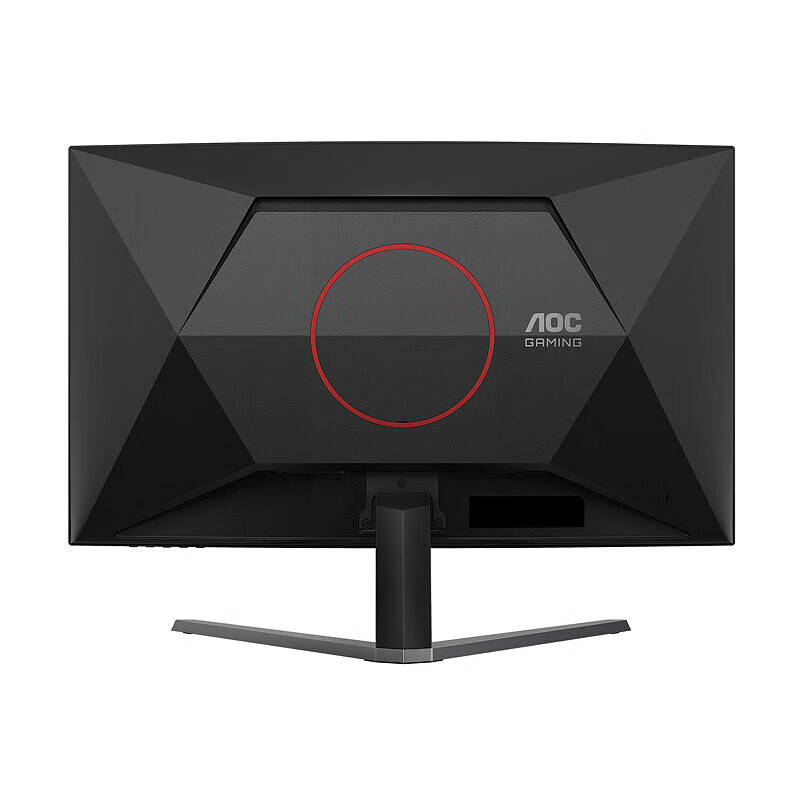
The monitor features a sturdy yet portable build, weighing 7.15kg with the stand and 6.08kg without. It comes with a stylish space-grey triangular stand and sports red accents, exuding a premium gaming aesthetic.
In related news, Acer has launched two new monitors: the Predator X27U X1, a 26.5-inch 2K QD-OLED gaming monitor with a 240Hz refresh rate, and the PE320QK X, a 32-inch OLED monitor with Calman certification designed for professionals.
For more daily updates, please visit our News Section.
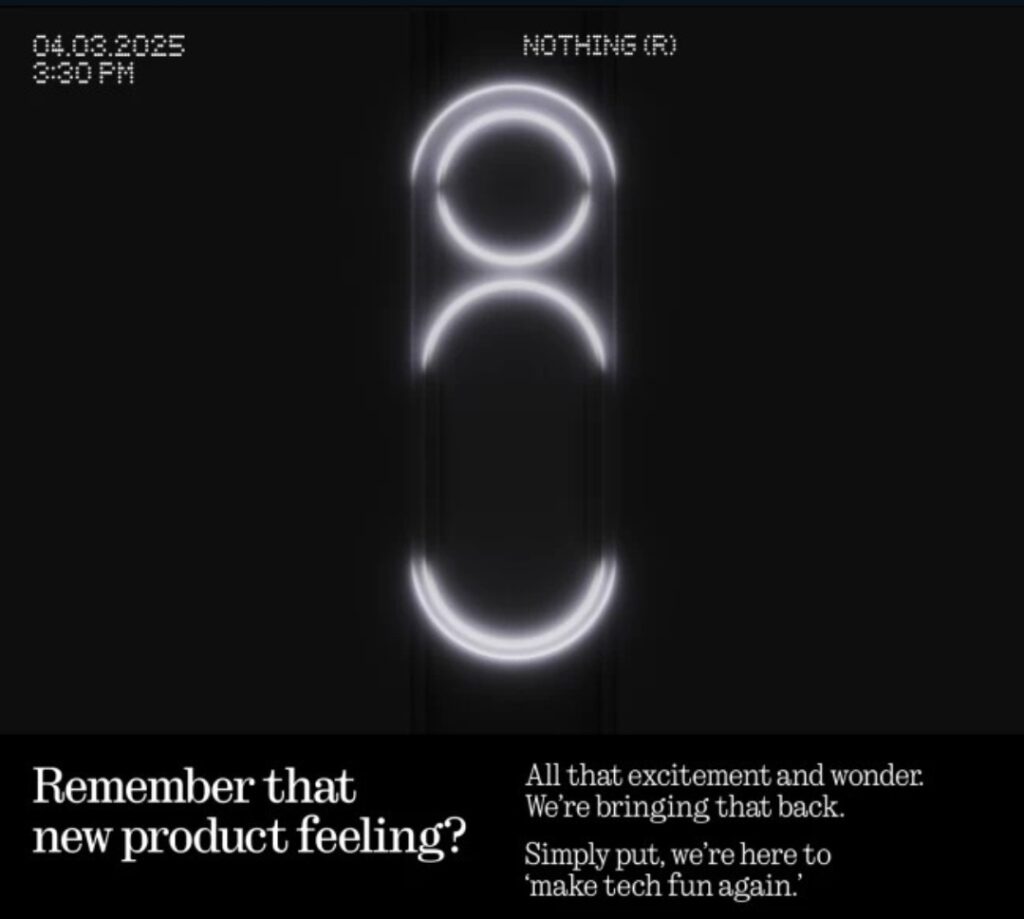
Nothing has officially announced an event on March 4th, 2025, where it is expected to unveil the Phone (3a) and Phone (3a) Plus. The upcoming devices have been the subject of numerous leaks and certifications, and now, key specifications and features have surfaced, giving us a clearer picture of what to expect.
Nothing Phone (3a) leaked specifications
As per details shared by @gadget_bits on X, the Phone (3a) is rumored to feature a 6.8-inch FHD+ AMOLED display with a 120Hz adaptive refresh rate, powered by the Snapdragon 7s Gen 3 chipset. This 4nm processor, coupled with up to 12GB of RAM and 256GB of storage. The device will run on Android 15 with Nothing OS 3.1, offering a clean and customizable user experience.
In terms of cameras, the Phone (3a) is expected to sport a 50MP main camera with OIS, an 8MP ultra-wide camera, and a 50MP telephoto camera. While the ultra-wide camera is a downgrade from the Phone (2a)’s 50MP sensor, the addition of a telephoto lens is a notable upgrade. The front camera will likely remain a 32MP shooter. The Phone (3a) Plus, on the other hand, might feature a periscope telephoto camera, as per earlier rumors.
The device will also include a 5000mAh battery with 45W wired charging support. Connectivity options will include 5G, Wi-Fi 6, Bluetooth 5.4, and NFC. The signature glyph lights on the back will make a return, adding to the unique design language of Nothing phones.
The launch has been confirmed through a microsite on Flipkart and the Nothing.tech India website, which redirects to Flipkart. The URL link of the Flipkart page also confirms that the device launching on February 4 is indeed the Nothing Phone (3a).
German consumer electronics brand Blaupunkt, best known for its high-quality audio products has launched the SBW600 Xceed Dolby Atmos Home Theatre in India.
Blaupunkt SBW600 Xceed features
The SBW600 Xceed Dolby Atmos Home Theatre comes with a comprehensive speaker setup, including top, front, and side speakers integrated into the soundbar, along with dual rear satellite speakers. This configuration supports 360° audio immersion, enhanced by Dolby Atmos, DTS, and IMAX technologies for a rich, clear sound environment. It provides true 9.1.4 surround sound, 3D audio with a wireless subwoofer, and acoustically balanced performance.
The SBW600 Xceed is built with all-metal components, ensuring durability while maintaining high sound quality. It offers multiple connectivity options, including HDMI-ARC, Optical, Coaxial, AUX, USB, and Bluetooth, making it compatible with a wide range of devices and easy to set up. It comes with accessories such as a remote control, HDMI-ARC cable, and AUX cable, and is available in black.
Pricing & availability
The Blaupunkt SBW600 Xceed is priced at Rs. 49,999 and can be purchased directly from the Blaupunkt website.
In other news, Zebronics has launched the Zeb StudioX One, a 240W RMS portable Bluetooth speaker with a 16.5 cm subwoofer, dual mid-range drivers, and quad tweeters for balanced sound. It supports Bluetooth 5.3, USB, microSD, AUX, TWS pairing, and functions as a power bank with its 9000mAh battery offering 11 hours of playback.
For more daily updates, please visit our News Section.
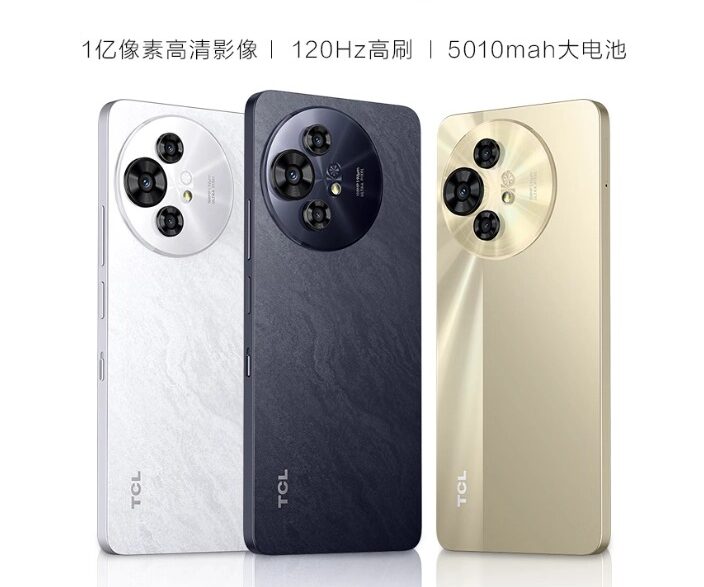
TCL has launched the P10 Color Ink Eye Protection smartphone in China, which is now available for purchase at 1,998 yuan ($276).
TCL P10 features
The device features a 6.78-inch NXTPAPER technology screen with a resolution of 1080 × 2460 and supports a 120Hz high refresh rate. For those unaware, NXTPAPER is a display technology developed by TCL that delivers a paper-like, glare-free viewing experience while prioritizing eye comfort and energy efficiency. It features a matte, anti-reflective surface that minimizes glare and filters over 50% of harmful blue light, reducing eye strain during prolonged use.
Unlike e-ink, NXTPAPER supports full-color visuals, making it versatile for reading, media consumption, and gaming. It eliminates the need for a backlight by reflecting natural light, ensuring clear and vibrant visuals while conserving energy, enabling extended battery life in devices such as tablets and e-readers.
Under the hood, the phone is powered by a Dimensity 6000 series processor, the phone offers configurations of 12GB RAM with either 256GB or 512GB of storage. The TCL P10 boasts a triple rear camera setup, including a 108-megapixel main camera, an 8-megapixel ultra-wide-angle lens, and a 2-megapixel macro lens. For selfies, it has a 32-megapixel front camera. A unique feature is the NXTPAPER button on the side, which allows users to quickly activate the super reading mode for an enhanced reading experience.
Measuring 167.6 x 75.5 x 7.99mm and weighing 196g, the phone is designed to be sleek and portable. It is equipped with a 5010mAh battery, ensuring long usage times. The device also includes a global AI assistant, offering functionalities such as AI eye protection, AI writing, and AI voice memos.
The TCL P10 features NXTPAPER technology, designed to reduce blue light and glare for improved eye comfort during extended use. This makes it suitable for users who spend a lot of time reading or browsing on their phones.
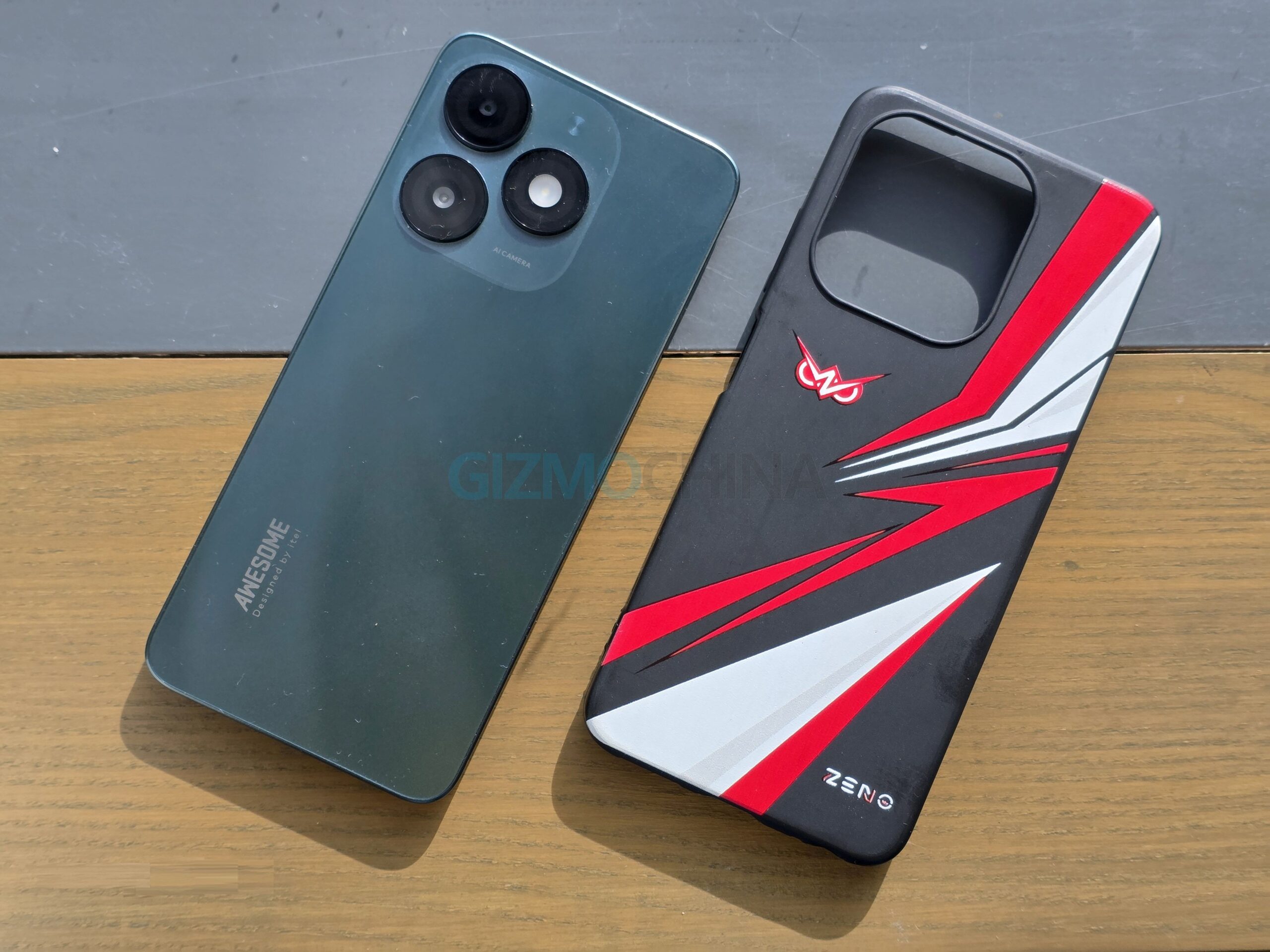
The itel Zeno 10 is the first smartphone in the brand’s new Zeno series, designed specifically for first-time smartphone users and Generation Z. Priced at Rs 5,699 for the base variant, this ultra-affordable device offers a balanced mix of functionality and affordability. With Android 14 (Go Edition) pre-installed, the itel Zeno 10 aims to cater to basic smartphone needs while introducing features that resonate with younger users. Here’s our detailed hands-on review.
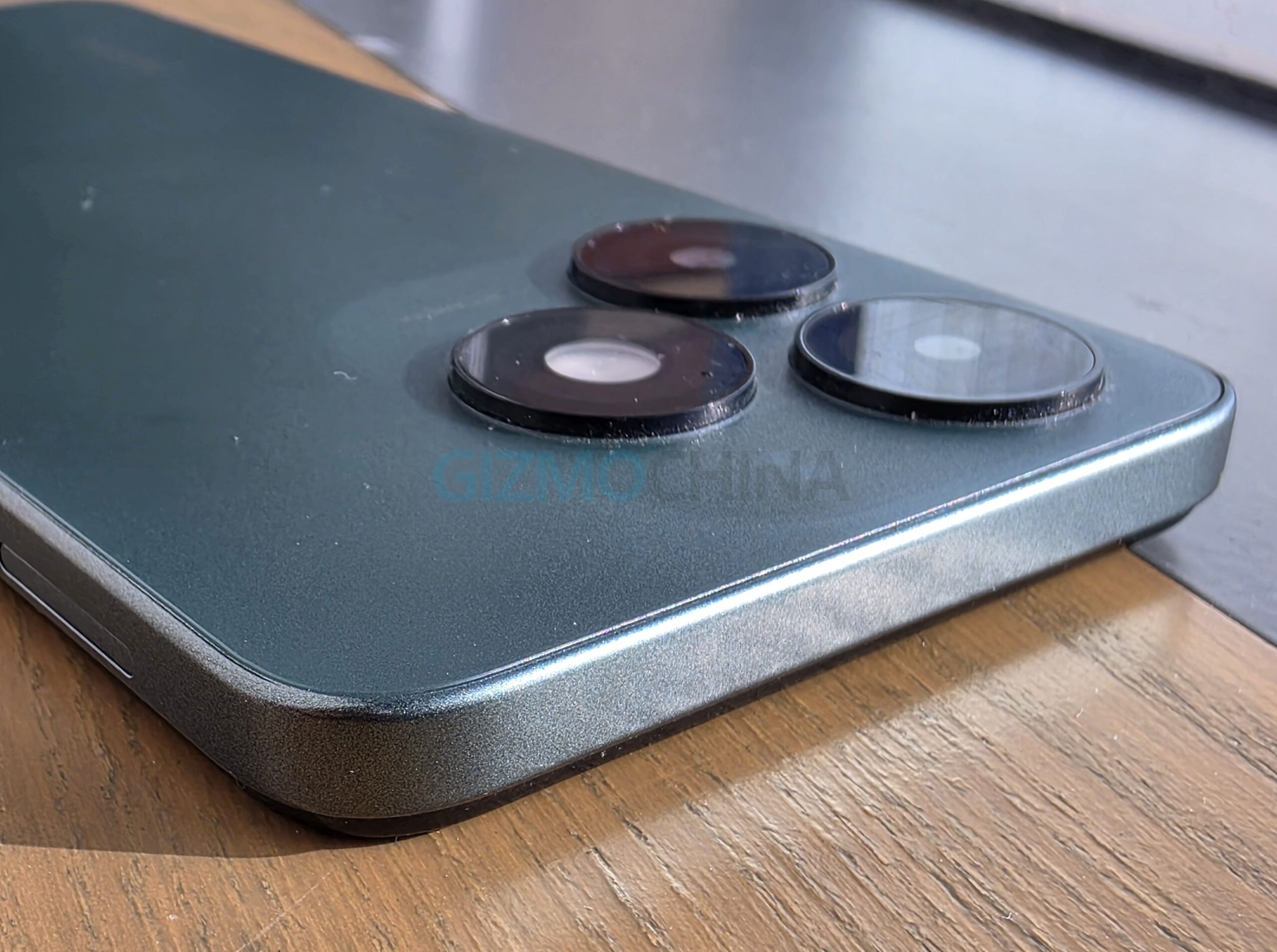
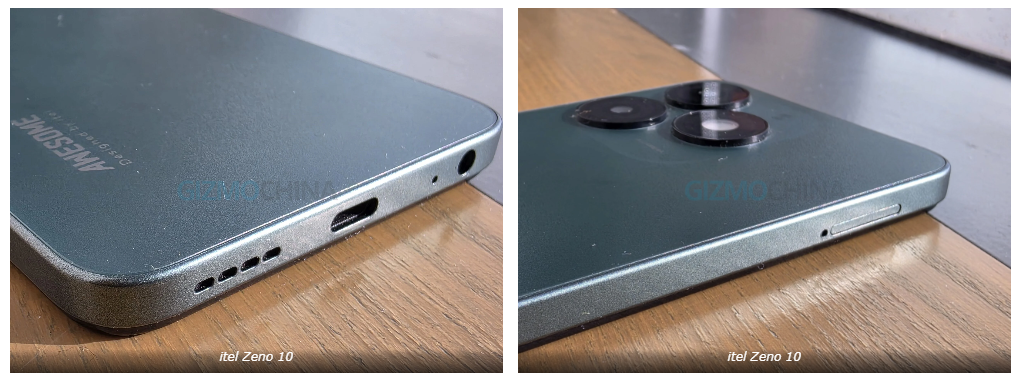
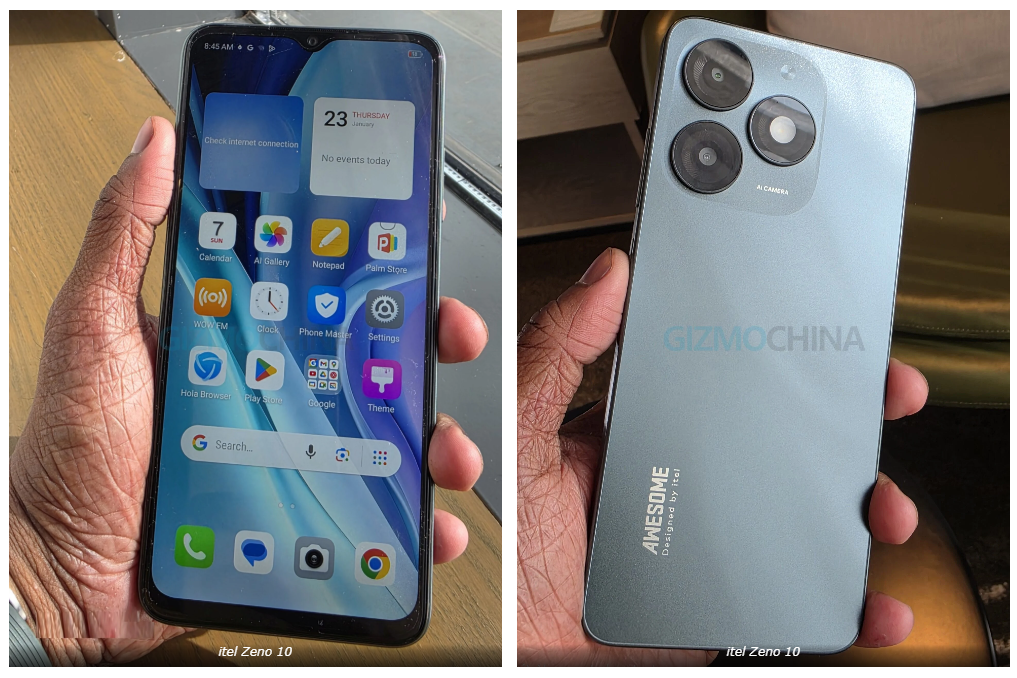
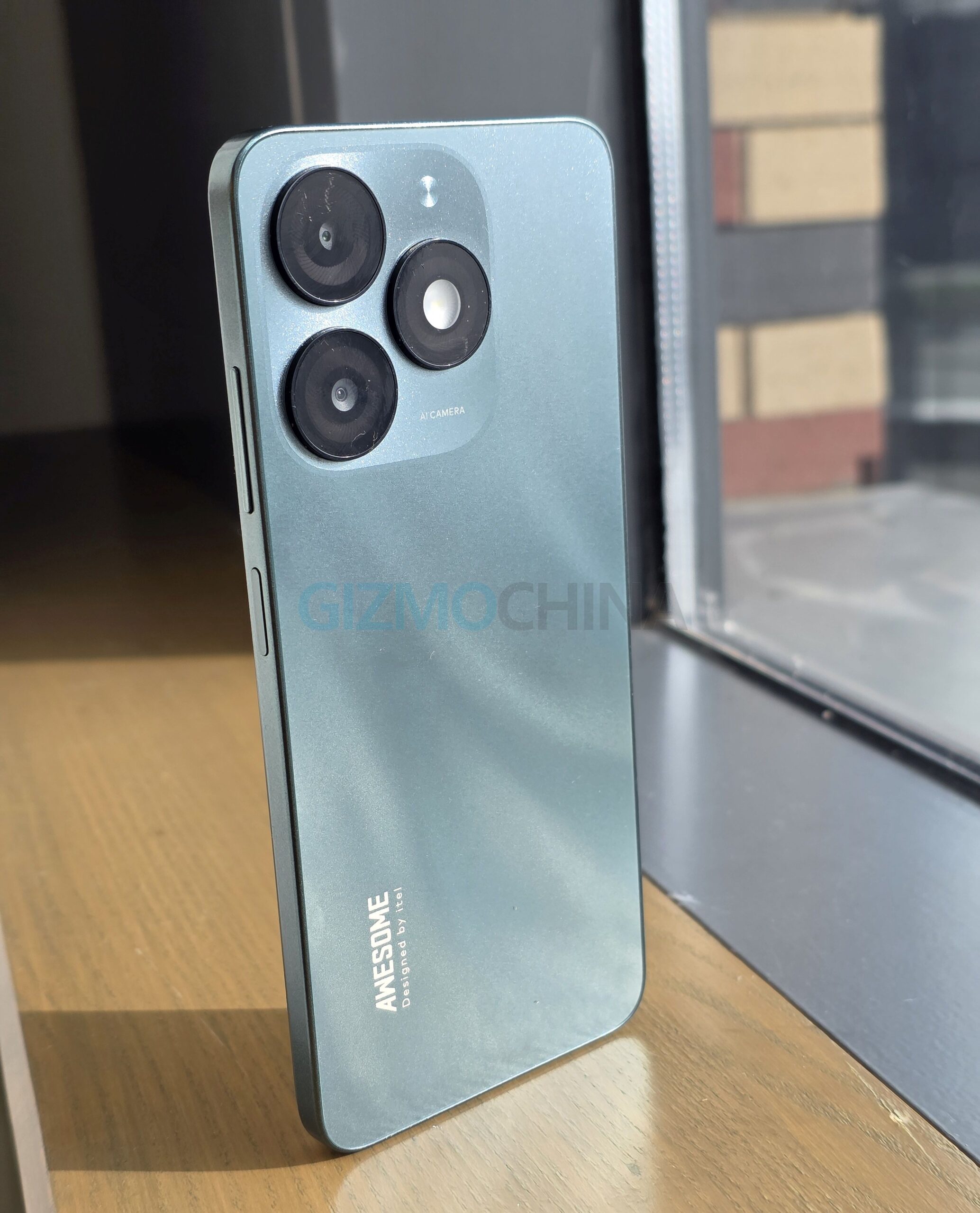
The itel Zeno 10 has a practical design with flat edges and a textured back panel, complemented by a matte finish around the dual-camera setup. It is available in two striking colours: Phantom Crystal (dark green) and Opal Purple. As seen in the images, we tested the Phantom Crystal variant, which stands out with its subtle yet stylish appearance. It has a thickness of 8.7 mm and weighs 185 grams.
The phone features a side-mounted fingerprint sensor integrated into the power button offers quick and reliable unlocking. The device also includes a USB Type-C port, a 3.5mm headphone jack, and a single speaker grille at the bottom. The SiM slot available on the left edge has slots for two nano-SIM cards and a microSD card. While the speaker is adequately loud for its class, sound quality takes a hit at higher volumes. itel has included a very attractive study case instead of a simple plastic one in the retail box.
2. Display and Audio
The itel Zeno 10 features a 6.67-inch HD+ IPS LCD with a resolution of 1600 x 720 pixels and a pixel density of 267ppi. The 90Hz refresh rate, paired with a 120Hz touch sampling rate, ensures a smooth touch experience for basic operations. Colours appear reasonably vivid, and viewing angles are decent, making the screen suitable for casual video streaming and web browsing. An interesting feature is the customizable notch, which can transform into a pill-shaped bar for notifications and reminders, adding a touch of modernity to the user interface. For audiophiles, the device is equipped with a single bottom-firing speaker and a 3.5mm audio jack.
3. Performance and Software
itel Zeno 10
Powering the itel Zeno 10 is the Unisoc T603 chipset, paired with either 3GB or 4GB of RAM and 64GB of internal storage. The 3GB RAM variant supports up to 5GB of virtual RAM, while the 4GB version offers up to 8GB of virtual RAM. While 4GB of RAM may seem modest in today’s smartphone landscape, it is adequate for this price range, especially with virtual RAM extending its multitasking capabilities.
To avoid lag, users should focus on light to moderate usage, such as messaging, browsing, and running basic apps. Minimising the number of background apps and clearing the cache regularly can help maintain smooth performance. Casual 2D games run without any issues, but heavier games struggle even at the lowest settings.
The itel Zeno 10 is equipped with a 5,000mAh battery that easily lasts a full day with moderate usage. Activities such as browsing, social media, and video playback are comfortably supported on a single charge. However, the 10W charging speed means it takes over 2:30 hours to recharge, which could be inconvenient for some users. While the battery life is commendable, faster charging would have added more convenience.
4. Cameras and Software
itel Zeno 10
The itel Zeno 10 is equipped with an 8-megapixel primary camera paired with an AI lens, while the front houses a 5-megapixel selfie shooter. The camera app offers photography modes, such as Portrait, Wide, HDR, Panorama, Short Videos, Slow Motion, and AR Shot. In well-lit conditions, the main camera captures decent photos with natural colours and satisfactory detail. However, focus can be slow, and the shutter lags at times, making it less ideal for action shots. The selfie camera is suitable for casual use, offering sharp but slightly overexposed images. Video recording is limited to 1080p at 30fps, which is acceptable for basic needs but lacks stabilisation. I found the camera app to be a bit laggy.
1xSelfiePortrait selfie1x1x2x1x1x2x
The Zeno 10 runs on Android 14 (Go Edition), a lightweight operating system tailored for entry-level devices. The interface is clean and user-friendly, with minimal bloatware that can be uninstalled if not required.
5. Final Thoughts
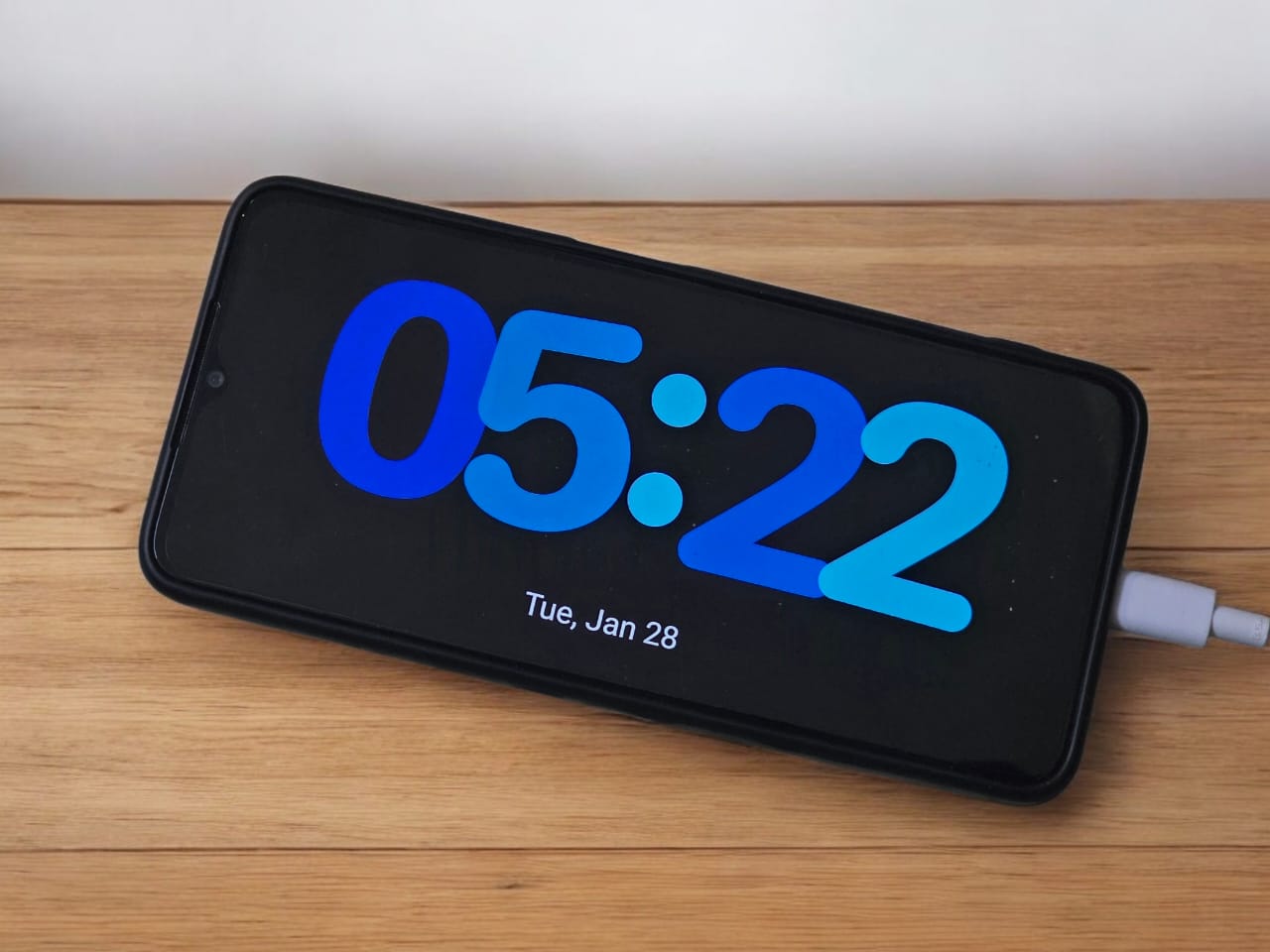
itel Zeno 10 shows this cool digital clock on the lock screen when the phone is kept for charging.
The itel Zeno 10 is priced at Rs 5,699 for the 3GB+64GB variant and Rs 6,099 for the 4GB+64GB version. It is available in two attractive colour options: Phantom Crystal and Opal Purple.
The itel Zeno 10 is a well-rounded entry-level smartphone that strikes a good balance between affordability and essential features. The inclusion of a large display, a 5,000mAh battery, and Android 14 (Go Edition) makes it a practical choice for budget-conscious buyers.
While the Zeno 10’s performance and cameras are basic, they are sufficient for light users. If you are looking for an affordable device for calling, messaging, and casual entertainment, the Zeno 10 is worth considering. However, those seeking gaming or advanced multitasking capabilities may need to explore higher-tier options.
For more daily updates, please visit our News Section.
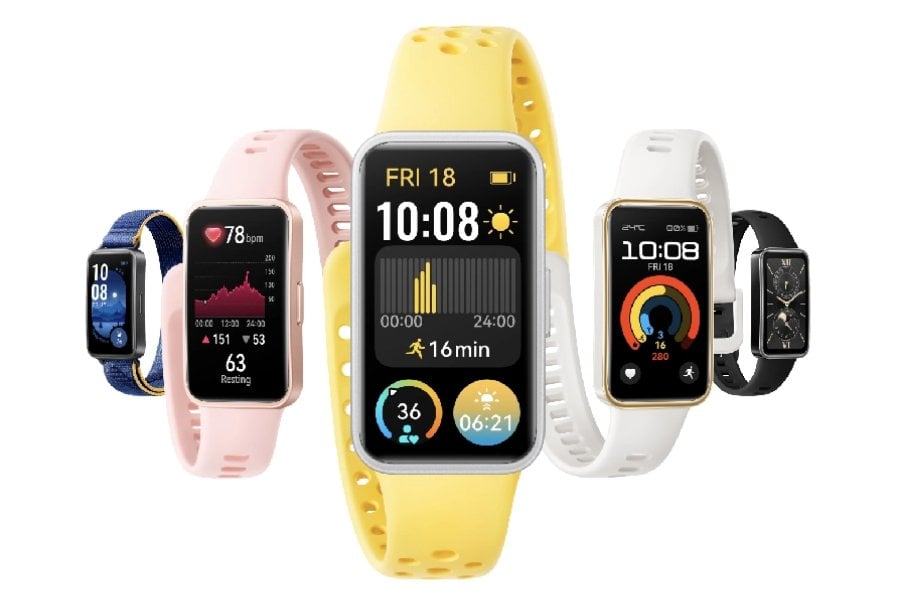
Two upcoming models of the Huawei Band 10, identified by model numbers ‘NOR-B29’ and ‘NOR-B19,’ have been certified by Malaysia’s SIRIM platform. The certification, valid until January 26, 2030, confirms the devices’ impending launch in the Malaysian market. Both models are listed under the ‘watch’ category, with the ‘Huawei Band 10’ name explicitly mentioned in the SIRIM database.
Previously, these models received certifications from SDPPI and TUV SUD, revealing IP68-rated builds for durability. Based on the launch timelines of earlier versions, the Huawei Band 10 is expected to debut in April or May 2025.
Rumored specifications include a 1.47″ AMOLED rectangular display with 194 x 368 pixels resolution and 2.5D glass. The device is expected to run on HarmonyOS 4.0 and feature Bluetooth 5.3, NFC support, and compatibility with the Huawei Health app. Health and fitness tracking capabilities will likely include heart rate, SpO2, step counting, and sleep monitoring, alongside over 100 sports modes. The Band 10 is also rumored to have a 5-ATM waterproof rating, a polycarbonate body, silicone straps, a 200 mAh battery, and up to 14 days of battery life. We can take a look at its predecessor, the Huawei Band 10 to get a better idea of what to expect.
Huawei Band 9 features
Huawei Band 9
The Huawei Band 9 features a 1.47-inch HD AMOLED display with Always-on Mode, a 9-axis IMU sensor, heart rate, ambient light sensors, and advanced health monitoring through TruSeen 5.5, TruSleep 4.0, TruRelax, and menstrual tracking. It supports 100 workout modes, automatic detection for four exercises, Bluetooth 5.0 connectivity, and is compatible with Android 8.0+ and iOS 13.0+. With 5ATM water resistance, it includes a music control, a remote camera, quick replies, and call alerts. Weighing 14g, it offers a 14-day battery life with fast charging in 45 minutes.
Recent rumors have pointed to POCO possibly skipping the launch of the POCO F7 Pro and POCO F7 Ultra in India. While only the base POCO F7 could be arriving in the region, a fresh rumor hints that the device could be getting a special limited edition model as well.
POCO F7 Special Edition Confirmed?
The news arrives from known tipster Paras Guglani who shared the information on X (formerly Twitter). For those unaware, the Chinese brand is currently working on the F7 series, which includes the base F7, Pro, and Ultra variants. Guglani claimed that the POCO F7 Ultra will remain exclusive to the global market. However, only the base POCO F7 is making its way to the Indian market. But it’s not all bad news since the company is reportedly planning a special edition model as well.
Redmi Turbo 4
To recall, the brand made a similar move to its predecessor, the POCO F6. This model was even later released in a POCO F6 Deadpool Edition as well. So there’s a chance we’ll get another superhero collaboration with the upcoming POCO F7 While finer details regarding this device are still at large, it is expected to be a rebranded version of the Redmi Turbo 4. So we can expect the POCO F7 also to sport a 6.67-inch OLED display, 1.5K resolution, 120Hz refresh rate, and up to 3200 nits of peak brightness.
Under the hood, the Turbo 4 is equipped with the Dimensity 8400 Ultra SoC, which is paired with up to 16GB of RAM and up to 512GB of internal storage. For optics, the rear has a 50MP dual camera setup, while the front has a 20MP selfie shooter. A massive 6,550mAh battery pack powers this phone, which supports 90W wired fast charging. The POCO F7 might also offer an IP66 + IP68 + IP69 rating for water and dust protection.
For more daily updates, please visit our News Section.
In recent years, foldable devices have taken the tech world by storm, combining portability with larger displays. From smartphones that unfold into tablets to laptops that transform into versatile productivity hubs, foldable devices have redefined our expectations of modern technology.
However, the horizon is expanding beyond foldables as manufacturers explore new form factors, including rollable displays, multi-fold devices, and ultra-thin smartphones. These innovations promise to offer users even greater flexibility, functionality, and style, paving the way for a transformative future in consumer electronics.
Rollable OLED Displays
Rollable OLED displays have emerged as an exciting evolution of display technology. Unlike foldables, which rely on hinges to transform their form, rollable devices use flexible displays that can extend or retract seamlessly. This approach not only enables sleek designs but also solves some of the limitations of foldable screens, such as visible creases and durability concerns.
Rollable TVs and Laptops
LG pioneered the rollable OLED movement with its 65-inch Signature OLED TV R, launched in 2019. This revolutionary TV could roll into its base, offering three viewing modes: full view, line view, and zero view.
Despite its innovation, the TV’s exorbitant $100,000 price tag limited its market reach, and LG discontinued the product in 2024. Nevertheless, the concept demonstrated the potential of rollable displays in transforming home entertainment.
In the laptop space, Samsung Display is set to mass-produce rollable OLED panels by April 2025, with Lenovo leading the charge. Lenovo’s ThinkBook Plus G6 Rollable, showcased at CES 2025, features a 14-inch display that extends vertically to 16.7 inches.
This design enhances multitasking capabilities, allowing users to stack windows or view tall spreadsheets effortlessly. While priced at a premium $3,499, the ThinkBook Plus G6 marks a significant step toward making rollable laptops a reality.
Rollable Smartphones
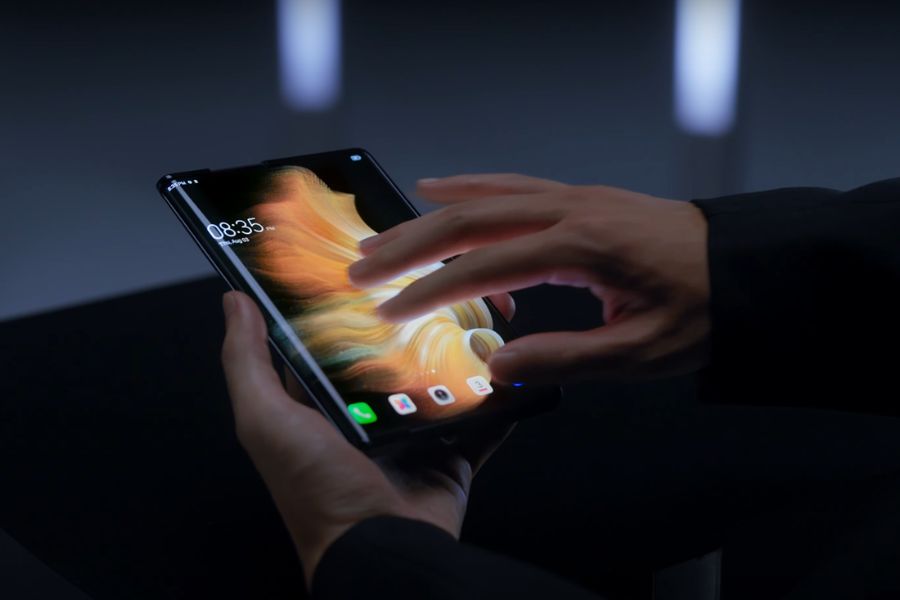
Rollable smartphones are an exciting evolution in mobile technology, with companies like Samsung, Tecno, Oppo, and Motorola actively advancing their rollable projects. These brands have already showcased prototypes, aiming to bring the first rollable devices to market soon. These smartphones promise to combine large, tablet-sized displays with compact, pocket-friendly designs.
For instance, Tecno’s Phantom Ultimate boasts a rollable display that extends from 6.55 inches to 7.11 inches in just 1.3 seconds, while Samsung’s prototypes feature displays expanding beyond 12 inches with under-display cameras for a seamless design. As this technology evolves, rollable smartphones have the potential to revolutionize mobile computing by combining portability with expansive screen sizes.
Multi-Fold Devices
Multi-fold devices take the folding concept further by introducing multiple hinges, enabling devices to transform into various configurations. These innovations aim to maximize screen size while maintaining compact form factors, providing a new level of versatility.
Tri-Fold Smartphones
Huawei’s Mate XT Ultimate Design, launched in September 2024, showcases the potential of tri-fold devices. With two hinges and a 10.2-inch display when fully unfolded, the Mate XT offers a tablet-like experience in a pocketable design. Despite durability concerns and a steep $2,800 price tag, Huawei’s tri-fold smartphone highlights the possibilities of multi-fold technology. Other manufacturers, such as Tecno and Samsung, are also developing tri-fold devices, with Samsung reportedly preparing to launch a tri-fold smartphone alongside its Galaxy Z Fold 7 in 2025.
Challenges and Opportunities
While multi-fold devices offer unmatched versatility, they also face significant challenges. The complexity of their designs increases the risk of wear and tear, particularly in the hinges and flexible displays. Additionally, the high production costs make these devices prohibitively expensive for most consumers. However, as manufacturing processes improve and economies of scale come into play, multi-fold devices could become more accessible, appealing to professionals and tech enthusiasts alike.
Ultra-Thin Smartphones
The race for ultra-thin smartphones, reminiscent of past trends, is making a comeback in 2025. Companies like Samsung and Apple are leading this resurgence with devices that prioritize sleekness without compromising functionality.
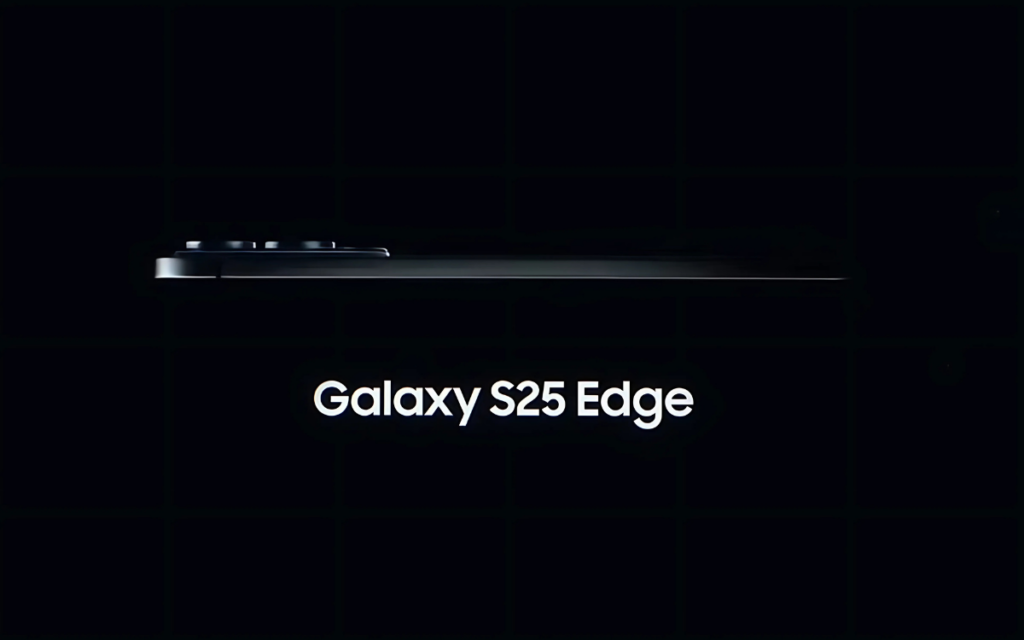
Samsung Galaxy S25 Edge
Unveiled at the 2025 Galaxy Unpacked event, the Galaxy S25 Edge promises to be one of the thinnest smartphones ever, measuring just 6.4mm at its slimmest point. Powered by the Snapdragon 8 Elite SoC, the device combines performance with portability. Despite its compact design, the S25 Edge features a dual-camera setup and a 3,786mAh battery, demonstrating that thinness doesn’t have to come at the expense of usability. Scheduled for a May 2025 release, the S25 Edge aims to redefine premium smartphone design.
Apple’s iPhone 17 Air
Apple is also exploring thinner designs with its rumored iPhone 17 Air. Expected to measure between 5.5mm and 6mm, this ultra-slim device could feature a 6.6-inch OLED display and Apple’s A19 chip. While the thinner profile may result in a smaller battery, Apple’s advancements in energy efficiency could offset this limitation. Positioned as a luxury product, the iPhone 17 Air reflects Apple’s strategy to appeal to style-conscious consumers.
The Appeal of Slim Devices
Ultra-thin smartphones offer a unique blend of style and portability, appealing to users who prioritize aesthetics. However, achieving such slim designs requires innovation in battery technology, thermal management, and internal component layout. Manufacturers are leveraging advances in materials and engineering to overcome these challenges, ensuring that thinner devices still deliver robust performance and durability.
The Future of Smart Devices
As rollables, multi-fold designs, and ultra-thin devices enter the market, they signal a new era of innovation. These form factors are not merely technological novelties; they represent a shift toward more adaptable, user-centric designs. Whether for work, entertainment, or everyday tasks, the next generation of devices promises to enhance functionality while pushing the boundaries of portability and design.
With continuous advancements in materials, manufacturing, and software, these new form factors are set to become integral to our digital lives. The coming years will likely see these innovations mature, becoming more affordable and accessible to the masses, ultimately redefining what we expect from our devices.
For more daily updates, please visit our News Section.
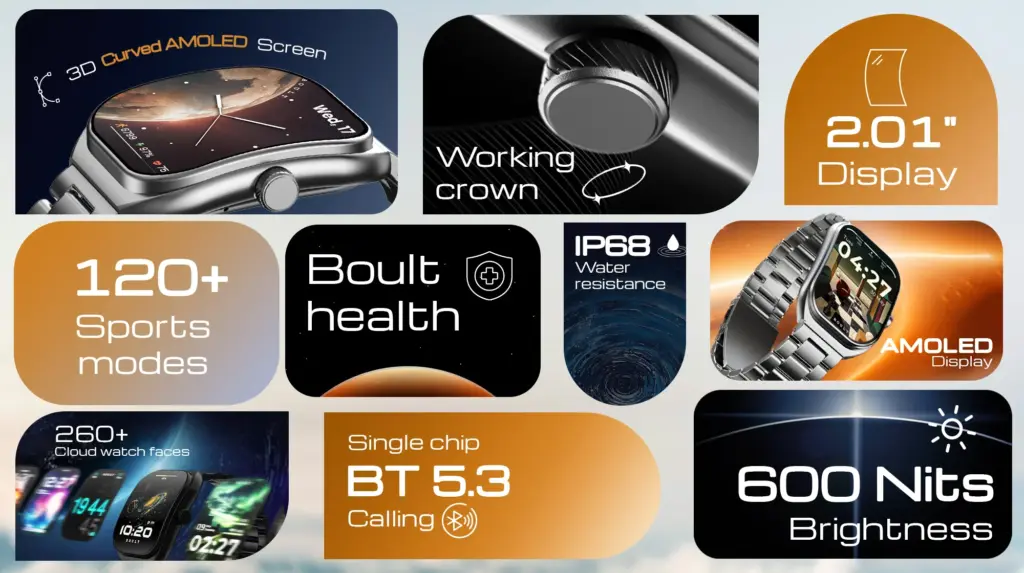
The BOULT Trail Pro features a 2.01″ 3D Curved AMOLED Display and includes Bluetooth 5.3 calling with a built-in speaker and microphone, allowing users to make calls within a 10-meter range.
The smartwatch focuses on health and fitness, offering 24/7 heart rate monitoring, blood pressure tracking, SpO2 measurement, and stress analysis. It also includes female menstrual cycle tracking, sleep monitoring, and reminders for hydration. For fitness tracking, it supports over 123 sports modes and provides detailed activity data. Users can customize the watch with more than 260 cloud-based watch faces or create their own designs.
Varun Gupta, Co-Founder of BOULT, said the Trail Pro is designed to combine style and functionality, helping users stay connected and manage their health. The watch also works with AI voice assistants like Siri and Google Assistant and includes features like SMS notifications, remote camera control, and weather updates.
Pricing & availability
The Trail Pro is water-resistant with an IP68 rating and comes in three options: Black with a silicone strap (INR 1499) and Jet Black or Silver with stainless-steel straps (INR 1699 each). It is available on BOULT’s official website, Flipkart, and Amazon.in.
In other news, OPPO has patented a new blood pressure monitoring system for smartwatches, filed with WIPO. Unlike current designs, which use an air nozzle in the watch head (e.g., Huawei’s Watch D2), OPPO’s system integrates the air path into the strap, eliminating the nozzle.
For more daily updates, please visit our News Section.
Xiaomi’s next big software update, HyperOS 2.1, is inching closer to a global rollout. After launching in China for select high-end models, reports suggest that Xiaomi is gearing up to bring HyperOS 2.1 to international users by February 2025. This means Xiaomi fans worldwide might not have to wait long for the latest software experience.
According to XiaomiTime, HyperOS 2.1’s global debut is on track for an early 2025 release, with a more specific timeline now emerging. The source indicates that Xiaomi has already developed the global firmware, and while no official announcement has been made, the update could start rolling out by the end of February.
One of the first devices expected to receive the update is the Xiaomi 14 Ultra. An internal HyperOS 2.1 build, was spotted under the firmware version OS2.0.100.0.VNAMIXM, appears to be tailored for the 14 Ultra. From there, Xiaomi is expected to gradually expand the update to more devices across different regions.
What’s new
So, what’s new with HyperOS 2.1? Xiaomi is touting a range of improvements aimed at improving user experience. The update reportedly introduces a more refined home screen with intuitive UI elements, a redesigned Control Center, and an emphasis on seamless connectivity.
The camera experience could also get better with the new update. It brings smarter AI tools, improved album management, and optimizations for better photography. Additionally, gamers might benefit from enhancements designed to deliver a more fluid and immersive experience.
With the global rollout of HyperOS 2.1 just around the corner, the real question is whether Xiaomi will make any significant tweaks to differentiate the international version from its Chinese counterpart.
For more daily updates, please visit our News Section.
Apple might be planning a major upgrade on its next generation of AirPods. A new rumor has hinted at the brand packing camera sensors on the hearables. But there’s a catch, the new AirPods won’t be using these cameras for taking pictures. Rather, it would offer a set of new functionalities.
Future Apple AirPods Rumored with Cameras
The news regarding Apple’s next gen AirPods arrives from Bloomberg’s Mark Gurman in his latest PowerOn newsletter. It seems like the Cupertino based giant is looking to add cameras to future AirPods, but these sensors won’t be taking pictures as these are expected to be IR (Infrared) sensors. Unlike traditional cameras, these won’t be used to snap pictures.
Apple AirPods Pro 2
While Gurman did not share any finer details regarding the upcoming AirPods, known analyst Ming Chi-Kuo offered more details in the past. The iPhone maker might use these sensors to measure health related metrics. This is not the first time we’ve heard of this bizarre combo since the analyst shared similar details last year. It may even use these infrared sensors for an improved spatial audio experience.
But that’s not all. The inclusion of infrared may allow the company to introduce gesture controls on the Apple AirPods. These could be air gestures that map input through hand movements. Apple could release the AirPods with the cameras could begin mass production in 2026, which could mean either a late 2026 or early 2027 launch. So it is still a while from being released. Keep in mind that this is still just speculation, so take this news with a pinch of salt for now.
For more daily updates, please visit our News Section.
Samsung’s Ultra series has consistently pushed the boundaries of smartphone innovation, offering cutting-edge technology and premium features that set it apart from the competition. From groundbreaking display advancements to AI-powered tools and versatile camera systems, the Ultra lineup has redefined what a flagship smartphone can do. In this article, we explore 10 unique features introduced by Samsung Ultra phones, starting with its massive display, that have not only elevated the user experience but also influenced the broader smartphone industry.
The Samsung Galaxy S25 Ultra flaunts a massive 6.9-inch Dynamic LTPO AMOLED 2X display with a peak brightness of 2600 nits. With a resolution of 1440 x 3120 pixels, and a 120Hz refresh rate support, the S25 Ultra delivers an immersive viewing experience. While the iPhone 16 Pro Max and Huawei Mate 70 Pro series also feature 6.9-inch displays, Samsung’s adoption of this size is likely to influence other brands to follow suit to offer such a massive display in their Ultra-branded devices.
Please Note: When you buy something using the links in our articles, we may earn a small commission at no cost to you.
2. Corning Gorilla Armor 2 with enhanced anti-reflective coating
Samsung Galaxy S25 Ultra
The Galaxy S25 Ultra is the world’s first phone to feature Corning Gorilla Armor 2, a next-generation display protection layer. This innovation enhances durability, enabling the device to withstand drops from up to 2.2 meters on rough surfaces like concrete. Additionally, Gorilla Armor 2 incorporates an anti-reflective coating that significantly reduces glare in both indoor and outdoor settings, improving visibility and usability. Its scratch-resistant properties further ensure the display remains pristine over time. It is likely that some of the next-generation flagships may feature Gorilla Armor 2.
3. ProScaler technology
Samsung Galaxy S25 Ultra
The Galaxy S25 Ultra introduces ProScaler, an AI-powered image processing technology that enhances image quality by up to 40 percent when zooming or upscaling. This feature ensures that lower-resolution content appears sharper and more detailed on the phone’s display, elevating the viewing experience for streaming, gaming, and more. While other Android phones may have their own upscaling technologies, ProScaler stands out due to its AI-driven approach and significant improvements in image quality. Likely, future Samsung flagship phones will continue to feature this technology.
4. Galaxy AI
Samsung Galaxy S25 Ultra
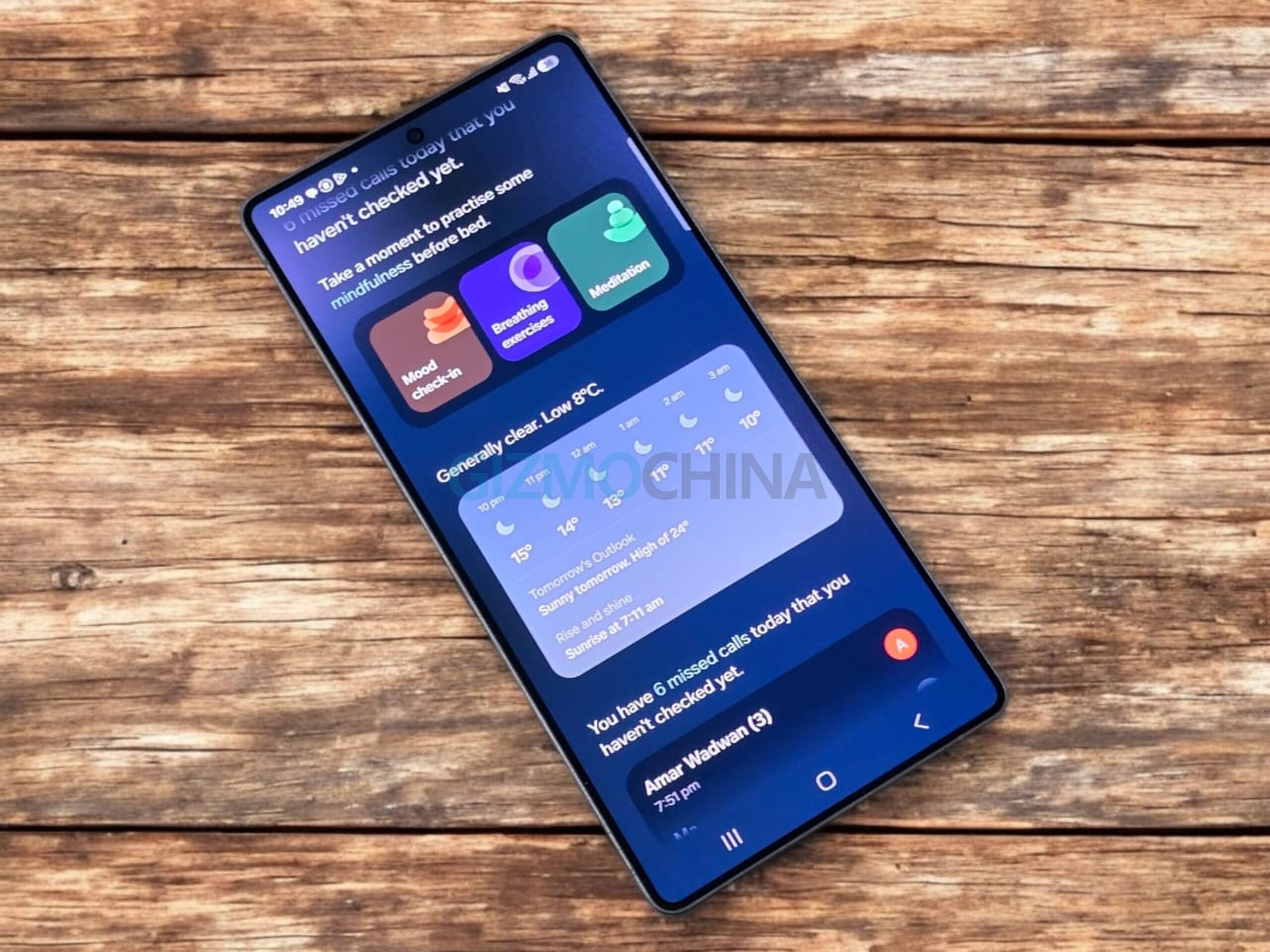
Samsung is a pioneer in integrating comprehensive AI-driven features into its smartphones. Available in Settings as a dedicated “Galaxy AI” section on Samsung flagships, it includes special tools like Call Assist for real-time translation, Writing Assist for text composition and improvement, Note Assist for auto-formatting and summarization, and Browsing Assist for webpage summarization and translation.
The S25 Ultra introduces new additions like Audio Eraser (removes unwanted noise from videos), Now Brief (personalized content suggestions), and Now Bar (live updates on the lock screen). Many of these features are expected to trickle down to older S-series models via the One UI 7-based Android 15 update.
5. Dual Zoom cameras
Samsung Galaxy S25 Ultra
While the Oppo Find X2 Pro from early 2020 was the first to feature a standard telephoto lens and a periscope telephoto zoom lens, the Galaxy S21 Ultra popularized this technology for a wider audience. It has become a staple feature in many flagship phones smartphones since then.
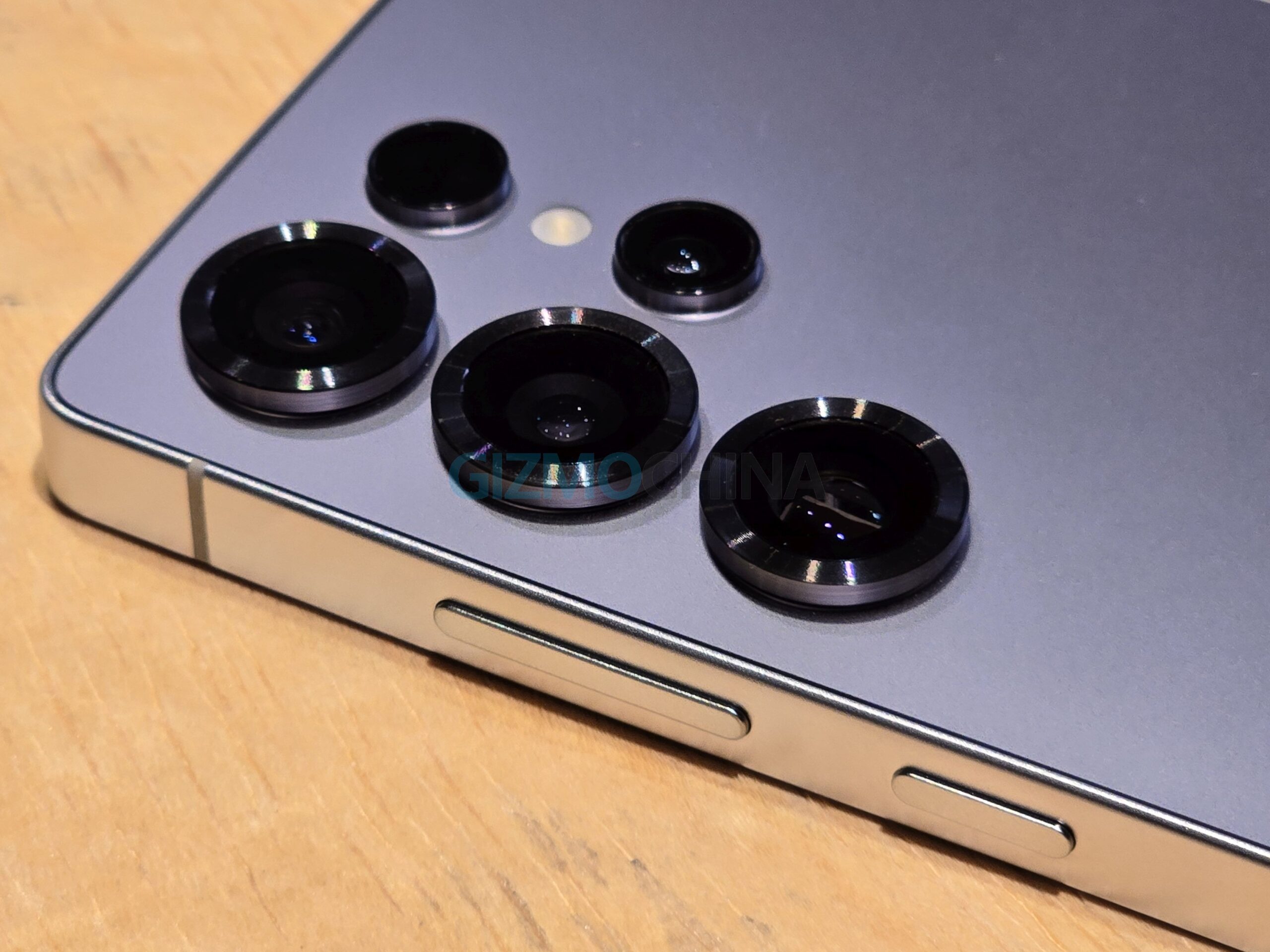
The S25 Ultra continues this legacy with a 10-megapixel telephoto camera offering 3x optical zoom and a 50-megapixel periscope camera with 5x optical zoom. These are complemented by a 50-megapixel ultra-wide lens and a 200-megapixel primary camera, making it one of the most powerful camera systems on a smartphone.
6. Space Zoom
Samsung Galaxy S25 Ultra – 100x Space Zoom
Introduced with the Galaxy S20 Ultra in 2020, Space Zoom combines optical and digital zoom to achieve up to 100x magnification. While other phones had previously featured periscope zoom lenses, Samsung’s branding and marketing helped popularize this technology, making it a standard feature in many flagship phones today.
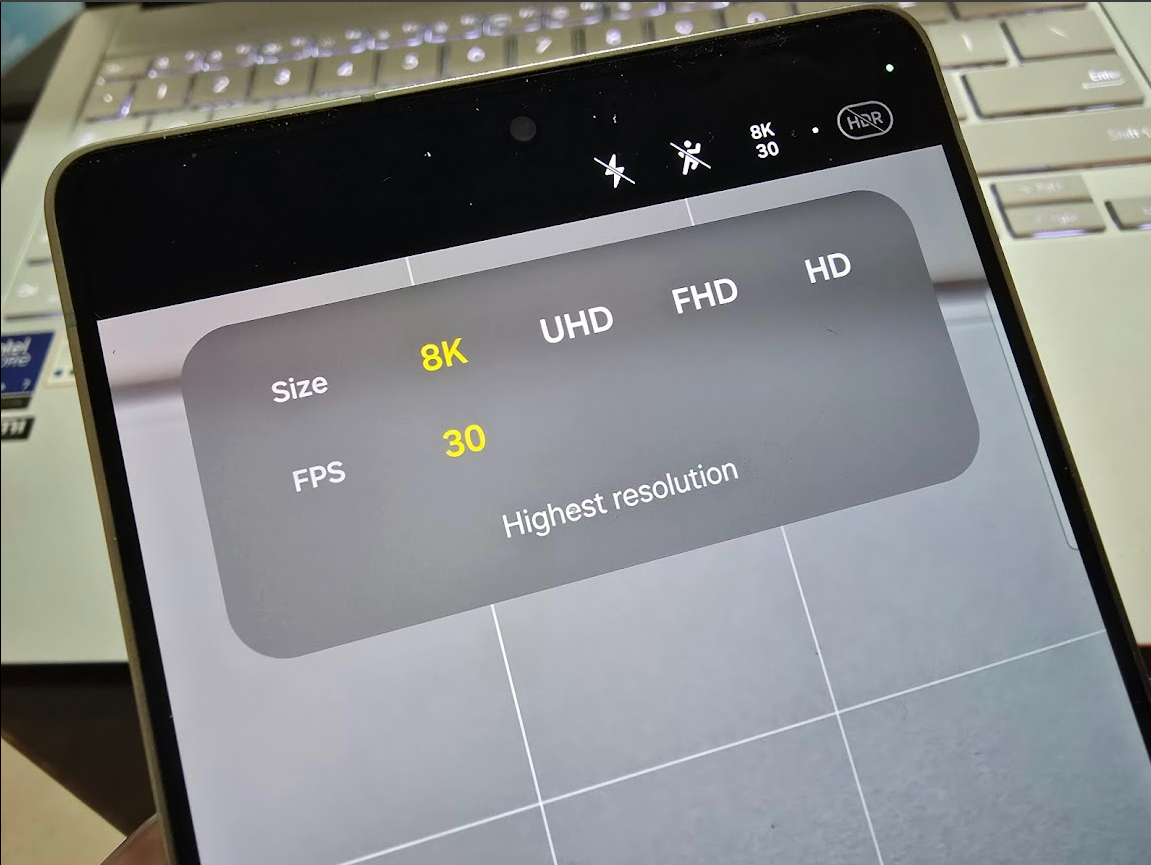
Samsung Galaxy S25 Ultra supports 30fps 8K video recording
The Galaxy S20 series was the first to support 8K video recording at 24 frames per second, making it practical for both capturing and viewing high-resolution content. Although the Red Magic 3 introduced 8K recording in 2019, it was limited to 15 frames per second. Samsung’s implementation set a new benchmark for smartphone video capabilities. The recently launched Galaxy S25 Ultra supports 8K video recording at 30fps, just like last year’s Galaxy S24 Ultra.
8. S Pen
Samsung Galaxy S25 Ultra
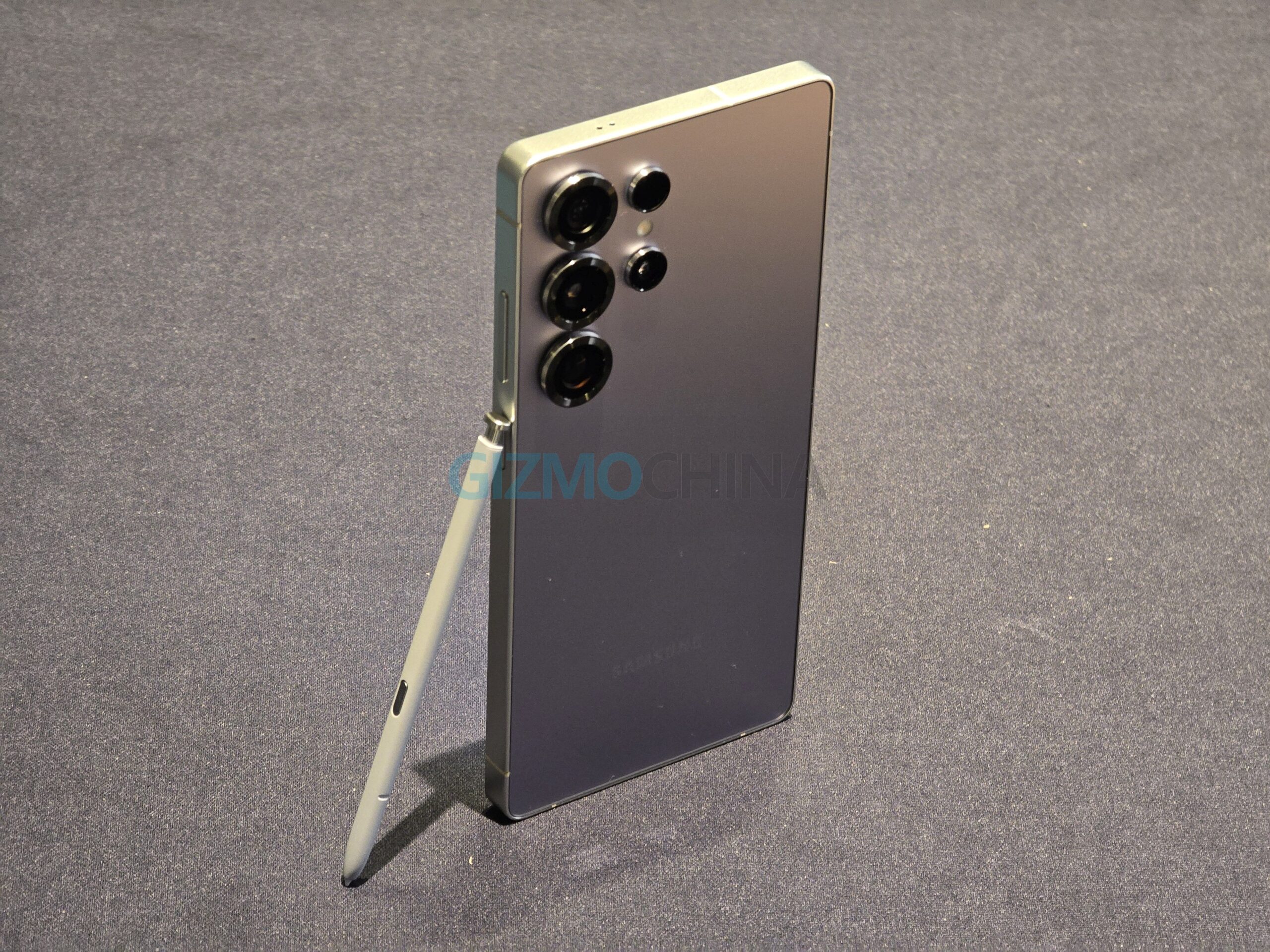
Samsung remains the only brand to offer a stylus-equipped flagship phone. The S Pen, first introduced with the original Galaxy Note in 2011, has evolved to offer improved pressure sensitivity for writing, drawing, and note-taking. While the Note lineup was discontinued in 2020, the S Pen found a new home in the Ultra series, making it the spiritual successor to the Note.
However, the S25 Ultra’s S Pen has undergone a significant change: the removal of Bluetooth support, which eliminates features like remote control and Air Actions. Samsung made this decision due to low user engagement with these features, as most users primarily use the S Pen for writing and navigation.
9. DeX mode
Samsung Dex image via Wikipedia
Samsung DeX, introduced in 2017, transforms Galaxy smartphones into desktop-like environments by connecting them to external displays, keyboards, and mice. Unlike simple screen mirroring, DeX offers a true desktop experience with a taskbar, resizable windows, and optimized app support. Its seamless Android integration, focus on productivity, and evolving features like wireless DeX and DeX for PC distinguish it from similar offerings by other brands.
10. Ultra-Wide Band (UWB) technology
Samsung Galaxy S24 Ultra
The Galaxy Note 20 Ultra was the first Android phone to feature Ultra-Wideband (UWB) technology, which powers features like enhanced Nearby Share for faster file transfers, SmartThings Find for precise device tracking, and Digital Key for unlocking cars. UWB also enables smarter home integration and works with Samsung Tag for item tracking, making it a versatile addition to the Ultra lineup.
Choosing the right budget-friendly 5G smartphone can be tricky, especially with options like the Redmi 14C 5G and iQOO Z9 Lite competing in the same price range. Both devices promise impressive features like smooth displays, capable cameras, and reliable performance, making it essential to compare their strengths. This comparison highlights the key differences, helping you decide which phone suits your needs better
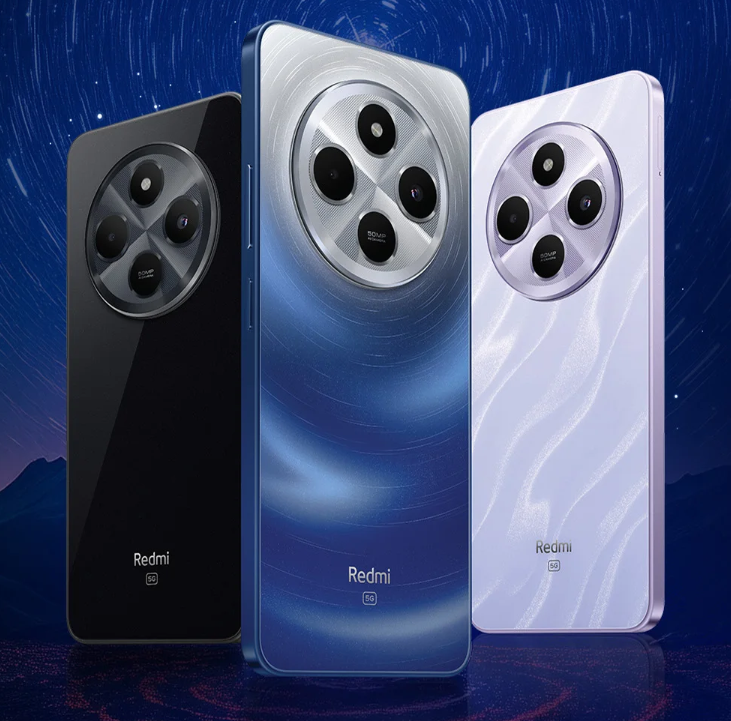
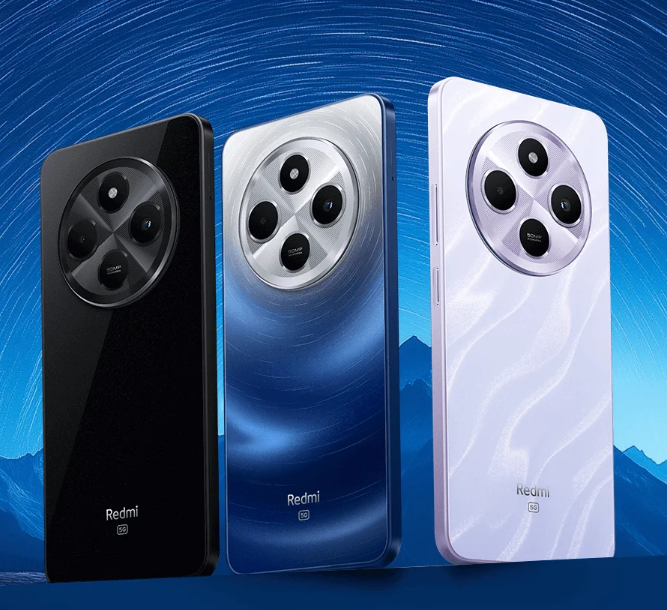
The Redmi 14C 5G and iQOO Z9 Lite both feature durable builds with a plastic frame and glass front, but the iQOO Z9 Lite includes a plastic back, making it slightly less premium in feel. Both phones are splash and dust resistant, though the iQOO Z9 Lite boasts an IP64 rating, offering added peace of mind for water resistance.
The Redmi 14C 5G comes with a larger 6.88-inch IPS LCD display with a 120Hz refresh rate, offering smoother visuals compared to the iQOO Z9 Lite’s 6.56-inch screen and 90Hz refresh rate. However, the Z9 Lite compensates with higher brightness levels (up to 840 nits), making it more usable in direct sunlight.
The Redmi 14C 5G’s larger display and higher refresh rate give it a competitive edge for multimedia and gaming, though the iQOO Z9 Lite’s higher brightness may appeal to those who use their phone frequently outdoors.
2. Specifications
iQOO Z9 Lite
The Redmi 14C 5G is powered by the Qualcomm Snapdragon 4 Gen 2 (4 nm) chipset, while the iQOO Z9 Lite uses the MediaTek Dimensity 6300 (6 nm). Both are capable mid-range processors, but the Redmi’s newer 4 nm architecture is more efficient, enhancing performance and battery life.
Battery-wise, Redmi offers a larger 5160mAh capacity with 18W fast charging, while the iQOO Z9 Lite has a 5000mAh battery and slower 15W charging. Redmi also supports PD charging, adding versatility for users with different adapters.
While both phones are great for day-to-day usage, Redmi’s more efficient chipset and larger battery make it the better option for heavy users.
3. Camera
iQOO Z9 Lite
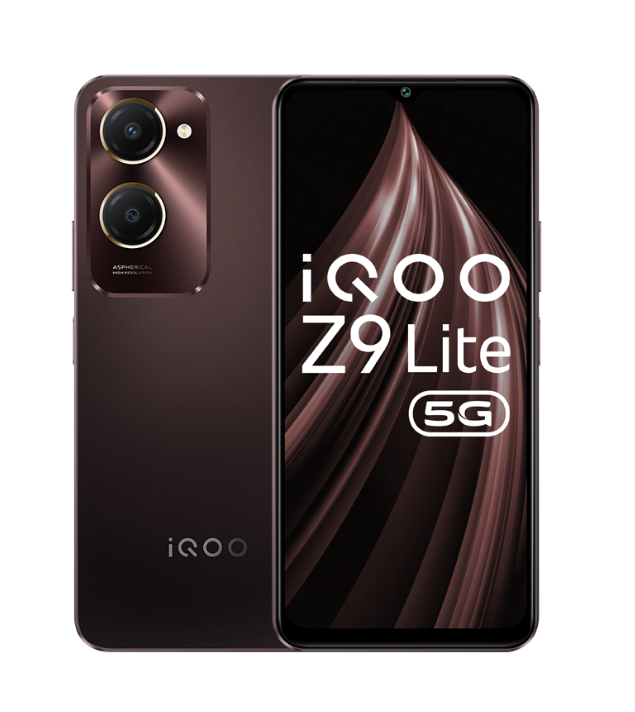
Both phones feature a 50 MP main camera with PDAF for detailed shots, but the iQOO Z9 Lite adds a 2 MP depth sensor for portrait photography, which the Redmi 14C lacks. Both phones sport an 8 MP selfie camera with similar 1080p video capabilities.
The iQOO Z9 Lite’s dual-camera setup provides more flexibility for portrait photography, while the Redmi 14C focuses on simplicity with its single-camera approach.
The iQOO Z9 Lite edges out slightly in camera versatility, but for those who prioritize single-lens simplicity and sharp details, the Redmi holds its own.
4. Pricing
The Redmi 14C 5G starts at ₹9,999, making it more budget-friendly compared to the iQOO Z9 Lite at ₹10,499. Both phones deliver excellent value, but the ₹500 price difference may be significant for budget-conscious buyers.
For its price, the Redmi 14C 5G offers better performance and battery life, making it the more cost-effective choice, while the iQOO Z9 Lite is better for users seeking additional camera versatility.
5. Conclusion
Redmi 14C
Redmi 14C 5G: Larger 6.88-inch display with a 120Hz refresh rate, Snapdragon 4 Gen 2 chipset with 4 nm efficiency, a bigger 5160mAh battery, and competitive pricing.
iQOO Z9 Lite: Dual cameras with depth sensing, higher brightness (840 nits), and IP64 water resistance.
The Redmi 14C 5G stands out for performance and display quality at a lower price, while the iQOO Z9 Lite excels in camera versatility and outdoor usability. Choose based on your priorities: multimedia and gaming (Redmi) or versatility and brightness (iQOO).
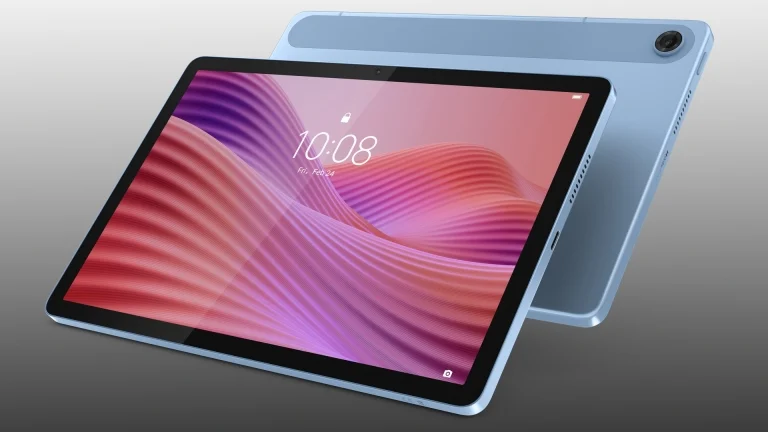
The Lenovo Tab was unveiled with a budget price tag earlier this month. Now, this entry level tablet has been announced in select markets across the globe. The company has confirmed the availability of this tablet along with its specifications and pricing. So here are all the details.
Lenovo Tab Specs
The brand’s Lenovo Tab sports a tall 10.1-inch TFT LCD display with a 1920 x 1200 resolution, 400 nits of peak brightness, 72 percent NTSC color gamut, and a 60Hz refresh rate. Under the hood, the budget tablet is equipped with the MediaTek Helio G85 SoC, which is paired with 4GB of RAM and either 64GB or 128GB of internal storage. You can even expand the storage via a microSD card slot.
Lenovo Tab
For optics, you get an 8MP camera on the rear and a 5MP selfie shooter on the front. It houses a dual speaker setup, which is tuned by Dolby Atmos. There is even a 3.5mm headphone jack for added convenience. A large 5,100mAh battery pack powers the Lenovo Tab, which supports 15W wired fast charging. It offers support for WiFi 5, Bluetooth 5.3, and runs on the Android 14 OS out of the box. It measures just 7.5mm in thickness and supports arrives with an IP52 rating for water and dust resistance.
Pricing and Availability
The Lenovo Tab was originally announced with a starting price tag of 159 US Dollars and now we have its availability details. The Lenovo Tab WiFi only model will be released in Argentina, Hong Kong S.A.R. of China, Central America, Poland, South Africa, and Mexico. On the other hand, the 4G variant will go on sale in Argentina, Hong Kong S.A.R. of China, Central America, South Africa, Mexico, Vietnam, Taiwan, Singapore, India, Thailand, Malaysia, Korea, Malaysia, Philippines, Japan, Australia, Chile, Peru, Ecuador, and Colombia.
For more daily updates, please visit our News Section.
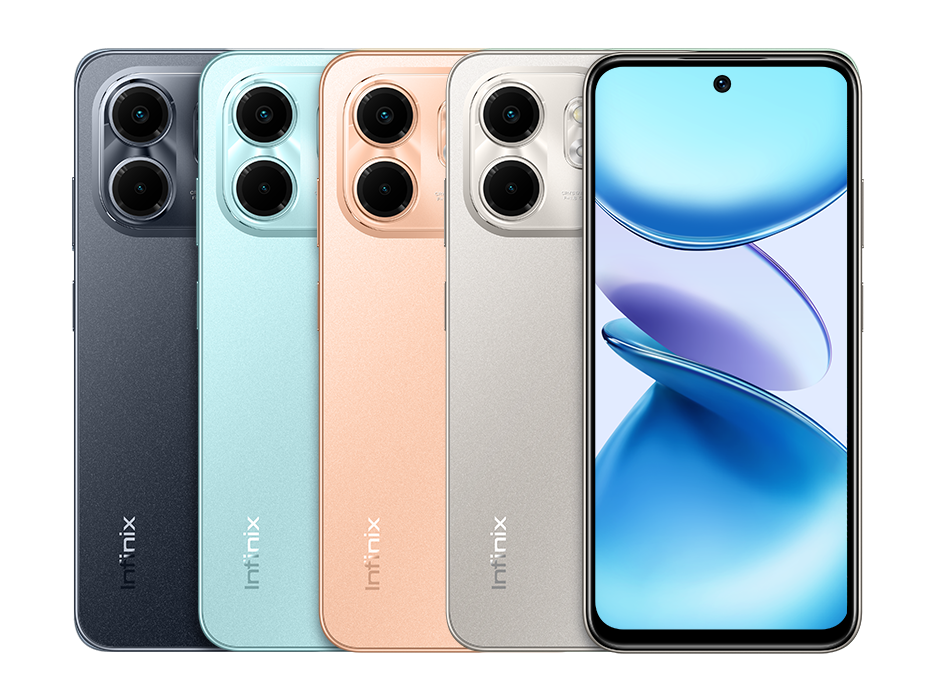
The Infinix Smart 9 HD has officially launched, offering a budget-friendly 4G smartphone experience. This entry-level device comes with a punch-hole 90Hz display, a side-mounted fingerprint sensor, and a capable MediaTek chipset. According to the brand, the Smart 9 HD has undergone rigorous testing, meeting the same standards as flagship devices. It has been subjected to 250,000 repeated drop tests with 6-sided drop protection and over 200 quality and durability tests, ensuring a robust and reliable build. Continue reading ahead to learn about its specifications, features, and price.
Infinix Smart 9 HD specifications and features
Infinix Smart 9 HD
The Infinix Smart 9 HD boasts a 6.7-inch IPS LCD screen with a 90Hz refresh rate and a peak brightness of 500 nits, ensuring smooth visuals and decent outdoor visibility. Under the hood, it is powered by the MediaTek Helio G50 chipset, paired with 3 GB LPDDR4X RAM and up to 3 GB of virtual RAM. The RAM can be expanded virtually up to 6GB or 8GB, and it offers 64 GB of eMMC 5.1 storage, further expandable via a dedicated microSD card slot.
The smartphone is equipped with a 5,000mAh battery that supports 10W charging and runs on Android 14 (Go edition), optimized for efficient performance on entry-level devices. For photography, it features a 13-megapixel rear camera with an f/1.85 aperture, autofocus, and dual LED flash for enhanced low-light shots. On the front, there’s an 8-megapixel selfie camera with an f/2.0 aperture and a front flash for better selfies in dim lighting.
The Infinix Smart 9 HD runs on XOS 14 based on Android 14 (Go edition) and comes with a range of features, including DTS-powered dual speakers, a side-mounted fingerprint sensor, and IP54 splash resistance. It also supports dual SIM cards, Wi-Fi, Bluetooth, USB Type-C, and a 3.5mm headphone jack. The device measures 165.7 x 77.1 x 8.35mm and weighs 188 grams, making it compact and lightweight.
Infinix Smart 9 HD price in India, availability
Infinix Smart 9 HD with 3GB+64GB configuration is priced at Rs 6,699. The sale date is Feb. 4 via Flipkart in India. It can be bought in shades like Mint Green, Coral Gold, Metallic Black, and Neo Titanium.
For more daily updates, please visit our News Section.
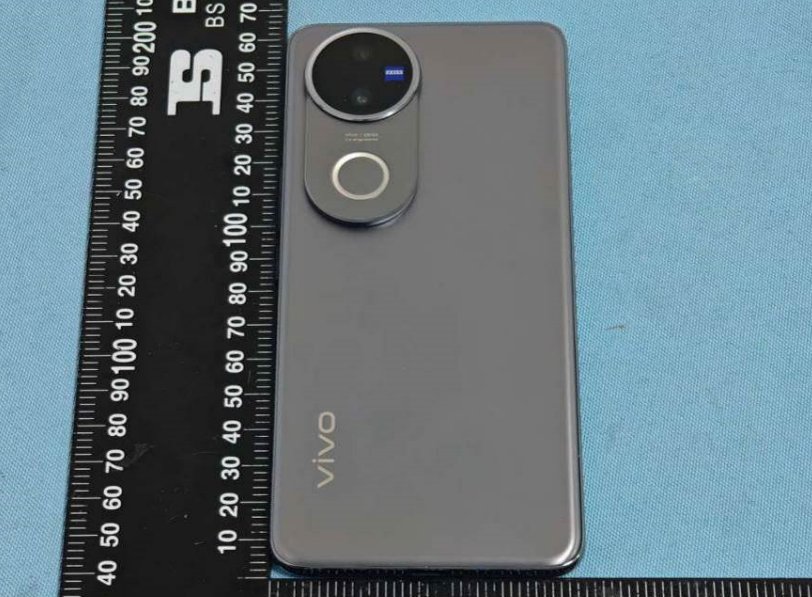
The Vivo V50 series has recently been spotted getting reports and certifications, which hinted at its imminent release. But ahead of the official announcement, a new report has revealed the launch timeline for the Vivo V50. So let’s check it out.
Vivo V50 series India launch timeline
According to a SmartPrix report, the Chinese brand is gearing up to launch the Vivo V50 in the Indian market in the third week of February 2025. This is in line with one of our earlier reports. Only the base V50 model will be dropping next month, while the higher end Vivo V50 Pro has reportedly been delayed. Based on what we know so far, the vanilla Vivo V50 could drop in India on 18th February 2025.
Vivo V50
Since the launch is right around the corner, we can expect the Vivo V50 to start getting teased by the company soon. To recall, the Vivo V40 and Vivo V40 Pro made its debut around the same time last year. However, the V50 Pro is likely arriving later on. The NCC certification from earlier this month revealed the battery, fast charging, RAM, and storage variants of the Vivo V50. This model will apparently launch in two storage configurations, namely 12GB + 256GB and 12GB + 512GB.
A massive 6,000mAh battery pack could power this device, with support for 90W wired fast charging. Rumors have suggested that the Vivo V50 might be a modified version of the Vivo S20 rather than a direct rebrand. The design of this model was also revealed in the certification, which confirms the return of the Zeiss collaboration for the rear cameras.
For more daily updates, please visit our News Section.
We use cookies on our website to give you the most relevant experience by remembering your preferences and repeat visits. By clicking “Accept”, you consent to the use of ALL the cookies.
This website uses cookies to improve your experience while you navigate through the website. Out of these, the cookies that are categorized as necessary are stored on your browser as they are essential for the working of basic functionalities of the website. We also use third-party cookies that help us analyze and understand how you use this website. These cookies will be stored in your browser only with your consent. You also have the option to opt-out of these cookies. But opting out of some of these cookies may affect your browsing experience.
Necessary cookies are absolutely essential for the website to function properly. This category only includes cookies that ensures basic functionalities and security features of the website. These cookies do not store any personal information.
Any cookies that may not be particularly necessary for the website to function and is used specifically to collect user personal data via analytics, ads, other embedded contents are termed as non-necessary cookies. It is mandatory to procure user consent prior to running these cookies on your website.