Advertisement

Samsung Debuts Galaxy A16 5G in India with 6 Android Updates, AMOLED Display, & More

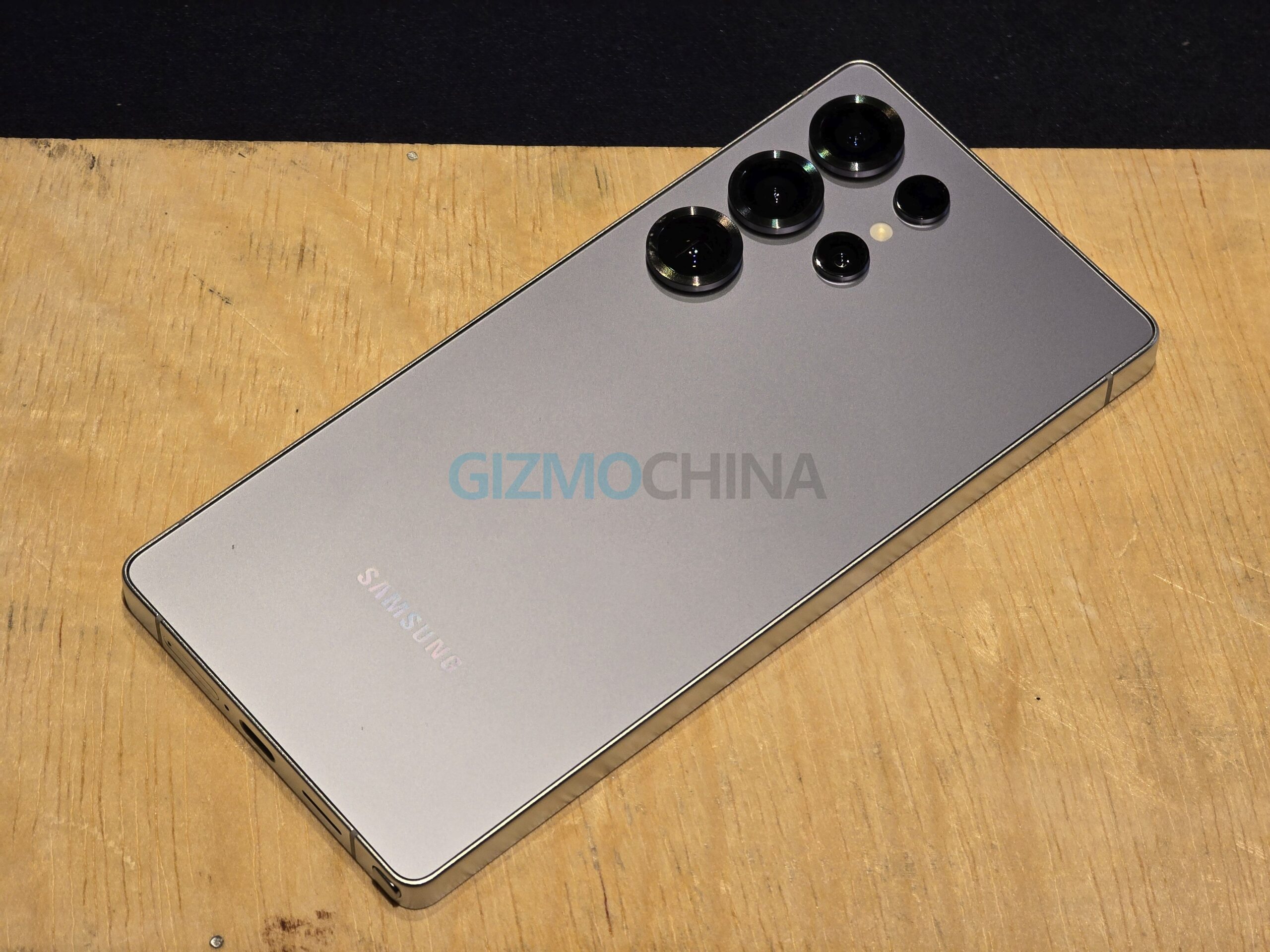
Earlier this month, Samsung unveiled the Galaxy A16 5G with a budget friendly price tag. But apart from its affordable pricing, another notable aspect of this device was its impressively long battery life. The model is now arriving in the Indian market, so here’s everything you need to know.

Samsung Galaxy A16 5G: What makes it special?

Samsung-Galaxy-A16-5G-launch-specs-price

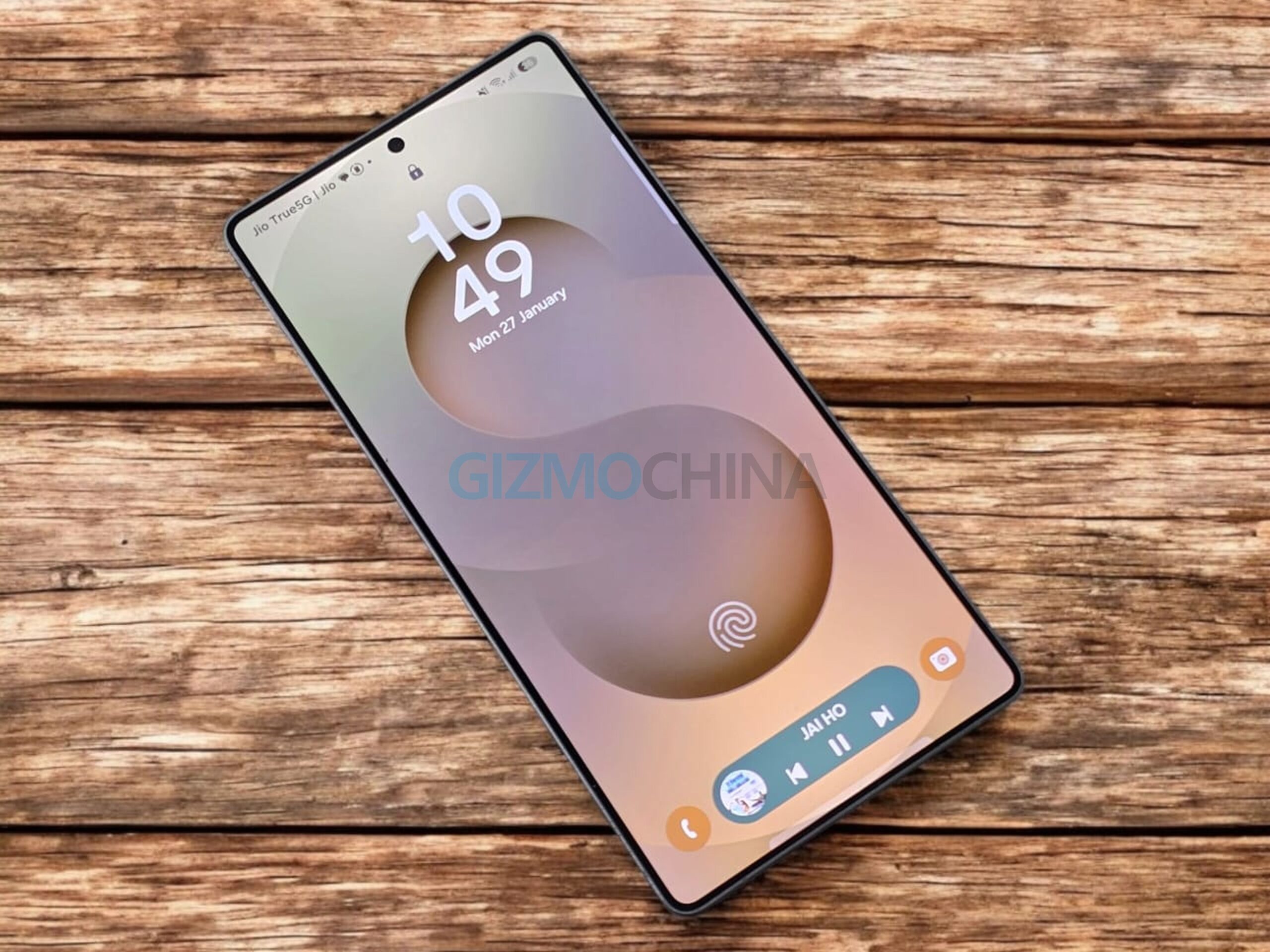
The South Korean tech giant’s latest budget friendly phone features a tall 6.7-inch AMOLED display that supports FHD+ resolution, a 90Hz refresh rate, and 800 nits of peak brightness. It is equipped with the MediaTek Dimensity 6300 SoC, which is paired with 8GB of RAM and up to 256GB of internal storage. Users can even expand storage by up to 1.5Tb via a microSD card slot. A large 5,000mAh battery pack powers this device, which supports 25W wired fast charging.

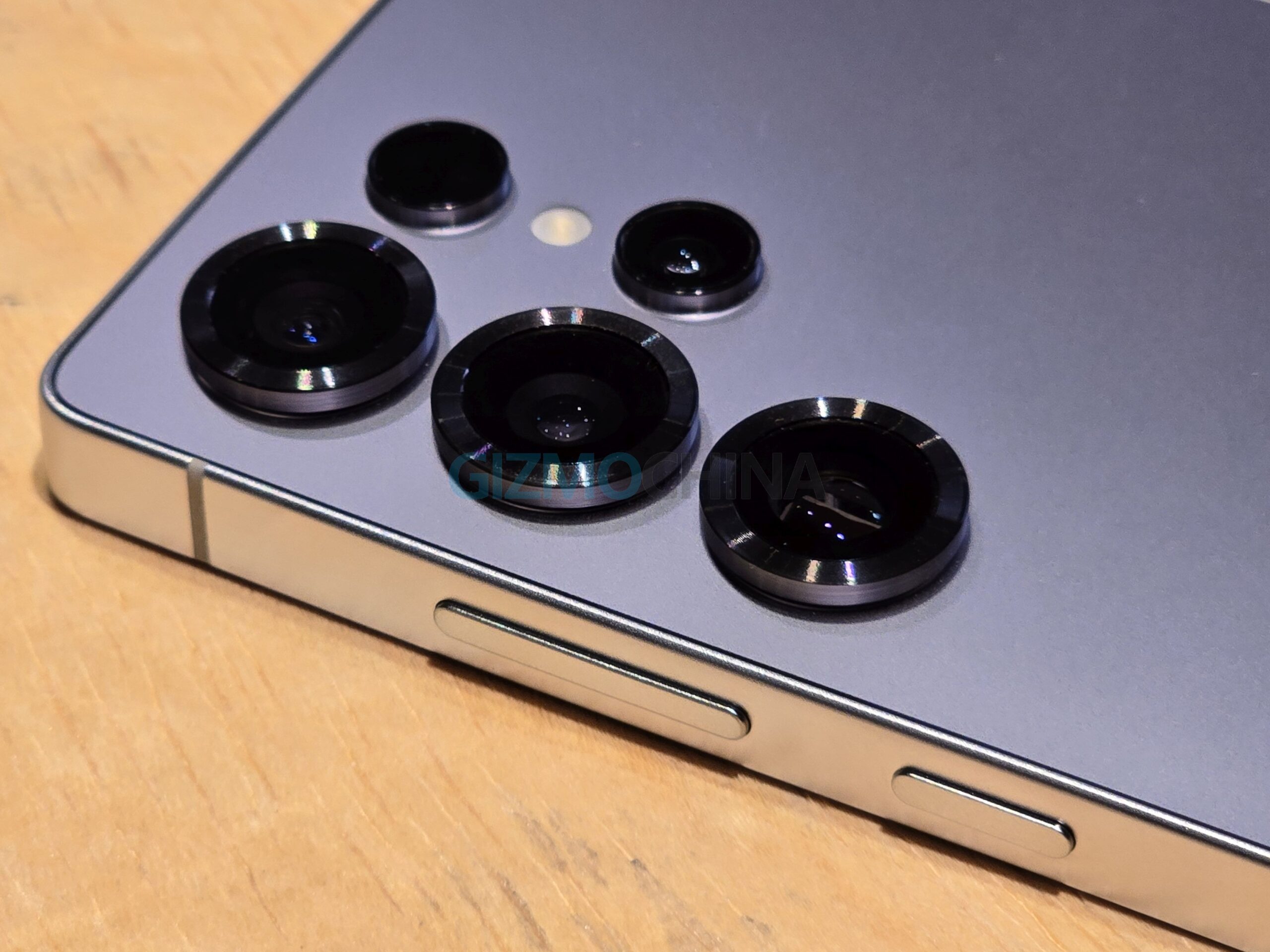
The Galaxy A16 5G runs on the Android 14 OS based One UI 6.0 custom skin out of the box. This is the brand’s first mid range phone to get 6 major OS updates along with 6 years of security updates. So, buyers are getting updates till 31st October 2030. For optics, the rear has 50MP (Main) + 5MP (Ultrawide) + 2MP (Macro) cameras while the front has a 13MP selfie shooter. Other notable features include hybrid dual SIM support, a side mounted fingerprint scanner, an IP54 rating for water and dust resistance, Bluetooth 5.3, and NFC support.

Samsung-Galaxy-A16-5G-design-and-display
Samsung Galaxy A16 5G

Pricing and Availability

Samsung has released the Galaxy A16 5G in India in three color options, namely Gold, Light Green, and Blue Black. It has a starting price tag of 18,999 INR for the 8GB + 128GB variant, while the 8GB + 256GB option costs 21,999 INR. The smartphone is available for purchase as of today via Samsung’s official website, Amazon, Flipkart, and other online platforms. There is up to 1,000 INR cashback on Axis and SBI Credit Cards and a 500 INR voucher on Samsung Wallet as a special limited time deal.

Vivo X Fold 4: Next-Gen Foldable Phone Certified with a Massive 6,365mAh Battery

Vivo’s next gen flagship foldable phone has just surfaced in a certification platform in China. The company is working on the upcoming Vivo X Fold 4, which has been sighted on TENAA. This listing has confirmed a massive battery under the hood, so let’s check it out.

Vivo X Fold 4 with Huge Battery visits TENAA

Vivo X Fold 4

The Chinese brand recently unveiled the Vivo X200 series of flagship smartphones. But now, the Vivo X Fold 4 was spotted on TENAA carrying the model number V2429A. While the official moniker of the smartphone is still unclear, the smartphone is expected to be the Vivo X Fold 4. However, the IMEI database confirmed that the Vivo X Fold 4 has the V2429 model number. So the V2429A could be one of the foldable phone’s variants.

Unfortunately, the certification did not reveal any major details regarding the smartphone like its specs, design, and more. Although a 91Mobiles report managed to dig out some information regarding the battery pack in the database. The Vivo X Fold 4 houses a massive 6,365mAh cell, which would likely be marketed as a 6,500mAh battery. If this is true, the Vivo X Fold 4 would have a much larger battery compared to the 5,500mAh cell on the Vivo X Fold 3. This is also in line with one of our previous reports as well.

Vivo X Fold 3 Pro
Vivo X Fold 3 Pro

It also means that the Vivo X Fold 4 has the largest battery on any foldable phone. With the larger battery, this device might have a slightly thicker body than its predecessor. However, the X Fold 4 is expected to have a thinner and lighter design than the X Fold 3 Pro. Apart from this, the foldable phone was listed with Satellite Navigation (GLONASS), dual 5G SIM support, and support for Android 15 OS out of the box. Rumors have hinted that the X Fold 4 would be equipped with the Snapdragon 8 Gen 3 SoC. But keep in mind that this is still just an unconfirmed report, so take this news with a pinch of salt.

Oppo Reveals ColorOS 15 Update Roadmap for Oppo & OnePlus Devices

Oppo recently unveiled its latest Android 15-based ColorOS 15 operating system at the Oppo Developer Conference 2024 in China. This update improves ease of use, system performance, and customization, offering a more balanced experience between design and function. Oppo has also shared its update timeline for eligible devices, including Chinese OnePlus devices.

ColorOS 15

November 2024:

  • OPPO:
    • Find X7
    • Find X7 Ultra Satellite Communication Edition
    • Find X7 Ultra
    • Find N3
    • Find N3 Collector’s Edition
  • OnePlus:
    • OnePlus 12
    • OnePlus Ace3 Pro
    • OnePlus Ace 3
  • Special Edition:
    • OnePlus Ace 3 Genshin Impact Keqing Customization
    • OnePlus Tablet Pro

December 2024:

  • OPPO:
    • Find N2
    • Find X6
    • Find X6 Pro
    • Pad2
    • K12x 5G
    • Reno12 Pro 5G
  • OnePlus:
    • OnePlus 11 5G Jupiter Rock Custom Edition
    • OnePlus Ace 2
    • OnePlus Ace 2 Pro
    • OnePlus Ace 2 Pro Genshin Impact Paimon Theme Gift Box
    • OnePlus Ace 3V
  • Special Edition:
    • OnePlus Ace 2 Genshin Impact Customized Gift Box

January 2025:

  • OPPO:
    • Find N2 Flip
    • Find X5
    • Find X5 Pro
    • Reno11 5G
    • Reno10 Pro Star Edition 5G
    • Reno12 5G
    • Reno10 Pro+ 5G
    • Reno10 Pro 5G
  • OnePlus:
    • OnePlus 10 Pro
    • OnePlus Ace 2V
    • OnePlus Ace Pro
    • OnePlus Ace Pro Genshin Impact Limited Edition

February 2025:

  • OPPO:
    • Find X5 Pro Dimensity Edition
    • K11x 5G
    • Reno9 Pro+ 5G
    • Reno10 5G
  • OnePlus:
    • OnePlus Ace
    • OnePlus K11 5G
    • OnePlus Ace Racing Edition 5G

March 2025:

  • OPPO:
    • Reno9 Pro 5G
    • Reno9 5G
    • Reno8 Pro+

Key Features of ColorOS 15

ColorOS 15
  • Enhanced Performance: ColorOS 15 boasts a revamped system architecture that improves overall responsiveness and stability. OPPO’s Lightning Engine technology ensures smoother multitasking and faster app launches.
  • AI-Powered Features: AI plays a central role in ColorOS 15. From intelligent photo editing tools to virtual assistants that can help with tasks like language learning and storytelling, AI enhances the user experience in various ways.
  • Privacy and Security: OPPO has prioritized user privacy in ColorOS 15. The system uses advanced security measures to protect user data and prevent unauthorized access.
  • Customizable Interface: ColorOS 15 offers a wide range of customization options, allowing users to personalize their phones with different themes, wallpapers, and app layouts.
  • Improved Gaming Experience: Gamers can enjoy smoother and more immersive gameplay with ColorOS 15’s optimized gaming mode and high frame rate support.

Check out our previous coverage of ColorOS 15 to learn more about the new features in the upcoming operating system.

(Source)

SHOKZ OpenRun Pro 2: Superior Sound & All-Weather Durability for Athletes

SHOKZ OpenRun Pro 2 Eliud Kipchoge Limited Edition is a game-changer for athletes and fitness enthusiasts. With its cutting-edge bone conduction technology and unique design, this headset offers both high-quality sound and safety for those who love running, cycling, or working out in any environment.

Enhanced Comfort for Active Use

One of the most notable features of the OpenRun Pro 2 is its exceptional comfort. The optimized weight distribution and upgraded body balance mean the headset stays securely in place, no matter how intense the workout. Crafted from durable Titanium alloy, it’s sturdy yet lightweight, ensuring a snug fit without any risk of falling, shaking, or shifting during your activities. The open-ear design allows users to stay aware of their surroundings, ensuring a safer and more enjoyable experience, even in sweaty or rainy conditions.

Built for Sweat and Weather Resistance

The OpenRun Pro 2 is made to handle tough conditions. It is sweat and rain-resistant, making it the perfect companion for athletes who train in all types of weather. The dual-layer mesh structure and hydrophobic nano-coating prevent water from seeping into the unit, offering protection from rain and sweat. Whether it’s a challenging run or an intense workout, the OpenRun Pro 2 is built to keep up with your lifestyle.

Advanced Sound Quality and Technology

The SHOKZ OpenRun Pro 2 delivers incredible sound quality and is designed to motivate you through your training sessions. Equipped with Shokz TurboPitch™ and directional sound field technology, the headset provides deep bass and three-dimensional sound for a richer listening experience. The bone conduction unit ensures clearer highs and full, natural mids, immersing you in your music while maintaining awareness of external sounds for safety.

The low-frequency enhancement unit improves the lower mid-range frequencies, offering a more robust and dynamic audio experience. With these advancements, you can expect powerful beats to keep your energy up during workouts.

Crystal Clear Calls and Seamless Connectivity

This model comes with dual noise-canceling microphones, making phone calls crystal clear during your workout. Whether you’re chatting with a coach or taking an important call, the precise microphone alignment ensures your voice is captured perfectly.

Additionally, the OpenRun Pro 2 supports dual-device connection, allowing seamless switching between a phone and another Bluetooth device, like a computer or smartwatch. This makes multitasking stress-free, keeping you connected while you focus on your workout.

Long Battery Life and Quick Charging

With up to 12 hours of battery life, the SHOKZ OpenRun Pro 2 is built for long training sessions and endurance events. The fast charging feature allows for 150 minutes of use with just 5 minutes of charging, and a full charge takes only 30 minutes, giving you up to 9 hours of listening—perfect for marathon runs.

Key Specs:

  • Battery Life: 12 hours
  • Charging Time: 5 minutes for 150 minutes use, 30 minutes for 9 hours use
  • Water Resistance: Sweat and rain-resistant (dual-layer mesh and nano-coating)
  • Microphone: Dual noise-canceling
  • Connectivity: Supports dual Bluetooth device connection
  • Weight: Lightweight with Titanium alloy body for durability
  • Sound Quality: Shokz TurboPitch™ low-frequency enhancement, directional sound field technology
  • Operation: Mechanical buttons for easy control

Price and Availability:

SHOKZ OpenRun Pro 2 Eliud Kipchoge Limited Edition is available for $239.00 at Geekwills. This premium headset offers advanced sound quality, durability, and comfort, making it an excellent choice for athletes and fitness enthusiasts. Don’t miss the opportunity to elevate your workouts with this high-performance device, designed for both safety and superior listening.

Related:

Infinix Launches INBOOK AirPro Plus: A Powerful, Affordable Laptop with 2.8K OLED display & 13th Gen i5 CPU

Infinix recently held a launch event in India for its first flip phone called the Infinix Zero Flip 5G. Alongside the foldable smartphone, the brand has launched its latest laptop, the INBOOK AirPro Plus. Infinix aims to deliver a premium computing experience at an affordable price point with this new device.

Infinix INBOOK Air Pro Plus

Infinix INBOOK AirPro Plus laptop features

The INBOOK AirPro Plus is powered by a 13th Gen Intel Core i5 processor, ensuring efficient multitasking and responsive performance for a variety of tasks. The laptop features a 14-inch 2.8K OLED display with 100% sRGB and DCI-P3 color gamut coverage, providing sharp visuals and vibrant colors.

Infinix INBOOK Air Pro Plus

This laptop is designed for portability, weighing just 1kg and measuring 4.5mm in thickness, making it a suitable option for professionals and students who need a lightweight device. It also offers robust connectivity options, including USB-C, USB-A, HDMI, a microSD card slot, and support for Wi-Fi 6 and Bluetooth 5.2.

The INBOOK AirPro Plus comes with 16GB of RAM and a 512GB SSD, providing ample storage for files and applications. It includes a 57Wh battery that supports 65W fast charging via USB-C, offering long-lasting battery life for daily use.

For improved security, the laptop is equipped with an FHD+ infrared camera that supports Windows Hello facial recognition, ensuring quick and secure logins. The backlit keyboard features a dedicated key for Microsoft Copilot, improving the typing experience.

Pricing & availability

Priced at Rs 49,990, the INBOOK AirPro Plus presents a strong value for users seeking a high-performance laptop at a reasonable price. It will be available for purchase on Flipkart starting October 22.

Red Magic 10 Pro MIIT certified, November launch expected with Snapdragon 8 Elite chip, 6,500mAh battery, under-display camera

An upcoming Nubia phone with the model number NX789J has received approval from the MIIT authority in China. To recall, the Red Magic 9 Pro from last year had the NX769J model number. Therefore, it appears that the NX789J could be the Red Magic 10 Pro.

Red Magic 10 Pro Incoming: What to expect?

Red Magic 10 Pro MIIT certified

The Red Magic 10 Pro’s MIIT certification has not revealed anything significant about its specifications. However, it does hint that it will be launching soon in China. Most probably, it may go official as early as next month (November) in China.

The upcoming Xiaomi 15 series, OnePlus 13, Honor Magic 7 series, iQOO 13, and Realme GT 7 Pro are all expected to feature the Snapdragon 8 Elite chipset. However, the Red Magic 10 Pro will be an entirely gaming-focused smartphone powered by the said chipset.

According to reports, the Red Magic 10 Pro is expected to feature an independent gaming chip, an integrated active cooling system, and dedicated gaming buttons. One of its standout features is the massive battery, rumored to be over 6500mAh, potentially making it the largest battery capacity phone with the Snapdragon 8 Elite.

The Red Magic 10 Pro is likely to sport a 1.5K resolution OLED full-screen display, utilizing the latest under-display camera technology for the front-facing camera. These leaked specs suggest that the Red Magic 10 Pro will be a significant improvement compared to its predecessor, the Red Magic 9 Pro series.

For context, the Red Magic 9 Pro featured a 6.8-inch BOE Q9+ panel equipped with the company’s fifth-generation under-display full gaming screen, achieving an impressive 93.7% screen-to-body ratio. The device came equipped with the Snapdragon 8 Gen 3 platform, LPDDR5X RAM, UFS 4.0 storage, and a 6,500mAh battery with 80W charging support. Additionally, it incorporates the self-developed Red Core R2 Pro chip for an elevated gaming experience and a new alloy fan for enhanced cooling.

Redmi’s compact flagship tipped with a 6.3-inch display, 6000mAh battery

Redmi is expected to launch its K80 series smartphones in November, with both a standard and a Pro model. However, it seems these aren’t the only devices the company is working on. New leaks from China suggest Redmi is planning to release a compact sub-flagship phone as well.

Redmi’s compact sub-flagship smartphone?

Words for it come from the well-known tipster Digital Chat Station (DCS), who subtly hinted last Wednesday about a compact phone from Redmi, asking, “Do you think Redmi needs a high-performance small-screen phone?”

And yesterday, the tipster shared some key specs of this device. According to DCS, Redmi is “internally” planning to launch a “small-screen phone” with a 6.3-inch display. Despite its compact size, the phone could pack a 6000mAh battery, if the leak is accurate.

However, being a smaller device, there might be some compromises. The tipster suggests it won’t include a telephoto lens or support for wireless charging, however, says it will be a “high-performance sub-flagship.”

Vivo recently released a compact flagship, the X200 Pro Mini, as part of its premium lineup. And it seems compact phones could be a trend this year. The tipster previously tipped that the “top five” smartphone manufacturers are “evaluating” small-screen phones. It looks like Redmi will be one of them.

It’s still unclear which Redmi series this phone will belong to. We assume it could either be part of the upcoming K-series or the performance-focused Turbo series.

If it’s included in the K80 lineup, the device might launch in November alongside the K80 and K80 Pro. The K80 Pro is rumored to feature the Snapdragon 8 Elite, while the standard K80 may come with the Snapdragon 8 Gen 3 chipset.

A Redmi executive has also hinted at a potential price increase for these phones. For context, the Redmi K70 and K70 Pro were initially priced at 2,499 Yuan (~$355) and 3,299 Yuan (~$465), respectively.

Realme GT 7 Pro tipped to launch in mid-November in India, will rival iQOO 13

Realme recently confirmed that it will unveil the Realme GT 7 Pro later this month in China. New developments suggest that the brand is also working on the global launch of the device. Previously, the brand confirmed that it will launch globally before the end of this year. However, a new report reveals that it will launch much earlier than expected in India.

Realme GT 7 Pro India launch timeframe (rumored)

Realme GT 7 Pro

According to a new report by SmartPrix, tipster Yogesh Brar has revealed his debut as India’s first phone powered by the Snapdragon 8 Elite chipset. He also disclosed that the device will be ready for launch by mid-November in the country. This means that the device will soon face competition from the iQOO 13, which is expected to launch in the first week of December in India.

Realme GT 7 Pro specifications (rumored)

According to reports, the Realme GT 7 Pro will feature a 6.78-inch custom-made Samsung AMOLED panel that offers a 1.5K resolution and a 120Hz refresh rate. It will be Realme’s first phone to feature an ultrasonic in-screen fingerprint scanner.

On the front, the GT 7 Pro will have a 32-megapixel selfie camera. Its back panel is expected to feature an OIS-enabled 50-megapixel LYT-700 primary camera, an 8-megapixel ultra-wide lens, and a 50-megapixel LYT-600 periscope telephoto camera with 3x optical zoom.

Under the hood, the GT 7 Pro will have the Snapdragon 8 Elite chipset, up to 16 GB of LPDDR5x RAM, up to 1 TB of storage, and a 6,500mAh battery with 120W fast charging. Other expected features include a metal middle frame, an IP68/69-rated chassis, and Realme UI 6-based Android 15.

(source)

iQOO Neo 10, Neo 10 Pro leak reveals Snapdragon 8 Gen 3, Dimensity 9400, 6,500mAh battery, and launch timeframe

As per reports, iQOO will unveil the iQOO 13 5G flagship phone on Oct. 30 in China. Rumor has it that the brand is also developing the Neo 10 series of smartphones. A fresh leak, courtesy of tipster Smart Pikachu, highlights the key specifications and launch timeframe of the Neo 10 and Neo 10 Pro.

iQOO Neo 10 series key specifications, launch timeframe (rumored)

Previous leaks indicate that the Snapdragon 8 Gen 3 and Dimensity 9400 chipsets, respectively, will power the upcoming iQOO Neo 10 and Neo 10 Pro. The tipster mentioned above has now revealed that the Neo 10 series will feature a gaming-friendly flat display with 1.5K resolution.

The leak also reveals that the Neo 10 series will also feature an ultrasonic in-screen fingerprint scanner and a 6,500mAh battery. The leaker further revealed that the Neo 10 series will be unveiled in December in China. According to other reports, both devices feature a metal middle frame, run Android 15 with OriginOS 5 on top, and support 100W charging.

Reports have revealed that the Neo 10 series will face competition from the likes of the OnePlus Ace 5 series, the Realme GT Neo 7, and the Redmi K80 lineup. Reports indicate that China will announce the K80 series in November, whereas the Ace 5 lineup and Realme GT Neo 7 may debut in the same month or December.

The Neo 10 series will succeed the Neo 9 and Neo 9 Pro, which featured the Snapdragon 8 Gen 2 and the Dimensity 9300 chipset, respectively. While the Neo 9 Pro remained exclusive to the Chinese market, the Neo 9 was released with the Neo 9 Pro in markets outside of China.

OxygenOS 15 will be announced on October 24: Here’s what to expect

Oppo has already announced ColorOS 15 (based on Android 15), which will eventually roll out to eligible Oppo and OnePlus devices (in China). For OnePlus phones outside China, the company has also completed its development of the Android 15-based OxygenOS 15 skin.

In the latest news, OnePlus Community has confirmed that OxygenOS 15 will be unveiled on October 24, just days after the launch of the Snapdragon 8 Elite (or 8 Gen 4) chip.

OxygenOS 15 to offer visual enhancements alongside AI features

The motto ‘Speed meets AI’ for the Android 15-based skin is self-explanatory. This isn’t a surprise though, as the just unveiled ColorOS 15 also packs several visual and performance-focused refinements alongside new AI features. However, OnePlus is yet to reveal anything about the latest additions in OxygenOS.

OxygenOS 15 features

According to reports, OxygenOS 15 offers Gemini integration and includes an AI-powered photo editing tool similar to Google’s Magic Eraser.

OxygenOS 15 reportedly includes a revamped control center, which, according to previous reports, draws inspiration from iOS and HyperOS. Swiping down from the screen’s left corner may open the notification window, and swiping from the right could bring up the Control Centre.

This is possibly one of the biggest visual changes in the latest custom skin from OnePlus. The revamped layout is speculated to feature a media player in a 2×2 grid, a 1×2 brightness slider, and a volume control in a 1×2 grid.

The upcoming flagship, OnePlus 13, is expected to launch soon after the unveiling of the new chip, possibly in October. Not to mention Xiaomi and iQOO will also launch their new flagships around the same time.

According to a previous leak, the OnePlus 13 could pack a custom version of the Snapdragon 8 Elite chip that aims for a more power-efficient operation. The phone will also pack a massive 6,000mAh battery, which is expected to support 100W fast charging.

On the front, the phone is rumored to pack a 2K LTPO display and a triple 50MP camera setup on the back.

(Source)

Tecno Phantom V Fold 2 officially confirmed to launch in India soon

Infinix has just launched the Infinix Zero Flip, a flip-style foldable phone in India. Now, sibling brand Tecno is gearing up to launch a book-style foldable phone, the Phantom V Fold 2 in the country. A new X post released by the brand reveals that it has sold out the original Phantom V Fold, which debuted last year. The brand’s latest official teaser, “A new chapter will unfold soon,” suggests the imminent launch of the Phantom V Fold 2 in India.

Tecno Phantom V Fold 2 India launch teased

Tecno Phantom V Fold 2 India launch teased

Last month, Tecno announced the Phantom V Fold 2 in Africa. At that time, the brand confirmed the device’s release in other markets, including Southeast Asia, the Middle East, and Latin America. The device was introduced with a price tag of $1,099 (~Rs 92,400) for the global market. To recall, the Phantom V Fold was priced at Rs 88,888 at launch in India. Therefore, it is likely that its successor may carry similar pricing.

Tecno Phantom V Fold 2 specifications

The Tecno Phantom V Fold 2 is a sophisticated foldable smartphone that offers impressive specifications. It features a 6.42-inch AMOLED LTPO external screen with a resolution of 2550 x 1080 pixels and a 120Hz refresh rate, along with 2160Hz PWM dimming for enhanced viewing. When unfolded, the device reveals a larger 7.85-inch foldable AMOLED LTPO screen with 2296 x 2000 pixels resolution, a 120Hz refresh rate, and 360Hz PWM dimming.

For photography enthusiasts, the foldable phone features a 32-megapixel lens on both the external and internal screens. The rear camera system features a 50-megapixel main sensor with optical image stabilization (OIS), a 50-megapixel ultra-wide lens, and a 50-megapixel telephoto lens with 2x zoom capabilities.

Powered by the Dimensity 9000 Plus chipset, the Phantom V Fold 2 is equipped with 12GB of RAM and 512GB of internal storage. The device houses a robust 5,750mAh battery, supporting 70W wired charging and 15W wireless charging.

The Tecno Phantom V Fold 2 runs on Android 14 with HiOS 14 and promises two OS upgrades and three years of security updates. Additional features include a flicker sensor, a side-mounted fingerprint sensor, dual speakers, and support for the Phantom V Pen. Connectivity options are comprehensive, with Wi-Fi 6E, Bluetooth 5.3, NFC, and USB-C. The device has dimensions of 140.35 x 159 x 5.5-6.08mm when unfolded and 72.16 x 159 x 11.78-11.98mm when folded, weighing in at 249 grams.

OnePlus 13 render shows little design innovation

OnePlus is set to reveal its next flagship, the OnePlus 13, later this month. While the brand hasn’t officially started promoting the phone, leaks and rumors have given us plenty of details.

In the latest leak, popular Weibo tipster Digital Chat Station shared the first design render of the OnePlus 13. Although the post has since been edited to remove the image (a common move by DCS for exclusive leaks), we managed to save the picture in time. 

Here’s a clear look at OnePlus 13 rear design

So as you can see, the phone keeps its familiar circular camera module on the left. However, it no longer has the grille that used to extend from the camera to the edge. Instead, there’s a slim strip now connecting to the right frame, just below the Hasselblad logo.

OnePlus 13 render

At first glance, the design doesn’t seem to bring major innovations, but OnePlus has made some subtle tweaks to refine it. Compared to its predecessors, we think this version looks somewhat better.

Here’s also a real-life image of the alleged OnePlus 13 in white, sitting next to the Oppo Find X8.

OnePlus 13 real-life

While we can’t confirm that this is the OnePlus 13 until the brand makes it official, both the render and real-life image match what we’ve seen in Qualcomm’s earlier video.

What is confirmed, however, is that the phone will feature a BOE X2 display. It is claimed to offer improved brightness, better outdoor visibility, and enhanced eye protection. It’s also very likely the device will be powered by the Snapdragon 8 Elite chip.

Moreover, according to leaks, the OnePlus 13 is expected to come with a slightly curved 2K LTPO display, a triple 50MP rear camera system, and 50W magnetic wireless charging.

The phone will likely have a dual-cell 5840mAh battery with support for 100W SUPERVOOC fast charging and magnetic wireless charging.

(Source)

Get Massive Discount on Xiaomi 14 Ultra Titanium Premium Smartphone

Xiaomi 14 Ultra Titanium offers cutting-edge technology in a sleek design. Packed with advanced hardware and a high-performance display, it delivers an exceptional experience for users looking for both power and elegance.

Exclusive Deal

Xiaomi 14 Ultra Titanium is currently available at a huge discount on Giztop, with the base variant priced at just $999.00, down from its original price of $1,599.00. This limited-time offer gives buyers a chance to own thel Xiaomi 14 Ultra at a significantly reduced cost, making it an excellent opportunity for those looking to upgrade to a high-performance smartphone. Don’t miss out on this deal while stocks last.

Display and Design

Featuring a 6.73-inch 2K AMOLED display with a 120Hz refresh rate, the Xiaomi 14 Ultra Titanium ensures smooth and vibrant visuals. The display supports HDR10+ and Dolby Vision, with a peak brightness of 1900 nits, making it ideal for watching high-quality content and using apps in any lighting condition. The LTPO AMOLED screen also boasts a 480Hz touch sampling rate, ensuring ultra-responsive touch controls.

Powerful Performance

The Xiaomi 14 Ultra Titanium is powered by Qualcomm’s Snapdragon 8 Gen 3 processor, which is built on a 4nm process and offers a clock speed of up to 3.3 GHz. With 16GB of LPDDR5X RAM, the device handles multitasking and gaming effortlessly. It also comes with a massive 1TB of UFS 4.0 storage, ensuring ample space for apps, media, and files.

Impressive Camera Setup

The phone’s camera system is top-notch, featuring triple 50MP rear cameras. The main lens is a Sony IMX989 sensor, complemented by ultra-wide and telephoto lenses, all equipped with optical image stabilization (OIS). This setup allows for detailed and clear photos in various scenarios, including fast-moving objects. A 32MP front camera is perfect for selfies and video calls.

Battery and Charging

The Xiaomi 14 Ultra Titanium is powered by a large 5300mAh battery that supports 90W fast wired and 80W wireless charging. This ensures users can quickly recharge their phone and return to using it without long delays.

Advanced Features and Connectivity

The smartphone includes an in-display fingerprint sensor, ensuring secure and convenient access. It supports 5G connectivity, WiFi 6 for faster internet speeds and a dual SIM setup for users who need to manage two numbers. Additionally, it has advanced features like multi-functional NFC, dual-frequency GPS, an IR blaster, and large VC liquid cooling to maintain optimal performance.

With a robust feature set and premium design, the Xiaomi 14 Ultra Titanium is a powerful smartphone for tech enthusiasts who demand the best in performance, camera quality, and connectivity.

Related:

iPhone 16 Pro Max vs Xiaomi 14 Ultra: Specs Comparison

In the battle of the Titans, the iPhone 16 Pro Max and Xiaomi 14 Ultra stand out as premium flagship smartphones in 2024. Both devices push boundaries in design, performance, camera technology, and battery life. However, their distinct ecosystems, feature sets, and target audiences make them appealing in different ways. This article provides a detailed comparison of the two phones across several key areas to determine which one might be the better buy for you.

CategoryiPhone 16 Pro MaxXiaomi 14 UltraBest Specs
DesignGlass front & back (Corning-made), titanium frame, IP68 (6m for 30 min)Glass or eco-leather back, titanium/aluminum frame, IP68 (1.5m for 30 min)iPhone 16 Pro Max (better water resistance, premium build)
Display6.9″ LTPO Super Retina XDR OLED, 120Hz, 2000 nits (HBM)6.73″ LTPO AMOLED, 120Hz, 3000 nits (peak)Xiaomi 14 Ultra (higher brightness and pixel density)
PerformanceApple A18 Pro (3nm), Hexa-core, NVMe storage, 8GB RAMSnapdragon 8 Gen 3 (4nm), Octa-core, UFS 4.0 storage, up to 16GB RAMXiaomi 14 Ultra (more RAM, top-tier Snapdragon chipset)
Battery4685 mAh, 50W wired, 25W wireless (MagSafe)5000 mAh (International) or 5300 mAh (China), 90W wired, 80W wirelessXiaomi 14 Ultra (larger battery, faster charging)
CamerasTriple: 48MP wide, 12MP telephoto, 48MP ultrawide, LiDAR scannerQuad: 50MP wide, 50MP telephoto, 50MP periscope, 50MP ultrawide, TOF 3DXiaomi 14 Ultra (higher MP and Leica optics)
Selfie Camera12MP, 4K video, OIS32MP, 4K videoXiaomi 14 Ultra (higher MP, better resolution)

Design: Premium Materials and Durability

Both the iPhone 16 Pro Max and Xiaomi 14 Ultra boast top-tier build quality, but they approach design from different philosophies.

Features
The iPhone 16 Pro Max is built with a glass front and back, both crafted from Corning-made glass and surrounded by a titanium frame, which enhances durability and gives it a premium feel. It offers IP68 dust and water resistance (up to 6 meters for 30 minutes), ensuring protection in extreme conditions. Xiaomi 14 Ultra, on the other hand, uses either a glass or eco-leather back and a frame made from titanium or aluminum alloy, giving users the option to choose between materials. It also holds an IP68 rating but can only withstand water immersion up to 1.5 meters for 30 minutes.

Similarities
Both phones use premium materials like titanium, enhancing their robustness and resistance to damage. They also share the same IP68 rating, making them highly resistant to dust and water.

Differences
The most significant design difference lies in the material choices. The iPhone offers a sleeker, more refined aesthetic with its all-glass build, while Xiaomi offers customization with either glass or eco-leather. In terms of durability, iPhone’s ceramic shield glass, especially the 2024 generation, is designed to offer superior protection against drops and scratches. Xiaomi’s use of “Xiaomi Shield Glass” or “Longjing Glass” focuses on high durability but lacks the industry recognition of Apple’s Ceramic Shield.

Which is Better?
If you prioritize customization and a more rugged, utilitarian aesthetic, Xiaomi’s eco-leather variant may appeal more. However, for those looking for a polished, premium, and resilient design, the iPhone 16 Pro Max takes the crown, particularly with its advanced glass protection.


Display, Media, and Software: OLED Brilliance vs. AMOLED Power

Features
The iPhone 16 Pro Max features a 6.9-inch LTPO Super Retina XDR OLED display, delivering 120Hz refresh rates, HDR10, Dolby Vision support, and a peak brightness of 2000 nits. This ensures outstanding brightness and contrast, with a near-bezel-free screen achieving a 91.4% screen-to-body ratio. The Xiaomi 14 Ultra, slightly smaller at 6.73 inches, offers an LTPO AMOLED display, supporting 68 billion colors, 120Hz refresh rate, Dolby Vision, and HDR10+. The standout feature here is the peak brightness of 3000 nits, making it one of the brightest displays in the industry.

Similarities
Both displays utilize LTPO technology, enabling adaptive refresh rates up to 120Hz, which balances smoothness with battery efficiency. They also both support Dolby Vision and HDR10+, ensuring immersive media experiences with excellent contrast and color accuracy.

Differences
While iPhone’s screen is larger, Xiaomi offers a higher pixel density of 522 ppi (versus iPhone’s 460 ppi), giving it a slight edge in sharpness. Xiaomi also boasts a significantly higher peak brightness of 3000 nits, making it more suitable for outdoor viewing in direct sunlight compared to iPhone’s 2000 nits.

Which is Better?
If media consumption in bright environments is a priority, Xiaomi’s ultra-bright AMOLED display is hard to beat. However, for those who value a larger screen with Apple’s renowned color accuracy and smoothness, the iPhone 16 Pro Max remains a top choice.


Performance and Battery: Apple’s A18 Pro vs. Snapdragon 8 Gen 3

Features
The iPhone 16 Pro Max is powered by Apple’s cutting-edge A18 Pro chipset, built on a 3 nm architecture, which offers a Hexa-core CPU and a 6-core GPU. This makes the iPhone a powerhouse in terms of speed, efficiency, and graphical performance. Xiaomi 14 Ultra, on the other hand, uses Qualcomm’s Snapdragon 8 Gen 3 chipset, built on a 4 nm process, with an Octa-core CPU and Adreno 750 GPU. The Snapdragon chipset ensures high performance across gaming, multitasking, and AI-driven applications.

In terms of battery, the iPhone houses a 4685 mAh battery, while the Xiaomi comes with a larger 5000 mAh battery for the international model (5300 mAh for China). Xiaomi also leads in charging technology with 90W wired charging and 80W wireless charging, far outpacing Apple’s 50% charge in 30 minutes with its 25W wireless charging.

Similarities
Both phones are built for speed and efficiency with top-tier chipsets that support high-end gaming, multitasking, and advanced AI features.

Differences
Xiaomi’s battery is significantly larger, offering superior longevity on a single charge. Additionally, its ultra-fast charging capabilities (90W wired and 80W wireless) make it more convenient for users who prioritize quick recharges, compared to the iPhone’s slower charging rates.

Which is Better?
For raw performance, Apple’s A18 Pro likely edges out Qualcomm’s Snapdragon 8 Gen 3 in efficiency and real-world application performance, especially with iOS 18’s deep optimization. However, Xiaomi takes the lead in battery life and fast charging, making it a better choice for users who want longer-lasting battery performance and quicker recharges.


Cameras: Apple’s Triple-Lens vs. Xiaomi’s Quad-Lens Leica System

Features
The iPhone 16 Pro Max sports a triple-lens system with a 48 MP wide, 12 MP periscope telephoto, and 48 MP ultrawide sensor. Apple’s sensors are designed for excellent low-light performance, with features like sensor-shift OIS and 5x optical zoom. It also integrates a TOF 3D LiDAR scanner for depth-sensing, making it a strong choice for AR and portrait shots.

Xiaomi 14 Ultra, on the other hand, features a Leica-engineered quad-camera setup, headlined by a 50 MP wide sensor with variable aperture (f/1.6 to f/4.0), a 50 MP telephoto lens, a 50 MP periscope lens with 5x optical zoom, and a 50 MP ultrawide sensor. The Leica lenses provide unmatched versatility, especially with the variable aperture that adapts to different lighting conditions.

Similarities
Both phones offer cutting-edge camera systems with high megapixel counts, optical zoom capabilities, and advanced stabilization technologies. Both can shoot in Dolby Vision HDR and offer ProRes recording (Apple) and 8K video recording (Xiaomi).

Differences
Xiaomi’s Leica partnership offers more professional-grade versatility, particularly with its variable aperture and multiple 50 MP lenses across all camera types. Apple’s advantage lies in software processing, where its computational photography often results in more consistent image quality across different scenarios.

Which is Better?
For users seeking ultimate camera flexibility and creativity, especially with manual controls, the Xiaomi 14 Ultra’s Leica system stands out. However, for those who prefer ease of use with consistently stunning results, the iPhone 16 Pro Max’s camera system is hard to beat, thanks to Apple’s advanced software optimization.


Which is Better?

The decision between the iPhone 16 Pro Max and Xiaomi 14 Ultra ultimately comes down to personal priorities.

  • For Apple loyalists and those entrenched in the iOS ecosystem, the iPhone 16 Pro Max offers seamless integration with other Apple devices, superb build quality, and a powerful yet easy-to-use camera system. Its display and overall performance, while not vastly superior to Xiaomi’s, are incredibly refined, making it the ideal choice for a user looking for a polished, all-around excellent phone.
  • For power users and photography enthusiasts, the Xiaomi 14 Ultra is the more versatile device. With its superior camera flexibility, faster charging capabilities, and customizable options in materials and finish, Xiaomi provides more bang for your buck, especially for those who want a more creative smartphone experience.
iPhone 16 Pro
Vivo X100 Ultra
Apple iPhone 16 Pro (128 GB) - Desert Titanium
Xiaomi 14 Ultra (White, 16GB RAM, 512GB Storage) | 50 MP Leica Quad Camera | 2K 120 Hz LTPO AMOLED | Flagship Snapdragon 8 Gen 3 | 90 W Hypercharge
iPhone 16 Pro
Apple iPhone 16 Pro (128 GB) - Desert Titanium
Vivo X100 Ultra
Xiaomi 14 Ultra (White, 16GB RAM, 512GB Storage) | 50 MP Leica Quad Camera | 2K 120 Hz LTPO AMOLED | Flagship Snapdragon 8 Gen 3 | 90 W Hypercharge

Please Note: When you buy something using the links in our articles, we may earn a small commission at no cost to you.

In the end, Xiaomi 14 Ultra edges out the iPhone 16 Pro Max in terms of sheer value, offering more features, a better camera system, and a significantly faster charging experience. However, if you value the Apple ecosystem, superior software experience, and refined simplicity, the iPhone 16 Pro Max remains a fantastic choice.

OPPO Launches ColorOS 15: A Focus on Simplicity and Performance

At the OPPO Developer Conference 2024, OPPO introduced ColorOS 15, based on Android 15, designed specifically for the Chinese market. This update focuses on improving ease of use, system performance, and customization options, offering a more balanced experience between design and functionality.

ColorOS 15

Simpler and Natural Design

ColorOS 15 introduces a new design described as “super light and more comfortable.” The updated interface emphasizes natural lighting and shadows to create a more personalized experience. This design is meant to be visually appealing yet easy to navigate, with a focus on subtle, practical improvements rather than bold changes.

ColorOS 15

Visual elements, such as motion effects and app transitions, have been refined to ensure smoother navigation and interactions. Whether using gestures or switching between apps, the system aims to provide a more fluid and responsive experience.

Performance and Gaming Enhancements

OPPO has made significant improvements to system performance with the new Lightning Engine, which increases system responsiveness by 18% and operational stability by 40%. This should result in faster load times and smoother multitasking.

For gaming, ColorOS 15 introduces a mode that delivers frame rates up to 116.7 FPS. This allows for smoother gameplay and video calls, with better stability during high-performance tasks.

Smarter Features for Everyday Use

One of the standout features in ColorOS 15 is Snap-and-Ask, which lets users take photos of objects or scenes and get real-time information through the camera. This makes it easier to find information quickly, without having to manually search.

The update also includes several AI-powered features. Virtual avatars can assist with tasks like language learning and storytelling, while AI Image Enhancement tools help improve photo quality by removing blur or unwanted reflections with just a tap.

Productivity and Privacy Improvements

For those looking to stay productive, the AI Office Suite introduces new tools for document management, such as format conversion and quick summaries. The AI Voice Summary feature can also capture and summarize key points from meetings or audio files, making it easier to keep track of important information.

ColorOS 15 also emphasizes privacy with enhanced encryption through its Trusted Execution Environment (TEE), which secures data transmission between the cloud and the device. Features like Smart Clipboard Protection and Calendar Write Permissions give users more control over their data, reducing unnecessary access to personal information.

Customization for a Personalized Experience

ColorOS 15 allows users to personalize their phones with dynamic themes that can be applied across the system, from the lock screen to the wallpaper. The redesigned Control Center also makes it easier to access important functions, such as Wi-Fi and media controls, with a single tap.

The system includes Dual App Split-Screen Mode, enabling users to run two apps at once. This feature makes multitasking more efficient, offering more flexibility when switching between apps.

File Management and Sharing

The update also enhances file sharing with OPPO Share, now compatible with iPhones. This allows users to transfer files, photos, and videos quickly between devices, even across platforms.

ColorOS 15 also introduces Automatic SMS Cleanup, which detects and removes expired verification codes from messages, helping users keep their inboxes organized.

Availability details

ColorOS 15 is scheduled to launch in China this November. The global release details will be announced in the near future.

(Source)

Xiaomi launches Redmi Projector 3 Pro with 470 CVIA lumens, 1080P resolution, HyperOS & more

Xiaomi has launched a new projector called Redmi Projector 3 Pro in the Chinese market. The projector is priced at 1,499 Yuan ($210) and it is now up for sale on JD.com starting today. Let’s delve into its key specs.

Xiaomi Redmi Projector 3 Pro

Xiaomi Redmi Projector 3 Pro Specifications:

The Redmi Projector 3 Pro boasts a brightness of 470 CVIA lumens, certified by SGS for accuracy and true-to-spec output, ensuring vivid and bright visuals. The projector is built around an Amlogic T950D4 quad-core processor, clocked at 1.9 GHz, with 1.5GB RAM and 32GB of storage to support smooth video playback and smart features.

The projector supports a 1080P physical resolution with a throw ratio of 1.25:1, allowing a screen size range from 45 to 120 inches. The device is equipped with Xiaomi’s new sealed optical engine and a triple turbine cooling system which promises durability, preventing dust buildup and ensuring efficient operation at a noise level of 26 dB(A).

This projector includes an HD camera and a ToF laser sensing module, which work with AI-based algorithms to offer smart features like automatic focus, omnidirectional correction, and screen obstacle avoidance.

The projector is certified for low blue light by SGS and utilizes diffuse reflection imaging to filter short-wave blue light, enhancing comfort during extended viewing sessions.

Additionally, the projector comes with two 6W speakers that deliver an upgraded audio experience, enhanced with digital amplification for immersive sound quality.

The device integrates Xiaomi’s HyperOS Connect for seamless control of other Xiaomi smart devices. This enables the projector to sync with other smart home devices, such as lights and curtains, which can automatically respond when the projector is powered on, creating an optimized environment for a cinema-like experience.

The Redmi Projector 3 Pro also supports multi-screen casting, allowing users to project content from smartphones, tablets, and computers. It can also stream audio from external devices using Bluetooth.

If you are interested in projectors check out our recent review of the Xgimi MoGo 3 Pro, a really compact Google TV projector.

Nothing Phone (2a) Community Edition: What to Expect from This New Release

The Nothing Phone (2a) was recently announced to launch in a new special edition version. We’ve already seen the teasers and hints of its designs. But what else can we expect from the Nothing Phone (2a) Community Edition? Here’s what you should look forward to.

Nothing Phone (2a) Community Edition

1. Nothing Phone (2a) Community Edition: A Passion Project

Earlier this year, Nothing kick started a community project to bring a limited edition version of its Phone (2a). As the name suggests, the Phone (2a) has been codesigned with its community members. After months of waiting, this project seems to have finally been finished. The Nothing Phone (2a) Community Edition is set to launch later this month, so let’s talk about one of its biggest features.

2. It Glows in the Dark

Nothing-Phone-2a-Community-Edition-back-panel-design-1-1

The biggest difference between the regular and Community Edition of the Phone (2a) is its design. The rear of the device retains the transparent build with the visible internals, but it now adopts a glow in the dark design element. This feature alone makes it quite unique in the smartphone market. The special edition model features Phosphorescence material on the back, while the UI gets special custom wallpapers.

These apparently combine hard drawn elements and a variety of tools for sketching, AI generation, post edition, and digitalizing. This means that the brand is bringing a new look to the entire design language of the Nothing Phone (2a) Community Edition. In teasers, the rear can be seen glowing in fluorescent green. So you’re probably not losing this device in the dark.

3. What about specs?

Apart from the aesthetic differences, the Nothing Phone (2a) would likely offer similar if not identical hardware as the regular Phone (2a). So it could still retain a tall 6.7-inch AMOLED display that offers FHD+ resolution, a 120Hz refresh rate, 1300 nits of peak brightness, and HDR10+. Under the hood, it is equipped with the MediaTek Dimensity 7200 Pro, which is paired with up to 12GB of RAM and 256GB of internal storage.

A large 5,000mAh battery pack powers this device, which supports 45W wired fast charging. The rear houses two 50-megapixel cameras for the primary sensor and ultrawide angle lens. For selfies and video calls, the front houses a 32-megapixel shooter on the front. Other notable features include an IP54 rating for water and dust resistance, Corning Gorilla Glass 5, Bluetooth 5.3, an in-display fingerprint scanner, and stereo speakers. This model runs on the Android 14 OS based Nothing OS 2.6 custom skin out of the box.

Honor Pad GT Pro Released with Massive Battery, IMAX OLED Display, & Snapdragon 8s Gen 3 for Just $350

Honor has just unveiled a brand new tablet in its home market of China. The Honor Pad GT Pro was released with a massive battery, an IMAX enhanced display for a better movie experience, and powerful hardware. All of this is being offered for a budget price, so here’s everything you need to know.

Honor Pad GT Pro: What makes it special?

Thanks to their taller screens, tablets are often a better mobile device to view your favorite movies and videos. But the Honor Pad GT Pro takes things a step further with a 12.3-inch IMAX enhanced OLED display. This is similar to the brand’s older MagicPad 13, which also had the IMAX certification. Honor Pad GT Pro’s screen offers a 3000 x 1920 pixel resolution along with a 144Hz refresh rate, 180Hz touch sampling rate, 10.7 billion colors, 290 PPI pixel density, and 1600 nits of peak brightness.

Honor Tablet GT Pro - Star Black
Honor Tablet GT Pro – Star Black

Under the hood, the new tablet is equipped with the Qualcomm Snapdragon 8s Gen 3 SoC, which is paired with up to 16GB of RAM and 512GB of internal storage. A massive 10,050mAh battery pack powers this device, which supports 66W wired fast charging and 5W reverse wired charging. The Pad GT Pro houses a 40,000mm² thermal dissipation system to keep these beefy specs cooled. Other notable features include eight speakers with spatial audio support. Honor’s new gaming tablet runs on the Android 14 OS based MagicOS 8 custom skin out of the box.

Pricing and Availability

The Honor Pad GT Pro was announced in four storage configurations. It has a starting price tag of 2,499 Yuan (roughly 350 US Dollars) for the 8GB + 128GB base model. There is also an 8GB + 256GB, 12GB + 256GB, and 16GB + 512GB, which cost 2699 Yuan, 2,999 Yuan, and 3,399 Yuan respectively.

Samsung becomes the first company to develop 24GB GDDR7 DRAM

Samsung has revealed that it has created the world’s first 24GB GDDR7 DRAM memory chip, which is designed for high-performance GPUs (graphics processing units). This new memory chip is not only the largest in capacity but also the fastest in the industry. It is expected to be used in top-of-the-line GPUs next year, providing significant improvements in both performance and energy efficiency. The company was also the first to finish developing GDDR7 chips, marking a major achievement in the industry.

Key Features of Samsung’s 24GB GDDR7 Chip

Samsung introduced this 24GB GDDR7 DRAM memory chip, which boasts the fastest speed and highest storage capacity among its kind. Thanks to a technology called Pulse-Amplitude Modulation (PAM3), it can reach data transfer speeds of up to 40Gbps. This is a 25% increase over the previous generation of GDDR chips. In certain environments, it can even reach speeds as high as 42.5Gbps.

This memory chip is built using Samsung’s advanced 5th-generation 10nm manufacturing process. Despite packing in more memory (50% more density), the chip size remains the same as the earlier versions. Samsung has also made this chip more energy-efficient, reducing power consumption by 30% through smart design choices like clock control management and a dual VDD system. To lower power waste even further, Samsung applied power gating techniques, which help control power leakage.

Advanced AI-powered GDDR7 DRAM Memory Chip

Samsung’s GDDR7 DRAM is made for demanding applications, such as artificial intelligence (AI), large data centers, and heavy graphics processing tasks. We can also expect this chip to appear in future gaming consoles, personal computers, and even advanced vehicles with smart connectivity.

Samsung plans to have this GDDR7 memory chip validated (officially tested and approved) later this year. Once approved, the chip is expected to be shipped to major customers like AMD and Nvidia in early 2024. These companies will likely use this memory chip in their next-generation GPUs.

YongCheol Bae, the Executive Vice President of Memory Product Planning at Samsung Electronics, stated that after releasing the world’s first 16Gb GDDR7 chip last year, Samsung has now strengthened its leadership in the graphics memory industry. He added that the company plans to continue delivering cutting-edge memory products to meet the growing demand from markets like AI.

Source: Samsung

Sony Introduces Scarlet Xperia 1 VI to European Market

European consumers now have access to the red Xperia 1 VI, previously available only in Japan. The “Scarlet” variant features a bold red color with a matte finish on both the glass back and aluminum frame, giving it a stylish and high-quality look.

Sony Xperia 1 VI

This model is priced at €1,499/£1,399 and comes in a single configuration with 12GB of RAM and 512GB of storage. It joins the existing Black, Platinum Silver, and Khaki Green options, which are available with lower RAM and storage configurations.

Sony Xperia 1 VI

Sony Xperia 1 VI features

Launched in May 2024, the Xperia 1 VI includes a 6.5-inch FHD+ display protected by Gorilla Glass Victus 2. It has a 1-120Hz refresh rate, HDR certification, full coverage of the DCI-P3 color gamut & X1 for mobile for a sharp and clear viewing experience.

Sony Xperia 1 VI

Under the hood, the phone houses a Snapdragon 8 Gen 3 processor, paired with LPDDR5X RAM and UFS 4.0 storage. It runs on Android 14, powered by a 5000mAh battery for lasting use. The phone’s camera system includes a triple-lens setup with a 48MP 1/1.3.5″ Exymor T main sensor, two 12MP secondary sensors, and a 12MP front camera, providing versatility for different photo and video needs.

First deliveries of the Scarlet Xperia 1 VI start today, October 17th, in Germany, following its release yesterday in the UK, expanding its availability to more European consumers.

In other news, Sony has postponed the launch of its Xperia 5 VI smartphone, initially expected this year, due to shifting consumer preferences toward larger devices like the Xperia 1 VI. While case makers hinted at its development, Sony is extending the lifespan of the Xperia 5 V instead, suggesting a reevaluation of its lineup. The company is also working on three new smartphones, but details are scarce.

(Source)