Advertisement

Xiaomi Unveils TV S Pro Mini LED 2025 Series: Cutting-Edge Features at Competitive Prices

Xiaomi has introduced its latest premium TV lineup, the TV S Pro Mini LED 2025 series, aiming to make a mark in the high-end market. Available in China starting October 23, the series combines advanced technology and competitive pricing.

Xiaomi S Pro Mini-LED TV

This series includes screen sizes from 65 inches up to 100 inches, catering to various home theater preferences. The TVs are powered by the XM9000 chip, paired with peak brightness and backlight control up to 3000 levels, delivering sharp visuals with high contrast and clarity. The 16-bit Mini LED backlight control enhances precision in light adjustments, elevating the viewing experience.

Xiaomi S Pro Mini-LED TV 2025
Xiaomi S Pro Mini-LED TV 2025 features

Xiaomi has focused on picture quality by including the Master Image Quality Engine 2.0, which uses AI for real-time optimization of colors, contrast, and detail. The TVs support a 95% DCI-P3 color gamut, providing accurate and vibrant colors.

For gaming, the TV S Pro Mini LED 2025 series supports 4K resolution with a 144Hz refresh rate, along with 120Hz MEMC, and can reach 240Hz in competitive mode to reduce motion blur and input lag.

The audio system includes 2.1-channel speakers with Dolby Vision Atmos support for an immersive sound experience. HDR10+ and IMAX Enhanced certifications ensure compatibility with various high-quality content formats.

The series operates on Xiaomi’s HyperOS 2, which offers an intuitive interface and smooth integration with other Xiaomi devices. Additionally, the TVs feature Qingshan EyeCare technology to limit blue light emissions for improved eye comfort during extended viewing.

Pricing and Size Options

  • 65 inches: 4,599 yuan (US$646)
  • 75 inches: 6,499 yuan (~US$913)
  • 85 inches: 8,499 yuan (~US$1,193)
  • 100 inches: 12,999 yuan (~US$1,825)

(via)

Exclusive: Vivo Y59 5G is coming, get ready!

Vivo continues to diversify in the mid-segment smartphone market. The brand focuses on offering competitive models in every price band. In line with this strategy, Vivo’s new model Vivo Y59 5G has been spotted in our IMEI database.

Vivo Y59 5G appears with the model number V2443. We don’t know the specifications of the device yet. However, it’s possible to make some predictions by looking at the hardware and software features offered by the previous model Vivo Y58 5G.

Vivo Y58 5G comes with a 6.72-inch IPS LCD display. With a refresh rate of 120Hz and a brightness of 1000 nits, we can say that this screen is quite smooth and bright. At the heart of the device is a Snapdragon 4 Gen 2 chipset. 8GB RAM and 128GB storage support. There is also expandable memory card support up to 1TB for users with more storage needs.

On the camera side, the Vivo Y58 5G comes with a classic dual camera setup with a 50MP main camera and a 2MP depth camera. There is an 8MP selfie camera on the front. One of the most remarkable features of the device is a massive 6000mAh battery. This large battery can be charged in a short time with 44W fast charging support. Also, the device is ambitious in terms of durability with IPX4 water splash resistance and IP6X dust resistance certificates. Coming out of the box with the Android 14-based Funtouch 14 interface provides an up-to-date experience in terms of software.

Vivo Y59 5G is expected to come with more advanced features compared to the predecessor Y58 5G. Although no exact launch date has been given yet, the Vivo Y59 5G is expected to be released in Q1 2025. There is no doubt that Vivo will offer a strong option in the middle segment with this new model.

Exclusive: iQOO Z10x 5G surfaced, coming soon

Vivo’s sub-brand iQOO is known as a brand that attracts attention with high-end performance devices. However, the company wants to take a strong place not only in the premium segment but also in the middle segment. iQOO’s newest model, the Z10x 5G, was spotted in the GSMA database.

iQOO Z10x 5G appears with the model number l2404. The specifications of the device are not yet known. However, we can make some predictions by looking at the specifications of the previous model iQOO Z9x 5G.

iQOO Z9x 5G offers users a wide viewing area with a 6.72-inch IPS LCD display. With a 120Hz refresh rate and 1000 nits brightness value, the screen provides a bright and smooth image. On the performance side, the Snapdragon 6 Gen 1 processor is used. It offers up to 12GB RAM and up to 256GB storage capacity. There was also microSD card support up to 1TB.

As for the camera system, iQOO Z9x 5G stands out with a dual rear camera setup with a 50MP main camera and a 2MP depth sensor. The front camera has an 8MP selfie camera. The device comes with a huge 6000mAh battery. It can be charged in a short time with 44W fast charging support. It also has IPX4 water resistance and IP6X dust resistance certificates. On the software side, comes out of the box with OriginOS 4 based on Android 14.

The new iQOO Z10x 5G is expected to be equipped with more advanced technologies compared to the predecessor Z9x 5G. Although the launch date has not been clearly announced, the Z10x 5G is expected to be introduced in 2025. iQOO aims to heat up the competition in the middle segment with this new model and win the favor of users.

Exclusive: Vivo T4x 5G revealed, what could Vivo’s new smartphone offer?

Vivo continues to develop new products to strengthen its position in the smartphone world. Especially the brand comes up with remarkable models with its mid-level models. Now the Vivo T4x 5G has been spotted in our IMEI database.

Vivo T4x 5G appeared with the model number V2437. There is no information about the specifications of the device yet. However, some predictions can be made based on the hardware features offered by the previous model, Vivo T3x 5G.

Vivo T3x 5G won the appreciation of users with a large 6.72-inch IPS LCD display. This screen offered a very vivid and fluid image with a refresh rate of 120Hz and a brightness value of up to 1000 nits. At the heart of the device is the Snapdragon 6 Gen 1 processor. With 8GB of RAM and 256GB of internal storage, the performance was adequate. Also, support for expandable memory up to 1TB maximized the storage needs.

On the camera side, Vivo T3x 5G stood out with a dual rear camera setup. A 50MP main camera is accompanied by a 2MP depth camera. On the front, there was a selfie camera with 8MP resolution. In addition, the huge 6000mAh battery capacity, combined with 44W fast charging support, offered the user a long-term usage experience. The device’s IPX4 splash resistance and IP6X dust resistance ensured that users could safely use outdoor conditions. On the software side, comes out of the box with the Android 14-based Funtouch 14 interface.

Vivo T4x 5G is expected to come with significant innovations compared to the previous model T3x. We can see more advanced features especially in areas such as performance, camera quality, and battery life. There is no exact information about the release date of the device.

OnePlus 13 features 4-microphone AI noise reduction, Wi-Fi & cellular switching & stereo dual speakers

OnePlus is gearing up to launch its upcoming flagship series, the OnePlus 13, in China on October 31 at 16:00. The company has been actively teasing the phone’s features in the lead-up to the event. It is already confirmed that the series will come equipped with the Snapdragon 8 Ultimate Edition processor, 24GB of RAM, and 1TB of storage. Now, the company has revealed more key specs on Weibo ahead of the official launch.

OnePlus 13 Specifications (Teased)

As per the company, the OnePlus 13 features 4-microphone AI call noise reduction for clear audio during gaming and karaoke. It also introduces Super Signal Engineering 2.0, optimizing Bluetooth, network, and signal connectivity. The phone offers modes like High-Speed Rail/Subway Mode and Concert Mode, with AI-driven Wi-Fi and cellular switching to improve connectivity in challenging environments, such as underground garages, elevators, and highways.

OnePlus also says the audio experience has been upgraded with Ultra-Linear Stereo Dual Speakers powered by Self-Developed Audio 2.0, designed for immersive enjoyment of music, movies, and gaming. The phone also offers practical connectivity features, including a multi-functional infrared remote control, full-area multifunctional NFC, and USB 3.2 Gen1 for fast data transfer.

As for the other confirmed and unconfirmed specifications, the OnePlus 13 boasts a second-generation 2K oriental screen, featuring glove touch support, Rain Touch 2.0 for seamless use in wet conditions, and Lingxi Game Touch for enhanced gaming performance. The display prioritizes eye health with Bright Eyes Eye Protection 2.0, which includes true full-brightness DC dimming, reduced flicker, and a comprehensive eye protection system. It has also received the TUV Intelligent Eye Protection 4.0 certification.

The display is certified by Dolby Vision, DisplayMate A++, and others, with a focus on dust-free production, shock absorption, and color accuracy. As mentioned earlier, the device is powered by the Snapdragon 8 Elite processor, paired with up to 24GB of LPDDR5X RAM and 1TB of UFS 4.0 storage.

It is equipped with the second-generation Tiangong Cooling System Pro and features self-developed technologies like the Tidal Engine, Aurora Engine, E-Sports Independent Graphics Engine, and AI Acceleration. It achieves an impressive AnTuTu score of 3,094,447.

The phone comes with a triple rear camera setup that includes a 50MP main sensor, 50MP periscope telephoto, and 50MP ultra-wide sensor. It comes in White Dew Morning Light, Blues Hour, and Obsidian Secret Realm (Black), running ColorOS 15 based on Android 15 in China.

AOC launches new 27-inch 2K 180Hz QD-Mini LED monitor with HDR 1000, 1200 nits peak brightness & more

AOC has launched the Q27G4XM, a 27-inch gaming monitor featuring 2K resolution and QD-Mini LED technology, ideal for gamers and creators. It is priced at 1,799 Yuan ($252) and is now available on JD.com. Let’s delve into its key specs.

AOC Q27G4XM Gaming Monitor

AOC Q27G4XM Monitor Specifications

The AOC Q27G4XM features a 2560×1440 QD-Mini LED panel with 4,608 LED diodes, divided into 1,152 dimming zones, offering impressive backlight control for deeper blacks and more precise highlights. It supports 1,200 nits peak brightness for HDR and 450 nits for SDR, ensuring clarity in varied lighting.

The Fast IPS panel offers a 180Hz refresh rate and 1ms GTG response time, ensuring a smooth, responsive experience with minimal motion blur, ideal for fast-paced gaming.

This gaming monitor covers 100% of the sRGB and 99% of the DCI-P3 color gamut, delivering 1.07 billion colors with 10-bit color depth. It also features HDR 1000 certification.

Each unit undergoes factory calibration, achieving a Delta E < 2, ensuring accurate color representation for creative professionals. It also features Adaptive-Sync technology, which reduces screen tearing and stuttering, providing smooth gameplay.

In terms of connectivity, it comes equipped with two HDMI 2.0 ports, a DisplayPort 1.4, and an audio output. The ergonomic stand supports height adjustment up to 130mm, tilt from -5° to 23°, swivel of +/-20°, and pivot of +/-90°, providing flexible positioning for comfortable viewing. It’s also VESA mount compatible (100x100mm).

This monitor features TÜV Rheinland Flicker-Free certification and low blue light modes to reduce eye strain during extended use. Additionally, it offers G-MENU software for easy customization of display settings, tailored for different gaming modes.

Recently, AOC also introduced a new 27-inch 2K gaming monitor featuring a 240Hz refresh rate, 1ms GtG response time, and HDR10 support. Additionally, AOC collaborated with Porcha Design to launch a premium QD-OLED monitor.

Exclusive: Vivo Y29 4G leaked

Chinese manufacturer Vivo continues to offer competitive products in every segment. The brand new member of Vivo’s beloved Y series, the vivo Y29 4G model, has been spotted in our IMEI database.

The Vivo Y29 4G has surprisingly appeared in the GSMA database. The smartphone will have the model number V2434. We don’t know the technical specifications of the device for now. However, we can make evaluations based on the previous vivo Y28 4G. We have added the specifications of the Vivo Y28 4G below.

vivo Y28 4G model offers us a 6.68-inch HD+ screen. At the same time, this screen has a refresh rate of 90Hz and brightness up to 1000nits. MediaTek Helio G85 chipset powers the device. Up to 8GB of RAM and up to 256GB of storage options are available. Memory card support up to 1TB is not forgotten.

There is a dual camera setup on the camera side. The 50MP main camera has a 2MP depth camera. On the front side, an 8MP selfie camera is positioned in the dot notch. vivo Y28 4G model stands out, especially with its features on the battery side. The 6000mAh huge battery has 44W fast charging support. IPX4 provides resistance against water and IP6X dust. Out of the box, the Funtouch 14 interface based on Android 14 appears.

The new Vivo Y29 4G is expected to come with similar features to its predecessor. It’s hard to say a clear release date. Unfortunately, we don’t know the official launch date.

Doogee S200 5G rugged phone debuts with two displays & 10100mAh battery

Doogee has officially launched its latest rugged smartphone, the Doogee S200, expanding its S series lineup. This device marks the S series’ first 5G-enabled rugged phone, blending durability with powerful specs.

Doogee S200

Doogee S200 Specifications

Doogee S200 features a 6.72-inch FHD+ IPS main display with a 120Hz refresh rate for smooth and vibrant visuals. It includes a secondary 1.32-inch AMOLED rear display for quick access to notifications and essential functions, offering an optimal viewing experience across various lighting conditions.

The S200 is equipped with a 6nm MediaTek Dimensity 7050 Octa-Core processor, up to 32GB RAM (12GB + up to 20GB extended), and 256GB of internal storage, running on the latest Android 14 OS.

Coming to the cameras, it houses a triple camera setup, led by a 100MP AI-enhanced main camera that utilizes the Morpho Imaging Algorithm for detailed, vibrant shots. The device also features a 20MP night vision camera, allowing clear captures even in low light, and a 2MP macro camera for close-up shots. For underwater photography, the S200 can handle depths of up to 5 feet (1.5 meters), making it ideal for adventurous photography. It also records 4K videos for high-quality video capture.

Doogee S200

The device features a mammoth 10,100mAh battery for extended usage, supports 33W fast charging for quick power replenishment, and offers reverse charging for emergency power sharing.

Doogee S200 sports a bold Mecha-inspired design, reminiscent of battle armor, combining sleek lines with a powerful, futuristic look. The rugged design of the S200 is complemented by its aerospace-grade aluminum build, earning it MIL-STD-810H certification and IP69/IP69K ratings.

In terms of connectivity, it includes Wi-Fi 6, Bluetooth 5.2, NFC (supporting Google Pay), and advanced navigation systems like GPS, Glonass, Galileo, and Beidou. It features side fingerprint recognition and face unlock for fast and secure access.

Pricing & Availability

The Doogee S200 comes in Grey and Silver colors. It is available in multiple markets. On Amazon UK, it is priced at £259.99 with a £70 discount voucher. In the US, Amazon.com offers it for $339.99 with a $90 coupon, while the Doogee website lists it for $399/£306.49 with a $50/£40 discount coupon. Additionally, AliExpress has it on sale for $199/£165, representing a 37% discount from its regular price of $335/£265.

Exclusive: Samsung will announce a model with 5G connectivity for the first time in the Galaxy A0x series: “Galaxy A06 5G”

Samsung is getting ready to launch its first 5G smartphone in the budget-friendly Galaxy A0X series. This series usually includes affordable phones with basic features, and until now, only offered 4G models. The Galaxy A0X series has been focused on keeping costs low for users who need a simple smartphone.

The latest model, Galaxy A06, and its predecessor, Galaxy A05, both came with MediaTek’s Helio G85 processor, which only supports 4G connections. However, Samsung has decided to make a change and add 5G support to this series. The new phone, expected to be named “Galaxy A06 5G,” will bring 5G connectivity to the Galaxy A0X series for the first time.

Galaxy A06 5G appeared in the GSMA database under the model numbers SM-A066B/DS and SM-A066M/DS. While the complete specs are not known yet, most of the features will likely be similar to the Galaxy A06 4G model, except for the addition of 5G SoC. This means Galaxy A06 users could upgrade to 5G without making major changes to their experience.

This move by Samsung is seen as a big step forward in technology. 5G is becoming more popular, and many users now want phones that can handle faster 5G speeds. By offering the Galaxy A06 5G, Samsung hopes to give budget-conscious users a new choice in 5G phones. Having a 5G phone at a low price might also help Samsung grow its market share.

Additionally, using a 5G processor could allow the Galaxy A06 5G to receive more software updates, making it last longer. The 5G support will enable faster internet, better data transfer, and a smoother online experience.

There is no confirmed release date yet for the Galaxy A06 5G, but Samsung is expected to share more information soon. By adding 5G to this affordable series, Samsung shows its commitment to bringing technology to all budgets.

We are waiting to learn more about the release date and details of the Galaxy A06 5G. It will be interesting to see how this new model impacts the smartphone market and what Samsung’s strategy will be with its first budget-friendly 5G phone.

Samsung W25 and W25 Flip are finally official: Premium specs meet elegant design

Each year, Samsung introduces its W-series foldables in China, based on its global Z-series models with luxurious design elements, exclusive features, and enhanced RAM and storage. Recently, Samsung’s W25 Flip (based on the Galaxy Z Flip 6) and W25 (based on the recently launched Galaxy Z Fold Special Edition) were officially listed on its website, showcasing their unique features and premium design.

Both the phones are styled with a ceramic black back panel, featuring a “Heart to the World” logo, a gold aluminum frame, and a refined hinge.

1. Samsung W25 Flip

Samsung W25 Flip

The Samsung W25 Flip sports a 6.7-inch main screen and a 3.4-inch external display, delivering an intuitive user experience. Users can also enjoy exclusive dynamic wallpapers, including “Cloud Fan Elegance,” and seamless app access.

The device is equipped with a 50MP main camera, supporting advanced AI-based autofocus, which can detect subjects for improved shots. Surprisingly, the company claims support for 2x optical zoom on the main camera of a relatively slick Flip phone, that not only demonstrates its hard-core capability to capture sharp images, but also makes every shutter click a clear capture of beautiful moments.

The AI features include chat assistants, real-time translation, transcription, and the new-generation Bixby.

2. Samsung W25

The book-style foldable retains the classic book-style foldable design, ideal for productivity and entertainment. It features a 8-inch main screen and a 6.5-inch external screen (similar to the Z Fold Special Edition), allowing for multitasking and a tablet-like experience when opened. It measures 4.9mm while opened and 10.6mm while closed, weighs 255g.

Like its clamshell counterpart, the W25 emphasizes elegance with its ceramic black and gold design, ensuring a premium in-hand feel. One of the highlights of this phone is its ultra-high resolution 200MP main camera.

Both devices are powered by the Snapdragon 8 Elite (‘For Galaxy’ variant), which delivers impressive performance improvements over its predecessor. Built on a 3nm process, the chipset brings a 45% performance boost and 44% better power efficiency. It extends the battery life while ensuring faster, smoother performance. It also enhances AI functions, enabling efficient multitasking, faster response times, and better connectivity.

Pre-registration for both models is now open on Samsung’s official website.

(Source 1, 2)

Huawei takes top spot in China’s foldable market, while Samsung sits below Honor and Xiaomi

Huawei has clinched the top position in China’s foldable phone market for the third quarter of 2024, according to a new report by market research firm IDC. The win comes on the heels of Huawei’s successful launch of the Mate XT (review), the world’s first tri-fold smartphone.

Huawei captured the top spot with a commanding 41.0% market share, a result likely fueled by the recent launch of its innovative Mate XT tri-fold phone. The device with three foldable displays in a Z-shaped configuration marks a new chapter for the company in the foldable phone arena. 

“The launch of the world’s first tri-foldable phone is expected to further drive the foldable market development,” notes IDC in the report. 

Samsung is at the fourth

Following Huawei is its former subsidiary, Honor, which secured a respectable 21.9% market share. Honor positioned itself as a strong competitor in both horizontal and clamshell foldable categories, grabbing second place in horizontal folding devices and third in clamshells.

Xiaomi also made a notable comeback, entering the top three foldable phone makers in China for the first time since Q2 2021. Their success can likely be attributed to the well-received new iteration of their Mix Fold device, which earned them a 17.2% market share.

Samsung, a major player in the global smartphone arena, holds a smaller share of the Chinese foldable market at just 7.7%. Vivo rounds out the top five with third place in the horizontal foldable category. While Oppo, Lenovo, and ZTE round out the remaining positions, their market share remains relatively low.

The overall picture shows that China’s foldable phone market shipped around 2.23 million units in Q3 2024, which is a growth compared to previous periods. However, the report also reveals a significant slowdown in the year-on-year growth rate compared to the past eight quarters.

Q3 2024 Chinese foldable market report

This slowdown hints that the market may be approaching saturation for current foldable designs. IDC suggests that ongoing innovation and lower prices will be essential for sustained growth. To remain competitive with traditional smartphones, foldable devices need to offer an appealing user experience and price point.

(Via)

iQOO 13’s price hike is inevitable, confirms iQOO executive

The iQOO 13 is officially set to launch on Oct. 30 in China. At present, iQOO is receiving its pre-orders through online and offline retailer channels. The company has already confirmed the design and some of the key specifications of the iQOO 13. A recent leak claimed that the iQOO 13’s base model will be priced at 3,999 Yuan (~$560), meaning that there will not be a price hike compared to the iQOO 12 from last year. However, recent Weibo posts by Galant V, who is iQOO’s product manager in China, suggest that the iQOO 13’s price increase is inevitable.

iQOO 13 to cost more than its predecessor

According to the product manager, production costs for the iQOO 13 have risen by several hundred yuan, making a price increase inevitable. In a recent interaction with users on Weibo, he explained that setting the price below 3,999 yuan was no longer feasible due to these higher costs.

He also clarified that iQOO’s trade-in program, designed to help maintain device value, is limited to exchanges within the brand and likely won’t support trade-ins for Vivo devices.

According to reports, the iQOO 13 will feature a 6.82-inch flat BOE screen with 2K resolution and a 144Hz refresh rate. For security, it has an in-screen fingerprint sensor.

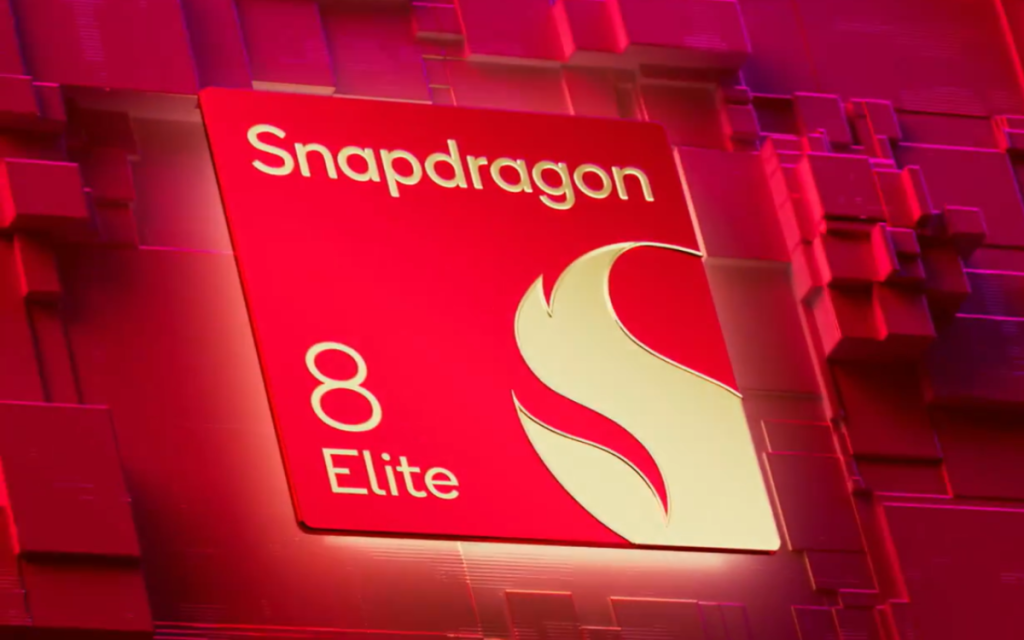
The Snapdragon 8 Elite chip will be present under the hood of the iQOO 13. Rumor has it that the device’s highest variant could come with 16 GB of LPDDR5x RAM and 1 TB of UFS 4.0 storage. In China, it will run on Android 15 and OriginOS 5. It will feature a 6,150mAh battery with 120W rapid charging. For photography, it will arrive with three 50-megapixel cameras on the back.

The iQOO 13 is also expected to be released in the global market soon after its Chinese launch. It is expected to break cover in the first week of December in the global market.

How is HarmonyOS Next Different from Android?

The competition in the mobile operating system market has intensified with Huawei’s introduction of HarmonyOS Next. Unlike previous versions of HarmonyOS, which relied heavily on Android’s core code, HarmonyOS Next is built on an independent microkernel architecture.

With this new OS, Huawei aims to establish a distinct ecosystem that can compete directly with Android and iOS. Below, we explore the key differences between HarmonyOS Next and Android, focusing on system architecture, application ecosystem, openness, performance, and future potential.

HarmonyOS Next

1. System Architecture

The system architecture forms the backbone of an operating system, affecting its performance, stability, and scalability.

Android is built on the Linux kernel and uses a monolithic architecture, meaning that essential modules like memory management, device drivers, and network support are embedded within the kernel. This structure makes Android powerful and versatile, but it also makes it prone to system failures. If one module fails, it can impact the stability of the entire system.

Additionally, its reliance on Linux and the Android Open Source Project (AOSP) allows developers to create custom ROMs, making the system flexible but resource-intensive.

HarmonyOS Next, on the other hand, introduces a self-developed microkernel architecture, eliminating any dependence on Linux or AOSP. Unlike Android’s monolithic structure, the microkernel of HarmonyOS Next is lightweight, containing only essential functions like task management and memory allocation.

This design improves efficiency and security, as issues in non-core modules do not affect the entire system. The microkernel architecture also enhances cross-device collaboration and seamless integration across smartphones, tablets, wearables, and smart home appliances.

2. Application Ecosystem

Android has the world’s largest app ecosystem, with over 3 million apps available through the Google Play Store. Supported by an extensive developer community, it offers broad app compatibility and numerous options for users. Android’s ecosystem extends to various devices, including smartphones, tablets, TVs, and wearables, making it widely accessible to developers.

In contrast, HarmonyOS Next focuses on building a fully native app ecosystem, moving away from Android compatibility. Unlike earlier versions of HarmonyOS, HarmonyOS Next no longer supports Android apps, pushing developers to create native applications using the RTS programming language.

While it currently has fewer apps compared to Android, HarmonyOS Next boasts 15,000 native apps covering diverse services. To attract more developers, Huawei offers tools like the Ark Compiler, enabling efficient app creation.

3. Openness vs. Closed Nature

Android is known for its open-source nature, allowing developers to modify the OS freely. This openness has contributed to a vast library of applications, extensive device compatibility, and broad personalization options for users. However, it can also result in security vulnerabilities and fragmented user experiences, as manufacturers customize the system differently.

HarmonyOS Next adopts a more closed approach, with Huawei retaining significant control over the OS. This ensures better system stability, tighter security, and faster updates, though it may result in a smaller app ecosystem compared to Android. The closed nature of HarmonyOS Next limits the level of user customization and developer freedom found in Android, but it offers a more secure and cohesive user experience.

4. Performance and Efficiency

Android is optimized for a wide range of devices, from low-end to high-end models. However, lagging and performance bottlenecks can be common, especially on lower-end devices. It relies on extensive hardware support and runs many background processes, which can affect battery life and overall speed.

Huawei has optimized HarmonyOS Next for better performance and power efficiency. The OS uses intelligent resource management, distributing resources based on device capability. Technologies like the Ark Engine and Distributed Soft Bus allow HarmonyOS Next to deliver up to 30% smoother performance, 20% less power consumption, and 56 minutes of extended battery life compared to earlier HarmonyOS versions.

5. Future Development and Ecosystem Expansion

Both operating systems aim to create a seamless ecosystem that extends beyond mobile devices, but their strategies differ.

Android continues to dominate the mobile device market and is expanding into areas like IoT, automobiles, and wearables. Google is also investing heavily in AI to enhance the capabilities of its OS, making it versatile and adaptable to different use cases.

HarmonyOS Next has an ambitious vision of being a cross-device OS, providing a unified experience across sectors like consumer electronics, industrial automation, transportation, and smart energy management. Huawei’s ecosystem strategy involves deep AI integration through the Xiaoyi Assistant, extensive cross-device collaboration, and a focus on building a complete all-scenario intelligent living solution. This cross-device focus aims to establish HarmonyOS Next as a major player in the IoT era.

6. Conclusion

HarmonyOS Next and Android offer distinctive benefits, each following unique development paths. Android remains a versatile, open-source OS with the largest app ecosystem, making it suitable for a wide range of devices and users. In contrast, HarmonyOS Next emphasizes independence, security, and seamless cross-device interaction. It represents a bold move toward a more controlled and integrated ecosystem, positioning itself as a strong alternative to Android and iOS, particularly within China.

As Huawei continues to develop HarmonyOS Next, its long-term success will depend on app ecosystem growth, developer adoption, and international expansion despite global challenges.

Realme GT 7 Pro specifications emerge via TENAA certification ahead of China launch

On Nov. 4, Realme will announce the Realme GT 7 Pro in China. The brand has also confirmed that it will be released in India and other global markets later in the same month. As per reports, the Chinese variant of the device has the RMX5010 model number, whereas its global version has the RMX5011 model number. In a new development, the GT 7 Pro has surfaced in the database of China’s TENAA certification, revealing all the major specs well before its official announcement.

Realme GT 7 Pro specifications (rumored)

The Realme GT 7 Pro’s TENAA listing reveals that it will have a 6.78-inch display, which has already been officially confirmed. The device is equipped with Samsung’s Eco² OLED Plus screen with a micro-quad-curved design. The screen supports 2780 x 1264 pixels, a 1Hz-120Hz refresh rate with an 8T LTPO circuit, and a local peak brightness of 6,000nits. For security, it is officially confirmed to feature Qualcomm’s ultrasonic in-screen fingerprint sensor.

The GT 7 Pro will be one of the first Snapdragon 8 Elite chipset phones to hit the Chinese market. In the home market, the device will be available with 8 GB / 12 GB / 16 GB / 24 GB of RAM and 128 GB / 256 GB / 512 GB / 1 TB of storage. The TENAA listing contains inaccurate battery information. Reports have revealed that the GT 7 Pro will house a huge 6,500mAh battery with 120W rapid charging support.

Moving to the camera department, the GT 7 Pro will have a 16-megapixel front-facing camera and a 50-megapixel + 8-megapixel + 50-megapixel triple camera unit on the back. The rear setup has a periscope telephoto camera with 3x optical zoom support.

The GT 7 Pro will be Realme’s first phone to run on Android 15 and Realme UI 6. The device will offer other features, such as an IR blaster, a metal middle frame, and an IP68/69-rated body. It is also confirmed to arrive in three shades in China, such as Mars Design (orange), Star Trail Titanium, and Light Domain White.

(source)

Huawei’s tri-fold durability tested, display scratches with a fingernail

Durability is a major concern for all smartphones, but it takes on a whole new meaning with foldable devices. The recently released Huawei Mate XT (review), with its triple-folding design and hefty price tag, recently underwent the infamous JerryRigEverything durability test by tech personality Zach Nelson.

During the initial unboxing, the phone reveals some intriguing perks. The Mate XT comes in a surprisingly large box packed with goodies. Buyers receive a pair of the newly launched FreeBuds 5 wireless earbuds, valued at around $154, along with a powerful 88-watt car charger—an accessory not commonly bundled with smartphones.

Huawei’s tri-fold has obvious durability disadvantages

However, the excitement surrounding the generous package contents quickly fades when Nelson examines the phone’s durability. The test begins as expected, with the display demonstrating typical scratch resistance levels based on the Mohs hardness scale.

The Mate XT’s plastic display starts showing deeper scratches at level 3, meaning that even a fingernail can easily scratch the surface. 

Like most foldable phones, the display also suffers damage from sharp objects like razor blades. However, even a seemingly harmless tap with the blunt end of a knife handle creates a concerning “spiderweb” crack in the phone’s 10.2-inch 3K 90Hz display. So you must handle the device with a high level of care if you plan to get one.

On a positive note, the test isn’t all bad news. Nelson observes a surprising level of resistance during the usual dirt and grit torture test, a staple on his channel for foldable phones. 

He even bends the Mate XT in a book-style fold, similar to the Samsung Galaxy Z Fold 6, and the result is predictably catastrophic—the display suffers significant damage. While this bending is intentional, the phone thankfully displays a warning message when users attempt to bend it in the wrong direction.

Next, Nelson pulls off the leather back of the foldable, which separates easily with just a simple tug, except for the area around the camera bump. Inside, we can see three separate batteries in each segment of the phone, totaling a 5600mAh cell.

Realme GT 7 Pro key specs leak reveal 6500mAh battery, 6000nits display

Realme is set to launch its GT 7 Pro smartphone on November 4 in China. The company has also confirmed a global release later in the month, likely making it the first Snapdragon 8 Elite-powered phone in many markets.

Although Realme has been gradually revealing the phone’s details via teasers, its key specifications are still under wraps. However, a recent leak on X (formerly Twitter) by tipster Arsène Lupin has spilled the beans on what to expect. 

Realme GT 7 Pro Specifications

According to the leak, the GT 7 Pro will boast a sizeable 6.78-inch AMOLED display with a high resolution of 2780 x 1264 pixels. The display is also rumored to offer a smooth 120Hz refresh rate for a responsive user experience, alongside a pixel density of 450ppi and an impressive peak brightness of 6000 nits.

Under the hood, the GT 7 Pro has already been confirmed to pack the latest Snapdragon 8 Elite processor. The SoC is built on TSMC’s 2nd gen 3nm processor and brings Qualcomm’s custom Oryon core CPUs with a top clock speed of 4.32GHz.  Realme will be pairing the chip with 12GB of LPDDR5X RAM and 512GB of UFS 4.0 storage. 

The leaks suggest that the GT 7 Pro features a triple-camera system on the back. The main sensor is rumored to be a 50MP wide-angle lens with an f/1.88 aperture.

This will be paired with a secondary 50MP sensor, likely a telephoto lens, and an 8MP sensor with an f/2.2 aperture, which could serve as a dedicated ultrawide lens. For selfies and video calls, a 16MP lens with an f/2.45 aperture is also rumored to be included.

Powering this device will be a hefty 6500mAh battery which will support 120W fast charging. The leak further suggests that the GT 7 Pro will run Android 15 with Realme’s custom UI 6 on top.

The rest of the phone’s specs will include a USB-C port, an in-display fingerprint scanner, GPS, Dual SIM support, and 5G connectivity.

(Source)

Redmi cancels plan for compact flagship smartphone, says tipster

A few reports earlier this month suggested that Redmi might be developing a compact flagship smartphone as part of the upcoming K80 series. The device was rumored to feature a Dimensity 9400 or Snapdragon 8 Elite chip, along with a 6.3-inch display and a large 6000mAh battery, despite its smaller size.

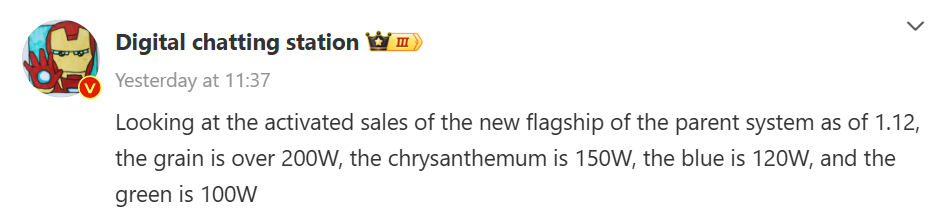
However, this idea remained in the planning stages, and the phone was never confirmed for release. Now, it seems it won’t make it to market after all. Tipster Digital Chat Station revealed on a Weibo post today that the company has “decided not to make” a Redmi phone with a “small screen.”

This is certainly disappointing, as options for a more portable flagship phone are currently very limited. Fortunately, Vivo has introduced the X200 Pro Mini to its flagship lineup, offering most of the premium features of its Pro siblings in a more compact form.

While not a compact phone, we are expecting Redmi to soon launch the regular K80 and K80 Pro in China.

Redmi K80 series specifications

According to previous reports, the Redmi K80 Pro will sport Qualcomm’s new Snapdragon 8 Elite processor. This isn’t a huge surprise considering the K70 Pro boasts the current top-of-the-line Snapdragon 8 Gen 3 chip.

The K80 Pro might also pack a massive 6000mAh silicon battery, a notable upgrade from the K70 Pro’s 5000mAh cell.  

As for the vanilla model, it might get a Snapdragon 8 Gen 3 chip and an even bigger 6500mAh battery, according to rumors.

On the back, both Redmi K80 models are expected to feature a 50MP main camera as part of a triple-camera setup. Even the standard version is said to have a telephoto lens, while the Pro model’s telephoto is said to offer a 50MP sensor with 3x zoom, an improvement over the K70 Pro’s 2x zoom. Additionally, both phones are expected to carry an IP69 rating for dust and water resistance.

Coming to the front, the K80 series is likely to sport a 6.67-inch 2K 120Hz display from TCL Huaxing Optoelectronics, which uses upgraded C9 display materials. 

Lenovo Watch with 1.43″ AMOLED display, Bluetooth calling, 24/7 health tracking launched

Lenovo has introduced its latest smartwatch called “Lenovo Watch”, now available for pre-sale in China, packed with a range of fitness and lifestyle features. The smartwatch boasts advanced health monitoring, Bluetooth calling, and support for popular digital payment methods.

Priced affordably, it aims to offer an all-in-one solution for those seeking both functionality and style. Here’s a closer look at its features, specifications, and pricing.

Lenovo Watch

Lenovo Watch Specifications

The Lenovo Watch is crafted from metal and covered with Panda Glass for added protection. It comes in two sleek color options: Storm Grey and Deep Space Black.

The watch features a a 1.43-inch AMOLED display with a resolution of 466 x 466 pixels and a 326 PPI density, ensuring clear, vibrant visuals. The screen supports various customizable watch faces, suitable for activities ranging from sports to casual outings. The watch also comes with an Always-On Display (AOD) mode and measures 147mm x 11.4mm.

For connectivity, the smartwatch supports Bluetooth 5.3 with dual modes, enabling seamless smartphone connectivity. Users can make and receive calls, view call logs, and access message notifications directly on the device. It also features a high-definition speaker for clear audio during calls and voice navigation.

On the fitness front, the Lenovo smartwatch includes 70 sports modes, covering activities like running, cycling, swimming, and yoga. It automatically identifies and tracks activities, offering accurate insights for users. Additionally, it supports 24/7 real-time heart rate, blood oxygen (SpO2), and sleep monitoring, along with breathing exercises for overall wellness.

The smartwatch is also IP68-rated for water resistance, making it splash-proof and suitable for everyday wear. However, it’s advised to avoid using it in hot water environments to prevent potential damage from steam.

The smartwatch offers dual-payment support for WeChat and Alipay, along with public transit compatibility across cities. It delivers stable performance with a flagship chipset and has a battery life of up to 12 days with light use and 8 days with regular use.

Pricing & Availability

The Lenovo Watch is available for pre-sale on JD.com with an initial listing price of 489 yuan ($69). However, early buyers can get it for 399 yuan ($56). The final payment can be made on October 31 at 20:00 (CST).

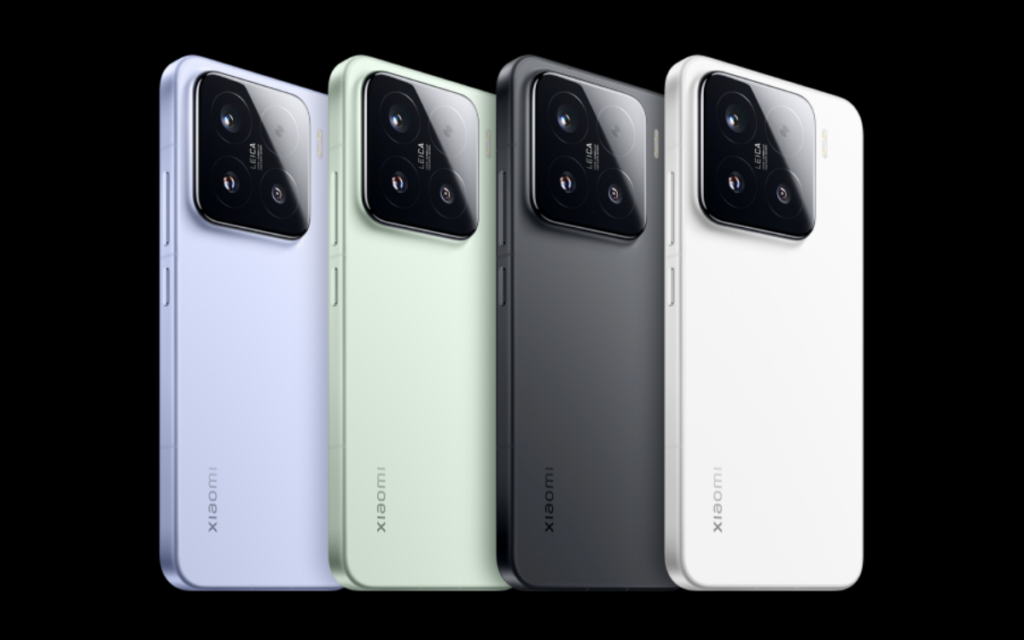
Xiaomi 15 rumored to pack smaller battery than expected

Xiaomi has already shared some details about the Xiaomi 15 and 15 Pro, but recent leaks from Weibo tipster 熊猫很禿然 have provided further insights, particularly about the base model. The Xiaomi 15 features a 5400mAh battery (down from previously rumored 5,500mAh), 90W fast charging, 8.1mm thickness, and a weight of 191g. This is an upgrade from the Xiaomi 14‘s 4610mAh battery, while still being slimmer and only 3g heavier.

The phone is already confirmed to boast a 6.36-inch flat AMOLED display with ultra-narrow bezels (1.38mm) and a 120Hz refresh rate, promising a smoother visual experience. Additionally, Xiaomi emphasizes a balanced design for better ergonomics. The display reaches a peak brightness of 3200 nits.

Xiaomi 15 Pro packs a massive battery

For context, the Pro model is already confirmed to pack a 6100mAh battery, the same charging speed, with a thickness of 8.35mm and weight of 213g. Despite its larger battery, the design remains relatively compact, highlighting Xiaomi’s advancements.

The two models also differ in appearance and camera setup. The Xiaomi 15 features a 3.2x telephoto lens, while the Pro model includes a 5x periscope lens. Additionally, the Pro’s display and camera housing are covered with quad-curved glass, offering a more premium feel compared to the flat design of the base model. Official camera samples from both models look promising.

Comparatively, the Realme GT 7 Pro is rumored to feature a massive 6500mAh battery with 120W fast charging support, but it is slightly heavier at 224g and measures 8.5mm thick.

All these devices are powered by the Snapdragon 8 Elite chip, Qualcomm’s latest flagship SoC. Built on a 3nm process, it brings substantial gains in performance and efficiency—45% and 44%, respectively, compared to its predecessor. Its Adreno GPU is also 40% more efficient, extending gaming sessions and delivering faster ray tracing. With support for advanced AI features and robust connectivity, this chipset promises to elevate the performance of upcoming flagship devices.

These enhancements in the Xiaomi 15 series highlight improved battery life, refined design, and cutting-edge performance, making it a strong contender in the flagship market.

The Xiaomi 15 and 15 Pro are set to launch on October 29th, while the Realme GT 7 Pro will debut on November 4th.

(Source)

Oppo Mag Wireless Charging vs Apple MagSafe: What Sets Them Apart?

Oppo’s new flagship series, the Find X8 lineup, were recently announced in China. These two premium devices debuted with brand new accessories, which took advantage of the new Magnetic charging technology. This seems oddly familiar to Apple’s MagSafe charging. So what’s the difference between the two? Read on to find out.

1. Oppo Mag Wireless Charging vs Apple MagSafe: Compatibility

Oppo Find X8 Series
Oppo Find X8 Mag Case and 80W Magnetic Power Bank

Apple’s MagSafe charging was first introduced a while back with support going back to the iPhone 12 series. While the wireless charging technology was optimized exclusively for Apple products, it follows the Qi charging standard. This is a universal wireless charging standard that various other brands like Samsung also support. So certain accessories from third party brands worked on some non-Apple products as well.

On the other hand, Oppo’s new Magnetic charging tech was unveiled with the brand’s proprietary AirVOOC charging. This tech also debuted with the Find X8 series, so it is only supported by flagship Oppo and OnePlus branded smartphones. Unfortunately, it isn’t a long list either as only the Find X8 series and OnePlus 13 feature Magnetic wireless charging.

2. Charging Speeds

Oppo-MagSafe-like-charger

Where it lacks in accessibility, it more than makes up for in terms of charging rates. MagSafe charging does not offer fast charging speeds, supporting just 15W wireless charging for MagSafe compatible Apple products. Meanwhile, Oppo and OnePlus are gearing up to unveil magnetic charging accessories that offer 50W wireless charging speeds.

There is even an 80W Magnetic Power Bank, although it’s unclear if this includes wireless charging. Oppo’s new Find X8 series arrives with 50W wireless charging support, so you’re new phones will be charging a lot more faster.

3. 3rd Party Support

Best Anker Accessories
Anker MagGo 3-in-1 Wireless Charging Station

Oppo has only now released smartphones that support Magnetic wireless charging technology on its products. In other words, there aren’t a lot of third party accessories that you can find in the market right now. Apple’s devices have supported these for some time now and there are plenty of brands that make third party accessories. This includes popular companies like Anker, who sells accessories for iPhones.

4. Conclusion

Both magnetic charging technologies practically function identically. However, Apple has some clear advantages with wider support and better accessibility. iPhone is one of the most popular series of smartphones, making MagSafe great for people in the Apple ecosystem. Oppo’s magnetic charging is new and isn’t widely supported right now. But soon Oppo would pull ahead with future launches and third party launches.