Apple is reportedly preparing to change the back design of its iPhone 17 series. According to reports, the phone will feature a rectangular camera bump instead of the current square bump that has been used for many generations.
A chassis leaked for the iPhone 17 Pro from the supply chain even gives us a glimpse of the design, which resembles a Pixel-like camera visor. However, while the company appears to be changing the camera design, those hoping for a major camera overhaul with the iPhone 17 Pro series might be disappointed.
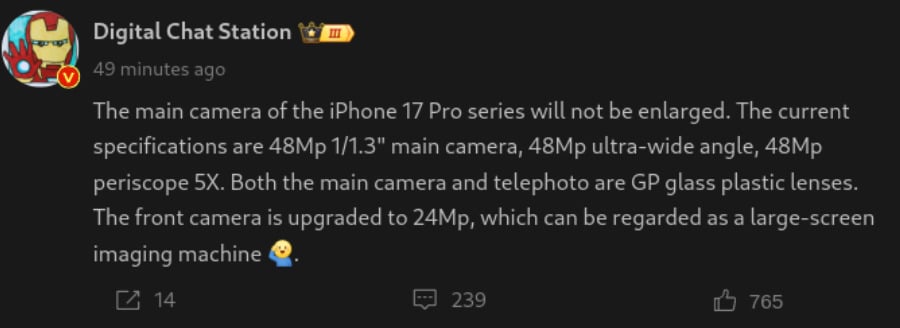
According to a leak from reliable tech insider Digital Chat Station (DCS), Apple is likely to stick with the same camera system that debuted in the iPhone 16 Pro series.
iPhone 17 Pro Camera Specs
In a leak today, DCS claims that the iPhone 17 Pro will retain the triple-lens rear camera setup of its predecessor. That is, a 48-megapixel main sensor, a 48-megapixel ultrawide sensor, and a 48-megapixel periscope telephoto lens offering 5x optical zoom.
The report also suggests that both the main and telephoto lenses will continue to use a combination of glass and plastic elements, known as GP lenses.
There could, however, be an upgrade to the selfie camera, according to the leak. DCS suggests that the phone’s front-facing camera will be upgraded from the current 12-megapixel sensor to a 24-megapixel one.
While the lack of major camera upgrades might be underwhelming for some, it wouldn’t be a huge surprise, considering Apple often adopts a multi-year approach to introduce significant camera upgrades on its smartphones.
The company made substantial changes to its camera hardware with the recent iPhone 16 Pro series. For instance, the lineup introduced a new 48MP fusion camera, an updated 48MP ultrawide camera, and a dedicated camera control button.
It is likely that these specs will be carried over to the iPhone 17 Pro models. However, it’s possible that the iPhone 17 Pro will feature improvements in software processing, even if the hardware setup remains the same.
We’ll likely have to wait for Apple’s official announcement to know for sure what the iPhone 17 Pro has in store for photographers. But based on this leak, it seems Apple is confident in its current camera system and might be focusing its efforts on other areas of improvement for the next generation of iPhones.
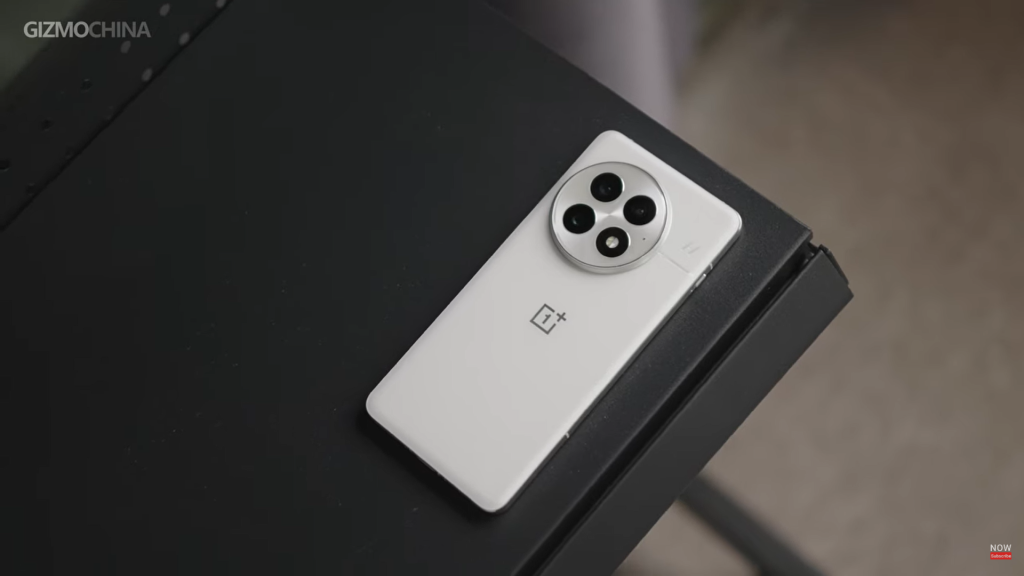
OnePlus officially made the global debut of the OnePlus 13 series in India. The lineup consists of the OnePlus 13 and OnePlus 13R. While the latter is going on sale next week, the true flagship OnePlus 13 has finally gone on sale in the region. So here are its pricing and launch offers.
OnePlus 13 First Sale: India Price & Launch Offers
The OnePlus 13 was announced in three colors options, namely Black Eclipse, Midnight Ocean, and Arctic Dawn. So here are the prices for the different storage configurations:
12GB + 256GB – 69,999 INR
16GB + 512GB – 76,999 INR
24GB + 1TB – 89,999 INR
OnePlus 13
As of right now, it is available for purchase on the brand’s official Indian website, OnePlus Store app, Amazon India, offline retail partners, OnePlus Experience Stores, Reliance Digital, Vijay Sales, Croma, Bajaj Electronics, and others. ICICI Bank Credit Card holders can avail an instant back discount of up to 5,000 INR. In exchange for their older smartphones, customers can also avail a discount of up to 18,000 INR.
You can even couple this discount with a special exchange bonus of up to 7,000 INR. Adding up the instant discounts with the exchange bonuses, you can get your hands on the OnePlus 13 for just 39,999 INR. There is also a plan that allows free 180 phone replacement if you face any hardware issues on the OnePlus 13.
The company is bringing the Green Line Worry Free solution as a part of Project Starlight which gives a lifetime warranty for any phone that suffers from this issue. OnePlus India is offering discounts to corporate workers through their corporate employee program as well. There are also two complimentary airport lounge access, no cost-EMI options, and free premium access to 10 OTT apps for 6 months.
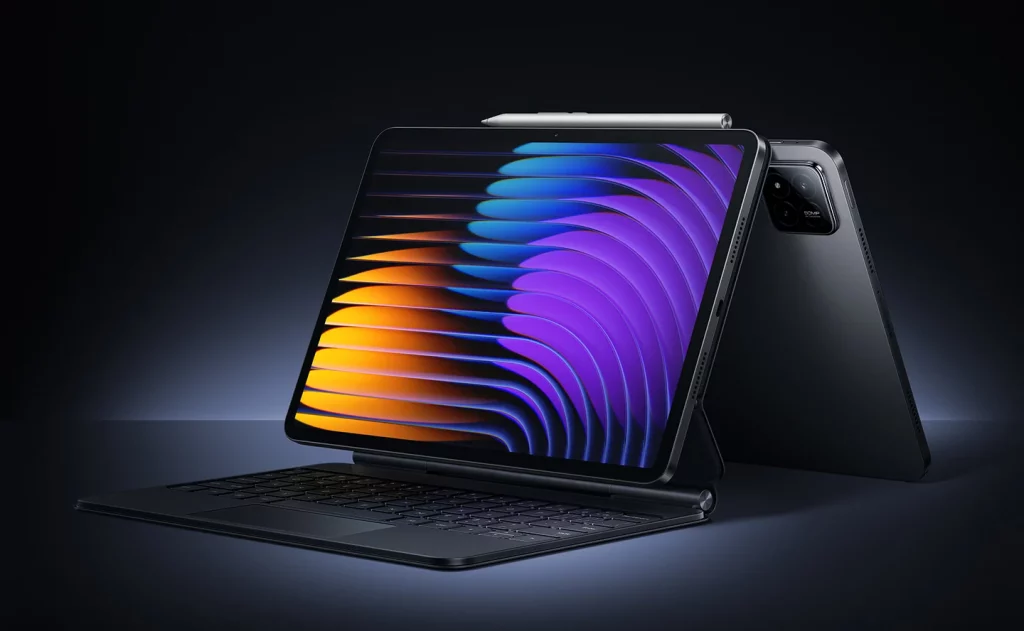
Xiaomi previously teased the Pad 7’s India launch back in December 2024. Now, it has officially debuted the Xiaomi Pad 7 in the region with some notable specs and features. The brand’s latest tablet features a premium design and capable hardware. So here is everything you need to know.
Xiaomi Pad 7: Every Key Specs
The Xiaomi Pad 7 was announced with a tall 11.2-inch LCD display that has a 3.2K resolution, a 144Hz refresh rate, Nano Texture Display, anti glare, and anti reflective features. The screen has a 3:2 aspect ratio, TÜV Rheinland certification for low blue light certification, HDR 10, and Dolby Vision.
Xiaomi Pad 7
Xiaomi built this new tablet with a metal unibody, adding to its premium design that matches the Apple iPad series. Under the hood, it is equipped with the Snapdragon 7+ Gen 3 SoC, which is paired with up to 12GB of RAM and 256GB of internal storage. A massive 8,850mAh battery pack powers this device, which supports 45W wired fast charging. For optics, the rear has a 13MP rear camera, while the front house has an 8MP selfie shooter.
This tablet runs on the Android 15 OS based HyperOS 2 custom skin. The OS brings support for various AI powered features like AI Writing, AI Live Subtitles, and Xiaomi Creations features. Other notable features include a 6.18mm slim body that weighs 499 grams, IP52 water and dust resistance, WiFi 6E, Bluetooth 5.4, Workstation Mode, Focus Keyboard support, and a quad speaker setup.
Pricing and Availability
The Xiaomi Pad 7 was just announced in three color options, namely Mirage Purple, Sage Green, and Graphite Gray. There are also multiple storage configurations like 8GB + 128GB, 12GB + 256GB, and 12GB + 256GB Nano Texture Display Edition. These carry 27,999 INR, 30,999 INR, and 32,999 INR price tags respectively.
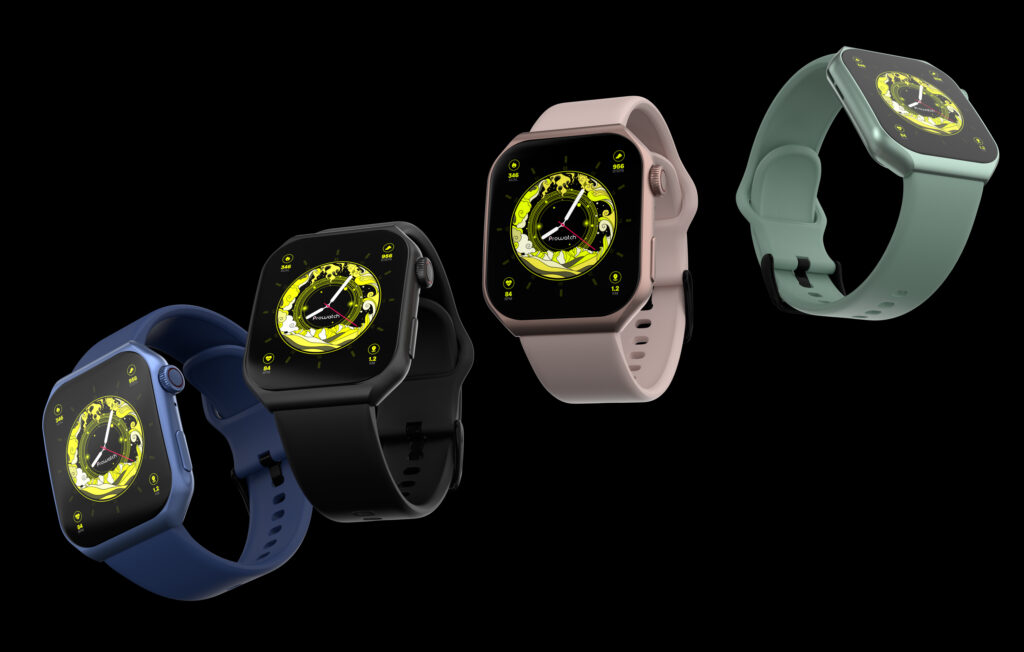
Building on the success of its predecessor, the ProWatch VN from last year, the newly launched Lava ProWatch V1 offers significant upgrades in design, functionality, and performance. This smartwatch, offering a 1.85-inch AMOLED display, an octagonal frame, and a pioneering 2.5D GPU animation engine, sets a new standard for quality and user experience in the sub-Rs 3,000 segment. Here is a look at the detailed information about its specifications, features, and price.
Lava ProWatch V1 specifications and features
Lava ProWatch V1
The ProWatch V1 features a 1.85-inch AMOLED display with a sharp resolution of 390 x 450 pixels, delivering vivid colours and clear visuals. Compared to its predecessor, the ProWatch VN, the V1 offers 42% higher pixel density for enhanced clarity. Protected by Corning Gorilla Glass 3, the display is durable and scratch-resistant. Its octagonal design gives it a modern and fashion-forward appeal.
Powered by the Realtek 8773 chipset and Bluetooth v5.3 connectivity, the smartwatch ensures smooth performance and reliable connections. The 2.5D GPU Animation Engine elevates the user experience with smooth transitions and an intuitive interface.
Lava ProWatch V1
It is equipped with assisted GPS for accurate outdoor activity tracking. Health tracking is enhanced by the VC9213 PPG sensor, providing precise metrics across over 110 sports modes, including activities like running, yoga, and more. Additionally, the IP68-rated waterproof build ensures the device withstands everyday wear and tear.
Lava ProWatch V1 price in India and availability
The Lava ProWatch V1 is available in six variants to suit different preferences. The silicone strap options include Black Nebula, Bluish Ronin, Mint Shinobi, and Peachy Hikari, all priced at Rs 2,399 (~$28). For a premium feel, the Peachy Hikari Metal (Rs 2,699 / ~$31) comes with a rose gold metal strap tested for 24-hour salt spray resistance, while the Black Nebula Metal (Rs 2,799 / ~$33) features a black metal strap tested for 48-hour salt spray resistance. Both metal strap variants include an additional silicone strap for versatility.
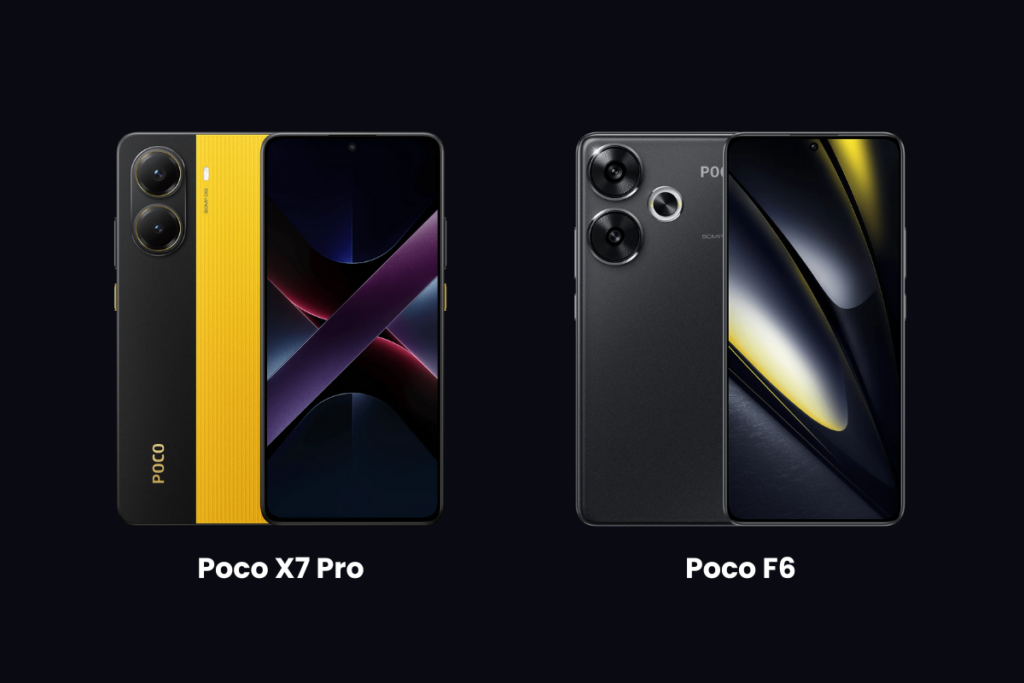
Poco F6 has been a great gaming smartphone in the mid-range segment. It has a smoother display, excellent gaming performance, and good battery life. However, the newly announced Poco X7 Pro goes a step further by offering more cutting-edge hardware and features.
If you’re considering the Poco X7 Pro, here are six reasons why it’s a better choice than the Poco F6 (review).
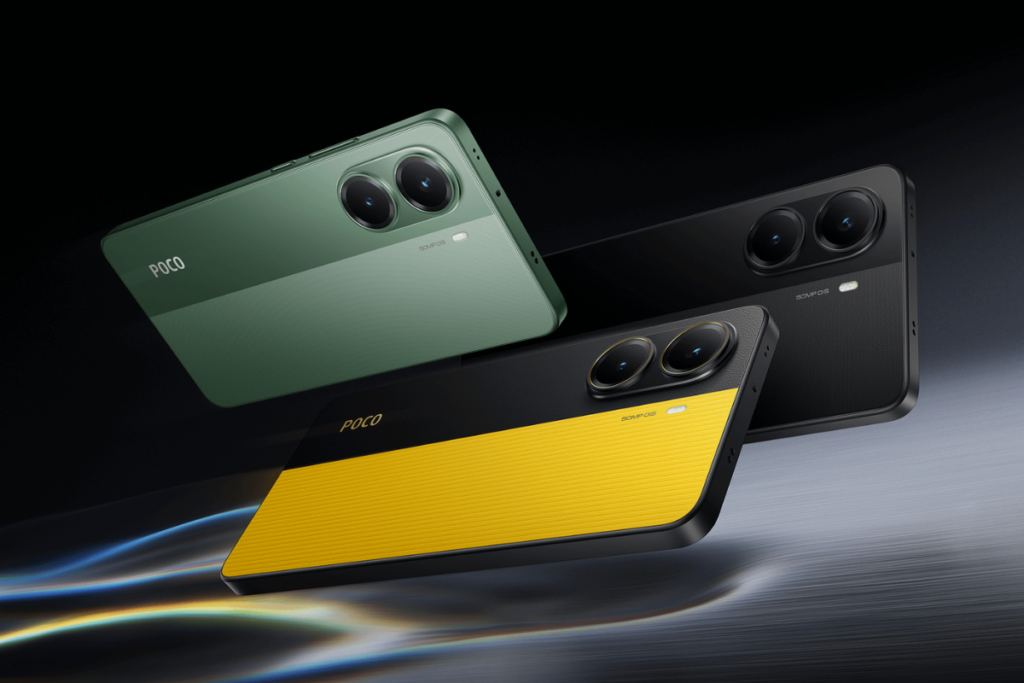
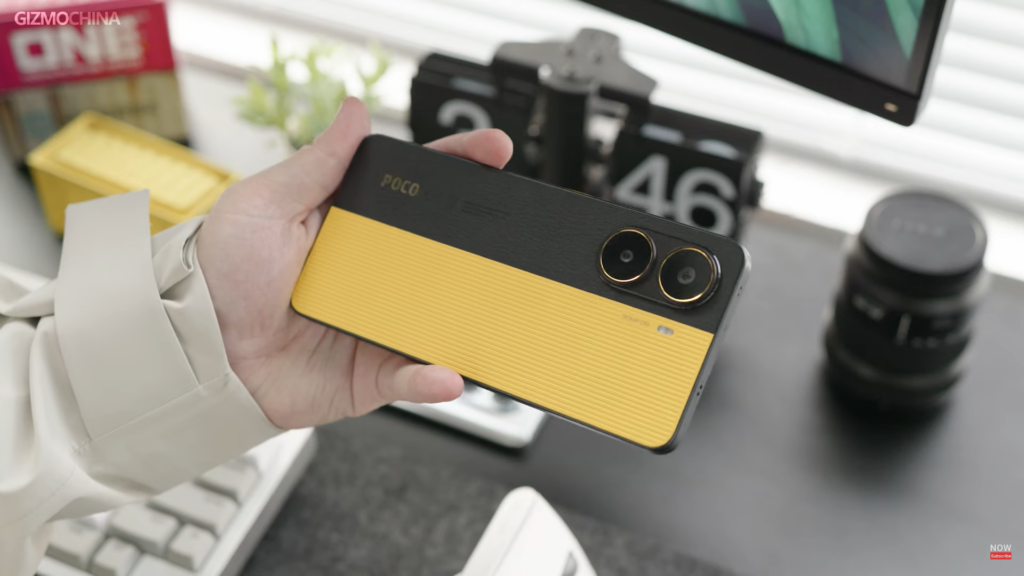
The Poco X7 series introduces a new design language, which certainly looks much better than the Poco F6. The dual-textured design on the eco-leather back of the X7 Pro and all-around equal curves give it a standout premium look and make it feel more comfortable to hold. The Poco F6 has a plastic back, though.
The Poco X7 Pro is the first Poco phone to feature an IP68 rating, and it also has an IP69 rating. This simply means it’s better protected against water and dust than any other Poco phone, including the Poco F6.
The Poco X7 Pro has the same display as the Poco F6. It’s still a 6.67-inch AMOLED screen with a 120Hz refresh rate and 1220 x 2712 pixels resolution. However, there are notable upgrades that make it much better.
The display brightness on the X7 Pro peaks at 3200 nits, while the F6 has a peak brightness of 2400 nits. Hence, it would be easier to see the content on the Poco X7 Pro than on the F6.
The newer model also has a higher instant touch sampling rate of 2560Hz (vs. 2160Hz on the Poco F6). With Wet Touch technology, the X7 Pro offers precise control even with water, oil stains, or foam on the screen.
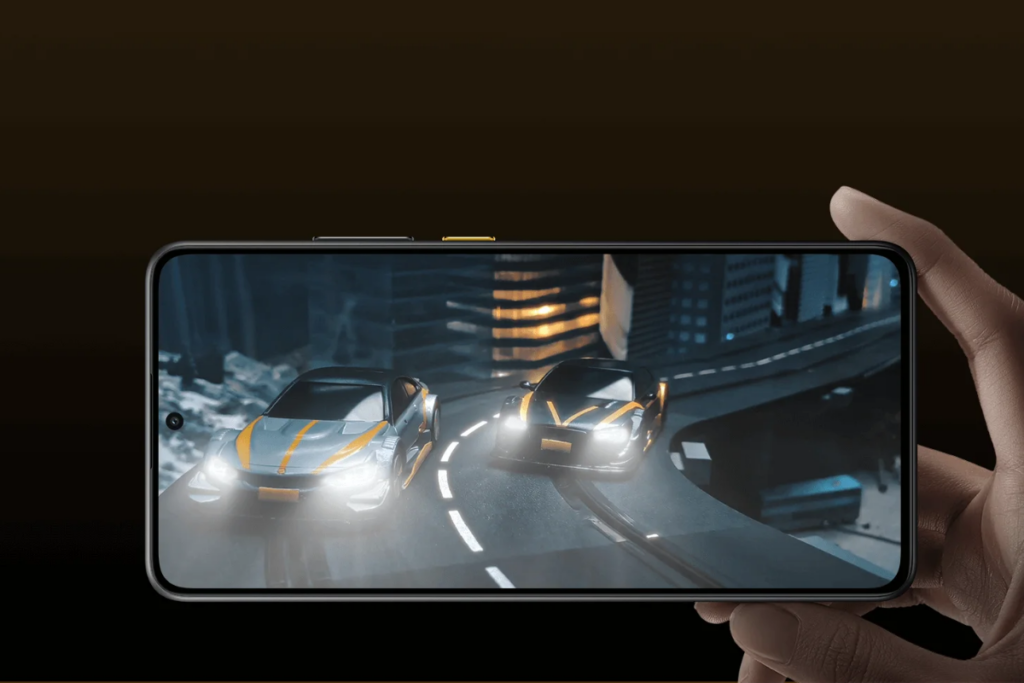
The Poco X7 Pro is equipped with a MediaTek Dimensity 8400 Ultra chipset. It’s a more powerful chip than the Snapdragon 8s Gen 3 that’s inside the Poco F6, thanks to its all-big-cores CPU design. Read our Dimensity 8400 Ultra vs Snapdragon 8s Gen 3 comparison for more details.
Besides a faster chipset, there’s more to the Poco X7 Pro for better gaming performance. It has a 5,000mm² cooling pump surface area (vs. 4,800mm² on the F6) to maintain optimal temperature even during long sessions. The X7 Pro also features a POCO 3D IceLoop System that improves the heat dissipation.
The bottom line here is that the Poco X7 Pro offers a smoother gaming experience while maintaining optimal temperature better than the Poco F6.
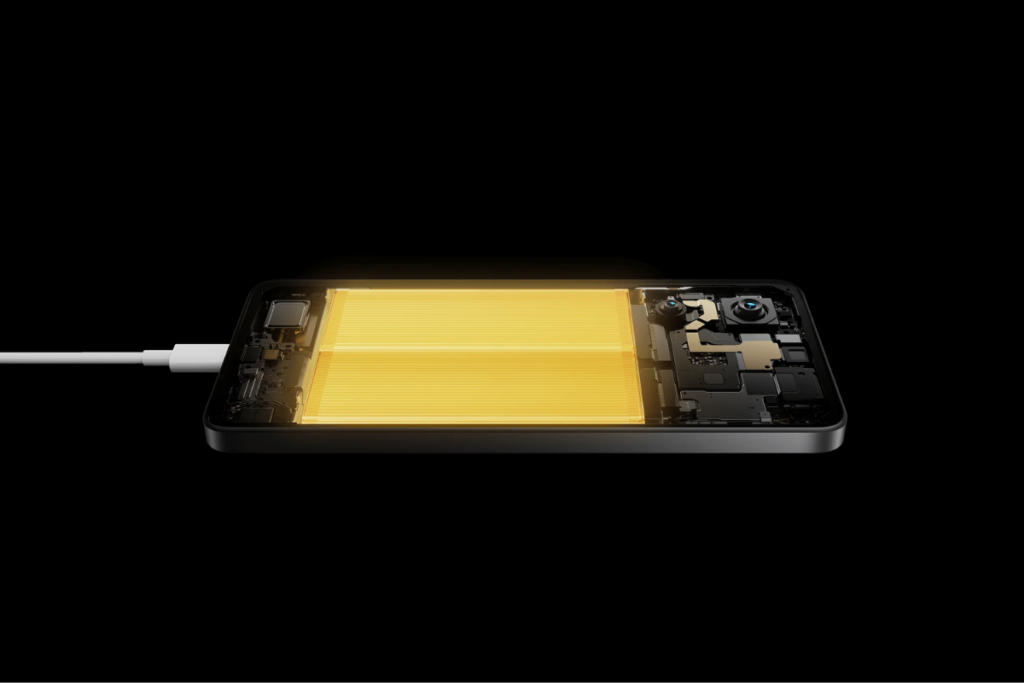
Battery capacity is the biggest upgrade for Poco X7 Pro. It rocks a massive 6,550mAh battery, which is, in fact, the largest on any Xiaomi smartphone. However, this treat is exclusive to India, while other regions get 6,000mAh. However, that’s still significantly bigger than Poco F6’s 5,000mAh.
The charging speed remains the same: 90W USB-C charging on both. However, the Poco X7 Pro supports reverse wired charging as well.
5. Future OS upgrades
Although the Poco F6 and X7 Pro are promised to get three Android updates, the X7 Pro users will benefit from an extra OS upgrade. That’s because the Poco F6 was released last year with Android 14, whereas the new X7 Pro comes with Android 15 out of the box.
In other words, the Poco X7 Pro will also get Android 18, while the F6 won’t. This could be another essential factor to consider if you care about new features.
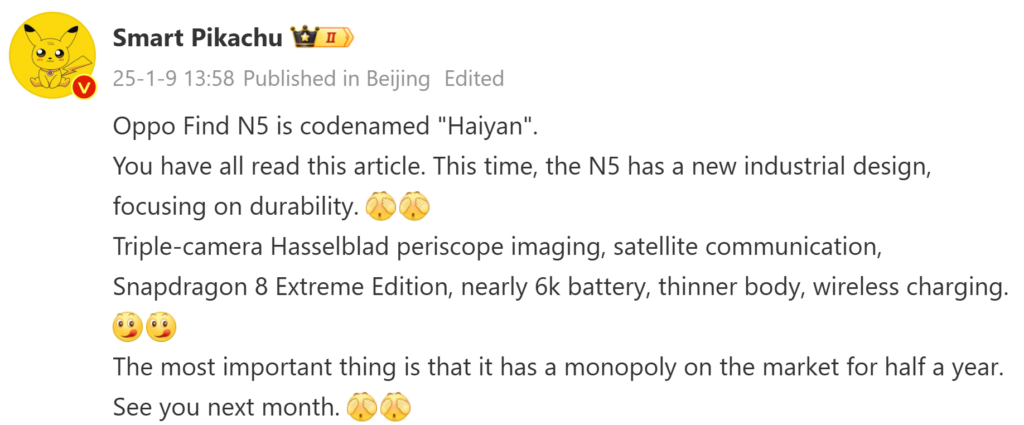
The upcoming Oppo Find N5 foldable phone is generating excitement as reports reveal it is set to debut in February 2025, introducing a host of innovations in foldable smartphone technology. Recent reports have revealed that the Find N5 will arrive with major changes to its build. With its sleek design and advanced features, the Find N5 aims to surpass its predecessor and competitors alike.
Find N5 to flaunt titanium build
According to tipster Digital Chat Station, the Find N5 will feature a titanium build, making it both durable and lightweight. This premium material also allows the device to achieve a groundbreaking thin profile, potentially under 9.2mm when folded, outclassing the current slimmest foldable, the Honor Magic V3.
Reports have revealed that the Find N5 will be the first foldable phone to feature Qualcomm’s Snapdragon 8 Elite processor, delivering top-tier performance. Tipster Smart Pikachu has claimed in a new Weibo post that it will house a near-6000mAh battery, ensuring extended usage, and support wireless charging and satellite communication. The device’s industrial design also promises enhanced resistance to drops and wear, ensuring long-lasting reliability. It will have a waterproof rating of IPX8, further establishing the device’s premium standing.
On the imaging front, the Find N5 will have a triple-camera system, including a periscope telephoto lens co-developed with Hasselblad. This partnership ensures superior imaging capabilities, while the anticipated new sensor technology promises improved light sensitivity and detail. Its internal foldable screen is said to support a 2K resolution.
By combining cutting-edge features with exceptional portability, the Oppo Find N5 positions itself as a formidable contender in the foldable market. Its early 2025 release could provide a significant competitive advantage, allowing it to dominate the market in the months to follow. While the Find N5 is expected to debut in February, competing devices like the Vivo X Fold 4, Xiaomi Mix Fold 5, and Samsung Galaxy Fold 7 are expected to hit the market in the second and third quarters of 2025.
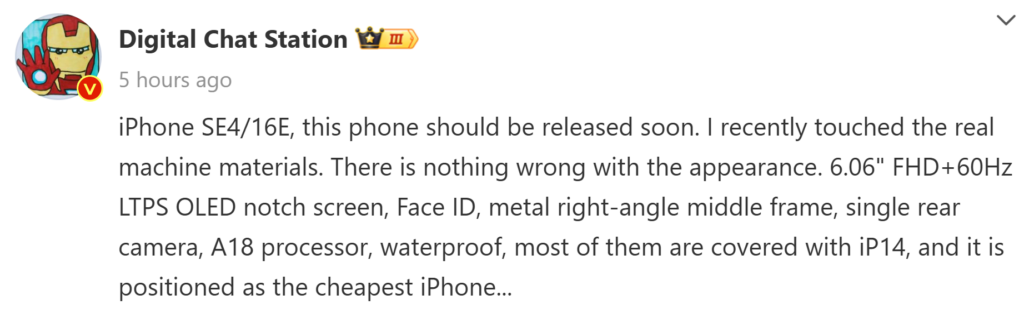
Several reports have claimed that Apple plans to launch a new edition of the iPhone SE this year. Recent rumours suggest that the company may drop the “SE” moniker and rebrand the device as the “iPhone 16e.” Today, reliable tipster Digital Chat Station shared a post on Weibo, stating that they had handled the materials used in the iPhone 16e. The post also revealed some key details about the upcoming device.
iPhone 16 key specifications leaked
According to the tipster, the iPhone 16e features a 6.06-inch FHD+ LTPS OLED display with a 60Hz refresh rate and a notch design, offering a familiar yet modern look. Its metal right-angle frame mirrors recent iPhone designs, ensuring a robust and premium build. The device resembles the iPhone 14 in many aspects, with a design and appearance that feel solid and refined.
Under the hood, the iPhone SE4/16e will be powered by Apple’s A18 Bionic chip, promising excellent performance. It will incorporate Face ID for secure unlocking and authentication, which indicates that it will ditch the Home button. For photography, the iPhone 16e will have a single rear camera. Additionally, it will be a waterproof device.
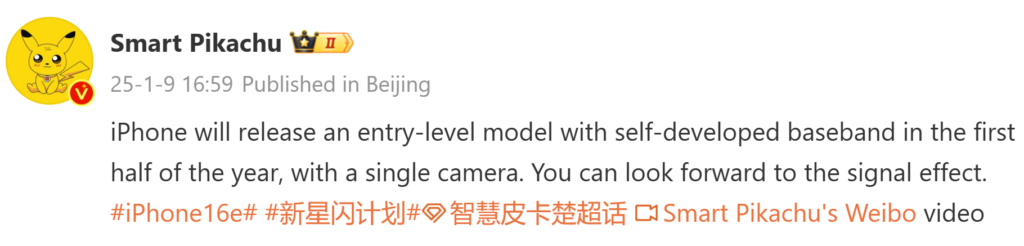
Another source, Smart Pikachu, has revealed that the iPhone 16e will incorporate Apple’s self-developed baseband, eliminating reliance on suppliers like Qualcomm for the 5G modem. The device is expected to launch in the first half of the year. To be precise, the iPhone 16e may debut in March this year.
Positioned as the most affordable iPhone in the lineup, this model is designed for users seeking an accessible entry into the Apple ecosystem without compromising on essential features. With many elements borrowed from the iPhone 14, the iPhone SE4/16e aims to balance affordability and functionality. As per other reports, the iPhone 16e will be manufactured in India.
During Consumer Electronics (CES) 2025, there were plenty of tech announcements with gadgets pushing cutting edge and innovative new features and hardware. But the major event was also a stage for some bizarre products as well. So here’s a list of the 5 weirdest announcements that are actually pretty cool.
LG AeroCatTower Air Purifier at CES 2025 (Jack Dempsey/AP Images for LG)
The first on the list is the AeroCatTower Air Purifier from LG. You did not read that wrong, it is basically an air purifier that doubles as a cat tower for your feline pets. Even the cat tower part of it has some nifty features. It has a heated spot that your cats would love and a filter for pet dander.
One arm of the LG’s AeroCatTower Air Purified even acts as a weighing scale as well. This is a smart product that can connect via the LG ThinQ app. This allows you to read all the details like the cat’s weight and how long they have been sleeping.
2. A Wearable Solar Panel Jacket From Anker
Anker’s Wearable Solar Panel Jacket
CES 2025 has confirmed that we are nearing the CyberPunk 2077 fashion aesthetic (take my word for it) and Anker, the popular accessories maker, is taking the lead in this regard. Just looking at the jacket, you know it’s going to be all the rage in 20 years, maybe sooner.
The wearable solar panel jacket features perovskite solar cells and LED light strips. This fit even supports up to 30W maximum input and includes a USB Type-C output, so you can charge your phones on the go.
3. Lenovo’s Rollable Laptop
Lenovo ThinkBook Plus Gen 6 Rollable CES 2025
The major expo was also a site for brands to showcase concept devices that feature future tech. A great example of this is the Lenovo ThinkBook Plus Gen 6 Rollable. When you hear flexible screens, one would usually expect a foldable phone but Lenovo’s new laptop has a rollable screen.
The concept notebook extends the screen upwards and doesn’t fold like most dual display laptops. Thanks to the added screen real estate, the ThinkBook Plus Gen 6 Rollable expands from 14 to 16.7 inches.
4. Roborock Saros Z70: The Climbing and Picking Vacuum Cleaner
Roborock Saros Z70 Robot Vacuum Cleaner with a hand
Roborock is revolutionizing the robot vacuum cleaner space with the new Saros Z70. So what makes this bizarre you may ask? Well, it’s the helping hand that it houses inside its circular body. It works like any other robot vacuum cleaner from the brand, but you even get an arm that lets you pick up fallen items.
So it can pick up things like a slipper in the way, or take care of fallen trash. That’s not all, the arm helps the robot go up the stairs as well. Although, this feature will be available later this year.
5. An electric salt spoon that makes food tastier
Kiring Electric Salt Spoon CES 2025
One of the most innovative kitchen innovations this year is undoubtedly the Kirin electric salt spoon. It works exactly as its name suggests. The spoon makes your food taste saltier, without adding any additional salt. Kirin is employing new technology that uses tiny electrical pulses to trick your taste buds into detecting saltiness.
So for those managing their salt consumption, this is a great product that doesn’t compromise on taste. The handle even has four settings for “saltiness” levels.
Poco has been on a roll with its smartphone launches, and the recently unveiled Poco X7 Pro is no exception. With a slew of high-end features, including a 120Hz OLED display, a powerful MediaTek Dimensity 8400 Ultra chipset, and a massive 6550mAh battery, the phone positions itself as a strong contender in the mid-range smartphone market.
However, if you’re already using a previous-generation Poco device or a phone in a similar price range, is it worth upgrading to the X7 Pro? Let’s break it down.
Poco X7 Pro (review) features a 6.67-inch 1.5K LTPS OLED display with a 120Hz refresh rate, delivering smooth scrolling and vibrant visuals. It comes with a peak brightness of 3200 nits, ensuring excellent visibility even in direct sunlight. The display supports HDR10+ and Dolby Vision for an immersive viewing experience. Additionally, it equips Corning Gorilla Glass 7i for enhanced durability, making it tougher than its predecessors.
In terms of design, the X7 Pro comes with three color options: Poco Yellow, Nebula Green, and Obsidian Black. The yellow model features a vegan leather finish, adding a premium feel. The device also offers IP66 + IP68 + IP69 ratings for dust and water resistance, which are rare in this price segment.
2. Performance
Poco X7 Pro features the powerful Dimensity 8400 Ultra SoC, built on a 4nm process for superior performance and energy efficiency. It comes with up to 12GB LPDDR5X RAM and 512GB UFS 4.0 storage, ensuring seamless multitasking, gaming, and heavy usage. The phone also equips a 5000mm² stainless steel VC cooling system with the innovative 3D IceLoop technology, keeping it cool even during extended workloads.
For gamers and performance enthusiasts, the X7 Pro is a clear winner over last year’s X6 Pro. It also comes with Android 15 and Xiaomi HyperOS 2, featuring several AI-powered functionalities like AI Notes, AI Recorder, and AI Interpreter.
3. Camera
The X7 Pro features a dual-camera setup with a 50MP Sony LTY-600 primary sensor (f/1.5 aperture) and an 8MP ultra-wide lens. It supports OIS, EIS, and 4K 60fps video recording. On the front, it has a 20MP camera for selfies.
Compared to the X6 Pro, which sports a 64MP main camera but lacks the advanced Sony sensor, the X7 Pro’s camera setup delivers superior image quality and low-light performance.
4. Battery and Charging
The X7 Pro comes with a massive 6550mAh battery, the largest ever in a Poco phone, coupled with 90W fast charging. It can charge from 0 to 100% in just 45 minutes and promises a battery lifespan of over 1600 charge cycles. The X6 Pro, with its 5000mAh battery and 67W fast charging, offers decent performance but falls short in comparison.
5. Pricing and Value
The Poco X7 Pro starts at Rs. 27,999 for the 8GB + 256GB model and Rs. 29,999 for the 12GB + 256GB variant. The X6 Pro, priced slightly lower, may seem like a better budget option, but the enhancements in display, camera, battery, and durability in the X7 Pro justify the additional cost.
6. Should You Upgrade?
If you own an older Poco device or a mid-range phone and are looking for significant upgrades in performance, display quality, battery life, and durability, the X7 Pro is a worthy investment. Its robust feature set, future-proof hardware, and competitive pricing make it a strong contender in the premium mid-range segment.
However, if you already own the X6 Pro and are satisfied with its performance, the upgrade might not be essential unless the improved display, battery, and waterproof rating are crucial for you. Ultimately, the X7 Pro offers excellent value and is poised to deliver an upper-midrange-like experience at a fraction of the cost.
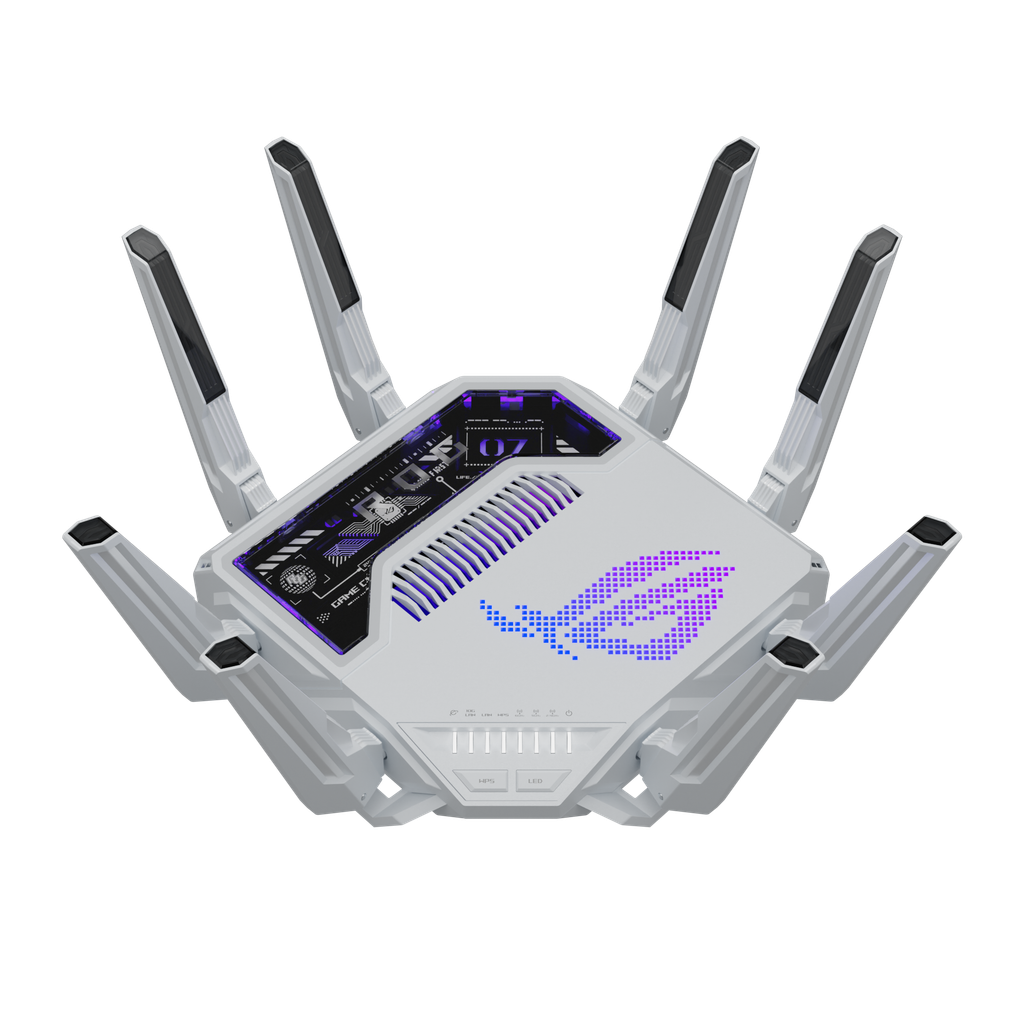
CES 2025 is in full swing, with ASUS ROG unveiling an AI-powered WiFi 7 gaming router alongside its award-winning connectivity solutions. Meanwhile, TCL has teased the PlayCube, a portable projector featuring a unique twistable design, adding to the excitement of the event.
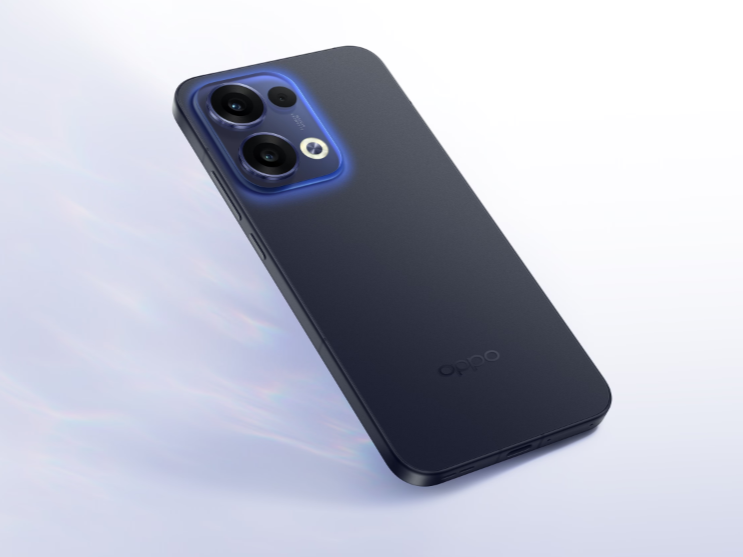
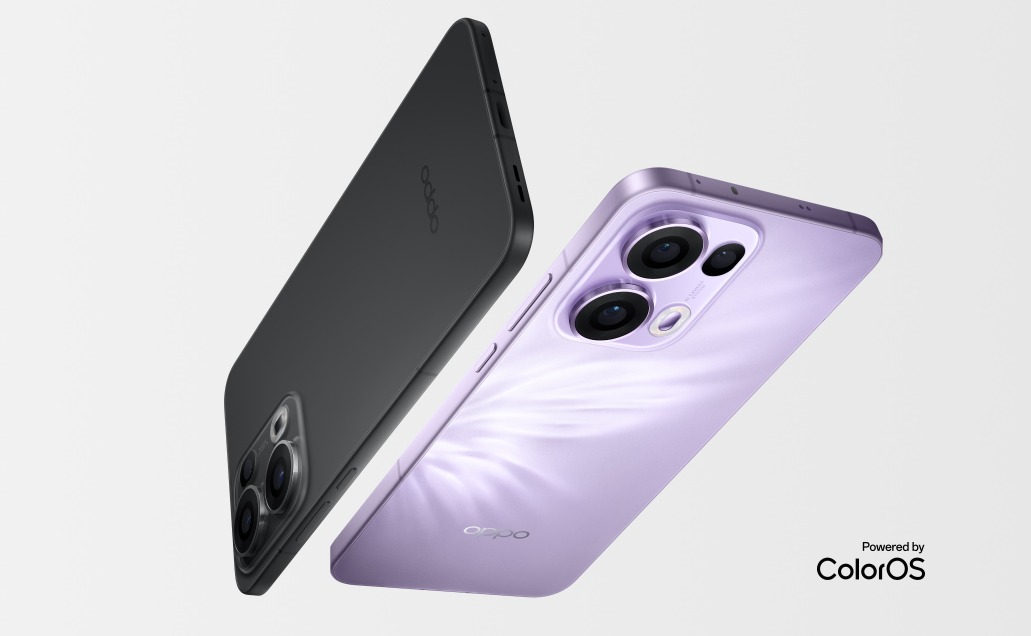
OPPO has officially unveiled the Reno 13 and Reno 13 Pro smartphones in India, best known for their well-rounded performance across the board. This time around, the series boasts a sturdier design, vastly improved performance, and significantly larger batteries than its predecessors.
The OPPO Reno 13 offers a combination of affordability and performance, making it a solid option for mid-range smartphone buyers.
Display and Build The Reno 13 is equipped with a 6.59-inch flat AMOLED display with a 1.5K resolution, a 120Hz refresh rate, and 3840Hz PWM dimming, ensuring clear visuals and smooth operation for everyday use. The device is designed with IP66, IP68, and IP69 certifications, offering protection against dust, water, and high-pressure sprays. Its lightweight construction enhances both portability and durability.
Performance and Software Powered by MediaTek’s Dimensity 8350 chipset, the Reno 13 handles multitasking and media efficiently. It includes up to 8GB LPDDR5X RAM and 256GB UFS 3.1 storage for smooth performance. The device runs on Android 15 with ColorOS 15, offering an intuitive and feature-packed interface.
Camera features The Reno13 is equipped with a versatile triple-camera setup:
50MP Main Camera: Features a Sony LYT-600 sensor with f/1.8 aperture and OIS for sharp, clear images.
8MP Ultra-Wide Camera: Offers a 112° field of view, ideal for landscapes and group shots.
2MP Monochrome Camera: Adds depth and detail to black-and-white images.
Front-facing photography is equally impressive, with a 50MP camera that supports 4K video recording and features AI-based enhancements such as AI Portrait and AI Night Portrait. AI tools like AI Reflection Remover and AI Clarity Enhancer further refine the overall photography experience.
Battery and Charging The device is equipped with a 5600mAh battery and supports 80W SuperVOOC fast charging, ensuring quick recharges and reliable daily use.
2. Oppo Reno 13 Pro features
The Reno 13 Pro builds on the standard model with a larger display, improved cameras, and advanced cooling.
Display and Design The Reno 13 Pro features a 6.83-inch quad-curved AMOLED display with a 1.5K resolution, 120Hz refresh rate, and 3840Hz PWM dimming, delivering an immersive viewing experience. Its slim, refined design combines aesthetics with IP-rated durability.
Performance Upgrades The Pro model is powered by the same Dimensity 8350 chipset but offers up to 12GB LPDDR5X RAM and 512GB UFS 3.1 storage for better multitasking and storage capacity. It also includes a 4791mm² VC cooling system to maintain performance during extended use.
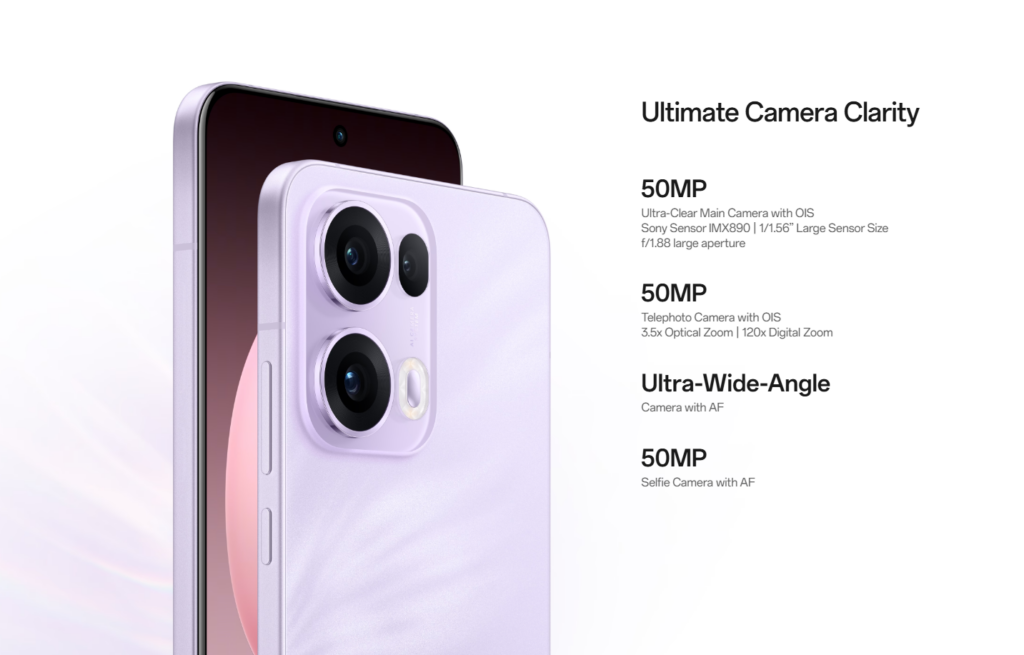
Camera and AI Features The Reno 13 Pro steps up its camera game with a quad-camera setup:
50MP Main Camera: Features the Sony IMX890 sensor with f/1.8 aperture and OIS for exceptional image quality.
8MP Ultra-Wide Camera: Captures detailed wide-angle shots with a 112° field of view.
50MP Front Camera: Delivers crystal-clear selfies with 4K video support.
The Pro model benefits from the same AI-powered tools as the Reno13 but adds advanced capabilities like AI Clarity Suite and AI Best Face for professional-grade results. The AI Studio App offers over 20 templates and creative tools for stylizing and enhancing photos.
Battery and Charging The Pro model includes a larger 5800mAh battery with 80W SuperVOOC fast charging, providing longer usage and shorter recharge times. You can also check out our comparison of the Reno 13 Pro with its predecessor.
3. Pricing and Availability
Reno 13: ₹37,999 (8GB + 128GB) and ₹39,999 (8GB + 256GB), available in Ivory White and Luminous Blue.
Reno 13 Pro: ₹49,999 (12GB + 256GB) and ₹54,999 (12GB + 512GB), available in Graphite Grey and Mist Lavender.
Both models will launch on January 11th via Flipkart, OPPO’s online store, and offline retailers. Launch offers include six months of liquid damage protection, exchange bonuses, no-cost EMI options, and bank discounts of up to 10%.
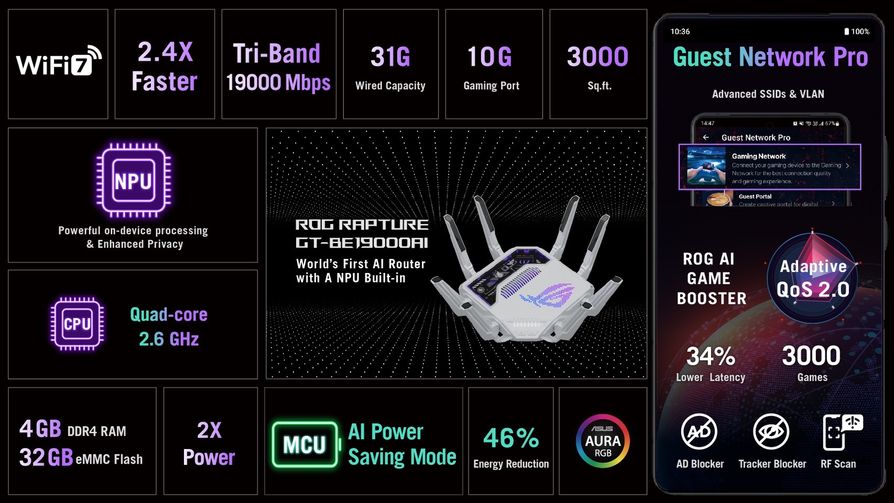
ASUS Republic of Gamers (ROG) has introduced a range of new networking products at CES 2025, highlighting advancements in WiFi 7 connectivity for gamers, travelers, and home users. The lineup includes the ROG Rapture GT-BE19000AI gaming router, ASUS RT-BE58 Go travel router, and ASUS 5G-Go mobile router. Two products, the RT-BE58 Go and 5G-Go, received CES 2025 Innovation Awards.
The ROG Rapture GT-BE19000AI is the first gaming router to incorporate a Neural Processing Unit (NPU). Its tri-core architecture, which combines CPU, NPU, and MCU, improves processing efficiency, energy savings, and user privacy. The AI Power-Saving mode reduces energy use by up to 46%.
The router is optimized for gaming, with AI-driven features like ROG AI Game Booster and Adaptive QoS 2.0 to reduce latency by up to 34%. It supports up to 3,000 games and includes tools such as an Ad Blocker, Tracker Blocker, and RF Scanner for enhanced everyday network management.
ASUS RT-BE58 Go: Compact Travel Router
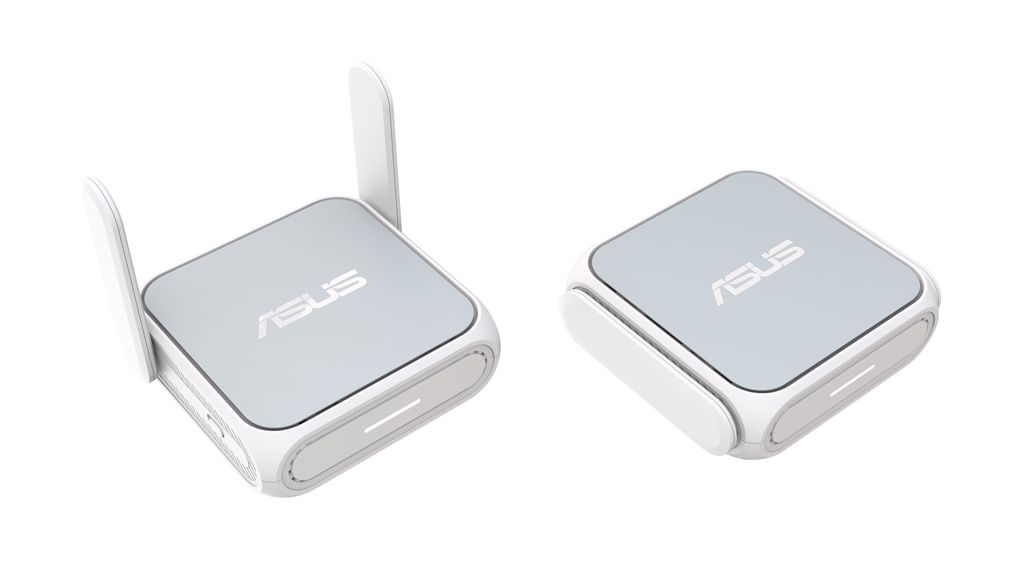
The RT-BE58 Go is designed for users who need reliable connectivity on the move. It offers tri-mode connectivity, supporting 4G/5G tethering, public WiFi hotspot creation, and traditional router use. With dual-band WiFi 7 speeds of up to 3600 Mbps, it handles tasks like streaming and videoconferencing efficiently.
ASUS RT-BE58 Go
Security features include subscription-free AiProtection by Trend Micro™ and comprehensive VPN support for up to 30 providers. The router also integrates with AiMesh for extended home coverage and includes a guest portal suitable for small businesses.
ASUS 5G-Go: Mobile Router for Global Use
The ASUS 5G-Go router provides 5G connectivity in up to 232 countries and speeds of up to 5.95 Gbps. Designed for travelers and remote workers, it offers WiFi 7, a 2.5G Ethernet port, and 10Gbps USB tethering. Its IP51-rated construction ensures durability, and the 6030mAh battery supports all-day use. Additional features include quick VPN setup and Fixed Wireless Access (FWA) mode for flexible connectivity.
ZenWiFi Outdoor Series: Reliable WiFi 7 for Outdoor Use
ASUS ZenWiFi BD5
The ZenWiFi Outdoor series extends WiFi 7 connectivity to outdoor spaces. The ZenWiFi BD5 Outdoor provides dual-band speeds of up to 5000 Mbps and coverage of up to 2500 sq. ft., using AiMesh technology for easy network expansion. Built to withstand harsh conditions, it features IP65-rated protection and operates in temperatures from -30°C to 60°C. Its versatile mounting options and Power over Ethernet (PoE) support make it adaptable to various environments.
The ZenWiFi BD4 Outdoor offers dual-band speeds of 3600 Mbps and coverage up to 2450 sq. ft., serving as a more compact option for smaller areas.
Specifications Overview
ROG Rapture GT-BE19000AI: Tri-band WiFi 7, 8 external antennas, speeds up to 11.5Gbps, and AI-driven features.
RT-BE58 Go: Dual-band WiFi 7, 2 external antennas, speeds up to 3.6Gbps, and secure VPN functionality.
ZenWiFi BD5 Outdoor: Dual-band WiFi 7, internal antennas, speeds up to 5Gbps, and a durable design.
Details about the pricing and availability of these routers are currently under wraps.
Poco has launched the Poco X7 series globally, which includes a total of three models: the Poco X7, X7 Pro (our review), and the X7 Pro Iron Man Edition. The X7 Pro is said to be a rebrand of the China-exclusive Redmi Turbo 4. But Poco has still made a few tweaks inside out.
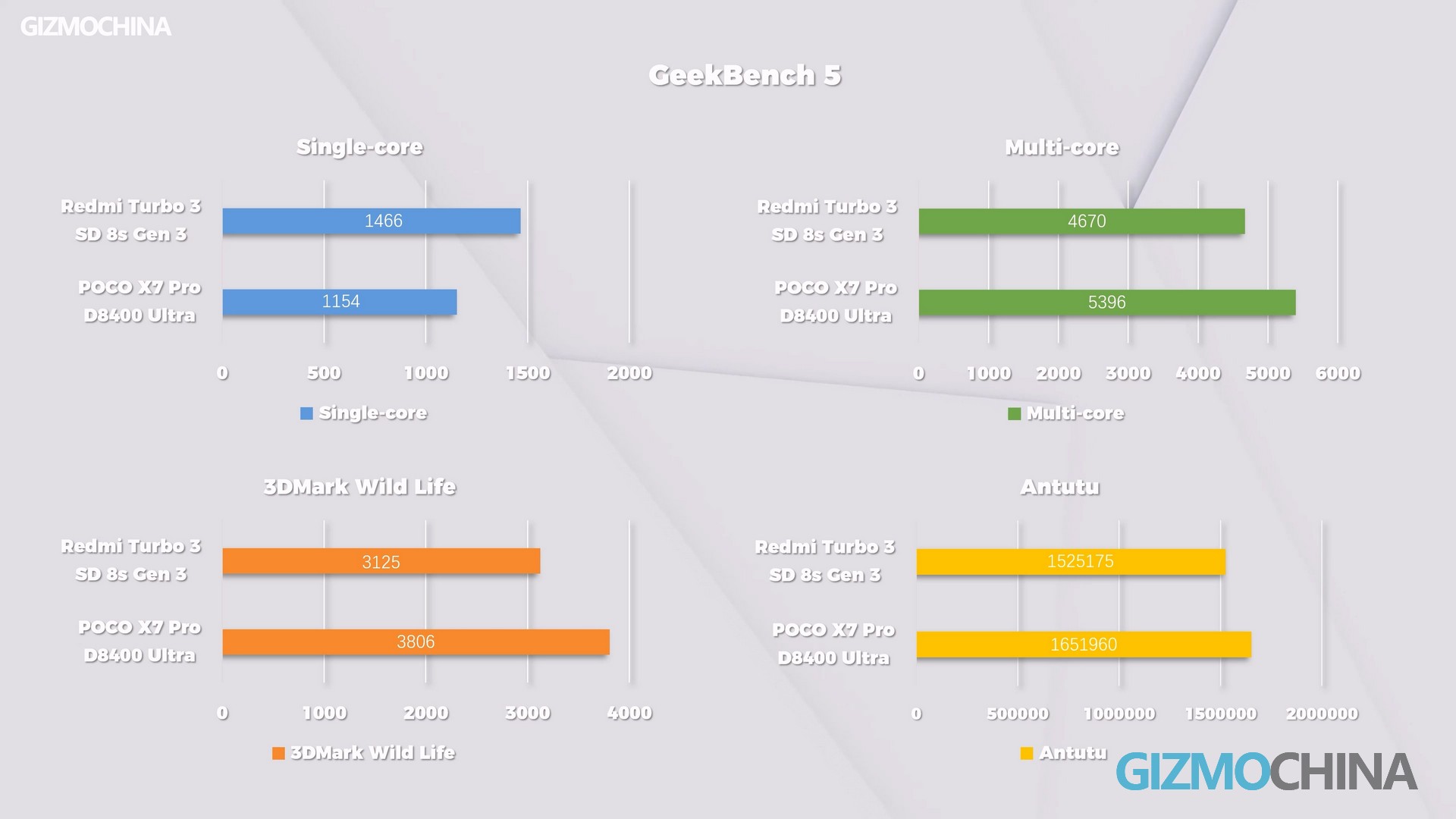
The phone is powered by the Dimensity 8400 Ultra (vs Snapdragon 8s Gen 3) chip, just like the Redmi Turbo 4. This is paired with LPDDR5X RAM and UFS 4.0 storage for faster loading times and smoother operation in heavy apps and games. In our tests, the chip outperformed the Snapdragon 8s Gen 3 in the Geekbench multi-core test, AnTuTu, and GPU benchmark.
Includes “WildBoost Optimization 3.0”
The company also talks about its “WildBoost Optimization 3.0”, which apparently improves the gaming experience. We have recently seen similar developments from OnePlus as well, for the OnePlus 13 and OnePlus 13R.
Some benefits of Poco’s “WildBoost Optimization 3.0” include enhanced game audio that offers a competitive edge in certain scenarios, smart performance scheduling, and improved network connectivity that uses AI for antenna selection and offers a more stable connection.
As for the software, the X7 Pro is powered by Xiaomi’s Android 15-based HyperOS 2 custom skin. Interestingly, this is in contrast with the base model, which is powered by Android 14-based HyperOS.
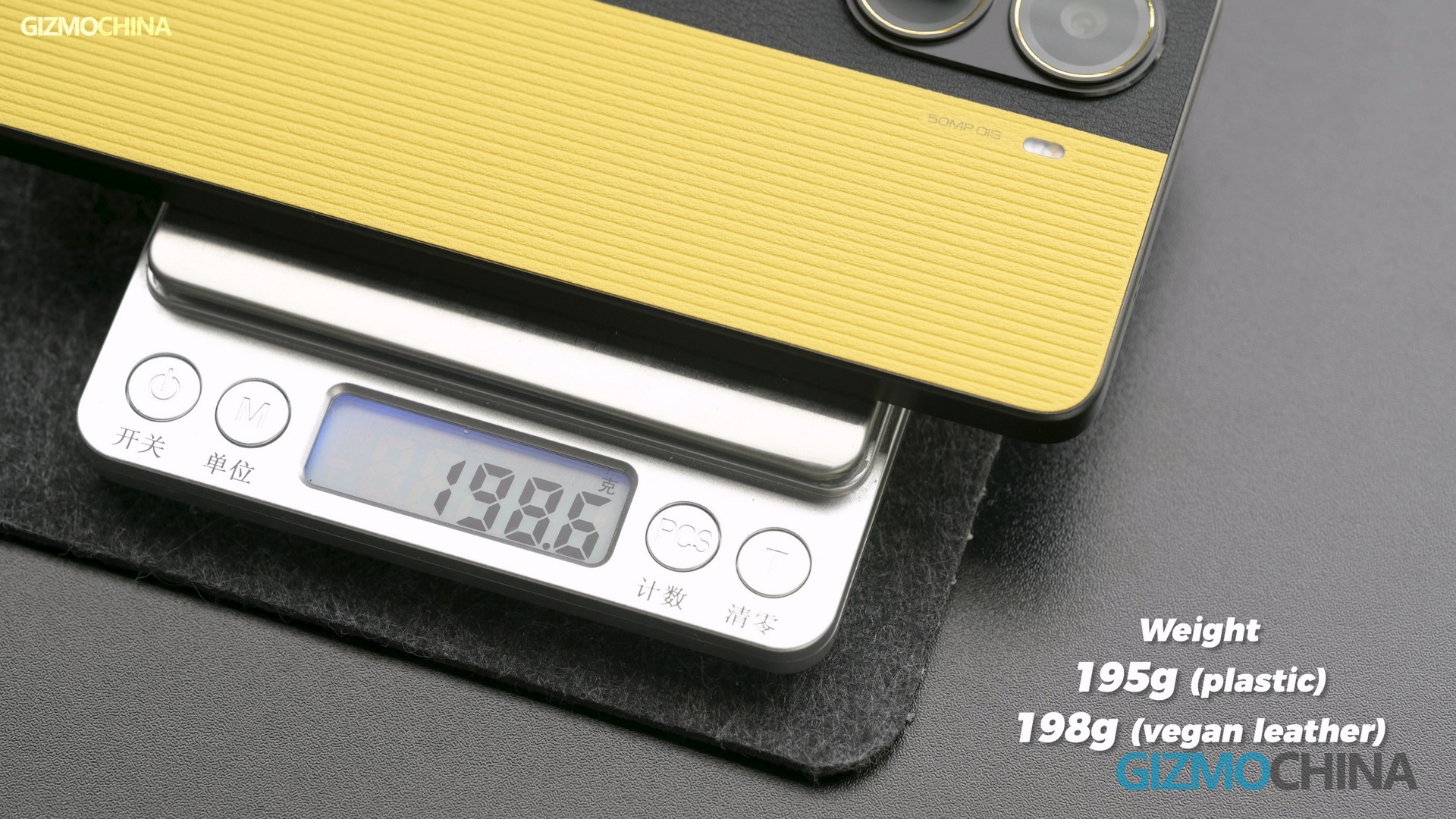
Unlike the base model, which you can learn more about here, the Pro model comes with a flat design. The phone measures 8.3mm in thickness and weighs 198g. This phone also supports “Super Resolution Rendering” which likely refers to the upscaling feature.
To sustain the performance, Poco is using a 5000mm2 loop pump VC cooling, branded as POCO 3D IceLoop system. The brand claims 3x better cooling than traditional VC cooling systems. All of it paired with an intelligent temperature control system that includes 10 temperature sensors for precise monitoring.
Main camera sample
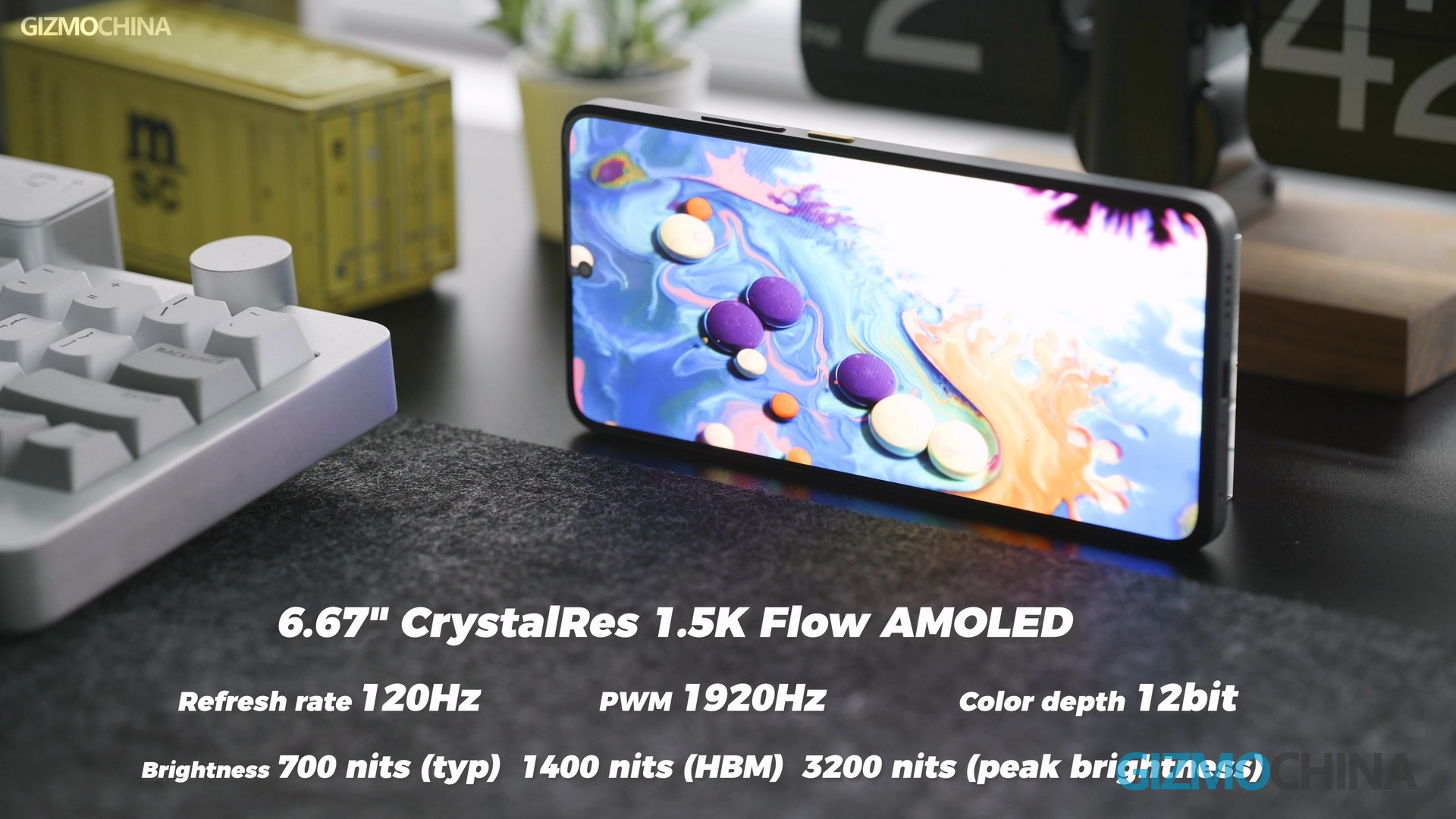
On the front, there is a 6.67″ 1.5K flat AMOLED panel (same as the base model in size) that reaches a global peak brightness of 1400 nits and a local peak brightness of 3200 nits. The imaging system includes 50MP IMS 882 main sensor (that measures 1/1.95″), which is paired with an 8MP ultrawide. Based on our tests, the camera system is enough to get the job done.
PortraitSelfie
The phone also packs an IP68 dust and water resistance rating this time, up from the IP54 rating of its predecessor. The Pro model does not bother you with the unwanted 2MP macro camera, rather packs a larger 6000mAh battery for longer gaming sessions. This is paired with a 90W wired charging support. Similar to the base model, the X7 Pro offers a larger 6,550mAh battery to its Indian users. Check out the Poco X7 Pro Iron Man Edition and standard Poco X7 here.
Pricing and availability:
Poco X7 Pro comes in three color options – Black (with vegan leather finish), Green, and Yellow, and is listed on Flipkart in the following configurations and is scheduled to go on sale on January 14th at 12 noon.
8GB + 256GB: ₹27,999 12GB + 256GB: ₹29,999
A 12GB + 512GB version of the device is also listed in the company’s UK website for a price tag of £309.00, which is equivalent to ₹32,600.
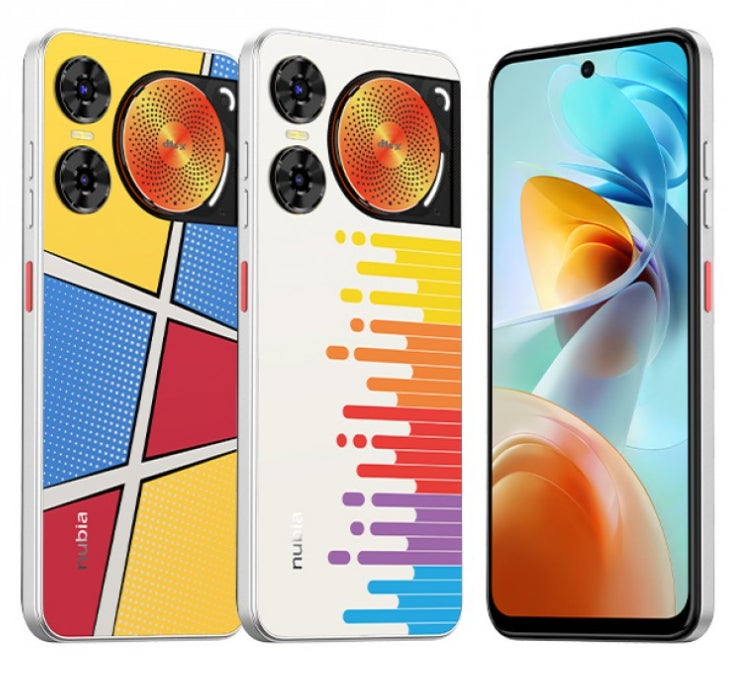
The Nubia Music 2 is not your average budget smartphone. While most manufacturers focus on cameras and processors, ZTE has taken a different approach, crafting a device that prioritizes the audio experience. The result? A unique-looking phone that’s sure to turn heads and delight music lovers.
The primary attraction of the Nubia Music 2 is its 2.1-channel audio system, which includes three full-range speakers. ZTE has equipped this device with DTS:X Ultra technology, delivering spatial audio support and a loud maximum volume of 95 dB. This means users can enjoy clear, immersive sound whether they are listening to music, watching videos, or gaming.
Adding to its quirky charm, the device features LED strips that pulsate in sync with the music, creating a visual experience that complements the audio. While last year’s Nubia Music model came with two 3.5mm headphone jacks, the Nubia Music 2 opts for a single 3.5mm jack, a more conventional setup for wired audio enthusiasts.
2. Design and display
In terms of design, the Nubia Music 2 retains the playful aesthetics of its predecessor but introduces LED embellishments to further enhance its appeal. The smartphone is available in two vibrant colour options, Melody Wave and Pop Art, adding to its bold and youthful vibe.
The device features a 6.7-inch LCD with an HD+ resolution and a 120 Hz refresh rate. Although the resolution is modest, the high refresh rate provides smoother scrolling and a better viewing experience compared to many similarly priced phones.
3. Performance and specifications
The Nubia Music 2 is powered by the Unisoc T7200 chipset, essentially a rebranded version of the older Unisoc T606. Paired with 4 GB of RAM and 128 GB of internal storage, the phone is adequate for basic tasks like web browsing, media playback, and light app usage. However, it’s not suitable for heavy multitasking or demanding applications.
The device comes with Android U, likely based on Android 14. However, the possibility of software updates beyond the initial version appears slim, given its budget-oriented positioning.
4. Cameras and battery life
In the camera department, the Nubia Music 2 houses a 50-megapixel main camera and a 5-megapixel selfie camera. While the setup is not groundbreaking, it is sufficient for casual photography and video calls.
The phone is equipped with a 5,000 mAh battery, which should easily last a full day of use. It supports 10 W wired charging, which is slower compared to modern standards but acceptable for its price range.
5. Price and availability
The Nubia Music 2 is priced at MYR 389 (~$86) and is currently available in Malaysia through Shopee and Lazada online stores. While its launch in other Asian markets has not yet been confirmed, its budget-friendly price and unique audio features could make it popular among music enthusiasts looking for an affordable device.
6. Final thoughts
The Nubia Music 2 may not compete with mid-range or flagship smartphones in terms of raw power or advanced features, but its focus on audio performance sets it apart in the budget segment. Its three-speaker system, spatial audio support, and pulsating LED lights make it an appealing choice for those who prioritise music and entertainment over performance.
While the phone’s outdated chipset and limited memory are noticeable drawbacks, its price and niche features make it a compelling option for users seeking a low-cost digital audio player with smartphone functionality. The Nubia Music 2 is a compelling option for music lovers on a budget.
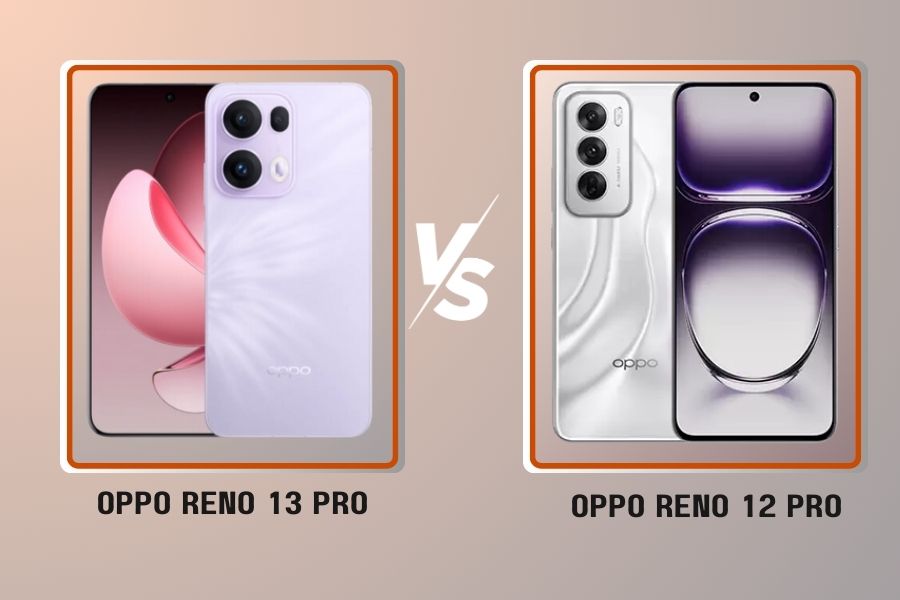
Oppo‘s Reno series has been a reliable option for those looking for a feature-packed smartphone with a focus on design and cameras. The latest Oppo Reno 13 Pro continues this trend but introduces a range of upgrades that set it apart from its predecessor, the Oppo Reno 12 Pro.
Let’s dive into how the Reno 13 Pro differentiates itself in terms of design, performance, display, cameras, and overall usability.
One of the first differences is in the materials. While the Reno 12 Pro features a Gorilla Glass Victus 2 front, a plastic frame, and a glass back, the Reno 13 Pro upgrades to Gorilla Glass 7i on the front and back, coupled with an aluminum alloy frame.
The new model also boasts IP68/IP69 certification for better dust and water resistance compared to the Reno 12 Pro’s IP65 rating.
However, the upgrades come with a slight tradeoff in portability. The Reno 13 Pro is heavier at 195-197 grams compared to the 180 grams of the Reno 12 Pro. It’s also slightly larger, with dimensions of 162.8 x 76.6 x 7.6 mm, making it less compact than the Reno 12 Pro’s 161.5 x 74.8 x 7.4 mm build.
2. Display
Reno 12 Pro
Both phones share a 120Hz AMOLED panel with HDR10+ support and a peak brightness of 1200 nits. However, the Reno 13 Pro slightly edges ahead with a larger 6.83-inch screen, compared to the Reno 12 Pro’s 6.7-inch display. This increase improves the screen-to-body ratio to ~90.9%, up from ~89.4%, offering a slightly more immersive viewing experience.
The resolution also sees a bump, with the Reno 13 Pro offering 1272 x 2800 pixels (~450 ppi), as opposed to the Reno 12 Pro’s 1080 x 2412 pixels (~394 ppi). That said, it’s likely that you won’t notice much difference in everyday use.
3. Performance
As for the performance, the Reno 13 Pro is powered by the MediaTek Dimensity 8350 chipset, a clear upgrade over the Dimensity 7300 Energy in the Reno 12 Pro. Built on the same 4nm process, the newer chipset offers a faster octa-core CPU, featuring a 3.35 GHz Cortex-A715 prime core for better single-threaded performance. In comparison, the Reno 12 Pro caps out at 2.5 GHz on its Cortex-A78 cores.
Graphics processing also sees an improvement, with the Mali-G615 MC6 GPU in the Reno 13 Pro providing more power for gaming and visual rendering than the dual-core GPU in its predecessor.
While everyday tasks such as app switching and media consumption should feel seamless on both devices, the Reno 13 Pro’s chipset will deliver a more stable experience for demanding activities like gaming.
Out of the box, the Reno 13 Pro ships with Android 15 and ColorOS 15, while the Reno 12 Pro launched with Android 14 with ColorOS 14.1.
Oppo’s commitment to software updates is similar for both. Each of them will get three major Android upgrades and four years of security updates.
4. Cameras
On paper, the Reno 13 Pro and 12 Pro share a similar triple-camera setup, with 50 MP primary sensors and 8 MP ultrawide cameras. However, the Reno 13 Pro comes with an improvement in its telephoto lens with 3.5x optical zoom, compared to the Reno 12 Pro’s 2x zoom. It will allow for more detailed shots of distant subjects.
Additionally, the main camera sensor on the Reno 13 Pro boasts multi-directional PDAF and OIS, delivering improved focus and stability. Both phones support 4K video recording, but the Reno 13 Pro adds gyro-EIS across more video modes for smoother footage.
Selfies on both phones are evenly matched, as they sport a 50 MP front camera with autofocus and 4K recording capabilities.
5. Battery and Charging
Battery life is another area where the Reno 13 Pro excels. It has a 5800mAh battery, a notable jump from the Reno 12 Pro’s 5000mAh capacity. While both models support 80W wired charging, the larger battery on the Reno 13 Pro should translate to better endurance, especially for heavy users.
Not to forget, the Reno 13 Pro also offers 50W wireless charging. It’s a quality-of-life upgrade from the 12 Pro which lacks this feature.
6. Connectivity and Miscellaneous Features
Both phones come equipped with dual-band Wi-Fi, Bluetooth 5.4, and NFC. However, the Reno 13 Pro supports newer connectivity standards like aptX HD and LHDC 5 for higher-quality audio streaming.
However, neither phone includes a 3.5mm headphone jack, a compromise that has become standard in this segment. There’s also an infrared port on both models, a small but practical feature for controlling appliances.
7. Should you consider it?
The Oppo Reno 12 Pro launched in India at Rs 36,999 for the 12GB/256GB variant, while the Reno 13 Pro carries a steeper price tag of Rs 49,999. That’s a massive Rs 13,000 jump in price, so this begs the question: is it worth it?
The Reno 13 Pro just feels like a natural evolution of the series. It offers meaningful improvements in design, performance, battery life, and camera versatility. However, whether it justifies the price hike is for you to decide.
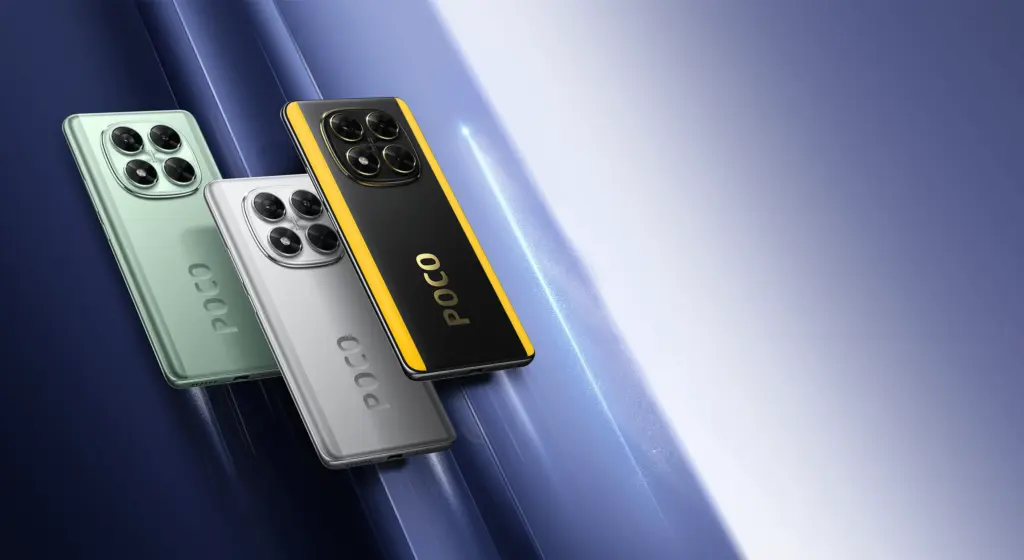
Poco has launched the Poco X7 and Poco X7 Pro globally today. Both phones offer an updated design, newer chips, and better imaging capabilities. Unlike previous years, the base model now packs a curved display, while the pro model sticks to a flat design. To be fair, the base model resembles the Redmi Note 14 Pro in the design.
Poco X7 design and specifications:
On the front, the Poco X7 uses a 6.67″ AMOLED panel with 1220p (1.5K) resolution. It reaches up to 1200 nits in direct sunlight. A small portion of the display can even reach as high as 3000nits at a time – something useful for streaming HDR content.
While the display panel is not much different from the one on the Poco X6, the curved design offers it a more premium look. This is protected with the Corning Gorilla Glass Victus 2 for a proper balance between drop and scratch resistance. For reference, the Poco X6 came with the Gorilla Glass Victus protection.
The plastic middle frame also has a curved design, which will surely be praised by people like me who still find it more comfortable to grip.
But something that truly sets it apart from the Redmi Note 14 Pro is the appearance of the vegan leather version. It comes with the signature Poco look with Yellow and Black colors. However, there are also Silver and Green color options for those seeking a more neutral look.
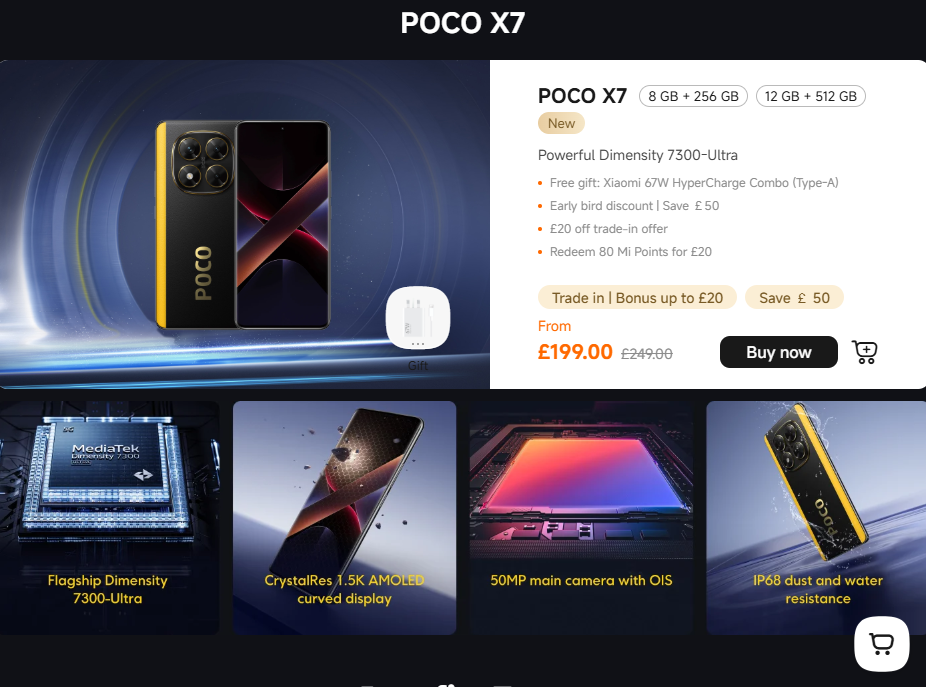
The Poco X7 is powered by the Dimensity 7300 Ultra chip, which is based on TSMC’s 4nm process. This is the same chip that powers the Redmi Note 14 Pro. This is paired with UFS 2.2 storage.
Main cameraMain camera
As for the cameras, the Poco X7 uses a 50MP main sensor, an 8MP ultrawide, a 2MP macro camera, and a 20MP selfie shooter.
Poco X7 2x portrait shot
The phone packs a 5110 mAh battery for the global market (same as the predecessor) while the Indian variant packs a larger 5500mAh battery. Unfortunately, the charging speed is downgraded from 67W to 45W, suspiciously similar to the Redmi Note 14 Pro.
Pricing and availability:
Poco X7 comes in three different color options – Black (the vegan leather version), Green, and Silver, and is currently listed in Flipkart with the following configurations:
8GB + 128GB: ₹21,999
8GB + 256GB: ₹23,999
The first sale on Flipkart is scheduled for January 17th. A 12GB + 512GB version of the phone is also listed on the company’s UK website, priced at £249.00 (~Rs. 26,310).
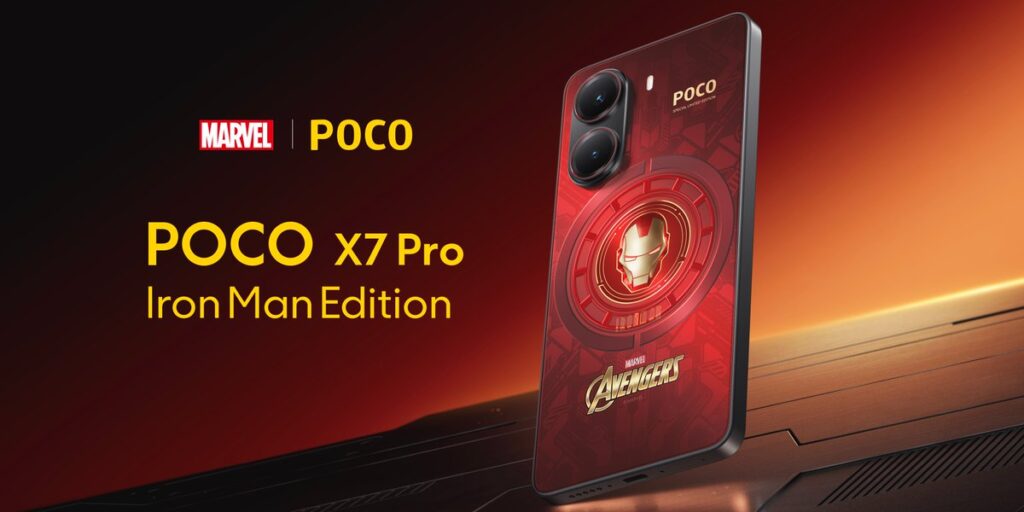
POCO recently hosted a launch event for its mid-range X7 and X7 Pro smartphones. Alongside these models, the brand has also launched a special variant of the Pro model called the POCO X7 Pro Iron Man Limited Edition. This follows last year’s India-exclusive POCO F6 Deadpool Limited Edition.
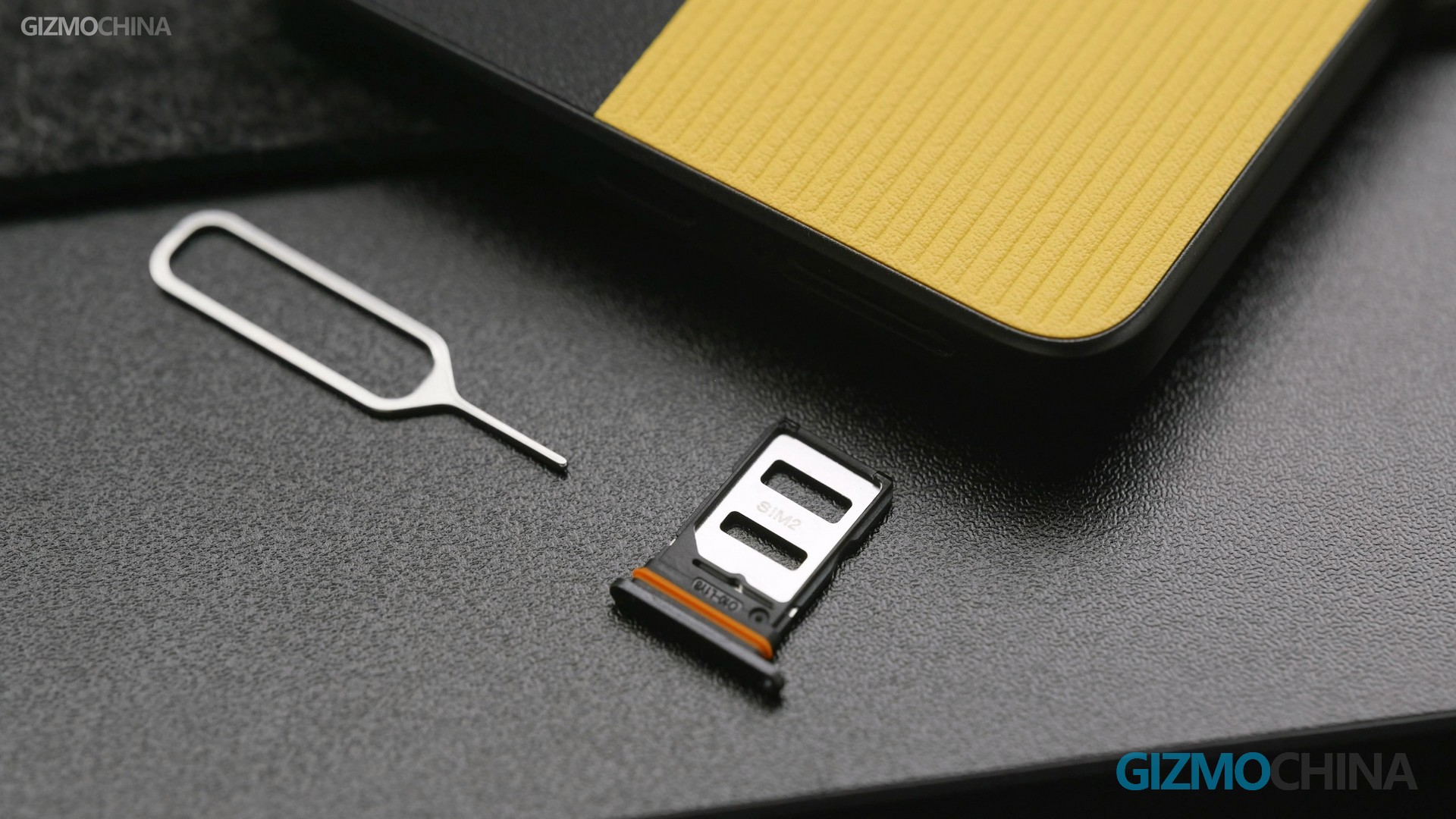
The Iron Man Edition boasts a distinctive design inspired by the Marvel superhero. The rear panel features iconic Iron Man elements, including the arc reactor, complemented by a red, black, and gold color scheme. A red power button and a Tony Stark signature on the phone’s protective case add exclusive touches. The package also includes a themed custom UI, a red charging cable, and a unique SIM ejector tool.
POCO X7 Pro Iron Man Limited Edition Pricing & availability
Priced at USD 399 for the 12GB + 512GB configuration, the device has an early bird offer of USD 369. Availability begins today, January 9, 2025, in select global markets.
Specification-wise, the device is identical to the regular POCO X7 Pro. It features a 6.67-inch 1.5K OLED display with a resolution of 2712 × 1220 pixels, a 120Hz refresh rate, and touch sampling rates of up to 480Hz and 2560Hz instant touch. The display supports HDR10+, Dolby Vision, and 1920Hz PWM dimming, reaching a peak brightness of up to 3200 nits, and is protected by Corning Gorilla Glass 7i.
Under the hood, the phone is powered by MediaTek’s Dimensity 8400 Ultra octa-core processor, paired with LPDDR5X RAM and UFS 4.0 storage. On the software front, the phone runs on Android 15 with Xiaomi’s HyperOS 2. As for optics, it includes a 50MP main camera with a 1/1.95″ Sony LTY-600 sensor, an f/1.5 aperture, OIS, and EIS, accompanied by an 8MP ultra-wide camera with an f/2.2 aperture, and support for 4K 60fps video recording. The front camera is a 20MP shooter with a 1/4″ OV20B sensor and an f/2.2 aperture.
Additional features include an in-display fingerprint sensor, an infrared sensor, USB Type-C audio, stereo speakers, and dust and water resistance rated at IP66, IP68, and IP69. The battery onboard has a massive 6550mAh capacity and is backed by 90W fast charging.
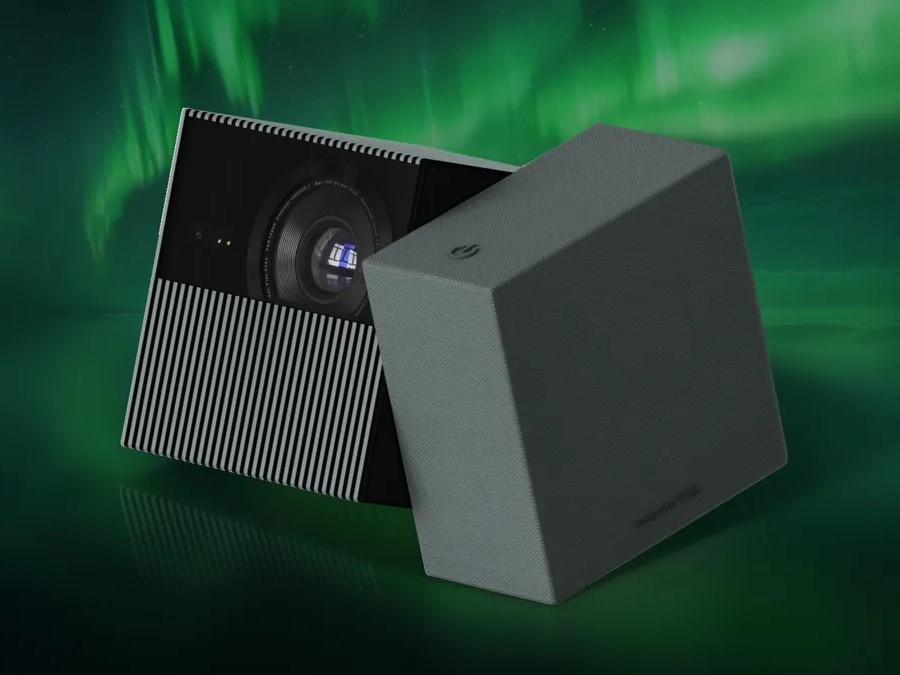
CES 2025 is abuzz with innovation, and TCL has joined the spotlight with a fascinating addition to its product lineup, the PlayCube. This ultra-portable projector made a brief yet striking appearance during TCL’s presentation, hinting at its potential to redefine compact home entertainment solutions.
True to its name, the PlayCube features a cubical form factor with a novel twist. Its standout design includes two rectangular sections, one of which rotates to adjust the projection angle. This “magic cube” design isn’t just for show, it provides flexibility for users to achieve the perfect viewing experience, whether on a wall, ceiling, or any other surface.
While TCL has remained tight-lipped on exact dimensions, the PlayCube is rumored to be small enough to fit comfortably on a nightstand. Its compact size, paired with a built-in rechargeable battery, emphasizes portability, making it an excellent companion for outdoor movie nights or on-the-go entertainment.
2. Powered by Google TV
TCL has confirmed that the PlayCube will feature Google TV, providing access to a plethora of streaming apps and services. This inclusion ensures a seamless viewing experience, mirroring the smart TV features found in TCL’s more extensive lineup. Whether you’re catching up on Netflix, YouTube, or Disney+, the PlayCube promises versatility in a compact package.
3. Expected Specs
As of now, TCL hasn’t disclosed specifics such as resolution, peak brightness, or the maximum projection size. Speculation suggests the PlayCube could match or slightly surpass the capabilities of TCL’s 2024 Projector A1, which delivered 1080p resolution and 360 ISO lumens brightness. However, the PlayCube’s unique design and portability may position it in a class of its own.
4. Pricing and Availability
Pricing details are still under wraps, but TCL’s reputation for competitive pricing hints at an aggressive entry point. The Projector A1 retailed for $499, so the PlayCube could fall within a similar range, depending on its specs.
With its bold design, portability, and Google TV integration, the TCL PlayCube is poised to stand out in the crowded portable projector market. Whether it will challenge industry favorites like Samsung’s Freestyle or Xgimi’s Mogo 3 Pro remains to be seen, but the PlayCube’s debut has certainly captured attention.
Earlier this week, TCL also revealed its QM6K Mini LED TV series at CES 2025 which brings premium Mini LED technology to an affordable price range, offering advanced features like precise dimming, quantum dot color accuracy, and HDR support.
Philips Hue just announced an expansion to its subscription service. The Philips Hue Sync TV app subscription was initially supported on Samsung smart TVs (Tizen) but it’s now also arriving on LG (WebOS) branded smart TVs. So let’s see whether the subscription is worth it or just an unnecessary way of monetization.
1. Philips Hue Sync TV Subscription: What does it offer?
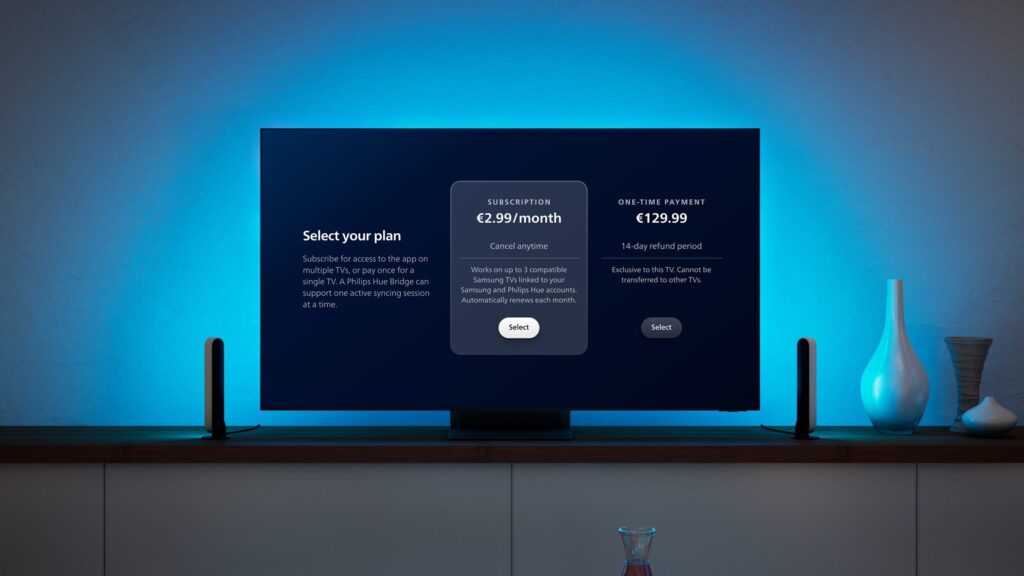
Philips Hue’s popular Hue Sync TV app is expanding beyond Samsung TV. To recall, it allows users to synchronize up to 10 Hue lights with the movies or games they have running on their TV. This creates a more immersive ambient lighting effect without needing an external bridge or box. While this was limited to Samsung, LG is also receiving support for this app starting in Spring 2025.
2. So how do you get it?
Well, this is where the first issue starts. People who own an LG WebOS powered smart TV do get access to this subscription, but the app will basically have you spend around $130. For $100, the pretty lighting is already quite expensive.
If you don’t want to pay outright, you can also opt for the $3 monthly subscription service. This is identical to the service model offered via Samsung TVs. John Smith, Business Leader Philips Hue at Signify stated that they are “making it easier than ever for our users to enjoy immersive entertainment lighting direct from their TV”, however, this doesn’t really make sense to me.
3. The Nitpick
Philips Hue as a brand is known for smart home products especially smart lighting products like smart LED lights and others. These gadgets by design are meant to offer an additional layer of intuitive control or customizability over traditional lighting. While individual interaction is still there, the advantages of these smart IoTs only shine when paired together. Asking your customers to pay for a feature like this just makes it unnecessary monetization.
So who is it for?
Not everybody has the time, patience, or know-how to set up their own hub for light controls. Most people just want a quick and efficient solution to improve the aesthetic of their homes. In that regard, Philips Hue is most definitely offering a good answer.
The subscription isn’t surprising either considering the amount of subscription services that are in the market right now. This ranges from your new cars, apps, streaming platforms, and whatnot.
Nintendo’s next-generation console, widely referred to as the “Nintendo Switch 2,” has been the center of rumors and leaks for months. While the company has remained tight-lipped, a series of leaks continue to paint an increasingly detailed picture of what fans can expect. The latest buzz? A leaked logo for the highly-anticipated console, which has sparked significant conversation online.
Leaked Logo Hints at Iterative Design for Nintendo Switch 2
According to Universo Nintendo’s editor-in-chief Felipe Lima, the alleged Nintendo Switch 2 logo bears a striking resemblance to the original Nintendo Switch branding. Shared via a recreated image on social media, the logo features the iconic stylized Joy-Con design but includes a bold “2” beside it. This design decision seemingly aligns with the console being marketed as an iterative upgrade rather than a complete departure from its predecessor.
Lima claims his recreation is based on a real-life image of the Switch 2 console, which was shared by a reliable source. To avoid potential copyright strikes, Lima opted to recreate the design rather than share the original image. While the logo has not been officially verified, its similarity to prior leaks about Nintendo’s branding strategy lends some credibility to his claims.
This isn’t the first time information about the Nintendo Switch 2 has surfaced. Just days ago, detailed mockups of the console, reportedly created by accessory maker Genki, were showcased at CES 2025. These models hint at a larger OLED display and new magnetic Joy-Con controllers. Meanwhile, leaked photos of the console’s controller have circulated widely on social media, further fueling the excitement.
Nintendo’s apparent decision to carry over much of the original Switch branding signals a more cautious strategy for its next-generation console. At the same time, it may reflect Nintendo’s desire to preserve the Switch’s identity, building on its tremendous success since its 2017 debut.
Despite the leaks, Nintendo has yet to officially confirm the name, logo, or design of the console. With its fiscal year ending on March 31, 2025, and rumors of a release in April 2025, fans are bracing for an official reveal soon. Until then, the gaming community will be watching Nintendo’s social channels closely for confirmation and to see if the leaks live up to the hype.
Stay tuned as more details emerge about what could be Nintendo’s biggest launch in years.
F6, F6 Pro, M6, M6 Pro, X6, X6 Pro – POCO has already run out of codename ‘6’ already, so it’s time to release the ‘Agent 7’: The first is the POCO X7 series. The first article is all about the POCO X7 Pro, while the standard X7 will be settled in another review. So let’s check out all important facts about the Pro variant, the coolest model ever of the POCO X series.
Actually, it looks familiar but have to say, it is still a new look. Yes, it’s the re-branding model of the REDMI Turbo 4, and has almost the same debut timeline as the REDMI Turbo 4. The Turbo 4 is limitedly available in mainland Chinese for now, but you can definitely look forward to the POCO X7 Pro in your market.
Design
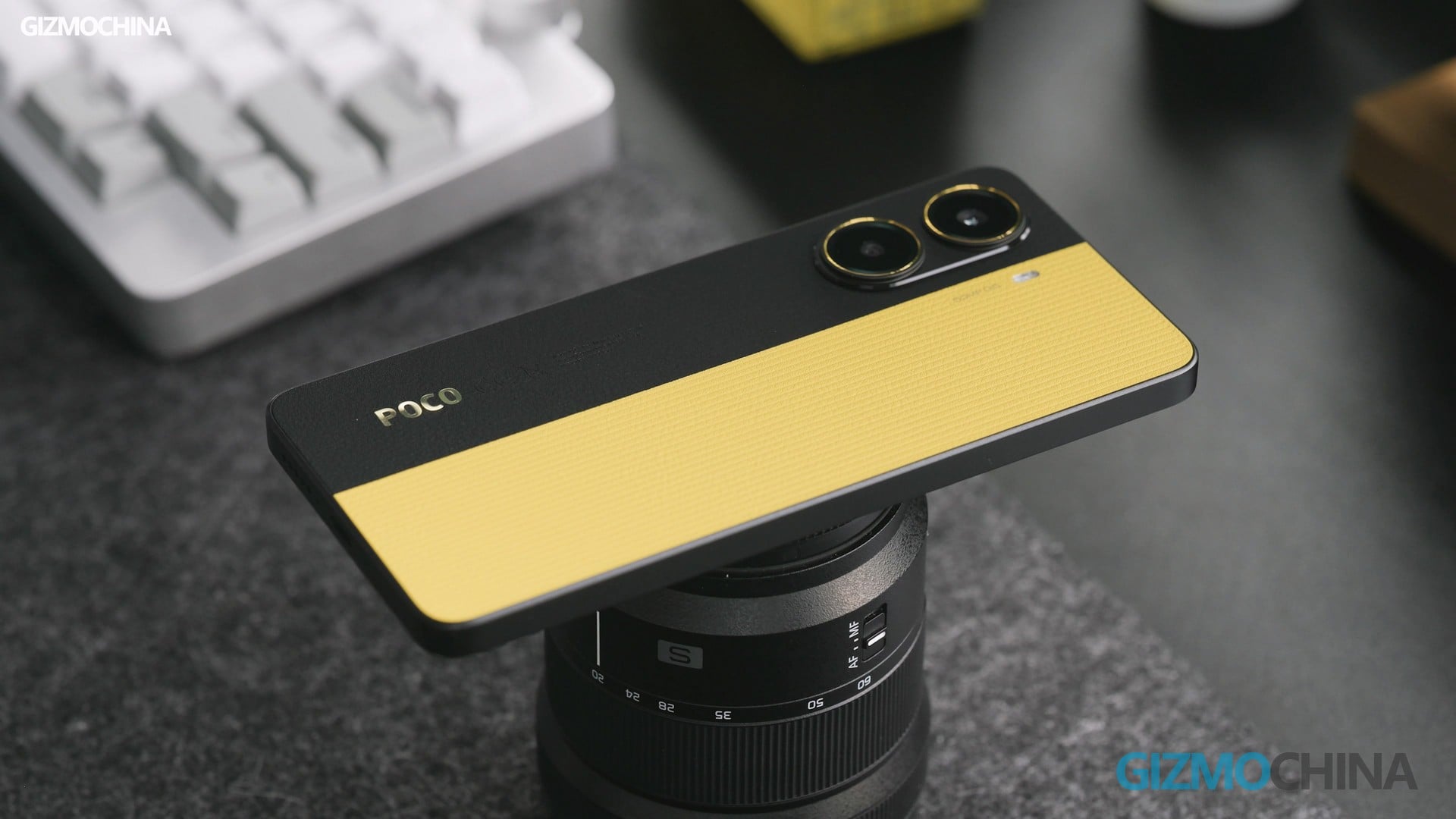
The X7 Pro we got is the yellow-black vegan leather version, the one POCO wants everyone to buy. They have really done a great job with the new design. The color is impressive, and the recessed line texture looks and feels awesome. It’s no slouch compared to the Turbo 4’s best-looking white variant. I’d recommend you get this X7 Pro with the stunning color-crashing, as the other two models are likely offering less with their plastic back covers.
Sadly, the LED light strip from the Turbo 4 camera isn’t heritaged on the X7 Pro. However, the weight of the body got also well controlled, with none of the three color variants weighing over 200g. NFC and IR blaster are there too, just missing the headphone jack and TF card expansion. Furthermore, both phones of the X7 series impressively get IP68-rated water and dustproof. Considering the X7 and X7 Pro are positioned as mid-rangers, ignoring the progress it made is unacceptable to us. Good job, POCO.
Display
What exactly is ‘Pro’ about the X7 Pro? One of another Pro-like upgrades is the screen. The main upgrade over the standard version is that it’s brighter, though it’s not an LTPO panel, and like the non-Pro version, the minimum refresh rate is only 60Hz. But the completely flat screen, ultra-narrow bezels, and flagship-level brightness are excellent enough for such a mid-range phone in early 2025. Except that the resolution isn’t as high as the one on the REDMI K80 Pro, and the low brightness isn’t DC dimming, all the other specs are almost the same. So POCO has actually tried its best to give us the best screen possible, after all, it’s not priced that high.
The only thing we can complain about is that the cover glass uses Corning Gorilla 7i. and the non-Pro version uses Victus 2, which is even better than the Pro version.
So exactly where did POCO spend the cost? The answer is: performance.
Performance
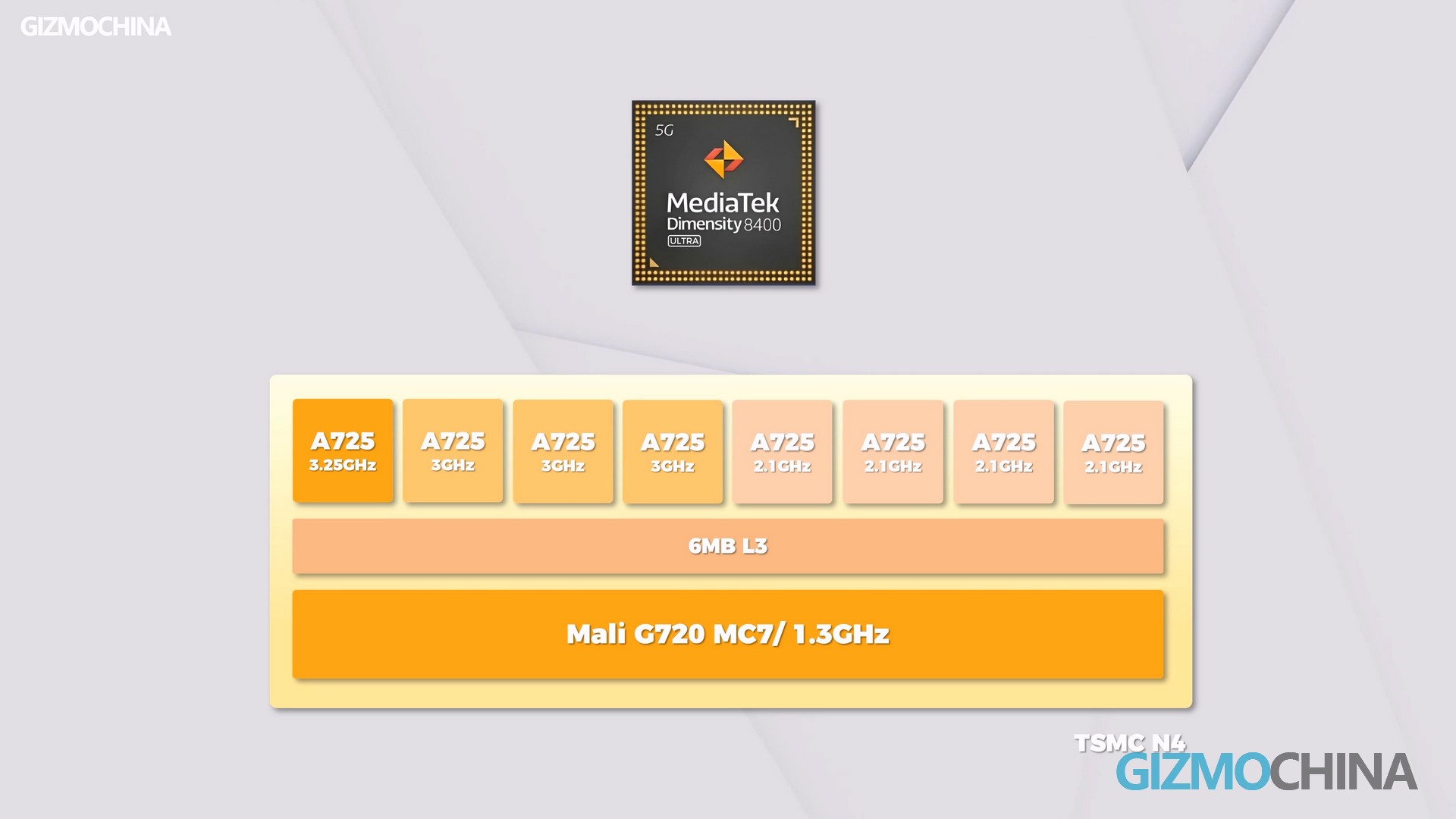
The biggest selling point of the X7 Pro, and the most intriguing, is the heart inside: the MTK Dimensity 8400-Ultra. This is MTK’s latest mid-range processor, tasked with beating the Snapdragon 8s Gen 3. Judging by the benchmark scores, it does fulfill its mission. Except for the single-core performance which lags behind the 8s Gen 3 a bit, it wins in every aspect.
The main reason for this result is its unique ALL P-Core design. all 8 cores are A725, with only the frequency difference. Coupled with the TSMC 4nm process, this processor promises to be the best mid-range processor of 2025.
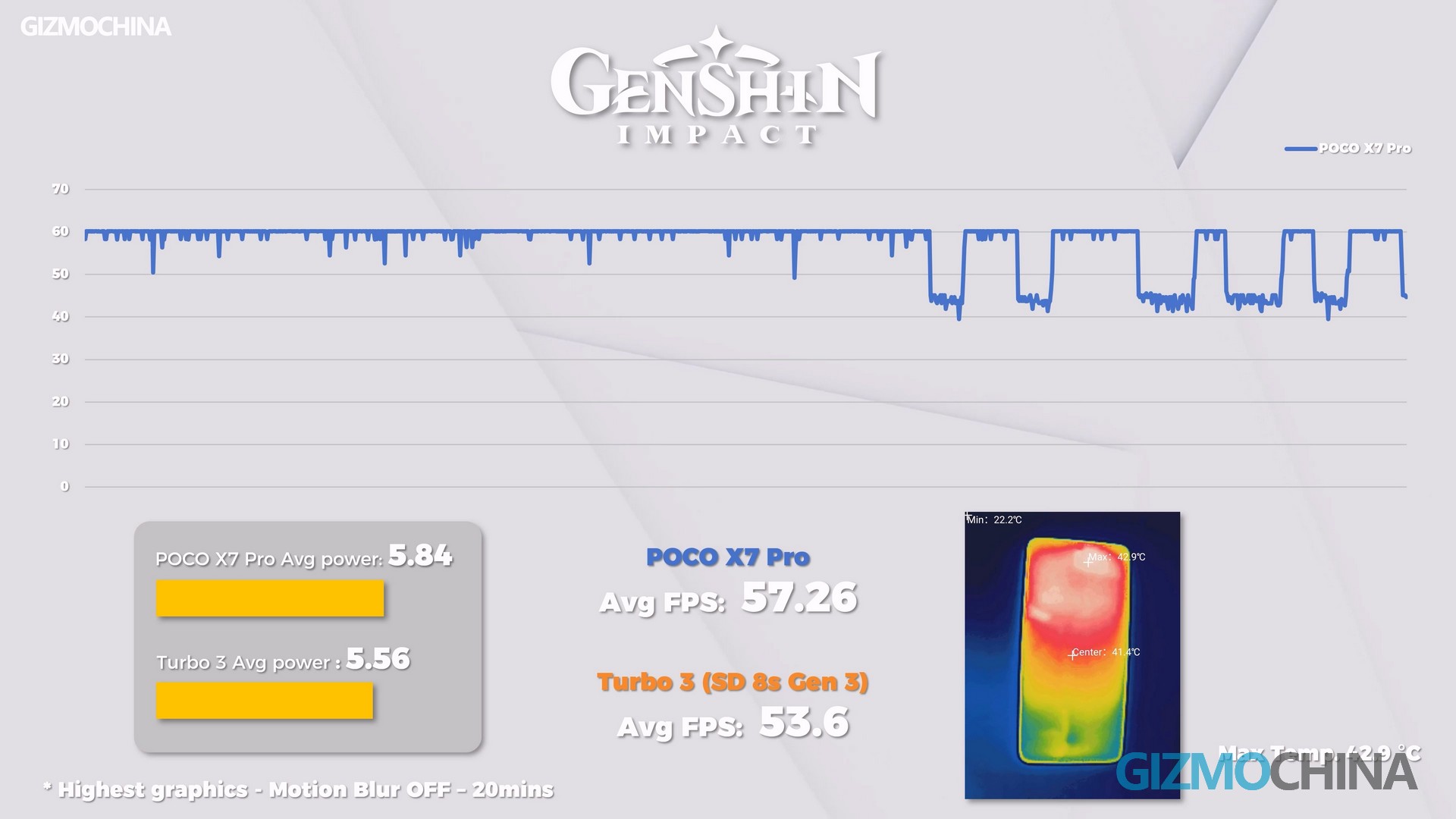
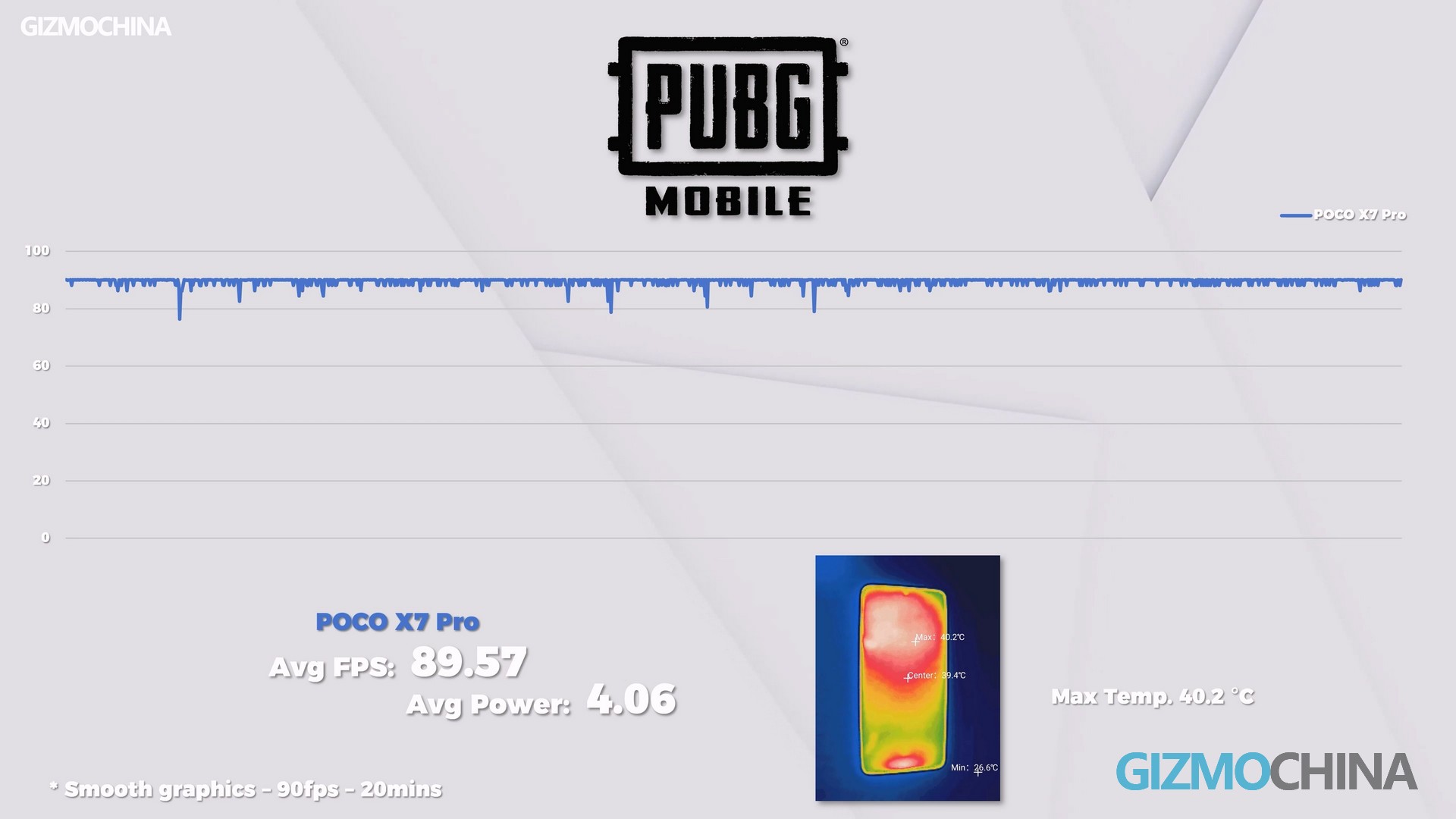
As usual, gaming tests were still focusing on the Genshin Impact. With the 5.0 version of the graphics upgrade, the X7 Pro also performed well. Of course, there is a gap with a newly flagship processor like Dimensity 9400, after all, the GPU performance is only half of it. But meanwhile, the X7 Pro trades higher power consumption for higher frame rates. The cooling system seems to have been enhanced as well. It consumes a lot of power under high-load games, as long as you’re playing games that don’t require a lot of performance, such as PUBG Mobile. then it’s almost as good as the flagships, both in terms of power consumption and frame rate.
Overall, like the scores, the gaming experience is improved, but not by much. It’s hard to say that this is a phone designed for gamers, but it performs well for most apps that most people use. Because of the excellent power efficiency at low to medium loads, the X7 Pro will definitely last much longer than those mid or low-end phones.
Camera
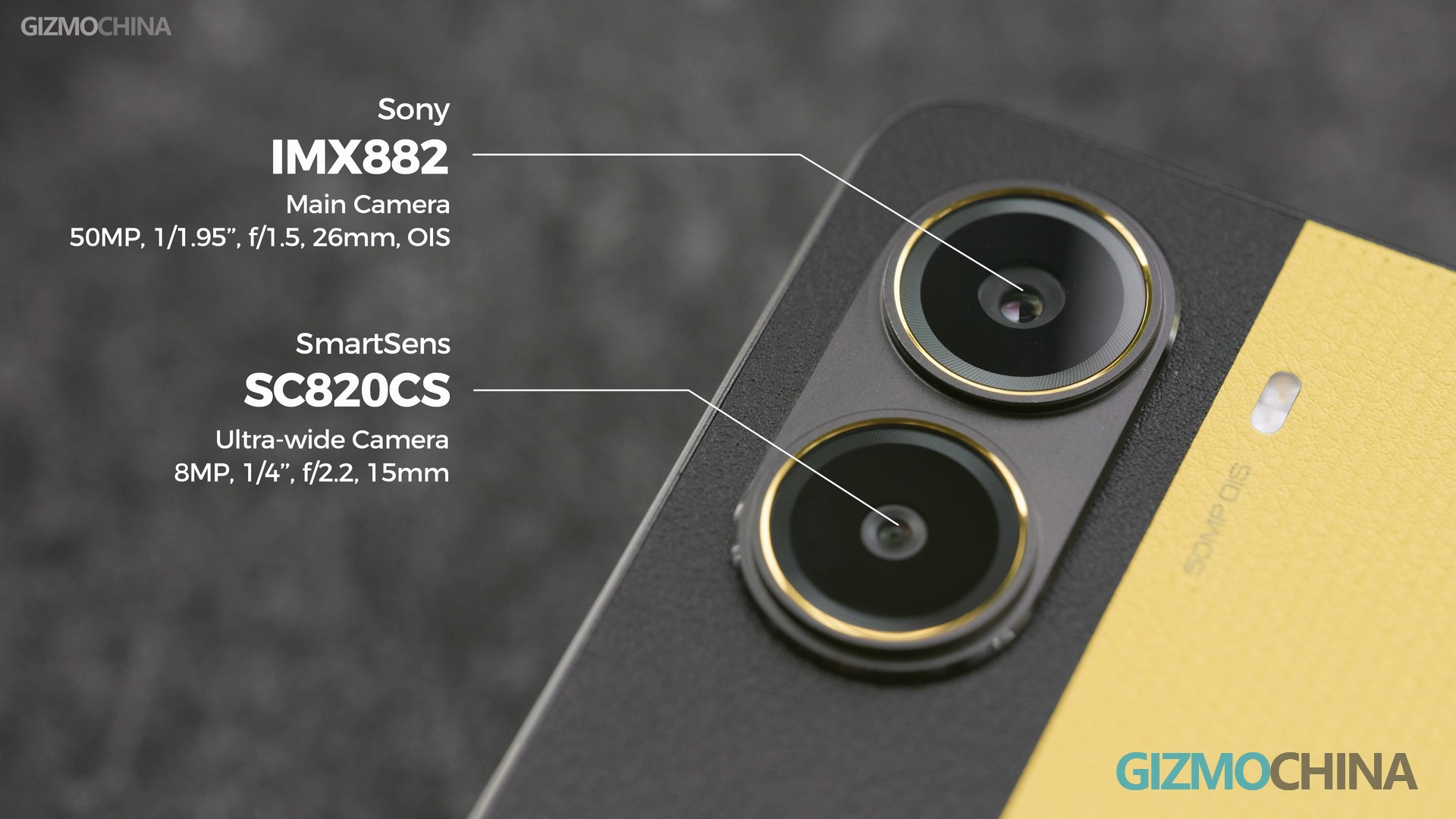
I’m glad to see that the X7 Pro has only two cameras. Removing that 2 MP macro camera was the best decision POCO ever made. The main camera is an IMX882, just like the standard version. The ultra-wide camera is again 8 MP, so you guys shouldn’t expect too much from the X7 Pro’s camera system. Just… It can fulfill the basic needs, you know.
Because the main camera has the help of In-sensor-zoom, it can hold the scene within 50mm. The color style is more on the realistic side and the clarity is good. Even if there is no macro camera, you can still get good macro photos after 2x zoom. Anyway, the main camera is pretty good, the camera you really need to worry about should be that 8 MP ultra-wide camera.
Yes, this camera is as bad as you think it is. I’m not going to repeat what flaws it has, because as you can see by looking at these photos, it has exactly the same flaws as any other mid-ranger. If you must take pictures with it, then use your photo skills to make up for the hardware flaws.
There’s not much to say about video recording. Thanks to the power of the processor, you can also enjoy the stabilized footage from EIS in 4K 60fps video recording. The front camera should satisfy most people if they just take selfies. Just recording video still supports up to 1080P 30fps.
Battery & Charging
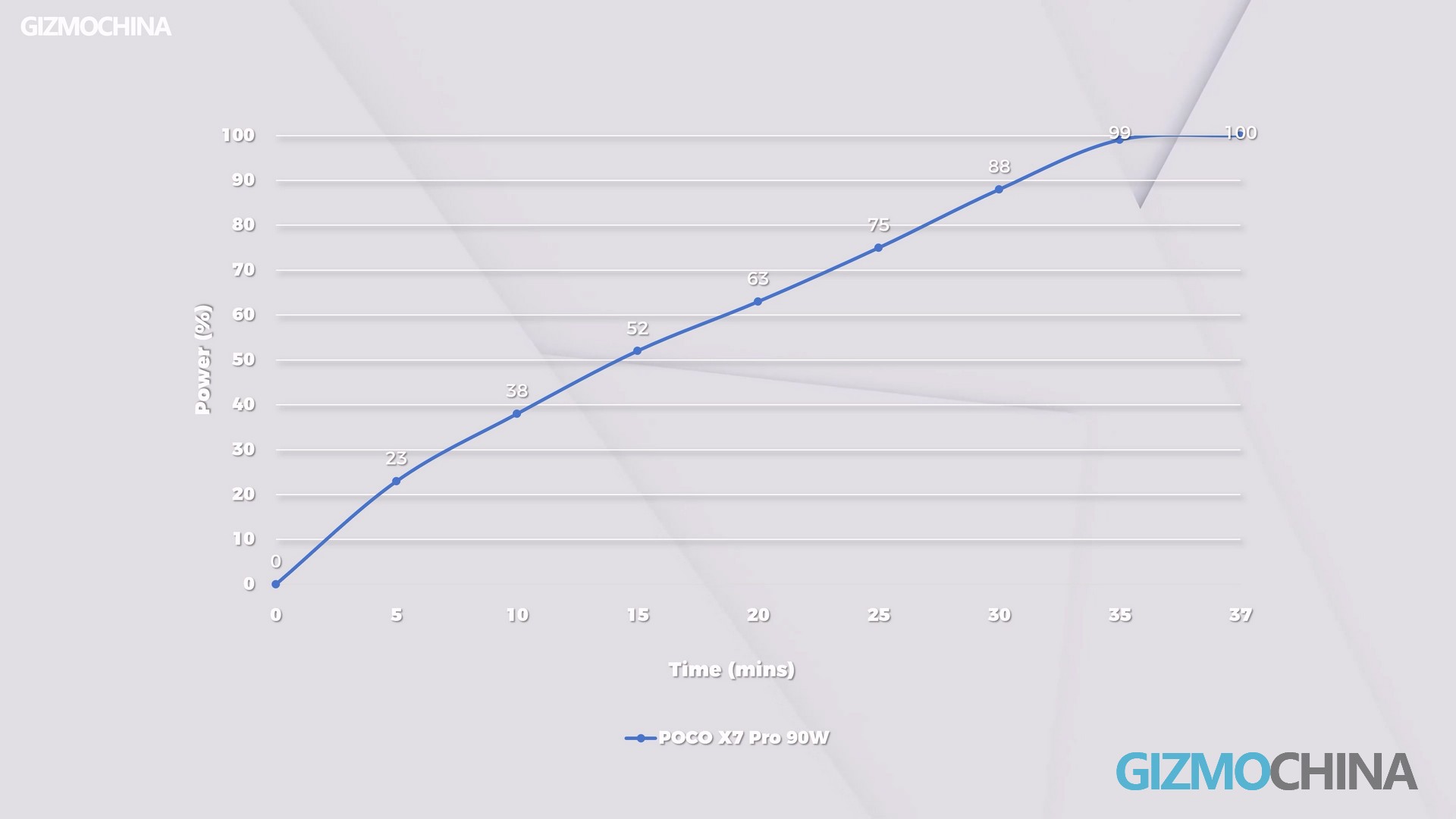
The X7 Pro comes with 90W wired charging. Ten minutes to charge up to 38% and 37 minutes to fully charge. There’s no wireless charging, but the good thing is that it charges pretty fast.
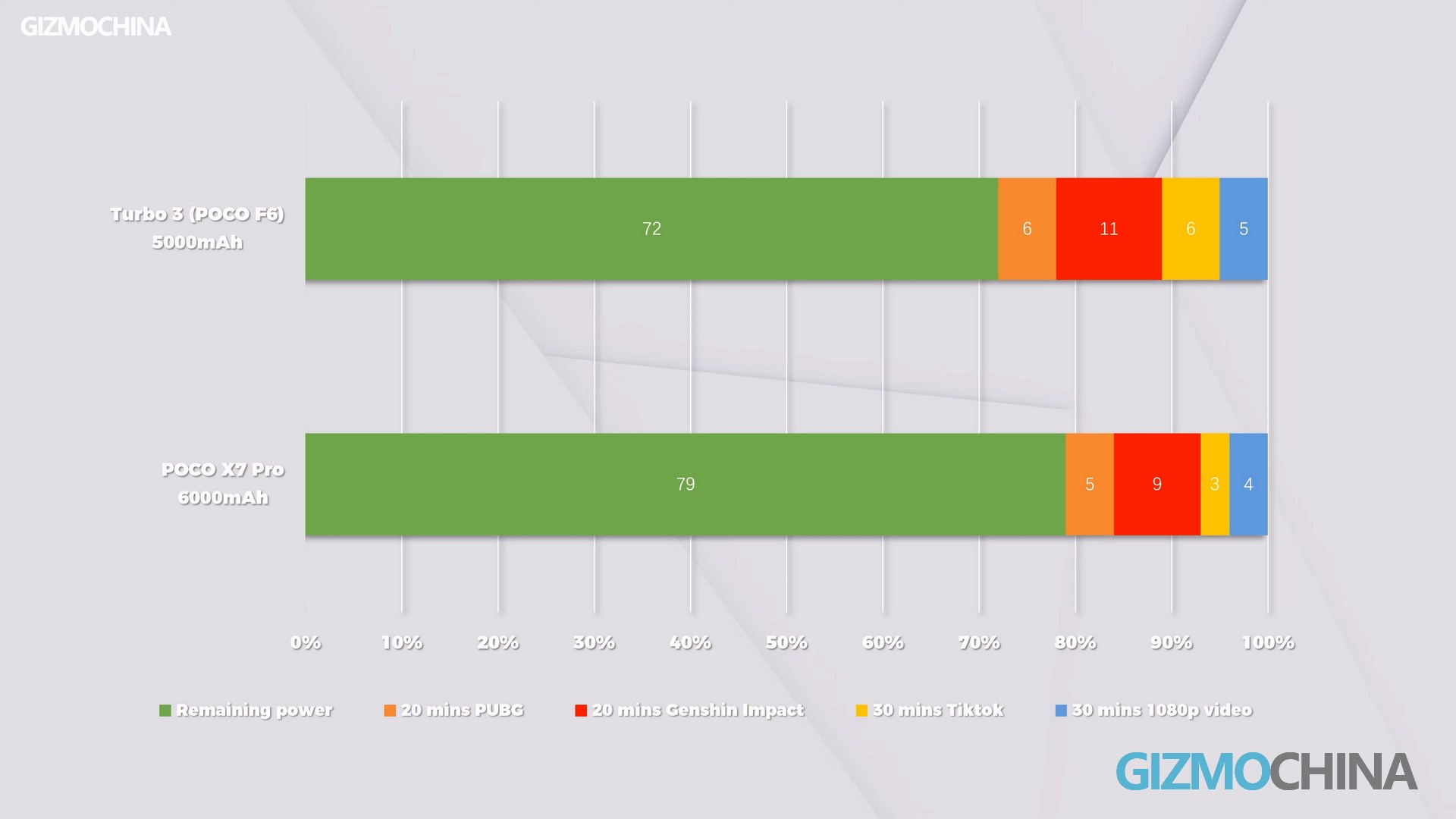
It also has a huge 6000mAh battery. It’s pretty impressive that you can put such a large battery in a phone that’s less than 200g, to say the least. Except for the Genshin Impact which consumes more power, all the other segments are very power efficient. Compared to the Turbo 3, also known as the POCO F6, the improvement in battery life is very obvious.
Verdict
In my opinion, there are two most important things about mid-range phones: performance and battery life. As long as you get these two core sections well, the phone will be with you for a very, very long time, without being laggy. As it happens, the POCO X7 Pro does a great job of both. And it even offers more than what we expected: bonus features such as IP67-rating water and dustproofness and a decent display. If you don’t have high demands on its imaging quality, then it is the best New Year’s gift from POCO to us.
We use cookies on our website to give you the most relevant experience by remembering your preferences and repeat visits. By clicking “Accept”, you consent to the use of ALL the cookies.
This website uses cookies to improve your experience while you navigate through the website. Out of these, the cookies that are categorized as necessary are stored on your browser as they are essential for the working of basic functionalities of the website. We also use third-party cookies that help us analyze and understand how you use this website. These cookies will be stored in your browser only with your consent. You also have the option to opt-out of these cookies. But opting out of some of these cookies may affect your browsing experience.
Necessary cookies are absolutely essential for the website to function properly. This category only includes cookies that ensures basic functionalities and security features of the website. These cookies do not store any personal information.
Any cookies that may not be particularly necessary for the website to function and is used specifically to collect user personal data via analytics, ads, other embedded contents are termed as non-necessary cookies. It is mandatory to procure user consent prior to running these cookies on your website.