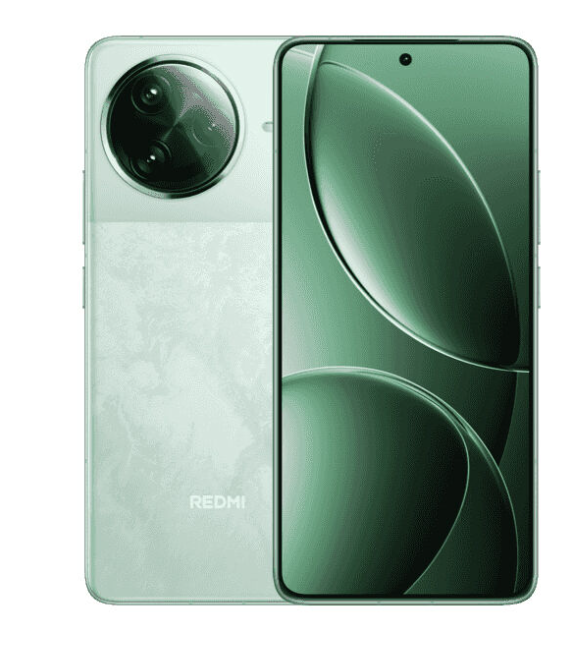
Redmi has finally confirmed the Redmi Note 14 series’ launch date for the Chinese market. The brand is all set to unveil the new Note 14 models at 7pm (local time) on Sept. 26 in China. At the same event, the company will also take off covers from the Redmi Buds 6 TWS earbuds. Here’s a look at all the details that have been confirmed so far by the brand.
Redmi Note 14 series: What’s known so far
Apart from confirming the launch date, the brand has confirmed a couple of more things about the Note 14 series. The lineup will comprise of three models, such as the Note 14, Note 14 Pro, and Note 14 Pro+.
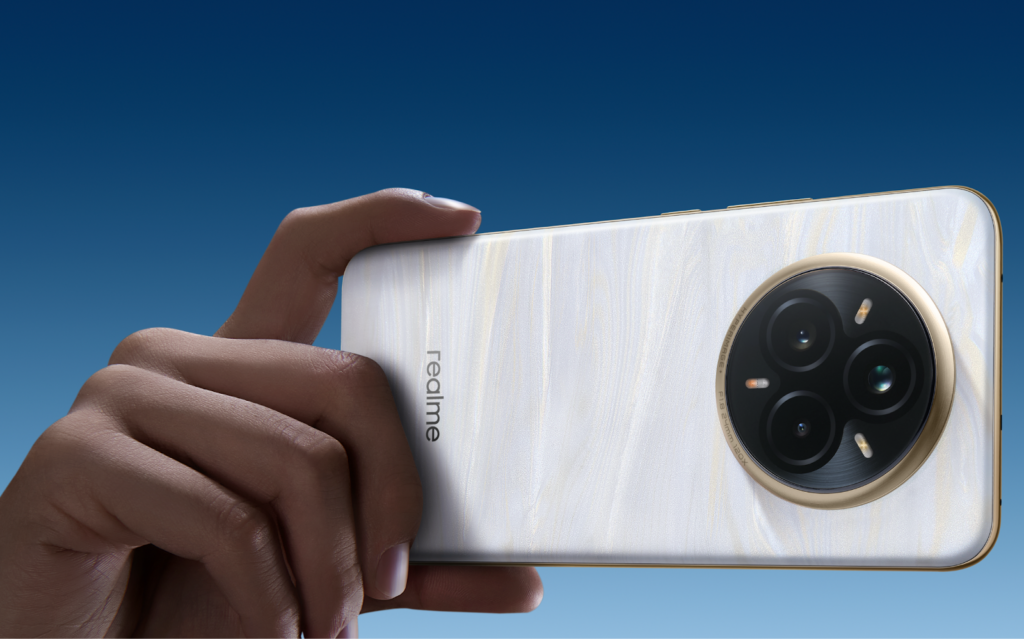
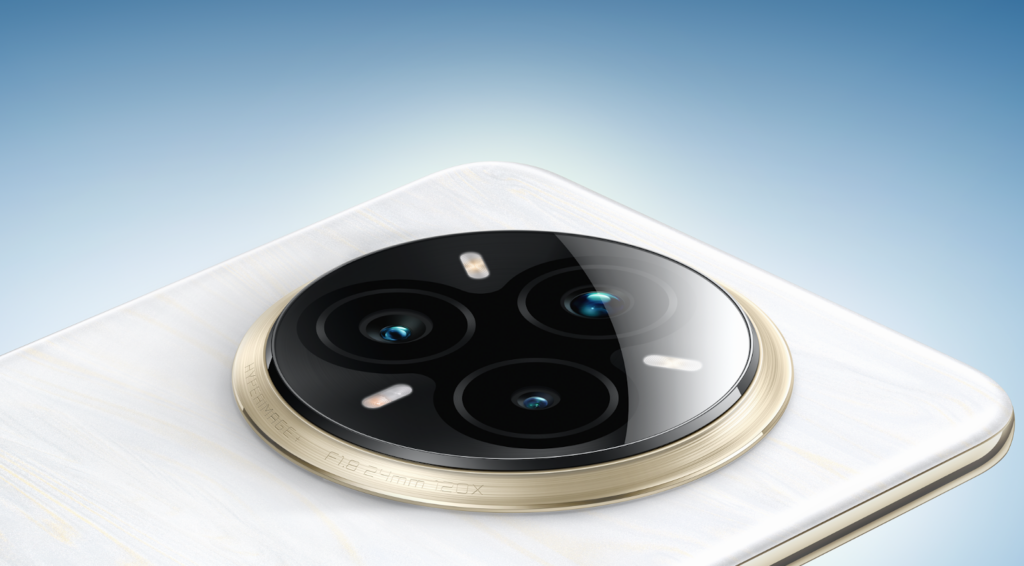
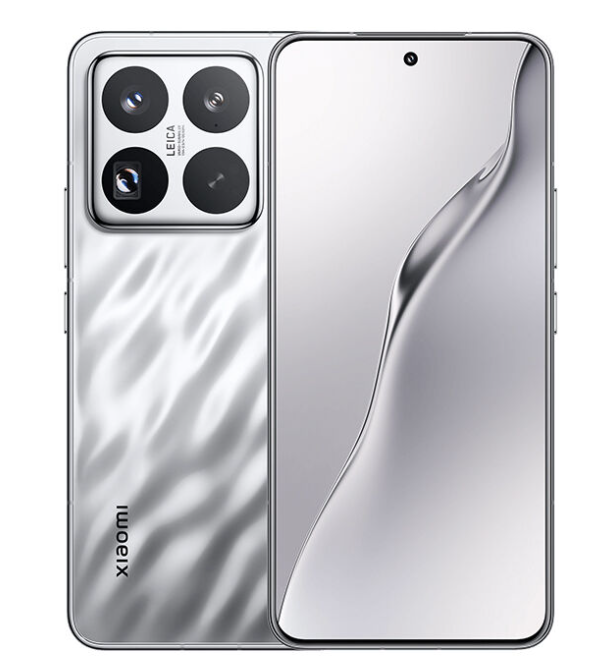
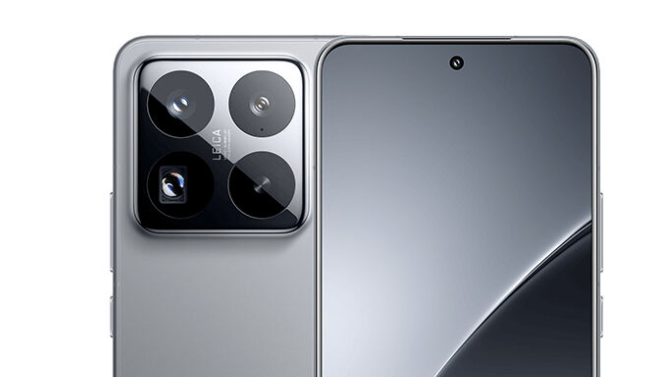
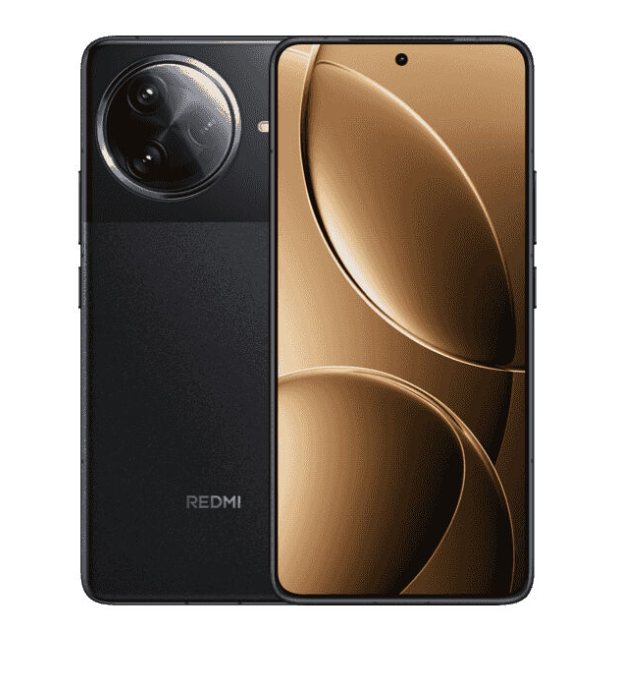
The official images of the Note 14 Pro and 14 Pro+ reveal that both devices will have a curved-edged display on the front. The Note 14 Pro is equipped with a squircle camera island that houses three protruding camera units and an LED flash. A protective glass covers the camera sensors of the Note 14 Pro. Both devices come with a 50-megapixel primary camera equipped with OIS. This primary camera is supported by two additional cameras and an LED flash unit.
The Redmi Note 14 Pro is confirmed to come in four shades, such as Midnight Black, Mirror Porcelain White, Twilight Purple, and Phantom Blue. On the other hand, the Note 14 Pro+ will come in three options, such as Midnight Black, Mirror Porcelain White, and Sand Star Green. The brand is yet to confirm the color variants of the Note 14.
The second poster shown above confirms that the Note 14 Pro models will offer up to IP69-level dust and water resistance. In addition, all three models will have Gorilla Glass Victus 2 protection for their displays.
Redmi will offer the King Kong Guarantee service for the Note 14 series buyers. It offers a one-year warranty against water damage, a free screen replacement within the first year, and a one-year battery cover warranty. It also includes a five-year battery warranty, replacing batteries below 80% health, and a “365-day replacement without repair” clause for hardware failures. Activating this service may cost an extra 595 Yuan (~$85).
As per reports, the Redmi Note 14 Pro models will have a 1.5K OLED panel, a 50-megapixel triple camera setup, and up to 90W fast charging. The Snapdragon 7s Gen 3 and Dimensity 7350 chipsets, respectively, are likely to power the Note 14 Pro and Note 14 Pro+.
Tensor G4 is the most powerful chip from Google, powering the Pixel 9 series. It brings significant improvements over last year’s Tensor G3 but failed to edge past the Snapdragon 8 Gen 3 in our tests (read the comparison here). But is it powerful enough to beat the Snapdragon 8 Gen 2? Let’s compare them to see how they stack up against each other.
According to Google, the new Tensor chip offers 20% faster web browsing, 17% faster app launching, and up to 20% improved power efficiency compared to its predecessor. But are these improvements enough to beat the 2022’s flagship chip, Snapdragon 8 Gen 2?
Let’s begin with the spec sheet:
Tensor G4
SD 8 Gen 2
Release date
August 2024
November 2022
Process node
4nm
4nm
Manufacturer
Samsung
TSMC
Cores
8
8
CPU architecture
1 x Cortex-X4 @ 3.1 GHz 3 x Cortex-A720 @ 2.6 GHz 4 x Cortex-A520 @ 1.92 GHz
1 x Cortex-X3 @ 3.2 GHz 2 x Cortex-A715 @ 2.8 GHz 2 x Cortex-A710 @ 2.8 GHz 3 x Cortex-A510 @ 2.0 GHz
GPU
Mali-G715 MC7 940 MHz frequency
Adreno 740 680 MHz frequency Snapdragon Elite Gaming Hardware Accelerated Ray Tracing
Geekbench evaluates a device’s performance through a series of tests designed around practical scenarios. The tests include image processing, compression (text & image), speech recognition, and PDF rendering, to name a few.
Here’s how the two chips have performed:
The benchmarking platform outputs single-core and multi-core scores. The single-core score reflects the device’s performance when a single core is used, and the multi-core score is the performance when multiple cores are at work.
While the two chips have similar single-core performance, the Snapdragon 8 Gen 2 leads the multi-core result.
Tensor G4
SD 8 Gen 2
Single core
1,917
1,935
Multi core
4,526
4,888
AnTuTu 10 results:
AnTuTu is a popular benchmarking platform that runs a device through a series of tests that measure different aspects of its performance, such as CPU, GPU, memory, and UX. The combined score represents the overall performance of a device.
Here’s how the two chips have performed:
AnTuTu results suggest the Snapdragon 8 Gen 2 has better CPU, GPU, memory speed, and user experience than the Tensor G4.
Tensor G4
SD 8 Gen 2
CPU
3,55,474
3,70,804
GPU
4,09,156
5,87,364
Memory
2,35,836
2,93,372
UX
1,92,476
2,90,906
Total score
11,92,942
15,42,446
So, as far as the benchmarking scores are concerned, the two-year-old Snapdragon 8 Gen 2. It is surprising that Google’s fastest smartphone chip can’t beat the two-year-old Snapdragon 8 Gen 2 on benchmarks.
Google doesn’t care about benchmarks
While Tensor G4 has improved from last year’s Tensor G3, the improvements aren’t as huge as we were expecting, but Google is okay with it. Tensor chips have never been about blazing-fast performance, but they’re more about unique features and machine learning capabilities.
“When we are designing the chip, we’re not designing it for speeds and feats. We’re not designing it to beat some specific benchmark that’s out there. We’re designing it to meet our use cases,” said Soniya Jobanputra, a key member of Google’s Pixel product management team.
The focus with Tensor G4 was not to beat benchmarks but to improve the speed and efficiency of opening apps. “We knew that we had a pain point with opening apps. And so as we built G4, we really focused on, okay, what do we need to do to make sure that experience is better for users,” Jobanputra added.
So, the Tensor G4 seems to be nothing but a Tensor G3 with fixed issues and some improvements.
Tensor G4 vs Snapdragon 8 Gen 2: Key Differences
Both chips feature 8 cores and have been manufactured using a 4nm process node, although many critical differences set them apart.
While Google chose Samsung to manufacture its Tensor G4, Qualcomm went with TSMC for the Snapdragon 8 Gen 2. The latter has a more advanced chip manufacturing process and cutting-edge technologies, resulting in higher efficiency.
When it comes to CPU cores, the Tensor G4 has a Cortex-X4 prime core, which is more powerful and efficient than the Cortex-X3 in the Snapdragon 8 Gen 2. However, the Tensor chip runs at a lower clock speed, which limits peak performance. The same is true for the remaining cores.
Google has equipped the Tensor G4 with a Mali-G715 MC7 GPU, whereas the Snapdragon 8 Gen 2 chip has an Adreno 740 GPU. The latter comes with a full suite of Snapdragon Elite Gaming features and supports hardware-accelerated ray tracing.
Both Tensor G4 and Snapdragon 8 Gen 2 support LPDDR5X. However, the former chip supports a higher frequency of 4,800MHz (vs. 4,200MHz on the Snapdragon 8 Gen 2).
The chips also bring a significant gap in the maximum download speeds. The Tensor G4 has the Exynos 5400 5G modem that allows a peak download speed of 14.79Gbps, while the Snapdragon X70 5G modem inside the Snapdragon 8 Gen 2 has a peak download speed of 10Gbps. The Tensor G4 also has the advantage of satellite connectivity.
Tensor G4 vs Snapdragon 8 Gen 2: Verdict
Tensor G4 is an upgraded version of last year’s Tensor G3, but the improvements aren’t enough to beat the two-year-old Snapdragon 8 Gen 2, at least on the benchmarks.
We tested the Tensor G4 against Snapdragon 8 Gen 2 on popular benchmarks, Geekbench and AnTuTu, and the results went in favor of the Snapdragon chip.
On benchmarks, the Snapdragon 8 Gen 2 has performed better than Tensor G4. But as you may already know, these scores don’t reflect real-life performance, as other factors, such as software optimization and cooling technology, also contribute to the overall performance.
Popular Phones With Tensor G4 and Snapdragon 8 Gen 2 Chips
In a surprising move that could reshape the semiconductor landscape, Qualcomm, the leading mobile chipmaker, has reportedly approached Intel, a once-dominant player in the PC processor market, about a potential takeover. While the deal is far from certain, its implications could be profound.
Image credit: Getty Images | SOPA
Ming-Chi Kuo Predicts Financial and Strategic Pitfalls
Intel, once the undisputed king of the PC processor market, has faced increasing challenges in recent years. The company has grappled with manufacturing setbacks, declining market share, and a shift in consumer preferences towards mobile devices. Qualcomm, on the other hand, has enjoyed significant success in the mobile market, powering smartphones from major brands like Apple and Samsung.
A Qualcomm-Intel merger would create a semiconductor giant with a formidable presence in both the mobile and PC markets. However, the deal would also face significant hurdles as per renowned Apple analyst Ming-Chi Kuo. Antitrust regulators would likely scrutinize the merger closely, given the combined market power of the two companies. Additionally, integrating two such large and complex organizations would be a daunting task.
For Qualcomm, the acquisition could offer several benefits. It could provide the company with a foothold in the data center and server markets, which are increasingly important for AI and cloud computing. Additionally, Intel’s manufacturing capabilities could help Qualcomm reduce its reliance on external foundries, such as TSMC.
However, the acquisition could also be a risky gamble. Intel has been struggling to regain its competitive edge, and it’s unclear whether Qualcomm can successfully turn the company around. The deal could also be a major financial burden for Qualcomm, which would likely need to issue a significant amount of debt to finance the acquisition.
The future of the Qualcomm-Intel deal remains uncertain. If the deal goes through, it could have a profound impact on the semiconductor industry. However, there are also significant risks involved. Only time will tell whether this ambitious move will pay off for Qualcomm.
Qualcomm will officially unveil the Snapdragon 8 Gen 4 SoC next month, and soon after, we expect a wave of smartphones featuring this chip.
iQOO is also gearing up to launch the iQOO 13 with the same SoC. While we’ve seen occasional hints about the phone, an exclusive report by Smartprix has revealed its key specifications and launch timeline for the Indian market.
Looking at the leaked specs, the iQOO 13 seems well-equipped for the competition. The phone is rumored to feature a 6.7-inch 2K AMOLED display with a smooth 144Hz refresh rate, reportedly using a BOE-made panel.
Powered by the upcoming Snapdragon 8 Gen 4, the iQOO 13 is expected to offer up to 512GB of storage and up to 16GB of RAM for heavy multitasking.
The camera setup is said to differ from its predecessor, the iQOO 12. Instead of a periscope telephoto lens, the iQOO 13 is rumored to have a triple-camera system with three 50MP sensors: a primary lens, an ultra-wide, and a 2x telephoto lens.
Additional leaked details suggest the iQOO 13 will come with an ultrasonic in-display fingerprint sensor, a large 6,150mAh battery supporting 100W fast charging, and an IP68 rating for dust and water resistance. The phone may also have a metal frame and a “Halo” light strip for added style.
As for pricing, the leak suggests the iQOO 13 could start at around Rs 55,000 in India. Its launch is expected sometime in December in India following its initial release in China. Here are the specs in the table:
Tech veterans Jony Ive and Sam Altman, CEO of OpenAI, have finally confirmed their collaboration on a secretive AI hardware project. The news comes after a year of speculation following initial reports of their potential partnership.
Details remain scarce, but The New York Times sheds some light on the venture. The project reportedly began after Ive met Altman through Airbnb CEO Brian Chesky. Funding seems to be coming from a combination of Ive himself and the Emerson Collective, Laurene Powell Jobs’ organization. While earlier rumors mentioned a potential $1 billion investment from SoftBank CEO Masayoshi Son, The Times makes no mention of it.
Currently, the team is small, with only ten employees. However, it includes heavyweights like Tang Tan and Evans Hankey, both instrumental figures in the iPhone’s development during Ive’s tenure at Apple. LoveFrom, Ive’s design firm, is unsurprisingly leading the project’s aesthetic direction. They’ve even set up shop in a dedicated 32,000-square-foot office space, part of a $90 million real estate acquisition by Ive in San Francisco.
So, what exactly are they building? The Times hints at discussions between Ive and Altman about “generative AI’s potential to create a new kind of computing device that surpasses traditional software by understanding complex user requests.” Early rumors suggested a touchscreen device inspired by the original iPhone, but specifics seem fluid at this point.
LoveFrom co-founder Marc Newson emphasizes the project’s early stage: “the AI product itself – and when it’ll be released – are still being figured out.” This leaves tech enthusiasts waiting with bated breath. Can the combined expertise of Ive and OpenAI redefine how we interact with technology through a revolutionary AI device? Only time will tell.
After the launch of the Vivo V40 and the V40 Pro in India a few months back, the brand is now gearing up to launch the Vivo V40e smartphone on September 25. Various details about the device have surfaced via leaks and teasers, so here’s a compilation of everything known about the V40e so far.
Starting off with the design, the Vivo V40e will follow the design language of the earlier launched models in the lineup, offering a curved back with curved edges, measuring just 7.49 mm and weighing around 183 grams. The back of the phone is revealed to feature a pill-shaped camera module. As for color options, the device will be launched in Royal Bronze and Mint Green.
The brand has announced that the Vivo V40e will come with a 6.77-inch AMOLED display featuring curved edges. The screen will offer a Full HD+ resolution of 2392 x 1080 pixels, a 120Hz refresh rate, support for the P3 color gamut, an 8,000,000:1 contrast ratio, and 10-bit color depth. It will also include a punch-hole design with a 93.3 percent screen-to-body ratio and an in-display fingerprint sensor.
2. Performance
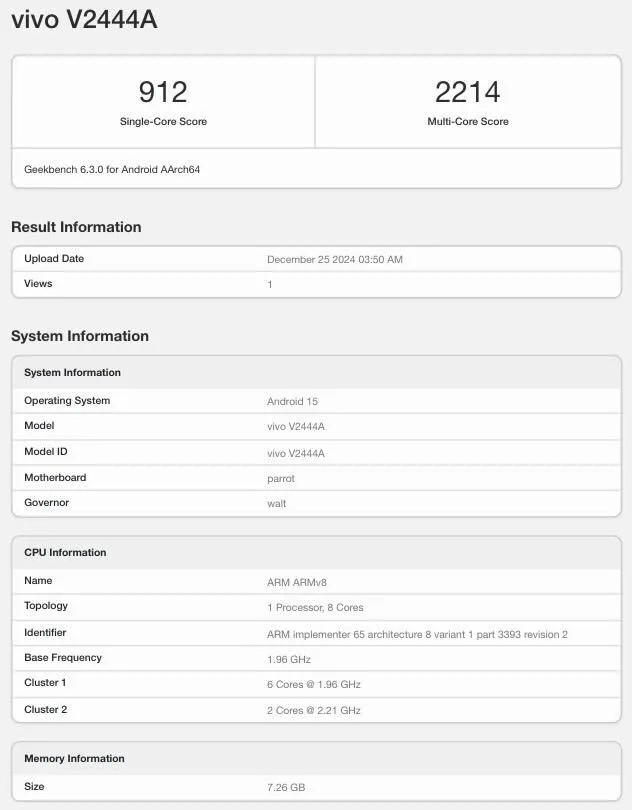
While details about the chipset are yet to be confirmed, as per leaks and a Geekbench listing, it looks like the device will be powered by a MediaTek Dimensity 7300 processor. This processor also powers devices like the Oppo Reno 12 series, the Nothing CMF Phone 1, and the Motorola Razr 2024. Going by the Geekbench numbers, buyers can look forward to a smooth user experience.
The device is also likely to feature at least 8 GB of RAM and UFS 2.2 storage. Android 14 will be made available out of the box. The phone will not feature a microSD card slot and will offer dual-band WiFi AND Bluetooth 5.4.
3. Camera setup
The Vivo V40e will feature a 50-megapixel Sony IMX882 main camera on the back, equipped with OIS for stability. It will also include an 8-megapixel ultra-wide lens and an Aura Light LED flash that supports both warm and cool color temperatures. The primary camera will enable 4K video recording with OIS and EIS stabilization. Additionally, it will offer AI-powered photography tools like AI Erase and AI Photo Enhancer for improved image quality.
On the front, the Vivo V40e will sport a 50-megapixel camera with eye-autofocus and a 0.8x mode designed to capture wider group selfies.
4. Battery & fast charging
The Vivo V40e will be equipped with a large 5,500mAh battery, providing up to 98 hours of music playback and 20 hours of YouTube streaming. It will also support 80W fast charging for quick recharges, and likely 7.5W reverse wired charging for refueling your earbuds or other gadgets in a pinch.
5. Pricing & availability
As stated earlier, the Vivo V40e is set to launch in India on September 25. Previous reports indicate that its price could range between Rs 20,000 and Rs 30,000. There is speculation that the V40e might be a rebranded version of the iQOO Z9s, especially if it shares the same specifications outlined in this article. The iQOO Z9s debuted in India with a starting price of Rs 19,999.
In a significant shift, Apple is reportedly preparing to phase out 60Hz displays in its upcoming iPhone 17 series. According to industry insider Ross Young (tweet now deleted), both the standard iPhone 17 and the ultra-thin iPhone 17 Air will feature 120Hz high refresh rate displays. This move marks a major shift as Apple moves its entire iPhone lineup into the high refresh rate era, previously reserved only for Pro models.
Apple’s Standard iPhones Finally Enter the High Refresh Rate Era with 120Hz Displays
Currently, Apple’s standard models use a 60Hz refresh rate, while only the Pro versions feature the 120Hz ProMotion display with an adaptive refresh rate that can drop as low as 1Hz.
With the iPhone 17 series, both the iPhone 17 and iPhone 17 Air are expected to feature LTPO OLED panels, which offer variable refresh rates and improved battery life. These panels are reported to be supplied by BOE, a Chinese display manufacturer.
In addition to the display upgrades, the iPhone 17 series will see a change in its lineup. The Plus model, which has not performed well in terms of sales, will be replaced by the iPhone 17 Air. The Air model is expected to have a starting price similar to the iPhone 15 Plus, around $899, and will emphasize a new, ultra-thin design.
The iPhone 17 Air is not positioned as a flagship model but rather as a stylish option that sits between the standard iPhone 17 and the Pro models. It’s designed for users who prioritize aesthetics without needing the high-end features of the Pro models.
The iPhone 17 Pro and iPhone 17 Pro Max, meanwhile, are rumored to receive even further display upgrades, potentially including an under-display Face ID system that would reduce the size of the front camera cutout, similar to high-end Android devices.
The iPhone 17 series is anticipated to launch in late 2025, continuing Apple’s trend of incremental yet noteworthy upgrades across its device lineup.
Samsung has not released a premium Chromebook in quite a while. Its last model, the Chromebook 2, came out in 2021. After nearly four years, Samsung may finally introduce a new Chromebook, according to a report by Chrome Unboxed.
The report suggests that the company is readying to launch a new Samsung Galaxy Chromebook Plus, that too, as early as next week. It would not only be the company’s first Galaxy-branded Chromebook in years but also their first “Plus” Chromebook model.
For those unaware, Google introduced a “Plus” branding for Chromebooks last year. To earn this label for their ChromeOS devices, manufacturers must meet specific criteria, including high-end processors, high-resolution webcams, and minimum system requirements.
You can learn more about the Chromebook Plus requirements here. And unsurprisingly, Samsung’s first Plus Chromebook will meet these standards.
Google is holding a Chromebook-specific event in New York City on September 24th. According to rumors, we could see the new Samsung Chromebook Plus launch at this event.
Rumors surrounding the Chromebook codenamed “Xol” from Samsung have been circulating for some time. We are relatively short on the specifics of this device, but it will be a traditional clamshell laptop with high-end specifications and a dedicated “assistant key.”
Considering the heavy emphasis on Gemini, Google’s virtual assistant, within the 2024 Chromebook landscape, it’s a safe bet this key will be Gemini-integrated.
The exact specifications, design, and other features of the Galaxy Chromebook Plus remain shrouded in secrecy. However, if the rumors hold true and the launch happens next week, the wait for official details will not be long. We will be sure to keep you in the loop as soon as new information comes out.
The Redmi Note series has always been known for offering great value, and it seems Xiaomi is taking things a step further with the upcoming Redmi Note 14 Pro and Pro+. Ahead of their release next week, the company has unveiled a comprehensive warranty program dubbed the “King Kong Guarantee Service.” Let’s break down what it is.
Redmi Note 14 Pro Series King Kong Guarantee Service
The King Kong Guarantee offers five key benefits. First, there’s a one-year warranty against accidental water damage. This is a nice perk, considering most standard warranties exclude liquid ingress. Next, you get a free screen replacement within the first year if you manage to crack it.
The guarantee also covers the battery cover for a year, which might be helpful for those prone to dropping their phone face down. But the real standout is the five-year battery warranty. If your battery health dips below 80% or experience performance issues within that timeframe, Xiaomi will replace it for free. This is a generous offer, especially considering most phone batteries start showing signs of wear within 2-3 years.
Finally, the King Kong Guarantee throws in a “365 days replacement without repair” clause. If your phone experiences hardware failure within the first year, you get a whole new device instead of a repair. Sounds good, right?
There are a few things to keep in mind, though. While the details haven’t been officially confirmed, reports suggest you might need to pay an additional 595 yuan (roughly USD 85) to activate this King Kong Guarantee service.
The King Kong Guarantee is undeniably impressive on paper. A five-year battery warranty and accidental damage coverage are features typically reserved for high-end flagships.
Ultimately, whether the King Kong Guarantee is worth it depends on your needs. If you’re a notorious phone butterfinger, the accidental damage protection and five-year battery warranty might be enticing. But for those who take good care of their devices, the standard warranty might suffice.
We’ll have to wait for the official launch next week for complete details on the Redmi Note 14 Pro series, including pricing and specific configurations for the King Kong Guarantee Service. Until then, decide if you’re Team King Kong or Team Standard Warranty.
The Apple Watch SE 2nd Gen arrived in 2022 as a budget-friendly option in Apple’s smartwatch lineup. Even in 2024, it’s an ideal choice for first-time Apple Watch buyers who want basic health tracking and seamless integration with Apple’s ecosystem.
Undeniably, the SE’s biggest selling point is its price tag. It sits comfortably below the flagship Apple Watch Series models, making it an attractive option for those wanting a taste of the Apple Watch experience without breaking the bank.
And it’s not that you will miss a lot if you are planning to get a SE smartwatch. The 2nd Gen Watch SE offers a sweet spot, bridging the gap for those seeking core Apple Watch features without a hefty price tag.
It borrows key elements from its pricier cousin, like the Series 8’s chipset and Crash Detection functionality. Think of it as “futureproofing” your smartwatch experience without breaking the bank – as long as you’re comfortable with a slightly smaller display.
So, who should consider the Apple Watch SE 2nd Gen? Here’s a breakdown.
This watch is ideal for individuals completely new to the Apple Watch ecosystem. Its lower price point makes it an attractive entry point, allowing you to explore the core functionalities of fitness tracking, notifications, health monitoring, and basic communication without a hefty upfront cost.
Please Note: When you buy something using the links in our articles, we may earn a small commission at no cost to you.
2. Value Seeker? Consider the SE
For those prioritizing value over the latest bells and whistles, the SE delivers essential features like heart rate monitoring, fall detection, sleep tracking, and activity tracking. You’ll also gain access to a wide range of third-party apps, further enhancing your smartwatch experience.
3. Crash Detection Matters
The SE, like the Series 8 and Ultra, boasts Crash Detection technology. It uses an updated gyroscope and accelerometer along with an advanced sensor-fusion algorithm to detect severe car crashes and alert emergency services. When a crash occurs, the Apple Watch checks in with the user and if no response is received within a 10-second countdown, emergency responders are contacted.
4. When the SE Isn’t the Right Fit
While the 2nd Gen SE excels as a gateway watch, it won’t suit everyone. Designed as an entry point for Apple Watch newcomers, it caters best to those entirely new to the smartwatch experience and prioritize affordability.
For existing Apple Watch users considering an upgrade from an older model but hesitant about the Series 10’s price tag, we suggest you to explore the pre-owned market.
5. Navigating the Used Watch Market
Buying a used or refurbished Apple Watch offers several benefits. Firstly, it’s environmentally friendly, encouraging the reuse of existing devices. Secondly, it allows access to premium materials like sapphire glass, stainless steel, or titanium, which can significantly inflate the price of a new watch.
This approach also proves cost-effective if you’re unfazed by Apple’s latest Series 10 smartwatch features but desire more than the SE offers.
However, navigating the pre-owned market requires patience to unearth the best deals and desired model availability. Several reputable online platforms offer older Apple Watch options. Keep an eye out for deals and sales to save even more.
If concerns about scams arise, stick with trusted sources and publications that often post about deals that you can grab. Apple itself offers a selection of refurbished models with a full warranty and pristine condition, though these may be limited in availability and not necessarily cheaper than a new SE.
Alternative sites like Back Market offer filtered searches by condition and typically come with a 12-month warranty.
6. Recommendations
If you’re open to exploring the pre-owned market, the Series 7 or 8 are excellent options. These models offer a larger display for improved readability compared to the SE’s screen.
Ultimately, the choice between a new SE and a used/refurbished alternative depends on your budget and priorities. Do your research, consider your needs, and don’t hesitate to explore the pre-owned market for potential savings and a wider range of features.
The Apple Watch SE 2nd Gen remains a solid choice for value-conscious users looking to step into the world of Apple wearables but remember, a smart search in the used market might unlock even more possibilities for your wrist.
Earlier this month, Huawei unveiled the Huawei Mate XT, the world’s first tri-foldable phone. According to a recent leak by tipster Digital Chat Station, the company will announce the Nova 13 series of smartphones in October. He also stated that the company is tentatively planning to launch the Mate 70 series of flagship phones and the Mate X6 foldable smartphone in November. The tipster appears to have revealed details about the design changes expected in the highly anticipated Mate 70 series in a recent Weibo post.
Huawei Mate 70 series design changes
The above screenshot shows that DCS did not disclose the name of the phone manufacturer involved in the leak. However, the contents of the leak suggest that he could be referring to the Mate 70 lineup. The Mate 70’s engineering prototype features a centred 3D facial recognition system on a quad-curved screen, according to the leak. Both variants, probably referring to the Mate 70 and 70 Pro, are of a standard large size, with a metal flat-edge frame and a fingerprint sensor integrated into the power button. This contradicts previous leaks that the Mate 70 will have an ultrasonic in-screen fingerprint sensor.
The device’s back panel features a centred elliptical camera island with a single periscope lens. To recall, the Mate 60 series had a unique “splicing scheme” that combined both metal and glass on the back. However, the new leak suggests that the company may have opted for an all-glass back for the Mate 70 series.
Lastly, the tipster also speculated that the new processor powering the Mate 70 lineup will deliver greater energy efficiency than before, which could be why the series may not require a large amount of heat dissipation materials. Finally, the tipster said the details he shared in the leak are based on the prototype, and the final production model may vary.
Richard Yu, a senior executive at Huawei, previously announced that the Mate 70 series will officially commercialize Harmony NEXT in the fourth quarter. We expect the new OS to enhance overall device performance by 30 percent, triple connection speeds, and reduce power consumption by 20 percent.
DxOMark has released its comprehensive review of the Apple iPhone 16 Pro Max‘s camera capabilities. The device, which features a 48MP main sensor, a 48MP ultra-wide sensor, and a 12MP telephoto sensor, has undergone rigorous testing to evaluate its performance in various lighting conditions and shooting scenarios.
Video Excellence: The iPhone 16 Pro Max has established itself as the video leader among smartphones. It surpasses even its closest competitors in terms of overall video quality, thanks to its exceptional stabilization, low-light performance, and color accuracy.
Photo Performance: While the iPhone 16 Pro Max may not lead the pack in photo scores, it still delivers impressive results, especially in well-lit conditions. Its autofocus system is quick and accurate, and the color rendering is natural.
Zoom Limitations: The device’s zoom capabilities, while respectable, are not without their limitations. There’s a noticeable drop in image quality when zooming in beyond 2x, and the ultra-wide sensor, despite being high-resolution, doesn’t offer the same level of detail as the main sensor.
Overall, the iPhone 16 Pro Max is a well-rounded camera phone that excels in video and offers solid photo performance. However, users seeking the absolute best image quality at all zoom levels may find other options more suitable.
Additional Points:
The device’s night mode is effective, but it introduces more noise and lower detail compared to some competitors.
The iPhone 16 Pro Max’s new photographic styles and editing features, while not covered by DxOMark, can improve the overall user experience.
For those who prioritize capturing portraits and action shots, the iPhone 16 Pro Max’s fast autofocus and accurate exposure make it a reliable choice.
Huawei unveiled the Huawei Mate XT earlier this month in China as the world’s first tri-foldable smartphone. While the company did not say anything about the global launch of the device, it appeared that it could be a China-exclusive device. However, a new report by Android Authority has revealed that it will indeed be heading to the global market.
Huawei Mate XT global release
Huawei Mate XT
As per the report, the Huawei Mate XT will be announced globally in Q1 2025. There’s no word about its pricing for the global market, but it can be assumed that it will have an expensive price tag. To put into context, the device has a starting price of 19,999 Yuan (~$2,835) in China.
Huawei Mate XT specifications, price
In the single mode, the Huawei Mate XT offers a 6.4-inch screen size with a resolution of 2232 x 1008 pixels, measuring 156.7 x 73.5 x 12.8mm. When unfolded into dual screen mode, it expands to 7.9 inches with a resolution of 2232 x 2048 pixels and dimensions of 156.7 x 143 x 7.45mm/4.75mm. In its full tri-folded state, the screen measures a whopping 10.2 inches with a resolution of 2232 x 3184 pixels, and dimensions of 156.7 x 219 x 3.6mm/3.6mm/4.75mm.
The OLED LTPO panel supports a 120Hz refresh rate, 1440Hz high-frequency PWM dimming, and a 240Hz touch sampling rate, ensuring smooth and vibrant display quality. Powered by the Kirin 9010 chip, the Mate XT offers 16 GB of RAM and storage options of up to 1TB. The tri-folding phone houses a 5,600mAh battery, supporting 66W wired charging and 50W wireless charging.
Running on Harmony OS 4.2, the Huawei Mate XT is equipped with an 8-megapixel front camera and a versatile rear camera setup, including a 50MP main sensor with an f/1.4~f/4.0 variable aperture and OIS, a 12-megapixel ultra-wide lens, and a 12-megapixel periscope telephoto lens with OIS.
Additionally, the Mate XT features a side fingerprint sensor, dual SIM support, an IR blaster, NFC, Wi-Fi, Bluetooth 5.2, and a USB-C (3.1 Gen1) port. Weighing 298 grams, the Mate XT comes in Ruihong and Dark Black color options. Pricing for the Huawei Mate XT is set at 19,999 Yuan (~$2,835) for the 16GB+256GB variant, 21,999 CNY (~$3,119) for the 16GB+512GB variant, and 23,999 CNY (~$3,403) for the 16GB+1TB variant.
Almost all leading Chinese smartphone brands are gearing up to announce new flagship phones in the last three months of this year. One new trend that is about to gain traction is the inclusion of 6,000mAh batteries. A recently released mid-ranger, the Vivo Y300 Pro, packs a 6,500mAh battery, and the iQOO Z9 Turbo+, which is set to debut this week, has a 6,400mAh battery. A new leak reveals that an upcoming iQOO flagship phone will also house a huge battery.
iQOO 13 battery, charging details leaked
A recent Weibo post rolled out by tipster Digital Chat Station reveals that a forthcoming iQOO phone will be equipped with a 6,100mAh battery, using dual cells, and supporting 120W fast charging technology. While he did not specify the name of the device, it seems that he could be talking about the iQOO 13. Previous reports have claimed that the device will support 50W wireless charging.
Previously, the tipster revealed a lot of details about the iQOO 13. The tipster claimed earlier this month that it will be equipped with a custom-designed flat OLED panel that offers a 2K resolution and a 144Hz refresh rate. Under the hood, the device will be equipped with the Snapdragon 8 Gen 4 chipset.
The iQOO 13’s rear camera setup is expected to include a 50-megapixel primary camera with OIS support, a 50-megapixel ultra-wide lens, and a 50-megapixel periscope telephoto camera with 3x optical zoom. For selfies, it may feature a 16-megapixel front-facing camera.
The iQOO 13 will run on the OriginOS 15-based Android 15. It is expected to come with other features, such as an ultrasonic in-screen fingerprint sensor, a metal middle frame, a Halo light strip, and an IP68-rated chassis. It appears that the topmost variant of the device will ship 16 GB of LPDDR5x RAM and UFS 4.0 storage.
The iQOO 13 is rumored to launch in India by early December with a price tag of around Rs 55,000.
Tecno has officially launched its latest budget-friendly smartphone, the Spark 30. The device boasts a large 6.78-inch FullHD+ display with a 90Hz refresh rate and a centered punch-hole for the 13MP selfie camera.
Under the hood, the Spark 30 is powered by the MediaTek Helio G91 chipset, paired with 8GB of RAM and 128GB or 256GB of storage. The phone runs Android 14 out of the box, although the duration of software updates remains undisclosed.
On the back, the Spark 30 features a circular camera module housing a 64MP primary sensor. The device also packs a 5,000mAh battery with 18W fast charging, dual speakers with Dolby Atmos, IP64 water and dust resistance, USB-C connectivity, and NFC.
While the Spark 30 is currently listed on Tecno’s Tanzanian website in Orbit White and Orbit Black color options, pricing and availability details for other markets have yet to be announced.
In other news, Lenovo has revealed the design of its upcoming Legion Y700 (2024) gaming tablet, featuring a sleek matte black finish and straight-edge design. The tablet is expected to include dual rear cameras with at least a 13MP sensor and a Snapdragon 8 Gen 3 processor, an upgrade from its predecessor’s Snapdragon 8+ Gen 1. It was spotted on Geekbench with impressive scores, suggesting a significant performance boost. The device is likely to have 12GB of RAM for gaming and other demanding tasks.
Sony has introduced a new Smoky Pink color option for its award-winning 1000XM5 noise-canceling headphones. This sleek and stylish addition offers a fresh take on the popular over-ear and in-ear models.
Both the WH-1000XM5 over-ear headphones and the WF-1000XM5 earbuds feature industry-leading noise-cancellation technology, ensuring a distraction-free listening experience. The new Smoky Pink color adds a touch of elegance and personality to these already impressive devices.
Sony WH-1000XM5 specs:
The WH-1000XM5 headphones come with advanced noise-canceling technology, using two processors and eight microphones to block out background noise. The Auto NC Optimizer adjusts noise cancellation based on your environment, ensuring the best possible performance in different settings. The headphones also improve voice pickup, thanks to four beamforming microphones and an AI-based noise reduction system, making calls clearer, even in noisy places.
With noise cancellation enabled, the WH-1000XM5 provides up to 30 hours of battery life, and this extends to 40 hours when it’s turned off. A quick charge feature gives three hours of playback from just a three-minute charge, making them easy to use on the go. Additionally, they support multipoint connections, so you can easily switch between different devices.
Sony WF-1000XM5 specs:
The WF-1000XM5 earbuds also offer strong noise cancellation, using Sony’s Integrated Processor V2 and HD Noise Cancelling Processor QN2e to reduce low-frequency noise and create a more focused listening experience. Each earbud has three built-in microphones to improve noise cancellation further.
For sound quality, the WF-1000XM5 features the Dynamic Driver X, which delivers a wider range of sound, deeper bass, and clearer vocals. The earbuds support High-Resolution Audio Wireless via LDAC and use DSEE Extreme to upscale your music in real time for better quality.
In addition, the WF-1000XM5 earbuds include useful features like head-tracking for more immersive audio, AI-based noise reduction for clearer calls, and an ergonomic design that is 25% smaller and 20% lighter than the previous model, making them comfortable for long-term use.
Other key features of the WF-1000XM5 include Adaptive Sound Control, Speak-to-Chat, multipoint connection, voice assistant support, and up to 8 hours of battery life per charge. The quick charge feature provides up to an hour of use after a 3-minute charge. The earbuds are IPX4 water-resistant and support Qi wireless charging, making them suitable for various uses and environments.
Foldable smartphones are becoming the new frontier in mobile innovation, offering versatility and the ability to multitask like never before. The Pixel 9 Pro Fold and the OnePlus Open are two of the latest foldable, but they cater to different needs and preferences. While both offer cutting-edge hardware, powerful cameras, and immersive displays, each device has its strengths and potential drawbacks. Let’s break down their features under various key parameters to determine which one is the better buy for you.
Design
The design of a foldable smartphone significantly impacts its usability and overall experience. Both the Pixel 9 Pro Fold and the OnePlus Open boast premium materials and aesthetics, but their durability and build quality differ.
Features
Pixel 9 Pro Fold: This phone is constructed with a glass front (Gorilla Glass Victus 2) when folded and a plastic front when unfolded, paired with a Gorilla Glass Victus 2 back. Its aluminum frame ensures rigidity, and it is IPX8 water-resistant, meaning it can survive submersion in water for extended periods.
OnePlus Open: Built with a Ceramic Guard glass front when folded and plastic when unfolded, the OnePlus Open offers either a glass or eco-leather back, depending on your preference. The aluminum frame adds durability, but its water resistance is limited to IPX4, providing only splash resistance.
Similarities
Both devices offer glass fronts when folded and plastic fronts when unfolded, a typical design choice for foldable phones. The aluminum frames contribute to their structural integrity, and neither device includes a 3.5mm headphone jack.
Differences
The Pixel 9 Pro Fold is significantly more water-resistant with its IPX8 rating, offering greater protection in wet conditions compared to the OnePlus Open’s IPX4 splash resistance. Furthermore, OnePlus provides the option for an eco-leather back, giving it a slight edge in terms of customization and premium feel.
Advantage
In terms of water resistance and overall durability, the Pixel 9 Pro Fold comes out ahead. However, the OnePlus Open’s eco-leather back might appeal to users looking for a more stylish or tactile experience.
Display, Media, and Software
Foldable phones are largely about the display experience, and this is where the Pixel 9 Pro Fold and OnePlus Open shine. Let’s look at how their screens and software stack up.
Features
Pixel 9 Pro Fold: The Pixel 9 Pro Fold features an 8.0-inch Foldable LTPO OLED display with a 120Hz refresh rate, HDR10+ support, and a peak brightness of 2700 nits. Its cover display is a 6.3-inch OLED panel with 1080 x 2424 resolution, also offering 120Hz refresh rate and up to 2700 nits of brightness.
OnePlus Open: The OnePlus Open sports a slightly smaller 7.82-inch LTPO3 Flexi-fluid AMOLED main display with a 120Hz refresh rate, Dolby Vision support, and a higher peak brightness of 2800 nits. Its cover display is similarly top-tier, a 6.31-inch LTPO3 Super Fluid OLED screen with a resolution of 1116 x 2484 pixels and peak brightness of 2800 nits.
Similarities
Both phones deliver cutting-edge foldable OLED displays with high refresh rates, HDR support, and peak brightness levels that make them ideal for both indoor and outdoor viewing. Their cover displays are equally impressive, offering similar dimensions and features to provide a seamless experience when the device is folded.
Differences
The Pixel 9 Pro Fold has a slightly larger internal display (8.0 inches compared to OnePlus’s 7.82 inches), which might appeal to users who want the largest possible canvas for multitasking. On the other hand, the OnePlus Open offers Dolby Vision support and slightly higher peak brightness (2800 nits vs 2700 nits), giving it an edge in HDR video content playback.
Advantage
While both displays are superb, the OnePlus Open edges ahead due to its support for Dolby Vision, higher peak brightness, and slightly denser resolution. These features make it better suited for media consumption, particularly for HDR content lovers.
Performance and Battery
Under the hood, both phones pack powerful hardware, but they cater to different kinds of users in terms of performance and power efficiency.
Features
Pixel 9 Pro Fold: Powered by the Google Tensor G4 chipset, this phone features an octa-core processor with a maximum clock speed of 3.1 GHz. It comes with 16GB RAM and UFS 3.1 storage in configurations of up to 512 GB. It’s equipped with a 4650mAh battery supporting 21W wired and 7.5W wireless charging.
OnePlus Open: Equipped with the Qualcomm Snapdragon 8 Gen 2 chipset, the OnePlus Open features an octa-core processor with a 3.2 GHz Cortex-X3 core. It offers configurations of up to 1TB storage with UFS 4.0 and 16GB of RAM. The battery is slightly larger at 4805mAh, supporting 67W wired charging, which can fully charge the phone in just 42 minutes.
Similarities
Both phones feature octa-core processors, 16GB of RAM, and are built on 4nm architectures, providing powerful performance for demanding apps, multitasking, and gaming. Neither phone includes a microSD card slot, and both offer 16GB RAM as standard.
Differences
The OnePlus Open’s Snapdragon 8 Gen 2 processor is more powerful and efficient than the Google Tensor G4, offering better overall performance, especially in gaming and demanding applications. Furthermore, the OnePlus Open supports faster charging (67W vs 21W), and its larger 4805mAh battery should last longer, especially with the Snapdragon’s power efficiency.
Advantage
In terms of performance and battery life, the OnePlus Open is the clear winner, with a faster processor, quicker charging, and a larger battery.
Cameras
Cameras are often the deciding factor for many smartphone buyers. Both the Pixel 9 Pro Fold and OnePlus Open bring a triple-camera setup to the table but with distinct features.
Features
Pixel 9 Pro Fold: The camera setup includes a 48MP wide lens with OIS, a 10.8MP telephoto with 5x optical zoom, and a 10.5MP ultrawide lens. It supports 4K video recording at 60fps and various advanced features such as Pixel Shift, Ultra-HDR, and Best Take for enhancing image quality.
OnePlus Open: The OnePlus Open features a 48MP wide lens, a 64MP telephoto with 3x optical zoom, and a 48MP ultrawide lens. It also supports Hasselblad Color Calibration for better color accuracy, and it offers 4K video recording with Dolby Vision and HDR10+.
Similarities
Both phones offer impressive triple-camera setups with optical image stabilization (OIS), high megapixel counts, and advanced features for photography enthusiasts. They both excel in low-light photography and provide multiple zoom options.
Differences
The OnePlus Open has a higher resolution telephoto lens (64MP vs 10.8MP) but only 3x optical zoom compared to the Pixel 9 Pro Fold’s 5x zoom. The OnePlus Open also supports Hasselblad Color Calibration, making it the better option for color accuracy in photos, while the Pixel 9 Pro Fold excels in computational photography with Google’s advanced software features like Best Take and Zoom Enhance.
Advantage
For color accuracy and overall photo versatility, the OnePlus Open has the upper hand, especially with its Hasselblad collaboration. However, for zoom capabilities and software-enhanced photography, the Pixel 9 Pro Fold might appeal more to users who prioritize telephoto performance.
Please Note: When you buy something using the links in our articles, we may earn a small commission at no cost to you.
Conclusion
Both the Pixel 9 Pro Fold and the OnePlus Open are outstanding foldable smartphones, each excelling in different areas. The Pixel 9 Pro Fold stands out with its water resistance, larger internal display, and software enhancements in photography. On the other hand, the OnePlus Open offers superior performance with its Snapdragon 8 Gen 2 chipset, faster charging, and Dolby Vision support for an immersive multimedia experience.
The Pixel 9 Pro Fold is the better buy for those who prioritize durability, telephoto zoom, and Google’s clean Android experience.
The OnePlus Open is the superior option for those who value raw performance, faster charging, media consumption, and camera color accuracy.
Our Opinion:
Ultimately, the choice between these two devices depends on what matters most to you. If you’re looking for a well-rounded foldable with a bit more water protection and a stronger emphasis on software-driven photography, go for the Pixel 9 Pro Fold. If you’re after a performance beast with better battery life, quicker charging, and a more polished media experience, the OnePlus Open is the way to go.
Xiaomi recently launched a new power bank with a 10,000mAh capacity and an impressive 165W maximum output. It’s finally available for purchase in its home country for just 199 Yuan (around USD 30).
The power bank itself looks fairly standard on the outside, with a sleek design that incorporates a handy display. This display shows you what’s happening under the hood, keeping you informed on charging information and the current battery level.
But the magic lies within. Xiaomi claims the power bank can juice up compatible Xiaomi smartphones at a blistering 120W, while simultaneously charging a second device at 45W. That’s enough muscle to keep both your phone and a friend’s phone topped up on the go.
The power bank itself can be refueled at a speedy 90W, reaching a 55% charge in just 15 minutes. That means less downtime waiting for the power bank to be ready to tackle your next charging challenge.
Compatibility is another strong point. The power bank supports a wide range of charging standards, including PD 3.0, PPS, and QC 3.0. This means it can be used to breathe life back into a variety of devices, from your phone and tablet to your laptop – yes, that includes the ever-demanding Apple MacBook Pro.
There’s also a built-in USB-C cable, a thoughtful addition to eliminate the need to carry around a separate cable for charging the power bank itself. It’s a small touch, but one that can make a big difference when you’re juggling multiple devices and cables in your bag.
Although it’s currently available for purchase in China, it’s uncertain if Xiaomi plans to release it in other markets. You can order it in its home market via JD.com.
A recent Weibo post by the prominent leaker Digital Chat Station has shed light on the gaming prowess of the upcoming iPhone 16 Pro series. In a series of Genshin Impact tests, the iPhone’s A18 Pro chipset was pitted against the Snapdragon 8 Gen 3 and Dimensity 9300+.
The results, while preliminary, suggest that Apple’s A18 Pro offers superior efficiency. All three chipsets were able to maintain a consistent 60fps frame rate during the game, but the A18 Pro achieved this while consuming significantly less power. The A18 Pro used 4.05 watts, compared to 5.81 watts for the 8 Gen 3 and 5.61 watts for the 9300+.
However, the story doesn’t end there. The post also includes thermal imaging shots that reveal a surprising detail: the iPhone 16 Pro’s rivals appear to be prototypes. Their camera modules are blurred out, suggesting these are the phones that are yet to be officially announced.
Despite the blurred camera modules, we can still glean some information from the images. The camera housing design of one of the prototypes resembles the iQOO Z9 Turbo, hinting at the possibility of an upcoming Turbo+ model which will be powered by the Dimensity 9300+.
The other prototype features a round camera module similar to the OnePlus 12 or its Ace 3 Pro variant. However, there’s a bit of a tweak in the design here. It doesn’t have frame side accents in the camera module like recent OnePlus flagships.
So this could be the highly anticipated Ace 5, a smartphone rumored to debut with the Snapdragon 8 Gen 3 and be rebranded as the 13R for global markets. The display of the Ace 5 also seems to be flat, aligning with previous rumors about the 13R’s design.
That’s a guess we made based on rumors, so we suggest you to take these details with a pinch of salt.
The competition in the smartphone market is fiercer than ever, with brands continually pushing the envelope to offer the best value for consumers. Two such contenders are the Vivo V40 Pro and the OnePlus 12R. Both devices are packed with impressive features, but when it comes to deciding, which one should you choose? This detailed comparison will break down the key aspects of both phones to help you make an informed decision.
Design
Features: The Vivo V40 Pro and OnePlus 12R boast premium designs, yet they cater to slightly different aesthetics. The Vivo V40 Pro is slim and lightweight, with dimensions of 164.4 x 75.1 x 7.6 mm and a weight of 192 g. It features a glass front and back, providing a sleek, high-end feel, and it is IP68/IP69 certified, offering robust protection against dust and water.
In contrast, the OnePlus 12R is slightly bulkier, measuring 163.3 x 75.3 x 8.8 mm and weighing 207 g. It also features a glass front and back but with a more durable aluminum frame and Gorilla Glass Victus 2 protection. The OnePlus 12R is IP64 certified, which provides basic dust and water resistance but is not as comprehensive as the Vivo’s rating.
Similarities: Both phones utilize a glass construction for the front and back, which not only enhances durability but also adds a touch of elegance. The dimensions are similar, making them comfortable to hold and use despite the slightly different thicknesses.
Differences: The Vivo V40 Pro is lighter and thinner, which might appeal to those who prefer a more minimalist design. The OnePlus 12R, however, offers a more rugged build with a stronger frame and superior glass protection, making it a better choice for those prone to dropping their devices or working in more demanding environments.
Advantages: The Vivo V40 Pro’s IP68/IP69 rating provides superior protection against the elements, making it ideal for users who require a more resilient device. On the other hand, the OnePlus 12R’s Gorilla Glass Victus 2 offers better drop protection, catering to those who prioritize durability over slimness.
Which is Better? For those who value a slim, lightweight phone with top-notch water and dust resistance, the Vivo V40 Pro is the winner. However, if you need a sturdier device with superior drop protection, the OnePlus 12R is the better choice.
Display, Media, and Software
Features: Both the Vivo V40 Pro and OnePlus 12R come equipped with stunning displays that offer vibrant colors and smooth performance. The Vivo V40 Pro features a 6.78-inch AMOLED display with HDR10+ support, a 120Hz refresh rate, and an impressive peak brightness of 4500 nits. The resolution stands at 1260 x 2800 pixels, providing sharp visuals and an immersive viewing experience.
The OnePlus 12R also boasts a 6.78-inch LTPO4 AMOLED display, supporting HDR10+, Dolby Vision, and a 120Hz refresh rate. Its peak brightness matches the Vivo’s at 4500 nits, but it offers a slightly lower resolution of 1264 x 2780 pixels. However, the OnePlus 12R’s display is protected by Corning Gorilla Glass Victus 2, making it more resistant to scratches and minor impacts.
Similarities: Both devices offer HDR10+ support and a 120Hz refresh rate, ensuring smooth scrolling and vibrant colors. They also share the same peak brightness, making them ideal for use in bright sunlight.
Differences: While both displays are of similar size and brightness, the Vivo V40 Pro uses Schott Xensation Alpha protection, while the OnePlus 12R opts for the more widely recognized Gorilla Glass Victus 2. The OnePlus 12R also supports Dolby Vision, offering a slight edge in video playback quality.
Advantages: The Vivo V40 Pro’s display is slightly more pixel-dense, which could make a difference for those who prioritize resolution. However, the OnePlus 12R’s Dolby Vision support and stronger display protection may appeal more to media enthusiasts and those who prioritize durability.
Which is Better? For media consumption, the OnePlus 12R’s Dolby Vision support gives it a slight edge. However, if resolution and pixel density are more important to you, the Vivo V40 Pro might be the better choice.
Performance and Battery
Features: Under the hood, the Vivo V40 Pro is powered by the Mediatek Dimensity 9200+ chipset, an octa-core processor that includes a Cortex-X3 core clocked at 3.35 GHz. It comes with up to 12GB of RAM and 512GB of UFS 3.1 storage. The battery is a robust 5500 mAh unit, supporting 80W wired charging and reverse wired charging capabilities.
The OnePlus 12R, on the other hand, is equipped with the Qualcomm Snapdragon 8 Gen 2 chipset, also featuring an octa-core processor with a Cortex-X3 core, but clocked slightly lower at 3.2 GHz. It offers up to 16GB of RAM and 256GB of UFS 3.1 storage. The battery is similarly sized at 5500 mAh, but the OnePlus 12R supports faster 100W wired charging, promising a full charge in just 26 minutes.
Similarities: Both devices offer powerful processors with Cortex-X3 cores and similar battery capacities, ensuring they can handle demanding tasks with ease. They also share the same storage technology, UFS 3.1, which offers fast read/write speeds.
Differences: The key difference lies in the chipset and charging capabilities. The Vivo V40 Pro’s Mediatek Dimensity 9200+ chipset offers slightly higher clock speeds, which may translate to marginally better performance in certain tasks. However, the OnePlus 12R’s Snapdragon 8 Gen 2 is a proven performer, and its 100W fast charging is significantly quicker than the Vivo’s 80W.
Advantages: The Vivo V40 Pro’s slightly faster processor might appeal to those who need every ounce of performance. However, the OnePlus 12R’s faster charging and higher RAM options (up to 16GB) make it a more compelling choice for power users.
Which is Better? For those who need the fastest possible charging and more RAM, the OnePlus 12R is the better option. However, if you’re looking for slightly higher CPU performance, the Vivo V40 Pro might have the edge.
Camera
Features: Camera performance is a critical factor for many users, and both the Vivo V40 Pro and OnePlus 12R offer impressive setups. The Vivo V40 Pro features a triple-camera system with three 50 MP sensors, including a wide, telephoto, and ultrawide lens. This setup is complemented by Zeiss optics and advanced stabilization features, making it a powerful tool for photography enthusiasts.
The OnePlus 12R, in contrast, also features a triple-camera system but with a different configuration: a 50 MP wide lens, an 8 MP ultrawide lens, and a 2 MP macro lens. While it offers a versatile shooting experience, the lower resolution of the ultrawide and macro lenses is a noticeable downgrade compared to the Vivo.
Similarities: Both phones feature a 50 MP wide lens with optical image stabilization (OIS), ensuring sharp and stable images in most conditions. They also support 4K video recording and have front-facing cameras capable of capturing detailed selfies.
Differences: The Vivo V40 Pro stands out with its triple 50 MP camera setup, offering superior versatility and image quality, especially in telephoto and ultrawide shots. The OnePlus 12R, while competent, doesn’t match the Vivo’s capabilities in these areas, particularly with its lower-resolution ultrawide and macro lenses.
Advantages: The Vivo V40 Pro is clearly the superior choice for photography enthusiasts, thanks to its higher-resolution sensors and Zeiss optics. The OnePlus 12R, while still offering good camera performance, is more suited for casual users who don’t need top-tier photographic capabilities.
Which is Better? If photography is a priority, the Vivo V40 Pro is the clear winner. However, if you’re satisfied with solid but not exceptional camera performance, the OnePlus 12R will still serve you well.
Our Opinion:
Both the Vivo V40 Pro and OnePlus 12R are excellent smartphones, each with its strengths. The Vivo V40 Pro excels in design, and camera performance, and offers slightly better protection against the elements. It’s ideal for users who prioritize photography, a sleek design, and a device that can withstand harsher conditions.
On the other hand, the OnePlus 12R stands out with its faster charging, more robust build, and support for Dolby Vision, making it a better choice for power users and media enthusiasts. Its Snapdragon 8 Gen 2 chipset, combined with up to 16GB of RAM, ensures it can handle any task you throw at it.
Which is the Better Buy?
Vivo V40 Pro: Best for photography enthusiasts who need a phone that captures stunning images and withstands tough conditions.
OnePlus 12R: Ideal for those prioritizing fast charging, strong performance, and a superior media experience.
Both phones excel in their areas, so choosing between them depends on what features matter most to you.
We use cookies on our website to give you the most relevant experience by remembering your preferences and repeat visits. By clicking “Accept”, you consent to the use of ALL the cookies.
This website uses cookies to improve your experience while you navigate through the website. Out of these, the cookies that are categorized as necessary are stored on your browser as they are essential for the working of basic functionalities of the website. We also use third-party cookies that help us analyze and understand how you use this website. These cookies will be stored in your browser only with your consent. You also have the option to opt-out of these cookies. But opting out of some of these cookies may affect your browsing experience.
Necessary cookies are absolutely essential for the website to function properly. This category only includes cookies that ensures basic functionalities and security features of the website. These cookies do not store any personal information.
Any cookies that may not be particularly necessary for the website to function and is used specifically to collect user personal data via analytics, ads, other embedded contents are termed as non-necessary cookies. It is mandatory to procure user consent prior to running these cookies on your website.