Oppo has confirmed that it will hold its next launch event on Nov. 25 in China. The Reno 13 series will succeed the Reno 12 lineup, which went official in May of this year. At the same time, the Reno 13 Pro has also emerged in the Geekbench benchmarking platform database, revealing its chipset and other details.
Oppo Reno 13 series launch date
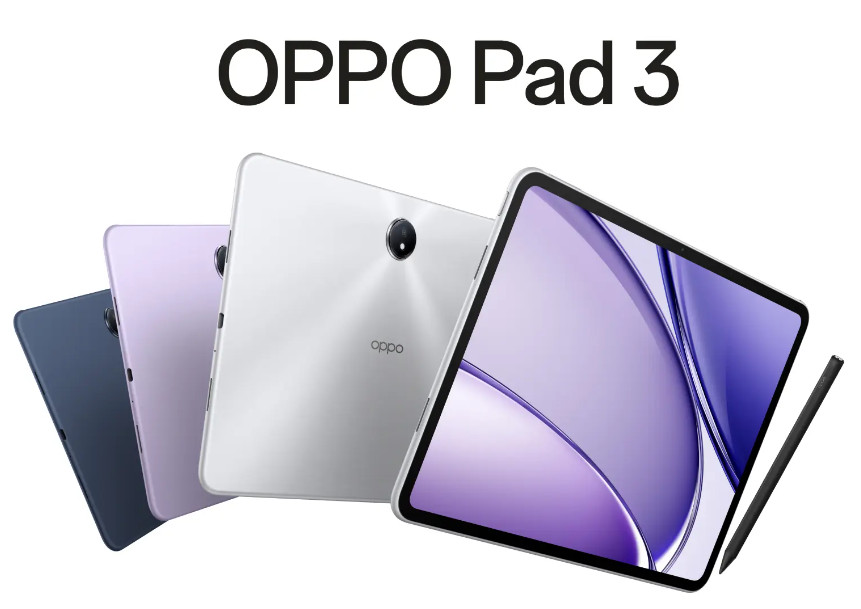
Oppo’s upcoming launch event will also showcase multiple products, such as the Pad 3 tablet and the Enco R3 Pro TWS. While the brand has already revealed the design, color options, and configurations of the Pad 3, it is yet to reveal anything about the Reno 13 lineup.
Reno 13 seriesOppo Enno R3 ProOppo Pad 3
However, the Reno 13 series is available for blind pre-orders through multiple online channels in China. Rumors suggest that the Honor 300 series and the Vivo S20 lineup, expected to launch in the country by the end of this month, will compete with the Reno 13 lineup.
Oppo Reno 13 Pro Geekbench listing
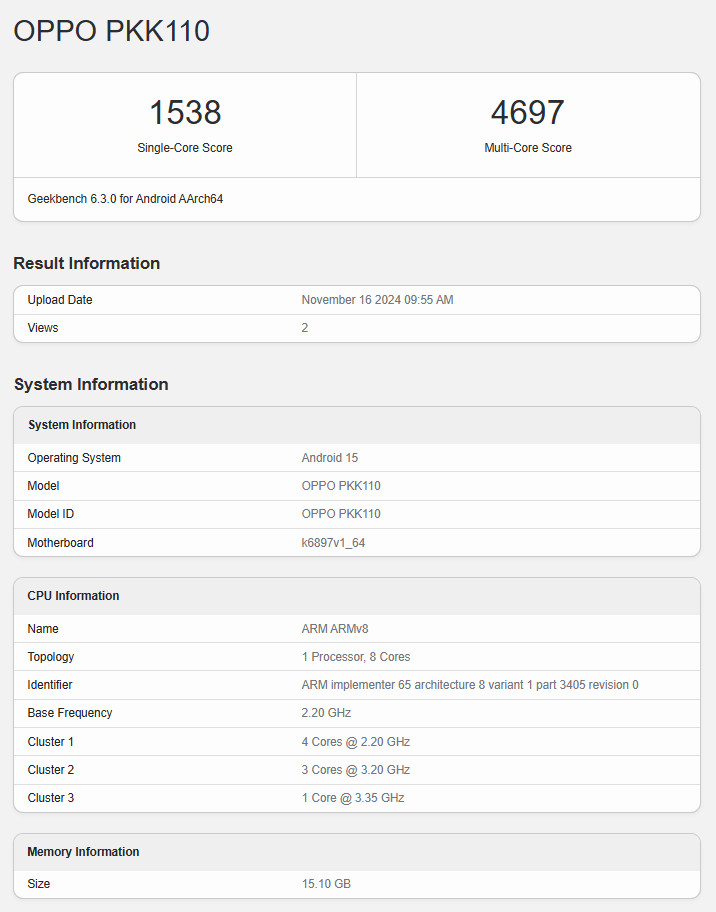
A new Oppo phone with model number PKK110 has emerged in the database of the Geekbench benchmarking platform. Reports have revealed the global version of the Reno 13 Pro has the CPH2697 model number. Likely, the PKK110 could be the Chinese variant of the Reno 13 Pro.
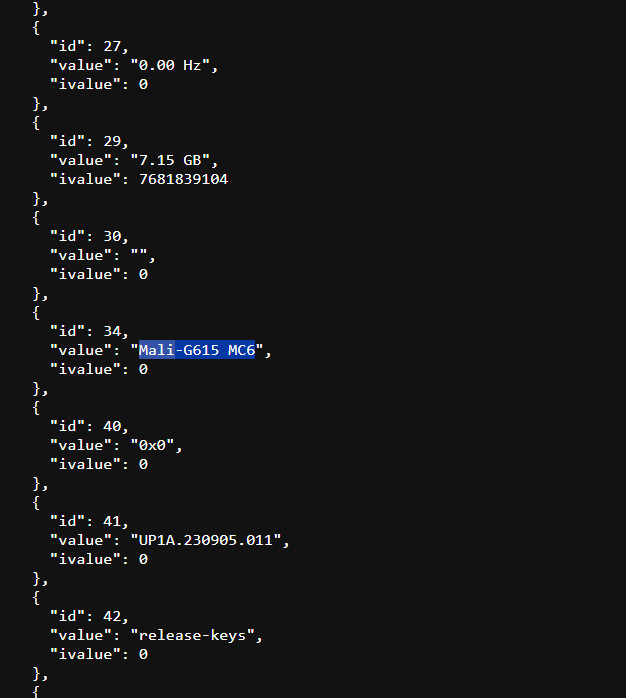
There have been reports that the Reno 13 Pro will be the first phone to feature the upcoming Dimensity 8350 chipset. However, the Geekbench listing’s CPU and GPU details indicate that the Reno 13 Pro might come with the Dimensity 8300. Therefore, there is a possibility that the device may feature either the Dimensity 8300 or the new Dimensity 8350, with the latter possibly having configurations identical to the Dimensity 8300 but with additional enhancements.
The Geekbench listing further reveals that the Reno 13 Pro is equipped with 16 GB of RAM and Android 15. A recent report revealed that the Pro model is equipped with a 6.83-inch OLED panel with a micro-quad-curved design, a 50-megapixel front camera, a 50-megapixel (main) + 8-megapixel + 50-megapixel (telephoto) triple camera setup, 16 GB of RAM, 1 TB of storage, a 5,900mAh battery with 80W or 100W charging, wireless charging support, a metal middle frame, eSIM support, and an IP68/69 rated chassis.
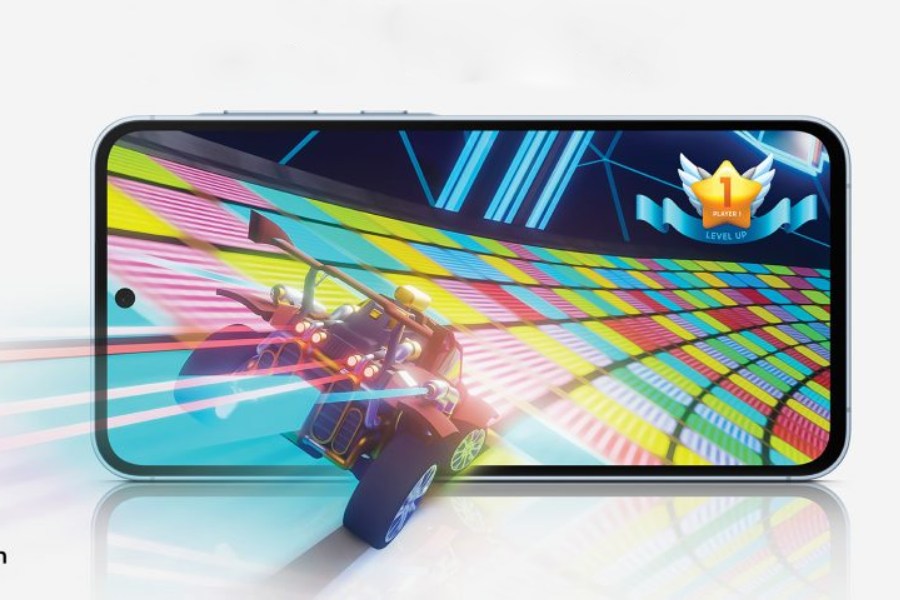
Samsung‘s Galaxy line of smartphones consistently ranks among the top contenders in the Android market. They offer gorgeous displays, great cameras, and a reliable software experience.
However, when it comes to gaming, the experience isn’t as seamless. While Samsung phones are undeniably capable, there are factors to consider that might influence your decision, particularly when compared to some competitors.
This article dives into some of the factors that can contribute to a less-than-ideal gaming experience on Samsung phones. It’s important to note that these are not inherent flaws, but rather areas where competitors might currently hold an edge.
One of the biggest concerns for mobile gamers is thermal throttling. When a phone pushes its processing power for extended periods, like during intense gaming sessions, it generates significant heat. If not adequately managed, this heat can lead to performance drops as the phone throttles back its processing speed to prevent overheating.
Several Chinese OEMs (Original Equipment Manufacturers) have incorporated innovative cooling systems to address this issue. These can include vapor chambers, multi-layer graphite sheets, and even dedicated cooling fans in some gaming phones.
While Samsung utilizes thermal management solutions, they might not be as aggressive as the ones found in some competitor devices. This could lead to more frequent thermal throttling in Samsung phones during demanding games, resulting in frame rate drops and a less smooth gaming experience.
2. Less-focused software optimization
Software optimization is a crucial aspect of mobile gaming. A well-optimized phone can squeeze maximum performance out of its hardware, ensuring smooth gameplay.
Unfortunately, Samsung’s software optimization for gaming hasn’t always been stellar. This isn’t to say it’s always bad, but compared to some competitors who offer dedicated gaming modes with resource management tweaks, Samsung’s approach feels less focused.
While features like Game Booster exist, they often feel like surface-level solutions. Gamers crave deeper control over how their phone allocates resources during intense gaming sessions. This lack of granular control can lead to situations where the phone juggles background tasks and the game itself, potentially impacting performance.
3. Touch sampling rate
The touch sampling rate measures how frequently a phone’s display registers touch input. Higher rates result in faster, more responsive touch detection, which is crucial for reaction-heavy mobile games.
Some high-end gaming phones from Chinese OEMs feature crazy touch sampling rates of over 2000Hz. While Samsung excels in providing high refresh rates, its touch sampling rates fall behind across its lineup.
For instance, the Galaxy S24 Ultra, Samsung’s flagship, maxes out at 240Hz, with no Samsung phones exceeding this rate. And there are no Samsung phones that offer a touch sampling rate higher than this. In contrast, even mid-range devices from Xiaomi like the Redmi K70 Pro boast an impressive 2160Hz touch sampling rate.
This disparity doesn’t make Samsung phones unplayable but might put them at a slight disadvantage in competitive gaming, where every millisecond matters. However, the touch sampling rate is only one aspect of touch responsiveness—overall display latency also plays a significant role.
4. The Missing Piece: A Dedicated Gaming Ecosystem
Dedicated gaming phones from brands like Asus and Red Magic create a full ecosystem designed for serious mobile gamers. These devices often include hardware add-ons like clip-on controllers and cooling fans to elevate the gaming experience.
In contrast, Samsung lacks such dedicated accessories or built-in gaming-focused features. This lack of a dedicated gaming ecosystem can leave Samsung phones feeling like generic high-powered devices, not specifically designed with the hardcore gamer in mind.
While some users rely on third-party accessories as a workaround, these solutions fall short compared to a manufacturer-backed approach.
5. The Verdict
Samsung phones are undoubtedly powerful and capable of handling even the most demanding mobile games. However, compared to some Chinese OEMs, they may fall short in areas like thermal management, game-specific software optimization, and consistently high touch sampling rates. The absence of dedicated hardware features for gaming can also be a drawback for certain users.
These aspects are crucial for hardcore mobile gamers. However, it’s worth noting that smartphone manufacturers design their devices to appeal to a broader audience. Samsung offers a well-rounded phone experience that caters to various user needs, including gaming, but it might not be laser-focused on maximizing every aspect of this particular segment.
Ultimately, the right choice depends on your priorities. If gaming is your top concern, you might prefer a phone with advanced cooling, optimized software, and the highest touch sampling rates. On the other hand, if you’re looking for a flagship device that excels across multiple areas—not just gaming—a Samsung Galaxy phone remains a strong contender.
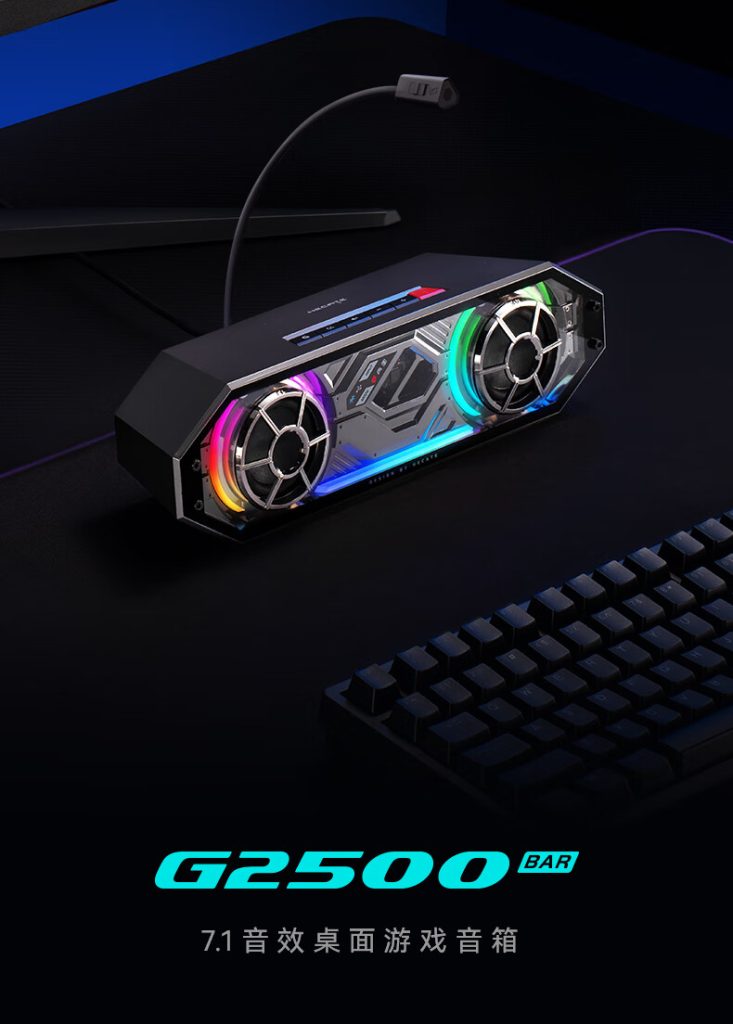
Edifier has launched its new desktop gaming speaker called Hecate G2500bar in the Chinese market. The speaker is priced at 299 yuan ($41) and is now available on JD.com. Let’s check out its key specs.
Edifier Hecate G2500bar Specifications
The Edifier G2500 gaming soundbar features a compact design, reducing its length by approximately 30% compared to traditional soundbars. This makes it suitable for small desktops without taking up much space. It comes with 53mm dual full-range neodymium magnetic drivers paired with a dual reflex tube acoustic system, delivering rich and immersive sound with powerful bass.
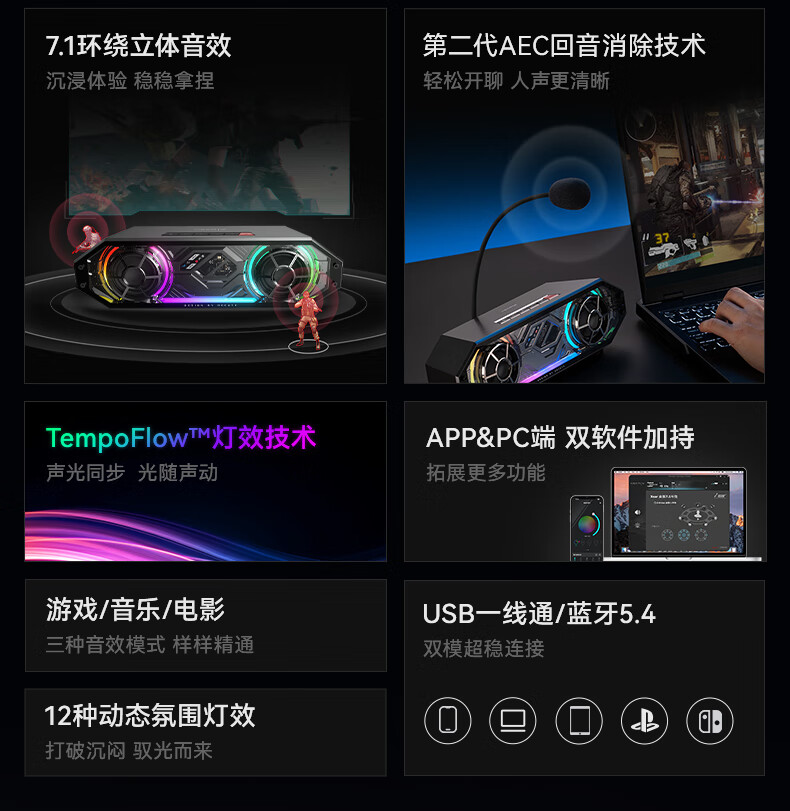
The soundbar equips second-generation Acoustic Echo Cancellation (AEC) technology, which ensures crystal-clear communication by eliminating echo during voice chats. Additionally, it sports an integrated DSP chip for precise audio processing, offering three sound modes: gaming, music, and movies. The device supports 7.1 virtual surround sound, enhancing immersion with a professional-grade sound field and accurate audio positioning.
It features TempoFlow RGB lighting technology, providing 12 dynamic lighting effects synchronized with sound, creating a visually engaging experience. Users can personalize these effects through the Hecate Connect Center software on PC or the Edifier Connect App on mobile devices.
The G2500 comes with dual connectivity options, including USB sound card and Bluetooth 5.4, ensuring compatibility with multiple devices such as smartphones, tablets, PCs, PS4/PS5, and Nintendo Switch. The soundbar sports a plug-and-play detachable microphone with AI noise reduction and anti-feedback technology for clear voice capture, adjustable based on user preference.
It features a 5° tilt angle design, optimizing audio delivery to reduce sound wave reflection and ensuring a direct sound path to the listener’s ears. Additionally, it includes a physical button interface for volume control, light mode switching, anti-slip feet, and a convenient one-click mute option.
The speakers deliver R/L 2.5W + 2.5W power and operate within a frequency range of 90Hz to 15kHz. The system ensures minimal noise with a sound level of ≤20dB (A) and a signal-to-noise ratio of ≥85dB (A). In terms of design, it comes with a sleek cyber-mechanical aesthetic with sharp lines and a semi-transparent front panel. It is available in two colors: Cosmic Grey and Pearl White.
In related news, EarFun has launched the UBOOM X speaker, offering an 80W output, an IP67 rating, and up to 30 hours of playback. And if you’re passionate about console gaming, you might be curious to explore whether the Nintendo Switch 2 can rival Sony’s PS5 Pro.
We uploaded an unboxing and hands-on video of the Xiaomi 15 series on YouTube shortly after its launch. Following that, we shared a full review of the Xiaomi 15, which we think is a strong contender among compact flagships.
Now, our review of the Xiaomi 15 Pro is also live on YouTube. We chose the silver version for review, but it seems that might not have been the best choice.
It’s the flagship you want
For those unfamiliar, the Xiaomi 15 Pro comes in classic colors like Spruce Green, Rock Grey, and White, along with a Bright Silver edition, which we chose for our review.
However, its back has a highly glossy finish, making it unsurprisingly a fingerprint magnet. We recommend avoiding the silver version of the Xiaomi 15 Pro for this reason.
The phone features a 6.73-inch AMOLED display with flagship-grade specs, including a 120Hz refresh rate, 2K resolution, and 1920Hz PWM dimming. While it’s not the best display on the market, it’s more than adequate for content consumption and everyday use.
Powered by the Snapdragon 8 Elite chip, the Xiaomi 15 Pro outperforms the Xiaomi 14 Pro in various s, including Genshin Impact. What’s particularly impressive is its efficiency: the Xiaomi 15 Pro uses less power to run its display compared to the standard Xiaomi 14. It reportedly consumes 4.42W per second, whereas the Xiaomi 14 Pro consumes 6.17W per second.
This efficiency, combined with the phone’s massive 6,100mAh battery—the largest in a Xiaomi device—makes it highly durable. The camera performs well overall, but there’s room for improvement Check out our video review above for a detailed look at the pros and cons of the Xiaomi 15 Pro.
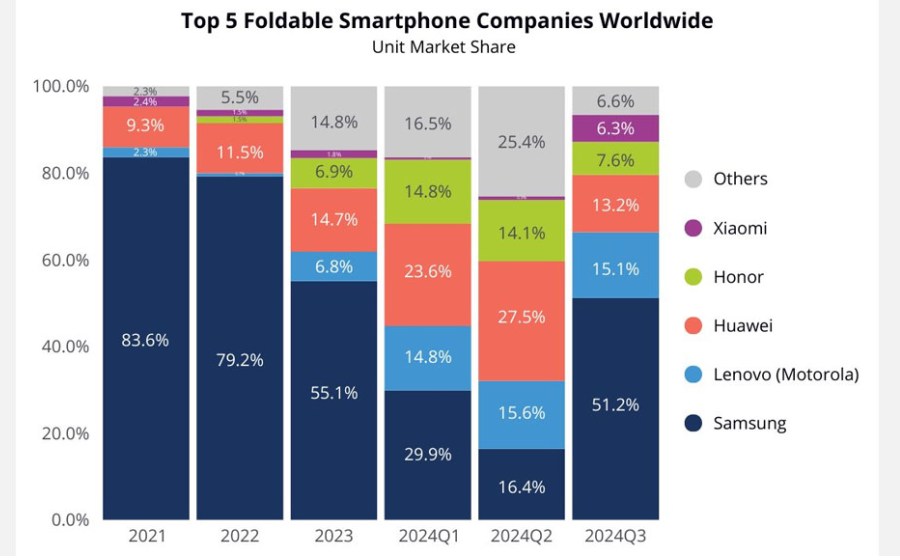
Huawei has secured a foothold in the top 3 of the global foldable phone market for Q3 2024, according to a recent report by IDC. That’s a notable comeback for the Chinese tech giant, despite a lack of recent overseas launches in the foldable space.
Landing at 13.2% market share, Huawei’s performance hinges largely on its success within the domestic Chinese market. While the company hasn’t launched new foldable devices internationally for some time, its flagship offerings within China seem to have paid off.
Additionally, the company’s flagship, Mate XT (review), has captured significant consumer attention in the mainland. Huawei’s tri-fold phone is set to launch globally soon. This innovative device has already piqued the interest of international consumers and could drive sales in global markets.
Looking forward, industry experts believe Huawei could further solidify its position in the foldable market by Q1 2025. However, this is contingent on the success of new product launches.
Samsung is still in the lead
Meanwhile, Samsung reclaims the top spot in Q3 2024 with a dominant 51% market share. The South Korean tech giant’s success is attributed to the well-received Galaxy Z Fold 6 and Flip 6 handsets, which have regained market share lost to Huawei and Honor earlier this year.
Lenovo, with its Motorola brand, secures second place with a 15.1% market share. It’s impressive that Motorola has achieved such a significant share with a lineup focused solely on clamshell foldables. Rounding out the top 5 are Honor (7.6%) and Xiaomi (6.3%).
The global foldable market is experiencing significant growth, with IDC estimating a 22% increase this year – three times the growth rate of the regular smartphone market. The trend suggests a lucrative Q4 for the overseas foldable market, with all eyes on upcoming launches from players like Huawei.
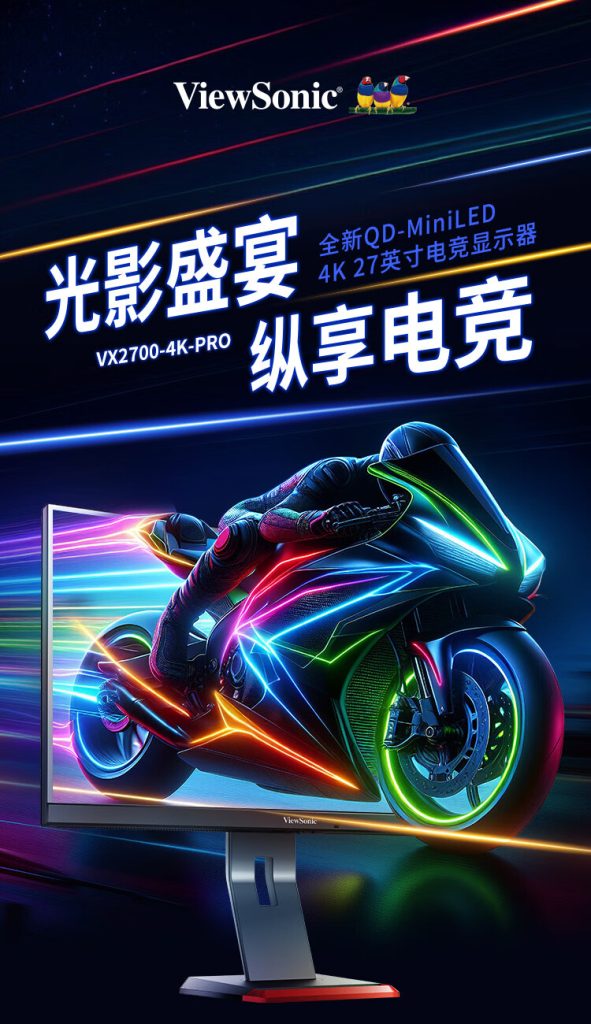
ViewSonic has launched a new 27-inch gaming monitor called VX2700-4K-Pro in the Chinese market. The monitor was announced earlier this year and now going on sale officially. It is priced at 3,299 Yuan ($456) and is available on JD.com.
ViewSonic VX2700-4K-Pro Specifications:
It features a QD-MiniLED panel with 1152 local dimming zones and 4608 MiniLED lights, enhancing backlight precision and reducing halo effects. It sports a 27-inch 4K Ultra HD display with a resolution of 3840×2160 and a 165Hz refresh rate, ensuring smooth gameplay with vivid clarity.
This monitor equips the latest AUO Fast IPS technology, offering a 1ms GTG response time for fast-paced action with reduced motion blur. It comes with VESA DisplayHDR 1000 certification, providing 1200 nits of peak brightness and a million-to-one contrast ratio for exceptional color depth and detail in bright and dark scenes. The screen supports 10-bit color depth and professional-grade color accuracy with ΔE<1, covering 98% of the DCI-P3 gamut, 100% sRGB, and 93% AdobeRGB.
The VX2700-4K-Pro features versatile connectivity, including dual HDMI 2.1 ports, dual DisplayPort 1.4, and a full-function USB-C port with 96W power delivery for charging laptops and transferring data. It also sports ergonomic adjustments with tilt, swivel, pivot, and height adjustments, along with a 100mm x 100mm VESA mount for flexibility.
For gamers, it comes with adaptive sync technology, supporting both FreeSync and G-Sync to eliminate tearing and stuttering. It features advanced gaming modes like Night Vision, Cat Eye, and Black Stabilizer, enhancing visibility in dark scenes. It also features PIP/PBP functionality which enables multitasking by displaying input from two devices simultaneously.
This monitor equips built-in tools like Hawk Eye mode for zooming in on distant objects, customizable on-screen settings, and robust build quality with thoughtful cable management. It supports 4K@120Hz for consoles like PS5 and Xbox.
In related news, ViewSonic recently unveiled the LX700-4K RGB laser projector in India, featuring 4K resolution and a 240Hz refresh rate.
The smartphone market is more competitive than ever, with countless options from multiple brands eyeing your attention. While this intense competition is great for buyers, it can make choosing the right phone a daunting task. To simplify things, we have created a list of the five best smartphones under Rs 30,000 with Snapdragon processors, offering a perfect mix of performance and value.
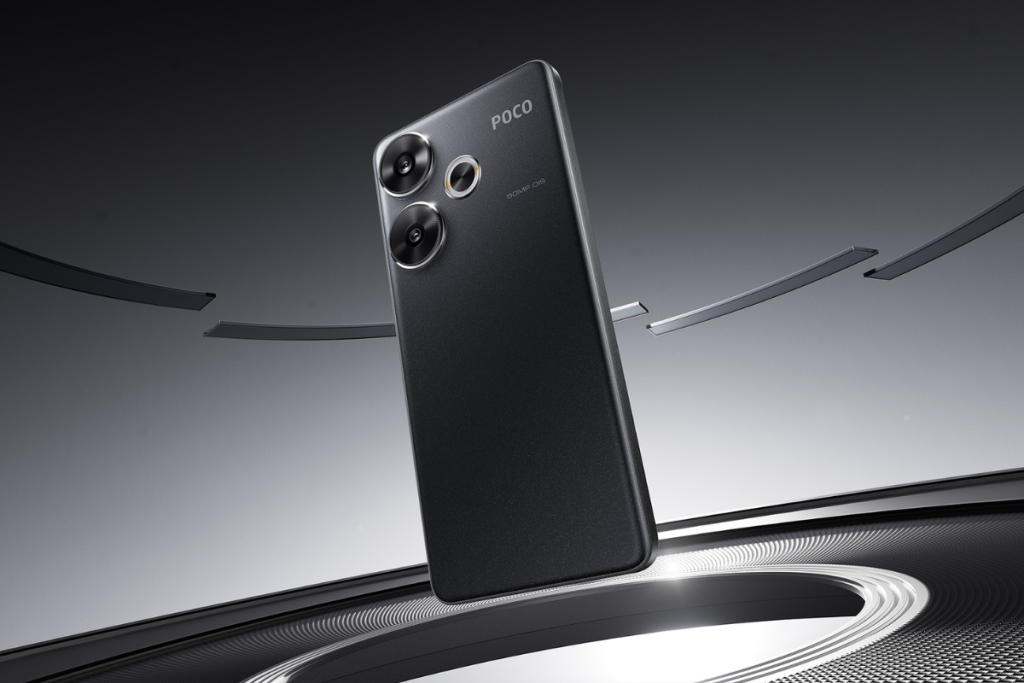
POCO F6 (full review) is the perfect choice for high-end gaming without being too heavy on the pocket. It boasts a powerful Snapdragon 8s Gen 3 chipset, usually found on premium phones. The device is equipped with a POCO IceLoop System with Vapour Liquid Separation to keep the heat under control.
You get a 6.67-inch vibrant display refreshing at 120Hz and a high touch-sampling rate. The device features Dolby Vision, HDR10+, and over 68 billion colors. Plus, it’s greatly visible outdoors. Overall, It’s an excellent display for gaming, protected by Corning’s Gorilla Glass Victus.
The smartphone takes good daylight shots with its primary rear camera. However, the low-light performance isn’t impressive. The rear camera setup also has an ultrawide camera for wider shots. It can shoot up to 4K videos, though the selfie camera is capped at 1080p.
The 5,000mAh battery should last for a day with normal usage. To refill it, you get a 90W fast wired charger that only takes about 35 minutes to reach 100%.
2. OnePlus 11R
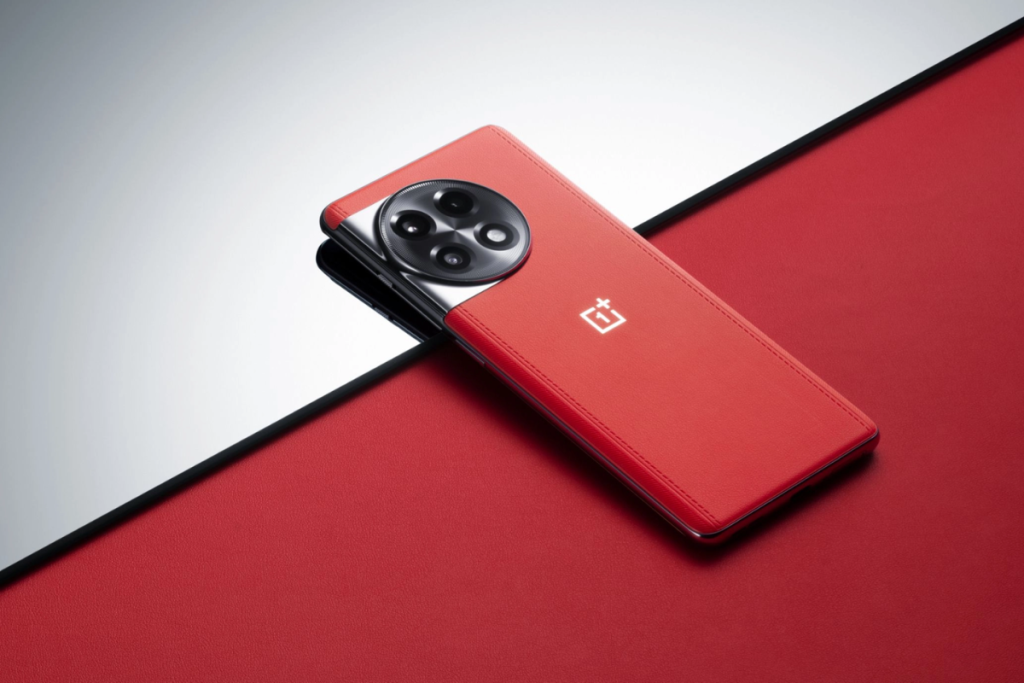
OnePlus 12R (full review) a solid deal under Rs 30,000, powered by a high-end chipset, Snapdragon 8+ Gen 1. Whether you browse the internet or play high-end games, the chipset smoothly handles all your performance needs while being power efficient.
The OnePlus 11R’s display measures 6.74 inches and refreshes at 120Hz. It’s a Super Fluid AMOLED panel that produces good colors, making it viable for content consumption or gaming. Plus, you’ve many display features to adjust according to your requirements.
The rear camera setup includes a 50MP (Sony IMX890) primary camera, an 8MP ultrawide camera, and a 2MP depth sensor. It takes high-quality shots with excellent color balance, even in a low-light environment. The selfie camera is decent, though, capable of 1080p recording, while the rear camera can do 4K.
The OnePlus 11R ensures all-day power with ease, thanks to its 5,000mAh battery. Plus, its 100W rapid charging lets you top up in minutes.
3. Realme GT 6T
This Realme smartphone rocks the Snapdragon 7+ Gen 3 chipset, which ensures a lag-free experience even with high-end gaming.
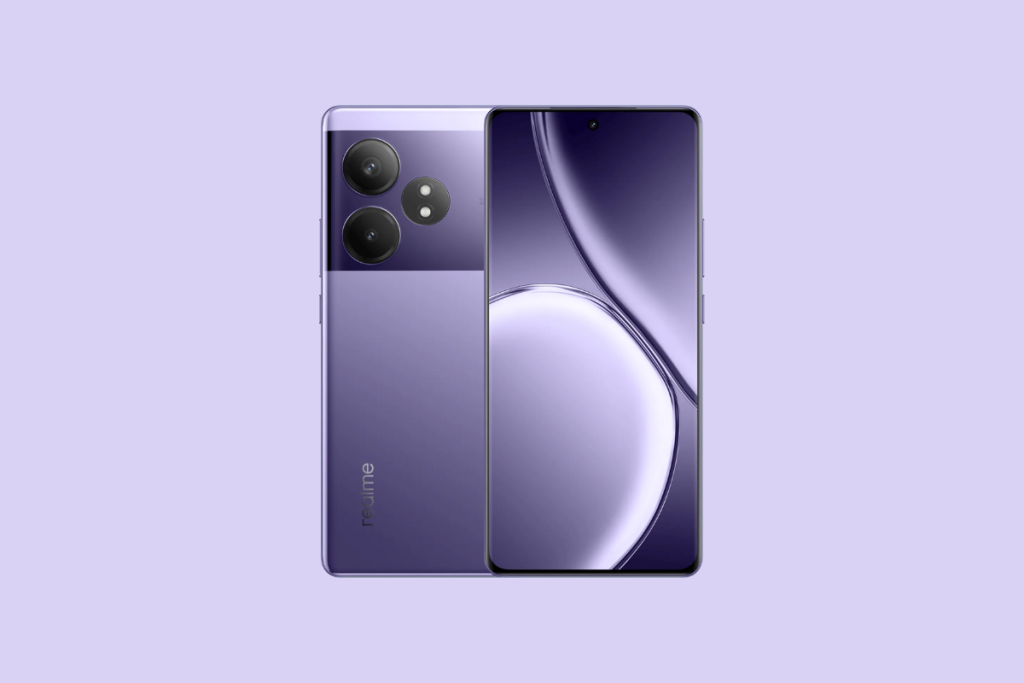
Realme GT 6T (first impression) is primarily built for gaming. Besides a high-performance chip, it features fast LPDDR5X RAM and UFS 4.0 storage, though the 128GB variant supports UFS 3.1. Heat management is a critical aspect of any gaming device, and thankfully, the cooling area inside the Realme GT 6T is sufficient for consistent and high-performance gaming. It also has a dedicated gaming memory and a suite of gaming features.
This Realme phone has the industry’s brightest display, refreshing at 120Hz. It has a layer of Gorilla Glass Victus 2 for strong protection. And a touch sampling rate of 2500Hz makes it appealing to gamers.
The primary camera on the back of the GT 6T outputs excellent daylight shots with good details and natural colors. Portrait shots are nicer with effective background blur. The device also excels in low-light conditions with detailed images and minimal noise. However, the ultrawide camera is less impressive. It outputs softer and less contrasty images and is blurry in low-light conditions.
The primary camera has excellent video recording capabilities, producing good details and color accuracy. However, the ultrawide videos lack much detail.
Realme GT 6T packs a solid 5,500mAh battery, enough for full-day usage with light gaming. And it only takes 10 minutes to charge 50%.
4. OnePlus Nord 4
This smartphone also rocks the powerful Snapdragon 7+ Gen 3, though it’s not primarily tuned for gaming. It’s the only metal unibody 5G smartphone in the market, offering better durability and a premium feel compared to plastic or glass alternatives. It’s also IP65-rated, by the way.
The Nord 4 can smoothly handle high-end games. However, it lacks an efficient thermal management. Hence, for long gaming sessions, you’d want to pick some other phone primarily tuned for gaming, such as Poco F6 or Realme GT 6T.
The primary camera performs well in daylight. It produces sharp images with a good dynamic range and accurate colors. However, the ultrawide camera struggles with sharpness and dynamic range. Low-light photography yields natural-looking shots with good details using the primary camera but not so good with the ultrawide camera. Selfies come out to be decent, though.
Video quality is good in daylight and low-light conditions, though it lacks details when using the ultrawide camera.
The Nord 4 packs a 5,000mAh battery, ensuring all-day backup, and refilling it to 100% only takes about 28 minutes.
5. Vivo V40
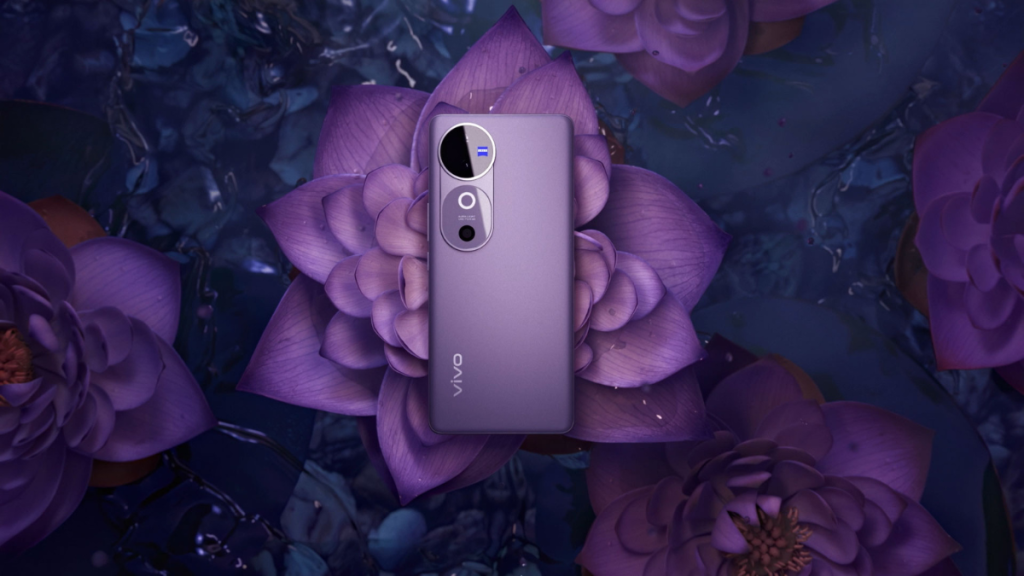
Vivo V40 is driven by the Snapdragon 7 Gen 3 chipset. While this chip isn’t as powerful as chips powering the above devices, it smoothly handles day-to-day tasks. You can also do light gaming, but for graphically-demanding titles like Genshin Impact, Fortnite, and Alien Isolation, go for a more powerful device.
The (AMOLED) display is bright, featuring HDR10+ and 120Hz refresh rate. It’s IP68-rated for protection against dust/water. On top of everything is a Schott Xensation Alpha protection.
The Vivo V40 has excellent camera capabilities, though. Its primary camera produces detailed shots with good colors and contrast. The ultrawide camera also takes good shots for its segments, offering decent details and colors. It doubles down as a macro camera.
The low-light shots are excellent, producing greater detail with minimal noise. The ultrawide and selfie cameras also maintain good detail and color accuracy. Video recording is also excellent with the primary and ultrawide cameras, though the selfie video is average.
With a 5,500mAh battery, the Vivo V40 keeps you powered throughout the day, and the 80W charging ensures you’re back to full in minutes.
Which Snapdragon-powered device would you pick for your next upgrade? Let us know in the comments below.
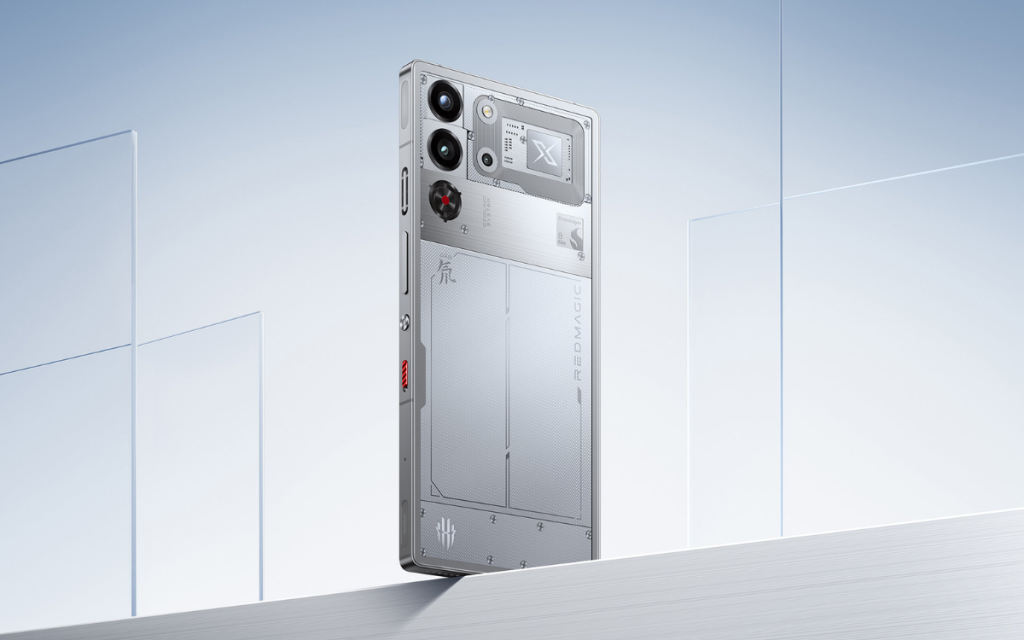
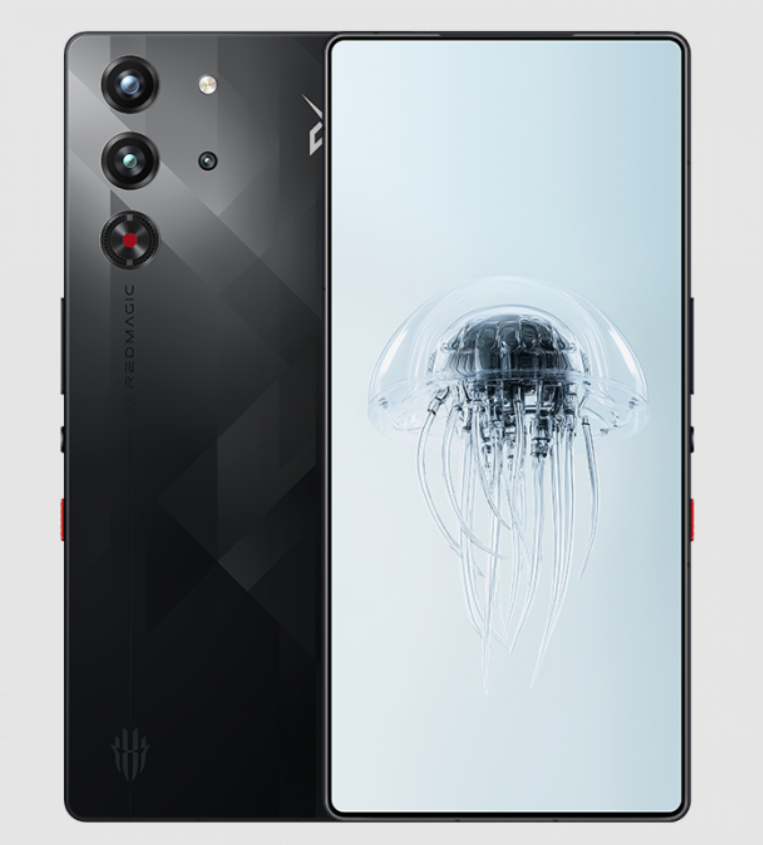
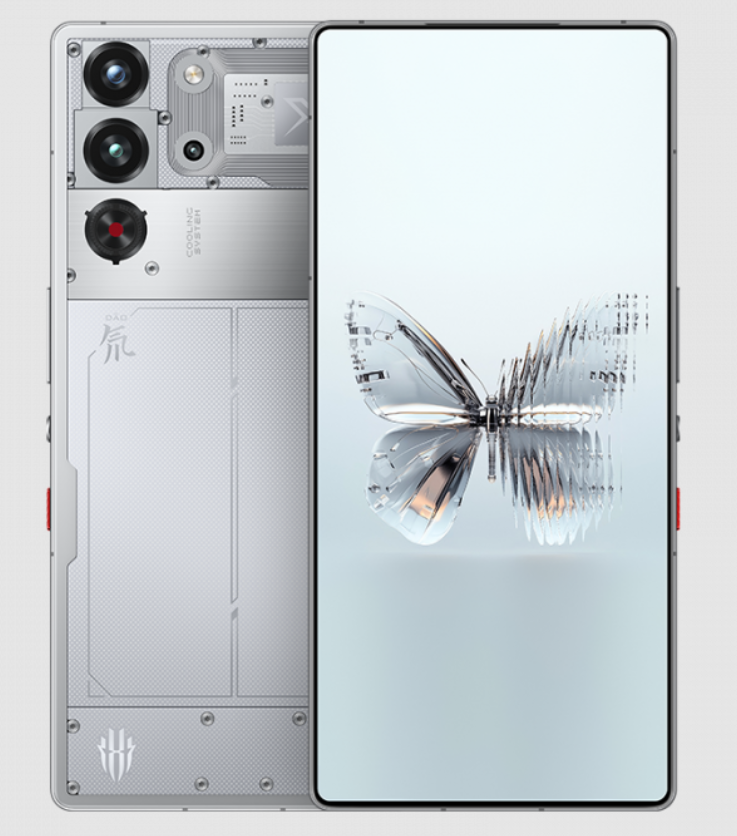
After weeks of reports and teasers, the Red Magic 10 Pro series has finally been launched in China. The lineup consists of the Red Magic 10 Pro and Red Magic 10 Pro+, which brings cutting edge hardware and an impressive thermal management system. All of this makes it one of the best devices for mobile gaming, so here’s why.
Being a flagship gaming smartphone, both models are equipped with the Qualcomm Snapdragon 8 Elite SoC. The brand claims that this chip was capable of hitting 3,391,328 points in AnTuTu. This high end chip is paired with up to 24GB of LPDDR5X ULTRA RAM and 1TB of UFS 4.0 PRO storage. To recall, the new 3nm flagship chip promises to offer a 45 percent increase in CPU performance and a 44 percent boost in power efficiency. That’s not all, the Snapdragon 8 Elite also has a 40 percent improvement in GPU with 35 percent faster ray tracing. So it is one of the best devices for mobile gaming enthusiasts.
2. Ultra Smooth Display Paired with Gaming Triggers
The Red Magic 10 Pro series sports a tall 6.85-inch OLED display with a 144Hz refresh rate, 1.5K resolution, 2000 nits of peak brightness, DC dimming, and 2592Hz PWM dimming. The new gaming smartphones also feature the Red Core R3, which is the brand’s self developed gaming chip that supports 2K+ 120fps super resolution. You also get 520Hz gaming shoulder keys that are perfect for gamers.
The tall ultra smooth display being paired with the gaming triggers ensures that players get an amazing gameplay experience. Not only is the display responsive, but the shoulder keys are also an impressive addition as these give you more screen real estate for certain controls. These are more intuitive as well.
3. Cutting Edge Cooling
The Red Magic 10 Pro and Red Magic 10 Pro+ are the first to employ composite liquid metal cooling for improved cooling. These gaming smartphones also optimize gaming performance with composite liquid metal cooling offering 80W/mK thermal conductivity and a new ‘Hot Wheels’ centrifugal fan, which boosts cooling efficiency by 13x.
It houses a 12,000mm² 3D ice-step VC area, along with graphene, high-conductivity copper foil, and aerospace-grade materials for consistent high-performance gaming. A good thermal dissipation system basically ensures that the smartphone performs intensive tasks without throttling. This even enables consistent performance over long gaming sessions as well.
4. Massive Batteries
A large 6,500mAh battery pack powers the Red Magic 10 Pro, which supports 80W wired fast charging. Meanwhile, the higher end Red Magic 10 Pro+ has a huge 7,050mAh cell that supports 120W wired fast charging. This is one of the only differences between the two models. These are absolutely massive cells that can easily ensure over a day’s battery life with regular use. But even during gaming, the Red Magic 10 lineup can easily outlast most of its competitors.
Xiaomi is gearing up to unveil a diverse range of smartphones in the Indian market in 2025. The Chinese tech giant aims to cater to every segment from flagship models to budget friendly devices. So here’s a full list of all the rumored and confirmed smartphone that are set to launch in India next year.
Back in October, Xiaomi unveiled its latest generation of flagship smartphones. This included the new Xiaomi 15 and Xiaomi 15 Pro. While the brand released the base model of this premium lineup, the launch of the higher end Pro variant was skipped in the Indian market. However, the brand did release the Xiaomi 14 Ultra after the Xiaomi 14 was announced in the region. So we can likely expect the Xiaomi 15 Ultra to also launch in India.
The Xiaomi 15 Ultra has yet to be unveiled, but it recently had its internal design, telephoto shooter, and other camera details leaked. On the other hand, the Xiaomi 15 was announced with the Snapdragon 8 Elite, 6.36-inch LTPO OLED 120Hz display, 50MP triple cameras, HyperOS 2, and a large 5,400mAh battery pack with 90W wired and 50W wireless fast charging support. You can even click here to read our full review of the Xiaomi 15, which is expected to launch in India around March 2025.
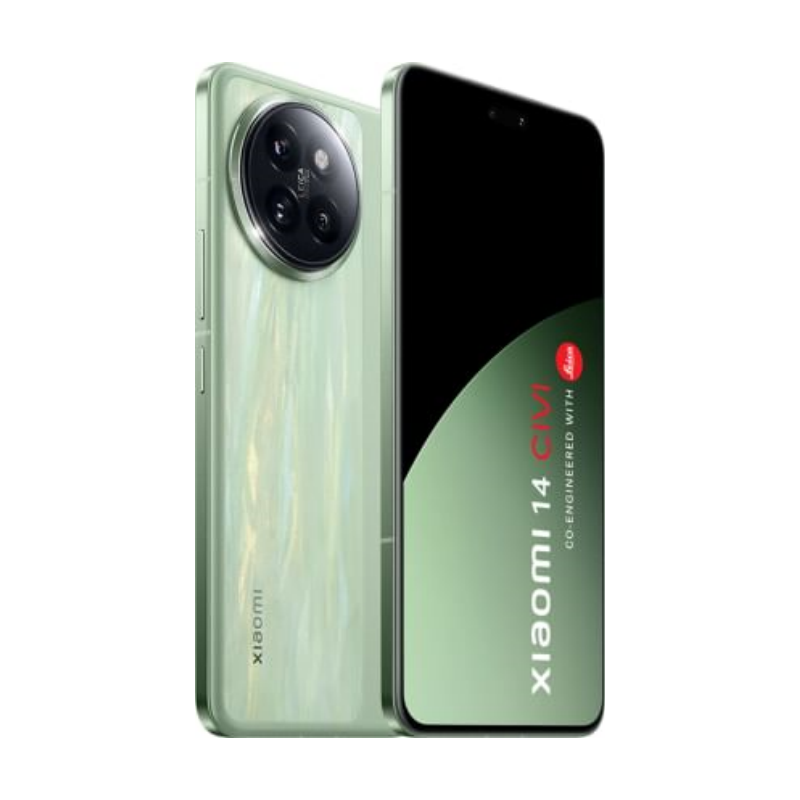
2. Xiaomi 15 Civi?
Xiaomi 14 Civi
Last year, Xiaomi unveiled the Xiaomi 14 Civi in India. While there is no official word regarding the Xiaomi 15 Civi, the brand might unveil a successor in the middle of 2025. A recent rumor hinted that the company is working on a new Xiaomi Civi series smartphone, which could be powered by the MediaTek Dimensity 9400. This could also be the Redmi K80 Ultra.
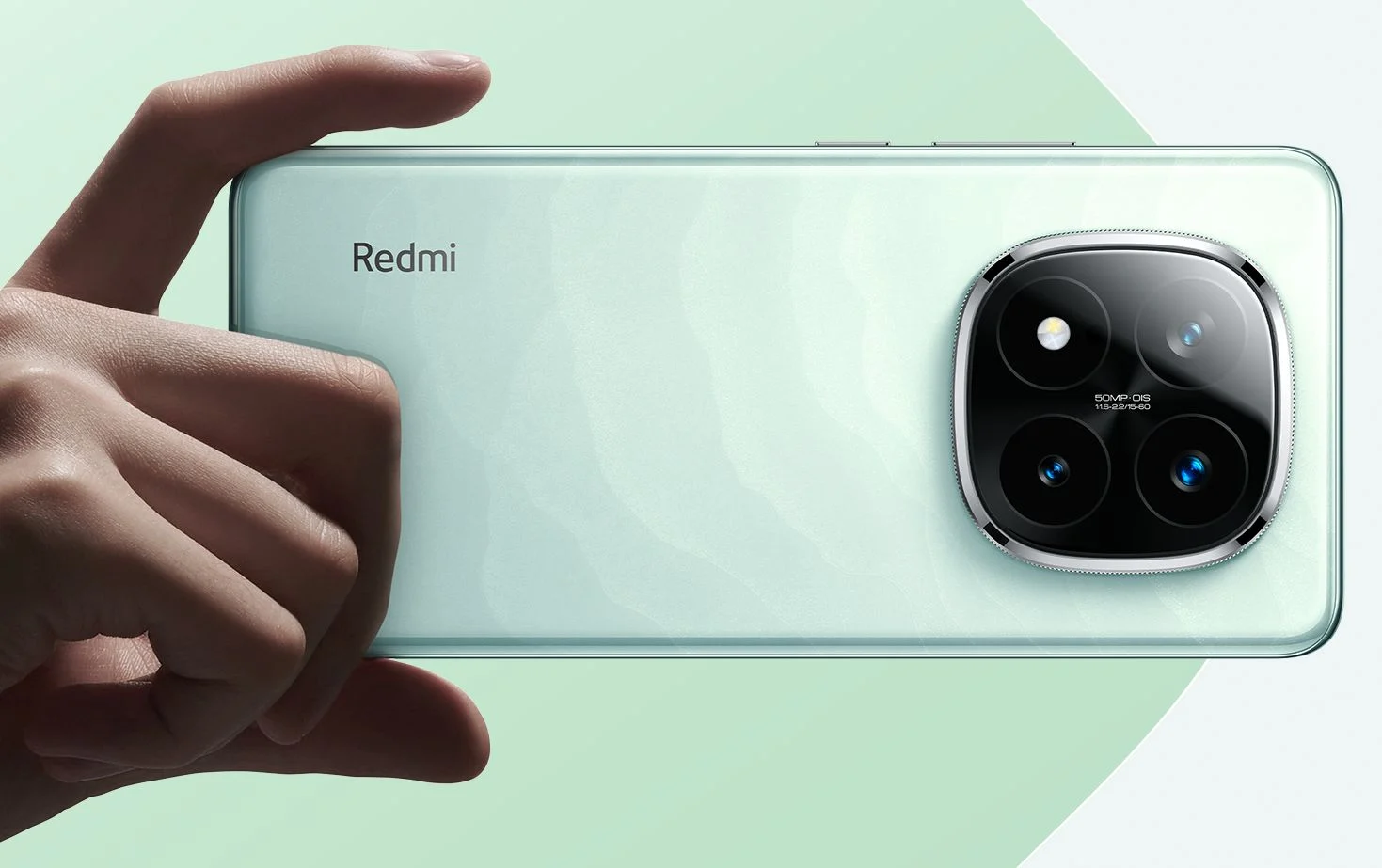
3. Redmi Note 14 Series
Redmi Note 14 Pro+
Xiaomi recently announced that the Redmi Note 14 series is set to launch in the Indian market soon. Based on what we know so far, Xiaomi plans to unveil the Redmi Note 14 series in December 2024, riding on the momentum of the festive season. In other words, it might hit store shelves by early January 2025. The Redmi Note 13 lineup was unveiled back in June 2024, so this also marks the first time since the pandemic that Xiaomi launched two Note series devices in the same year.
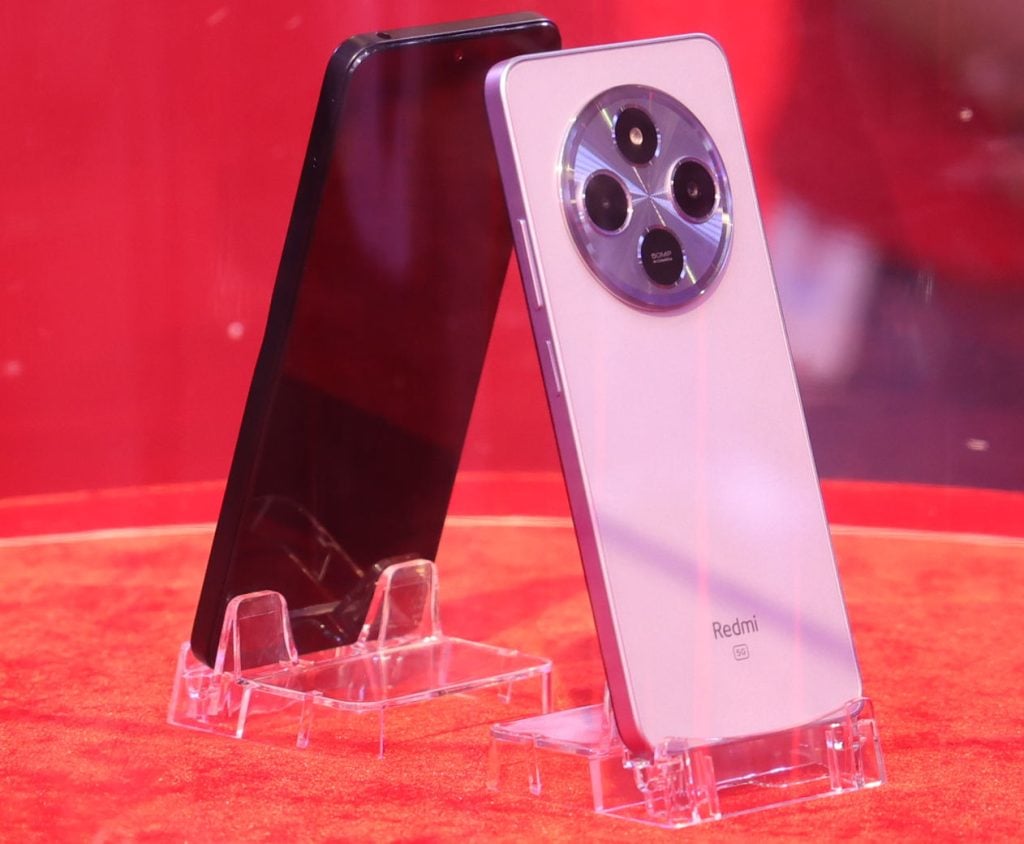
4. Redmi A4
Redmi A4
Alongside the Redmi Note 14 series, the brand also confirmed the upcoming launch of the Redmi A4 in the Indian market. We covered a leak last month, which revealed its 8,499 INR price tag. This model is an affordable entry level handset, which offers 5G networking support thanks to the Snapdragon 4s Gen 2 chipset. Unfortunately, an official launch date is still unclear but its Indian release should be right around the corner.
5. Redmi 14
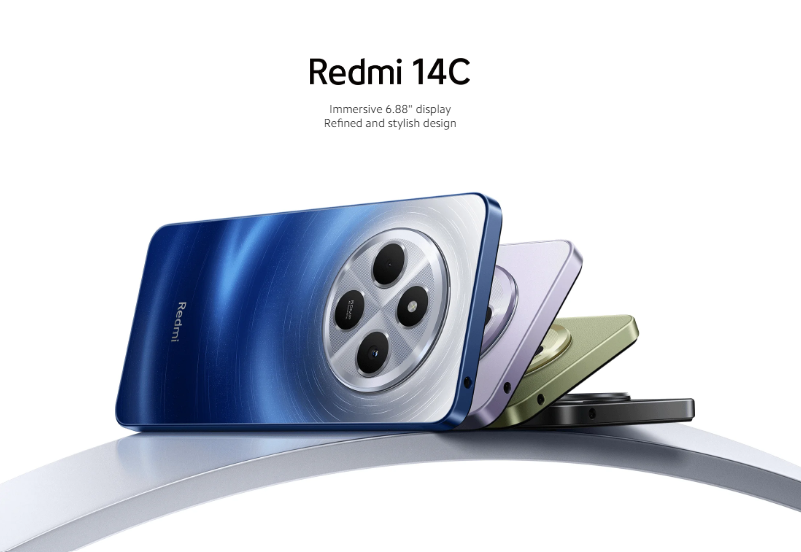
Redmi 14C
The Redmi 14 series is another budget smartphone from Xiaomi that is expected to launch in India soon. The Redmi 14 4G appeared in the IMEI database with the model numbers “25028RN03L”, “25028RN03I”, “25028RN03Y” and “25028RN03A”. The letters at the end of these numbers indicate the region of launch, with the “I” hinting at an Indian release. Since the official launch date is still unknown, we can expect a 2025 release.
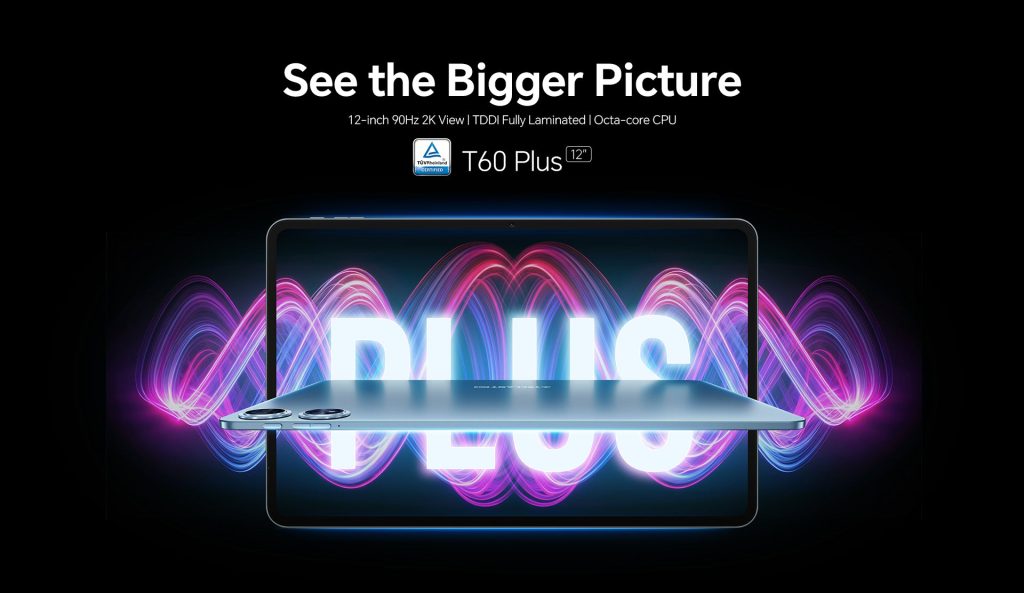
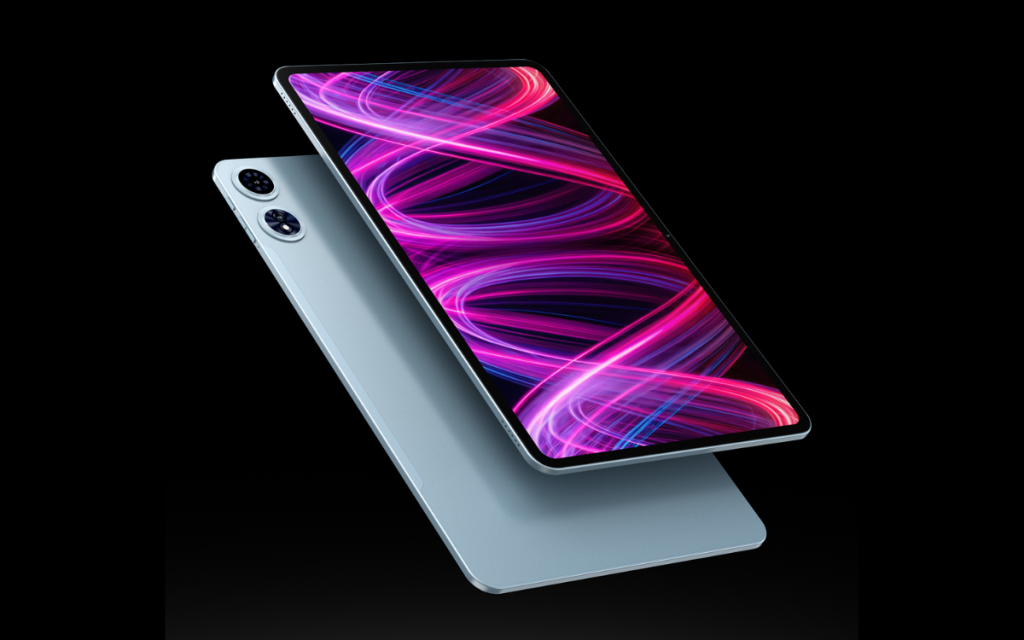
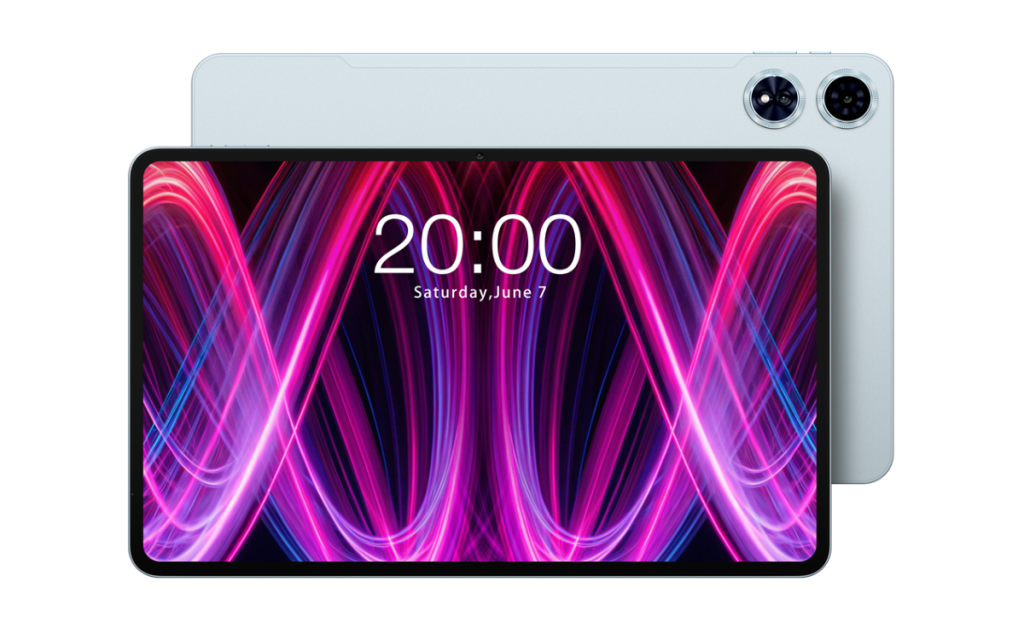
Teclast has unveiled its latest Android tablet, the T60 Plus, a well-rounded device offering a large display, solid performance, and an affordable price tag. This release follows the earlier launch of the Teclast T60 earlier this year. Let’s check out its key specs.
Teclast T60 Plus Specifications
The Teclast T60 Plus features a 12-inch IPS display with a 2000×1200 resolution and a 90Hz refresh rate. It comes with 330 nits of brightness, making it ideal for indoor use, and equips a 92% screen-to-body ratio for an immersive viewing experience, whether for work, streaming, or casual gaming. The tablet sports a slim 6.5mm bezel, enhancing its sleek and modern design.
Under the hood, the tablet is powered by MediaTek Helio G88 processor, a 12nm octa-core chipset featuring a 2x Cortex-A75 at 2.0GHz and 6x Cortex-A55 at 1.8GHz configuration. It comes with 6GB of RAM, which can be expanded by an additional 10GB using virtual memory. The tablet equips 128GB of internal storage, which is expandable up to 1TB via a microSD card.
The T60 Plus runs on the latest Android 14, providing access to modern features. The tablet includes a 13MP rear autofocus camera and an 8MP front-facing shooter for photography and video calls. The cameras are ideal for casual photography, scanning documents, and online meetings.
The Teclast T60 Plus comes with an 8000mAh battery offering up to 10 hours of usage, dual 4G SIM support, Bluetooth 5.0, and WiFi (2.4GHz/5GHz). It equips GPS, Glonass, Galileo, and Beidou for navigation, while light, hall, and proximity sensors, along with a gyroscope, enhance gaming and app experiences. Additionally, it features a 3.5mm headphone jack for wired audio enthusiasts
The tablet sports an aluminum alloy vertical frame design, weighs about 610 grams, and measures approximately 282 x 178 x 8mm.
Pricing & Availability
The Teclast T60 Plus is currently priced at $129.99 and it is now available on Aliexpress. It is also expected to be available on Amazon soon.
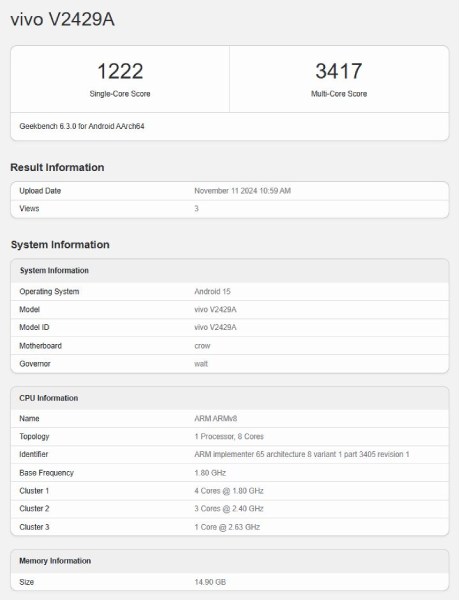
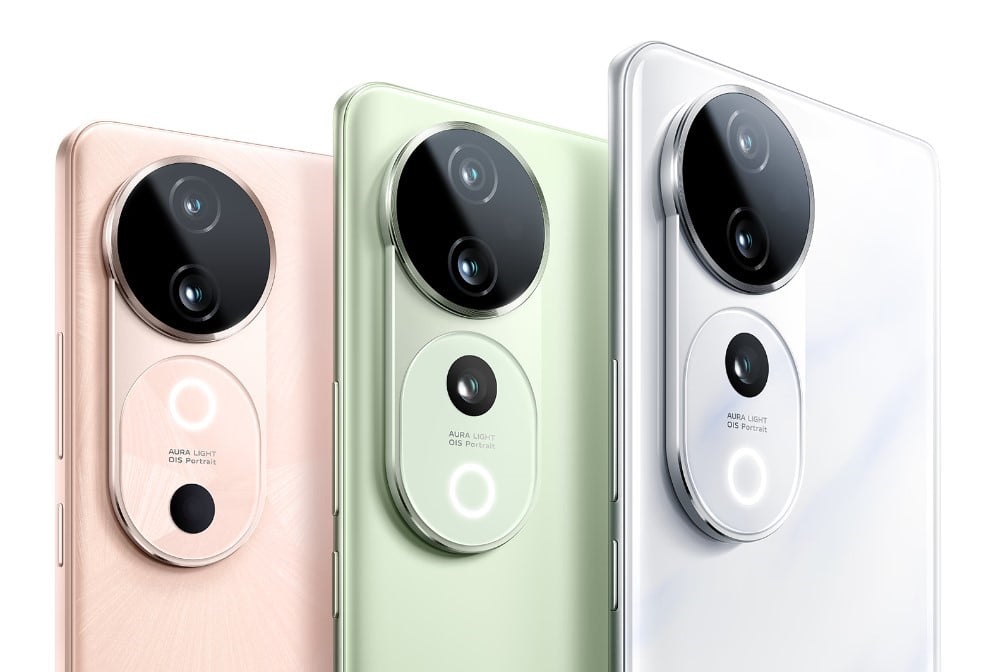
After the X200 series flagships, Vivo is set to launch its mid-range S20 series smartphones in China. We are expecting two models, the Vivo S20 and S20 Pro, by the end of this month. Ahead of the launch, the vanilla model got its performance tested on the Geekbench benchmarking platform.
Here, the device carrying the model number V2429A achieved a score of 1222 and 3417 in the single-core and multi-core tests respectively. It features a processor with a prime core running at 2.63 GHz, three mid-cores at 2.40 GHz, and four efficiency cores at 1.8 GHz.
Vivo S20: What can you expect?
Based on these specs, we believe the device is powered by the Qualcomm Snapdragon 7 Gen 3, paired with 16GB of RAM. And it runs on the latest Android 15 operating system.
The model number also aligns with previous leaks from China’s 3C and TENAA certification databases. These databases further hinted at a range of configurations for the S20, including 8GB, 12GB, and a hefty 16GB of RAM, alongside storage options from 128GB to a staggering 1TB.
Moreover, the phone’s display is expected to be a large 6.67-inch 1.5K AMOLED panel. On the camera front, the S20 appears set to feature a 50MP main sensor alongside an 8MP secondary sensor on the back. The front will be home to a 50MP selfie camera.
The 3C certification reveals the battery will have a sizable 6365mAh capacity, which Vivo will likely market as a 6500mAh cell. This will be coupled with 90W wired fast charging.
There seems to be no wireless charging support, but we may get an under-display fingerprint scanner for added security.
Vivo has not yet announced the launch date for the S20 series, but rumors suggest it might debut on November 28, 2024. Meanwhile, Oppo’s Reno 13 series, set to compete directly with the S20 series, is scheduled to launch on November 25. This makes Vivo’s launch likely to follow soon after.
Red Magic 10 Pro is a cutting-edge gaming smartphone that blends speed, power, and innovation, setting a new standard in mobile gaming technology. Built for those who demand nothing less than excellence, this device offers an exceptional gaming and multitasking experience. It is available now at Geekwills for a starting price of $899.
Stunning Design and Display
The Red Magic 10 Pro stands out with its sleek design, available in Black and Transparent finishes. Its 6.85-inch AMOLED Full HD+ display is designed to deliver vibrant visuals, offering a 144Hz screen refresh rate and an impressive 960Hz touch sampling rate for ultra-smooth performance. With 2000 nits peak brightness, 10-bit color depth, and 100% DCI-P3 color gamut, you’ll enjoy rich colors and excellent clarity, whether gaming, watching videos, or browsing.
Unmatched Performance
Powered by the Qualcomm Snapdragon 8 Elite Octa-core processor clocked at 4.32GHz and paired with the Adreno 830 GPU, the Red Magic 10 Pro ensures lightning-fast performance. With 12GB of LPDDR5X RAM and up to 512GB of UFS 4.0 Pro storage, you’ll have the power and space for all your apps, games, and media. The device runs on Red Magic OS 10.0, a gaming-optimized custom UX designed for superior performance and seamless multitasking.
Advanced Gaming Features
The Red Magic 10 Pro is built for gamers. It features dual 520Hz touch-sensitive shoulder keys for precise controls and supports multi-finger actions. ICE 13.5 Liquid-Cooling Technology ensures the device stays cool during long gaming sessions, thanks to its advanced 10-layer cooling system and high-speed fan running at 22,000 rpm.
Exceptional Camera System
This smartphone features a triple rear camera setup with two 50MP sensors for standard and ultra-wide shots, plus a 2MP macro lens. A 16MP under-display front camera captures stunning selfies and supports clear video calls.
Long Battery Life with Fast Charging
Equipped with a robust 6500mAh battery, the Red Magic 10 Pro provides extended gaming and usage time. Its 80W fast charging capability powers the device from 0% to 100% in just 35 minutes.
Cooling: ICE 13.5 liquid-cooling with 10 layers and high-speed fan
Battery: 6500mAh, 80W fast charging
Gaming Features: 520Hz shoulder keys, Red Magic OS 10.0
Audio: Dual stereo speakers, 96kHz lossless audio
The Red Magic 10 Pro is the ultimate gaming smartphone, combining top-tier hardware with innovative features. Whether you’re a hardcore gamer or a multitasking professional, this device is designed to deliver an unmatched mobile experience.
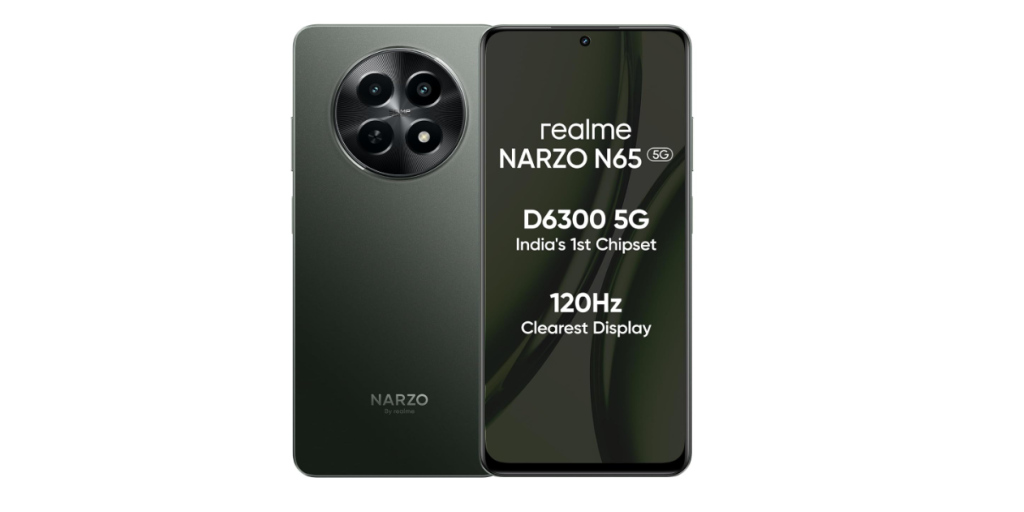
Realme Narzo N65 5G with 128GB storage and 6GB RAM is on sale for the lowest price of Rs 10,998 via Amazon India. The users can apply a Rs 1500 discount coupon on the product page, and the same will reflect while doing checkout. There’s also an additional discount on some bank cards, including Amazon ICICI Bank Credit Card and others.
Realme Narzo N65 5G Specifications and Features
Launched early this year, the Realme Narzo N65 5G is an affordable entry-level smartphone featuring a 6.67-inch IPS LCD with 720 x 1604 pixels resolution and 500 nits brightness. It is powered with MediaTek Dimensity 6300 SoC along with Mali-G57 MC2. The smartphone is available in two storage variants, including 128GB storage and 4/6GB RAM options.
In the camera segment, the smartphone hosts a 50MP primary sensor and other auxiliary lenses. On the front, there’s an 8MP primary sensor for selfies and video calling. Realme Narzo N65 5G bundles WiFi 802.11 a/b/g/n/ac, Bluetooth 5.3, GPS, and USB Type-C. A more accessible side mounted fingerprint sensor is present along with other sensors like proximity, gyro, and compass.
It bundles a 5000mAh battery with 15W fast charging support. The smartphone is up for grabs in Amber Gold and Deep Green color options.
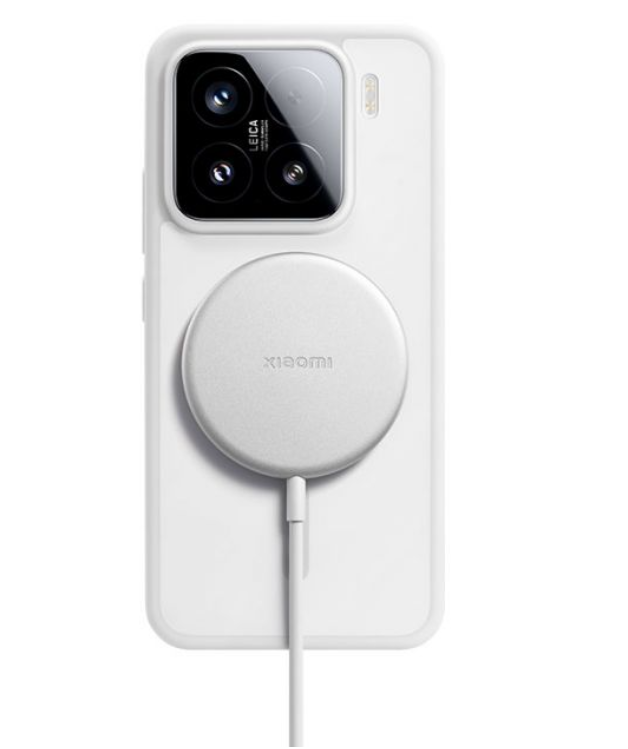
Xiaomi Magnetic Wireless Charger 30W is a cutting-edge accessory designed to provide fast and convenient charging for both Xiaomi and Apple devices. Its strong magnetic adsorption and multi-protection features ensure a seamless charging experience. You can now get this magnetic charger for $35.99 only at Geekwills.
This wireless charger delivers a peak power of up to 30W, making it ideal for users with the latest Xiaomi devices such as the Xiaomi 15 and Xiaomi 15 Pro. Other Xiaomi phones, like the Xiaomi 14 or Redmi K60 series, can enjoy speeds of up to 10W. For Apple users, the charger supports MagSafe devices like iPhones, with a peak output of 7.5W, ensuring compatibility without compromising on performance.
The Xiaomi Magnetic Wireless Charger features automatic magnet adsorption. This strong magnetic alignment ensures your phone stays securely in place during charging, even with minor movements. This is particularly beneficial for users who multitask or use their phones while charging.
The charger works with a wide range of devices, including MagSafe-enabled iPhones such as the iPhone 16, iPhone 15, and iPhone 14 series. It is also optimized for Xiaomi devices like the Xiaomi 15, Xiaomi 14 Pro, Mix Fold series, Redmi K60, and many more. Its versatility makes it a great choice for households with mixed devices.
Safety is a priority with the Xiaomi Magnetic Wireless Charger. It is equipped with multiple protection mechanisms, such as FOD detection to avoid charging foreign objects, overcurrent, and overvoltage protection to safeguard your device from electrical issues, and temperature and electromagnetic field protection to ensure safe operation under various conditions.
Key Specs:
Model: Xiaomi Magnetic 30W Wireless Charger
Charging Protocol: Qi protocol
Output Levels: 30W / 15W / 10W / 7.5W
Input: 5V-20V⎓3.25A Max
Device Compatibility: Xiaomi and Apple MagSafe-supported phones
Safety Features: Overcurrent, overvoltage, FOD detection, temperature protection, and more
With its sleek design, powerful performance, and enhanced safety, the Xiaomi Magnetic Wireless Charger 30W is a reliable solution for effortless wireless charging.
Realme is set to launch its GT 7 Pro flagship in India on November 18th. However, those who want to secure their units early can pre-order the smartphone starting November 18th. That’s roughly a week before the phone’s official international launch.
Consumers can pre-book the phone through either Amazon or authorized offline retailers. Those opting for online pre-orders via Amazon will need to put down a deposit of INR 1,000 (around USD 12).
This initial payment comes bundled with several attractive incentives, including a bank discount of INR 3,000 (USD 36), 12 months of no-cost equated monthly installments (EMI), one year of screen damage insurance, and an additional year of extended warranty.
Offline retailers are also participating in the pre-order program, offering the same package of benefits for a slightly higher deposit of INR 2,000 (USD 24). Additionally, these stores will provide customers with the option to spread the cost of the phone over a 24-month installment plan.
To note, pre-orders for the Realme GT 7 Pro kick off at 12:00 PM local time on November 18th. If you’re considering placing an order, here’s a quick overview of its specifications.
Specifications
The GT 7 Pro features a 6.78-inch LTPO display with a 120Hz refresh rate, 2000 nits peak brightness, and support for HDR and Dolby Vision.
Powered by the Snapdragon 8 Elite chip, it efficiently manages thermals with a 11480mm² dual VC cooling system. The phone’s battery life is equally good, as the device is stuffed with a 6500mAh battery. Yet, the phone has a thickness of just 8.55mm.
With 120W fast charging, the battery reaches 50% in just 14 minutes. The rear camera setup includes a 50MP main lens, an 8MP ultrawide lens, and a 50MP periscope telephoto lens, while the front features a 16MP selfie camera.
With the announcement of the latest flagship chips, phones utilizing them started debuting a few weeks back. More such devices are expected to launch in the coming weeks.
Three brands have confirmed the announcement of new smartphones next week. There will be four launches and two of them will be from the same brand for different markets.
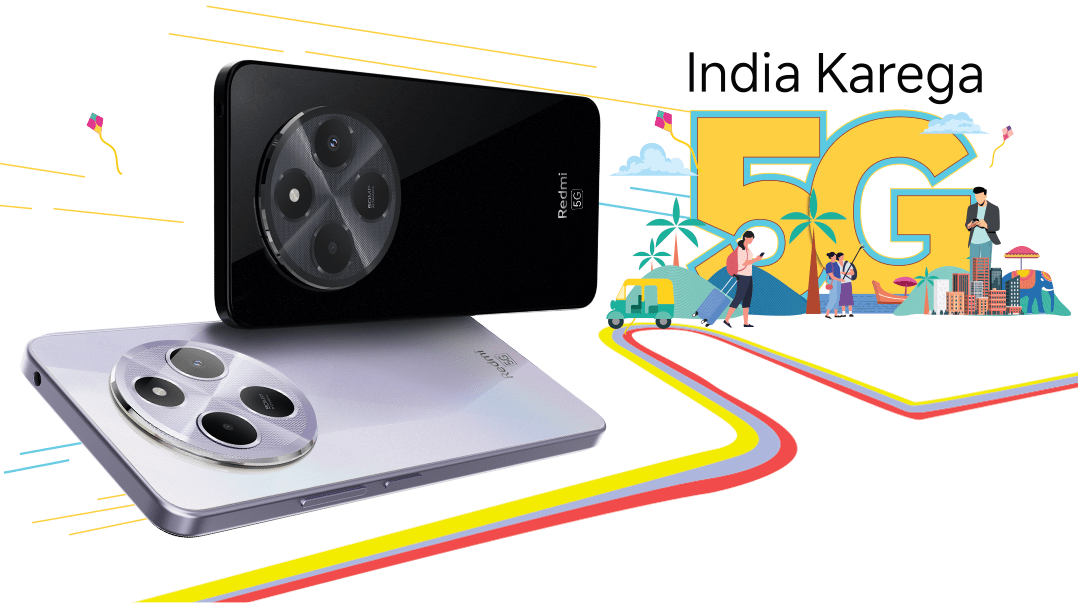
Firstly, Asus will take wraps off its next-gen gaming smartphone. Whereas Xiaomi will unveil its most affordable 5G smartphone to date in India.
Finally, Vivo will bring its recently released X200 series to Malaysia and a budget model to India.
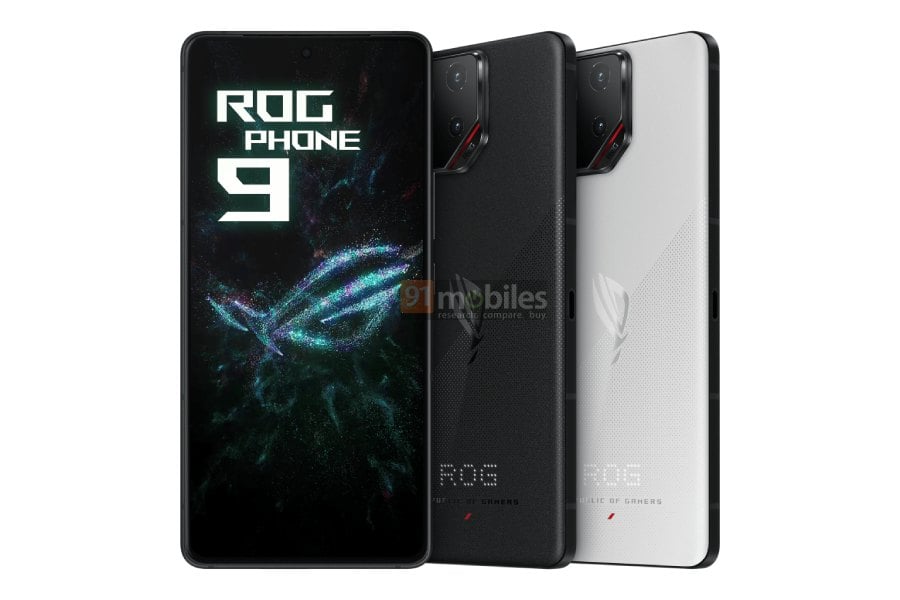
The ASUS ROG Phone 9 is scheduled to launch on November 19 (Tuesday). Like the previous generation, two devices are expected, namely ROG Phone 9 and ROG Phone 9 Pro.
Both handsets will be powered by Qualcomm Snapdragon 8 Elite. Similar to their predecessors, they will have a minimal design for gaming smartphones.
The vanilla model is tipped to arrive with a 6.78-inch FHD+ 165Hz OLED display, a 50MP (wide) + 13MP (ultrawide) + 5MP (macro) triple camera setup, a 32MP selfie camera, a 5,800mAh battery, and 65W charging support.
2. Vivo X200 Series
The Vivo X200 series is going global starting November 19 (Tuesday). Malaysia will be the first market to receive it.
The lineup will include two devices, such as Vivo X200 and Vivo X200 Pro. The smaller Vivo X200 Pro Mini will not be making its way outside mainland China.
The phones come with a MediaTek Dimensity 9400 chip, Zeiss optics, a 120Hz LTPO OLED display, an IP69 rating (dust and water resistance), and 90W charging support. Both feature a 50MP primary camera, a 50MP ultrawide unit with autofocus, and a 32MP selfie camera.
However, the pro has a 200MP 3.7x periscope camera as opposed to a 50MP 3x unit on the standard model. Additionally, the pro arrives with 30W wireless charging support, a USB 3.2 port, and an ultrasonic fingerprint sensor.
The handset will be powered by a Qualcomm Snapdragon 4s Gen 2 chip. It will feature a circular camera module, a glass back, and a flat frame.
The device will come with a 6.88-inch 120Hz display, a 50MP main camera, a side-mounted fingerprint sensor, and a 5,160mAh battery. The base 4GB + 128GB variant of the product is tipped to cost ₹8,499 (including offers).
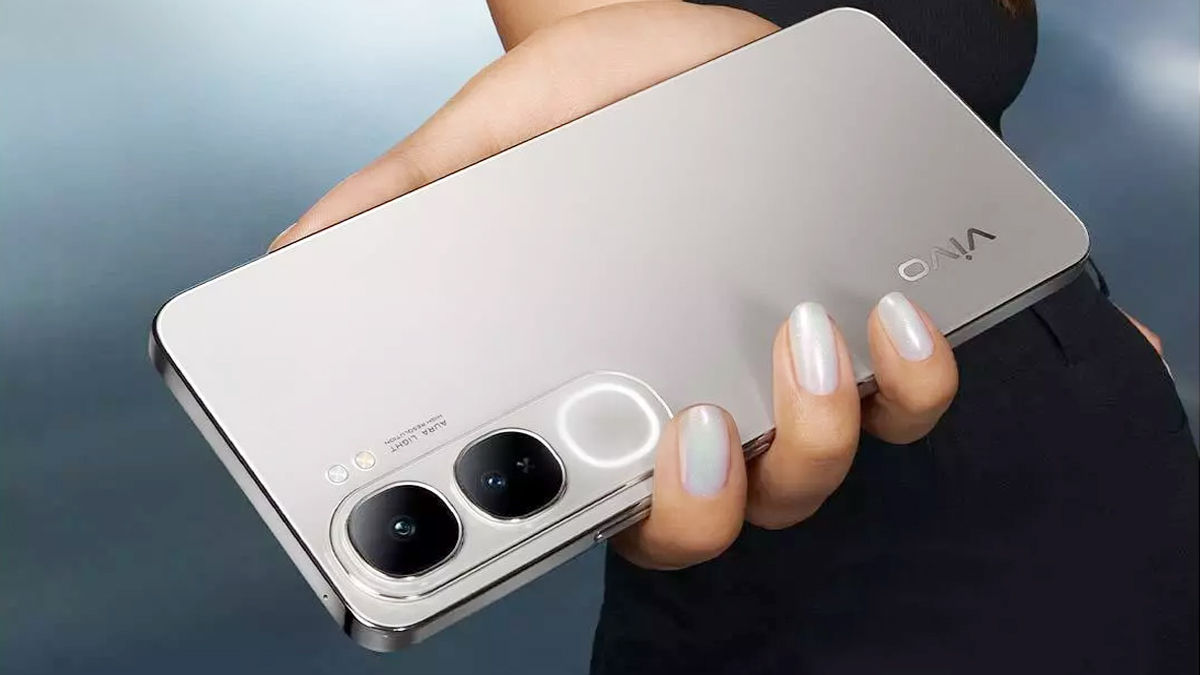
4. Vivo Y300
The Vivo Y300 will be officially unveiled in India on November 21 (Thursday). The handset will succeed the Y200 from earlier this year.
Talking about specs, the device will house a Qualcomm Snapdragon 4 Gen 2 chip and a 5,000mAh battery. It will sport a 50MP primary camera, a 32MP selfie camera, and a 6.7-inch 120Hz OLED display,
Lastly, the product will be available in Titanium Silver, Dynamic Black, and Emerald Green color options.
Samsung‘s software updates have become a model of consistency in the Android world. Regular releases, and a smooth beta program – it’s been a winning formula for the tech giant. But the upcoming One UI 7, based on Android 15, might be a bumpier ride than usual.
According to reliable tipster Ice Universe, the first public beta of One UI 7 could be unusually buggy, as even the latest internal test builds reportedly include newly introduced animation bugs. It looks like Samsung is facing challenges in implementing the revamped animations expected in One UI 7.
One UI 7 Beta may not be launched smoothly, and there are too many bugs. Even in the latest version of XKB, there are still bugs in animation, and they are new bugs. There are too many things that Samsung has fallen behind in recent years. It is very difficult for them to make up…
For those not aware, unlike previous versions that focused on minor tweaks and refinements, One UI 7 is a complete redesign of Samsung’s Android skin. From a revamped animation system to a whole new look for notifications and quick settings – not to mention app icons and more – it’s a major undertaking.
A result of big changes
The extensive changes in One UI 7 likely mean a demanding workload for developers. Users excited to try the new features might find the beta unstable. However, that’s precisely the point.
Beta testing is crucial for Samsung to gather feedback from developers and experienced users to refine the experience before the stable version reaches the public. Early access isn’t just about previewing features; it’s a critical step in identifying and fixing bugs ahead of a broader rollout.
Ice Universe acknowledges that Samsung’s software development may have “fallen behind” in recent years. However, he seems optimistic about the company’s ability to address these issues.
The first public beta of One UI 7 is rumored to arrive as early as next week. Users can then test the new features and provide valuable feedback to Samsung, helping them iron out these bugs before the final stable release arrives alongside the Galaxy S25 in 2025.
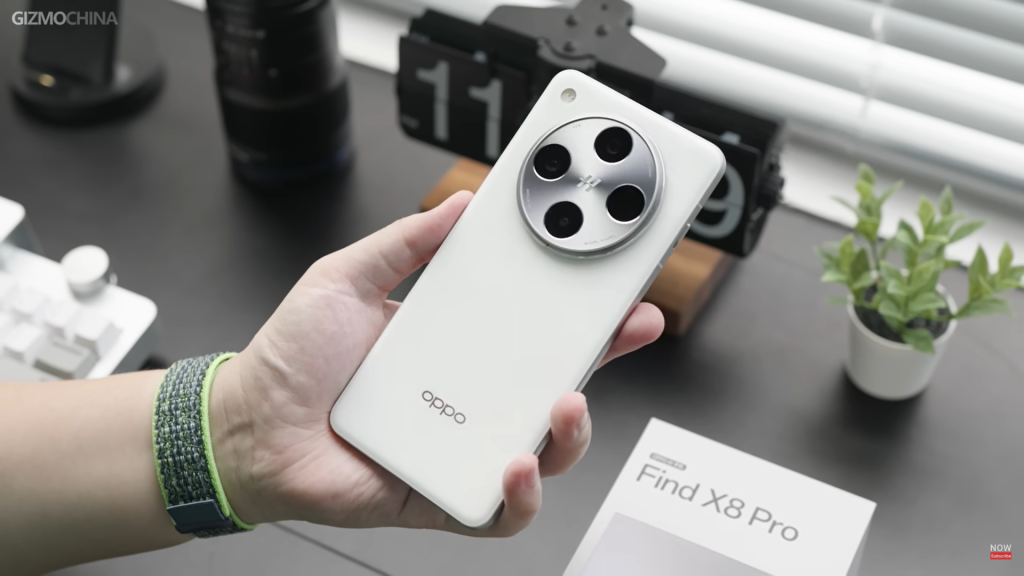
Oppo is set to unveil its latest flagship smartphones, the Find X8 and Find X8 Pro, globally on November 21st at 5 AM UTC. The event will be live-streamed and will showcase the devices alongside the latest version of ColorOS 15.
Oppo Find X8 Pro
You can watch the live stream on YouTube by following this link. Oppo’s global launch of the Find X8 and Find X8 Pro promises premium features across display, performance, and photography.
Oppo Find X8 and X8 Pro: What to expect
The specifications and features of the Find X8 series devices coming to the global market are expected to be largely similar to the Chinese models that made their debut a while back. This means that we can expect the Find X8 to offer a 6.59-inch 1.5K AMOLED flat display, while the Find X8 Pro will feature a 6.8-inch LTPO micro-curved AMOLED screen, both supporting 120Hz adaptive refresh rates, up to 4500 nits brightness, and durable Oppo Crystal Shield glass.
Both smartphones are expected to be powered by MediaTek’s Dimensity 9400 SoC, paired with up to 16GB LPDDR5X RAM and 1TB UFS 4.0 storage. They will debut the world’s first dual periscope camera system, with the X8 featuring a triple 50MP setup and the Pro model adding dual 50MP periscope lenses for 3x and 6x optical zoom. They are expected to offer AI-powered Telescope Zoom, the HyperTone Image Engine, and a Hasselblad partnership to ensure professional-grade photography and videography, including Dolby Vision and 12-bit processing.
These phones are expected to offer large batteries (5630mAh for X8, 5910mAh for X8 Pro) and support 80W wired, 50W wireless, and 10W reverse wireless charging. In China, the devices start from $600, however, we can expect them to cost a bit more in the global market.
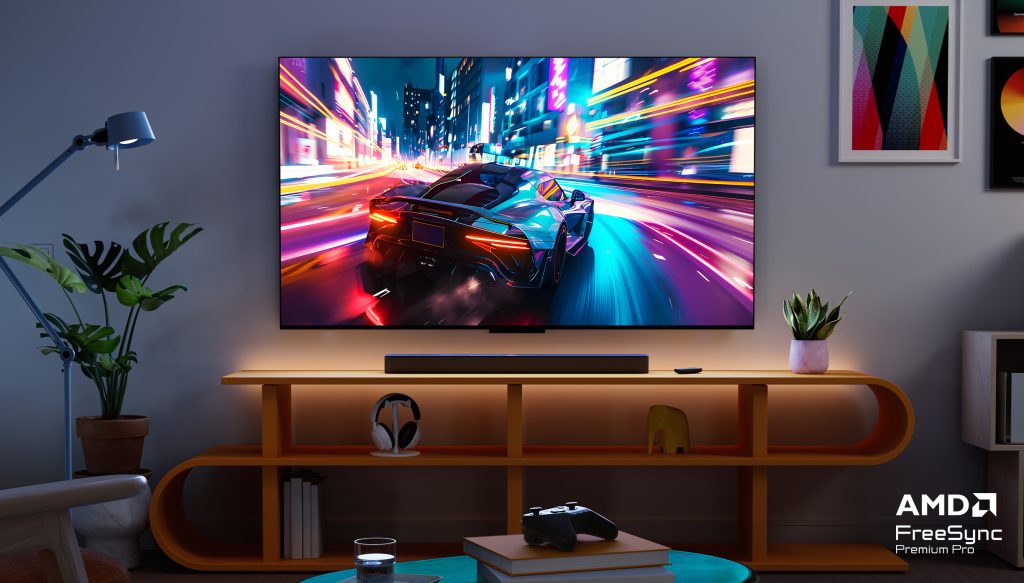
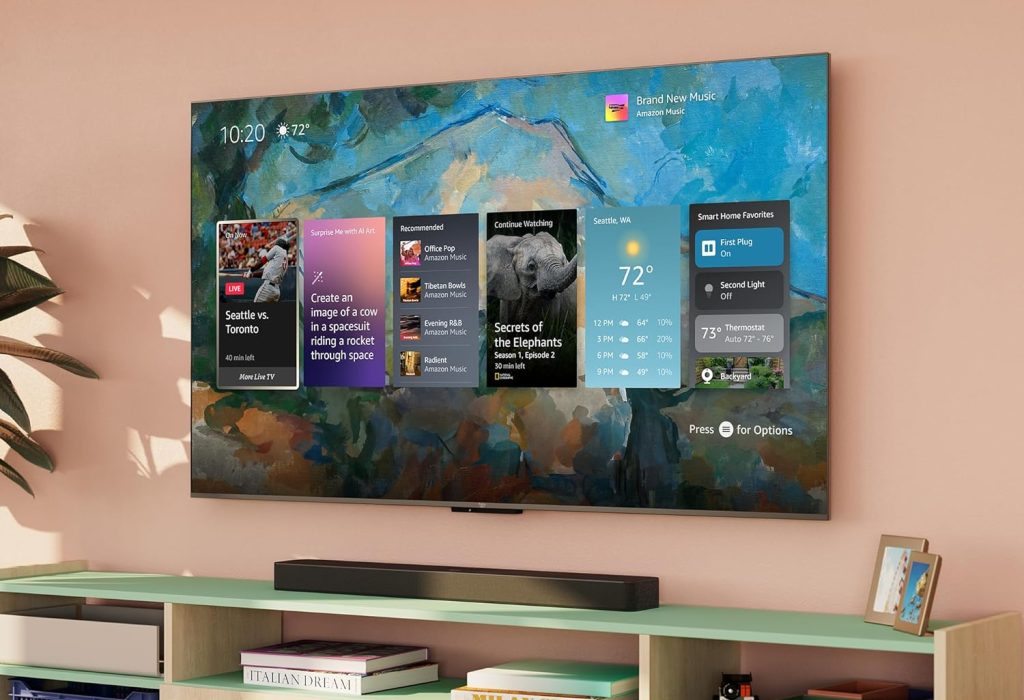
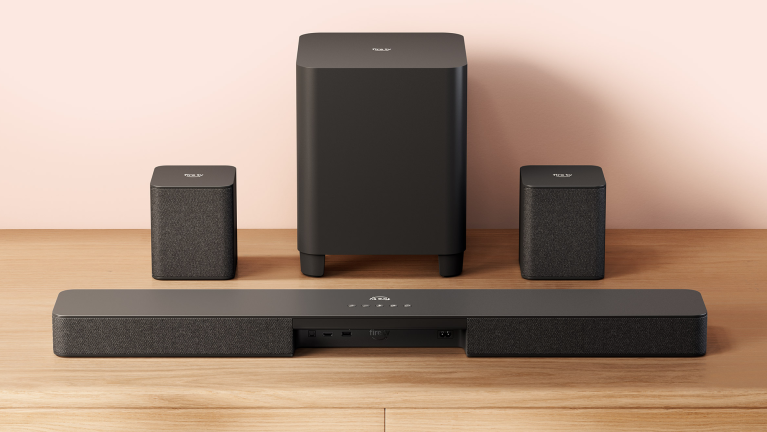
Amazon has expanded its Fire TV lineup with the Fire TV Omni Mini-LED Series, Fire TV Soundbar Plus Series, and an updated Fire TV 4-Series. These new additions aim to improve picture quality, sound, and user experience.
Amazon Fire TV Omni Mini-LED Series features
The Fire TV Omni Mini-LED Series features a QLED Mini-LED display available in 55 inch, 65 inch, 75 inch, and 85 inch sizes. It offers up to 1,400 nits of peak brightness and 1,344 dimming zones, ensuring vibrant colors, deeper blacks, and better contrast. It supports Dolby Vision IQ and HDR 10+ Adaptive for enhanced visuals. The series includes Intelligent Picture Technology, which uses AI to adjust picture settings based on content, and a built-in light and color sensor that adapts brightness and color temperature to ambient lighting.
The Fire TV Ambient Experience lets the TV display interactive artwork and useful information when idle. A radar sensor adds movement-responsive visuals like koi fish or butterflies. The collection includes over 2,000 images, with regular updates. The series also features Dolby Atmos sound, built-in speakers, and subwoofers for better audio.
Gaming-specific features include AMD FreeSync Premium Pro, a 144 Hz refresh rate, Variable Refresh Rate, and Auto Low Latency Mode, enhancing gaming performance. Connectivity options include Wi-Fi 6E and Bluetooth 5.2 for smoother streaming and lower latency. Accessibility features, such as Dual Audio support for ASHA-enabled hearing aids, are also included.
Privacy protections for the Fire TV Omni Mini-LED Series and Alexa include a microphone off switch that electronically disables microphones. Users can manage their voice recordings via the Alexa app, with options to view, listen to, or delete them. The TV’s I/O ports include 2 HDMI 2.0, 1 HDMI eARC 2.1, 1 HDMI 2.1, USB, Optical, Ethernet, IR Emitter, Headphone, and Cable/Antenna inputs.
Amazon Fire TV 4-Series features
The updated Fire TV 4-Series comes in 43 inch, 50 inch, and 55 inch sizes with an ultra-slim bezel. It supports 4K UHD, HDR10, HLG, and Dolby Digital Sound for a high-quality viewing experience. It has two 8W speakers, along with multiple ports like 3 x HDMI 2.0, 1 x HDMI 2.1 with eARC, 1 x Ethernet port, 1 x USB, Cable, IR Emitter, and Headphones. It runs on FireOS, offering features like Fire TV Search, smart home control and Ask Alexa.
Fire TV Soundbar Plus Series features
The Fire TV Soundbar Plus is a 3.1-channel soundbar supporting Dolby Atmos, DTS, and DTS TruVolume. It offers adjustable settings like a Dialogue Enhancer and four listening modes: Movie, Music, Sports, and Night. It can be used alone or paired with wireless subwoofers and surround sound speakers for enhanced audio. It has multiple connectivity options like HDMI, Optical, Bluetooth, and USB.
Pricing & availabiltiy
The Fire TV Omni Mini-LED Series is priced at USD 819.99 for the 55 inch model, USD 1,089.99 for the 65 inch model, USD 1,499.99 for the 75 inch model, and USD 2,099.99 for the 85 inch model.
The Fire TV 4-Series is priced at USD 329.99 for the 43 inch model, USD 399.99 (Rs. 33,770 approx.) for the 50 inch model, and USD 459.99 for the 55 inch model. The Amazon Fire TV Soundbar Plus is priced at USD 249.99.
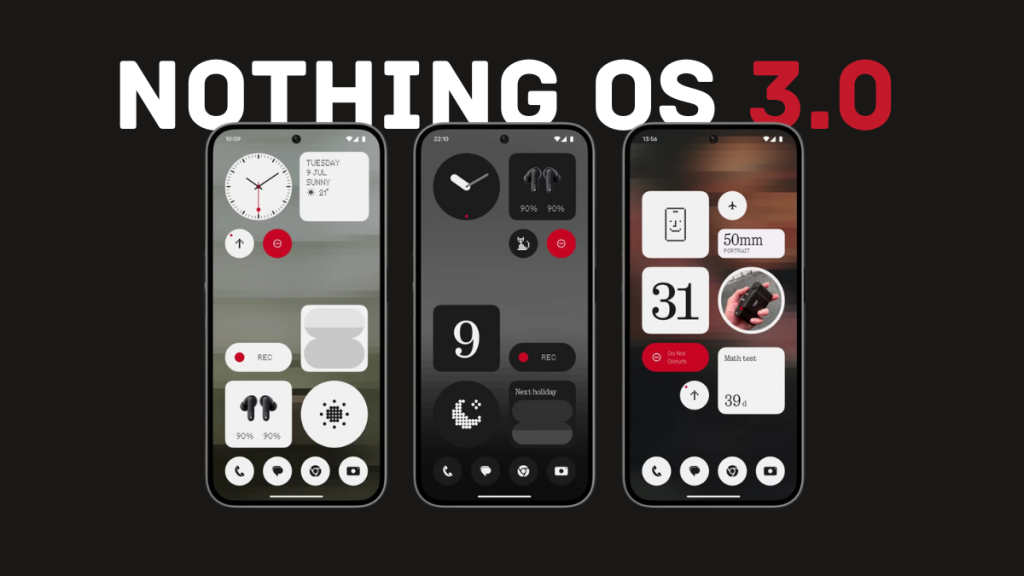
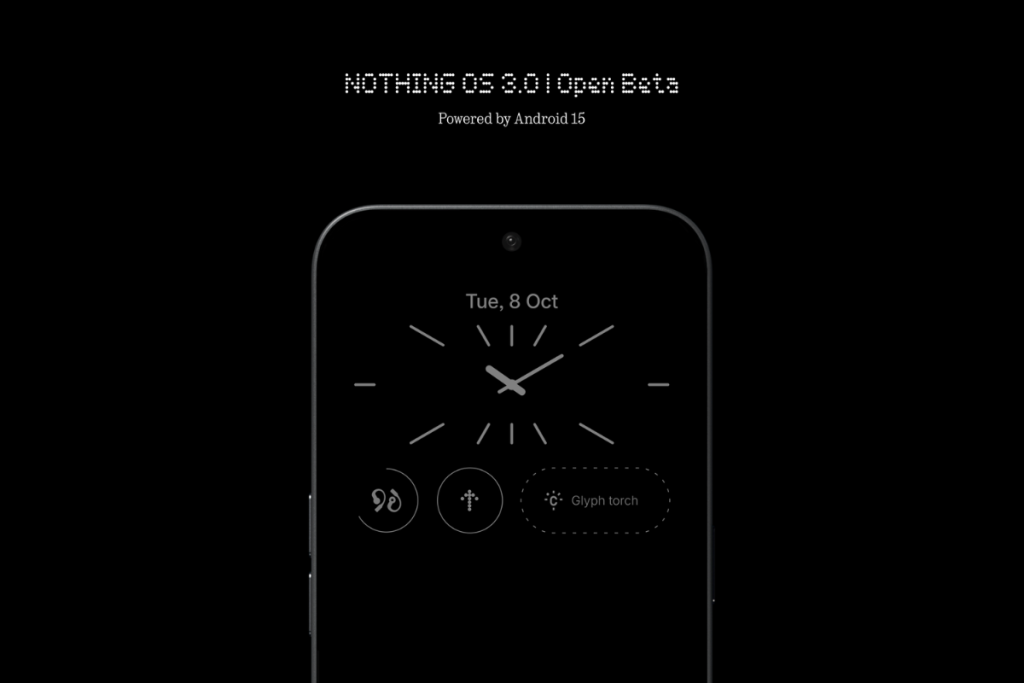
Nothing OS is one of the best Android skins. It’s minimalistic yet feature-rich with plenty of customizations, and with the latest Nothing OS 3.0 update, it’s getting a lot better.
The Nothing OS 3.0 beta is already out for a few devices, allowing users to get an early taste of the software ahead of the public release. If you also want to join the beta party, follow the steps mentioned below.
Steps to install Nothing OS 3.0 beta
Before you follow the steps, ensure that Nothing OS 3.0 beta is available for your device and region.
Step 1: Ensure that your device is running Nothing OS 2.6 and has the following build number:
Nothing Phone (2): Pong-U2.6-241016-1700
Nothing Phone (2a): Pacman-U2.6-240828_1906
If it isn’t already, go to Settings > System > System Update and install the available update.
Step 3: Navigate to Settings > System > Update to Beta version and tap Check for new version.
Step 4: Tap Download Package. If you don’t see this option, this means no beta version is available for your device right now. Check back again later.
Step 5: Once the package download is finished, tap Install Update.
Be sure to back up your device before installing the beta update to prevent data loss. Nothing says your device may experience temporary overheating and increased power consumption but will quickly return to normal, so there is no need to worry if that happens.
Beta software may have critical bugs. If those are unbearable, rolling back to a previous stable version makes a lot of sense.
[Note: Remember to back up your important data before downgrading to a previous software version.]
To roll back to Nothing OS 2.6, download the required rollback package from the Nothing community. Then, go to Settings > System > Update to Beta version. Tap Import file, choose the rollback package, and install it.
Here’s the direct download link to rollback packages:
Nothing OS 3.0 introduces Shared Widgets. As the name suggests, you can share widgets with others or see others’ widgets on your home screen and interact through reactions.
The lock screen is now more customizable than before, allowing users to choose from multiple watch faces. You can add more widgets to the lock screen by toggling the Expand widget area.
The latest Nothing OS 3.0 software also improves the Camera app. The app launch speed has improved greatly, and the processing time for HDR and portrait effects is up to 25% faster. The low-light performance also improves.
Nothing has added new fingerprint and charging animations with signature dot matrix styling. The OS 3.0 enables predictive back animations for supported apps. There’s also the AI-powered smart drawer that automatically categorizes apps into folders.
During the Nothing OS 3.0 launch, the brand announced that the new software has the much-requested Nothing Gallery app. However, it’s notably absent in the beta update. This could indicate that it’s still under development and might be a part of the stable release.
We use cookies on our website to give you the most relevant experience by remembering your preferences and repeat visits. By clicking “Accept”, you consent to the use of ALL the cookies.
This website uses cookies to improve your experience while you navigate through the website. Out of these, the cookies that are categorized as necessary are stored on your browser as they are essential for the working of basic functionalities of the website. We also use third-party cookies that help us analyze and understand how you use this website. These cookies will be stored in your browser only with your consent. You also have the option to opt-out of these cookies. But opting out of some of these cookies may affect your browsing experience.
Necessary cookies are absolutely essential for the website to function properly. This category only includes cookies that ensures basic functionalities and security features of the website. These cookies do not store any personal information.
Any cookies that may not be particularly necessary for the website to function and is used specifically to collect user personal data via analytics, ads, other embedded contents are termed as non-necessary cookies. It is mandatory to procure user consent prior to running these cookies on your website.