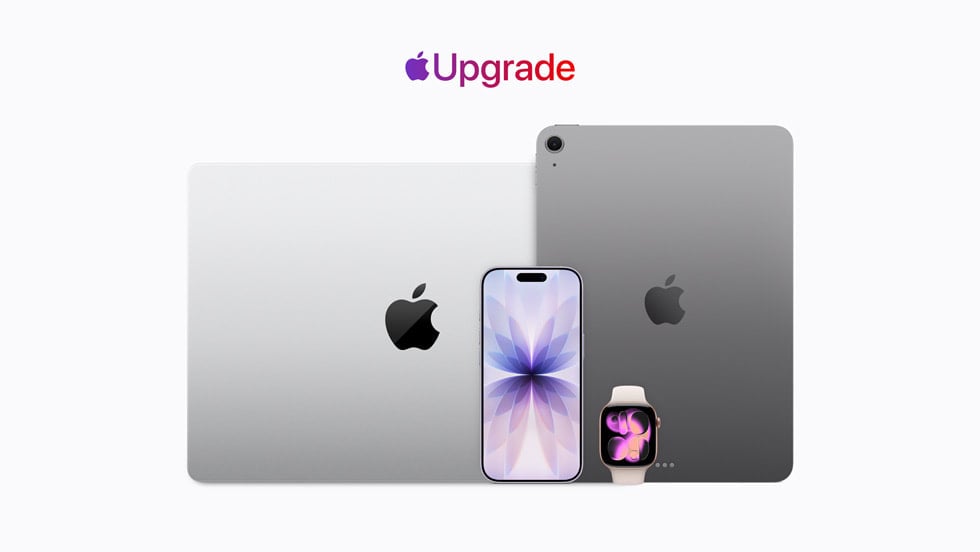
Apple just made it a lot easier to get its newest gear without dropping a big chunk of cash upfront. The company has rolled out a new leasing program in the US that gives people more flexible ways to own (or at least use) iPhones, Watches, Macs, and iPads. It’s called Apple Upgrade, and it’s powered by Klarna.
You can sign up for it on the Apple website, in the Apple Store app, or right in a physical store. For iPhones and Apple Watches you can choose 12- or 24-month plans. Macs and iPads get 24- or 36-month options. Monthly payments start as low as $17.99 for an iPhone, $11.99 for a Watch or iPad, and $24.99 for a Mac. Trade in an eligible device through Apple Trade In and that monthly number can drop further.
The application is quick, online or in-store, and only involves a soft credit check, so it won’t ding your credit score. Get approved and you can walk out of the store with the device the same day, or have it delivered/picked up if you ordered online.
When the 24-month lease is up, you can upgrade to a newer model, buy the current one outright by paying a lump-sum residual balance, or just hand it back to Apple in good condition. Everything, including billing and your remaining balance, lives in the Klarna app. You can still add AppleCare if you want the extra protection.
To put some real numbers on it: an iPhone 17 Pro 256GB that normally costs $1,099 would run you about $31.99 a month on a 24-month lease, or roughly $45.99 on the 12-month plan (before taxes or any trade-in credit). An Apple Watch Series 11 GPS 42mm at $399 starts at $11.99 a month for 24 months. No deposit required, though upgrades still depend on eligibility and a fresh approval.
Now that Apple Upgrade is live, the old iPhone Upgrade Program and iPhone Payments options are being retired in the US. If you’re already on one of those, you can switch over to the new leasing plan, stick with Apple Card monthly installments, just buy the phone outright, or look at carrier financing instead. The program is only for US residents 18 and older who meet the ID and account requirements, and devices can only be delivered to US addresses or picked up at US stores.
There’s no official announcement or timeline for an international rollout of the leasing plan yet.
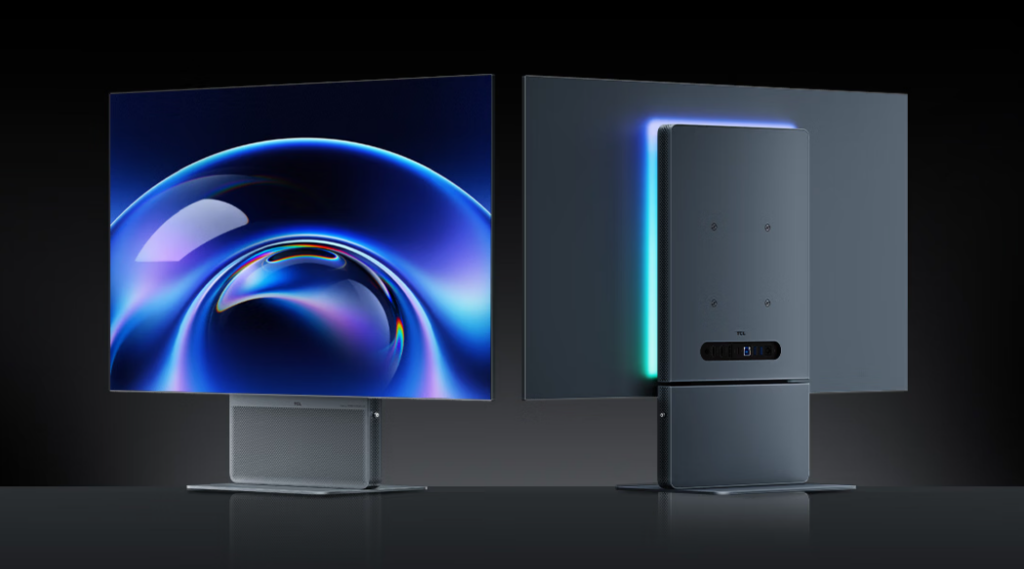
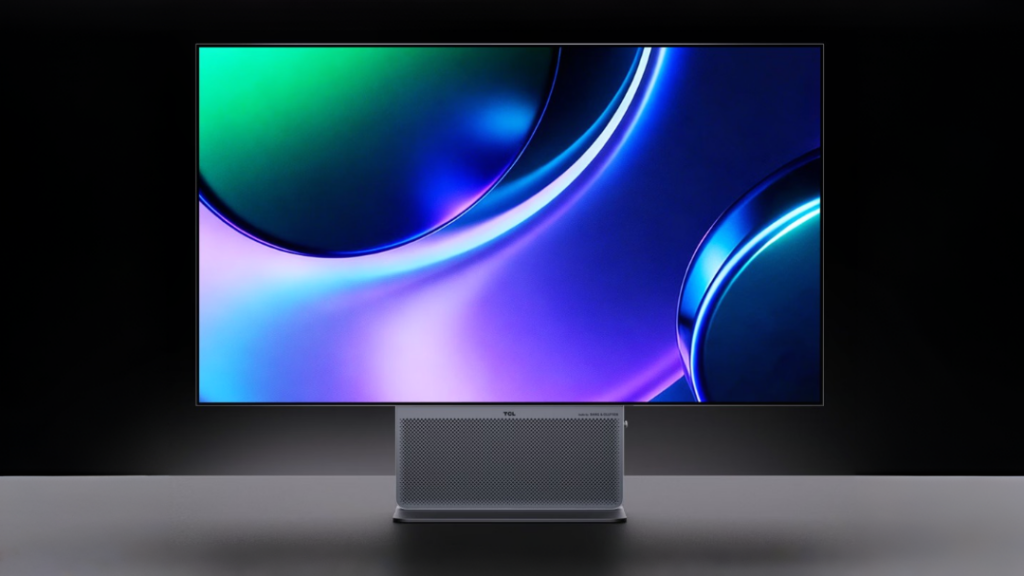
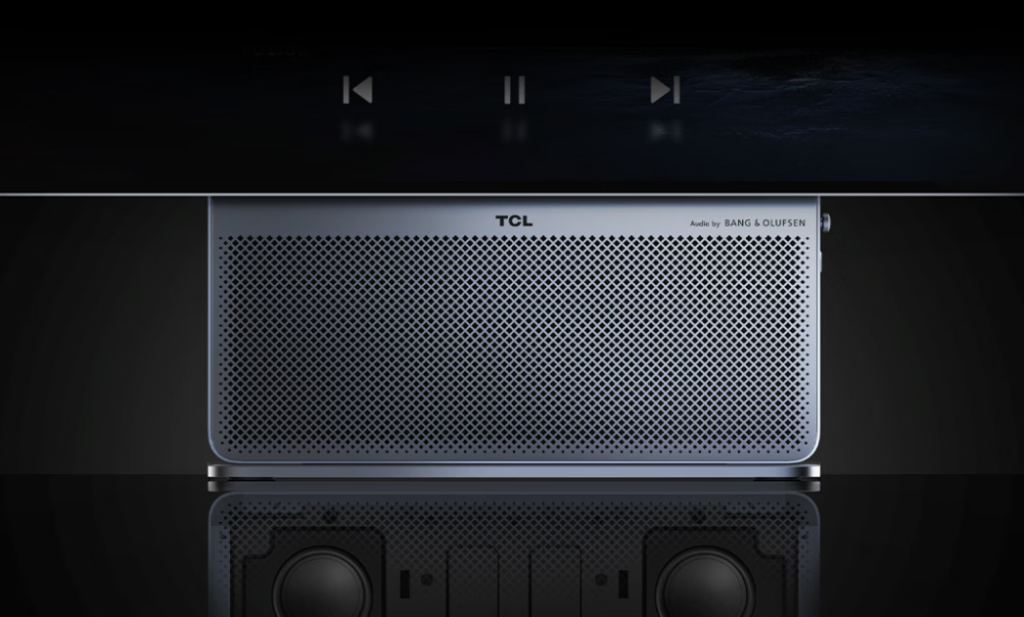
TCL has launched two new desktop gaming monitors, the 32X3B and 27X3B, in China. Both displays are built around fourth-generation Tandem WOLED panels and feature integrated, front-facing speakers tuned by Bang & Olufsen.
TCL 32X3B and 27X3B Specifications
The higher-end 32X3B features a 32-inch fourth-generation Tandem WOLED panel with dual-mode operation, supporting 4K at 240Hz or 1080p at 480Hz. It also offers up to 1,500 nits peak brightness, native 10-bit colour, and 99.5% DCI-P3 colour gamut coverage.
The port selection on the 32-inch model is fairly robust. It includes one DisplayPort 2.1 connection, two HDMI 2.1 ports, and a USB-C port that handles up to 90W of power delivery. It also has a built-in KVM switch with two USB-A ports, making it easier to swap peripherals between a desktop and a plugged-in laptop.
The smaller TCL 27X3B is a 27-inch display with a 1440p resolution and a 280Hz refresh rate. It shares the same 1,500-nit peak brightness and color gamut specs as the 32-inch version, but its connectivity is more basic. It drops the USB-C port and KVM functionality, leaving one DisplayPort 1.4 connection, two HDMI 2.1 ports, and a 3.5mm audio jack.
Both monitors share a 6.4mm-thick chassis design that TCL calls Stargate, which includes rear ambient lighting and a tilt-adjustable stand. To address the text clarity issues that often plague WOLED panels, TCL is using a Matrix-Pure pixel structure designed to reduce color fringing around text and sharp edges.
The displays also use a glossy optical layer with circular polarization; TCL claims this reduces screen reflectivity to 1.1%, which should help maintain black levels if you are using the monitor in a bright room.
Instead of standard downward-firing monitor speakers, both models feature a front-facing speaker chamber developed with Bang & Olufsen. The audio is directed straight at the user and is managed by a dedicated DSP chip with multiple sound profiles.
For longevity, TCL has included its Kunlun Anti-Burn Shield system, a mix of thermal management and software algorithms designed to mitigate OLED burn-in over time.
Pricing and Availability
The TCL 32X3B has a retail price of 7,999 yuan ($1,180), with an early subsidized price of 6,499 yuan ($960). The 27X3B is priced at 4,999 yuan ($738), dropping to 3,699 yuan ($546) during the initial reservation period on JD.com.
In related news, TCL has recently launched the Q95K flagship soundbar, featuring an 11.1.4-channel audio system, 1,420W of total output, and sound tuning developed in collaboration with Bang & Olufsen.
For more daily updates, please visit our News Section.
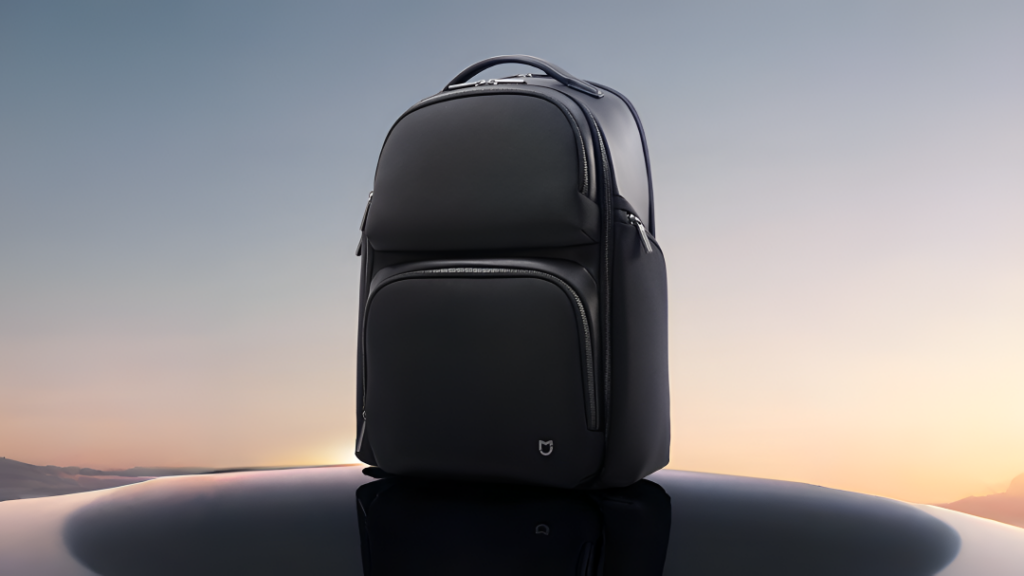
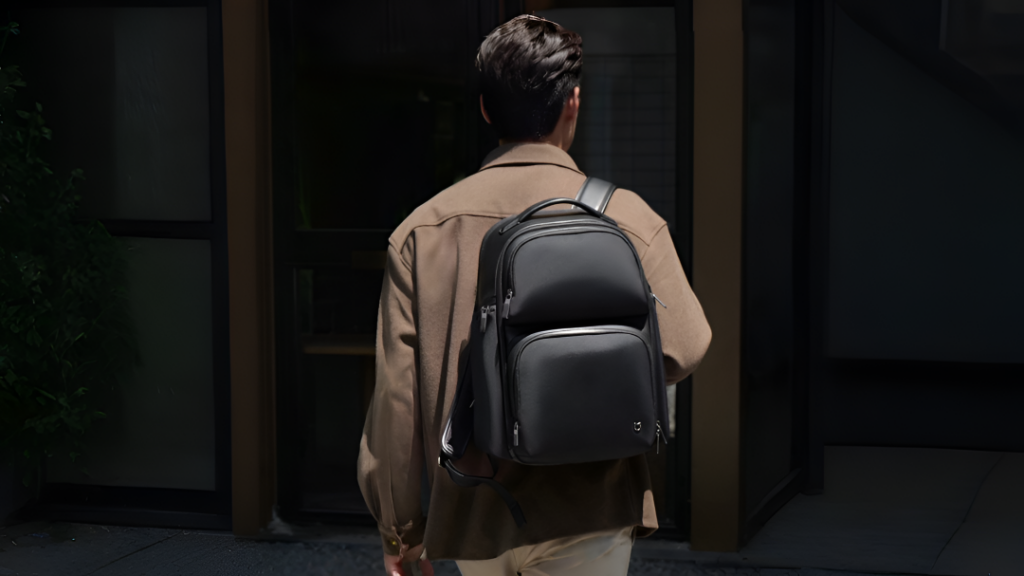
Xiaomi has introduced a new everyday carry bag to its lineup, listing the Mijia Large-Capacity Business Backpack 2 on its Youpin platform. The backpack is set to enter crowdfunding tomorrow with an introductory price of 449 yuan ($66), before moving to its standard retail price of 599 yuan ($88).
Mijia Business Backpack 2 Specifications
The design is straightforward and aimed primarily at commuters or people taking short work trips. It is built from high-density nylon with a few microfiber leather accents. According to Xiaomi, the exterior uses a Liteshield-developed fabric designed to resist water, oil, and stains. The company says that the material went through 50,000 abrasion cycles in standard lab testing, which suggests it should handle regular daily use without wearing out too quickly.
Inside, the backpack offers a 23-liter capacity. Xiaomi compares this amount of space to a small 14-inch suitcase. The bag uses a dual-compartment structure, which is meant to keep your office equipment separate from your clothes or personal items. Because of this layout, the company says it works well for short trips lasting one to three days.
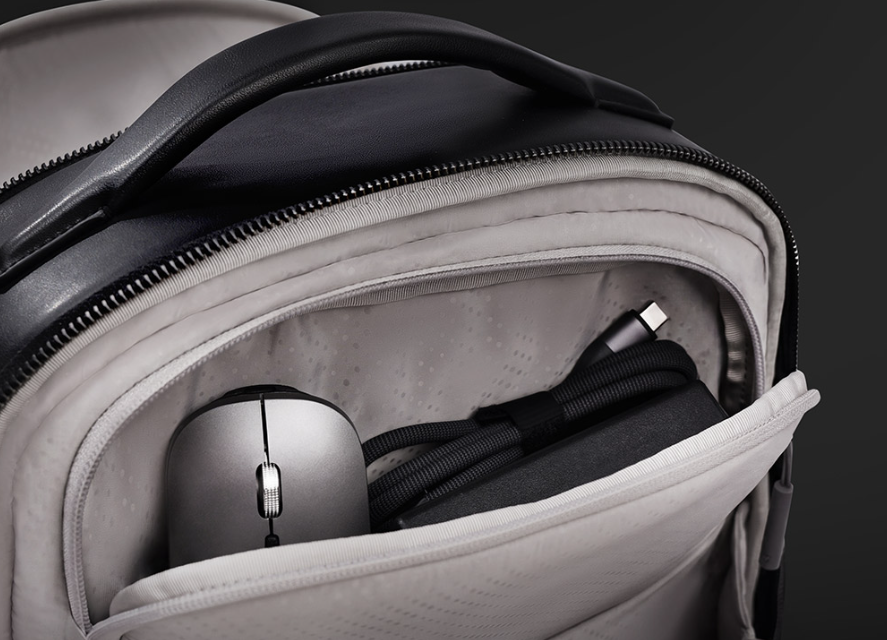
For tech storage, it features a dedicated 16-inch laptop compartment with a suspended design that helps protect the device from direct impacts when the backpack is set down. The compartment is lined with soft velvet padding for additional protection, while a built-in accessories section provides organized storage for chargers, cables, mice, and other tech essentials.
The rest of the storage is fairly standard but practical. There is an accordion-style front pocket, a top pocket for items like IDs or earbuds, and a magnetic pouch for a phone or keys. The two side pockets can hold a 500ml water bottle or an umbrella, and they include a water-resistant lining so a wet umbrella won’t soak the main compartments.
To help with comfort, the backpack has wide, padded shoulder straps and a mesh back panel with airflow channels for ventilation. It also includes a padded top handle and a pass-through strap, allowing you to slide it over the handle of a rolling suitcase when traveling.
In related news, Xiaomi has recently launched a large-capacity 2-in-1 air purifier and humidifier that can humidify a room in as little as seven minutes. The company has also introduced a new affordable electric shaver featuring adaptive power adjustment, an IPX7 water-resistant rating, and USB-C charging support.
For more daily updates, please visit our News Section.
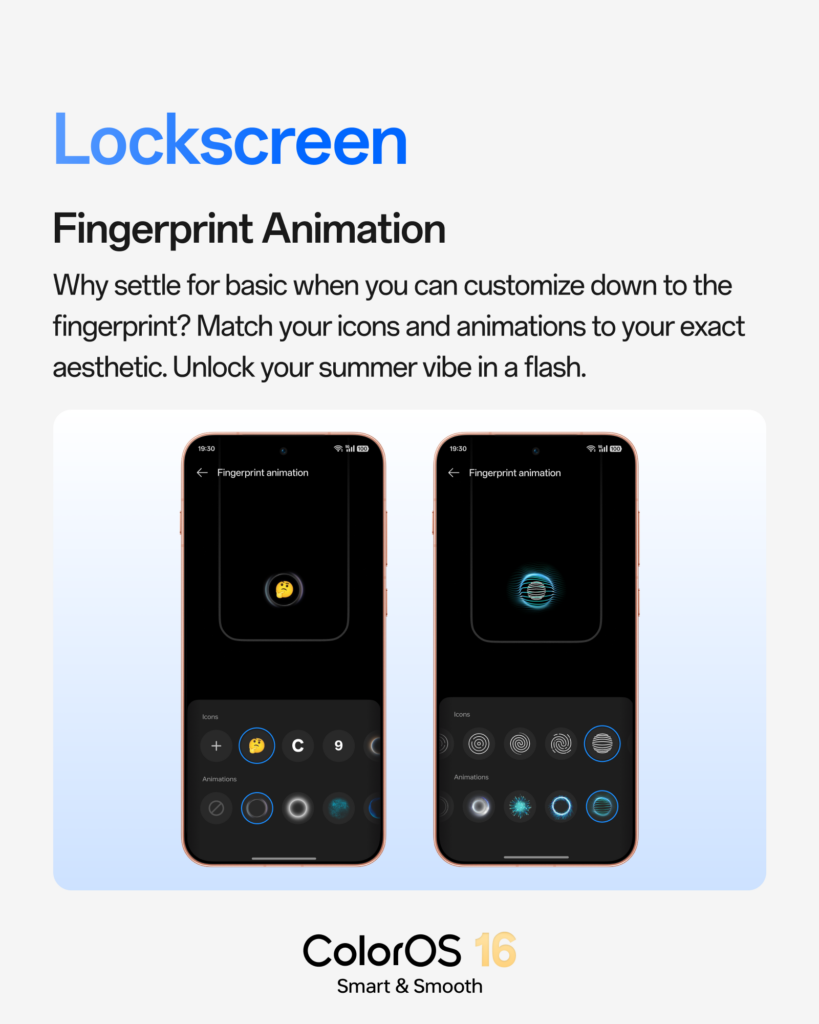
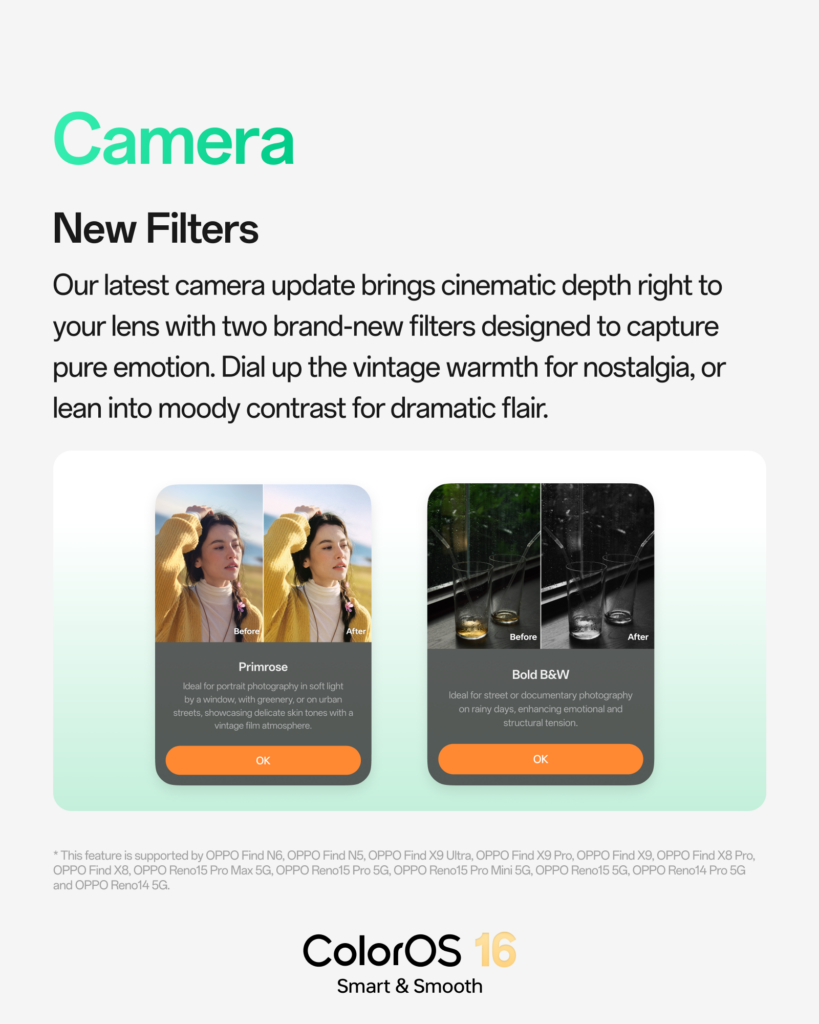
Oppo has started rolling out the July update for ColorOS 16, bringing a mix of personalization features, camera enhancements, and system refinements to supported smartphones. The update focuses on making everyday interactions more customizable while also improving the overall software experience.
ColorOS 16 July update brings new personalization features
One of the key additions in the latest ColorOS 16 update is the ability to customize the fingerprint unlock experience. Users can now choose from different fingerprint icon styles and unlock animations, allowing them to mix and match combinations based on their preferences. The update also adds Contact Poster preview support, making it easier to view and customize Contact Posters before assigning them for incoming calls.
The native Camera app has also received two new filters called Primrose and Bold B&W. Primrose is designed for warmer-looking images, while Bold B&W offers a monochrome style for black-and-white photography. These filters are available directly within the stock Camera app, giving users more creative options without relying on third-party apps.
The July update also adds smoother transition animations when launching and switching between apps through the Recent Tasks screen. Oppo has also improved Face Unlock by adding support for a backup face profile, allowing users to register a secondary appearance, which can be useful when wearing glasses or makeup. In addition, the update includes general system refinements, improved stability, and performance optimizations aimed at delivering a smoother day-to-day experience.
The ColorOS 16 July update is rolling out in phases for the Oppo Find X9 Ultra, Find X9s, Find X9 Pro, Find X9, Reno 15 Pro 5G, Reno 15 5G, Reno 14 Pro 5G, and Reno 14 5G. As with previous staged releases, availability may vary depending on the device model and region before reaching all eligible users.
For more daily updates, please visit our News Section.
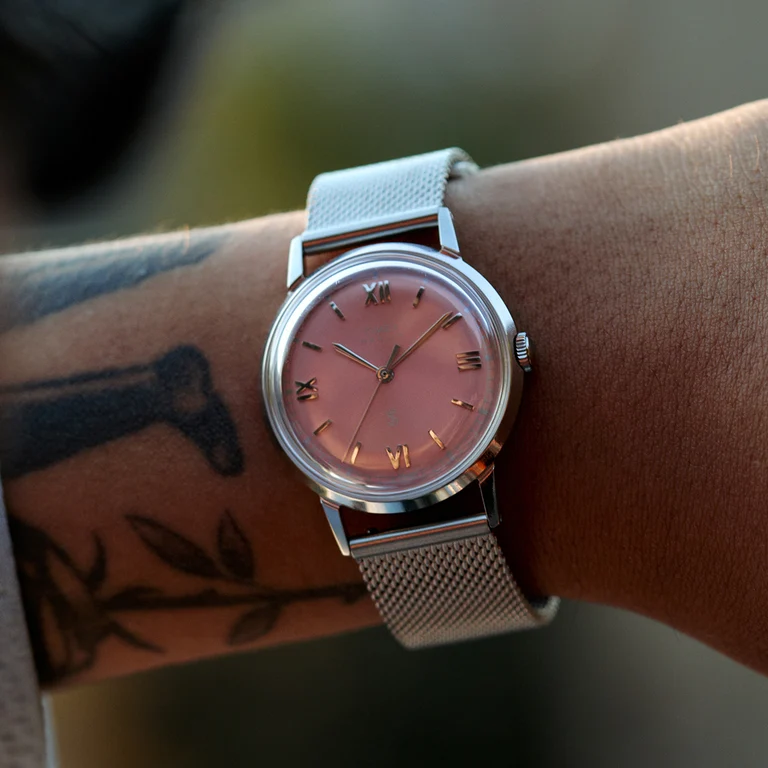
Timex has released a new set of watches in collaboration with menswear designer Todd Snyder. The new Todd Snyder x Timex Marlin Mesh collection consists of three quartz watches featuring 34mm cases and stainless steel mesh bracelets. The watches were originally designed to accompany Snyder’s Spring/Summer 2026 runway collection and are now available for purchase.
Design Details
The physical dimensions of the watches are relatively small. The polished stainless steel case measures 34mm in diameter and has a height of 10mm. This compact sizing replicates the proportions of the original Timex Marlin watches produced in the 1960s.
The watch is fitted with an 18mm stainless steel mesh bracelet secured by a fold-over clasp, designed to fit wrists measuring 150mm to 205mm, and includes quick-release spring bars for tool-free strap changes.
Timex is offering the watch in three distinct dial colors: aqua blue (model TW2Y84000), salmon pink (model TW2Y83900), and silver-tone (model TW2Y83800). Each dial has a sunray finish, metallic Roman numerals at the quarter-hour positions, and standard markers for the remaining hours.
The dial is covered by a domed acrylic crystal, a lightweight material commonly used in vintage watches that can be polished to remove minor scratches.
The collection runs on a standard quartz analogue movement powered by an SR626SW battery. Each watch also carries a 30-metre water resistance.
This rating means the watches can withstand accidental splashes of water and hand-washing. However, they are not suitable for swimming, diving, or submersion, and the crown should not be operated while the watch is wet.
Pricing and Availability
The Todd Snyder x Timex Marlin Mesh collection is available now for $199 on the Timex US website.
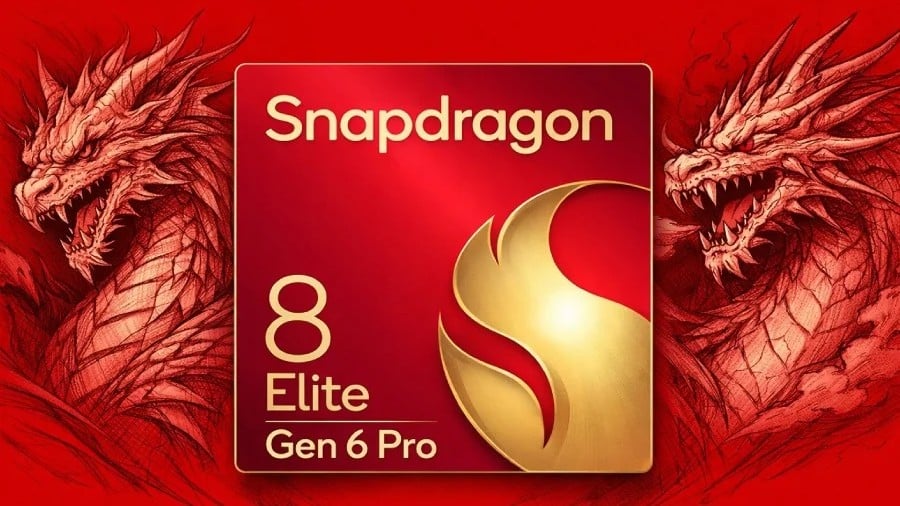
A detailed set of leaked documents has given us a clearer picture than usual this early on of the chip known internally as SM8975. It’s expected to launch as the Snapdragon 8 Elite Gen 6 Pro, and on paper it looks like one of Qualcomm’s bigger architectural jumps in a while.
The biggest manufacturing-process update is that it’s moving to TSMC’s enhanced 2 nm-class N2P node, Qualcomm’s first flagship to go beyond 3 nm. Interestingly, the die is still larger than the previous generation (roughly 134 mm² versus 126.2 mm²), even though the process is denser. That usually means they’ve packed in more features and complexity.
The CPU sticks with Qualcomm’s custom Oryon cores in a 2+3+3 setup: two prime cores, three performance cores, and three efficiency cores. Exact clock speeds still aren’t out. On the graphics side, the Pro version gets the Adreno 850 GPU with 18 MB of GMEM (up from the Adreno 840).
It also includes two dedicated Matrix ALU blocks that enable a new feature called AI Frame Fusion. This can do both super-resolution upscaling and AI-generated frames to make games look smoother while using less power. Those Matrix ALUs and AI Frame Fusion appear to be Pro-only. The regular SM8950 is expected to use a scaled-down Adreno 845 with 12 MB of GMEM and skip the new AI blocks.
Cache has been bumped up too, with a shared 16 MB L2 cache plus 8 MB of system-level cache. The Pro model will support both LPDDR5X and the newer LPDDR6, while the base version is limited to LPDDR5X.
The Pro version is expected to cost more to make, so it might be reserved for a smaller group of ultra-premium phones. Qualcomm is set to officially reveal the platform at its Snapdragon Summit in Maui from September 22-24, 2026.
The September summit should fill in the remaining gaps. For now, it looks like a solid step up for the high-end Android phones that will use it.
Nothing may finally be ready to fill one of the biggest gaps in its product lineup. A new leak suggests the company is working on its first smartwatch under the main Nothing brand, with a launch reportedly planned for September. While official details remain under wraps, the latest information gives an early idea of what to expect.
Nothing smartwatch launch timeline and expected price
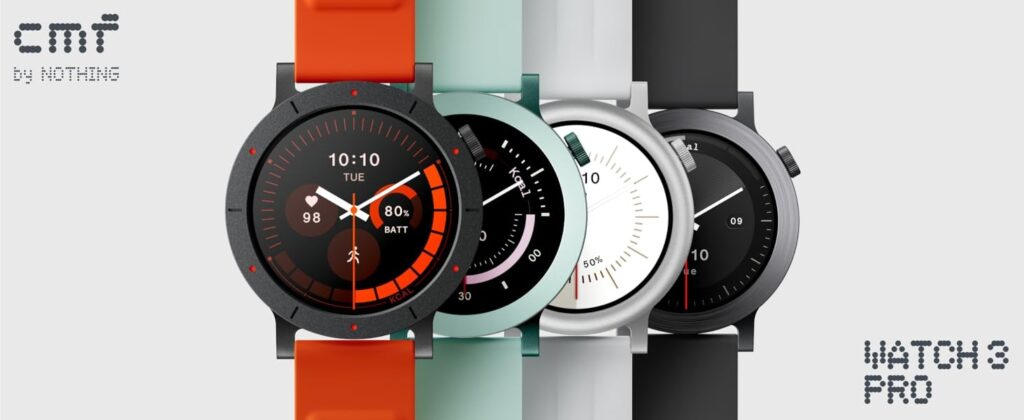
CMF Watch 3 Pro
According to tipster Yogesh Brar, Nothing is preparing to unveil its first branded smartwatch in September. The wearable is tipped to feature the company’s signature transparent-inspired design language, which has become a defining element across its smartphones and audio products.
The tipster also claims that the smartwatch will debut in select markets and carry a price tag of under $300. While hardware specifications have not surfaced yet, its expected pricing suggests that Nothing could target the premium smartwatch segment rather than the affordable category served by its CMF sub-brand.
Nothing has so far focused on smartwatches through CMF, with models such as the CMF Watch Pro 2 and the recently launched CMF Watch 3 Pro. These watches offer features such as AMOLED displays, built-in GPS, Bluetooth calling, health tracking, and multi-day battery life while running a real-time operating system.
If the upcoming Nothing smartwatch is positioned at a higher price point, it could arrive with Wear OS to compete more directly with rivals in the premium segment, although this remains speculative for now.
The leak comes shortly after reports claimed that Nothing was scaling back operations in several markets. The company denied those claims, with co-founder Akis Evangelidis clarifying that Nothing is reorganizing its operations into regional hubs and new business units as part of its next growth phase.
If the smartwatch launches as rumoured, it would become the first wearable under the main Nothing brand and further strengthen the company’s ecosystem alongside its smartphones and earbuds. More details are expected to emerge in the coming weeks.
For more daily updates, please visit our News Section.
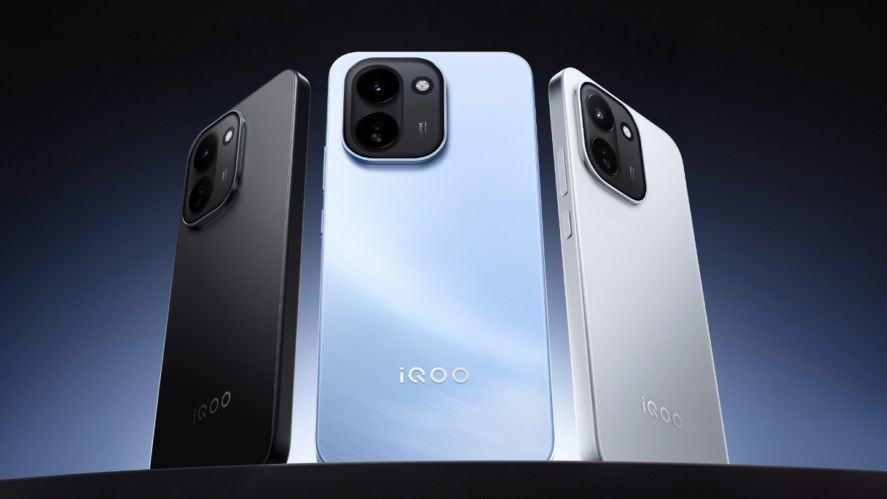
iQOO is adding another model to its Z11 series in India, this time aiming for a solid mix of performance and design in the mid-range space. After the recent launches of the Z11 Lite and Z11x 5G, the standard iQOO Z11 is expected to arrive next month.
According to exclusive details shared with Gadgets 360, the Indian variant of the iQOO Z11 will be the first phone in the country to use MediaTek’s octa-core Dimensity 7500 Turbo chipset. That’s different from the Chinese model, which runs the higher-end Dimensity 8500. The Indian variant is also expected to come with a 3D curved display, giving it a more premium look and feel compared to many flat-screen rivals.
The iQOO Z11 first launched in China in March, offering up to 16GB of RAM and 512GB of storage. Over there, it has a 6.83-inch AMOLED display with 1,260 × 2,800 resolution, up to 165Hz refresh rate, 300Hz touch sampling, HDR support, and full DCI-P3 color coverage. It’s powered by the Dimensity 8500 (3nm process) and packs a massive 9,020mAh battery with 90W wired charging. The dual rear cameras are led by a 50MP primary with optical image stabilization, paired with a 2MP depth sensor, while a 16MP front camera handles selfies.
The switch to the Dimensity 7500 Turbo and the addition of a 3D curved display suggest iQOO is looking to appeal to a broader audience, rather than just buyers prioritizing price-to-performance. Recent component price hikes may have also influenced the chipset choice.
Full specs, including battery size, charging speed, camera setup, and software, haven’t been revealed yet. The Z11 series has been about strong battery life and solid mid-range performance, and the standard model should stick to that formula.
With the launch only a few weeks away, iQOO is expected to share some official details soon. A new MediaTek chipset that’s exclusive to India (at least for now) plus a curved display could help the Z11 stand out in a busy segment.
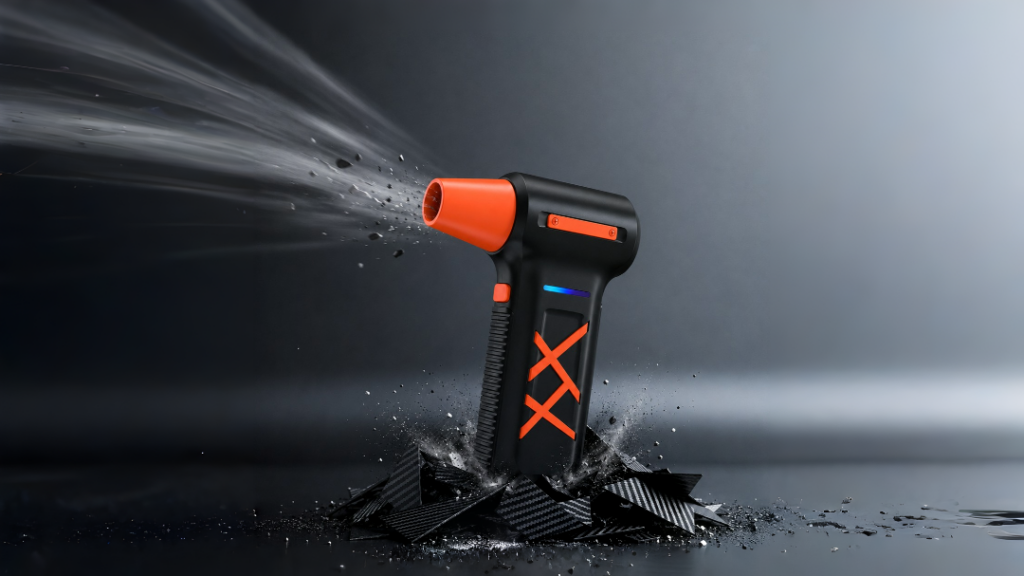
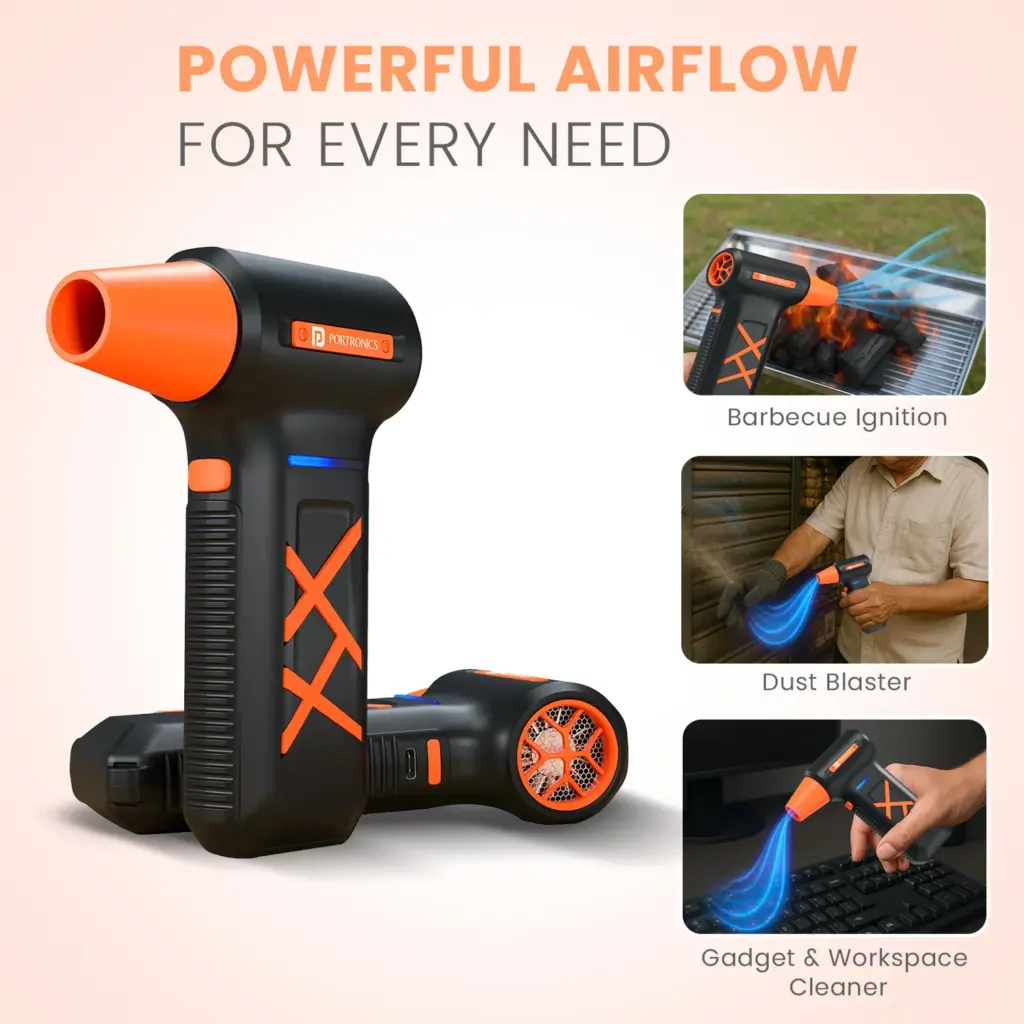
Portronics has released a new battery-powered air duster, the Tornado Plus. It is priced at Rs. 2,999 in India and designed to clear dust from electronics like keyboards, PC cases, and camera lenses, as well as car interiors and desk spaces.
Portronics Tornado Plus Specifications
The Tornado Plus weighs 289 grams and uses a standard pistol-grip design. It comes in a matte black plastic casing with orange accents on the triggers and vents. Portronics includes several interchangeable nozzle attachments in the box, which allow users to direct the airflow into tighter spaces like PC cooling vents, narrow car dashboard gaps, or between mechanical keyboard switches.
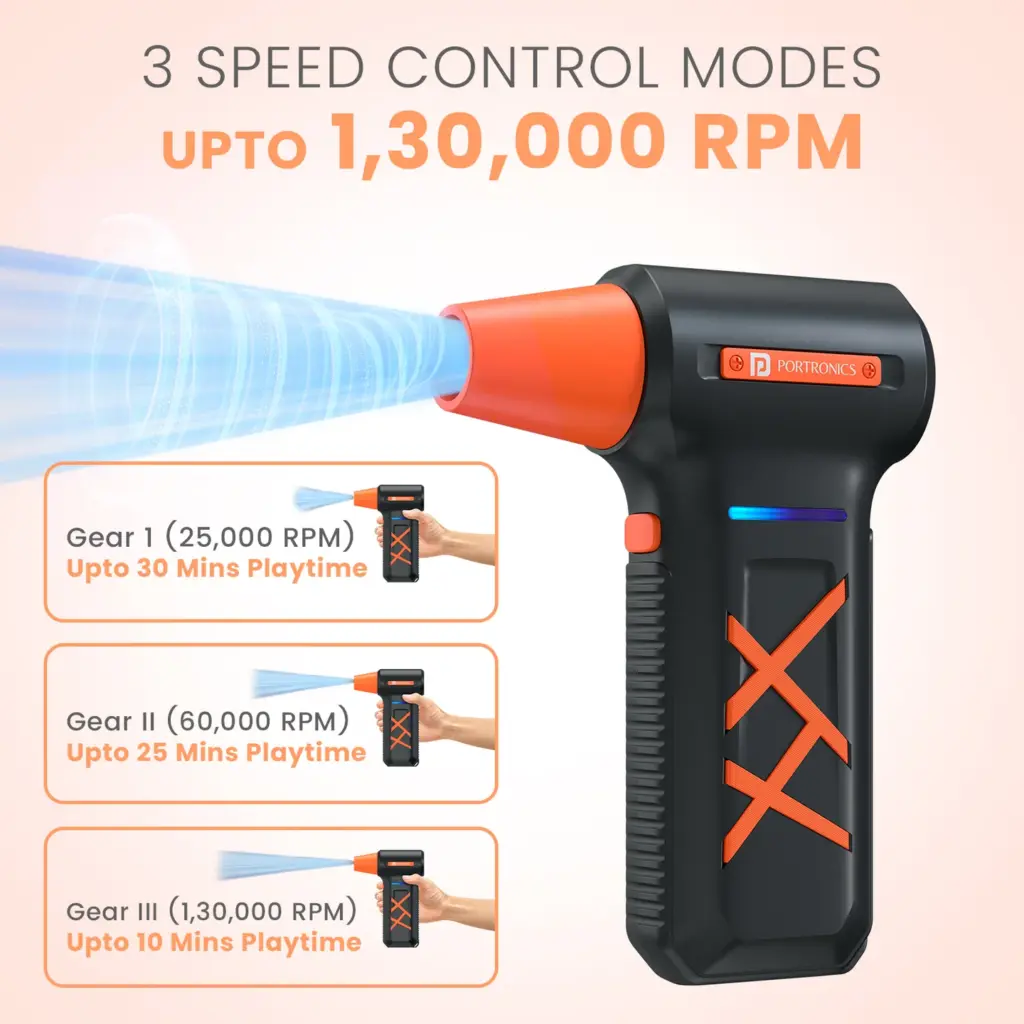
Inside, the duster is equipped with a 160-watt brushless motor. It features three distinct speed settings to manage the airflow depending on the task at hand. The lowest setting operates at 25,000 RPM, which is intended for clearing loose dust off delicate components without causing damage. The medium setting increases the speed to 60,000 RPM, while the maximum setting pushes the motor to 130,000 RPM for clearing out heavier, stuck-on dirt buildup.
The device is powered by two 3,000mAh batteries. Battery life depends entirely on the speed setting used. On the lowest gear, the duster can run for up to 30 minutes. This drops to 25 minutes on the medium setting, and just 10 minutes if you run it continuously at the maximum speed. Charging is handled via a standard USB-C port located on the handle. It takes approximately three hours to fully recharge the device using a standard wall adapter, laptop port, or power bank.
Portronics has also built in a few standard safety features to manage the motor’s heat and power draw. The duster has an overcurrent limit set to 15A and an automatic shutoff mechanism that triggers if the internal temperature gets too high. Additionally, it will automatically power down after three minutes of inactivity to preserve battery life.
Pricing and Availability
The Tornado Plus is available now. While the listed MRP is Rs. 3,999, the current retail price is Rs. 2,999. It can be purchased directly from the Portronics website, Amazon India, Flipkart, and various offline electronics retailers. The device comes with a standard 12-month warranty.
In related news, Portronics has recently expanded its product lineup with the Pure Sound Pro X2, a 150W 5.1-channel home theater system featuring a soundbar, alongside a new compact 10,000mAh power bank that comes with a built-in USB-C cable.
For more daily updates, please visit our News Section.
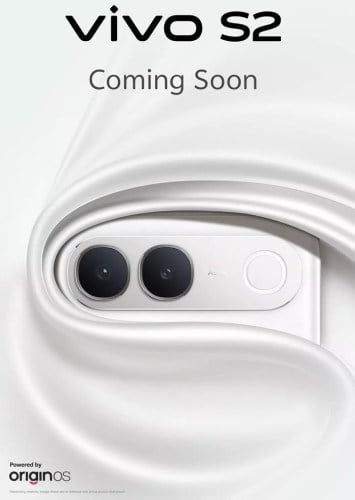
Vivo is bringing back its S series to India after a long break, and the company just dropped the first official look at the upcoming S2. The exact launch date still isn’t locked in by Vivo, but the promo material is already hinting at a premium design and solid performance, so interest is starting to build.
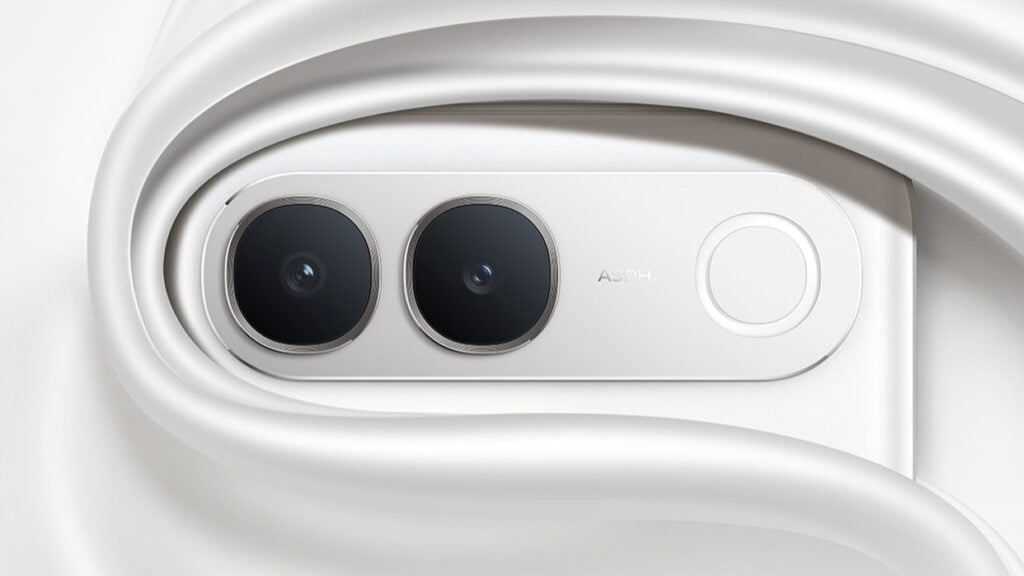
The original Vivo S1 launched in 2019 and arrived in India later that year. Recent reports have been pointing to an August 6 launch for the S2, though Vivo India’s official channels are still just saying “coming soon.” A dedicated Amazon microsite finally gives us a clear view of the design, which takes clear cues from the Vivo X300 FE. Unlike that phone, though, the S2 skips the ZEISS branding and sticks with a dual rear camera instead of a triple setup.
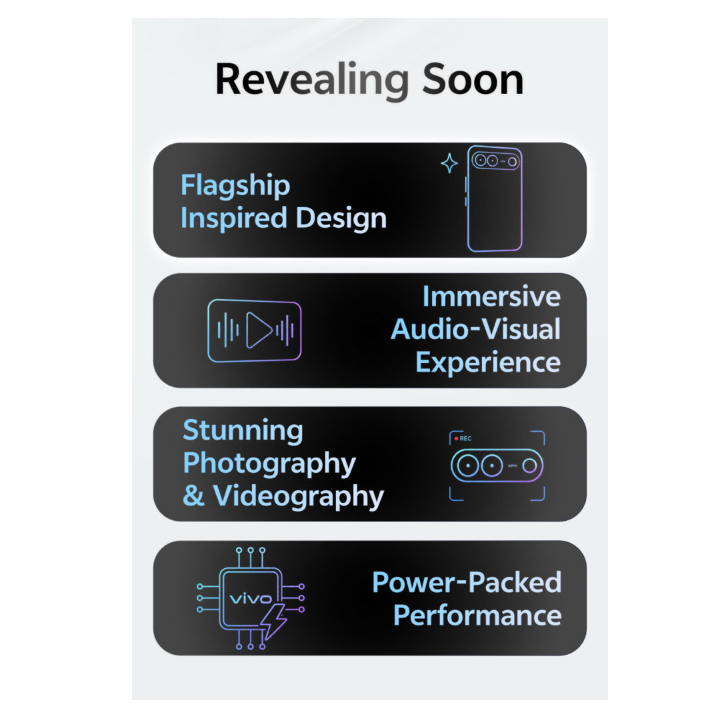
Vivo hasn’t shared a full specs sheet yet, but it’s highlighting four main points: a flagship-inspired design, strong performance, solid photo and video capabilities, and an immersive audio-visual experience. The clean rear design with a horizontal dual-camera module and curved surfaces is clearly meant to make the S2 look more premium than a typical mid-range phone.
According to the current rumors, the Vivo S2 could run on the MediaTek Dimensity 7360 chipset, with 8GB of RAM and up to 256GB of storage. Other claimed features include a 6.59-inch 1.5K 120Hz curved OLED display, a big 7,000mAh battery with 80W charging, an in-display fingerprint sensor, a 50MP primary camera paired with an 8MP ultrawide. If those numbers hold up, the S2 would sit nicely in the upper mid-range price segment. Just keep in mind that some reports have floated the Snapdragon 8 Gen 5 and a 50MP periscope telephoto, so nothing is fully confirmed yet.
Bringing the S series back after such a long gap suggests Vivo wants to diversify its smartphone portfolio and target more segments of India’s crowded smartphone market.
As more official details drop ahead of the expected early August launch, the key things to watch will be the confirmed chipset, pricing, and how the cameras actually perform. For now, the official teaser does a solid job of showing off the S2’s design and building a bit of anticipation for what Vivo has planned with its revived S series.
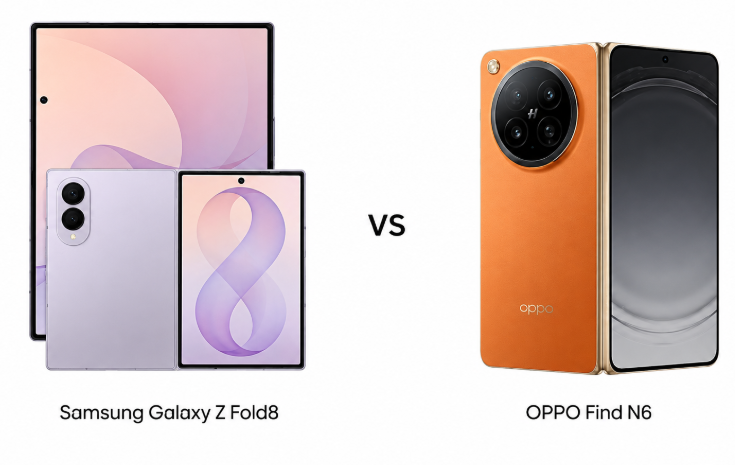
Foldable smartphones have reached a new level in 2026, and the Samsung Galaxy Z Fold8 and OPPO Find N6 are leading the race. Samsung focuses on refinement, long-term software support, and productivity, while OPPO pushes the limits with larger displays, faster charging, and a more versatile camera system. Here’s a detailed comparison to find out which premium foldable delivers the better overall experience and value.
Samsung continues to refine its foldable design with a premium Armor Aluminum frame, Gorilla Glass Victus Ceramic 3 protection, and an IP48 rating for dust and water resistance. The Galaxy Z Fold8 feels polished and durable while offering Samsung’s mature hinge mechanism and long-term reliability. OPPO, however, takes a different approach by using an aircraft-grade aluminium frame, a Grade 5 titanium alloy hinge, Nanocrystal Glass, and stronger IP58/IP59 protection against dust and water. The inclusion of stylus support on both displays and the almost invisible crease gives the Find N6 a more futuristic feel. Samsung focuses on refinement, while OPPO pushes hardware innovation a little further.
Display Quality
The Galaxy Z Fold8 offers a vibrant Dynamic LTPO AMOLED 2X panel with HDR10+, a 120Hz refresh rate, and an impressive 3,000-nit peak brightness. Its cover display is equally smooth and sharp. The OPPO Find N6 counters with a much larger LTPO OLED display featuring Dolby Vision, HDR10+, HDR Vivid, 1 billion colours, and an excellent Zero-Feel crease. The larger cover display also feels closer to using a regular flagship phone. Samsung’s display excels in brightness, but OPPO delivers a more immersive viewing experience overall.
Verdict
Samsung wins for display brightness and proven durability, while OPPO offers the more versatile and feature-rich foldable experience. Overall, the Find N6 slightly edges ahead thanks to its larger screens, stylus support, and premium display technologies.
2. Specifications Including Battery
Performance
Both foldables are powered by Qualcomm’s Snapdragon 8 Elite Gen 5 chipset paired with the Adreno 840 GPU, making either device capable of handling demanding gaming, multitasking, AI workloads, and productivity tasks. Samsung pairs the processor with One UI 9 based on Android 17 and promises seven major Android upgrades, making it one of the strongest long-term software commitments in the industry. OPPO runs ColorOS 16 with faster UFS 4.1 storage, delivering excellent responsiveness, although its software support remains less extensive. Samsung’s software ecosystem, DeX support, and optimisation provide a more polished experience for productivity-focused users.
Battery and Charging
Battery performance clearly favours the OPPO Find N6. Its 6,000mAh silicon-carbon battery comfortably exceeds Samsung’s 4,800mAh unit while supporting 80W wired, 50W wireless, reverse wireless, and reverse wired charging. Samsung offers respectable 45W wired, 20W wireless, and reverse wireless charging, but charging speeds feel conservative for a premium flagship. Those who value quick top-ups and longer endurance are likely to appreciate OPPO’s approach.
Verdict
Samsung delivers stronger software longevity and productivity features, whereas OPPO provides superior battery life and significantly faster charging. The Find N6 offers a better overall hardware package in this category.
3. Camera
Main and Secondary Lenses
Samsung keeps things relatively simple with a dual-camera setup featuring a 50MP primary sensor and a 50MP ultrawide camera capable of recording up to 8K video. Image processing is expected to remain one of Samsung’s strengths, producing reliable colours and consistent results across lighting conditions. OPPO raises the bar with a versatile triple-camera system consisting of a 200MP main sensor, a 50MP periscope telephoto with 3x optical zoom, and a 50MP ultrawide camera enhanced by Hasselblad colour tuning. Although Samsung supports 8K recording, OPPO’s additional telephoto camera and more flexible focal lengths make it the more capable photography system for everyday use.
Selfie Camera
Samsung includes dual 10MP front cameras for the inner and cover displays, offering good video quality up to 4K 60fps. OPPO upgrades both selfie cameras to 20MP sensors, delivering higher-resolution images with reliable HDR performance. Users who frequently attend video calls or capture selfies may find OPPO’s cameras more appealing.
Verdict
Samsung delivers dependable imaging and excellent video recording, but OPPO provides greater versatility, stronger zoom capabilities, and higher-resolution selfie cameras. The Find N6 stands out as the better all-around camera phone.
4. Pricing
The Samsung Galaxy Z Fold8 is priced around $1,900 (₹180,000), placing it firmly among the most premium foldable smartphones available. That pricing is supported by Samsung’s seven-year software commitment, mature foldable ecosystem, DeX desktop mode, and strong after-sales network. The OPPO Find N6 is priced around $1,800 (₹160,000), making it slightly more affordable despite offering a larger display, faster charging, a bigger battery, stylus compatibility, and a more versatile triple-camera system. The lower price makes OPPO particularly attractive for buyers prioritising hardware value.
Is the Price Justified?
Samsung’s premium pricing is justified for users seeking long-term software support and ecosystem integration. OPPO, however, delivers more flagship hardware for less money, making it feel like the stronger value proposition in pure specifications.
Verdict
Samsung remains an excellent premium investment, but OPPO offers noticeably better value for money considering its richer hardware package and lower asking price.
Disclaimer: Prices are approximate and may vary based on country, region, launch timing, and applicable taxes. Always check whether the listed price is for a China unit or a global/international variant when purchasing.
5. Conclusion
Samsung Galaxy Z Fold8 shines with its refined One UI experience, seven years of Android upgrades, Samsung DeX desktop mode, Bluetooth 6.0 connectivity, and an exceptionally bright foldable display. These features make it particularly appealing for business users and those planning to keep their device for several years.
OPPO Find N6 focuses on cutting-edge hardware by offering a larger foldable display, stylus support on both screens, a virtually crease-free folding panel, a titanium hinge, a powerful 200MP Hasselblad-tuned camera system, faster storage, a larger silicon-carbon battery, and significantly quicker charging. Satellite connectivity on the 1TB model further adds to its premium appeal.
Samsung feels more mature from a software perspective, while OPPO delivers a stronger showcase of foldable hardware innovation.
Verdict
Choose the Samsung Galaxy Z Fold8 if long-term software updates, productivity tools, and ecosystem integration matter most. Choose the OPPO Find N6 if the priority is getting the best hardware, better cameras, larger displays, longer battery life, and faster charging for less money. Overall, the OPPO Find N6 emerges as the better-value premium foldable, while the Galaxy Z Fold8 remains the safer long-term investment.
Disclaimer: This comparison is based on the specifications provided and is intended for general informational purposes. Actual performance, camera results, battery life, and overall experience may vary depending on real-world usage, software updates, and individual preferences.
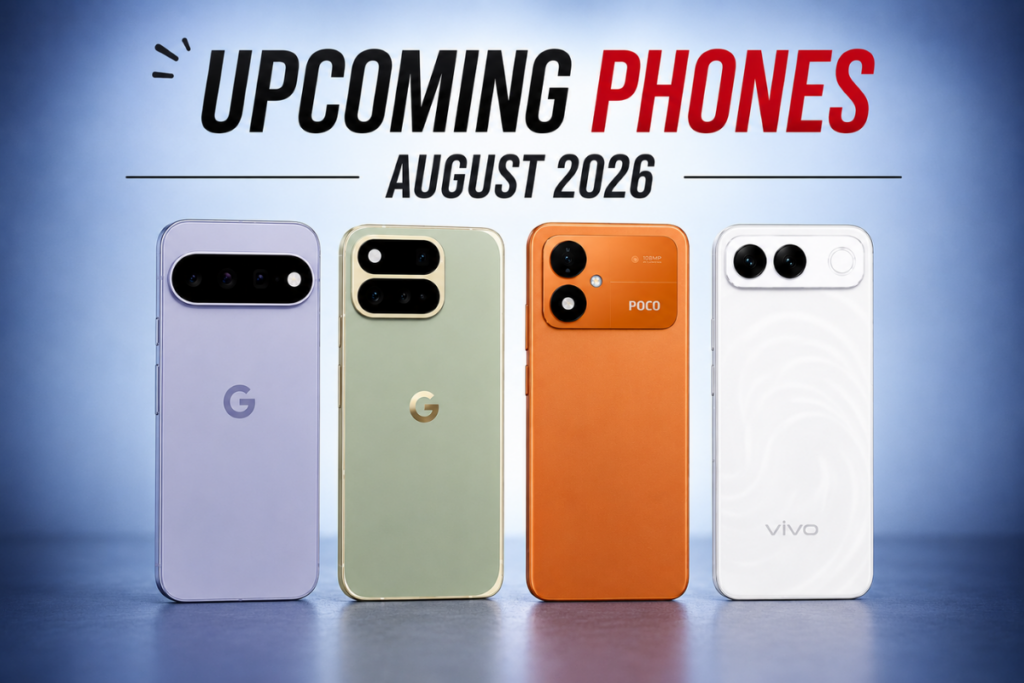
July 2026 was mostly centered around Samsung. The company unveiled its latest foldable phones and the anticipated One UI 9.0 software. We also saw a couple of mid-range phones, including the Oppo Reno 16 series and Nothing Phone (4b). Now, as we approach August, companies have begun announcing their launch plans for the month.
The Google Pixel 11 series will steal the spotlight, bringing a new-generation Tensor chipset, upgraded AI features, and an improved camera setup with a Pixel Glow LED on the back. There will be a couple of new mid-range phones from Vivo and iQOO, while POCO will launch an affordable POCO M8 Power 5G phone.
Top 5 upcoming smartphone launches in August 2026
1. Google Pixel 11 series
Google Pixel 11
Launch date: August 12, 2026 (confirmed)
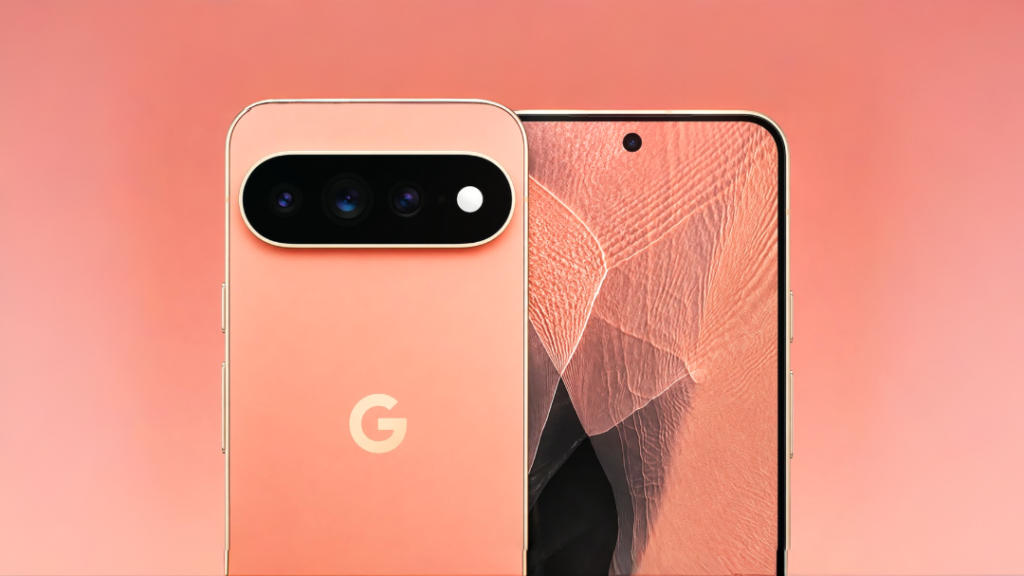
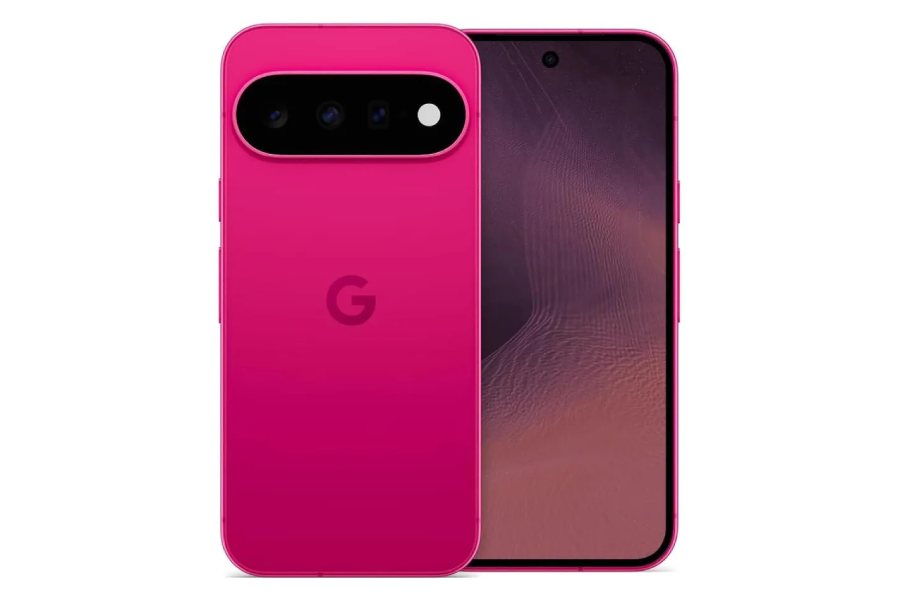
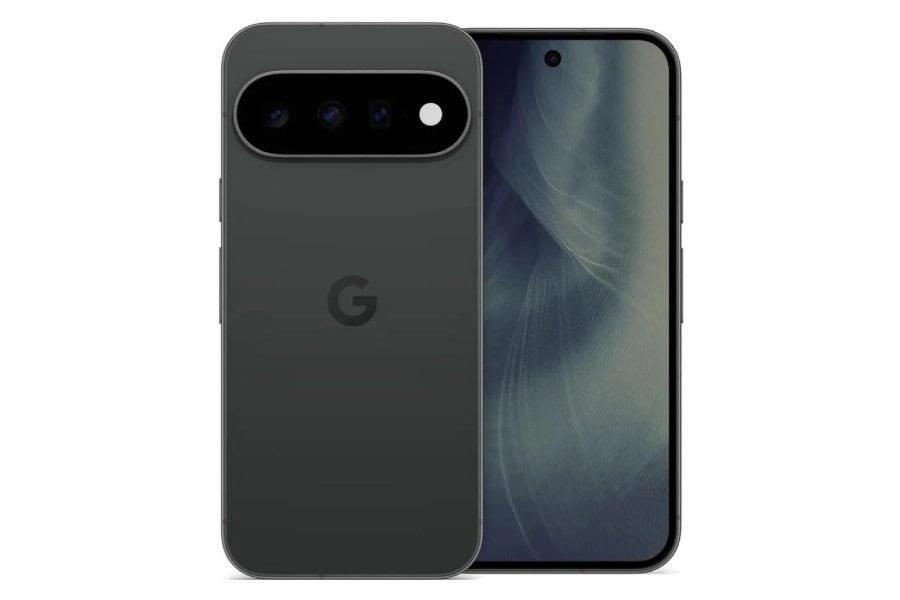
Google will unveil the upcoming Pixel 11 series at the ‘Made by Google’ event on August 12, with pre-orders confirmed to begin the same day. Following last year’s pattern, Google is expected to announce four new phones in the lineup: Pixel 11, Pixel 11 Pro, Pixel 11 Pro XL, and Pixel 11 Pro Fold.
All Pixel 11 series phones will be powered by a new Tensor G6 processor, manufactured using a 2nm process. There won’t likely be a 128GB model this year. The phones will instead have a base storage of 256GB. The phones will offer upgraded camera hardware and better computational photography.
We’re expecting to see upgraded Gemini AI capabilities as well as some new ones on the Pixel 11 series. Another exciting addition will be the “Pixel Glow” LED integrated into the rear camera bar. It’s a multi-colored light array, which is said to flash or pulse subtle light patterns to signal incoming alerts, similar to the Glyph Interface on Nothing phones.
Expected price: The standard Pixel 11 is rumored to have a starting price of $899 (about Rs 87000). The Pixel 11 Pro could begin at $1099 (about Rs 1.05 lakh), while the Pixel 11 Pro XL could begin at $1299 (about Rs 1.25 lakh). The Pixel 11 Pro Fold is expected to start at $1899 (about Rs 1.82 lakh).
iQOO is planning to unveil the iQOO Z11 in India as the third phone in the lineup. While there’s no official launch date yet, sources familiar with the matter claim that it will be unveiled in August.
The iQOO Z11 has already been launched in China, but the Indian variant will have different hardware. The Chinese model comes with a Dimensity 8500 processor, while the Indian model will carry a Dimensity 7500. The handset will be equipped with a 3D curved display in India.
Other specs are likely to remain the same. So, we can expect the iQOO Z11 (Indian model) to have a 6.83-inch AMOLED screen, a 9020mAh battery with 90W fast charging, and strong connectivity features. It may feature a dual rear camera setup led by a 50MP sensor and a 32MP selfie snapper.
Expected price: The base variant of iQOO Z11 is expected to be priced under INR 30,000 (about $315).
The camera-focused Vivo V80 series is also expected to drop in August with upgraded hardware and design. According to recent leaks, the standard V80 will feature a 6.59-inch flat display with 1.5K resolution and 144Hz refresh rate.
The phone is said to retain the Snapdragon 7 Gen 4 chipset from its predecessor but packs a larger 7200mAh battery with 90W fast charging support.
Vivo V80 is tipped to feature a triple rear camera setup comprising a 50MP primary camera, a 50MP periscope telephoto camera, and an 8MP ultrawide shooter. The selfie camera is said to have a 50MP resolution. The phone is expected to feature a 3D ultrasonic fingerprint scanner, an aluminum alloy frame, and an IP69 rating.
Expected price: The Vivo V80 is expected to be priced around INR 60,000 (about $630) for the base model with 8GB of RAM and 256GB of storage.
The budget-friendly POCO M8 Power 5G is launching in the first week of August, and is officially confirmed to be sold via Flipkart. Official teasers confirm that the device will have an 8000mAh battery, an AMOLED screen, and a 50MP primary camera on the back.
POCO has also teased an orange color option for the POCO M8 Power 5G. As for the rest of the specifications, the device is said to feature a 7.0-inch screen with a 120Hz refresh rate, a Snapdragon 4 Gen 4 processor, an IP65 rating, and 45W fast charging support.
Expected price: The POCO M8 Power 5G will be a pocket-friendly smartphone, with prices likely to stay below INR 20,000 (about $200).
5. Vivo S2
Vivo S2
Launch: August 2026 (expected)
Vivo is reviving its S-series in India. The series’s last phone, Vivo S1, was released seven years ago, and soon, we’ll have its successor, Vivo S2. While the company hasn’t announced a launch date yet, the microsite is already live on Amazon, hinting at an imminent release. Some leaks suggest that the phone could be unveiled on August 6, with sales going live on August 11.
The Vivo S2 is said to feature a 6.59-inch AMOLED screen, a MediaTek Dimensity 7360 processor, and a 7000mAh battery with 80W fast charging support. The dual rear camera setup is rumored to include a 50MP primary camera and an 8MP ultrawide camera, while the front side is expected to boast a 32MP camera.
Expected price: The Vivo S2 is expected to be priced at INR 38,000 (about $400) for the 128GB storage option and INR 43,000 (about $500) for the 256GB storage option.
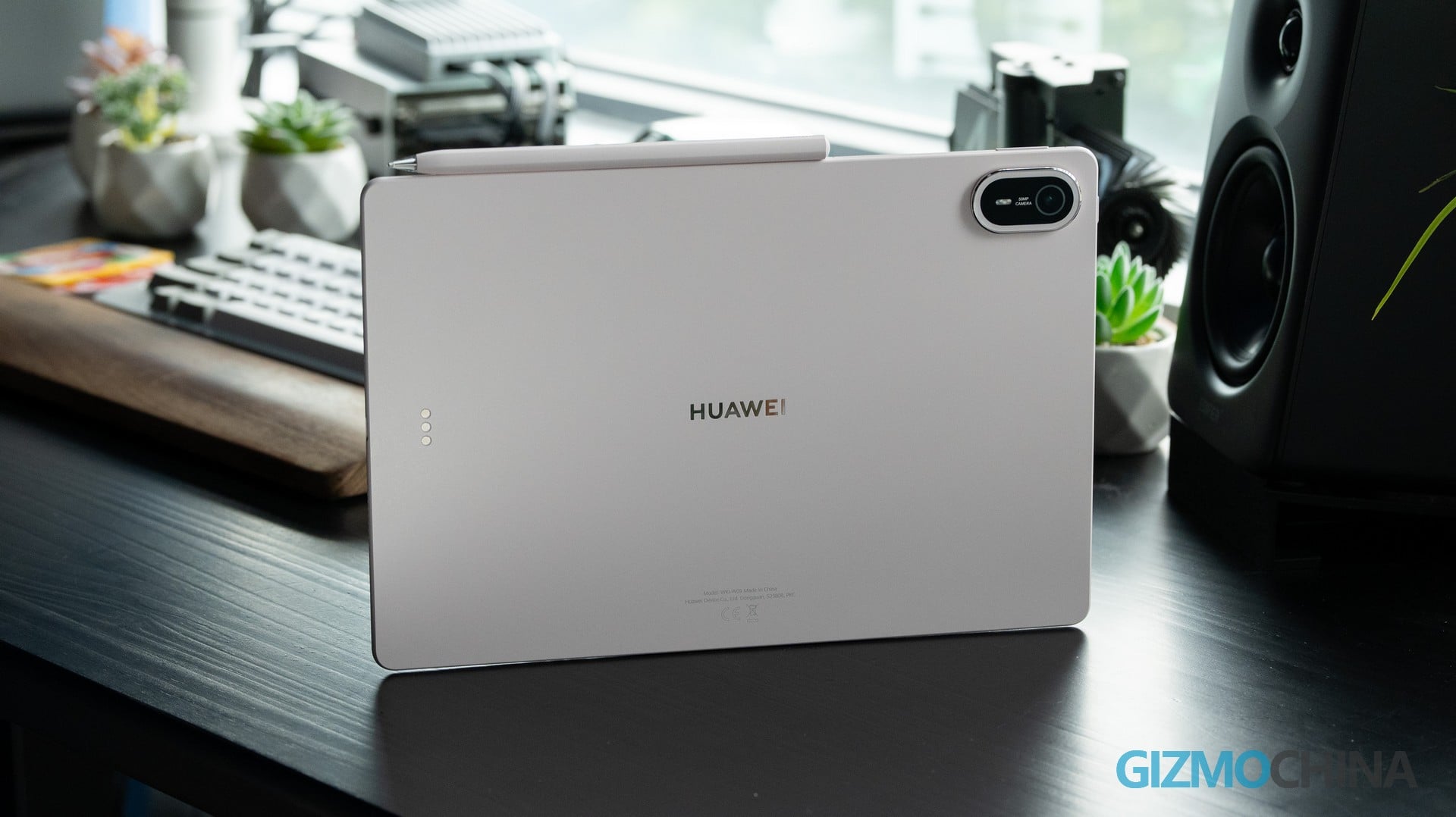
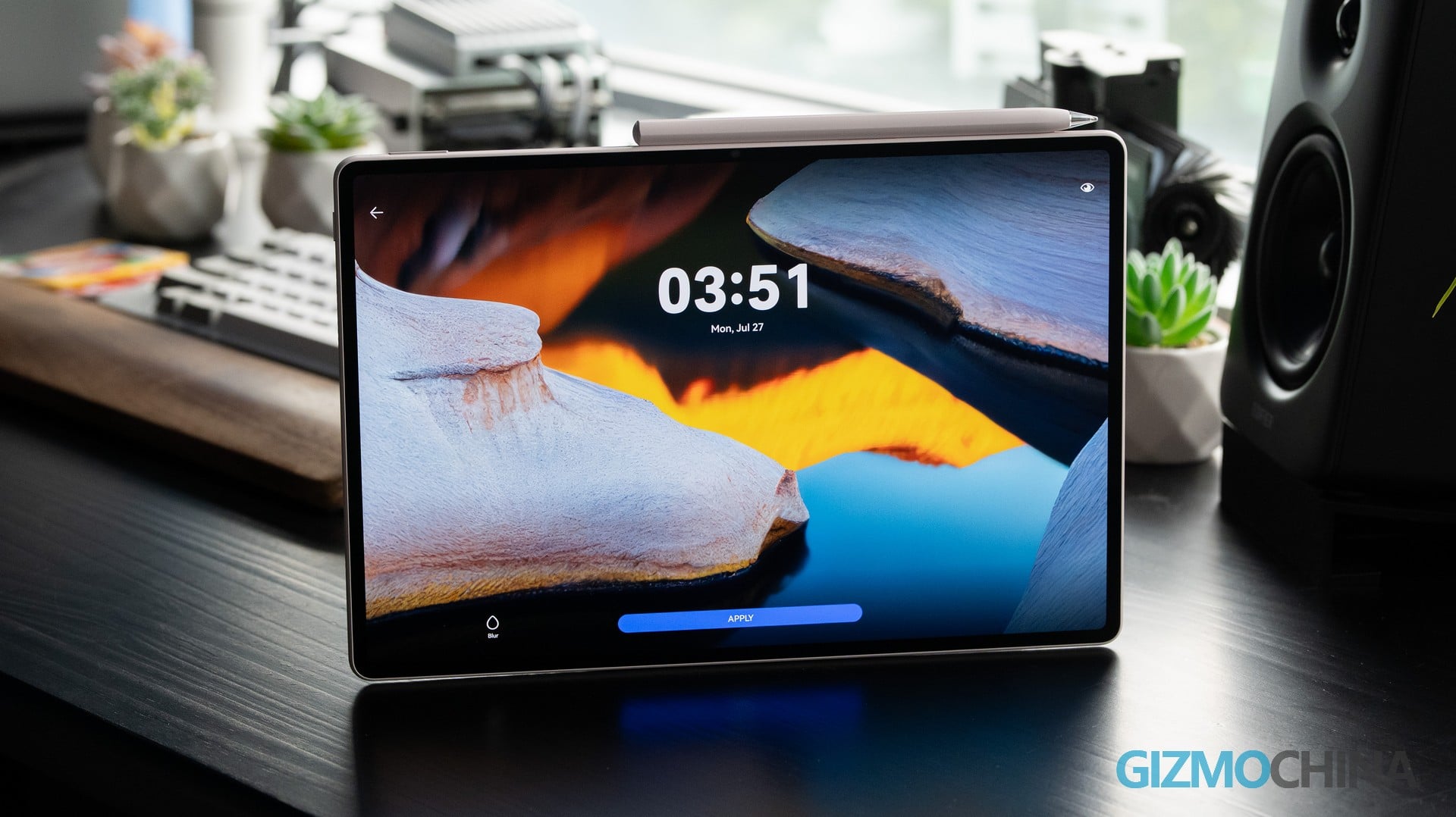
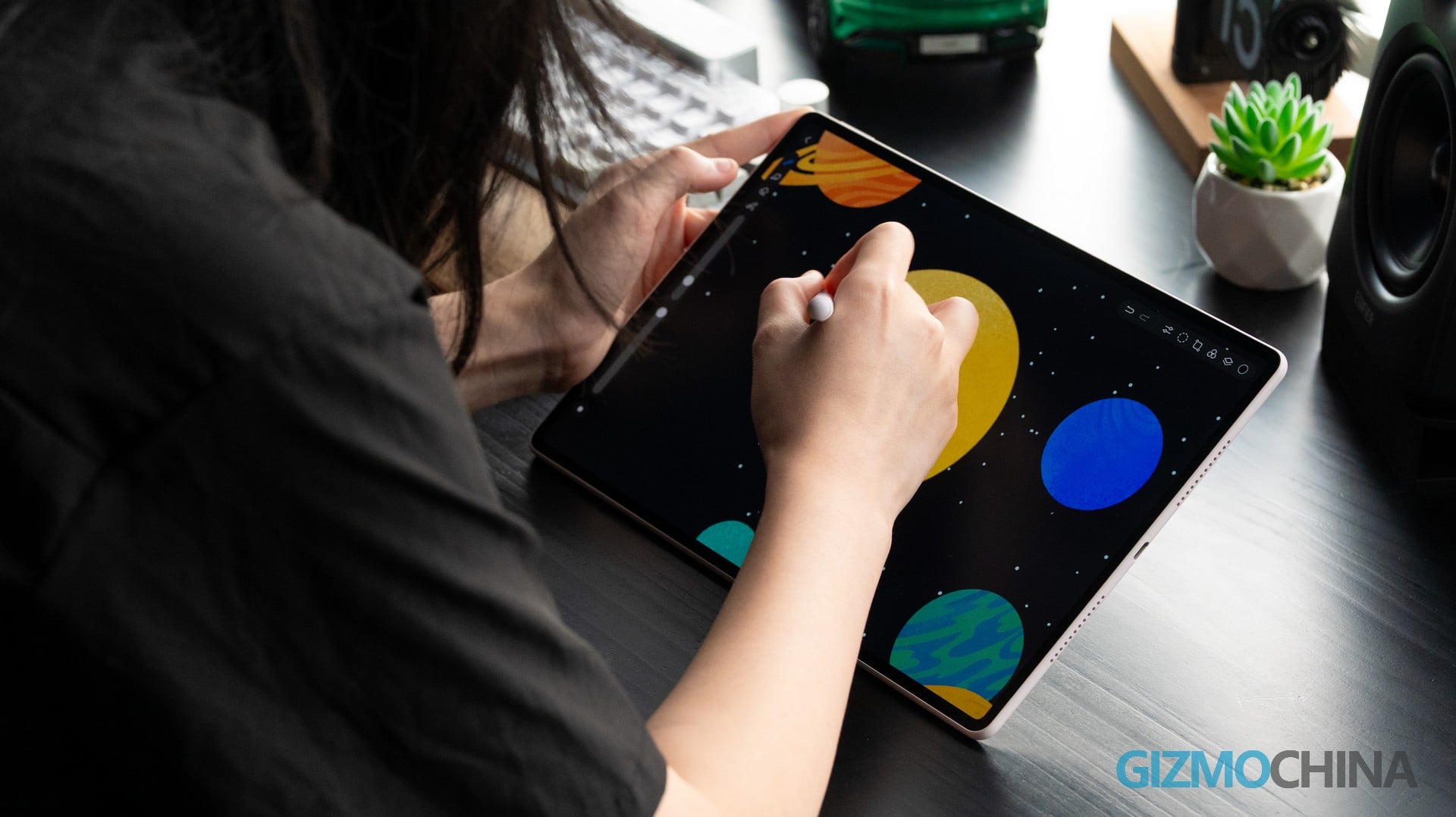
Huawei has always played a smart game in the tablet market. Fully aware that it a bit lags behind in raw peak performance, the MatePad series chooses to double down on form factor innovation and software optimization instead, offering more than enough performance, and its software optimization ensures smoother operation than most competing products. The latest addition to that strategy — the MatePad Air — is yet another purpose-built device. With a 12‑inch PaperMatte OLED display, a 5.3mm ultra‑slim profile, and a weight of just 509g, the MatePad Air is essentially the perfect electronic sketchpad.
Unboxing & Design
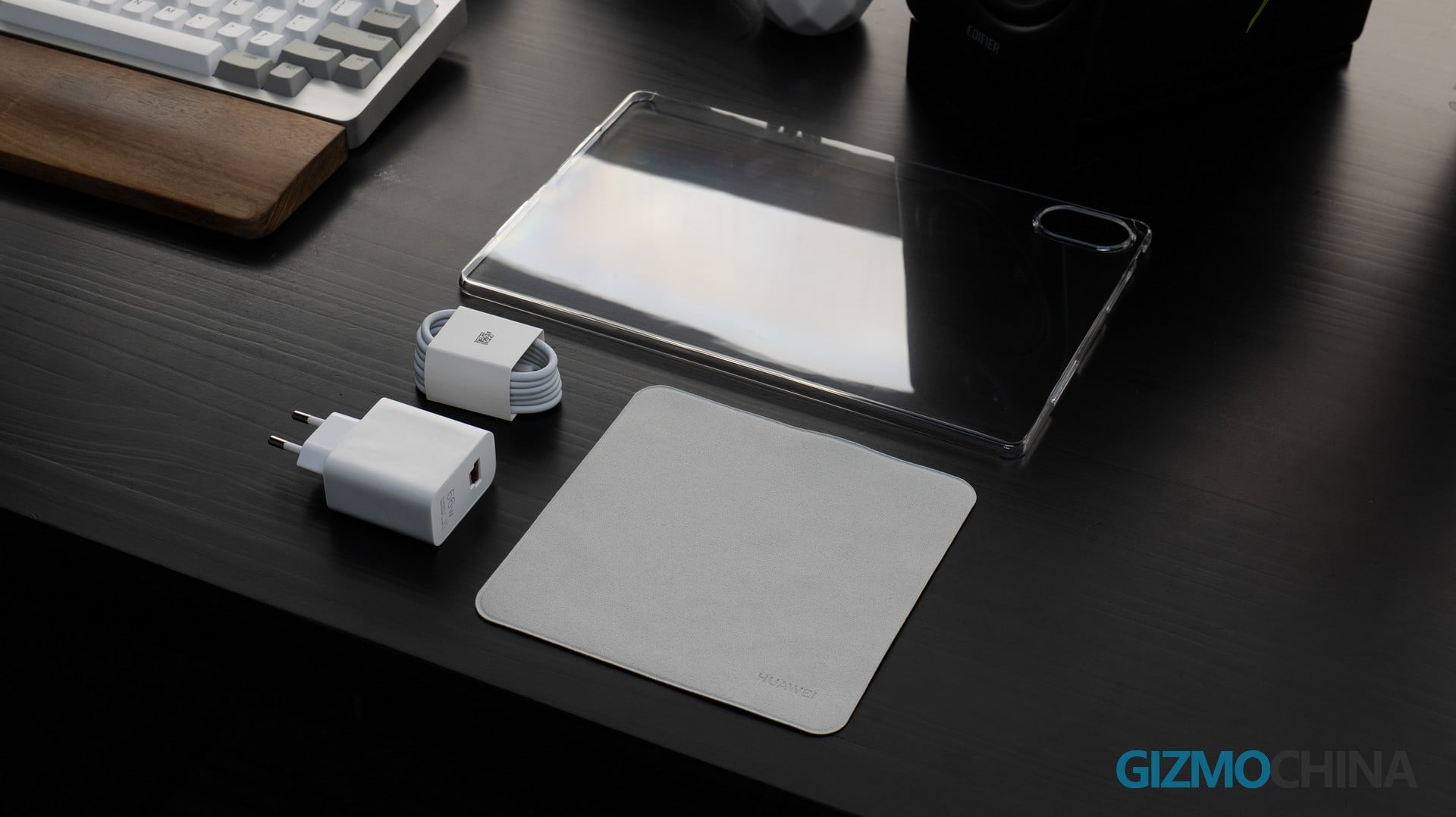
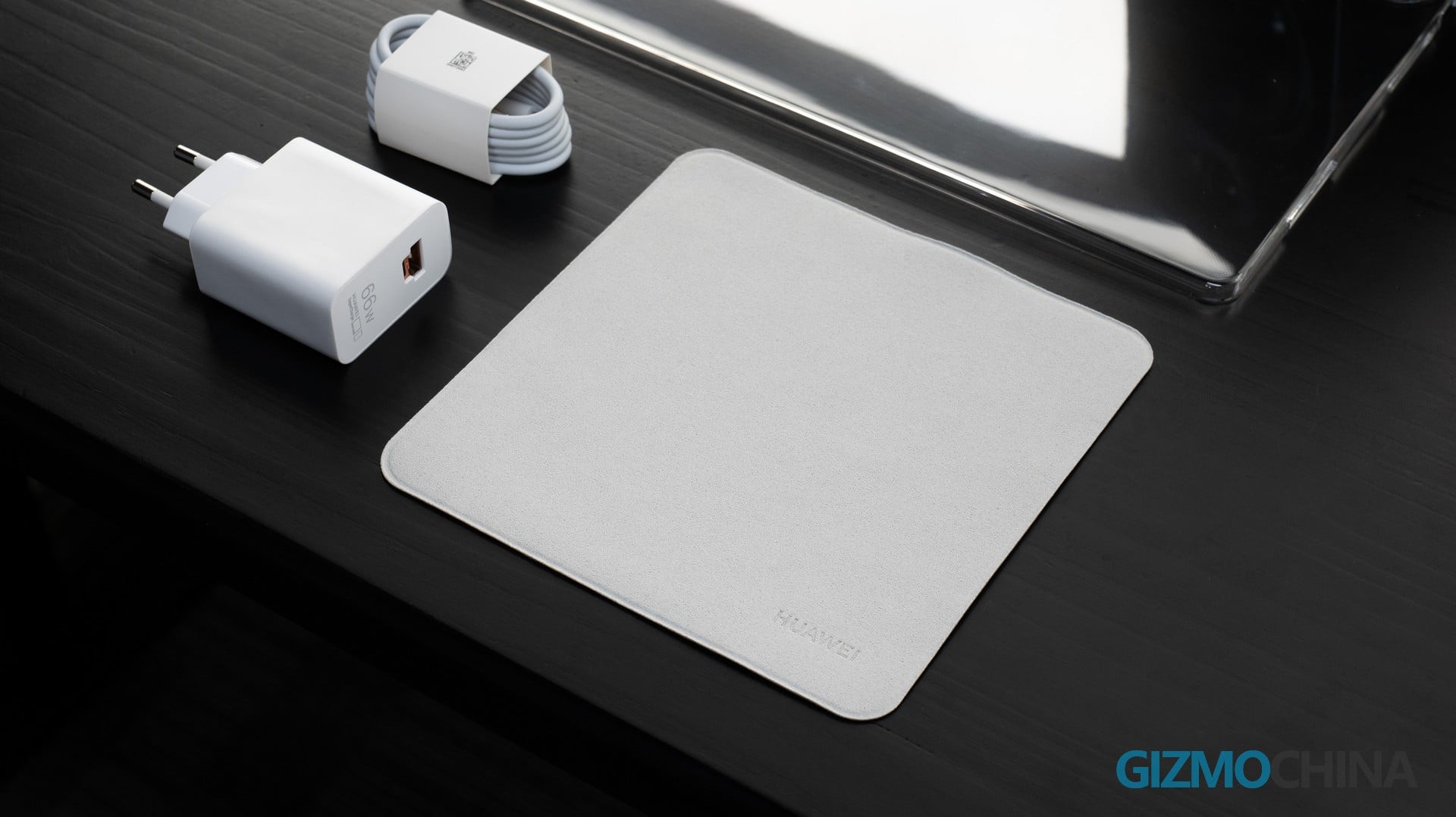
Unlike most tablets, the MatePad Air doesn’t cut corners on accessories. In the box, you get a charger, a USB cable, and even a clear protective case to hold you over until your premium cover arrives. The HUAWEI Smart Magnetic Keyboard and M‑Pencil Pro are optional add‑ons—and yes, the polishing cloth is sold separately too.
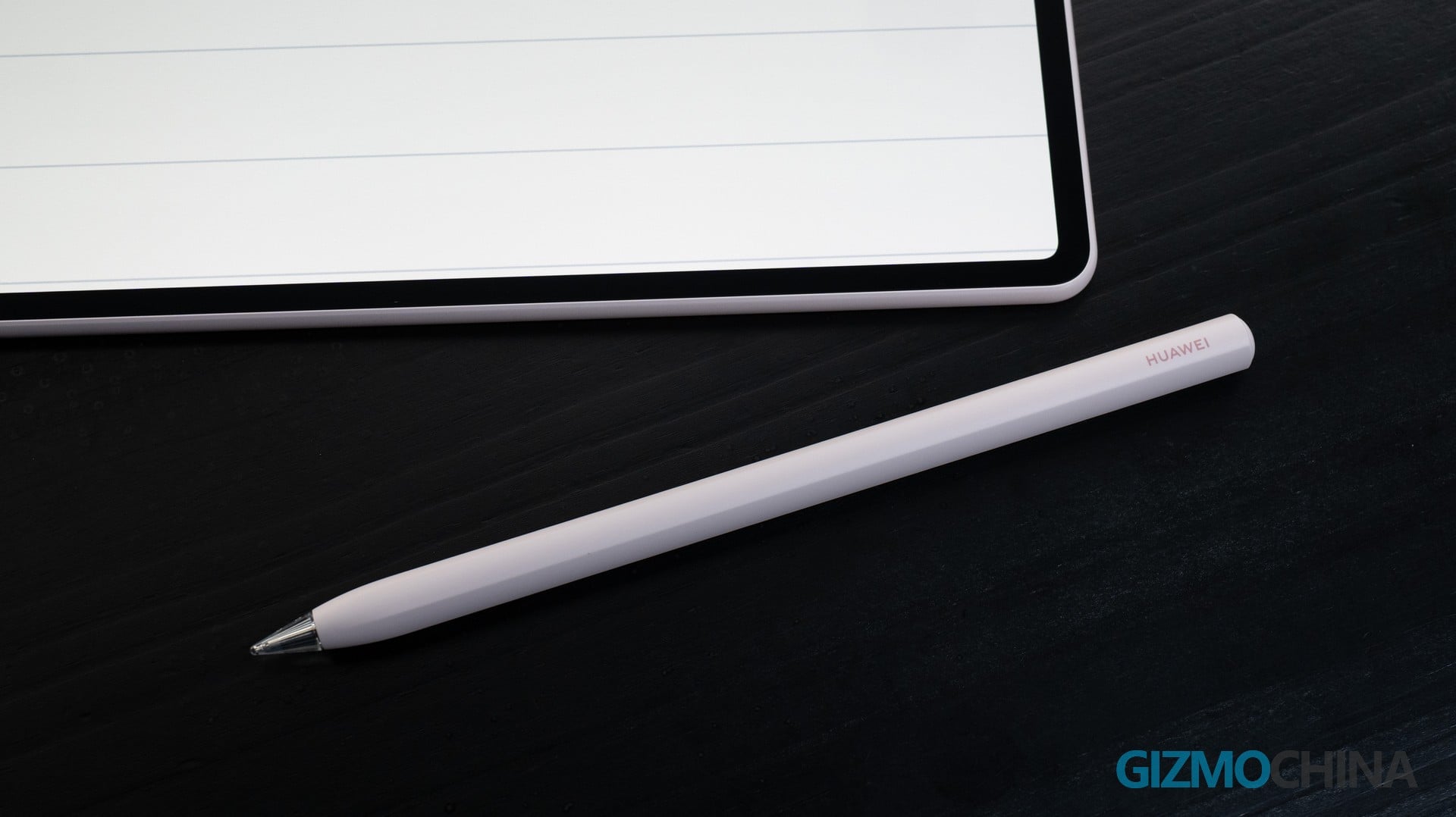
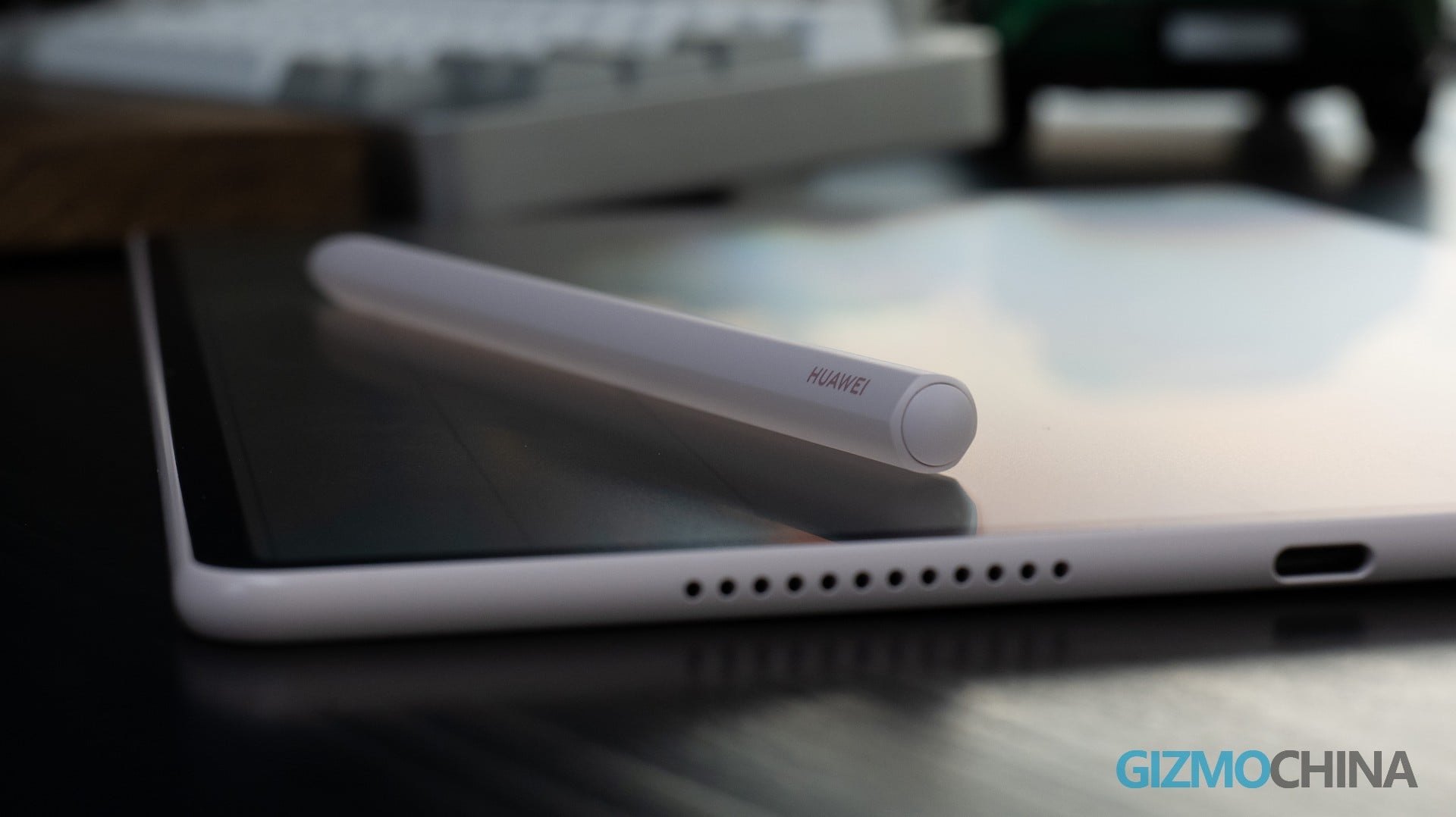
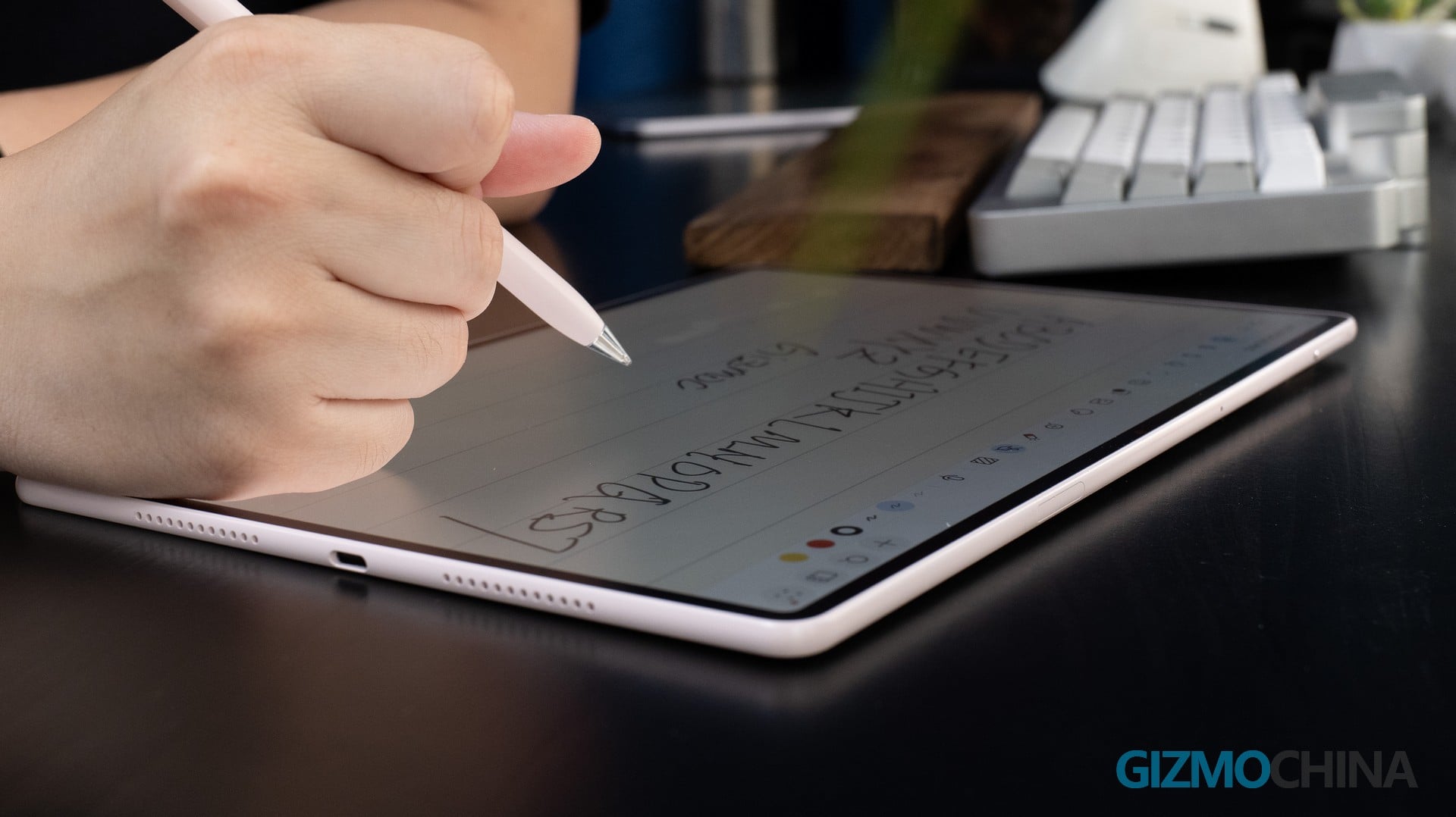
Speaking of the M‑Pencil Pro, what I love most is that the only button sits right at the tip of the pen. It feels just like clicking a ballpoint pen—and honestly, pressing it is surprisingly satisfying.
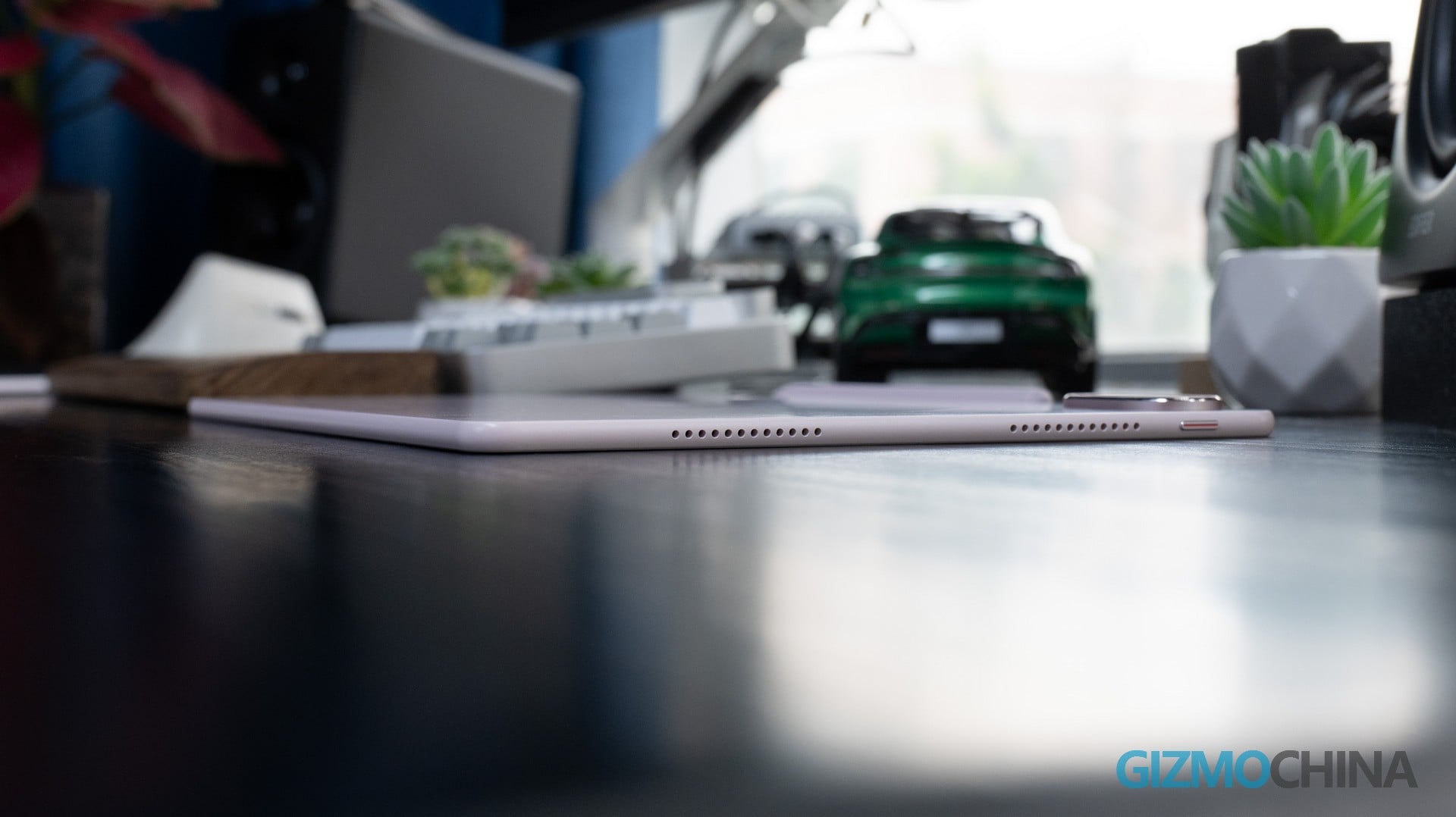
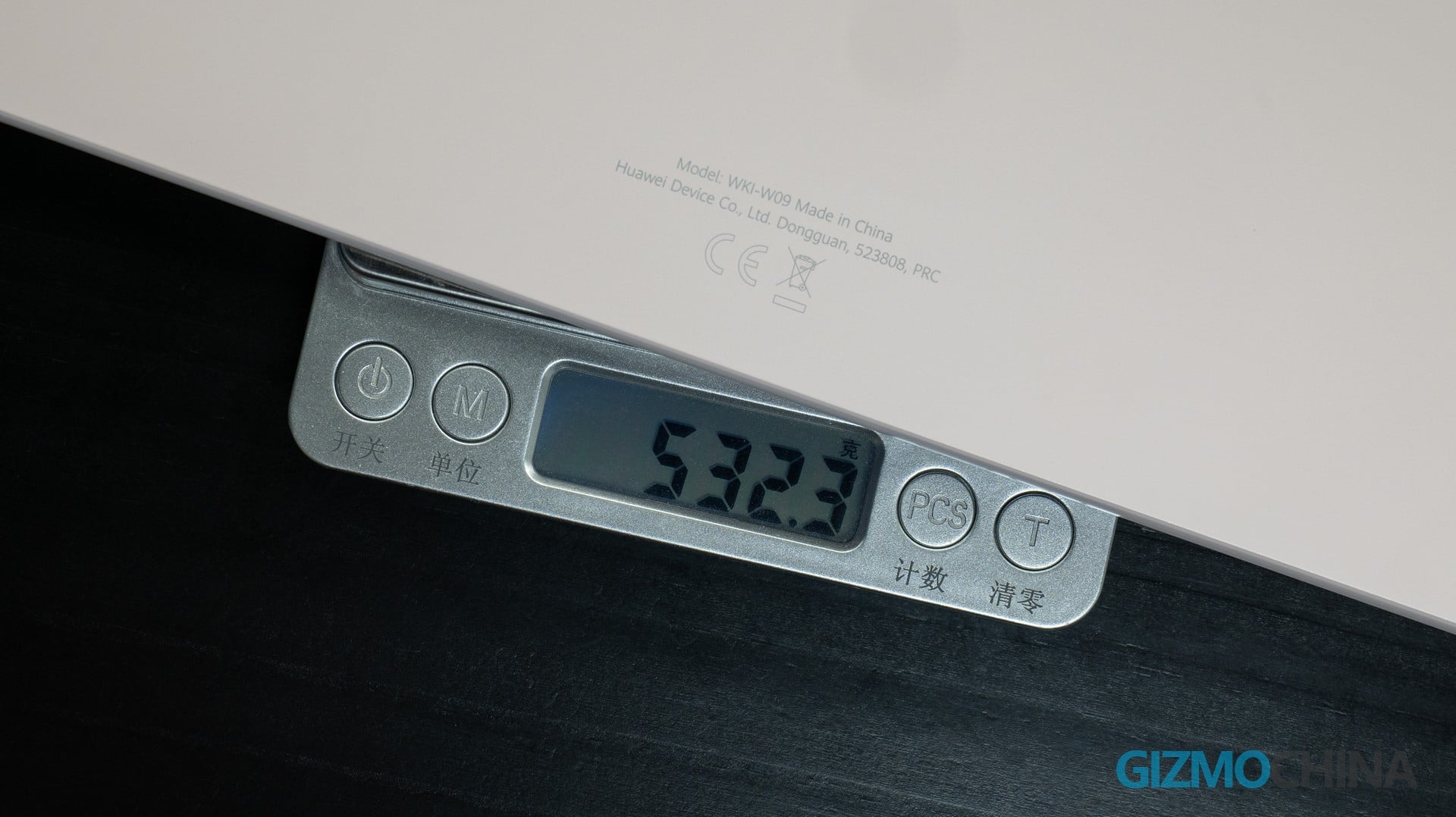
Let’s start with the most obvious impression — it’s light. At 532g, that’s a solid weight for a 12‑inch tablet. The benefit of being this light is that holding it with both hands for extended periods doesn’t get tiresome. The 5.3mm thickness is equally impressive. Of course, there will be those who worry that such a slim profile might make it prone to bending. HUAWEI has reinforced the internal structure of the MatePad Air, and its bend resistance has improved by 17% compared to the MatePad 12X. I gave it a try myself, and with my bare hands, I simply couldn’t bend it, no matter how hard I tried.
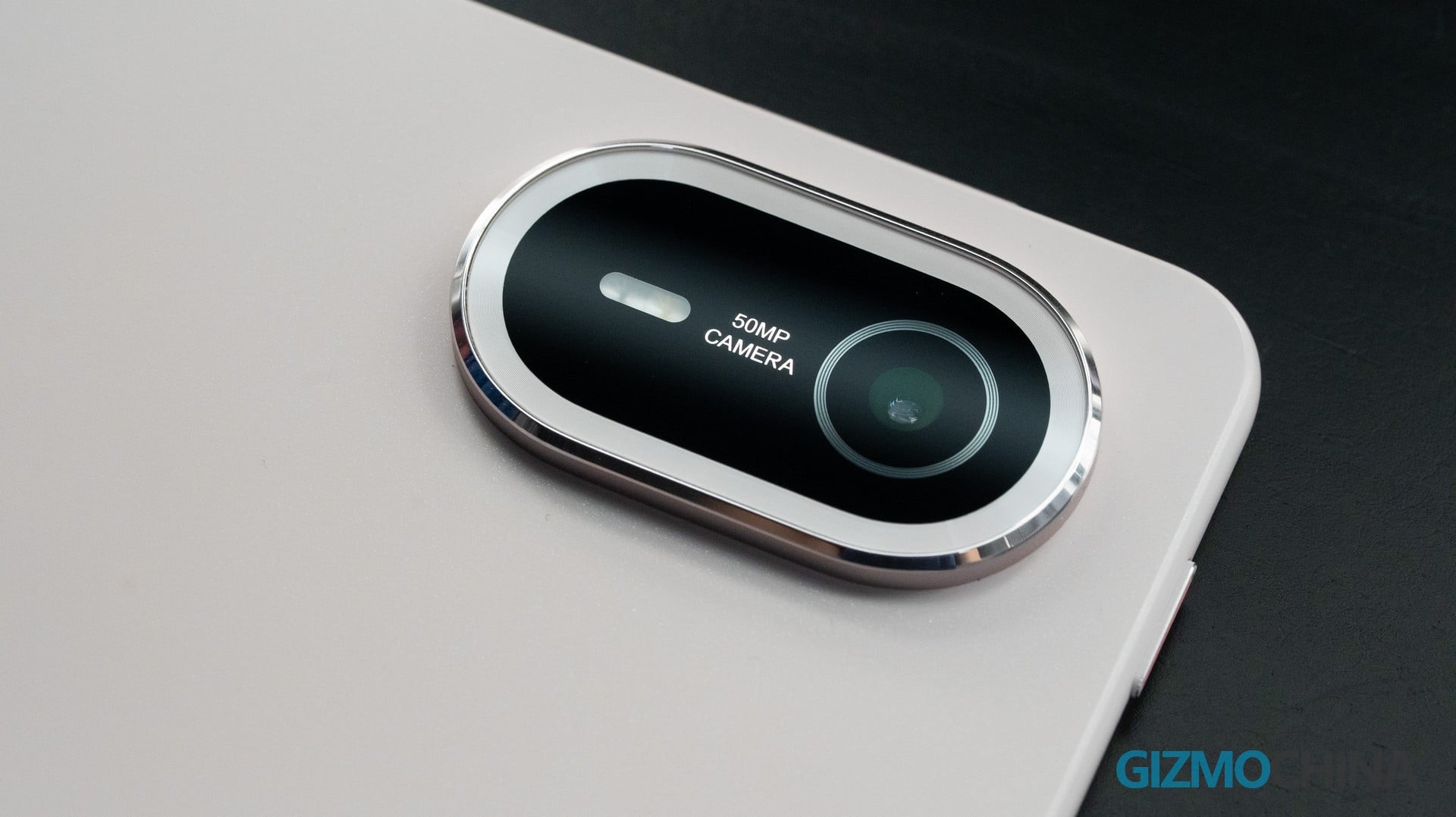
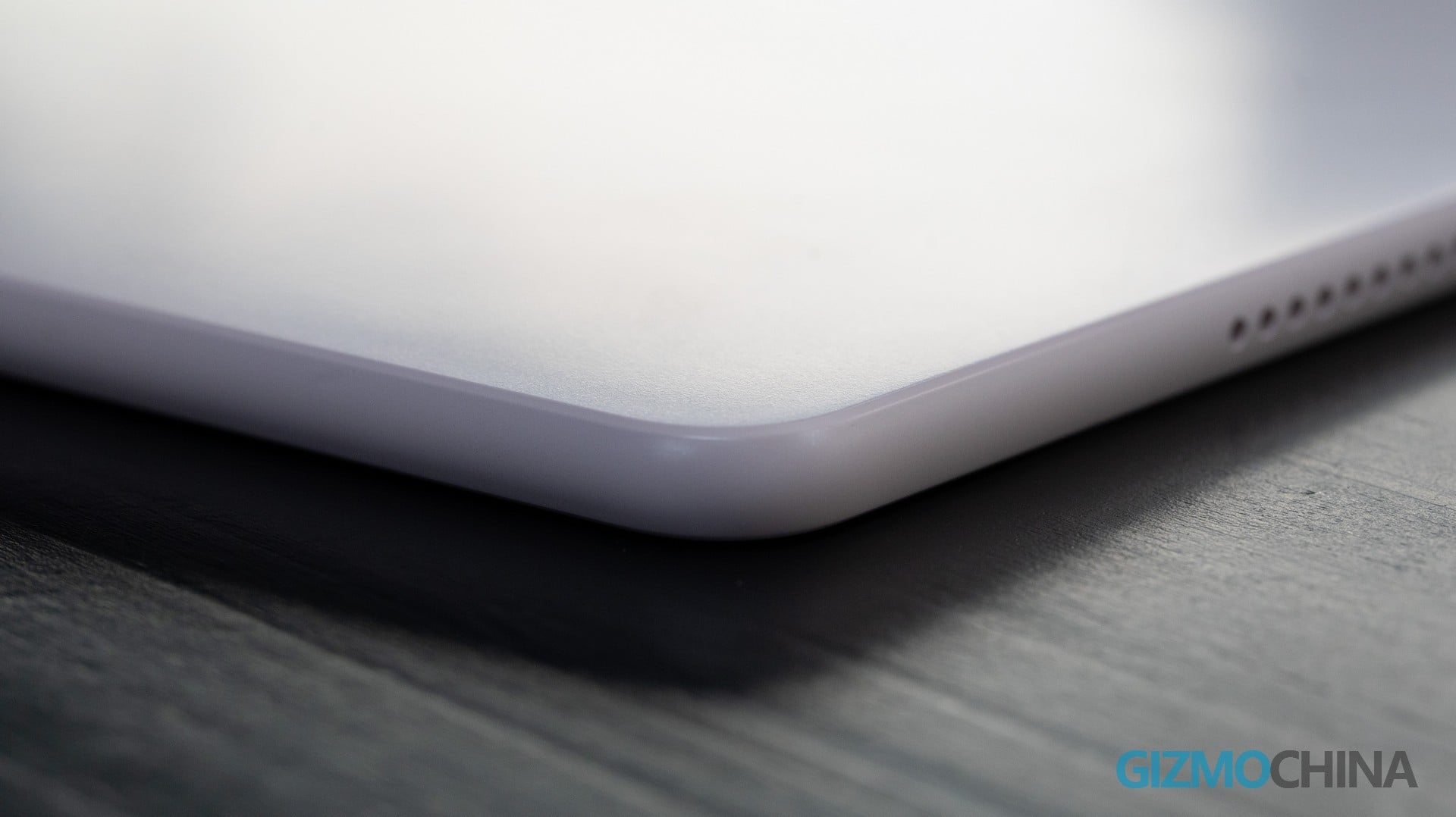
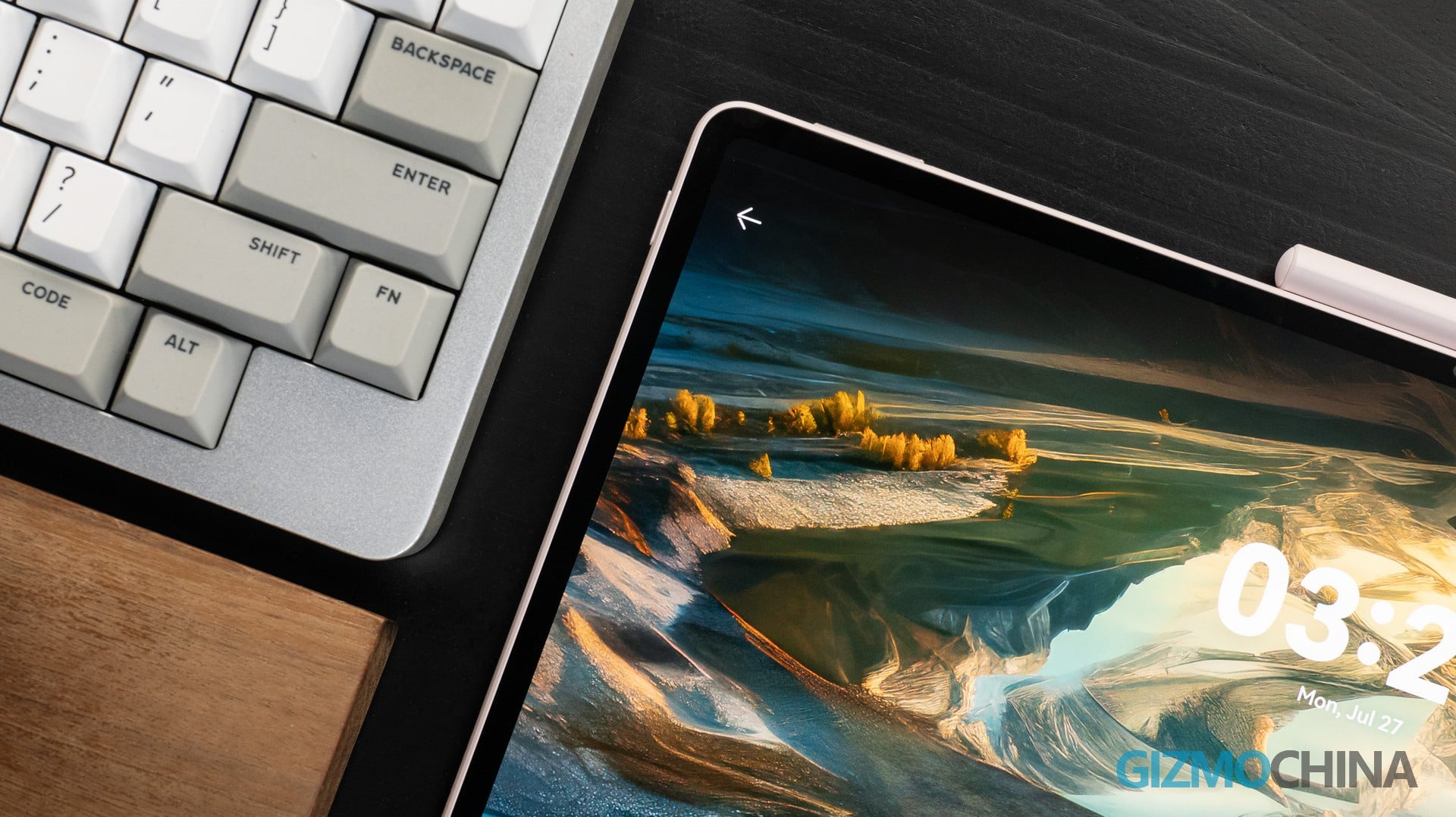
The MatePad Air is available in three finishes: Sakura Pink, Airy Blue, and White. My unit is the Sakura Pink variant—a shade that’s likely to resonate with users who prefer softer, more vibrant tones. The unibody aluminum alloy construction eliminates any visible seams between the back panel and the frame, giving it a premium, seamless feel. Rest assured, the moment you hold it, your palm will confirm that this is a well-built tablet.
In terms of connectivity, the MatePad Air features a USB 3.1 Gen 1 Type‑C port with video output support. Hook it up to an external monitor, and it transforms into a dedicated drawing tablet — giving you a larger canvas while still leveraging the MatePad Air’s excellent touch responsiveness.
Display
This is arguably the MatePad Air’s biggest selling point. It packs a 12‑inch OLED PaperMatte display with a resolution of 2800 × 1840, 275 PPI, support for 1.07 billion colors, P3 wide color gamut, and a peak brightness of 1,200 nits.
The viewing experience is genuinely impressive. OLED’s strengths are on full display — deep blacks, vivid colors, and excellent contrast. Videos, in particular, reveal a striking sense of depth, while the 92% screen-to-body ratio further pulls you into the action.
HUAWEI’s signature PaperMatte technology has also carried over to the MatePad Air. In essence, it’s an anti‑glare coating that effectively cuts down screen reflections while simulating the tactile feel of writing on paper. Paired with the M‑Pencil, the experience comes remarkably close to pen on paper.
If someone asks why not just slap on a matte screen protector instead of going for this coating, I’d bet they’ve never actually created anything on a display with a nano‑texture finish. The writing experience on this type of glass simply cannot be replicated by any film. It’s smoother, gentler on the pen tip, more durable, far more resistant to fingerprints and smudges, and has noticeably less impact on clarity. Aside from the fact that you can’t apply an extra screen protector on top, I honestly struggle to find any real downsides.
Performance & Battery
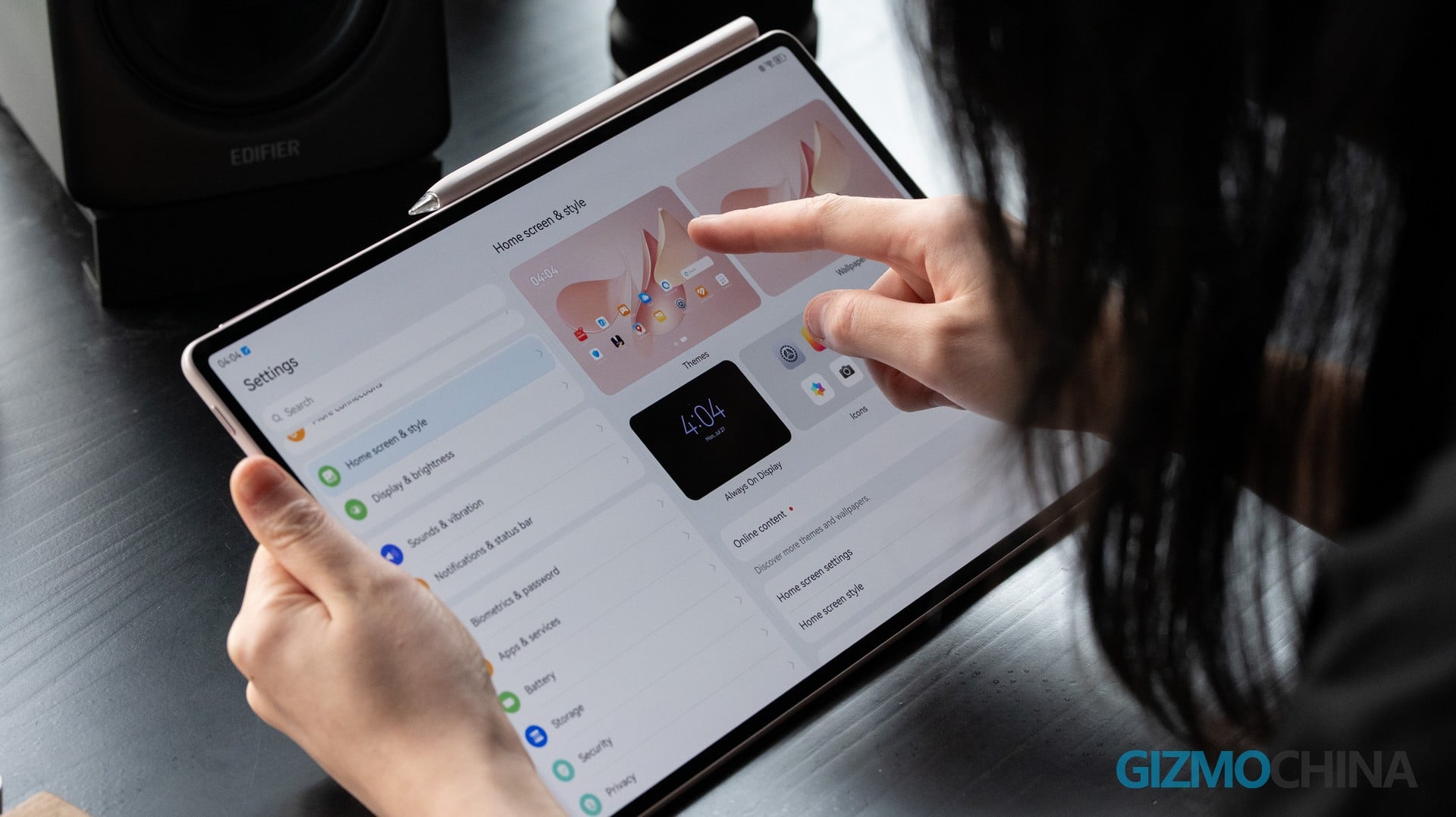
The MatePad Air runs on an unnamed Kirin chip — HUAWEI hasn’t officially confirmed the exact model. In daily use, HarmonyOS 4.3 feels snappy and well‑tuned. App launches, task switching, and multi‑window operations are all fluid. You get 8GB or 12GB of RAM, but storage is capped at 256GB with no other options. That means heavy users will have to make some tough compromises.
The 10,100mAh battery is another strong suit, and when paired with 66W fast charging, it makes the MatePad Air a reliable companion for long days. Under moderate use — streaming, browsing, and light productivity — it easily gets you through a full day without breaking a sweat.
Conclusion
The MatePad Air is a tablet with a clear focus — it’s built for on‑the‑go creation, while also covering light office work and entertainment. If you’re after a great display, a featherlight build, solid performance, and dependable battery life, this is definitely a tablet worth putting on your shortlist.
It’s not exactly a budget pick, but considering the nano‑texture PaperMatte display comes as standard and a protective case is included in the box, for users who are buying a tablet specifically for drawing, it’s actually a pretty solid value.
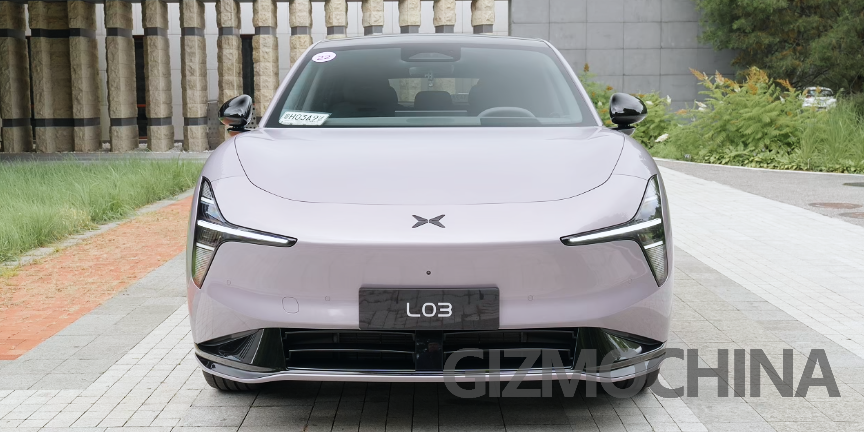
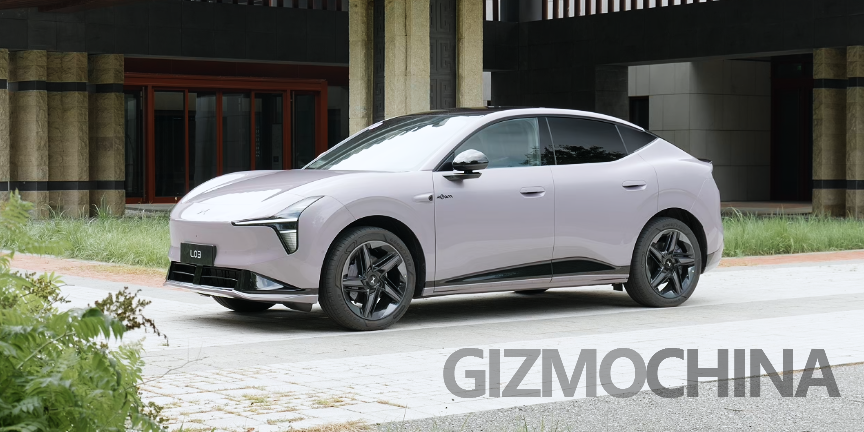
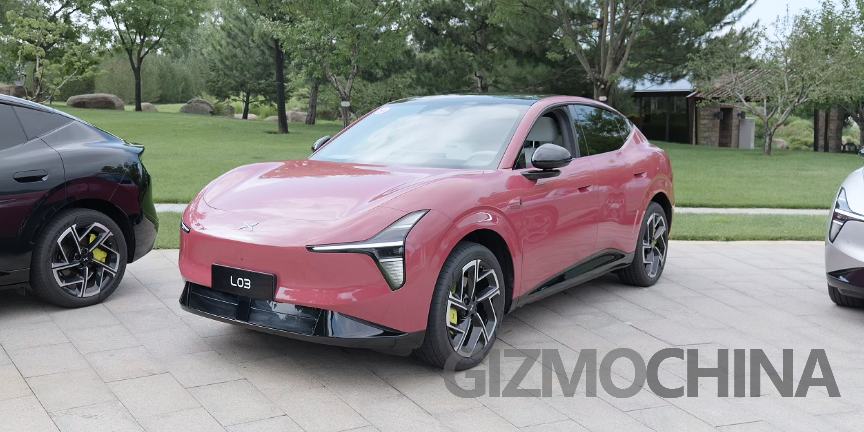
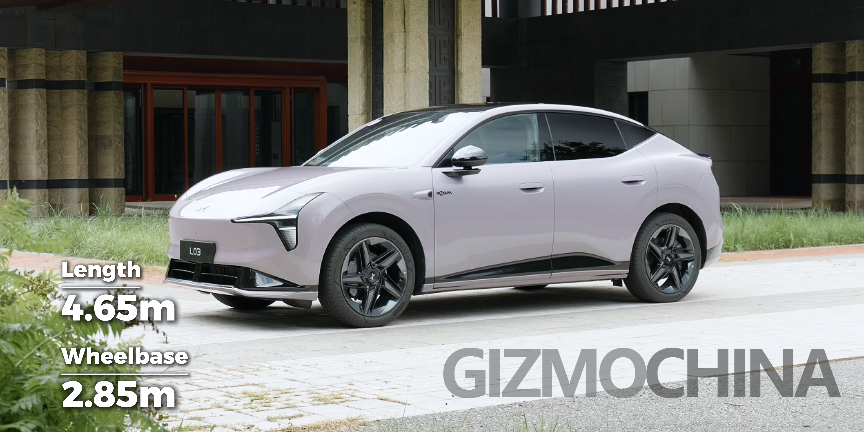
Earlier, we visited XPENG for the new Mona L03 coupe SUV, that is launched globally in 64 countries. In China, this L03 is priced from $21000 to $24000, and it claims to have brought the premium design, space, and power from the $28000 to $40000 dollar cars to this Mona series. There are different versions, either it’s pure electric, or with range extender. And arguably, XPENG has the best self-driving system among Chinese EVs, because of the VLA 2.0 inside. With all these thing inside the Mona L03, it makes the car very appealing, and affordable to many people out there. In this article, we will go through the design, drive train, power system, and also drove it to try the VLA 2.0.
Design
At first sight, I just love the design. You know, Chinese people love SUV, because it can be a car for everyone in the family. That means it must be good looking enough for a man to like it, drive it everyday, and many colors to attract ladies.
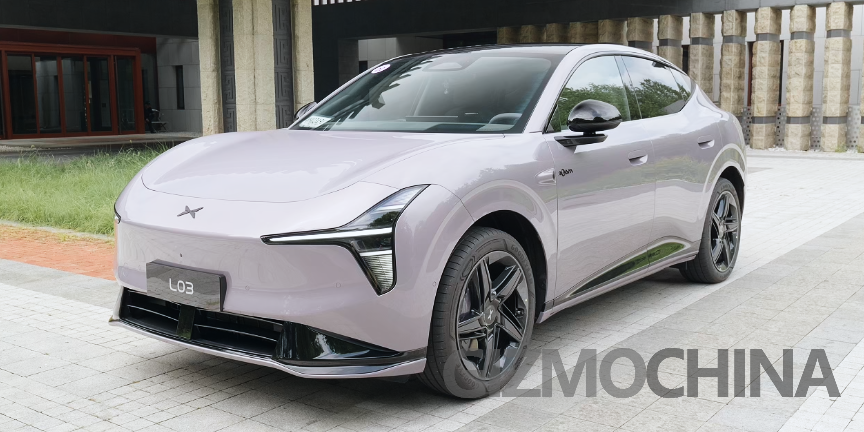
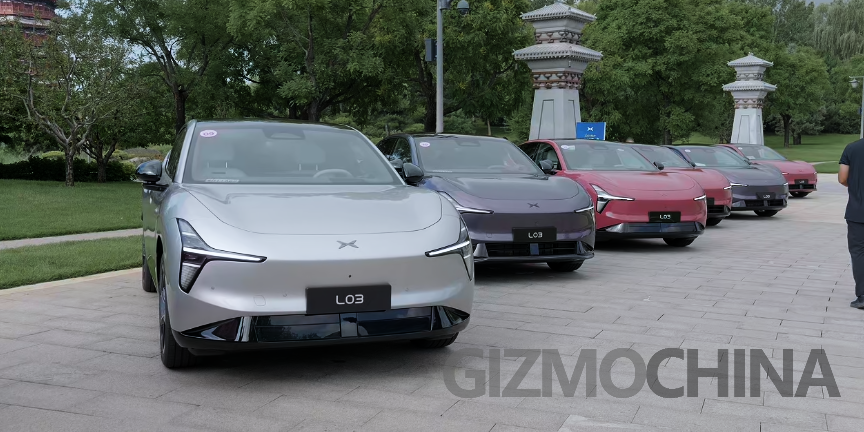
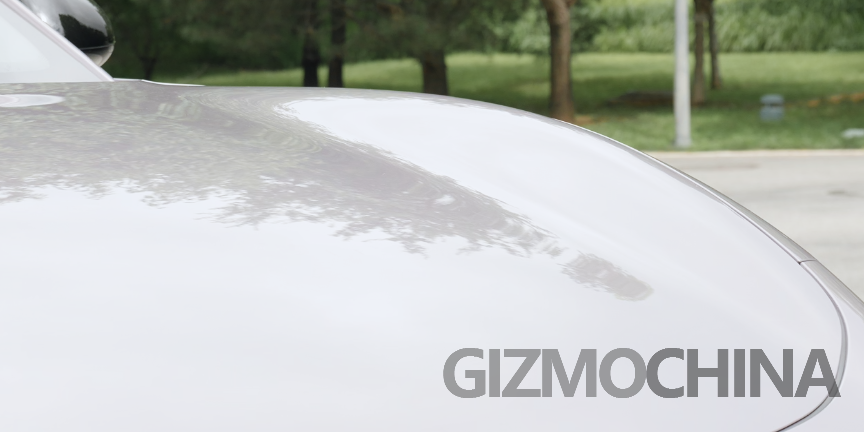
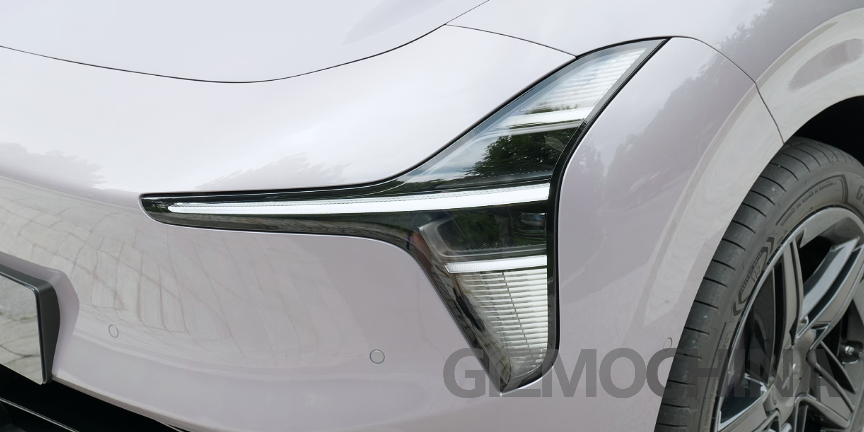
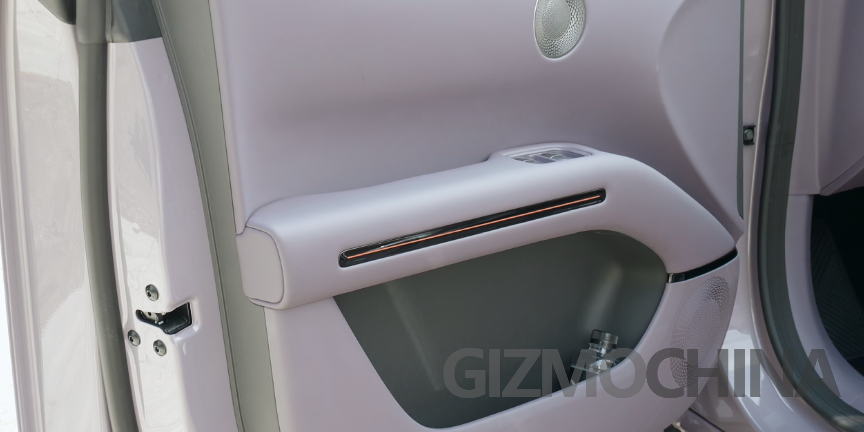
So currently there are quite a few colors, and ladies should love the pink one the most I think. Now it has very smooth lines everywhere, while still keeps the sporty look at the front, and it says the aerodynamic figure is 0.228CD, good for all kinds of weather and road condition. The head lights looks sharp from the front, but still very mellow at the side, so it goes with the overall look very well. And there are panels at the lower position, they would open up to have better aerodynamic in certain situations.
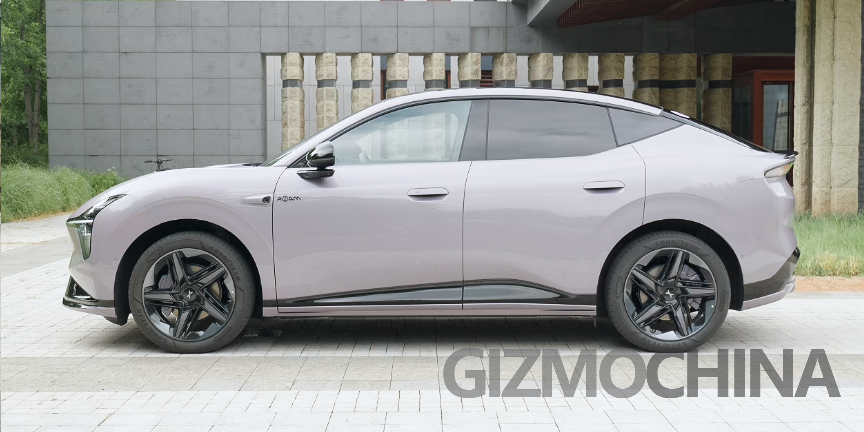
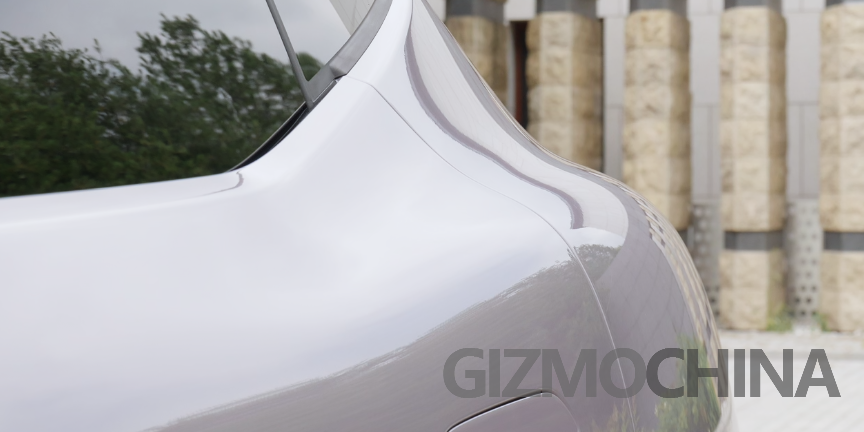
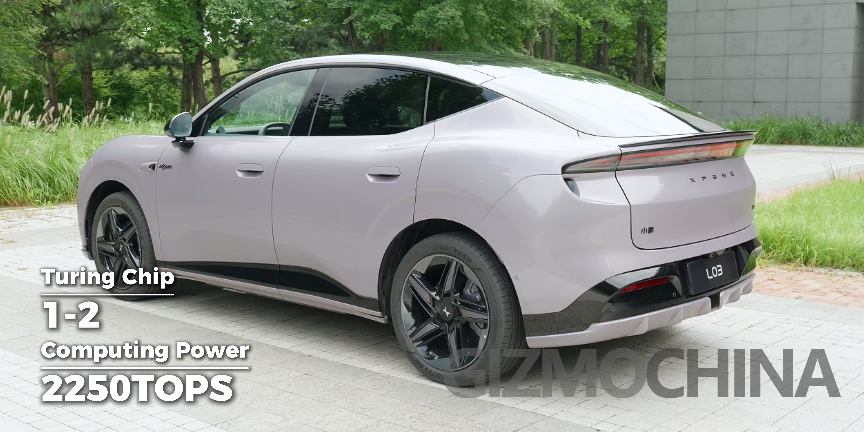
Coming to the side, you will see the whole shape, the character of the car, that it is a very slick coupe SUV. The car measures at 4.65m in length, 2.85m wheelbase. Now many Chinese SUVs are over 5m in length, big and bulky, which may not be good for the global market.
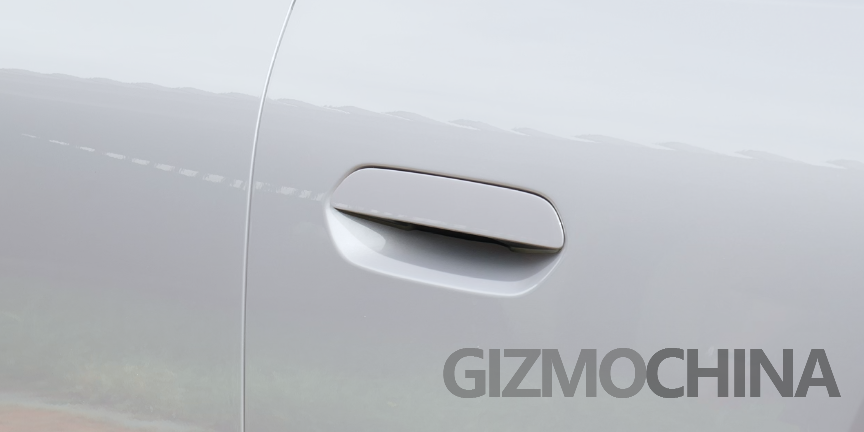
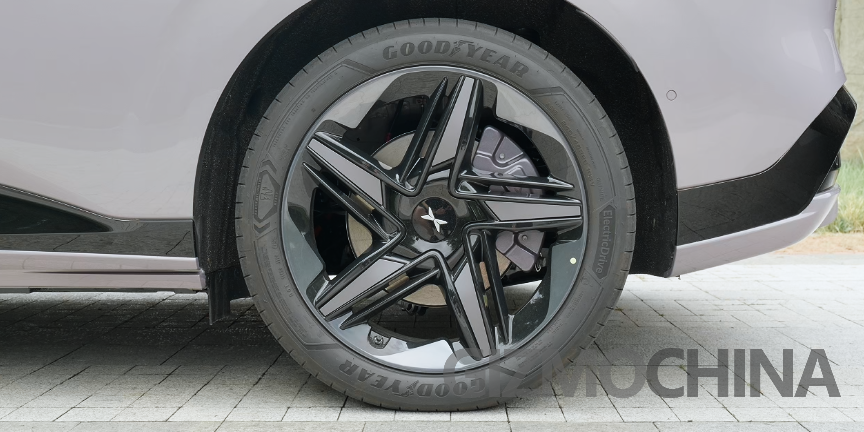
And the door handles are mechanical ones, not pop-up style anymore, that’s by the new law in China. The tires on this car is a 20inch, you can also get a 18in to save some power. There are some hubs to choose from, right now this one looks very good already.
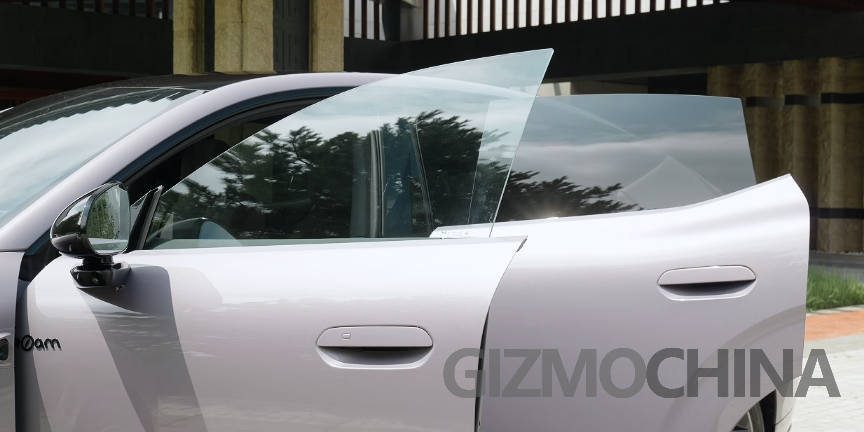
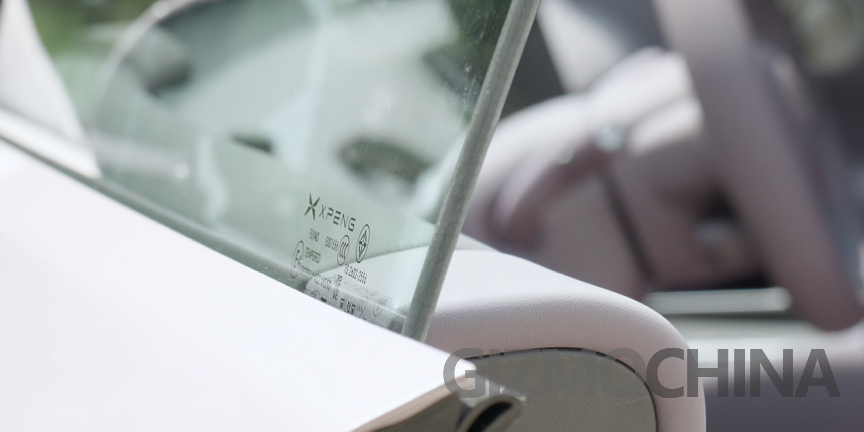
The glass on the door is frameless and very tinted, and it is very thick, I guess the soundproof should be good also.
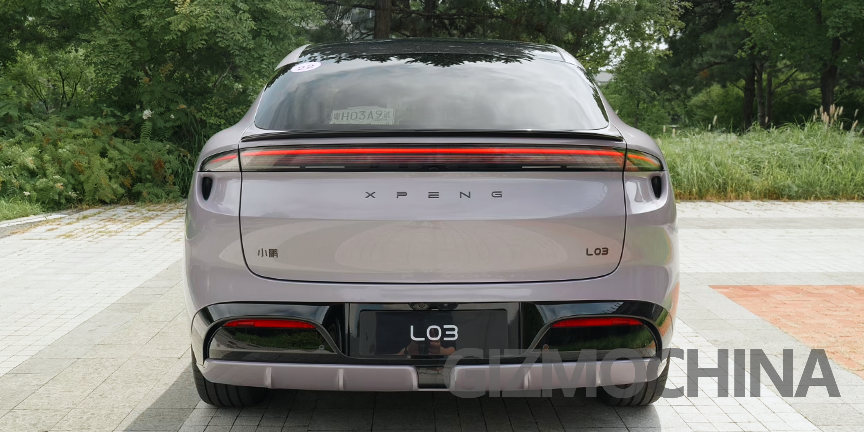
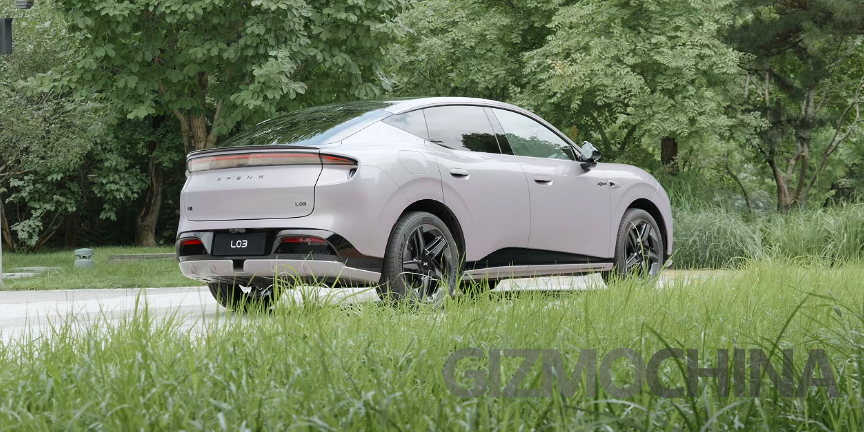
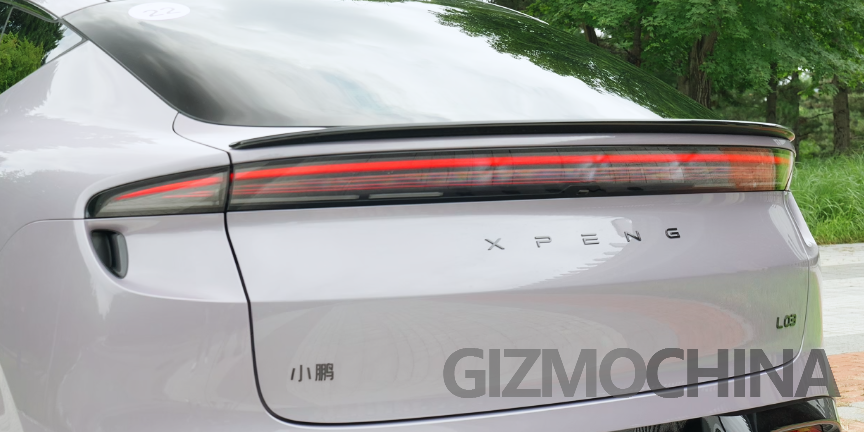
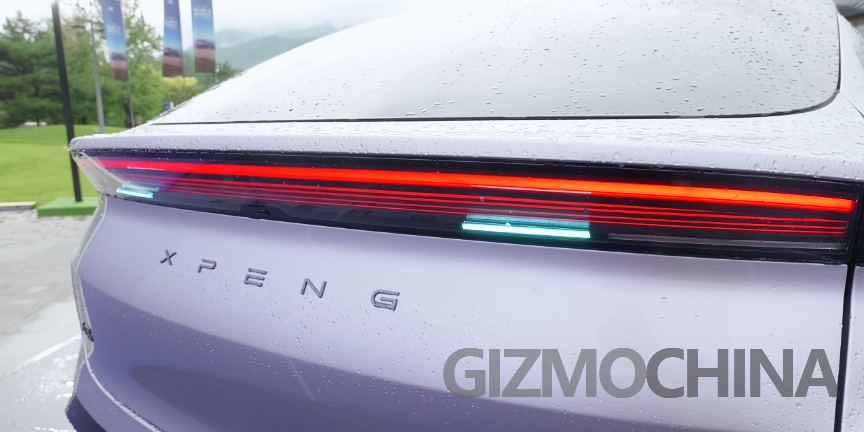
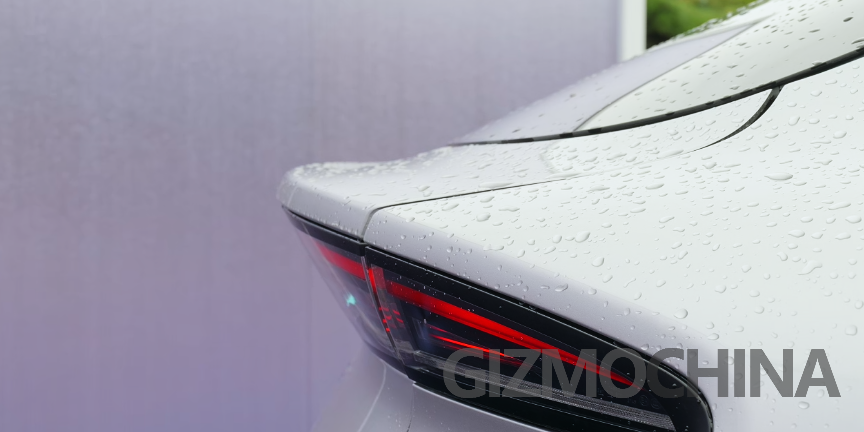
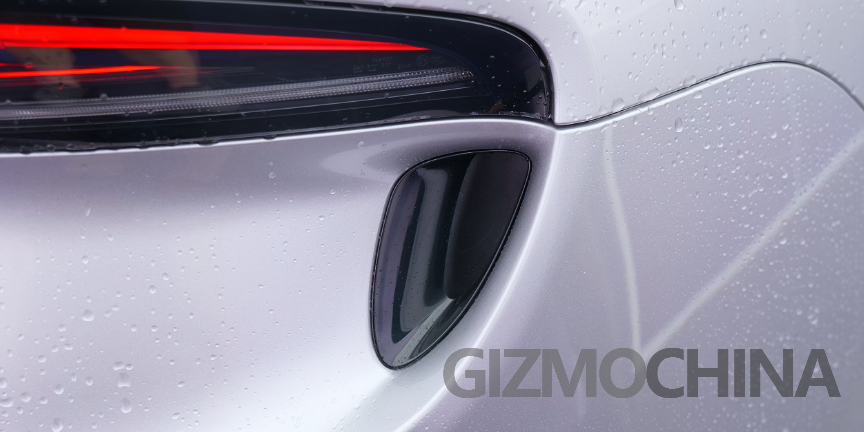
This is also another angle to see the cool design of it. There is the full-length LED bar that runs across the rear, and there are the LED bars under it for the sign of autonomous driving. There is also the duck tail spoiler, that is also cool. And there are cutouts at the side for aerodynamics.
Overall, the design and the color choices makes this SUV very very good-looking in my opinion. What do you think? Leave your thoughts in the comment section.
Space & Trunk
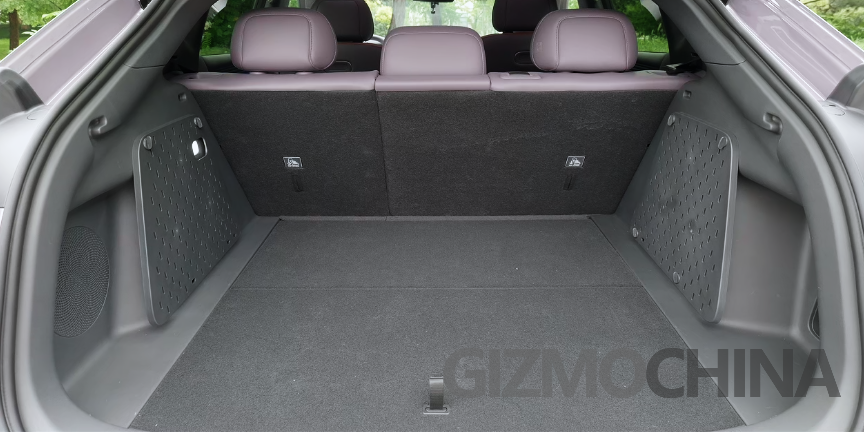
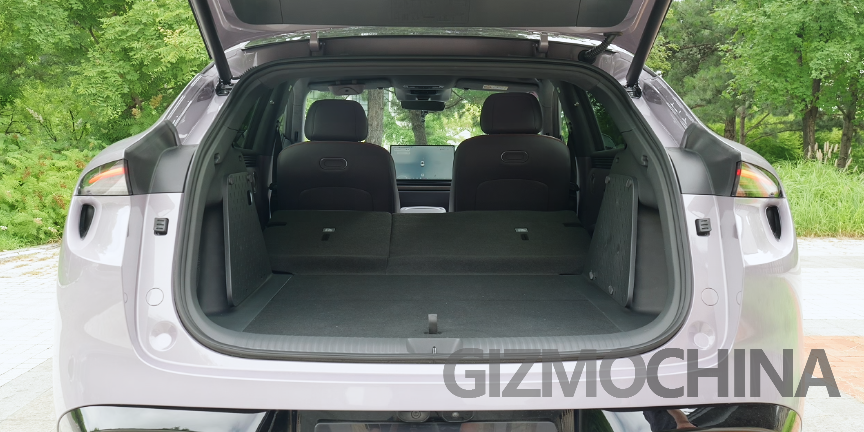
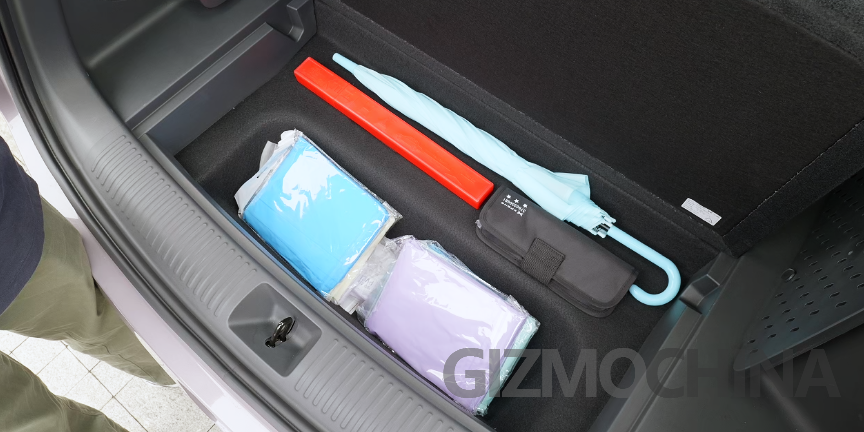
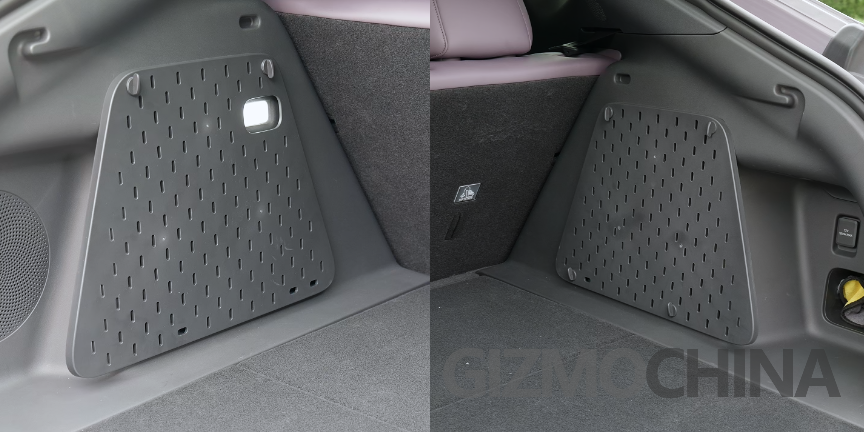
Opening the rear trunk, there is a very good space here, I don’t know the number of liter right now, because it might change for different markets. And if the back seats are folded, it becomes a bigger space, that can easily fit a a bed or a surf board here. There is also hidden space under the cover here, for some tools and stuff, but no spare tires. A new design here is the pegboards at both sides, that you can store some stuff on them.
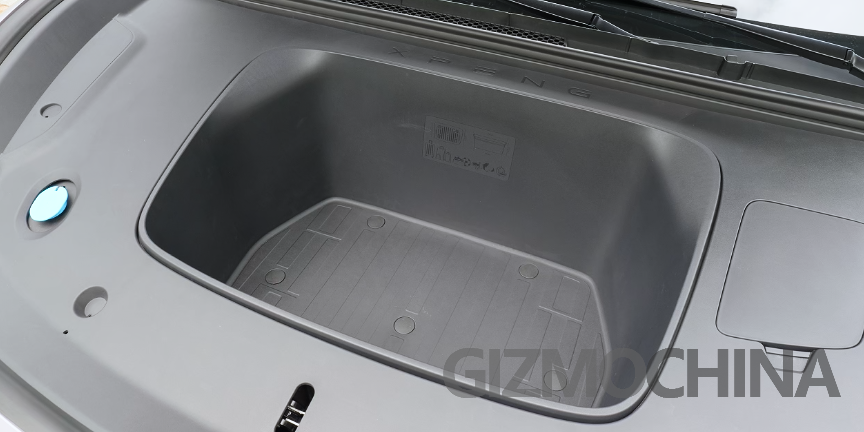
There is also a 102L frunk, there is a sign here that tells you about what are the things that can fit in. And of course, if it is the range extender version, this frunk will be replaced by an engine here.
Interior
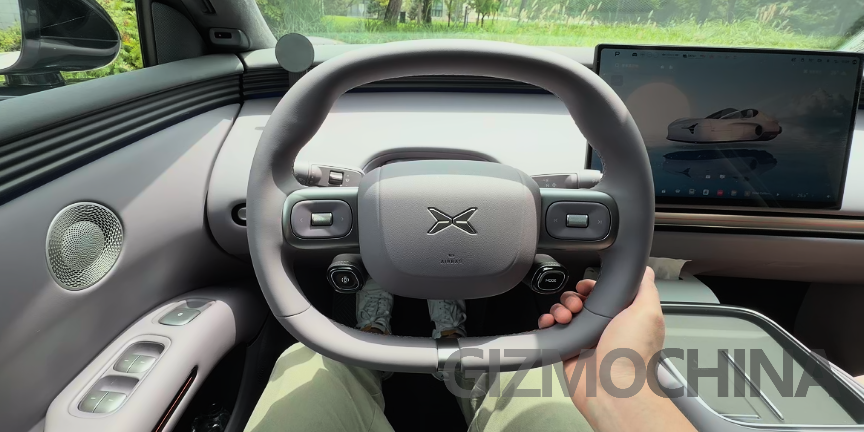
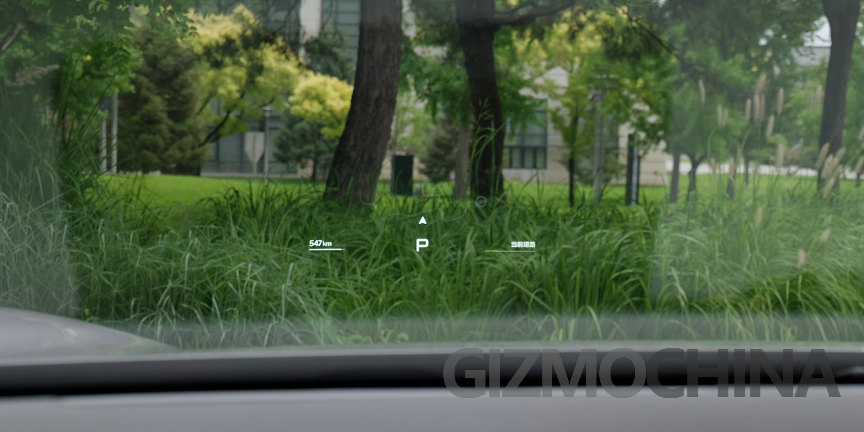
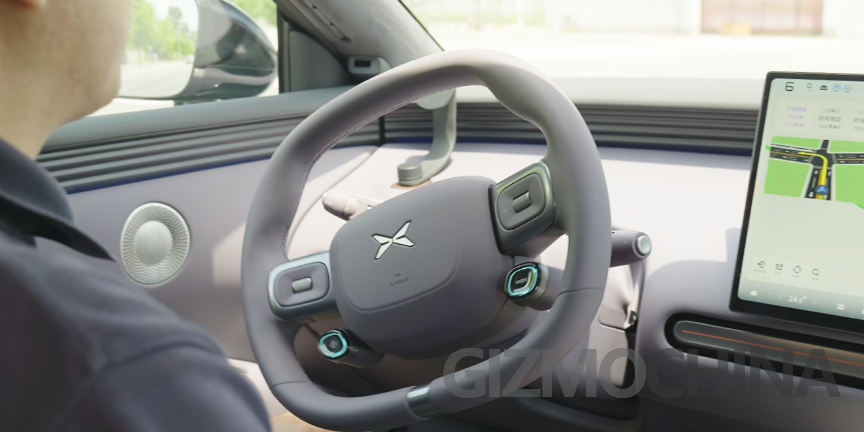
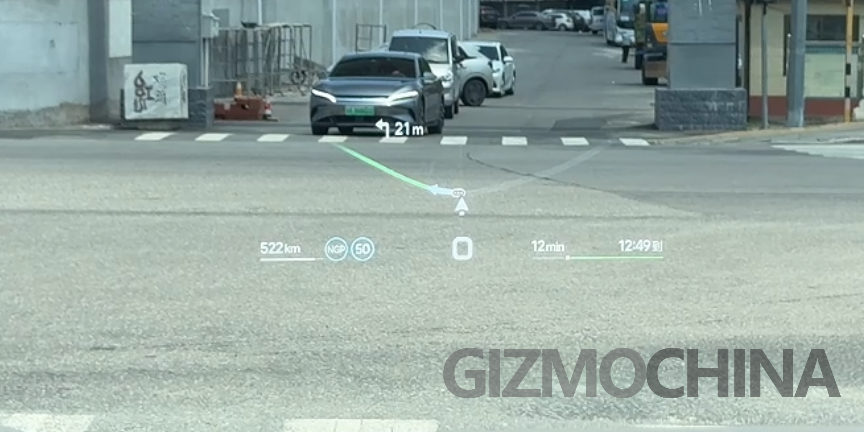
Coming into the car, the first thing you will notice is the wheely shaped steering wheel, I have not actually driven any cars with this kind of steering wheel, so if I have the chance to daily one, I will share my thoughts on it. In front of my eyes, there is a very bright HUD, it is definitely more than enough for the day time out there.
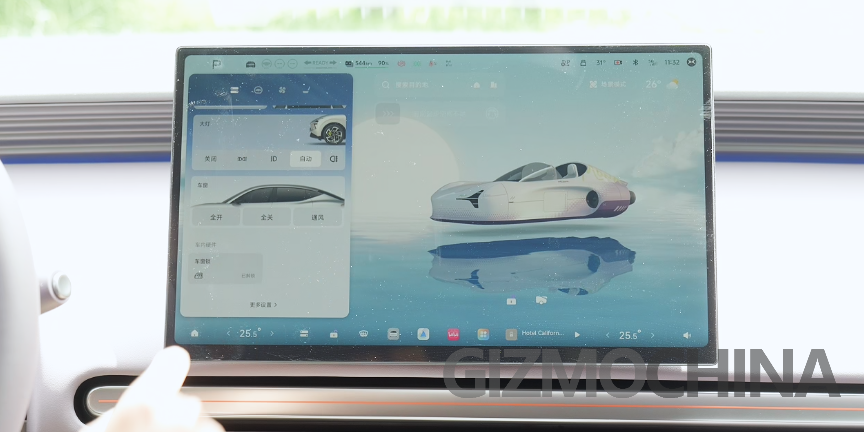
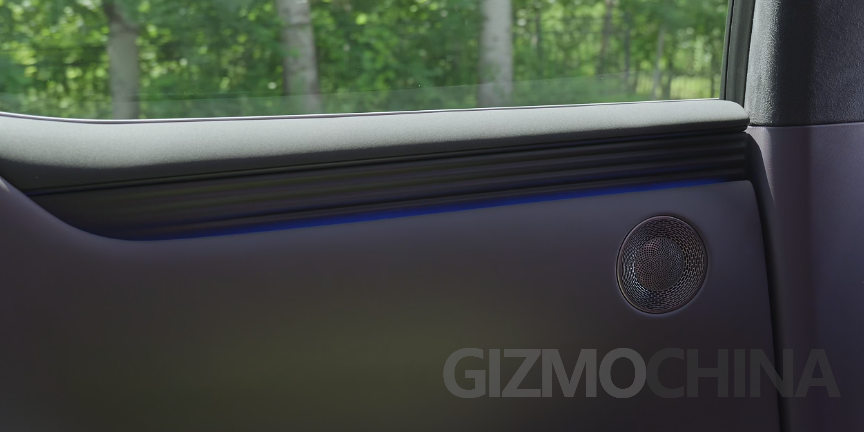
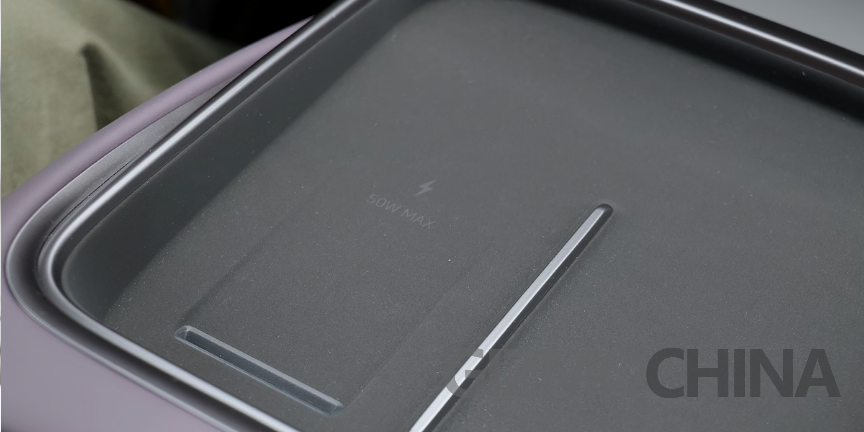
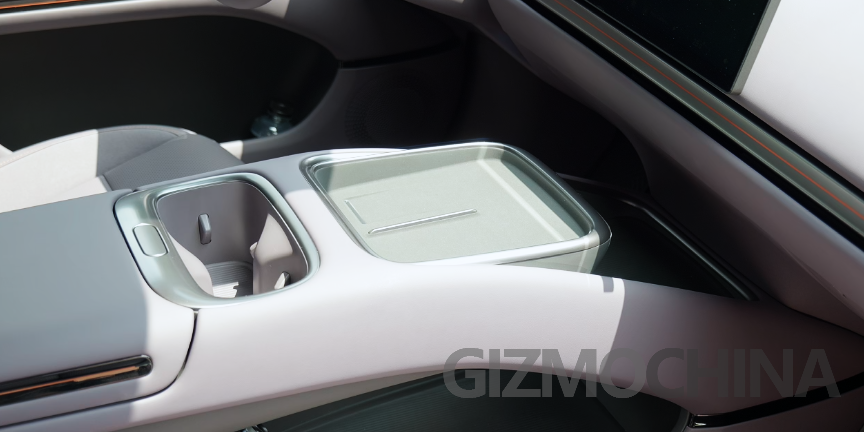
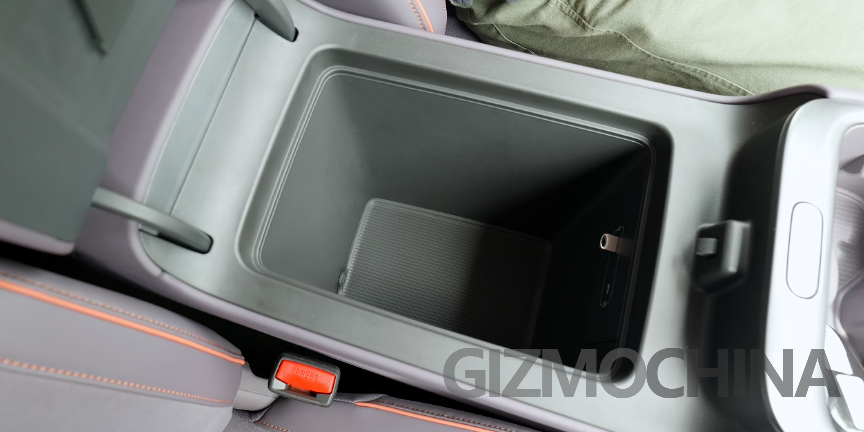
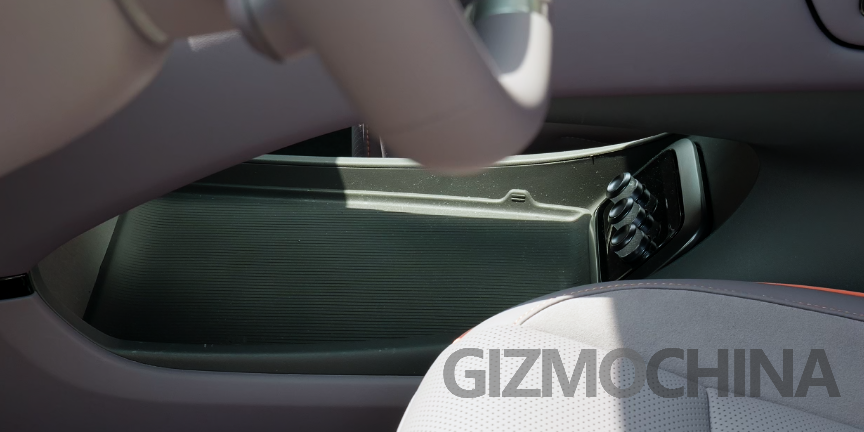
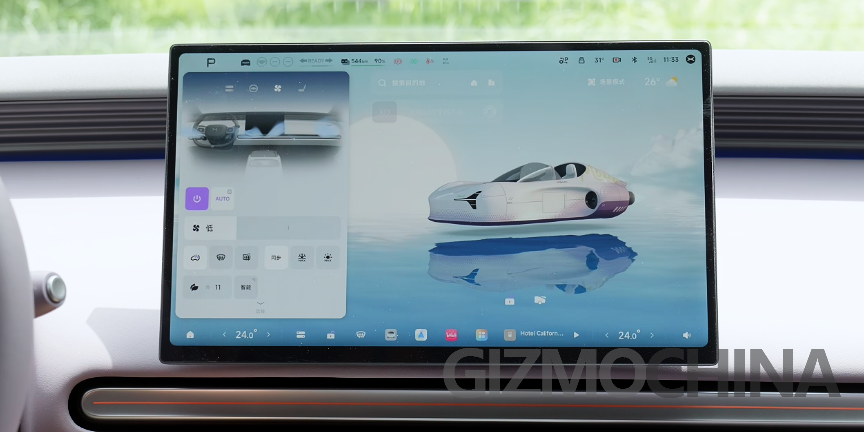
The screen in the middle is a 15.6 inch 2.5K display, brightness up to 600nits, and the touch control is very responsive. There is ambient lighting strip all around the car, which feels cool. There is a 50W wireless charging pad, with cooling fan, and cup holders, a space for some other stuff, then two USB ports for charging. Here, a little storage space and fragrances.
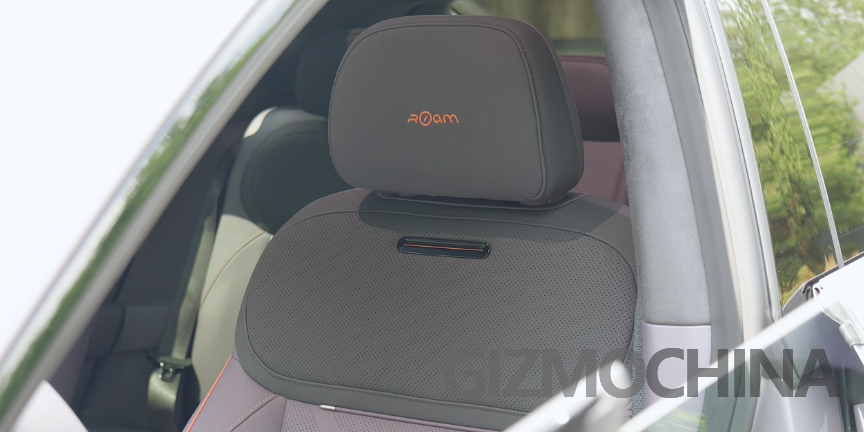
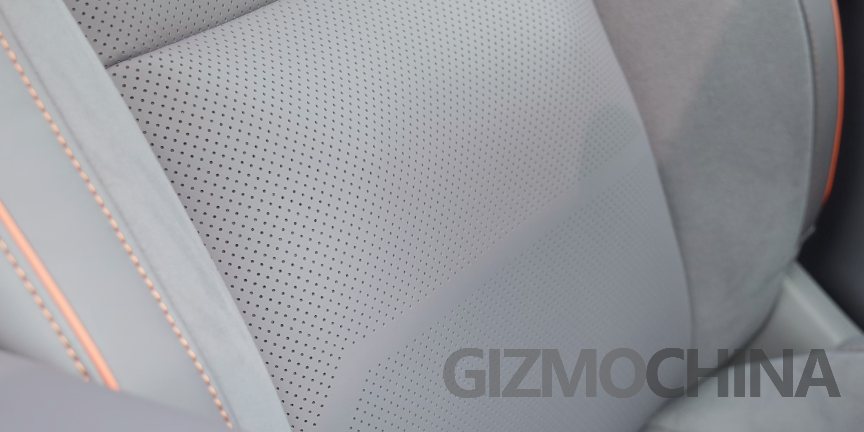
Now the seats, I can confirm they are very comfortable, the material feels very premium, they say the soft and premium material covers 72% of the cabin, definitely something you couldn’t get from this price range before. The seats are are also heated, ventilated and with massages. There are supports at the left and right, and there are buttons to adjust the positions and lumbar support.
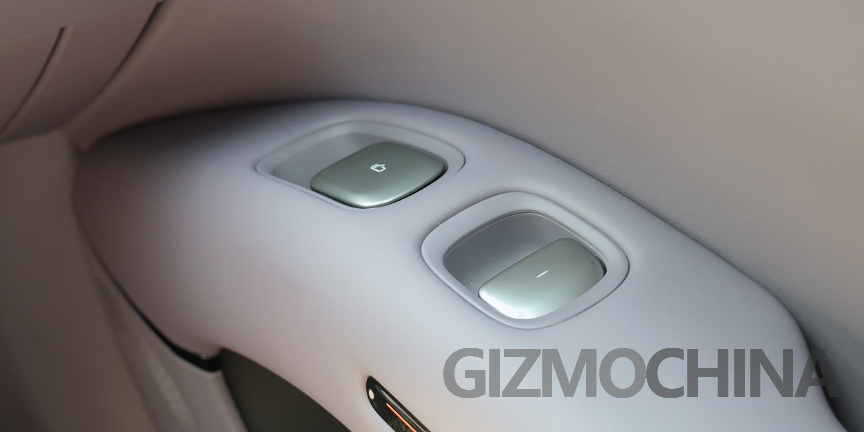
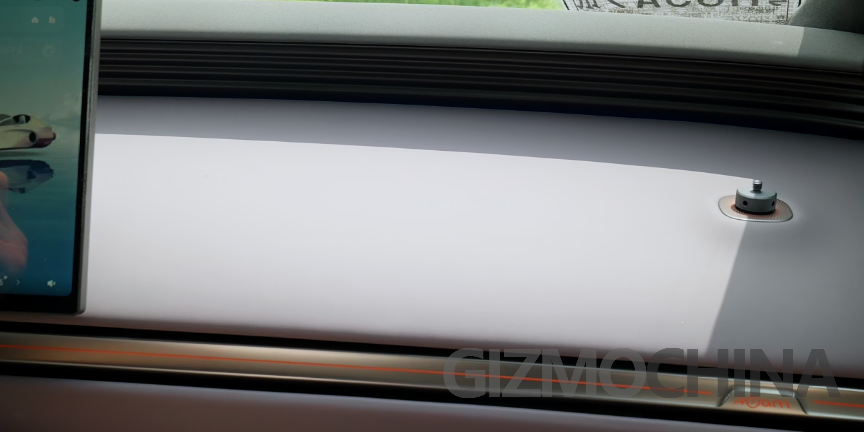
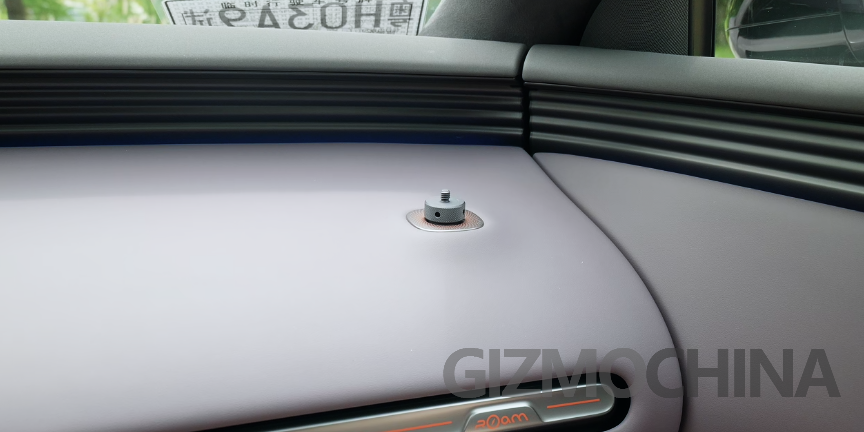
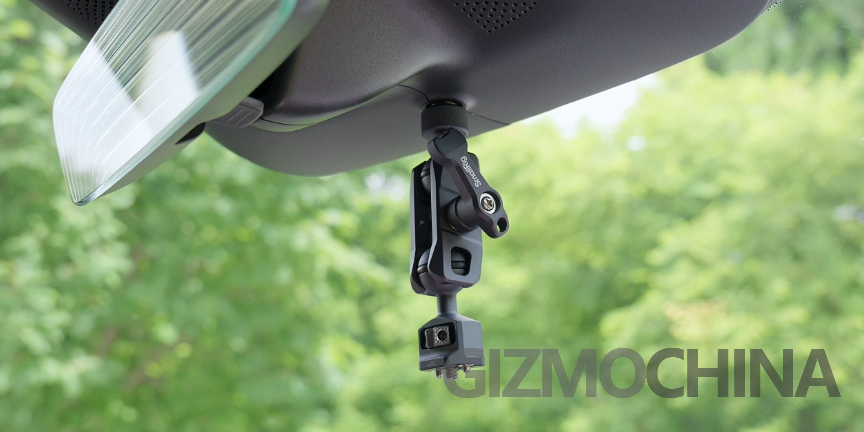
One thing that makes us happy is the 1/4 threads on many spots, so we can mount a camera or even some other accessories.
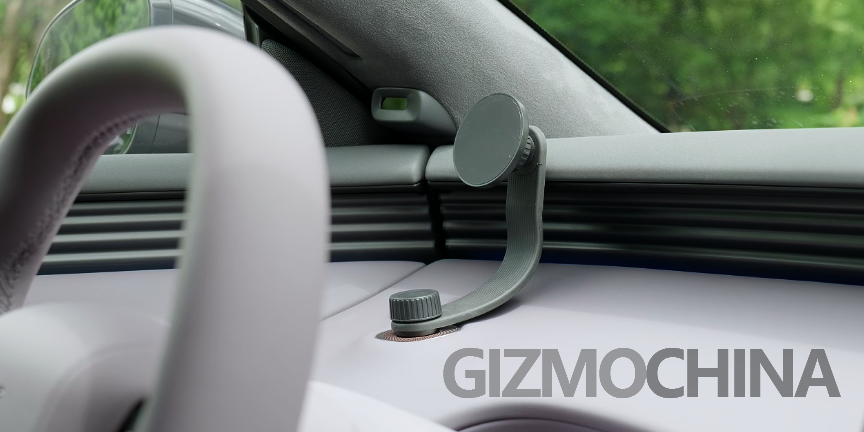
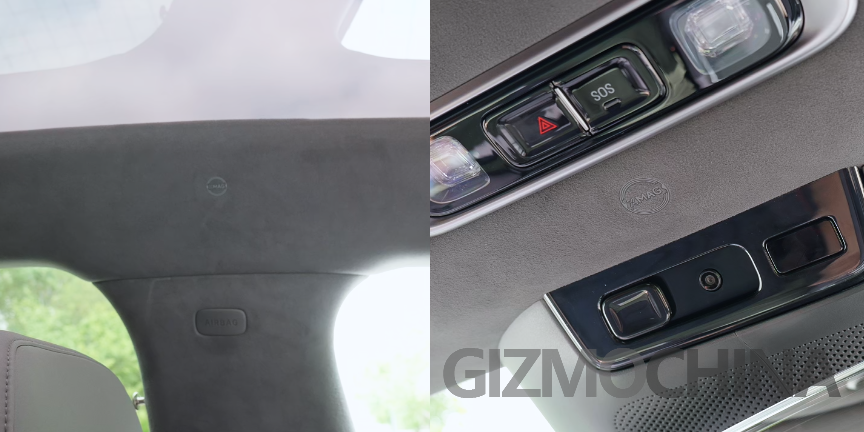
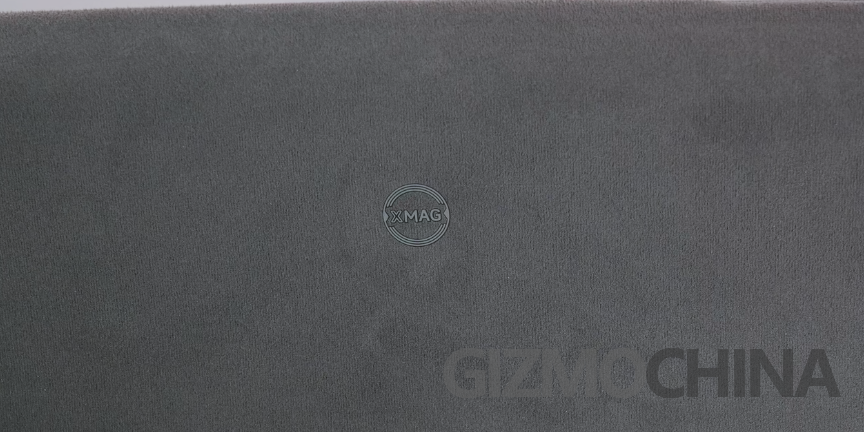
And there are eight magnets hidden on this car, for you to attach some stuff to it, maybe a cute little doll.
Coming to the back seat, the seats are also very comfortable. I am 175cm 5’7, I still have a lot of space for my legs, my head, and my toes are also comfortable under the front seat. The roof is double glazed, and UV treated. The center seat can also be folded, to have an arm rest.
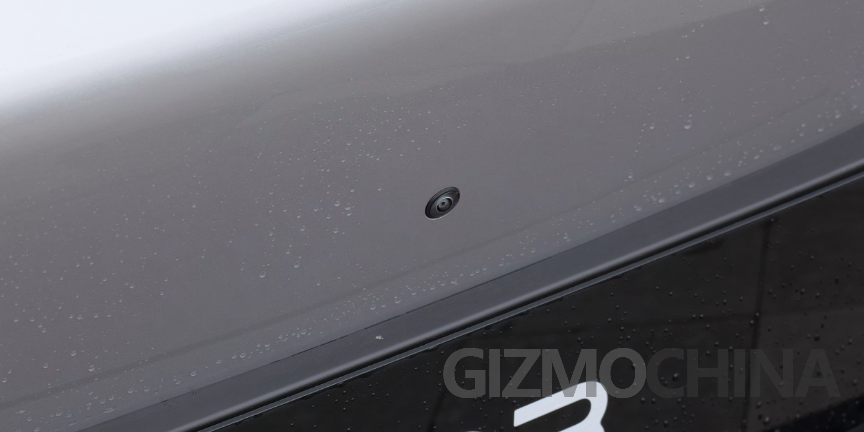
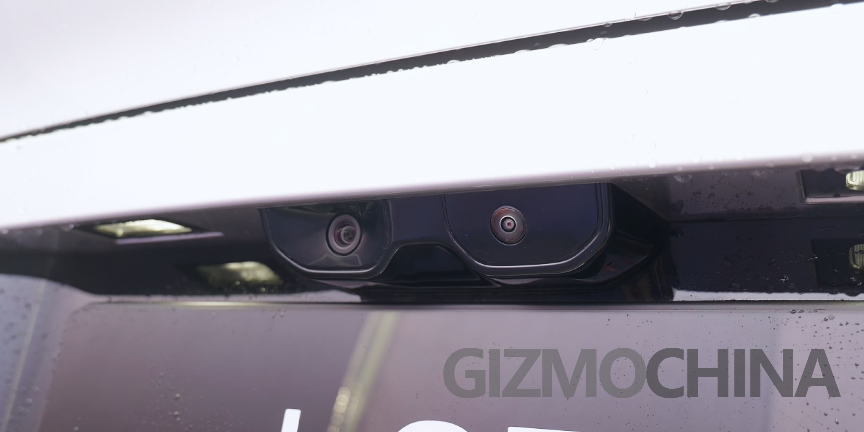
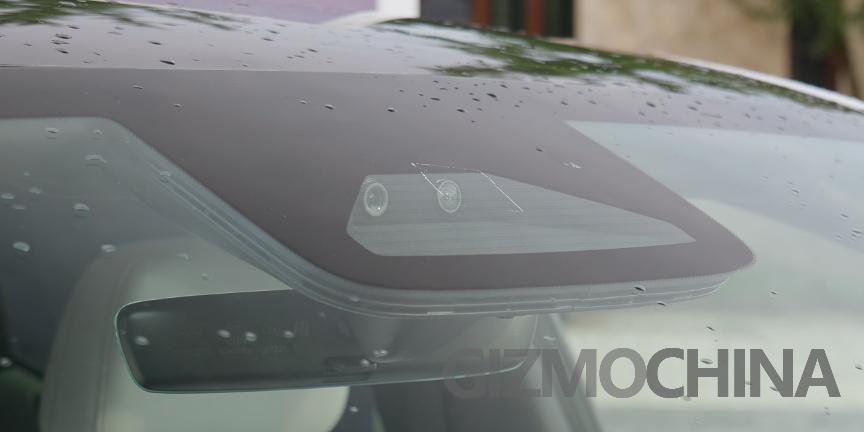
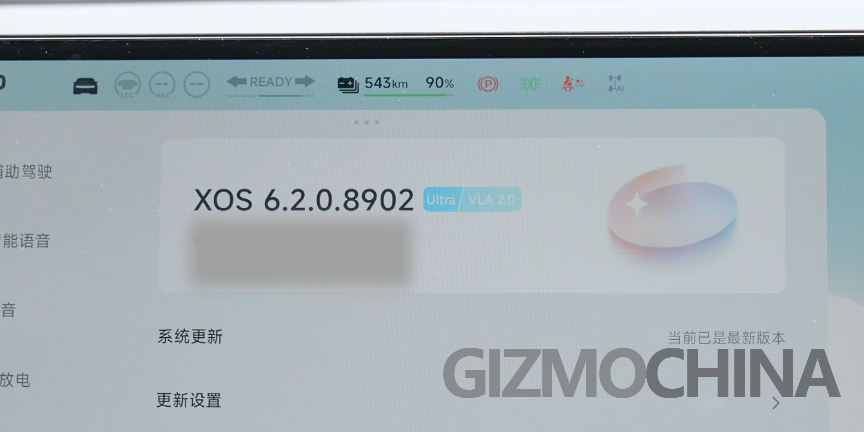
Some other things. There are 20 speakers to form a very good sounding system in the cabin; There are tons of cameras on the car that can help with driving, parking, and feed data to VLA 2.0 for smart driving.
Hardware & Software
There are up to 3 Turing chips inside, to achieve up to 2250 TOPS of computing power. This benefits not only the in cabin software experience, but also for the driving. The software inside is called Tianji AIOS 6.0, with Google Assistant support. In the cabin, you can have AI AC, AI noise reduction and some other AI features.
Battery & Charging
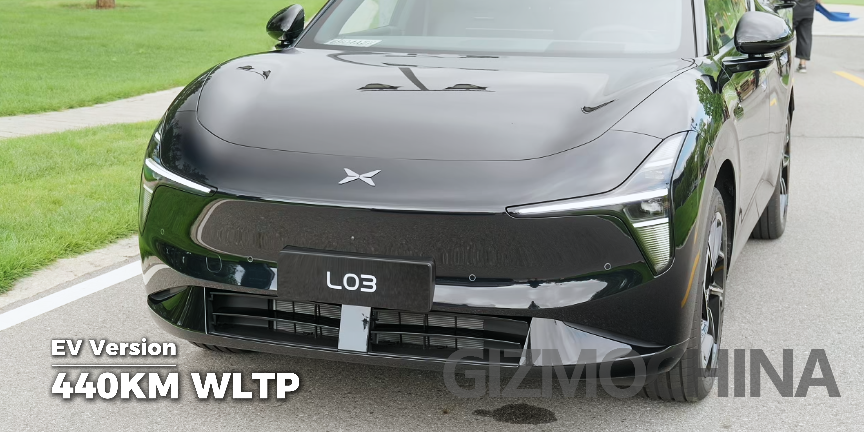
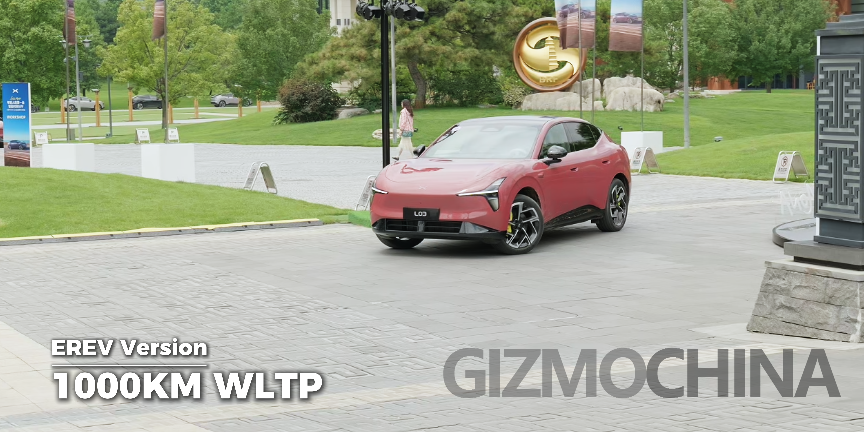
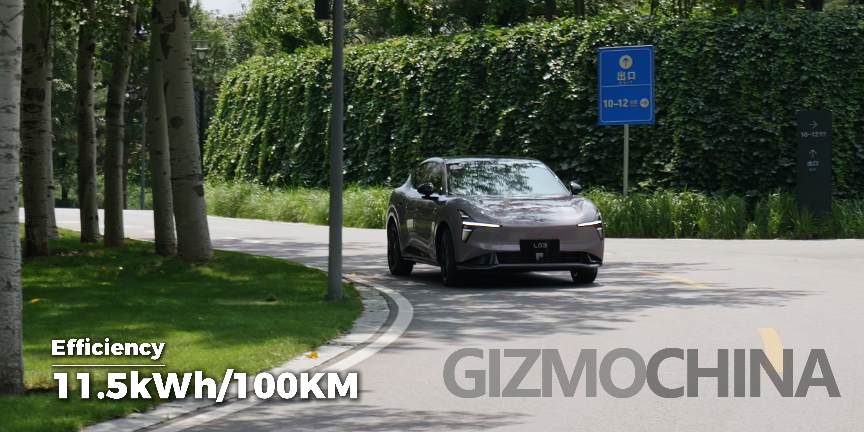
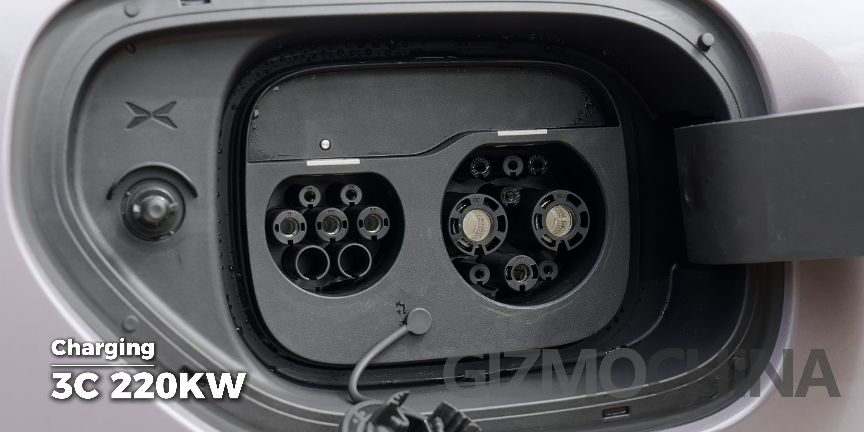
There are different versions to choose from, the pure electric version can achieve 440KM WLTP range. And the EREV version can achieve up to 1000KM of range. It claims to achieve 11.5kWh/100KM of very good efficiency. It is a 3C charger, with up to 220KW of charging power, which is quite enough for most people, and fits into the charging facility in many countries.
So, these are pretty much all the details of the design and hardware. With that said, let’s drive it, to really see how the VLA2.0 and drive train works.
Test Drive
The VLA2.0 is undeniably one of the top self-driving system, which can also mean it will make moves that you are not familiar with, that’s because it has confirmed that is something safe to do. Remember in China, there are tons of scooters running on the road, that’s incredibly hard for self-driving.
Now I would say I already had a lot of confidence in the VLA2.0, after the multiple briefing and some other real-world review on the internet. But here when I am personally driving it, or the car drives itself, it feels it knows how to deal with the stuff like an old driver we say. And it also follow the traffic law very well, it will not pass the speed limit under any circumstances.
And remember, the VLA 2.0 comes with the car for free, not a subscription. And since it’s free, more people are using it, it will keep getting better. The drive train and suspension is the kind that I like, which is not too soft nor too hard. Which makes driving is more fun and versatile.
Summary
Let’s sum it up a bit. This XPENG Mona L03 is designed for the global market, which means everything is made to comply with the laws and customers’ preferences, while keeping the architecture unified. Like it has passed the Dual 5-star safety certification in China and Europe, there is multi-language support, it is designed to handle all kinds of extreme weather. It has four-wheel version, 424 seats, tow hitch, etc etc. With the premium design, free VLA 2.0 and good power system. The prices are also very friendly, so I honestly think it is a very good pick overall. Now this car was planned to launch soon in the 64 countries they mentioned, you can get on the website to know more, and maybe test drive it when it comes to your country, you will love it.
Samsung has taken a solid step forward with battery tech in its latest foldables, and it’s already talking about where that technology might go next. After putting silicon-carbon (Si-C) batteries into the new Galaxy Z series, the company is now openly discussing the possibility of bringing them to regular flagship slab phones, while also giving a small update on its long-rumored rollable display project.]
The newly launched Galaxy Z Fold 8, Galaxy Z Fold 8 Ultra, and Galaxy Z Flip 8 are Samsung’s first phones to use silicon-carbon batteries. These cells pack higher energy density than traditional lithium-ion ones. The book-style Fold 8 models got larger batteries than last year’s Fold 7, while the Flip 8 keeps the same capacity as its predecessor but in a slimmer body.
The big question now is if or when it’ll show up in the main Galaxy S lineup. At a media briefing in London, Moon Sung-hoon, Vice President of Hardware at Samsung’s Mobile Experience division, was asked about future use in phones like the Galaxy S27 series. His answer was straightforward: it would depend on whether the battery actually makes a meaningful difference to the user experience, product by product.
Earlier reports suggest Samsung has been exploring ways to improve the battery capacity of the Galaxy S27 Ultra. If things go well, the phone could finally push past the usual 5,000 mAh range and land somewhere around 5,500 mAh.
That said, Galaxy fans looking forward to the next flagship should keep their expectations in check. Unlike many Chinese smartphone makers, Samsung has a major presence in Europe and the US, where a single-cell lithium-ion battery over 20 Wh (roughly 5,200–5,300 mAh) triggers higher certification and transportation costs. A dual-cell battery can bypass those rules by keeping each cell under the limit, but it is more expensive to manufacture and takes up more space for the same capacity, which is less ideal for a handset.
Google, Apple, and Samsung have consistently stayed at or under the ~20 Wh single-cell limit in their phones sold in Europe and the US. You almost never see them go meaningfully above it with a single cell (unlike some Chinese brands that either accept higher shipping costs or use dual-cell designs). It will be interesting to see whether Samsung breaks with that tradition.
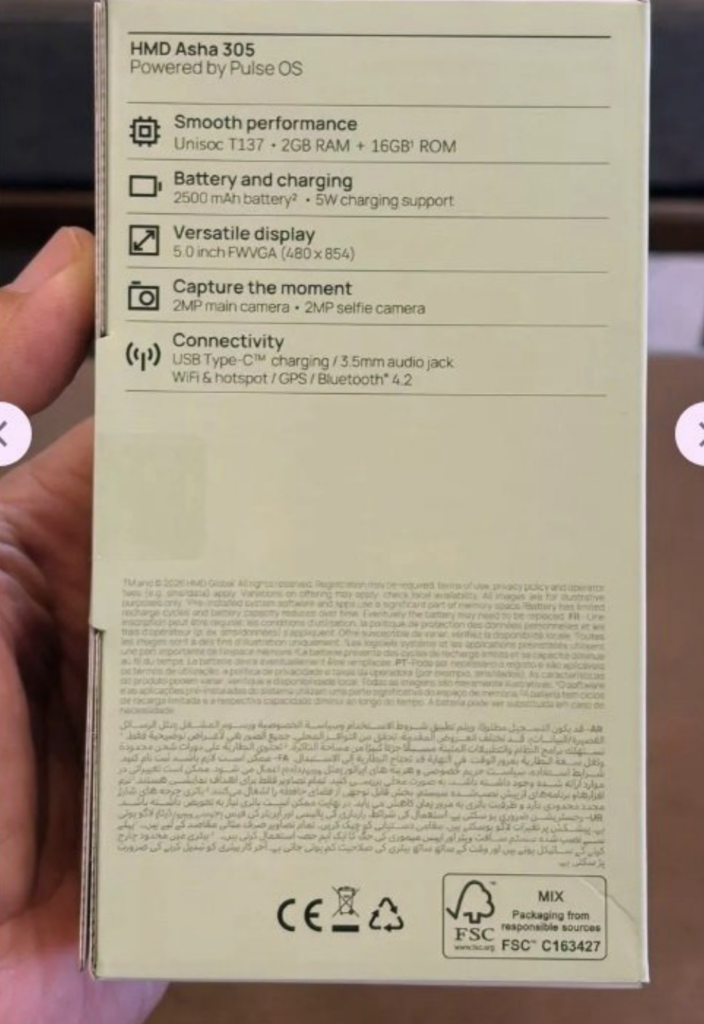
HMD Global is planning to revive the classic Nokia Asha lineup, with the Asha 305 and Asha 505 expected to lead the return. The former was recently spotted in a certification listing on the company’s own website as “HMD TA-1779 (Type HMD Asha 305).” Now, images of its retail packaging have leaked, giving us the clearest look yet at the software branding and key specifications ahead of its expected launch.
The images, shared by source nloopid, clearly show the retail box listing “Pulse OS” as the operating system. While there has been some speculation that the phone could run a modified version of Android, the Unisoc T137 chipset suggests otherwise. The processor is designed for a lightweight Real-Time Operating System (RTOS) rather than a full Android OS, and is also expected to power the upcoming Nokia 250 4G Smart feature phone.
The choice of software also aligns with the nostalgia surrounding the original Nokia Asha lineup and HMD’s recent focus on digital-detox devices. 4G connectivity and essential online features are expected to come via the Cloud Phone system, making the device practical enough for everyday use while retaining the simplicity of a feature phone.
As per the latest leak, the Asha 305 will come in black and green. It measures 147 × 71.5 × 10.2 mm and has a 5-inch non-full-screen display with an 854 × 480 (480P) resolution. Up front there’s a 2MP selfie camera, and around the back a 2MP main camera.
As mentioned above, it runs on a Unisoc T137 processor. The box also mentions 2 GB of RAM and 16 GB of storage. Power comes from a 2,500 mAh battery with 5W charging, pretty standard for a basic handset.
HMD hasn’t officially confirmed full specs, pricing, or availability yet, but the packaging gives a pretty clear picture of a compact, no-frills phone. As more details come out, the main questions will be what exact features “Pulse OS” includes, and how the Asha 305 sits alongside HMD’s other entry-level and feature-phone models. For now, the packaging leak confirms that the old Asha name is making a return in a modern, budget-focused form.
Shared Claude conversation links started showing up in public Google search results, putting discussions online that a lot of users probably assumed would only be visible to people who had the direct link.
It first came to light in a Reddit post on r/ClaudeAI. Someone shared a screenshot of Google results for the search “site:claude.ai/share,” and it turned up a bunch of clickable links to actual Claude conversation pages. Claude’s sharing feature lets you create public links so others can see the chat, handy for things like brainstorming or design work. The idea is that anyone with the URL can open it.
People familiar with the feature say the shared pages were supposed to have a “noindex” tag. That’s a standard web instruction that lets search engines look at a page but tells them not to list it in public results. Google and Bing normally respect it. In this case, some of the shared pages apparently didn’t have the proper noindex marking when they were crawled, so they got indexed and became findable through search. Even with a noindex tag, the pages would still work if you had the direct URL. The real problem was that those URLs became discoverable through Google.
The conversations that got exposed covered a pretty wide range of sensitive stuff: legal strategy talks, technical troubleshooting, personal chats, and other private or confidential material. Once they were indexed, anyone who ran the right search could see them.
Fortunately, the related chat logs have been removed from Google’s index. Searching “site:claude.ai/share” no longer brings up those links. If you’ve shared any Claude conversations, it’s a good idea to go check and manage them under Privacy > Shared Chats in the settings.
This kind of thing keeps coming up as more people use AI tools for work and personal stuff. Features that are meant to make collaboration easy can accidentally open the door to wider exposure when the technical safeguards (like proper indexing controls) aren’t fully in place or applied consistently. Other AI platforms have had similar slip-ups before.
Huawei is preparing two separate launch events in September, says credible leaker Digital Chat Station (DCS) on Weibo. Reportedly, the tri-fold Mate XT2 might launch early in the month, while the flagship Mate 90 series will follow in late September.
This timeline lines up with what other tipsters have said in recent weeks. Huawei was previously expected to launch the Mate 90 lineup in November like previous years, but multiple leaks now suggest the timeline has shifted to September, likely because Huawei wants to go hand-in-hand with new iPhones. DCS’s new leak adds weight to the claim.
Huawei Mate XTs
What do we know?
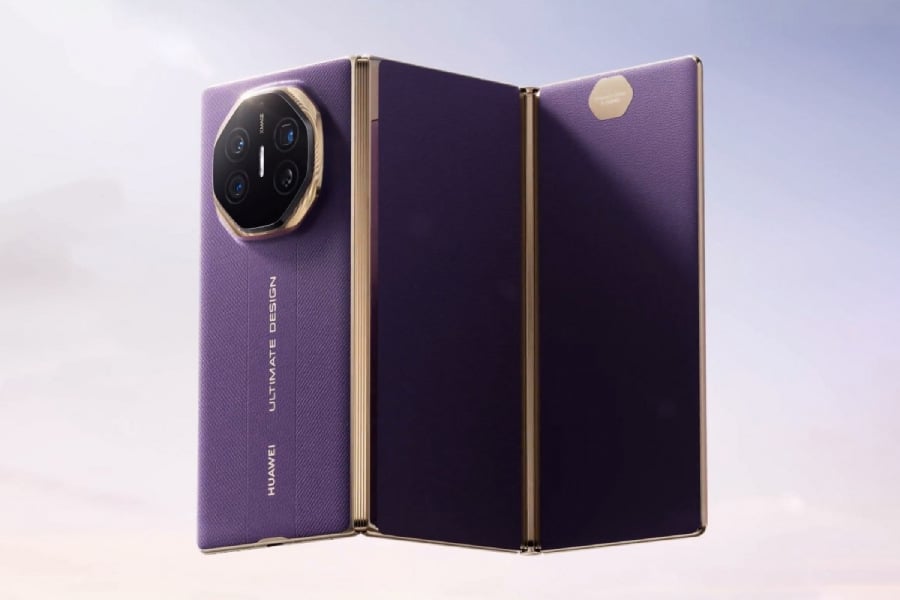
The Mate XT2 is technically Huawei’s third tri-fold phone after the original Mate XT and the Mate XTs refresh that launched last September. As per reports, the new tri-fold will feature a new 3nm-based Kirin 9050 Pro chipset, a battery above 6,000mAh, and a redesigned hinge that reduces the screen crease on the 10.2-inch unfolded display. Huawei is also expected to offer new color options, including Mystic Black, Auspicious Red, Crimson Purple, and Bright White.
The Mate 90 series is Huawei’s next mainline flagships, including the standard model, Pro, Pro Max, and RS variants. Reportedly, Huawei is moving to flat screens across the line.
Huawei Mate 80 Pro Max
The Mate 90 Pro Max and Mate 90 RS are also tipped to use dual periscope telephoto cameras. The phones will have battery capacity in the range of 6,800mAh and 7,000mAh, paired with a new 6.9-inch display. Both device lines are expected to run on the same Kirin 9050 Pro chipset as the tri-fold.
Huawei has not confirmed either launch date. DCS has a track record of accurate calls on past Huawei devices, which adds some weight to this report. More specifics, including pricing and exact release dates, should surface closer to the expected launch time.
For more daily updates, please visit our News Section.
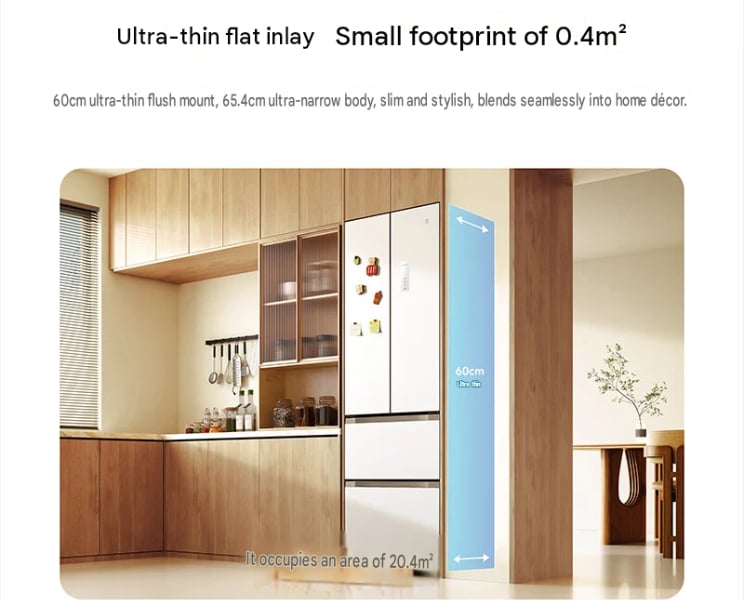
Xiaomi has launched a new Mijia refrigerator with French-style side-by-side doors in China. With a total capacity of 400L, the company built this fridge for small kitchens as it fits flush against cabinets on both sides.
The refrigerator measures 60cm in depth, 65.4cm in width, and 191.2cm in height. It takes up only 0.4 square meters of floor space. Thoughtful of Xiaomi, the ventilation is at the bottom, and the fridge also has micro-slits on both sides. This lets the fridge sit flush with the front of a kitchen cabinet, so it blends into tight spaces without sticking out.
Internally, Xiaomi is using a full-area ion purification system in the unit. Both the refrigeration and freezing compartments include silver ion antibacterial and deodorizing modules which can reportedly reach an antibacterial rate of 99.99%. The system also inhibits E. coli and Staphylococcus aureus, and it also removes trimethylamine odor, which is the smell often linked to fish and seafood.
The fridge has a 50L variable temperature compartment that users can set anywhere between -1°C and 5°C. This space switches between three modes: zero-degree fresh storage, premium dry goods storage, and fresh fruit and vegetable storage, depending on what people store inside.
In total, the fridge can hold 400L across four doors: a 216L refrigerator section, the 50L variable temperature zone, and a 134L freezer with a drawer-style design for easy access.
The exterior is finished with an apricot color, meant to suit warm, light-toned kitchens. Thankfully, the panel is resistant to oil stains and wear. Owners can also attach magnets to it.
The fridge runs on a variable frequency system with level 1 energy efficiency, using an average of 0.76 kWh per day. It operates at a noise level as low as 35 decibels, and the compressor carries a 10-year warranty. Through Xiaomi’s HyperOS Connect, owners can link the fridge to the Xiaomi Home App and use Xiao Ai for functions like remote temperature adjustment, door-open alerts, and fault notifications.
Xiaomi also sells an automatic ice-making version of this same Mijia Refrigerator French 400L, which adds a 60-minute ice maker on top of the same core features. This standard edition, without the ice maker, is priced at 2,499 yuan (~ $369), dropping to 2,124 yuan (~ $314) after China’s national subsidy.
For more daily updates, please visit our News Section.
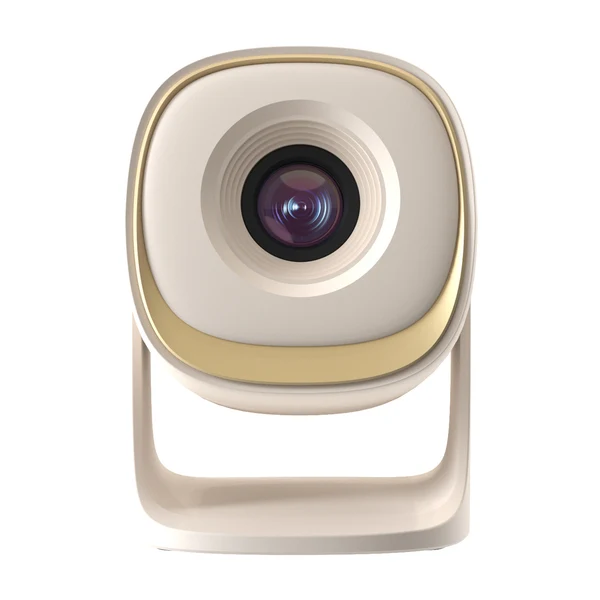
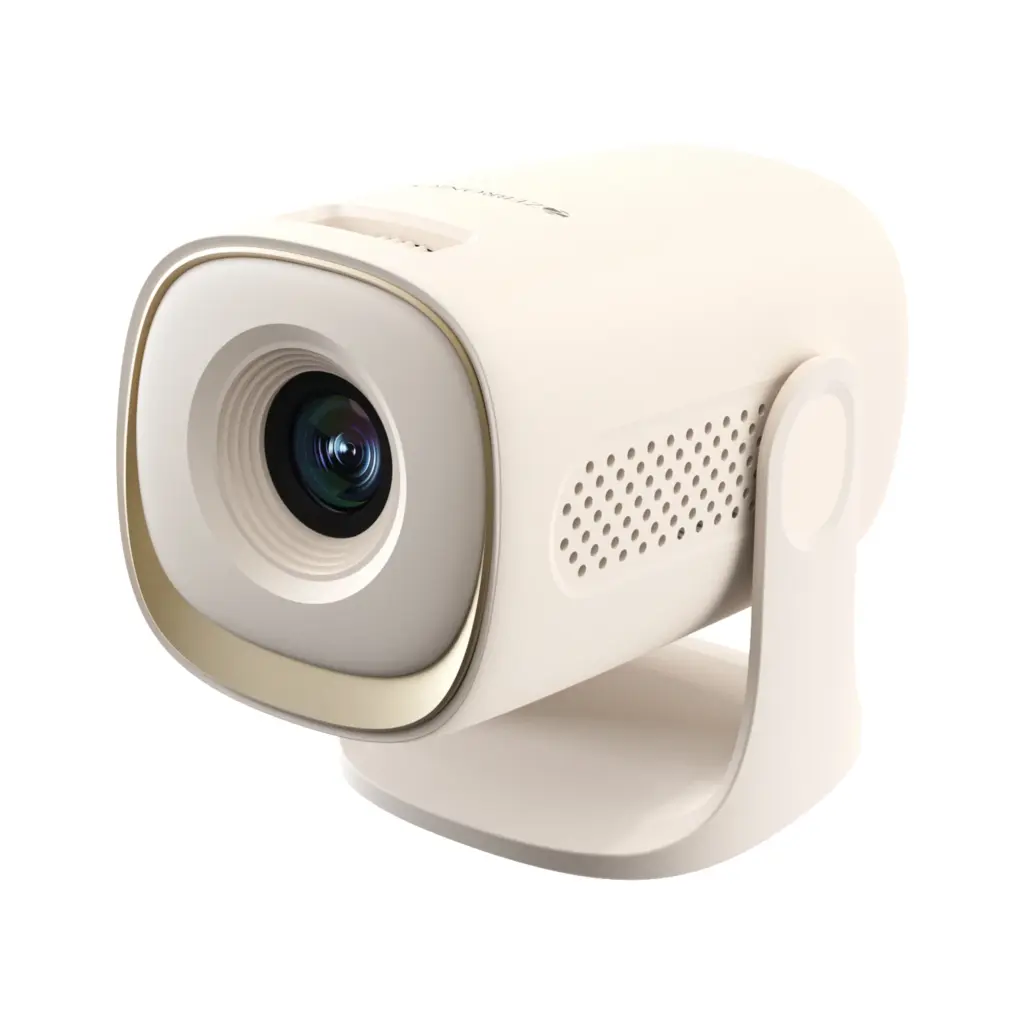
Zebronics has introduced a new smart projector in India that focuses on bringing a large-screen entertainment experience at an affordable price. The all-new Zeb-PixaPlay 72 Plus combines smart software, wireless connectivity, and flexible projection features for watching movies, TV shows, sports, and gaming on a much bigger display. Here’s everything you need to know about Zebronics’ latest smart projector.
Zebronics Zeb-PixaPlay 72 Plus specifications and features
Zebronics Zeb-PixaPlay 72 Plus projector
The Zebronics Zeb-PixaPlay 72 Plus projector offers a native HD resolution of 1280 x 720 pixels while supporting Full HD 1080p content. It delivers up to 4,000 lumens of brightness and can project images ranging from 101.6 cm to 304 cm, with a projection distance between 1.2 metres and 4 metres. Zebronics has also included automatic vertical keystone correction and a 200-degree tilt mechanism, making it easier to adjust the image based on the placement of the projector.
The projector runs Android 12 and features a quad-core processor with built-in app support, allowing users to stream content directly without depending on an external streaming device. It also supports Miracast and iOS screen mirroring for wireless casting from compatible smartphones and tablets.
Zebronics Zeb-PixaPlay 72 Plus projector
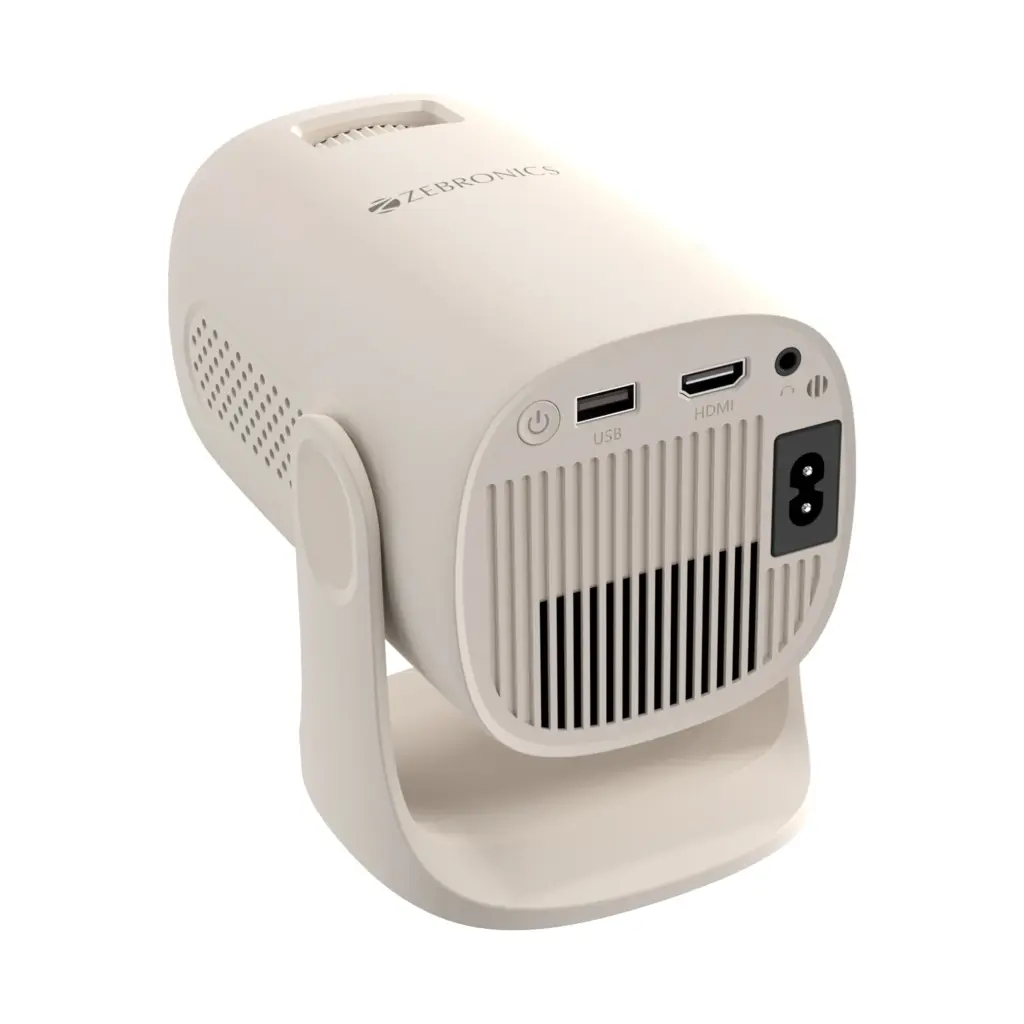
The Zeb-PixaPlay 72 Plus supports dual-band Wi-Fi 6 across 2.4GHz and 5GHz networks, Bluetooth 5.4, HDMI with ARC support, USB, and an AUX output for connecting external audio equipment. A built-in speaker is also included for standalone use, while the LED light source is rated for up to 30,000 hours of operation. The package includes a remote control, HDMI cable, power cord, cleaning cloth, and a QR code guide to help users get started quickly.
Zebronics PixaPlay 72 Plus price and availability
The Zeb-PixaPlay 72 Plus carries an introductory price of Rs 5,499 (~$60) and is available through leading retail stores, Amazon, and Flipkart.
We use cookies on our website to give you the most relevant experience by remembering your preferences and repeat visits. By clicking “Accept”, you consent to the use of ALL the cookies.
This website uses cookies to improve your experience while you navigate through the website. Out of these, the cookies that are categorized as necessary are stored on your browser as they are essential for the working of basic functionalities of the website. We also use third-party cookies that help us analyze and understand how you use this website. These cookies will be stored in your browser only with your consent. You also have the option to opt-out of these cookies. But opting out of some of these cookies may affect your browsing experience.
Necessary cookies are absolutely essential for the website to function properly. This category only includes cookies that ensures basic functionalities and security features of the website. These cookies do not store any personal information.
Any cookies that may not be particularly necessary for the website to function and is used specifically to collect user personal data via analytics, ads, other embedded contents are termed as non-necessary cookies. It is mandatory to procure user consent prior to running these cookies on your website.