Advertisement

Tecno Spark Go 1 hands-on review: An entry-level phone full of surprises at Rs 7,300

New budget-friendly 5G phones in India start at around Rs 10,000. While there are many good entry-level 5G phones available across different brands, some people may still opt for 4G phones due to various factors such as budget constraints, patchy 5G coverage in their area, or simply because they have reliable 4G connectivity and don’t see an immediate need to upgrade. Others might view a 4G phone as a temporary solution until 5G networks become more widespread and reliable. For those considering a 4G phone, Tecno has announced the Tecno Spark Go 1. While it is an entry-level 4G phone, it packs some specifications that may surprise many, making it a compelling option for budget-conscious consumers.

1. Design and Build

Tecno Spark Go 1 (rear, front)

The Tecno Spark Go 1 makes a strong first impression with its sleek design and vibrant display. On the front, it has a punch-hole display with a chunky bottom bezel, and its back panel has a camera module housing a single camera, an LED flash, and an IR blaster (which mimics a camera sensor). The top bezel houses an LED flash, which can be used for the front camera and also lights up for notifications.

The top and bottom edges have speakers for stereo output. The top lacks a secondary microphone, while the bottom edge also features a primary microphone, a USB-C port, and a 3.5mm audio jack. On the left is a SIM card slot, and the right edge has a volume rocker and a power button, which doubles up as a fingerprint sensor.

Available in Startrail Black, Glittery White, and Lime Green, the Spark Go 1’s build is both stylish and functional. It measures 8.35mm (or 8.55mm for the leather variant) in thickness and weighs 189 grams, making it comfortable to hold and use. As can be seen, I am provided with a white variant of the device. Its retail package includes the Spark Go 1 unit, a case, an 18W charger, a USB-C to USB-A cable, and some paperwork.

Please Note: When you buy something using the links in our articles, we may earn a small commission at no cost to you.

2. Display and Audio

Tecno Spark Go 1’s display

One of the highlights of the Spark Go 1 is its segment-first display with a 120Hz refresh rate. The 6.67-inch HD+ LCD panel offers a brightness of 480 nits, which is good enough for indoor use but may struggle in brighter conditions outside. The phone offers 60Hz (constant) and 120Hz (auto-switch) refresh rate options. While the screen offers Eye Care mode, there is no option to modify the color scheme on the device.

There’s Widevine L1 support for viewing HD streaming content. The device also features DTS dual stereo speakers that enhance the entertainment experience with rich and immersive sound.

3. Performance and Software

Tecno Spark Go 1 benchmarks

Under the hood, the Tecno Spark Go 1 is powered by a Unisoc T615 processor. The phone offers 8GB of RAM, which consists of 4GB of LPDDR4x physical RAM and up to 4GB of virtual RAM. For storage, it offers 64GB of eMMC 5.1 and a dedicated microSD card slot.

The phone runs on Android 14 Go, based on HiOS 14. This operating system is designed to be lightweight and responsive, providing a streamlined and user-friendly interface. It houses a 5,000mAh battery with support for 15W fast charging.

Tecno claims that the Spark Go 1 offers up to 4+ years of lag-free performance. While this promise of long-term value is appealing, it remains to be seen how well the device will hold up in real-world use. Shown above is how the device performed on AnTuTu, Geekbench, and CPU Throttle benchmarking apps.

4. Cameras and Other Features

1x

The Tecno Spark Go 1 has a 13-megapixel camera on the back and an 8-megapixel front-facing camera. The rear camera includes multiple shooting modes such as AI Cam, Beauty Mode, Portrait, Time-Lapse, Dual Video, Super Night, Panorama, Pro Mode, AR Shot, Short Video, and 1080P video recording.

Tecno Spark Go 1
Tecno Spark Go 1

The front camera, equipped with dual-color temperature flash, is well-suited for selfies and video calls, offering modes like AI Cam, Beauty Mode, Portrait, and 1080P video recording.

The in-built infrared remote-control sensor is another notable feature of the Spark Go 1, enabling users to control various home gadgets directly from their phone. Additionally, the phone includes AI Active Noise Cancellation, which improves call quality in noisy environments.

5. Final Thoughts

Tecno Spark Go 1
Tecno Spark Go 1

Usually, entry-level smartphones priced around Rs 5,000 to Rs 8,000 struggle to offer smooth performance. However, the Spark Go 1 is a good effort from Tecno, focusing on smooth performance at such a low price with features like a 120Hz display, 8GB of RAM, and a toned-down version of Android (which is nothing unusual for such a priced phone). In addition, the inclusion of a side-facing fingerprint sensor, an IR blaster, and dual speakers are welcome additions to the device. Overall, the Tecno Spark Go 1 offers excellent value for money, with a robust feature set that caters to the needs of everyday users.

Tecno Spark Go 1 price in India

The Spark Go 1 is available via Amazon for Rs 7,299 (~$88). It comes in three colors: Lime Green, Glittery White, and Startrail Black.

Google updates Chrome with 3 new features, including auto sync of tabs across devices

Google has unveiled a suite of updates for its ubiquitous Chrome browser, targeting both individual users and businesses. The focus lies on enhancing ease of use and streamlining workflows across desktops, Android, and iOS devices.

One key feature receiving an upgrade is Chrome’s tab grouping functionality. Previously, users could manually save and sync these groups across devices. Now, Google lets you enable automatic syncing – regardless of whether you’re using a desktop computer, Android phone, or iPhone.

This seamless transition eliminates the hassle of manual saves, ensuring your research projects, shopping sprees, or open articles seamlessly follow you between devices. So if you’re exploring a topic on your laptop, you can later pick up your phone and continue exactly where you left off, with all relevant tabs ready.

Google is also currently testing a new feature that intelligently suggests web pages you might want to revisit. Essentially, Chrome analyzes tabs you’ve opened on one device and prompts you to open similar websites on your other devices.

For instance, Chrome might suggest opening the same news website you were reading on your work computer on your phone’s new tab. It’s for users who juggle between multiple devices throughout the day. No more bookmarking or frantically searching your history – simply rely on Chrome’s suggested revisit prompts to pick up where you left off.

Moving onto the realm of business, Chrome’s update caters to Google Workspace users. There’s a brand-new feature that shows the user’s daily calendar when you open a new tab. 

It will enable employees to quickly check schedules or access virtual meetings without needing to launch the full Calendar app. According to Google, this feature will be gradually rolled out for Workspace users. 

All in all, the new update adds some quality-of-life features to Chrome for bother personal and professional users. 

(Source)

AOC collabs with Porcha Design for a Premium QD-OLED monitor

AOC has teamed up with luxury design brand Porsche Design to introduce their new co-branded gaming monitor, the PD34. The design of the PD34 draws inspiration from Porsche’s 911 sports car, with the back featuring a radiator grille similar to the 911’s, while the aluminum ergonomic stand takes design cues from the car’s steering wheel. The PD34 also supports RGB lighting with 15 customizable modes.

Porsche Design AOC Agon Pro PD34

The PD34 comes with a 34-inch curved QD-OLED display, offering a 3440 x 1440 resolution and a 240Hz refresh rate for smooth gameplay, even with fast-paced titles. Its 0.03ms response time and brightness of up to 1000 nits.

Porsche Design AOC Agon Pro PD34

On the color front, the PD34 covers 139% of the sRGB color space, 99.3% of DCI-P3, and 97.8% of Adobe RGB, providing accurate color reproduction for both professional work and gaming. It also maintains a ΔE<2 under sRGB, ensuring highly precise color accuracy.

Porsche Design AOC Agon Pro PD34

The PD34 features anti-reflection technology, low blue light settings, and a flicker-free display to reduce eye strain during long gaming sessions. It also includes built-in 8W DTS-certified speakers for clear audio without needing external speakers.

For connectivity, the PD34 comes with a variety of ports: 2 HDMI 2.1, 1 DP 1.4, 1 USB Type-C (with 65W power supply and DP Alt), 1 USB Type-B, and 3 USB 5Gbps ports. The monitor also includes a KVM function, allowing users to easily switch between different devices.

Pricing & availability

The Porsche Design AOC AGON PRO PD34 is now available in the UK for £999, while in EU regions it costs €1,199.

(Source)

Garmin’s inReach Messenger Plus adds photo and audio messaging for a steep price hike

Garmin introduced the inReach Messenger, a satellite communicator with two-way texting and SOS support, in 2022 to keep you connected when there’s no cellphone coverage.

The company has now refreshed the device, renaming it the inReach Messenger Plus. This version still has text-only features but now also allows you to send photos and voice messages via satellite.

Garmin inReach Messenger Plus specs launch price

The upgrade comes at a cost, though. While the original Messenger sits comfortably at $299.99, the Plus jumps to $499.99 – and that doesn’t include the satellite subscription you’ll need to use it.  Subscription plans range from $11.95 to $49.95 per month, with even higher options for professionals and larger groups.

Here’s what the Garmin inReach Messenger Plus has to offer. 

Garmin inReach Messenger Plus Specifications

While several smartphones from Apple and Google now offer basic emergency satellite connectivity, the inReach Messenger Plus prioritizes reliable two-way communication beyond cellular coverage. The device allows users to share location updates, download weather forecasts, and send messages with loved ones, even in remote locations.  

The addition of photo and audio messaging offers a potential advantage in emergency situations. Sharing pictures of injuries or equipment failures can provide valuable information to search and rescue teams, leading to a quicker and more targeted response.

For enhanced safety, the inReach Messenger Plus features a dedicated SOS button, connecting users directly to Garmin’s 24/7 emergency coordination center. This service automatically transmits location data, streamlining the rescue process.  

Another key benefit is battery life. Garmin claims the inReach Messenger Plus can operate for up to 600 hours on a single charge when sending texts or location updates every 10 minutes. Sending multimedia messages reduces battery life to approximately 250 photos or audio clips per charge.

The inReach Messenger Plus caters to a niche audience, such as mountaineers or frequent travelers. It’s not something a regular user might choose, but for those who need it, we can see the benefits of owning it, especially because of the extended battery life it offers.

(Source)

Redmi Watch 5 Lite is launching on September 25; Here are top 7 features

Redmi Watch 5 Lite is all set to debut on Sept. 25 in India. The landing page of the smartwatch, revealing its key features, is now on Xiaomi India’s website. Here’s a look at the top 5 features of the Watch 5 Lite.

1. Display

Redmi Watch 5 Lite display

The Redmi Watch 5 Lite has a 1.69-inch AMOLED screen. This large screen has a square-shaped design, making it easier to navigate and view notifications.

2. Built-in GPS

Redmi Watch 5 Lite – GPS support

The Watch 5 Lite is equipped with built-in GPS. It will allow users to precisely track their outdoor activities without needing a phone.

3. Water Resistance

Redmi Watch 5 Lite – 5ATM water resistance

The Redmi Watch 5 Lite is water-resistant up to 5 ATM, making it suitable for swimming and other water-based activities. Users can confidently wear the watch in the pool or the shower.

4. Bluetooth Calling

Redmi Watch 5 Lite: Bluetooth calling

The Bluetooth calling feature on the Redmi Watch 5 Lite will allow users to make and receive calls directly from the watch.

5. HyperOS and Alexa assistant support

Redmi Watch 5 Lite: HyperOS and Alexa support

The Watch 5 Lite runs on HyperOS, ensuring smooth performance and seamless integration with other Xiaomi devices. Integrated with Alexa, the watch enables voice commands for smart home control, reminders, and more.

6. Long Battery Life

The watch promises an impressive battery life, lasting up to 18 days on a single charge. This extended battery life ensures that users can enjoy all the features without frequent recharging.

7. Attractive Price

Redmi Watch 5 Lite launch date

Last month, Redmi launched the Redmi Watch 5 Active, priced at Rs 2,799. A notable difference between the Active and the upcoming Lite model is that the Active variant lacks GPS support. Consequently, the Lite model is expected to be priced slightly higher, likely between Rs 2,500 and Rs 3,000. Nevertheless, it will still be a notable smartwatch option in its segment.

Huawei Nova 13 series, Mate 70 series, and Mate X6 foldable launch timeframe tipped

Huawei, after launching the tri-fold Mate XT, has a launch event scheduled for today, where it will unveil a bunch of new accessories. It seems the company has no plans to slow down its release cycle in the coming months. 

According to the typically accurate leaker Digital Chat Station, Huawei has at least three device families slated for launch in the coming months.

First up in October is the Nova 13 series, the successor to the Nova 12 lineup. We could see four models mirroring the Nova 12’s Lite, 12s, Pro, and Ultra variations. Next, in November, we could see the flagship Mate 70 series. This line is rumored to include three phones – building on the Mate 60, Pro, and Pro Plus models.

Huawei Mate 60 Pro
Huawei Mate 60 Pro

Both the Nova 13 and Mate 70 series are rumored to be powered by next-generation Kirin chipsets, the 9010 for the Nova and the 9100 for the Mate. Huawei has already confirmed that the Mate 70 series will be the first to boast the brand new HarmonyOS NEXT operating system.

Finally, the leak hints that November could also be the launch month for the successor to the Mate X5 foldable. The Mate X6 is said to sport an even larger cover screen than its predecessor, making it a true phone replacement when unfolded. It’s also likely to inherit the Mate 70 series’ rumored Kirin 9100 chip and run on HarmonyOS NEXT.

It’s important to remember these are tentative launch windows. While Digital Chat Station has a decent track record, official confirmation from Huawei is always the gold standard. However, it’s clear the company has plenty in store for its audience.

We can expect more information to trickle out as we inch closer to the rumored launch dates. Stay tuned, as we’ll keep you updated on any official announcements or further leaks.

Huawei Watch GT 5 Pro Leak Reveals Renders, Specs & Pricing Ahead of Launch

Later today, Huawei will be hosting a launch event for new wearables and likely other gadgets in China. The brand is expected to introduce the Huawei Watch GT 5 series at the event. Features and pricing details of the vanilla Watch GT 5 were revealed in an earlier report. Now, details about the Pro model have also leaked.

Tipster Sudhanshu Ambhore has recently made a post on X (formerly Twitter) revealing specifications, features, pricing, and renders of the upcoming Huawei Watch GT 5 Pro.

As per the leak, the Watch GT 5 Pro will be launching in two sizes: 42mm and 46mm. It will feature a 466 x 466-pixel AMOLED display protected by sapphire glass and encased in a titanium body.

The Watch GT 5 Pro will boast IP68 water resistance, making it suitable for various environments. It will be powered by a battery capable of lasting up to 14 days with normal use and 8 days under intensive usage, and will also support fast wireless charging.

In terms of health tracking, the smartwatch will come equipped a heart rate monitoring, a SpO2 sensor, sleep tracking, stress monitoring, and body temperature tracking. As for fitness features, the watch will have over 100 sports modes, covering activities from running and cycling to swimming and hiking, as well as extreme sports. An AI Trainer will also be onboard to offer personalized workout suggestions.

For outdoor adventurers, it will come with built-in GPS alongside GLONASS, Galileo, and QZSS for highly accurate location tracking.

Connectivity options will include Bluetooth 5.2, NFC, and a voice assistant. In addition to that, the watch will also have extra features such as a barometer, compass, and altimeter.

The pricing of the smartwatch will range from €379 to €599. The Chinese launch will likely take place later today, and we can expect the global launch to happen on September 24.

(Source)

Vivo V40e India launch soon: Read 5 key features officially confirmed

In August, Vivo unveiled the Vivo V40 and Vivo V40 Pro smartphones in India. The brand is now gearing up to unveil the Vivo V40e series, as its landing page revealing key specifications has gone live on Vivo India’s website and Flipkart. It appears that smartphones will debut in the country this month. Here’s a look at the 5 features of the V40e that the brand has officially confirmed.

1. Vivo V40e display specifications

Vivo V40e display
Vivo V40e display

The Vivo V40e will feature a 6.77-inch AMOLED display with curved edges. It will support a Full HD+ resolution of 2392 x 1080 pixels, a 120Hz refresh rate, P3 color gamut, an 8,000,000:1 contrast ratio, and 10-bit colors. The punch-hole display will have a 93.3 percent screen-to-body ratio and be equipped with an in-screen fingerprint sensor.

2. Vivo V40e battery and charging details

Vivo V40e battery
Vivo V40e battery

The Vivo V40e is confirmed to pack a massive 5,500mAh battery, offering 98 hours of music playback time and 20 hours of YouTube playback time. It will come with support for 80W rapid charging.

3. Vivo V40e design

Vivo V40e in Royal Bronze and Mint Green

The Vivo V40e will be available in two color options, such as Royal Bronze and Mint Green. Despite featuring a massive battery, the V40e will measure 7.49mm in thickness and weigh 183 grams.

4. Vivo V40e selfie camera

Vivo V40e camera details

The Vivo V40e will arrive with a 50-megapixel front equipped with an eye-autofocus feature. It will offer a 0.8x mode for capturing group selfies with a larger FOV.

5. Vivo V40e rear camera setup

Vivo V40e rear camera
Vivo V40e rear camera setup

On the back, the Vivo V40e will have an OIS-enabled 50-megapixel Sony IMX882 primary camera, an 8-megapixel ultra-wide lens, and an Aura Light LED flash with warm and color color temperature support. The primary camera will support 4K video recording with OIS and EIS support. Additionally, it will come with AI-driven photography features, such as AI Erase and AI Photo Enhancer.

6. Vivo V40e: What to expect?

The Vivo V40e is likely to be priced between Rs 20,000 and Rs 30,000 in India. Unfortunately, the other specifications of the phone are under wraps. Speculations are rife that it could be a rebranded version of the Dimensity 7300-powered iQOO Z9s.

Huawei’s tri-fold price skyrockets to $10000+ amid limited supply

Huawei’s new tri-fold, the Mate XT Ultimate, has caused quite a stir both in China and globally. Although it’s currently only available in its home market, getting one there is proving to be extremely difficult.

Since its launch earlier this month, demand for the foldable has skyrocketed, with reports now suggesting that scalpers in China are marking up prices by a huge 200-300%.

Huawei officially priced the 256GB Mate XT at 19,999 yuan (about $2,800), but folks in Shenzhen’s Huaqiangbei, the world’s biggest electronics bazaar, are listing the phone for a whopping 60,000 to 70,000 yuan ($8,400-$9,800).

Huawei Mate XT
Huawei Mate XT

Lin Shen, a second-hand smartphone dealer in the district, said to the South China Morning Post (SCMP), that the “prices at still unstable,” with most interest coming from scalpers looking to capitalize on the limited supply.

Another Huaqiangbei dealer cautiously admitted that his final resale price will depend on whether he can secure a unit on launch day. Online marketplaces are also witnessing similar price gouging.

On Xianyu, Alibaba’s online flea market, prices for the Mate XT are fluctuating wildly, ranging from 30,000 yuan to a mind-boggling 100,000 yuan ($4,200 -$14,000), with many sellers promising same-day delivery.

This skyrocketing price tag comes as no surprise. Huawei’s Mate XT, touted as the world’s first commercially available tri-fold phone, has already racked up over 6.3 million reservations on their Vmall platform. However, these pre-orders don’t guarantee immediate purchase, leaving many scrambling for alternatives.

Huawei Mate XT Tri-fold launched

The inflated prices on the grey market suggest Huawei may have successfully stolen Apple’s thunder in China. While Huawei’s foldable sees prices soar, retailers across China have reportedly already slashed prices on the new iPhone 16 series ahead of its official release this Friday. 

According to SCMP, the Chinese e-commerce platform Pinduoduo is selling the 512GB iPhone 16 Plus for 8,999 yuan, a 10% discount from its official price of 9,999 yuan. The 128GB iPhone 16 is available at an even steeper 11% discount.

(Via)

Oppo confirms ColorOS 15 launch date, Find X8 series tipped to debut on October 21

Oppo has confirmed that it will hold the Oppo Developer Conference 2024 on Oct. 17 in China. The company will take off covers from its next-generation ColorOS 15 UI at the event. Soon after the company confirmed the event, tipster Digital Chat Station released a Weibo post to speculate on the launch date of the Find X8 series.

ColorOS 15 launch date

Oppo Developer Conference wil be held on October 17

The upcoming ColorOS 15 is expected to bring AI-driven enhancements. We have a dedicated post that provides details on the devices receiving the new software upgrade. It is likely that the upcoming Find X8 series could be the first phones to come preloaded with the ColorOS 15-based Android 15.

Oppo Find X8 series launch date tipped

Speaking of the Find X8 series, DCS has speculated that Oppo may unveil it on Oct. 21. The Find X8, Find X8 Pro, and Find X8 Pro Satellite Communication Version are expected to feature the upcoming Dimensity 9400 chipset.

DCS also confirmed that they will announce the Dimensity 9400 chip on October 9. The Vivo X200 and X200 Pro launching on Oct. 14 will be the world’s first phones to come equipped with the new chip. He also mentioned that the OnePlus 13, which is expected to feature the Snapdragon 8 Gen 4 chip, will be announced by the end of October.

The Oct. 21 Find X8 series launch event is expected to see the arrival of multiple products. The leak from DCS indicates that the announcement of the Oppo Pad 3 Pro tablet, the Enco X3 TWS earbuds, the new color variant of the Oppo Watch X, and magnetic ecosystem accessories will coincide with the Find X8 trio. He mentioned in the comments section of the Weibo post that the Pad 3 Pro is likely to receive the ColorOS 15 upgrade by the end of this year.

Who Should Upgrade to the iPhone 16 Pro and Who Shouldn’t?

The iPhone 16 Pro and iPhone 16 Pro Max have been officially unveiled as the successors to last year’s iPhone 15 Pro models, boasting a refreshed titanium design, a more powerful A18 Pro chip, and enhanced camera features.

But is the upgrade worth it? In this article, we’ll take a closer look at who should consider upgrading to the iPhone 16 Pro, especially for those evaluating whether the changes truly justify the cost.

iPhone 16 Pro and Pro Max

1. Who Should Upgrade?

If you’re using an iPhone 12 Pro or older, this could be the right time to make a move. The iPhone 16 Pro offers notable advancements in several areas, making it a worthwhile upgrade. The larger 6.3-inch display (up from the 6.1-inch display on the iPhone 14 Pro) provides a more immersive experience, while the 120Hz ProMotion refresh rate continues to ensure smooth performance.

One of the standout features for users of these older models is the new A18 Pro chipset. The performance cores and efficiency cores are up to 15% faster than the previous A17 Pro, and the Neural Engine is twice as fast for machine learning tasks. For those heavily engaged in productivity, gaming, or video editing, the improved processing power and power efficiency will make a noticeable difference.

2. Photography Enthusiasts

If you’re a photography enthusiast or professional, the iPhone 16 Pro’s camera system is a huge selling point. Apple’s new 48MP fusion camera features a second-generation quad-pixel sensor, which drastically improves the detail and quality of both ProRAW and HEIF photos. The addition of 4K video recording at 120fps is another game-changer, especially for those who like shooting in slo-mo or at higher frame rates.

The new 5x telephoto camera, now available on both the iPhone 16 Pro and Pro Max, offers versatility in zooming, allowing for more detailed distant shots without losing clarity. The revamped Camera Control button lets you slide between lenses seamlessly, making it easier to capture the perfect shot. Future software updates will enable half-press functionality, giving users the ability to lock focus and exposure. If you’re someone who values detailed control over your camera settings and photo quality, the iPhone 16 Pro’s camera upgrades alone make it worth the upgrade.

3. Heavy Content Consumers

For those who spend hours watching content or gaming, the iPhone 16 Pro’s 6.3-inch OLED Super Retina XDR display is a dream come true. The larger screen offers better immersion, while the 120Hz adaptive refresh rate ensures buttery-smooth animations and transitions. The HDR, True Tone, and Dynamic Island features provide vibrant and rich visuals, perfect for everything from streaming movies to playing graphically intensive games.

Moreover, the iPhone 16 Pro Max’s massive 6.9-inch display is the largest ever on an iPhone, providing an even better visual experience. If you value having the best possible display for your media consumption, then the iPhone 16 Pro series is a great option to go for.

4. Gamers

Gamers looking for a mobile device that can handle even the most demanding games will find a lot to love in the iPhone 16 Pro. The A18 Pro chip, featuring a 6-core GPU that is up to 20% faster than the A17 Pro, delivers incredible performance. With support for high-frame-rate games, ray tracing, and enhanced machine-learning tasks, the iPhone 16 Pro is designed to tackle the most resource-intensive mobile games with ease.

The iPhone 16 Pro also introduces a graphene thermal system, significantly improving heat management and preventing overheating during high-performance tasks. This upgrade enhances both performance and device longevity by efficiently dissipating heat.

Battery optimizations also allow for extended gaming sessions without draining the battery too quickly. The larger battery in the iPhone 16 Pro Max offers the longest battery life of any iPhone yet, ensuring you can game, stream, and use your device all day without worrying about running out of juice.

5. Who Should Hold Off on the Upgrade?

While the iPhone 16 Pro is an impressive device, it might not be a necessary upgrade for everyone. If you currently own an iPhone 15 Pro or an iPhone 14 Pro, the improvements in the iPhone 16 Pro are more incremental than transformative. The design and features remain similar, and many of the software enhancements (like the Apple Intelligence feature) will also be available on the iPhone 15 Pro. However, you may consider upgrading from iPhone 13 Pro if there’s any good deal.

Additionally, if you’re not heavily invested in mobile photography, content creation, or gaming, you may not fully utilize the iPhone 16 Pro’s advanced capabilities. In this case, holding off on upgrading could save you a significant amount of money, especially with the starting price of $999 in the US and Rs. 1,19,900 in India for the base iPhone 16 Pro model.

Please Note: When you buy something using the links in our articles, we may earn a small commission at no cost to you.

Remember, the “best” phone is the one that best suits your specific needs and budget. Don’t get caught up in the hype if your current device still serves you well.

What to expect from Oppo Find X8 Series?

As the launch of the Oppo Find X8 series draws closer, excitement is building. With leaks and rumors steadily surfacing, it’s becoming clear that Oppo is preparing to deliver a premium smartphone experience, focusing on cutting-edge features such as advanced battery technology, top-tier processing power, and superior display quality.

In this article, we will delve into what we know so far about the upcoming Oppo Find X8 series, which includes the Find X8, Find X8 Pro, Find X8 Pro Satellite Communication Version, and the much-anticipated Find X8 Ultra.

oppo find x7 ultra

1. Battery and Charging

According to leaks, the Oppo Find X8 is anticipated to come with a 5,700mAh battery and support for 80W wired charging, while the Find X8 Pro is likely to offer a 5,800mAh battery along with 50W wireless charging.

The top-tier Find X8 Ultra is expected to stand out with a 6,000mAh battery, 100W wired charging, and 50W wireless charging. Additionally, rumors suggest Oppo may introduce a magnetic wireless charging system similar to Apple’s MagSafe for improved charging efficiency.

2. Display and Design

The Find X8 will likely come with a flat 6.5-inch display, offering a 1.5K resolution and a 120Hz refresh rate, delivering smooth visuals for gaming, streaming, and daily use. The Find X8 Pro is expected to feature a similar high refresh rate on a larger 6.7-inch screen.

The Find X8 Ultra is anticipated to offer an ultra-premium display with higher resolution and HDR10+ support for enhanced viewing experiences. The series may also include slim bezels, IP69-rated durability, and a Dynamic Island-style UI for enhanced navigation.

Additionally, the series may also include another variant that would feature satellite communication for emergency messaging and GPS support in remote areas.

3. Performance

Under the hood, the Oppo Find X8 series is expected to be powered by MediaTek’s upcoming Dimensity 9400 chipset. Leaked Geekbench listings suggest the chipset will feature a 1x Cortex-X5 performance core clocked at 3.4GHz, 3x Cortex-X4 cores at 3.3GHz, and 4x Cortex-A720 cores at 2.4GHz. This all-big-core structure aims to deliver a significant performance boost over its predecessor, the Dimensity 9300, with reports suggesting up to 40% better performance and 35% more efficiency.

The Find X8 Ultra will likely be the most powerful variant, making it a top choice for power users and mobile gamers. Both the Find X8 and X8 Pro will also feature up to 16GB of RAM, ensuring smooth multitasking and efficient performance in demanding apps.

4. Cameras

Oppo has built a reputation for its camera technology, and the Find X8 series is expected to elevate this even further. The Find X8 is rumored to feature a versatile triple-camera system, including a 50MP primary camera, a 50MP ultra-wide camera, and a 3x periscope telephoto lens.

The Find X8 Pro will likely carry similar camera specifications but could offer enhanced optical zoom or better low-light capabilities. Meanwhile, the Ultra model, with its larger form factor, may boast additional camera enhancements, such as advanced AI-based photography features, to further refine image quality.

5. Launch Timeline

The Oppo Find X8 series is expected to launch in stages, with the Find X8, Find X8 Pro, and Find X8 Pro Satellite Communication Version likely debuting in October 2024. The Find X8 Ultra, however, is anticipated to launch in early 2025, possibly in January. These staggered releases are aimed at maximizing the excitement and attention across different consumer segments.

iQOO Z9 Turbo+ launch date confirmed: 5 key details officially revealed

The iQOO Z9 Turbo+ will make its official debut in China on Sept. 24. It will be a new addition to China’s iQOO Z9 series, which already includes models, such as the iQOO Z9, Z9x, and Z9 Turbo. These devices are powered by the Snapdragon 7 Gen 3, Snapdragon 6 Gen 1, and Snapdragon 8s Gen 3 chipsets, respectively. The brand has rolled out a couple of posters to confirm several details about the smartphone.

1. iQOO Z9 Turbo+: Promises top-notch performance

iQOO Z9 Turbo+ Dimenisty 9300 Plus
iQOO Z9 Turbo+ has Dimensity 9300 Plus chip

The iQOO Z9 Turbo+ is confirmed to feature the Dimensity 9300 Plus chipset. The inclusion of the new chip will allow the phone to offer better performance than the Snapdragon 8s Gen 3-powered iQOO Z9 Turbo. The brand claims that the Turbo+ has achieved an impressive AnTuTu score of 2,387,855.

The company has previously used the D9300+ chip to power the iQOO Neo 9S Pro, which debuted in May of this year. While the Neo model was priced at 2,699 Yuan, the Z9 Turbo+ is expected to be a more affordable offering with a rumored starting price of around 2,299 Yuan (~$325).

2. iQOO Z9 Turbo+: Massive battery

iQOO Z9 Turbo+ battery

The iQOO Z9 Turbo packed a 6,000mAh battery with 80W rapid charging. The upcoming Turbo+ will have an even bigger 6,400mAh battery for long-lasting performance. Speculation suggests that the Turbo+ will accommodate 80W charging.

3. iQOO Z9 Turbo+: Enhanced gaming experience

iQOO Z9 Turbo+ gaming
iQOO Z9 Turbo+ to offer enhanced gaming experience

iQOO confirmed that Z9 Turbo+ users can enjoy a consistent frame rate of 58.5 FPS while playing “Zenless Zone Zero” for 30 minutes. It is speculated that apart from the D9300+ chip, the Q1 supercomputing chip will assist in offering an enhanced gaming experience on the Z9 Turbo+. 

4. iQOO Z9 Turbo+: Powerful heat dissipation unit

iQOO Z9 Turbo+ heat dissipation
iQOO Z9 Turbo+ has 6K VC heat dissipation unit

The iQOO Z9 Turbo+ features flagship-level 6K VC liquid cooling, ensuring efficient heat dissipation during intense usage. This advanced cooling system helps maintain optimal performance and prevent overheating.

5. iQOO Z9 Turbo+: design

iQOO Z9 Turbo+ Moon Shadow Titanium

Recently, the company showcased the Moon Shadow Titanium color variant of the iQOO Z9 Turbo+. While the overall design is almost identical to the Z9 Turbo, the new titanium shade gives it a sophisticated look.

New Huawei Watch Ultimate “Green” color option leaked ahead of launch

Back in March 2023, Huawei unveiled the Watch Ultimate (review), which later arrived in the global market in Expedition Black and Voyage Blue color options. Now, a new report claims that the brand is preparing to introduce a new color option.

Huawei Watch Ultimate

Tipster Sudhanshu Ambhore has shared pictures of a new “Green” colorway, revealing what it will look like. As per the images shared, the watch will feature a green and silver two-tone colorway for its case, while the rest of the smartwatch will have a metallic silver finish.

The official release date for this new color variant of the Watch Ultimate is still unknown. However, with Huawei holding a launch event later today for its Watch GT 5 series, there’s a possibility the announcement could take place during the event.

Huawei Watch Ultimate specs:

The Huawei Watch Ultimate comes with a range of premium features like a sapphire crystal display, ceramic back, titanium band, and a zirconium case that’s even more scratch-resistant than glass. It’s also waterproof, meeting EN 13319 and ISO 22810 standards, making it perfect for diving, with built-in diving apps for extra convenience.

The watch has a 1.5-inch AMOLED display with a sharp 450 x 450-pixel resolution and a variable refresh rate from 1 to 60 Hz, thanks to its LTPO backplane. It’s a bit bulky, with a 48.5mm case, 13mm thickness, and weighs 76g without the band. You can get it in two colors: black nitrile or silver titanium.

As for battery life, Huawei claims the 530mAh battery can last up to 14 days on a single charge, or 8 days if you’re a heavy user. It also supports Huawei’s fitness and health apps, plus NFC and ECG technology for added functionality.

At launch, the Huawei Watch Ultimate was priced at €749 or Voyage Blue for €899 in Europe, however, its prices have dropped a little since then.

(Source)

GC Daily: Xiaomi overtakes Apple in August 2024, TCL QLED TV causes Controversy

We’ve got some interesting set of news today, first about Xiaomi overtaking Apple, and also a controversy regarding TCL QLED TVs. More details on these news as well as other top stories from the past 24 hours are below.

Today’s Tech Highlights:

  1. Xiaomi’s Global Smartphone Growth: Xiaomi’s has grown to become the world’s second-largest smartphone maker, surpassing Apple in sell-through volume.
  2. Magnetic Wireless Charging Advancements: Dive into the potential adoption of magnetic wireless charging technology by OPPO and Xiaomi in their upcoming flagship series.
  3. Xiaomi’s Tri-Fold Smartphone Patent: Know more about Xiaomi’s plans to enter the tri-fold smartphone market, potentially challenging Huawei’s current dominance in this innovative form factor.
  4. TCL’s QLED TV Controversy: There’s an ongoing debate surrounding TCL’s QLED TVs and the allegations of missing quantum dot components in certain models.

Plus, don’t miss our roundup of other exciting stories, including Xiaomi’s Redmi Note 14 series announcement, expectations for Vivo’s X200 series, Snapdragon 8 Gen 3 benchmark scores, and Amazfit’s latest rugged smartwatch launch in India!
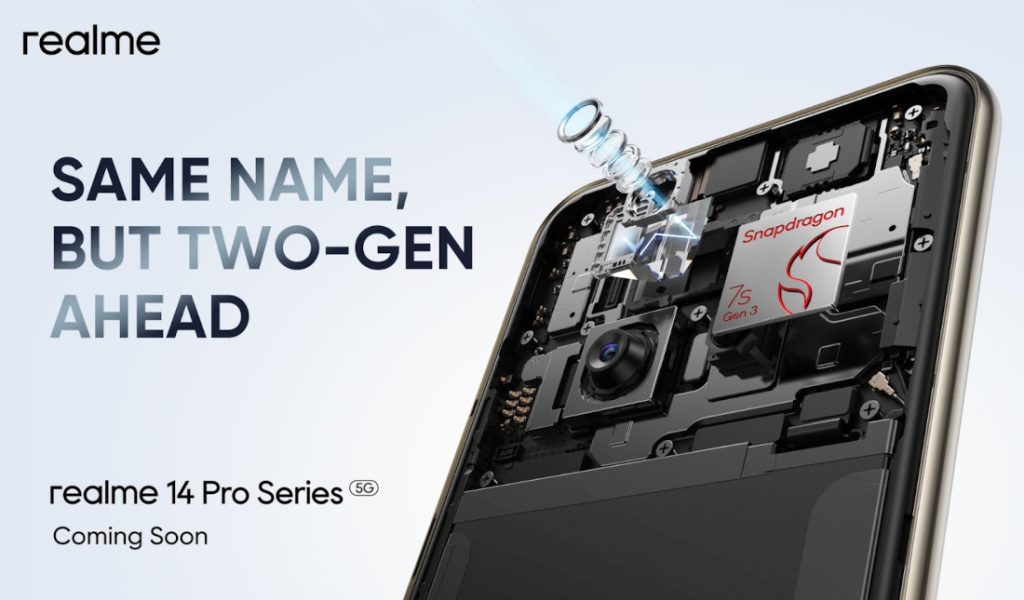

Xiaomi outgrows Apple, becoming the world’s second-largest smartphone maker

Xiaomi took second place in global smartphone sell-through volume in August 2024, outperforming Apple. This is in terms of the actual number of units sold to end customers rather than the quantity supplied to retailers. The data is from Counterpoint’s Smartphone 360 Monthly Tracker.

Notably, this is the first time Xiaomi has ranked second since 2021. The image below shows how the sell-through volume of Xiaomi, Apple, and Samsung devices changed over the last three years.


OPPO Find X8 and Xiaomi 15 series to get magnetic wireless charging tech

While Android smartphones have long supported wireless charging, there is still plenty of space for development. Unlike iPhones, Android flagships frequently lack magnets to correctly align the charging coils, which would allow for more efficient charging. However, this could change shortly with the release of the Oppo Find X8 and Xiaomi 15 series.


Huawei may not remain the only tri-fold smartphone maker for long

Huawei’s tri-fold smartphone has received widespread notice. However, Huawei may not be the only business that makes a tri-fold phone for long. A recent patent application from Xiaomi, granted by China’s State Intellectual Property Office under application number 2022308530675, reveals the company’s development of a tri-fold device.

The patent application fails to disclose the model name, but it does reveal the phone’s design. The phone folds into a Z form, comparable to the Huawei Mate XT (hands-on).


TCL Quantum Dot TVs Under Fire: Are You Being Misled?

TCL C655 Pro QLED TV

TCL, China’s largest TV manufacturer, is under fire after a recent study revealed that certain models of its QLED TVs may lack the quantum dot (QD) components that are essential to their marketing. This result, based on independent testing, has caused debate, as QLED technology is commonly advertised as delivering improved color reproduction and image quality.


🔥More Top Stories You Might Have Missed

Samsung Galaxy S23 Will Retail at 50% Off: Add to Cart for Huge Savings this Festive Sale

The Korean Giant is preparing to boost its premium market share this festival season in India. The company seems to have to have partnered with Amazon and Flipkart with a 50% discount on its Maximum Retail Price. In other words, the retailers will offer the smartphone at the discounted price of Rs 39,999, around a 55% discount from the launch price.

Samsung Galaxy S23 Deal Explained

Samsung Galaxy S23 8GB RAM + 128GB variant will retail for the price of Rs 39,999. There will be exciting discounts from the HDFC and SBI Credit or Debit cards. It is an exciting deal for the price under Rs 40000 in India.

Why is the Galaxy S23 a viable choice?

Several reasons define it as the best smartphone to grab if you’re not an iPhone fan. We have compiled a list of reasons why you should buy the Samsung Galaxy S23 during the holiday sale.

Please Note: When you buy something using the links in our articles, we may earn a small commission at no cost to you.

Features and Specifications

Samsung Galaxy S23 features a 6.1-inch Dynamic AMOLED 2X display with a 120Hz refresh rate, HDR10+ support, and a peak brightness of 1750 nits. It has a 1080 x 2340 pixel resolution and is protected by Corning Gorilla Glass Victus 2. Powered by the Qualcomm Snapdragon 8 Gen 2 chipset and paired with up to 8GB RAM, the device offers smooth performance with Android 13 and One UI 6.1.1.

Samsung Galaxy S23 boasts a triple rear camera setup, including a 50 MP wide, 10 MP telephoto (3x optical zoom), and 12 MP ultrawide lens, capable of 8K video recording. The 12 MP front camera supports 4K video. With a 3900 mAh battery, the phone supports 25W wired charging, 15W wireless, and reverse wireless charging. It features an IP68 rating for water and dust resistance, stereo speakers, no 3.5mm jack, and USB Type-C 3.2 connectivity. Available in multiple storage options, the phone offers UFS 4.0 for fast data transfer. The sleek build includes a glass front and back with an aluminum frame, providing durability with a premium look.

Please Note: When you buy something using the links in our articles, we may earn a small commission at no cost to you.

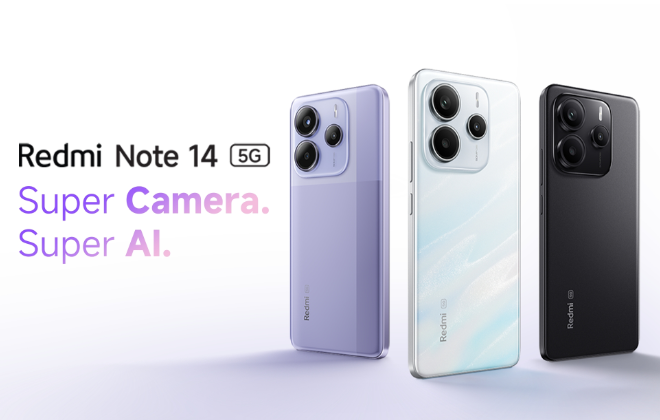
Xiaomi officially announces Redmi Note 14 series

Following earlier teasers, Redmi has officially confirmed the launch of its highly anticipated Redmi Note 14 series next week. The announcement, made via Weibo, included a poster showcasing two devices.

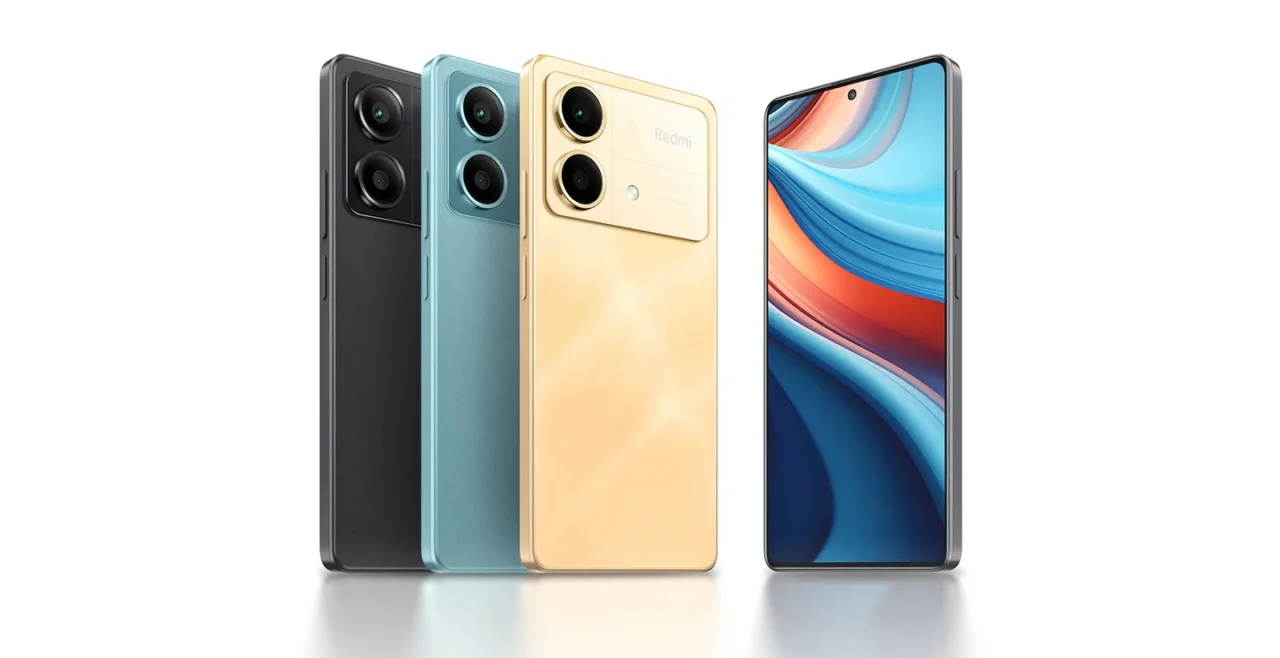
Both phones appear to share a “squircle” camera module design and a curved body, though one has its lenses obscured within a glass panel, while the other features pronounced camera rings.

Durability and user confidence seem to be key selling points for the upcoming lineup. Redmi’s announcement emphasized a focus on “anti-fall, waterproof and service guarantee” as core aspects of the new phones. 

Pre-reservations for the series have also begun on the company’s official website, allowing potential buyers to secure their spot in line.

Redmi Note 14 Series Specifications

The upcoming Note series is expected to include three models: Redmi Note 14, Redmi Note 14 Pro, and Redmi Note 14 Pro+. 

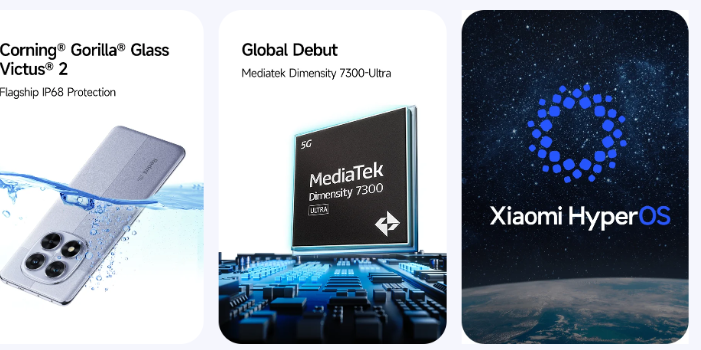
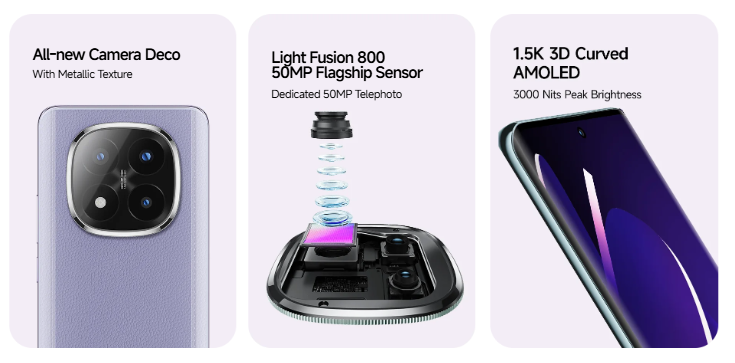
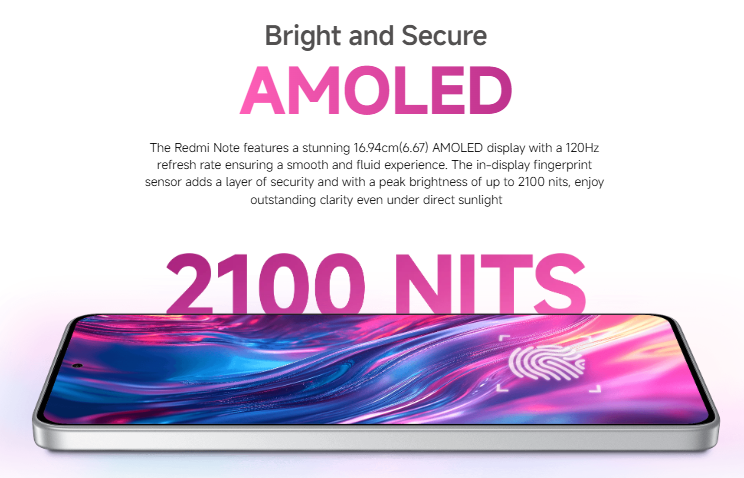
The Redmi Note 14 will be the most affordable handset in the line. It is said to feature a 1.5K AMOLED display, a step up from the upgrade from the FHD panel on its predecessor.

For photography, the Note 14 5G is said to come with a 50MP triple camera setup on the rear. Under the hood, you will likely see a MediaTek Dimensity 6100+ chipset. 

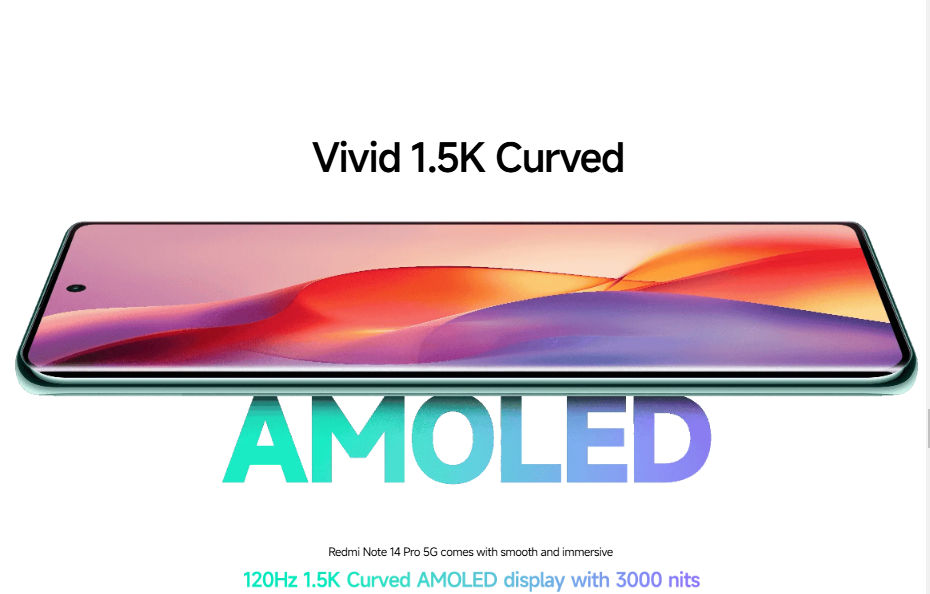
Moving up the ladder, the Pro and Pro+ variants are rumored to come equipped with a curved 1.5K OLED display with a 120Hz refresh rate. Both are also expected to sport a 50-megapixel triple camera system on the back. 

The Pro model might be powered by the newly announced Snapdragon 7s Gen 3 chip, while the Pro+ could utilize the Dimensity 7350 SoC. Additionally, rumors suggest that one of the Pro models might boast support for incredibly fast 90W rapid charging.

With the official launch date approaching next week, it’s only a matter of time before the full specifications and pricing of the Redmi Note 14 series are revealed. Stay tuned for the updates.

Amazfit Unveils Helio Smart Ring in India: Offers Cutting-Edge Health Features for Athletes

Amazfit has introduced its first smart ring, the Amazfit Helio Ring, in India, specifically designed for athletes seeking advanced recovery tracking. The ring unveiled at CES 2024, weighs just 4 grams and comes in three sizes (24mm, 25.7mm, and 27.3mm). It is crafted from skin-friendly titanium alloy and is 2.6mm thick for comfortable all-day wear.

Amazfit Helio Ring

The Helio Ring offers comprehensive health monitoring, including heart rate, blood oxygen levels, stress, and emotional state tracking via an EDA sensor. It also tracks heart rate variability (HRV), providing insights into emotional changes. Athletes benefit from sleep coaching, VO2 Max tracking, and readiness scores. Data is synced with the Zepp app for a holistic view of health metrics, with support for pairing with smartwatches for precise recovery insights.

Amazfit Helio Ring

With a 4-day battery life and fast wireless charging, the Helio Ring features a 3-axis accelerometer, gyroscope, and 10 ATM water resistance, making it suitable for intense activities.

Pricing & availability

The Amazfit Helio Ring is now available for pre-order at Rs. 24,999 on Amazon.in and the official Amazfit website, with deliveries starting from September 27, 2024. It is available in 8, 10, and 12 sizes.

In other news, Amazfit has launched the T-Rex 3 in India, a rugged smartwatch with a military-grade MIL-STD-810G rating. It features a 1.5-inch AMOLED display with 2000 nits brightness, 10ATM water resistance, and can operate in extreme temperatures (-30°C to 70°C). Powered by a 700mAh battery, it offers up to 27 days of battery life.

Please Note: When you buy something using the links in our articles, we may earn a small commission at no cost to you.

Xiaomi outgrows Apple, becoming the world’s second-largest smartphone maker

Xiaomi captured the second spot in global smartphone sell-through volume in August 2024 outperforming Apple. For those unfamiliar, the sell-through volume refers to the actual number of units sold to end customers, not just what was shipped to retailers. The data comes from market research firm Counterpoint’s Smartphone 360 Monthly Tracker.

Notably, this is the first time Xiaomi has occupied the second spot after 2021. You can get a better idea of how the sell-through volume of products from Xiaomi, Apple, and Samsung changed in the last three years from the image below.

As you can see, Xiaomi managed to consistently grow its sell-through volume over the period and has finally occupied the second spot again.

Apple offers a narrower range of products, which could contribute to the fluctuations in its sell-through volume over the years. Additionally, the iPhone 16 series has struggled to generate significant interest, with recent reports suggesting it may not reach the sales figures achieved by last year’s models.

That being said, Xiaomi has been one of the fastest-growing smartphone brands in 2024 and has also contributed to the global smartphone market’s path to recovery. According to the report, Xiaomi’s seasonal declines in key markets were offset by promotions-led growth in Latin America.

In the words of Research Director Tarun Pathak, “Xiaomi has adopted a leaner product strategy this year, focusing its energies to create one hero model per price band, rather than launching multiple devices in one segment. Besides, it has also re-energized its sales and marketing focus while continuing expansion into newer markets and consolidating its position in existing markets. While entry-to-mid-tier devices continue to show strong performance for Xiaomi, it has also made inroads into the premium segment with foldable and ‘ultra’ devices.”

Most of Xiaomi’s key markets have seen economic recovery over the past few quarters, which has been most beneficial for demand in lower price bands. The report further highlights that the company’s grip on the market is especially strong in the entry-level segment, i.e. <$200.

(Source)

Moto G75 design and specifications revealed

Motorola launched the Moto G73 smartphone back in January last year. While there were some rumors about the Moto G74, it never came out. Finally, it seems like Motorola will skip the Moto G74 and launch Moto G75. The latest news is about a leaked render of the device (speculated to be the Moto G75), which was spotted by 91Mobiles.

A larger camera island with one additional camera

As you can see, the phone packs a larger camera island on the back, which seems to pack a total of three cameras. There is a 50MP text engraved inside the camera island which likely represents the resolution of the primary sensor. Notably, one of the renders also reveals that the phone uses the Sony LYTIA 600 sensor for the main camera, which supports OIS. The predecessor didn’t have the OIS functionality. This, if true, will be an upgrade over the dual-camera setup of the Moto G73.

Overall, the phone adopts a flatter design with sharper edges, which aligns with the current industry standard. On the front, the phone appears to have a significantly slimmer bezel, especially the bottom chin. The volume rocker and the power button are also located in the same position. The phone will likely come with an optimal plastic and eco-leather back.

According to the renders, the phone is expected to come with a light blue and black color option.

While there’s not much information available about the specifications of the device, we can refer to the predecessor to get an idea of what to expect. The Moto G73 comes with a 6.5″ IPS LCD display that packs an FHD+ resolution.

The predecessor is powered by the Mediatek Dimensity 930 (6 nm) chipset, which is paired with 8GB RAM and an optional 128GB or 256GB storage. it packs a 5000mAh battery and supports 30W wired fast charging.

Speaking of cameras the phone packs two sensors on the back: a 50MP main and a 8MP telephoto. While the render of the Moto G75 shows three cameras on the back, we aren’t sure if the third one is a telephoto or a depth sensor. On the front, the predecessor packs a 16 MP selfie camera.

(Source)