Advertisement

Xiaomi launches Redmi Buds 6 with dual drivers, 49dB noise reduction, 42hrs battery life & more

Xiaomi has officially launched the Redmi Buds 6, the latest addition to its audio lineup, offering impressive features such as dual drivers, up to 42 hours of battery life, and effective noise cancellation. Let’s check out its key specs.

Redmi Buds 6

1. Redmi Buds 6 Specifications

Redmi Buds 6 features a dual-driver acoustic structure, combining a 12.4mm titanium-coated diaphragm driver with a 5.5mm micro piezoelectric ceramic driver. This setup ensures rich, dynamic sound with deep bass and clear treble.

The earbuds are also equipped with four EQ sound modes, allowing users to fine-tune their audio preferences. Certified by NetEase Cloud Music hardware, the sound quality is optimized for music lovers.

In terms of noise cancellation, the Redmi Buds 6 can block up to 99.6% of environmental noise, thanks to its 49dB noise reduction system. The dual microphones, supported by AI noise resistance, are capable of effectively reducing wind noise, even in conditions with wind speeds of up to 9m/s.

The Redmi Buds 6 offers up to 42 hours of total battery life, including the charge from the case, and 10 hours of continuous playback on a single charge. The fast charging feature allows for 4 hours of playback after just 10 minutes of charging, ensuring that users can quickly get back to their music without waiting for long charging times.

2. Special Features

The Redmi Buds 6 includes Sound ID functionality, enabling personalized sound customization. This feature adjusts the audio output based on individual hearing preferences, offering a more tailored and immersive listening experience.

The earbuds also support 360° spatial audio, providing a surround sound effect that enhances music and video playback. It supports dual device connection, allowing for seamless switching between two connected devices for effortless multitasking.

Xiaomi has also enhanced the charging case with Cloud Glow Light Effects 2.0, making it easy to check the battery level. The case uses a simple light indicator: one light for below 25%, two for 25%-50%, three for 50%-75%, and four for above 75%.

Redmi Buds 6 also supports HyperOS Connect, enabling seamless integration with other Xiaomi devices for a more unified and connected user experience. Additionally, the earbuds are IP54 rated for water and dust resistance, making them durable enough for everyday use.

3. Pricing & Availability

The Xiaomi Redmi Buds 6 are priced at 199 yuan ($28) and they are available in cyan, white, and black colors. The company has also launched the Redmi Note 14 and Redmi Note 14 Pro series alongside the earbuds.

Vivo T3 Ultra or Vivo V40: Which One Should You Buy?

Recently, the Vivo T3 Ultra made its debut in India. It is a performance-oriented mid-range device, which is unlike any other previous Vivo smartphone.

The company has a sister brand iQOO, which deals with such products. Therefore, the T3 Ultra comes as a surprise. 

Moreover, the handset is priced closer to the Vivo V40. This creates confusion for someone looking to buy a Vivo phone at this price range.

Therefore, we have compiled this article to help prospective buyers decide the suitable device for them.

Vivo T3 Ultra Compared With Vivo V40

1. Target Audience

Vivo V40
Vivo V40

The Vivo T3 Utlra is targeted at someone looking for a powerful smartphone with a sleek design. It houses a MediaTek Dimensity 9200 Plus chipset paired with LPDDR5x RAM and UFS 3.1 storage.

On the other hand, the Vivo V40 is a camera-centric smartphone with less powerful hardware. It comes powered by a Qualcomm Snapdragon 7 Gen 3 SoC coupled with slower LPDDR4x RAM and UFS 2.2 storage.

Talking about cameras, both of them have a 50MP primary sensor assisted by OIS, however, the sensors are different on the two. The V40 features a Samsung ISOCELL GNJ unit as opposed to a Sony IMX921 sensor.

Additionally, the V40 has a better 50MP ultrawide camera with autofocus as opposed to an 8MP fixed focus ultrawide module on the T3 Ultra. Anyways, both have an identical autofocus-supported 50MP selfie camera and ring LED flashlight (Smart Aura Light) on the rear.

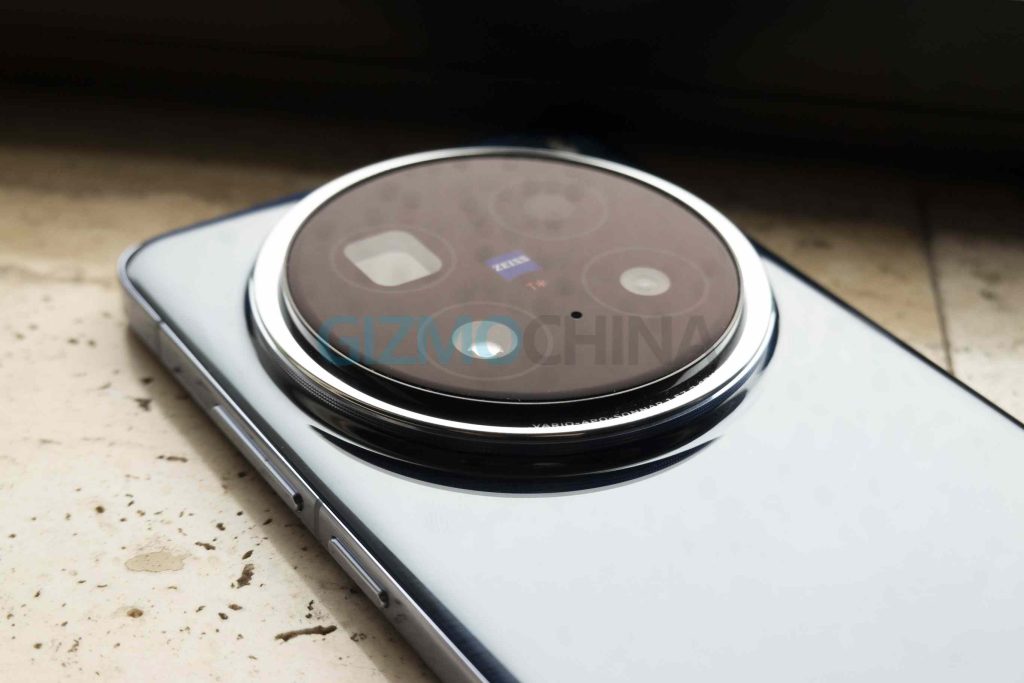
More importantly, the Vivo V40 offers Zeiss optics and image processing. Thus, it comes with several camera features from the flagship Vivo X lineup.

Please Note: When you buy something using the links in our articles, we may earn a small commission at no cost to you.

2. Common Aspects

Vivo T3 Ultra
Vivo T3 Ultra

Despite being built differently, both Vivo T3 Ultra and Vivo V40 share a common design and build. They are IP68-rated (dust and water resistance) and only differ in terms of colors.

They also flaunt an identical 6.78-inch curved AMOLED display offering a resolution of 2800 x 1260 pixels (1.5K) and 452 PPI. The panel supports up to 120Hz refresh rate and 4500 nits peak brightness level.

Unsurprisingly, the handsets boot the same Funtouch OS 14 software based on Android 14. They are also backed by the same 5,500mAh battery with support for 80W wired charging.

3. Pricing

The Vivo VT3 Ultra is cheaper than the Vivo V40 in India. The former starts at ₹31,999, while the latter has a ₹34,999 price tag.

Both of them arrive in 8GB and 12GB RAM variants. However, only the V40 is offered in a 512GB option, whereas the T3 Ultra is limited to 256GB.

Thus, if you want better cameras and more storage, you will have to shell out more.

Redmi Note 14 5G Debuts In China With Incremental Upgrades Over Its Predecessor

Xiaomi unveiled the Redmi Note 14 series in China. Unlike, the Note 14 Pro and Pro+, the standard Note 14 5G comes with incremental upgrades over its predecessor. The design of the device is also different compared to its pro siblings. Find out what the Redmi Note 14 offers out of the box. 

Redmi Note 14 5G specifications

The Redmi Note 14 5G has a 6.67-inch OLED screen with an FHD+ resolution and a 120Hz refresh rate. The peak brightness has been bumped to 2,100 nits compared to its predecessor. The display is integrated with a fingerprint scanner and also shielded with Gorilla Glass 5. The phone is IP64 dust and splash resistant. The Redmi Note 14 features a square camera module with slightly curved corners. 

The Redmi Note 14 5G comes with a 50MP Sony LYT-600 main sensor with OIS support. This is downgraded from 108MP found on its predecessor. The primary lens is accompanied by a 2MP secondary snapper. The phone features a 16MP front camera for selfies and video calling. 

On the performance front, the Redmi Note 14 5G is powered by a Dimensity 7050 processor. The chipset is coupled with up to 12GB RAM and 256GB storage. The device is backed by a 5,110mAh battery unit with support for 45W charging. Software-wise, it ships with HyperOS-based Android 14. 

The Redmi Note 14 5G starts at CNY 1,199 (~$171) for the 6+128GB option. The 8+128GB and 8+256GB variants are priced at CNY 1,399 (~$199) and CNY 1,499 (~$213) respectively. The top-most 12+256GB configuration costs CNY 1,699 (~$242). The smartphone comes in Starry White, Midnight Black, and Phantom Blue colors. 

Snapdragon 7 Gen 3 vs Dimensity 7200: Which Offers Superior Performance?

Snapdragon 7 Gen 3 vs Dimensity 7200

The Snapdragon 7 Gen 3 and Dimensity 7200 are mid-range chips released in the same year, 2023. Both have eight cores and are manufactured by TSMC using their cutting-edge 4nm process. However, the two chips have different cores and core architecture. And many other key differences set them apart.

In this post, we’ll test the Snapdragon 7 Gen 3 and Dimensity 7200 on various benchmarks and examine key differences between them to see which one delivers better performance and efficiency.

Let’s begin with the spec sheet:

SD 7 Gen 3Dimensity 7200
Release dateNovember 2023February 2023
Process node4nm4nm
ManufacturerTSMCTSMC
Cores88
CPU architecture1 x Cortex-A715 @ 2.63 GHz
3 x Cortex-A715 @ 2.4 GHz
4 x Cortex-A510 @ 1.8 GHz
2 x Cortex-A715 @ 2.8 GHz
6 x Cortex-A510 @ 2 GHz
GPUAdreno 720
975 MHz frequency
Snapdragon Elite Gaming
Mali-G610 MC4
MediaTek HyperEngine 5.0
NPUHexagon NPUMediaTek APU 650
CameraQualcomm Spectra ISP
200MP single camera
Imagiq 765 ISP
200MP single camera
MemoryLPDDR5X @ 3200 MHz
LPDDR4X @ 2133 MHz
Up to 16 GB RAM
LPDDR5 @ 6400 Mbps
LPDDR4X
Up to 16 GB RAM
StorageUFS 3.1UFS 3.1
ConnectivitySnapdragon X63 5G modem
Downlink: 5 Gbps
Wi-Fi 6E, Wi-Fi 6
Bluetooth 5.4, LE Audio
3GPP Release-16 standard Sub-6GHz 5G modem
Downlink: 4.7 Gbps
Wi-Fi 6E
Bluetooth 5.3

Snapdragon 7 Gen 3 vs Dimensity 7200: Benchmarks

Geekbench 6 score:

Geekbench evaluates a device’s performance through a series of tests designed around practical scenarios. The tests include image processing, compression (text & image), speech recognition, and PDF rendering, to name a few.

Here’s how the two chips have performed:

Snapdragon 7 Gen 3 vs Dimensity 7200 - Geekbench 6

In our test, the Snapdragon 7 Gen 3 and Dimensity 700 chips obtained a similar score in the single-core test. However, there’s a significant gap between multi-core scores, with the Snapdragon chip leading the chart.

As per Geekbench scores, tasks requiring multiple cores to work simultaneously will perform better on the Snapdragon 7 Gen 3 than on the Dimensity 7200 chip.

Geekbench 6SD 7 Gen 3Dimensity 7200
Single core1,1421,178
Multi core3,0832,672

AnTuTu 10 score:

AnTuTu is a popular benchmarking platform that runs a device through a series of tests that measure different aspects of its performance, such as CPU, GPU, memory, and UX. The combined score represents the overall performance of a device.

Here’s how the two chips have performed:

Snapdragon 7 Gen 3 vs Dimensity 7200 - AnTuTu 10

In our AnTuTu 10 test, the Snapdragon 7 Gen 3 has outperformed the Dimensity 7200 chip in all tests, like CPU, GPU, memory, and UX. Notably, the difference in GPU scores is significant, suggesting better gaming performance on the Snapdragon chip.

SD 7 Gen 3Dimensity 7200
CPU256,244239,500
GPU255,500175,428
Memory130,967126,665
UX161,507184,901
Total score804,218726,494

Snapdragon 7 Gen 3 vs Dimensity 7200: Key Differences

While both chips are octa-core, their core configurations differ. The Snapdragon 7 Gen 3 uses a (1+3+4) cluster setup, while the Dimensity 7200 features a (2+6) cluster design.

The Snapdragon 7 Gen 3 chip has four performance cores, while the Dimensity 7200 only has two. Since most modern apps and games are designed to benefit from multiple cores, having extra performance cores gives the Snapdragon chip an edge. In contrast, the Dimensity 7200 chip has more number of power efficiency cores. So, it’s likely more power efficient than the Snapdragon 7 Gen 3. However, it also depends on software optimization, cooling systems, and other factors.

The Snapdragon chip has the Adreno 720 GPU, whereas the Dimensity 7200 has the Mali-G610 MC4.

The Snapdragon chip also benefits from Snapdragon Elite Gaming features such as Snapdragon Game Super Resolution, Qualcomm Game Quick Touch, Qualcomm Adreno Frame Motion Engine, and Adreno HDR Fast Blend.

The MediaTek chip comes with HyperEngine 5.0 Gaming technologies, such as optimized 5G and Wi-Fi game connections, smart CPU/GPU resource optimization, and more for a smooth gaming experience. Both are excellent GPUs, but the Adreno 720 inside the Snapdragon 7 Gen 3 tends to perform a little better.

Further, the Snapdragon 7 Gen 3 has a 12-bit image signal processor (ISP), while the Dimensity 7200 has a 14-bit ISP. However, both chips support up to 200MP camera resolution and 4K video recording.

The Snapdragon chip supports LPDDR5X RAM at 3200 MHz, whereas the Dimensity 7200 supports LPDDR5 RAM at 6400 Mbps. Both chips also support LPDDR4X RAM and UFS 3.1 storage.

Both chips have a 5G modem, but the Snapdragon 7 Gen 3 has a peak download speed of 5 Gbps (vs. 4.7 Gbps on the Dimensity 7200). The Snapdragon chip also supports a newer Bluetooth standard.

Snapdragon 7 Gen 3 vs Dimensity 7200: Which Is Better?

Both are excellent chips for mid-range devices. However, the Snapdragon 7 Gen 3 has better CPU performance because of extra performance cores. It also tends to have a better GPU performance. However, the Dimensity 7200 has a slightly better battery efficiency.

Choosing between Snapdragon 7 Gen 3 and Dimensity 7200 comes to your needs. If you are a performance user, getting a Snapdragon 7 Gen 3-powered device makes more sense. The other chip also allows lightweight gaming, but from a gaming point of view, the Snapdragon chip is better. For basic usage, either of them would work fine.

Qualcomm Snapdragon 7 Gen 3 Phones:

MediaTek Dimensity 7200 Phones:

Popular SoCs Comparison:
1. Snapdragon 8s Gen 3 vs Dimensity 8300 Ultra
2. Snapdragon 782G vs Dimensity 7200
3. Dimensity 9300+ vs Snapdragon 8 Gen 3

Oppo Debuts Reno 12 Pro Manish Malhotra Limited Edition with Elegant Design

Oppo has collaborated with renowned Indian fashion designer Manish Malhotra to create a limited edition version of its popular Reno 12 Pro 5G smartphone. The Oppo Reno 12 Pro Manish Malhotra Limited Edition combines the elegance and sophistication of Malhotra’s designs with the premium features of the Oppo Reno 12 Pro.

OPPO Reno 12 Pro 5G

Oppo Reno 12 Pro Manish Malhotra Limited Edition

The Reno 12 Pro Manish Malhotra Limited Edition features a stunning black color scheme adorned with intricate golden leaf patterns, reflecting Malhotra’s signature style. The rear panel showcases the names of both Oppo and Manish Malhotra.

OPPO Reno 12 Pro 5G

In terms of specifications, the Oppo Reno 12 Pro Manish Malhotra Limited Edition is identical to the standard Reno 12 Pro 5G. This includes a 6.7-inch quad-curved AMOLED display with FHD+ resolution, a 120Hz refresh rate, HDR10+ support, and 1200 nits peak brightness. The device is powered by the MediaTek Dimensity 7300 Energy SoC, offering up to 12GB of RAM and up to 512GB of storage.

OPPO Reno 12 Pro 5G

The smartphone’s camera system features a triple rear setup with a 50MP main camera, an 8MP ultra-wide-angle camera, and a 50MP telephoto camera. On the front, there is a 50MP selfie camera. The Reno 12 Pro 5G is equipped with a 5000mAh battery that supports 80W SuperVOOC charging for fast and efficient charging.

The device runs on ColorOS 14.1 based on Android 14 and comes with an IP68 rating for water and dust resistance. Additionally, it features a range of AI-powered features, including AI Eraser, AI Studio, AI Clear Face, AI Best Face, AI Smart Matting, AI Recording Summary, AI Summary, AI Writer, AI Speak, AI Clear Voice, AI Antenna switching, AI Link Boost, and Beacon Link, enhancing various aspects of the user experience.

Pricing & availability

The Oppo Reno 12 Pro Manish Malhotra Limited Edition is currently available for pre-booking at a price of ₹36,999. While Oppo hasn’t specified the exact memory configuration available with this limited edition model, it is likely to be the 12GB/256GB variant based on the pricing. Deliveries are scheduled to begin on October 3rd.

5 Best Anker Accessories for Your New iPhone

Apple just unveiled the new iPhone 16 series in the global market. But with the release of the 2024 iPhones, the older models have become cheaper as well. So for those buying new Apple products, here’s a list of the Best Anker accessories for your iPhones.

1. Anker 622 MagGo Power Bank (Magnetic Battery Back)

Best Anker Accessories
Anker 22 MagGo Power Bank

The first on the list is a portable power bank dubbed the Anker 622 Magnetic Battery. As the name suggests, it’s a power bank that supports MagSafe and can magnetically connect to the back of your iPhone to charge it. This makes it portable since you can use your iPhone while charging it, but the Anker 622 MagGo also has a kickstand that lets you place your iPhone for a comfortable viewing angle. It has a compact design and comes with a USB-C to USB-C cable. The power bank has a large 5,000mAh battery capacity. You can purchase it from Amazon and Anker’s official website for 44.99 US Dollars.

Please Note: When you buy something using the links in our articles, we may earn a small commission at no cost to you.

2. Anker 313 Wall Charger (45W, For iPhones, USB-C)

Best Anker Accessories
Anker 313 45W USB-C Wall Charger

Anker makes various quality accessories for Apple iPhones. Since Apple doesn’t ship its products with a charging adapter, you have to buy it separately if you don’t already have one. But the Anker 313 Wall Charger might be a good alternative to the official Apple charger. It is a wall mounted charger that supports a higher 45W charging rate and has a USB Type-C port. So you can use it with both older iPhones and the newer iPhones that features USB Type-C. This model is on sale via Amazon and Anker’s official website for 19.99 US Dollars.

Please Note: When you buy something using the links in our articles, we may earn a small commission at no cost to you.

3. Anker MagGo Power Bank (10,000mAh)

Best Anker Accessories
Anker MagGo 10,000mAh Power Bank

We have another slim power bank in this list, which you can also attach to your iPhone via MagSafe. However, the Anker MagGo Power Bank is a bit special, since it packs a massive 10,000mAh cell in a slim form factor. It supports 15W wireless charging (Qi2 certified), which can charge an iPhone 15 Pro wirelessly in 51 minutes. Meanwhile, the USB-C port supports 30W wired fast charging. Just like the Anker 622 MagGo, it can be purchase in multiple bright color options. The Anker MagGo can be found on Amazon and the brand’s official website for 74.99 US Dollars.

Please Note: When you buy something using the links in our articles, we may earn a small commission at no cost to you.

4. Anker MagGo Wireless Charging Station (Foldable 3-in-1 Station)

Best Anker Accessories
Anker MagGo 3-in-1 Wireless Charging Station

Anker’s MagGo Wireless Charging Station is a 3-in-1 solution for all your Apple products. The charging stations folds into a compact format but can be unfurled to reveal three areas, which can simultaneously charge your iPhone, Apple Watch, and AirPods. The station supports 15W Qi2 certified wireless charging and also arrives with 40W USB-C charging via a 5-foot USB-C to USB-C cable. The gadget is currently on sale for 109.99 US Dollars on Amazon and Anker’s official website.

5. Anker 733 Power Bank (GaNPrime PowerCore 65W)

Best Anker Accessories
Anker 733 Power Bank (GaNPrime PowerCore 65W)

Lastly, we have the Anker 733 Power Bank. As per the official listing, you get to enjoy a 2-in-1 charger bringing a hybrid 65W wall charger and a 10,000mAh portable power bank. It houses 2 USB-C ports and one USB-A port that lets you charge up to 3 devices at once. These ports allows the Anker 733 to charge up various devices like smartphones, tablets, laptops, and more. The power bank is currently listed on Anker’s website and Amazon for 79.99 US Dollars.

Buy Anker 733 Power Bank (GaNPrime PowerCore 65W)

Redmi Note 14 Pro, Note 14 Pro+ With New Design, IP69 Ratings, And More Launch In China

Xiaomi has announced the Redmi Note 14 series in China. The lineup consists of the standard, Pro, and Pro+ models. The latest offerings arrive as the successor to the last year’s Note 13 series. The Xiaomi sub-brand has made some changes to the Note 14 Pro duo compared to their predecessors. Read on to know what the phones offer out of the box. 

Redmi Note 14 Pro, Pro+ specifications

Redmi Note 14 series launch date--
Redmi Note 14 series launch date

The Redmi Note 14 Pro and Pro+ feature a new design with a slim profile and squircle camera island on the rear that is now positioned in the center. Both phones have an IP69 certification for dust and water-resistance. The front of the devices are also shielded by Gorilla Glass Victus 2. 

The Redmi Note 14 Pro duo have a curved AMOLED display measuring 6.67-inches. It bears a 1.5K resolution, a 120Hz refresh rate, and 3,000 nits peak brightness. The screen is equipped with a fingerprint scanner. The phones also support HDR10+ and Dolby Vision.

On the imaging front, the Redmi Note 14 Pro and Pro+ sport triple rear cameras. The setup on the later comprises of a 50MP main sensor instead of a 200MP found on their predecessors. There is a 50MP telephoto unit with 60mm focal length and 2.5x optical zoom and an 8MP ultra-wide-angle lens. Meanwhile, the Note 14 Pro has the same primary and ultra-wide-angle cameras but the third unit is 2MP shooter. Up front, both phones have a 20MP selfie snapper. 

Under the hood, the Redmi Note 14 Pro and Pro+ are equipped with a Snapdragon 7s Gen 3 and Dimensity 7300 Ultra processor respectively. The former packs up to 12GB RAM whereas the latter maxes out at 16GB RAM and 512GB storage. The Pro+ model is backed by a massive 6,200mAh silicon-carbon battery cell with support for 90W charging. Meanwhile, the Pro variant draws its power from a 5,500mAh unit with 45W charging. Software-wise, the devices run on HyperOS-based Android 14 out of the box. 

The Redmi Note 14 Pro and Pro+ come in Midnight Black and Mirror Porcelain White colors. The former is also offered in Phantom Blue and Twilight Purple whereas the later comes in Sandstar Green shade. The Note 14 Pro starts at CNY 1,399 (~$199) for the 8+128GB variant whereas the 8+256GB costs CNY 1,499 (~$213). The 12+256GB and 12+512GB carry a price tag of CNY 1,699 (~$242) and CNY 1,899 (~$270) respectively. On the other hand, the Redmi Note 14 Pro+ costs CNY 1,899 (~$270), CNY 2,099 (~$299), and CNY 2,299 (~$327) for the 12+256GB, 12+512GB, and 16+512GB configurations respectively.

Developing…

Xiaomi 15 series with Snapdragon 8 Elite SoC to launch on October 23

Qualcomm seems to be changing its naming strategy for its flagship processors. A Xiaomi 15 launch teaser hints that the upcoming Snapdragon 8 Gen 4 will be called “Snapdragon 8 Elite,” moving away from the usual chronological naming. This shift is similar to Qualcomm’s naming of the Snapdragon X Elite found in Windows notebooks.

Xiaomi 15

Earlier, there were expectations that Qualcomm would continue with its numbering system for the Snapdragon 8 Gen 4. However, the “Elite” label suggests a new approach, which could lead to some confusion due to its similarity to the Snapdragon X Elite name. The Xiaomi 15 is set to launch on October 23, suggesting that Qualcomm will announce the Snapdragon 8 Elite before this date.

The Snapdragon 8 Elite is Qualcomm’s first 3nm SoC. This new chip offers a massive 56% GPU performance uplift compared to the Snapdragon 8 Gen 3. The Galaxy S25 Ultra, which is also expected to feature the Snapdragon 8 Elite chip was recently spotted on Geekbench with a base clock speed of 3.53 GHz and a peak clock speed of 4.47 GHz. The device managed to score 3011 points on the single-core test and a jaw-dropping 9706 points on the multi-core test.

Other leaks and certifications have revealed that the Xiaomi 15 Pro will debut with 90W fast charging, along with Android 15-based HyperOS 2.0 and an ultra-sonic fingerprint scanner. The device is also claimed to feature a massive 6,000mAh battery and an IP69 water and dust resistance rating. Other than the Pro model, the brand is also expected to debut the vanilla Xiaomi 15 on October 23, while the Xiaomi 15 Ultra could be unveiled at a later date.

(via 1, 2)

Xiaomi Bluetooth Speaker launches in new Stellar Grey color at a special price

Xiaomi has officially unveiled a new “Stellar Grey” color for its popular Bluetooth Speaker this autumn. This release follows the original launch of the speaker earlier this year, initially available only in Black. The “Stellar Grey” variant brings a fresh look to the series, along with the same high-quality audio features that have made it popular among music lovers.

Xiaomi Bluetooth Speaker Stellar Grey

Xiaomi Bluetooth Speaker Specifications

The Xiaomi Bluetooth Speaker is designed with a flagship 5-unit acoustic system, delivering powerful sound for both indoor and outdoor use. It supports 360° omnidirectional audio, with a volume output reaching 93dB. Its large amplitude low-frequency passive units ensure deep, resonant bass, making it ideal for users who want to enjoy rich music on the go.

The speaker is also equipped with Xiaomi’s HyperOS Connect for seamless integration with other Xiaomi devices. It comes with a 4800mAh battery that offers up to 17 hours of playback on a single charge, and with 22.5W fast charging via USB Type-C.

Special Features

The Xiaomi Bluetooth Speaker comes packed with features that distinguish it from competitors. It is professionally tuned by Harman AudioEFX and utilizes Xiaomi’s Nightingale Algorithm to provide a balanced and clear audio experience. Additionally, the listening profile can be customized using Xiaomi Audio ID.

The speaker features IP67 water and dust resistance, making it ideal for outdoor use. It comes with a scratch-resistant fabric body and a rubberized base for added durability. Additionally, it sports a hydrophobic coating, ensuring functionality even in light rain, making it a reliable companion for outdoor adventures.

The speaker supports dual-device pairing and can link up to two speakers for stereo sound. It also allows connecting up to eight speakers for a party setup. Featuring Bluetooth 5.3, the speaker ensures a stable connection, while the LHDC 5.0 protocol provides high-fidelity sound.

In terms of aesthetics, the speaker boasts a 12-LED RGB strip that changes colors during playback. It offers four preset lighting modes, and the lighting can be customized through the Mi Home app.

Pricing & Availability

The Xiaomi Bluetooth Speaker in “Stellar Grey” is priced at 449 yuan ($64) during the introductory period, down from the original black version’s 499 yuan ($71). It is now available on JD.com.

Vivo X Fold 3 Pro Lunar White Limited Edition Launched in India with Special Offers

The Vivo X Fold 3 Pro launched in India back in June as the brand’s latest flagship foldable phone. This device was widely acclaimed for its impressive cameras and slim design. And now, the premium foldable phone is arriving in a brand new Lunar White limited edition model in the region with special launch offers. So here’s everything you need to know.

Vivo X Fold 3 Pro Lunar White: What’s New?

To recall, Vivo X Fold 3 Pro was announced in a lone Celestial Black color option earlier this year, although you can finally get it in another variant. The brand just announced the Limited Edition Lunar White of the X Fold 3 Pro. But apart from the color scheme, the foldable phone packs the same specs as the Black version. So it retains the 8.03-inch primary AMOLED display and 6.53-inch AMOLED cover screen.

Vivo X Fold 3 Pro Lunar White
Vivo X Fold 3 Pro Lunar White Limited Edition

Under the hood, it is equipped with the Qualcomm Snapdragon 8 Gen 3 SoC, which is coupled with 16GB of RAM and 512GB of internal storage. For optics, there is a 50-megapixel triple camera on the rear and a 32-megapixel selfie shooter on the main and secondary screens. A large 5,700mAh battery pack powers this model, which supports 100W wired fast charging and 50W wireless fast charging. Other notable features include an in-display fingerprint scanner, Bluetooth 5.4, stereo speakers, and IPX8 water resistance.

Pricing and Special Launch Offers

The Vivo X Fold 3 Pro is priced at 159,999 INR in India and will be available from Vivo India eStore, Flipkart, and partner retail stores. First sales are already live as of today. The company is offering EMI options with up to 24 months no cost plans and zero down payments. These start at just 6666 INR per month. Buyers can even avail a flat 10 percent instant cashback using HDFC Bank, DBS Bank, SBI Bank, and IDFC First Bank cards. These are exclusive limited time deals from the company.

Please Note: When you buy something using the links in our articles, we may earn a small commission at no cost to you.

Vivo Unveils V40 Lite & V40 Lite 5G smartphones: Full HD+ AMOLED, 50MP Cameras, and More

Vivo has recently launched its latest additions to the V series called the V40 Lite and V40 Lite 5G in Indonesia. These devices offer compelling features with affordable pricing, making them attractive options for users seeking a high-performance smartphone without breaking the bank.

Vivo V40 Lite
Vivo V40 Lite

Vivo V40 Lite and V40 Lite 5G features

Both the V40 Lite and V40 Lite 5G boast a sleek and modern design, featuring a 6.67-inch Full HD+ AMOLED display with a 120Hz refresh rate. The displays are also equipped with a peak brightness of up to 1800 nits, providing excellent visibility even in bright outdoor conditions.

Vivo V40 Lite 5G
Vivo V40 Lite 5G

Under the hood, the V40 Lite 5G is powered by the Qualcomm Snapdragon 4 Gen 2 chipset, while the V40 Lite 4G is equipped with the Snapdragon 685 processor. Both chipsets offer solid performance for everyday tasks and light gaming. The V40 Lite 5G also benefits from 5G connectivity.

In terms of camera capabilities, both models feature a quad-camera setup on the rear. The V40 Lite 5G boasts a 50MP main camera with a Sony IMX882 sensor, an 8MP ultrawide camera, and a 2MP depth sensor. The V40 Lite 4G retains the 50MP main camera and 2MP depth sensor but replaces the ultrawide camera with a 2MP macro camera. For selfies and video calls, both models feature a 32MP front-facing camera.

The V40 Lite and V40 Lite 5G are equipped with a 5000mAh battery that supports 80W fast charging. The phones also come with IP64 dust and splash resistance, providing added protection against the elements.

In terms of software, both models run Android 14 with Vivo’s Funtouch OS 14 skin. Vivo has not revealed any details about the software support yet.

Pricing & availability

The vivo V40 Lite is available in Titanium Silver, Pearl Violet, and Carbon Black colors, while the V40 Lite 5G comes in Titanium Silver and Carbon Black. The V40 Lite starts at 3,299,000 Indonesian Rupiah (US$ 218), and the V40 Lite 5G starts at 4,299,000 Indonesian Rupiah (US$ 284). Both models are now available for pre-order in Indonesia and will be available starting October 17, 2024.

(Source)

Google is automating temperature check for Pixel Pro users

Google‘s Pixel 8 Pro and 9 Pro phones come with a handy feature—a temperature sensor on the back of the phone. This lets you measure the temperature of any object or even of a person. Google might now be working to make the process a  little smoother. 

Pixel 8 Pro / 9 Pro might soon get automatic temperature check feature

Currently, the Pixel Thermometer app asks you to select the material you’re measuring, whether it’s food, metal, or glass, before taking a reading. While not a major inconvenience, it adds an extra step compared to dedicated thermometers.

However, a report from the Android Authority reveals clues about potential automatic material detection in the latest Pixel Thermometer app (version 1.0.676362763). 

The app’s code suggests that Google may be working on a feature that will automatically identify the object your phone is pointing at. This would eliminate the need to manually select the material beforehand.

That being said, Google is unlikely to ditch the manual selection entirely. The code snippet clearly mentions that the app will offer both options — auto-detect and manual — for detection. This will leave users with control over the process, which could be handy if the auto-detection isn’t perfect or if you’re dealing with a specific material that might require a more precise selection.

Moreover, the report mentions that Google will use a “TFLite model” to automate this process. TFLite is a lightweight machine-learning model that can be used on devices for tasks like image recognition. It’s possible that the app would use these models in combination with information from the phone’s camera viewfinder to figure out what you’re aiming at.

Currently, the update with this feature isn’t live yet. Folks at Android Authority tried activating it, but have not been lucky. However, the code hints suggest it’s on the way. Once it arrives, the report suggests that the auto-detect option will be integrated into the existing material selection screen within the app.

Please Note: When you buy something using the links in our articles, we may earn a small commission at no cost to you.

Vivo X200 Pro Mini: What’s Special about Vivo’s Upcoming Compact Flagship Phone?

The Vivo X200 Pro Mini has just been officially confirmed. The Chinese brand is set to unveil the X200 series of flagship smartphones next month, but a month ahead of its release, a social media post has confirmed the new compact premium phone. Rumors and leaks have also confirmed certain specs of the X200 Pro. So here’s why you should look forward to this compact flagship phone.

1. Vivo X200 Pro Mini: What Makes it Special?

Vivo X200 render
Alleged Vivo X200 render by DCS

One of Vivo’s top executives confirmed the Vivo X200 Pro Mini via a Weibo post (a Chinese microblogging website). Previously, there was no official confirmation about its existence, but there seems to be a new contender in the compact flagship segment. You can count the number of premium phones in a small form factor in one hand. The best options right now are the iPhone 16, Xiaomi 14, and the base Galaxy S24 (soon to be succeeded by the S25). So Vivo’s new entry could shake things up with innovative features and top notch specs.

2. Who is it for?

While these aren’t as popular as bigger phones, there is still a market for high end handsets that aren’t too large. Many, like me, prefer a more reasonably sized smartphone than a 6.9-inch behemoth. The Vivo X200 Pro Mini would also be more affordable than its taller counterpart. This fits the needs of those who need all the bells and whistles of a premium phone without the hassle of its big screen.

3. Specs and Features

iPhone 16 Pro vs vivo X200 Pro Mini thickness
Comparing the thickness of the iPhone 16 Pro and Vivo X200 Pro Mini

Just recently, the X200 Pro Mini was spotted in a leak, comparing its slim design against the iPhone 16 Pro. Vivo is rumored to equip a new Sony 1/1.28-inch primary sensor on the X200 Pro and X200 Pro Mini. This model is expected to pack the Dimensity 9400, which is MediaTek’s flagship grade mobile processor.

Reports also add that the Vivo X200 Pro Mini will sport a 6.3-inch OLED display, which makes it slightly taller than the iPhone 16 and Galaxy S24 but shorter than the Xiaomi 14. This screen would likely support a high refresh rate, 1.5K resolution, and a punch hole cutout.

Since it is rumored to simply be a smaller version of the X200 Pro Mini, we can expect various specs to be similar if not identical. Smaller phones typically have smaller battery packs as well, so their cells could have a capacity between 4,000mAh to 5,000mAh. A recent 3C certification confirmed support for 90W wired fast charging.

Vivo is expected to offer wireless fast charging on its entire lineup. Other notable features should include either an IP68 or IP69 rating for water and dust resistance, OIS (Optical Image Stabilization) on its main camera and telephoto shooter, and at least around 12GB to 16GB of RAM.

Here’s the Official Look of the Vivo X200 Base Variant

Han Boxiao, product manager at Vivo Communication Technology Co., Ltd., revealed the design of the new compact flagship, the Vivo X200 Pro Mini, ahead of its launch. Today, he officially unveiled the base Vivo X200 model.

For those unfamiliar, the X200 series includes several models: the Vivo X200, X200 Pro, X200 Pro Mini, and the X200 Ultra. The company is expected to save the release of the Vivo X200 Ultra for early 2025.

Vivo X200 offers a textured finish that creates an “ocean wave” effect

The standard Vivo X200 model introduces a fresh color scheme and a textured finish on the back that creates an “ocean wave” effect. This wave-like pattern shifts its appearance based on the angle from which you view it.

Vivo has previously experimented with unique back designs. For instance, the Vivo Y100 featured “Color Changing” technology that allowed its rear panel to change color when exposed to sunlight or UV light.

Describing the new finish, the company official said (translated), “Sometimes it resembles a stormy ocean, sometimes it gleams like silk in the sun, and at other times, it sparkles like a gemstone covered in dew after the rain.”

This innovative finish is not only new for Vivo’s X series devices but also rare among most flagship phones on the market.

Design and specifications:

Upon closer inspection, the Vivo X200 seems to feature a flatter design, with less rounded edges on the back and what appear to be flat sides. In contrast, the previously revealed X200 Pro Mini has completely flat sides. The base model also sports a circular camera island housing a triple-camera setup, with the ZEISS logo prominently placed in the center. According to earlier rumors, the camera system may include a 50MP main sensor (IMX921, 1/1.56″), a 50MP Samsung JN1 ultrawide lens, and a 50MP 70mm (3x) periscope telephoto lens.

Under the hood, the Vivo X200 is powered by the Dimensity 9400 chipset, supported by 16GB of RAM, and packs a 5,500mAh battery—an upgrade from the 5,000mAh battery in the Vivo X100.

Vivo has already announced that it will host a new product launch conference in Beijing on October 14.

(Source)

Hifiman HE1000 UNVEILED headphones with unique Magnetic Veil and Stealth Magnet technology

Hifiman HE1000 UNVEILED headphones are a cutting-edge product that combines advanced technology with a user-friendly design to deliver a remarkable audio experience. Featuring Magnetic Planar Driver technology and an open-back design, these headphones are perfect for audiophiles who crave an immersive sound experience.

Key Features

  • Magnetic Planar Driver Unit with Nanometer Thickness Diaphragm
  • Advanced Asymmetrical Magnetic Circuit for minimal distortion
  • UNVEILED Design to reduce sound reflection
  • Multi-cable options with 3.5mm, 6.35mm, and balanced 4-pin XLR
  • Open Back Ear Cup Design for a spacious soundstage

Magnetic Planar Driver Unit

The Hifiman HE1000 UNVEILED headphones come with a Magnetic Planar Driver that has a Nanometer Thickness Diaphragm. This feature ensures a highly detailed soundstage with quick response times and a natural, accurate sound signature, ideal for music enthusiasts.

Advanced Asymmetrical Magnetic Circuit

The unique asymmetrical magnetic circuit design reduces interference and distortion, enhancing the overall listening experience by providing a clearer and more immersive sound.

UNVEILED Design

The special “UNVEILED” design in the Hifiman HE1000 minimizes sound reflection. The UNVEILED design in the Hifiman HE1000 headphones refers to the innovative approach of removing the back panel (called the Magnetic Veil) during listening sessions to reduce sound reflections. This design eliminates the grill that can disturb the movement of the nanometer-thick diaphragm, allowing for a completely open diaphragm. The result is a wider soundstage and clearer, more detailed sound, offering a more immersive and natural listening experience.

Multi-cable Options

To ensure compatibility with various audio setups, the Hifiman HE1000 UNVEILED offers detachable cables with multiple connection options, including 3.5mm, 6.35mm, and a balanced 4-pin XLR. This versatility allows for seamless integration with different audio sources.

Open Back Ear Cup Design

The open-back ear cup design contributes to a more natural and airy soundstage, making it feel as though you’re listening to a live concert. This design choice is particularly beneficial for those who enjoy spatial audio effects.

What’s in the Box?

  • Hifiman HE1000 UNVEILED Headphones
  • 3.5mm single-ended earphone cable
  • 6.35mm single-ended headphone cable
  • four-core XLR balanced headphone cable

Price and Availability

The Hifiman HE1000 UNVEILED headphones are priced at $3399 and are available for purchase on Geekwills. This exciting new product brings high-end audio performance to a broader audience.

Galaxy S25 Ultra: What we know so far about Samsung’s next ultimate flagship?

The Samsung Galaxy S25 Ultra is one of the most anticipated smartphones of the coming year. As the successor to the highly acclaimed Galaxy S24 Ultra, it is expected to bring several advancements and innovations. Here’s a roundup of the latest leaks and rumors about Samsung’s next ultimate flagship.

Samsung Galaxy S25 Ultra’s modified CAD render by Ice Universe

1. Design and Display

The Samsung Galaxy S25 Ultra is shaping up to be one of the slimmest flagship smartphones of 2025, measuring 162.8 x 77.6 x 8.2 mm. In terms of weight, it is said to be lighter than the Pixel 9 Pro XL, which weighs 221 grams. So, there’s a possibility that it may weigh between 210 and 220 grams.

Its design, leaked by @UniverseIce and @OnLeaks, features a flat, glass-covered front and rear, titanium sides, and curved corners for improved comfort. However, in terms of appearance, the device will not look significantly different from the Galaxy S24 Ultra,

The device is expected to have a 6.86-inch flat AMOLED display with thinner bezels than its predecessor, enhancing its sleek look. The screen is likely to support a 2K resolution and a 120Hz refresh rate. With Gorilla Glass protection and enhanced dust and water resistance, the Galaxy S25 Ultra promises a durable and premium build, making it a standout in Samsung’s lineup.

2. Performance

Samsung’s Galaxy S25 Ultra is expected to be powered by the custom-designed Snapdragon 8 Gen 4 for Galaxy. The said chip is nothing but an overclocked version of the Snapdragon 8 Gen 4. While there are no concrete leaks about the RAM and storage configuration of the device, it appears that the device will be available with up to 12 GB of LPDDR5x RAM and up to 1TB of UFS 4.0 storage like the S24 Ultra.

Reports suggest that there will be no change in the battery size or charging capabilities. So, like the previous generation Ultra models, the S25 Ultra will pack a 5,000mAh battery with 45W fast charging support. Of course, the device will also have support for wireless charging and reverse wireless charging.

3. Camera System

At present, there is no information available about the Galaxy S25 Ultra’s front camera, suggesting it may retain the 12-megapixel camera from its predecessor. Speculation suggests that the device might inherit the primary and periscope telephoto cameras from the S24 Ultra. Therefore, its rear camera setup is expected to feature a 200-megapixel primary camera and a 50-megapixel periscope telephoto camera with 5x optical zoom. Both cameras will support optical image stabilization.

The major upgrade is likely to be seen in the telephoto and ultrawide camera departments. A recent report revealed that the S25 Ultra will have a 50-megapixel ultrawide camera backed by a 1/2.52-inch image sensor, 0.7µm pixel size, and an F1.9 aperture. With autofocus support, the ultrawide lens may also allow users to capture macro shots. Additionally, it is expected to support 4K 60fps and 8K 30fps video recording. As far as the telephoto camera is concerned, it may offer a 50-megapixel resolution, up to 3x optical zoom, and OIS support.

4. Software and Other Features

Samsung typically introduces its new versions of One UI alongside its latest flagship smartphones. Therefore, the S25 series is expected to ship with the One UI 7-based Android 15. The new One UI version is expected to bring along new animations, new system icons, new background interface, support for larger folders, new Galaxy AI features, and more. Hopefully, like the Galaxy S24 lineup, the S25 series may receive up to 7 years of OS upgrades and 7 years of security updates.

Given its Ultra branding, we expect the Galaxy S25 Ultra to include S Pen support. However, there is no clarity on whether the stylus will offer any new features. The Chinese variant of the device will support satellite connectivity. It’s highly likely that the global edition will also support satellite connectivity.

5. Samsung Galaxy S25 Note rumors

The Galaxy S25 lineup is expected to include three devices, such as the Galaxy S25, Galaxy S25 Plus, and Galaxy S25 Ultra. However, some reports suggest renaming the S25 Plus as the Galaxy S25 Pro. Conversely, there is a possibility of renaming the S25 Ultra as the Galaxy S25 Note.

6. Samsung Galaxy S25 Ultra launch timeframe

Samsung unveiled the Galaxy S24 series in January 2024. Therefore, speculation suggests that the Galaxy S25 lineup could debut in January 2025. At present, there is no information about the S25 series’ pricing.

7. Final Thoughts

The Samsung Galaxy S25 Ultra is shaping up to be a highly anticipated flagship for 2025. With its sleek, lightweight build, powerful Snapdragon 8 Gen 4 for Galaxy processor, and impressive camera upgrades, it aims to set a new standard in the smartphone industry. The inclusion of a 50-megapixel ultrawide camera and advanced video capabilities highlights Samsung’s commitment to camera excellence. Furthermore, the expected introduction of One UI 7 based on Android 15 ensures a seamless and feature-rich user experience.

Pre-Sale: Xiaomi Mouse X1 with 26,000 DPI and 110-Hour Battery Life, Only $59.99 at Geekwills

Xiaomi Mouse X1 is a powerful, lightweight gaming mouse designed for smooth, responsive gameplay. Equipped with advanced technology and an ergonomic design, this mouse offers precision, speed, and comfort for casual and competitive gamers alike.

Pre-Sale Offer:

The Xiaomi Mouse X1 is currently available for pre-sale, with shipments set to begin on October 8th. Priced at just $59.99, you can secure this high-performance mouse at Geekwills.

Key Features:

  • PAW3395 Sensor: 650 IPS tracking speed and 50G acceleration
  • DPI Range: 50-26,000 for high-precision tracking
  • Polling Rate: 8kHz in wireless mode, 1kHz in wired mode
  • Battery Life: 530mAh capacity offering up to 110 hours in wireless mode at 1000Hz polling rate
  • Connections: Wired and 2.4GHz wireless modes
  • Weight: Lightweight at just 65g for quick movements
  • Dimensions: 125.3 x 63.4 x 40.6mm

Elegant Design with Minimalist Aesthetics

The Xiaomi Mouse X1 features a sleek, minimalist design that enhances both functionality and style. Its smooth, streamlined edges and integrated arched button create a comfortable grip, making it ideal for long gaming sessions. Both the white and black color exudes a sense of sophistication, perfectly complementing a modern, professional setup. 

PAW3395 Sensor for Precision Tracking

The Xiaomi Mouse X1 features a PAW3395 sensor with 650 IPS tracking speed and 50G acceleration. This advanced sensor ensures smooth and precise tracking, perfect for fast-paced gaming. The TTC optical switches enhance the experience, providing a satisfying, tactile click with each press.

Low Latency for Competitive Gaming

With an 8000Hz wireless connection, the Xiaomi Mouse X1 guarantees a rapid response time of just 0.125 milliseconds. This low latency significantly improves performance, giving gamers a competitive edge in every match.

Long-Lasting Battery Life

The built-in 530mAh battery provides up to 110 hours of battery life in 2.4GHz wireless mode, even with a 1000Hz polling rate. The mouse also includes an LED battery indicator to keep track of your battery status, ensuring uninterrupted gameplay.

Ergonomic Design for Comfort

Designed with comfort in mind, the Xiaomi Mouse X1 features an ergonomic design that fits naturally in your hand. The enhanced tactile feedback ensures every click feels accurate and satisfying, making long gaming sessions more enjoyable.

What’s in the Box:

  • Xiaomi Mouse X1
  • USB Type-A to USB Type-C cable
  • USB adapter
  • Smart USB wireless receiver

Xiaomi Mouse X1 combines cutting-edge technology, ergonomic comfort, and impressive battery life to deliver a superior gaming experience. Whether you’re a casual gamer or a professional, this mouse is designed to elevate your performance.

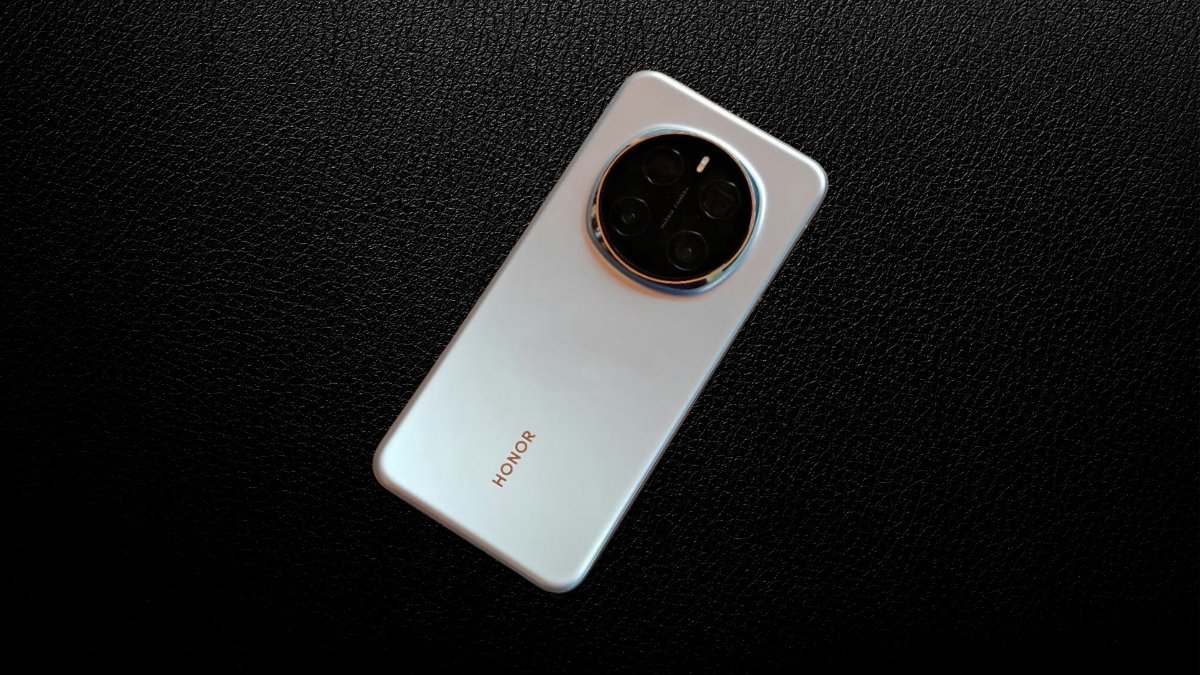
Honor Magic 7 series launch timeframe tipped; it’s coming sooner than expected

October seems to be the battle month for flagship phones. The Vivo X200 series, with the Dimensity 9400 chip, is expected in mid-October. Shortly after, we expect the release of the Xiaomi 15 series and the OnePlus 13 with Snapdragon 8 Gen 4. Now, there’s a new contender in the mix.

Honor Magic 7 series launch timeframe tipped

Reliable tipster Digital Chat Station (DCS) claims that the Honor Magic 7 series is “confirmed” to launch in October. Honor’s Magic 7 series is also coming with Snapdragon 8 Gen 4 and DCS suggests that it will compete with Xiaomi 15 series, which isn’t surprising. 

The Magic 7 series is likely to include two models — a standard and a Pro version. Based on the leaks so far, the two phones might have several similarities.

Honor Magic 7 series launch October

Expect the same SoC, both the Magic 7 and Magic 7 Pro will have a triple camera setup on the rear. The main sensor is expected to be a 50MP Omnivixion OV50H which will be accompanied by a 50-megapixel periscope telephoto camera, possibly the Sony IMX882, and a third sensor that could be either 50 megapixels or 200 megapixels (Samsung HP3).

Both models are expected to offer OLED displays. The Pro version is likely to have a higher resolution 2K display, while the standard model will have a 1.5K resolution. A previous report suggests that the Magic 7 Pro will also have satellite connectivity support.

Apart from this, the phones are likely to share features like IP68/69 water resistance, ultrasonic fingerprint, and 2D face recognition, as well as Honor’s enhanced eye protection 3.0. 

At this year’s IFA Berlin event, Honor also confirmed that the Magic 7 series will debut with AI Agent, a personal on-device AI assistant designed to learn from user habits and device environments and can intelligently automate tasks across various apps and services.

Pocket-Friendly Honor Play 9C goes on sale with Dimensity 6100+ SoC and a Smart Capsule feature

Honor has officially announced its budget-friendly smartphone, the Honor Play 9C, which is now available for purchase starting at 799 yuan (6GB + 128GB), approximately US$113. The phone also comes in an 8GB + 256GB configuration, priced at 999 yuan (roughly US$142).

Honor Play 9C Specifications and Features:

The Honor Play 9C features a 6.56-inch TFT LCD display with an HD+ (720 x 1612) resolution and supports a 90Hz refresh rate for smoother scrolling. According to the company, the display reaches a peak brightness of 780 nits, ensuring clear visuals even under direct sunlight.

The affordable phone offers a feature called Smart Capsule, which has a similar implementation to Apple’s Dynamic Island.

Weighing 190 grams and measuring 8.39mm thick, the phone has received the Swiss SGS five-star drop and fall resistance certification, which showcases its durability.

On the rear, the Honor Play 9C is equipped with a 13-megapixel main camera (f/1.8 aperture), capable of recording 1080p videos. The camera offers several basic photography and videography features such as time-lapse, night scene mode, portrait mode, panoramic photography, dual-view video recording, HDR, smile capture, and more. For selfies, there’s a 5MP front camera.

Performance

Under the hood, the device runs on the Dimensity 6100+ chipset and boasts a 5,200mAh battery with support for 10W charging. Honor markets the phone as offering ultra-long battery life, smooth performance, and a robust build. The company also promises up to 3 years of smooth performance with this budget smartphone.

The Honor Play 9C includes 8GB of virtual RAM, which enhances multitasking by using a portion of the device’s internal storage as additional RAM. This feature ensures that apps run smoothly even with limited physical memory.

One standout feature of the phone is its 5G connectivity, made possible by the Dimensity 6100+ chipset. The device supports dual nano SIM cards for added convenience.

The phone comes in two color options—Azure Blue and Phantom Night Black—and is available for purchase on the company’s website at the mentioned price points.

(Source)
BenQ GW2486TC: A 24-inch 100Hz Monitor Built for Programmers with Eye-Friendly Technology

BenQ has launched the GW2486TC, a 24-inch Full HD (1920×1080) monitor focused on improved visual quality while protecting eye health. This monitor features a 100Hz refresh rate and 99% sRGB color coverage, making it suitable for tasks such as creative work, office use, browsing, and casual gaming.
The GW2486TC includes BenQ’s Brightness Intelligence Gen 2, which automatically adjusts brightness based on surrounding light, reducing eye strain during long use. It also comes with Low Blue Light Plus and Flicker-Free technologies, certified by TUV Rheinland, to limit blue light and flickering, improving eye comfort.

BenQ GW2486TC monitor

The monitor offers several specialized modes, including e-paper, coding, and color weakness, tailored for specific user needs. It holds RPF 35 Eye-Safe 2.0 certification, meeting strict eye safety standards.

For connectivity, the GW2486TC includes HDMI 1.4, DisplayPort 1.2, USB-C, and a Dual USB 3.2 Gen1 Type-A hub, allowing easy connection to laptops, PCs, and gaming consoles. The USB-C port also supports 65W Power Delivery, enabling the charging of compatible devices like laptops. It has built-in speakers and a noise-canceling microphone for basic audio and communication. The monitor features a Height Adjustable Stand (HAS) and an anti-glare coating to reduce reflections and eye strain.

Pricing & availability

The 24-inch GW2486TC is priced at Rs. 14,250, while the larger 27-inch GW2786TC model is available for Rs. 18,490. Both are available through the BenQ e-store, Amazon.in, and leading e-commerce platforms and IT retailers in India.

In other news, Sony has launched two new INZONE Gaming Monitors: the M10S and M9 II. The M10S is a 27-inch, 1440p OLED monitor with a 480Hz refresh rate and 0.03ms response time, aimed at esports players. It includes features like a 24.5-inch mode, adjustable stand, and HDR with 1300 nits peak brightness. The M9 II is a 4K monitor with a 160Hz refresh rate, 1ms response time, and backlight scanning for reduced motion blur, featuring local dimming and HDR support.