Apple faced a ban on the sales of its iPhone 16 series in Indonesia back in October 2024. The company had apparently failed to keep its promise for planned investment in the region, prompting the end of iPhone 16 sales in the region. But now, Apple is willing to invest even more in Indonesia to reverse this decision. So let’s check it out.
Apple iPhone 16 Sales Ban: What was it all about?
The Cupertino based giant faced the sales restriction after failing to meet the $109 million investment that it had promised to provide in local infrastructure. Reports had indicated that Apple fell short of this amount by around $14 million. This paired with no new agreements and previous issues with the government’s mandate to source 40% local components led to the iPhone 16 sales ban.
iPhone 16 series camera control button
So what now?
As of right now, Apple has already began work on an innovation development scheme by creating Apple Academies in the country. Furthermore, a new report claims (Via PhoneArena) that Apple has increased its offer to invest $100 million in Indonesia over the next two years. This is a sizeable investment, which is around 10 times higher than its previous proposal of $10 million for a factory in Bandung that would make accessories and components.
The Indonesian government has yet to respond to Apple’s new proposal officially. However, considering how the Ministry of Industry is looking for Apple to expand research and development for iPhones selling in the country, this new investment promise might end the ban of iPhone 16 sales. To recall, Indonesia had also blocked the sale of Google’s Pixel 9 series of smartphones as well for a similar reason. The company had failed to meet similar investments, but it remains to be seen if Google meets these requirements.
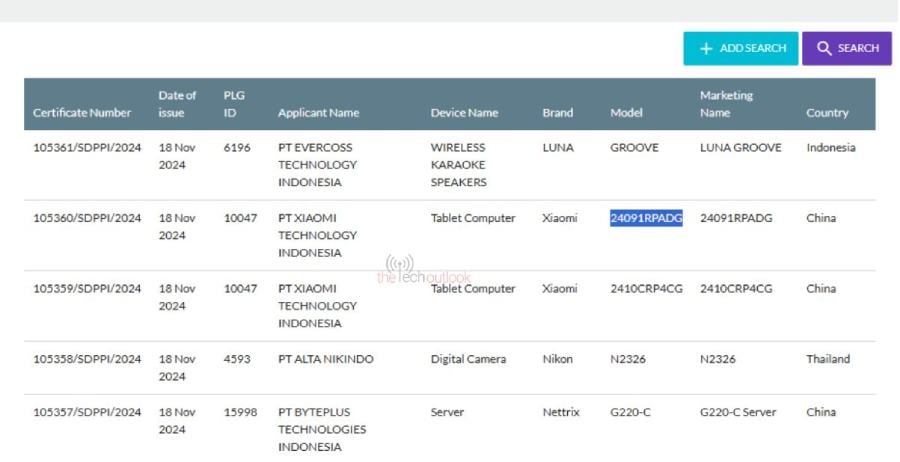
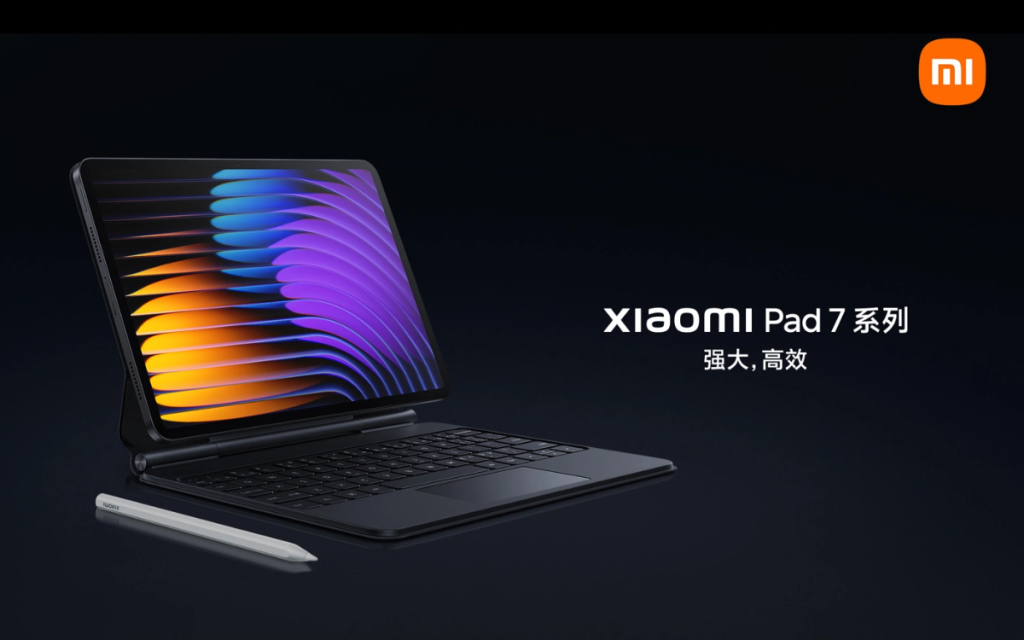
Xiaomi‘s new Pad 7 series, which launched in China last month, seems to be inching closer to a global debut. The devices have been spotted on the SDPPI certification website in Indonesia, hinting at an imminent launch in the Southeast Asian nation.
Now, certifications don’t always paint the clearest picture, but let’s dissect the details. The listings reveal two model numbers: “2410CRP4CG” and “24091RPADG.”
Unfortunately, the SDPPI website doesn’t explicitly link these numbers to specific devices. Here’s where a little detective work comes in. Comparing them to the Chinese model numbers (“2410CRP4CC” for Pad 7 and “24091RPADC” for Pad 7 Pro), it’s a safe bet that “2410CRP4CG” corresponds to the global Pad 7 and “24091RPADG” to the global Pad 7 Pro.
While the certification stays mum on specs, the global variants are likely to mirror their Chinese counterparts.
Xiaomi Pad 7 / Pad 7 Pro Specifications
That is, the standard Pad 7 will have a Snapdragon 7+ Gen 3 processor, while the Pro version will boast the more powerful Snapdragon 8s Gen 3. Both should offer smooth performance for everyday tasks and even some gaming, thanks to the 11.2-inch, 3.2K resolution display with a 144Hz refresh rate.
Speaking of the display, users who prioritize reduced glare can opt for the special Nano Matte version. This utilizes AG nano-texture and AR optical coating to reduce glare and reflectivity.
For the cameras, the standard Pad 7 has an 8MP front camera and a 13MP rear shooter, while the Pro version features a 32MP front camera and a 50MP rear camera.
Battery life shouldn’t be a concern with the hefty 8850mAh battery powering both tablets. The Pad 7 is expected to support 45W fast charging, while the Pro version could reach faster charging speeds with 67W support.
The sleek metal unibody design, measuring a mere 6.18mm thin and weighing around 500g, adds a touch of sophistication. Additionally, a dedicated floating keyboard accessory with a backlit keyboard, adjustable viewing angles, and a full-sized mechanical touchpad might be available for purchase separately.
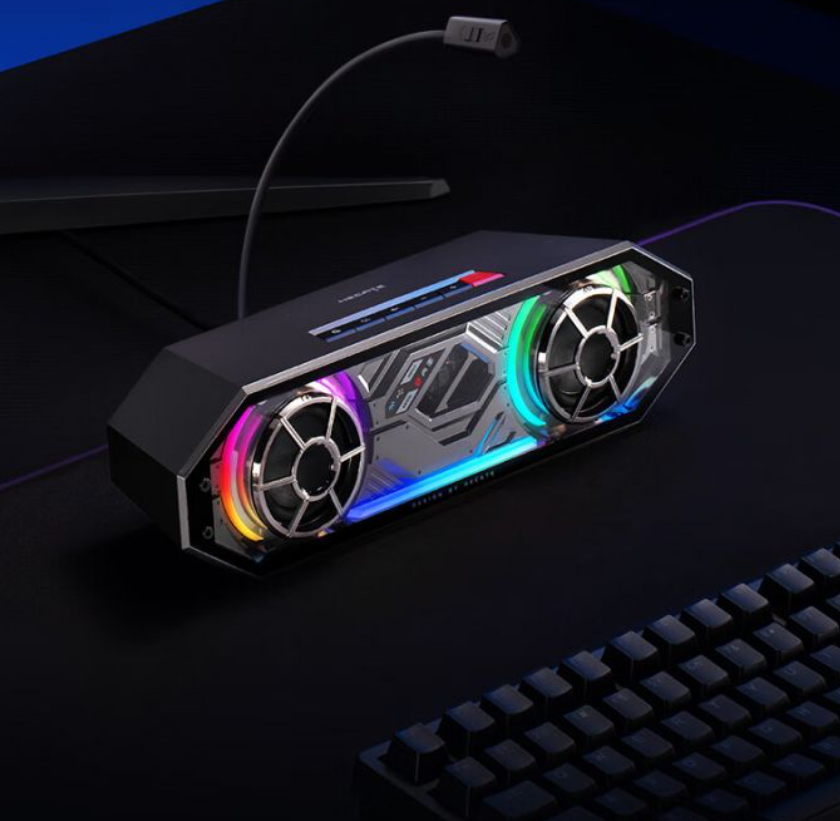
EDIFIER Hecate G2500 Bar Gaming Speaker is designed to enhance your gaming experience with its cutting-edge features and immersive sound quality. Whether deep into gaming, streaming your favorite movies, or enjoying music, this speaker delivers exceptional performance with its advanced technologies and sleek design. You can get this gaming speaker for $99.99 at Geekwills.
Immersive 7.1 Virtual Surround Sound
One of the standout features of the EDIFIER Hecate G2500 is its 7.1 virtual surround sound capability. This technology creates a professional-grade sound field that delivers precise audio positioning and rich soundscapes, immersing you in games or entertainment. Backed by an integrated DSP chip, the speaker offers accurate audio processing and three sound modes: gaming, music, and movies. This versatility ensures a customized audio experience for different scenarios.
Crystal-Clear Communication with AEC Technology
The speaker is equipped with second-generation Acoustic Echo Cancellation (AEC) technology. This feature is particularly beneficial for gamers who rely on clear voice chats during multiplayer sessions. AEC eliminates echo, ensuring crystal-clear communication and seamless interactions.
Dynamic Lighting for an Engaging Experience
The EDIFIER Hecate G2500 also features TempoFlow RGB lighting technology, which provides 12 dynamic lighting effects. These effects are synchronized with sound, creating an engaging visual experience that complements your gameplay or entertainment sessions. Users can customize the lighting for added personalization through the Hecate Connect Center software on PC or the Edifier Connect App on mobile devices.
Versatile Connectivity Options
With Bluetooth 5.4 connectivity and a built-in USB sound card, this speaker is compatible with various devices, including smartphones, tablets, PCs, PS4/PS5, and Nintendo Switch. Advanced Bluetooth technology ensures stable and fast wireless connections, while USB sound cards enhance wired audio quality.
Key Specs:
Sound Technology: 7.1 virtual surround sound with integrated DSP chip
Lighting: 12 RGB lighting effects with customization options
Connectivity: Bluetooth 5.4 and USB sound card
Device Compatibility: Works with smartphones, tablets, PCs, PS4/PS5, and Nintendo Switch
The EDIFIER Hecate G2500 Gaming Speaker is a versatile and feature-packed device that takes your audio experience to the next level, whether gaming, watching movies, or enjoying music.
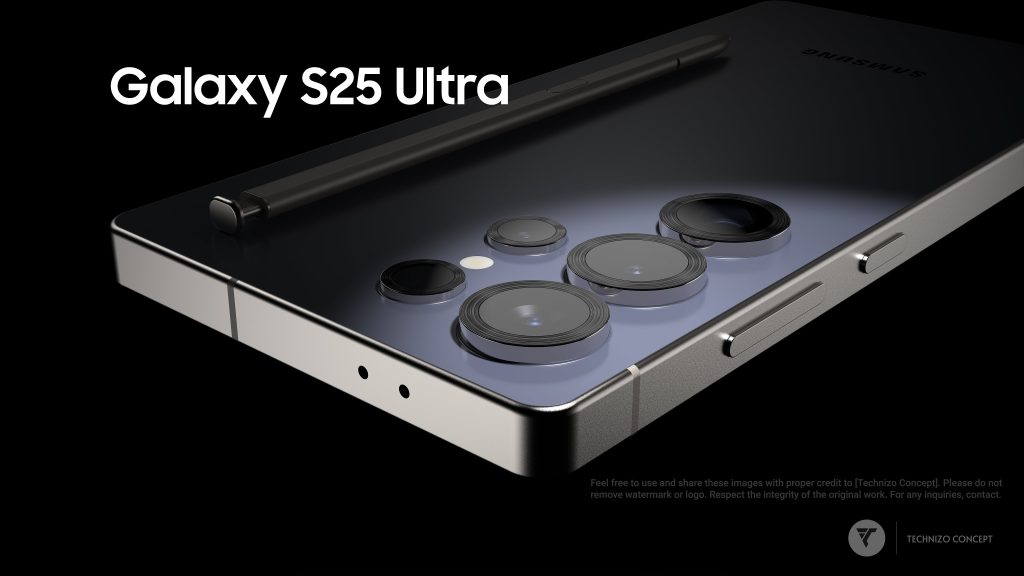
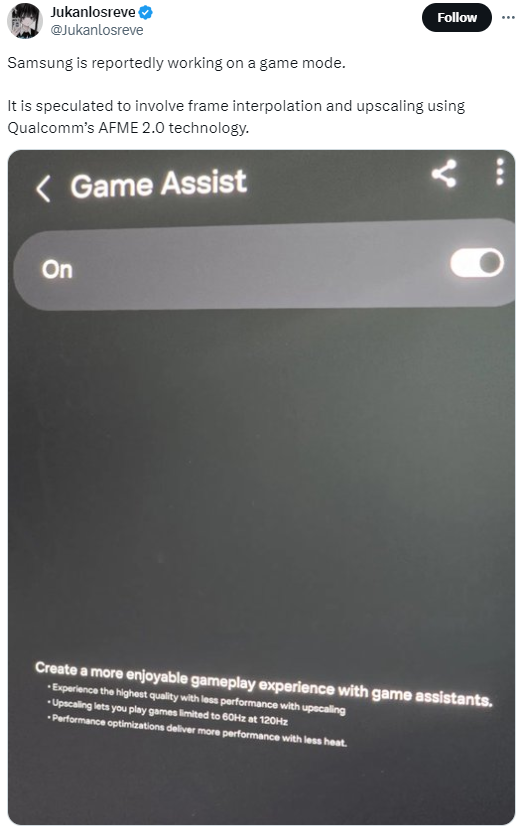
Samsung is reportedly gearing up to take mobile gaming to the next level with the Galaxy S25 series, rumored to introduce frame interpolation technology for smoother 120fps gameplay. According to tipster Jukanlosreve, the flagship lineup could incorporate Qualcomm’s AFME 2.0 (Adreno Frame Motion Engine), allowing games to scale from 60fps to a fluid 120fps. This technology could make the Galaxy S25 series a standout choice for gamers when it debuts in 2025.
Galaxy S25 series to debut Qualcomm AFME 2.0 technology
Qualcomm’s AFME 2.0 technology is not new, having been introduced in 2021 and refined during last year’s Snapdragon Summit. However, its application in the Galaxy S25 series would be groundbreaking for Samsung’s flagship lineup. Unlike iQOO’s approach, which relies on a dedicated chip for frame interpolation, Qualcomm’s AFME 2.0 handles the entire process directly on the GPU without external chips or CPU intervention.
This approach is expected to optimize power consumption and reduce the strain on the device, allowing the Galaxy S25 to maintain smoother gameplay while managing battery life and thermal performance. In contrast, interpolation technologies on PCs focus purely on visual fidelity, while mobile implementations aim to strike a balance between performance and efficiency.
While the latest rumor suggests that all Galaxy S25 models might adopt the Snapdragon 8 Elite chipset, which enables AFME 2.0, there’s still speculation about chipset distribution across the lineup. The S25 Ultra could exclusively feature the Snapdragon chip (and this gaming tech), while the base and Plus models might stick with Exynos 2500 or Dimensity 9400 processors. This segmentation could impact how widely Samsung’s gaming enhancements are experienced across the series.
Other expectations from the Galaxy S25 series
Reports suggest an increase in RAM capacity without a price hike, which could further enhance multitasking and gaming performance. If true, these changes would position the S25 series as a balanced mix of power, efficiency, and affordability.
Samsung’s implementation of frame interpolation could also spark comparisons with iQOO’s dual-chip solution, which has proven effective in enhancing gameplay. How Qualcomm’s GPU-centric approach measures up will be an exciting development to test.
Realme has recently launched the Realme GT 7 Pro flagship phone in the Chinese market. Priced at 3,699 Yuan, it is the most affordable phone equipped with the Snapdragon 8 Elite chip. Reports suggest that the brand could be working on a new GT Neo series phone. Recently, an upcoming Realme phone with RMX5060 was approved by China’s MIIT authority. The same device has received certification from the country’s 3C certification platform. It is speculated that this device could be the upcoming Realme GT Neo 7.
Purported Realme GT Neo 7 3C certified in China
Alleged Realme GT Neo 7 3C certified in China
As seen in the above screenshot, the upcoming Realme RMX5060 phone has appeared with an 80W fast charging in 3C’s database. While there is no concrete evidence, rumors surrounding it claim that this device could be the GT Neo 7.
The device will arrive as the successor to Realme GT Neo 6, which debuted with the Snapdragon 8s Gen 3 chip onboard, earlier this year in China. To recall, the device came equipped with a 5,500mAh battery and 120W fast charging support. Speaking of the GT Neo 6 series, the company also unveiled the Snapdragon 7+ Gen 3-powered Realme GT Neo 6 SE packed with a 5,500mAh battery and 100W charging in China earlier this year.
Reports suggest that the Realme GT Neo 7 will come equipped with the Snapdragon 8 Gen 3 Leading Version, which is nothing but an overclocked version of the regular Snapdragon 8 Gen 3. With this chip onboard, the device is expected to rival upcoming phones, such as Redmi K80 and iQOO Neo 10, which are expected to feature the SD8G3 chip, as well as the OnePlus Ace 5, which comes equipped with the overlocked SD8G3.
Other reports have revealed that the Realme GT Neo 7 is expected to feature an OLED panel with support for a 1.5K resolution, a 120Hz refresh rate, and an optical in-screen fingerprint sensor. It is also expected to feature a dedicated chip for enhanced graphics. The reduction in charging capabilities compared to the previous generation suggests that the GT Neo 7 may pack a larger silicon carbon battery.
Tomorrow, Redmi will announce the Redmi A4 5G in India. Powered by the Snapdragon 4s Gen 2 chip, it is expected to arrive as the country’s most affordable 5G phone. Now, Xiaomi has also started teasing the Redmi Note 14 series in India, which indicates that it will not take long for it to go official.
Redmi Note 14 series India launch teased
Redmi Note 14 series
Xiaomi officially confirmed earlier this month that the Redmi Note 14 series will be announced in December in India. This implies that it will launch approximately one month ahead of the Redmi Note 13 lineup, which made its debut in January of this year. While the above teaser does not mention the Redmi Note 14 series explicitly, the “A Noteworthy Reveal?” text is a good hint that the brand has started teasing the next generation of the Note series in the country.
The Redmi Note 14 series is expected to include three models, such as the Note 14, Note 14 Pro, and Note 14 Pro+. These devices have already launched in China and are now gearing up to release in other markets. It is possible that the global version of the Note 14 series will differ from its Chinese counterpart.
The Redmi Note14 Pro+ will feature a 200-megapixel Samsung S5KHP3 primary camera, an 8-megapixel Sony IMX355 ultra-wide lens, and a 50-megapixel telephoto camera, according to leaked information that surfaced in September. Probably, the Note 14 Pro will have the same primary and ultra-wide cameras. However, it may feature a 2-megapixel macro camera instead of the telephoto lens.
Comparatively, the Note 14 Pro in China features a 50-megapixel Sony IMX882 primary camera, while the Note 14 Pro+ has a 50-megapixel OmniVision OVX8000. The Note 14 series is expected to ship with Android 14 and HyperOS 2.0 in the global market.
The Note 14 Pro and 14 Pro+ are expected to feature a 6.67-inch curved-edge OLED panel with support for a 1.5K resolution and a 120Hz refresh rate. The Note 14 Pro may feature the Dimensity 7300 Ultra, whereas the Pro+ may arrive with the Snapdragon 7s Gen 3. Both devices are expected to offer up to IP69-rated water and dust resistance.
In China, the Note 14 Pro has a 5,500mAh battery with 45W fast charging, whereas the Note 14 Pro+ packs a larger 6,200mAh battery with 90W charging. Whether their global variants offer the same battery size and charging capabilities remains to be seen. ‘
Additionally, leaks suggest the lineup will start with 12GB of RAM, an upgrade from the 8GB base in the previous generation. Despite this improvement, a new leak suggests the S25 series will match the pricing of the S24 lineup.
According to a now-deleted post by leaker Jukanlosreve, the Galaxy S25, S25 Plus, and S25 Ultra will retain their predecessors’ starting prices: $799, $999, and $1,299, respectively. In other regions, these prices convert to roughly £799/AU$1,399, £999/AU$1,699, and £1,249/AU$2,199.
Storage configurations are also rumored to remain unchanged, with the base S25 starting at 128GB and the Plus and Ultra models starting at 256GB.
Why the increased RAM?
While the Snapdragon 8 Elite will be an unsurprising iterative upgrade, the increased RAM is likely a response to the growing demand for on-device AI features.
Samsung has been heavily promoting Galaxy AI as a key element of its mobile platform. Adding an extra 4GB of RAM across the board could result in noticeable improvements in AI performance.
Google followed a similar approach with the Pixel 9 series. It increased the base RAM to 12GB on the Pixel 9, while the Pixel 9 Pro and 9 Pro XL come with 16GB of RAM across all storage variants to make AI-powered features run smoothly on devices.
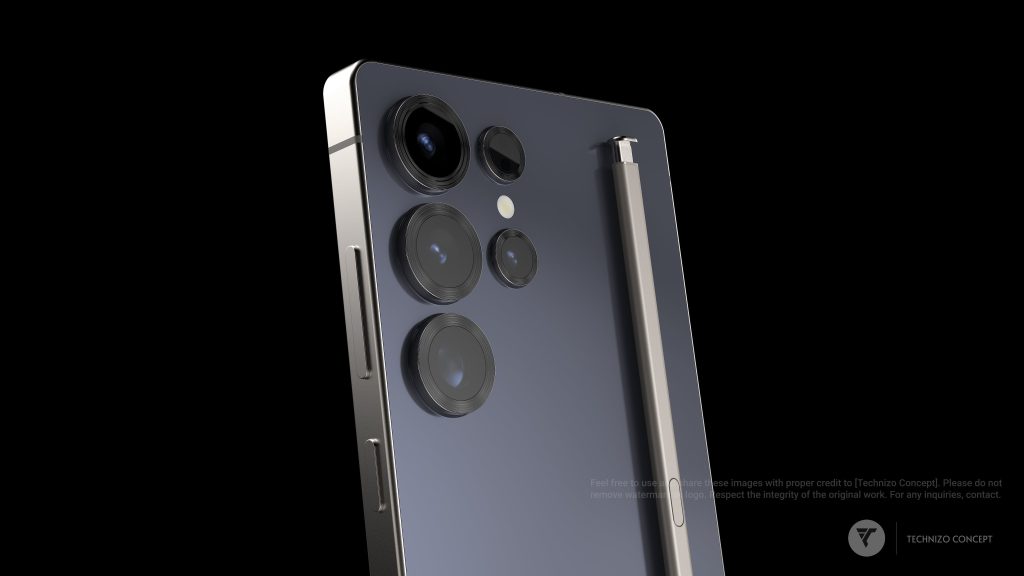
The Galaxy S25 series might launch earlier than expected, according to a recent report. We have also seen the design renders of the vanilla S25 and S25 Ultra, and all three phones in the series are expected to have slightly slimmer dimensions compared to their predecessors.
In 2024, the feature phone market in India continues to evolve, catering to users who prefer simplicity without compromising essential features. Among the many options, the JioPhone Prima 2 stands out as the best feature phone of 2024, offering an exceptional blend of affordability, smart features, and a design that appeals to a wide range of users.
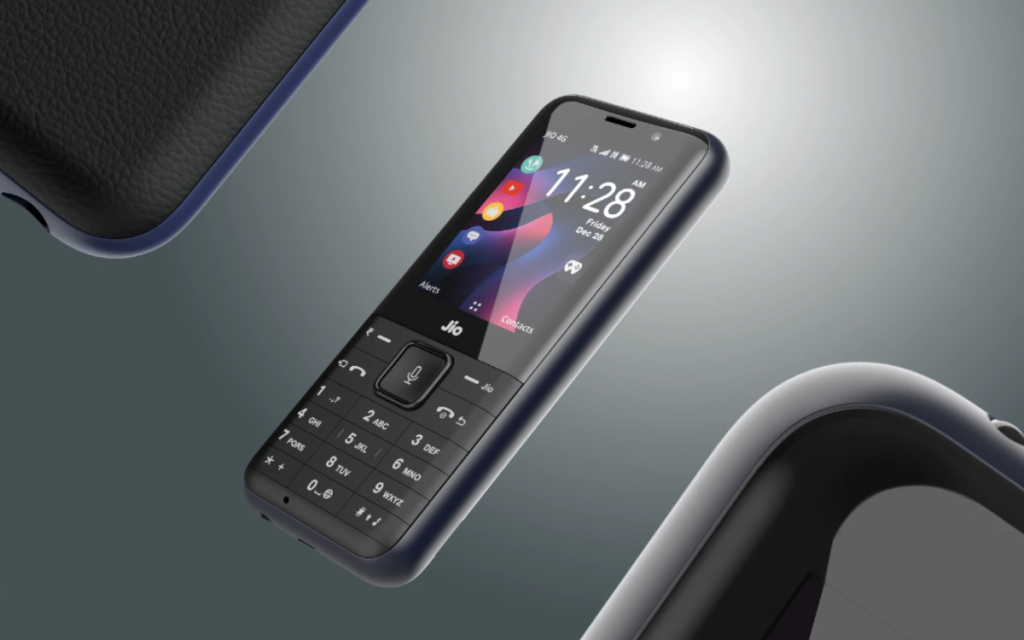
The JioPhone Prima 2 features a premium curved design, offering a significant upgrade over its predecessors. The back of the phone sports a leather-like finish, enhancing its visual appeal.
It comes with a 2.4-inch QVGA curved display, providing clear visibility. What truly sets the Prima 2 apart from other Jio feature phones is its improved viewing angles. Unlike earlier models, which had limited screen clarity at certain angles, the Prima 2 equips users with a more consistent experience, whether watching a video or reading a message.
2. Smart Features
The JioPhone Prima 2 is designed to cater to both basic phone users and those who want to occasionally dip into the world of smart features. The device is powered by a Qualcomm SoC paired with 512MB of RAM and 4GB of internal storage, with an expandable memory option of up to 128GB.
This setup is perfect for light tasks such as calling, texting, and using the supported apps. The phone runs on KaiOS 2.5.3, offering access to apps like YouTube, Facebook, and Google Assistant, as well as the full suite of Jio services such as JioTV, JioCinema, and JioSaavn for entertainment.
3. Detox and Connectivity
For many, the JioPhone Prima 2 serves as an ideal secondary phone. In today’s world of constant smartphone engagement, having a device that can act as a detox from digital overload is refreshing. It allows users to disconnect while still offering essential services when needed, such as video calling, messaging, and access to Jio’s ecosystem.
Moreover, with Jio’s reliable 4G VoLTE connectivity, users can stay connected with family and friends at a much lower cost. The phone also supports WiFi, providing a versatile way to stay online without burning through mobile data.
4. UPI Support
The JioPhone Prima 2 features support for UPI payments through JioPay, making it a great option, especially for elders or those who prefer using feature phones. With UPI integration, the phone enables users to make payments easily, transfer funds, and scan QR codes without the need for a smartphone.
5. Ideal for Elderly Users
For older people who might find transitioning to a smartphone difficult, the JioPhone Prima 2 offers the perfect compromise. It supports apps like YouTube for easy content consumption, and the large buttons make navigation simple.
The added benefit of a rear and front camera also allows them to keep in touch through video calls, without the need for third-party apps. This user-friendly design, coupled with the essential apps and Jio services, creates a perfect entry-level device for those not ready to move on to a full-fledged smartphone.
6. Pricing and Availability
Priced at just Rs. 2799, the JioPhone Prima 2 offers incredible value for money. It is available in Luxe Blue color and can be purchased through Amazon, JioMart, Reliance Digital, and other retailers. Given its price point and the suite of features, it’s the best-value feature phone in India in 2024.
7. Room for Improvement
While the JioPhone Prima 2 excels in its segment, a slightly larger display, and a more robust battery would elevate the user experience further. Additionally, adopting the JioBharat J1’s design in future iterations could give users an aesthetically superior device.
Edifier has launched its latest TWS earbuds called X3 Pro in the Chinese market. The earbuds are priced at 149 yuan ($20) and are now available on JD.com. Let’s check out its key specs.
Edifier X3 Pro Specifications:
The earbuds feature composite diaphragms, though the exact driver size remains unspecified, along with imported voice coil wires that deliver a refined acoustic experience. They come equipped with the latest Bluetooth V5.4 connectivity, ensuring a stable signal with minimal interference.
Additionally, the earbuds include active noise cancellation (ANC) technology, which effectively minimizes external noise. They also feature AI-powered call noise reduction, ensuring crystal-clear voice quality by filtering out ambient distractions during conversations.
They come with an impressive 23-hour battery life, offering up to 7 hours of usage on a single charge, and extend to 23 hours with the charging case. The earbuds charge fully in just 1 hour, ensuring quick power-ups for on-the-go listening. It equips IP54 dust and water resistance, protecting the earbuds from sweat and dust, making them suitable for workouts and outdoor activities.
The X3 Pro features 99.9% antibacterial ear tips, ensuring hygiene and comfort with high-efficiency antibacterial materials. It also comes with a customizable app that allows users to tailor features like the equalizer settings and touch controls, delivering a personalized listening experience.
It supports multiple Bluetooth protocols, including A2DP, AVRCP, and HSP, ensuring compatibility with a wide range of devices. The earbuds sport a frequency response range of 20Hz-20kHz and a sound pressure level of 92±3dB.
Additionally, it features convenient touch controls for music playback, call management, and activating game mode. The design offers multiple color options, such as Cloud Rock White, Misty Pink, and Midnight Blue.
In related news, Noise has introduced the Buds Trooper TWS earbuds, offering extended battery life and low latency. Meanwhile, Philips has launched budget-friendly TWS earbuds and headphones in India, boasting impressive battery performance.
Rapoo, a well-known peripheral brand from China, has introduced its latest gaming headset, the VH850. The headset is priced at 199 yuan ($28) and is now available on JD.com. Let’s check out its key specs.
Rapoo VH850 Specifications:
The Rapoo VH850 sports 50mm neodymium drivers combined with graphene composite diaphragms, providing higher resolution and dynamic sound performance with strong power output and impactful bass.
The headset comes with physical dual acoustic chambers that enhance audio clarity by separating bass from other frequencies, reducing distortion, and improving sound positioning.
It equips a detachable omnidirectional noise-canceling microphone, which can be adjusted 360°, offering clear voice communication while minimizing ambient noise. The microphone also includes a dedicated switch for convenient muting.
The headset features three connection modes: Bluetooth 5.3, 2.4GHz wireless, and a 3.5mm audio wired interface, making it adaptable to gaming, office, or casual listening needs.
The VH850 features large, over-ear protein leather ear cups that are soft, breathable, and effective in reducing environmental noise for a comfortable long-wearing experience. It also comes with a lightweight metal single-head beam design, adjustable with telescopic arms, ensuring a precise fit for various head sizes.
The headset includes RGB backlighting with a mirror finish, adding a stylish touch to your gaming setup. However, the lighting is only available in wireless modes, not in wired mode. It offers convenient controls with dedicated buttons for mode switching, volume adjustment, microphone muting, and light effects.
The Rapoo VH850 is powered by a 1200mAh rechargeable lithium battery, providing up to 46 hours of usage in non-lit mode and 17 hours with RGB lighting enabled. Charging is facilitated via a USB-C port, requiring approximately 3 hours for a full charge.
In related news, Baseus has recently unveiled the GoPlay 1 Max gaming headset, featuring 40mm dual drivers, an adjustable microphone, and low-latency performance.
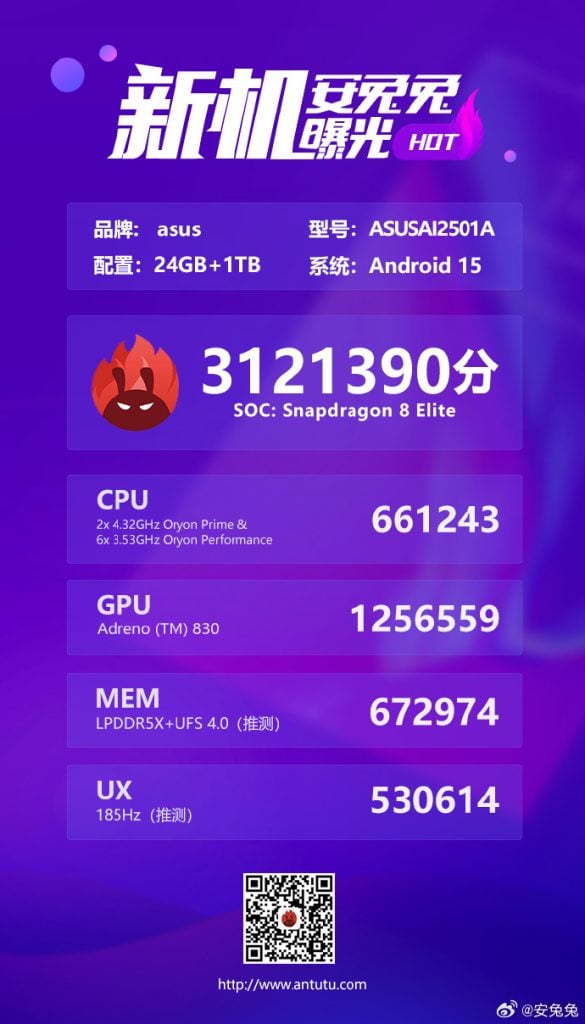
Asus is a couple of hours away from announcing the ROG Phone 9 across the globe. Back in September, an Asus device with model number ASUSAI2501A was spotted in the database of China’s 3C certification platform. The device, which is believed to be the ROG Phone 9, has emerged on AnTuTu to confirm some of its key specifications.
Asus ROG Phone 9 AnTuTu listing
Asus ROG Phone 9 AnTuTu listing
The above image reveals that the ROG Phone 9 has managed to secure the highest-ever score of 3,121,390 on the AnTuTu benchmarks. The said score is a total of CPU, GPU, memory, and UX tests, in which the device achieved 661,243, 1,256,559, 672,974, and 530,614 scores, respectively.
The listing confirms that the ROG Phone 9 features the latest Snapdragon 8 Elite chipset. It reveals that the device comes with 24 GB of LPDDR5x RAM, 1 TB of UFS 4.0 storage, and Android 15. It also suggests that the device’s display will support a 185Hz refresh rate.
According to a recent report, the ROG Phone 9 will come equipped with a 6.78-inch AMOLED panel that offers an FHD+ resolution and an in-screen fingerprint sensor. On the front, the device will be equipped with a 32-megapixel selfie camera.
The ROG Phone 9’s rear camera setup will include a 50-megapixel main camera with OIS support, a 13-megapixel ultra-wide lens, and a 5-megapixel macro camera. It will arrive with a 5,800mAh battery that supports 65W fast charging.
The ROG Phone 9 will be equipped with dual speakers and a 3.5mm audio jack. It will measure 163.8 x 76.8 x 8.9mm and weigh 227 grams. It will be available in two shades, Storm White and Phantom Black.
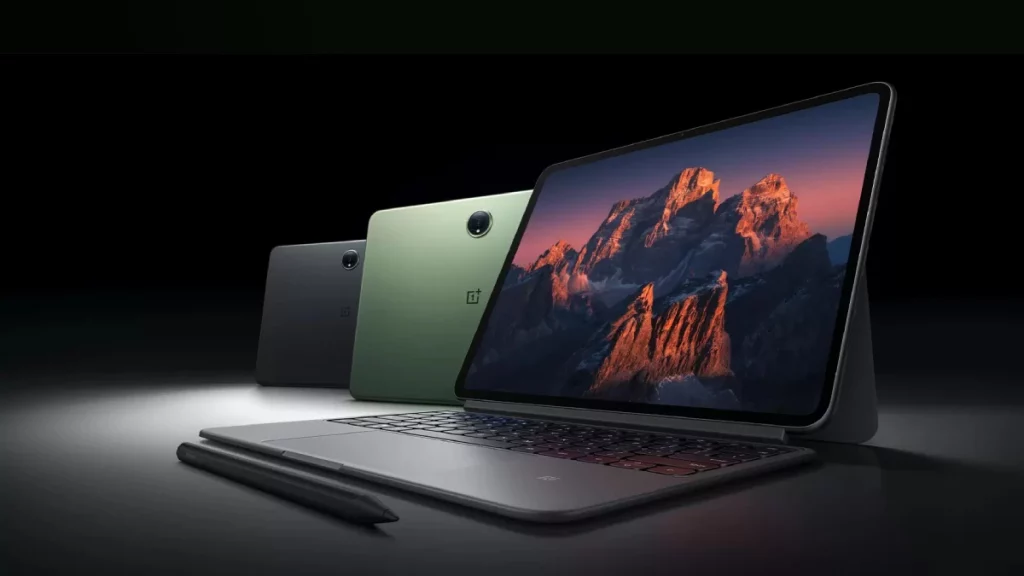
As per a new report from China-based tipster WHYLAB, OnePlus is gearing up to expand its tablet offerings with a larger variant of its flagship OnePlus Pad Pro. This new model is expected to feature a 13-inch display, offering more screen space for productivity, entertainment, and creative tasks.
OnePlus Pad Pro
Although details are limited, the larger OnePlus Pad Pro is likely to include many of the key features of the current model, such as the Snapdragon 8 Gen 3 chipset for efficient performance and multitasking.
A notable upgrade in the larger version is the display resolution, which is rumored to be 3840×2400 pixels, providing sharper visuals. However, its peak brightness may be slightly lower at 600 nits compared to the 900 nits of the 12.1-inch model. The tablet is also expected to maintain the 144Hz refresh rate and 240Hz touch sampling rate for smooth navigation and responsive input.
A report from July stated that Oppo is also working on a new tablet, which will be a rebrand of the OnePlus Pad Pro. This larger screen variant could likely be the upcoming “Oppo Pad 3” as well. The report claimed that the tablet will come in Gold and Blue color options, with 8GB / 12GB / 16GB RAM and up to 512GB storage.
If other features remain the same, then we can expect the tablet to feature a quad-speaker setup, along with a 13MP rear camera with LED flash and an 8MP front-facing camera. The battery could remain 9510mAh with support for 67W SuperVOOC fast charging.
In other news, the OnePlus 13, launched in China last month, is set for an international release with two configurations: 12GB/256GB in Black Eclipse and 16GB/512GB in Midnight Ocean and Arctic Dawn. Unfortunately, OnePlus has yet to reveal the exact launch date of these smartphones in the global market, however, they are expected to debut in late December or January.
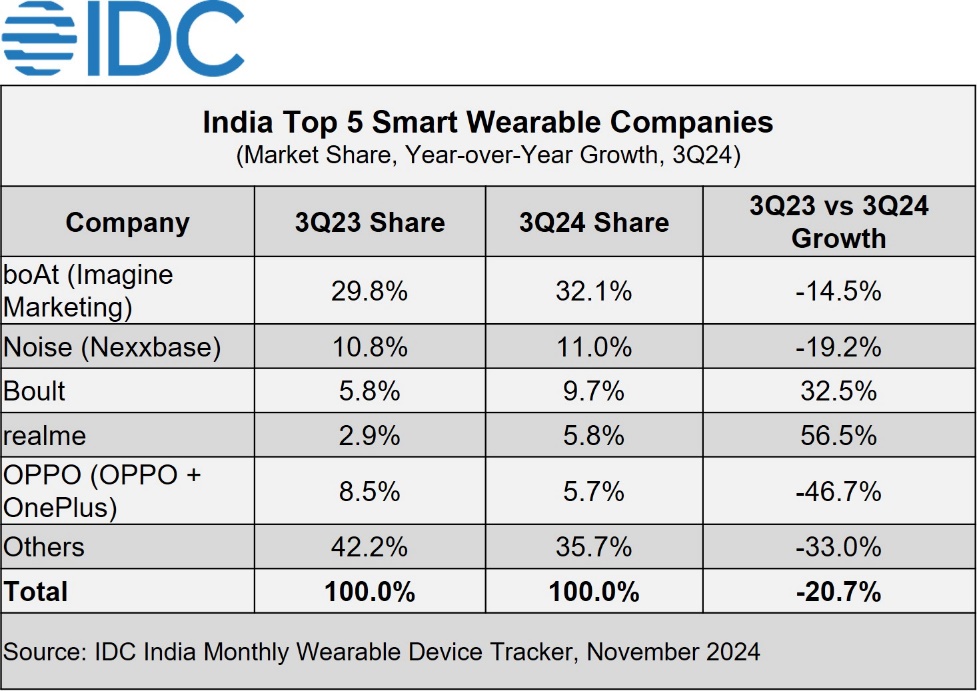
As per the latest IDC report, the Indian wearable device market faced another tough quarter, with shipments dropping by 20.7% year-over-year (YoY) to 38 million units in 3Q24. This marks the second consecutive quarter of decline, as brands struggle with shifting consumer preferences, cautious inventory strategies, and fewer product launches.
Smartwatches: A Category in Flux
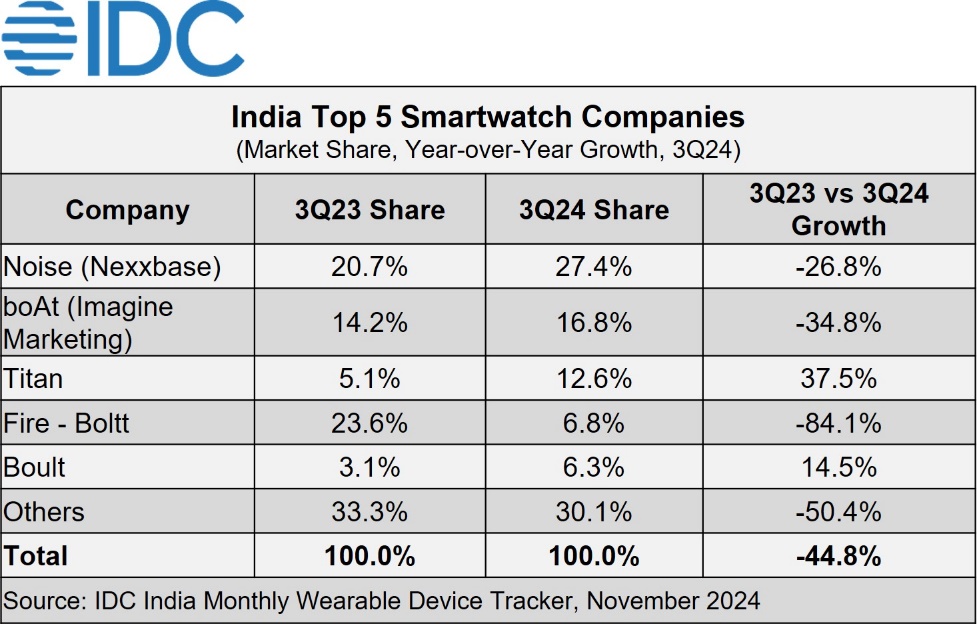
Smartwatch sales saw a significant 44.8% YoY decline, with shipments falling to 9.3 million units. Despite the festive season, brands primarily focused on clearing older inventory by offering discounts, especially on e-commerce platforms. Interestingly, the average selling price (ASP) for smartwatches rose slightly by 1.4% to $26.2, reflecting a gradual shift toward higher-priced advanced models.
Noise maintained its leadership in the smartwatch category, securing a 27.4% market share, followed by boAt with 16.8%. Titan, however, stood out with a 37.5% growth in market share, driven by its premium positioning. On the other hand, Fire-Boltt faced a staggering 84.1% decline in growth, signaling a shift in consumer loyalty within the competitive segment.
Earwear Sees Slower Decline, TWS Gains Momentum
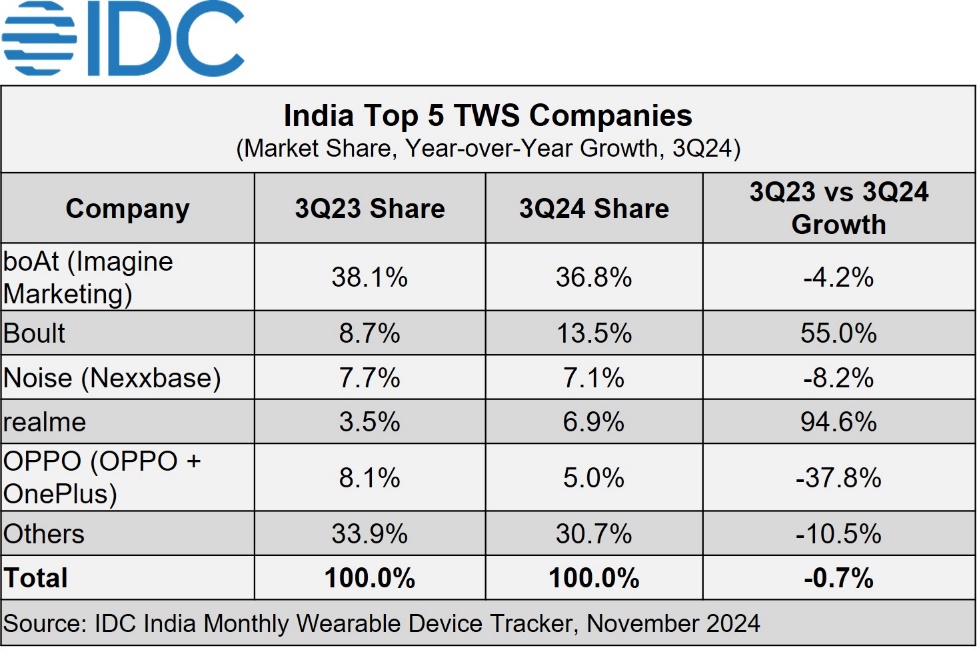
The earwear category, while also declining, fared better than smartwatches with a 7.5% YoY drop to 28.5 million units. Within this segment, Truly Wireless Stereo (TWS) devices hit a record 73.2% share, highlighting their growing popularity among Indian consumers.
Boult and realme were the standout performers in this category, with impressive growth rates of 55% and 94.6%, respectively. The rise of offline sales also played a crucial role, with earwear shipments to brick-and-mortar stores growing by 9.4%, counterbalancing the 14.4% decline in online sales.
A Shift in Market Dynamics
One of the most striking trends in 3Q24 was the decline in shipments from smaller, long-tail smartwatch brands, including white-label products. After enjoying a massive 328.8% growth in 3Q23, these brands saw a steep 59.1% drop in 3Q24. Analysts attribute this shift to the market’s maturing consumer base, which is increasingly opting for reliable, established brands.
“The smartwatch category is under stress due to a lack of differentiation and a limited number of brands dominating the market. However, we’re observing early signs of consumers leaning toward advanced smartwatches for better health tracking and functionality,” noted Vikas Sharma, senior market analyst at IDC India.
Emerging Categories Like Smart Rings Show Promise
While traditional wearable categories struggled, smart rings emerged as a promising segment, with 92,000 units shipped in 3Q24. Ultrahuman led the segment with a 36.8% market share, followed by boAt at 20.5%. The category’s ASP fell by 16.2% to $162.1, signaling potential for mass adoption as prices drop and new models enter the market.
Vivo is expected to launch its mid-range S20 series devices this month. And the release seems imminent now as the company has started pre-reservations for the phones in China. The line will be home to two models – the Standard Edition and the Pro Edition.
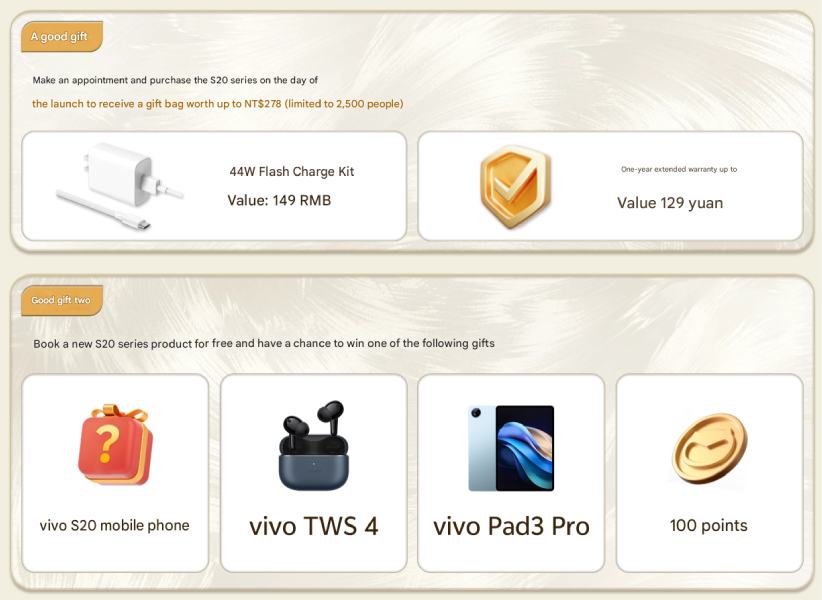
You can reserve the phone through Vivo’s official website. Although it’s not explicitly mentioned, it’s likely that you will require a deposit. Those who reserve will have a chance to win a gift worth NT$278, limited to 2,500 participants. The gifts include a 44W charger and a one-year extended warranty.
Even if you book the phone for free, you still stand a chance to win prizes like the Vivo S20, Vivo TWS 4 earbuds, Vivo Pad 3, or 100 Vivo credit points.
A look at the design
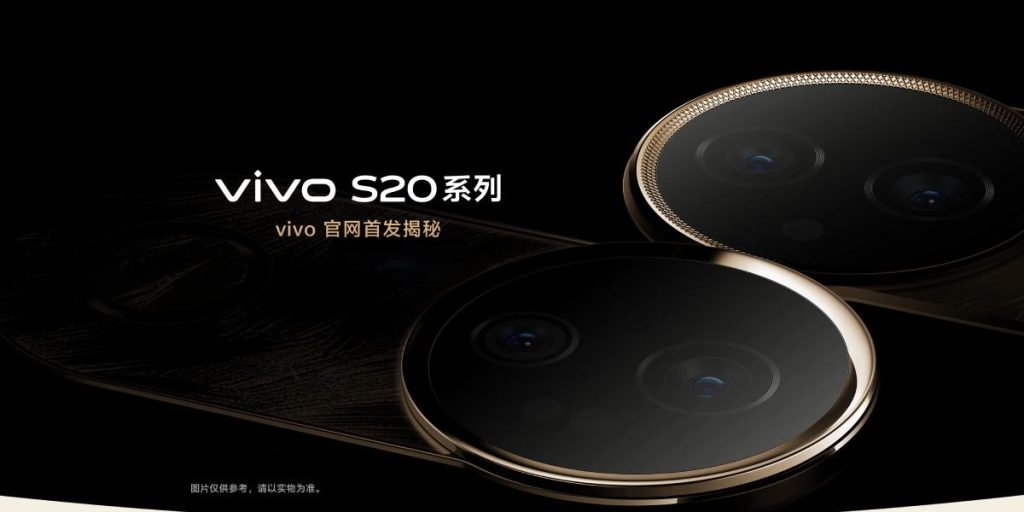
More importantly, the pre-reservations page offers a partial look at the phones’ design. At first glance, both models share a similar vibe. They feature a vertical rear camera layout with a surrounding ring flash.
However, there are some subtle design differences. The standard edition has a glossy finish around its camera housing, while the Pro model features a more refined “Parisian trim stud” design.
Both phones are expected to feature a flat 6.7-inch OLED panel with a 1.5K resolution. The Standard Edition will likely use the Snapdragon 7 Gen 3 processor, while the Pro model may come equipped with the Dimensity 9300 SoC.
The Vivo S20 Pro will boast a 50MP front camera, while its back panel will include a 50MP Sony IMX921 primary camera with OIS, a 50MP ultra-wide lens, and a 50MP IMX882 periscope telephoto camera offering 3x optical zoom.
The S20 will feature a 50MP front camera and a dual-camera system on the back, comprising a 50MP primary sensor and an 8MP secondary lens.
In terms of battery, the S20 is expected to pack a 6,500mAh unit, while the Pro model may feature a smaller 5,500mAh battery. Both models are rumored to support 90W fast charging.
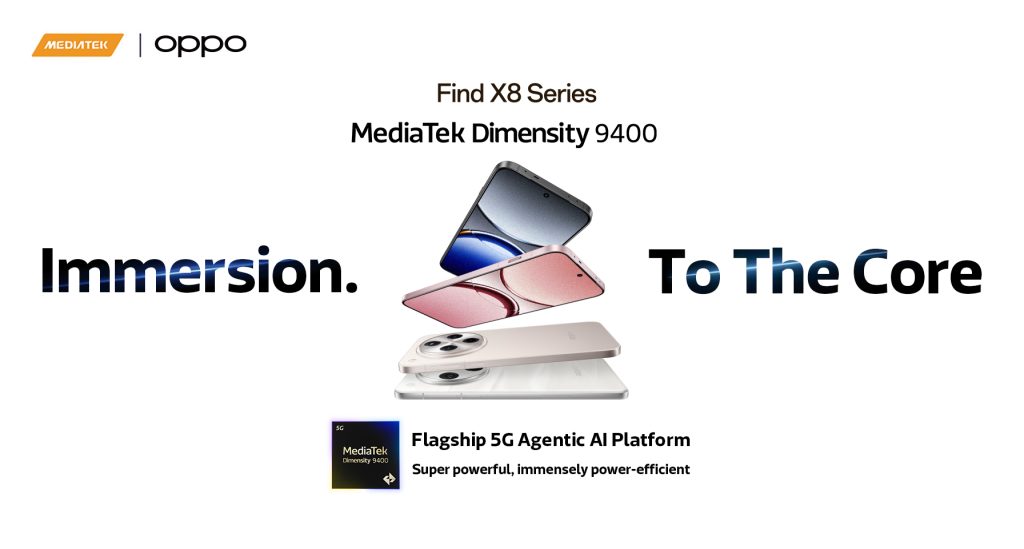
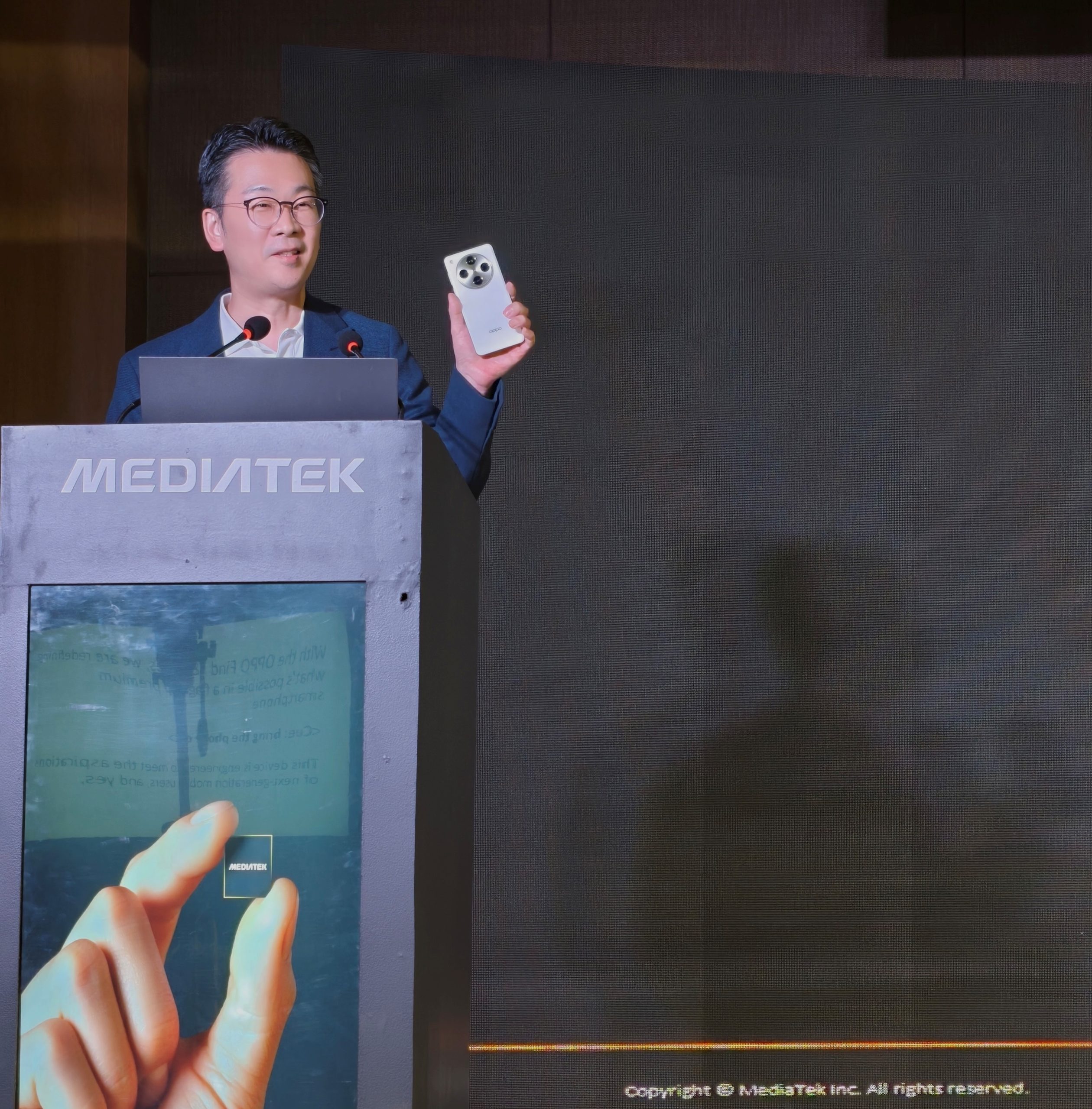
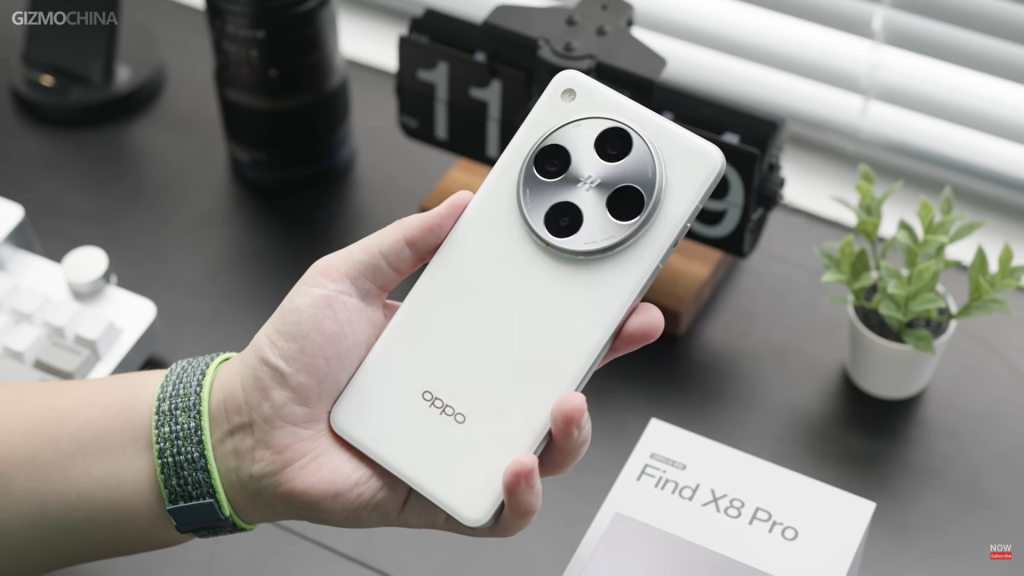
OPPO and MediaTek have joined hands to introduce the upcoming OPPO Find X8 Series, the first smartphones in India powered by MediaTek’s latest Dimensity 9400 chipset. Announced at the MediaTek Technology Diaries event held on November 15, this partnership focuses on improving performance, gaming, photography, and battery life, making the Find X8 Series a strong contender in the smartphone market.
Powerful Performance with the Dimensity 9400
The Dimensity 9400 chipset is built using TSMC’s advanced 3nm process. Its second-generation “All Big Core” design improves speed and efficiency significantly, offering a 35% boost in single-core performance and 28% better multi-core performance compared to its predecessor. At the same time, it reduces power usage by 40%, ensuring smoother multitasking and quicker app launches.
The chipset’s 8th Generation NPU enables smarter AI features, such as Magic Compose in Google Messages. This feature generates replies that match the conversation’s tone, saving time and making messaging more convenient.
Better Gaming and Photography
The Dimensity 9400’s 12-core ARM Immortalis-G925 GPU enhances gaming by delivering 40% faster ray tracing performance and 41% better peak performance. With OPPO’s custom cooling system, users can enjoy long gaming sessions without worrying about overheating or lag.
Photography also sees major upgrades. The Find X8 Series combines MediaTek’s Imagiq 1090 ISP with OPPO’s Hasselblad Master Camera System. This pairing improves zoom quality, low-light photography, HDR video, and camera transitions. These features make it a solid choice for anyone who loves capturing photos or creating content.
Extended Battery Life and Efficient Charging
The Silicon-Carbon battery in the Find X8 Series works well with the Dimensity 9400 chipset to offer multi-day battery life. The phone consumes 14% less power when recording 4K video at 60fps. Recharging is also efficient, with the battery designed to handle demanding tasks while lasting longer.
Improved Connectivity
Connectivity is another highlight. MediaTek’s enhancements and OPPO’s AI LinkBoost ensure stable performance for gaming, streaming, and calls. The Dimensity 9400’s Xtra Range 3.0 extends Wi-Fi coverage by up to 30 meters, offering better connections in busy areas.
A Step Forward in Smartphone Innovation
“The Find X8 Series will put ultra-grade gaming, imaging, and smoothness in customers’ hands. This world-class performance is made possible thanks to our strong partnership with MediaTek,” said Andy Wu, OPPO Vice President.
What’s Next?
OPPO has not yet revealed the price or availability, but the Find X8 Series is expected to stand out with its strong performance, improved gaming and photography features, and dependable battery life. The smartphone will be launched on November 21 at 5 AM UTC, along with ColorOS 15.
The Find X8 will feature a 6.59-inch 1.5K AMOLED flat display, while the Find X8 Pro will sport a 6.8-inch LTPO micro-curved AMOLED screen. Both will support 120Hz adaptive refresh rates, up to 4500 nits of brightness, and durable Oppo Crystal Shield glass.
They will debut the world’s first dual periscope camera system, with the X8 featuring a triple 50MP camera setup, and the Pro model adding dual 50MP periscope lenses for 3x and 6x optical zoom. Both devices will offer AI-powered Telescope Zoom, the HyperTone Image Engine, and a Hasselblad partnership for professional-grade photography and videography, including Dolby Vision and 12-bit processing.
The phones are expected to come with large batteries—5630mAh for the X8 and 5910mAh for the X8 Pro—and support 80W wired charging, 50W wireless charging, and 10W reverse wireless charging.
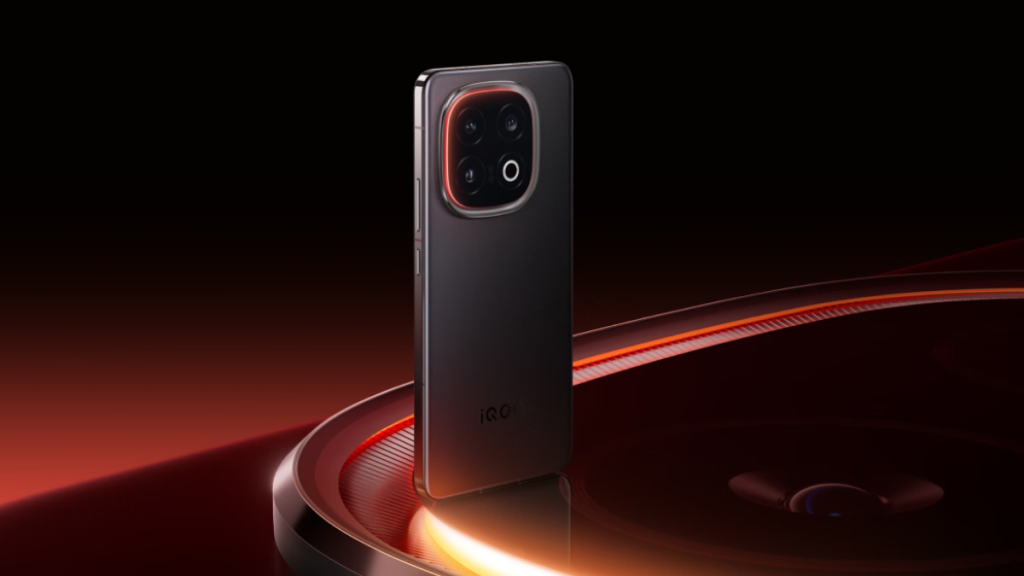
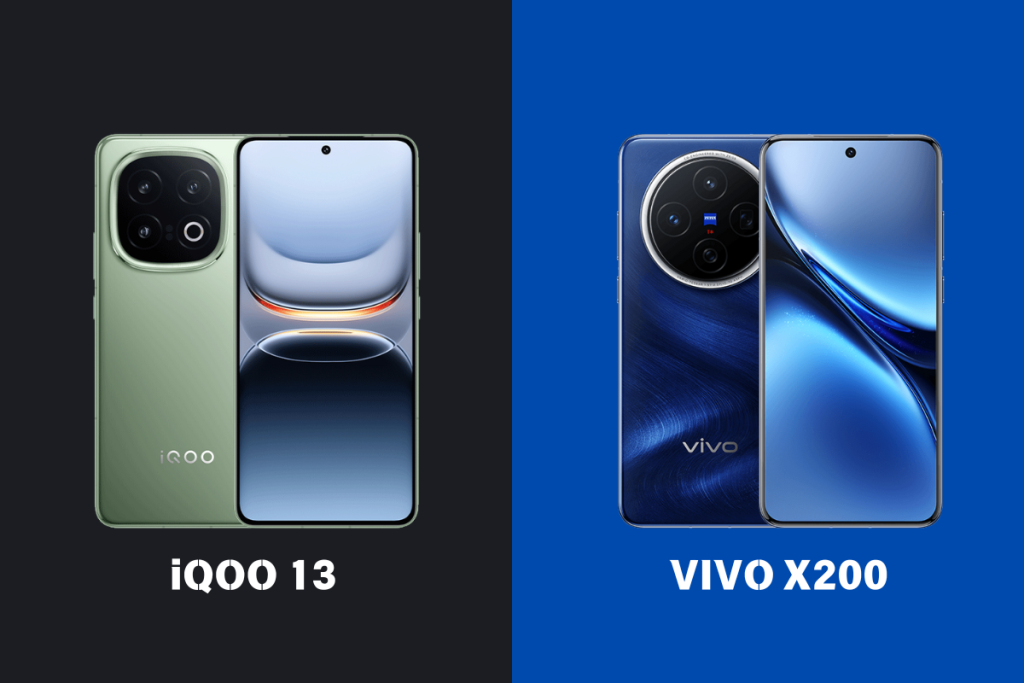
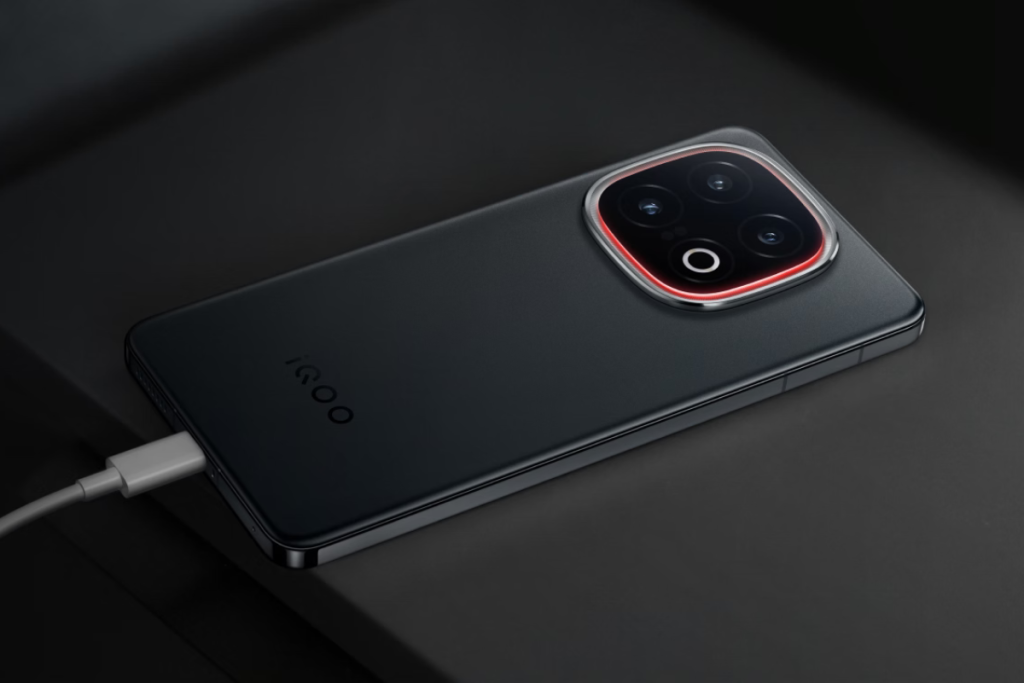
iQOO 13 arrived in October, boasting a powerful Snapdragon 8 Elite chipset, a robust camera setup, and a massive battery with over 6,000mAh capacity. Vivo X200 was also unveiled the same month, offering equally compelling specs at a similar price point.
While both are powerful phones with solid specs, there are five key areas where the iQOO 13 is significantly better than the Vivo X200.
1. Great display
Although both smartphones have AMOLED panels, the iQOO 13 brings LTPO support for a variable refresh rate. This means the screen can automatically adjust the refresh rate as and when required to save power, which is missing on the Vivo X200. And thanks to the higher refresh rate support, you’ll have a smoother scrolling experience on the iQOO 13.
The iQOO 13 also wins at screen resolution. It has about 510 pixels per inch (PPI), whereas the OnePlus 12 only has about 460 PPI. Simply put, content would look better on the iQOO 13 than on the Vivo X200. Another advantage of having the iQOO 13 is that you’re getting a higher screen-to-body ratio.
2. Performance at best
The Snapdragon 8 Elite is the heart of iQOO 13, providing enough processing power for smooth operations. It’s Qualcomm’s fastest mobile chipset, featuring Oryon cores for the first time. The Vivo X200 is equipped with the Dimensity 9400 chip, the best from the chipmaker.
Both are exceptional chips for Android devices. You’d be able to play your favorite high-end games for long sessions without any lag. However, Adreno GPUs inside the Qualcomm chips have a history of being more stable and power-efficient than their MediaTek counterparts. For that reason, I’d give an extra point to the Snapdragon 8 Elite for gaming.
So, the bottom line is that the iQOO 13 delivers more robust performance than the Vivo X200.
3. Bigger battery and lesser charging time
The iQOO 13 has one of the biggest batteries you’ll see on a flagship device. It carries a 6,150mAh capacity, whereas the Vivo X200 has a 5,800mAh battery.
Both devices offer handsome screen-on time. However, the iQOO 13 will last a few additional hours. And the support for 120W fast charging makes the deal even sweeter. According to iQOO, it only takes 30 minutes to refill the battery to 100%.
The Vivo X200 comes with 90W charging support, which will take a little longer to refill than the iQOO 13. In short, the iQOO 13 offers more battery backup and less charging time.
4. Better audio quality
Both the iQOO 13 and Vivo X200 are equipped with stereo speakers for an immersive audio experience. However, the former device also supports Snapdragon Sound and 24-bit/192kHz Hi-Res audio, further enhancing the audio quality and offering a high-fidelity listening experience.
5. Faster and more secure fingerprint scanner
The iQOO 13 employs an ultrasonic fingerprint scanner, which is faster and more secure than the optical scanner in the Vivo X200.
The optical scanner on Vivo X200 uses a miniature camera to capture a 2D image of the fingerprint. These are found to be less secure and struggle most of the time with wet or oily fingers. The ultrasonic fingerprint technology on the iQOO 13 utilizes high-frequency sound waves to create a 3D map of the fingerprint, which is generally more secure than an optical one. Also, it works effectively even when fingers are wet.
Bonus: RGB lights
The iQOO 13 has a feature totally absent on the Vivo X200: RGB light ring. It features 72 light effects, including 12 color combinations and carious effects like pulsing and spiraling.
The RGB light ring works with notifications, music playback, and showing charging status. It also works with select gaming titles to indicate important game moments such as kills and wins. This is a cool addition to the iQOO 13, which might attract buyers.
Which one of the two would you pick for your next smartphone upgrade? Share your thoughts in the comments below.
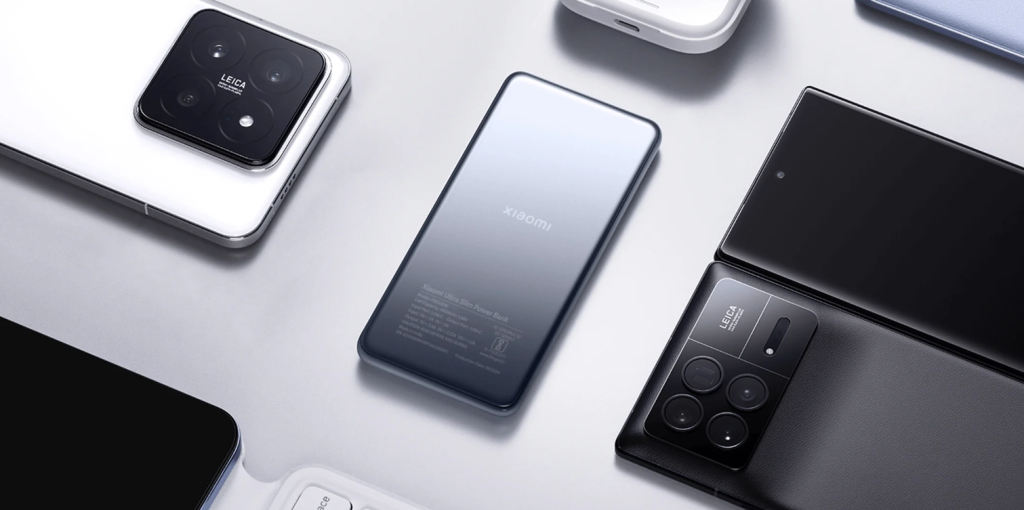
Xiaomi has listed a new power bank model on its global website called the Ultra-Slim 5000mAh Power Bank. This new model combines a slim design, solid power capacity, and added safety features.
Xiaomi Ultra-Slim 5000mAh Power Bank features
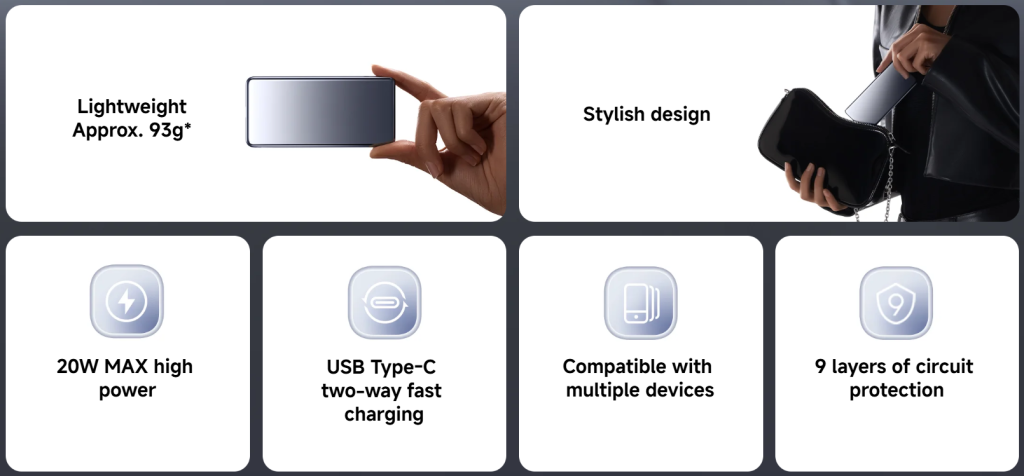
The Ultra-Slim Power Bank has a slim profile, measuring just 10mm thick and weighing 93g. Its compact, card-like shape and metallic finish make it a convenient accessory for commuters, travelers, and gadget users. With dimensions of 113mm by 53mm, it fits easily into bags and pockets.
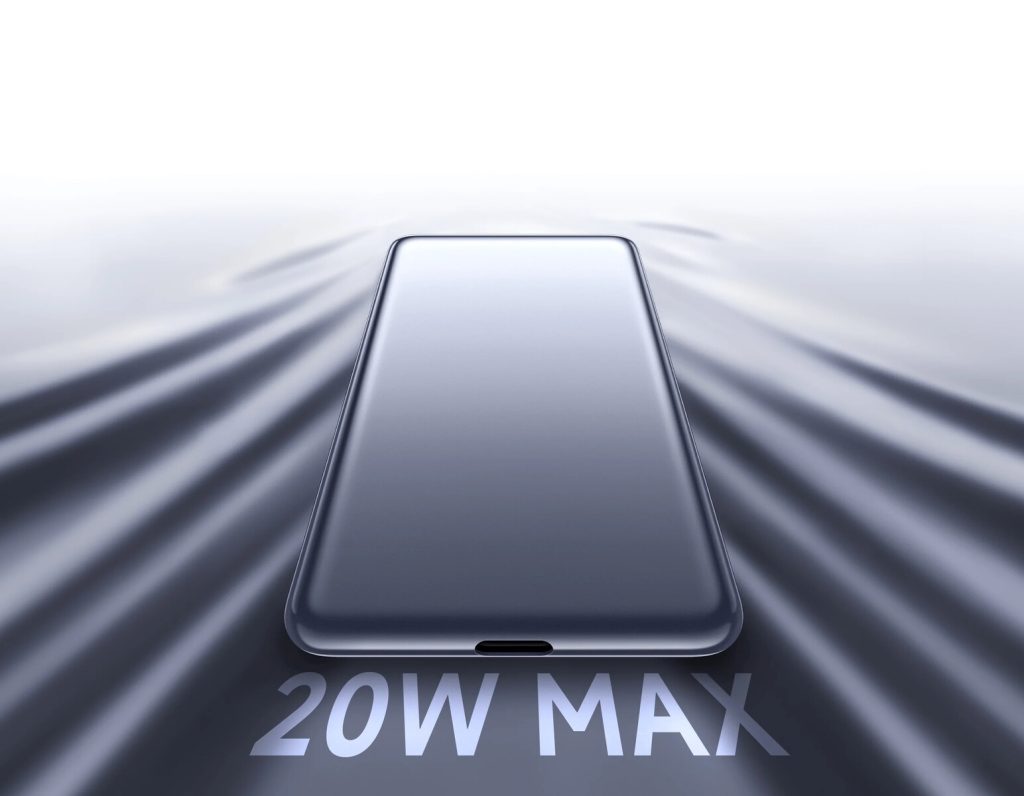
With a 5000mAh lithium-ion battery, this power bank offers a balance of size and power. It supports 20W fast charging through a USB-C port, making it compatible with modern devices such as the Xiaomi 14 series. Recharging the power bank takes about 105 minutes at 18W.
The device features two-way fast charging, allowing both the power bank and connected devices to charge quickly. Xiaomi claims it can charge a Xiaomi 14 up to 40% in just 30 minutes, offering users a fast and portable solution.
Safety Features Xiaomi prioritizes safety with nine layers of circuit protection, including safeguards against overheating, overcharging, and short-circuiting. The power bank is also safe for air travel, ensuring it can be carried without regulatory issues.
Market Availability
While Xiaomi has listed the power bank on its global website, pricing and availability details are not yet confirmed.
In other news, Xiaomi has launched the Mijia Smart Steam Oven S1 30L, now available for pre-order in China at 1,599 Yuan ($220). This oven offers four cooking functions: baking, steaming, air frying, and slow cooking. It boasts a 30L capacity, 360° heat circulation, a 1600W steam system, and precise temperature control.
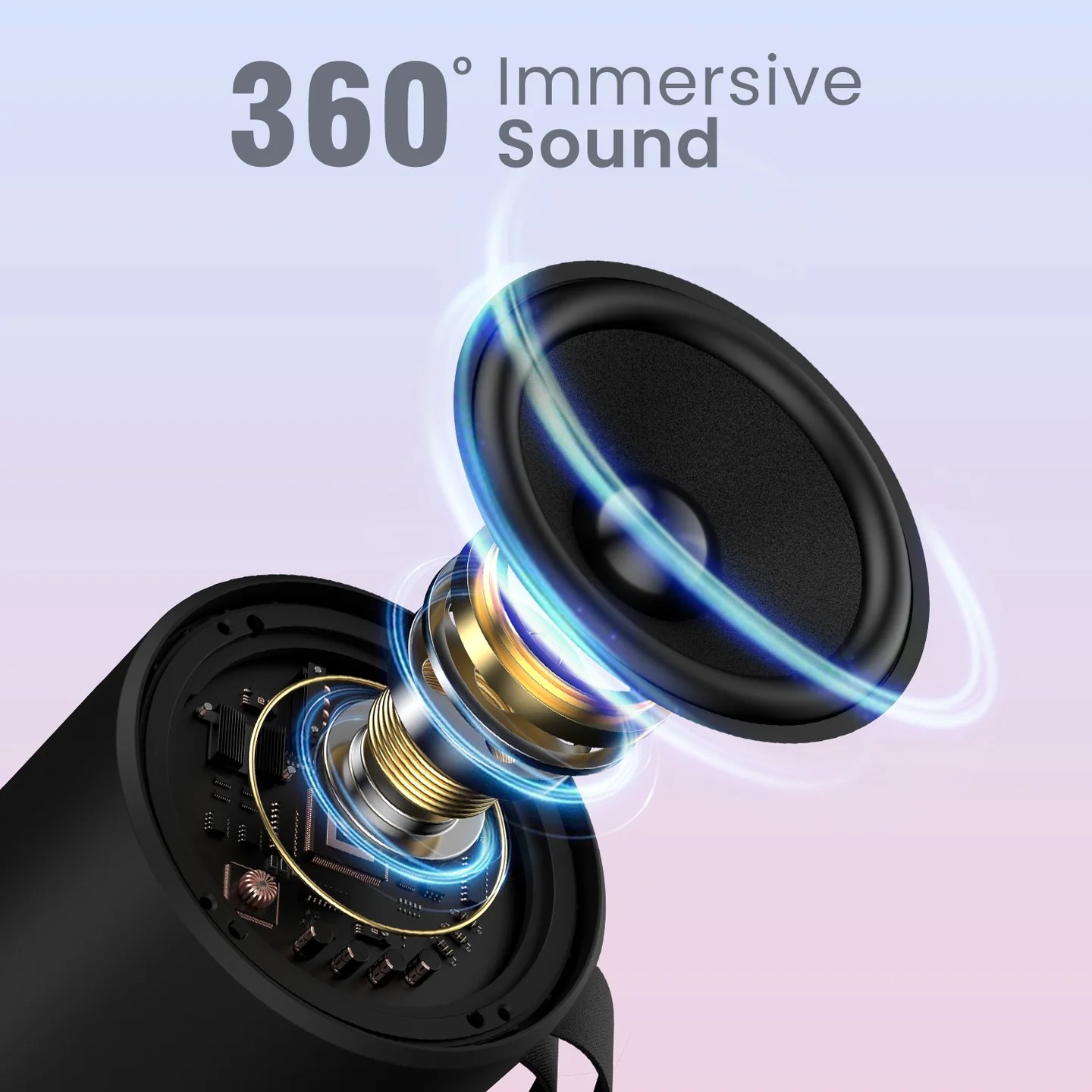
After the camera-shaped compact Power Shutter power bank, Portronics has now unveiled two new compact Bluetooth speakers, the SoundPot and SoundPot Pro, designed for music lovers who want entertainment on the go.
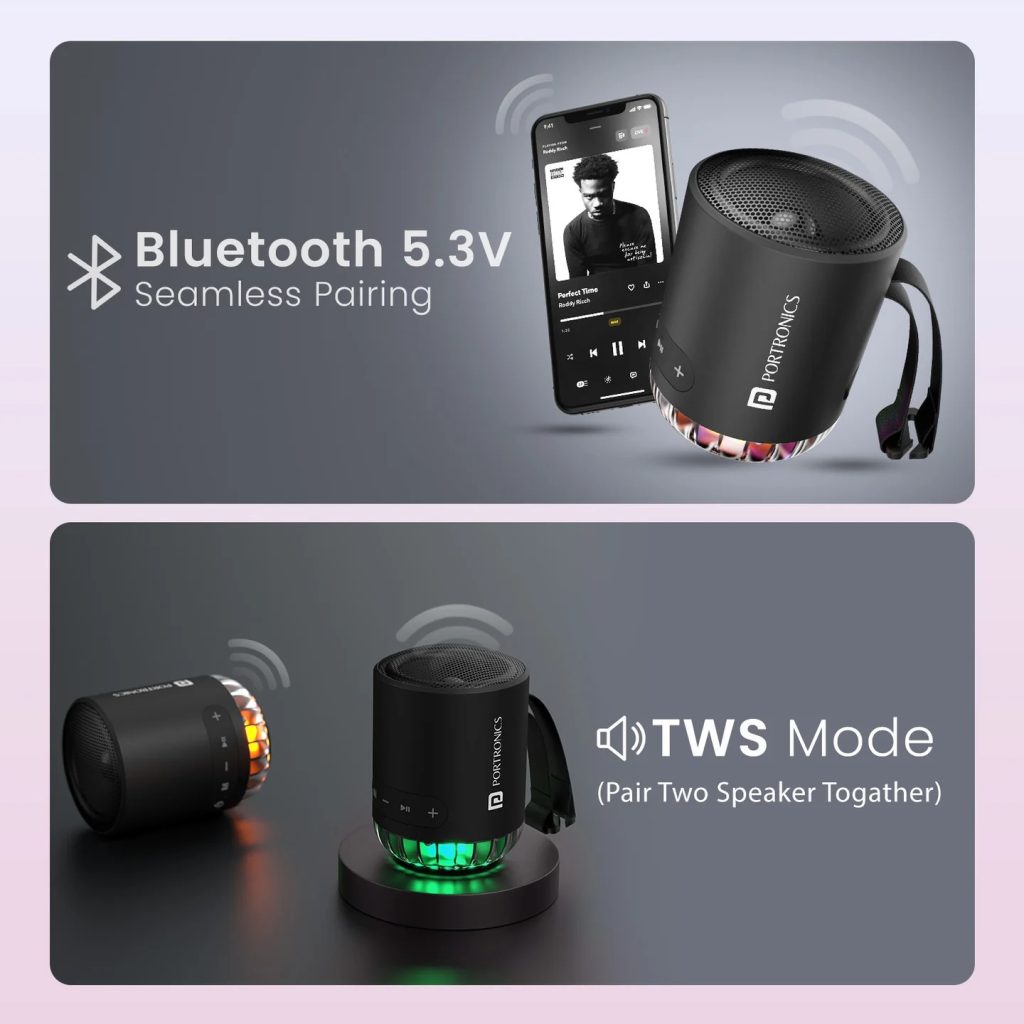
Boasting 20W drivers for immersive sound, these portable devices are ideal for use anywhere—whether it’s by the pool, at the beach, or during a hotel stay. Key highlights include omnidirectional sound, TWS support for stereo pairing, and a sturdy, travel-friendly design.
Both the SoundPot and SoundPot Pro deliver powerful audio through an upward-facing driver, tuned to provide 360° sound for an engaging listening experience. The Pro model ups the ante with RGB LED lighting that adds a vibrant atmosphere by casting colorful patterns, making it a great choice for parties or gatherings.
Intuitive controls
The speakers feature intuitive controls, allowing users to adjust volume, toggle between Bluetooth streaming and local USB playback modes, and manage music effortlessly. True Wireless Stereo (TWS) support lets users connect a second SoundPot to SoundPot Pro wirelessly to create a richer, and amplified soundstage. Additionally, the built-in microphone ensures seamless hands-free calling, making them versatile companions for multitaskers.
The SoundPot and SoundPot Pro are also designed to be reliable and durable for outdoor usage. Both speakers come with adjustable wrist straps, which allow them to be easily tethered to objects like handlebars or hooks. The SoundPot Pro is further enhanced with a water-resistant body, making it suitable for poolside or outdoor use.
On a single charge, the SoundPot offers up to six hours of playback, while the SoundPot Pro provides up to five hours of battery life. Both devices feature USB Type-C ports for convenient recharging.
Pricing and availability
The Portronics SoundPot and SoundPot Pro are available at introductory prices of INR 1,599 and INR 1,749, respectively. Backed by a 12-month warranty, the speakers can be purchased from Portronics’ official website as well as popular online retailers like Amazon and Flipkart, along with leading offline stores.
With their portable design, robust performance, and affordable pricing, the SoundPot and SoundPot Pro are poised to become appealing options for anyone looking for compact and portable speakers to take their music experience to the next level.
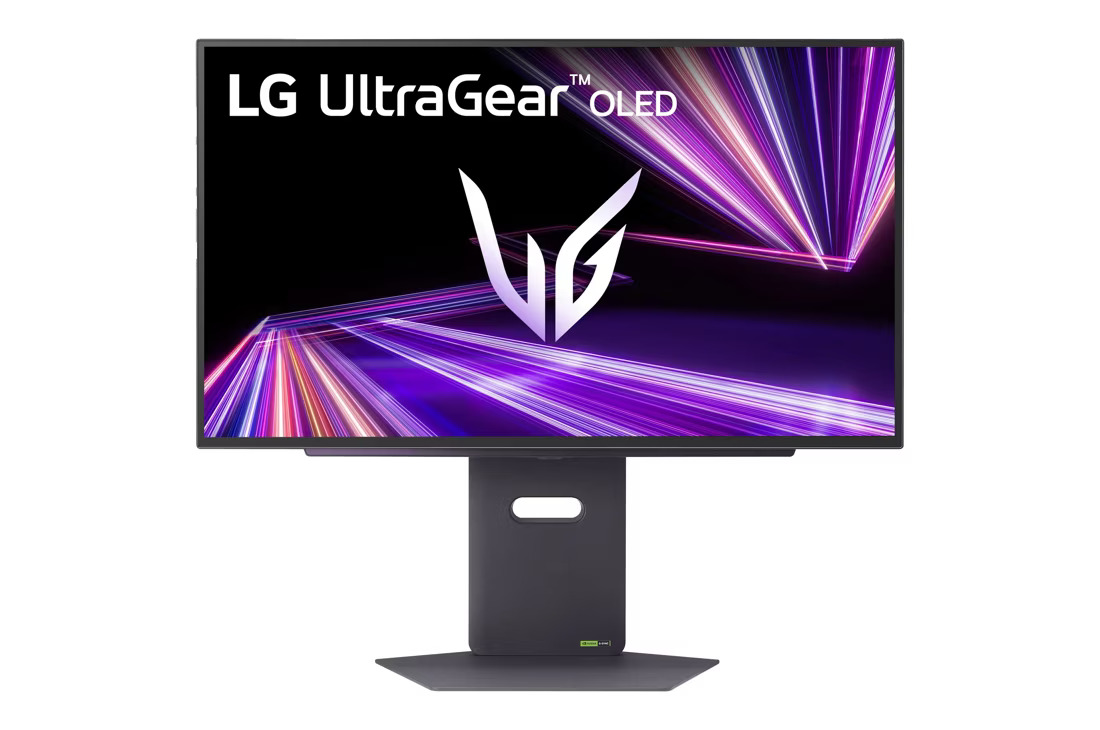
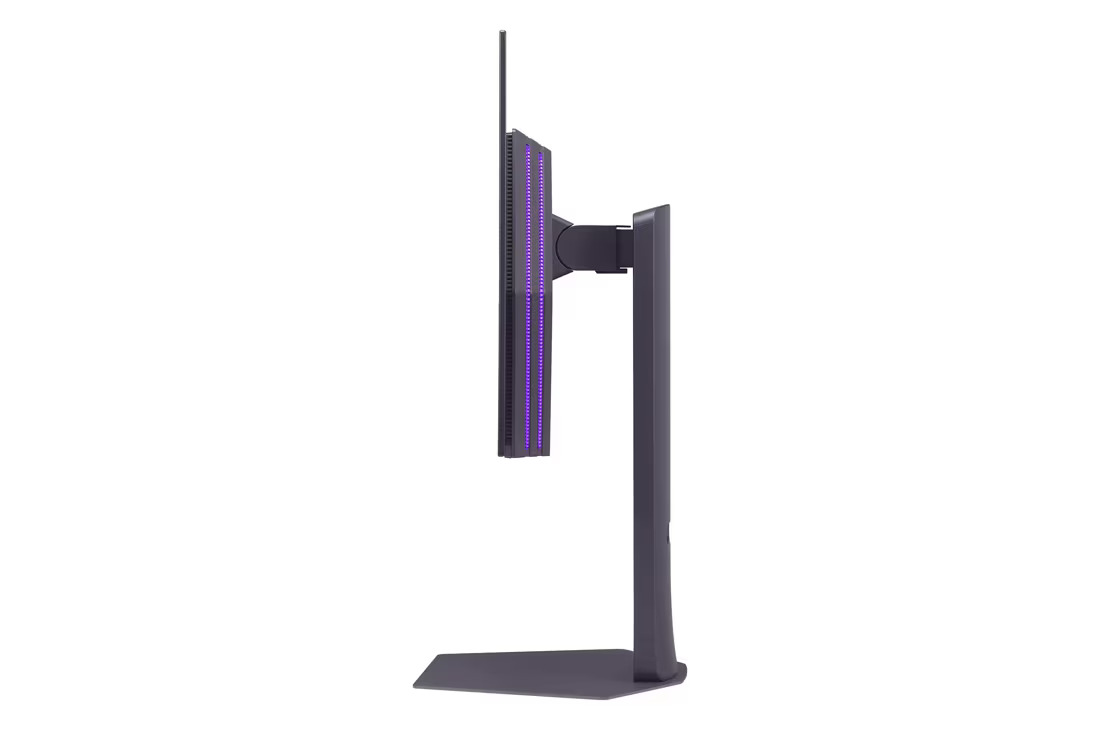
LG has recently launched a new ultra-high refresh rate monitor in the global market called the UltraGear GX7. This 27-inch QHD OLED gaming monitor supports up to 480Hz refresh rate, making it ideal for esports and visually stunning triple-A games.
LG UltraGear GX7 features
At the heart of the GX7 (UltraGear OLED 27GX790A) lies its groundbreaking 480Hz refresh rate and 0.03ms Gray-to-Gray (GTG) response time panel, making it the fastest QHD (2,560 x 1,440p) OLED monitor on the market. Whether you’re engaging in fast-paced shooters or strategy games, the GX7 ensures that every frame is rendered seamlessly.
LG UltraGear OLED 27GX790A
The monitor uses LG’s advanced WOLED technology, featuring a white OLED light source and color filters, and delivers stunning visuals with vibrant colors, deep blacks, and infinite contrast ratio. The panel is certified with VESA Display HDR True Black 400 and covers 98.5% of the DCI-P3 color gamut. It has an AGLR coating that further enhances the viewing experience by reducing glare and reflections, ensuring clarity even in bright environments.
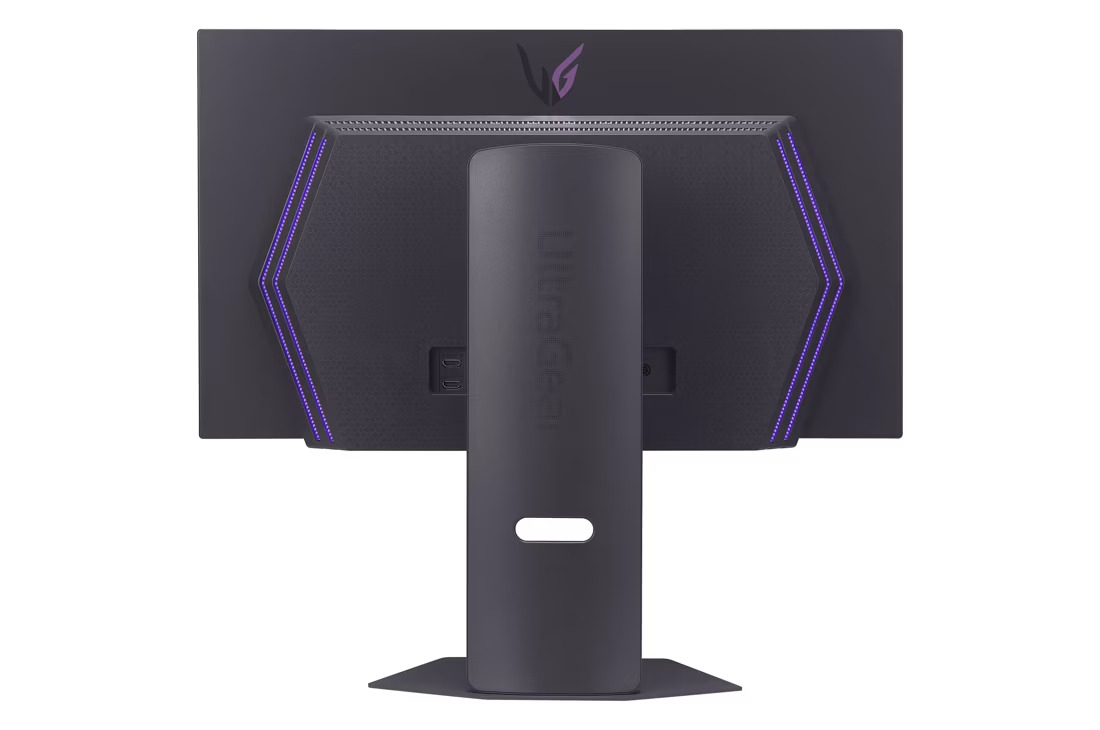
The GX7’s sleek, 4-side virtually borderless design minimizes distractions and maximizes immersion. It has an ergonomic flat L-shaped stand not only saves desk space but also offers a wide range of adjustments.
The GX7 also offers a range of additional features to make your gaming experience more engaging:
NVIDIA G-SYNC and AMD FreeSync Premium Pro: Eliminate screen tearing and stuttering for fluid gameplay.
DisplayPort 2.1 and HDMI 2.1: Support high refresh rates and resolutions, future-proofing your setup.
4-Pole Headphone Jack with DTS Headphone: Immerse yourself in 3D audio for precise spatial awareness.
VESA DisplayHDR True Black 400 and VESA ClearMR: Deliver exceptional HDR performance and motion clarity.
Pricing & availability
The UltraGear OLED 27GX790A is currently sold exclusively through LG for $999.99.
In other news, AOC has recently launched the AGON AG276FK, a 27-inch gaming monitor tailored for competitive eSports players. Key features include a 520Hz refresh rate, Fast IPS panel, 1ms GtG response time, Adaptive Sync, low input lag, and HDR 400 certification.
We just shared a list of the Best PlayStation Black Friday Game Deals. Now, here are some of the best game deals for the Xbox during the Black Friday sales. There are a bunch of great titles like Sekiro, Cyberpunk 2077, and much more. So let’s check it out.
Star Wars Outlaws
Star Wars Outlaws
Star Wars Outlaws is a third person action adventure game from the same universe as the popular Star Wars series. It brings a new spin to the video game series by transitioning the campaign in this Star Wars game into an open world format. In this game you take on the role of Kay Vess, who is seeking a new life. Despite being the newest game in this list, it is still on sale for 52.49 US Dollars for a 25 percent discount, down from its 70 US Dollar price tag.
Cyberpunk 2077 Ultimate Edition
Cyberpunk 2077
Despite a rocky launch, Cyberpunk 2077 managed to pull things around and become a beloved game in recent years. Now, the Ultimate Edition of Cyberpunk 2077 is on sale, bringing you the base game with the Phantom Liberty DLC. It is on a 40 percent sale. The bundle originally costs 79.99 US Dollars, but it is now listed for 47.99 US Dollars. In the Ultimate Edition, gamers can immerse themselves in this story set in the dark future. Create your own character and become a legend in Night City.
Red Dead Redemption 2
Red Dead Redemption 2
Rockstar launched Red Dead Redemption 2 back in 2018, but it is still held as one of the best open word games of all time. The action packed game tells a compelling story set in 1899 in the United States, during the time of outlaws in the Wild West. So get ready for intense shootouts, robberies, hinting, and moral choices. Red Dead Redemption 2 includes not just the impressive story mode, but also Red Dead Online. You can get your hands on this game for just 19.79 US Dollars for a 67 percent discount.
Sekiro Shadow Die Twice GOTY Edition
Sekiro Shadwo Die Twice
We also have a FromSoftware game on this list. Sekiro Shadow Die Twice is on a massive 50 percent discount for its Game of The Year Edition. For just 29.99 US Dollars, gamers get an intense and thrilling action packed gamed. While it cutdowns some of the role playing elements and character creation, it consolidates the experience with a named protagonist and new gameplay mechanics. This title pairs an intense and engaging combat system that relies on precise parrying along with new skills and a prosthetic arm with a grapple hook for improved mobility.
Hogwarts Legacy
Hogwarts Legacy
Expanding on the magical world first introduced from the Harry Potter franchise, we have Hogwarts Legacy. In this third person action RPG, players creaters their own wizard or witch, who is entering the Hogwarts School of Witchcraft and Wizardry. As the player progresses, you learn new skills, spells, become better at brewing potions, and master combat abilities. Gamers take on in-game challenges and builds relationships with various NPCs. It is available right now for 20.99 US Dollars, marking a 70 percent discount.
We use cookies on our website to give you the most relevant experience by remembering your preferences and repeat visits. By clicking “Accept”, you consent to the use of ALL the cookies.
This website uses cookies to improve your experience while you navigate through the website. Out of these, the cookies that are categorized as necessary are stored on your browser as they are essential for the working of basic functionalities of the website. We also use third-party cookies that help us analyze and understand how you use this website. These cookies will be stored in your browser only with your consent. You also have the option to opt-out of these cookies. But opting out of some of these cookies may affect your browsing experience.
Necessary cookies are absolutely essential for the website to function properly. This category only includes cookies that ensures basic functionalities and security features of the website. These cookies do not store any personal information.
Any cookies that may not be particularly necessary for the website to function and is used specifically to collect user personal data via analytics, ads, other embedded contents are termed as non-necessary cookies. It is mandatory to procure user consent prior to running these cookies on your website.