Advertisement

ASUS’s 3,599 Yuan (~$500) Azoth Extreme mechanical keyboard goes on sale in China

ASUS launched the Azoth Extreme mechanical keyboard last month, which is now available for sale in China for a price tag of 3,599 Yuan (~$500). This is a customizable gaming keyboard with a premium aluminum alloy chassis and metal frame.

This keyboard features a report rate of 8000 Hz and a customizable OLED touchscreen

The front also equips an OLED touch screen, which you can customize using Armoury Crate software. This touchscreen and the three-way knob enable system monitoring and quick adjustments.

This mechanical keyboard features an 8000 Hz report rate with the ROG Polling Rate Booster. For context, its predecessor offers a polling rate of 1000 Hz. For those unfamiliar, the polling rate indicates how frequently the keyboard’s inputs are transmitted to the computer. This new product offers over 1600 hours of battery life in ROG SpeedNova 2.4 GHz wireless mode.

Speaking of the typing experience, the carbon-fiber positioning plate ensures a crisp typing sound, while three dampening layers absorb vibrations. The keyboard comes with an adjustable gasket mount with a paddle switch, which offers two typing preferences. It also offers RGB LED per key. You can see some of the design elements in the images.

The product uses USB 2.0 (TypeC to TypeA) and Bluetooth 5.1 for wired and wireless connectivity and supports AURA Sync. It comes with a 2M USB type A to C braided cable. It has a dimension of 332 x 139 x 40 mm and weighs around 2200g (with wrist rest included).

In addition to the things mentioned above, you get a ROG nameplate, keycap puller, switch puller, USB dongle, USB extender, ROG NX switches * 2, Ctrl keycap, foam stickers for ROG keyboard stabilizer swap* 8, and ROG cleaning cloth in the box.

Nintendo’s The Legend of Zelda: Tears of the Kingdom wireless earbuds get two new color options

Nintendo has released new color variants of its Zelda-themed wireless earbuds exclusively in the UK and Ireland. The green and white models join the existing black version, all priced at £34.99. While the black earbuds feature unique branding, the green and white options boast a distinct design. Notably, the green model has already sold out.

The earbuds offer Bluetooth 5.0 connectivity, a balanced sound profile, and up to six hours of battery life per charge. The charging case provides three additional charges. Each case displays the Tears of the Kingdom logo, and the earbuds feature the iconic Triforce insignia.

Produced by OTL Technologies, the package includes earbuds, a charging case, a USB-C cable, a manual, and multiple ear tip sizes.

In other news, pricing and details of the OnePlus Buds 3 Pro have recently leaked. As per reports, the Buds 3 Pro will have a €199 pricetag with features like an 11mm woofer, 6mm tweeter, and Dynaudio-tuned sound. Improvements include 50 dB noise cancellation (up from 48 dB) and a battery life of up to 43 hours with the case. However, its 94ms delay might not be ideal for gamers. Other than that, the earphones are said to include LHDC 5.0 audio technology, IP55 dust and water resistance, and Bluetooth 5.4 connectivity.

(Source, via)

Apple AirPods (2nd Gen) retail at the lowest price of Rs 7,500

Apple AirPods 2nd Generation is on sale for the price of Rs 7500 via Flipkart in India. The premium earphones from Apple usually retail for the price of Rs 8,999, but the recent Rs 1500 discount is making the earphones available for the price of Rs 7500. The Rs. 1500 discount is available on all bank credit cards. It is worth considering the Apple AirPods Pro 2nd generation at the present discount offer.

Apple AirPods 2 Generation

Apple AirPods 2nd Generation offers premium sound and flawless compatibility with all Apple iPhones. After April, it’s for the second time that the price has plunged to Rs 7500 this year. There are some no-cost EMI offers too via some bank cards via Flipkart.

Apple AirPods 2nd Generation Features

The Apple AirPod Pro offers premium sound quality and a comfortable design. The semi-in-ear tips instead of the AirPod Pro’s silicone ear tips. However, it fails to impress with the noise cancellation. Further, it is coupled with an H1 headphone chipset that offers crystal-clear sound quality.

Apple AirPods (2nd Gen) offer up to 3 hours of talk time and rapid charging speed. The AirPods come with a year of warranty and offer up to 3 hours of talk time. The total time increases substantially if we incorporate the battery charging case capacity.

However, Apple recently introduced the Apple AirPods Pro (2nd Generation), which offers several new features and advancements in comparison with the Apple AirPods Pro 1st Generation. It offers lossless audio support with ultra-low latency. It offers an improved IP 54 rating to protect against dust and water resistance. AirPods Pro 2nd Gen comes with 2x Active Noise Cancellation, an advanced transparency mode, and a more immersive spatial audio experience. It is available with a price tag of $249.

Specs Comparison: CMF Phone 1 vs Poco X6

CMF Phone 1: July 2, 2024

Poco X6: July 9, 2024

SPECS TABLE

CMF Phone 1Poco X6
Price$259$317
Display6.67-inch AMOLED screen6.67-inch AMOLED screen
Refresh rate1 – 120Hz adaptive1 – 120Hz adaptive
Rear cameras50MP wide (f/1.8), 2MP depth (f/2.4).64MP wide (f/1.8), 8MP ultrawide (f/2.2), 2MP macro (f/2.4).
Front camera16MP (f/2.0)16MP (f/2.4)
ChipsetMediaTek Dimensity 7300Qualcomm SM7435-AB Snapdragon 7s Gen 2
RAM6GB, 8GB8GB, 12GB
Storage128GB, 256GB256GB, 512GB
Battery5000 mAh5100 mAh
Charging33W wired67W wired
Water/dust resistanceDust/water-resistantIP54 dust/water-resistant
Size164 x 77 x 8.2 mm (6.46 x 3.03 x 0.32 in)161.2 x 74.3 x 8 mm (6.35 x 2.93 x 0.31 in)
Weight202g (6.95 ounces)181 g (6.38 oz)
ColoursBlack, Orange, Light GreenBlack, White, Blue
CMF Phone 1 vs Poco X6 comparison table.

Both CMF and Poco are subsidiaries of certain smartphone companies, and they both cater to the needs of the mid-range Android market. In this article, we will put one device from Poco against the first smartphone entry from CMF ever since its launch. Let’s now closely compare the CMF Phone 1 with the Poco X6 to see which is the better pick.

CMF Phone 1 vs Poco X6: Price

CMF Phone 1
Poco X6
CMF BY NOTHING Phone 1 5G (128 GB) (6 GB RAM) (Black)
POCO X6 5G (Mirror Black, 8 GB RAM 256 GB Storage)
₹ 15,999
₹ 18,999
CMF Phone 1
CMF BY NOTHING Phone 1 5G (128 GB) (6 GB RAM) (Black)
₹ 15,999
Poco X6
POCO X6 5G (Mirror Black, 8 GB RAM 256 GB Storage)
₹ 18,999

Please Note: When you buy something using the links in our articles, we may earn a small commission at no cost to you.

CMF Phone 1 vs Poco X6: Design and colours

CMF Phone 1:

The CMF Phone 1 comes with a very impressive design language that might not be for everybody. It comes with a dual rear camera setup as well as a circular cutout towards the base of the device for modular add-ons. On the right side of the device sits the power button, and to the left side are the volume rocker keys. At its base is the USB-C port, speakers, microphone, and the SIM tray slot. A major selling point for this device is its modular design, as users can sap out the rear panel for a different colour or screw in different accessories. Available colour options on this device are Black, Orange, and Light Green.

Poco X6:

In terms of looks, the Poco X6 is an overall more attractive device in comparison with the CMF Phone 1. It comes with an impressive finish as well as a camera island that expands across the device’s top half. This cutout houses the rear facing cameras, flash, and the Poco logo. On the right side of the device are the volume rocker keys and the power button, while the left side is plain. Having a look at the top of this device is the 3.5mm headphone jack and speakers. At the base is the USB-C port, SIM tray, and a downward firing speaker. The available colour options on this device are Black, White, and Blue.

Major differences:

  • Modular design on the CMF Phone 1.
  • 3.5mm headphone jack on the Poco X6.

CMF Phone 1 vs Poco X6: Display

CMF Phone 1 and Poco X6:

When it comes to the display performance of these devices, they come with some similarities. First they both come with AMOLED screen displays, the CMF Phone 1 comes with a higher peak brightness. Despite featuring the same screen size, the Poco X6 comes with slimmer bezels than the CMF Phone 1.

Major differences:

  • Brighter display and slimmer bezels on the Poco X6.

CMF Phone 1 vs Poco X6: Cameras

CMF Phone 1 and Poco X6:

Unlike the CMF Phone 1, the Poco X6 comes with three rear facing cameras. On the CMF Phone 1 users get a 50MP main camera and a 2MP depth sensor. For the Poco X6, it comes with a 64MP main sensor, an 8MP ultrawide sensor and a 2MP macro. Up front, both devices come with a 16MP selfie shooter, and they also support 4K video recording on the rear facing cameras.

Major differences:

  • Triple rear camera setup on the Poco X6.
  • Dual rear camera setup on the CMF Phone 1.

CMF Phone 1 vs Poco X6: Performance

CMF Phone 1 and Poco X6:

Performance is one area where these devices stand apart from one another. The CMF Phone 1 comes with the MediaTek Dimensity 7300 processor, while the OnePlus Nord CE4 Lite comes with the Snapdragon 7s Gen 2 processor. From a series of testing, the processor in the CMF Phone 1 outperforms that in the OnePlus Nord CE4 Lite. But Poco makes up for its loss by offering up to 12GB RAM capacity for users.

Major upgrades & differences:

  • Better processor on the CMF Phone 1.
  • 12GB RAM on the Poco X6.

CMF Phone 1 vs Poco X6: Software

CMF Phone 1 and Poco X6:

Both devices run on Android 14 but use different software. The CMF Phone 1 uses the Nothing OS, while the Poco X6 makes use of the MIUI 14 software. You can get up to 3 years of OS upgrade if you purchase either of these devices.

Major differences:

  • CMF Phone 1 runs OriginOS 4.
  • Poco X6 runs MIUI 14.

CMF Phone 1 vs Poco X6: Battery life and charging

CMF Phone 1 and Poco X6:

In this area, the OnePlus Nord CE4 Lite performs better than the competition. It comes with a larger, 5110mAh battery and faster 67W charging ability.

Major differences:

  • Larger battery and faster charging on the Poco X6.

CMF Phone 1 vs Poco X6: Final Verdict

In this comparison, when it comes to performance the CMF Phone 1 is the top pick hence offering more value for your money. However, the Poco X6 comes with more memory capacity as well as faster charging. Which device will you pick when shopping? Let us know in the comment section below.

OPPO Reno 12 light blue color option exposed in real-life image: pre-sale starts tomorrow

Oppo launched the Reno 12 series last month with an IP65 dust and water resistance rating. The phone’s light blue color option will go on sale in China tomorrow. The phone is reportedly listed on JD.com, according to which, the price tag is 2,699 Yuan (~$377).

You can see the device in the light blue color option in the image above, which is apparently taken from one of the company’s official stores. The relatively fresh light blue color looks very suitable for the summer atmosphere.

The configuration remains the same as the standard edition. For those unfamiliar, the phone packs a 6.7″ AMOLED display with a resolution of 1080 x 2412 pixels. The panel reaches a peak brightness of 1200 nits and is protected with Gorilla Glass Victus 2. There is an under-display optical fingerprint scanner.

The phone is powered by the Dimensity 7300-Energy chipset (4nm) and runs ColorOS 14.1. This is paired with UFS 3.1 storage and 8GB or 12GB of LPDDR4X memory. The standard edition comes in two different storage options – 256GB and 512GB.

On the back, the phone packs a plastic battery cover and a triple camera setup within a rectangular camera island. The back camera setup consists of a 50MP Sony LYT-600 main sensor (1/1.95″), an 8MP ultrawide (1/4.0″), and a 2MP macro camera. On the front, the phone equips a 32 MP centered hole-punch selfie camera, which is measured at 1/3.1″ in size.

There is a 5000mAh battery inside and the phone supports 80W fast charging. Despite housing a big battery, the phone weighs only 177g and is 7.6mm thick. The middle frame is made of plastic.

(Via)

Group1 unveils the world’s first 18650 potassium-ion battery

Group1 has made significant strides in battery technology with the introduction of the world’s first 18650 cylindrical potassium-ion battery.

This innovative development could offer a viable alternative to the dominant lithium-ion batteries, addressing concerns over supply chain constraints and environmental impact.

Group1 world’s first 18650 potassium-ion battery

The battery delivers advanced cycle life and strong discharge performance

Unlike lithium-ion batteries, potassium-ion batteries utilize potassium ions as charge carriers. Despite the different chemistry, they maintain the standard 18650 form factor, ensuring compatibility with existing devices and infrastructure.

The new battery boasts a nominal voltage of 3.7V and an energy density comparable to lithium iron phosphate batteries, making it suitable for a wide range of applications.

Potassium-ion batteries offer the advantage of using readily available commercial components like graphite anodes and separators, which reduces dependency on critical minerals such as nickel, cobalt, and lithium. This could result in more stable supply chains and lower production costs.

Group1 world’s first 18650 potassium-ion battery

While potassium-ion batteries show promise in terms of performance and sustainability, the technology is still in its early stages. Challenges such as optimizing energy density and extending cycle life need to be addressed for widespread adoption.

These batteries hold immense promise, however, it’s important to note the concurrent development of sodium-ion batteries as well. These batteries also leverage abundant and inexpensive materials, offering benefits like faster charging and improved safety. Although their energy density currently lags behind lithium-ion, ongoing research is rapidly advancing their capabilities, making them a potential contender for large-scale energy storage solutions.

The emergence of potassium-ion and sodium-ion batteries signifies a pivotal moment in the battery industry. As research and development progress, these technologies could reshape the energy landscape, providing more sustainable and efficient power sources for a wide range of applications.

Alexander Girau, CEO of Group1, expressed enthusiasm about the potential of potassium-ion batteries to reshape the energy storage landscape. “Years of dedicated research have culminated in this breakthrough,” he stated. “We believe this technology will play a pivotal role in driving sustainable and efficient energy solutions.”

(Source)

Huawei launches 100W GaN charger with fusion-interface for just less than $50

Huawei has quietly launched a new charging solution on its JD.com flagship store – the “Huawei All-in-one Multi-Port Charger.” It’s a 100W GaN charger with a fairly familiar and affordable price. So let’s get into the details here. 

Huawei All-in-one Multi-Port Charger Specifications

The charger itself appears fairly standard, the white, plastic charger features a standard design with one foldable pin. This allows for easier storage and portability, a practical feature for travelers.  Beyond the foldable pins, the design offers little in terms of novelty.

Efficiency seems to be the focus, with Huawei touting its “efficient dual-channel current sharing architecture” and “gallium nitride technology.” These elements, paired with graphite heat dissipation, aim to deliver a powerful charger in a compact form factor.

The connectivity options are fairly standard but it’s the execution of port that is particularly interesting. The charger has a USB-A and USB-C port joint together that Huawei is calling a fusion interface. It is accompanied by a dedicated USB-C port.

Protocol support includes the usual suspects – PD/PPS/QC – ensuring compatibility with a wide range of devices. In terms of power delivery, the charger offers 100W of output from a single port. When utilizing both ports simultaneously, there are four different combinations possible:

  • 88W Max (USB-A/C1) + 18W Max (USB-C2)
  • 66W Max (USB-A/C1) + 40W Max (USB-C2)
  • 40W Max (USB-A/C1) + 66W Max (USB-C2)
  • 18W Max (USB-A/C1) + 88W Max (USB-C2)

This isn’t the first time Huawei has experimented with GaN-based chargers. Their existing “SuperPower Wall Charger” offers a maximum output of 88W, suggesting the 100W model could have been intended as a higher-tier option.  

As for the price, the Huawei All-in-one Multi-Port Charger is available on JD.com for 349 yuan (~ $50).

Best Phones under ₹20000 – August 2024

In the rapidly transforming world of smartphones, finding a feature-packed device without breaking the bank is a challenge. Under ₹20,000, today’s smartphones offer impressive displays, powerful processors, long-lasting batteries, and fast charging capabilities, making premium technology accessible to all. Whether you’re looking for good visuals, robust performance, or exceptional value, this phone segment has something to cater to every need.

Lets dive into the best phones under ₹20,000 that deliver top-notch experiences without compromising on quality.

CategoryPhoneHighlightLink
Best DisplayPoco X6, Realme Narzo 70 ProSuperior AMOLED displays with high brightness; Dolby Vision, HDR10+₹ 18,999, ₹ 15,998
Best PerformancePoco X6Snapdragon 7s Gen 2 chipset, planned upgrade to Android 14 for future-proofing₹ 18,999
Best BatterySamsung Galaxy M356000 mAh battery, ensuring long-lasting use₹ 19,999
Best ChargingRealme Narzo 70 ProFast charging with 67W, reaching 50% in just 19 minutes₹ 21,999
Value for Moneyvivo iQOO Z9Priced at ₹10500, offers great features like a high-quality display and fast charging at a competitive price₹ 19,999

iQOO Z9

PRICE: ₹18500

The vivo iQOO Z9 is IP54 rated, making it dust and splash-resistant, ensuring durability in various environments. The device features a 6.67-inch AMOLED display with a 120Hz refresh rate, providing an immersive visual experience. The Dragontrail Star 2 Plus protection and Always-on display add to its robustness and usability. Running on Android 14 with Funtouch 14, the phone is powered by the Mediatek Dimensity 7200 chipset, an octa-core CPU, and Mali-G610 MC4 GPU, ensuring smooth performance and efficient multitasking.

The dual main camera setup includes a 50 MP wide lens with PDAF and OIS, and a 2 MP depth sensor, capable of capturing 4K videos with gyro-EIS. The 16 MP front camera ensures clear selfies and 1080p video recording. With stereo speakers and Hi-Res audio, the sound quality is top-notch. The device supports Wi-Fi 6, Bluetooth 5.3, and various positioning systems for seamless connectivity. The 5000 mAh battery supports 44W wired charging, reaching 50% in 30 minutes.

Pros:

  1. Display: High-quality AMOLED with 120Hz refresh rate and HDR.
  2. Performance: Efficient Mediatek Dimensity 7200 chipset.
  3. Battery: Long-lasting 5000 mAh with fast 44W charging.

Cons:

  1. No 3.5mm Jack: Lack of a headphone jack might be inconvenient for some users.
  2. Limited Camera Setup: Only a dual-camera system, which may appeal to something other than photography enthusiasts.
  3. No NFC & Radio: Absence of NFC and FM radio features.

Realme Narzo 70 Pro

PRICE: ₹17998

Realme Narzo 70 Pro stands out with its premium features and sleek design, perfect for tech enthusiasts and everyday users alike. With an IP54 rating, it is dust and splash-resistant, ensuring durability. The 6.67-inch AMOLED display delivers vibrant visuals with a 120Hz refresh rate, and HDR10+ support, making it ideal for multimedia consumption. Running on Android 14 with Realme UI 5.0, the device is powered by the Mediatek Dimensity 7050 chipset and Mali-G68 MC4 GPU.

The triple-camera setup includes a 50 MP main camera, an 8 MP ultrawide lens, and a 2 MP macro sensor, providing versatile photography options. The 16 MP front camera ensures high-quality selfies and video calls. Connectivity options include Wi-Fi 6, Bluetooth 5.2, and various positioning systems. The 5000 mAh battery supports 67W wired charging, reaching 50% in just 19 minutes. Available in Green and Gold, the Narzo 70 Pro combines aesthetics with advanced technology.

Pros:

  1. Display: Superior AMOLED with 120Hz refresh rate and HDR10+.
  2. Fast Charging: 67W charging, reaching 50% in 19 minutes.
  3. Audio: Includes a 3.5mm jack and Hi-Res audio.

Cons:

  1. No Expandable Storage: Lack of a microSD card slot.
  2. NFC: Absence of NFC.
  3. Camera Video: Limited to 1080p@30fps video recording.

Poco X6

PRICE: ₹16500

The Poco X6 comes with an IP54 rating, making it dust and splash-resistant. The 6.67-inch AMOLED display supports, a 120Hz refresh rate, and Dolby Vision, ensuring vibrant and smooth visuals. The display, protected by Corning Gorilla Glass Victus, reaches a peak brightness of 1800 nits, perfect for outdoor use. The device runs on Android 13 with MIUI 14 and is planned for an upgrade to Android 14, offering a seamless user interface powered by the Qualcomm Snapdragon 7s Gen 2 chipset. The octa-core CPU and Adreno 710 GPU ensure efficient multitasking and gaming performance.

The triple-camera setup includes a 64 MP main camera, an 8 MP ultrawide lens, and a 2 MP macro sensor, capable of 4K video recording. The 16 MP front camera supports HDR and 1080p video recording, ensuring clear selfies and video calls. It features dual speakers, a 3.5mm jack, and Hi-Res audio for an immersive sound experience. Connectivity options include Wi-Fi, Bluetooth 5.2, NFC, and an infrared port. The 5100 mAh battery supports 67W wired charging, fully charging in just 44 minutes.

Pros:

  1. Display: Exceptional AMOLED display with 120Hz refresh rate and Dolby Vision.
  2. Battery Life: Large 5100 mAh battery with fast 67W charging.
  3. Performance: Powerful Snapdragon 7s Gen 2 chipset with planned OS upgrade.

Cons:

  1. No Expandable Storage: Lack of a microSD card slot.
  2. NFC Availability: NFC is market/region dependent.
  3. Radio: No FM radio support.

Samsung Galaxy M35

PRICE: ₹19999

Samsung Galaxy M35 offers an impressive blend of performance and features, making it an excellent choice for users seeking a robust mid-range smartphone. Its 6.6-inch Super AMOLED display with a 120Hz refresh rate and 1000 nits peak brightness ensures vivid and smooth visuals, ideal for multimedia and gaming. Running on Android 14 with One UI 6.1, the Galaxy M35 is powered by the Exynos 1380 chipset and Mali-G68 MP5 GPU.

The triple-camera system includes a 50 MP main camera, an 8 MP ultrawide lens, and a 5 MP macro sensor, allowing users to capture high-quality photos and 4K videos. The 13 MP front camera supports 4K video recording, ensuring detailed selfies and video calls. The device has stereo speakers, Wi-Fi 6, Bluetooth 5.3, NFC, and a large 6000 mAh battery with 25W wired charging, ensuring long-lasting use. With storage options up to 256GB and microSDXC support, it offers ample space for all your needs. 

Pros:

  1. Display: High-quality Super AMOLED display with 120Hz refresh rate.
  2. Battery Life: Large 6000 mAh battery for extended use.
  3. Performance: Efficient Exynos 1380 chipset with ample RAM options.

Cons:

  1. No 3.5mm Jack: The absence of a headphone jack may be inconvenient for some users.
  2. NFC Availability: NFC is market/region dependent.

Nothing CMF Phone 1

PRICE: ₹16775

The CMF Phone 1 is a sleek and reliable smartphone designed to deliver excellent performance at an affordable price. Featuring a 6.67-inch AMOLED display with a 120Hz refresh rate and a peak brightness of 2000 nits, it offers vibrant and smooth visuals. Running on Android 14, the device is powered by the Mediatek Dimensity 7300 chipset and Mali-G615 MC2 GPU.

The dual-camera system includes a 50 MP main camera and a 2 MP depth sensor, capable of capturing 4K videos. The 16 MP front camera supports 1080p video recording, ensuring high-quality selfies and video calls. With a 5000 mAh battery, 33W wired charging, and 5W reverse wired charging, the CMF Phone 1 offers long-lasting battery life and quick recharging. 

Pros:

  1. Display: AMOLED screen with 120Hz refresh rate and high brightness.
  2. Battery: Robust 5000 mAh battery with fast 33W charging.
  3. Performance: Efficient Mediatek Dimensity 7300 chipset.

Cons:

  1. No 3.5mm Jack: Absence of a headphone jack may be inconvenient for some users.
  2. NFC: Lack of NFC capability.
  3. Basic Camera Setup: Dual-camera system may not appeal to advanced photography enthusiasts.

Each phone offers a unique set of strengths. The Poco X6 and Realme Narzo 70 Pro stand out for their display and charging capabilities. The Samsung Galaxy M35 offers the best battery life, making it ideal for heavy users. The iQOO Z9 provides excellent value for budget-conscious consumers, while the CMF Phone 1 balances performance and price effectively.

Surfshark VPN Review: Enjoy Protection with Extras at an Affordable Price

Privacy concerns have always remained in the limelight since the evolution of the Internet. With time, different tools, firewalls, and utilities have been developed to bolster the overall security of the network and data. In recent times, VPNs have become a primary tool that safeguards privacy while accessing the network. Nowadays, the advantages have varied, and users tend to use VPN services. SurfsharkVPN is one of the most talked-about VPN service providers around the globe. We have reviewed the VPN and found some advantages that are worth the applause and some issues that might hinder the ‘perfect’ experience. Let’s dive in for details.

Key Takeaways

  • Surfshark offers useful features to hide your identity, safeguard your privacy, and even enhance system security.
  • Surfshark offers a free seven-day trial on Android, iOS, and Mac, along with a 30-day money-back guarantee.
  • Don’t worry about logs, as Surfshark doesn’t keep any logs.

Installation

SurfShark is compatible with almost every popular operating system, including MacOS, Windows, Android, and iOS, MacOS, and browsers such as Google Chrome, Mozilla Firefox, and Microsoft Edge. Below are the details of our setup:

Machine Environment

We tested the Surfshark VPN on an Android, iOS, and Windows OS machine and compared the features after rigorously testing the VPN across different use cases. We used different applications across different countries and tried to flaunt the features marketed by the VPN fully, and the results were satisfying. We tested the services from Toronto, Canada, and Chandigarh, India, to better evaluate the overall service. Moreover, what excites us is the company’s no-log audit report, which promises privacy for the end user. Below is the result of our evaluations:

There are several other competitors in the VPN space; however, Surfshark has maintained its spot by offering VPN services with some extra features at an affordable price.

Why We Recommend the SurfShark VPN

Note: For test purposes, we have used some online streaming services using VPNs. In no way do we recommend using these services unethically.

Unblocking the Web

After the initial setup, we tried Surfshark VPN using its WireGuard protocol by accessing Weibo.com from India as it is blocked currently. However, with the Surfshark the website opened like a flash without a major delay. Moreover, we tried accessing some Prime Video India content from our Toronto location, and the content was buffering without any buffering in Full HD.

Speed Tests

Further, we tried the VPN using the OpenVPN Protocol and did a speed test from Toronto, and it offered a 340 Mbps download speed. From our location in India, it touched 130 Mbps download speed. However, speed to far-off locations often reduces the speed below 100Mbps. There’s a significant drop in speed if you want to access Australian servers from Toronto, Canada.

Alternative ID

Moreover, the user can fake their profiles with the Alternative ID in countries such as the United States, Australia, Brazil, Denmark, Germany, and Portugal.

Ease of Access

Logging into the SurfShark VPN has become easy, as users can easily log in on different devices using a QR code from devices that are already logged in. There’s also an option to log into the Surfshark account with an Apple or Google account. Such practices help users easily access the services across devices.

Better User Interface with Kill Switch

In addition to Android and iOS apps, Surfshark offers a modern and easily accessible user interface. Precisely, the Android app has passed Google’s Mobile Application Security Assessment, confirming that SurfShark uses some best practices to secure the user’s data and privacy. Further, the user can use a Kill Switch (Soft or Strict) to fully cut down on internet access if the VPN is not active. It is a quite useful feature in some scenarios.

Split Tunneling

Surfshark Bypass is another useful feature that allows the VPN to bypass certain apps, programs, or websites.

Among the features listed on the product page, the product stuns with features like WireGuard, AlternativeID, and Incogni. Further, the no-logging policy attracted our attention. It bundles the ability to unlock Netflix, Player, Amazon, Prime, and Disney Plus. If you arrive in an odd situation, the support live chat is not so far away. Moreover, it helps to initiate multiple simultaneous conceptions at no extra cost. To access their network of 3200+ servers across 140+ locations in 100 countries, the user can buy cheap long-term plans.

Compatibility and Security

With extensive support across different operating systems like Windows, Mac, iOS, Android, and Linux. There are also dedicated extensions for Firefox, Chrome, and Edge. It allows users to connect with strong AES-256-GCM encryption and offers support for different protocols, such as OpenVPN, WireGuard, and IKEv2. Users can search on SurfShark without leaving any traces behind. There’s a dedicated antivirus program that protects you from incoming attacks.

Logging Policy

Certain independent security audit reports confirm the ‘strong security posture’. However, there were some general security flaws that were already fixed by Surfshark. In another audit, Deloitte verified the ‘no-logs’ policy claim and found the server setup “properly prepared, in all respects, by Surfshark’s description of its no-logs policy.”

Other Features

  • WireGuard Protocol: Surfshark’s WireGuard protocol offers faster speeds and enhanced security compared to traditional VPN protocols.
  • No-Logging Policy: The No-Logging Policy is a major advantage of using Surfshark, as none of your online activities are tracked or stored.
  • Streaming Access: It unlocked popular streaming services like Netflix, Amazon Prime, Disney Plus, etc.
  • Live Chat Support: The support team offers immediate assistance via 24/7 live chat.
  • Strong Encryption: To further protect the user data, the communication is well protected with the AES-256 GCM encryption to secure your data.
  • Protocol Flexibility: It supports multiple VPN protocols like OpenVPN, WireGuard, IKEv2, and others that enhance flexibility and security.
  • Antivirus Integration: Includes a dedicated antivirus to protect against malware and other online threats.

However, since most of the features are part of the SurfShark One subscription, so you won’t be able to enjoy some features in the SurfShark Starter plan.

Future Improvements:

Certain features are limited to Android and Windows PCs; users on Mac or iOS are unable to utilize the Split Tunneling feature. Moreover, the pricing for a single month is a bit expensive, and the same goes for the renewal. Furthermore, you will get more latency for the servers nearest to your locations.

Pricing

ShurfShark offers three different plans including the SurfShark Starter, SurfShark One, and SurfShark One+. These plans could be expensive if you opt only for a month. We suggest going for the 12-month or 24-month plans. There are extensive discounts for long-time plans.

Plan Name24 Months (+3 Free Months)
Surfshark Starter$59.12 ~$2.19/M
Surfshark One$72.63 ~$2.69/M
Surfshark One+$115.83 ~$4.29/M
Plan Name12 Months (+3 Months Free)
Surfshark Starter$41.85 ~$2.79/M
Surfshark One$47.85 ~$3.19/M
Surfshark One+$76.35 ~$5.09/M

There are slight upgrades in the Surfshark One and Surfshark One+ plans; however, the difference increases if you opt for the Surfshark Starter. Most of the features are absent from the starter plan. We suggest you opt for the Surfshark One plan if you don’t want to delete your data from company databases or people’s search sites.

With long-term plans, it only costs $2.69 per month. It is worth considering the Surfshark VPN at this price, and we suggest you always opt for a 2-year plan to maximize the savings.

Conclusion

There are plenty of features, but those come at a cost, especially if you want to grab it for a month. The user has to shell out ~$15 per month. It is always recommended to grab the annual or biannual plan. The cost compensates better for a long-term plan.

Surfshark has features that would safeguard user privacy and data. Overall, speeds are good from certain locations; however, the speeds hamper once you connect far-off servers from your location. The VPN was able to unblock most of the websites and apps that are blocked in India. It is a better option if users in North America want to access Chinese applications and apps. You will never miss your favorite show while traveling, as the VPN easily unlocks the video streaming service’s content across the globe.

New leak reveals the Google’s new 45W charger for Pixel 9 series

With Google‘s Pixel 9 event set for August 13th, leaks about the new devices keep coming. While most attention has been on the Pixel 9 series and the Pixel Watch 3, a recent leak has shed light on a lesser-known but crucial accessory: a new 45W USB-C charger.

The leak comes from tipster @MysteryLupin who shared images of the charger on X (formerly Twitter). Taking a cue from the upcoming Pixel phones, the charger ditches the traditional square design for a rounder, oval shape. Interestingly, the USB-C port is located at the bottom of the charger, which is unusual since most chargers have it at the top.

The leaked images show the European version of the charger, but the US model is expected to be more compact with standard non-foldable prongs. 

While Google previously offered a 45W USB-C power brick with the Pixelbook, the upcoming charger is noticeably smaller and has a more pleasing design. It also seems smaller than the company’s current 30W charging brick. 

The leak arrives alongside reports suggesting the Pixel 9 Pro XL can fast charge “up to 70%” in 30 minutes. This points towards the phone supporting faster charging speeds than the current 30W limit, explaining the need for a more powerful charger.

While pricing details haven’t been revealed, Google’s existing 30W charger retails for $25. Given the higher power output, we can expect a slight price increase for the 45W version. We’ll likely have confirmation on both pricing and exact features during Google’s August 13th event.

For those who prefer not to spend extra on the new charger, it’s worth noting that the Pixel 9 series devices will support Power Delivery (PD) charging. This means you can use any existing PD charger you have to charge the phone, so you won’t necessarily need to buy the new 45W charger.

One UI 7 will offer more granular game controls with Good Lock Game Module

Samsung is reportedly developing a new Game module for its Good Lock customization platform, set to debut with the upcoming One UI 7 update. This new module will give users more detailed control over game settings, going beyond what the current Game Booster and Game Booster Plus plugins offer.

The confirmation comes directly from a Samsung moderator, who revealed that the company is looking into ways to offer more advanced game settings customization options. 

One UI 7 Good Lokc Game Module

While the current Game Booster plugin offers several essential tools for gamers, many enthusiasts have called for more advanced settings. The new Game module is designed to meet this demand with a more flexible and customizable platform.

Additionally, Samsung may be planning to redesign the Game Booster plugin itself. According to the moderator, the current interface of the Game Booster is “overly complex” and has “poor usability.” As a result, Samsung aims to simplify it, making it more accessible and better suited to user patterns for offering the necessary settings.

Apart from this, One UI 7 is expected to bring several new changes out of the box. A report earlier this week revealed the update will finally include Large Folder support

Likewise, major changes are expected for first-party app icons. Multiple reports so far have claimed that Samsung is drawing inspiration from iOS for the new One UI 7 app icons, though it remains to be seen how this will turn out.

One UI 7, based on Android 15, is scheduled for official release in October. The beta program for the update is expected to commence later this month. We’ll be sure to keep you in the loop on any new developments regarding Samsung’s upcoming Android skin.

Which is better, CMF Phone 1 vs OnePlus Nord CE 4 Lite

CMF Phone 1 vs OnePlus Nord CE 4 Lite

CMF Phone 1: July 2, 2024

OnePlus Nord CE 4 Lite: July 9, 2024

SPECS TABLE

CMF Phone 1OnePlus Nord CE 4 Lite
Price$259$321
Display6.67-inch AMOLED screen6.67-inch AMOLED screen
Refresh rate1 – 120Hz adaptive1 – 120Hz adaptive
Rear cameras50MP wide (f/1.8), 2MP depth (f/2.4).50MP wide (f/1.8), 2MP depth (f/2.4).
Front camera16MP (f/2.0)16MP (f/2.4)
ChipsetMediaTek Dimensity 7300Qualcomm SM6375 Snapdragon 695 5G
RAM6GB, 8GB8GB
Storage128GB, 256GB256GB
Battery5000 mAh5110 mAh
Charging33W wired80W wired
Water/dust resistanceDust/water-resistantIP54 dust/water-resistant
Size164 x 77 x 8.2 mm (6.46 x 3.03 x 0.32 in)162.9 x 75.6 x 8.1 mm (6.41 x 2.98 x 0.32 in)
Weight202g (6.95 ounces)191g (6.74 ounces)
ColoursBlack, Orange, Light GreenSuper Silver, Mega Blue
CMF Phone 1 vs OnePlus Nord CE 4 Lite comparison table.

Both devices that we’ll have a look at in this comparison article are fan favourites. The Nothing CMF Phone 1 got itself a ton of attention, being the brand’s first smartphone. As for the OnePlus Nord CE4 Lite, this device is one of the most affordable devices from OnePlus and the NOrd series is also very popular in the budget smartphone community. So which of these devices is the best pick for you? Let’s find out as we compare them side by side.

CMF Phone 1 vs OnePlus Nord CE 4 Lite: Price

CMF Phone 1
OnePlus Nord CE 4 Lite
CMF BY NOTHING Phone 1 5G (128 GB) (6 GB RAM) (Black)
OnePlus Nord CE4 Lite 5G (Mega Blue, 8GB RAM, 128GB Storage)
₹ 15,999
₹ 19,999
CMF Phone 1
CMF BY NOTHING Phone 1 5G (128 GB) (6 GB RAM) (Black)
₹ 15,999
OnePlus Nord CE 4 Lite
OnePlus Nord CE4 Lite 5G (Mega Blue, 8GB RAM, 128GB Storage)
₹ 19,999

Please Note: When you buy something using the links in our articles, we may earn a small commission at no cost to you.

CMF Phone 1 vs OnePlus Nord CE 4 Lite: Design and colours

CMF Phone 1:

The CMF Phone 1 comes with a very impressive design language that might not be for everybody. It comes with a dual rear camera setup as well as a circular cutout towards the base of the device for modular add-ons. On the right side of the device sits the power button, and to the left side are the volume rocker keys. At its base is the USB-C port, speakers, microphone, and the SIM tray slot. A major selling point for this device is its modular design, as users can sap out the rear panel for a different colour or screw in different accessories. Available colour options on this device are Black, Orange, and Light Green.

OnePlus Nord CE 4 Lite:

The design on this device is quite impressive for a mid-range Android device. It comes with flat side frames and a vertical camera cutout housing two lenses and two flashes. On the right side of this device sits the volume rocker keys and power button. The left side holds the SIM tray as well as a memory expansion slot. At its base is the USB-C slot, speakers, microphone, and a 3.5mm headphone jack.

Major differences:

  • Modular design on the CMF Phone 1.
  • 3.5mm headphone jack on the OnePlus Nord CE 4 Lite.

CMF Phone 1 vs OnePlus Nord CE 4 Lite: Display

CMF Phone 1 and OnePlus Nord CE 4 Lite:

When it comes to the display performance of these devices, they come with some similarities. First they both come with AMOLED screen displays, the OnePlus Nord CE4 Lite comes with a higher peak brightness. Despite featuring the same screen size, the OnePlus Nord CE 4 Lite comes with slimmer bezels than the CMF Phone 1.

Major differences:

  • Brighter display and slimmer bezels on the OnePlus Nord CE 4 Lite.

CMF Phone 1 vs OnePlus Nord CE 4 Lite: Cameras

CMF Phone 1 and OnePlus Nord CE 4 Lite:

These devices come with the same rear and front facing cameras. A main 50MP sensor and a secondary 2MP depth sensor. Up front, this device gives users 16MP sensors with no 4K video recording ability.

Major differences:

  • Nil.

CMF Phone 1 vs OnePlus Nord CE 4 Lite: Performance

CMF Phone 1 and OnePlus Nord CE 4 Lite:

Performance is one area where these devices stand apart from one another. The CMF Phone 1 comes with the MediaTek Dimensity 7300 processor, while the OnePlus Nord CE4 Lite comes with the Snapdragon 695 processor. From a series of testing, the processor in the CMF Phone 1 outperforms that in the OnePlus Nord CE4 Lite. However, both devices come with up to 8GB RAM capacity and 256GB worth of storage.

Major upgrades & differences:

  • Better processor on the CMF Phone 1.

CMF Phone 1 vs OnePlus Nord CE 4 Lite: Software

CMF Phone 1 and OnePlus Nord CE 4 Lite:

Both devices run on Android 14 out of the box but use different software. The CMF Phone 1 uses the Nothing OS, while the OnePlus Nord CE 4 Lite makes use of the OXYGEN OS 14 software. You can get up to 3 years of OS upgrade if you purchase either of these devices.

Major differences:

  • CMF Phone 1 runs OriginOS 4.
  • OnePlus Nord CE 4 Lite runs OxygenOS 14.

CMF Phone 1 vs OnePlus Nord CE 4 Lite: Battery life and charging

CMF Phone 1 and OnePlus Nord CE 4 Lite:

In this area, the OnePlus Nord CE4 Lite performs better than the competition. It comes with a larger, 5110mAh battery and faster 80W charging ability.

Major differences:

  • Larger battery and faster charging on the OnePlus Nord CE 4 Lite.

CMF Phone 1 vs OnePlus Nord CE 4 Lite: Final Verdict

If you want performance and a modular device, then the CMF Phone 1 is the best pick for you among the two devices in consideration in this article. But if you need blazing fast charging on your smartphone, then the OnePlus Nord CE 4 Lite is the right choice for you. The option from OnePlus also offers just one storage configuration, while buyers can pick between a few storage configurations on the CMF Phone 1.

Xiaomi confirms there will be no easy way to disable system ads

Xiaomi phones have long been praised for their affordability and feature-packed offerings. However, a persistent issue for users is the presence of ads within the user interface (UI). While it is possible to disable these ads, the process is complex and falls short of user expectations.

A recent leak suggested that Xiaomi may finally be working to bring a single toggle to switch off system ads entirely. But in a move likely to disappoint many users, the company has now confirmed that this toggle won’t be making an appearance on its Android skin anytime soon.

In a statement to Android Authority, Xiaomi acknowledged plans to improve the user experience by reducing pre-installed apps and “content display entry pages,” hinting at a potential decrease in bloatware. However, the statement explicitly rejected the idea of a dedicated ad-disabling toggle:

“We aren’t currently planning to add a toggle that realistically, only a small number of users would discover and use.”

This reasoning is likely to frustrate many users. Currently, disabling ads requires a multi-step approach. 

Users must find the obscure MSA app within the settings and then delve into individual app settings like File Manager, Music, and Downloads to eliminate all unwanted promotions. This cumbersome process stands in stark contrast to the simple solution users were hoping for.

While the news of reduced bloatware is positive, it doesn’t address the core issue of a scattered and frustrating ad-disabling experience. Xiaomi’s justification for refusing a dedicated toggle seems particularly disingenuous, given that the current system requires users to navigate deep into settings menus across multiple apps.

It remains to be seen if Xiaomi will reconsider its stance in the future. Until then, users yearning for a streamlined ad-free experience may need to look elsewhere or resign themselves to the current convoluted approach.

Oppo A80 5G high-quality renders, specs, and price leaks

Following the recent launch of the Oppo A3x, the company appears to be gearing up for another A-series release: the Oppo A80. A report from 91Mobiles has revealed official-looking renders and specifications of the upcoming phone. 

According to the report, the Oppo A80 may be a rebranded version of the Oppo A3 Energy Edition recently launched in China.

Based on the leak, the A80 5G will have a flat-edged design with a punch-hole display. The rear houses a dual-camera setup with an LED ring, mirroring the A3 Energy Edition’s aesthetics. Color options include Black and Purple, with a Green variant potentially joining the mix globally.  

Oppo A80 5G specs price leak

The display itself is a 6.67-inch HD+ panel with a smooth 120Hz refresh rate and a respectable 1,000 nits peak brightness. Under the hood, the MediaTek Dimensity 6300 chipset handles processing, paired with 8GB of LPDDR4X RAM and 256GB of UFS 2.2 storage. 

The camera department appears to be a budget-conscious affair. The rear features a 50MP primary sensor alongside a 2MP secondary lens, likely for depth information. The front-facing camera for selfies clocks in at 8MP.

The A80 5G is equipped with a 5,100mAh battery that supports 45W SuperVOOC fast charging. It will run on ColorOS 14.0.1 based on Android 14. Security features include a side-mounted fingerprint sensor, and the phone has an IP54 rating for basic dust and water resistance.

Rounding out the package are standard features like a 3.5mm headphone jack, USB Type-C port, NFC, and Wi-Fi 5. Additionally, the phone will have AI features like AI Eraser for cleaning up unwanted objects in photos, AI LinkBoost for network optimization, and AI Charging protection to extend battery life.

According to the report, the Oppo A80 5G will retail at €249 (roughly Rs 22,566) for the 8GB/256GB variant in Europe. The company has not yet announced a launch date for the phone, but we will keep you updated with any new details.

Samsung Galaxy M05 & Galaxy F05 picks up BIS certification ahead of Indian launch

Samsung is gearing up to expand its budget smartphone lineup in India. The company has secured BIS certification for two new models: SM-E055F/DS and SM-M055F/DS, believed to be the Galaxy F05 and Galaxy M05 respectively. Both devices will support dual SIM cards.

Samsung Galaxy M05 BIS

These upcoming models are expected to succeed the popular Galaxy F04 and Galaxy M04. While details remain scarce, anticipated upgrades include improved performance and higher price points compared to their predecessors. In the meantime, you can check out the specs and features of its predecessor to get an idea of what to expect.

Samsung Galaxy M04 specs:

The Samsung Galaxy M04 features a 6.5-inch PLS LCD with an HD+ resolution of 720 x 1600 pixels. It has a front-facing camera with a resolution of 5 megapixels, while the back panel houses a 13-megapixel primary camera, a 2-megapixel macro camera, and an LED flash. The phone is powered by the Helio P35 CPU and comes with 4 GB of RAM and 128 GB of built-in storage.

It includes a microSD card slot for additional storage and runs on OneUI-based Android 12 OS, with Samsung guaranteeing 2-year OS upgrades up to Android 14. The device is equipped with a 5,000mAh battery that supports 10W charging. Connectivity options include dual SIM, 4G VoLTE, Wi-Fi, Bluetooth, GPS, a USB-C port, and a 3.5mm audio jack.

Nothing Phone (2a) Plus goes on sale in the UK

The Nothing Phone (2a) Plus has begun its global rollout. After its launch a few days ago, the device is now available for purchase at Nothing’s London store for £399. US consumers can get their hands on the phone starting August 7 through the company’s beta program for a price tag of $399.

Nothing Phone (2a) Plus specs:

The phone features a 6.7-inch OLED screen with FHD+ resolution, a 120Hz refresh rate, 1,300 nits peak brightness, and an integrated fingerprint scanner. On the back, it has a design quite similar to that of the Phone (2a) integrated fingerprint scanner.

The dual-camera setup includes a 50MP main sensor and a 50MP ultra-wide lens. The front camera is upgraded to 50MP, offering better selfies and 4K video recording. Camera features include Ultra XDR, motion capture, and night mode.

Powered by a MediaTek Dimensity 7350 Pro SoC, the phone has a 3GHz CPU and a 30% faster GPU compared to the standard model’s 7200 Pro. It comes with 12GB RAM, 8GB virtual RAM, and up to 512GB storage. The phone includes an advanced liquid cooling system and a 5,000mAh battery with 50W charging. It runs on Nothing OS based on Android 14. Additional features include dual 5G, WiFi-6, battery health technology, and an IP54 rating.

MediaTek is rumored to be developing the Dimensity 8400, a sub-flagship SoC with impressive performance, scoring between 1.7 million and 1.8 million on the AnTuTu benchmark, potentially outperforming the Qualcomm Snapdragon 8s Gen 3.

(via)

ThundeRobot launches H51 gaming headset with 50mm dynamic drivers, Bluetooth 5.4 & triple connectivity

ThundeRobot has unveiled its new H51 tri-mode over-ear Bluetooth gaming headset in the Chinese market. The headset is set to go on sale on August 5th on JD.com, with an initial price of 149 Yuan ($21). Let’s check out its key specs.

ThundeRobot H51 Headset

ThundeRobot H51 Headset Specifications:

The ThundeRobot H51 features a 50mm neodymium magnet dynamic driver, customized to deliver immersive, high-quality audio with clear, layered sound. It enhances the gaming and multimedia experience by providing detailed soundscapes and accurate sound positioning.

The headset offers tri-mode connectivity with Bluetooth 5.4, 2.4G wireless, and wired options, making it compatible with a wide range of devices including PCs, gaming consoles, and Android devices. It ensures a stable, robust connection and ultra-low latency of just 27 milliseconds in wireless mode for a smooth, lag-free gaming experience.

The H51 headset, weighing around 318 grams, is designed for comfort with large, skin-friendly protein leather ear cushions that ensure breathability and reduce fatigue during extended use. The ear cushions are also easy to clean and replace, making the headset ideal for long gaming sessions.

The headset includes a retractable noise-canceling microphone that can be extended for clear communication during gaming and retracted when not in use. Positioned close to the mouth, it captures voice accurately while minimizing background noise.

For convenience, the headset comes with centralized controls on one side, including buttons for power, microphone, volume adjustment, and RGB lighting control. The RGB lighting adds a visual flair to the headset, with flowing light effects that can be customized or turned off as per the user’s preference.

The H51 headset is equipped with a 1000mAh battery, providing around 30 hours of continuous usage on a single charge. It is built for durability and performance, with a frequency response range of 20Hz-20KHz and an impedance of 32Ω, catering to the needs of serious gamers.

Irock launches NA87 Pro gaming keyboard with 0.3ms latency, Asat structure, RGB lighting & more

Irock has announced the launch of its latest gaming keyboard, the NA87 Pro, which is set to be available for purchase on August 5th at 3 PM (CST) for an initial price of 249 Yuan ($34). Let’s check out its key specs.

Irock NA87 Pro Keyboard

Irock NA87 Pro Specifications:

This new model is an upgrade to the NA87 series, following the NA87 and NA87 Mag keyboards that were launched earlier this year. The NA87 Pro distinguishes itself by offering significant improvements in latency and keycap design.
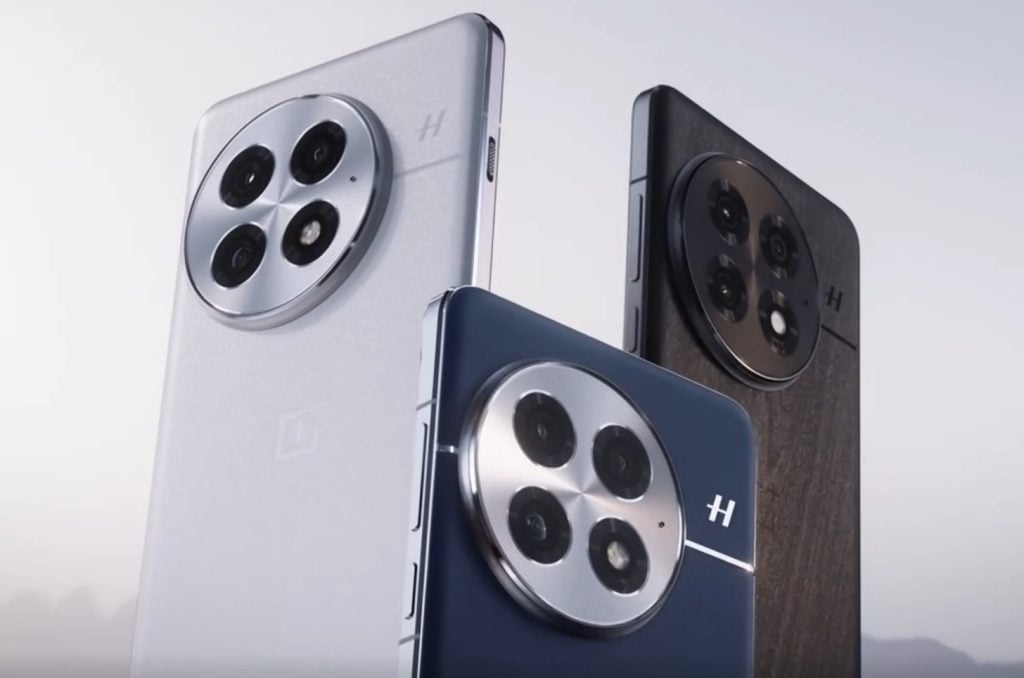

The keyboard features a magnetic axis design and boasts an impressive latency reduction from 5ms in previous models to just 0.3ms, making it one of the fastest response keyboards in its class.

Irock NA87 Pro Keyboard

This improvement is designed to enhance the gaming experience by providing near-instantaneous keypress registration. The NA87 Pro also comes equipped with side-engraved keycaps, adding to the aesthetic appeal while maintaining durability and longevity.

The NA87 Pro features an Asat structure with a chessboard-like design and a three-dimensional inner frame to optimize sound and reduce resonance. This design aims to deliver high-fidelity typing sound and consistent tactile feedback, appealing to both gamers and typists.

Furthermore, the internal structure of the keyboard is enhanced with sound-absorbing materials, including sound-absorbing cotton, an under-switch pad, and bottom cotton, all of which contribute to a quieter and more refined typing experience.

Irock NA87 Pro Keyboard

The NA87 Pro features a 16.8 million color RGB lighting system, which includes both upper and lower lighting positions. The keyboard supports a full-key hot-swappable design, meaning users can replace any of the keys without soldering, and it also includes full-key anti-ghosting to ensure that every keypress is registered accurately.

The keyboard’s connectivity is through a wired connection, ensuring stable and fast data transmission. It is also equipped with an 8000Hz polling rate and a key scan rate of 4000Hz, further reducing input lag and ensuring swift responses to commands. The NA87 Pro also comes with an adjustable range between 0.4mm and 4.0mm, allowing users to fine-tune the keyboard’s performance to their preferences.

The keyboard is available in two color options: a White Grey gradient and a Black Grey gradient.

Titan Army launches P2710R-Pro 2K Fast IPS gaming monitor with 180Hz refresh rate

Titan Army has launched its latest gaming monitor, the “P2710R-Pro,” a 27-inch display designed to cater to gaming enthusiasts and professionals. The monitor is priced at 999 Yuan ($140) and it is now available on JD.com. Let’s check out its key specs.

Titan Army P2710R-PRO Monitor

Titan Army P2710R-Pro Monitor Specifications:

The P2710R-Pro features a Fast IPS panel with 2K resolution (2560×1440 pixels) and a refresh rate of 180Hz, providing smooth and fluid visuals, especially suited for fast-paced gaming. The monitor comes with a 1ms response time, minimizing motion blur and ghosting to deliver a crisp and clear gaming experience. The monitor also boasts a brightness of 500 nits and a static contrast ratio of 1000:1, ensuring bright and vivid images with deep blacks.

This monitor supports a wide color gamut, covering 99% of the sRGB, 100% of Adobe RGB, and 105% of NTSC color spaces. It also includes 95% DCI-P3 color coverage, making it capable of producing rich and accurate colors, suitable for content creation and professional design work. Additionally, it features HDR500, which enhances the dynamic range to deliver more realistic and immersive visuals, making it ideal for both gaming and multimedia consumption.

In terms of ergonomics, the P2710R-Pro comes with a versatile stand that allows for height adjustment, tilt, pivot, and rotation, catering to various user preferences. The monitor is also compatible with VESA 100x100mm wall mounting, providing additional flexibility in its setup.

Connectivity options include two HDMI 2.0 ports and one DP1.4 port, along with a 3.5mm audio jack, making it easy to connect to multiple devices. The monitor also features Adaptive-Sync technology, which synchronizes the monitor’s refresh rate with the graphics card, reducing screen tearing and ensuring a smooth gaming experience.

Additionally, the monitor comes with a Game+ mode that enhances gaming visuals, a hardware low blue light technology for comfortable viewing, and a 12 scenarios mode that offers customizable settings for different usage scenarios. The monitor also supports dual gaming modes, with features like 4K 60Hz, VRR, and ALLM, making it an excellent choice for console gamers as well.

ViewSonic Unveils Affordable 27-inch 4K Monitor, Priced at 1,899 Yuan ($273)

ViewSonic has launched a new budget-friendly monitor, the VX2730-4K-HDU, featuring a 27-inch 4K resolution display. This monitor offers a compelling option for users seeking a high-resolution display without breaking the bank.

The monitor has standard, game, movie, web browsing, text, and medical grayscale viewing modes

The VX2730-4K-HDU boasts a 3840 x 2160 resolution IPS panel with a brightness of 400 nits. While the native refresh rate is 60Hz, the monitor can be overclocked to 73Hz using a DisplayPort connection. It also supports 10-bit color depth and covers 100% of the sRGB color gamut, ensuring vibrant and accurate visuals.

Viewsonic

The VX2730-4K-HDU features a variety of viewing modes, including standard, game, movie, web browsing, text, and medical grayscale, allowing users to optimize the display for different tasks. Additionally, the monitor stand offers tilt, lift, and swivel adjustments for ergonomic comfort.

Connectivity options include two HDMI 2.0 ports, one DisplayPort 1.4, and a USB-C port with 65W Power Delivery, providing a convenient way to charge laptops or other devices. This monitor also supports VESA wall mounting for versatile placement options.

Priced at 1,899 yuan (approximately $273 USD) on JD.com, the ViewSonic VX2730-4K-HDU presents a value-driven option for users seeking a high-resolution display with essential features.

(Via)