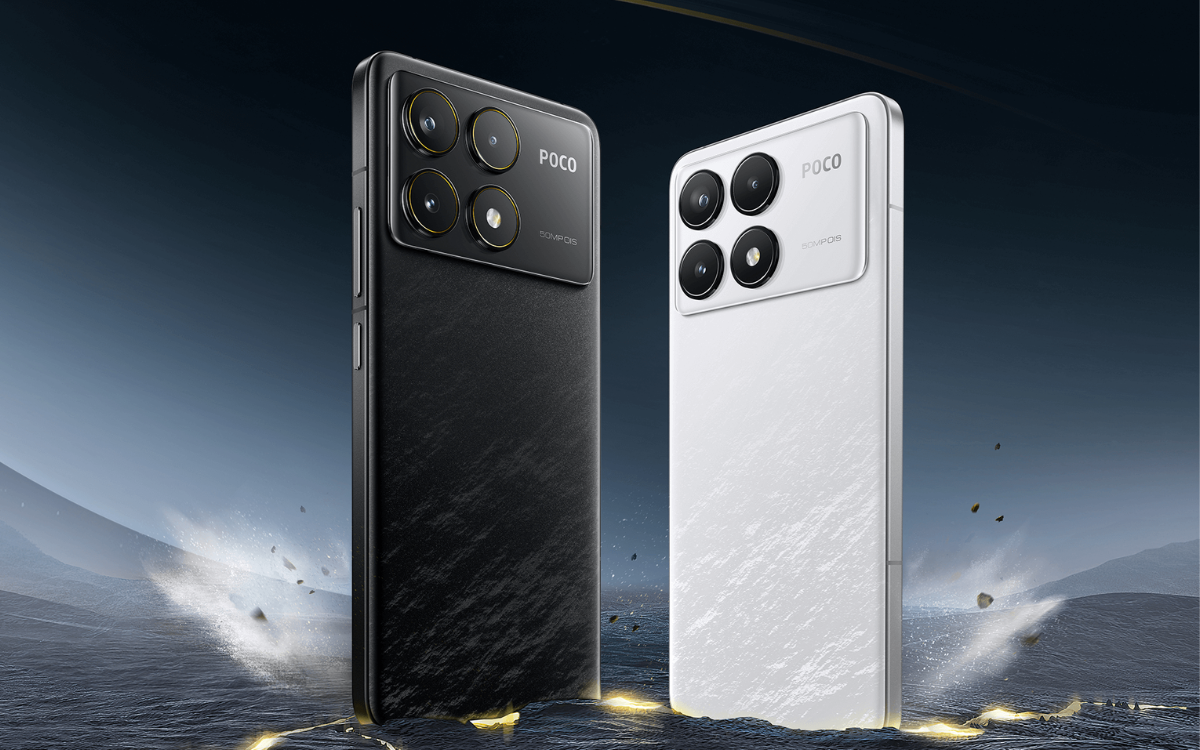
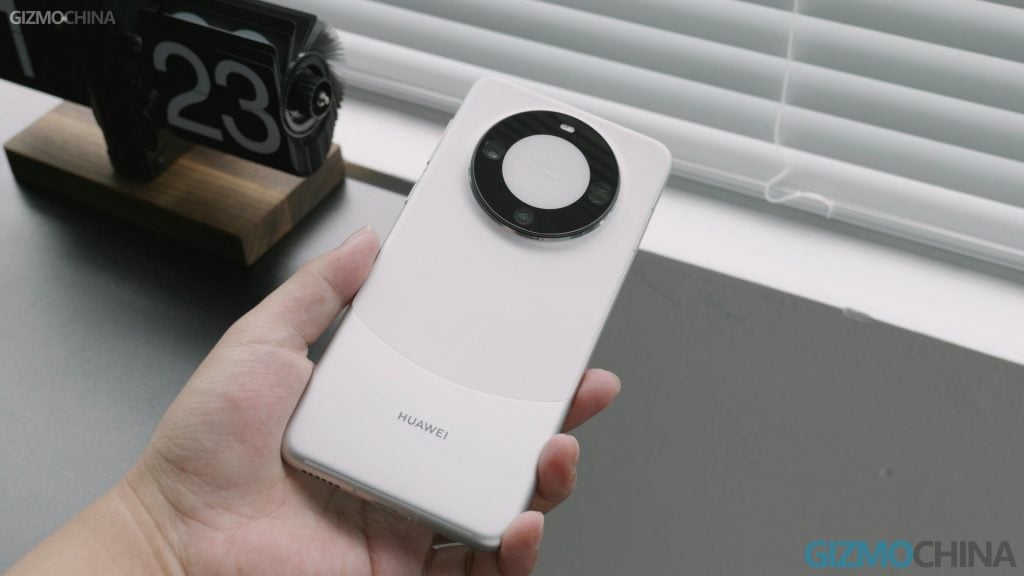
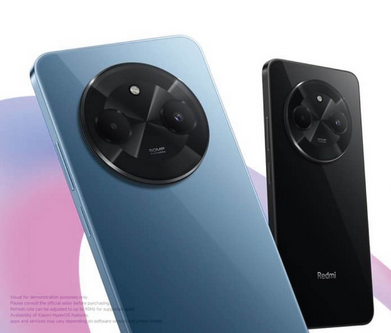
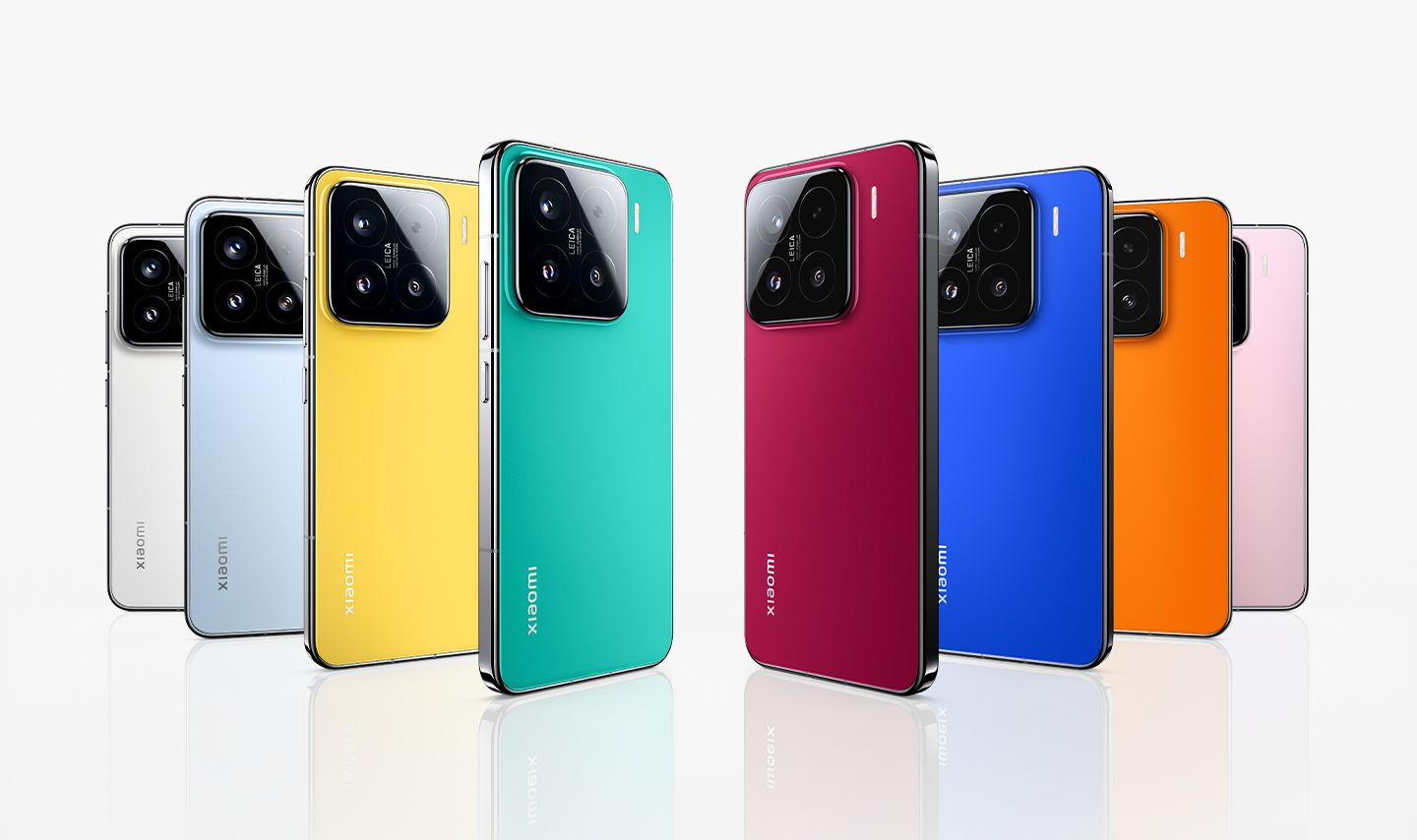
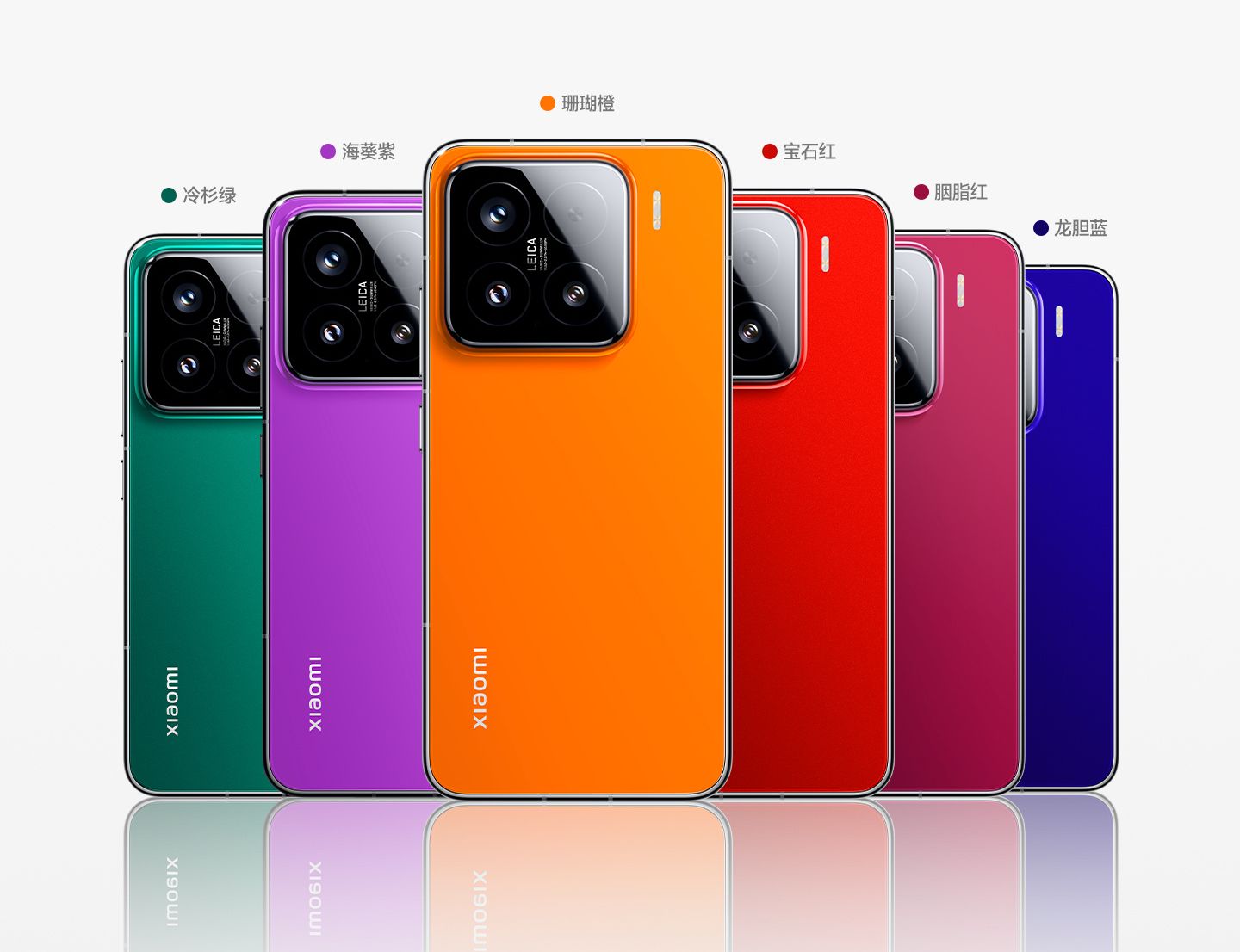
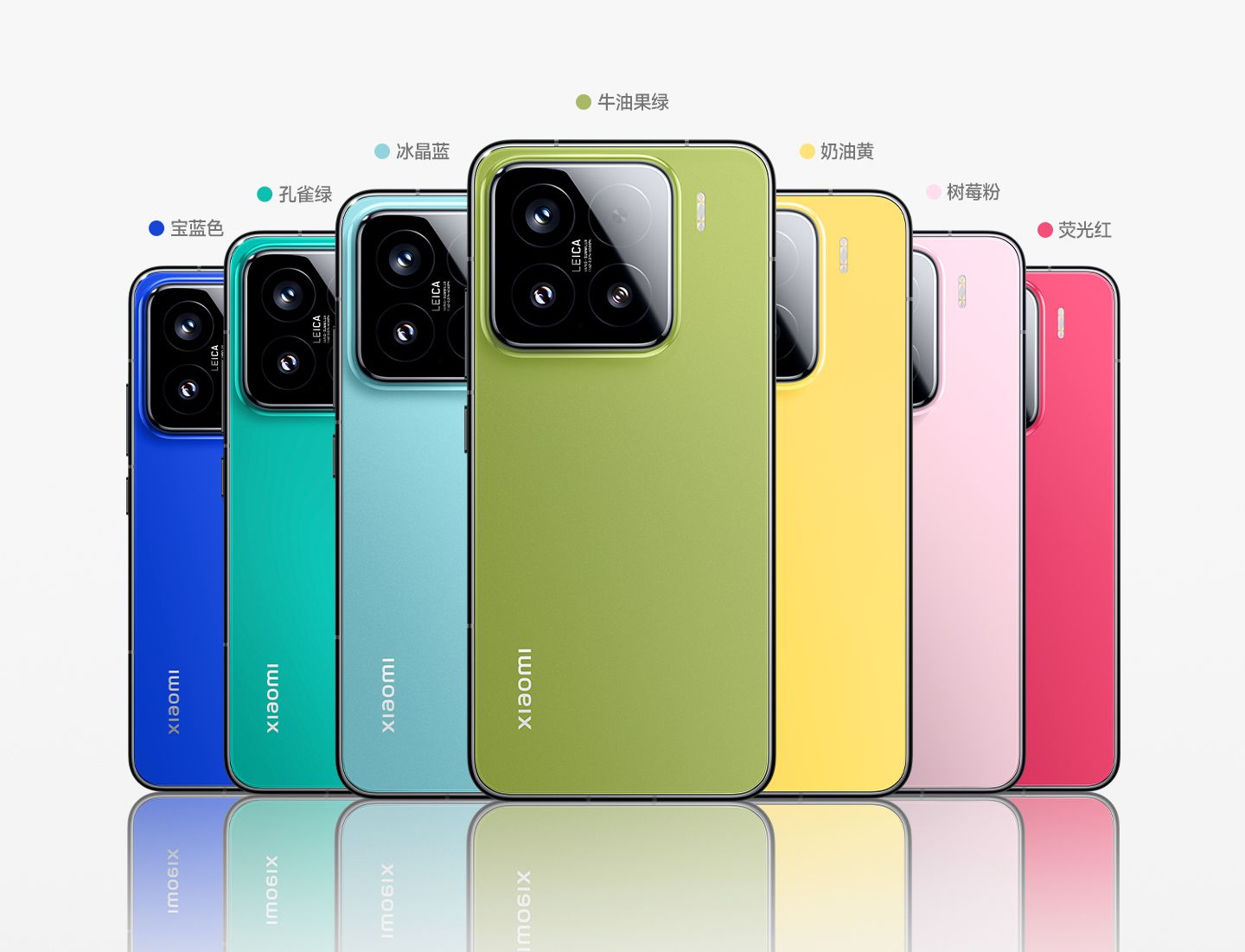
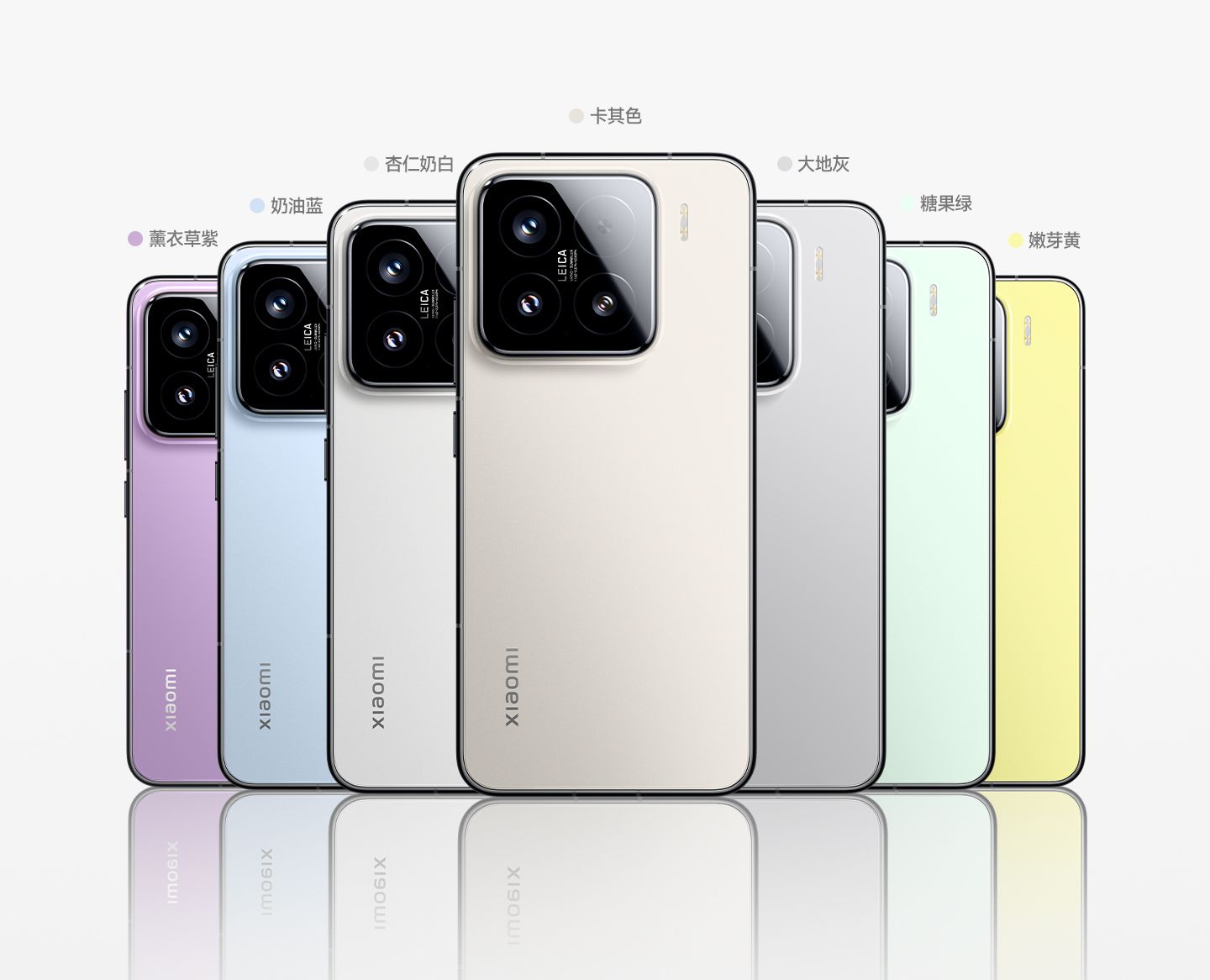
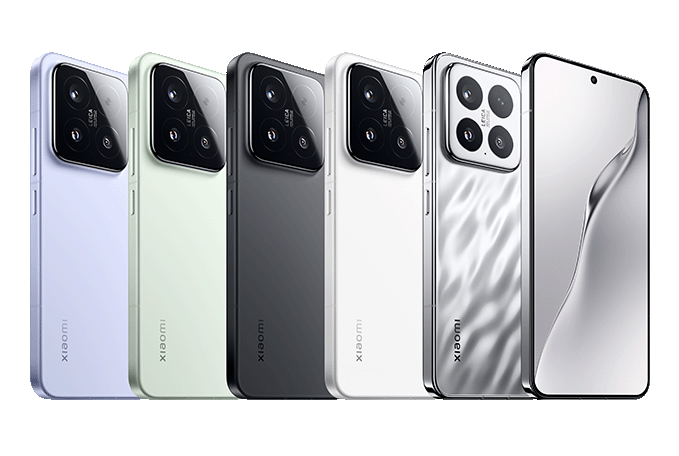
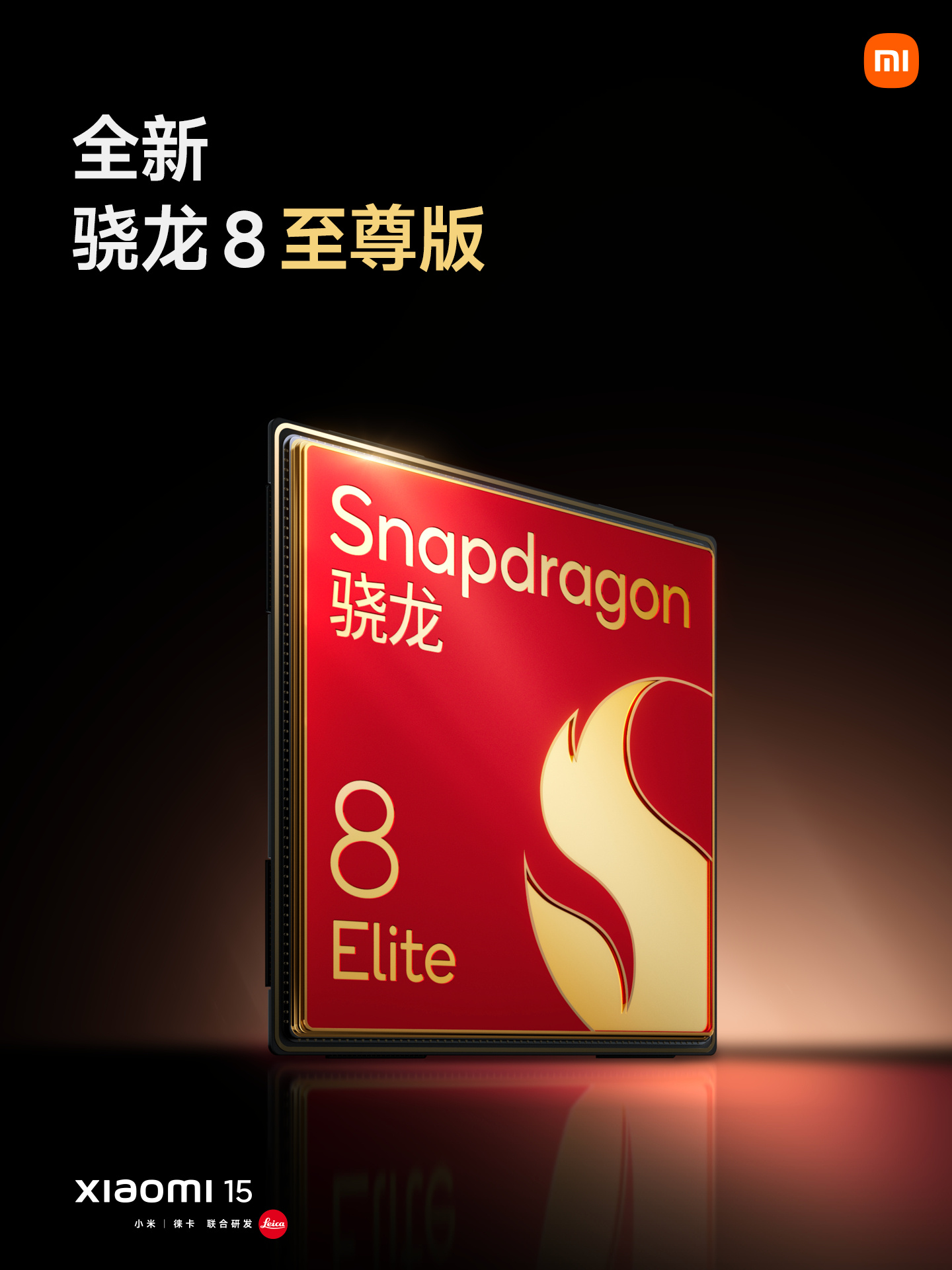
POCO F7 Pro highlights the company’s newest and most ambitious model for the flagship segment. Focusing on offering competitive devices in the mid-upper segment, POCO raises the bar even higher with the F7 Pro model. POCO F7 Pro model will be the rebranded Redmi K80. The code name will be “Zorn”. What we know about the device is not limited to these.
POCO F7 Pro specifications
Poco F7 Pro especially excites users in terms of performance. The device will prove its power with the Snapdragon 8 Gen 3 chipset. On the display side, a 6.67-inch OLED display produced by TCL aims to provide users with a superior visual experience. This screen will have 2K resolution and 120Hz refresh rate. This way, users will have both a sharp and smooth experience.
One of the most striking features of the device is 90W ultra-fast charging technology. This fast charging feature will fully charge the device’s battery in an incredibly short time. Thus, an uninterrupted usage experience will be provided even during intensive use. 90W fast charging stands out as one of the strongest competitive advantages of POCO F7 Pro.
Finally, POCO F7 Pro will come out of the box with Android 15-based HyperOS 2.0. This updated software will maximize the device’s performance while offering enhanced user experiences. With features and regular updates, the F7 Pro will remain current and competitive in the long run. This new flagship of POCO aims to meet the expectations of users with powerful features in both hardware and software.
Honor has officially unveiled the Magic 7 series in China, introducing two new models: the Honor Magic 7 and the Honor Magic 7 Pro. These smartphones succeed last year’s Honor Magic 6 and 6 Pro, integrating cutting-edge AI features and enhancing the user experience with advanced specifications. Let’s delve into the key specs.
Honor Magic 7 & 7 Pro Specifications
The Honor Magic 7 features a 6.78-inch ultra-narrow flat OLED display, while the Magic 7 Pro comes with a 6.8-inch quad-curved OLED display. Both models support a 1-120Hz LTPO adaptive refresh rate, ensuring fluid visuals and a peak HDR brightness of 5000 nits, making it one of the brightest displays on a smartphone.
Honor Magic 7 Pro
The screen includes Honor’s AI Oasis Eye-Care technology, with round polarized light protection that reduces harmful blue light exposure and improves lutein absorption. It has achieved TÜV Rheinland certifications for flicker-free viewing and eye comfort.
Both models are powered by the new Snapdragon 8 Elite chipset, built on a second-gen 3nm process. This powerful processor features an octa-core architecture with two prime cores clocked at 4.32GHz and six performance cores at 3.53GHz.
It is paired with the Adreno 830 GPU, which provides a 40% boost in gaming performance. These devices also feature Honor’s ultra-wide liquid cooling system that ensures efficient heat dissipation during heavy gaming or multitasking, with the temperature staying below 44.8°C in heavy games like Genshin Impact.
The Magic 7 series runs on MagicOS 9.0, based on Android 15. This OS brings enhanced AI capabilities, including the YOYO Smart Assistant, which allows users to perform tasks such as managing app notifications and subscriptions with a single voice command. The interface is designed for a seamless user experience, with improved privacy features like AI Face Swap Detection for secure video calls.
The Honor Magic 7’s camera setup includes a 50MP (OmniVision OVH9000) Ultra-Dynamic Eagle Eye main sensor, a 50MP ultra-wide lens, and a 50MP telephoto sensor with 3x optical zoom and OIS.
The Magic 7 Pro takes it up a notch with an upgraded 50MP (OmniVision OVH9000) main camera featuring a variable aperture (f/1.4-f/2.0) and a 200MP periscope telephoto lens (Samsung S5KHP3) supporting 100x digital zoom and OIS.
The front cameras of the Honor Magic 7 series include a 50MP selfie camera, while the Magic 7 Pro features an additional ToF depth-sensing camera for enhanced 3D facial recognition and portrait effects.
Both models excel in AI-powered photography, offering features like AI Eagle Eye Burst, super portrait mode, and AI-powered image enhancements for better photo quality in all conditions.
Honor Magic 7
The Magic 7 has a 5650mAh battery, while the Magic 7 Pro boasts a 5850mAh capacity. Both models support 100W wired fast charging and 80W wireless charging, ensuring rapid power restoration. Honor’s third-generation Qinghai Lake battery technology, paired with the E2 chip, enhances battery health and extends lifespan.
The Honor Magic 7 series includes a 3D ultrasonic fingerprint sensor which can unlock the phone even with wet hands. It also features 3D facial recognition for fast and secure unlocking.
Both models have IP68 and IP69 ratings for water and dust resistance, making them suitable for various environments. They support 5G connectivity, Wi-Fi 7, Bluetooth 5.4, NFC, and DTS Ultra technology for improved audio performance.
The Honor Magic 7 supports Beidou satellite messaging, while the Magic 7 Pro offers Tiantong satellite communication, ensuring connectivity without network signals.
The Honor Magic 7 series features 10x drop resistance, certified by SGS, ensuring enhanced screen durability across various scenarios. In terms of dimensions, the Honor Magic 7 measures 162.1 x 75.8 x 7.95 mm and weighs approximately 199g, while the Magic 7 Pro measures 162.7 x 77.1 x 8.8 mm, weighing around 223g.
Pricing and Availability
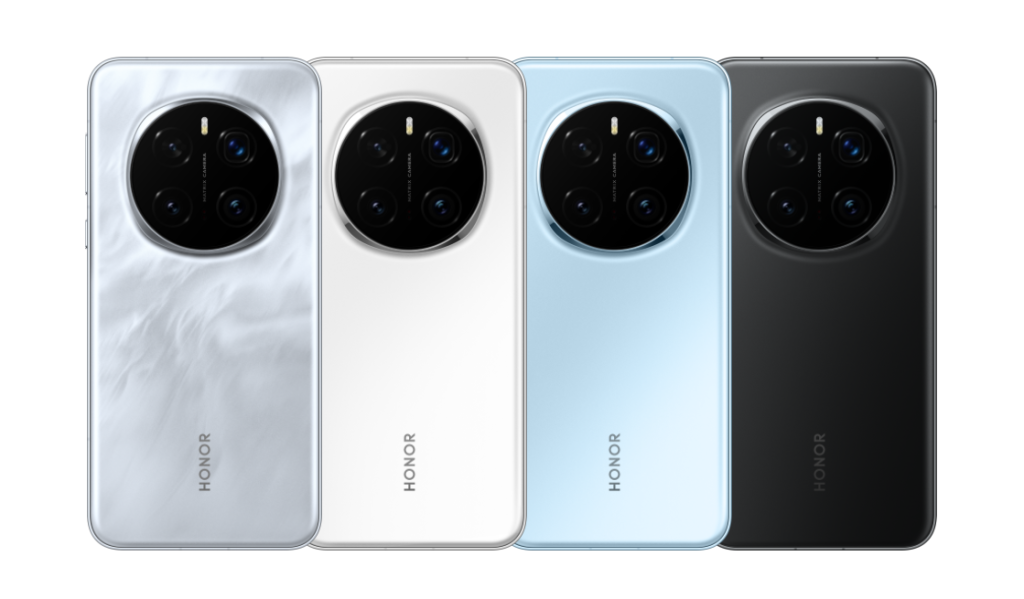
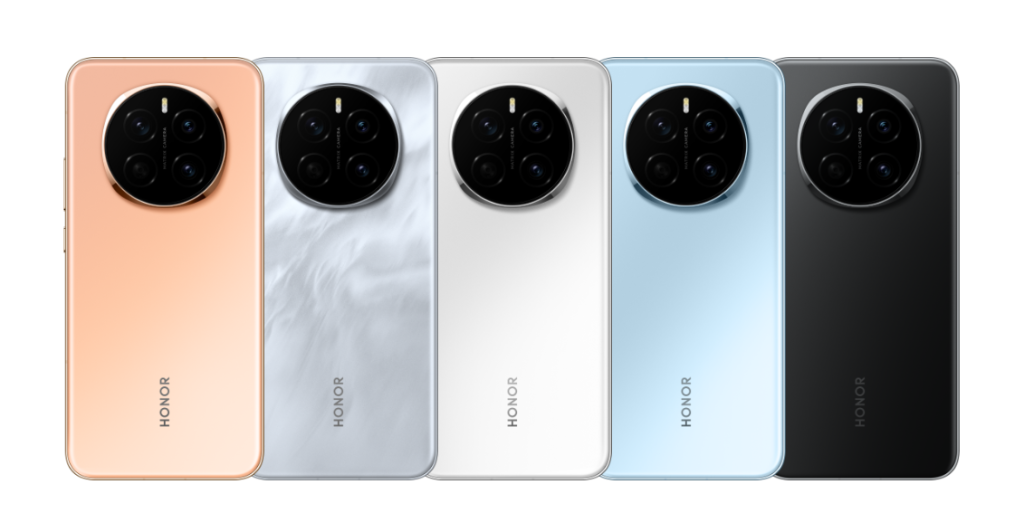
The Honor Magic 7 is available in five vibrant colors: Sunrise Gold, Moon Shadow Grey, Snowy White, Sky Blue, and Velvet Black. Meanwhile, the Honor Magic 7 Pro offers four elegant color options: Moon Shadow Grey, Snowy White, Sky Blue, and Velvet Black.
The Magic 7 series will go on sale starting at 10:08 AM (CST) on November 8 in China.
Meanwhile, Xiaomi launched its Xiaomi 15 series in China yesterday, featuring the Snapdragon 8 Elite chipset. The series comprises the Xiaomi 15 and Xiaomi 15 Pro.
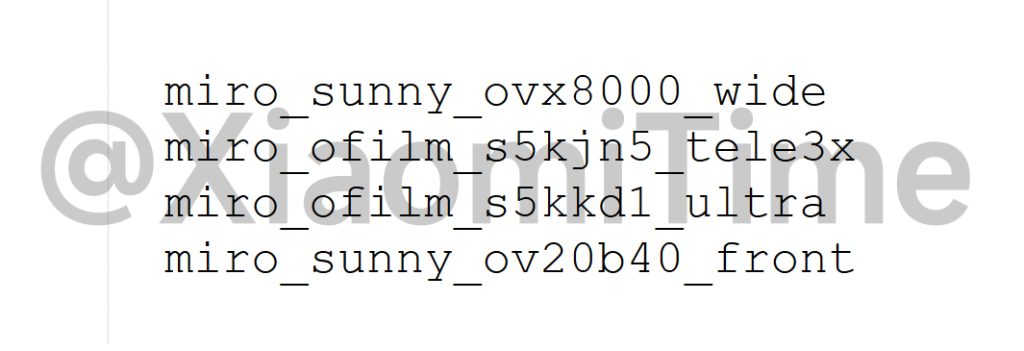
The Redmi K80 Pro is eagerly awaited by tech enthusiasts. According to the information leaked by XiaomiTime, the camera features of Redmi K80 Pro will be quite ambitious. The POCO F7 Ultra is expected to be similar to the Redmi K80 Pro. Because Redmi K80 Pro will be introduced as POCO F7 Ultra in the global market. However, it should be noted that POCO may make some changes to the camera hardware of the POCO F7 Ultra. Therefore, the camera sensors on the Redmi K80 Pro may not be exactly the same as the POCO F7 Ultra.
Redmi K80 Pro comes with a triple camera system and each sensor is optimized to meet different needs. The 50MP Omnivision Light Hunter 8000 sensor is used as the main camera. This sensor will improve the quality of photography by offering superior low-light performance and sharper details.
The second camera is equipped with a 50MP Samsung ISOCELL JN5 telephoto sensor. With a 3x optical zoom, this sensor can clearly capture objects at a distance. The third camera comes with a 32MP Samsung ISOCELL KD1 ultra-wide angle sensor. With this sensor, wide scenes and landscapes can be captured perfectly. At the front is a 20MP Omnivision OV20B40 sensor. This ensures high quality for selfies and video calls.
The Redmi K80 Pro is powered by the Snapdragon 8 Elite chipset. This powerful processor will deliver fast performance in demanding apps and games. The 6.67-inch TCL display combined with 2K resolution and 120Hz refresh rate will provide the user with a vivid and smooth viewing experience.
On the software side, the Redmi K80 Pro will come with HyperOS 2.0 based on Android 15. This new interface will provide a user-friendly experience. Also, optimize the performance and battery efficiency of the devices. HyperOS 2.0 will offer a high-end software experience with fast response times and customizable interface options.
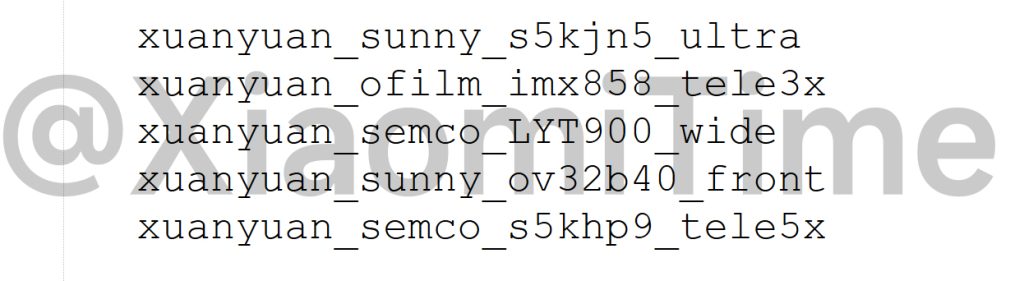
Xiaomi 15 Ultra’s camera features have created great excitement among technology enthusiasts. According to the information received from XiaomiTime, the Xiaomi 15 Ultra will be quite assertive with the camera. The new smartphone will have an impressive camera setup with four sensors. Each of them will make a difference in photo and video shootings with sensors that fulfill a different task.
The main camera is equipped with a Sony LYT900 sensor with a resolution of 50MP. This sensor not only offers high-resolution photos, but also captures impressive details in low-light conditions. On the telephoto side, there are two different lenses. The first will be the Samsung ISOCELL HP9 sensor with a resolution of 200MP. This sensor can clearly zoom in on distant objects with a 5x optical zoom.
The second telephoto camera is a 50MP Sony IMX858 sensor with 3x zoom. The ultra-wide angle camera features the Samsung ISOCELL JN5 sensor with a resolution of 50MP. This camera will offer an ideal solution for landscape shots or large groups. On the front, there is a 32MP OmniVision OV32B sensor. This sensor can take high-quality selfies. The sensor also promises excellent clarity and color accuracy in video calls.
Xiaomi 15 Ultra will attract attention not only with camera features but also with performance. The device is powered by Qualcomm’s latest generation Snapdragon 8 Elite chipset. With 24GB RAM option, multitasking and games that require heavy graphics processing will provide a smooth experience.
Xiaomi will push the limits of performance in mobile gaming and daily use with this device. Android 15-based HyperOS 2.0 interface will come out of the box. HyperOS 2.0 aims to increase the device’s speed and ease of use with customization options and optimizations. Xiaomi 15 Ultra will launch as one of Xiaomi’s most ambitious smartphones, ushering in a new era of photography and mobile performance.
MediaTek recently announced Dimensity 9400, promising significant upgrades over its predecessor. And to a large extent, MediaTek’s claims are true (see our Dimensity 9400 vs 9300 comparison for more details). Its predecessor, Dimensity 9300, fell short of Snapdragon 8 Gen 3 in our benchmarking tests. However, the Dimensity 9400 is a strong contender.
It will be interesting to see how the latest Dimensity 9400 chip stacks up against the Snapdragon 8 Gen 3. In this post, we’ll look at the benchmark data of these two chips and their key differences.
Let’s begin our comparison with the spec sheet:
Dimensity 9400
Snapdragon 8 Gen 3
Announced
October 2024
October 2023
Model number
MT6991
SM8650-AB, SM8650-AC
Process node
3nm
4nm
Manufacturer
TSMC
TSMC
CPU
1 x Cortex-X925 — 3.63GHz 3 x Cortex-X4 — 3.3GHz 4 x Cortex-A720 — 2.4GHz
1 x Cortex-X4 — 3.3GHz 3 x Cortex-A720 — 3.15GHz 2 x Cortex-A720 — 2.96GHz 2 x Cortex-A520 — 2.27GHz
GPU
Arm Immortalis-G925 MC12 MediaTek Adaptive Gaming Technology 3.0 Global illumination MediaTek Frame Rate Converter HyperEngine’s Super Resolution Ray tracing support
Adreno 750 GPU Support for Unreal Engine 5.2 Lumen Snapdragon Game Super Resolution Adreno Frame Motion Engine 2.0 Global illumination Ray tracing support
NPU
MediaTek NPU 890
Qualcomm Hexagon NPU
Camera
MediaTek Imagiq 1090 ISP Up to 320MP single camera Up to 8K/60fp video recording Gen-AI Super Resolution Gen-AI Super Zoom
Qualcomm Spectra Cognitive Triple 18-bit ISP Up to 200MP single camera 8K/30fps or 4K/120fps video recording 720p/960fps slow-mo video recording
Memory
LPDDR5X at 10667Mbps Up to 24GB RAM
LPDDR5x at 4.8GHz Up to 24GB RAM
Storage
UFS 4.0 + MCQ
UFS 4.0
Connectivity
Downlink: 7.3Gbps Wi-Fi 7 Bluetooth 5.4 standard
Downlink: 7Gbps Wi-Fi 7 Bluetooth 5.4 standard
Dimensity 9400 vs Snapdragon 8 Gen 3: Benchmarks
[Note: We’ve tested Vivo X200 Pro (powered by Dimensity 9400) and Red Magic 9S Pro (powered by Snapdragon 8 Gen 3) for benchmark results.]
Geekbench comparison
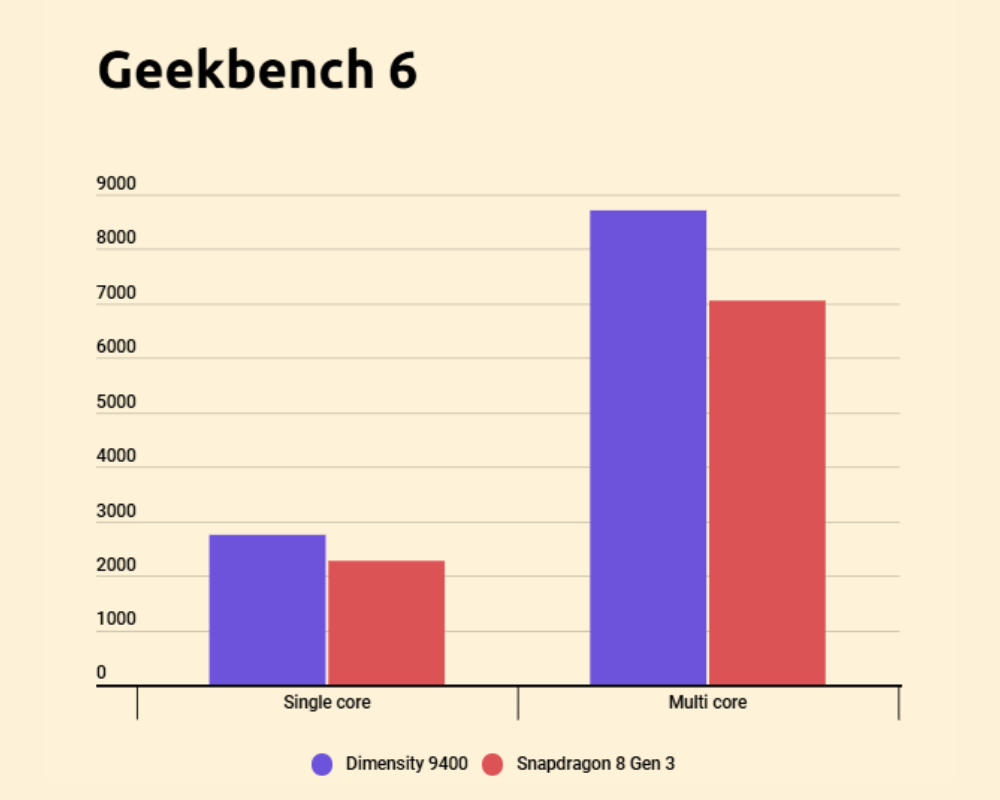
Geekbench is a popular benchmarking platform for testing the CPU capabilities of a device. On this platform, the Dimensity 9400 has completely outshined the Snapdragon 8 Gen 3 with over 20% better single-core and multi-core scores.
Dimensity 9400
SD 8 Gen 3
Single core
2,751
2,273
Multi core
8,712
7,054
AnTuTu comparison
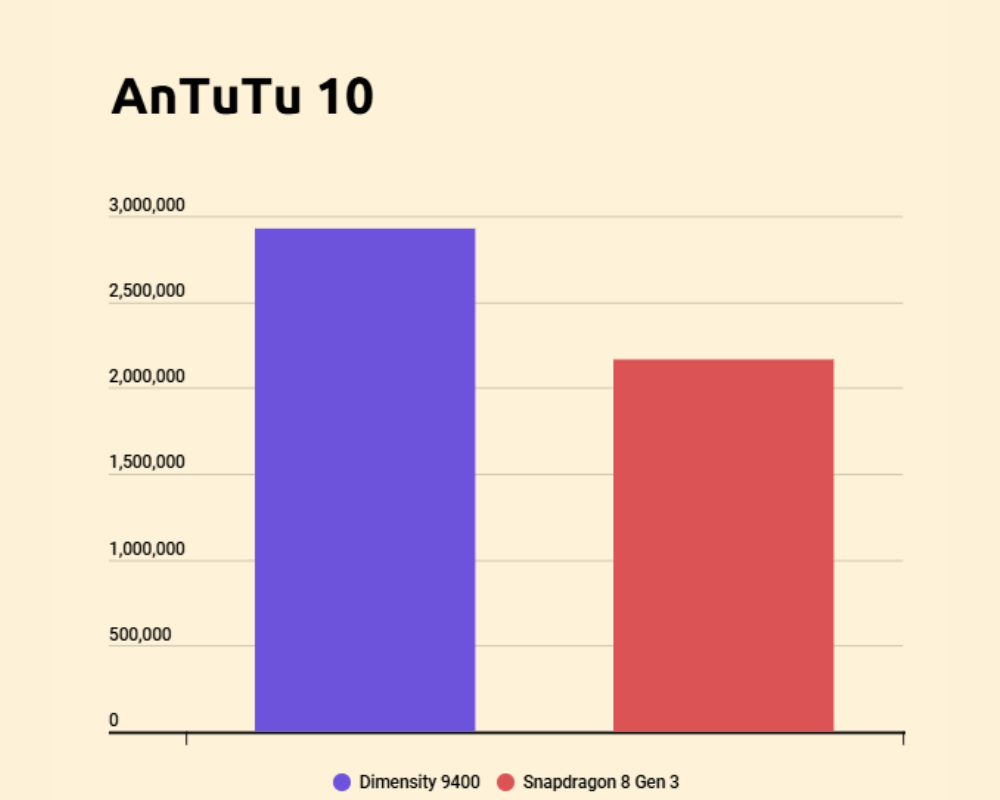
AnTuTu is a more popular benchmarking tool that measures the overall strength of a device. The Dimensity 9400 is leading here as well, with over 35% better AnTuTu score than Snapdragon 8 Gen 3.
Here’s a more detailed look at AnTuTu scores:
Dimensity 9400
SD 8 Gen 3
AnTuTu score
2,927,565
2,165,760
CPU
634,512
470,836
GPU
1,287,272
946,221
Memory
507,889
392,652
UX
497,892
356,051
MediaTek Dimensity 9400 is way ahead of Snapdragon 8 Gen 3 on these benchmarks. But how has MediaTek been able to achieve this big leap? Let’s look at the core differences between them below.
Dimensity 9400 vs Snapdragon 8 Gen 3: Key Differences
TSMC has manufactured both the Dimensity 9400 and Snapdragon 8 Gen 3, although the process nodes are different. The former is fabricated using a 3nm node, offering better performance and power efficiency than the 4nm node used for the latter chip.
The Dimensity 9400 features all big cores design; there are no small cores for efficiency. In contrast, the Snapdragon 8 Gen 3 has two efficiency cores. The former chip has one Cortex-X925 core with up to 3.63GHz peak frequency, three Cortex-X4 cores running at 3.3GHz, and four Cortex-A720 cores at 2.4GHz.
The Snapdragon 8 Gen 3, on the other hand, has just one Cortex-X4 prime core with the same clock speed, five Cortex-A720 performance cores (two of them run at 3.15GHz and two at 2.96GHz), and two Cortex-A520 efficiency cores at 2.27GHz. Because of the Cortex-X925 super large core and all-big-core design, the Dimensity 9400 offers significantly better performance than the Snapdragon 8 Gen 3.
Since the Dimensity 9400 is primarily tuned for high performance, one would expect high battery consumption, but that’s not actually true. When tested with Genshin Impact, the Dimensity 9400-powered Vivo X200 Pro resulted in less power consumption than the Snapdragon 8 Gen 3-powered Xiaomi 14 Ultra.
The Dimensity chip has a new Imagiq 1090 ISP, which enables HDR video capture throughout the entire zoom range, the first on any flagship chip. It also has AI-enabled camera features such as Gen-AI Super Resolution and Gen-AI Super Zoom for better outputs. The latter AI technology can achieve up to 100x magnification in photos with clear details.
MediaTek has also increased the maximum camera resolution to 320MP (vs. 200MP on the Snapdragon 8 Gen 3). It now natively supports 8K recording at 60fps, while the Snapdragon chip is limited to 8K/30fps recording. In terms of connectivity, the Dimensity chip offers a higher peak download speed, while the rest of the connectivity features are almost similar.
Dimensity 9400 vs Snapdragon 8 Gen 3: Verdict
MediaTek has done an excellent job with Dimensity 9400. In fact, it’s the best Dimensity chip upgrade in recent years and is certainly better than the Snapdragon 8 Gen 3 in almost all aspects. However, that doesn’t make Snapdragon 8 Gen 3 a bad choice all of a sudden.
Snapdragon 8 Gen 3 is still one of the best smartphone chips. Whether you opt for Dimensity 9400 or Snapdragon 8 Gen 3, you’ll get a great mobile gaming experience. Both chips offer a suite of gaming-focused features tailored to enhance the experience. The MediaTek chip has better power efficiency, though.
If I had to pick from these two, I would go with Dimensity 9400. However, a great deal on Snapdragon 8 Gen 3 phones would be difficult to ignore.
1. Xiaomi Smart Band 9 Pro with the Bigger AMOLED Screen
Xiaomi Smart Band 9 Pro
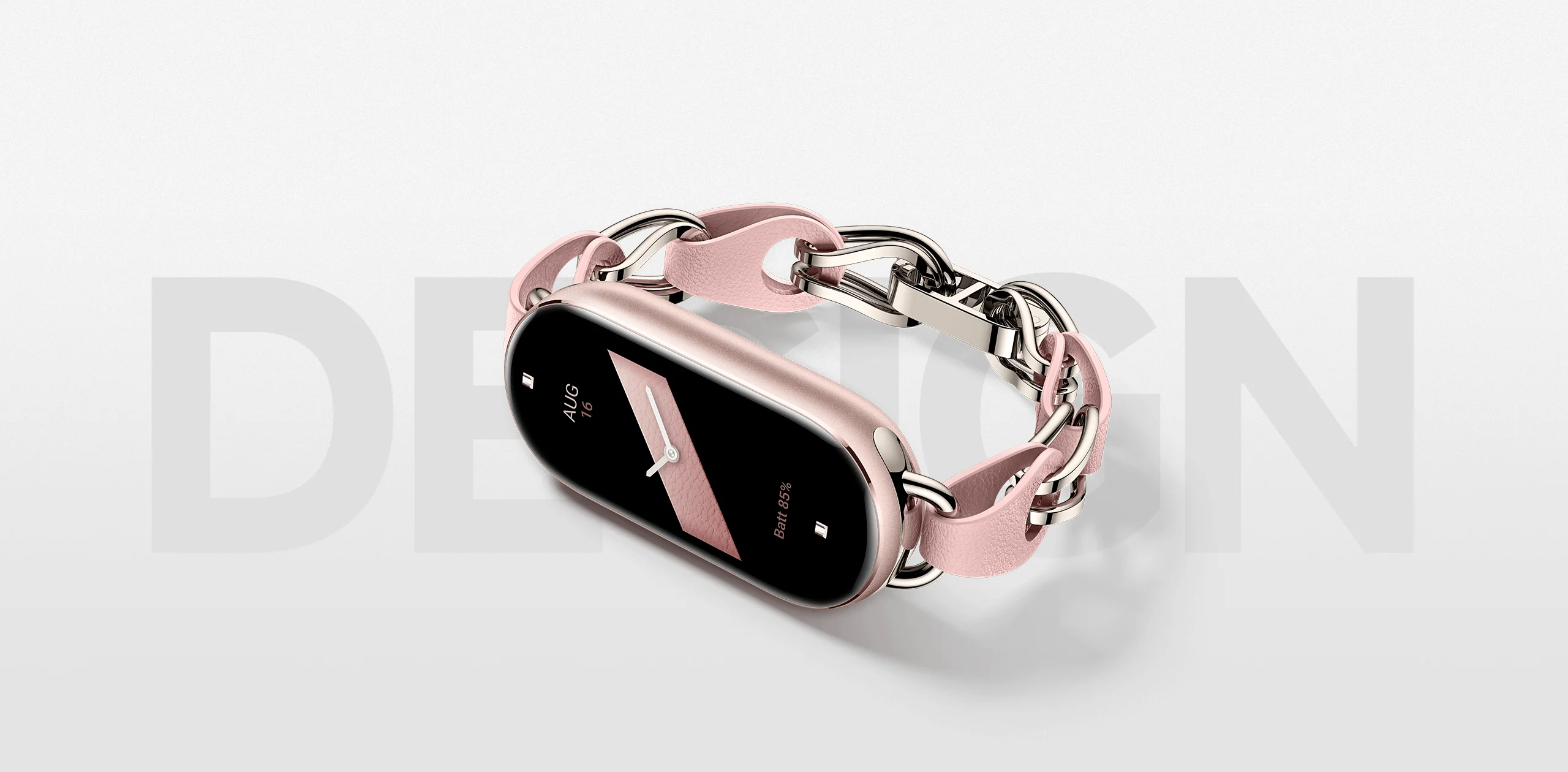
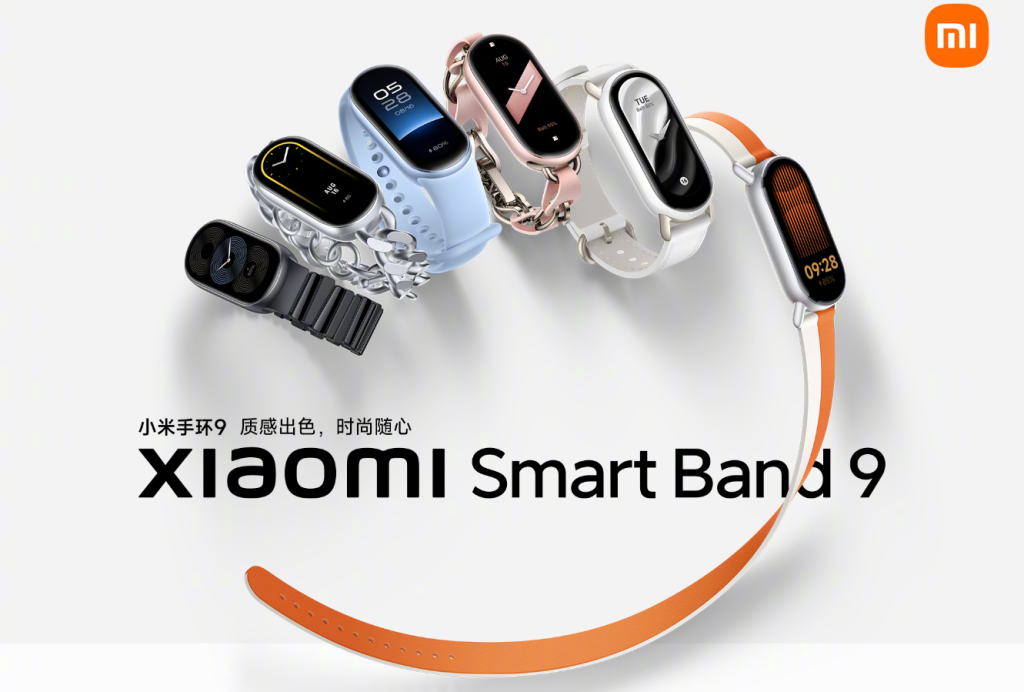
Back in September 2024, the Xiaomi Smart Band 9 was announced with a 1.62-inch AMOLED display with a 192 x 490 resolution, 1200 nits of peak brightness, and more than 200 watch faces. It also has a 326ppi pixel density on its oval shaped screen.
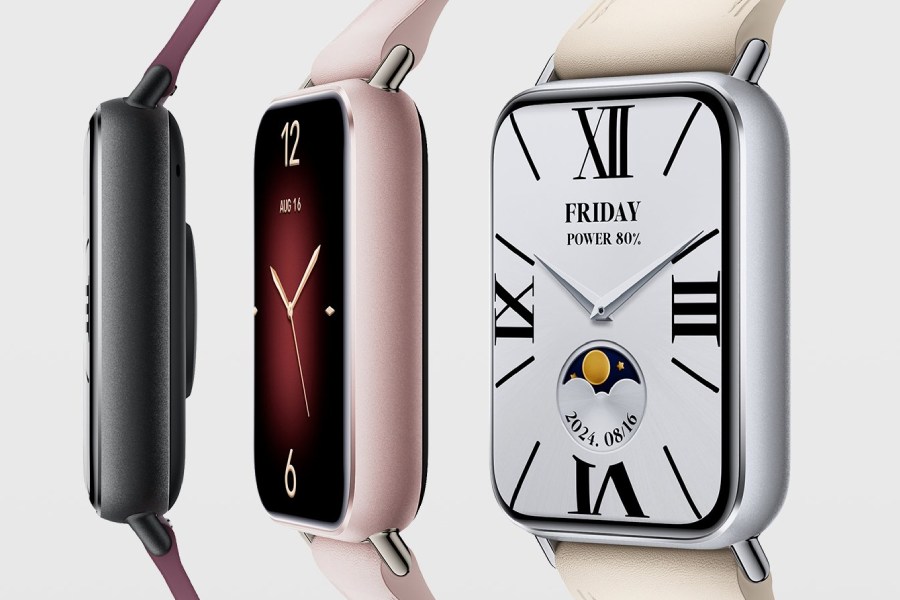
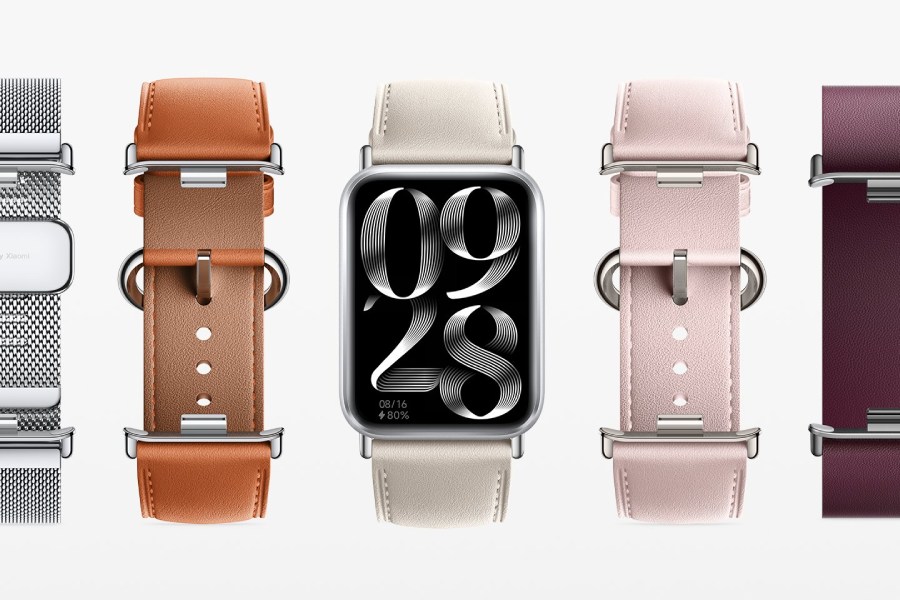
The Xiaomi Smart Band 9 Pro looks more like a traditional smartwatch with an Apple Watch-like rectangular screen with rounded corners. It has a taller 1.74-inch AMOLED panel with a 336 x 480 resolution and 1200 nits of peak brightness. So you’re getting more screen real estate along with a higher resolution.
2. Premium Design & Straps in a Bigger Package
Xiaomi Smart Band 9
One of the distinct aspects of the Xiaomi Smart Band 9 was its appearance since it could double as a bracelet. The smart band features an aluminum frame along with multiple strap options that include metal and silicone options. On the other hand, the Xiaomi Smart Band 9 Pro has a similar metallic build but with more options like silicon, leather, and even a sleek Milanese loop.
3. Bigger Battery
On a single full charge, the vanilla Smart Band 9 can last for up to 21 days on a single full charge with Always On Display (AOD) off. With AOD on, the endurance drops to just about 9 days on a full charge. It is powered by a 233mAh battery pack, which takes about 1 hour to charge fully. The higher end Pro variant packs a larger 350mAh battery pack which also promises up to 21 days of battery life, despite having a larger screen.
4. Pricing and Availability
As of right now, the Xiaomi Smart Band 9 Pro is exclusively available for purchase in China. The smart wearable was announced with a 399 Yuan starting price tag (roughly 56 US Dollars). It is also unclear whether it would be released in the global market like the base variant.
To recall, the Xiaomi Smart Band 9 was first announced in China for 249 Yuan (roughly 34 US Dollars). Although, the device was later launched in Europe for 39.99 Euros and 34.99 Pounds Sterling in the UK. In other words, we can expect a wider release for the more expensive variant as well. However, this is still just speculation so take this with a pinch of salt for now.
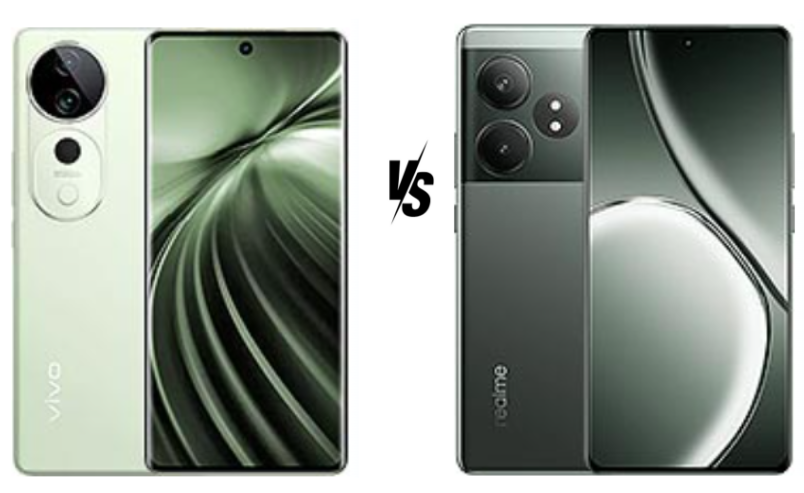
Choosing between the newly launched Vivo T3 Ultra and Realme GT 6T presents a challenging decision for tech enthusiasts and everyday users alike. Both phones pack high-end features, promising powerful performance and vibrant displays. However, their unique strengths in design, camera quality, battery life, and software experience mean that each device caters to slightly different needs. This comparison will break down the differences and help you decide which phone is the better buy for your lifestyle and preferences.
SPECS:
Feature
Vivo T3 Ultra
Realme GT 6T
Best Specs
Design
Glass front and back, IP68 water resistance, 7.6mm thick, 192g
Gorilla Glass Victus 2 front, plastic frame and back, IP65 water resistance, 8.7mm thick, 191g
Vivo T3 Ultra (better durability and premium feel)
Rear: 50 MP main + 8 MP ultrawide; Front: 32 MP; 4K@30fps front
Vivo T3 Ultra (higher resolution front camera)
Design & Build Quality
Vivo T3 Ultra: The Vivo T3 Ultra comes with a premium glass front and back, giving it a sleek, modern look. Its dimensions are 164.2 x 74.9 x 7.6 mm, making it slightly thinner than the Realme GT 6T, though marginally heavier at 192 g. Notably, it boasts IP68 water and dust resistance, ensuring that it can survive in up to 1.5 meters of water for 30 minutes, a feature missing in many competitors.
Realme GT 6T: The Realme GT 6T also has a premium design but opts for a plastic frame and back, with a Gorilla Glass Victus 2 front. While the build feels durable, the use of plastic may not feel as premium as the Vivo T3 Ultra’s glass finish. It’s slightly thicker at 8.7 mm but a tad lighter at 191 g. The IP rating is IP65, meaning it can handle light splashes and dust but isn’t as water-resistant as the Vivo model.
Similarities: Both devices are designed with durability in mind and are lightweight, making them portable. They also support dual-SIM functionality.
Differences: The Vivo T3 Ultra has superior water resistance (IP68 vs. IP65), a glass back, and a thinner profile, making it feel more premium.
Verdict: Vivo T3 Ultra wins here due to its premium glass build and better water resistance.
Display
Vivo T3 Ultra: The Vivo T3 Ultra sports a 6.78-inch AMOLED display with HDR10+ support and a 120Hz refresh rate. It’s capable of reaching an astonishing 4500 nits of peak brightness, which makes it an exceptional choice for outdoor viewing. The display resolution is 1260 x 2800 pixels, offering a sharp 453 ppi density for vibrant, detailed images.
Realme GT 6T: The Realme GT 6T has a similarly sized 6.78-inch LTPO AMOLED display, but it uses newer LTPO technology for better power efficiency. With HDR and 120Hz refresh rate, it’s also great for smooth scrolling. Its brightness peaks at 6000 nits, which is even higher than that of the Vivo model, which means it handles bright environments even better. The resolution is 1264 x 2780 pixels with a similar 450 ppi density, giving it nearly the same visual sharpness.
Similarities: Both displays offer 6.78-inch AMOLED panels, 120Hz refresh rates, and similar pixel densities. They are fantastic for media consumption and gaming.
Differences: The Realme GT 6T has slightly better peak brightness (6000 nits vs. 4500 nits) and uses LTPO technology, which could save battery when switching between refresh rates.
Verdict: Realme GT 6T edges out due to its LTPO technology and higher brightness, which enhance the overall display experience.
Performance
Vivo T3 Ultra: Powered by the Mediatek Dimensity 9200+ (4 nm) chipset, the Vivo T3 Ultra is built for heavy tasks and gaming. The octa-core CPU includes a high-performance Cortex-X3 core clocked at 3.35 GHz and a GPU Immortalis-G715 MC11, designed to handle graphically intense games and applications with ease. It comes with up to 12GB of RAM and 256GB of storage.
Realme GT 6T: The Realme GT 6T is equipped with the Qualcomm Snapdragon 7+ Gen 3 (4 nm) chipset, which, while slightly less powerful than the Dimensity 9200+, is still a robust performer. Its octa-core CPU includes a Cortex-X4 core running at 2.8 GHz, making it more energy-efficient but marginally less powerful. The Adreno 732 GPU handles high-end gaming, though not as smoothly as the Vivo’s Immortalis GPU. It also comes with up to 12GB of RAM and 512GB of storage in the higher variant, which is a plus.
Similarities: Both phones offer 4 nm chipsets with octa-core CPUs and up to 12GB of RAM, making them excellent choices for performance-hungry tasks.
Differences: The Vivo T3 Ultra’s Dimensity 9200+ chipset is slightly more powerful than the Snapdragon 7+ Gen 3 in the Realme GT 6T, especially for gaming and multitasking.
Verdict: Vivo T3 Ultra wins for better overall performance, particularly in gaming.
Software & OS
Vivo T3 Ultra: Vivo’s Funtouch OS 14, based on Android 14, offers a clean, customizable interface with various features to enhance user experience. It’s feature-rich but retains some bloatware, which may not appeal to purists.
Realme GT 6T: Realme’s UI 5.0, also based on Android 14, is similarly customizable but is generally considered a little more user-friendly with less bloatware than Vivo’s Funtouch OS. It includes features like enhanced privacy settings and power efficiency improvements.
Similarities: Both phones run on Android 14 with their respective skins offering customization options.
Differences: Realme UI 5.0 has a cleaner experience with fewer unnecessary apps.
Verdict: Realme GT 6T takes the edge with its cleaner, more intuitive software experience.
Camera Systems
Vivo T3 Ultra: The Vivo T3 Ultra features a dual-camera setup with a 50 MP primary camera (with OIS) and an 8 MP ultra-wide camera. The front camera is an impressive 50 MP unit capable of shooting 4K video, which ensures excellent selfies and video calls. Its ring-LED flash enhances low-light shots.
Realme GT 6T: The Realme GT 6T also has a 50 MP primary camera with OIS but uses a 32 MP selfie camera. The ultra-wide camera is similarly 8 MP, and the GT 6T boasts superior video recording options with 1080p@120fps, adding versatility.
Similarities: Both have 50 MP primary and 8 MP ultra-wide cameras with OIS, and both offer 4K video recording on the main and selfie cameras.
Differences: The Realme GT 6T selfie camera is weaker at 32 MP compared to the 50 MP on the Vivo T3 Ultra, but it offers more video recording modes.
Verdict: Vivo T3 Ultra is better for selfie enthusiasts, while Realme GT 6T may appeal to users who need more diverse video options.
Battery Life & Charging
Both phones come equipped with 5500 mAh batteries, but the charging technologies differ.
Vivo T3 Ultra: It supports 80W wired charging, advertised to fully charge the device in 56 minutes, along with reverse wired charging.
Realme GT 6T: This phone takes it a step further with 120W wired charging, allowing it to charge 50% in 10 minutes, making it one of the fastest-charging phones on the market.
Verdict: Realme GT 6T wins with significantly faster charging.
Connectivity
The Vivo T3 Ultra lacks Wi-Fi 6 and NFC, whereas the Realme GT 6T includes both, offering more future-proofing in terms of connectivity.
Verdict: Realme GT 6T wins with more advanced connectivity options.
Speakers & Audio
Both devices feature stereo speakers, but the Realme GT 6T takes the lead with 24-bit/192kHz Hi-Res audio, offering a superior sound experience.
Verdict: Realme GT 6T wins in audio quality.
Security & Biometrics
Both phones have in-display fingerprint sensors and typical accelerometer, gyro, and proximity sensors. The Realme GT 6T adds a color spectrum sensor, enhancing user experience in specific applications.
Verdict: Realme GT 6T takes the lead due to the added color spectrum sensor.
Price & Value
Though the Vivo T3 Ultra is slightly more affordable, the Realme GT 6T offers better connectivity, faster charging, and a more user-friendly software experience, justifying the higher price.
Please Note: When you buy something using the links in our articles, we may earn a small commission at no cost to you.
Which is Better?
Both the Vivo T3 Ultra and Realme GT 6T offer compelling packages with strengths in different areas. Vivo T3 Ultra stands out in terms of camera quality, build, and performance, making it ideal for selfie lovers and those seeking a premium design. On the other hand, Realme GT 6T excels with a better display, faster charging, and superior software experience, offering better value for everyday users.
Verdict: The Vivo T3 Ultra is the better choice for performance and photography. For a more balanced, future-proof device with advanced features, the Realme GT 6T is the smarter buy.
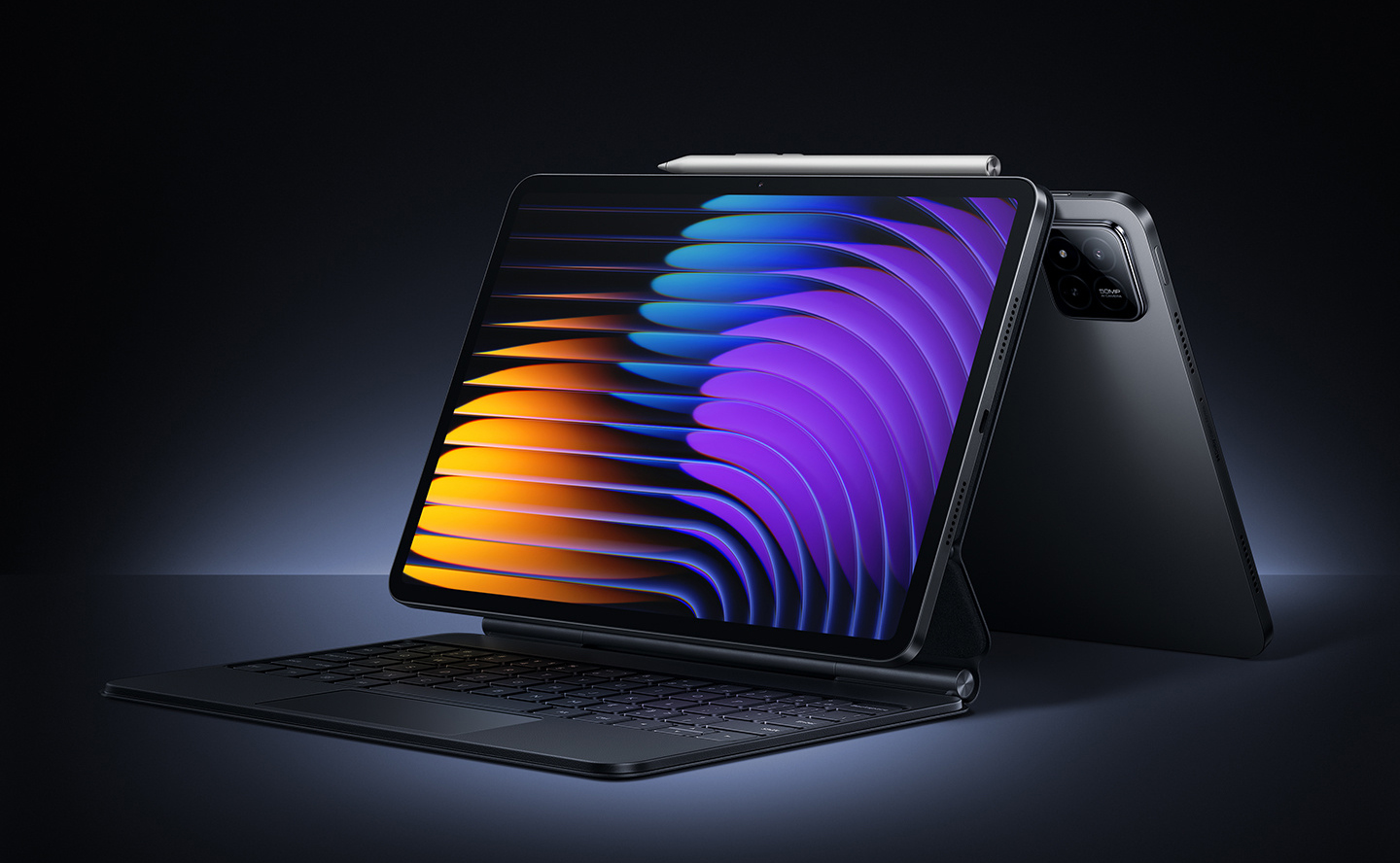
Xiaomi has just announced the Xiaomi Pad 7 series in China. The company’s new high end tablets feature some impressive specs and features. So now let’s have a look at all the upgrades the latest Xiaomi Pad 7 offers over the Xiaomi Pad 6 (Review).
1. Xiaomi Pad 7: Higher Resolution & Brighter Display
Xiaomi Pad 7
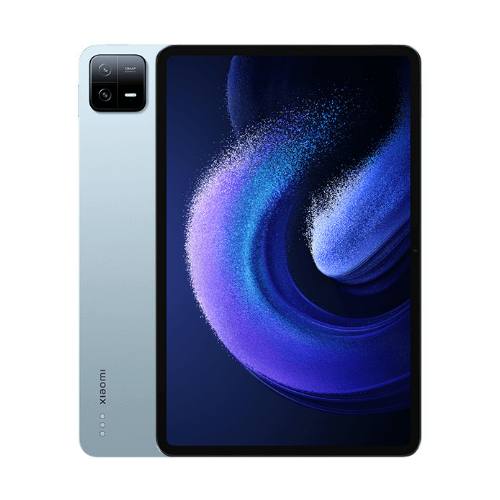
The Chinese tech giant announced the Xiaomi Pad 7 with a slightly taller display, which is brighter and has a higher resolution. Last year’s Pad 6 was announced with an 11-inch IPS LCD panel that supports a 2880 x 1800 resolution, 144Hz refresh rate, and 550 nits of peak brightness. On the other hand, the Xiaomi Pad 7 was announced with an 11.2-inch IPS LCD screen, which supports 3.2K resolution (3200 x 2136), a 144Hz refresh rate, and 800 nits of peak brightness.
Both models feature TÜV Rheinland-certified low blue light emission. Notably, Xiaomi employs an optional Nano Matte screen for users to reduce glare thanks to the AG nano texture and AR optical coating, which helps lower glare by 99 percent and reflectivity by 65 percent to enhance reading and writing comfort.
2. Continuing the Premium Design in a Thinner Body
Xiaomi Pad 6
Xiaomi is retaining the premium design with its latest generation of flagship tablets. The Xiaomi Pad 6 was released with an all-metal aluminum body that weighed just 490 grams and measured 6.5mm in thickness. This metal unibody design continues with the successor. While the weight has grown to 500 grams, the latest table measures just 6.18mm in thickness now.
3. Improved Performance
The Xiaomi Pad 6 launched with Qualcomm’s Snapdragon 870, which was a popular chipset for budget flagship. Although, its successor is equipped with the newer Snapdragon 7+ Gen 3, which promises improved performance and better battery efficiency. Thanks to the integration of Xiaomi’s HyperCore software-hardware system, the Xiaomi Pad 7 offers up to 69 percent higher multitasking performance.
It also runs on the brand’s latest Android 15 OS based HyperOS 2.0 custom skin out of the box. To recall, the Xiaomi Pad 6 launched with Android 13 OS based MIUI Pad 14 custom skin. The new OS also brings AI powered features. This includes AI enhancements in photography, which promise to improve image quality in various lighting conditions as well.
4. Faster Charging
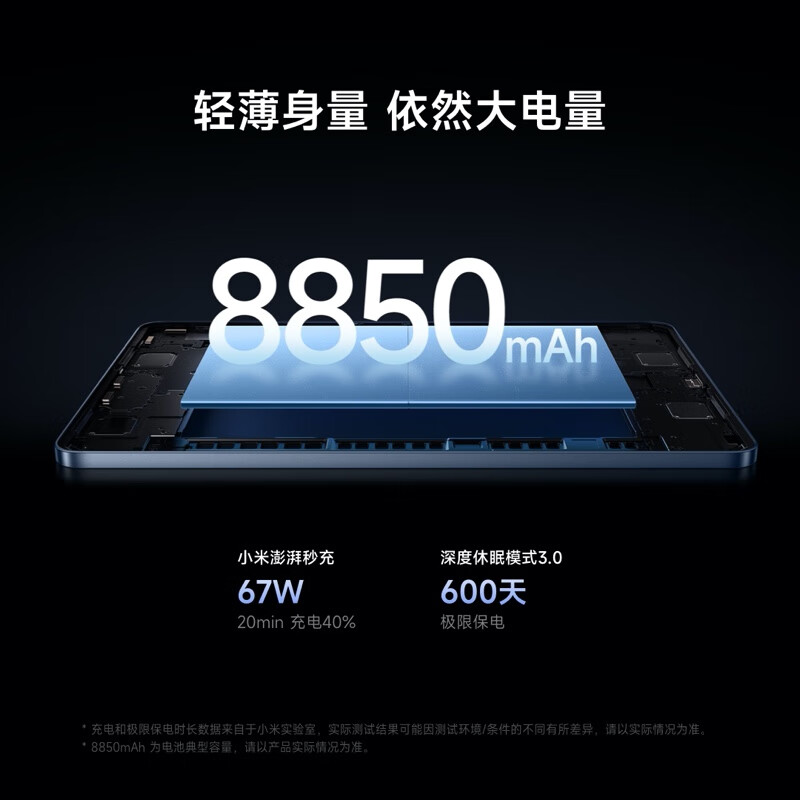
The brand unveiled the Xiaomi Pad 6 with a massive 8,840mAh battery pack, which supports 33W wired fast charging. However, the newer Xiaomi Pad 7 has an 8,850mAh battery pack that supports an even faster 45W wired fast charging. With the newer chipset and faster charging, users can expect less downtime thanks to improved battery life and quicker charging.
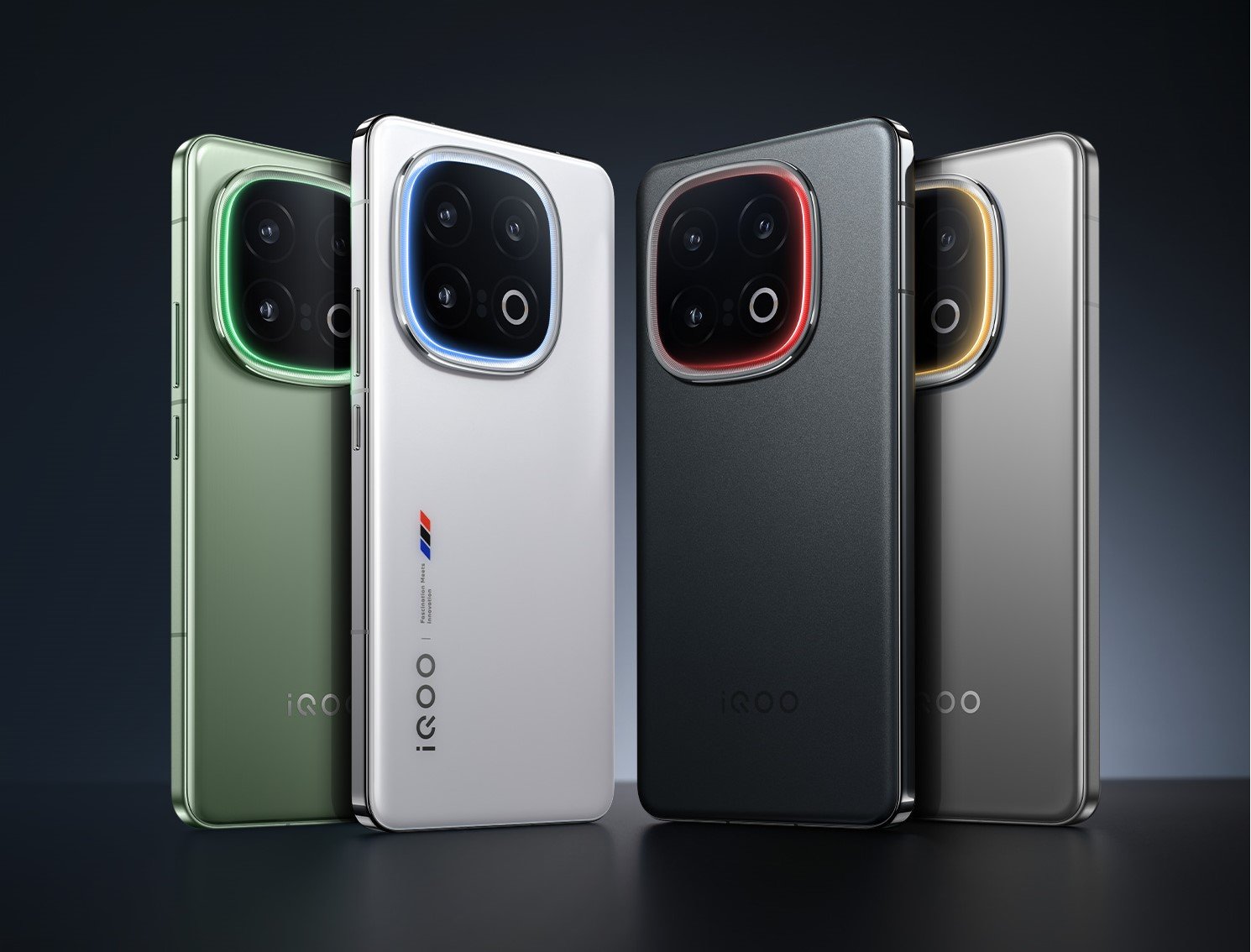
iQOO has officially launched its 2024 flagship, the iQOO 13, featuring Qualcomm’s powerful Snapdragon 8 Elite and the company’s second-generation SuperComputing Chip Q2. Let’s break down its key specifications and features to see what sets it apart.
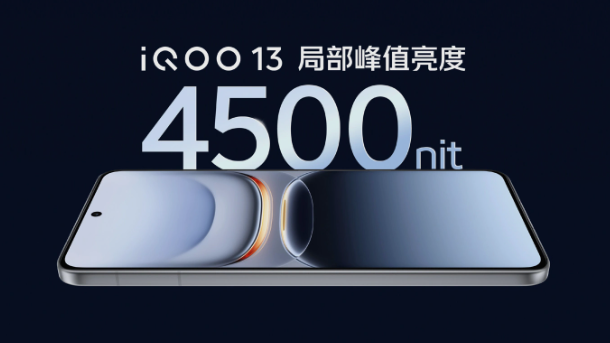
The iQOO 13 sports an impressive 6.82-inch 8T LTPO flat display, boasting a 3168×1440 resolution and developed using BOE’s Q10 luminous material. This display supports a high 144Hz refresh rate, achieving a global peak brightness of 1800 nits and an impressive local peak brightness of up to 4500 nits. In addition to sharp visuals, the new display offers a 50% improvement in color accuracy, extended lifespan, and reduced smearing by 15%, all while consuming 10% less power.
Complementing this advanced display is vivo’s custom eye protection solution, which includes a circular polarized light feature to reduce eye strain, and a 2592Hz high-frequency PWM dimming at full brightness, making it easier on the eyes even during extended use.
2. Performance and gaming prowess
Under the hood, the iQOO 13 is powered by the latest Snapdragon 8 Elite chipset, paired with LPDDR5X Ultra memory and UFS 4.1 flash storage. The new combination of hardware has earned it an impressive score of over 3.15 million on AnTuTu.
It supports 60fps gameplay in Naraka: Bladepoint and 90fps with ray tracing enabled in Dark Zone Breakout and Honkai Impact 3. Remarkably, the device can reportedly sustain Genshin Impact at 60fps for up to 12 hours, showcasing iQOO’s effort to fine-tune both performance and thermal efficiency.
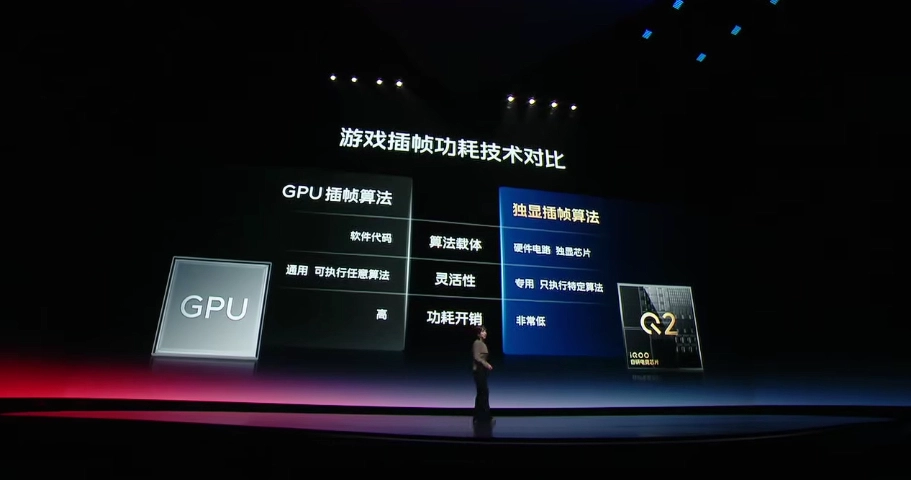
The device also supports frame rate interpolation through the Q2 chip, delivering up to 144fps in compatible games, and its super-resolution feature allows for gaming in 2K. Initially limited to a select few titles, these features now cover over 140 super-frame games and 100+ super-resolution games, with 98 games supporting both capabilities simultaneously.
3. Battery and charging
Powering the iQOO 13 is a sizable 6150mAh battery, up from the 5000mAh in its predecessor, and it uses iQOO’s third-generation silicon negative electrode technology. Despite this large capacity, the phone remains slim at 7.99mm, even thinner than the iQOO 12.
The 100W charger included with the device also supports PD output, compatible with many PCs and tablets, and a bypass charging option allows the device to run directly from the adapter without increasing battery cycles.
4. Camera capabilities
The iQOO 13 features a triple-camera setup on the back, consisting of three 50MP sensors:
1/1.56-inch IMX 921 primary sensor with f/1.88 aperture and OIS
1/2.93-inch IMX816 portrait telephoto lens with f/1.85 aperture
119.4° ultra-wide-angle lens with a 1/2.76-inch sensor
There is a 32MP sensor in the front for selfies. This camera system includes software features such as professional portrait lighting effects, multi-focal length portraits, work-level night mode, 3D imaging, and a new humanistic street photography mode for vibrant street captures. On the front, there’s a 32MP sensor, ideal for sharp, high-quality selfies.
5. Pricing and availability
The iQOO 13 is available in four color variants: Legend, Track, Isle of Man, and Nardo Gray. The model is currently available for purchase in China at the following prices:
CMF by Nothing is celebrating one of India’s biggest festivals by rolling out something special for its smartwatch owners. The company has unveiled special Diwali themed watch faces for the CMF Watch Pro and Watch Pro 2. So let’s check it out.
CMF Watch Pro Goes Festive with Diwali-Themed Watch Faces
CMF, Nothing’s sub-brand is bringing a special update to celebrate the festival of light with its Indian fans. The brand has introduced three new Diwali themed watch faces for its CMF Watch Pro and Watch Pro 2 wearables. CMF’s smartwatches are getting watch faces inspired by the festival, which includes an Oil Lamp, Lotus, and Dancing Lady. The Oil Lamp and Lotus feature a digital clock style, while the Dancing Lady Face features an analog clock style.
CMF Watch Pros with Diwali Watch Faces
As of right now, the three watch faces are already rolling out for Watch Pro and Watch Pro 2 users in India. For those interested, you can access these special watch faces via the CMF By Nothing Watch App. The CMF Watch Pro 2 was announced globally back in July 2024, while the first Watch Pro was launched last year in September. The Watch Pro 2 sports a 1.32-inch circular AMOLED display with a 466 x 466 resolution, 60Hz refresh rate, and 620 nits of peak brightness.
It features an aluminum alloy body with a rotating crown. The smart wearable has an IP68 rating for water and dust resistance. The USP of the smartwatch packs interchangeable bezels that let you customize the look of the smartwatch. There is also support for various health related sensors like heart rate tracking, SpO2 blood oxygen mapping, and more. In related news, the CMF Watch Pro 2 received an update that brought support for Google Health Connect syncing and other UI changes back in August 2024.
Huawei‘s upcoming Mate 70 series, expected to launch in November, has sparked excitement with fresh leaks detailing slightly redesigned camera modules across all models.
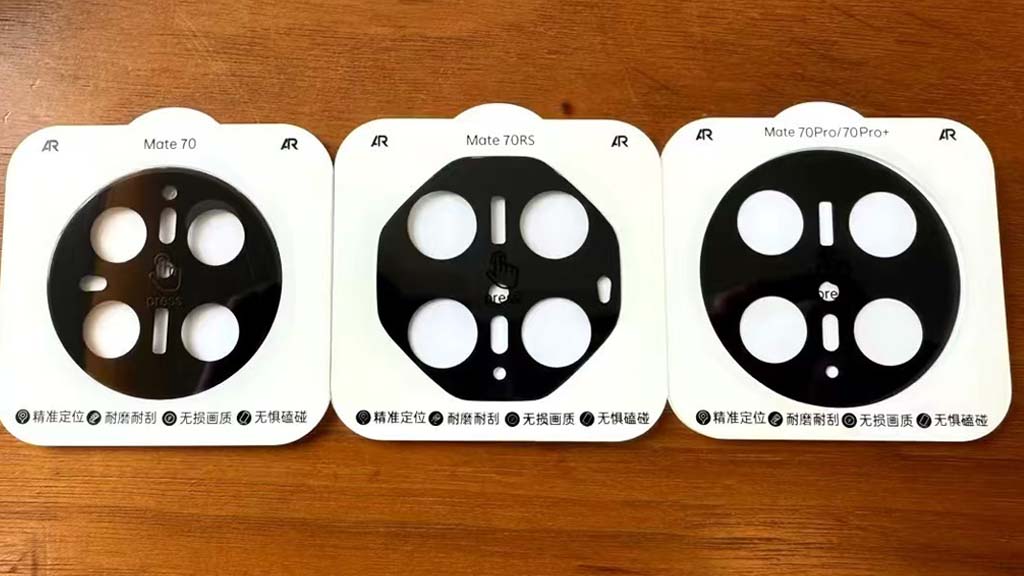
The latest images, shared on Weibo, reveal that Huawei plans to continue its approach to camera design for the high-end Mate 70 RS Ultimate. The Mate 70 lineup will include four models: the standard, Pro, Pro+, and the RS Ultimate Design.
Refined camera module design
In the Mate 70 RS Ultimate Design, Huawei maintains its iconic octagonal lens setup. The camera cover includes four prominent lens openings arranged in a square alongside a total of five smaller cutouts for the flash module lasers and additional sensors such as color temperature lenses.
The other three models in the series are expected to feature rounded camera modules, marking a departure from the previous generation’s layout. While the exact arrangement of lenses and sensors differs slightly across models, Huawei is likely aiming to upgrade the camera experience by providing a bigger camera module with a quad-camera setup, as indicated by early images and leaks.
Huawei Mate 60 Pro
Earlier reports suggest that the Mate 70 Pro could come equipped with a triple-camera setup featuring a 60MP main sensor, a 12MP ultrawide, and a 48MP telephoto lens. However, with the new camera design showing a total of four cutouts for the camera, it’s possible that Huawei might add more cameras than previously speculated. This anticipated camera upgrade aligns with Huawei’s ongoing efforts to strengthen its position in mobile photography, potentially enabling the Mate 70 series to capture more detailed and vibrant images than its predecessors. The Mate 70 Pro was previously spotted in a leaked image with a similar camera layout.
As for the performance, the Mate 70 series is rumored to power Huawei’s latest Kirin 9100 chipset. Although specific details of the Kirin 9100 are limited, it promises to deliver improved performance and power efficiency over the Kirin 9000S found in the Mate 60 series.
Xiaomi could be gearing up to launch a new budget smartphone in the global market soon. The Redmi A3 Pro was announced in Kenya recently, and a fresh certification sighting hints at a wider release. So here’s everything we know so far.
Redmi A3 Pro visits Bluetooth SIG
The Chinese tech giant first announced the Redmi A3 Pro in Kenya last week, with its specs hinting that it is a rebranded Redmi 14C. Now, this device has been spotted on the Bluetooth SIG certification carrying the 2409BRN2CG model number. Unfortunately, the online listing does not reveal any finer details like specs regarding the budget phone. Although, it does hint that its global release might be right around the corner.
Redmi A3 Pro
The Bluetooth SIG also confirms the Redmi A3 Pro moniker of this model. While an official announcement has yet to be made, the previous Kenyan launch has confirmed some of its key specs. The Redmi A3 Pro sports a tall 6.88-inch display with a 90Hz refresh rate. Under the hood, it is equipped with the MediaTek Helio G81 Ultra processor, which is paired with 4GB of RAM and 128GB of internal storage. The phone supports up to 8GB of virtual RAM expansion as well.
For optics, the Redmi A3 Pro features a 50-megapixel AI dual camera setup on the rear. A large 5,160mAh battery pack powers this model. Other notable features include Xiaomi’s Android OS based HyperOS custom skin, face unlock, and a fingerprint scanner for security. It was announced in two color options, namely Blue and Black. Based on all of these specs, it is clear that this phone is Xiaomi’s rebranded Redmi 14C. To recall, the Redmi 14C had debuted globally back in August 2024. This is all the information we have at the moment, so stick around for more updates.
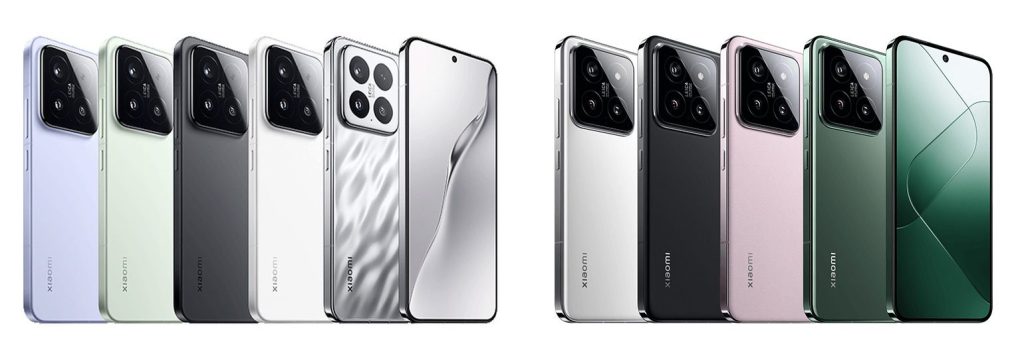
The Xiaomi 15 series, recently launched, brings a slew of updates and enhancements over its predecessor, the Xiaomi 14 series, launched in October 2023. As the latest iteration in Xiaomi’s flagship lineup, the Xiaomi 15 promises several key differences in design, performance, camera technology, and other features that set it apart from the previous generation. This comparison aims to highlight the seven key upgrades that the Xiaomi 15 brings over its predecessor.
One of the most noticeable differences between the Xiaomi 15 and the Xiaomi 14 is in their design and display. While the 15 does not bring a completely new design, it offers a refined appeal with a more premium approach. It offers a choice of five standard colors: Black, White, Light Grass Green, Lilac Purple, and Bright Silver.
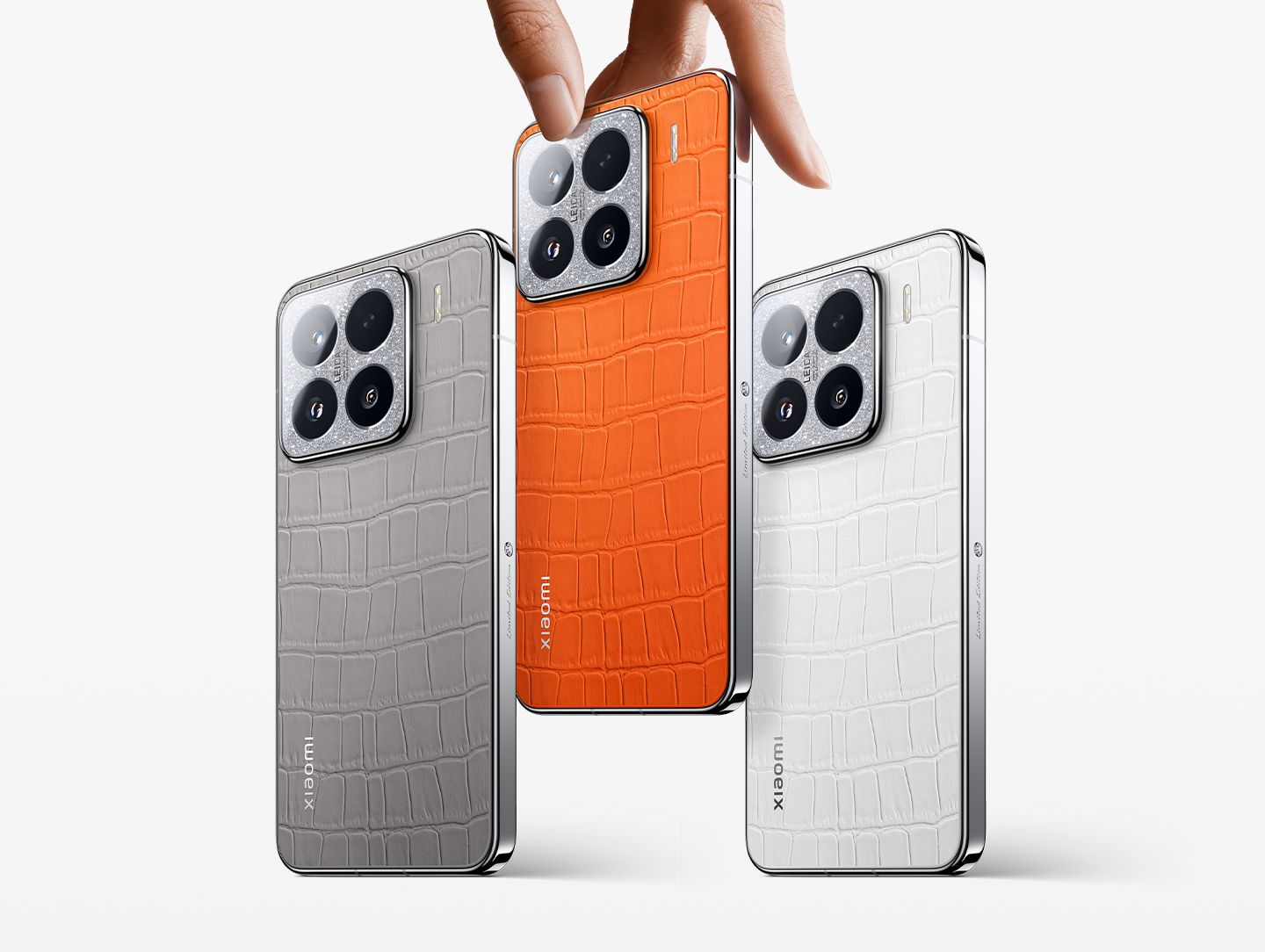
Additionally, the Xiaomi 15 Custom Edition comes with an impressive array of 20 color options and 2 frame choices, allowing for 40 different combinations. The Xiaomi 15 Diamond Edition, designed for luxury enthusiasts, is available in Elephant Gray, Orange, and Glacier White.
2. Brighter Display with Slimmer Bezels
Xiaomi 15
The Xiaomi 15 retains the 6.36-inch LTPO OLED display with a 120Hz refresh rate found in the Xiaomi 14. However, the display on the Xiaomi 15 is slightly brighter with a peak brightness of 3200 nits, offering improved visibility in bright environments. Additionally, the bezels around the display are slimmer, providing a more immersive viewing experience.
3. Performance Boost with Snapdragon 8 Elite
Xiaomi 15 is powered by Snapdragon 8 Elite
The Xiaomi 15 is powered by the latest Qualcomm Snapdragon 8 Elite chipset, a significant upgrade from the Snapdragon 8 Gen 3 found in the Xiaomi 14. This new processor promises a noticeable improvement in overall performance, making the phone faster and more responsive. Expect smoother multitasking, enhanced gaming capabilities, and improved power efficiency.
The Snapdragon 8 Elite is a significant upgrade over the Snapdragon 8 Gen 3, offering a substantial boost in performance and efficiency. Built on a more advanced 3nm process (compared to Gen 3’s 4nm), the Elite features a brand-new Oryon CPU architecture with faster cores, resulting in a claimed 45% performance improvement and 44% better power efficiency. This means snappier responsiveness, smoother gaming, and longer battery life. Additionally, the Elite offers an upgraded Adreno 830 GPU for enhanced graphics rendering, making it a true powerhouse for demanding tasks and mobile gaming.
Like the Xiaomi 14, the 15 comes equipped with LPDDR5x RAM and UFS 4.0 storage. Like the 14, the 15 comes with up to 16 GB of RAM and 1 TB of storage, but there’s no 8GB+25GB variant that was seen in the previous generation.
4. Enhanced Battery Life
Xiaomi 15 battery
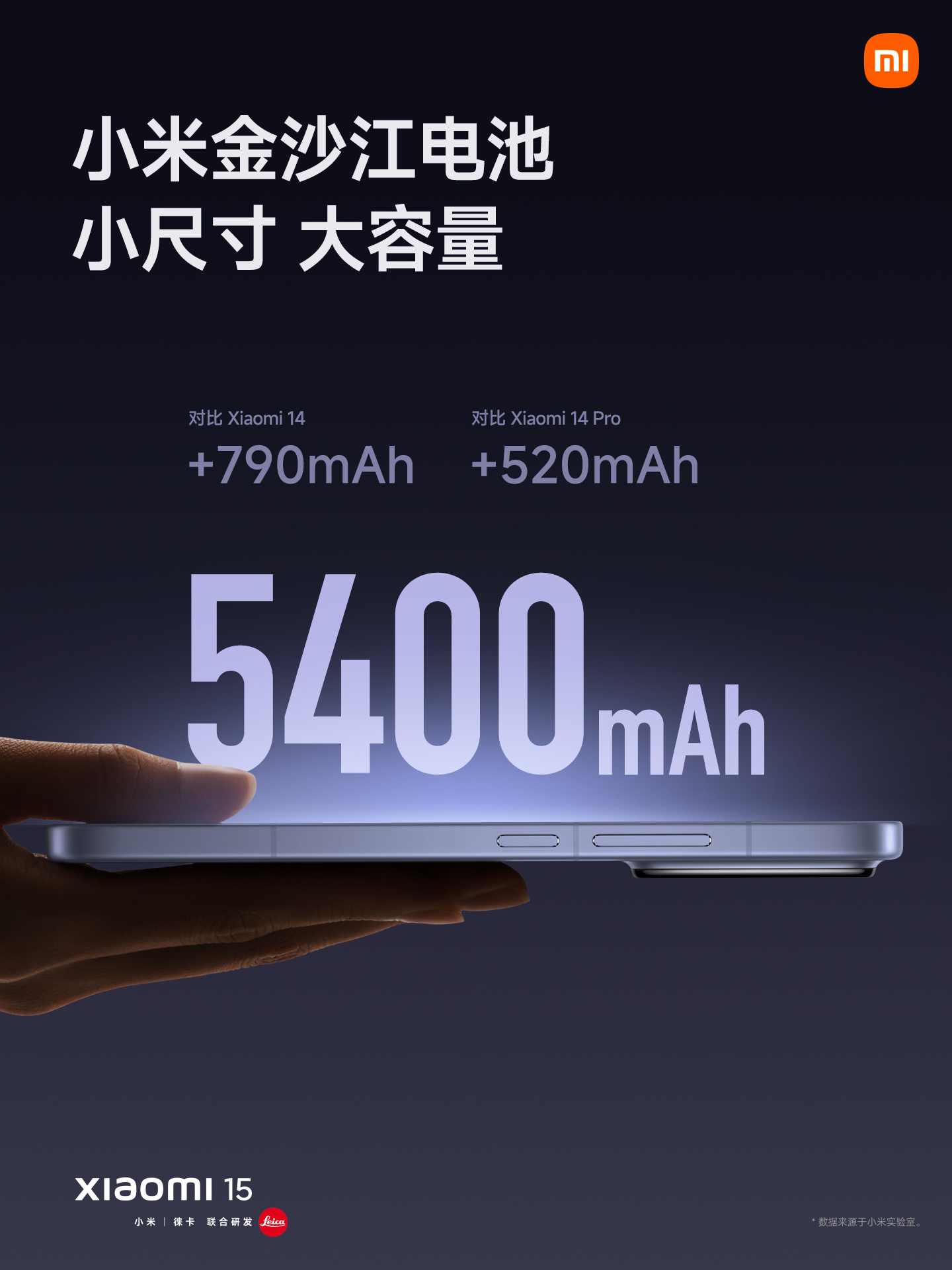
One of the major upgrades in the Xiaomi 15 is its battery. Despite being lighter than its predecessor, the Xiaomi 15 packs a larger 5,400mAh battery compared to the 4610mAh battery in the Xiaomi 14. This translates to a significant increase in battery life, allowing you to power through your day with ease. Like the Xiaomi 14, the Xiaomi 15 supports 90W wired and 50W wireless charging.
Despite the significant increase in the battery size, the Xiaomi 15 has a slim profile of 8.1mm to 8.4mm (depending on the variant) like the Xiaomi 14, which measures 8.2mm in thickness.
5. Smooth experience with AI powered HyperOS 2.0
HyperOS 2.0
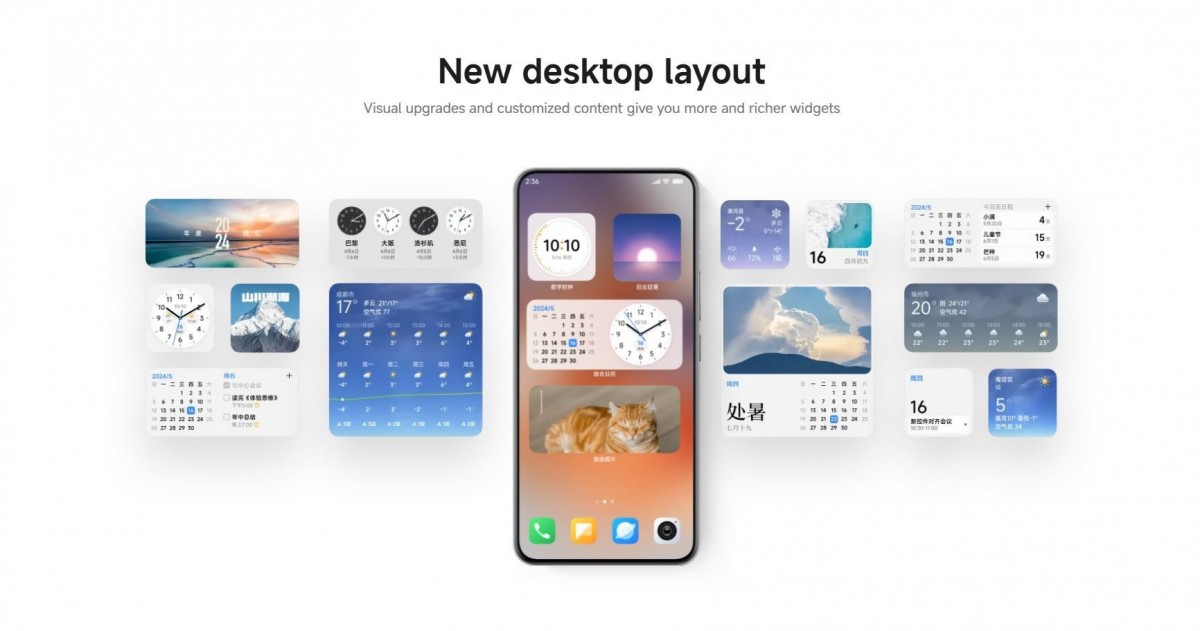
Available preinstalled on the Xiaomi 15 series, HyperOS 2.0 is Xiaomi’s latest Android skin, focused on boosting performance, connectivity, and AI interaction. It features a new scheduler and improved resource management for smoother operation, along with enhanced Bluetooth, Wi-Fi, and 5G connectivity. Visually, it offers a revamped lock screen, dynamic wallpapers, and updated widgets.
HyperOS 2 also enables seamless cross-device experiences, like controlling your phone from your tablet and cross-device video recording. Finally, it introduces a suite of AI-powered tools, including AI Magic Painting, AI Voice Recognition with real-time transcription and summarization, AI Writing tools, and AI Translation for meetings and calls.
The HyperOS 2.0 will be released to other Xiaomi devices, including the Xiaomi 14 lineup, starting in November in China. Its global availability has yet to be confirmed.
6. Improved Camera Capabilities
Xiaomi 15 camera setup
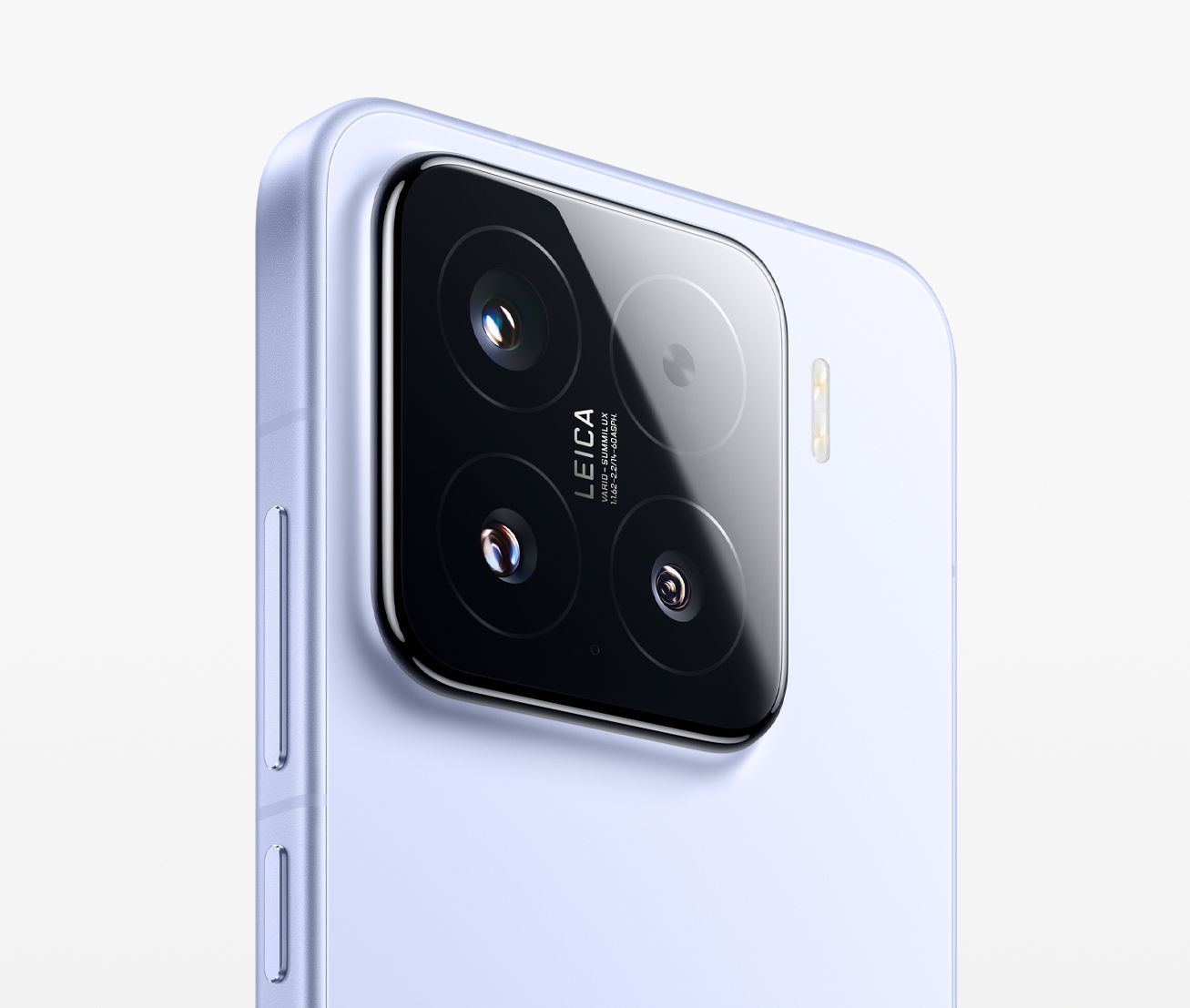
The OmniVision Light Fusion 900 main camera on the Xiaomi 15 offers an f/1.62 aperture and four-in-one 2.4μm pixel output. This setup enhances low-light performance, while QPD autofocus, and ALD lens coating reduce flare and ghosting. In contrast, the Xiaomi 14’s 50-megapixel sensor, with an f/1.6 aperture, lacks QPD autofocus and ALD coating, resulting in less advanced focusing and image quality.
Both models include a 50-megapixel ultra-wide-angle lens and telephoto capabilities, but the Xiaomi 15’s telephoto lens features improved stabilization with Zoom EIS. Video recording capabilities are also enhanced in the Xiaomi 15, supporting 8K video at 24/30fps and offering a variety of slow-motion options. While both devices provide high-quality video features, the Xiaomi 15’s advancements in sensor technology and stabilization make it a superior choice for photography enthusiasts.
7. Justified Pricing
Xiaomi 15 Diamond Limited Edition
The pricing structure of the Xiaomi 15 series reflects its premium status and the upgrades it offers over the Xiaomi 14. The base model of the Xiaomi 15 (12GB+256GB) is priced at 4,499 CNY (~$630), while the highest configuration (16GB+1TB) is priced at 5,499 CNY (~$770).
The Custom Edition, with its extensive customization options, is priced at 4,999 CNY (~$700) for the 16GB+512GB variant. The Diamond Edition, targeted at luxury markets, costs 5,999 CNY for the 16GB+1TB configuration.
In comparison, the Xiaomi 14’s pricing at launch was slightly lower, with the base model (8GB+256GB) priced at 3,999 CNY and the top model (16GB+1TB) at 4,999 CNY. This difference in pricing is justified by the technological advancements and enhanced features present in the Xiaomi 15 series.
Final Thoughts
Xiaomi-15 (left) and Xiaomi 14 (right)
The Xiaomi 15 is a significant upgrade over the Xiaomi 14, with improvements across various aspects such as design, display, performance, camera technology, and battery life. These enhancements make the Xiaomi 15 a compelling choice for users seeking the latest in mobile technology. While the Xiaomi 14 remains a robust and capable device, the Xiaomi 15’s advancements ensure it stands out as a flagship model worthy of attention.
The Xiaomi 15 and 15 Pro are currently limited to the Chinese market. It is likely that both devices will be available in markets outside of China in Q1 2025.
Battlegrounds Mobile India (BGMI) was introduced as a localized version of PUBG Mobile, aiming to cater to Indian gamers after the original global variant was banned in India. However, the game’s current state has left players dissatisfied. Once considered a promising battle royale experience, BGMI has gradually become plagued with issues that severely affect the gameplay.
BGMI’s recent updates have not brought stability; instead, they have introduced lag and frame drops, even on high-end devices. Players have reported significant performance issues, especially in classic event matches, which make the game frustrating to play.
This problem undermines the core experience, as consistent lag can affect shooting accuracy, movement responsiveness, and overall performance. Such issues are critical for a battle royale game, where quick reactions determine victory or defeat. Despite Krafton’s attempts to resolve these performance issues, the game still struggles to provide a smooth experience for most players.
2. Overheating and Battery Drain
Another significant issue plaguing BGMI is the overheating of devices. Gamers have frequently noticed their smartphones heating up during extended sessions, which not only affects performance but can also damage the device’s components over time.
This, in turn, leads to faster battery drain, reducing the overall battery lifespan. Overheating remains a persistent issue, with no substantial efforts to address it. While it is expected that high-end games may cause heating, BGMI’s impact is reportedly more severe than other games in the same genre, making it particularly concerning.
3. Server Instability
BGMI’s servers have faced considerable instability, resulting in connection problems, matchmaking errors, and unexpected disconnections. These server issues can be disruptive during matches, causing players to miss crucial moments or be left behind in the middle of intense gameplay.
4. Cheating and Hacking Concerns
Cheating has been a longstanding issue in BGMI. Despite anti-cheat measures and regular updates aimed at combating hacks, cheaters still find ways to exploit the game, leading to an unfair playing environment. This is one of the most damaging aspects of the game’s reputation, as it diminishes the competitive integrity that players expect. The persistence of cheaters not only frustrates regular players but also makes new users hesitant to invest time and effort into the game.
5. Loading Errors
BGMI has also struggled with a series of loading errors, with the most notable being the recent 73% loading issue that affected many players. Though it was eventually resolved, a similar 60% loading error has emerged in the new “Wow Mode,” demonstrating the lack of proper testing and quality checks before updates are rolled out. Such issues indicate that Krafton needs to test updates more thoroughly across various devices to avoid similar errors in the future.
6. Mic Glitches
For a multiplayer game like BGMI, in-game communication is crucial. However, the game has been plagued by mic issues, particularly for iOS users. While the problem appeared to have been resolved in a previous update, it resurfaced with the latest update, leading to a significant setback for players who rely on voice communication during fast-paced gameplay. Frequent mic glitches make communication impossible during critical moments, making it frustrating for players.
7. Lack of Optimization
Given the current state of the game, BGMI demands optimization improvements. The fact that it struggles to run smoothly on flagship-level hardware is concerning. If the developers argue that the game requires even higher specifications to function properly, it reflects poorly on their optimization efforts. For a game that once had a wider reach among players with mid-range devices, this shift towards demanding only high-end hardware is unfortunate.
8. Spending Money on Celebrities
Another controversial aspect of BGMI’s recent trajectory is Krafton’s investment in celebrity endorsements rather than enhancing the core gaming experience. Players feel that the game was more popular before the celebrity-centric marketing campaigns began.
Allocating significant budgets to celebrity promotions, rather than investing in server improvements and developer resources, has drawn criticism. Players believe that the focus should shift back to delivering a stable and enjoyable experience, with updates thoroughly tested on various devices before release.
9. Conclusion
BGMI’s journey from being a promising PUBG Mobile alternative to becoming unplayable for many gamers is a clear example of how neglecting core issues can lead to a game’s downfall.
If Krafton doesn’t act quickly to address these problems, BGMI risks losing its player base to other better-optimized games in the battle royale genre. It’s time to focus on the fundamentals and revive the game that Indian players once loved.
Samsung appears to be making significant shifts with its in-house Exynos chips, reportedly looking to use Snapdragon processors in a wider variety of products. Previous reports have already hinted at the use of Snapdragon and Dimensity flagship chipsets for the upcoming Galaxy flagship lineup, the Galaxy S25 series.
Now a report from South Korean media SEDaily suggests that Samsung’s home appliances may also adopt Qualcomm chips in the near future.
Samsung’s home appliances could offer more advanced AI features in future
For Samsung’s home appliances, shifting to Snapdragon processors is expected to enhance the AI capabilities of the products, especially as the demand grows for smarter and more connected devices. For instance, the AI in the latest Samsung refrigerator uses a camera to identify ingredients and recommend recipes. To make this AI function more advanced, the support of cutting-edge chips is essential.
This is apparently something difficult to achieve with the Exynos chips Samsung has used in its home appliances in the past. On the other hand, Qualcomm provides the efficiency and NPU capability needed for the implementation of these AI features.
Yoo Mi-young, vice president of Samsung Electronics’ home appliance division, once said: “We are developing products with the goal of launching home appliances that use large-scale language models on devices (that is, edge AI) in 2025. We are developing our own low-power, high-performance neural network processing unit (NPU) chips. Multiple organizations are conducting research.”
This potential move is primarily due to performance gaps and production challenges with Samsung’s Exynos chips. Initially expected to power the S25 series, the Exynos 2500’s production reportedly faces yield issues, with difficulties in producing chips at scale that meet Samsung’s quality standards. These limitations have led Samsung to consider Qualcomm’s Snapdragon 8 Elite for its next-generation Galaxy flagships, bypassing Exynos and exploring MediaTek Dimensity 9400 as an alternative.
While not much is known about the specific choices Samsung is going to make regarding the chips for home appliances, the replacement of Exynos 2500 with Dimensity 9400 in the S25 and S25 Plus will definitely bring a major improvement in both peak performance and AI capabilities.
The OnePlus 13 is set for its official launch on Oct. 31 in China. The device, identified by the model number PJZ110, has been previously seen on various certification platforms, including Geekbench, AnTuTu, and China’s 3C. Recently, it received approval from the TENAA certification agency in China, confirming its key specifications.
OnePlus 13 specifications (rumored)
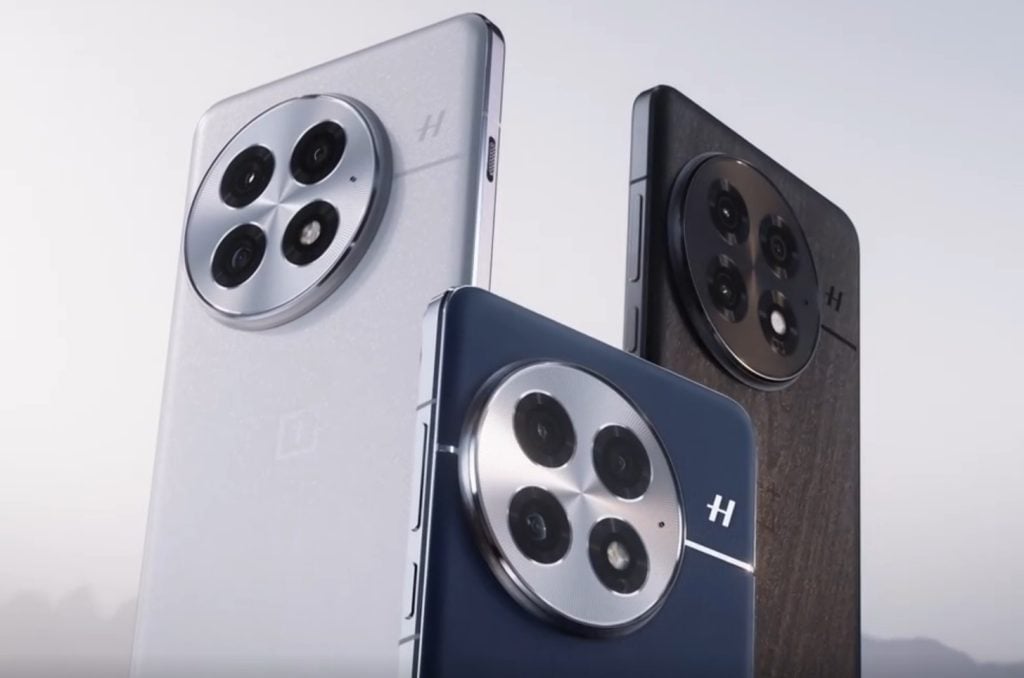
OnePlus 13 design
According to the TENAA listing, the OnePlus 13 will feature a 6.82-inch OLED screen. This display offers a 2K resolution of 3168 x 1440 pixels and supports a 120Hz refresh rate. Additionally, the screen will include an ultrasonic in-screen fingerprint sensor. The device will run on Android 15 with ColorOS 15 in China.
Powered by the Snapdragon 8 Elite chipset, the OnePlus 13 will offer various RAM options, including 12 GB, 16 GB, and 24 GB. Storage configurations will include 256 GB, 512 GB, and 1 TB. The device is equipped with a 6,000mAh silicon-carbon battery, contributing to its weight of 213 grams. This substantial battery supports 100W wired charging and 50W magnetic wireless charging. The OnePlus 13’s dimensions are 162 x 76.5 x 8.5mm, making it a solid and slightly heavier device due to the larger battery size.
Camera-wise, the OnePlus 13 will flaunt a 32-megapixel front camera for selfies. On the rear, it will feature a triple camera setup, including a 50-megapixel Sony LYT-808 primary sensor, a 50-megapixel ultra-wide lens, and a 50-megapixel periscope telephoto camera with 3x optical zoom. As expected, Hasselblad will provide optimization for these cameras, enhancing image quality. The device will also offer features, such as an IR blaster, a multifunctional NFC, an upgraded vibration motor, and an IP68/69-level dust and water resistance.
OnePlus has already revealed that the OnePlus 13 will be available in black, white, and blue color options. Additionally, the company will offer custom-made cases that support magnetic wireless charging, adding to the device’s appeal and functionality.
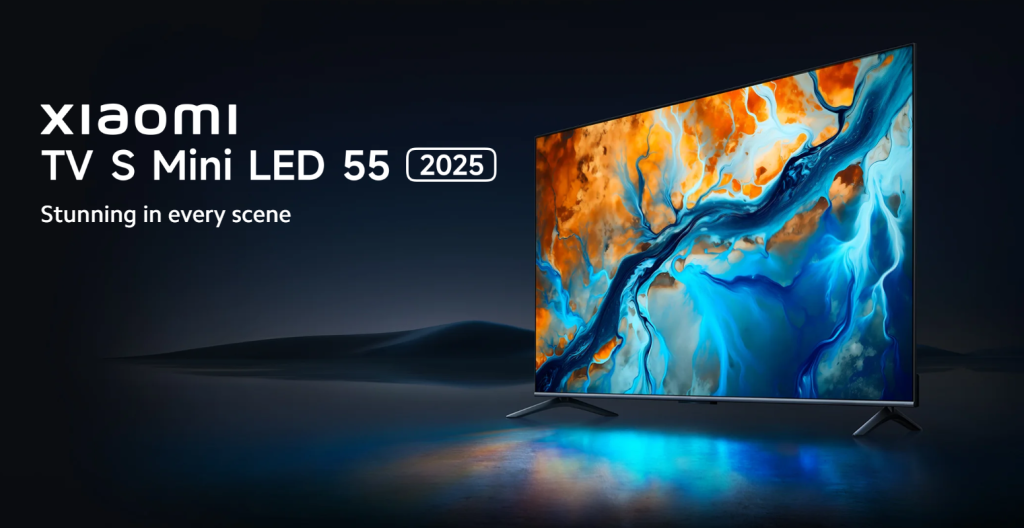
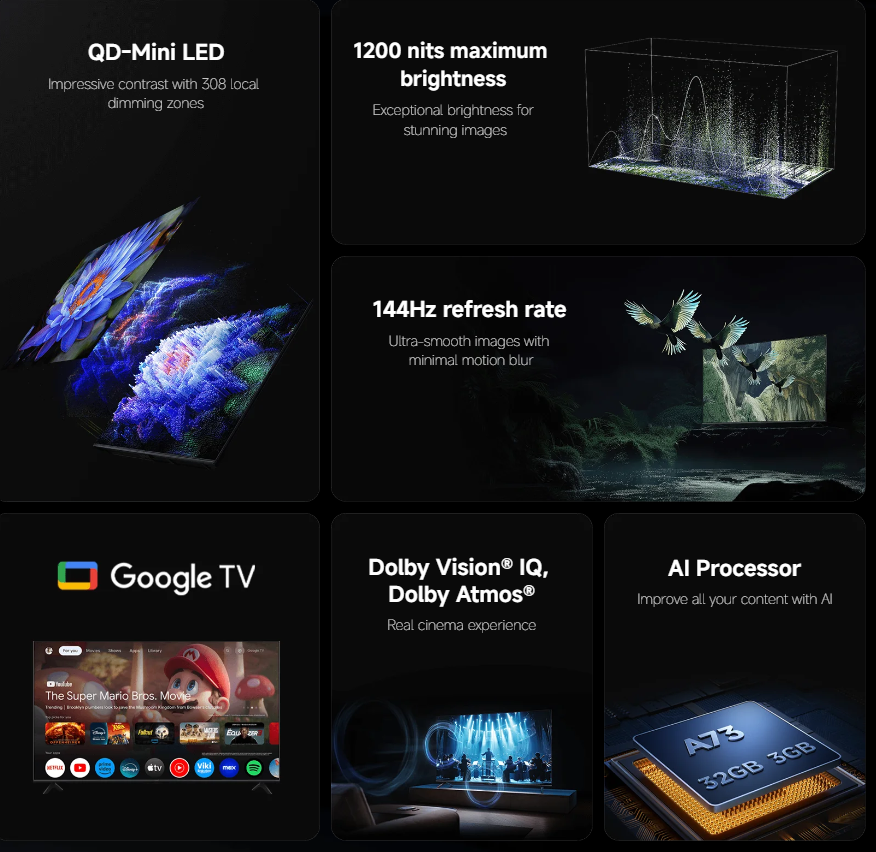
Xiaomi has launched its latest flagship TV, the TV S Mini LED 2025, in Europe. Available in 55-inch, 65-inch, and 75-inch screen sizes, this TV offers a stunning visual experience and powerful performance.
Xiaomi TV S Mini LED 2025 features
The TV S Mini LED 2025 boasts a sleek, bezel-less design with a high screen-to-body ratio. It utilizes QD-Mini LED technology with 512 independent local dimming zones, enabling precise control of brightness and contrast for deep blacks and vibrant colors. The 1200 nits peak brightness ensures excellent visibility in various lighting conditions.
For gaming enthusiasts, the TV supports a 144Hz refresh rate and MEMC technology to reduce motion blur, resulting in smoother gameplay. The Game Boost Mode further enhances the gaming experience by increasing the refresh rate to 240Hz. The dual HDMI 2.1 ports and FreeSync Premium certification ensure low latency and tear-free gaming.
The TV’s 4K resolution and DCI-P3 wide color gamut deliver sharp, detailed images with accurate colors. Dolby Vision IQ and Dolby Atmos provide immersive audio-visual experiences, optimizing picture and sound quality based on the content.
Powered by a Quad Cortex A73 processor and 3GB of RAM, the TV offers smooth performance and seamless multitasking. The 32GB of internal storage provides ample space for apps and games. The TV runs on Google TV, offering access to a vast library of apps and services. Google Assistant integration allows for voice control, making it easy to search for content and control smart home devices.
Pricing & availability
The Xiaomi TV S Mini LED 2025 is priced competitively, starting at €599 for the 55-inch model, €799 for the 65-inch model, and €999 for the 75-inch model.
The upcoming Google Pixel 9a is poised to deliver a larger display, improved performance, and a competitive price. Slated for a mid-March 2025 release, this early launch also suggests Google might skip hardware announcements at Google I/O next year. The Pixel 9a will debut at $499, the same price as the Pixel 8a, offering enhanced features without a price increase.
Scheduled for a March 2025 launch, the Pixel 9a’s release timeline is a few months earlier than expected, aiming to stay competitive in the mid-range market. Its $499 price point undercuts the Pixel 9 by $300, offering substantial value for consumers seeking flagship-like capabilities.
Pixel 9a specifications (leaked)
The Pixel 9a reportedly comes with a 6.3-inch Actua display, supporting adaptive refresh rates from 60Hz to 120Hz—a considerable size increase over the Pixel 8a’s 6.1-inch 120Hz display. This screen size matches the Pixel 9, giving users a similar visual experience.
Under the hood, the Pixel 9a features the new Tensor G4 chipset, 8GB RAM, and storage options of 128GB or 256GB. The device is powered by a 5,000mAh battery, an 11% increase over the Pixel 8a, though charging speeds remain at 18W wired and 7.5W wireless.
Compared with the Pixel 8a, the Pixel 9a’s Tensor G4 is relatively power efficient and can run more advanced AI features on the device. Not to mention, it suggests a significantly better battery life, a higher peak performance that’s also more sustainable for the phone, and a better implementation of AI features.
According to Google, Tensor G4 was designed with its DeepMind division and is optimized to run our most advanced AI models. It will be the first processor to run Gemini Nano with Multimodality — which helps your phone understand text, images, and audio.
Camera specs reportedly include a 48MP primary lens, a 13MP ultrawide lens, and a 13MP front-facing camera.
To provide context, the Pixel 8a launched with a 64MP main camera. Despite the size increase and the bigger battery, Google has reportedly managed to keep the Pixel 9a’s weight at 186g, even lighter than the Pixel 8a’s 188g.
With its boosted specs and consistent price point, the Pixel 9a could be a major contender among mid-range phones in 2025.
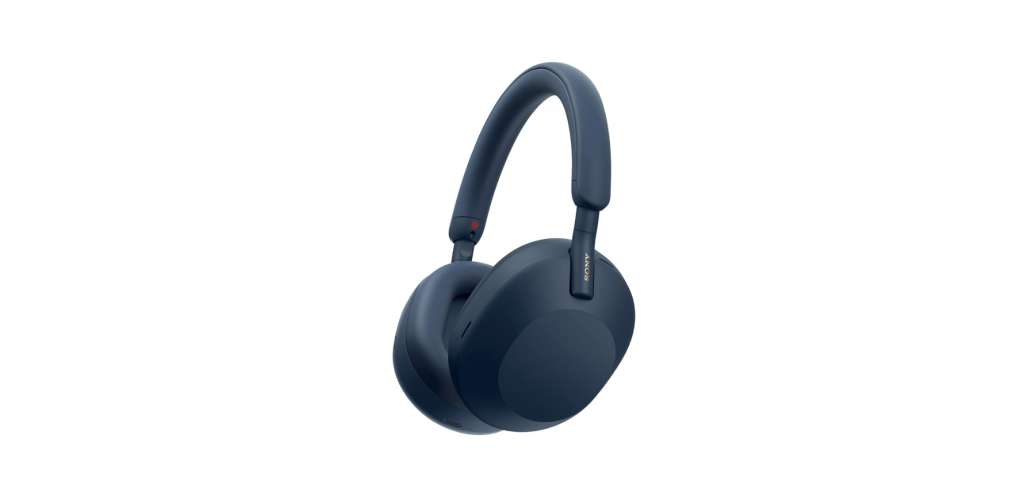
Sony WH-1000XM5 are available at a $100 discount in the US. Just a day before Halloween, the Sony WH-1000XM5 price is slashed to $300 on Amazon. In numbers, it is actually a 25% discount, and the interested buyers can grab the powerful headphones at a $100 discount from their actual list price of above $400 in the US.
Recognized for delivering an exceptional listening experience, the Sony WH-1000XM5 is lauded for its balanced sound profile and high-resolution audio support. Built with an adaptive sound control feature, these headphones automatically adjust noise cancellation levels based on your surroundings, ensuring immersive audio no matter where you are. Whether commuting, working in a noisy environment, or seeking a peaceful, focused experience, the WH-1000XM5’s advanced Active Noise Cancellation (ANC) feature effectively blocks out unwanted sounds.
Equipped with a highly capable 30mm driver unit and Sony’s Integrated Processor V1, the WH-1000XM5 offers rich bass, crisp treble, and an overall balanced audio profile. Sony’s Precise Voice Pickup technology ensures crystal-clear calls, a valuable addition for those who use their headphones in professional settings. Additionally, the WH-1000XM5 boasts up to 30 hours of battery life on a single charge, with a quick 3-minute charge providing up to 3 hours of playback—a convenient feature for on-the-go use.
The WH-1000XM5 is crafted for comfort with soft-fit leather that reduces pressure on the ears, making it an ideal choice for long listening sessions. Sony’s commitment to eco-friendly manufacturing is also evident, as the WH-1000XM5 uses sustainable materials, including its packaging.
Please Note: When you buy something using the links in our articles, we may earn a small commission at no cost to you.
This Halloween, grab a pair of Sony WH-1000XM5 headphones on Amazon to enjoy this exclusive discount and immerse yourself in an unmatched listening experience. With limited stock expected, be sure to act fast to take advantage of this fantastic deal on one of the best headphones on the market today.
Samsung is reportedly considering a significant shift in its branding strategy to better compete with Apple’s iPhone in the premium smartphone market, as per South Korean publication E-Today. Industry insiders reveal that the tech giant is exploring the possibility of introducing a new high-end brand, aiming to enhance its image and attract more affluent customers.
Samsung aims to elevate its brand image
Samsung Galaxy S24 Ultra
Since 2009, Samsung has used the ‘Galaxy’ brand for all its smartphones, from budget-friendly models to flagship devices. However, this broad approach may have diluted the premium perception of its top-tier offerings. Despite leading in global smartphone shipments, Samsung has struggled to maintain its foothold in the lucrative premium segment, where Apple’s iPhone reigns supreme.
The idea of a new brand is inspired by Hyundai’s success with Genesis, its luxury vehicle line. Launched in 2015, Genesis quickly established itself as a leading premium brand, significantly boosting Hyundai’s market reputation and profitability. Samsung hopes to replicate this success in the smartphone industry.
At the CES 2024 in Las Vegas, Samsung’s Global Marketing Head, Lee Young-hee, hinted at this potential rebranding. She acknowledged that the extensive Galaxy lineup, which includes everything from foldable phones to mid-range devices, might confuse consumers and weaken the premium allure of its flagship products.
Recent surveys highlight a growing preference for iPhones among young consumers. For instance, a study by Piper Sandler revealed that 90 percent of American teenagers use iPhones. In Korea, a Gallup survey showed that 64% of people aged 18-29 prefer iPhones, with the figure climbing to 75 percent among young women. These statistics underscore the challenge Samsung faces in appealing to the next generation of smartphone users.
To address this, Samsung is conducting internal studies to evaluate the feasibility of launching a new brand. This initiative includes analyzing potential market impacts, marketing costs, and long-term benefits. As the company contemplates this strategic move, industry experts believe that introducing a distinct premium brand could help Samsung reclaim its competitive edge and secure a stronger position in the high-end smartphone market. This strategic shift mirrors Samsung’s approach with the W-series phones like the Samsung W25 and the Samsung W25 Flip in China, where a separate premium lineup has been successfully marketed for several years.
We use cookies on our website to give you the most relevant experience by remembering your preferences and repeat visits. By clicking “Accept”, you consent to the use of ALL the cookies.
This website uses cookies to improve your experience while you navigate through the website. Out of these, the cookies that are categorized as necessary are stored on your browser as they are essential for the working of basic functionalities of the website. We also use third-party cookies that help us analyze and understand how you use this website. These cookies will be stored in your browser only with your consent. You also have the option to opt-out of these cookies. But opting out of some of these cookies may affect your browsing experience.
Necessary cookies are absolutely essential for the website to function properly. This category only includes cookies that ensures basic functionalities and security features of the website. These cookies do not store any personal information.
Any cookies that may not be particularly necessary for the website to function and is used specifically to collect user personal data via analytics, ads, other embedded contents are termed as non-necessary cookies. It is mandatory to procure user consent prior to running these cookies on your website.