Update: Following publication, LG contacted us stating that the claims were baseless, speculative, and misleading. The company also noted that the original report referenced in the story has since been taken down.
Original post continues…
LG Electronics may be considering some major changes to its TV business as competition in the global television market continues to intensify. A new report out of South Korea claims the company recently held discussions with Hisense about possible restructuring plans, including the potential sale of LG’s TV division.
The report comes from a Korean outlet, which says executives from LG and Hisense met during a recent visit to Beijing. While no deal has been confirmed, and LG reportedly denied that active sale negotiations are taking place, the report has still sparked a lot of discussion around the future of LG’s television business.
The timing is not entirely surprising. LG remains one of the most recognizable TV brands globally, especially in the premium OLED segment, but the broader TV market has become increasingly difficult over the past few years. Chinese brands like Hisense and TCL have been growing aggressively, often competing with lower pricing while steadily improving panel quality and features.
According to market research data from Omdia, LG’s global TV market share has stayed around the 10-11% range recently, while Chinese brands have continued gaining ground. At the same time, profit margins in the TV business have reportedly remained fairly thin.
Another issue is LG Display’s gradual exit from large LCD panel production. That move reduced some of the vertical integration advantages LG Electronics previously had, especially when it comes to panel sourcing and manufacturing costs.
Despite still leading in OLED TVs, maintaining profitability across the wider TV lineup has apparently become more difficult. LG’s Media and Entertainment Solutions division, which includes the television business, reportedly posted weak profitability last year with operating margins sitting around just 1-2%.
For Hisense, a deal like this would obviously be significant. The company has expanded rapidly in recent years and has become much more visible globally, not only in budget TVs but also in larger Mini LED and premium categories.
At this stage, though, it is important to note that everything remains speculative. There is no confirmation that LG actually plans to sell the business, and companies often hold exploratory discussions without any final agreement being reached.
Still, the report does highlight how dramatically the TV industry has changed. Even established brands with strong reputations are facing increasing pressure as pricing competition becomes tougher and consumer demand shifts more toward value-focused products.
Anker Japan is gearing up to delight Pokémon fans with a brand-new collection of themed tech accessories, scheduled to launch in early July 2026. The special edition collection celebrates the 30th anniversary of the beloved Pokémon franchise, bringing Pikachu and Eevee designs across five products.
The Pokémon theme carries through not just the products themselves, but also their packaging and included accessories.
Anker USB Fast Charger 70W Pikachu Model
The USB fast charger has a yellow body with the outline of Pikachu and a gold accent glass panel on the top. The charges can be used for smartphones, tablets, and laptops and come with two USB-C ports and one USB-A port, delivering up to 70W when used on a single port. It features a foldable plug for easy packing, and comes bundled with a Pokémon-designed cable and cable band.
It is priced at 7,990 yen or some $50.
Anker Travel Adapter Pikachu Model
Built for globetrotters, this adapter works in over 200 countries and regions. It includes one AC outlet, two USB-A ports, and two USB-C ports. Like the charger, it has a yellow body with a golden panel at the top. The latter carries the Pikachu imprint. It is priced at 5,990 yen (~$38).
Anker Travel Pouch Pikachu Model
Designed to keep your gadgets neat on the go, the travel pouch can store chargers, cables, and other accessories. It comes with a back pocket for extra storage and is compact enough to slip into a bag with ease. It is available in a single black shade with Pikachu on the right corner. The Travel Pouch is the least expensive accessory at 3,990 yen (~ $25).
The collection also includes two versions of the Soundcore C50i open-ear wireless earphones: one styled after Pikachu with vivid colours, and one after Eevee with a more natural, understated look.
Both are ear-cuff style, meaning they sit comfortably on the ear without blocking outside sound, and each earbud weighs just about 5.5g. They deliver powerful bass and offer up to 28 hours of total playback time with the charging case. Each model is priced at 13,990 yen (~ $87).
All five products are currently listed as “Coming Soon” on the Anker Japan official store, with updates expected via their social media channels closer to the July launch.
HMD appears to be working on another budget-focused smartphone, and this time the company seems to be going big on display and battery life. A new leak from @smashx_60 has now revealed most of the key specifications of the upcoming HMD Grand ahead of its official launch.
According to the leak, the phone will feature a large 6.9-inch IPS LCD display with FHD+ resolution and a 90Hz refresh rate. The panel also uses a centered punch-hole cutout, giving the front a more modern look compared to some of HMD’s lower-end devices from the past couple of years. The phone is expected to launch in two colors: Florida Blue and Titanium Black.
On the camera side, HMD seems to be putting a bit more focus on selfies than usual for this segment. The device is tipped to include a 50MP front camera alongside a 50MP main rear camera and an 8MP ultra-wide sensor. For a budget-oriented phone, that is actually a fairly decent-looking setup on paper.
Powering the device is reportedly Qualcomm’s Snapdragon 6s 4G Gen 2 processor. Despite the slightly confusing name, the chip is basically a refreshed Snapdragon 685 with a small clock speed bump. That also means there is no 5G support here. In terms of performance, though, it should still be perfectly fine for regular apps, social media, streaming, and lighter gaming, just not really something aimed at heavy gamers.
The HMD Grand is also rumored to pack a large 6000mAh battery with support for 33W charging. Combined with the relatively efficient hardware, battery life could end up being one of the stronger points of the phone.
Other leaked features include dual speakers, NFC, Bluetooth 5.1, and Wi-Fi 5 support. Memory configurations are expected to go up to 8GB RAM and 256GB storage.
At least based on the leaked specs, HMD seems to be aiming for a fairly straightforward formula here: big display, big battery, decent cameras, and enough performance for normal daily use. Nothing particularly flashy, but potentially a practical option for users who mainly care about screen size, a clean software experience, and affordability.
Redmi is reportedly working on a couple of new phones for the Chinese market. These include the Redmi Note 17 series, which may debut starting next month. The brand is also expected to announce the Redmi K90 Ultra flagship phone in the coming month. After these devices, the company is expected to shift its focus to the next-generation Redmi K100 lineup. Today, reliable tipster Digital Chat Station published a new Weibo post revealing key details about what appears to be the Redmi K100.
Redmi K100 key specifications tipped
Redmi K100 key specs leak
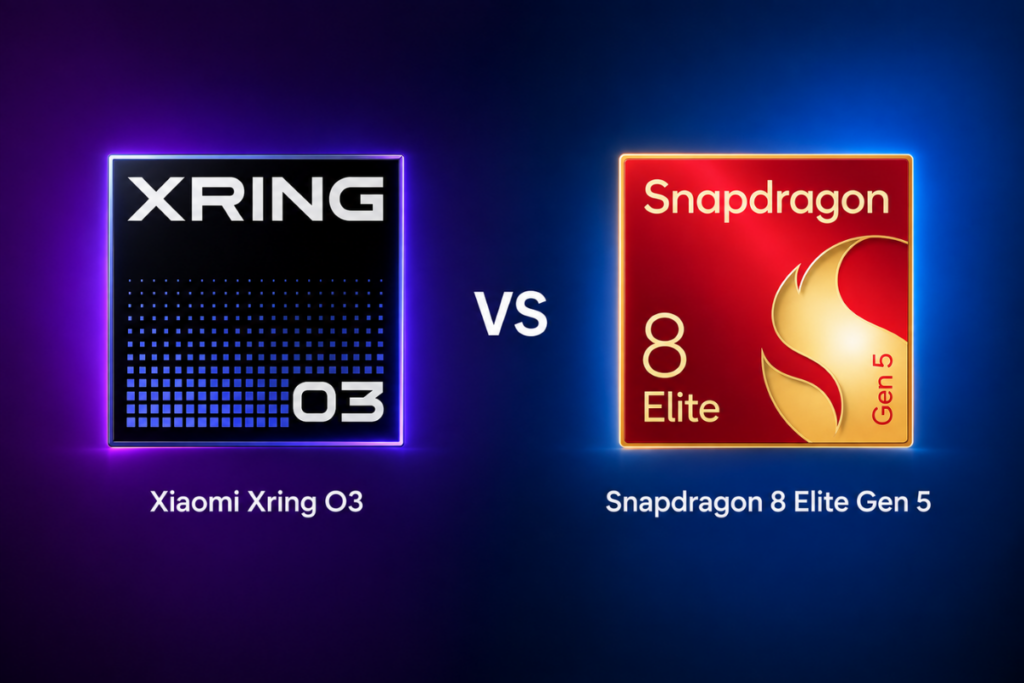
In the latest leak, the tipster talked about an upcoming Redmi phone powered by the Snapdragon 8 Elite Gen 5 chipset. The device is currently being tested with a 60mm telephoto camera that may use the Samsung JN5 50-megapixel sensor and support telephoto macro photography from as close as 10cm. While not mentioned directly in the leak, the setup is also expected to include an ultra-wide camera.
The leak further suggests that the phone could feature a 200-megapixel primary camera with a large 1/1.56-inch sensor. DCS also hinted that the overall camera setup on this compact mid-sized flagship could deliver a solid imaging experience.
In the comments section, the tipster also mentioned that the phone will feature a 6.59-inch display and support wireless charging. He further stated that the telephoto camera would support optical image stabilisation. According to him, competing phones from rival brands may not include a telephoto camera, which could give the Redmi K100 an advantage in photography.
As per a previous leak by DCS, the Redmi K100’s display will support a high resolution, likely 1.5K, along with an ultra-high refresh rate. The device is also said to pack an 8,000mAh battery with support for 100W wired and wireless charging. Other rumoured specifications include an ultrasonic in-screen fingerprint sensor, symmetrical dual speakers, and an IP68/69-rated dust and water-resistant chassis.
MediaTek has quietly announced the Dimensity 8550. The 4nm mobile processor isn’t much different from the Dimensity 8500 in terms of raw specs, but it now supports Google’s new Gemini Nano V3 AI.
But before you get too excited, having this chip in your phone doesn’t automatically mean you’ll get Gemini Nano V3 features. There’s more to it.
MediaTek Dimensity 8550 Specifications
The Dimensity 8550 packs MediaTek’s NPU 880 with a new LLM Booster, which enables on-device AI processing without needing an internet connection. The chip also officially supports Gemini Nano V3, but that alone doesn’t guarantee Gemini Intelligence on any phone using it.
As we recently covered in our article about how much RAM your phone actually needs in 2026, Gemini Intelligence demands at least 12GB of RAM — 50% more than Apple Intelligence’s 8GB minimum — along with Gemini Nano V3 support and a flagship-grade chipset. So, a phone running the Dimensity 8550 with 8GB of RAM won’t make the cut, even with the new chip inside.
Honor 600 Pro is powered by Dimensity 8550
Beyond the AI story, the rest of the 8550 is identical to the 8500. It’s built on TSMC’s 4nm process and uses eight Cortex-A725 big cores. The lead core runs at 3.4GHz, three more run at 3.2GHz, and four run at 2.2GHz. The Mali-G720 MC8 GPU handles graphics and can drive 1440p displays at up to 144Hz. For video, you get 4K recording at 60fps and AV1 playback support. Camera support goes up to 320MP.
Connectivity support includes 5G with dual SIM dual active, Wi-Fi 6E, Bluetooth 5.4, LPDDR5X RAM at 9,600Mbps, and UFS 4.0 storage.
Interestingly, the first few phones with the Dimensity 8550 are already on the market. Honor recently launched the Honor 600 Pro, while Oppo announced the Reno 16, both of which use the same chip.
For more daily updates, please visit our News Section.
Lenovo has refreshed the ThinkPad X13 for 2026, bringing newer AMD Ryzen AI hardware to one of its most portable business laptops. The new model is now listed on JD.com in China and continues the same formula the X13 series has been known for over the years: lightweight design, practical features, and the classic ThinkPad experience.
This version comes powered by AMD’s Ryzen AI 7 445 processor paired with 32GB LPDDR5x memory. Storage options include either a 512GB or 1TB PCIe 4.0 SSD, with pricing starting at 10,999 yuan in China, which is equivalent to €1,399 at the current exchange rate.
The biggest appeal here is probably still portability. Lenovo says the laptop weighs around 1kg and measures about 16mm thick, which is impressive for a business machine that still keeps a fairly solid selection of ports and a full ThinkPad-style keyboard. The body uses carbon fiber with the usual matte black finish, so visually it still looks very much like a traditional ThinkPad.
The display is a 13.3-inch panel with a 1920×1200 resolution, 400 nits brightness, and full sRGB coverage. It also includes an anti-glare coating and low blue light support, which should help during longer work sessions. Nothing overly flashy, but it seems perfectly fine for office work, travel, and general everyday use.
Lenovo has kept most of the things longtime ThinkPad users tend to care about. There is still the TrackPoint in the middle of the keyboard, 1.5mm key travel, a fingerprint reader, IR facial recognition, and the physical ThinkShutter webcam cover. The laptop also meets MIL-STD-810H durability standards, which has basically become expected at this point for higher-end ThinkPads.
Port selection looks decent too. You get two Thunderbolt 4 ports, HDMI 2.1, USB-A, and a headphone jack. Battery capacity is rated at 54.7Wh. Like many new laptops launching this year, Lenovo is also pushing the AI angle pretty hard because of the Ryzen AI processor and its built-in NPU. But realistically, for most buyers, the bigger selling points will probably still be the weight, keyboard, reliability, and overall portability.
Oppo has previously been tipped to be working on a 100MP 1:1 selfie camera for upcoming smartphones. A new leak from tipster Digital Chat Station reveals the camera could debut in the Oppo Find X10 family.
According to the insider, Oppo is currently testing a new 100MP 1:1 square front camera. The leak says this camera uses a natively customized 100MP small sensor solution, based on a Samsung sensor with a size of around 1/2.5 inches.
It is said to be in testing for a “new phone using a 2nm iteration line.” And to no one’s surprise, that is the Oppo Find X10 series, which will use the upcoming Dimensity 9600 chip built on a 2nm process.
The previous report suggested that Oppo was exploring square-shaped front camera sensors, but they did not clearly mention which model would get it first. This new information now directly links it to the Find X10 lineup.
The use of a 1:1 sensor
The biggest change here is the 1:1 square format. Unlike traditional front cameras that are usually optimized for vertical selfies, a square sensor can capture a wider and more flexible frame. This allows users to take selfies and videos in both vertical and horizontal orientations without rotating the phone. It also helps improve group shots and video calls.
Apple introduced the technology with the iPhone 17 series, which uses a square front camera sensor called Center Stage. However, Apple’s solution uses a 24MP sensor, while Oppo is reportedly testing a much higher 100MP version.
The leak also mentions that the Oppo Find X10 series may advertise “100MP front and rear multi-focal lengths,” suggesting a strong focus on both selfie and main camera flexibility.
At the moment, Oppo has not officially confirmed any of these details.
Motorola’s upcoming Edge 70 Pro+ has started appearing online more frequently ahead of its expected India debut. While official teasers have already confirmed a few camera and colour details, a new Geekbench listing has now revealed additional information related to the device’s hardware and performance.
Likely, Motorola could position the phone as a more premium offering compared to the standard Edge 70 Pro.
Motorola Edge 70 Pro+ Geekbench listing spotted
Motorola Edge 70 Pro+ Geekbench-
According to the Geekbench database, the Motorola Edge 70 Pro+ is powered by the Dimensity 8500 chipset. Although the benchmark platform does not directly mention the chipset name, the CPU architecture and GPU information visible through the metadata strongly indicate that the phone uses the same processor found on other Edge 70 Pro variants. The listing further confirms that the device runs Android 16 and includes 12GB of RAM.
The benchmark scores suggest that Motorola is aiming for upper mid-range performance with the Edge 70 Pro+. The device scored 1,722 points in the single-core test and 5,623 points in the multi-core test on Geekbench.
Earlier leaks had hinted at a possible 16GB RAM variant as well, indicating that Motorola may introduce multiple configurations depending on the market.
Motorola has already confirmed several key camera specifications through Flipkart teasers. The Edge 70 Pro+ is set to feature a Sony LYT-710 50-megapixel primary camera alongside a 50-megapixel periscope telephoto camera offering 3.5x optical zoom. Wireless charging support is also expected, which could help the device stand apart from the India-focused Edge 70 Pro model.
The company has teased colour options including Pantone Zinfandel, Pantone Stormy Sea, and Pantone Chicory Coffee. As for pricing, the Edge 70 Pro+ is expected to sit above the Edge 70 Pro, which currently starts at Rs 38,999 (~$400) in India. This suggests the Plus model could launch at around Rs 49,999 (~$520). With May coming to an end soon, Motorola is expected to introduce the device in India sometime in early June.
For more daily updates, please visit our News Section.
Alongside the GT Max, RayNeo also launched the RayNeo V4, a follow-up to its V3 AI photography glasses. And this generation, the company isn’t betting on new AI features or add-ons. RayNeo spent its engineering budget to get the basics right, make the glasses respond fast, and last longer.
According to the brand, the AI glasses industry added over 200 new features in the past year, yet long-term user adoption of those features sits below 6%. The company’s response was to stop adding things and start fixing what already exists.
RayNeo V4 Glasses Specifications
On speed, the V4 runs a dual-chip architecture pairing Qualcomm’s Snapdragon AR1 with a Hengxuan BES2800 low-power chip. The key move is migrating AI capabilities to an RTOS-based low-power system, which lets the glasses wake directly into the AI engine without the scheduling overhead of a full Android platform.
RayNeo claims a 0.2-second wake time and a 2.1-second voice response, which reportedly is a 138% improvement over the V3. Likewise, the glasses can recognize images in around 3.7 seconds.
It also has a 4-microphone array plus a bone conduction microphone to handle voice pickup, the latter being particularly useful in quiet environments where traditional mics struggle.
As for battery, RayNeo developed what it calls a “Blue Whale semi-solid battery” using a high-silicon anode and steel shell packaging. The result is a 57% increase in capacity over the V3.
In practice, that translates to roughly 47 minutes of continuous video recording, 11.5 hours of music playback, or about 949 photos before hitting 10% battery. The charging case adds another seven full charges, and fast charging gets the glasses to 80% in 25 minutes.
RayNeo V4 imaging is built around a custom Omnivision sensor
The imaging system also gets a significant overhaul. RayNeo co-developed a custom OG09B square sensor with OmniVision Technologies. It is a 1:1 aspect ratio sensor measuring 1/2.9 inches, roughly 50% larger than the IMX681 commonly found in competing glasses.
The square format means less cropping when switching between horizontal and vertical shooting, which maps well to how people actually share content today.
The individual pixel size comes in at 2.09 micrometers for better low-light performance, and the system supports an F2.2 aperture, 17mm ultra-wide lens, 2.5K video, and dynamic image stabilization. RayNeo also partnered with ArcSoft to optimize image algorithms across more than 150 scenarios.
The V4 has a new feature called Awesome Mode that captures a photo or 15-second clip without the user having to trigger anything manually. It’s arriving via OTA update in June.
The V4 also becomes the first RayNeo AI glasses to carry an IP67 rating. All of this comes in at 38 grams, with titanium hinges, a multi-layer sandblasted finish, and an air nose pad designed to sit like a regular pair of glasses.
The glasses are available in Midnight Black, Fog Gray, and Wilderness Green, plus a sunglasses version that, for the first time, uses a combination of transparent and gradient lens technology.
RayNeo V4 Pricing and Availability
The RayNeo V4 starts at 2,199 yuan (around $325) in China.. The sunglasses version runs 2,399 yuan (around $353), and the all-in-one set with charging case and accessories is 2,799 yuan (around $412). The charging case is 299 yuan separately, or 199 yuan when bought with the glasses. First deliveries go out on May 30th.
For more daily updates, please visit our News Section.
TCL-backed RayNeo has just announced its new flagship RayNeo GT series AR glasses. Headlined by the premium RayNeo GT Max, the lineup brings the widest field of view in consumer AR glasses, the first-ever Dolby Vision support, and a collaboration with Bang & Olufsen for spatial audio.
The magic number here is 59 degrees. That’s the GT Max’s field of view, and RayNeo says it’s one of the largest available in consumer-grade AR glasses right now.
For comparison, most AR glasses sit at 45 degrees. RayNeo claims the jump translates to roughly 86% more display area. The company describes the experience as a “267-inch giant screen six meters away,” which puts it in the same conversation as an IMAX theater.
RayNeo GT Max has a new optical engine, a dual-layer Micro OLED panel
To pull that off, RayNeo built a new optical engine called the Peacock Optical Engine 3.0 Max. It uses a prism light module and multi-layer reflection technology, and somehow manages to cut overall thickness by 29% despite the complexity. Although RayNeo says manufacturing time for a single optical module jumped 60%, and costs more than doubled.
The display itself is a 5.5-generation Micro OLED panel with a dual-layer design for better brightness, color, and contrast. RayNeo worked with TCL’s picture quality lab to tune the image and has introduced a “Pure Cinema Mode” to preserve what creators originally intended rather than pumping up saturation.
Then there’s the Dolby Vision partnership. The GT Max is, officially, the world’s first AR glasses to support Dolby Vision. You’ll need RayNeo’s new Magic Box 2 Dolby Vision Edition to play Dolby Vision content, but the pipeline is there. RayNeo has also locked in partnerships with Youku, Tencent Video, iQIYI, and Bilibili for content access.
Under the hood, the GT Max runs two dedicated chips: the Vision 4000 for image processing and the Zone 360 for spatial calculation. Together, they enable three display modes — follow mode, spatial fixation mode, and image stabilization — covering everything from watching movies on the couch to staying focused on a screen while riding a train.
Audio gets a serious upgrade, too. RayNeo fitted the GT Max with custom racetrack-shaped speakers, 38% larger than standard units, with a six-magnetic-circuit setup. Bang & Olufsen handles the tuning, and head-tracking spatial audio means the sound shifts with the image’s position in space.
At 78 grams, the GT Max is not the lightest thing you’ll put on your face, but RayNeo did spend six months trimming it down from an 89-gram prototype. It uses nylon, magnesium-aluminum alloy, and powder metallurgy hinges to keep things manageable. It also supports prescription lenses, up to 1000 degrees of myopia and 800 degrees of hyperopia, and comes in S, M, and L sizes.
RayNeo GT MaxRayNeo GT
For those who don’t need the full flagship experience, RayNeo also launched the standard GT: a lighter 68-gram model with a 46-degree FOV that retains the dual-chip setup and spatial modes.
Price and Availability
Pricing starts at 2,599 yuan (around $385) for the GT Max. The GT comes in at 1,899 yuan (around $280). The Magic Box 2 Dolby Vision Edition is priced separately at 999 yuan (around $150). Pre-orders are open now, with first deliveries scheduled for May 30th.
For more daily updates, please visit our News Section.
Anker has announced the release of its new Nano Power Bank (MagGo, Plus) in Japan. The device, which recently launched in China as the Anker Air+ Ultra Slim Magnetic Power Bank (model A1113), is currently available for pre-order on Anker’s Japanese website for ¥11,990 (roughly $75). Pre-orders are expected to begin shipping in late June 2026.
Anker Nano Power Bank (MagGo, Plus) Specs
The power bank has a 10,000mAh capacity, measures 15mm thick, and weighs 215g. It includes Qi2 certification, allowing it to provide up to 15W of magnetic wireless charging to compatible devices. This support covers most iPhones from the 12 series onward running iOS 17.4 or later, though the iPhone 12 mini, 13 mini, and 16e are excluded.
For wired charging, a single USB-C port on the bottom provides up to 30W of output and handles 30W input for recharging the battery itself. If you charge two devices at the same time, the output is capped at 12W for the wired connection and 5W for the wireless connection.
Instead of moving to newer battery technologies like solid-state or sodium-ion, Anker is continuing to use standard lithium-ion cells. The company states that alternative battery types are currently too heavy and bulky for portable power banks.
Based on its own data, Anker says that standard lithium-ion cells offer a better weight-to-capacity ratio and avoid the potential airline travel restrictions or disposal issues that newer battery types might face. Anker refers to this refined version of its battery as Neo Lithium-Ion.
The company has also detailed the safety and hardware monitoring features for this model. The battery uses ATL cells and a fire-resistant chassis. To manage heat during use, the device includes an aluminum alloy heat dissipation layer and high-density graphene.
Additionally, the internal battery management system logs voltage and cell data. You can check the battery’s health and estimated replacement time using Anker’s mobile app, though accessing this specific diagnostic data requires connecting the power bank to a phone with a USB-C cable.
The Anker Nano Power Bank (MagGo, Plus) is currently only offered in black. The white version is scheduled for general release in the fall of 2026.
Red Magic is releasing its latest gaming phone, the Red Magic 11S Pro, to international markets following its initial launch in China. The company is marketing the device for sustained performance during extended gaming sessions rather than short benchmark peaks. To achieve this, the phone pairs Qualcomm’s latest processor with a revised cooling system and a high-capacity battery.
Red Magic 11S Pro Specifications
Inside, the 11S Pro runs on the Snapdragon 8 Elite Gen 5 Leading Version, which reaches clock speeds up to 4.74GHz. It also includes Red Magic’s RedCore R4 chip, a dedicated processor that handles audio, haptic feedback, and visual effects to reduce the load on the main system.
To manage heat, Red Magic is using its updated AquaCore cooling system. This setup includes a 24,000 RPM internal fan, a 13,116 mm² vapor chamber, and a flowing fluorinated liquid cooling system. The liquid cooling circulation is visible through a transparent section on the back of the phone. The rear panel is entirely flat, lacking a camera bump, and the device carries an IPX8 rating for water resistance.
The front features a 6.85-inch 1.5K OLED screen with a 144Hz refresh rate and a peak brightness of 1,800 nits. Red Magic continues to use an under-display camera, utilizing a BOE X10 panel to hide the 16MP sensor and keep the screen free of notches or hole punches. The display supports a 3,000Hz instant touch sampling rate, and the phone includes 520Hz touch-responsive shoulder triggers on the side frame for gaming inputs.
The phone is powered by a 7,500mAh battery. It supports 80W fast charging for both wired and wireless connections. It also features dual reverse charging, meaning it can charge other devices via a cable or wirelessly.
For photography, the rear camera system includes a 50MP main sensor with optical image stabilization and a 50MP ultrawide lens. The phone runs Red Magic OS 11.5, based on Android 16, and integrates several Google Gemini AI tools, such as Circle to Search and real-time translation.
Pricing and Availability
The Red Magic 11S Pro comes in two colors: Nightfreeze and Subzero. The base model with 12GB of RAM and 256GB of storage is priced at $849 / €799 / £709 and is only available in Nightfreeze. The version with 16GB of RAM and 512GB of storage costs $949 / €899 / £799. Pre-orders begin on June 9, 2026, with general sales starting on June 10.
For more daily updates, please visit our News Section.
Xiaomi is set to unveil the Xiaomi 17T series globally on May 28, which is tomorrow. The launch event will be held in Vienna, and the keynote will begin at 12 PM UTC or 5:30 PM IST.
Xiaomi is calling this the “biggest T Series upgrade yet.” Notably, the Xiaomi 17T series is launching approximately four months earlier than the 15T series, making it the earliest T-series global launch in the brand’s history.
If you’re interested, you don’t need to be in Vienna to catch all the action. The event will be livestreamed, and you can follow along on Xiaomi’s YouTube channel. You can also head to the official site to watch the stream directly on Xiaomi’s website.
As a bonus, Xiaomi is encouraging users to participate in the official livestream chat for a chance to win the Xiaomi Sound Play, a portable speaker.
What to expect?
The event will announce two smartphones, the Xiaomi 17T and Xiaomi 17T Pro. The standard model is expected to feature a 6.59-inch 1.5K AMOLED display at 120Hz, powered by the Dimensity 8500 chipset, a 6,500mAh battery with 67W charging, and a 50MP Leica Summilux main camera with 5x optical zoom telephoto.
Meanwhile, the Pro will have a 6.83-inch 144Hz OLED panel, Dimensity 9500 processor, a larger 7,000mAh battery with 100W wired and 50W wireless charging, and a 50MP Light Fusion 950 primary sensor.
Both phones run HyperOS 3 out of the box, loaded with AI features. European pricing is confirmed at €749 for the 17T and €999 for the 17T Pro.
Lenovo has introduced a new AI Companion Device for children in China, currently listed on JD.com for 599 yuan (about $88). The hardware is a small, portable gadget that combines AI tools, location tracking, and parental controls. It functions as a middle ground between a kids’ smartwatch and a basic smartphone.
Lenovo AI Companion Device Specifications
The device features a rounded design and a 2.0-inch HD touchscreen. Lenovo used Panda Glass for the display to help it withstand regular use and accidental drops. On the front of the device, there are two physical buttons: one dedicated to activating the AI assistant and an SOS button for emergencies.
The device comes with a 5MP camera on a rotating hinge that children can use for taking photos or making video calls. It integrates a multimodal AI model that works alongside the camera for object recognition, letting users scan and identify plants, animals, or everyday items. This AI is also designed to handle voice conversations, answer questions, and offer educational tools like homework assistance and bilingual content.
Inside, the device has 2GB of RAM and 16GB of storage. It runs on an Android-based operating system that supports app downloads. Lenovo’s promotional materials show compatibility with communication and AI apps like WeChat, QQ, and DeepSeek, alongside various dictionaries and learning platforms. It connects to the internet via Wi-Fi, Bluetooth, and 4G LTE using a standard SIM card slot.
The device uses multiple positioning methods to provide real-time location data, location history, and customizable electronic safety fences. Through a companion app, parents have detailed control over how the hardware is used. They can manage app installations, set screen time limits, restrict functions during school hours, and block unknown phone numbers.
The product also features mobile payment support with adjustable spending limits and real-time purchase notifications for parents. It comes with magnetic charging support, customizable watch faces, and built-in daily reminders for tasks like drinking water and waking up on time.
In related news, Lenovo recently introduced an affordable 2K 300Hz gaming monitor with a 0.5ms response time, alongside the new IdeaPad Slim 5i powered by Intel Wildcat Lake chips and a 120Hz display.
For more daily updates, please visit our News Section.
USB-C hubs are not exactly exciting products. You plug one in, and it gives you more ports. But Anker is trying something a little different with its upcoming Nano USB-C Hub (10-in-1, 240Hz, Display).
This new hub has a built-in display so you can actually see what’s happening with your connected devices. It is set to launch in Japan sometime in fall 2026 at ¥16,990 (roughly $110 USD). And it’s available in two colors: Dark Gray and Silver.
The Nano USB-C connects to your laptop via a single USB-C cable and delivers 10 ports total. On the front, you get a USB-C port with data speeds up to 10Gbps, plus a full-size SD card slot and a microSD card slot.
Flip it around, and the back is where the power users will spend their time. There’s a USB-C charging port that takes up to 100W of power delivery, a USB-A port at 10Gbps, two more USB-A ports at 5Gbps, an HDMI 2.1 port, a DisplayPort 1.4 output, and a Gigabit Ethernet port. Both the HDMI and DisplayPort can push 4K at 144Hz.
Probably the most interesting part of this USB-C hub is its 240Hz display. It’s a small screen built into the hub itself that shows you real-time usage data. Anker says it also pairs with a dedicated app for even more detail.
And while a 240Hz refresh rate on that tiny screen would make it look extremely smooth, it’s also kind of overkill for a screen that just shows numbers.
The hub measures about 130 × 56 × 50mm and weighs around 300g. It’s more of a desk accessory than something you throw in a bag. The compact “Nano” name in the title might be a bit generous.
For more daily updates, please visit our News Section.
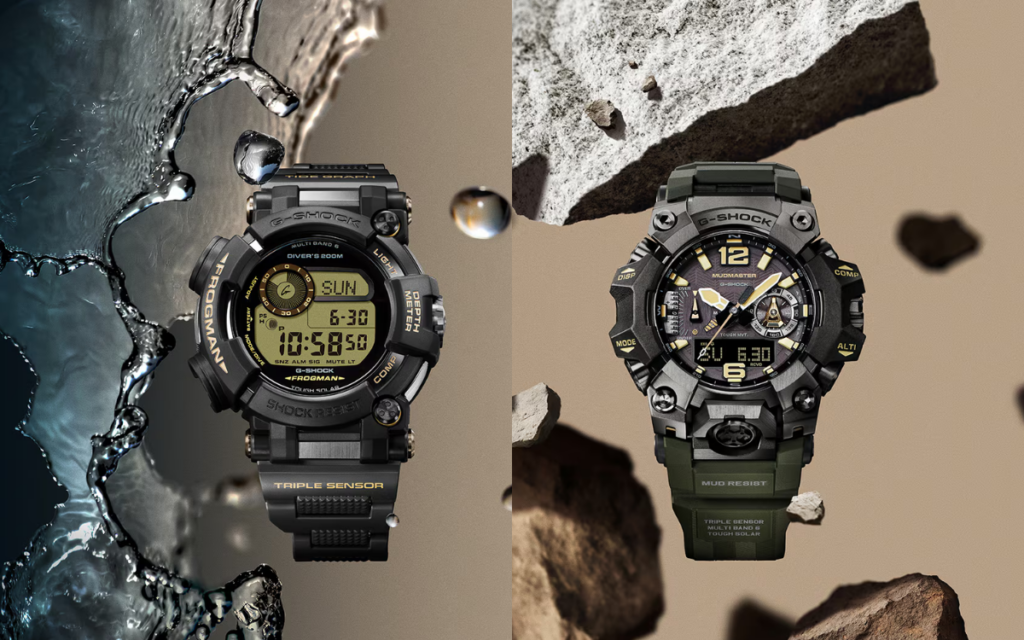
Casio is marking the 30th anniversary of its premium MR-G line with a new flagship diver, the G-Shock Frogman MRG-BF1000EB-1A. Scheduled for release in June 2026, it is one of the most expensive G-Shock models the company has produced, carrying a retail price of ¥1,210,000 ($7,590) in Japan. Production is capped at 800 numbered units worldwide.
Design Details
The MRG-BF1000EB-1AJR relies heavily on specialized materials and manufacturing processes rather than standard mass production. The bezel is constructed from Cobarion, a cobalt-chrome alloy that is roughly four times harder than pure titanium. Instead of standard machine milling, the bezel’s facets are cut by hand by Japanese gemstone artisan Kazuhito Komatsu.
The metal is then treated with a blue arc ion plating (AIP) to give it a reflective finish. According to Casio, this aesthetic is meant to mimic a brinicle, an underwater ice formation found in polar regions. Additionally, the two front screws on the asymmetrical case are set with lab-grown, 57-facet brilliant-cut blue sapphires.
Underneath the exterior treatments, the watch maintains the hardware specifications expected from the Frogman line. The core case, case back, crown, and buttons are machined from Ti64 titanium alloy and treated with a titanium carbide (TiC) coating for abrasion resistance.
It features an ISO 200-meter water resistance rating, supported by Casio’s Clad Guard Structure, which integrates fluoro rubber buffers into the crown and pushers to protect the internal module from impacts. The screw-lock case back incorporates a blue vapor-deposited sapphire crystal and an engraving of the standard Frogman character.
On the technology side, the MRG-BF1000EB-1AJR is fully analog but uses three independent dual-coil motors to drive the hands. In dive mode, the hour and minute hands overlap to function as a single indicator for elapsed dive time.
The watch is powered by Casio’s Tough Solar charging system and keeps time via Multi-Band 6 radio control and Bluetooth. When paired with the Casio Watches smartphone app, users can automatically adjust the time, log dive data, and set tide graphs for approximately 3,300 global locations.
The package includes two interchangeable bands: a white Dura Soft fluoro rubber strap for diving use, and a deep-hardened pure titanium bracelet. The lugs feature a quick-release button mechanism for swapping between the two. The entire 800-piece run ships in a custom box co-developed with Japanese luggage manufacturer Proteca.
While the absolute top-tier processors like the Snapdragon 8 Elite Gen 5 capture all the headlines, not everyone needs to go that far to get an incredible smartphone experience. The Snapdragon 8 Gen 5 sits perfectly in that sweet spot, offering flagship-level performance and modern capabilities at a more accessible price.
We’ve picked the 5 best smartphones featuring the Snapdragon 8 Gen 5 processor that you can consider for your next upgrade.
The Vivo X300 FE delivers a solid value overall. It’s got a high-end triple camera setup, comprising a 50MP primary sensor, a 50MP periscope telephoto shooter, and an 8MP ultrawide unit. The front side features a 50MP selfie shooter.
The phone offers a 6.31-inch LTPO AMOLED panel with a 120Hz refresh rate and a peak brightness of 5000 nits. It’s backed by a 6500mAh battery with support for 90W wired charging and 40W wireless charging. It also supports reverse wired and reverse wireless charging to power your accessories. Software-wise, it ships with Android 16 and promises OS updates up to Android 21.
The OnePlus 15R (review) is a solid high-end smartphone, featuring a 6.83-inch bright AMOLED screen with a 165Hz high refresh rate and advanced HDR formats. The chipset is paired with up to 12GB of RAM and 512GB of storage.
The smartphone has a dual-camera setup on the back, including a 50MP primary sensor and an 8MP ultrawide shooter. There’s also a 32MP camera for selfies and video calls. On the software side, it ships with Android 16 out of the box and promises up to four major Android OS upgrades.
Among the biggest strengths of the OnePlus 15R is its large 7400mAh battery, which should easily last more than a day on regular use. The 80W fast charging support ensures a quick refill. Furthermore, the device offers an ultrasonic fingerprint scanner and modern connectivity features like Wi-Fi 7, Bluetooth 6.0, and NFC.
iQOO phones are optimized to unlock maximum performance, so you can expect better performance on the iQOO 15R than on other phones on the list, even though the difference is small. The device is built around a 6.59-inch AMOLED panel with a high refresh rate of 144Hz and peak brightness of 5000 nits for excellent visibility outdoors.
The smartphone has the same camera specs as the OnePlus 15R, so you get a 50MP primary shooter and an 8MP ultrawide unit on the rear, plus a 32MP selfie snapper. It has a maximum battery capacity of 7600mAh and supports 100W wired charging. The phone ships with Android 16 out of the box and promises up to four major upgrades, up to Android 20.
Motorola Signature is another compelling option on the list, featuring a 6.8-inch LTPO AMOLED screen with a 165Hz high refresh rate and 6200 nits of peak brightness. The screen has Gorilla Glass Victus 2 protection, while the device is MIL-STD-810H certified, ensuring it withstands challenging conditions.
Not only does it feature a high-quality screen, but the Motorola Signature also brings a high-end triple camera setup, featuring a 50MP primary camera, a 50MP periscope telephoto lens, and a 50MP ultrawide camera. There’s another 50MP sensor on the front for selfies and video calls.
The Motorola phone is packed with a 5200mAh battery and supports 90W wired and 50W wireless charging. Additionally, it supports reverse wired and reverse wireless charging. And the best part: this phone promises a whopping seven major OS upgrades, up to Android 23.
Realme Neo 8, launched earlier this year, will likely remain limited to the Chinese market, but it’s expected to launch globally as Realme GT 8. The phone comes with a 6.78-inch AMOLED screen with a high refresh rate of 165Hz and peak brightness of 6500 nits.
The Realme phone ships with Android 16 out of the box and will likely receive at least four major OS upgrades before it reaches the end of life. Around the back, it’s equipped with a triple camera setup, including a 50MP primary shooter, a 50MP periscope telephoto lens with 3.5x optical zoom, and an 8MP ultrawide camera. For selfies, there’s a 16MP snapper.
Realme Neo 8 houses a massive 8000mAh battery, the biggest on the list, and supports 80W fast wired charging. And just like any other device on the list, it features an under-display ultrasonic fingerprint reader.
Xreal has introduced a new sub-brand called X By Xreal (xbx), starting with two new pairs of augmented reality glasses: the xbx a01 and xbx a01+. The new models focus on reducing weight and lowering the entry price for wearable displays.
Xreal xbx a01 Specifications
The glasses use a semi-transparent nylon frame that shows some of the internal components, but Xreal’s main focus with this design is physical comfort and customization. The standard xbx a01 weighs 62 grams, and you can remove the front frame entirely to bring that down to 56 grams. That front frame is also interchangeable, with Xreal offering optional styles like classic, sports, and black mirror.
If you want a more personalized look, the company is even providing the 3D printing parameters so you can design and print your own custom frames. Xreal says this lighter build cuts pressure on the nose by about 30%. The temples are also 10% thinner and more flexible, which is meant to make them more comfortable if you wear them while leaning back or lying down to watch a movie.
For the displays, the glasses use dual Micro OLED screens with a 50-degree field of view. According to Xreal, this looks like a 147-inch screen viewed from four meters away. The screens reach up to 1,600 nits of peak brightness and support a 120Hz refresh rate, 10-bit color, and HDR10.
It features a built-in chip that handles real-time SDR-to-HDR conversion to adjust contrast and color for standard video. To help with eye strain during longer sessions, the displays use 3840Hz PWM dimming and have hardware-level blue light reduction.
The built-in stereo speakers include a few basic audio profiles, like a cinema mode and a whisper mode designed to reduce sound leakage if you are in a quiet room. For travel, the glasses use a stabilization algorithm that tracks posture 1,000 times per second to keep the virtual screen steady when you’re in a moving car, train, or plane.
The xbx a01 connects via USB-C to devices that support DisplayPort output, such as phones, laptops, and handheld gaming consoles. If you pair them with Xreal’s Beam Pro accessory, you get access to 3DoF tracking and floating screens through the company’s nebulaOS 2 interface.
Pricing and Availability
The standard model costs 1,699 yuan ($250). The xbx a01+ costs 1,799 yuan ($265), and the extra cost adds a physical light-blocking cover and an exclusive surround sound audio mode. Xreal is also expected to bring the lineup to the US in July, with prices starting at $299.
For more daily updates, please visit our News Section.
For years, the RAM conversation went like this: 4GB is fine, 6GB is comfortable, 8GB means you were set for a while. Anything beyond that was bragging rights. However, that’s changing quietly.
Thanks (or not) to a new wave of on-device AI features and Google’s surprisingly aggressive hardware requirements to run them, the number that actually matters in 2026 is 12GB.
Here’s the full breakdown of what you need, what’s changed, and whether your current phone makes the cut.
RAM, short for Random Access Memory, is your phone’s short-term workspace. It’s where your apps, tabs, and processes live while they’re running. More RAM means more things can stay active at once without your phone having to reload them from scratch. It’s why switching back to a tab you opened 20 minutes ago sometimes feels instant, and sometimes feels like the internet just forgot it existed.
For everyday use, 8GB is still completely fine for most people in 2026. You can run your apps, multitask reasonably well, take good photos, and not feel like your phone is struggling. Google’s minimum RAM requirement to run full Android services is now 6GB, which tells you something about where the industry has settled for the low end.
But “fine for everyday use” and “ready for the next wave of AI features” are two different conversations now.
2. Why 12GB Is the New Line in the Sand
At Google I/O 2026, the company announced Gemini Intelligence. And no, it’s not the Gemini app you have on your phone.
Gemini Intelligence is a new layer of AI from Google that brings features like Rambler (a voice-to-text tool that cleans up your dictation automatically), Create My Widget (which builds custom home screen widgets from a voice command), and multi-step cross-app automation. And all of this is processed locally on your device rather than sending data to the cloud.
That’s actually a good thing for privacy and speed. But running a capable AI model on-device takes real resources. And for that, Google has quietly unveiled a hardware requirement.
To run Gemini Intelligence, your phone needs:
12GB of RAM or more — that’s 50% higher than Apple Intelligence’s 8GB minimum, and higher than almost every mid-range Android on the market
A flagship chipset — Snapdragon 8 Elite, Tensor G5, or a comparable 2025–2026 chip
Gemini Nano v3 — the specific, latest version of Google’s on-device AI model
Android AICore support — required to store and run the Nano model locally
A commitment to five or more major Android OS updates from the manufacturer
The 12GB RAM floor is a big deal on its own. But the requirement that’s actually doing the most damage? Gemini Nano v3. That’s the part that’s locking out phones you’d expect to qualify easily.
3. Your Expensive 2025 Phone Probably Doesn’t Make the Cut
The Pixel 9 Pro has 16GB of RAM. It has a flagship Tensor G4 chip. It cost over $1,000 when it launched last year. And it doesn’t qualify for Gemini Intelligence, because it runs Gemini Nano v2, not v3.
The entire Pixel 9 family is in the same boat. So is the Samsung Galaxy S25 lineup, the Galaxy Z Fold 7, and the Galaxy Z Flip 7. The OnePlus 13 doesn’t qualify either. Google published these requirements quietly, and it’s not hard to understand why. Telling people their $1,000-plus phone is already on the wrong side of a software requirement is not a great look.
Whether Google pushes Nano v3 to some of these devices via a software update is still an open question. The company hasn’t confirmed either way, and for now, the answer is simple: not yet.
4. Which Phones Actually Qualify Right Now?
The list of phones confirmed to support Gemini Nano v3 — and therefore eligible for Gemini Intelligence — skews heavily toward 2026 releases. Here’s where things stand:
Currently confirmed:
Google Pixel 10, Pixel 10 Pro, Pixel 10 Pro XL, Pixel 10 Pro Fold (not the Pixel 10a, which ships with 8GB)
Samsung Galaxy S26, S26+, S26 Ultra
Samsung Galaxy Z Fold 8 and Z Flip 8 (expected to be the first to publicly debut Gemini Intelligence, in July 2026)
OnePlus 15 and 15R
Motorola Signature
Honor Magic 8 Pro
iQOO 15
Realme GT 7T
OPPO Find X9, Find X9 Pro, Find X8, Find X8 Pro, and several Reno 14 and 15 series models
Pixel 9, Pixel 9 Pro, Pixel 9 Pro XL, Pixel 9 Pro Fold, Pixel 9a
Samsung Galaxy S25, S25+, S25 Ultra
Samsung Galaxy Z Fold 7, Galaxy Z Flip 7
OnePlus 13
5. What about iPhone?
Apple’s situation is a bit more straightforward and a bit more generous. Apple Intelligence requires 8GB of RAM, which means every iPhone 15 Pro, iPhone 15 Pro Max, and everything launched since then qualifies. The standard iPhone 16 and iPhone 17 lines both meet the bar. Apple quietly raised its own floor when it launched its AI suite, but it did so in a way that included a much broader slice of its lineup.
So if you’re comparing the two ecosystems on this specific question, Apple is asking for 8GB, and Google is asking for 12GB.
6. So, How Much RAM Do You Actually Need?
6GB is enough to run Android with Google services. Fine for basic use, but increasingly tight as apps get heavier.
8GB is the sweet spot for most people. You won’t feel the pinch in daily use, and both Apple Intelligence and a lot of Android AI features work at this level.
12GB is the new requirement if you want access to Google’s Gemini Intelligence features. If on-device AI is a priority, this is the floor you’re buying to.
16GB and above means future-proofing. Some flagships ship with 16GB now, which gives you headroom for whatever the next round of requirements brings.
For more daily updates, please visit our News Section.
Budget smartphones are becoming far more competitive in 2026, and the HMD Vibe 2 vs Samsung Galaxy M07 comparison proves just how much buyers can now expect under ₹12,000. One phone focuses on delivering a smoother entertainment experience with a massive battery and 120Hz display, while the other leans toward long-term reliability, software support, and overall value. Both devices target users who want solid everyday performance without stretching their budget too far, but their priorities feel completely different once the real-world experience is considered.
Major Features:
Feature
HMD Vibe 2
Samsung Galaxy M07
Winner
Display
6.75-inch IPS LCD, 120Hz
6.7-inch PLS LCD, 90Hz
HMD Vibe 2 – Smoother scrolling and gaming experience
Resolution
720 × 1600 pixels
720 × 1600 pixels
Tie – Similar sharpness and clarity
Processor
Unisoc T8200
MediaTek Helio G99
Galaxy M07 – More stable and proven real-world performance
RAM & Storage
Up to 6GB RAM, 128GB storage
4GB RAM, 64GB storage
HMD Vibe 2 – More memory and storage flexibility
Software
Android 16
Android 15 with 6 major updates
Galaxy M07 – Excellent long-term software support
Main Camera
50MP dual camera
50MP dual camera with PDAF
Galaxy M07 – Better image processing and focus performance
Selfie Camera
8MP
8MP
Galaxy M07 – More balanced selfie tuning
Battery
6000mAh
5000mAh
HMD Vibe 2 – Longer battery endurance
Charging
18W wired
25W wired
Galaxy M07 – Faster charging speeds
Build Features
Plastic body
IP54 splash resistance
Galaxy M07 – Better durability for daily use
Audio Jack
Yes
Yes
Tie – Both retain the 3.5mm headphone jack
Expandable Storage
microSD support
Dedicated microSD slot
Galaxy M07 – Dedicated slot is more convenient
Connectivity
Bluetooth 5.0
Bluetooth 5.3
Galaxy M07 – Newer wireless connectivity
Price
Priced around ₹11,000
Priced around ₹7,500
Galaxy M07 – Much stronger value for money
Overall Experience
Entertainment-focused
Balanced and practical
Galaxy M07 – Better overall package for most buyers
Disclaimer: Specs are based on available data. Actual performance may vary. Verify details from official sources before buying.
The HMD Vibe 2 and Samsung Galaxy M07 both target budget buyers, but they approach design differently. The HMD Vibe 2 feels more rugged with its thicker frame and larger battery-focused build. It has a simple plastic construction with a side-mounted fingerprint sensor and a practical layout that suits users who prefer durability over slim styling. The Samsung Galaxy M07, meanwhile, looks cleaner and slightly more modern thanks to its slimmer body and IP54 splash resistance. That added protection gives it a more reliable everyday feel, especially for users who travel frequently or use their phone outdoors often.
Display Quality
HMD offers a 120Hz IPS LCD panel, which immediately feels smoother while scrolling social media or gaming. Animations appear more fluid, and the higher refresh rate adds extra polish despite the HD+ resolution. Samsung counters with a 90Hz PLS LCD panel that delivers decent brightness and balanced colors, though it does not feel as responsive as the Vibe 2. Samsung’s display tuning still feels slightly more refined for casual streaming and general use.
Verdict
The HMD Vibe 2 wins for smoother visuals and a more entertainment-focused display experience, while the Galaxy M07 feels more polished and practical for daily handling.
2. Specifications Including Battery
Performance
The HMD Vibe 2 is powered by the newer Unisoc T8200 chipset, paired with up to 6GB RAM. Day-to-day performance feels surprisingly solid for the price, especially during multitasking and casual gaming. Apps open quickly, and the 120Hz display helps the phone feel faster than its hardware might suggest. Samsung uses the MediaTek Helio G99, which remains one of the strongest chipsets in the budget segment. It delivers stable gaming performance and dependable thermal management, making it more consistent during longer gaming sessions. Samsung also has a major advantage with six Android upgrades, which adds long-term value rarely seen at this price.
Battery and Charging
The HMD Vibe 2 packs a huge 6000mAh battery that comfortably lasts beyond a full day. Heavy users will appreciate the extra endurance, especially for streaming or gaming. However, its 18W charging feels slow by current standards. The Galaxy M07 uses a smaller 5000mAh battery but supports faster 25W charging, making quick top-ups more convenient during busy days.
Verdict
The HMD Vibe 2 feels stronger for battery-focused users, while the Galaxy M07 delivers a better balance of stable performance, software longevity, and faster charging.
3. Camera
Main and Secondary Lenses
Both phones feature a 50MP primary camera, but Samsung appears slightly more refined in image processing. The Galaxy M07 captures more balanced colors and better dynamic range in daylight shots. Details remain sharp enough for social media uploads, and Samsung’s tuning helps photos look more natural without appearing overly processed. The HMD Vibe 2 performs reasonably well in bright lighting and can capture decent detail, but color consistency occasionally feels less polished. Its secondary camera setup also feels more basic overall.
Low-light photography is limited on both devices, which is expected at this price range. Still, Samsung manages shadows and highlights slightly better, making nighttime images look cleaner in comparison.
Selfie Camera
Both smartphones include an 8MP selfie camera capable of handling video calls and casual selfies. Samsung again delivers more balanced skin tones and slightly sharper edge detection. The HMD Vibe 2 keeps selfies softer, though some users may prefer that smoother look for social sharing.
Verdict
The Galaxy M07 takes the lead in overall camera consistency and image tuning, while the HMD Vibe 2 remains good enough for casual photography and everyday content creation.
4. Pricing
The HMD Vibe 2 is priced around ₹11,000 ($130), placing it in the upper budget category. For that price, buyers get a large 6000mAh battery, a 120Hz display, and more RAM options. It clearly focuses on users who want a feature-packed experience without spending too much. The Samsung Galaxy M07 is priced around ₹7,500 ($80), making it significantly cheaper while still offering a capable Helio G99 chipset, IP54 protection, and Samsung’s excellent software support policy.
Is the Price Justified?
The HMD Vibe 2 feels justified for buyers who prioritize battery life and smoother display performance. It offers a more premium experience in a few noticeable areas despite the higher cost. The Galaxy M07, however, stands out as one of the stronger value-for-money options in the entry-level market. Samsung’s long-term software support alone adds surprising value at this price point.
Verdict
The Galaxy M07 delivers stronger overall value for budget-conscious buyers, while the HMD Vibe 2 feels worth paying extra for users who care more about display smoothness and battery endurance.
Disclaimer: Prices are approximate and may vary based on country, region, launch timing, and applicable taxes. Always check whether the listed price is for a China unit or a global/international variant when purchasing
5. Conclusion
The HMD Vibe 2 focuses on delivering a big-battery entertainment experience with its 120Hz display and larger power capacity. It feels designed for users who spend long hours gaming, streaming, or scrolling through social apps. The Galaxy M07 takes a more balanced approach by combining stable performance, cleaner software support, IP54 protection, and faster charging at a much lower price. Samsung’s long update commitment also makes the device feel more future-ready than most phones in this segment.
Both phones succeed in different areas, which makes the comparison more interesting than expected. The HMD Vibe 2 feels more exciting on paper, especially for multimedia users, while the Galaxy M07 quietly delivers a smarter long-term package for everyday buyers.
Verdict
Choose the HMD Vibe 2 for battery life, smoother visuals, and a more entertainment-focused experience. Choose the Samsung Galaxy M07 for better overall value, software longevity, balanced cameras, and dependable everyday usability.
Disclaimer: This comparison is based on the specifications provided and is intended for general informational purposes. Actual performance, camera results, battery life, and overall experience may vary depending on real-world usage, software updates, and individual preferences.
We use cookies on our website to give you the most relevant experience by remembering your preferences and repeat visits. By clicking “Accept”, you consent to the use of ALL the cookies.
This website uses cookies to improve your experience while you navigate through the website. Out of these, the cookies that are categorized as necessary are stored on your browser as they are essential for the working of basic functionalities of the website. We also use third-party cookies that help us analyze and understand how you use this website. These cookies will be stored in your browser only with your consent. You also have the option to opt-out of these cookies. But opting out of some of these cookies may affect your browsing experience.
Necessary cookies are absolutely essential for the website to function properly. This category only includes cookies that ensures basic functionalities and security features of the website. These cookies do not store any personal information.
Any cookies that may not be particularly necessary for the website to function and is used specifically to collect user personal data via analytics, ads, other embedded contents are termed as non-necessary cookies. It is mandatory to procure user consent prior to running these cookies on your website.