Advertisement

Acer’s Predator Atlas 8 wants to bring full PC gaming into your backpack

Acer has expanded its gaming portfolio with a new handheld gaming device called the Predator Atlas 8. The company is positioning the handheld as a portable alternative for gamers who want PC-level gaming experiences while travelling or gaming away from a desk setup. Alongside new Intel Arc graphics, Acer has also focused heavily on cooling, display quality, and long battery endurance with the latest Predator device.

Acer Predator Atlas 8 specifications and features

Acer Predator Atlas 8

The Predator Atlas 8 runs on Intel’s new Arc G-Series platform and can be configured with up to Intel Arc B390 graphics. Acer says the handheld supports ray tracing and Intel XeSS 3 AI-powered upscaling technology to improve frame rates and maintain smoother gameplay during demanding titles. The device ships with Windows 11 and includes access to XBOX Game Pass, allowing users to play a wide range of PC games directly on the handheld.

Acer Predator Atlas 8

The handheld features an 8-inch WUXGA touchscreen display with a 120Hz refresh rate, VRR support, and up to 500 nits brightness. Acer has also added Corning Gorilla Glass Victus protection along with Gorilla Glass DXC coating to reduce reflections. Under the hood, the Predator Atlas 8 packs up to 24GB LPDDR5X RAM and up to 1TB PCIe Gen4 SSD storage.

Acer has equipped the device with an 80Wh battery and a dual-fan Predator AeroBlade cooling system that includes a thin metal fan for improved airflow. The handheld also comes with dual Thunderbolt 4 ports, Wi-Fi 7, Bluetooth 5.4, dual speakers with DTS Ultra audio, Hall-effect triggers, full-size joysticks, and a dedicated PredatorSense button for gaming controls and performance settings.

Acer Predator Atlas 8 price and availability

Acer Predator Atlas 8

Acer has confirmed that the Predator Atlas 8 will be available across North America, EMEA, and Australia starting October 2026. The company has not yet revealed official pricing details for the handheld gaming device. Regional specifications and availability may vary depending on the market.

The handheld gaming segment is becoming increasingly competitive, and Acer is clearly aiming to take on devices from ASUS, Lenovo, and MSI with the Predator Atlas 8.

For more daily updates, please visit our News Section.

Stay ahead in tech! Join our Telegram community and sign up for our daily newsletter of top stories! 💡

Xiaomi Sound Play Bluetooth speaker debuts globally with Auracast, infinity lighting & 14h battery life

Xiaomi has unveiled the Sound Play, a new portable Bluetooth speaker launched globally alongside the 17T smartphone series. It is priced at £49.90 in the UK and €49.90 across select European markets and is essentially the same device as the Bluetooth Speaker C that debuted in China earlier today.

Xiaomi Sound Play

Xiaomi Sound Play Specifications

From a design standpoint, the Sound Play adopts a familiar cylindrical form factor, weighing in at a relatively light 415 grams. It includes a built-in soft rubber strap for carrying it around, and it’s available in four colors: black, white, green, and purple.

Xiaomi has included an infinity mirror LED setup on the top of the speaker that creates a tunneled depth effect. This is paired with a secondary ambient light ring on the bottom that can pulse to the beat of whatever you are listening to, or just stay on a constant glow if you prefer something less distracting.

Xiaomi Sound Play

On the audio front, the Sound Play is equipped with an 18W racetrack-style full-range driver, paired with both internal and external passive radiators designed to boost low-end frequencies. The speaker ships with the Bluetooth 6.0 standard, which promises lower latency and stable connections at a distance of up to 25 meters.

It also supports Auracast, allowing users to link up to 100 of these speakers simultaneously for synchronized audio and lighting. For a more traditional home setup, you can rely on standard True Wireless Stereo (TWS) pairing to link two units for dedicated left and right audio channels.

Xiaomi Sound Play

The speaker packs a 2,600mAh battery rated for up to 14 hours of playback, though the figure is based on 40% volume with RGB lighting disabled. The device carries an IP68 rating for dust and water resistance.

For more daily updates, please visit our News Section.

Stay ahead in tech! Join our Telegram community and sign up for our daily newsletter of top stories! 💡
(Xiaomi)

MediaTek Dimensity 7500 arrives with faster AI, gaming, and camera upgrades

MediaTek has announced the Dimensity 7500 chipset, targeting mainstream smartphones with upgrades focused on AI, gaming, camera performance, and power efficiency. Built on a 4nm process, the new processor also brings improvements to connectivity and display support while aiming to deliver better everyday responsiveness compared to the previous generation.

Dimensity 7500 specifications

Dimensity 7500

The Dimensity 7500 features an octa-core CPU based on the latest Armv9.3-A architecture, including four Arm C1 Pro cores clocked at up to 2.6GHz and four Arm C1 Nano cores running at up to 2.0GHz. According to MediaTek, the chipset delivers faster app switching, quicker file transfers, reduced game loading times, and improved app launch performance while also improving power efficiency across apps and games.

MediaTek has also upgraded AI processing with the new NPU 850, which reportedly delivers more than twice the AI performance compared to the earlier generation. The chipset supports several on-device AI features including speech recognition, contextual replies, notification summaries, speech-to-text, and text-to-speech processing. MediaTek says the platform supports a broad range of smartphone-ready language models for improved privacy and faster AI processing directly on the device.

For gaming, the Dimensity 7500 includes MediaTek HyperEngine technology and Adaptive Gaming Technology 4.0 for smoother frame rates and improved thermal management. The chipset also supports displays with resolutions up to 1344 x 2800 at 144Hz, along with support for secondary displays at up to 120Hz. Camera support goes up to 200-megapixel sensors, while the Imagiq 1050 image processor handles features such as hardware-based noise reduction and improved low-light imaging.

The chipset supports Wi-Fi 6E, Bluetooth 5.4, and a 3GPP Release 17 5G modem with download speeds reaching up to 5.2Gbps. MediaTek has also added long-range Bluetooth support for direct phone-to-phone connections over extended distances without mobile networks. Other additions include improved 5G recovery in subway or garage environments and better connectivity performance during high-speed train travel.

Reports have revealed that the Redmi Note 17 Pro Max will be one of the early adopters of this chip. Readers can read more about this phone here.

For more daily updates, please visit our News Section.

Stay ahead in tech! Join our Telegram community and sign up for our daily newsletter of top stories! 💡
Oura Ring 5 goes smaller while adding blood pressure tracking, GLP-1 insights

Oura has introduced the Oura Ring 5, bringing a slimmer design along with several new health-focused software features. The latest smart ring focuses heavily on preventive healthcare, AI-driven insights, and long-term biometric tracking while also becoming noticeably smaller and lighter than the previous generation.

Oura Ring 5: Key specifications and features

OUra Ring 5
Oura Ring 5

According to the company, the Oura Ring 5 is around 40 percent smaller than the previous model after a redesign of its internal components, sensors, and battery architecture. The ring measures 6.09mm in width and 2.28mm in thickness, and weighs as little as 2 grams, depending on the selected size. Oura says the ring now uses improved signal pathways and redesigned sensor domes for better accuracy across different skin tones and finger types.

The company has added several new health-focused features this time. One of the biggest additions is blood pressure trend tracking during sleep, allowing users to monitor overnight cardiovascular patterns. Oura has also introduced nighttime breathing analysis, helping users track breathing disturbances over longer periods. Alongside this, the app now supports GLP-1 tracking tools that allow users to log medication doses, side effects, weight changes, and related health data.

Oura Ring 5

Oura is also expanding deeper into connected healthcare experiences. The app can now import medical records such as medications, allergies, diagnosed conditions, and lab reports in supported regions. Users can also access AI-driven health guidance and connect with medical professionals directly through the app in select markets. The ring itself offers up to nine days of battery life and supports Bluetooth-based device tracking for locating misplaced rings or charging accessories.

Oura Ring 5: price and availability

Oura Ring 5
Oura Ring 5

The Oura Ring 5 is available for pre-orders globally starting today (May 28), while shipments begin from June 4. The standard Silver and Black variants are priced at $399, while premium finishes including Gold, Stealth, Brushed Silver, and Deep Rose cost $499. Oura’s portable charging case is sold separately for $99. The smart ring also requires an Oura membership subscription priced at $5.99 per month or $69.99 annually.

For more daily updates, please visit our News Section.

Stay ahead in tech! Join our Telegram community and sign up for our daily newsletter of top stories! 💡

Qualcomm launches Snapdragon C Platform for affordable AI-powered laptops

Qualcomm has introduced a new chipset platform aimed at affordable laptops, expanding its Snapdragon lineup beyond premium and mid-range devices. Called the Snapdragon C Platform, the new processor is designed for entry-level Windows laptops targeting students, families, and small businesses that need reliable performance for everyday tasks.

Snapdragon C Platform: Features and capabilities

Snapdragon C
Snapdragon C

The Snapdragon C Platform focuses on delivering efficient day-to-day computing experiences while keeping devices portable and power efficient. Qualcomm says the chipset is built for activities such as web browsing, video streaming, productivity work, and video calls. The platform also includes an integrated NPU, allowing entry-tier laptops to support AI-powered experiences that are gradually becoming common across Windows PCs.

According to Qualcomm, laptops powered by Snapdragon C are expected to offer all-day battery life along with cool and quiet operation. Instead of relying on high-performance gaming capabilities or heavy workstation workloads, the platform is tuned for consistent responsiveness during common tasks used by students and office workers throughout the day.

The company also confirmed that several major PC brands, including Acer, HP, and Lenovo, are already working on devices powered by the Snapdragon C Platform. Qualcomm is targeting laptops priced at around $300 and above, making the platform one of its most affordable compute offerings so far.

Devices powered by the Snapdragon C Platform are expected to arrive later this year, although Qualcomm has not yet revealed exact launch timelines or regional availability details. The company also has not shared specific CPU, GPU, or memory configurations for the chipset at this stage.

With AI features slowly becoming a standard expectation even in budget devices, Qualcomm appears to be positioning Snapdragon C as an alternative to traditional entry-level laptop processors from Intel and AMD.

For more daily updates, please visit our News Section.

Stay ahead in tech! Join our Telegram community and sign up for our daily newsletter of top stories! 💡
Xiaomi 17T & 17T debut with up to 7000mAh battery, 144Hz AMOLED display & 5x periscope camera

Xiaomi has officially announced the 17T and 17T Pro, the latest entries in its upper-mid-range T series for the global market. The focus for this hardware generation is clear: significantly larger batteries, high-refresh-rate displays, and a standardized Leica camera system across both models.

Xiaomi 17T and 17T Pro

Xiaomi 17T and 17T Pro Specifications

On the front, the 17T Pro features a 6.83-inch 1.5K AMOLED display with a 144Hz refresh rate and ultra-slim 1.29mm bezels. The standard 17T opts for a slightly smaller, more compact 6.59-inch 1.5K AMOLED screen capped at a 120Hz refresh rate. Both panels peak at a claimed 3,500 nits of brightness, support Dolby Vision, and are protected by Corning Gorilla Glass 7i. The Pro model also includes a hardware-level 1-nit minimum brightness feature for ultra-low-light viewing.

Under the hood, Xiaomi is relying entirely on MediaTek processors. The 17T Pro uses the flagship-tier 3nm Dimensity 9500 chip, while the regular 17T runs on the 4nm Dimensity 8500-Ultra. Both devices come standard with 12GB of fast LPDDR5X RAM and UFS 4.1 storage. To manage heat, both phones utilize Xiaomi’s 3D IceLoop vapor chamber cooling system.

Xiaomi 17T and 17T Pro

Coming to the software, both devices run HyperOS 3 with HyperAI features, including AI writing, speech recognition, dynamic wallpapers, Circle to Search, and Gemini AI integration.

For the cameras, Xiaomi is continuing its branding partnership with Leica. Both the 17T and 17T Pro feature a 50MP 5x periscope telephoto camera. The main cameras are also 50MP, though they use different sensors: the Pro has a 1/1.31-inch Light Fusion 950 sensor, while the standard model uses a slightly smaller 1/1.55-inch Light Fusion 800 sensor.

Xiaomi 17T and 17T Pro

Both phones also include a 12MP ultrawide camera and a 32MP front-facing camera. On the software side, Xiaomi added a feature called Leica Live Moment, which records a short video clip alongside a still photo, functioning similarly to Apple’s Live Photos.

The 17T Pro packs a massive 7,000mAh battery with support for 100W wired and 50W wireless charging. The standard 17T features a 6,500mAh cell with 67W wired charging. Both phones support 22.5W reverse wired charging.

Both phones carry an IP68 rating for dust and water resistance and feature dual stereo speakers with Dolby Atmos support. Connectivity is standard for the tier, with Bluetooth 6.0 and NFC on both, though the Pro model gets Wi-Fi 7 capabilities while the standard 17T tops out at Wi-Fi 6E. Biometrics are handled by an in-display fingerprint sensor.

Xiaomi 17T and 17T Pro

Pricing and Availability

The standard Xiaomi 17T starts at €749 for the 12GB RAM and 256GB storage configuration, stepping up to €799 for 512GB. It is available in Violet, Opal White, Blue, and Black.

The 17T Pro starts at €899 for 256GB of storage, €999 for 512GB, and scales up to €1,099 for a 1TB model. The Pro is available in Deep Blue, Deep Violet, and Black.

Both models are currently on sale across the UK and select European markets, with the standard Xiaomi 17T slated for an Indian release on June 4th.

For more daily updates, please visit our News Section.

Stay ahead in tech! Join our Telegram community and sign up for our daily newsletter of top stories! 💡

(Xiaomi 1,2)

Huawei aims to launch lithography equivalent to TSMC’s 1.4nm by 2031 in a major defiance of U.S. sanctions

Huawei chip manufacturing

The U.S. sanctions have blocked Huawei’s access to the latest lithography and advanced machinery required to build the next-generation chips, but that hasn’t stopped the Chinese tech giant from building chips without relying on overseas companies. That ban has pushed Huawei well behind its competitors, but it now appears to have made good progress as the company is confident enough to have a manufacturing process equivalent to TSMC’s upcoming 1.4nm cutting-edge process by 2031.

At the IEEE ISCAS 2026 conference in Shanghai, He Tingbo, President of Huawei’s Semiconductor Business Unit, made some key revelations regarding its chip advancements. He unveiled a new “LogicFolding Design” technology, aimed at significantly increasing the transistor density and energy efficiency. Huawei also confirmed that its next-generation Kirin mobile processors will be the first commercial chips to feature LogicFolding architecture.

Huawei’s biggest announcement at the event was that it will develop a lithography equivalent to TSMC’s advanced 1.4nm process by 2031, without sharing any details on how it will achieve this extremely difficult feat.

Also read:
1. TSMC hits 5GHz speeds on smartphone processors, leaving Huawei generations behind
2. TSMC scrambles to stop strike threat with massive bonus guarantees after CEO backlash

Since ASML’s doors are shut for Huawei due to U.S. restrictions, the company may use EUV equipment developed by China’s SiCarrier. It’s one of the country’s leading firms working to become a direct alternative to ASML’s EUV equipment.

Wccftech predicts that Huawei may have invested a ton of money in SiCarrier to help it build advanced EUV machinery. In the first half of 2025, the company was reportedly seeking $2.8 billion in funding. It’s still not confirmed if Huawei was part of that funding round, but the possibility was high.

While it appears Huawei is confident it will reach its target by 2031, execution is the hardest part in the semiconductor space. However, it will be exciting to see how Huawei advances its chip manufacturing process.

For the latest stories, visit the news section on Gizmochina regularly. Also, follow our Telegram channel to get the latest news as soon as we post them.

Vertu’s Alphafold foldable phone has launched, and you’ve got to see its obnoxious price

Luxury smartphone brand Vertu has unveiled its latest foldable device called the Alphafold, and it is aimed at buyers who want exclusivity as much as smartphone features. The company is positioning the phone as a premium business-focused device powered by AI, while its unusually high pricing is already grabbing attention online. Alongside the foldable design, Vertu has also highlighted luxury materials, enterprise-focused AI tools, and privacy features.

A foldable phone designed for executives

LG Alphafold
LG Alphafold

The Vertu Alphafold starts at $6,880 for the standard calfskin leather edition. Buyers wanting more premium finishes will need to spend significantly more, as the alligator leather variant is priced at $8,800. Vertu is also offering an ultra-luxury customized version featuring gold detailing and diamond accents, with pricing going as high as $46,800. At that price, the Alphafold costs several times more than flagship foldables from brands like Samsung, Oppo, and Huawei.

Unlike mainstream foldables that focus heavily on cameras or entertainment, Vertu is marketing the Alphafold as a business-oriented AI device. The phone comes with an AI system called Hermes Agent that can reportedly manage schedules, approvals, travel plans, workflow coordination, and enterprise-related tasks using natural language prompts. According to the company, the AI can also interact with multiple apps and enterprise systems such as ERP and CRM platforms.

Vertu Alphafold
Vertu Alphafold

Vertu says the AI assistant can connect with services like Gmail, Google Calendar, Maps, WhatsApp, Telegram, Facebook, Amazon, and other productivity tools. The company is also claiming that sensitive information can be processed locally on the device with help from a dedicated A5 security chip. High-risk tasks, including financial approvals, still require manual confirmation from the user.

Luxury materials meet flagship hardware

Vertu Alphafold
Vertu Alphafold

The Vertu Alphafold features an 8.05-inch foldable OLED display alongside a 6.53-inch outer screen, both supporting a 120Hz refresh rate. It is powered by Qualcomm’s Snapdragon 8 Elite chipset and packs a 6,500mAh silicon-carbon battery with fast wired and wireless charging support. On the camera side, the phone includes a 50-megapixel primary sensor, a 50-megapixel ultrawide camera, and a 5-megapixel telephoto lens.

The company says the hinge uses titanium and carbon-fibre materials and is rated for up to 650,000 folds. Vertu is also continuing its luxury branding with handcrafted finishes, exotic leather options, concierge services, and customised detailing for buyers willing to spend more.

Vertu Alphafold
Vertu Alphafold

Foldable smartphones still remain a relatively niche category globally, but Vertu clearly believes there is room for ultra-luxury devices that combine AI tools with premium craftsmanship. Whether buyers will spend several lakhs on a foldable smartphone remains to be seen.

And one more thing, the Vertu Alphafold does not appear to be an entirely original device. The phone is reportedly based on a reskinned version of the Nubia Fold, which first debuted in China in December 2025.

For more daily updates, please visit our News Section.

Stay ahead in tech! Join our Telegram community and sign up for our daily newsletter of top stories! 💡

Xiaomi Smart Band 10 Pro announced globally with 21-day battery life

Xiaomi announced the Smart Band 10 Pro in China just last week, and now the fitness tracker is heading to global markets alongside the new Xiaomi 17T series phones. 

The company’s latest wearable builds on the spirit of bringing the Smart Band lineup closer to smartwatch territory, but without fully abandoning the lightweight tracker form factor that made the series popular in the first place.

Xiaomi Smart Band 10 Pro Global Launch Specs Price

Xiaomi Smart Band 10 Pro Specifications 

The Smart Band 10 Pro looks less like a traditional fitness band and more like a compact smartwatch. It comes with a 1.74-inch AMOLED display, narrow symmetrical bezels, and a 60Hz refresh rate. Xiaomi says the screen can hit 2,000 nits of peak brightness for an easy outdoor use experience. 

Despite the larger display, the device remains relatively slim. Xiaomi says the tracker measures 9.7mm thick and weighs 21.6 grams without the strap attached. 

The standard version uses an aluminum casing, while a ceramic edition is also available for people who want something that feels slightly more premium. 

Xiaomi Smart Band 10 Pro Global Color Options

The bigger update this year seems to be health tracking. Xiaomi has added a new dual-light, dual-PD heart rate sensor, alongside support for continuous heart rate monitoring, blood oxygen tracking, and sleep analysis. 

The Smart Band 10 Pro also introduces heart rate variability, or HRV, monitoring, which allows the wearable to offer fatigue and recovery insights. 

For workouts, the tracker supports more than 150 sports modes and includes built-in GNSS positioning. Xiaomi is also adding a new gaming mode that tracks stress and heart rate while playing games, shows progress updates, and vibrates when a character is close to respawning. After a session, the band generates a report showing physical stats collected during gameplay.

The software runs on Xiaomi’s HyperOS 3, but the company is also paying more attention to iPhone users this time around. The Smart Band 10 Pro supports Apple Health syncing, dual-device notifications, and shortcut-style commands similar to Siri integrations.

Xiaomi claims the Smart Band 10 Pro can last up to 21 days on a single charge under standard use, though enabling the always-on display cuts that number down to around eight days. The wearable is also 5ATM water-resistant and includes NFC support for transit cards and offline payments in supported regions.

Pricing and Availability

The Xiaomi Smart Band 10 Pro is available in Europe for €79.90. The NFC and Ceramic editions cost €99.90. However, the device is not available for purchase in the US.

For more daily updates, please visit our News Section.

Stay ahead in tech! Join our Telegram community and sign up for our daily newsletter of top stories! 💡
Xiaomi launches Bluetooth Speaker C with Auracast, IP68, 18W audio & 14h battery life

Xiaomi has launched the new Xiaomi Bluetooth Speaker C in China, expanding its portable audio lineup with a compact speaker focused on outdoor use and modern connectivity features. It is priced at 269 yuan (around $40) and will officially go on sale on May 31. This speaker is likely to launch under the Xiaomi Sound Play name in the global market later today.

Xiaomi Bluetooth Speaker C

Xiaomi Bluetooth Speaker C Specifications

The speaker measures 63.4 by 69.5 by 201.1mm and weighs 415g, making it relatively standard in size for a portable unit. Inside the chassis, Xiaomi has equipped an 18W full-range driver alongside dual passive radiators located on the internal and external structure. According to the spec sheet, this hardware setup covers a frequency response range of 75Hz to 20kHz with a signal-to-noise ratio of 95dB or higher.

Xiaomi Bluetooth Speaker C

The speaker supports Bluetooth 6.0, a standard that provides lower latency, better stability, and a wireless range of up to 25 meters. More importantly, it supports Auracast multi-device connectivity. While you can use standard TWS (True Wireless Stereo) mode to pair two units for dedicated left and right channels, Auracast allows you to link up to 100 compatible devices simultaneously to synchronize both audio playback and lighting effects.

Xiaomi Bluetooth Speaker C

On the exterior, the device features a black finish with orange accents and includes a soft silicone carrying strap. The base of the speaker houses an LED ring that Xiaomi refers to as a time tunnel 3D lighting system. The lights can be set to constant, ripple, or beat sync modes to react to the audio playback. The hardware is also IP68-rated, meaning it is fully protected against dust ingress and can withstand water submersion for outdoor use.

Xiaomi Bluetooth Speaker C

For outdoor durability, the speaker carries an IP68 rating, meaning it is fully dust-tight and can survive being submerged in water. It also features a soft silicone strap for easier handling.

Battery life is rated at up to 14 hours from the 2600mAh cell, though that metric comes with the usual manufacturer caveats: you will need to keep the volume at 40% and leave the lighting effects turned off to hit that number.

In related news, Xiaomi has recently introduced a new 13kg washer dryer with electrolytic cleaning and HyperOS integration, alongside a new AI-powered split air conditioner that promises rapid 15-second cooling.

For more daily updates, please visit our News Section.

Stay ahead in tech! Join our Telegram community and sign up for our daily newsletter of top stories! 💡

(Xiaomi Youpin)

Meta rolls out Subscription tiers for Instagram, Facebook, and WhatsApp

Meta is starting to push deeper into paid subscriptions across its apps, introducing new “Plus” plans for Instagram, Facebook, and WhatsApp as the company looks beyond its traditional ad-driven business model.

The new subscriptions are priced at $3.99 per month for Instagram Plus and Facebook Plus, while WhatsApp Plus starts slightly lower at $2.99 monthly. After quietly testing the plans in select regions earlier this year, Meta is now beginning a broader rollout.

For Instagram and Facebook, most of the extra features revolve around Stories and profile customization. Subscribers can reportedly keep Stories visible for longer than the usual 24-hour limit, access more detailed viewer analytics, react with exclusive “Super Hearts,” and even view Stories anonymously in some cases. There are also options for posting content without heavily pushing it into followers’ feeds.

WhatsApp Plus takes a slightly different approach. The paid tier focuses more on personalization, adding things like custom themes, extra stickers, exclusive notification sounds, and additional pinned chats.

Importantly, Meta is not locking core features behind a paywall. The free versions of Instagram, Facebook, and WhatsApp are all staying as they are. These subscriptions are more about extra tools and customization for users who spend a lot of time inside the apps.

The company also plans to group these new services under a broader “Meta One” subscription strategy, which is also expected to include paid AI features, creator tools, and business-focused plans in the future. Meta has already been testing premium AI capabilities with usage limits tied to higher-priced subscriptions.

The timing makes sense. Meta is investing heavily in AI infrastructure right now, and relying almost entirely on advertising revenue has become increasingly difficult as operating costs continue climbing. Paid subscriptions give the company another revenue stream while also helping it compete with platforms that already offer premium memberships and creator-focused tools.

Whether regular users will actually pay monthly fees for extra Story controls and app customization is another question entirely. But after years of keeping its apps almost completely free outside of ads, Meta does seem serious about building a larger subscription ecosystem this time around.

Don’t miss a thing! Join our Telegram community for instant updates and grab our free daily newsletter for the best tech stories!
For more daily updates, please visit our News Section.

Sony launches BRAVIA Theatre Trio with 360 Spatial Sound Mapping

Sony has introduced a new high-end home audio system called the BRAVIA Theatre Trio, aiming to deliver a more immersive cinema-style experience without requiring a room full of wired speakers.

The system was unveiled during Sony’s 2026 home entertainment launch event and appears to sit near the top of the company’s current audio lineup. Instead of using a traditional multi-speaker surround setup, the BRAVIA Theatre Trio relies heavily on Sony’s spatial audio processing and virtual speaker technologies to create a wider sound field.

At the core of the system is Sony’s 360 Spatial Sound Mapping technology, which generates multiple virtual speakers around the room to simulate a more expansive surround sound effect. Sony says the new version of its sound field system, called 360 Smart Dome Sound Field 3.0, was developed together with professional audio mixing studios.

One of the more interesting additions is a Cinema Enhancement Mode that attempts to recreate not just direct sound, but also the reflected audio effect you typically hear inside actual movie theaters. In theory, that should help movies feel a bit larger and more atmospheric compared to standard soundbars.

The setup itself includes three wireless speaker units along with a dedicated center channel. Sony is also offering optional upgrades for users who want a more complete surround system, including SW9 subwoofers and RS9 rear speakers.

As expected, pricing is firmly in premium territory. The BRAVIA Theatre Trio alone is priced at 14,990 yuan (~ €1,900) in China, while the fully upgraded package pushes close to 30,000 yuan.

The system supports Dolby Atmos and DTS:X, which is pretty much expected at this level, and Sony seems to be positioning it as a companion for large-screen BRAVIA TVs and projector setups.

Sony’s approach here leans heavily on its virtual speaker processing rather than simply adding more hardware. Whether it fully matches a traditional surround setup in real-world use is another question, but on paper at least, the BRAVIA Theatre Trio sounds like one of Sony’s more ambitious home audio systems in a while.

Don’t miss a thing! Join our Telegram community for instant updates and grab our free daily newsletter for the best tech stories!
For more daily updates, please visit our News Section.

(Sony)

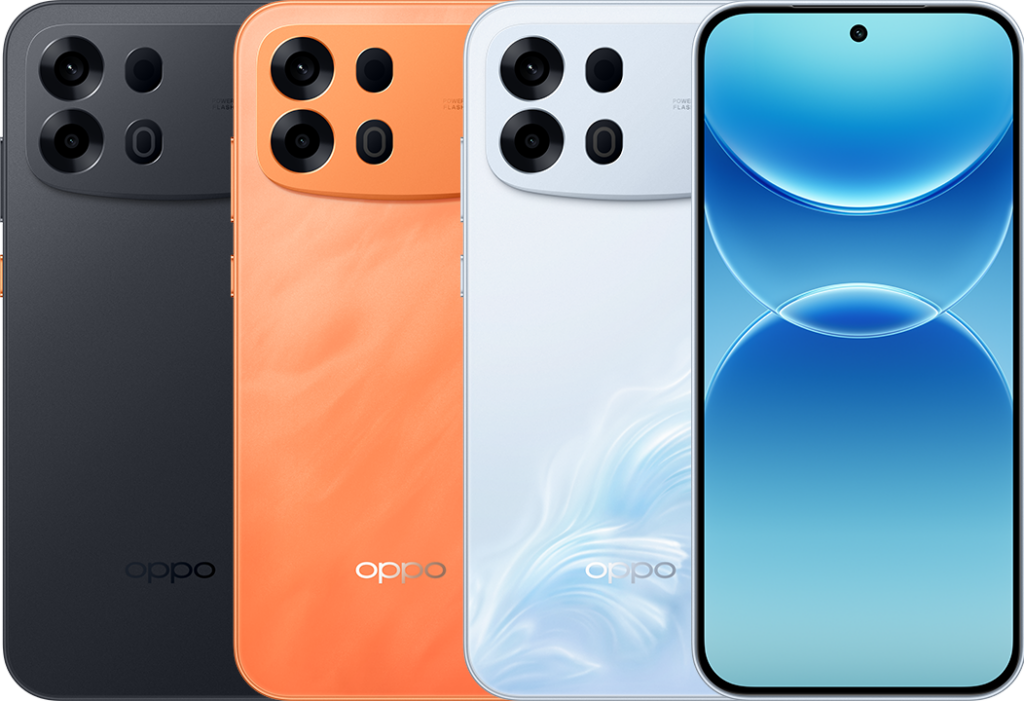
Oppo Find X9s vs OnePlus 15R: Don’t Buy Before Reading This Comparison

Oppo Find X9s and OnePlus 15R take two very different approaches to the premium smartphone segment. Oppo focuses on a refined flagship experience with stronger cameras and a polished design, while OnePlus pushes harder on performance, battery life, and gaming value. Both devices offer powerful hardware and premium displays, but the better choice depends on whether camera quality or raw power matters more.

Major Features:

FeatureOppo Find X9sOnePlus 15RWinner
Display6.59-inch AMOLED, 120Hz, Dolby Vision, 3600 nits6.83-inch AMOLED, 165Hz, HDR10+, 3600 nitsOnePlus – Larger and smoother display for gaming
ProcessorMediaTek Dimensity 9500sSnapdragon 8 Gen 5OnePlus – Slightly stronger flagship performance
GPUImmortalis-G925Adreno 829OnePlus – Better gaming optimization
RAM & StorageUp to 12GB RAM, 512GB UFS 4.1Up to 12GB RAM, 512GB UFS 4.1Tie – Similar flagship memory setup
Main CameraTriple 50MP setup50MP + 8MP dual setupOppo – More versatile camera system
Telephoto Camera50MP with 3x optical zoomNo telephoto lensOppo – Better zoom and portraits
Ultrawide Camera50MP ultrawide8MP ultrawideOppo – Higher-quality ultrawide shots
Selfie Camera32MP, 4K 60fps32MP with AF, 4KTie – Both deliver strong selfies
Video Recording4K 120fps, Dolby Vision HDR4K 120fpsOppo – Dolby Vision gives extra edge
Battery7025mAh7400mAhOnePlus – Bigger battery capacity
Charging80W wired, PPS, PD support80W wiredOppo – Better charging flexibility
SoftwareAndroid 16, ColorOS 16Android 16, OxygenOS 16OnePlus – Cleaner software experience
DurabilityIP68/IP69IP68/IP69KTie – Excellent protection on both
ConnectivityWi-Fi 7, Bluetooth 6.1Wi-Fi 7, Bluetooth 6.0Oppo – Slightly newer Bluetooth standard
AudioStereo speakersStereo speakersTie – Similar multimedia experience
PricePriced around ₹60,000Priced around ₹55,000OnePlus – Better value for performance
OverallPremium compact flagshipPerformance-focused flagshipOppo – Better all-round flagship balance
Disclaimer: Specs are based on available data. Actual performance may vary. Verify details from official sources before buying.

1. Design and Display

Build and Feel

The Oppo Find X9s delivers a cleaner flagship-style design with Gorilla Glass 7i protection, an aluminum frame, and a compact in-hand feel that makes daily usage more comfortable. The phone feels refined and premium, especially for users who prefer a device that is easier to carry and use for longer periods. The IP68/IP69 protection also adds a strong layer of durability for outdoor usage and accidental water exposure.

The OnePlus 15R takes a more aggressive performance-oriented approach. Its larger body and immersive display make it feel more like a gaming and entertainment device. The optional glass-fiber reinforced finish gives it a slightly sportier personality, while the stereo speaker setup improves the overall multimedia experience.

Display Quality

Oppo uses a sharp AMOLED panel with Dolby Vision, 120Hz refresh rate, and excellent PWM dimming for more comfortable nighttime viewing. Colors appear balanced and cinematic, especially during HDR streaming.

The OnePlus 15R counters with a larger 165Hz AMOLED display that feels smoother during gaming and fast scrolling. HDR10+ and Ultra HDR support help content appear more vibrant outdoors and during video playback.

Verdict

The Oppo Find X9s feels more premium and balanced for daily use, while the OnePlus 15R feels more exciting for gaming and entertainment-focused users. Buyers wanting a compact flagship may prefer Oppo, whereas display enthusiasts may lean toward OnePlus.

2. Specifications Including Battery

Performance

The Oppo Find X9s runs on the MediaTek Dimensity 9500s chipset paired with UFS 4.1 storage and optimized ColorOS 16 software. Daily performance feels extremely fluid, and the phone handles multitasking, gaming, and heavy applications without noticeable lag. The Immortalis GPU also delivers strong graphics performance with efficient thermal management.

The OnePlus 15R uses the Snapdragon 8 Gen 5 processor alongside the Adreno 829 GPU, giving it a slightly stronger edge in sustained gaming and demanding workloads. OxygenOS 16 remains smooth and responsive, and the 165Hz display further enhances gaming responsiveness and UI fluidity.

Battery and Charging

Oppo includes a large 7025mAh silicon-carbon battery with 80W charging, along with PPS and PD charging support. The wider charging compatibility makes the device more convenient for users with multiple gadgets.

The OnePlus 15R pushes battery capacity even further with a massive 7400mAh battery while retaining 80W fast charging. Heavy gamers and content consumers are likely to appreciate the longer endurance.

Verdict

The OnePlus 15R wins in raw performance and battery life, while the Oppo Find X9s offers a more balanced flagship experience with versatile charging support and smoother thermal optimization.

3. Camera

Main and Secondary Lenses

The Oppo Find X9s clearly focuses on photography with its triple 50MP camera setup, including a dedicated telephoto lens with 3x optical zoom. Hasselblad color tuning helps images look richer and more natural, particularly in portrait and low-light photography. The ultrawide camera also maintains strong image consistency, making the setup feel more complete overall.

The OnePlus 15R keeps things simpler with a dual-camera setup featuring a 50MP main sensor and an 8MP ultrawide lens. The primary camera should still perform very well for casual photography and social media content, but the absence of a telephoto lens limits zoom flexibility and premium portrait capabilities.

Selfie Camera

Both devices offer 32MP selfie cameras capable of 4K video recording. Oppo provides smoother high-frame-rate recording options, while OnePlus includes autofocus support that may improve selfie sharpness during close-up shots.

Verdict

The Oppo Find X9s is the stronger camera phone overall, thanks to its versatile triple-camera setup and telephoto lens. The OnePlus 15R remains reliable for everyday photography but feels more performance-focused than camera-centric.

4. Pricing

The Oppo Find X9s is priced around $730 or ₹60,000, positioning it firmly in the premium flagship category. The higher pricing reflects its advanced camera hardware, premium display tuning, compact flagship design, and Hasselblad imaging partnership. It feels targeted toward buyers who value a polished all-around experience rather than only raw hardware power.

The OnePlus 15R is priced around $650 or ₹55,000, making it more affordable while still offering flagship-grade performance, a massive battery, and a high refresh rate AMOLED display. The pricing strategy feels aggressive and performance-driven, especially for gamers and power users looking for strong specifications at a lower price point.

Is the price justified? Is it value for the money

The Oppo Find X9s justifies its higher pricing with superior camera versatility and a more premium flagship feel. The OnePlus 15R offers stronger value for buyers focused on gaming, battery life, and overall performance-per-rupee.

Verdict

The OnePlus 15R delivers better raw value, while the Oppo Find X9s earns its premium through a more complete flagship experience.

Disclaimer:
Prices are approximate and may vary based on country, region, launch timing, and applicable taxes. Always check whether the listed price is for a China unit or a global/international variant when purchasing.

5. Conclusion

The Oppo Find X9s stands out with its compact premium design, Hasselblad-tuned triple-camera system, Dolby Vision support, and balanced flagship personality. It feels designed for users who prioritize photography, refined software optimization, and a comfortable in-hand experience.

The OnePlus 15R focuses heavily on power and endurance with its Snapdragon 8 Gen 5 chipset, 165Hz AMOLED display, and huge 7400mAh battery. The phone feels targeted toward gamers, binge-watchers, and users who demand maximum battery life without sacrificing flagship-level performance.

Both devices succeed in different areas. Oppo emphasizes refinement and camera quality, while OnePlus pushes harder on aggressive hardware value and endurance.

Verdict

Oppo Find X9s is the better option for camera enthusiasts and users wanting a premium flagship experience. OnePlus 15R is the smarter pick for buyers prioritizing gaming performance, battery endurance, and overall value for money.

Disclaimer: This comparison is based on the specifications provided and is intended for general informational purposes. Actual performance, camera results, battery life, and overall experience may vary depending on real-world usage, software updates, and individual preferences.

Read More:

Oppo Find X9s vs Xiaomi 17 Comparison: Specs, Camera, Battery & Price

Oppo Find X9s and Xiaomi 17 represent two very different flagship philosophies. Oppo focuses on massive battery life, balanced performance, and strong value, while Xiaomi aims to deliver a more premium experience with cutting-edge performance, advanced cameras, and flagship-level features. Both phones look impressive on paper, but the real difference comes down to which one delivers the smarter overall experience for the price. 

Major Features:

FeatureOppo Find X9sXiaomi 17Winner
Design & BuildGorilla Glass 7i, aluminum frame, IP68/IP69Dragon Crystal Glass, glass back, IP68Xiaomi – More premium and refined feel
Display6.59-inch AMOLED, 120Hz, 3600 nits6.3-inch LTPO AMOLED, 120Hz, HDR10+Xiaomi – Better display technology and HDR quality
ChipsetMediaTek Dimensity 9500sSnapdragon 8 Elite Gen 5Xiaomi – Stronger flagship performance
GamingImmortalis-G925 GPUAdreno 840 GPUXiaomi – Better sustained graphics power
RAM & StorageUp to 512GB/12GBUp to 1TB/16GBXiaomi – More premium memory options
SoftwareAndroid 16, ColorOS 16Android 16, HyperOS 3Tie – Both offer modern flagship software
Main Camera50MP triple camera, Hasselblad tuning50MP triple camera, Leica tuningXiaomi – Better sensor and video features
Telephoto Camera3x optical zoom2.6x optical zoomOppo – Slightly stronger zoom reach
Selfie Camera32MP50MP with autofocusXiaomi – Sharper selfies and better video
Video Recording4K up to 120fps8K, Dolby Vision HDR, LOGXiaomi – More advanced video capabilities
Battery7025mAh6330mAh Global / 7000mAh ChinaOppo – Better battery endurance
Charging80W wired100W wired, 50W wirelessXiaomi – Faster and more versatile charging
AudioStereo speakersStereo speakers, Hi-Res audioXiaomi – Better multimedia experience
ConnectivityWi-Fi 7, Bluetooth 6.1Wi-Fi 7, USB 3.2, Bluetooth 5.4Xiaomi – More premium connectivity features
DurabilityIP68/IP69IP68Oppo – Better water resistance
PricePriced around $730 / ₹60,000Priced around $1000 / ₹90,000Oppo – Much better overall value
OverallBalanced flagship with huge batteryPremium ultra-flagship experienceXiaomi – Better flagship overall, Oppo wins on value
Disclaimer: Specs are based on available data. Actual performance may vary. Verify details from official sources before buying.

1. Design and Display

Build and Feel

The Oppo Find X9s and Xiaomi 17 both deliver a premium flagship design, but they target different kinds of users. Oppo focuses more on practicality with strong IP68/IP69 protection, a durable Gorilla Glass 7i front, and a clean aluminum frame that feels dependable for long-term use. The overall design looks modern without becoming overly flashy, which makes it appealing for users wanting a balanced flagship experience.

Xiaomi takes a more premium and compact approach. The Dragon Crystal Glass protection and polished glass back give the Xiaomi 17 a more luxurious feel in daily use. Its slightly smaller form factor also makes it easier to handle for extended periods. The device feels more refined in hand, especially for users who prefer compact flagship phones over larger designs.

Display Quality

Oppo offers a larger AMOLED display with extremely high PWM dimming and excellent brightness levels, making it comfortable for gaming and binge-watching. Xiaomi counters with an LTPO AMOLED panel featuring HDR10+, HDR Vivid, and more advanced color tuning. HDR content simply looks richer and more cinematic on the Xiaomi 17.

Verdict

The Xiaomi 17 feels more premium and polished overall, but the Oppo Find X9s offers a larger and more comfortable display experience for everyday entertainment.

2. Specifications Including Battery

Performance

The Oppo Find X9s is powered by the MediaTek Dimensity 9500s, while the Xiaomi 17 uses the Snapdragon 8 Elite Gen 5. Both chipsets deliver flagship-level speed, smooth multitasking, and excellent gaming performance. Xiaomi, however, clearly pushes ahead in raw power and graphics performance. Heavy games, AI workloads, and advanced video editing tasks feel slightly more optimized on the Snapdragon platform.

Oppo still performs impressively in real-world usage thanks to ColorOS optimization and UFS 4.1 storage. Apps open quickly, animations remain smooth, and thermal handling appears well-balanced. For most users, the day-to-day difference may not feel dramatic unless extremely demanding workloads are involved.

Battery and Charging

Battery life is where Oppo gains a major advantage. The massive 7025mAh battery easily supports heavy all-day usage and feels more reliable for gaming or travel. Xiaomi offers faster 100W charging, wireless charging, and reverse charging support, making it more feature-packed for premium buyers.

Verdict

Xiaomi delivers stronger flagship performance and more charging features, but Oppo provides better battery endurance and long-lasting reliability.

3. Camera

Main and Secondary Lenses

Both smartphones feature triple 50MP camera setups, but their imaging styles differ noticeably. Oppo uses Hasselblad color calibration to deliver balanced and natural-looking photos with softer processing. Portrait shots and telephoto images look especially pleasing without appearing overly sharpened. The camera experience feels consistent and easy to trust in most lighting conditions.

Xiaomi focuses more on technical performance with its Leica-tuned system and larger primary sensor. Images capture more detail, stronger dynamic range, and improved low-light performance. Video recording is another major advantage for Xiaomi thanks to 8K support, Dolby Vision HDR, and professional recording features that content creators may appreciate. The overall camera system feels more ambitious and feature-rich.

Selfie Camera

Oppo includes a capable 32MP selfie camera that produces natural skin tones and stable video recording. Xiaomi steps ahead with a sharper 50MP front camera featuring autofocus and HDR10+ recording support. Selfies appear clearer and more detailed, especially indoors and in low light.

Verdict

Xiaomi 17 offers a more advanced and versatile camera system, while Oppo delivers a more natural and balanced photography experience for casual users.

4. Pricing

Oppo Find X9s is priced around $730 or ₹60,000, while the Xiaomi 17 is priced around $1000 or ₹90,000. That price gap changes the overall value equation significantly. Oppo positions itself as a flagship killer with premium specifications at a more accessible price point. Xiaomi, meanwhile, targets buyers who want the absolute latest flagship technologies without worrying too much about budget.

Is the Price Justified?

Oppo feels like an excellent value for money considering its massive battery, flagship-level display, premium durability, and capable camera setup. Very few devices in this price segment deliver such a balanced overall package. Xiaomi justifies its higher pricing with a stronger chipset, superior camera hardware, advanced video capabilities, and wireless charging support. However, the premium may feel difficult to justify for users focused mainly on everyday performance and battery life.

Verdict

The Oppo Find X9s delivers better overall value, while the Xiaomi 17 is more suitable for buyers wanting a complete ultra-premium flagship experience.

Disclaimer:
Prices are approximate and may vary based on country, region, launch timing, and applicable taxes. Always check whether the listed price is for a China unit or a global/international variant when purchasing.

5. Conclusion

The Oppo Find X9s stands out because of its massive battery, practical durability, and balanced flagship approach. It feels designed for users who prioritize long battery life, reliable daily performance, and premium features without overspending. The device manages to feel premium while still maintaining a strong value-focused identity.

The Xiaomi 17 focuses more aggressively on flagship excellence. Its Snapdragon chipset, Leica camera tuning, wireless charging support, and advanced display technology make it feel closer to a true ultra-premium Android flagship. Multimedia performance and video recording are especially impressive, making it appealing for enthusiasts and content creators.

Both phones succeed in different ways rather than directly replacing one another. Oppo feels smarter and more practical for long-term daily usage, while Xiaomi delivers a more technically advanced experience with fewer compromises.

Verdict

Oppo Find X9s is the stronger value-focused flagship overall, but the Xiaomi 17 is the better option for users wanting maximum performance, premium camera features, and a more complete flagship experience.

Disclaimer: This comparison is based on the specifications provided and is intended for general informational purposes. Actual performance, camera results, battery life, and overall experience may vary depending on real-world usage, software updates, and individual preferences.

Read More:

Protective cases for Apple’s foldable iPhone spotted, revealing design

Apple’s foldable iPhone is expected to arrive this September, and the first third-party cases for the device have already started appearing online, giving us another early look at what Apple’s first foldable could end up looking like.

Chinese accessory brand iFunSmart has begun listing protective cases designed for the upcoming device. That may sound a little early, but case makers often get access to dimensions and CAD-based mockups months ahead of launch in order to prepare accessories in advance.

Based on the case design, the foldable iPhone appears to stick with a relatively slim profile and a fairly minimal rear camera setup. The camera cutout only leaves space for two lenses, which lines up with previous rumors claiming Apple may skip a dedicated telephoto camera on its first foldable.

One noticeable detail is the circular magnetic ring built into the case itself. Interestingly, some reports suggest the phone may not actually include built-in MagSafe magnets, meaning Apple could rely more heavily on magnetic cases and accessories instead.

The case also uses a segmented design rather than a traditional single-piece shell, which is expected given the folding hinge. There are visible cutouts for the Camera Control button, although there does not appear to be a dedicated Action Button opening.

Current rumors point to Apple launching the foldable iPhone alongside the iPhone 18 Pro series. The device is expected to feature a 5.3 to 5.5-inch outer display and a larger 7.7 to 7.8-inch folding inner panel. Leaks also suggest Apple is aiming for an extremely thin design, reportedly measuring around 4.5mm when unfolded.

On the hardware side, the foldable iPhone is rumored to use Apple’s A20 Pro chip with 12GB RAM and dual 48MP rear cameras. Interestingly, several reports claim Apple could bring back Touch ID through a side-mounted fingerprint sensor instead of using Face ID.

Pricing will probably be the biggest hurdle for most buyers. Current estimates place the foldable iPhone somewhere around the $2,000 mark, which would easily make it one of Apple’s most expensive mainstream devices yet.

At this stage, nothing is officially confirmed of course, but the appearance of early accessory listings does suggest Apple’s foldable project is moving closer toward reality.

Don’t miss a thing! Join our Telegram community for instant updates and grab our free daily newsletter for the best tech stories!

For more daily updates, please visit our News Section.

(Source | Via)

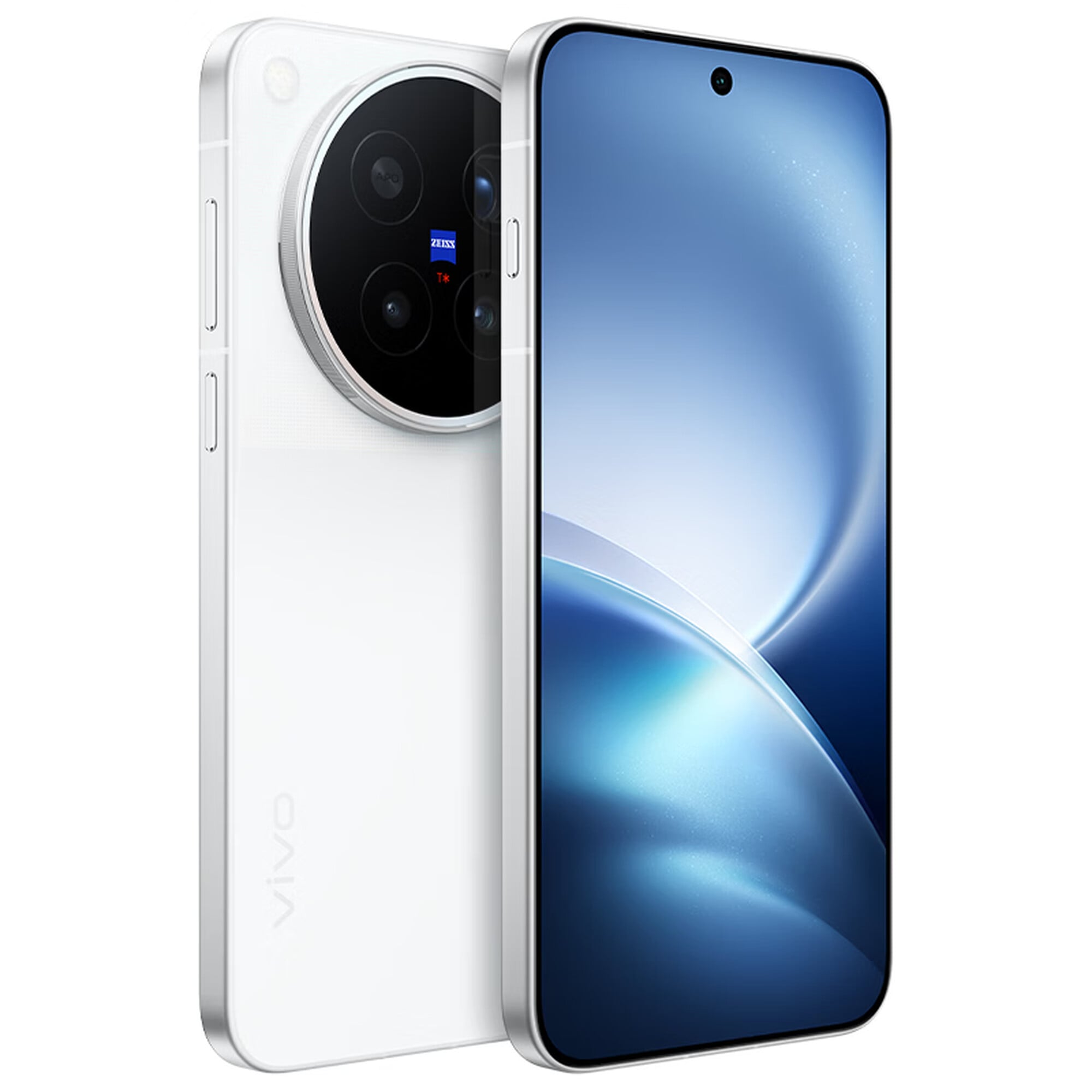
Oppo Find X9s vs Vivo X300 FE: Which Compact Flagship Is Actually Worth Buying?

Oppo Find X9s and Vivo X300 FE represent two very different takes on the modern compact flagship. One focuses on battery life and balanced value, while the other pushes harder with premium cameras, gaming power, and flagship extras. If you’re trying to decide between practicality and cutting-edge features, this comparison breaks down exactly which phone deserves your attention. 

Major Features:

FeatureOppo Find X9sVivo X300 FEWinner
Design & BuildGorilla Glass 7i, aluminum frame, IP68/IP69Glass back, aluminum frame, IP68/IP69Vivo – More premium compact flagship feel
Display6.59-inch AMOLED, 120Hz, Dolby Vision, 3600 nits6.31-inch LTPO AMOLED, 120Hz, HDR10+, 5000 nitsVivo – Brighter LTPO panel with better efficiency
ProcessorMediaTek Dimensity 9500sSnapdragon 8 Gen 5Vivo – Stronger flagship gaming and sustained performance
GPUImmortalis-G925Adreno 829Vivo – Better optimization and graphics stability
RAM & StorageUp to 512GB + 12GB RAM, UFS 4.1Up to 512GB + 12GB RAM, UFS 4.1Tie – Similar flagship memory setup
Main Camera50MP wide + 50MP telephoto + 50MP ultrawide50MP wide + 50MP periscope + 8MP ultrawideOppo – More balanced triple-camera setup
Zoom Camera3x telephoto3x periscope telephotoVivo – Better zoom hardware and low-light detail
Ultrawide Camera50MP ultrawide8MP ultrawideOppo – Much stronger ultrawide performance
Selfie Camera32MP50MP AFVivo – Sharper selfies with autofocus support
Video Recording4K up to 120fps8K up to 30fps, 4K up to 120fpsVivo – More advanced video capabilities
Battery7025mAh6500mAhOppo – Larger battery for longer endurance
Charging80W wired90W wired + 40W wirelessVivo – Faster and more versatile charging
Wireless ChargingNoYes, 40WVivo – Premium flagship convenience
SoftwareAndroid 16, ColorOS 16Android 16, OriginOS 6, 5 major upgradesVivo – Better long-term update promise
AudioStereo speakersStereo speakersTie – Similar flagship audio experience
ConnectivityWi-Fi 7, Bluetooth 6.1Wi-Fi 7, Bluetooth 5.4Oppo – Newer Bluetooth standard
PriceAround $730 / ₹60,000Around $950 / ₹80,000Oppo – Much stronger value for money
Overall ValueBalanced flagship with huge batteryPremium compact flagship with top-tier extrasOppo – Better value overall for most buyers
Disclaimer: Specs are based on available data. Actual performance may vary. Verify details from official sources before buying.

1. Design and Display

Build and Feel

The Oppo Find X9s and Vivo X300 FE both target premium compact flagship buyers, but they approach design differently. The Find X9s feels more traditional with its clean aluminum frame, Gorilla Glass protection, and balanced flagship styling. Its slightly larger footprint helps create a more immersive feel while still remaining comfortable for long sessions. The Vivo X300 FE, meanwhile, focuses more on portability and a lighter in-hand experience. It feels sharper and more compact, making it easier to use daily without sacrificing flagship-grade materials.

Both phones carry IP68 and IP69 ratings, so durability is not a concern on either side. The Vivo design feels more modern and enthusiast-focused, while the Oppo leans toward a polished mainstream flagship identity.

Display Quality

Oppo equips the Find X9s with a bright AMOLED panel featuring Dolby Vision, 3840Hz PWM dimming, and excellent color tuning. The Vivo X300 FE counters with an LTPO AMOLED panel, HDR10+, and a much higher 5000 nits peak brightness figure. Its adaptive refresh system also improves smoothness and efficiency during daily use.

Verdict

The Vivo X300 FE offers a more advanced and premium display experience overall, especially for brightness and fluidity. The Oppo Find X9s still feels excellent, particularly for multimedia lovers who prefer Dolby Vision support and balanced color output.

2. Specifications Including Battery

Performance

The Oppo Find X9s runs on the MediaTek Dimensity 9500s chipset, while the Vivo X300 FE uses Qualcomm’s Snapdragon 8 Gen 5 platform. Both are built on advanced 3nm architectures and deliver true flagship-level performance. The Vivo has a slight advantage in raw GPU power and sustained gaming efficiency, especially during heavier workloads or long gaming sessions. Its newer Oryon cores also help multitasking feel extremely responsive.

The Oppo, however, performs impressively for thermal stability and day-to-day smoothness. ColorOS optimization remains one of its strongest advantages, and the overall software experience feels refined and efficient.

Battery and Charging

Oppo takes the lead in battery capacity with a massive 7025mAh silicon-carbon battery, paired with 80W wired charging. The Vivo counters with faster 90W charging alongside 40W wireless charging, reverse wireless charging, bypass charging, and broader flagship charging flexibility.

Verdict

The Vivo X300 FE feels like the more complete flagship performance package because of its stronger chipset and premium charging features. The Oppo Find X9s stands out for endurance, making it especially appealing for users who prioritize battery life over extra convenience features.

3. Camera

Main and Secondary Lenses

The Oppo Find X9s delivers a balanced triple 50MP camera setup with strong versatility across wide, telephoto, and ultrawide photography. Hasselblad color tuning helps produce cleaner tones and a more cinematic look, especially in daylight and portrait shots. Its ultrawide camera is also noticeably stronger than many rivals in this segment.

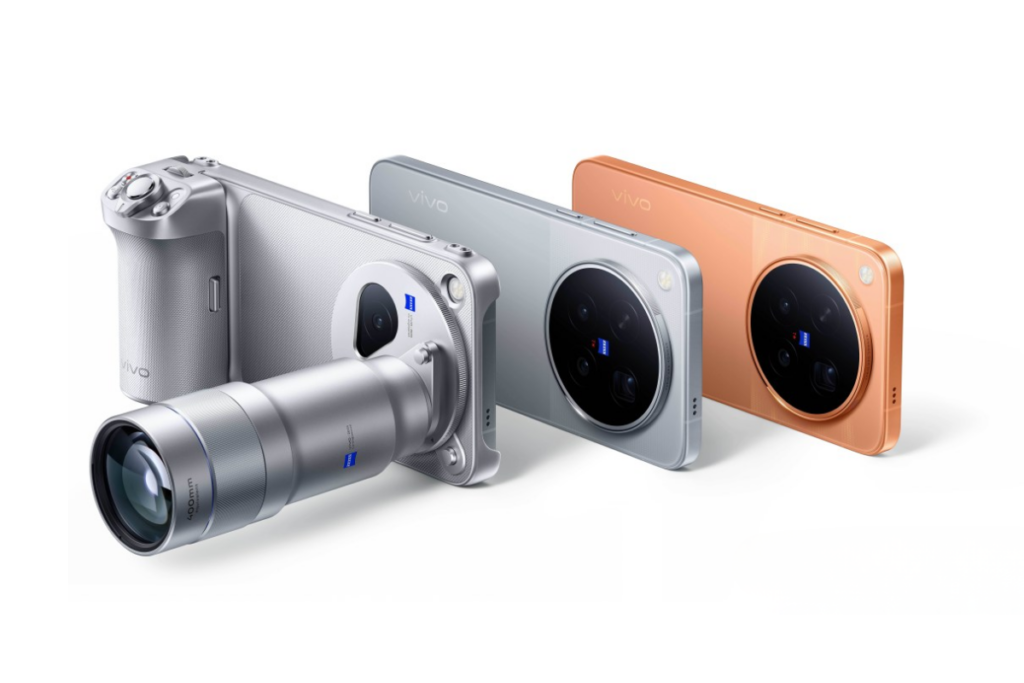
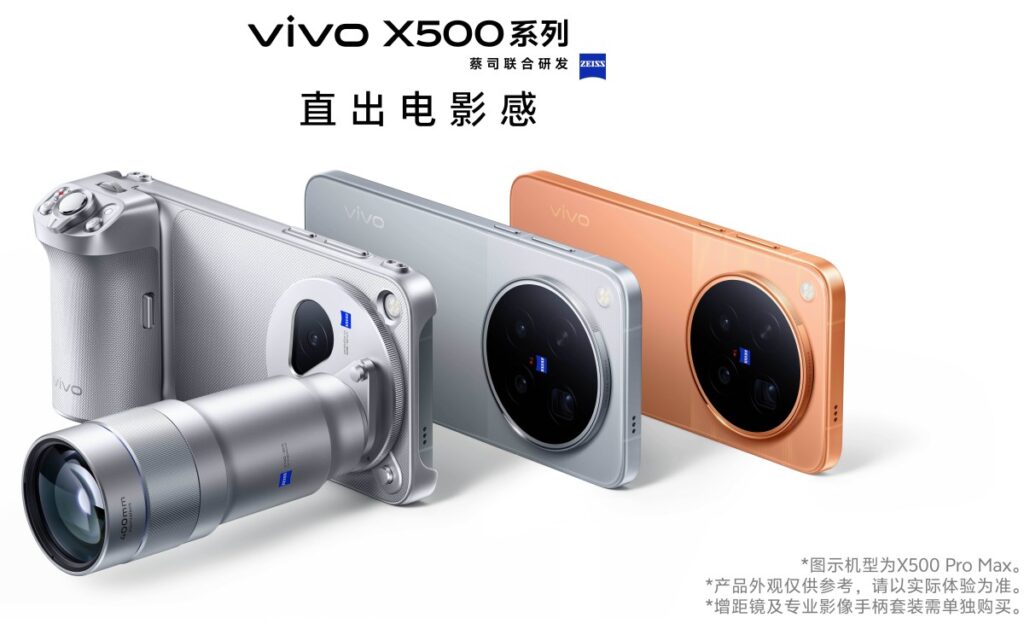
The Vivo X300 FE focuses more aggressively on imaging hardware. Its Zeiss-tuned periscope camera delivers better zoom quality and improved low-light detail. The optional external zoom lens system also gives it a more enthusiast-oriented photography approach. Video recording is another major advantage, thanks to 8K recording support and stronger stabilization tuning.

Selfie Camera

Vivo clearly wins the selfie battle with a sharper 50MP autofocus front camera. The Oppo’s 32MP shooter remains reliable, but it lacks the same flagship-level detail and flexibility.

Verdict

Vivo X300 FE offers a stronger overall camera system for photography enthusiasts, zoom performance, and advanced video recording. The Oppo Find X9s feels more balanced and consistent for casual users who prefer natural color science and dependable all-around shooting.

4. Pricing

The Oppo Find X9s is priced around $730 or ₹60,000, while the Vivo X300 FE is priced around $950 or ₹80,000. That creates a significant pricing gap between the two devices despite both targeting the premium flagship category.

The Oppo immediately positions itself as the stronger value-focused flagship. It still offers a premium AMOLED display, flagship-grade chipset, triple 50MP cameras, massive battery capacity, and modern durability features at a noticeably lower price. For many buyers, it covers nearly every high-end requirement without crossing ultra-premium pricing territory.

The Vivo X300 FE justifies its higher pricing through better display technology, stronger performance tuning, superior camera hardware, wireless charging support, and more advanced flagship extras. It clearly feels more feature-packed, though the difference may only matter to power users and photography-focused buyers.

Verdict

The Oppo Find X9s delivers stronger value for money overall. The Vivo X300 FE feels justified mainly for users who specifically want top-tier cameras, gaming performance, and premium charging flexibility.

Disclaimer:
Prices are approximate and may vary based on country, region, launch timing, and applicable taxes. Always check whether the listed price is for a China unit or a global/international variant when purchasing.

5. Conclusion

The Oppo Find X9s succeeds by offering a balanced flagship experience with very few compromises. Its huge battery, triple 50MP setup, Dolby Vision display, and competitive pricing make it highly attractive for users wanting premium features without entering ultra-flagship pricing territory. It feels practical, polished, and dependable for long-term daily usage.

The Vivo X300 FE pushes further into enthusiast territory. The Snapdragon 8 Gen 5 chipset, LTPO display, Zeiss camera system, wireless charging support, and advanced zoom capabilities make it feel more ambitious overall. It is clearly designed for users who want a compact flagship that still delivers maximum performance and imaging power.

Verdict

Oppo Find X9s is the smarter value-driven flagship choice for most buyers, especially those prioritizing battery life and balanced performance. The Vivo X300 FE feels more premium and technically superior, making it the better pick for users who care deeply about cameras, gaming power, and flagship extras.

Disclaimer: This comparison is based on the specifications provided and is intended for general informational purposes. Actual performance, camera results, battery life, and overall experience may vary depending on real-world usage, software updates, and individual preferences.

Read More:

TSMC scrambles to stop strike threat with massive bonus guarantees after CEO backlash

TSMC bonus pay cut

TSMC may have avoided sparking widespread anger among its employees, which could have grown into a major strike, similar to what recently happened at Samsung. The Taiwanese chip giant has assured its employees that their bonuses will grow more strongly to exceed last year’s level.

For those uninitiated, a lot of TSMC workers recently expressed their fury in TSMC-related Facebook groups over rumors that the company plans to cut employee bonuses. The CEO’s statement further stoked the fire, as he reportedly said that TSMC’s employee bonuses are too high and create a negative perception in society. He also proposed a 20–30% reduction in bonus payouts, triggering a major backlash from employees.

These comments from TSMC’s CEO come at a time when the company’s financial position has never been this strong. The profits jumped 58% year-over-year in Q1 2026 to a whopping T$572.5 billion ($18.2 billion).

TSMC’s current fabs are not enough to meet the unprecedented demand for high-performance chips, so the company is building as many as 12 different fabs. This requires a huge CapEx, which is believed to be one of the primary reasons the company might be eyeing bonus cuts.

Also read:
1. TSMC pushes toward sub-1nm chips after 1.4nm breakthrough
2. TSMC’s 2nm supply shortage forces smartphone brands to save the best for top-end models amid growing DRAM crisis

TSMC is currently going through its best phase, and it surely can’t afford a strike. Not only will that cost millions of dollars, but it could also halt the expansion of its factories and the ongoing work on advanced nodes. In Samsung’s case, the stock fell 3%, and the government warned that a multi-week shutdown could cause up to $66 billion in economic damage.

TSMC quickly responded to the backlash it received from its employees. Just a few days later, the company issued a two-part statement, acknowledging the hefty contributions of its employees and assuring them that their bonuses would grow at a stronger pace.

For the latest stories, visit the news section on Gizmochina regularly. Also, follow our Telegram channel to get the latest news as soon as we post them.

via: Wccftech

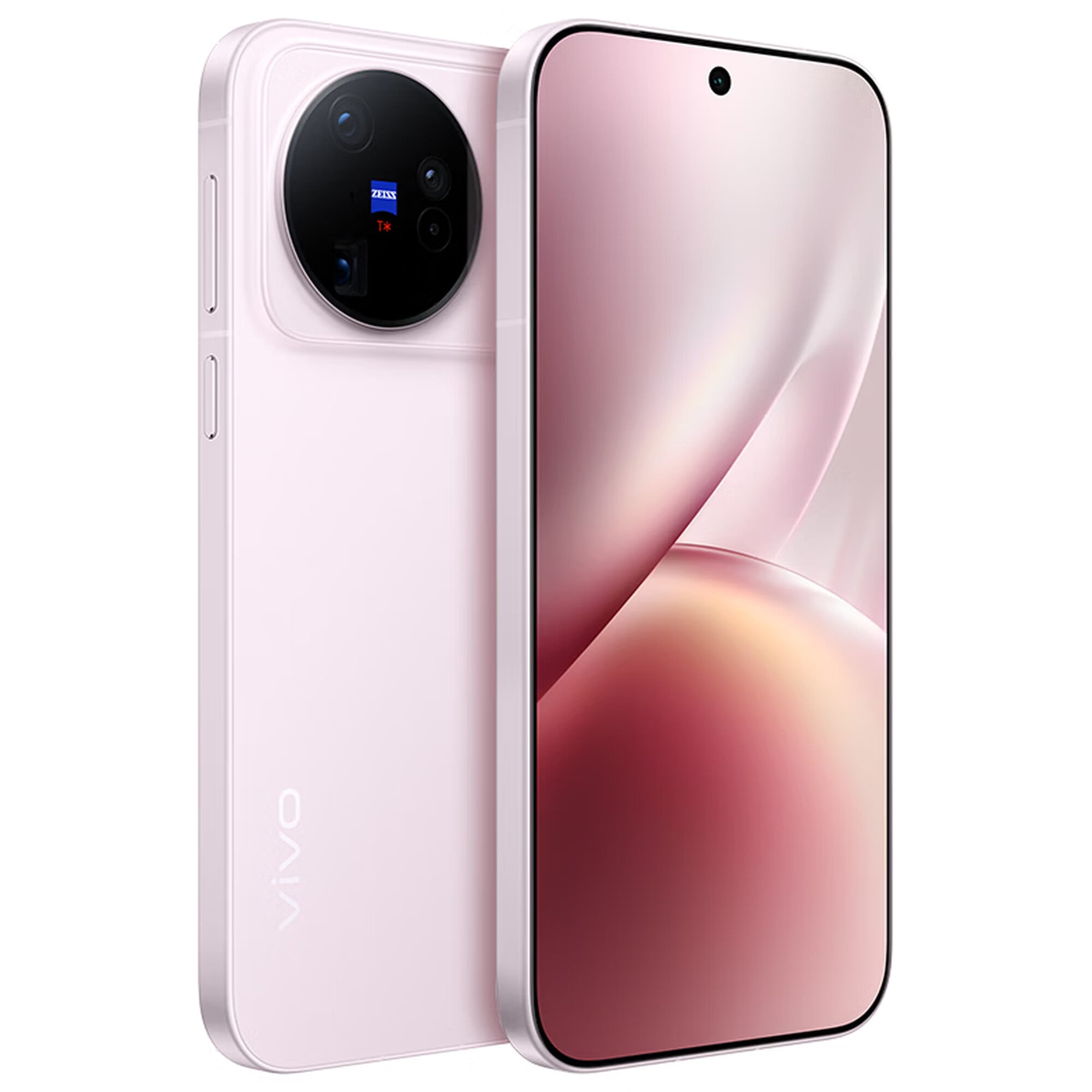
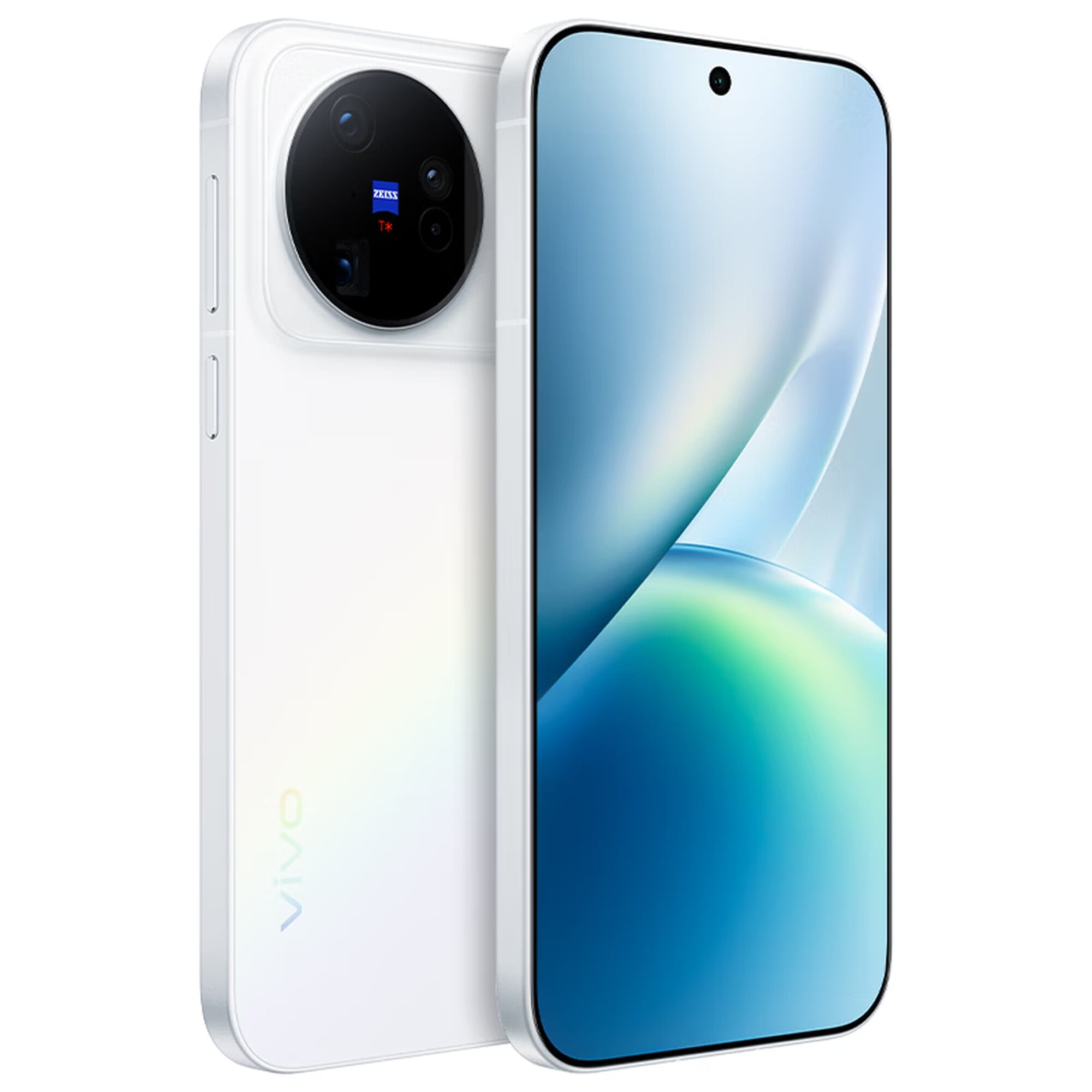
Vivo reveals specs of its first over-ear wireless headphones before launch

Vivo is preparing to launch its first wireless over-ear noise-canceling headphones on May 29. Ahead of the official unveiling, the company has revealed several key features of the upcoming audio product on its website.

Vivo over-ear headphones_
Vivo over-ear headphones

Vivo Over-Ear Wireless Headphones Specifications

As the name implies, the headphones feature active noise cancellation of up to 58dB, according to Vivo. Pair with an over-the-ear design, and it can block a large amount of outside noise for a more immersive listening experience.

The headphones also come with a lightweight design. Vivo says the device weighs only 238 grams and uses ultra-soft leather earcups for better comfort during long listening sessions.

Moreover, you can use the audio gear with three devices across ecosystems. That is, users will be able to connect the headphones to smartphones, tablets, and computers at the same time. The feature could especially benefit users who work across multiple devices during the day.

Vivo over-ear noise cancelling headphones specs

For audio performance, the headphones include Hi-Res Audio Gold Label certification and a 40mm large dynamic driver unit. Vivo is also promising cinema-grade spatial audio with 360-degree surround sound for movies, music, and gaming.

Vivo claims the headphones can deliver up to 75 hours of usage on a single charge. In terms of design, the upcoming headphones will be available in two color options: Cloud White and Breeze Purple.

The headphones have already appeared on Chinese e-commerce platforms ahead of launch, with reservations now live. The launch event will reveal more details, including pricing, availability, and regional release plans. Alongside the headphones, Vivo will also announce the Vivo S60 series smartphones. 

Don’t miss a thing! Join our Telegram community for instant updates and grab our free daily newsletter for the best tech stories!

For more daily updates, please visit our News Section.

(Via)

LG responds to speculation around possible TV business sale to Hisense

Update: Following publication, LG contacted us stating that the claims were baseless, speculative, and misleading. The company also noted that the original report referenced in the story has since been taken down.

Original post continues…

LG Electronics may be considering some major changes to its TV business as competition in the global television market continues to intensify. A new report out of South Korea claims the company recently held discussions with Hisense about possible restructuring plans, including the potential sale of LG’s TV division.

The report comes from a Korean outlet, which says executives from LG and Hisense met during a recent visit to Beijing. While no deal has been confirmed, and LG reportedly denied that active sale negotiations are taking place, the report has still sparked a lot of discussion around the future of LG’s television business.

The timing is not entirely surprising. LG remains one of the most recognizable TV brands globally, especially in the premium OLED segment, but the broader TV market has become increasingly difficult over the past few years. Chinese brands like Hisense and TCL have been growing aggressively, often competing with lower pricing while steadily improving panel quality and features.

According to market research data from Omdia, LG’s global TV market share has stayed around the 10-11% range recently, while Chinese brands have continued gaining ground. At the same time, profit margins in the TV business have reportedly remained fairly thin.

Another issue is LG Display’s gradual exit from large LCD panel production. That move reduced some of the vertical integration advantages LG Electronics previously had, especially when it comes to panel sourcing and manufacturing costs.

Despite still leading in OLED TVs, maintaining profitability across the wider TV lineup has apparently become more difficult. LG’s Media and Entertainment Solutions division, which includes the television business, reportedly posted weak profitability last year with operating margins sitting around just 1-2%.

For Hisense, a deal like this would obviously be significant. The company has expanded rapidly in recent years and has become much more visible globally, not only in budget TVs but also in larger Mini LED and premium categories.

At this stage, though, it is important to note that everything remains speculative. There is no confirmation that LG actually plans to sell the business, and companies often hold exploratory discussions without any final agreement being reached.

Still, the report does highlight how dramatically the TV industry has changed. Even established brands with strong reputations are facing increasing pressure as pricing competition becomes tougher and consumer demand shifts more toward value-focused products.

Don’t miss a thing! Join our Telegram community for instant updates and grab our free daily newsletter for the best tech stories!

For more daily updates, please visit our News Section.

Anker announces a full Pokémon-Themed tech collection for 2026

Anker Japan is gearing up to delight Pokémon fans with a brand-new collection of themed tech accessories, scheduled to launch in early July 2026. The special edition collection celebrates the 30th anniversary of the beloved Pokémon franchise, bringing Pikachu and Eevee designs across five products. 

The Pokémon theme carries through not just the products themselves, but also their packaging and included accessories.

Anker USB Fast Charger 70W Pikachu Model

The USB fast charger has a yellow body with the outline of Pikachu and a gold accent glass panel on the top. The charges can be used for smartphones, tablets, and laptops and come with two USB-C ports and one USB-A port, delivering up to 70W when used on a single port. It features a foldable plug for easy packing, and comes bundled with a Pokémon-designed cable and cable band.

It is priced at 7,990 yen or some $50.

Anker USB Fast Charger 70W Pikachu Model

Anker Travel Adapter Pikachu Model 

Built for globetrotters, this adapter works in over 200 countries and regions. It includes one AC outlet, two USB-A ports, and two USB-C ports. Like the charger, it has a yellow body with a golden panel at the top. The latter carries the Pikachu imprint. It is priced at 5,990 yen (~$38).

Anker Travel Adapter Pikachu Model

Anker Travel Pouch Pikachu Model 

Designed to keep your gadgets neat on the go, the travel pouch can store chargers, cables, and other accessories. It comes with a back pocket for extra storage and is compact enough to slip into a bag with ease. It is available in a single black shade with Pikachu on the right corner. The Travel Pouch is the least expensive accessory at 3,990 yen (~ $25).

Anker Travel Pouch Pikachu Model

Anker Soundcore C50i Wireless Earphones Pikachu & Eevee Models 

The collection also includes two versions of the Soundcore C50i open-ear wireless earphones: one styled after Pikachu with vivid colours, and one after Eevee with a more natural, understated look. 

Both are ear-cuff style, meaning they sit comfortably on the ear without blocking outside sound, and each earbud weighs just about 5.5g. They deliver powerful bass and offer up to 28 hours of total playback time with the charging case.  Each model is priced at 13,990 yen (~ $87).

All five products are currently listed as “Coming Soon” on the Anker Japan official store, with updates expected via their social media channels closer to the July launch.

Don’t miss a thing! Join our Telegram community for instant updates and grab our free daily newsletter for the best tech stories!

For more daily updates, please visit our News Section.

(Source)