Samsung offers smartphones across different ranges that are built to cater to various needs. But before you make the decision to purchase Galaxy branded devices, there are some crucial key factors that one must keep in mind. Despite being a major smartphone brand, Samsung also has its own fair share of criticism. So here are some of the top things you should know before purchasing a Samsung smartphone.
A big frustration a lot of Samsung users face immediately after buying a new smartphone is the lack of a charger. While most brands still ship phones with charging adapters in the box, Samsung followed Apple’s route in removing this essential accessory. This is common from its flagship model all the way down to budget phones. The official reason is to reduce e-waste, but there’s a lot of cost cutting that Samsung benefits from.
So if you don’t have an adapter with you, get ready to pay Samsung extra for a new one. Chinese brands even offer a free case in their mid range to budget phones, which is another thing you miss out on with Samsung Galaxy smartphones. This helps save costs for many and makes the deal more attractive.
2. No International Warranty
While Samsung did follow in Apple’s footsteps by removing the charger from the box, it didn’t have another positive aspect that the iPhone maker offers. Unlike Apple, the South Korean tech giant offers no international warranty. This means that one needs to pay for any official servicing or repairs. It can be a big hassle for those who travel around or have purchased a device from third party sellers from a different country.
3. Samsung’s One UI isn’t for everyone
Samsung is touted to offer one of the best custom versions of Android in the market. But its design has had polarizing opinions. Some love it, while some don’t. The One UI also has some bloatware with Samsung apps that you can’t get rid of. So if you’re buying one of their expensive smartphones for a hefty price tag, make sure it is an experience you’ll enjoy.
4. Resale Value
There is something for everyone in Samsung’s portfolio. Its mid range devices pack some of the biggest batteries, while its flagship phones offer the prettiest displays, impressive zoom shots, and top notch performance. However, not every one of the devices brings great resale value. Comparing it to Apple again, iPhones have some of the best value when being resold, but usually, only the more expensive models in Samsung’s series carry better resale value.
A recent World Health Organization (WHO)-led investigation has once again debunked the longstanding fear that prolonged mobile phone use could increase the risk of brain cancer.
No Evidence of Brain Cancer Risk from Mobile Phones
The study, which analyzed data from 63 studies conducted between 1994 and 2022, found no conclusive evidence to support a causal relationship between radiofrequency (RF) radiation emitted by mobile phones and brain cancer.
Researchers examined a wide range of cancer types, including brain cancer, pituitary gland cancer, salivary gland cancer, and leukemia, as well as risks associated with mobile phone use, base stations, and occupational exposure.
Despite the significant increase in mobile phone usage over the past few decades, the incidence of brain cancer has remained relatively stable. This suggests that the fears surrounding mobile phone radiation may be unfounded. The study’s findings are in line with previous research conducted by WHO and other international health organizations.
While the latest investigation offers reassuring news for mobile phone users, it’s important to note that WHO and other health agencies continue to call for more research to definitively rule out any potential health risks associated with RF radiation.
The International Agency for Research on Cancer (IARC) still classifies mobile phone radiation as “possibly carcinogenic” (Group 2B), indicating that a potential link cannot be ruled out.
As technology continues to evolve and wireless devices become increasingly ubiquitous, it’s crucial to stay informed about the latest scientific findings. The WHO study provides valuable insights into the safety of mobile phone use and offers reassurance to millions of people who rely on these devices for communication and daily activities.
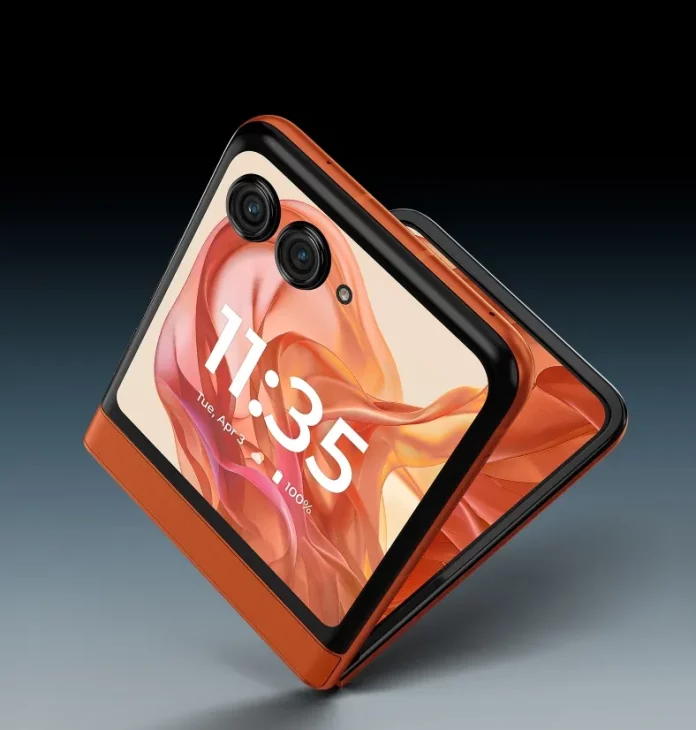
Looks like the Razr party isn’t over yet. While Motorola is gearing up for the September 9th launch of the Razr 50 in India, a new leak suggests a possible “lite” version could be in the works.
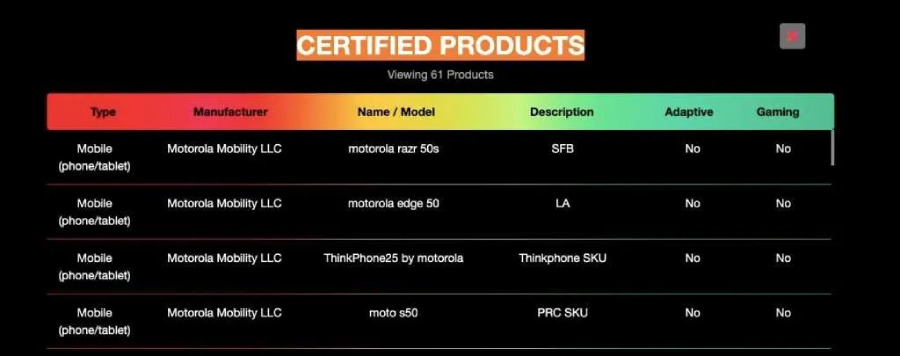
The folks at MySmartPrice spotted the Motorola Razr 50s on the HDR10+ certification website, confirming the upcoming phone’s name and, more importantly, its display tech.
The “s” in the Razr 50s moniker is the first clue. It often signifies a more affordable variant in Motorola’s lineup. While details are scarce beyond the HDR10+ certification, this could be Motorola’s answer to the ever-growing demand for foldable phones at a more budget-friendly price point.
Right now, the Razr 50s remains a mystery. We don’t have any specifics on the processor, camera setup, or even the size of the main foldable display.
However, considering the flagship Razr 50 boasts a 3.6-inch external screen with Gorilla Glass Victus protection and a 50MP main camera, it’s possible the 50s might borrow some of these features in a slightly pared-down version.
The smartphone could soon appear on other certifications like Geekbench to reveal other details of the phone. In the meantime, let’s quickly take a recap of the full specs of the Motorola Razr 50 launching on September 9.
Motorola Razr 50 Specifications
The clamshell foldable features a 6.9-inch FHD+ internal foldable pOLED screen with a 120Hz refresh rate and a 3.6-inch FHD+ outer pOLED screen that reaches up to 1700 nits peak brightness and 90Hz refresh rate.
Powered by the MediaTek Dimensity 7300X SoC, the device has a 4200mAh battery with 30W wired and 15W wireless fast charging. The dual-display setup supports HDR10+, 10-bit color, LTPO technology, and a peak brightness of up to 3000 nits on the main display.
The phone includes a rear camera system with a 50MP main camera featuring OIS and a 13MP ultra-wide/macro camera. The front camera is a 32MP sensor capable of 4K UHD video capture. For audio, it comes with dual stereo speakers, Dolby Atmos, Spatial Sound, and three microphones.
We already know that Samsung is working on the Galaxy Tab S10 series and the Galaxy S24 FE. But ahead of any official announcement, the upcoming budget flagship phone and premium tablet have been spotted on new certifications, hinting at their imminent launch.
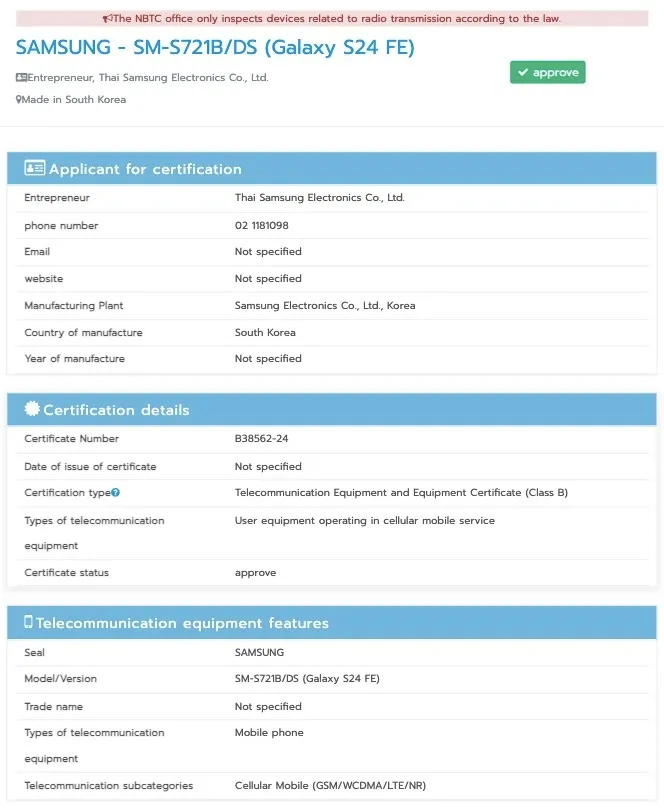
The new Galaxy Tab S10+ Wi-Fi only model has just surfaced on Thailand’s NBTC certification, while the Galaxy S24 FE was spotted on NBTC and Peruvian MTC databases (Via MySmartPrice). The latter was listed carrying the SM-S721B/DS model number on both certifications, with the MTC also featuring the phone’s renders. The Samsung Galaxy S24 FE’s design is in line with our previous reports, with a triple camera setup on the rear.
Galaxy S24 FE on NBTC
On the other hand, the Galaxy Tab S10+ was spotted on NBTC with the SM-X820 model number. While these certifications do not reveal any finer details like specs of the new products, they do confirm that their launch is right around the corner. Just recently, the Galaxy S24 FE also visited the FCC, Bluetooth SIG, and BIS platforms. Meanwhile, the Galaxy Tab S10+ was spotted on FCC, the official UK support page, and 3C.
Galaxy Tab S10+ NBTC
All of these revealed some specs and features for the S24 FE and the Tab S10+. Based on what we know so far, the upcoming smartphone arrives with an Exynos 2400e processor, packs a 4,565mAh battery pack, and supports 25W wired fast charging and 15W wireless fast charging. On the other hand, the Galaxy Tab S10+ is expected to come with 45W wired fast charging, Dimensity 9300+ SoC, and a Silver color option. This is all the information we have at the moment, so stick around for more updates.
The wait is finally coming to an end as the Android 15 is confirmed to be released in October. So, we’re only a few weeks away from now. But that is not when smartphone brands such as Xiaomi start rolling out the latest updates.
In this post, I will share Xiaomi’s plan to roll out Android 15, along with details on eligible devices and expected features.
Xiaomi Android 15 Release Timeline
Since Android 15 isn’t out yet, brands are quiet on the release of their version of custom skins, such as One UI 7 for Samsung and OxygenOS 15 for OnePlus. For Xiaomi, it’s expected to be HyperOS 2.0, which will be based on Android 15.
Although Xiaomi hasn’t yet revealed a release date for HyperOS 2.0, a recent leak points to an October release. Last year, the HyperOS 1.0, based on Android 14, was also released in the same month.
Google has just released the source code of Android 15 to the Android Open Source Project (AOSP). This means the new OS is fully baked in but not available for the public. However, it should not be too long before it rolls out to eligible Google Pixels, and then other brands will join the party.
Xiaomi has already revealed the initial list of devices that will receive the Android 15 update. This includes:
Xiaomi 14 Ultra
Xiaomi 14
Xiaomi 13 Pro
Xiaomi 13
Xiaomi 13 Lite
Xiaomi 13T Pro
Xiaomi 13T
Xiaomi 12 Pro
Xiaomi 12
Xiaomi 12T Pro
Xiaomi 12T
Xiaomi Pad 6
Redmi Note 13
Redmi Note 13 5G
Redmi Note 13 Pro
Redmi Note 13 Pro 5G
Redmi Note 13 Pro+ 5G
Redmi Note 12
Redmi 12 5G
Redmi 12
POCO M6 Pro 5G
These Xiaomi, Redmi, and Poco devices are guaranteed to receive the Android 15 update when it’s ready. However, this is not the final list, so many devices are missing.
Here are other Xiaomi devices that might also get upgraded to Android 15:
(Xiaomi devices)
Xiaomi Mix Flip
Xiaomi Mix Fold 4
Xiaomi 14 Pro
Xiaomi 14 Civi
Xiaomi 13 Ultra
Xiaomi 12 Lite
Xiaomi 12S
Xiaomi 12S Pro
Xiaomi 12S Ultra
Xiaomi Civi 4 Pro
Xiaomi Civi 3
Xiaomi Civi 2
Xiaomi Civi 1S
Xiaomi Mix Fold 3
Xiaomi Mix Fold 2
Xiaomi Pad 6 Pro
Xiaomi Pad 6 Max 14
Xiaomi Pad 6S Pro 12.4
Xiaomi Pad 5 Pro 12.4
(Redmi devices)
Redmi Note 13R
Redmi Note 13R Pro
Redmi Note 12 4G
Redmi Note 12 Turbo
Redmi Note 12 Pro 4G
Redmi Note 12 Pro Speed
Redmi Note 12R
Redmi Note 12R Pro
Redmi Note 12T Pro
Redmi Note 12S
Redmi K70
Redmi K70E
Redmi K70 Pro
Redmi K70 Ultra
Redmi K60
Redmi K60 Pro
Redmi K60 Ultra
Redmi 14C
Redmi 13
Redmi 13R
Redmi 13 5G
Redmi 13C 5G
Redmi Pad Pro
Redmi Pad Pro 5G
Redmi Pad SE 8.7
Redmi Pad SE
Redmi Turbo 3
Redmi A3
Redmi A3x
(Poco devices)
Poco F6
Poco F6 Pro
Poco F5
Poco F5 Pro
Poco X6
Poco X6 Neo
Poco X6 Pro
Poco M6
Poco M6 4G
Poco M6 Plus
Poco M6 Pro
Poco Pad
Poco C65
Poco C61
Poco C51
Poco Pad 5G
We have created this unofficial list by analyzing the software update policy and previous rollouts.
Since all Xiaomi devices get at least one major upgrade, all upcoming devices launched with Android 14 are naturally eligible for Android 15.
What’s New in Android 15?
The next big software upgrade for Xiaomi devices will include many design changes and enhancements, as well as some new features directly from the development team at Xiaomi. Plus, there will be more improvements and new features as part of Android 15.
While most details about HyperOS 2.0 are still under the cover, some have been leaked recently.
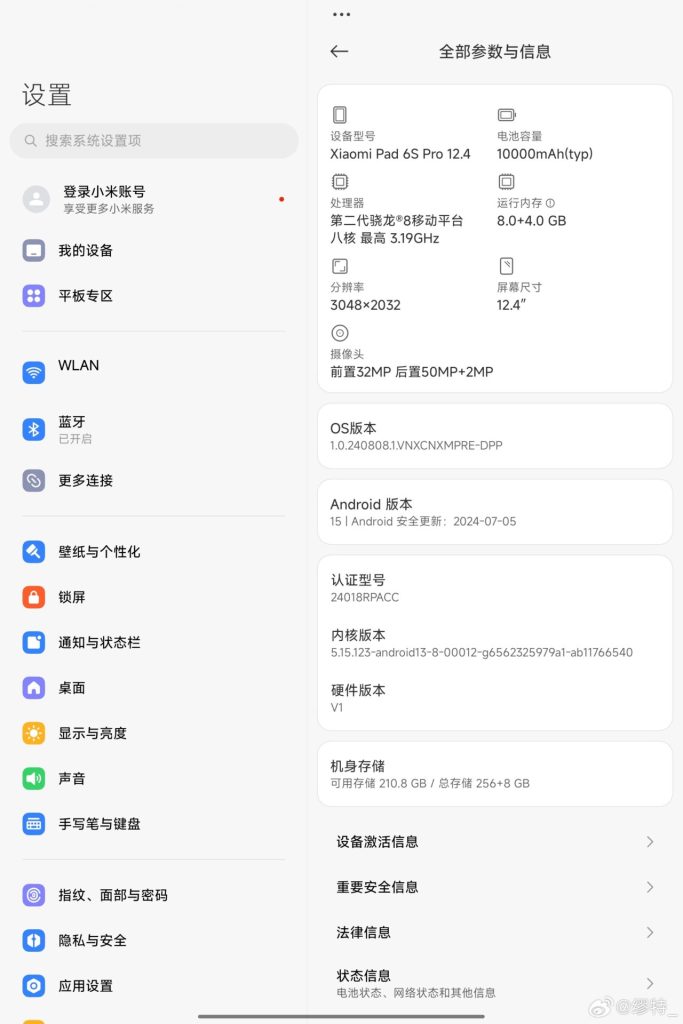
1. Redesigned Settings Menu
A leaked HyperOS 2.0 screenshot shows a redesigned Settings menu that looks much better than before. Xiaomi has kept the same design for nearly a decade, so this change is a must for a fresh experience.
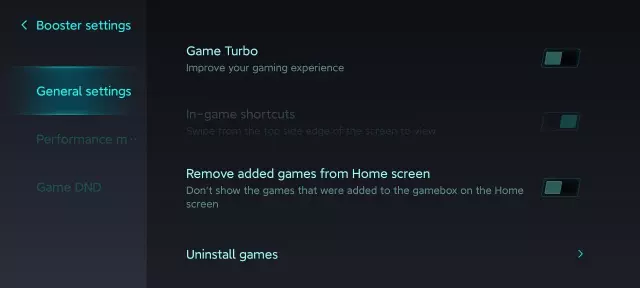
A leaked image suggests that HyperOS 2.0 may have a completely redesigned Game Turbo. The design looks much better than the existing one, and it might also get new gaming features.
Xiaomi is reportedly working to make animations more stable and smoother than before.
4. More AI Features
Smartphone brands are racing to bring the best AI features, and so is Xiaomi. The existing HyperOS already has many useful AI features, and there will be many more in HyperOS 2.0.
5. Theft Detection Lock
This is a core feature of Android 15 designed to stop thieves from stealing your data.
The Theft Detection Lock feature uses Google’s AI to determine when your device has been snatched from your hands. If it detects this, the device will lock itself automatically, preventing thieves from stealing your data. The best part is that thieves won’t be able to activate the device until they have your Google account details.
Snatching/stealing Android phones and selling them off for some money is a common practice among thieves, but Android 15 reduces the incentive by making the device unusable without the correct Google account details.
6. Satellite Connectivity Support
Android 15 “extends platform support for satellite connectivity.” It provides support for SMS, MMS, and native RCS apps to use satellite connectivity for sending and receiving messages.
The new OS adds some UI elements to ensure a consistent user experience. All Android 15 phones may not support satellite connectivity, as they will likely require special chip and carrier support.
7. App Archiving
If you have a lot of apps on your device, the app archiving feature might save you from running out of storage. This feature lets you uninstall/archive the app while keeping the user data around. So, the next time you install the app, you can continue where you left off.
Android smartphones already have the app archiving feature, but it’s restricted to apps installed from the Play Store apps. However, Android 15 has this feature baked in to also support apps installed outside of the Play Store.
8. Split Screen App Pairs
Android 15 lets you create shortcuts for your favourite split-screen app pairs. For example, you can create a shortcut for YouTube and Notes, which will open in the split screen mode when you tap the icon.
This might seem a minor addition, but it’s actually a big thing if you use multiple apps in the split-screen mode. This small addition might save you a lot of time.
Which Xiaomi device do you have, and what are your expectations with Android 15? Share your thoughts in the comment section below.
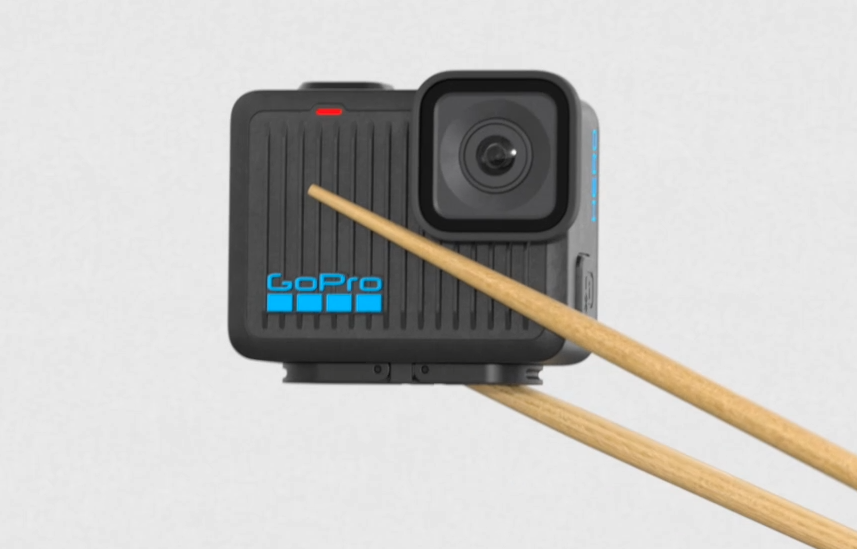
GoPro is finally bringing its latest Hero series of action cameras to India. The Hero 13 Black and Hero cameras have finally been released with some new and improved features. GoPro’s newest launch brings high resolution video recording in a portable form factor. So let’s check it out.
The Hero 13 Black arrives with cutting edge tech, offering up to 5.3K video recording at 60 frames per second. It also comes with HyperSmooth Stabilization for smooth video. GoPro’s new action camera supports 13x burst Slow Motion capture for 720p@400fps, 5.3K@120fps, and 900p@360fps. The Hero 13 Black has a larger battery, faster WiFi 6, improved video capture, a 27.6MP 1/1.9-inch CMOS sensor, a 2.27-inch touch display, and a 1.4-inch front display.
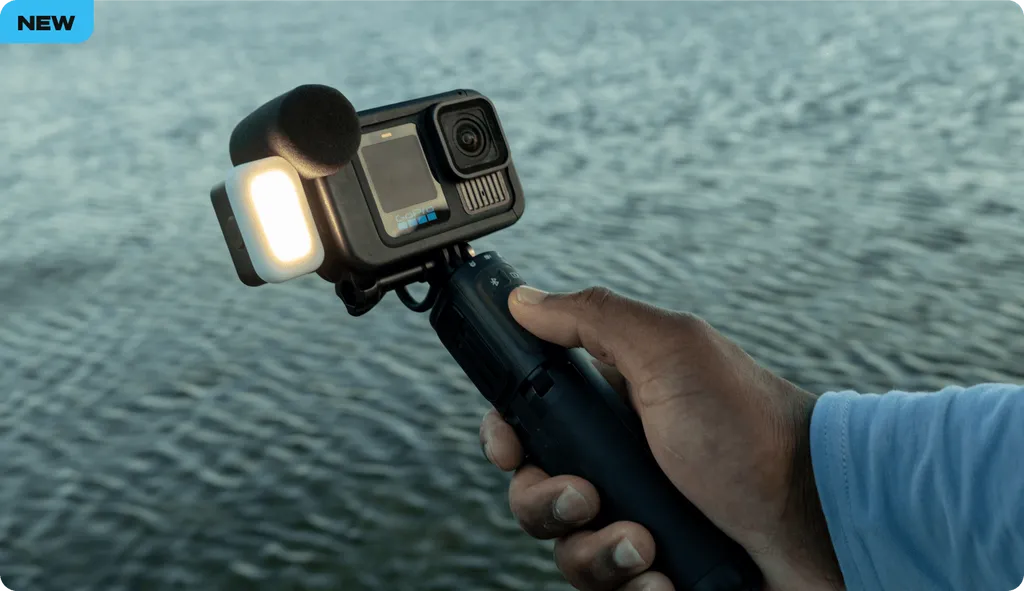
Go Pro Hero 13 Black also arrives as the Hero 13 Black Creator Edition, which basically includes a Volta Power Grip, Media Mod, and Light Mod. There is also an Accessory Bundle that costs extra. Other notable features include a 1900mAh battery pack, waterproofing up to 10 meters, a microSD card slot, 3 mics, and more.
2. GoPro Hero
GoPro Hero
Alongside the Hero 13 Black, the base Hero was announced for a more affordable price tag. It supports up to 4K video recording and a 1.76-inch touch display. A 1,255mAh battery pack powers this action camera, which weighs just 86 grams in weight. It supports a microSD card reader and can even take pictures with a max resolution of 12 megapixels. Connectivity options include Bluetooth 5.2, WiFi 5, and USB Type C. The GoPro Hero is also waterproof and brings HyperSmooth.
3. Pricing and Availability
GoPro released the Hero 13 Black for 44,990 INR in India. Meanwhile, the Creator Edition and Accessory Bundle cost 64,990 INR and 49,990 INR respectively. On the other hand, the Hero has a 23,990 INR price tag. There are various other accessories that are sold separately, which you can click here to check out. Both models will go on pre-orders this week with first sales kicking off later this month.
The Poco M7 Pro 5G appears to be on the cusp of global launch as the phone has surfaced on the FCC website.
First spotted by 91mobiles, the FCC listing confirms the model number (2409FPCC4G) and the “Pro” moniker for the upcoming Poco phone. As expected, the phone will be the successor to the POCO M6 Pro 5G, which was launched last year.
The FCC filing reveals a few details. The phone will run Xiaomi’s HyperOS 1.0, the successor to MIUI, and will include NFC support for contactless payments. Storage-wise, the listing mentions 128GB, likely the base model option.
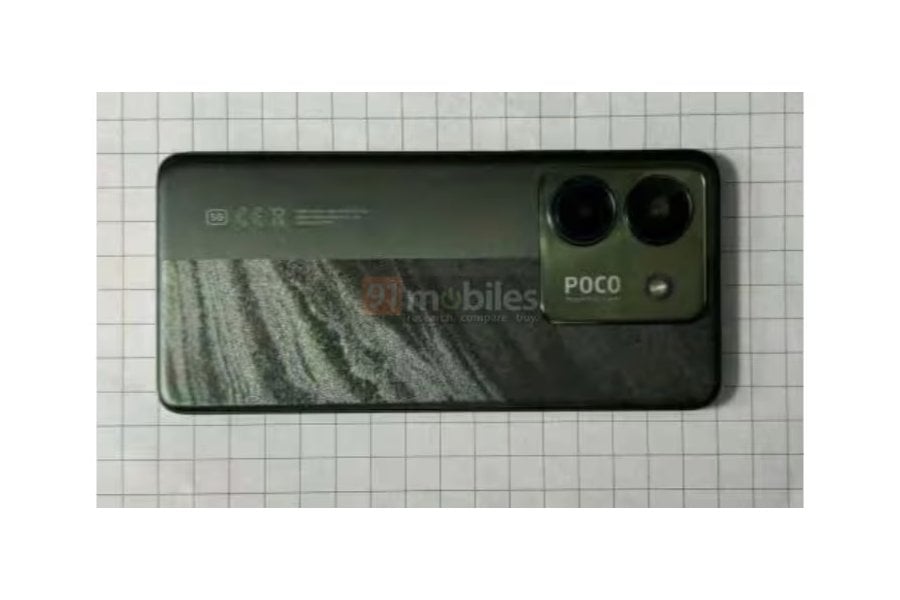
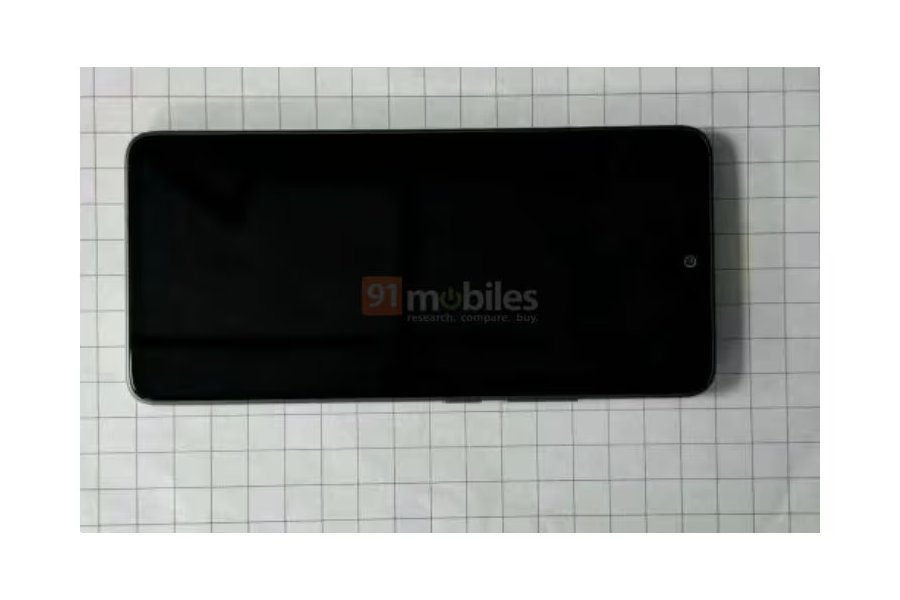
Perhaps most interesting are the leaked images showcasing the phone’s design. It ditches the M6 Pro’s wide camera strip for a more conventional square module housing just two sensors. The back features a two-tone, green marble-like finish, with other color options likely on the way.
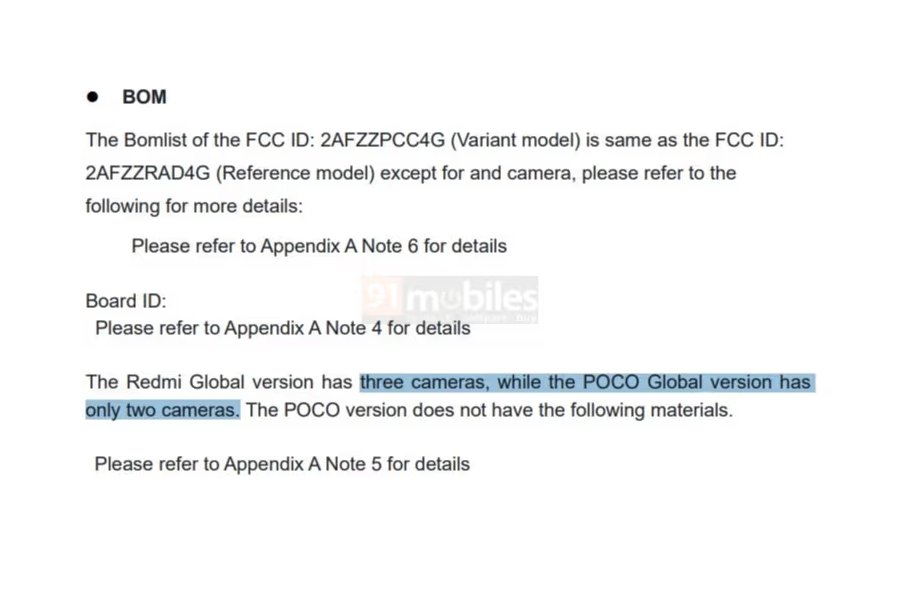
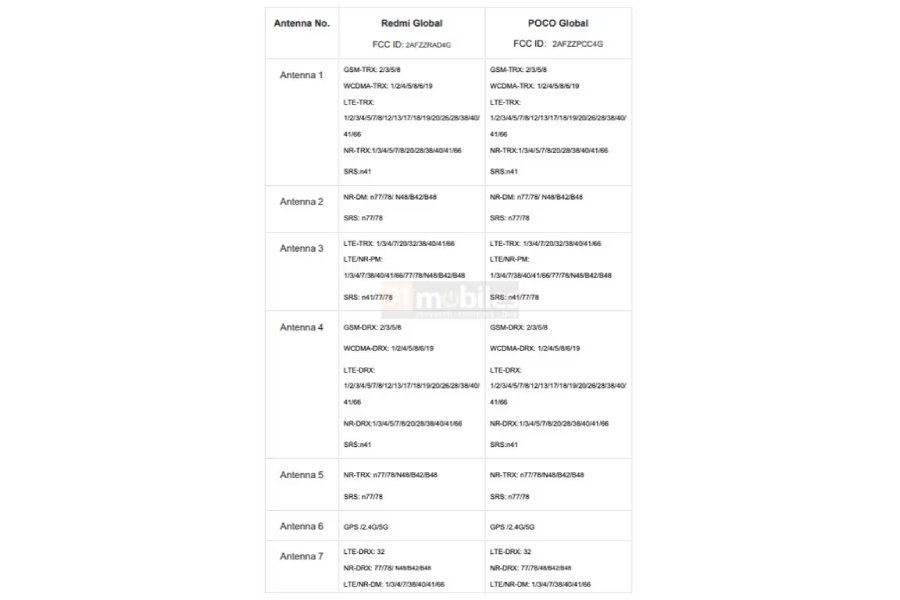
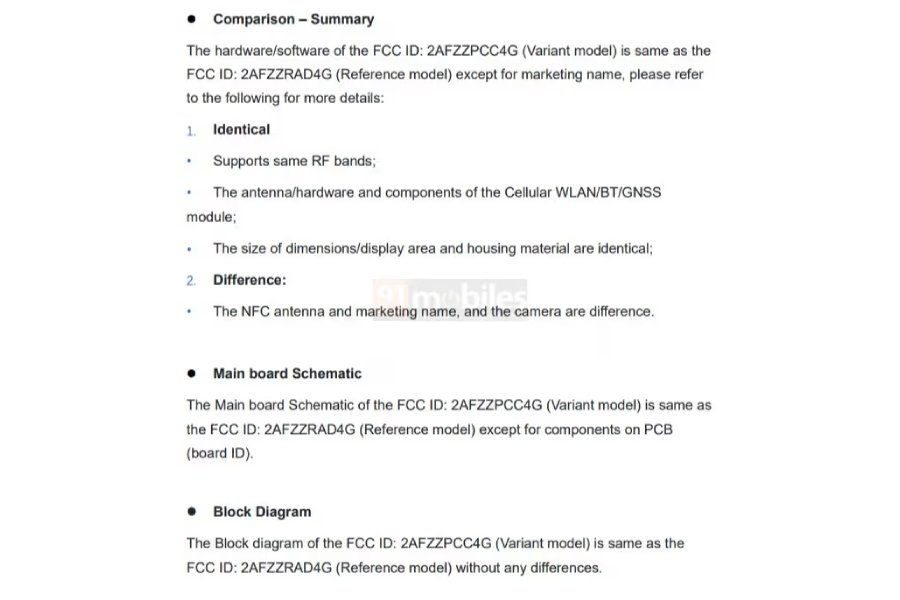
Details via the FCC documents also hint that the POCO M7 Pro 5G might simply be a rebranded Redmi Note 14 5G. A page on the document mentions “Redmi Global version has three cameras, while the Poco Global version has two cameras.”
This suggests the phones could be identical except for the camera setup. The Note 14 5G will have a triple-lens rear array and Poco will only have two, potentially sacrificing a camera for a lower price point.
Beyond the camera situation, rumors point that the Redmi Note 14 5G will have a 1.5K AMOLED display, a 50MP primary camera (which could change based on the rebranding), and a MediaTek Dimensity 6100+ chipset for processing power. We can also expect these specs on the M7 Pro 5G.
The Poco M6 Pro launched in August last year, so we can expect the Poco M7 Pro to launch anytime soon. So keep an eye out if you’re in the market for a budget-friendly 5G phone.
Red Magic has expanded its range of tablets. The latest offering introduced by the brand is the Red Magic Gaming Tablet Pro. The device is announced in two variants with different specifications between them. As the name suggests, they are focused on gaming usage. The key USP of the tablet is its transparent design on the back panel which is also the first in the segment. This gives a sci-fi look. Let’s find out what the Red Magic Gaming Pad has in store for us.
Red Magic Gaming Tablet Pro debuts in China
Beginning with the main highlight, the Red Magic Gaming Tablet Pro has a Deterium transparent design. The left side of the rear panel features a transparent strip housing a camera sensor and LED flash unit at the top and a circuit board design in the background with imprinted texts such as the processor name, cooling system, and branding that can light up and change color. The tablet sports a CNC aluminium middle frame and a metal back cover.
In terms of display, the Red Magic Gaming Tablet Pro comes with a 10.9-inch screen bearing a 2.8K resolution and a 144Hz refresh rate for a clear and immersive visual experience. Meanwhile, the 3D Explorer Edition has a 12.1-inch 144Hz display with the option to switch between 2D and 3D modes.
Under the hood, the Red Magic Gaming Tablet Pro is equipped with a Snapdragon 8 Gen 3 Leading Version while the 3D Explorer Edition houses a Snapdragon 8 Gen 2. It packs up to 16GB LPDDR5x RAM and 512GB UFS 4.0 storage. The device features a 3D internal circulation air duct, a 3D heat pipe, and a large under-screen heat dissipation alloy. The tablet draws its power from a 10,100mAh battery unit with support for 120W fast charging and the 3D Explorer offering maxing out at 66W. The latter is also 5G compatible.
Despite being a gaming tablet, the Red Magic Gaming Tablet Pro features a 50MP rear camera and a 20MP front-facing selfie snapper. There are 13MP dual rear and 8MP dual front cameras on the 3D Explorer Edition. On the audio front, there are 4-channel speakers.
The Red Magic Gaming Tablet Pro carries a price tag of CNY 4,099 and CNY 4,599 for the 12GB + 256GB and 16GB + 512GB variants respectively. The top-end 24GB + 1TB configuration retails at CNY 5,699. On the other hand, the tablet also comes in a 3D Explorer Edition priced at CNY 6,499 and CNY 7,299 for the 12GB + 256GB and 12GB + 512GB variants respectively.
As expected the Infinix Hot 50 5G has launched in India today. It arrives as the successor to the last year’s Hot 40. The latest offering packs significant upgrades over its predecessor including a high refresh rate display, a Dimensity processor, and more. It also carries a budget price tag. Read on to know what the device offers out of the box.
Infinix Hot 50 5G specs
The Infinx Hot 50 5G features a large 6.7-inch screen with a centre-aligned punch-hole cutout that shows notifications like incoming calls, battery status and is called Dynamic Bar. The device offers an HD+ resolution and a 120Hz refresh rate along with 500 nits peak brightness. Design-wise, the smartphone has a pill-shaped camera island and a side-mounted fingerprint scanner embedded in the power button.
On the optics front, the Infinix Hot 50 5G comes with a 48MP Sony IMX582 main sensor and a depth lens. Up front, there is an 8MP selfie snapper. The phone packs features like AI cam, portrait, super night, slow motion, timelapse, and more.
Internally, the Infinix Hot 50 5G is powered by a MediaTek Dimensity 6300 processor. It is coupled with 4GB RAM along with 4GB virtual RAM and 128GB native storage. There is a microSD card slot for additional storage expansion and needs. The smartphone is backed by a 5,000mAh battery unit with support for 18W fast charging. Software-wise, it ships with XOS 14 based on Android 14.
The Infinix Hot 50 5G starts at Rs 9,999 for the base 4GB + 128GB variant whereas the 8GB + 128GB option costs Rs 10,999. It comes in Sleek Black, Sage Green, Vibrant Blue, and Dreamy Purple colors. The smartphone can be purchased from Flipkart starting September 9.
iQOO recently launched the Z9s and Z9s Pro in India, bringing two compelling mid-range devices to the market. While both smartphones pack impressive features, there’s a notable Rs. 5,000 price gap between them. For many users, this raises the question: is the extra investment in the iQOO Z9s Pro really worth it?
After diving into the specifications, performance metrics, and feature sets, it’s evident that the standard iQOO Z9s offers more value for money than its Pro counterpart. Let’s explore why.
One of the most significant differences between the two models is the processor. The iQOO Z9s is powered by the MediaTek Dimensity 7300 chipset, while the Z9s Pro features the Qualcomm Snapdragon 7 Gen 3 SoC. On paper, this might seem like a major upgrade for the Pro variant. However, real-world usage tells a different story.
Both chips are built on a 4nm process, and the performance gap between them is relatively narrow for the average consumer. While the Snapdragon 7 Gen 3 SoC on the Z9s Pro might score higher on benchmarking platforms like AnTuTu, with claims of over 820k points, it doesn’t translate into a day-to-day performance that justifies a Rs. 5,000 premium.
For most users, tasks like browsing, streaming, and multitasking will feel almost identical on both devices. But if you are into gaming then of course 7 Gen 3 is a better choice here due to its far better GPU performance.
Please Note: When you buy something using the links in our articles, we may earn a small commission at no cost to you.
2. The Ultra-Wide Lens Trade-Off
Another point of differentiation is the camera setup. The iQOO Z9s Pro comes with an 8MP ultra-wide camera, while the Z9s opts for a 2MP depth sensor. The inclusion of an ultra-wide lens might appeal to photography enthusiasts, but for the average consumer, it’s not a game-changer.
The main camera on both devices is a 50MP Sony IMX882 sensor with Optical Image Stabilization (OIS), which ensures excellent image quality regardless of which model you choose. Unless you frequently take ultra-wide shots, the Z9s will deliver very similar photo performance, making it the more practical choice for most users.
3. Charging Speed and Battery
The Z9s Pro supports 80W fast charging, while the standard Z9s comes with a 44W charger. Faster charging is undeniably convenient, but both phones are equipped with the same large 5500mAh battery. While the Z9s Pro will top up more quickly, the difference in real-world usage is marginal for most users.
For the typical user who charges their phone overnight or during downtime, the 44W fast charging on the iQOO Z9s is more than adequate. The Pro’s faster charging feature is a nice-to-have but not essential, especially when it comes with a hefty price tag.
4. Vegan Leather vs. Practical Aesthetics
The Z9s Pro offers a vegan leather finish in its Flamboyant Orange color, which might appeal to users who prioritize aesthetics and premium feel. However, the Z9s also has its own stylish options, including sleek designs like Titanium Matte and Onyx Green. While the Pro variant might stand out more due to its material choice, design preferences are subjective, and the standard Z9s offers enough variety to cater to most users.
5. The Z9s Hits the Sweet Spot
For a Rs. 5,000 price difference, the enhancements in the iQOO Z9s Pro, namely the ultra-wide camera, faster charging, and slightly different design, are not enough to justify the cost for the average consumer. The core performance, display quality, and battery life are nearly identical on both models, making the standard iQOO Z9s the more practical and value-driven choice.
In the end, the iQOO Z9s delivers a well-rounded experience that will meet the needs of most users without the additional premium. For those looking for a capable mid-range phone, the Z9s offers a balanced combination of features and performance, making it the smarter buy.
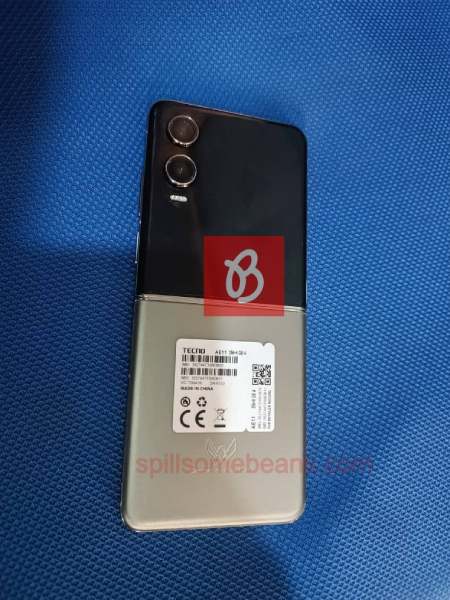
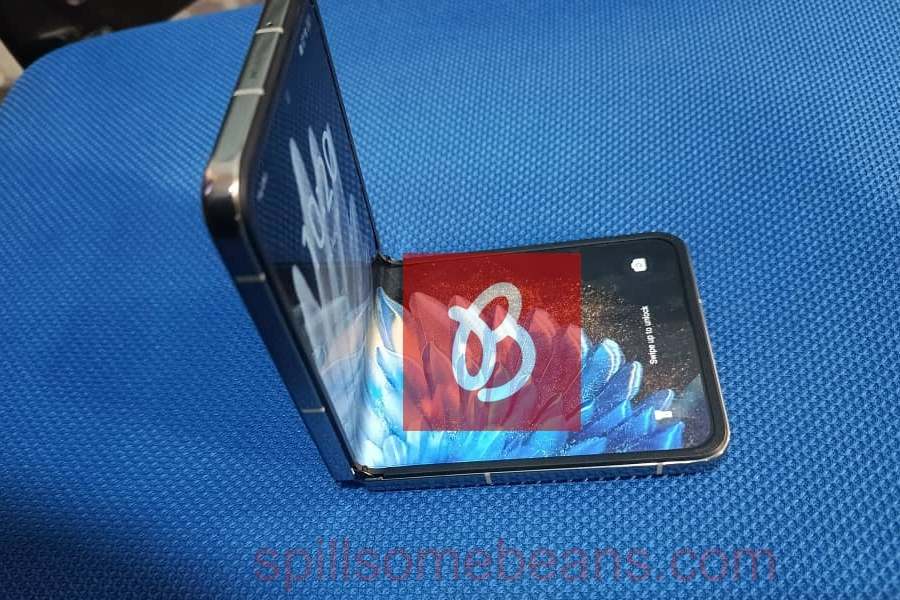
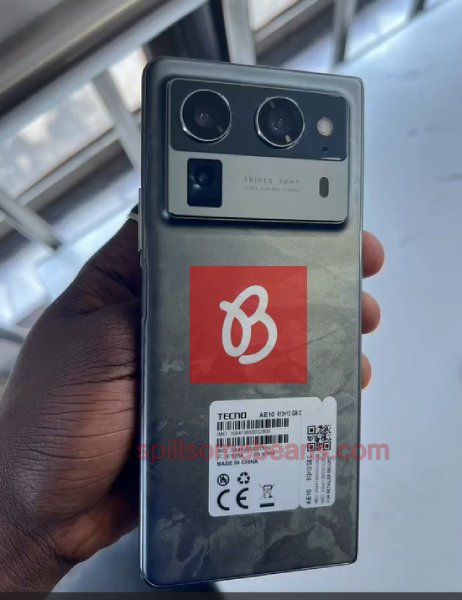
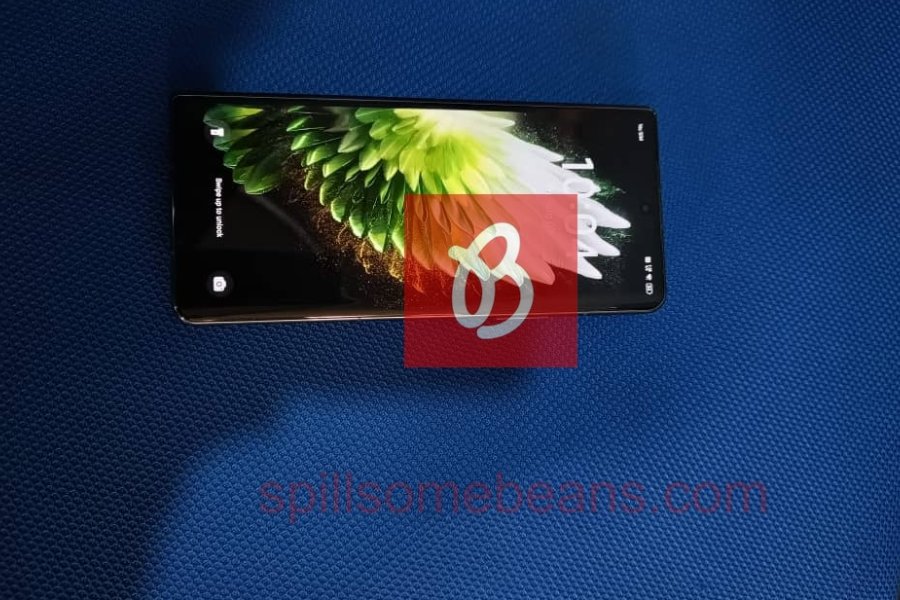
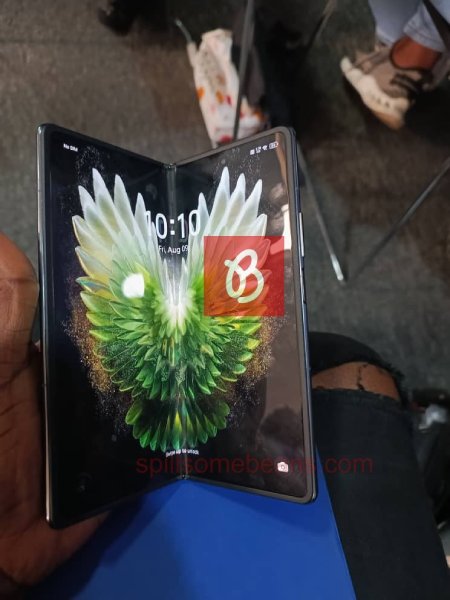
Tecno’s upcoming foldables, the Phantom V Fold 2 and Phantom V Flip 2, have been circulating in rumors for a while. Today, a new leak from the publication SpillSomeBeans has revealed real-life images of the devices for the first time.
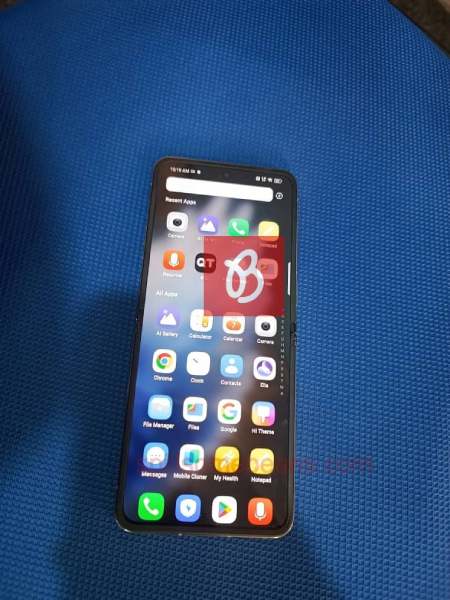
Starting with the Phantom V Flip 2, there are some pretty noticeable changes here. The phone now features a significantly larger cover display compared to the circular panel on the previous model.
Although it’s hard to gauge the bezels on the outer screen since it’s turned off, the inner display appears to have symmetrical bezels all around. There’s also a punch-hole cutout at the top for selfies.
A sticker on the back of the phone confirms a few key details. It will have dual-SIM support, 256GB of internal storage, and the AE11 model number, which was spotted on Geekbench with the Dimensity 8050 chipset.
Meanwhile, the Phantom V Fold 2 appears with the model number AE10 and has also been listed on Geekbench with a Dimensity 9000+ chipset.
The V Fold 2 has punch-hole cutouts on both the cover and inner screens for the selfie cameras. The back houses a camera deck with three lenses, including a telephoto lens. The engraving on the module confirms the main rear camera is a 50MP lens.
While there isn’t much additional information on the specs for either phone, the report suggests that the foldable could go on sale in Ghana starting September 8.
A previous report from the same publication mentions that the Phantom V Flip 2 will be priced at GHS 9,800 (~USD 632) for the 8+256GB variant, while the Phantom V Fold 2 will cost GHS 16,550 (~USD 1,065) for the 12+512GB model.
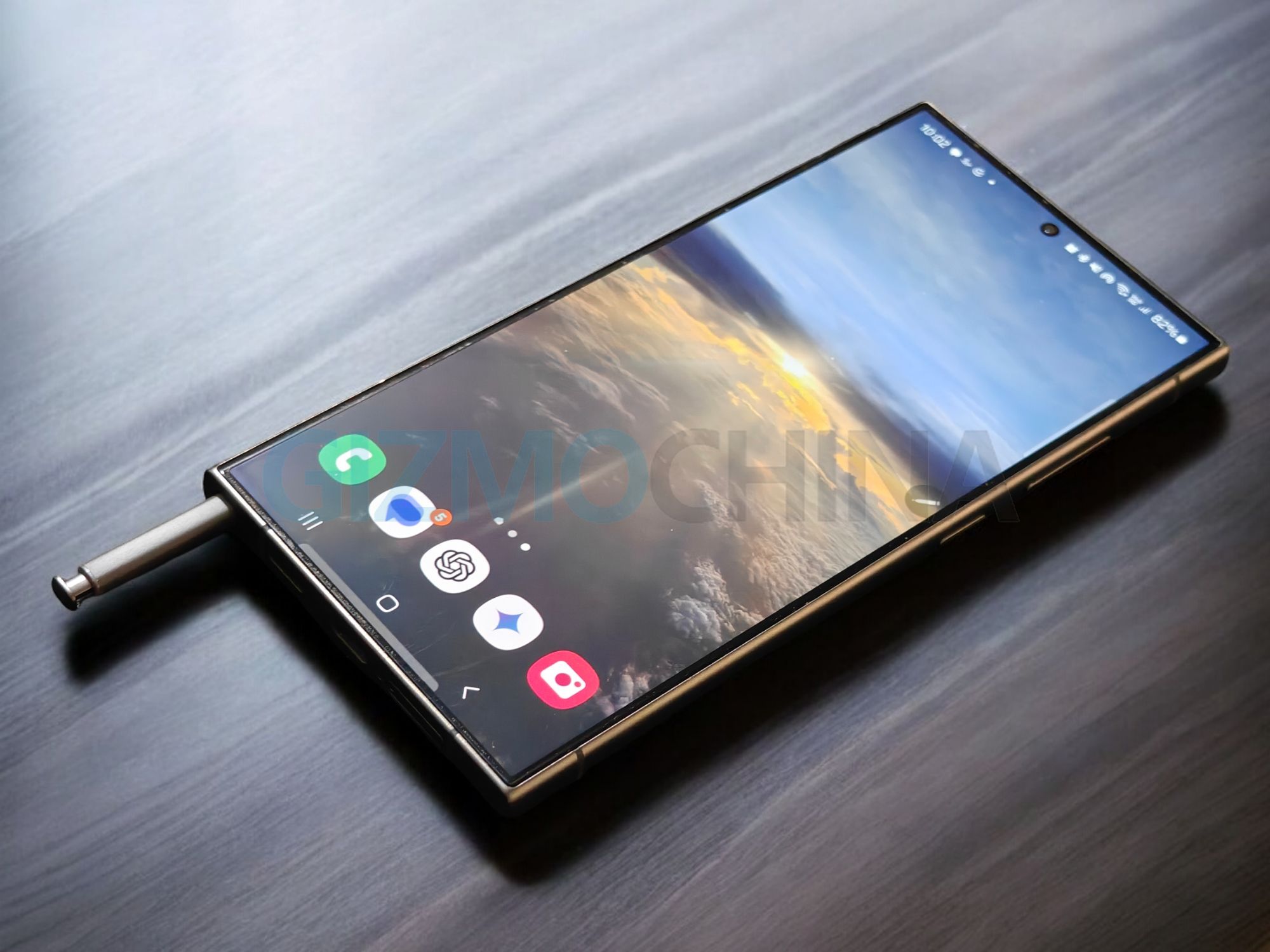
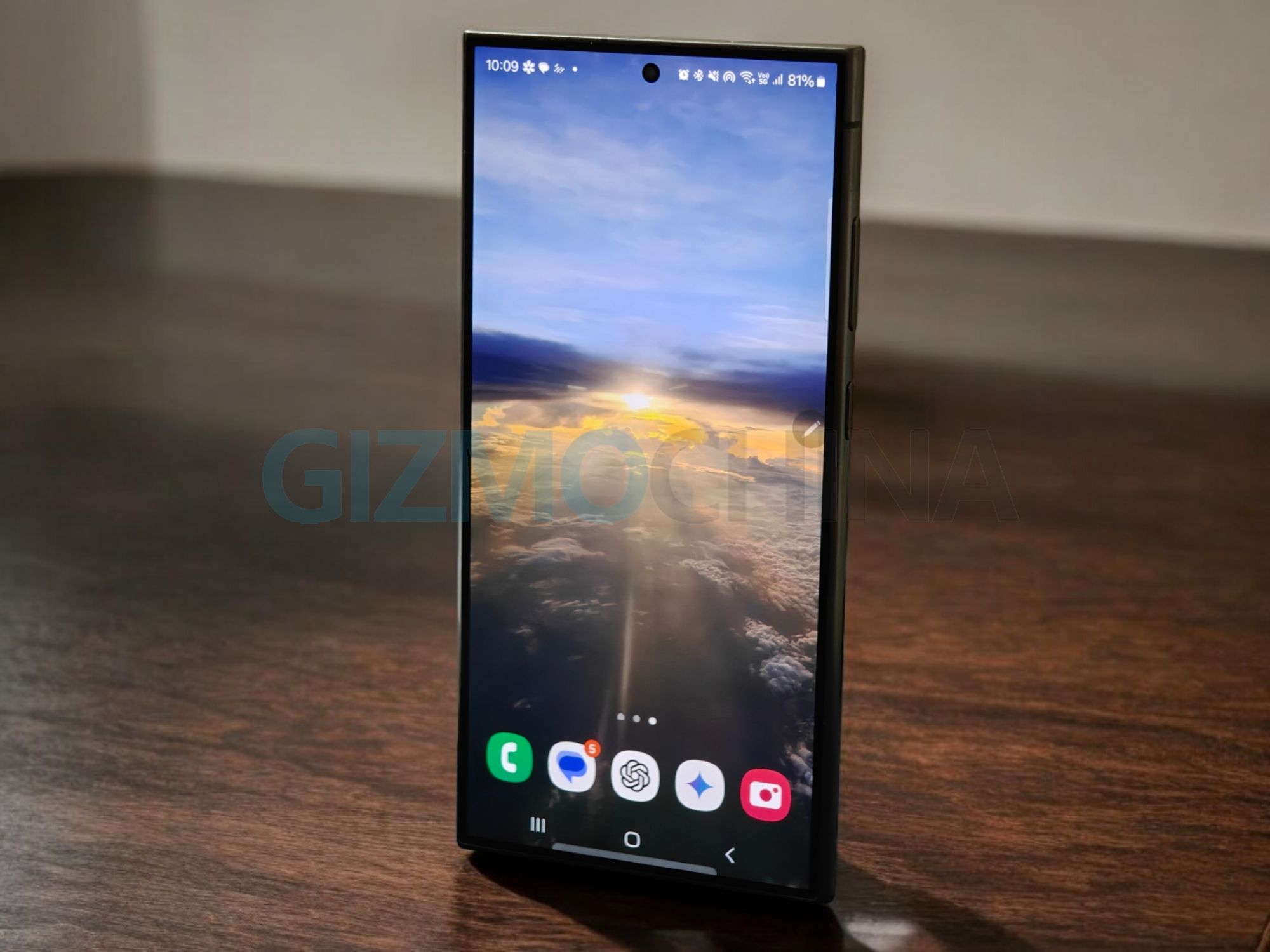
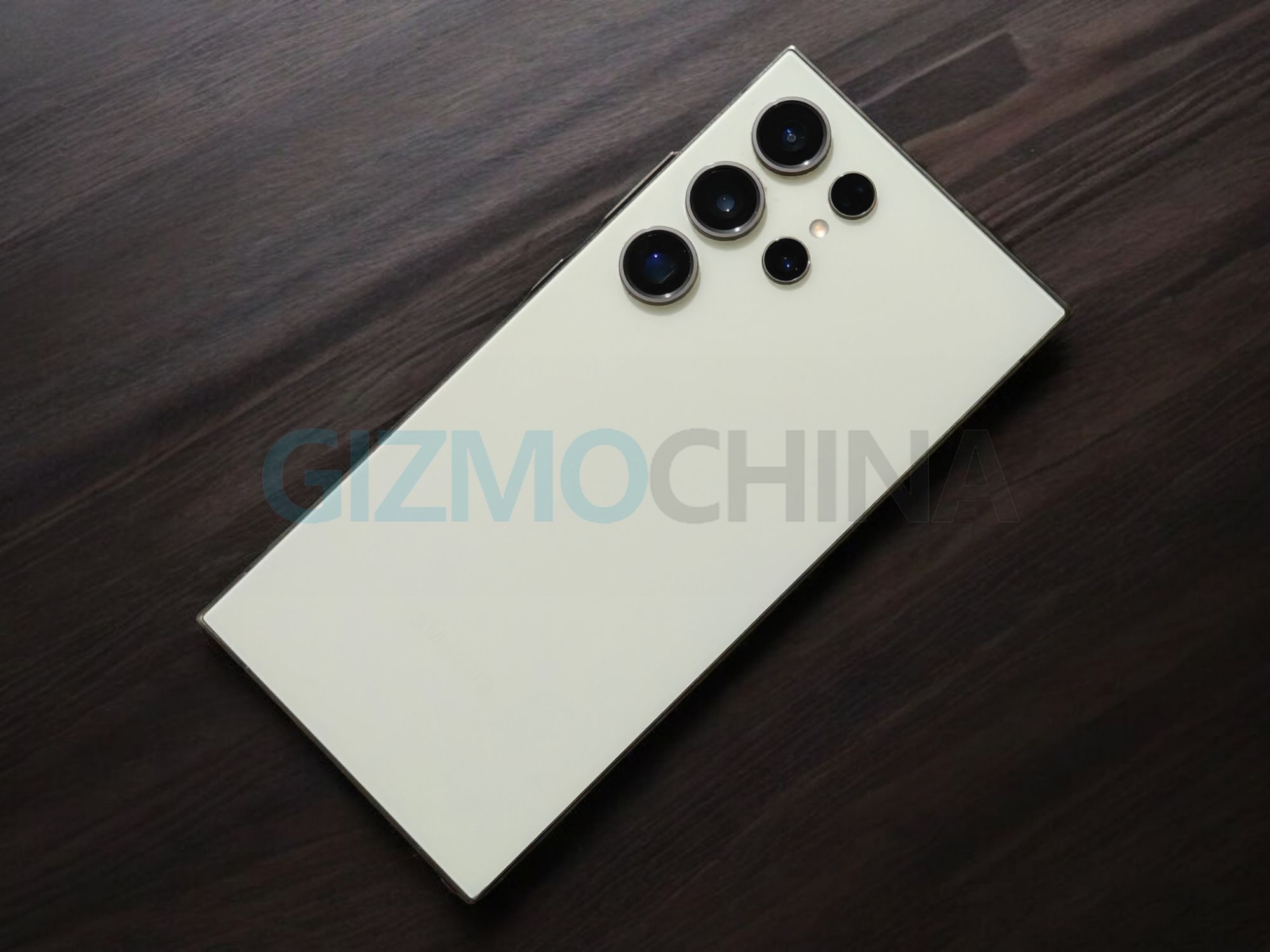
When the Samsung Galaxy S24 Ultra launched, I picked it up on day one, mainly because I was dealing with poor battery life on my previous Galaxy S22 Ultra. As an active user of the S Pen, I felt tied to the Ultra models and thus opted for the S24 Ultra, specifically the 12GB RAM and 512GB storage variant. My primary uses for the phone are taking product shots for reviews, lots of texting, making phone calls, and doom-scrolling through Instagram Reels and YouTube Shorts. Here’s a look at my experience so far:
One of the most noticeable changes with the Galaxy S24 Ultra is the shift from a curved-edge screen to a flat one. I found the curved edges on the S22 Ultra quite frustrating, especially when using the S Pen for writing or drawing. The flat screen on the S24 Ultra feels like a long-overdue improvement. Additionally, the anti-glare coating significantly reduces reflections and glare, making it easier to use the device outdoors.
Please Note: When you buy something using the links in our articles, we may earn a small commission at no cost to you.
2. Battery Life: A Mixed Bag
Samsung Galaxy S24 Ultra
Despite its many strengths, the Galaxy S24 Ultra’s battery life is somewhat underwhelming. Samsung continues with the same 5,000mAh battery and 45W charging combination that has been around since 2021. There are speculations that the S25 Ultra might feature an upgraded battery setup, but that’s still unconfirmed. The battery can last a full day with conservative use, but with heavy photo and video shooting, the phone tends to get quite warm and may require an additional charge before the day ends.
3. Enhanced Durability
Samsung Galaxy S24 Ultra
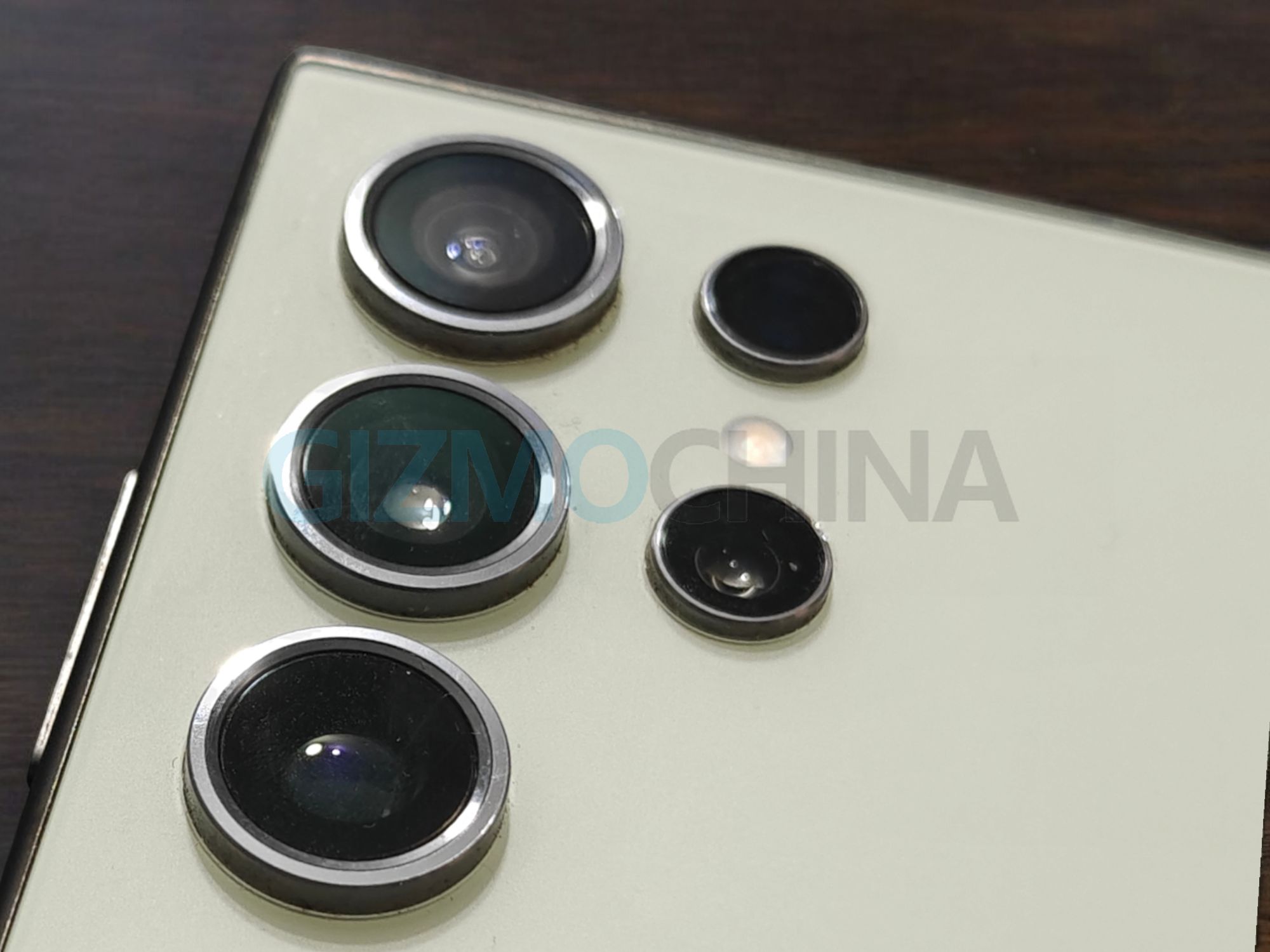
On the durability front, the Galaxy S24 Ultra impresses with its latest Gorilla Glass Armor protection, which is four times more scratch-resistant than its predecessors. The device also offers an IP68 rating and a titanium build for added robustness. I had an accidental drop when the phone slipped out of my shirt pocket on a busy road. Despite this, the phone only suffered minor damage to the display, causing no significant harm to the body.
4. AI Features and Software
Samsung Galaxy S24 Ultra
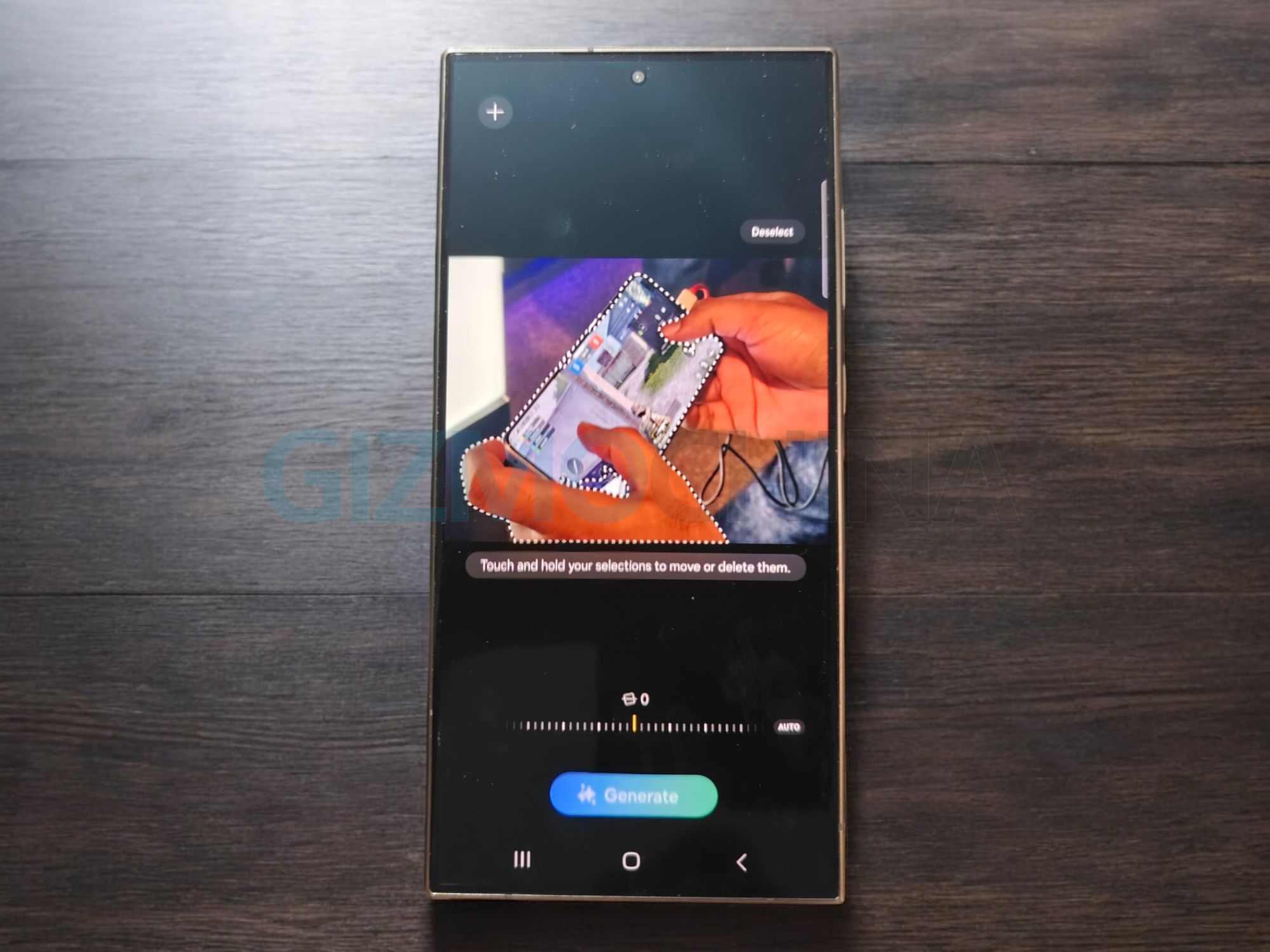
The S24 Ultra comes packed with Galaxy AI features, but I only use a few of them, like Circle to Search and the enhancements available in the camera app. The Galaxy Z Fold 6 and Z Flip 6 have a dedicated ‘Galaxy AI’ section in the settings, providing access to and information on all the features in one place. I wish this feature were also available on the S24 Ultra.
Samsung promises seven years of OS upgrades and security updates for the S24 Ultra, S24, and S24+. However, the built-in keyboard leaves much to be desired, especially in terms of auto-correct and Hinglish support. That’s why I use Gboard, which offers a better overall typing experience.
5. Built for Productivity
Samsung Galaxy S24 Ultra
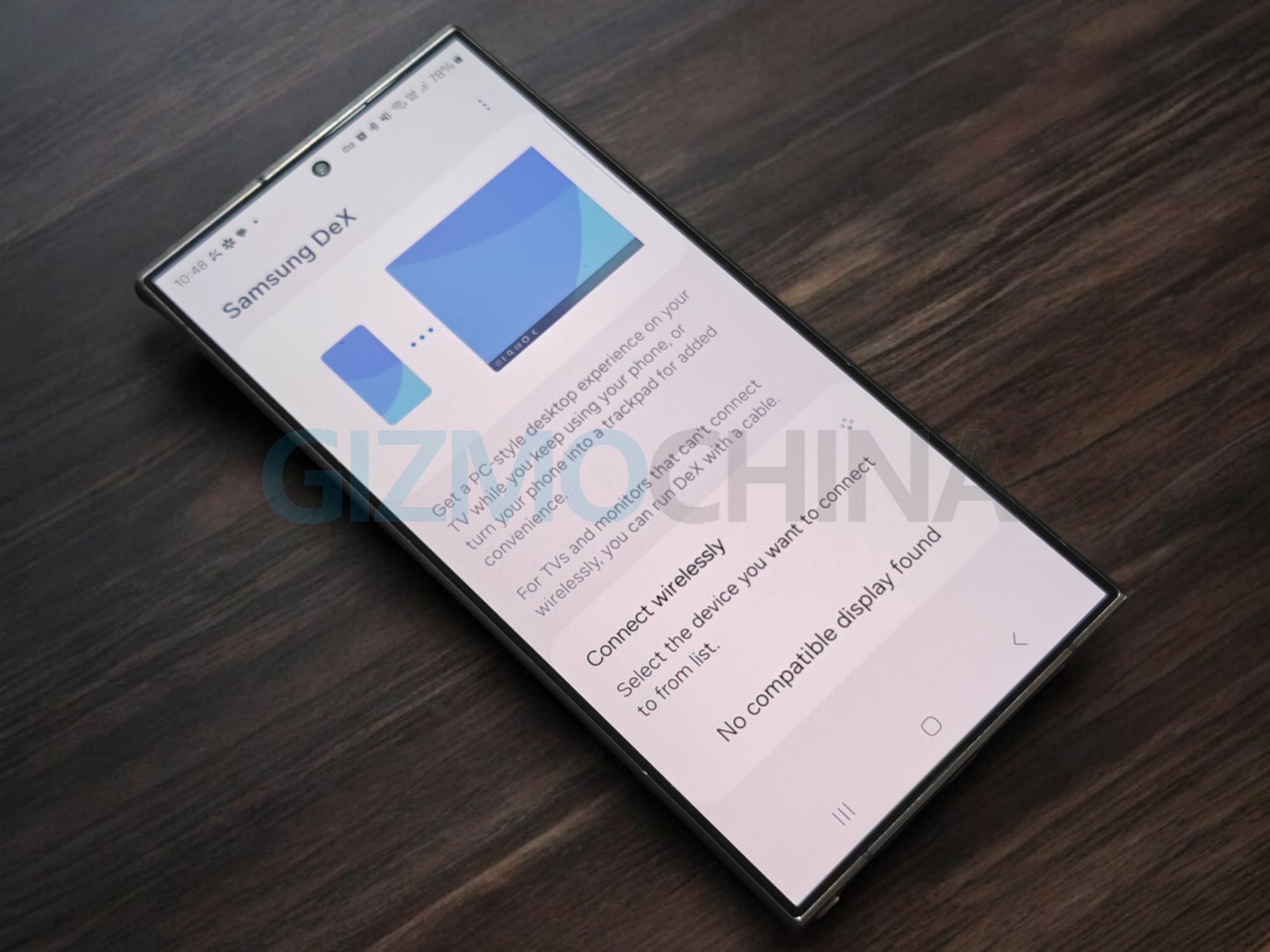
Samsung has not been highlighting the DeX capabilities of its high-end phones lately. The Galaxy S24 Ultra’s DeX feature has truly impressed me, transforming the smartphone into a near-complete laptop replacement. I love how seamlessly it allows me to switch from phone to desktop mode, handling most of my daily tasks with ease. The ability to connect to a monitor and use a wireless keyboard and mouse is a game-changer, making it incredibly convenient for both work and multitasking.
However, DeX does have its limitations, particularly with more demanding tasks like photo and video editing, where it falls short of a full laptop experience. While it might not replace my laptop entirely, especially for intensive photo and video editing, DeX has certainly earned a spot in my tech arsenal for its versatility and practicality. Of course, I also love using the S Pen on my S24 Ultra.
6. Final Thoughts
Samsung Galaxy S24 Ultra
Overall, the Galaxy S24 Ultra is a solid choice for those seeking a flagship smartphone with a great display, stable performance, and numerous productivity features. While I haven’t specifically mentioned the photography capabilities, I fully agree that the Galaxy S24 Ultra excels in this area.
However, it’s not the only high-end contender with top-notch cameras. Competing models like the Apple iPhone 15 Pro Max, Honor Magic 6 Pro, Oppo Find X7 Ultra, Vivo X100 Pro, and Xiaomi 14 Ultra also offer strong alternatives. Having used the iPhone 15 Pro Max and Find X7 Ultra, I can say that these devices have certain advantages, particularly in videography.
In today’s newsletter, Mate XT, the trifoldable Huawei phone gets teased, we list out reasons to upgrade to iPhone 16, and get a sneak peek at what to expect at IFA 2024.
Huawei Mate XT design
Today’s Tech Highlights:
Huawei’s Tri-Foldable Marvel: Explore Huawei’s latest teaser for the Mate XT, a tri-foldable phone that’s set to redefine the boundaries of smartphone design.
iPhone SE 4’s Potential: Dive into the rumors surrounding Apple’s next budget iPhone and whether it could be the best value proposition yet in the iPhone lineup.
IFA 2024 Preview: Get a sneak peek at what to expect from this year’s IFA, from the world’s slimmest phone to flying cars, as the tech fair celebrates its 100th anniversary.
iPhone 16 Upgrade Guide: Analyze who should consider upgrading to the iPhone 16, with a focus on the base models and their appeal to different user segments.
Plus, don’t miss our roundup of other exciting stories, including HyperOS updates for Xiaomi devices, OnePlus Ace 5 series leaks, Motorola’s new compact phone launch, and Oppo’s upcoming foldable phone details!!
Huawei has just released a teaser video for its upcoming tri-foldable phone, the Huawei Mate XT, featuring the iconic Chinese actor, Andy Lau. This new model showcases a unique design that builds upon the Mate X5, but with an extra portion of screen that takes foldable tech to the next level.
Over the last couple of weeks, Apple‘s next-gen budget iPhone has been spotted in various rumors and leaks. The iPhone SE series has struggled to find a proper space among its higher-end counterparts. However, fresh reports have pointed out that the upcoming iPhone SE 4 has some impressive upgrades over its predecessors. So would that make it worth buying?
This year’s IFA is set to take place from September 6 to 10 at Messe Berlin. This event is particularly special as it marks the 100th anniversary of the fair. More than 180,000 visitors from 139 countries are expected to attend the fair, where they will be able to explore more than 1,800 exhibits from technology brands, according to the organizers.
Apple‘s fall event on September 9, 2024, is set to unveil the new iPhone 16 series, and with it, the question on many minds is: “Should I upgrade to the iPhone 16?” With four devices in the lineup—the iPhone 16, 16 Plus, 16 Pro, and 16 Pro Max—the base models, iPhone 16 and 16 Plus, are particularly appealing for those who want the latest tech without splurging on the Pro variants. But is the iPhone 16 base model the right choice for you? Let’s break it down.
At the recently held BOE Global Innovation Partner Conference 2024, Chinese display manufacturer BOE announced that its second-generation “Oriental Screen” will officially launch in October, with OnePlus being the first brand to introduce the new display to the market. Therefore, it seems that the OnePlus 13 will be the first phone to feature the said display, also known as the BOE X2 screen.
OnePlus 13 to feature BOE X2 display
OnePlus 13 to feature second-generation BOE Oriental Screen (BOE X2)
Li Jie, President of OnePlus China, confirmed the partnership on Weibo, expressing excitement about the collaboration. He emphasized that this partnership with BOE is set to push the industry to new heights in terms of display quality, high-brightness performance, and eye-care features.
Last year, the OnePlus 12, equipped with the first-generation BOE X1 Oriental Screen, marked the beginning of the partnership between OnePlus and BOE. It was the first 2K screen produced in China to receive a DisplayMate A+ rating and continues to be regarded as one of the best displays in the industry.
Rumors and leaks suggest that the OnePlus 13’s BOE X2 screen will have a flat look with a micro-curvature design on all four sides. This unique design combines the advantages of both flat and curved displays, offering the visual consistency and edge protection of a flat screen, while maintaining the aesthetic appeal and comfort of a curved screen. The 6.8-inch 8T LTPO panel will support a 120Hz refresh rate and support a 2K resolution of 3160 x 1440 pixels. For security, the display may also feature an ultrasonic in-screen fingerprint sensor. According to rumors, the Oppo Find X8 Ultra will also have the same display.
According to a recent Weibo post by reliable leaker Digital Chat Station, the OnePlus 13 may go official by the end of October or at the beginning of November. t will probably be aimed to launch before the Nov. 11 (Single’s Day) shopping festival.
As per reports, the OnePlus 13 will come equipped with the Snapdragon 8 Gen 4 chipset and a 6000mAh battery that supports 100W wired and 50W wireless charging. On the back, the device will have an OIS-enabled 50-megapixel LYT-808 primary camera with OIS support, a 50-megapixel ultra-wide lens, and a 50-megapixel IMX882 3x telephoto periscope lens. Additional features include a 0916T haptic motor and IP68/69 dust and water resistance.
OnePlus has commenced the rollout of a new software update for its OnePlus Pad 2. The update, which brings OxygenOS 14.1.0.402, is currently being released in stages, starting with the Indian region.
OnePlus Pad 2 OxygenOS 14.1.0.402 update changelog
System
Fixes an issue with transition animation effects when the Quick Settings panel is opened or closed.
Fixes an issue that might cause the screen to appear reddish or become blurry in Eye Comfort mode.
Fixes an issue where you might be unable to unlock your apps that are locked with a 4–16-digit password/alphanumeric password.
Fixes an issue where you might be unable to use face unlock and get a security lockout prompt if the device has been locked for less than 24 hours.
Fixes a display issue that might occur when you try to add a new device in “Settings – Connection & sharing – Multi-Screen Connect”.
Fixes an issue where you might be unable to swipe between photos.
Audio
Upgrades the sound effects for a better audio and video playback experience.
Apps
Adds the AI Studio app, which provides you with intriguing image-generation services.
Accessories
Improves the touch control experience for the keyboard touchpad.
To check for and install the update to your device, start by opening the Settings app. Then, scroll down and select “About Device.” Tap on the blue ribbon at the top, and if the update is available, you will be able to download and install it.
In other news, Nothing is reportedly developing two new smartphones, identified with model numbers A059 and A059P. The A059 is expected to be the standard version, while the A059P is likely a Plus model with upgraded hardware. It is still uncertain whether these devices will be launched under the Nothing or CMF brand, and no technical specifications or release dates have been confirmed yet. However, the smartphones are anticipated to be announced within the next 3-4 months.
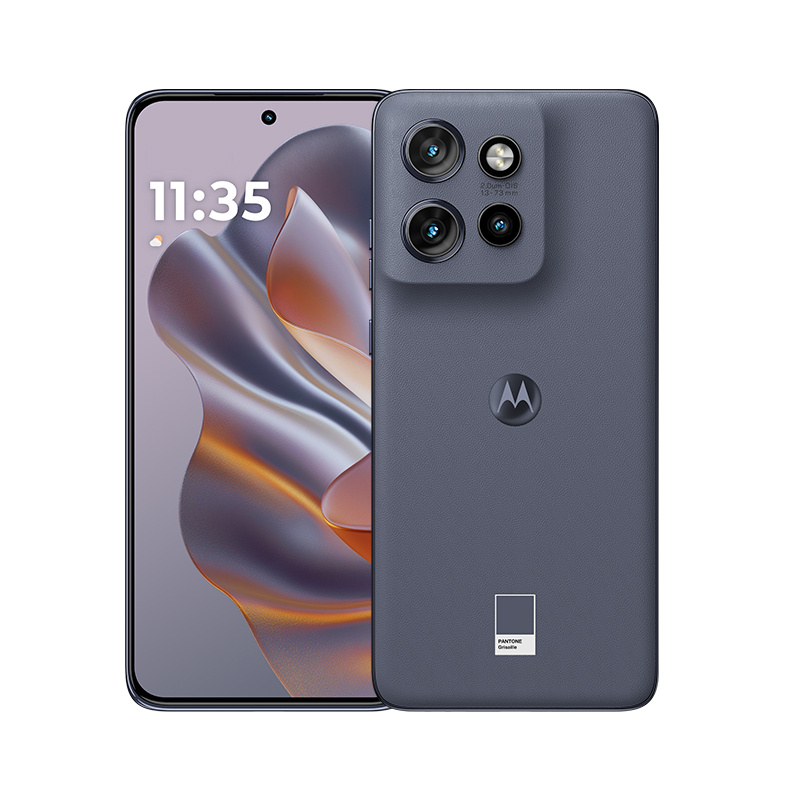
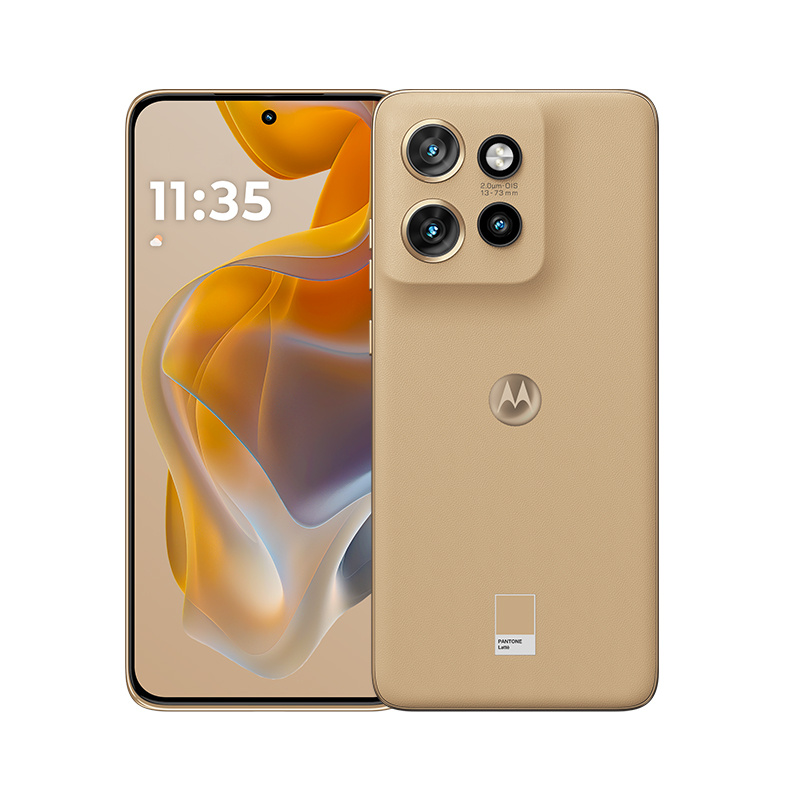
Motorola has launched the Moto S50 in China. It is a compact smartphone with the latest Dimensity 7-series chipset and a versatile camera setup that includes a telephoto camera. Here’s a look at the specifications, features, and price of the device.
Motorola Moto S50 specifications and features
Moto S50
The Moto S50 comes with a 6.36-inch 1.5K, offering support for LTPO technology and a 120Hz refresh rate. The screen delivers a local peak brightness of 3000 nits. It has an in-screen fingerprint sensor for added security.
The Dimensity 7300 chipset powers the device, combining with LPDDR4X RAM and UFS 2.2 storage for seamless performance. With a 4,310mAh battery that supports 68W fast charging, the phone can charge from 0 to 50 percent in just 13 minutes. Additionally, the S50 also supports 15W wireless charging.
The camera setup includes a 50-megapixel Sony IMX896 main sensor with OIS, a 13-megapixel GalaxyCore GC13A2 ultra-wide camera that doubles up as a macro lens, and a 10-megapixel Samsung S5K3K1 telephoto lens with 3x optical zoom. On the front, there’s a 32-megapixel camera for high-quality selfies.
The Moto S50 comes preloaded with the Hello UI-based Android 14. Other notable features include NFC support, Gorilla Glass protection for the display, and IP68-rated dust and water resistance. It measures 154.1 x 71.2 × 8.1mm and weighs 170 grams.
Moto S50 price and availability
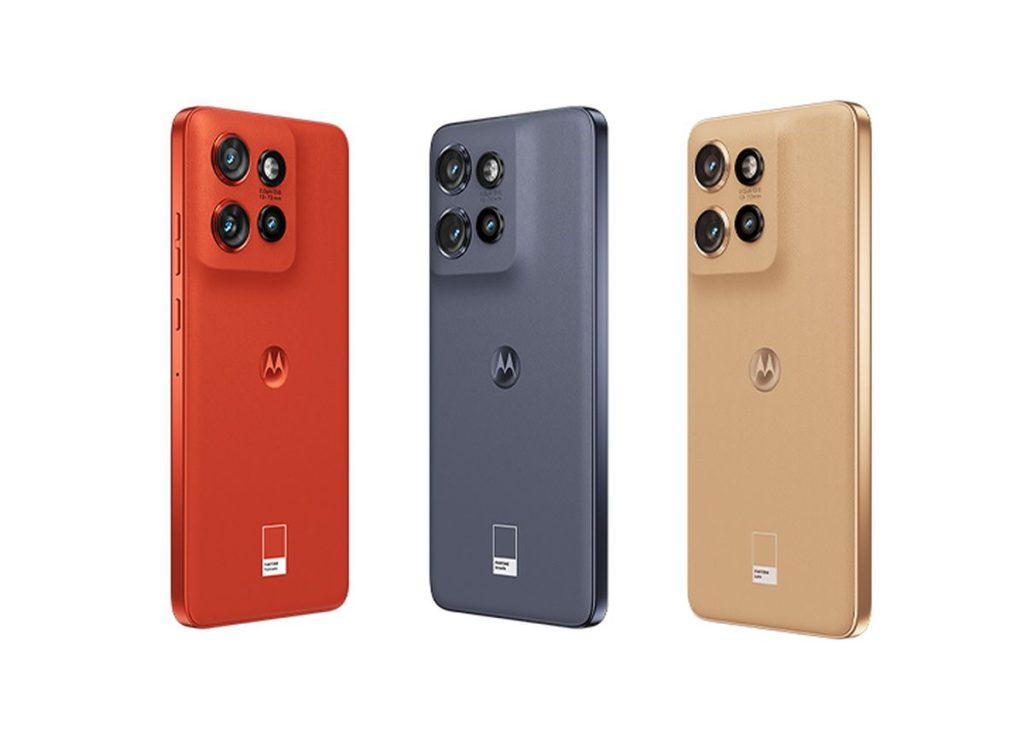
The Moto S50 is available in two variants: the 12GB+256GB version is priced at 2,199 Yuan (~$310), while the 12GB+512GB version is priced at 2,499 Yuan (~$350). It can be bought in shades, such as Persimmon Orange, Flora Blue, and Latte. The same device was released in the global market with the Motorola Edge 50 Neo branding.
Huawei has just released a teaser video for its upcoming tri-foldable phone, the Huawei Mate XT, featuring the iconic Chinese actor, Andy Lau. This new model showcases a unique design that builds upon the Mate X5, but with an extra portion of screen that takes foldable tech to the next level.
Huawei Mate XT rear design revealed
In the video, the Huawei Mate XT stands out with its triple-fold design. Once unfolded, the device sports a slim look, featuring a large screen supported by dual hinges. The unfolded screen size is said to reach a massive 10 inches, offering an experience akin to a tablet, making it a significant 50 percent larger than traditional foldable devices. It is also expected to come with support for a stylus.
Huawei Mate XT unfolded
The phone’s back design draws inspiration from the Mate 60 RS Ultimate Design, featuring an octagonal rear camera module with a periscope telephoto lens. The rear panel is finished in vegan leather, with Huawei and Ultimate Design branding prominently displayed at the bottom.
Huawei Mate XT design
Despite the complex folding mechanism, Huawei has managed to keep the unfolded thickness under 5mm, showcasing impressive engineering. When folded, the phone looks like a regular smartphone as can be seen above.
Huawei is yet to reveal the technical specifications of the Mate XT. One of the recent leaks claimed that the device will be powered by the company’s in-house Kirin 9-series chipset.
It is speculated that the Mate XT will be available in limited quantity after all it’s the company’s first-generation tri-foldable phone. It is speculated that the device could be priced at around 14,900 Yuan (~$2,000). The device is expected to go official on Sept. 10.
Huawei CEO Richard Yu has stated that this project took five years to complete and that the Mate XT is Huawei’s most disruptive and innovative product to date, setting a new standard for future mobile devices.
Acer has entered the handheld gaming market with the Nitro Blaze 7, its first portable gaming console. This device is designed for high-performance gaming on the go and features an AMD Ryzen 7 8840HS processor and Radeon 780 M graphics. It competes with the Asus ROG Ally, Steam Deck, and Lenovo Legion Go.
The Nitro Blaze 7 has a 7-inch Full HD (1920 x 1080) IPS display with a 144Hz refresh rate, offering smooth gameplay. The screen also provides a peak brightness of 500 nits, making it visible in different lighting conditions. Additionally, the device supports AMD FreeSync Premium, which helps reduce screen tearing and stuttering for a better gaming experience.
Powered by the AMD Ryzen 7 8840HS processor, the Nitro Blaze 7 has 8 cores and 16 threads, with clock speeds up to 5.1 GHz, ensuring solid performance for demanding games. The Radeon 780M graphics, with up to 2.7 GHz clock speeds and 12 compute units, can handle modern games well, even on the Nitro Blaze 7’s smaller screen.
For storage, the Nitro Blaze 7 offers up to 2 TB of M.2 NVMe PCIe 4.0 x 4 Gen 4 SSD, providing plenty of space for games and apps. The device also includes 16GB of LPDDR5x SDRAM for smooth multitasking and quick load times.
The Nitro Blaze 7 is equipped with physical joystick-style buttons, a D-pad, bumpers, triggers, and shoulder buttons, providing a familiar experience for gamers used to traditional console controllers.
In addition to its hardware, the Nitro Blaze 7 comes with software features to improve gaming, including the Acer Game Space app, which integrates popular gaming platforms and offers features like game recording, streaming, and performance optimization. The device also includes a 3-month subscription to PC Game Pass, giving access to a wide range of games.
In other news, Bitmo Lab has launched the GameBaby, a dual-purpose iPhone accessory that serves as both a protective case and a retro gaming controller. The GameBaby attaches directly to the iPhone, offering physical buttons for playing classic games via the Delta emulator, without needing a power source. Priced at $20 for early pre-orders, it will later retail for $39.99, with shipments starting in October. The case is compatible with the iPhone 15 Pro Max and the upcoming iPhone 16 Pro Max.
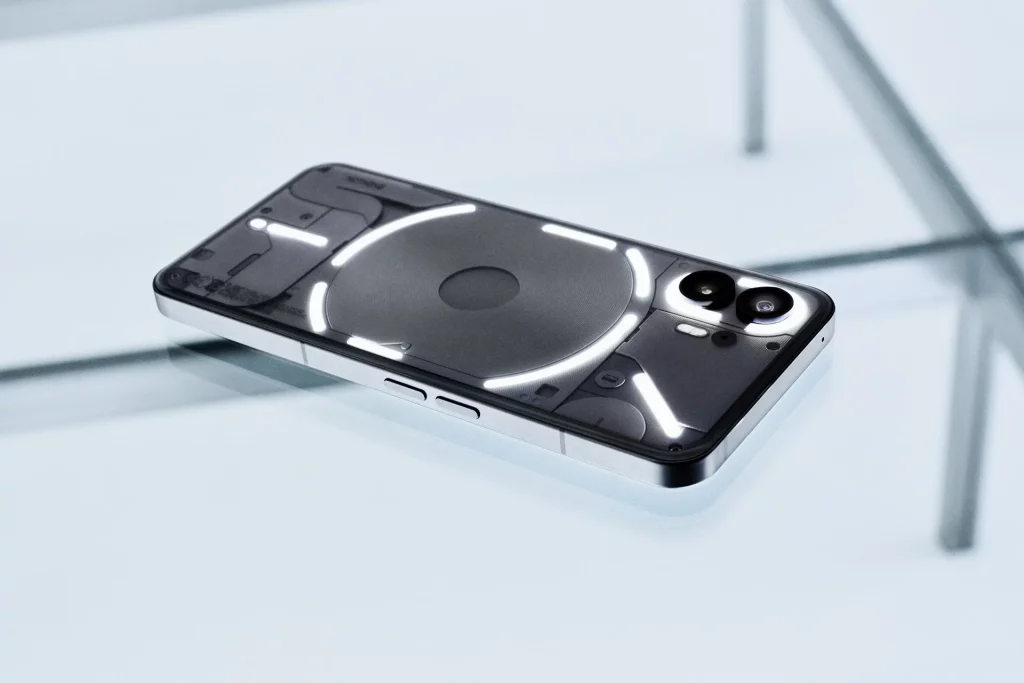
Nothing has recently released a new update for its top-of-the-line Nothing Phone (2). The update is 681 MB in size and includes the September security patch alongside some new features, improvements, and bug fixes. You can find the complete changelog below.
Nothing Phone (2) September update changelog:
New features & improvements
Swipe down incoming notifications to enter Pop-up view. For easy access to information without having to leave an app. Turn on via Settings > System > Pop-up view.
Newly refined ringtone volume for incoming calls.
Improved the speed of the Bluetooth tile toggle in Quick Settings.
Enabled vibration for third-party apps during calls. Turn on via Settings > Sound and Vibration> Vibration.
Ensured Bluetooth tile reflects correct earbud information.
Battery and Pedometer Widgets can now be displayed on the lock screen and Always On Display.
Updated to September Security Patch.
Introducing the News Reporter Widget. Let your daily news stories be read aloud to you by Tim, Nothing’s CFO. Please note: this feature is still in beta and relies on various generative AI models, which may sometimes behave unexpectedly.
Bug Fixes
Optimized wallpaper preview displays.
Resolved an issue preventing calls to be made on specific networks.
Fixed an issue affecting 112 calls to the police.
Resolved the problem causing some Cloned Apps to auto-rotate despite being disabled.
Fixed an issue where the Media Player Widget couldn’t play music when switching from guest to main user.
Optimized the Always On Display interface.
Ensured consistency of information within photo details on the camera roll.
Resolved zoom slider display issues when videoing on the camera.
Fixed system stability issues.
The September update is being released gradually. If you haven’t received it automatically, you can search for it manually under Settings > System > System Update.
In other news, Nothing is reportedly working on two new smartphones, spotted by Gizmochina with model numbers A059 and A059P. The A059 is expected to be a standard model, while the A059P is likely a Plus version with enhanced hardware. It’s unclear whether these devices will be sold under the Nothing or CMF brand, and no technical details or release dates are confirmed. However, the smartphones are predicted to be announced in about 3-4 months.
Acer has introduced its newest tablet, the Iconia X12, ahead of IFA 2024. The tablet is mainly designed for productivity and entertainment, offering a large screen with a slim body, along with a capable processor.
Acer Iconia X12 specs & features
The Acer Iconia X12 boasts a 12.6-inch 2.5K AMOLED display, quad stereo speakers, and a sleek 6.7 mm design. Powered by the MediaTek Helio G99 processor, paired with 8 GB of LPDDR4X memory and up to 256 GB of storage, it offers ample performance for multitasking and demanding tasks.
To enhance productivity, Acer has also introduced a range of accessories for the Iconia X12. These include an aluminum stylus pen, a portfolio case with a stylus slot and adjustable stand, and a detachable Bluetooth keyboard with a trackpad. For audio, the tablet comes with a quad-speaker setup.
The Iconia X12 features an 8 MP front camera for video calls and selfies, as well as a 13 MP autofocus rear camera with flash for capturing photos and videos. The tablet has a 10,000 mAh battery paired with quick charging. It has a USB Type-C port, along with a microSD card slot (1 TB capacity) and an earphone jack. For connectivity, it offers dual-band WiFi 5, along with Bluetooth 5.2 and GPS. Running on Android 14, the tablet offers a smooth and user-friendly experience.
Pricing & availability
Acer has priced the tablet at USD 349 / 369 Euros / 2,688 RMB, making it a competitive option in the market. The Iconia X12 is expected to be available in North America, EMEA, and China in January 2025.
In other news, Red Magic will unveil two gaming tablets later today with 10.9-inch and 12.4-inch displays. Both models share a similar design, featuring a 50 MP rear camera, RGB lighting, and two color options: Deuterium Transparent Silver Wing and Dark Night.
The 10.9-inch version will have a 2.8K LCD display, 144Hz refresh rate, and the Snapdragon 8 Gen 3 chipset. The 12.4-inch model is expected to use a Snapdragon 8 Gen 2 chipset and feature a larger battery.
We use cookies on our website to give you the most relevant experience by remembering your preferences and repeat visits. By clicking “Accept”, you consent to the use of ALL the cookies.
This website uses cookies to improve your experience while you navigate through the website. Out of these, the cookies that are categorized as necessary are stored on your browser as they are essential for the working of basic functionalities of the website. We also use third-party cookies that help us analyze and understand how you use this website. These cookies will be stored in your browser only with your consent. You also have the option to opt-out of these cookies. But opting out of some of these cookies may affect your browsing experience.
Necessary cookies are absolutely essential for the website to function properly. This category only includes cookies that ensures basic functionalities and security features of the website. These cookies do not store any personal information.
Any cookies that may not be particularly necessary for the website to function and is used specifically to collect user personal data via analytics, ads, other embedded contents are termed as non-necessary cookies. It is mandatory to procure user consent prior to running these cookies on your website.