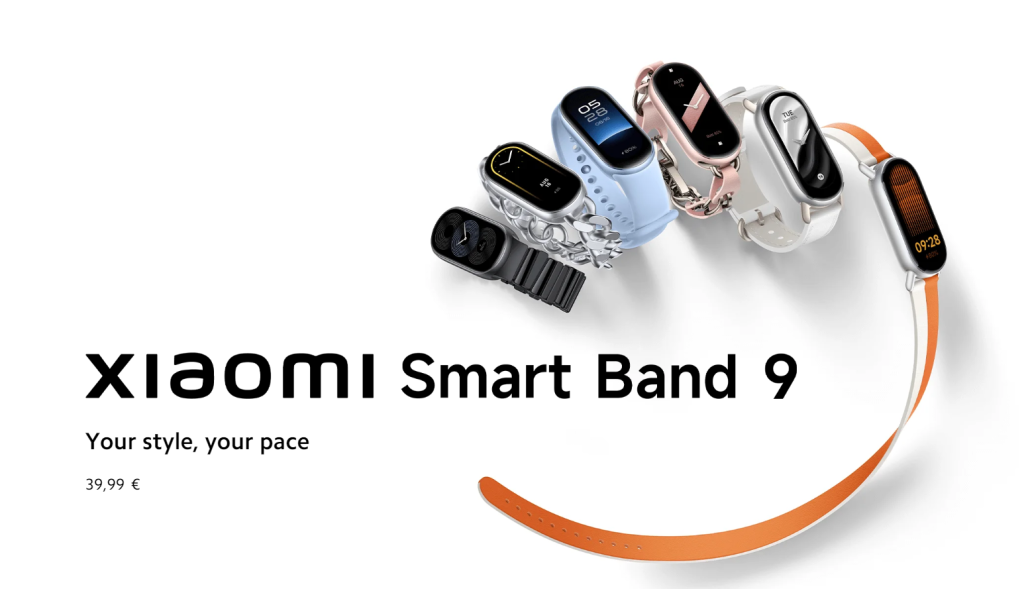
Xiaomi launched its Smart Band 9 alongside the Xiaomi Mix Fold 4 and Xiaomi Mix Flip in China last month. After a teaser by Xiaomi Global yesterday, Xiaomi online store for the Netherlands has listed the Smart Band 9 online, confirming that it will be launching in Europe on August 16. It will be available for purchase in the Netherlands starting at 10 AM with a price tag of €39.99. It is also listed at the same price in other EU regions like Germany.
Xiaomi Smart Band 9 specs & features:
The Xiaomi Smart Band 9 features a 1.62-inch AMOLED display with a bright 1200 nits peak brightness. It offers a clear resolution of 192 x 490 pixels and a pixel density of 326 ppi. Users can choose from over 200 watch face designs. Some models also include NFC for contactless payments.
Designed for health and fitness tracking, the band includes sensors for heart rate, movement, and light conditions. It offers improved heart rate accuracy compared to its predecessor and supports over 150 workout modes. Additionally, the band can provide sleep cycle recommendations.
The 233mAh battery provides up to 21 days of battery life without the Always-On Display feature. A full charge takes approximately one hour. The band is water-resistant up to 50 meters and offers features like music control, message notifications, and weather updates.
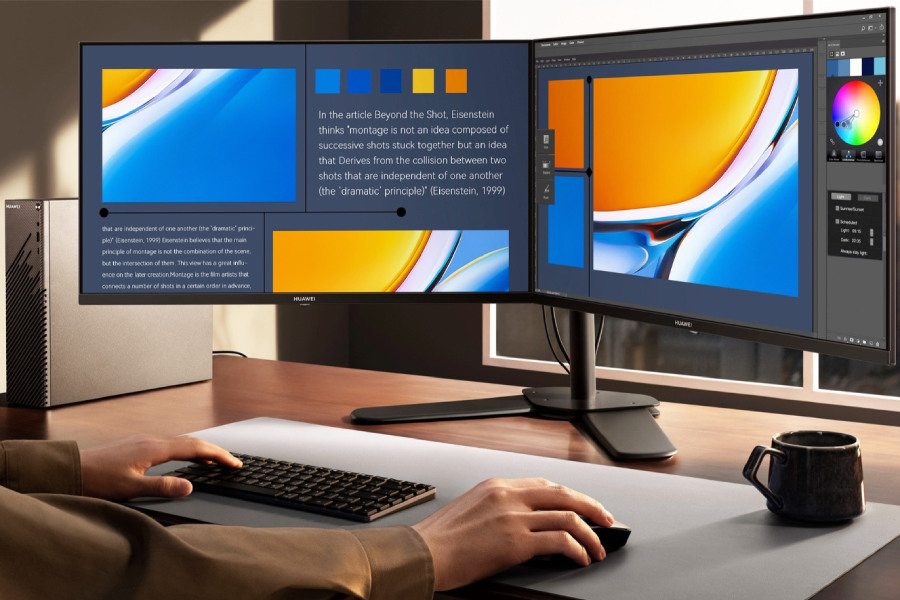
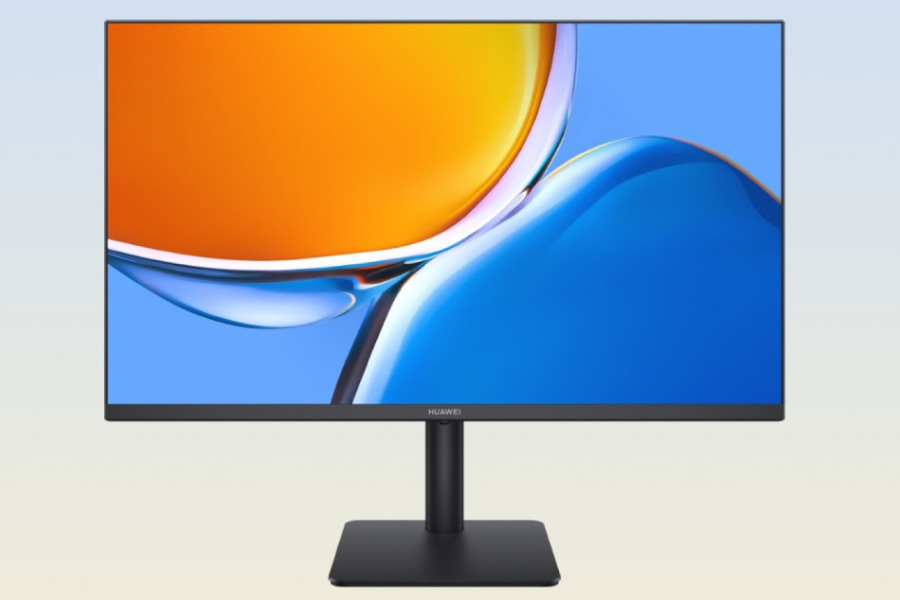
Huawei has quietly refreshed its monitor lineup with a new entry – the MateView SE (2024). It succeeds the 2022 model with a notable update to the display specs. However, the overall experience remains familiar for those already using the MateView SE (2022). Let’s get into its details here.
Huawei MateView SE (2024) Specifications
The core design and 23.8-inch 1080p IPS panel of the latest MateView SE is the same as its previous counterpart. Huawei, nonetheless, has bumped the refresh rate from 75Hz to 100Hz. This could be a minor benefit for basic tasks like scrolling or navigating menus, but it won’t drastically impact gaming performance – especially considering the Full HD resolution.
For connectivity, the original MateView SE offered a VGA port alongside HDMI and DisplayPort. But Huawei opted to ditch the VGA port entirely in the 2024 iteration.
Since VGA is an outdated standard, and most modern computers and devices have switched to HDMI for audio and video, its removal is unlikely to be a concern.
The rest of the specifications remain largely the same. The monitor maintains its 250-nit peak brightness and 90% DCI-P3 color gamut coverage, which is decent for basic productivity tasks but falls short of high-end creative displays. The 5-way joystick control and TÜV Rheinland certification for low blue light and flicker-free operation also carry over.
Huawei throws in an “e-book mode” that adjusts the display to a monochrome color scheme for a more paper-like reading experience, potentially helpful for extended reading sessions.
Price and Availability
The MateView SE (2024) is available in China for a price of just CNY 569 (roughly USD 91). That price makes it a budget-friendly option. However, there’s yet to be a word on international availability.
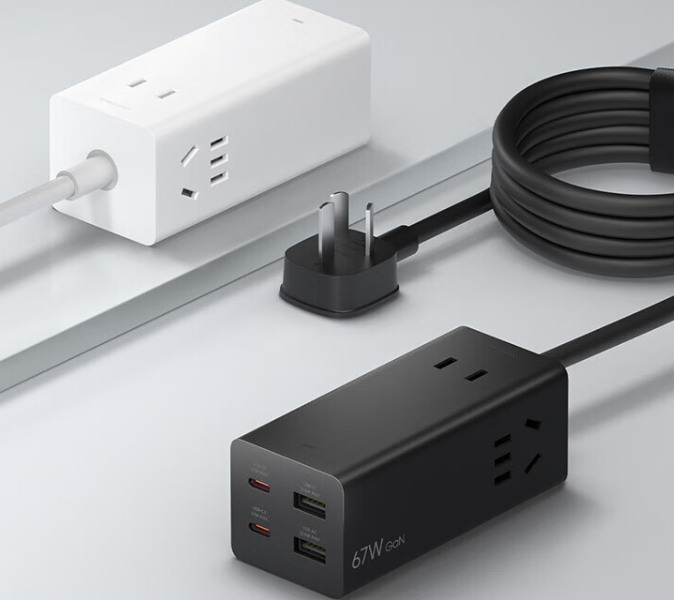
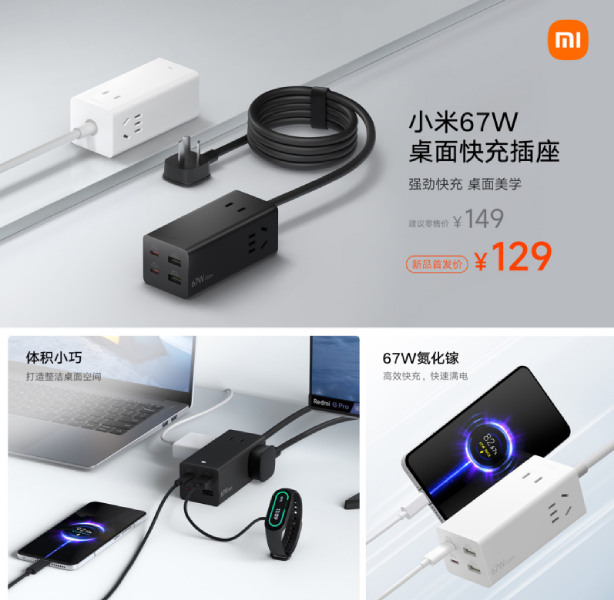
Xiaomi has expanded its product lineup with the launch of its new 67W Desktop Fast Charging socket. Priced at 149 yuan (~ $20) with an introductory offer of 129 yuan (~ $18), the socket is now available across major e-commerce platforms in China including JD.com. Let’s look at what the adapter has to offer in terms of features.
Xiaomi 67W Desktop Fast Charging Socket Overview
Designed with simplicity in mind, the socket comes in classic black-and-white color options. It measures 46.5×105.0×42.0mm, the cable has a length of 1.5 meters, and the device features a flame-retardant polycarbonate shell for added safety.
The socket has two standard two-prong outlets and two five-prong grounded outlets that are capable of handling a maximum power output of 2500W. You can use them for your monitor, desktop, laptop, or any other high-power-consuming device.
For charging needs such as smartphones, tablets, or wearables, the socket includes four USB ports. Two of them are USB-C ports, each capable of delivering 67W fast charging. The other two are USB-A ports with a maximum output of 22.5W per port.
The power distribution between these ports gets a bit complex. While each USB-C port can deliver the full 67W on its own, combining them reduces the output to a maximum of 45W for one port and 20W for the other.
Similarly, combining USB-C with USB-A ports results in a 45W maximum for the USB-C and a lower 18W for the USB-A. All four ports used together are capped at a combined 15W.
There are also some caveats to be aware of. When charging a watch with USB-A ports, users might encounter a repetitive charging notification even after the watch is full. Xiaomi says this to a normal detection process and it should stop after half an hour. But it’s recommended to remove the device after charging.
The iQOO Z9s series is set to launch in India on Aug. 21. The landing page for the series has been live on the official website for the past few days. However, the updated page now reveals the key specifications for both smartphones in the series.
iQOO Z9s key specifications
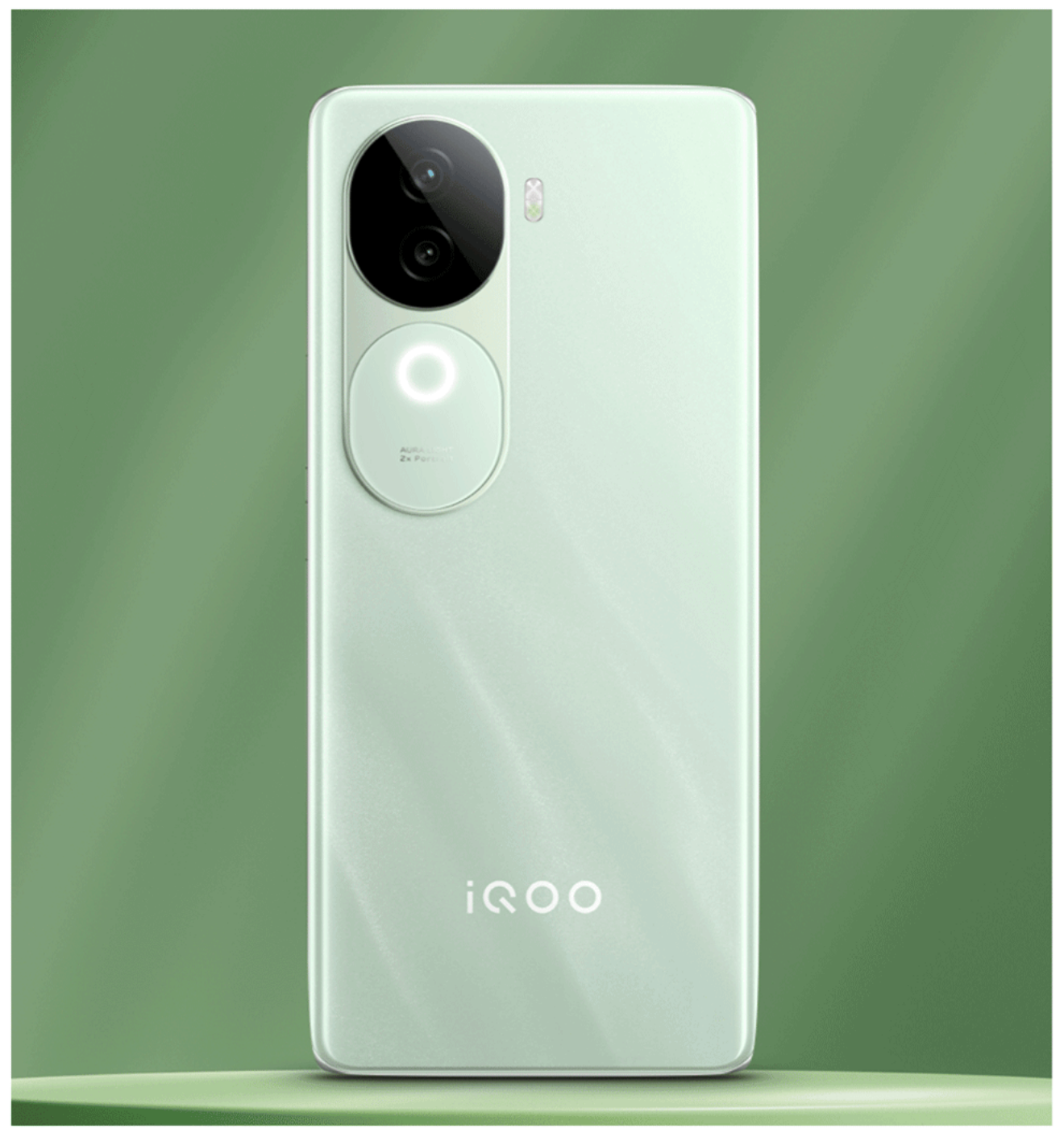
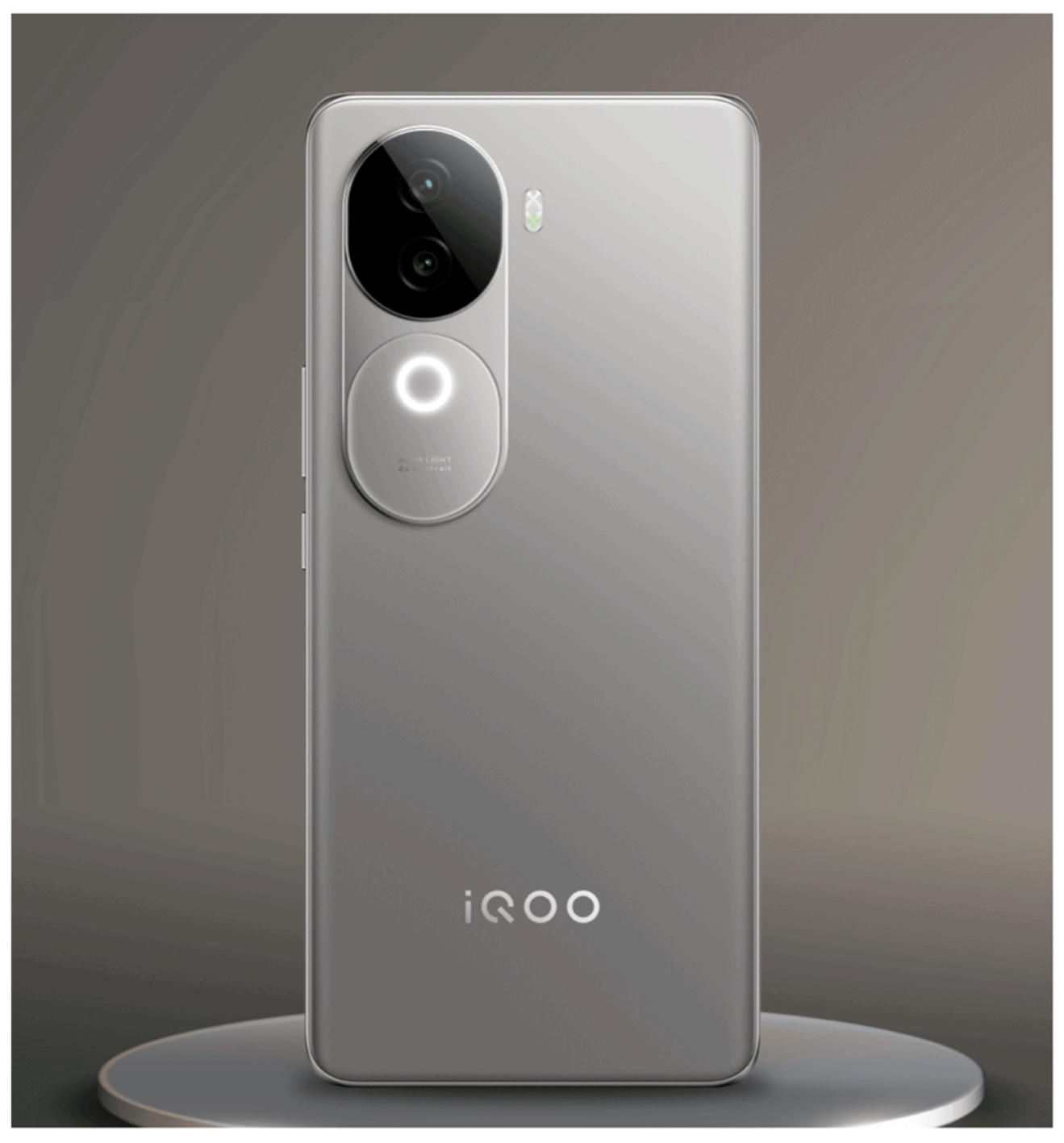
IQOO Z9s Onyx GreeniQOO Z9s Titanium Matte
The iQOO Z9s will feature a 120Hz curved-edge OLED display, powered by the Dimensity 7300 chipset. It will come with a 5,500mAh battery, but the company did not share the fast-charging capabilities of the Z9s.
On the rear, it will sport a dual-camera setup, including a 50-megapixel Sony IMX882 sensor with OIS, paired with a 2-megapixel portrait lens, accompanied by a ring LED flash.
It will have an IP64-rated chassis with a slim profile of 7.49mm. The device will be available in Onyx Green and Titanium Matte colors.
iQOO Z9s Pro key specifications
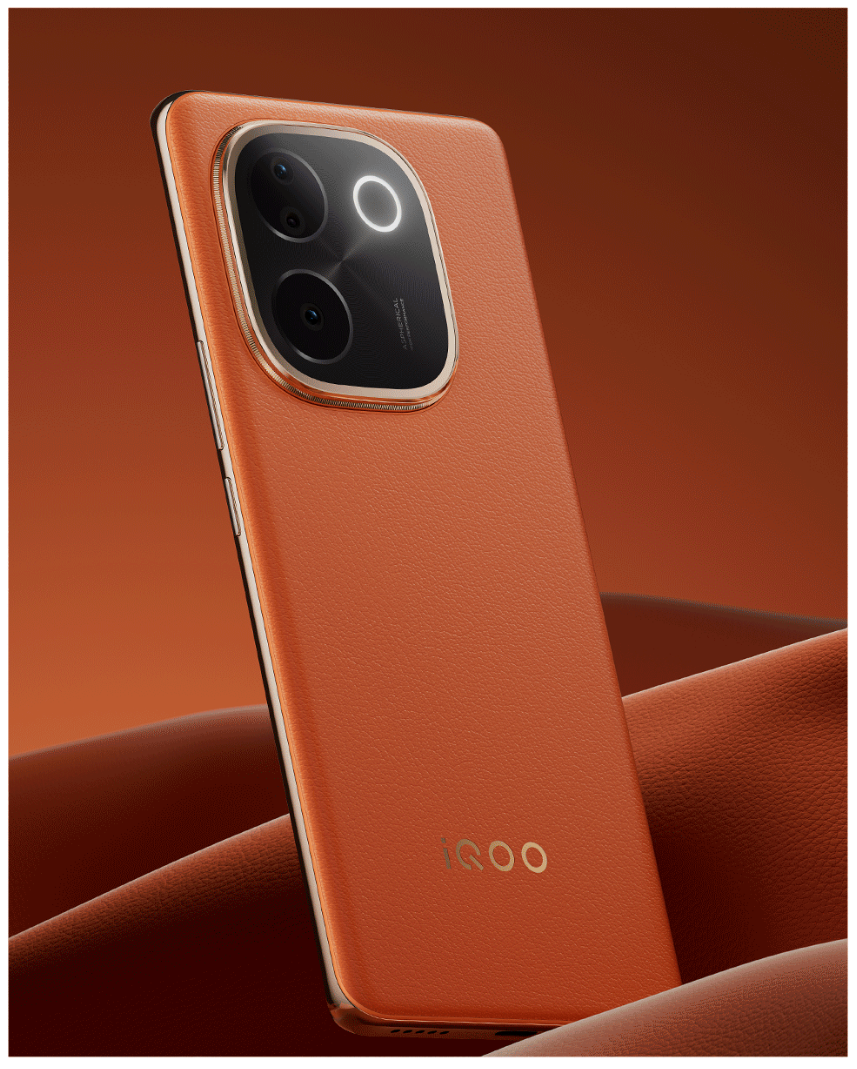
iQOO Z9s Pro Flamboyant OrangeiQOO Z9s Pro Luxe Marble
The iQOO Z9s Pro, on the other hand, will also feature a 120Hz curved-edge OLED display with a local peak brightness of 4500 nits. The Snapdragon 7 Gen 3 chipset will power it, and it will house the same 5,500mAh battery with support for 80W fast charging.
Like the Z9s, the Pro version will have a 7.49mm thin profile, an IP64 rating, and an OIS-enabled 50-megapixel Sony IMX882 primary camera with a ring LED flash. The inclusion of the 8-megapixel ultra-wide camera sets the Pro model apart from the standard edition. Furthermore, the Z9s Pro will be available in Flamboyant Orange and Luxe Marble colors.
The Z9s and Z9s Pro will offer camera features such as 4K OIS video recording, AI Erase, and AI Photo Enhance. Both devices are expected to run on Android 14 and FunTouch OS 15.
iQOO Z9s series price in India (expected)
Given the features and specifications, it seems that the iQOO Z9s may be priced between Rs 20,000 (~$240) and Rs 25,000 (~$300), making it a competitive option in its segment. The iQOO TWS 1e will also debut alongside the Z9s series. Readers can visit this post to learn about the TWS 1e.
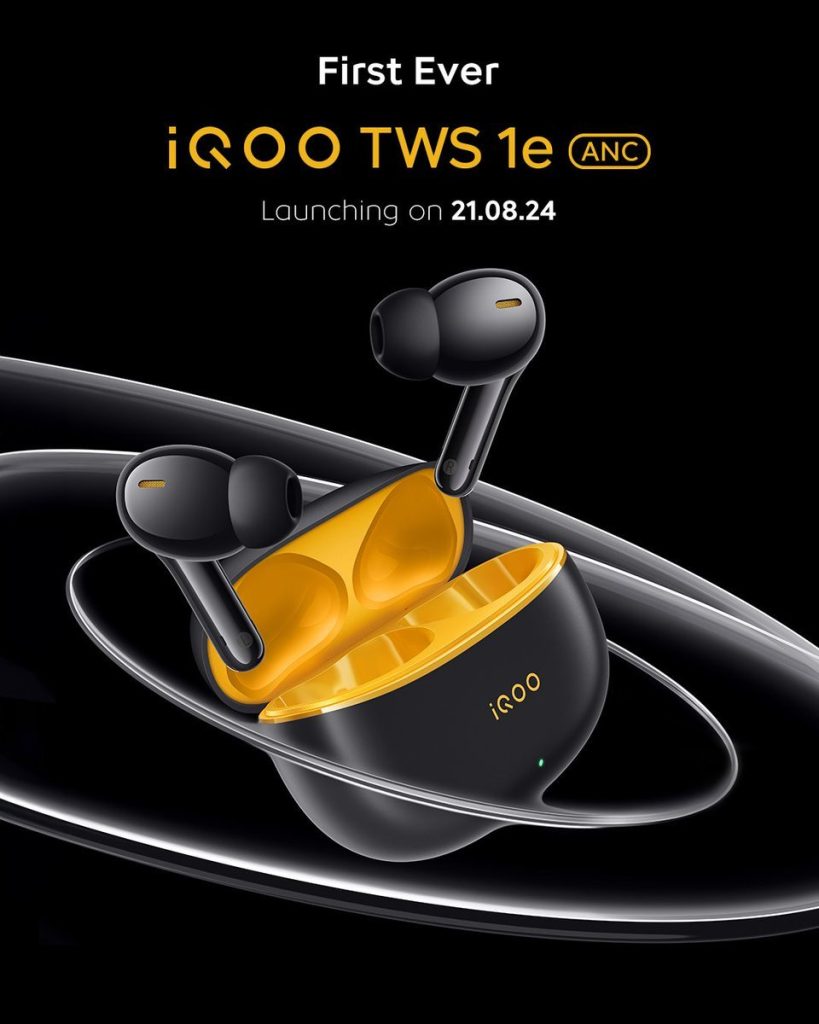
On Aug. 21 in India, iQOO will unveil the iQOO Z9s and Z9s Pro smartphones. Today, the brand confirmed that the iQOO TWS 1e, which will be its first TWS earbuds for the Indian market, will also launch alongside the Z9s lineup. The brand released the following image to confirm the design of the earbuds. To learn what to expect from the product, continue reading ahead.
iQOO TWS 1e design
iQOO TWS 1e
The iQOO TWS 1e poster confirms its support for active noise cancellation (ANC). In addition, the image reveals that it will sport a black-yellow dual-tone design.
iQOO TWS 1e specifications, price (expected)
The iQOO TWS 1e was announced in December 2023 in China. The device, priced at 169 Yaun (~$23), is available in Mecha White and Star Yellow in the home market. There is no clarity on whether the white variant of the TWS 1e will be available in India. The pricing is likely to be under Rs 2,000. This indicates that it may rival the Poco Buds X1, which recently debuted in India.
The iQOO TWS 1e wireless earphones sport a design similar to Apple AirPods, featuring in-ear buds with silicone tips. Equipped with 11mm drivers, these earbuds connect via Bluetooth 5.3 and support various sound effects, including DeepX 3.0 stereo, 3D panoramic audio, and Monster Sound for gaming.
The earbuds are IP54-rated, offering splash resistance, and come with touch gesture controls. They pair effortlessly with Vivo and iQOO devices, providing a low latency of up to 55ms, making them ideal for gaming. Additionally, they feature intelligent active noise cancellation (ANC) for media playback and AI noise reduction for calls.
The iQOO TWS 1e can last up to 44 hours on a full charge when used with the charging case, with ANC turned off. On a single charge, the earbuds alone can operate for up to 11 hours.
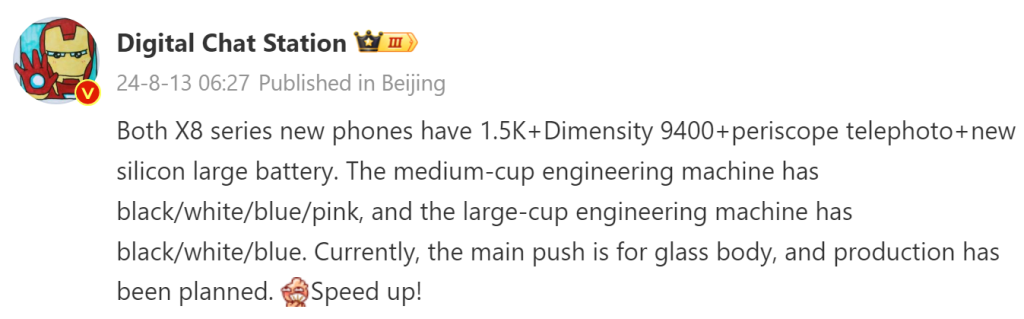
Several reports have claimed that the Oppo’s upcoming Find X8 lineup will comprise three models, the Find X8, the Find X8 Pro, and the Find X8 Ultra. The Ultra variant, which is expected to feature the Snapdragon 8 Gen 4, may debut in January 2025. However, the X8 and X8 Pro are expected to launch in October. Today, the tipster released the following Weibo to share some details about the Find X8 and X8 Pro.
Oppo Find X8, X8 Pro key specifications (rumored)
According to the tipster, the displays of the Find X8 and X8 Pro will support a 1.5K resolution, and both phones will be powered by the Dimensity 9400 chipset. Notably, the Vivo X200 series is also expected to feature the same chipset. It seems that the X200 series will debut as the world’s first Dimensity 9400-powered phone, with the X8 series launching shortly after.
Both smartphones will feature a periscope telephoto lens. However, according to previous leaks from Digital Chat Station, the X8 Pro is expected to have a quad-camera setup, including dual periscope telephoto cameras.
Both devices will be equipped with a silicon-based large battery. An earlier leak suggested that the Find X8 will be powered by a 5,600mAh battery, while the X8 Pro will have a slightly larger 5,700mAh battery. While the tipster did not mention it, the series will likely run on Android 15 and ColorOS 15.
It appears that the Find X8 and X8 Pro will have a glass body. The leak states that both phones will come in shades, such as black, white, blue, and pink. However, the Pro model will not be available in pink.
As far as the Ultra model is concerned, it is expected to feature a 2K display, a 6,000mAh or 6,200mAh battery, and carry support for satellite connectivity.
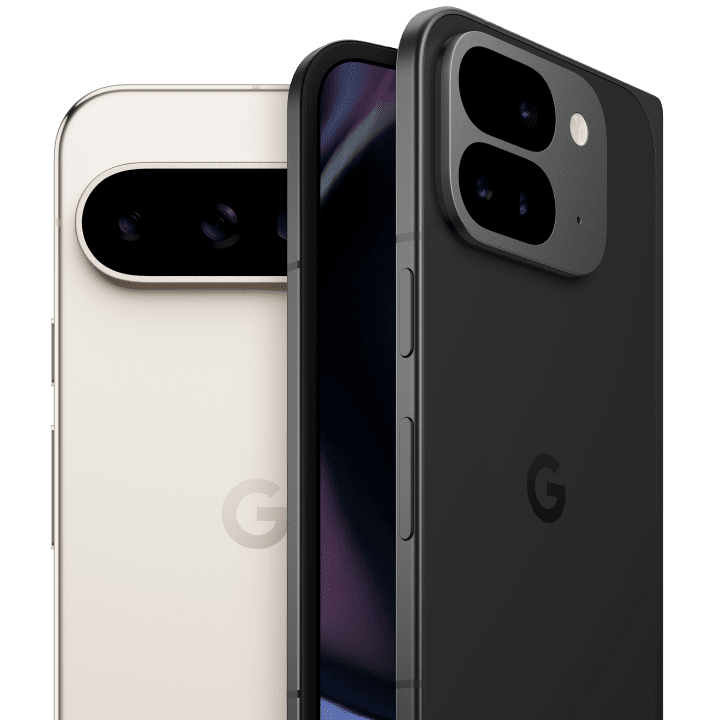
Google has announced that later today (August 13), it will host its annual “Made by Google” launch event to unveil new hardware, which will include the Google Pixel 9 series smartphones. Here’s how you can watch this launch event.
When is the Pixel 9 series launch event?
The event will kick off at 10 AM PT (1:00 PM EST/7:00 PM CEST/10:30 PM IST/6:00 PM BST) and will be live-streamed via YouTube.
Google Pixel 9 series launch event: What to expect?
So far, we know that Google plans to launch the Pixel 9 series smartphones, which include the Pixel 9, Pixel 9 Pro, Pixel 9 Pro XL, and the Pixel 9 Pro Fold. Additionally, we also expect the launch of the Pixel Watch 3 and the Pixel Buds Pro 2.
The new Pixel smartphones will be powered by the Tensor G4 SoC, which has around an 11% improvement in single-core performance and a 3% improvement in multi-core performance. The chip will also feature the new Exynos Modem 5400, adding satellite connectivity support and improving efficiency, with up to 50% better power consumption compared to the Exynos Modem 5300 found in the Pixel 8.
The Pixel 9 lineup will include two new entries this year in addition to the vanilla and Pro models. These will be the Pixel 9 Pro XL, which as the name suggests, will come with a large 6.8-inch OLED display, and the Pixel 9 Pro, which will be the successor of last year’s Pixel Fold, although with a larger and slimmer design compared to the original.
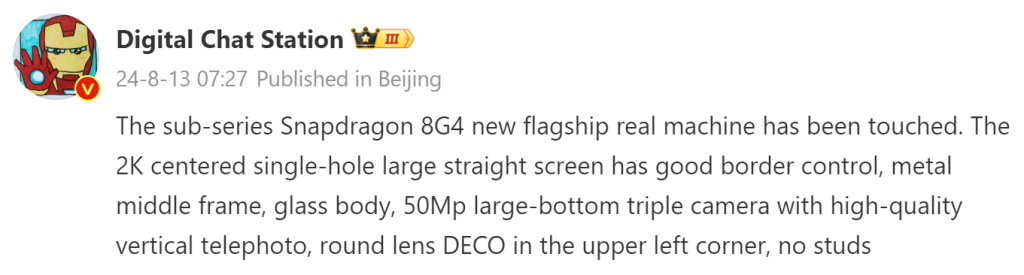
Xiaomi is expected to announce the Xiaomi 15 and 15 Pro are the world’s first phones powered by the Snapdragon 8 Gen 4 chipset in October in China. Rumor has it that Redmi will introduce the Redmi K80 and K80 Pro, equipped with the Snapdragon 8 Gen 3 and 8 Gen 4 chipsets, respectively, in November in China. Today, tipster Digital Chat Station released a Weibo post to reveal key information about the alleged Redmi K80 Pro.
Redmi K80 Pro key specifications, design (rumored)
The above leak indicates that the Redmi K80 Pro will feature a flat OLED display with a single punch-hole and thin bezels. Previous reports claimed that the screen would support 2K resolution and integrate an ultrasonic in-screen fingerprint sensor.
Under the hood, the Redmi K80 Pro is expected to feature the Snapdragon 8 Gen 4 chipset. The back panel of the phone will have a triple camera setup comprising a 50-megapixel primary camera with a large sensor and a telephoto camera. Previous reports have claimed that it will be a 50-megapixel telephoto lens that will support 3x optical zoom.
The tipster added that the K80 Pro will have a round camera module positioned in the upper left corner. Unlike the K70 Pro, the K80 Pro’s camera module will not have decorative studs. Talking further about the design, the tipster said the Redmi K80 Pro will have a glass back and a metal middle frame.
The tipster did not say anything about the battery capacity of the alleged Redmi K80 Pro. Back in May, the tipster claimed that it would have a 5,500mAh battery. However, a contradictory leak from a different source that surfaced last month suggested that it may pack a 6,000mAh battery. It is also expected to support 120W fast charging.
Portronics has recently introduced its first vacuum cleaner, the Mopcop, expanding its product range into the home appliance segment. The Mopcop is positioned as an affordable and efficient alternative for those looking for a better solution than traditional brooms but without the high cost of large cleaning appliances. This portable vacuum cleaner stands out with its compact and cordless design, making it a practical choice for everyday cleaning needs.
Portronics Mopcop vacuum cleanerkey features
Portronics Mopcop Portable Vacuum Cleaner
One of the key features of the Mopcop is its powerful 8000Pa suction, which ensures thorough cleaning across various surfaces. Whether it’s car interiors, carpets, upholstery, or hard floors, the Mopcop is equipped to handle various cleaning tasks. The inclusion of multiple nozzles enhances its versatility, allowing users to clean different areas more effectively.
In addition to its cleaning efficiency, the Mopcop is designed with health and sustainability in mind. It features an eco-friendly HEPA filter that traps dust and allergens, preventing them from being released back into the air. This is particularly beneficial for individuals with allergies or respiratory issues. The filter is both washable and reusable, contributing to the device’s eco-friendliness and ease of maintenance.
The Mopcop is also built with user convenience in focus. It includes a built-in LED flashlight, which is useful for cleaning dark or hard-to-reach areas, such as under furniture or in corners. The vacuum cleaner is powered by a long-lasting, rechargeable battery, offering extended cleaning sessions without the need for frequent recharging. This feature, combined with its cordless design, makes the Mopcop easy to use and manoeuvre.
Portronics Mopcop vacuum cleanerprice in India, availability
For those interested in purchasing the Mopcop, it is available at an introductory price of Rs 1,399 (~$16). The product can be bought directly from the Portronics official website and is also available on major e-commerce platforms such as Amazon India and Flipkart and in select offline stores. The vacuum cleaner comes with a 12-month warranty, providing users with added peace of mind.
Last year, Xiaomi unveiled the Xiaomi Pad 6 series of flagship tablets. Hence, the brand is expected to unveil the Pad 7 lineup this year. A new leak, courtesy of tipster Digital Chat Station, suggests that Xiaomi’s sub-brand Redmi is also working on a flagship tablet. Here’s a look at what the tipster shared about the Redmi tablet.
Redmi’s performance-driven tablet is launching next year
The leaker has handled two upcoming tablets from what appears to be from the Xiaomi camp. One is a regular, large-sized flagship tablet, previously mentioned to feature an OLED display with a matte soft light screen and a square-shaped rear camera module positioned at the top left.
Additionally, a sub-brand is prototyping a high-performance, smaller tablet that will likely launch next year. The former appears to be one of the Xiaomi Pad 7 series tablets, whereas the latter seems to be a Redmi product.
It appears that the Xiaomi Pad 7 series will focus on offering a premium experience in departments like display and design. On the other hand, the Redmi’s compact tablet will be a performance-oriented device.
The tipster revealed in the post’s comments section that the Redmi tablet will feature an LCD panel. The product is currently in the prototyping stage, a process that involves creating a functional model for testing and refinement prior to mass production.
At present, there is no information about the moniker or specifications of the Redmi tablet. Currently, the Redmi Pad Pro 5G, equipped with the Snapdragon 7s Gen 2 chipset, is the most powerful tablet from the Redmi brand. It remains to be seen whether the compact, performance-driven tablet will be called the Redmi Pad Pro 2 or something else.
In today’s roundup, we talk about HyperOS 2.0 software optimizations, product comparisons, upcoming launches, and exciting leaks that highlight the ongoing evolution in the tech industry.
Motorola’s Budget Offerings: Get a comprehensive comparison of Motorola’s sub-20K smartphones in India. We’ll break down the features of the Moto G85 5G and Edge 50 Fusion to help you make an informed decision.
Redmi Turbo 4 / Poco F7 Leaks: Uncover the preliminary details of Redmi’s upcoming device. We’ll speculate on what these early leaks might mean for the final product.
Plus, don’t miss our roundup of other exciting stories, including iQOO’s upcoming launches, Realme’s groundbreaking charging technology, Huawei’s rumored under-display face recognition, and OnePlus’s potential ceramic build!
Xiaomi is working to address problems in the upcoming HyperOS 2.0 update. Industry insiders reveal that the company is investing significantly in optimizing the operating system to provide a smoother and more responsive user experience.
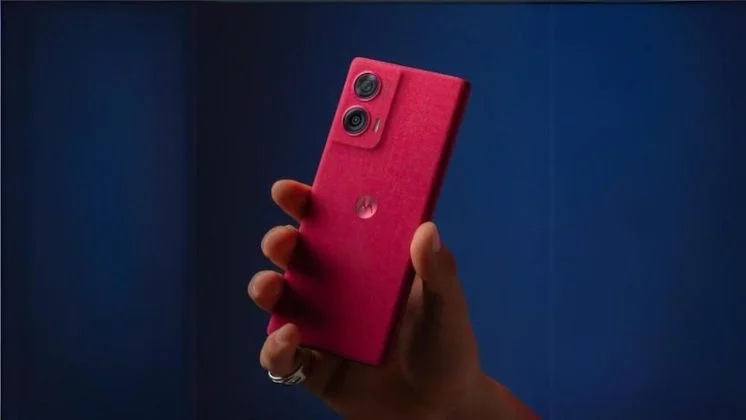
Motorola has been quite active in the Indian smartphone market, especially in the under 20K segment. The recent launches of Moto G85 5G and Edge 50 Fusion have added to the company’s portfolio, offering consumers a range of options to choose from. Let’s break down these two models to help you decide which one suits your needs best.
OnePlus has confirmed the launch of their next flagship earbuds, the Buds Pro 3, arriving in India and other markets on August 20th. The launch event will kick off at 6:30 PM IST (9:00 AM EST, 2:00 PM BST, 3:00 PM CEST).
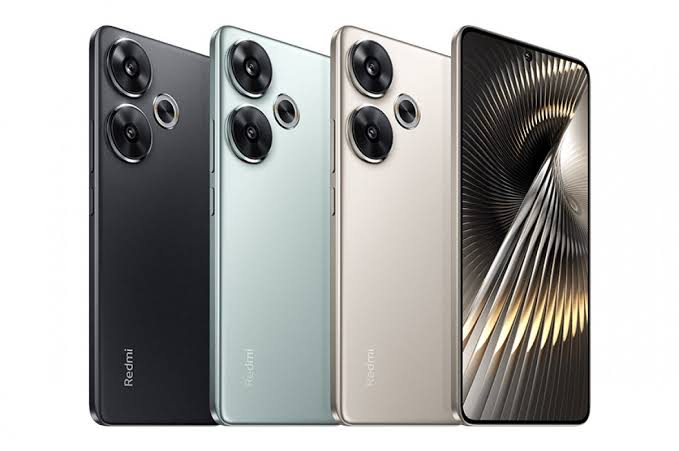
A recent development revealed that the brand is also working on the Redmi Turbo 4 for the home market. A few preliminary details about the screen resolution and the build of the device emerged well before its launch, which is expected to happen next year.
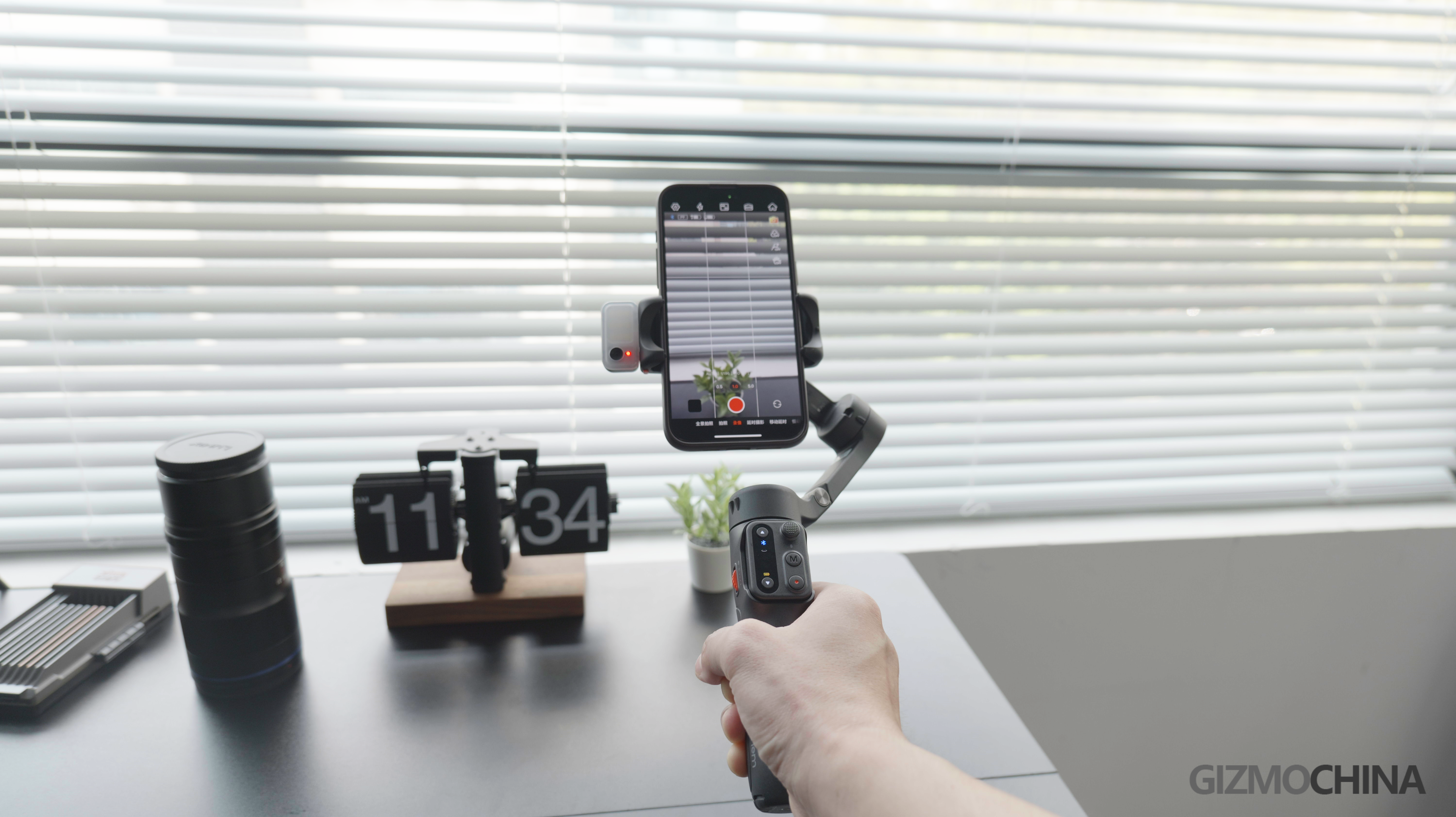
Hohem has been dedicated to making gimbals for filming devices for many years, and previously we have reviewed many of them, overall they are great for everyone, whether you are a professional photographer, or you are just a novice who wants to make better videos with your phone. And when AI started to help with a lot of the tech right now, the gimbal category evolved again. This time we have the newest Phone gimbal from Hohem, the iSteady V3, it has 3-axis stabilization, a Detachable remote control, and most importantly, a magnetic AI tracker to always keep the focus on you. It is only $129, it is a great price for what it can offer, and most likely it is better than others. In this review, we will use an iPhone and Android phone to test its performance of it, hopefully you can have more insights into it.
Unboxing
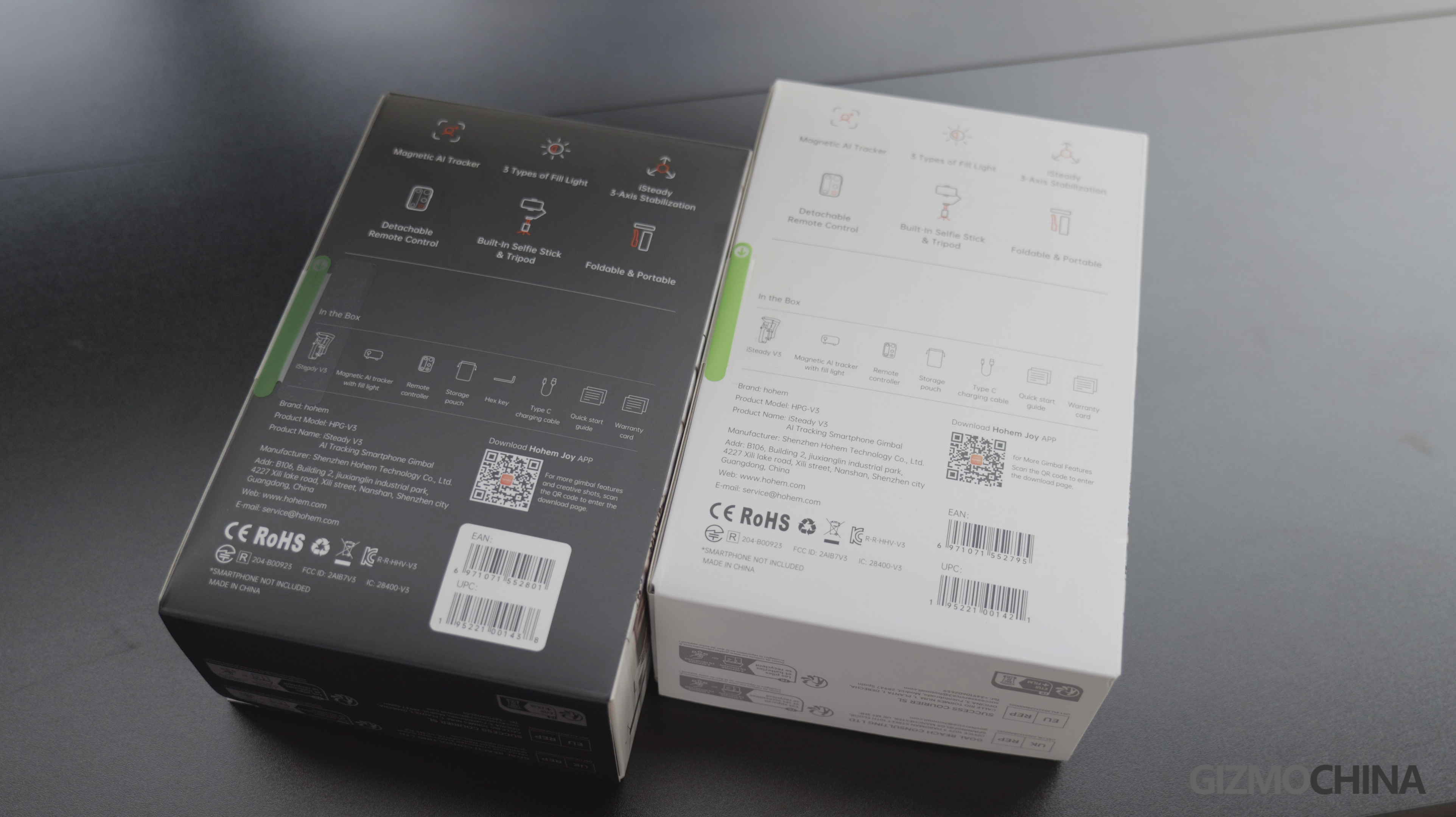
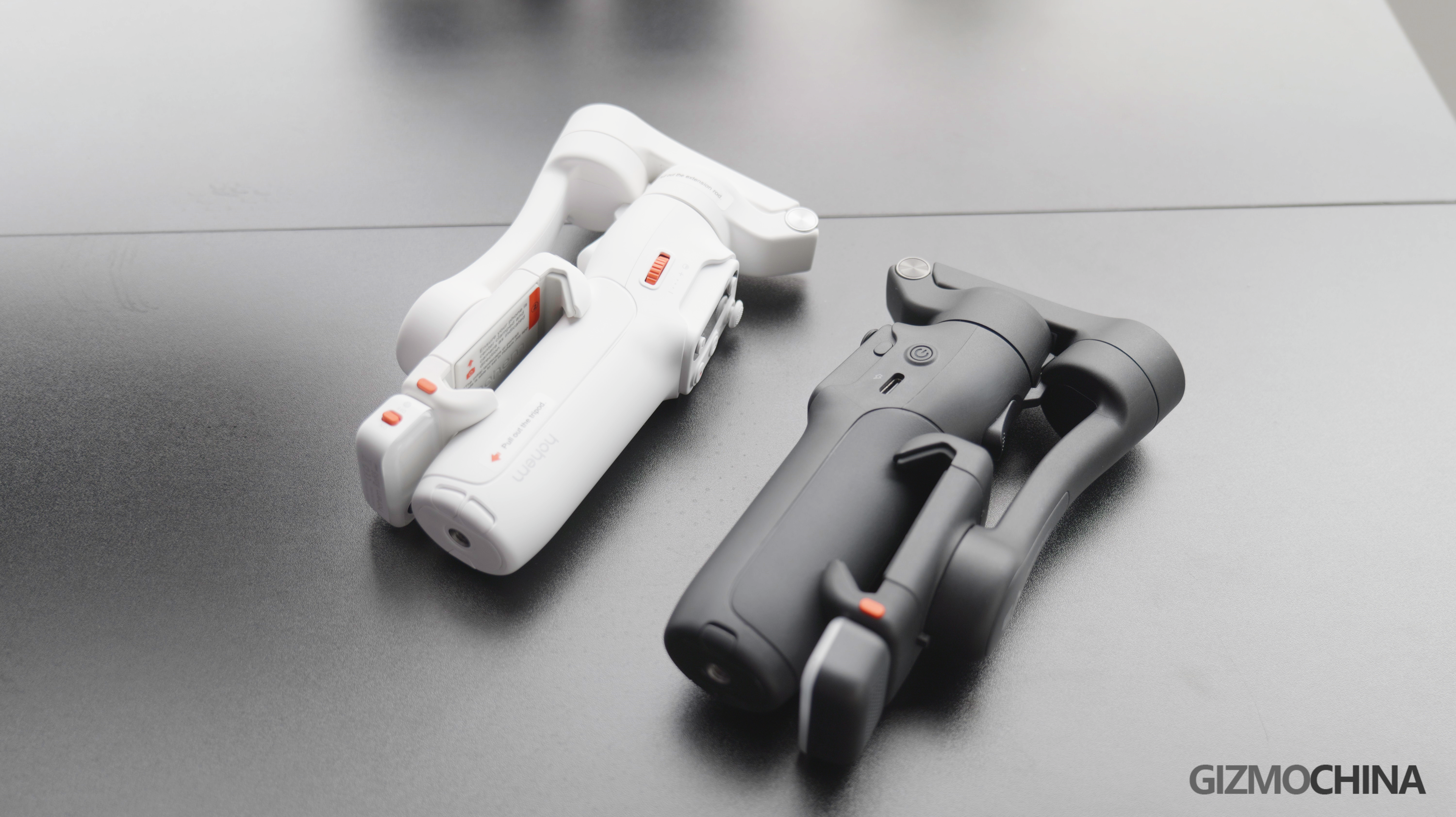
First of all, the packaging is nice, firmly packed everything inside, and the tape is very easy to be removed, leaving one less job for you to do. There are two colors to choose from, Black and White, either way it is still a good-looking device.
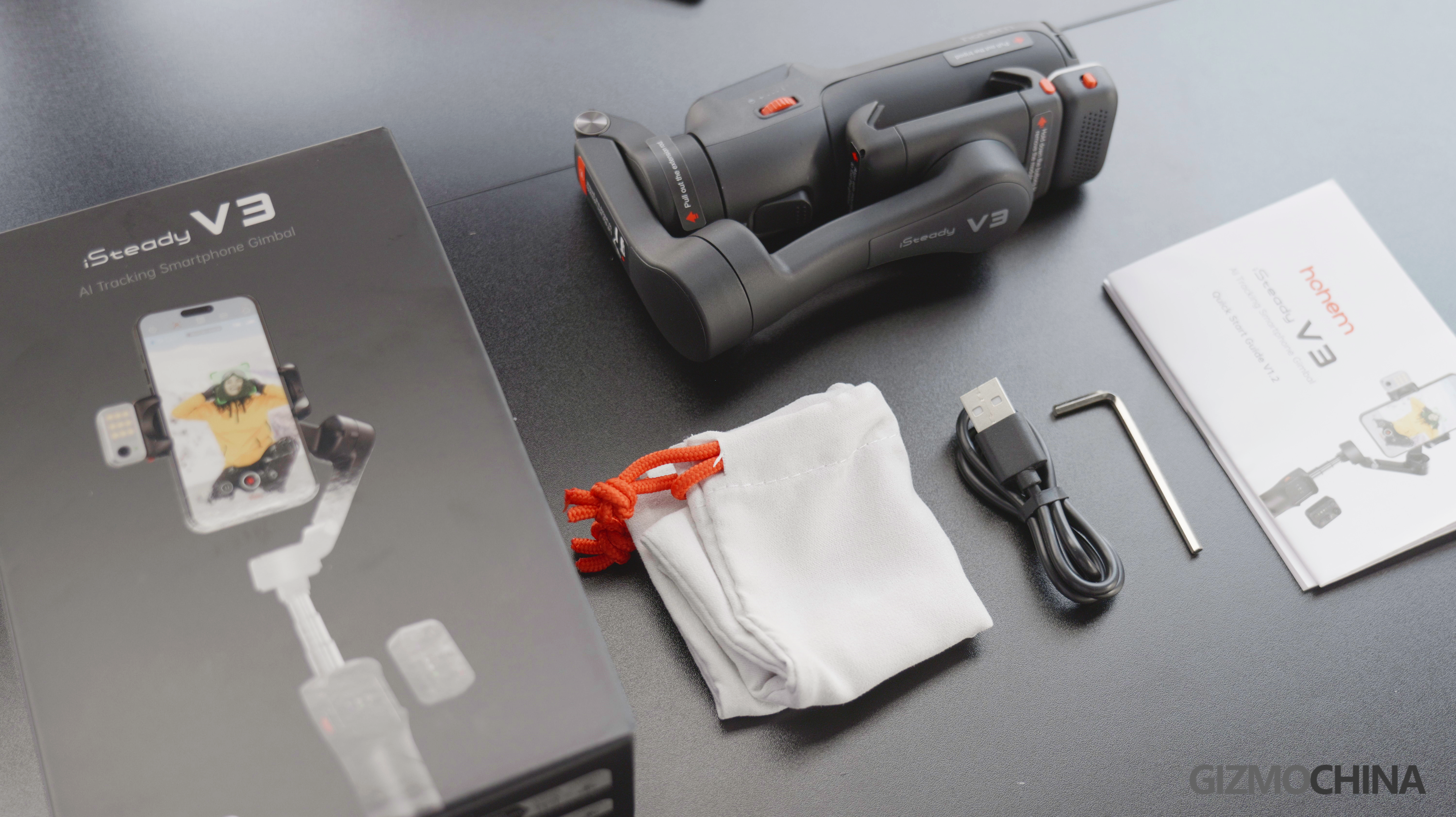
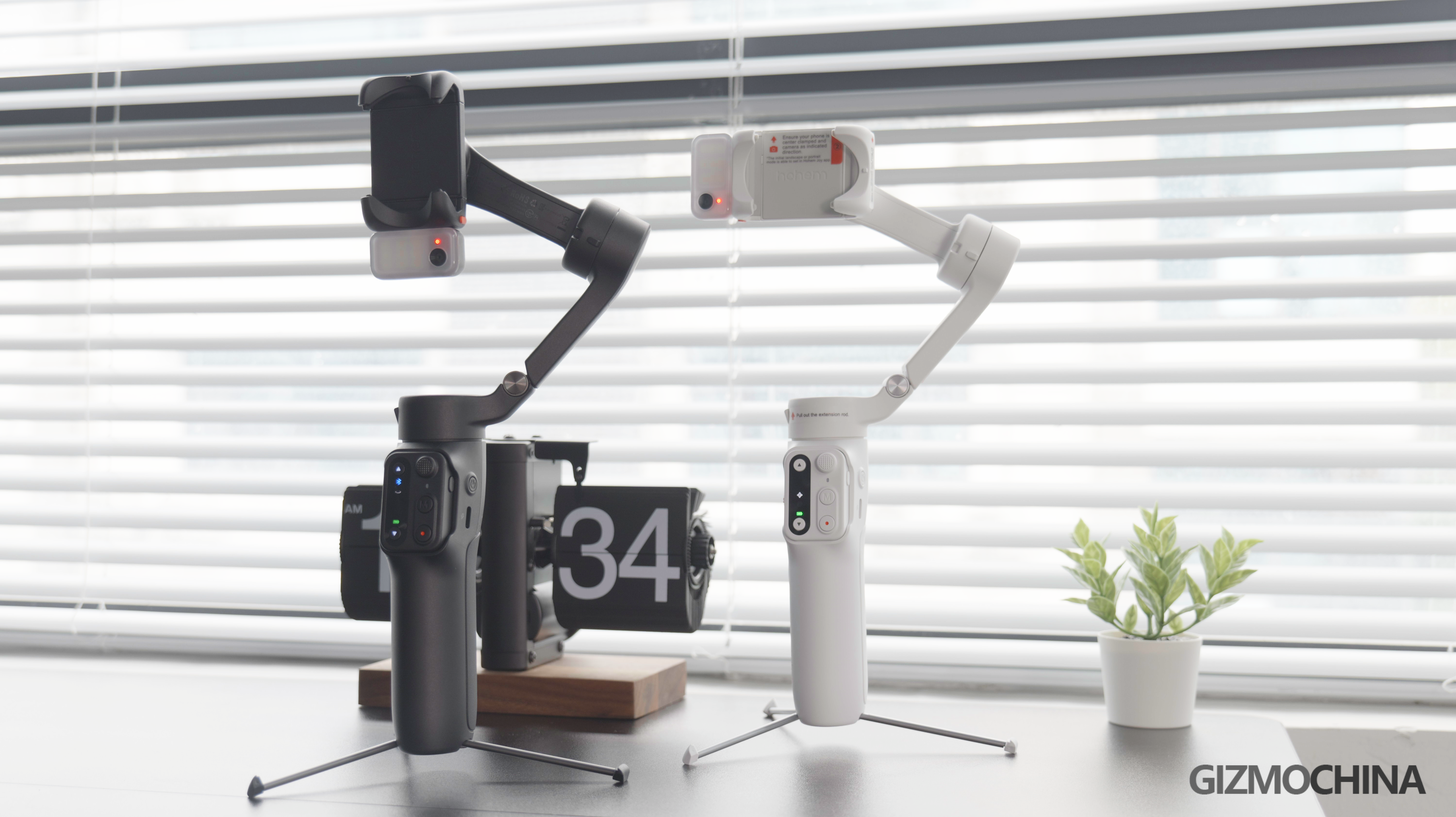
In the package, you have the device, charging cable, a tool, a pouch, and manuals. Fairly simple, but the pouch is a nice touch, since the device is very portable, if you tend to put it in your pocket with other stuff, then a pouch can separate them well. The whole unit weighs about 426g, still quite a manageable weight, and also it says a little about the device that it is built with a better material.
Design & Build
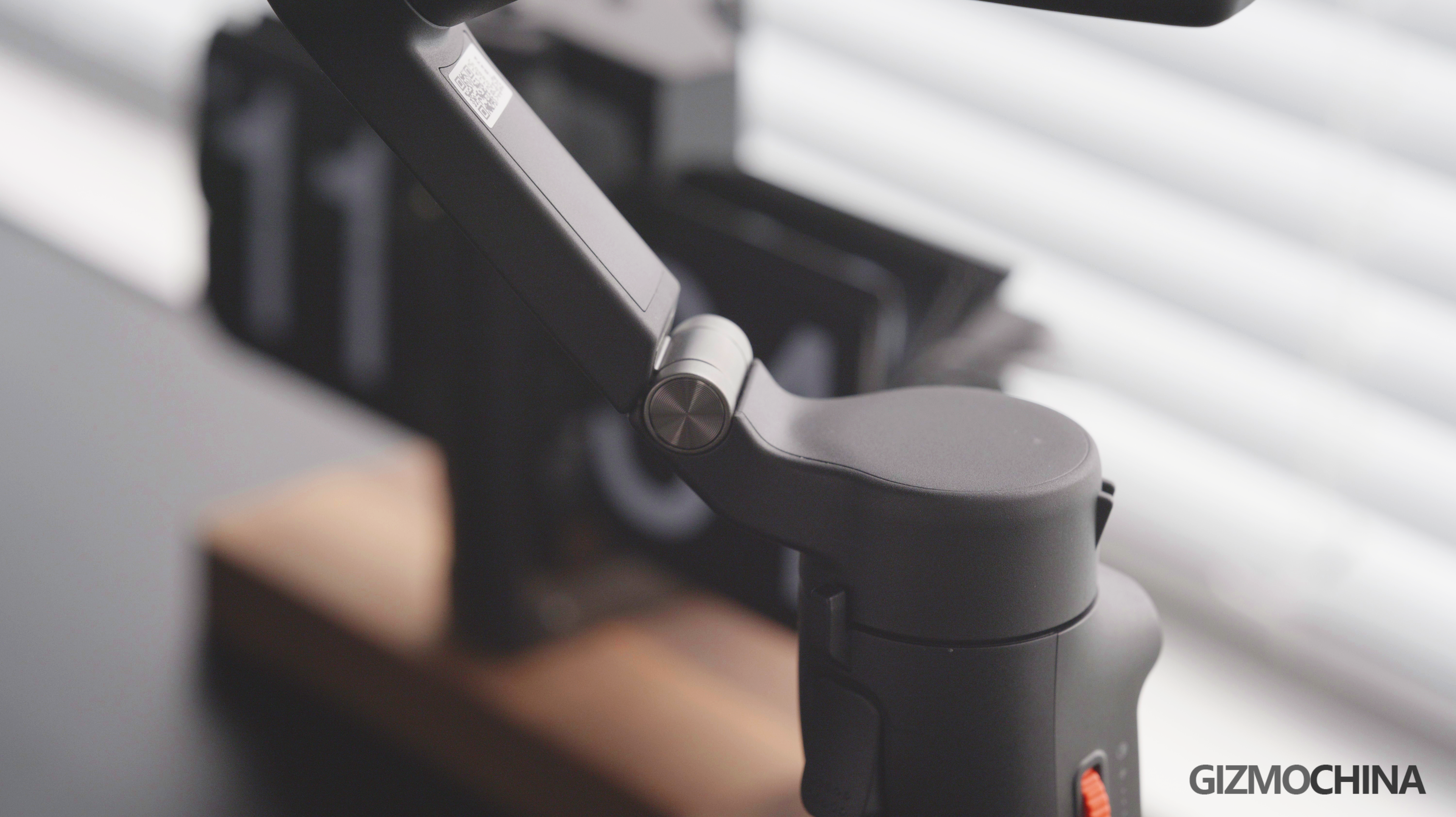
Once you hold it in hand, you can feel the weight and build quality of this device, but it is still a palm size. If we put these two colorways side by side, I would say the white one looks more aesthetically pleasing, as the white, orange and metallic blend better together. One thing to note here is that, the metal axis in the middle is colored differently, to match themselves up with these two colors.
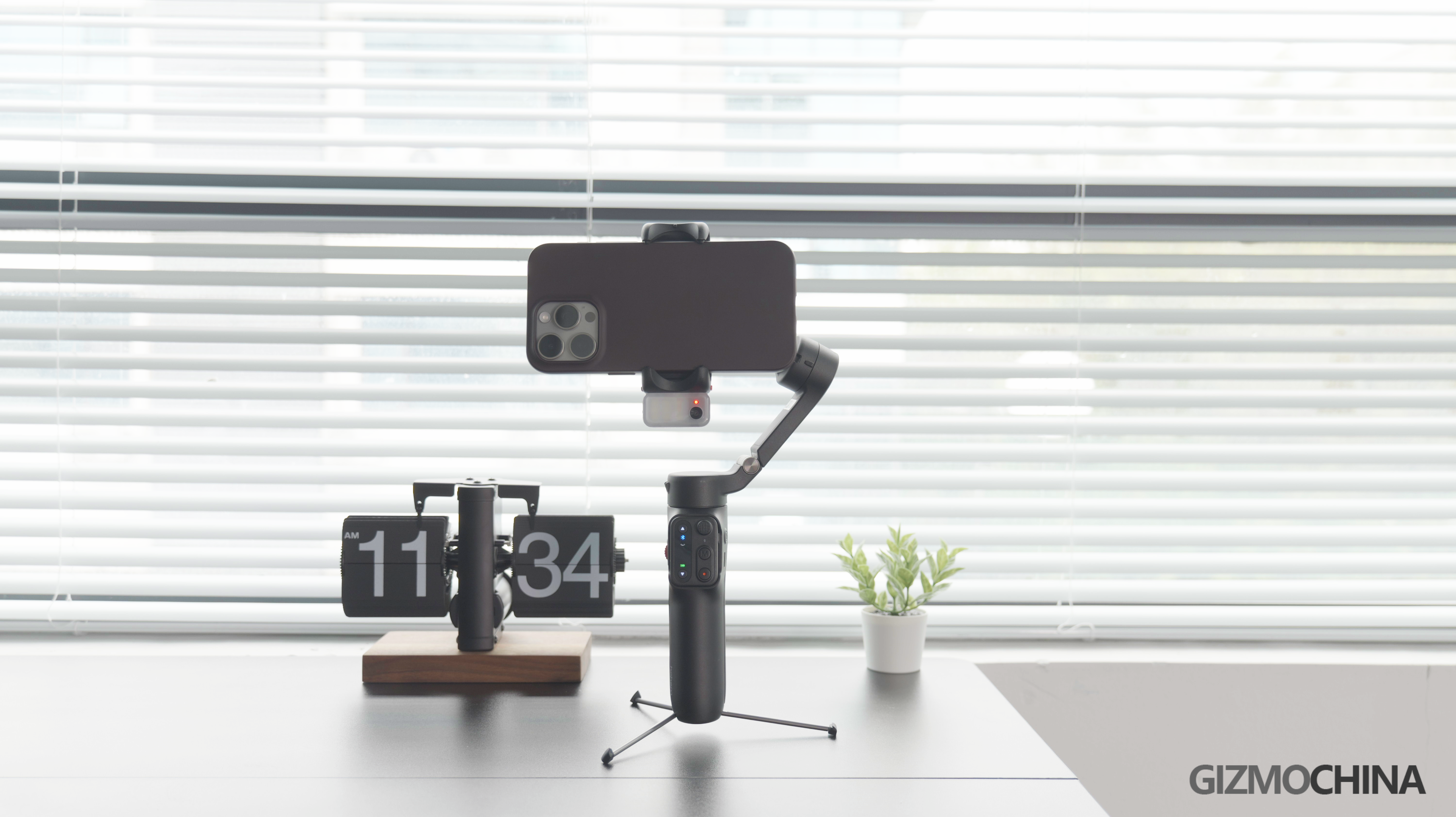
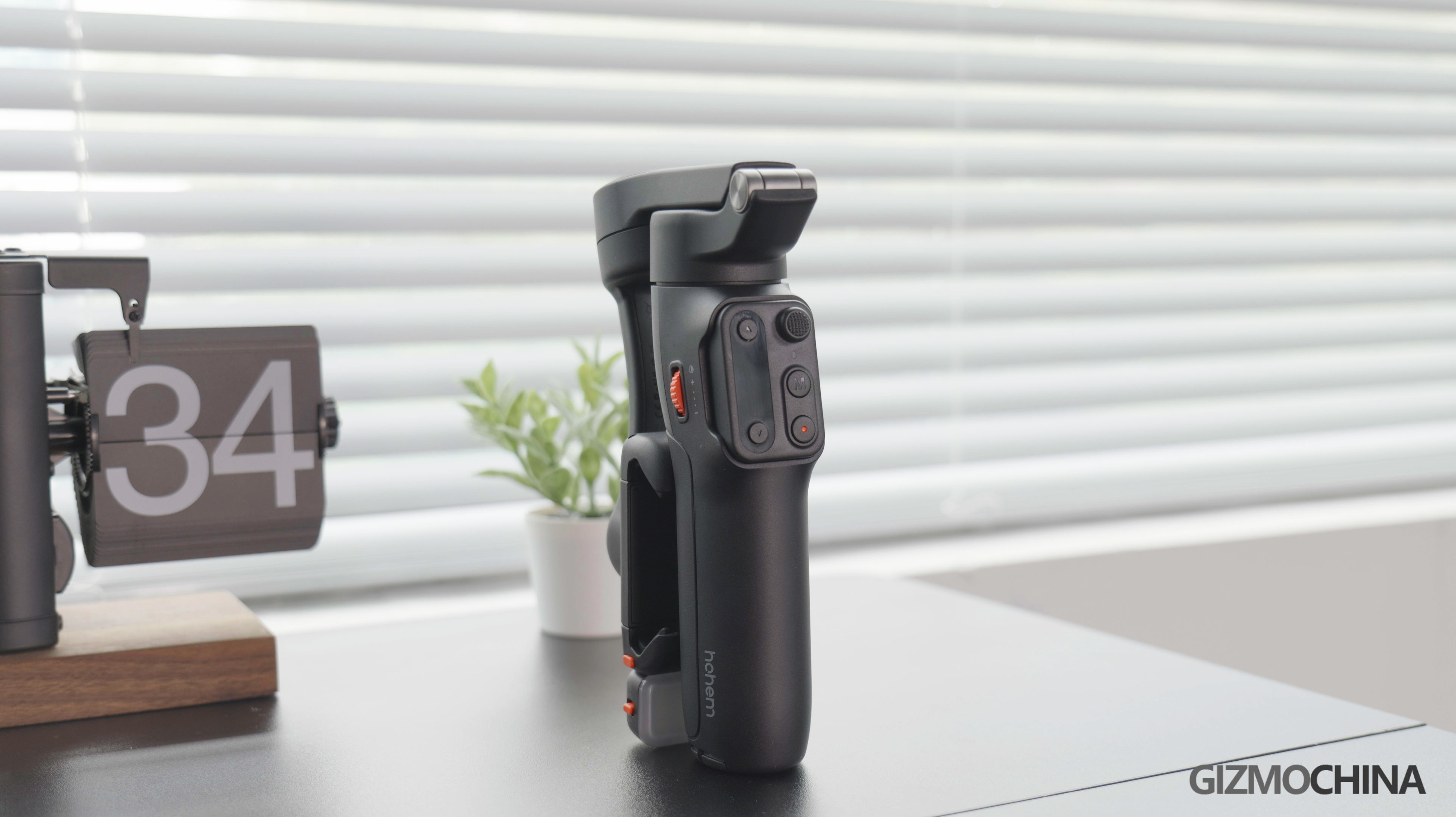
Design-wise, this is a typical phone gimbal, shaped just like a shrank version of the professional camera gimbal, so you can do a lot of moves with perfect stabilization, while maintaining a pocketable size. Especially if you have a high-end phone with really good videography capability, and you want to utilize it to shoot very good videos, but one thing those phones can’t do is have good stabilization. So this is when a gimbal comes into play.
So other than the typical gimbal structural parts, there are two things that are very unique, which are the AI tracker and the removable remote control.
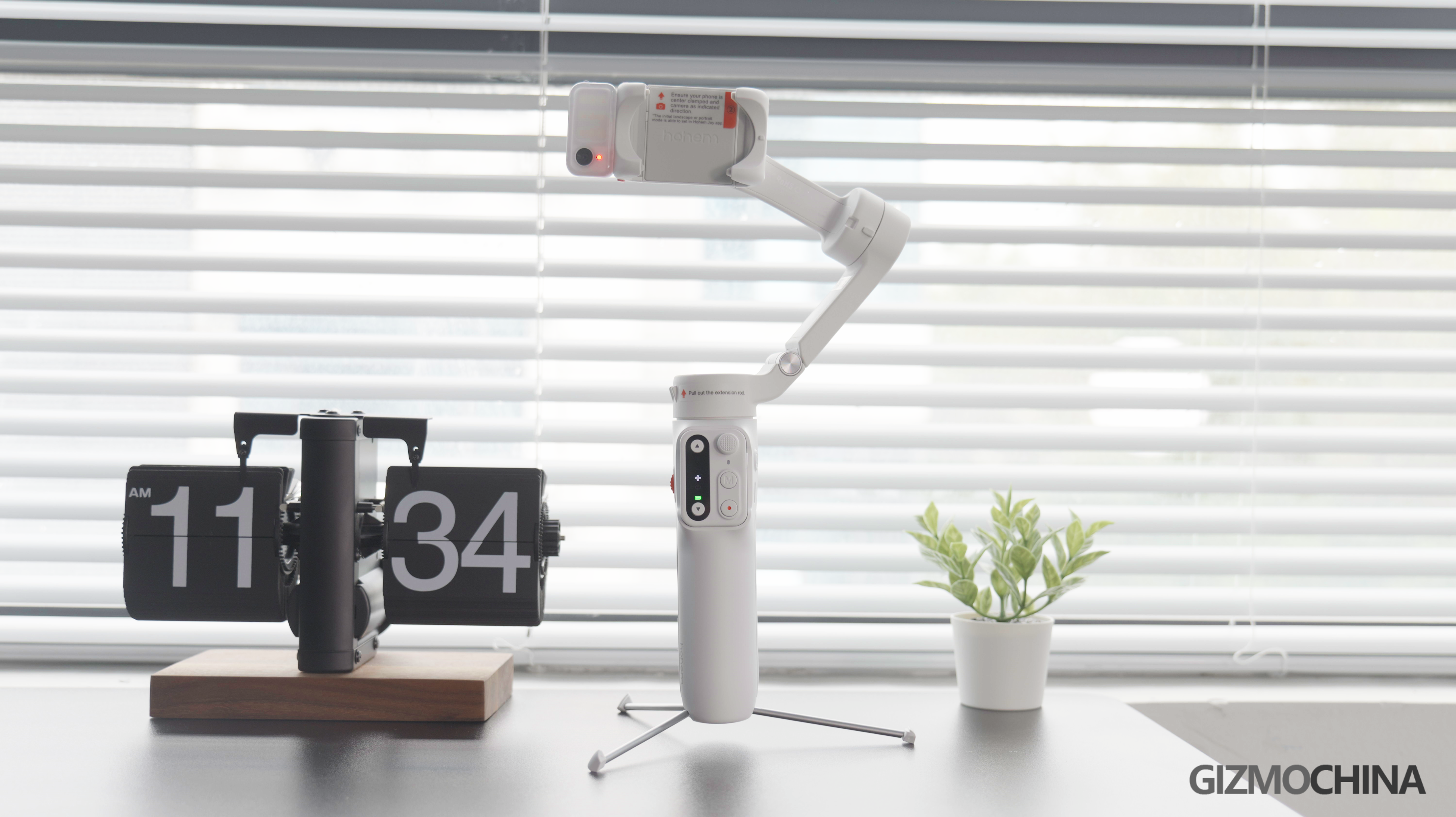
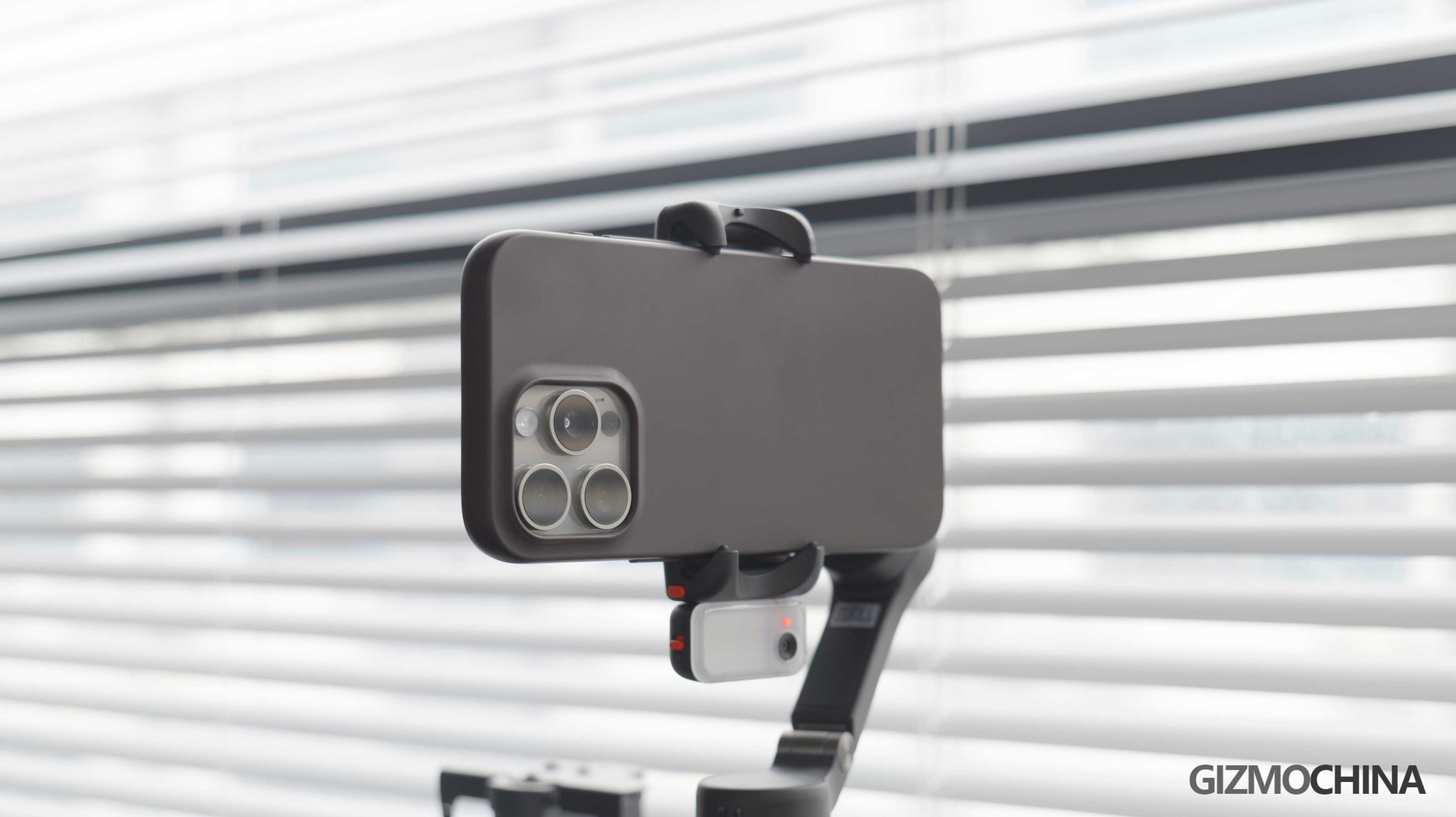
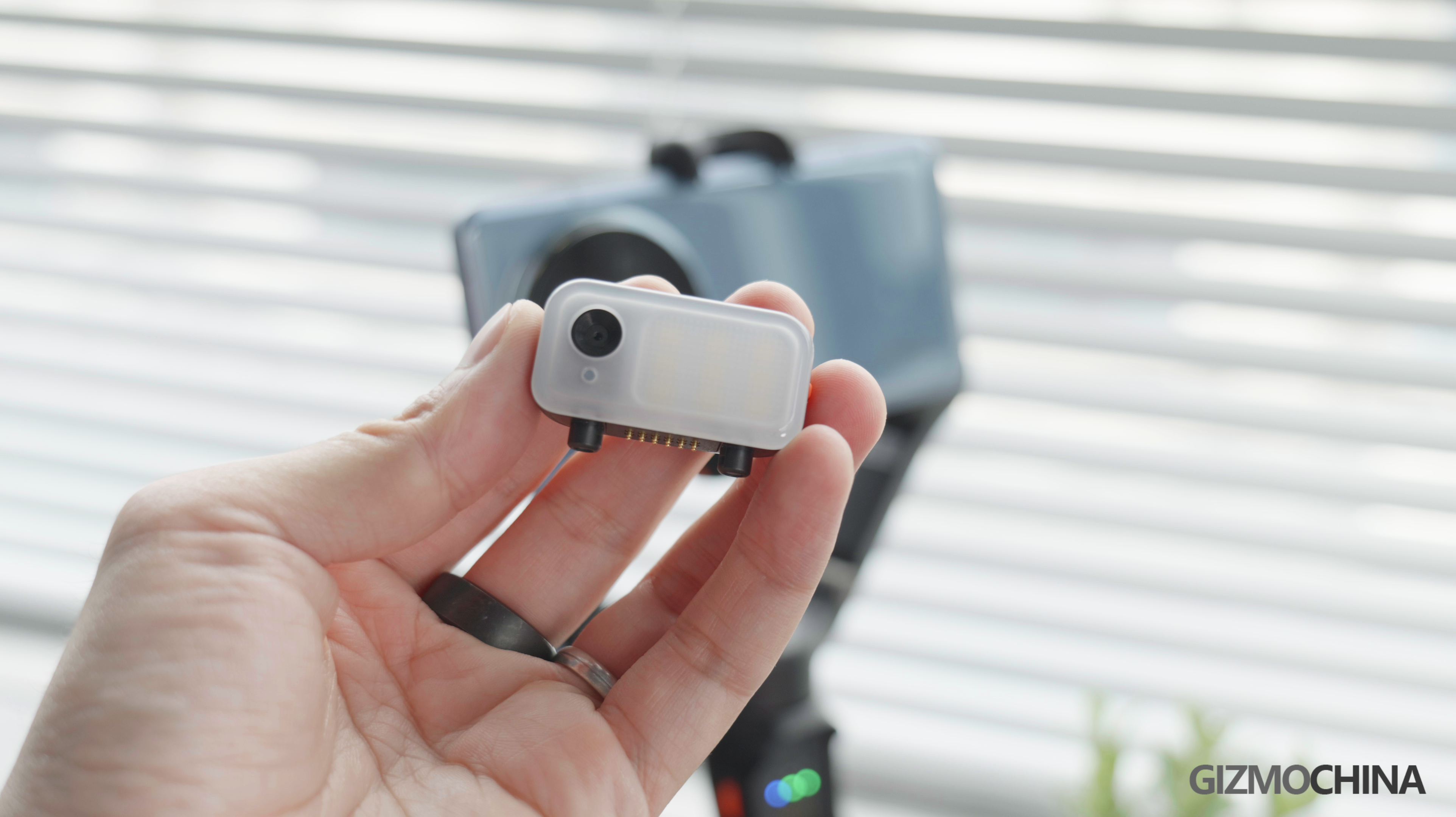
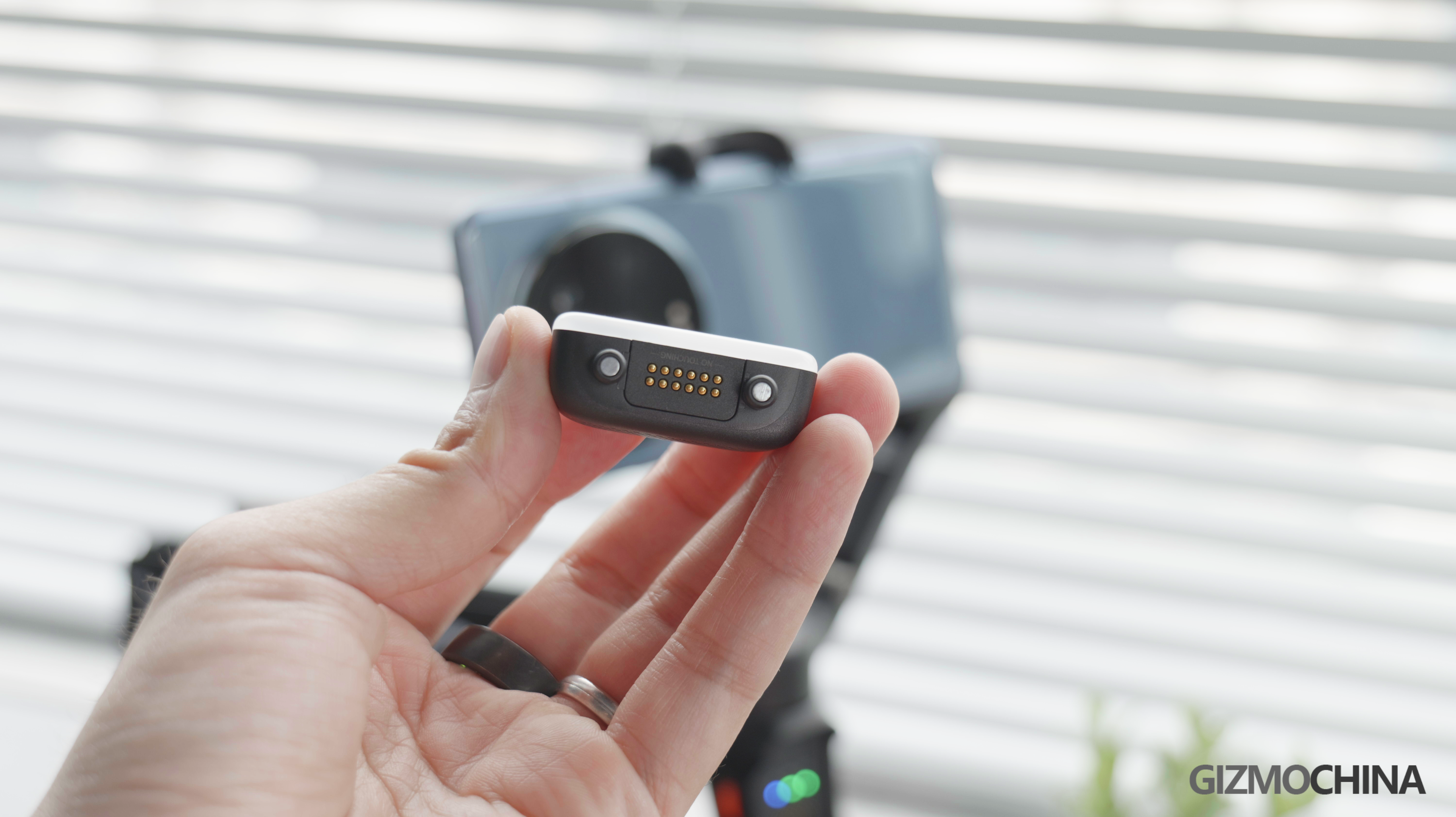
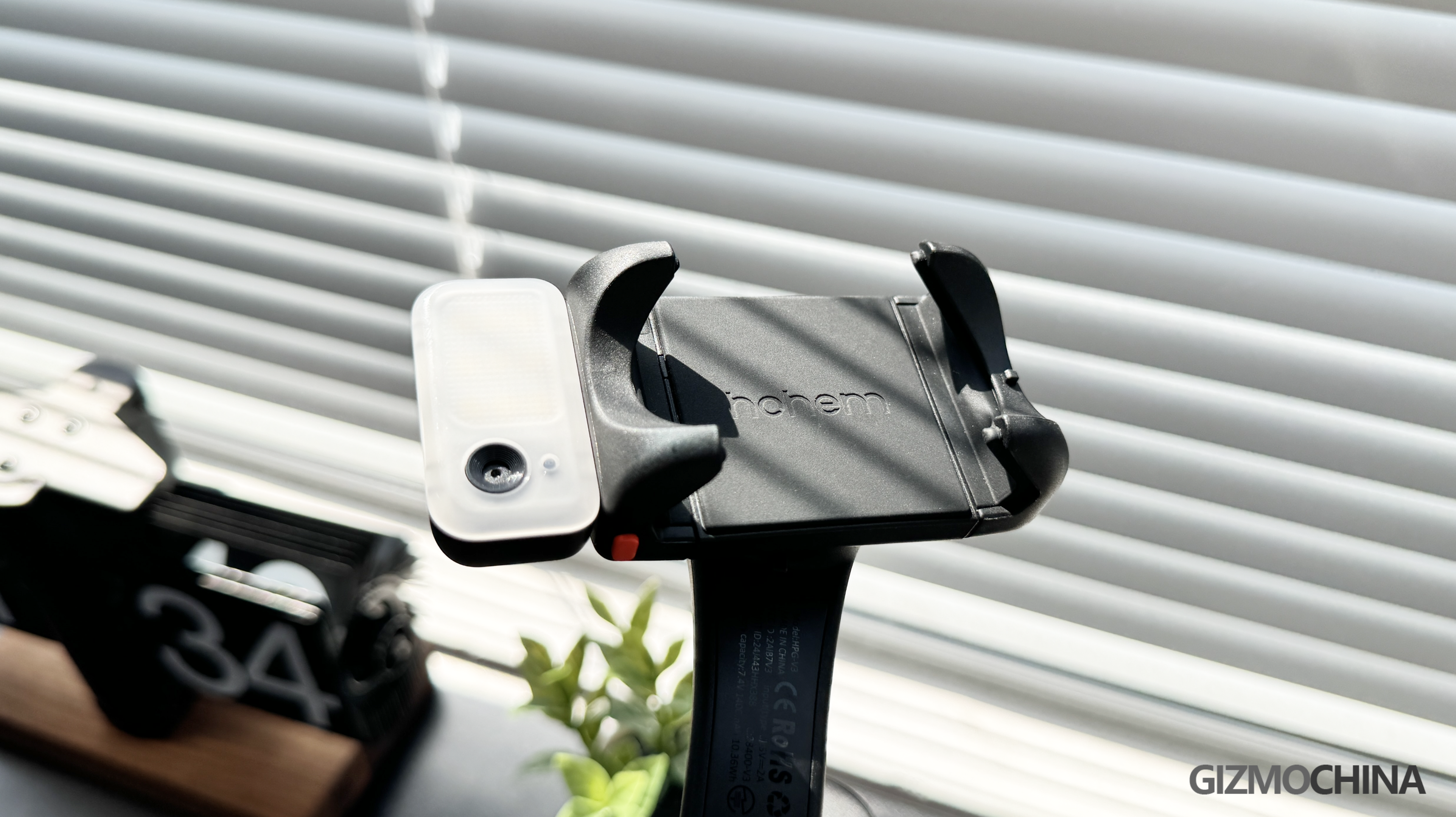
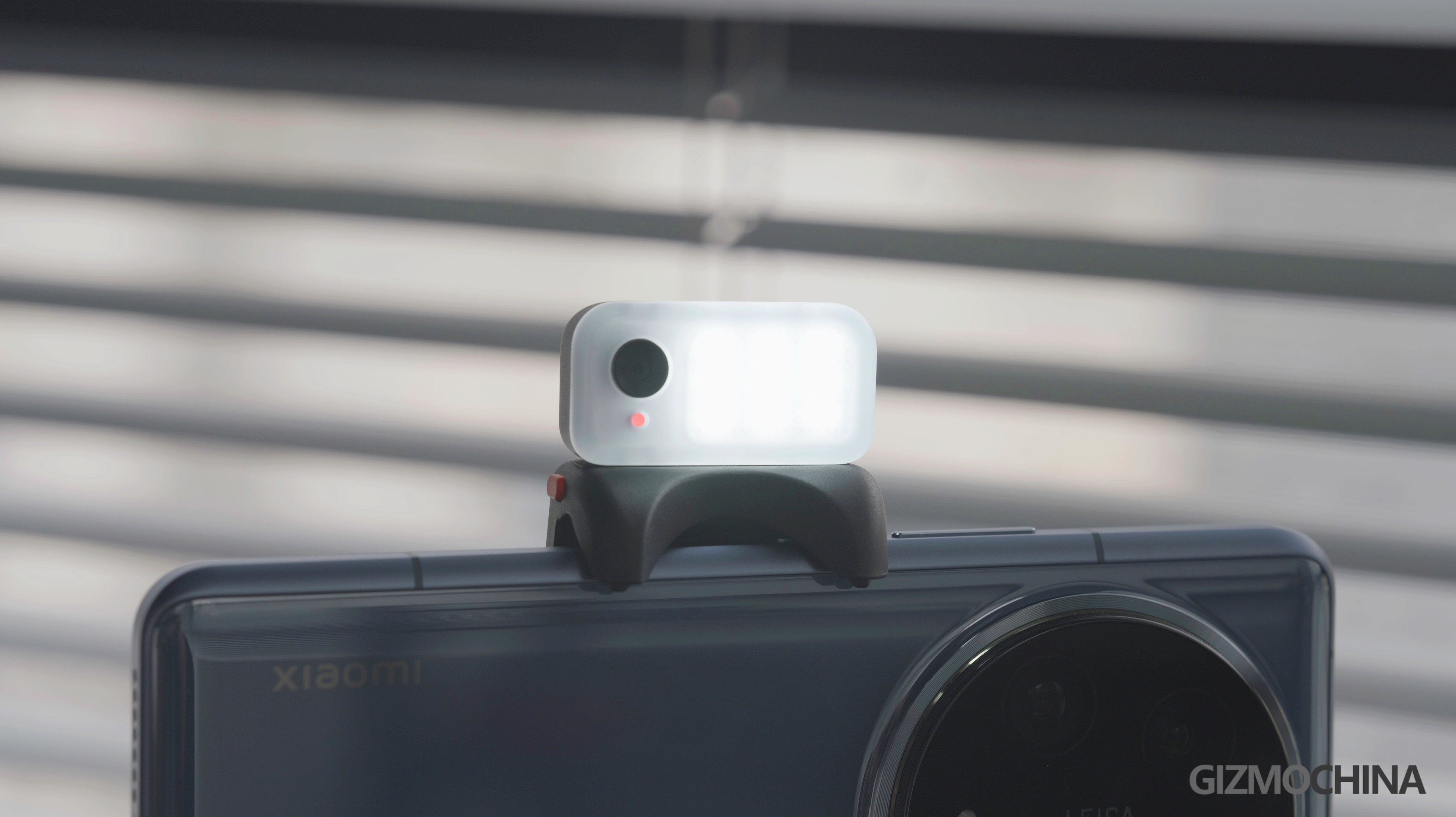
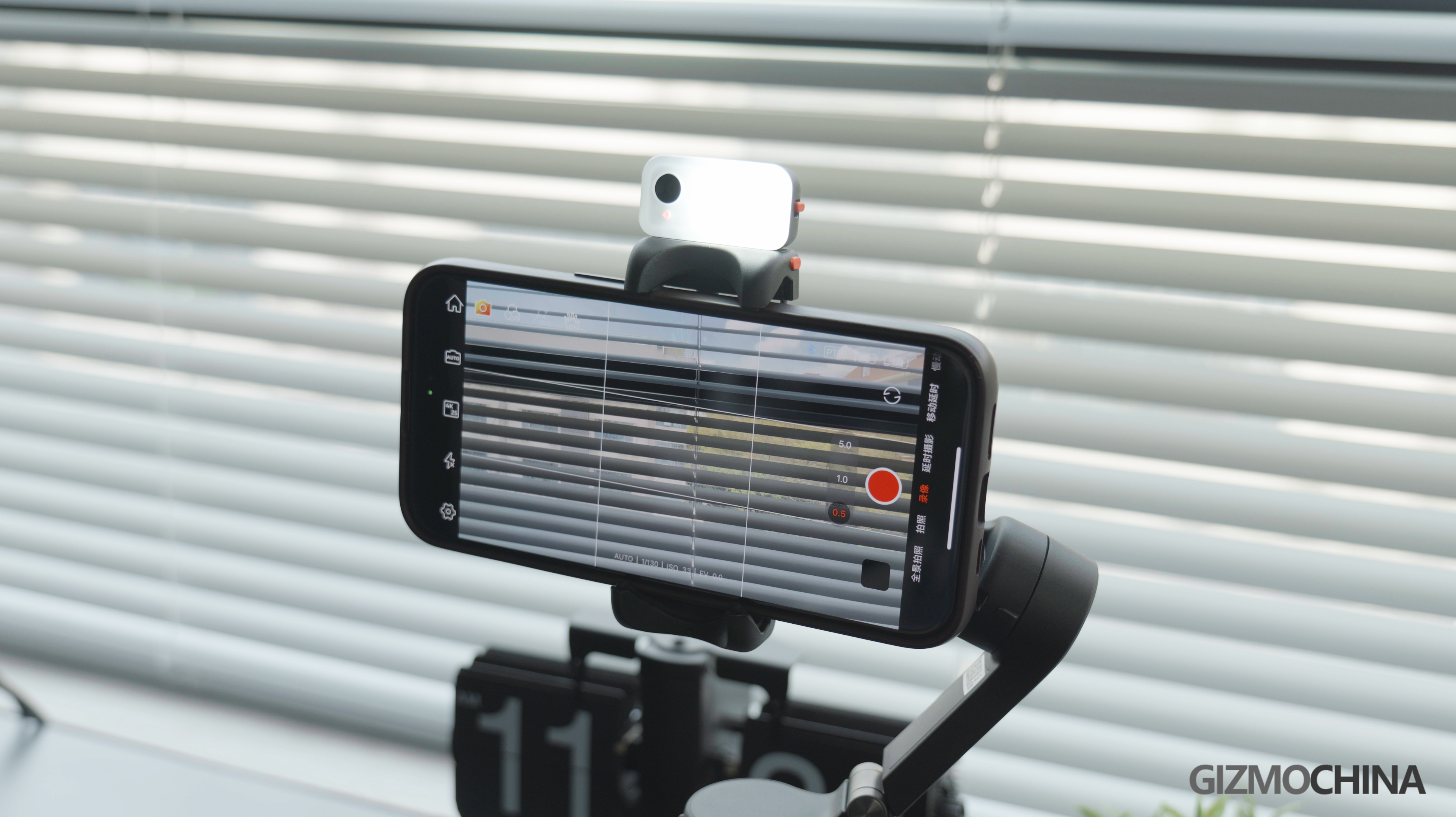
The AI tracker can help with all the AI-enabled tracking feature, while you are using the phone’s built-in camera app. The tracker has two key parts, a camera and a fill light, they are the perfect combo for selfies. The unit attaches to the body by magnet and two little hooks, the pins help with the power and feature fulfillment, quite an innovative design.
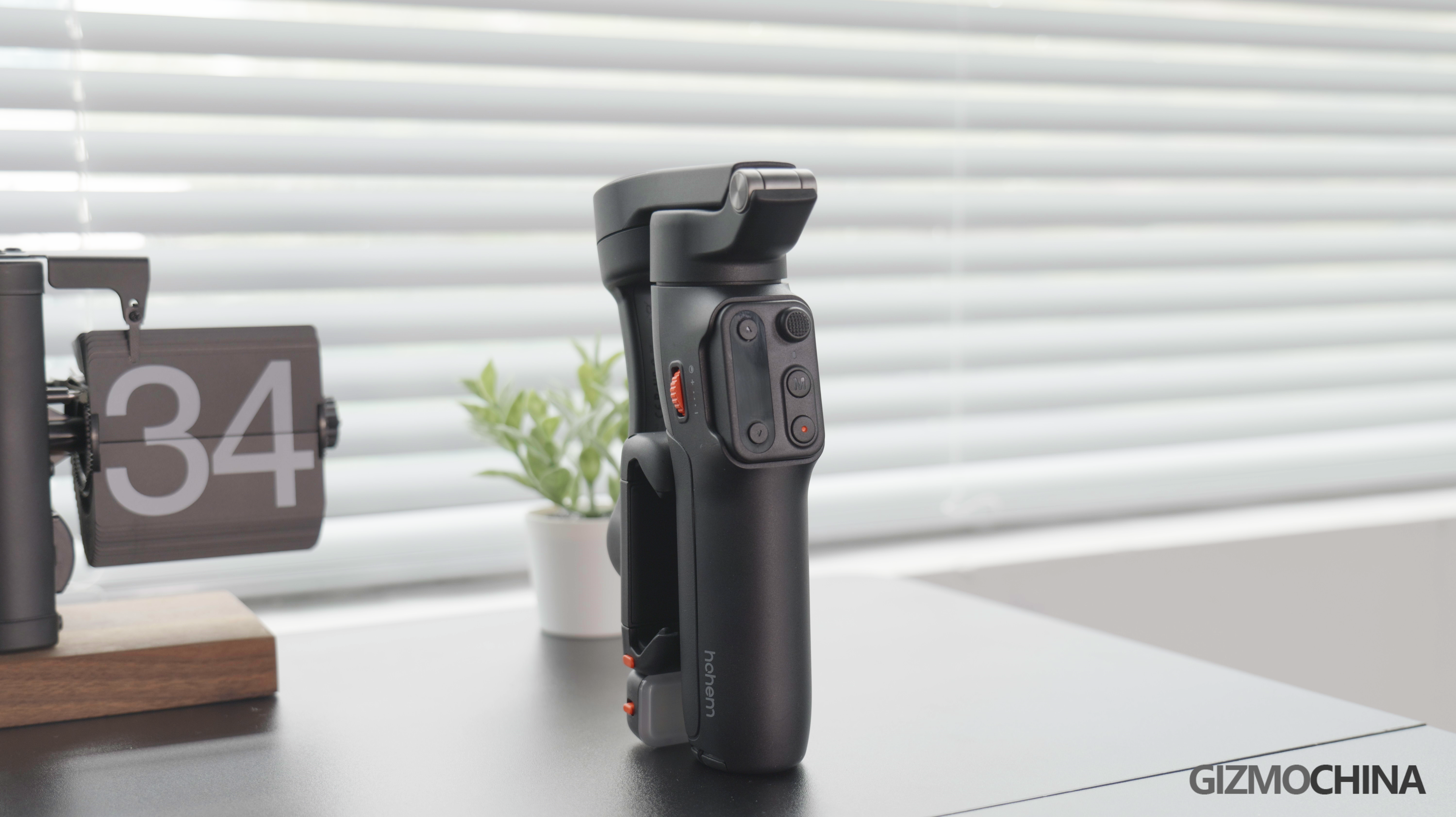
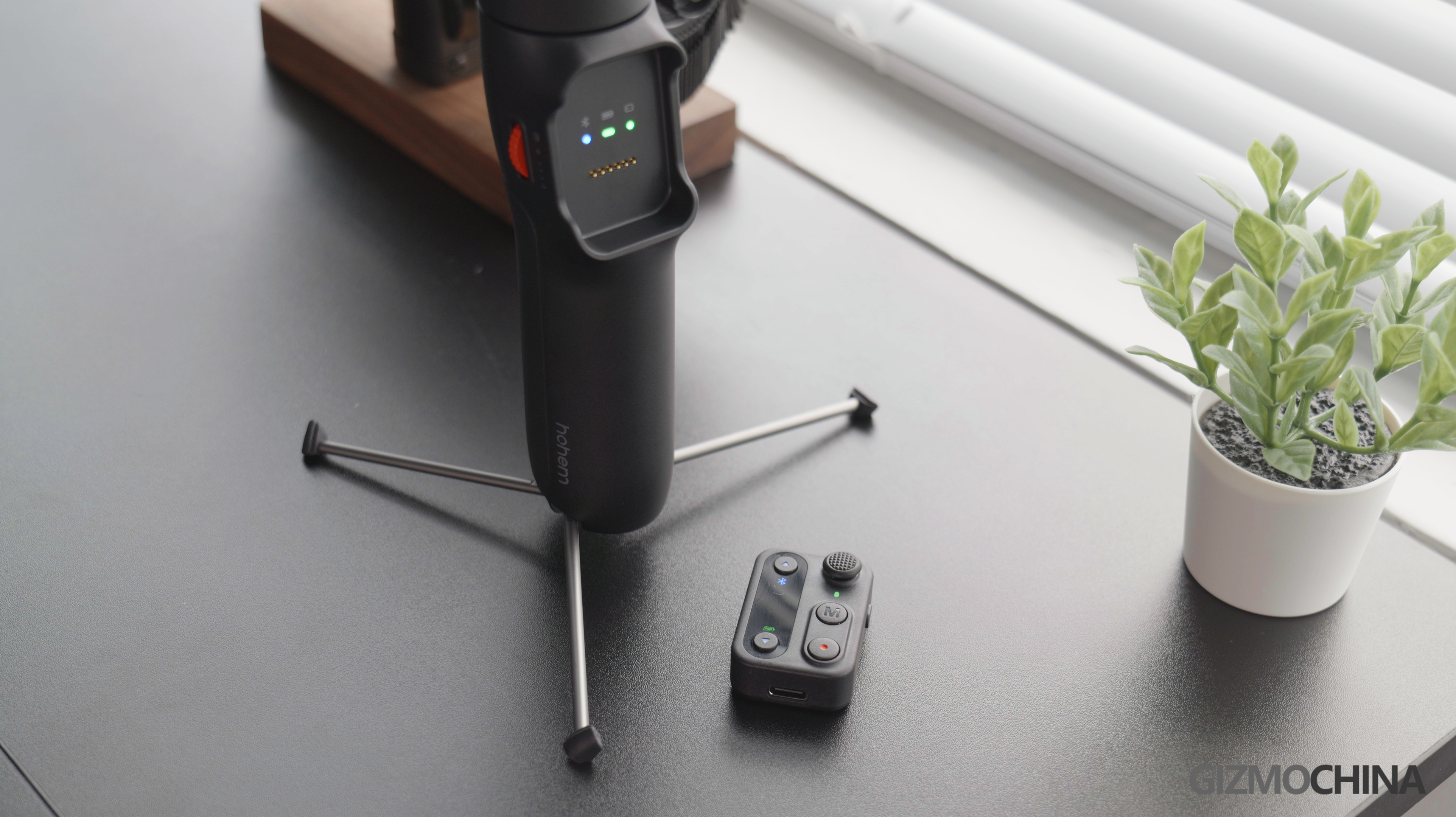
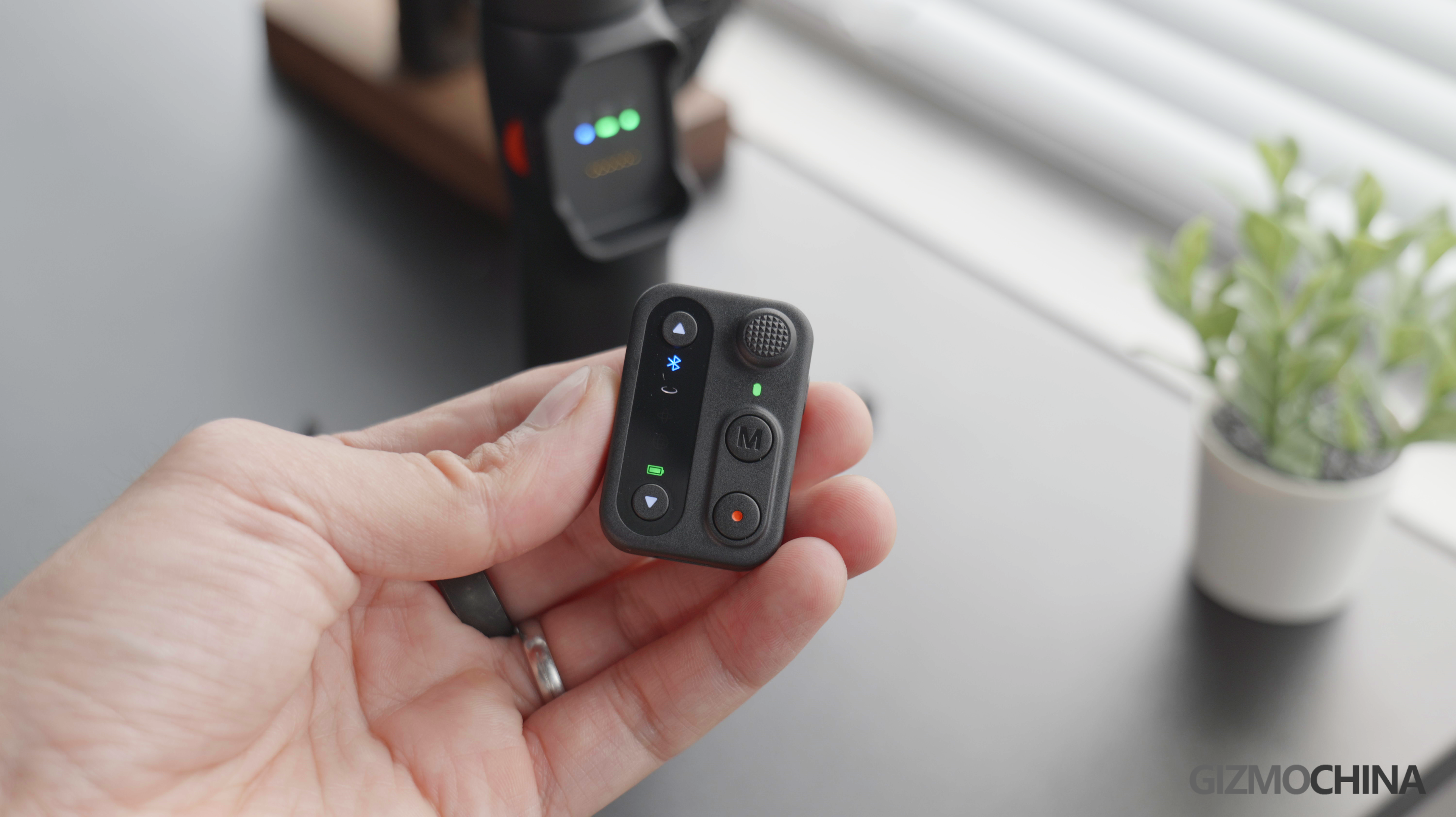
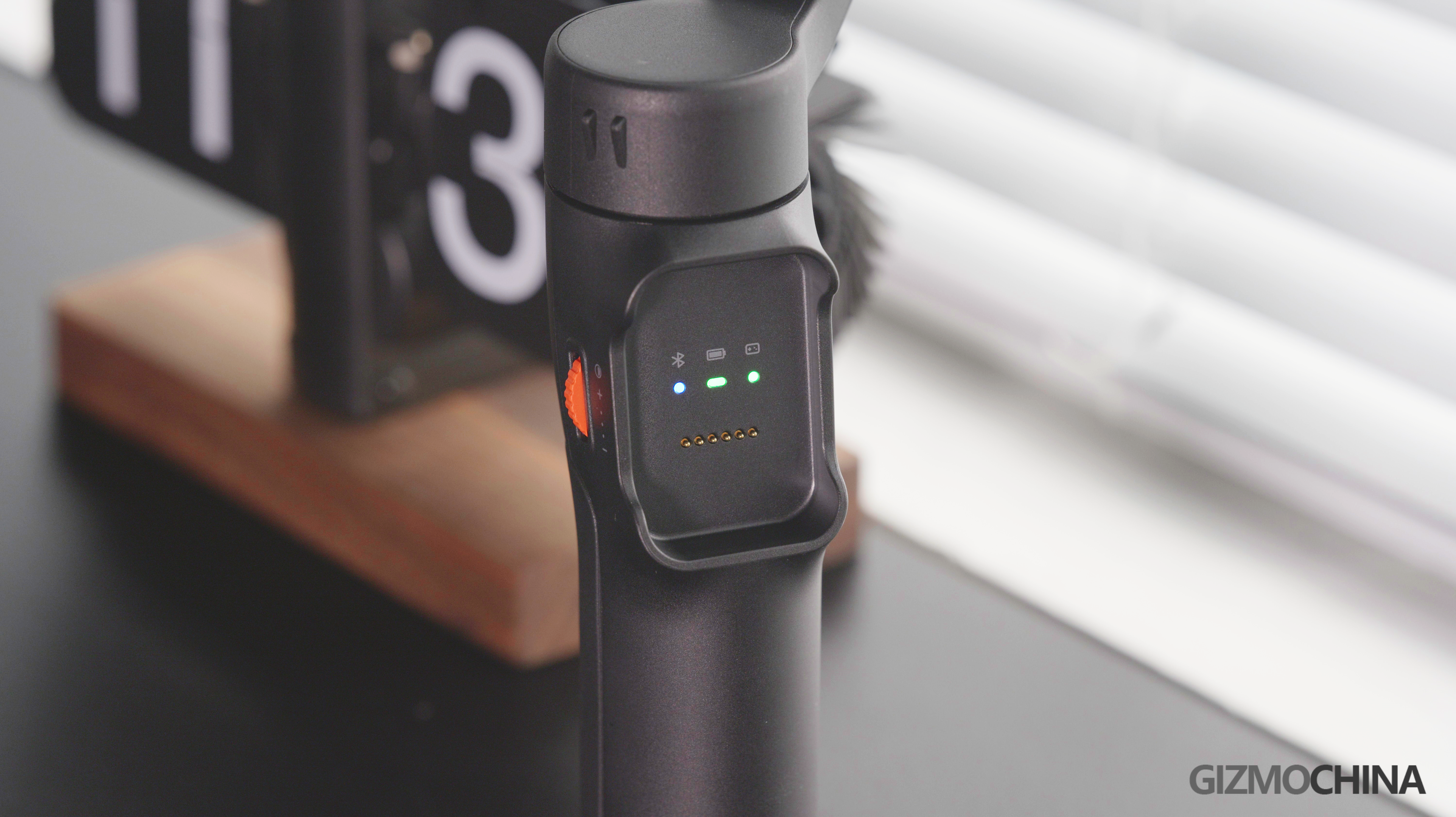
The remote control is another good design, it also connects to the gimbal through magnets and pins. When it’s on the gimbal, it serves as the control panel, and once it’s not on it, it connects to the gimbal by Bluetooth, that way you can do some filming from a distance. This little piece is very light and small, I wish it had a bit more weight or provided more grip, so if you hold it, it feels more secure.
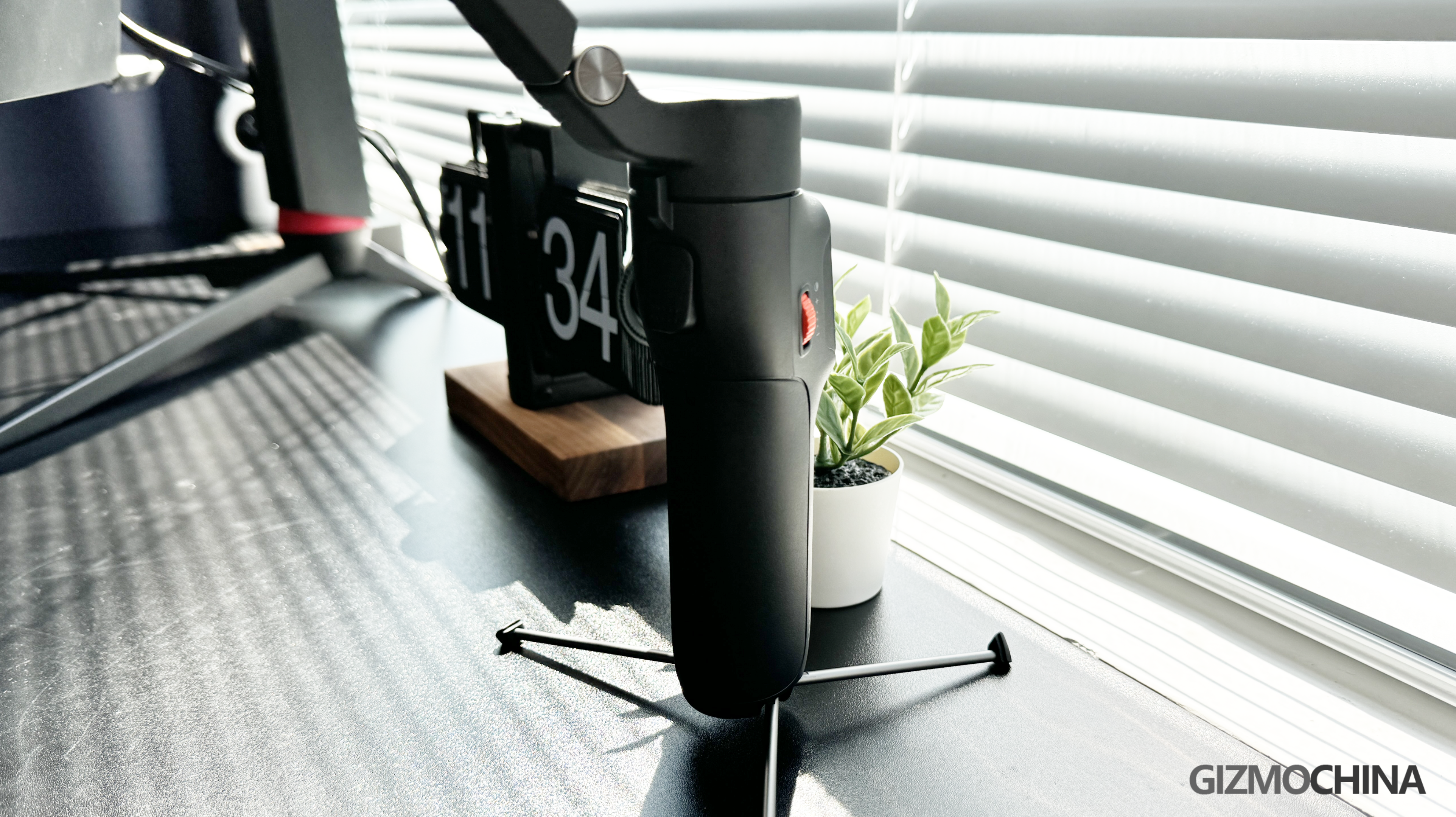
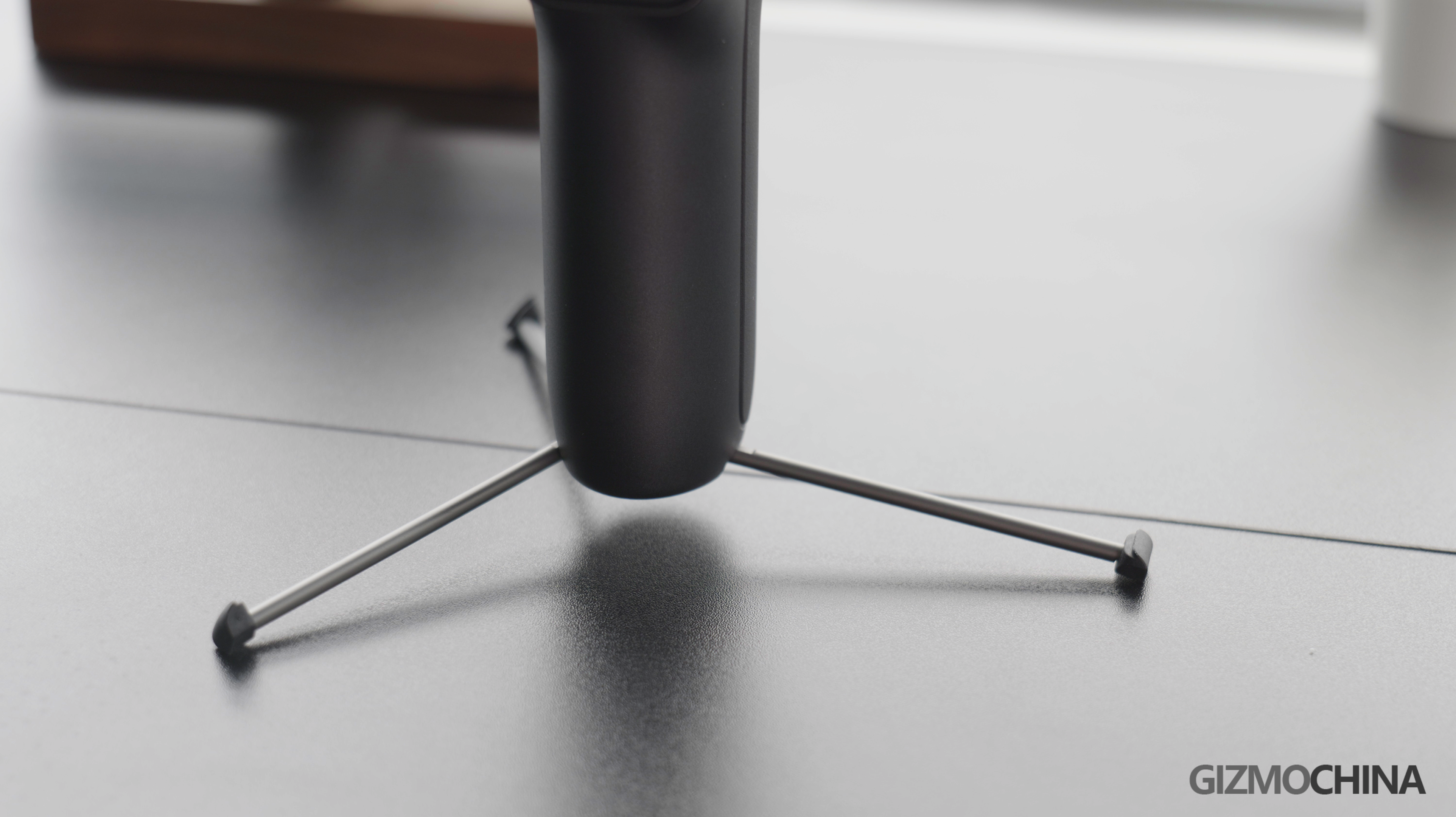
Other parts are also made with thoughts and quality. Such as the rubber grip at the front, provides a good comfort for you to hold it tight. The axis in the middle is a solid piece of metal, supporting every move very well. The other metal part is the tripod feet, although they look thin, they are actually very strong. The phone holder on the top also has some rubber inside, so your phone will be scratched. If the shooting scene requires you to have extended range, then the built-in stick can do the job well.
One thing you should pay attention here, is since it takes a bit of effort to put the phone on the gimbal, it is recommended to turn on the device after putting the phone on the gimbal, or if you grab the upper part to do it, the bottom part will be spinning, and if you have the tripod out already, you may get hit by it.
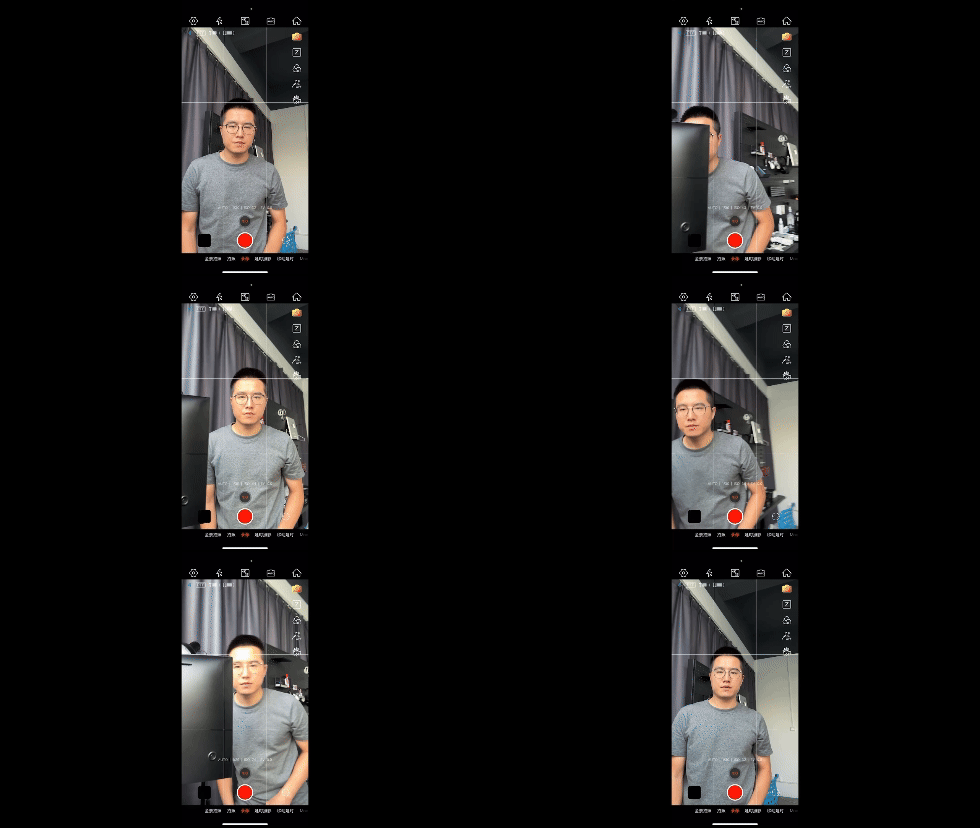
Let’s get into the AI tracking feature first. In normal-use scenarios like tracking casual movements of a person or some objects, it can pretty much do the job really well. In tracking a person’s move, once it’s locked in the mode, it will never lose focus, even if you go at a distance, it will always be in focus; if you hide behind something and then pop out, it will still regain the focus instantly. We also tested its capability in a sports situation, once you turn the tracking speed to high, it can keep up with the paces really well.
video quality has been moderatedvideo quality has been moderatedvideo quality has been moderated
During the time trying out the tracking feature. Here are some insights we’d like to share:
The gesture control can only be activated at a certain distance, it claims 1.64-4.92ft(50-150cm), which means you can not be too close to the camera, or too far from the gimbal camera. In the real test, the minimal distance is just like it says, but the longest distance we tested was about 10ft (300cm), this is a performance beyond our expectations. We also tried to cover the camera on the phone to see if the gimbal have utilized that one to do the job, but it turned out that it does not, which means it is the camera on the gimbal doing an excellent job.
To activate the tracking feature, you should put your hand just next to your face, and your face should be in the frame, if these requirements are not met, then it can not be activated
If you want to track some objects, or an animal, you need to manually select it in the frame to be able to do that, whether on your rear camera or front camera.
The tracking works well on both iPhone and Android phones.
Stabilization
The stabilization algorithm of Hohem has been evolving, and it’s the 8th gen now, I must say it is working really well, not just in the user experience, but also in the speed and accuracy. There are several modes to choose from, to support very slow movements, or really quick movements like some sports scenes. When it’s moving, it does not wobble or anything, even with the heavy iPhone 15 Pro Max on it. So you can really trust the performance out of it.
Fill Light
The other feature built into this tracker unit is the fill light. You can turn it on or off by long pressing the wheel at the side, then double press to change the color temperature, and scroll the wheel to get the right brightness. Once the remote control is detached from the body, you can also use that to adjust the settings, but it seems that it can only change the color temperatures, but not the brightness. There are three color temperatures, you can choose between warm, medium, and cold, to adapt itself to different situations. This can be a really good tool to use for selfies.
Remote Control
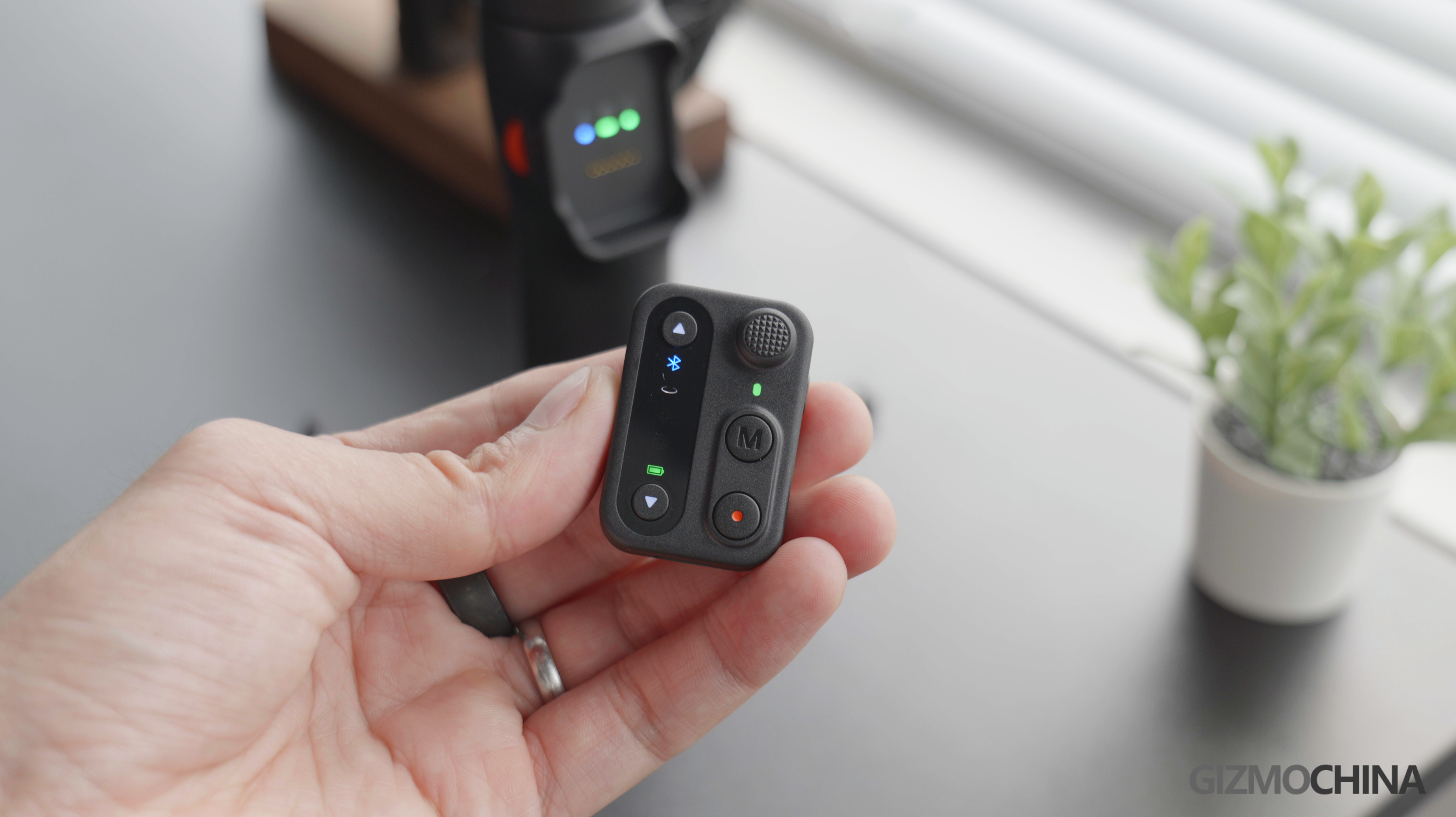
Now let’s talk about the detachable remote control. When it is on the device, it is the control panel, but when it is detached from the device, it can work remotely. There are several buttons and a small screen on it. On the screen, you can confirm whether it is connected to the device or not by checking on the Bluetooth icon, and the icons below that one will tell you what mode it is in, then the battery indicator at the bottom. Just on the screen, there are two buttons for you to change the brightness of the fill light. On the right side, there is a joystick button for you to control the movements of the gimbal, and there is the pattern on it for better grip. Moving down, there is the Mode button and record button, they work seamlessly with the device, simply double press or click to toggle through different functions. There is also another button at the side to enable you to do some other stuff, you can read the manual to get to know more, along with some other controls of the remote. So overall, this remote is such a versatile tool, it makes a lot of shots available if you are shooting things alone, or you want some creative shots to be made.
Other Features
Some other features that worth mentioning about this gimbal.
The tripod stands are quite useful when you are shooting videos from a distance, they blend into the tripod without you even noticing them, but they are really firm when the device is on an even table.
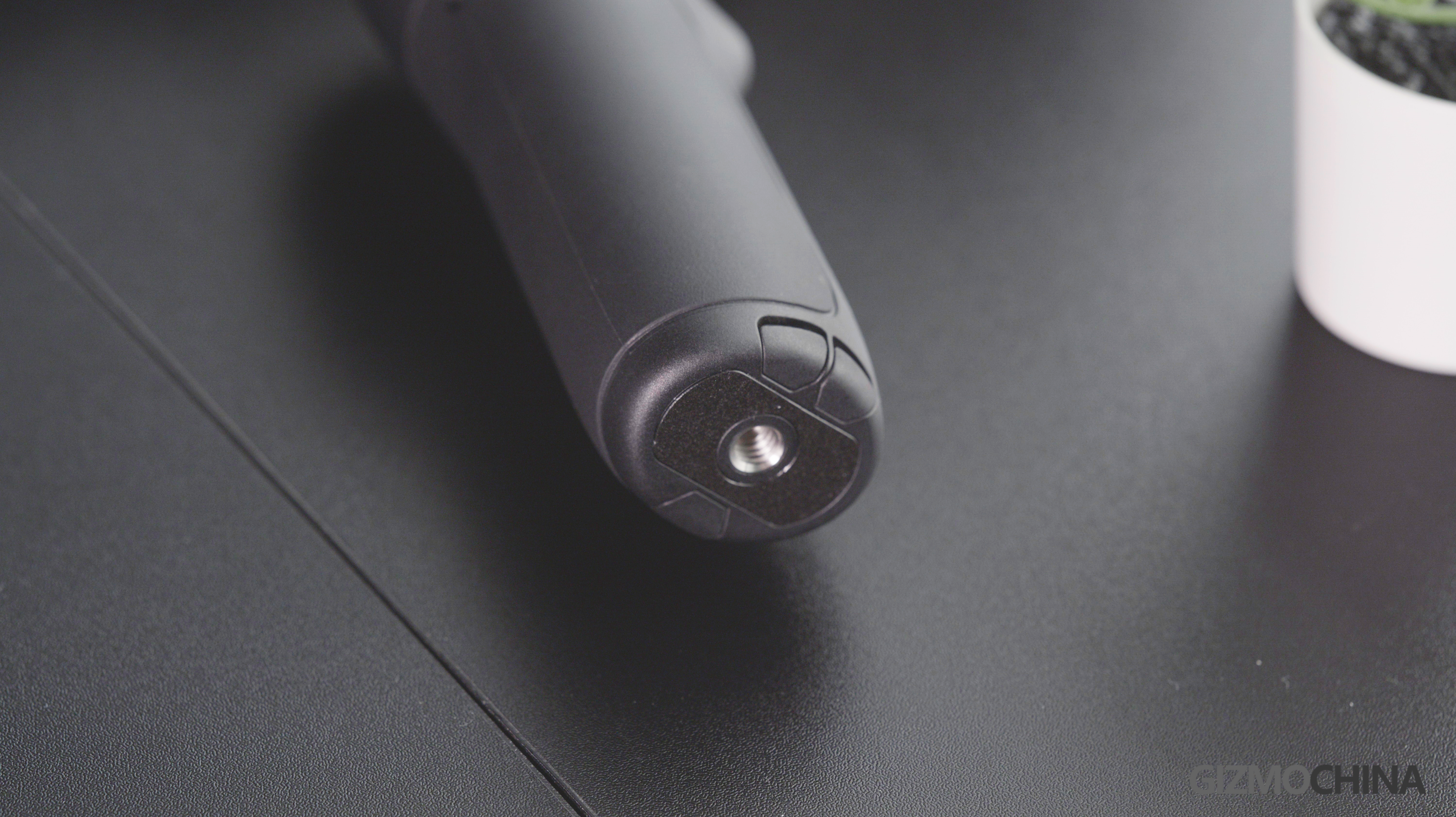
The 1/4″-20 Screw mount and the extended stick can make more shots possible.
It claims 13 hours of use when the gimbal is standing on the ground, and 4 hours with all the functions running. In our tests, we did not get to drain the battery though, but such battery life is good enough to support any shooting needs, and you can always charge the gimbal through the type-c port at the side.
Verdict
So these are the features and our experience with the Hohem iSteady V3 Smartphone Gimbal, it is such a versatile tool to use, the AI tracker and remote control are the highlights of this device. You can do a lot of creative things with this device, if you are an individual filmmaker, or livestreamer, this can help you a lot. And if you are looking for your first smartphone gimbal, this is also the best choice.
Samsung’s flagship Galaxy S23 series is receiving the new August 2024 security update. The Galaxy S23 series surprises users with its superior features. The Galaxy S23 series doesn’t have significant differences when compared to the latest Galaxy S24 series and they still work smoothly. The Galaxy S23 series has a Snapdragon 8 Gen 2 processor. Samsung promised 4 major updates for these smartphones and they will receive new Android updates until Android 17. The devices will also receive their last major update, Android 17.
The Galaxy S23 series received the August 2024 security patch, what’s next?
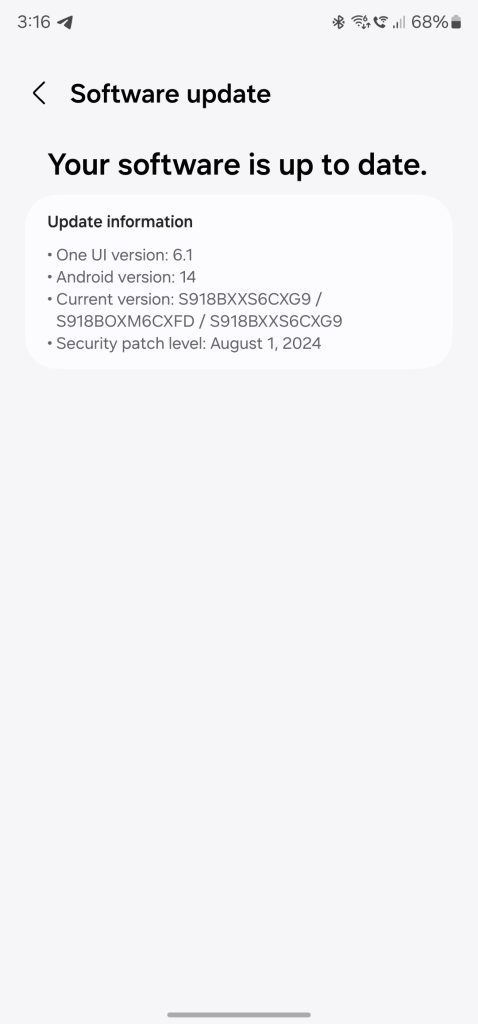
The Galaxy S23 series consists of 3 different models: Galaxy S23, S23+ and S23 Ultra. Yesterday, August 12, 2024, the Galaxy S23 series received the August 2024 security update. This update fixes important security vulnerabilities and improves system optimization. I use the Galaxy S23 Ultra in my daily life and I have the Thailand ROM.
Therefore, the build number of the update for Thailand will be as follows: S918BXXS6CXG9 / S918BOXM6CXFD/S918BXXS6CXG9. There may be some changes in the build number depending on the region. But when you see that the update has the August 2024 security patch, you will know that this is the newly released update.
Galaxy S23 series received the August 2024 security patch, so what’s next? We expect smartphones to receive the One UI 6.1.1 update within 2 weeks. At the same time, we should not forget the One UI 7.0 test, which is expected to start in the near future. Probably the Galaxy S23 series will be included in this testing phase and users will be able to experience the One UI 7 beta.
We are eagerly waiting to see what the new One UI 7 version will offer. Samsung is rumored to make significant changes with this update. Hopefully, One UI 7 will be a smooth update and will satisfy users. I will share my experiences when the Galaxy S23 Ultra receives the One UI 7 update.
Xiaomi 14 Ultra starts receiving the August 2024 security patch. Xiaomi has quickly released a new update to its premium smartphone. This update brings a new security patch and includes important optimizations. It’s not surprising that the brand’s most popular device received this update so quickly.
Xiaomi 14 Ultra August 2024 Security Update
Xiaomi 14 Ultra has officially received the August 2024 security update in 3 different regions. Global, European and Indian ROMs continue to receive the update gradually. If you haven’t received the update yet, don’t worry. Xiaomi will be rolling out the new August 2024 security update to all users very soon. The build numbers of the update are OS1.0.11.0.UNAEUXM, OS1.0.10.0.UNAMIXM and OS1.0.9.0.UNAINXM respectively. “EU” stands for Europe, “MI” stands for Global, and “IN” stands for India.
The update size varies by region. It’s 401MB for India, 505MB for Europe and 628MB for Global. These small differences are normal. The new updates coming to the device are basically the same. The new August 2024 security update fixes system bugs and offers some optimizations. This is the 5th device Xiaomi has released the August security patch for, the Xiaomi 14 Ultra. Do you want to know more about the Xiaomi August 2024 security update? If so, you can click here.
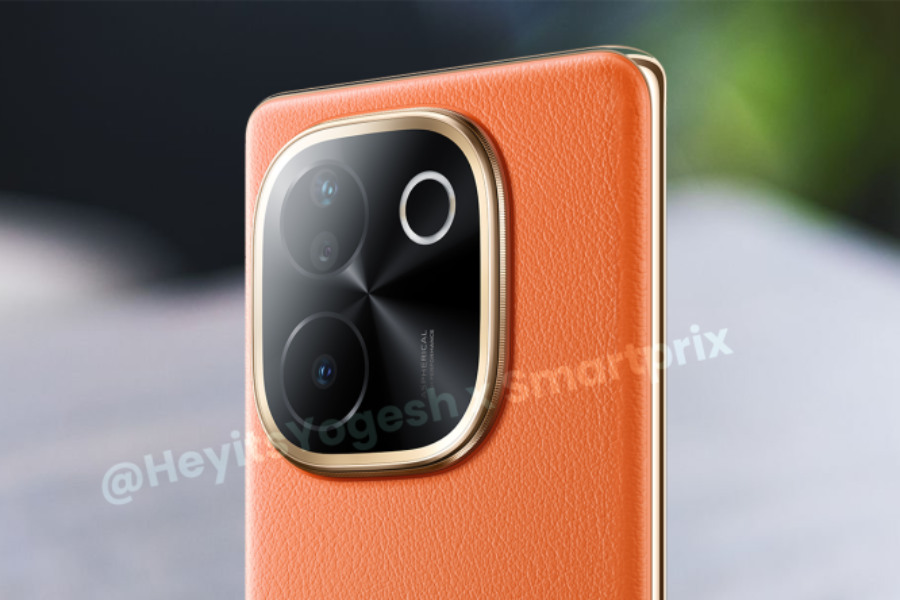
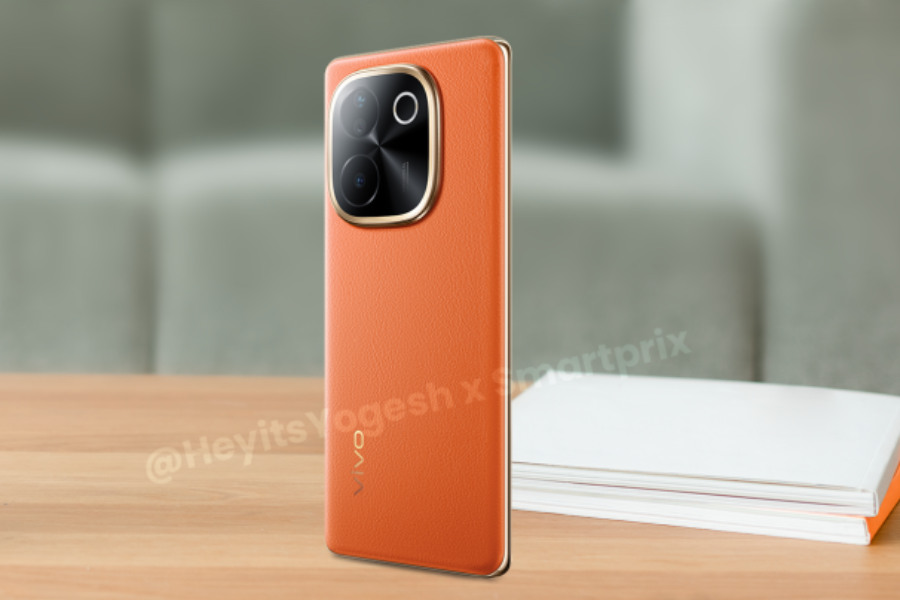
Vivo‘s T-series has seen a steady stream of releases in 2024, with the T3, T3 Lite, and T3x already available in some markets. A recent leak has revealed a new addition to the lineup, the Vivo T3 Pro, whose official-looking renders and some key specs have now surfaced online, courtesy of a report by SmartPrix.
Visually, the leaked image shows the phone doesn’t bear resemblance to any other T3 series phone. Rather the rear design is reminiscent of the iQOO 12, a phone from Vivo’s sub-brand. It has a squircle-camera island positioned on the left consisting of three camera lenses and a LED ring light.
Performance-wise, the T3 Pro is rumored to be powered by the Qualcomm Snapdragon 7 Gen 3 SoC. This positions it firmly in the mid-range segment, likely catering to users seeking a balance between affordability and performance.
Battery life could be another selling point for the T3 Pro. It is said to accommodate a sizeable 5,500mAh battery that should offer a full day or more of charge depending on usage patterns. Notably, the leaks claim the phone achieves this capacity while maintaining a thin profile of just 7.49mm.
The display remains unconfirmed, but it could be an AMOLED panel with a 120Hz refresh rate. As for the camera, it will be a 50MP main sensor with a Sony sensor.
As for the price, the Vivo T2 Pro was launched at INR 23,999 (around USD 290). The T3 Pro is likely to fall within a similar range. Vivo hasn’t yet revealed an official launch date for the smartphone, but the report suggests the phone could arrive in India sometime in September 2024.
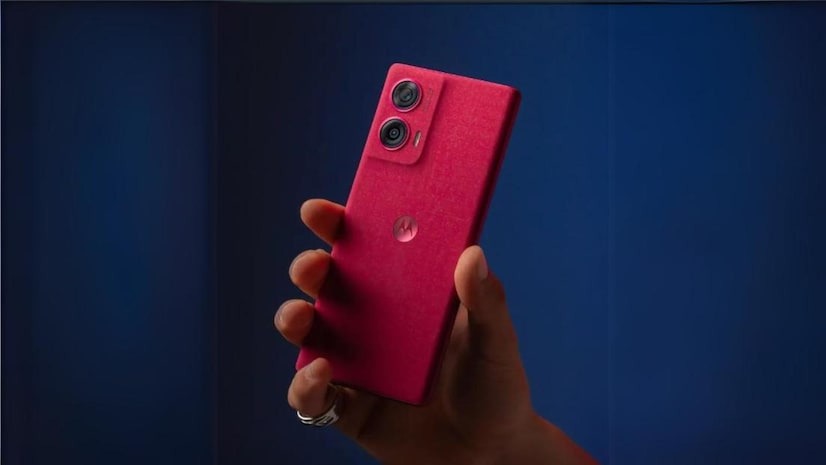
Motorola has been quite active in the Indian smartphone market, especially in the under 20K segment. The recent launches of Moto G85 5G and Edge 50 Fusion have added to the company’s portfolio, offering consumers a range of options to choose from. Let’s break down these two models to help you decide which one suits your needs best.
Priced under 20K, the Moto G85 5G is Motorola’s offering for budget-conscious buyers who don’t want to compromise on essential features. It boasts a 6.67-inch FHD+ curved pOLED display with a 120Hz refresh rate and up to 1600 nits brightness, protected by Corning Gorilla Glass 5.
Under the hood, it comes with Snapdragon 6s Gen 3 chipset which ensures decent performance for everyday tasks and light gaming. For graphics, it features an Adreno 619 GPU. The device comes with options for 8GB or 12GB of RAM and 128GB or 256GB of UFS 2.2 storage. It runs on Android 14 with My UX.
The camera setup includes a 50MP Sony LYT-600 main sensor with OIS for stable shots, an 8MP ultra-wide camera, and a 32MP front-facing camera. While it might not match the camera capabilities of the Edge 50 Fusion, it still captures decent photos in good lighting conditions. The 5000mAh battery with 30W fast charging ensures you stay powered throughout the day.
The G85 5G shines in terms of its build quality and design. The vegan leather back adds a premium feel, and the IP52 water resistance offers some protection against splashes. It also comes with stereo speakers with Dolby Atmos support. With Android 14 out of the box and promised software updates, you can be assured of a smooth and up-to-date user experience.
Who is it for?
The Moto G85 5G is ideal for users who prioritize a good display, decent performance, and long battery life without breaking the bank. It’s a solid choice for students, young professionals, or anyone looking for a reliable daily driver.
Please Note: When you buy something using the links in our articles, we may earn a small commission at no cost to you.
2. Motorola Edge 50 Fusion: A Premium Experience
If you’re willing to stretch your budget a bit (by 1-2K), the Edge 50 Fusion offers a significant upgrade in terms of display, performance, and camera capabilities. It sports a curved 6.7-inch FHD+ pOLED display with a higher 144Hz refresh rate for even smoother visuals. The display also supports HDR10+, up to 1600 nits peak brightness, and is protected by Corning Gorilla Glass 5.
Powered by the Snapdragon 7s Gen 2 chipset with an Adreno 710 GPU, the Edge 50 Fusion offers strong performance, effortlessly handling demanding tasks and games. It comes with 8GB or 12GB of RAM and offers storage options of 128GB or 256GB. Like G85, the device also runs on Android 14 with My UX on top.
The camera system on the Fusion is a standout feature, with a 50MP Sony LYT-700C main sensor with OIS and a 13MP ultrawide camera capable of capturing impressive photos and videos. It also comes with a 32MP sensor on the front.
The Edge 50 Fusion features an IP68 rating for dust and water resistance, a luxurious vegan leather finish, and a large 5000mAh battery with 68W fast charging. It also includes an in-display fingerprint sensor and stereo speakers with Dolby Atmos.
Who is it for?
The Edge 50 Fusion is for users who want a proper midrange smartphone experience without breaking the bank entirely. It’s perfect for photography enthusiasts, gamers, and those who value a stylish design and robust build.
Please Note: When you buy something using the links in our articles, we may earn a small commission at no cost to you.
3. Which One Should You Choose?
Moto G85 5G is the clear winner if you have a strict budget of under 20K and prioritize a good display, decent performance, and long battery life. It offers excellent value for money.
Motorola Edge 50 Fusion is of course the better choice if you can stretch your budget a little and want a premium experience with a stunning display, powerful performance, and a superior camera system. It’s a great option for those who demand the best.
Ultimately, the best choice depends on your specific needs and priorities. Consider your budget, the features you value most, and the kind of usage you expect from your smartphone.
Recently, Realme C63 5G made its debut in India. The device is the 5G version of Realme C65 that was released a month ago.
The 4G-only model is priced at ₹8,999 for the sole 4GB + 128GB variant. On the other hand, the 5G version is offered in 4GB + 128GB, 6GB + 128GB, and 8GB + 128GB variants priced at ₹10,999, ₹11,999, and 12,999, respectively.
In our opinion, one should opt for the version with at least 6GB RAM if they intend to buy Realme C63 5G. This makes their purchase ₹3,000 more expensive than the LTE-only Realme C63.
So what do you get for paying a bit more? Let’s find out below.
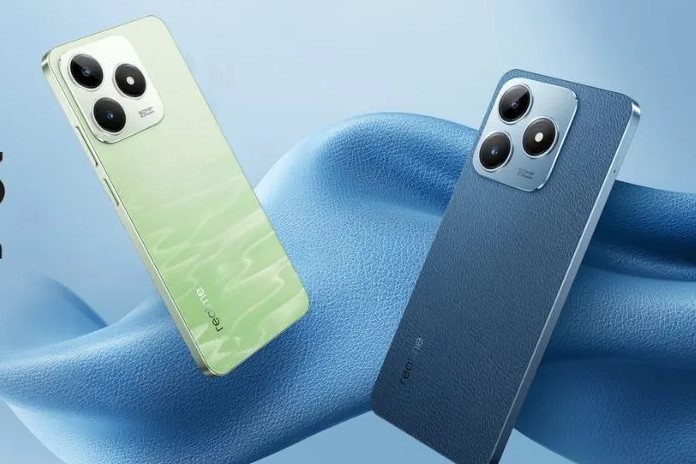
Though Realme C63 and Realme C63 5G share the name, they look different from each other. Although both of them have a flat frame, their camera module and button placements are dissimilar.
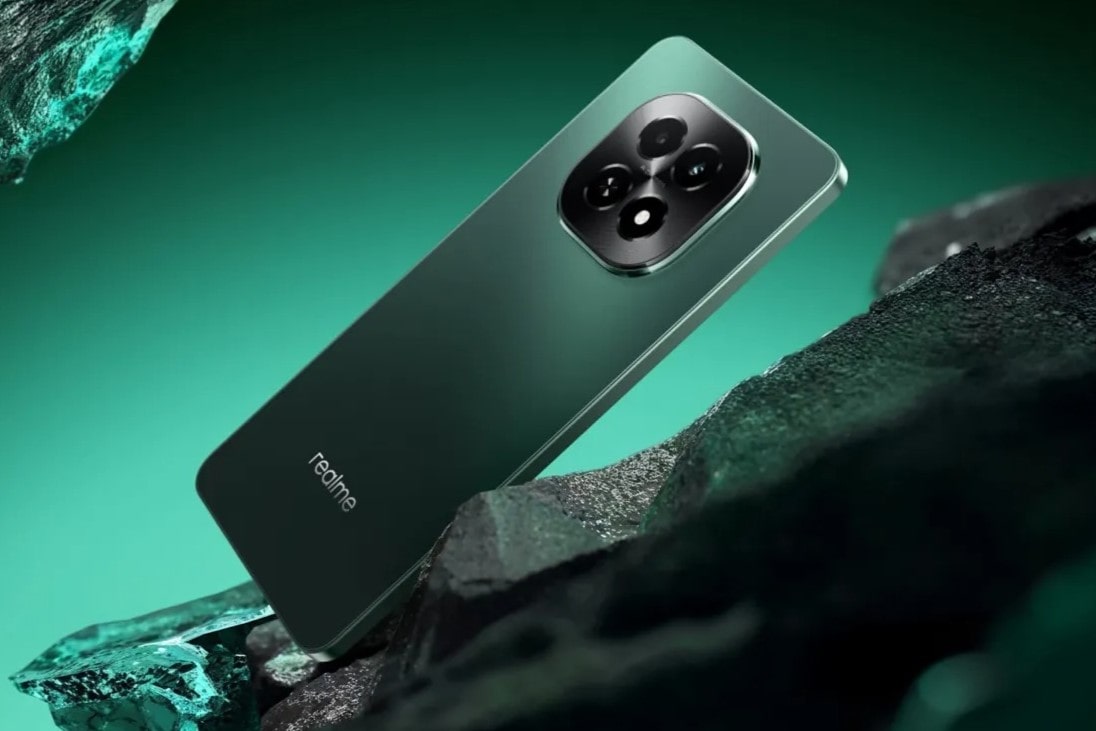
The 4G variant has an iPhone-like camera placement. On the other hand, the 5G version’s camera island is inspired by the Huawei Mate 20 Pro.
The LTE model comes in Leather Blue and Jade Green color variants as opposed to Starry Gold and Forest Green variants of the 5G model.
2. Faster Chip
The regular Realme C63 houses a 12nm Unisoc T612 chipset. Whereas the Realme C63 5G is powered by a 6nm MediaTek Dimensity 6300 SoC.
The MediaTek chip inside the 5G variant is more powerful. At the same time, it offers a better battery life, at least on paper.
Both Realme C63 and Realme C63 5G are backed by an identical 5,000mAh battery. However, their charging speeds are different.
Despite being more expensive, the 5G variant is limited to standard 10W charging. Whereas the 4G version supports 45W SuperVOOC fast charging.
4. Better Display
The LTE-only Realme C63 sports a 6.7-inch HD+ (1600 x 720 pixels) display featuring a dewdrop notch. This LCD panel supports up to a 90Hz refresh rate, a 180Hz touch sampling rate, and 560 nits peak brightness level.
On the other hand, the Relam C63 5G arrives with a slightly smaller 6.67-inch centered punch-hole HD+ (1604 x 720 pixels) display. This LCD screen offers up to 625 nits peak brightness level, a 120Hz refresh rate, and a 240Hz touch sampling rate.
This means the display on the Realme C63 5G is smoother, brighter, and looks modern.
5. Lower Resolution Camera
Interestingly, the Realme C63 5G comes with a 32MP rear camera. This sensor is usually found on the front of mid-rangers.
While the 4G-only Realme C63 sports a standard 50MP main camera. As for selfies, both phones use an 8MP snapper.
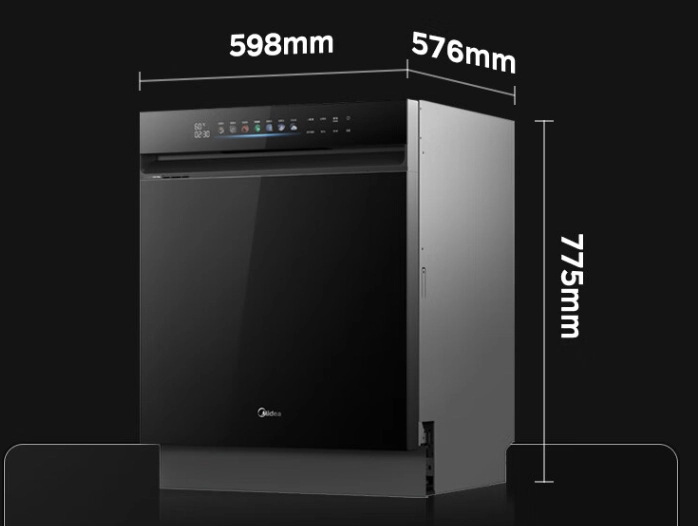
Midea has unveiled its built-in dishwasher X6 Pro, which is now available for pre-sale on JD.com for a price tag of 5,499 yuan (~$766). This product reportedly comes with 15 sets of cutlery capacity, can hold 102 pieces of dishware, and is designed to effectively utilize the available space.
It comes with a spray that can thoroughly clean hard to reach parts of dishware
The dishwasher adopts Midea’s patented universal 720° vertical spray technology, with widened spray arms up and down to fully wrap the cavity for spraying. The spray has a water pressure of 50KPa, which can reportedly clean heard to reach areas of dishware without an issue.
For the operation, it equips a BLDC variable frequency motor and also supports 105℃ hot air drying. Thanks to the hot air drying functionality, it can also quickly dry wooden equipment that is generally difficult to dry. This whole process of washing, drying, and storage is also disinfected to a four-star standard.
In addition to all of that, the dishwasher X6 Pro supports forced drainage and can maintain a dry environment in the storage area for a long time. Notably, the interior comes with an integrated seamless design, and the entire storage area is covered with stainless steel. It has a dimension of 775mm.x 598mm x 576mm
The dishwasher X6 Pro can automatically detect the dirtiness of the dishware and can adjust the washing time and water volume accordingly. It comes with 6 different washing modes – smart washing, super washing, energy-saving washing, quick washing, disinfection washing, and standard washing. It also supports fruit washing, seafood washing, and self-cleaning.
The product comes with a rated power of 1828W and weighs 45.2kg.
Lenovo has expanded its lineup of curved gaming monitors with the release of the 31.5-inch “R32qc-30”, following the recent launch of a 27-inch version. This new model is now available for purchase on JD.com, priced at 1889 Yuan ($263).
Lenovo R32qc-30 Monitor Specifications:
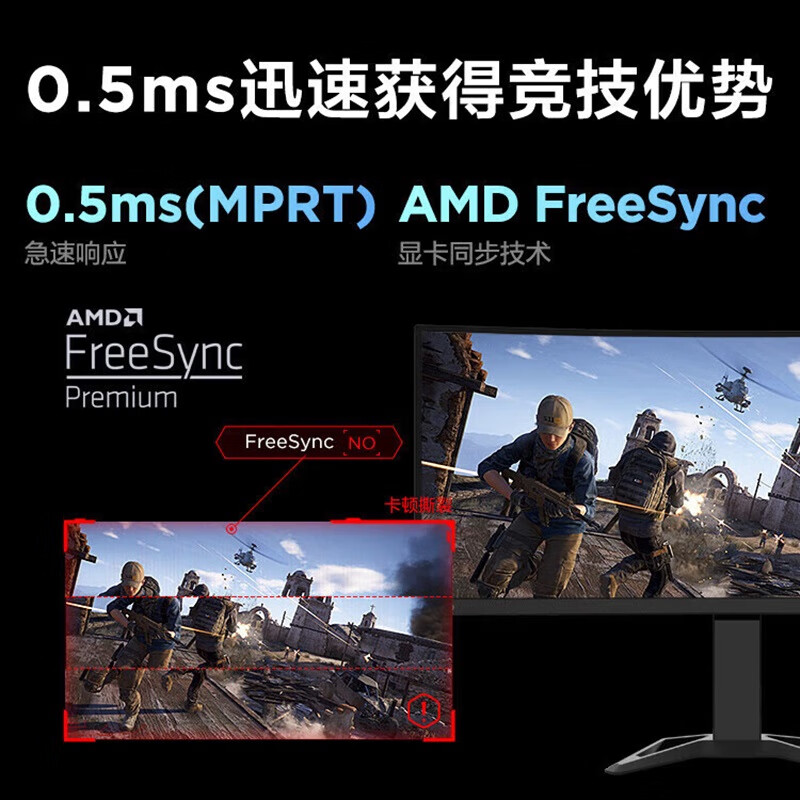
The gaming monitor features a 31.5-inch screen with a resolution of 2560×1440, offering a clear and detailed 2K display. It comes with a 180Hz refresh rate, which is ideal for smooth and fluid visuals. The display also supports a 0.5ms (MPRT) response time, reducing motion blur and providing sharp images, which is crucial for competitive gaming.
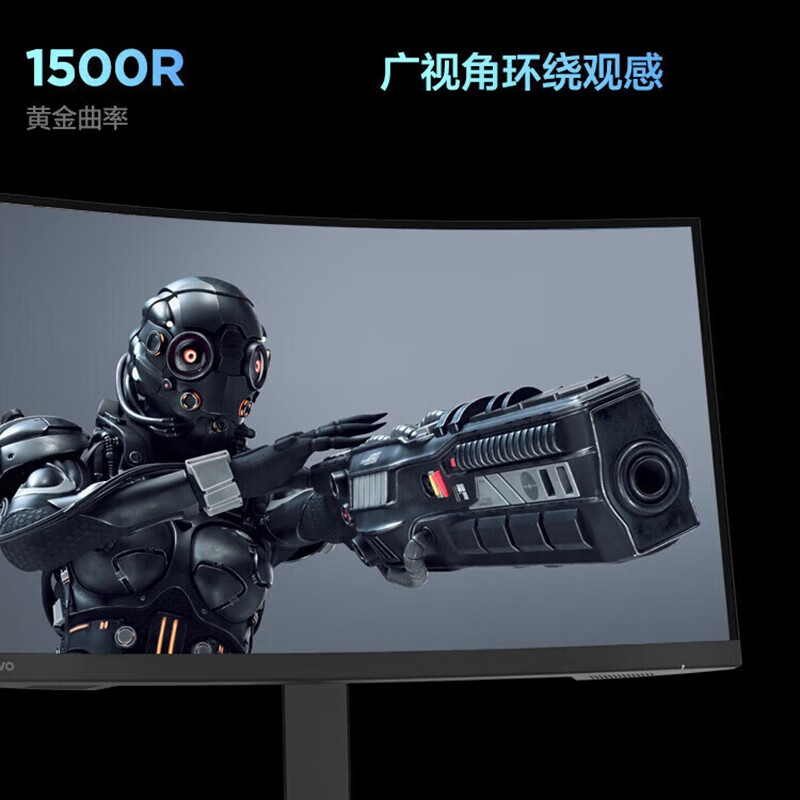
The monitor features a 1500R curvature, enhancing immersion by curving around the user’s field of view. Combined with a VA panel, it improves visual depth and reduces distortion, making it ideal for AAA games with detailed environments.
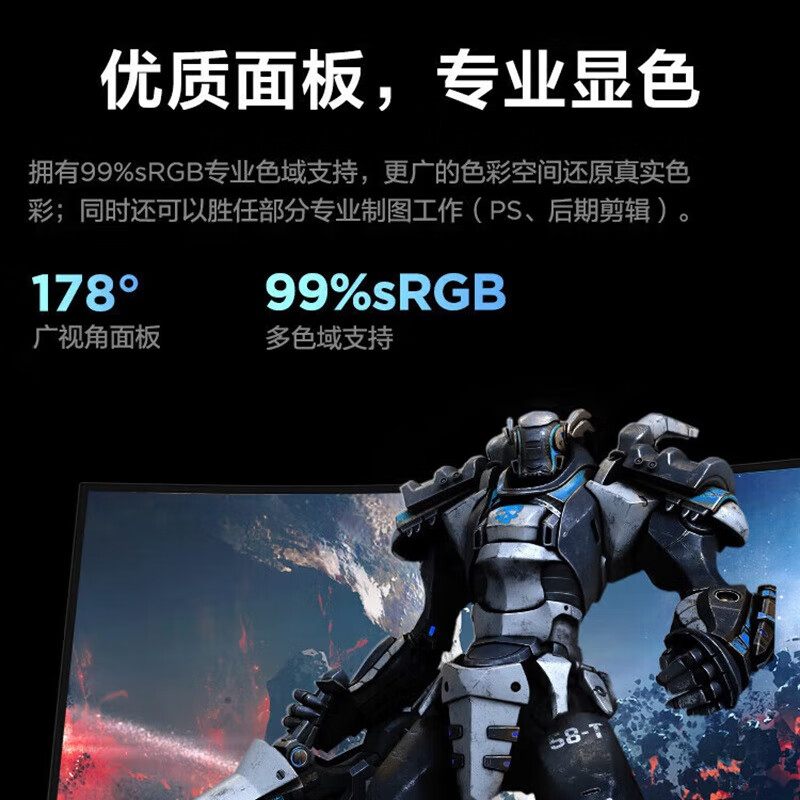
The display also covers 99% of the sRGB color gamut, ensuring accurate color reproduction, which is useful for both gaming and professional tasks like photo editing and video work. The screen features native low blue light technology, which reduces harmful blue light while preserving color accuracy and protecting the eyes.
The “R32qc-30” is equipped with AMD FreeSync technology, which synchronizes the monitor’s refresh rate with the graphics card’s output, reducing screen tearing and stuttering.
The monitor includes Lenovo Artery software for adjusting scene modes, color settings, and other game effects, with pre-set modes like FPS and scenery enhancing the gaming experience. It also comes with game assistance tools, such as an on-screen crosshair and frame rate display which offer additional customization.
In terms of connectivity, the monitor includes two HDMI ports, one DisplayPort, and a 3.5mm audio jack, offering versatile options for connecting to different devices.
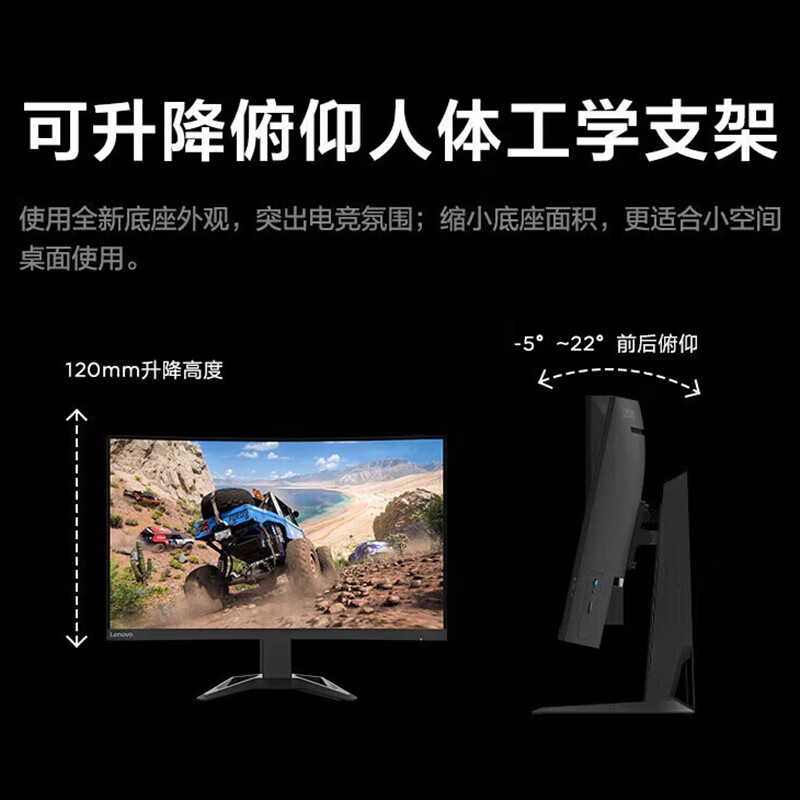
The stand of the monitor supports tilt adjustments from -5° to 22°, swivel, and height adjustments, allowing users to customize their viewing angle for maximum comfort. It also features a Kensington Lock for added security. Additionally, the monitor supports VESA 100x100mm wall mounting.
Apple is likely to launch the iPhone 16 series next month, which has already entered mass production. Now a recent report from an industry insider hints that the iPhone 16 series may not offer significant upgrades and that it could be better to wait for the iPhone 17 series.
Phone 17 Slim
The news comes from Bloomberg’s Mark Gurman who revealed that Apple has plans to release an ultra-thin iPhone 17 model, which may include “Air” in the model name. It could reportedly be a product between the iPhone 17 and iPhone 17 Pro. Gurman expects this new ultra-thin model to be “more popular” than the iPhone 12/13 mini and iPhone 14/15/16 Plus.
In addition to the “Air” model of the iPhone 17 series, Gurman also talked about some other future iPhone models. He speculated that Apple will want to incorporate the performance capability of the Pro iPhones into the smaller model, but the company may not be able to achieve this goal until at least 2027.
There could also be an “Ultra” model
He also revealed that there could be an “Ultra” iPhone model in the iPhone 17 series, that will also maintain a slim form factor. According to Gurman, the ‘Ultra’ model is more attractive than the speculated iPhone 17 Slim.
According to Ming-Chi Kuo, the new iPhone 17 Slim is anticipated to feature a 6.6-inch display that will have a resolution of approximately 2,740 x 1,260 pixels.
Thin and light mobile devices have an obvious limitation when it comes to battery capacity and performance, and the speculated Ultra model could become a more appealing option to many as compared to the rumored iPhone 17 Slim with comparatively better battery life and performance.
Gurman also talked about the iPhone SE 4, which will not only look like the iPhone 14 but will also support Apple Intelligence. If true, it means that the new phone is expected to be equipped with a high-performance chip that is capable of running the on-device LLM.
We use cookies on our website to give you the most relevant experience by remembering your preferences and repeat visits. By clicking “Accept”, you consent to the use of ALL the cookies.
This website uses cookies to improve your experience while you navigate through the website. Out of these, the cookies that are categorized as necessary are stored on your browser as they are essential for the working of basic functionalities of the website. We also use third-party cookies that help us analyze and understand how you use this website. These cookies will be stored in your browser only with your consent. You also have the option to opt-out of these cookies. But opting out of some of these cookies may affect your browsing experience.
Necessary cookies are absolutely essential for the website to function properly. This category only includes cookies that ensures basic functionalities and security features of the website. These cookies do not store any personal information.
Any cookies that may not be particularly necessary for the website to function and is used specifically to collect user personal data via analytics, ads, other embedded contents are termed as non-necessary cookies. It is mandatory to procure user consent prior to running these cookies on your website.