Beelink has announced the ME Pro 370, a device that functions as both a standard Windows mini PC and a network-attached storage (NAS) system. It uses AMD’s Ryzen AI 9 HX 370 processor and is available in two-bay and four-bay configurations.
Beelink ME Pro 370 Specifications
The ME Pro 370 is powered by AMD’s Ryzen AI 9 HX 370 processor, featuring 12 cores, 24 threads, boost speeds of up to 5.1GHz, and 36MB of combined cache.
It includes Radeon 890M integrated graphics and an XDNA 2 NPU, which provides up to 80 TOPS of AI performance across the system. For memory, the motherboard has dual SO-DIMM slots that support up to 256GB of DDR5-5600 RAM.
The board includes three M.2 2280 PCIe 4.0 slots, with each slot supporting drives up to 4TB. For larger storage arrays, the chassis accommodates either two or four 2.5-inch or 3.5-inch SATA drives, depending on the model you choose.
Since each bay supports hard drives up to 30TB, a fully populated four-bay unit can hold up to 132TB of total storage, while the two-bay version maxes out at 72TB. The internal layout uses a drawer mechanism to make drive installation straightforward.
As a NAS-oriented device, it includes dual Ethernet ports: one 10GbE connection for faster local network transfers and a standard 2.5GbE port. It also has a MediaTek MT7920 module for Wi-Fi 6 and Bluetooth 5.4.
The external port selection includes one 40Gbps USB4 port (which supports both data and video), three 10Gbps USB-A 3.2 Gen 2 ports, an HDMI port that outputs 4K at 60Hz, and a 3.5mm audio jack.
To manage heat, Beelink uses a blower-style fan, a vapor chamber, and aluminum heatsinks, all powered by a 150W adapter. The metal chassis is available in Obsidian Black or Deep Space Gray.
In related news, Minisforum has recently unveiled the MS-03 Mini PC, featuring an Intel Core Ultra 9 386H processor and support for up to 128GB of DDR5 memory.
For more daily updates, please visit our News Section.
Xiaomi has released the Smart Solar Camera 4 Pro 4G Dual-Camera Edition in China, following the start of its crowdfunding campaign last month. It is priced at 649 yuan ($96) and is built for outdoor surveillance in areas without access to Wi-Fi or electrical outlets, like construction sites or orchards.
Xiaomi Smart Solar Camera 4 Pro 4G Specs
The camera operates using a 9,900mAh battery and a 7.6W solar panel, which Xiaomi says provides continuous power without the need for manual charging. Instead of Wi-Fi, it relies on a built-in dual 4G SIM system. The device switches between networks automatically to maintain a connection and includes free data for remote monitoring through the Mi Home app.
For video, the device uses a dual-camera setup. Both cameras have 5MP sensors that record in 3K resolution with f/1.6 lenses. One is a fixed wide-angle lens for general monitoring, and the other is a pan-tilt-zoom camera with 355 degrees of horizontal and 95 degrees of vertical movement. They work together using AI tracking, allowing one lens to watch a broad area while the other follows a moving subject.
For nighttime surveillance, the cameras use a combination of white and infrared LEDs. The system defaults to standard infrared night vision, but if it detects a person in the dark, it turns on the white LEDs to capture the footage in color.
To manage local microSD storage (up to 256GB), the camera uses an Always-On Video system. It records a time-lapse at one frame every two seconds when the area is quiet, which cuts storage use by about 90%. Normal recording resumes as soon as the camera detects a person or vehicle.
The hardware is IP66-rated for dust and water resistance to handle outdoor weather. It includes two-way audio with noise reduction, integrates with Xiaomi’s HyperOS Connect smart home platform, and can trigger a built-in siren and flashing lights if it detects unusual activity, sending a push notification to the user’s phone at the same time.
In related news, Xiaomi has recently introduced a smart bathroom heater with automated lighting, heating, and airflow controls. The company also launched a new smart water flosser featuring a color display, app connectivity, and up to 105 days of battery life.
Asus has launched the Adol HC112, an 11-in-1 USB-C docking station that combines high-speed connectivity, multi-monitor support, and 100W power delivery in a compact design. The dock is priced at 329 yuan ($48), with a promotional launch price of 299 yuan ($44).
Asus Adol HC112 Specifications
The Adol HC112 features a compact aluminum alloy design, measuring 116 x 48 x 15 mm and weighing just 81 grams. Despite offering 11 ports, it remains highly portable, with a metal chassis that aids heat dissipation and a braided USB-C cable designed for improved durability.
For display output, the dock features HDMI and DisplayPort 1.4 connectors with support for up to three displays simultaneously on compatible systems. It supports both mirror and extended modes, with resolutions of up to 8K at 30Hz via DisplayPort, 4K at 120Hz via HDMI, and 1080p at up to 240Hz for high-refresh-rate gaming.
The dock equips three USB-A 3.2 ports and one USB-C 3.2 port, offering data transfer speeds of up to 10Gbps. It also features a Gigabit Ethernet port for reliable wired connectivity.
The dock features SD and microSD card readers with simultaneous card access support. It also comes with a 3.5mm audio jack for connecting headphones or speakers.
To keep host devices powered, the HC112 includes a dedicated USB-C Power Delivery (PD) input that supports up to 100W passthrough charging via the PD 3.0 protocol. This allows users to charge a laptop while fully utilizing the expansion ports.
The Asus Adol HC112 operates as a plug-and-play device, requiring no additional drivers. It is compatible with Windows, macOS, Linux, Android, and iPadOS, provided the host device features a full-function USB-C port capable of handling data, display, and power transmission.
HMD Global, the company behind Nokia phones and its own HMD lineup, is pushing forward with several interesting projects. Recent insider info has helped clear up what’s real and what’s just rumor, especially around the Fusion 2 modular phone and the XR22, while shooting down some fake design concepts.
According to reliable X tipster @smashx_60 (citing insiders), the Fusion 2 is still actively in development. There had been speculation that the modular project might get canceled due to high costs and profitability worries, but the source claims it’s still alive. It’s expected to have a completely different design and approach compared to the first model. This could mean smarter modularity or changes aimed at making it more practical and affordable.
For those who missed it, the original HMD Fusion launched in 2024 with an affordable modular system using interchangeable “Smart Outfits” for things like extra protection or gaming grips. It had a 6.56-inch 90Hz HD+ LCD, Snapdragon 4 Gen 2 chip, 108MP main camera, and strong repairability features. The Fusion 2 is rumored to step things up with a larger 6.58-inch Full HD+ 120Hz OLED display, a faster Snapdragon 6s Gen 4 processor, an 8MP ultrawide camera, and better IP65 dust/water resistance. There’s also talk of new Gen 2 outfits and continued support for 3D-printed accessories.
On top of that, the XR22 is confirmed to be in the works as the successor to the tough HMD XR21. The XR21 earned praise for its extreme durability (IP68/IP69K and MIL-STD-810H), solid performance, and reliable camera. The XR22 is expected to carry on that rugged spirit with upgrades in performance and cameras.
On the flip side, rumors about a Skyline 2 GT variant and a Skyline 2 with a funky circular camera module have been called fake by the same source. The regular Skyline 2, however, is still moving ahead with upgrades like a brighter 144Hz OLED screen, Snapdragon 7s Gen 4 chipset, better cameras (possibly dual 50MP sensors alongside a 108MP main), and Qi2 wireless charging.
Overall, these updates show HMD trying to strike a good balance between fresh ideas and real-world practicality in the budget and mid-range market. The modular Fusion concept is especially interesting: it brings back memories of projects like Google’s Ara or Moto Mods, but with a bigger focus on affordability and easy repairs.
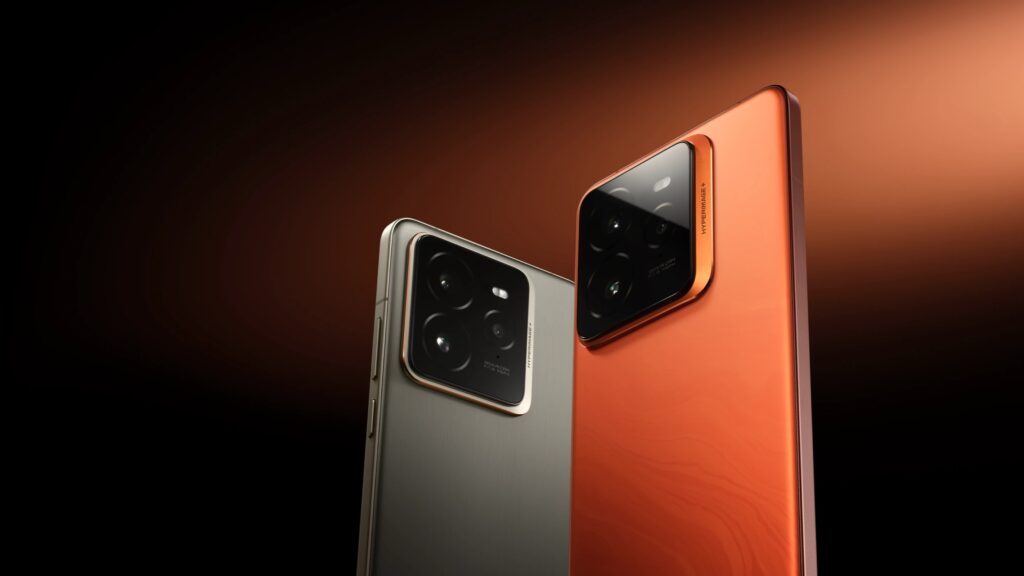
A new Xiaomi 18 series phone has shown up on China’s SRRC network certification database, adding fresh evidence that the lineup’s launch is getting closer. Tipster Digital Chat Station shared the update today, revealing the device carries model number M154FF.
The listing shows the phone supports the N79 5G band along with UWB (ultra-wideband) technology. UWB support usually points to a higher-tier model, so the tipster believes this listing likely belongs to the Xiaomi 18 Pro rather than the standard Xiaomi 18.
Xiaomi 18 Pro Specifications
This is not the first time Digital Chat Station has shared details about the device. Earlier this month, the tipster revealed that the Xiaomi 18 Pro is being tested with a 2nm flagship chipset, expected to be the Snapdragon 8 Elite Gen 6, which should debut in September ahead of the phone’s launch. The same leak described a custom display with an ultra-clear panel, large rounded corners, and slim, even bezels on all four sides.
Xiaomi has not confirmed a launch date for the 18 series yet. For context, the current Xiaomi 17 Pro debuted last September with a 6.3-inch display and a starting price of 4,999 yuan. It was the first phone to ship with the Snapdragon 8 Elite Gen 5, and it packs a 6,300mAh battery, 100W wired and 50W wireless charging, a rear Magic Screen, and a triple 50MP Leica camera system led by a Light Hunter 950L main sensor.
Oppo‘s upcoming Find X10 series has cleared a key regulatory step in China. A new Oppo phone bearing the model number PMW110 has appeared in SRRC certification, and popular tipster Digital Chat Station believes this device belongs to the Find X10 lineup. The listing confirms the phone supports the N79 5G band.
This certification arrives after months of leaks about the Find X10 family. Earlier reports have tipped the series to include up to four models with screen sizes ranging from 6.32 inches to 6.89 inches, all featuring narrower LIPO bezel technology.
The tipster also touched on rumored specs in the new post, suggesting a 2nm Dimensity 9600 Pro chip, a flat screen, and a 200MP HPC camera setup. As for launch timing, DCS says Oppo internally hopes for a release in late September.
Oppo Find X10 series leak
A user in the comments also asked if the phone won’t use a Tianma screen. DCS pushed back and defended the panel maker, asking what’s wrong with Tianma OLED. Oppo has reportedly been testing a 6.78-inch 1.5K LTPO display built on a new-generation Tianma substrate for the Pro model, so this comment isn’t a huge surprise.
On the camera front, previous reports have pointed to a 200MP 1/1.3-inch ultra-large sensor main camera on this phone, paired with a 200MP large-sensor telephoto lens and a 3MP multispectral lens. Oppo’s rumored Find X10 Pro Max camera setup has followed a similar pattern, with a 200MP HPC primary sensor and a periscope telephoto camera. Oppo is also said to use an 8,000mAh cell for the standard model.
Oppo is also expected to split chipsets across the lineup, giving the standard model a Dimensity 9500 Plus chip while Pro variants move to the 2nm Dimensity 9600 series, which lines up with what DCS suggests here.
For more daily updates, please visit our News Section.
Honor has officially opened reservations for the upcoming Robot Phone, giving consumers an early opportunity to secure the device before its commercial debut in August. Alongside confirming reservation benefits, the company has also highlighted several key hardware and AI features that make the handset one of its most ambitious smartphone projects yet.
Honor Robot Phone pre-orders are now live
Honor Robot Phone preorders
The Honor Robot Phone can now be reserved through Honor’s official online stores in China, while offline reservations started earlier this week. Customers who reserve the device will receive several benefits, including a lifetime YOYO AI SVIP membership, a one-year gimbal replacement service, a complete set of standard accessories, up to 24 months of interest-free installments, and trade-in subsidies of up to 2,000 Yuan (~$300). Offline buyers are also required to pay a 1,000 Yuan (~$150) deposit to secure priority purchase benefits.
The Robot Phone was first showcased at MWC 2026 as the first commercial product under Honor’s Alpha strategy. Unlike conventional smartphones, it introduces a four-degree-of-freedom titanium alloy robotic gimbal integrated into the top of the phone. The module stays hidden inside the chassis during normal use and extends in just 0.8 seconds when the camera is activated. It supports 360-degree tracking, intelligent camera movement, and CIPA 5.5-level mechanical image stabilization.
The camera setup includes a 200-megapixel 4D gimbal primary sensor with an f/1.6 aperture, a 50-megapixel ultra-wide camera and a 200-megapixel periscope telephoto camera. Honor has also partnered with ARRI to bring Log-C recording and professional LUT colour profiles to the device.
The handset is expected to feature the Snapdragon 8 Elite Gen 5 chipset, a 6.3-inch to 6.4-inch 1.5K four-sided narrow-bezel flat display and support for 120W fast charging. It also runs Honor’s on-device YOYO AI model with emotion recognition and proactive task execution, while the movable camera module doubles as a physical expression system during AI interactions.
For more daily updates, please visit our News Section.
Motorola recently unveiled the Edge 70 Max, the top model in the Edge 70 series, which also includes the Edge 70 Fusion, Edge 70, Edge 70 Pro, and Edge 70 Pro+. Powered by the Snapdragon 8 Gen 5, the same chipset found in the Motorola Signature, both phones deliver flagship-level performance but target different audiences.
The Edge 70 Max focuses on raw power, extreme battery life, and display brightness, while the Signature prioritises premium design, comfort, and advanced photography. Here is how these two Snapdragon 8 Gen 5 flagships compare.
Motorola Edge 70 Max vs Motorola Signature
7Verdict: Which One to Choose?
The Motorola Edge 70 Max and Signature are designed for different types of flagship users.
Choose the Motorola Edge 70 Max if you want maximum battery endurance, a brighter flat display, better gaming comfort, and sustained performance. It is the ideal choice for power users who prioritise functionality over aesthetics.
Choose the Motorola Signature if you want a premium everyday flagship with a thinner design, superior cameras, more RAM, longer software support, and higher storage options. For most users, it offers the more complete flagship experience.
Both phones deliver exceptional performance, but the right choice depends on whether you prioritise raw power or premium refinement.
For more daily updates, please visit our News Section.
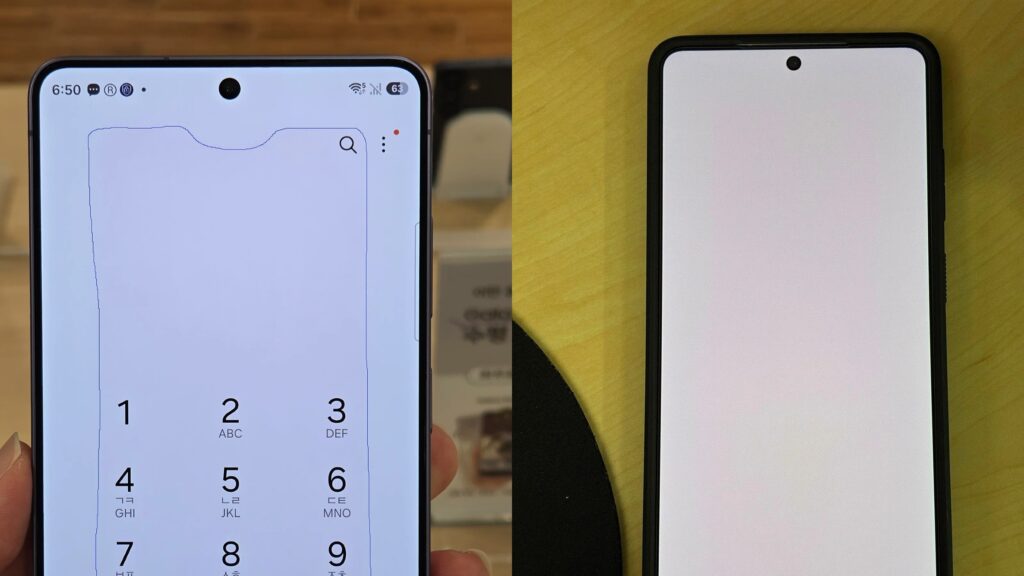
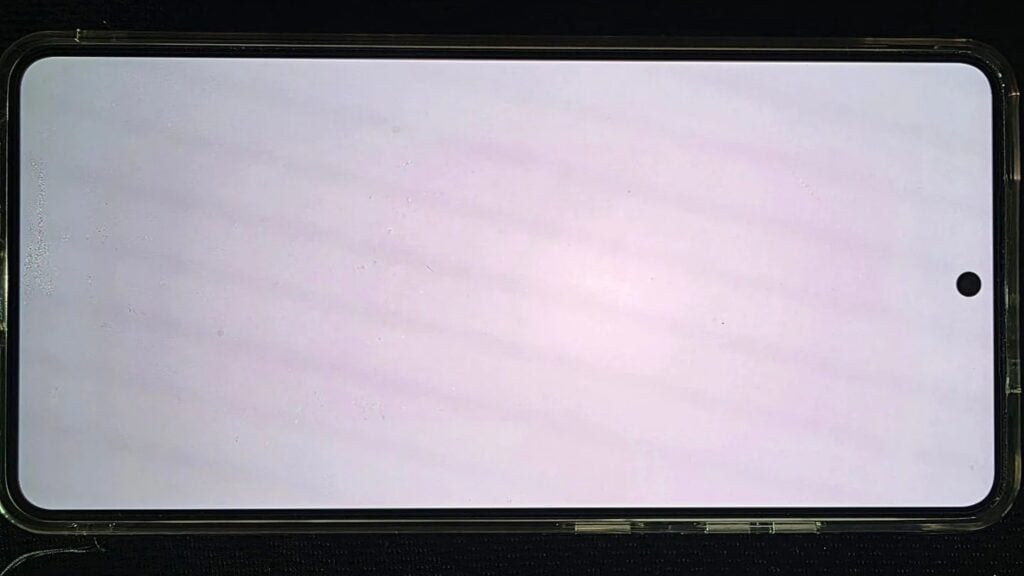
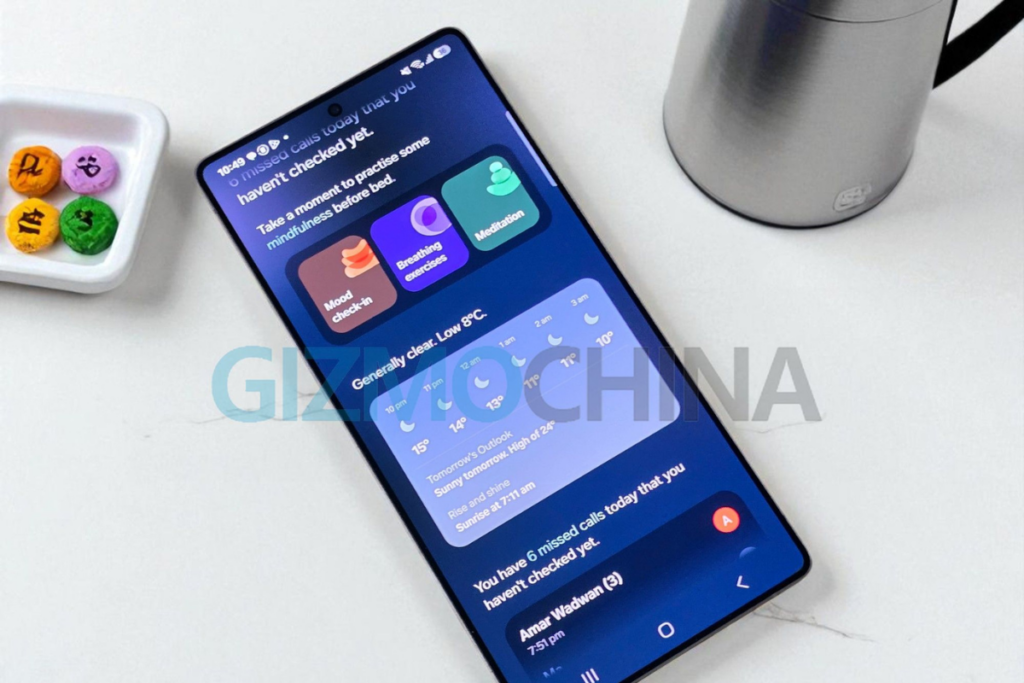
Galaxy S26 Ultra owners have spotted an odd display quirk on Samsung’s latest flagship, but the company is already on it with an explanation and a fix on the way.
Some users started noticing a localized reddish tint, mostly in the center of the screen. It’s especially visible when the brightness is cranked all the way up in bright outdoor conditions. People shared their experiences on forums like Reddit, with many quickly linking it to the flagship’s exclusive hardware-based Privacy Display feature. That naturally sparked worries. After all, if it turned out to be a hardware issue, it would likely mean an expensive display replacement.
Thankfully, Samsung has looked into it and given an official response. According to the company, this isn’t a hardware defect, screen burn-in, or panel aging problem. Instead, it’s caused by an abnormal system optimization that affects color calibration. A spokesperson explained that the display can show slight color shifts at peak brightness levels when it’s in strong ambient light. The good news? Samsung is preparing a software patch that should sort out the color calibration algorithms and fix the issue.
For anyone dealing with the tint right now, the upcoming patch should bring things back to normal without needing a trip to a service center. In the meantime, tweaking settings like screen mode, white balance, or lowering the brightness a bit can help reduce how noticeable it is.
Overall, the Galaxy S26 Ultra is still earning plenty of praise for its Snapdragon chip, One UI features, and premium build. Once the color calibration update drops, affected owners should see it roll out through the normal update channels. This looks like a minor bump rather than the hardware-level issue many feared at first.
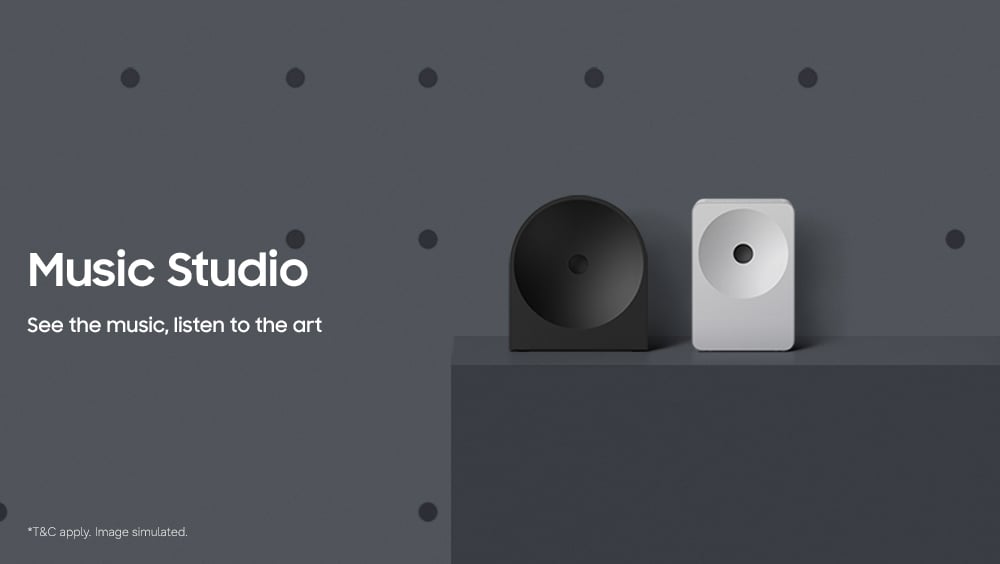
Samsung has launched its new Music Studio speaker series in India, bringing two premium Wi-Fi speakers designed for users who want immersive audio without compromising on home décor. The lineup includes the Music Studio 5 and Music Studio 7, combining smart connectivity, Dolby Atmos support and Samsung’s ecosystem features for a more connected entertainment experience.
Premium design meets immersive audio
Samsung Music Studio 5 and Music Studio 7
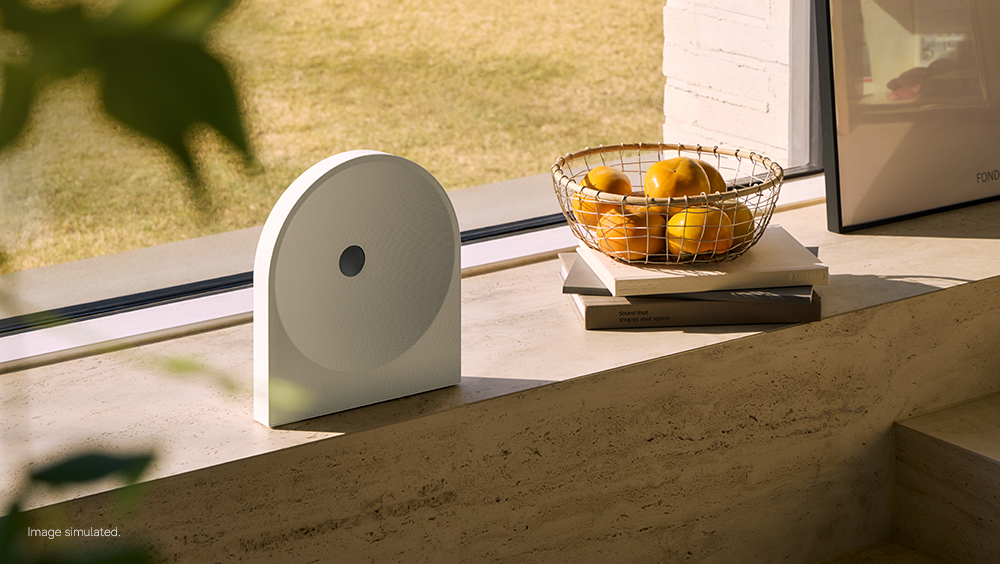
The Music Studio 5 and Music Studio 7 feature a distinctive dot-inspired design created by French designer Erwan Bouroullec. Samsung says the speakers are designed to blend naturally into modern interiors while delivering room-filling sound. Both models work seamlessly with Samsung TVs and soundbars, allowing users to create a more immersive home entertainment setup.
The Music Studio 7 is the flagship model, featuring a 3.1.1-channel speaker system with left, centre, right and top-firing drivers for spatial audio. It also includes Audio Lab Pattern Control Technology to improve sound direction and AI Dynamic Bass Control for deeper bass with reduced distortion. The Music Studio 5 adopts a more compact design with a 2.0-channel setup, combining a woofer, dual tweeters and a built-in waveguide to deliver balanced audio while AI Dynamic Bass Control enhances low-frequency performance.
Both speakers support Wi-Fi and Bluetooth 6.0 connectivity along with AirPlay, Google Cast, Spotify Connect, Tidal Connect and Roon Ready. They are compatible with Dolby Atmos, Dolby Audio, Dolby Digital Plus and Eclipsa Audio. Samsung has also included features such as Active Voice Amplifier Pro, Auto Volume, SpaceFit Sound Pro, Voice Enhance Mode, Spotify Tap and Wireless Dolby Atmos. The Music Studio 5 includes an optical audio input, while the Music Studio 7 adds HDMI alongside the optical port.
The Music Studio series also works with the SmartThings app, enabling users to control playback, manage multiple speakers and adjust settings from one place. Q-Symphony support allows up to five compatible Samsung audio devices to work together with a Samsung TV for a more immersive listening experience.
Pricing and availability
The Music Studio 5 starts at Rs 27,900 (~$290), with a launch offer bringing it down to Rs 24,900 (~$260), while the Music Studio 7 is priced at Rs 39,990. Both models are now available in India.
Samsung has introduced the 990 SSD in India, offering a new PCIe 4.0 storage option for users looking for high-end performance without stepping up to the company’s premium Pro lineup. Available in 1TB and 2TB capacities, the drive delivers fast read and write speeds, improved power efficiency, and security features while arriving at a relatively lower price point.
Samsung SSD 990: Fast PCIe 4.0 performance with up to 2TB storage
Samsung SSD 990
The Samsung 990 SSD comes in the M.2 2280 form factor and supports the PCIe 4.0 x4 interface with the NVMe 2.0 protocol. It uses Samsung’s V-NAND memory along with an in-house controller. The 2TB model reaches sequential read speeds of up to 7,250MB/s and sequential write speeds of up to 6,450MB/s, while the 1TB version delivers read speeds of up to 7,150MB/s with the same maximum write speed. Random performance is rated at up to 850K read and 1,200K write IOPS on the 2TB variant, while the 1TB model offers up to 700K read and 1,100K write IOPS.
Samsung says the new SSD is suitable for gaming, content creation, and everyday PC workloads. The 2TB model can store roughly 30 AAA games based on an average file size of 64GB. Compared to the Samsung 990 Pro, the company claims the new drive improves power efficiency by up to 38 percent, helping reduce power consumption while maintaining high storage performance.
The Samsung 990 SSD supports Samsung Magician software, allowing users to migrate data, monitor drive health, optimize performance, and manage firmware updates. It also includes AES 256-bit full disk encryption, TCG/Opal V2.0, and IEEE1667 Encrypted Drive support. Endurance is rated at 400TBW for the 1TB version and 800TBW for the 2TB model.
Price and availability
In India, the 1TB Samsung 990 SSD is priced at Rs 25,649, while the 2TB model costs Rs 50,349. Both variants will be available starting in the last week of July 2026. These SSDs are covered by a three-year limited warranty.
Oppo has announced a major restructuring for its sister brands Realme and OnePlus. The goal is to streamline operations, cut down on overlap, and let each brand focus on what it does best in the global market.
According to Realme’s official statement, the company will now shift its focus almost entirely to overseas markets. That means new product launches and updates will primarily target international users, while the brand is pausing further product development in China. On the flip side, OnePlus will concentrate more on its home turf in China and continue supporting updates in India, but it’s putting new product releases on hold in Europe and North America.
This clear division of labor should help both brands play to their strengths and reduce unnecessary competition between them inside the BBK Electronics family.
One of the most interesting parts of this strategy is the software side. Going forward, eligible realme and OnePlus devices around the world will have the option to update to Oppo’s ColorOS. It looks like Oppo is gradually unifying its three major Android skins, ColorOS, OxygenOS, and realme UI, under one main platform centered on ColorOS. In the future, many devices across all three brands could ship with ColorOS from the start.
This makes a lot of practical sense for the company. Maintaining three separate software platforms meant duplicated work and higher costs. By consolidating everything under ColorOS (building on the 2021 OxygenOS-ColorOS merger), Oppo can develop features faster, roll out security patches more quickly, and save resources in the long run.
The smartphone market has become incredibly competitive, so moves like this are becoming more common. Realme had already been reintegrated more closely with Oppo, and they’ve been sharing things like after-sales networks in markets like India.
For users, reactions will probably be mixed. Some will love the promise of faster updates and better consistency, while others might miss the unique feel of OxygenOS. Still, the hope is that a stronger, unified ColorOS will ultimately deliver a better experience for everyone. It’ll be interesting to see how this plays out over the coming months.
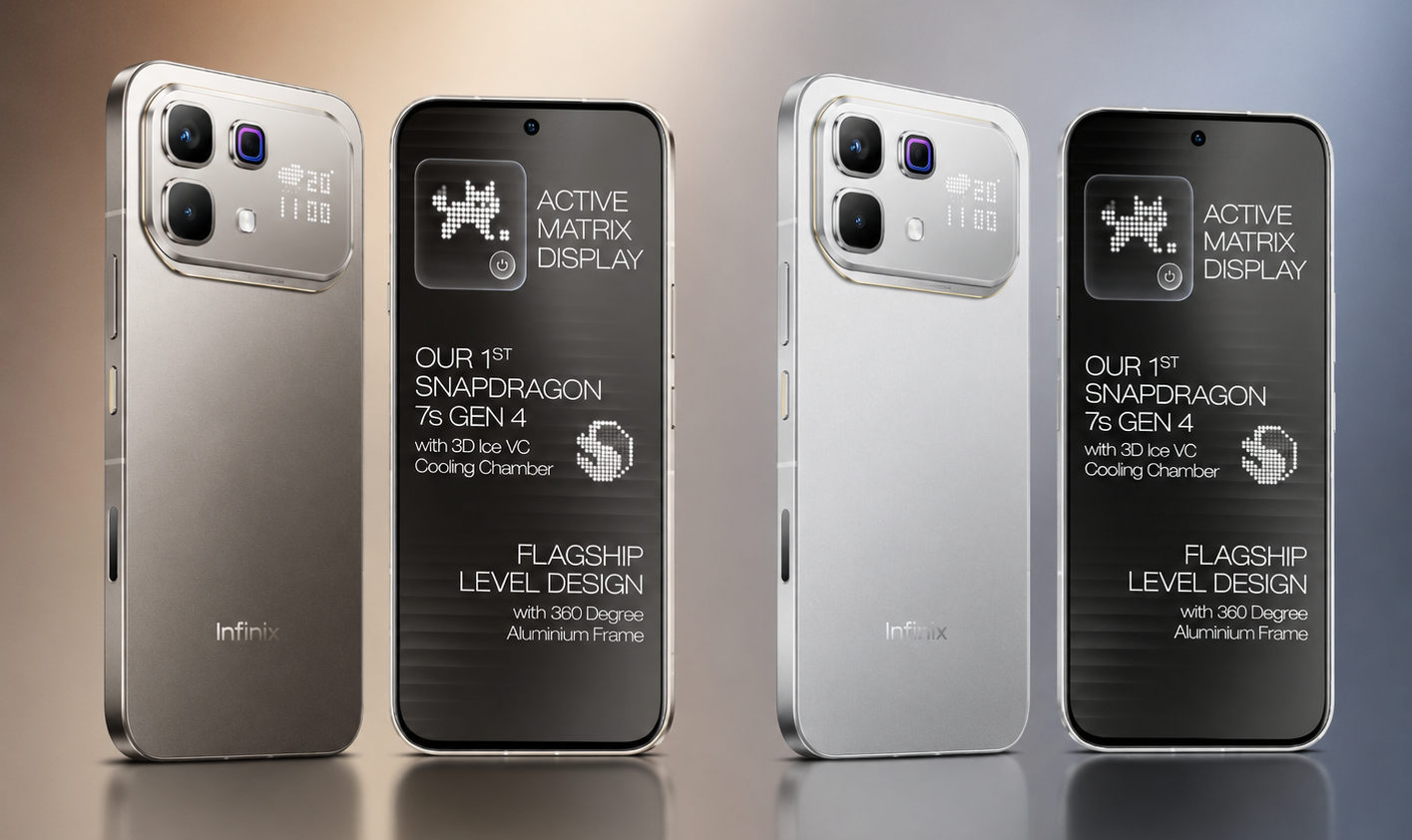
The Infinix Note 60 Pro is getting a fresh new look in India with two additional color options. While the hardware remains unchanged, the smartphone is now available in Mist Titanium and Frost Silver, giving buyers more choices if they prefer a metallic finish. The new variants join the existing lineup and continue to target users looking for a premium design and capable performance.
Infinix Note 60 Pro gets two new metallic color options
Infinix Note 60 Pro – Mist Titanium and Frost Silver
The new Mist Titanium and Frost Silver finishes are inspired by modern metallic textures and complement the Note 60 Pro’s aerospace-grade aluminium frame. They join the existing Solar Orange, Deep Ocean Blue and Mocha Brown variants.
The smartphone retains its standout Active Matrix Display integrated into the rear camera module, featuring 288 independently controlled LED pixels that display notifications, charging status, weather updates, and custom lighting effects even when the main screen is off. It also supports Pixel Pets, mini-games and music-synchronised animations for a more interactive experience.
The Note 60 Pro is powered by the Snapdragon 7s Gen 4 chipset, making it the company’s first Snapdragon-powered smartphone. It comes with a 3D IceCore VC cooling system to manage temperatures during gaming and heavy workloads.
The device packs a 6,500mAh battery with 90W wired fast charging, 30W wireless charging and reverse charging support. It also runs XOS 16 based on Android 16 and is promised to receive three years of Android OS upgrades along with five years of security updates.
The phone features a 50-megapixel OIS primary camera accompanied by an ultra-wide lens, AI editing tools, Live Photo support and 4K video recording. On the front, it sports a 6.78-inch 1.5K AMOLED display with a 144Hz refresh rate and up to 4,500 nits peak brightness, paired with JBL-tuned dual stereo speakers. The device also includes a heart rate and SpO₂ sensor integrated into the frame, Corning Gorilla Glass 7i protection and an IP64-rated build.
The new Mist Titanium and Frost Silver variants are priced at Rs 33,999 and will be available via Flipkart and retail stores. Buyers will also receive a complimentary MagPower Speaker worth Rs 3,999, 18 months of Google Gemini Pro, 5TB of Google Cloud storage, one-year free screen replacement, cashback offers and EMI options. Which of the two new colours do you like more, Mist Titanium or Frost Silver?
Oppo has expanded its lineup of compact premium smartphones with the launch of the Reno 16. While it may appear to be the natural successor to the Reno 15 Pro Mini (also known as Reno 15 Pro in some markets; model numbers CPH2813/CPH2811), the two devices take different approaches to performance, cameras, and battery life. Both feature a 6.32-inch display, premium design, and flagship-inspired camera hardware, but they target different types of users.
If you’re deciding between the Oppo Reno 15 Pro Mini and the newer Reno 16, here’s how they compare.
Oppo Reno 15 Pro vs Oppo Reno 16
7Verdict
The Oppo Reno 15 Pro Mini is arguably the more powerful smartphone on paper, thanks to its Dimensity 8450 processor and 200-megapixel primary camera. If gaming, multitasking, and photography are your main priorities, it remains an excellent choice.
The Oppo Reno 16, however, refines the overall experience with a larger battery, updated AI features, and the latest ColorOS enhancements. For users looking for a compact phone with excellent battery life and long-term software support, it is the more balanced option.
Since the Reno 16 has already launched in India while the Reno 15 Pro Mini has not received a direct successor in the market yet (the Reno 16 Pro is still awaiting its India debut), Oppo may gradually phase out the Reno 15 Pro Mini as existing inventory sells out. If you’re leaning toward the Reno 15 Pro Mini, it may be worth buying sooner rather than waiting, as discounts and stock availability could become limited in the coming months.
For more daily updates, please visit our News Section.
Asus has been actively launching laptops in India, but the company has stayed away from the tablet segment for several years. The brand is now making a comeback with the Asus Pad, which is set to launch in India on August 6. While the pricing remains under wraps, the tablet is already official, and its specifications are known after its global unveiling last month.
Asus Pad specifications and features
The Asus Pad comes with a 12.2-inch 2.8K dual-layer OLED display featuring a 144Hz refresh rate, 3:2 aspect ratio, and up to 2,000 nits peak brightness. The panel offers 100% DCI-P3 colour coverage and is certified for low flicker and reduced blue light emissions. The tablet has a 92% screen-to-body ratio, making it suitable for entertainment and creative tasks. For photography and video calls, it includes a 13-megapixel rear camera and a 5-megapixel front camera with Face Unlock support.
The tablet is powered by the MediaTek Dimensity 8300 processor paired with 8GB LPDDR5X RAM. It runs on Android 16 and comes with up to 256GB UFS 3.1 storage. Users can further expand storage through a microSD card slot supporting up to 1TB. The Asus Pad packs a 9,000mAh battery with support for 45W fast charging, which can charge the device from zero to 50% in around 30 minutes.
The Asus Pad features a quad-speaker setup with Dolby Atmos 360-degree cinematic sound for an immersive audio experience. It also supports Asus Pen 2.0 and compatible Bluetooth keyboards, allowing users to take notes, sketch, edit documents, and handle productivity tasks. Connectivity options include Wi-Fi 6E and Bluetooth 5.3, while the tablet does not offer SIM support. It includes a USB Type-C port with DisplayPort 1.4 support and uses GlideX for sharing files across Windows, macOS, Android, and iOS devices.
Measuring 271.1 x 182.4 x 6.5mm and weighing 523g, the Asus Pad is designed as a portable tablet for travel, work, learning, and entertainment. It comes with a protective folio case that doubles as a stand with four viewing modes.
Asus Pad color options and storage variants
The Asus Pad will be available in a Pure White colour option with 128GB and 256GB storage variants. The company has not revealed the pricing yet, but it will be sold through Flipkart.
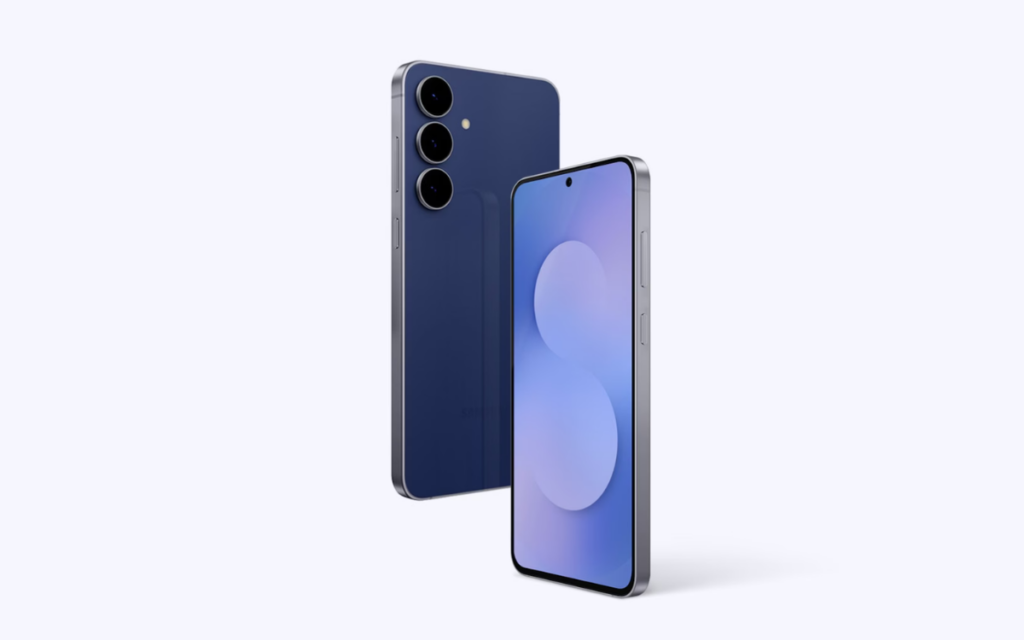
Plenty of Samsung phones will miss out on One UI 9.0 (check the list here), which is set to release later this month. Those eligible will soon start receiving the update, which will bring several major upgrades and new AI features that you wouldn’t want to miss out.
If your Samsung Galaxy isn’t eligible for One UI 9, it might be the time to upgrade. However, choosing from so many options can be overwhelming. To help you decide, we’ve curated a list of the best Samsung phones that still have years of guaranteed OS updates ahead.
The Galaxy S26 series, launched earlier this year, is an excellent high-end choice with great software support. The phones come preinstalled with Android 16 OS, and are promised to receive seven major OS upgrades, all the way up to Android 23.
The Galaxy S26 trio features high-quality AMOLED screens with peak brightness of 2600 nits and Gorilla Glass Victus 2 protection. The S26 and S26+ offer an excellent rear camera setup, and the Ultra variant takes it a step further with an additional telephoto sensor. The phones also bring powerful octa-core chipsets and robust connectivity features.
The Galaxy S25 FE offers a flagship-level experience at a much lower price point. Still, it gets seven years of software support, with the OS upgrades extending until Android 23, matching the S26 series.
The phone offers a large LTPO AMOLED screen, Exynos 2400 processor, and a 4900mAh battery with 45W fast charging support. It also offers 15W wireless charging and reverse wireless charging. The rear camera setup takes excellent shots with great details, natural colors, and well-controlled exposure. The selfie camera also does a nice job when there’s enough light.
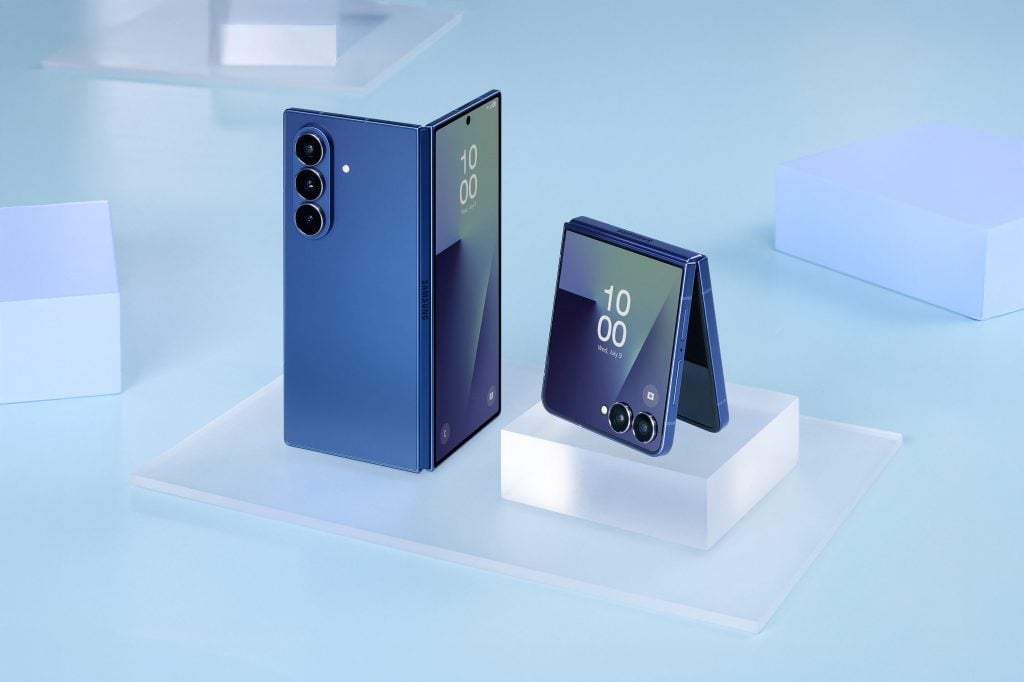
If your next upgrade will be a foldable phone, it might be worth waiting for the Galaxy Z Fold 8, Galaxy Z Flip 8, and Galaxy Z Fold 8 Ultra. They will bring noticable improvements over the current Galaxy foldable, along with the best software support.
The upcoming Galaxy foldables are launching on July 22. They will debut with the One UI 9 software, so you won’t have to wait for a public release. Plus, they will receive seven OS updates, all the way to Android 24.
Unlike previous foldables, the Galaxy Z Fold 8 will feature a “wide” passport-style design, while the Galaxy Z Fold 8 Ultra will serve as a true successor to the Fold 7 with a taller form factor and superior camera hardware.
Here’s a spec sheet based on the leaked details so far:
The Galaxy Z Fold and Galaxy Z Flip 7 are among the best foldable phones you can get right now. There’s also a more affordable Galaxy Z Flip 7 FE in the lineup for value buyers. The foldables boot Android 16 OS and are guaranteed to receive major OS upgrades until Android 23.
The Galaxy Z Fold 7 has powerful hardware, including a top-tier Snapdragon 8 Elite Gen 5 processor, a bright AMOLED screen, and a high-end triple camera setup, led by a 200MP sensor.
The flip phones, on the other hand, offer dual rear cameras, a 10MP selfie camera, and modern connectivity features, including Wi-Fi 7, Bluetooth 5.4, and faster USB transfer speed. The Flip 7 brings a slightly bigger battery and larger displays.
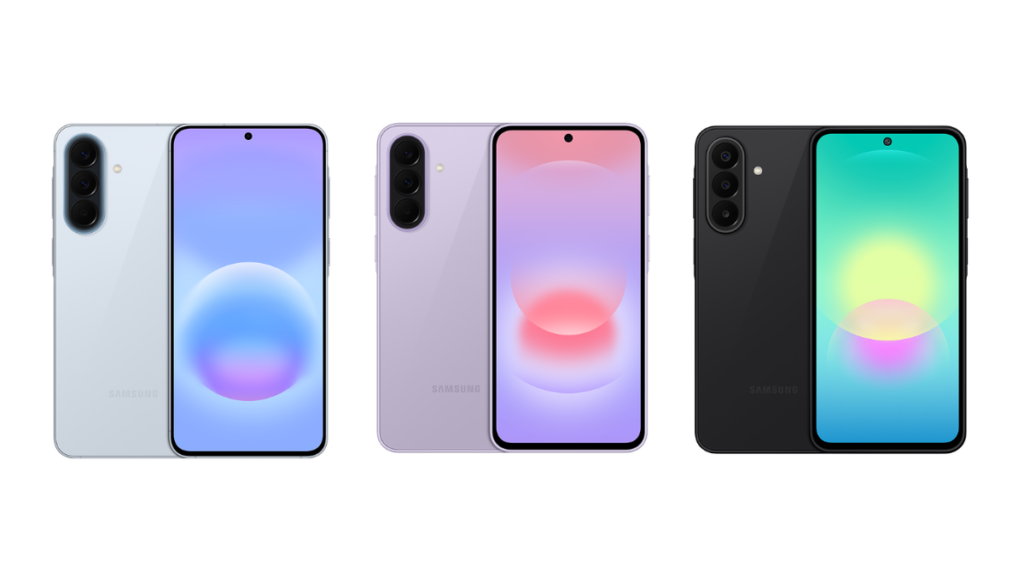
If you’re looking for a mid-range upgrade, the Galaxy A57, A37, and A27 are worth considering. All three were released this year with Android 16 and promise a whopping six major OS upgrades. No other brand matches Samsung’s level of software support for mid-range devices.
While the Galaxy A57, A37, and A27 look similar, there are key differences on the hardware level. Of these three devices, the Galaxy A57 offers the best hardware, including a faster chipset, a higher-resolution ultrawide camera, and more robust connectivity features. The Galaxy A37 sits above the A27 by bringing better capabilities.
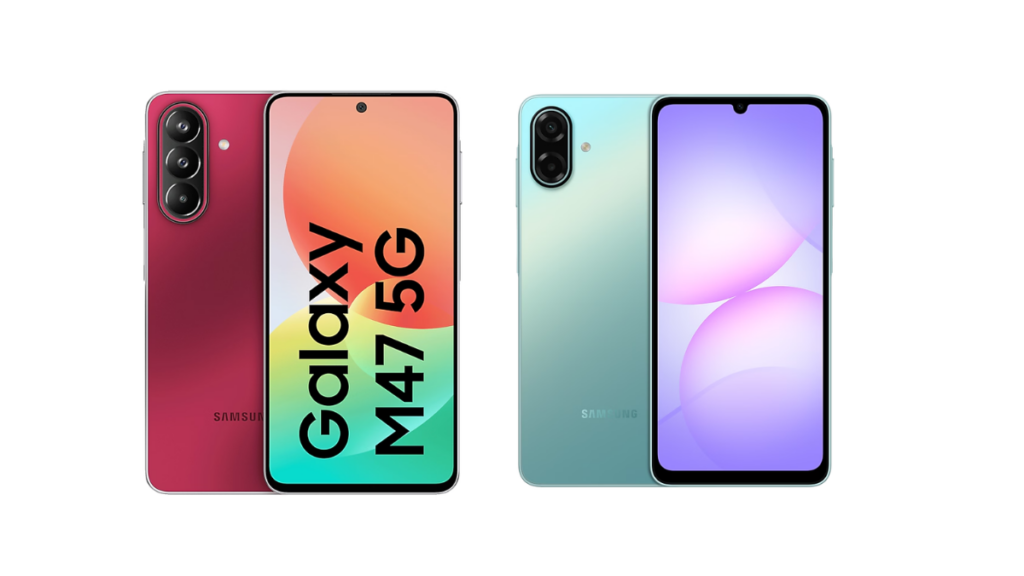
The best thing about Samsung is that its best software update policy isn’t reserved for pricier phones. The lower mid-range Galaxy A07 5G is also guaranteed the same treatment: 6 OS updates. The Galaxy M47 is also covered under the same update policy.
The Galaxy M47 offers better hardware than the A07, and that also means a slightly higher price. The Galaxy A07 smoothly handles everyday tasks and captures good photos and videos when there’s enough light. However, it lacks an ultrawide camera and an AMOLED panel.
The Legion Y700 Infinite is teased for a China launch in August 2026, and it builds on the already solid Y700 Gen 5 by adding some meaningful upgrades that could make it a lot more versatile for gamers and power users on the move.
According to Weibo tipster Digital Char Station, the big upgrades include an 8-inch OLED display with a centered punch-hole selfie camera. That’s a nice step up from the standard IPS LCD on the regular Y700 Gen 5.
Even more exciting is the addition of 5G cellular connectivity, a first for the Legion Y700 series. It’ll support dual-SIM standby (physical SIM + eSIM), the fast N79 5G band, and a smart multi-antenna setup for reliable signal no matter how you hold it. This turns the tablet from a Wi-Fi-only device into a true go-anywhere machine, perfect for cloud gaming and streaming on the go.
Under the hood, it’s expected to run an overclocked Snapdragon 8 Elite Gen 5 chipset with CPU speeds peaking at up to 4.74 GHz. Memory and storage options look generous too: 12GB/256GB, 16GB/512GB, 24GB/512GB, and a top-tier 24GB/1TB version. There’s also talk of a 50MP rear camera and cool RGB lighting on the back to match that gaming vibe.
At around 310g, the Infinite is about 50g lighter than the standard Legion Y700 Gen 5 (known globally as the Legion Tab Gen 5). That slimmer, lighter feel, paired with the OLED screen and 5G, should make it noticeably more portable while keeping the strong performance and cooling the series is known for.
The regular Y700 Gen 5, which launched earlier this year, impressed with its 8.8-inch 165Hz display, huge 9,000mAh battery, and top-tier performance. The Infinite variant seems designed to fix some of its main limitations, especially the lack of cellular connectivity and the display tech. These upgrades would help it better compete with devices like the Red Magic Gaming Tablet 5 Pro, sold globally as the Red Magic Astra 2. Global availability is still unclear, but it would be great to see it reach more markets.
Earlier this year, Oppo unveiled the K15 Pro, K15 Pro+, K15 Turbo, and K15 Turbo Pro in China. Now, the company is preparing to unveil the standard Oppo K15, which has appeared on the official Oppo Shop with its design and major specifications. The smartphone is scheduled to launch in China on July 24.
Oppo K15 Design and key specifications confirmed
Oppo K15 launch date
The official listing reveals that the Oppo K15 adopts a design similar to the K15 Pro series. It features a flat frame, a rectangular camera module, and the K15 Pro-series’ signature breathing light integrated into the rear panel.
The listing confirms a 6.59-inch display, although the panel’s resolution and refresh rate remain under wraps. It will feature the Dimensity 7360 Super chipset alongside Oppo’s Tide Engine for enhanced performance.
The device packs an 8,000mAh Glacier battery with support for 80W fast charging and includes a next-generation cooling system with a 4,950mm² VC heat dissipation plate. Oppo also claims the internal cooling fan has been tested for a five-year lifespan.
The Oppo K15 features a 50-megapixel OIS-enabled main camera, a 50-megapixel ultra-wide camera, and a 50-megapixel front-facing camera. It will run on ColorOS 16-based Android 16.
Oppo K15Oppo K15
The K15 has passed eight military-grade durability tests and carries IP69 certification for dust and water resistance, supports dual-band GPS and tri-frequency BeiDou positioning, and includes Oppo’s Shanhai Communication technology for improved connectivity.
The Oppo K15 is set to launch in China on July 24, with sales beginning the same day at 10:00 AM local time. It appears the device will be available in a sole 12GB+256GB configuration. Buyers will be available in two shades, such as Royal White and Gale Grey.
For more daily updates, please visit our News Section.
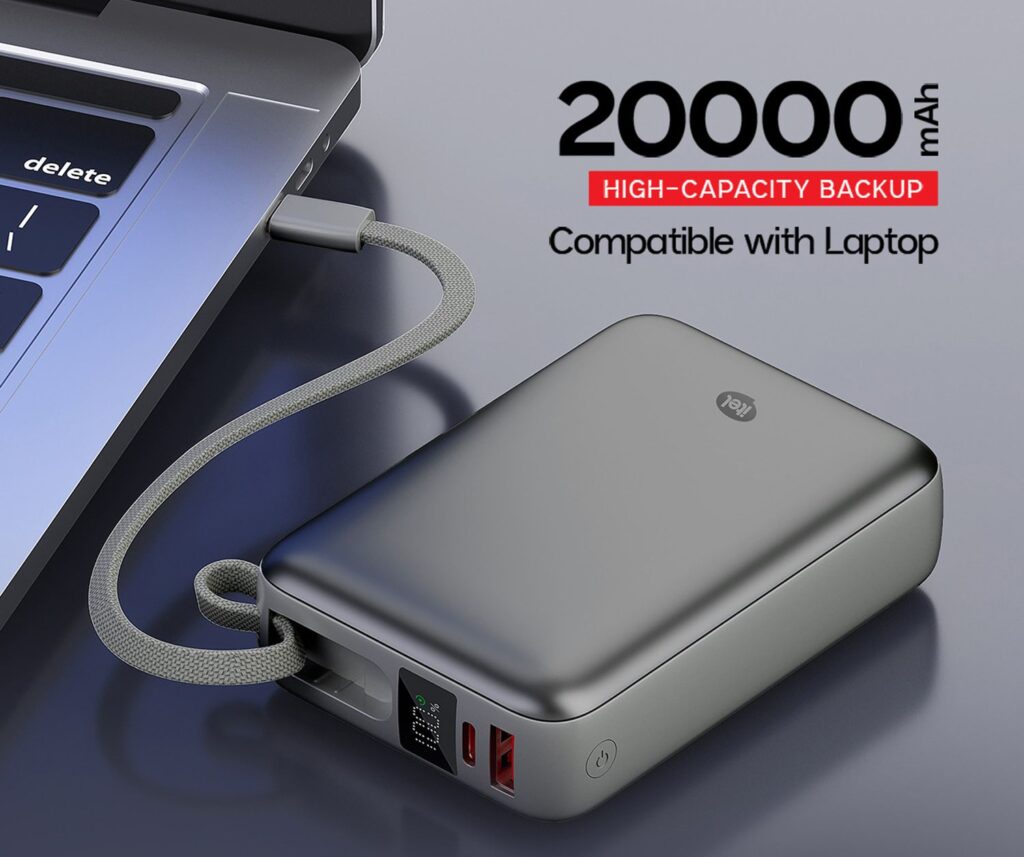
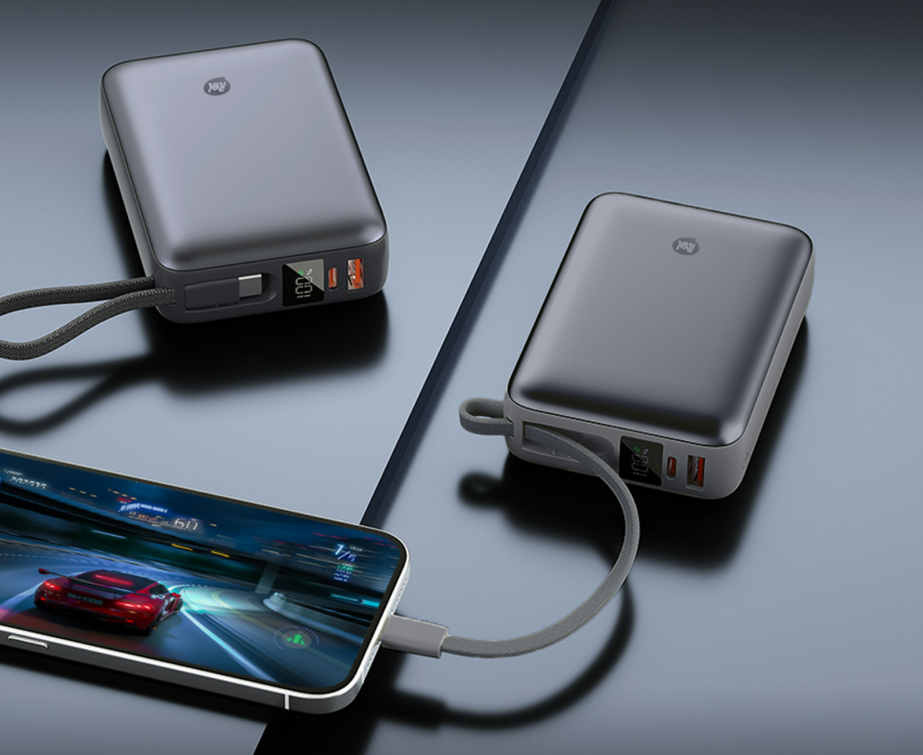
itel has introduced the Zeno power bank series in India, offering affordable portable charging solutions with support for smartphones, tablets, and even laptops. The lineup includes 10,000mAh and 20,000mAh models, both featuring 45W fast charging, a built-in USB Type-C braided cable, and a compact design. The products launch today on Amazon, while sales will begin on July 23.
itel Zeno power banks’ key features
The Zeno series is available in 10,000mAh and 20,000mAh capacities, catering to users with different charging needs. Both models support up to 45W fast charging and are compatible with laptops, smartphones, tablets, earbuds, and other USB-powered devices.
The integrated Type-C braided cable eliminates the need to carry a separate charging cable, making the power banks more convenient for travel. The power banks feature a smart LED display that shows the remaining battery level in real time.
According to itel, the body is made using a fire-resistant ABS+PC shell for improved durability and safety. The company also highlights enhanced protection features to safeguard connected devices during charging. Their compact design makes them easy to carry for daily commuting, work, and travel.
itel Zeno power banks price and availability
The 10,000mAh variant is priced below Rs 2,000, while the larger 20,000mAh model costs under Rs 3,000. The Zeno power banks are launching on Amazon today, July 17, with the first sale scheduled to begin on July 23.
In a recent leak, tipster Kacper Skrzypek revealed the existence of the Poco M8 Power smartphone. Now, in a new X post, the same source has revealed the existence of the Poco X8. While the name may sound familiar, Poco has not launched the X8 yet. Earlier this year, the brand unveiled the Poco X8 Pro and X8 Pro Max, and the standard X8 was widely believed to have been cancelled. The new leak not only revives the X8 but also reveals a key detail about it.
Poco X8’s key details emerge
POCO X8 will have 50 MP main + 2 MP depth, like China's Redmi Note 17 Pro, while Global Redmi Note 17 Pro 5G will have 8 MP ultrawide camera. pic.twitter.com/8Xvxx4F9Ks
The tipster found details about the upcoming Poco X8 in HyperOS code, revealing that it will feature a 50-megapixel main camera and a 2-megapixel auxiliary lens. This is because the device is expected to be a rebranded version of China’s Redmi Note 17 Pro, which features the same rear camera setup.
The Redmi Note 17 Pro is currently exclusive to the Chinese market. However, it is expected to launch globally in the coming days. The Indian variant is said to retain the 9,000mAh battery found in the Chinese model, while the global version is expected to feature a slightly smaller 8,340mAh battery.
The tipster neither revealed whether the Poco X8 will have separate global and Indian variants nor commented on its other specifications. If there are different variants, the Indian edition may pack a 9,000mAh battery, while the global variant could feature an 8,340mAh unit.
As a rebranded Redmi Note 17 Pro, the Poco X8 is expected to feature a 6.83-inch AMOLED display with a 1.5K resolution and a 120Hz refresh rate, a Snapdragon 6s Gen 4 chipset, 67W fast charging, 22.5W reverse charging, and an 8-megapixel front-facing camera.
At present, there is no information about the Poco X8’s launch timeline. It remains to be seen whether the Poco M8 Power and Poco X8 will debut together. For those unaware, the Poco M8 Power is also expected to be a rebranded version of the Redmi Note 17 from China.
For more daily updates, please visit our News Section.
We use cookies on our website to give you the most relevant experience by remembering your preferences and repeat visits. By clicking “Accept”, you consent to the use of ALL the cookies.
This website uses cookies to improve your experience while you navigate through the website. Out of these, the cookies that are categorized as necessary are stored on your browser as they are essential for the working of basic functionalities of the website. We also use third-party cookies that help us analyze and understand how you use this website. These cookies will be stored in your browser only with your consent. You also have the option to opt-out of these cookies. But opting out of some of these cookies may affect your browsing experience.
Necessary cookies are absolutely essential for the website to function properly. This category only includes cookies that ensures basic functionalities and security features of the website. These cookies do not store any personal information.
Any cookies that may not be particularly necessary for the website to function and is used specifically to collect user personal data via analytics, ads, other embedded contents are termed as non-necessary cookies. It is mandatory to procure user consent prior to running these cookies on your website.