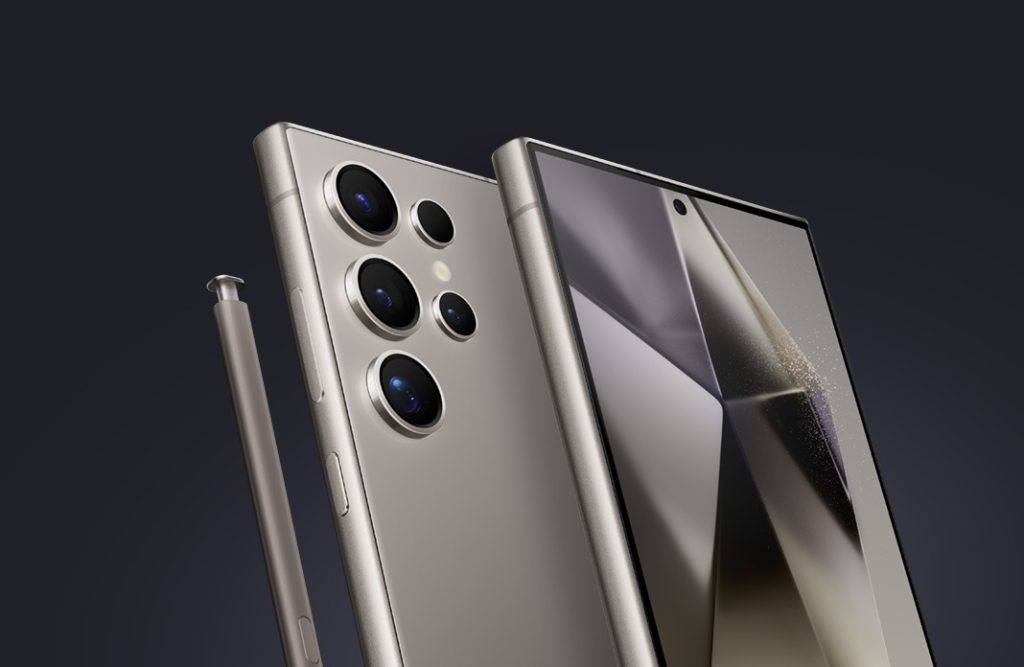
Samsung‘s Galaxy Z Flip 6 might bring a much-needed display upgrade. According to a report by Korean Media TheElec, Samsung will implement a thicker Ultra Thin Glass (UTG) on the Z Flip 6’s foldable display.
The new UTG is rumored to be 50 microns thick, compared to the 30 microns of the Z Flip 5. This increase in thickness is said to make the crease on the foldable screen less noticeable and improve the display’s overall durability.
Galaxy Z Flip 5
Samsung did work on its current foldable to make the display crease less prominent. It switched from the traditional hinge mechanism on its previous foldable with a new waterdrop-style hinge design for the Flip 5.
The new hinge allowed the foldable’s two halves to tuck flat without putting much stress on the screen. The Elec’s report claims that the Z Flip 6 will use the same hinge as its predecessor.
However, next year’s iteration might see an upgrade with a new UTG structure and hinge design. These upgrades could further minimize the crease and allow for slimmer bezels around the display.
Galaxy Z Flip 5 hinge
Back to Flip 6, if the reports are accurate, the thicker UTG could position Samsung to compete more effectively with Chinese brands that have been offering crease-less display experience on their foldable for years now.
Apart from the new screen, the Flip 6 is expected to bring upgrades with a Snapdragon 8 Gen 3 processor, an improved primary camera, and a larger battery.
Samsung is expected to launch the Galaxy Z Flip 6 alongside the Fold 6 in the Unpacked event rumored to be sometime in July. We will keep you in the loop if any new details about the foldables come in.
Xiaomi sub-brand Poco is gearing up for a major launch event on May 23rd. While they’ve already confirmed the release of the Poco F6 and Poco F6 Pro smartphones, they’ve also dropped a teaser for their first tablet, the Poco Pad, on their official website.
Surprisingly though, the company hasn’t said much about it on its social media handles. But we now have official confirmation that Poco is indeed entering the tablet market with the Poco Pad. It’s set to launch alongside the F6 phones on May 23rd.
Details about the Poco Pad remain scarce at the moment. But previous rumors suggest that it will be a rebranded version of the recently announced Redmi Pad Pro.
That means users can expect a 12.1-inch IPS display with a 120Hz refresh rate. Powering the device is likely to be the Qualcomm Snapdragon 7s Gen 2 chipset.
Camera specifications are also expected to mirror the Redmi Pad Pro, with an 8MP sensor on the back and another 8MP sensor on the front for selfies and video calls.
The Poco Pad might also support a stylus and a keyboard case, as hinted in a report last month.
Redmi Pad Pro
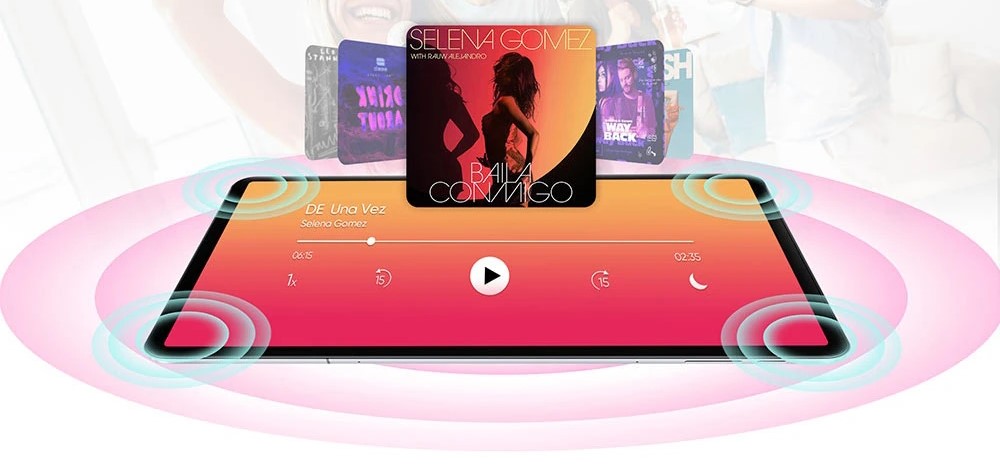
Audio is likely to be handled by a quad-speaker setup with Dolby Atmos for an immersive experience. Keeping the lights on will be a large 10,000mAh battery with support for 33W fast charging.
In related news, the Redmi Pad Pro has appeared in the Google Play Console, which indicates its global release is close at hand. Another report claims that the Redmi Pad Pro’s 5G version, bearing the 24074RPD2G (global) / 24074RPD2I (Indian) / 24074RPD2C (China) and “ruan” codename, is also in the works. It will have the same specs as the Wi-Fi-only version but will also offer 5G connectivity.
Qualcomm is preparing for a major transition with the upcoming Snapdragon 8 Gen 4, set to be officially unveiled in October. The new SoC will feature in-house CPU designs with custom Oryon cores. However, the shift towards independence may come at a cost for smartphone manufacturers.
Similar to Apple’s M-series chips, the Snapdragon 8 Gen 4 is rumored to use TSMC’s advanced 3nm process (N3E). It will be the first time Qualcomm will leverage 3nm technology for its SoCs and while that should deliver improved performance and efficiency, it will lead to higher production costs.
That’s according to Weibo tipster Digital Chat Station who recently revealed that the wafer price of the Snapdragon 8 Gen 4 has increased, which will directly impact the final cost of the SoC.
This price hike wouldn’t be entirely surprising. Qualcomm had previously hinted at a higher price point for the Snapdragon 8 Gen 4 due to the adoption of Oryon cores.
This price hike could have a domino effect on the smartphone market. With a more expensive chip, phone makers might have to carefully consider their devices’ overall configurations to maintain competitive pricing.
For example, last year’s Redmi K70 Pro, powered by the Snapdragon 8 Gen 3, was one of the most affordable flagships. However, with a pricier Snapdragon 8 Gen 4, achieving a similar price point for its successor could be challenging for companies like Xiaomi.
It’s worth noting that even the Snapdragon 8 Gen 3 wasn’t cheap for manufacturers, reportedly costing around $200 per unit. A further price increase for the Gen 4 could put phone makers in a difficult position, forcing them to choose between sacrificing their profit margins or potentially increasing the end price for consumers.
iQOO just took the wraps off of its latest mid-range smartphone, the iQOO Z9x. Now if you’re in the market for a new phone, you might wonder how this new device compares to older models like the iQOO Z7x.
At first glance, there aren’t many differences between the iQOO Z9x and the Z7x. In fact in most cases, the hardware and software features of the Z9x are only slightly improved. And given that the Z7x is an older model, it might now be available at a discounted price, making it an attractive option.
However, the iQOO Z9x does offer some upgrades that could influence your decision. Let’s go through them in this comparison.
On the surface, the phones are quite similar. They sport a sleek plastic build, a side-mounted fingerprint sensor, and a headphone jack – a welcome feature for audiophiles. However, the Z9x has a slightly larger display at 6.72 inches compared to the Z7x’s 6.64 inches.
The Z7x is also a bit heavier at 205g compared to the Z9x’s 199g. Additionally, the Z9x has an IP64 rating for dust and water resistance, while the Z7x lacks any form of ingress protection.
Both phones feature IPS LCD panels with a 120Hz refresh rate for smooth scrolling. Resolution-wise, they’re nearly identical too, offering a sharp 1080p+ viewing experience.
2. Performance
As for the performance, the Z7x is powered by the Qualcomm Snapdragon 695 chipset while the new Z9x has Snapdragon 6 Gen 1 under the helm.
Both are octa-core chipsets using similar cores: Cortex-A78 for high performance and Cortex-A55 for efficiency. However, it’s the core architecture that differs between these SoCs.
The 6 Gen 1 has four high-performance cores compared to two on the 695, both clocked at 2.2GHz. On the other hand, the 6 Gen 1 has four Cortex-A55 cores, while the 695 has six.
This means that while you can expect a similar day-to-day experience with both phones, the newer Z9x may have a slight edge in demanding tasks like gaming.
The Z9x also comes pre-installed with Android 14, whereas the Z7x comes with Android 13. Although there aren’t significant differences in software features, the Z9x will receive updates for a longer period, with major updates up to Android 16 and security patches until 2027.
Both phones offer similar memory configurations, ranging from 6GB to 12GB RAM and 128GB to 256GB of UFS 2.2 storage.
3. Cameras
On paper, both phones sport a dual rear camera system with a 50MP main sensor and a 2MP depth sensor. While megapixels don’t tell the whole story, you can expect decent photos in good lighting conditions from either of them.
Video recording capabilities differ between the two, with the Z9x offering up to 4K capture compared to the Z7x’s 1080p limit. The selfie cameras are identical at 8MP on both phones.
Without in-depth camera reviews, it’s difficult to say definitively which phone takes better pictures. So if you’re considering purchasing either of these phones, we recommend watching individual or comparative reviews to get a better understanding of their camera performance.
4. Battery and Charging
Thankfully, both phones come equipped with a massive 6000mAh battery, ensuring you can power through the day on a single charge. However, the Z7x takes the lead in the charging department with its 80W wired charging support. That will significantly reduce your charging time compared to the Z9x’s 44W.
5. Conclusion
While there aren’t many differences in specifications, the iQOO Z9x does offer some quality-of-life upgrades such as an IP rating, a longer software update promise, and a slightly better processor. Both phones are similarly priced too, so unless you find the iQOO Z7x at a good discount, it’s better to go with the newer model.
The Beelink SEi14 mini PC has now been released on the global market after its unveiling in China earlier this month. The Beelink SEi14 features the Intel Meteor Lake Core Ultra 5 125H chip. The mid-range Intel Core Ultra 5 125H chip is paired with 32GB of RAM and 1TB of storage. It offers a triple display output and dust protection.
Beelink SEi14 mini PC
The Beelink SEi14 mini PC is the first Beelink offering to be powered by the Intel Meteor Lake Core Ultra 5 125H processor. The processor is paired with an Arc iGPU with 7 cores and can also connect to an eGPU via its Thunderbolt 4 port with a maximum speed of 40Gbps.
The Beelink SEi14 compares with the GMKtec K9 with similar performance ratings and configurations. The SEi14 comes with two SODIMM slots that can hold up to 96GB of DDR5 RAM @ 5,600MHz. It also has two PCI 4.0 slots for up to 8TB of storage. Apart from its Thunderbolt 4 port, the mini PC also features USB-C (x1), USB 3.2 (x2), DP 1.4 (x1) and HDMI (x1) interface. Wireless connectivity for the Beelink SEi14 is via Bluetooth 5.2 and WiFi 6.
The dimensions of the SEi14 are 135 x 135 x 44.7mm and can fit easily into the workspace. The mini PC has rounded corners like the Apple Mac Mini and also comes with an efficient cooling system. It is equipped with the MSC3.0-Vc vapor chamber for efficient heat management.
The Beelink SEi14 debuted in China at a launch price of 2,699 yuan ($373) but the global version is being offered at $799. It is noted that the product was released in China with several configuration options in terms of RAM and storage. The barebone version of the mini PC is priced at $540.
Thunderbird has unveiled a new TV series, the “Bluebird,” designed to be the perfect wall-mounted companions for your home entertainment needs. Available in four sizes – 55-inch, 65-inch, 75-inch, and 85-inch – these “true wallpaper TVs” boast sleek aesthetics and impressive features, with prices starting at 4,199 yuan (approximately $640 USD).
Thunderbird has used a hidden wiring design for cable management
The 55-inch and 65-inch models of the Bluebird series impress with an ultra-thin 27.9mm profile, making them look incredibly slim and stylish when mounted on your wall. To further enhance the clean look, Thunderbird has incorporated a hidden wiring design, eliminating cable clutter and keeping your entertainment space tidy. The TVs come with a unique aviation aluminum alloy magnetic frame, available in three color options: elm, mint green, and dawn wood. This allows you to choose a frame color that complements your existing decor.
For a smooth and visually stunning viewing experience, the Bluebird series boasts a 144Hz ultra-high refresh rate display with support for 240Hz dynamic acceleration. This translates to crisp, clear visuals with minimal lag, ideal for fast-paced content like sports or action movies.
The color reproduction on the Bluebird TVs is also noteworthy. With 93% DCI-P3 color gamut coverage, these TVs deliver vibrant and realistic colors that stay true to the original content. Additionally, the color accuracy of ΔE≤0.99 ensures that what you see on the screen closely resembles the actual colors.
Under the hood, the Bluebird series is powered by an MT9653 chip (quad-core A73) and comes with 4GB of RAM and 64GB of storage. The TVs also feature two built-in 10W speakers for decent audio output.
For a smart and connected experience, the Bluebird TVs run on the Android 11.0 operating system and support Bluetooth 5.0 and Wi-Fi 5. Connectivity options include HDMI 2.1, USB 3.0, and USB 2.0 interfaces, allowing you to connect various devices for a versatile entertainment setup.
TP-LINK has introduced a new outdoor security camera, the TL-IPC679V-A4, boasting a unique triple-camera system for comprehensive surveillance. This camera combines a high-resolution 4-megapixel fixed binocular camera with a 3-megapixel PTZ (pan-tilt-zoom) camera. The binocular camera delivers a wide field of view and stitches images together to create a panoramic 32:10 image with exceptional resolution (3488 x 1088 pixels).
There is a unique triple-camera system incorporated in the camera
The PTZ camera offers additional functionality by automatically tracking intruders or vehicles, providing close-up views for identification purposes. This PTZ functionality allows for horizontal rotation of nearly 285 degrees and vertical rotation ranging from slightly downward to almost straight up. Mounting the camera is easy thanks to its upgraded adjustable bracket. This bracket allows for tilting the camera in five specific angles and horizontal adjustments throughout 360 degrees, ensuring you can achieve the perfect viewing angle for your needs.
Night vision is handled by high-power infrared LED lights for clear nighttime visibility. The camera also offers warm light illumination and three distinct night vision modes: infrared, full color, and a special humanoid detection full color mode. Two-way communication is another feature of the TL-IPC679V-A4, thanks to its built-in two-way voice intercom function.
Built to withstand the elements, the camera boasts an IP66 dustproof and waterproof rating, making it a reliable choice for outdoor security. Smart features include intelligent motion detection, the ability to detect objects crossing designated borders within the camera’s view, automatic recording, and alarm notifications.
For storage flexibility, the TP-Link camera supports local storage via microSD card (up to 512GB), cloud storage, and NVR storage.
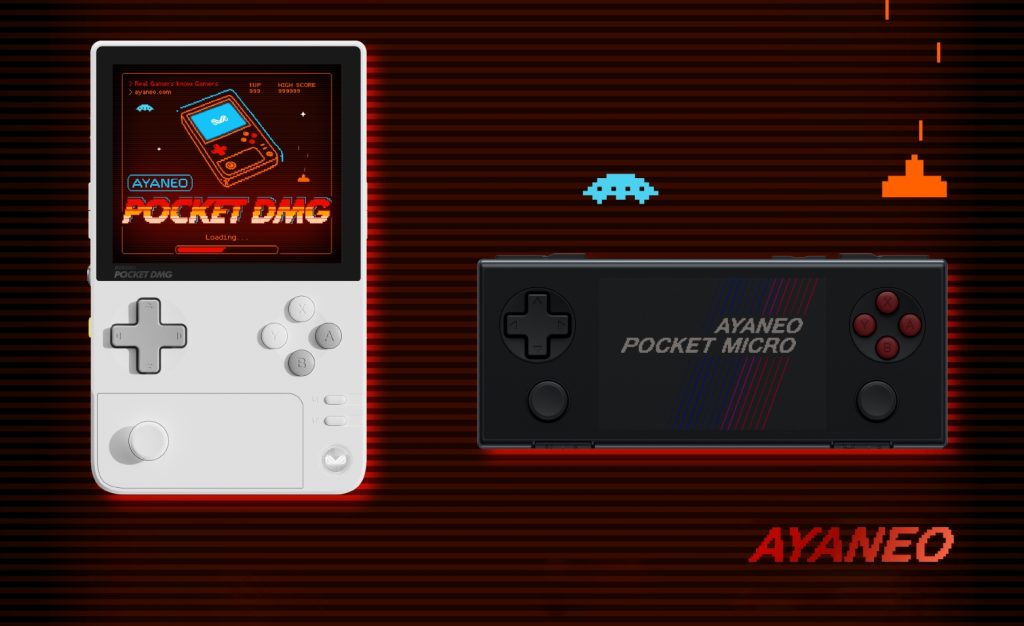
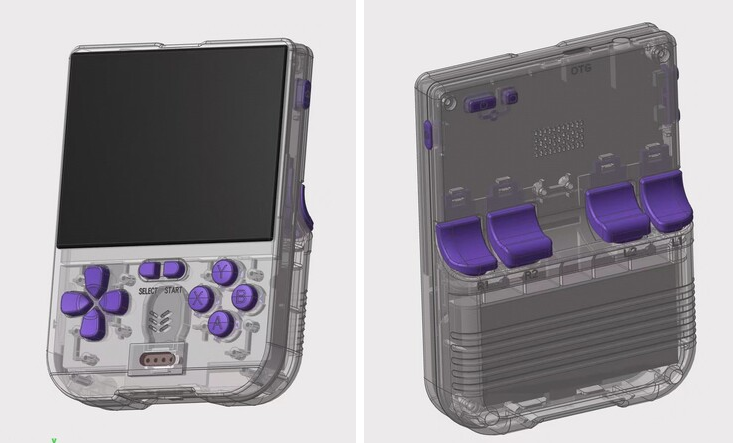
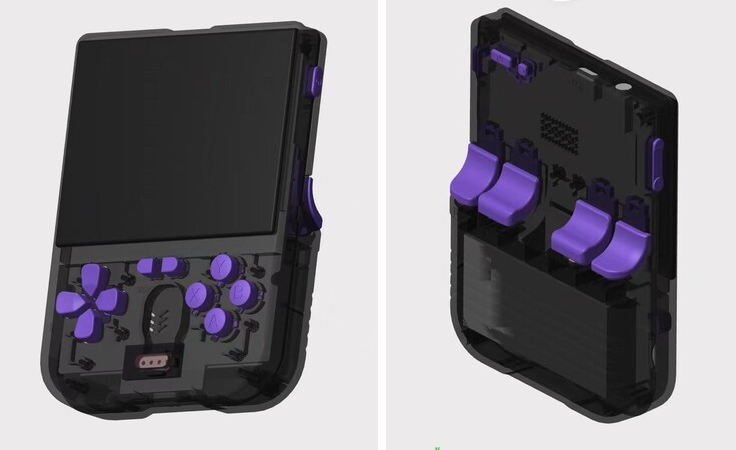
The long-awaited AYANEO Pocket DMG Gameboy-styled retro gaming handheld has been fleshed up with more details via a Press Release by AYANEO. AYANEO is delivering the Pocket DMG as a premium Android gaming handheld that stands squarely with current top models. It is powered by the Qualcomm Snapdragon G3X Gen and also features an OLED display. The AYANEO Pocket DMG offers an unusual controller layout that stands out among its competitors.
The AYANEO Pocket DMG retro gaming handheld was first teased in November 2023. A full-length image of the Pocket DMG has now surfaced, together with key specs. The AYANEO Pocket DMG is a vertical retro gaming handheld similar to the Analogue Pocket and Anbernic RG405V, among others. It is equipped with a 3.92-inch OLED display with a resolution of 1,240 x 1,080 pixels and a 419 PPI. The display of the Pocket DMG is seemingly the most vibrant in the market among current retro gaming handhelds.
A major highlight of the AYANEO Pocket DMG is its choice of the Snapdragon G3X Gen 2 chipset. It is noted that the Snapdragon G3X Gen 2 is the same processor present in the AYANEO Pocket S, hence the Pocket DMG is capable of emulating most games. The new AYANEO Pocket DMG however comes with a single joystick. The company hopes to compensate this drawback by including a touchpad area that the joystick sits within, as an alternative.
AYANEO has not provided any specifics on the launch date of the Pocket DMG and the press release was also silent on the pricing of the model. It is however expected that the latest flagship AYANEO retro gaming handheld could berth on the market shortly.
The Chuwi CoreBox mini host has been unveiled in China. The new mini tower computer is powered by Intel’s 13th generation Core i5-13500H processor and comes with a 2.5G network port. The model is being offered at a starting price of 1,999 yuan ($274) for the barebone version.
Features
The Chuwi CoreBox mini host has a 54W TDP performance and the processor features 12 cores and 16 threads. The highest turbo frequency of the processor is 4.7GHz and it also has a 18MB cache. The mini host is equipped with a native DDR5 dual-channel slot and supports up to 64GB as well as two DDR5 5,200MHz memory sticks. It is noted that the model can also reach its full-speed operation of native PCIe 4.0 Gen 4*4 SSD.
The mini PC has a total of four display outputs including HDMI 2.0 (x2), USB-A (x6), DisplayPort 1.4 (x2), and a 2.5G network port. The model supports up to 4K video output with a 60Hz refresh rate. The mini host also has a DC power supply interface and a 3.5mm headphone jack.
The CoreBox mini PC utilizes a downward-pressure all-aluminum cooling fan to achieve uniform and effective heat dissipation. Chuwi says the cooling process can achieve quiet and stable heat dissipation effectively.
Pricing
The price of the Chuwi CoreBox mini host is between 1,999 yuan ($274) and 2,699 yuan ($374). It can be purchased from retail platforms in China including JD. com. There are no indications yet about the global availability of the new Chuwi CoreBox mini host.
The Decathlon Rockrider E-FEEL 900 S electric all-mountain bike has gone on sale in Europe. This comes on the heels of the release of the Van Rysel E-GRVL AF MD versatile e-bike a few days back. The Rockrider E-FEEL 900 S is a less-expensive version of the E-FEEL 900 S Team Edition in terms of its drivetrain and suspension.
The Rockrider E-FEEL 900 S electric all-mountain bike is built with impressive features but doesn’t come cheap
The Decathlon Rockrider E-FEEL 900 S is an all-mountain electric bike that was first displayed at Roc d’Azur in 2023. It is equipped with a 250W Shimano EP801 motor with 600W peak power and a maximum torque of 85Nm. It features a 630Wh battery that takes about six hours to be fully recharged. The bike’s battery delivers an assistance range of 90km which is similar to that of the Team Edition model. The Rockrider E-FEEL 900 S also comes with the Shimano SC EN600 1.4-inch LCD which can be connected to its companion mobile app via Bluetooth.
The Rockrider E-FEEL 900 S electric all-mountain bike is equipped with 29-inch Rockrider Grip 500 tires for solid control. This is complemented by the TRP Trail Evo hydraulic disc brakes. In terms of its drivetrain, the E-FEEL 900 S features an 11-speed system with a Shimano Cues LinkGlide Di2 rear derailleur. It also comes with a RockShox Domain RC 160 mm suspension fork and RockShox Deluxe Select shock absorber. On the other hand, the Team Edition of the bike has a Shimano XT HyperGlide Di2 12-speed drivetrain with RockShox Zeb Ultimate shock absorber.
Pricing & Availability
The Decathlon Rockrider E-FEEL 900 S is priced from €4,499.99 ($4,893) in the EU and £4,999.99 ($6,353) in the UK. The bike is available in sizes from S to XL and is significantly cheaper than the Team Edition model. There are no indications yet on the availability of the Rockrider E-FEEL 900 S electric all-mountain bike in other markets.
AYANEO has unveiled its latest mini PC device in the market. This is coming not too long after the company unveiled the retro AM02 mini PC in January this year. The AYANEO AM01S is powered by either the AMD Ryzen 7 8845HS or the Ryzen 9 8845HS APU. The mini PC also comes with a flip-up display and can be adjusted to your desired angle.

Features
The product was showcased during the AYANEO REMAKE product-sharing session. The latest model in the AM0 mini PC lineup it features Zen 4 CPU cores and RDNA 3-based iGPU. The earlier models in the lineup are the AM01 and AM02. While the AM01 was recently refreshed with an AMD Ryzen 7 5800U chipset, the AM02 is only available with the Ryzen 7 7840HS APU. The Ryzen 7 8845HS and Ryzen 9 8845HS are the most powerful Hawk Point-HS APUs manufactured by AMD to date.
The AYANEO AM01S features two 2.5 Gigabit Ethernet ports, two HDMI, two USB4, and six USB-A interfaces. It also features a 3.5mm jack and a DC-in connection. The decent collection of ports allows the AYANEO AM01S to simultaneously connect to multiple devices.
The AYANEO AM01S mini PC is overclocked at 65W which is 20W higher than the default TDP of 45W. The flip-up display is an external differentiating factor for the AM01S from its predecessors. There are no display specifications yet for the new AYANEO mini PC. It is noted that both the AM01 and AM02 did not have a display.
Pricing & Availability
The company has yet to provide any pricing information, as well as the release date for the AYANEO AM01S mini PC.
There are two regular Book4 Edge models, one with a 14-inch display and the other with a 16-inch display. Book4 Edge Pro, on the other hand, comes only in a 16-inch model. These laptops have model numbers NP940XMA-KB1DE, NP960XMA-KB1DE, and NP960XMB-KB1DE.
Samsung’s advertisement image reveals that Snapdragon X Elite has 45 TOPS NPU computing power. All leaked ad images belong to the Book4 Edge Pro. The upcoming laptop features a 61.8Wh battery and supports 65W fast charging via USB-C. Samsung promises a 22-hour battery life during a movie playback at 1080p resolution and 150 nits screen brightness.
Additionally, it was already known that the Galaxy Book4 Edge Pro has dual USB-C ports, but newly emerged leaked images revealed that both ports support the USB 4.0 standard. Snapdragon X Elite is powerful enough to support not just one but two USB 4.0 ports.
Samsung will soon introduce new models in its popular Galaxy Tab series. New details about Galaxy Tab S10 Plus and Galaxy Tab S10 Ultra have surfaced online.
Samsung Galaxy Tab S10 Plus & Tab S10 Ultra
The Android Headlines team has found that Samsung is developing Galaxy Tab S10 Plus and Galaxy Tab S10 Ultra. The Galaxy Tab S10 Plus includes three model numbers: SM-X828U, SM-X826B, and SM-X826N. Galaxy Tab S10 Ultra carries the model number SM-X926B.
Galaxy Tab S10 Plus
The model number Galaxy Tab S10 doesn’t appear yet, and this could be because of Samsung may not have started working on it. The model numbers show where the devices will be available. Galaxy Tab S10 Plus will launch in Global, US, and Korean markets. Galaxy Tab S10 Ultra appears with Global model number only. However, it should be also available in Korea and the US. The absence of a Galaxy Tab S10 model number and the single model number for the Galaxy Tab S10 Ultra suggest that Samsung might not release these tablets soon actually. Android Headlines team managed to spot Tab S10 Plus and Tab S10 Ultra’s model numbers only.
Galaxy Tab S10 Ultra
The Android Headlines team also speculates on the release date for the Tab S10 series. They predict Samsung will unveil the Galaxy Tab S10 series in Q1 2025. This estimate follows Samsung’s pattern of releasing new Galaxy Tab S series models every 1.5 years. The Galaxy Tab S7 series launched in August 2020, followed by the Galaxy Tab S8 series 1.5 years later, and then the Galaxy Tab S9 series another 1.5 years after that. If this pattern holds, the Tab S10 series could arrive in January or February 2024.
With the latest update, OPPO Find X7 Ultra has become one of the phones to feature Google’s Ultra HDR format for Android. Ultra HDR format introduced for Android devices, is set to completely change mobile photography.
Ultra HDR photos are stored in the .jpg format. The main reason for this is to ensure that photos can be properly viewed on displays that do not support HDR, so SDR images will be shown on old devices as well. The HDR image will be shown on HDR supported displays. With Android now having native HDR support, HDR photos no longer need to be rendered in SDR. Bright areas will appear brighter, and shadows will be darker, just like in real life. The Ultra HDR format includes both the SDR image and the HDR Gain Map in its metadata.
Ultra HDR on OnePlus 12 & OPPO Find X7 Ultra
A recent update for the OPPO Find X7 Ultra brings support for Ultra HDR. The update, version number PHY110_14.0.1.628(CN01), has a size of 946.26 MB.
With this update, OPPO Find X7 Ultra can capture stunning Ultra HDR images in automatic, portrait, and night mode, with resolutions of either 12MP or 25MP. The good news continues for OnePlus 12 users, as this update has also been rolled out to OPPO’s sub-brand, OnePlus.
Ultra HDR on OnePlus 12
This means both phones can now capture and display Ultra HDR photos. However, it’s important to note that Ultra HDR format is currently not supported for .heic photos, and the screenshots shared by ITHome appear they are from ColorOS. Which is the Android skin offered by OPPO for Chinese users.
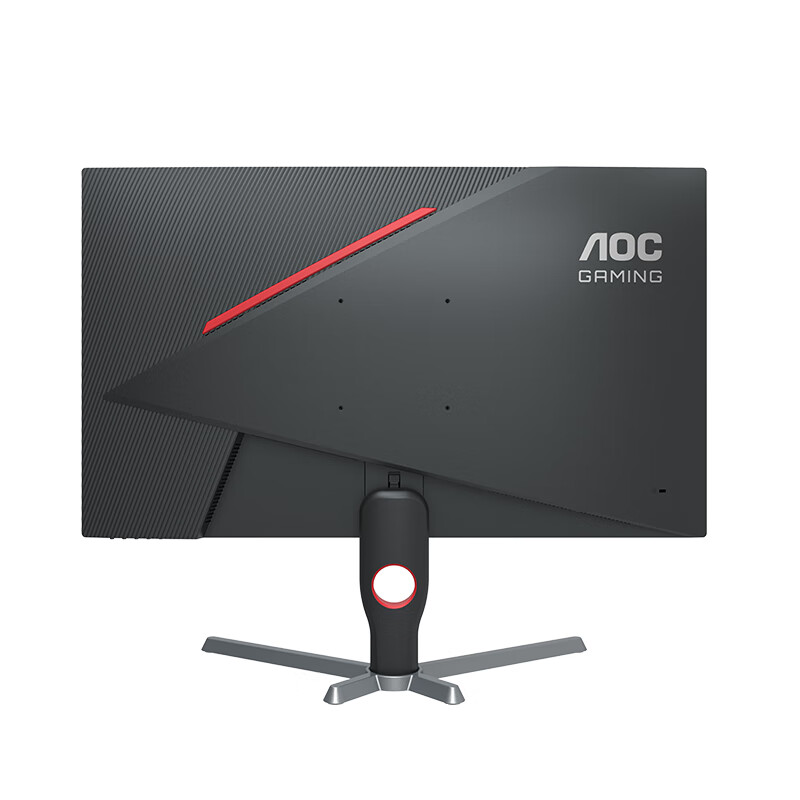
Xiaomi has launched the Redmi Monitor G24 IPS Edition, a budget-friendly gaming monitor boasting a 180Hz refresh rate. Currently available for pre-order in China, the monitor offers impressive features at a competitive price point. Its predecessor debuted in 2022 sporting an LCD screen and a refresh rate of 165Hz. Let’s explore the upgraded specifications in this new model.
The Redmi Monitor G24 features a 23.8-inch Full HD (1920×1080) Fast IPS panel. The IPS panel ensures wide viewing angles (178 degrees) for a good viewing experience from almost any position.
The monitor comes with a 180Hz refresh rate, which significantly reduces motion blur and ghosting in fast-paced games compared to traditional 60Hz displays. The monitor also boasts a 1ms (MPRT) response time, further minimizing lag for a responsive gaming experience.
For color accuracy, the monitor is factory-calibrated to achieve a Delta E<2 rating, indicating minimal color difference from the ideal. It covers 120% of the sRGB color gamut and 3500:1 high static contrast ratio, offering a wide range of colors for vibrant visuals. Additionally, the monitor supports HDR10, providing enhanced contrast and brighter highlights.
The monitor features DC Dimming technology to eliminate screen flickering, reducing eye strain during extended use. It also boasts TUV Rheinland Low Blue Light certification, filtering out harmful short-wave blue light emissions. Additionally, the monitor supports G-Sync and Free-Sync, further reducing screen tearing and stuttering.
Connectivity options include one DisplayPort 1.4 and one HDMI 2.0 port, allowing users to connect to various devices. The monitor also includes a 3.5mm headphone jack and a DC power input. The stand offers tilt, swivel, and height adjustments for ergonomic positioning.
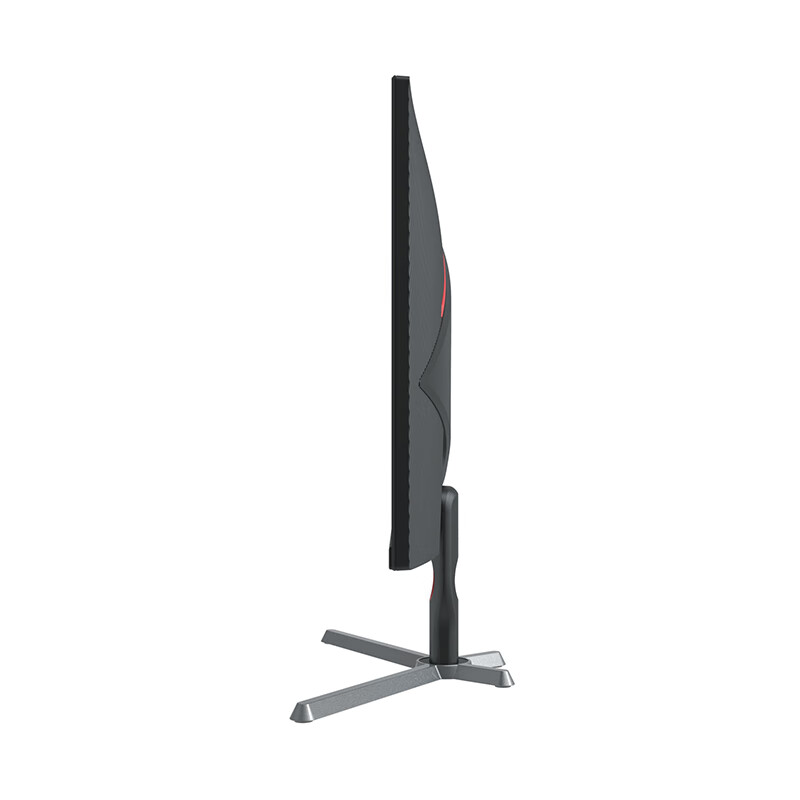
The Redmi Monitor G24 boasts a sleek and stylish design with a three-sided narrow bezel for a near-edge-to-edge viewing experience. It measures 539.2mm in length, 181.2mm in width, and 420.6mm in height, and weighs 2.7kg.
Pricing and Availability:
The Redmi Monitor G24 IPS Edition is currently available for pre-order in China at a launch price of 579 yuan (approximately $82), significantly discounted from its original price of 799 yuan ($112).
OnePlus is currently offering the OnePlus 11R at a reduced price in India. The device made its debut back in February 2023 with the flagship-grade Snapdragon 8+ Gen 1 processor.
OnePlus 11R
OnePlus 11R offer price:
Currently, the OnePlus 11R 8GB RAM + 128GB storage model is selling for ₹29,999 on Amazon India, with an additional discount of ₹2,000 on all bank card transactions. With this offer, the effective cost of the device drops down to ₹27,999.
So, is it a good idea to buy the OnePlus 11R at this price? For starters, this price reduction makes the OnePlus 11R one of, if not the most powerful devices in its price range. As mentioned above, the device is powered by the Snapdragon 8+ Gen 1 processor, which is a flagship-grade processor easily capable of running games like BGMI at high graphics with high frame rates.
The UI is also quite smooth, with OnePlus regularly updating its OxygenOS to be more fluid and user-friendly. On the topic of software, OnePlus launched the 11R with Android 13 onboard, promising three major OS updates. The phone is currently running on Android 14, so it will be getting major updates till Android 16, and security updates for an additional year after its last major update.
As for specifications, the 11R features a 6.7-inch FHD+ AMOLED display with a 120 Hz refresh rate. It has a 5000 mAh battery with 100W fast charging support, and an in-display fingerprint sensor for security. For optics, it comes with a capable 50MP primary camera, paired with an 8MP ultra-wide unit and a 2MP macro lens. On the front, it has a 16MP selfie snapper. All of these features combined make this device is good pick for ₹27,999.
One UI 6.1 offers plenty of ways to optimize the battery life of a Samsung Galaxy. However, these options are scattered across various menus, making it difficult for most users to implement the best battery-saving strategies.
To save you the hassle of navigating through each and every setting on your Samsung Galaxy device, we’ve compiled the best battery optimization tips for One UI 6.1 to maximize the battery life. Apply the tips mentioned below and observe the difference.
Apply these optimizations to get the best battery life on your Samsung Galaxy device.
Tip #1: Switch to Maximum Battery Protection
One UI 6.1 introduces new battery protection features to keep the battery health in check in the long term. It offers three battery protection options: Basic, Adaptive, and Maximum.
The Basic protection stops charging the device once the battery level reaches 100% and resumes when it reaches below 95%.
The Adaptive protection charges the battery to 80% while you asleep and fills the rest before you wake up.
Maximum protection prioritizes slowing down battery degradation by limiting the maximum charge to 80% while providing enough power for most daily needs.
Go to Settings > Battery and select Maximum protection (recommended) to achieve the best balance of battery health and screen-on time.
Tip #2: Create Routines
Modes and routines on the Samsung Galaxy are one of the best features that are overlooked by most users. You can create custom routines to disable unnecessary features at a specific time or place.
Routine 1 (battery level is less than 30%)
Enable power saving
Disable GPS
Switch to the standard screen refresh rate
Routine 2 (at bedtime)
Change the network mode to 4G
Enable power saving
Turn off NFC
Turn off Wi-Fi
Turn off mobile data
Turn off Bluetooth
Turn off edge panels
Turn off Always on Display (AOD)
Disable fingerprint unlocking
Turn off location
You can add or remove functions from the above two routines as per your requirements.
Steps to create a routine in Samsung Galaxy:
Open the Settings app.
Tap on Modes and Routines.
Go to the Routines tab.
Tap the “+” icon at the top.
Set the if condition to trigger a routine. For routine 1, tap “Add what will trigger this routine”, click “Battery level” and set it to below 30%. Thereafter, add the settings you want to change, enable, or disable by tapping on “Add what this routine will do”. For routine 2, you can set a specific time to trigger the routine.
Tip #3: Put Unused Apps to Sleep
Many apps on our phones are for occasional usage. Even if you don’t open them regularly, they can still consume resources. You can limit background usage of such apps to save some battery and resources.
Here’s how to do it:
1. Open the Settings app.
2. Tap on Battery and click Background usage limits.
3. Tap Deep sleeping apps.
4. Click the “+” icon at the top.
5. Select the apps and click Add.
These deep sleeping apps will not run in the background. They can only run when you launch the app.
Tip #4: Change These Settings
Many features contribute to increased battery drain on a smartphone. Hence, try to limit the activated features to as few as possible. Here are some recommendations:
1. Turn off Always On Display (AOD)
The Always On Display (AOD) looks cool, but if you have it enabled all day, it can significantly increase battery drain.
I would recommend disabling AOD for the best screen-on time. However, if you can’t do this, set a routine to activate the AOD when you need it the most.
To disable the AOD, go to Settings > Lock screen and AOD and toggle off Always On Display.
2. Switch to a Wi-Fi Network
Cellular data consumes more battery than a Wi-Fi connection (source). Hence, it is always better to use a Wi-Fi connection compared to cellular data.
While you’re connected to a Wi-Fi network, switch to a 4G network, as 5G consumes more battery. You can also set a routine to automate this.
[Tip: You can set a routine to automatically switch your Samsung Galaxy to a cellular data connection whenever the Wi-Fi connection is weak.]
3. Lower the Screen Refresh Rate
High refresh rates lead to more power consumption as the screen refreshes the image more frequently. Hence, lowering the screen refresh rate results in more screen-on time but at the cost of screen smoothness.
If your Samsung Galaxy has an LTPO display, the display settings should include an adaptive refresh rate option that automatically adjusts the refresh rate based on the content displayed on the screen.
However, if your Galaxy device doesn’t support an adaptive refresh rate, switch to the 90Hz or 60Hz option for better battery saving.
Go to Settings > Display > Motion smoothness and select a lower refresh rate option.
4. Lower the Screen Resolution
A higher-resolution display requires more processing power from the GPU, leading to increased battery consumption. Lowering the screen resolution could help your battery perform well.
To change the screen resolution in Samsung Galaxy, go to Settings > Display > Screen resolution and select a lower resolution.
5. Turn on Auto Optimization
Auto optimization on Samsung Galaxy phones performs optimizations to keep the device running smoothly. It closes background apps and cleans memory by restarting the device when you don’t use it.
To enable it, go to Settings > Device care > Auto optimisation and enable Auto restart.
6. Enable Adaptive Brightness
Using a smartphone with high brightness for a prolonged period can result in faster battery drain. Enable Adaptive brightness to allow the device to automatically adjust the brightness based on the lighting conditions around you.
To enable Adaptive brightness, go to Settings > Display and toggle on Adaptive brightness.
7. Lower the Screen Timeout Duration
If the screen timeout is high, the device will stay awake for a longer period, resulting in more battery drain. Unless you don’t need to see the screen for long, set the screen timeout to 15 or 30 seconds.
To change the screen timeout, go to Settings > Display > Screen timeout and choose a lower duration.
Enable “Keep screen on while vieweing” to never turn off the screen while you’re looking at it.
Applying these battery optimization tips will not show results immediately. Wait for a few days and then check the battery usage to see the positive impact. I hope this guide helps you optimize the battery life on your Galaxy device running One UI 6.1. If you have any questions or suggestions, please comment below.
Oppo is set to launch its Reno 12 series smartphones on May 23, 2024, in China. This series will be available not only in China but also internationally, as confirmed by approvals from several countries including the UAE, Thailand, and Indonesia.
Oppo Reno 12 5G Thailand’s NBTC
Oppo Reno 12 5G Singapore’s IMDA
The latest certification in Thailand for the Reno 12 model, numbered CPH2625, suggests that the smartphone is ready for its worldwide debut. The phone has also passed regulatory standards in Singapore, which supports various network technologies such as WCDMA, LTE, 5G, and more.
Oppo Reno 12 specs:
Details on the Reno 12 remain limited, but Geekbench listings suggest it will include an octa-core processor, potentially the Dimensity 8300 SoC, with the Mali G615 MC2 GPU for the global version, and the Dimensity 8250 SoC for China. The device could offer a 6.7-inch OLED display with a 1.5K resolution.
Reno 12
For optics, it could feature a 50-megapixel main camera with EIS support, as well as an 8-megapixel ultra-wide lens, and a 50-megapixel telephoto camera with 2x optical zoom. On the front, it could also feature another 50-megapixel sensor for snapping selfies.
We also expect the device to come with a 5,000mAh battery supporting 80W fast charging. More details will be revealed as we get closer to the May 23 launch date, so stay tuned.
Xiaomi has unveiled its latest body composition scale, the Mijia Body Composition Scale S200, boasting high-precision sensors, multi-purpose weighing capabilities, and comprehensive health metrics tracking – all for a budget-friendly price of just 69 yuan (roughly $10). The device will go on sale on May 20th.
Xiaomi Mijia Body Composition Scale S200 Specifications:
The S200 boasts high-precision E-shaped manganese steel sensors with a minimum division of 0.05kg, allowing you to monitor even the slightest weight fluctuations for effective weight management. It can accommodate various users and objects with a weighing range of 0.1kg to 150kg.
This versatile scale intelligently identifies between weighing people and small objects, eliminating the need for separate scales. It even caters to specific scenarios like weighing babies or guests, with guest data conveniently not being saved on the device.
Connecting seamlessly to the Mi Home app, the S200 transforms into a multi-user health hub. It can store information for up to 36 members, providing each user with personalized weight data and insights. The app calculates your standard weight based on height and age, offering valuable weight control suggestions to steer you towards a balanced weight range.
Beyond weight and BMI, the S200 delves deeper into your health metrics. It includes a “balance test” function that evaluates your coordination, stability, and reaction capabilities by having you stand on one foot. Additionally, the scale supports switching between jin and kilogram units for user convenience.
The Mijia Body Composition Scale S200 supports HyperOS Connect and excels in data tracking. Daily weight measurements are compiled into comprehensive reports within the Mi Home app, allowing you to visualize weight trends over weeks, months, and even years. This historical data empowers you to make informed decisions about your health and fitness journey.
The S200 offers bone weight and BMI measurements for a well-rounded health assessment. By understanding these metrics, you can gain valuable insights into your overall body composition and make adjustments to your diet or exercise routine accordingly.
The scale boasts a sleek and minimalist design with a smooth surface, rounded corners, and a curved base, making it a seamless addition to any home aesthetic. With a long battery life of up to 180 days, you can focus on your health goals without worrying about frequent battery replacements.
In terms of connectivity, the scale supports low-power Bluetooth 5.4 and requires three AAA batteries to operate with a rated power of 450mW and a rated voltage of 4.5V. The product model is MJTZC02YM, and it is compatible with Android 8.0 or iOS 12.0 and above versions.
Rumors about Samsung‘s next flagship chipset, the Exynos 2500, have been circulating for a while. A new report suggests that the processor might outperform Qualcomm’s upcoming Snapdragon 8 Gen 4 in terms of power efficiency.
Earlier this month, Samsung and Synopsys announced in a joint press release that they successfully mass-produced their prototype 3nm process design.
There have been obvious speculations that Samsung would use this 3nm design for their upcoming Exynos 2500 chip. Now, a report by Business Korea claims the same, revealing that the Galaxy S25 series will feature this chip.
The most interesting part of the report is the claim that the Samsung Exynos 2500 will have better energy efficiency than the Snapdragon 8 Gen 4.
Historically, Qualcomm chips have had an edge in terms of raw performance, while Exynos processors have majorly focused on power efficiency. The trend seems likely to continue with the upcoming SoCs if the new rumor is to be believed.
Although there are no numbers or benchmarks yet to support this claim, we also know very little about the core configuration of the Exynos 2500. That will be crucial for determining the chip’s performance and efficiency.
One confirmed feature of the Exynos 2500 is that it will feature ARM Cortex-X5 cores. ARM is rumored to make the Cortex-X5 the most powerful smartphone CPU available that is said to perform better than the Oryon CPU cores expected in the Snapdragon 8 Gen 4.
Note that many of these details are based on leaks and industry reports. While they do reveal details about the SoC’s potential features and performance, you should not that them as definitive.
We use cookies on our website to give you the most relevant experience by remembering your preferences and repeat visits. By clicking “Accept”, you consent to the use of ALL the cookies.
This website uses cookies to improve your experience while you navigate through the website. Out of these, the cookies that are categorized as necessary are stored on your browser as they are essential for the working of basic functionalities of the website. We also use third-party cookies that help us analyze and understand how you use this website. These cookies will be stored in your browser only with your consent. You also have the option to opt-out of these cookies. But opting out of some of these cookies may affect your browsing experience.
Necessary cookies are absolutely essential for the website to function properly. This category only includes cookies that ensures basic functionalities and security features of the website. These cookies do not store any personal information.
Any cookies that may not be particularly necessary for the website to function and is used specifically to collect user personal data via analytics, ads, other embedded contents are termed as non-necessary cookies. It is mandatory to procure user consent prior to running these cookies on your website.