
Add GIZMOCHINA as Preferred Source on Google
Smartphones have become a crucial part of our lives, and the security systems our devices use have become more important than ever. We recently reported a security flaw in Samsung’s Secure Folder feature. While the brand is yet to solve that problem, it turns out they have been working on a big project: the industry’s first security chip equipped with “hardware post-quantum cryptography”, also referred to as PQC.
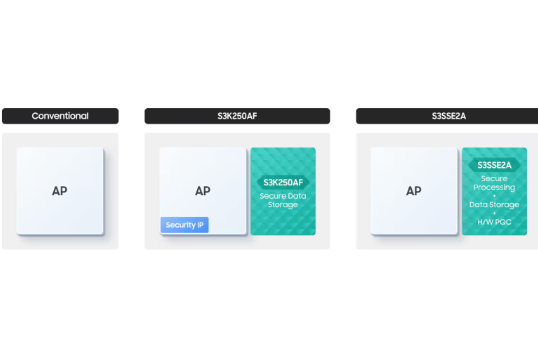
S3SSE2A: a dedicated chip to secure future Galaxy devices from quantum computers
The new chip, named S3SSE2A, was developed by Samsung System LSI (also responsible for the development of Exynos) and is designed to address the looming threat of quantum computers.
Quantum computing, expected to become commercially available after 2030, poses a significant risk to existing security systems. Many of you are probably aware of the fact that these powerful machines could easily decrypt current public-key cryptography, which means traditional security measures could all of a sudden become obsolete. It’s good to see that Samsung is investing the time and effort to futureproof its upcoming Galaxy devices.
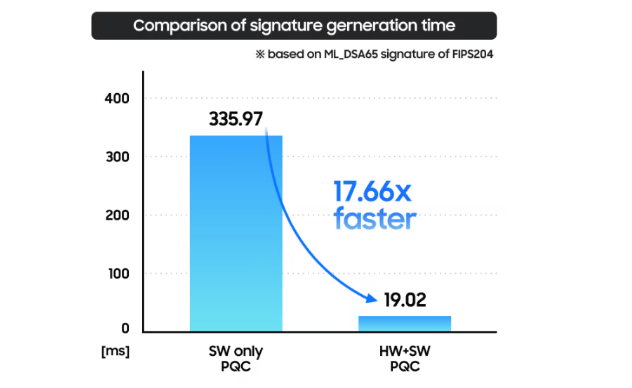
Samsung claims that the S3SSE2A chip can protect against quantum computing risks as early as 2028, well before these machines become mainstream. But which phones will actually benefit from this development? Well, the announcement didn’t reveal much about it.
During the launch of the Galaxy S25 series earlier this year, Samsung announced that the S25 series devices come with PQC capabilities thanks to the Snapdragon 8 Elite chip.
And judging from the association with Samsung’s System LSI (which has nothing to do with the Snapdragon 8 Elite), we speculate that future Galaxy flagships (with the S3SSE2A chip) will be positioned as one of the most secure devices ever built. Also, Samsung could integrate this chip in its in-house flagship Exynos chips, such as the Exynos 2600, and use then in the future S and Z series devices.
Nonetheless, there’s still a lot more to learn about how it integrates with Samsung’s existing security features, such as Secure Folder.
Stay ahead in tech! Join our Telegram community and sign up for our daily newsletter of top stories!
For more daily updates, please visit our News Section.
(Source)

Comments