
Add GIZMOCHINA as Preferred Source on Google
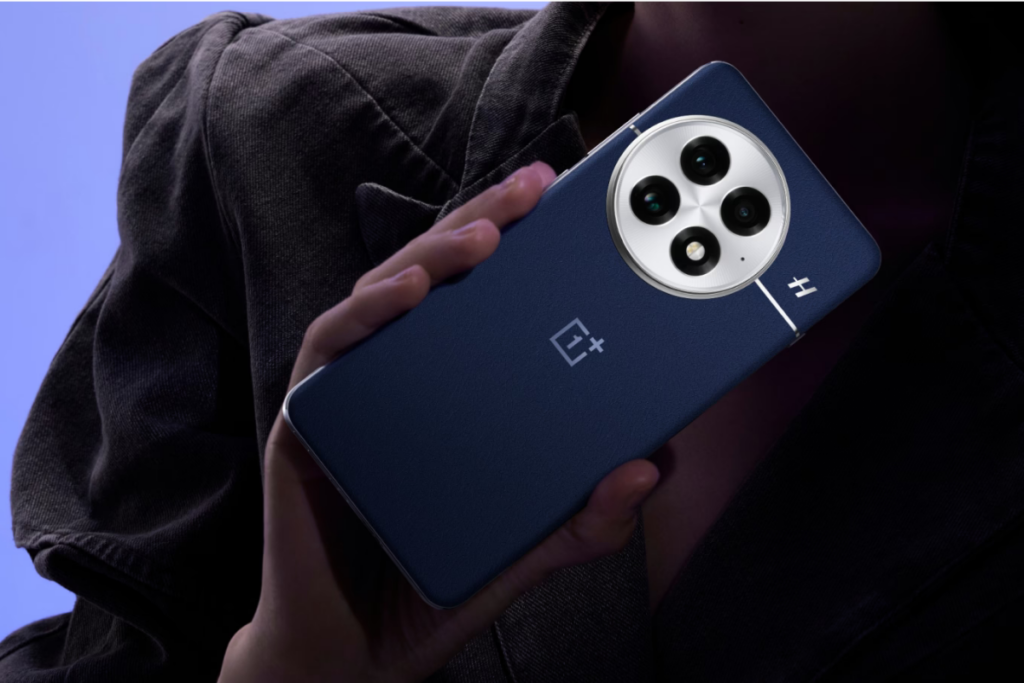
The OnePlus 13 (review) is one of the best flagship smartphones of 2024, featuring a powerful Snapdragon 8 Elite processor, a high-quality camera setup, and a battery that lasts an entire day. However, in 2026, we now have plenty of options with better specs at a similar price.
We’ve curated a list of five flagship smartphones that give the OnePlus 13 a serious run for its money.
1. OnePlus 15
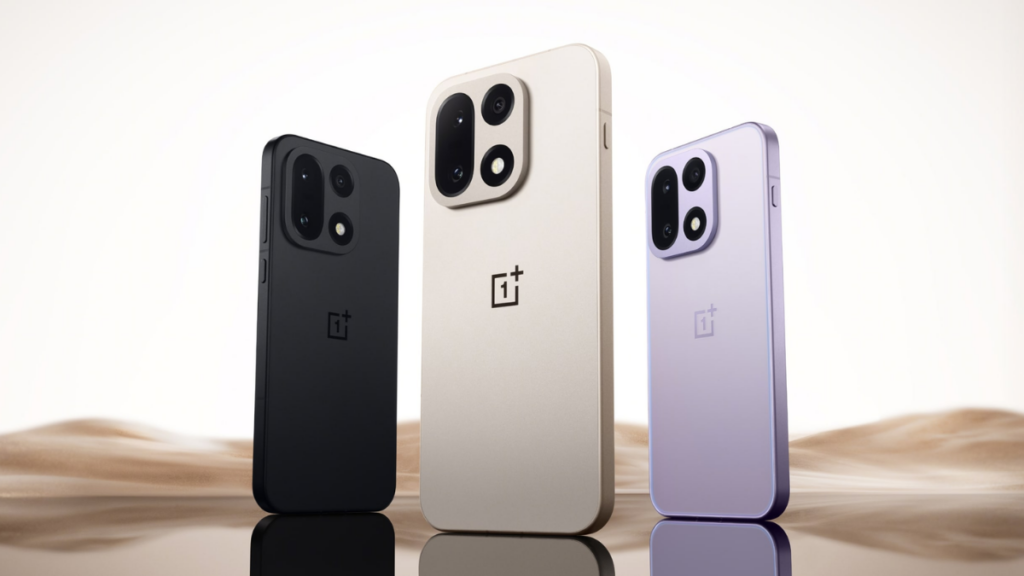
That’s obvious, but the OnePlus 15 is your best bet if you want to stick to OnePlus. By adding just Rs. 3000 (about $40) on top of the OnePlus 13, you’re getting a much better value.
The OnePlus 15 provides enhanced protection on both sides, an upgraded IP rating, and a more advanced display with a higher refresh rate and increased brightness level. It comes with a more powerful Snapdragon 8 Elite, promising up to a 20% CPU performance uplift, 23% improved GPU performance, and a 16% boost in the overall power efficiency.
The camera setup now has Sony IMX906 as the main sensor, and features a 3.5x optical zoom (up from 3x). The OnePlus 15 also offers 21% higher battery capacity and faster charging over a USB-C cable.
2. Vivo X300
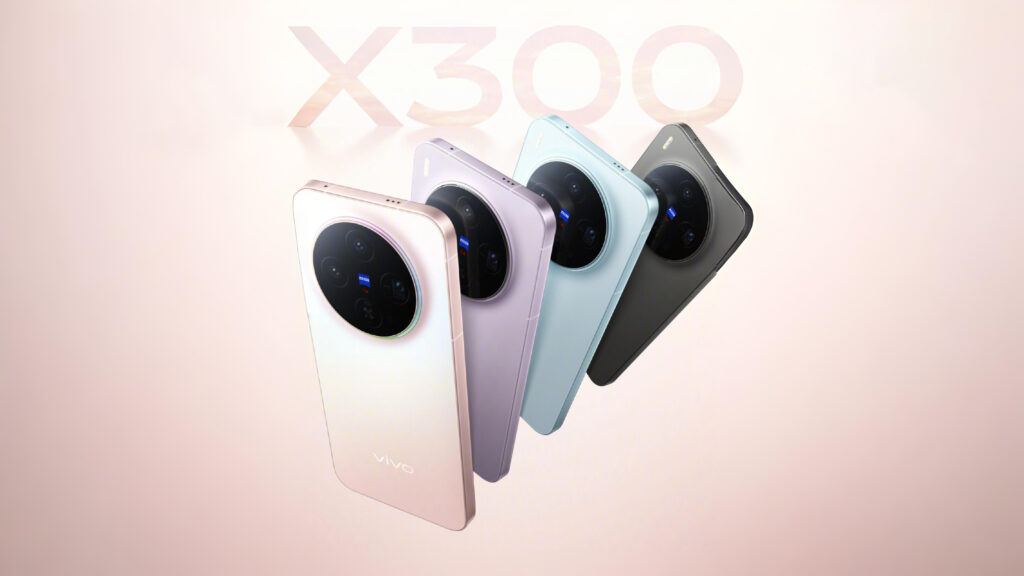
If camera is your primary concern, the Vivo X300 (review) is your best shot from the list. It features a solid triple camera setup, comprising a 200MP primary sensor, a 50MP periscope telephoto lens, and a 50MP ultrawide sensor.
The main sensor captures adequate details with superior dynamic range and highlight control. Daylight shots are excellent, but the low-light shots are far superior to those of the OnePlus 13. The selfie camera also performs better in terms of sharpness, color accuracy, and low-light performance.
The Vivo phone also excels in performance, thanks to a more powerful Dimensity 9500 chipset. The battery capacity stands at 6,040mAh, which is slightly higher than the OnePlus 13, but the latter offers slightly faster charging.
3. Realme GT 8 Pro
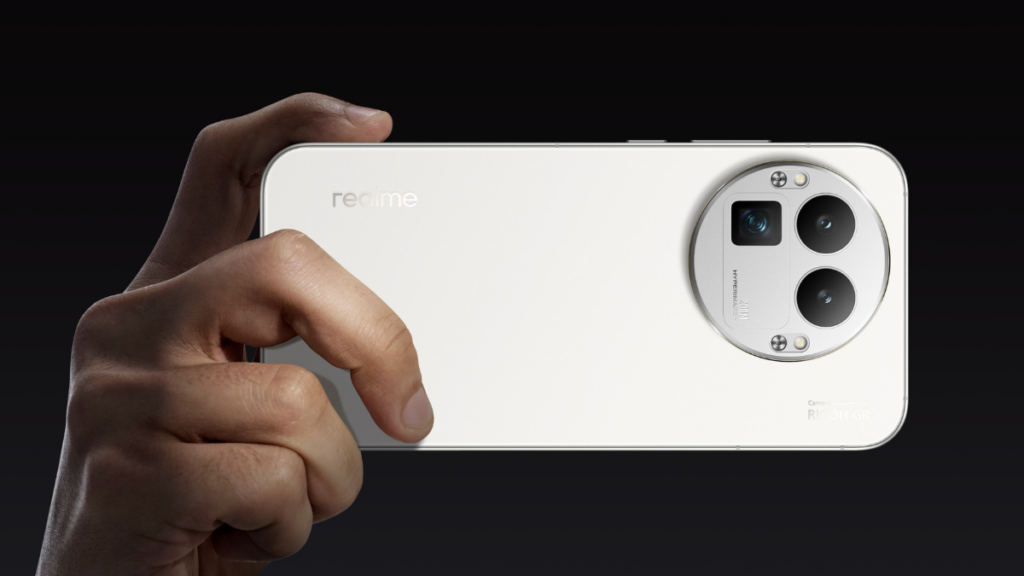
It’s another solid alternative to the OnePlus 13, featuring a more powerful Snapdragon 8 Elite chipset. The screen sizes are nearly equal, but the Realme phone offers a higher refresh rate (144Hz vs. 120Hz) and a significantly higher peak brightness level (7000nits vs. 4500nits).
The rear camera setup on the GT 8 Pro has a 50MP main sensor, a 200MP periscope telephoto lens with 3x optical zoom, and a 50MP ultrawide unit. For selfies, it has a 32MP snapper.
The standout feature is the GT 8 Pro’s 200MP periscope telephoto camera, which captures excellent details with well-controlled noise, better dynamic range, and color accuracy. The OnePus 13, however, may have an edge in low-light and portrait photography.
The Realme phone also excels in battery capacity (7,000mAh vs. 6,000mAh) and charging speed (120W vs. 100W).
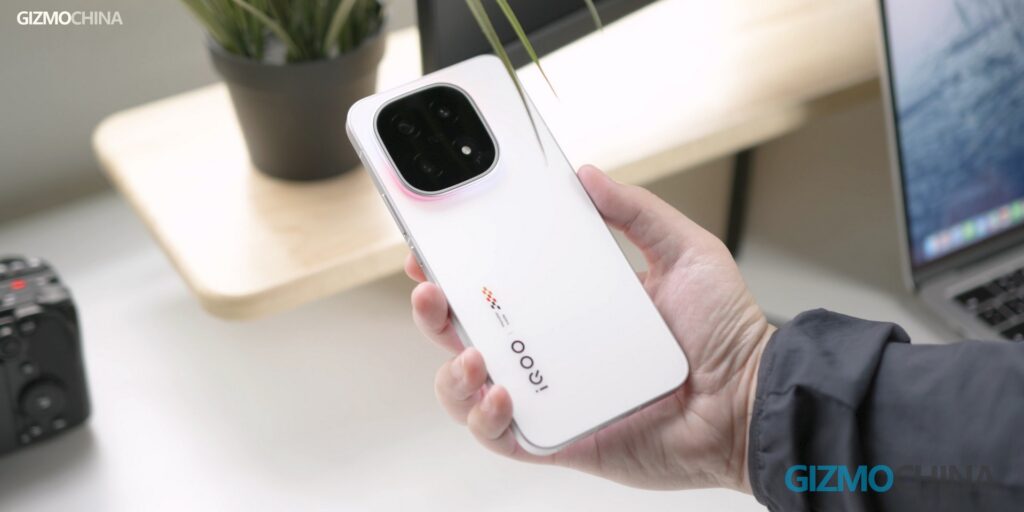
4. iQOO 15
iQOO phones prioritize performance over anything else. So, if that’s top of your list, the iQOO 15 (review) is a compelling choice. It features a top-tier Snapdragon 8 Elite Gen 5 flagship chipset, paired with a dedicated in-house Q3 gaming chip and an oversized vapor chamber cooling system, which offers sustained gaming performance in extended gaming sessions with higher FPS and improved battery efficiency.
The iQOO 13 has an excellent AMOLED screen, featuring a higher refresh rate and peak brightness. The camera specs are almost similar: a 50MP primary shooter, a 50MP periscope telephoto lens with 3x optical zoom, and a 50MP ultrawide shooter. And a 32MP selfie camera in a hole-punch style.
The iQOO phone gets a bigger 7,000mAh battery. The wired charging is the same at 100W, but the wireless charging is slightly faster on the OnePlus 13.
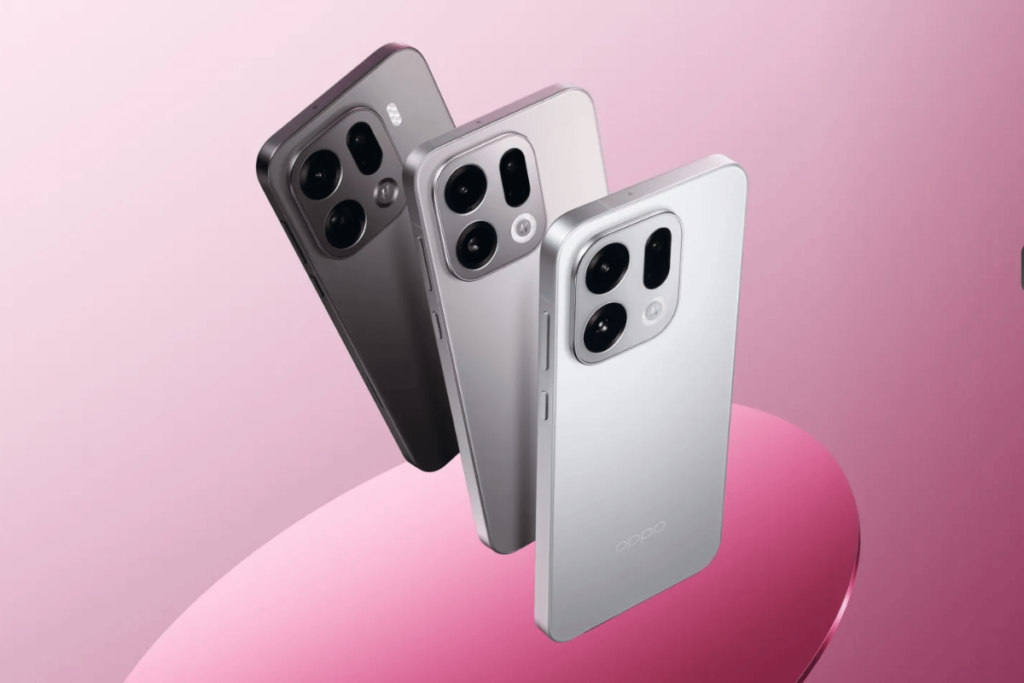
5. Oppo Find X9
The Oppo Find X9 (review) is also a good alternative to the OnePlus 13 for several reasons. One of these is the Dimensity 9500 chipset, which is faster than the Snapdragon 8 Elite found in the OnePlus 13.
The Find X9 also features three 50MP shooters on the back, and interestingly, all three sensors are the same. This essentially translates to similar camera performance on both phones, but OnePlus’s optimizations offer better low-light shots, while Oppo’s implementation may result in slightly better colors, although the difference is not significant in any case. Both phones have the same 32MP selfie snapper.
The Oppo smartphone also offers a higher battery capacity. As for the charging speed, the OnePlus 13 supports a slightly higher speed over a wired connection, but the wireless and reverse wireless charging speeds are the same. Software support is another key advantage for the Find X8, as it will receive OS updates until Android 21, while the OnePlus 13 will reach its end of OS support on Android 19.
That said, the OnePlus 13 remains a solid flagship phone in 2026, but there are excellent alternatives from other brands available in a similar price bracket. Which one is the strongest choice in your opinion among the five phones we’ve listed above?


Comments