
Add GIZMOCHINA on Google:
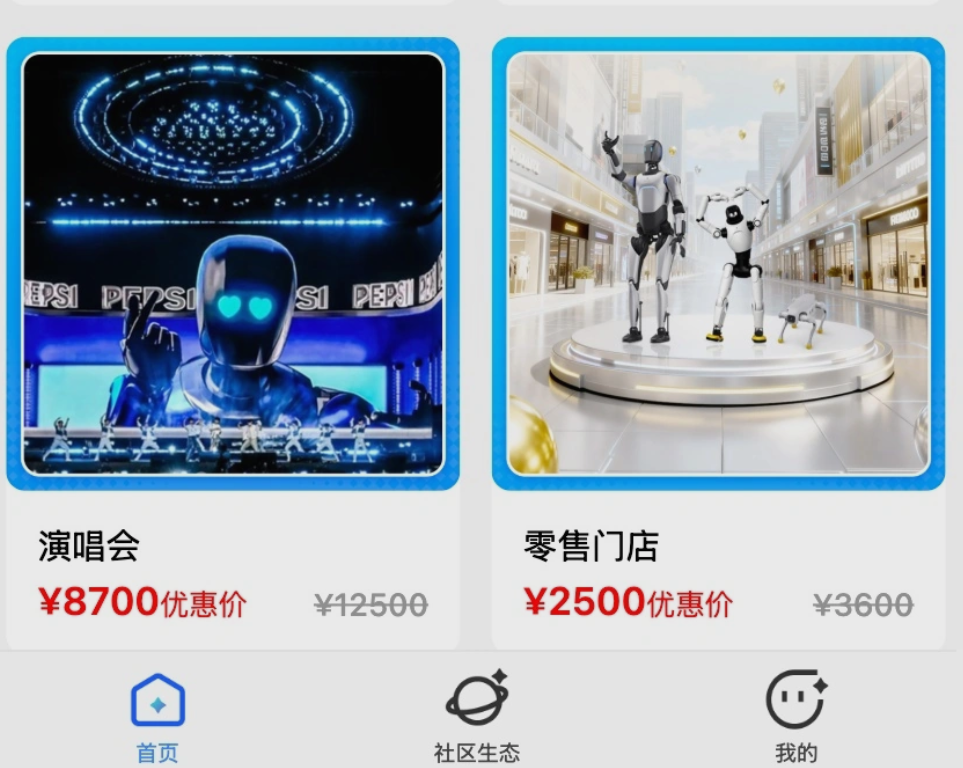
Buying a robot can cost as much as a luxury car. Chinese Robot rental firm Qingtian Rent wants to change that. Launched in Shanghai in late December 2025, the platform lets businesses rent robots by the day, just like booking a car or a food delivery rider. The idea is simple: turn robots from expensive machines into easy-to-use services.
Backed by Big Investors
Investors clearly like the idea. Qingtian Rent has raised tens of millions of dollars in seed funding, led by Hillhouse Capital, with Fosun and other major funds joining in. The money will be used for nationwide expansion, better platform tech, and a standardized service system that includes insurance and trained operators.
Explosive Early Demand
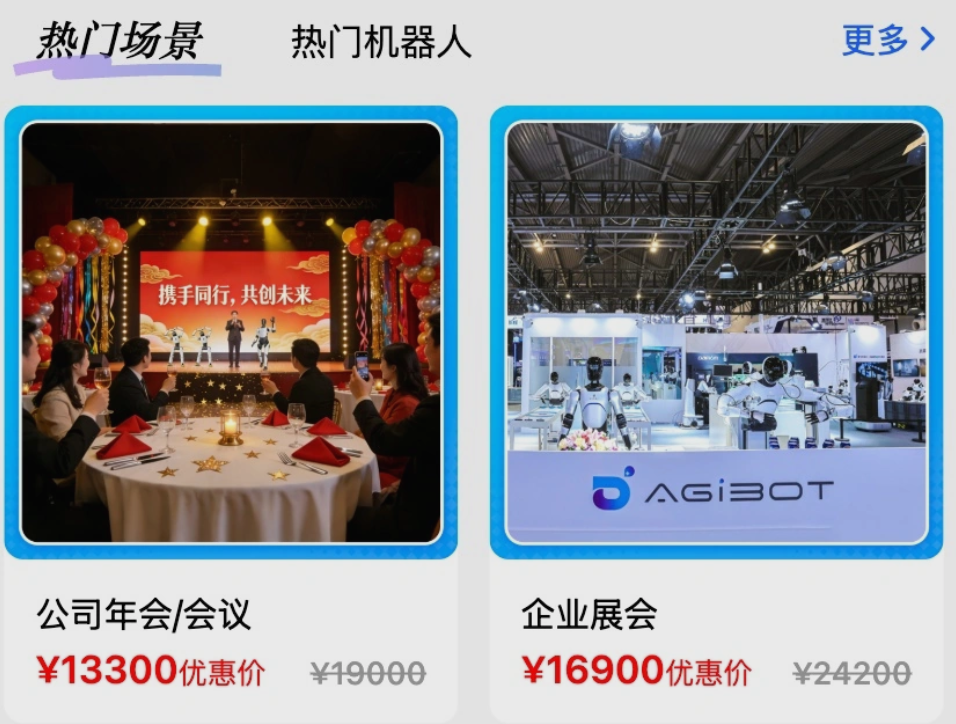
The response has been fast and loud. In just three weeks, more than 200,000 users signed up. Daily rental orders already exceed 200 and are still climbing. Brands like Haidilao, Mixue Ice Cream, and Meiyijia are using robots to attract customers, perform dances, write calligraphy, and create viral moments in stores.
Why Now? Timing Is Everything
Robot rentals are booming in China, especially ahead of the Spring Festival. After humanoid robots went viral at concerts and on TV, demand surged, and supply quickly tightened. Rental prices have also dropped sharply, making robots accessible to smaller businesses for the first time.
More Than Entertainment
While robots are popular for shows and promotions today, Qingtian Rent is betting on a bigger future. As costs fall, robots are expected to move into retail, tourism, factories, and warehouses. The company’s long-term vision is bold: to become the “Didi of robot leasing” and build a nationwide robot service network.
Robot Rentals Outside China
Robot rentals are available in other countries, but mainly in limited and specialized forms. In Japan, the US, and parts of Europe, robots are typically rented for events, exhibitions, security roles, or factory automation. These services are often run by small providers or offered as industrial leasing programs, making them business-focused and far from a mass-market, on-demand experience.
Why China Is Moving Faster?
China’s advantage lies in scale and platform thinking. Strong investor and government support, a huge domestic market, and rapidly falling robot costs have made nationwide Robot-as-a-Service platforms possible. In many other countries, robots are still viewed as long-term industrial investments rather than short-term services, slowing experimentation and delaying widespread robot rental adoption.
Read More:
- New 7-Seat Tesla 2026 Model Y Launches in US, but Families May Still Look Elsewhere
- Huawei Returns as China’s No. 1 Smartphone Brand After Five Years, Overtaking Apple
- Honda Changes Its Iconic Logo After Decades: New ‘H’ Debuts for EV Era
(via)

Comments