Add GIZMOCHINA as Preferred Source on Google
Some of the most exciting phones in the world right now are ones you simply cannot walk into a store and buy, not if you live in the United States, anyway. While Americans are busy debating iPhone versus Pixel, a whole other tier of smartphones is being sold in China, Europe, and parts of Asia that would make your current device feel embarrassingly ordinary.
These phones push cameras, screens, and designs further than anything available at your local carrier store. You just can’t have them. Well, not easily.

To be clear, this isn’t a list of what’s coming soon or what might launch in the US someday. These are phones you can buy right now, just not in the US. Some are blocked due to trade restrictions. Others never made the trip because the manufacturers decided the market wasn’t worth the trouble. A few exist in a legal grey area that makes importing them genuinely complicated. Whatever the reason, they’re out there, and they’re good. Really good.
So if you’re curious what the rest of the world is using. Or if you’re the kind of person who’s already Googling import guides, here’s what you’re missing.
1. Xiaomi 17 Ultra
Display 6.9-inch LTPO OLED, 2608×1200, 3,500 nits peak, 120Hz Chip Snapdragon 8 Elite Gen 5 Cameras 50MP main (1-inch Leica sensor, f/1.7) + 50MP ultrawide + 200MP periscope telephoto Battery 6,000mAh — 90W wired, 50W wireless Durability IP66/IP68/IP69
Xiaomi has been building its partnership with Leica for a few years, and the 17 Ultra is where that work really pays off. The main camera sits on a one-inch sensor, and we called it one of the most ambitious smartphones of the year after getting hands-on time with it at launch.
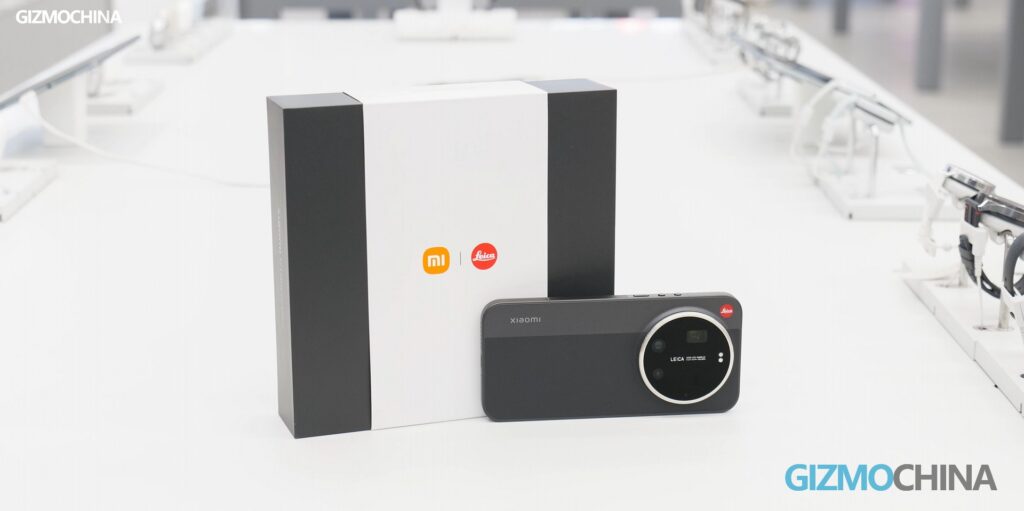
What sets it apart from the usual flagship camera race is the Leica Essential mode, which gives photos their emotions back. Rather than chasing sharpness and perfect accuracy, it pulls back highlights, lets shadows breathe, and adds a subtle grain that makes images feel like they were taken with a real camera rather than optimised by a computer. It’s a genuinely different philosophy, and it works.
The battery is the biggest in any Xiaomi Ultra device yet, and the phone is rated for dust and water resistance at three separate ingress protection levels. It starts at around €1,249 in Europe.
2. Oppo Find X9 Ultra
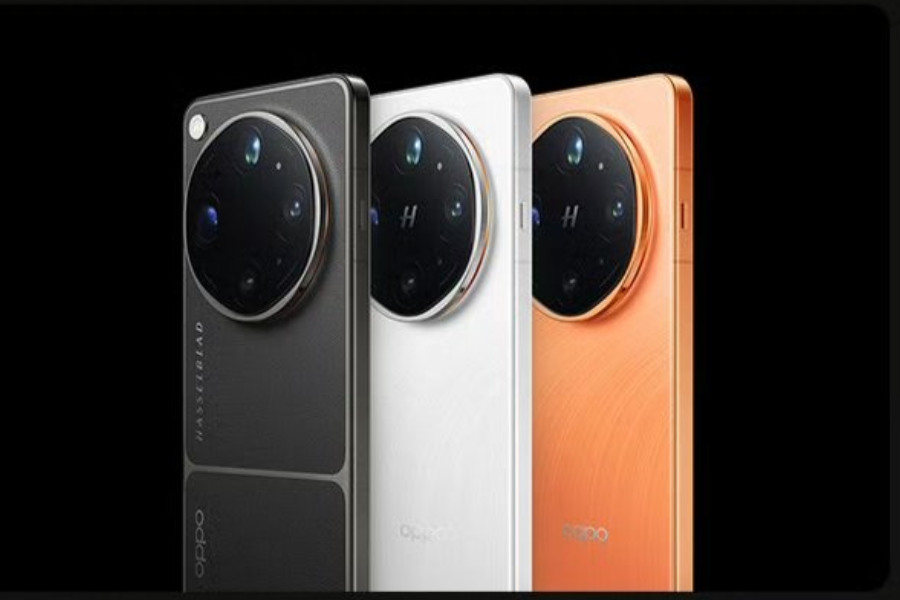
Display 6.82-inch LTPO AMOLED, 3168×1440, 144Hz Chip Snapdragon 8 Elite Gen 5 Cameras 200MP main (Hasselblad) + 200MP periscope telephoto + 50MP secondary telephoto + 50MP ultrawide Battery 7,050mAh — 100W SuperVOOC wired, 50W AirVOOC wireless Durability IP66/IP68/IP69
The Find X9 Ultra is Oppo’s most powerful phone yet, and it comes with a camera setup that looks borderline excessive on paper. Two 200-megapixel sensors, a third 50-megapixel periscope, and a 50-megapixel ultrawide.
So as you might guess, the Find X9 Ultra targets the ultra-premium segment, competing directly with the Xiaomi 17 Ultra and Vivo X300 Ultra as one of the most camera-forward phones on the market.
The Hasselblad tuning on the camera gives the results a more natural, less processed quality that’s different from what Samsung or Google serve up. The Find X9 Ultra leans into a more expressive design with eco-leather options that give a tactile, character-driven feel.
It starts at Rs 169,999 in India, or about $1,776 at current exchange rates. Not cheap, but then again, you’re getting four cameras, with two of them shooting at 200 megapixels.
3. Vivo X300 Ultra
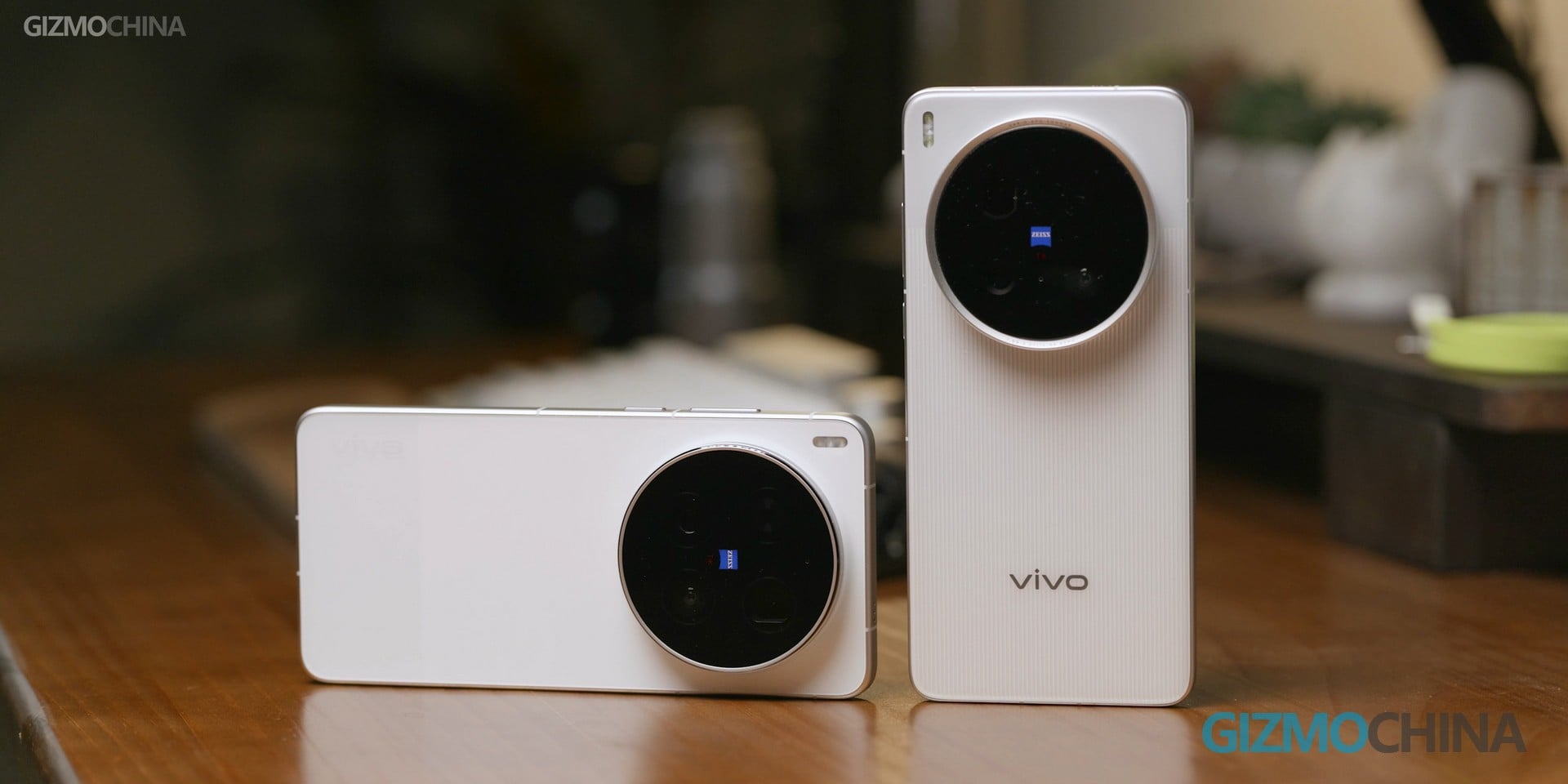
Display 6.82-inch LTPO AMOLED, 1440p, 144Hz, Dolby Vision, Zeiss Master Color Chip Snapdragon 8 Elite Gen 5 Cameras 200MP main (Sony LYTIA 901 sensor) + 200MP periscope telephoto + 50MP ultrawide Battery 6,600mAh — 100W wired, 40W wireless Durability IP68/IP69
Vivo has been making some of the most interesting camera phones in the world for a couple of years now, and the X300 Ultra continues that streak. Though the upgrades this year are just too incremental.
Our first impression of the phone was that it might as well be called the X200s Ultra. Not to say the improvements aren’t noticeable, but modest compared to the generational leap of its predecessor.
That said, what it does well, it does exceptionally. For instance, the “Raw Lighting” mode dials back the computational processing to produce images that look more like they came from a professional camera than a phone. Saturation is reduced, sharpening is toned down, and the fine details come out more naturally. It’s the kind of feature that’s far more useful day-to-day than any flashy filter.
The main camera uses a Sony LYTIA 901 sensor, and Zeiss handles the colour calibration. The telephoto is a genuine upgrade over last year’s, though we found a noticeable difference only in low light. In good lighting, the gap between the X300 Ultra and X200 Ultra is minimal.
The 6,600mAh cell and 100W wired charging run everything. Available from around €1,999.
4. Huawei Pura 90 Pro Max
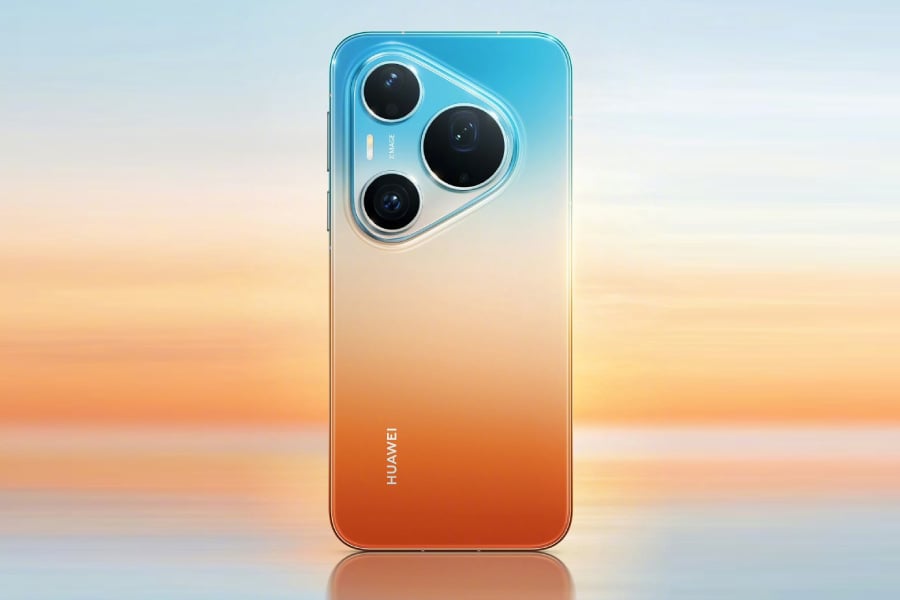
Display 6.9-inch LTPO OLED, 1.5K, 120Hz, Kunlun Glass Chip Kirin 9030S Cameras 50MP main (RYYB sensor, f/1.4–f/4.0 variable aperture) + 200MP periscope telephoto + 40MP ultrawide Battery 6,000mAh — 100W wired Durability IP68/IP69
Huawei is the most complicated name on this list. US trade restrictions have essentially cut the company off from American markets, and using one here comes with real trade-offs — no Google services, limited app support, and software that takes some patience to work around.
With all of that said, the Pura 90 Pro Max’s camera system is genuinely worth knowing about. The Pro Max is the top of the lineup this time, and it leads with a 200-megapixel periscope telephoto camera, a first for any Huawei flagship. The phone also supports up to 20x telephoto video recording using that same lens, putting it in rarefied company on the zoom front.
The main camera uses a variable aperture that physically adjusts like a real camera — ranging from f/1.4 to f/4.0 — which gives you more control over depth of field than any fixed-lens phone can match. Huawei calls this its second-generation Red Maple Image technology, designed to maintain natural colours in complex lighting situations like sunsets or firelight, where other phones tend to go strange.
We compared the phone against the Vivo X300 Ultra, and while it delivers a more elegant and refined experience, it sits a step behind on raw display quality and outright performance. At around $1,199, it’s the most affordable phone on this list. Imported that is.
5. Huawei Pura X Max
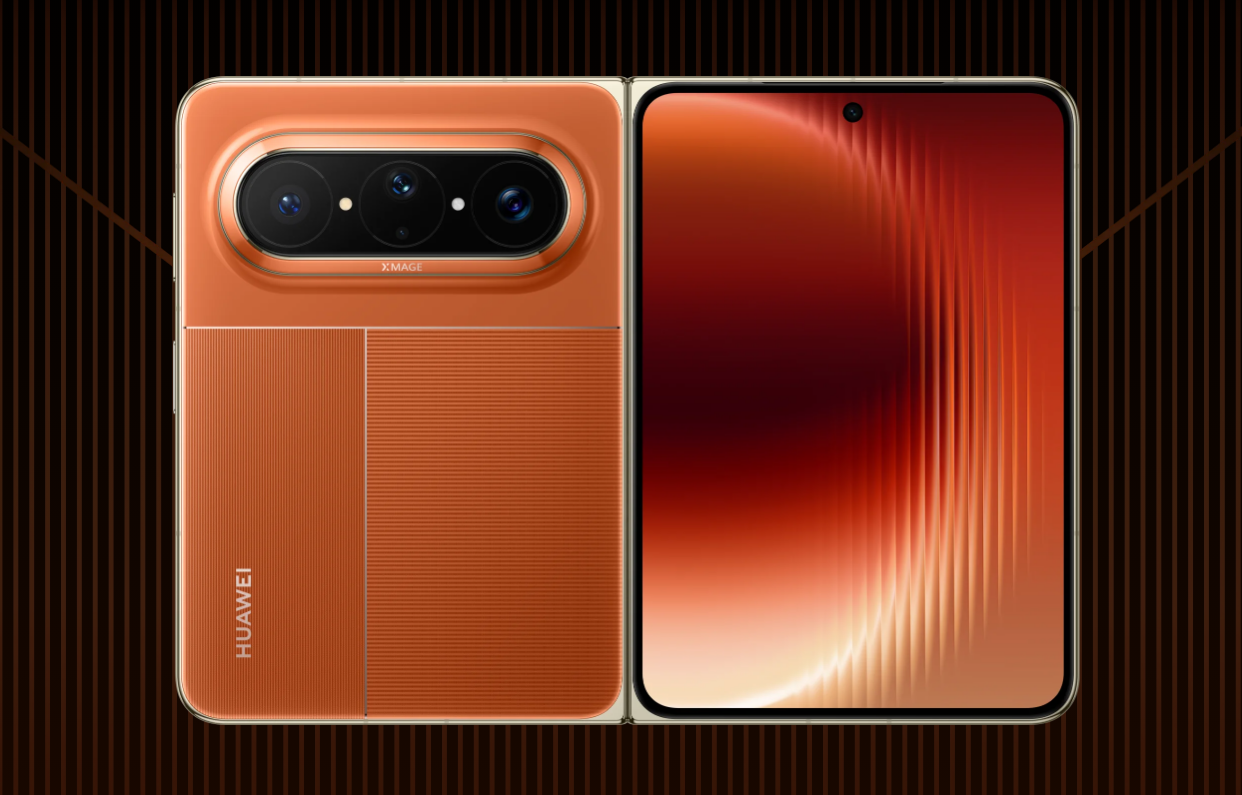
Display 7.7-inch inner OLED (4:3 ratio) + 5.4-inch outer display, 120Hz Chip Kirin 9030 Pro Cameras 50MP main with variable aperture + 50MP periscope telephoto +12.5MP ultrawide Battery 5300mAh— 66W wired Build 5.2mm thin unfolded, 11.2mm folded, 229g Durability IP58/IP59
Most foldable phones fold to be taller and narrower, or they flip to be compact. The Pura X Max does something different. It folds horizontally to create a screen that’s wider rather than taller, closer in shape to a compact iPad than a regular phone. It is the industry’s first horizontally wide foldable with a 7.7-inch inner display and a near 4:3 aspect ratio.
Spoiler: the upcoming iPhone Fold and Samsung Galaxy Z Fold 8 Wide might share a similar footprint.
Such a design has a real upside. Watching video, reading, multitasking, editing photos, or anything you’d normally do on a small tablet is much more comfortable on a display shaped like this. The 5.4-inch outer screen is wide enough to handle messages and calls without unfolding. And despite the large displays, Huawei kept the weight to a reasonable 229 grams and the unfolded thickness to just 5.2mm.
The same Google services caveats that apply to the Pura 90 Pro Max apply here, too. And the water resistance rating of IP58/IP59 is a step below what Honor manages on the Magic V6. But as a piece of hardware, thinking differently about the foldable form factor, there’s nothing quite like it.
6. Honor Magic V6
Display 7.95-inch inner LTPO 2.0 AMOLED, 2172×2352, 120Hz + 6.52-inch outer AMOLED Chip Snapdragon 8 Elite Gen 5 Cameras 50MP main + 64MP periscope telephoto + 50MP ultrawide Battery 6,660mAh (global) or 7,150mAh (China) — 80W wired, 66W wireless Durability IP68/IP69 — first foldable to achieve both ratings
Folding phones have always come with compromises you had to accept in exchange for the novelty. The Magic V6, which debuted at MWC 2026, is the clearest sign yet that Honor has figured out how to close that gap.
Our impression of the foldable was that the crease on the inner display is remarkably shallow, even after a week of heavy use. Honor’s new Super Steel design, rated for 500,000 folds, also feels solid and smooth throughout. It measures 8.75mm folded and just 4mm when open.

Where Honor brings real improvement is ingress protection. The Magic V6 is the first foldable phone in the world to earn both IP68 and IP69 ratings. Getting caught in the rain with a foldable has always been a mild source of anxiety. Not anymore, at least with this one.
The Magic V6 also offers an exceptional camera experience for a foldable. The main is a 50MP sensor that captures an incredible amount of detail, even after significant cropping during post-processing. The periscope telephoto lens supports 3x and 6x optical zoom, though, at 6x, AI processing is quite prominent.
7. What you should know before importing
Importing any of these phones is possible, but not always simple. You’ll want to research band compatibility carefully; not all models support the same 5G and LTE frequencies used in the US, which means you might end up with slower data speeds or limited coverage.
The Huawei devices in particular require workarounds for apps that rely on Google services. And warranty support? You’re largely on your own. But if you’ve ever looked at what’s available at your carrier and thought this is it? Now you know there’s a lot more out there. Just not here.
For more daily updates, please visit our News Section.
Stay ahead in tech! Join our Telegram community and sign up for our daily newsletter of top stories! 💡