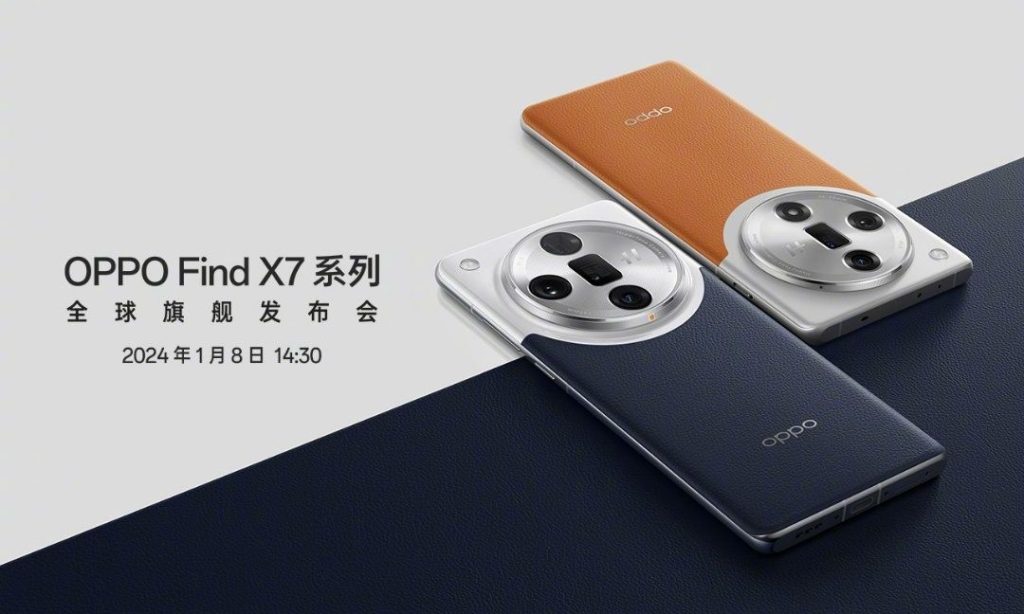
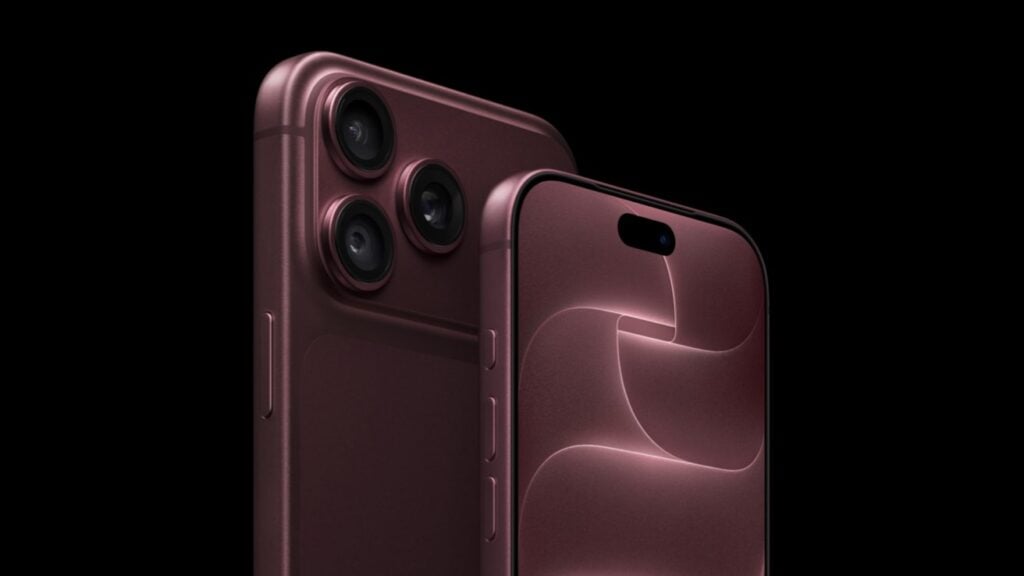
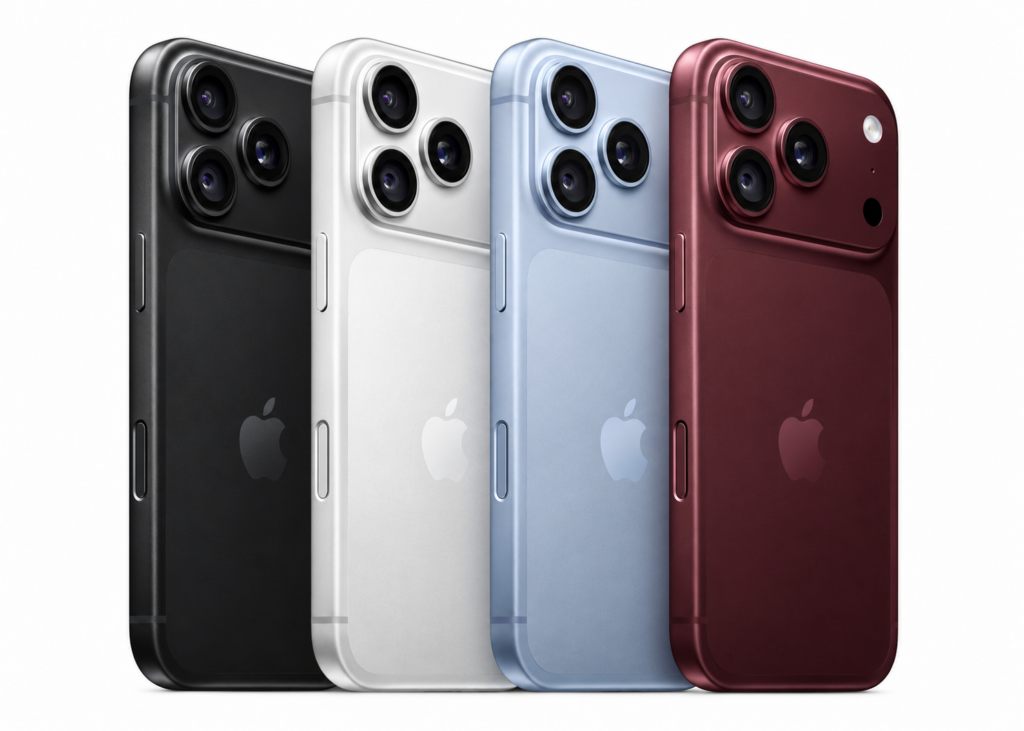
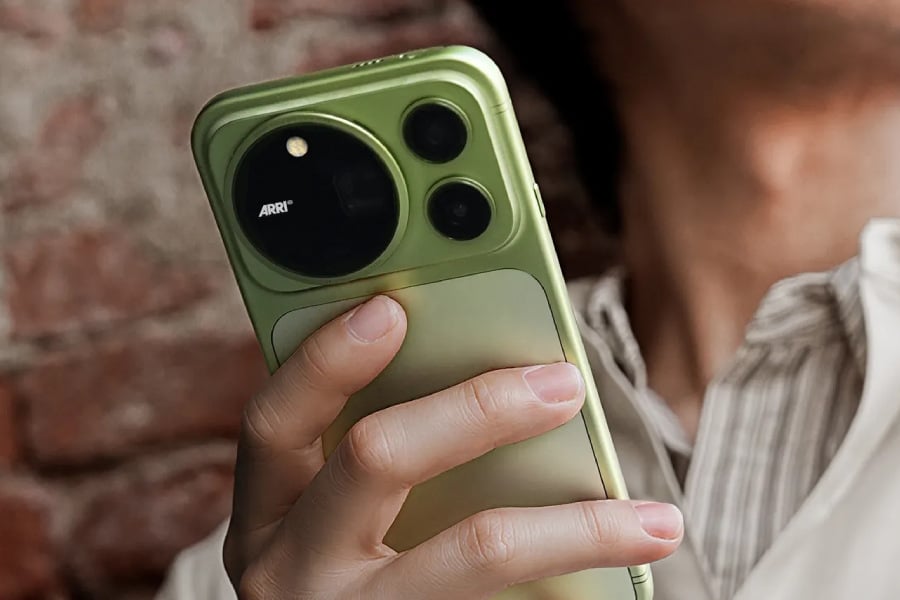
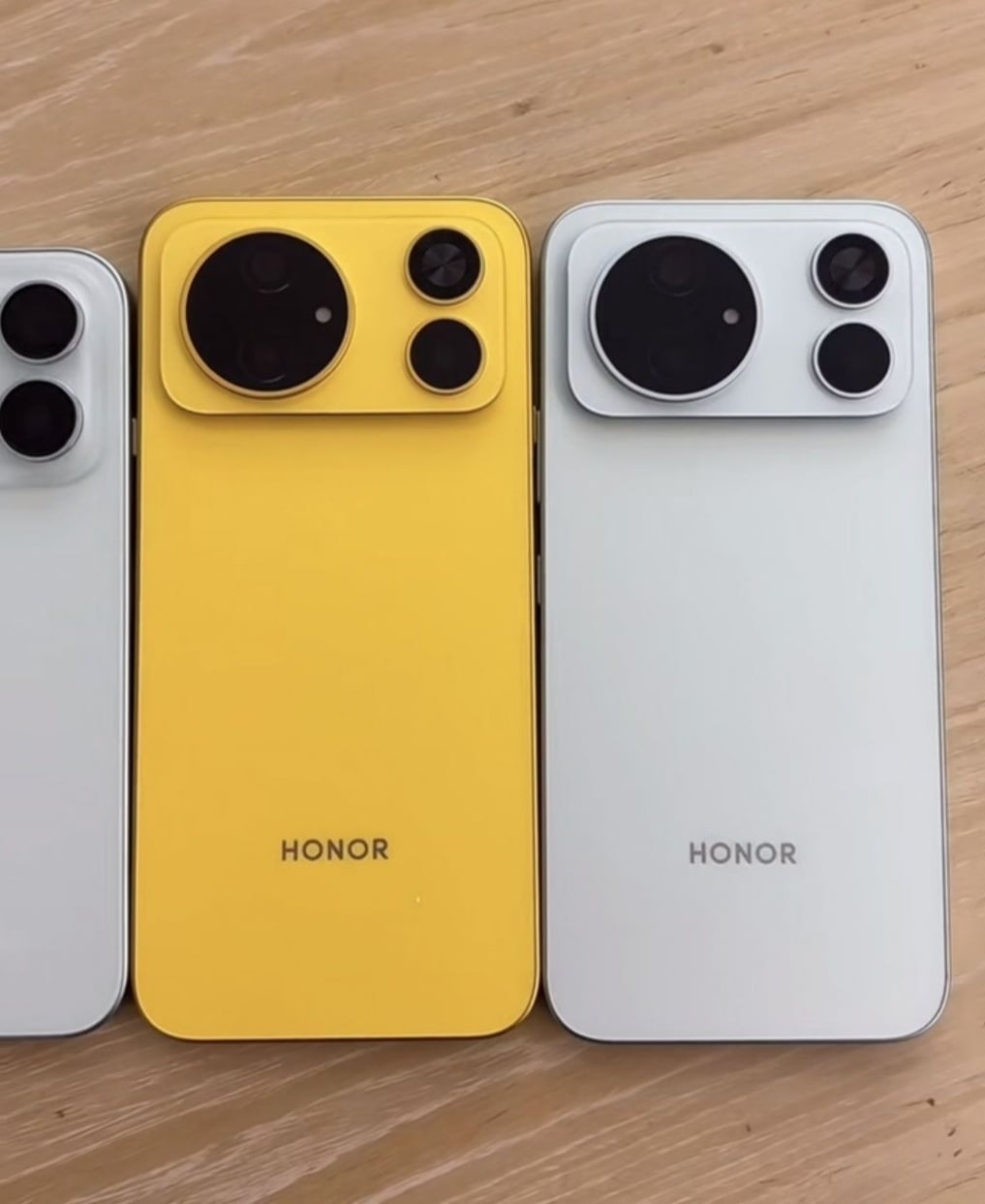
Oppo has officially confirmed that it will unveil the Find X7 series of smartphones at 2:30 pm (local time) on Jan. 8, 2024, in China. In addition, the Find X7 and Find X7 Ultra smartphones are now listed on Oppo China’s online store for reservations. The official listings have confirmed the configurations and color options of both smartphones well ahead of the official announcement.
Oppo Find X7 series launch date
Oppo Find X7
Reports have revealed that the Find X7 will come equipped with the Dimensity 9300 chipset. The official listing reveals that it will come in four configurations, such as 12 GB RAM + 256 GB storage, 16 GB RAM + 256 GB storage, 16 GB RAM + 512 GB storage, and 16 GB RAM + 1 TB storage.
The Find X7 will be available in four shades, such as Starry Sky Black, Sea and Sky, Desert Moon Silver, and Smokey Purple.
Oppo Find X7 Ultra
The Find X7 Ultra is expected to come equipped with the Snapdragon 8 Gen 3 SoC. It will be available in three variants, such as 12 GB RAM + 256 GB storage, 16 GB RAM + 256 GB storage, and 16 GB RAM + 512 GB storage.
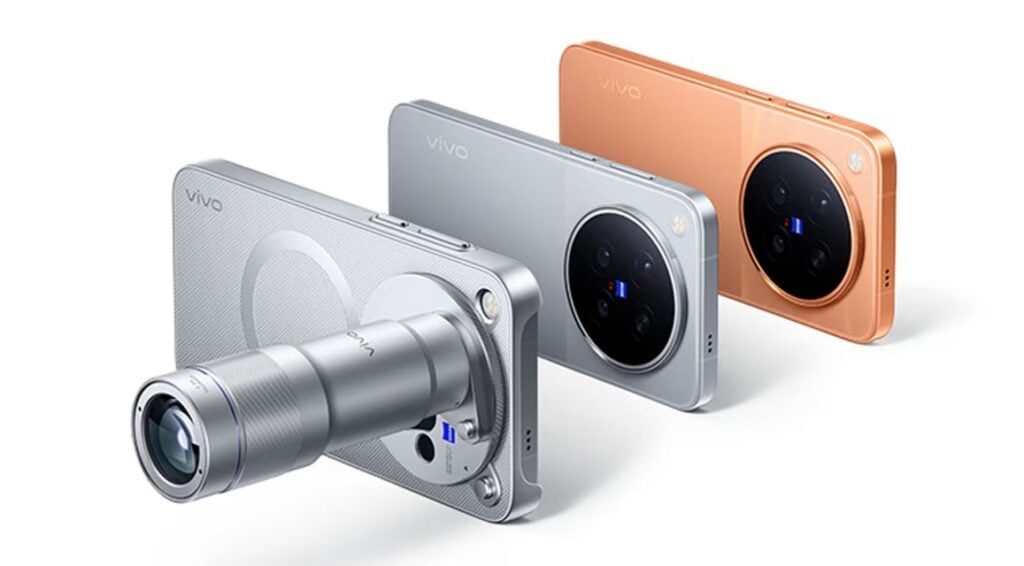
Find X7 Ultra: Pine Shadow InkFind X7 Ultra: Sea and SkyFind X7 Ultra: Desert Moon Silver.
When it comes to color options, the Find X7 Ultra will come in choices such as Pine Shadow Ink, Sea and Sky, and Desert Moon Silver.
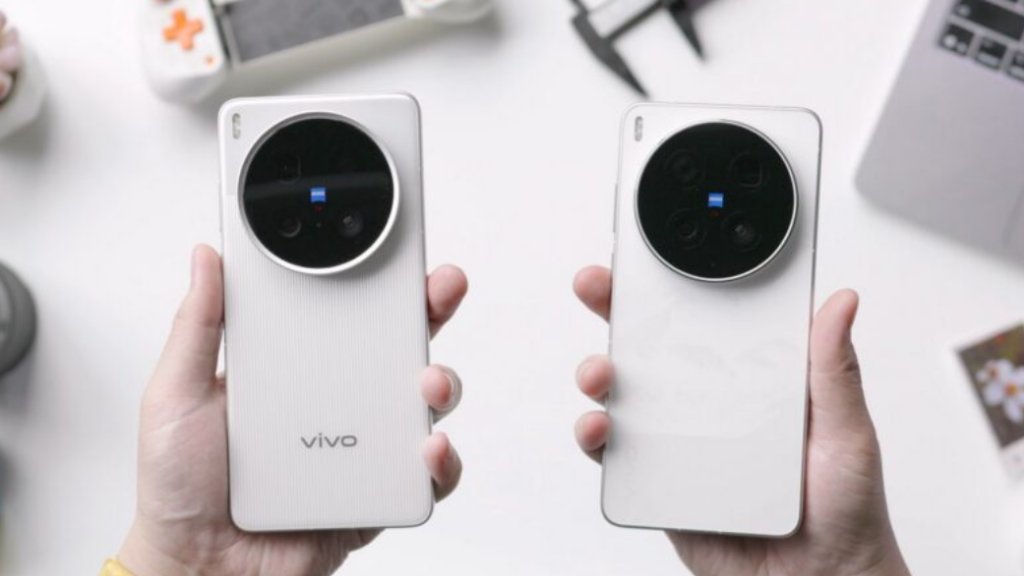
The Find X7 and Find X7 Ultra have a similar design, with the front featuring a punch-hole display with curved edges and a dual-tone back panel with a massive camera module. The Find X7 has a triple-camera unit, whereas the Find X7 Ultra has a quad-camera system. The Ultra variant will be the world’s first smartphone to feature dual periscope telephoto cameras. In addition, it will also be the first-ever phone to feature the one-inch Sony LYT-900 50-megapixel camera sensor as the primary snapper.
It is said that there will be a third device called the Oppo Find X7 Ultra Satellite Communication Version, which will come with support for two-way satellite communication. The rest of its specs will be identical to the Find X7 Ultra.
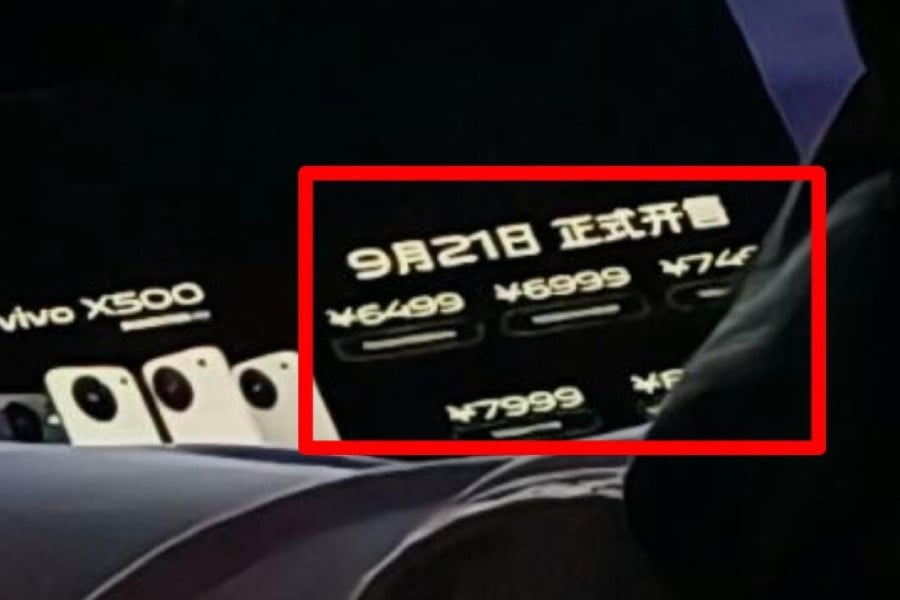
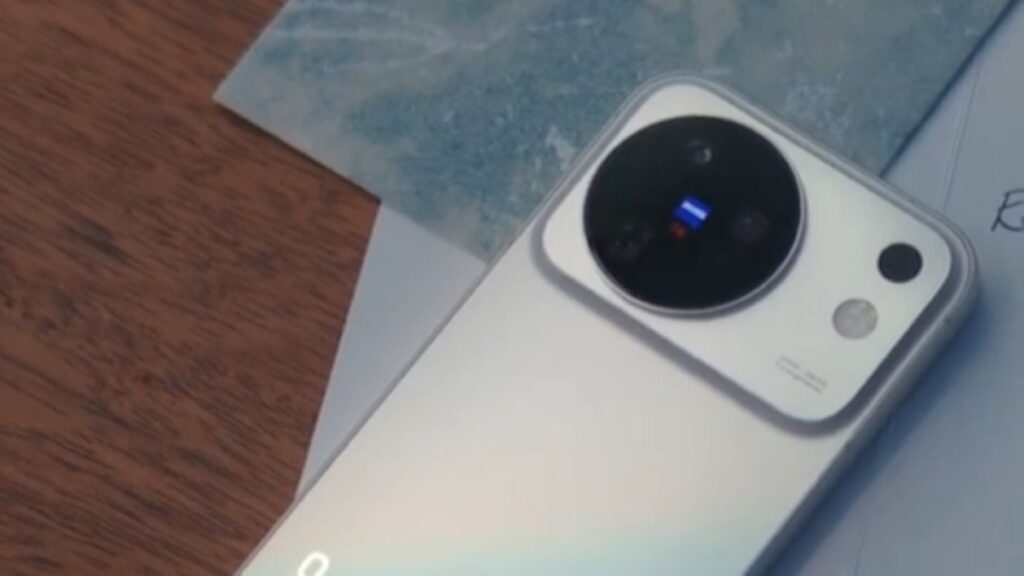
A blurry photo that appears to show a Vivo presentation slide lists the Vivo X500 with a starting price of 6,499 yuan (~$970). And if that’s true, it’s a lot!
The photo was taken at an angle, and some of the text is difficult to read. Still, it’s not difficult to guess this is the standard Vivo X500 given the left-aligned camera module and the name itself on the slide.
The slide lists five prices below the launch date. The base model starts at 6,499 yuan (~$970), followed by 6,999 yuan (~$1,045), 7,499 yuan (~$1,119), and 7,999 yuan (~$1,193) for higher-tier variants. The fifth price is cut off in the photo.
How it compares with the Vivo X300
The Vivo X300 launched in China at 4,399 yuan (~$605) for the 12GB + 256GB version. The top 16GB + 1TB model cost 5,799 yuan (~$800).
If the leaked 6,499 yuan starting price is accurate, the Vivo X500 would start 2,100 yuan (~$313) higher than the base Vivo X300. That is an increase of roughly 48%. Also, all the prices in the leaked slide are higher than the launch price of the highest-end Vivo X300 configuration.
Vivo X500
Vivo is not the only phone maker raising prices in China this year. Huawei, Xiaomi, and Honor have all increased prices on their phones as a result of rising memory costs. However, if the Vivo X500 really starts nearly 50% higher than its predecessor, that would be a much bigger increase.
The higher price of the Vivo X500 cannot be explained by its chipset as well. A Geekbench listing shows the phone with 12GB of RAM and a Dimensity 9500 or 9600M chipset. This is the more affordable chip in the regular Vivo X500.
Vivo X500 launch is tomorrow
Vivo will launch the Vivo X500 series in China on September 21. The lineup is expected to include the Vivo X500, Vivo X500 Pro, and Vivo X500 Pro Max. Our Vivo X500 series roundup covers the specifications and other leaks reported so far.
For now, we suggest treating the 6,499 yuan (~$970) starting price with skepticism. Vivo’s launch event should give us the official numbers.
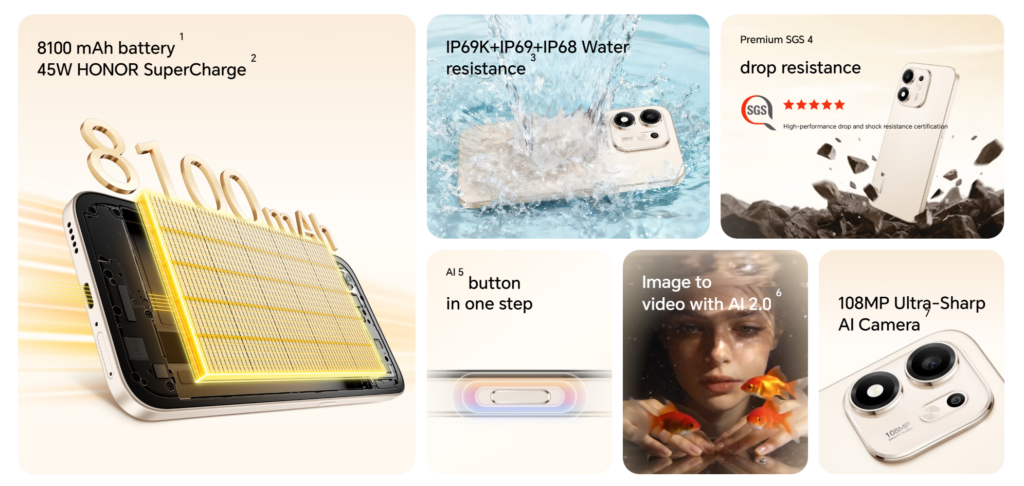
The Honor 600 Elite 5G is now listed on Honor’s LATAM website, marking the fourth addition to the Honor 600 lineup for the global market. It joins the Honor 600, Honor 600 Pro and Honor 600 Elite, all of which launched earlier this year. The new model focuses on long battery life and durability, packing an 8,100mAh battery, IP69K-rated protection, SGS-certified drop resistance and a range of AI features.
Honor 600 Elite 5G specifications and features
Honor 600 Elite 5G
The Honor 600 Elite 5G’s biggest highlight is its 8,100mAh battery, with a nominal capacity of 7,900mAh. It supports 45W Honor SuperCharge and is designed to operate across temperatures ranging from -30°C to 50°C. Honor also claims six years of durability and performance for the device.
On the front, the phone has a 6.87-inch TFT LCD with a 1592 x 720-pixel resolution, 120Hz refresh rate and up to 1,020 nits HBM brightness. It is powered by the Snapdragon 4 Gen 4 chipset, paired with 8GB RAM and 256GB storage. Honor RAM Turbo provides up to 16GB of virtual RAM for a claimed 24GB equivalent memory experience. The phone runs MagicOS 10.0 based on Android 16.
Honor 600 Elite 5G key feautres
For photography, there is a 108-megapixel f/1.75 primary rear camera with an auxiliary lens, while selfies are handled by a 5-megapixel front camera. AI 2.0 can turn images into videos, while the dedicated AI Button provides quick access to features such as AI Summary, AI Writing, Circle to Search and AI Memory.
The 600 Elite also features a side-facing fingerprint sensor and dual speakers with 400 percent volume boost support. Connectivity features include 5G, 4G LTE, dual Nano SIM support, dual-band Wi-Fi, Bluetooth 5.1, USB-C, and a 3.5mm headphone jack.
Honor 600 Elite 5G
When it comes to durability, the phone carries IP68, IP69 and IP69K ratings, with protection against water and dust under controlled laboratory conditions. Honor says it can withstand water temperatures of up to 85°C and has been tested through 10,000 water exposure cycles. It has SGS-certified drop and crush resistance and is claimed to withstand drops from up to 2.5 metres under Honor’s laboratory testing conditions.
Honor 600 Elite 5G price and availability
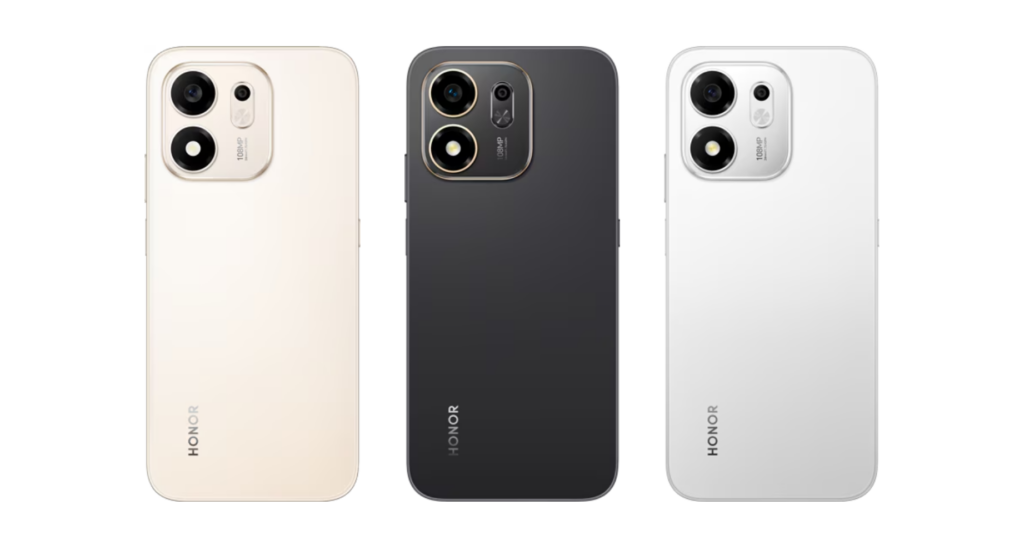
Honor has not announced the price or sale date for the Honor 600 Elite 5G. The listed configuration is 8GB+256GB, with Desert Gold, Velvet Black and Meteor Silver colour options. Details about sales channels and availability in individual global markets are also yet to be confirmed.
Casio has expanded its analog watch lineup in India with the new MTP-SN4KRL-1A, priced at ₹5,495 ($57). The design may look familiar, as the new model is essentially a leather-strap version of the MTP-SN4K steel watches that we covered earlier today.
Instead of a metal link bracelet, this version ships with a genuine leather band. The change in strap shifts the watch from a casual, everyday metal piece to something that leans a bit more toward a traditional dress watch. Because it swaps out the steel band for leather, it is also quite light, weighing in at just 60 grams.
The case itself measures 50.5 by 41.2 mm, but the most practical dimension is its thickness. At 8.15 mm thick, it has a relatively slim profile that will easily slide under a shirt cuff. The case features a standard ion-plated finish, highlighted by a rose gold-tone bezel that frames the dial, while standard mineral glass protects the face.
On the dial, Casio is using a multi-dial layout. While it might look like a chronograph at a quick glance, the three sub-dials are actually dedicated to calendar and time tracking.
Alongside the main hour, minute, and second hands, the smaller dials display the date, the day of the week, and a 24-hour readout. It is a straightforward setup for people who want a bit more information on their wrist without relying on a digital display or a smartwatch.
Inside, the watch runs on a standard quartz movement with an accuracy rating of ±20 seconds per month. It is powered by an SR621SW battery, which Casio estimates will last for about two years before needing a replacement.
As for durability, the MTP-SN4KRL-1A comes with a basic 30-meter water resistance rating. This means it will easily survive rain or washing your hands, but it is not built for swimming or showering.
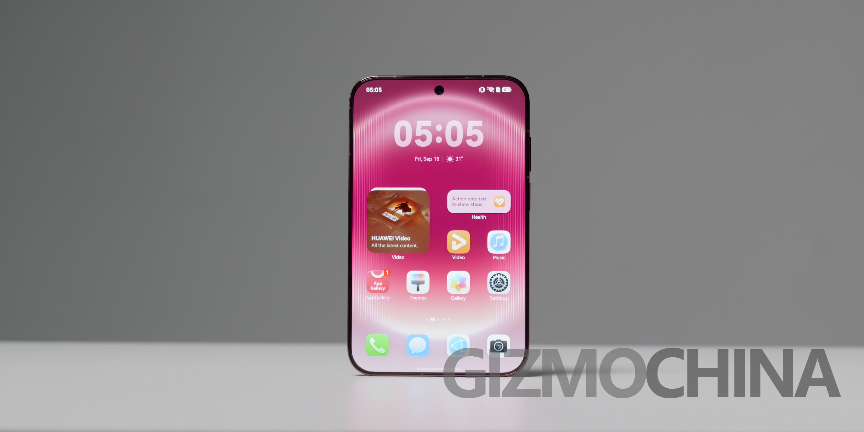
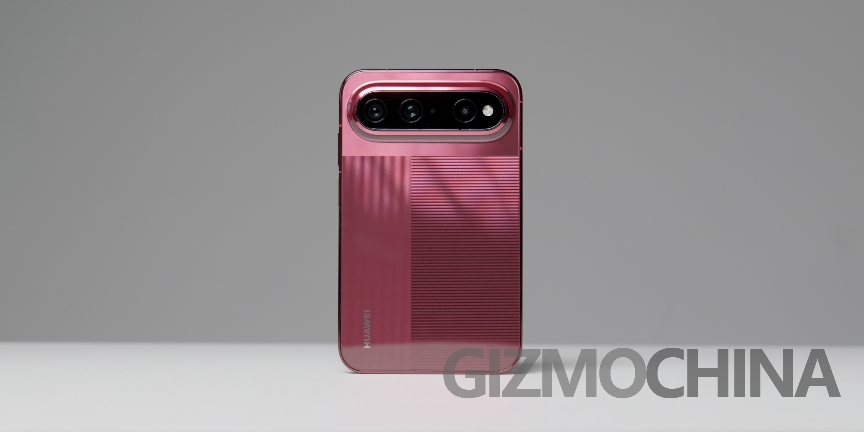
Last year, there was the HUAWEI Pura X, then the Pura X Max, now this is the Pura X View. These are the phones with the new form factors, that HUAWEI has been experimenting with. I say experimenting, but actually they are not exactly new, I think BlackBerry was the brand that’s known for wide phones. And interestingly, the Pura X View is a lot like those. Here in this review, we will do a very quick hands-on. And since we are not sure if this will be released globally, you can purchase the Chinese version from Geekwills.
Form Factor
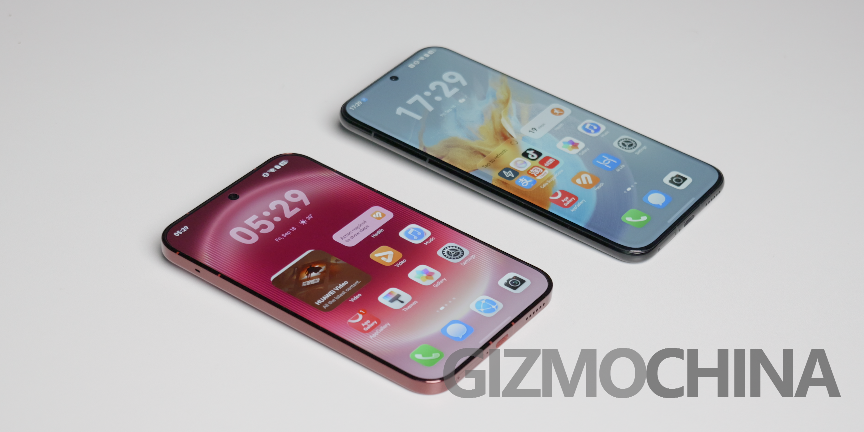
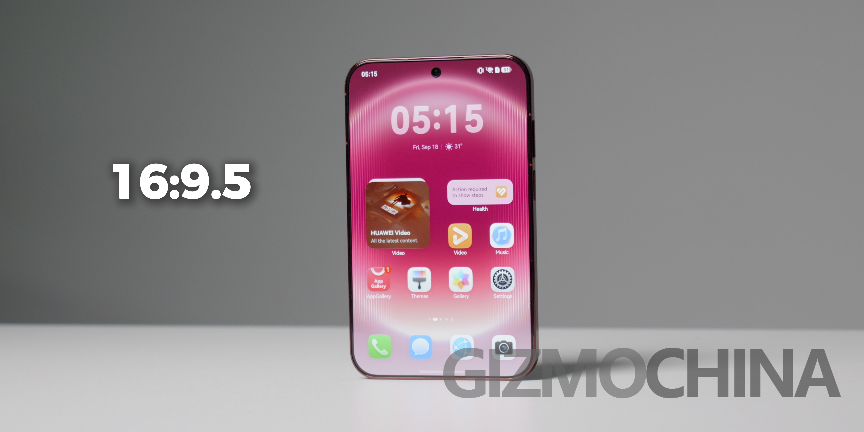
Now this phone is sort of like the non-foldable sibling of the Pura X, they share almost the same size of inner screen. The aspect ratio of the screen is 16:9.5, which means, it is just a bit wider up and down than regular 16:9 videos we watch all the time.
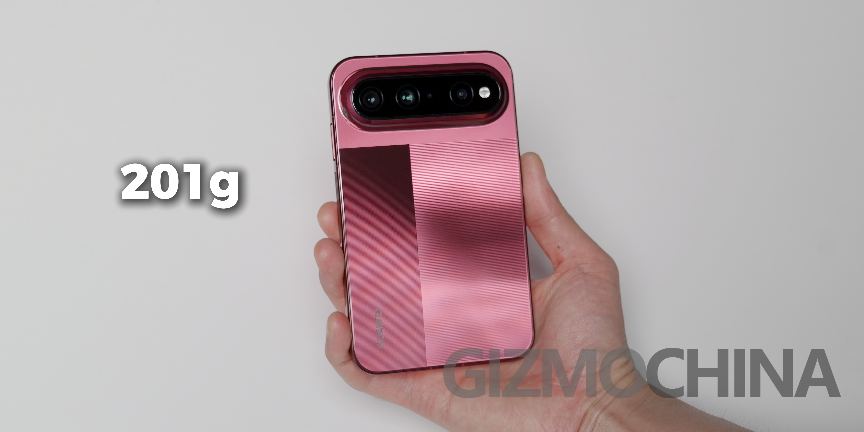
And it weighs about 201g, a very light phone actually. And unlike the regular flagship that has a heavy camera module on top, holding in the hand is very comfortable. It’s hard to describe it with words, you will know when you really hold it in your hand.
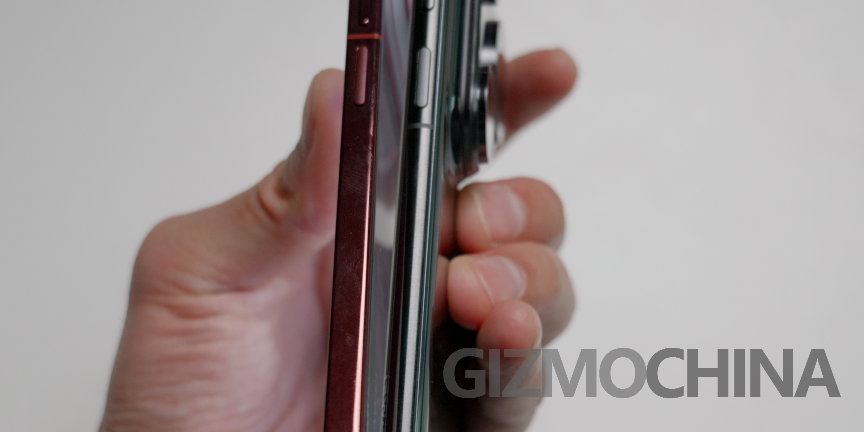
And although it is wider, there is no problem putting it in the pocket, and you won’t feel uncomfortable at all. And also because it is wider, it can be made thinner, it is indeed a bit thinner than other flagships. One thing I personally am not quite fond of is, since the frame is thin and glossy, it is a bit hard to grab it from the desk, but maybe a better case can fix this problem. It packs a 7000mAh big battery, again thanks to the wider body.
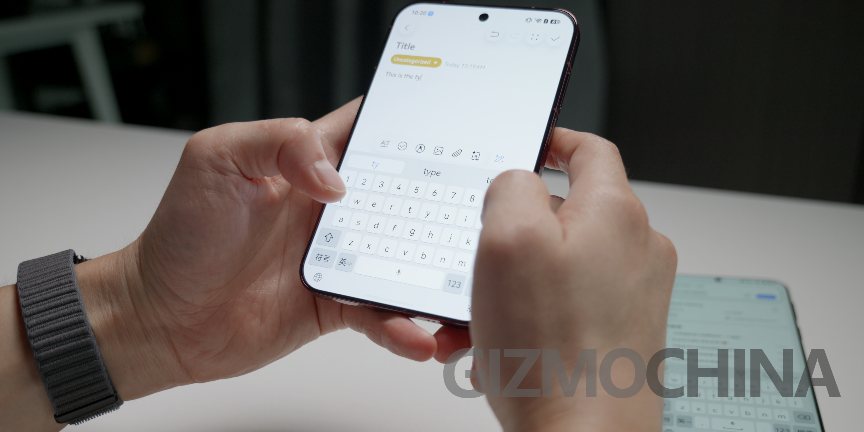
With this wider screen, it is better for typing, dealing with docs, reading, watching content, even gaming. Let me show you these one by one.
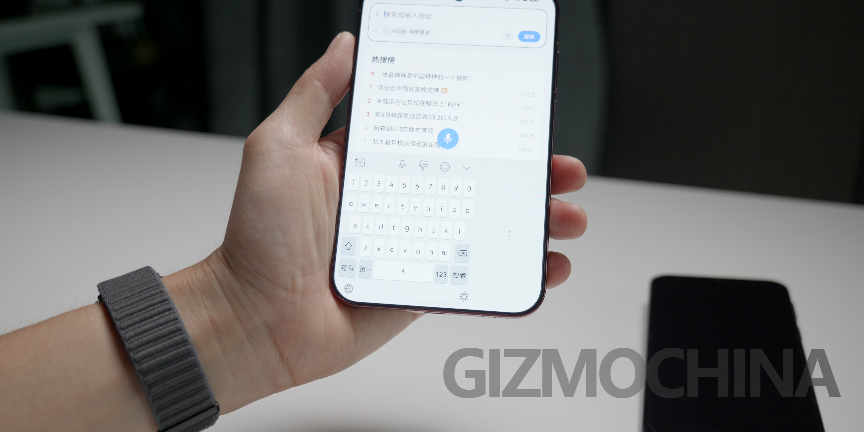
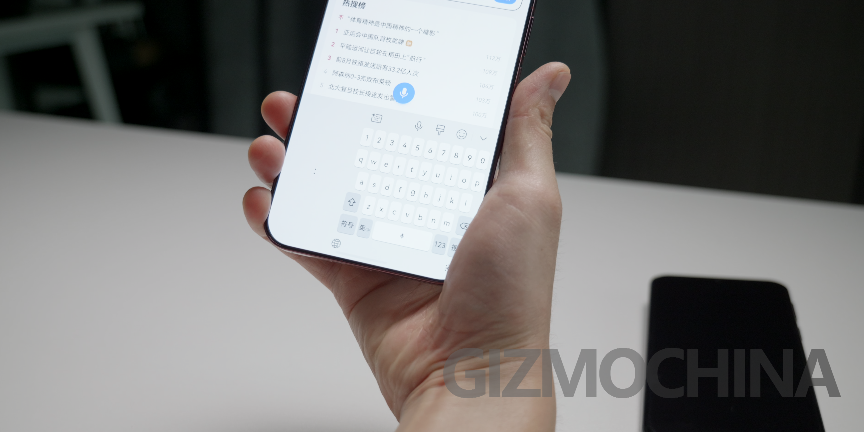
As you can see, each key is wider than on regular phones, so the chances you mistype are a lot lower, therefore your productivity is better. But to get that productivity, you have to type with both hands. If you do want to use only one hand, there is a one-hand mode. It can also recognize which hand you are using, then move the keyboard to that side.
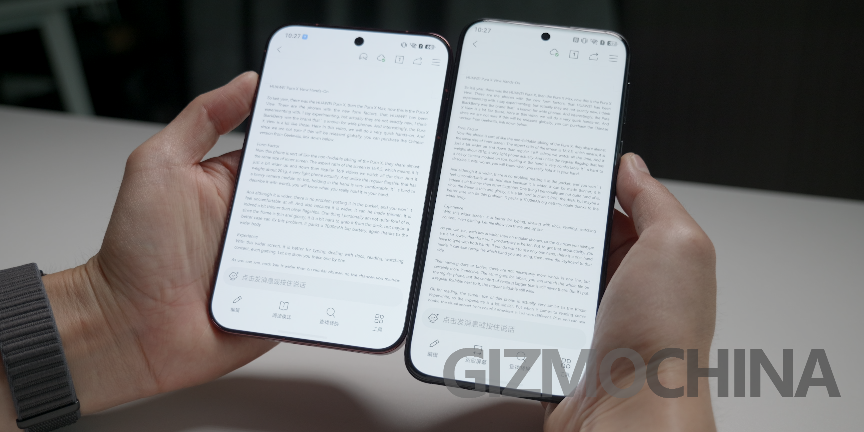
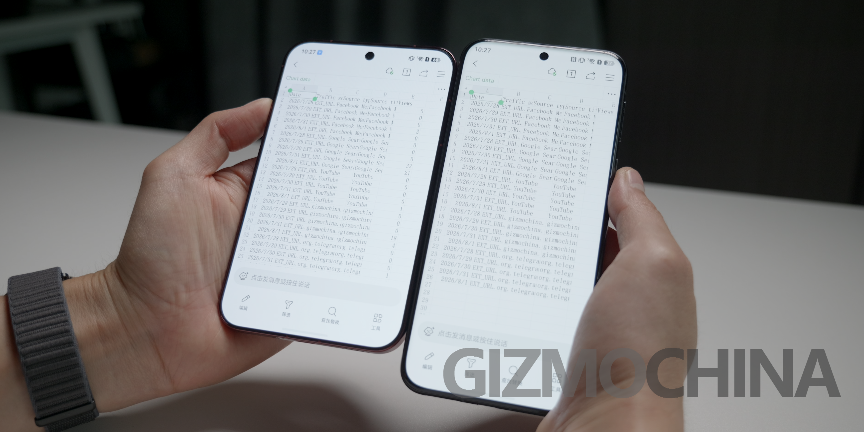
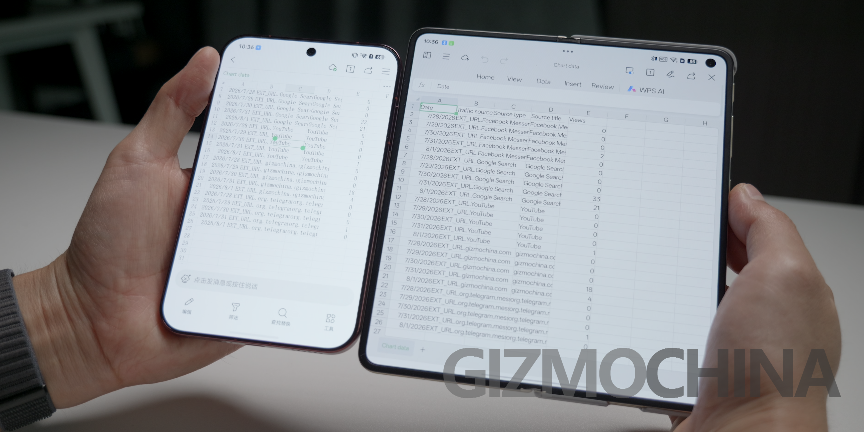
Then viewing docs or tables, there are not necessarily more words in one line, but certainly more immersive. The same goes for tables, you can stretch the whole file on the regular phone, but the comfort of reading bigger text is still never there. But if I put a regular foldable next to it, the regular foldable still wins.
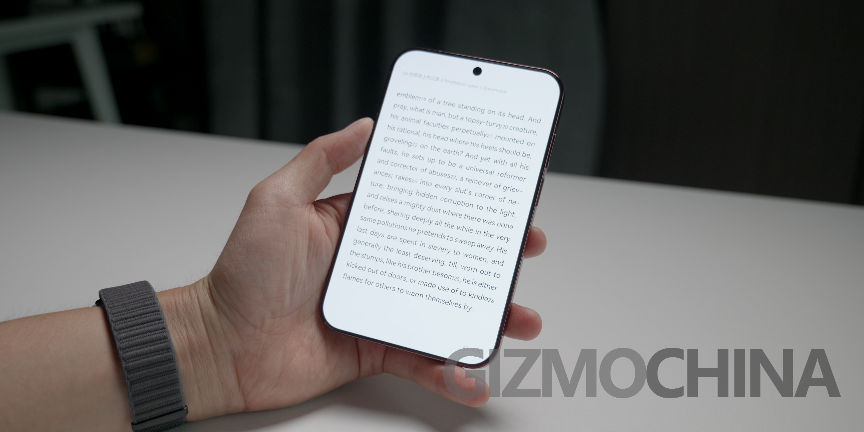
Ok for reading, the screen size of this phone is actually very similar to the Kindle Paperwhite, so the experience is a lot similar. But when it comes to reading comic books, the visual impact from colorful drawings is just very different. Plus, you can use the power button to turn pages, and it is more pocketable than the Kindle.
16:99:1616:92:1
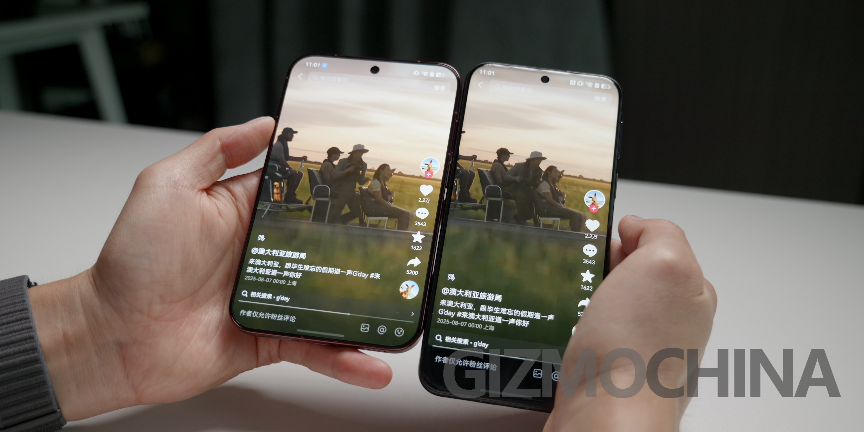
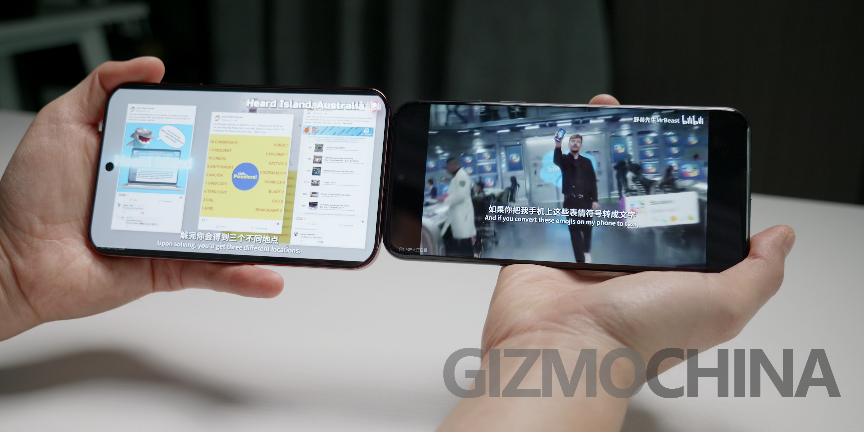
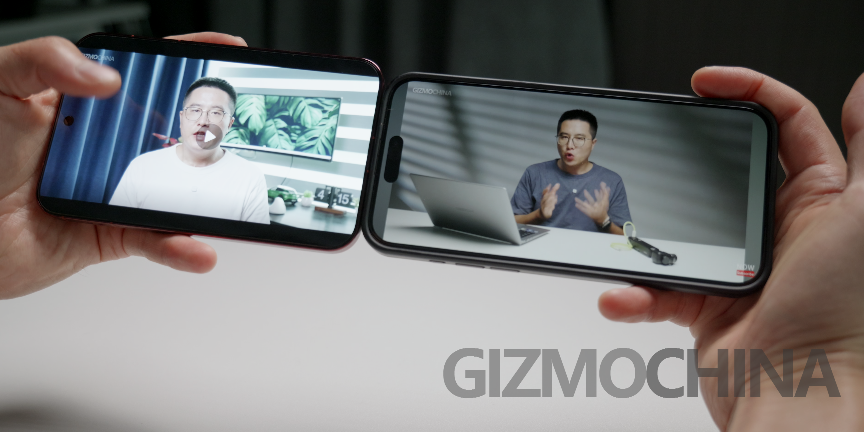
When watching the most common 16:9 video, you get a bigger viewing area when you hold the phone vertically. And more content left and right for TikTok 9:16 content. When watching content horizontally, there are just tiny black bezels up and down, versus a big empty space left and right on the regular phone. We switched to a 2:1 ratio format for our YouTube videos a while ago. In this situation, the black bezel up and down is bigger, but the left and right are filled, still better than regular phones. Personally, I think it looks better on the Pura X View. If you have access to IMAX movies, this screen will still give you a better viewing experience.
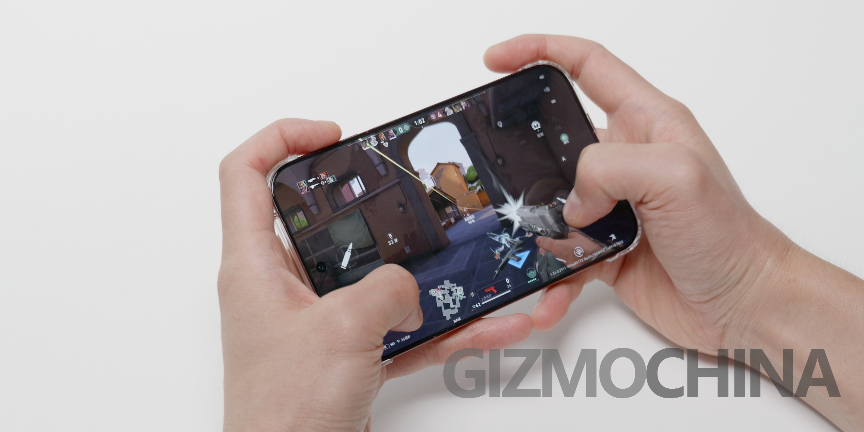
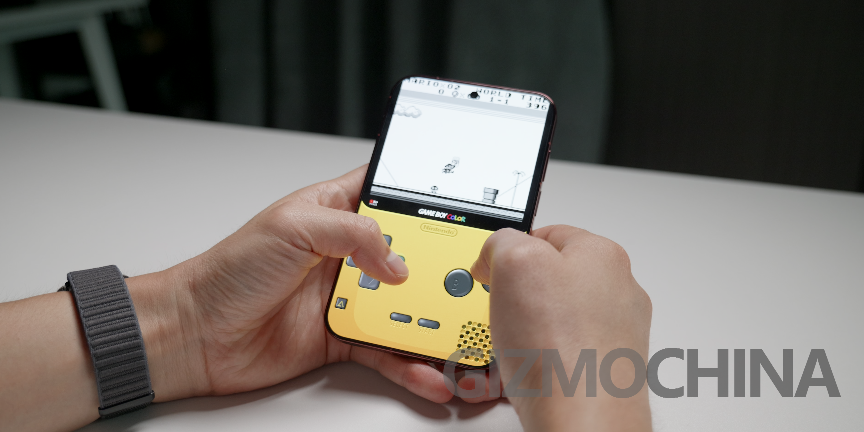
What about gaming? Not sure why Genshin Impact can’t be installed, so I tried Valorant instead. Indeed there is more content up and down, and it is kind of more immersive if you are playing some battle-type games. And one thing to mention here, the cooling plate is bigger, so it is cooler when playing games for a long session. And again because of the screen size, it can simulate a Game Boy, with a screen on the top, and the buttons at the bottom. There is a good App in the App Store that can do that, you just need to download the games from somewhere else.
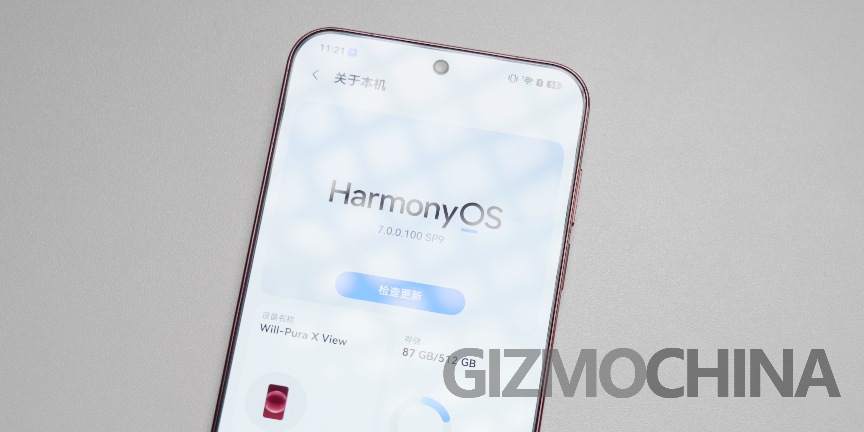
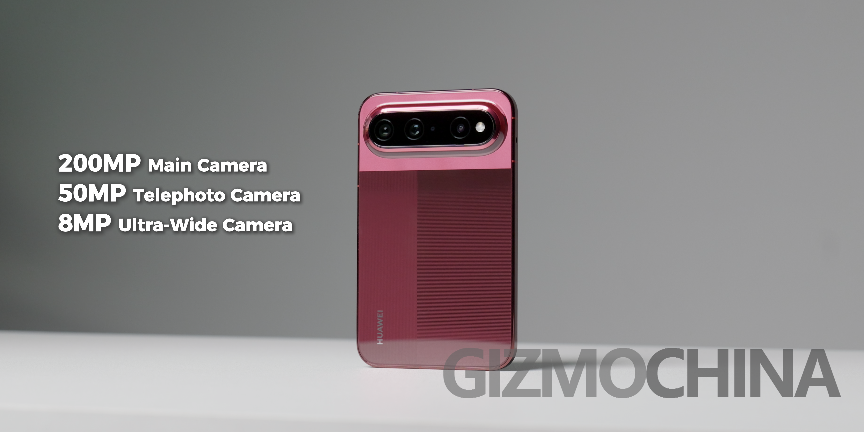
Some other info about this phone. It is powered by the Kirin 9030S chip, with 12GB of RAM, and runs HarmonyOS 7. The cameras are very good, too. There is the 200MP main camera, 50MP telephoto, and 8MP ultra-wide, with a second-gen RYYB sensor for accurate colors. The front camera is 50MP also. The screen is OLED, FHD+ with 406 PPI, and protected by Kunlun glass. It supports IP68 protection. It can support 2 SIM cards, and also eSIM. Battery is 7000mAh, 66W wired charging, 50W wireless charging.
Summary
So overall, I love this phone a lot. Even after so many years with the bar phones we have, the second I pick it up, it feels so good in the hand. That’s why I feel like using it all the time, it really is a fresh experience you can only get when you get your hands on it. If you ask me who this phone is for, I will say everyone, literally everyone. The only uncertain thing is how it is going to be optimized for the global market, whether it is going to be EMUI still, and whether it will have support for popular Apps. So wait until it gets launched globally, or if you want it now, you can head to Geekwills to buy it.
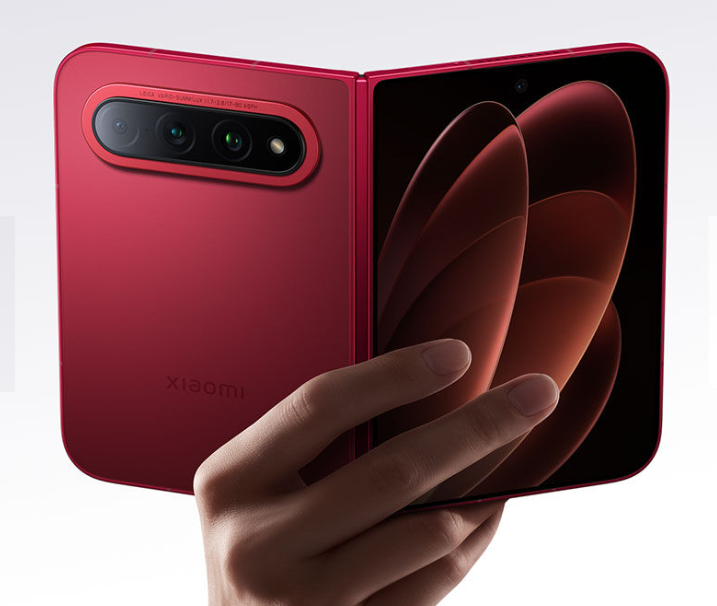
Xiaomi today shared the spare parts prices for the Xiaomi 18 Fold, which launched in China earlier this month. The 18 Fold is already an expensive phone at 10,999 yuan (~$1,639), and repairing the foldable won’t be cheap either. The inner display and motherboard are likely to be the most expensive parts to replace.
Xiaomi 18 Fold
According to Xiaomi, the foldable’s inner screen costs 3,600 yuan (~$536), while the outer screen is priced at 750 yuan (~$112). The motherboard is even more expensive, with the price depending on the RAM and storage configuration:
The 16GB+1TB motherboard costs more than the retail price of some non-folding flagship phones. The Xiaomi 18 Fold with the same configuration costs 14,999 yuan, meaning the motherboard alone accounts for almost 40% of the phone’s price.
The ceramic edition costs more to repair
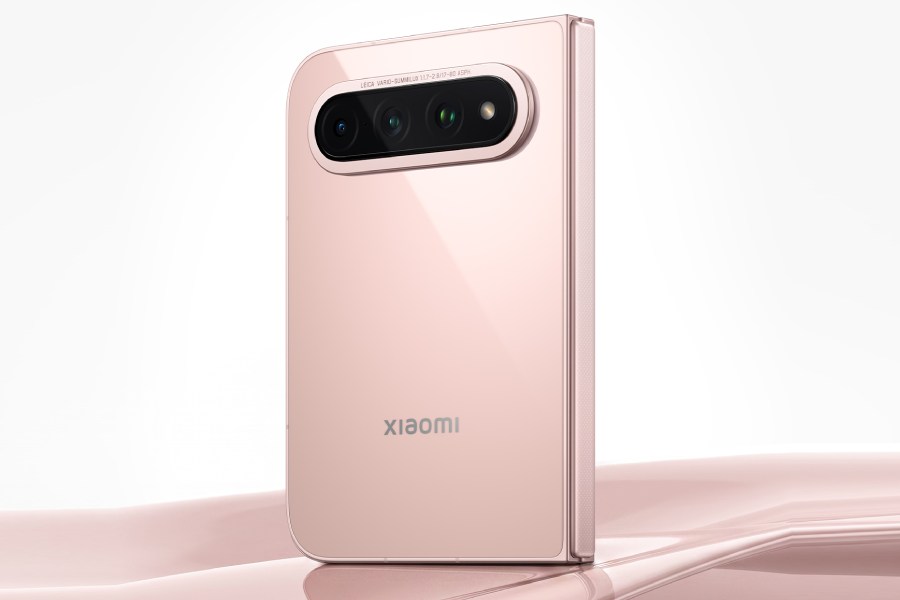
If you have the Xiaomi 18 Fold Ceramic Special Edition, replacing the back panel will cost more. The special edition uses a silicon nitride ceramic battery cover, and its replacement costs 1,045 yuan (~$156). For comparison, the back cover on the regular model costs 250 yuan (~$37).
Xiaomi 18 Fold Ceramic Edition
Other parts are much cheaper. A replacement for the 6,000mAh battery costs 259 yuan (~$39). The front camera is priced at 40 yuan (~$6), while the rear wide-angle, telephoto, and ultra-wide cameras cost 200 yuan (~$30), 190 yuan (~$28), and 55 yuan (~$8), respectively.
Long gaming sessions on a phone usually end the same way: the frame rate slips, the back panel warms up, and the phone starts holding back to protect itself. OnePlus may have a fix in the works for the Ace 7 series, according to a new leak by Digital Chat Station.
Digital Chat Station is the same tipster behind the earlier OnePlus Ace 7 leaks, which covered a 185Hz display, up to 16GB of RAM, and active cooling. This time, the tipster says the Ace 7 series will use the Snapdragon 8 Elite Gen 5 and debut a new technology that pushes the chip’s performance further. They didn’t say what that technology is.
Some people online have a guess. They think OnePlus may be pairing an extra-large cooling fan with its Wind Chaser gaming kernel to lift performance.
If the guess is right, the Ace 7 series would be OnePlus’s first performance phone with active cooling. The OnePlus Ace 6 Ultra, for example, uses a Glacier Cooling System built around a 6,000mm² vapor chamber.
A passive setup spreads heat across the phone and lets it escape through the body. A fan moves air through the device and pushes heat out, so the processor can hold full output for longer before it throttles. In a long match, that means steadier frame rates.
In fact, a May leak from the same tipster already tipped the fan on a test unit; however, it said it was unclear whether it would reach the retail version. The new leak suggests it’s likely happening.
Chip and software
Qualcomm launched the Snapdragon 8 Elite Gen 5 last year, and it still ranks among the top chips in the industry. It uses Qualcomm’s third-generation Oryon CPU, with two 4.6GHz cores and six 3.62GHz cores, and TSMC builds it on a 3nm process. You’d be getting a step up from the Snapdragon 8 Elite in the OnePlus Ace 6.
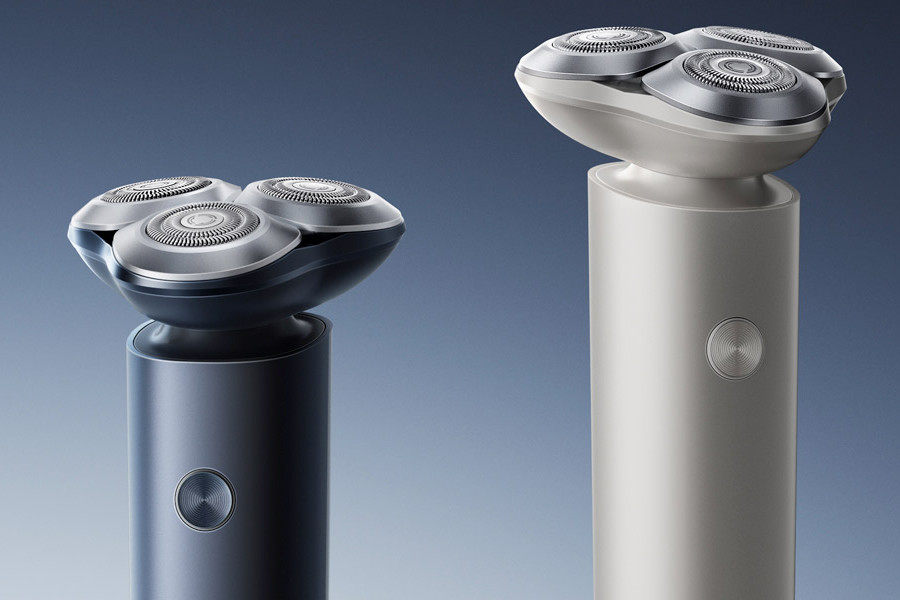
Xiaomi is adding a second model to its Cloud Pattern Blade shaver lineup. About a month after unveiling the Mijia Electric Shaver S100 Cloud Pattern Blade Edition, the company today announced the Xiaomi Mijia Electric Shaver S101 Cloud Pattern Blade Edition on Xiaomi Youpin for crowdfunding.
Crowdfunding for the new shaver will start on September 21. The Xiaomi Mijia Electric Shaver S101 Cloud Pattern Blade Edition will be available for 105 yuan (about $15) during crowdfunding. Its suggested retail price is 149 yuan (about $22).
The shaver comes in two colors: Twilight Blue and Rock Gray.
Xiaomi Mijia Electric Shaver S101 Cloud Pattern Blade Edition specs
The S101 uses a blade made with metal injection molding (MIM). This process allows Xiaomi to create a double-ring cloud pattern on the blade. The company says the design provides a larger shaving area and better efficiency than a straight-groove blade.
The blade works with concave stainless steel blades to create a wraparound cutting structure. This allows hair to be cut as soon as it enters the blade, helping reduce missed spots and pulling. It is also designed to catch hair that lies flat against the skin, leaving less stubble behind.
The same basic approach was used on the Mijia Electric Shaver launched in July. That model uses an MIM-made dual-ring foil with concave stainless steel blades and costs 249 yuan. The S101 brings a similar blade setup to a lower price of 149 yuan.
The S101 has three independently floating blades that can provide a six-way close shave while following different face shapes. The shaving head can also be removed from the main body for easier cleaning.
The shaver has an IPX7 waterproof rating, so it can handle exposure to water. Xiaomi also includes intelligent speed control, which is designed to maintain strong motor power even when the battery is running low.
Charging is handled through a Type-C port, and a full charge takes about 1.5 hours. Xiaomi claims the shaver can last up to 60 days on a single charge when used for one minute per day.
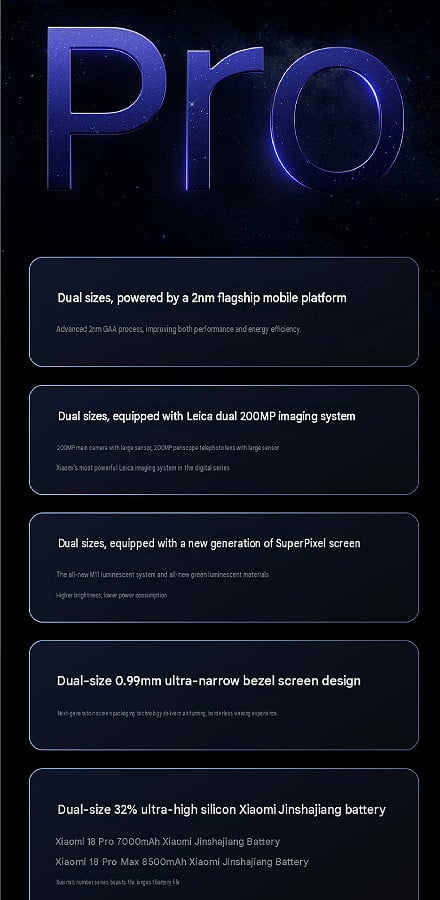
Xiaomi has now set a launch date for the phones it teased earlier this month. The company previously confirmed the Xiaomi 18 Pro series would launch in September. It has now announced it will unveil the phones at its autumn new product launch event on September 23 at 19:00 China time.
Xiaomi also shared a teaser poster with the headline “Full Upgrade,” highlighting five key features. All five apply to both models, meaning the Xiaomi 18 Pro and Xiaomi 18 Pro Max will share the same chip platform, camera setup, and display technology. The main difference between the two will be battery capacity.
2nm chip, but the name is still unknown
Xiaomi says both phones will use a 2nm flagship mobile platform made with a 2nm GAA process. The company claims the new chip will improve both performance and power efficiency, but it has not revealed its name yet.
The phones will also feature a Leica camera system with two 200MP sensors. One will be a large-sensor main camera, while the other will be a large-sensor periscope telephoto camera. Xiaomi says this is the most advanced Leica camera setup it has used on a numbered flagship series.
For the display, Xiaomi is using a new-generation Super Pixel panel with its M11 light-emitting system and a new green light-emitting material. The company says the new technology can deliver higher brightness while using less power. It has also reduced the bezels to just 0.99mm with a new screen packaging process.
Another upgrade is in the battery. Both phones will use Xiaomi’s GSR VIII battery technology with 32% silicon content. The Xiaomi 18 Pro will have a 7,000mAh battery, while the Xiaomi 18 Pro Max will get an 8,500mAh cell.
The launch poster does not mention charging speeds. However, a 3C certification from August showed 100W wired charging for two Xiaomi models believed to be part of the new series.
Honor is getting ready to expand its mid-range X series in Malaysia with a new model that puts extreme battery life and toughness front and center.
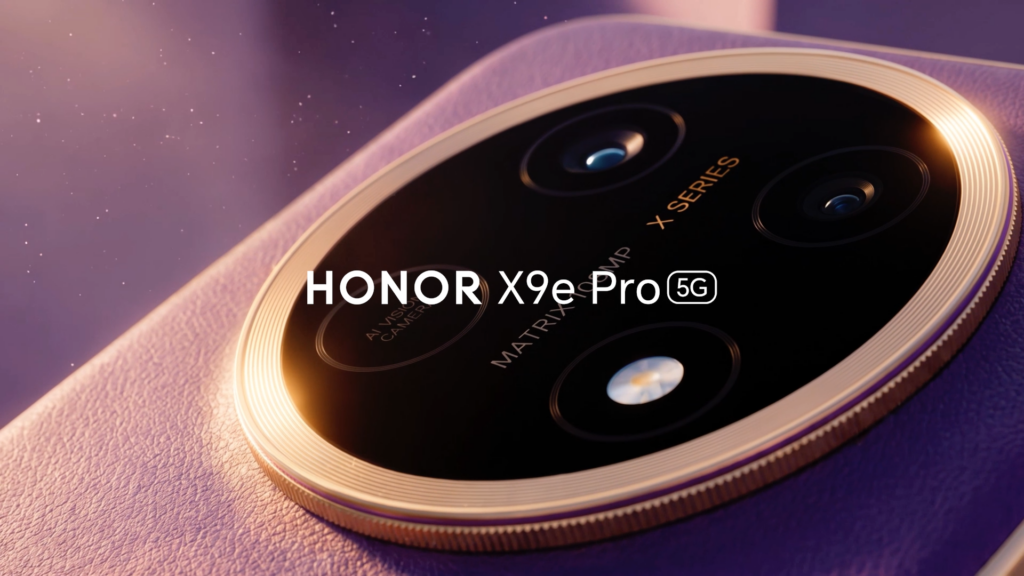
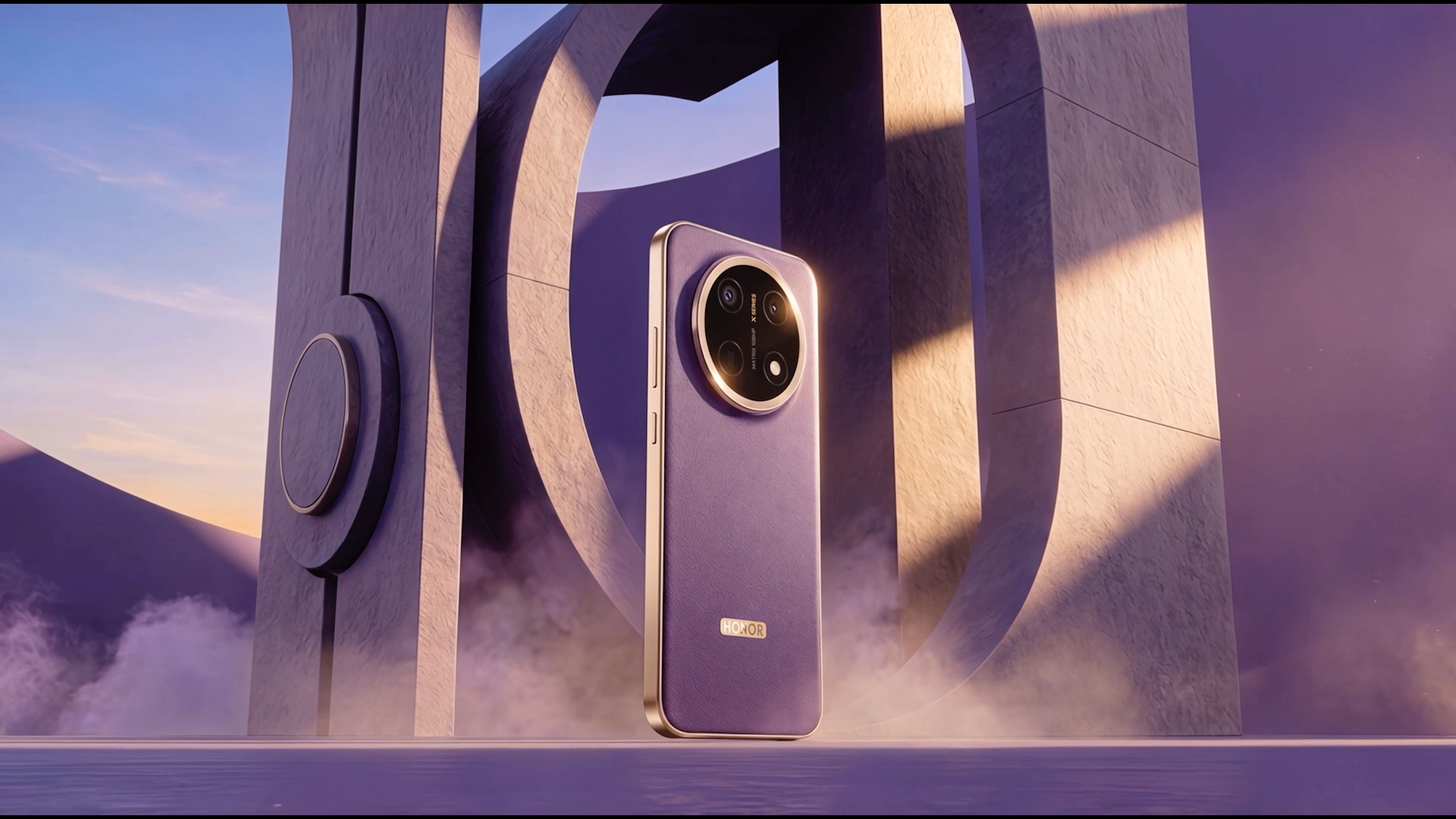
The Honor X9e Pro is set to launch in Malaysia on September 24, according to the official Honor Malaysia website. The company has been teasing it on social media, and a few key details have already come out. It will come in four colors: Dawn Gold, Midnight Black, Reddish Brown, and Royal Purple.
Durability is a big part of the pitch. Honor has shown the phone being dunked in hot water and is highlighting how well it can handle rough conditions. Reports point to high water and dust resistance ratings, IP68, IP69, and even IP69K, plus extra drop protection. That puts the X9e Pro in more of a rugged everyday category than a typical mid-range phone.
On the camera side, teasers confirm a dual-rear setup led by a 108MP main sensor. Details on the second camera are still scarce. The display is another highlight: local reports say it can hit a peak brightness of up to 10,000 nits, which should make it very usable outdoors in bright sunlight if that number holds up at launch.
The real head-turner is the battery. The X9e Pro is expected to pack an 11,000mAh cell with 80W wired fast charging. Some reports also mention 27W reverse wired charging so it can top up other devices. That capacity is a lot bigger than what most phones in this class offer and continues Honor’s recent push toward long-endurance models.
Full specs, including the processor, exact display size and type, memory options, and pricing, should be revealed at the official launch event. Whether the phone will show up outside Malaysia hasn’t been confirmed yet.
With a massive battery, high peak brightness, and a high-resolution main camera, Honor seems to be positioning the phone as a practical all-day phone for the Malaysian market. We’ll get the complete picture once it’s officially unveiled next week.
Casio has quietly added three new analog watches to its Indian store, expanding its budget-friendly classic lineup. The new models, the MTP-SN4KD-1A, MTP-SN4KD-2A, and MTP-SN4KD-7A, are available directly through the Casio India website. All three are priced at ₹4,995 ($52), placing them firmly in the entry-level segment for everyday steel watches.
If you are familiar with Casio’s traditional analog offerings, the design here is exactly what you would expect. The company is leaning into a straightforward, classic aesthetic. The three variants share identical dimensions, measuring 50.5 by 41.2 mm with a relatively slim thickness of 8.15 mm. At 105 grams, they have enough weight to feel solid on the wrist without being overly heavy for daily wear.
The case and bezel feature an ion-plated finish, and the watch comes with a standard stainless steel band secured by a one-touch, three-fold clasp. Casio says that the band is adjustable for wrist sizes ranging from 145 to 215 mm. For screen protection, the watches use mineral glass, which is standard for this price bracket and provides basic defense against everyday scratches.
The main draw of the MTP-SN4KD series is the multi-dial layout. Instead of a simple three-hand face, the watch includes three smaller sub-dials that display the date, the day of the week, and a 24-hour clock. It gives the watch a busier, chronograph-style look, even though it doesn’t actually feature stopwatch functionality.
On the inside, things are kept simple. The watches run on a standard quartz movement powered by an SR621SW battery, which Casio says should last about two years before needing a swap. Accuracy is rated at ±20 seconds per month.
For durability, the series includes a 30-meter water resistance rating. This is strictly for basic splash protection, it will survive washing your hands or getting caught in light rain, but it isn’t built for swimming or showering.
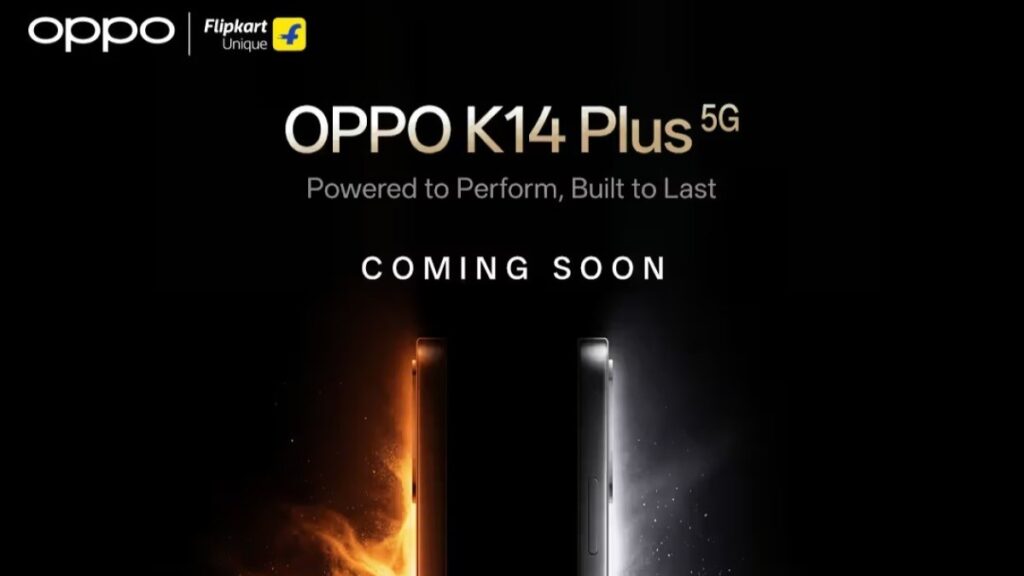
After recently launching the K14 Lite, the company has started teasing the Oppo K14 Plus 5G. The lineup already includes the K14 and K14x, both released earlier this year. Oppo dropped a short teaser on social media and set up a dedicated Flipkart microsite, confirming the phone will go on sale through the platform.
The promo material uses the tagline “Powered to Perform, Built to Last,” which points to a focus on solid everyday performance and durability. The teaser image shows a side profile with a flat frame and physical buttons. Color options look like they include at least orange and a gray or silver finish.
The “Plus” name has people expecting a bigger battery or larger display compared with the other models in the series, something Oppo has done before when differentiating variants.
For context, the original Oppo K14 5G launched in March 2026 with a 7,000mAh battery, MediaTek Dimensity 6300, 45W SUPERVOOC charging, and a 120Hz display, starting at ₹17,999. It’s now priced at ₹25,999. The K14x currently starts at ₹21,999 and the newer K14 Lite at ₹16,999. The K14 Plus is expected to sit above them and may land around or above ₹30,000, though that’s still just speculation until official details drop.
Sales will center on Flipkart, the same strategy Oppo has used for other recent K-series phones. As usual with these teases, more information – processor, cameras, exact battery size, and pricing – should start appearing closer to the official announcement.
The K14 Plus continues Oppo’s habit of offering several versions within one series to cover different price points and preferences in India’s competitive mid-range market.
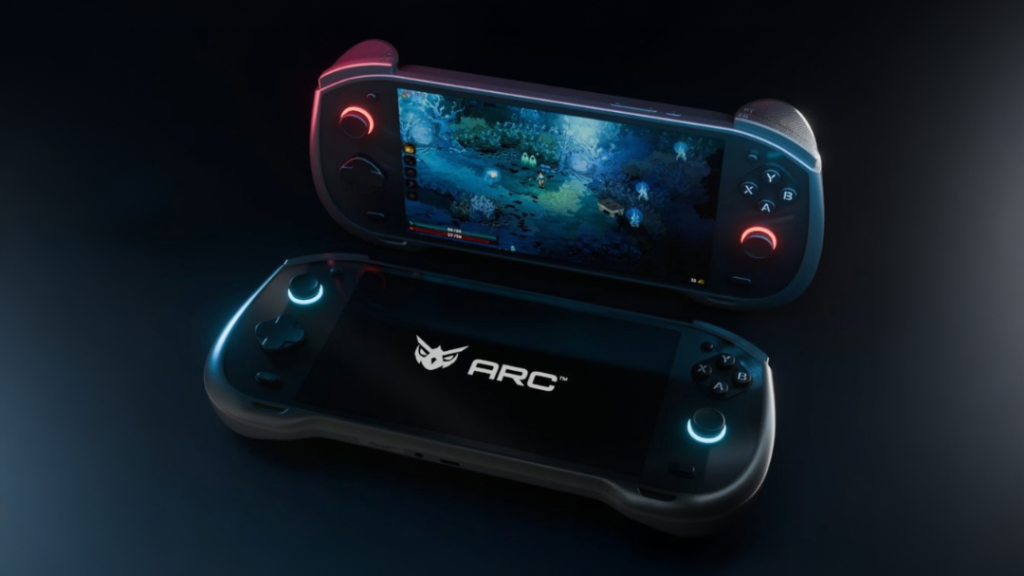
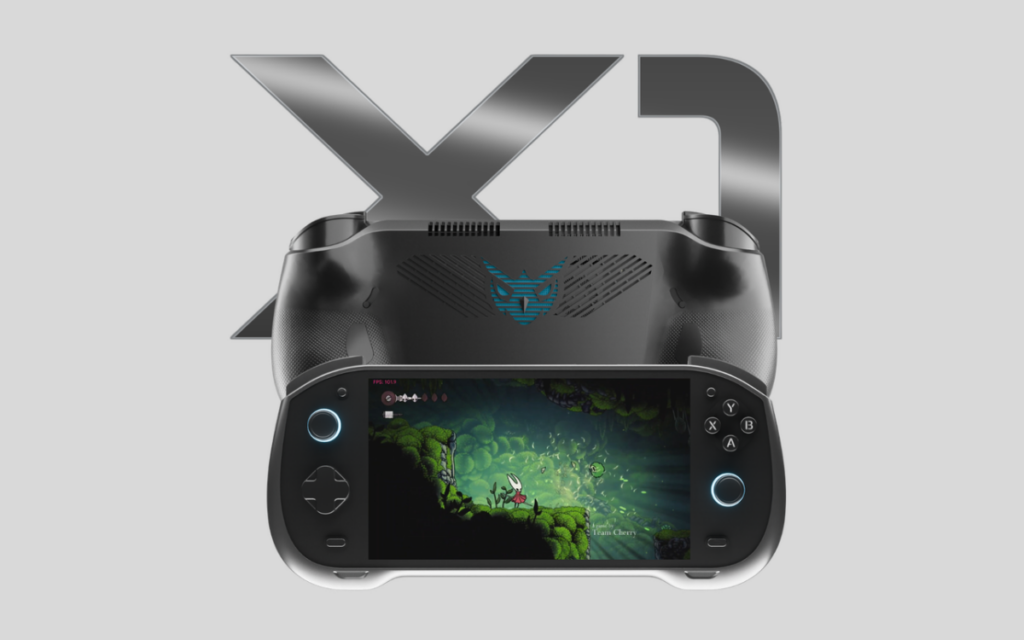
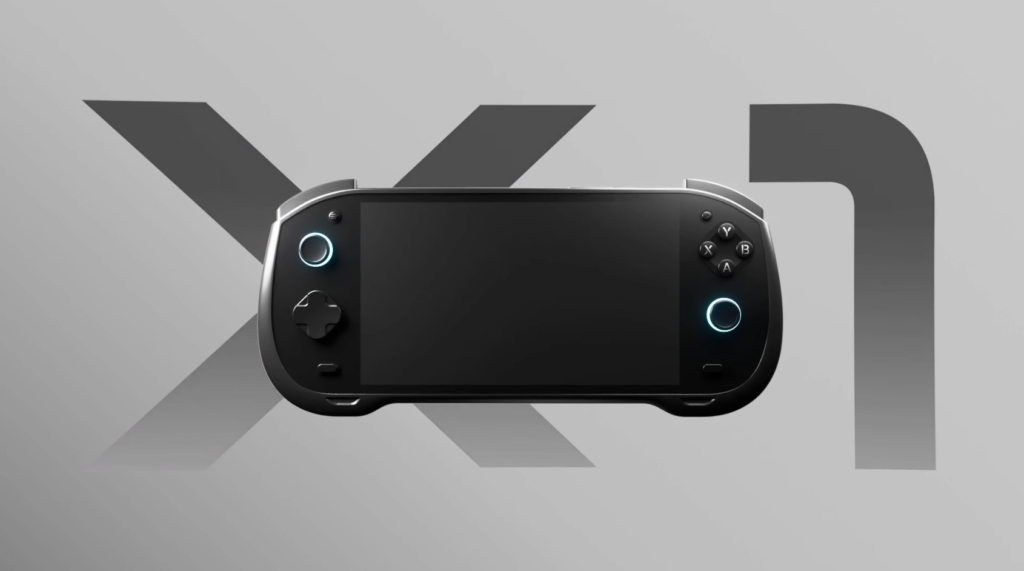
ARC, the Indian gaming hardware brand, has introduced its first Android gaming handheld, the X1. The company has been working on the device for several months, and it is finally ready to make its debut.
ARC X1 Handheld Specifications
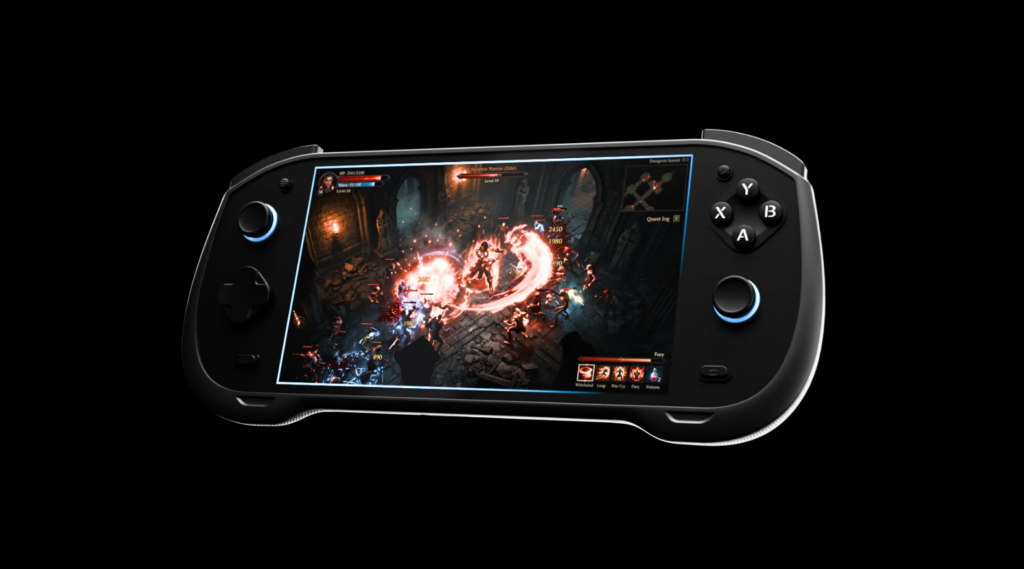
The X1 features a 7-inch, 1080p LCD screen with a 120Hz refresh rate and a standard 16:9 aspect ratio. Inside, the handheld is powered by the Snapdragon G2 Gen 2 chipset, paired with 8GB of memory and 128GB of internal storage.
If you need more space, there is a microSD card slot with support for up to 1TB of additional storage. ARC has also equipped the X1 with an active cooling system that uses a fan to draw cool air in from the back and exhaust hot air through vents at the top.
For the joysticks, ARC is using Tunnel Magnetoresistance (TMR) sensors. TMR is an alternative to the more common Hall-effect sticks, designed to avoid stick drift over time while using less power.
The face buttons and D-pad use microswitches, and the analog triggers have mechanical locks if you prefer a shorter pull distance for certain games. There are also two programmable buttons on the back of the grips, and dual linear resonant actuators (LRAs) handle the vibration feedback.
The X1 runs on OwlOS, which is based on the Android Open Source Project. It bypasses the usual touch-first Android home screen in favor of a unified launcher that aggregates native Android games, cloud streaming apps, and emulators. The software includes standard features for modern handhelds, such as per-game performance profiles, an FPS overlay, and a quick resume function.
The system is powered by a 9,300mAh battery. ARC says this can provide up to eight hours of playtime on the device’s lowest power setting, though actual battery life will vary depending on screen brightness and the specific game being played. It charges via a 27W USB-C connection and includes an 80% charge limit option to help preserve battery health over time.
The X1 weighs between 450 and 500 grams. ARC notes that the device is designed to be repairable, featuring a user-replaceable battery and analog sticks, along with modular internal boards. For connectivity, it includes Wi-Fi 6E, Bluetooth 5.4, a standard headphone jack, and a USB-C port that supports external displays.
Pricing and Availability
The handheld will be available for early access orders starting October 2 at ₹29,500 ($308) if you’re on the company’s waitlist, while the general retail price is set at ₹33,500 ($349).
In related news, we have recently reviewed the Ayaneo Konkr Pocket Advance, a retro gaming handheld that offers unbeatable value for just $89.
For more daily updates, please visit our News Section.
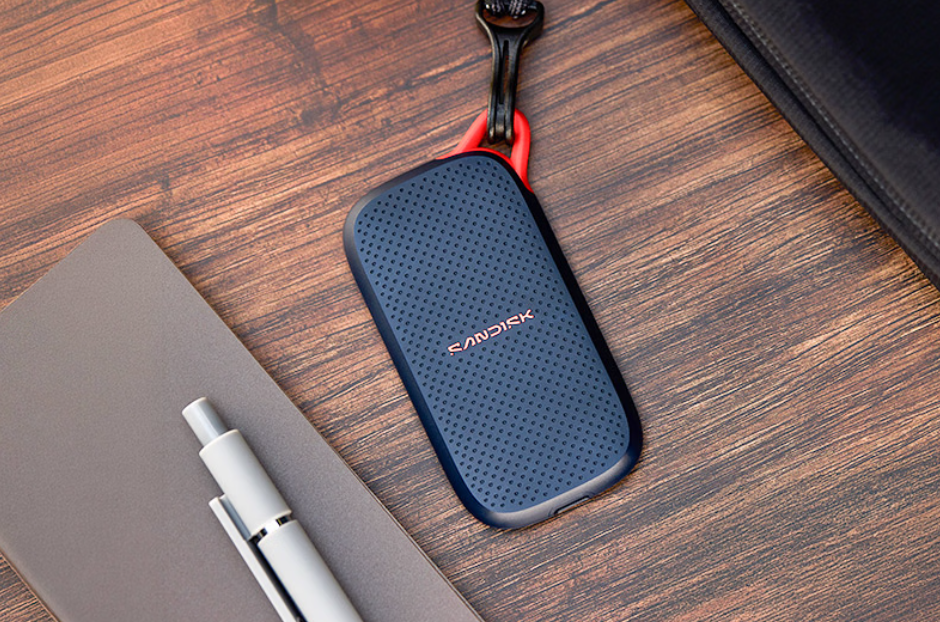
SanDisk has announced the E31, a new USB-C portable solid-state drive in China. It is scheduled to go on sale on September 21. The drive is built for people who need to store and transfer large files, such as high-resolution photos, videos, and project archives.
SanDisk E31 SSD Specifications
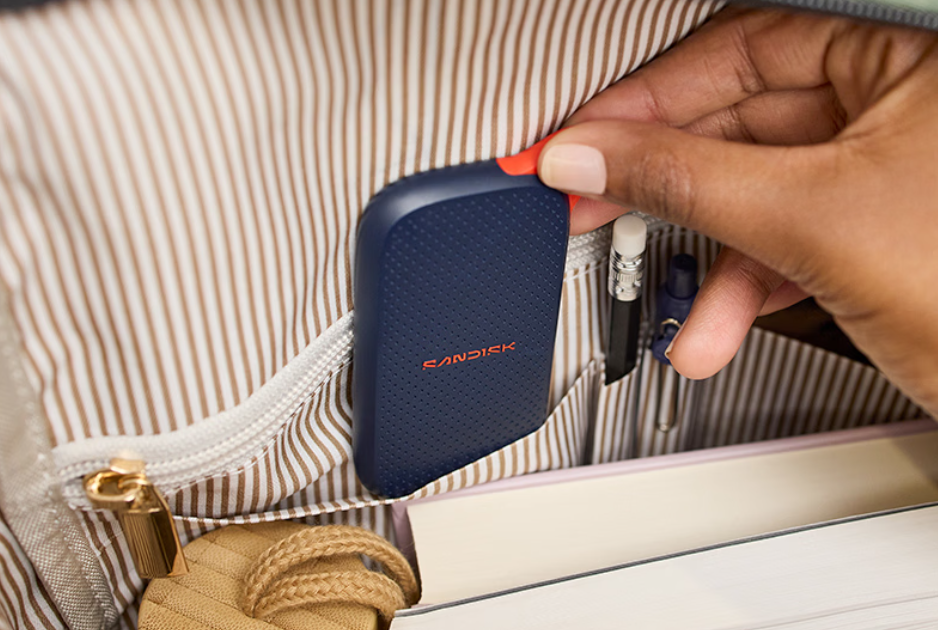
The physical design of the E31 is compact. It measures approximately 85mm long, 45mm wide, and 10mm thick, and weighs about 33.2 grams. This form factor makes it easy to carry in a pocket, a small bag, or a laptop sleeve.
The SSD can survive drops from heights of up to two meters. It is also designed to operate in temperatures ranging from 0°C to 45°C and can be safely stored at temperatures between -20°C and 85°C.
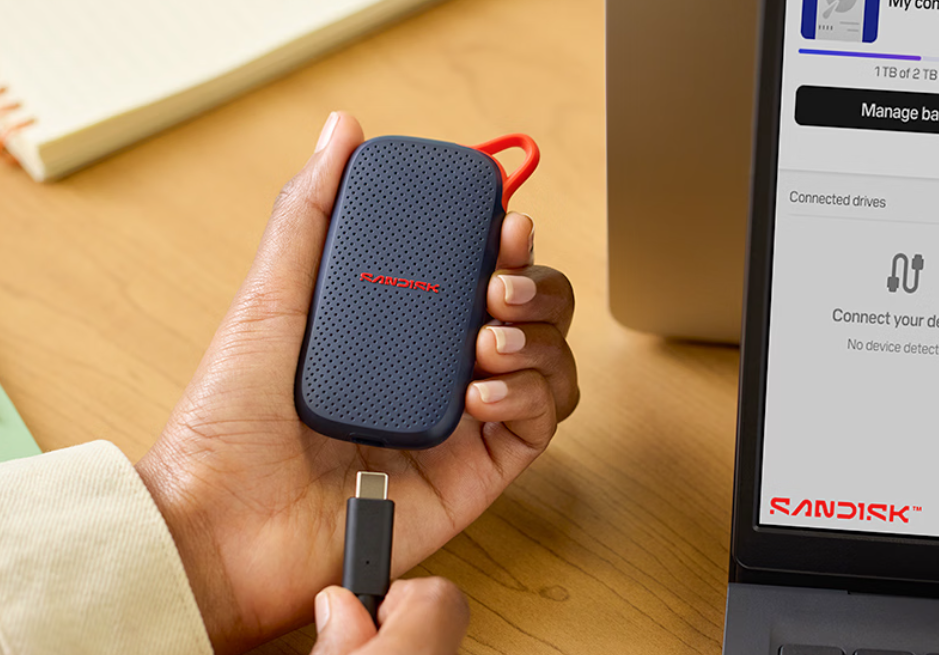
Internally, the E31 uses a USB 3.2 Gen 2 interface that supports a bandwidth of up to 10Gbps. According to SanDisk, the drive is capable of sequential read speeds of up to 1,000MB/s. For users moving large files, this transfer rate is about five times faster than what is typically seen with standard portable mechanical hard drives.
The drive connects via a standard USB Type-C port, supporting plug-and-play use with compatible laptops, tablets, and smartphones. It has broad software compatibility, working with Windows 10 and macOS 13 or later, as well as mobile devices running Android 13, iOS 15, and iPadOS 15 or newer.
iPad users can access their stored files directly through the native iPadOS Files app. For other platforms, SanDisk provides the Memory Zone application, which offers basic tools for file management and data backups.
SanDisk is offering the E31 in three storage capacities to accommodate different user needs. The base 500GB model has a pre-sale price of 829 yuan ($124). The 1TB version is priced at 1,239 yuan ($184), and the 2TB model costs 2,199 yuan ($328). All versions of the E31 come with a three-year limited warranty from the manufacturer.
In related news, Aigo has recently launched the PL10 flash drive with Lightning and USB-C connectors alongside physical write protection, while Lexar has unveiled the world’s thinnest portable SSD with a clever magnetic design and 1,050MB/s speeds.
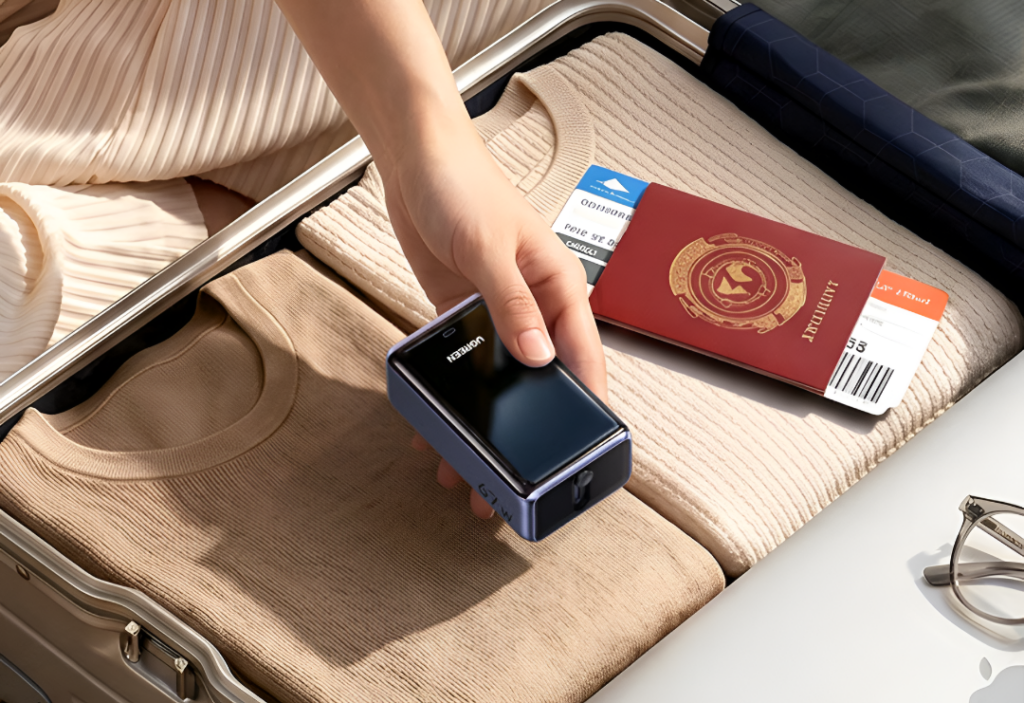
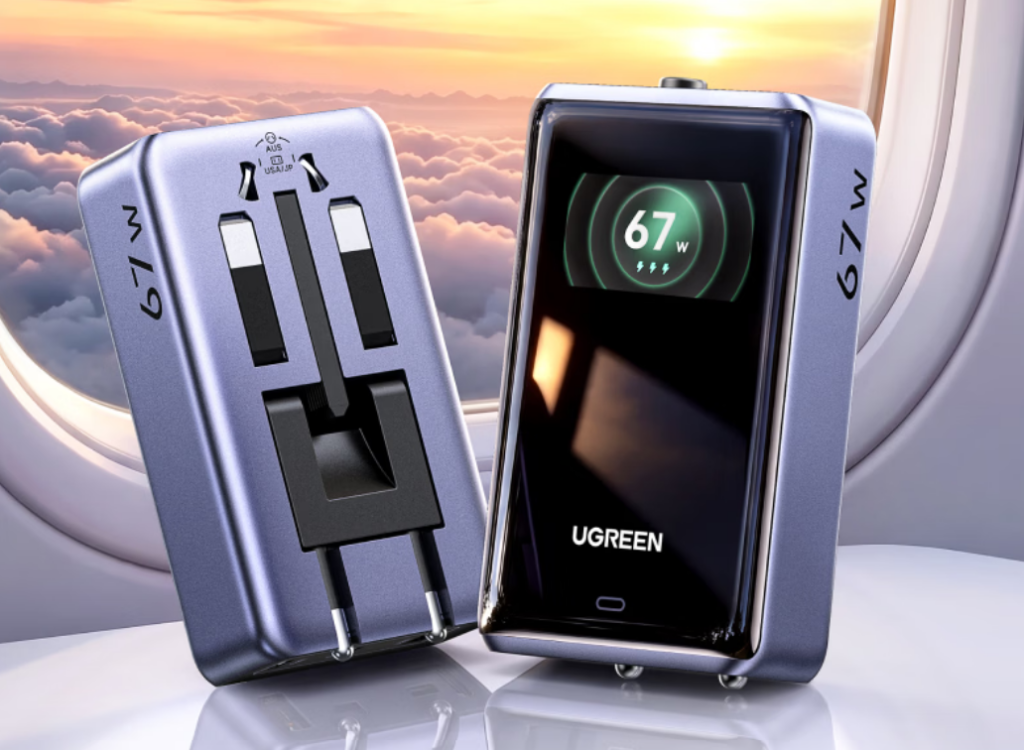
Ugreen has introduced a new 67W travel charger in China, combining a multi-region plug adapter and a multi-port fast charger into a single unit. It is currently available for pre-order for 189 yuan ($28).
The charger features a built-in screen that displays real-time charging information. It shows the active charging protocol, current, power output, and charging status, giving you more information than a standard LED indicator.
The display also works with the charger’s intelligent temperature control system and shows when thermal protection is active during demanding charging sessions. It also comes with a PPS (Programmable Power Supply) priority mode, which can be switched on by pressing and holding the control for two seconds.
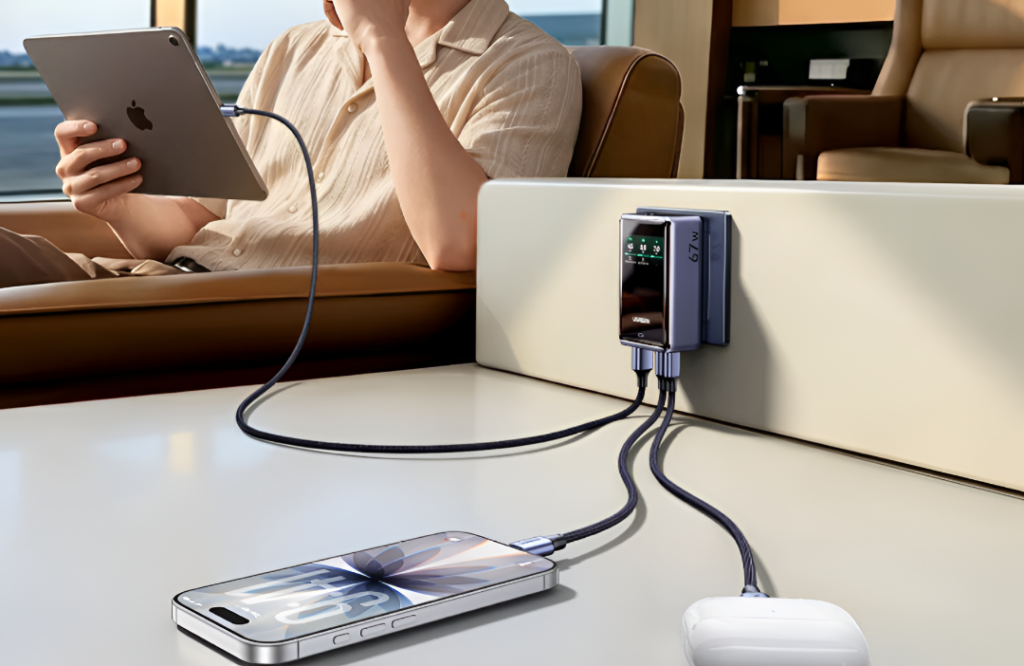
For the actual charging hardware, the brick has three ports: two USB-C and one USB-A. If you plug a single device into either of the USB-C ports, it can output the full 67W using the PD 3.2 protocol. That is enough power to keep most standard thin-and-light laptops charged, along with phones and tablets from companies like Apple, Lenovo, and Xiaomi.
The USB-A port is capped at 22.5W, which is standard for charging smaller accessories like wireless earbuds or power banks. If you use multiple ports at the same time, the charger splits the power across the connected devices, but the total draw will never exceed 67W.
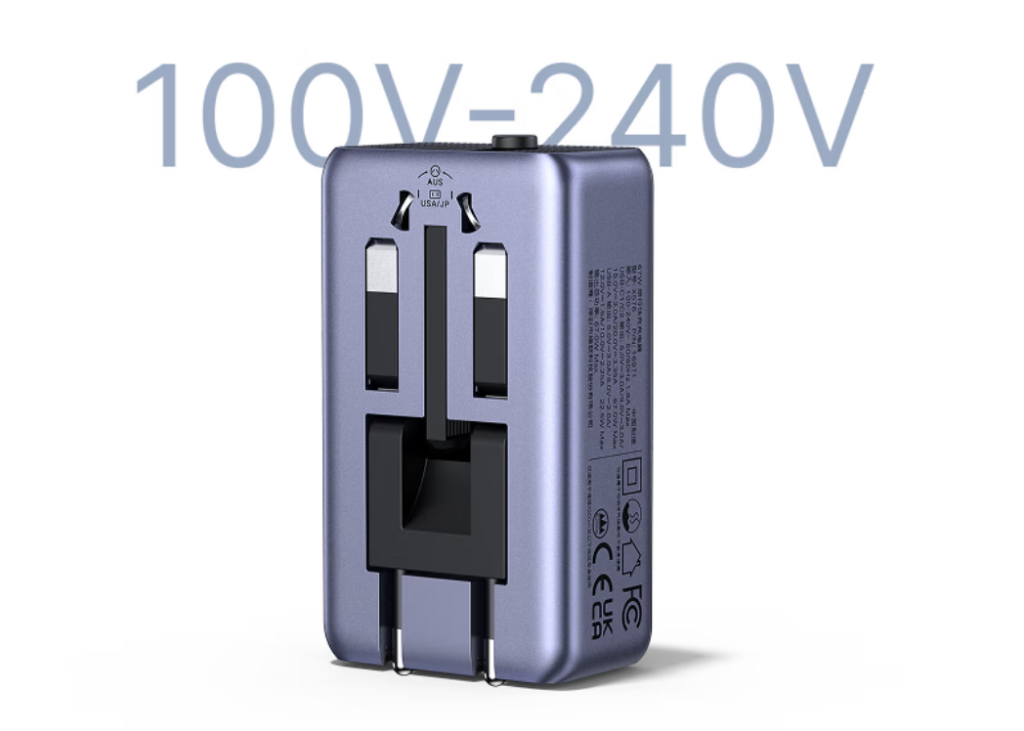
Since it is designed for travel, the charger has interchangeable plugs built into the body. It includes prongs for US, UK, European, and Australian outlets. It also supports a 100V-240V input range, meaning you can plug it into the wall in most countries without needing a separate voltage converter or a bulky adapter.
To keep the size down, Ugreen is using a stacked internal design that it calls AirPyra 2.0. The whole unit measures 92.2 x 52.0 x 30.9mm and weighs 166 grams. Ugreen compares the overall footprint to a small pack of pocket tissues, so it shouldn’t take up much room in a backpack or carry-on bag.
The charger goes by the model number X576 and includes an 18-month warranty. Right now, it is only available in China, and Ugreen hasn’t said if or when it will be sold in other regions.
In related news, Ugreen has recently launched its first Thunderbolt 5 GPU dock with an 850W PSU and triple-port daisy-chaining support. The company has also introduced the HiTune T8 earbuds with -55dB ANC, LDAC support, AI-powered features, and up to 50 hours of battery life.
For more daily updates, please visit our News Section.
Apple gave the iPhone 18 Pro a main camera with a physical iris of six moving blades, which opens and closes like the aperture on a standalone camera. DXOMARK has now scored how well that works in practice. The Apple iPhone 18 Pro earned an overall camera score of 172, which puts it second in both the global ranking and the ultra-premium list for phones priced above $800.
Only the Huawei Pura 80 Ultra ranks higher, with 175 points. The phone took the top spot last August and still holds it, three points ahead of Apple’s new model.
How the scores break down
The iPhone 18 Pro has a four-point gain over the Apple iPhone 17 Pro, which scored 168 and has since dropped to fifth place. The 18 Pro also scores 176 for video, the highest video number DXOMARK lists for any phone.
DXOMARK also rates specific use cases. You get the best result in low light, at 150 points, the highest score on the list. It scores 157 for portraits, behind the 169 from the Huawei Pura 80 Ultra, and 138 for zoom, where the Vivo X300 Ultra leads with 161.
What DXOMARK liked and didn’t like
In dim scenes, DXOMARK found good detail, accurate exposure, and controlled noise. In normal conditions, exposure stays accurate, contrast looks natural, and the dynamic range is wide enough to hold detail in tricky lighting.
This is also the first iPhone with a variable aperture. The main camera opens as wide as f/1.48 and closes down to f/4.0. DXOMARK says that helps keep more people in focus in group portraits, and it gives you manual control when you want it. The feature is new to iPhone but not to phones. The Huawei Pura 80 Ultra already has a variable aperture on its main camera, and Apple’s plans for one showed up in leaks as early as October 2025.
You also get smooth, natural-looking video stabilization, even when you record while running, and shooting at 60 fps improves how motion looks.
iPhone 18 Pro series
However, DXOMARK also lists 18 Pro’s four weaknesses. You may see slight color casts and occasional white balance shifts that affect color consistency. The phone trails some rival flagships in long-range zoom, and flare shows up in some shooting conditions. The brightness also changes between the photo and video previews at times.
On the hardware side, the Apple iPhone 18 Pro has three 48MP rear cameras: a main camera, an ultrawide camera, and a telephoto camera. DXOMARK’s page currently lists the scores and a short pros-and-cons summary, and the full written test wasn’t available when this was written.
Honor is holding its Magic Grand Ceremony in Beijing on September 28, where it will unveil the upcoming Magic 9 series. Interestingly enough, the company has spent the past few weeks confirming major details itself instead of leaving it to leaks.
First off, the lineup will have three phones: the standard Magic 9, the range-topping Magic 9 Pro Max, and a Magic 9 Super Edition that breaks from the usual gaming-phone playbook.
A report has also locked down near-final specs for the first two models well before launch day, so there’s less guesswork here. The headline story across the series is a partnership with ARRI, the German cinema camera maker behind gear used on major film productions, which brings film-style color science and video tools to the rear cameras on every model.
The standard Magic 9 is the compact option, built around a 6.37-inch LTPS panel running at 2664 x 1236 resolution and 120Hz, with narrower bezels than the Pro Max. It keeps IP68, IP69, and IP69K water and dust resistance from last year’s phone, along with the dedicated AI button and a separate shutter button on the frame.
On the back, the camera module has moved to a horizontal layout instead of the circular ring on the Magic 8 Pro, built around a 200MP 1/1.4-inch main sensor at f/1.9, a 50MP f/2.0 ultra-wide, and a 200MP periscope telephoto camera with a 1/1.56-inch sensor. Up front, Honor has confirmed the Magic 9 gets the same 55MP square-format selfie camera debuting on the Pro Max, which the company says gives the sensor more room to frame wide shots than a standard circular or pill-shaped cutout allows.
The phone is tipped to feature an 8,000mAh battery, and unlike the Pro Max, the Magic 9 is expected to run on last year’s Snapdragon 8 Elite Gen 5 rather than the newer chip. Honor has confirmed four color options at launch: Yellow Rice, Olive Green, Morning White, and Curtain Black, alongside 12GB/256GB, 12GB/512GB, 16GB/512GB, and 16GB/1TB storage tiers.
2. Honor Magic 9 Pro Max
Honor Magic 9 Pro Max
The Pro Max carries the bulk of the camera hardware and is where the ARRI partnership shows up most clearly. Honor has confirmed a dual 200MP ARRI camera system, pairing a 200MP main sensor at f/1.57 with a 1/1.28-inch size and 3-degree mechanical gimbal stabilization rated for CIPA 8.0, alongside a 200MP periscope telephoto camera with a 1/1.4-inch sensor, f/2.6 aperture, and CIPA 7.5 stabilization. The camera pipeline supports ARRI LogC3 gamma curves and 10-bit 4:2:2 APV recording, which Honor says helps preserve natural skin tones and highlight detail rather than blowing them out.
Alongside the phone, Honor is launching a Photography Master Kit with two clip-on teleconverter lenses: a G500 unit offering 5.88x optical extension, and a lighter G200 lens that cuts 55% of its predecessor’s weight while adding 2.35x zoom. The company was also quick enough to share camera samples shot at 85mm from the native periscope lens, stretching out to 500mm and 1000mm using the teleconverter attachments.
The display sits at 6.8 inches with 0.98mm bezels, and the phone is expected to run Qualcomm’s Snapdragon 8 Elite Gen 6 Pro on a 2nm process, paired with an 8,800mAh battery. Security combines 3D facial recognition with an ultrasonic in-screen fingerprint sensor, and Honor has confirmed three color options: Moss Green, Silver, and Shadow Black, across the same four storage tiers as the standard model.
3. Honor Magic 9 Super Edition
Honor Magic 9 Super Edition live shot
This is the newer, less conventional addition to the lineup. As per leaks, the device will have a massive 11,000mAh battery paired with a 6.8-inch 165Hz display, active cooling, and a glass-fiber body, specs that sound closer to Honor’s gaming-focused Win series.
The difference is the camera setup. Rather than dropping photography for pure battery and refresh-rate numbers, the Super Edition still has a telephoto lens alongside a 50MP main camera, 12MP ultra-wide, and 50MP telephoto sensor — just not the 200MP sensors.
4. What’s still unclear
Honor hasn’t announced pricing for any of the three phones yet, and while the Snapdragon 8 Elite Gen 6 chip was expected across the board when the series was first confirmed, the Pro Max now looks set to carry the newer 2nm silicon while the standard Magic 9 sticks with last year’s chip, a split that wasn’t obvious from the earliest leaks. International availability also remains open.
Honor’s recent flagships have typically reached markets outside China four to eight weeks after the domestic launch, so a global rollout likely won’t happen until at least November.
Citizen has released a new Disney-branded watch in the UK market. The Mickey Mouse and Minnie Mouse Picnic Pedal watch, identified by model number FE7097-05W, is available now on the Citizen UK website for £229.00.
The watch features a 36mm case constructed from silver-tone stainless steel. The case size falls into a mid-range dimension that accommodates a wide variety of wrist sizes. The dial is covered by a mineral crystal, a standard material in this price category that provides basic scratch resistance.
The watch comes with a textured navy blue leather strap secured by a standard metal buckle. Citizen rates the watch as splash-resistant, meaning it can handle minor exposure to water, such as light rain or splashes while washing hands. However, it is not designed for swimming, showering, or submersion in water.
The dial design incorporates a sky-blue background featuring an illustration by Disney artists John and Shelley Loter. The artwork depicts Mickey and Minnie Mouse riding a tandem bicycle equipped with picnic baskets.
Instead of standard numeric indices, the dial utilizes vintage-style floral markers to indicate the hours. The watch operates with a basic three-hand function, displaying hours, minutes, and seconds. It does not include a date window or other mechanical complications.
Internally, the watch is powered by Citizen’s Eco-Drive technology. This system uses a specialized light-catching panel located beneath the dial to absorb both natural sunlight and artificial indoor light, converting it into electrical energy.
This energy is stored in an internal rechargeable cell that powers the quartz movement. The primary utility of the Eco-Drive system is that it bypasses the need for routine battery replacements, allowing the watch to operate continuously provided it receives adequate and regular light exposure.
Phones usually get cheaper when their successors are about to launch. The Vivo X300 Ultra is going in the opposite direction. Vivo has raised the official prices of every X300 Ultra variant in China, with the base model now starting at 7,499 yuan (~$1,119).
Depending on the configuration, the price increase ranges from 500 yuan (~$75) to 2,000 yuan (~$299). Here’s how the new prices compare with the original launch prices:
When the Vivo X300 Ultra launched in China at the end of March, the 12GB + 256GB model started at 6,999 yuan (~$1,045), as we reported in our launch coverage. It now costs 7,499 yuan (~$1,119), meaning buyers are paying 500 yuan (~$75) more for a phone that is around six months old.
Vivo X300 Ultra
The biggest increase applies to the two 16GB + 1TB versions. The satellite communication model is now 1,000 yuan (~$149) more expensive, while the Photographer’s Kit has gone up by 2,000 yuan (~$299) to 13,999 yuan (~$2,089).
Vivo is not the only phone maker raising prices in China. Huawei, Xiaomi, and Honor also increased prices for selected models on September 1, with hikes ranging from 200 yuan (~$30) to 1,000 yuan (~$149).
Memory costs are one of the main reasons behind these increases. Vivo has also raised prices in other markets. The Vivo T5 Pro, for example, launched in India in April and received a ₹3,000 (~$31) price increase in June, followed by another hike in July. In August, it received a third increase of up to ₹7,000 (~$73).
What does this mean for the Vivo X500 series?
It is common for brands to cut the price of an older flagship before launching its successor. Lower prices help clear remaining stock and give the new model more room at launch.
Vivo has done the opposite with the X300 Ultra, and the timing is worth noting. The Vivo X500 series is set to launch in China on September 21. Vivo has confirmed three models: the Vivo X500, Vivo X500 Pro, and Vivo X500 Pro Max. You can find the leaked specifications and other details in our Vivo X500 series roundup.
Vivo X500 Pro Max
The higher memory costs affecting the X300 Ultra also apply to newer phones. That makes it difficult to expect the X500 series to launch at the same prices as the current lineup, especially after Vivo has increased the price of its existing flagship.
There are signs that Vivo is also looking at costs when choosing hardware for the X500 series. Leaks suggest the standard Vivo X500 could use a 3nm Dimensity 9500-series chip instead of a 2nm Dimensity 9600-series chip. That would fit with reports of rising chip prices.
Vivo has not revealed the X500 series pricing yet, so none of this confirms what the new phones will cost. The lineup will launch on September 21, just two days from now. Once Vivo announces the prices, it will be worth comparing them with the original prices of the X300 series.
A Geekbench listing just gave us an early peek at Vivo’s upcoming standard flagship, and it looks like the company is splitting its chipset strategy across the new series.
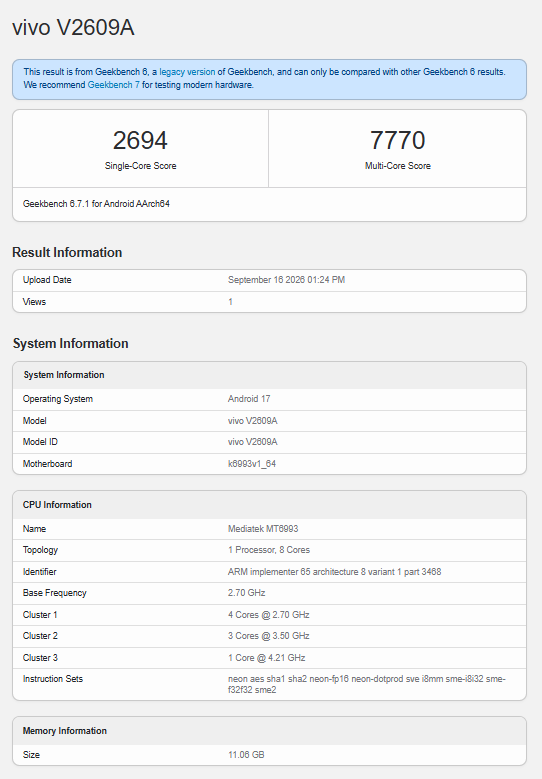
The device shows up as model V2609A and is widely believed to be the Vivo X500. In Geekbench 6.7.1 it scored 2,694 single-core and 7,770 multi-core. The test device had 12GB of RAM. It’s running Android 17 with OriginOS 7 on top.
The numbers and other details point to MediaTek’s recently announced Dimensity 9600M. That chip is essentially a lightly refreshed version of last year’s Dimensity 9500, using a similar core setup and process rather than the more advanced silicon reserved for higher models.
The changes are mostly on the software side. The NPU now supports Gemini Nano 4 and Qwen 3.5 Omni 4B, and there’s a new camera agent that can give photography suggestions.
This distinction is important. Vivo has already confirmed that the X500 Pro and X500 Pro Max will use MediaTek’s top-tier Dimensity 9600 Pro, a 2nm flagship chip. By putting the more affordable Dimensity 9600M in the regular X500, the company can keep the base model at a lower price while still offering solid everyday performance. The three models are set to be unveiled in China on September 21.
Other leaks floating around ahead of the event suggest the standard X500 will pack a big battery (around 7,500mAh in some reports) and carry over some camera hardware from last year’s Pro model, including the 1/1.28-inch main sensor. The Geekbench scores themselves are from an early test unit, so final software tweaks and thermal tuning could still move the numbers a bit.
Overall, the V2609A listing reinforces vivo’s dual-track approach for the X500 family: premium silicon and imaging for the Pro models, and a more accessible setup for the base phone. We’ll get the full specs, pricing, and availability once the series is officially announced later this month.
Live Photos usually decides which part of a moment gets captured for you. When you press the shutter, the phone automatically records around 1.5 seconds before and after the shot.
Honor wants to give you more control than that, so it’s adding an ARRI Cinema Mode to the Honor Magic 9 series that lets you record a 3-second clip on your own terms.
Honor has also confirmed that the Magic 9 series will support both 3D ultrasonic fingerprint recognition and 3D face recognition. The company calls the combination an “industry-exclusive.”
Fang Fei, President of the Product Line at Honor, said the new feature was developed based on user feedback. With a standard Live Photo, pressing the shutter determines the main still image, while the camera automatically chooses what to record before and after it. This means you have little control over where the short clip starts or ends.
Honor’s ARRI Cinema Mode is designed to change that. Instead of capturing a moment around the shutter press, it lets you create a short 3-second video yourself.
You simply long-press the shutter button to start recording. Because the recording begins when you press the button, you can decide how the clip starts and ends. You can capture a subject turning their head, slowly move the camera closer, pan across a scene, or follow someone as they move.
Honor is also giving these clips a more cinematic look. The videos use a 2.39:1 widescreen aspect ratio, similar to the format used for cinema screens. The phones also include the full ARRI Look Library, with nine themes and 87 different looks.
Honor says this means users can create finished-looking clips without needing additional camera equipment or editing software. Camera movement, framing, and color can all be handled while recording.
For security, Honor says the Magic 9 series will combine 3D ultrasonic fingerprint recognition with 3D face recognition. The company has not yet confirmed which models will get both systems.
According to leaked specifications, the Honor Magic 9 Pro Max is expected to have both features, while the standard Honor Magic 9 may only get the ultrasonic fingerprint sensor.
Honor will reveal more at the Magic Grand Ceremony and Magic 9 series launch event in Beijing on September 28.
We use cookies on our website to give you the most relevant experience by remembering your preferences and repeat visits. By clicking “Accept”, you consent to the use of ALL the cookies.
This website uses cookies to improve your experience while you navigate through the website. Out of these, the cookies that are categorized as necessary are stored on your browser as they are essential for the working of basic functionalities of the website. We also use third-party cookies that help us analyze and understand how you use this website. These cookies will be stored in your browser only with your consent. You also have the option to opt-out of these cookies. But opting out of some of these cookies may affect your browsing experience.
Necessary cookies are absolutely essential for the website to function properly. This category only includes cookies that ensures basic functionalities and security features of the website. These cookies do not store any personal information.
Any cookies that may not be particularly necessary for the website to function and is used specifically to collect user personal data via analytics, ads, other embedded contents are termed as non-necessary cookies. It is mandatory to procure user consent prior to running these cookies on your website.