Advertisement

Oppo Find X7, Find X7 Ultra launch date, configurations, color options officially confirmed

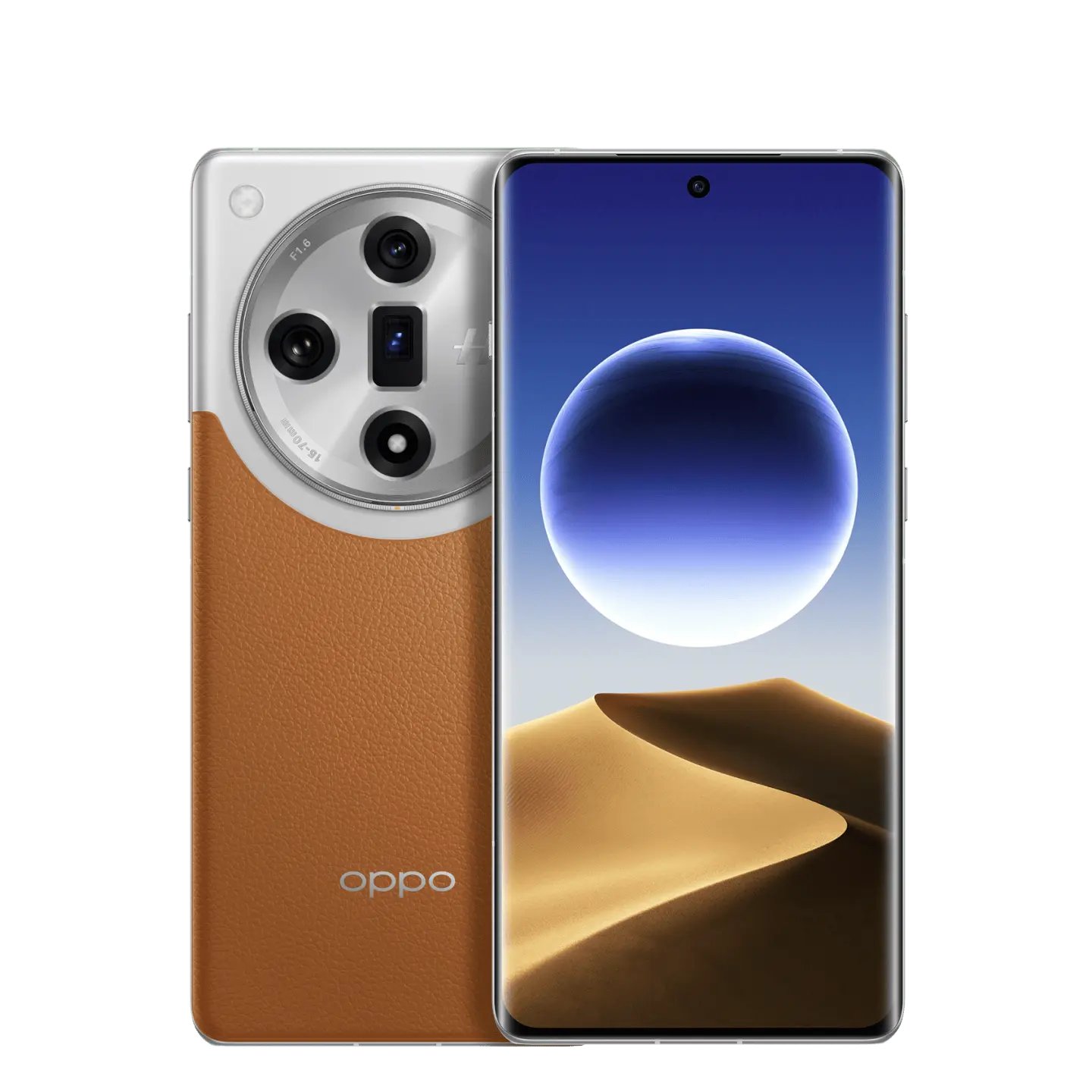
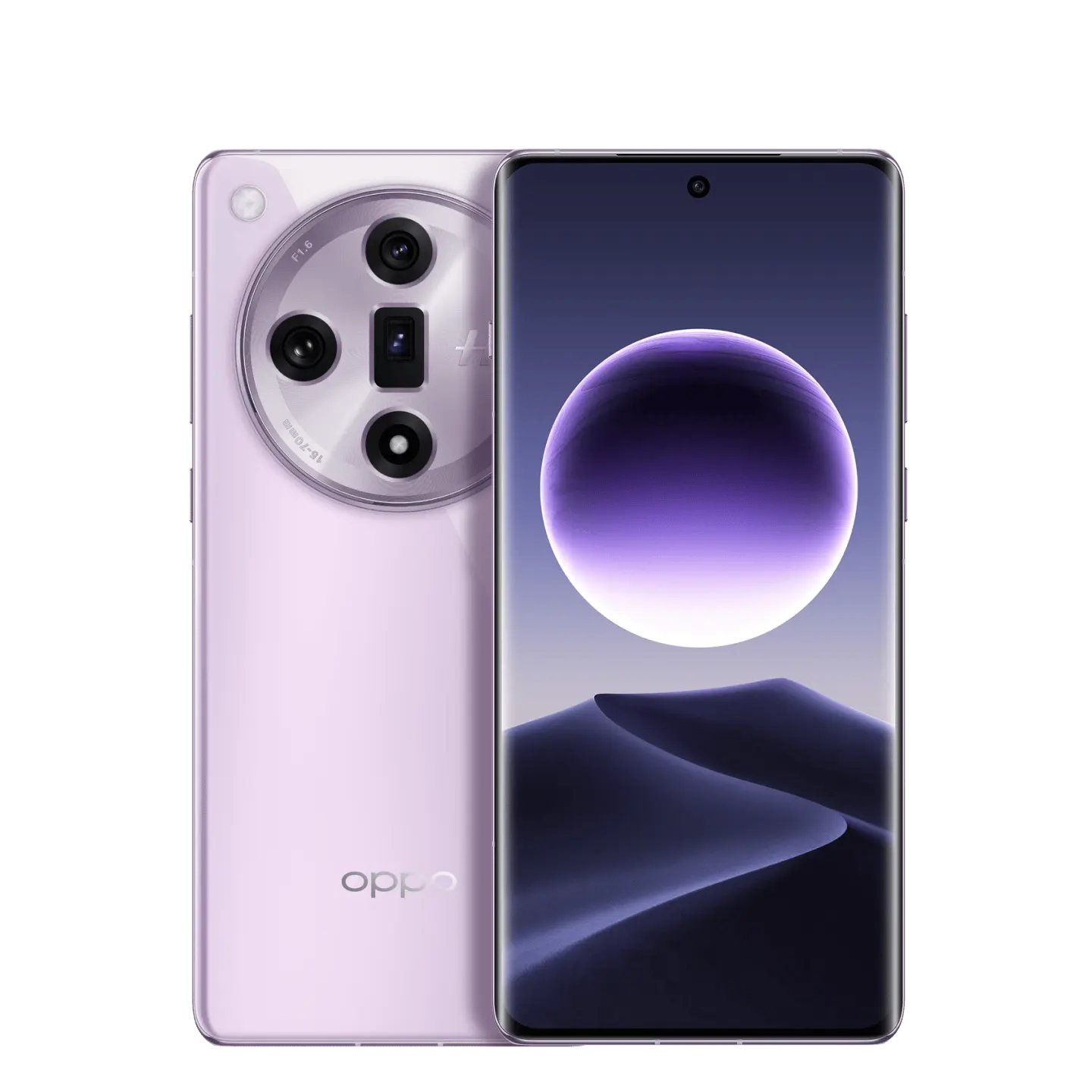
Oppo has officially confirmed that it will unveil the Find X7 series of smartphones at 2:30 pm (local time) on Jan. 8, 2024, in China. In addition, the Find X7 and Find X7 Ultra smartphones are now listed on Oppo China’s online store for reservations. The official listings have confirmed the configurations and color options of both smartphones well ahead of the official announcement.
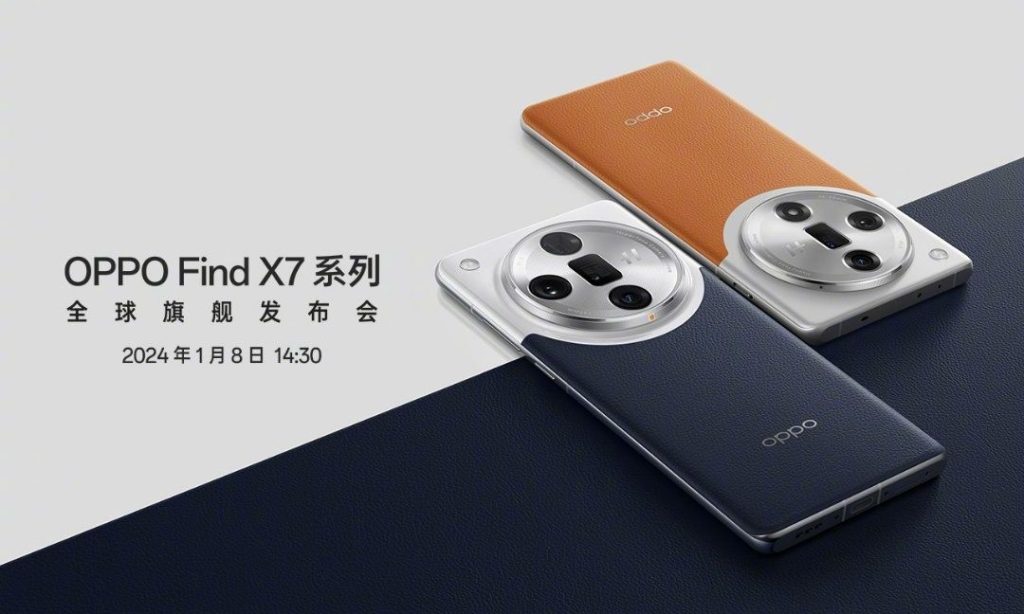
Oppo Find X7 series launch date-
Oppo Find X7 series launch date

Oppo Find X7

Reports have revealed that the Find X7 will come equipped with the Dimensity 9300 chipset. The official listing reveals that it will come in four configurations, such as 12 GB RAM + 256 GB storage, 16 GB RAM + 256 GB storage, 16 GB RAM + 512 GB storage, and 16 GB RAM + 1 TB storage.
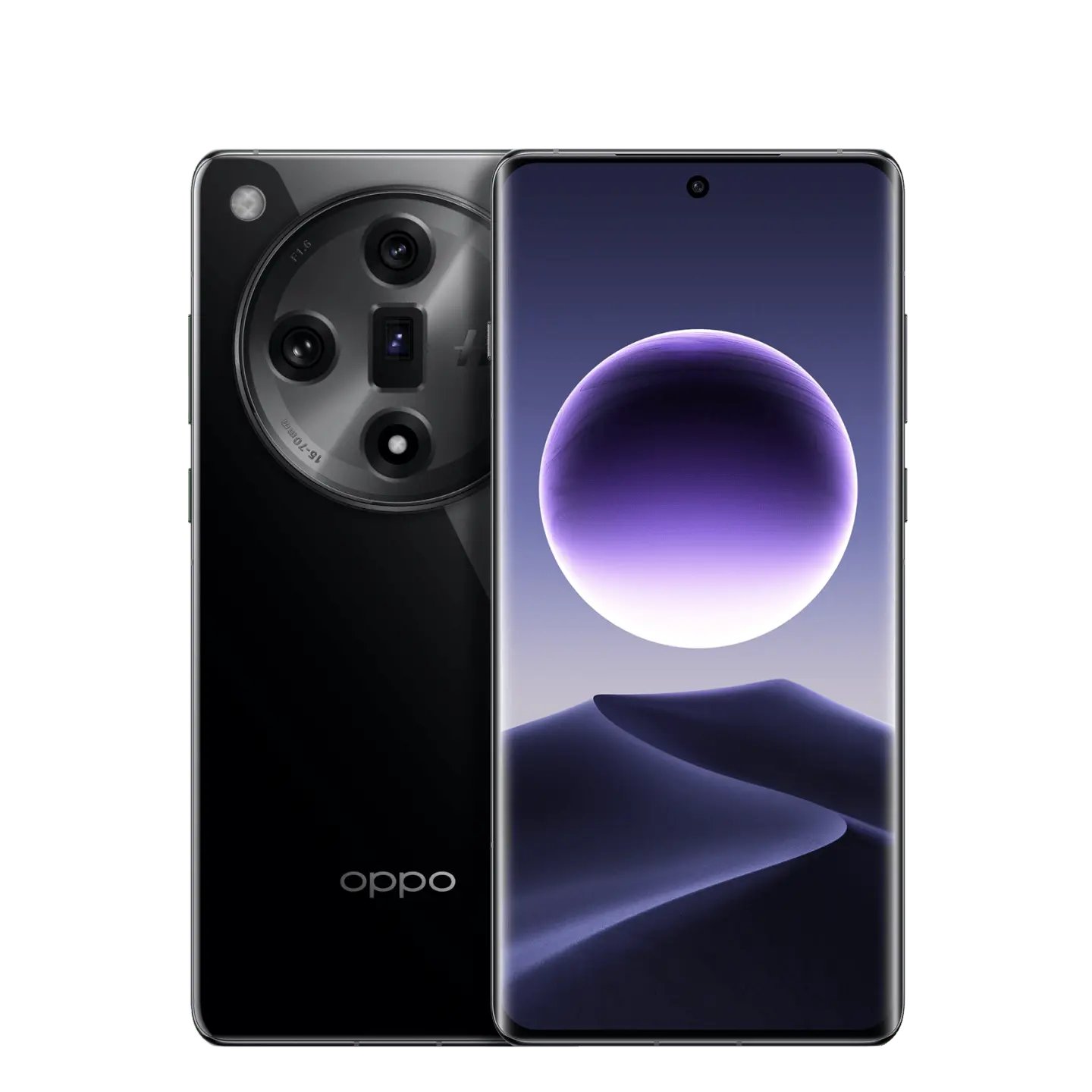
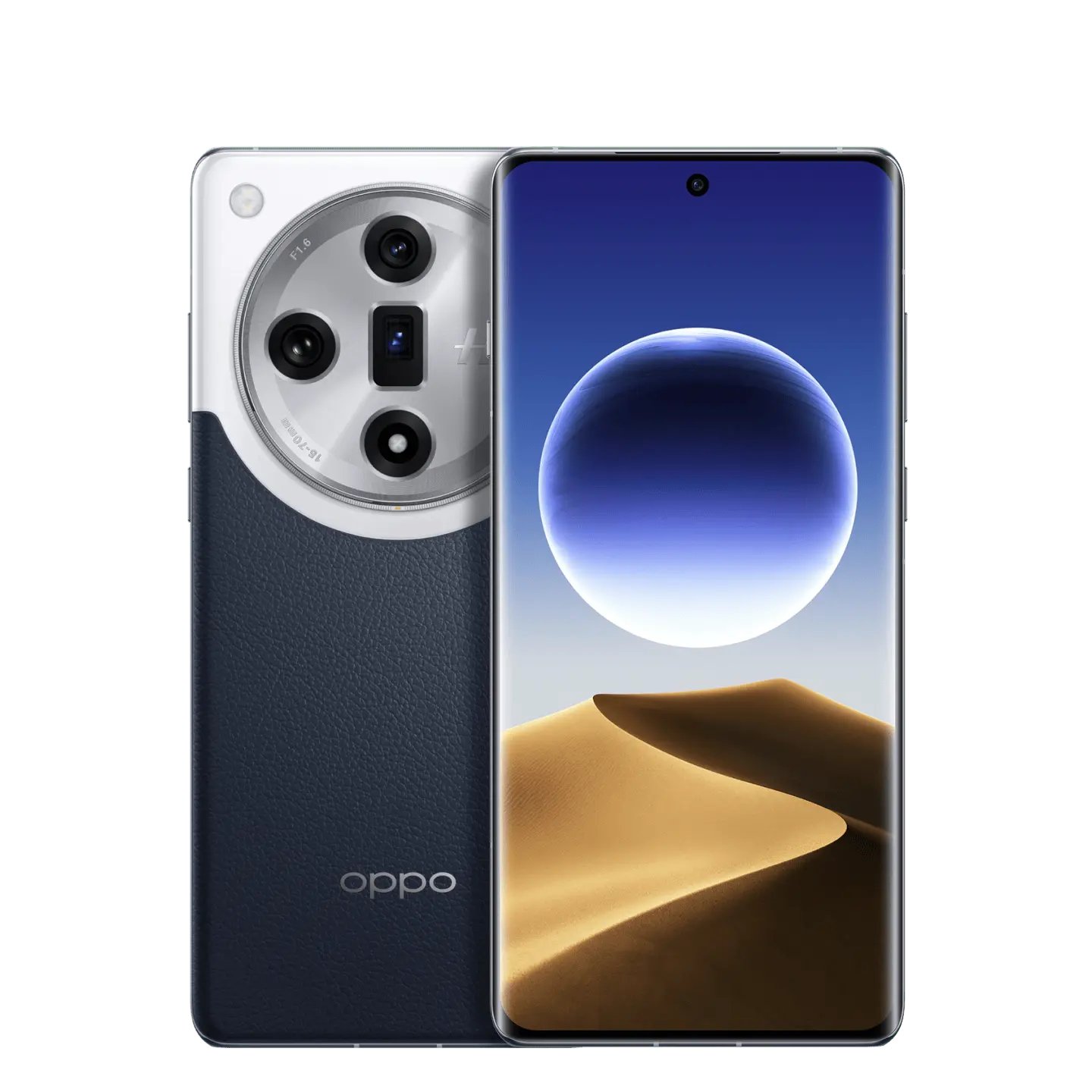
The Find X7 will be available in four shades, such as Starry Sky Black, Sea and Sky, Desert Moon Silver, and Smokey Purple.

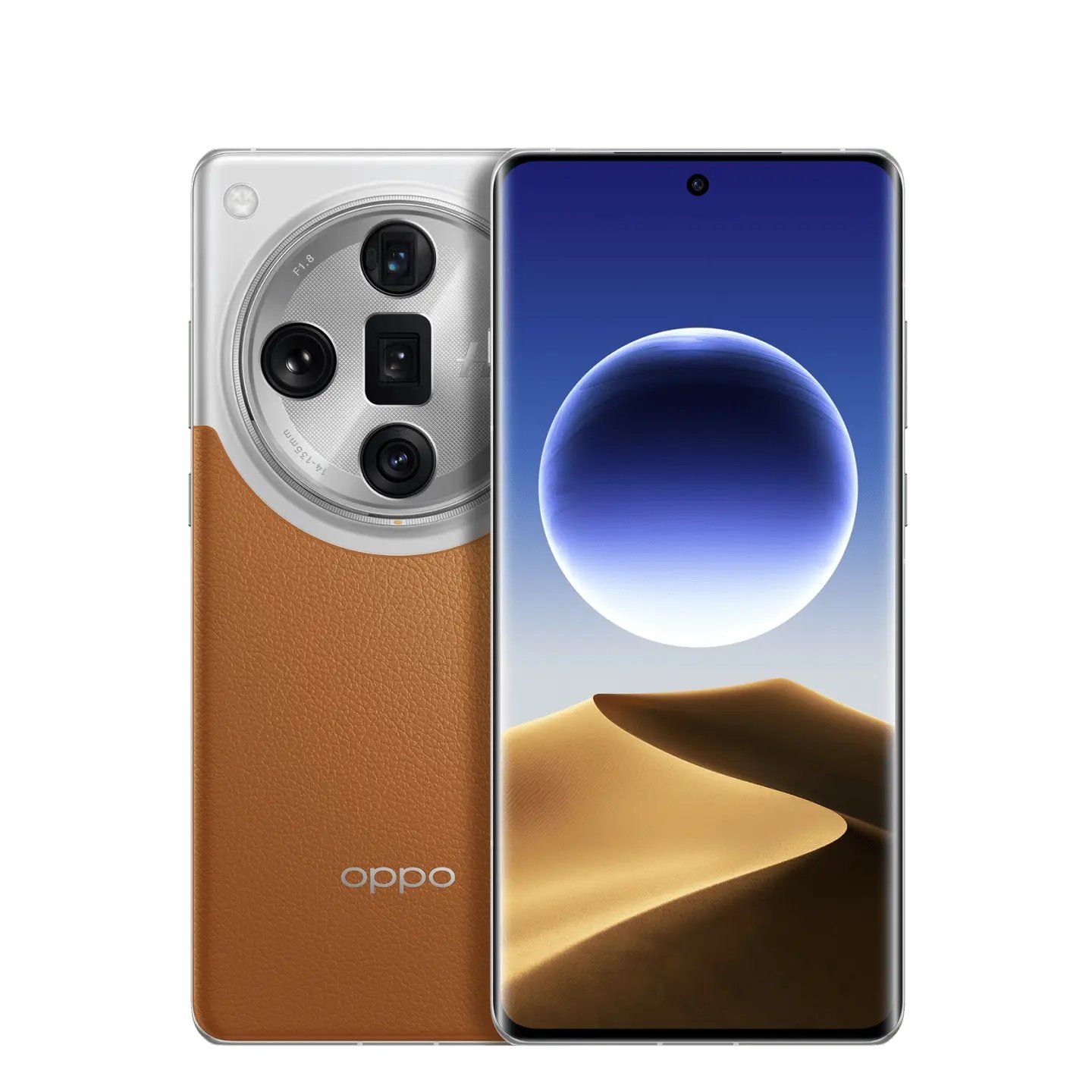
Oppo Find X7 Ultra

The Find X7 Ultra is expected to come equipped with the Snapdragon 8 Gen 3 SoC. It will be available in three variants, such as 12 GB RAM + 256 GB storage, 16 GB RAM + 256 GB storage, and 16 GB RAM + 512 GB storage.
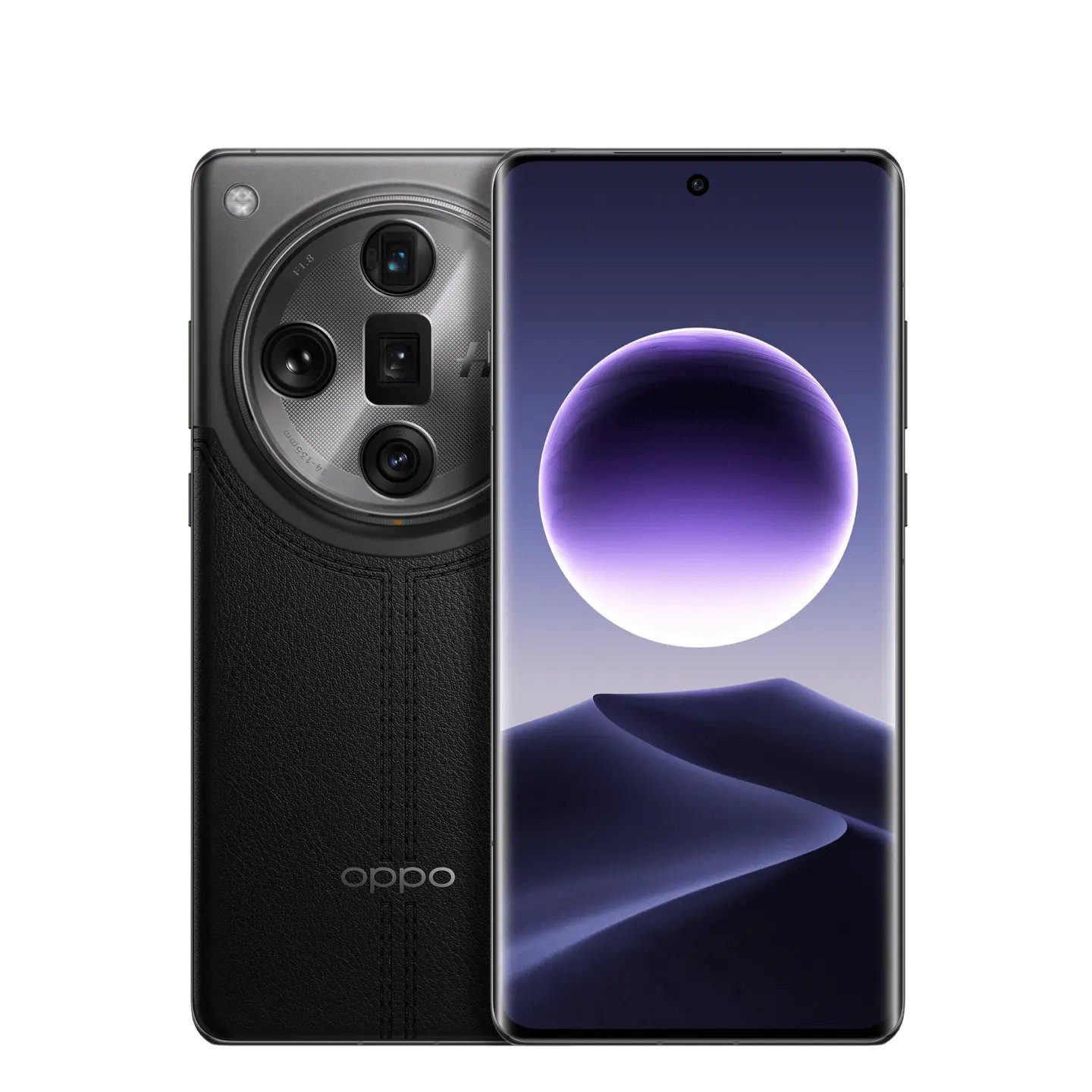
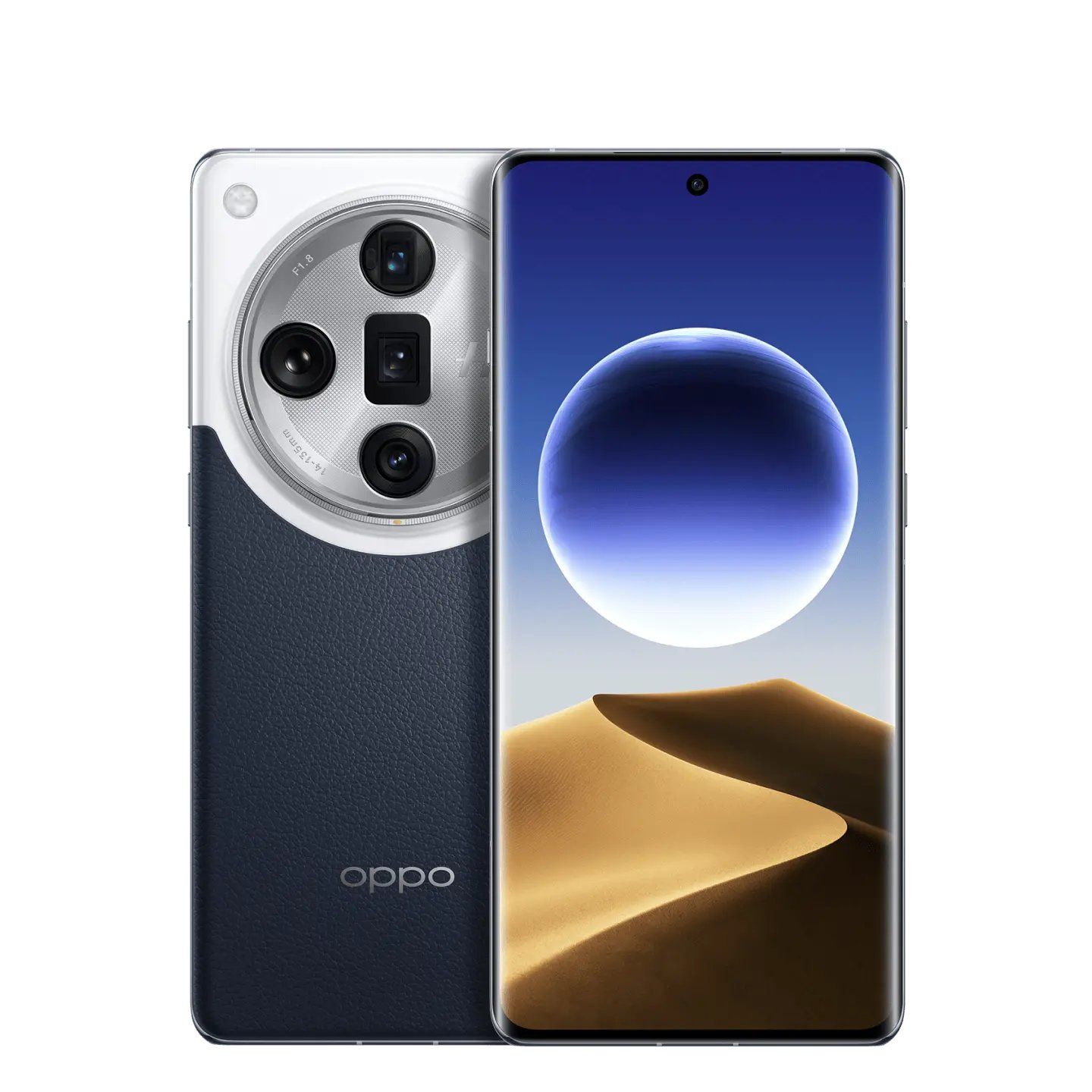
When it comes to color options, the Find X7 Ultra will come in choices such as Pine Shadow Ink, Sea and Sky, and Desert Moon Silver.

The Find X7 and Find X7 Ultra have a similar design, with the front featuring a punch-hole display with curved edges and a dual-tone back panel with a massive camera module. The Find X7 has a triple-camera unit, whereas the Find X7 Ultra has a quad-camera system. The Ultra variant will be the world’s first smartphone to feature dual periscope telephoto cameras. In addition, it will also be the first-ever phone to feature the one-inch Sony LYT-900 50-megapixel camera sensor as the primary snapper.

It is said that there will be a third device called the Oppo Find X7 Ultra Satellite Communication Version, which will come with support for two-way satellite communication. The rest of its specs will be identical to the Find X7 Ultra.

RELATED:

Oppo Find X10 Pro leak hints at twin 200-megapixel cameras and a huge battery

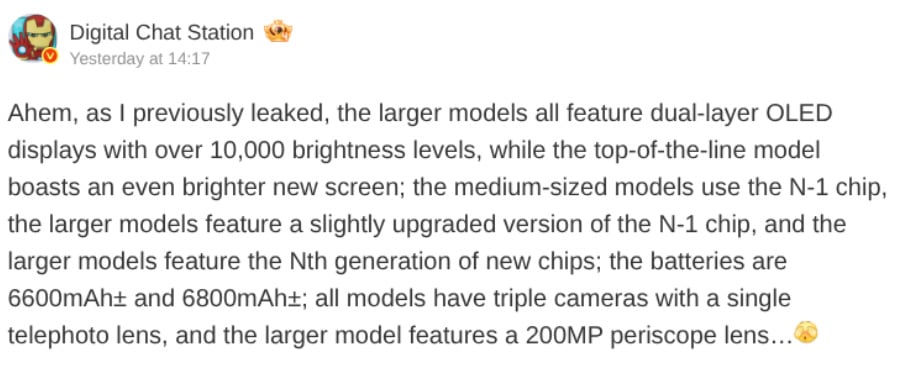
Oppo’s next-generation flagship smartphone may have taken an early step into the spotlight. A new leak from well-known tipster Digital Chat Station has revealed the specifications of a high-end smartphone believed to be the Oppo Find X10 Pro, offering an early look at what the company could be preparing for its premium lineup.

Oppo Find X10 Pro leak points to major hardware upgrades

According to the tipster, the alleged Oppo Find X10 Pro could feature a 6.78-inch flat OLED LTPO display with a 1.5K resolution. The panel is said to adopt extremely slim bezels on all four sides along with large, rounded corners. The engineering prototype is reportedly using a new-generation Tianma display substrate, suggesting improvements in display quality and efficiency.

Performance could be handled by MediaTek’s upcoming 2nm Dimensity 9600 chipset. The phone is also tipped to include an ultrasonic fingerprint scanner and carry both IP68 and IP69 ratings for dust and water resistance.

The Find X10 Pro’s camera setup appears to be one of the most ambitious aspects of the device. The leak claims the phone will feature a 200-megapixel Samsung HPC primary camera with a sensor size of around 1/1.3 inches. It may be accompanied by a second 200-megapixel large-sensor telephoto camera, potentially delivering high-resolution zoom photography. A 3-megapixel multispectral sensor is also mentioned, which could assist with colour accuracy and image processing.

Battery capacity is another area where the alleged Find X10 Pro could see a substantial jump. The device is tipped to target an 8,000mAh-class battery, which would represent a significant increase over the 7,500mAh battery found on the Find X9 Pro. Wireless charging support is also expected to remain part of the package, adding convenience alongside the larger battery.

For more daily updates, please visit our News Section.

Stay ahead in tech! Join our Telegram community and sign up for our daily newsletter of top stories!

Meizu Watch M1 brings a 2.01-inch AMOLED screen, IP68 rating for under ~$45

Meizu has returned to the smartwatch segment in China after a gap of around five years. The company has quietly introduced the Meizu Watch M1, a budget-focused wearable that combines a large AMOLED display, Bluetooth calling and fitness tracking features at an affordable price point.

Meizu Watch M1 specifications and features

Meizu Watch M1
Meizu Watch M1

The Meizu Watch M1 features a square dial with a curved display design and a metal-look frame. It comes equipped with a 2.01-inch AMOLED screen that offers a resolution of 410 x 502 pixels and peak brightness of up to 1,000 nits, making it easier to view notifications and health data outdoors. The display is protected by 2.5D glass and supports full-touch operation.

For connectivity, the smartwatch supports Bluetooth calling and Bluetooth music playback, allowing users to answer calls directly from the wrist when connected to a smartphone. The watch supports dual Bluetooth connectivity and is powered by dedicated hardware that includes a VC30F-SG heart rate sensor and an SC7A20H motion sensor.

Meizu Watch M1

Fitness and health tracking are also a key part of the package. The Watch M1 supports more than 100 sports modes covering activities such as walking, running, cycling, hiking and various indoor workouts. It can monitor heart rate, sleep patterns, and calorie consumption throughout the day. Additional features include sedentary reminders, hydration reminders and women’s health tracking.

Meizu Watch M1

The wearable carries an IP68 rating for dust and water resistance, making it suitable for daily use in varying conditions. Meizu has equipped it with a 300mAh battery that is claimed to deliver around three to five days of typical usage, while standby time can reach up to 15 days. Charging is handled through a magnetic charging system and a full charge takes approximately two hours.

Meizu Watch M1 price and availability

The Meizu Watch M1 has gone on sale in China with a launch price of 299 Yuan (~$45) The smartwatch is available with a black perforated silicone strap, while the watch body is offered in a silver finish with a contrasting red crown accent. At present, the wearable is limited to the Chinese market, and Meizu has not announced plans for availability in India or other global regions.

For more daily updates, please visit our News Section.

Stay ahead in tech! Join our Telegram community and sign up for our daily newsletter of top stories!

Vivo X Fold 6 camera samples, specs officially revealed, teleconverter extender confirmed

Since last week, Vivo has been teasing the arrival of the Vivo X Fold 6 in China. The brand recently confirmed that it will be powered by the Dimensity 9500, ditching the Snapdragon chip that the brand has been using for its foldables for years. In a new development, Vivo Product Vice President Huang Tao and Han Boxia, Product Manager at Vivo Communication Technology, have shared additional details about the upcoming foldable through separate Weibo posts.

Vivo X Fold 6’s key specs officailly revealed

The Vivo X Fold 6 has been designed around the idea of combining a large-screen foldable experience with AI-powered productivity. The device will introduce an upgraded Atomic Workbench feature that can run multiple applications simultaneously on the large display, backed by OriginOS 6 Fold and the new Dimensity 9500 platform. Vivo says the goal is to offer a smoother multitasking experience for users who rely on their smartphones for work and daily productivity.

Beyond software features, Vivo is placing equal emphasis on design. The company highlighted a new Blue Hole color option inspired by deep-sea blue sinkholes. The foldable is said to feature more rounded corners and a refined metal frame aimed at improving in-hand comfort while maintaining a slim and lightweight profile. Vivo positions the X Fold 6 as a flagship foldable that balances aesthetics, portability and everyday usability.

The camera system appears to be one of the biggest highlights of the Vivo X Fold 6. The company has confirmed a 200-megapixel main camera based on Samsung’s HPB sensor with a 1/1.4-inch sensor size, f/1.68 aperture and CIPA 4.5-level image stabilization.

Vivo has also revealed that the phone will be the first foldable to feature a ZEISS APO-certified periscope telephoto camera using Sony’s LYT-602 sensor. The device will support the Vivo ZEISS Teleconverter G2, enabling an equivalent focal length of up to 200mm for distant subjects, concerts and sporting events. Here are some of the camera samples confirmed by the brand.

.The X Fold 6 will also feature Vivo’s V3+ imaging chip, multiple portrait focal lengths ranging from 23mm to 100mm, full-focus flash support and AI-assisted photography tools. On the display front, Vivo has confirmed an 8.02-inch inner screen using Samsung’s latest M14 emissive material. Both the inner and outer displays can reach 5,000 nits peak brightness, while a 1-nit low-brightness mode is designed for comfortable night-time viewing. TÜV Rheinland Global Eye Protection 3.0 certification is also part of the package.

Rumors are rife that the X Fold 6 will pack a hgue 6,900mAh battery. As far as launch is concerned, it is expected to debut by the end of this month in China.

For more daily updates, please visit our News Section.

Stay ahead in tech! Join our Telegram community and sign up for our daily newsletter of top stories!

Honor X80 Pro Max with 11,000mAh officially confirmed to launch on June 22

Honor has confirmed the launch date of the Honor X80 Pro Max, giving consumers an early look at what could become one of the most endurance-focused smartphones of 2026. The upcoming handset has been teased with a record-breaking battery capacity for the brand, while official listings have also revealed several key details ahead of its debut.

Honor X80 Pro Max launch date and key highlights

The Honor X80 Pro Max will be unveiled in China on June 22 at 7:00 PM local time. The device has already appeared on online retail platforms, confirming multiple storage options, including 8GB + 128GB, 8GB + 256GB, 8GB + 512GB and 12GB + 512GB variants. Buyers will be able to choose from four colour options: Lightning Red, Black Armour, Moon Shadow White and Vitality Orange.

The biggest talking point is the 11,000mAh battery, which Honor says is the largest ever fitted inside one of its smartphones. The device will support 90W wired charging, helping reduce charging times despite the enormous battery capacity. The image below also confirms support for 27W wired reverse charging, allowing the handset to charge compatible accessories and other devices.

Honor X80 Pro Max battery size

Official teasers and retailer listings indicate that the Honor X80 Pro Max will feature a 6.8-inch OLED display with a resolution of 2788 x 1280 pixels. The panel is expected to support a 120Hz refresh rate and 3840Hz PWM dimming for improved viewing comfort during prolonged use.

Under the hood, the smartphone is tipped to use Qualcomm’s latest Snapdragon 6 Gen 5 chipset. Honor is also placing strong emphasis on durability, with the handset expected to offer IP66, IP68, IP69 and IP69K-rated dust and water resistance. The company has additionally highlighted enhanced drop protection and a complimentary screen replacement programme for eligible accidental damage cases during the coverage period.

For more daily updates, please visit our News Section.

Stay ahead in tech! Join our Telegram community and sign up for our daily newsletter of top stories!

Rapoo launches new gaming headset with 53mm drivers, swappable batteries & 150h battery life

Rapoo has announced the VE3, a new wireless gaming headset launching in China that brings a relatively uncommon feature to the budget peripheral market: a modular, hot-swappable battery system. The headset is priced at a standard 299 yuan (around $44) and is now available on JD.com.

Rapoo VE3 Headset

Rapoo VE3 Headset Specifications

The headset uses removable 1,500mAh lithium battery modules, with Rapoo claiming up to 150 hours of battery life per charge. During the launch window, the company is including two battery packs in the box, allowing users to swap a depleted battery for a fresh one immediately without needing to plug the headset in. The system also supports charging while in use and includes standard temperature, overvoltage, and short-circuit protections.

Rapoo VE3 Headset

For audio, the VE3 is equipped with 53mm titanium-coated polymer diaphragm drivers and a neodymium magnetic system. The internal design features an independent acoustic chamber, which is intended to reduce structural vibrations and frequency interference.

The headset operates on a dual-chip architecture, combining a low-power controller with a dedicated C-Media gaming audio chipset. According to Rapoo, this setup enables a wireless latency of 15ms. It also includes a software-based 7.1-channel surround sound mode for spatial audio in games.

The headset can connect via 2.4GHz wireless using either the included USB-C or USB-A receivers, through Bluetooth 6.0, or via a standard wired USB-C connection. This makes it compatible with PCs, laptops, mobile devices, the Nintendo Switch, and PlayStation consoles.

Physically, the VE3 weighs 315g without the detachable microphone and receiver. It is built with an adjustable headband with nine levels of extension, anodized aluminum support arms, and protein leather ear cushions featuring a hydrophobic coating. The detachable omnidirectional microphone includes environmental noise cancellation (ENC) and AI-powered voice processing to filter background noise.

The headset will be available in three color options: Mint Green, Starlight White, and Shadow Black.

In related news, Sony is celebrating a decade of the 1000X lineup with the WH-1000X The ColleXion, and Edifier has launched affordable headphones equipped with a built-in dot-matrix screen for displaying lyrics.

For more daily updates, please visit our News Section.

Stay ahead in tech! Join our Telegram community and sign up for our daily newsletter of top stories!

(JD)

Galaxy Z Fold 9 could finally hide the crease with thicker 60-micron UTG

Samsung could be about to make its Galaxy Z Fold series feel more premium and durable. The company is reportedly testing a thicker layer of Ultra Thin Glass (UTG) on upcoming models, which could finally make the dreaded crease much less noticeable at first glance and help the screen hold up better against everyday bumps and drops.

According to supply chain reports, Samsung is looking at a 60-micron-thick UTG layer. That’s a noticeable jump from what we’ve seen before. This thicker glass is apparently being tried out first on the Galaxy Z Fold 8 Wide: the broader, passport-style version that has a different aspect ratio. It makes sense as a test run. If it works well, we could see it roll out more widely on the Galaxy Z Fold 9.

For comparison, the standard Galaxy Z Fold 8 Ultra is expected to stick with the current 45-micrometer glass that’s been used on recent models like the Z Fold 7. This selective approach lets Samsung gather real-world feedback on the new material without betting everything on it at once.

The Z Fold 6 used 30-micrometer glass, then later models moved up to 45 micrometers for better toughness. Jumping to 60 microns would be another solid step forward.

Beyond the display, Samsung is also working on better hinges and protective layers overall. The goal? Make Galaxy foldables more reliable for heavy multitasking, watching videos, and getting actual work done.

All of this is happening as Samsung gears up for its next big Unpacked event. Rumors point to July 22, 2026, in London, UK. If these upgrades land as expected, the Z Fold 8 Wide could really stand out as a more refined option in a foldable market that’s getting more competitive every year.

It’s still early days and nothing is officially confirmed yet, but these developments show Samsung is listening to feedback and pushing foldable hardware forward. For anyone thinking about jumping into Samsung’s foldable world, this kind of iterative improvement is exactly what makes the category more exciting.

Don’t miss a thing! Join our Telegram community for instant updates and grab our free daily newsletter for the best tech stories!

For more daily updates, please visit our News Section.

(Source | Image)

Belkin launches new 45W GaN charger with a built-in retractable USB-C cable

Belkin has released a new charger called the Belkin 45W Retractable GaN Wall Charger (model WCH023) in China. It is priced at 199 yuan ($28) and is now available on JD.com.

Belkin 45W GaN Charger

Belkin 45W GaN Charger Specifications

The charger comes with a built-in USB-C cable that extends up to 0.8 meters and neatly retracts into its rounded, white housing. According to Belkin, it is highly durable: the retraction mechanism is rated to survive 20,000 cycles, while the cable itself can withstand 5,000 bends and a 10kg load.

It is also designed for easy portability, featuring foldable prongs, a compact footprint measuring 65 by 52 by 38mm, and a lightweight build of just 145 grams.

Belkin 45W GaN Charger

In terms of power, the charger delivers a maximum of 45W when connected to a single device, whether you are using the integrated cable or the secondary USB-C port located on the front. If you need to plug in two devices at the same time, the power splits into 25W for one output and 20W for the other.

It supports standard fast-charging protocols like USB PD 3.1 and PPS. According to Belkin’s estimates, the 45W output is enough to get an iPhone 17 Pro to 50% battery in 20 minutes, or a Samsung Galaxy S25 Ultra to 50% in 25 minutes.

Belkin 45W GaN Charger

Inside, the charger uses gallium nitride (GaN) components. Belkin claims its specific implementation allows for 92% power conversion efficiency and keeps the brick running about 10 degrees Celsius cooler than older, non-GaN chargers. It also includes active temperature monitoring and the usual set of safeguards against overvoltage, overcurrent, and short circuits.

The outer shell of the charger is made from 90% post-consumer recycled plastic.

In related news, Anker has recently launched a 160W smart charger with proprietary fast charging for Huawei and Xiaomi devices, while Baseus announced a tiny 100W GaN charger designed with foldable plugs for portability.

For more daily updates, please visit our News Section.

Stay ahead in tech! Join our Telegram community and sign up for our daily newsletter of top stories!

(JD)

Rogbid launches Winggo portable fan with semiconductor cooling & 10h of battery life

Portable fans are a standard accessory for commuting and outdoor events, and Rogbid is adding another option to the market with the Winggo. It is priced at $39.99 and functions as a handheld fan, offering a bit more utility than the usual plastic models by featuring an aluminum build, a highly adjustable hinge, and an active semiconductor cooling system.

Rogbid Winggo portable fan

Rogbid Winggo Specifications

The main functional difference between the Winggo and a standard battery-powered fan is its thermal management setup. The fan uses a 13,000 RPM motor that pushes air at up to 11 meters per second. However, blowing ambient air isn’t always effective in high heat.

To address this, Rogbid included a built-in semiconductor cooling pad. When activated, the pad drops in temperature in a few seconds, allowing you to press the cold metal directly against your neck or wrists for direct cooling, rather than just relying on moving air.

In terms of design, the Winggo features an 180-degree adjustable hinge. This gimbal-like mechanism allows the device to function in multiple orientations: as a standard handheld fan, angled as a freestanding desktop fan, or worn around the neck using an included lanyard.

The handle is made from an aluminum alloy, which gives it a more solid feel than standard polycarbonate plastic and offers better drop resistance. To prevent hair from getting caught in the blades when worn around the neck, the air intake is covered by a dual-layer honeycomb mesh.

Rogbid Winggo portable fan

For controls, the fan features a stepless adjustment system that lets you scroll through 100 different speed levels instead of the usual low, medium, and high presets. It also includes a small LED digital display on the front that shows the current speed setting and the remaining battery percentage.

The device is powered by a 3,000mAh battery that charges via USB-C. Rogbid says the fan can run for up to 10 hours on a single charge, though that metric is likely based on the lowest fan speed. The base of the fan also includes an LED light with three brightness settings and a flashing SOS mode for camping or emergencies.

Pricing and Availability

The Rogbid Winggo is available now on the company’s official store for $39.99 and comes in three colors: Space Gray, Champagne Gold, and Sakura Pink.

In related news, Rogbid has recently unveiled the SR15 Ultra smart ring, featuring a built-in display, vibration notifications, and comprehensive health monitoring.

For more daily updates, please visit our News Section.

Stay ahead in tech! Join our Telegram community and sign up for our daily newsletter of top stories! 

Xiaomi 17T Pro vs OnePlus 15: Don’t Buy Until You Read This Comparison

Choosing between the Xiaomi 17T Pro and OnePlus 15 is not easy because both target the premium flagship segment with top-tier performance, large batteries, advanced displays, and versatile camera systems. While Xiaomi focuses on Leica-tuned photography and a massive battery, OnePlus pushes harder on raw performance, charging speed, display smoothness, and durability. The comparison ultimately comes down to which flagship priorities matter most.

Major Features:

FeatureXiaomi 17T ProOnePlus 15Winner
Build QualityGorilla Glass 7i, Aluminum Frame, IP68Victus 2, Aluminum Frame, IP68/IP69OnePlus 15 – Better durability and stronger protection.
Display6.83-inch AMOLED, 144Hz, 3500 nits6.78-inch LTPO AMOLED, 165Hz, 1800 nits HBMOnePlus 15 – LTPO panel and higher refresh rate.
Peak Brightness3500 nits1800 nits (HBM)Xiaomi 17T Pro – Significantly brighter outdoors.
ProcessorMediaTek Dimensity 9500Snapdragon 8 Elite Gen 5OnePlus 15 – More powerful flagship chipset.

GPUMali-G1 Ultra MC12Adreno 840OnePlus 15 – Better gaming optimization.
RAM & StorageUp to 16GB RAM, 1TB UFS 4.1Up to 16GB RAM, 1TB UFS 4.1Tie – Identical storage technology and capacities.
Main Camera50MP, 1/1.31″ Sensor, Leica50MP, 1/1.56″ SensorXiaomi 17T Pro – Larger primary sensor and Leica tuning.
Telephoto Camera50MP Periscope, 5x Optical Zoom50MP Periscope, 3.5x Optical ZoomXiaomi 17T Pro – Better long-range zoom.
Ultrawide Camera12MP50MPOnePlus 15 – Higher resolution and versatility.
Selfie Camera32MP32MP AFOnePlus 15 – Autofocus and 4K60 recording.
Video Recording8K, 4K120, HDR10+, Log8K, 4K120, Dolby VisionTie – Both offer flagship-level video capabilities.
Battery Capacity7000mAh7300mAhOnePlus 15 – Larger battery.
Wired Charging100W120WOnePlus 15 – Faster charging speeds.
Wireless Charging50W50WTie – Equal wireless charging.
Reverse Charging22.5W Reverse WiredReverse Wireless + WiredOnePlus 15 – More versatile charging features.
Fingerprint ScannerOpticalUltrasonicOnePlus 15 – Faster and more reliable.
USB PortUSB Type-C 2.0USB Type-C 3.2OnePlus 15 – Faster data transfer speeds.
AudioStereo, Dolby Atmos, Hi-Res AudioStereo, Hi-Res AudioXiaomi 17T Pro – Dolby Atmos support.
SoftwareAndroid 16, HyperOS 3Android 16, OxygenOS 16OnePlus 15 – Cleaner software experience.
PricePriced around ₹75,000Priced around ₹80,000Xiaomi 17T Pro – Better value for money.
1. Design and Display

Build and Feel

Both smartphones feature premium materials with glass fronts and backs paired with aluminum frames, giving them a flagship-grade feel. Xiaomi keeps things elegant with Gorilla Glass 7i protection and an IP68 rating, while OnePlus goes a step further with IP68/IP69 certification, offering greater resistance against water and harsh conditions. The ultrasonic fingerprint scanner on the OnePlus also feels more premium and responsive than Xiaomi’s optical solution.

The Xiaomi 17T Pro leans toward a refined photography-focused identity, whereas the OnePlus 15 feels slightly more performance-oriented and rugged. Users who prioritize durability may find the OnePlus more reassuring in everyday use.

Display Quality

Xiaomi offers a large AMOLED panel with 144Hz refresh rate, Dolby Vision support, and an impressive 3,500-nit peak brightness. Colors are vibrant, contrast is excellent, and outdoor visibility is outstanding.

The OnePlus 15 counters with a newer LTPO AMOLED display featuring a 165Hz refresh rate, adaptive refresh technology, HDR Vivid support, and Ultra HDR compatibility. The panel feels slightly more fluid during gaming and scrolling.

Verdict

The Xiaomi 17T Pro delivers higher brightness, but the OnePlus 15 combines LTPO technology, a faster refresh rate, and stronger durability. For overall display and build quality, the OnePlus 15 takes a narrow win.

2. Specifications Including Battery

Performance

The Xiaomi 17T Pro is powered by the MediaTek Dimensity 9500, a flagship-grade chipset built on a 3nm process. It is paired with fast UFS 4.1 storage and ample memory configurations, making multitasking and gaming effortless.

However, the OnePlus 15 uses Qualcomm’s Snapdragon 8 Elite Gen 5, which is expected to sit at the very top of the Android performance hierarchy. Combined with the Adreno 840 GPU, it should deliver stronger gaming performance, better sustained efficiency, and wider optimization support across demanding applications.

For users who push their phones heavily, the OnePlus offers a slight performance advantage.

Battery and Charging

Battery life is a major strength for both devices. Xiaomi packs a huge 7,000mAh battery with 100W wired and 50W wireless charging. The OnePlus 15 goes even bigger with a 7,300mAh battery, 120W wired charging, 50W wireless charging, bypass charging, and reverse wireless charging support.

The charging package on the OnePlus feels more complete and future-proof.

Verdict

Both phones offer exceptional endurance, but the combination of Snapdragon performance, larger battery, faster charging, and bypass charging gives the OnePlus 15 the advantage.

3. Camera

Main and Secondary Lenses

The Xiaomi 17T Pro focuses heavily on photography with Leica branding, a large 50MP primary sensor, and a 50MP periscope telephoto camera capable of 5x optical zoom. This setup is particularly attractive for portrait photography and long-range shots. The inclusion of Leica tuning may also appeal to users who enjoy a more distinctive photographic style.

The OnePlus 15 uses a more balanced triple 50MP setup consisting of wide, periscope telephoto, and ultrawide cameras. While its telephoto zoom reaches 3.5x optical magnification, the higher-resolution ultrawide camera offers greater flexibility and consistency across all focal lengths.

Video capabilities are excellent on both devices, supporting 8K recording and advanced HDR formats.

Selfie Camera

Both phones feature 32MP selfie cameras. The OnePlus gains a slight edge thanks to autofocus support and 4K 60fps recording, producing more reliable results for selfies and video calls.

Verdict

The Xiaomi 17T Pro is stronger for zoom photography thanks to its 5x periscope camera and Leica tuning. The OnePlus 15 delivers a more balanced overall camera package. Xiaomi wins for photography enthusiasts, while OnePlus is the better all-rounder.

4. Pricing

The Xiaomi 17T Pro is priced around ₹75,000, while the OnePlus 15 is priced around ₹80,000. The difference is relatively small considering both compete in the flagship category.

At its price point, the Xiaomi offers tremendous value through its Leica-branded camera system, large battery, premium display, and flagship-grade performance. It feels like a device designed to maximize hardware value without crossing into ultra-premium territory.

The OnePlus 15 costs slightly more, but the additional investment brings meaningful upgrades. Buyers gain a newer Snapdragon chipset, LTPO display technology, stronger durability certification, faster charging, ultrasonic fingerprint scanning, reverse wireless charging, and a more versatile camera arrangement.

The price gap is not large enough to be a deciding factor for most flagship buyers.

Verdict

The Xiaomi 17T Pro delivers better value for money, while the OnePlus 15 justifies its higher price with a more complete flagship experience.

5. Conclusion

The Xiaomi 17T Pro stands out with its Leica camera partnership, brighter display, and 5x optical periscope zoom. It is a compelling choice for users who prioritize photography and battery life while keeping costs slightly lower.

The OnePlus 15 differentiates itself through the Snapdragon 8 Elite Gen 5 chipset, LTPO 165Hz display, IP69 protection, bypass charging, reverse wireless charging, ultrasonic fingerprint sensor, and broader premium feature set. It feels like a flagship designed to excel in every category rather than focusing on a few standout areas.

Verdict

The Xiaomi 17T Pro is the smarter purchase for camera-focused users seeking excellent value. The OnePlus 15 is the better overall flagship, offering stronger performance, richer features, better durability, and a more polished premium experience. For most buyers spending around ₹80,000, the OnePlus 15 emerges as the more complete smartphone.

Read More:

Asus launches Adol PO102 portable Bluetooth speaker with IP67 protection & 10h battery life

Asus has released a new ultra-budget portable Bluetooth speaker in China, and its spec sheet is surprisingly modern for the price. The Asus Adol PO102 is launching for 139 yuan (roughly $20).

Asus Adol PO102 Bluetooth Speaker

Asus Adol PO102 Specifications

The exterior is constructed from a combination of a fabric grille and a non-slip silicone shell to provide a better grip. Asus has also integrated a carrying strap into the design so users can attach it to a backpack or hang it up. The speaker is available in three colors: Meteorite Gray, Iris Purple, and Sage Green.

In terms of physical design, the Adol PO102 is built for easy transport. It weighs 200 grams and measures 109.5 by 82.5 by 38mm, making it small enough to carry in a bag or a large coat pocket.

Asus Adol PO102 Bluetooth Speaker

For audio output, the speaker delivers 6W of power. This level of output is standard for a device of this size and is generally sufficient for personal listening or small groups. To expand the audio setup, the Adol PO102 supports TWS pairing. This allows users to link two identical units together for stereo sound or network multiple compatible speakers for a broader audio setup.

Connectivity is handled by Bluetooth 6.0, which provides a standard 10-meter wireless range. The speaker also includes Auracast broadcast audio support, a feature that allows audio to be shared wirelessly across multiple compatible devices at the same time.

For users who prefer not to rely on a smartphone or an internet connection, the speaker includes a microSD (TF) card slot for direct, offline music playback. Additionally, it has a built-in microphone to support hands-free phone calls.

Asus Adol PO102 Bluetooth Speaker

The device is powered by a 2,600mAh battery. According to Asus, this provides up to 10 hours of continuous playback, assuming the volume is kept at 50%. When the battery is depleted, it recharges via a USB-C port, with a full charge taking between two and three hours.

The speaker carries an IP67 rating. This means it is fully protected against dust ingress and can withstand being submerged in up to one meter of water for 30 minutes.

In related news, Xiaomi has recently launched the Sound Play Bluetooth speaker globally, featuring Auracast support, infinity ambient lighting, and up to 14 hours of battery life.

For more daily updates, please visit our News Section.

Stay ahead in tech! Join our Telegram community and sign up for our daily newsletter of top stories! 💡

(JD)

Building an App in 2026? Here’s the Complete Mobile App Development Process

Mobile applications have become a critical part of modern business strategies, helping companies connect with customers, streamline operations, and create new revenue opportunities. However, building a successful app involves far more than writing code. Industry experts emphasize that a structured mobile app development process is essential for delivering high-quality applications that meet both user expectations and business goals.

From the initial concept to ongoing maintenance, each stage plays a vital role in ensuring the app’s success.

Ideation and Market Research Set the Direction

Every mobile app begins with an idea. The first stage focuses on identifying a problem that needs solving and determining how an app can provide value to users. Businesses must define their target audience, understand user behavior, and establish a clear unique value proposition (UVP).

Market research is a key part of this process. Companies analyze competitors, evaluate market trends, and identify gaps that their application can address. Product discovery and concept validation are often conducted before significant investments are made in development.

The importance of this stage continues to grow as user expectations rise. Research indicates that 71% of consumers expect personalized experiences, while 76% report frustration when personalization is lacking. These insights often influence feature selection, user journeys, and overall app functionality.

Planning the Development Strategy

Once the concept is validated, teams move into the planning phase. Here, project requirements are documented, timelines are established, and development milestones are defined. Many organizations also seek guidance from experienced development partners during this stage to better understand technology choices, scalability requirements, and long-term project goals.

One of the most important decisions involves choosing the development approach. Native app development remains popular for organizations seeking maximum performance and deep integration with device features. Native iOS applications are typically built using Swift, while Android apps commonly use Kotlin.

Cross-platform development has also gained significant popularity. Frameworks such as React Native allow developers to maintain a single codebase while supporting multiple platforms, reducing both development time and costs.

Some organizations opt for Progressive Web Apps (PWAs), which combine web and mobile experiences while eliminating the need for traditional app store installations.

During planning, teams also evaluate technology stacks, scalability requirements, security needs, budget limitations, and long-term maintenance expectations.

Design and Prototyping Focus on User Experience

A well-designed app can significantly influence user engagement and retention. During the design phase, teams create wireframes, user flows, interactive prototypes, and interface layouts to visualize the application before development begins.

Prototyping allows stakeholders to test navigation paths and user interactions early in the process. This reduces costly changes during later development stages and helps ensure the final product aligns with user expectations.

Accessibility has become another important consideration. Many development teams follow Web Content Accessibility Guidelines (WCAG) to ensure applications remain usable for individuals with disabilities, improving inclusivity and compliance.

Development Brings the Product to Life

After designs are approved, developers begin building the application.

Frontend development focuses on the visual interface, user interactions, and overall user experience. Backend development handles servers, databases, APIs, and data management systems that power app functionality behind the scenes.

Modern mobile applications often include a variety of advanced features, such as authentication systems, push notifications, payment gateways, in-app purchases, user account management, and analytics tools. Businesses working with experienced development teams can often accelerate implementation while ensuring these features are integrated securely and efficiently.

Many organizations adopt Agile development methodologies, which encourage iterative releases and continuous feedback. This approach enables teams to respond quickly to changing requirements and user feedback throughout the development cycle.

Another common strategy is the Minimum Viable Product (MVP) approach. Rather than launching a feature-heavy application immediately, businesses release a version containing core functionality and expand capabilities through future updates.

Testing Ensures Quality and Reliability

Before launch, applications undergo extensive testing to identify issues and verify performance.

Functional testing confirms that features work as intended, while user testing evaluates the overall experience from a customer’s perspective. User Acceptance Testing (UAT) ensures that business requirements have been met before release.

Performance testing measures speed, responsiveness, and stability under different conditions. Security testing identifies vulnerabilities and helps protect sensitive user data.

Comprehensive quality assurance helps reduce post-launch issues, improve reliability, and deliver a consistent experience across multiple devices and operating systems.

Deployment and App Store Launch

Once testing is complete, the application is prepared for deployment.

For most mobile apps, this involves publishing on the Apple App Store and Google Play Store. Developers must create app screenshots, descriptions, keywords, privacy policies, marketing materials, and compliance documentation before submission.

Following marketplace guidelines is essential, as failure to meet review requirements can delay approval. Many companies also invest in App Store Optimization (ASO) to improve discoverability and increase downloads.

Maintenance Supports Long-Term Success

Launching an application is not the end of the development journey. Ongoing maintenance is required to keep apps secure, stable, and competitive.

Common maintenance activities include bug fixes, performance monitoring, security updates, operating system compatibility improvements, and feature enhancements based on user feedback.

Regular updates help improve user retention, maintain compatibility with evolving devices, and ensure the application continues meeting customer expectations over time.

Costs Can Vary Significantly

Mobile app development costs vary widely depending on complexity and requirements. Industry estimates suggest simple applications may cost between $10,000 and $30,000, while highly complex enterprise-grade platforms can exceed $500,000.

Factors affecting development costs include the number of supported platforms, technology choices, security requirements, cloud infrastructure, third-party integrations, team size, and ongoing maintenance expenses.

A Structured Process Remains Essential

As competition in the mobile app market continues to intensify, organizations are placing greater emphasis on structured development processes. By combining thorough research, strategic planning, user-focused design, rigorous testing, and continuous improvement, businesses can reduce risks and improve their chances of delivering successful mobile applications.

Industry professionals agree that following a well-defined development framework not only improves app quality but also creates a stronger foundation for scalability, user satisfaction, and long-term growth.

Lenovo ThinkBook 16p 2026 gets a new Intel Core Ultra 7 251HX and RTX 5060 variant

Lenovo is expanding its creator-focused ThinkBook 16p 2026 series with a new mid-tier configuration. Initially launched last month with top-end Intel Core Ultra 9 processors, the lineup now includes a model equipped with the Intel Core Ultra 7 251HX and Nvidia’s GeForce RTX 5060.

Priced at 15,999 yuan (roughly $2,362) in China, the new Lunar Gray variant ships with 32GB of RAM and a 1TB SSD. It serves as a slightly more accessible entry point into the 16p series while retaining the core hardware features of the more expensive models.

Lenovo ThinkBook 16p 2026

Lenovo ThinkBook 16p 2026 Specifications

The screen is a 16-inch 3.2K panel with a 16:10 aspect ratio. It has a 165Hz refresh rate and a peak brightness of 500 nits. According to Lenovo, the display covers 100% of the DCI-P3 color space and includes X-Rite factory calibration with an average Delta E under 1.0. It also supports Nvidia G-Sync and Dolby Vision.

Inside, the memory and storage are user-upgradeable. The motherboard has two DDR5 slots that can hold up to 64GB of RAM, along with two M.2 PCIe slots that support up to 4TB of total storage. Cooling is managed by a dual-fan setup with copper heat plates and an aluminum die-cast structure. Lenovo notes the laptop can sustain up to 200W of total power draw when using its highest performance setting.

The metal chassis weighs 2.1kg and is 17.9mm thick. The port selection includes two Thunderbolt 4 ports, three USB-A ports (one 3.2 Gen 2, two 3.2 Gen 1), an HDMI 2.1 output, a full-size SD card reader, and a headphone jack. The laptop has also passed MIL-STD-810H durability testing.

Lenovo ThinkBook 16p 2026

Like other recent Lenovo laptops, the ThinkBook 16p includes the Magic Bay connector at the top of the screen. This is a magnetic pogo-pin slot that allows users to attach optional accessories, such as an LTE/4G communication module, a secondary HUD smart display, or a Studio speaker module.

The laptop runs on an 85Wh battery that charges to 50% in roughly 30 minutes using the included adapter. It also includes a 1080p webcam with an IR sensor for Windows Hello facial recognition, a fingerprint reader built into the power button, and a four-speaker Harman Kardon audio setup.

In related news, Lenovo has launched the Yoga earbuds with 40dB ANC, up to 36 hours of battery life, and deep PC integration.

For more daily updates, please visit our News Section.

Stay ahead in tech! Join our Telegram community and sign up for our daily newsletter of top stories!

(JD, Via)

DXRacer unveils exclusive chairs for Dead by Daylight’s 10th anniversary

Dead by Daylight is turning 10 years old this year. To furnish the upcoming in-person anniversary event, developer Behaviour Interactive partnered with DXRacer to produce a batch of custom Craft Series gaming chairs. However, unlike most hardware collaborations tied to gaming milestones, these chairs are strictly for the event venue and will not be sold to the public.

DXRacer Dead by Daylight chairs

The multiplayer horror game has been running since 2016. To mark the decade, Behaviour Interactive is hosting an anniversary party on June 14, 2026, at the Port of Montreal. The schedule includes the usual mix of developer panels, gaming stations, and a broadcast. DXRacer is acting as the official hardware sponsor, meaning the developers, content creators, and attendees will be sitting in these specific branded chairs throughout the day.

The hardware itself is a modified version of DXRacer’s existing Craft Series. The standard Craft line is a fairly typical premium gaming chair, featuring built-in lumbar support, a flat seat base, and standard adjustable armrests. For this specific batch, DXRacer applied a custom Dead by Daylight colorway and branding. If you go to DXRacer’s website, you can actually see the listing for the chair, complete with a $0.00 price tag and a permanent Out of Stock label, as these are exclusively meant for the offline celebration.

Usually, when a peripheral company partners with a game studio, the end goal is to sell a limited-edition product to players. In this case, the collaboration is functioning more as a practical demonstration of DXRacer’s B2B custom chair service.

If you are looking for a DXRacer seat you can actually buy, we recently reviewed both the DXRacer Martian Gaming Chair and the DXRacer Martian Pro Gaming Chair, which you can check out as well.

For more daily updates, please visit our News Section.

Stay ahead in tech! Join our Telegram community and sign up for our daily newsletter of top stories!

(DXRacer)

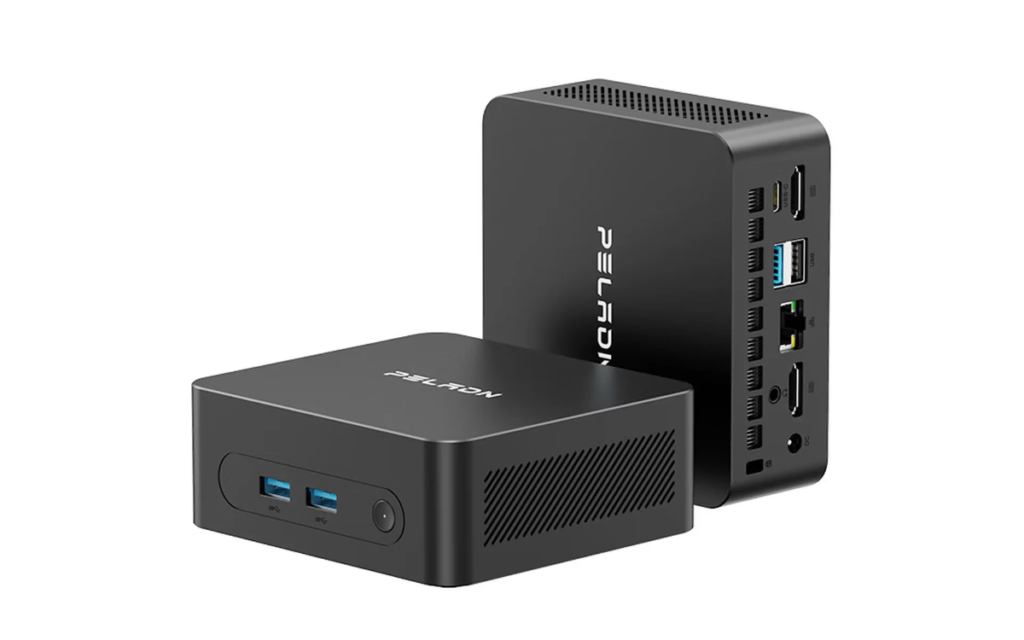
Peladn launches HO5 Mini PC wth Ryzen AI 9 HX 470 and OCuLink port for external GPU support

Peladn has announced a new variant of the HO5 mini PC built around AMD’s latest Ryzen AI 9 HX 470 processor. The machine is scheduled to launch globally in late June 2026 for $1,299, or 7,599 yuan in China. At that price, the system comes standard with 32GB of memory and a 1TB SSD.

Peladn HO5 AI 470 Mini PC

Peladn HO5 AI 470 Mini PC Specifications

The AMD Ryzen AI 9 HX 470 is a 12-core, 24-thread processor based on the Zen 5 architecture, capable of boosting up to 5.2GHz. It includes an integrated NPU capable of 55 TOPS, which comfortably clears Microsoft‘s 40 TOPS requirement for running local Copilot+ AI features. Across the CPU, GPU, and NPU, the system offers up to 86 TOPS of total compute performance.

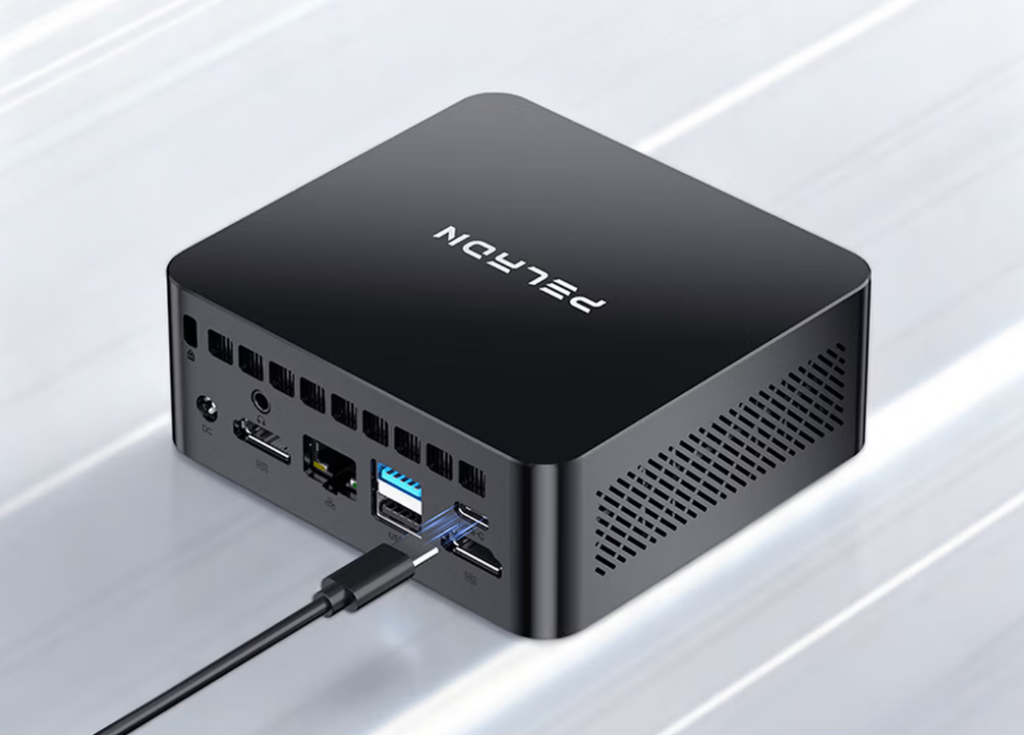
For graphics, the HO5 relies on AMD’s integrated Radeon 890M. While modern integrated graphics are capable of running popular esports titles and older AAA games at reasonable settings, Peladn has also included a PCIe Gen3 OCuLink 4i port on the side of the chassis. This interface allows users to connect an external GPU dock with significantly less bandwidth bottlenecking than a standard USB4 connection, providing an upgrade path for users who need a dedicated workstation or a higher-end gaming setup.

Peladn HO5 AI 470 Mini PC

Inside the 130 x 130 x 55 mm chassis, Peladn is using a vapor chamber paired with a turbo fan to manage thermals. The system ships with 32GB of onboard LPDDR5X-6400 memory. While the RAM is soldered and cannot be upgraded, storage is more flexible. The board features two M.2 2280 PCIe 4.0 x4 slots, one of which is populated by the pre-installed 1TB NVMe drive.

Talking about the connectivity, the front panel includes a 40Gbps USB-C port, two 10Gbps USB-A ports, and a 3.5mm combo audio jack. The rear panel houses two 480Mbps USB-A ports, dual 2.5GbE RJ45 Ethernet jacks for wired networking, an HDMI 2.1 FRL port, and a DisplayPort 1.2 output. The system supports up to three displays simultaneously. For wireless connectivity, the mini PC includes Wi-Fi 7 and Bluetooth 5.4.

Aesthetically, the HO5 features a standard boxy mini PC design, accented by a customizable multi-mode RGB lighting zone integrated into the top panel. The Peladn HO5 will be available through the company’s official global sales channels starting later this month.

In related news, Minisforum has unveiled the Panther Lake-powered M2 Pro and MS-03 mini PCs with up to 180 TOPS of AI performance, while ASUS recently launched the ROG NUC 16 Edition 20 featuring an RTX 5090 GPU and a distinctive semi-transparent chassis design.

For more daily updates, please visit our News Section.

Stay ahead in tech! Join our Telegram community and sign up for our daily newsletter of top stories!

Honor X7e Plus bags TDRA, SGS certifications; supports 5G

Honor is quickly expanding its affordable X-series with a 5G version of the recently launched X7e. The new model, called the Honor X7e Plus 5G, has already popped up in certification databases, suggesting it’ll be heading to markets like the UAE, Europe, and the Middle East pretty soon.

The phone first appeared on the UAE’s TDRA certification platform with equipment registration number ER60470/26, filed on June 11, 2026. The listing clearly shows the model number MRK-NX1 and confirms 5G support, a step up from the regular 4G-only X7e. It also showed up earlier on the SGS certification database (number FI-69290), with standard safety info like support for lithium batteries and compliance for EU and Saudi Arabian markets.

For those who haven’t seen the original Honor X7e yet, it launched recently in Malaysia as a value-packed 4G phone. It comes with a massive 7500mAh battery and 45W fast charging, a 6.61-inch HD+ LCD screen with up to 120Hz refresh rate, and a MediaTek Helio G81 Ultra processor. It runs Android 16 with MagicOS 10 and includes IP64 dust and water resistance as a nice touch. Honor also gave it strong durability certifications, including SGS 5-star drop and crush resistance.

Since the certifications for the X7e Plus 5G don’t share full specs yet, we don’t know exactly what’s under the hood. But the move to 5G likely means a more capable chipset that can not only offer faster connectivity but also handle heavier apps and games relatively better.

We’re still waiting for the full specs, pricing, and exact launch dates, but things are moving fast. If you’re in the market for an affordable 5G phone with excellent battery stamina, the Honor X7e Plus 5G looks like one to keep an eye on.

Don’t miss a thing! Join our Telegram community for instant updates and grab our free daily newsletter for the best tech stories!

For more daily updates, please visit our News Section.

(Source)

Insta360 countersues DJI over infringement of its own stabilization, directional control, and telemetry overlay patents

he rivalry between DJI and Insta360 has officially turned into a full-blown patent battle in the US. Just days after Insta360 launched its new Luna Ultra, DJI slapped them with lawsuits, and Insta360 quickly fired back with countersuits of their own. It’s a classic tit-for-tat fight that shows just how high the stakes are in the pocket gimbal and vlogging camera world right now.

Insta360 unveiled the Luna Ultra on June 10, 2026, as a premium dual-lens gimbal camera co-developed with Leica. It boasts 8K video recording, 4K 120fps slow-motion recording, a detachable OLED touchscreen, and seriously advanced stabilization. But on the very same day, DJI filed two lawsuits in the US District Court for the Eastern District of Texas against Insta360. DJI claims the Luna series infringes on their design and utility patents related to the Osmo Pocket lineup. They’re asking for a permanent ban on sales in the US, plus damages.

Insta360 didn’t waste any time. On June 12, they hit back with two countersuits, accusing DJI of infringing on five of their own utility patents. These cover things like gimbal stabilization, directional control, smooth camera stabilization, telemetry overlay, and panoramic video stabilization. According to Insta360, these technologies show up in many DJI products, including the Osmo Pocket series, Ronin/RS gimbals, Osmo Mobile, and Osmo 360 cameras.

Insta360’s founder, JK Liu, put out a strong statement: “At Insta360, we prefer to let our products do the talking. But we are not afraid of a legal battle when challenged. We are fully committed to protecting our innovations and will take decisive action to defend our intellectual property from infringement.” He pointed out that the Luna Ultra came from years of their own R&D starting back in 2020, building on earlier products like the ONE R, Link Series, and Flow gimbals — not by copying anyone. Liu even suggested DJI’s same-day lawsuit showed “fear of competition from a highly competitive product.”

Insta360 has firmly rejected DJI’s claims. The Luna Ultra, priced around $770, reportedly got off to a strong start, becoming a top seller in Amazon’s camcorder category in the US during its first day. The company sees it as a fresh, innovative option in the stabilized vlogging space thanks to its dual lenses and modular design.

This fight builds on previous patent disputes the two companies had in China. As the cases move forward in Texas, a hotspot for IP battles, the outcome could affect product availability and shape how both brands approach innovation going forward.

(Via)

Xiaomi 18 shows up in the IMEI database months before launch

The Xiaomi 18 series has been making headlines in the rumor mill for quite some time now. And today, the vanilla Xiaomi 18 has its first indication of existence, thanks to a new listing in the GSMA IMEI database.

The device appeared in the listing with the internal codename “madrid” and model numbers 2611FPNFAR, 2611FPNFAG, 2611FPNFAI, and M154FF. An appearance in the GSMA database is often an early sign that a device is undergoing the certification process required before it can be sold commercially.

Xiaomi 18 IMEI listing

The “madrid” device has surfaced with model numbers corresponding to China, India, Japan, and global variants. Xiaomi typically launches its flagship smartphones in China first before expanding to other markets.

The appearance of multiple regional model numbers at such an early stage could suggest that the company is preparing for a broader international rollout earlier than usual.

Moreover, under Xiaomi’s previous internal numbering system, the position assigned to “madrid” would indicate that it is a Pro model rather than the standard Xiaomi 18. However, information from Mi Code suggests that the company may have changed its model-numbering strategy this year.

Xiaomi-18-Pro-render
Xiaomi 18 Pro Render

There are also reports that the Xiaomi 18 Ultra may not be released at all, possibly due to cost considerations. If the Ultra is ultimately canceled, the lineup structure would change, and “madrid” could end up being the standard Xiaomi 18. Nothing has been confirmed at this stage.

The “2611” prefix found in the regional model numbers is commonly used to estimate a device’s launch window. Based on previous patterns, the Xiaomi 18 series could be targeting a release around November 2026.

The Xiaomi 18 is expected to be powered by Qualcomm’s next-generation flagship chipset, the Snapdragon 8 Elite Gen 6 Pro, paired with LPDDR6 memory. The display is rumored to measure between 6.3 and 6.4 inches.

Don’t miss a thing! Join our Telegram community for instant updates and grab our free daily newsletter for the best tech stories!

For more daily updates, please visit our News Section.

(Via)

Xiaomi is giving the Xiaomi 14 Pro a battery upgrade, but only in one country

Xiaomi‘s battery upgrade program, which recently launched for the Xiaomi 13 series, could be coming to the Xiaomi 14 lineup next. A new network access certification has hinted at a possible battery upgrade service for the Xiaomi 14 Pro.

What the Certification Shows

A device with model number 23116PN5BC has recently been re-registered for network access permission from telecom equipment authorities. And by no guess, it’s the Xiaomi 14 Pro

So no surprises: the phone will feature a 6.73-inch 1440×3200 display, a Snapdragon 8 Gen 3 octa-core chip clocked at 3.3 GHz, RAM options of 8GB/12GB/18GB, and storage options up to 1TB.

Xiaomi 14 Pro Battery Upgrade Registeration

But there’s one key difference in the battery. The original Xiaomi 14 Pro carried a 4,880 mAh typical battery capacity. This newly certified device, however, lists a 5,000 mAh typical capacity, a 120 mAh bump. The rated capacity in both cases is 4,760 mAh, though.

According to tipster Digital Chat Station on Weibo, the Xiaomi 14 series has been re-registered for network access and is expected to be a verification device with an enlarged battery, likely used to prepare for an upcoming battery upgrade service.

Following in the Xiaomi 13’s Footsteps

Xiaomi launched its battery upgrade program in April 2026, initially covering the Xiaomi 13 series, the Xiaomi 13, 13 Pro, and 13 Ultra. Unlike standard battery replacements that swap in the same-capacity cell, the program offered genuinely higher-capacity batteries. 

The Xiaomi 13’s original 4,500 mAh battery could be upgraded to 4,850 mAh, the 13 Pro’s 4,820 mAh to 5,361 mAh, and the 13 Ultra’s 5,000 mAh to 5,500 mAh. The upgrade was priced at 189 yuan, covering both the battery and labor costs. 

Xiaomi 14 Pro

The Xiaomi 14 series is likely the next candidate to get this treatment. Battery degradation over time sometimes forces smartphone owners to abandon their devices, which they might not have done otherwise. Xiaomi’s upgrade program directly addresses that concern. 

Xiaomi has been running regular battery service promotions in China. The company regularly hosts service weeks throughout the year for battery replacements at discounted prices. You can read more about Xiaomi’s battery replacement programs over here.

For more daily updates, please visit our News Section.

Stay ahead in tech! Join our Telegram community and sign up for our daily newsletter of top stories!

(Via)

OnePlus Nord Buds 4 teaser reveals design

In a recent social media post, OnePlus gave us the first proper look at the Nord Buds 4. They’ve gone with an in-ear design using soft silicone tips for a snug, comfortable fit, along with the classic stem-style body that supports touch controls. The charging case has a clean rectangular shape, a nice change from the oval design on the Nord Buds 3. They’ve also highlighted a cool teal color option, which gives it a fresh and modern vibe. The teaser confirms it’ll be available on Amazon India when it launches.

The Nord Buds 4 is clearly meant to be the more affordable sibling to the Pro model. For reference, the Nord Buds 4 Pro launched in India earlier this year for ₹3,999. That one impressed a lot of people with strong features like up to 55dB ANC, 12mm titanium-coated drivers, LHDC 5.0 Hi-Res audio, Bluetooth 6.0, dual-device connectivity, and up to 54 hours of total playback. It also had good AI call noise reduction and some extra perks like spatial audio.

To keep the price lower (rumored to be around ₹2,999), the regular Nord Buds 4 will probably skip some of those premium bits. We’re likely looking at lighter ANC, standard audio codecs instead of high-res ones, and maybe smaller drivers or slightly shorter battery life. Even with those compromises, you can still expect the signature Nord bass-heavy sound, reliable call quality, and comfortable wear that the series is known for.

OnePlus has done a great job building trust in the budget TWS space. The Nord Buds 3 series from 2024 was popular for offering good battery life and decent IP ratings at competitive prices. The Nord Buds 4 seems to continue that smart approach while updating the design for better ergonomics and a more contemporary look. With the new rectangular case and in-ear fit, it feels aimed at people who want something practical for daily commutes, workouts, or just casual listening.

For budget buyers in India’s crowded audio market, the Nord Buds 4 looks like it could be a smart pick that delivers the essentials without emptying your pocket.

Don’t miss a thing! Join our Telegram community for instant updates and grab our free daily newsletter for the best tech stories!

For more daily updates, please visit our News Section.

(Source)

Snapdragon 7s Gen 4 vs Dimensity 8350: Benchmark score, spec sheet, and more

Snapdragon 7s Gen 4 vs Dimensity 8350

The Snapdragon 7s Gen 4 and Dimensity 8350 are popular mid-range mobile processors that target the same price segment but serve different purposes. On one side, we have the Snapdragon chip optimized for sustained performance, cooler daily operation, and excellent power efficiency.

On the other side sits the spec-heavy Dimensity 8350 processor, featuring aggressive CPU speed and flagship-grade LPDDR5X and UFS 4.0 support, designed to crush raw benchmarks. So, the real question is: how do these two chips stack up against each other? Let’s find out.

Here’s the spec sheet for a quick overview:

Snapdragon 7s Gen 4Dimensity 8350
AnnouncedAugust 2025November 2024
Process node4nm (TSMC)4nm (TSMC)
CPU1 x 2.7 GHz — Cortex-A720
3 x 2.4 GHz — Cortex-A720
4 x 1.8 GHz — Cortex-A520
1 x 3.35 GHz — Cortex-A715
3 x 3.2 GHz — Cortex-A715
4 x 2.2 GHz — Cortex-A510
GPUAdreno 810
Snapdragon Elite Gaming
Mali-G615 MP6
MediaTek HyperEngine Adaptive Gaming Technologywrite three SEO descriptions for this article. each SEO description should be under 150 characters
NPUQualcomm Hexagon NPUMediaTek NPU 780
MemoryLPDDR5
up to 3.2 GHz
LPDDR5x
up to 4.2 GHz
StorageUFS 3.1UFS 4.0 + MCQ
CameraQualcomm Spectra Triple ISP (12-bit)
up to 200MP single camera
4K/30fps video recording
MediaTek Imagiq 980 ISP (14-bit)
up to 320MP single camera
4K/60fps video recording
ConnectivitySnapdragon 5G modem
up to 2.9 Gbps download speed
Wi-Fi 6E (peak speed: 2.9 Gbps)
Bluetooth 5.4
MediaTek 5G modem (sub‑6 GHz)
up to 5.17 Gbps download speed
Wi-Fi 6E
Bluetooth 5.4

Snapdragon 7s Gen 4 vs Dimensity 8350: Benchmark score

Note: The benchmark tests were performed on the Vivo T5 Pro (powered by the Snapdragon 7s Gen 4) and the Oppo Reno 14 (powered by the Dimensity 8350).

Geekbench score

Snapdragon 7s Gen 4 vs Dimensity 8350 - Geekbench

The Dimensity 8350 pulls ahead in the CPU test on Geekbench, scoring 1324 in the single-core test and 3971 in the multi-core test, compared to 1228 and 3152 points scored by Snapdragon 7s Gen 4.

While the difference in single-core performance is just 7%, the multi-core score difference jumps to 25%. The latter could offer visible differences in tasks that require multiple cores to work together, such as video editing and multitasking.

Snapdragon 7s Gen 4Dimensity 8350
Single core1,2281,324
Multi core3,1523,971

AnTuTu score

Snapdragon 7s Gen 4 vs Dimensity 8350 - AnTuTu

AnTuTu results are heavily in favor of the Dimensity 8350, which scores 1.72 million, while the Snapdragon 7s Gen 4 scores only 1.16 million. That’s a big 47% difference. The breakdown of the total score reveals rather interesting details.

The CPU score is 14% up in favor of Dimensity 8350, while the GPU difference soars to a massive 151%. The memory and UX scores are also up by 25% and 48%.

Snapdragon 7s Gen 4Dimensity 8350
AnTuTu score1,164,8711,721,541
CPU449,979513,712
GPU190,341479,642
Memory218,791275,431
UX305,761452,755

While the GPU difference is massive, that’s based on the peak score. It doesn’t address gaming stability. To get a better picture, we also ran the 3DMark test as shown below.

3DMark score

Wild Life Extreme Stress Test

Snapdragon 7s Gen 4 vs Dimensity 8350 - 3DMark Wild Life Extreme test

This benchmark extensively tests how well a device maintains its graphical performance and manages heat over an extensive period.

The Dimensity 8350 processors lead this chart by a huge margin, but the Snapdragon 7s Gen 4 is miles ahead in stability. That means the Dimensity chip would offer much higher peak performance, but its performance drops significantly over time. In contrast, the Snapdragon maintains its performance over a longer period.

Snapdragon 7s Gen 4Dimensity 8350
High score1,1283,067
Low score1,1211,622
Stability99.2%52.9%

From benchmark scores, it’s clear that the Dimensity 8350 delivers higher peak performance than the Snapdragon 7s Gen 4, but the latter excels in maintaining a stable performance over a longer period. But that alone doesn’t reflect a chipset’s full capabilities.

We’ll also look at key differences in camera, architecture, and connectivity to make a well-informed decision.

Snapdragon 7s Gen 4 vs Dimensity 8350: Key differences

Performance

The Snapdragon 7s Gen 4 and Dimensity 8350 feature the same ‘1+3+4’ core configuration, but the Snapdragon chip has upgraded CPU cores. That should naturally mean better performance on 7s Gen 4, but the higher clock speeds on the Dimensity chip make a bigger impact here.

The Snapdragon chip is equipped with an Adreno 810 GPU, paired with Snapdragon 8 Elite Gaming features, such as Adaptive Performance Engine 3.0 and Snapdragon Game Super Resolution, to deliver an enhanced gaming experience. In contrast, Dimensity 8350 features a more powerful 6-core Mali-G615 GPU, with MediaTek HyperEngine Adaptive Gaming Technology. The Mali-G615 also supports ray tracing, which mimics how light and shadows behave in the real world.

For on-device AI processing, the Snapdragon chip features a Qualcomm Hexagon NPU, while the Dimensity chip relies on the MediaTek NPU 780. Both NPUs support on-device generative AI. The NPU also helps improve camera output and connectivity.

Camera

The Dimensity 8350 features a higher 14-bit depth, allowing the hardware to capture more granular color and luminance data per pixel than the 12-bit pipelines on the Snapdragon 7s Gen 4. It also supports a massive 320MP camera sensor, while the Snapdragon chip is limited to 200MP.

Another key difference is that the 7s Gen 4 doesn’t support 60fps in 4K recording, whereas the Dimensity 8350 does. The latter also allows an OEM to integrate higher-resolution sensors into a multi-camera setup.

Connectivity

The Dimensity 8350 achieves a much higher peak speed on a sub-6 GHz connection (5.17 Gbps vs 2.9 Gbps). However, the Snapdragon 7s Gen 4 offers greater global spectrum flexibility by supporting high-frequency mmWave bands.

The Snapdragon chip also supports premium DSDA (Dual SIM Dual Active), while the Dimensity chip relies on a standard dual-standby architecture. The Snapdragon 7s Gen 4 also holds a slight edge in proprietary wireless audio standards via its aptX Lossless codec integration, and it offers Triple-Frequency GNSS tracking for more accurate positioning data in dense urban areas, compared to MediaTek’s dual-frequency array.

Snapdragon 7s Gen 4 vs Dimensity 8350: Which is better?

Ultimately, it all comes down to what you value the most. The Dimensity 8350 is a more powerful chipset, offering massive peak processing speeds, 4K video recording at higher frames (60fps), faster RAM/storage capabilities, and much higher network speeds.

For those not seeking peak performance, the Snapdragon 7s Gen 4 is a much better choice. It delivers exceptional thermal stability over long gaming sessions, more flexible global connectivity (mmWave), and premium audio features.

To sum it up, you should choose the Dimensity 8350 for raw, explosive speed, or the Snapdragon 7s Gen 4 for a balanced, highly efficient daily driver.