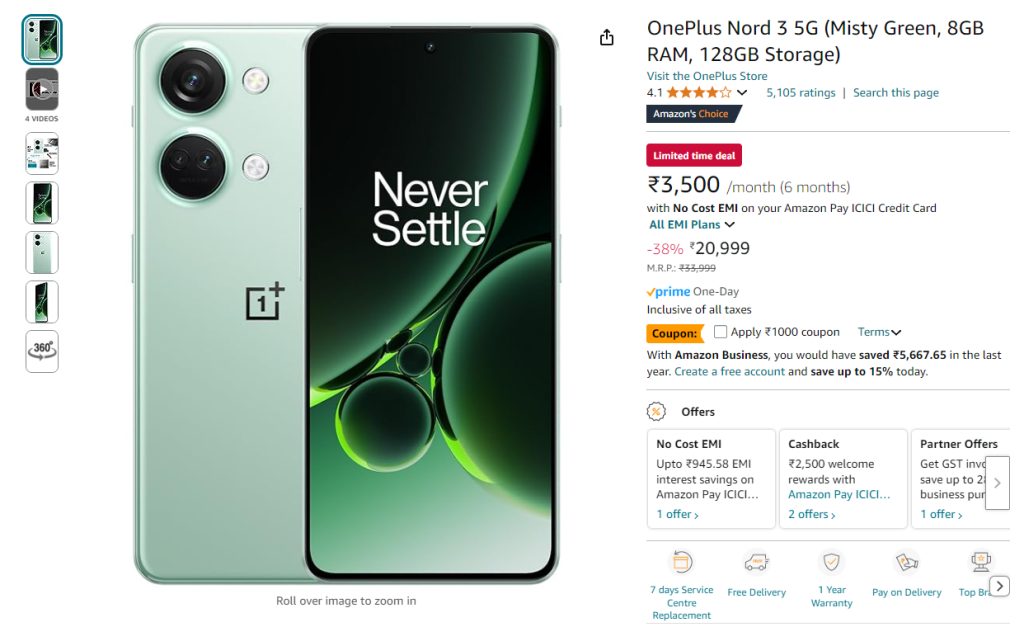
OnePlus is working on the Nord 4 smartphone which could debut in the coming months. Ahead of that, the brand has heavily reduced the price of the OnePlus Nord 3 in India.
The OnePlus Nord 3, which debuted with a price tag of Rs 33,999 in July 2023 is currently selling on Amazon India for as low as ₹20,000. The Nord 3 8GB RAM + 128GB storage model is available for ₹20,999, with an additional onsite coupon of ₹1000. Including the coupon, the price of the OnePlus Nord 3 comes down to ₹19,999.
This is the lowest price the phone has ever sold for. That being said, is it a smart choice for this price? Well, the answer is an easy yes. It is an awesome deal as buyers looking for a OnePlus phone below the ₹20,000 price mark usually have to settle for the OnePlus Nord CE 3 Lite. Specs-wise, the Nord 3 is vastly superior to the CE 3 Lite.
It has a more powerful processor, a better display, better cameras, and a better battery with faster charging. In addition to all that, the OnePlus Nord 3 comes with an alert slider, which you won’t find anywhere else for this price tag. So if you are in the market for an affordable device around ₹20,000, the Nord 3 is currently the best deal that you can get. You can find the detailed spec sheet of the device below.
OnePlus Nord 3 specs:
The OnePlus Nord 3 features a 6.74-inch 1.5K AMOLED display with a 120Hz refresh rate. It is powered by the MediaTek Dimensity 9000 SoC and Mali-G710 10-core GPU.
The camera setup includes a 50MP primary Sony IMX890 sensor with OIS, an 8MP ultra-wide Sony IMX355 sensor, and a 2MP macro camera. For selfies, there is a 16MP front camera. The device offers up to 16GB of RAM and 256GB of internal storage.
Running on Android 13-based OxygenOS 13.1, the Nord 3 provides a smooth user experience. It has a 5,000mAh battery with 80W SUPERVOOC fast charging. Connectivity options include 5G SA/NSA, Dual 4G VoLTE, USB Type-C, Bluetooth 5.3, Wi-Fi 6, GPS, and NFC. The phone is available in Misty Green and Tempest Gray.
Red Magic is foraying into the laptop segment. The brand already offers peripherals like gaming mouse, keyboards, and monitors. It is also known for its gaming smartphones. The company shared a teaser of its upcoming gaming laptop on its Weibo handle. Red Magic is teasing it as ‘New Force, New Standard’. A Red Magic laptop has also been spotted on the Geekbench benchmarking platform along with other certifications. Read on to know everything below,
Red Magic gaming laptop set to launch this month
The teaser shared by Red Magic confirms that the brand’s first laptop will launch later this month. However, the exact date is not disclosed and we can expect it to be revealed in the next few days. The device is seen with thin bezels on all three sides of the display. The laptop is expected to feature an RGB-backlit logo on the lid. The teaser poster does not reveal any additional details.
The Red Magic gaming laptop with model number GN001J was spotted on the Geekbench database. It reveals that the upcoming offering will be powered by an Intel Core i9 13950HX processor. This is a top-tier chipset from a year-older Raptor lake series but it should pack plenty of power. It comprises of 24 cores with a base frequency of 2.20GHz. The listing also mentions GeForce RTX 4070 GPU onboard. The Red Magic gaming laptop will pack 16GB RAM.
Apart from Geekbench, the Red Magic GN001J is also spotted on the 3C certification site revealing that the laptop will support 280W power adapter manufactured by BYD. Previously, it has already passed Bluetooth, WiFi, and CMIIT certifications.
Both Xiaomi and Honor are currently working on their first flip-style foldable phones. Honor has already announced the launch of the Magic V Flip for June 20th, while official details about Xiaomi’s flip phone are still under wraps.
However, these are not the only foldables in development. Both companies are also working on their next book-style foldable phones: the Mix Fold 4 for Xiaomi and likely the Magic V3 for Honor.
According to a leak by tipster Smart Pikachu, both of these foldables will feature the Snapdragon 8 Gen 3 chipset. The Mix Fold 4 is expected to have a 5000mAh battery and a quad-camera setup, including a telephoto camera with 5x optical zoom.
The leaked camera specs details align with a previous report, which revealed that the main sensor will be a 50-megapixel shooter with a 1/1.55” sensing area and optical image stabilization. It will be accompanied by an Omnivision OV60A with a 1/2.8” sensor for the 2x telephoto camera and a 12MP ultrawide unit. The telephoto lens with 5x optical zoom will be a 10MP sensor.
The same report hinted at an exceptionally slim profile for the Mix Fold 4, possibly making it the thinnest foldable on the market upon release. It is also said to be the first Xiaomi foldable with water protection, as none of the company’s previous foldables have had any certification for water or splash resistance.
Regarding the Magic V3, the tipster revealed that Honor’s foldable will have an even bigger battery, although the exact capacity remains unknown.
As far as the launch is concerned, both the Xiaomi and Honor foldable will be released in July, according to Smart Pikachu.
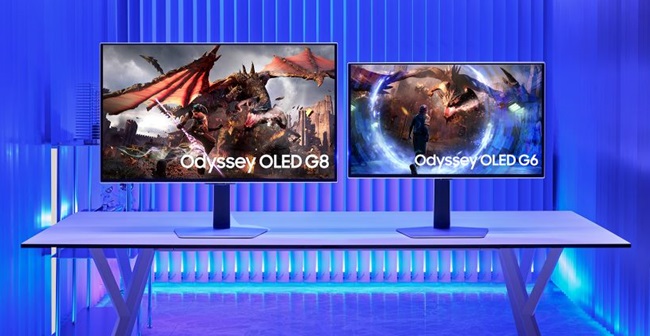
Samsung has officially unveiled a new smart monitor for the global market. It is the new Odyssey OLED G8 model that brings a bunch of impressive specs and features. The new smart monitor promises to elevate the viewing experience on OLED by employing AI technology. So here are all the details.
Samsung Odyssey OLED G8: What makes it special?
As the name suggests, the Samsung Odyssey OLED G8 sports a 32-inch OLED panel that offers 4K UHD resolution, 240Hz refresh rate, 16:9 aspect ratio, and 0.03ms response time. In other words, you can expect sharp picture quality and great responsiveness, which makes it adept at both content consumption and even gaming. This smart monitor offers an anti-glare display and is equipped with the NQ8 AI Gen 3 processor under the hood.
This chip uses artificial intelligence technology to upscale content being displayed to nearly 4K resolution with Samsung Gaming Hub and its native smart TV apps. So, this also doubles as a smart TV in terms of functionality. When using an OLED panel, many users are concerned regarding the burn-in issue. However, Samsung aims to combat this with its proprietary Samsung OLED Safeguard+. This is the first of its kind tech that applies a pulsating heating pipe to the monitor.
This is also paired with a Dynamic cooling system and detection for static images like logos and taskbars to automatically reduce brightness, which helps prevent burn-in. The Samsung Odyssey OLED G8 comes with AMD FreeSync Premium Pro technology as well as Nvidia G-Sync. Connectivity options include 2 HDMI ports, 3 USB 3.0 ports, 1 DP port, and an Ergonomic Stand. Unfortunately, pricing and availability details have yet to be announced. So stick around for more as we will be providing updates when more details are available regarding this monitor.
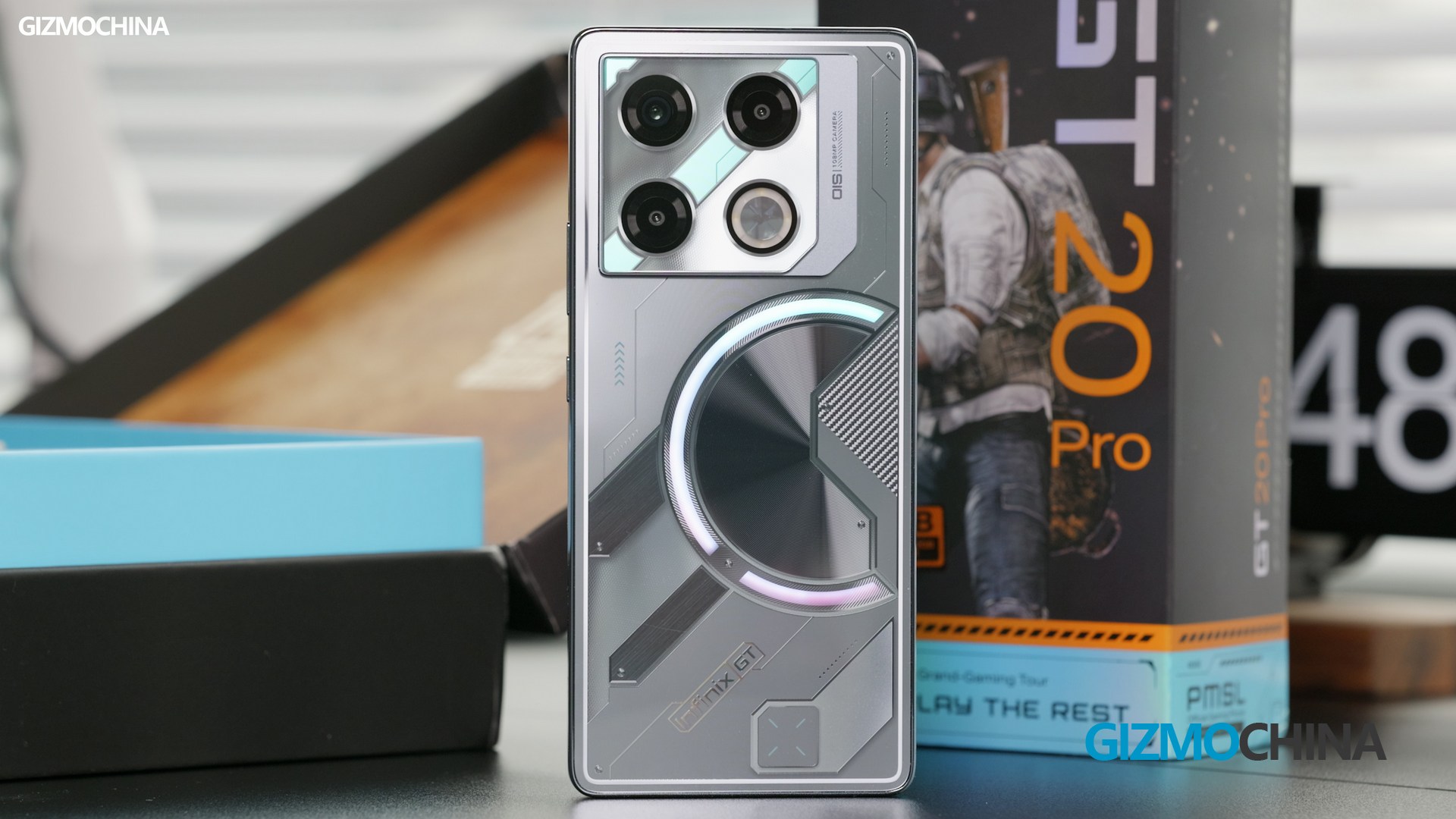
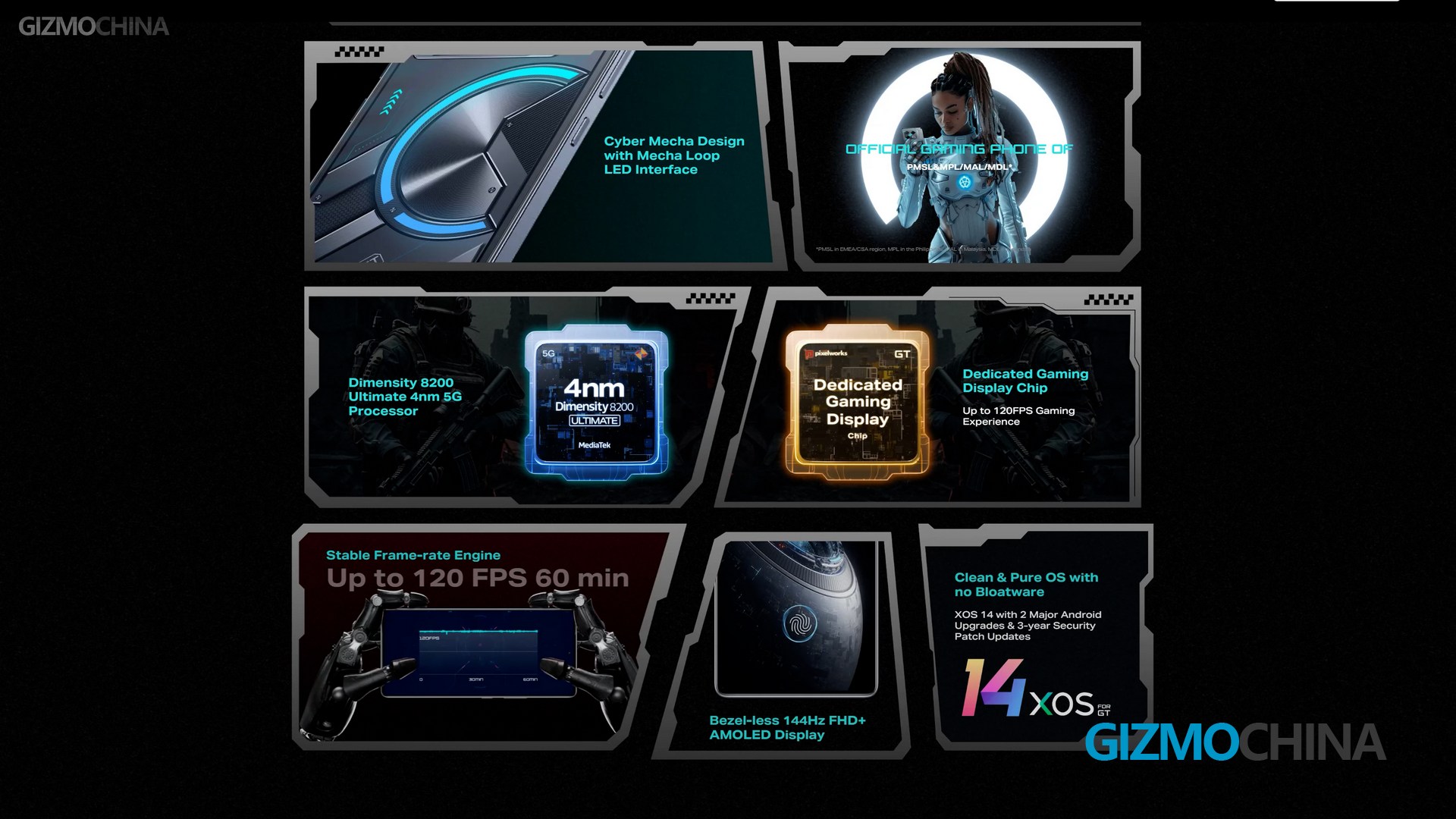
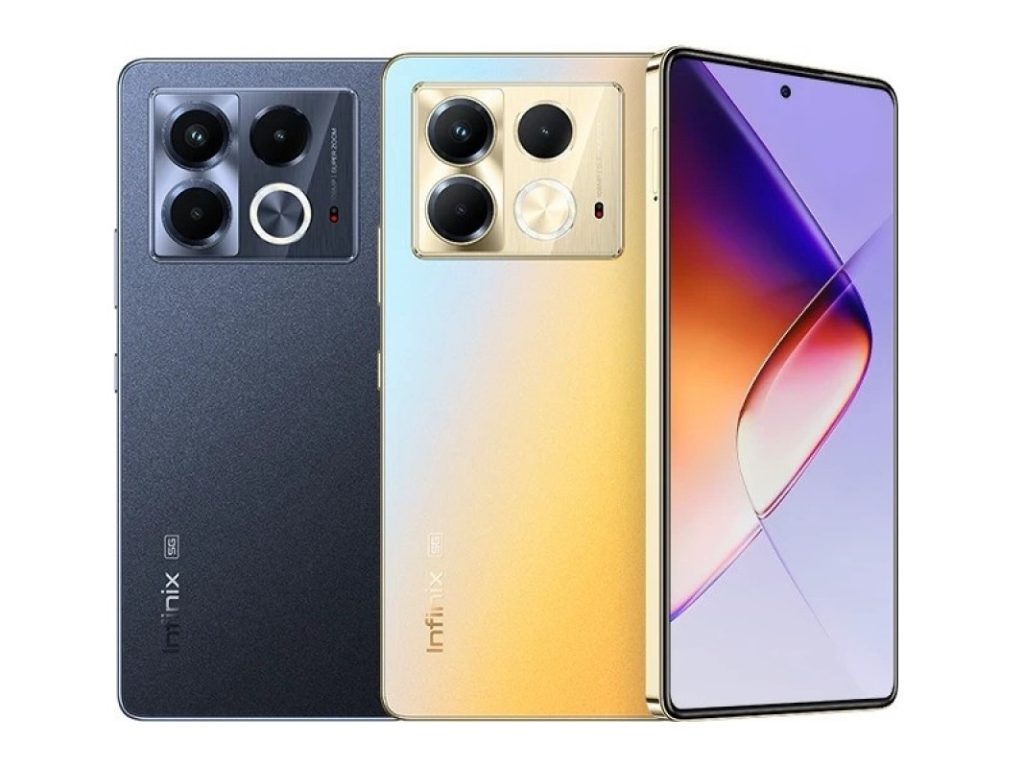
We got a new gaming phone – Infinix GT 20 Pro and it’s a PUBG Mobile limited edition. The phone fits the stereotype well: A gaming phone should have a cool look, RGB lighting, bypass charging. And of course, it provides more for gaming.
But the phone is targeting a mid-range gaming market with exclusive gaming features. After testing its gaming scenarios in multi-rounds, we have to say that it’s indeed the most impressive at its price.
Unbox
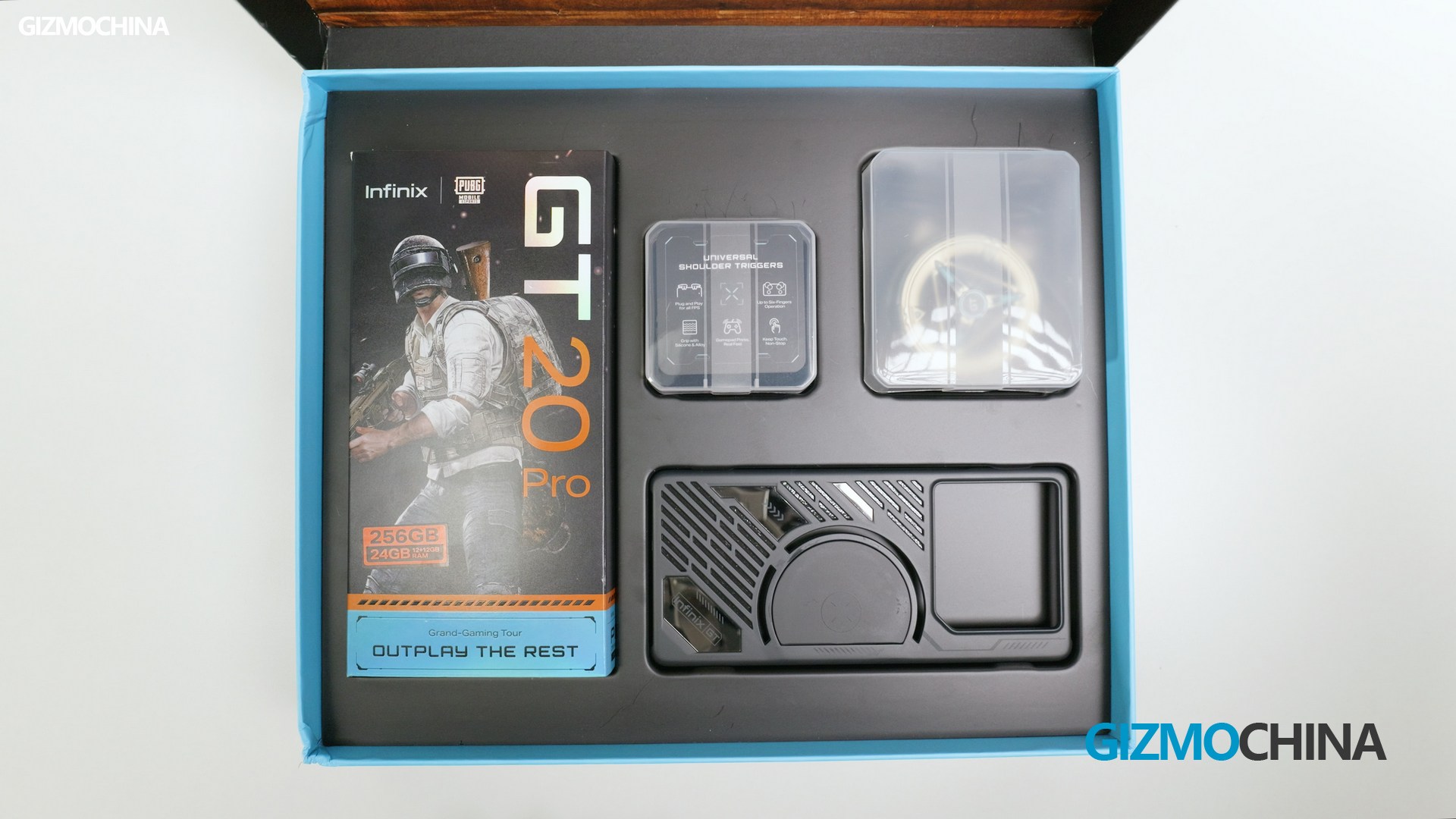
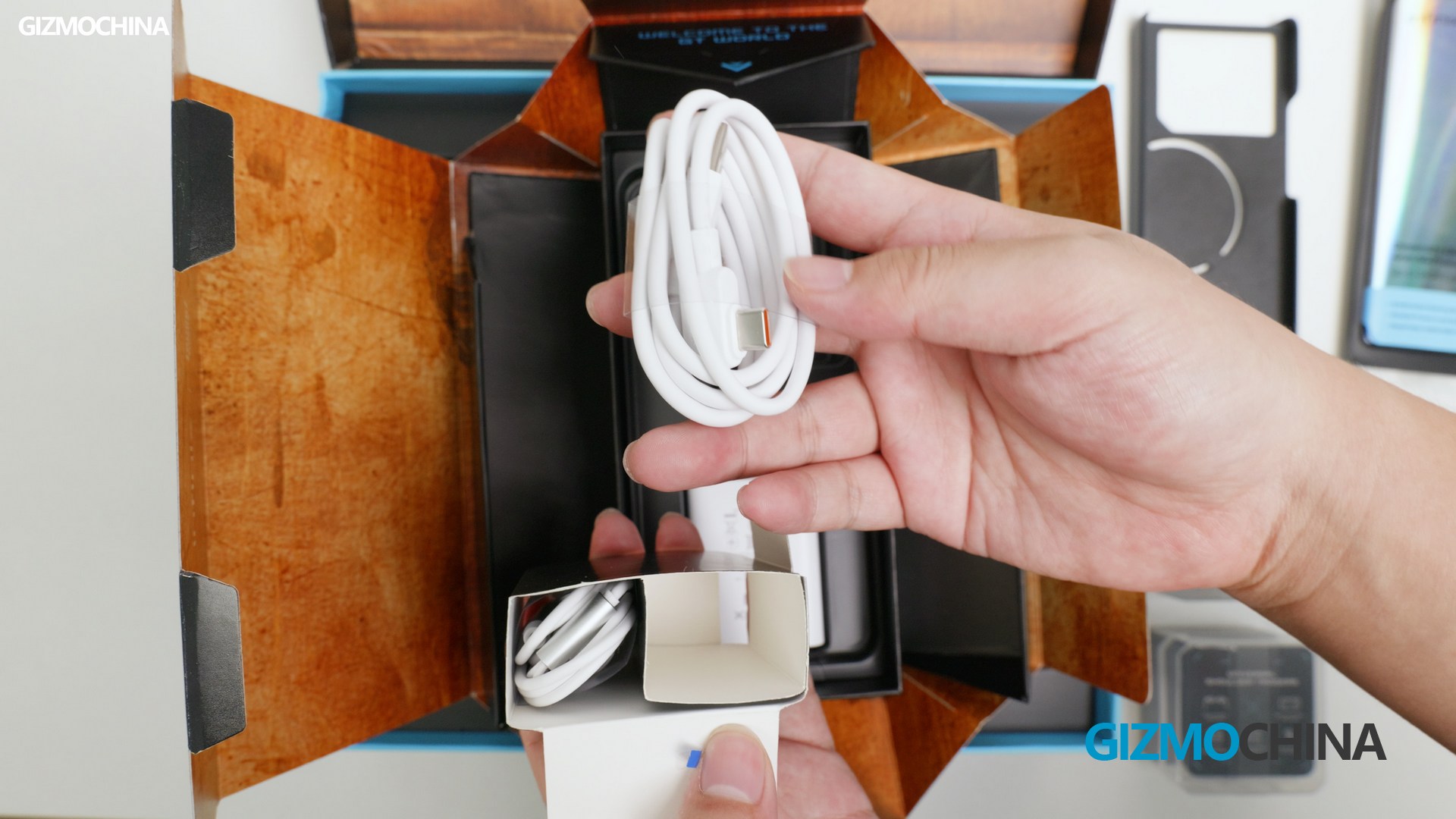
The co-branded version of the Infinix GT 20 Pro is a gift kit working with PUBG Mobile. The package contains a special case made with metal, a cooler fan, a pair of shoulder triggers, and thumb sleeves. All of the accessories seem to show that the phone was ready for the e-sport experience.
It’s worth noting that the GT 20 Pro’s charging cable has an L-shaped design, giving you more flexible and easier hand-holding while gaming.
Design
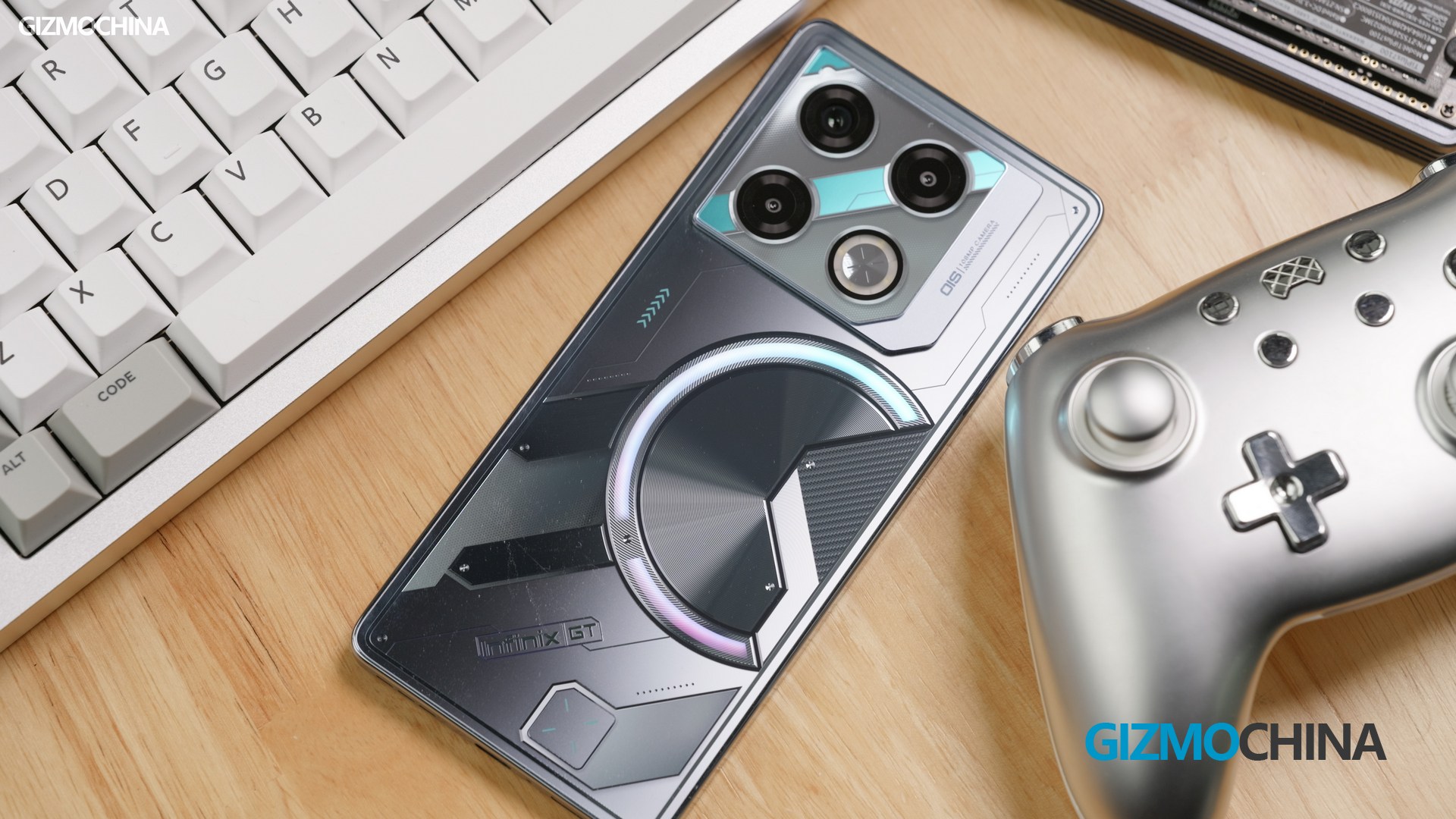
The phone – Infinix GT 20 Pro also has a gaming-inspired look and feel, with lots of glossy materials and brushed textures in a very cool finish. Of course, the most attention-grabbing feature is the semi-ring RGB light strip, which can be set to various lighting effects.
Ultra Frame Rate
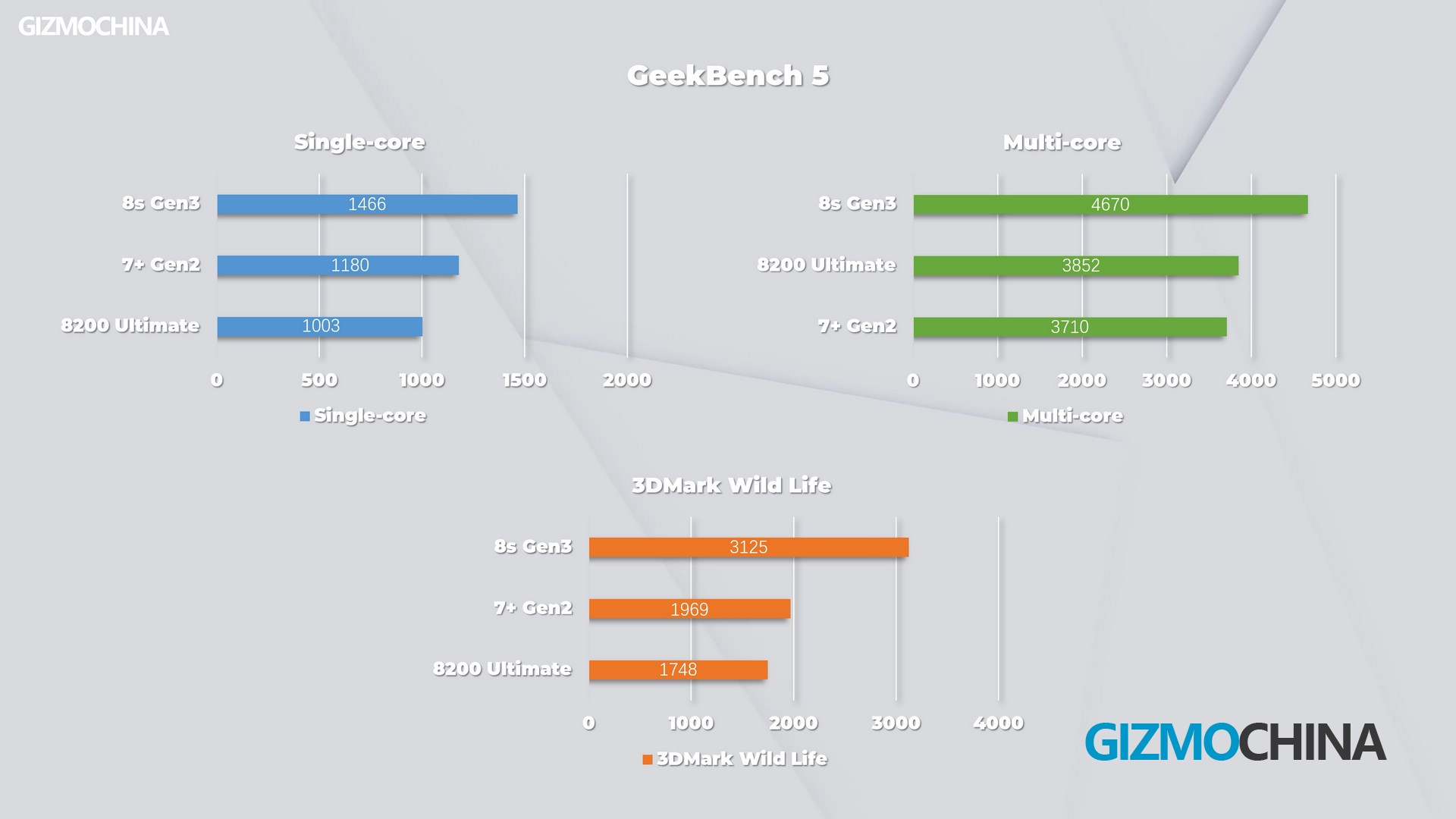
I believe that most of the users who are interested in this phone are gamers. So let’s talk about the most important thing straightforward – Game Performance. The Infinix GT 20 Pro is powered by a Dimensity 8200 Ultimate chipset with 12GB LPDDR5X memory. Considering the pricing, it actually performs well in the Benchmark tests, although here we listed the other two flagship-level models for comparison.
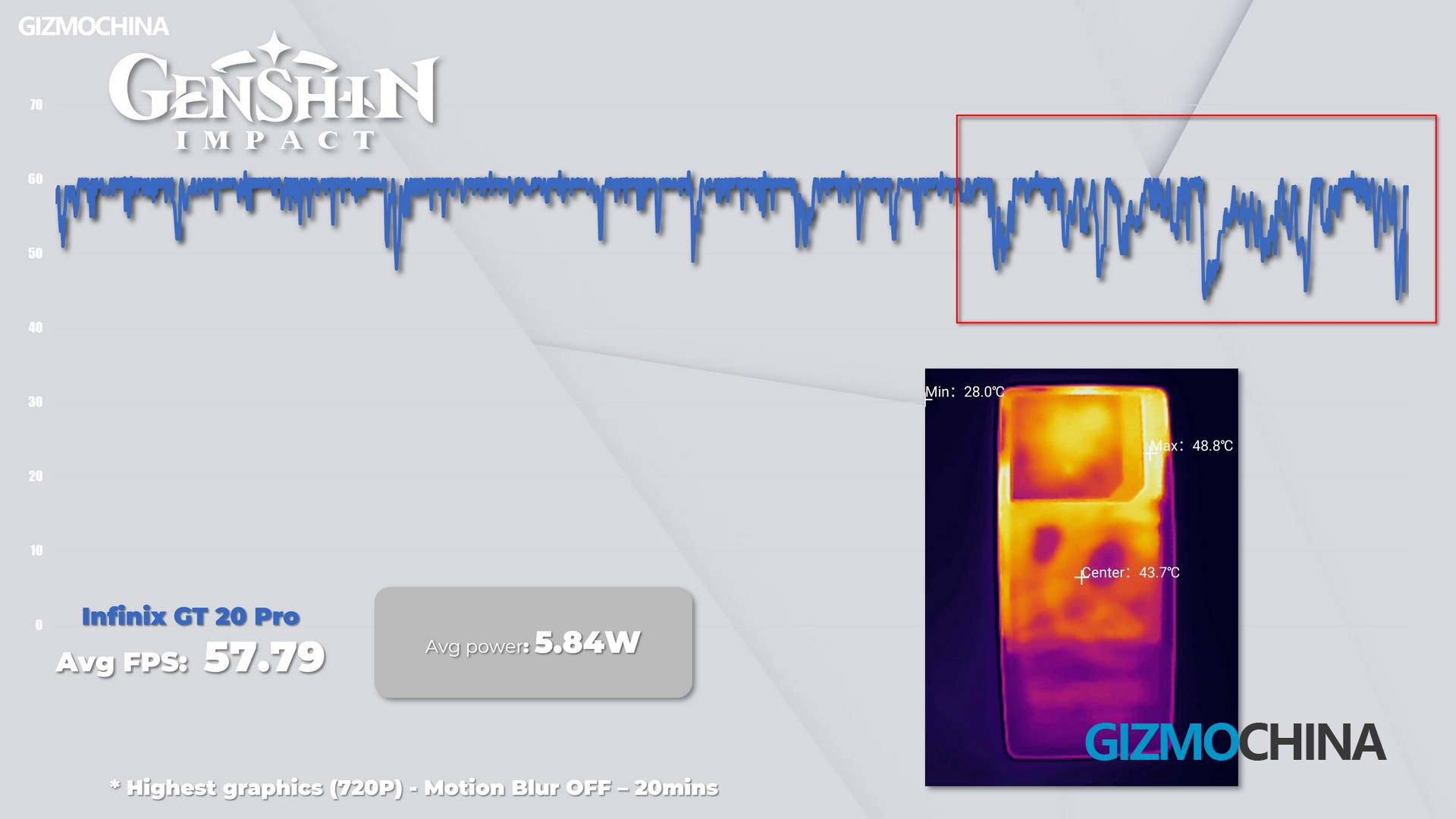
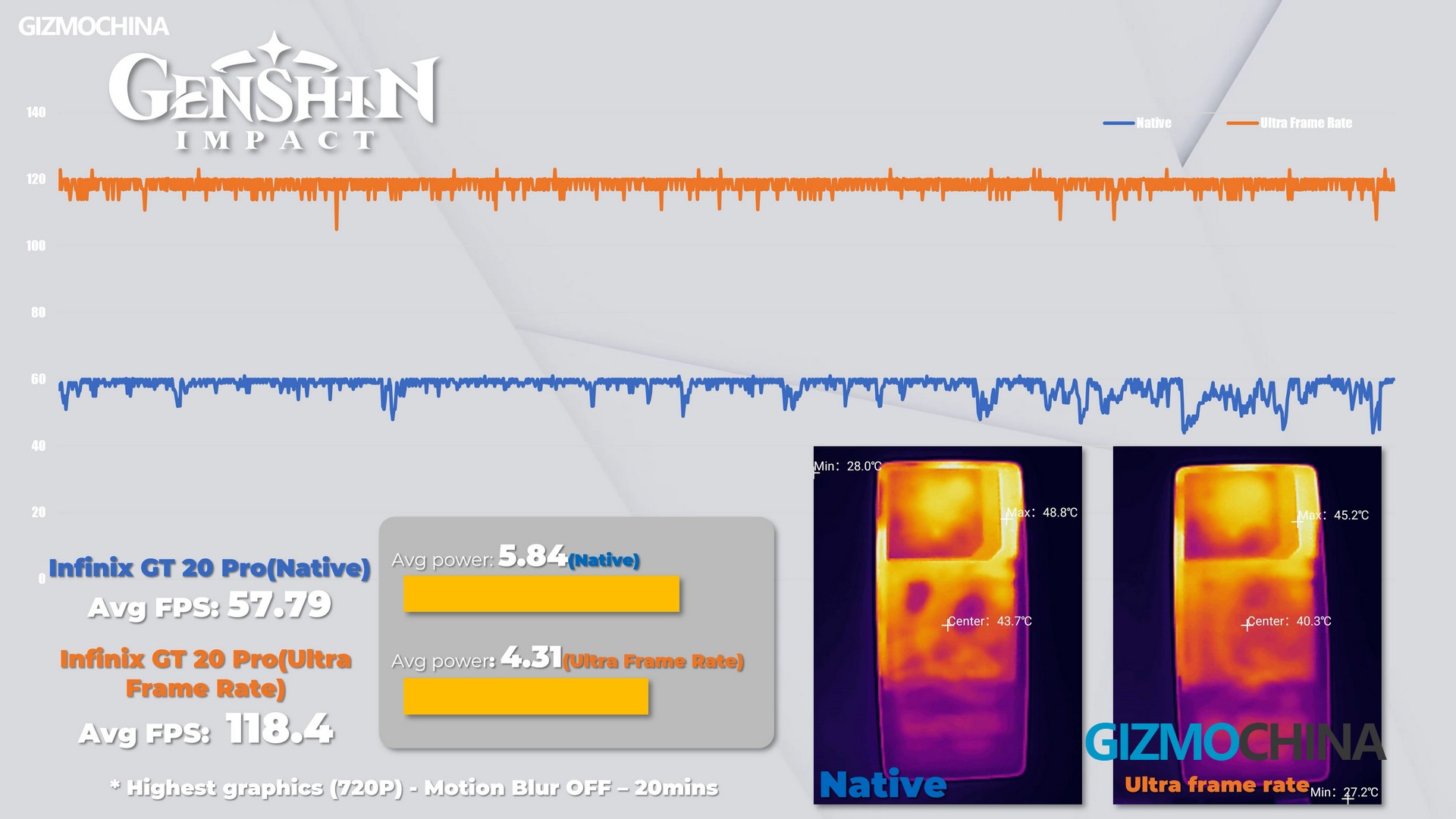
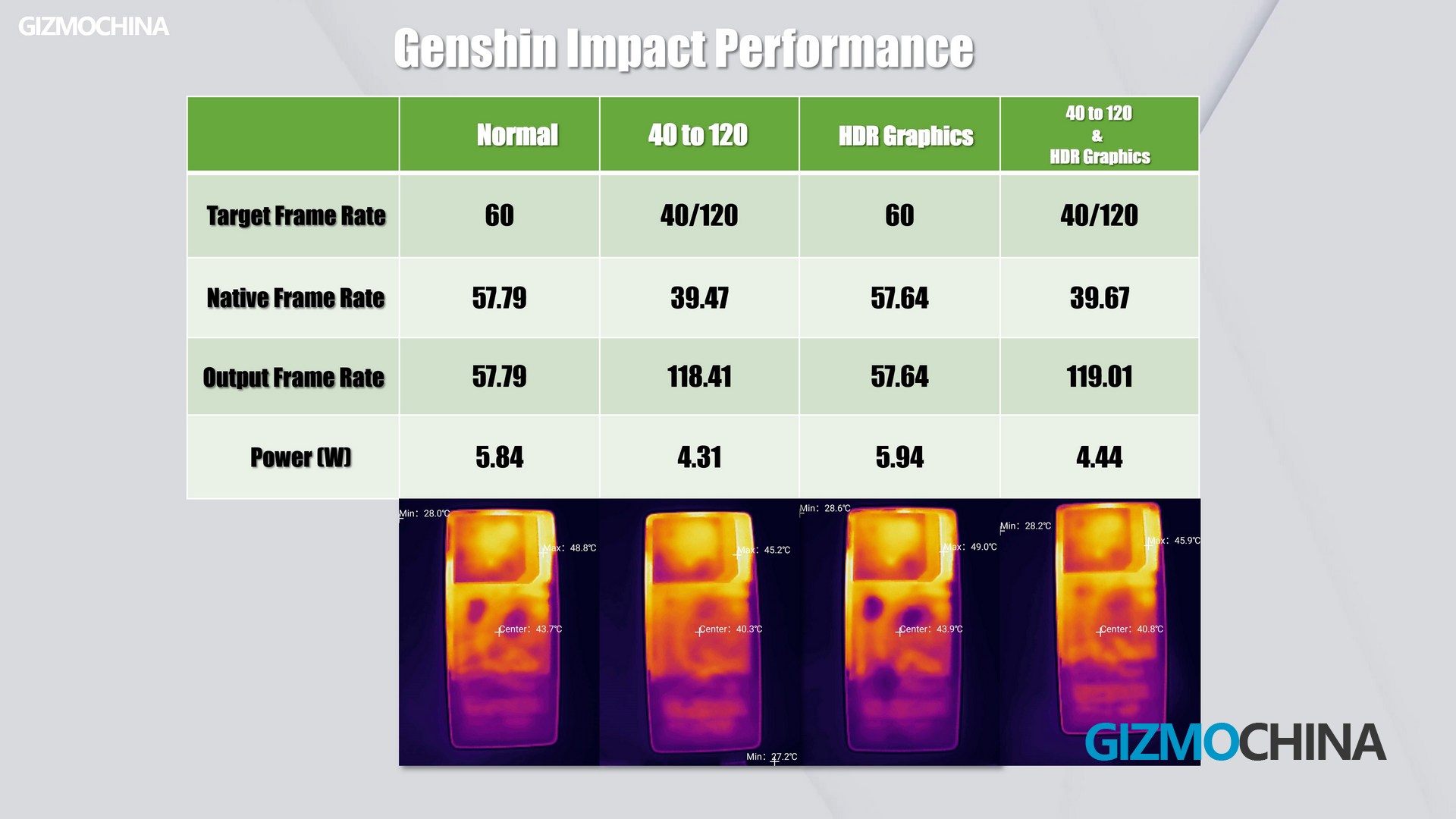
So let’s try my favorite game – Genshin Impact first. After 20 minutes of gameplay with the highest graphic settings, the average frame rate was 57.8 fps, which is much better than I expected. But there were some fluctuations after 15 minutes. The result was still impressive since it was running at the highest graphics. Then we were expecting the optimized performance with the cooling accessory and its built-in gaming features.
Optimized Gaming driven by Pixelworks
The gaming experience of the Infinix GT 20 Pro does not stop there. If you’ve read through the Infinix promo page, you can see that the GT 20 Pro comes with the X5 Turbo Dedicated Gaming Display Chip from Pixelworks, so there are two features available through this chip: the Ultra Frame Rate and HDR Graphics.
Ultra Frame Rate
The Ultra Frame Rate is simply a hardware-level feature about frame interpolation. It calculates the previous and next original frames; then inserts the frames calculated by the Pixelworks X5 Turbo chip in the middle. Here we will show how it works in the game.
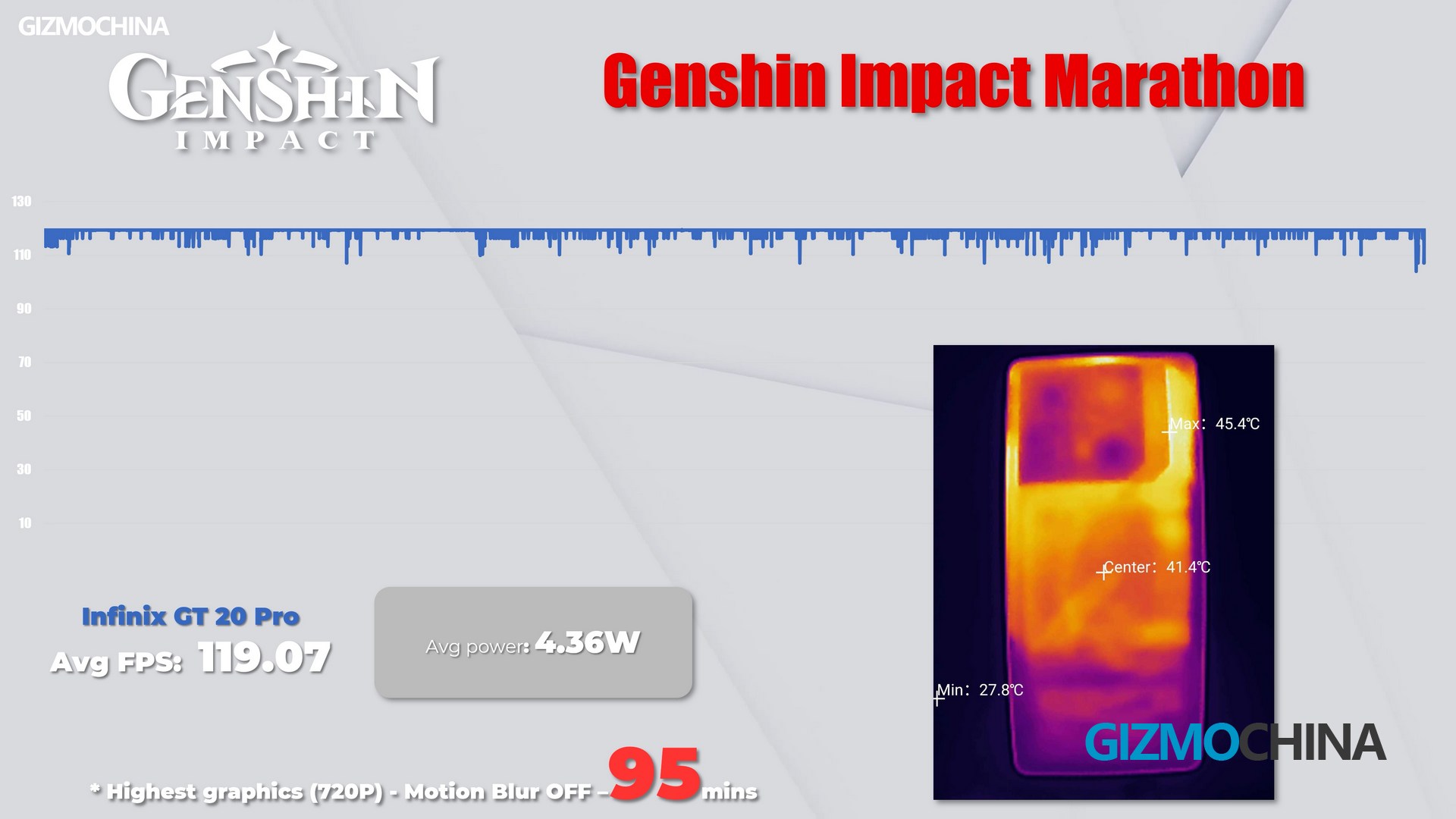
During the whole test of 20 minutes of gaming, the game was almost sticking at 120 fps without any issues. and because the game’s native frame rate was reduced to 40 fps, the stress on the GPU and CPU was significantly lower.
As a result, the power consumption was even reduced to 4.31W and the body temperature was also significantly lower.
The actual visual effect of the screen after turning on the Ultra Frame Rate is also significantly improved. And, visually, it is a huge improvement in the smoothness of the images, We captured the clips in slow motion, you can pause and take a closer look in the review video.
Please watch the video
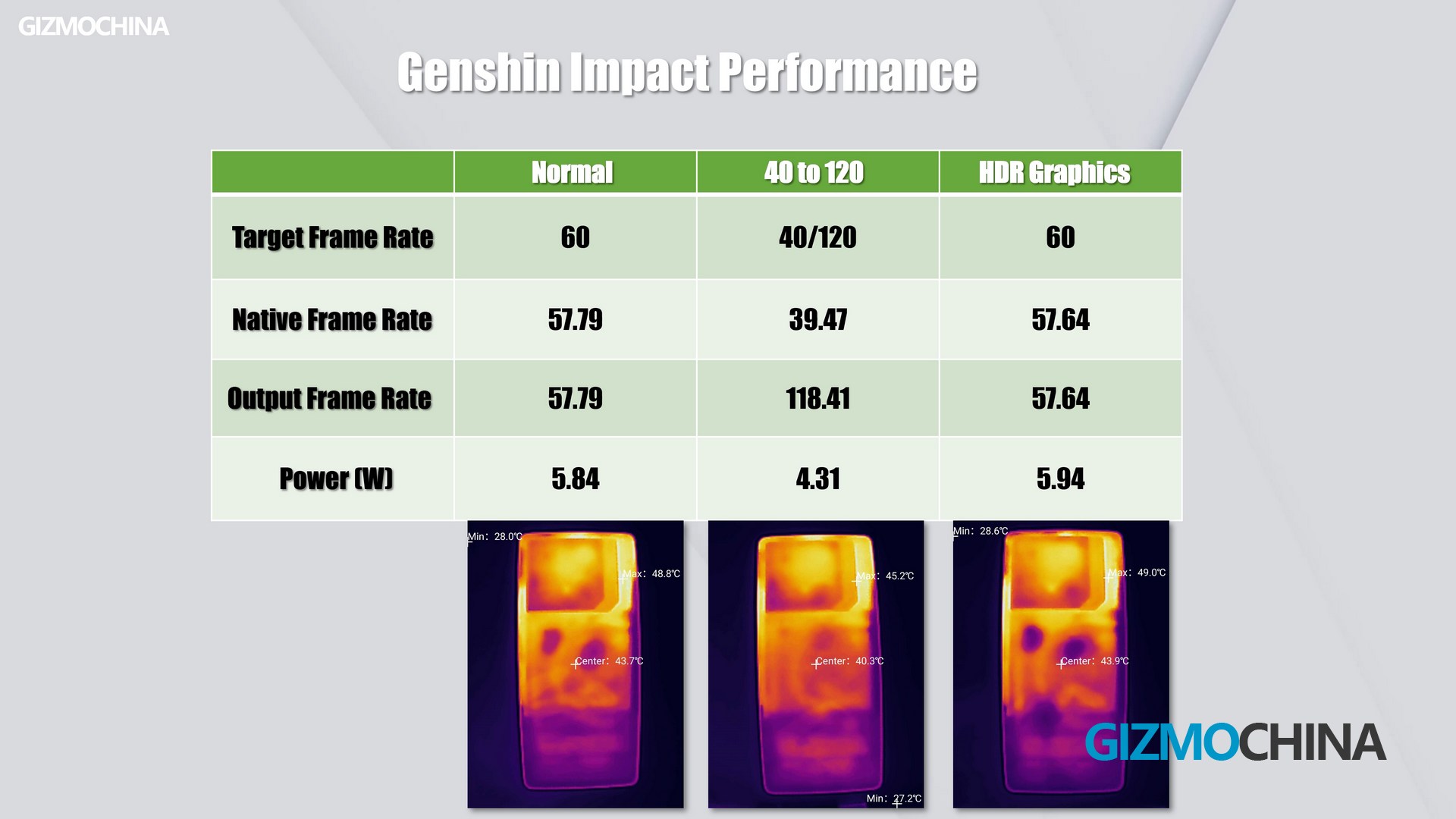
But we also need to note that frame insertion increases latency. Some tests were done to measure how much it affects. Again, we boosted the frame range from 40 to 120 FPS and compared it with the native 60-FPS mode, while keeping other graphic settings the same. The result shows that touch latency was added by about 20ms. But if observing it by eyes, it is really hard to notice.
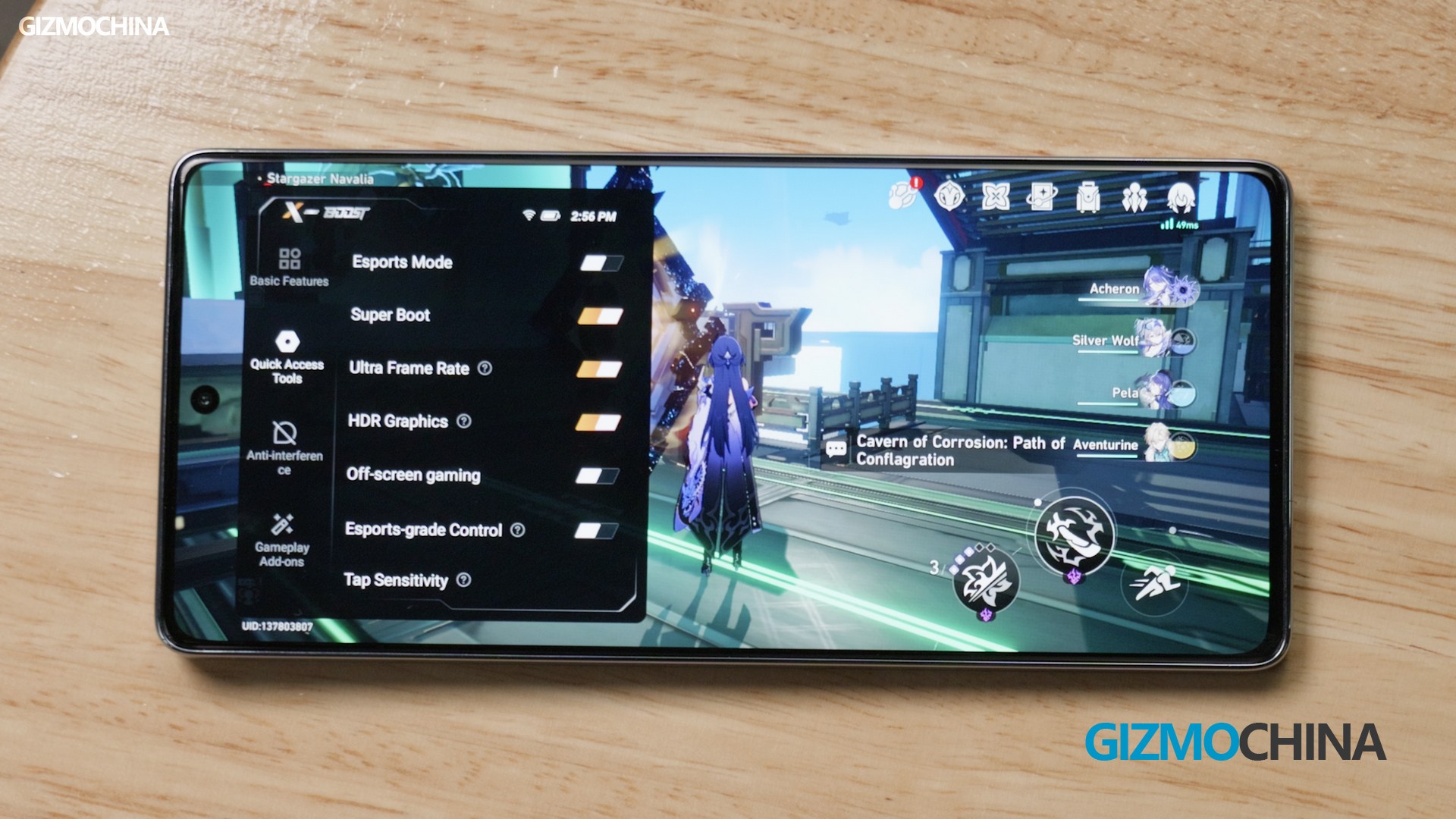
In a more practical gaming scenario, with Ultra Frame Rate, and bypass charging (connecting charger) activated, I got a Perpetual Motion Machine that always runs at 120 FPS. However, the phone was just running with an efficient MTK Dimensity 8200 Ultimate.
I tried to play like this for an hour and a half, and there was no overheating or downclocking/throttling. The reason why I stopped here was just the boredom.
This is an experience that no other flagship without the frame-interpolation feature can offer. And it’s why I say the Infinix GT 20 Pro is one of the best mid-range gaming phones to date. so, Pixelworks’ chip is supposed to be a big help.
HDR Graphics
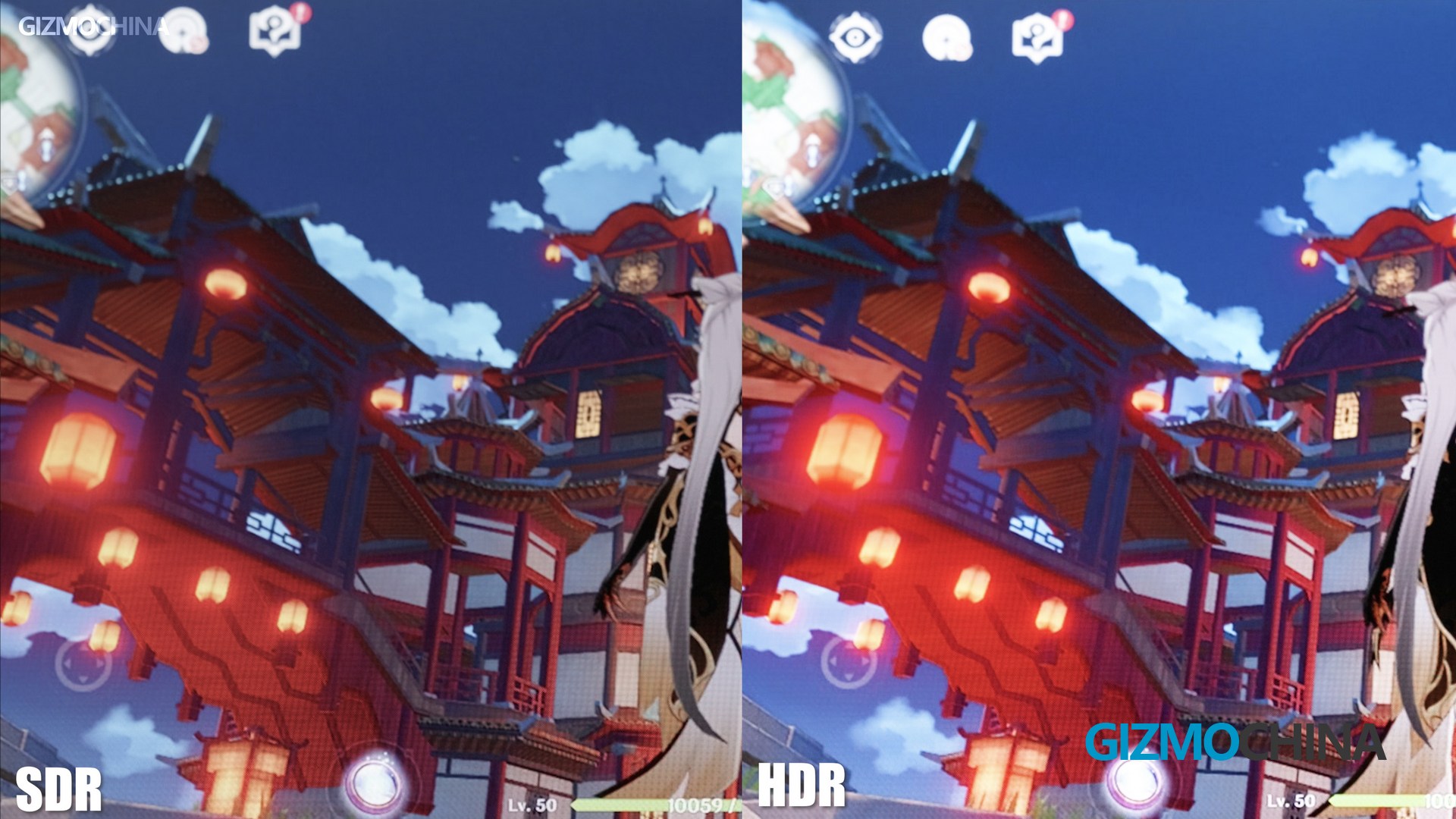
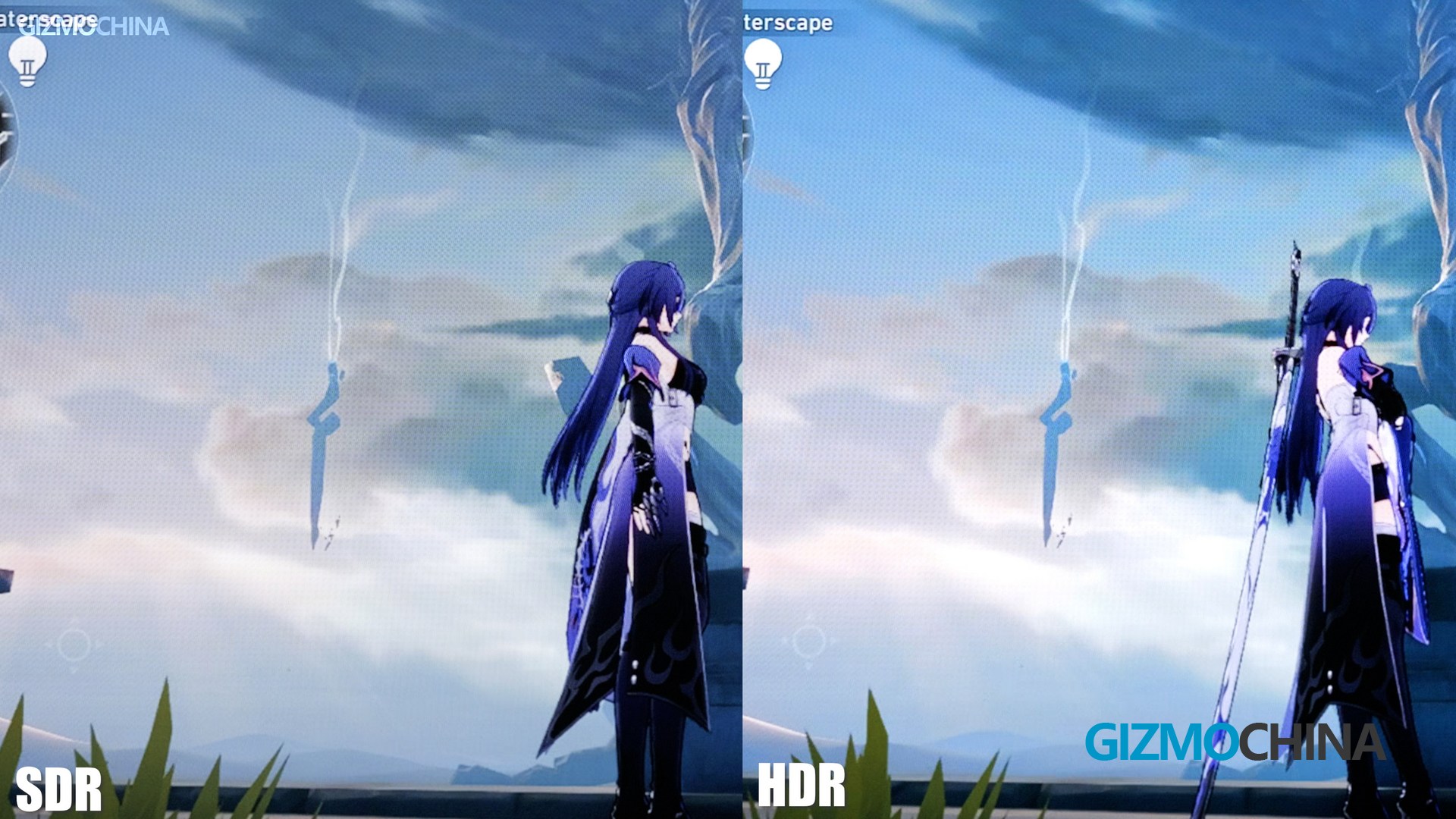
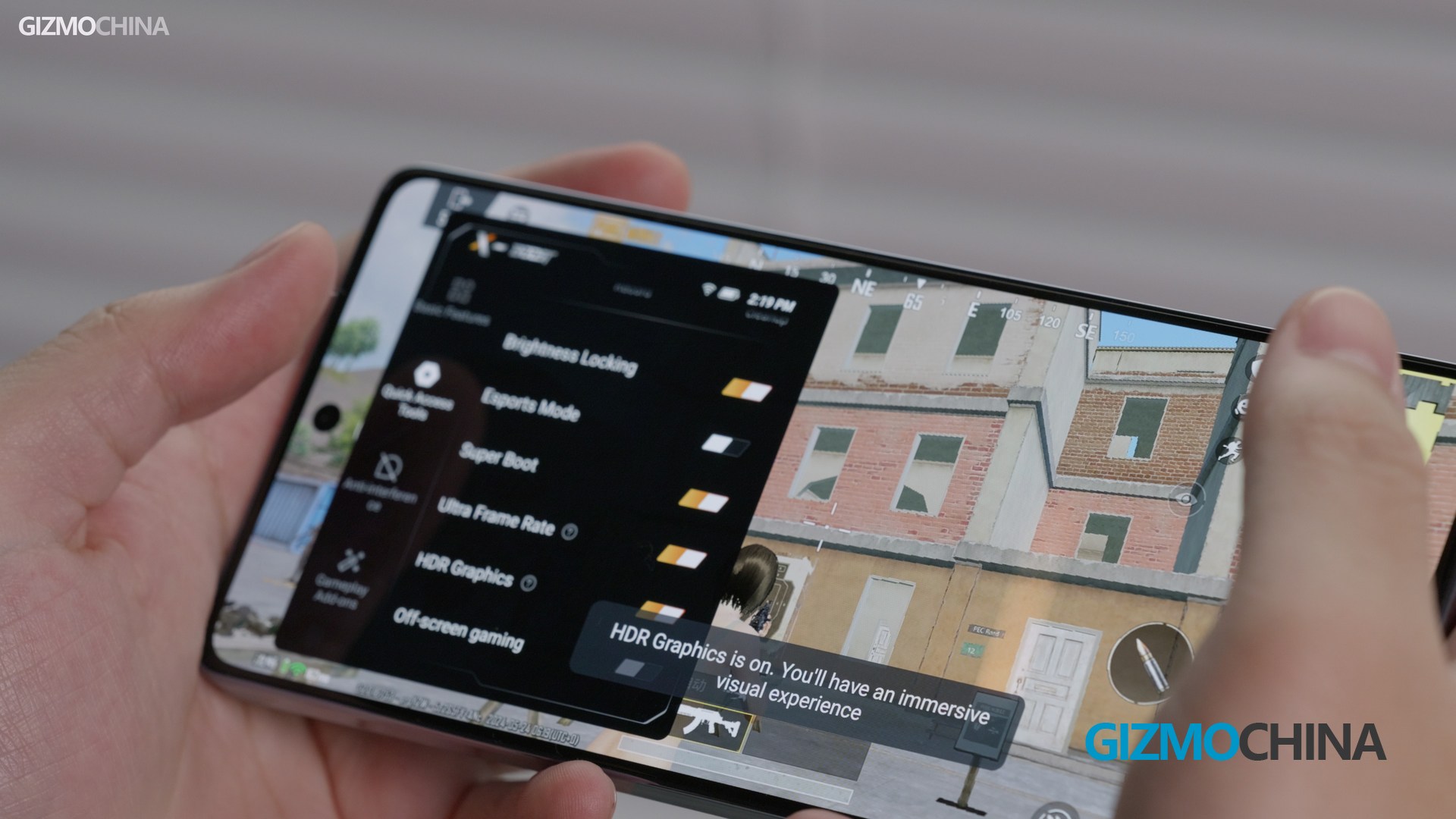
Another feature driven by Pixelworks X5 Turbo chip is HDR Graphics, which simply means that it converts SDR gaming images into HDR, to improve the color performance and contrast of the images. I took some photos in Genshin and Honkai: Star Rail. Viewed by eyes, the colors just got more vibrant and we had Richer transitions in brightness and lighting in the games.
This feature can be activated simultaneously with Ultra Frame Rate. I also tested the power consumption with these features on. In Genshin Impact, the power consumption increased by about only 0.1 W – Pretty a surprise. I even suspected that there were some errors in the way we tested. Please check out the true results we got down below.
Incidentally, almost no mobile games offer a native HDR option, but clearly the phone screen is the best screen most people own. I’m not sure why, BUT, this time Pixelworks offers a good solution.
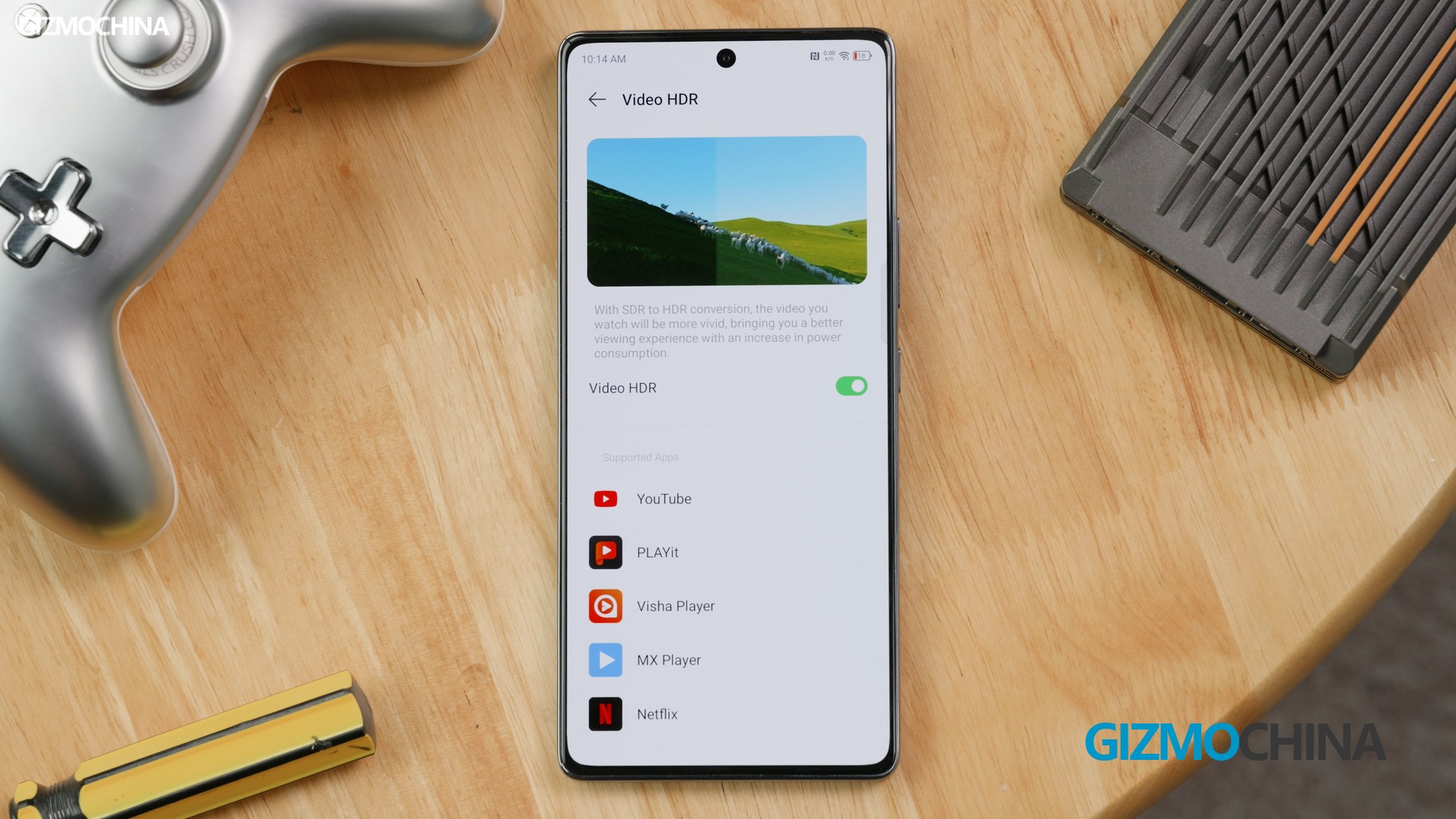
This feature also supports video playback. The platforms supported here include YouTube, TikTok, PLAYit, Netflix, Disney+, etc.
And I also took some photos,you can see that the HDR algorithm of Pixelworks does more than just increase the contrast and brightness. After turning it on, the image becomes more vivid and closer to what I see with my eyes.
IRX gaming experience brand
In July 2023, Pixelworks announced its new IRX gaming experience brand. As a brand targeted at smartphone users, IRX’s’ expertise to optimize the performance and display quality for optimizing the performance and display quality for various mobile games. The Infinix GT 20 Pro, the first Infinix phone being IRX certified, currently has Ultra Frame Rate and HDR Graphics support for the following games.
I hope more phones will be IRX certified because those two features we mentioned really show how much the gaming experience can be improved, and how mid-range phones can outperform high-end models.
Other feature
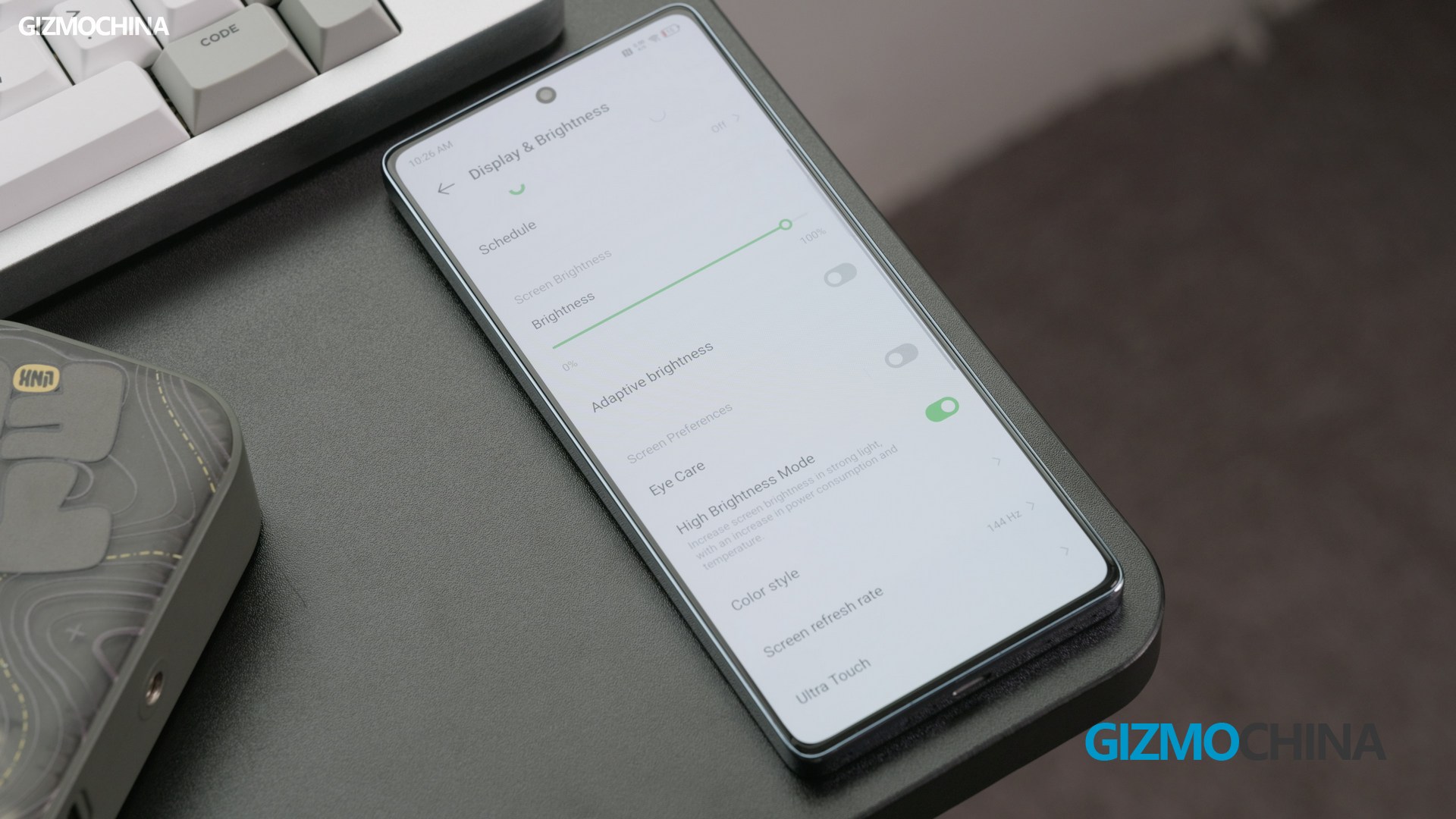
The Infinix GT 20 Pro has a few other features that are worth mentioning, first of all, the screen, it has an FHD+ resolution and a very high peak brightness of 1300nit, you can manually turn on the high brightness mode in the settings and the screen can be manually set to a very high brightness.
This is very useful in games like PUBG Mobile. Combined with the feature of HDR Graphics, details in the shadows are easier to notice.
This flat screen also has slightly curved corners that provide a pretty smooth operation with firm grips in games. If you’re a heavy gamer, I’d recommend not using the tempered film included in the kit. It can affect the touch experience with the screen when you move your fingers over the edges.
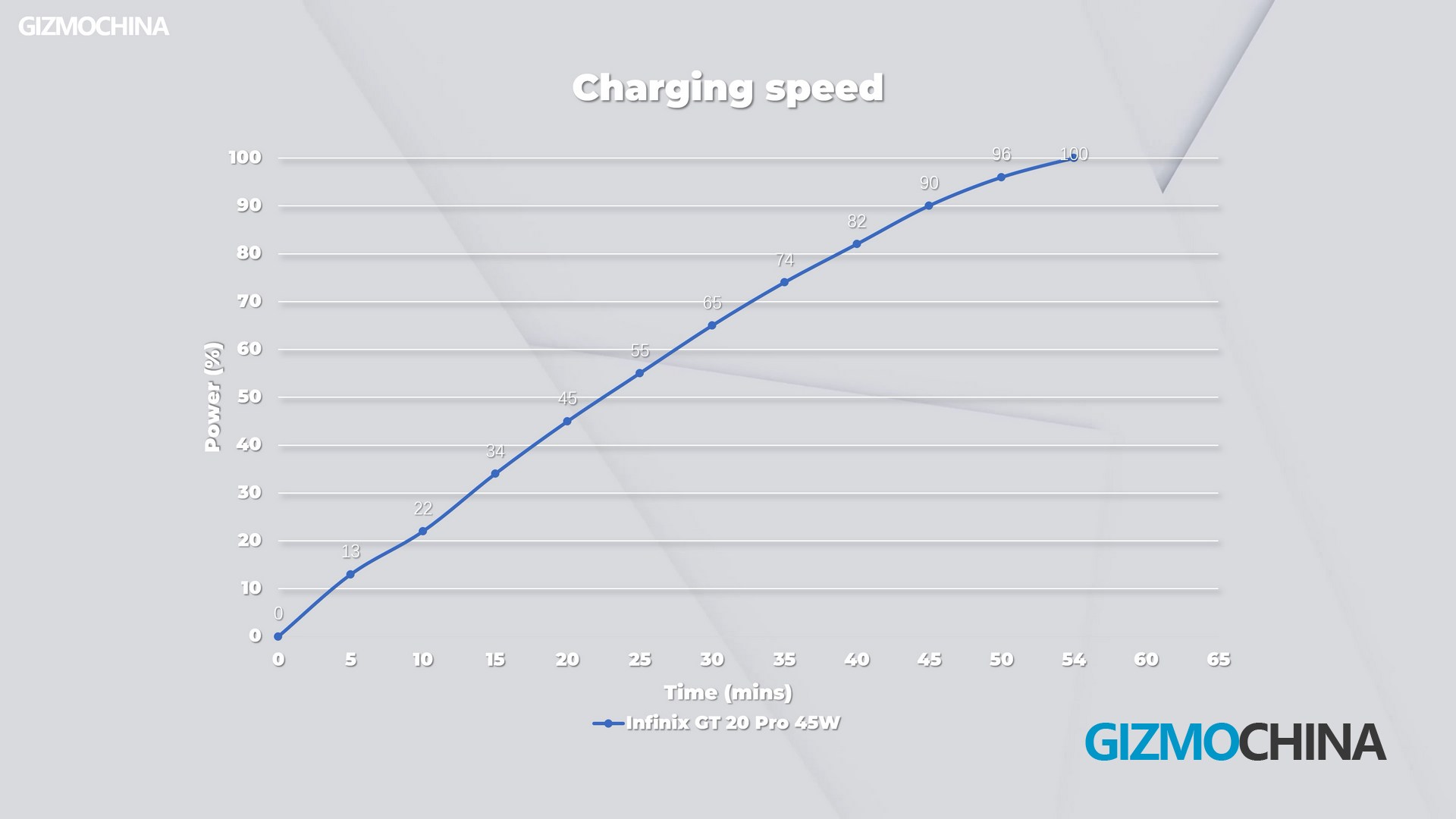
The Infinix GT 20 Pro has a 5000mAh battery with 45W charging support. Please check out the charging efficiency here.
Conclusion
Infinix is trying to improve the mid-range phones in terms of performance, especially the gaming experience, in a more efficient way. There is no doubt that the Infinix GT 20 Pro driven by Pixelworks will be a success story.
The phone is a highly recommended gaming device. Not only does it have almost everything we want from a gaming phone, but the Pixelworks X5 Turbo gives it a gaming experience that exceeds what we used to imagine with a regular mid-range phone.
OnePlus is working on a new smartphone called the Nord CE 4 Lite 5G. This device will be the successor of the popular Nord CE 3 Lite 5G. After its sightings on the BIS and TDRA certification, as well as the Bluetooth SIG database, the device has now appeared on Thailand’s NBTC certification database.
The certification confirms that the OnePlus CPH2621 is indeed the upcoming OnePlus Nord CE 4 Lite 5G. The Indian variant of the device is expected to come with model number CPH2619. Apart from the model number, the certification does not reveal any other details, however,
It is worth mentioning that this CPH2621 model has previously appeared on Geekbench, Eurofins, and Camera FV 5 databases revealing some key details. As per the Geekbench listing, this device will feature a Snapdragon 7+ Gen 3 processor, which makes things quite complicated as the brand has already launched the Nord CE 4 smartphone in India which has a Snapdragon 7 Gen 3 processor in it. With that in mind, it seems odd that the brand will decide to put a more powerful chip in what is essentially its entry-level device.
OnePlus Nord CE 4
Previous rumors have claimed that the device could feature a Snapdragon 6 Gen 1 processor. Apart from the processor, the phone is also expected to feature a 6.67-inch AMOLED display with FHD+ resolution and 120Hz refresh rate. It is also expected to house a large 5,500mAh battery with 33W fast charging.
We will update you when we get more clarification on the model number situation, till then, stay tuned.
A new flagship killer smartphone model from Realme is apparently in the works. The company’s next-gen affordable flagship device is expected to be the Realme GT 6. But ahead of any official announcement, the upcoming handset has surfaced on a major Chinese certification and even a big leak. So let’s check it out.
Realme GT 6 Surfaces on 3C & Major Leak
The brand’s new Realme GT 6 model surfaced on the 3C certification with the RMX3800 model number. This approval basically implies that the launch in China is right around the corner. On this certification, the device was seen with a VCBOACH charger, which is an adapter that supports up to 120W fast charging. This is faster than the 100W fast charging from the previous gen Realme GT 5. That’s not all, known tipster Digital Chat Station revealed more details like its key specifications on Weibo (a Chinese microblogging website).
Realme GT 6T
The tipster claims that the device will sport an 8T LTPO OLED display that is supplied by BOE. This panel would even offer a 1.5K resolution. In terms of design, the Realme GT 6 may offer a flat display on the front, a glass rear panel, and a metal middle frame. Under the hood, the leak hints that it will be equipped with the Qualcomm Snapdragon 8 Gen 3 SoC, which is a flagship-grade chipset. Similar to the 3C certification, the tipster claimed that this model will support 120W wired fast charging.
On the rear, the device may offer a 50-megapixel flagship main camera, however, it will skip a telephoto shooter which is common on most premium phones. Based on what we know so far, the screen is likely a tall 6.78-inch panel. A massive 6,000mAh battery pack may power this device. This is all the information we have at the moment, so stick around for more updates.
It looks like we might learn something new about the upcoming OnePlus 13 every day. Yesterday’s report revealed that the phone will feature a 2K 8T LTPO screen. Today, tipster Digital Chat Station has shared details about its camera setup.
According to the insider, the OnePlus 13 will have a triple-camera system, each with a 50-megapixel resolution. This includes a main sensor, an ultrawide lens, and a telephoto lens.
The setup is different from the OnePlus 12, which has a 50MP main lens, 48MP ultrawide lens, and 64MP periscope telephoto lens.
The tipster also mentioned that the OnePlus 13’s telephoto lens will offer 3x optical zoom, similar to the OnePlus 12, but mentioned it as “upgraded.” It could mean a larger sensor size or other improvements in the camera hardware. Hasselblad will continue to provide its optimization for the phone.
Moreover, previous reports suggest that OnePlus 13 will be powered by the Snapdragon 8 Gen 4 processor. The battery is also expected to get an upgrade.
Leaks suggest that the upcoming OnePlus flagship will be fueled by a 6000mAh cell, up from the 5400mAh capacity in the OnePlus 12. That should translate to longer usage times between charges. Speaking of which, the phone is said to support 100W wired charging but is rumored to lack wireless charging support.
OnePlus reintroduced wireless charging with the OnePlus 12 after omitting it from the OnePlus 11. However, it seems the company might omit this feature again with the OnePlus 13.
The OnePlus 13 will undoubtedly be powered by the Snapdragon 8 Gen 4 chipset which is expected to debut in October this year. The Xiaomi 15 and 15 Pro are likely to be the first phones with the 8 Gen 4, but the OnePlus 13 is also expected to launch in the same month which will make it one of the first devices to feature this new chip.
DELL announced five Snapdragon-powered laptops last month – the XPS 13 (9345), Inspiron 14, Inspiron 14 Plus, Latitude 7455, and Latitude 5455. With the Snapdragon chip, the XPS 13 received a massive battery life improvement as compared to its Intel-powered version.
On the Computex keynote Qualcomm’s CEO Cristiano Amon invited Dell’s senior suit Sam Burd to task about the result of their adoption of the Snapdragon X Elite chip. As he said, the new Snapdragon-powered XPS 13 now “delivers multi-day battery life”.
The Snapdragon-powered laptops are clearly more efficient
He noted that the laptop achieves 27 hours of video streaming on a single charge. This is reportedly 9 hours more than the Intel version.
The XPS 13 with Intel’s Meteor Lake series Core Ultra 7 155H CPU equips the same 55Wh battery as the one with Snapdragon X Elite, X1E-80-100. The Snapdragon version is clearly much more power efficient as it houses the same 13.4-inch FHD+ display with 500 nits peak brightness. You get the same 60W Type-C adapter for charging as the Intel version.
The new Arm-based XPS 13 comes with 16GB LPDDR5X RAM and 512GB M.2 PCIe NVMe SSD. For connectivity, you get 2 x full-function USB-C ports with 40Gbps bandwidth, Power Delivery, and DisplayPort support.
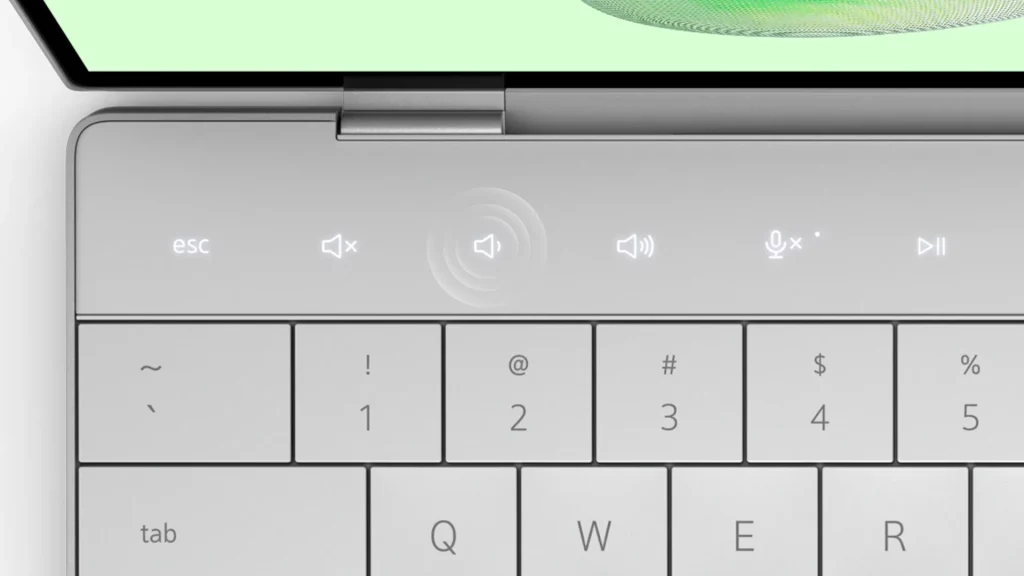
This laptop offers a Graphite backlit keyboard with a fingerprint reader and a multi-touch gesture-enabled precision touchpad with haptic feedback. You get a 1080p webcam for video calling alongside an IR camera for seamless facial recognition.
For audio, the machine equips a quad-speaker design that includes both a tweeter and woofer (2W x 4 = 8W total).
In addition to the power-efficient operation, you also get the benefit of the AI capabilities of the new chip. The new XPS 13 lets you experience Microsoft’s new Recall feature that can answer your questions based on what you have done or seen on your computer screen in recent times. It takes snapshots of apps, files, emails and websites you’ve seen before and saves them locally. Paired with the AI smarts it allows you to do certain things more efficiently.
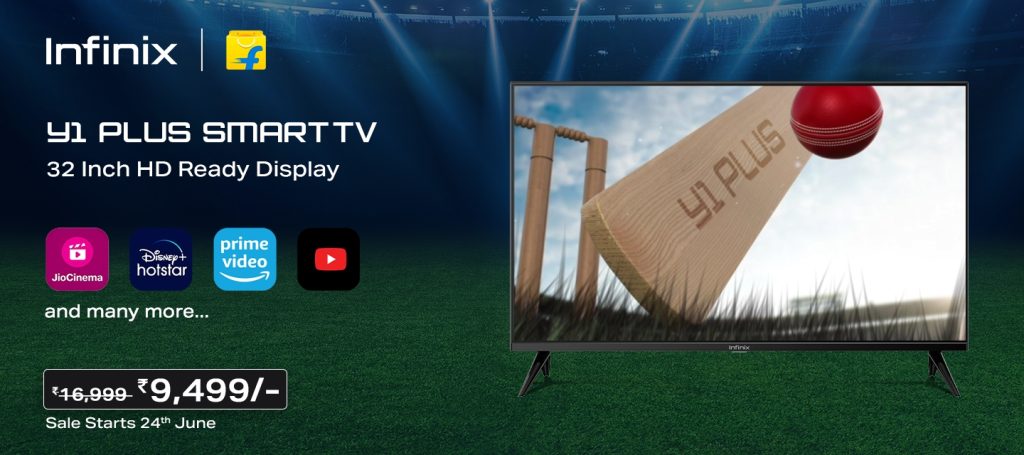
Infinix has officially announced a brand-new budget smart TV model in the Indian market. The company unveiled the new Infinix 32Y1 Plus Smart TV, which dropped for an affordable price tag. So here is everything you need to know like its specs and pricing.
Infinix 32Y1 Plus Smart TV Specs
The new 32Y1 Plus model sports a 32-inch HD-ready display that offers up to 250 nits of peak brightness. Infinix promises to offer sharp visuals and vibrant colors on this TV, which is surrounded by slim bezels. For audio, the 32Y1 Plus Smart TV also comes with dual 16W stereo speakers that support Dolby Audio for a more immersive experience when watching your favorite movies or series. Under the hood, the latest budget TV is equipped with a quad core processor that is paired with 4GB of RAM.
This smart TV arrives with a compact and slim remote control that houses minimal keys and dedicated hotkeys for convenient transition to your favorite streaming platforms like Jio Cinema, Hotstar, Prime Video, YouTube, and more. Connectivity options include 2 HDMI ports (includes HDMI ARC support on one port), 2 USB ports, a LAN connection, and a headphone jack. You can even connect the new TV wirelessly mirror via the Miracast feature. It also arrives with preloaded apps like Jio Cinema, Hotstar, Prime Video, YouTube, and more.
Pricing and Availability
Infinix has just launched the 32Y1 Plus Smart TV in India for 9,499 INR (roughly 114 US Dollars). It will be available for purchase via Flipkart, a popular e-retailer in the region. The first sale of the new budget smart TV will kick off on 24th June 2024. This new smart TV model is the direct successor to last year’s portfolio, so we can expect more models to drop in the near future.
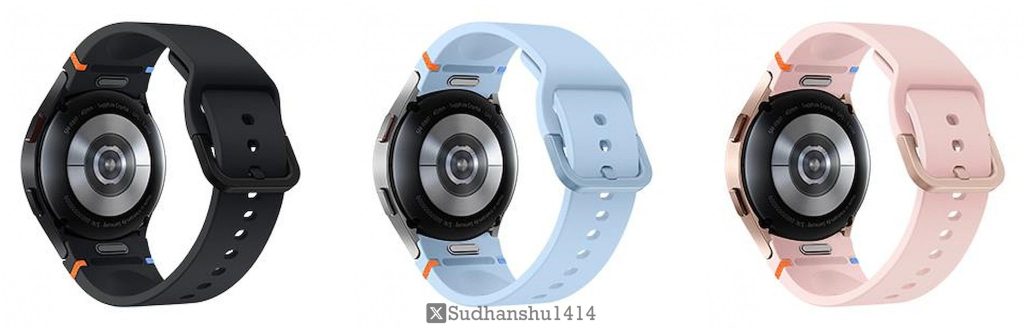
A major new leak has offered us a complete look at the Samsung Galaxy Watch FE from the inside and out. We finally have a proper view of the upcoming smartwatch as well as its key specifications. So here is everything you need to know like its features, colors, design, and more.
Samsung Galaxy Watch FE leak: Budget watch with AMOLED display
The news arrives from known tipster Sudhanshu Ambhore who shared the information on X (formerly Twitter). He shared images of the Galaxy Watch FE in various angles, revealing the circular display and silicon straps. The wearable can also be seen in three color options, which include light blue, light pink, and black variants. Ambhore confirmed a bunch of key specifications of the upcoming smartwatch.
Reportedly, the Galaxy Watch FE sports a 1.2-inch Super AMOLED display with 396 x 396 pixel resolution. Under the hood, this model could be equipped with the Exynos W920 SoC, which is a dual core 1.18GHz processor. This chip is paired with 1.5GB of RAM and 16GB of internal storage. It runs on the Wear OS powered by Samsung One UI Watch 5.0. A 247mAh battery pack powers this device, which could offer 30 hour battery life. The device is compatible with Android 11 OS or higher and with devices that have at least 1.5GB of RAM.
In terms of design, the Samsung Galaxy Watch FE may offer up to 50 meters of water resistance (5ATM/IP68). The body is rumored to be built using aluminum and certified with MIL-STD-810H military standards for durability. Sudhanshu shared the connectivity options of the smartwatch, namely WiFi 802.11 a/b/g/n 2.4 GHz + 5 GHz, Bluetooth 5.0, NFC, GPS. There is also a microphone, speaker, and vibration motor along with various sensors like Bioelectrical Impedance Analysis, Electrical Cardiac Sensor, Gyroscope, Geomagnetic Sensor, Accelerometer, Barometer, Brightness, and Heart Rate (optical).
[Update] Now that Call of Duty: Black Ops 6 is confirmed to launch on October 25, you can easily get a month’s worth of free gameplay by following this method. The original story continues…
Excited for Call of Duty Black Ops 6? Activision will be revealing the game on June 9th! In the meantime, here’s a sneaky way to snag some free playtime in this upcoming first-person shooter.
Nvidia has recently announced its partnership with Xbox to offer GeForce gamers 3 months of free access to PC Xbox Game Pass via GeForce Game rewards. What this means is gamers who have a PC with an NVIDIA GeForce GTX 10 series GPU and above can claim the PC Game Pass through GeForce Rewards.
As we already know, Call of Duty Black Ops 6 will be available on the Xbox Game Pass from day one, and IGN has recently confirmed that it won’t require a new tier of the game pass. With that in mind, the NVIDIA GPU users who claim the Xbox Game Pass 3 months of free access can essentially play the game for free, however, there is a catch.
Activision has currently not revealed the exact date from which the Call of Duty Black Ops 6 will be playable. Industry rumors suggest that the game will be playable sometime in October, so, here are two crucial steps that you need to take to play the game for free.
Step 1: Claiming the Xbox Game Pass code
Create an NVIDIA Account or log in to your existing account by visiting this link.
Make sure that you are enrolled in GeForce Rewards on the website
Download and install the GeForce Experience app.
Click on your avatar icon in the top right corner and go to the redeem section.
Claim the Xbox Game Pass 3 month code which will appear here starting June 4, 2024, at 6 am PT.
Step 2: Hold off on redeeming the code
Based on past Call of Duty releases, they’ve typically launched between October 12th and November 13th. This free-play method could score you at least two weeks of Call of Duty Black Ops 6, potentially stretching to a month and a half if you hold off on redeeming the free Game Pass months till August 30, which is the last date of redeeming it. But, this trick only works if the game releases by November 30th. If Activision delays Black Ops 6 further, the free play window might disappear.
AnTuTu, the well-known benchmark platform for mobile devices, has ventured into the electric vehicle (EV) market with a new benchmark app. The app objectively evaluates a car’s infotainment system performance by testing its chipset, RAM, and storage.
AnTuTu also released scores for the top ten vehicles tested in May 2024. The top three positions are currently held by the Zeekr 007 with 1.07 million points, the Xpeng X9 with 965631 points, and the Mercedes EQE with 963130 points.
Several other established EV names are also on the list which include Xpeng P7i in the 8th, Nio ET7 in the 12th, Polestar 2 in the 14th, and Audi Q4 e-tron in the 17th position.
Furthermore, AnTuTu separately shared the test results of the recently launched Xiaomi SU7 EV, which has the same Qualcomm Snapdragon 8295 chip as the top three EVs. It is paired with 16GB of RAM (12GB allocated for the Android OS) and 128GB of storage.
With this configuration, Xiaomi SU7 was able to achieve an AnTuTu score of 957833 points. That is somewhat lower compared to the other models with the same SOC, and memory configurations. But it technically places SU7 at the fourth position on the top ten list. Hopefully, we will see it in its earned position in the updated list for July.
As the app is new, it will take some time to build a comprehensive database of EV benchmark scores. The initial data offers a glimpse into infotainment system performance across various EV brands, but a clearer picture will emerge as more vehicles are tested.
It will be interesting to see how the rankings evolve and which brands consistently deliver the most responsive infotainment experiences.
This new benchmark adds another layer to the evaluation of electric cars, allowing consumers to consider not just range and horsepower, but also the user experience within the vehicle itself.
The Infinix Note 40 series launched a couple of months back as the company’s latest mid-range devices. Now, it appears that the brand is working on a new special edition variant of the Note 40 lineup. A fresh teaser revealed the Infinix Note 40 series Racing Edition and hints at its design. So let’s have a look.
Infinix Note 40 Series Racing Edition Teaser
Infinix Note 40
The company just shared a new video teaser on X (formerly Twitter). Looking at this video, we get an idea regarding the upcoming model’s design. There is a BMW logo with the iconic tri-color strip next to the camera module. This teaser also hints that there might be a racing decal-like strip running across the rear panel, but we are still unsure. Previously, the brand unveiled the Note 30 VIP Racing Edition.
This model also came with the BMW inspired design and the three colors. However, it didn’t feature any large strip, but rather three small parallel lines at the back. So we can expect a similar design on the upcoming Note 40 series Racing Edition as well. Based on what we know so far, the Note 40 series Racing Edition is set to launch soon. The pricing and availability are still at large, although, we can expect more details to be revealed in the coming days.
Apart from the design, the Racing Edition should be nearly identical to the Infinix Note 40 lineup in every other aspect like specifications. To recall, the series came with the Note 40, Note 40 Pro, and Note 40 Pro+. These feature tall AMOLED displays, MediaTek chipsets, fast wireless charging, 108-megapixel primary rear cameras, and 32-megapixel selfie shooters. So stick around for more as we will be providing more updates when additional information is available regarding the new devices.
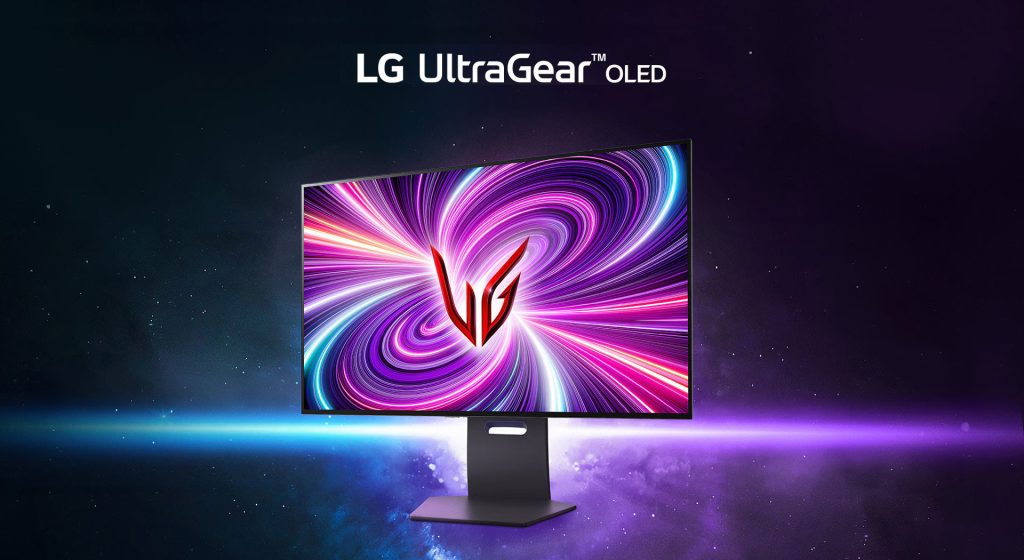
LG has launched a new OLED monitor in Europe called the LG UltraGear OLED 32GS95UX-B. What makes this monitor unique is its Dual-Mode OLED panel which can operate on two different resolutions with two different refresh rates.
LG UltraGear OLED 32GS95UX-B specs:
The UltraGear OLED 32GS95UX-B has a 31.5-inch display with a native 4K resolution of 3,840 x 2,160 pixels with 240 Hz. The monitor is capable of switching to a resolution of 1080p with a snappy refresh rate of 480 Hz with 0.03 ms GtG refresh rate.
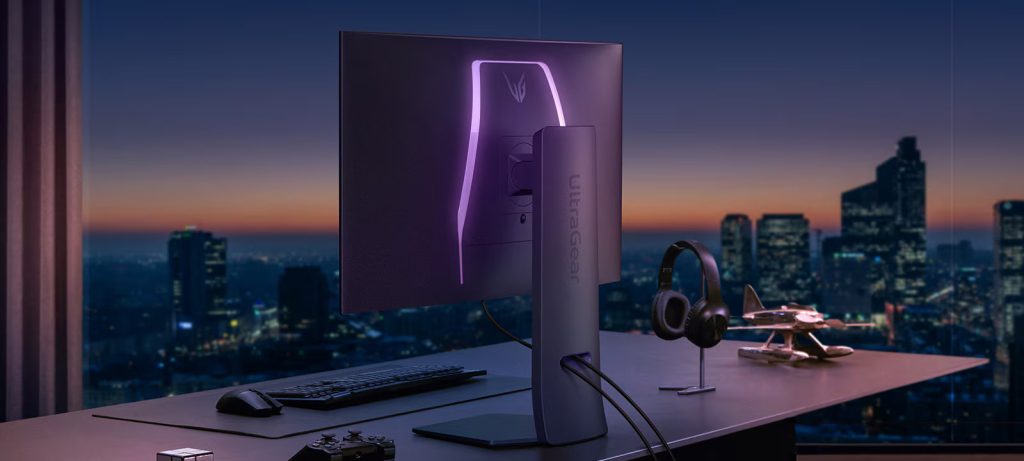
The monitor also offers 98.5% DCI-P3 color space coverage and 275 nits of brightness that goes up to 400 nits while viewing HDR content. Design-wise, the monitor has super thin bezels surrounding the display. The stand takes up very little space and offers height adjustability as well as tilt, turn, and pivot. The stand also has a cutout through which users can route their cables for clean cable management.
For connectivity, the monitor has a DisplayPort 1.4 (DSC), two HDMI 2.1 (48 Gbps) ports, two USB 3.0 Type-A ports, a single USB Type-B port, and a 3.5 mm audio jack. Additional features include Vesa AdaptiveSync, Nvidia G-SYNC, and AMD FreeSync Premium Pro.
Pricing & availability
LG has launched the UltraGear OLED 32GS95UX-B in several European markets, including Germany, Poland, the Netherlands, and Switzerland, with a price tag of approximately €1,399.
In related news, ASUS has also unveiled the ROG Strix XG27UCG, which also offers dual-mode technology. That said, the Strix XG27UCG uses a 4K LCD panel that has a 160 Hz refresh rate, which can be switched to a 1080p display at 320 Hz.
Honor has confirmed the launch of its first flip-style foldable, the Magic V Flip, with the largest cover display on any flip phone. Xiaomi has officially confirmed the specs for the 14 Civi via Flipkart, and ASUS introduces the ROG Prism Delta 2, a tri-mode gaming headset built for marathon sessions. Plus, Instagram is testing unskippable ads, and Zoom’s founder shares his vision of AI-powered avatars attending meetings.
Here are all the top stories from the past 24 hours.
After a series of leaks and rumors, Honor has finally confirmed the launch of its first flip-style foldable phone, the Magic V Flip. Scheduled to debut in China on June 13th, this phone is expected to feature the largest cover display on any flip phone.
The phone’s other specifications are also expected to be competitive. So, what can we realistically expect from this new foldable contender? Here’s a breakdown of the confirmed and rumored features of the Honor Magic V Flip.
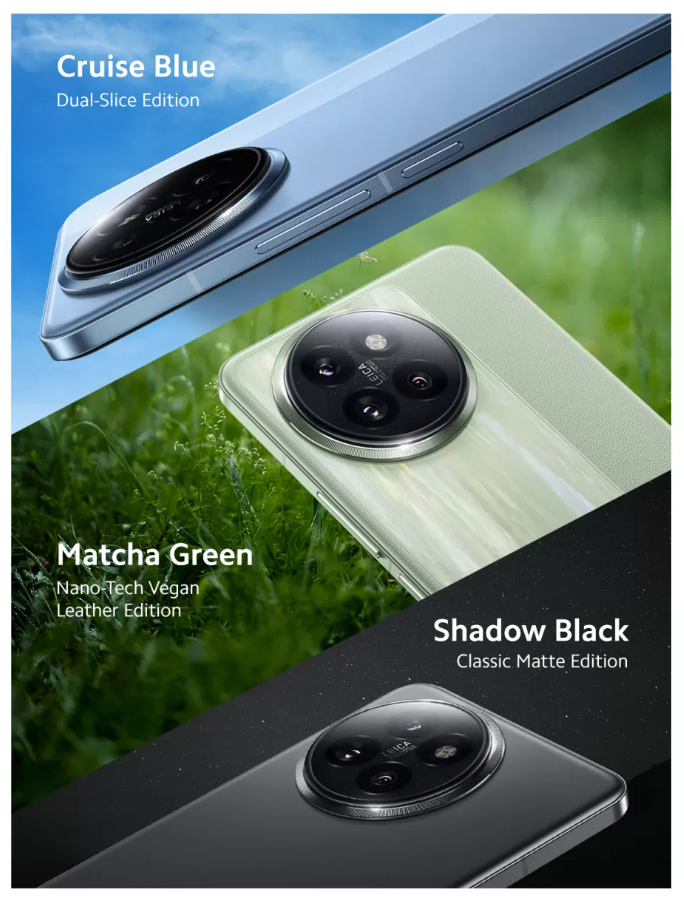
Xiaomi is gearing up to launch the Xiaomi 14 Civi smartphone in India on June 12. After a recent leak of the retail box of the device, the brand has now confirmed a bunch of specifications through 14 Civi’s Flipkart microsite.
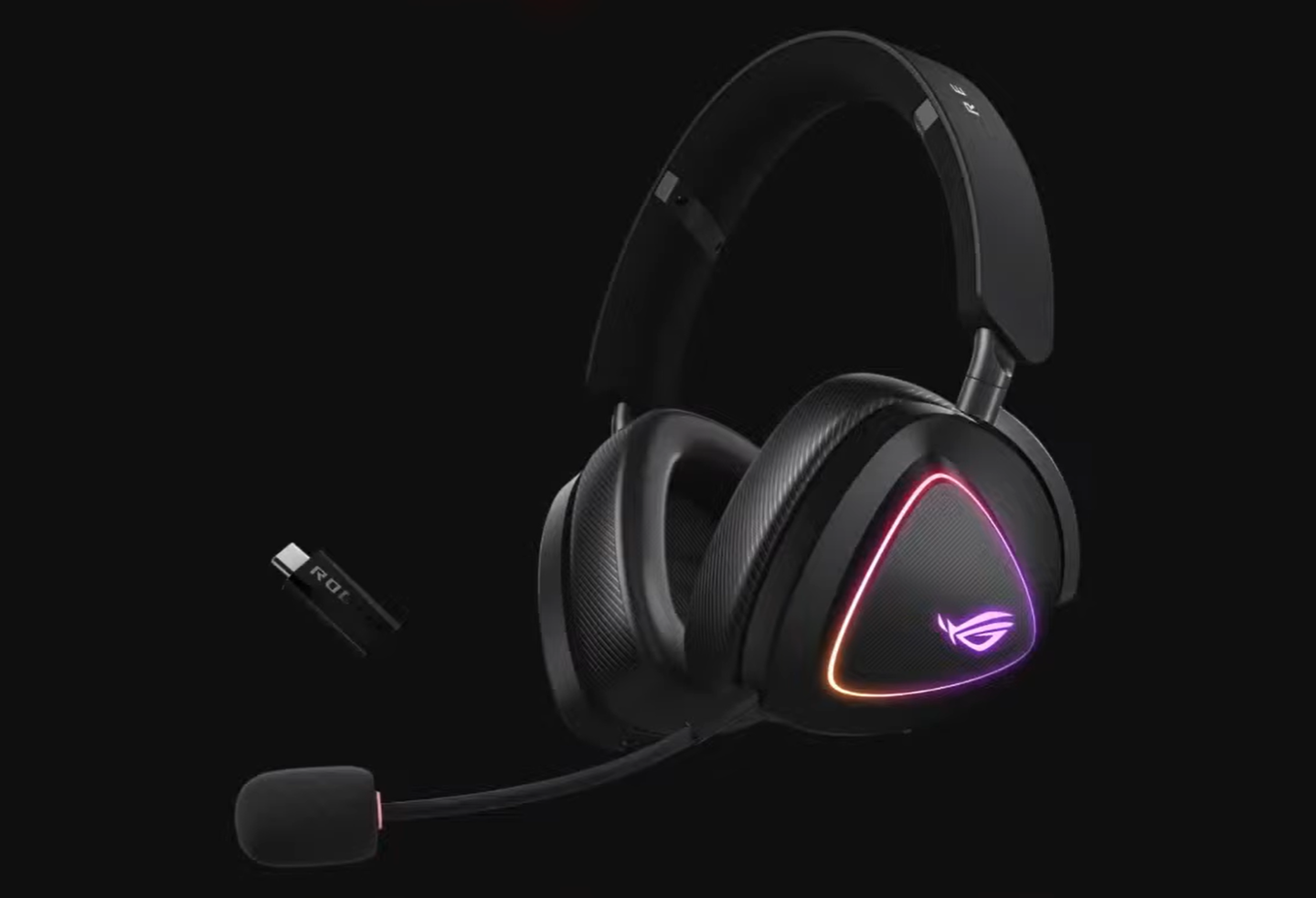
If you were looking for a pair of gaming headphones to add to your setup, today marks the announcement of the ASUS ROG Prism Delta 2, a tri-mode gaming headset designed for marathon gaming sessions. This feature-packed headset boasts an incredible battery life of up to 110 hours, ensuring you can stay immersed in your favorite worlds without worrying about running out of juice (as long as you keep the flashy RGB lighting deactivated).
Social media users were met with surprise recently after Instagram confirmed it’s testing unskippable ads within the app. Screenshots showcasing this new feature, dubbed “ad breaks,” have been circulating online. These ad breaks display a countdown timer, essentially pausing users’ ability to scroll through their feed until the ad finishes playing.
In a recent interview with The Verge, Eric Yuan, founder of the popular video conferencing platform Zoom, discussed his vision for the future of video conferencing and a novel concept – digital twins for meetings.
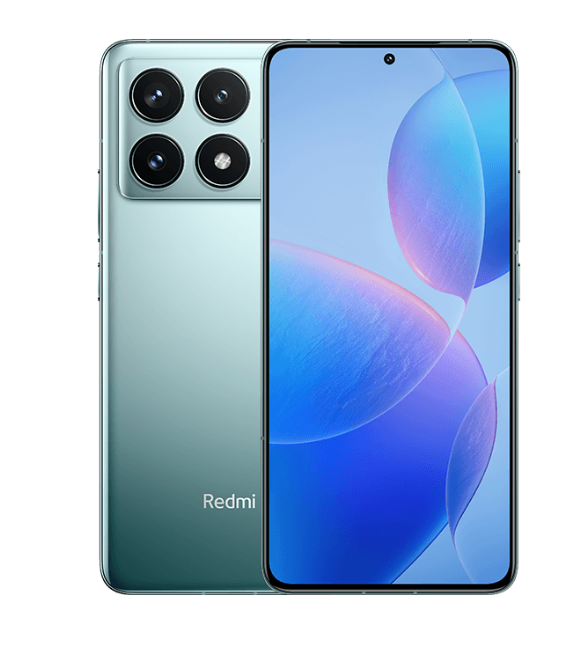
Redmi is rumored to launch the K70 Ultra smartphone this month. Xiaomi’s sub-brand will likely release the Redmi K80 series in China following this. A report earlier this week revealed that the Pro model in the line will feature a 3x telephoto lens and an ultrasonic fingerprint scanner.
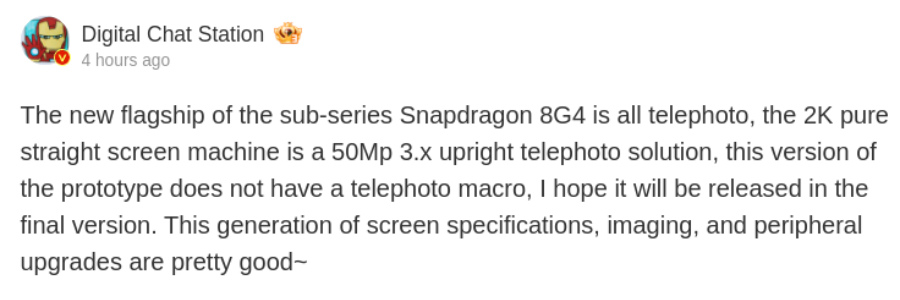
Today, the well-known tipster Digital Chat Station corroborated it saying Redmi K80 Pro will indeed come with a 50MP 3x telephoto lens. Additionally, the tipster mentioned that the phone will have a 2K flat display and will be powered by Qualcomm’s upcoming Snapdragon 8 Gen 4 chip.
The tipster also previously revealed that the phone will include a 5500mAh battery and support 120W charging. Apart from this, other details about the smartphone are still under wraps.
The K80 Pro will be joined by its vanilla sibling, Redmi K80. According to previous reports, the standard K80 will be equipped with the Snapdragon 8 Gen 3 chipset.
Like the Pro model, the K80 is expected to have a flat OLED screen with a 2K resolution and a 120Hz refresh rate. While the K80 Pro is likely to feature a telephoto camera similar to the K70 Pro, it is unclear if the standard K80 will also include a telephoto camera.
Redmi K70 Pro
Another leaker mentioned that both phones will sport a new design on the back, featuring a new glass material.
Moreover, a report last month revealed that there won’t be a Redmi K80E, the successor to Redmi K70E, this year. Xiaomi reportedly wants the Redmi K-series to focus on more premium devices now.
As for the launch, the Xiaomi 15 series will be the first from the company to be powered by Snapdragon 8 Gen 4 SoC and is rumored to launch in October. The Redmi K80 series is expected to follow with the launch expected sometime in November.
Nu Republic, an Indian brand specializing in wearable technology, is set to introduce an unconventional product: the Cyberstud Spin. These earbuds serve a dual purpose as a fidget spinner, offering a distinctive feature not commonly found in similar products.
The Cyberstud Spin adopts a cyberpunk style and may incorporate metallic elements and vivid colors, as suggested by promotional materials. While specifics regarding the earbuds’ design are not fully disclosed, they are expected to align with Nu Republic’s signature aesthetic seen in products like the Transform X earbuds.
Metal gliders on the Cyberstud Spin are expected to create a sound effect when they spin. Targeted primarily at gamers, it boasts low latency support of 40ms, considerably faster than the 120ms latency of CMF Buds’ game mode. This focus on minimizing audio delay suggests Nu Republic’s commitment to providing an optimized gaming experience.
In India, the Cyberstud Spin might cost less than Rs 3,000. Beyond the Indian market, it will also be available in countries like Nepal, Sri Lanka, and the UAE. With its distinctive design and targeted functionalities, the Cyberstud Spin is poised to carve out a distinct niche in the wearable technology market.
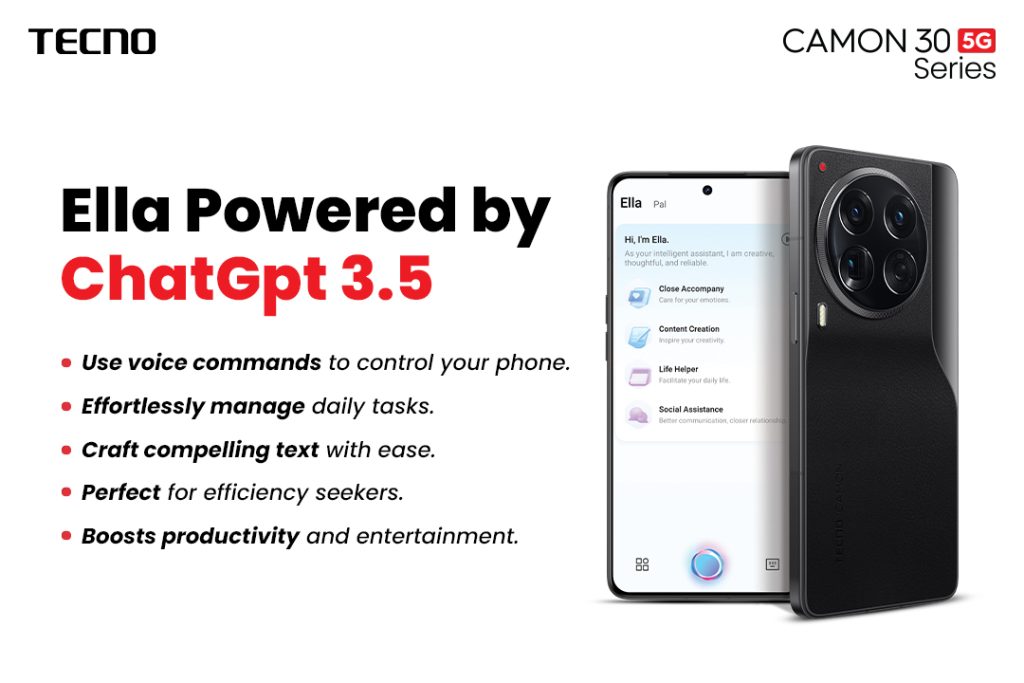
Last month, Tecno unveiled the Camon 30 5G and Camon 30 Premier 5G in India. The lineup also includes two other models, such as the Camon 30 Pro and the Camon 30 (4G). It is unclear whether these phones will also make it to the Indian market. Meanwhile, Tecno has announced the arrival of new AI capabilities on the Camon 30 series to offer an enhanced user experience.
Camon 30 series AI capabilities: Ella-GT, Ask AI, AI Generate
The brand claims that AI functionalities like Ella-GPT and Ask AI are now available on the Camon 30 series. These features transform the smartphone from a simple device into a versatile AI assistant.
The Camon 30 lineup now includes Ella-GPT (powered by ChatGPT 3.5), the AI assistant that debuted on the Phantom V Flip 5G last year. It can handle a wide range of tasks, from providing quick answers and brainstorming ideas to offering real-time translations.
Ella-GPT can be used to control phones with voice commands, manage daily tasks effortlessly, and create content with ease. It supports over 70 languages and adapts to various scenarios. In addition, it provides personalized assistance tailored to each user’s needs, whether for professional use or travel recommendations.
The series also features the Ask AI function, which helps users craft compelling text, check for grammar mistakes, and enhance browsing with Chrome integration. This makes the Camon 30 series ideal for both productivity and entertainment. Additionally, the AI Generate feature on the Notepad app allows users to create unique images from simple outlines, turning basic sketches into impressive artwork.
The Camon 30 5G and 30 Premier 5G are powered by the Dimensity 7020 and the Dimensity 8200 Ultimate chipsets, respectively. While the standard model is priced at Rs 22,298 (~$275), the Premier variant costs Rs 39,998 (~$480).
Realme is reportedly working on the Realme 13 Pro series of smartphones for India and China. There is speculation that Realme 13 Pro and 13 Pro+ may go official in the coming weeks. Last week, a report by 91mobiles revealed the configurations and color options of the Realme 13 Pro+. Now, a new report, courtesy of 91mobiles, has revealed the same details about the Realme 13 Pro.
Realme 13 Pro configurations, color variants (rumored)
Realme 12 Pro
According to the report, the Realme 13 Pro, which has the RMX3990 model number for India, will come in four configurations, such as 8 GB RAM + 128 GB storage, 8 GB RAM + 256 GB storage, 12 GB RAM + 256 GB storage, and 12 GB RAM + 512 GB storage. The report further mentions that the device will be available in three shades, such as Monet Gold, Monet Purple, and Sky Green.
The Realme 13 Pro+ is also expected to arrive with the same RAM and storage options. However, it will be offered in two colors: Monet Gold and Emerald Green. The rumored model number for the 13 Pro+ is RMX3992. Given the fact that Realme 13 Pro and 13 Pro+ will be available in the same configurations, it appears that both phones may come equipped with different chipsets.
To recall, the Realme 12 Pro and 12 Pro+, which debuted earlier this year, came equipped with a 32-megapixel Sony IMX709 telephoto and a 50-megapixel IMX890 3x periscope telephoto camera. The 13 Pro+ might keep the periscope camera, but it’s unclear if the 13 Pro will feature a telephoto or periscope camera.
Realme is currently preparing for the June 20 global launch of the Realme GT 6, which includes India. This suggests that the Realme 13 Pro series may break cover in July.
We use cookies on our website to give you the most relevant experience by remembering your preferences and repeat visits. By clicking “Accept”, you consent to the use of ALL the cookies.
This website uses cookies to improve your experience while you navigate through the website. Out of these, the cookies that are categorized as necessary are stored on your browser as they are essential for the working of basic functionalities of the website. We also use third-party cookies that help us analyze and understand how you use this website. These cookies will be stored in your browser only with your consent. You also have the option to opt-out of these cookies. But opting out of some of these cookies may affect your browsing experience.
Necessary cookies are absolutely essential for the website to function properly. This category only includes cookies that ensures basic functionalities and security features of the website. These cookies do not store any personal information.
Any cookies that may not be particularly necessary for the website to function and is used specifically to collect user personal data via analytics, ads, other embedded contents are termed as non-necessary cookies. It is mandatory to procure user consent prior to running these cookies on your website.